Slideshow · Money
What Happens When the Fed Hikes Rates
The step-by-step macroeconomic chain reaction: from central bank overnight vaults to mortgages, corporate debt, and global currency markets.
By Most Viral Today
17 Sept 2026

What Happens When the Fed Hikes Rates ? 
19. The Fed Funds Rate 
18. The Prime Rate 
17. Balance Sheet Shrink - AdvertisementSwipe or tap ▶ to continue countdown

16. Soaring Mortgages 
15. Credit Card Squeeze 
14. Auto Loan Spike 
13. High-Yield Savings - AdvertisementSwipe or tap ▶ to continue countdown

12. Costly Debt Refinancing 
11. Slashing Capital Projects 
10. Labor Market Slack 
9. Equity Valuation Pressure - AdvertisementSwipe or tap ▶ to continue countdown

8. Falling Bond Prices 
7. Venture Capital Pullback 
6. Stronger US Dollar 
5. Emerging Market Debt - AdvertisementSwipe or tap ▶ to continue countdown

4. Global Central Bank Sync 
3. Cooling Consumer Demand 
2. Inflation Deflation 
1. The Final Economic Pivot - Advertisement🔥 UP NEXT IN THIS SERIES◫ 21 Slides

20 U.S. Cities Projected to Attract More Retirees by 2035
Retirees are abandoning classic havens for these rising 2035 dream cities
When the Federal Reserve raises interest rates, it triggers a multi-trillion-dollar domino effect. Here is the step-by-step chain reaction from central bank vaults to your wallet and the global economy.
Swipe or tap ▶ to begin the countdown
©Wikimedia Commons · Some images in this slideshow may have been enhanced or generated using AI.
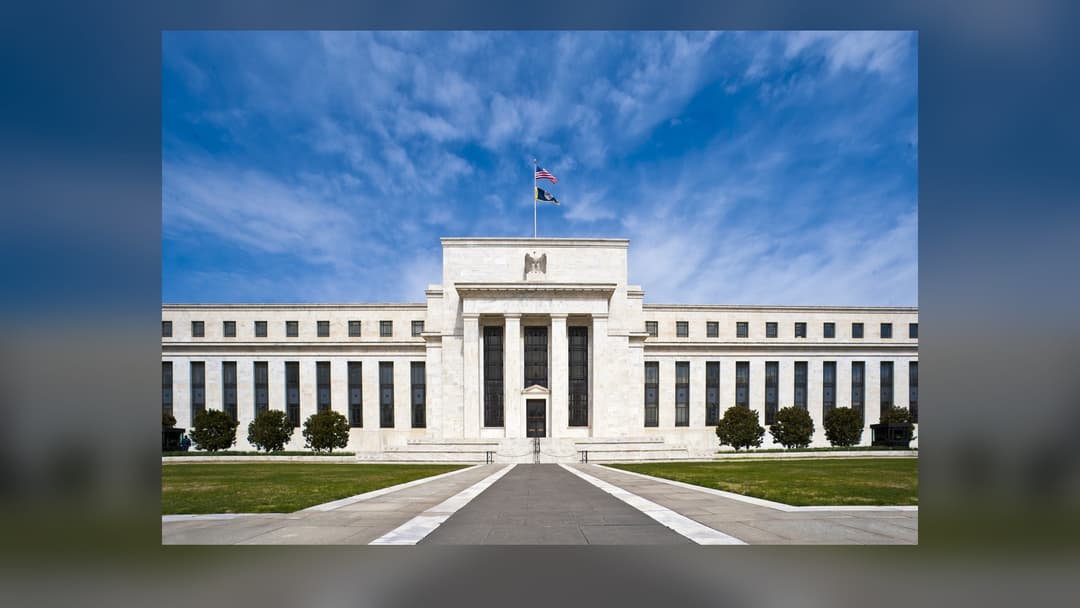
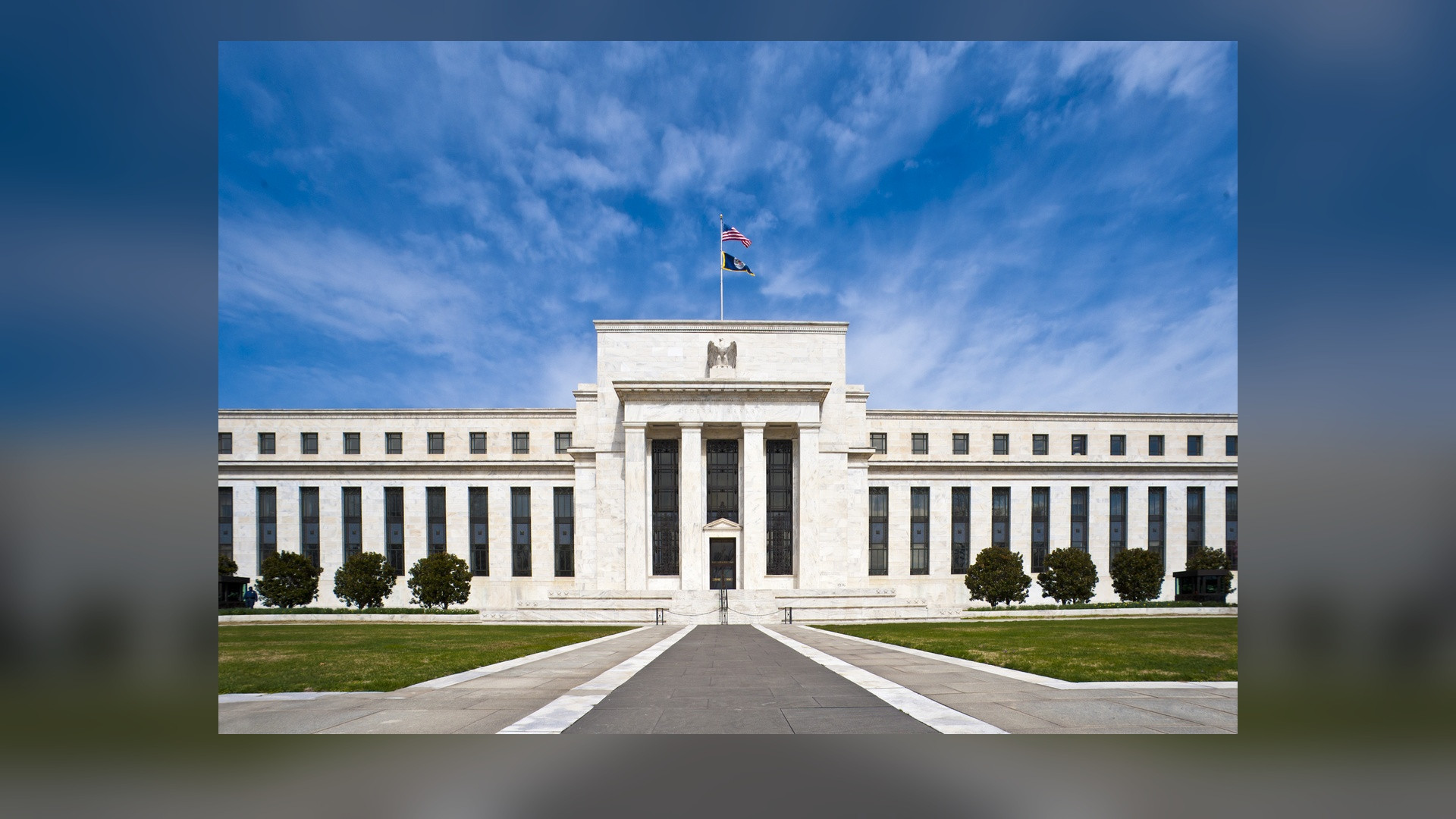
19. The Fed Funds Rate
The Federal Reserve doesn't directly set loan rates for consumers. Instead, it targets the overnight lending rate that commercial banks charge one another to meet legal reserve requirements.
©Wikimedia Commons / AgnosticPreachersKid · Some images in this slideshow may have been enhanced or generated using AI.
18. The Prime Rate
Within hours of a Fed hike, commercial banks automatically raise their Prime Rate. This benchmark rate serves as the universal baseline from which all consumer and business loans are priced.

©Wikimedia Commons / King of Hearts · Some images in this slideshow may have been enhanced or generated using AI.
17. Balance Sheet Shrink
Alongside rate increases, the Fed often halts bond purchases and allows existing Treasuries to roll off its balance sheet. This actively pulls cash out of circulation across the banking system.
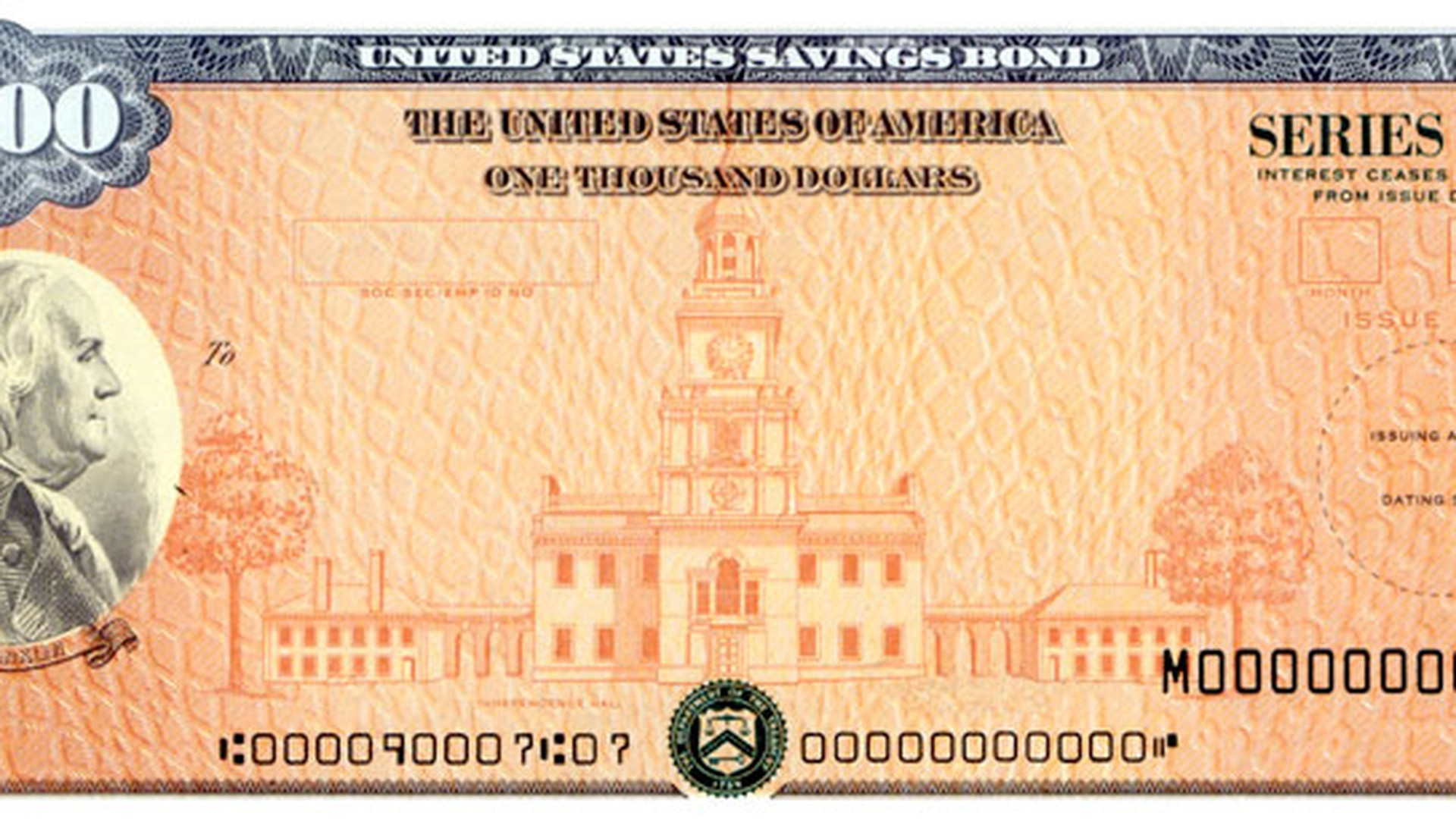
©Wikimedia Commons · Some images in this slideshow may have been enhanced or generated using AI.
Advertisement
Swipe or tap ▶ to resume the countdown.
16. Soaring Mortgages
Higher baseline rates push mortgage yields sharply upward. A 3% jump in mortgage rates can add hundreds of dollars to monthly payments, instantly cooling nationwide home sales and refinancing.

©Wikimedia Commons / Philip Cohen · Some images in this slideshow may have been enhanced or generated using AI.
15. Credit Card Squeeze
Nearly all credit cards carry variable APRs tied directly to the Prime Rate. As rates climb, carrying a revolving credit balance becomes significantly more expensive, eating into disposable household income.

©Wikimedia Commons · Some images in this slideshow may have been enhanced or generated using AI.
14. Auto Loan Spike
Dealerships and auto lenders pass higher borrowing costs straight to car buyers. Increased monthly payments force consumers to delay vehicle upgrades or settle for cheaper alternatives.

©Wikimedia Commons / GPS 56 · Some images in this slideshow may have been enhanced or generated using AI.
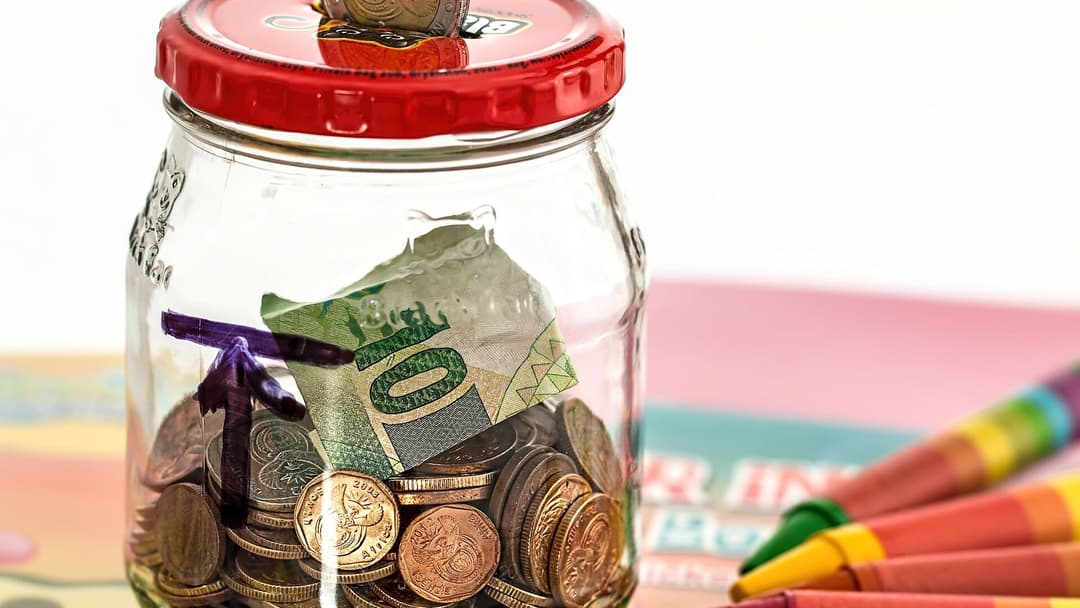
13. High-Yield Savings
The silver lining of rate hikes belongs to savers. Online banks, Certificates of Deposit, and Treasury bills begin paying attractive risk-free returns, incentivizing people to save rather than spend.
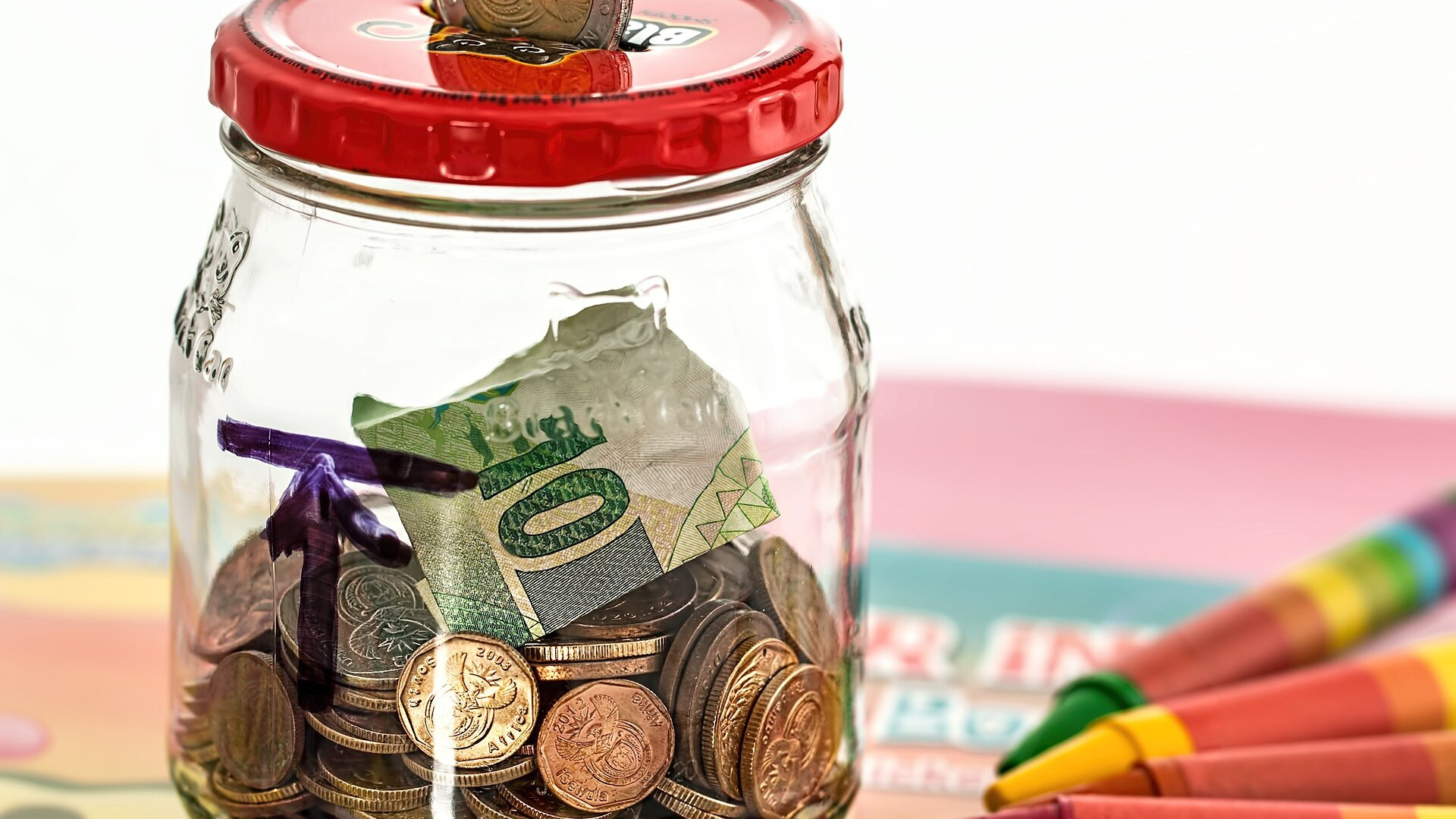
©Wikimedia Commons · Some images in this slideshow may have been enhanced or generated using AI.
Advertisement
Swipe or tap ▶ to resume the countdown.
12. Costly Debt Refinancing
Companies that loaded up on cheap debt during zero-rate eras must refinance at substantially higher coupon rates. This diverts revenue straight into interest expense, reducing net corporate profit margins.

©Wikimedia Commons / Unsplash · Some images in this slideshow may have been enhanced or generated using AI.
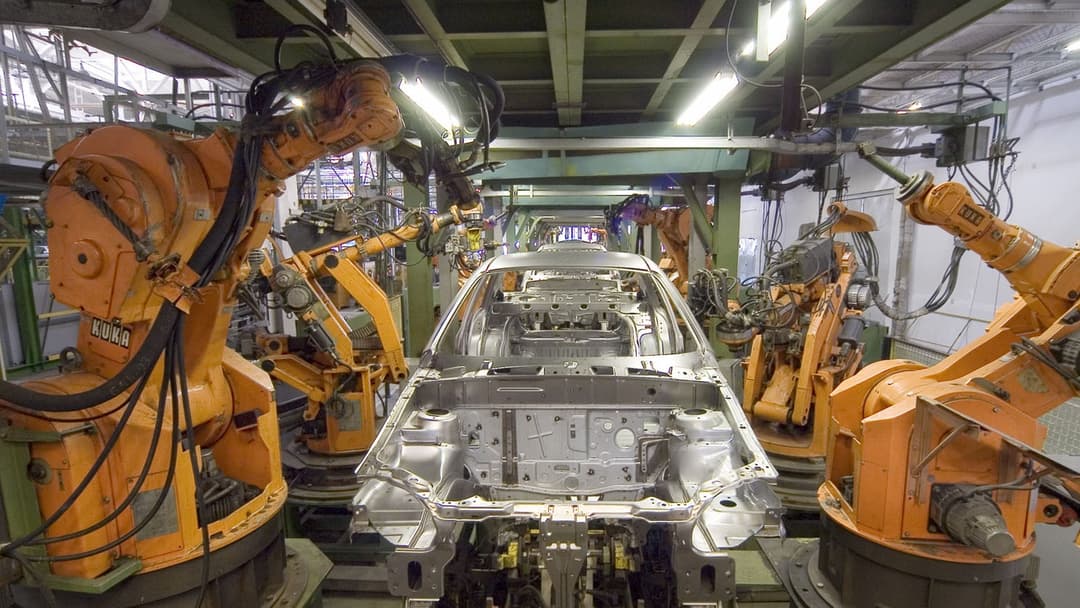
11. Slashing Capital Projects
When the cost of capital rises, the threshold return for new investments (the hurdle rate) increases. Companies postpone factory upgrades, software development, and major corporate acquisitions.
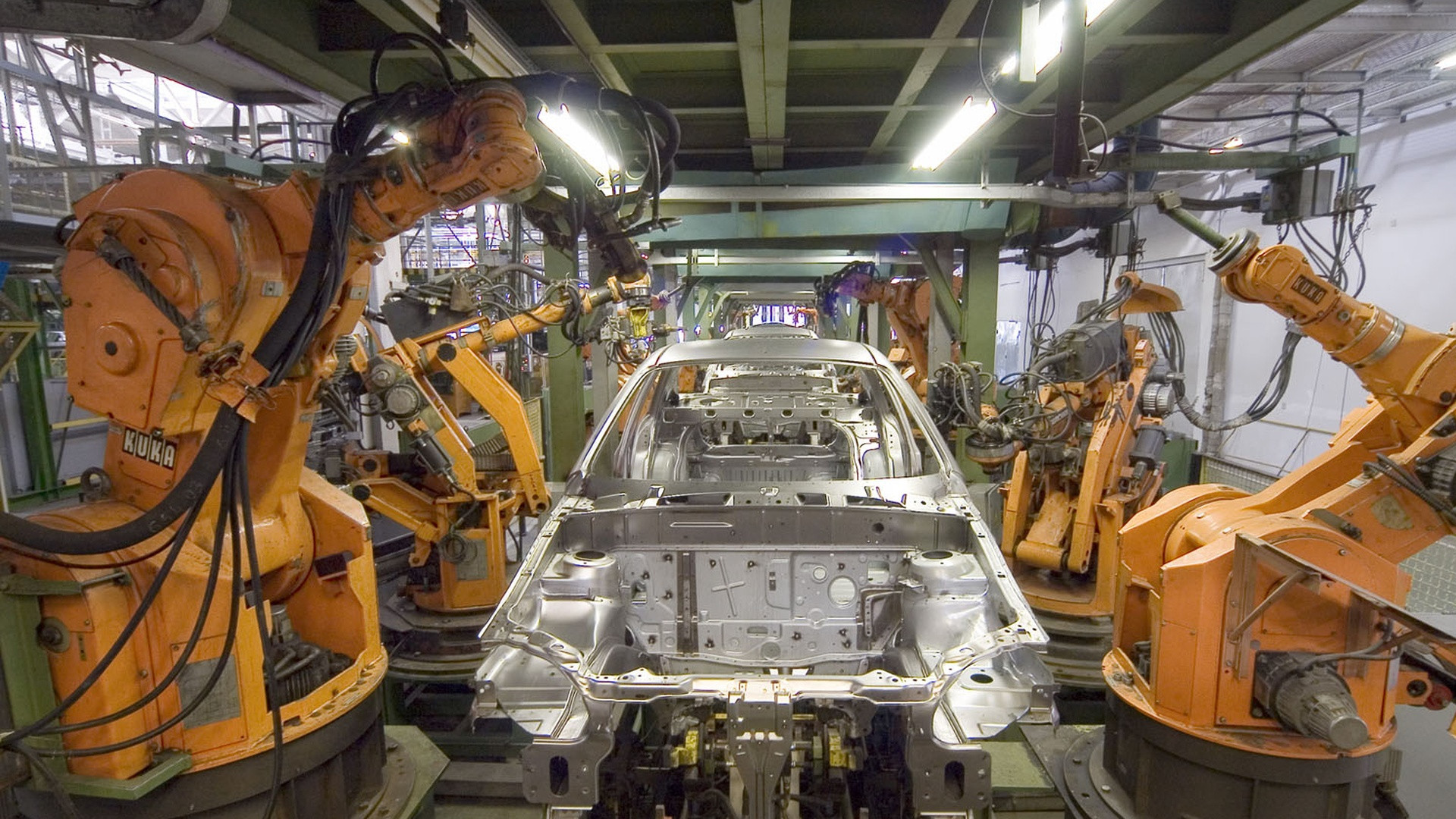
©Wikimedia Commons / KUKA AG · Some images in this slideshow may have been enhanced or generated using AI.
10. Labor Market Slack
Slower corporate expansion naturally dampens recruitment demand. Wage growth decelerates, job openings decline, and interest-sensitive sectors like tech and real estate experience headcount reductions.

©Wikimedia Commons · Some images in this slideshow may have been enhanced or generated using AI.
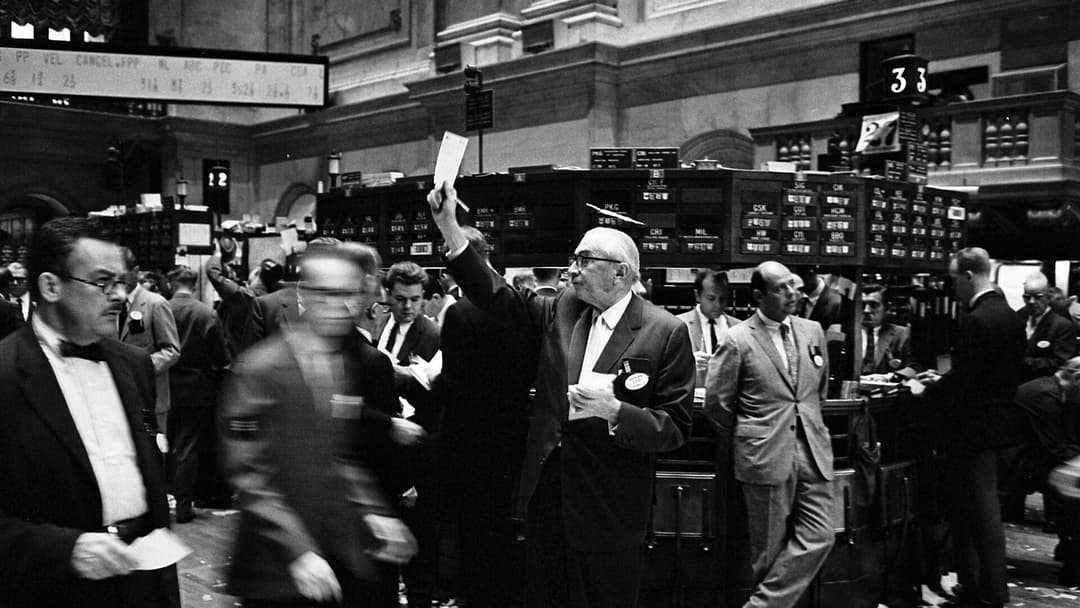
9. Equity Valuation Pressure
In discounted cash flow models, future profits are discounted at a higher interest rate, shrinking price-to-earnings multiples. Growth and tech stocks whose profits lie far in the future feel the sharpest drop.
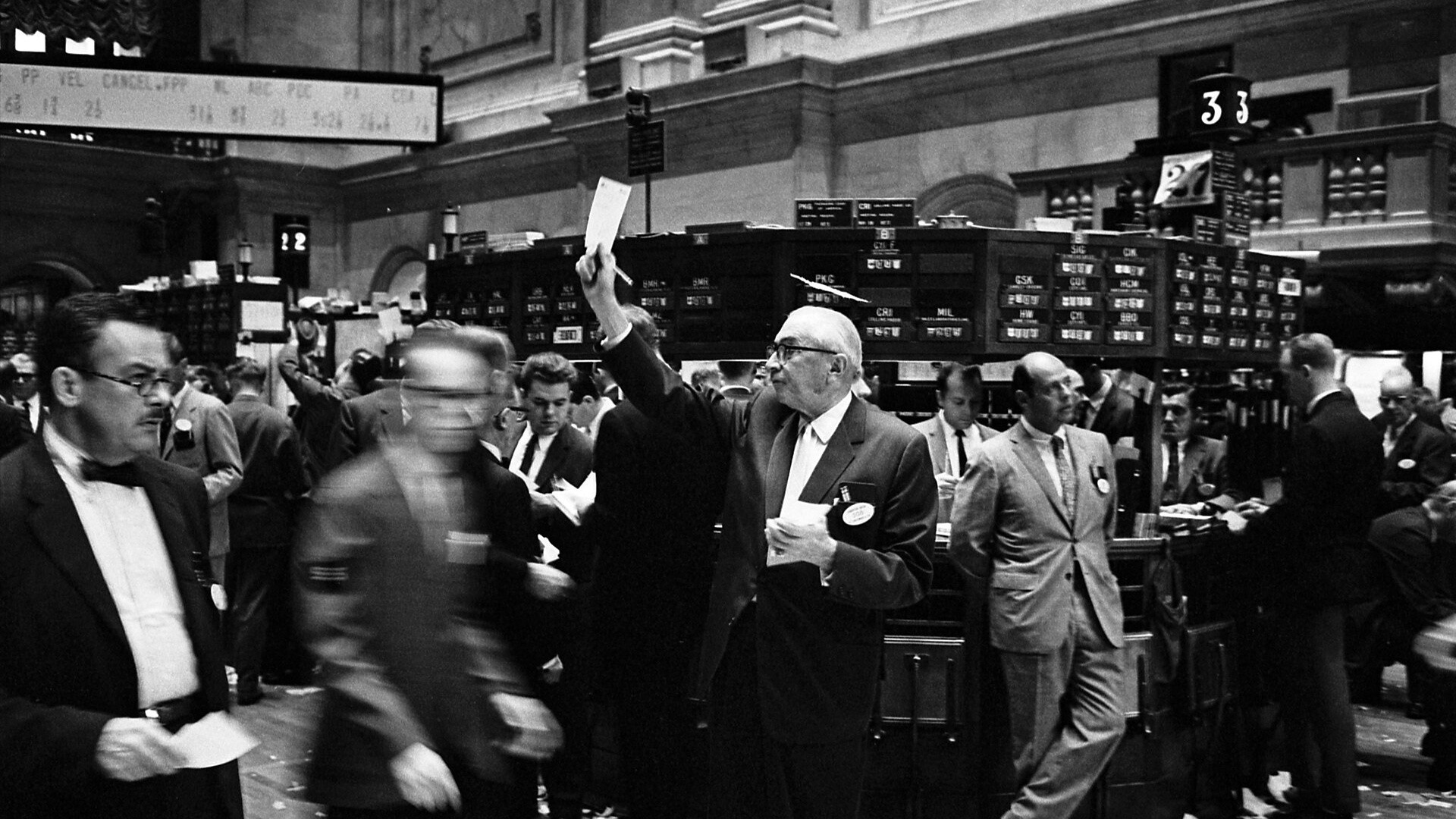
©Wikimedia Commons / Library of Congress · Some images in this slideshow may have been enhanced or generated using AI.
Advertisement
Swipe or tap ▶ to resume the countdown.
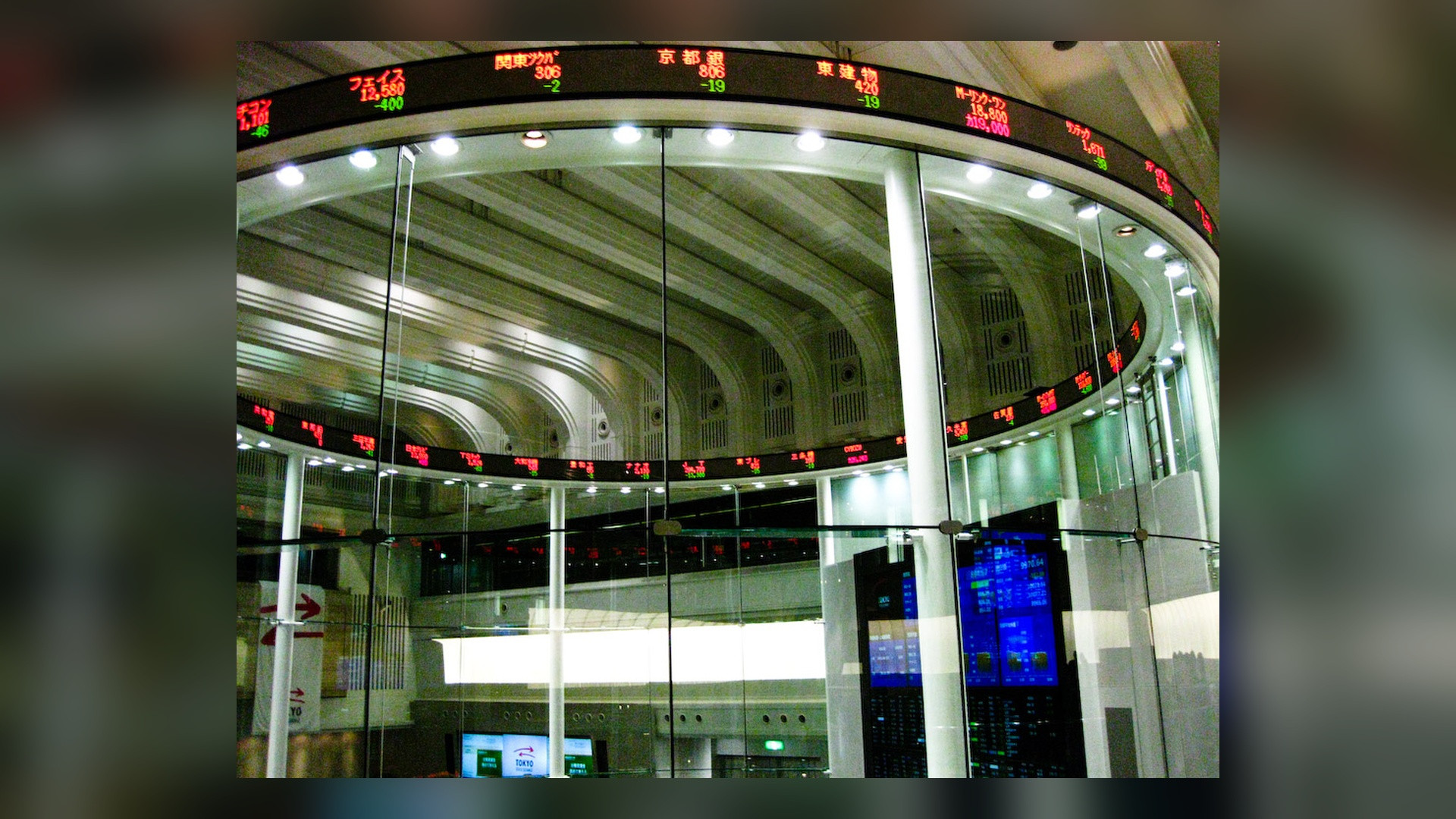
8. Falling Bond Prices
Bond yields and bond prices move in opposite directions. When new bonds yield 5%, older bonds yielding 2% lose market value, creating unrealized paper losses on institutional portfolios.
©Wikimedia Commons · Some images in this slideshow may have been enhanced or generated using AI.
7. Venture Capital Pullback
Cheap money fuels speculative tech valuations and easy funding rounds. When risk-free Treasuries pay guaranteed high returns, venture capitalists demand profitability and rein in cash deployments.

©Wikimedia Commons · Some images in this slideshow may have been enhanced or generated using AI.
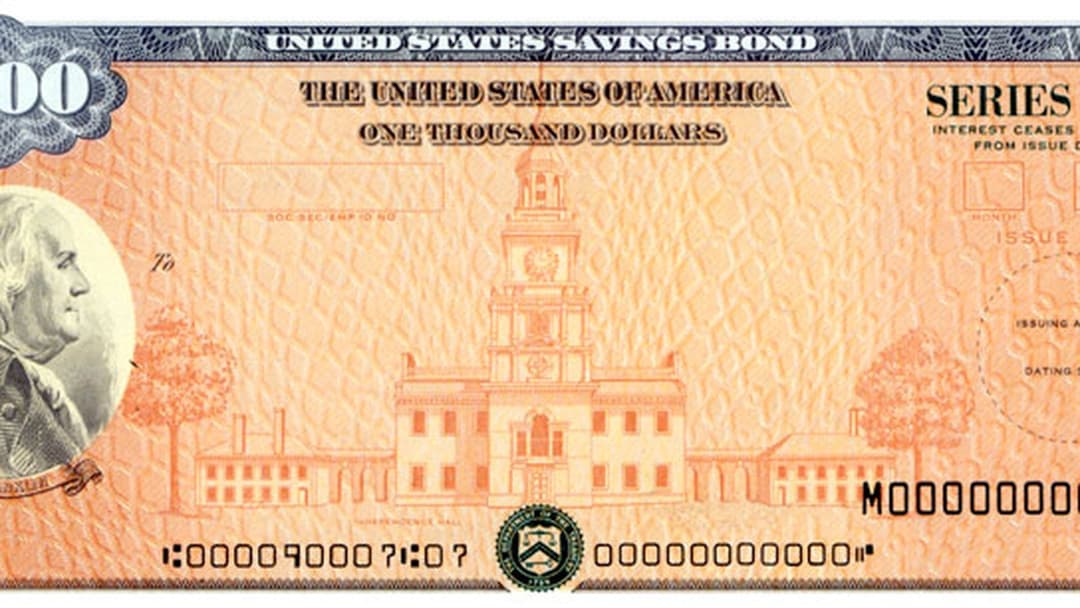
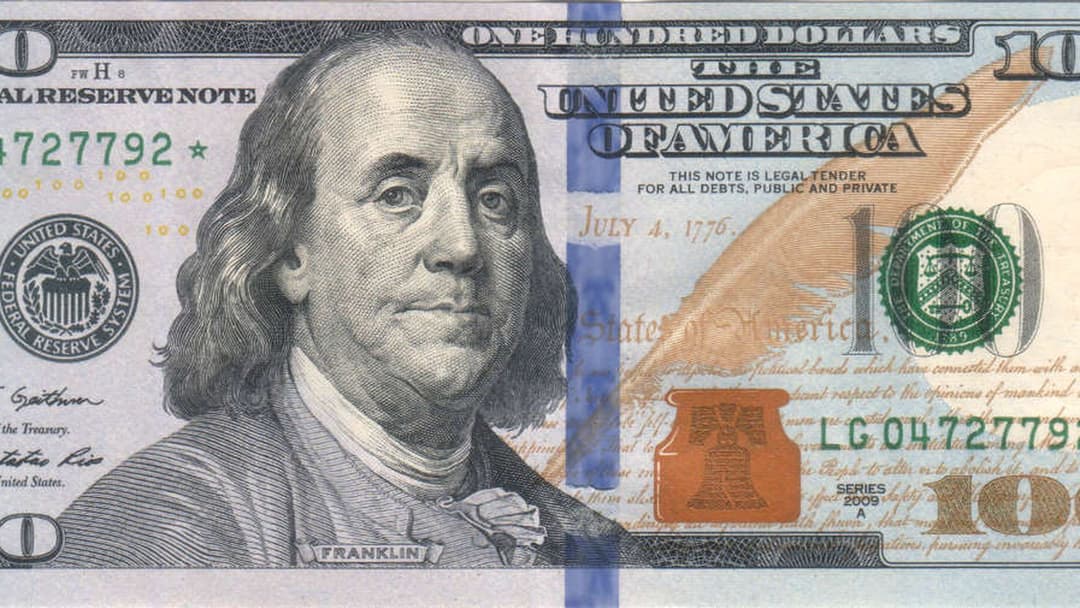
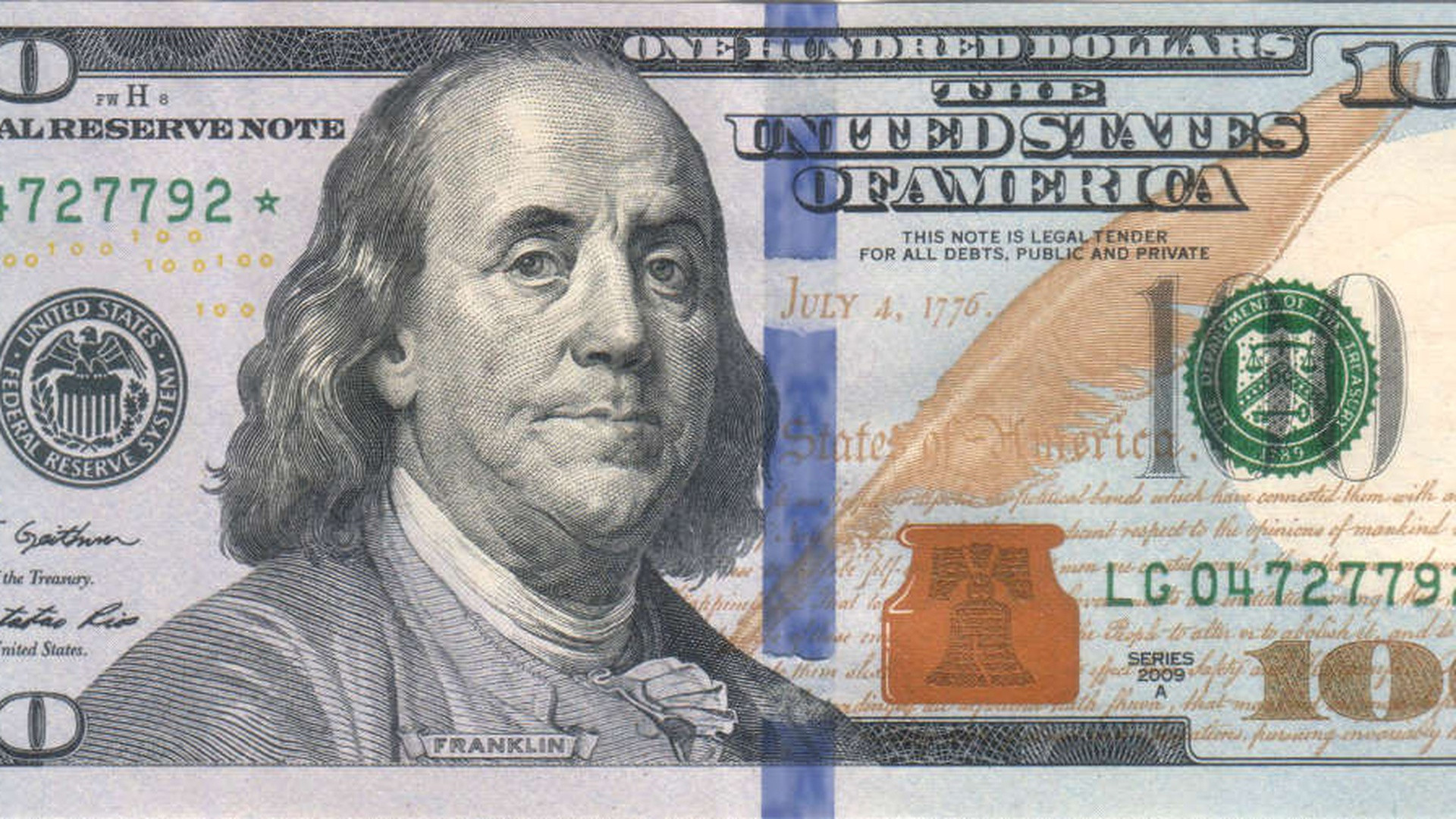
6. Stronger US Dollar
International investors convert foreign currencies into US dollars to buy higher-yielding Treasuries. This massive capital inflow strengthens the greenback against the Euro, Yen, and British Pound.
©Wikimedia Commons / US Bureau of Engraving and Printing · Some images in this slideshow may have been enhanced or generated using AI.
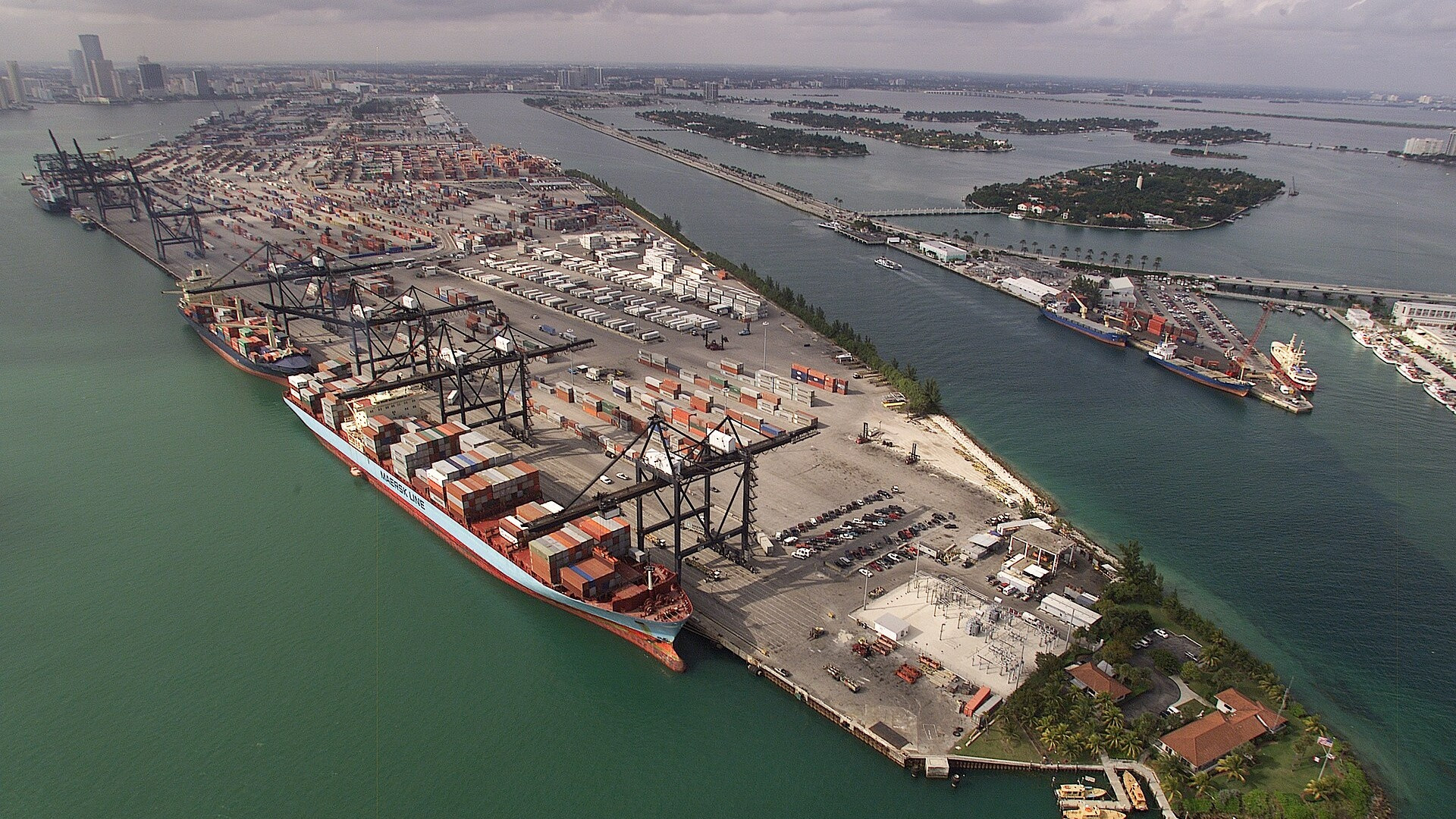
5. Emerging Market Debt
Many emerging economies borrow in US dollars. As the dollar strengthens and US rates climb, servicing foreign debt in local currency becomes excruciatingly expensive, increasing sovereign default risks.
©Wikimedia Commons · Some images in this slideshow may have been enhanced or generated using AI.
Advertisement
Swipe or tap ▶ to resume the countdown.
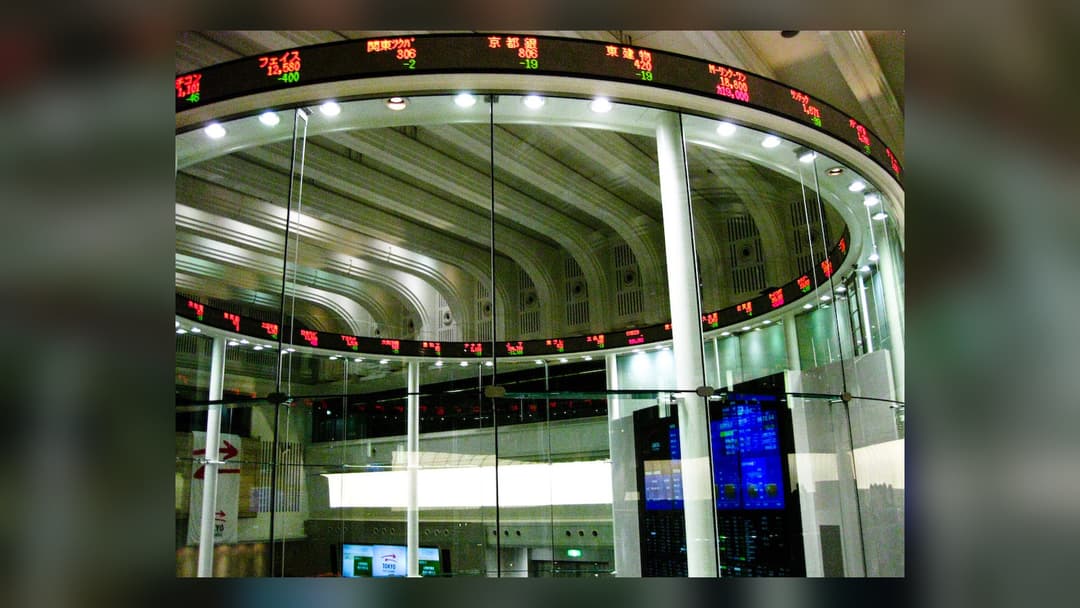
4. Global Central Bank Sync
A depreciating local currency makes dollar-priced commodities like oil and grain more expensive to import. To stop runaway imported inflation, the ECB, Bank of England, and others hike rates in lockstep.

©Wikimedia Commons / Kiefer · Some images in this slideshow may have been enhanced or generated using AI.
3. Cooling Consumer Demand
With consumers spending less on discretionary goods and businesses delaying investments, overall economic velocity slows. This intentional deceleration is designed to break inflationary spirals.

©Wikimedia Commons / Joydeep · Some images in this slideshow may have been enhanced or generated using AI.
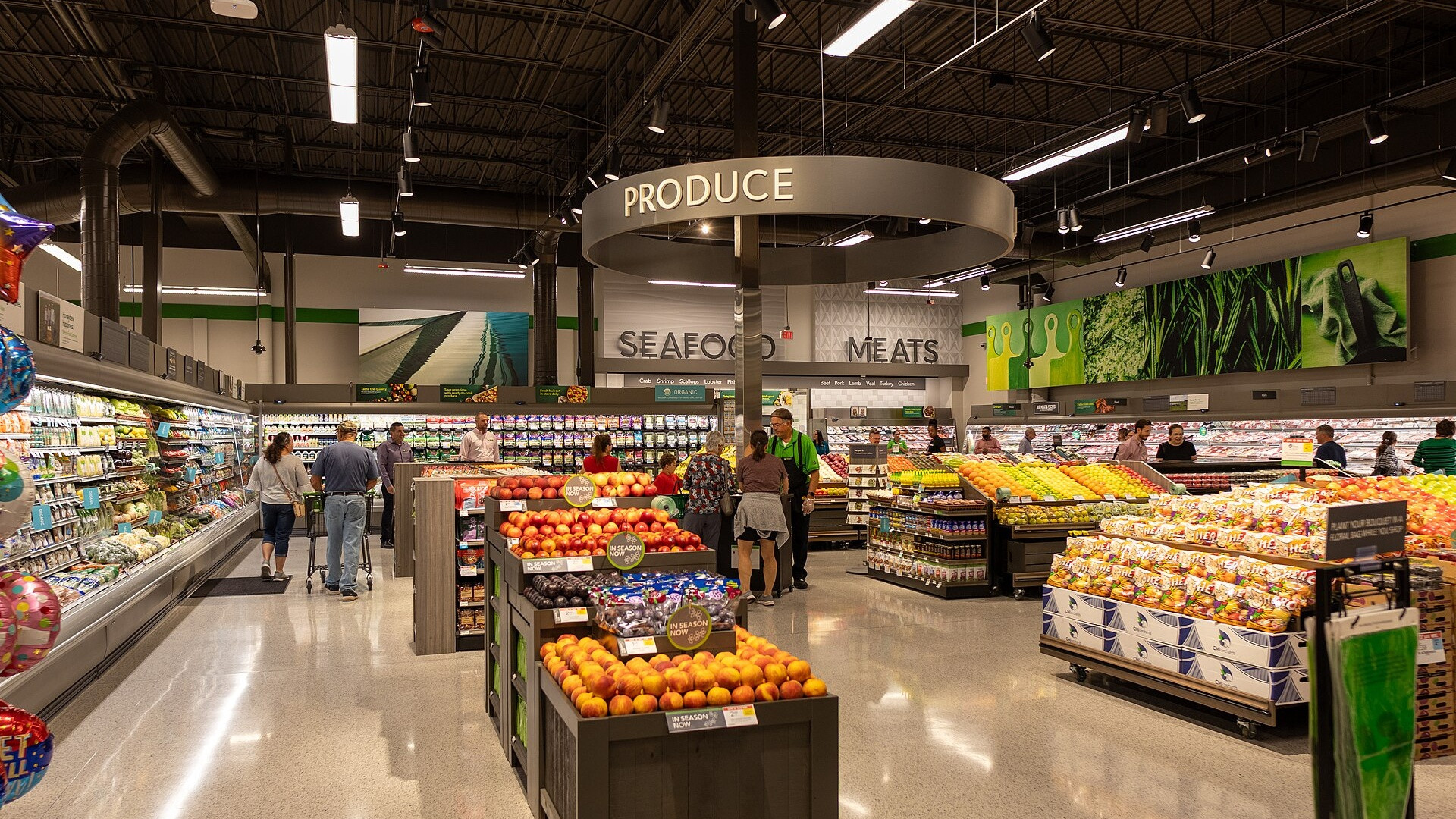
2. Inflation Deflation
As consumer demand drops, retailers lose the pricing power to hike prices, and supply chains catch up. The Consumer Price Index (CPI) gradually cools back toward the Fed's 2% annual target.
©Wikimedia Commons / Coolcaesar · Some images in this slideshow may have been enhanced or generated using AI.
1. The Final Economic Pivot
The ultimate dilemma: hike too little and inflation persists; hike too much and you trigger a recession. If timed perfectly, the economy achieves a "soft landing"—taming inflation while preserving employment.

©Wikimedia Commons / Gordon Leung · Some images in this slideshow may have been enhanced or generated using AI.
Advertisement
You've reached the end of the story. Thanks for reading!

20 U.S. Cities Projected to Attract More Retirees by 2035
Retirees are abandoning classic havens for these rising 2035 dream cities
All 19 Entries in this Story
1. The Fed Funds Rate
The Federal Reserve doesn't directly set loan rates for consumers. Instead, it targets the overnight lending rate that commercial banks charge one another to meet legal reserve requirements.

2. The Prime Rate
Within hours of a Fed hike, commercial banks automatically raise their Prime Rate. This benchmark rate serves as the universal baseline from which all consumer and business loans are priced.

3. Balance Sheet Shrink
Alongside rate increases, the Fed often halts bond purchases and allows existing Treasuries to roll off its balance sheet. This actively pulls cash out of circulation across the banking system.

4. Soaring Mortgages
Higher baseline rates push mortgage yields sharply upward. A 3% jump in mortgage rates can add hundreds of dollars to monthly payments, instantly cooling nationwide home sales and refinancing.

5. Credit Card Squeeze
Nearly all credit cards carry variable APRs tied directly to the Prime Rate. As rates climb, carrying a revolving credit balance becomes significantly more expensive, eating into disposable household income.

6. Auto Loan Spike
Dealerships and auto lenders pass higher borrowing costs straight to car buyers. Increased monthly payments force consumers to delay vehicle upgrades or settle for cheaper alternatives.

7. High-Yield Savings
The silver lining of rate hikes belongs to savers. Online banks, Certificates of Deposit, and Treasury bills begin paying attractive risk-free returns, incentivizing people to save rather than spend.

8. Costly Debt Refinancing
Companies that loaded up on cheap debt during zero-rate eras must refinance at substantially higher coupon rates. This diverts revenue straight into interest expense, reducing net corporate profit margins.

9. Slashing Capital Projects
When the cost of capital rises, the threshold return for new investments (the hurdle rate) increases. Companies postpone factory upgrades, software development, and major corporate acquisitions.

10. Labor Market Slack
Slower corporate expansion naturally dampens recruitment demand. Wage growth decelerates, job openings decline, and interest-sensitive sectors like tech and real estate experience headcount reductions.

11. Equity Valuation Pressure
In discounted cash flow models, future profits are discounted at a higher interest rate, shrinking price-to-earnings multiples. Growth and tech stocks whose profits lie far in the future feel the sharpest drop.

12. Falling Bond Prices
Bond yields and bond prices move in opposite directions. When new bonds yield 5%, older bonds yielding 2% lose market value, creating unrealized paper losses on institutional portfolios.

13. Venture Capital Pullback
Cheap money fuels speculative tech valuations and easy funding rounds. When risk-free Treasuries pay guaranteed high returns, venture capitalists demand profitability and rein in cash deployments.

14. Stronger US Dollar
International investors convert foreign currencies into US dollars to buy higher-yielding Treasuries. This massive capital inflow strengthens the greenback against the Euro, Yen, and British Pound.

15. Emerging Market Debt
Many emerging economies borrow in US dollars. As the dollar strengthens and US rates climb, servicing foreign debt in local currency becomes excruciatingly expensive, increasing sovereign default risks.

16. Global Central Bank Sync
A depreciating local currency makes dollar-priced commodities like oil and grain more expensive to import. To stop runaway imported inflation, the ECB, Bank of England, and others hike rates in lockstep.

17. Cooling Consumer Demand
With consumers spending less on discretionary goods and businesses delaying investments, overall economic velocity slows. This intentional deceleration is designed to break inflationary spirals.

18. Inflation Deflation
As consumer demand drops, retailers lose the pricing power to hike prices, and supply chains catch up. The Consumer Price Index (CPI) gradually cools back toward the Fed's 2% annual target.

19. The Final Economic Pivot
The ultimate dilemma: hike too little and inflation persists; hike too much and you trigger a recession. If timed perfectly, the economy achieves a "soft landing"—taming inflation while preserving employment.