Slideshow · Animals
10 Animals That Change Color With the Seasons
When winter arrives, these extraordinary animals don't just survive — they transform. From summer brown to winter white, nature's camouflage artists are breathtaking.
By Most Viral Today
2 Oct 2026

10 Animals That Change Color With the Seasons 
10. Siberian Hamster 
9. Collared Lemming 
8. White Tailed Ptarmigan - AdvertisementSwipe or tap ▶ to continue countdown

7. Arctic Hare 
6. Long Tailed Weasel 
5. Mountain Hare 
4. Rock Ptarmigan - AdvertisementSwipe or tap ▶ to continue countdown

3. Stoat (Ermine) 
2. Snowshoe Hare 
1. Arctic Fox - Advertisement🔥 UP NEXT IN THIS SERIES◫ 26 Slides

25 Moments When Mother Animals Find Their Way Back to Babies
25 Emotional Moments When Mother Animals Find Their Way Back to Young
Swipe or tap ▶ to begin the countdown
©Wikimedia / Jonatan Pie · Some images in this slideshow may have been enhanced or generated using AI.
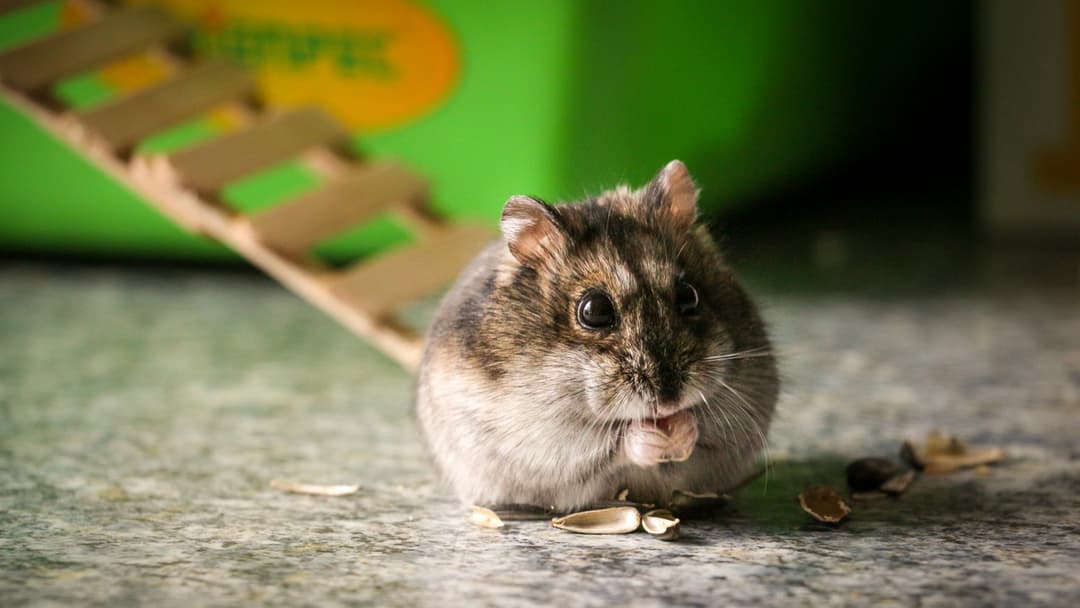
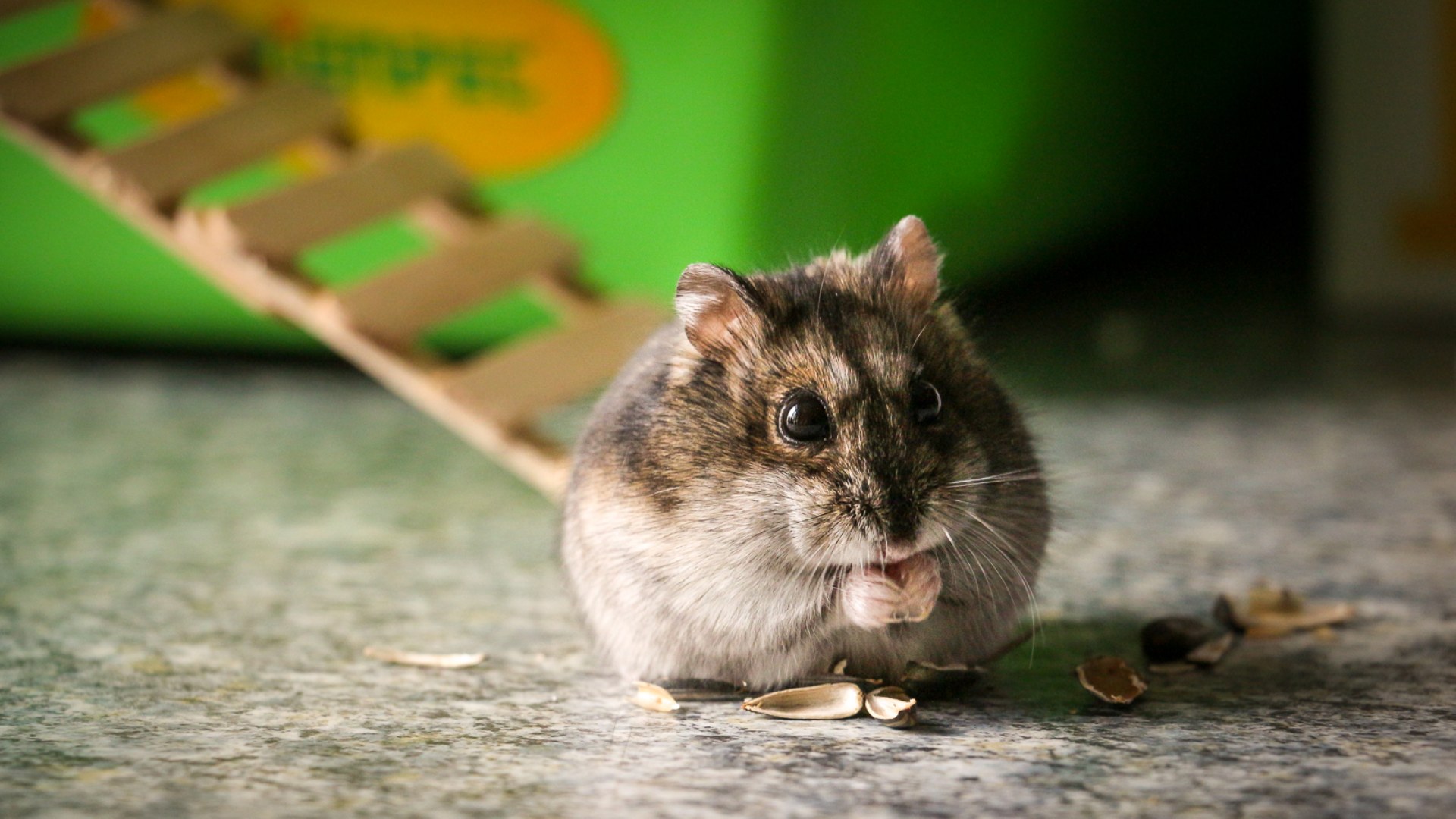
10. Siberian Hamster
Triggered by shortening daylight, the Siberian hamster swaps its grey-brown summer coat for a near-white winter one. This remarkable molt helps it blend into snowy Siberian steppes and fools predators all season long.
©Wikimedia / Anton Vakulenko · Some images in this slideshow may have been enhanced or generated using AI.
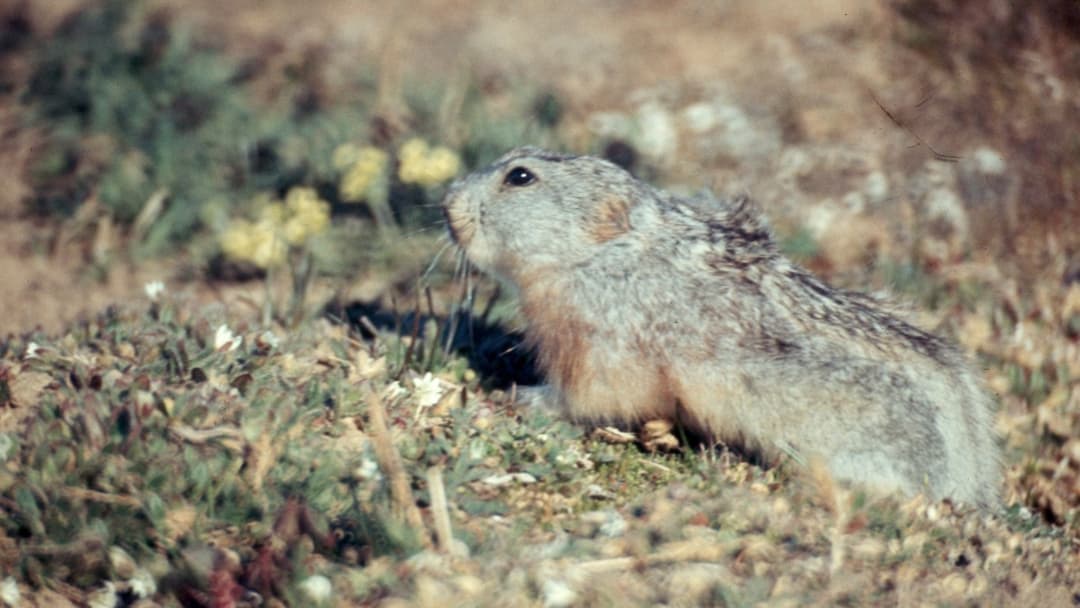
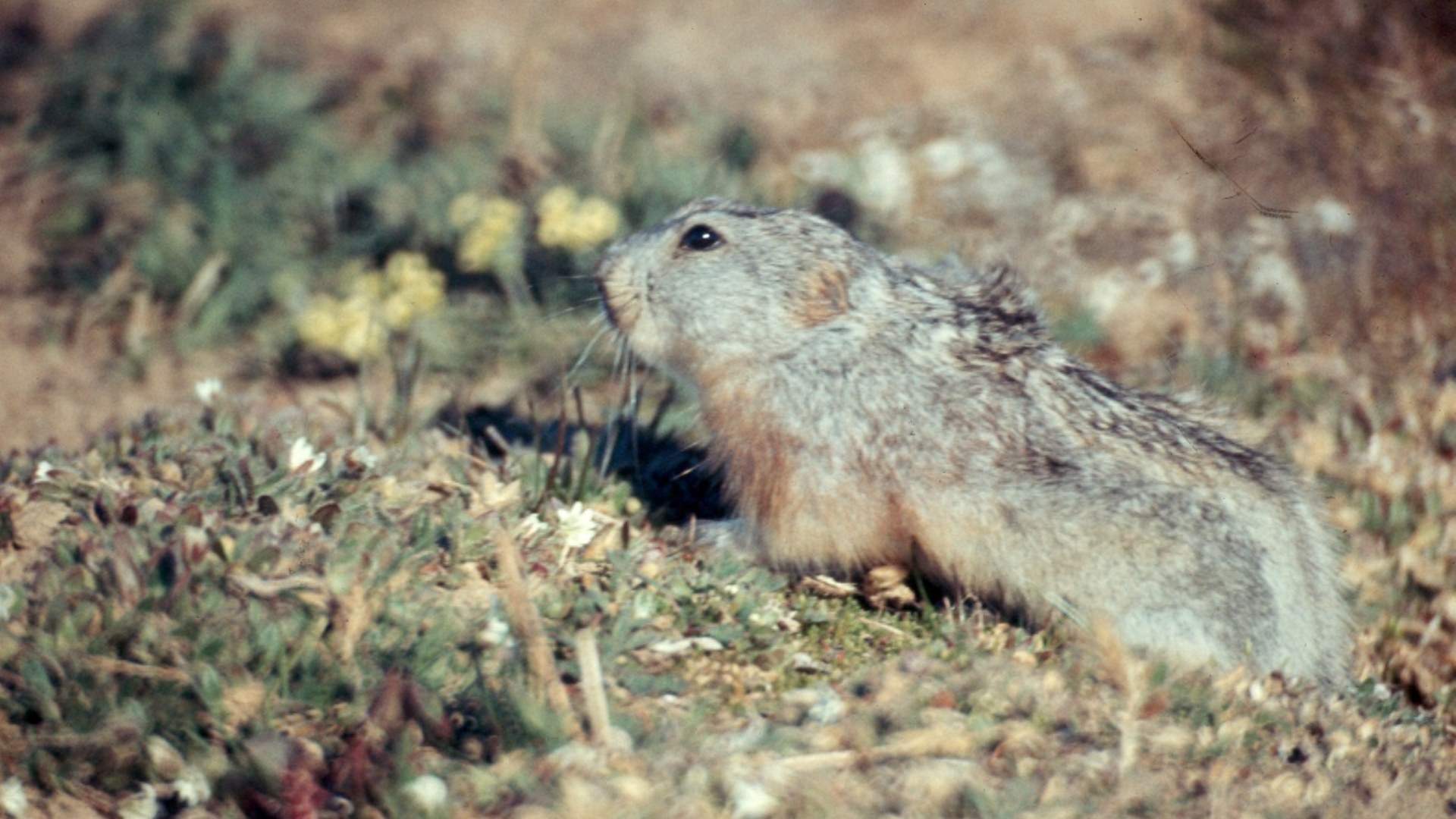
9. Collared Lemming
The collared lemming is the only rodent species that turns fully white in winter. Its thick seasonal coat isn't just for warmth — it's precision camouflage against Arctic predators like owls and foxes hunting across the snow.
©Wikimedia / Warren Garst · Some images in this slideshow may have been enhanced or generated using AI.
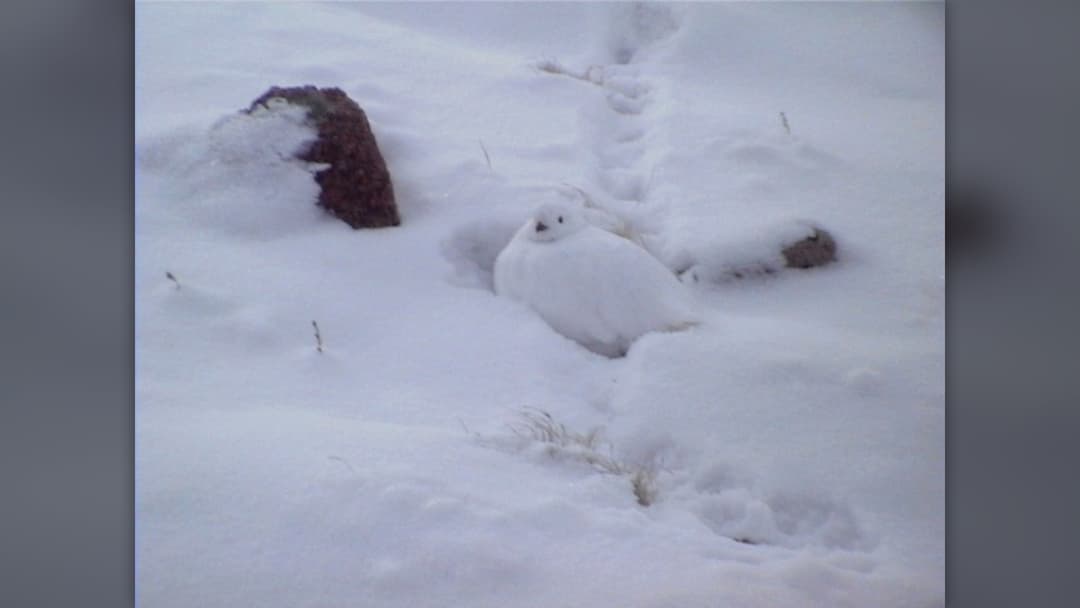
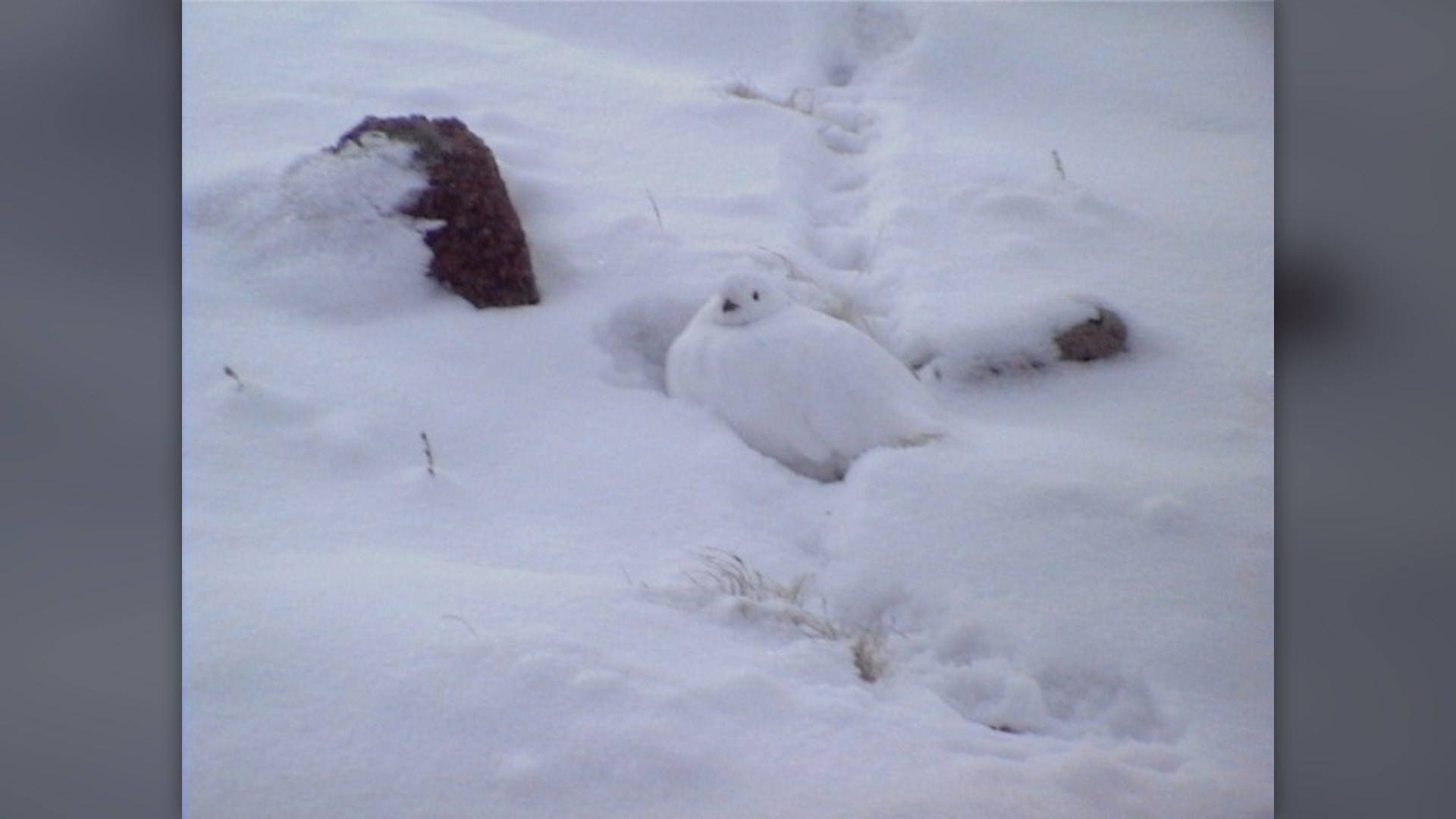
8. White Tailed Ptarmigan
The white-tailed ptarmigan molts completely from mottled brown to pure snow-white each autumn — making it nearly invisible on Colorado's high-altitude winter slopes. North America's smallest grouse pulls off one of nature's greatest disappearing acts.
©Wikimedia / USFWS Mountain-Prairie · Some images in this slideshow may have been enhanced or generated using AI.
Advertisement
Swipe or tap ▶ to resume the countdown.
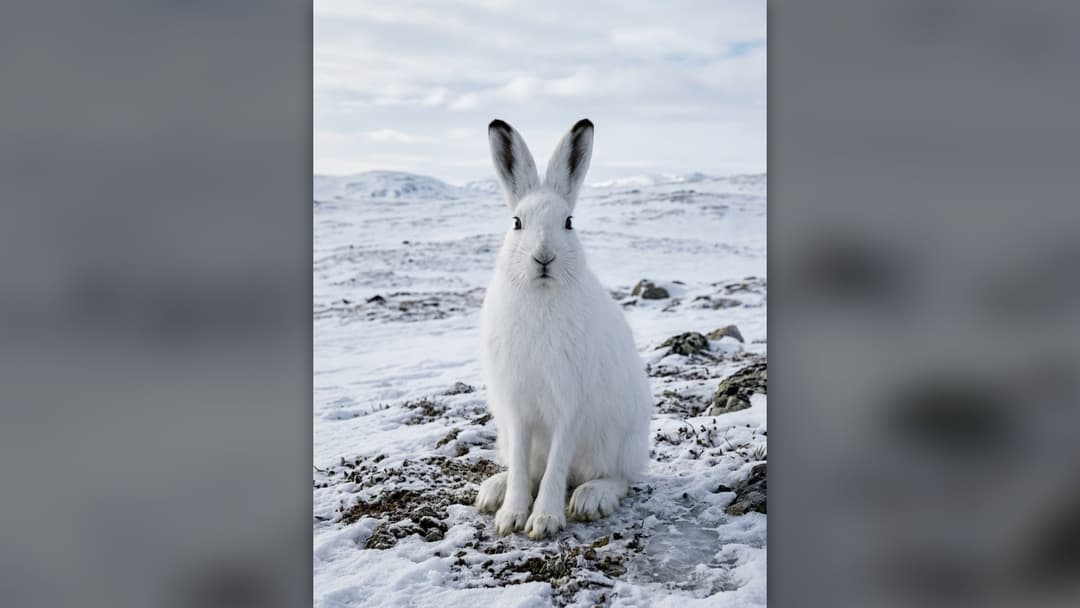
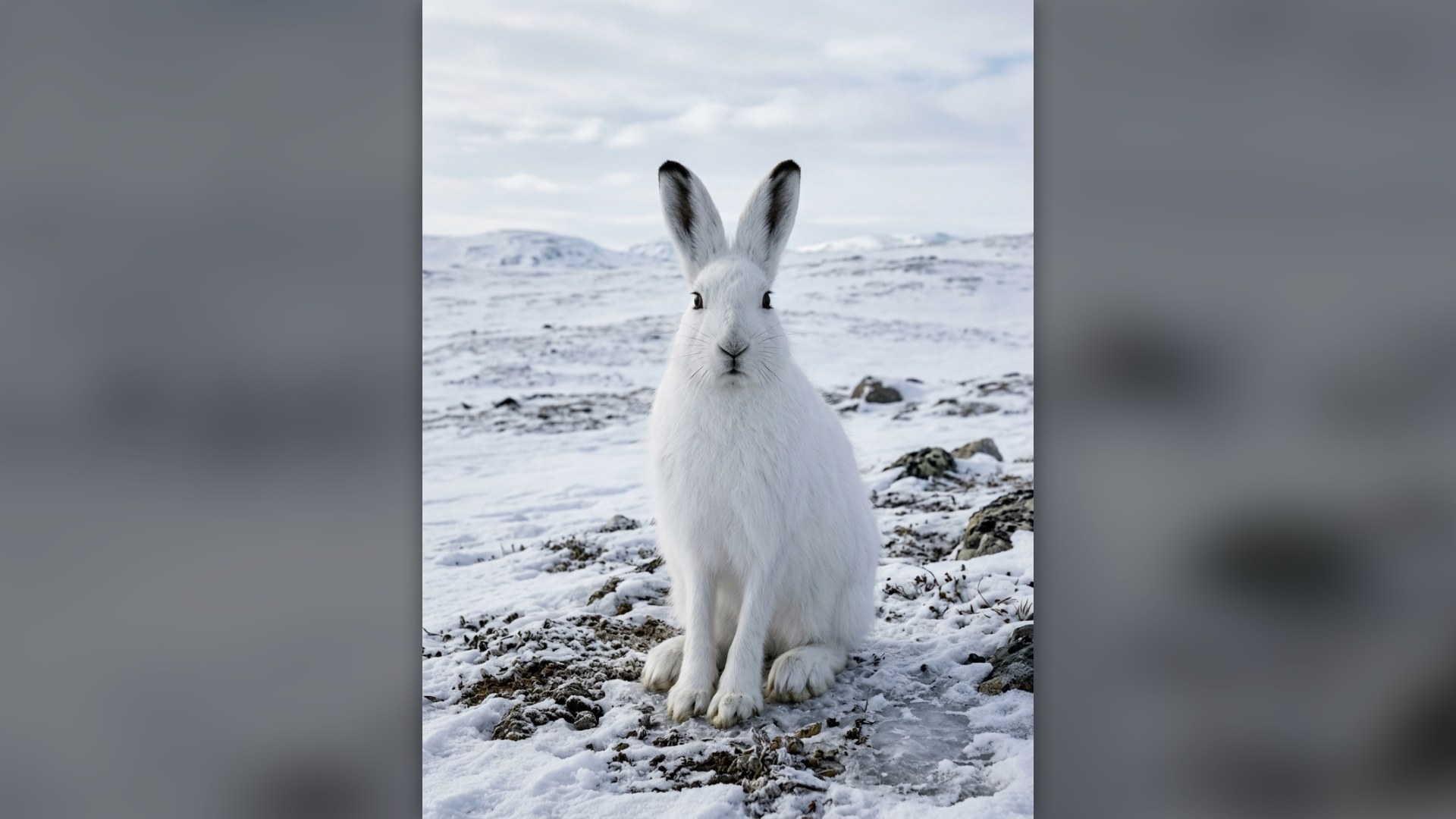
7. Arctic Hare
The Arctic hare is built for the extreme north. Many northern populations stay white year-round, while those in lower latitudes switch from brownish-grey in summer to thick, insulating snow-white by November to survive the long Arctic winter.
©WooGlobe · Some images in this slideshow may have been enhanced or generated using AI.
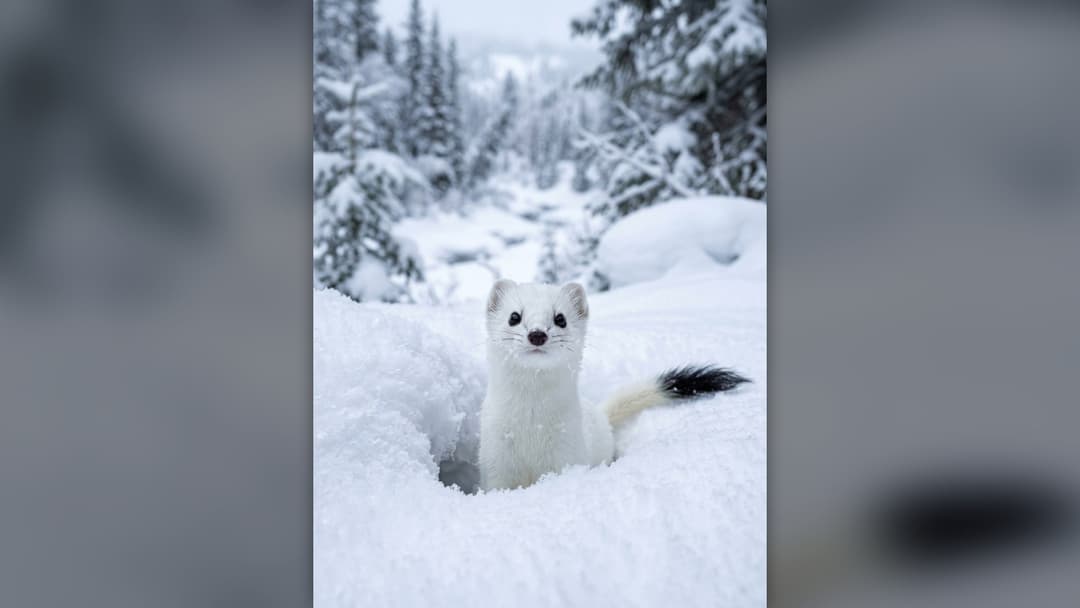
6. Long Tailed Weasel
The long-tailed weasel grows a pure white coat each winter, letting it stalk prey across open snowfields unseen. Its signature black tail tip remains year-round — a flash of contrast in the white that scientists believe may confuse predators during pursuit.
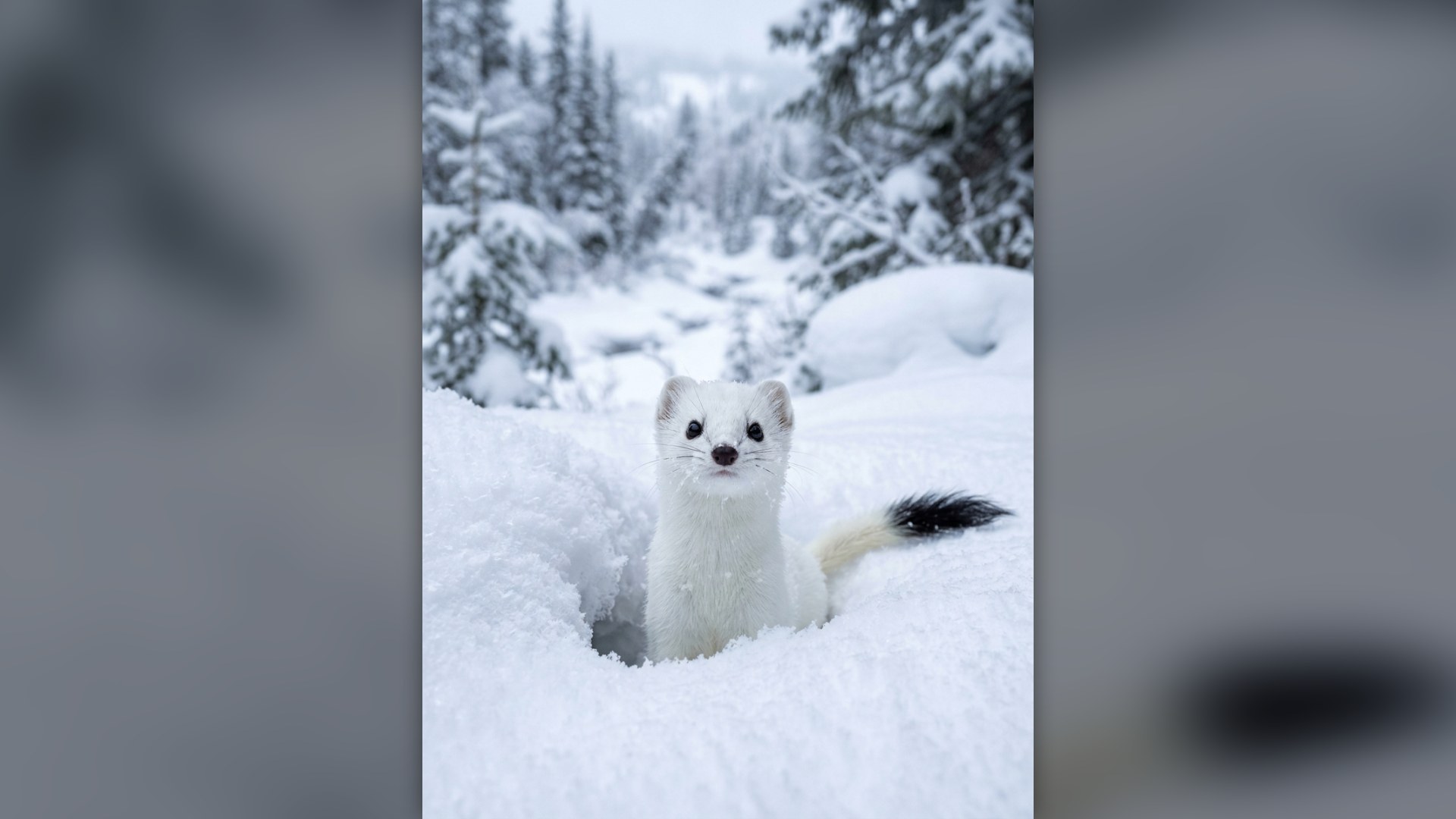
©WooGlobe · Some images in this slideshow may have been enhanced or generated using AI.
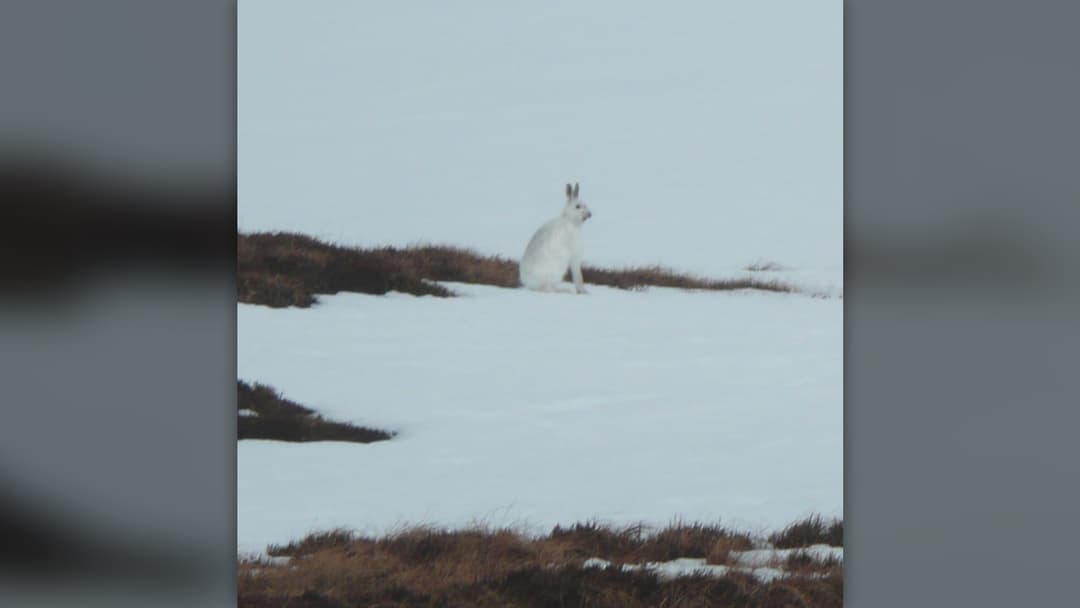
5. Mountain Hare
High in the Scottish Highlands, the mountain hare transforms completely each winter. Its grey-brown summer coat gives way to brilliant white fur by December. In a warming climate, some hares are turning white before snow arrives — leaving them dangerously visible to predators.
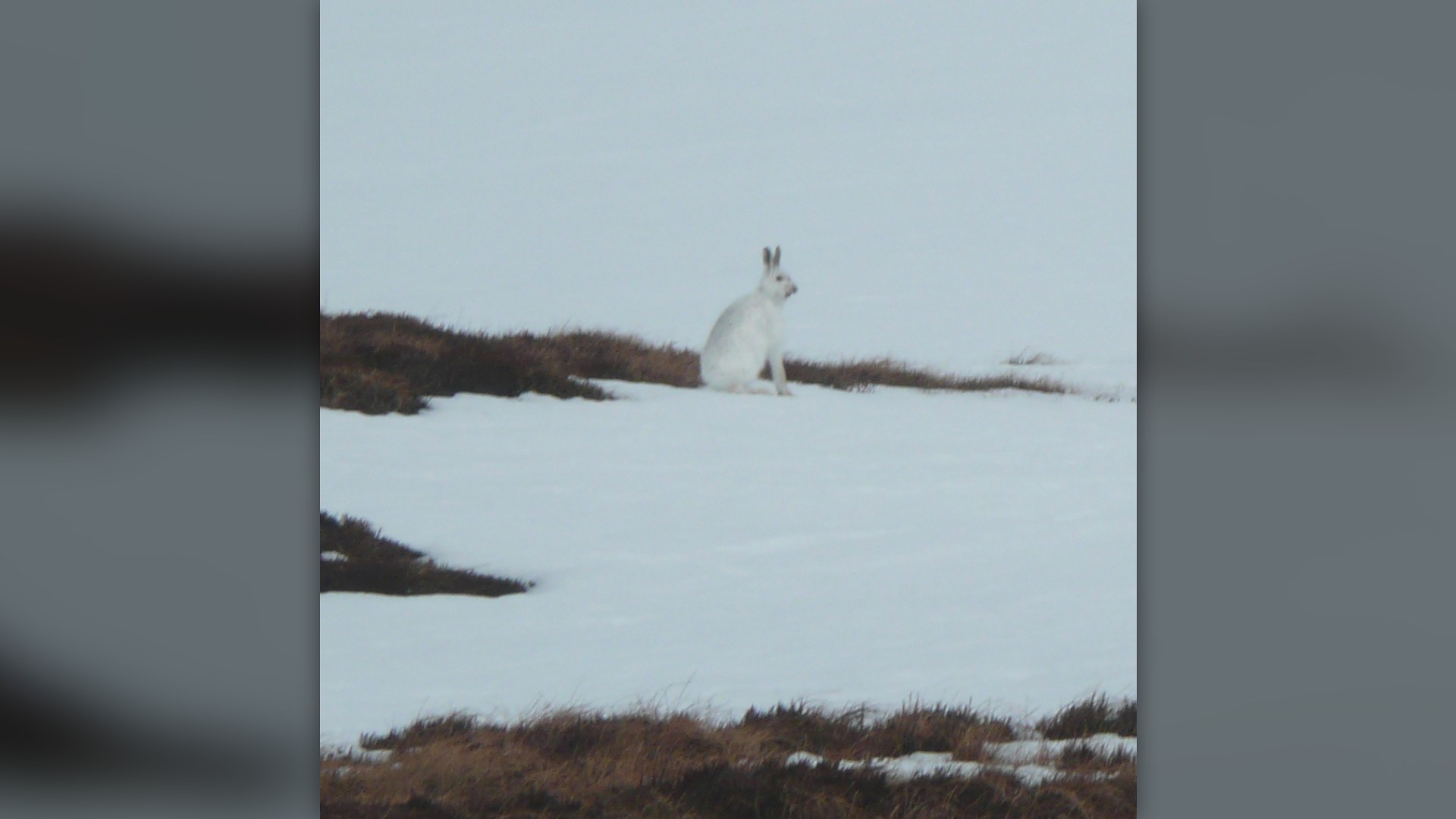
©Wikimedia / Russel Wills · Some images in this slideshow may have been enhanced or generated using AI.
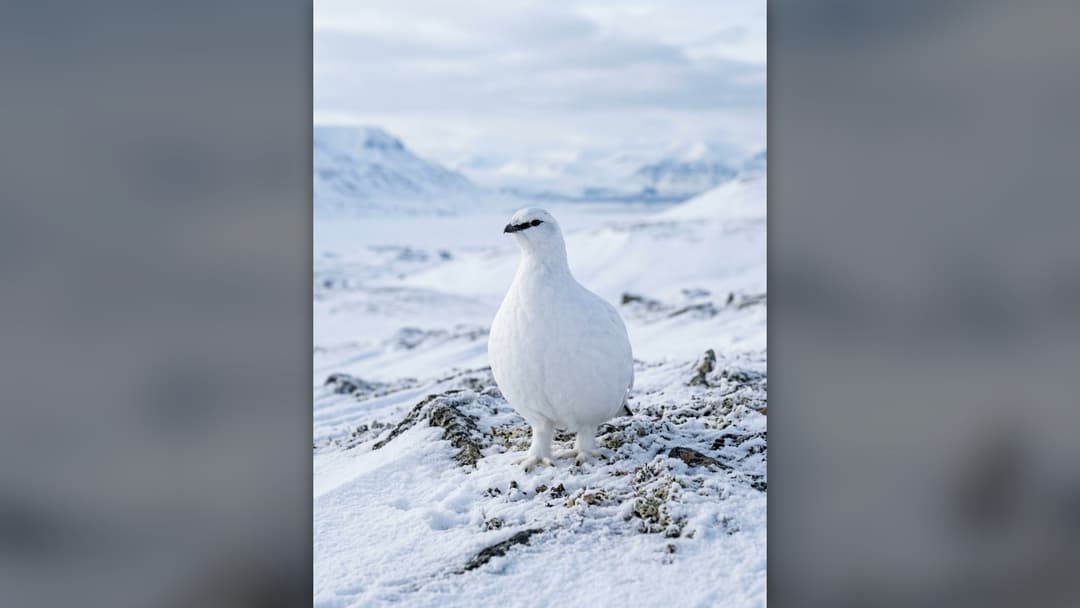
4. Rock Ptarmigan
Found from Iceland to Alaska, the rock ptarmigan changes plumage three times a year — white in winter, brown in spring, grey in summer and back again. This Arctic grouse is nature's seasonal clock, tracking daylight changes with remarkable precision.
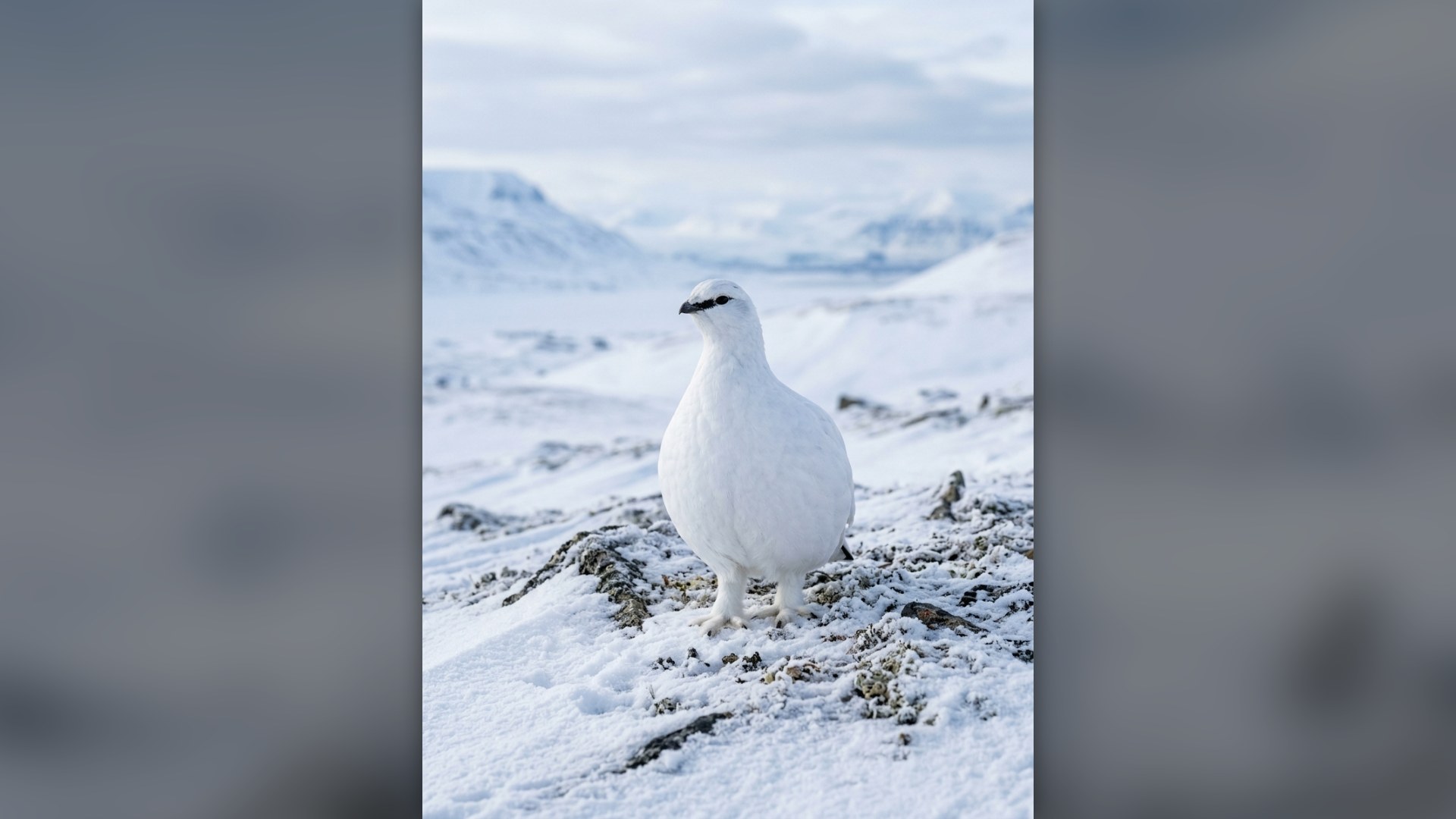
©WooGlobe · Some images in this slideshow may have been enhanced or generated using AI.
Advertisement
Swipe or tap ▶ to resume the countdown.
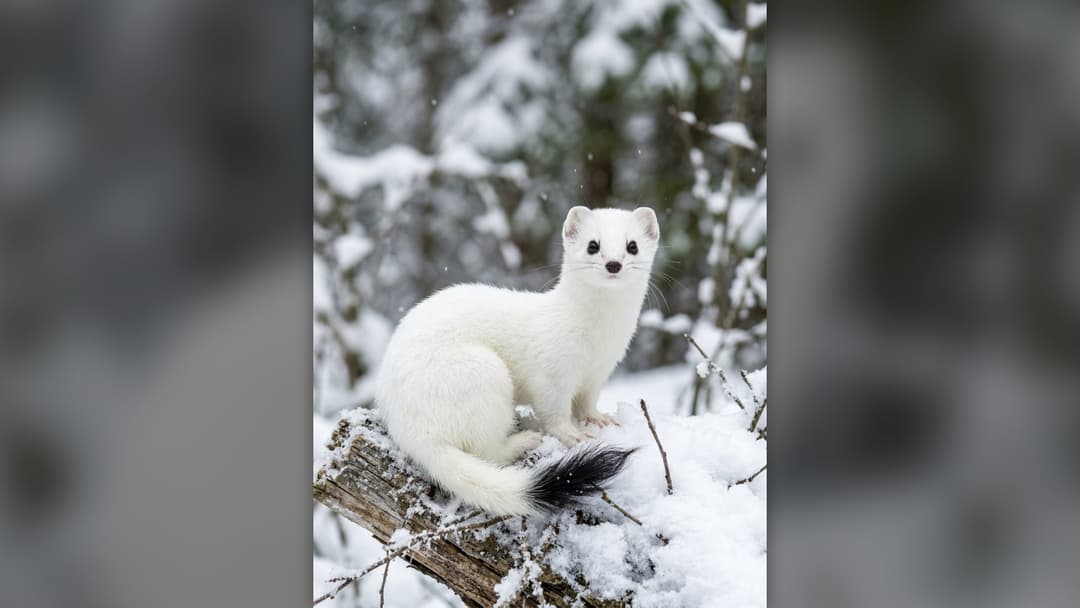
3. Stoat (Ermine)
Known as ermine in its winter coat, the stoat was once prized by royalty for its fur. Today it's celebrated for its breathtaking seasonal shift — rich chestnut brown in summer to pure white by December, always keeping that iconic black tail tip.
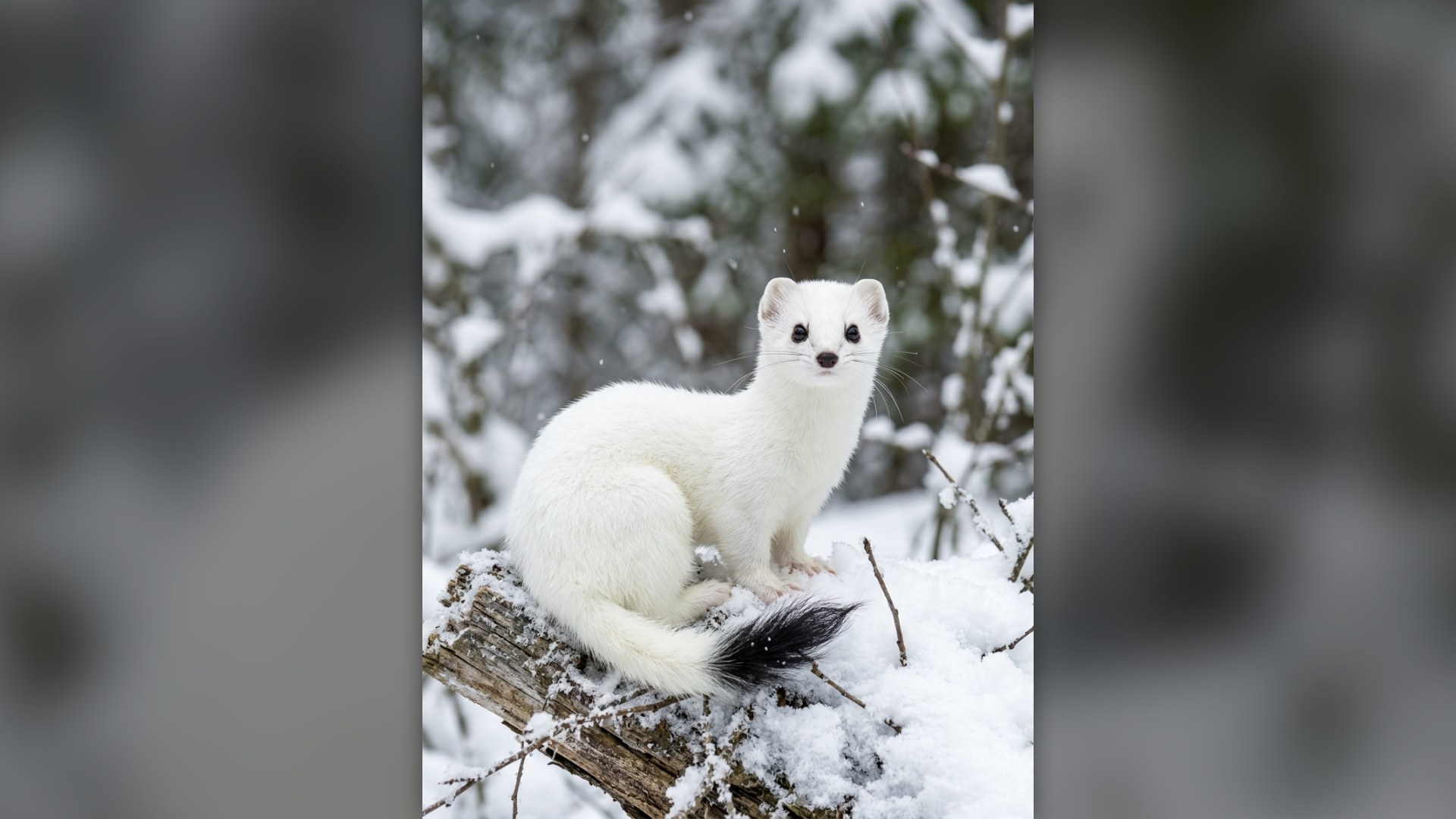
©WooGlobe · Some images in this slideshow may have been enhanced or generated using AI.
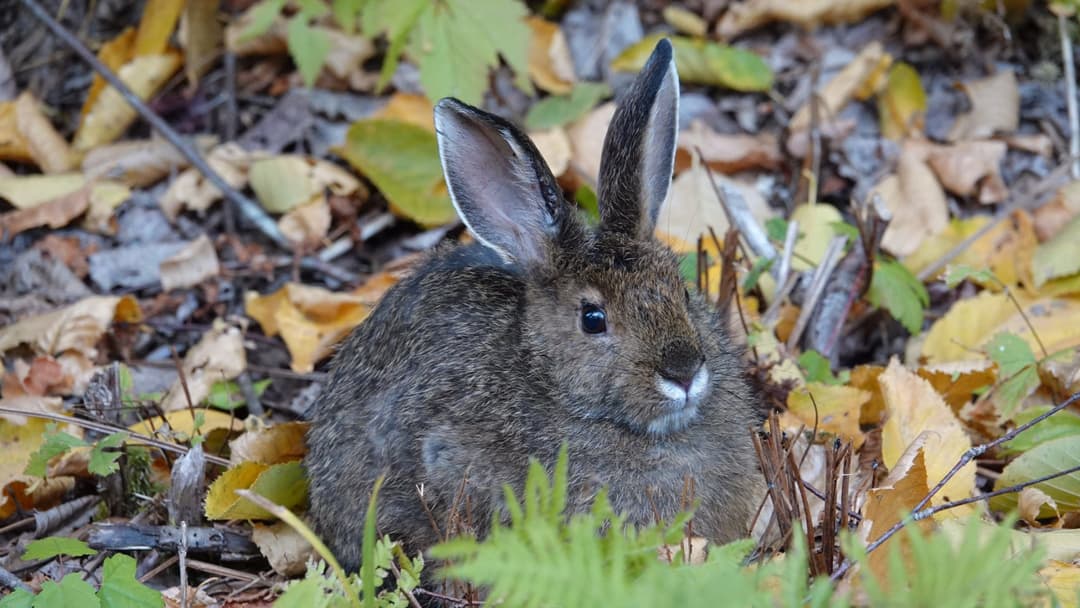
2. Snowshoe Hare
Named for its enormous, snowshoe-like back feet, the snowshoe hare goes from tawny brown to snowy white as winter sets in. Triggered by day length, not temperature — meaning in a changing climate, hares can turn white before snow falls, leaving them exposed to predators.
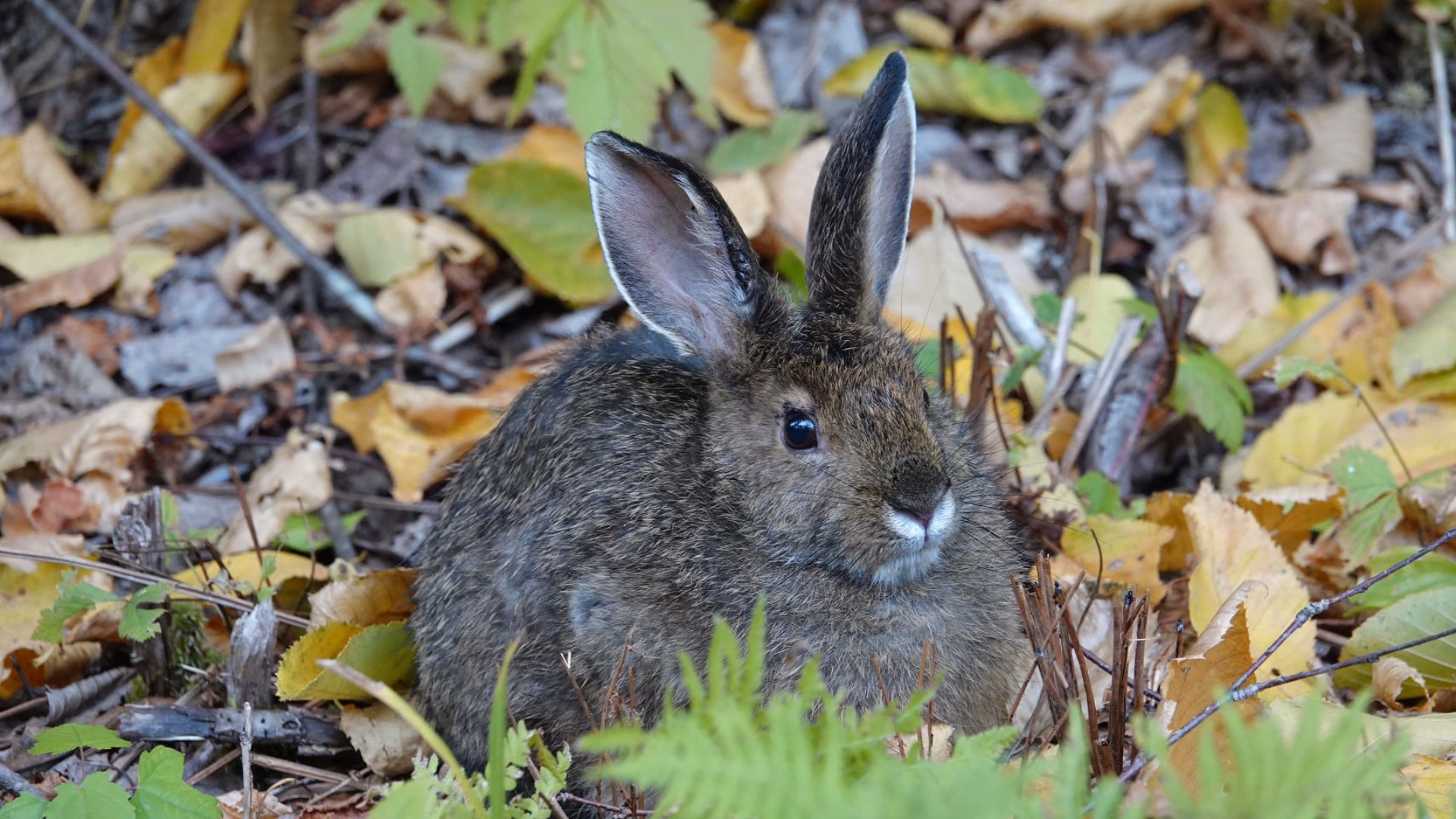
©USFWS / Dave Govatski · Some images in this slideshow may have been enhanced or generated using AI.
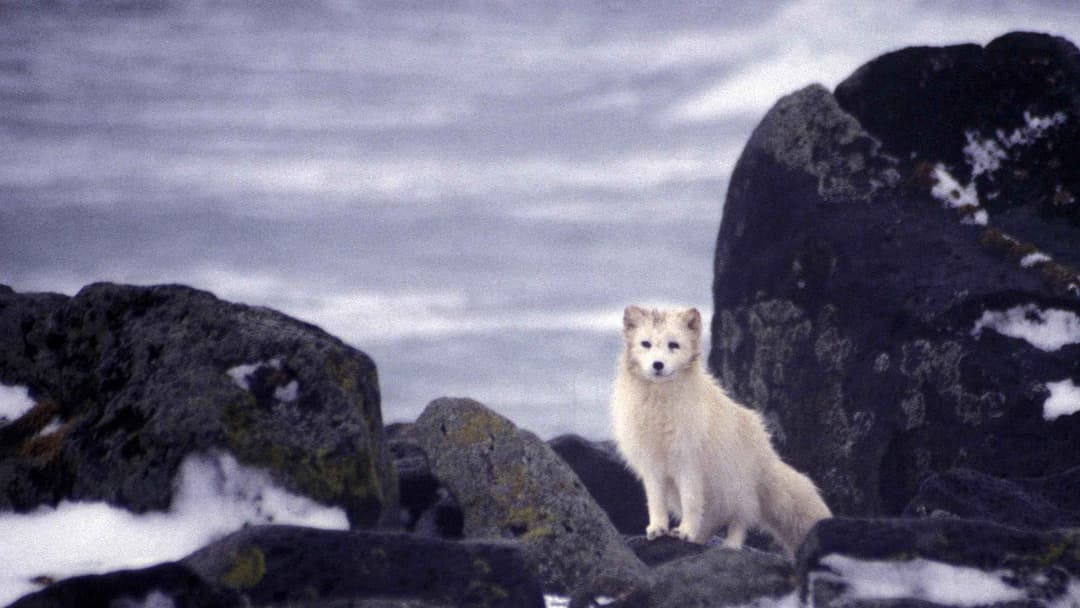
1. Arctic Fox
The undisputed champion of seasonal camouflage. The Arctic fox trades its summer coat of grey-brown for a thick, breathtaking white winter coat — also the world's best natural insulation. Even its paws are covered in fur. Scientists study this creature as a living blueprint for survival in extreme cold.
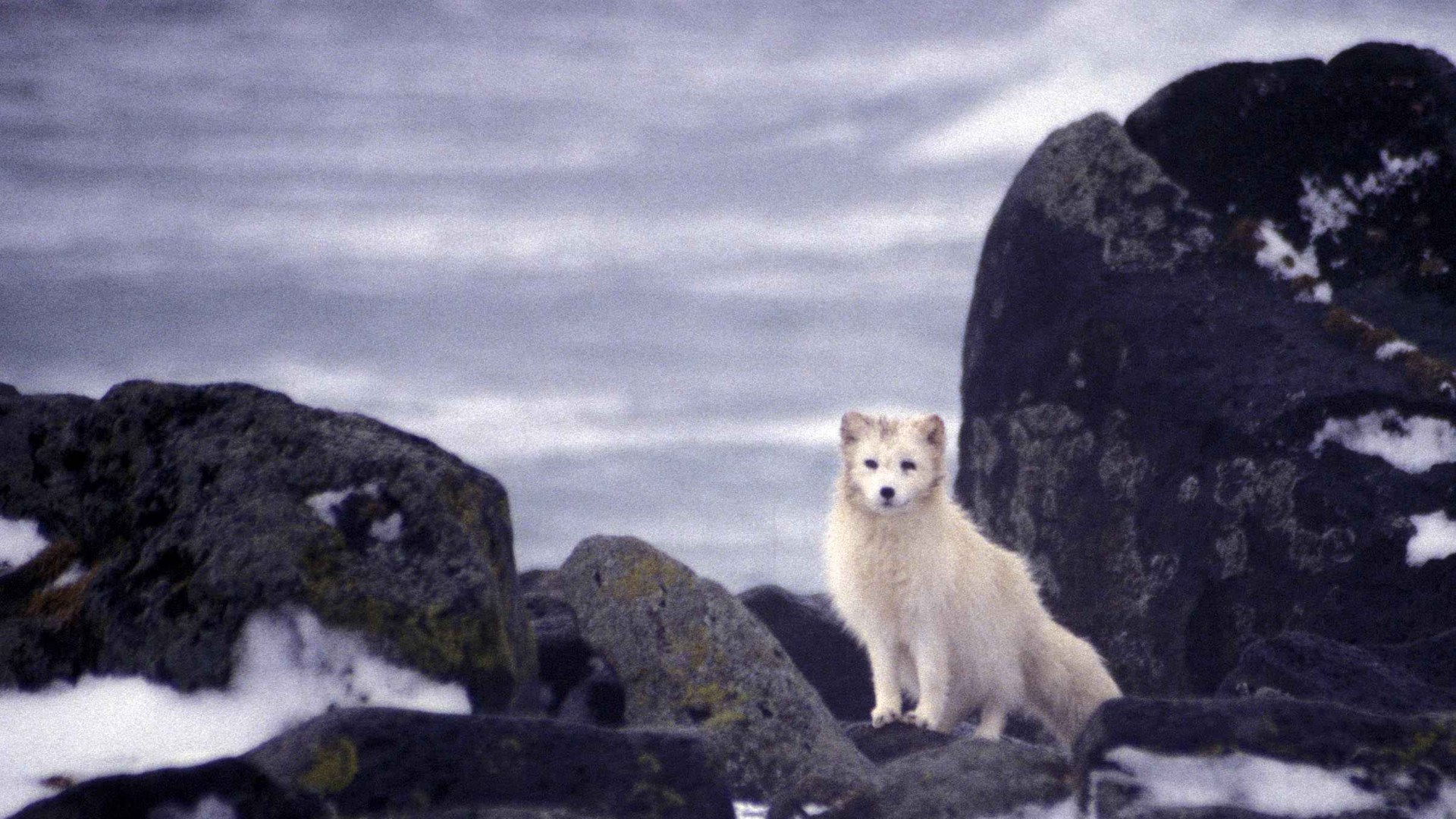
©Wikimedia / Jonatan Pie · Some images in this slideshow may have been enhanced or generated using AI.
Advertisement
You've reached the end of the story. Thanks for reading!

25 Moments When Mother Animals Find Their Way Back to Babies
25 Emotional Moments When Mother Animals Find Their Way Back to Young
All 10 Entries in this Story
10. Siberian Hamster
Triggered by shortening daylight, the Siberian hamster swaps its grey-brown summer coat for a near-white winter one. This remarkable molt helps it blend into snowy Siberian steppes and fools predators all season long.

9. Collared Lemming
The collared lemming is the only rodent species that turns fully white in winter. Its thick seasonal coat isn't just for warmth — it's precision camouflage against Arctic predators like owls and foxes hunting across the snow.

8. White Tailed Ptarmigan
The white-tailed ptarmigan molts completely from mottled brown to pure snow-white each autumn — making it nearly invisible on Colorado's high-altitude winter slopes. North America's smallest grouse pulls off one of nature's greatest disappearing acts.

7. Arctic Hare
The Arctic hare is built for the extreme north. Many northern populations stay white year-round, while those in lower latitudes switch from brownish-grey in summer to thick, insulating snow-white by November to survive the long Arctic winter.

6. Long Tailed Weasel
The long-tailed weasel grows a pure white coat each winter, letting it stalk prey across open snowfields unseen. Its signature black tail tip remains year-round — a flash of contrast in the white that scientists believe may confuse predators during pursuit.

5. Mountain Hare
High in the Scottish Highlands, the mountain hare transforms completely each winter. Its grey-brown summer coat gives way to brilliant white fur by December. In a warming climate, some hares are turning white before snow arrives — leaving them dangerously visible to predators.

4. Rock Ptarmigan
Found from Iceland to Alaska, the rock ptarmigan changes plumage three times a year — white in winter, brown in spring, grey in summer and back again. This Arctic grouse is nature's seasonal clock, tracking daylight changes with remarkable precision.

3. Stoat (Ermine)
Known as ermine in its winter coat, the stoat was once prized by royalty for its fur. Today it's celebrated for its breathtaking seasonal shift — rich chestnut brown in summer to pure white by December, always keeping that iconic black tail tip.

2. Snowshoe Hare
Named for its enormous, snowshoe-like back feet, the snowshoe hare goes from tawny brown to snowy white as winter sets in. Triggered by day length, not temperature — meaning in a changing climate, hares can turn white before snow falls, leaving them exposed to predators.

1. Arctic Fox
The undisputed champion of seasonal camouflage. The Arctic fox trades its summer coat of grey-brown for a thick, breathtaking white winter coat — also the world's best natural insulation. Even its paws are covered in fur. Scientists study this creature as a living blueprint for survival in extreme cold.