Slideshow · Animals
10 Animals You Could Never Keep as a Pet
From apex predators to critically endangered giants, these 10 wild animals are banned as pets worldwide — and the reasons why will shock you.
By Most Viral Today
1 Oct 2026

10 Animals You Could Never Keep as a Pet 
10. Chimpanzee 
9. Grizzly Bear 
8. Venomous Snake - AdvertisementSwipe or tap ▶ to continue countdown

7. Nile Crocodile 
6. African Lion 
5. Komodo Dragon 
4. Hippopotamus - AdvertisementSwipe or tap ▶ to continue countdown

3. African Elephant 
2. Gorilla 
1. Tiger - Advertisement🔥 UP NEXT IN THIS SERIES◫ 26 Slides

25 Moments When Mother Animals Find Their Way Back to Babies
25 Emotional Moments When Mother Animals Find Their Way Back to Young
Swipe or tap ▶ to begin the countdown
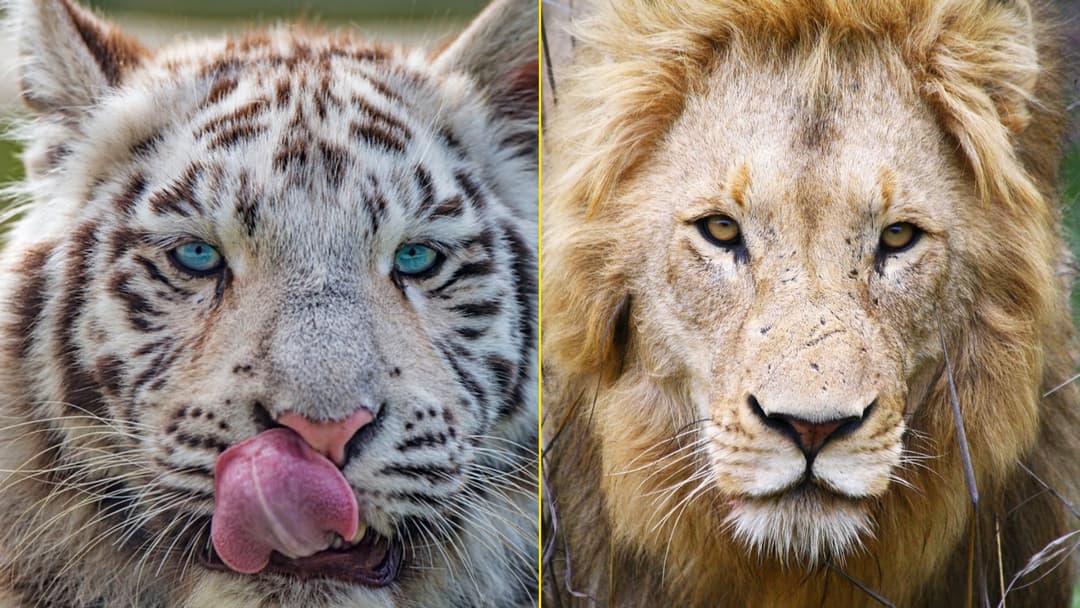
©Openverse / Tambako the Jaguar & Dimitry B
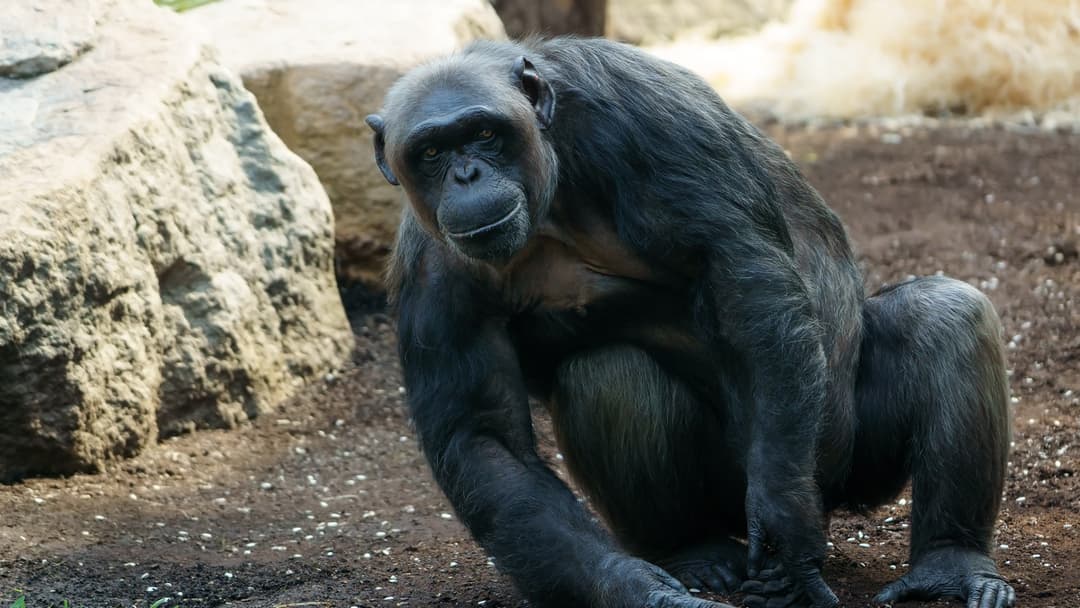
10. Chimpanzee
Chimpanzees share 98.7% of human DNA — but that similarity is why they make terrifying, not terrific, pets. A fully grown chimp is 4x stronger than an adult human. They have been banned across most of the world due to devastating attacks on owners and bystanders alike.
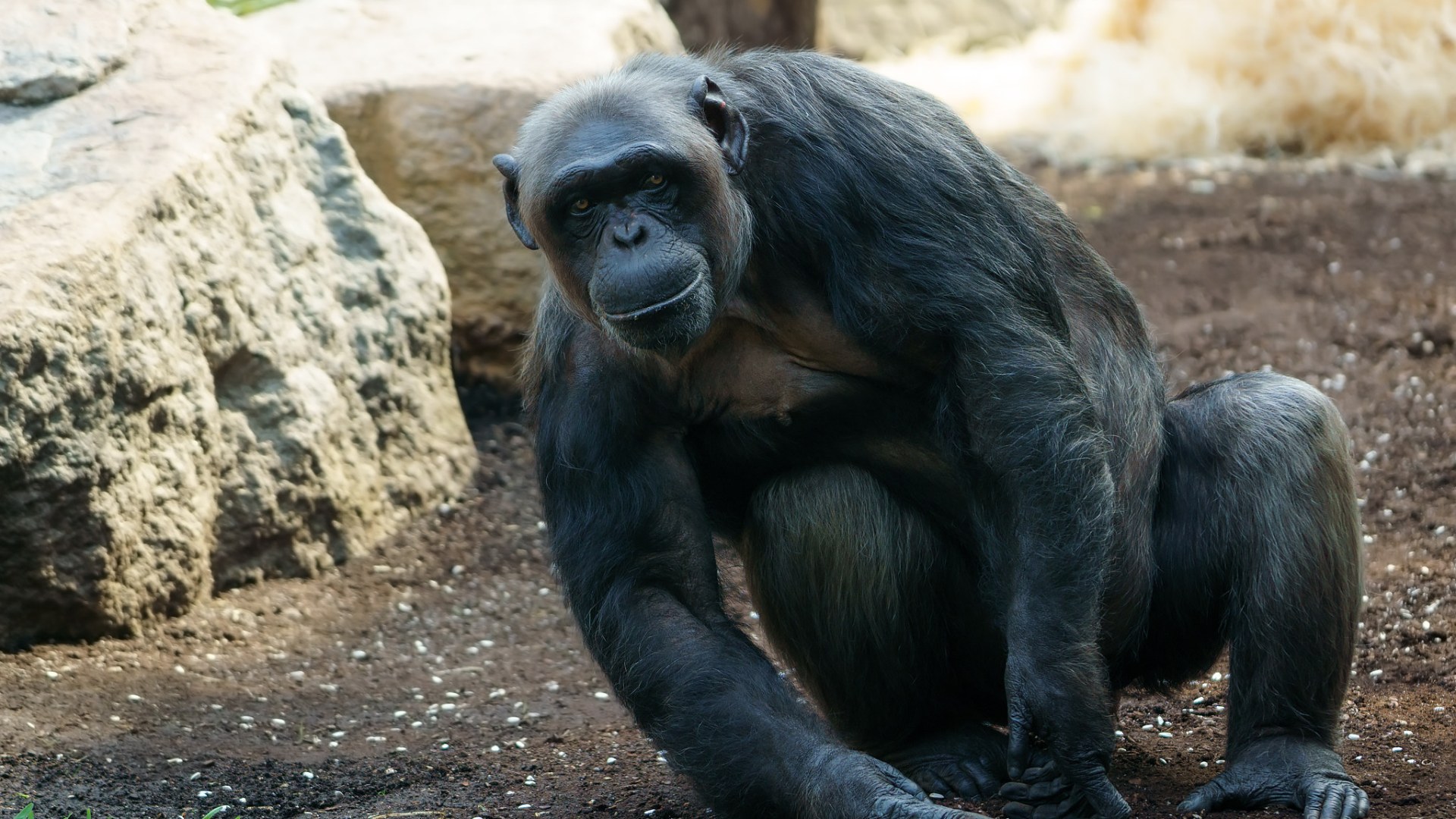
©Wikimedia / Matthias
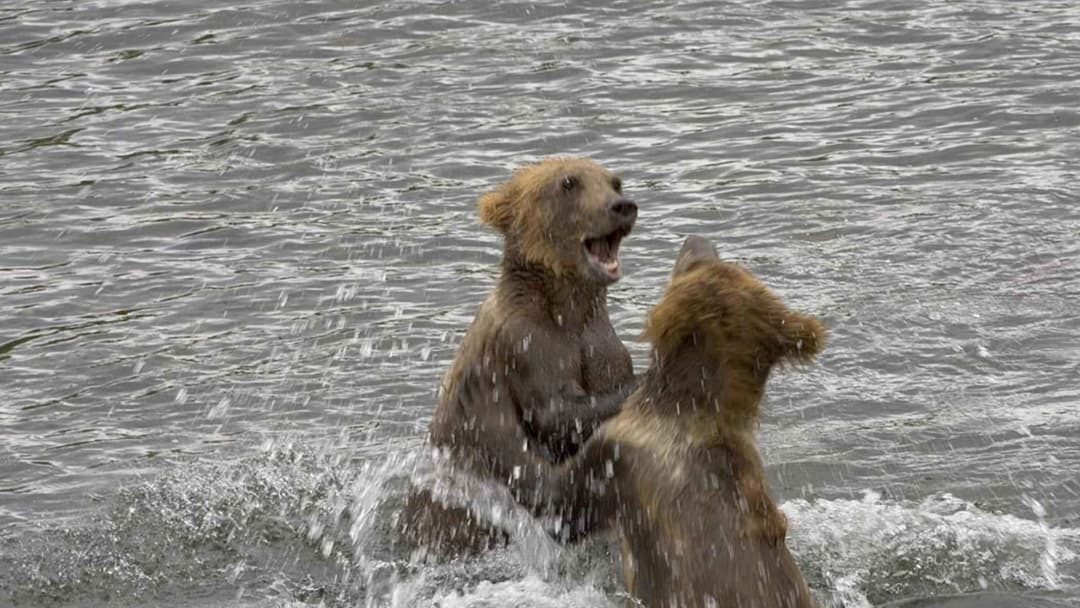
9. Grizzly Bear
Grizzly bear cubs look adorable. But adult grizzlies weigh over 600 lbs, can run 35 mph, and have been responsible for fatal attacks on humans. Private ownership is banned or severely restricted across North America and most of the world.
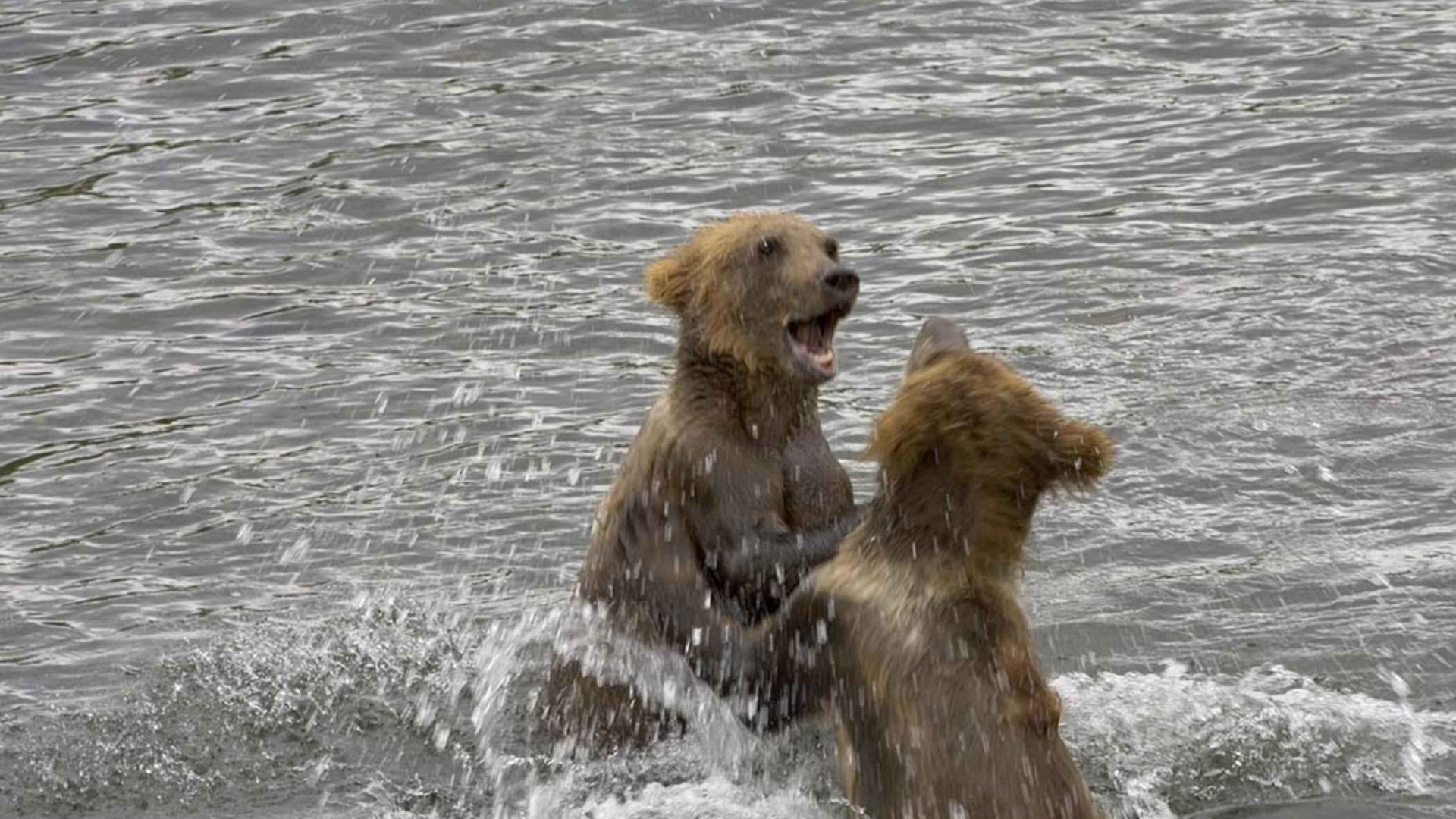
©Wikimedia / Hillebrand Steve, U.S. Fish and Wildlife Service
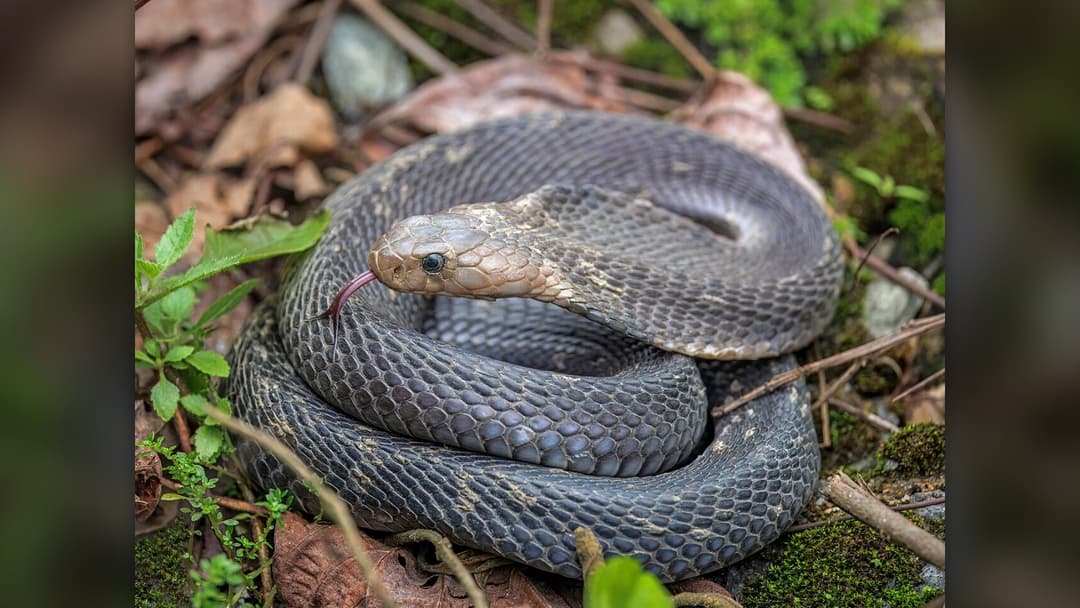
8. Venomous Snake
Venomous snakes such as king cobras and mambas are strictly banned in most countries and US states. Their venom can kill a human in under an hour. Even ‘defanged’ snakes can regrow venom glands. As of 2026, ownership without specialist permits is illegal in the majority of jurisdictions worldwide.
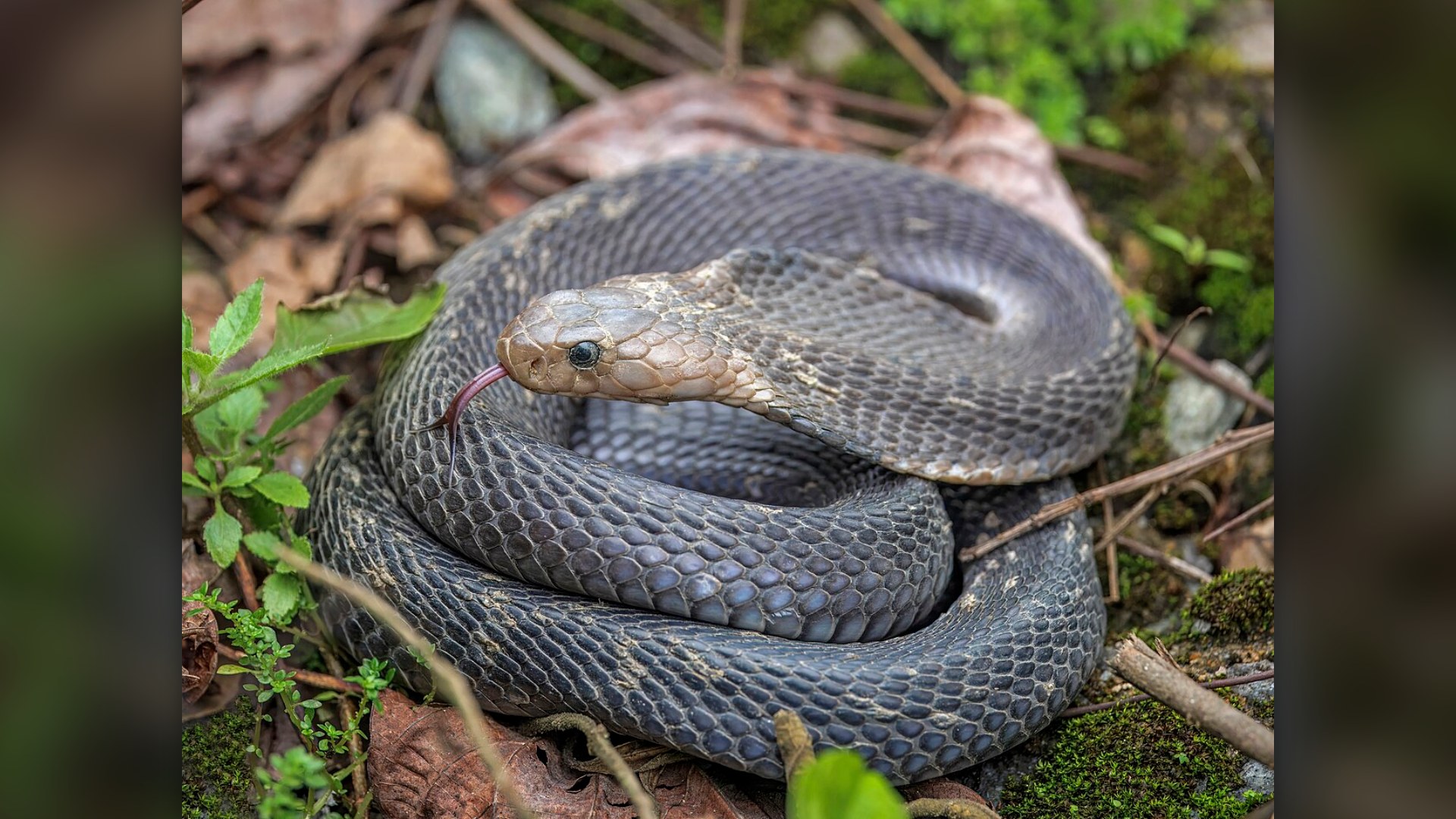
©Wikimedia / Charles J. Sharp
Advertisement
Swipe or tap ▶ to resume the countdown.
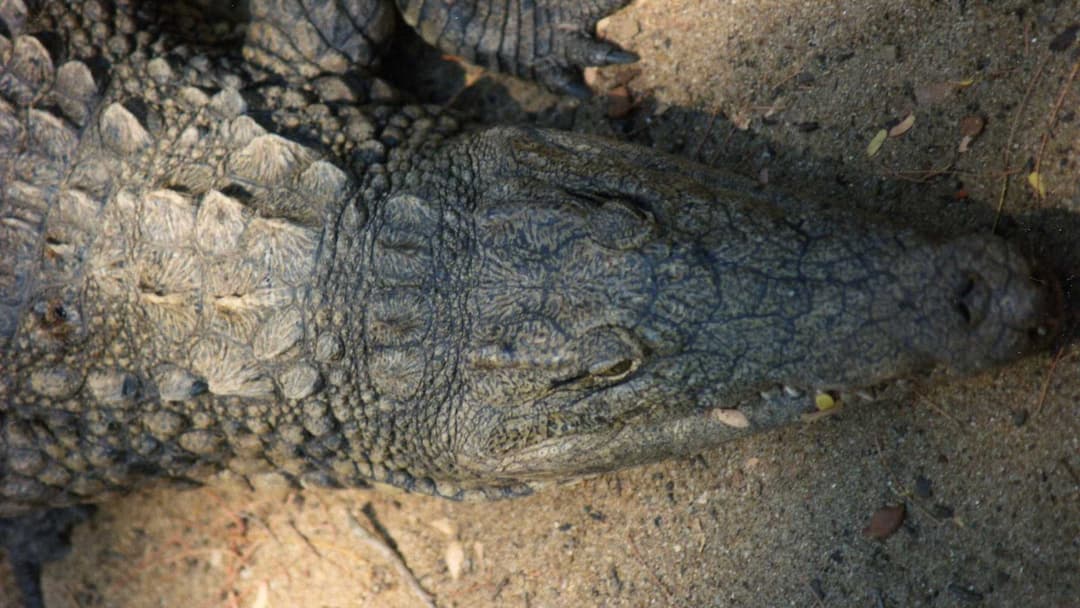
7. Nile Crocodile
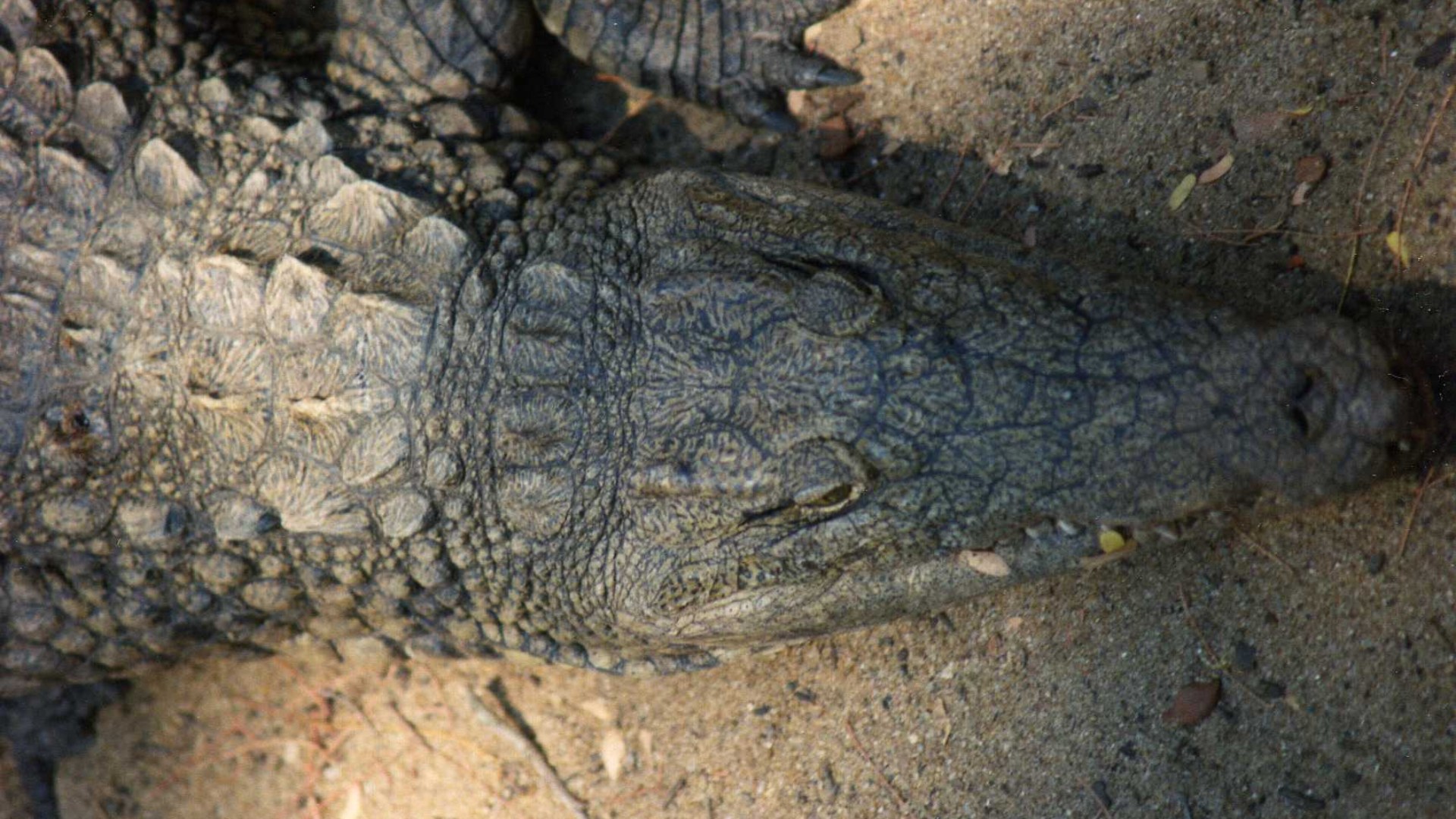
Crocodiles are among Earth's most efficient killing machines. The Nile crocodile — responsible for hundreds of human deaths annually — is banned as a pet virtually everywhere. They grow over 16 feet long and can live 70+ years, making them utterly unmanageable in domestic settings.
©Wikimedia / Leonora Enking
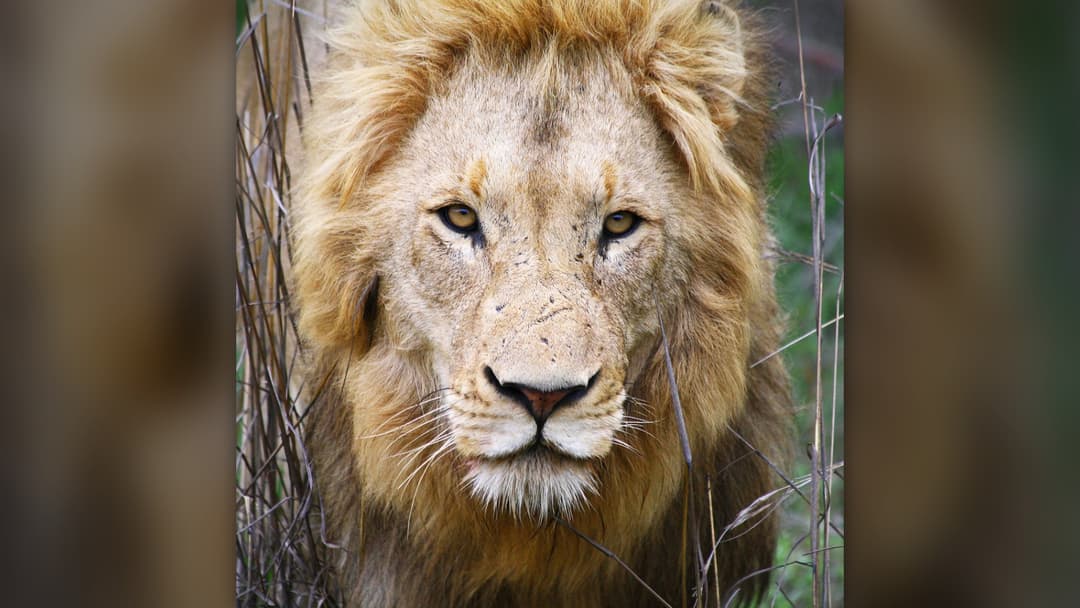
6. African Lion
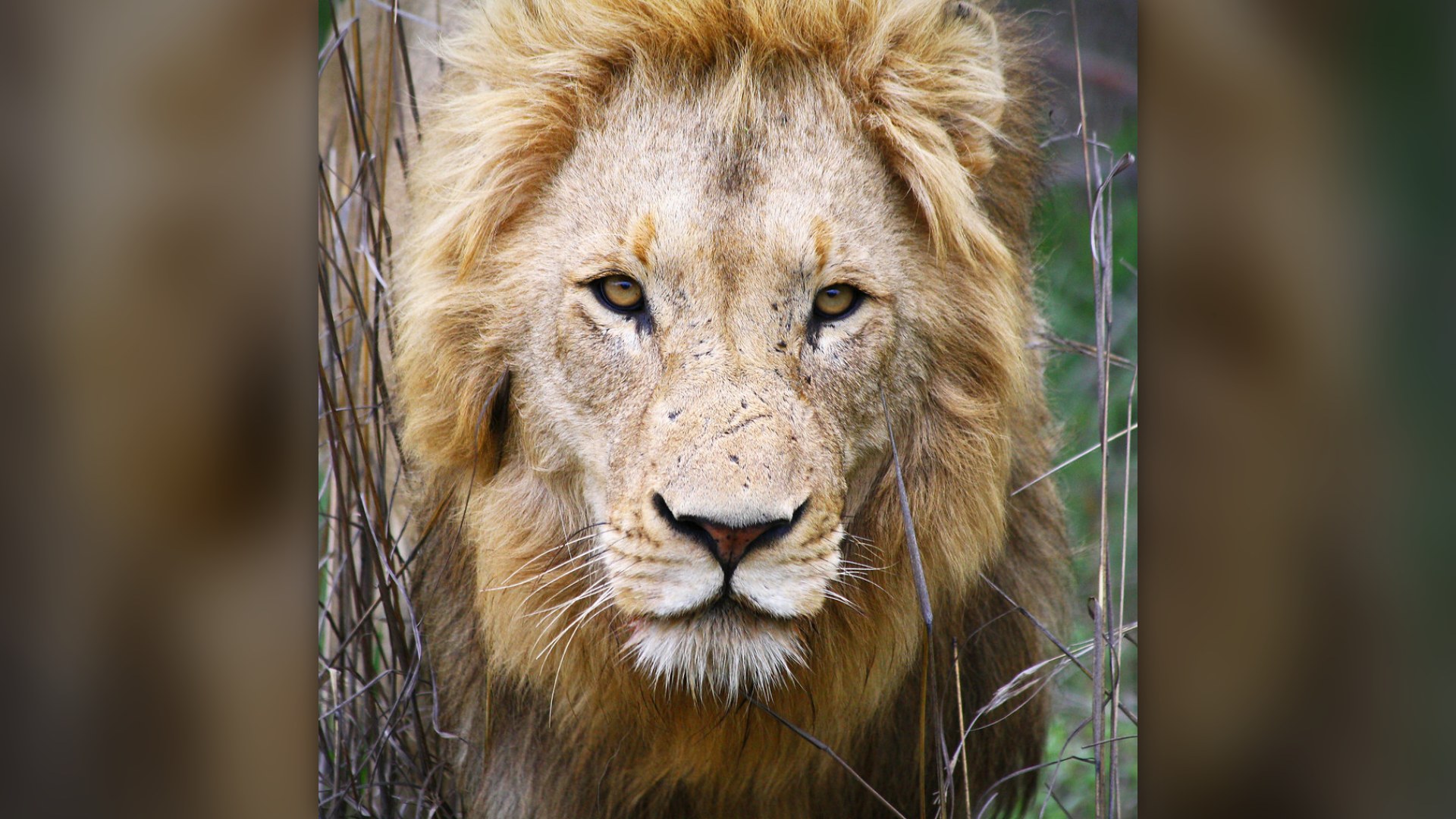
Despite what circus trainers suggest, lions are fundamentally wild. Adult males can weigh 550 lbs and lions kill prey through suffocation and blunt force trauma. Keeping a lion as a pet is banned across the EU, UK, Australia, and under the U.S. Big Cat Public Safety Act of 2022.
©Openverse / Dimitry B
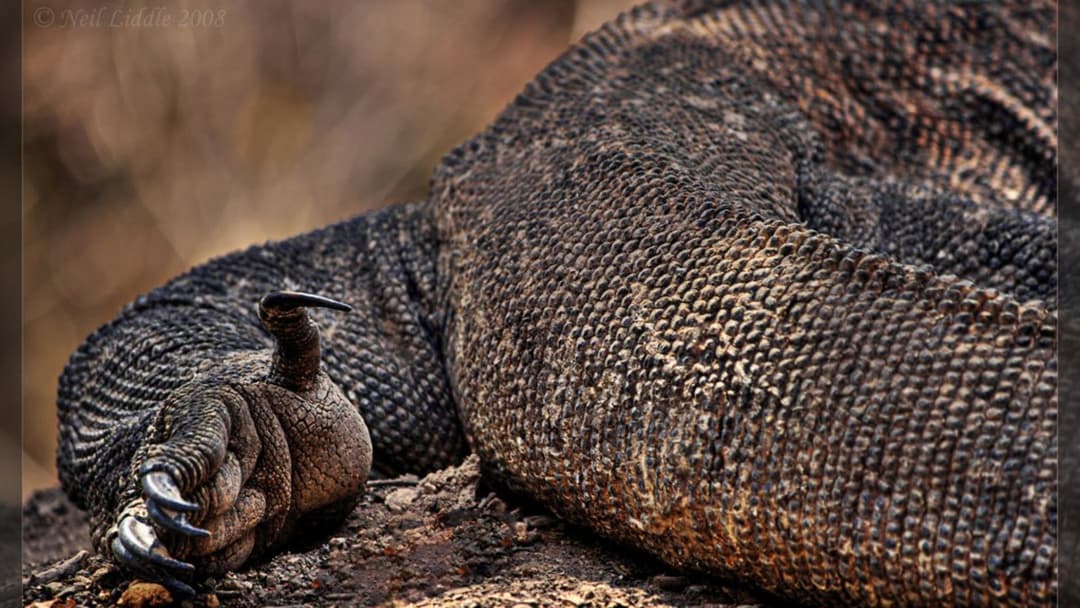
5. Komodo Dragon
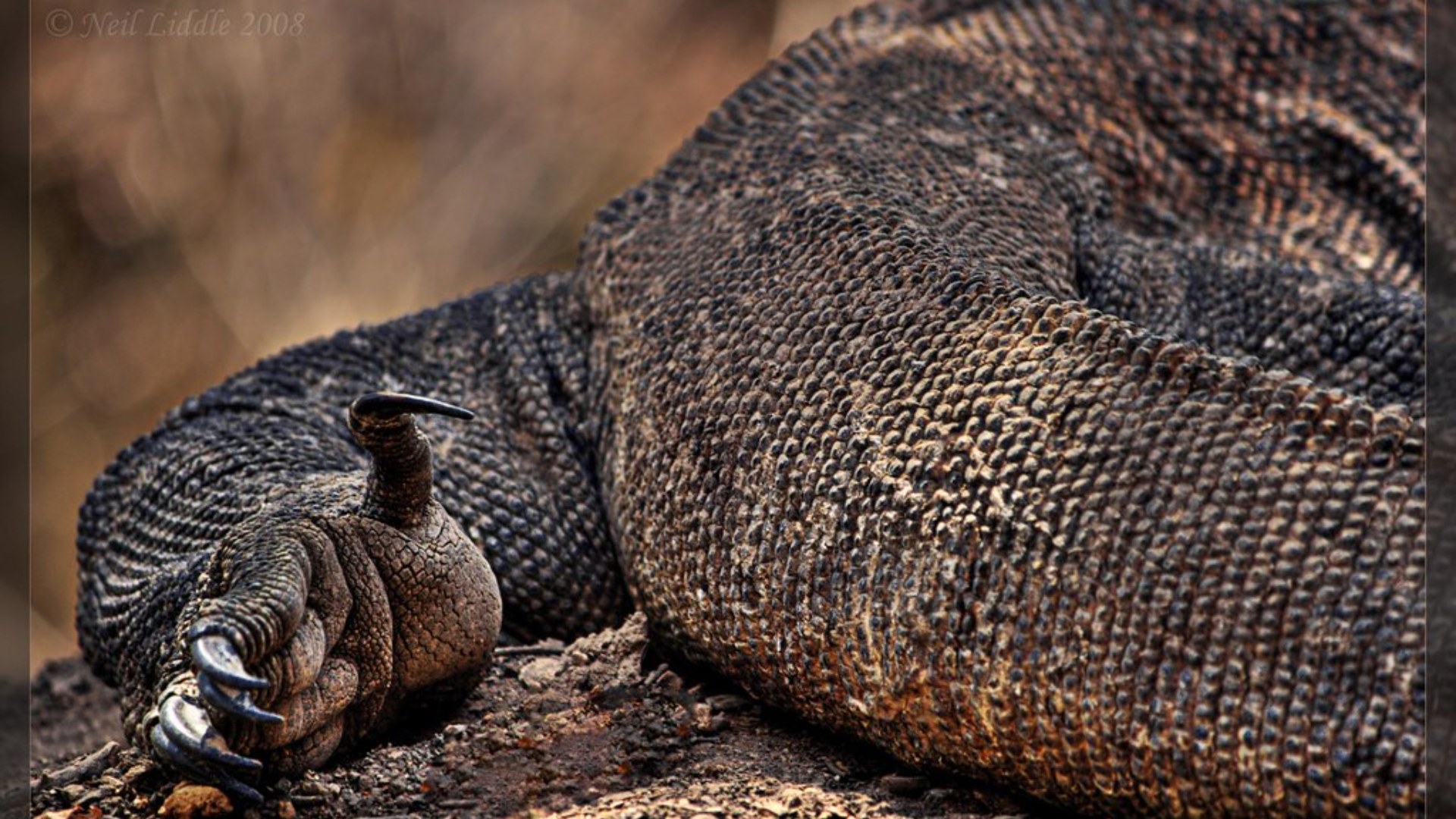
The world’s largest living lizard grows up to 10 feet and delivers a lethal combination of venom and septic bacteria with every bite. As a critically endangered species, Komodo dragons are protected under CITES and banned as pets by Indonesian law and international trade agreements.
©Openverse / NeilsPhotography
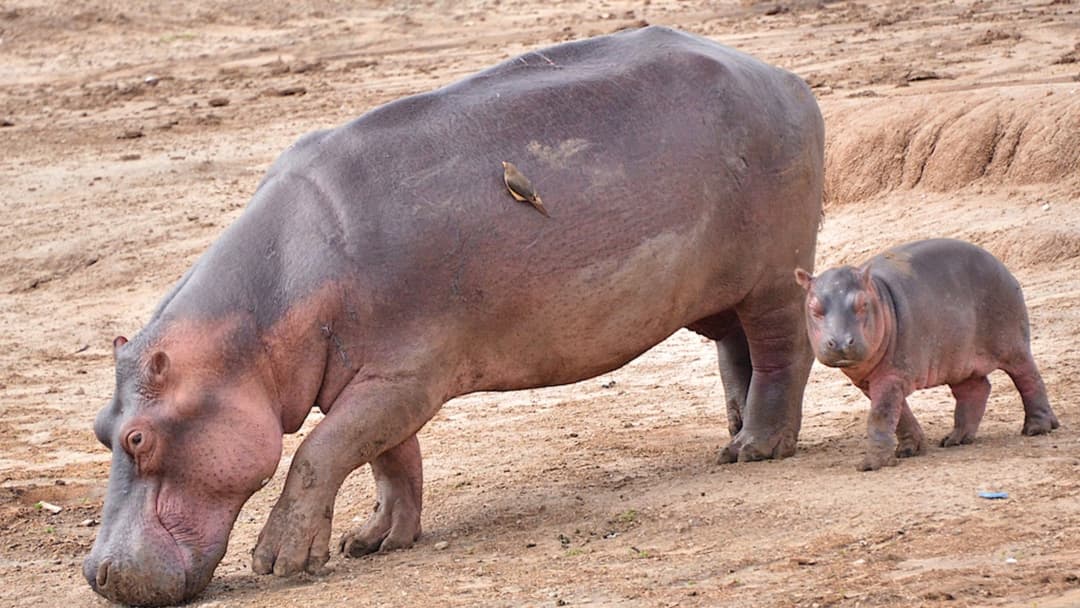
4. Hippopotamus
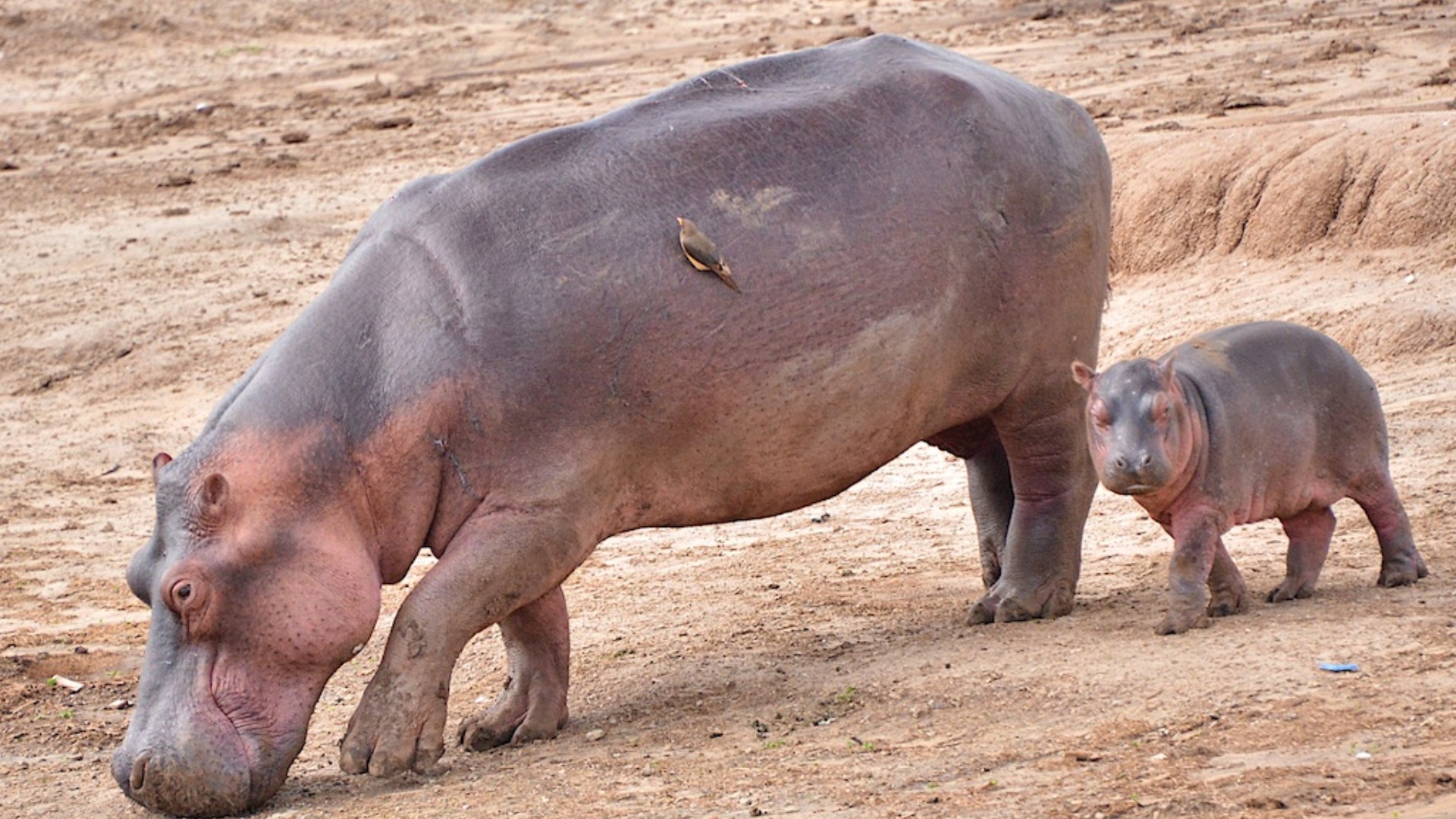
Hippos are responsible for an estimated 500 human deaths per year in Africa — more than lions or leopards. Despite looking slow and lumbering, they can sprint at 20 mph on land and have razor-sharp 20-inch canines. Private hippo ownership is banned worldwide.
©Openverse / Rod Waddington
Advertisement
Swipe or tap ▶ to resume the countdown.
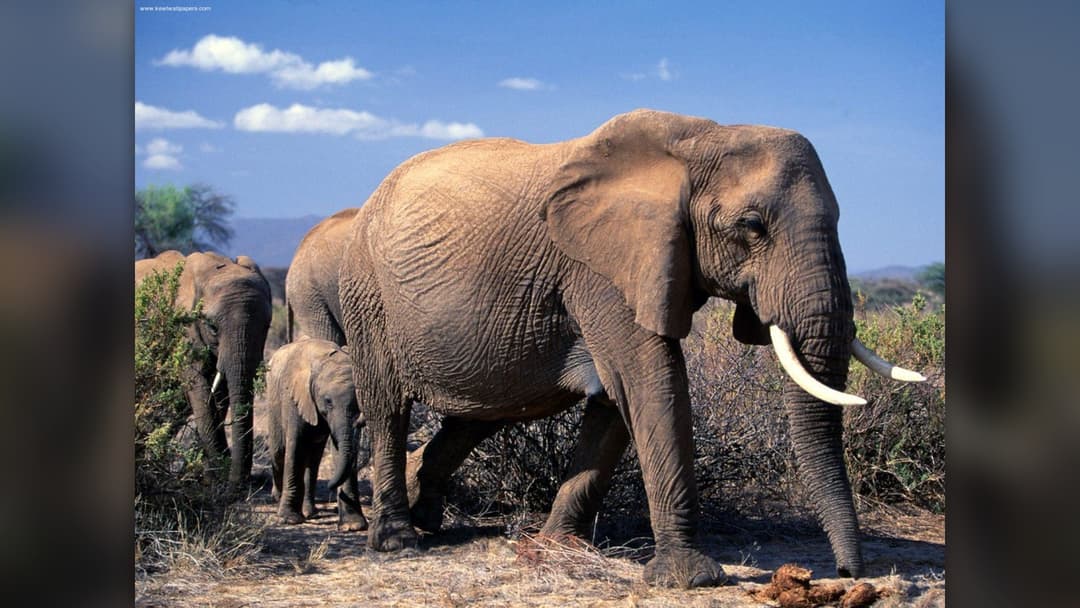
3. African Elephant
African elephants are the largest land animals on Earth, weighing up to 14,000 lbs and roaming up to 50 miles per day. Their complex social needs, potential for destruction, and endangered CITES status make private ownership legally impossible. They are protected by international treaty in nearly every country.
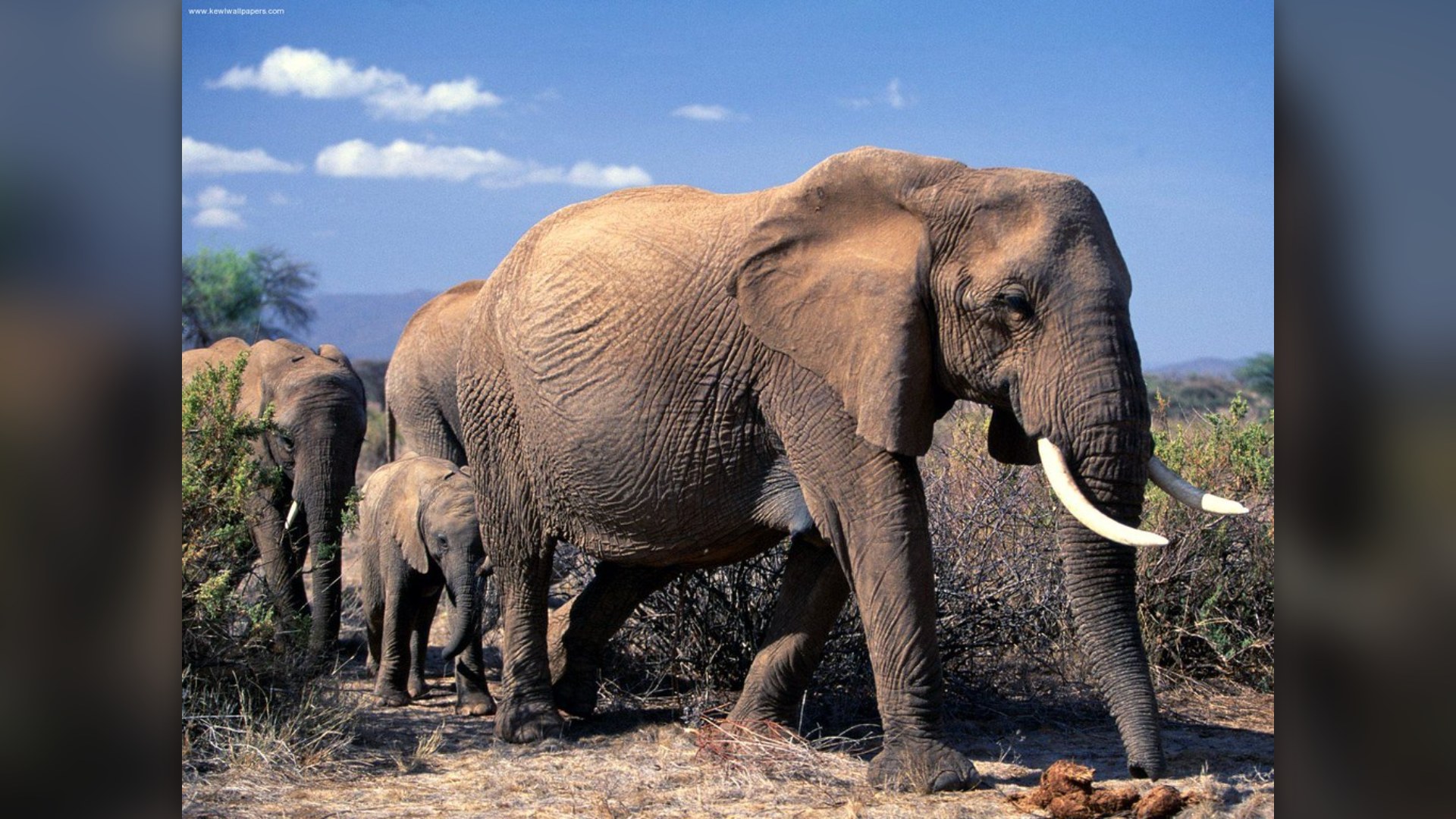
©Openverse / flickrfavorites
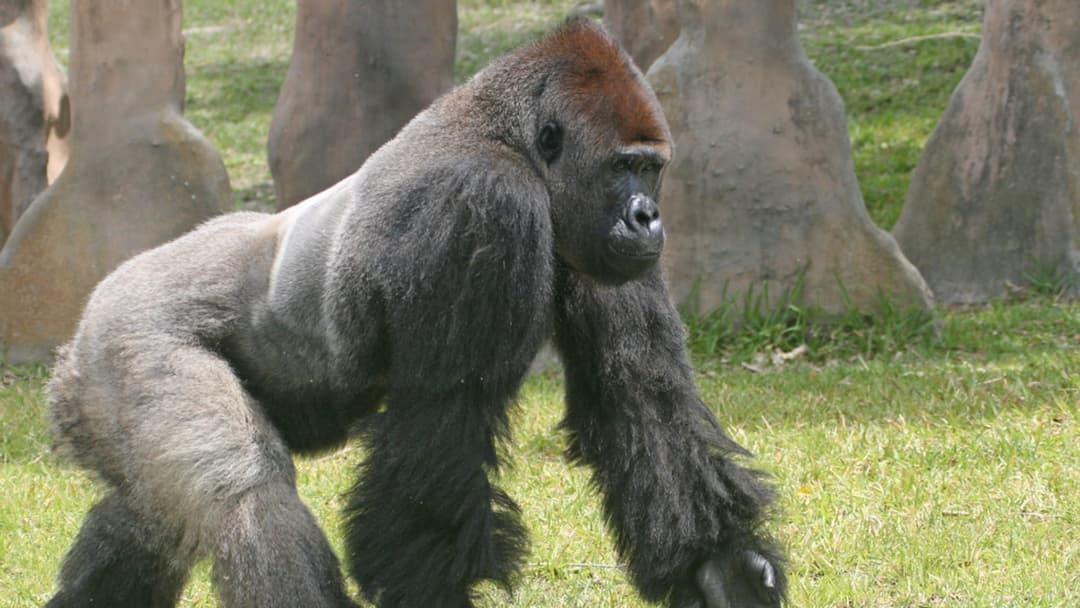
2. Gorilla
A silverback gorilla can lift over 1,800 lbs — roughly 10 times its own body weight. As a critically endangered great ape, gorillas are protected under CITES Appendix I, making private ownership a criminal offence in virtually every nation on Earth.
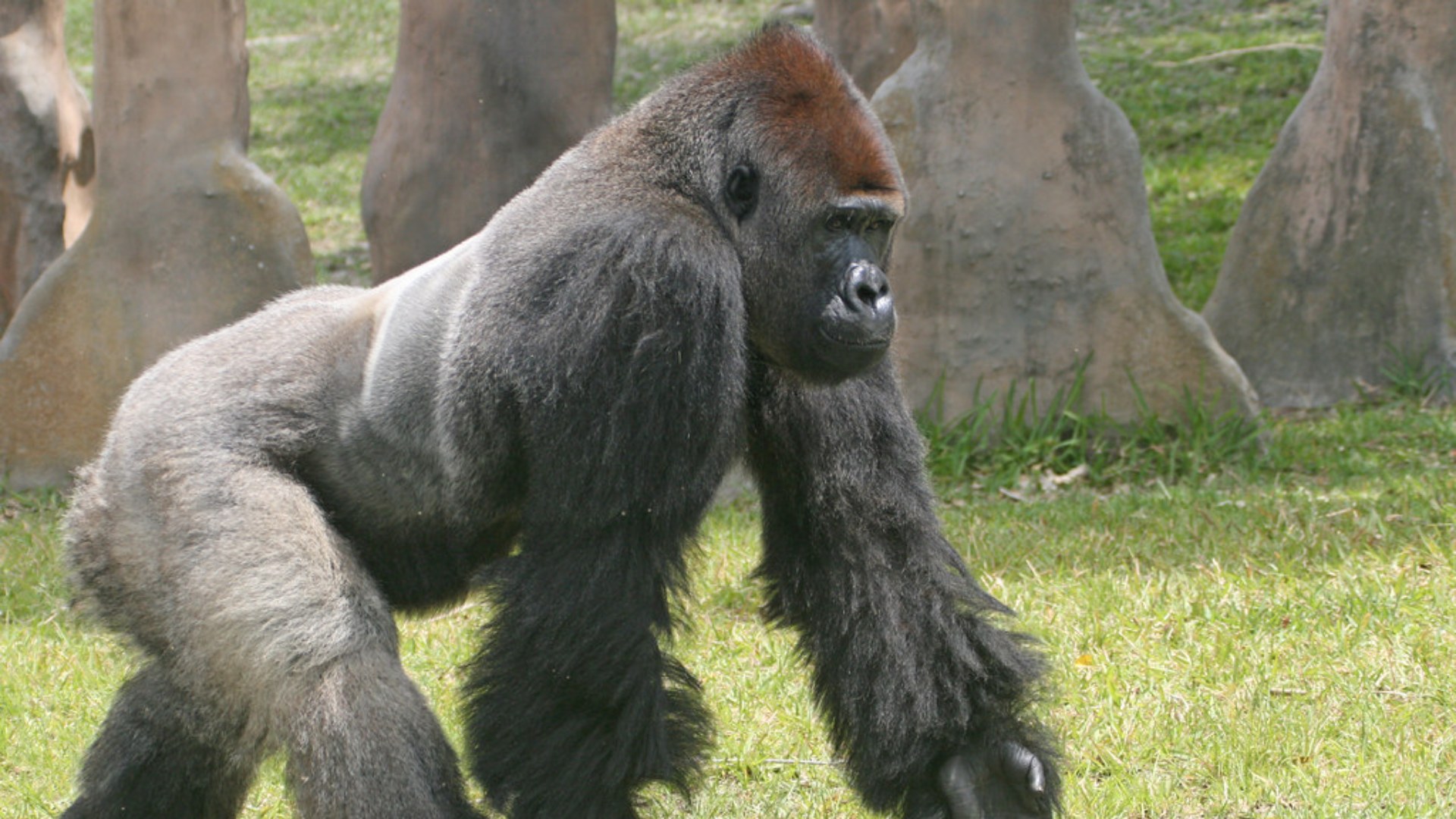
©Openverse / tiswango
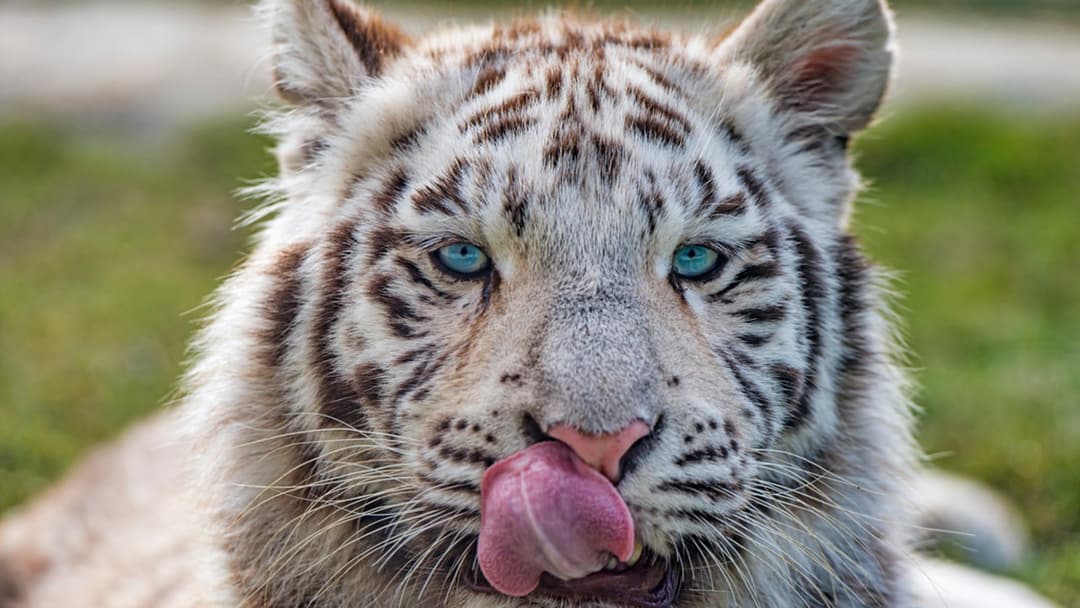
1. Tiger
There are more tigers living in captivity in the U.S. than in the wild worldwide — yet keeping one is now federally illegal under the Big Cat Public Safety Act (2022). Tigers are solitary apex predators that can grow to 660 lbs. They are listed on CITES Appendix I and banned as pets internationally.
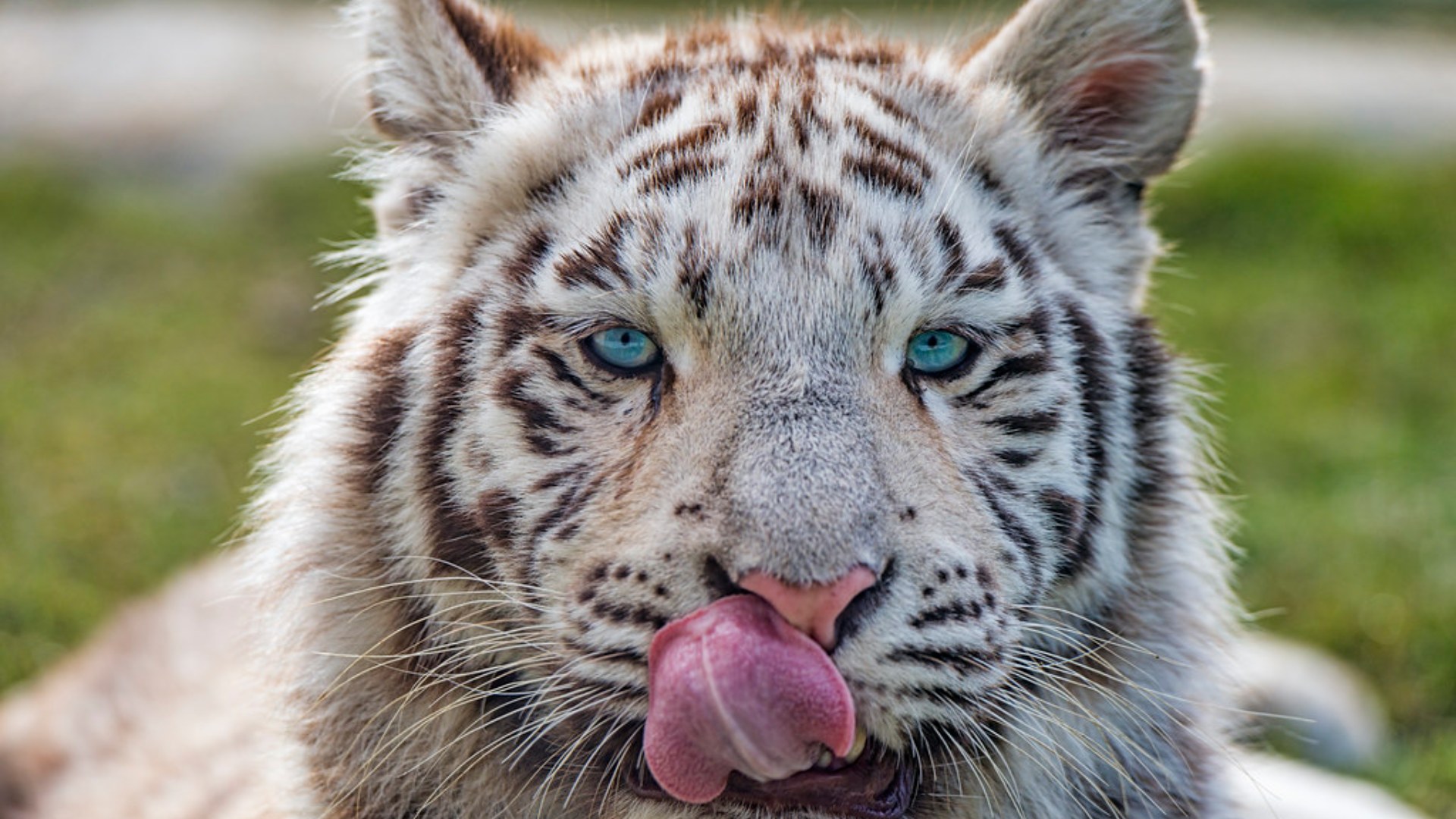
©Openverse / Tambako the Jaguar
Advertisement
You've reached the end of the story. Thanks for reading!

25 Moments When Mother Animals Find Their Way Back to Babies
25 Emotional Moments When Mother Animals Find Their Way Back to Young
All 10 Entries in this Story
10. Chimpanzee
Chimpanzees share 98.7% of human DNA — but that similarity is why they make terrifying, not terrific, pets. A fully grown chimp is 4x stronger than an adult human. They have been banned across most of the world due to devastating attacks on owners and bystanders alike.

9. Grizzly Bear
Grizzly bear cubs look adorable. But adult grizzlies weigh over 600 lbs, can run 35 mph, and have been responsible for fatal attacks on humans. Private ownership is banned or severely restricted across North America and most of the world.

8. Venomous Snake
Venomous snakes such as king cobras and mambas are strictly banned in most countries and US states. Their venom can kill a human in under an hour. Even ‘defanged’ snakes can regrow venom glands. As of 2026, ownership without specialist permits is illegal in the majority of jurisdictions worldwide.

7. Nile Crocodile
Crocodiles are among Earth's most efficient killing machines. The Nile crocodile — responsible for hundreds of human deaths annually — is banned as a pet virtually everywhere. They grow over 16 feet long and can live 70+ years, making them utterly unmanageable in domestic settings.

6. African Lion
Despite what circus trainers suggest, lions are fundamentally wild. Adult males can weigh 550 lbs and lions kill prey through suffocation and blunt force trauma. Keeping a lion as a pet is banned across the EU, UK, Australia, and under the U.S. Big Cat Public Safety Act of 2022.

5. Komodo Dragon
The world’s largest living lizard grows up to 10 feet and delivers a lethal combination of venom and septic bacteria with every bite. As a critically endangered species, Komodo dragons are protected under CITES and banned as pets by Indonesian law and international trade agreements.

4. Hippopotamus
Hippos are responsible for an estimated 500 human deaths per year in Africa — more than lions or leopards. Despite looking slow and lumbering, they can sprint at 20 mph on land and have razor-sharp 20-inch canines. Private hippo ownership is banned worldwide.

3. African Elephant
African elephants are the largest land animals on Earth, weighing up to 14,000 lbs and roaming up to 50 miles per day. Their complex social needs, potential for destruction, and endangered CITES status make private ownership legally impossible. They are protected by international treaty in nearly every country.

2. Gorilla
A silverback gorilla can lift over 1,800 lbs — roughly 10 times its own body weight. As a critically endangered great ape, gorillas are protected under CITES Appendix I, making private ownership a criminal offence in virtually every nation on Earth.

1. Tiger
There are more tigers living in captivity in the U.S. than in the wild worldwide — yet keeping one is now federally illegal under the Big Cat Public Safety Act (2022). Tigers are solitary apex predators that can grow to 660 lbs. They are listed on CITES Appendix I and banned as pets internationally.