Slideshow · Viral
10 Everyday Things That Were Illegal 100 Years Ago
A century ago, the Roaring Twenties weren't nearly as lawless as Hollywood makes them look. From buying yellow margarine and going to the movies on Sunday to wearing a swimsuit above the knee, these 1
By Most Viral Today
21 Oct 2026

Harmless Daily Habits That Could Land You in a 1920s Jail Cell 
10. Buying Yellow-Dyed Margarine 
9. Going To A Movie Theater On Sunday 
8. Rolling Dice Or Buying A Lottery Ticket - AdvertisementSwipe or tap ▶ to continue countdown

7. Keeping Gold Coins In A Home Safe 
6. Women Wearing Tailored Trousers In Public 
5. Mailing Birth Control Information 
4. Teaching Human Evolution In Science Class - AdvertisementSwipe or tap ▶ to continue countdown

3. Marrying Someone Of A Different Race 
2. Wearing A Swimsuit Above The Knee 
1. Pouring A Glass Of Beer Or Wine At Dinner - Advertisement🔥 UP NEXT IN THIS SERIES◫ 21 Slides

20 Details Behind The Real Story Of Stephen Miller
A century ago, the Roaring Twenties weren't nearly as lawless as Hollywood makes them look. From buying yellow margarine and going to the movies on Sunday to wearing a swimsuit above the knee, these 10 everyday habits were strictly illegal 100 years ago.
Swipe or tap ▶ to begin the countdown
©Wikimedia / National Photo Company
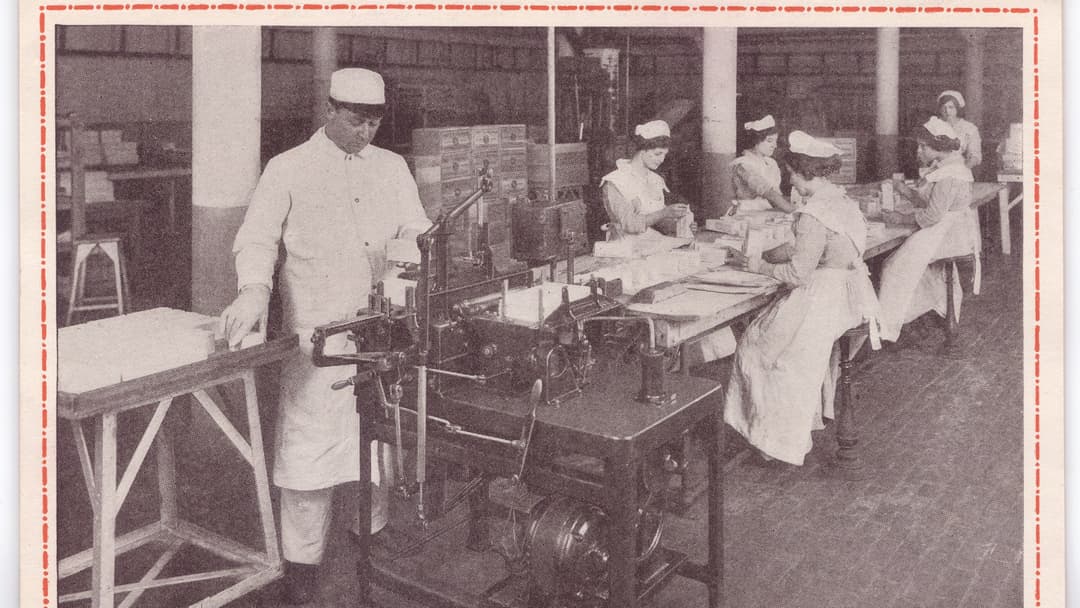
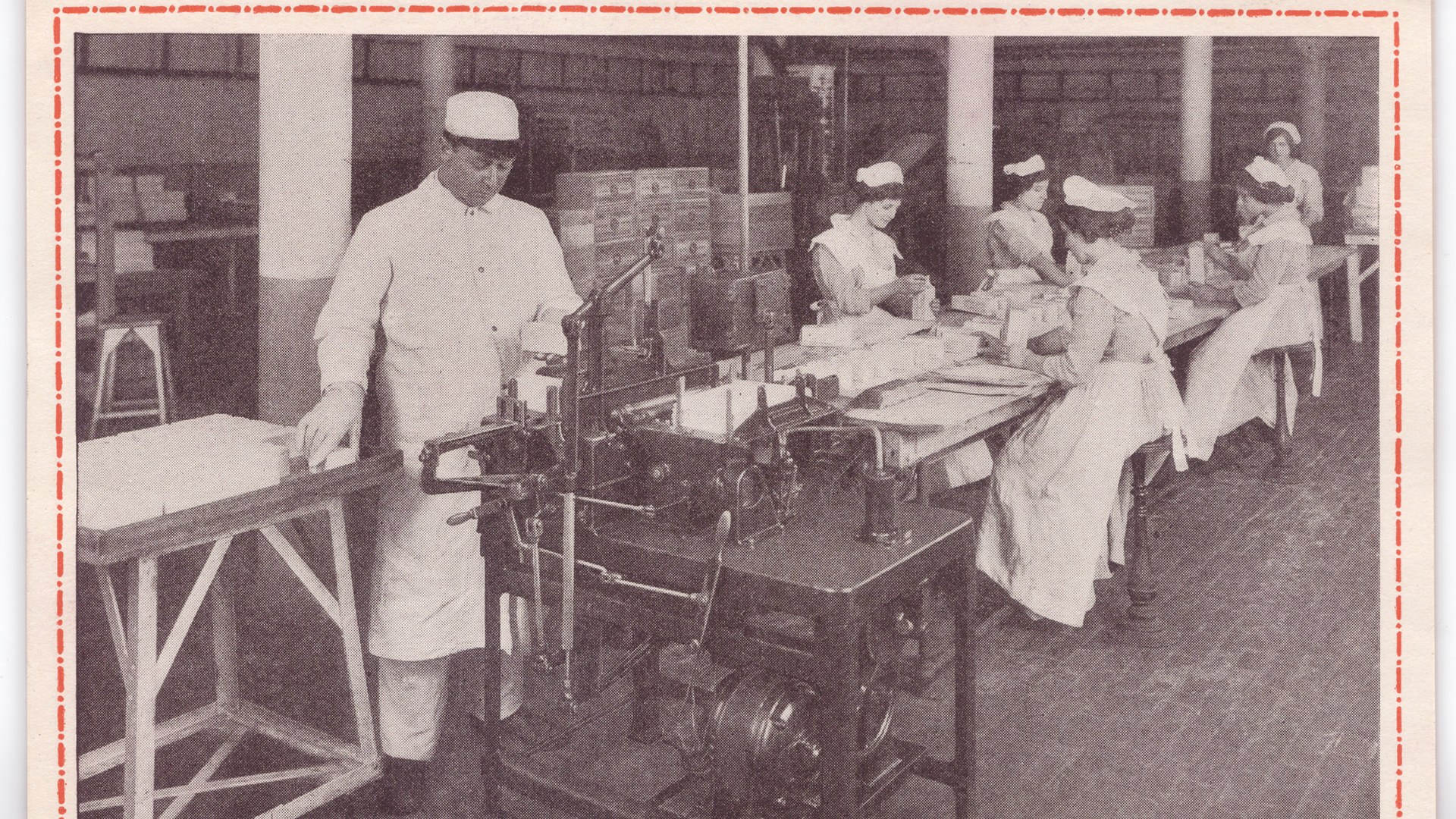
10. Buying Yellow-Dyed Margarine
Lobbyists for the dairy industry convinced lawmakers that yellow oleomargarine was a deceptive counterfeit of real butter. In the 1920s, federal taxes and state bans meant shoppers had to buy stark white tubs of margarine that came with a separate pinch-packet of yellow dye to knead by hand.
©Wikimedia / Swift & Company
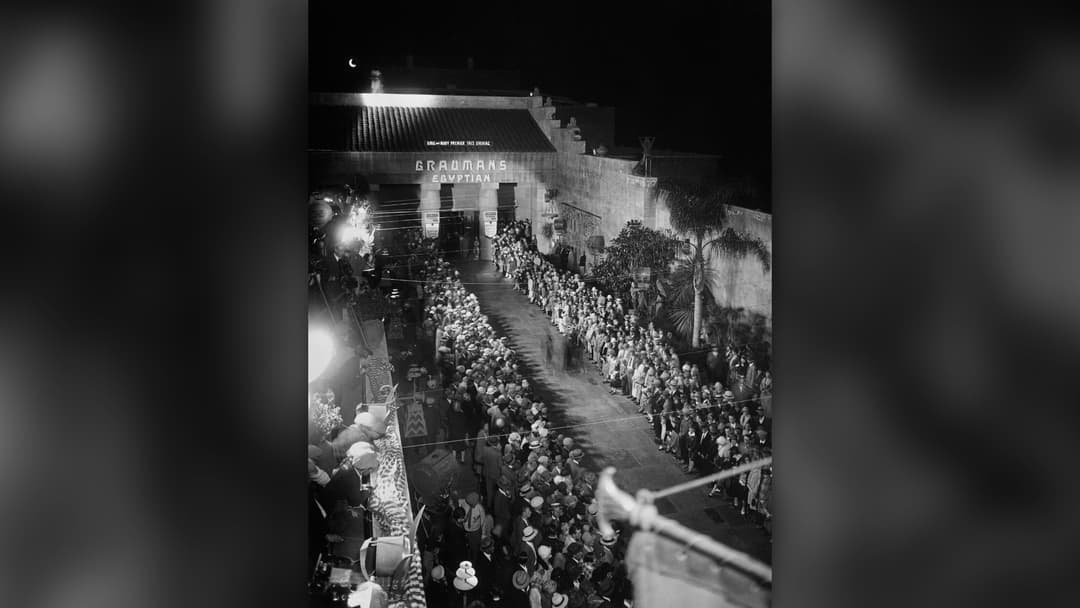
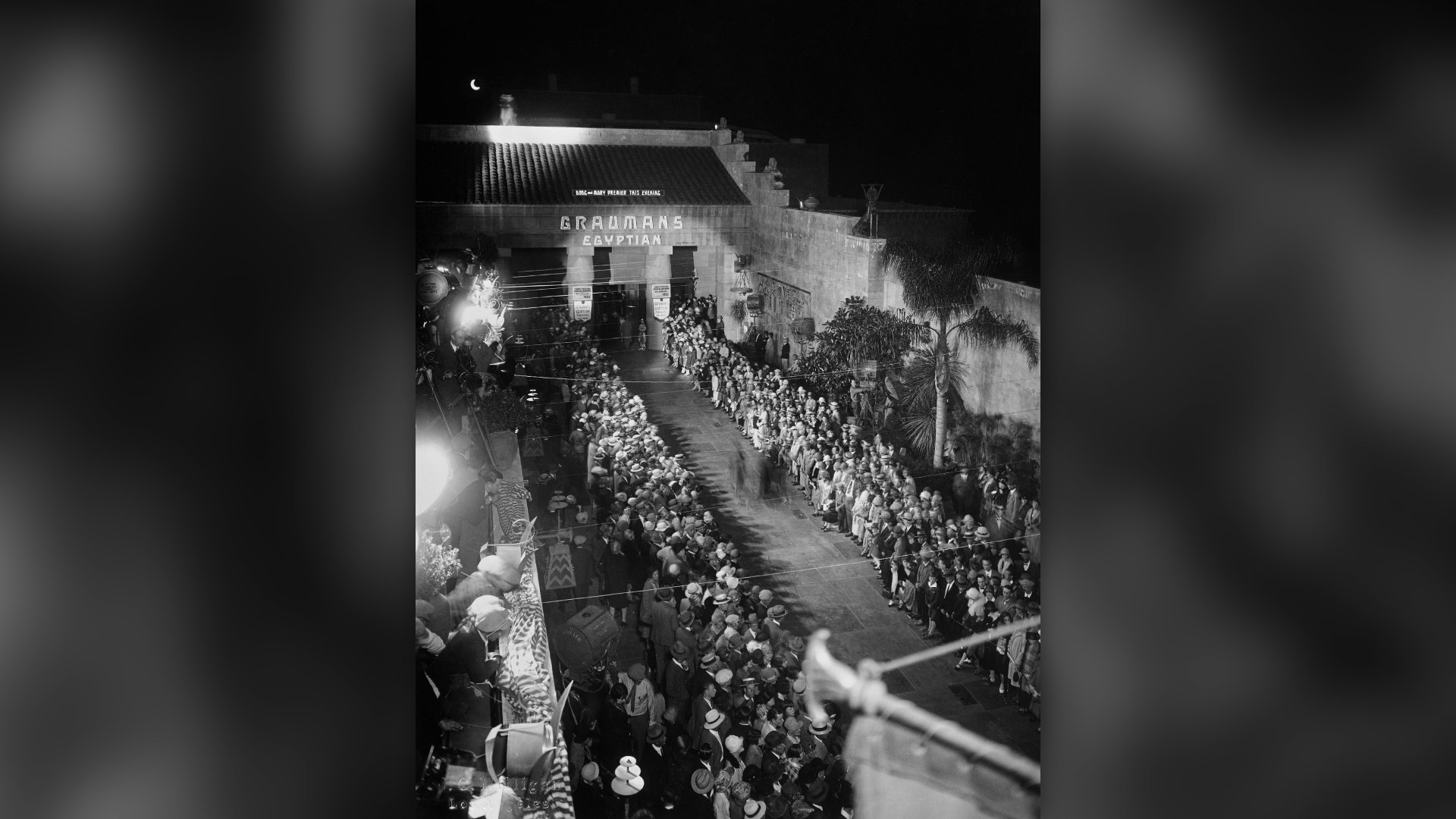
9. Going To A Movie Theater On Sunday
In 1926, local police routinely raided cinema operators who dared to project silent films on a Sunday afternoon. Rooted in colonial Sabbath statutes, state Blue Laws banned everything from Sunday matinees and department-store shopping to professional baseball games in several major cities.
©Wikimedia / Los Angeles Public Library
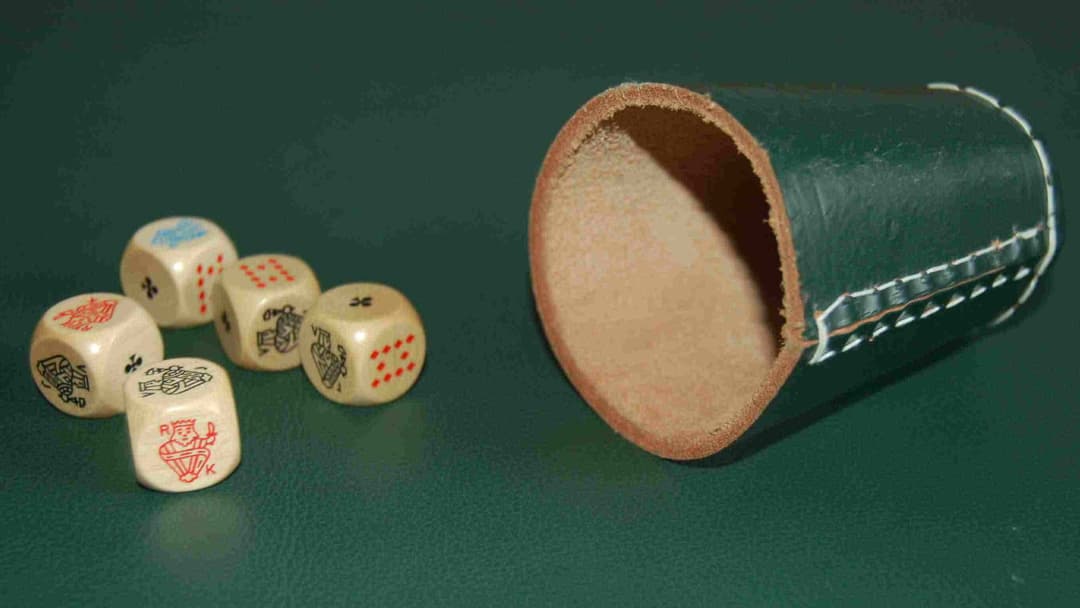
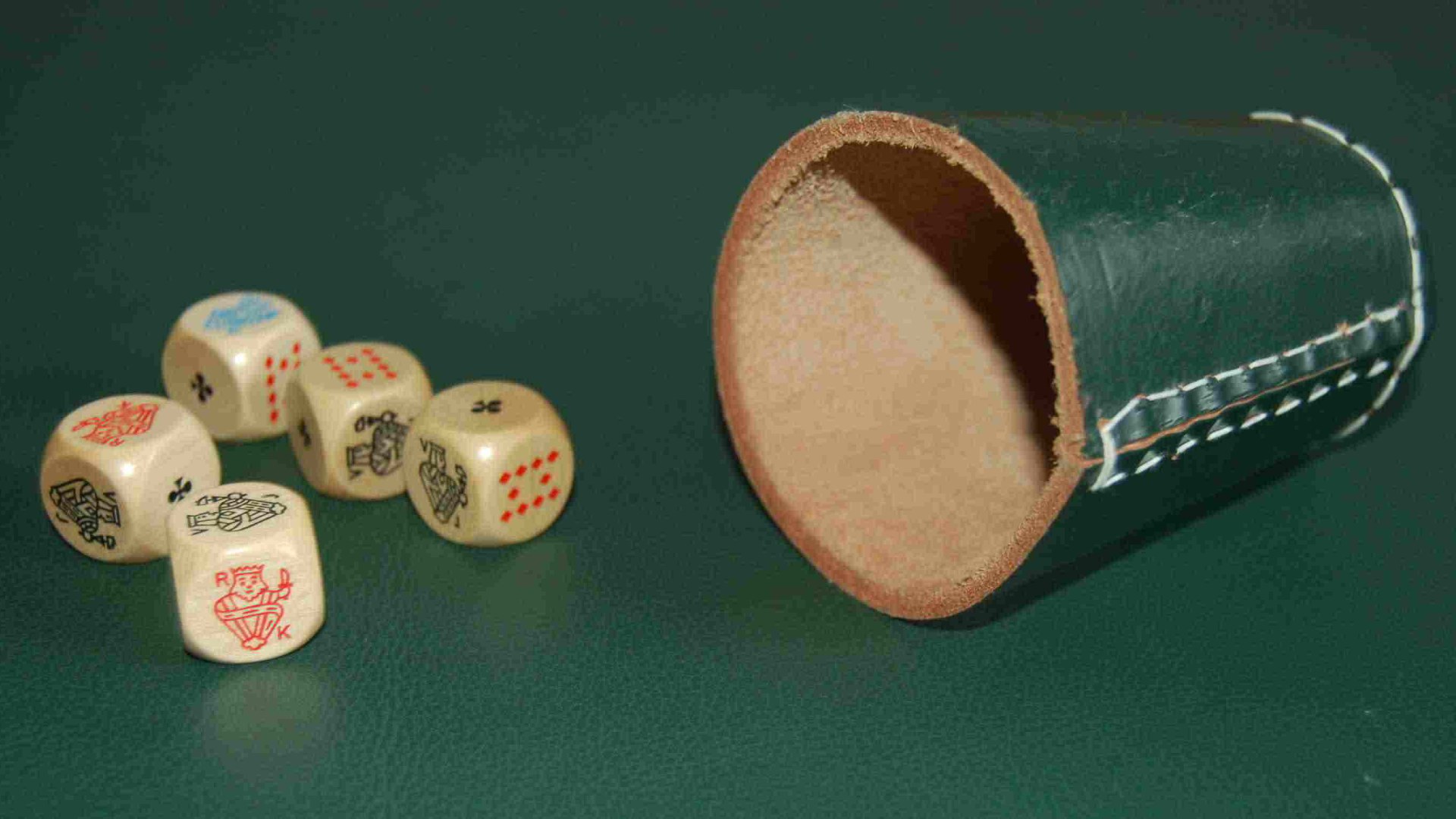
8. Rolling Dice Or Buying A Lottery Ticket
Today millions of people pick up state lottery scratch-offs at the corner store, but 100 years ago, no legal lottery existed anywhere in the United States. After widespread 19th-century corruption scandals, Congress and all 48 states banned lottery tickets and parlor dice games outright.
©Wikimedia / Roland Scheicher
Advertisement
Swipe or tap ▶ to resume the countdown.
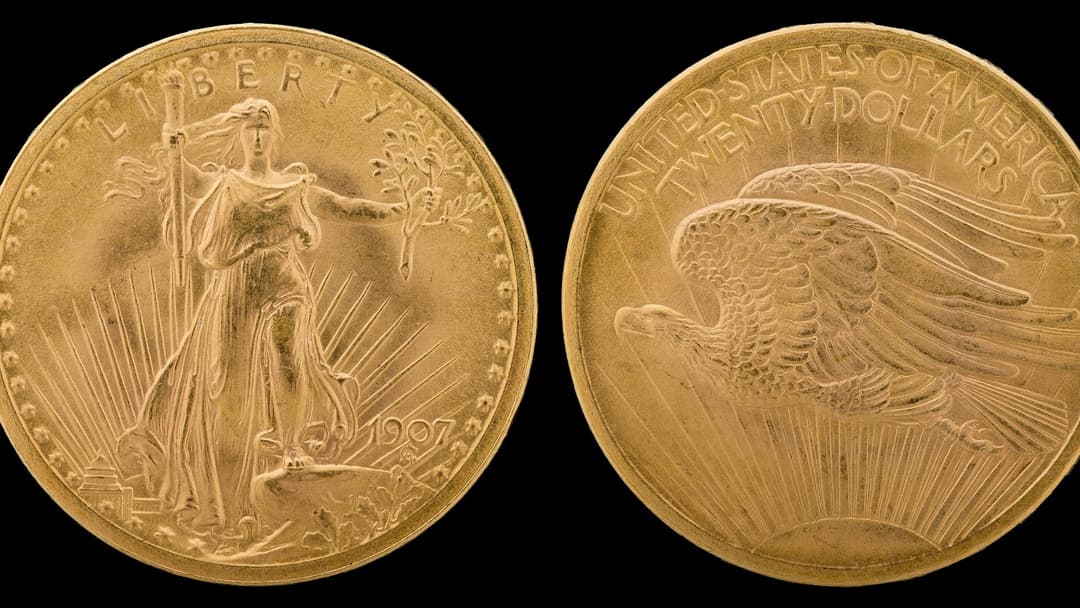
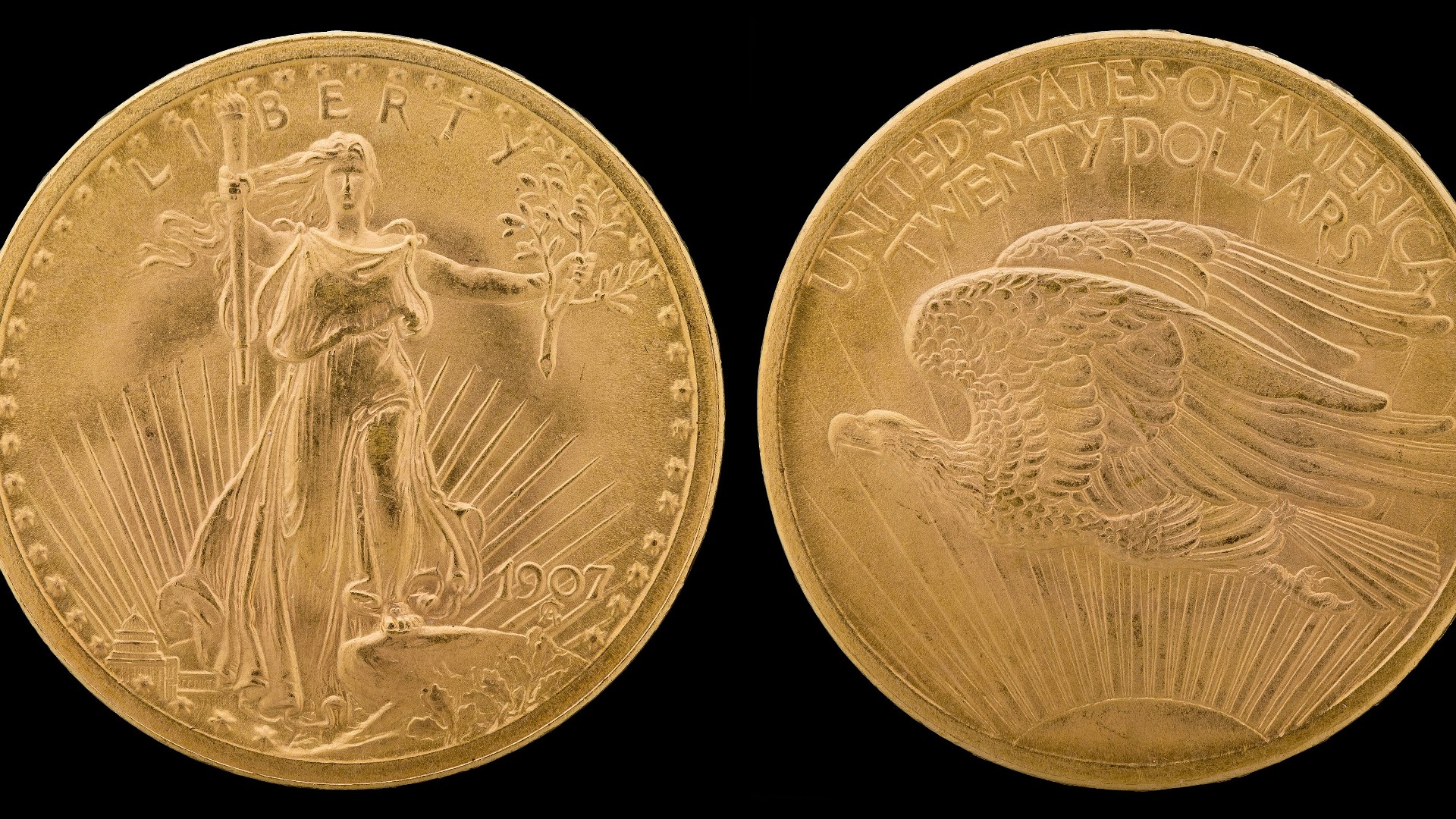
7. Keeping Gold Coins In A Home Safe
To combat banking panics and reflate the money supply under the gold standard, President Franklin D. Roosevelt ordered Americans in 1933 to surrender all gold coins, bullion, and gold certificates in excess of $100 to the Federal Reserve in exchange for paper currency—a ban that lasted until 1974.
©Wikimedia / National Numismatic Collection
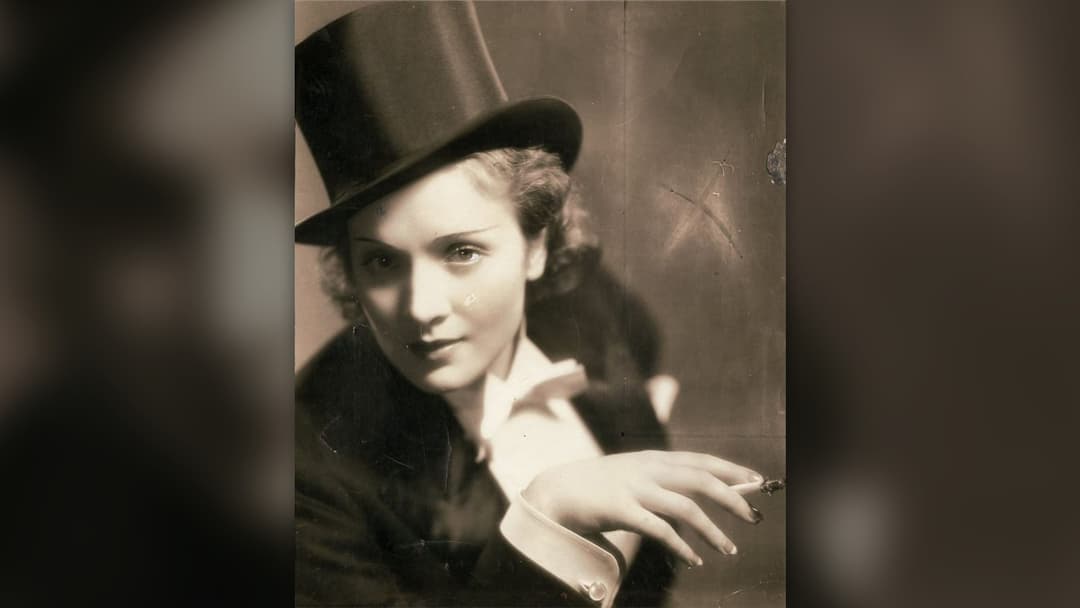
6. Women Wearing Tailored Trousers In Public
Long before jeans and slacks became everyday wardrobe staples, dozens of U.S. cities and European capitals enforced 19th-century ordinances forbidding women from dressing in "masculine attire." Even Hollywood icon Marlene Dietrich was famously warned by Paris police in 1933 for wearing a trouser suit.
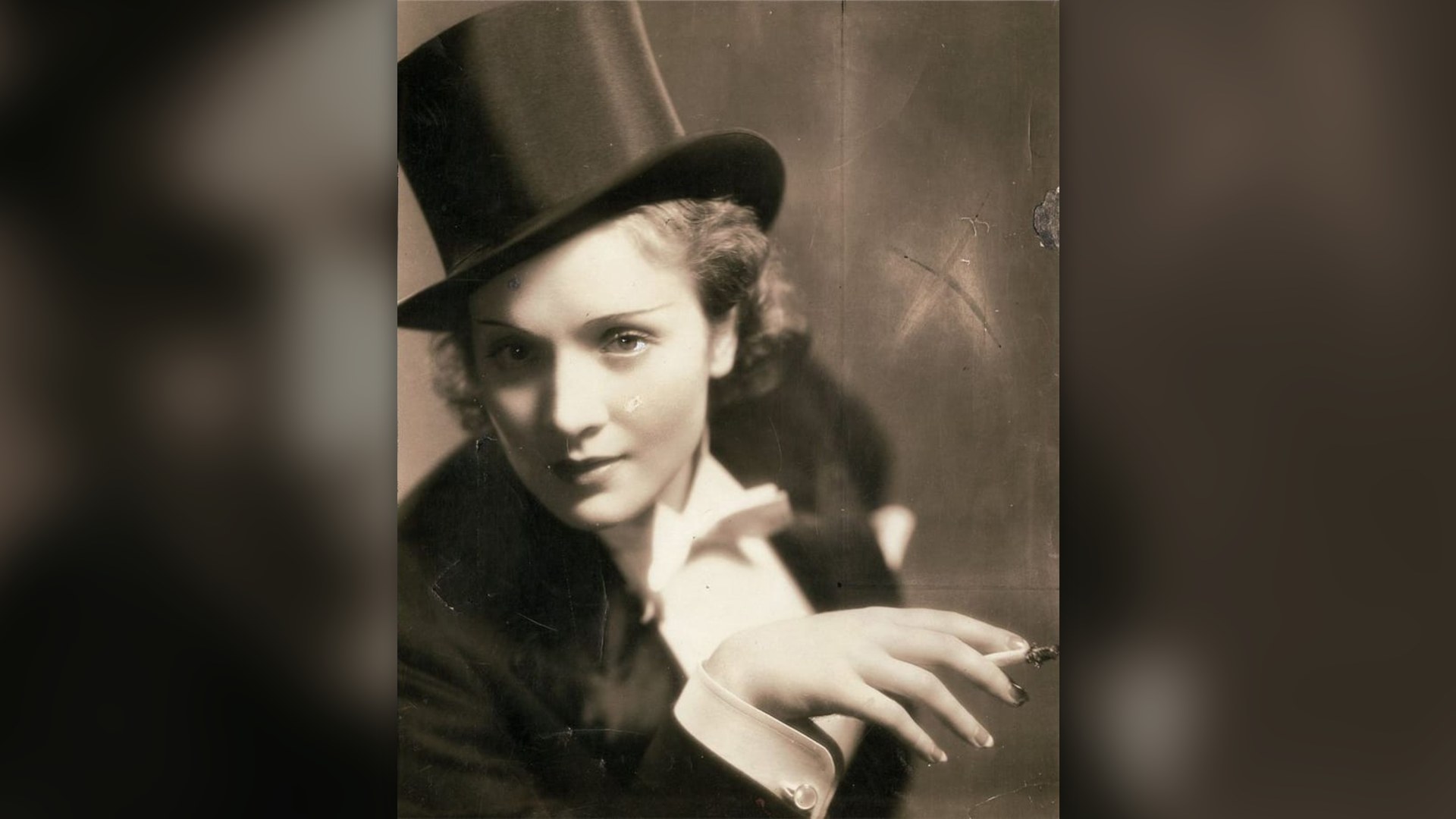
©Wikimedia / Josef von Sternberg
5. Mailing Birth Control Information
Enacted in 1873 and strictly enforced throughout the 1920s, the Comstock Laws classified medical information about contraception as "obscene literature." Public health nurses like Margaret Sanger faced arrest and jail terms simply for distributing family-planning pamphlets to married women.

©Wikimedia / Los Angeles Times
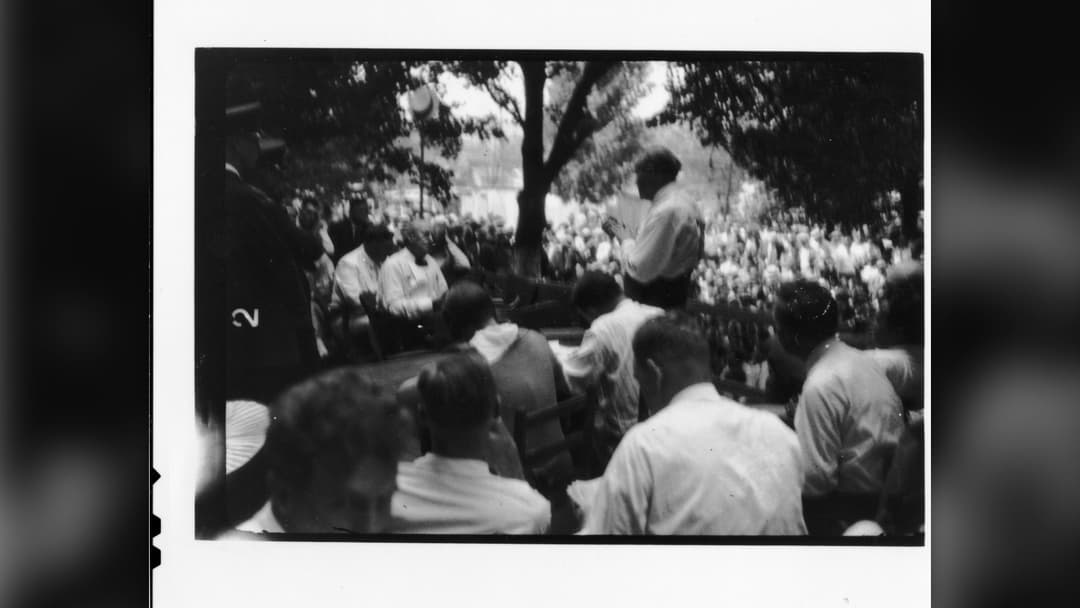
4. Teaching Human Evolution In Science Class
In July 1925, high school teacher John T. Scopes stood trial in Dayton, Tennessee, after reading from a state-approved biology textbook that explained human evolution. The resulting Scopes "Monkey Trial" pitted Clarence Darrow against William Jennings Bryan in a nationwide battle over classroom science.
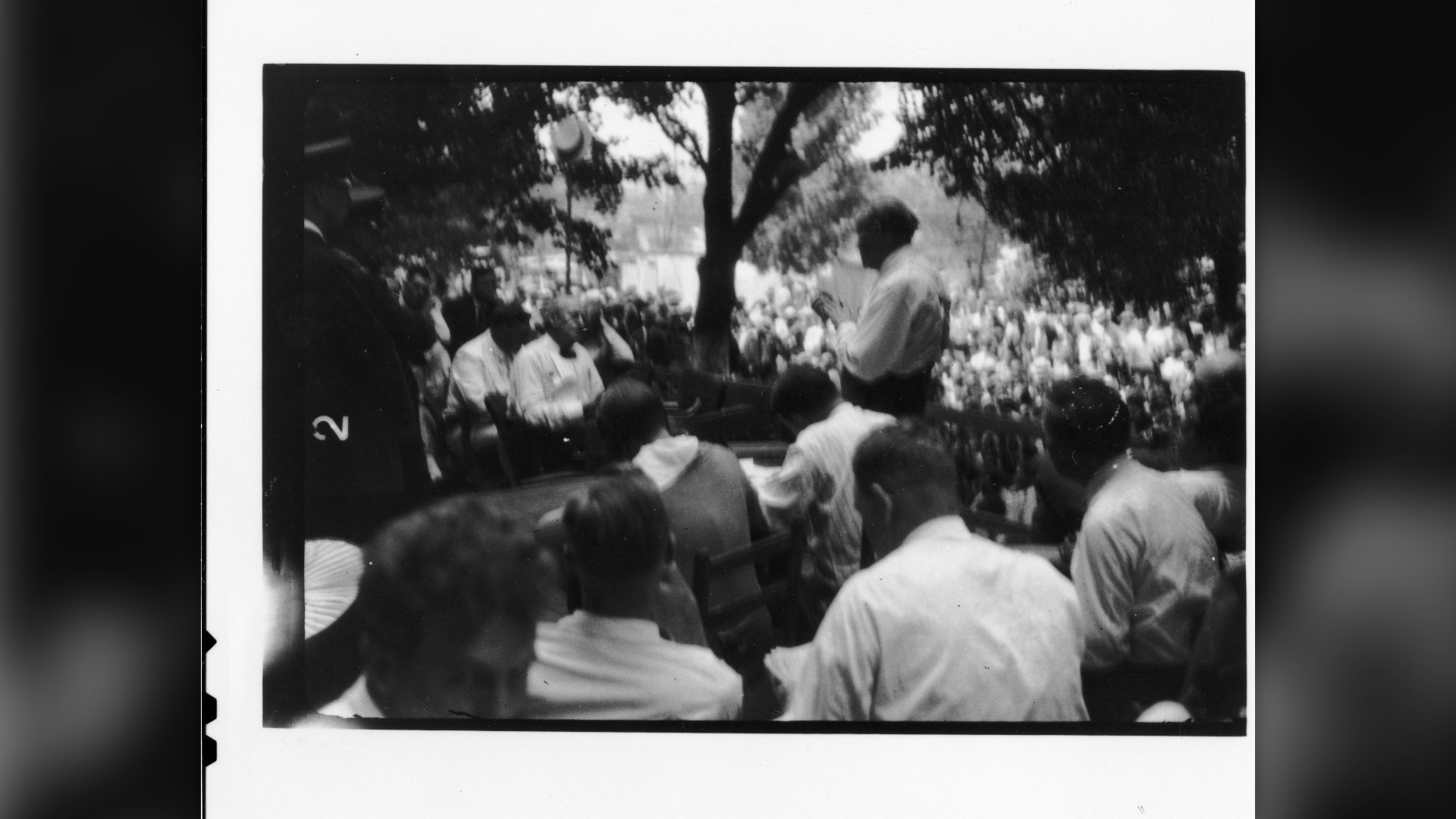
©Smithsonian / Watson Davis
Advertisement
Swipe or tap ▶ to resume the countdown.
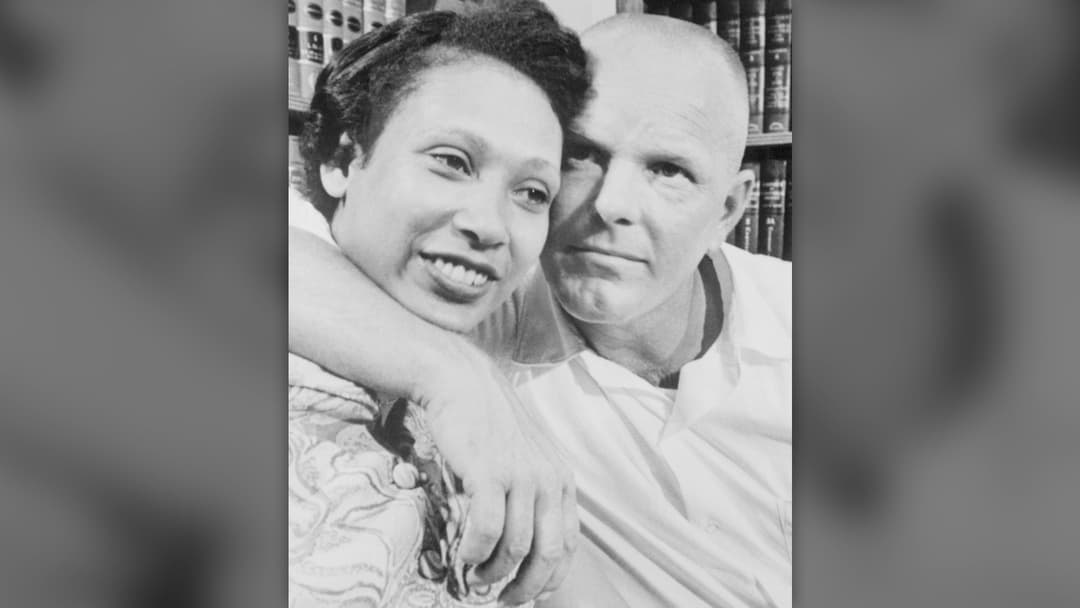
3. Marrying Someone Of A Different Race
A century ago, marrying across racial lines was a felony across the American South and much of the West. These bans remained on the books in 16 states until June 1967, when Richard and Mildred Loving won their landmark Supreme Court case, Loving v. Virginia, striking down all race-based marriage bans.
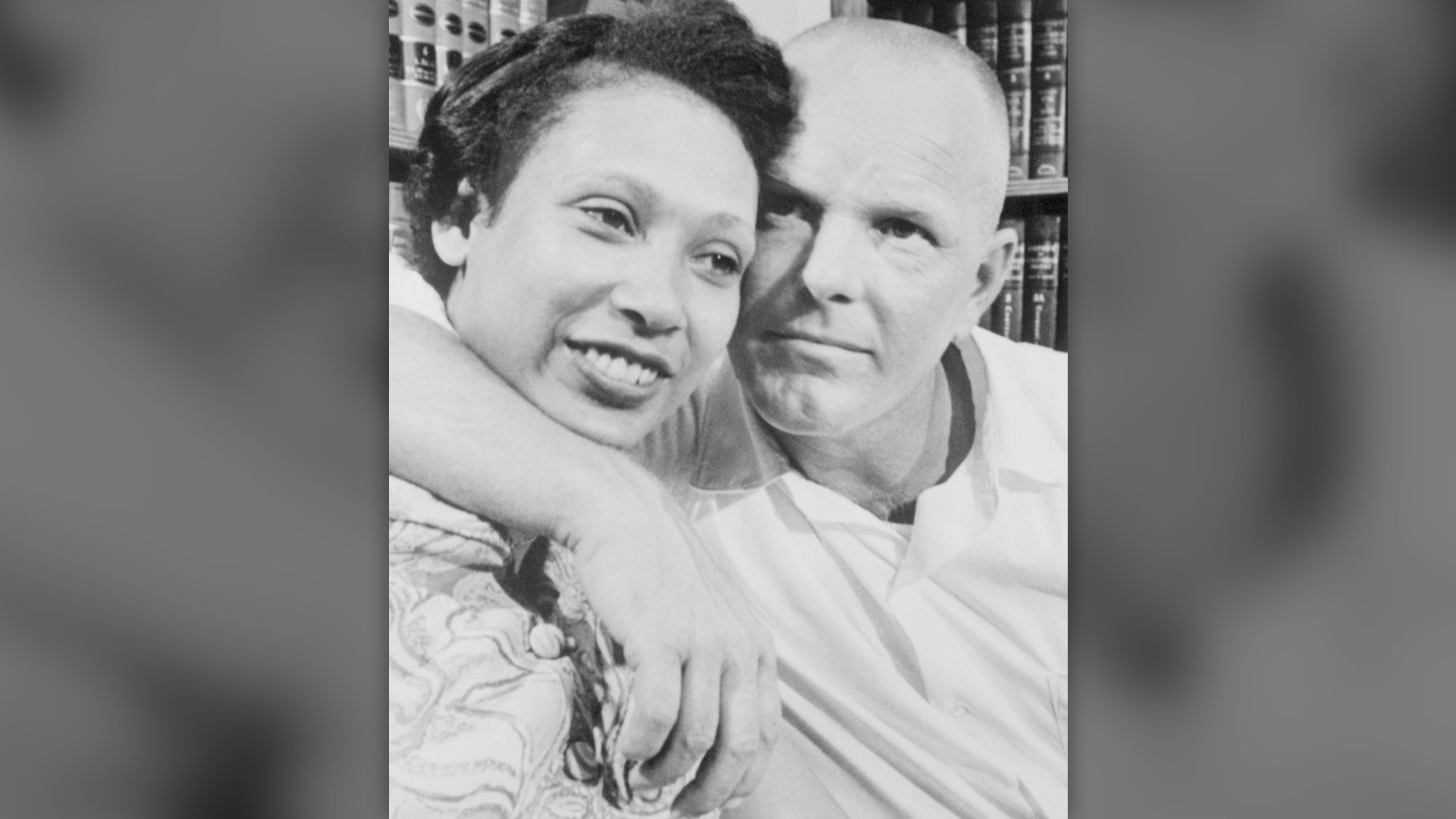
©Wikimedia / United Press International
2. Wearing A Swimsuit Above The Knee
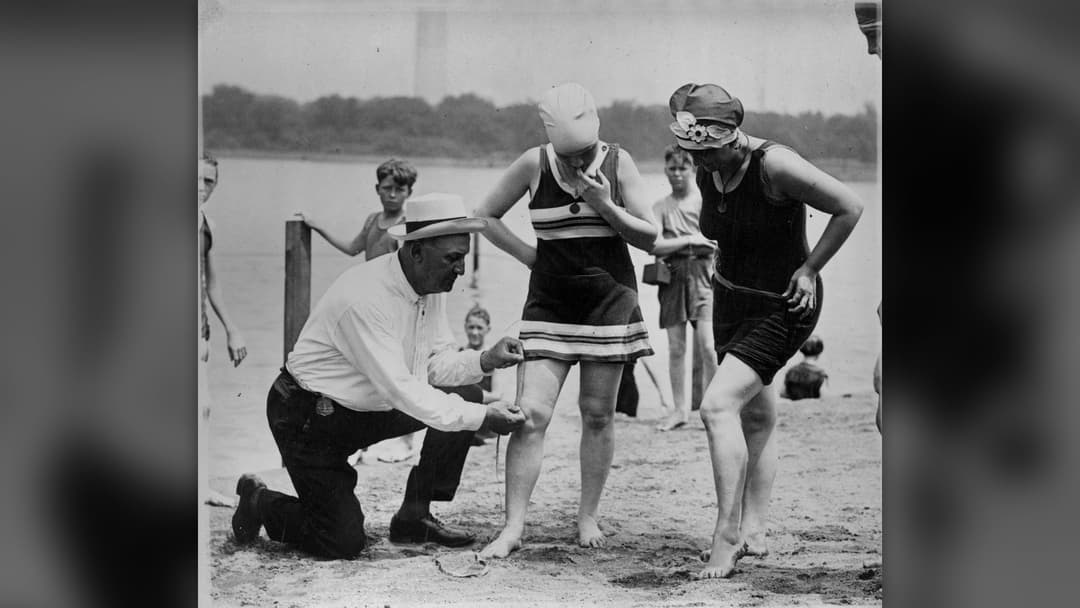
In cities from Washington, D.C., to Chicago and Atlantic City, municipal decency codes dictated that women's wool bathing suits could not rise more than six inches above the kneecap. Police officers like Bill Norton literally walked the sand with wooden rulers, arresting bathers who refused to cover up.
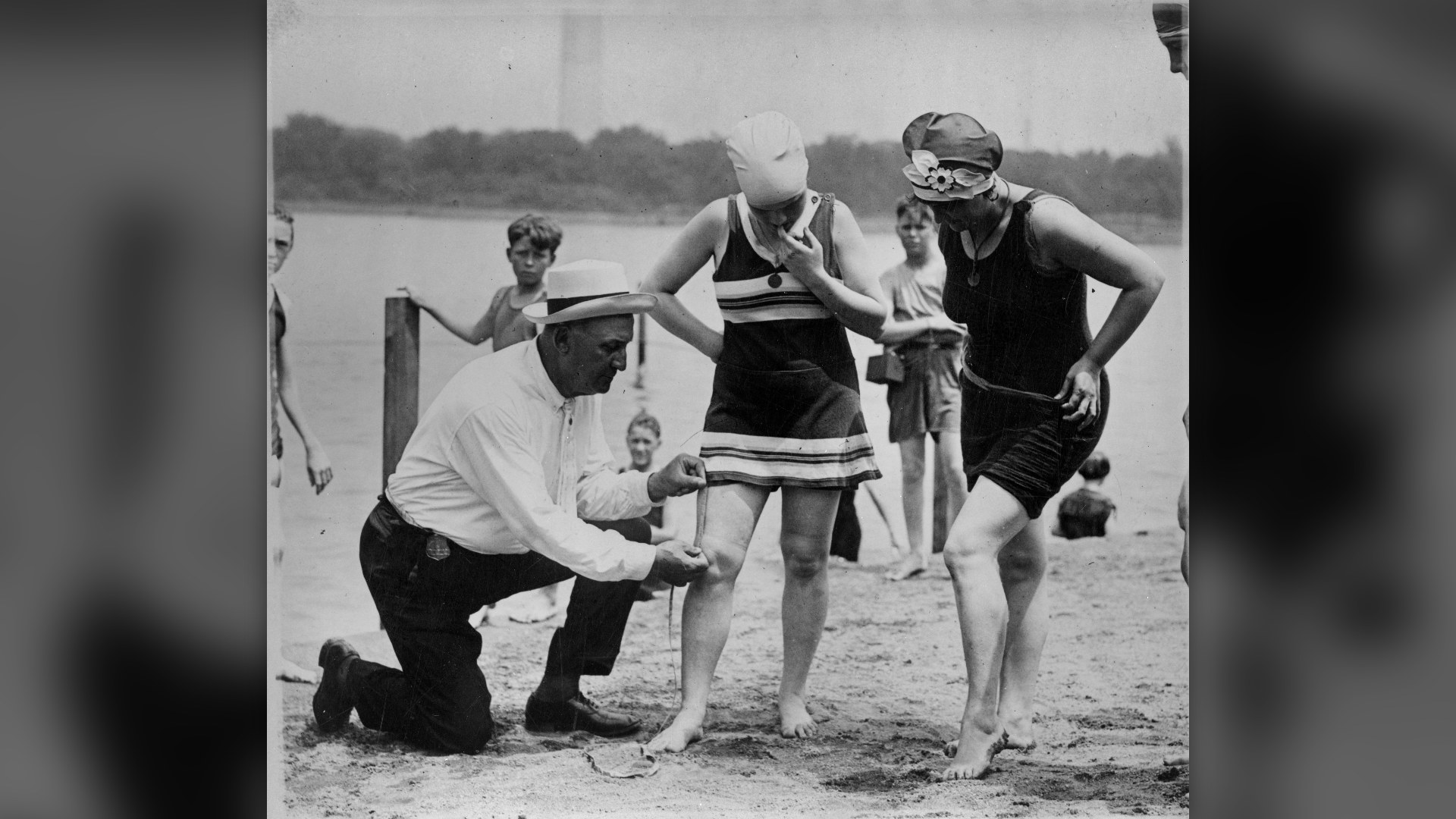
©Wikimedia / National Photo Company
1. Pouring A Glass Of Beer Or Wine At Dinner
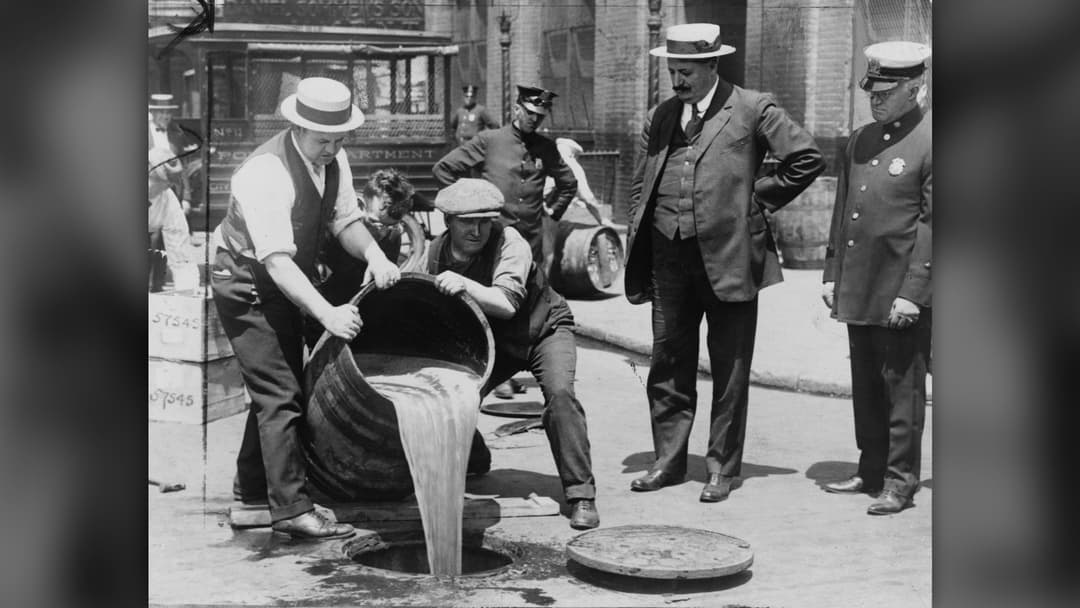
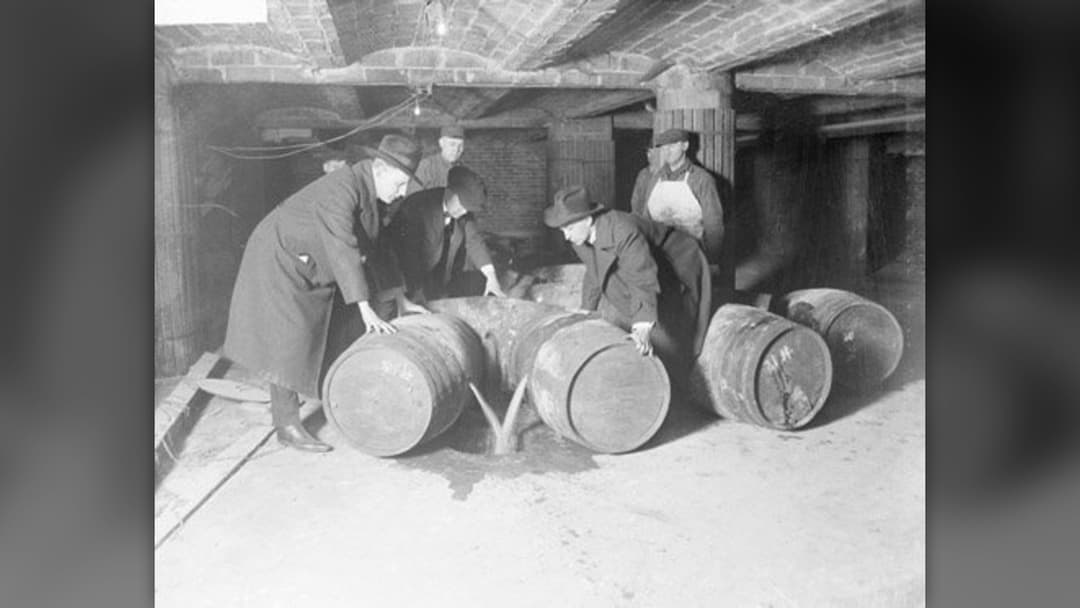
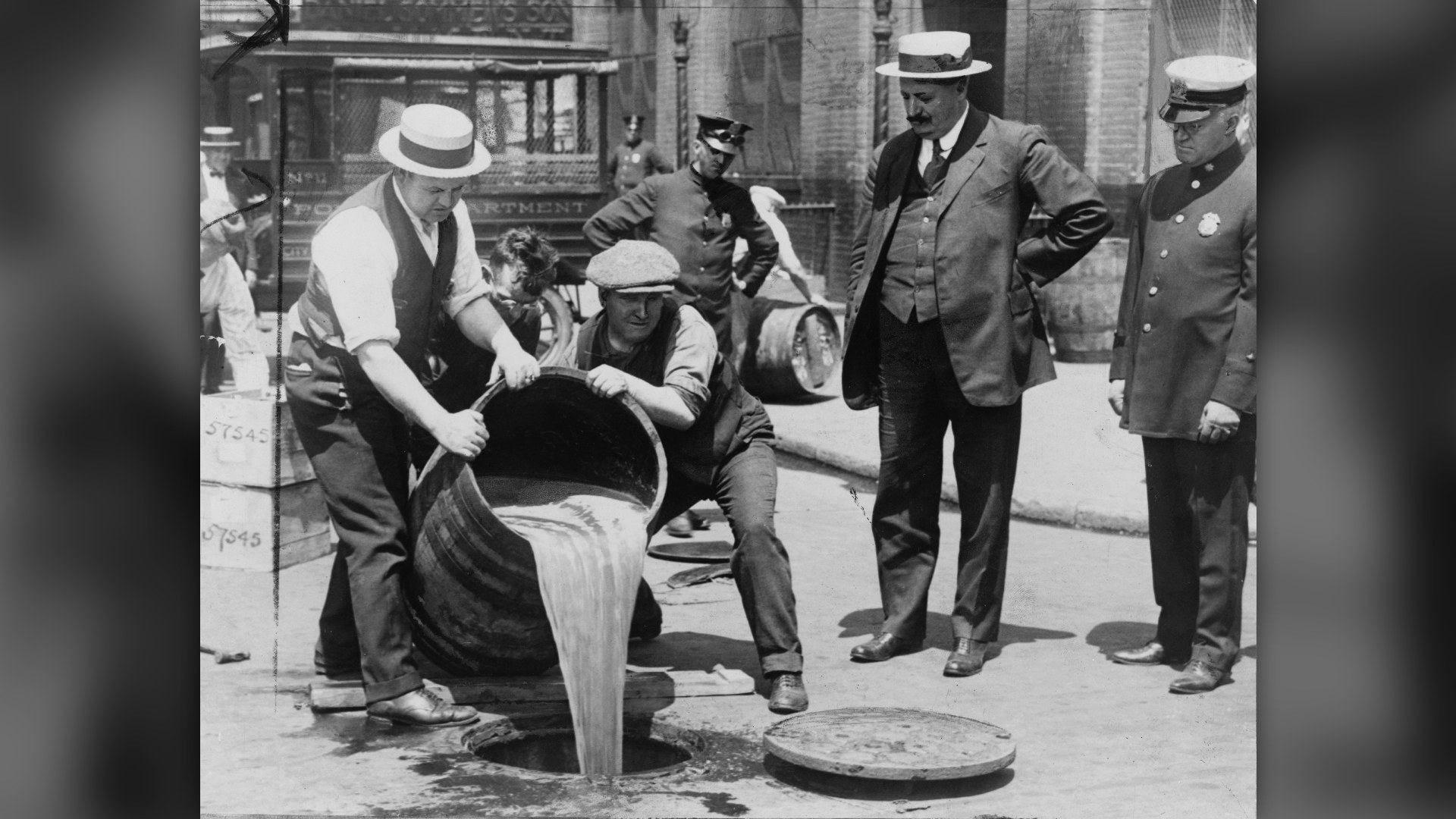
At the height of National Prohibition in 1926, federal treasury agents smashed thousands of oak casks with axes and poured confiscated wine, beer, and whiskey straight into city storm drains. Millions of ordinary citizens turned to hidden underground speakeasies until the 21st Amendment repealed the ban.
©Wikimedia / National Photo Company
Advertisement
You've reached the end of the story. Thanks for reading!

20 Details Behind The Real Story Of Stephen Miller
All 10 Entries in this Story
10. Buying Yellow-Dyed Margarine
Lobbyists for the dairy industry convinced lawmakers that yellow oleomargarine was a deceptive counterfeit of real butter. In the 1920s, federal taxes and state bans meant shoppers had to buy stark white tubs of margarine that came with a separate pinch-packet of yellow dye to knead by hand.

9. Going To A Movie Theater On Sunday
In 1926, local police routinely raided cinema operators who dared to project silent films on a Sunday afternoon. Rooted in colonial Sabbath statutes, state Blue Laws banned everything from Sunday matinees and department-store shopping to professional baseball games in several major cities.

8. Rolling Dice Or Buying A Lottery Ticket
Today millions of people pick up state lottery scratch-offs at the corner store, but 100 years ago, no legal lottery existed anywhere in the United States. After widespread 19th-century corruption scandals, Congress and all 48 states banned lottery tickets and parlor dice games outright.

7. Keeping Gold Coins In A Home Safe
To combat banking panics and reflate the money supply under the gold standard, President Franklin D. Roosevelt ordered Americans in 1933 to surrender all gold coins, bullion, and gold certificates in excess of $100 to the Federal Reserve in exchange for paper currency—a ban that lasted until 1974.

6. Women Wearing Tailored Trousers In Public
Long before jeans and slacks became everyday wardrobe staples, dozens of U.S. cities and European capitals enforced 19th-century ordinances forbidding women from dressing in "masculine attire." Even Hollywood icon Marlene Dietrich was famously warned by Paris police in 1933 for wearing a trouser suit.

5. Mailing Birth Control Information
Enacted in 1873 and strictly enforced throughout the 1920s, the Comstock Laws classified medical information about contraception as "obscene literature." Public health nurses like Margaret Sanger faced arrest and jail terms simply for distributing family-planning pamphlets to married women.

4. Teaching Human Evolution In Science Class
In July 1925, high school teacher John T. Scopes stood trial in Dayton, Tennessee, after reading from a state-approved biology textbook that explained human evolution. The resulting Scopes "Monkey Trial" pitted Clarence Darrow against William Jennings Bryan in a nationwide battle over classroom science.

3. Marrying Someone Of A Different Race
A century ago, marrying across racial lines was a felony across the American South and much of the West. These bans remained on the books in 16 states until June 1967, when Richard and Mildred Loving won their landmark Supreme Court case, Loving v. Virginia, striking down all race-based marriage bans.

2. Wearing A Swimsuit Above The Knee
In cities from Washington, D.C., to Chicago and Atlantic City, municipal decency codes dictated that women's wool bathing suits could not rise more than six inches above the kneecap. Police officers like Bill Norton literally walked the sand with wooden rulers, arresting bathers who refused to cover up.

1. Pouring A Glass Of Beer Or Wine At Dinner
At the height of National Prohibition in 1926, federal treasury agents smashed thousands of oak casks with axes and poured confiscated wine, beer, and whiskey straight into city storm drains. Millions of ordinary citizens turned to hidden underground speakeasies until the 21st Amendment repealed the ban.