Slideshow · Lifestyle
15 Ancient Beauty Secrets Still Used Today, Ranked
Long before modern laboratories and luxury serums, ancient civilizations from Egypt and Persia to China and India perfected natural skincare rituals that dermatologists still swear by today.
By Most Viral Today
23 Oct 2026

Timeless Glow: 15 Ancient Beauty Rituals Modern Science Still Uses 
15. Sea Salt Body Scrubs (Ancient Greece) 
14. Pearl Powder Brightening Masks (Ancient China) 
13. Henna Botanical Dye (Ancient India & Egypt) - AdvertisementSwipe or tap ▶ to continue countdown

12. Saffron Glow Infusions (Ancient Persia) 
11. Jade Gua Sha & Rollers (Imperial China) 
10. Dead Sea Mineral Mud & Salts (Ancient Levant) 
9. Matcha & Green Tea Catechins (China & Japan) - AdvertisementSwipe or tap ▶ to continue countdown

8. Moroccan Argan Oil (Amazigh Tradition) 
7. Coconut Oil Hair & Scalp Oiling (Ayurvedic India) 
6. Fermented Rice Water Rinse (Heian Japan) 
5. Extra-Virgin Olive Oil Cleansing (Greece & Rome) - AdvertisementSwipe or tap ▶ to continue countdown

4. Turmeric Haldi Brightening Masks (Vedic India) 
3. Damask Rosewater Facial Toner (Ancient Persia) 
2. Raw Honey Humectant Masks (Ancient Egypt) 
1. Aloe Vera - The Plant Of Immortality (Ancient Egypt) - Advertisement🔥 UP NEXT IN THIS SERIES◫ 21 Slides

20 Ways To Survive Heavy Snow In The USA
Essential Rules To Survive Severe US Winter Blizzards
Long before modern laboratories and luxury serums, ancient civilizations from Egypt and Persia to China and India perfected natural skincare rituals still used today.
Swipe or tap ▶ to begin the countdown
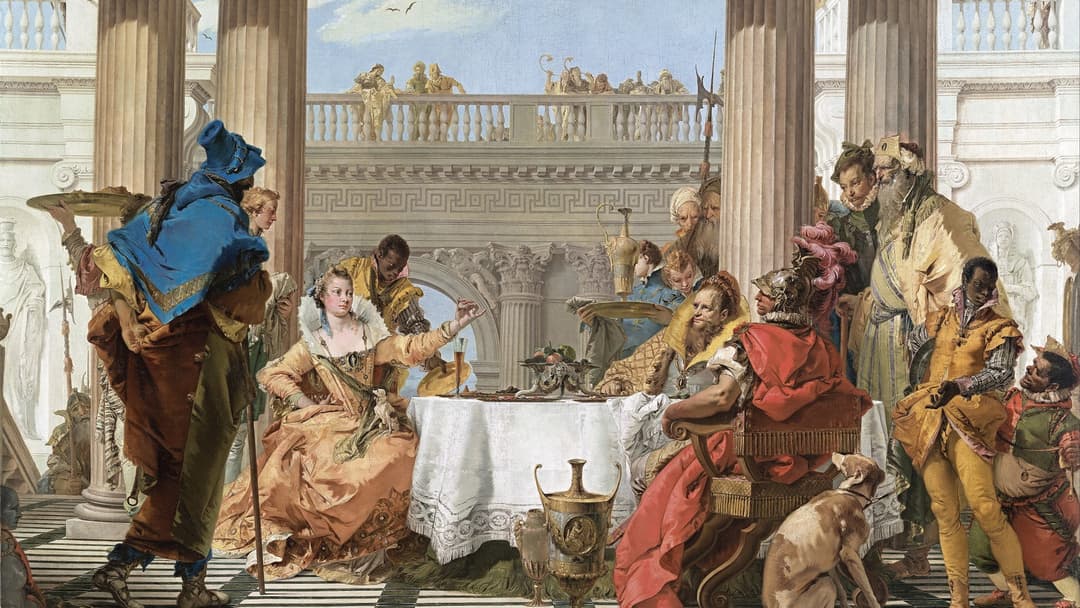
©Wikimedia / Giovanni Battista Tiepolo
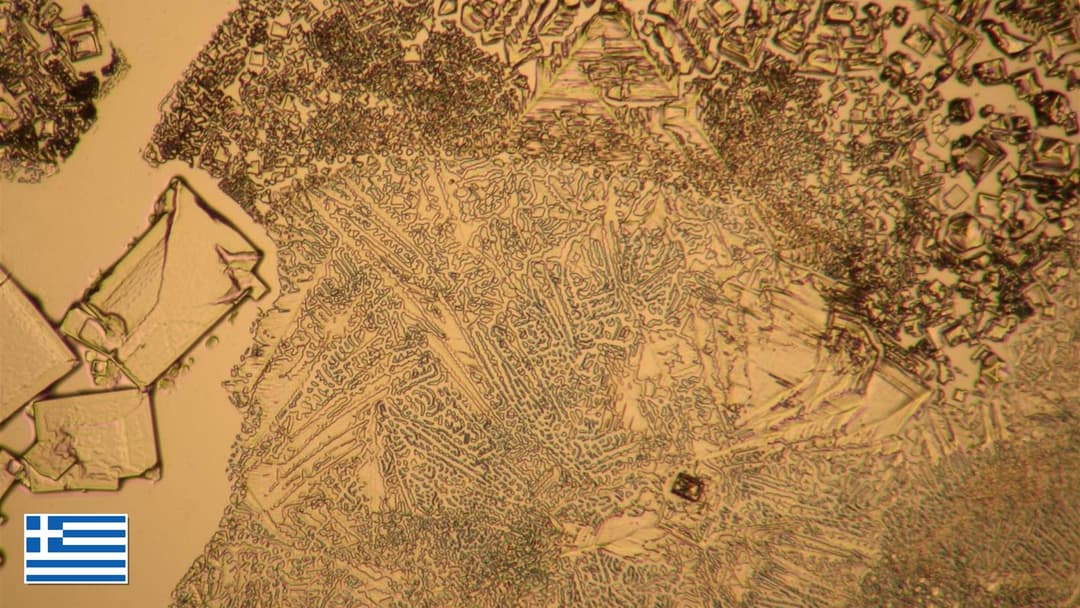
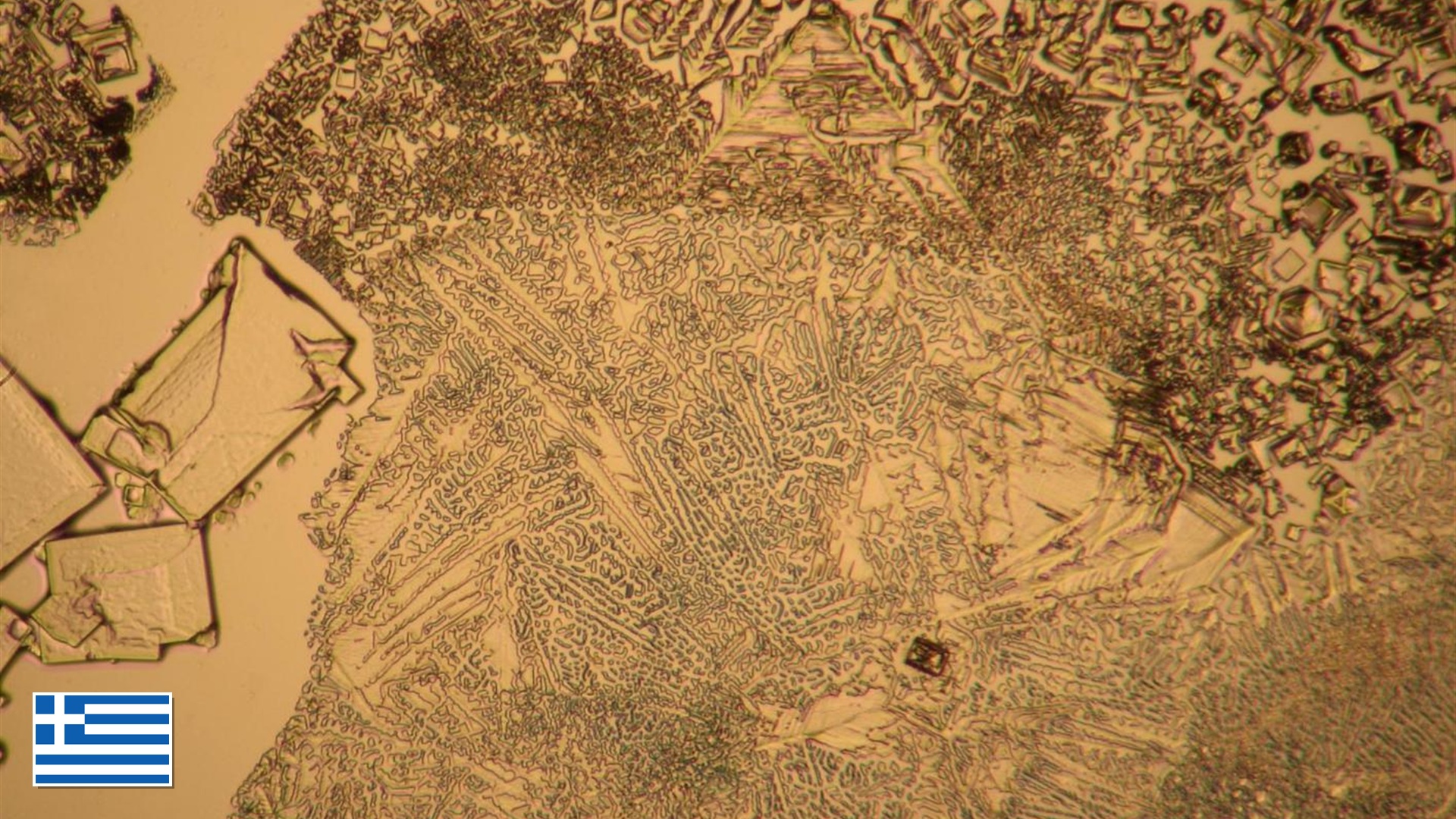
15. Sea Salt Body Scrubs (Ancient Greece)
In bathhouses across Ancient Greece, bathers blended coarse Mediterranean sea salt crystals with warm olive oil to polish the skin. Rich in magnesium, calcium, and potassium, sea salt scrubs remain a staple exfoliant in modern spas worldwide.
©Wikimedia / Nicola Swietkowiak
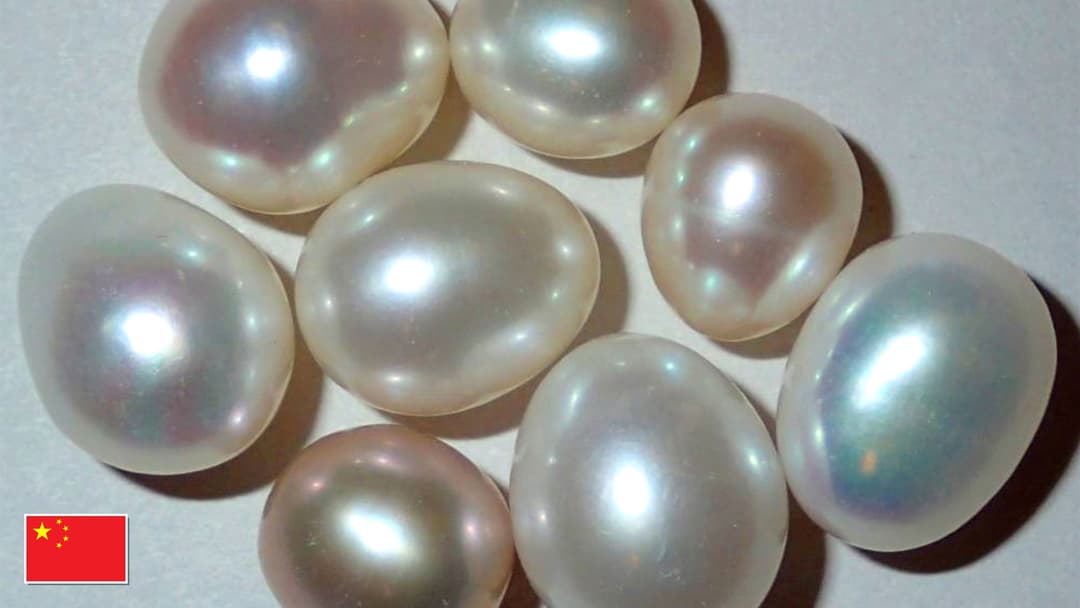
14. Pearl Powder Brightening Masks (Ancient China)
Dating back to 320 CE and popularized by Tang Dynasty Empress Wu Zetian, traditional Chinese medicine prized finely ground pearl powder for radiant skin. Packed with amino acids and trace minerals, micronized pearl remains a luxury brightening ingredient today.
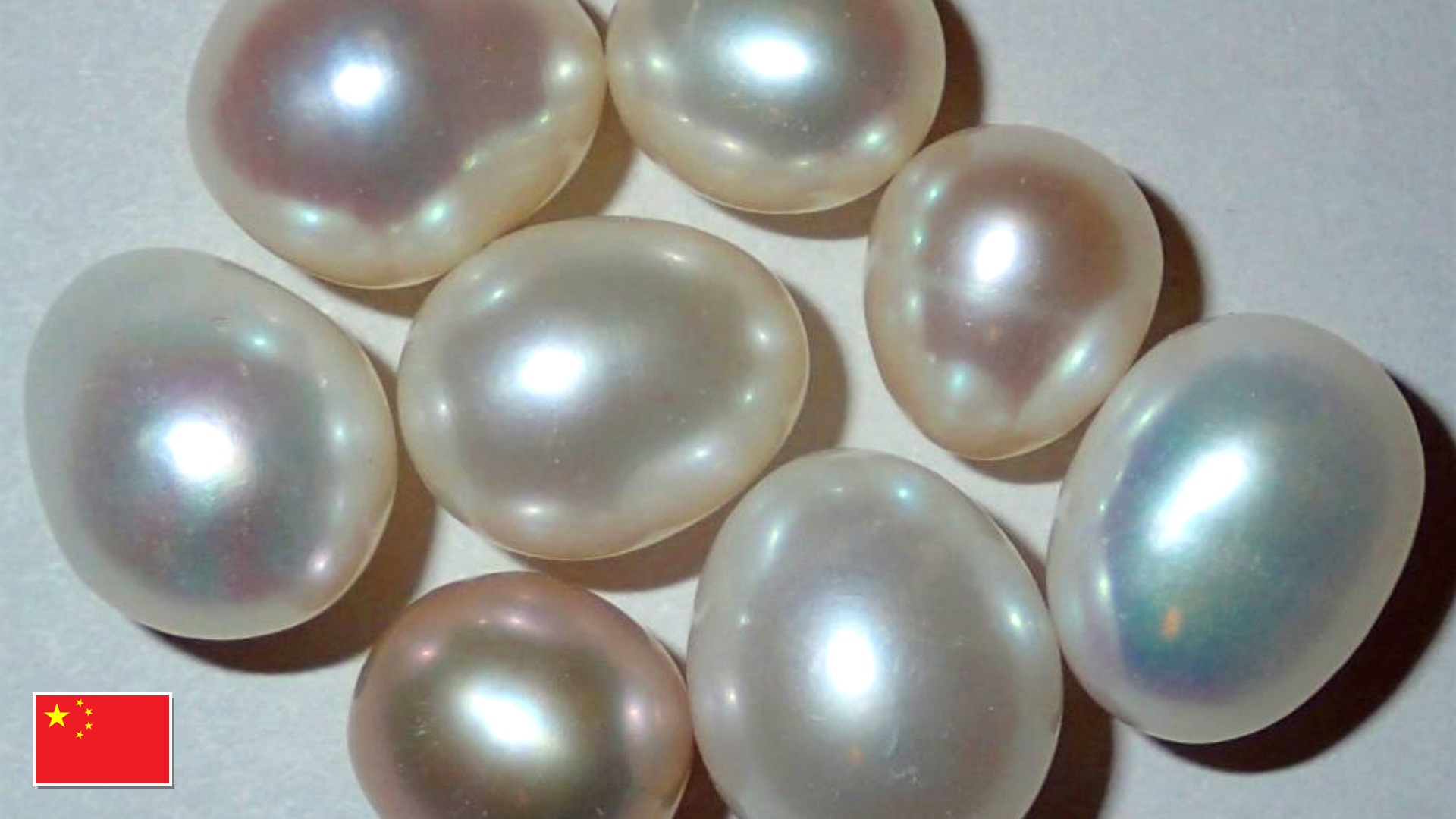
©Wikimedia / James St. John
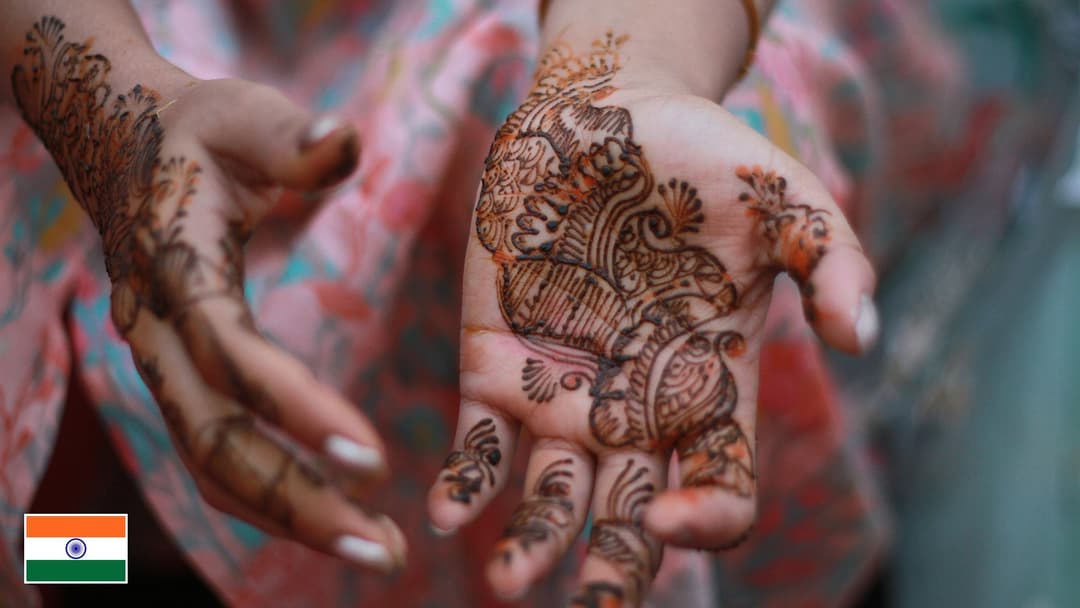
13. Henna Botanical Dye (Ancient India & Egypt)
Archaeologists found henna-dyed hair on Egyptian mummies and documented intricate mehndi body art across ancient India. Made from dried Lawsonia inermis leaves, lawsone pigment binds to keratin to strengthen hair shafts while delivering rich, chemical-free color.
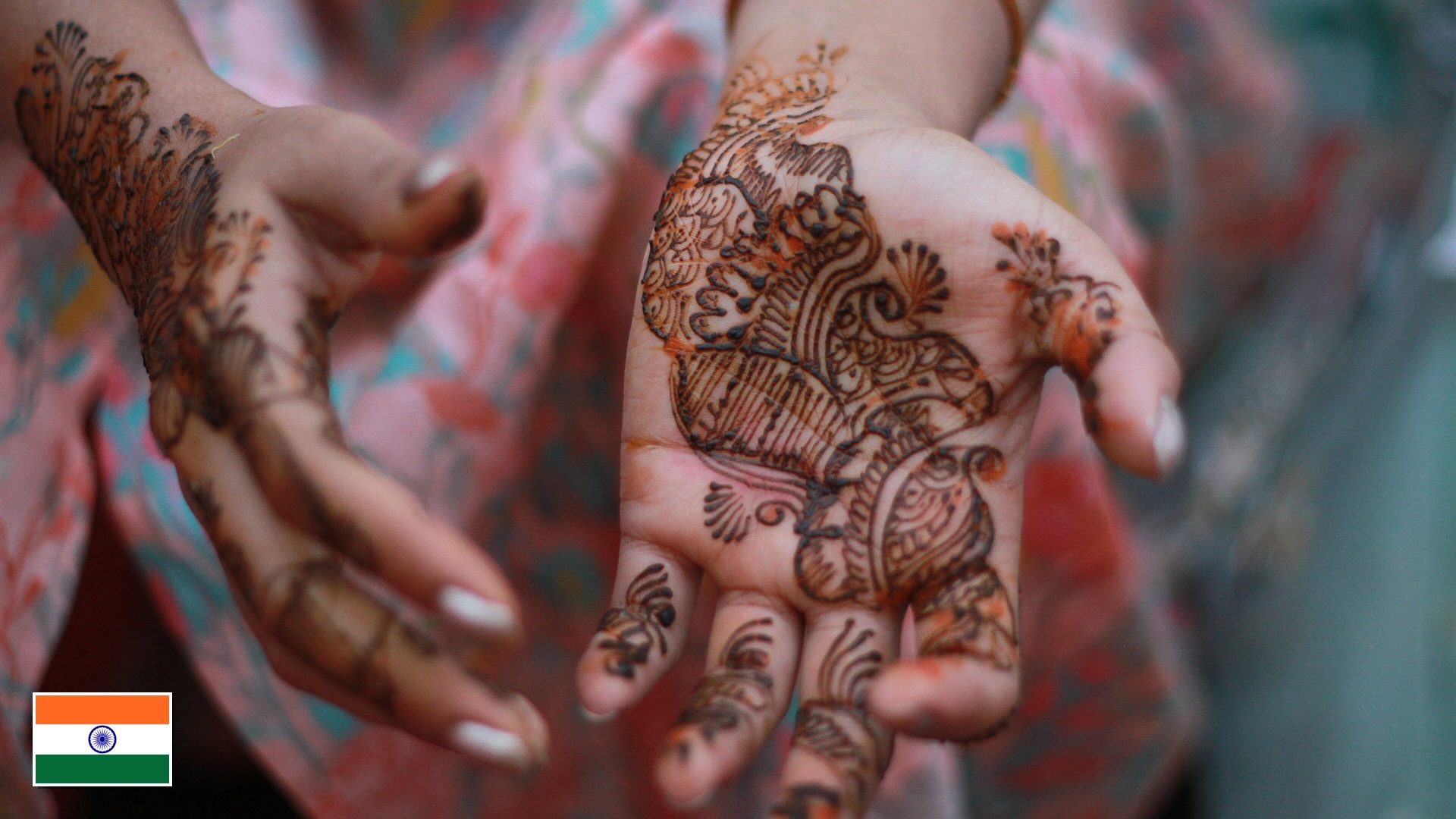
©Wikimedia / Goutam1962
Advertisement
Swipe or tap ▶ to resume the countdown.
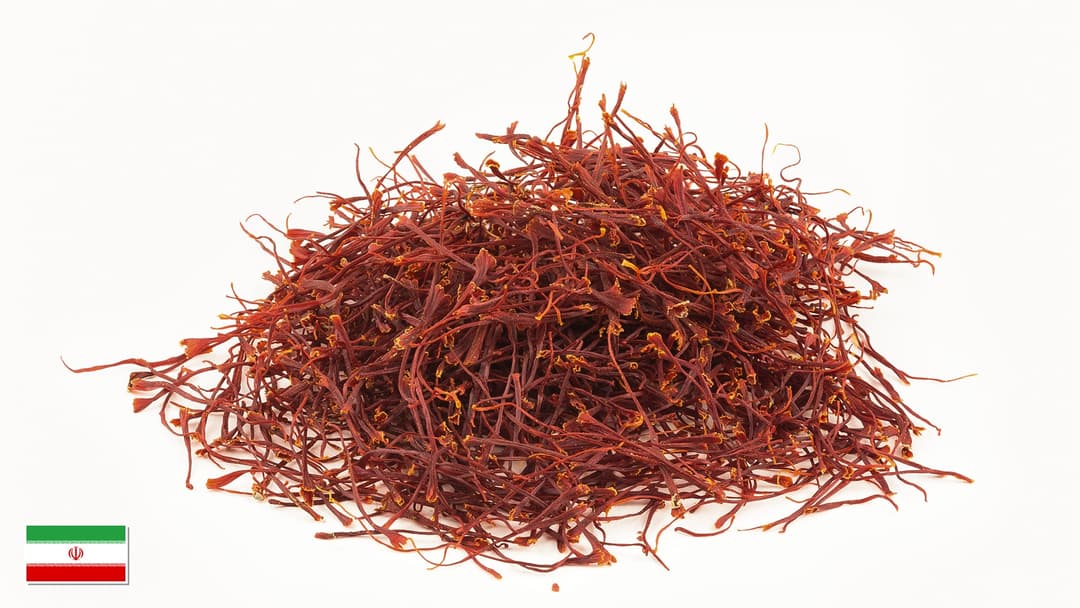
12. Saffron Glow Infusions (Ancient Persia)
Cultivated in Ancient Persia for more than three millennia, crimson Crocus sativus stigmas were steeped into royal bathwaters and facial oils. Modern dermatology confirms that saffron's crocin and safranal compounds are potent antioxidants that reduce hyperpigmentation.
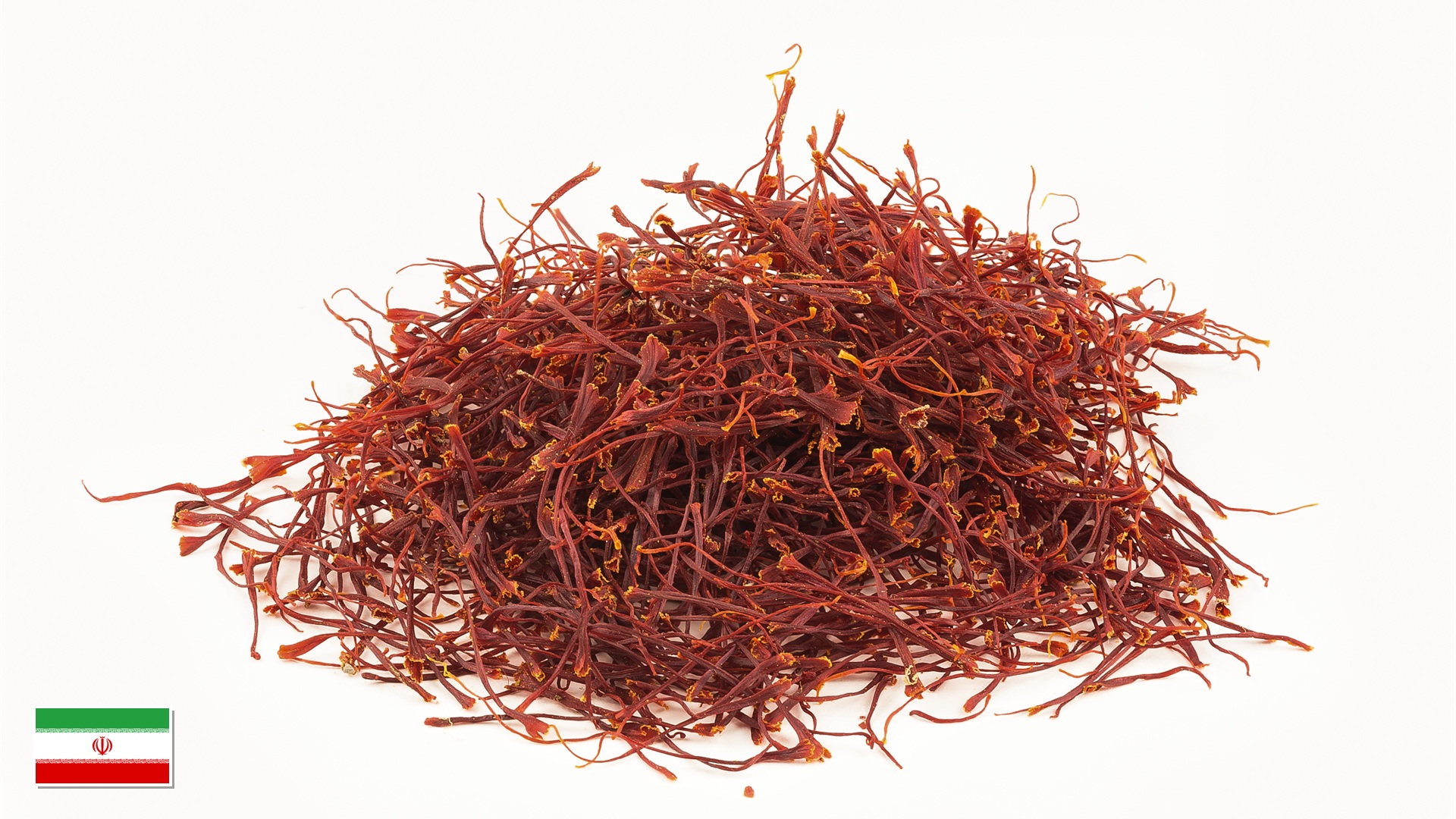
©Wikimedia / Hubertl
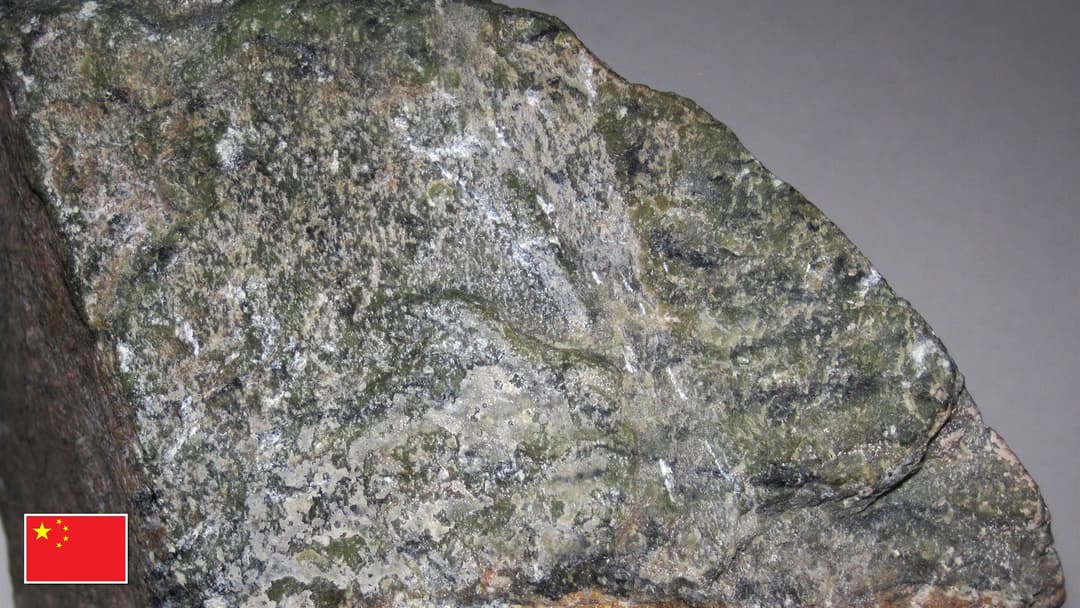
11. Jade Gua Sha & Rollers (Imperial China)
Rooted in Ming and Qing Dynasty court rituals, smooth nephrite jade tools were glided across the face to stimulate microcirculation and lymphatic drainage. Today, jade rollers and gua sha stones are among the most popular de-puffing tools in global skincare.
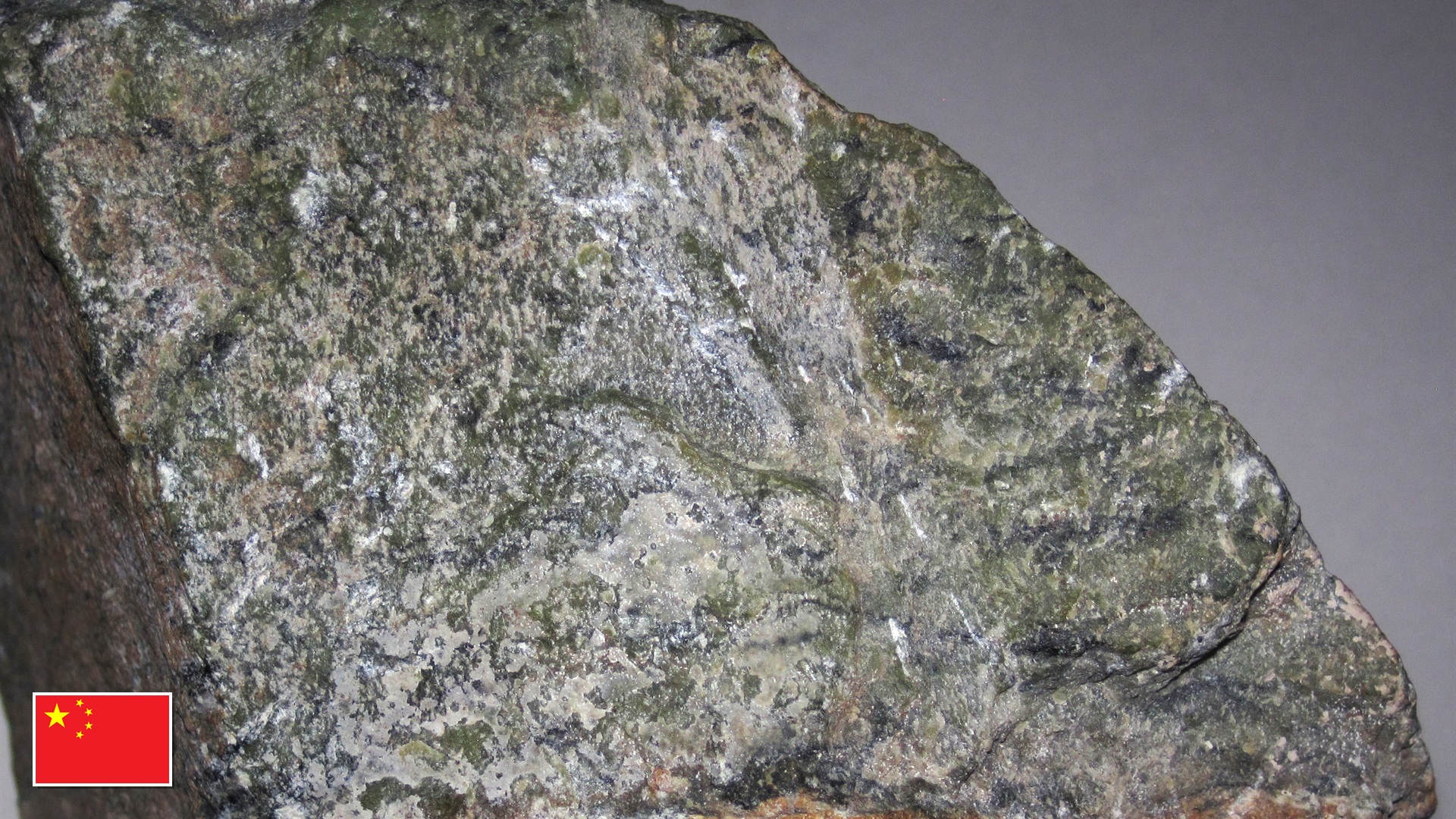
©Wikimedia / James St. John
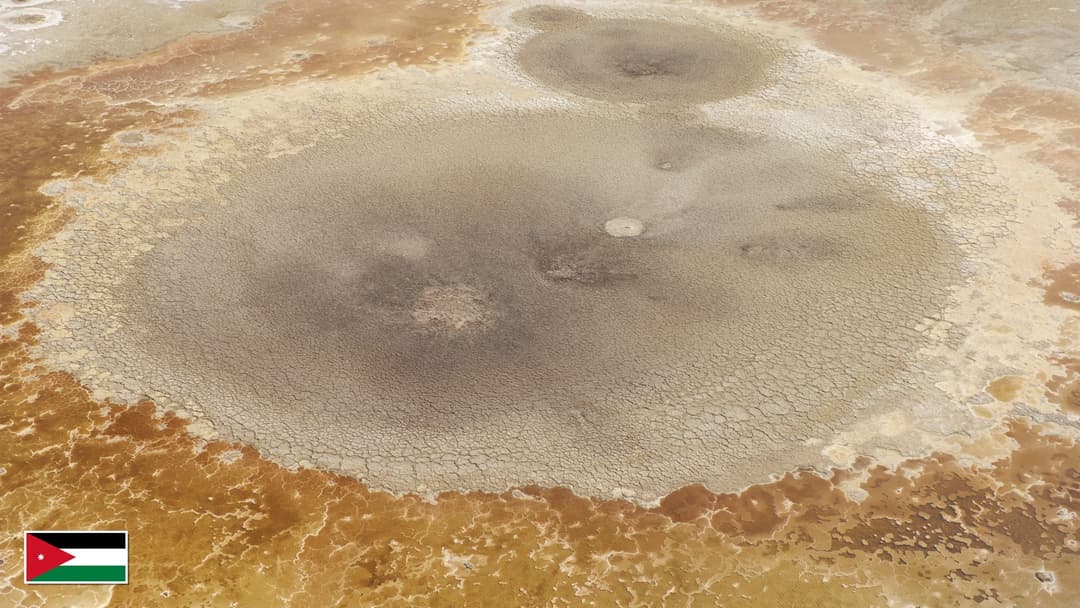
10. Dead Sea Mineral Mud & Salts (Ancient Levant)
Situated at Earth's lowest land elevation, the Dead Sea accumulates mineral concentrations ten times higher than ordinary ocean water. Ancient travelers coated their skin in its black silt to calm psoriasis, eczema, and inflammation - a therapy clinically validated today.
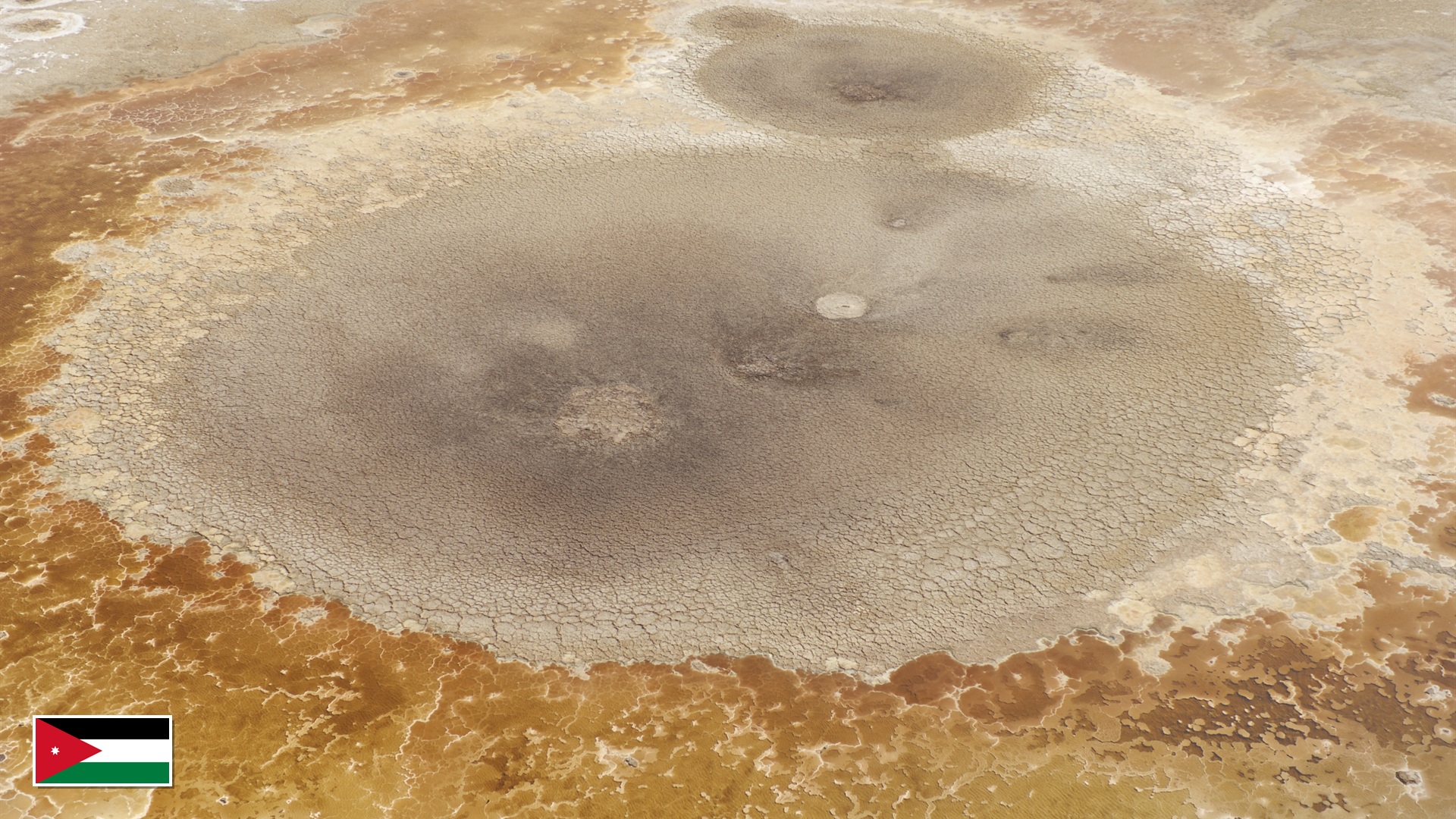
©Wikimedia / Godot13
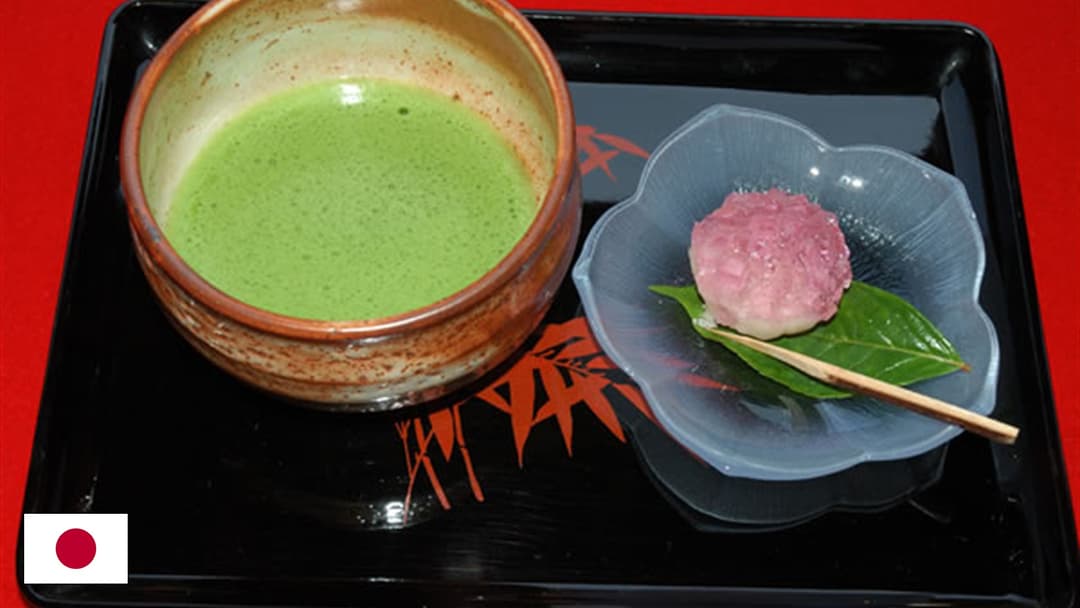
9. Matcha & Green Tea Catechins (China & Japan)
First whisked by Chinese monks during the Tang and Song dynasties and perfected in Japanese tea ceremonies, powdered Camellia sinensis leaves are loaded with EGCG polyphenols. Modern serums use green tea extract to neutralize free radicals and soothe acne-prone skin.
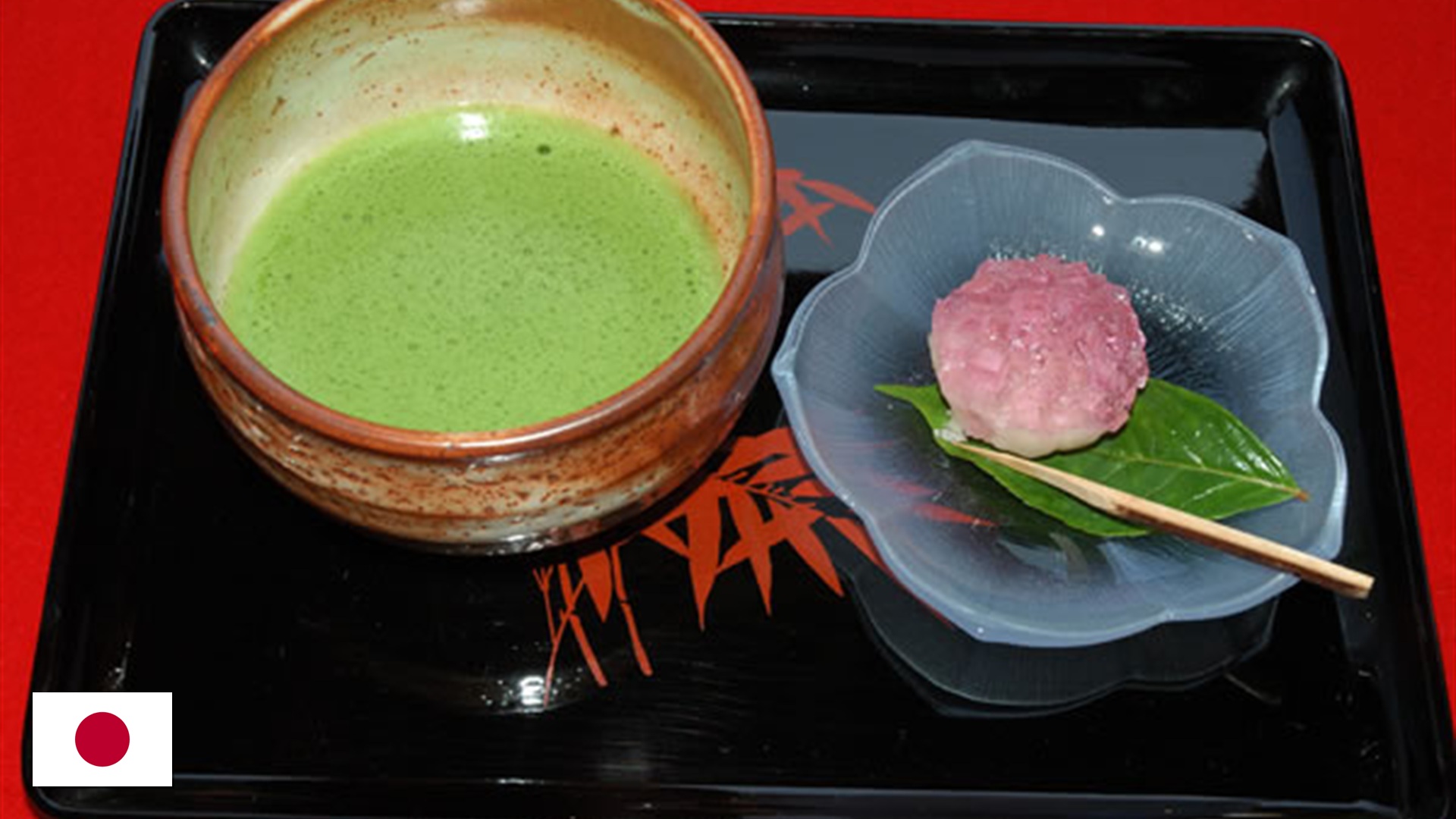
©Wikimedia / Public Contributor
Advertisement
Swipe or tap ▶ to resume the countdown.
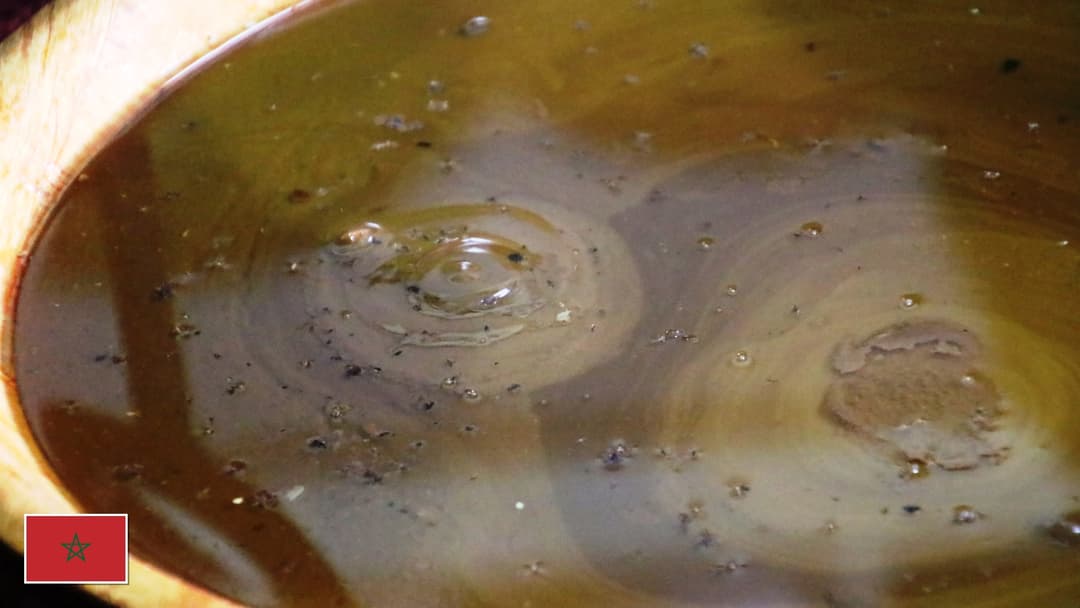
8. Moroccan Argan Oil (Amazigh Tradition)
For centuries, Amazigh (Berber) women in southwestern Morocco hand-cracked argan nuts to cold-press a golden oil rich in vitamin E, squalene, and essential fatty acids. Today, pure Moroccan argan oil is a global gold standard for repairing dry hair and skin barriers.
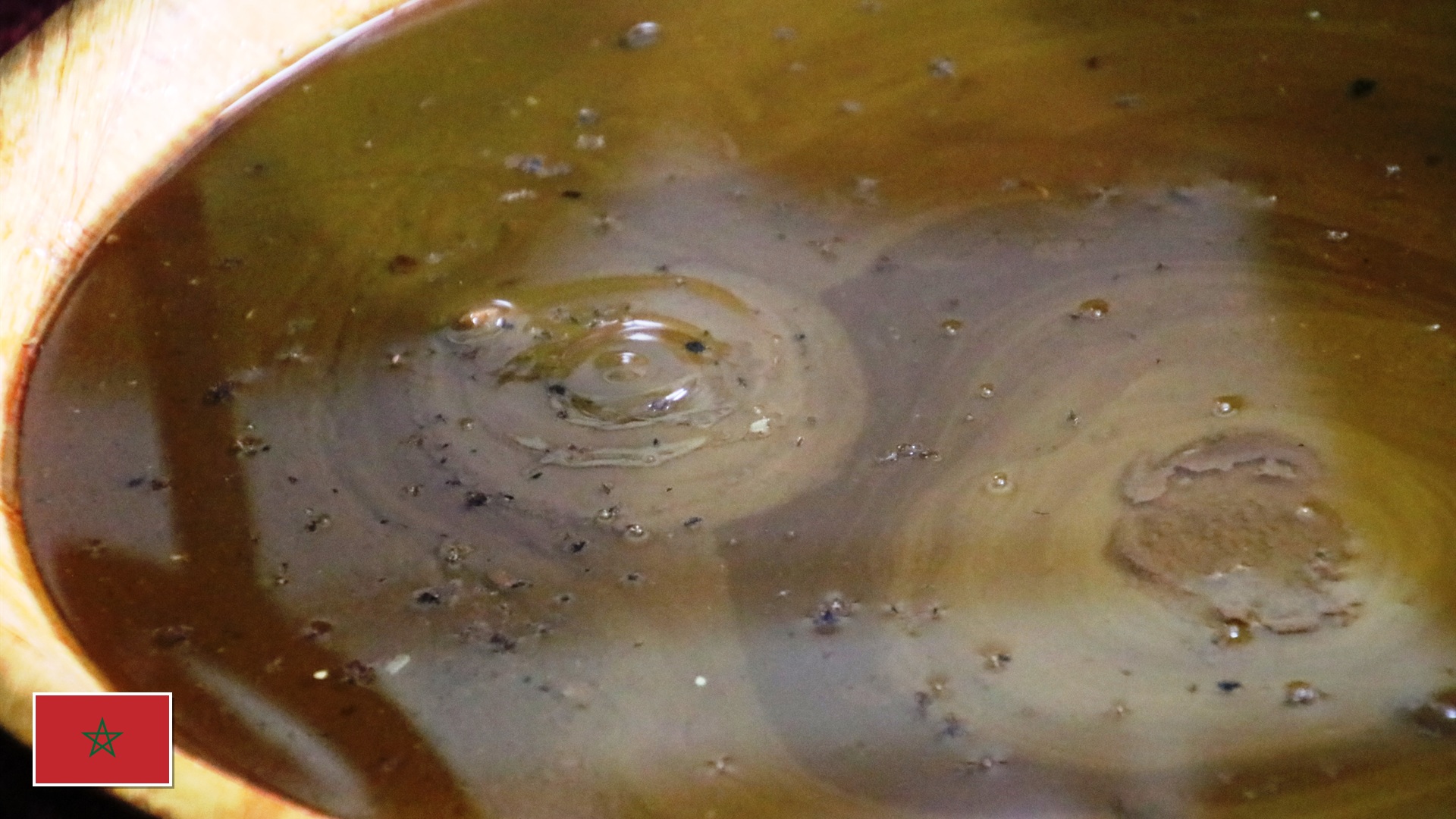
©Wikimedia / Werner100359
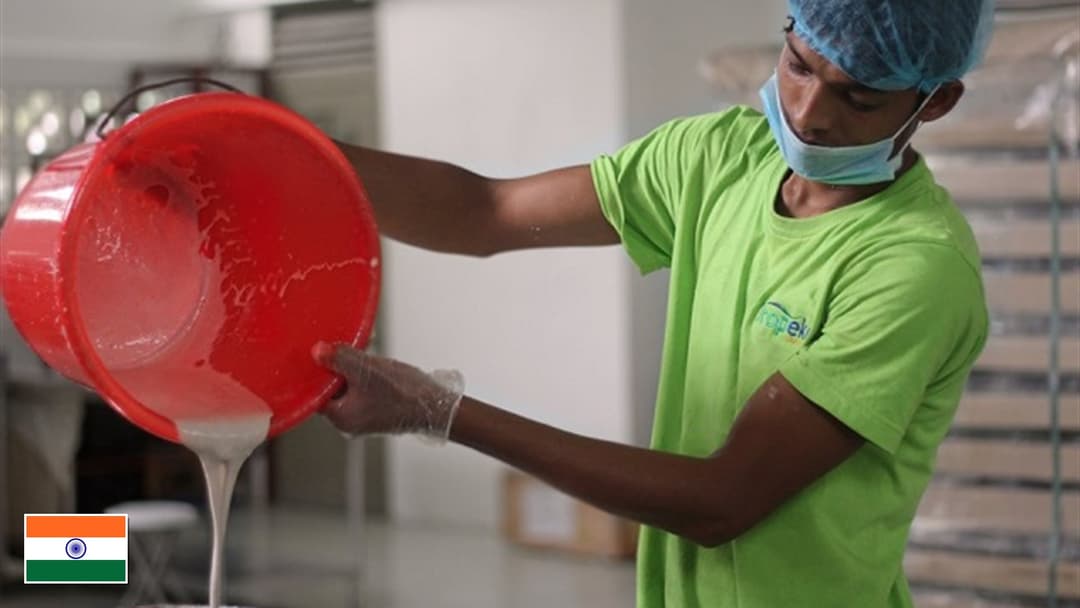
7. Coconut Oil Hair & Scalp Oiling (Ayurvedic India)
Known in Sanskrit as 'kalpavriksha' (the tree that provides all necessities of life), coconut has anchored Ayurvedic hair rituals for millennia. Cosmetic chemists have proven that coconut oil's low-molecular-weight lauric acid uniquely penetrates inside the hair cortex.
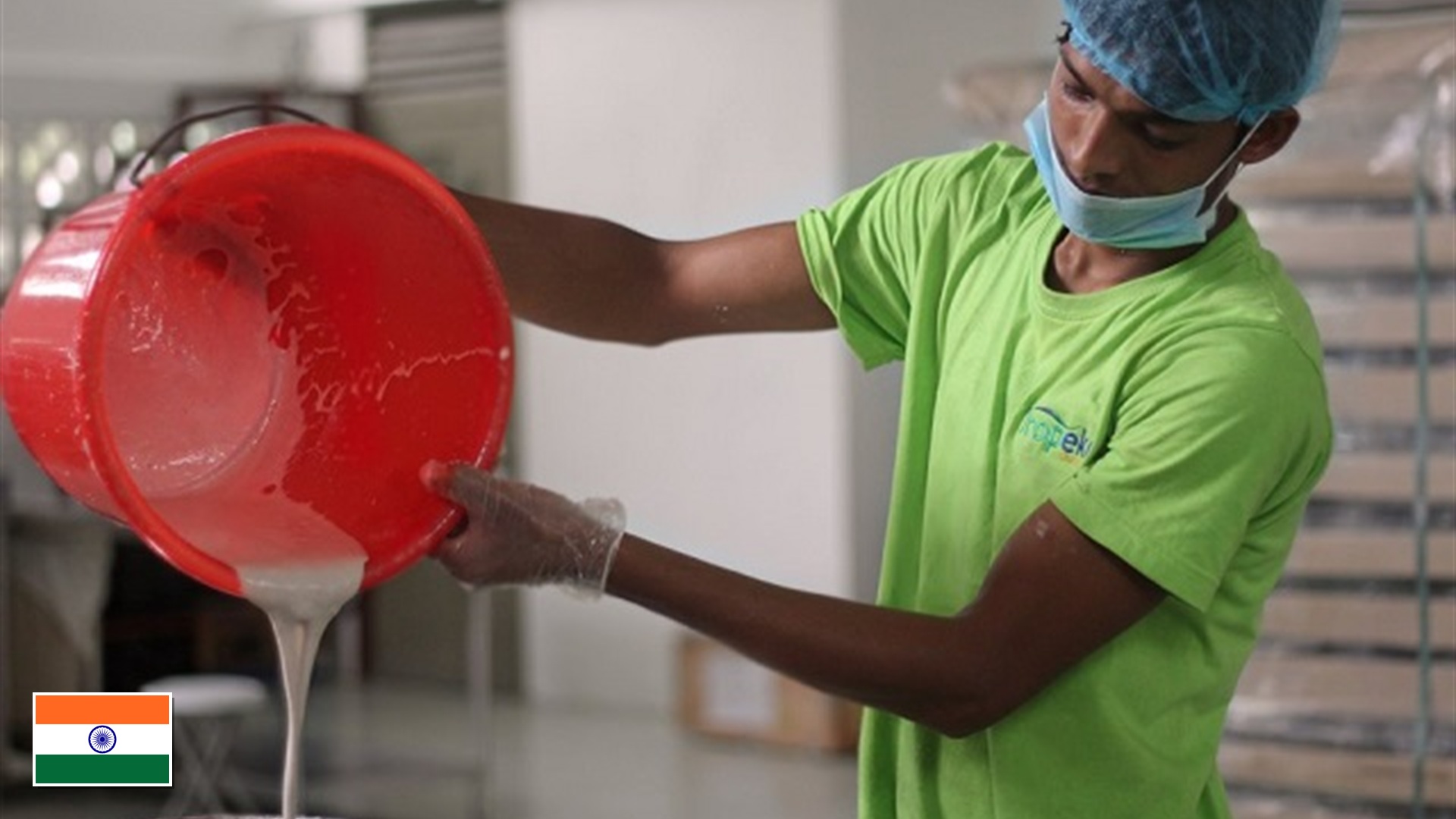
©Wikimedia / Tropeko
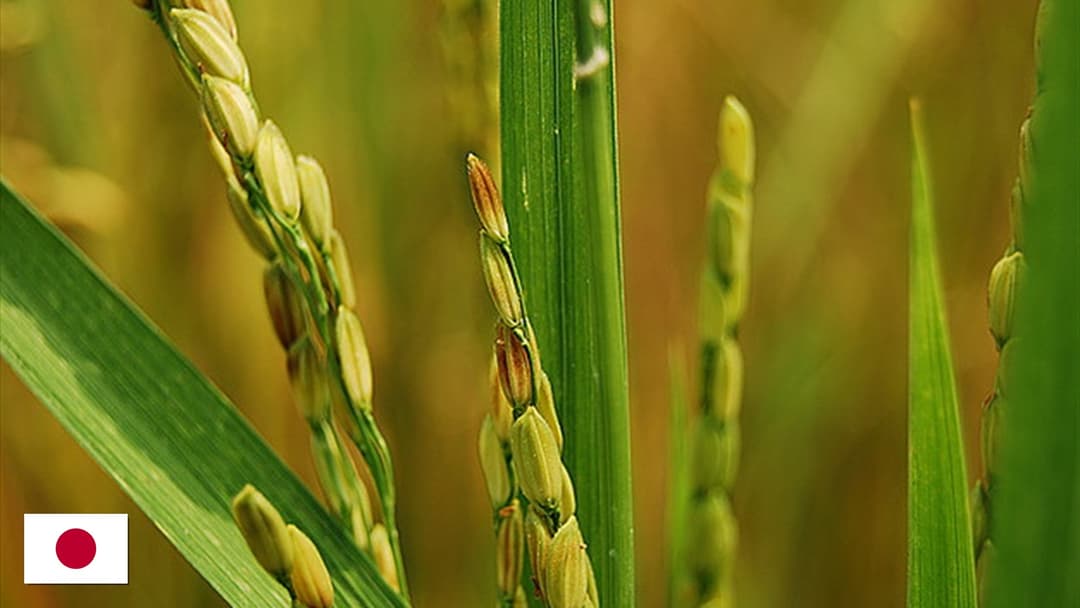
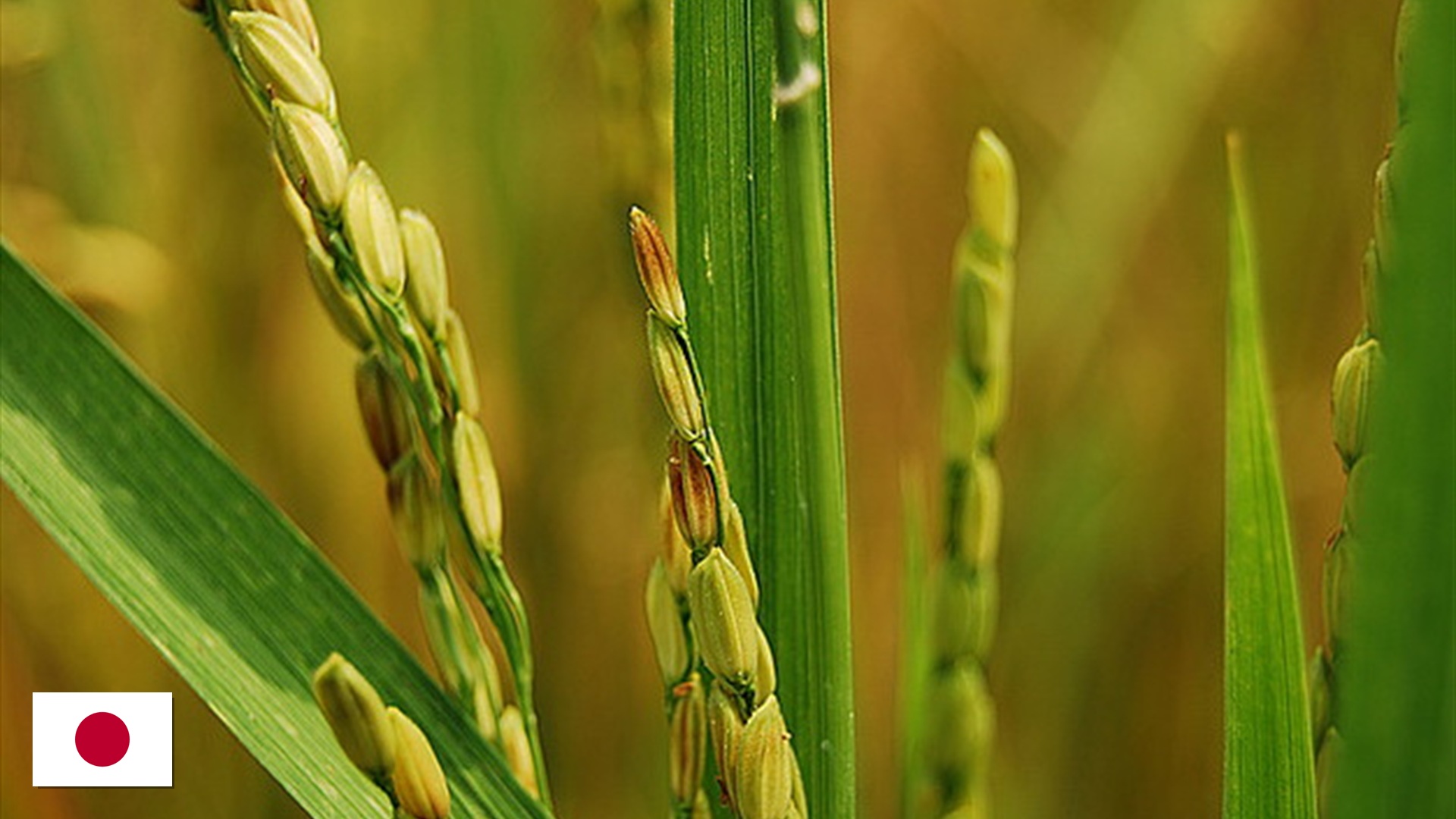
6. Fermented Rice Water Rinse (Heian Japan)
During Japan's Heian Period (794-1185 CE), noblewomen maintained glossy, ankle-length hair by rinsing it in fermented rice water, a practice also preserved by the Yao women of Huangluo in China. Rice water's inositol repairs damaged cuticles and boosts elasticity.
©Wikimedia / Ashok Menon
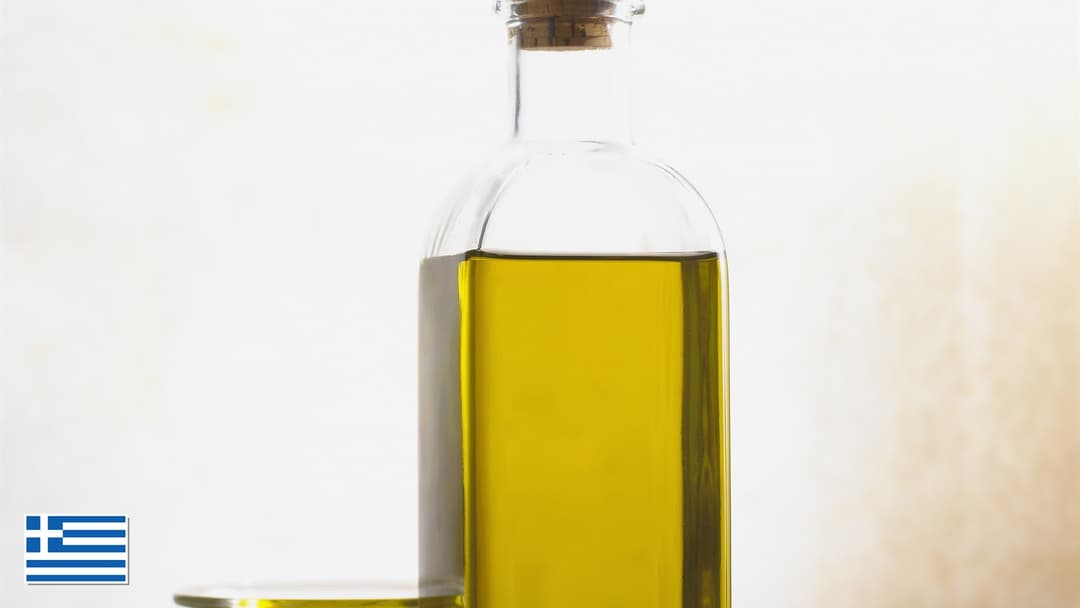
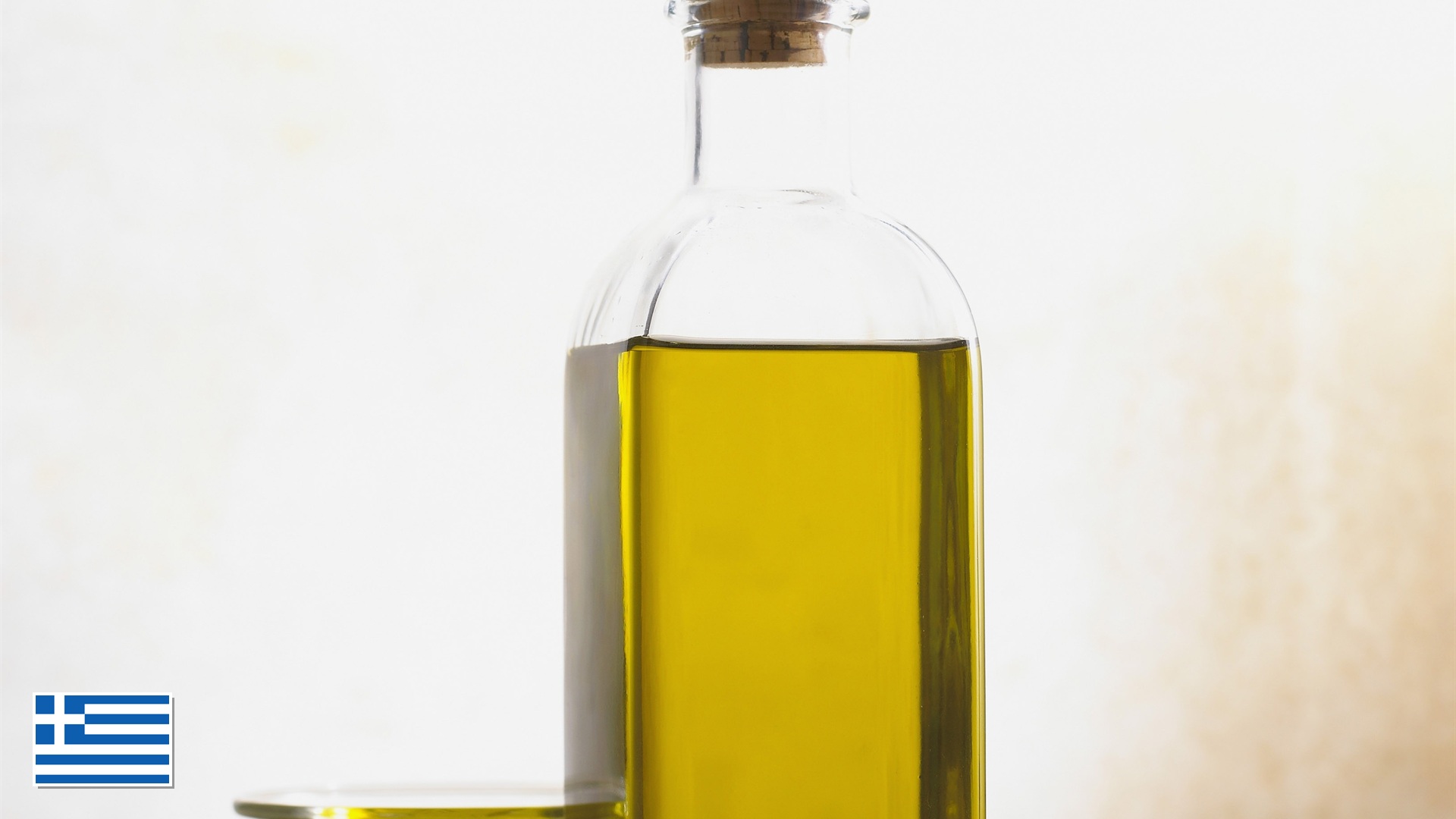
5. Extra-Virgin Olive Oil Cleansing (Greece & Rome)
Across Ancient Greece and Rome, olive oil was the foundation of daily grooming - applied before bathing to dissolve dirt and scraped off with a bronze strigil. Rich in squalene and oleic acid, it inspired the modern oil-cleansing method used to melt away waterproof makeup.
©Wikimedia / Margenauer
Advertisement
Swipe or tap ▶ to resume the countdown.
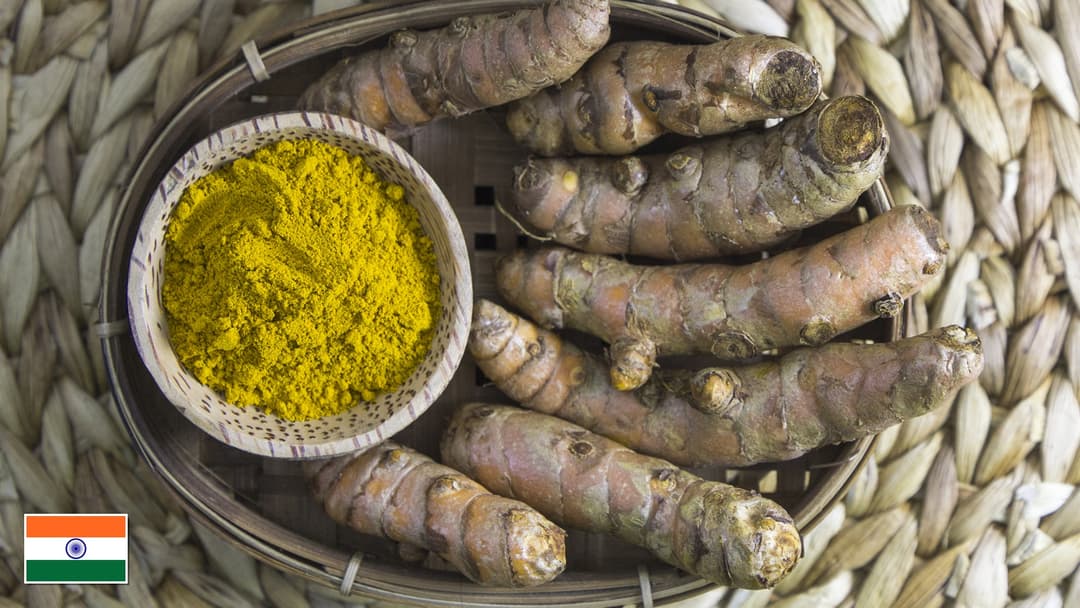
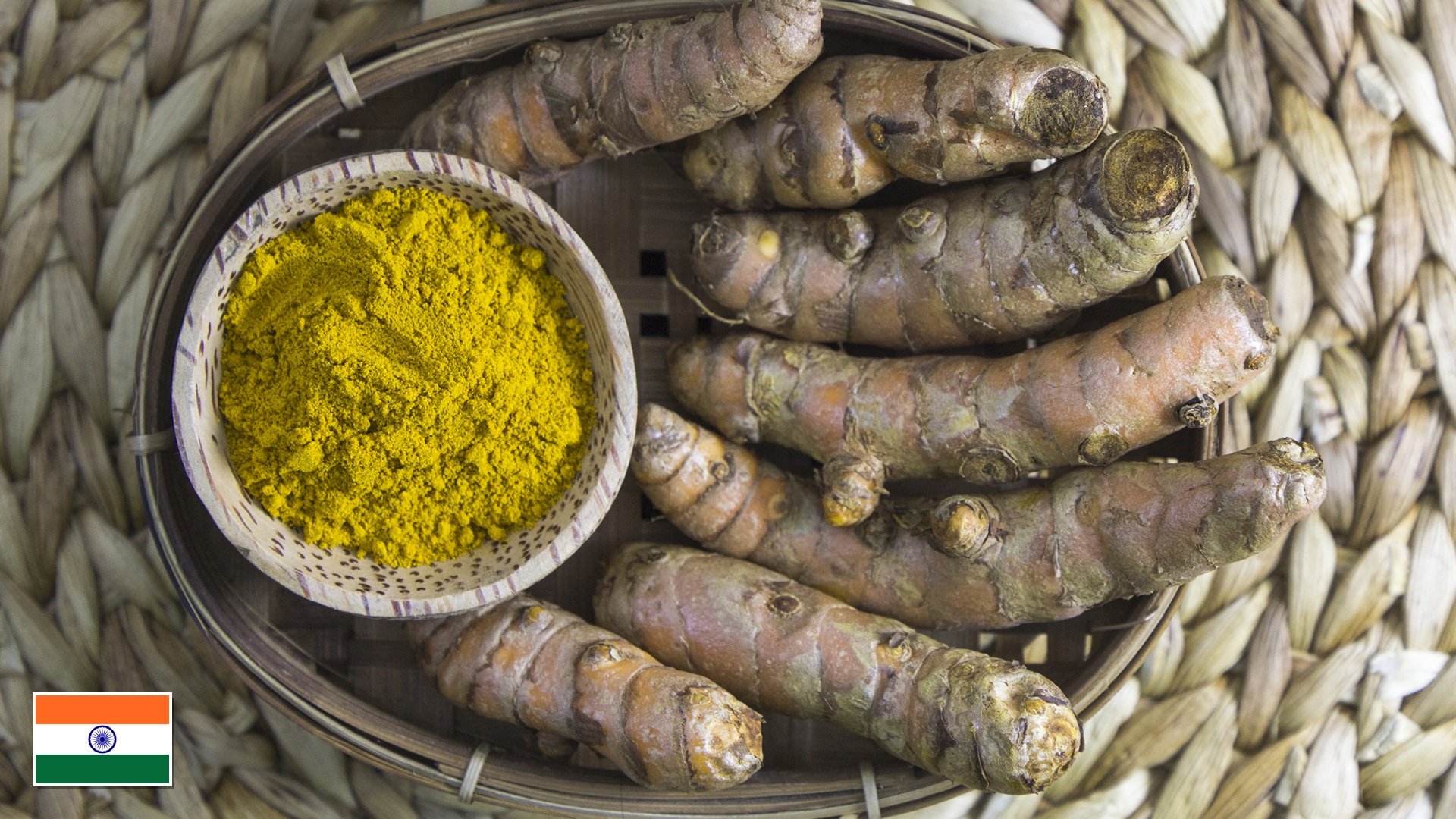
4. Turmeric Haldi Brightening Masks (Vedic India)
Revered in Vedic traditions for more than 4,000 years, golden Curcuma longa paste is traditionally applied to brides and grooms before Indian weddings for an unmistakable glow. Its active compound, curcumin, is a powerhouse anti-inflammatory and antioxidant.
©Wikimedia / Herusutimbul
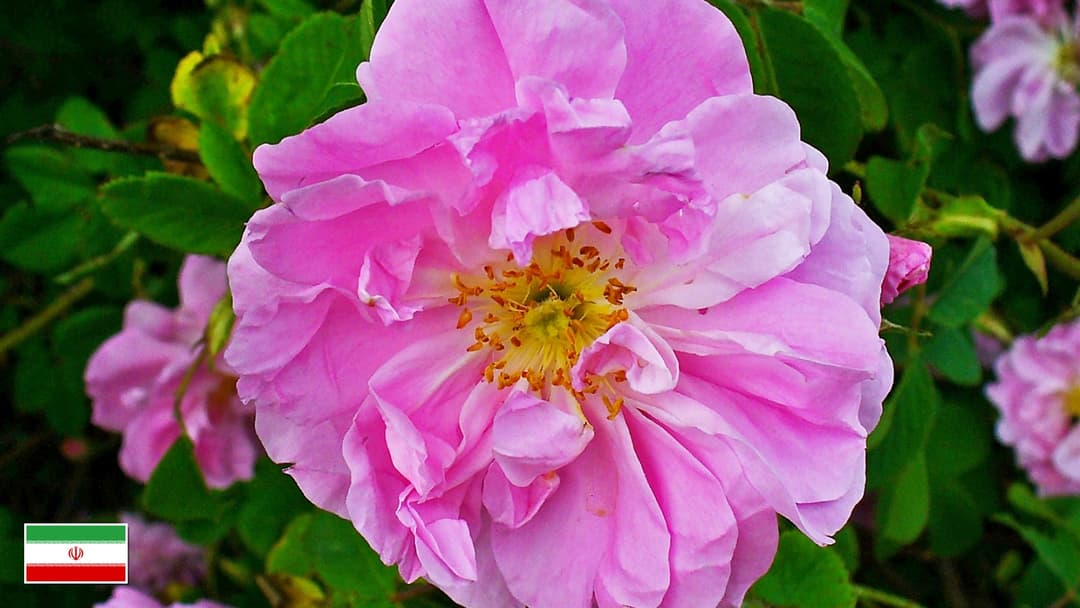
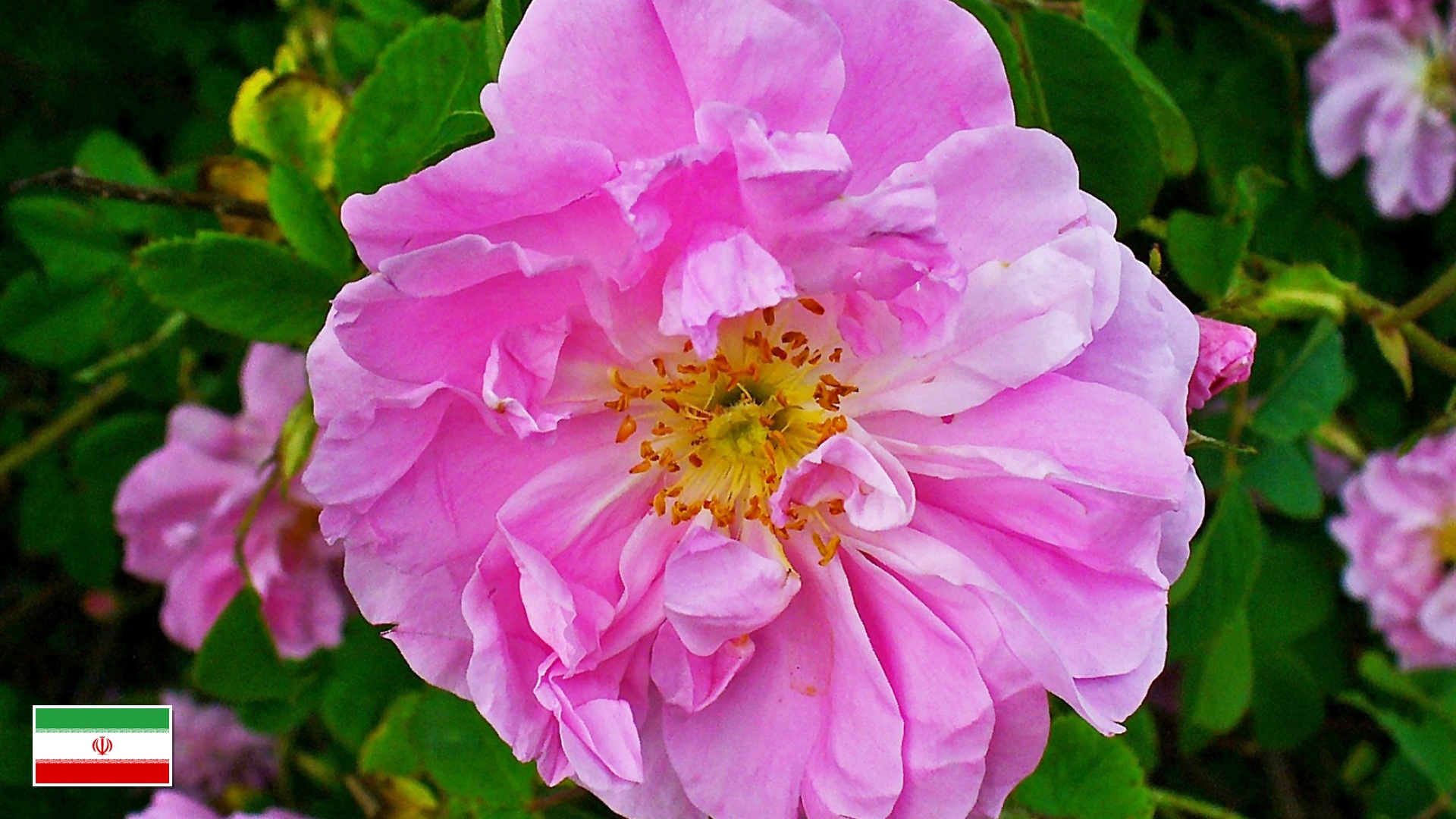
3. Damask Rosewater Facial Toner (Ancient Persia)
While fragrant steeped roses date back to Sasanian Persia and Ancient Egypt, 10th-century Persian physician Avicenna (Ibn Sina) pioneered steam distillation of Rosa damascena petals. Naturally mildly astringent and anti-inflammatory, rosewater remains a classic facial mist.
©Wikimedia / H. Zell
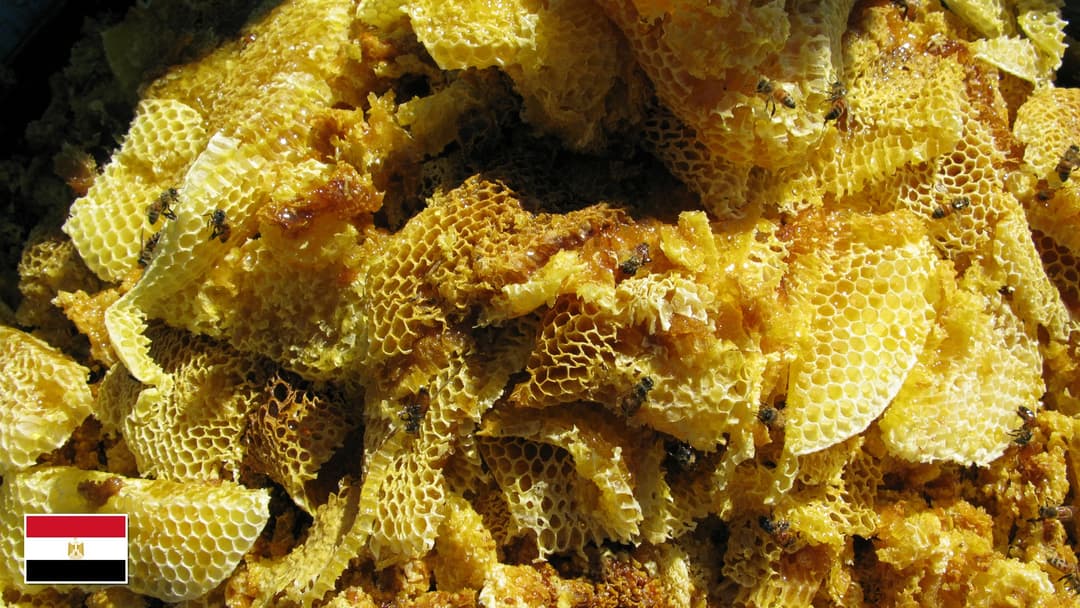
2. Raw Honey Humectant Masks (Ancient Egypt)
Mentioned in hundreds of remedies in Ancient Egypt's Ebers Papyrus, raw honey was blended with milk and alabaster to keep royal skin supple in the desert air. As a natural humectant with enzymatic antibacterial power, honey draws moisture into the skin while fighting bacteria.
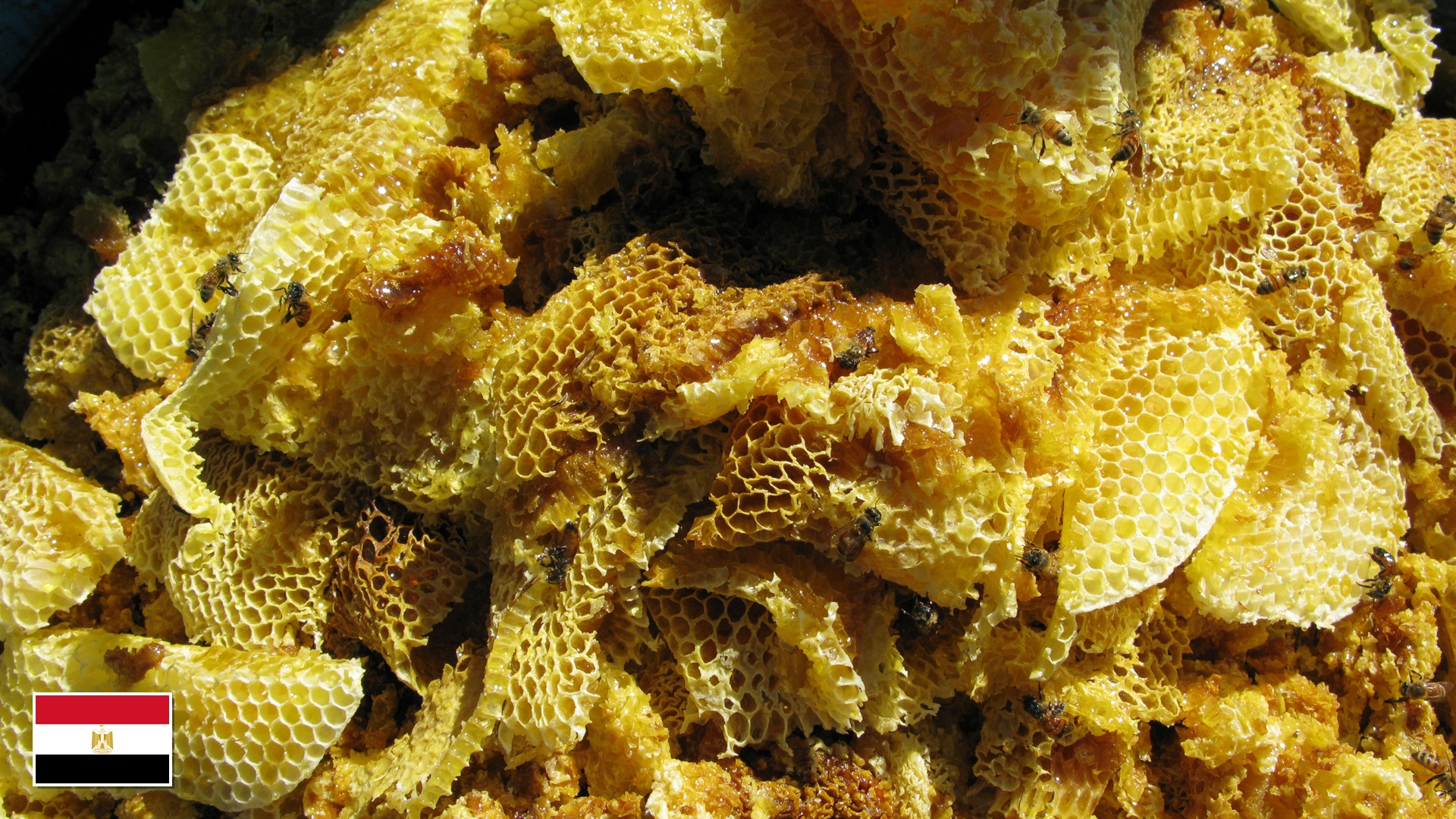
©Wikimedia / Vyacheslav Argenberg
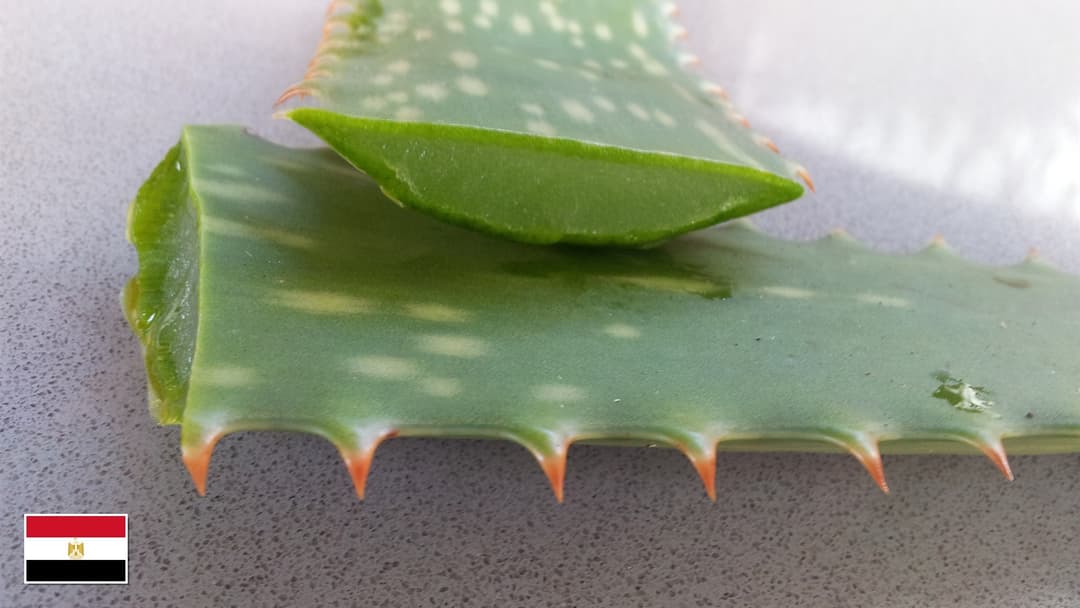
1. Aloe Vera - The Plant Of Immortality (Ancient Egypt)
Carved into temple walls and buried with pharaohs as the 'Plant of Immortality,' Aloe vera was reportedly used daily by Queens Nefertiti and Cleopatra to soothe sun-drenched skin. Packed with 75 active vitamins, enzymes, and polysaccharides, it remains #1 in global skincare.
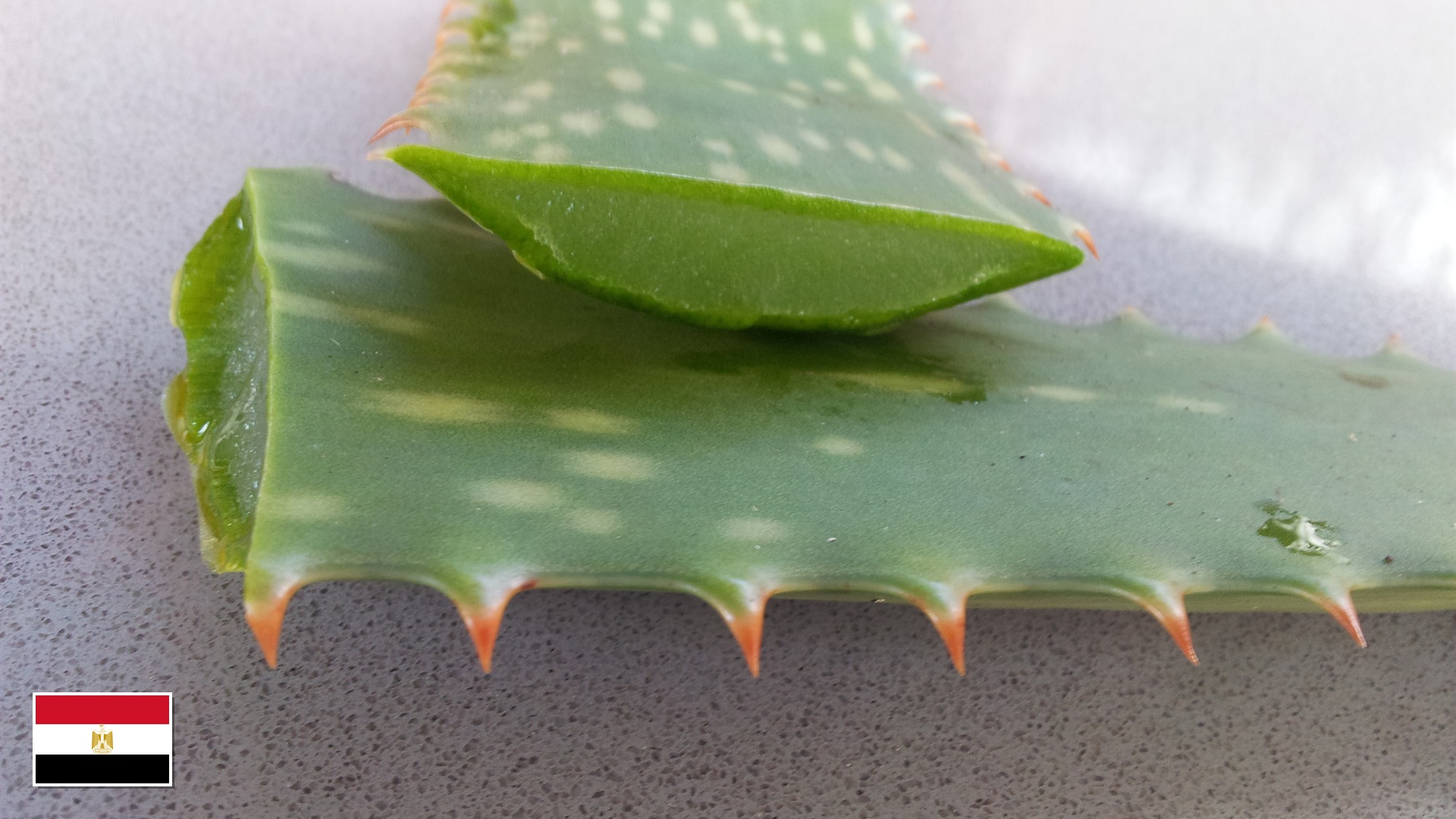
©Wikimedia / Rae Allen
Advertisement
You've reached the end of the story. Thanks for reading!

20 Ways To Survive Heavy Snow In The USA
Essential Rules To Survive Severe US Winter Blizzards
All 15 Entries in this Story
15. Sea Salt Body Scrubs (Ancient Greece)
In bathhouses across Ancient Greece, bathers blended coarse Mediterranean sea salt crystals with warm olive oil to polish the skin. Rich in magnesium, calcium, and potassium, sea salt scrubs remain a staple exfoliant in modern spas worldwide.

14. Pearl Powder Brightening Masks (Ancient China)
Dating back to 320 CE and popularized by Tang Dynasty Empress Wu Zetian, traditional Chinese medicine prized finely ground pearl powder for radiant skin. Packed with amino acids and trace minerals, micronized pearl remains a luxury brightening ingredient today.

13. Henna Botanical Dye (Ancient India & Egypt)
Archaeologists found henna-dyed hair on Egyptian mummies and documented intricate mehndi body art across ancient India. Made from dried Lawsonia inermis leaves, lawsone pigment binds to keratin to strengthen hair shafts while delivering rich, chemical-free color.

12. Saffron Glow Infusions (Ancient Persia)
Cultivated in Ancient Persia for more than three millennia, crimson Crocus sativus stigmas were steeped into royal bathwaters and facial oils. Modern dermatology confirms that saffron's crocin and safranal compounds are potent antioxidants that reduce hyperpigmentation.

11. Jade Gua Sha & Rollers (Imperial China)
Rooted in Ming and Qing Dynasty court rituals, smooth nephrite jade tools were glided across the face to stimulate microcirculation and lymphatic drainage. Today, jade rollers and gua sha stones are among the most popular de-puffing tools in global skincare.

10. Dead Sea Mineral Mud & Salts (Ancient Levant)
Situated at Earth's lowest land elevation, the Dead Sea accumulates mineral concentrations ten times higher than ordinary ocean water. Ancient travelers coated their skin in its black silt to calm psoriasis, eczema, and inflammation - a therapy clinically validated today.

9. Matcha & Green Tea Catechins (China & Japan)
First whisked by Chinese monks during the Tang and Song dynasties and perfected in Japanese tea ceremonies, powdered Camellia sinensis leaves are loaded with EGCG polyphenols. Modern serums use green tea extract to neutralize free radicals and soothe acne-prone skin.

8. Moroccan Argan Oil (Amazigh Tradition)
For centuries, Amazigh (Berber) women in southwestern Morocco hand-cracked argan nuts to cold-press a golden oil rich in vitamin E, squalene, and essential fatty acids. Today, pure Moroccan argan oil is a global gold standard for repairing dry hair and skin barriers.

7. Coconut Oil Hair & Scalp Oiling (Ayurvedic India)
Known in Sanskrit as 'kalpavriksha' (the tree that provides all necessities of life), coconut has anchored Ayurvedic hair rituals for millennia. Cosmetic chemists have proven that coconut oil's low-molecular-weight lauric acid uniquely penetrates inside the hair cortex.

6. Fermented Rice Water Rinse (Heian Japan)
During Japan's Heian Period (794-1185 CE), noblewomen maintained glossy, ankle-length hair by rinsing it in fermented rice water, a practice also preserved by the Yao women of Huangluo in China. Rice water's inositol repairs damaged cuticles and boosts elasticity.

5. Extra-Virgin Olive Oil Cleansing (Greece & Rome)
Across Ancient Greece and Rome, olive oil was the foundation of daily grooming - applied before bathing to dissolve dirt and scraped off with a bronze strigil. Rich in squalene and oleic acid, it inspired the modern oil-cleansing method used to melt away waterproof makeup.

4. Turmeric Haldi Brightening Masks (Vedic India)
Revered in Vedic traditions for more than 4,000 years, golden Curcuma longa paste is traditionally applied to brides and grooms before Indian weddings for an unmistakable glow. Its active compound, curcumin, is a powerhouse anti-inflammatory and antioxidant.

3. Damask Rosewater Facial Toner (Ancient Persia)
While fragrant steeped roses date back to Sasanian Persia and Ancient Egypt, 10th-century Persian physician Avicenna (Ibn Sina) pioneered steam distillation of Rosa damascena petals. Naturally mildly astringent and anti-inflammatory, rosewater remains a classic facial mist.

2. Raw Honey Humectant Masks (Ancient Egypt)
Mentioned in hundreds of remedies in Ancient Egypt's Ebers Papyrus, raw honey was blended with milk and alabaster to keep royal skin supple in the desert air. As a natural humectant with enzymatic antibacterial power, honey draws moisture into the skin while fighting bacteria.

1. Aloe Vera - The Plant Of Immortality (Ancient Egypt)
Carved into temple walls and buried with pharaohs as the 'Plant of Immortality,' Aloe vera was reportedly used daily by Queens Nefertiti and Cleopatra to soothe sun-drenched skin. Packed with 75 active vitamins, enzymes, and polysaccharides, it remains #1 in global skincare.