Slideshow · Travel
15 Ancient Engineering Marvels Built Centuries Ahead of Their Time, Ranked
Centuries before modern machinery, master builders designed sophisticated infrastructure that defies comprehension. Explore fifteen ancient engineering marvels, ranked. Long before heavy industrial tools existed, ancient architects engineered monumental aqueducts, seismic foundations, and astronomical computers.
By Most Viral Today
18 min ago
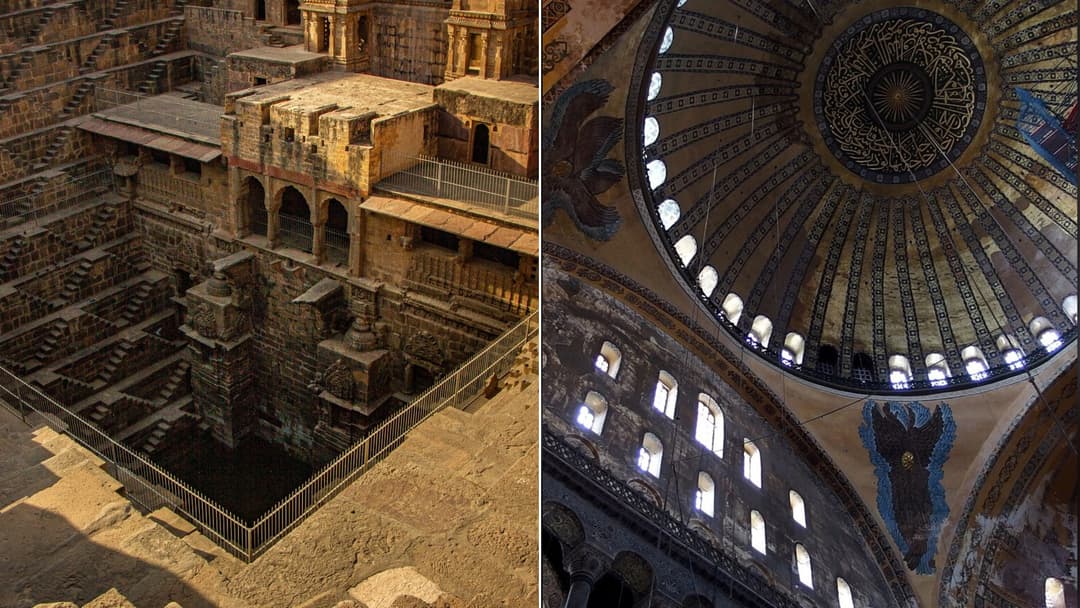
Subterranean Aqueducts and Resilient Temples That Stunned Modern Science 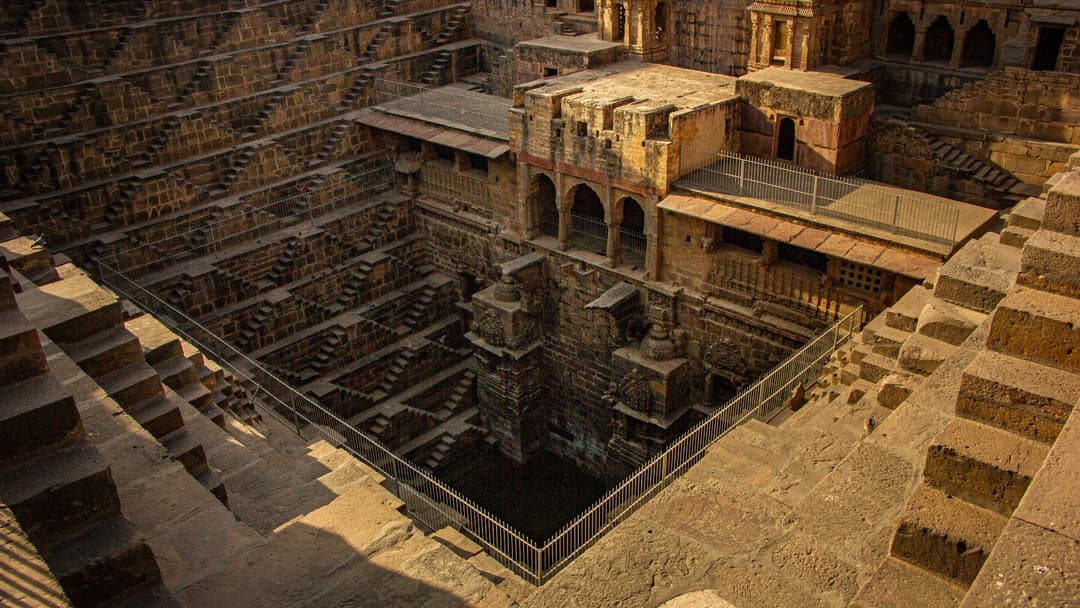
15. Chand Baori Stepwell 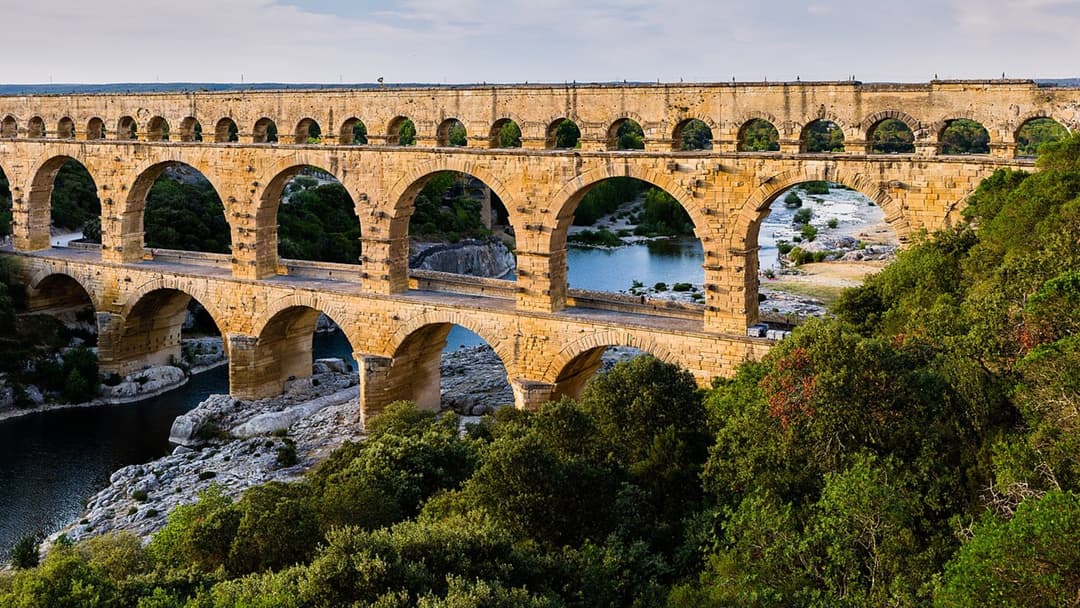
14. Pont Du Gard Aqueduct 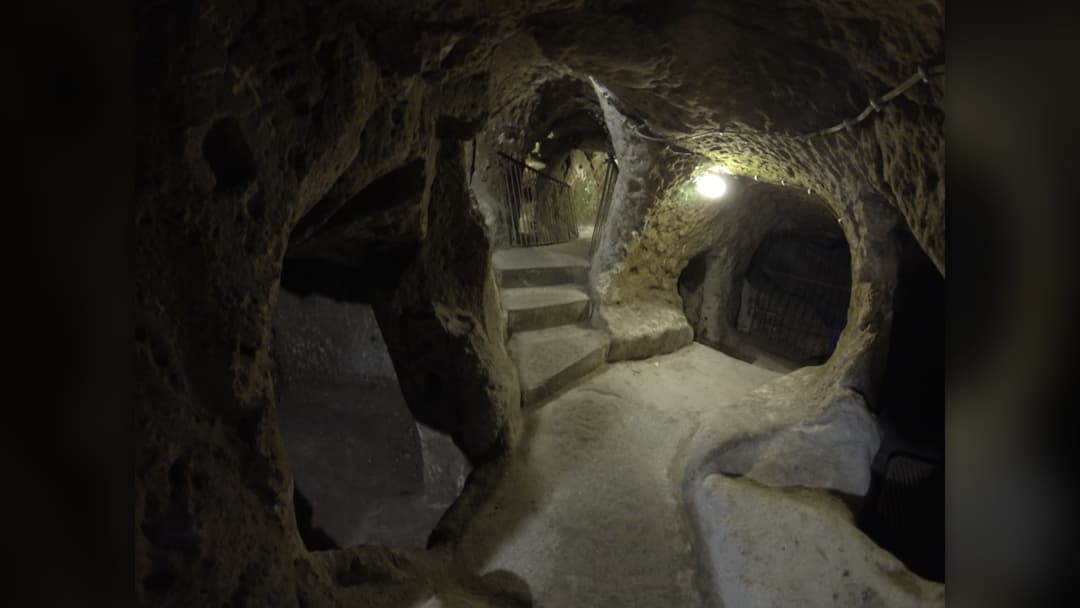
13. Derinkuyu Underground City - AdvertisementSwipe or tap ▶ to continue countdown
12. Epidaurus Ancient Theatre 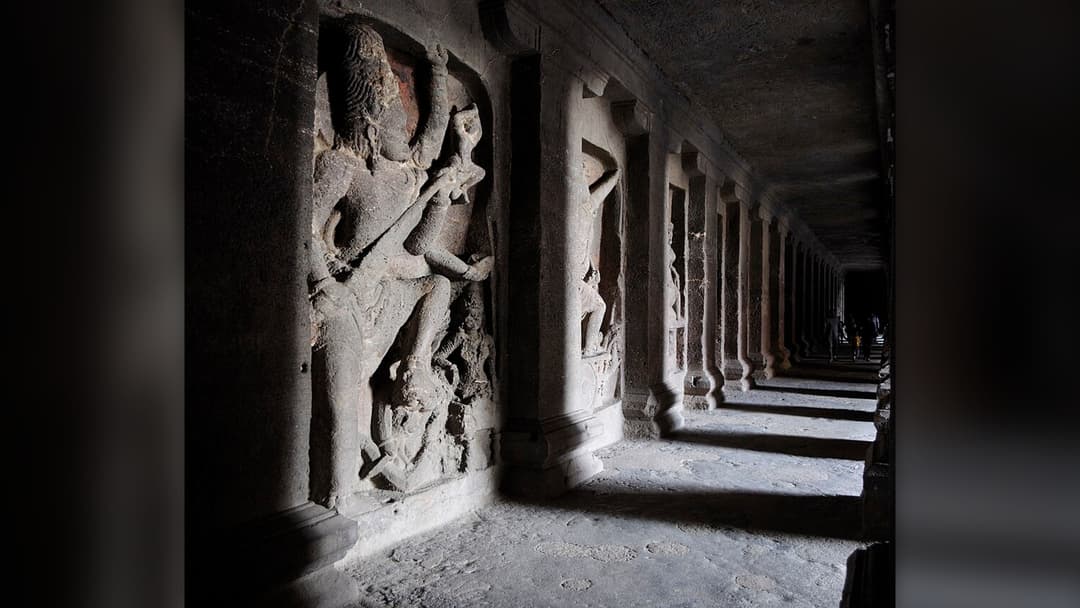
11. Kailasa Temple 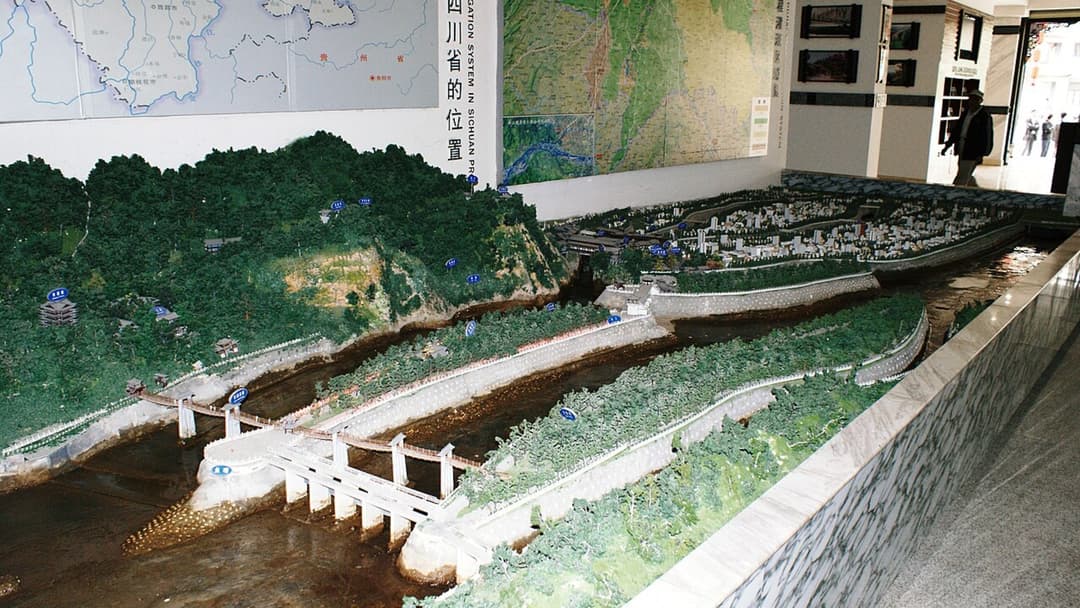
10. Dujiangyan Irrigation System 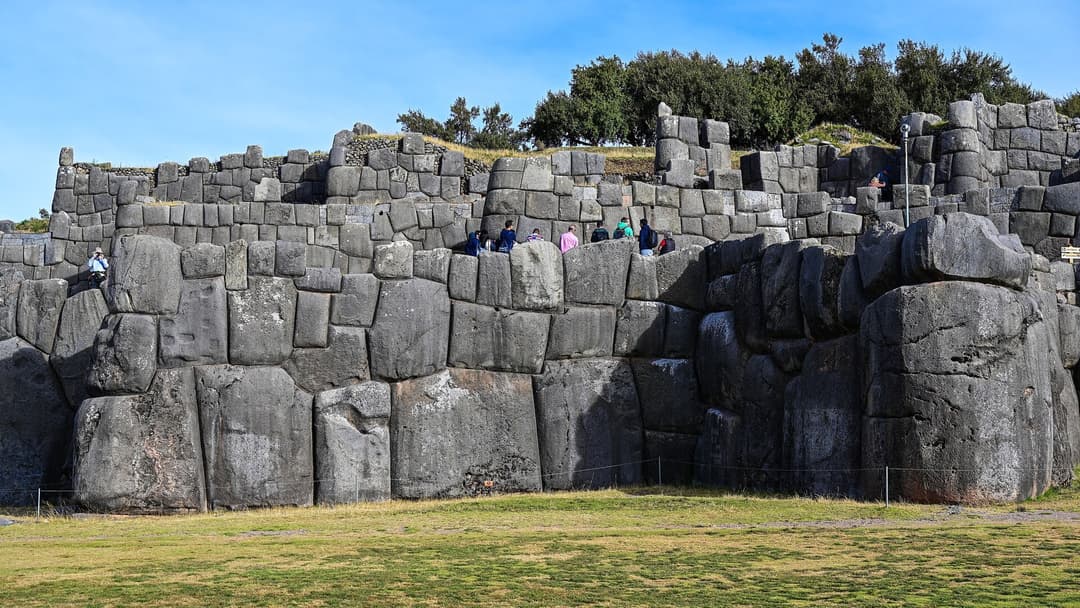
9. Sacsayhuamán Megaliths - AdvertisementSwipe or tap ▶ to continue countdown

8. Roman Marine Concrete 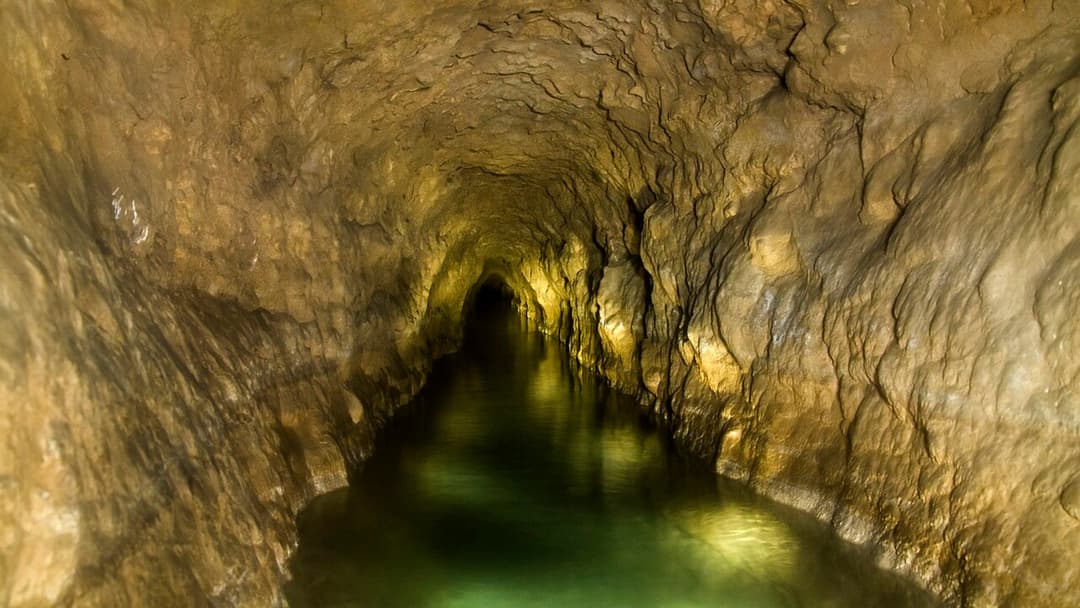
7. Gonabad Qanat Water System 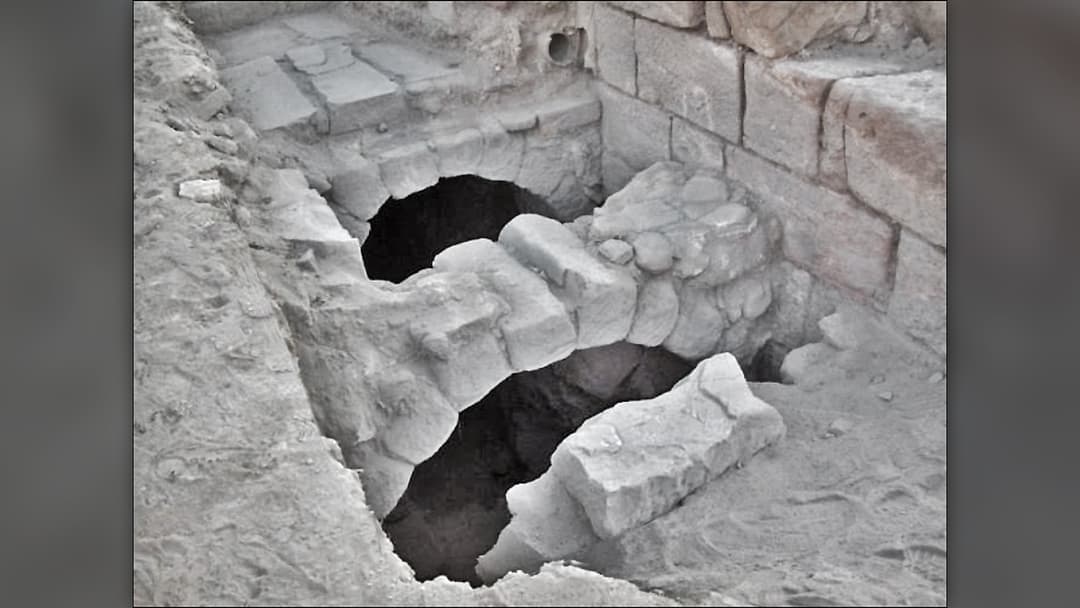
6. Petra Waterworks Network 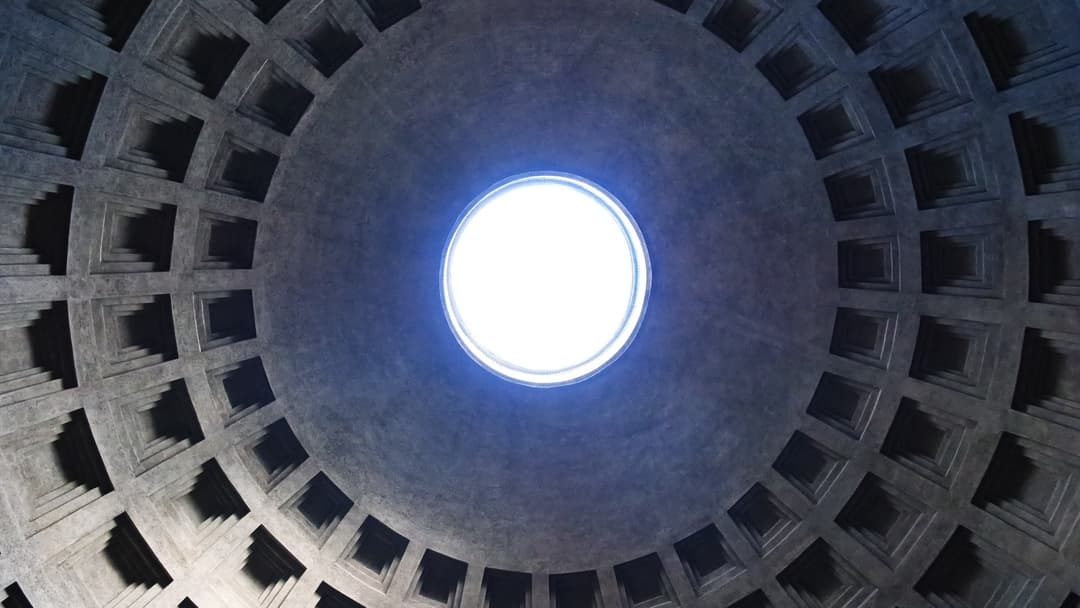
5. The Roman Pantheon Dome - AdvertisementSwipe or tap ▶ to continue countdown
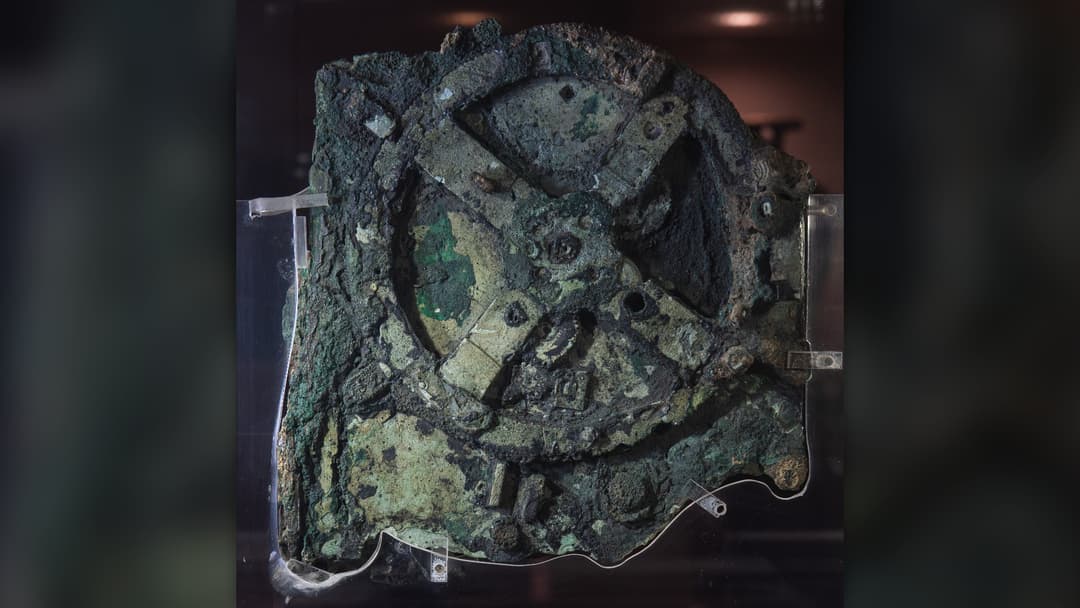
4. Antikythera Mechanism 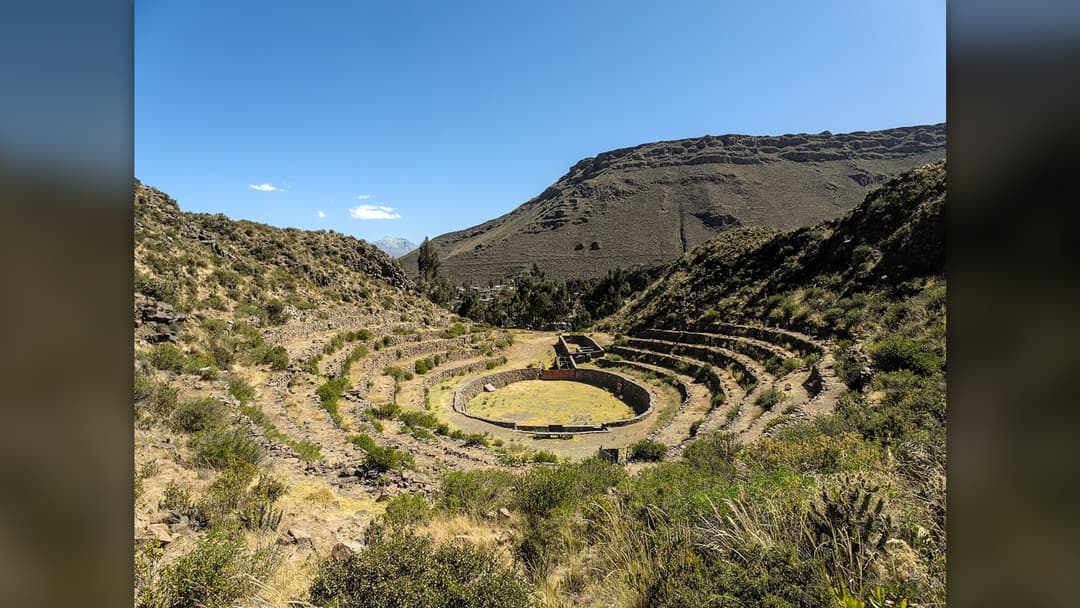
3. Moray Agricultural Terraces 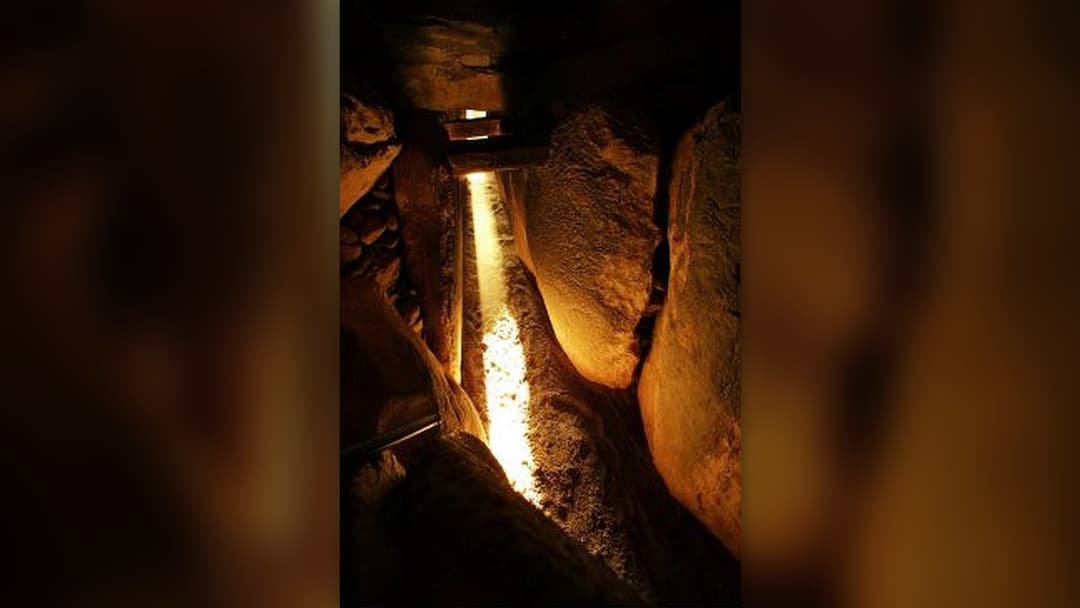
2. Newgrange Solstice Chamber 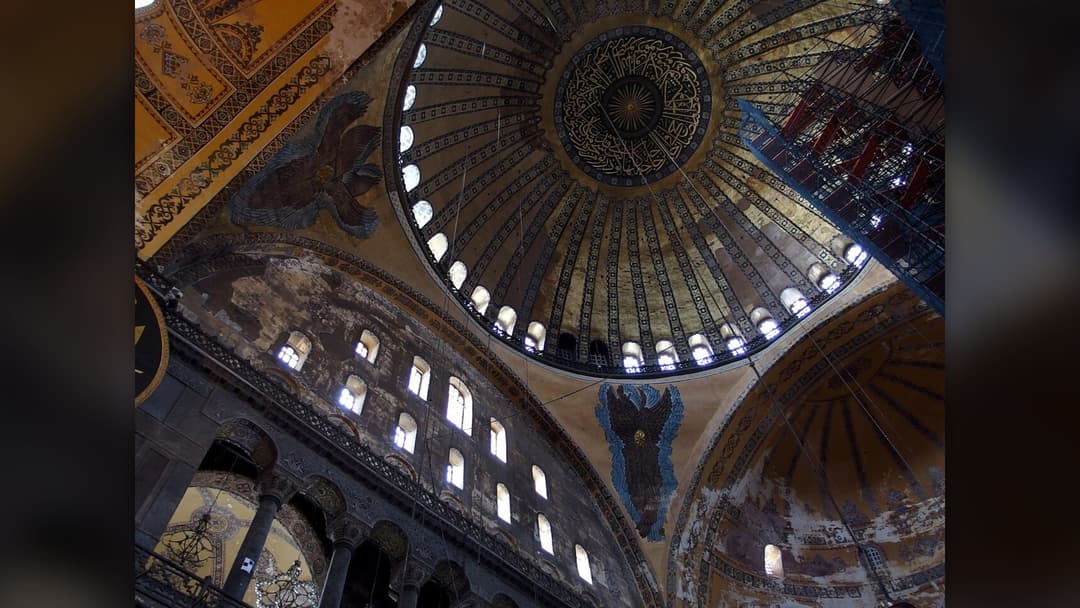
1. Hagia Sophia Pendentive Dome - Advertisement🔥 UP NEXT IN THIS SERIES◫ 21 Slides

The 20 Most Visited Countries by Americans, Ranked
Where 40 Million Americans Travel Abroad Every Year and Why They Go
Long before heavy industrial tools existed, ancient architects engineered monumental aqueducts, seismic foundations, and astronomical computers. Explore fifteen ancient engineering marvels ranked by technical sophistication.
Swipe or tap ▶ to begin the countdown
©Wikimedia / Aaradhyas 13 & NPS-NOAA-USGS / Mark Ahsmann
15. Chand Baori Stepwell
Built during the ninth century in the arid village of Abhaneri, this architectural marvel descends one hundred feet into the earth. Its 3,500 precisely chiseled stone steps provided a cool civic sanctuary while conserving precious groundwater across sweltering desert summers.
©Wikimedia / Aaradhyas 13
14. Pont Du Gard Aqueduct
Constructed in the first century AD to supply the city of Nimes, this limestone masterpiece spans 900 feet across the Gardon River. Roman surveyors engineered the entire thirty-one-mile conduit with an average descent of just one inch every three hundred feet.
©Wikimedia / Benh LIEU SONG (Flickr)
13. Derinkuyu Underground City
Hand-carved out of volcanic soft tuff rock in Cappadocia, this labyrinthine settlement extends 280 feet beneath the earth. The engineering incorporated fifty vertical ventilation shafts, subterranean livestock barns, water wells, and five-foot circular stone blast doors.
©Wikimedia / Derinkuyu underground city
Advertisement
Swipe or tap ▶ to resume the countdown.
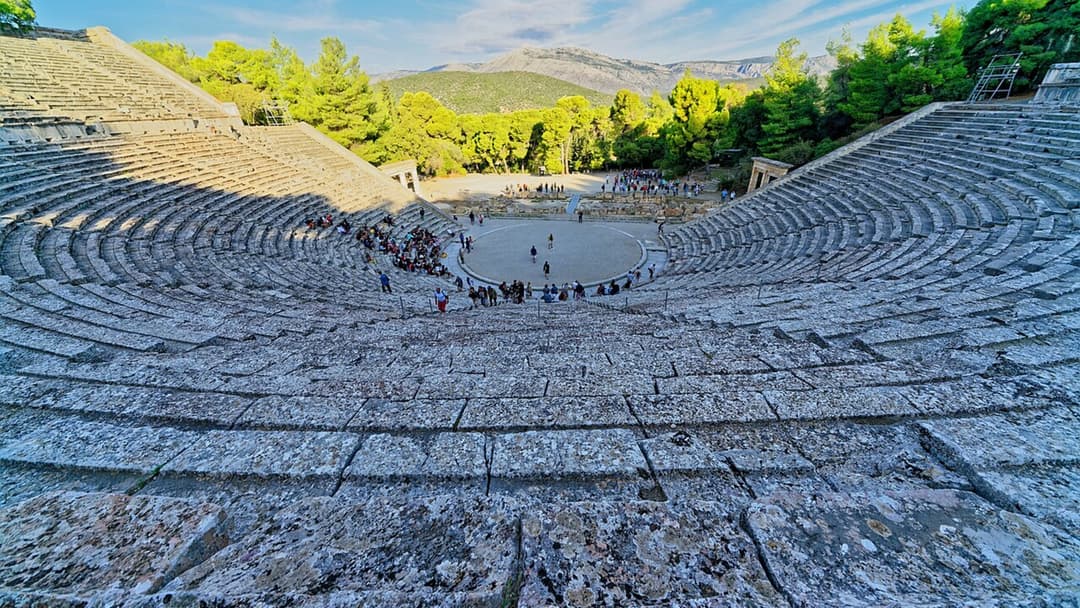
12. Epidaurus Ancient Theatre
Designed by Polykleitos the Younger, this 14,000-seat theater allows spectators in the highest limestone rows to hear a whispered stage word clearly. Modern acoustic studies revealed that the stepped row geometry naturally attenuates low-frequency ambient murmurs while amplifying high vocal frequencies.
©Wikimedia / Holger Uwe Schmitt
11. Kailasa Temple
Commissioned in the eighth century by Rashtrakuta King Krishna I, stonemasons removed over two hundred thousand tons of rock using simple chisels. Rather than assembling masonry blocks, master sculptors carved ornate colonnades, elephant reliefs, and sanctums from the summit downward.
©Wikimedia / Dey.sandip
10. Dujiangyan Irrigation System
Engineered by hydraulic pioneer Li Bing, this monumental infrastructure channeled the ferocious Min River without building a conventional blocking dam. By dividing the river into inner and outer channels, the system tamed catastrophic floods and irrigated the entire Sichuan fertile plain.
©Wikimedia / Hugh Llewelyn from Keynsham, UK
9. Sacsayhuamán Megaliths
Guarding Cusco, this Inca ceremonial fortress features massive multi-angled boulders fitted together so tightly that a sheet of paper cannot pass between them. The mortar-free puzzle masonry allowed individual monolithic blocks to shift and settle during major seismic tremors without collapsing.
©Wikimedia / Steve FUNG
Advertisement
Swipe or tap ▶ to resume the countdown.
8. Roman Marine Concrete
By blending lime with volcanic ash from Pozzuoli, Roman builders unlocked a chemical reaction that formed rare aluminous tobermorite crystals when exposed to salt water. This mineral growth reinforced the concrete over centuries, allowing harbor breakwaters across the Mediterranean to outlast modern cement.
©Wikimedia / Internet Archive Book Images
7. Gonabad Qanat Water System
Originating in ancient Persia three millennia ago, this network of gently sloping underground conduits tapped alluvial mountain aquifers. Thousands of hand-dug vertical air shafts prevented evaporation loss across blistering desert plains, sustaining thriving desert civilizations for centuries.
©Wikimedia / Tavasoli mohsen
6. Petra Waterworks Network
The nomadic Nabataeans transformed an arid sandstone gorge into an oasis capital through master hydro-engineering. They carved gravity-driven ceramic water conduits into cliff walls, constructed flash-flood retention dams, and built underground cisterns storing millions of gallons of mountain water.
©Wikimedia / Adnan Shiyyab
5. The Roman Pantheon Dome
Commissioned by Emperor Hadrian, this architectural triumph spans 142 feet without interior column supports. Roman engineers gradually lightened the concrete recipe from dense basalt aggregate at the base to porous volcanic pumice near the thirty-foot central opening oculus.
©Wikimedia / T. Le Berre
Advertisement
Swipe or tap ▶ to resume the countdown.
4. Antikythera Mechanism
Discovered off the coast of Greece in 1901, this Hellenistic calculating device utilized thirty interlocking bronze gears to predict solar eclipses and lunar phases. Its sophisticated differential gear train and epicyclic mechanics predated comparable European astronomical clockwork by over a millennium.
©Wikimedia / Antikythera mechanism
3. Moray Agricultural Terraces
Carved into a limestone plateau in Peru, these deep circular terraces functioned as an open-air agricultural research laboratory. The difference in solar exposure, wind patterns, and layered gravel soil drainage created distinct temperature zones for domesticating highland crops.
©Wikimedia / LFReuter
2. Newgrange Solstice Chamber
Predating both Stonehenge and the Egyptian pyramids, this Neolithic passage mound in Ireland features a corbelled stone vault that remains watertight. Every winter solstice, a narrow engineered aperture above the entrance channels morning sunlight straight down the passage to illuminate the inner chamber.
©Newgrange
1. Hagia Sophia Pendentive Dome
Designed by physicist Isidore of Miletus and mathematician Anthemius of Tralles, this architectural triumph seemed to float on air. By resting a 102-foot circular dome on spherical triangular pendentives, Byzantine engineers transformed structural physics and shaped international religious architecture.
©NPS-NOAA-USGS / Mark Ahsmann
Advertisement
You've reached the end of the story. Thanks for reading!
The 20 Most Visited Countries by Americans, Ranked
Where 40 Million Americans Travel Abroad Every Year and Why They Go