Slideshow · Entertainment
15 Bizarre Public Customs the British Royal Family Cannot Break
Life inside the monarchy requires adhering to centuries of rigid protocol. Even on casual outings, royal family members must follow strict behavioral rules that govern everything from international travel safety to dinner table conversations.
By Most Viral Today
5 hours ago

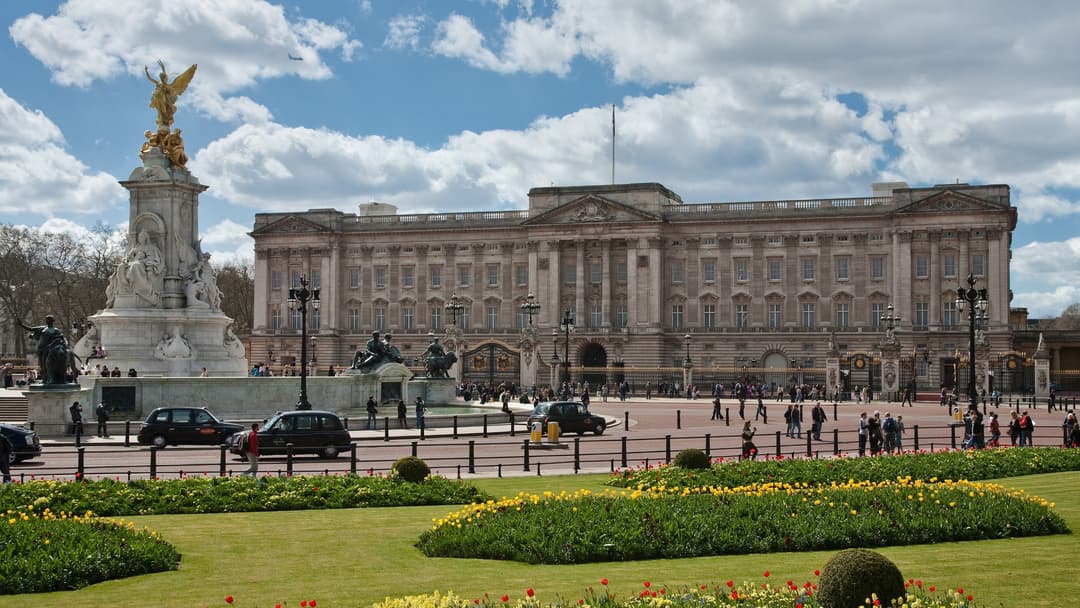
Buckingham Palace Royal Residence in London England 
15. Prince Harry 
14. Catherine, Princess Of Wales 
13. Prince William And Prince George - AdvertisementSwipe or tap ▶ to continue countdown

12. King Charles 
11. Meghan, Duchess Of Sussex 
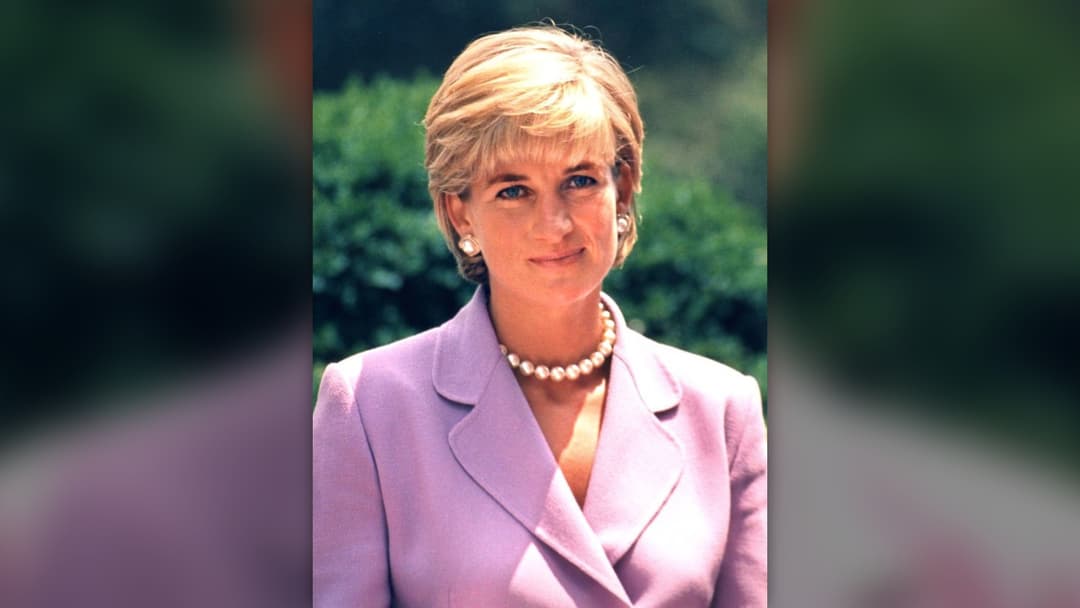
10. Princess Diana 
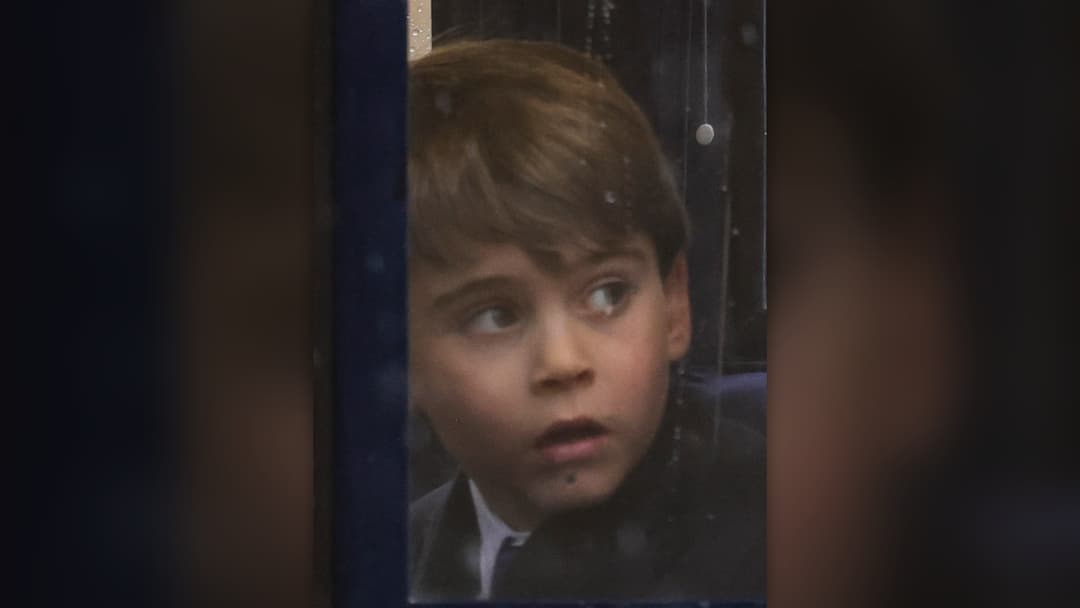
9. Prince Louis - AdvertisementSwipe or tap ▶ to continue countdown

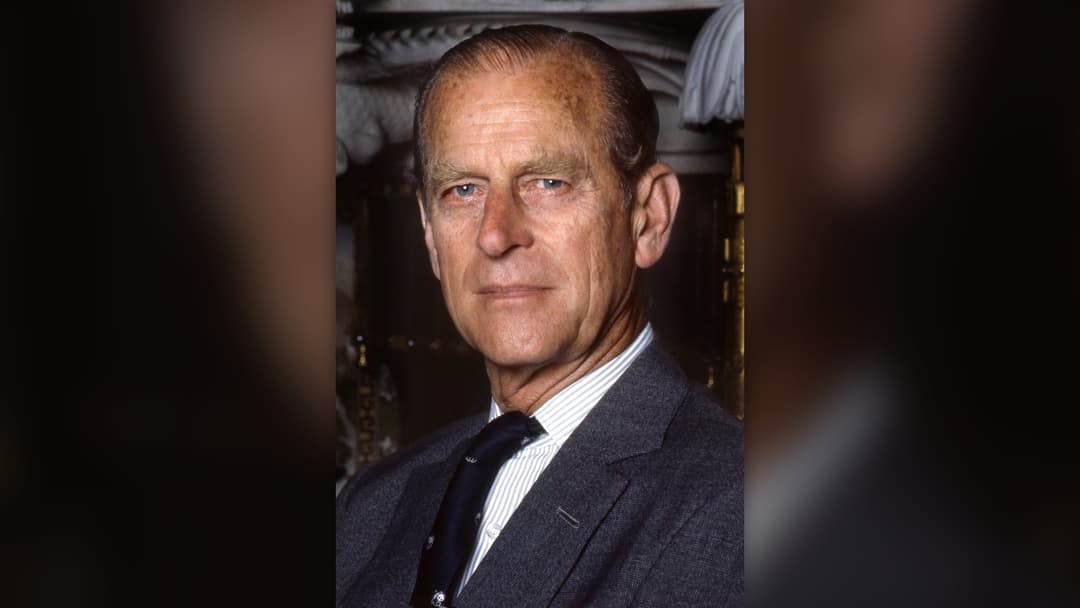
8. Prince Philip 
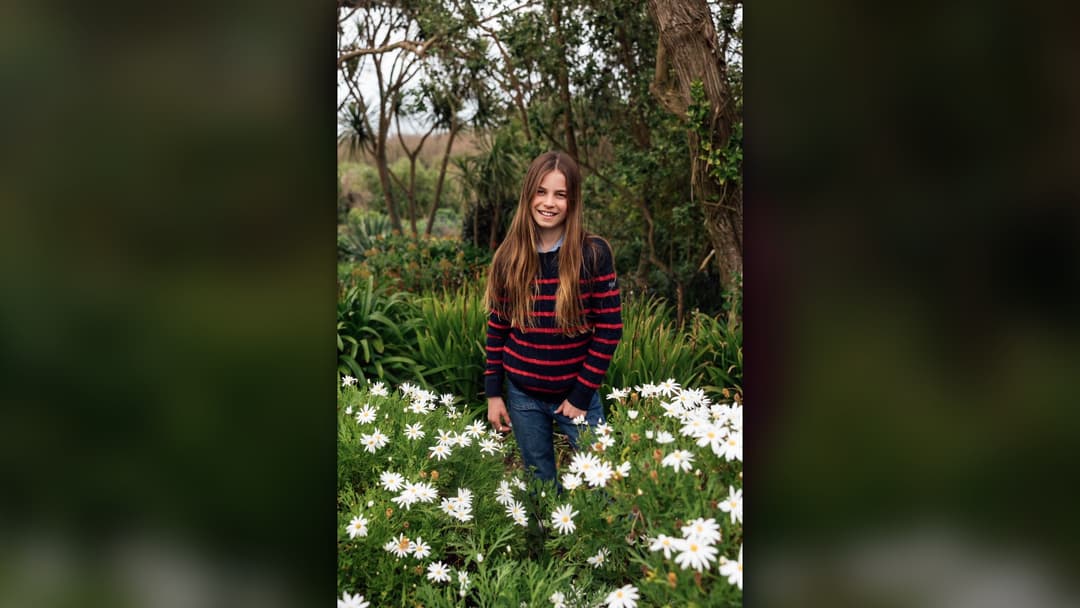
7. Princess Charlotte 
6. Queen Camilla 
5. Windsor Castle - AdvertisementSwipe or tap ▶ to continue countdown

4. Balmoral Castle 
3. Kensington Palace 
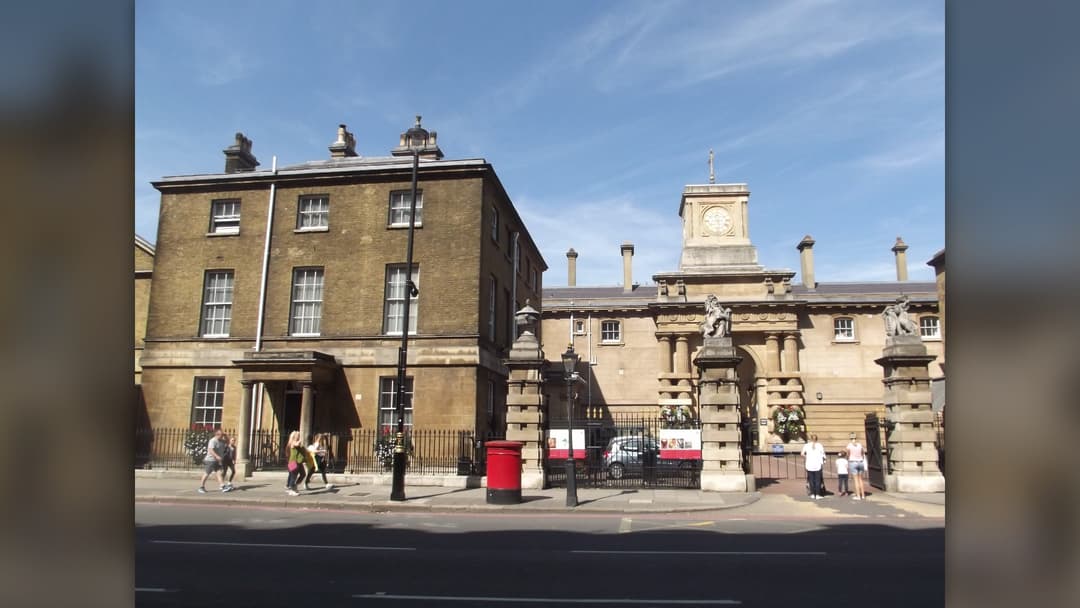
2. The Royal Mews, London 
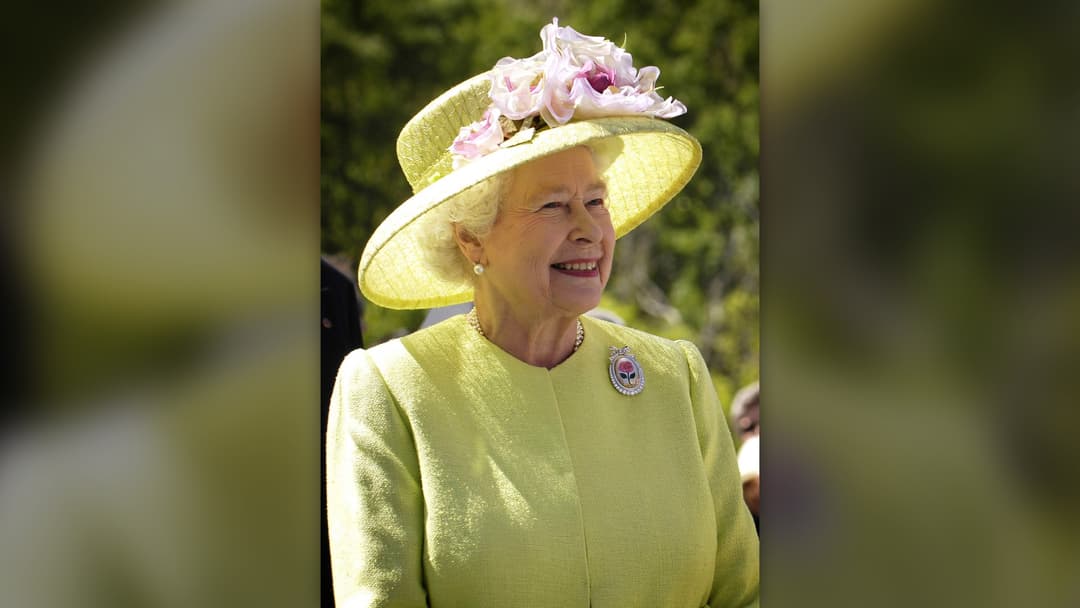
1. Queen Elizabeth II - Advertisement🔥 UP NEXT IN THIS SERIES◫ 21 Slides

20 Stages of Jim Jordan's Rise From Wrestler to House Republican
Life inside the monarchy requires adhering to centuries of rigid protocol. Even on casual outings, royal family members must follow strict behavioral rules that govern everything from international travel safety to dinner table conversations. Life inside the monarchy requires adhering to centuries of rigid protocol.
Swipe or tap ▶ to begin the countdown
©Wikimedia / Diliff
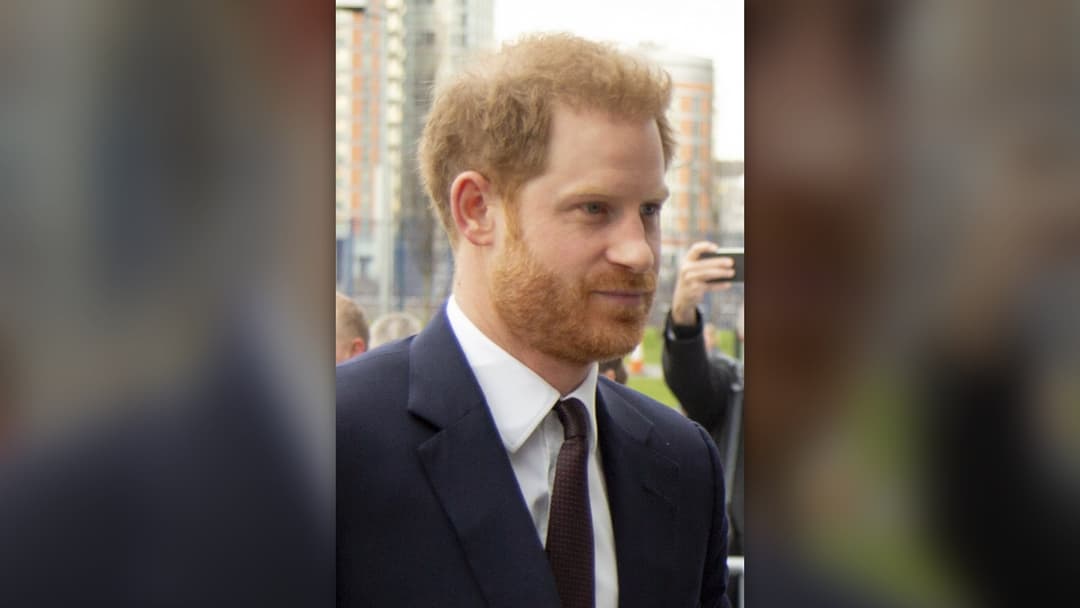
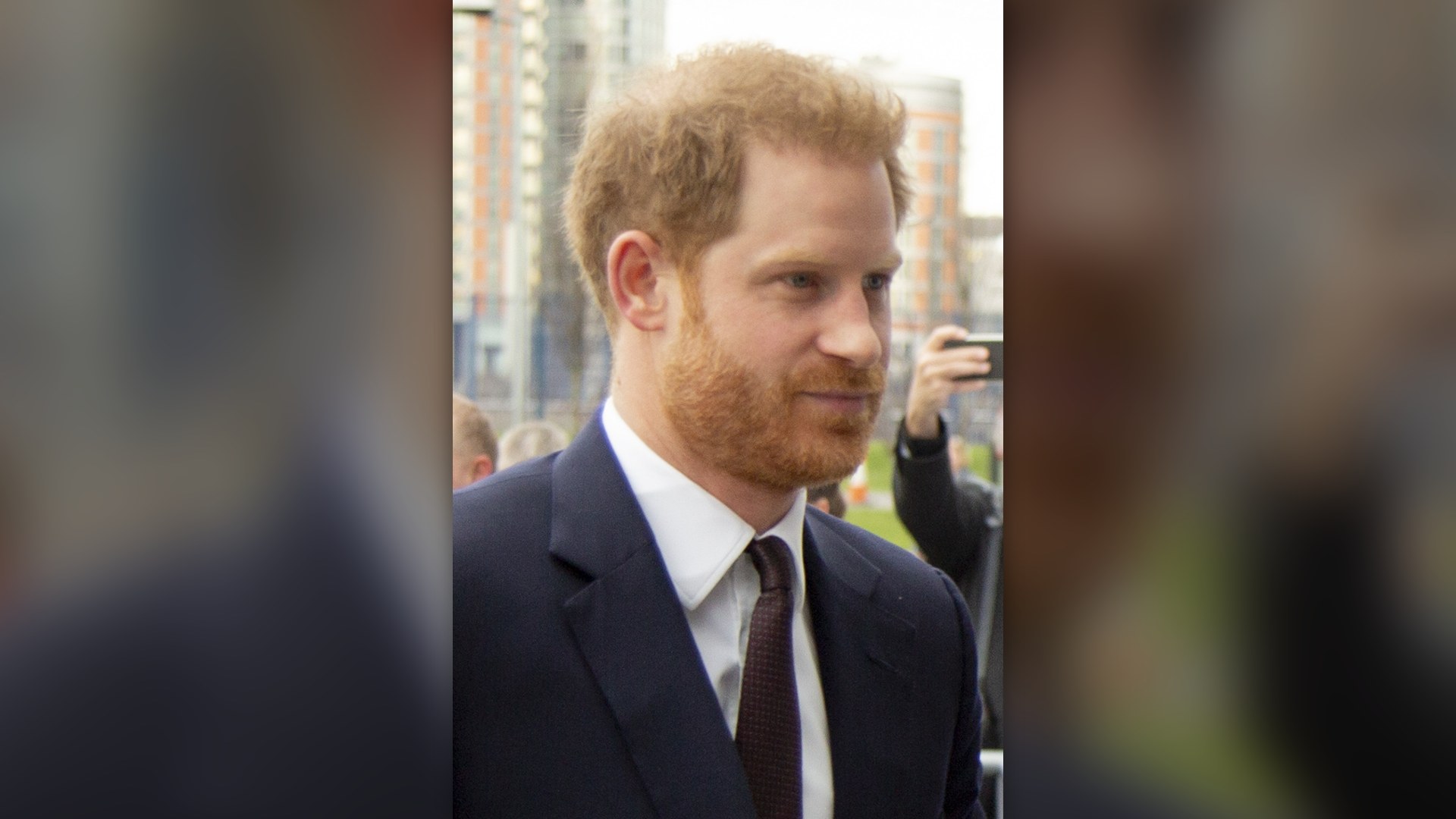
15. Prince Harry
Under the Succession to the Crown Act 2013, the first six individuals in line to the throne must obtain the monarch's formal written consent before proposing. Prince Harry asked Queen Elizabeth II for permission before asking Meghan Markle to marry him. Without consent, marriage disqualifies succession.
©Wikimedia / Foreign and Commonwealth Office
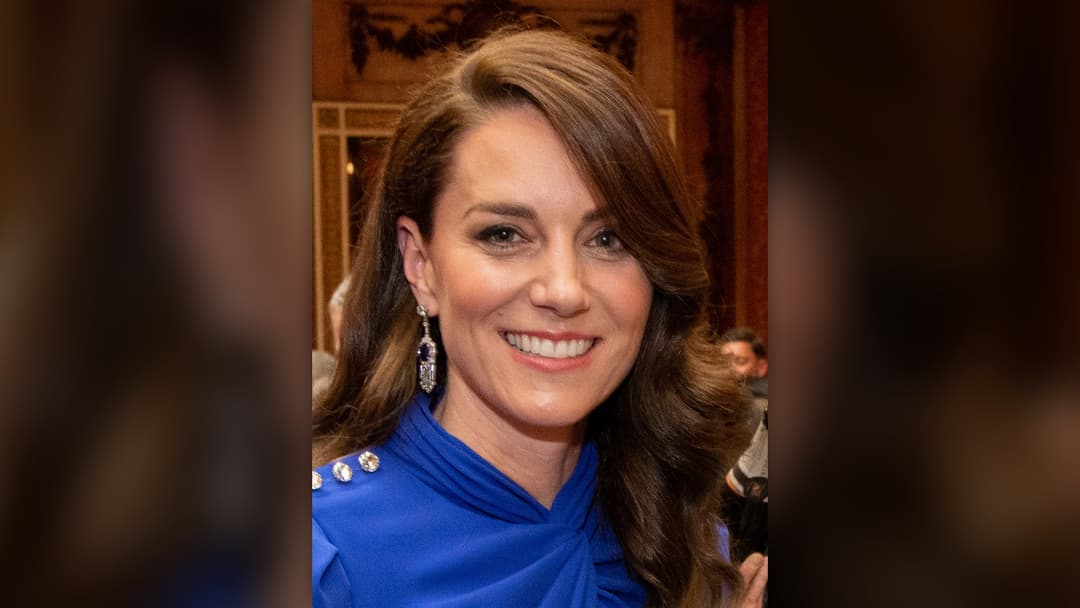
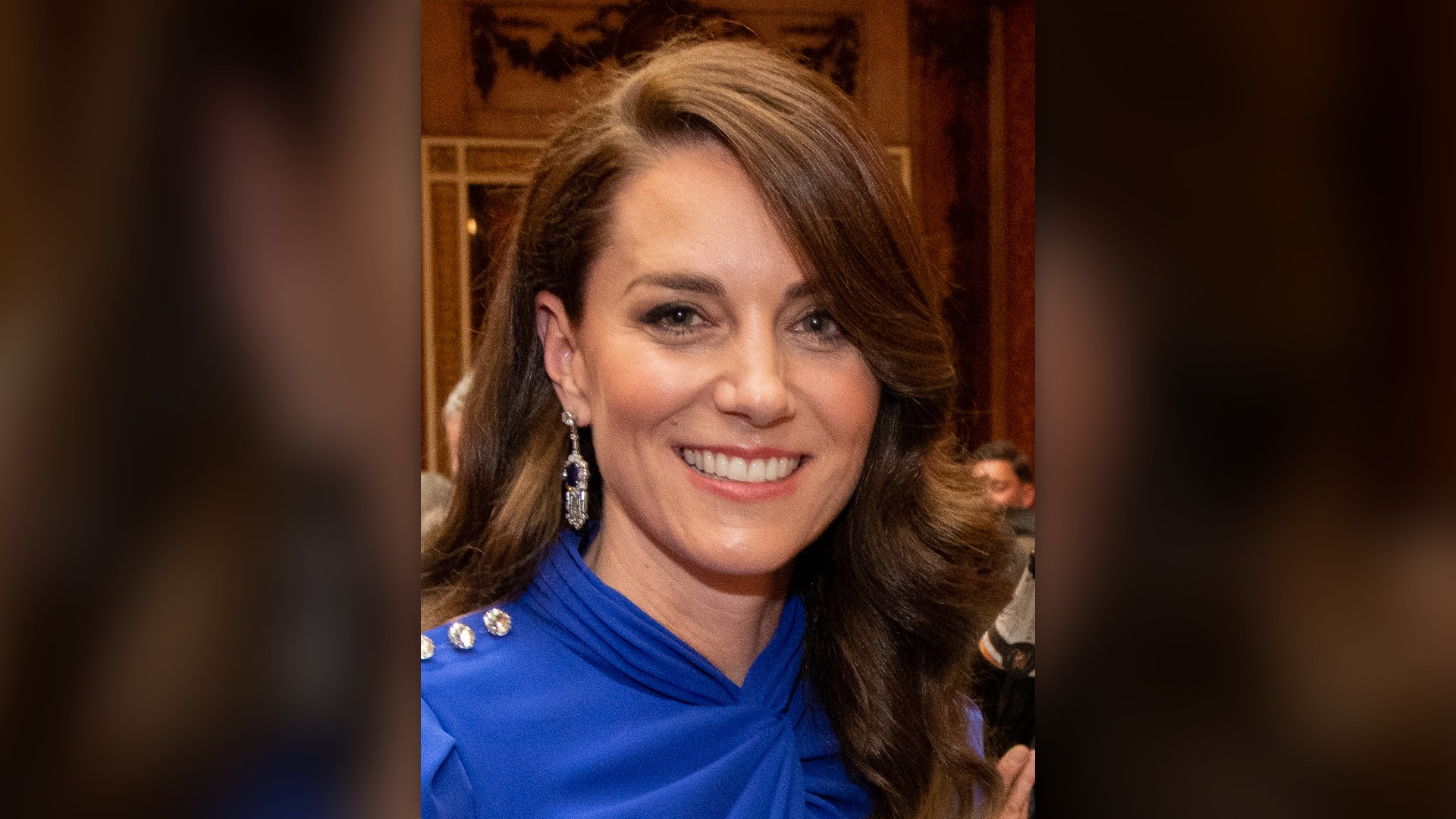
14. Catherine, Princess Of Wales
When King George VI died in 1952, Princess Elizabeth was in Kenya without a black dress. She had to stay inside her plane in London until aides delivered mourning clothes. Ever since, royal travelers must pack a black ensemble in case of sudden family bereavement.
©Wikimedia / Mark Jones
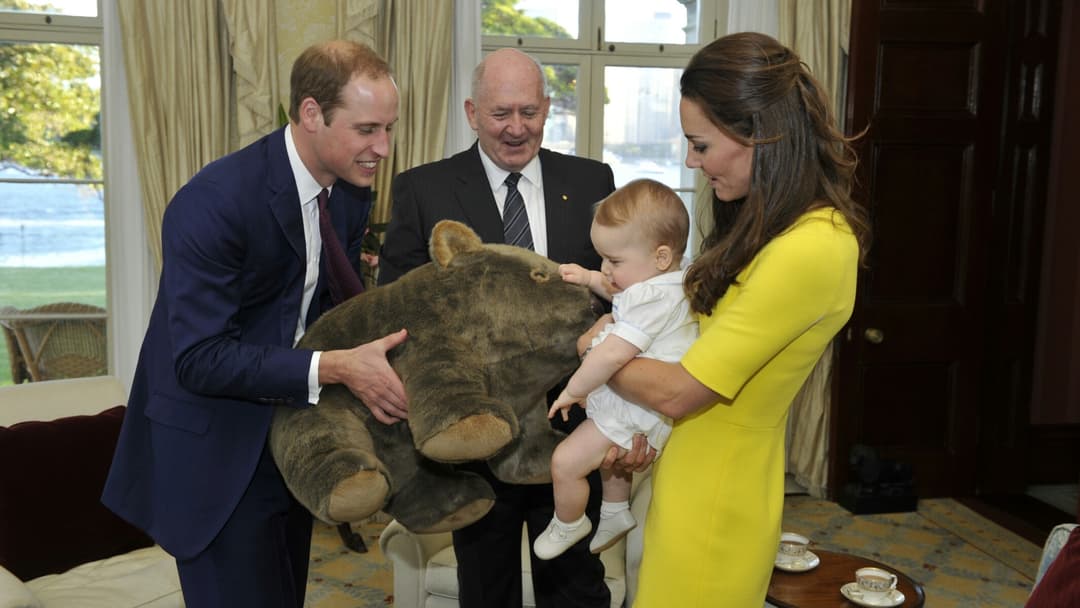
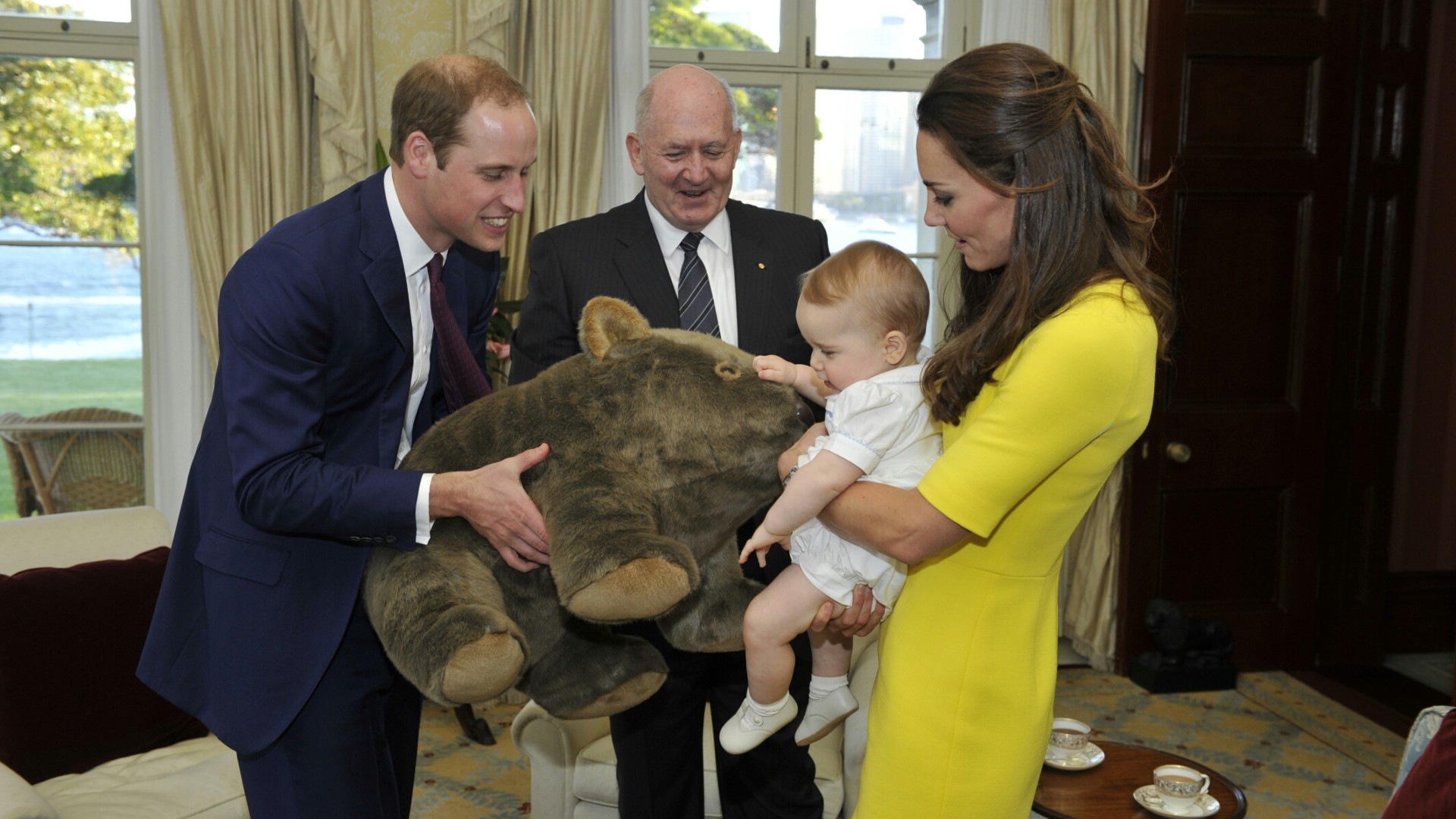
13. Prince William And Prince George
To protect royal lineage from aviation disasters, direct heirs are barred from flying together. While Prince William received special dispensation to fly with young Prince George on family tours, that exception strictly ends when George turns twelve. After that, they must take separate planes.
©Wikimedia / Governor General of Australia
Advertisement
Swipe or tap ▶ to resume the countdown.
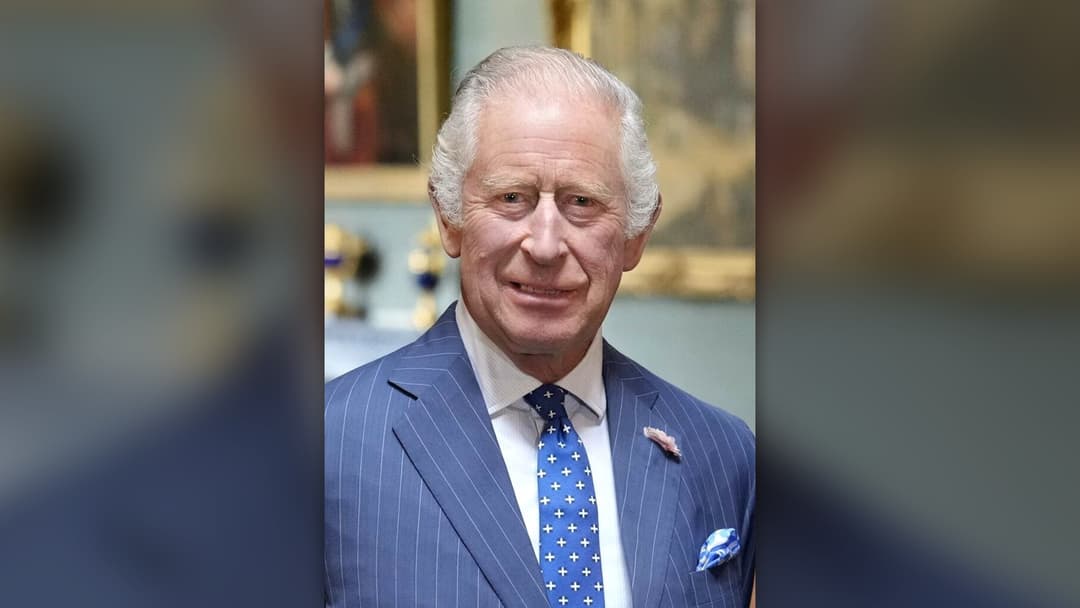
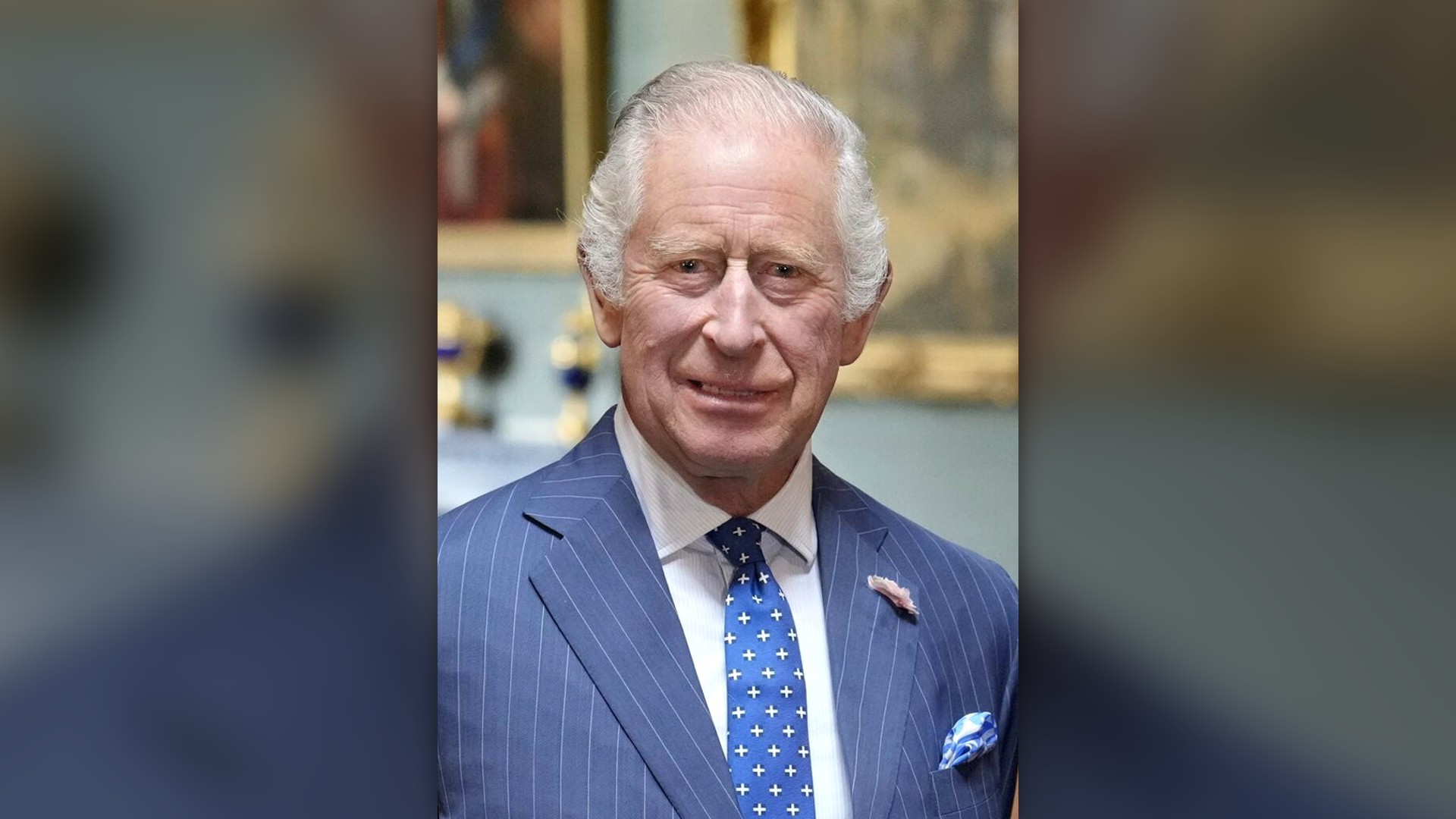
12. King Charles
Royal security protocols require King Charles to travel overseas with a dedicated navy doctor. The medical team carries bags of the King's personal blood type to ensure immediate transfusions during emergencies. It's a mandatory safeguard against foreign medical shortages.
©Wikimedia / Charles III
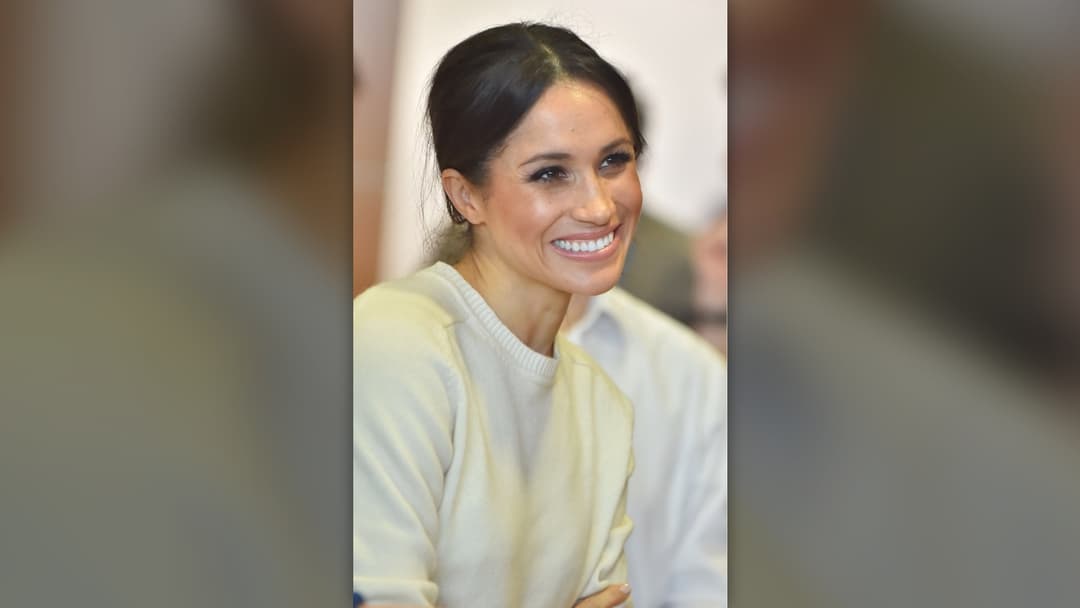
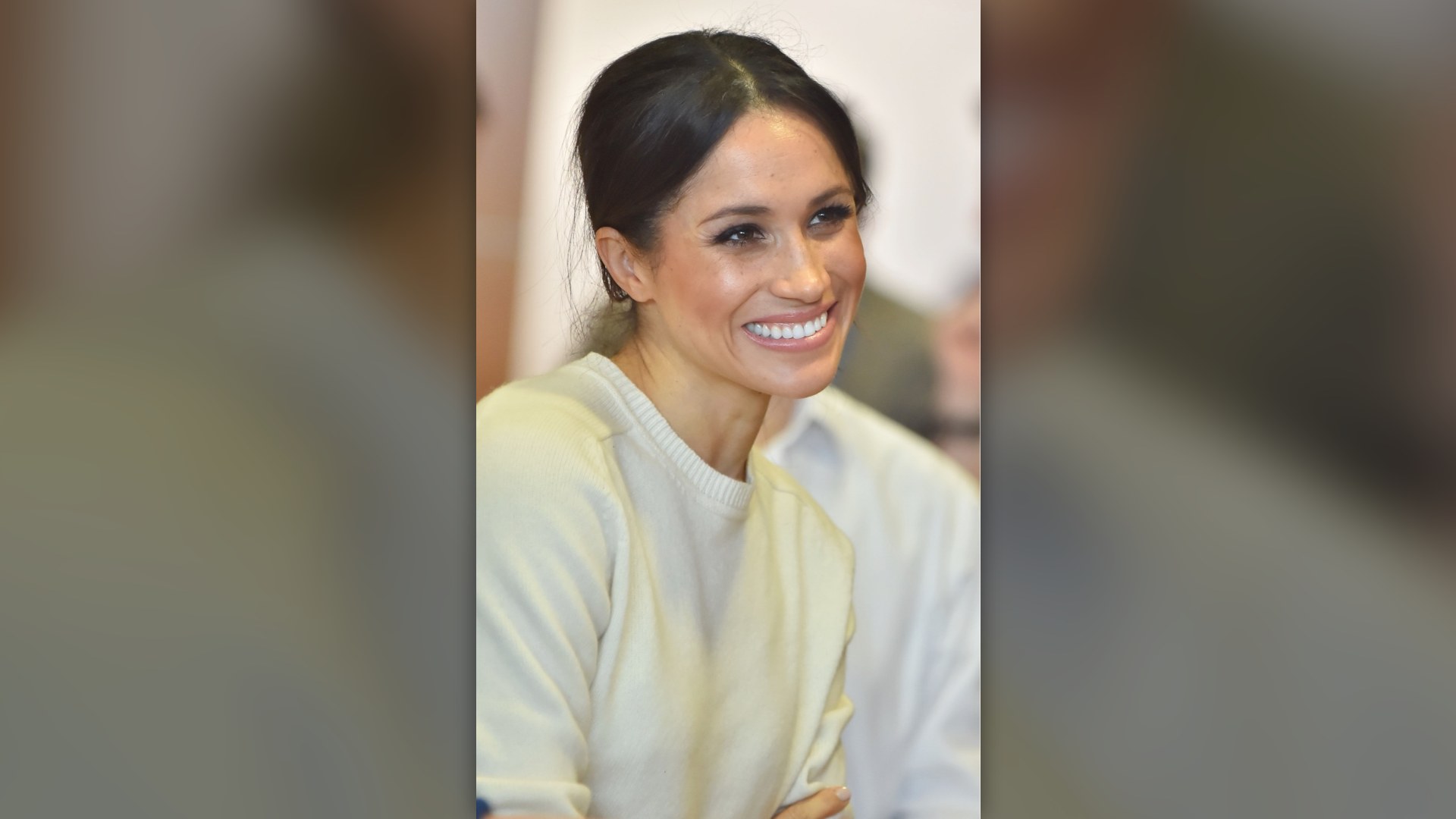
11. Meghan, Duchess Of Sussex
Royals happily shake hands and accept flowers during walkabouts, but they can't sign scraps of paper or photo prints. The Crown enforces this ban to prevent royal signatures from being forged or sold online. The only papers royals sign are official visitor guestbooks.
©Wikimedia / Mark Jones
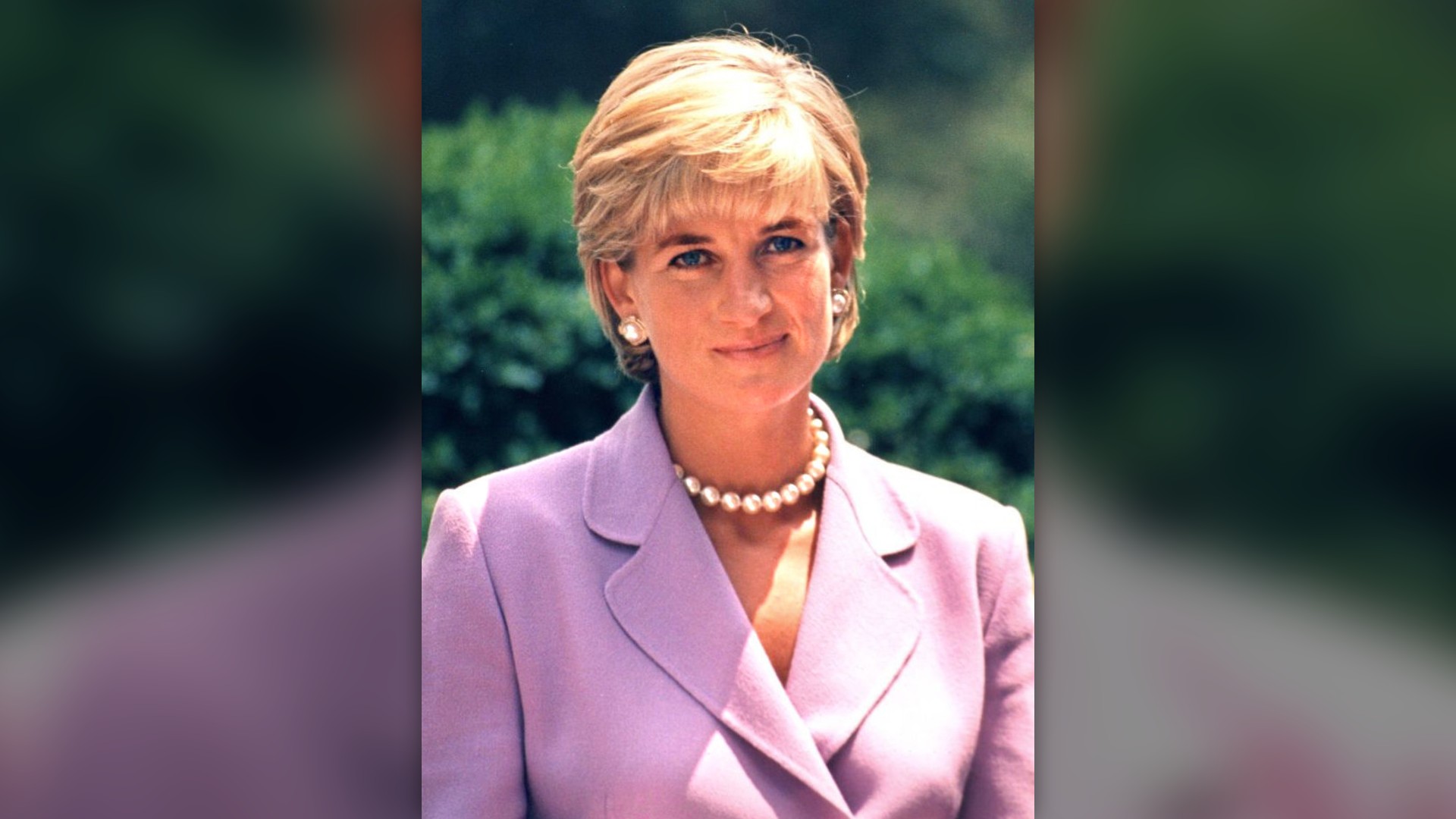
10. Princess Diana
Sparkling tiaras aren't worn during daytime events or by unmarried royal daughters. Protocol dictates that tiaras signal a woman is married and not seeking a husband. Flashy diamond headpieces are swapped in only after six in the evening for white-tie diplomatic banquets.
©Wikimedia / Diana, Princess of Wales
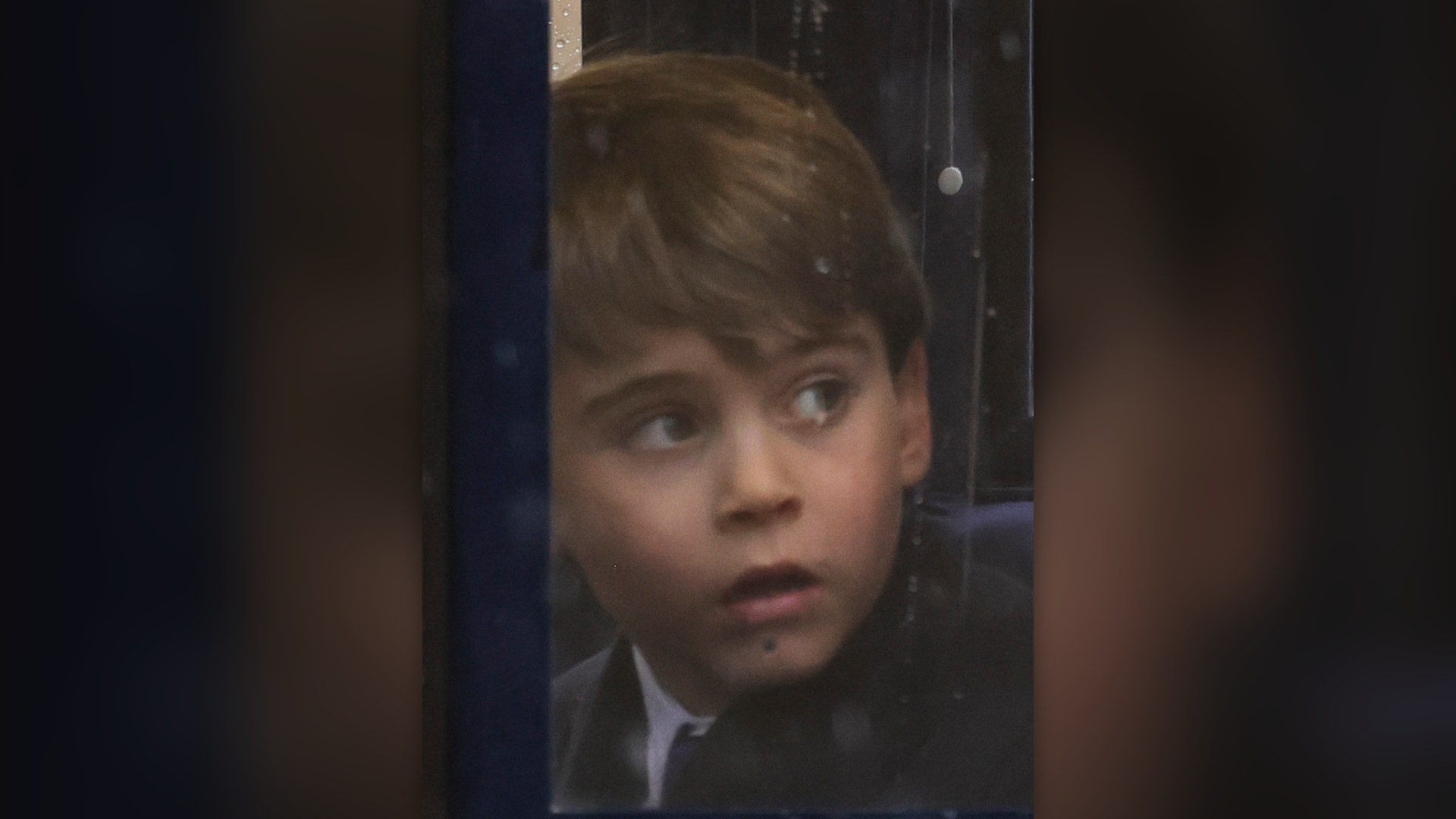
9. Prince Louis
Upper-class British tradition views long trousers on young boys as middle-class attire. Royal princes wear tailored cotton shorts and knee socks through early childhood. Prince George graduated to long trousers around his eighth birthday, and Prince Louis follows the exact same schedule.
©Wikimedia / Mark Jones
Advertisement
Swipe or tap ▶ to resume the countdown.
8. Prince Philip
Throughout their seventy-three years of marriage, Prince Philip walked two steps behind Queen Elizabeth II during public engagements. The rule reflects constitutional duty, ensuring the sovereign remains the focal point of state functions. Philip carried out this protocol until his retirement in 2017.
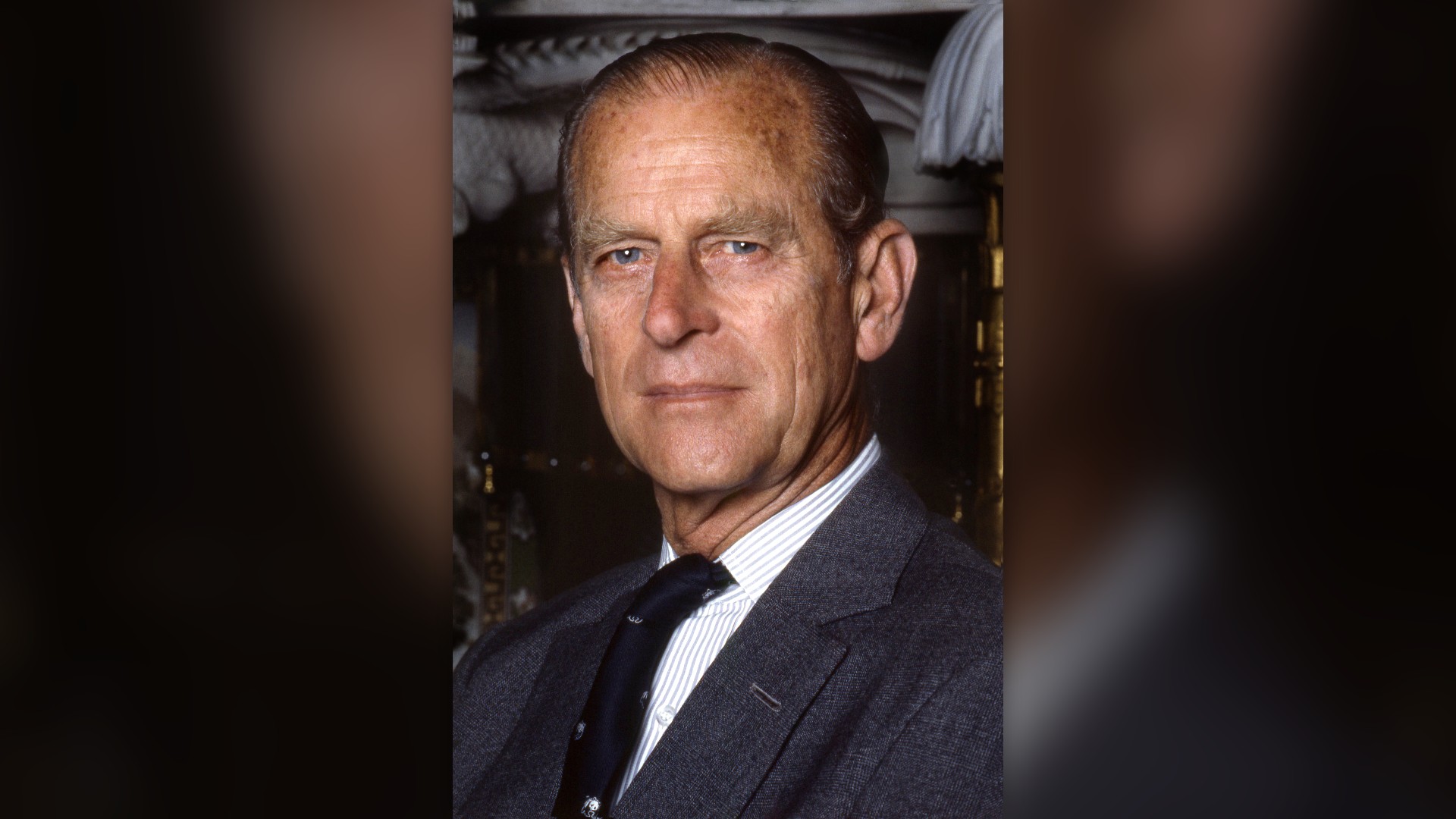
©Wikimedia / Prince Philip, Duke of Edinburgh
7. Princess Charlotte
The royal wave isn't an enthusiastic hand flap. It's a restrained wrist movement with palms tilted outward to avoid muscle strain during long motorcades. Princess Charlotte demonstrated this formal greeting from palace balconies as early as age two.
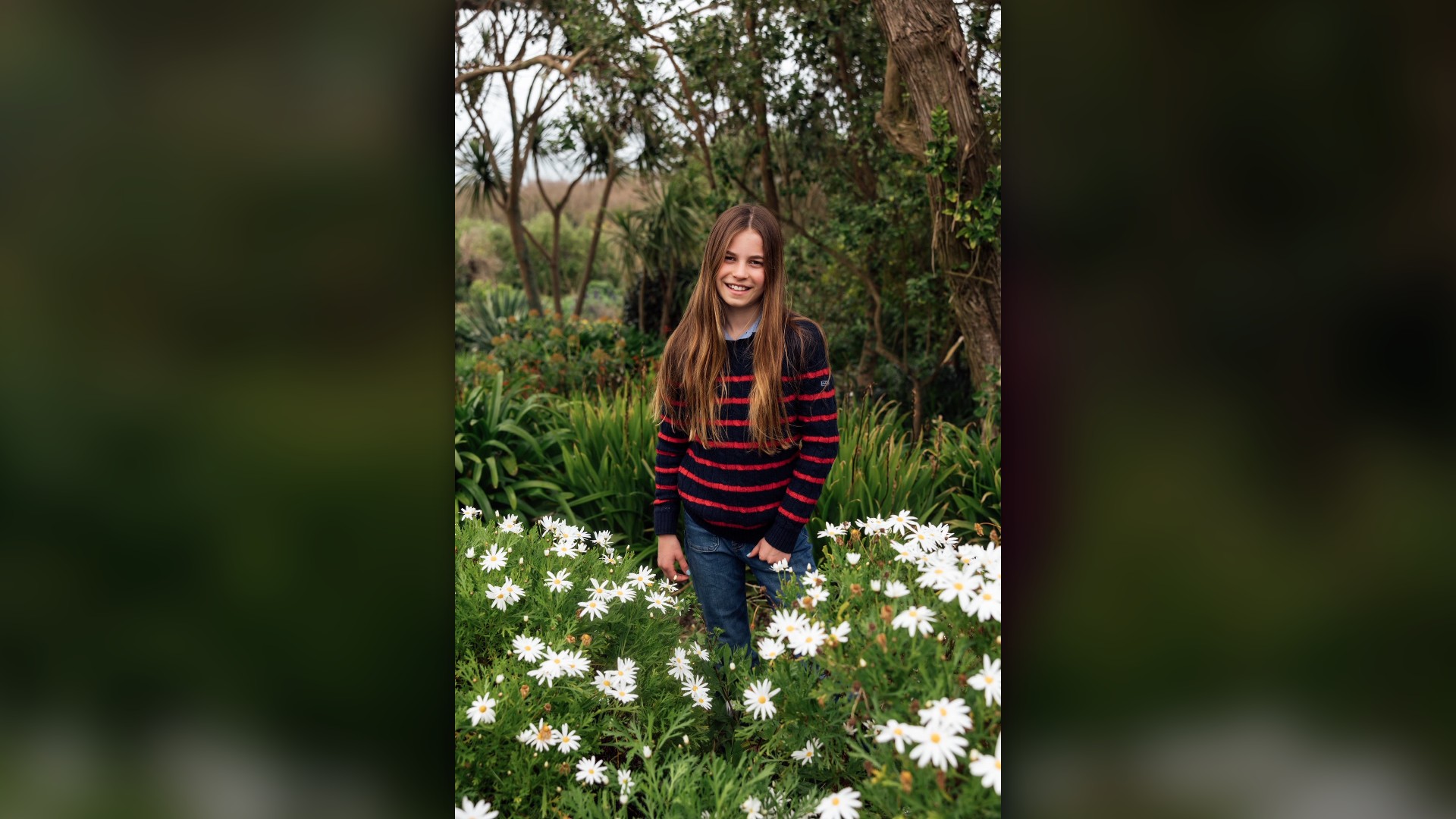
©Instagram / katemiddletonpricessofwalesuk
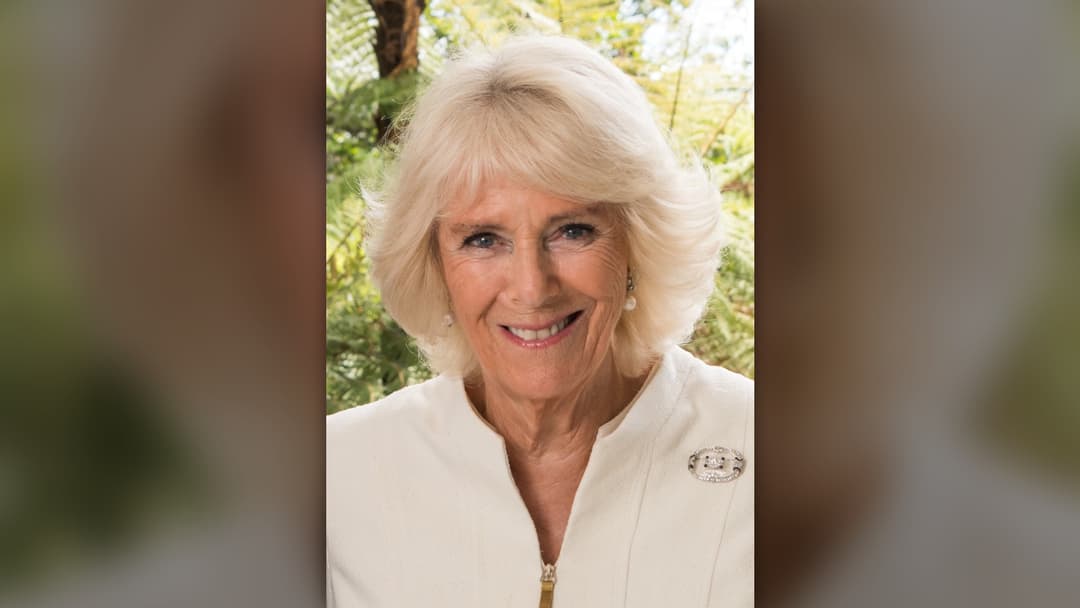
6. Queen Camilla
Royal women curtsy to the King and Queen upon first greeting each morning. Blood princesses like Beatrice and Eugenie curtsy to Catherine only when she's accompanied by Prince William. When William isn't present, the blood princesses take precedence. It's a complicated etiquette dance.
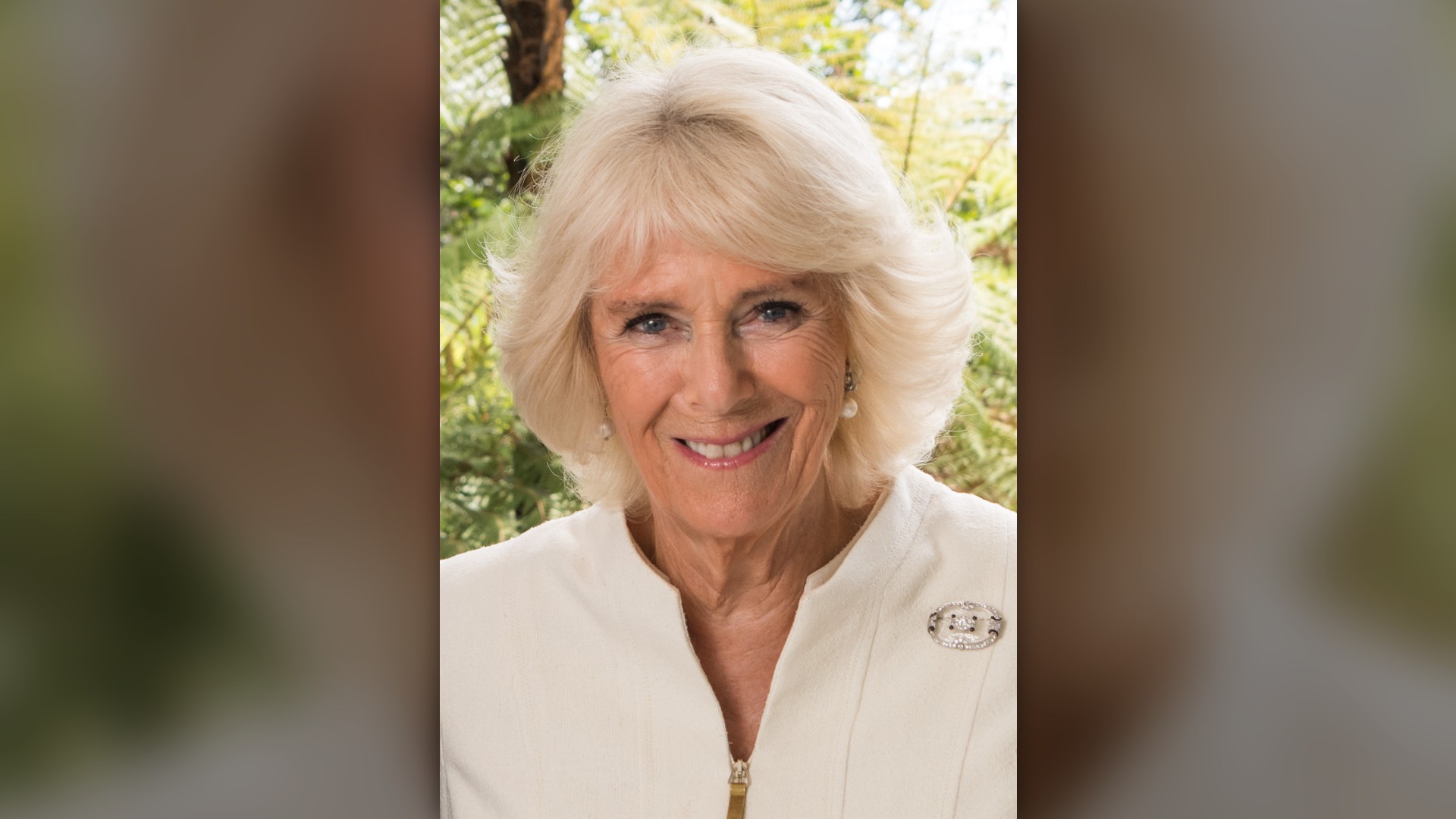
©Wikimedia / Queen Camilla
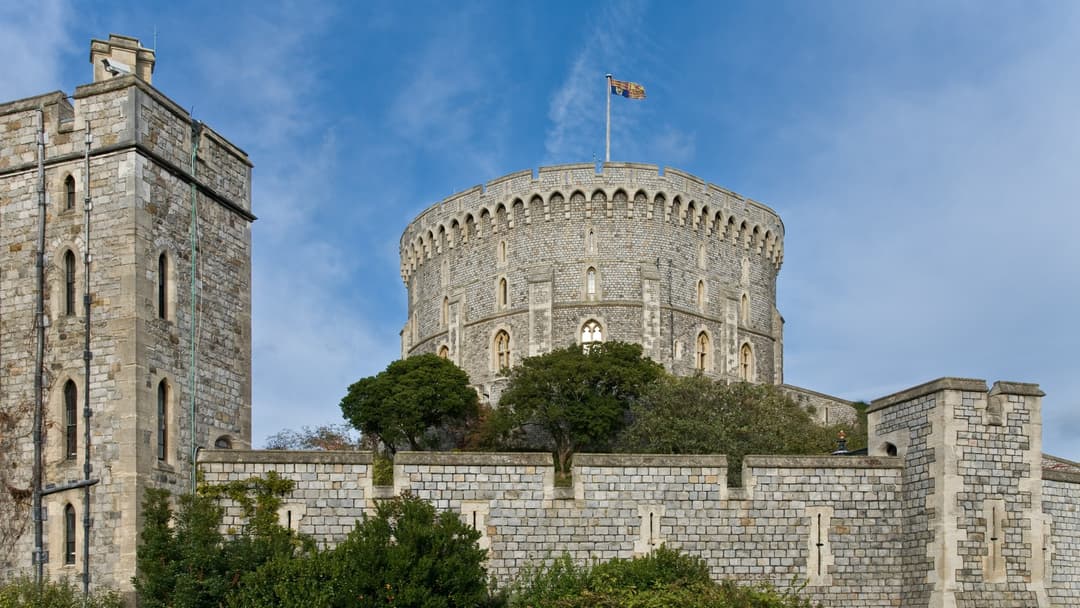
5. Windsor Castle
State banquets in St George's Hall require three days of preparation. Staff use measuring sticks to place every knife, fork, and crystal glass exactly forty-six centimeters from the table edge. The King inspects the table personally before foreign heads of state enter.
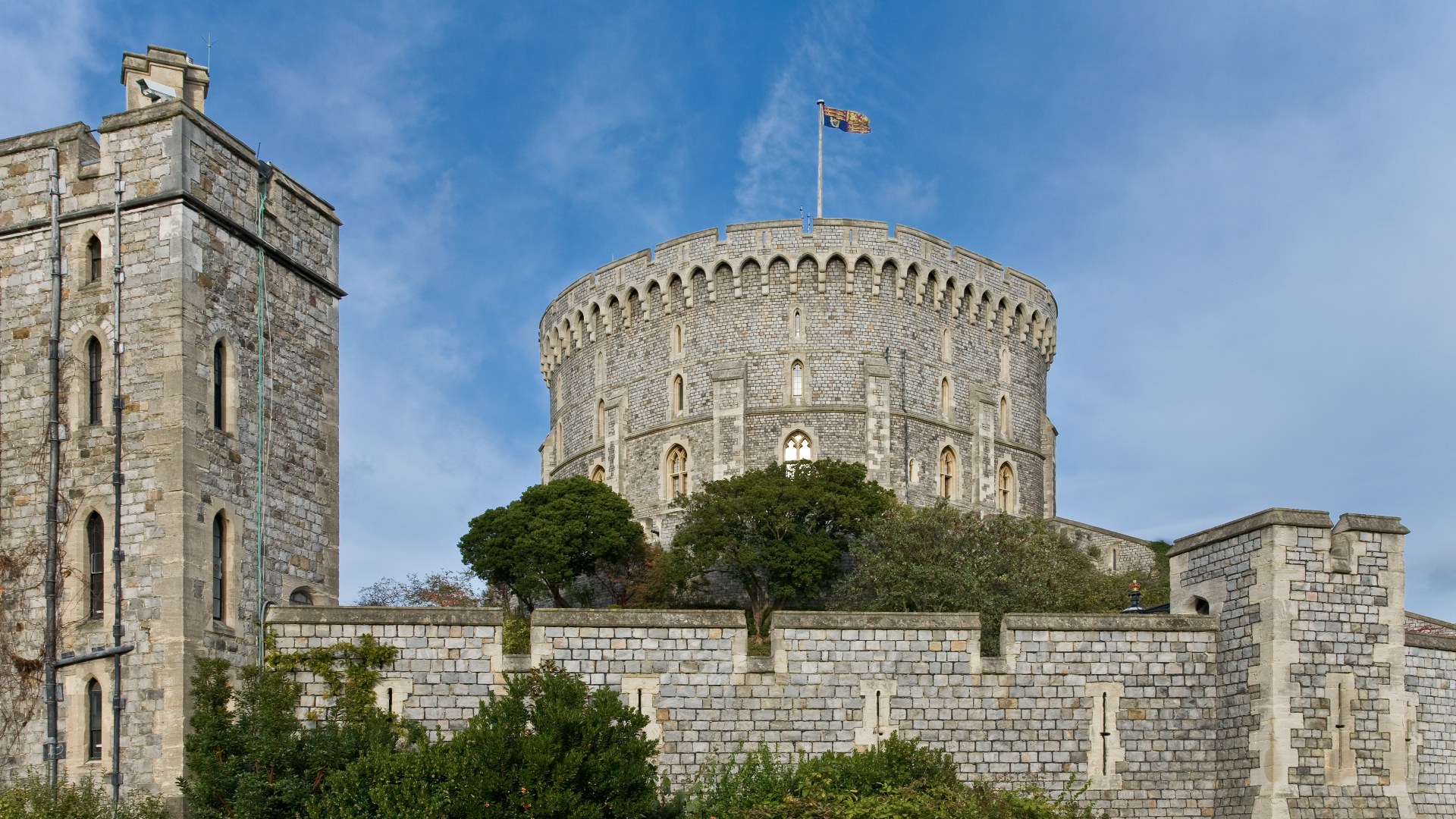
©Wikimedia / Diliff
Advertisement
Swipe or tap ▶ to resume the countdown.
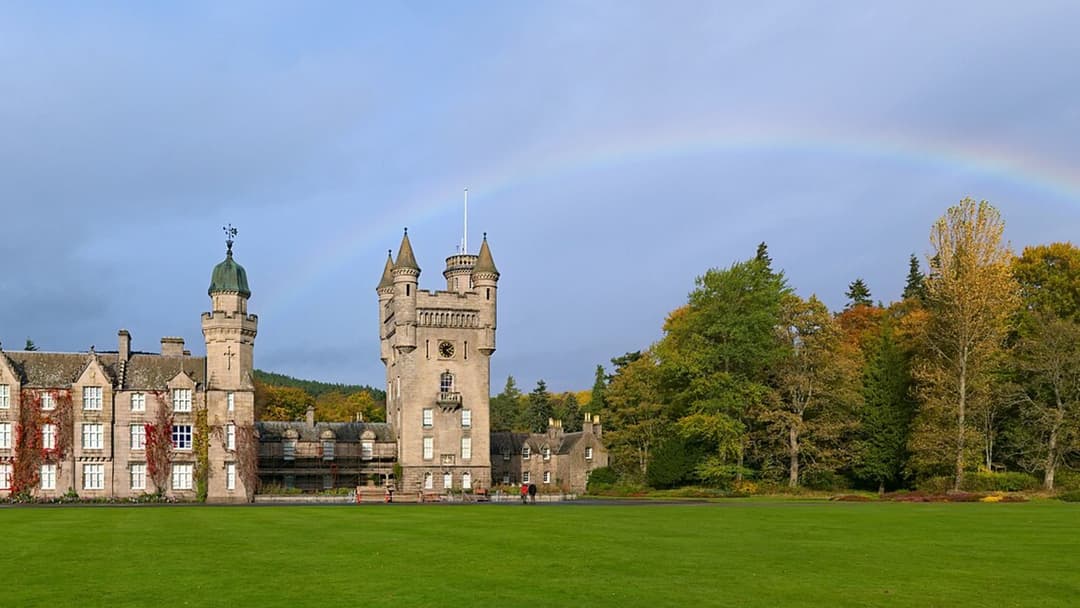
4. Balmoral Castle
Royal dining protocol requires guests to pace themselves with the sovereign. When King Charles places his knife and fork together on his plate, footmen promptly clear all remaining dishes from the table. Anyone eating too slowly simply misses out on their food.
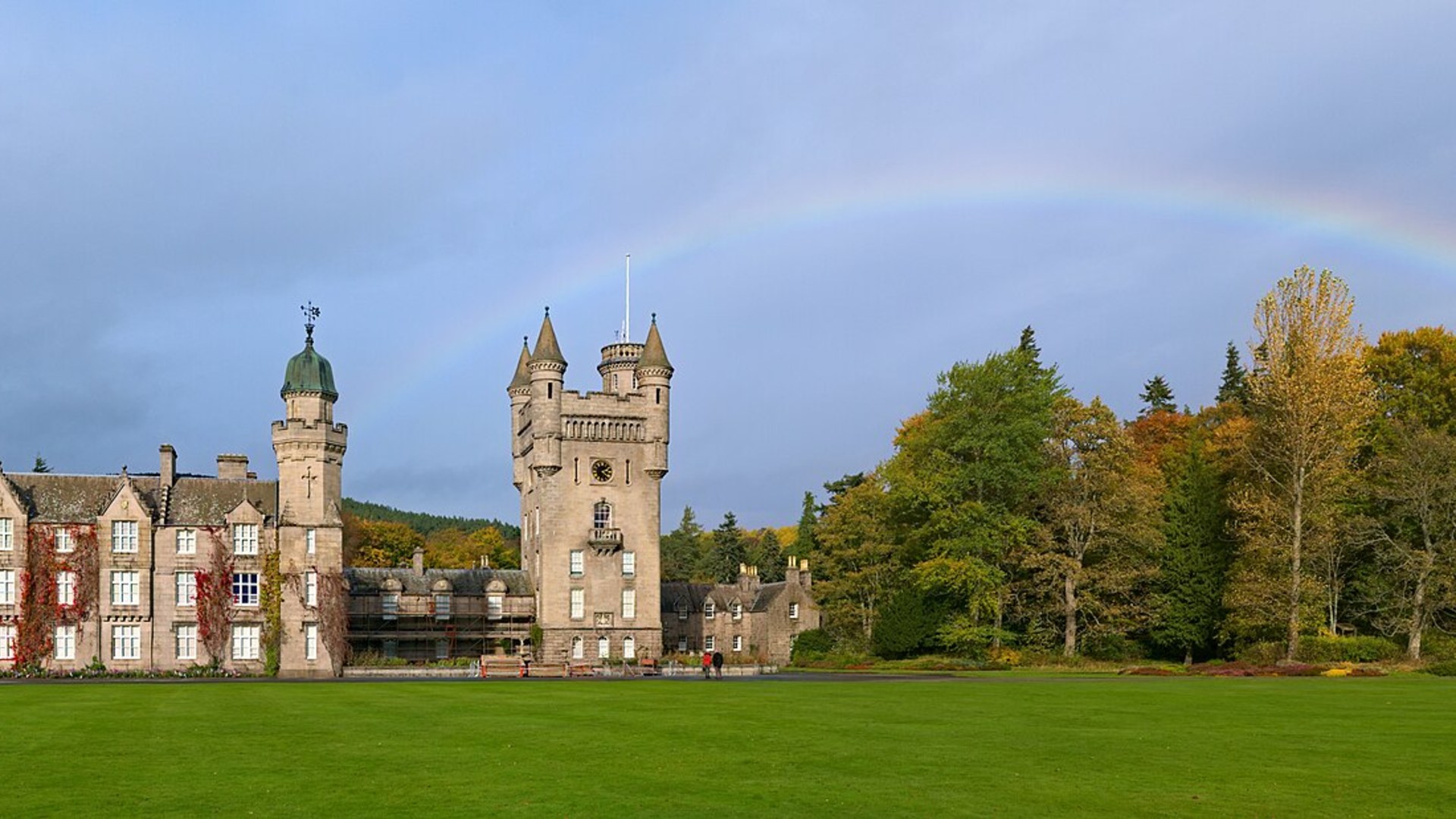
©Wikimedia / Stuart Caie
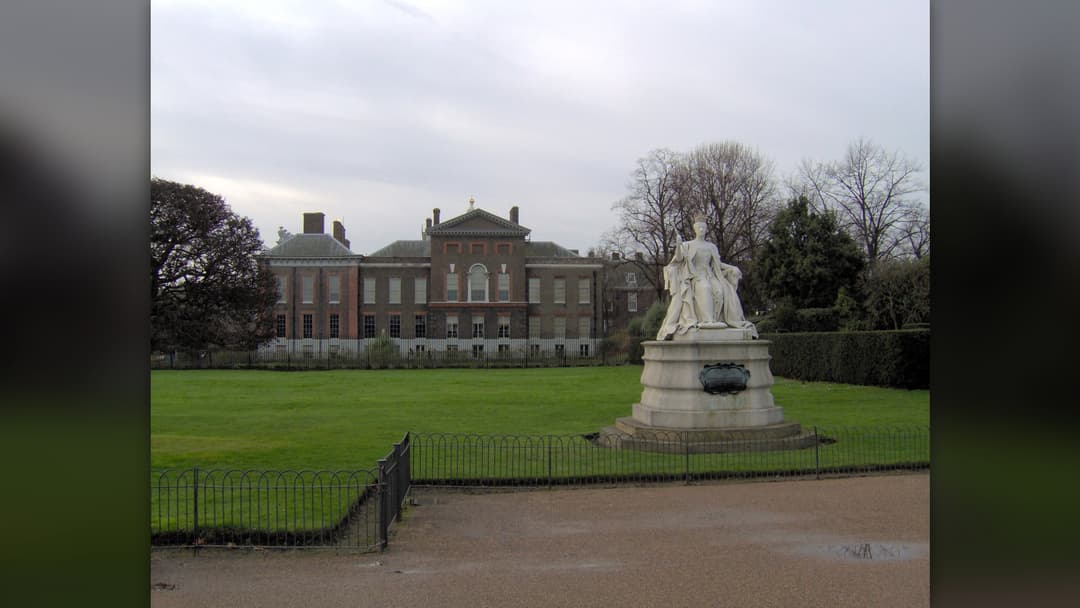
3. Kensington Palace
Windy airport runways can easily blow skirts upward during official arrivals. Royal dressmakers sew tiny lead curtain weights into the hem of dresses and skirts worn by Princess Catherine and Queen Camilla. The weighted fabric stays firmly down even in strong helicopter gusts.
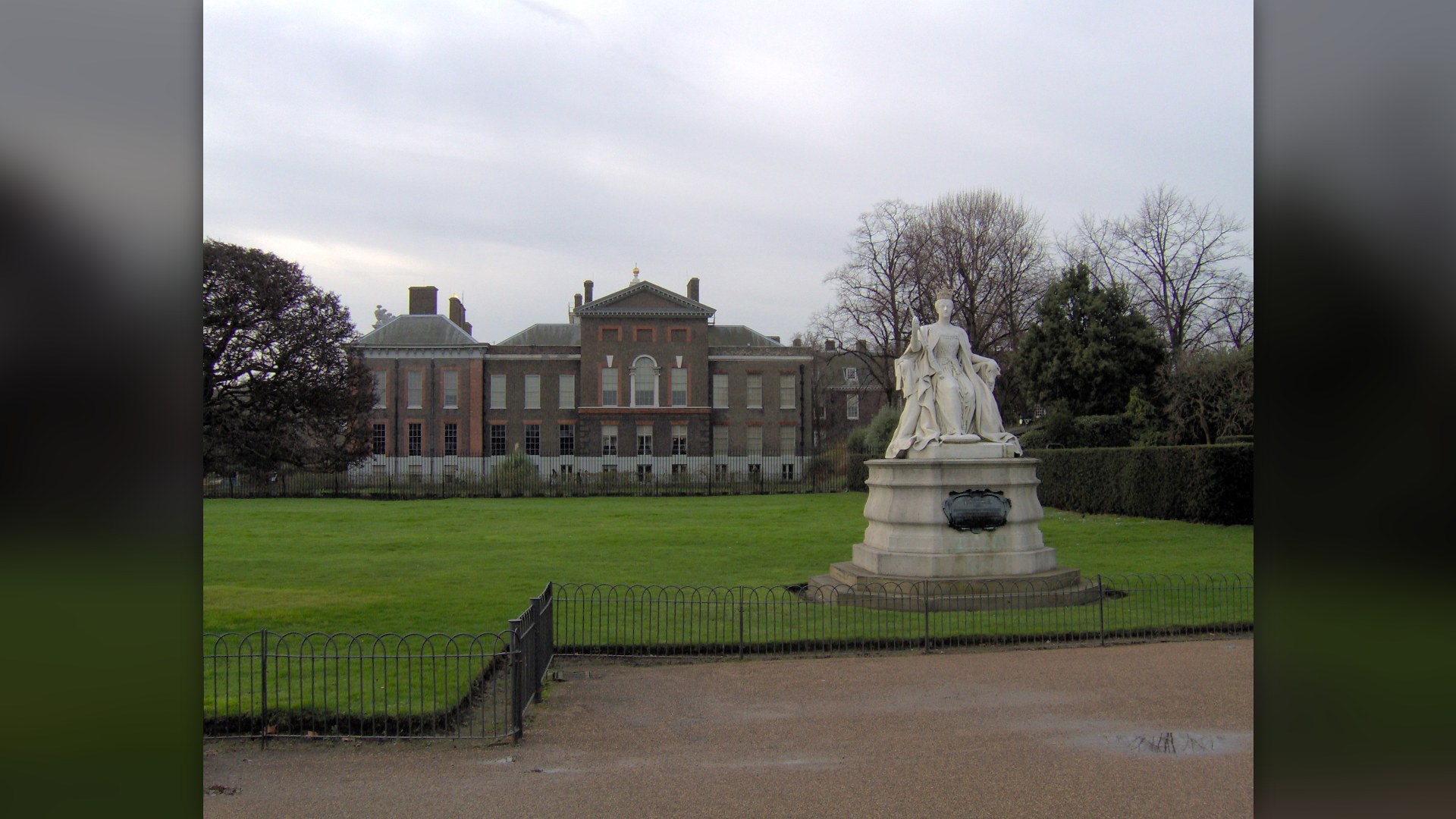
©Wikimedia / Tony Hisgett
2. The Royal Mews, London
Located right beside Buckingham Palace, the Royal Mews oversees state transport and carriage processions. Staff at the mews ensure the sovereign's personal luggage, handbags, and royal signals are directly coordinated between residences. The department has operated since the reign of King Richard II.
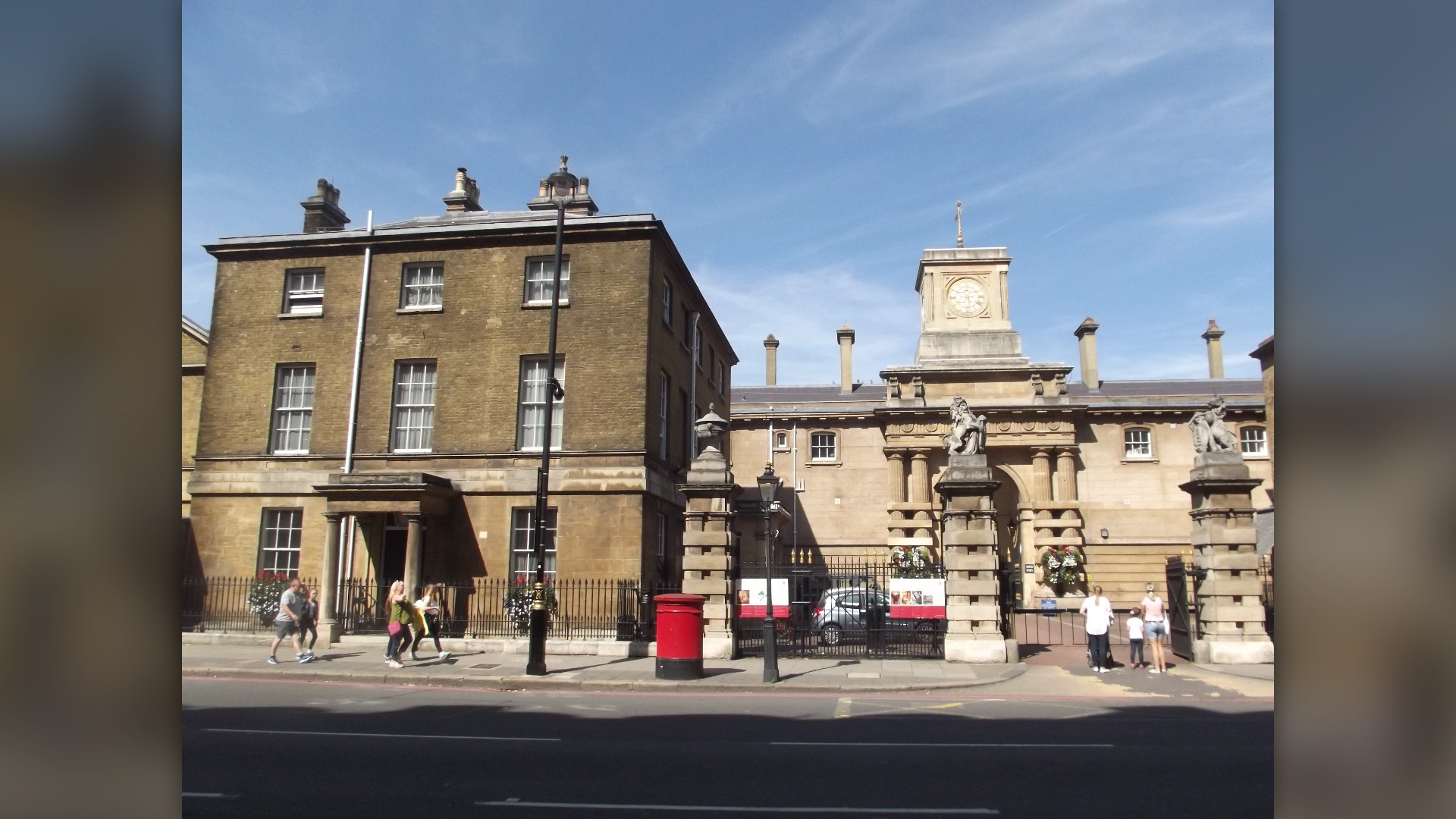
©Wikimedia / Diliff
1. Queen Elizabeth II
Queen Elizabeth II favored bold monochrome coats in fuchsia, lemon, and lime. Her daughter-in-law Sophie revealed the reason was entirely practical. The sovereign needed to stand out so well-wishers waiting in crowds could say they caught a glimpse of her hat.
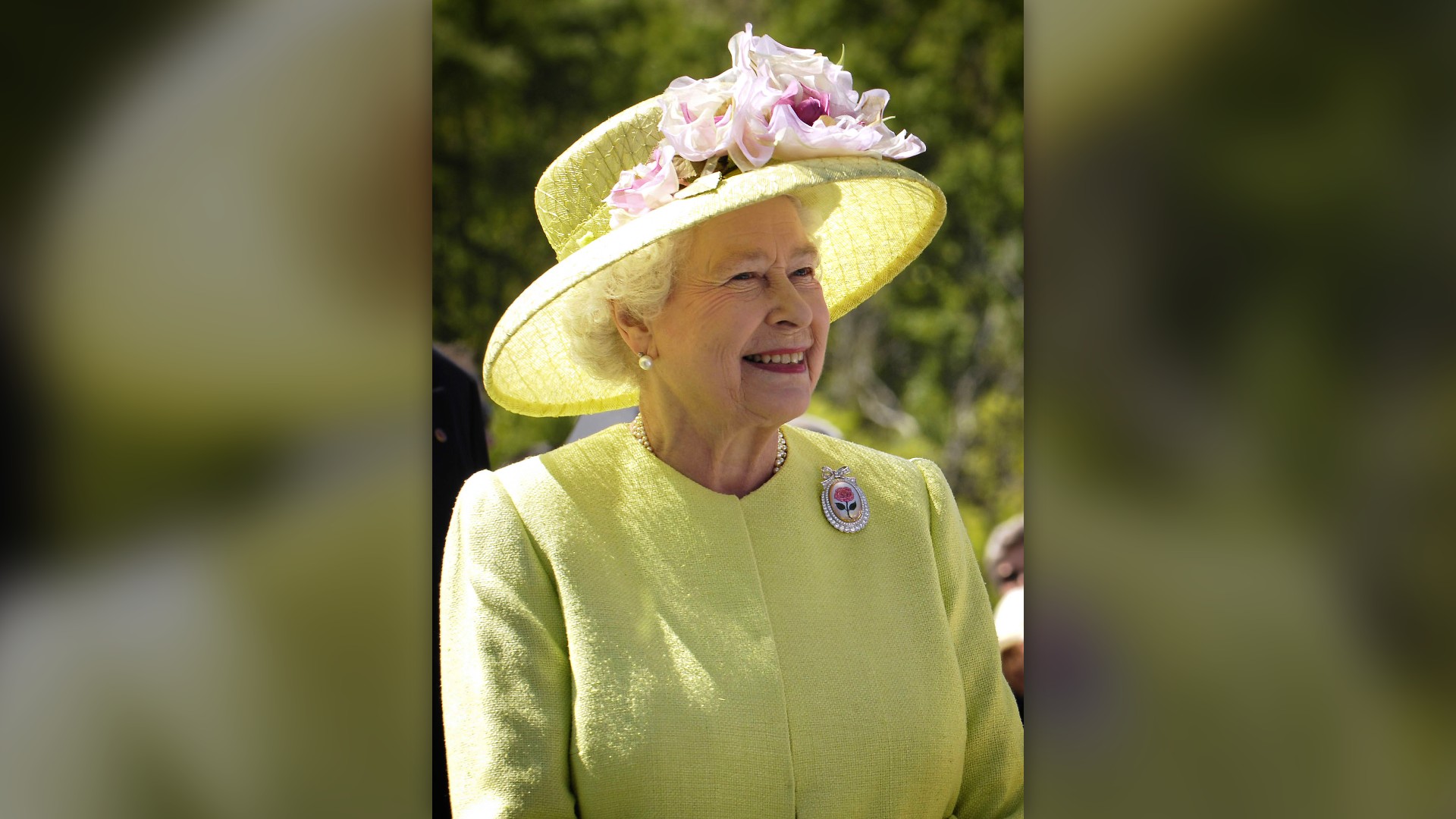
©Wikimedia / Bill Ingalls
Advertisement
You've reached the end of the story. Thanks for reading!

20 Stages of Jim Jordan's Rise From Wrestler to House Republican
All 15 Entries in this Story
15. Prince Harry
Under the Succession to the Crown Act 2013, the first six individuals in line to the throne must obtain the monarch's formal written consent before proposing. Prince Harry asked Queen Elizabeth II for permission before asking Meghan Markle to marry him. Without consent, marriage disqualifies succession.

14. Catherine, Princess Of Wales
When King George VI died in 1952, Princess Elizabeth was in Kenya without a black dress. She had to stay inside her plane in London until aides delivered mourning clothes. Ever since, royal travelers must pack a black ensemble in case of sudden family bereavement.

13. Prince William And Prince George
To protect royal lineage from aviation disasters, direct heirs are barred from flying together. While Prince William received special dispensation to fly with young Prince George on family tours, that exception strictly ends when George turns twelve. After that, they must take separate planes.

12. King Charles
Royal security protocols require King Charles to travel overseas with a dedicated navy doctor. The medical team carries bags of the King's personal blood type to ensure immediate transfusions during emergencies. It's a mandatory safeguard against foreign medical shortages.

11. Meghan, Duchess Of Sussex
Royals happily shake hands and accept flowers during walkabouts, but they can't sign scraps of paper or photo prints. The Crown enforces this ban to prevent royal signatures from being forged or sold online. The only papers royals sign are official visitor guestbooks.

10. Princess Diana
Sparkling tiaras aren't worn during daytime events or by unmarried royal daughters. Protocol dictates that tiaras signal a woman is married and not seeking a husband. Flashy diamond headpieces are swapped in only after six in the evening for white-tie diplomatic banquets.

9. Prince Louis
Upper-class British tradition views long trousers on young boys as middle-class attire. Royal princes wear tailored cotton shorts and knee socks through early childhood. Prince George graduated to long trousers around his eighth birthday, and Prince Louis follows the exact same schedule.

8. Prince Philip
Throughout their seventy-three years of marriage, Prince Philip walked two steps behind Queen Elizabeth II during public engagements. The rule reflects constitutional duty, ensuring the sovereign remains the focal point of state functions. Philip carried out this protocol until his retirement in 2017.

7. Princess Charlotte
The royal wave isn't an enthusiastic hand flap. It's a restrained wrist movement with palms tilted outward to avoid muscle strain during long motorcades. Princess Charlotte demonstrated this formal greeting from palace balconies as early as age two.

6. Queen Camilla
Royal women curtsy to the King and Queen upon first greeting each morning. Blood princesses like Beatrice and Eugenie curtsy to Catherine only when she's accompanied by Prince William. When William isn't present, the blood princesses take precedence. It's a complicated etiquette dance.

5. Windsor Castle
State banquets in St George's Hall require three days of preparation. Staff use measuring sticks to place every knife, fork, and crystal glass exactly forty-six centimeters from the table edge. The King inspects the table personally before foreign heads of state enter.

4. Balmoral Castle
Royal dining protocol requires guests to pace themselves with the sovereign. When King Charles places his knife and fork together on his plate, footmen promptly clear all remaining dishes from the table. Anyone eating too slowly simply misses out on their food.

3. Kensington Palace
Windy airport runways can easily blow skirts upward during official arrivals. Royal dressmakers sew tiny lead curtain weights into the hem of dresses and skirts worn by Princess Catherine and Queen Camilla. The weighted fabric stays firmly down even in strong helicopter gusts.

2. The Royal Mews, London
Located right beside Buckingham Palace, the Royal Mews oversees state transport and carriage processions. Staff at the mews ensure the sovereign's personal luggage, handbags, and royal signals are directly coordinated between residences. The department has operated since the reign of King Richard II.

1. Queen Elizabeth II
Queen Elizabeth II favored bold monochrome coats in fuchsia, lemon, and lime. Her daughter-in-law Sophie revealed the reason was entirely practical. The sovereign needed to stand out so well-wishers waiting in crowds could say they caught a glimpse of her hat.