Slideshow · Entertainment
15 Experimental NASA Aircraft That Redefined the Boundaries of Flight
For over six decades, NASA and its test pilots have pushed experimental flight to the outer limits of physics. From rocket-powered planes dropping out of bomber bays over the Mojave Desert to whisper-quiet supersonic jets and futuristic electric prototypes, these 15 extraordinary X-planes transformed modern aviation and space exploration.

All 15 Entries in this Story
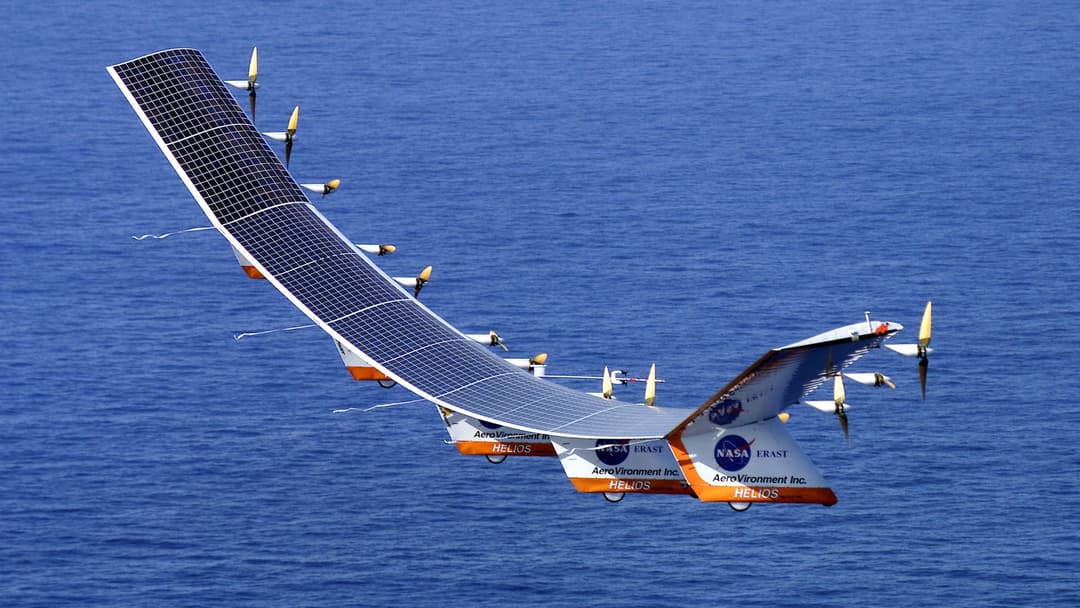
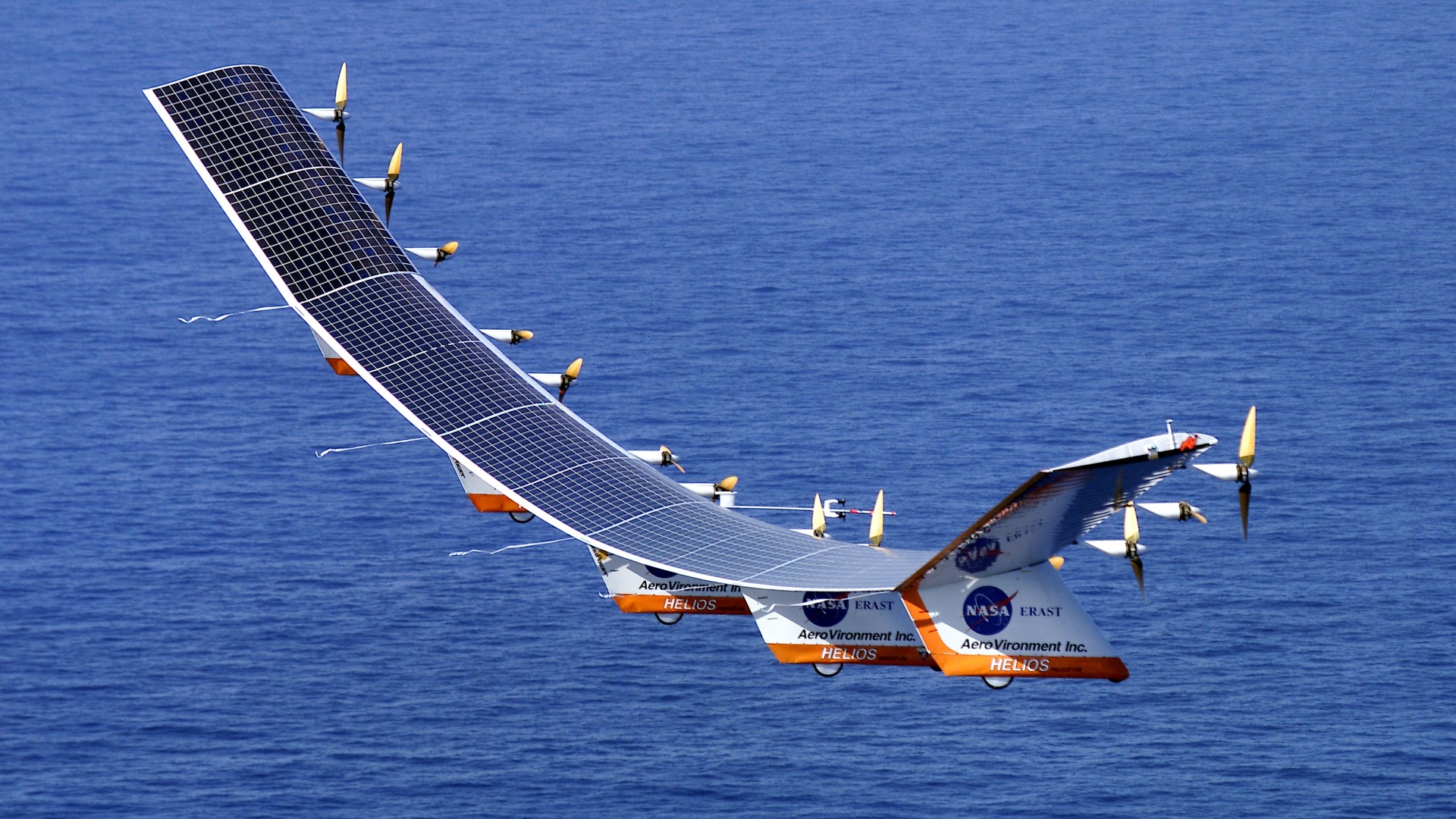
15. NASA Helios Prototype
With a wingspan exceeding that of a Boeing 747, the Helios Prototype flew on fourteen electric propellers powered by solar panels. In August 2001, it set a world altitude record for non-rocket aircraft by climbing to 96,863 feet over Hawaii. The project pioneered atmospheric satellite surveillance concepts.
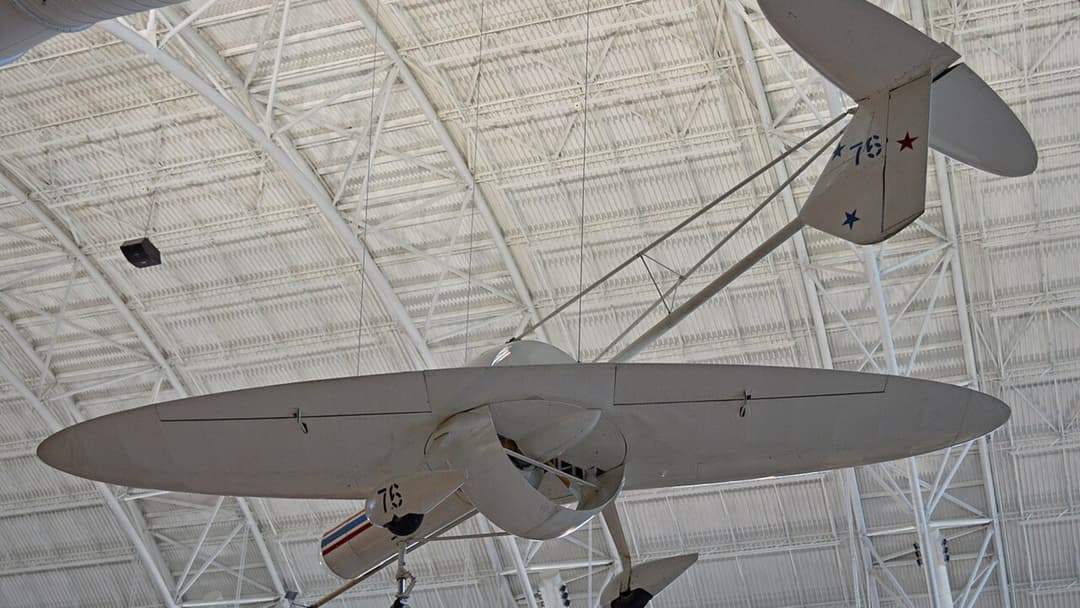
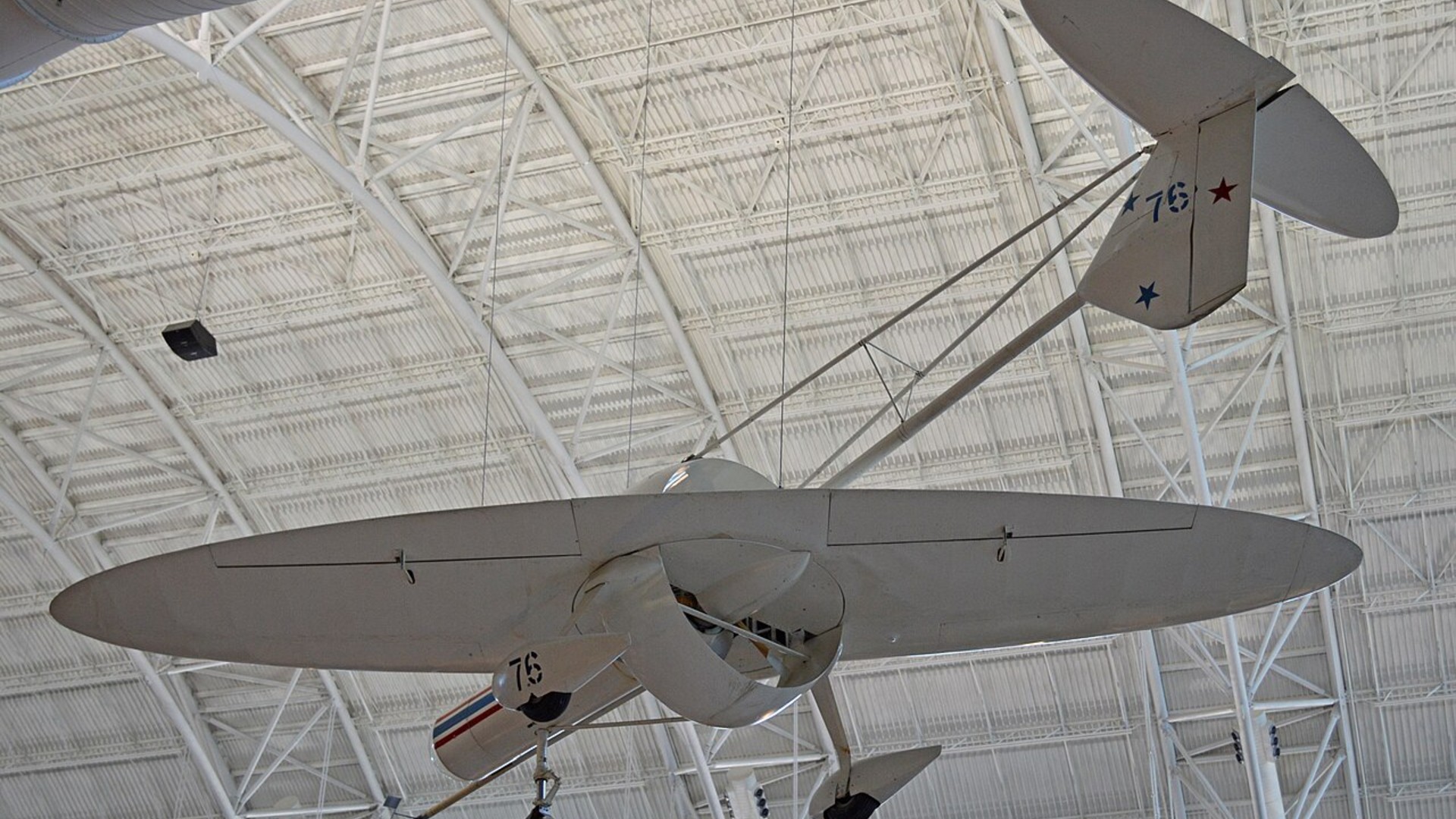
14. NASA AD-1 Oblique Wing
Aeronautical engineer Robert Jones designed the AD-1 to explore whether pivoting wings could reduce aerodynamic drag at high speeds. Test pilots flew the small jet seventy-nine times between 1979 and 1982 at Edwards Air Force Base. The research proved oblique wing aerodynamics worked in real skies.
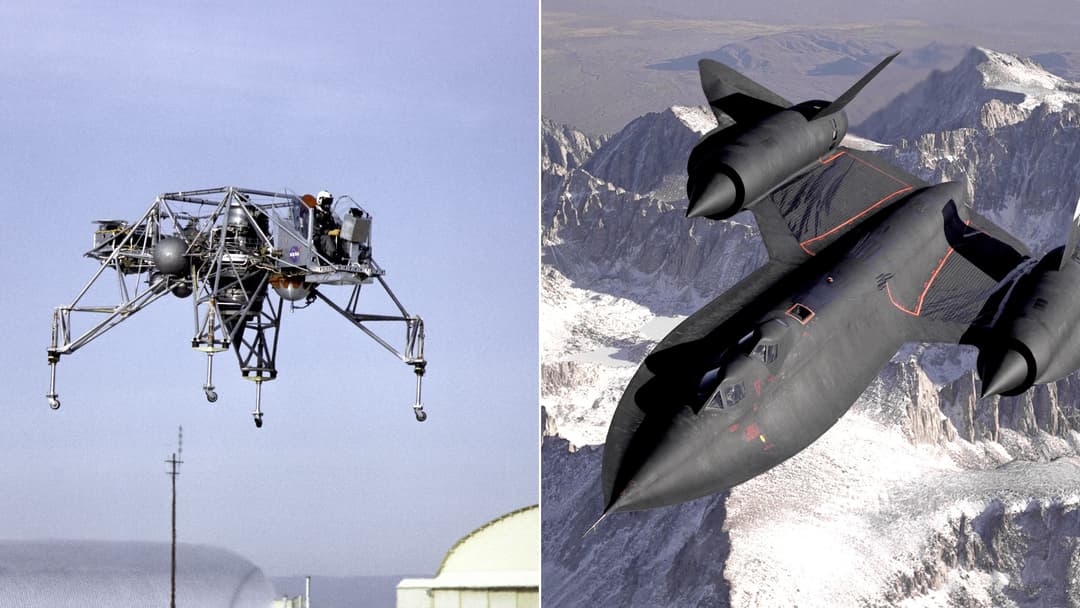
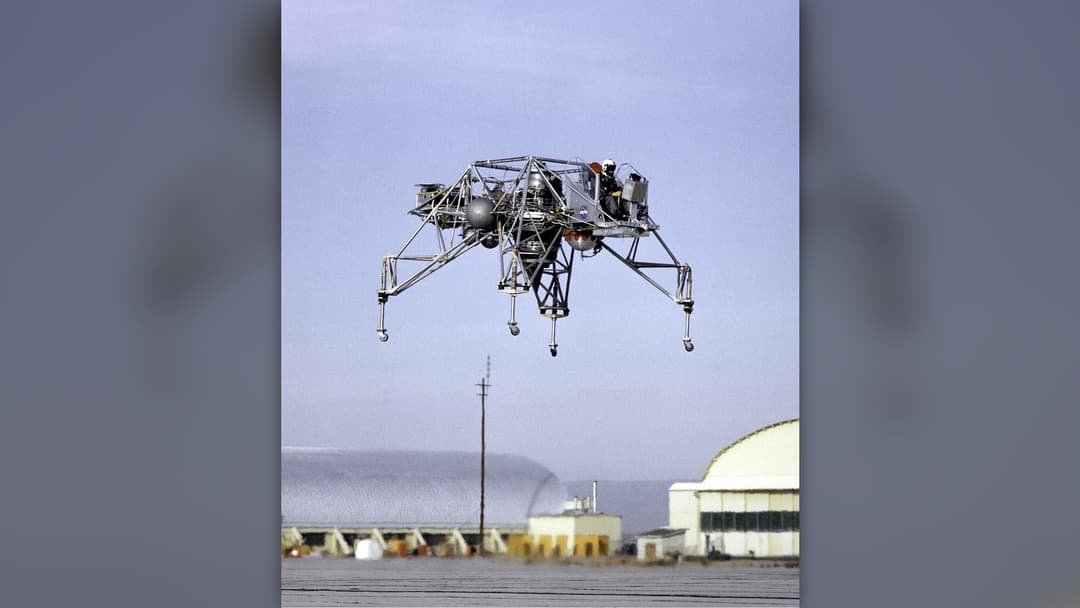
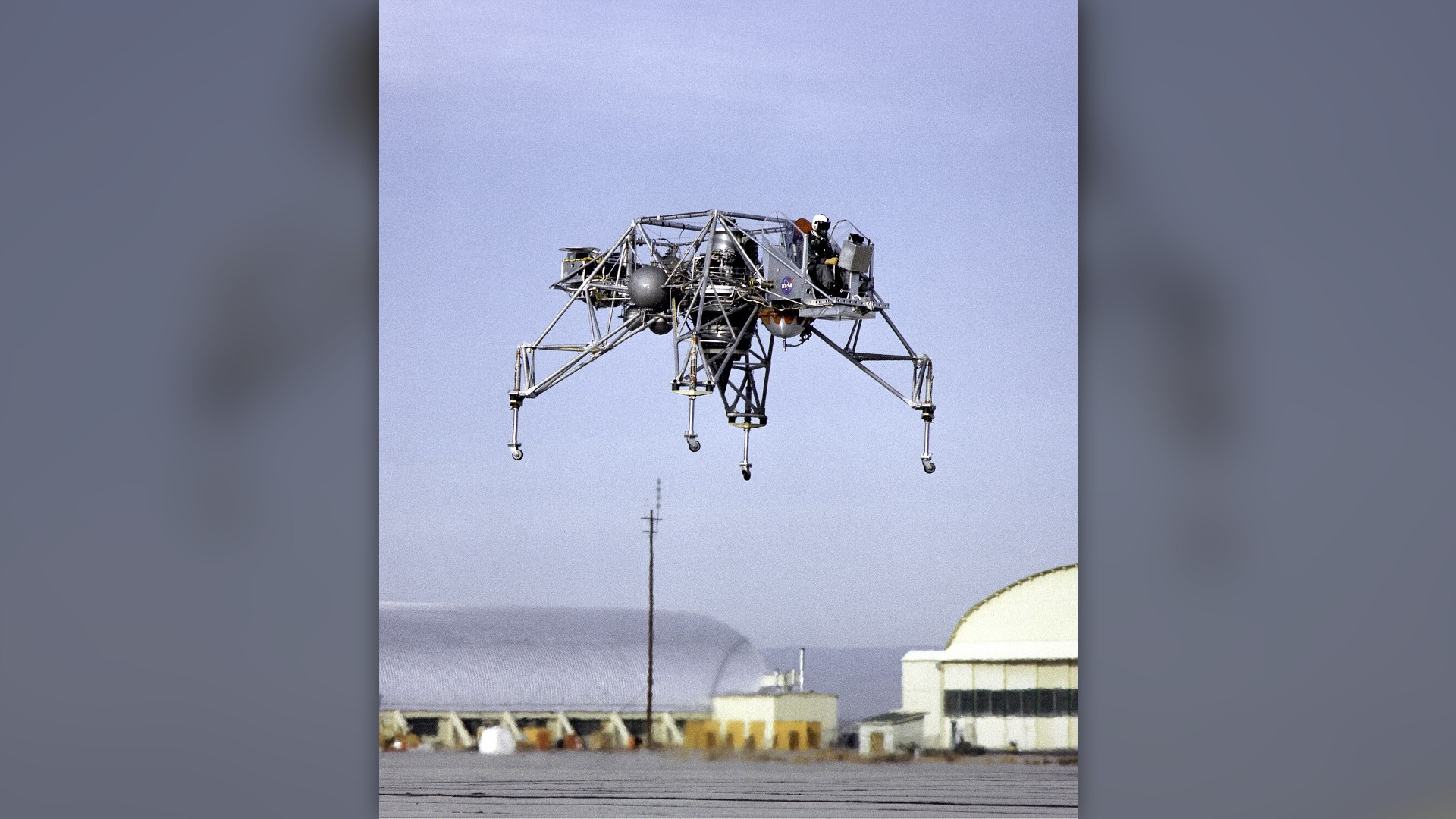
13. NASA Lunar Landing Research Vehicle
The Lunar Landing Research Vehicle used a gimbaled jet engine to simulate the Moon's one-sixth gravity environment. Neil Armstrong famously ejected from one just seconds before it crashed at Edwards in 1968. He credited the simulator with making the historic Apollo 11 lunar touchdown possible.
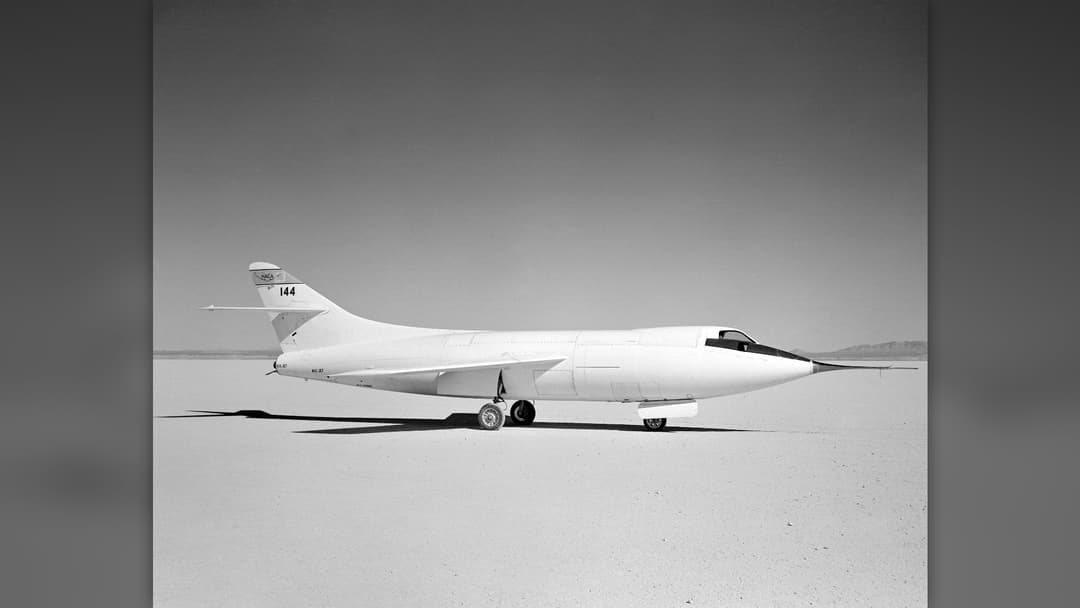
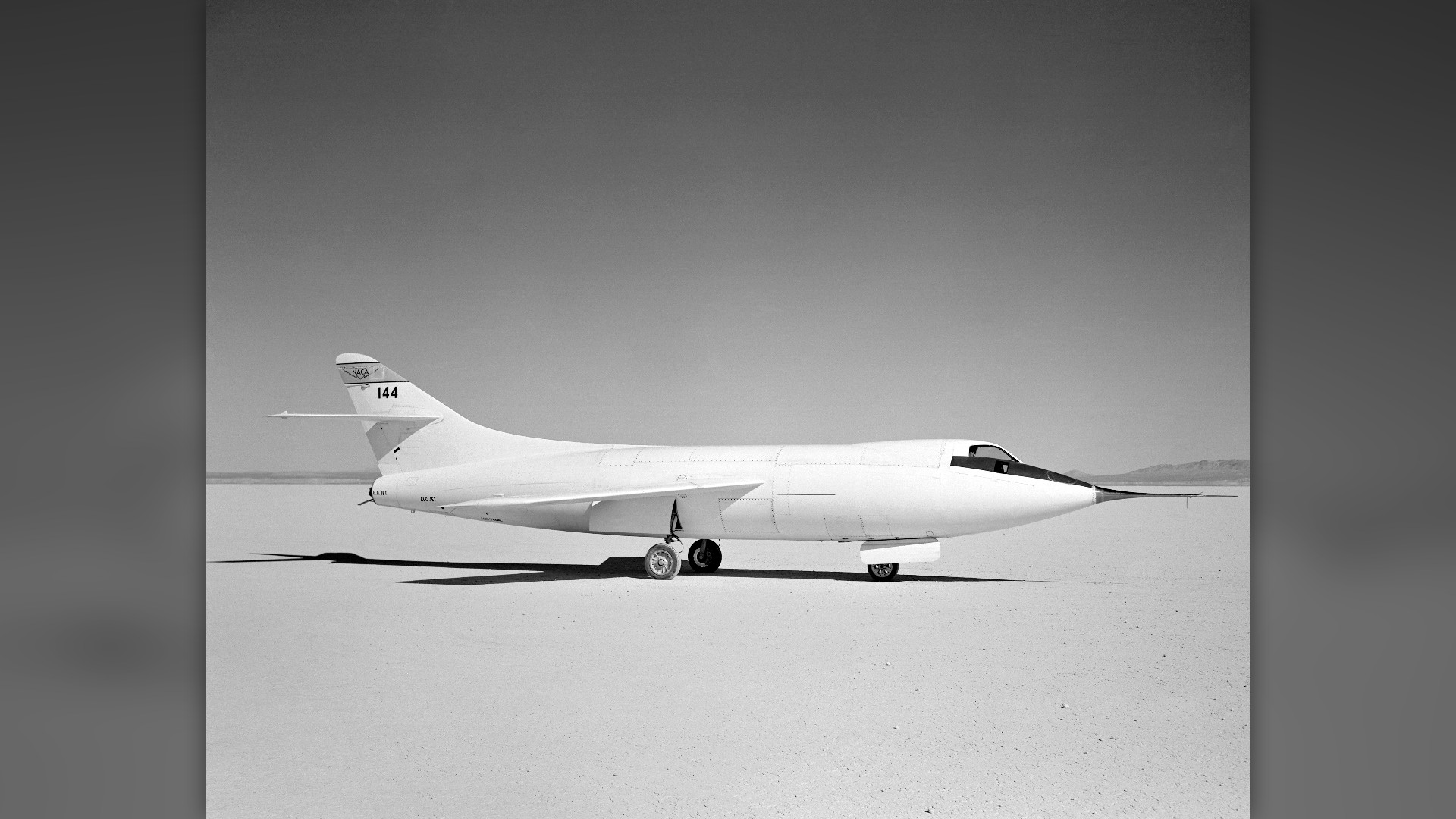
12. Douglas D-558-2 Skyrocket
Piloted by NACA research test pilot Scott Crossfield in November 1953, the Douglas D-558-2 Skyrocket reached Mach 2.005 over Edwards. Dropped from a converted Navy P2B bomber, its rocket engine burned alcohol and liquid oxygen. The flights established high-speed stability benchmarks for modern fighters.
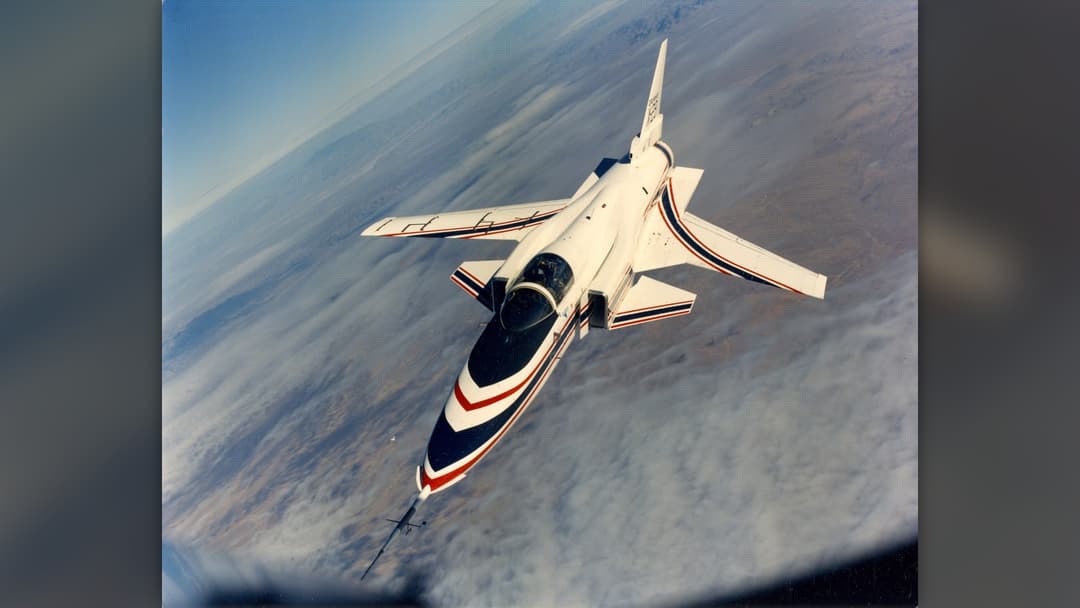
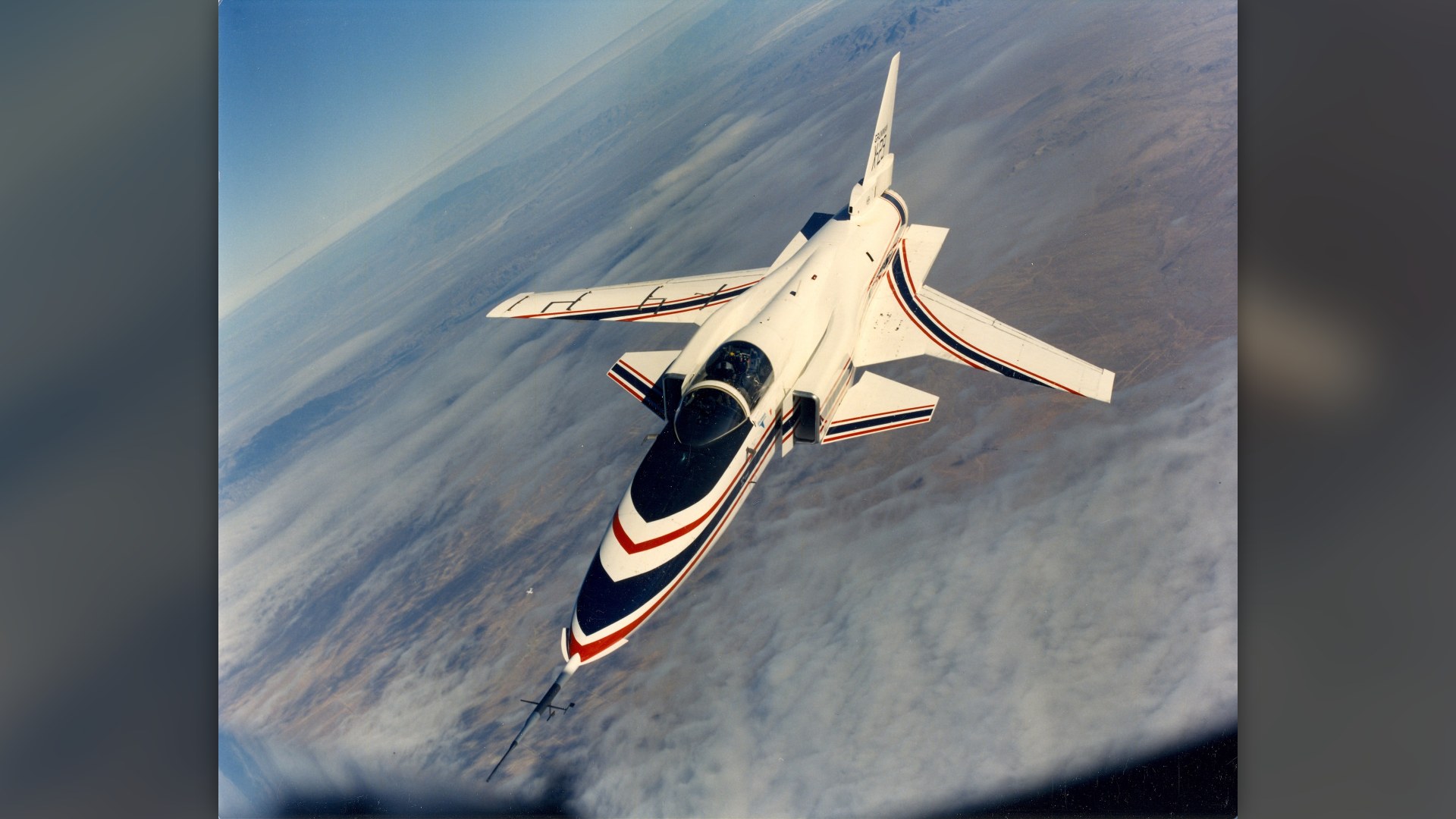
11. Grumman X-29
The X-29 looked like it was flying backward due to forward-swept carbon composite wings. The radical configuration was aerodynamically unstable and required flight computers to make forty adjustments per second to prevent structural failure.
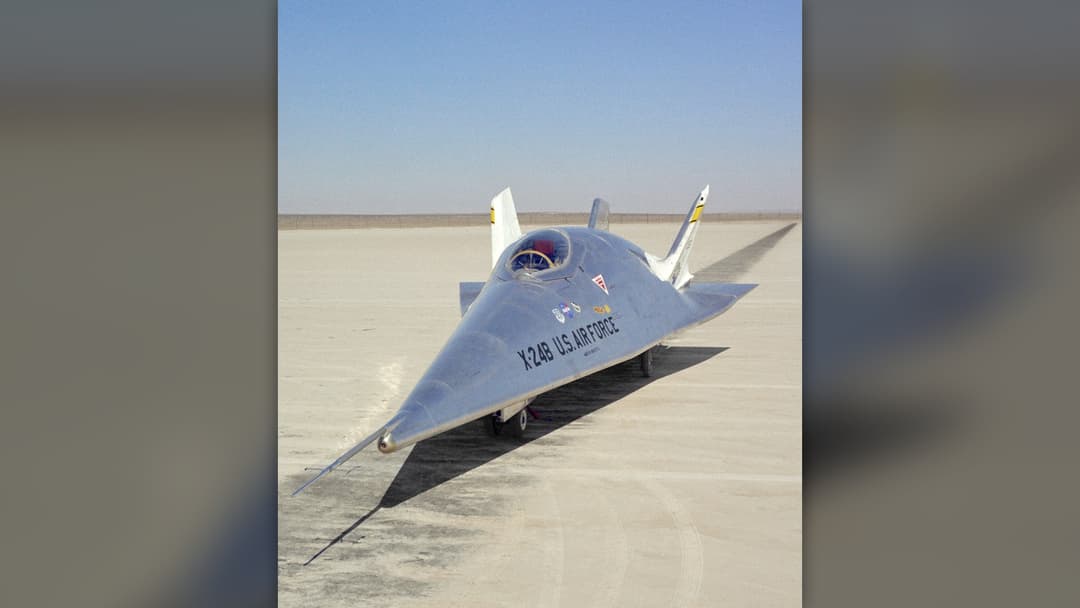
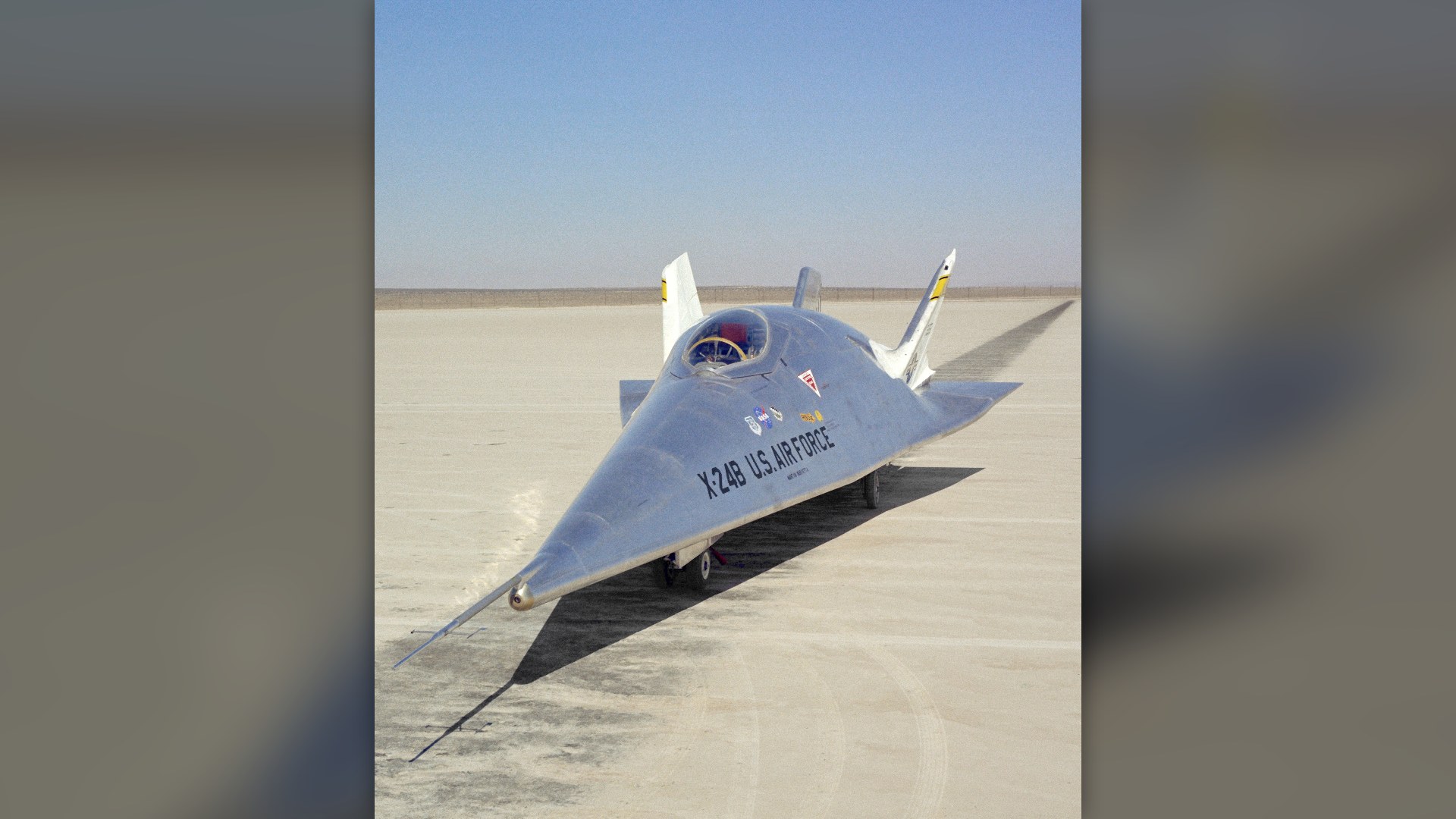
10. Martin Marietta X-24B
The X-24B generated lift purely from the shape of its fuselage rather than traditional wings. Dropped from a modified B-52 bomber at forty-five thousand feet, test pilots piloted unpowered landings on Rogers Dry Lake. Its successful glide flights proved spacecraft could make precise runway landings.
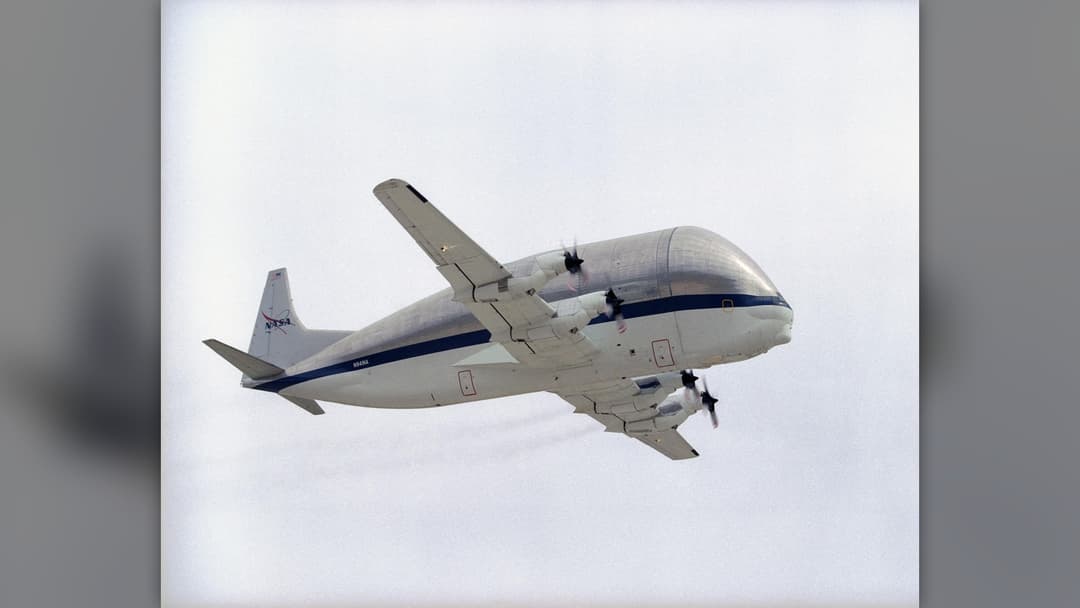
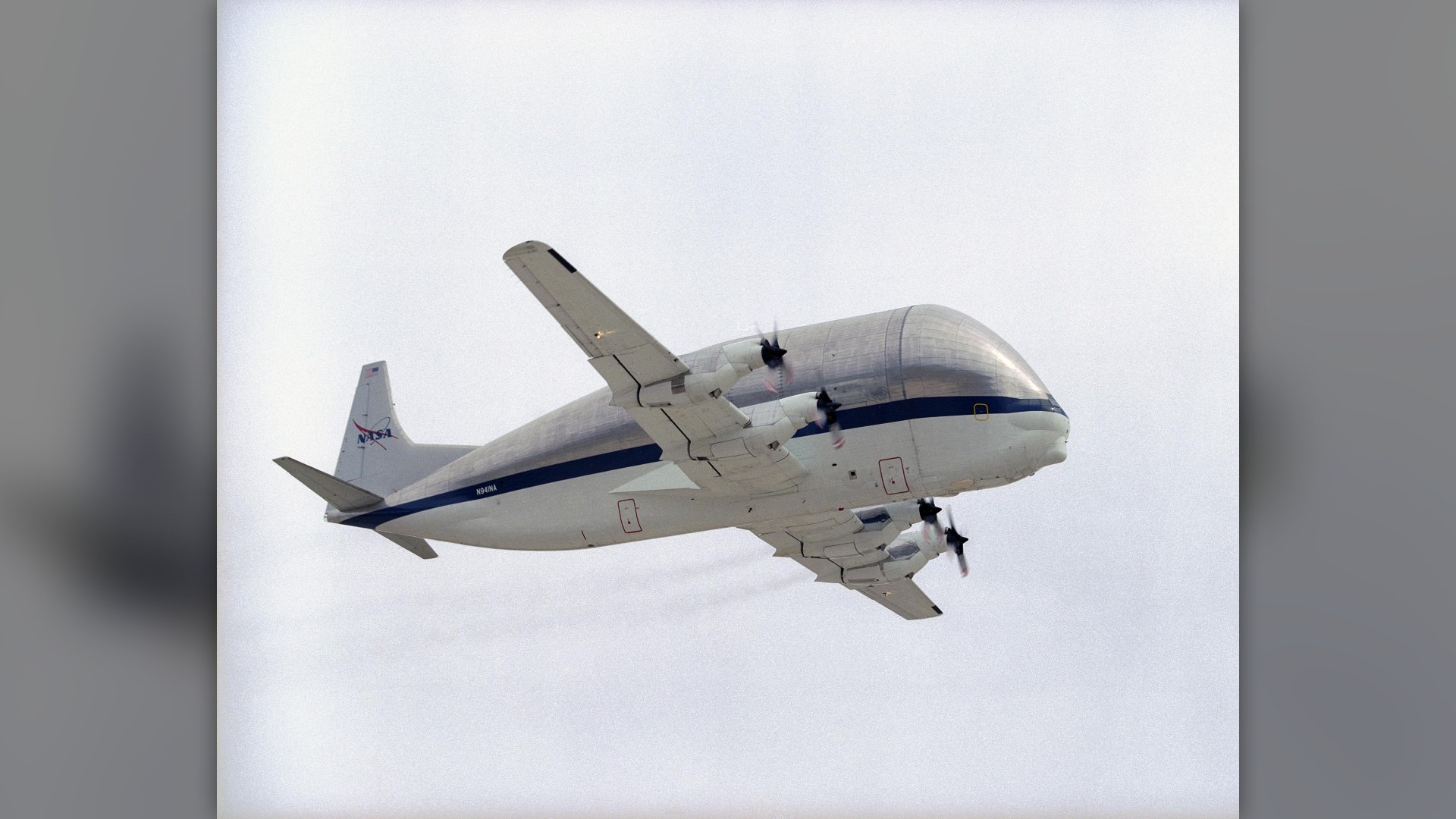
9. NASA Super Guppy Turbine
With a hinged nose that swings open one hundred ten degrees, the Super Guppy carried oversized rocket hardware for Apollo and the International Space Station. It remains the only operational aircraft capable of carrying complete Orion spacecraft capsules. It still logs mission hours across America.
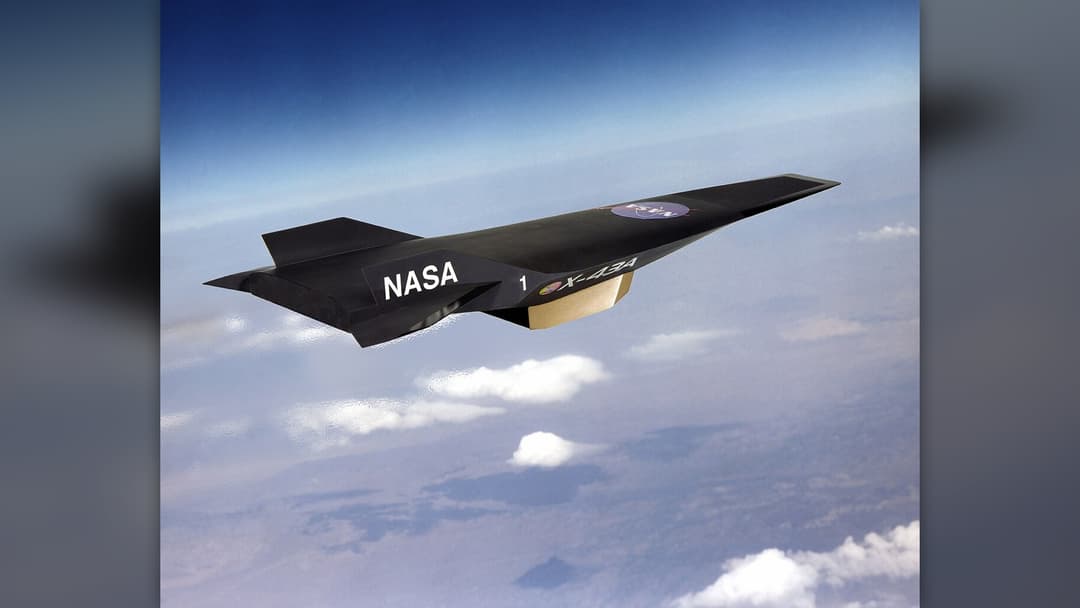
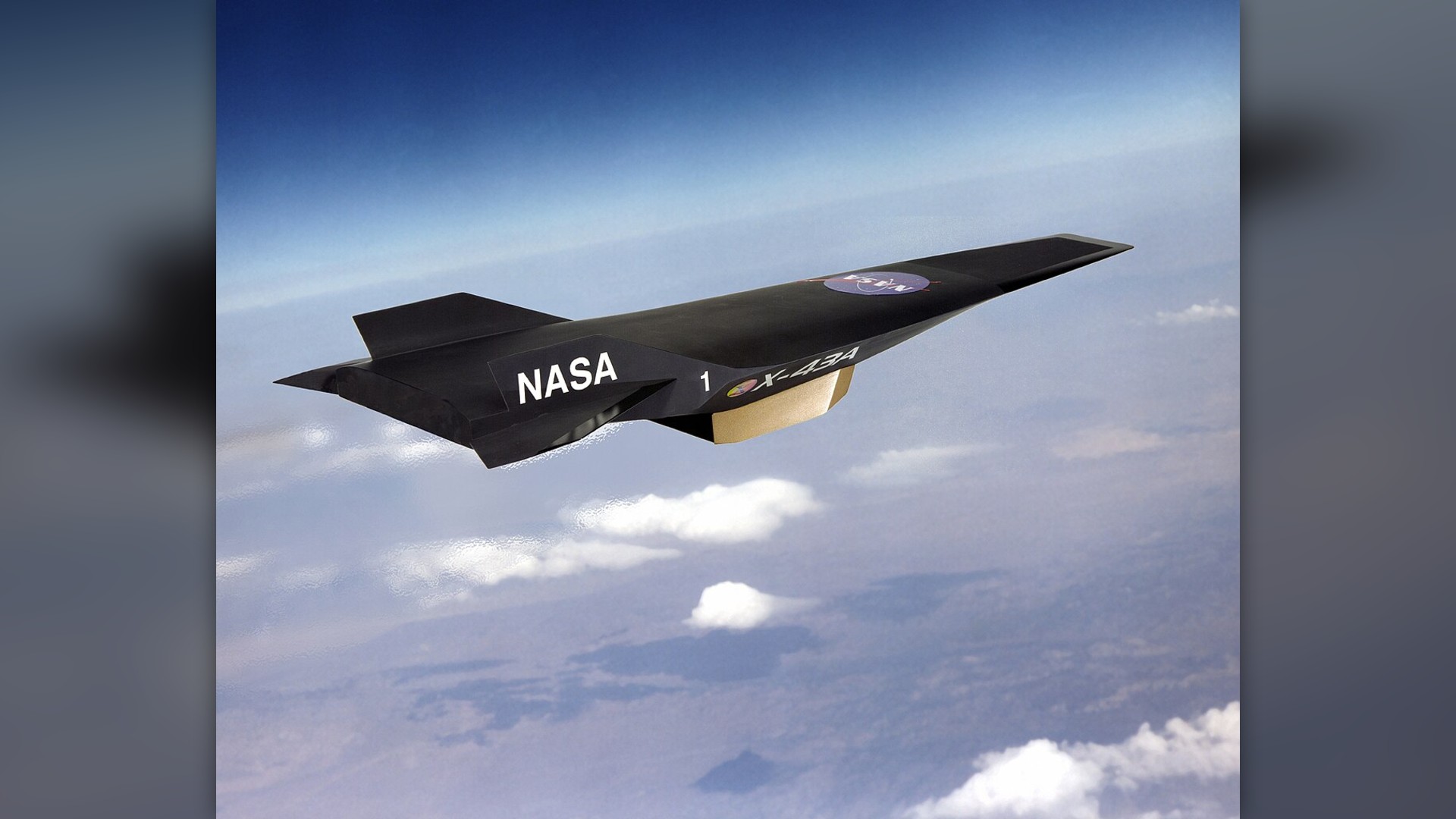
8. NASA X-43A Hyper-X
The X-43A made aerospace history in November 2004 by burning atmospheric oxygen while flying at nearly seven thousand miles per hour. Boosted over the Pacific by a Pegasus rocket, its air-breathing scramjet engine fired flawlessly. It proved hypersonic atmospheric propulsion was genuinely achievable.
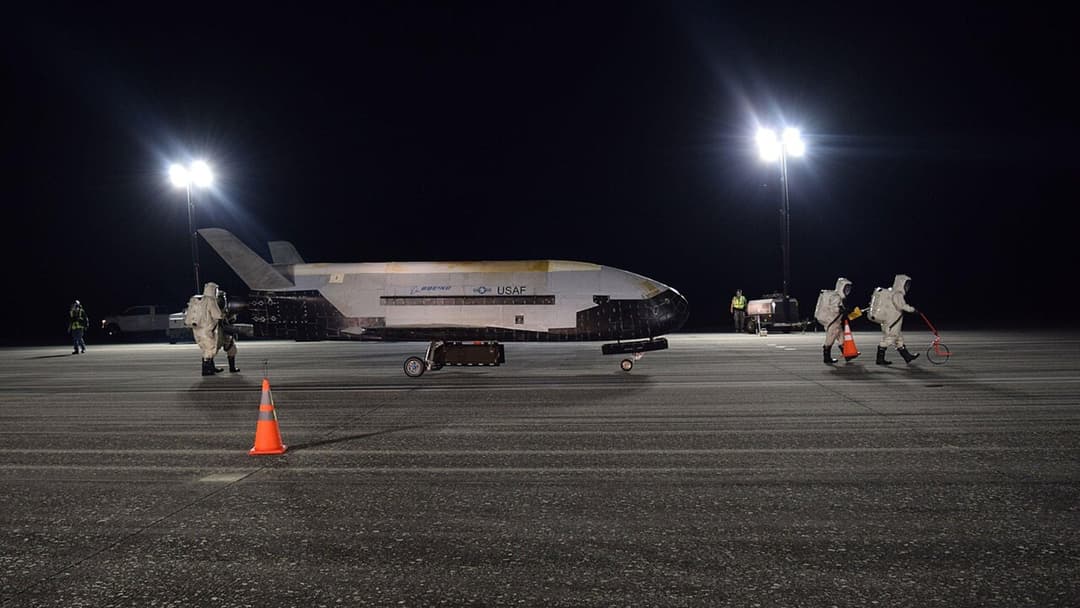
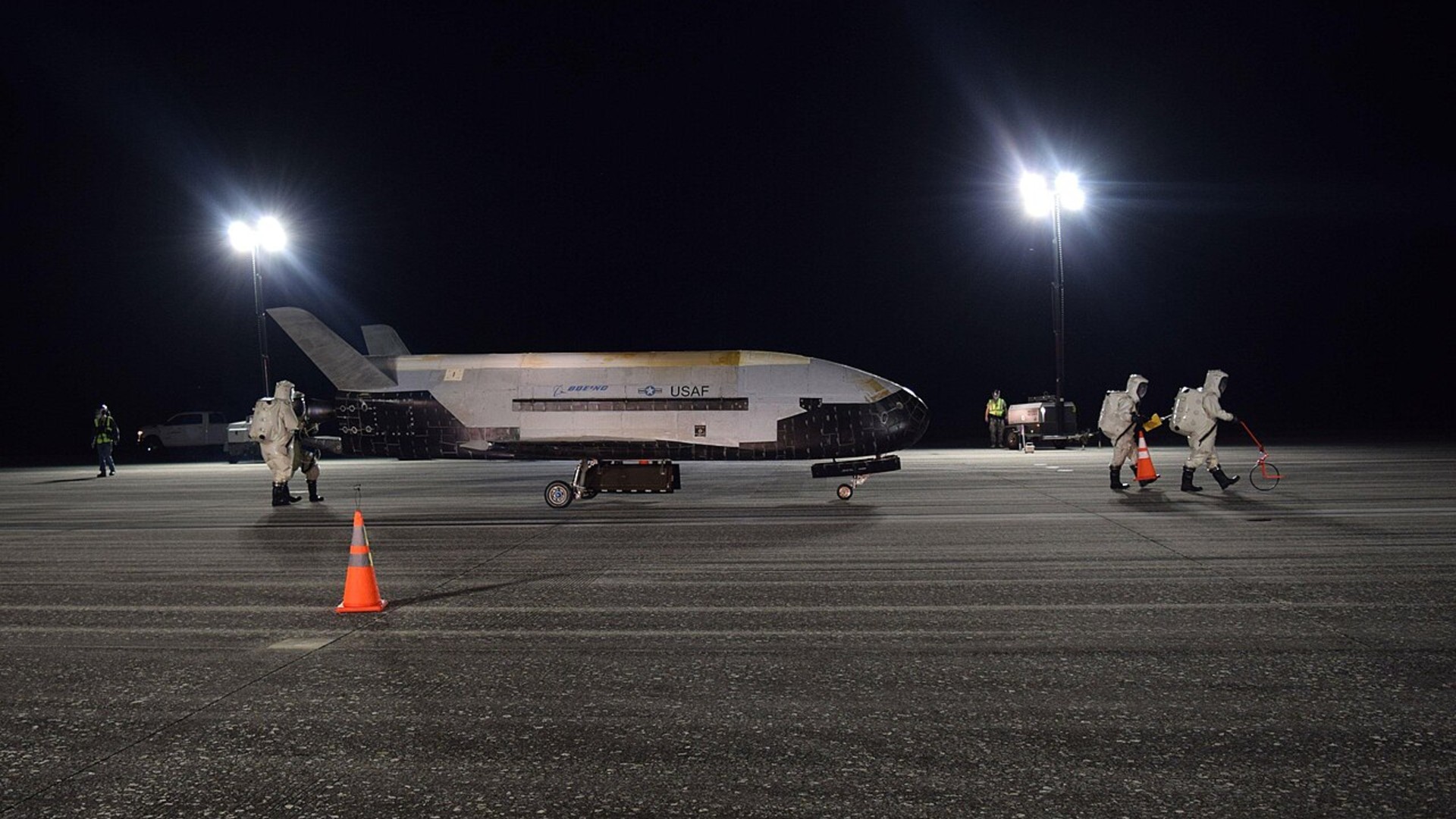
7. Boeing X-37B Orbital Test Vehicle
Resembling a miniature space shuttle, the robotic X-37B launches vertically on rockets and lands horizontally on Florida runways. It has spent thousands of consecutive days in orbit testing classified payloads and experimental heat tiles. Its reusable design marks a milestone in military spaceflight.
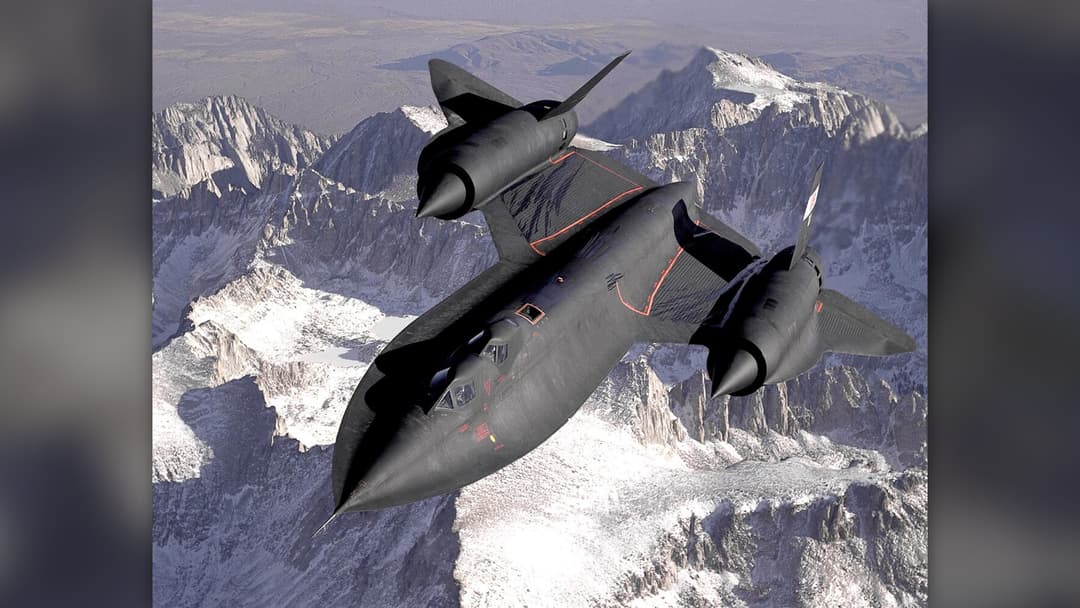
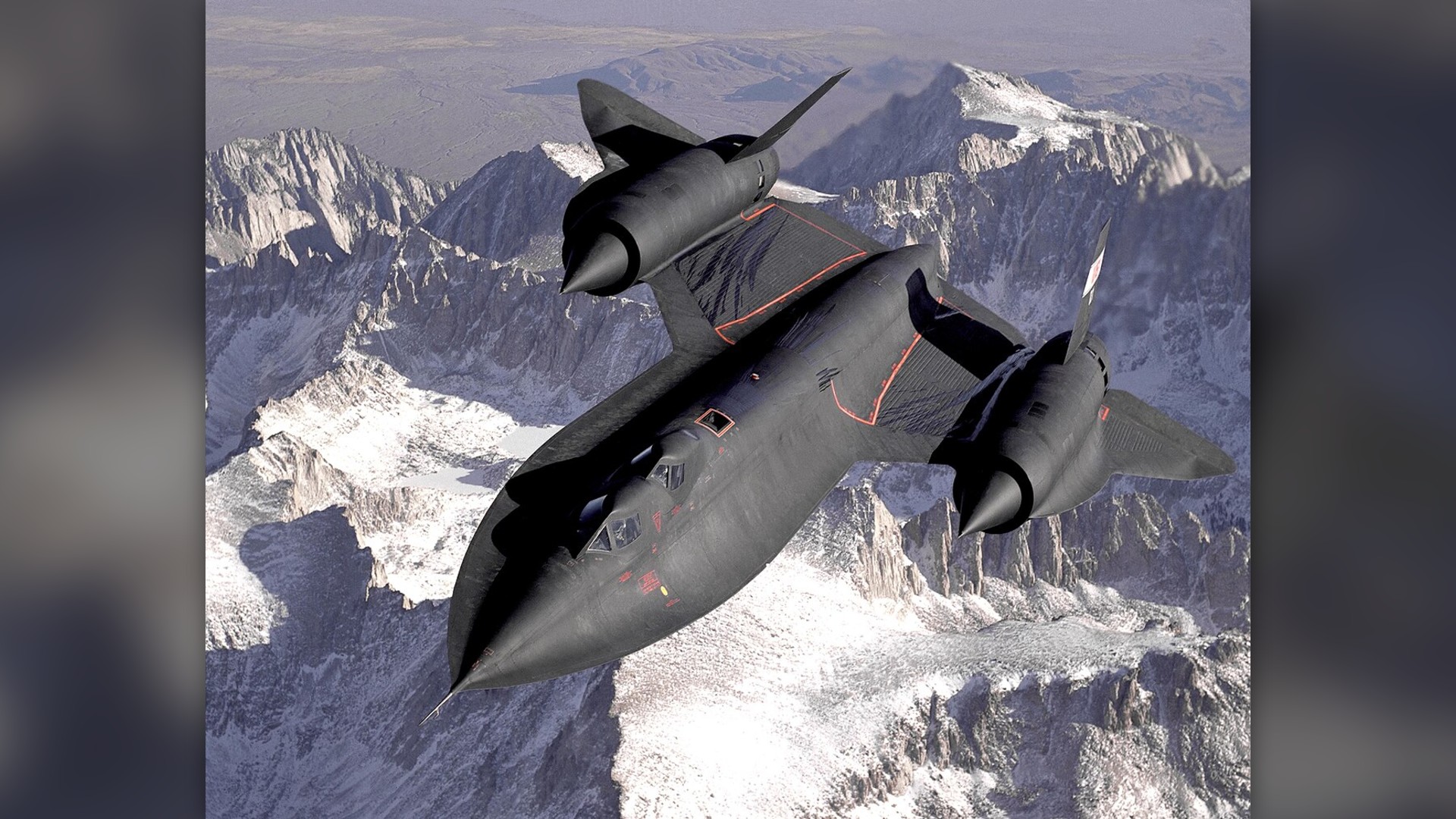
6. NASA Dryden SR-71 Blackbird
NASA operated three decommissioned SR-71 Blackbird jets during the 1990s as supersonic research testbeds. Flying at eighty-five thousand feet, researchers studied sonic boom propagation and gathered upper atmospheric chemistry samples. It remains the fastest air-breathing manned aircraft ever built.
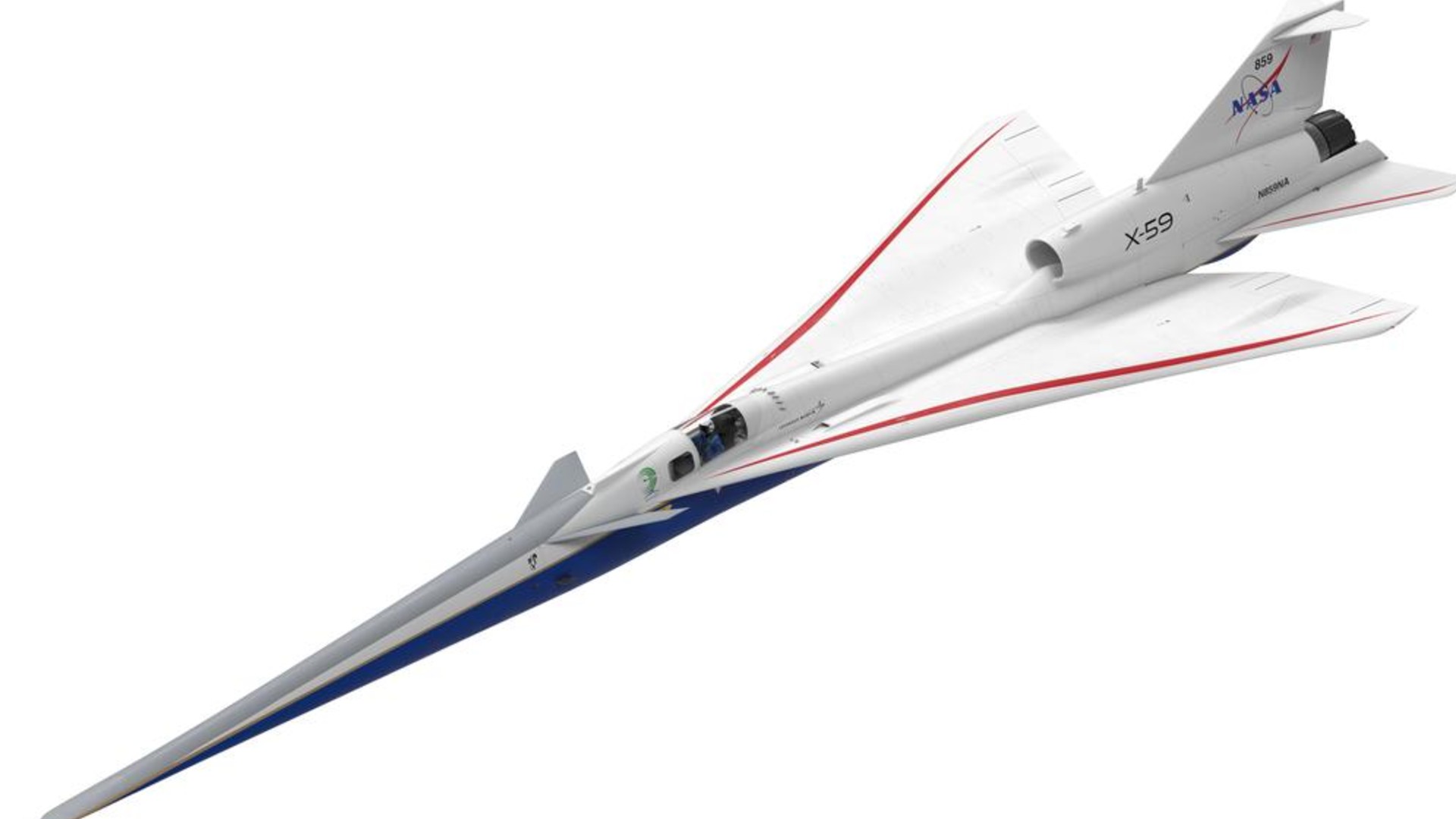
5. NASA X-59 QueSST
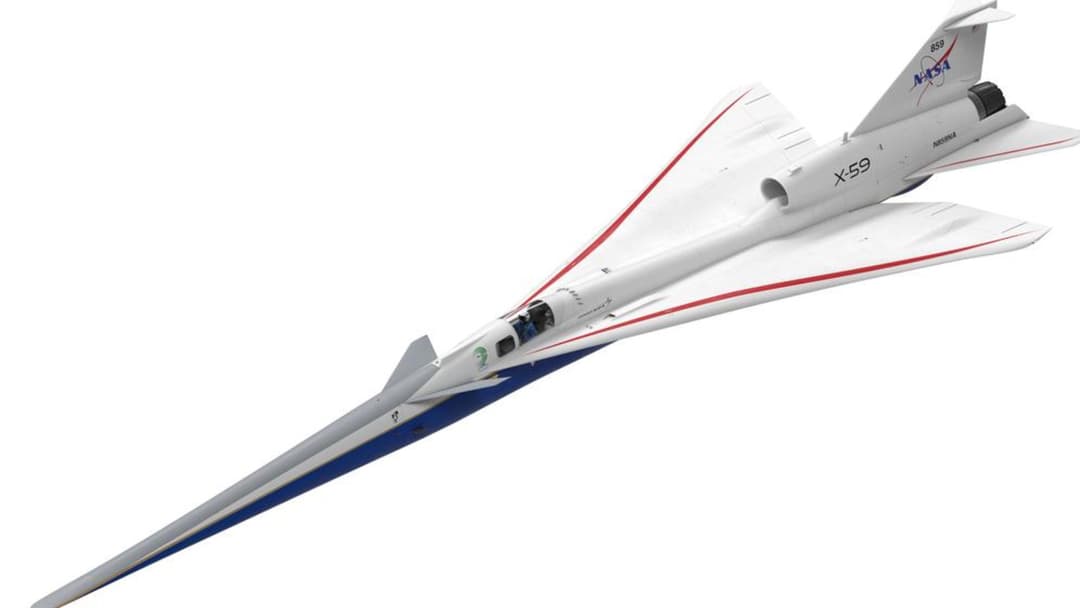
The needle-nosed X-59 was engineered to cruise at Mach 1.4 while producing a sonic signature no louder than a car door slamming. Because pilots sit behind a solid metal canopy, they navigate using high-definition 4K forward cameras. The data could overturn the 1973 ban on overland supersonic flight.
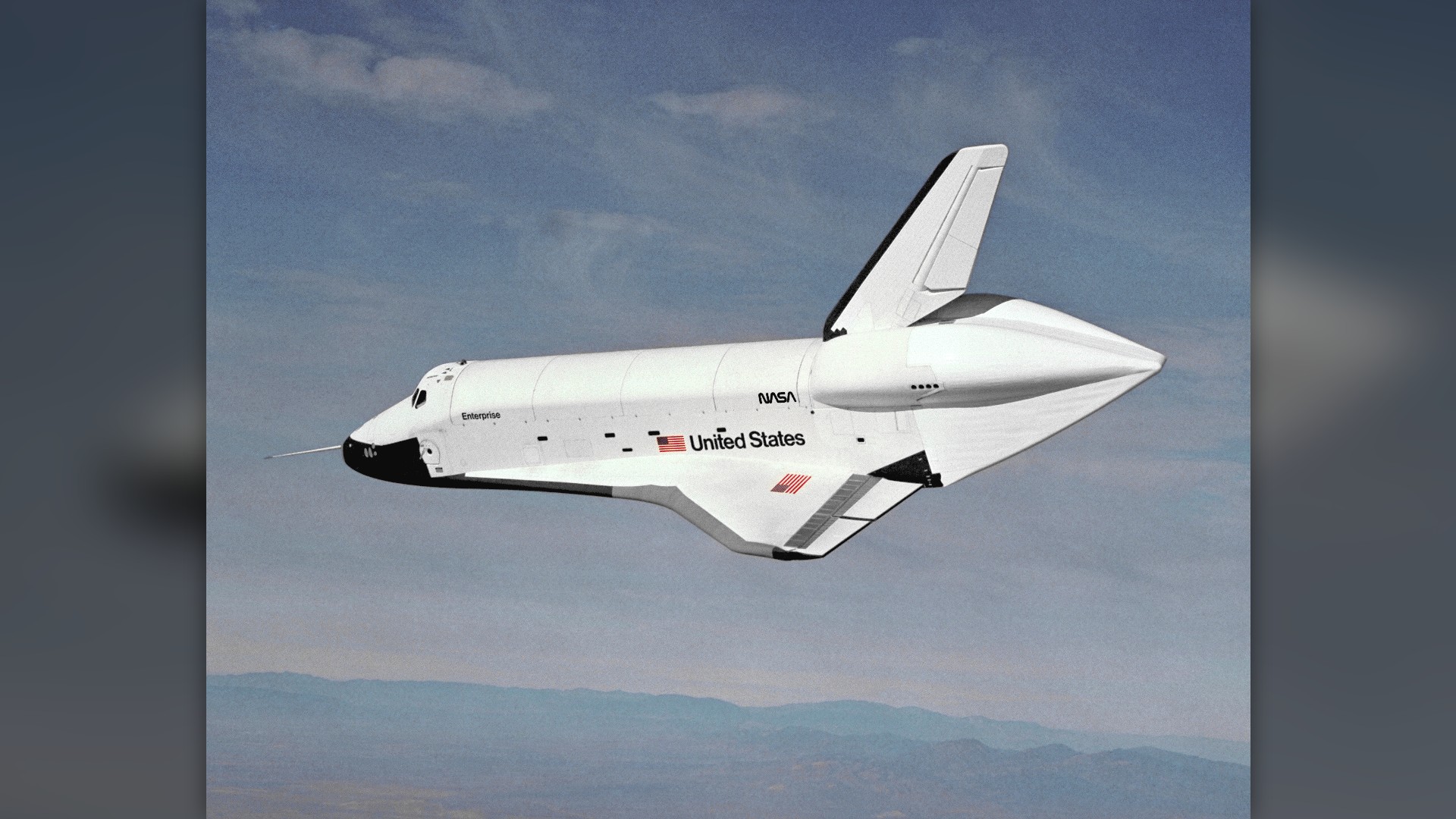
4. Space Shuttle Enterprise
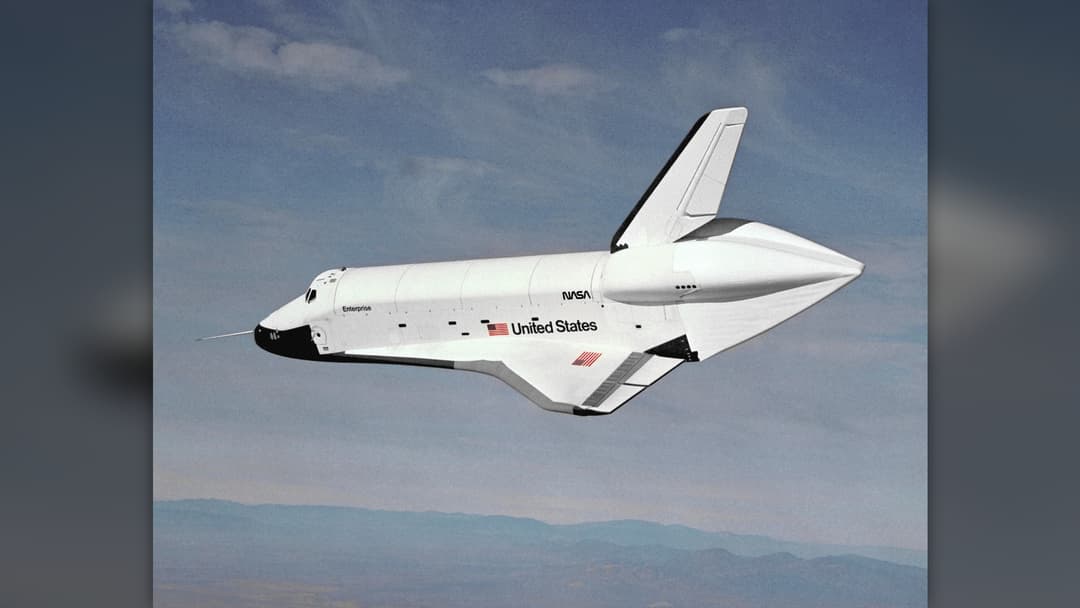
Enterprise never flew in orbit, but it saved the Space Shuttle program. Riding atop a modified Boeing 747, it detached over the Mojave Desert to test unpowered runway glide slopes. Astronauts Fred Haise and Gordon Fullerton piloted the manual landings, proving the orbiter was flight-ready.
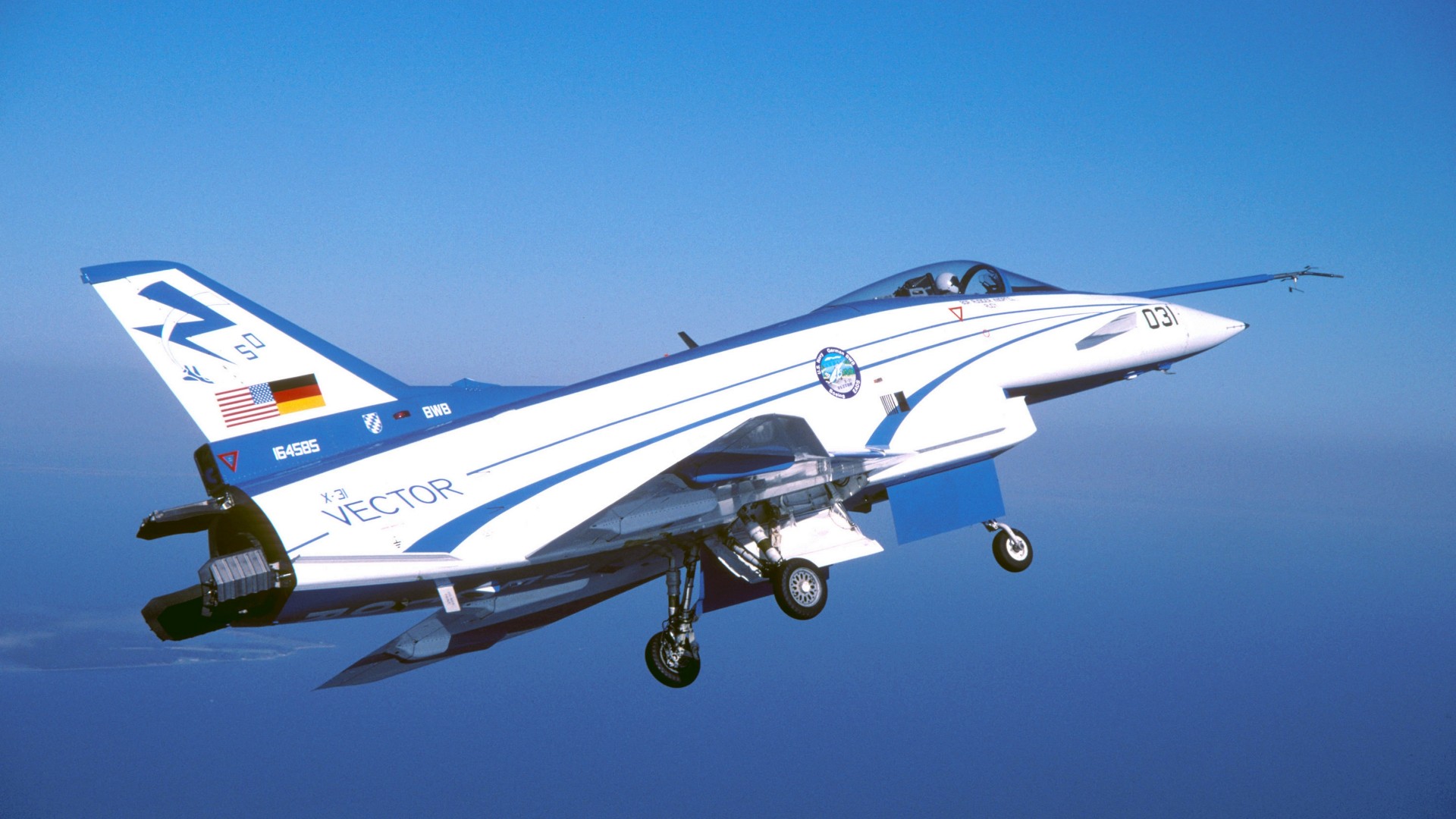
3. Rockwell-MBB X-31
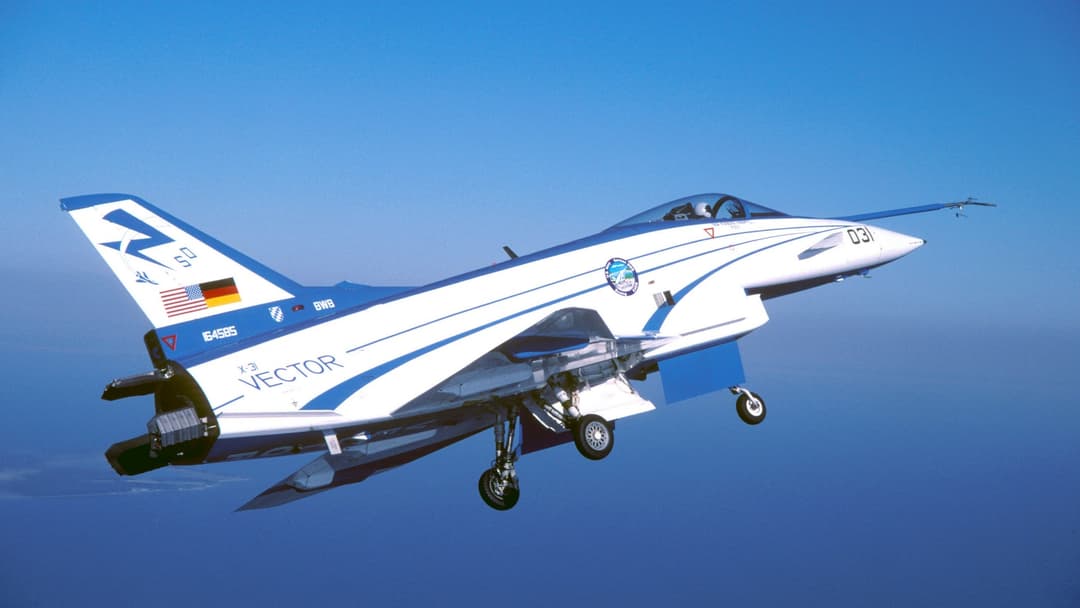
The X-31 used three carbon-composite exhaust vanes to direct jet thrust, allowing pilots to maintain control at a seventy-degree angle of attack. The international joint project pioneered post-stall maneuvers that revolutionized modern fighter dogfighting tactics. It flew over five hundred successful test sorties.
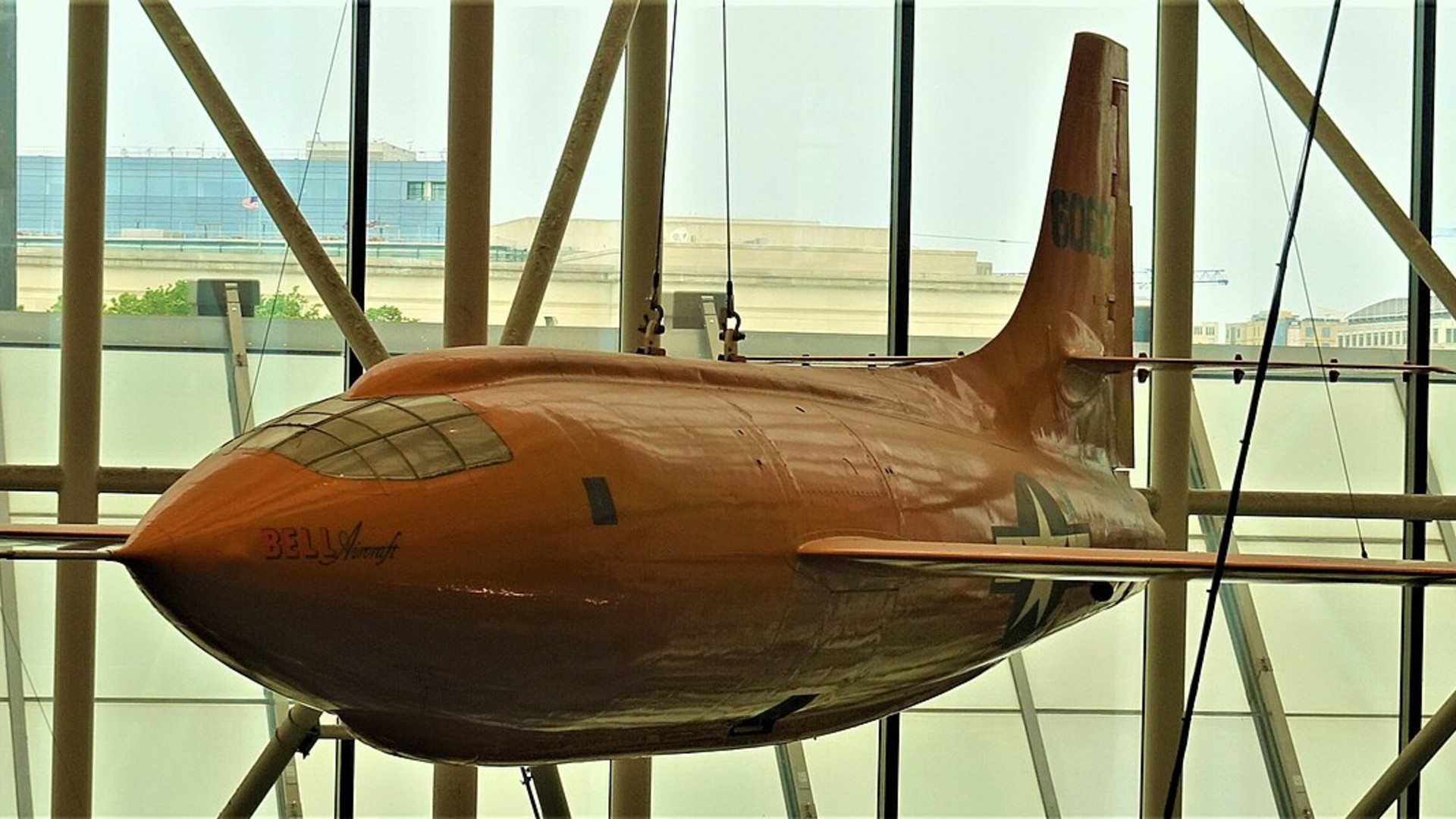
2. Bell X-1 Glamorous Glennis
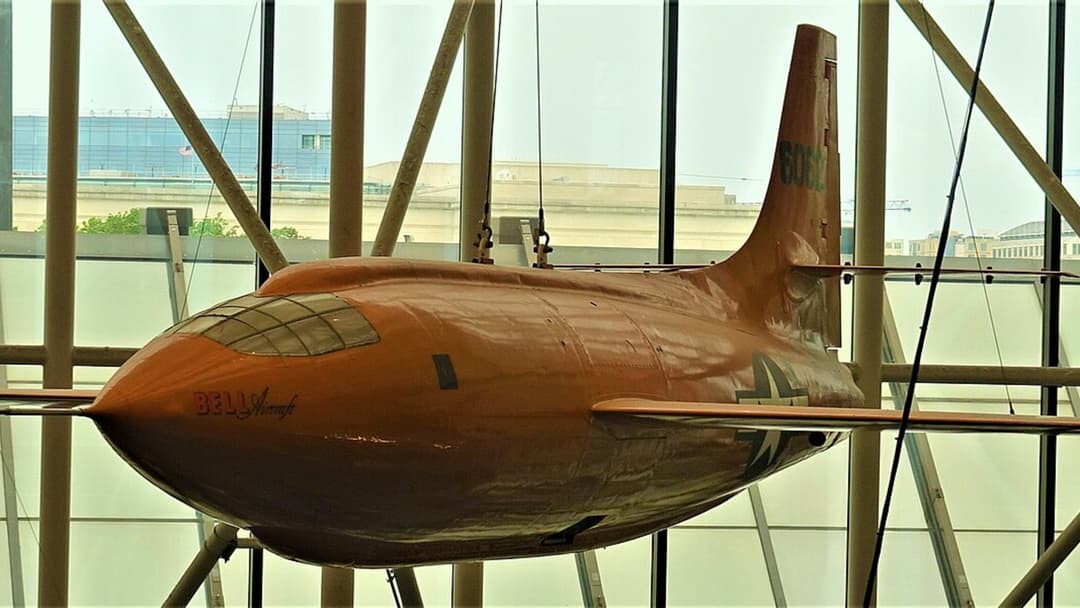
Shaped like a Browning fifty-caliber bullet, the rocket-powered Bell X-1 conquered Mach 1.06 on October 14, 1947. Air Force Captain Chuck Yeager battled severe transonic buffeting before slipping cleanly into smooth supersonic flight. The historic breakthrough launched the modern era of jet aviation.
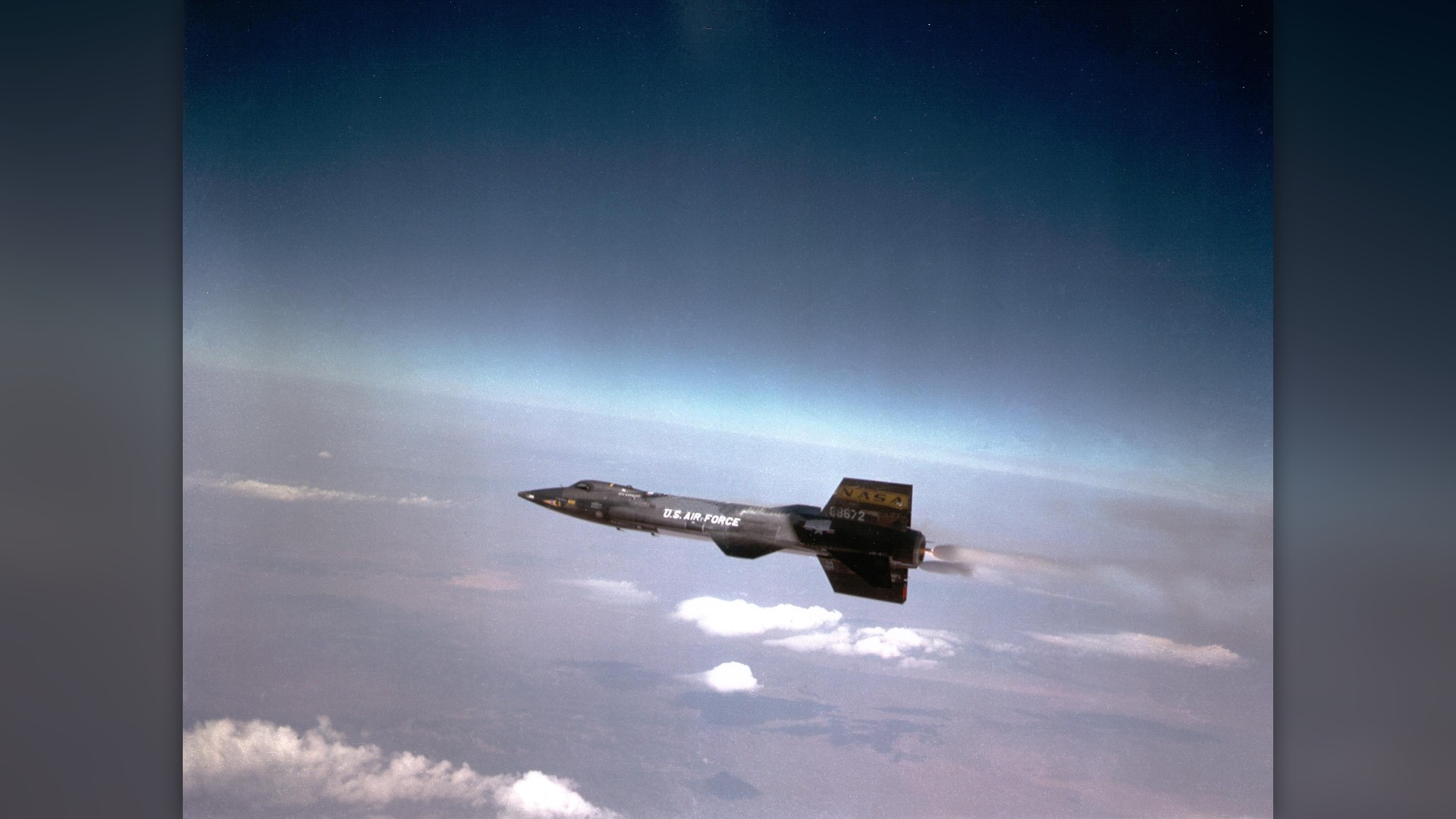
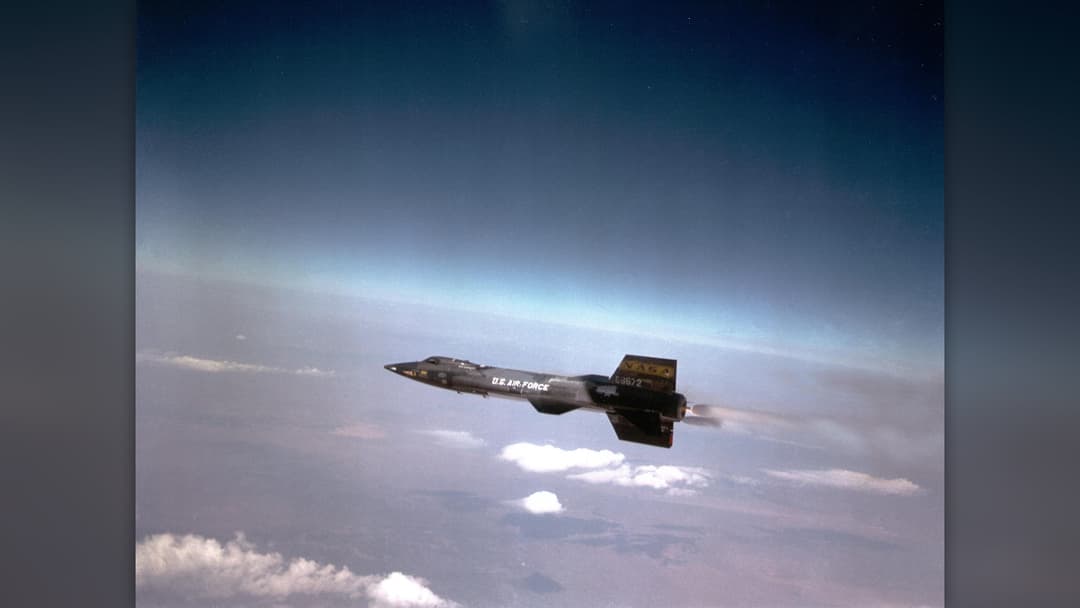
1. North American X-15
Between 1959 and 1968, three X-15 rocket planes flew one hundred ninety-nine missions over California and Nevada. Dropped from a B-52 mother ship, pilot Pete Knight reached 4,520 miles per hour, setting a world record that stands today. Eight pilots earned military astronaut wings by flying it above fifty miles.