Slideshow · Animals
15 Massive Animals on Earth Ranked by Remarkable Size and Weight
Across deep oceanic trenches, dense tropical river basins, and vast savanna plains, evolution has produced living creatures of astonishing physical scale. From gargantuan marine mammals exceeding hundred-ton thresholds to armored reptiles and towering birds, these titans showcase nature's most extraordinary biological wonders.
By Most Viral Today
9 hours ago

Enormous Animals and Colossal Wildlife Across Planet Earth 
15. Goliath Beetle 
14. Japanese Giant Salamander 
13. Ostrich - AdvertisementSwipe or tap ▶ to continue countdown

12. Saltwater Crocodile 
11. Green Anaconda 
10. Leatherback Sea Turtle 
9. Colossal Squid - AdvertisementSwipe or tap ▶ to continue countdown

8. Whale Shark 
7. Southern Elephant Seal 
6. Polar Bear 
5. Giraffe - AdvertisementSwipe or tap ▶ to continue countdown

4. White Rhinoceros 
3. African Bush Elephant 
2. Fin Whale 
1. Blue Whale - Advertisement🔥 UP NEXT IN THIS SERIES◫ 26 Slides

25 Moments When Mother Animals Find Their Way Back to Babies
25 Emotional Moments When Mother Animals Find Their Way Back to Young
Across deep oceanic trenches, dense tropical river basins, and vast savanna plains, evolution has produced living creatures of astonishing physical scale.
Swipe or tap ▶ to begin the countdown
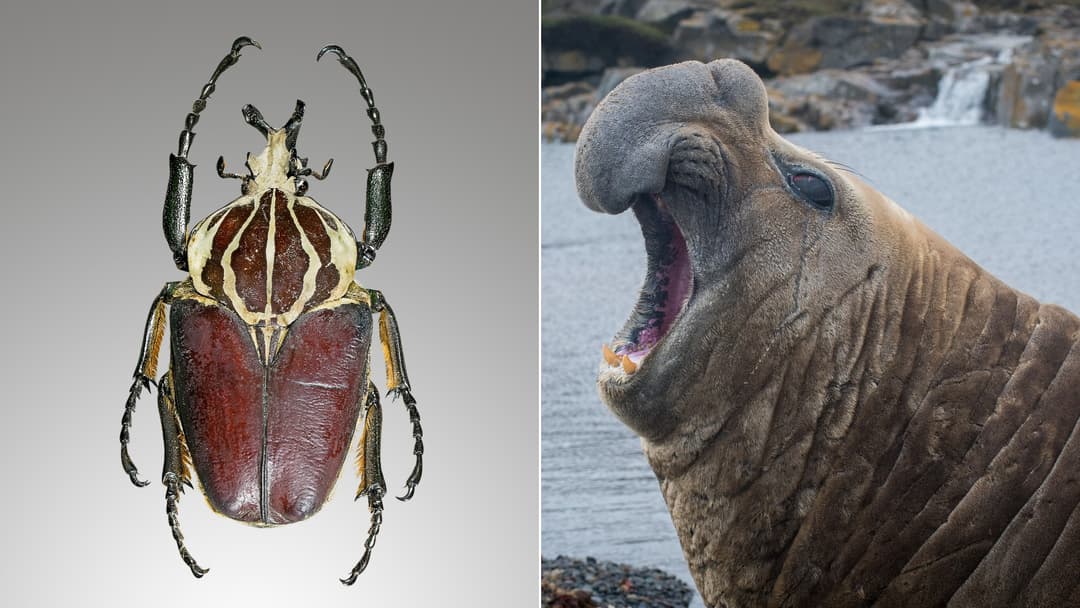
©Wikimedia / Didier Descouens & Southern elephant seal
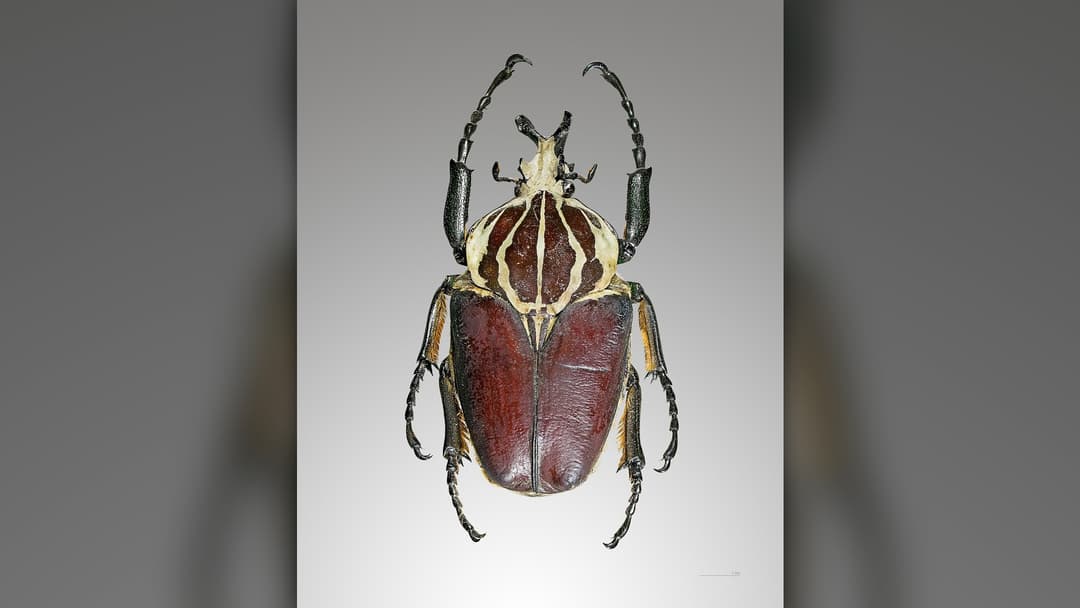
15. Goliath Beetle
Native to tropical African rainforests, the Goliath beetle measures over four inches in length. In its larval stage, it can tip the scales at more than one hundred grams, roughly equal to an apple. Adults possess formidable chitinous armor and wing spans capable of generating loud buzzing flight.
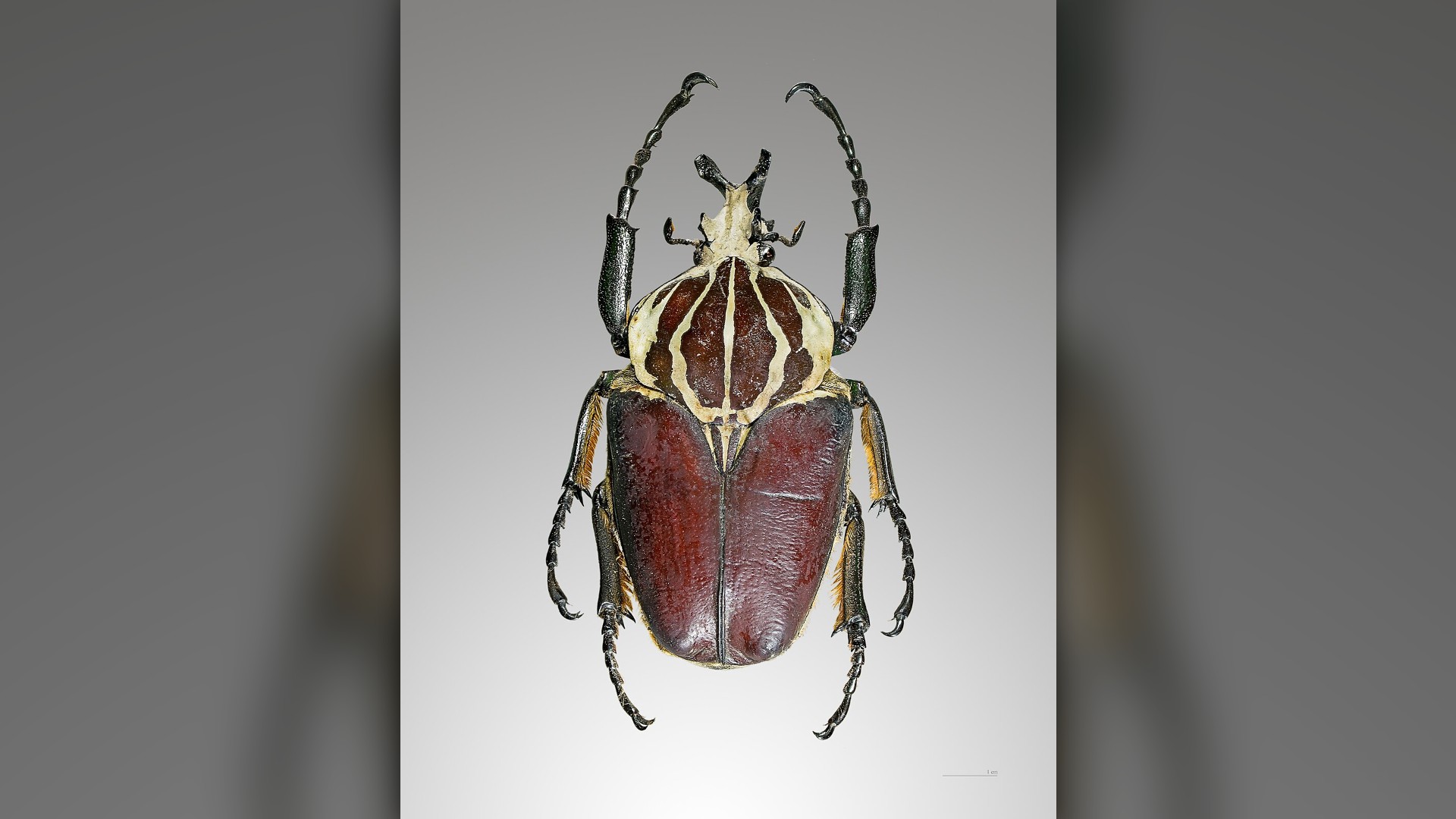
©Wikimedia / Didier Descouens
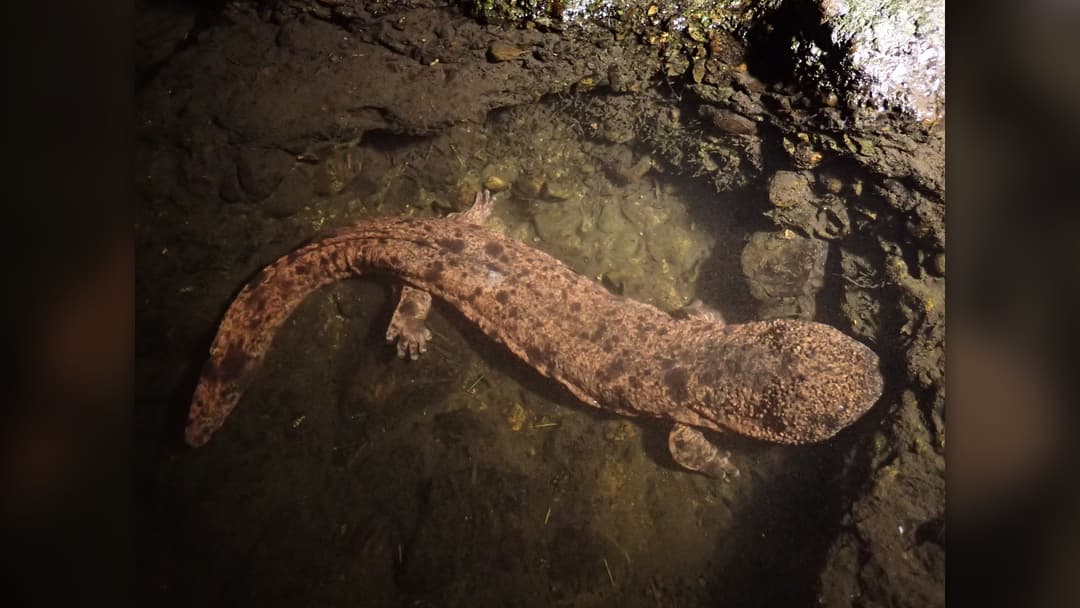
14. Japanese Giant Salamander
Dwelling in cold, rushing mountain streams across western Japan, this nocturnal amphibian can live for over eighty years. With mottled brown skin that blends directly with riverbed gravel, it ambushes fish, crabs, and insects. Locals revere the protected creature as a living national monument.
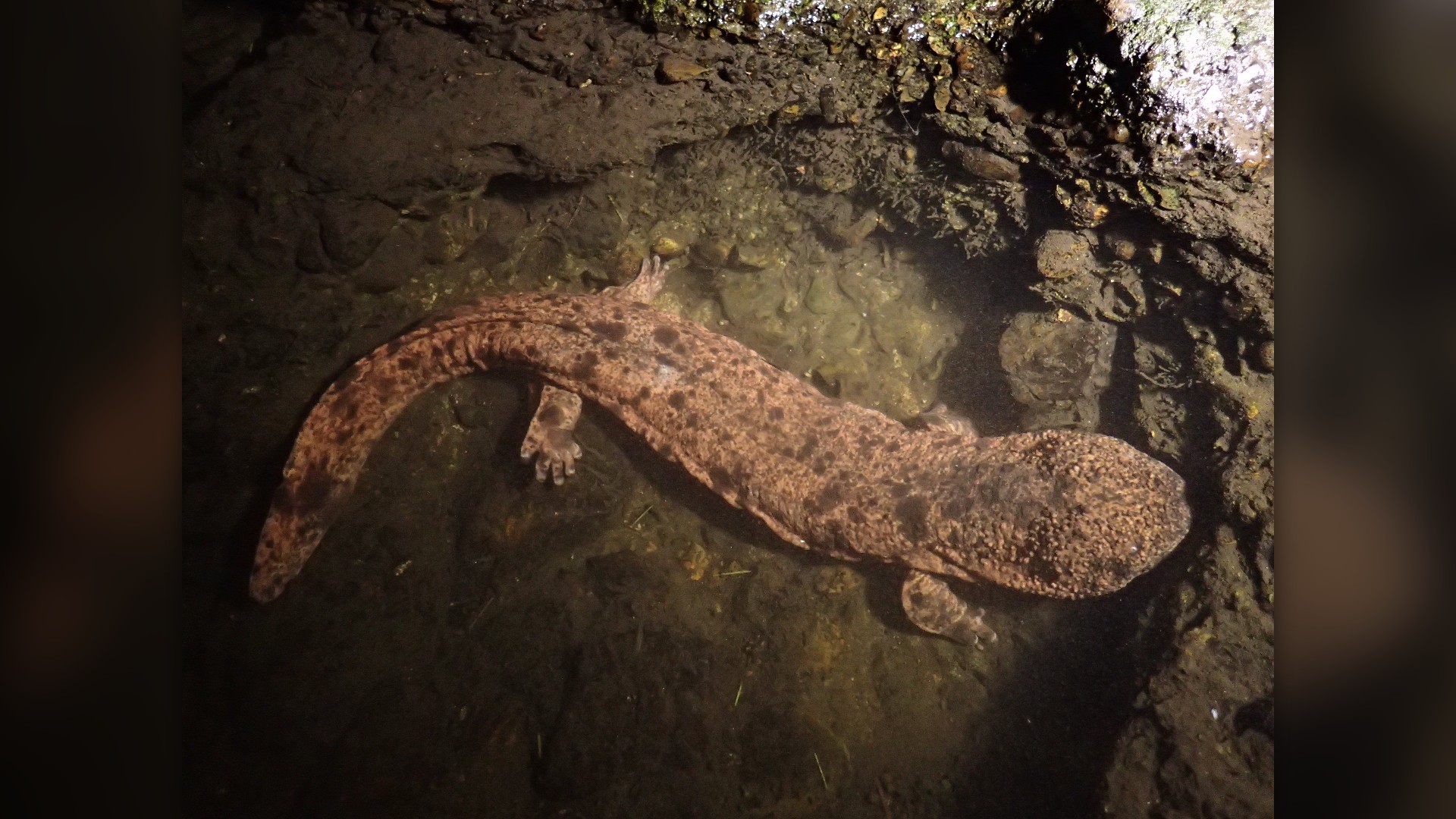
©Wikimedia / Japanese giant salamander
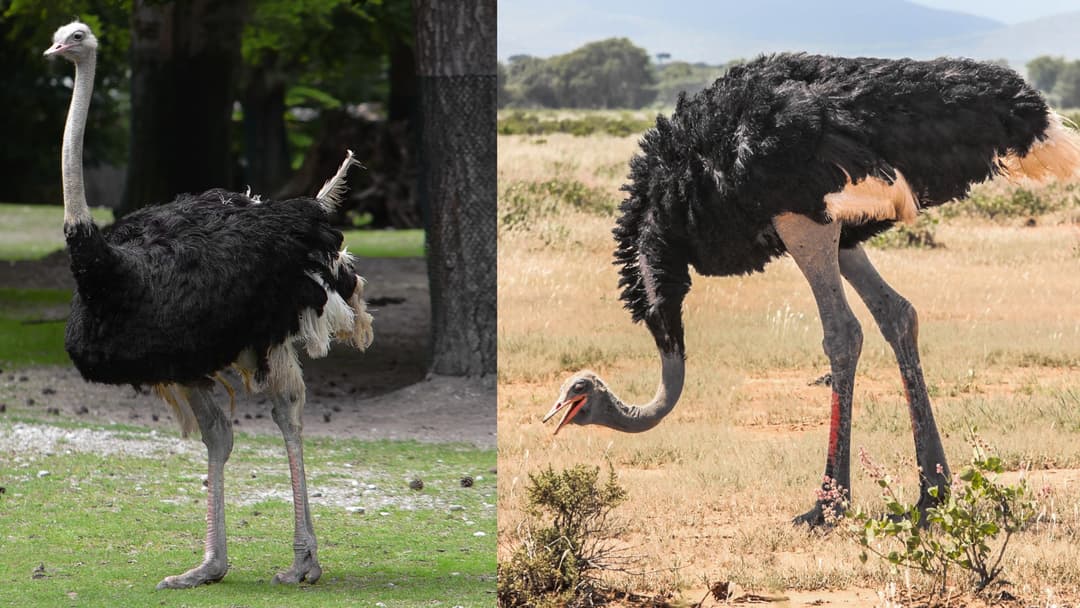
13. Ostrich
The common ostrich easily outclasses all other modern avian species in both stature and mass, with males weighing up to three hundred pounds. Powered by muscular two-toed legs, it can sprint at forty-five miles per hour across open plains. A single defensive kick can deter predatory lions.
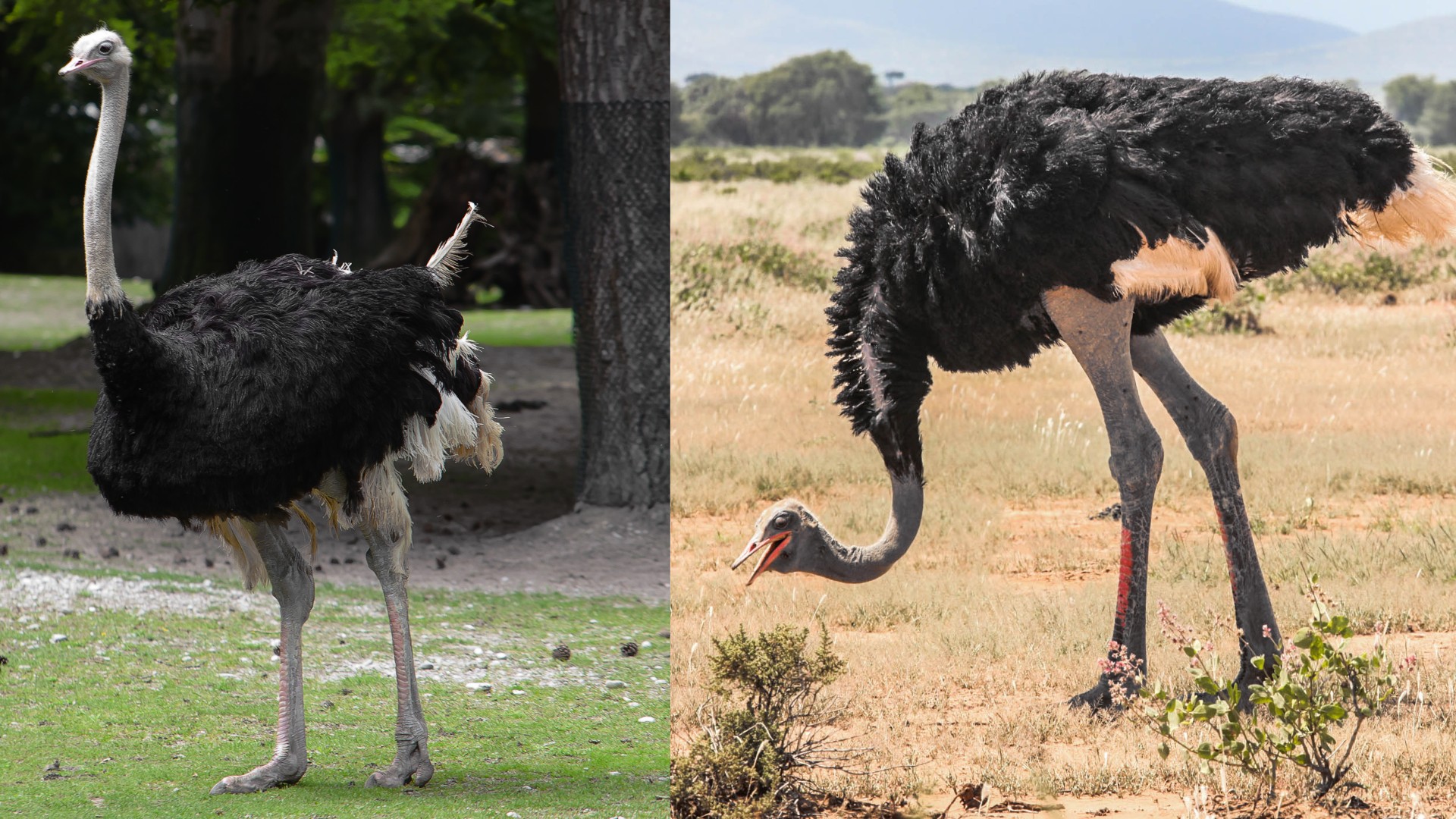
©Wikimedia / Ostrich
Advertisement
Swipe or tap ▶ to resume the countdown.
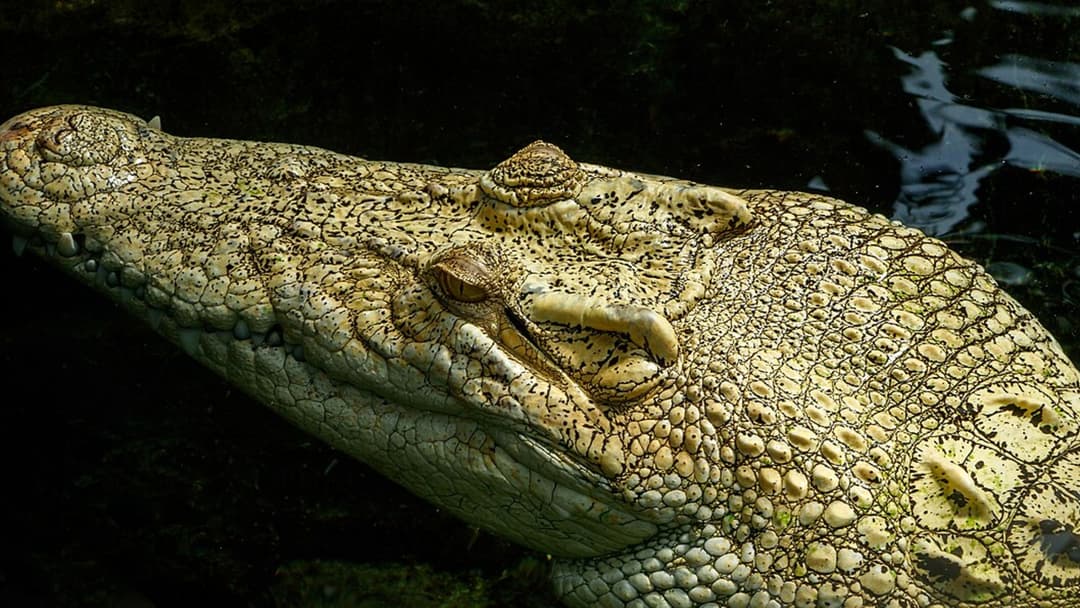
12. Saltwater Crocodile
Holding the title of Earth's largest living reptile, mature bull saltwater crocodiles frequently exceed two thousand pounds. Their crushing bite delivers three thousand seven hundred pounds of pressure per square inch, easily snapping bone. They swim hundreds of miles across open ocean waters.
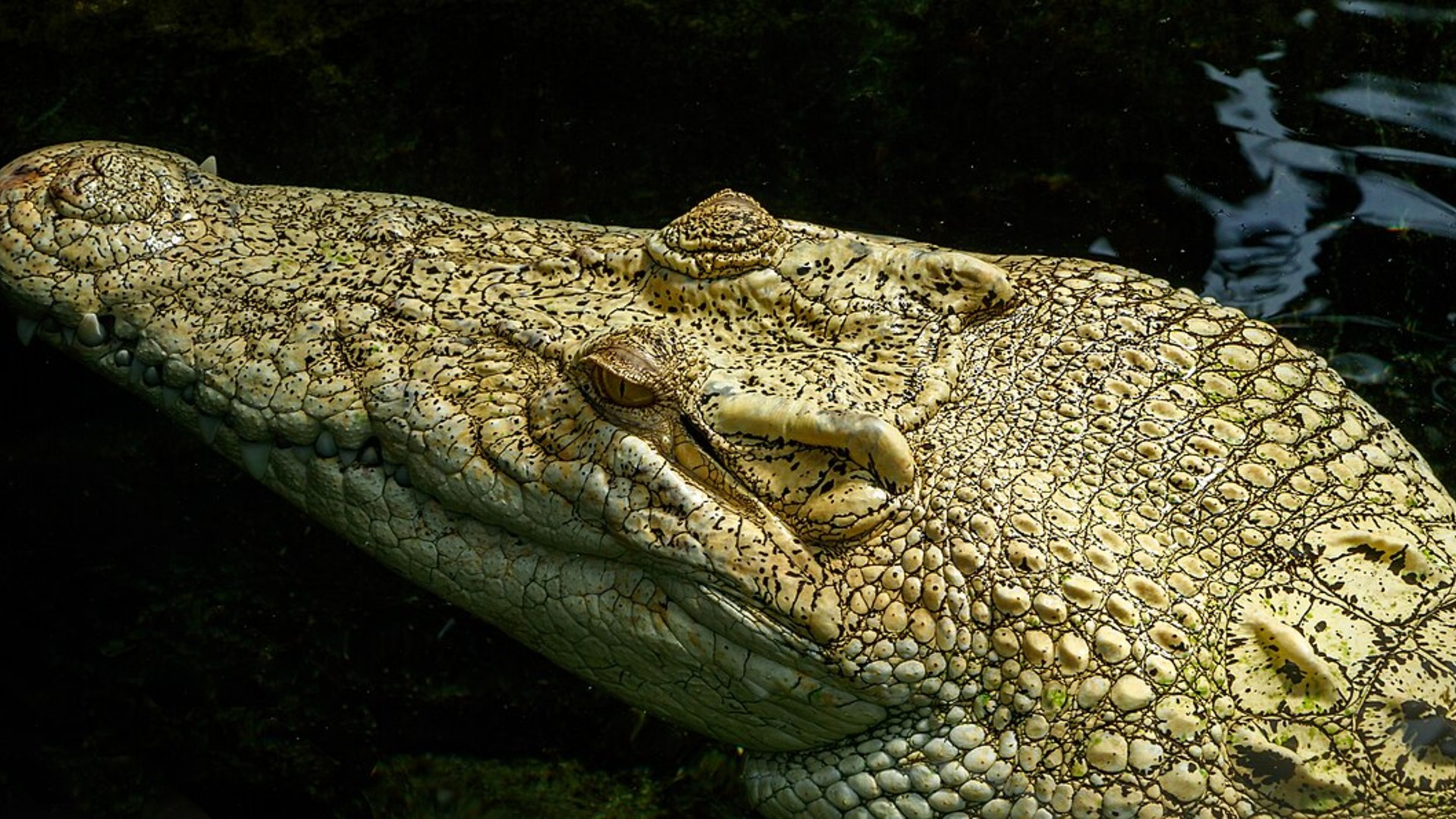
©Wikimedia / H. Zell
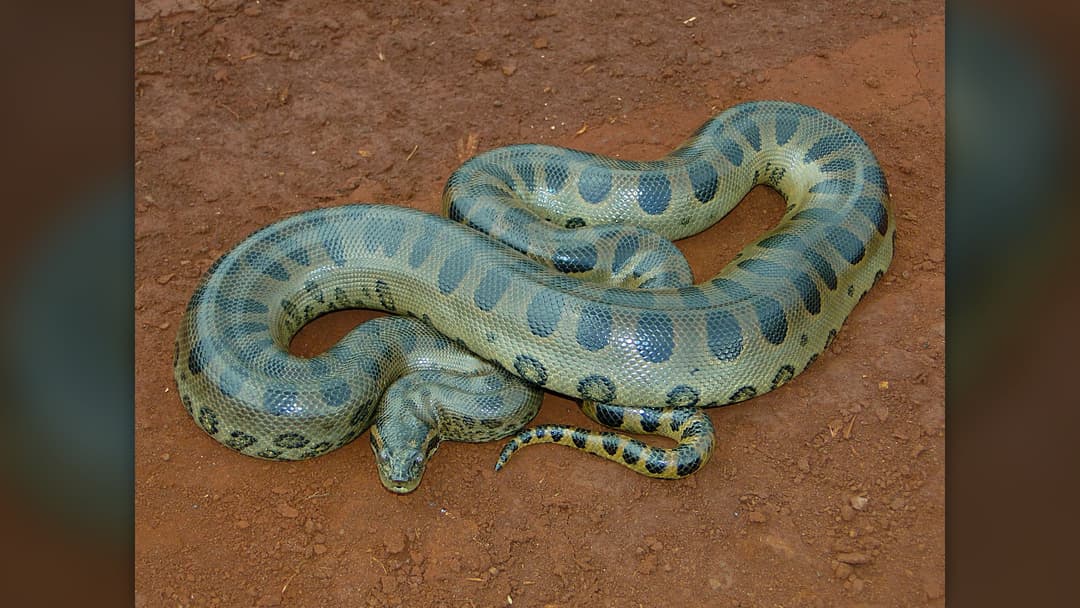
11. Green Anaconda
While the reticulated python can grow slightly longer, the green anaconda is twice as bulky, boasting girths wider than human tree trunks. Lurking in murky Amazonian shallows, it uses powerful constriction to overpower tapirs, deer, and caimans. Its flexible jaws permit swallowing prey whole.
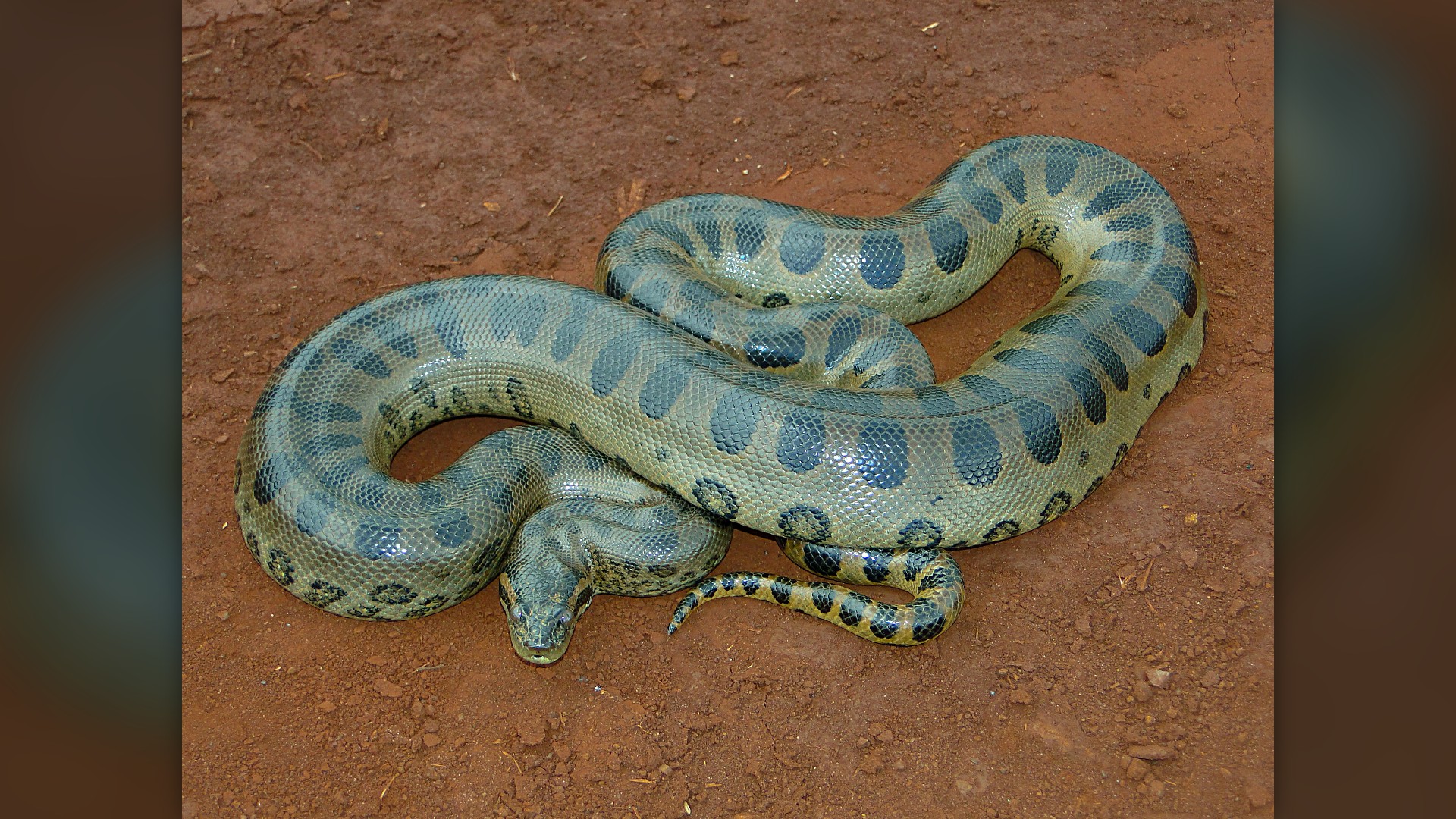
©Wikimedia / Green anaconda
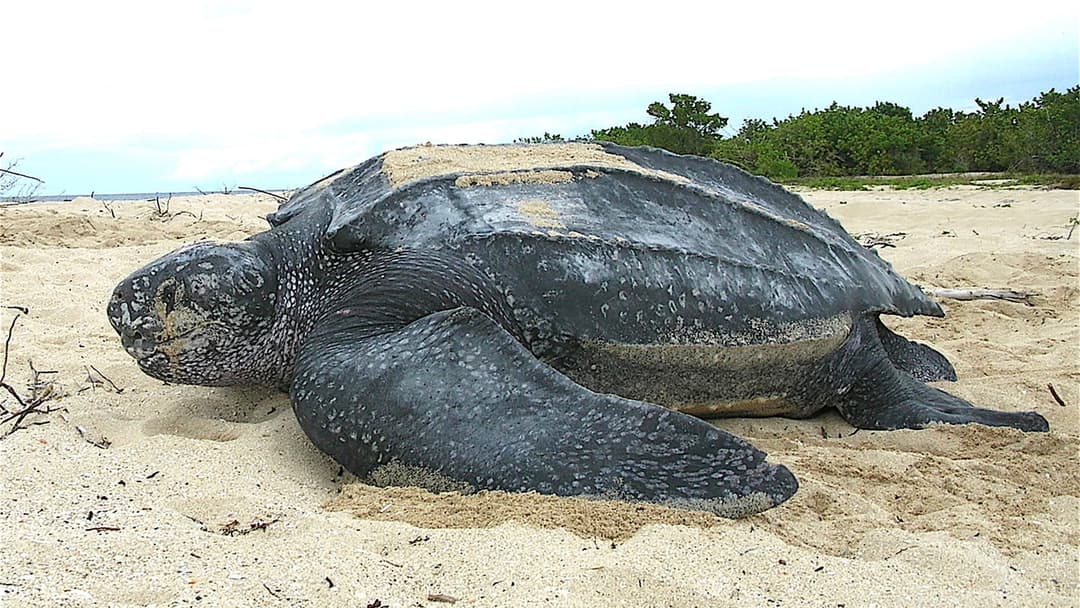
10. Leatherback Sea Turtle
Unlike other sea turtles with bony carapaces, the leatherback has a flexible, leathery shell composed of tiny bone plates. This hydrodynamic design enables it to withstand crushing pressures while diving over four thousand feet for jellyfish. It migrates across thousands of open ocean miles.
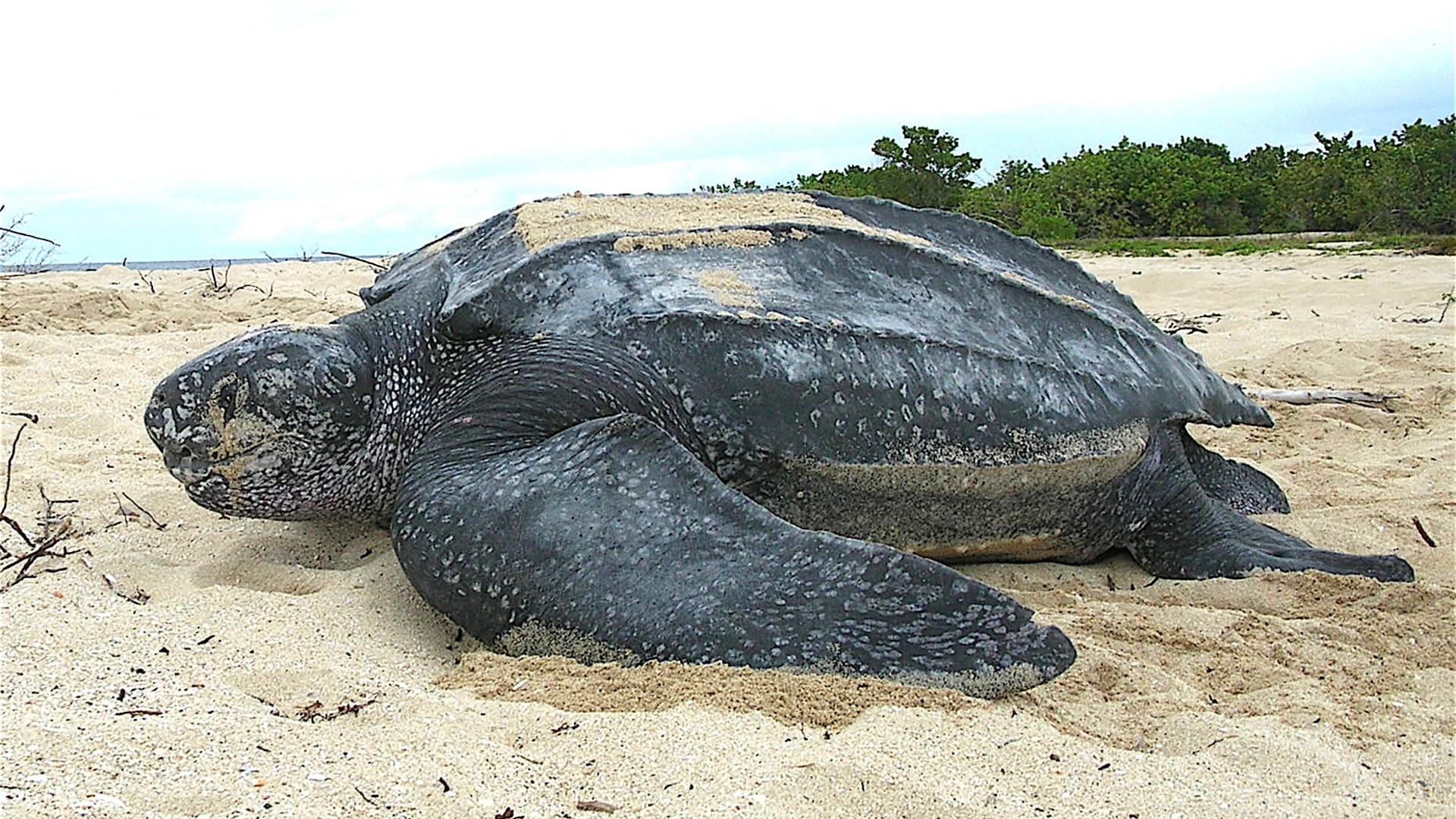
©Wikimedia / Leatherback sea turtle
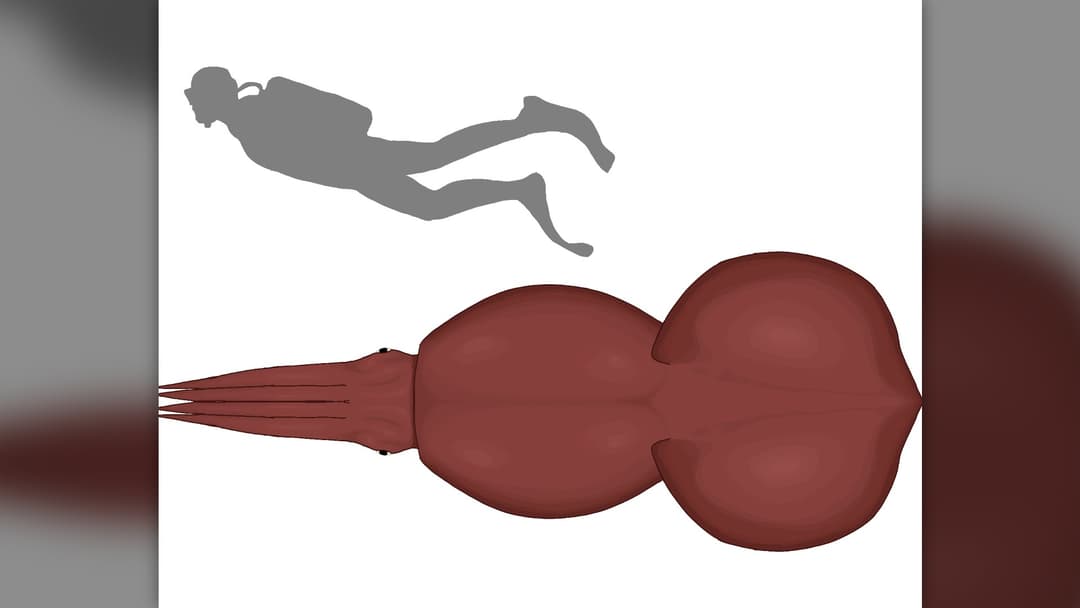
9. Colossal Squid
Inhabiting the freezing depths of the Southern Ocean, the colossal squid weighs over one thousand pounds and features dinner-plate-sized eyes. Its arms are lined with razor-sharp rotating claws designed to snare deep-sea fish. Sperm whales frequently display massive circular scars from deep-sea clashes.
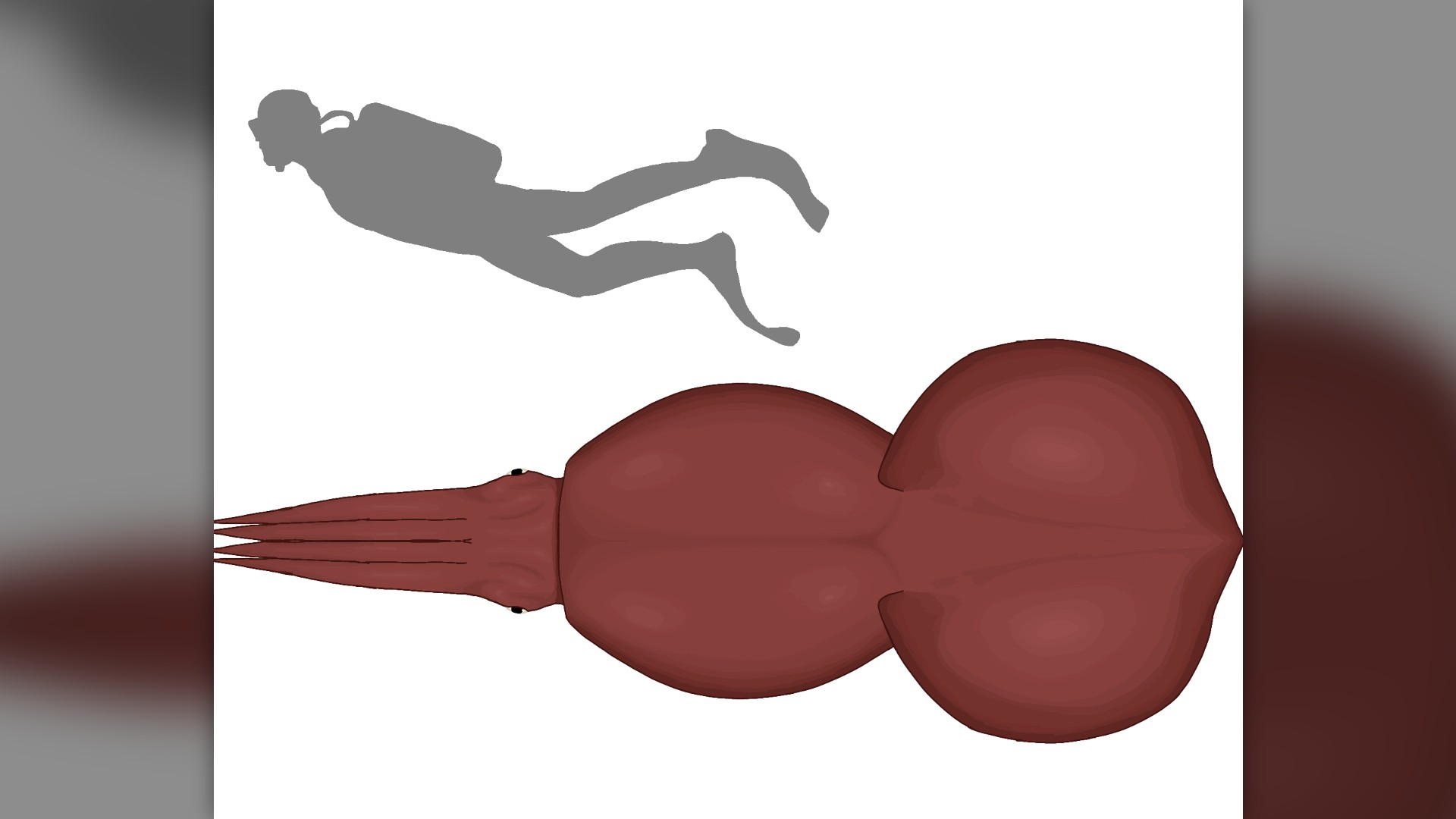
©Wikimedia / Colossal squid
Advertisement
Swipe or tap ▶ to resume the countdown.
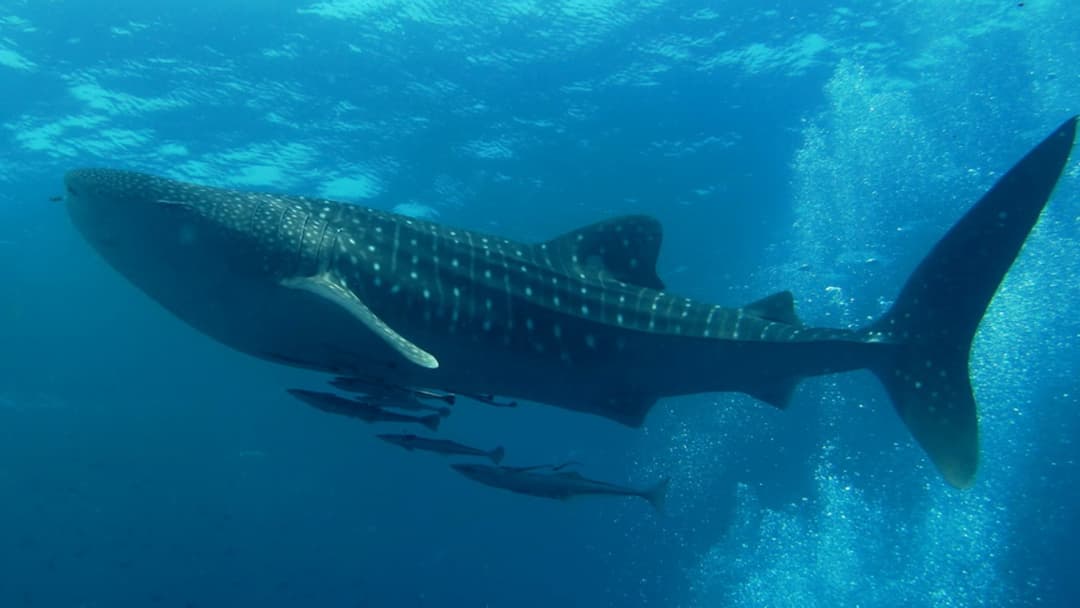
8. Whale Shark
Despite having a mouth five feet wide, this enormous cartilaginous fish feeds exclusively on microscopic plankton and small schooling fish. It filters thousands of gallons of seawater each hour through specialized gill rakers. Docile by nature, it often tolerates peaceful human divers swimming alongside.
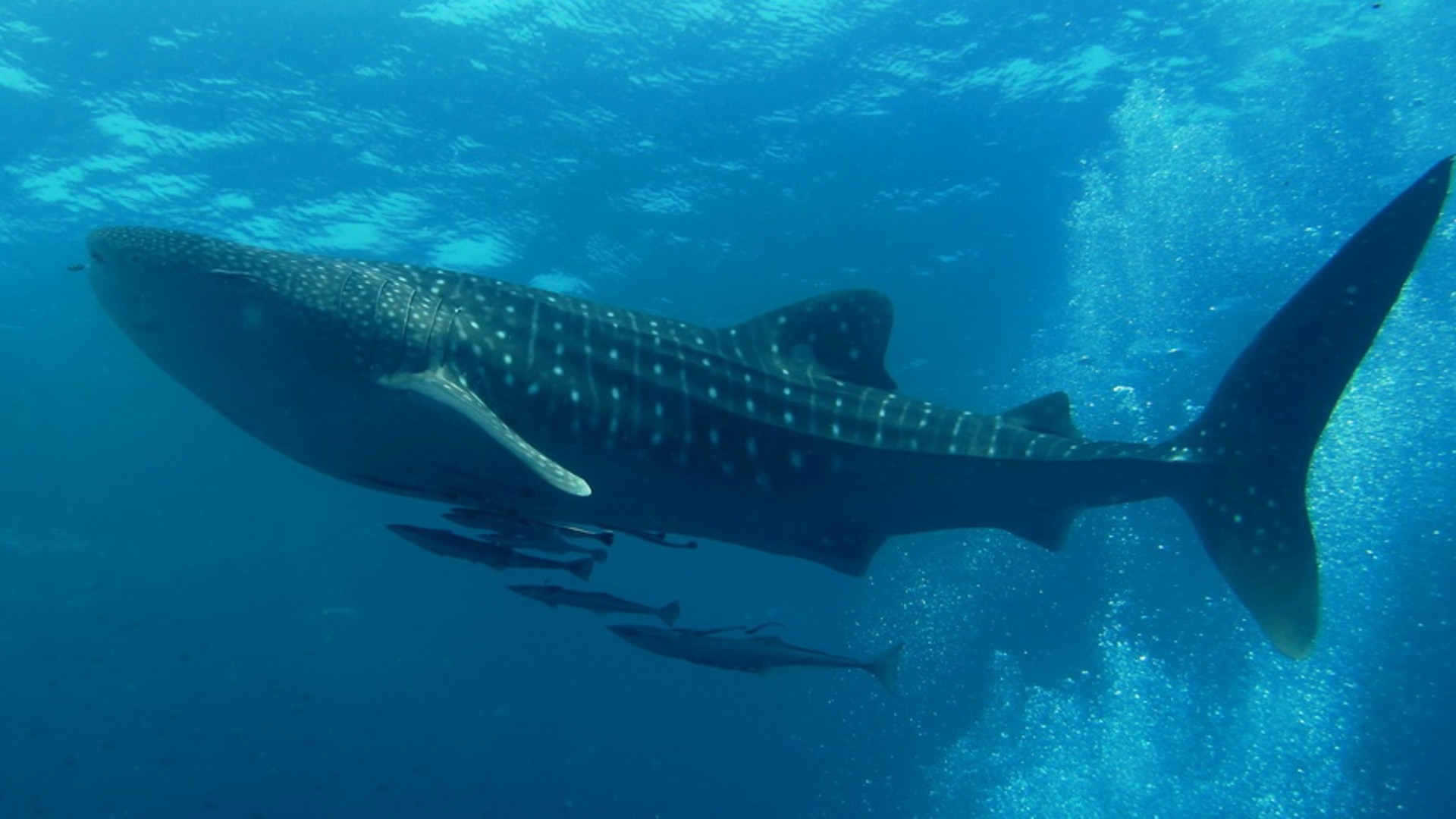
©Wikimedia / Whale shark
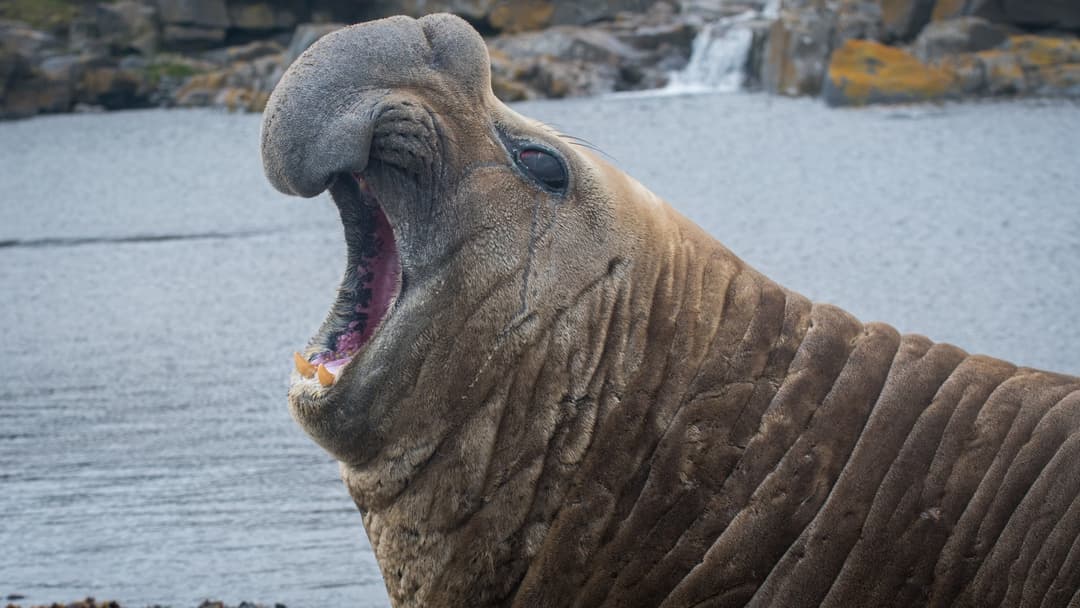
7. Southern Elephant Seal
Displaying extreme sexual dimorphism, male southern elephant seals weigh five times more than adult females. During breeding season on sub-Antarctic islands, scarred bulls battle violently over territory, using their heavy blubber to absorb punishing blows. They can hold their breath underwater for two hours.
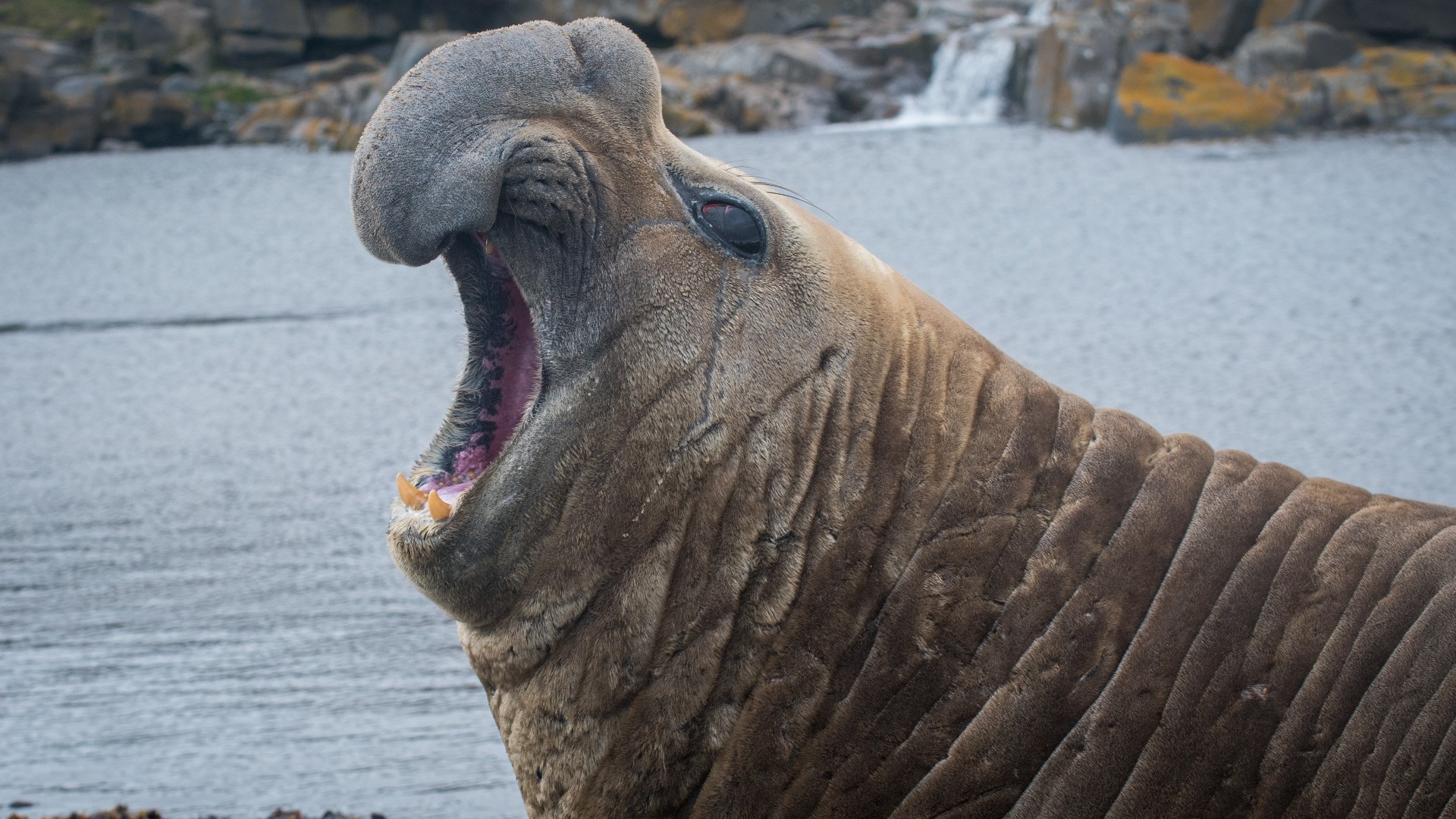
©Wikimedia / Southern elephant seal
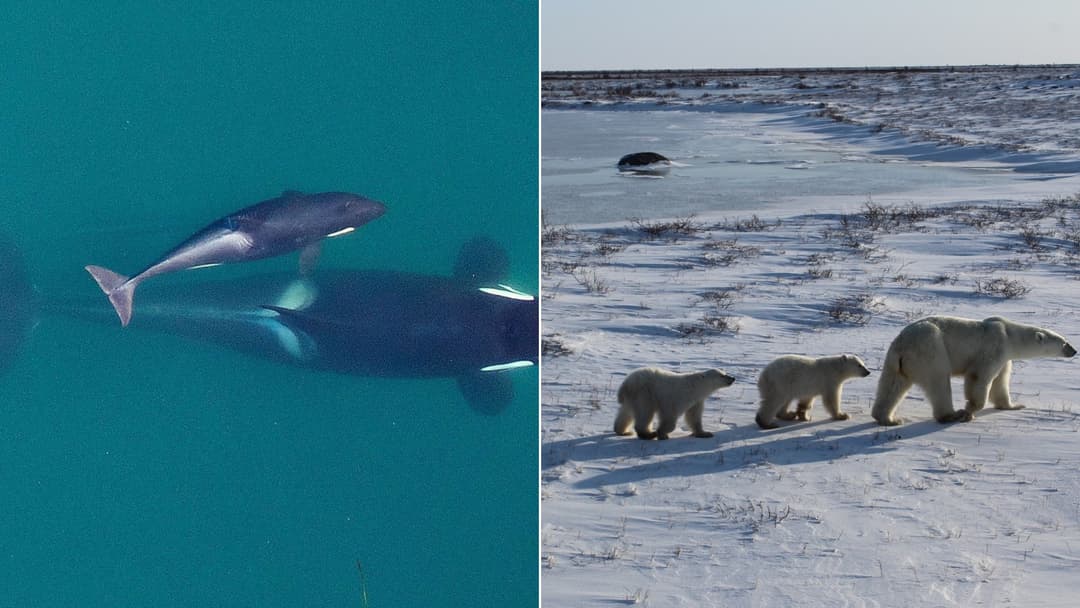
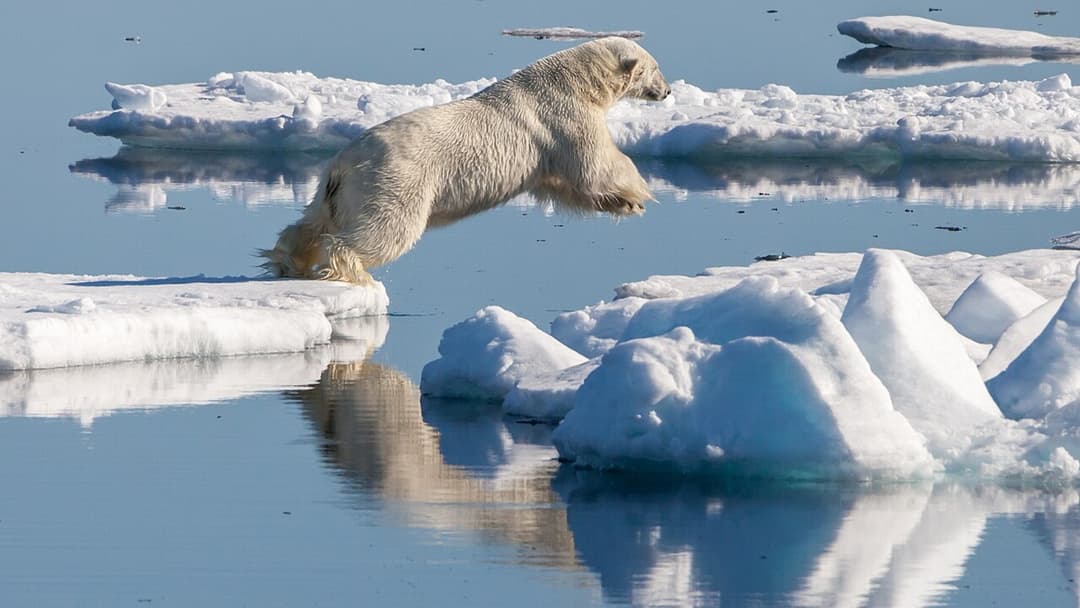
6. Polar Bear
Specially adapted to survive extreme sub-zero temperatures, polar bears possess water-repellent guard hairs and four inches of insulating blubber. Standing ten feet tall on hind legs, they stalk ringed seals across shifting Arctic pack ice. Their massive paws distribute weight evenly over thin ice sheets.
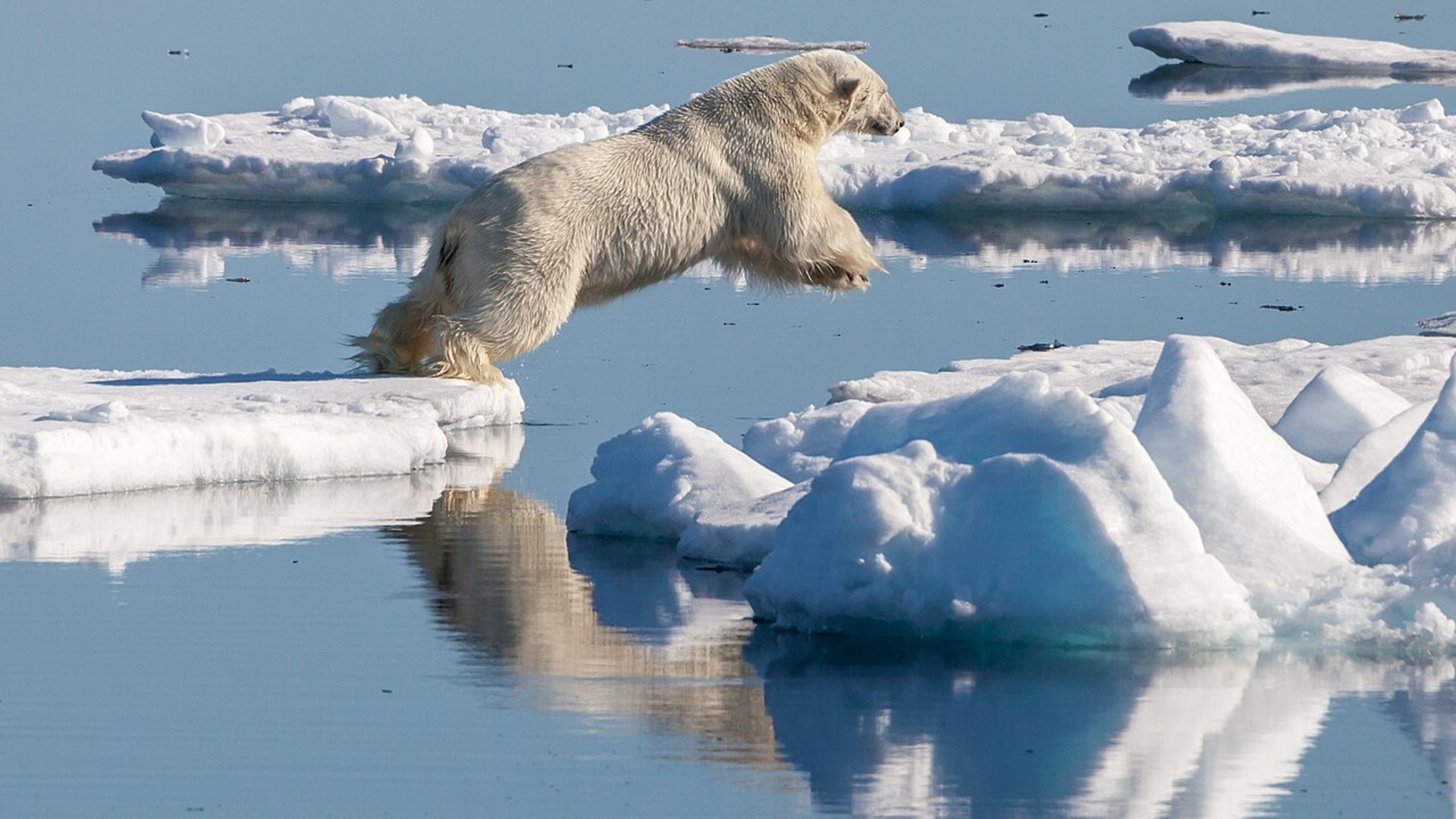
©Wikimedia / Andreas Weith
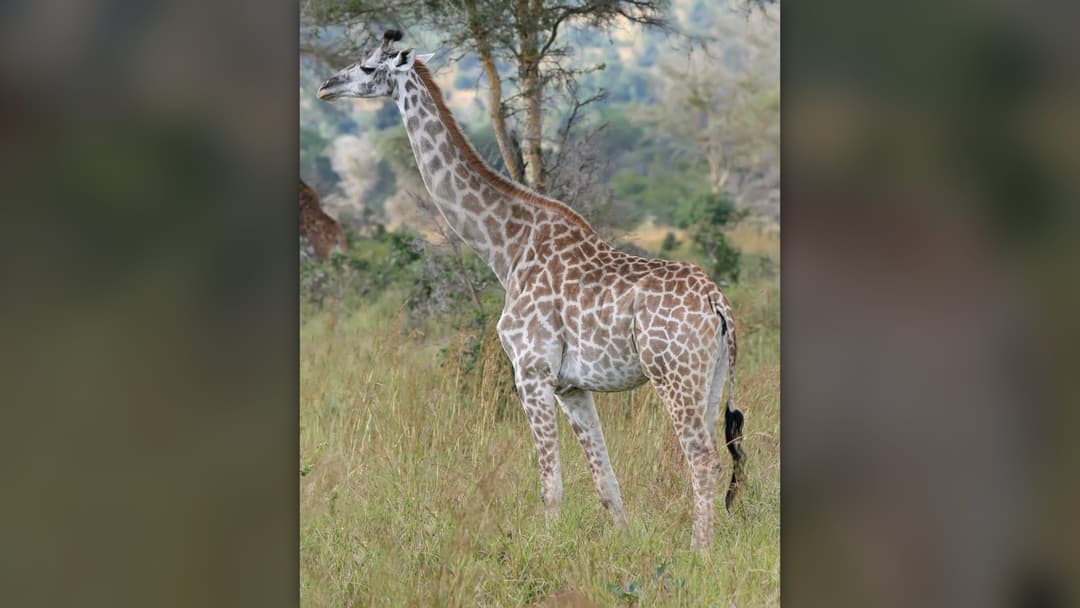
5. Giraffe
A giraffe's neck alone can measure six feet in length and weigh over six hundred pounds, yet it contains only seven vertebrae just like humans. To pump blood up to its elevated brain, its specialized heart weighs twenty-five pounds and generates high arterial pressure. Long blue tongues pluck acacia leaves.
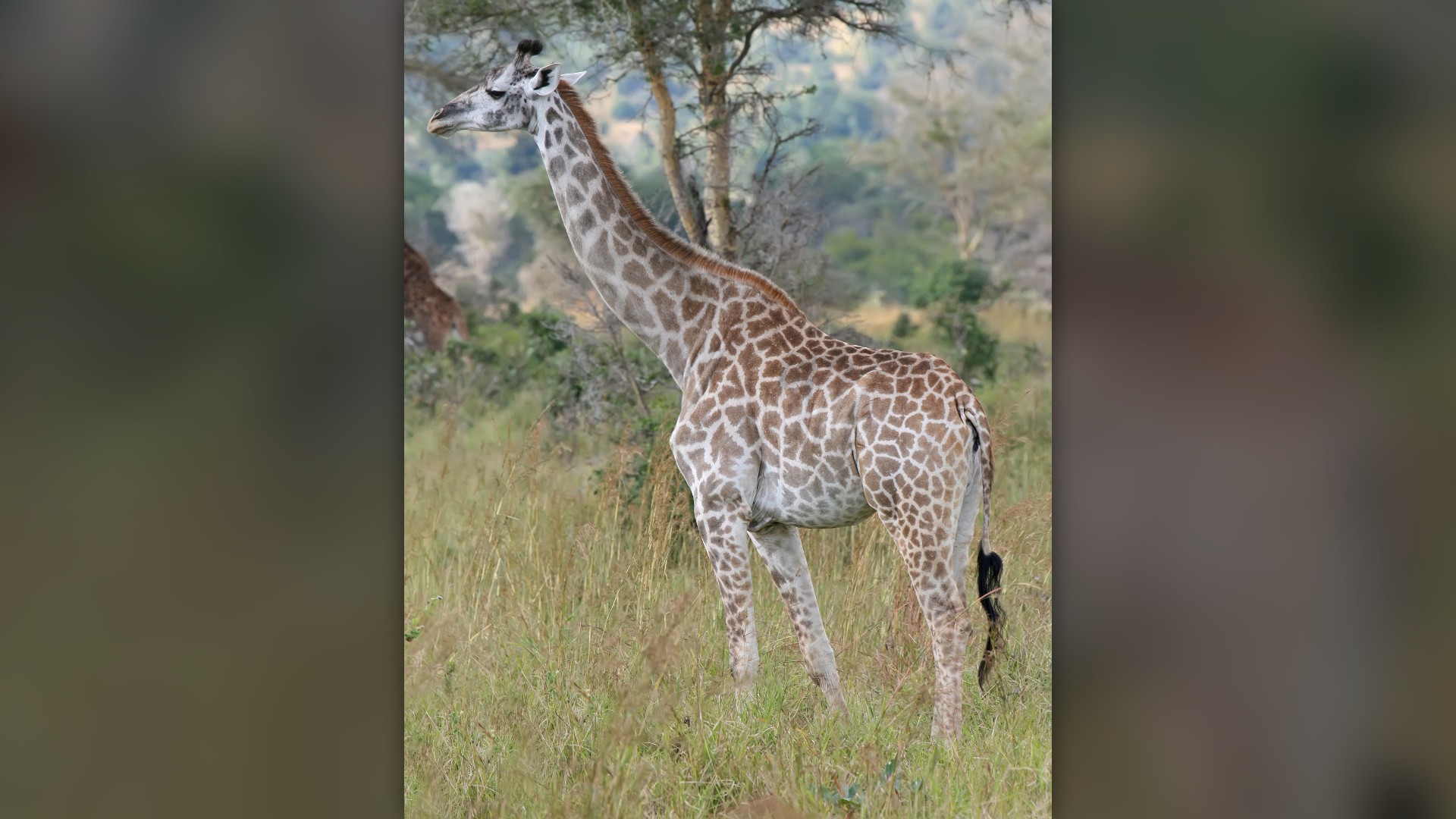
©Wikimedia / Giraffe
Advertisement
Swipe or tap ▶ to resume the countdown.
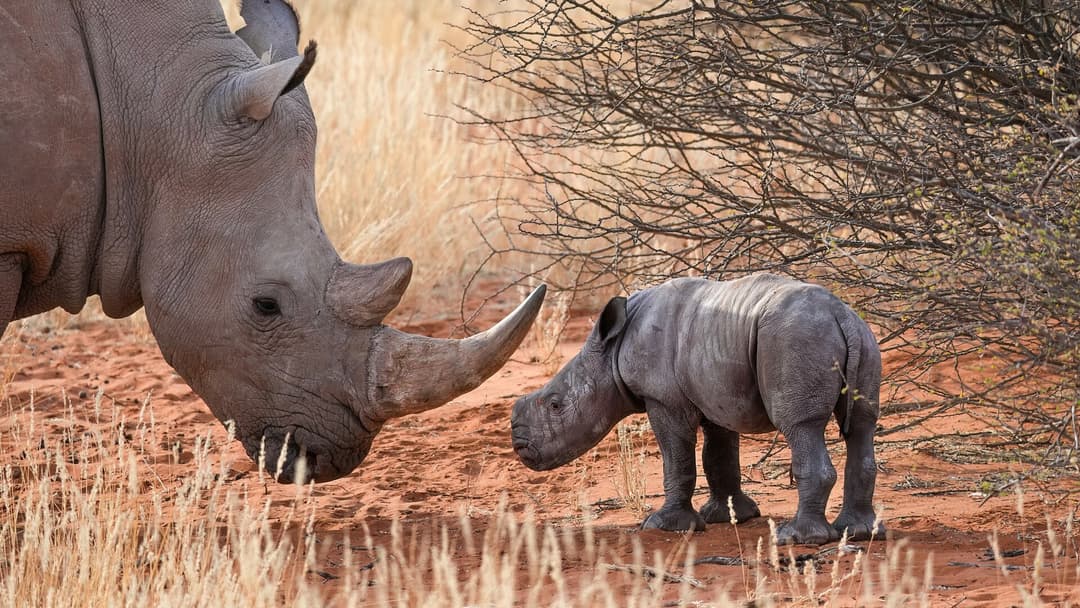
4. White Rhinoceros
Adult male white rhinos can weigh over five thousand pounds, possessing thick folding skin that functions like natural armor. Their square-lipped muzzles are specifically shaped for grazing short savanna grasses in large family groups. Despite their bulk, they can charge at thirty miles per hour if threatened.
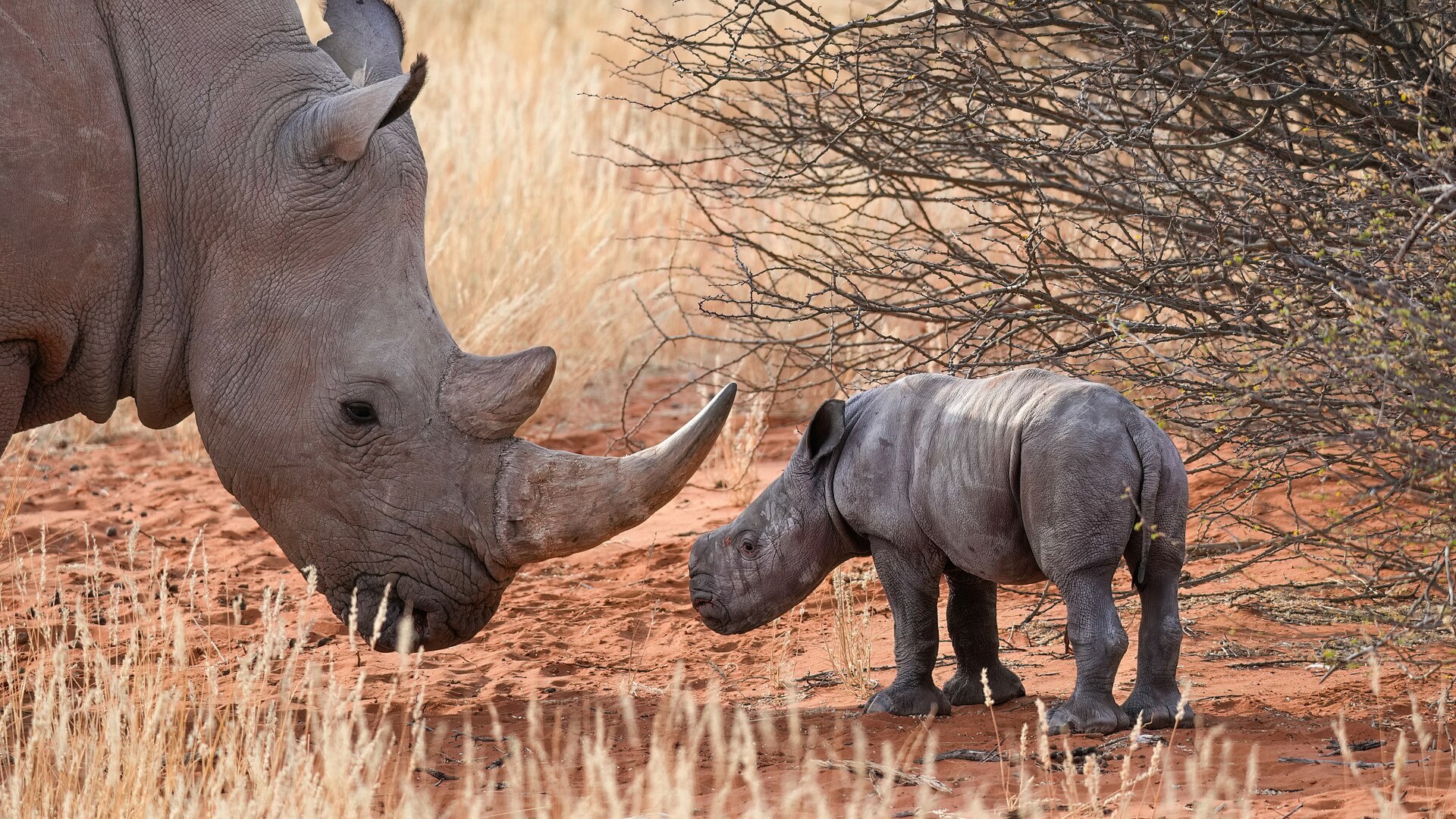
©Wikimedia / Giles Laurent
3. African Bush Elephant
Consuming hundreds of pounds of vegetation every single day, the African bush elephant shapes entire savanna ecosystems. Its prehensile trunk contains over forty thousand individual muscles, allowing it to snap heavy tree trunks or pick up a single peanut. Giant ears radiate body heat in scorching sun.

©TMDb / Bush Pilots Do Not Kiss
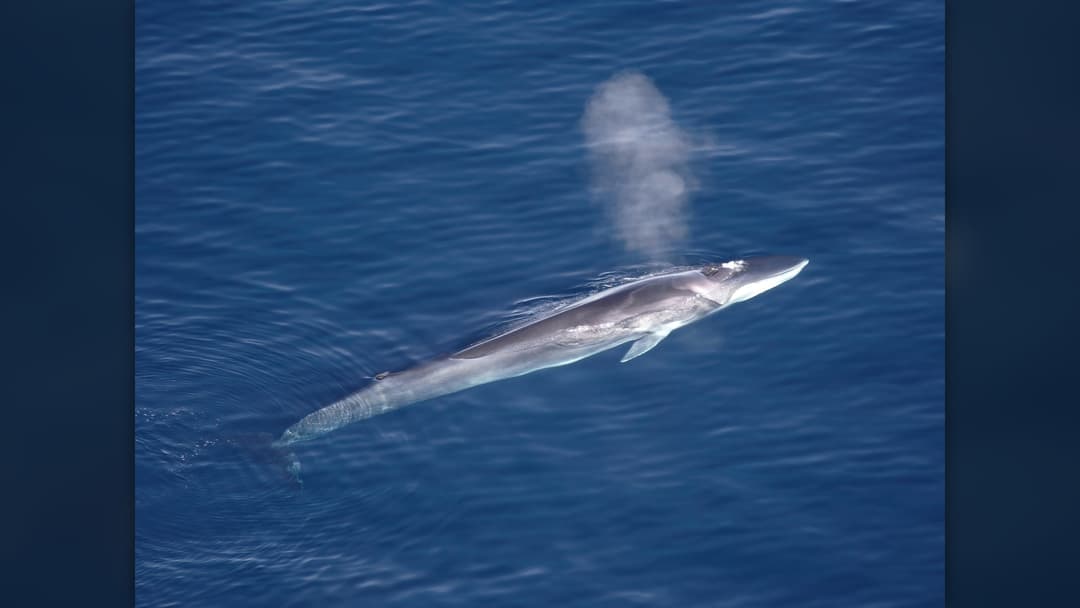
2. Fin Whale
With a streamlined, asymmetrical body designed for speed, the fin whale can cruise through oceanic waters at twenty-three miles per hour. Weighing eighty tons, it swallows massive swarms of krill by expanding specialized throat grooves. Its deep low-frequency vocalizations travel across thousands of ocean miles.
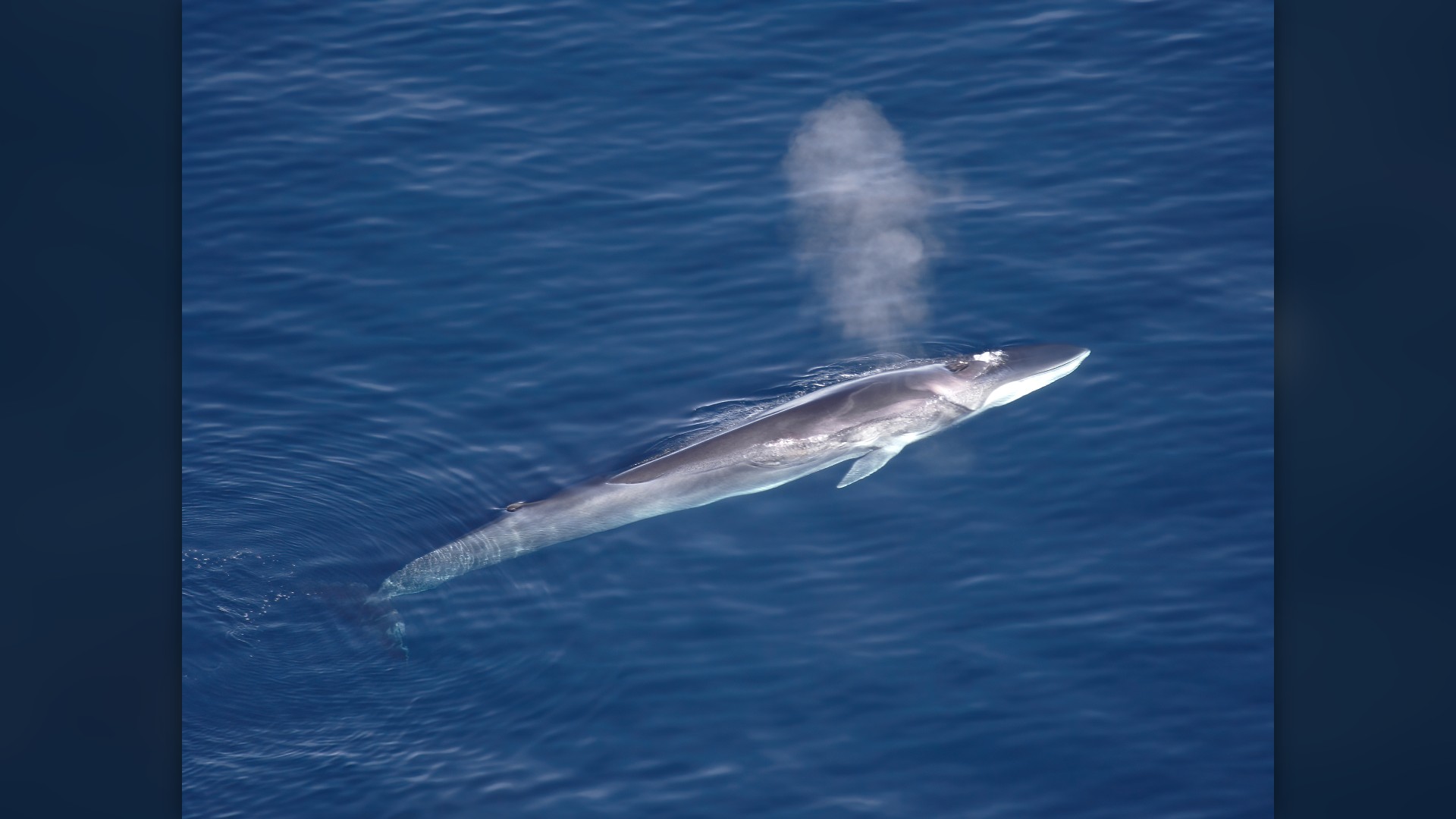
©Wikimedia / Fin whale
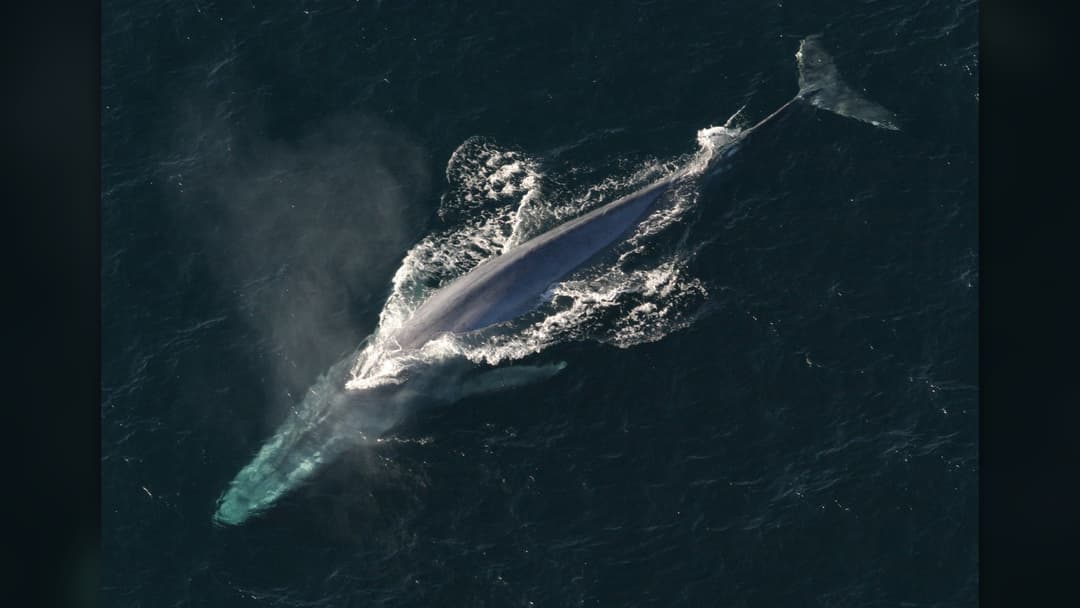
1. Blue Whale
Surpassing even the largest prehistoric dinosaurs in total mass, a blue whale's heart alone is the size of a golf cart. Its tongue weighs as much as an entire adult elephant, and its primary artery is wide enough for a child to swim through. The majestic species represents the pinnacle of biological scale on Earth.
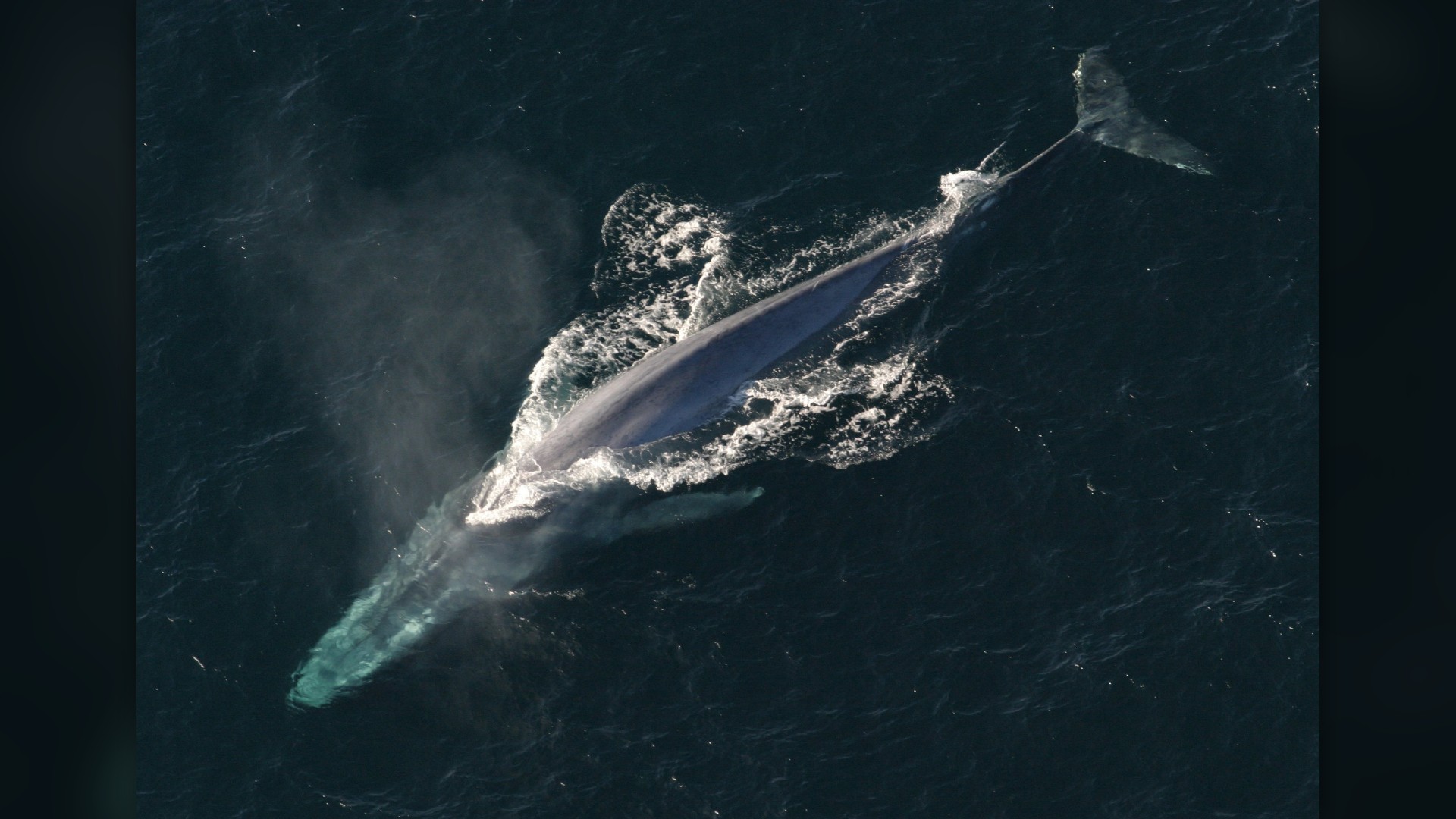
©Wikimedia / Blue whale
Advertisement
You've reached the end of the story. Thanks for reading!

25 Moments When Mother Animals Find Their Way Back to Babies
25 Emotional Moments When Mother Animals Find Their Way Back to Young
All 15 Entries in this Story
15. Goliath Beetle
Native to tropical African rainforests, the Goliath beetle measures over four inches in length. In its larval stage, it can tip the scales at more than one hundred grams, roughly equal to an apple. Adults possess formidable chitinous armor and wing spans capable of generating loud buzzing flight.

14. Japanese Giant Salamander
Dwelling in cold, rushing mountain streams across western Japan, this nocturnal amphibian can live for over eighty years. With mottled brown skin that blends directly with riverbed gravel, it ambushes fish, crabs, and insects. Locals revere the protected creature as a living national monument.

13. Ostrich
The common ostrich easily outclasses all other modern avian species in both stature and mass, with males weighing up to three hundred pounds. Powered by muscular two-toed legs, it can sprint at forty-five miles per hour across open plains. A single defensive kick can deter predatory lions.

12. Saltwater Crocodile
Holding the title of Earth's largest living reptile, mature bull saltwater crocodiles frequently exceed two thousand pounds. Their crushing bite delivers three thousand seven hundred pounds of pressure per square inch, easily snapping bone. They swim hundreds of miles across open ocean waters.

11. Green Anaconda
While the reticulated python can grow slightly longer, the green anaconda is twice as bulky, boasting girths wider than human tree trunks. Lurking in murky Amazonian shallows, it uses powerful constriction to overpower tapirs, deer, and caimans. Its flexible jaws permit swallowing prey whole.

10. Leatherback Sea Turtle
Unlike other sea turtles with bony carapaces, the leatherback has a flexible, leathery shell composed of tiny bone plates. This hydrodynamic design enables it to withstand crushing pressures while diving over four thousand feet for jellyfish. It migrates across thousands of open ocean miles.

9. Colossal Squid
Inhabiting the freezing depths of the Southern Ocean, the colossal squid weighs over one thousand pounds and features dinner-plate-sized eyes. Its arms are lined with razor-sharp rotating claws designed to snare deep-sea fish. Sperm whales frequently display massive circular scars from deep-sea clashes.

8. Whale Shark
Despite having a mouth five feet wide, this enormous cartilaginous fish feeds exclusively on microscopic plankton and small schooling fish. It filters thousands of gallons of seawater each hour through specialized gill rakers. Docile by nature, it often tolerates peaceful human divers swimming alongside.

7. Southern Elephant Seal
Displaying extreme sexual dimorphism, male southern elephant seals weigh five times more than adult females. During breeding season on sub-Antarctic islands, scarred bulls battle violently over territory, using their heavy blubber to absorb punishing blows. They can hold their breath underwater for two hours.

6. Polar Bear
Specially adapted to survive extreme sub-zero temperatures, polar bears possess water-repellent guard hairs and four inches of insulating blubber. Standing ten feet tall on hind legs, they stalk ringed seals across shifting Arctic pack ice. Their massive paws distribute weight evenly over thin ice sheets.

5. Giraffe
A giraffe's neck alone can measure six feet in length and weigh over six hundred pounds, yet it contains only seven vertebrae just like humans. To pump blood up to its elevated brain, its specialized heart weighs twenty-five pounds and generates high arterial pressure. Long blue tongues pluck acacia leaves.

4. White Rhinoceros
Adult male white rhinos can weigh over five thousand pounds, possessing thick folding skin that functions like natural armor. Their square-lipped muzzles are specifically shaped for grazing short savanna grasses in large family groups. Despite their bulk, they can charge at thirty miles per hour if threatened.

3. African Bush Elephant
Consuming hundreds of pounds of vegetation every single day, the African bush elephant shapes entire savanna ecosystems. Its prehensile trunk contains over forty thousand individual muscles, allowing it to snap heavy tree trunks or pick up a single peanut. Giant ears radiate body heat in scorching sun.

2. Fin Whale
With a streamlined, asymmetrical body designed for speed, the fin whale can cruise through oceanic waters at twenty-three miles per hour. Weighing eighty tons, it swallows massive swarms of krill by expanding specialized throat grooves. Its deep low-frequency vocalizations travel across thousands of ocean miles.

1. Blue Whale
Surpassing even the largest prehistoric dinosaurs in total mass, a blue whale's heart alone is the size of a golf cart. Its tongue weighs as much as an entire adult elephant, and its primary artery is wide enough for a child to swim through. The majestic species represents the pinnacle of biological scale on Earth.