Slideshow · Entertainment
15 of the World's Most Solitary Animals
While many species rely on flocks, herds, and packs for safety, these fiercely independent creatures thrive in absolute isolation—meeting other members of their kind only for fleeting reproductive encounters.
By Most Viral Today
13 Oct 2026

15 of the World's Most Solitary Animals 
15. Brown-Throated Three-Toed Sloth 
14. Platypus 
13. North American Moose - AdvertisementSwipe or tap ▶ to continue countdown

12. Wolverine 
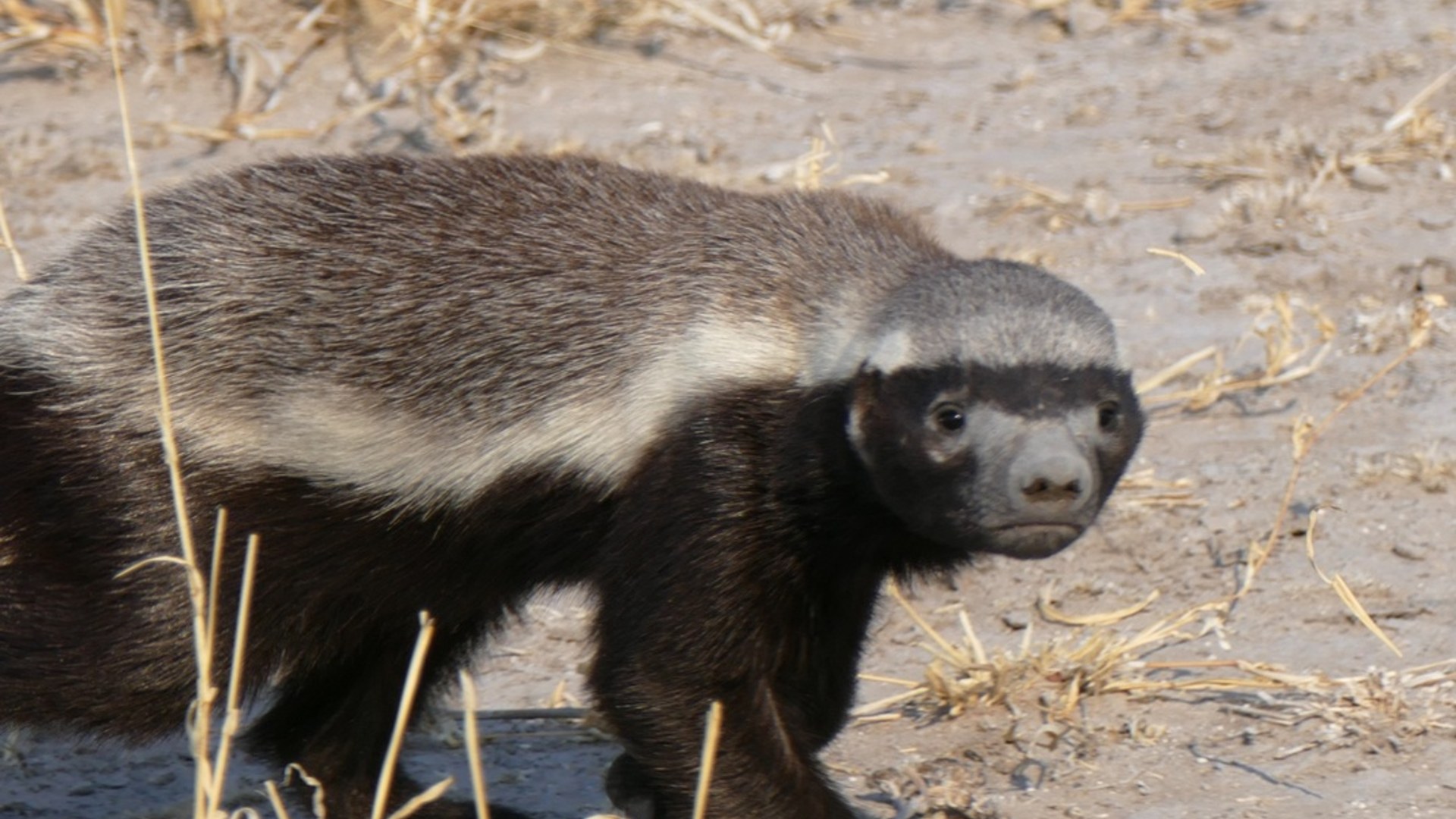
11. Honey Badger 
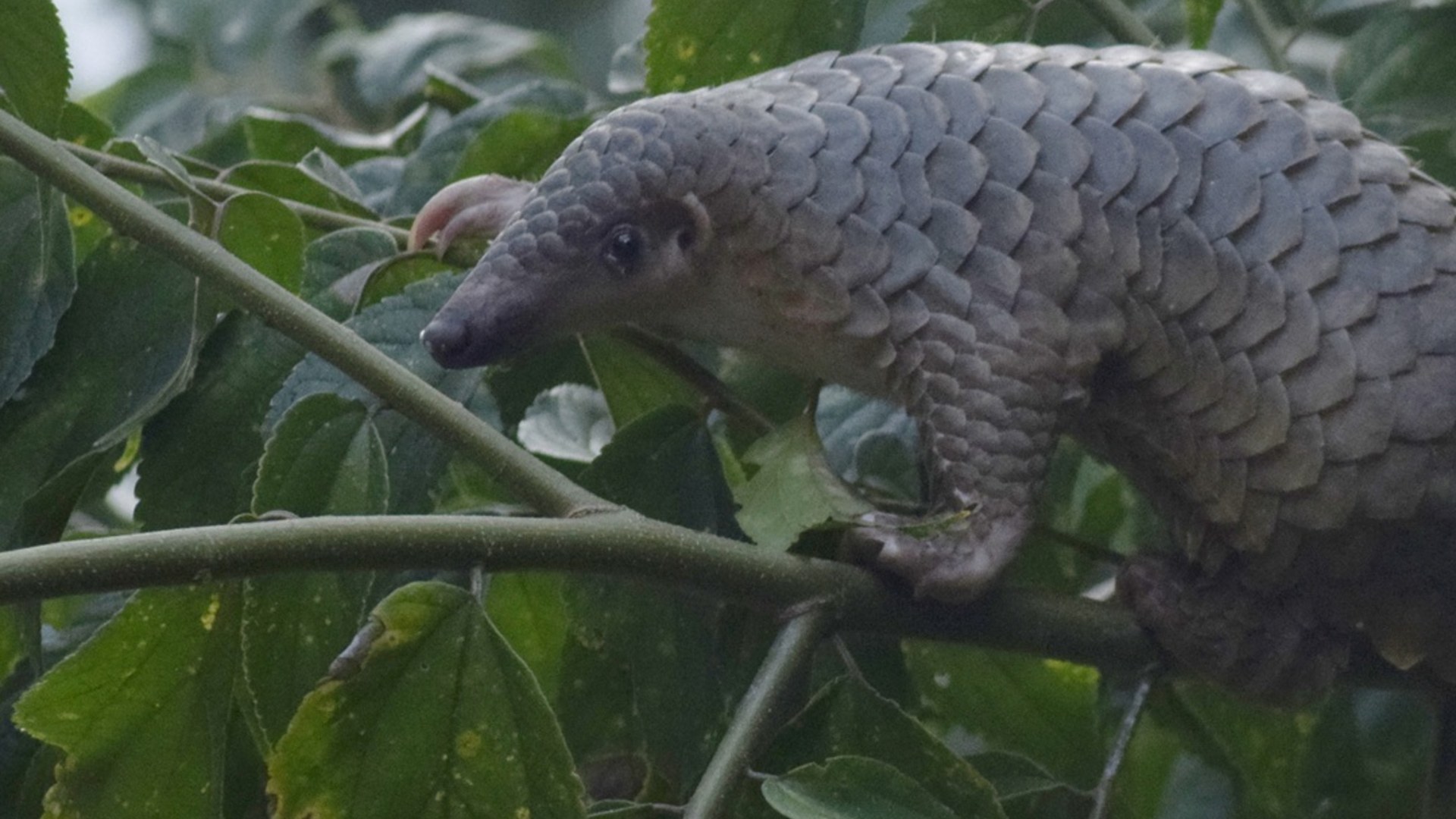
10. Sunda Pangolin 
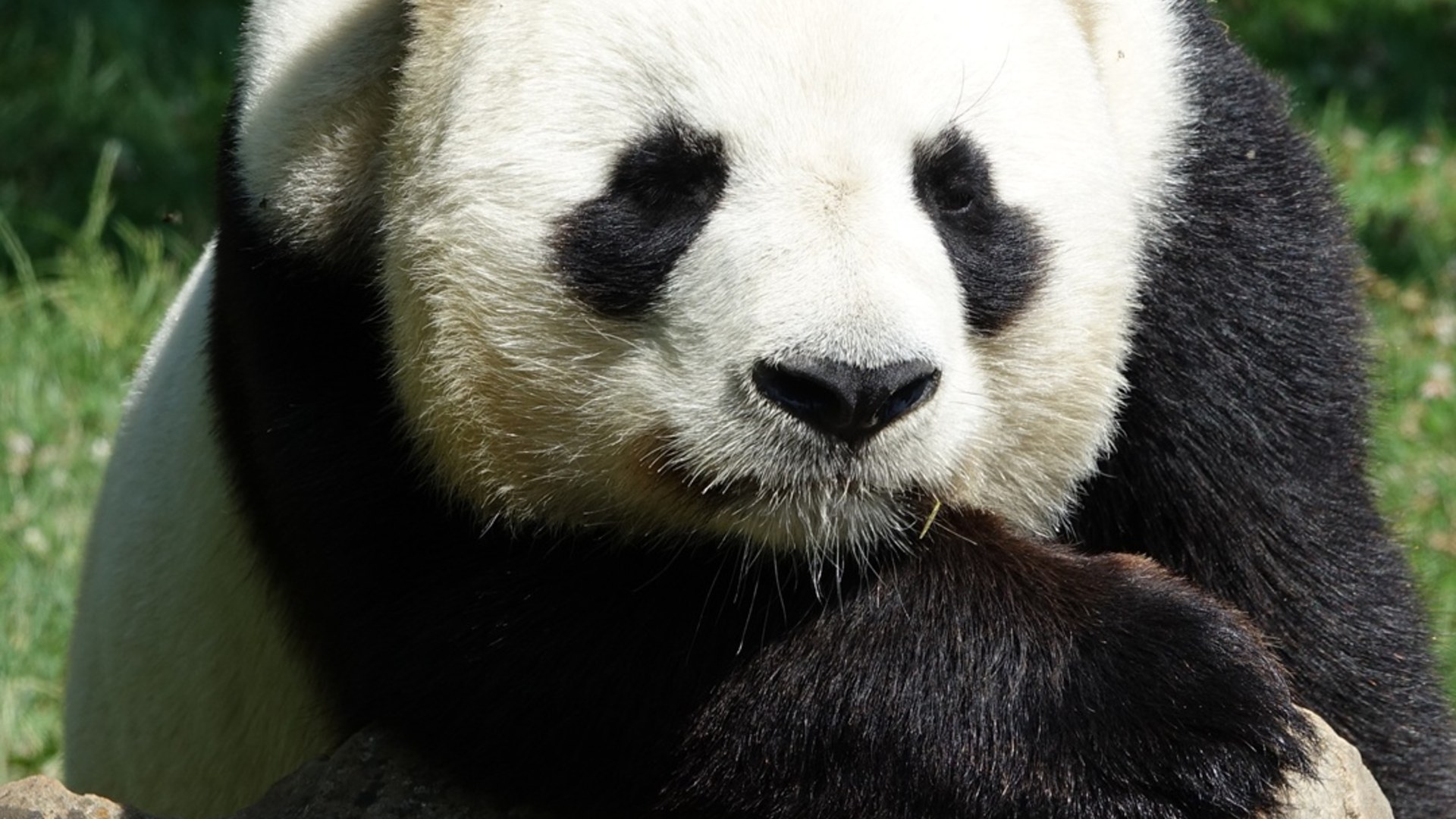
9. Giant Panda - AdvertisementSwipe or tap ▶ to continue countdown

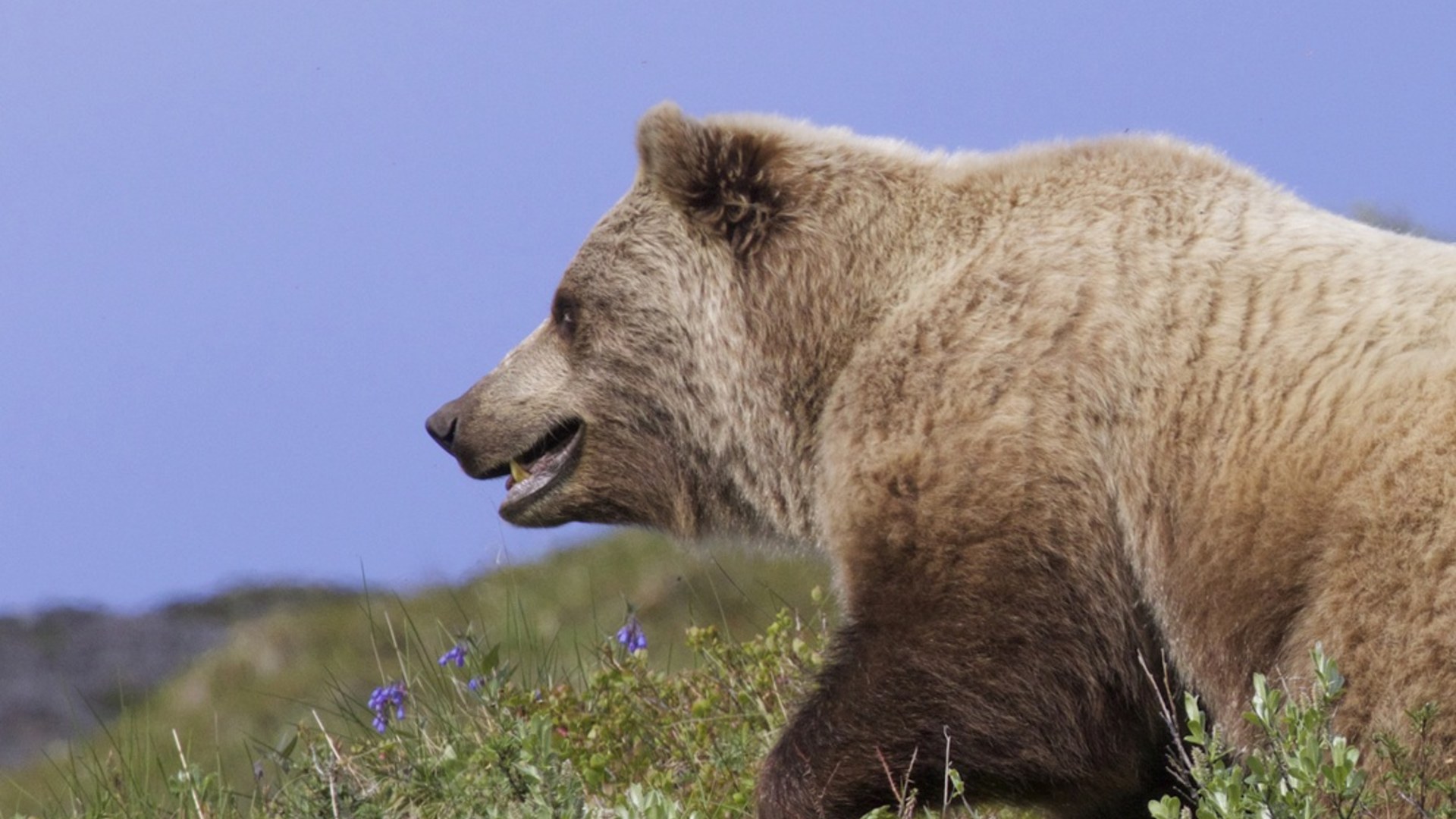
8. Grizzly Bear 
7. Aye-Aye 
6. Black Rhinoceros 
5. African Leopard - AdvertisementSwipe or tap ▶ to continue countdown

4. Tasmanian Devil 
3. Polar Bear 
2. Bornean Orangutan 
1. Snow Leopard - Advertisement🔥 UP NEXT IN THIS SERIES◫ 26 Slides

25 Disney Films That Made Over $1 Billion at the Box Office
From Pixar sequels to Marvel epics, Walt Disney Studios leads Hollywood in billion-dollar theatrical hits. Ranked from number 25 to number 1 using worldwide ticket sales reported by Box Office Mojo, The Numbers and Walt Disney Studios as of November 2026, these 25 releases all crossed $1 billion in global theaters.
While humans and many animals rely on social bonds for survival, these 15 species prove that isolation can be nature's greatest superpower. From apex stalkers to elusive canopies, explore the world's most solitary wildlife.
Swipe or tap ▶ to begin the countdown
© Photo by Dylan Leagh on Unsplash
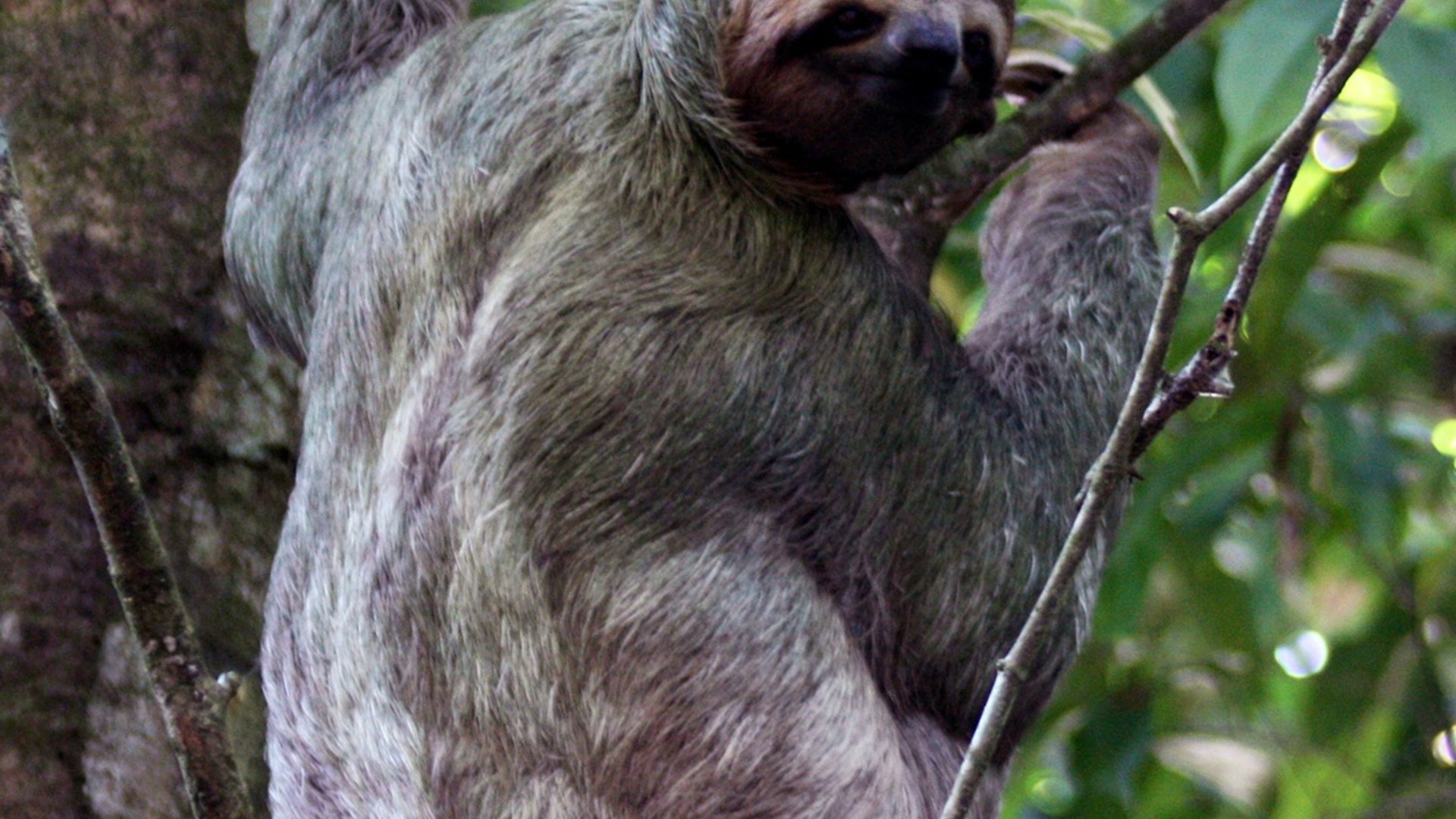
15. Brown-Throated Three-Toed Sloth
Native to Central and South America, the three-toed sloth maintains solitary home ranges of just a few acres. Their slow metabolism and sedentary lifestyle mean they rarely interact with other sloths, relying on complete camouflage and quiet isolation to evade predators.
©Wikimedia Commons / Charles J. Sharp
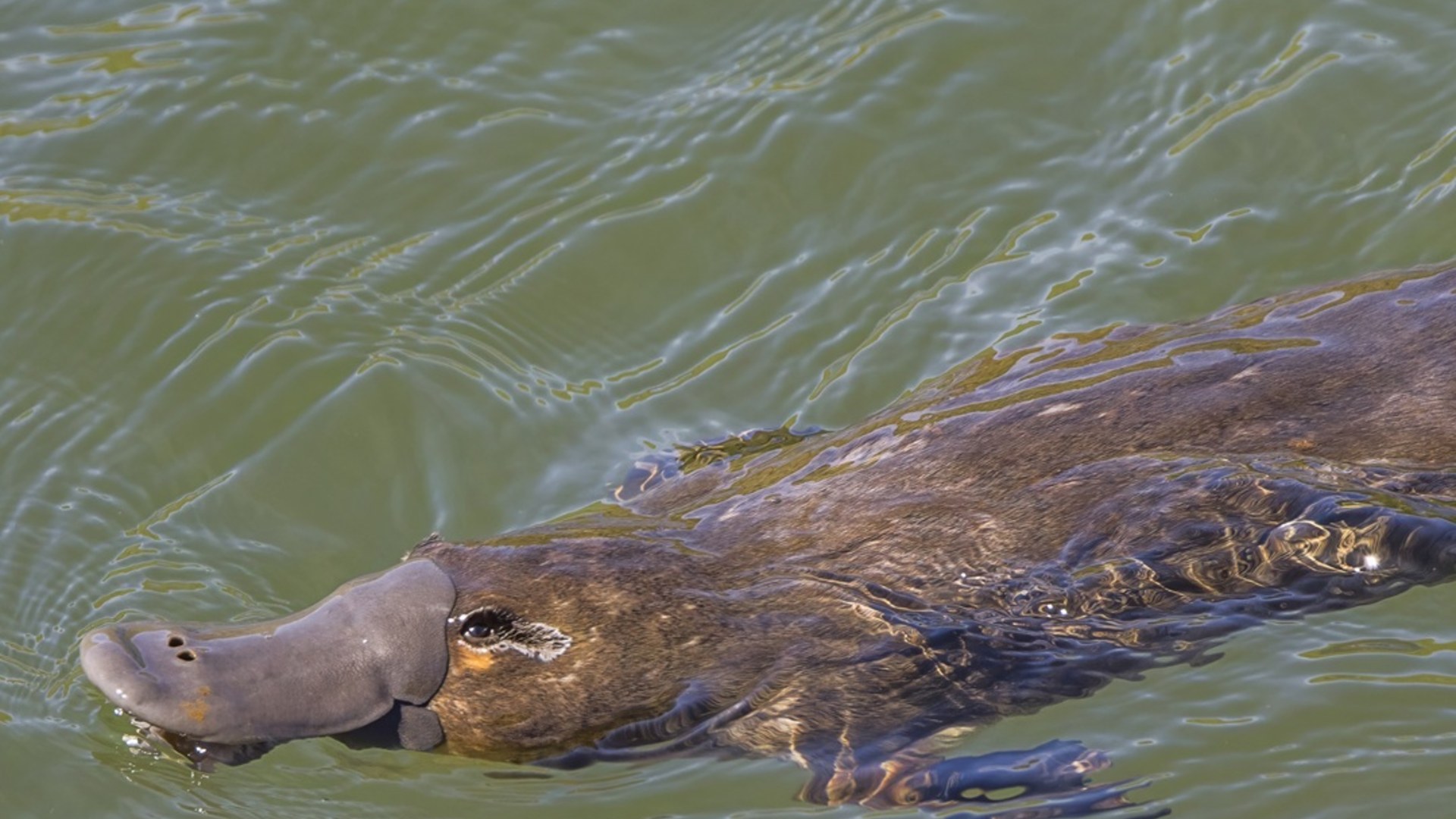
14. Platypus
The semi-aquatic platypus sleeps and forages alone in freshwater creek networks. Outside of brief annual mating bouts, male and female platypuses aggressively avoid one another, with males using venomous ankle spurs to defend solitary river territories.
©Wikimedia Commons / JJ Harrison
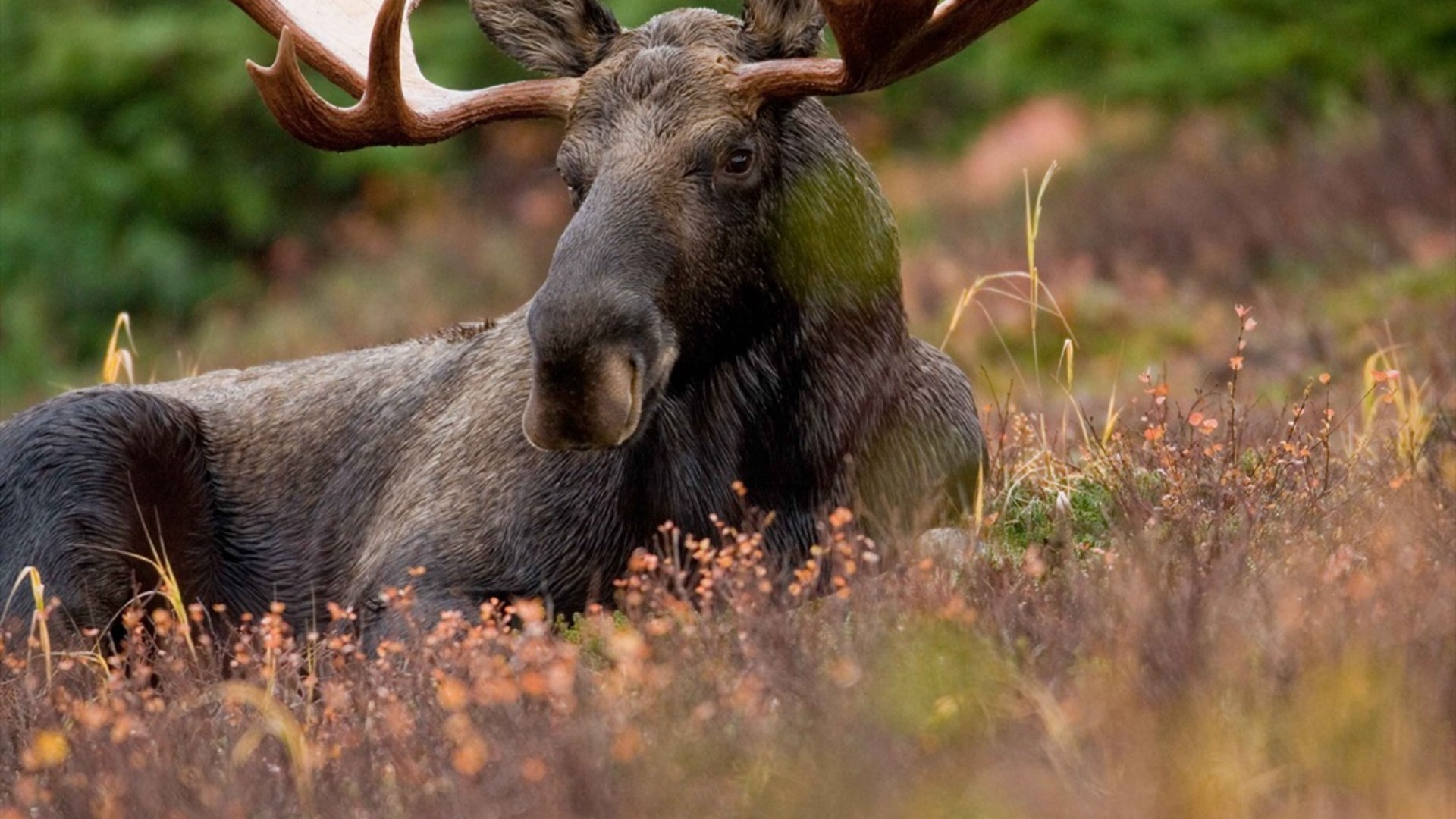
13. North American Moose
Towering up to seven feet at the shoulder, moose have no need for herd defense. They browse solitary stretches of willow and aquatic plants across vast home ranges, viewing any approaching moose outside autumn rutting as a territorial threat.
©Wikimedia Commons / Ryan Hagerty / USFWS
Advertisement
Swipe or tap ▶ to resume the countdown.
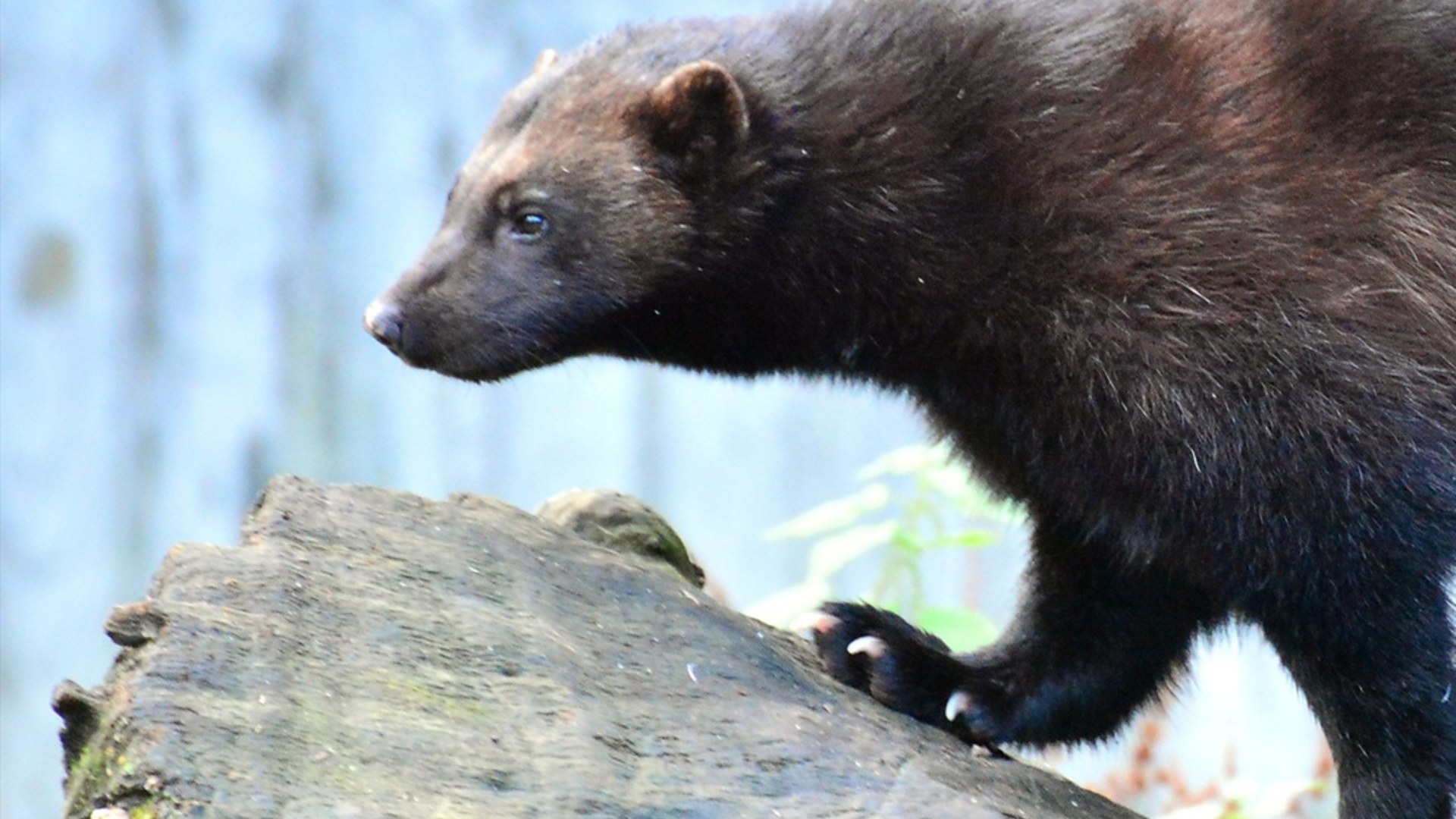
12. Wolverine
The largest terrestrial member of the weasel family, the wolverine possesses legendary stamina and solitary ferocity. They traverse hundreds of miles across mountain passes and snowfields, scent-marking borders to keep all rivals at bay.
©Wikimedia Commons / Esquilo
11. Honey Badger
Renowned for confronting lions and venomous snakes, the honey badger lives as an unapologetic loner across African and Asian drylands. Each individual digs its own fresh burrow daily and hunts alone across vast ranges.
©Wikimedia Commons / Gerhard Mauracher
10. Sunda Pangolin
Pangolins sleep alone inside deep subterranean burrows or hollow trees during the day, emerging only under darkness to consume thousands of ants solo. Males mark trees with scent glands to ensure other pangolins steer clear.
©Wikimedia Commons / Piekfrosch
9. Giant Panda
High in the misty bamboo forests of Sichuan, giant pandas maintain strictly solitary feeding zones. Because bamboo offers minimal calories, pandas cannot afford to share foraging patches, meeting other pandas for merely 2 to 3 days each spring.
©Wikimedia Commons / Gzen92
Advertisement
Swipe or tap ▶ to resume the countdown.
8. Grizzly Bear
Except for brief mating intervals or high-density salmon runs where uneasy truces form, grizzly bears live fundamentally solitary lives. They communicate primarily through claw tree marks and scent rubbings to avoid face-to-face encounters.
©Wikimedia Commons / Gregory "Slobirdr" Smith
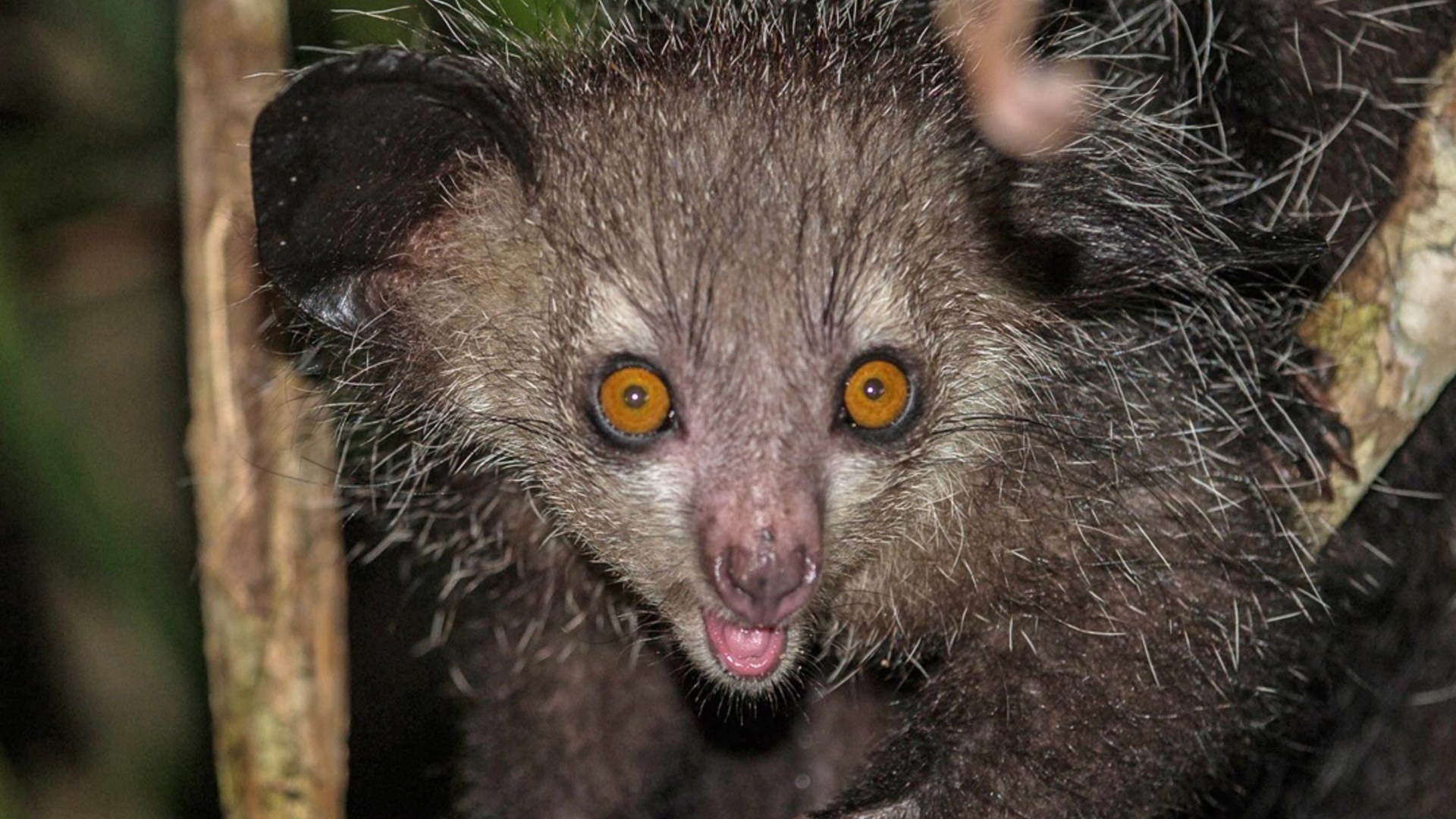
7. Aye-Aye
With enormous bat-like ears and an elongated middle finger used to tap tree trunks for grubs, the aye-aye is Madagascar's most solitary primate. Individuals maintain extensive canopy territories, reacting aggressively if another aye-aye crosses into their feeding circuit.
©Wikimedia Commons / nomis-simon
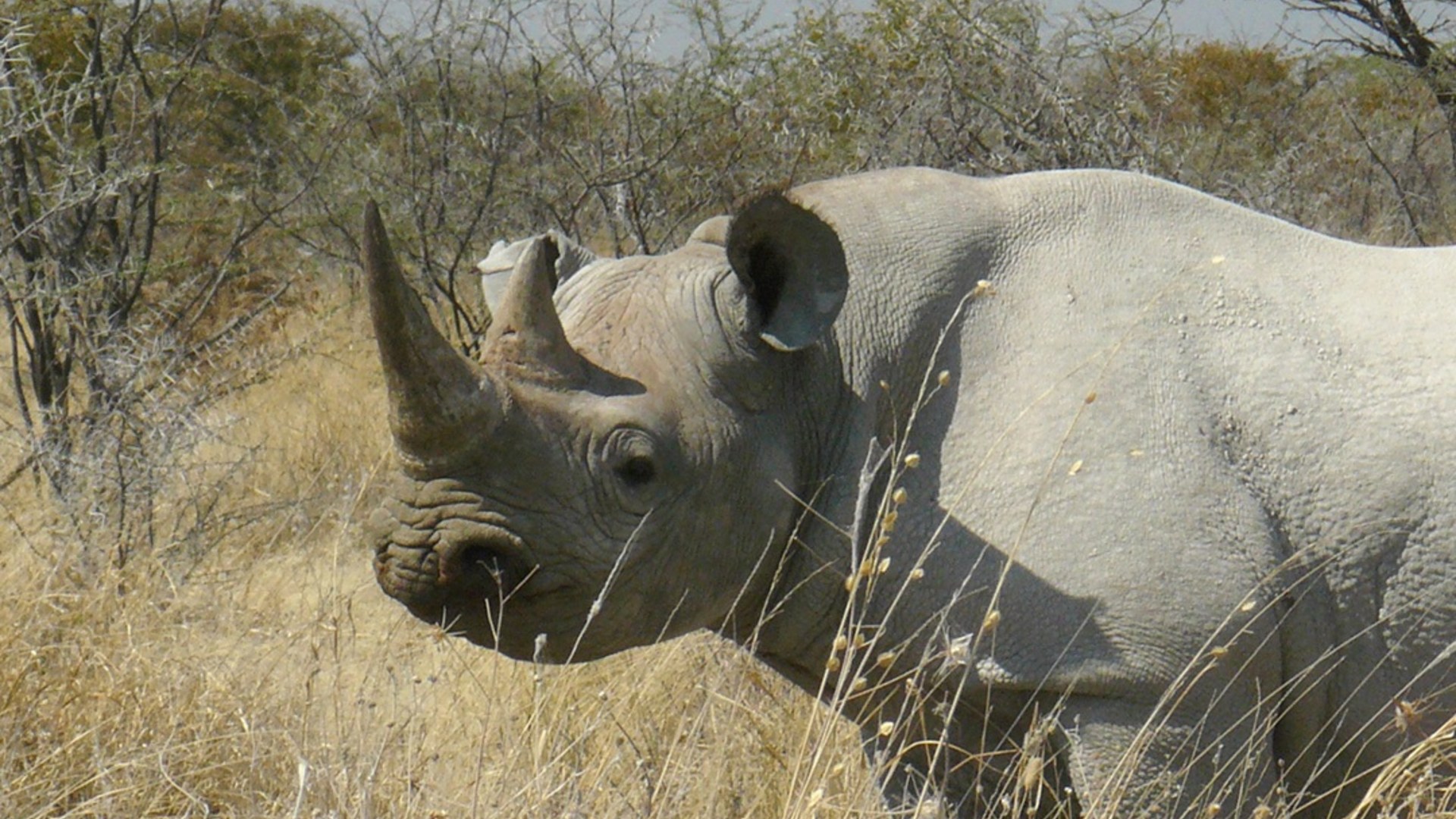
6. Black Rhinoceros
Unlike white rhinos which sometimes gather in small loose groups, black rhinos are solitary browsers that inhabit dense African bushveld. They patrol scent trails and dung middens alone, viewing almost any nearby presence as an imminent threat.
©Wikimedia Commons / Yathin S Krishnappa
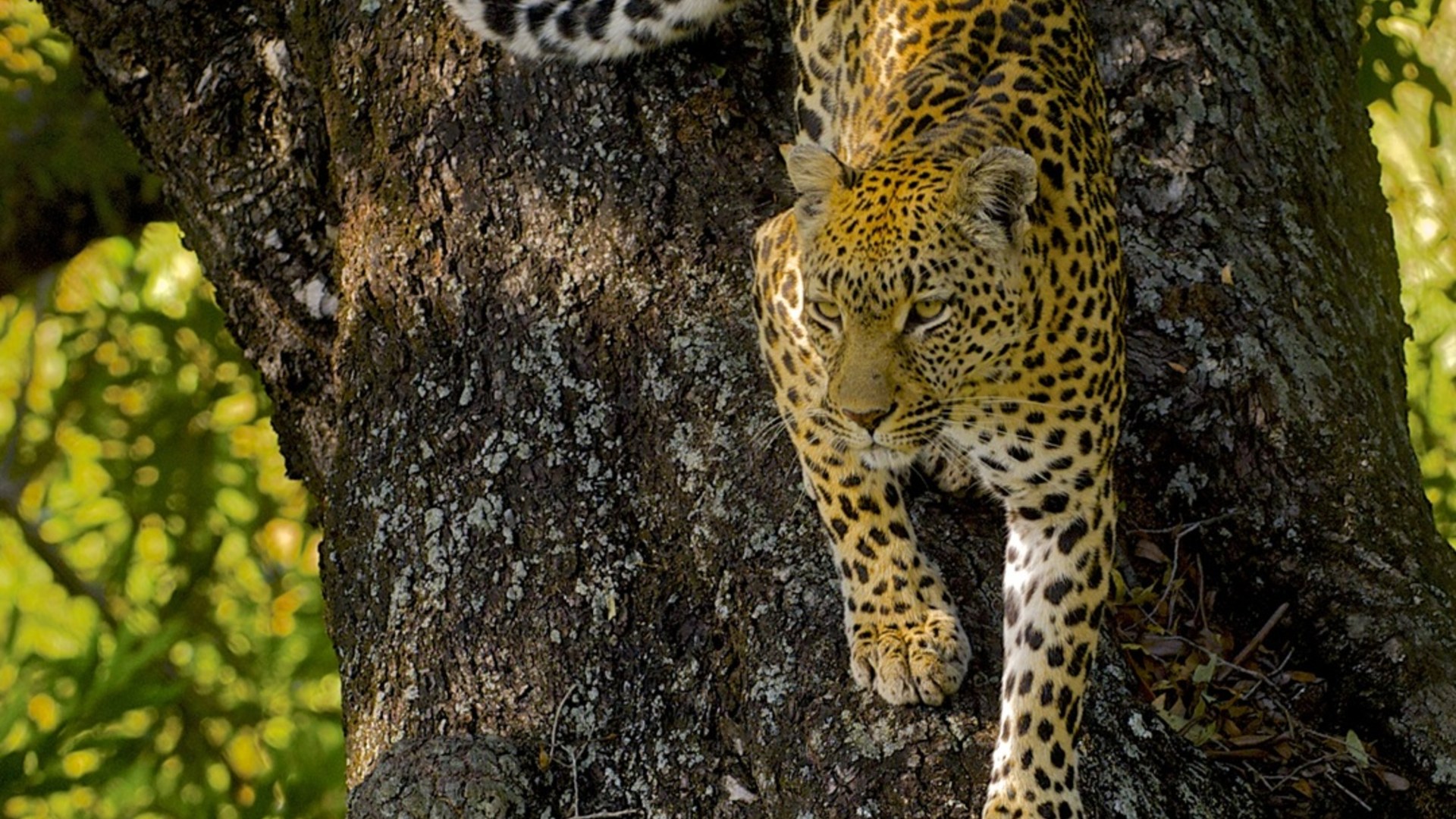
5. African Leopard
While lions rely on pride coordination, leopards are solitary apex stalkers. Each adult leopard patrols an exclusive territory, marking perimeter rocks and branches. They stash prey high in the canopy specifically to prevent scavengers and competing predators from discovering them.
©Wikimedia Commons / Arturo de Frias Marques
Advertisement
Swipe or tap ▶ to resume the countdown.
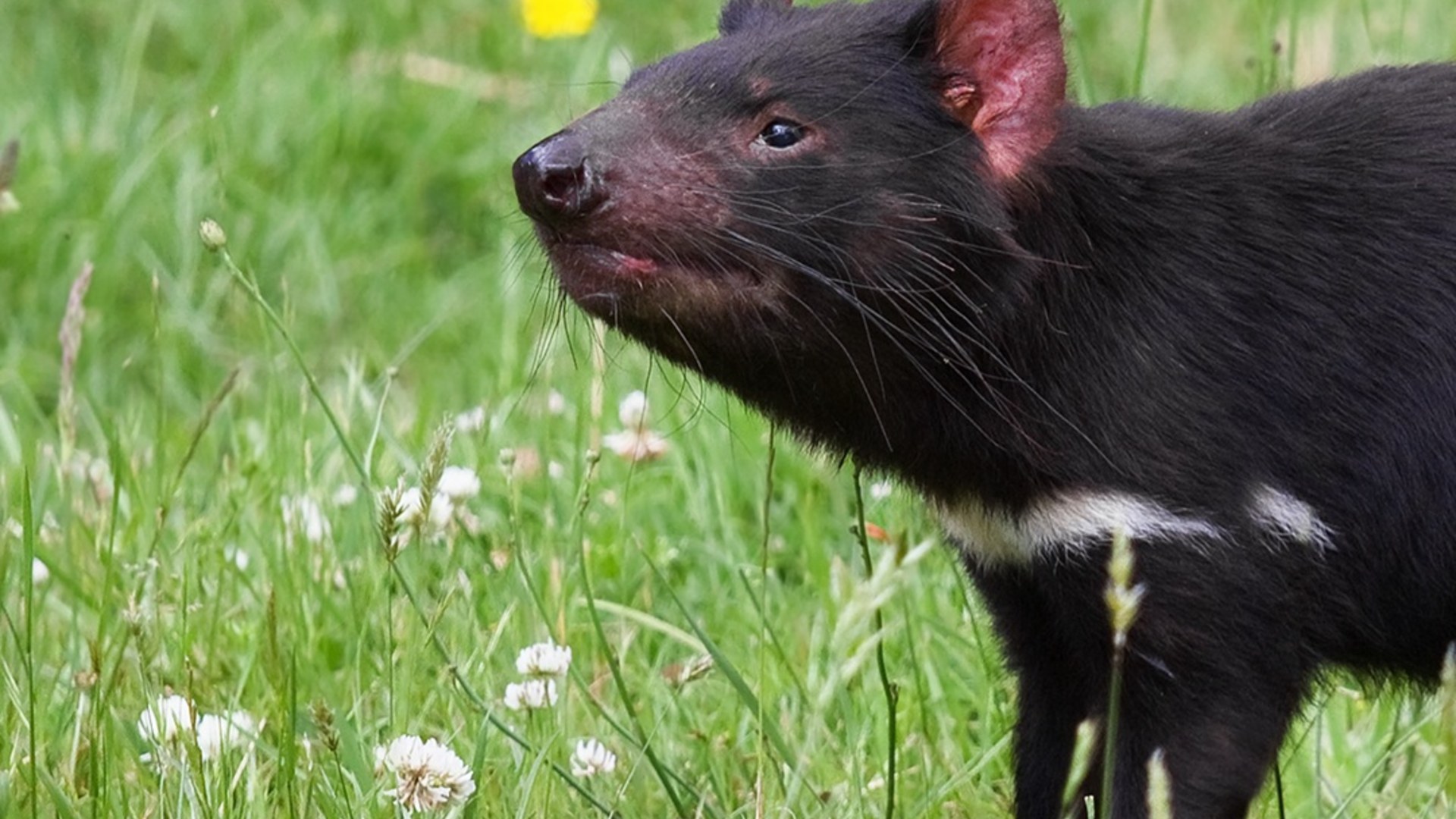
4. Tasmanian Devil
Tasmanian devils forage alone across vast forest expanses, using their acute smell to locate carrion in the dead of night. Although they occasionally squabble over large carcasses with terrifying shrieks, they immediately part ways once feeding concludes.
©Wikimedia Commons / Kjetil Ree
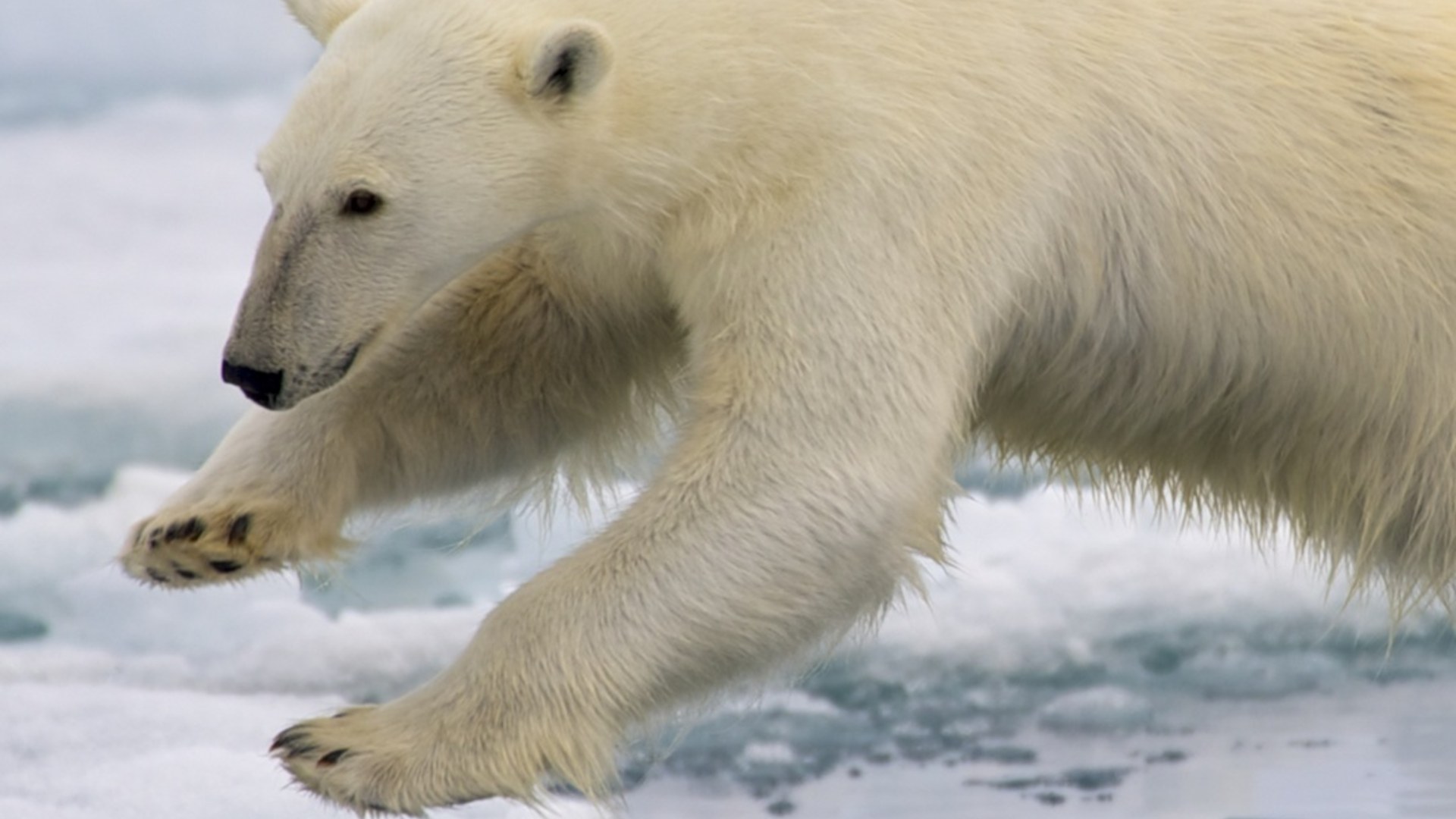
3. Polar Bear
Apart from mothers raising dependent cubs, polar bears spend their entire adult lives roaming the frozen Arctic Ocean solo. Adapted to hunt ringed seals across vast frozen emptiness, adult polar bears have no pack structure and actively avoid unnecessary conspecific contact.
©Wikimedia Commons / Arturo de Frias Marques
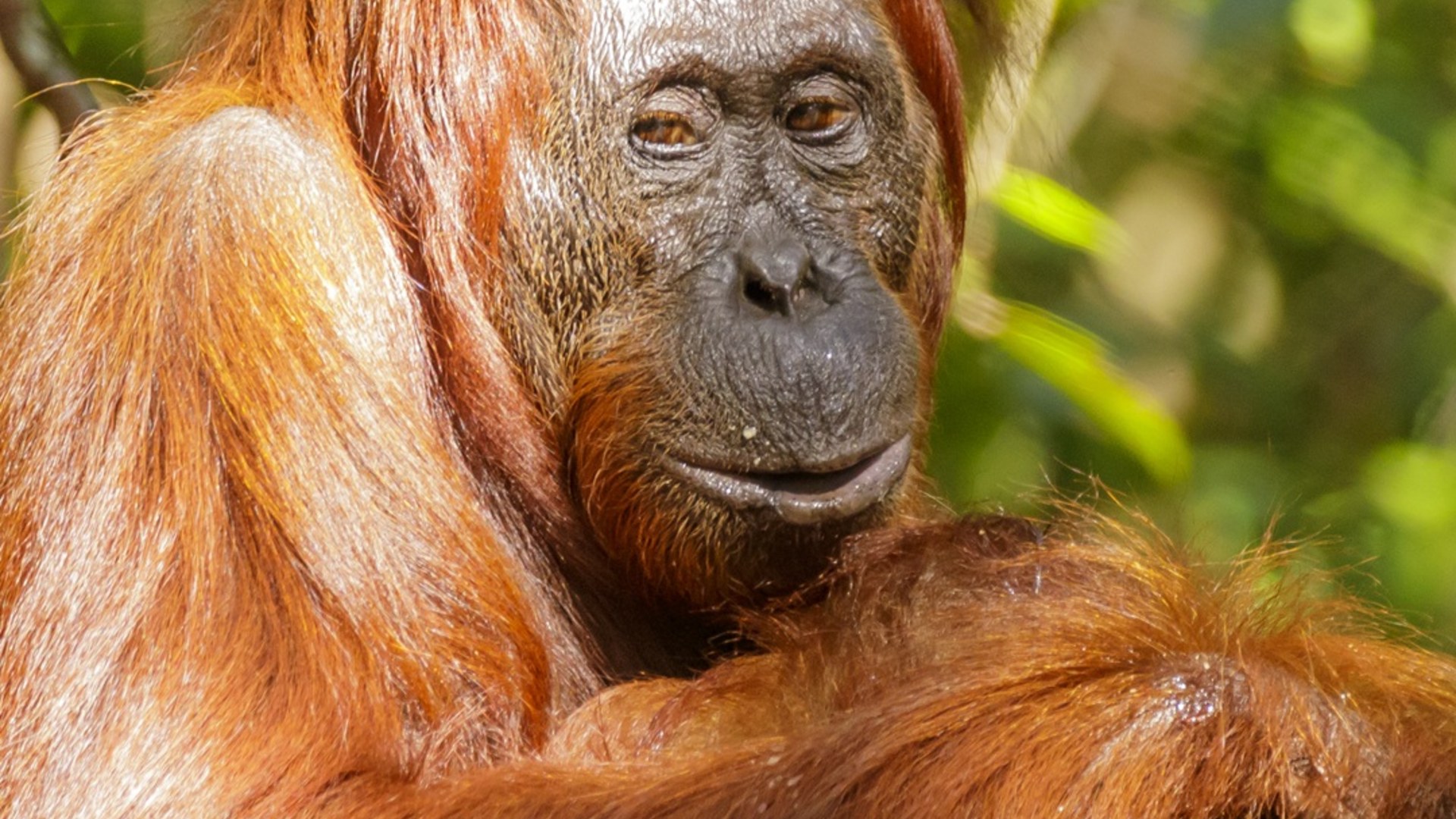
2. Bornean Orangutan
Unlike social chimps and gorillas that live in tight-knit troops, adult male orangutans spend over 95% of their lives alone. Because fruit in tropical rainforests is widely dispersed, their enormous body size makes group foraging ecologically unsustainable.
©Wikimedia Commons / Thomas Fuhrmann
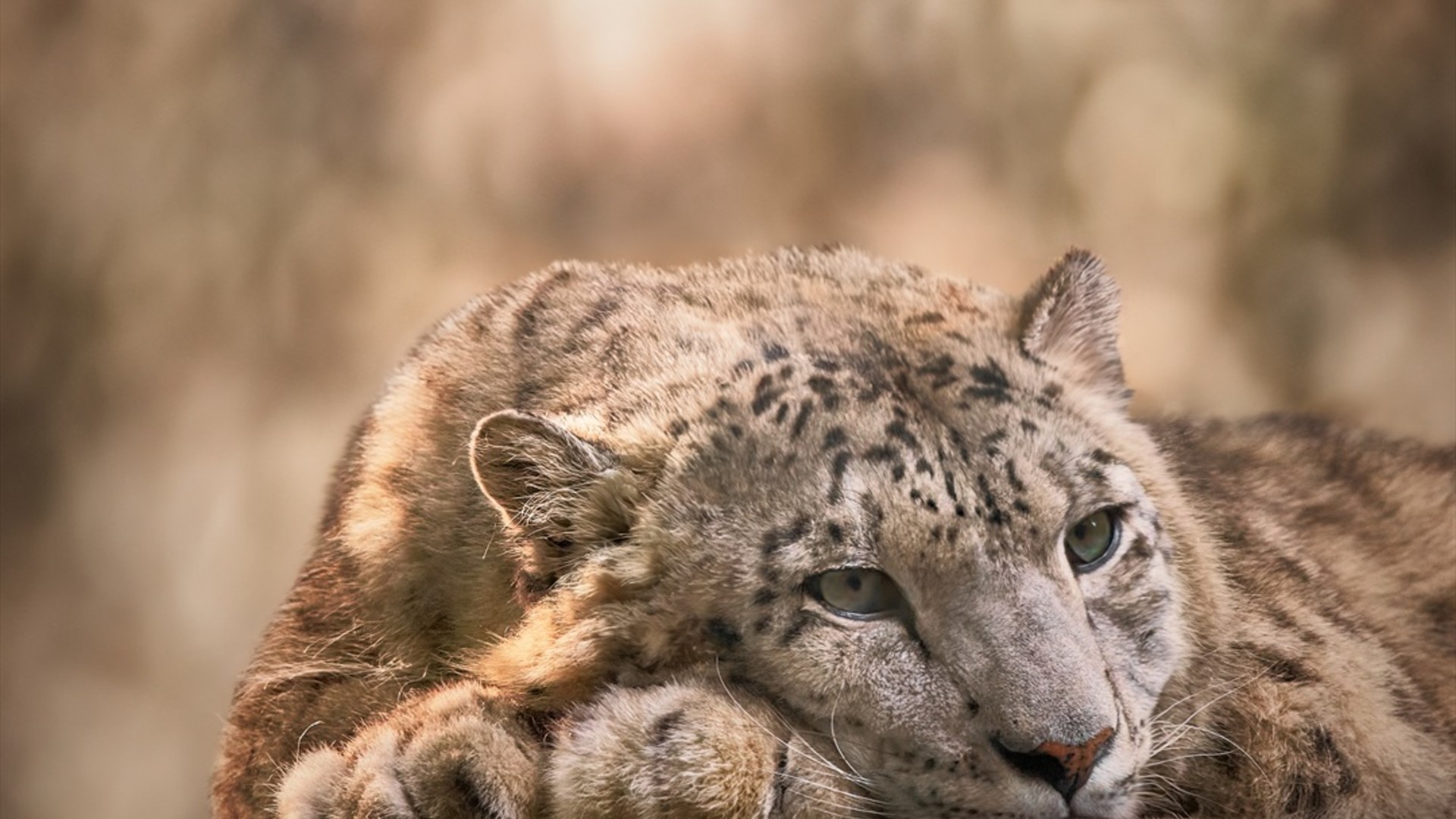
1. Snow Leopard
Living at oxygen-starved altitudes of up to 18,000 feet across Central Asia's highest ranges, the snow leopard is perhaps Earth's most elusive solitary mammal. Each individual inhabits a vast, rugged home range that can exceed 400 square miles, communicating with other leopards strictly via scrape marks and rock spray.

©Wikimedia Commons / Anil Öztas
Advertisement
You've reached the end of the story. Thanks for reading!

25 Disney Films That Made Over $1 Billion at the Box Office
From Pixar sequels to Marvel epics, Walt Disney Studios leads Hollywood in billion-dollar theatrical hits. Ranked from number 25 to number 1 using worldwide ticket sales reported by Box Office Mojo, The Numbers and Walt Disney Studios as of November 2026, these 25 releases all crossed $1 billion in global theaters.
All 15 Entries in this Story
15. Brown-Throated Three-Toed Sloth
Native to Central and South America, the three-toed sloth maintains solitary home ranges of just a few acres. Their slow metabolism and sedentary lifestyle mean they rarely interact with other sloths, relying on complete camouflage and quiet isolation to evade predators.

14. Platypus
The semi-aquatic platypus sleeps and forages alone in freshwater creek networks. Outside of brief annual mating bouts, male and female platypuses aggressively avoid one another, with males using venomous ankle spurs to defend solitary river territories.

13. North American Moose
Towering up to seven feet at the shoulder, moose have no need for herd defense. They browse solitary stretches of willow and aquatic plants across vast home ranges, viewing any approaching moose outside autumn rutting as a territorial threat.

12. Wolverine
The largest terrestrial member of the weasel family, the wolverine possesses legendary stamina and solitary ferocity. They traverse hundreds of miles across mountain passes and snowfields, scent-marking borders to keep all rivals at bay.

11. Honey Badger
Renowned for confronting lions and venomous snakes, the honey badger lives as an unapologetic loner across African and Asian drylands. Each individual digs its own fresh burrow daily and hunts alone across vast ranges.

10. Sunda Pangolin
Pangolins sleep alone inside deep subterranean burrows or hollow trees during the day, emerging only under darkness to consume thousands of ants solo. Males mark trees with scent glands to ensure other pangolins steer clear.

9. Giant Panda
High in the misty bamboo forests of Sichuan, giant pandas maintain strictly solitary feeding zones. Because bamboo offers minimal calories, pandas cannot afford to share foraging patches, meeting other pandas for merely 2 to 3 days each spring.

8. Grizzly Bear
Except for brief mating intervals or high-density salmon runs where uneasy truces form, grizzly bears live fundamentally solitary lives. They communicate primarily through claw tree marks and scent rubbings to avoid face-to-face encounters.

7. Aye-Aye
With enormous bat-like ears and an elongated middle finger used to tap tree trunks for grubs, the aye-aye is Madagascar's most solitary primate. Individuals maintain extensive canopy territories, reacting aggressively if another aye-aye crosses into their feeding circuit.

6. Black Rhinoceros
Unlike white rhinos which sometimes gather in small loose groups, black rhinos are solitary browsers that inhabit dense African bushveld. They patrol scent trails and dung middens alone, viewing almost any nearby presence as an imminent threat.

5. African Leopard
While lions rely on pride coordination, leopards are solitary apex stalkers. Each adult leopard patrols an exclusive territory, marking perimeter rocks and branches. They stash prey high in the canopy specifically to prevent scavengers and competing predators from discovering them.

4. Tasmanian Devil
Tasmanian devils forage alone across vast forest expanses, using their acute smell to locate carrion in the dead of night. Although they occasionally squabble over large carcasses with terrifying shrieks, they immediately part ways once feeding concludes.

3. Polar Bear
Apart from mothers raising dependent cubs, polar bears spend their entire adult lives roaming the frozen Arctic Ocean solo. Adapted to hunt ringed seals across vast frozen emptiness, adult polar bears have no pack structure and actively avoid unnecessary conspecific contact.

2. Bornean Orangutan
Unlike social chimps and gorillas that live in tight-knit troops, adult male orangutans spend over 95% of their lives alone. Because fruit in tropical rainforests is widely dispersed, their enormous body size makes group foraging ecologically unsustainable.

1. Snow Leopard
Living at oxygen-starved altitudes of up to 18,000 feet across Central Asia's highest ranges, the snow leopard is perhaps Earth's most elusive solitary mammal. Each individual inhabits a vast, rugged home range that can exceed 400 square miles, communicating with other leopards strictly via scrape marks and rock spray.