Slideshow · Viral
15 Restaurant Foods Chefs Say You Should Think Twice About Ordering
While dining out promises convenience and luxury, veteran executive chefs and food safety inspectors know exactly what happens behind kitchen doors. Here are 15 foods culinary professionals avoid.
By Most Viral Today
21 Oct 2026

15 Restaurant Foods Chefs Say You Should Think Twice About Ordering 
15. Inland Raw Oysters 
14. Plain Chicken Breast Entrée 
13. Soup Of The Day - AdvertisementSwipe or tap ▶ to continue countdown

12. All-You-Can-Eat Buffet Sushi 
11. Raw Sprouts On Salads 
10. Wagyu Burgers & Sliders 
9. Drink Lemon Wedges - AdvertisementSwipe or tap ▶ to continue countdown

8. Steam-Table Scrambled Eggs 
7. Ice Machine Ice 
6. Truffle Oil Dishes 
5. Restaurant Mussels - AdvertisementSwipe or tap ▶ to continue countdown

4. Recycled Bread Baskets 
3. Monday Fish Specials 
2. Sunday Brunch Hollandaise 
1. Well-Done Steak - Advertisement🔥 UP NEXT IN THIS SERIES◫ 21 Slides

20 Details Behind The Real Story Of Stephen Miller
While dining out promises convenience and luxury, veteran executive chefs and food safety inspectors know exactly what happens behind kitchen doors. Here are 15 foods culinary professionals avoid.
Swipe or tap ▶ to begin the countdown
©Pixabay / Pixabay Contributor
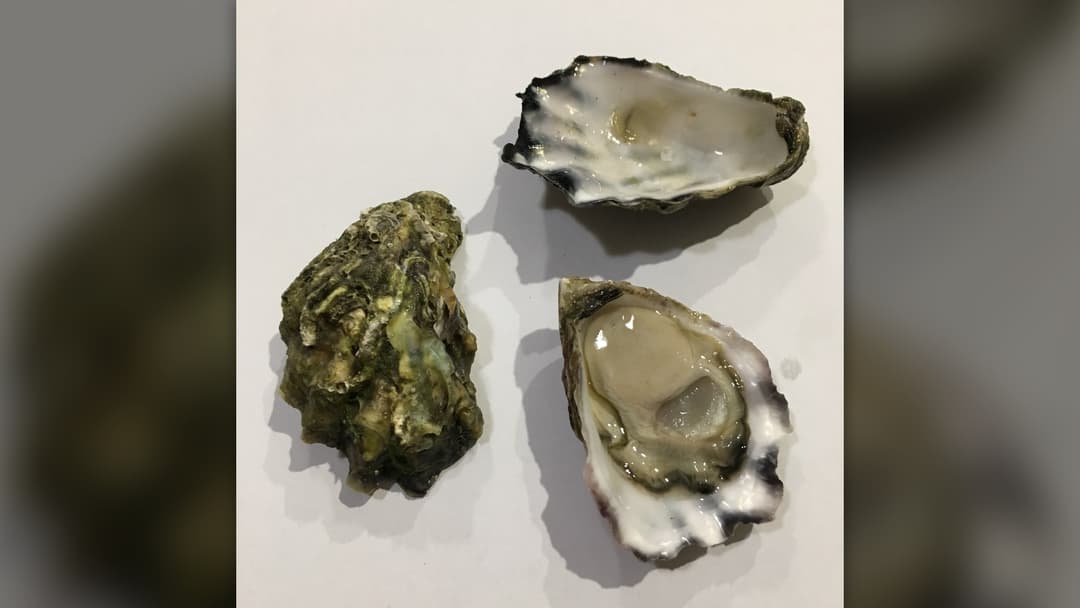
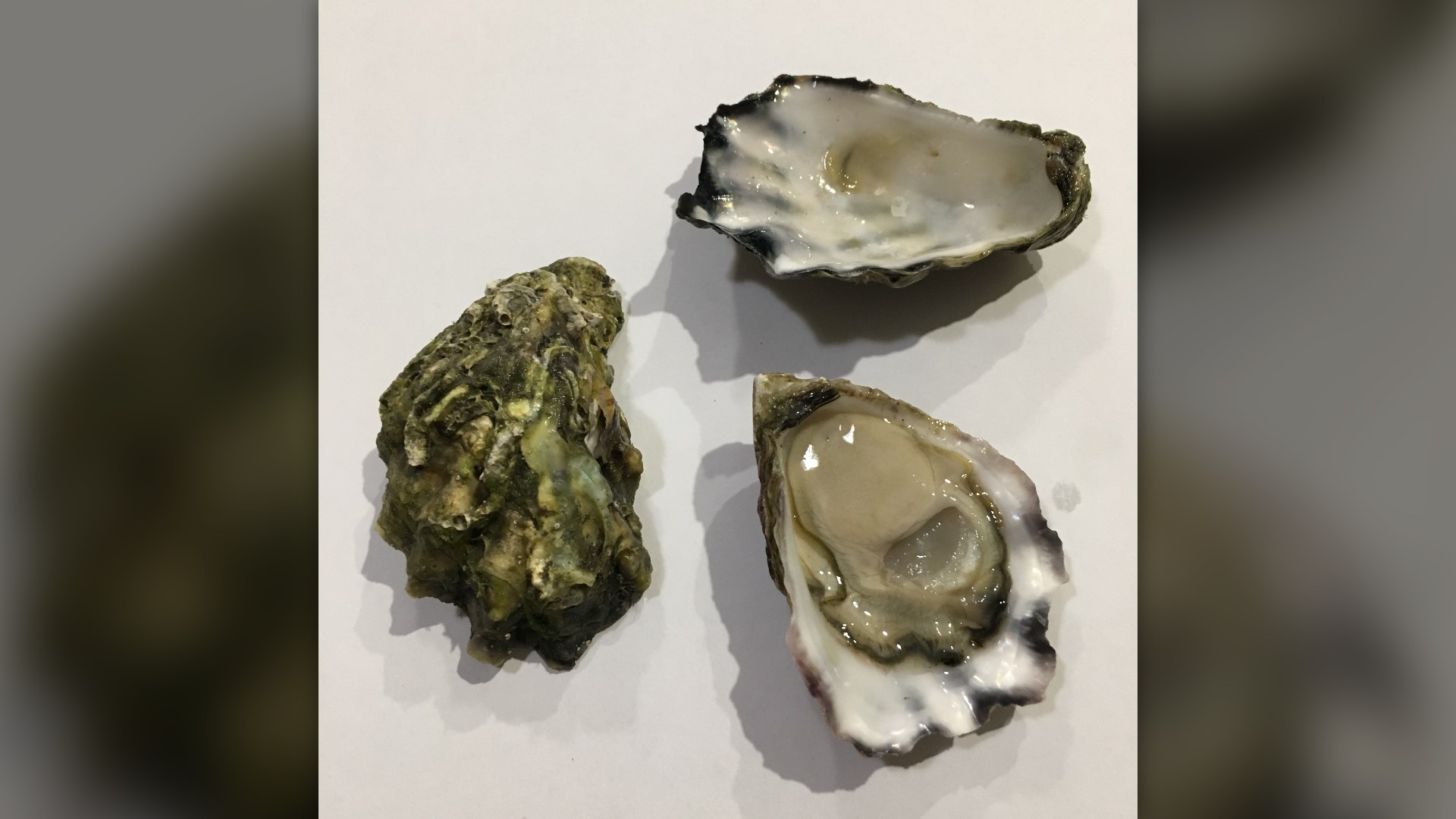
15. Inland Raw Oysters
Raw oysters must be kept strictly refrigerated below 40°F from the moment they are harvested. Ordering them at an inland restaurant introduces dozens of shipping links where a single temperature spike allows fatal Vibrio bacteria to proliferate.
©Pixabay / adamlot
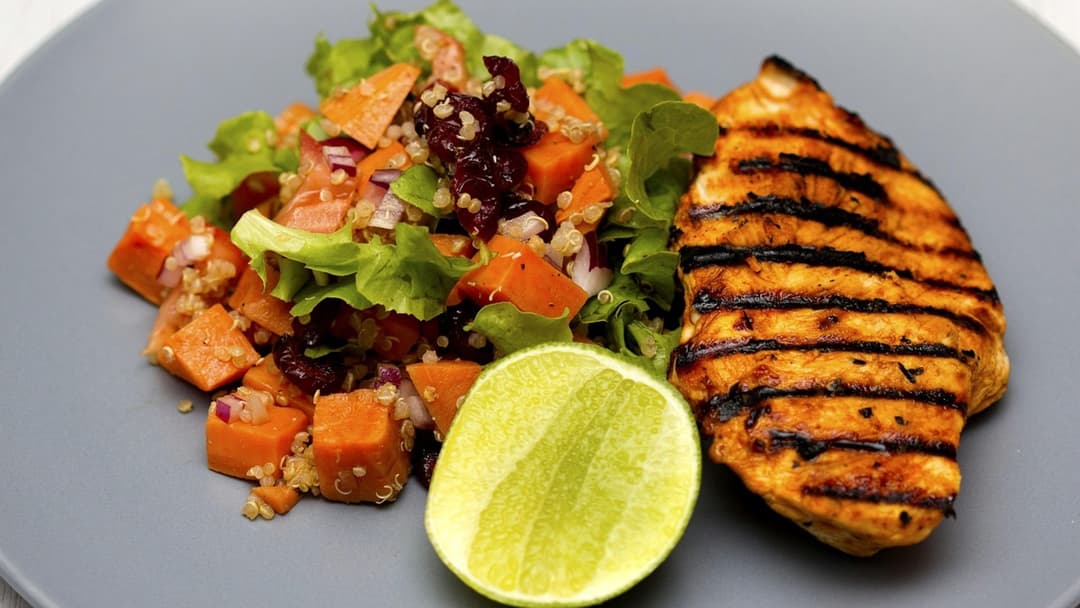
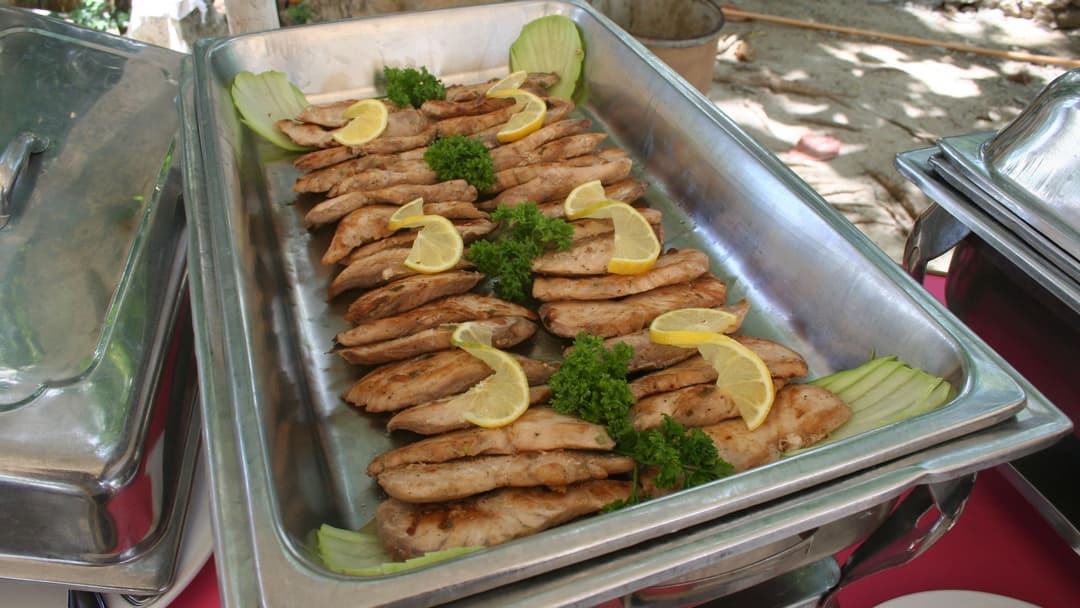
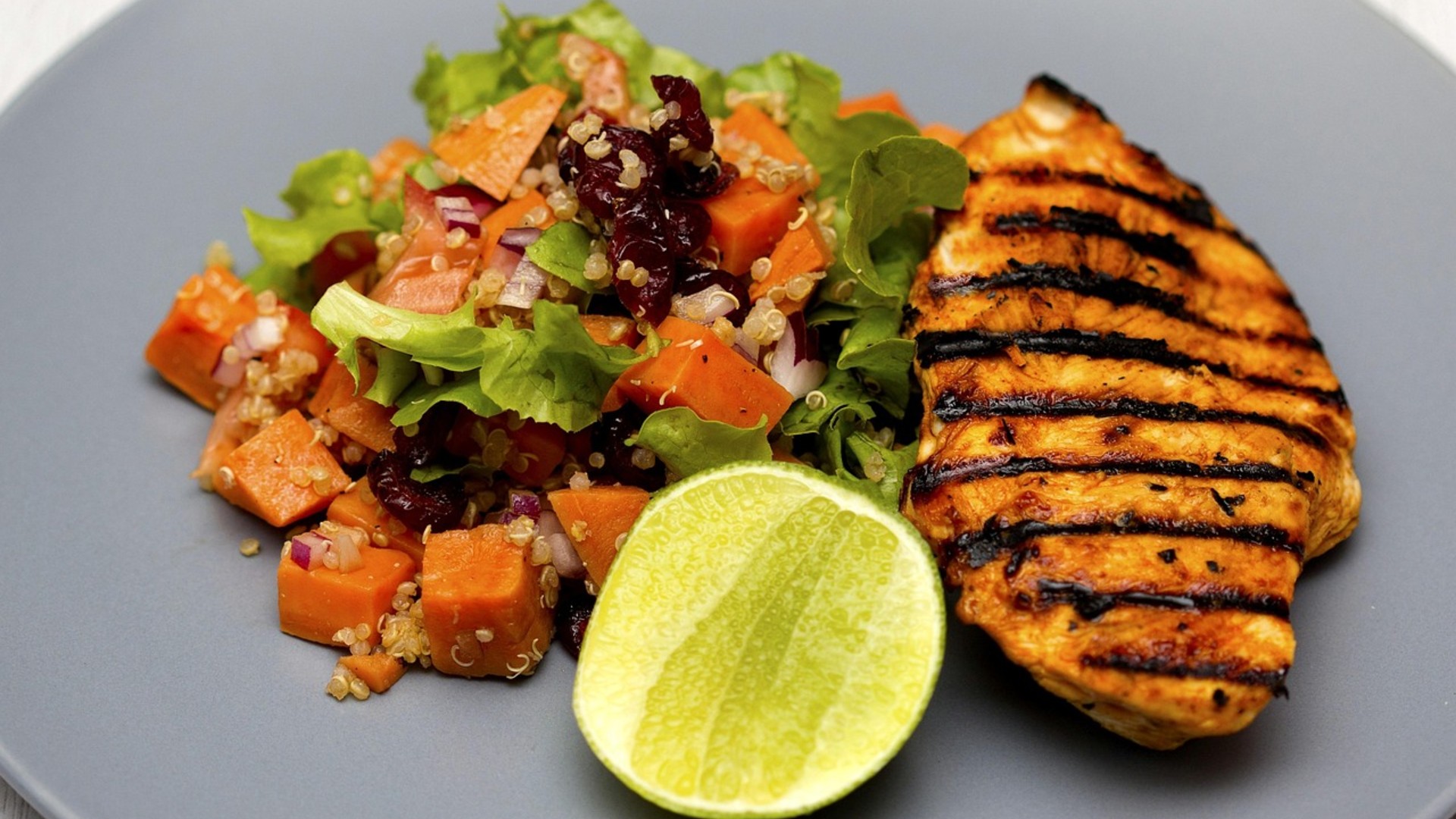
14. Plain Chicken Breast Entrée
Boneless, skinless chicken breast is notoriously easy to overcook into dry, rubbery cardboard. Because wholesale poultry is inexpensive, restaurants mark it up several hundred percent while rarely investing genuine culinary creativity.
©Pixabay / Wow_Pho
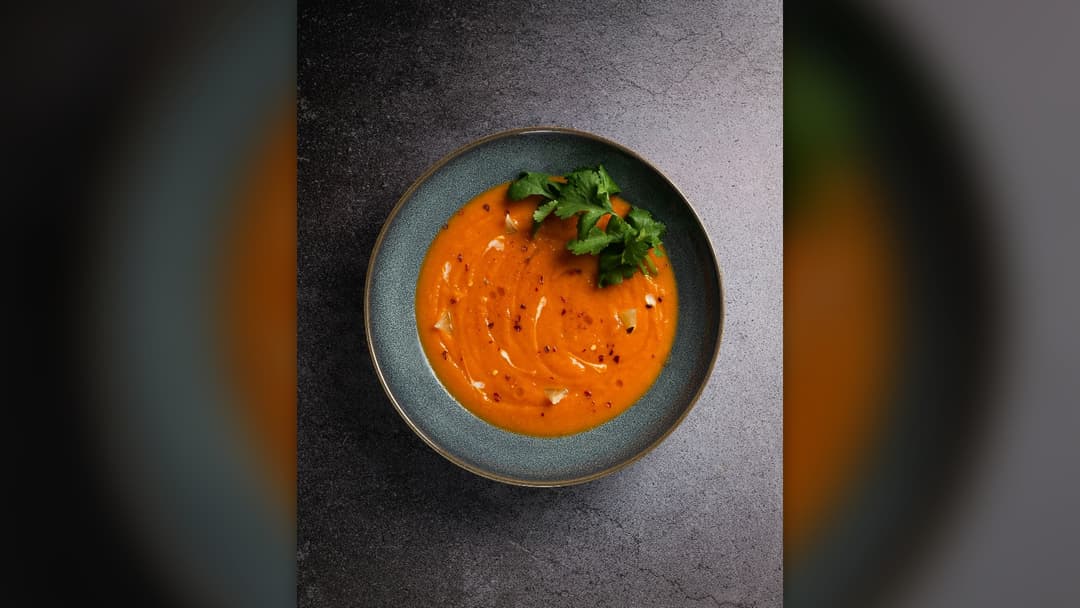
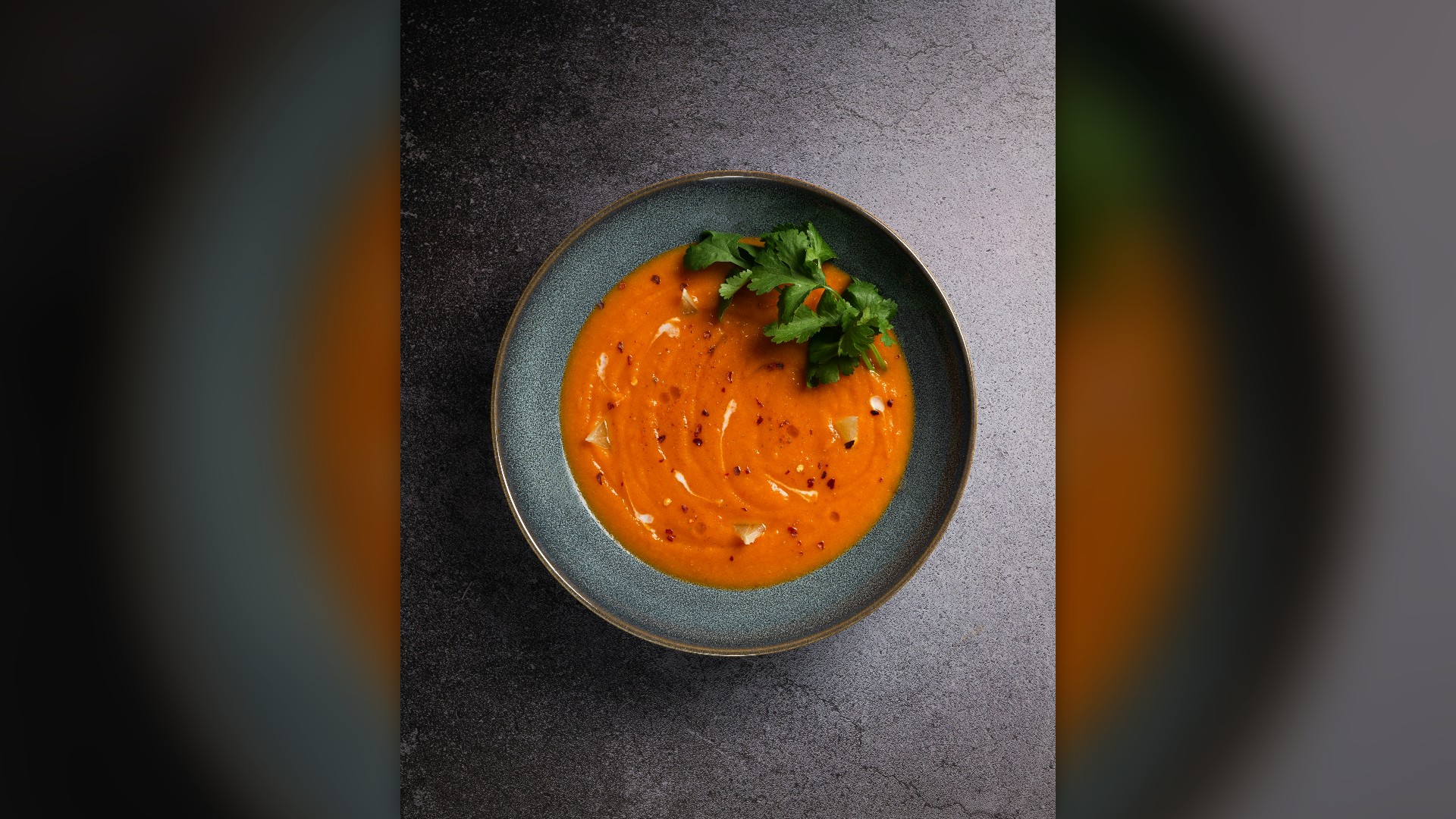
13. Soup Of The Day
The 'soup du jour' is rarely a burst of culinary inspiration; it is traditionally an ingenious inventory clearing method. Leftover roasts, wilted vegetables, and aging sauces from previous days are boiled down into a rich broth to avoid waste.
Advertisement
Swipe or tap ▶ to resume the countdown.
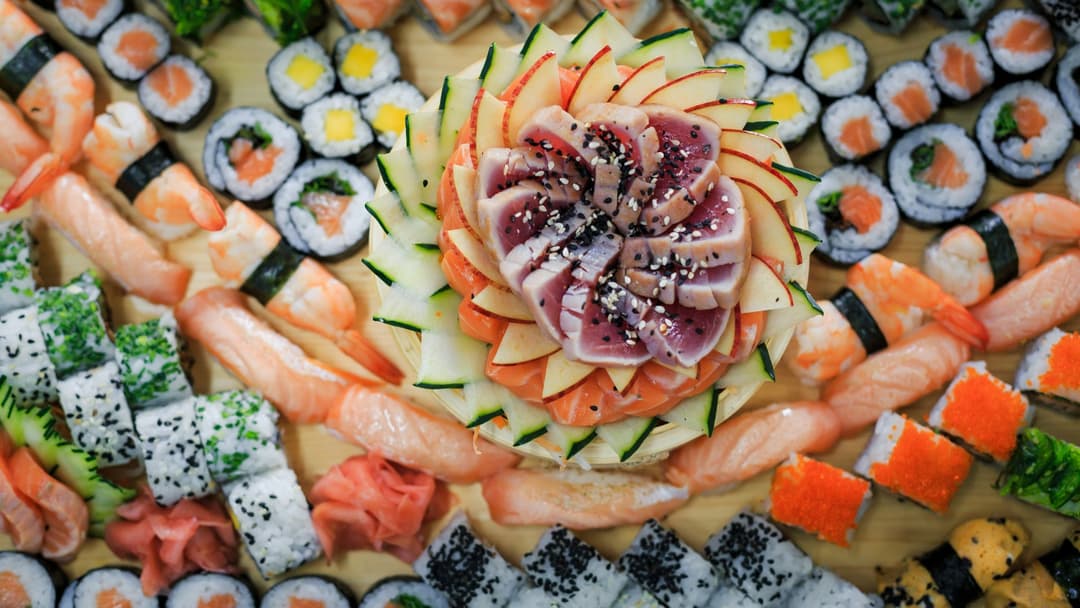
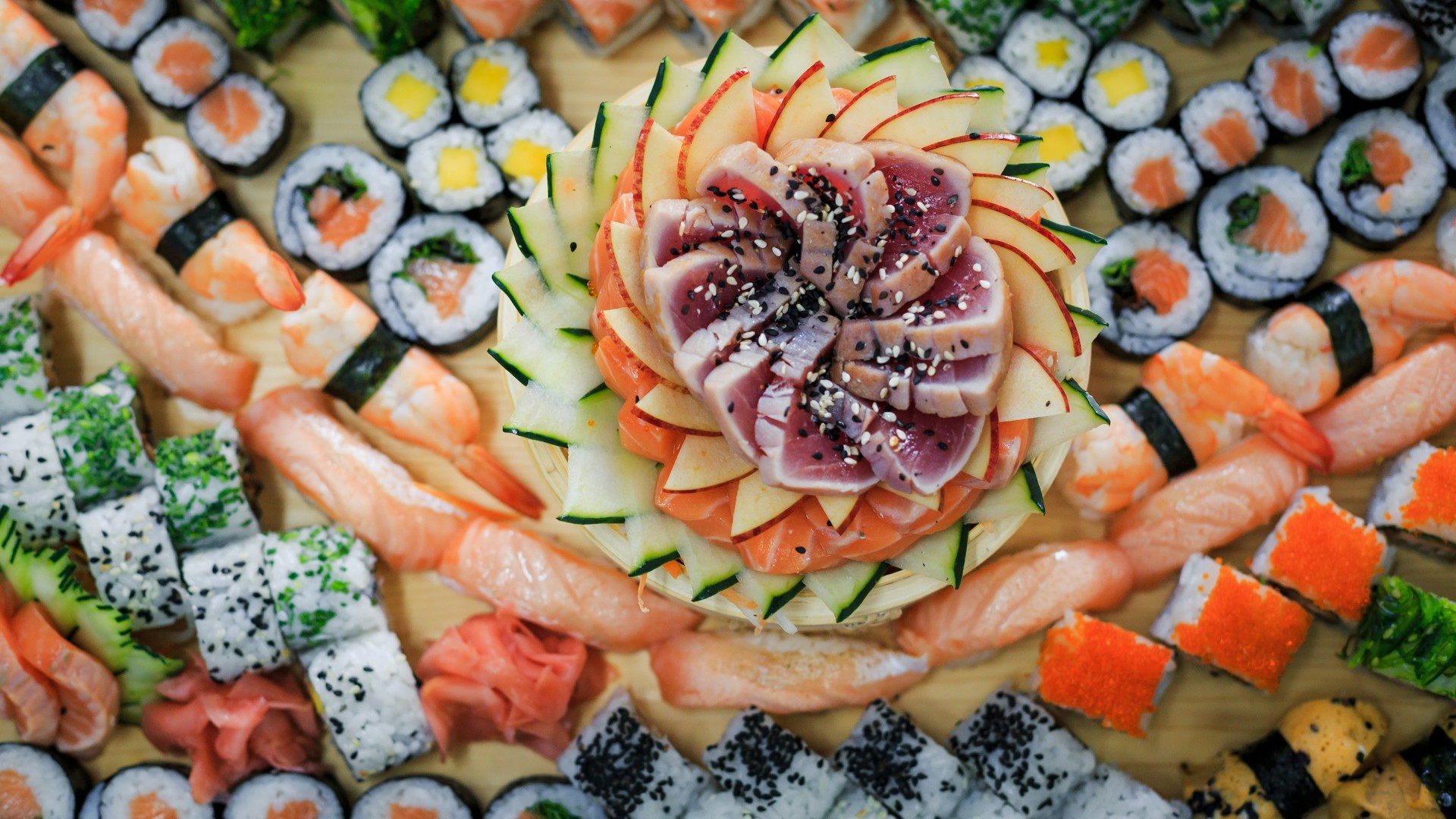
12. All-You-Can-Eat Buffet Sushi
High-end sushi is sliced and eaten within minutes. At buffets or conveyor belts, raw fish rolls sit under ambient room lighting for hours, leading to warm rice, oxidized tuna, and a rapid spike in histamine and bacterial toxicity.
© Photo by Ricardo Honda on Unsplash
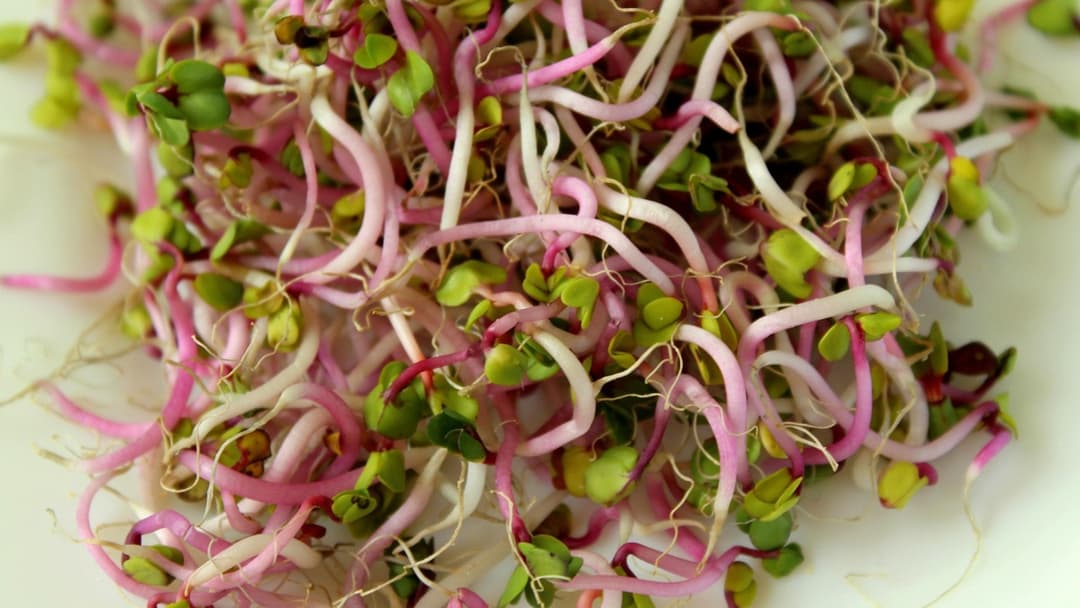
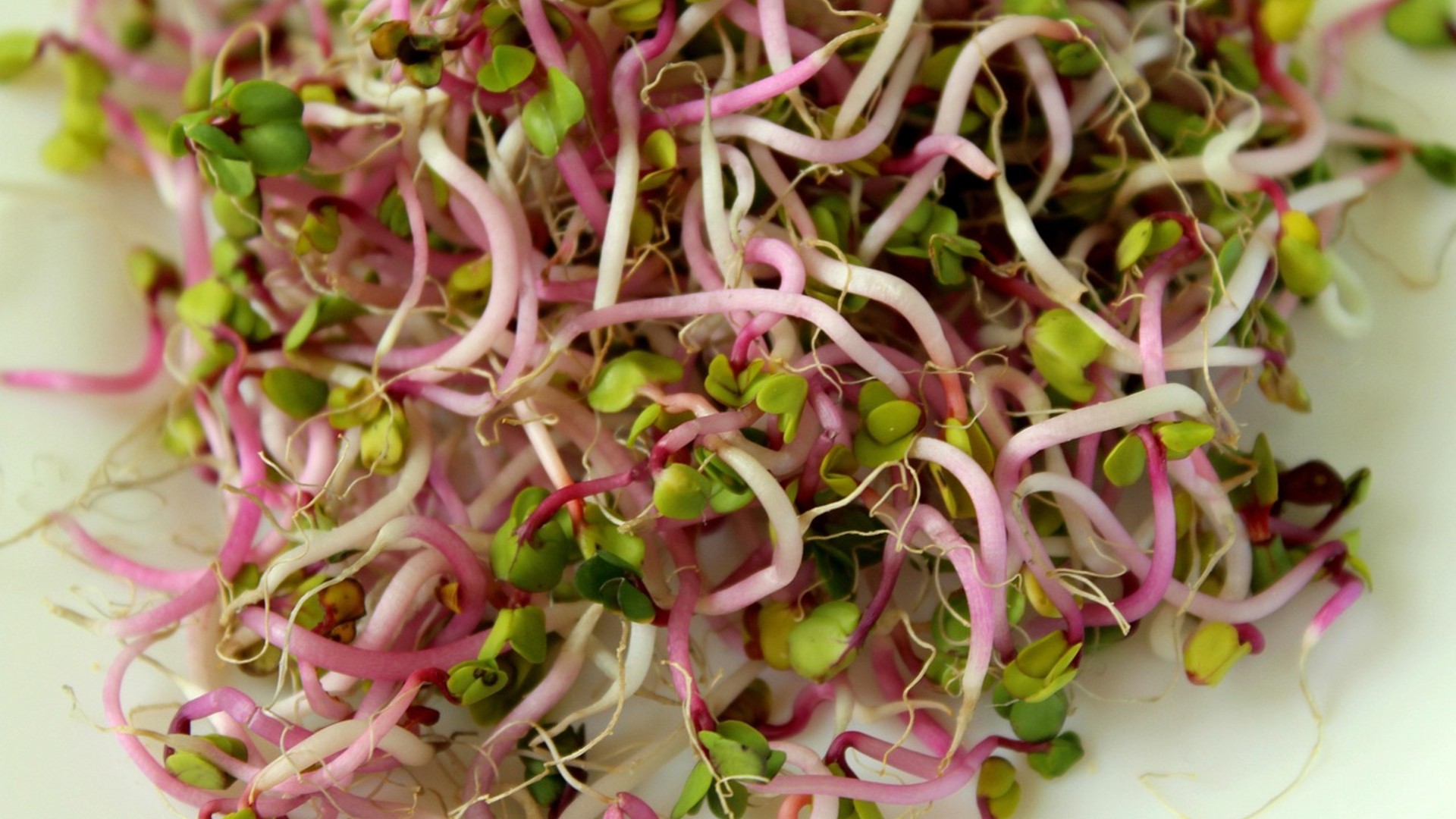
11. Raw Sprouts On Salads
Alfalfa and bean sprouts require warm, moist conditions to sprout from seed—the exact environmental conditions in which bacteria thrive. Food safety experts consider raw sprouts among the highest-risk produce items in commercial dining.
©Pixabay / _Alicja_
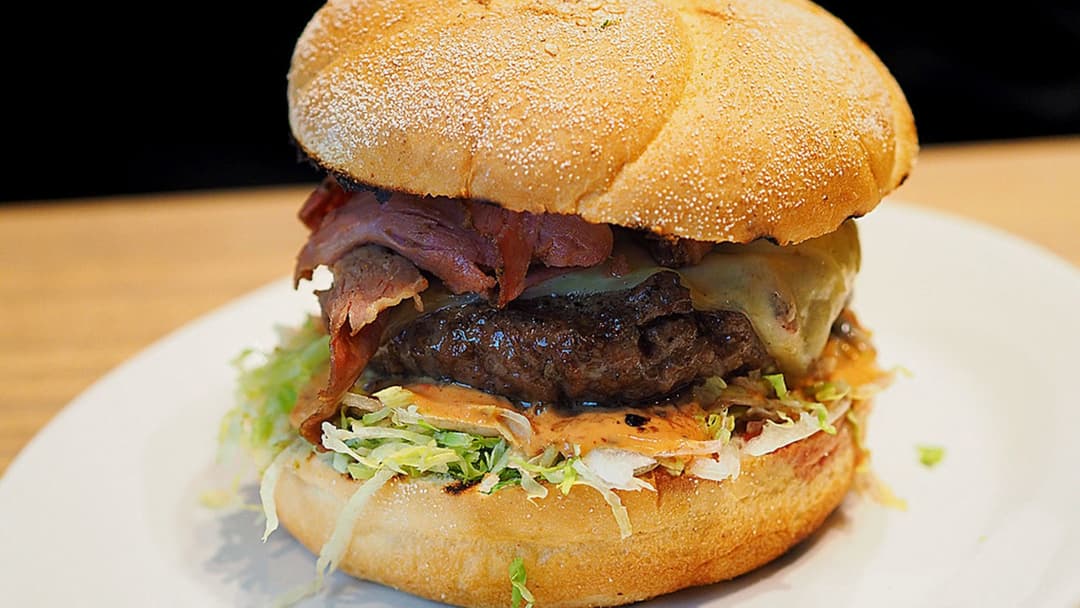
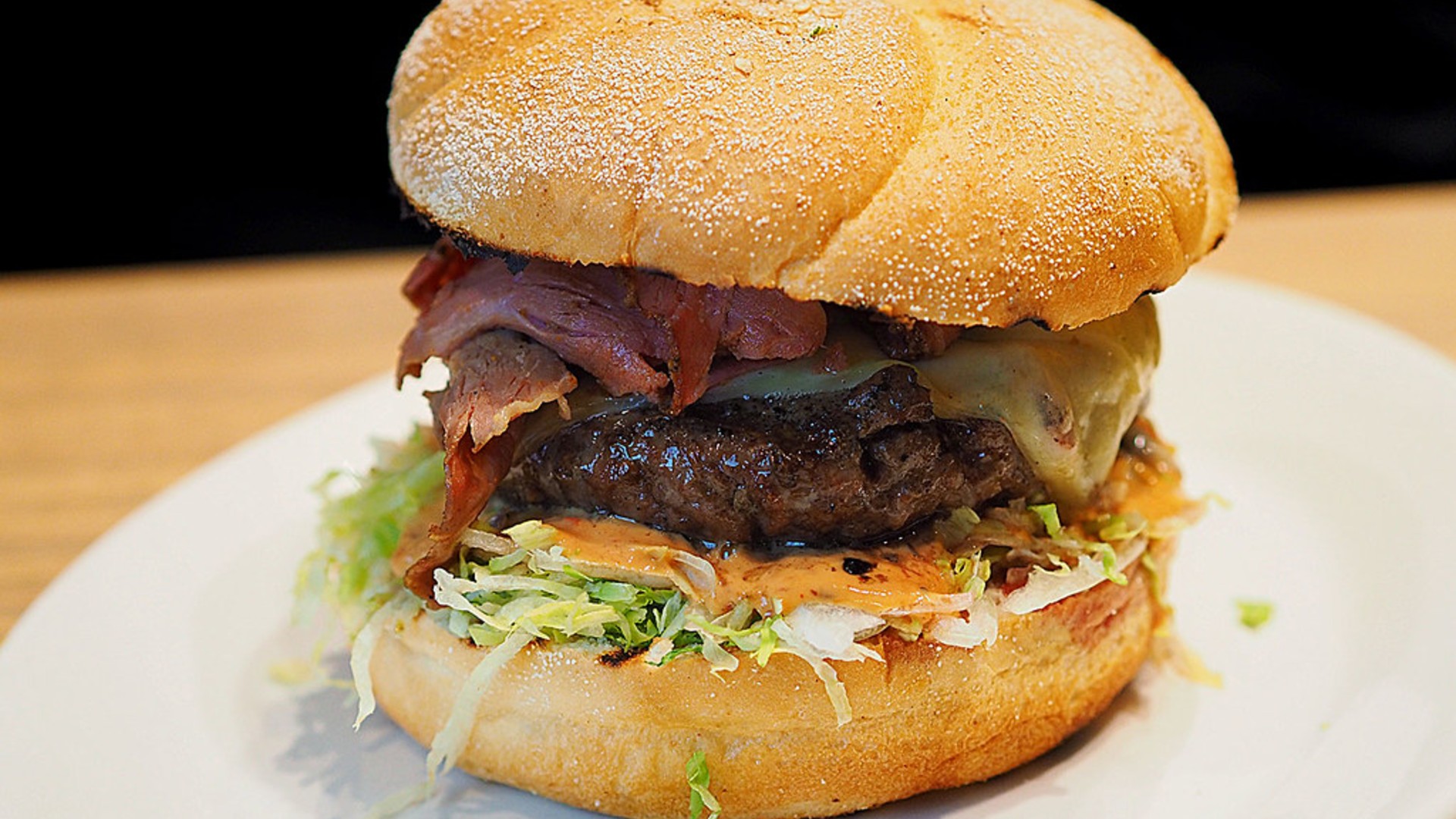
10. Wagyu Burgers & Sliders
The entire appeal of Wagyu beef lies in its delicate intramuscular marbling. Grinding the beef melts and homogenizes the fat into ordinary burger grease, allowing restaurants to sell cheap scrap trimmings at exorbitant prices.
©Openverse / insatiablemunch
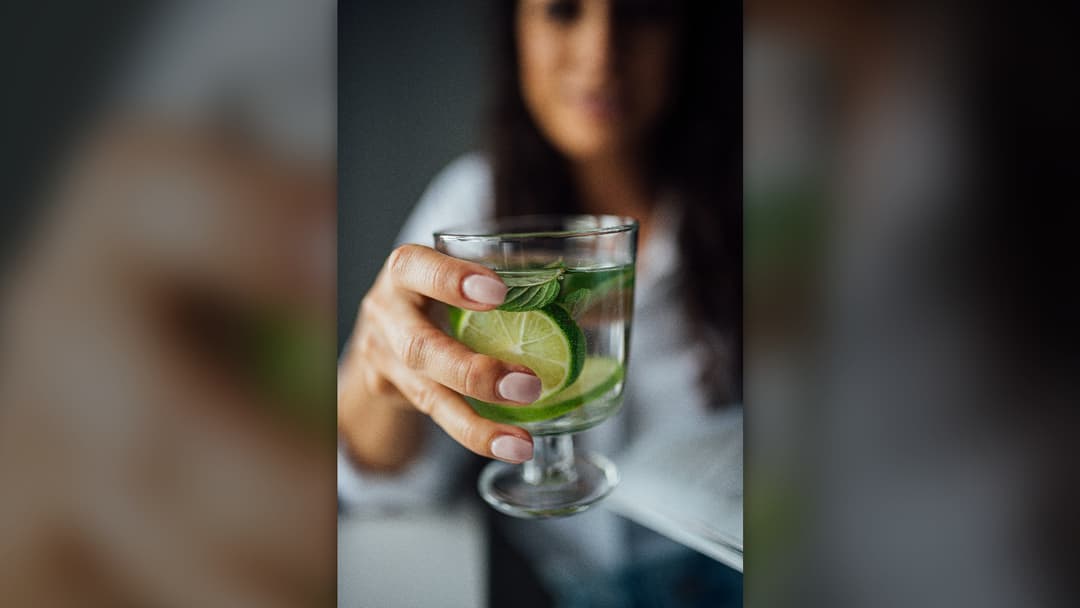
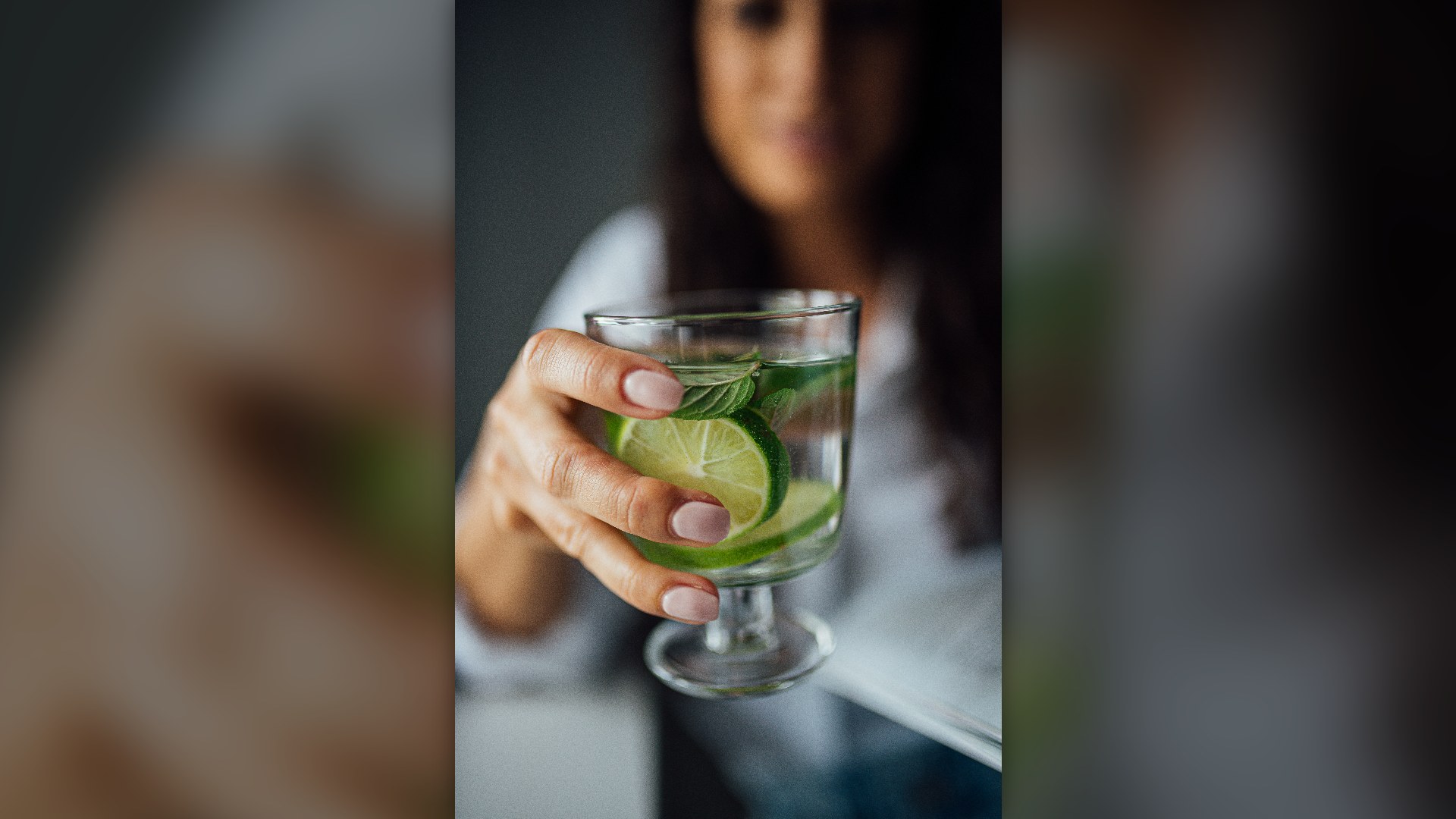
9. Drink Lemon Wedges
Studies published in environmental health journals found that over 70% of restaurant lemon wedges harbor pathogenic bacteria, including E. coli. Sliced in advance and handled barehanded by multiple servers, they are contamination hotspots.
©Pixabay / AS_Photography
Advertisement
Swipe or tap ▶ to resume the countdown.
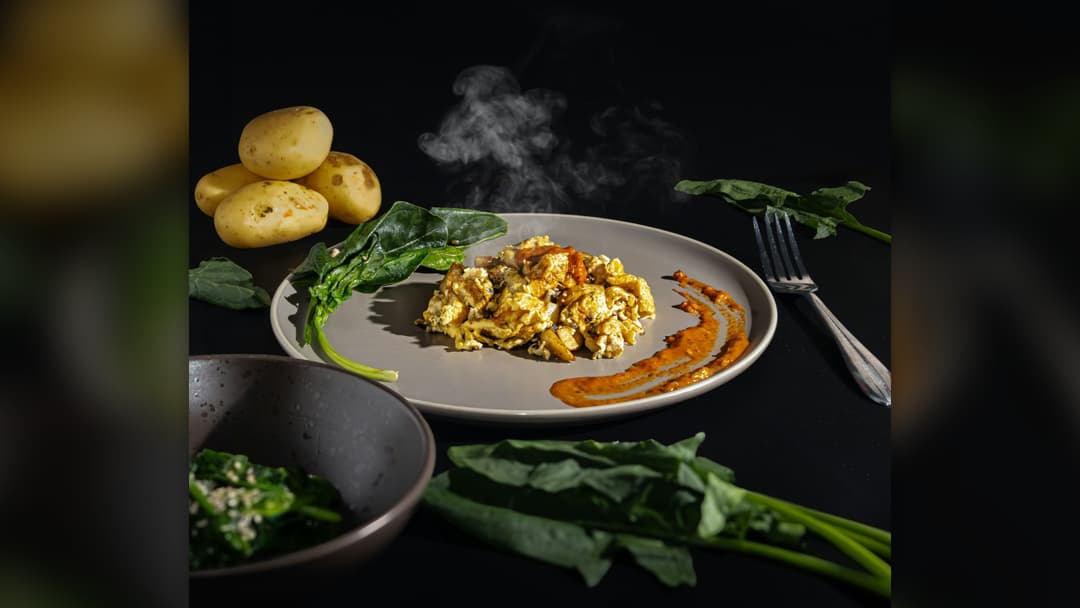
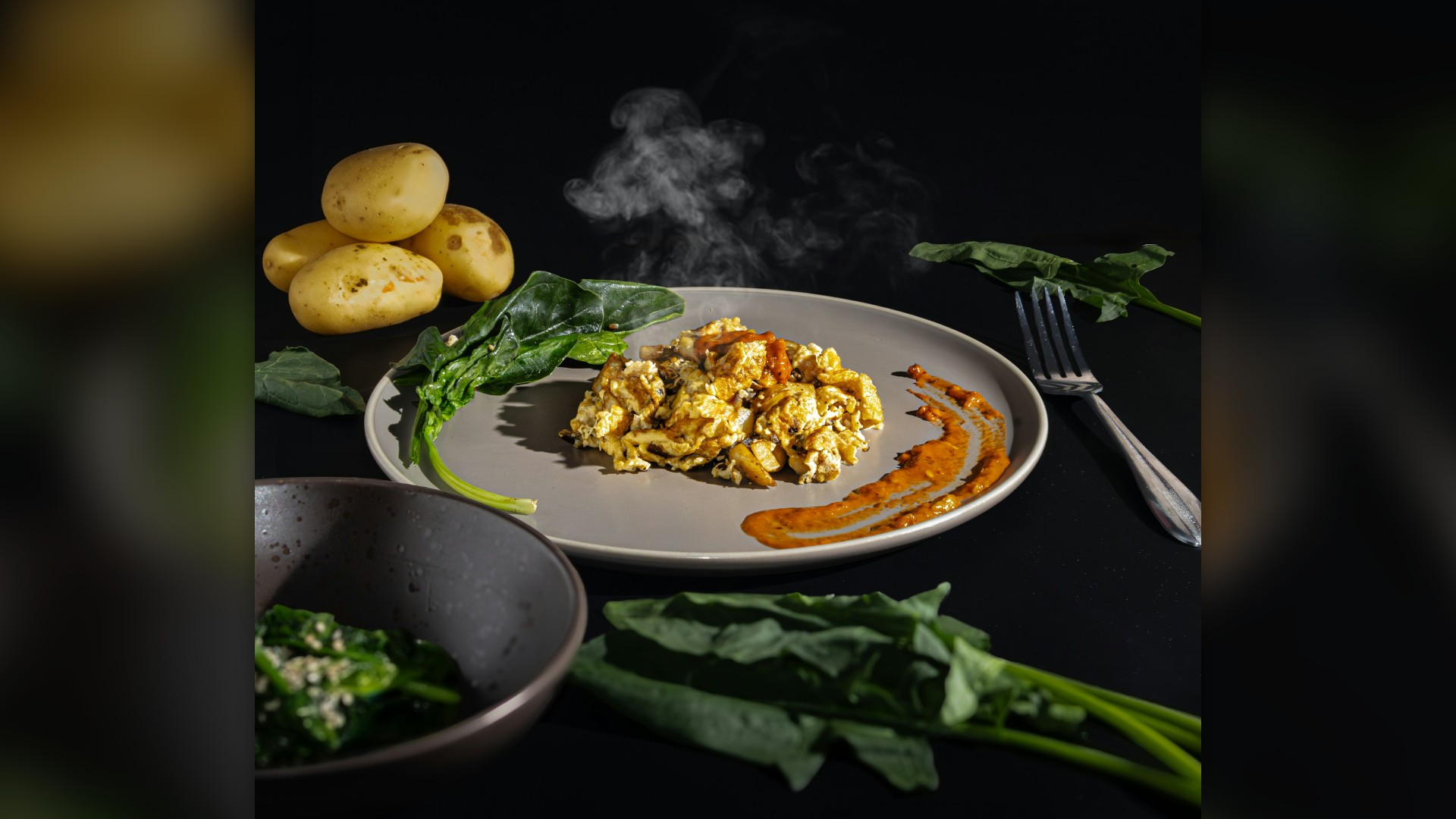
8. Steam-Table Scrambled Eggs
Buffet scrambled eggs are typically reconstituted from pasteurized liquid eggs poured into metal steam pans. Kept warm for hours, prolonged exposure to heat oxidizes the fats and releases hydrogen sulfide, ruining taste and texture.
© Photo by David Marquez on Unsplash
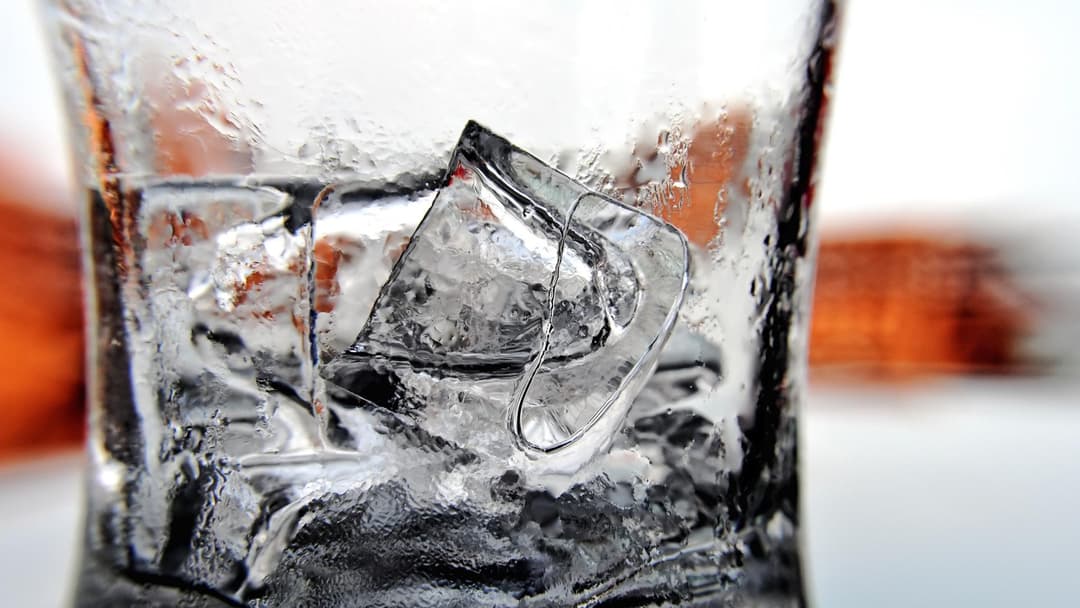
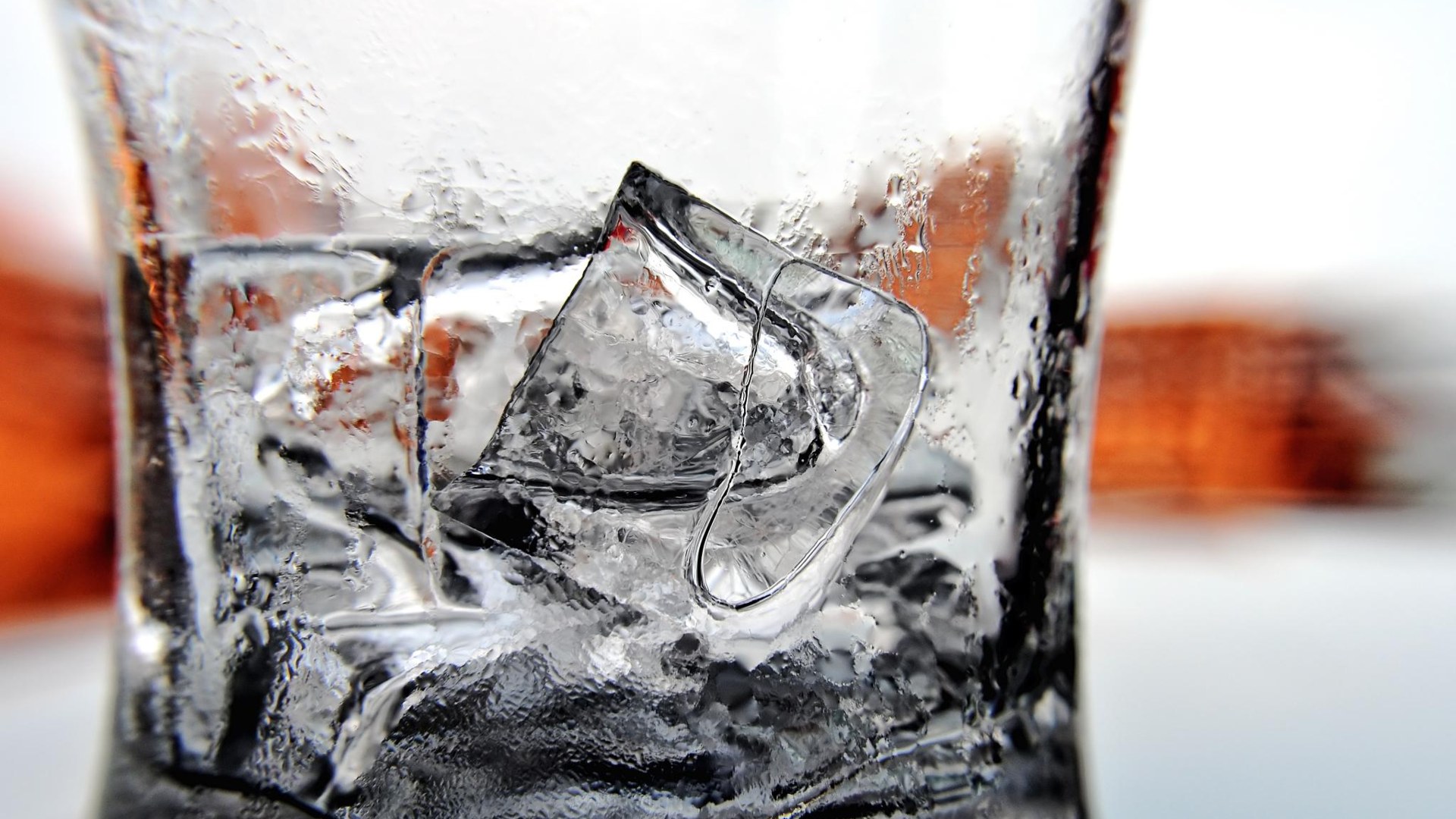
7. Ice Machine Ice
Commercial ice machines require regular disassembly, descaling, and sanitization that few busy kitchens maintain. Health inspectors consistently flag ice bins for black mold, slime mold, and bacteria contaminating fountain drinks.
©Wikimedia / Nattu
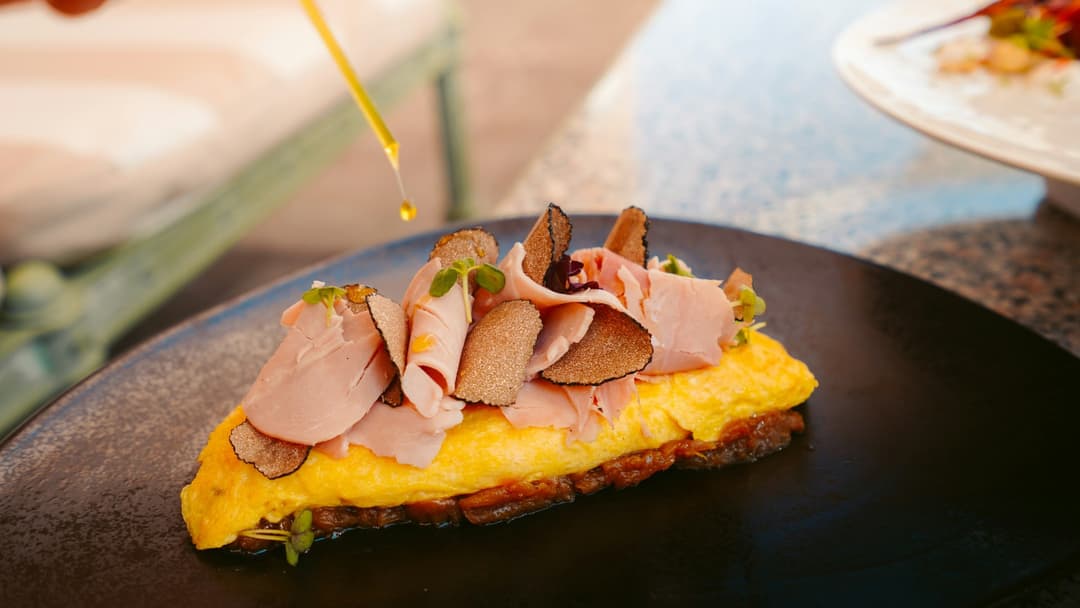
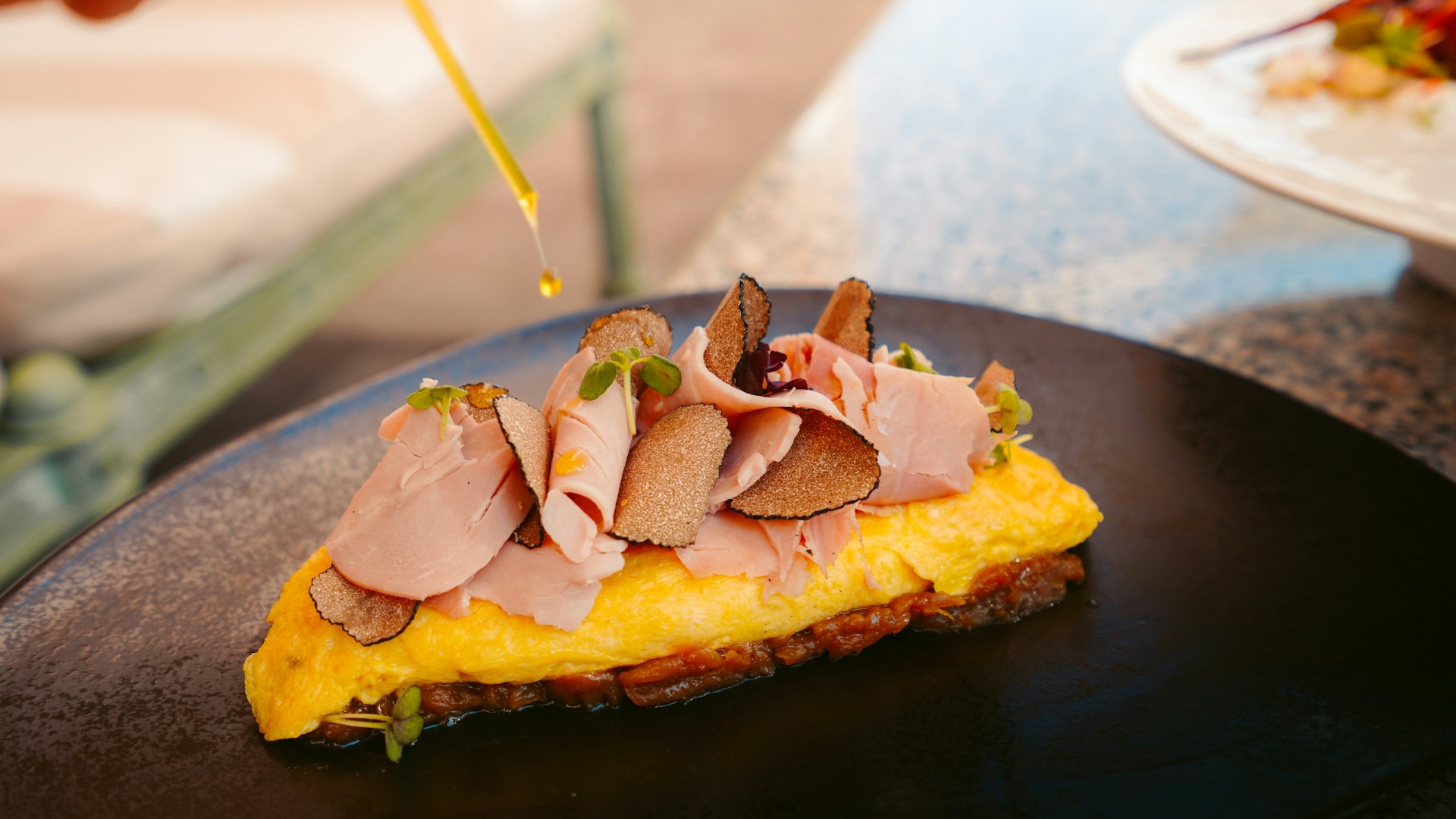
6. Truffle Oil Dishes
Despite hefty menu markups, commercial truffle oil contains zero truffles. It is synthesized from 2,4-dithiapentane, a petroleum-derived chemical compound engineered to mimic truffle aroma, which chefs consider an overpriced gimmick.
© Photo by Alexis Antoine on Unsplash
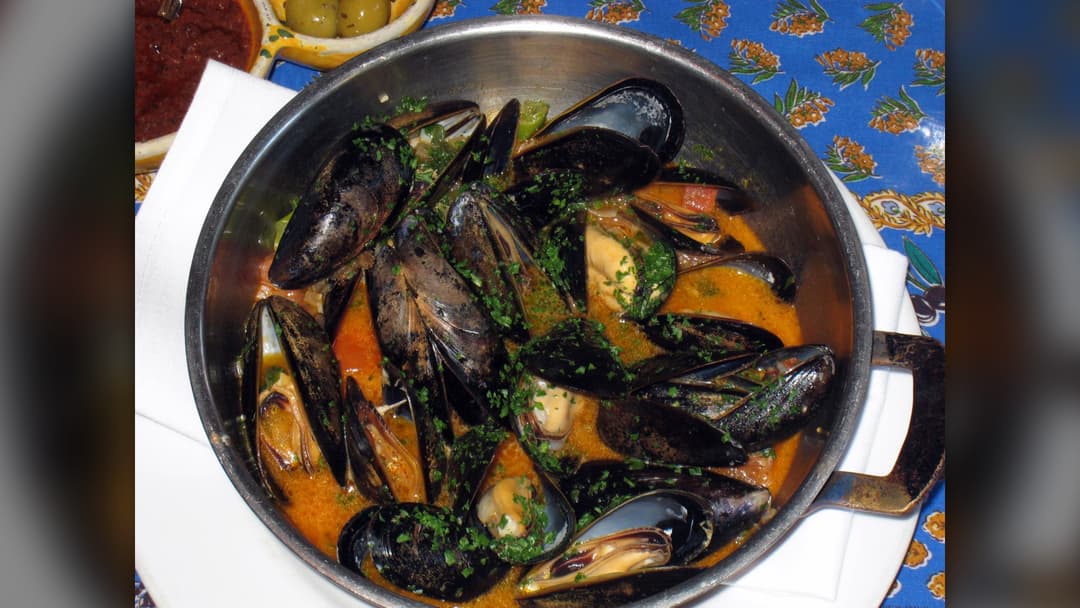
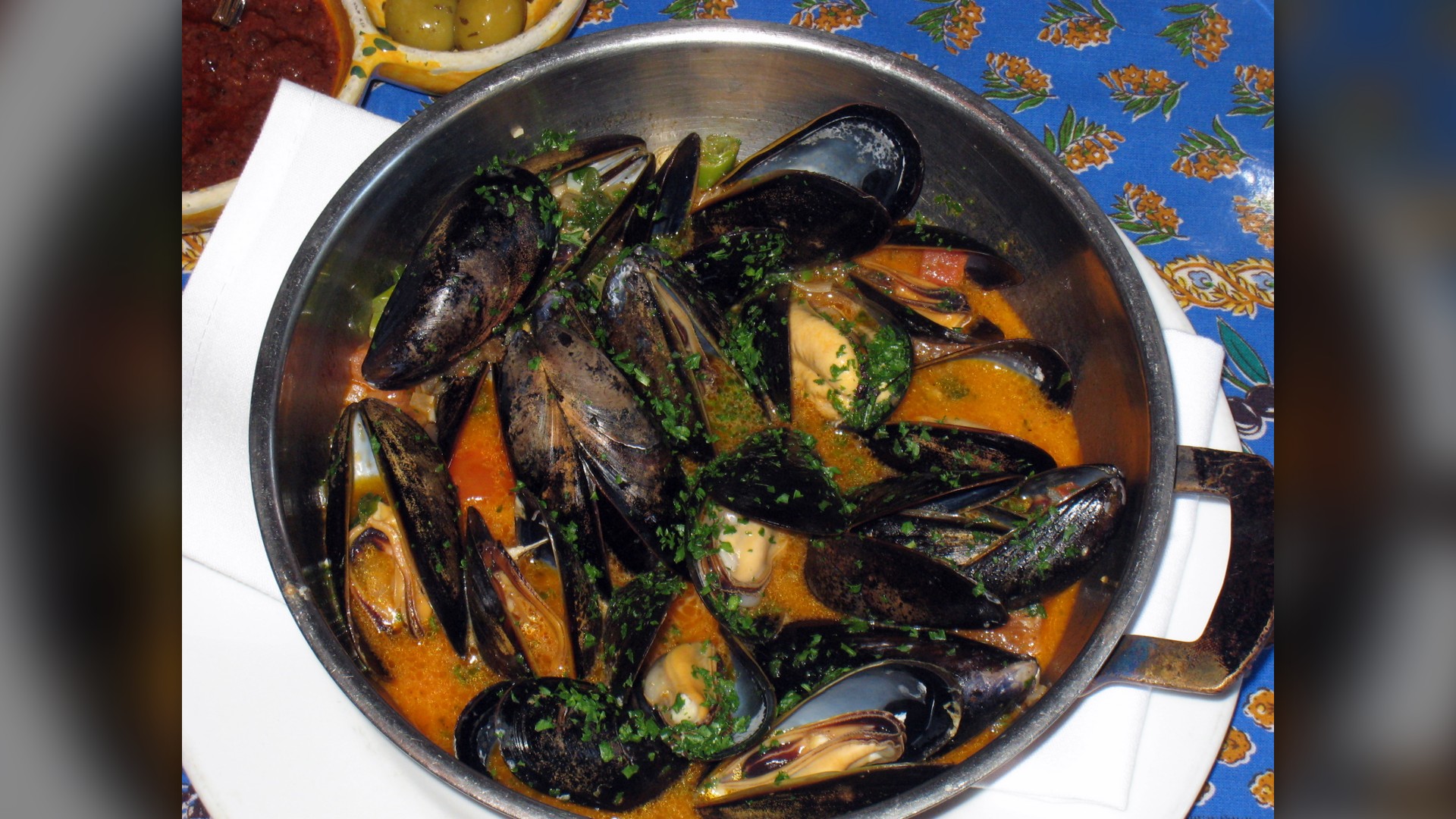
5. Restaurant Mussels
Mussels require meticulous sorting and rigorous scrubbing before cooking. If a busy kitchen fails to purge dead or tainted shells before steaming, a single contaminated mollusk will spoil the entire broth and sicken diners.
©Wikimedia / Ryosuke Hosoi
Advertisement
Swipe or tap ▶ to resume the countdown.
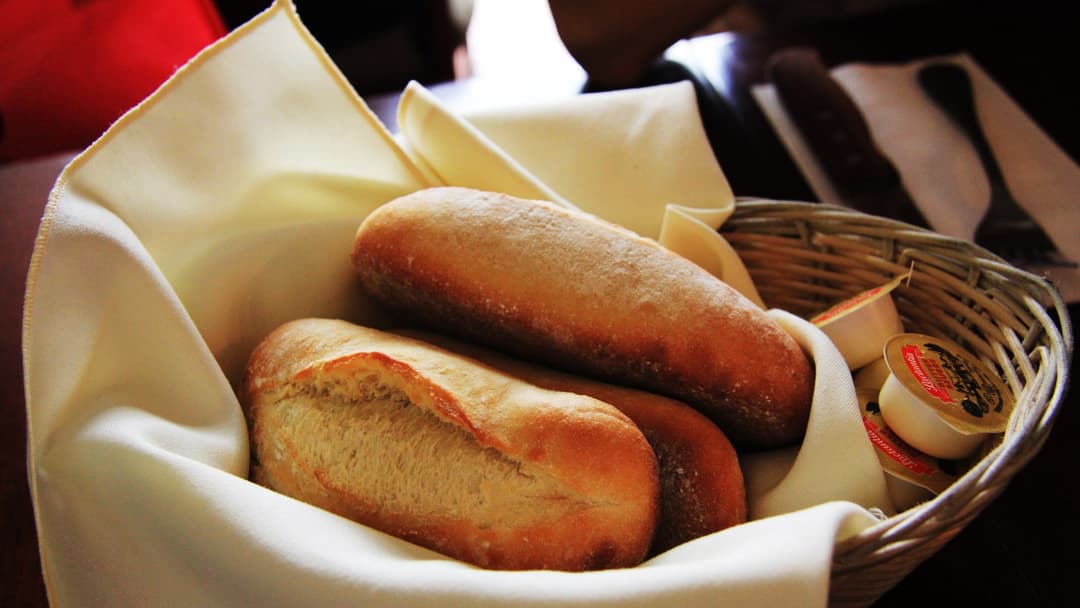
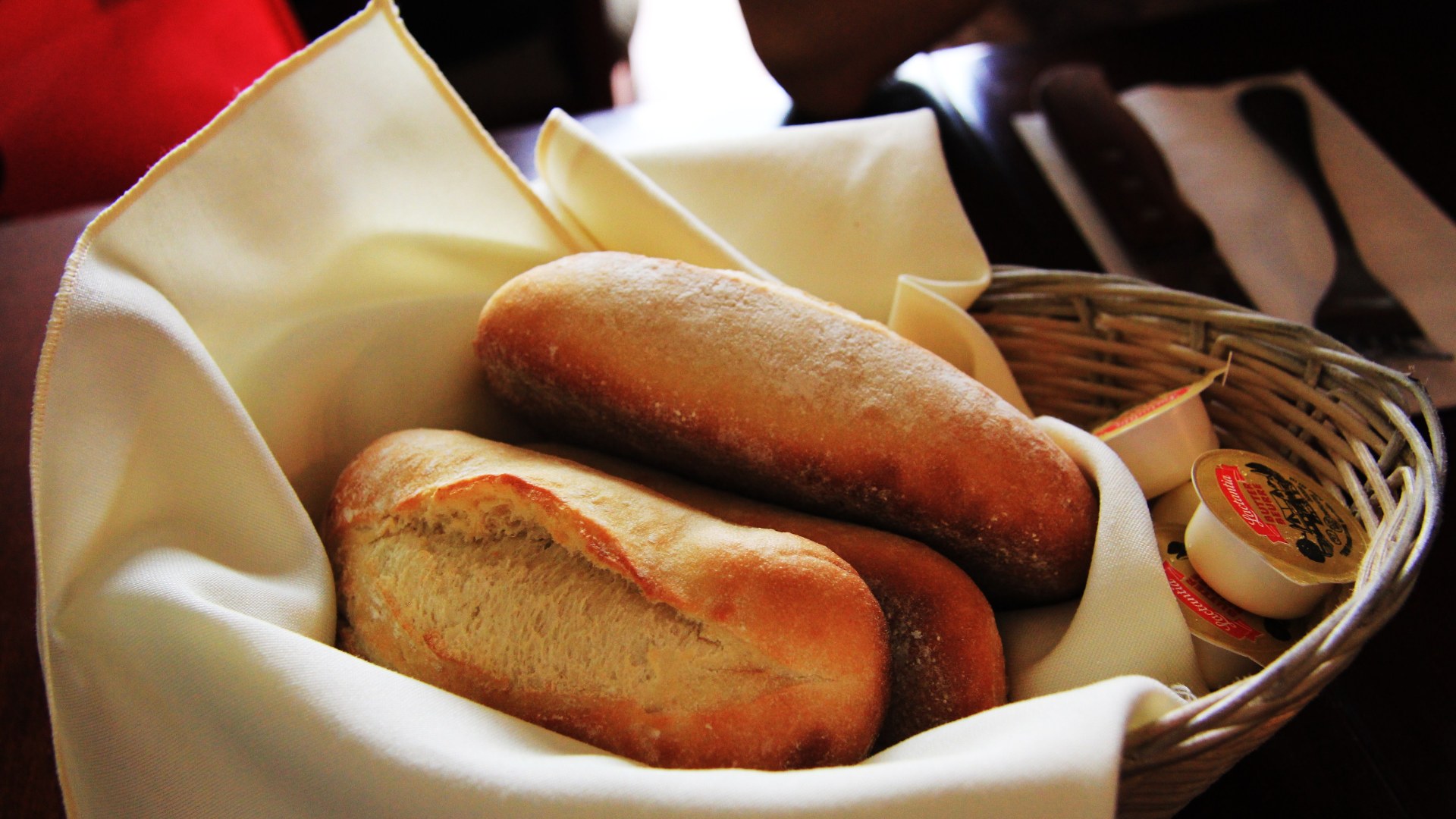
4. Recycled Bread Baskets
A notorious open secret in budget eateries is that uneaten bread left in customer baskets is frequently returned to the warming drawer and re-served. Unless bread is baked fresh or sliced to order, chefs skip the free basket.
©Wikimedia / Jiaqian AirplaneFan
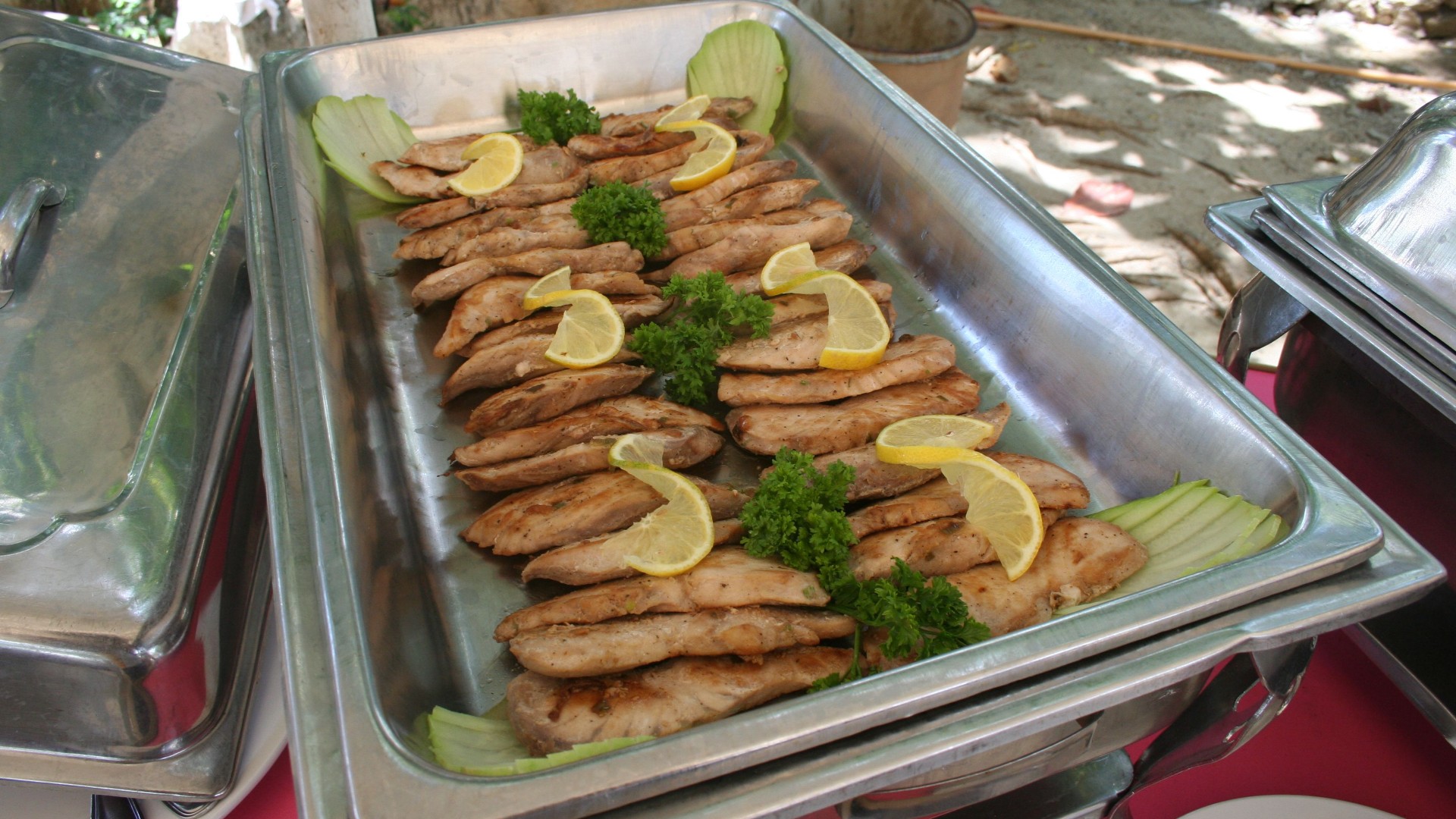
3. Monday Fish Specials
Most coastal wholesale fish markets are closed over the weekend. Unless a restaurant has seven-day fresh deliveries, Monday's seafood specials are frequently Friday leftovers nearing their four-day expiration threshold.
©Wikimedia / Gibson Torreon C
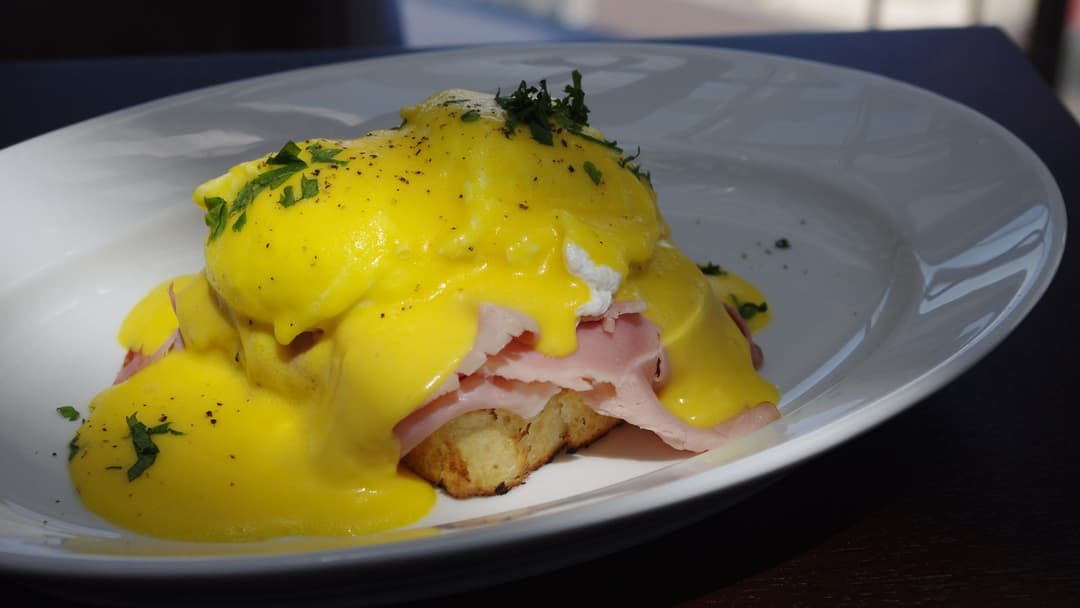
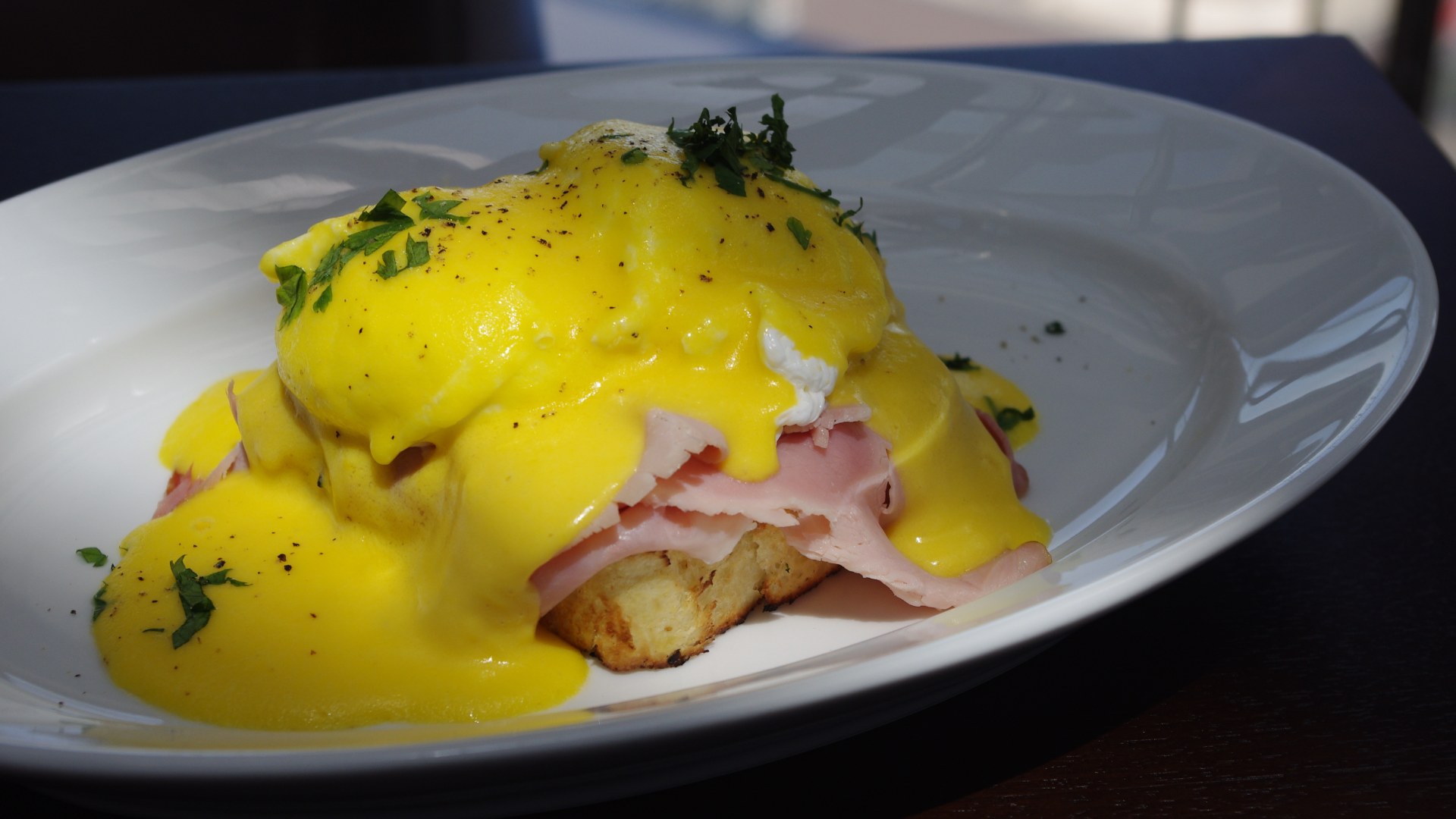
2. Sunday Brunch Hollandaise
Hollandaise sauce cannot be kept piping hot or the egg yolks curdle, nor refrigerated or the butter solidifies. Held for hours in the bacterial 'danger zone' between 40°F and 140°F, it is notorious for foodborne illness.
©Wikimedia / Matt @ PEK
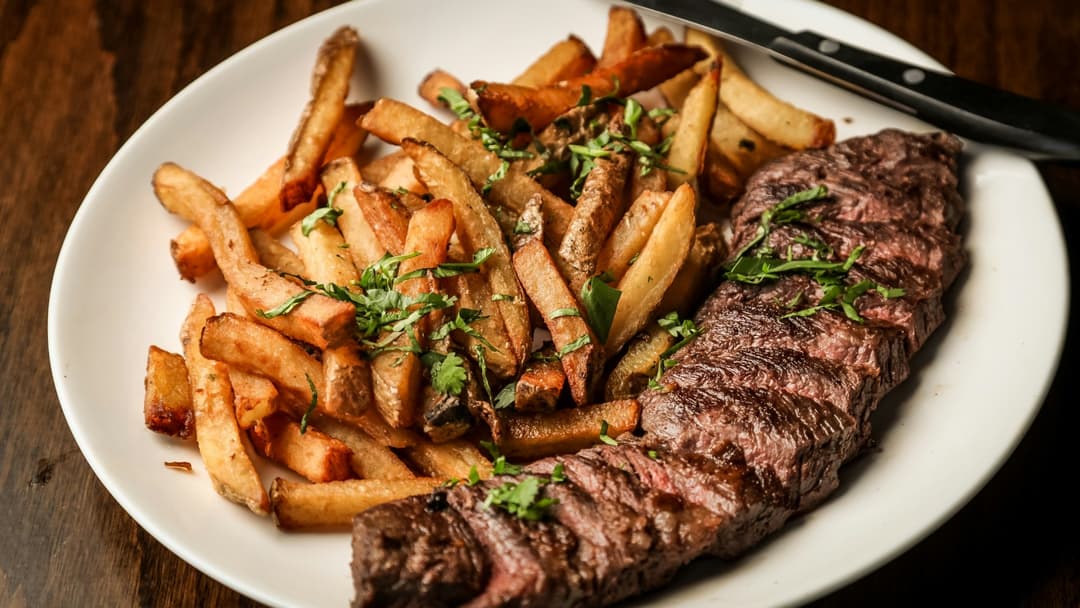
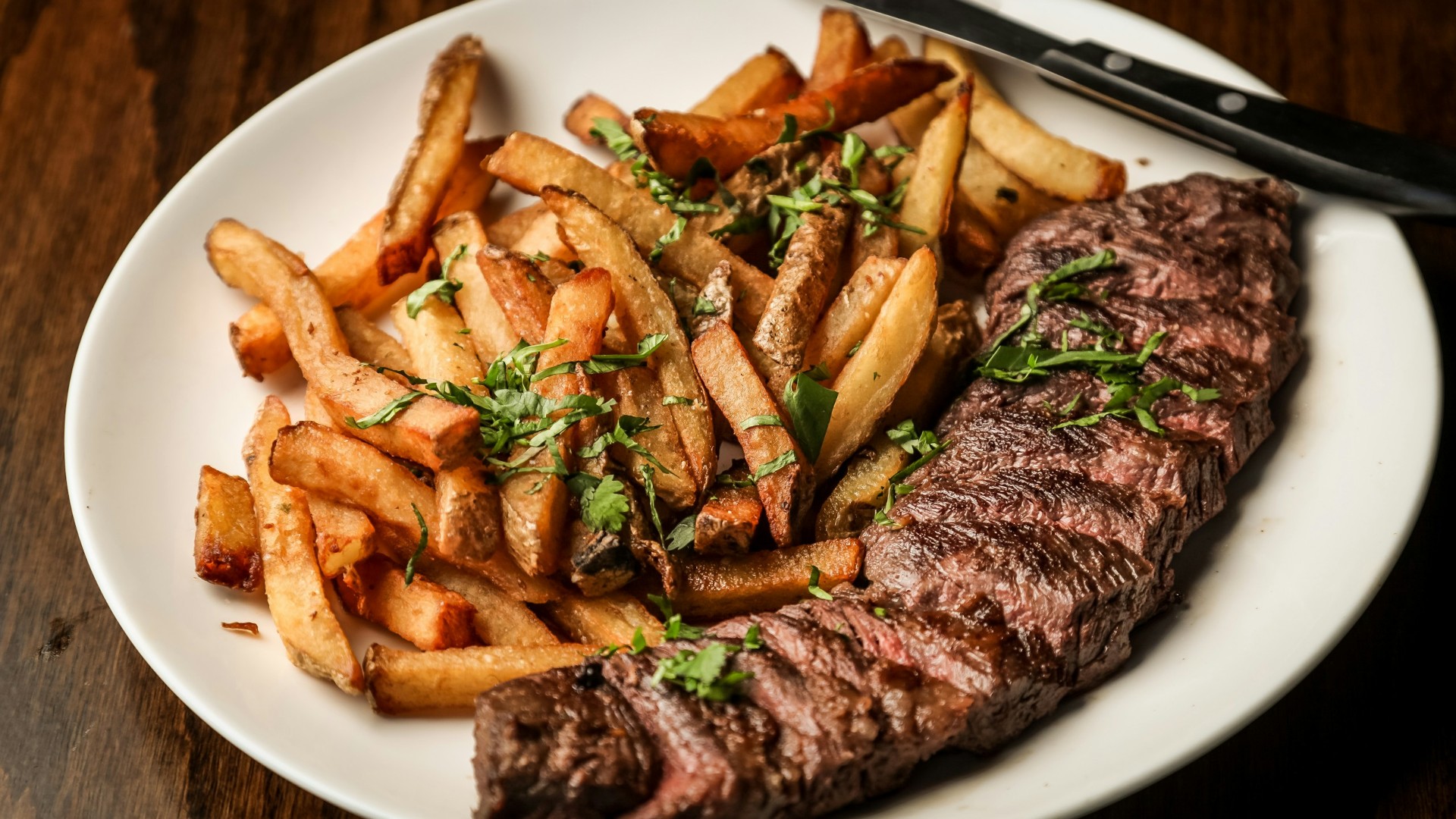
1. Well-Done Steak
Anthony Bourdain famously revealed that chefs save their oldest cuts of beef for customers ordering well-done. Overcooking chars away delicate marbling and natural flavors while concealing aged meat that wouldn't pass muster at medium-rare.
© Photo by Tim Toomey on Unsplash
Advertisement
You've reached the end of the story. Thanks for reading!

20 Details Behind The Real Story Of Stephen Miller
All 15 Entries in this Story
1. Inland Raw Oysters
Raw oysters must be kept strictly refrigerated below 40°F from the moment they are harvested. Ordering them at an inland restaurant introduces dozens of shipping links where a single temperature spike allows fatal Vibrio bacteria to proliferate.

2. Plain Chicken Breast Entrée
Boneless, skinless chicken breast is notoriously easy to overcook into dry, rubbery cardboard. Because wholesale poultry is inexpensive, restaurants mark it up several hundred percent while rarely investing genuine culinary creativity.

3. Soup Of The Day
The 'soup du jour' is rarely a burst of culinary inspiration; it is traditionally an ingenious inventory clearing method. Leftover roasts, wilted vegetables, and aging sauces from previous days are boiled down into a rich broth to avoid waste.

4. All-You-Can-Eat Buffet Sushi
High-end sushi is sliced and eaten within minutes. At buffets or conveyor belts, raw fish rolls sit under ambient room lighting for hours, leading to warm rice, oxidized tuna, and a rapid spike in histamine and bacterial toxicity.

5. Raw Sprouts On Salads
Alfalfa and bean sprouts require warm, moist conditions to sprout from seed—the exact environmental conditions in which bacteria thrive. Food safety experts consider raw sprouts among the highest-risk produce items in commercial dining.

6. Wagyu Burgers & Sliders
The entire appeal of Wagyu beef lies in its delicate intramuscular marbling. Grinding the beef melts and homogenizes the fat into ordinary burger grease, allowing restaurants to sell cheap scrap trimmings at exorbitant prices.

7. Drink Lemon Wedges
Studies published in environmental health journals found that over 70% of restaurant lemon wedges harbor pathogenic bacteria, including E. coli. Sliced in advance and handled barehanded by multiple servers, they are contamination hotspots.

8. Steam-Table Scrambled Eggs
Buffet scrambled eggs are typically reconstituted from pasteurized liquid eggs poured into metal steam pans. Kept warm for hours, prolonged exposure to heat oxidizes the fats and releases hydrogen sulfide, ruining taste and texture.

9. Ice Machine Ice
Commercial ice machines require regular disassembly, descaling, and sanitization that few busy kitchens maintain. Health inspectors consistently flag ice bins for black mold, slime mold, and bacteria contaminating fountain drinks.

10. Truffle Oil Dishes
Despite hefty menu markups, commercial truffle oil contains zero truffles. It is synthesized from 2,4-dithiapentane, a petroleum-derived chemical compound engineered to mimic truffle aroma, which chefs consider an overpriced gimmick.

11. Restaurant Mussels
Mussels require meticulous sorting and rigorous scrubbing before cooking. If a busy kitchen fails to purge dead or tainted shells before steaming, a single contaminated mollusk will spoil the entire broth and sicken diners.

12. Recycled Bread Baskets
A notorious open secret in budget eateries is that uneaten bread left in customer baskets is frequently returned to the warming drawer and re-served. Unless bread is baked fresh or sliced to order, chefs skip the free basket.

13. Monday Fish Specials
Most coastal wholesale fish markets are closed over the weekend. Unless a restaurant has seven-day fresh deliveries, Monday's seafood specials are frequently Friday leftovers nearing their four-day expiration threshold.

14. Sunday Brunch Hollandaise
Hollandaise sauce cannot be kept piping hot or the egg yolks curdle, nor refrigerated or the butter solidifies. Held for hours in the bacterial 'danger zone' between 40°F and 140°F, it is notorious for foodborne illness.

15. Well-Done Steak
Anthony Bourdain famously revealed that chefs save their oldest cuts of beef for customers ordering well-done. Overcooking chars away delicate marbling and natural flavors while concealing aged meat that wouldn't pass muster at medium-rare.