Slideshow · Science
20 Amazing Secrets Behind Twin Siblings
From womb interactions captured on ultrasound at just 14 weeks to invented toddler languages, mirror-image traits, and NASA spaceflight experiments, twin siblings fascinate geneticists and parents alike. Explore 20 verified scientific facts about how identical and fraternal twins develop, bond, and differ from each other.


















All 20 Entries in this Story
1. Identical Twins Do Not Have Identical Fingerprints
Even though monozygotic twins share nearly 100 percent of their DNA, their fingerprints are never identical. Fingertip ridges form between weeks 6 and 13 of pregnancy as each fetus touches different parts of the amniotic sac at different pressures.

2. Up To 40 Percent Of Twins Invent Their Own Private Language
Known clinically as cryptophasia or autonomous language, this phenomenon occurs in roughly 40 percent of twin pairs. Because twin babies spend so much time babbling face to face, they often coin shared words, sounds, and gestures together.

3. Twins Begin Reaching For Each Other At 14 Weeks In The Womb
Using four-dimensional ultrasound scans, researchers at the University of Padua in Italy discovered that twin fetuses intentionally reach out toward each other by week 14 and touch their sibling's delicate eye area more gently than their own body.

4. Mirror-Image Twins Are Physical Reflections Of Each Other
Roughly 25 percent of identical twins split later than usual, around 9 to 12 days after fertilization. These mirror-image twins often have opposite handedness, birthmarks on opposite sides of the body, and hair cowlicks that swirl in reverse.

5. Fraternal Twins Can Have Two Different Biological Fathers
In a rare reproductive event known as heteropaternal superfecundation, a woman releases two eggs during one ovulation cycle that are fertilized by sperm from two different men within days of each other, resulting in half-sibling twins.

6. Identical Twins Can Carry Different Genetic Mutations
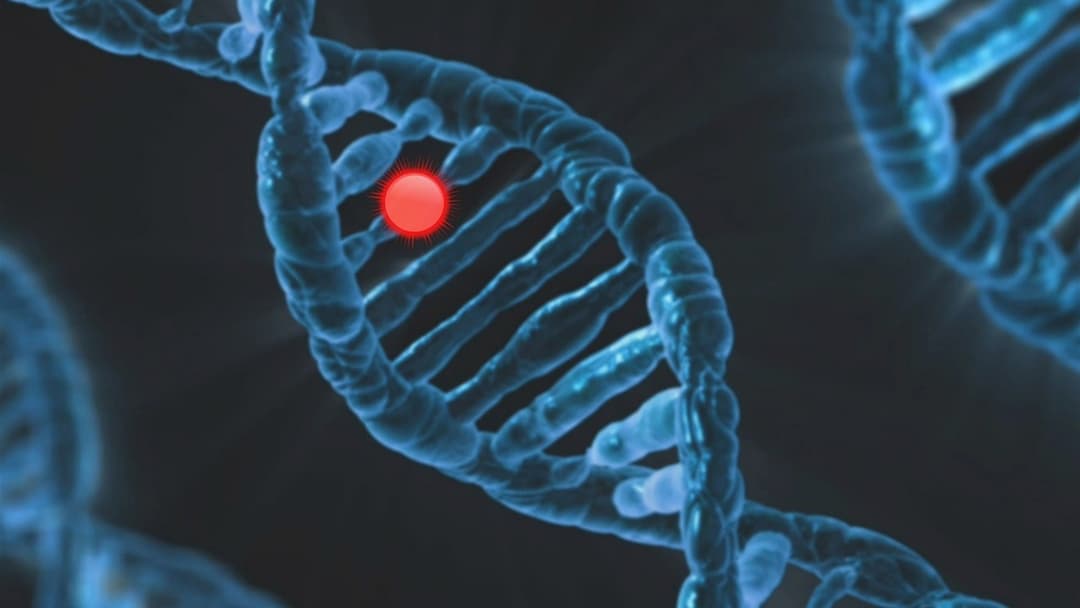
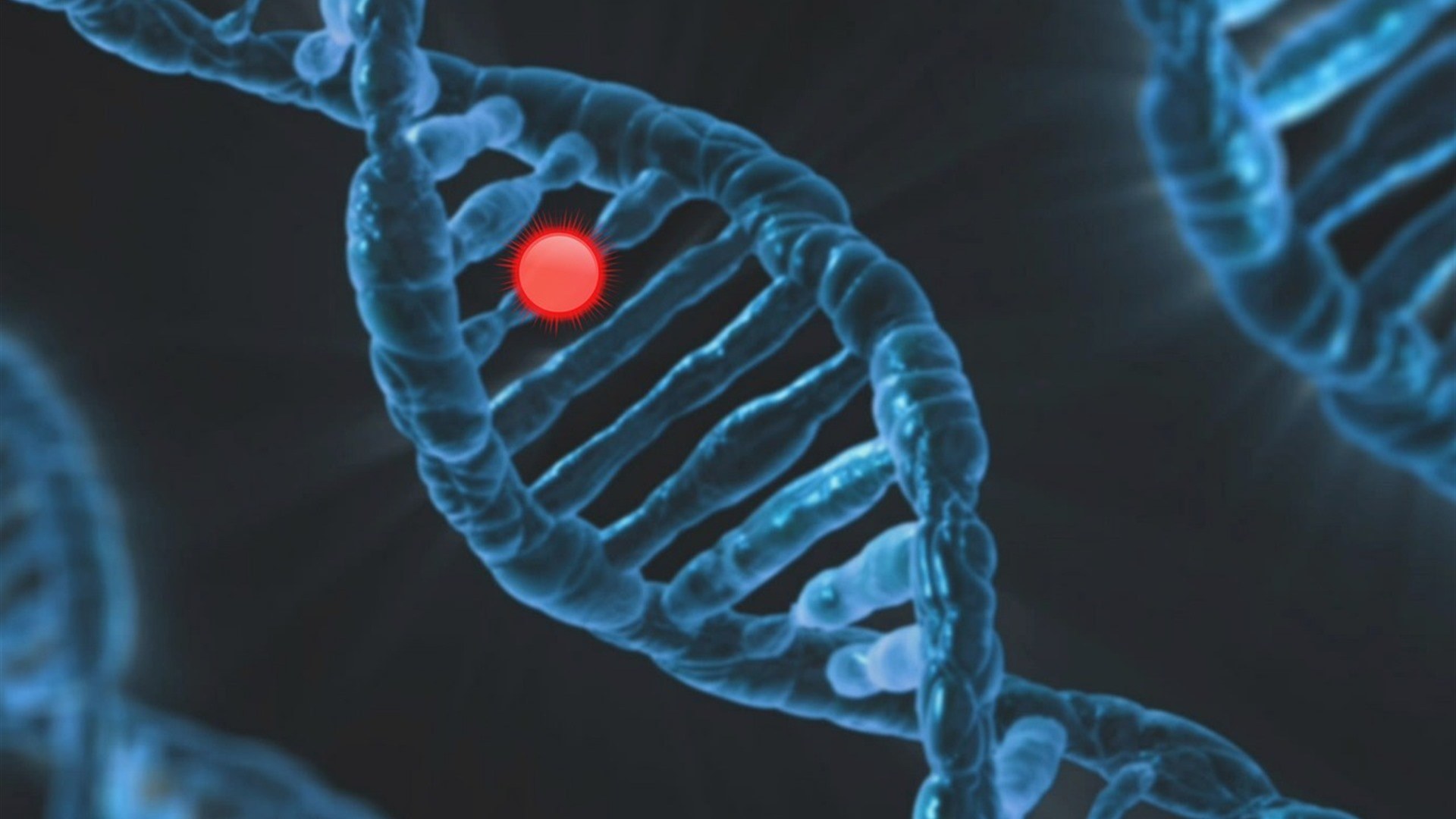
A 2021 study published in Nature Genetics sequenced the genomes of 387 pairs of identical twins and found they differed by an average of 5.2 early developmental mutations, proving that identical twins do not always have 100 percent identical DNA.
7. West Africa Has The Highest Twin Birth Rate On Earth
Driven by high rates of fraternal twinning, Central and West Africa record more twin births than any other region. The town of Igbo-Ora in southwestern Nigeria averages roughly 45 to 50 sets of twins per 1,000 live births, nearly four times the global rate.

8. Taller Women Are Statistically More Likely To Conceive Twins
Research by reproductive specialist Gary Steinman found that mothers of twins and triplets averaged more than an inch taller than average. Taller women have higher levels of insulin-like growth factor, a protein that stimulates ovaries to release multiple eggs.

9. Some Twins Are Born Weeks Or Months Apart
While most twins arrive within minutes of each other, rare cases of delayed-interval delivery happen when one twin is born very prematurely and doctors use medication to halt contractions, allowing the second twin to remain in the womb for weeks.

10. Fraternal Twins Run In Families Only On The Mother's Side
Because fraternal twins result from a mother releasing two eggs at once, a couple's chance of having fraternal twins depends on the mother's genetics. A man who carries the hyperovulation gene cannot make his partner release two eggs, but can pass it to his daughters.
11. Boy-Girl Twins Are Almost Always Fraternal, With One Rare Exception
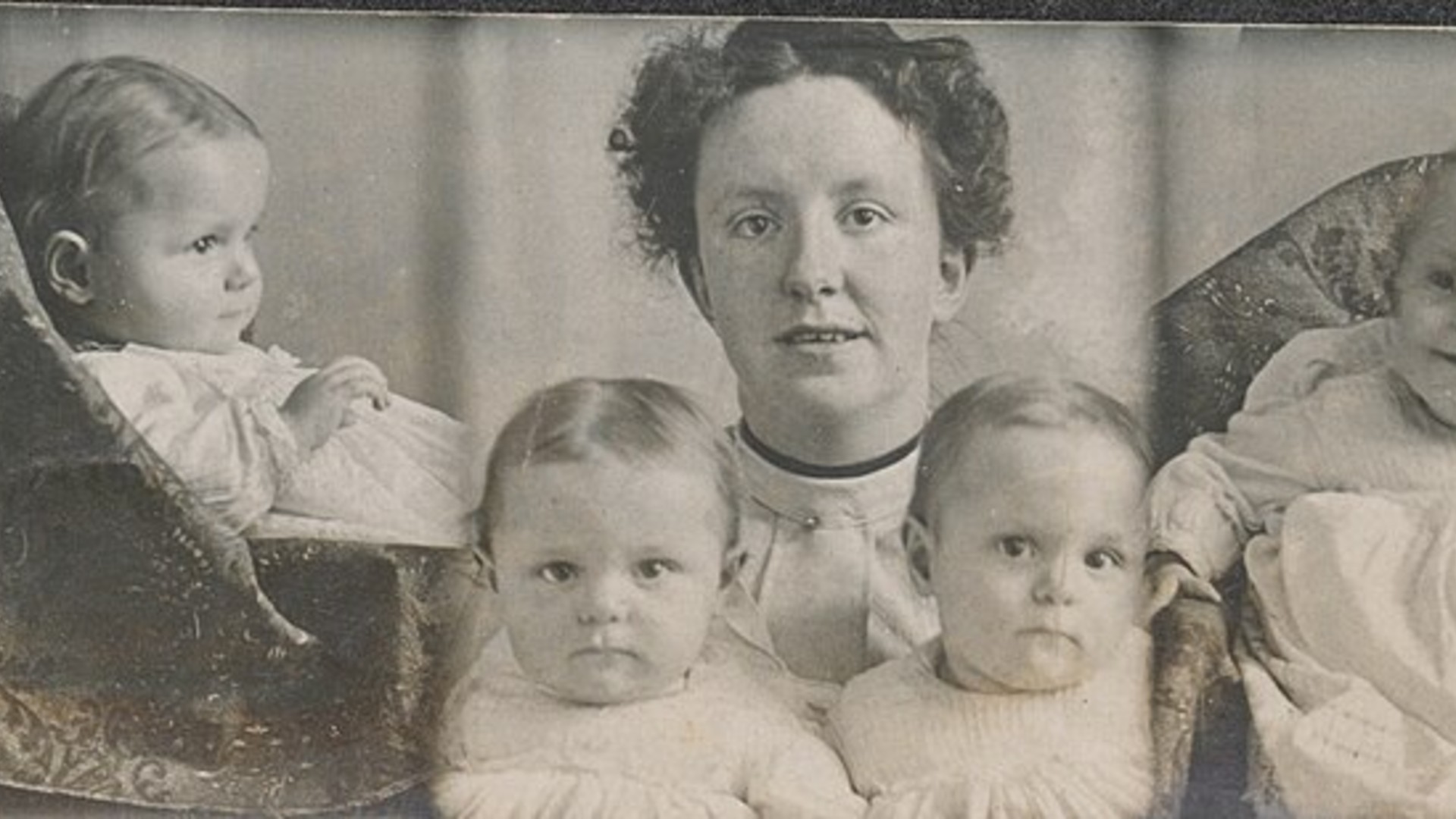
Identical twins come from one fertilized egg, so they are nearly always the same sex. In exceedingly rare cases, a male zygote drops a Y chromosome in one cell line right after splitting, resulting in one boy and one girl with Turner syndrome.

12. Mothers Who Naturally Conceive Twins Often Live Longer
A University of Utah study examining historical birth records of more than 58,000 women found that mothers who naturally conceived twins lived longer after menopause than mothers of singletons, because double ovulation reflects strong vitality.

13. Vanishing Twin Syndrome Occurs In Up To 30 Percent Of Twin Pregnancies
Since early first-trimester ultrasound imaging became standard, obstetricians have learned that up to 30 percent of twin conceptions lose one embryo during the first 12 weeks, with the tissue quietly reabsorbed while the surviving baby grows normally.

14. Children Of Two Sets Of Identical Twins Are Genetic Siblings
When a pair of identical twin brothers marries a pair of identical twin sisters, their children are legally first cousins. Genetically, however, these quaternary cousins share roughly 50 percent of their DNA, the exact same amount as full siblings.

15. Women Over 35 Are More Likely To Naturally Conceive Twins
Although overall fertility declines in a woman's late thirties, the body produces surges of follicle-stimulating hormone to prompt ovulation. Those hormone spikes frequently cause the ovaries to release two eggs at once, boosting fraternal twin rates.

16. Epigenetics Explains Why Identical Twins Age Differently
Identical twins start life with nearly indistinguishable epigenetic tags on their DNA, but as they grow up and experience different diets, sun exposure, exercise, and stress, chemical markers switch different genes on or off, altering how they age.

17. Polar Body Twins Share Roughly 75 Percent Of Their DNA
Beyond identical twins (100 percent shared DNA) and fraternal twins (50 percent shared DNA), scientists have documented rare sesquizygotic twins who share identical maternal DNA but different paternal DNA, resulting in roughly 75 percent genetic overlap.
18. Left-Handedness Is Nearly Twice As Common Among Twins
While roughly 10 percent of the general population is left-handed, studies across multiple countries show that 15 to 21 percent of identical and fraternal twins are left-handed, influenced by fetal positioning and mirror-image development.

19. Fraternal Twins Share The Same DNA Percentage As Regular Siblings
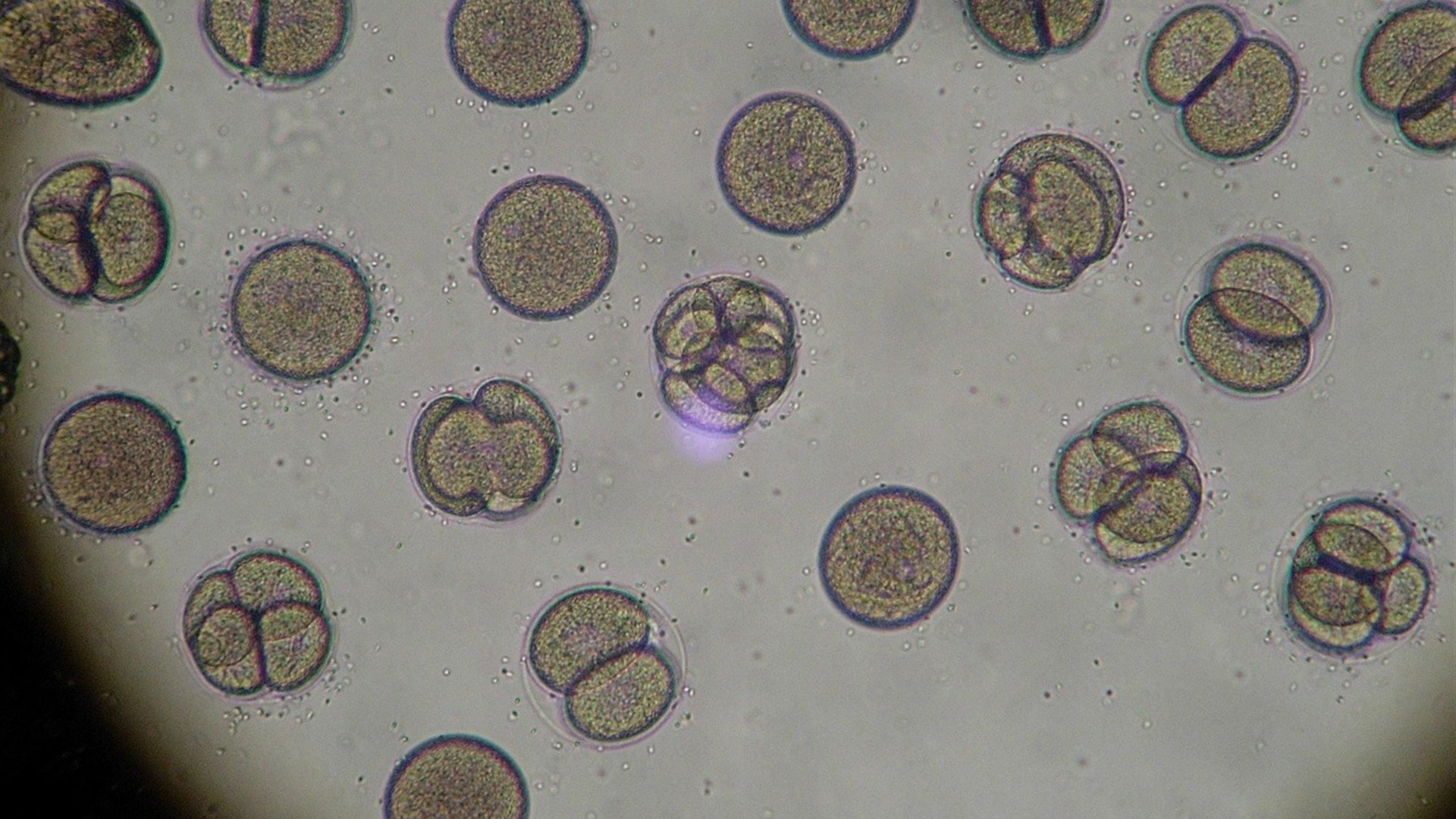
Because fraternal twins develop from two separate eggs fertilized by two separate sperm cells, they share about 50 percent of their DNA, the same as brothers and sisters born years apart. As a result, they can have completely different hair and eye colors.

20. NASA's Twin Study Proved Spaceflight Alters Human Gene Expression
When astronaut Scott Kelly spent 340 days aboard the International Space Station while his identical twin brother Mark Kelly stayed on Earth, NASA researchers tracked how microgravity temporarily lengthened Scott's telomeres and shifted gene expression.