Slideshow · Viral
20 American Towns Built Around Underground Mines
From deep silver lodes in the Rocky Mountains to massive copper networks and anthracite coal shafts of the Appalachians, subterranean deposits shaped the American frontier. Discover twenty historic towns whose entire existence was carved out of underground mines.
By Most Viral Today
1 hour ago

20 Historic Towns Built Around Underground Mines 
20. Tonopah, Nevada: The Silver Camp Queen 
19. Eureka, Utah: Tintic Silver Stronghold 
18. Shamokin, Pennsylvania: Hard Coal Metropolis - AdvertisementSwipe or tap ▶ to continue countdown

17. Silver City, New Mexico: Chloride Flat Pioneer 
16. Victor, Colorado: The City Of Mines 
15. Eckley, Pennsylvania: Historic Miners Settlement 
14. Ouray, Colorado: Crown Of The San Juans - AdvertisementSwipe or tap ▶ to continue countdown

13. Silverton, Colorado: Alpine Mining Outpost 
12. Calumet, Michigan: Copper Country Capital 
11. Telluride, Colorado: High Box Canyon Bonanza 
10. Park City, Utah: Silver King Mountain Haven - AdvertisementSwipe or tap ▶ to continue countdown

9. Cripple Creek, Colorado: The Greatest Gold Camp 
8. Centralia, Pennsylvania: Smoldering Underworld 
7. Wallace, Idaho: The Silver Capital 
6. Lead, South Dakota: Deepest Gold Chamber - AdvertisementSwipe or tap ▶ to continue countdown

5. Leadville, Colorado: Cloud City Silver Kings 
4. Jerome, Arizona: The Billion Dollar Camp 
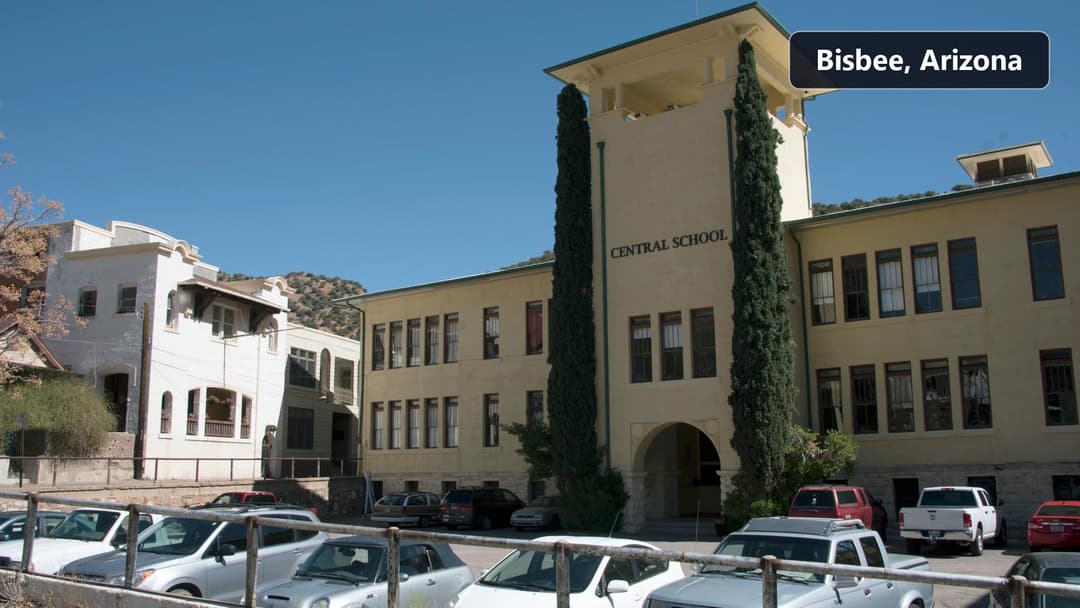
3. Bisbee, Arizona: The Copper Queen 
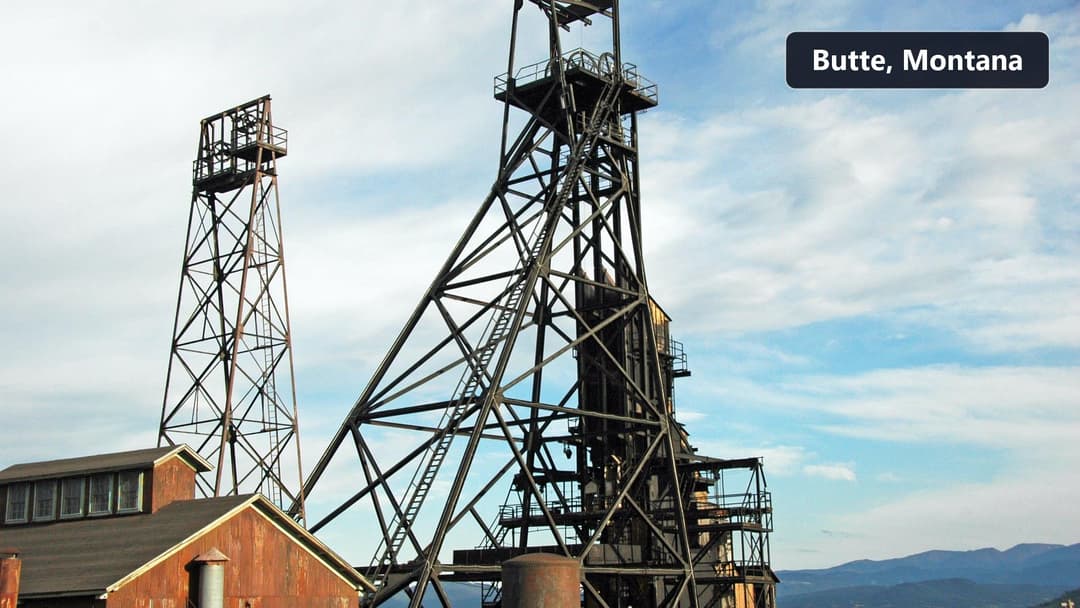
2. Butte, Montana: Richest Hill On Earth - AdvertisementSwipe or tap ▶ to continue countdown

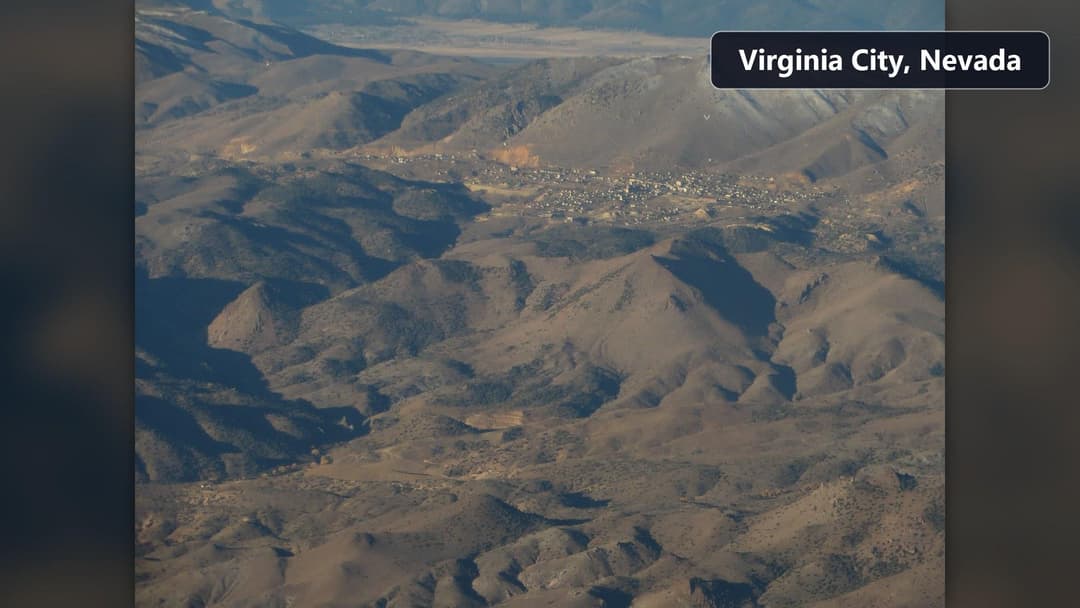
1. Virginia City, Nevada: Comstock Lode Crown - Advertisement🔥 UP NEXT IN THIS SERIES◫ 21 Slides

20 US States with the most bald men
20 Environmental and Lifestyle Factors Driving Hair Loss
From deep silver lodes in the Rocky Mountains to massive copper networks and anthracite coal shafts of the Appalachians, subterranean deposits shaped the American frontier. Discover twenty historic towns whose streets, economies, and architecture were carved out of massive underground mines.
Swipe or tap ▶ to begin the countdown
©Wikimedia / James St. John & Wikimedia / Ken Lund
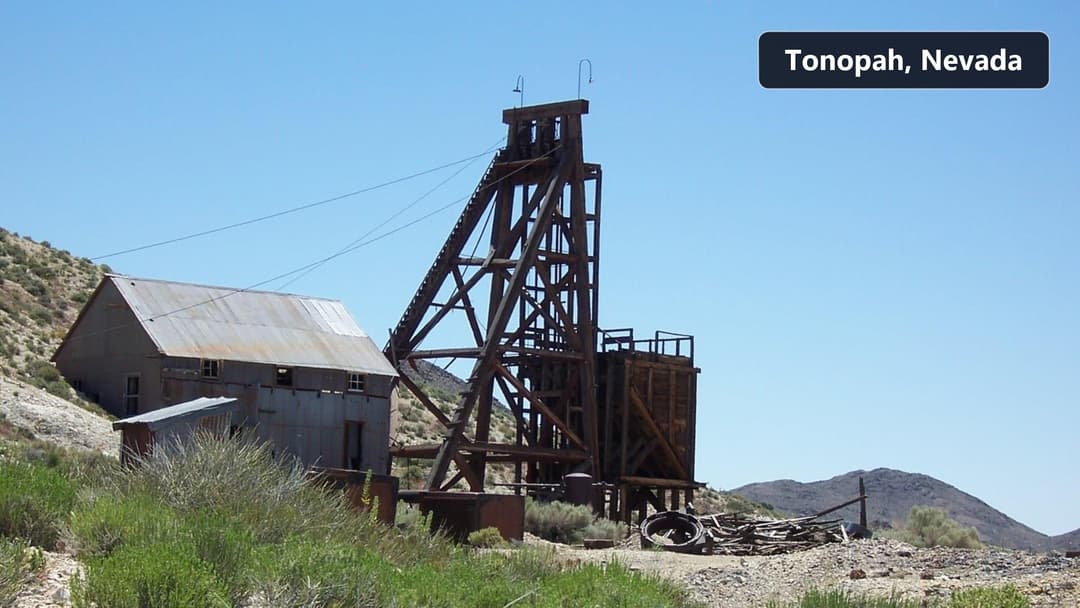
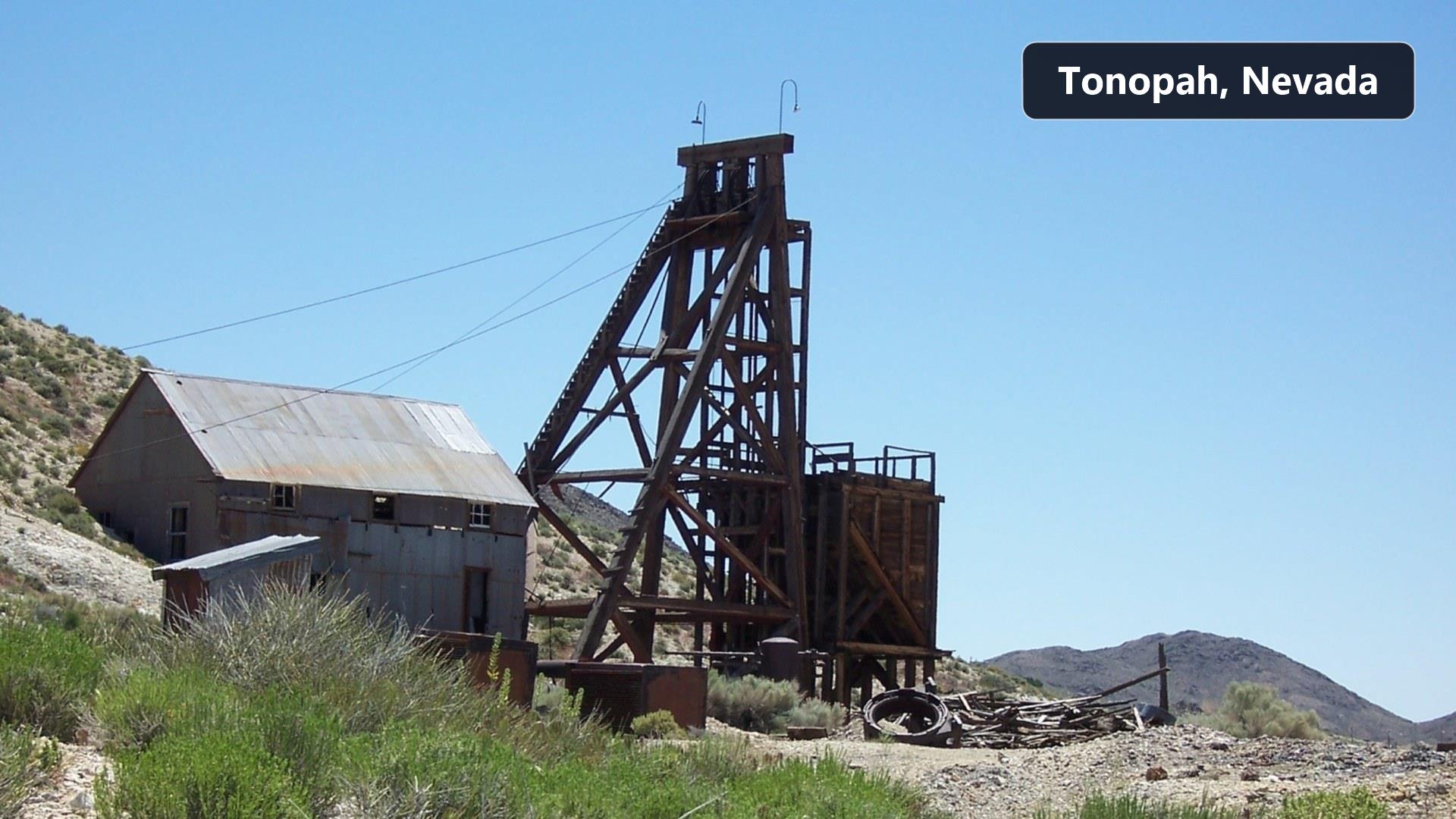
20. Tonopah, Nevada: The Silver Camp Queen
Tonopah sprang to life after Jim Butler discovered silver near a desert spring in 1900. Massive timber headframes and deep subterranean tunnels soon covered Mount Oddie, extracting over five million tons of high-grade ore and earning the settlement fame as the Queen of the Silver Camps.
©Wikimedia / QKC
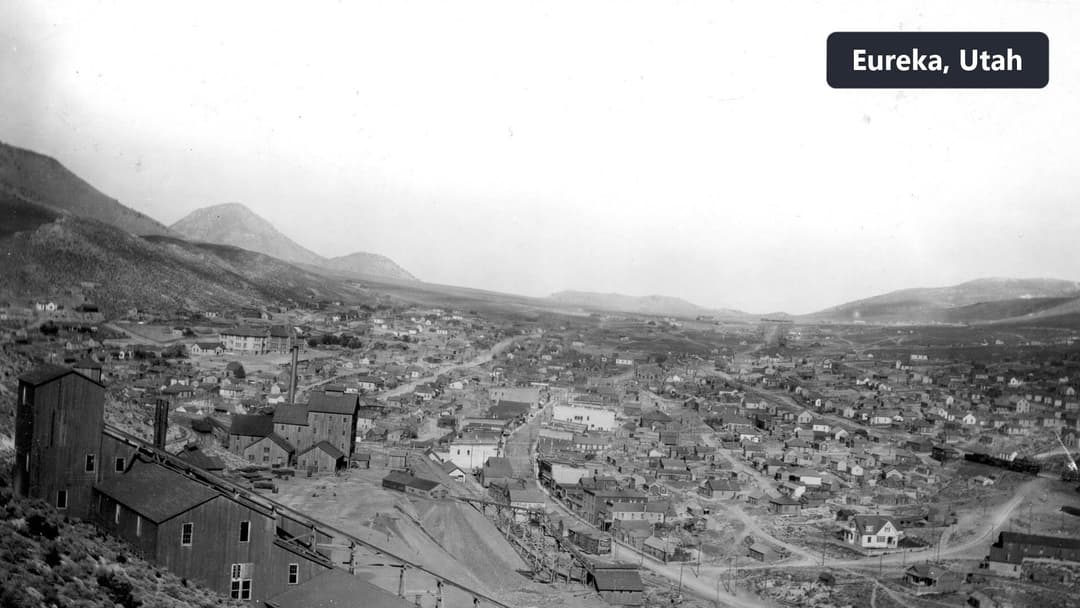
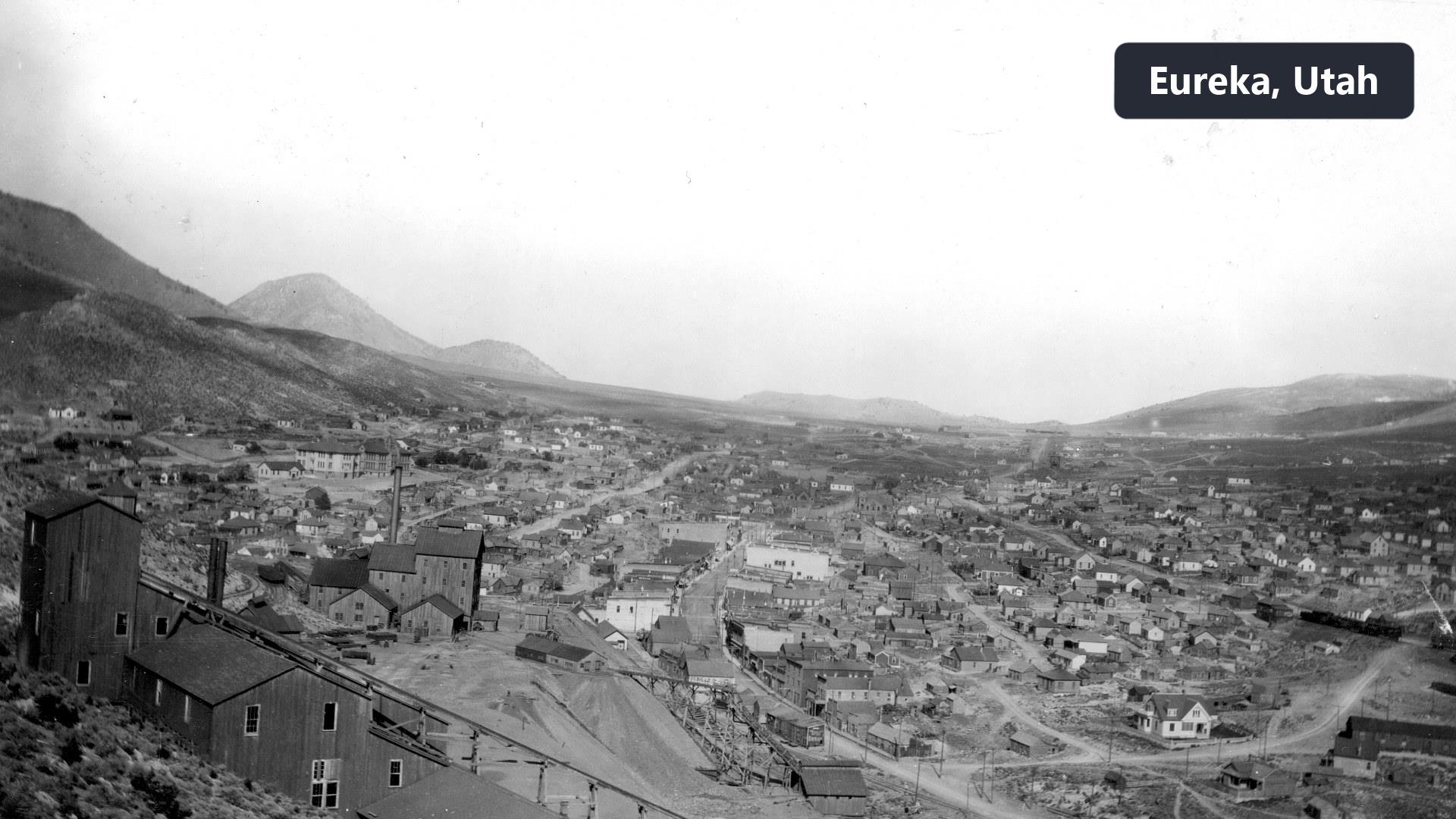
19. Eureka, Utah: Tintic Silver Stronghold
Founded in 1869 in the East Tintic Mountains, Eureka developed around heavy underground shafts like the Bullion Beck and Champion Mine. Thousands of miners extracted silver, lead, and gold from deep limestone caverns, turning a remote gulch into one of Utah's primary financial centers.
©Wikimedia / USGS
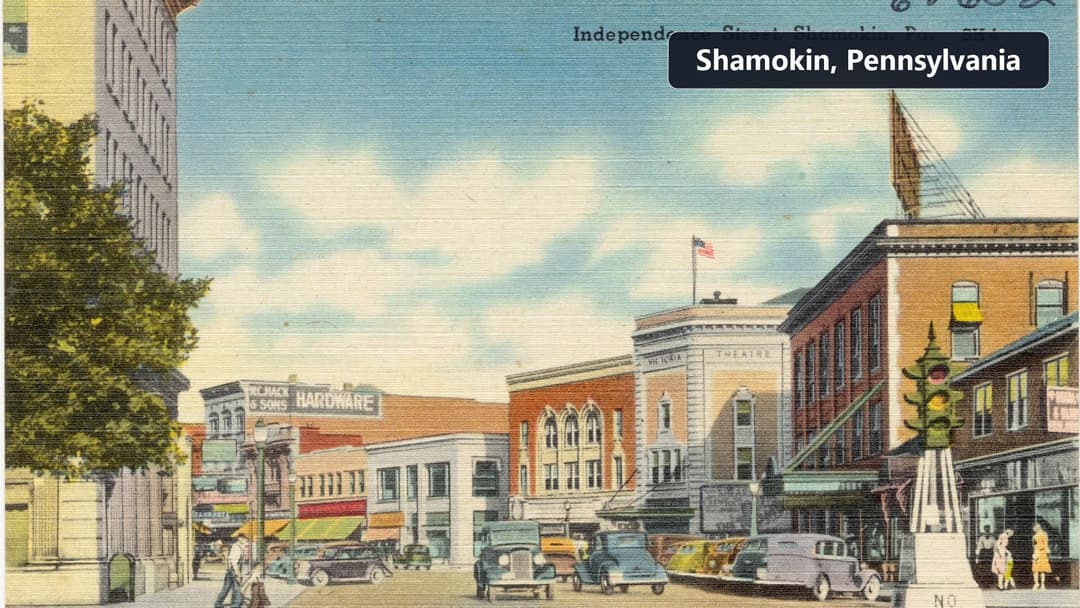
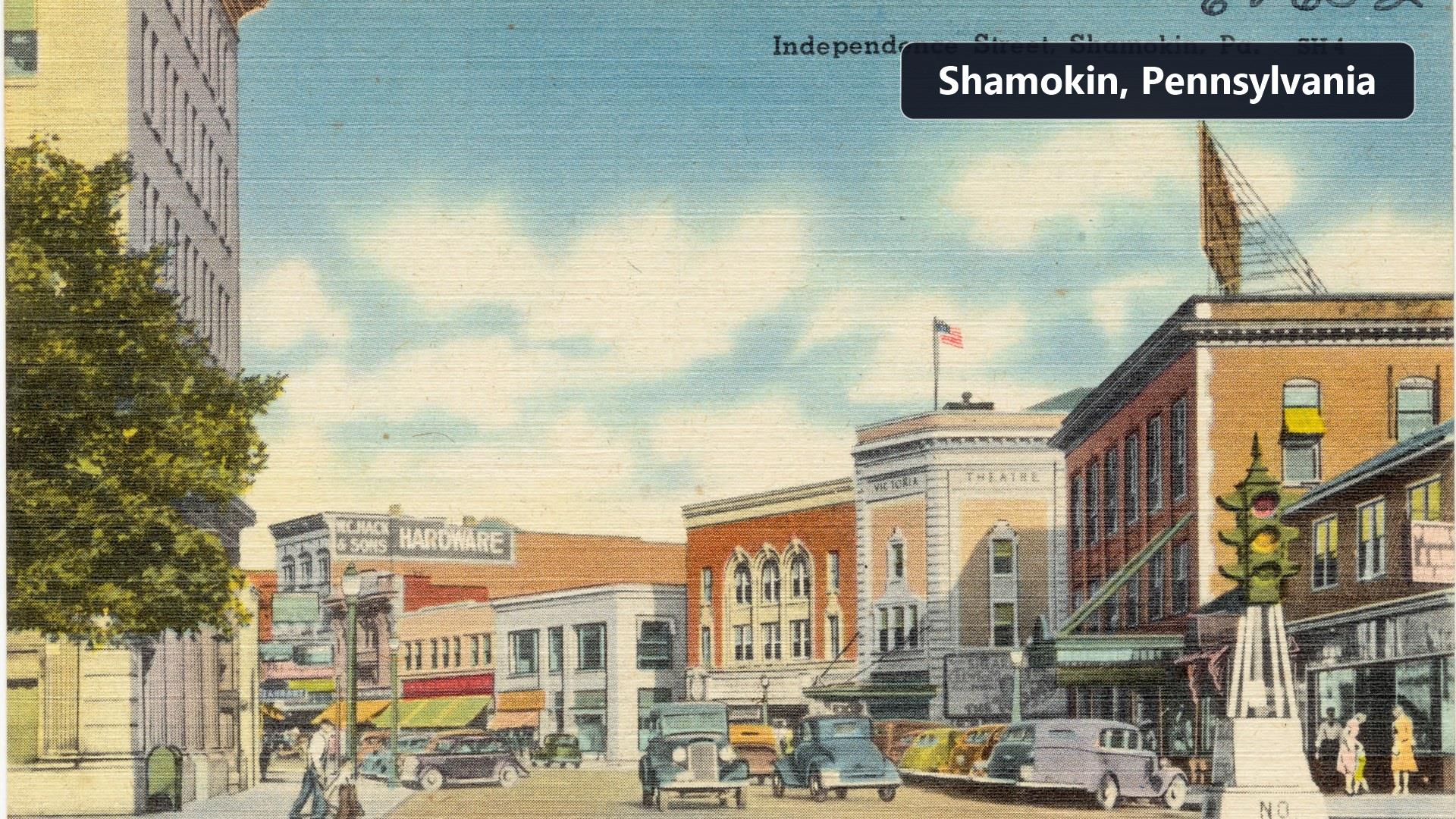
18. Shamokin, Pennsylvania: Hard Coal Metropolis
Shamokin expanded rapidly during the nineteenth century as coal companies sank vertical shafts and slope mines into rich anthracite beds. Thomas Edison helped electrify the town in 1883, powering downtown streets while subterranean workers fueled American locomotives and steel mills.
©Wikimedia / Mebane Greeting Card Co.
Advertisement
Swipe or tap ▶ to resume the countdown.
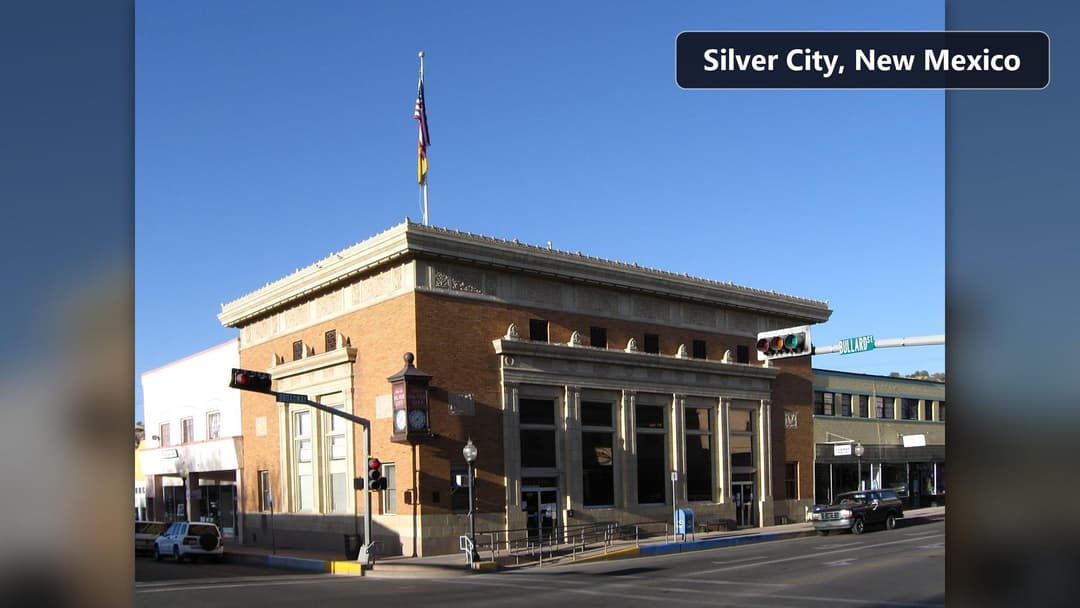
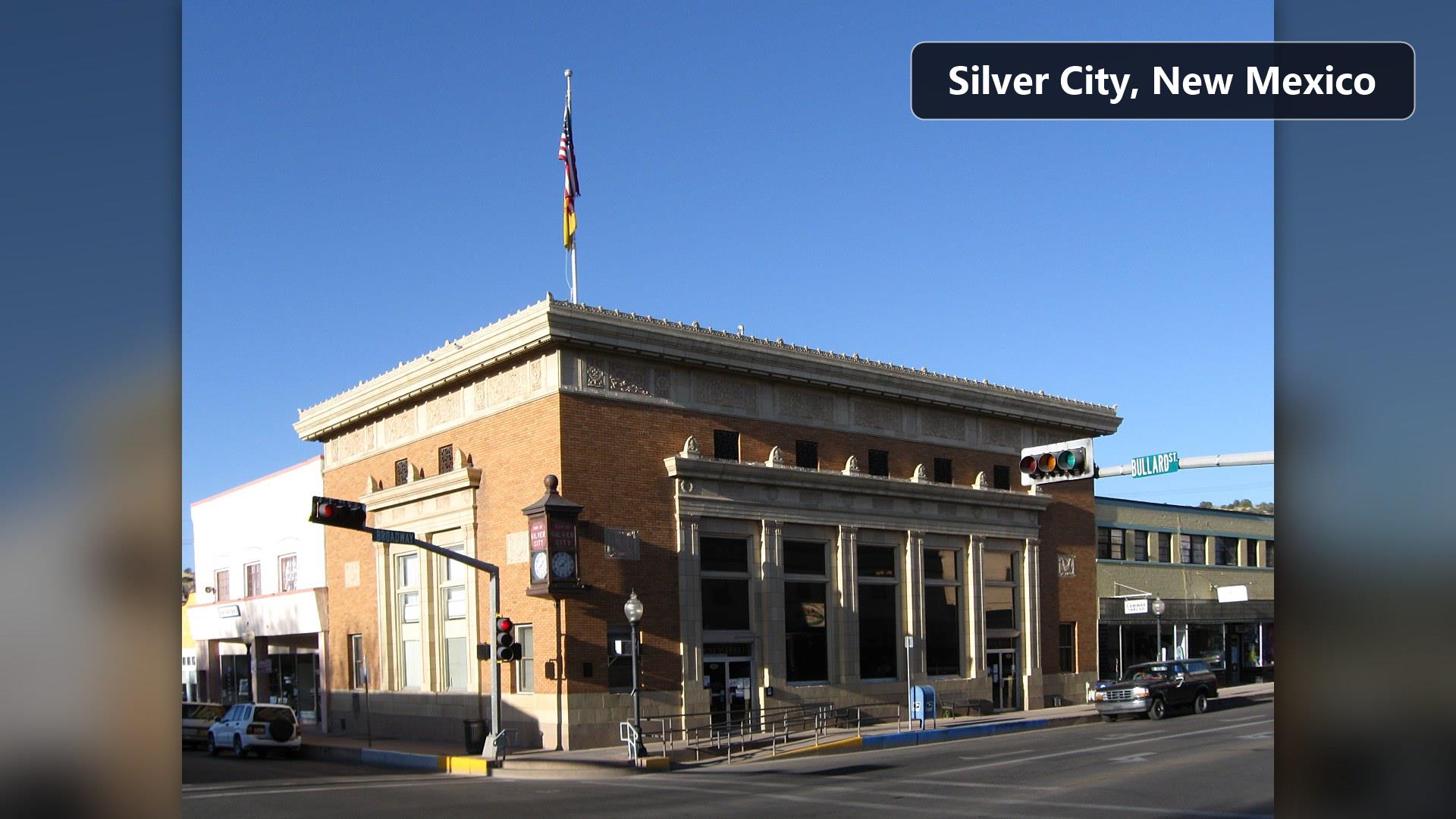
17. Silver City, New Mexico: Chloride Flat Pioneer
Silver City was plotted in 1870 following silver strikes on the western slope of the Pinos Altos range. Unlike temporary tent camps, residents constructed brick buildings to withstand flash floods, creating an enduring desert hub centered around underground silver and copper extraction.
©Wikimedia / AllenS
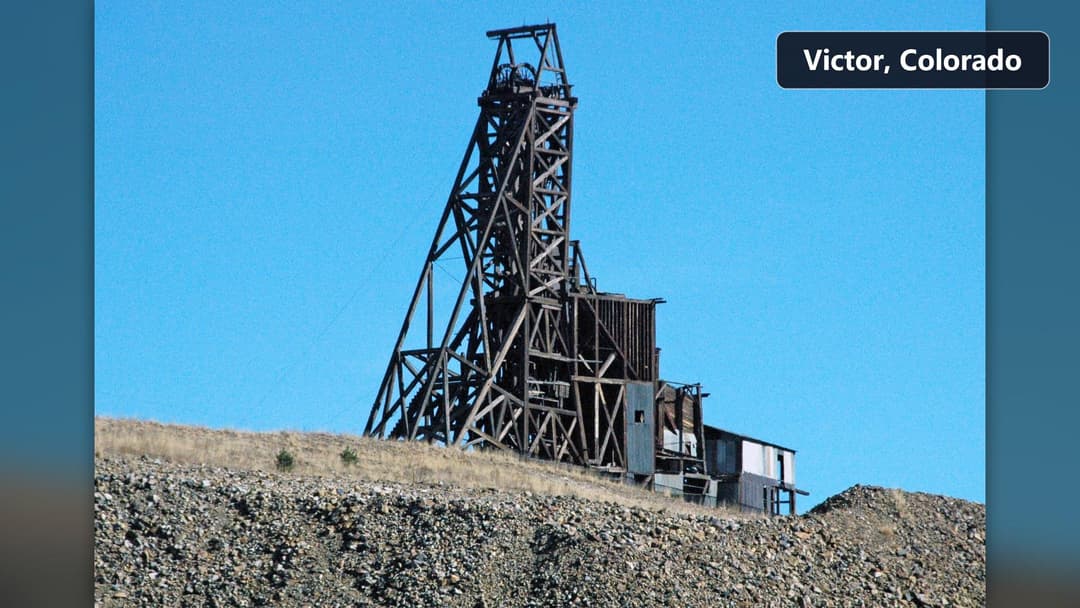
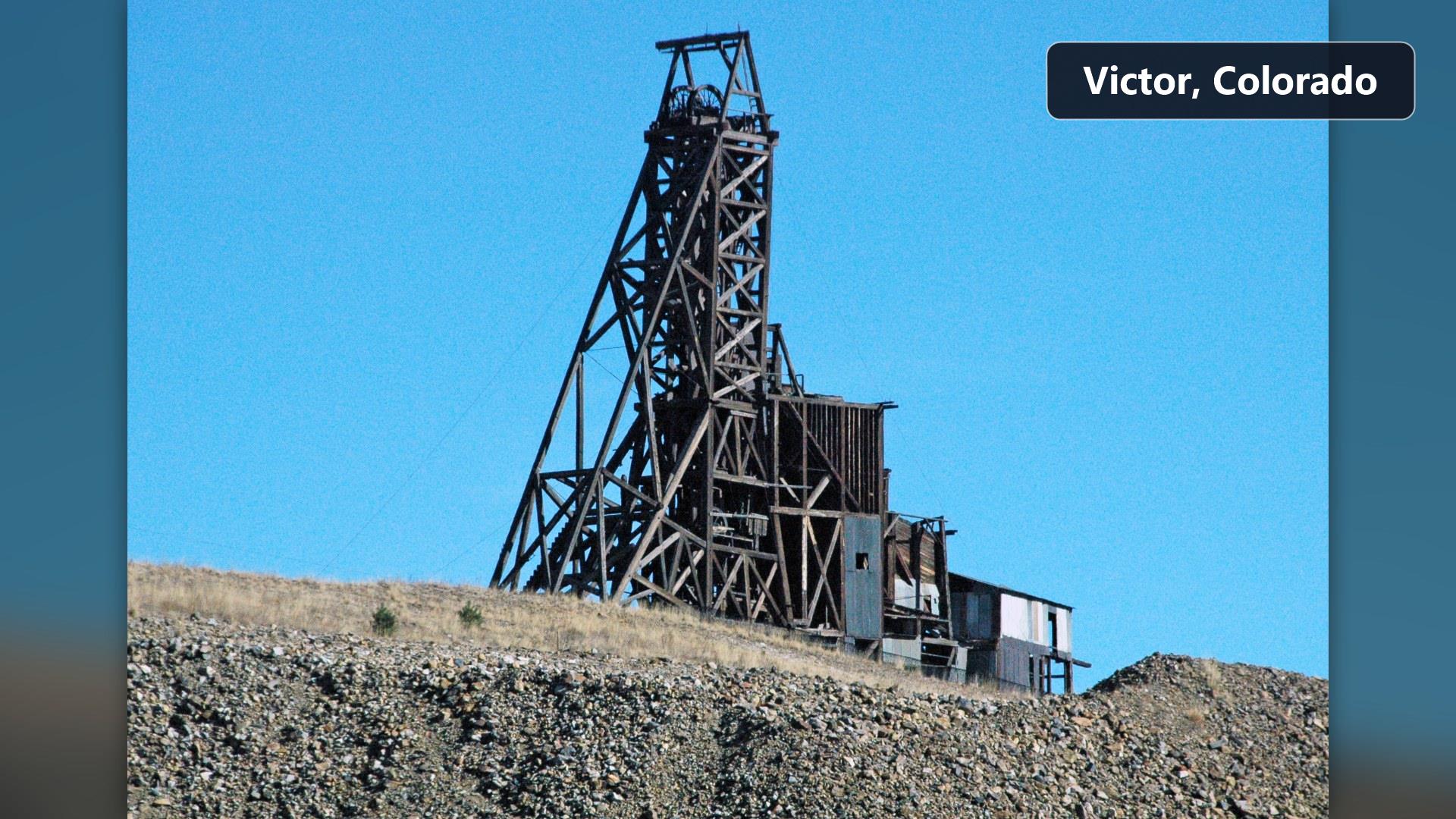
16. Victor, Colorado: The City Of Mines
Perched at nearly ten thousand feet on the southern slope of Battle Mountain, Victor grew directly over rich underground gold veins. Massive operations like the Portland and Independence mines dug hundreds of miles of tunnels, with steel hoist frames standing directly alongside downtown brick storefronts.
©Wikimedia / James St. John
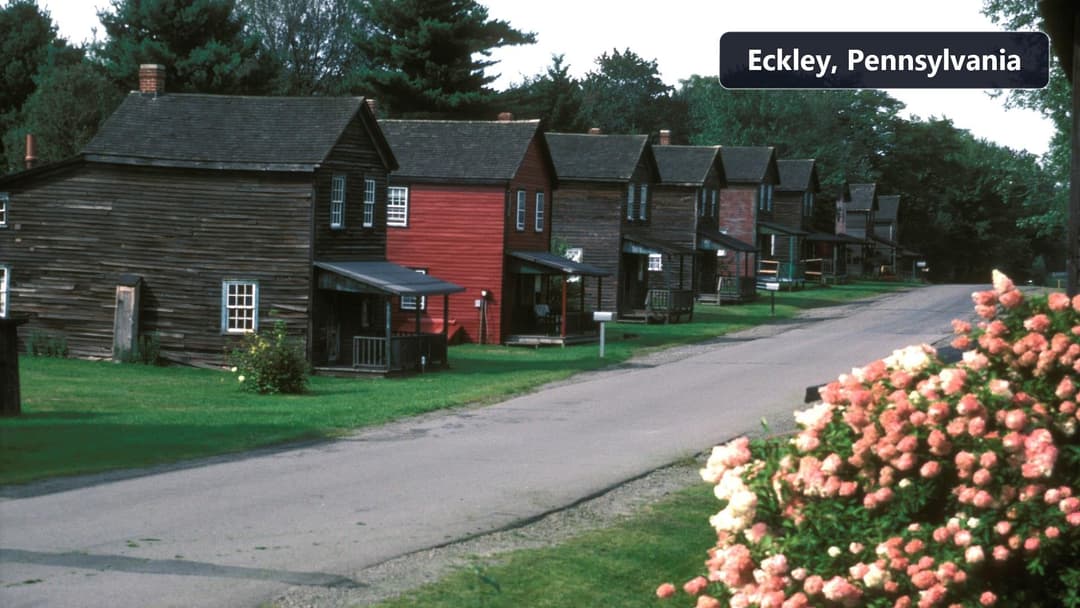
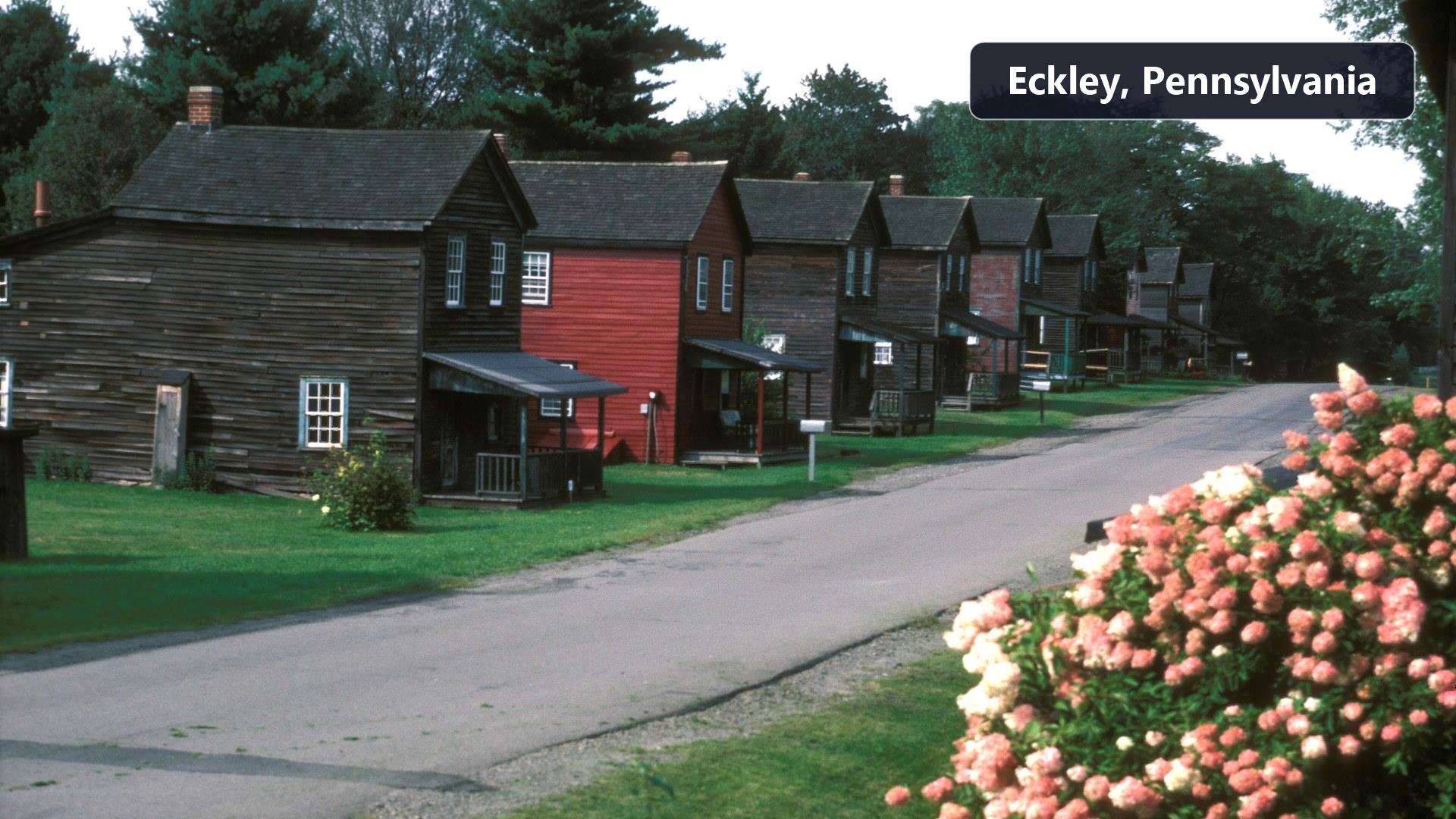
15. Eckley, Pennsylvania: Historic Miners Settlement
Established in 1854 by the Council Ridge Coal Company, Eckley was built specifically to house hundreds of immigrant underground miners and their families. Wooden company duplexes line the central dirt road, providing a rare surviving window into nineteenth-century Appalachian coal patch society.
©Wikimedia / Jerrye and Roy Klotz MD
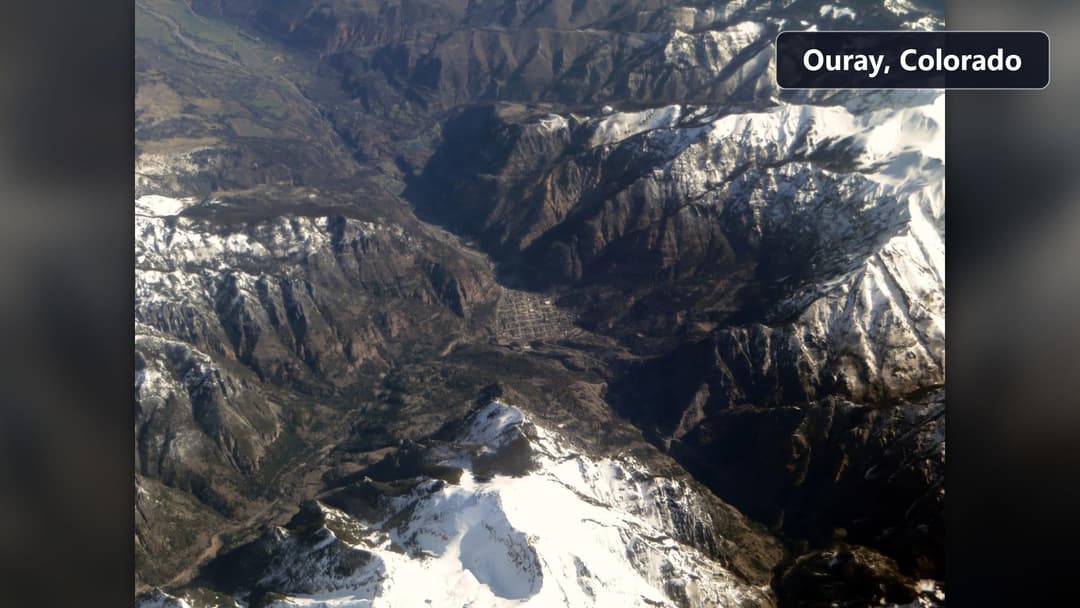
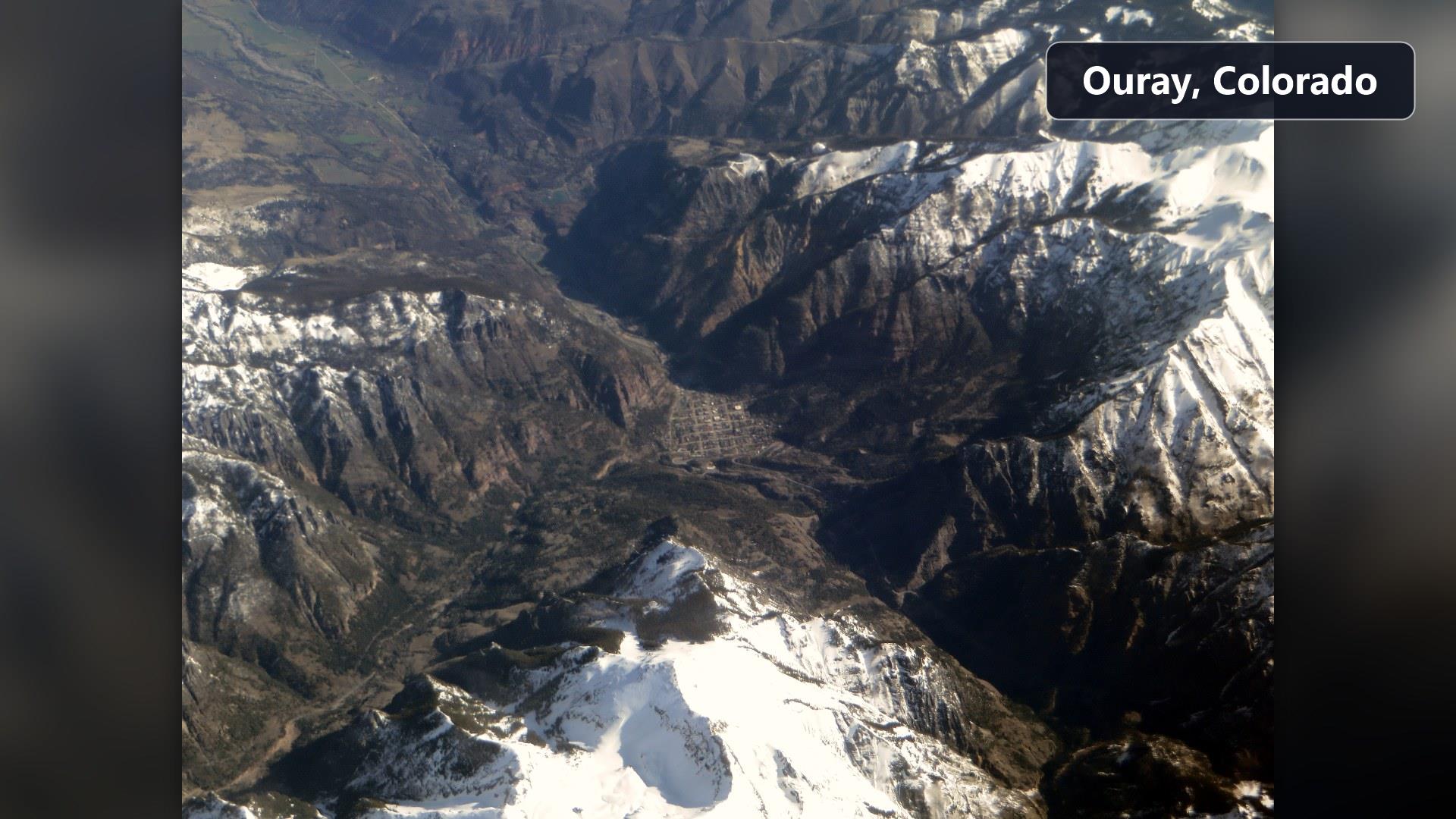
14. Ouray, Colorado: Crown Of The San Juans
Surrounded by jagged mountain peaks in a narrow canyon, Ouray served as the vital supply depot for high-altitude underground mines. Operations like Thomas Walsh's Camp Bird Mine produced millions in gold bullion, funding grand Victorian hotels and bathhouses that still define the town.

©Wikimedia / Ken Lund
Advertisement
Swipe or tap ▶ to resume the countdown.
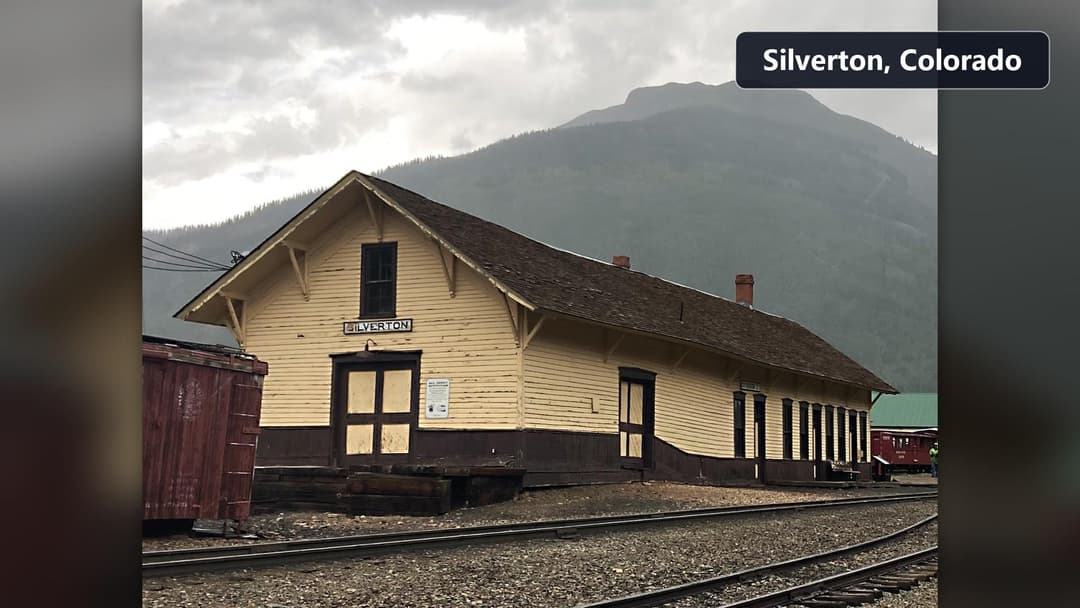
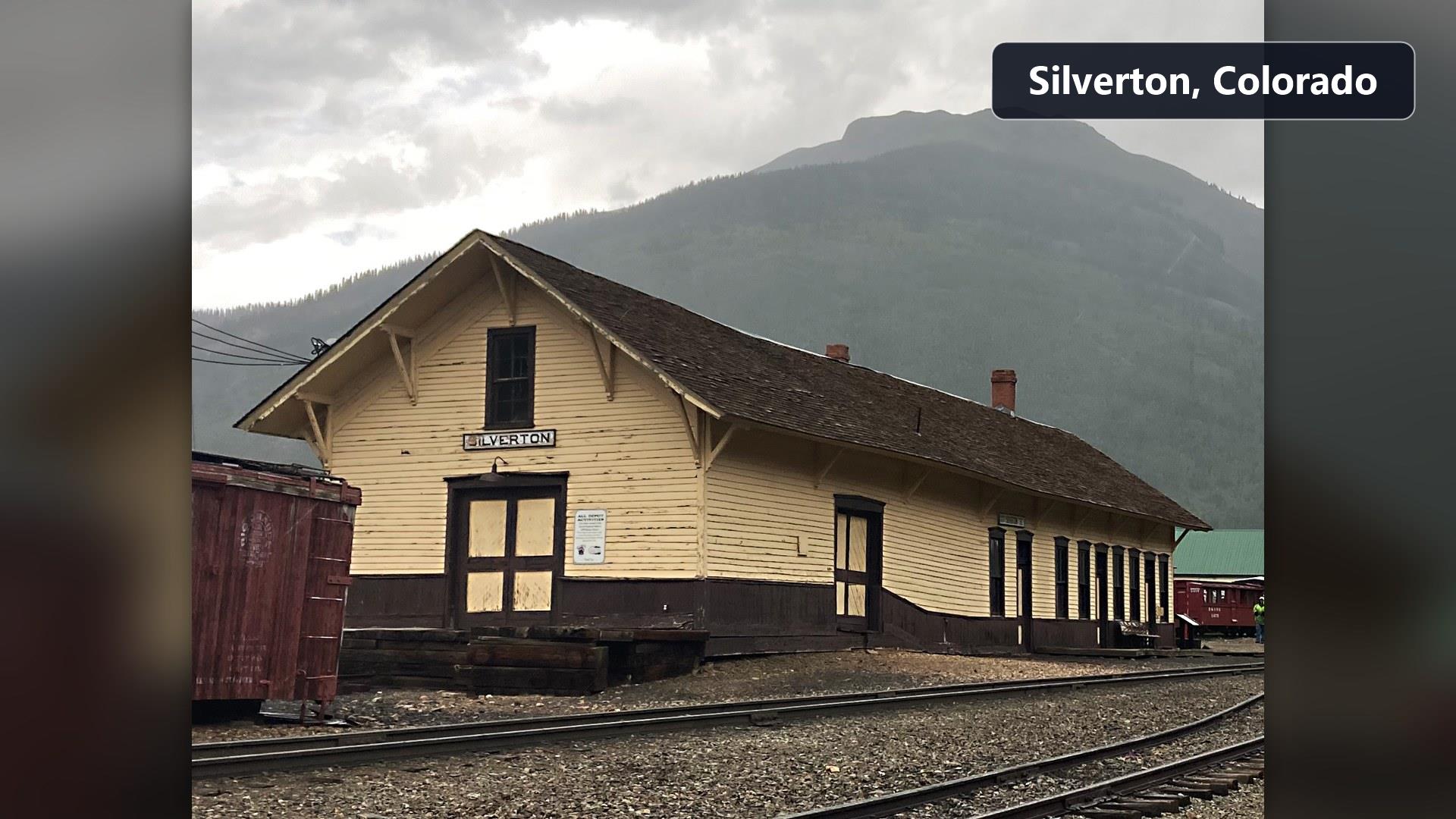
13. Silverton, Colorado: Alpine Mining Outpost
Incorporated in 1874 at over nine thousand feet elevation, Silverton was the center of hardrock operations in Baker's Park. Tunnels at the Old Hundred and Shenandoah-Dives mines reached deep into mountain faces, with narrow gauge trains hauling heavy silver ore through the Animas River Gorge.
©Wikimedia / Steven C. Price
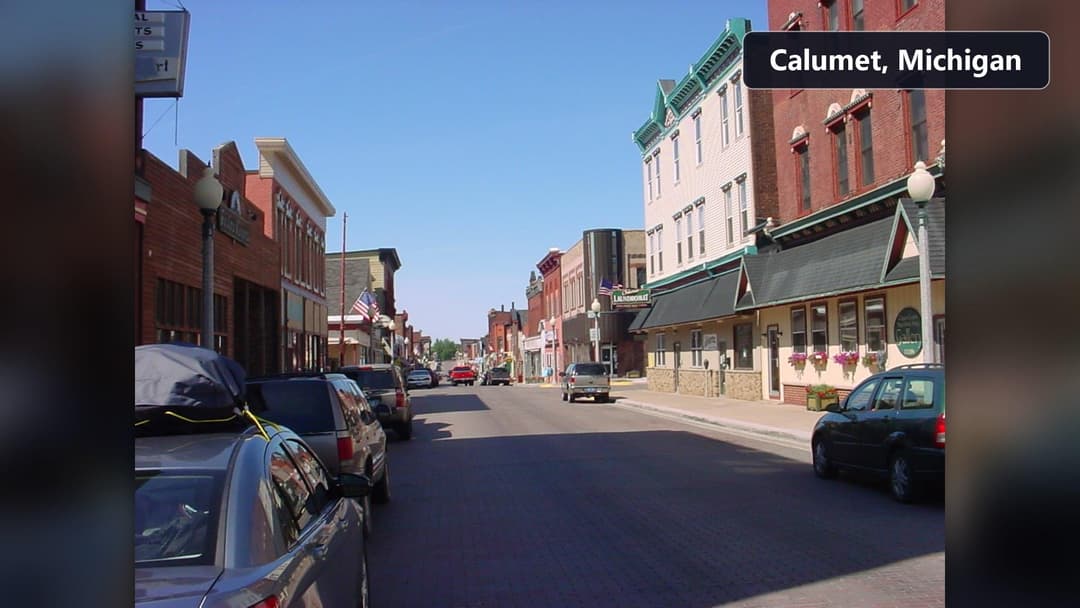
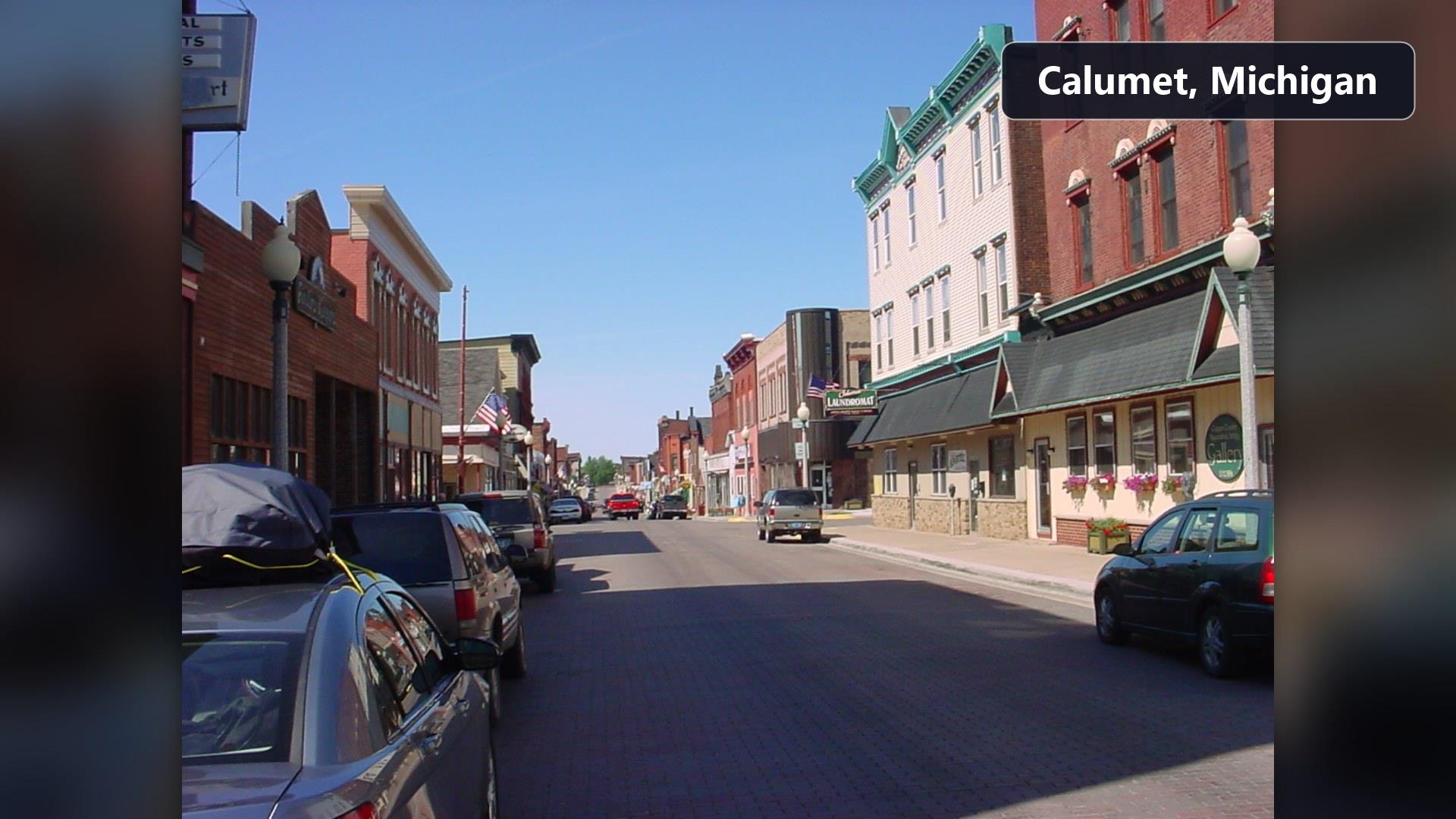
12. Calumet, Michigan: Copper Country Capital
On Michigan's Keweenaw Peninsula, the Calumet and Hecla Mining Company built an industrial powerhouse over rich copper lodes. Subterranean shafts descended over nine thousand feet along the incline, transforming the remote settlement into a thriving hub with paved boulevards and a lavish opera house.
©Wikimedia / Catatonique
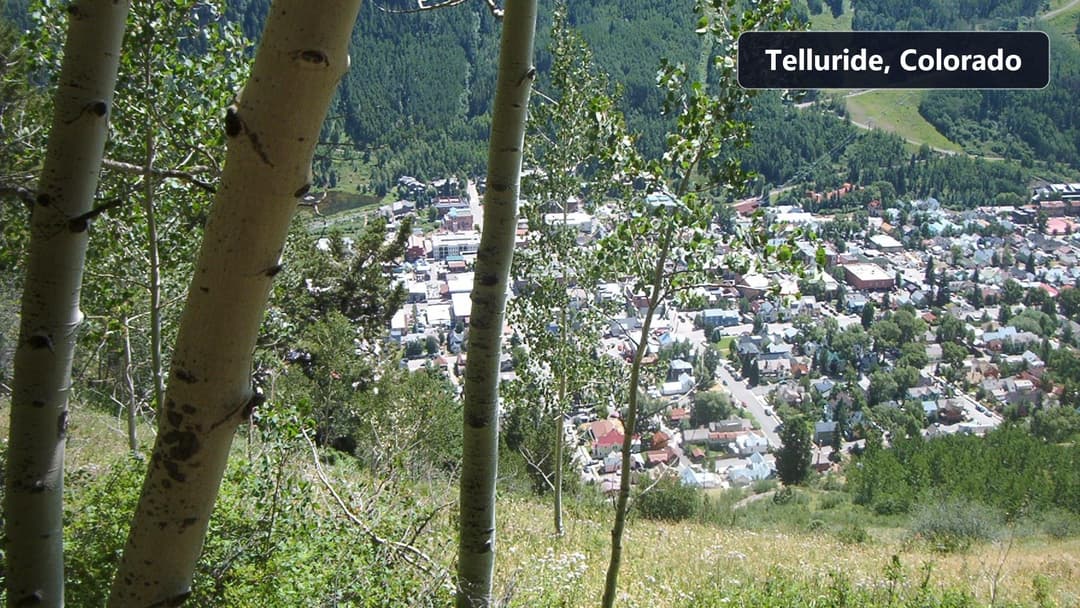
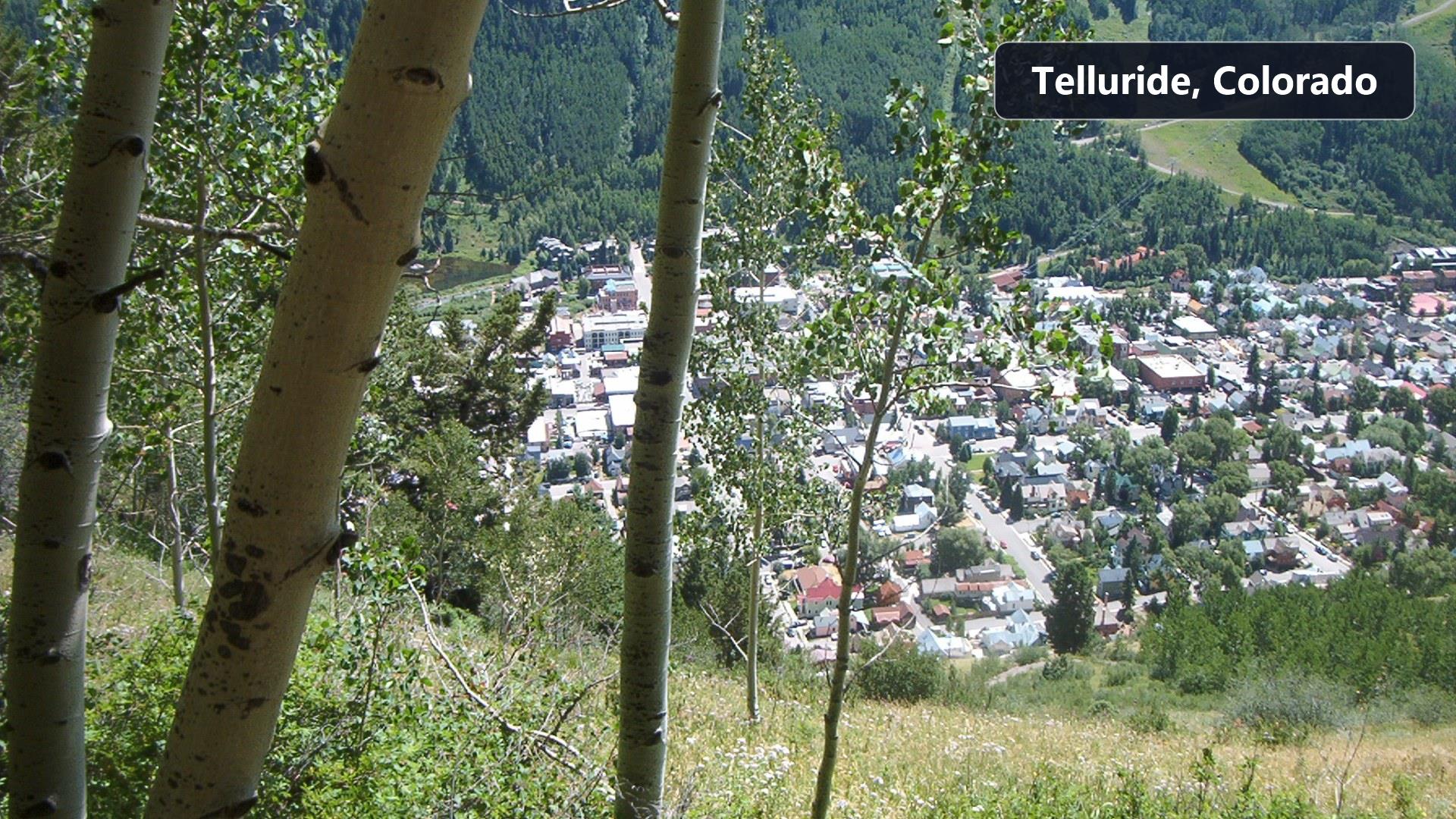
11. Telluride, Colorado: High Box Canyon Bonanza
Founded in 1878 as Columbia, Telluride occupied a box canyon beneath soaring peaks. Tunnels at the Smuggler-Union and Tomboy mines climbed to elevations above twelve thousand feet, producing vast mineral fortunes and pioneering the industrial use of alternating current electricity for mine power.
©Wikimedia / Donald P. Cram
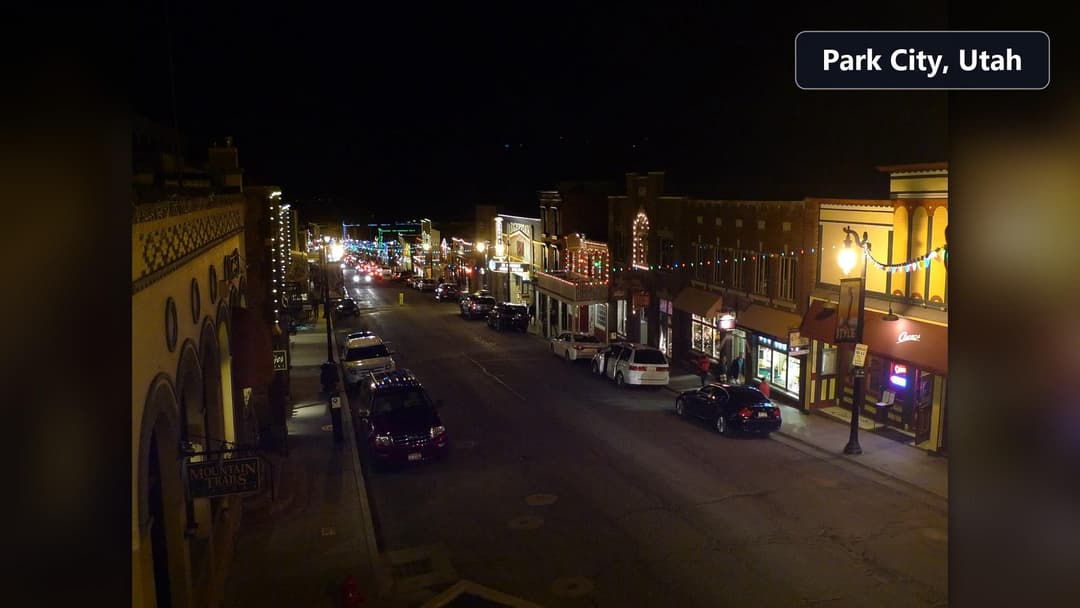
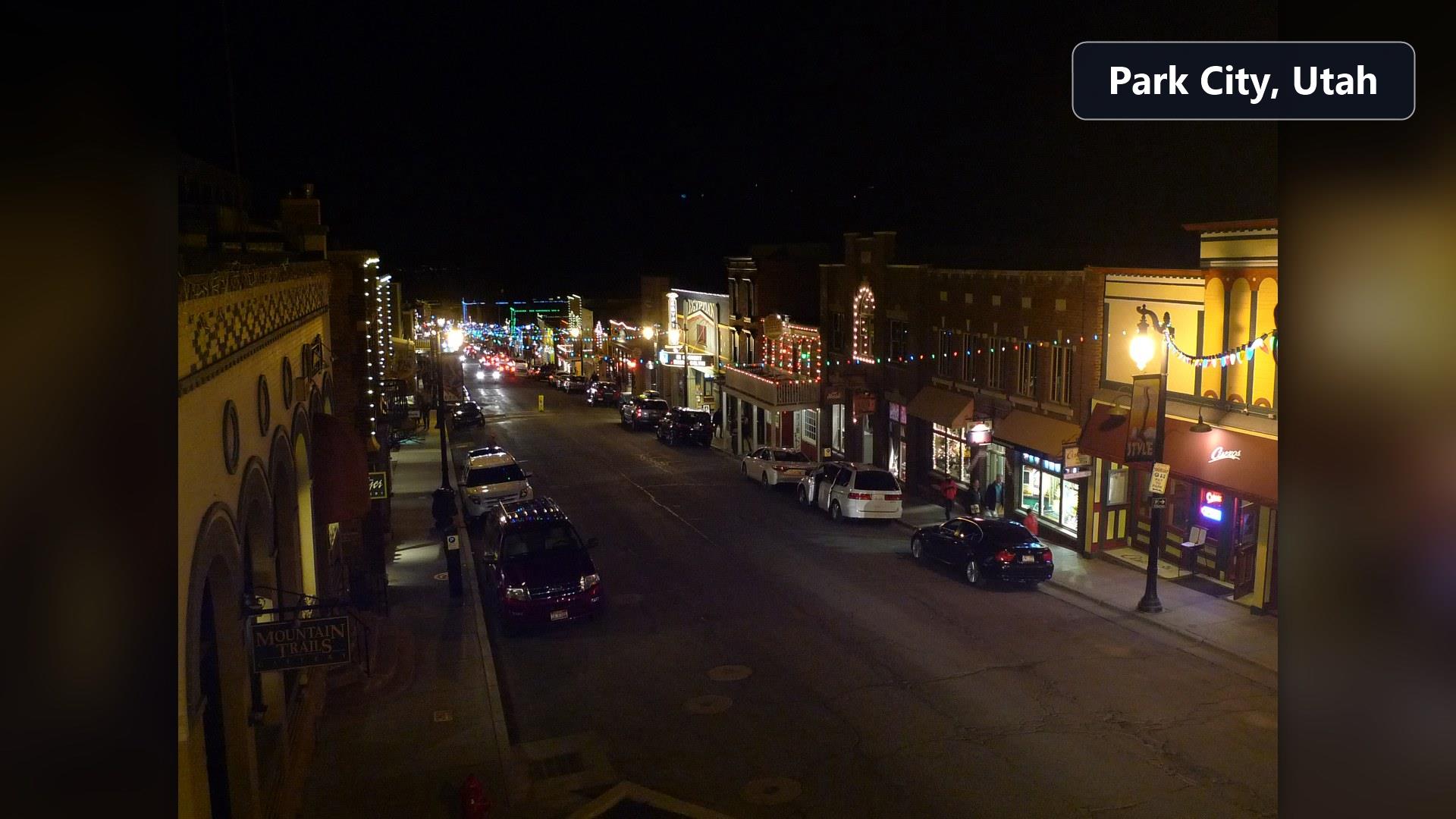
10. Park City, Utah: Silver King Mountain Haven
Long before ski lifts lined the Wasatch Range, Park City boomed as an underground silver capital. Soldiers stationed in Salt Lake City first found ore in 1868, leading to massive underground enterprises like the Ontario and Silver King mines that generated hundreds of millions in silver wealth.
©Wikimedia / Don Ramey Logan
Advertisement
Swipe or tap ▶ to resume the countdown.
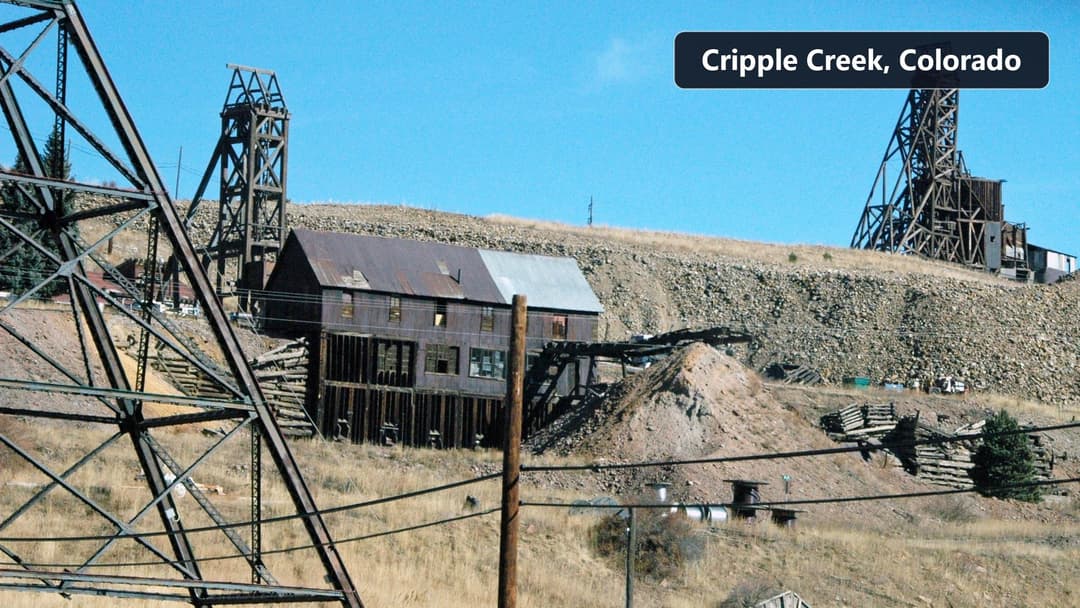
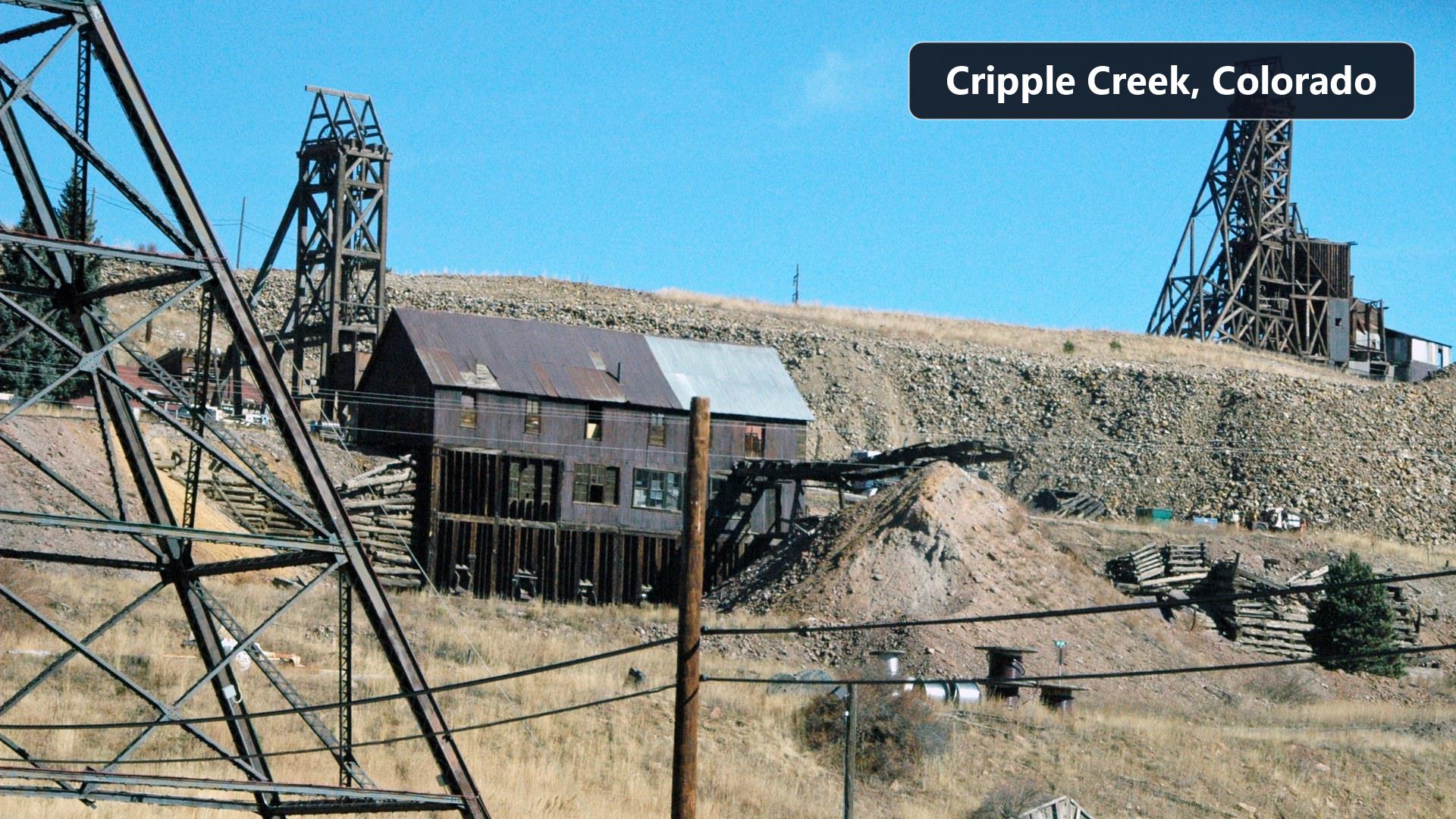
9. Cripple Creek, Colorado: The Greatest Gold Camp
When cowboy Bob Womack found gold in Poverty Gulch in 1890, skeptics scoffed. Soon, over five hundred underground mines punctured the volcanic crater. Cripple Creek became a thriving financial empire with two stock exchanges, trolley cars, and dozens of daily passenger trains.
©Wikimedia / James St. John
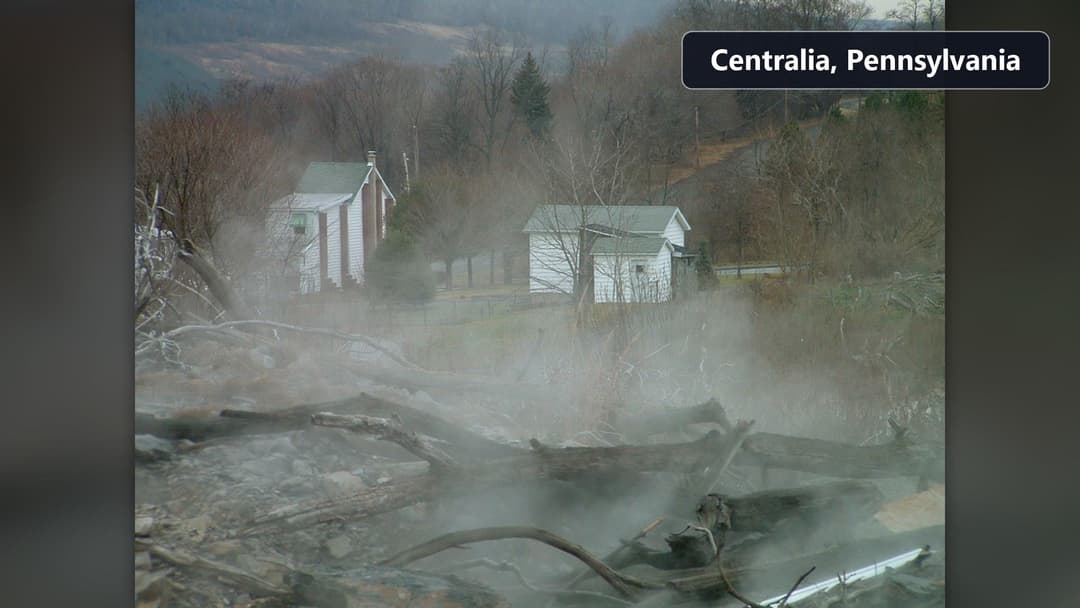
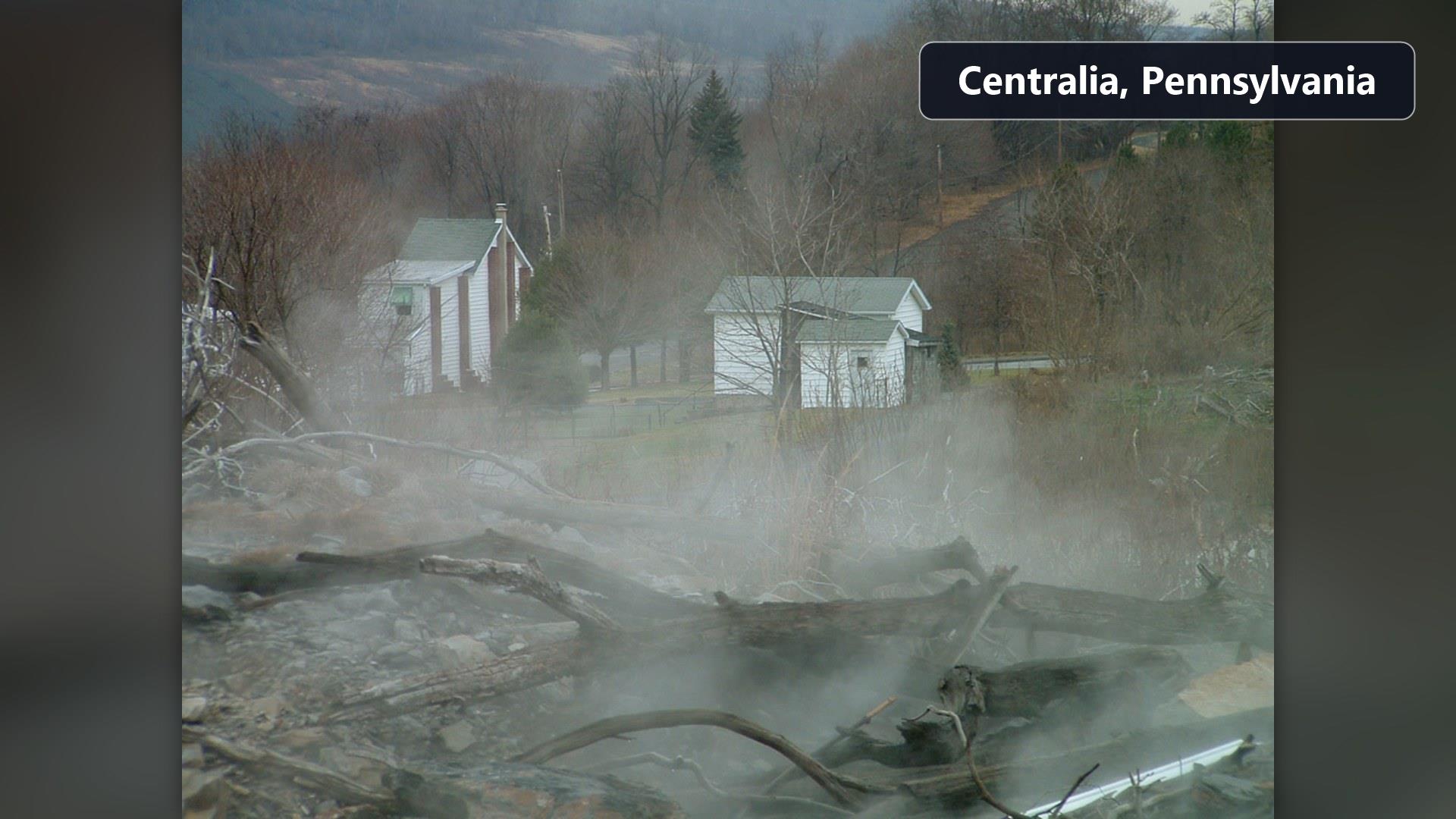
8. Centralia, Pennsylvania: Smoldering Underworld
Centralia grew above extensive underground anthracite coal tunnels in Columbia County. In 1962, an underground fire ignited an exposed coal vein beneath the cemetery. The fire spread through miles of subterranean shafts, producing poisonous fumes and sinkholes that eventually forced the town's evacuation.
©Wikimedia / Scott Drzyzga
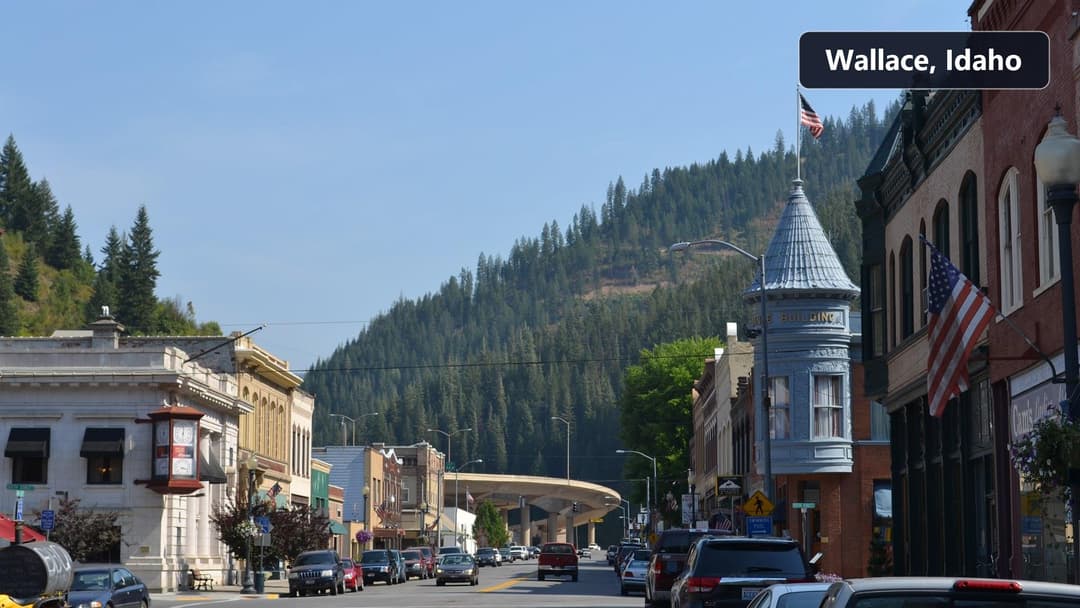
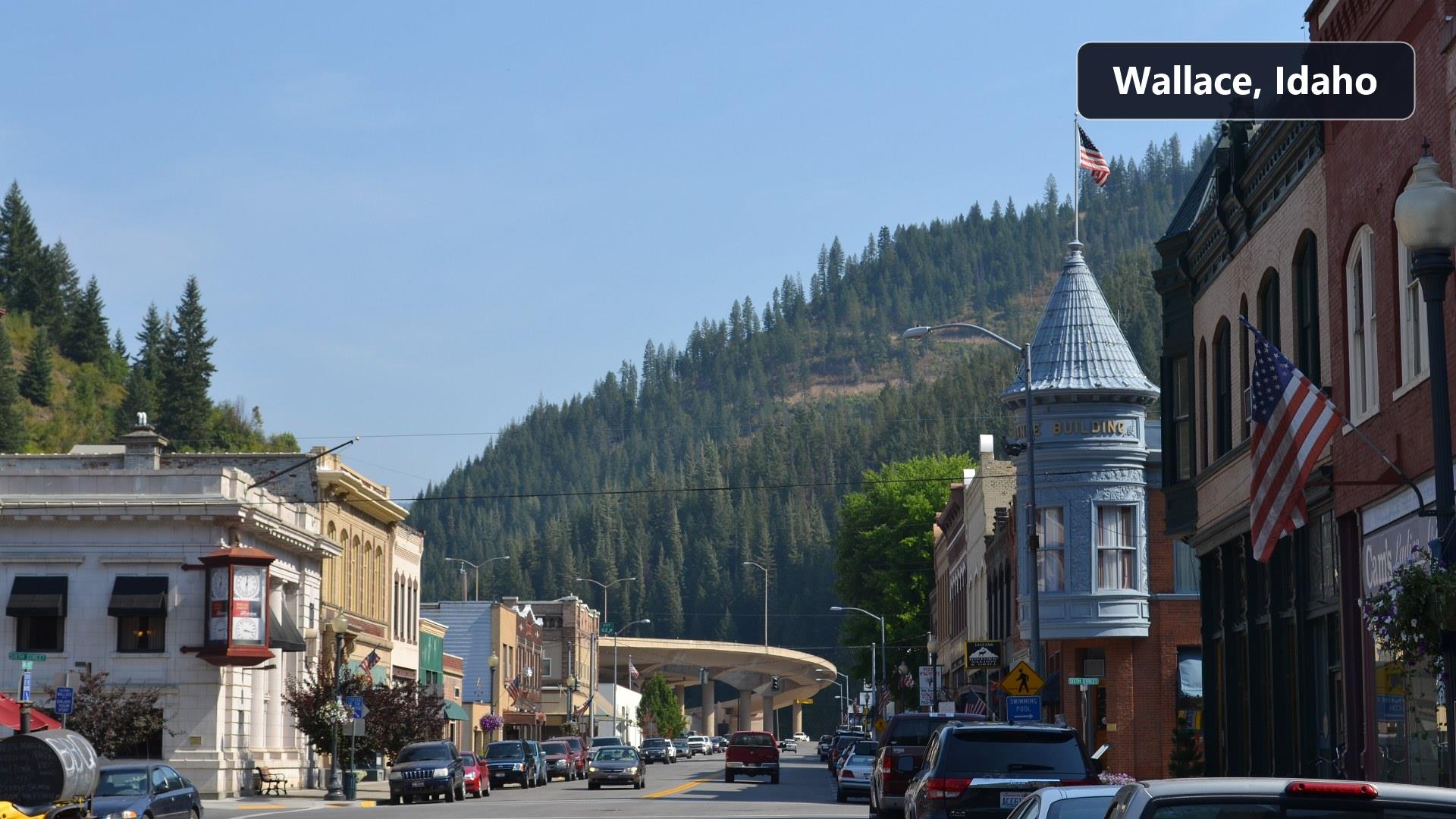
7. Wallace, Idaho: The Silver Capital
Located in the Bitterroot Mountains of the Idaho Panhandle, Wallace sits at the heart of the Coeur d'Alene Silver Valley. Deep underground workings at the Sunshine, Bunker Hill, and Hecla mines pushed thousands of feet below sea level, extracting more than one billion ounces of pure silver.
©Wikimedia / Visitor7
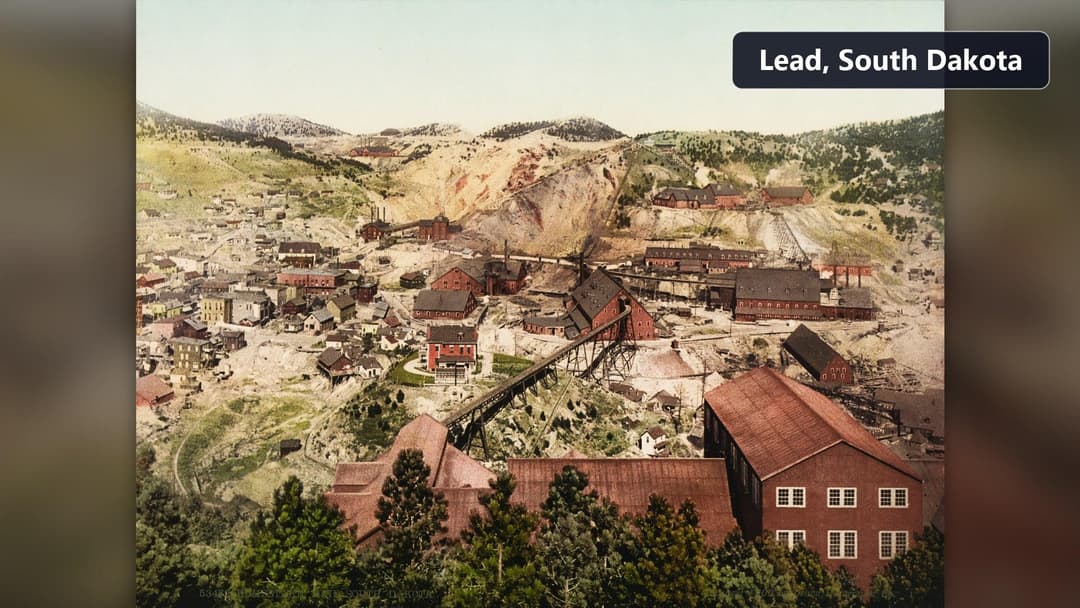
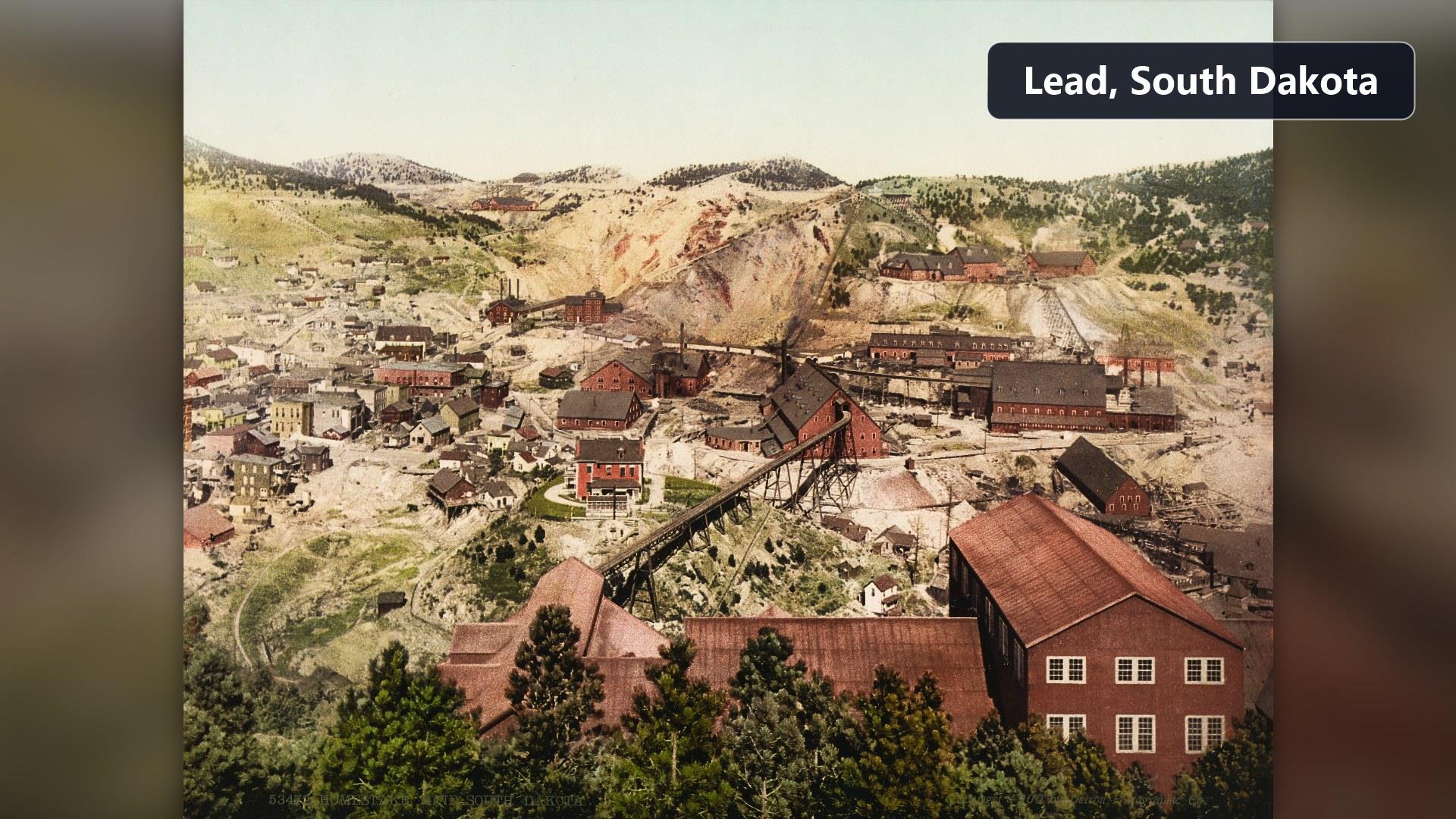
6. Lead, South Dakota: Deepest Gold Chamber
Lead was established in 1876 when miners discovered rich gold deposits in the Black Hills. George Hearst bought early claims to form the Homestake Mining Company. The underground mine eventually reached eight thousand feet into the earth, operating for 125 years before closing in 2002.
©Wikimedia / Detroit Publishing Co.
Advertisement
Swipe or tap ▶ to resume the countdown.
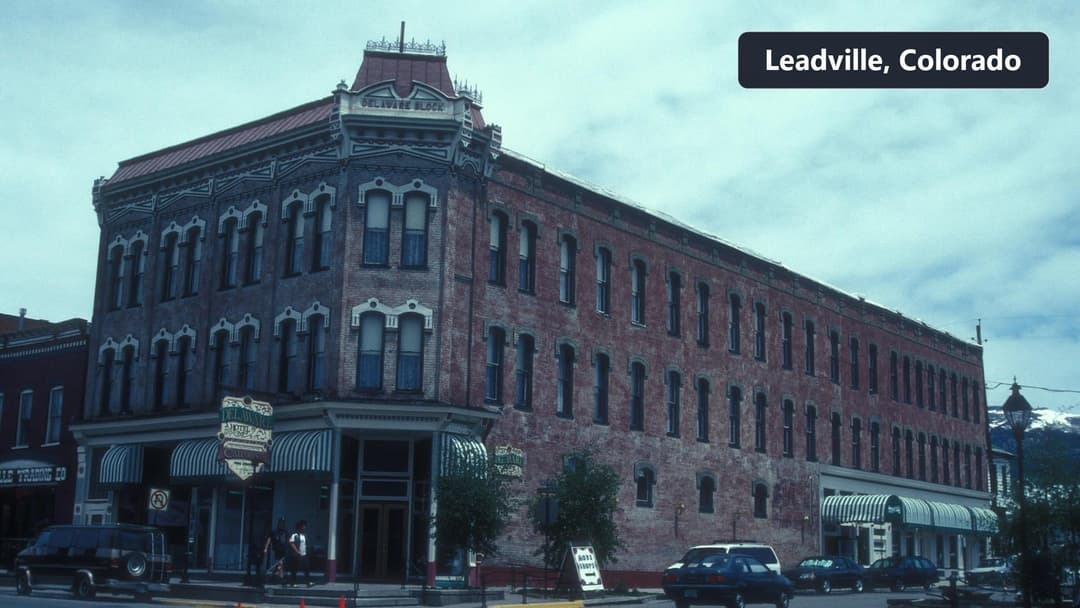
5. Leadville, Colorado: Cloud City Silver Kings
Sitting at 10,152 feet elevation near the headwaters of the Arkansas River, Leadville exploded during the 1879 Colorado Silver Boom. Riches from underground shafts on Fryer and Carbonate hills funded lavish opera houses and earned Horace Tabor the title of Silver King.
©Wikimedia / Jerrye and Roy Klotz MD
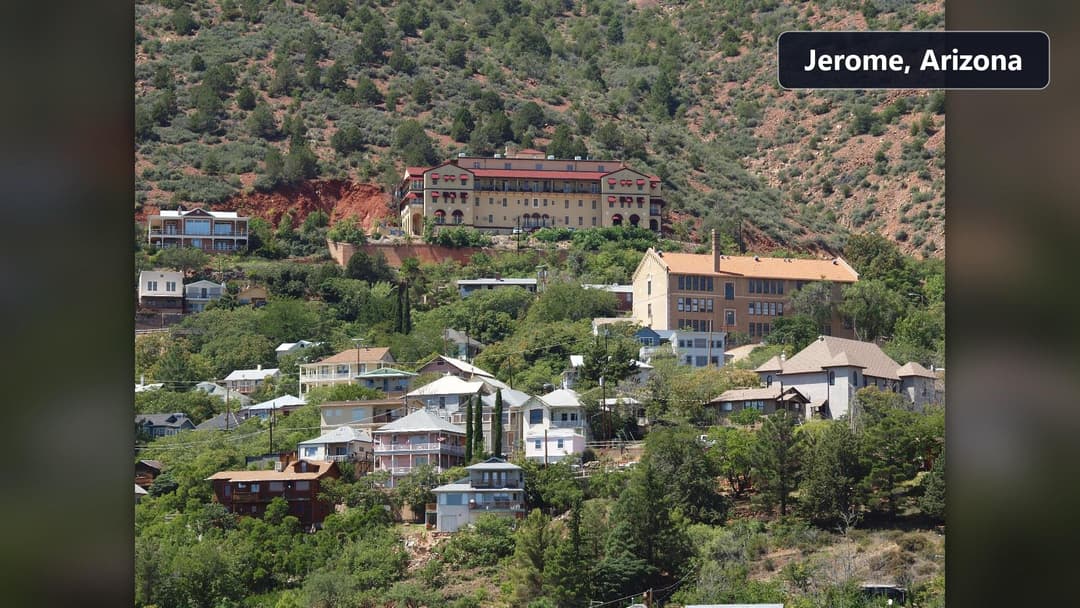
4. Jerome, Arizona: The Billion Dollar Camp
Perched on a thirty-degree slope of Cleopatra Hill, Jerome was built directly above massive underground copper deposits. The United Verde and Little Daisy mines produced billions in metal. Heavy subterranean blasting caused entire hillside city blocks to slide downhill into the valley below.
©Wikimedia / Gillfoto
3. Bisbee, Arizona: The Copper Queen
Bisbee developed inside the tight confines of Tombstone Canyon after miners discovered high-grade copper in 1877. The Copper Queen Mine drove thousands of miles of subterranean drifts through limestone, attracting European immigrants and creating a prosperous mountain community.
©Wikimedia / Gillfoto
2. Butte, Montana: Richest Hill On Earth
Known as the Richest Hill on Earth, Butte sat above an extensive subterranean maze of copper veins that supplied a third of the nation's copper. Dozens of steel headframes like the Anselmo, Mountain Con, and Original stood directly in backyards, hoisting miners thousands of feet underground daily.
©Wikimedia / James St. John
Advertisement
Swipe or tap ▶ to resume the countdown.
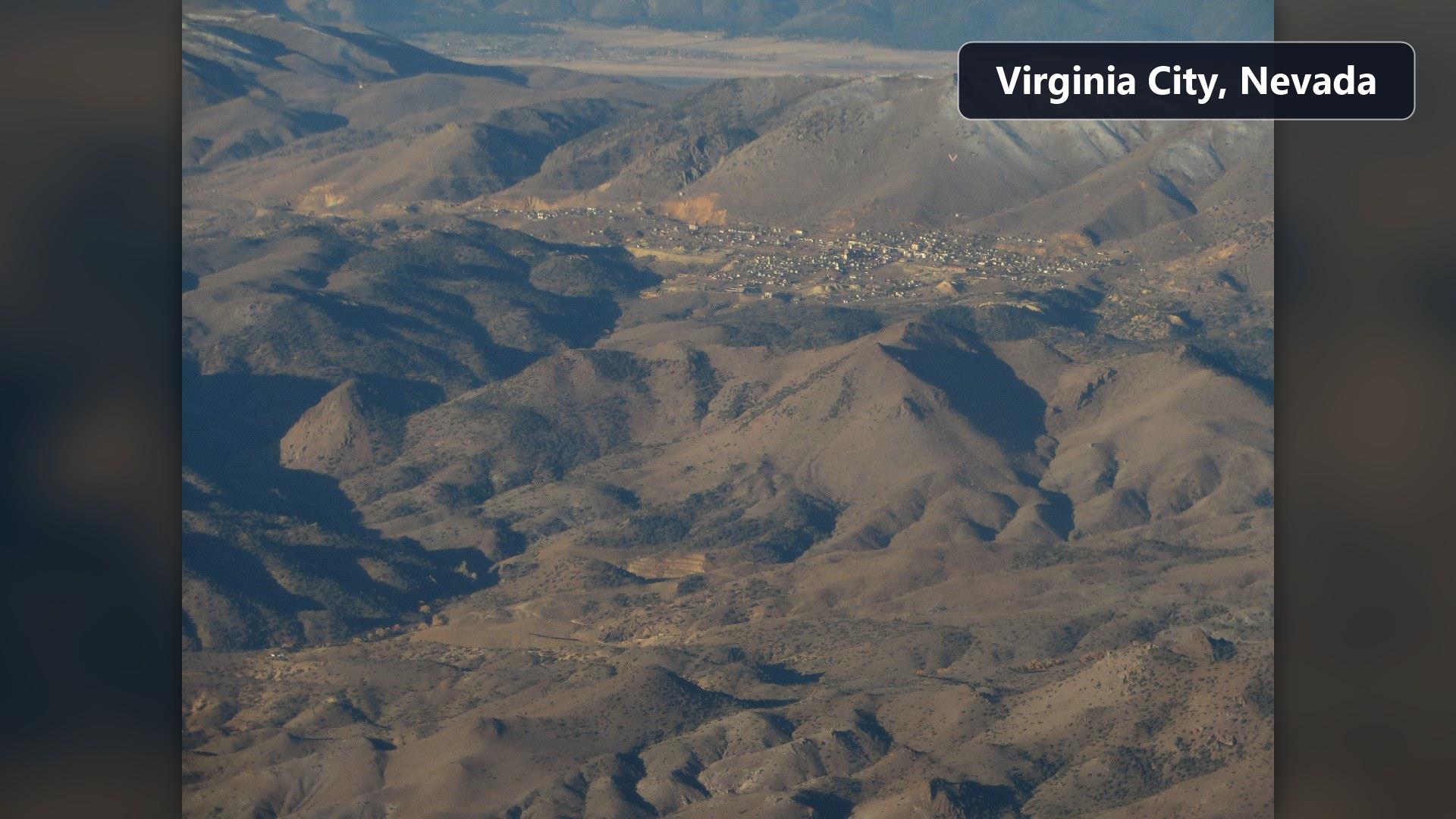
1. Virginia City, Nevada: Comstock Lode Crown
Perched on the eastern slope of Mount Davidson, Virginia City grew above the legendary Comstock Lode discovered in 1859. Underground shafts like the Chollar and Savage mines pioneered square-set timbering to prevent cave-ins, yielding hundreds of millions in silver and funding the rise of San Francisco.
©Wikimedia / Ken Lund
Advertisement
You've reached the end of the story. Thanks for reading!

20 US States with the most bald men
20 Environmental and Lifestyle Factors Driving Hair Loss
All 20 Entries in this Story
20. Tonopah, Nevada: The Silver Camp Queen
Tonopah sprang to life after Jim Butler discovered silver near a desert spring in 1900. Massive timber headframes and deep subterranean tunnels soon covered Mount Oddie, extracting over five million tons of high-grade ore and earning the settlement fame as the Queen of the Silver Camps.
19. Eureka, Utah: Tintic Silver Stronghold
Founded in 1869 in the East Tintic Mountains, Eureka developed around heavy underground shafts like the Bullion Beck and Champion Mine. Thousands of miners extracted silver, lead, and gold from deep limestone caverns, turning a remote gulch into one of Utah's primary financial centers.
18. Shamokin, Pennsylvania: Hard Coal Metropolis
Shamokin expanded rapidly during the nineteenth century as coal companies sank vertical shafts and slope mines into rich anthracite beds. Thomas Edison helped electrify the town in 1883, powering downtown streets while subterranean workers fueled American locomotives and steel mills.
17. Silver City, New Mexico: Chloride Flat Pioneer
Silver City was plotted in 1870 following silver strikes on the western slope of the Pinos Altos range. Unlike temporary tent camps, residents constructed brick buildings to withstand flash floods, creating an enduring desert hub centered around underground silver and copper extraction.
16. Victor, Colorado: The City Of Mines
Perched at nearly ten thousand feet on the southern slope of Battle Mountain, Victor grew directly over rich underground gold veins. Massive operations like the Portland and Independence mines dug hundreds of miles of tunnels, with steel hoist frames standing directly alongside downtown brick storefronts.
15. Eckley, Pennsylvania: Historic Miners Settlement
Established in 1854 by the Council Ridge Coal Company, Eckley was built specifically to house hundreds of immigrant underground miners and their families. Wooden company duplexes line the central dirt road, providing a rare surviving window into nineteenth-century Appalachian coal patch society.
14. Ouray, Colorado: Crown Of The San Juans
Surrounded by jagged mountain peaks in a narrow canyon, Ouray served as the vital supply depot for high-altitude underground mines. Operations like Thomas Walsh's Camp Bird Mine produced millions in gold bullion, funding grand Victorian hotels and bathhouses that still define the town.
13. Silverton, Colorado: Alpine Mining Outpost
Incorporated in 1874 at over nine thousand feet elevation, Silverton was the center of hardrock operations in Baker's Park. Tunnels at the Old Hundred and Shenandoah-Dives mines reached deep into mountain faces, with narrow gauge trains hauling heavy silver ore through the Animas River Gorge.
12. Calumet, Michigan: Copper Country Capital
On Michigan's Keweenaw Peninsula, the Calumet and Hecla Mining Company built an industrial powerhouse over rich copper lodes. Subterranean shafts descended over nine thousand feet along the incline, transforming the remote settlement into a thriving hub with paved boulevards and a lavish opera house.
11. Telluride, Colorado: High Box Canyon Bonanza
Founded in 1878 as Columbia, Telluride occupied a box canyon beneath soaring peaks. Tunnels at the Smuggler-Union and Tomboy mines climbed to elevations above twelve thousand feet, producing vast mineral fortunes and pioneering the industrial use of alternating current electricity for mine power.
10. Park City, Utah: Silver King Mountain Haven
Long before ski lifts lined the Wasatch Range, Park City boomed as an underground silver capital. Soldiers stationed in Salt Lake City first found ore in 1868, leading to massive underground enterprises like the Ontario and Silver King mines that generated hundreds of millions in silver wealth.
9. Cripple Creek, Colorado: The Greatest Gold Camp
When cowboy Bob Womack found gold in Poverty Gulch in 1890, skeptics scoffed. Soon, over five hundred underground mines punctured the volcanic crater. Cripple Creek became a thriving financial empire with two stock exchanges, trolley cars, and dozens of daily passenger trains.
8. Centralia, Pennsylvania: Smoldering Underworld
Centralia grew above extensive underground anthracite coal tunnels in Columbia County. In 1962, an underground fire ignited an exposed coal vein beneath the cemetery. The fire spread through miles of subterranean shafts, producing poisonous fumes and sinkholes that eventually forced the town's evacuation.
7. Wallace, Idaho: The Silver Capital
Located in the Bitterroot Mountains of the Idaho Panhandle, Wallace sits at the heart of the Coeur d'Alene Silver Valley. Deep underground workings at the Sunshine, Bunker Hill, and Hecla mines pushed thousands of feet below sea level, extracting more than one billion ounces of pure silver.
6. Lead, South Dakota: Deepest Gold Chamber
Lead was established in 1876 when miners discovered rich gold deposits in the Black Hills. George Hearst bought early claims to form the Homestake Mining Company. The underground mine eventually reached eight thousand feet into the earth, operating for 125 years before closing in 2002.
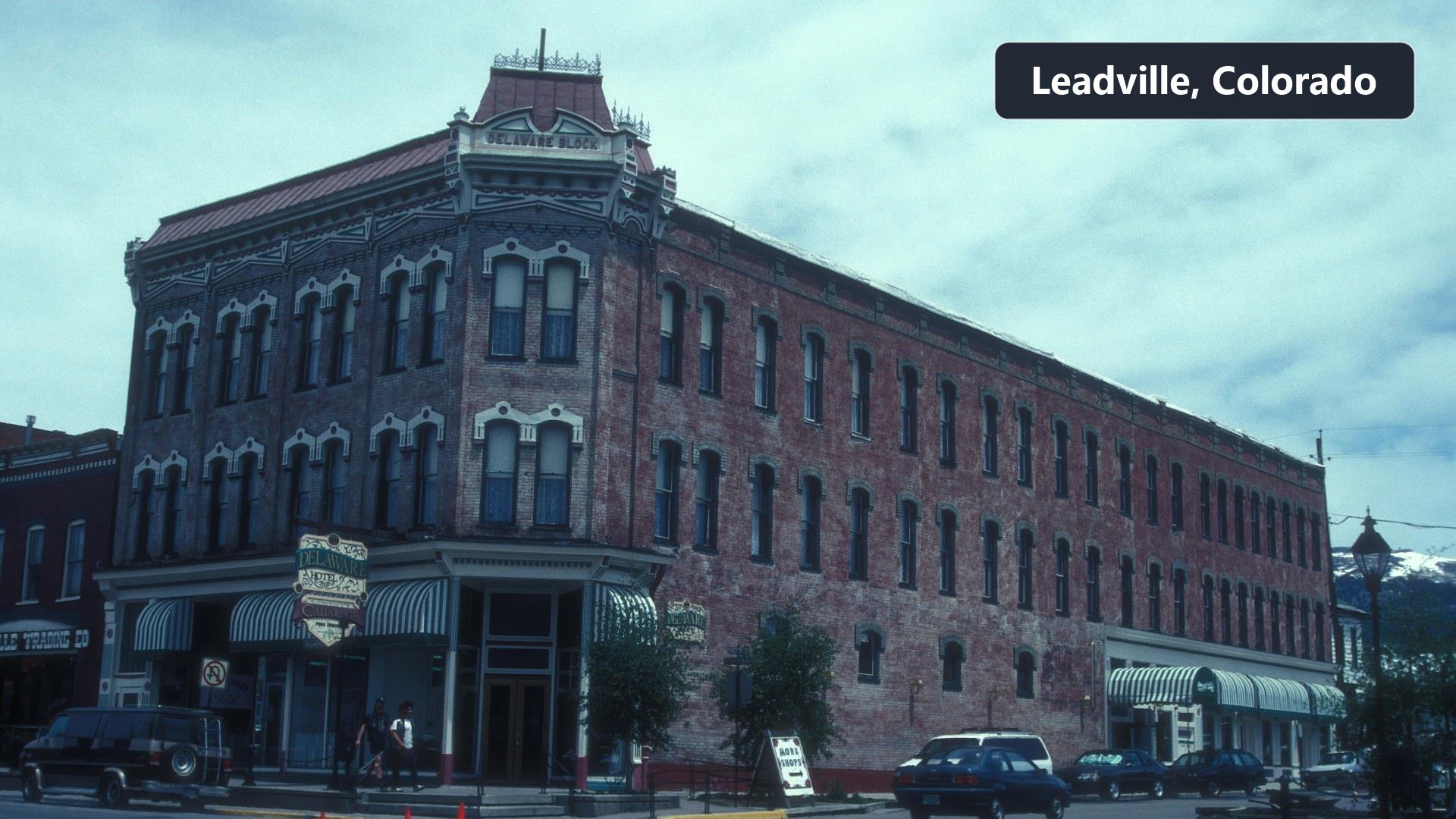
5. Leadville, Colorado: Cloud City Silver Kings
Sitting at 10,152 feet elevation near the headwaters of the Arkansas River, Leadville exploded during the 1879 Colorado Silver Boom. Riches from underground shafts on Fryer and Carbonate hills funded lavish opera houses and earned Horace Tabor the title of Silver King.
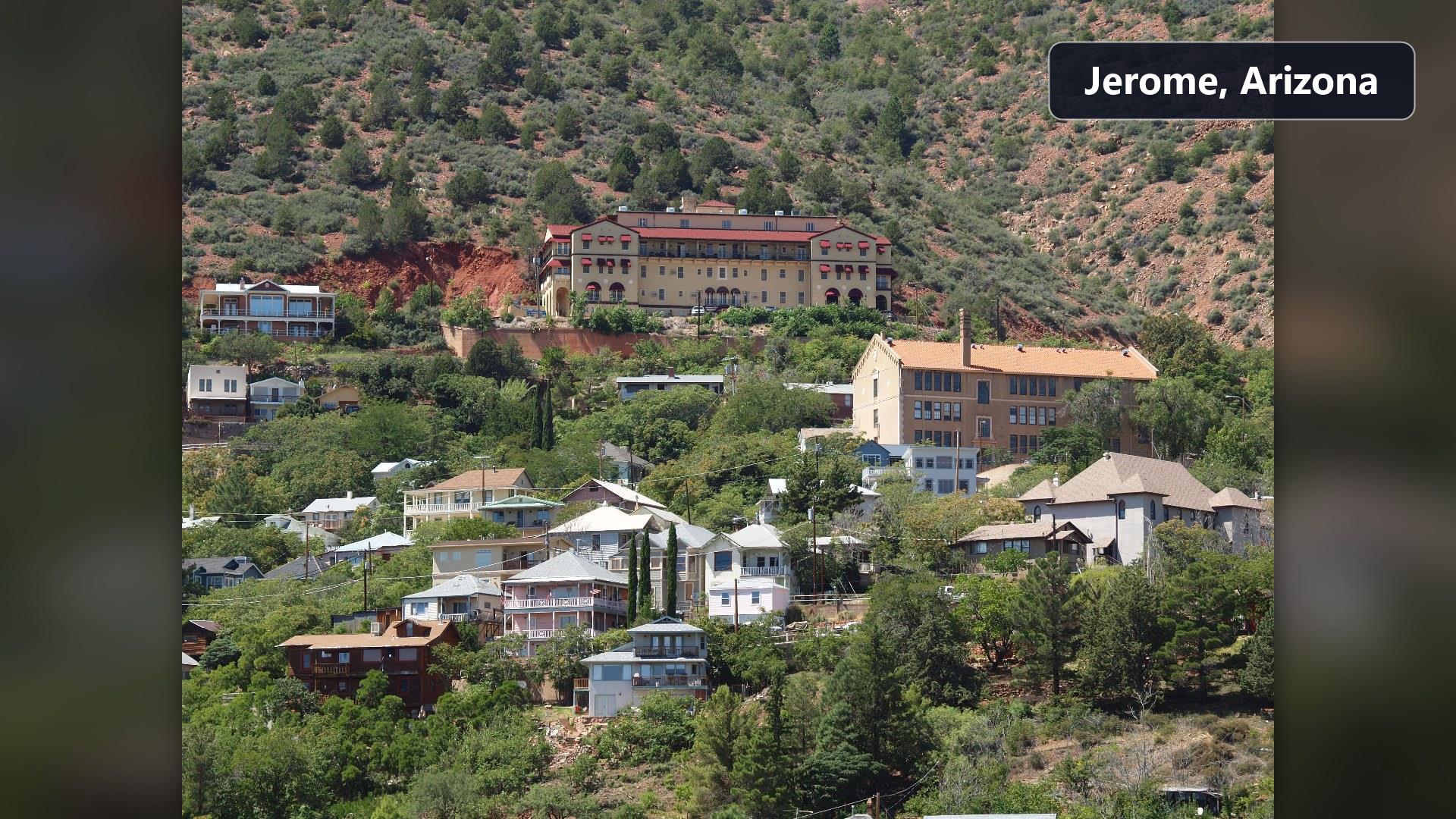
4. Jerome, Arizona: The Billion Dollar Camp
Perched on a thirty-degree slope of Cleopatra Hill, Jerome was built directly above massive underground copper deposits. The United Verde and Little Daisy mines produced billions in metal. Heavy subterranean blasting caused entire hillside city blocks to slide downhill into the valley below.
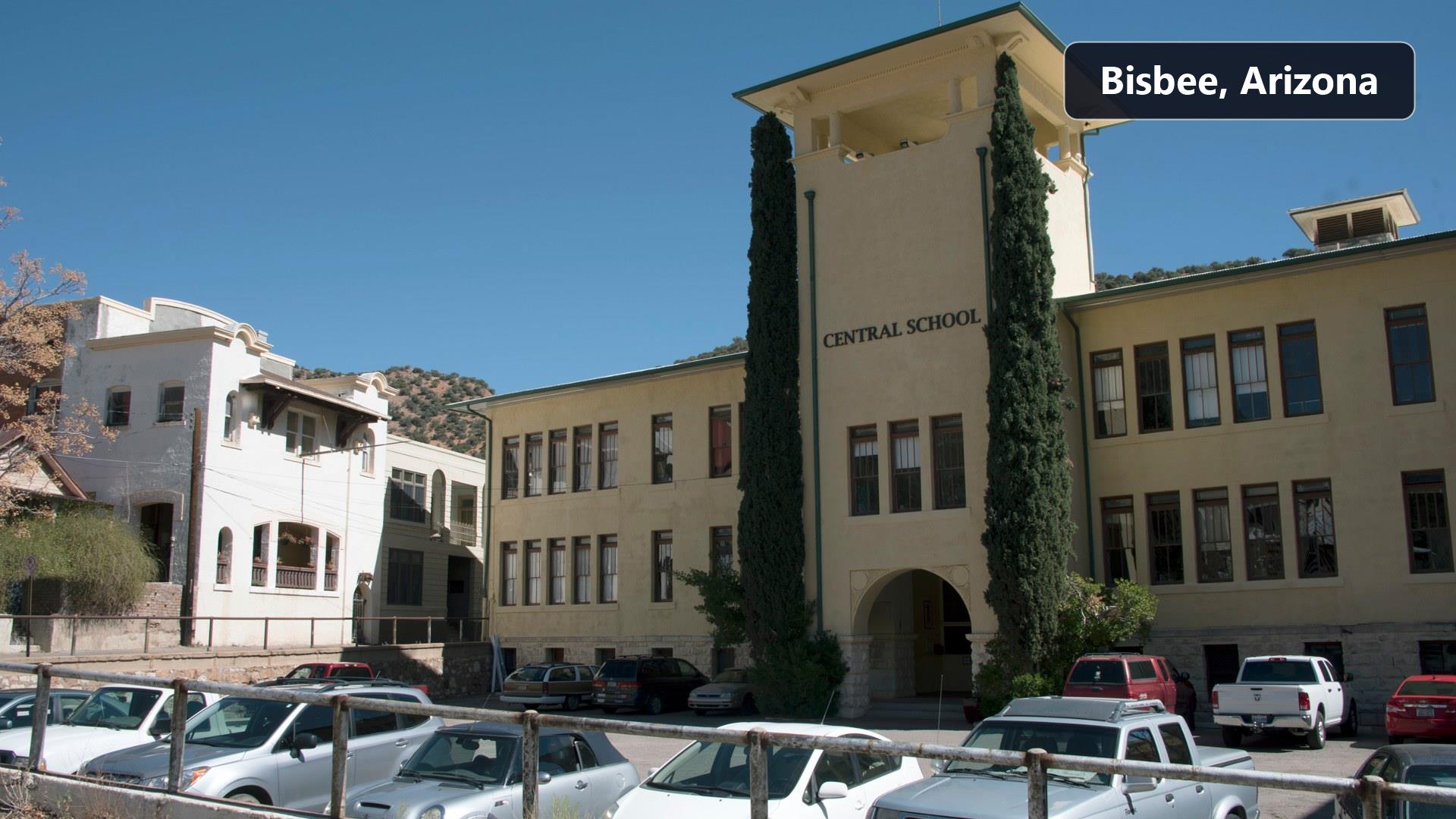
3. Bisbee, Arizona: The Copper Queen
Bisbee developed inside the tight confines of Tombstone Canyon after miners discovered high-grade copper in 1877. The Copper Queen Mine drove thousands of miles of subterranean drifts through limestone, attracting European immigrants and creating a prosperous mountain community.
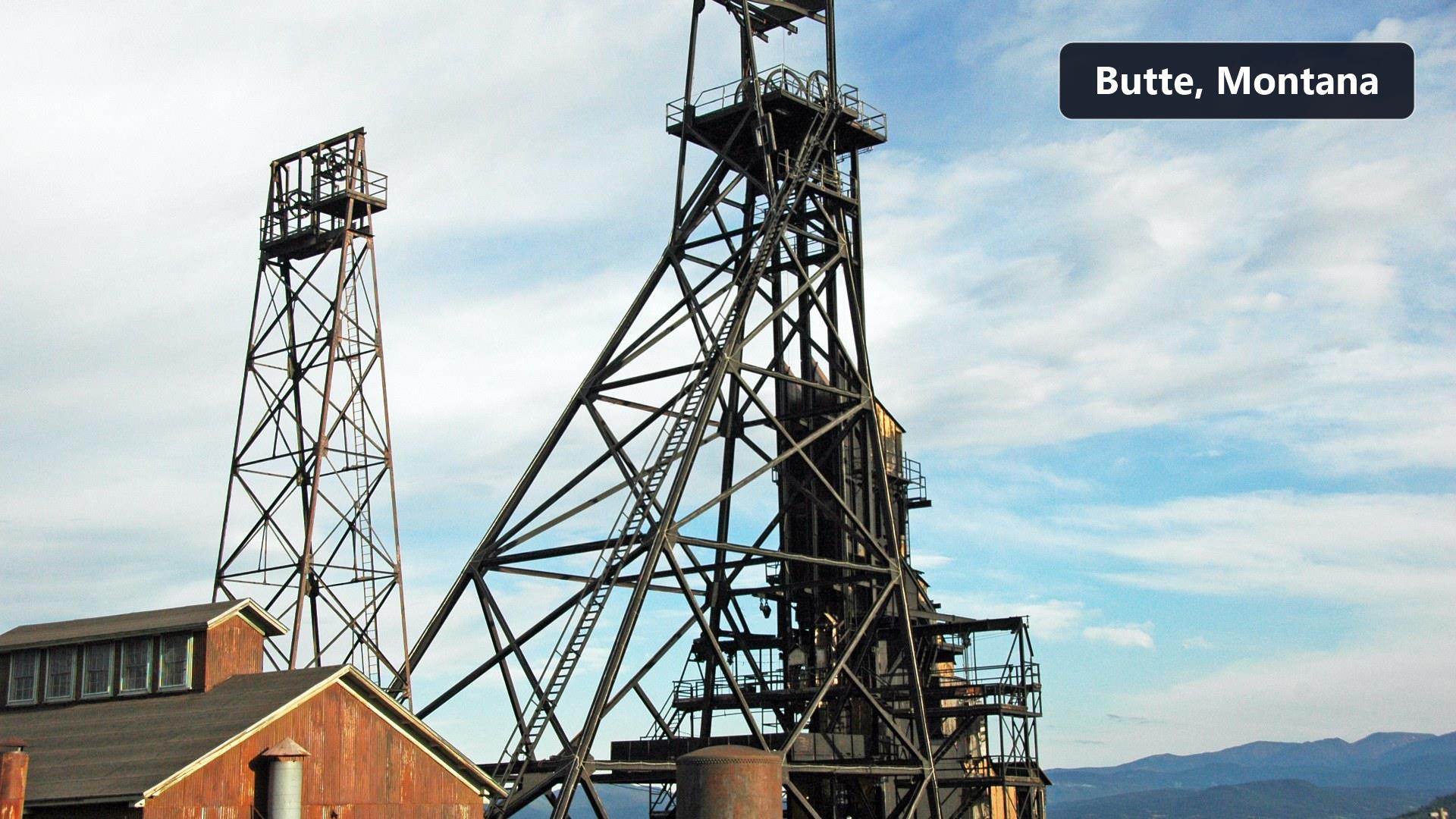
2. Butte, Montana: Richest Hill On Earth
Known as the Richest Hill on Earth, Butte sat above an extensive subterranean maze of copper veins that supplied a third of the nation's copper. Dozens of steel headframes like the Anselmo, Mountain Con, and Original stood directly in backyards, hoisting miners thousands of feet underground daily.
1. Virginia City, Nevada: Comstock Lode Crown
Perched on the eastern slope of Mount Davidson, Virginia City grew above the legendary Comstock Lode discovered in 1859. Underground shafts like the Chollar and Savage mines pioneered square-set timbering to prevent cave-ins, yielding hundreds of millions in silver and funding the rise of San Francisco.