Slideshow · Lifestyle
20 Best Flowers to Plant in the Fall for Stunning Spring Blooms, Ranked
Planting hardy bulbs and perennials in autumn lets root systems establish before the ground freezes, yielding early spring blooms. This ranked countdown highlights top garden varieties based on planting guidelines from the Royal Horticultural Society and The Old Farmer's Almanac for dependable seasonal growth.
By Most Viral Today
38 min ago

Planting These Hardy Bulbs Before Winter Guarantees Early Spring Color 
20. Siberian Squill 
19. Snowdrops 
18. Glory Of The Snow - AdvertisementSwipe or tap ▶ to continue countdown

17. Winter Aconite 
16. Dwarf Iris 
15. Spring Snowflake 
14. Crown Imperial - AdvertisementSwipe or tap ▶ to continue countdown

13. Grecian Windflower 
12. Camassia 
11. English Wallflower 
10. Pasque Flower - AdvertisementSwipe or tap ▶ to continue countdown

9. Common Primrose 
8. Common Foxglove 
7. Columbine 
6. Grape Hyacinth - AdvertisementSwipe or tap ▶ to continue countdown

5. Garden Hyacinth 
4. Dutch Crocus 
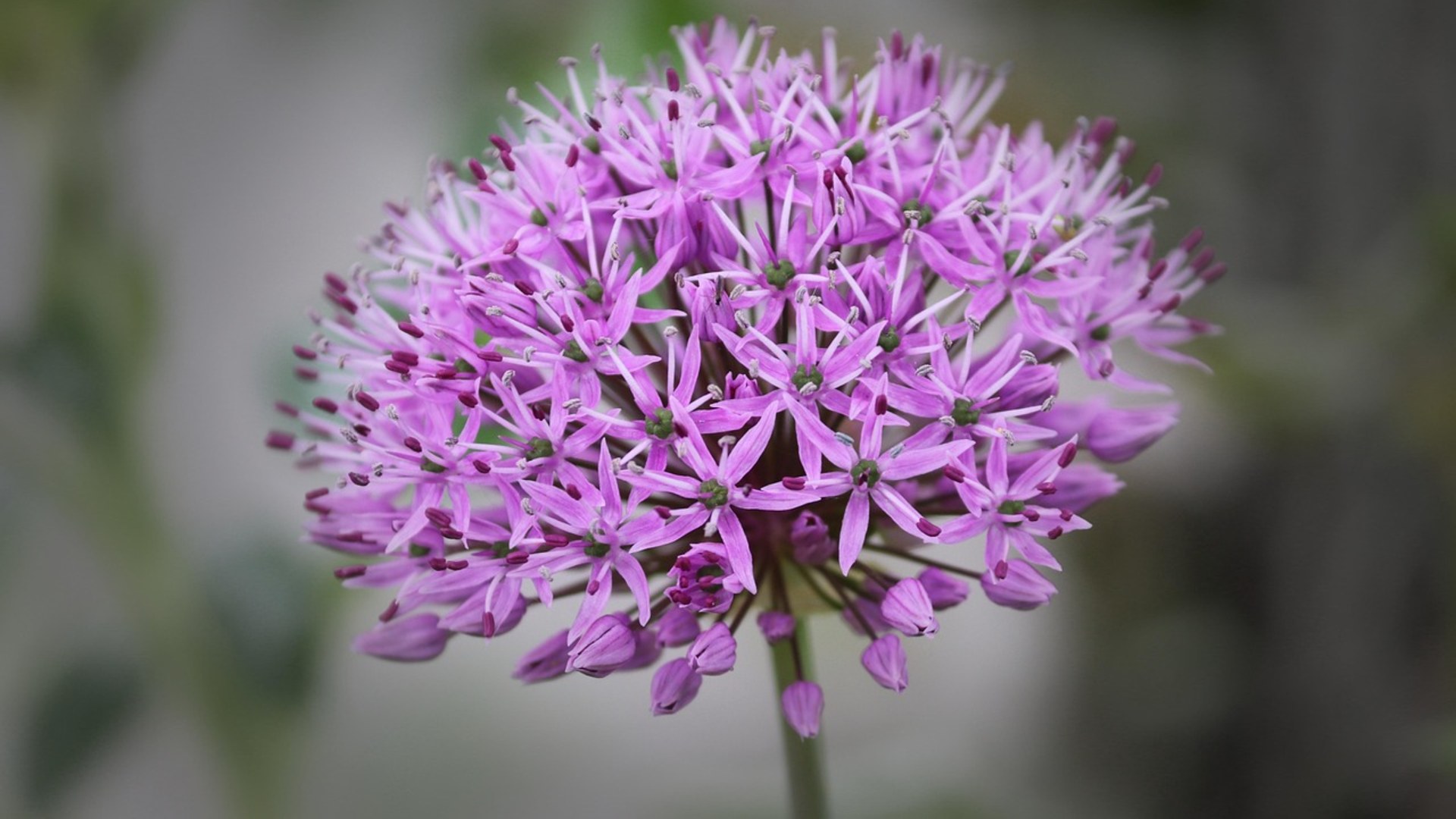
3. Giant Ornamental Onion 
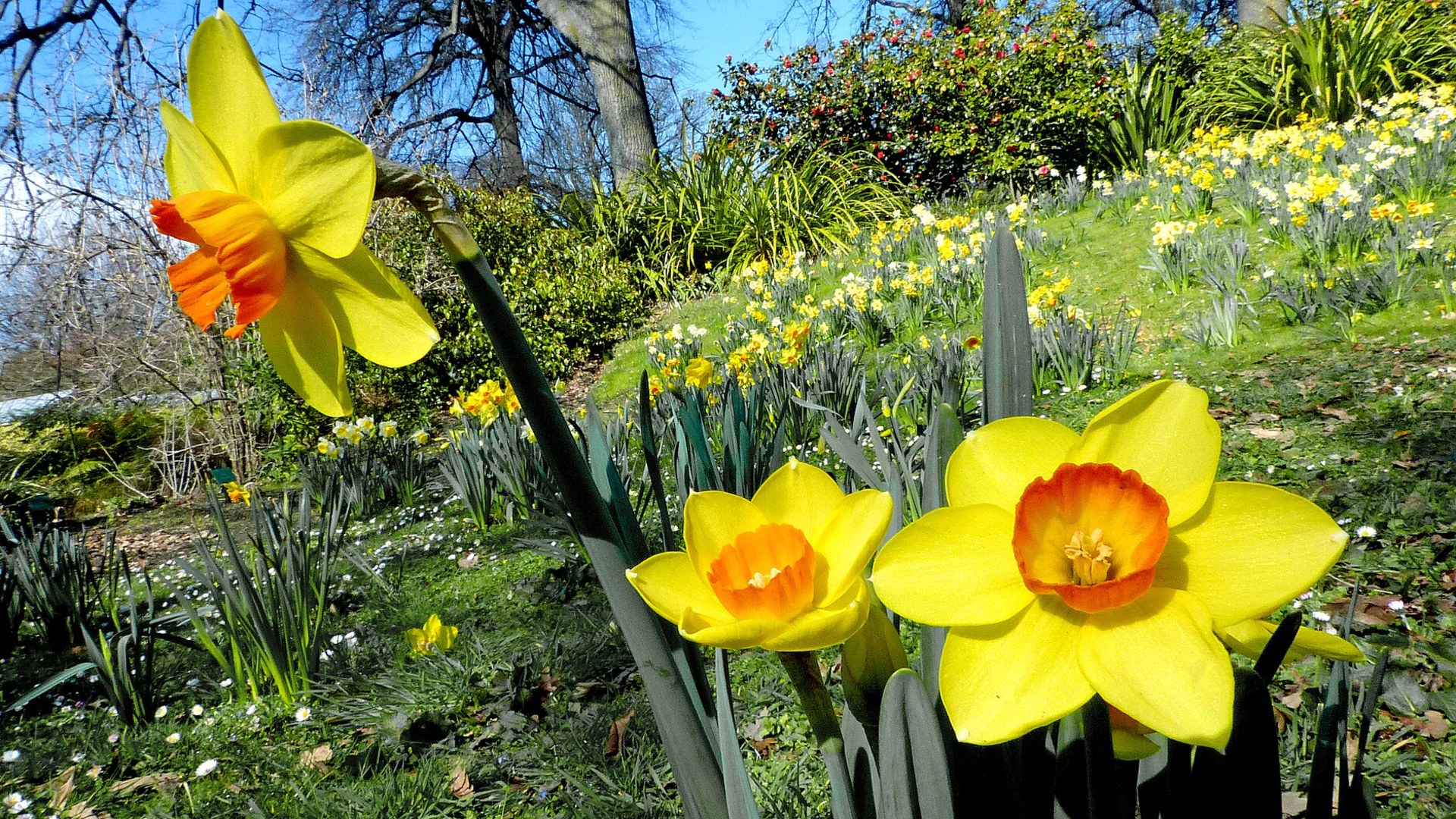
2. Daffodil - AdvertisementSwipe or tap ▶ to continue countdown

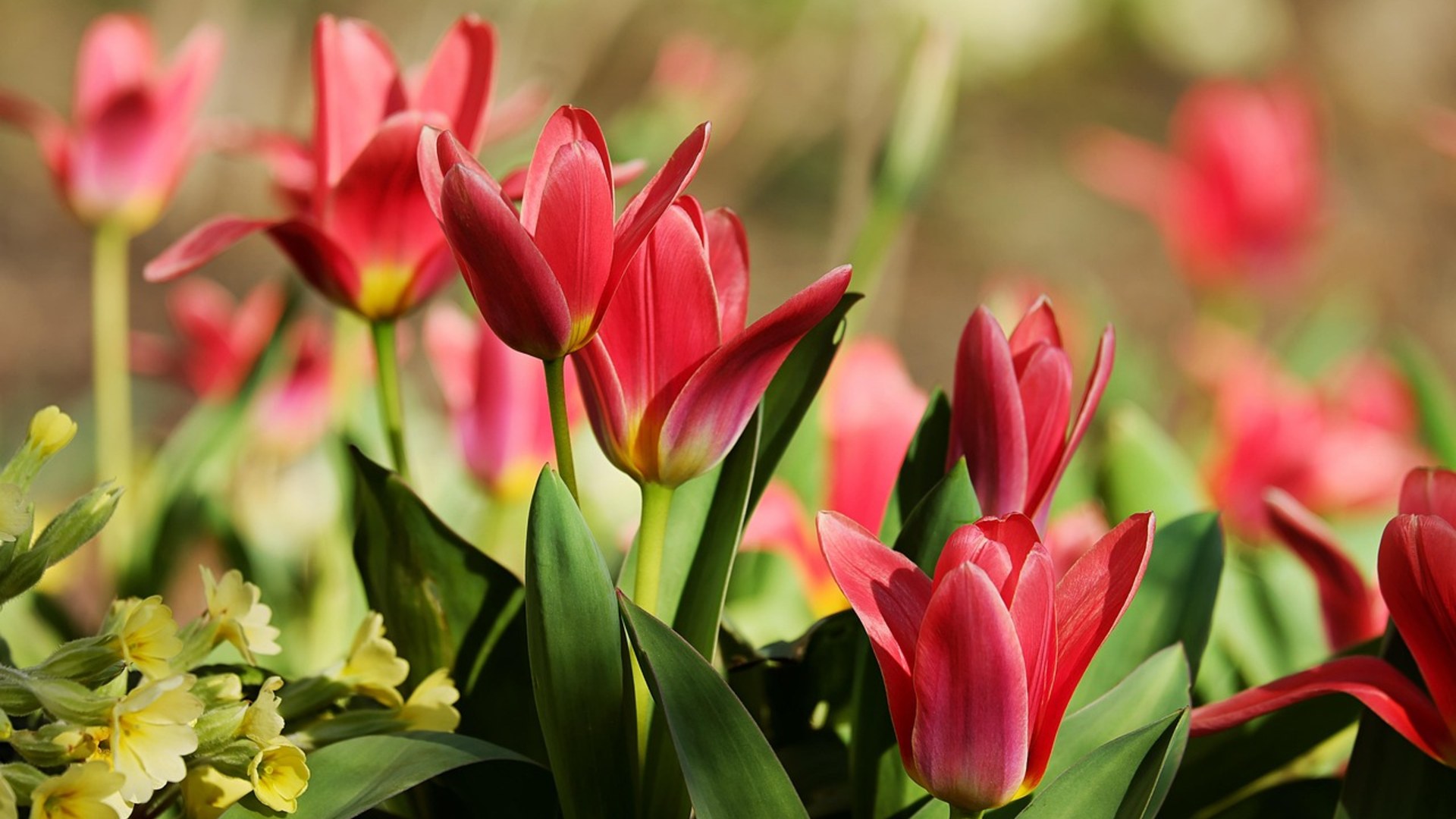
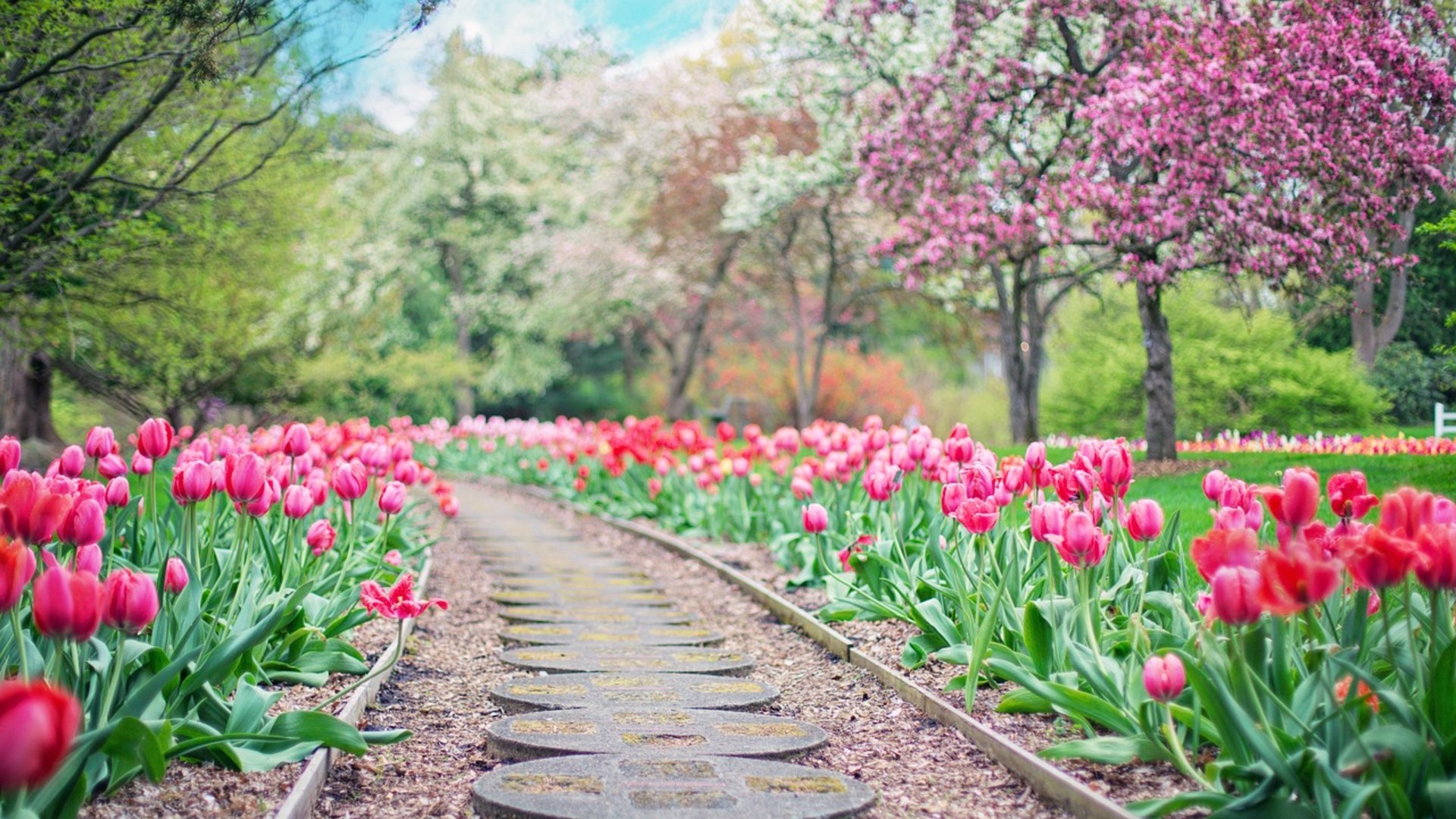
1. Garden Tulip - Advertisement🔥 UP NEXT IN THIS SERIES◫ 22 Slides

21 Discounts and Special Deals Available to US Military Families
From annual credit card fee waivers to complimentary admissions and everyday retail savings, US military personnel and their families qualify for extraordinary benefits. We rank the most valuable discounts across travel, lodging, tech, and retail that deliver thousands in documented savings every year.
Planting hardy bulbs and perennials in autumn lets root systems establish before the ground freezes, yielding early spring blooms. This ranked countdown highlights top garden varieties based on planting guidelines from the Royal Horticultural Society and The Old Farmer's Almanac for dependable seasonal growth.
Swipe or tap ▶ to begin the countdown
©Pixabay / JillWellington
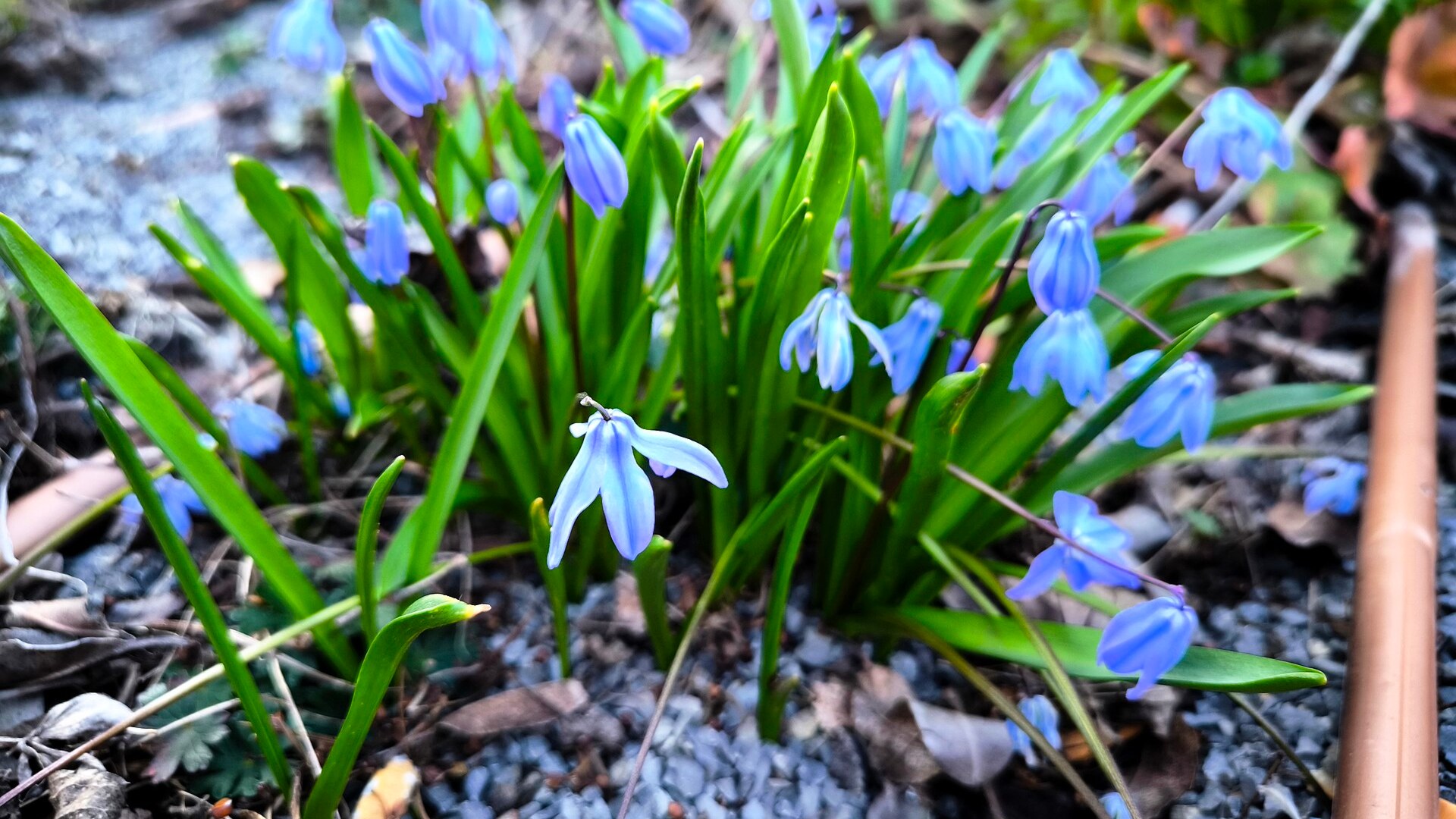
20. Siberian Squill
Scilla siberica bulbs go into the soil three inches deep in October. They thrive under deciduous trees, spreading into dense carpets before tree canopies block early spring sunshine. Cold winter temperatures trigger vigorous root establishment.
©Wikimedia / TanKydis
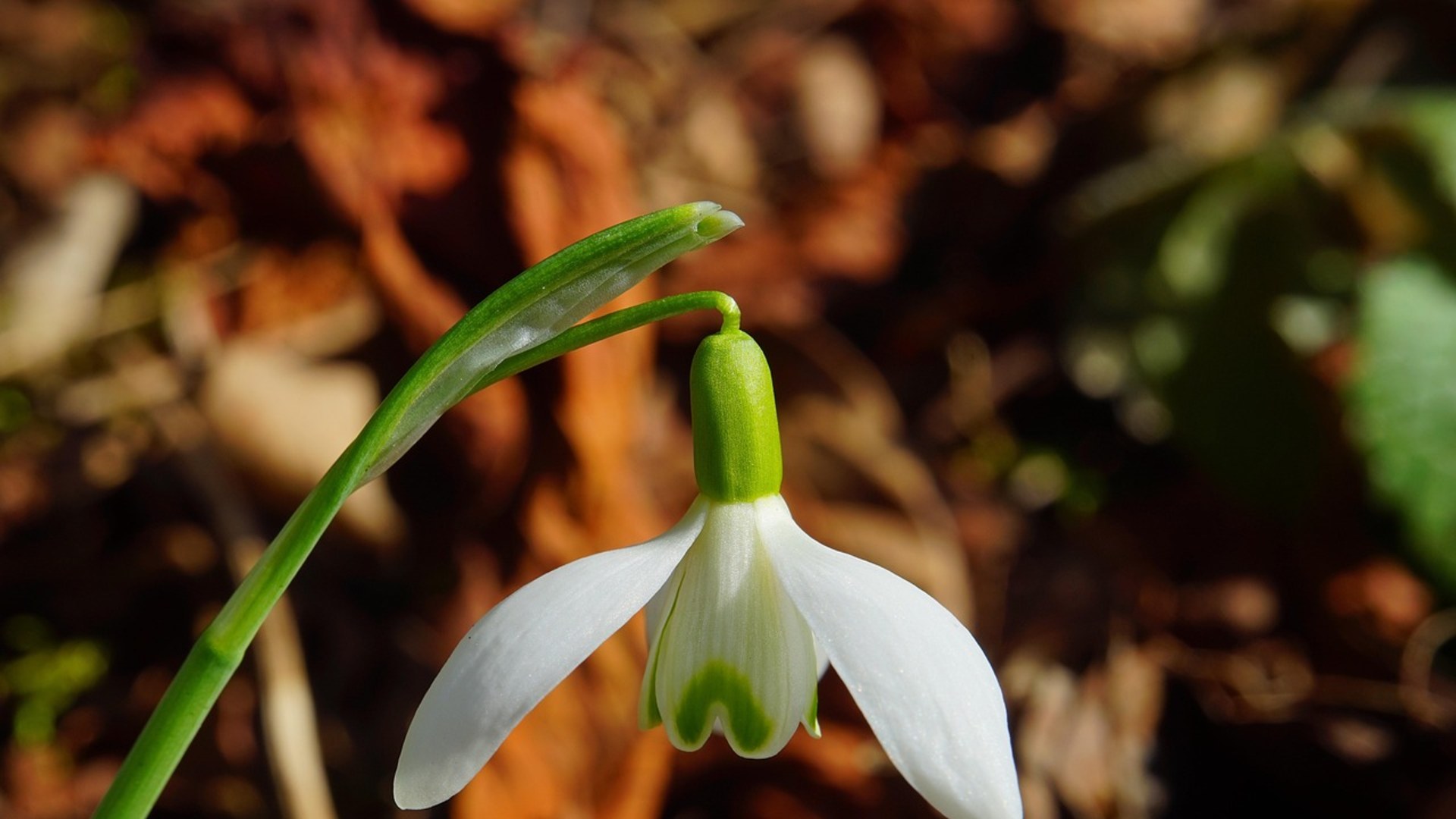
19. Snowdrops
Galanthus nivalis bulbs need planting in early autumn at a depth of three inches. These cold-hardy perennials open in late winter, offering nectar to early pollinators when temperatures rise above freezing. Clumps divide easily after flowering.
©Pixabay / Hans
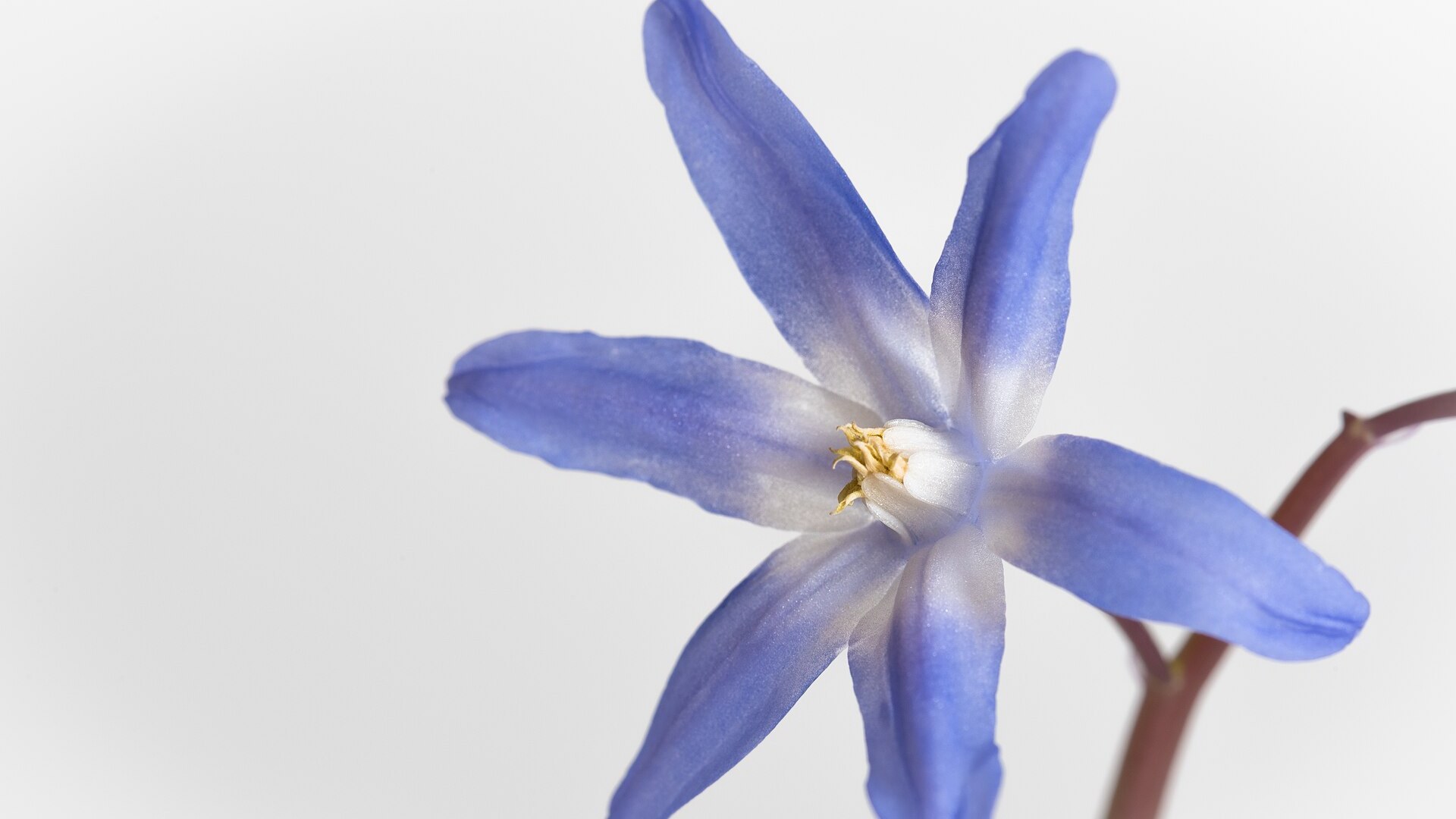
18. Glory Of The Snow
Chionodoxa luciliae produces upward-facing blooms in early spring. Gardeners plant the small bulbs three inches deep during October in well-drained soil. They return reliably every year and spread gently across rock gardens and lawn edges.
©Wikimedia / Mustang Joe
Advertisement
Swipe or tap ▶ to resume the countdown.
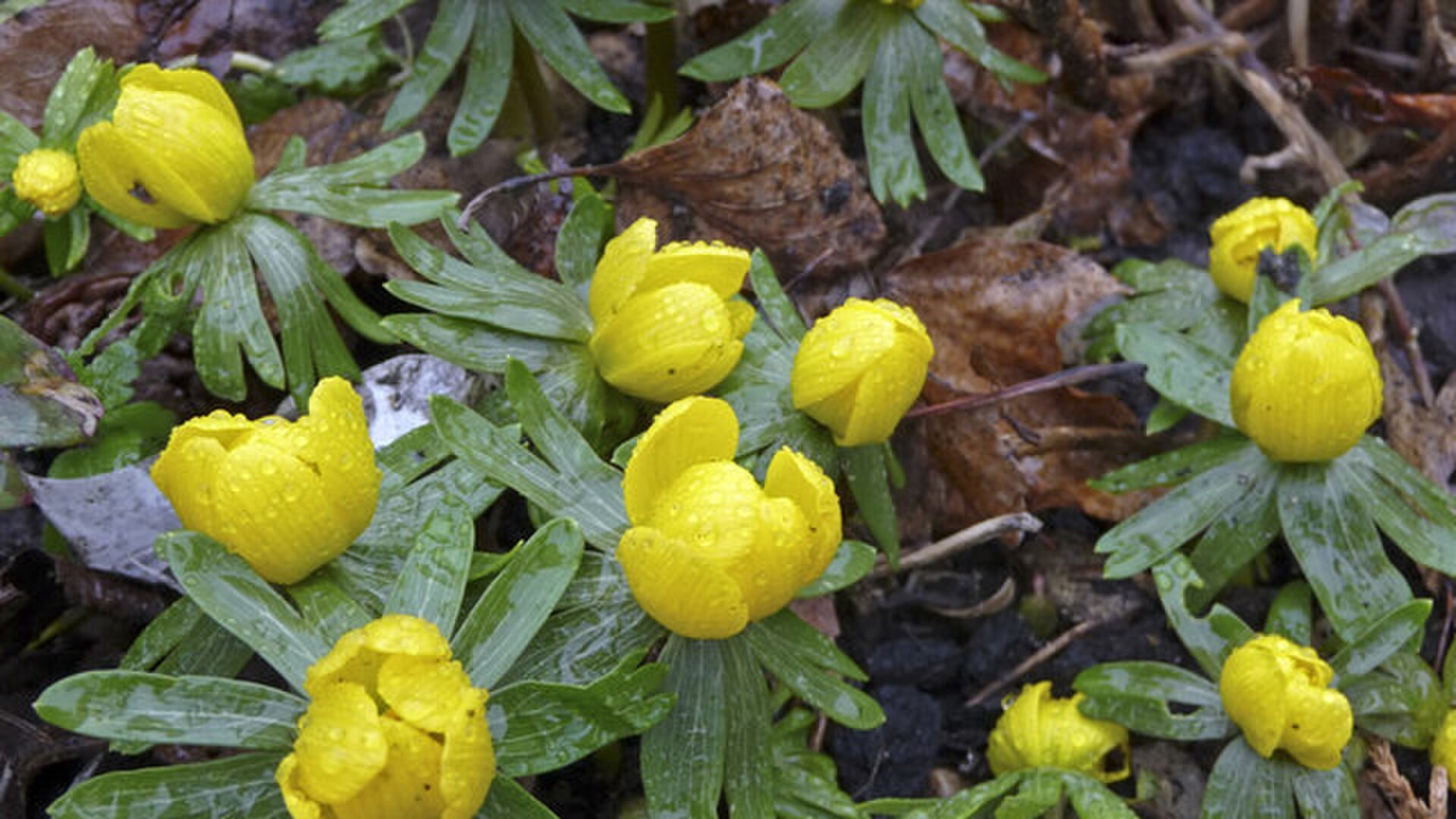
17. Winter Aconite
Eranthis hyemalis requires soaking tubers in water before planting in early fall. They settle two inches deep in moist soil, flowering alongside snowdrops in late winter. Rodents avoid these tubers because of their natural bitter compounds.
©Wikimedia / Christine Matthews
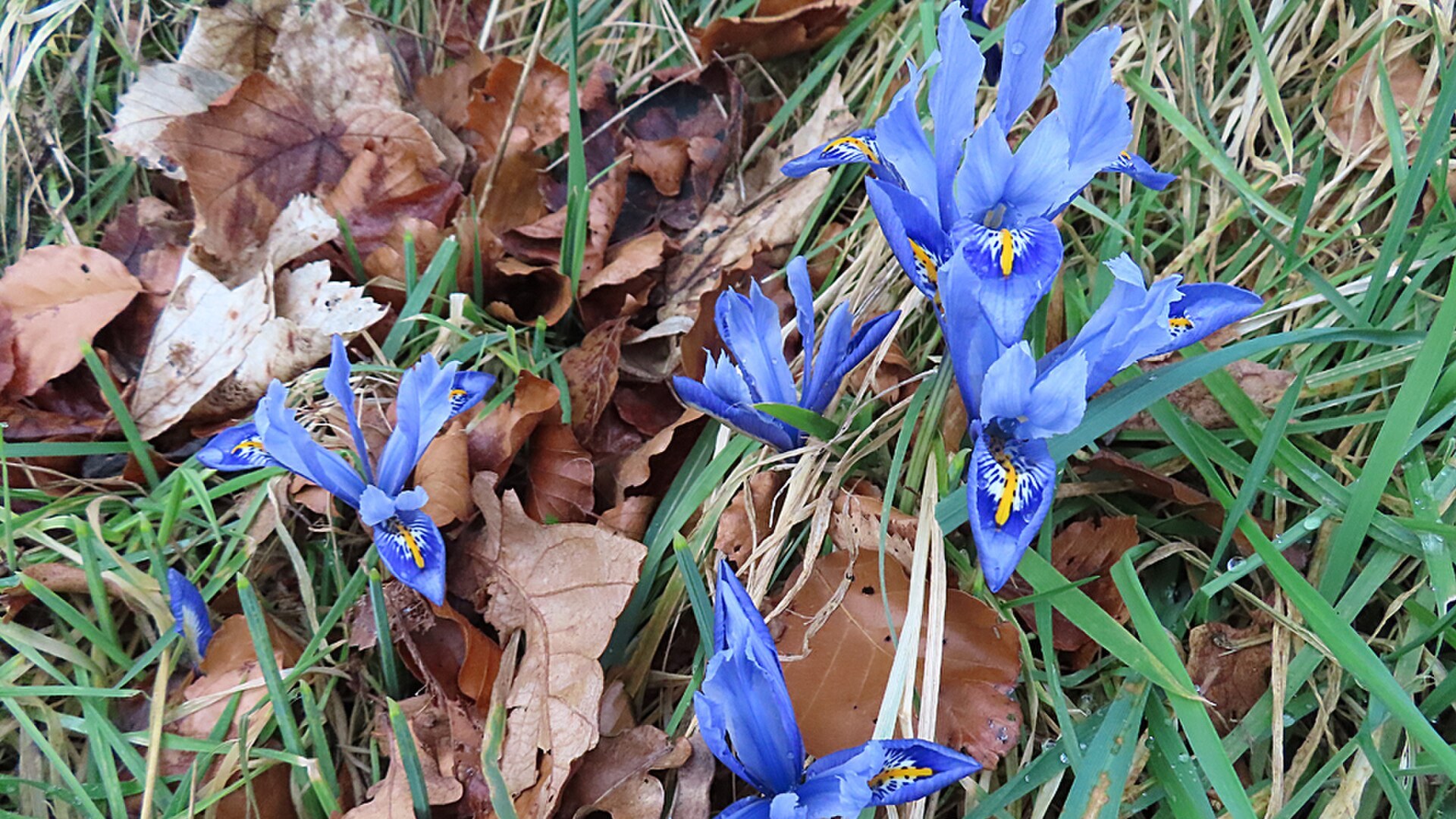
16. Dwarf Iris
Iris reticulata bulbs need sharp drainage and full sun to perform well. Planting them four inches deep in October produces fragrant six-inch stems by March. Their compact size makes them ideal for window boxes and front garden borders.
©Wikimedia / Anne Burgess
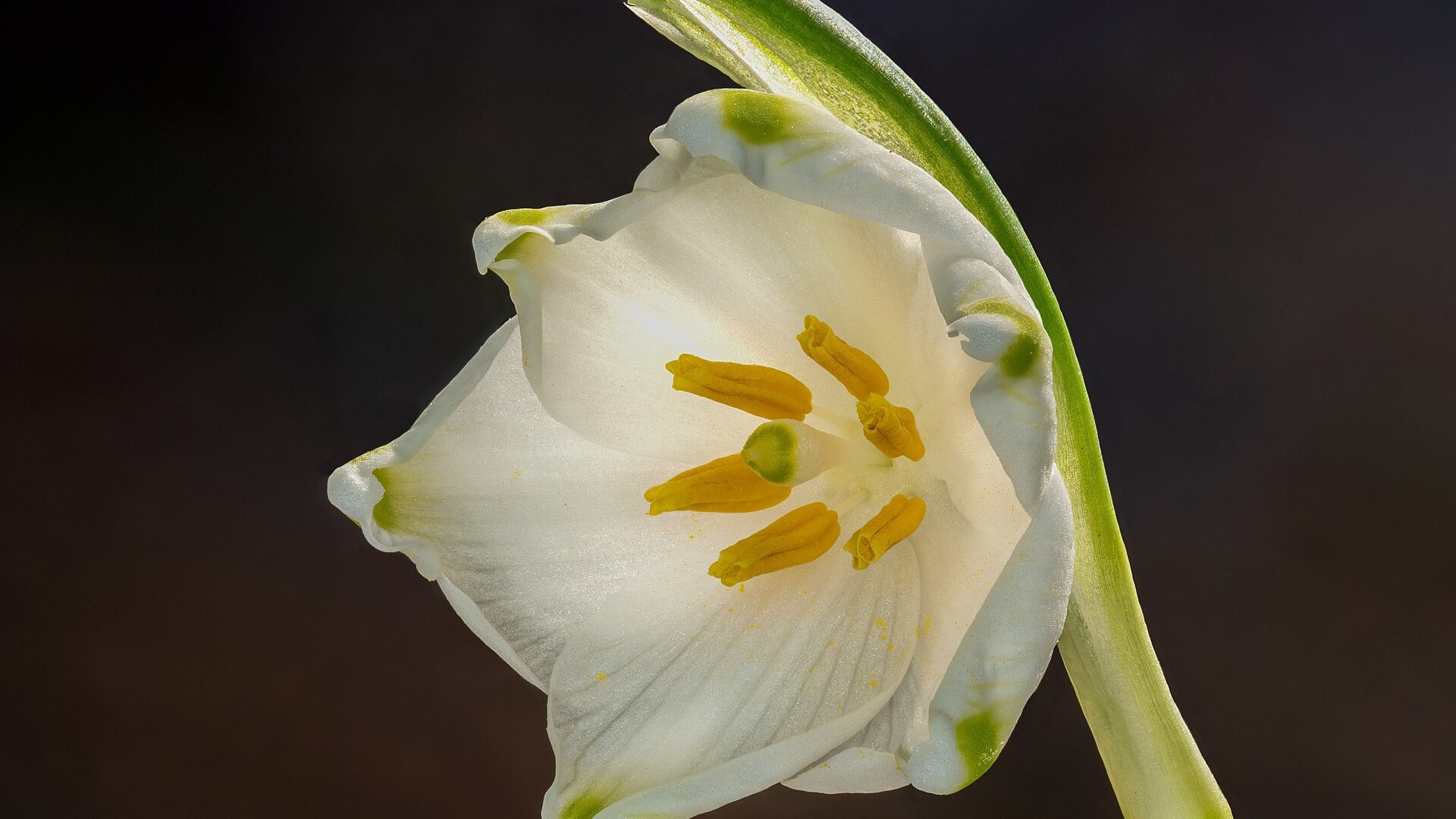
15. Spring Snowflake
Leucojum vernum grows taller than traditional snowdrops, reaching up to twelve inches. Autumn planting at a depth of four inches in rich, damp soil ensures robust growth. They flourish naturally along stream banks and woodland borders.
©Wikimedia / Ermell
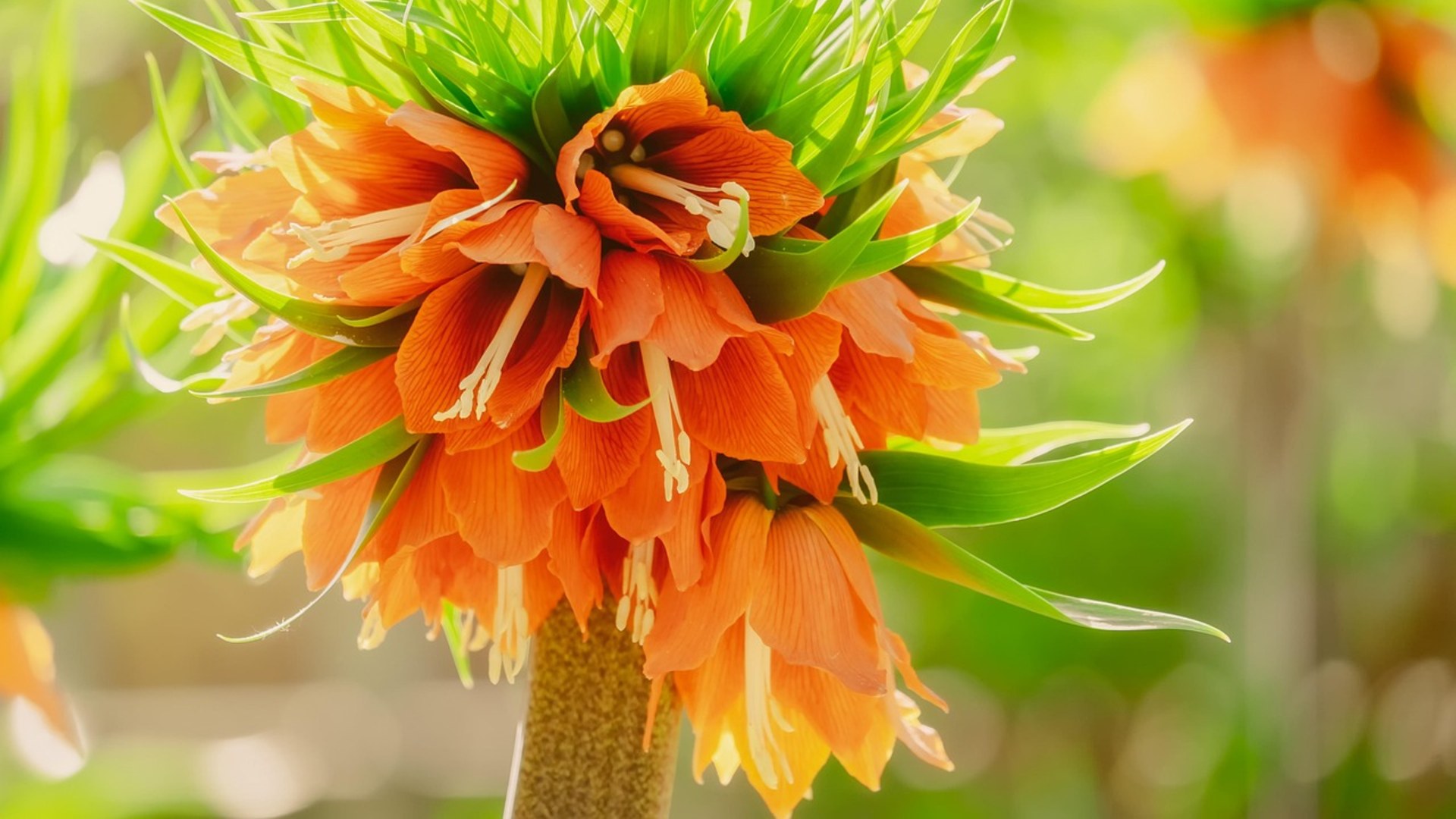
14. Crown Imperial
Fritillaria imperialis produces striking orange and yellow flower heads on three-foot stems. Bulbs require planting tilted on their sides six inches deep to prevent water pooling in bulb hollows. Their musky scent naturally repels garden voles.
©Pixabay / Couleur
Advertisement
Swipe or tap ▶ to resume the countdown.
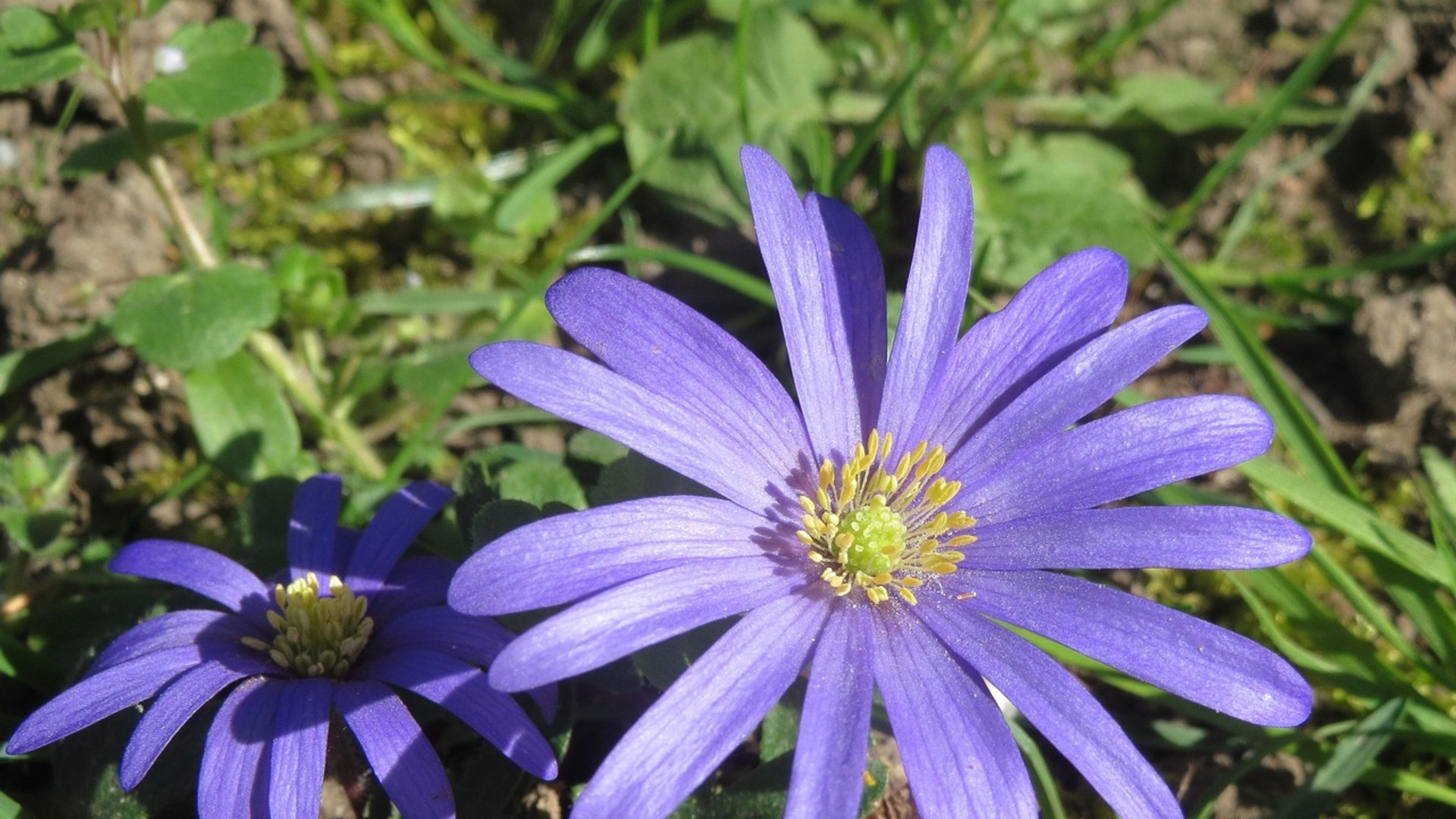
13. Grecian Windflower
Anemone blanda tubers benefit from an overnight water soak before autumn planting. Positioned two inches deep in dappled shade, they produce low mounds of foliage by mid-spring. They naturalize well beneath flowering shrubs and hedgerows.
©Pixabay / WikimediaImages
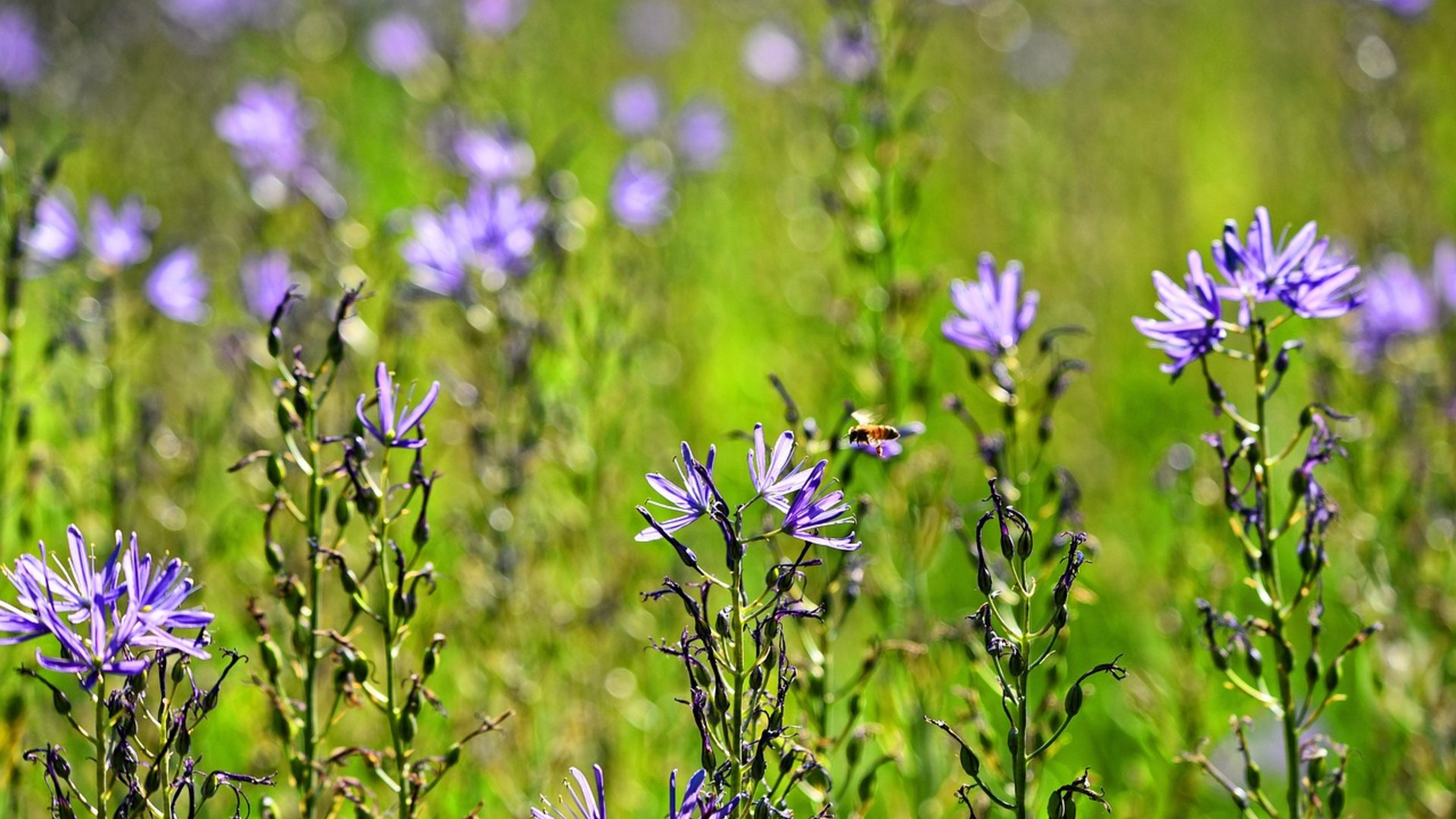
12. Camassia
Camassia leichtlinii bridges the gap between early spring bulbs and summer perennials. Plant bulbs five inches deep during October in moist soil that receives plenty of sunshine. Unlike most spring bulbs, camassia tolerates heavy clay conditions.
©Pixabay / MabelAmber
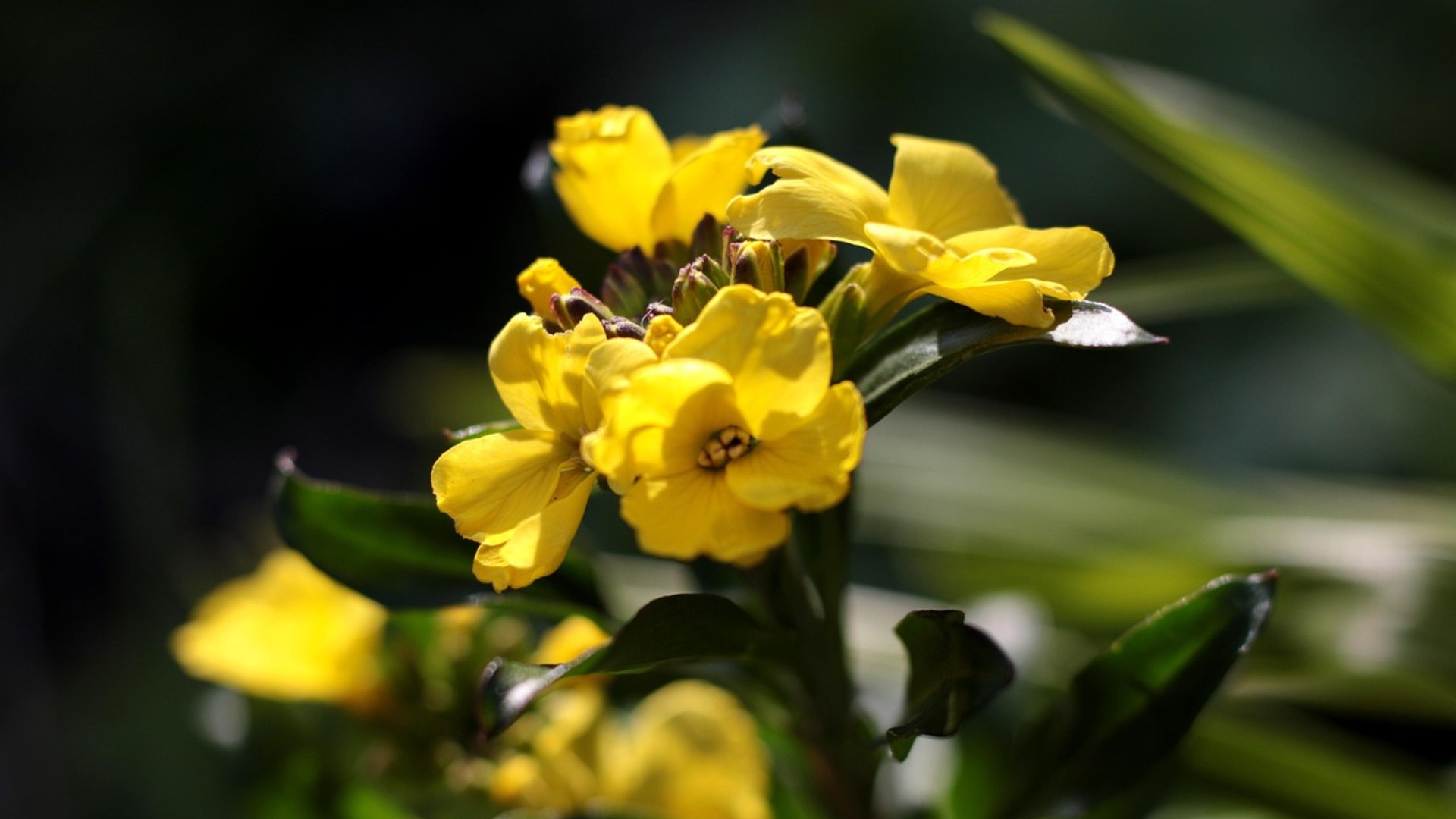
11. English Wallflower
Erysimum cheiri is a traditional biennial planted as bare-root stock or plug plants in early autumn. Over winter, plants establish sturdy root systems, then burst into fragrant blooms in April. They thrive in alkaline soil and stone crevices.
©Pixabay / Sonja-Kalee
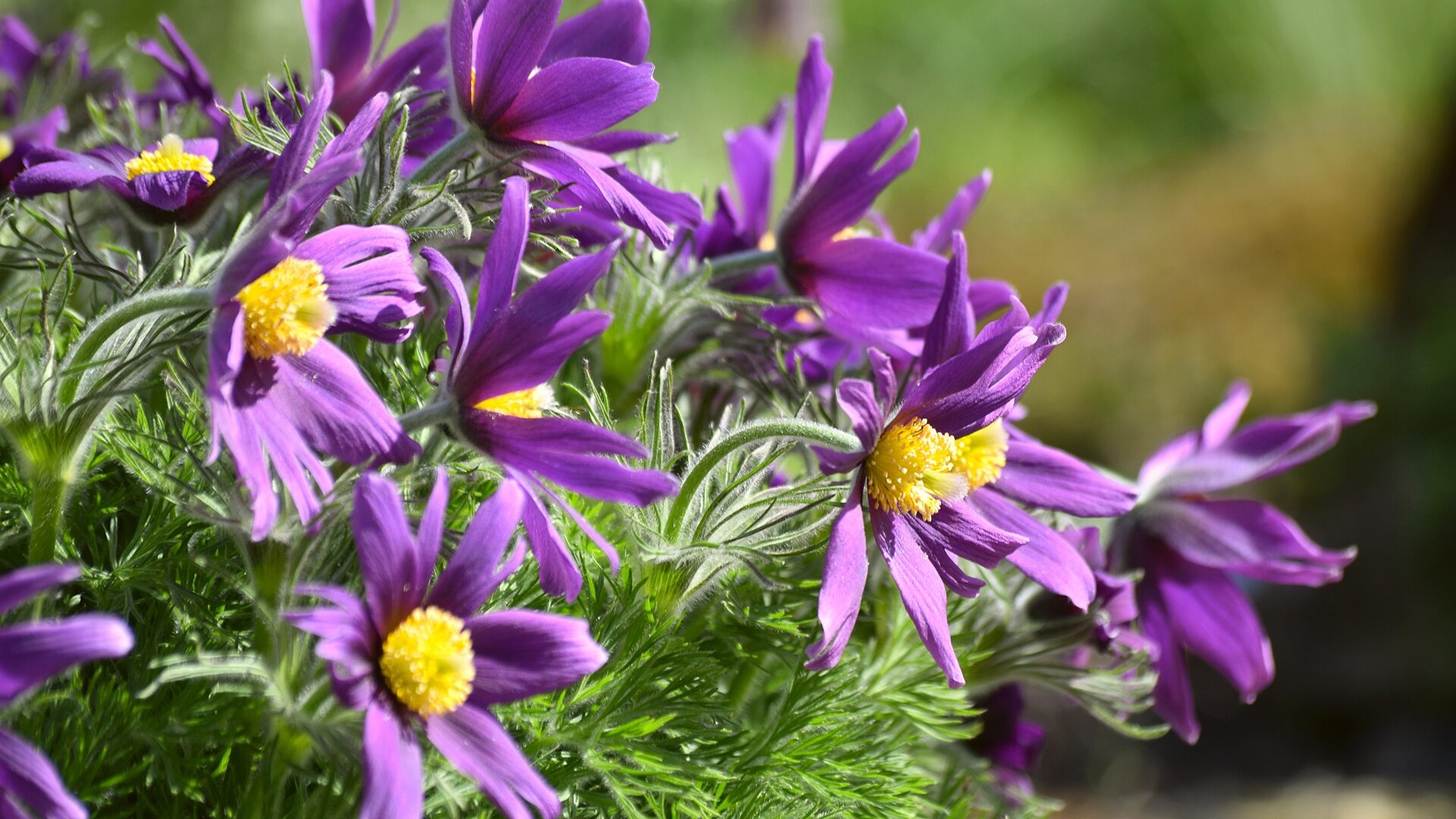
10. Pasque Flower
Pulsatilla vulgaris forms hardy clumps when young potted plants go into borders during September. They demand full sun and excellent drainage to flourish across alpine beds. Woolly hairs coat the buds, guarding against lingering frosts.
©Wikimedia / Raita Futo from Tokyo, Japan
Advertisement
Swipe or tap ▶ to resume the countdown.
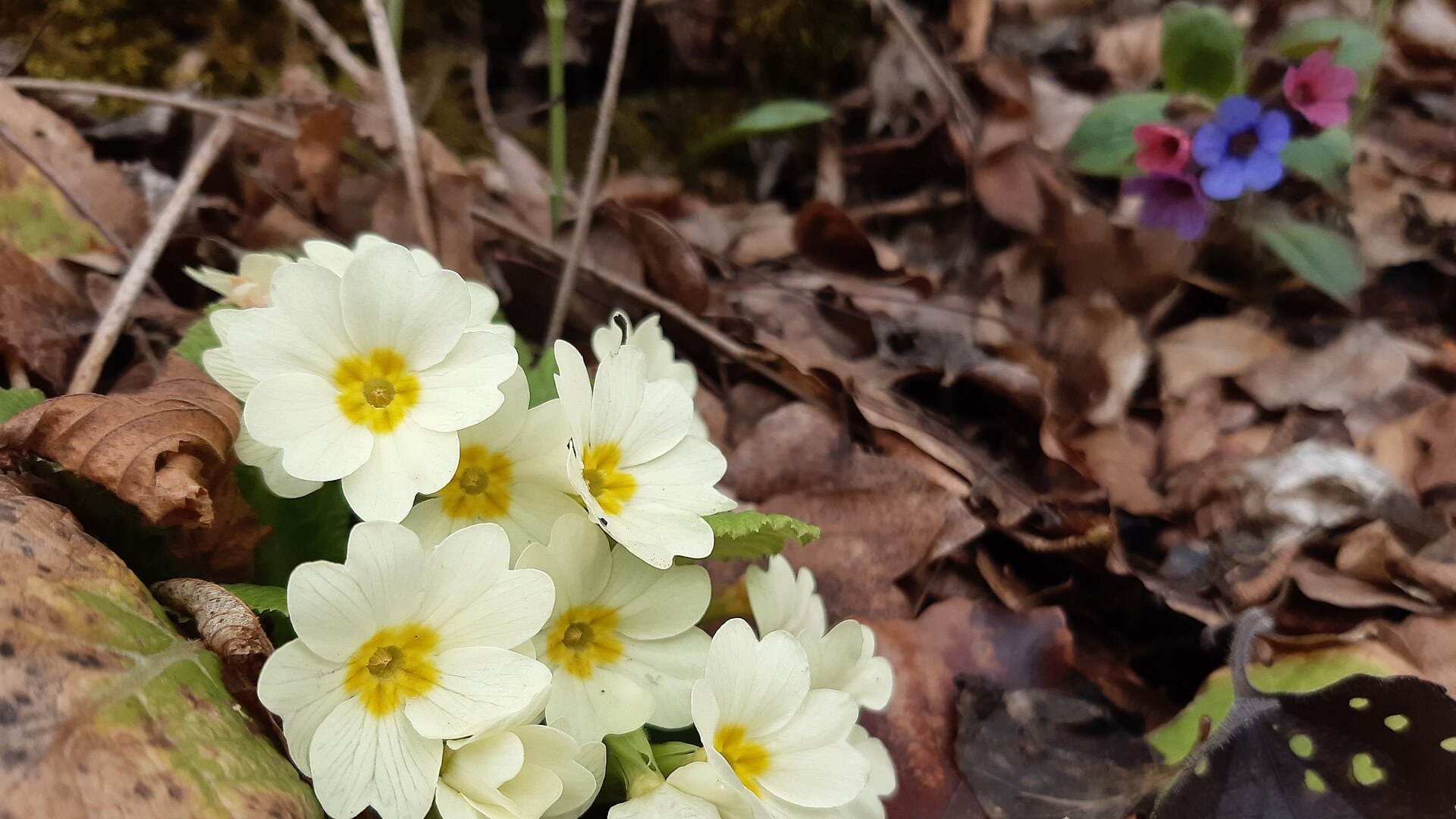
9. Common Primrose
Primula vulgaris plants settle in during autumn, establishing crowns in damp woodland soils. Flowering begins in March and continues through May under dappled sunlight. Dividing mature clumps every three years keeps plants healthy.
©Wikimedia / Sdjurovic
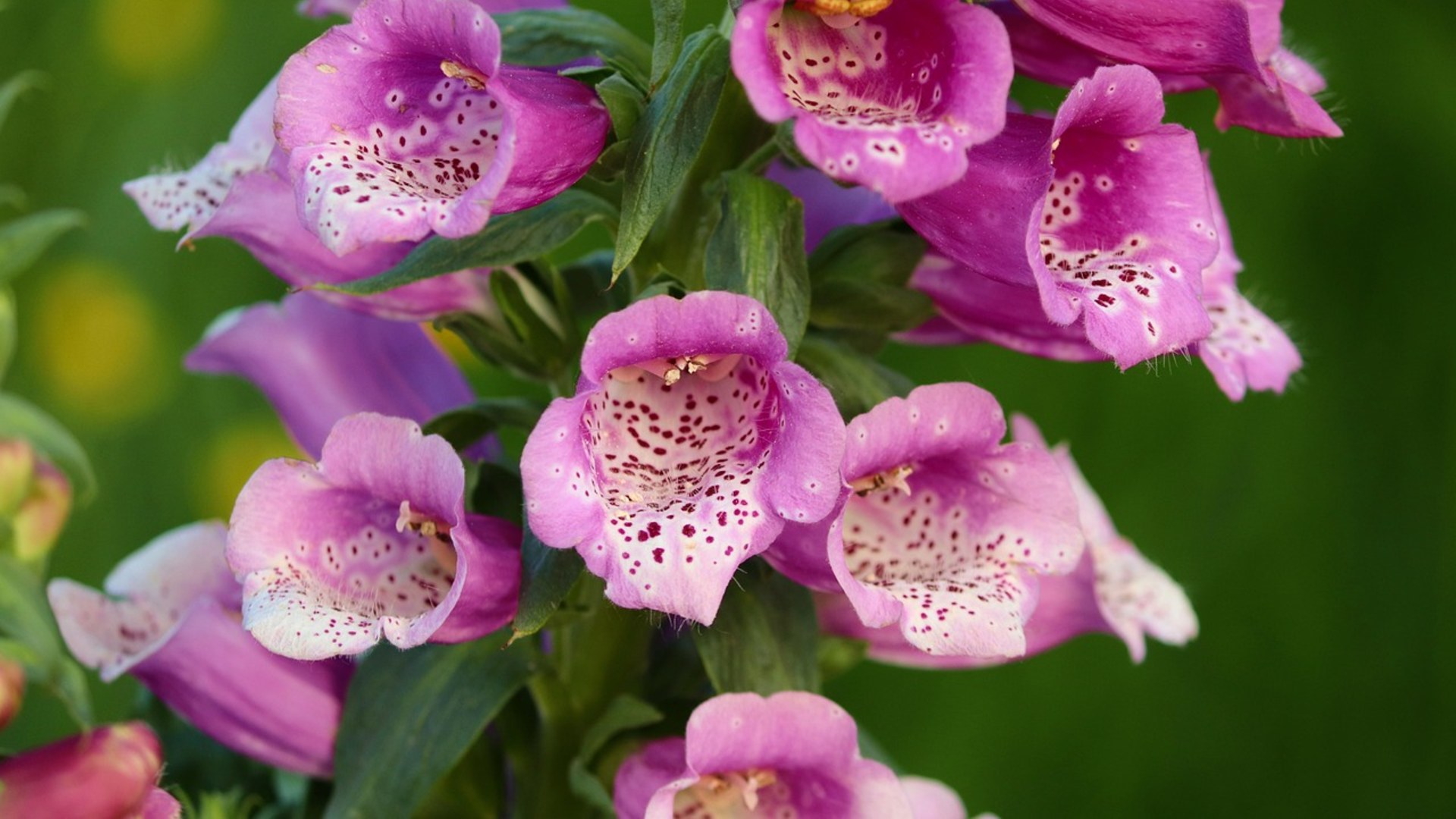
8. Common Foxglove
Digitalis purpurea is a biennial that forms leafy ground rosettes when planted in early fall. These crowns survive winter cold to shoot up six-foot flower spikes by May. They seed freely to provide perennial color across shady garden spots.
©Pixabay / manfredrichter
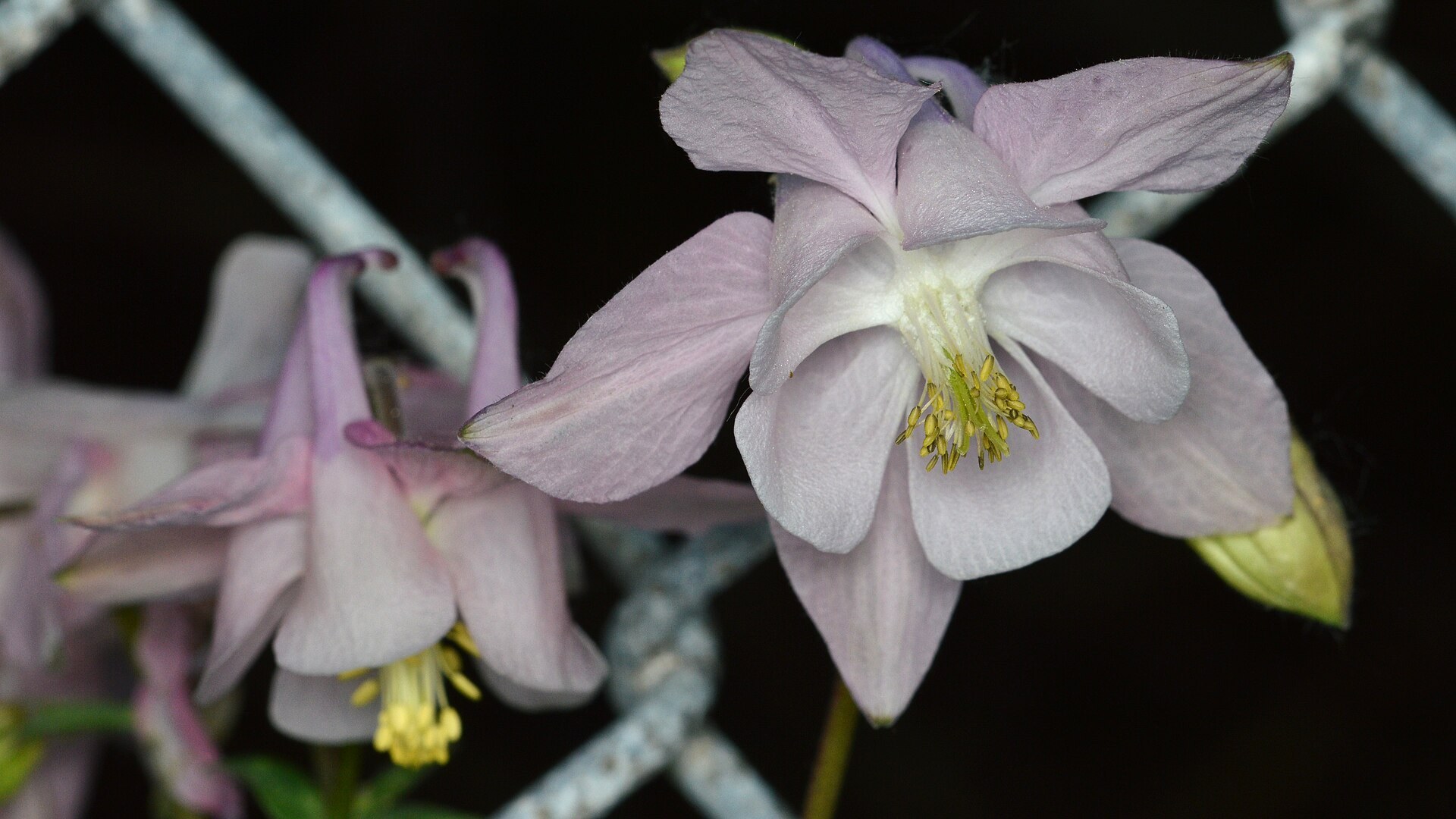
7. Columbine
Aquilegia vulgaris root crowns take hold quickly when planted in autumn borders. They produce delicate scalloped foliage followed by distinctive spurred blossoms in mid-spring. Plants grow eighteen inches tall and self-sow reliably year after year.
©Wikimedia / Ryan Hodnett
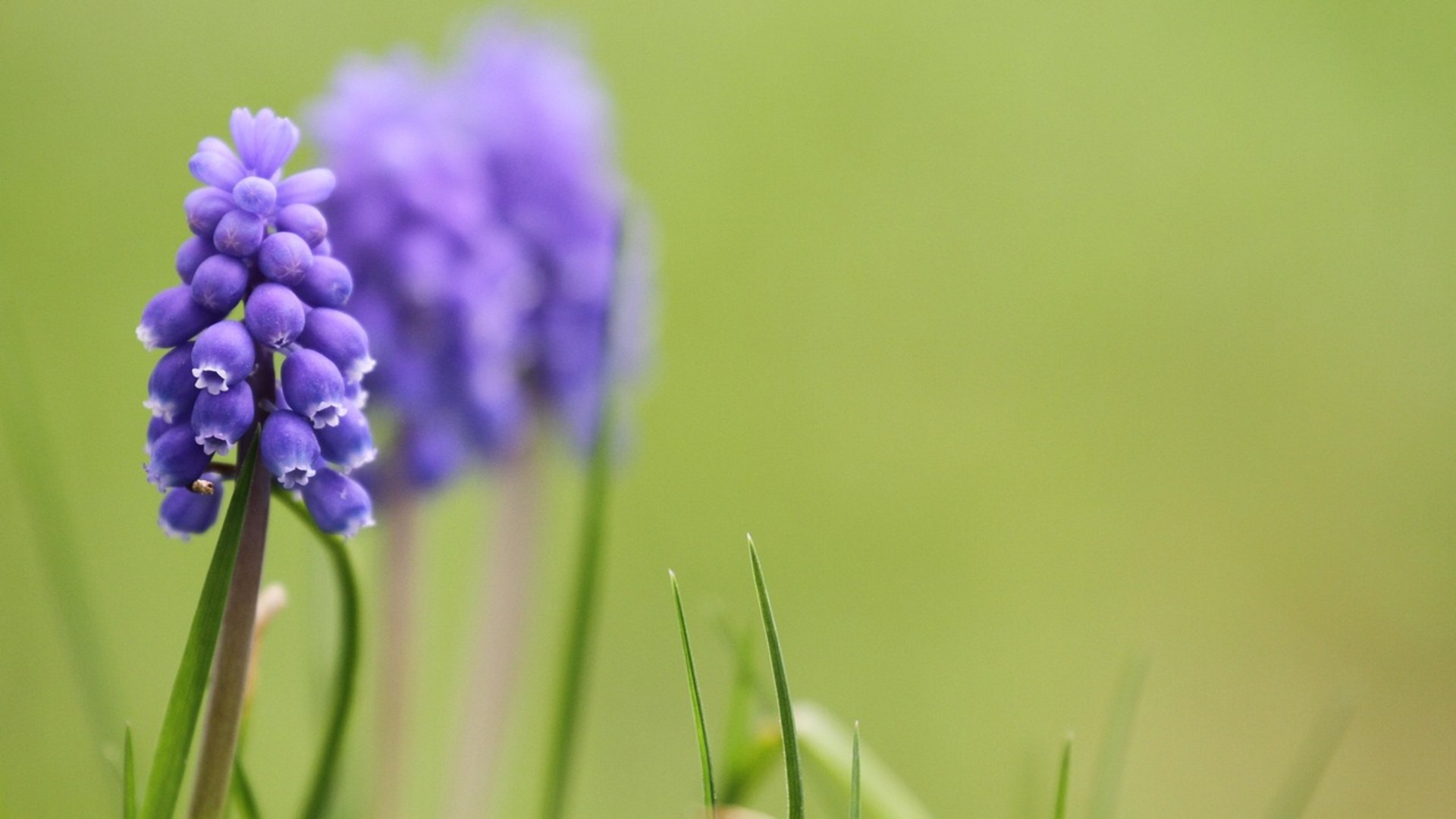
6. Grape Hyacinth
Muscari armeniacum bulbs go into the ground three inches deep during October. Unlike most bulbs, they send up green grassy foliage in autumn before blooming in April. They spread easily to create solid ribbons of color along pathways.
©Pixabay / oskaline
Advertisement
Swipe or tap ▶ to resume the countdown.
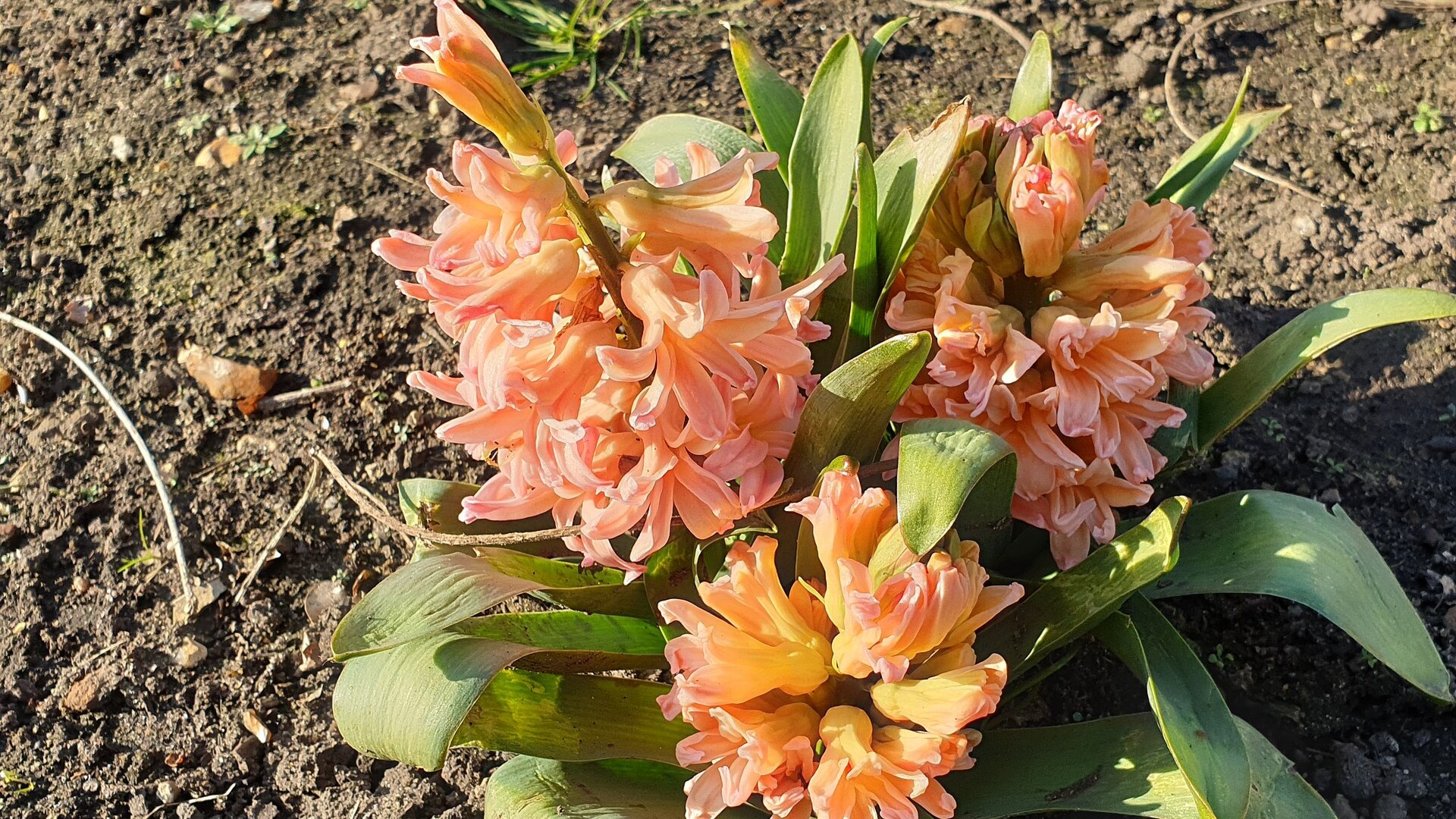
5. Garden Hyacinth
Hyacinthus orientalis bulbs require planting four inches deep in October soil. Sturdy central stems hold dozens of fragrant florets in shades of purple, pink, and cream. Wearing garden gloves is recommended when handling bulbs to prevent skin irritation.
©Wikimedia / Emőke Dénes
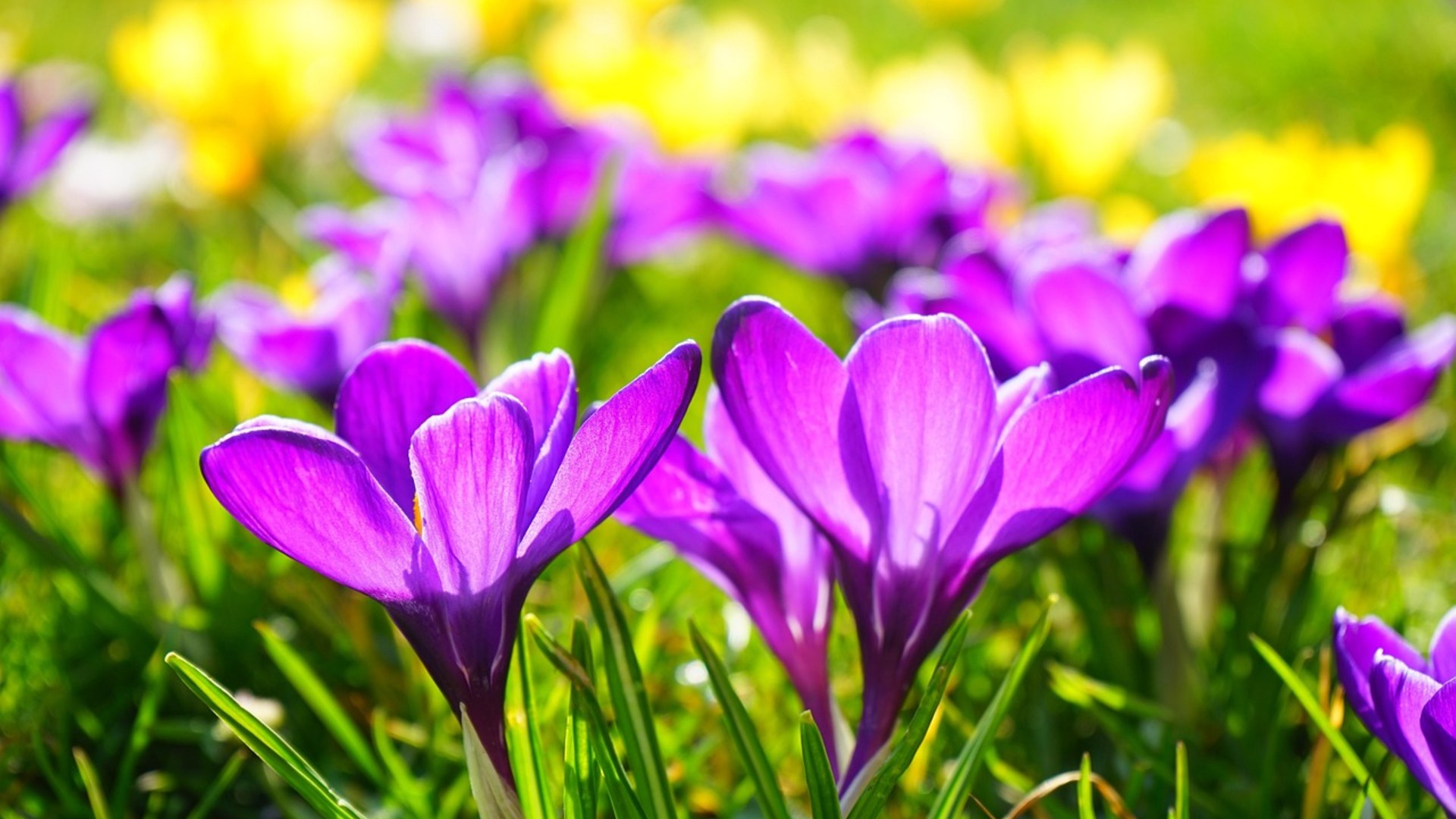
4. Dutch Crocus
Crocus vernus corms settle three inches deep in lawns or borders before frost hardens the ground. Blooms open wide on sunny mornings, displaying rich orange stigmas. Squirrels often hunt corms, so planting under wire mesh offers protection.
©Pixabay / Hans
3. Giant Ornamental Onion
Allium giganteum bulbs require planting six inches deep in sunny borders during late October. Stately four-foot stems emerge in late spring, topped with five-inch purple spheres. Natural sulfur compounds protect the bulbs from deer and rodents.
©Pixabay / manfredrichter
2. Daffodil
Narcissus bulbs go six inches deep in October soil and naturalize with zero maintenance. Containing bitter lycorine alkaloids, daffodils resist deer, rabbits, and burrowing voles. Blooms arrive in March, surviving frost without damage.
©Wikimedia / Bernard Spragg. NZ from Christchurch, New Zealan
Advertisement
Swipe or tap ▶ to resume the countdown.
1. Garden Tulip
Tulipa bulbs require planting in late autumn after soil drops below fifty degrees Fahrenheit. This late timing prevents fungal diseases like tulip fire while chilling bulbs for bloom. They showcase thousands of cultivars from single cups to ruffled parrots.

©Pixabay / Couleur
Advertisement
You've reached the end of the story. Thanks for reading!

21 Discounts and Special Deals Available to US Military Families
From annual credit card fee waivers to complimentary admissions and everyday retail savings, US military personnel and their families qualify for extraordinary benefits. We rank the most valuable discounts across travel, lodging, tech, and retail that deliver thousands in documented savings every year.
All 20 Entries in this Story
20. Siberian Squill
Scilla siberica bulbs go into the soil three inches deep in October. They thrive under deciduous trees, spreading into dense carpets before tree canopies block early spring sunshine. Cold winter temperatures trigger vigorous root establishment.

19. Snowdrops
Galanthus nivalis bulbs need planting in early autumn at a depth of three inches. These cold-hardy perennials open in late winter, offering nectar to early pollinators when temperatures rise above freezing. Clumps divide easily after flowering.

18. Glory Of The Snow
Chionodoxa luciliae produces upward-facing blooms in early spring. Gardeners plant the small bulbs three inches deep during October in well-drained soil. They return reliably every year and spread gently across rock gardens and lawn edges.

17. Winter Aconite
Eranthis hyemalis requires soaking tubers in water before planting in early fall. They settle two inches deep in moist soil, flowering alongside snowdrops in late winter. Rodents avoid these tubers because of their natural bitter compounds.

16. Dwarf Iris
Iris reticulata bulbs need sharp drainage and full sun to perform well. Planting them four inches deep in October produces fragrant six-inch stems by March. Their compact size makes them ideal for window boxes and front garden borders.

15. Spring Snowflake
Leucojum vernum grows taller than traditional snowdrops, reaching up to twelve inches. Autumn planting at a depth of four inches in rich, damp soil ensures robust growth. They flourish naturally along stream banks and woodland borders.

14. Crown Imperial
Fritillaria imperialis produces striking orange and yellow flower heads on three-foot stems. Bulbs require planting tilted on their sides six inches deep to prevent water pooling in bulb hollows. Their musky scent naturally repels garden voles.

13. Grecian Windflower
Anemone blanda tubers benefit from an overnight water soak before autumn planting. Positioned two inches deep in dappled shade, they produce low mounds of foliage by mid-spring. They naturalize well beneath flowering shrubs and hedgerows.

12. Camassia
Camassia leichtlinii bridges the gap between early spring bulbs and summer perennials. Plant bulbs five inches deep during October in moist soil that receives plenty of sunshine. Unlike most spring bulbs, camassia tolerates heavy clay conditions.

11. English Wallflower
Erysimum cheiri is a traditional biennial planted as bare-root stock or plug plants in early autumn. Over winter, plants establish sturdy root systems, then burst into fragrant blooms in April. They thrive in alkaline soil and stone crevices.

10. Pasque Flower
Pulsatilla vulgaris forms hardy clumps when young potted plants go into borders during September. They demand full sun and excellent drainage to flourish across alpine beds. Woolly hairs coat the buds, guarding against lingering frosts.

9. Common Primrose
Primula vulgaris plants settle in during autumn, establishing crowns in damp woodland soils. Flowering begins in March and continues through May under dappled sunlight. Dividing mature clumps every three years keeps plants healthy.

8. Common Foxglove
Digitalis purpurea is a biennial that forms leafy ground rosettes when planted in early fall. These crowns survive winter cold to shoot up six-foot flower spikes by May. They seed freely to provide perennial color across shady garden spots.

7. Columbine
Aquilegia vulgaris root crowns take hold quickly when planted in autumn borders. They produce delicate scalloped foliage followed by distinctive spurred blossoms in mid-spring. Plants grow eighteen inches tall and self-sow reliably year after year.

6. Grape Hyacinth
Muscari armeniacum bulbs go into the ground three inches deep during October. Unlike most bulbs, they send up green grassy foliage in autumn before blooming in April. They spread easily to create solid ribbons of color along pathways.

5. Garden Hyacinth
Hyacinthus orientalis bulbs require planting four inches deep in October soil. Sturdy central stems hold dozens of fragrant florets in shades of purple, pink, and cream. Wearing garden gloves is recommended when handling bulbs to prevent skin irritation.

4. Dutch Crocus
Crocus vernus corms settle three inches deep in lawns or borders before frost hardens the ground. Blooms open wide on sunny mornings, displaying rich orange stigmas. Squirrels often hunt corms, so planting under wire mesh offers protection.

3. Giant Ornamental Onion
Allium giganteum bulbs require planting six inches deep in sunny borders during late October. Stately four-foot stems emerge in late spring, topped with five-inch purple spheres. Natural sulfur compounds protect the bulbs from deer and rodents.

2. Daffodil
Narcissus bulbs go six inches deep in October soil and naturalize with zero maintenance. Containing bitter lycorine alkaloids, daffodils resist deer, rabbits, and burrowing voles. Blooms arrive in March, surviving frost without damage.

1. Garden Tulip
Tulipa bulbs require planting in late autumn after soil drops below fifty degrees Fahrenheit. This late timing prevents fungal diseases like tulip fire while chilling bulbs for bloom. They showcase thousands of cultivars from single cups to ruffled parrots.