Slideshow · Money
20 College Degrees With the Highest Starting Salaries, Ranked
From petroleum and computer engineering to actuarial science and nursing, these 20 bachelor's degrees deliver the highest median starting pay right out of college.

By Most Viral Today
1 day ago

Which College Majors Pay the Most Right After Graduation? 
20. Information Systems And Management 
19. Economics 
18. Quantitative Finance And Financial Economics - AdvertisementSwipe or tap ▶ to continue countdown

17. Nursing (BSN) 
16. Civil Engineering 
15. Applied Mathematics 
14. Physics - AdvertisementSwipe or tap ▶ to continue countdown

13. Biomedical Engineering 
12. Actuarial Science 
11. Materials Science And Engineering 
10. Mechanical Engineering - AdvertisementSwipe or tap ▶ to continue countdown

9. Marine Engineering And Naval Architecture 
8. Nuclear Engineering 
7. Industrial And Systems Engineering 
6. Aerospace Engineering - AdvertisementSwipe or tap ▶ to continue countdown

5. Chemical Engineering 
4. Electrical Engineering 
3. Computer Science 
2. Computer Engineering - AdvertisementSwipe or tap ▶ to continue countdown

1. Petroleum Engineering - Advertisement🔥 UP NEXT IN THIS SERIES◫ 26 Slides

25 Reasons Behind Nvidia's Recent Stock Market Decline
Choosing an undergraduate major is one of the biggest financial decisions a student can make. Based on early-career wage data from the Federal Reserve Bank of New York and the National Association of Colleges and Employers, here are the 20 bachelor's degrees with the highest starting salaries.
Swipe or tap ▶ to begin the countdown
©Wikimedia / Madcoverboy
20. Information Systems And Management
Management information systems majors bridge corporate operations and software engineering by designing cloud infrastructure, enterprise databases, and cybersecurity protocols. According to Federal Reserve labor data, graduates earn a median starting salary of $68,000 and reach $112,000 by mid-career.

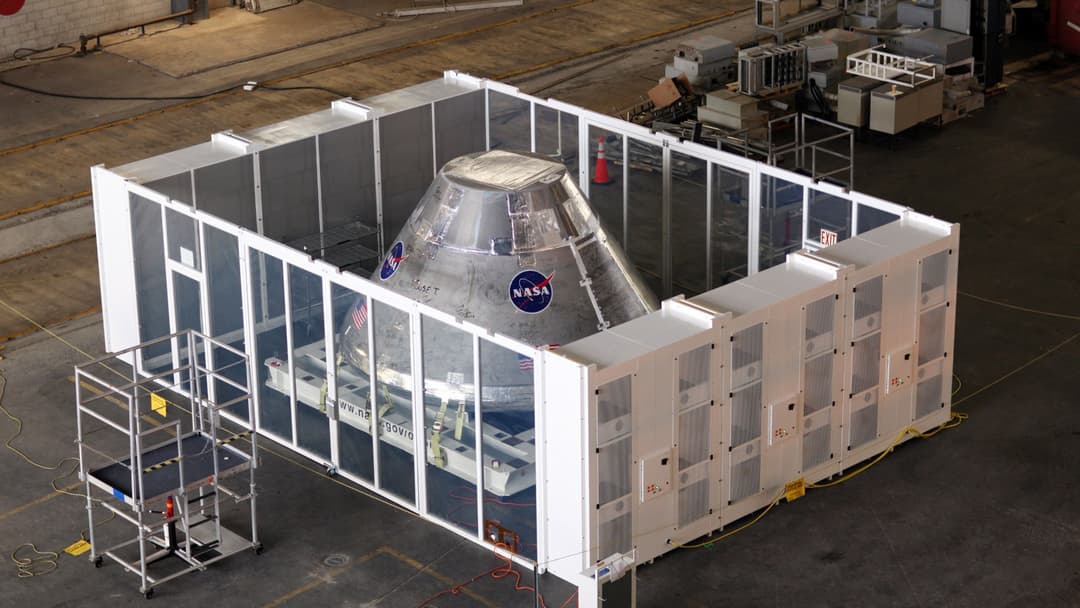
©NASA / KSC
19. Economics
An undergraduate degree in economics builds strong analytical skills in econometrics, interest rate modeling, and regulatory policy. Graduates entering commercial banking, management consulting, and economic research command a median starting salary of $68,500 and jump to $115,000 by mid-career.

©Wikimedia / Federal Reserve
18. Quantitative Finance And Financial Economics
Programs in quantitative finance and financial economics train students in derivatives pricing, portfolio risk management, and corporate valuation. Entry-level analysts hired by investment banks, asset managers, and trading desks earn a median starting salary of $70,000 and $118,000 by mid-career.

©Pixabay / stevepb
Advertisement
Swipe or tap ▶ to resume the countdown.
17. Nursing (BSN)
A Bachelor of Science in Nursing combines clinical hospital rotations with pharmacology, anatomy, and acute patient care. Driven by nationwide hospital staffing shortages, newly licensed registered nurses earn a median starting salary of $71,000 with an unemployment rate consistently below 1.5 percent.

©Wikimedia / U.S. Air Force
16. Civil Engineering
Civil engineering majors master structural mechanics, geotechnical soil analysis, and hydraulic systems to build suspension bridges, highways, and municipal water networks. New graduates earn a median starting salary of $72,500 and rise to $114,000 after earning a Professional Engineer license.

©Wikimedia / Guillaume Paumier
15. Applied Mathematics
Applied mathematics majors use differential equations, linear algebra, and stochastic modeling to solve logistics, cryptography, and machine learning problems. Tech firms, defense contractors, and quantitative funds pay applied math graduates a median starting salary of $73,500 and $122,000 at mid-career.

©Wikimedia / Jeremy Barande
14. Physics
Undergraduate physics curricula train students in electromagnetism, quantum mechanics, optics, and computational data analysis. Graduates hired into semiconductor fabrication, defense instrumentation, and photonics laboratories earn a median starting salary of $74,500 and $125,000 by mid-career.
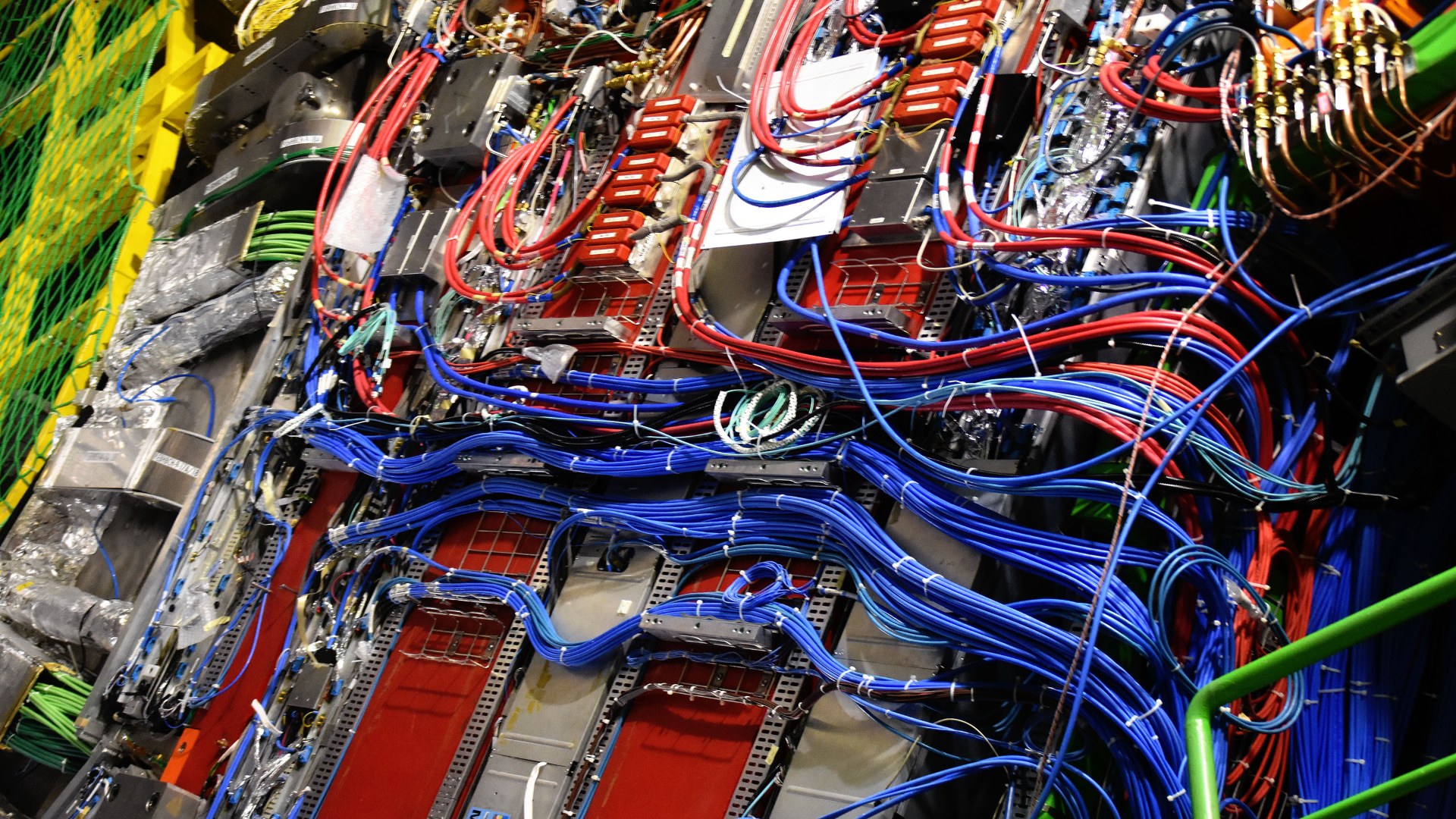
©Wikimedia / SimonWaldherr
Advertisement
Swipe or tap ▶ to resume the countdown.
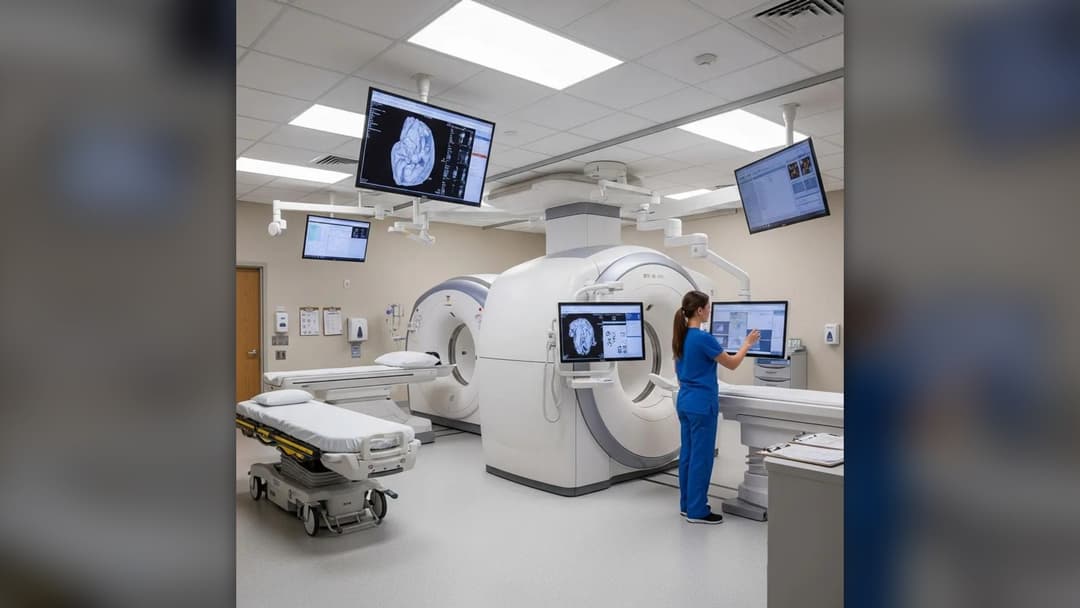
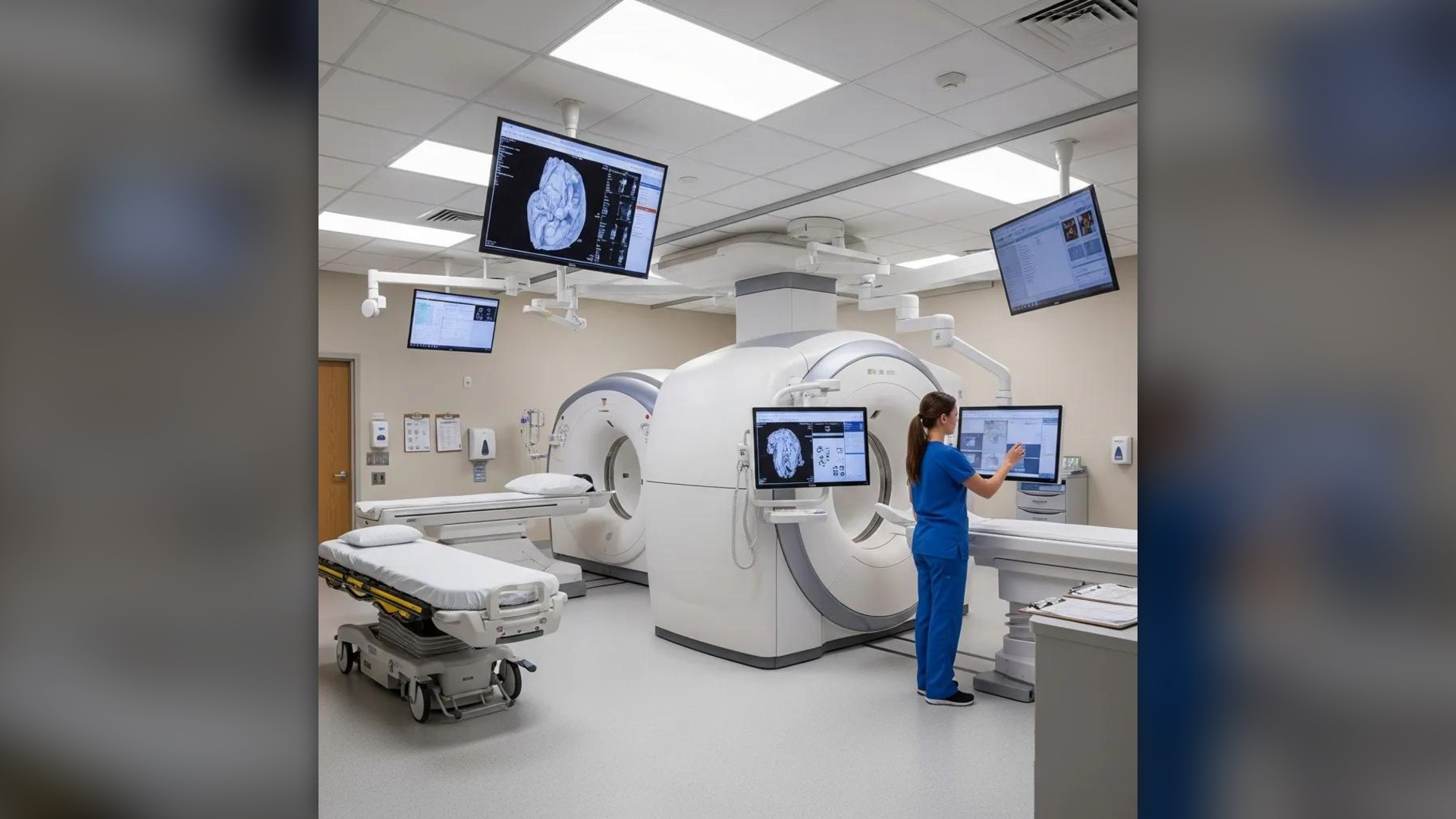
13. Biomedical Engineering
Biomedical engineering combines mechanical design and electrical sensors with human physiology to produce robotic surgical systems, artificial joints, and MRI hardware. Graduates entering medical device manufacturing and biotech research earn a median starting salary of $75,500 and $118,000 at mid-career.
©Wikimedia / Goleisureintl
12. Actuarial Science
Actuarial science majors apply probability theory and financial mathematics to price catastrophe insurance, pension obligations, and healthcare risk. Graduates who pass two Society of Actuaries exams before graduation start at a median salary of $76,500 and surpass $130,000 as credentialed fellows.

©Wikimedia / Colin
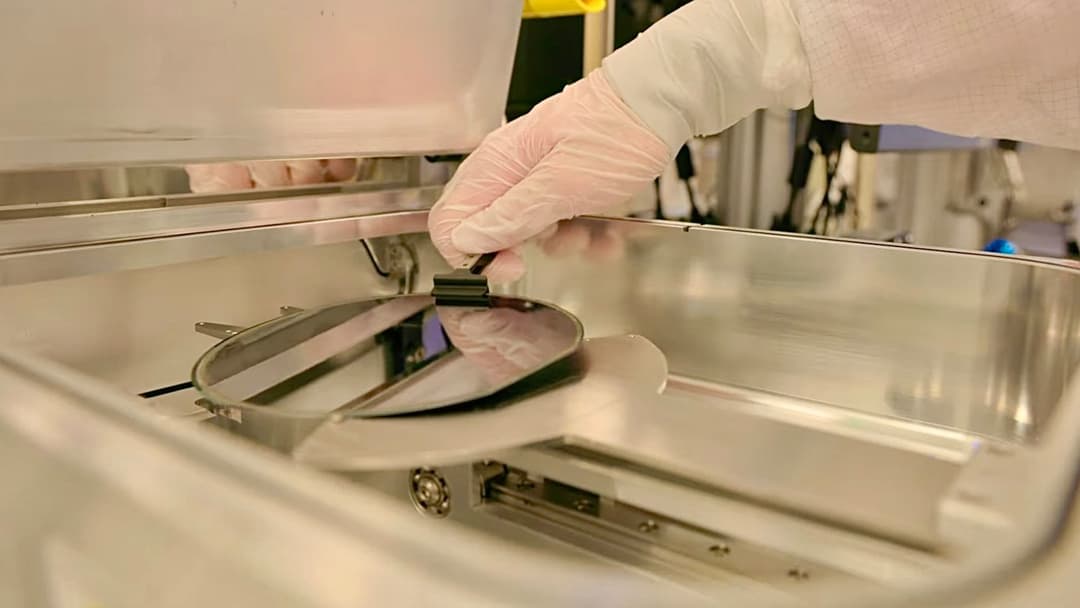
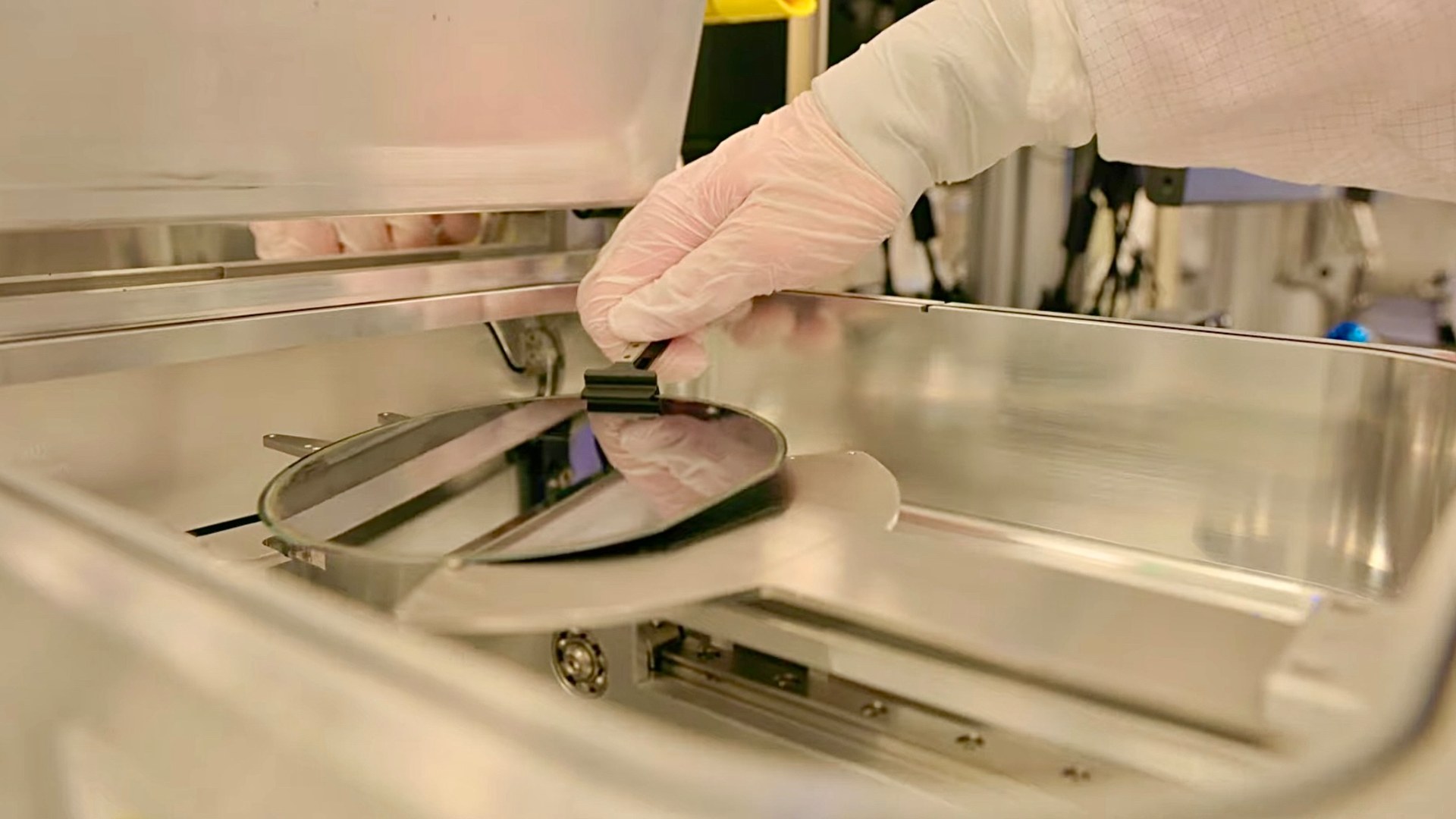
11. Materials Science And Engineering
Materials science engineers study atomic crystal structures inside cleanrooms to engineer silicon semiconductor wafers, titanium aerospace alloys, and solid-state lithium batteries. Chipmakers and aerospace manufacturers pay entry-level materials engineers a $77,500 starting salary and $120,000 at mid-career.
©Wikimedia / Purdue Engineering
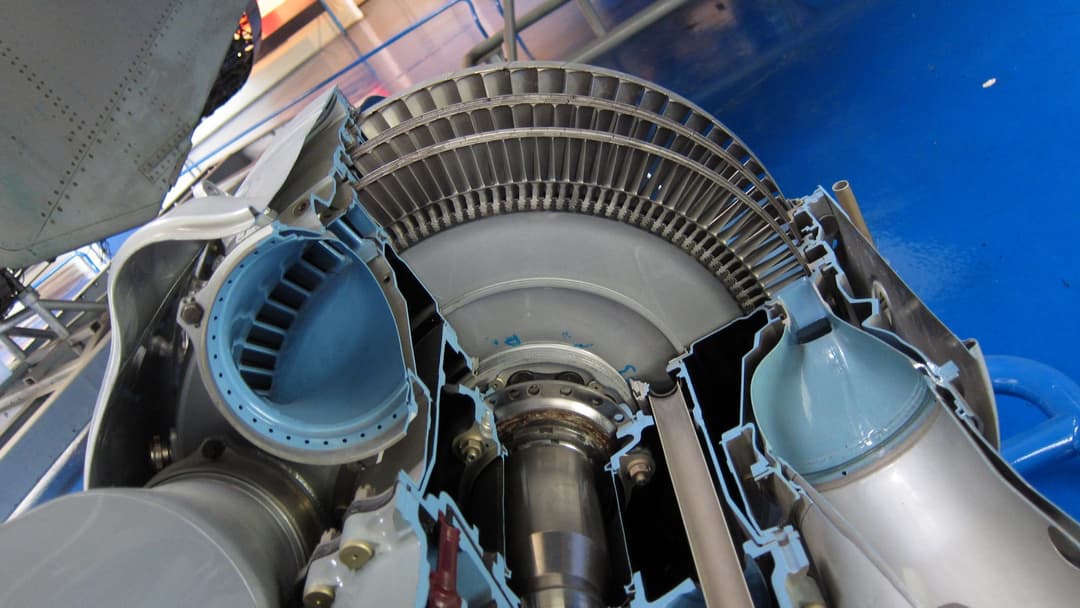
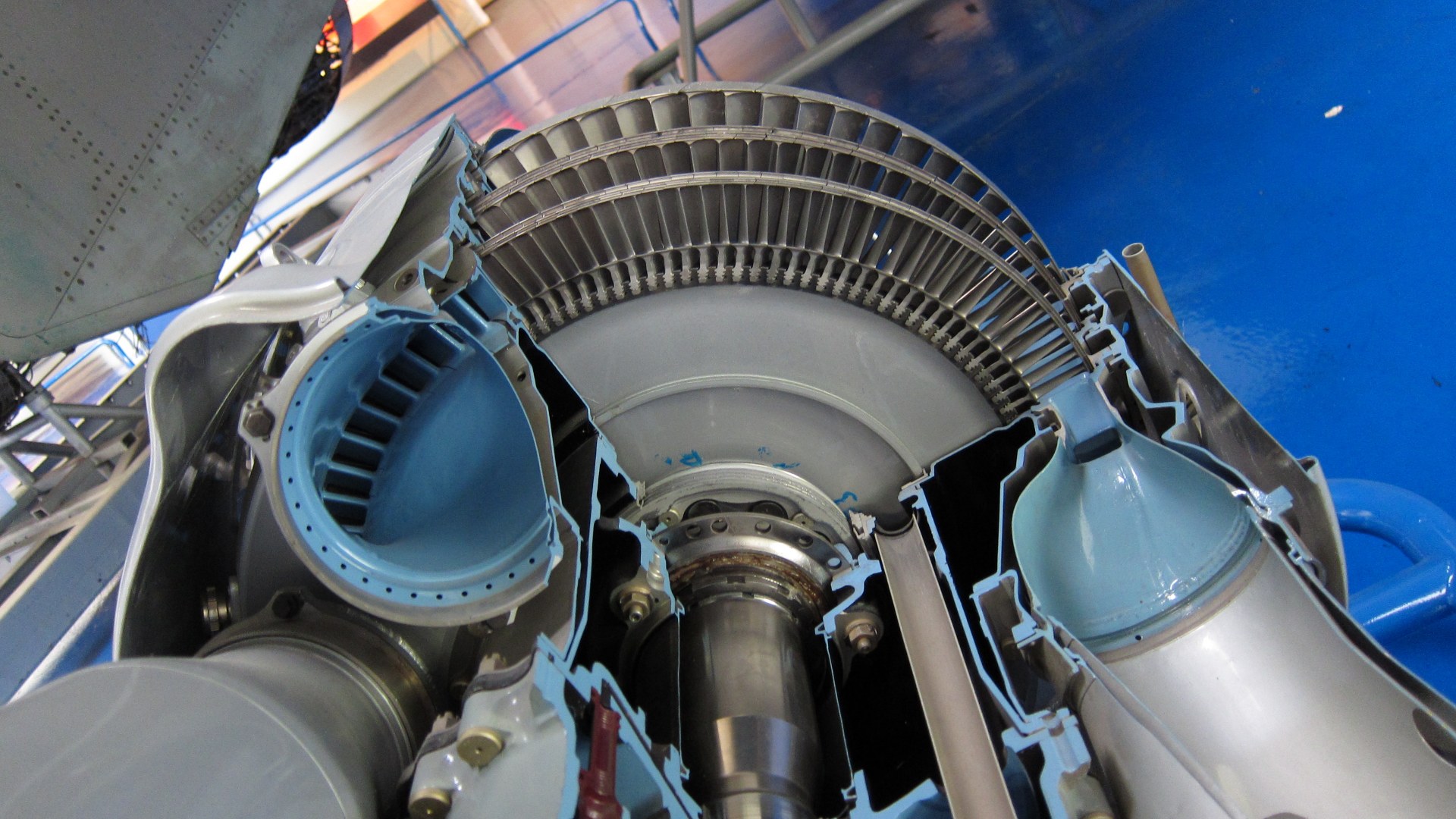
10. Mechanical Engineering
Mechanical engineering covers thermodynamics, fluid dynamics, finite element stress analysis, and computer-aided manufacturing. As one of the broadest engineering disciplines, it delivers a median starting salary of $78,500 across automotive, energy, and robotics roles, rising to $122,000 by mid-career.
©Wikimedia / Olivier Cleynen
Advertisement
Swipe or tap ▶ to resume the countdown.
9. Marine Engineering And Naval Architecture
Marine engineering and naval architecture programs teach hull hydrodynamics, marine diesel and nuclear propulsion, and offshore structural stability. Because only a handful of accredited academies offer this degree, graduates command a $79,500 median starting salary and $126,000 by mid-career.

©Wikimedia / Tim Sheerman-Chase
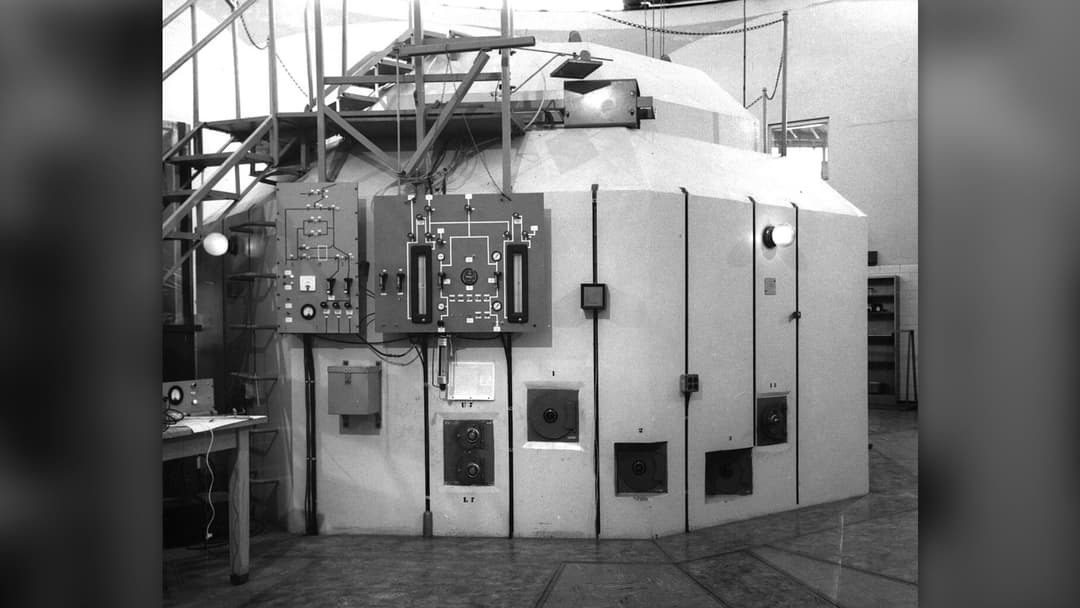
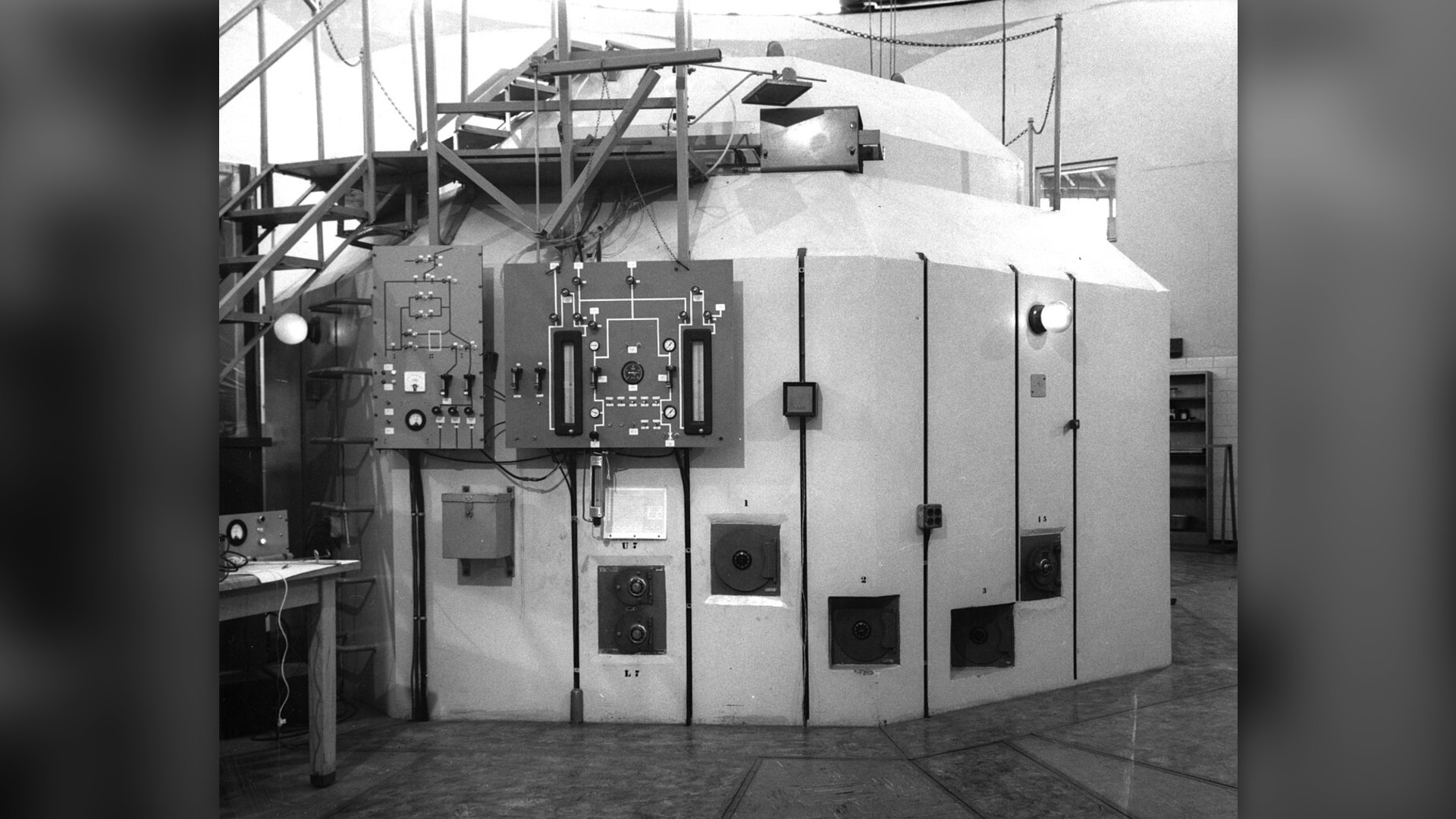
8. Nuclear Engineering
Nuclear engineering students train on university research reactors to master neutron transport, thermal hydraulics, and radiation shielding. Utility power plants, naval propulsion programs, and small modular reactor startups pay new graduates a median starting salary of $81,000 and $128,000 at mid-career.
©Wikimedia / Nuclear Regulatory Commission from US
7. Industrial And Systems Engineering
Industrial and systems engineers use operations research, factory automation, and statistical quality control to eliminate bottlenecks in manufacturing and logistics networks. Major aerospace, semiconductor, and e-commerce employers pay new graduates $83,000 to start and $124,000 by mid-career.

©Wikimedia / Seksan Phonsuwan
6. Aerospace Engineering
Aerospace engineering majors specialize in compressible aerodynamics, orbital mechanics, rocket propulsion, and avionics guidance systems. Commercial launch providers, satellite makers, and defense primes pay entry-level aerospace engineers a median salary of $85,000 and $130,000 by mid-career.
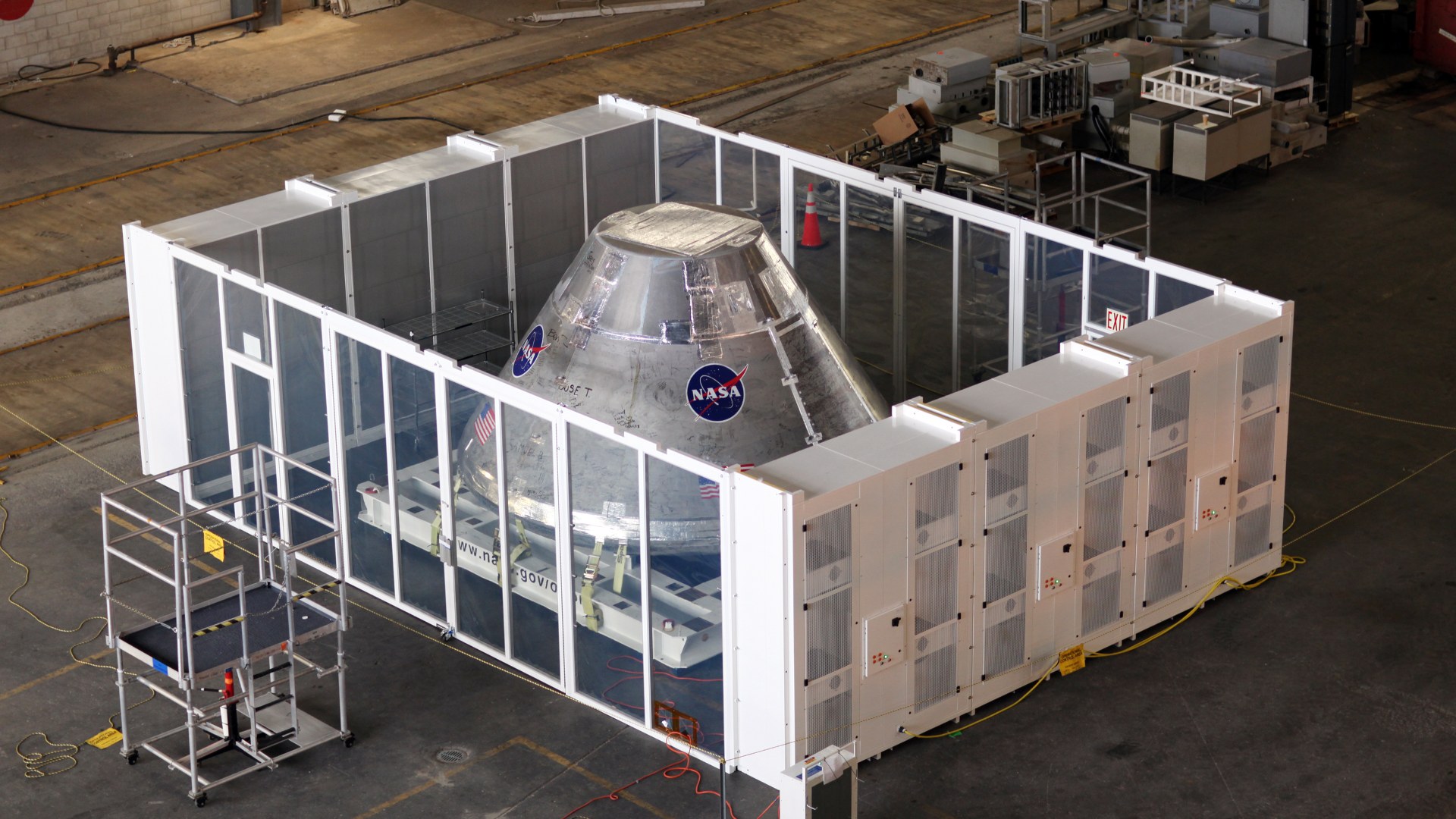
©NASA / Dmitri Gerondidakis
Advertisement
Swipe or tap ▶ to resume the countdown.
5. Chemical Engineering
Chemical engineering applies chemical kinetics, heat transfer, and distillation thermodynamics to transform laboratory reactions into industrial production plants. Graduates recruited by pharmaceutical, specialty chemical, and energy firms earn a $85,500 median starting salary and $132,000 at mid-career.

©Wikimedia / Uwe Aranas
4. Electrical Engineering
Electrical engineering students design high-frequency printed circuit boards, analog signal processors, radar arrays, and high-voltage power electronics. Demand across electric utilities, defense electronics, and telecom hardware pushes median starting pay to $87,000 and mid-career pay to $134,000.

©Wikimedia / Dave Jones
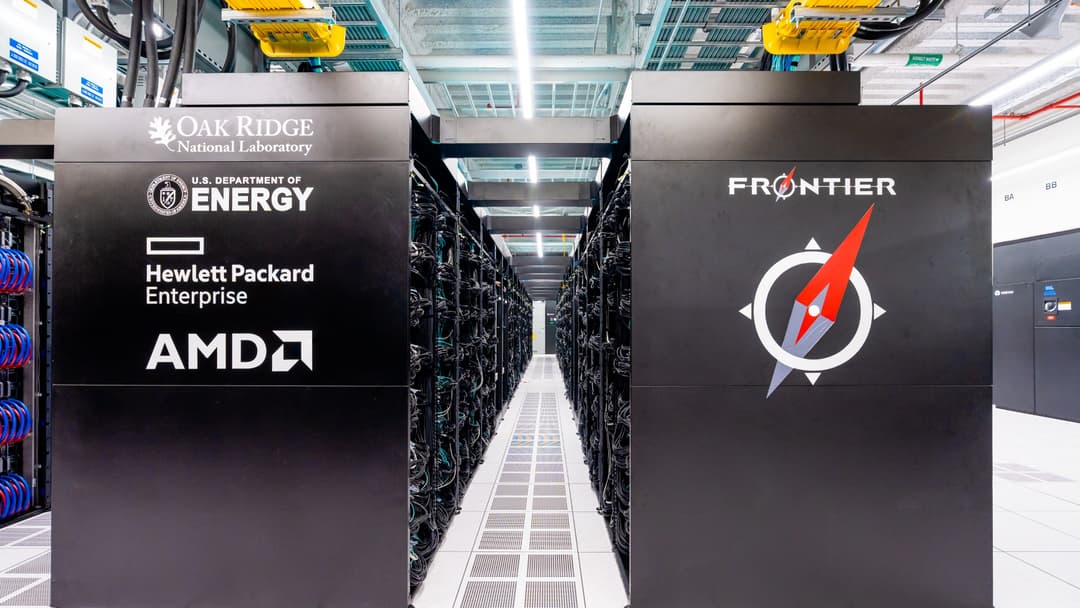
3. Computer Science
Computer science majors study algorithms, operating systems, compilers, and machine learning architectures. Graduates building distributed cloud software, cybersecurity tools, and artificial intelligence systems earn a median starting salary of $88,500 and reach $138,000 by mid-career.
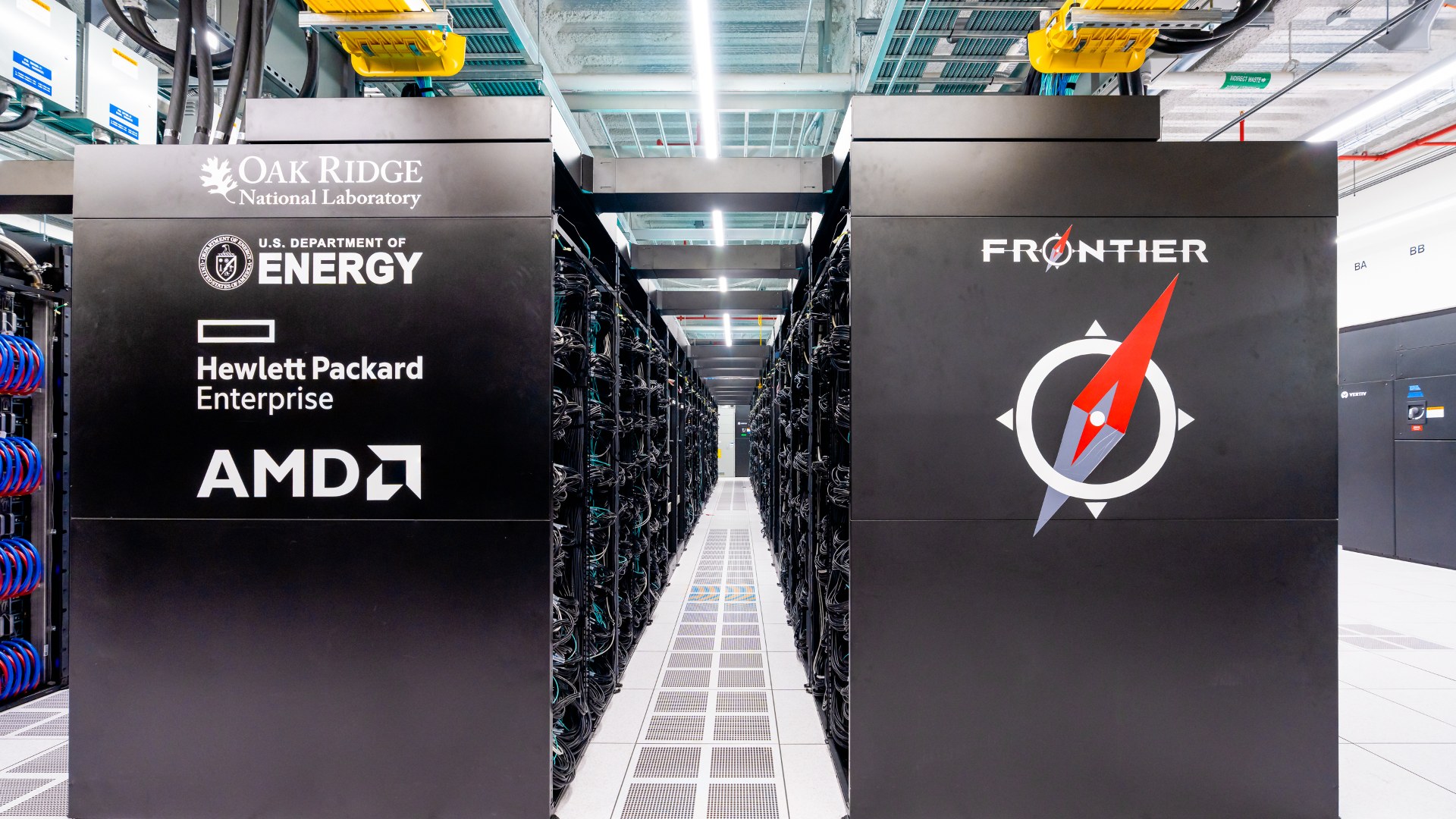
©Wikimedia / Oak Ridge National Laboratory
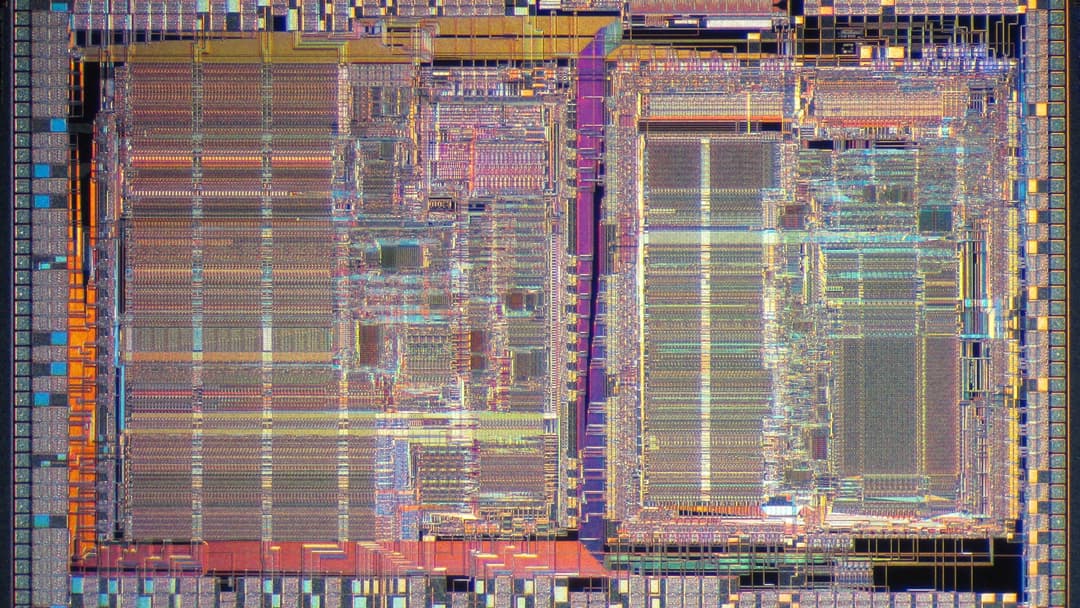
2. Computer Engineering
Computer engineering fuses electrical circuit design with low-level systems programming to build microprocessors, AI accelerator chips, and embedded firmware. Semiconductor manufacturers and hyperscale hardware teams pay new graduates a median starting salary of $90,000 and $142,000 by mid-career.
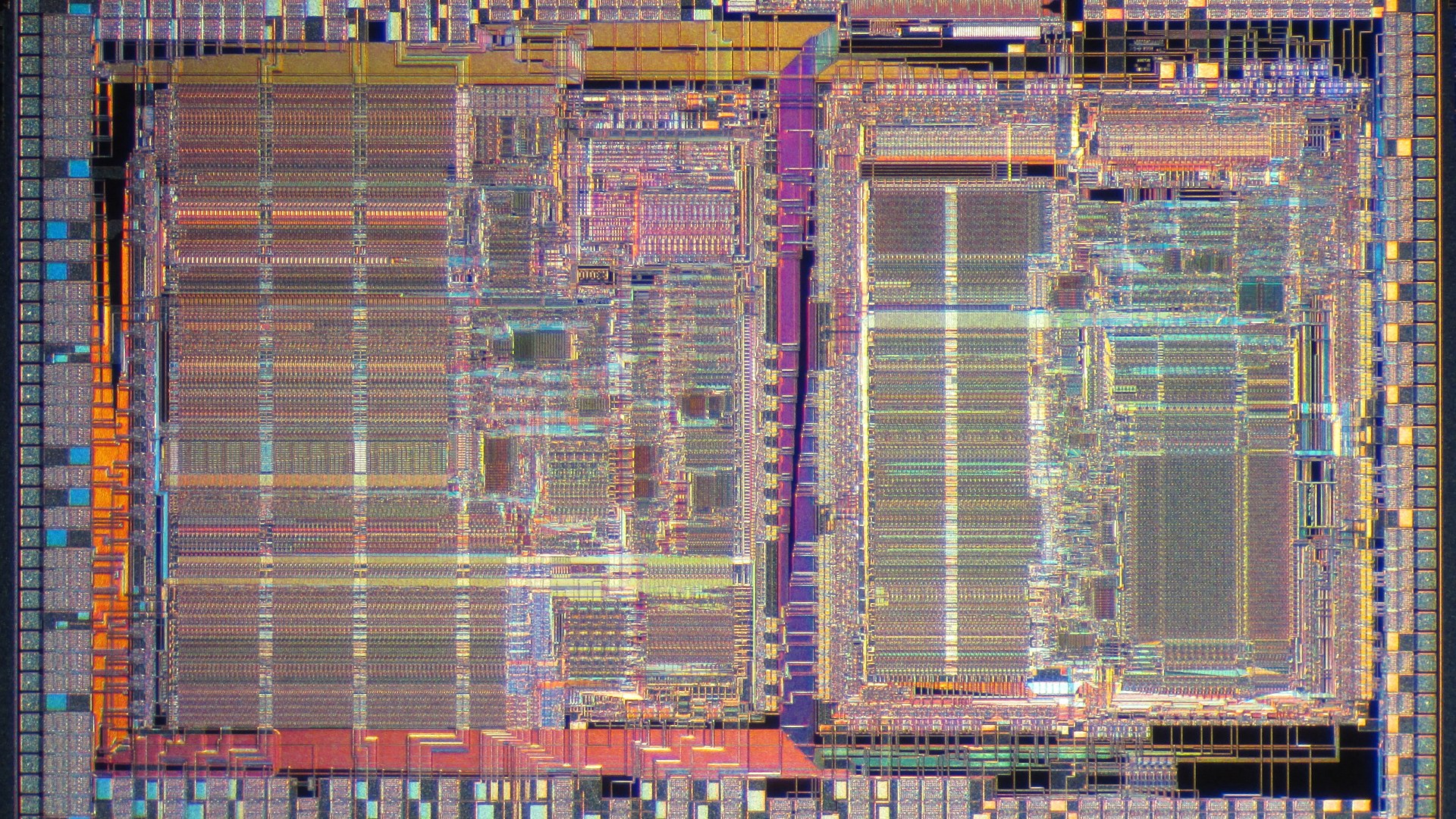
©Wikimedia / Pauli Rautakorpi
Advertisement
Swipe or tap ▶ to resume the countdown.
1. Petroleum Engineering
Petroleum engineering consistently ranks as the highest-paying bachelor's degree in the United States. Graduates trained in subsurface reservoir modeling, directional drilling, and offshore production platforms earn a median starting salary of $97,500 and surpass $155,000 by mid-career.

©Wikimedia / Petrobras
Advertisement
You've reached the end of the story. Thanks for reading!

25 Reasons Behind Nvidia's Recent Stock Market Decline
All 20 Entries in this Story
20. Information Systems And Management
Management information systems majors bridge corporate operations and software engineering by designing cloud infrastructure, enterprise databases, and cybersecurity protocols. According to Federal Reserve labor data, graduates earn a median starting salary of $68,000 and reach $112,000 by mid-career.

19. Economics
An undergraduate degree in economics builds strong analytical skills in econometrics, interest rate modeling, and regulatory policy. Graduates entering commercial banking, management consulting, and economic research command a median starting salary of $68,500 and jump to $115,000 by mid-career.

18. Quantitative Finance And Financial Economics
Programs in quantitative finance and financial economics train students in derivatives pricing, portfolio risk management, and corporate valuation. Entry-level analysts hired by investment banks, asset managers, and trading desks earn a median starting salary of $70,000 and $118,000 by mid-career.

17. Nursing (BSN)
A Bachelor of Science in Nursing combines clinical hospital rotations with pharmacology, anatomy, and acute patient care. Driven by nationwide hospital staffing shortages, newly licensed registered nurses earn a median starting salary of $71,000 with an unemployment rate consistently below 1.5 percent.

16. Civil Engineering
Civil engineering majors master structural mechanics, geotechnical soil analysis, and hydraulic systems to build suspension bridges, highways, and municipal water networks. New graduates earn a median starting salary of $72,500 and rise to $114,000 after earning a Professional Engineer license.

15. Applied Mathematics
Applied mathematics majors use differential equations, linear algebra, and stochastic modeling to solve logistics, cryptography, and machine learning problems. Tech firms, defense contractors, and quantitative funds pay applied math graduates a median starting salary of $73,500 and $122,000 at mid-career.

14. Physics
Undergraduate physics curricula train students in electromagnetism, quantum mechanics, optics, and computational data analysis. Graduates hired into semiconductor fabrication, defense instrumentation, and photonics laboratories earn a median starting salary of $74,500 and $125,000 by mid-career.

13. Biomedical Engineering
Biomedical engineering combines mechanical design and electrical sensors with human physiology to produce robotic surgical systems, artificial joints, and MRI hardware. Graduates entering medical device manufacturing and biotech research earn a median starting salary of $75,500 and $118,000 at mid-career.

12. Actuarial Science
Actuarial science majors apply probability theory and financial mathematics to price catastrophe insurance, pension obligations, and healthcare risk. Graduates who pass two Society of Actuaries exams before graduation start at a median salary of $76,500 and surpass $130,000 as credentialed fellows.

11. Materials Science And Engineering
Materials science engineers study atomic crystal structures inside cleanrooms to engineer silicon semiconductor wafers, titanium aerospace alloys, and solid-state lithium batteries. Chipmakers and aerospace manufacturers pay entry-level materials engineers a $77,500 starting salary and $120,000 at mid-career.

10. Mechanical Engineering
Mechanical engineering covers thermodynamics, fluid dynamics, finite element stress analysis, and computer-aided manufacturing. As one of the broadest engineering disciplines, it delivers a median starting salary of $78,500 across automotive, energy, and robotics roles, rising to $122,000 by mid-career.

9. Marine Engineering And Naval Architecture
Marine engineering and naval architecture programs teach hull hydrodynamics, marine diesel and nuclear propulsion, and offshore structural stability. Because only a handful of accredited academies offer this degree, graduates command a $79,500 median starting salary and $126,000 by mid-career.

8. Nuclear Engineering
Nuclear engineering students train on university research reactors to master neutron transport, thermal hydraulics, and radiation shielding. Utility power plants, naval propulsion programs, and small modular reactor startups pay new graduates a median starting salary of $81,000 and $128,000 at mid-career.

7. Industrial And Systems Engineering
Industrial and systems engineers use operations research, factory automation, and statistical quality control to eliminate bottlenecks in manufacturing and logistics networks. Major aerospace, semiconductor, and e-commerce employers pay new graduates $83,000 to start and $124,000 by mid-career.

6. Aerospace Engineering
Aerospace engineering majors specialize in compressible aerodynamics, orbital mechanics, rocket propulsion, and avionics guidance systems. Commercial launch providers, satellite makers, and defense primes pay entry-level aerospace engineers a median salary of $85,000 and $130,000 by mid-career.

5. Chemical Engineering
Chemical engineering applies chemical kinetics, heat transfer, and distillation thermodynamics to transform laboratory reactions into industrial production plants. Graduates recruited by pharmaceutical, specialty chemical, and energy firms earn a $85,500 median starting salary and $132,000 at mid-career.

4. Electrical Engineering
Electrical engineering students design high-frequency printed circuit boards, analog signal processors, radar arrays, and high-voltage power electronics. Demand across electric utilities, defense electronics, and telecom hardware pushes median starting pay to $87,000 and mid-career pay to $134,000.

3. Computer Science
Computer science majors study algorithms, operating systems, compilers, and machine learning architectures. Graduates building distributed cloud software, cybersecurity tools, and artificial intelligence systems earn a median starting salary of $88,500 and reach $138,000 by mid-career.

2. Computer Engineering
Computer engineering fuses electrical circuit design with low-level systems programming to build microprocessors, AI accelerator chips, and embedded firmware. Semiconductor manufacturers and hyperscale hardware teams pay new graduates a median starting salary of $90,000 and $142,000 by mid-career.

1. Petroleum Engineering
Petroleum engineering consistently ranks as the highest-paying bachelor's degree in the United States. Graduates trained in subsurface reservoir modeling, directional drilling, and offshore production platforms earn a median starting salary of $97,500 and surpass $155,000 by mid-career.