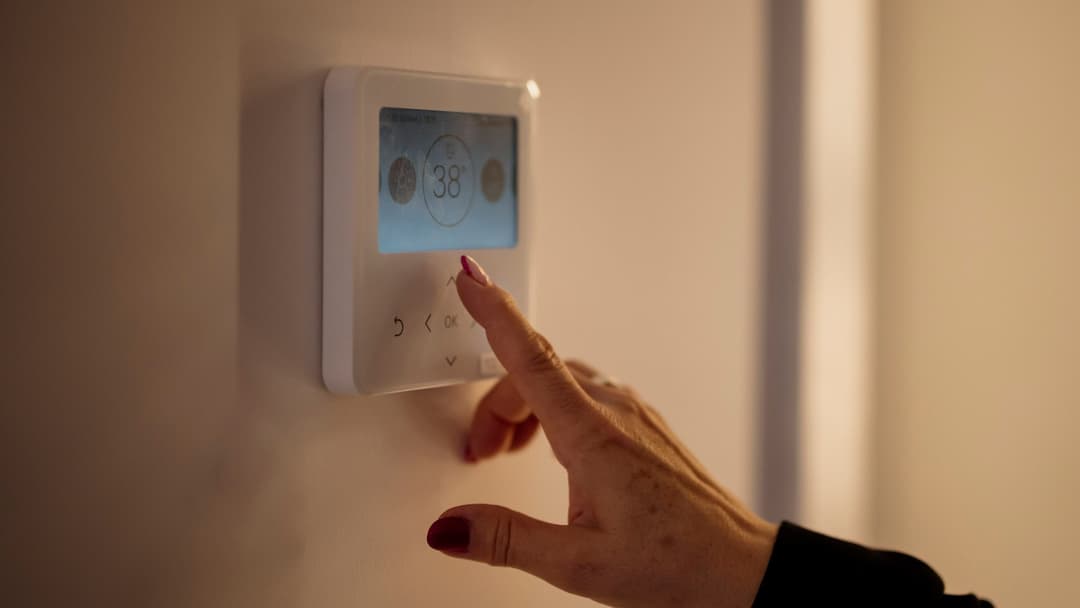
Slideshow · Health
20 Daily Habits That Secretly Disrupt Your Sleep

By Most Viral Today
45 min ago

20 Common Evening Routines That Secretly Undermine Deep Restful Sleep 
20. Drinking Coffee Too Late 
19. Using Phones Just Before Bed 
18. Keeping Bedroom Lights Too Bright - AdvertisementSwipe or tap ▶ to continue countdown

17. Going To Bed At Different Times 
16. Taking Long Evening Naps 
15. Eating Heavy Meals Late At Night 
14. Drinking Alcohol Before Sleeping - AdvertisementSwipe or tap ▶ to continue countdown

13. Exercising Too Close To Bedtime 
12. Keeping The Bedroom Too Warm 
11. Sleeping With Television On 
10. Checking Work Emails At Night - AdvertisementSwipe or tap ▶ to continue countdown

9. Drinking Too Much Water Before Bed 
8. Ignoring Morning Sunlight 
7. Having An Uncomfortable Mattress 
6. Sleeping In A Noisy Environment - AdvertisementSwipe or tap ▶ to continue countdown

5. Using Bright Screens In Darkness 
4. Working Irregular Night Shifts 
3. Having An Inconsistent Weekend Sleep Schedule 
2. Consuming Nicotine Near Bedtime - AdvertisementSwipe or tap ▶ to continue countdown

1. Ignoring Persistent Sleep Problems - Advertisement🔥 UP NEXT IN THIS SERIES◫ 23 Slides

22 Historic Coastal Towns and Castles to Explore in Scotland
Based on VisitScotland heritage surveys and Historic Environment records, these 22 coastal towns and cliffside fortresses showcase centuries of dramatic maritime history. Heritage records document centuries of drama.
Getting restorative rest requires far more than just lying down in the dark. Many routine daytime and evening habits silently interfere with your natural circadian rhythm and sleep architecture. From late caffeine to blue light exposure, here are twenty common patterns that compromise your night sleep.
Swipe or tap ▶ to begin the countdown
©Wikimedia / Shixart1985 & Unsplash / Anastasiia Nelen
20. Drinking Coffee Too Late
Enjoying an afternoon espresso or late caffeinated beverage feels harmless, but caffeine lingers in the human bloodstream far longer than most people realize. With an average half life of five to seven hours, a cup of coffee consumed at four in the afternoon leaves significant stimulant levels active at midnight.

©Wikimedia / Shixart1985
19. Using Phones Just Before Bed
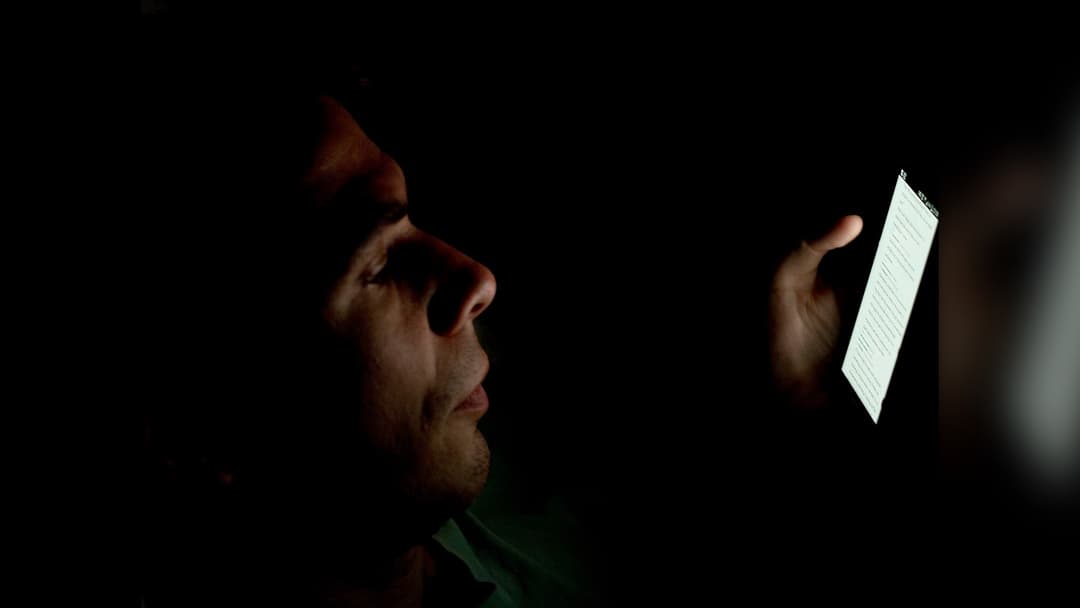
Checking social feeds or reading news updates while tucked under the covers has become an ingrained habit for millions of adults. Handheld screens emit concentrated short wavelength blue light that strikes intrinsically photosensitive retinal ganglion cells in your eyes. This light signal tricks the

©Wikimedia / Shixart1985
18. Keeping Bedroom Lights Too Bright
Many households keep bright overhead ceiling lights illuminated right up until the moment they switch them off to sleep. Human biology evolved under warm campfire glow and gradual dusk, rather than modern high lux fluorescent or LED bulbs. Exposing your eyes to intense overhead lighting in the two hours before

©Wikimedia / PattayaPatrol
Advertisement
Swipe or tap ▶ to resume the countdown.
17. Going To Bed At Different Times
Going to bed at ten o clock one night and two in the morning the next disrupts your master circadian clockwork. The human body relies on predictable rhythmic cues to orchestrate core body temperature drops, hormone cascades, and digestive rest. When sleep timing fluctuates wildly, your brain struggles to

© Photo by Annie Spratt on Unsplash
16. Taking Long Evening Naps
Dozing off on the sofa during late afternoon or early evening feels deeply relaxing, but it carries a steep cost at bedtime. Throughout your waking hours, adenosine continuously accumulates in the brain to generate sleep pressure. A prolonged late nap discharges this biochemical sleep drive prematurely, leaving

©Openverse / Lars Plougmann
15. Eating Heavy Meals Late At Night
Consuming heavy, high fat or spicy dinners shortly before lying down forces your gastrointestinal tract into overdrive when it should be resting. The intensive digestive process increases core body temperature, whereas falling asleep naturally requires a drop of approximately one to two degrees Fahrenheit.

©Wikimedia / PattayaPatrol
14. Drinking Alcohol Before Sleeping
A nightcap is often mistaken for a reliable sleep aid because alcohol acts as a central nervous system depressant and induces sedation. However, sedation is fundamentally distinct from natural physiological sleep. As your liver metabolizes alcohol during the night, it causes severe rebound excitation across the

©Wikimedia / dennis and aimee jonez
Advertisement
Swipe or tap ▶ to resume the countdown.
13. Exercising Too Close To Bedtime
Regular exercise is one of the most effective ways to deepen nocturnal rest, but timing matters immensely. Vigorous aerobic workouts or heavy strength training sessions flood your circulation with adrenaline, noradrenaline, and cortisol while significantly raising your core body temperature. Because body cooling

©Wikimedia / Shixart1985
12. Keeping The Bedroom Too Warm
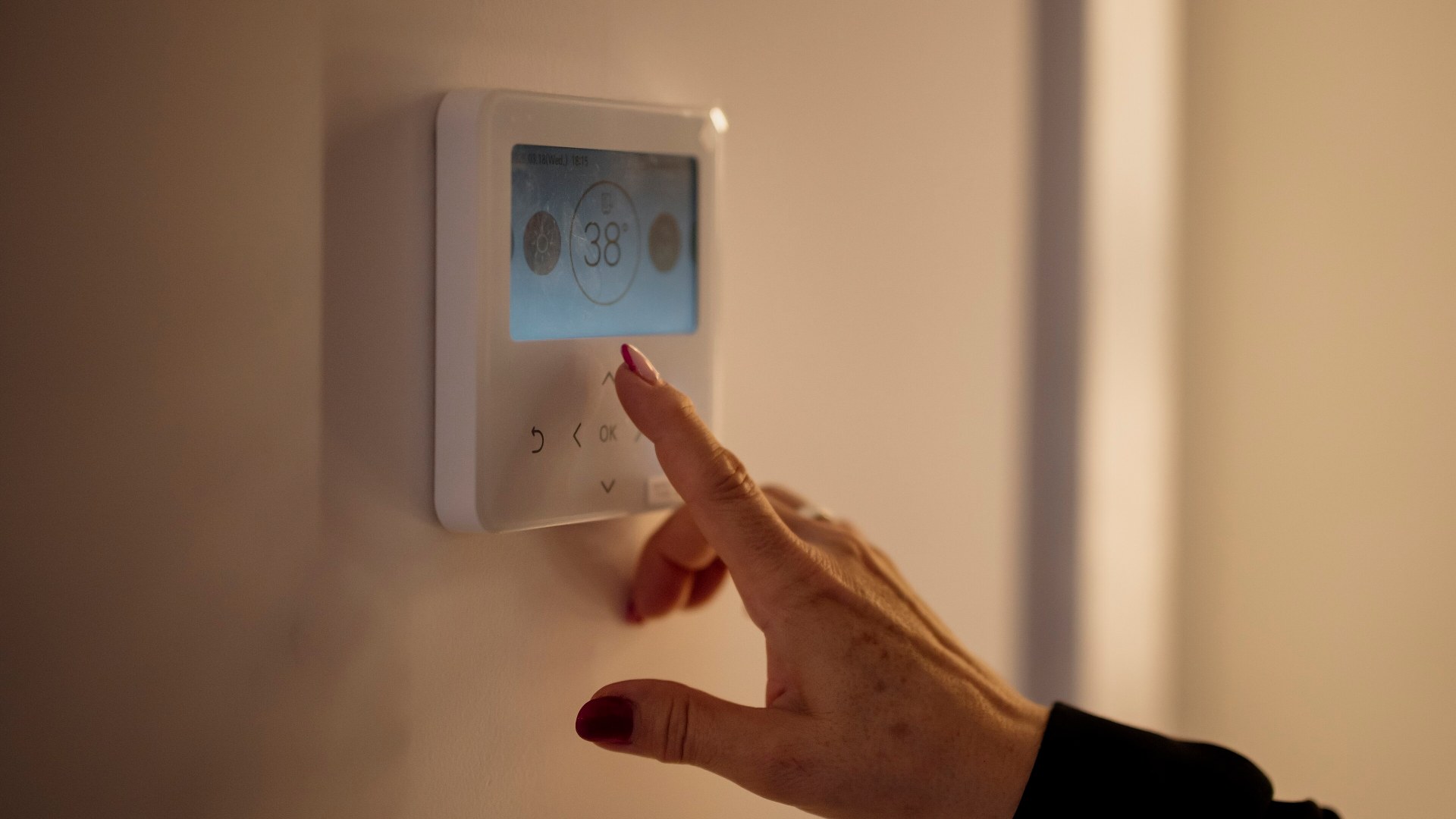
Setting the home thermostat too warm is among the most widespread environmental barriers to sound slumber. During normal sleep initiation, your circulatory system redistributes blood flow to your extremities to radiate heat away from your core. When the ambient room temperature is excessively high, your body
©Wikimedia / Shixart1985
11. Sleeping With Television On
Drifting off with the television running may offer comforting background noise, but it severely compromises sleep quality throughout the night. Fluctuating screen brightness continuously penetrates closed eyelids, signaling the optic nerve and destabilizing circadian rhythms. Sudden shifts in dialogue volume
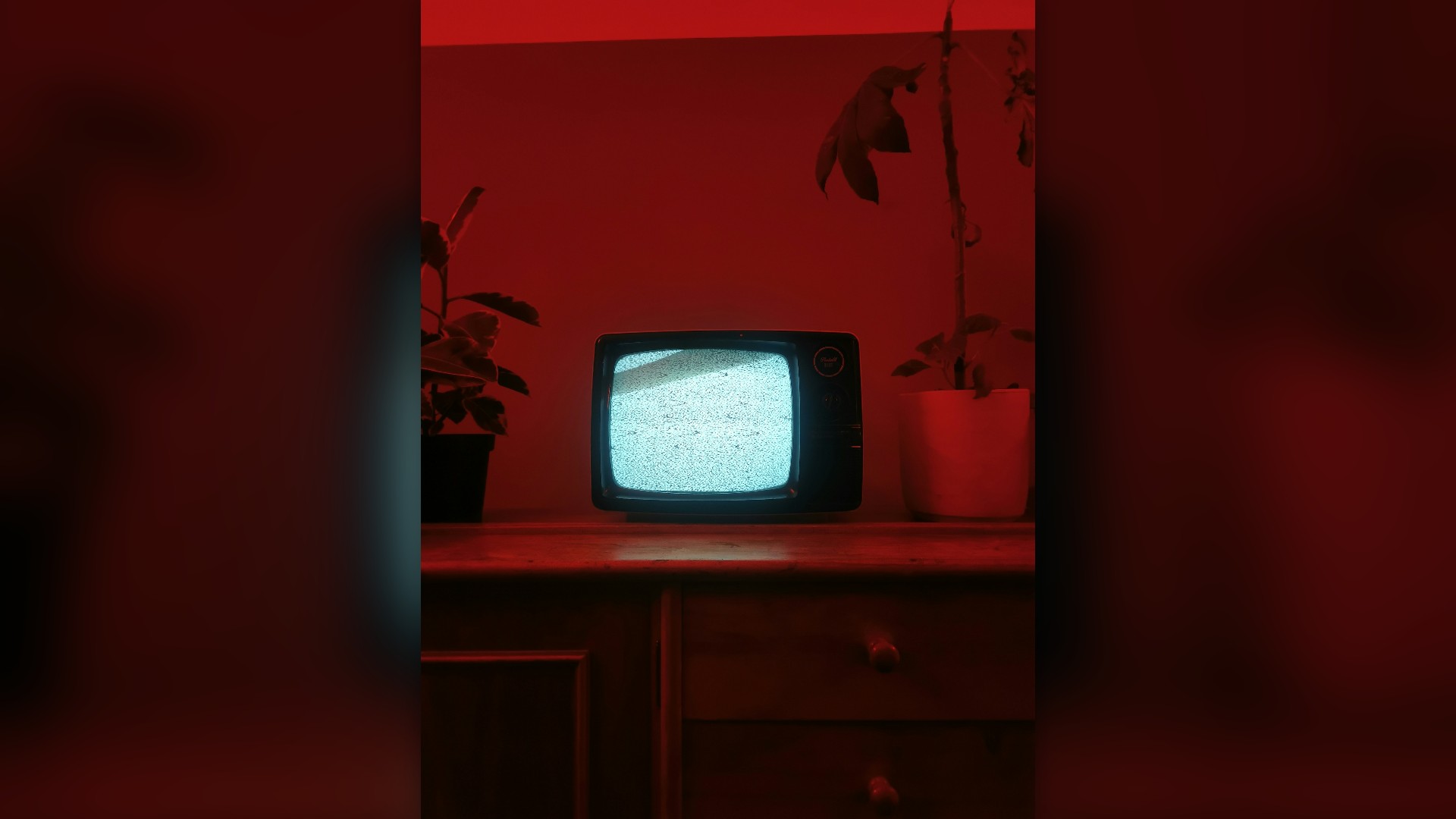
© Photo by Santiago Avila Caro on Unsplash
10. Checking Work Emails At Night
Scanning your corporate inbox right before going to bed blurs the psychological boundary between professional responsibilities and personal recovery. Reading an urgent request or demanding email activates the sympathetic nervous system fight or flight response, elevating resting heart rate and circulating stress

©Wikimedia / Microbiz Mag
Advertisement
Swipe or tap ▶ to resume the countdown.
9. Drinking Too Much Water Before Bed
Staying thoroughly hydrated during the day supports vital organ function and cognitive performance, but chugging large glasses of water right before bed is counterproductive. Excessive nighttime fluid intake forces the kidneys to filter urine through the early hours, resulting in nocturia. Waking up to navigate a

©Openverse / originaldaniel
8. Ignoring Morning Sunlight
Quality sleep is not determined solely by what happens in the dark bedroom at night. Your internal master circadian clock requires bright morning photic input to anchor its twenty four hour cycle. Stepping outside into natural morning sunlight within thirty minutes of waking triggers a healthy cortisol awakening

©Wikimedia / Hugh Chevallier
7. Having An Uncomfortable Mattress
A mattress that has lost structural integrity forces your spine into awkward alignment and creates painful pressure points on hips, shoulders, and lower back. Even subtle physical discomfort leads to repeated tossing and turning as your body attempts to relieve localized muscular tension. Most quality mattresses

©Openverse / Joelk75
6. Sleeping In A Noisy Environment
Even when you remain asleep through ambient noise, your brain continues processing auditory stimuli throughout every sleep stage. Passing traffic, barking dogs, squeaking pipes, or loud neighbors activate the autonomic nervous system, causing spikes in heart rate and brief shifts from deep sleep into lighter

©Wikimedia / OiMax
Advertisement
Swipe or tap ▶ to resume the countdown.
5. Using Bright Screens In Darkness
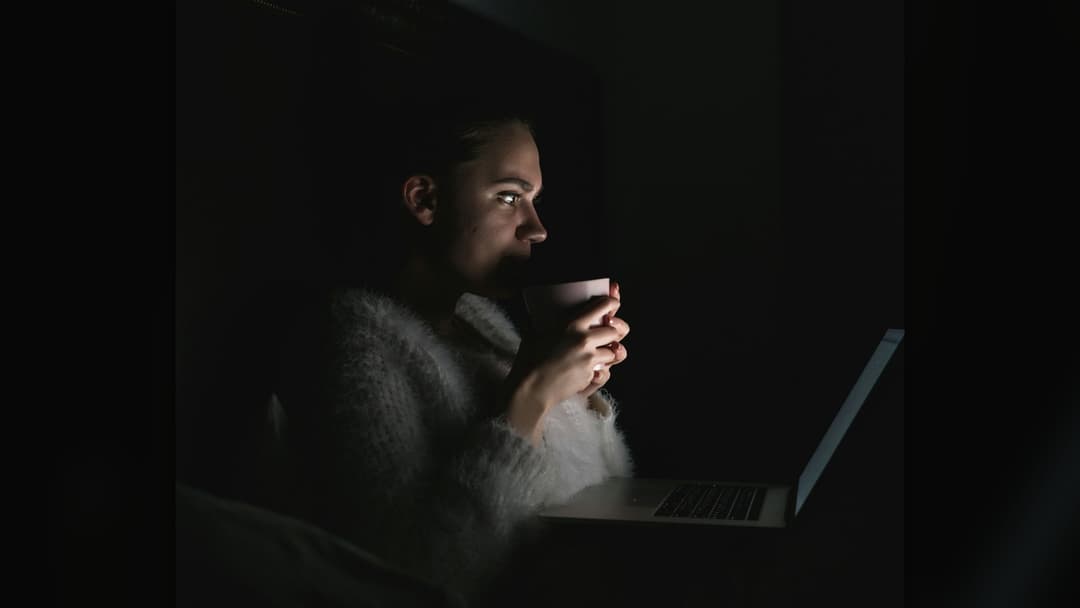
Operating a glowing smartphone, tablet, or laptop in a pitch dark bedroom amplifies the physiological impact of artificial display light. The high contrast between the luminous screen and surrounding darkness dilates your pupils, allowing maximum photic intensity to penetrate directly to the retina.
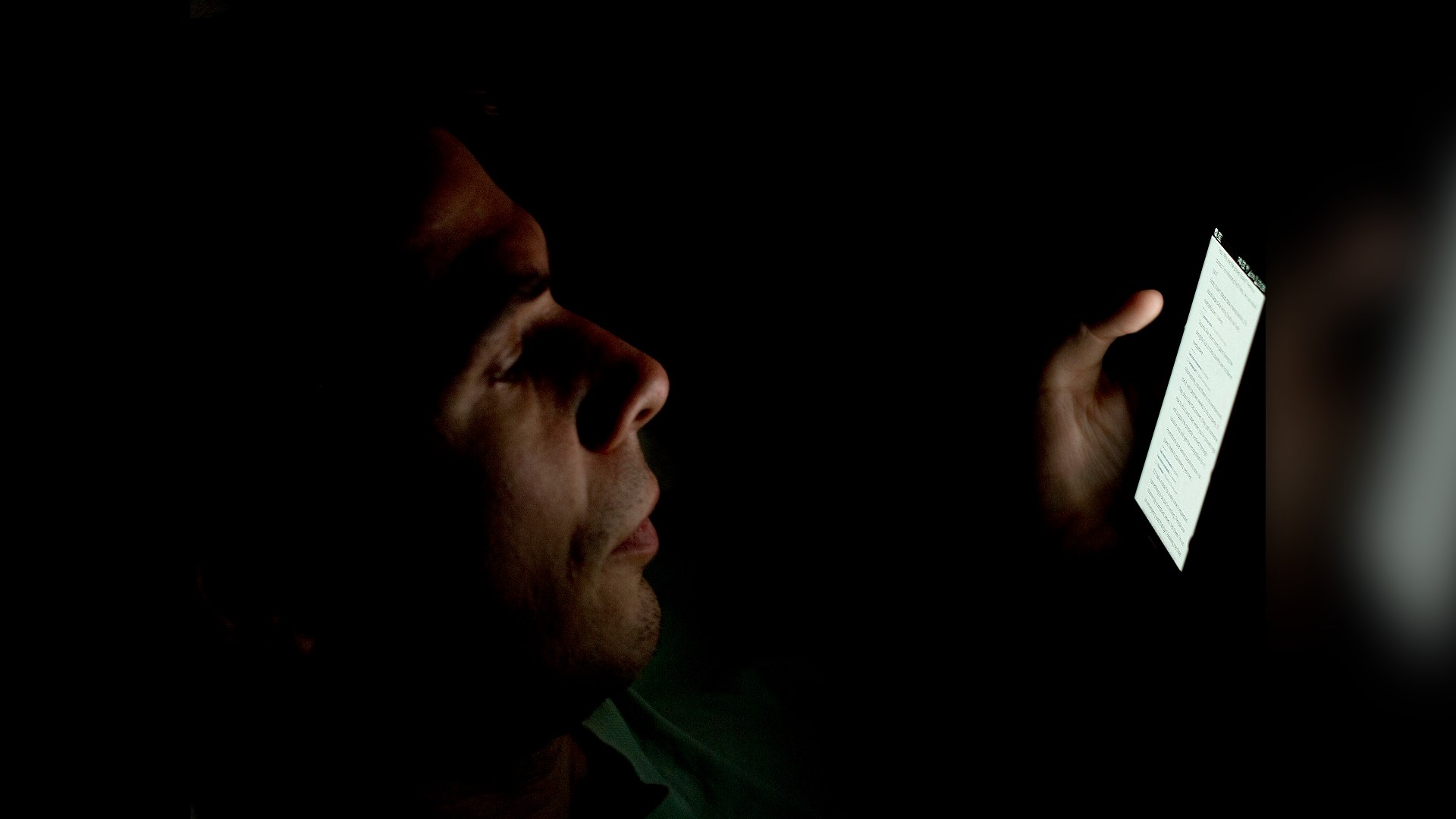
©Wikimedia / Japanexperterna.se
4. Working Irregular Night Shifts
Human physiology is evolutionary tuned to remain active under daylight and rest during nocturnal darkness. Rotating shift work or irregular graveyard schedules force workers into direct opposition with their endogenous circadian rhythm. This chronic misalignment impairs metabolic balance, suppresses immune
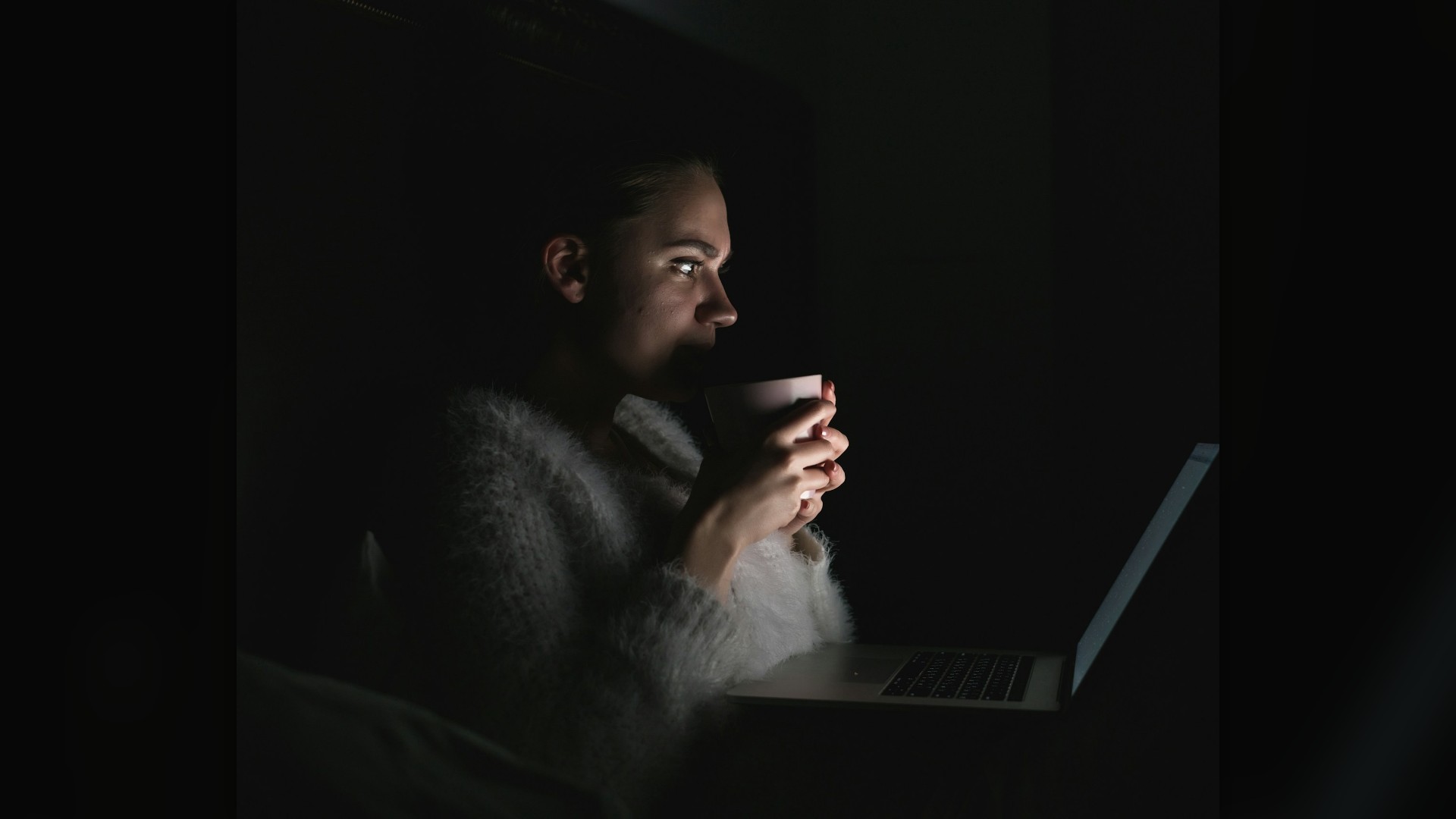
© Photo by Anastasiia Nelen on Unsplash
3. Having An Inconsistent Weekend Sleep Schedule
Staying up late on Friday and Saturday and sleeping until noon to repay a weekday sleep debt triggers a biological phenomenon known as social jetlag. Shifting your sleep schedule by three or four hours over the weekend effectively transports your internal clock across multiple time zones. When Sunday evening

©Wikimedia / rachel CALAMUSA
2. Consuming Nicotine Near Bedtime
Many people reach for a cigarette or vape before turning in, assuming it helps relieve daily stress. In reality, nicotine is a powerful neurostimulant that speeds heart rate, constricts blood vessels, and raises blood pressure. In addition, nicotine wears off quickly during the night, sending the brain into mild

©Openverse / Jennifer Peyton
Advertisement
Swipe or tap ▶ to resume the countdown.
1. Ignoring Persistent Sleep Problems
Assuming chronic exhaustion and restless nights are simply normal consequences of modern life is a dangerous misconception. Conditions such as obstructive sleep apnea, restless legs syndrome, and chronic clinical insomnia do not resolve on their own without proper diagnosis and targeted intervention.

©Openverse / Medill DC
Advertisement
You've reached the end of the story. Thanks for reading!

22 Historic Coastal Towns and Castles to Explore in Scotland
Based on VisitScotland heritage surveys and Historic Environment records, these 22 coastal towns and cliffside fortresses showcase centuries of dramatic maritime history. Heritage records document centuries of drama.
All 20 Entries in this Story
1. Drinking Coffee Too Late
Enjoying an afternoon espresso or late caffeinated beverage feels harmless, but caffeine lingers in the human bloodstream far longer than most people realize. With an average half life of five to seven hours, a cup of coffee consumed at four in the afternoon leaves significant stimulant levels active at midnight.

2. Using Phones Just Before Bed
Checking social feeds or reading news updates while tucked under the covers has become an ingrained habit for millions of adults. Handheld screens emit concentrated short wavelength blue light that strikes intrinsically photosensitive retinal ganglion cells in your eyes. This light signal tricks the

3. Keeping Bedroom Lights Too Bright
Many households keep bright overhead ceiling lights illuminated right up until the moment they switch them off to sleep. Human biology evolved under warm campfire glow and gradual dusk, rather than modern high lux fluorescent or LED bulbs. Exposing your eyes to intense overhead lighting in the two hours before

4. Going To Bed At Different Times
Going to bed at ten o clock one night and two in the morning the next disrupts your master circadian clockwork. The human body relies on predictable rhythmic cues to orchestrate core body temperature drops, hormone cascades, and digestive rest. When sleep timing fluctuates wildly, your brain struggles to

5. Taking Long Evening Naps
Dozing off on the sofa during late afternoon or early evening feels deeply relaxing, but it carries a steep cost at bedtime. Throughout your waking hours, adenosine continuously accumulates in the brain to generate sleep pressure. A prolonged late nap discharges this biochemical sleep drive prematurely, leaving

6. Eating Heavy Meals Late At Night
Consuming heavy, high fat or spicy dinners shortly before lying down forces your gastrointestinal tract into overdrive when it should be resting. The intensive digestive process increases core body temperature, whereas falling asleep naturally requires a drop of approximately one to two degrees Fahrenheit.

7. Drinking Alcohol Before Sleeping
A nightcap is often mistaken for a reliable sleep aid because alcohol acts as a central nervous system depressant and induces sedation. However, sedation is fundamentally distinct from natural physiological sleep. As your liver metabolizes alcohol during the night, it causes severe rebound excitation across the

8. Exercising Too Close To Bedtime
Regular exercise is one of the most effective ways to deepen nocturnal rest, but timing matters immensely. Vigorous aerobic workouts or heavy strength training sessions flood your circulation with adrenaline, noradrenaline, and cortisol while significantly raising your core body temperature. Because body cooling

9. Keeping The Bedroom Too Warm
Setting the home thermostat too warm is among the most widespread environmental barriers to sound slumber. During normal sleep initiation, your circulatory system redistributes blood flow to your extremities to radiate heat away from your core. When the ambient room temperature is excessively high, your body

10. Sleeping With Television On
Drifting off with the television running may offer comforting background noise, but it severely compromises sleep quality throughout the night. Fluctuating screen brightness continuously penetrates closed eyelids, signaling the optic nerve and destabilizing circadian rhythms. Sudden shifts in dialogue volume

11. Checking Work Emails At Night
Scanning your corporate inbox right before going to bed blurs the psychological boundary between professional responsibilities and personal recovery. Reading an urgent request or demanding email activates the sympathetic nervous system fight or flight response, elevating resting heart rate and circulating stress

12. Drinking Too Much Water Before Bed
Staying thoroughly hydrated during the day supports vital organ function and cognitive performance, but chugging large glasses of water right before bed is counterproductive. Excessive nighttime fluid intake forces the kidneys to filter urine through the early hours, resulting in nocturia. Waking up to navigate a

13. Ignoring Morning Sunlight
Quality sleep is not determined solely by what happens in the dark bedroom at night. Your internal master circadian clock requires bright morning photic input to anchor its twenty four hour cycle. Stepping outside into natural morning sunlight within thirty minutes of waking triggers a healthy cortisol awakening

14. Having An Uncomfortable Mattress
A mattress that has lost structural integrity forces your spine into awkward alignment and creates painful pressure points on hips, shoulders, and lower back. Even subtle physical discomfort leads to repeated tossing and turning as your body attempts to relieve localized muscular tension. Most quality mattresses

15. Sleeping In A Noisy Environment
Even when you remain asleep through ambient noise, your brain continues processing auditory stimuli throughout every sleep stage. Passing traffic, barking dogs, squeaking pipes, or loud neighbors activate the autonomic nervous system, causing spikes in heart rate and brief shifts from deep sleep into lighter

16. Using Bright Screens In Darkness
Operating a glowing smartphone, tablet, or laptop in a pitch dark bedroom amplifies the physiological impact of artificial display light. The high contrast between the luminous screen and surrounding darkness dilates your pupils, allowing maximum photic intensity to penetrate directly to the retina.

17. Working Irregular Night Shifts
Human physiology is evolutionary tuned to remain active under daylight and rest during nocturnal darkness. Rotating shift work or irregular graveyard schedules force workers into direct opposition with their endogenous circadian rhythm. This chronic misalignment impairs metabolic balance, suppresses immune

18. Having An Inconsistent Weekend Sleep Schedule
Staying up late on Friday and Saturday and sleeping until noon to repay a weekday sleep debt triggers a biological phenomenon known as social jetlag. Shifting your sleep schedule by three or four hours over the weekend effectively transports your internal clock across multiple time zones. When Sunday evening

19. Consuming Nicotine Near Bedtime
Many people reach for a cigarette or vape before turning in, assuming it helps relieve daily stress. In reality, nicotine is a powerful neurostimulant that speeds heart rate, constricts blood vessels, and raises blood pressure. In addition, nicotine wears off quickly during the night, sending the brain into mild

20. Ignoring Persistent Sleep Problems
Assuming chronic exhaustion and restless nights are simply normal consequences of modern life is a dangerous misconception. Conditions such as obstructive sleep apnea, restless legs syndrome, and chronic clinical insomnia do not resolve on their own without proper diagnosis and targeted intervention.