Slideshow · Health
20 Everyday Habits Doctors Say Shorten Your Life, Ranked
Doctors and longevity researchers warn that everyday routines can silently strip years off your life expectancy, ranked by clinical mortality risk.

By Most Viral Today
10 min ago

Everyday Habits Doctors Warn Can Cut Years Off Your Lifespan 
20. Poor Dental Hygiene 
19. Perpetual Pessimism 
18. Holding Deep Grudges - AdvertisementSwipe or tap ▶ to continue countdown

17. Social Isolation And Loneliness 
16. Neglecting Routine Healthcare Checkups 
15. Prolonged Daily Commutes 
14. Unprotected UV Exposure - AdvertisementSwipe or tap ▶ to continue countdown

13. Overworking And Burnout Culture 
12. Late-Night Screen Time 
11. Improper Medication Habits 
10. Frequent Sugar Overconsumption - AdvertisementSwipe or tap ▶ to continue countdown

9. Chronic Dehydration 
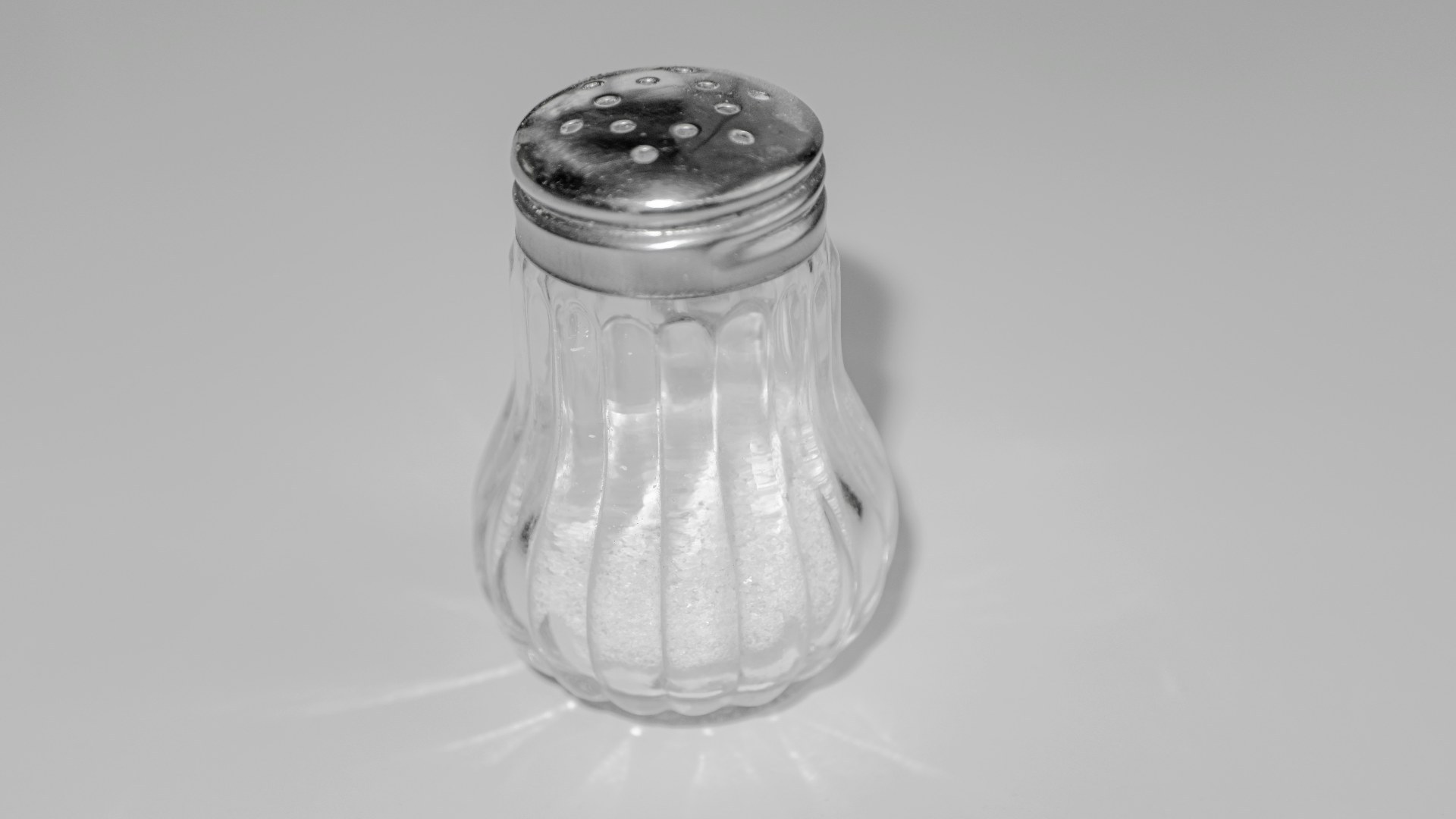
8. Excessive Sodium Intake 
7. Chronic Sleep Deprivation 
6. Diets High In Ultra-Processed Foods - AdvertisementSwipe or tap ▶ to continue countdown

5. Chronic Unmanaged Stress 
4. Binge Drinking And Alcohol Abuse 
3. Severe Sedentary Lifestyle 
2. Chronic Smoking And Vaping - AdvertisementSwipe or tap ▶ to continue countdown

1. Opioid And Substance Misuse - Advertisement🔥 UP NEXT IN THIS SERIES◫ 21 Slides

20 Stars Who Were Told They Were Not Attractive Enough for Screen
From Academy Award winners to global box office champions, these celebrated actors faced early rejections from casting directors and producers who claimed they lacked screen appeal. Here is how they defied conventional Hollywood molds and proved their critics wrong.
Longevity experts warn that everyday routines silently reduce life expectancy. From psycho-social stressors and poor sleep to severe clinical catalysts, certain choices significantly accelerate aging. Doctors have identified 20 common habits that shorten your lifespan, ranked here by overall mortality risk.
Swipe or tap ▶ to begin the countdown
©Pixabay / EmilianDanaila & Unsplash / Kevin Woblick
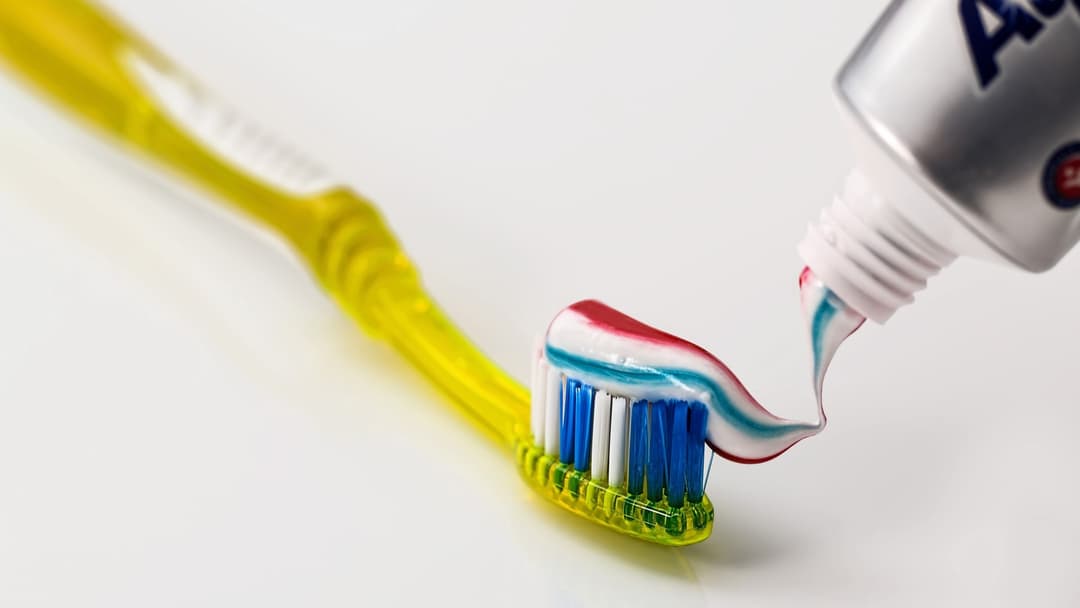
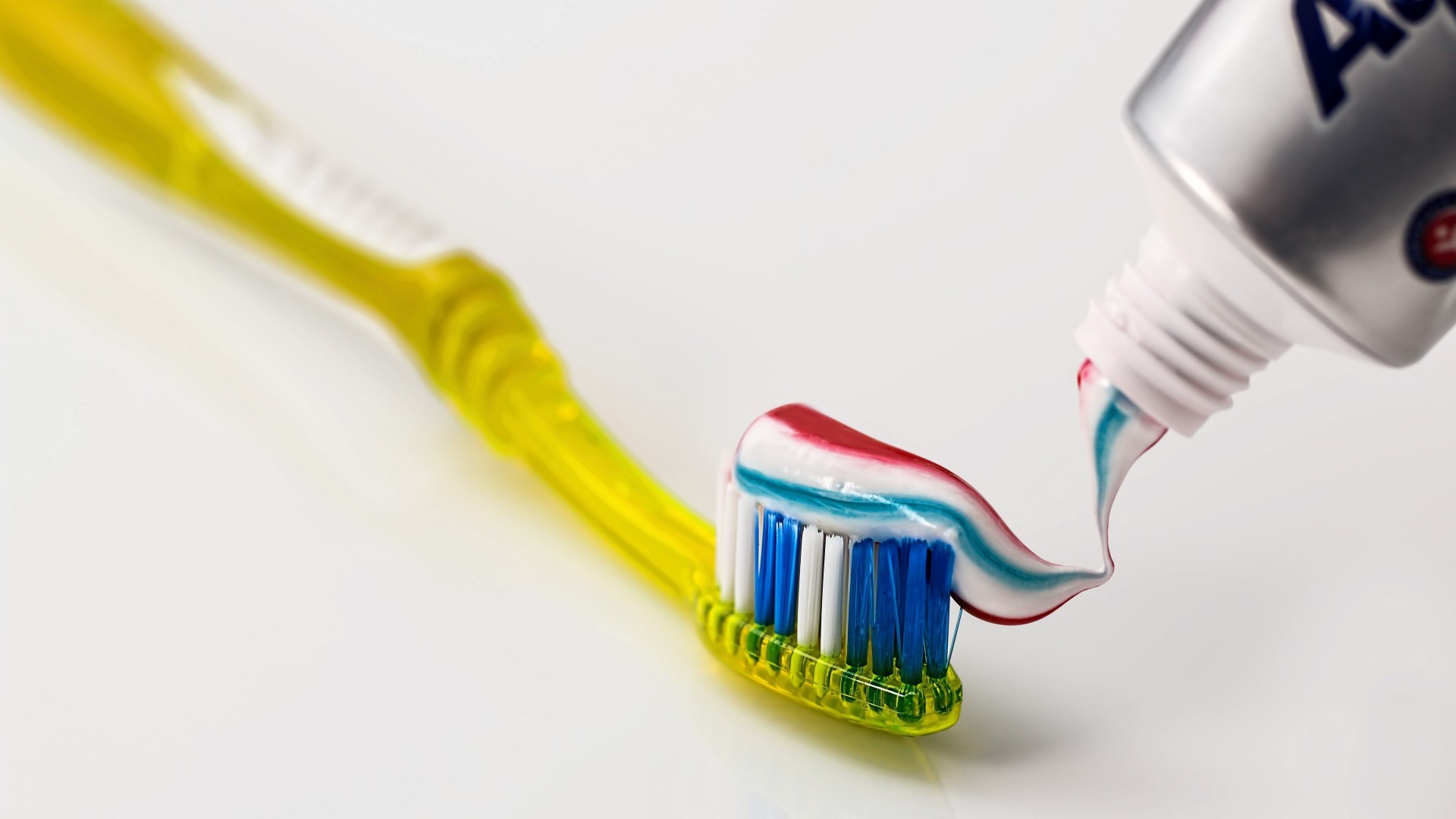
20. Poor Dental Hygiene
Neglecting daily oral care and flossing allows pathogenic gum bacteria to enter the bloodstream, sparking systemic arterial inflammation linked directly to coronary heart disease.
©Wikimedia / Steve Buissinne
19. Perpetual Pessimism
Longitudinal clinical tracking shows that individuals with a persistently pessimistic outlook suffer reduced emotional resilience and shorter life expectancies than optimistic peers.

©Wikimedia / Free-photos
18. Holding Deep Grudges
Prolonged anger and unresolved resentment prevent stress hormone and cortisol levels from returning to a healthy baseline, placing chronic strain on the cardiovascular system.

©Pixabay / Javaistan
Advertisement
Swipe or tap ▶ to resume the countdown.
17. Social Isolation And Loneliness
Leading Tier 4 among Psycho-Social Destructors carrying up to a 5% increased mortality risk, lacking positive social relationships promotes systemic inflammation and clinical depression.

©Wikimedia / Frank McKenna
16. Neglecting Routine Healthcare Checkups
Failing to see a primary care physician regularly prevents early detection of asymptomatic killers like hypertension, elevated blood glucose, and early-stage malignancies.

©Wikimedia / Bill Branson
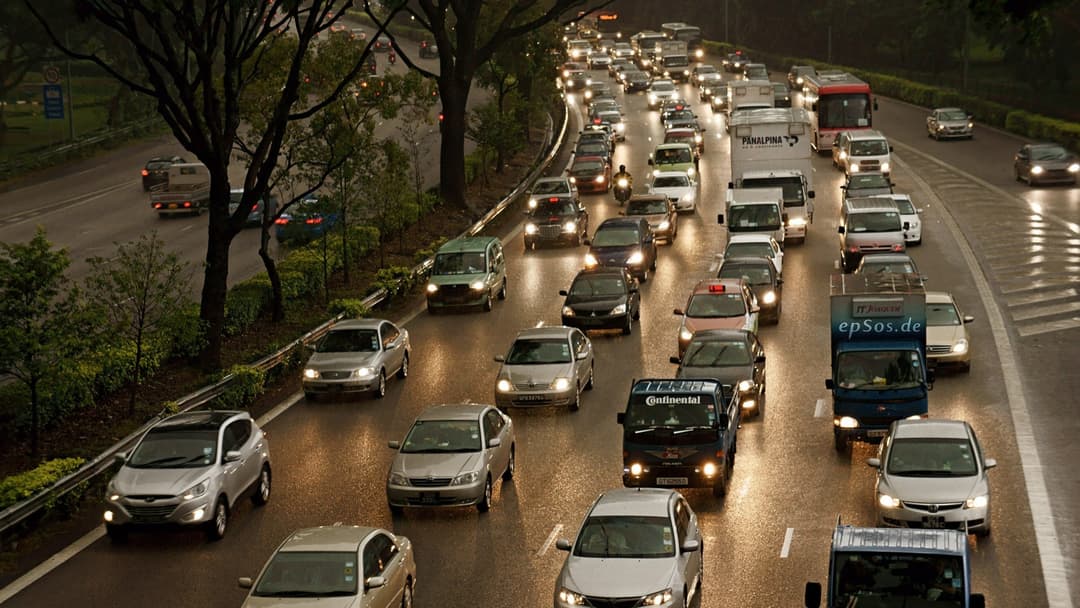
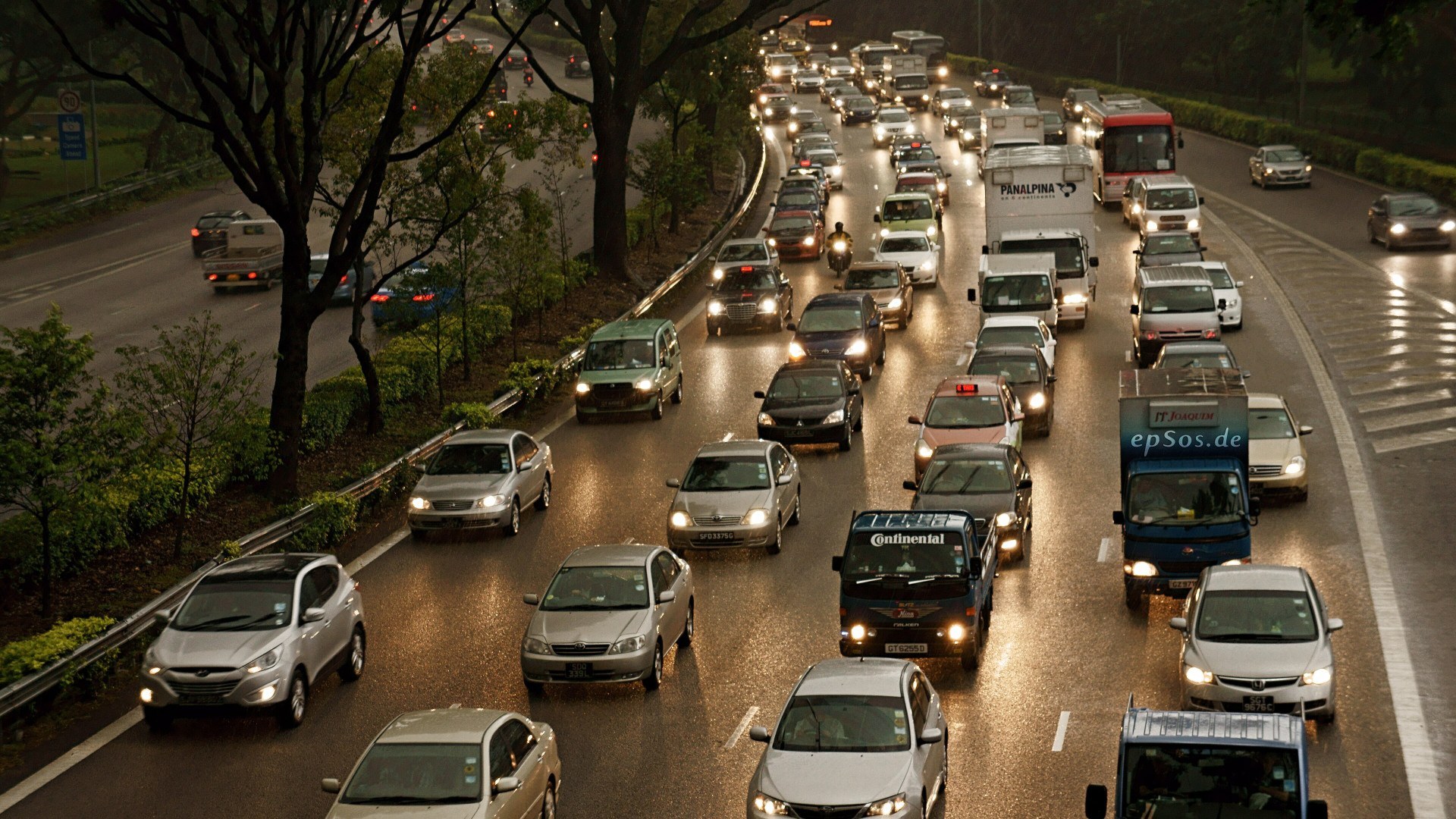
15. Prolonged Daily Commutes
Spending long hours trapped in stressful, sedentary highway traffic raises systemic blood pressure, increases exhaust exposure, and reduces daily time for physical or mental recovery.
©Wikimedia / epSos.de
14. Unprotected UV Exposure
Routinely exposing skin to intense ultraviolet radiation without sunscreen protection creates cumulative DNA mutations, generating precancerous lesions and malignant melanomas.

©Wikimedia / Vyacheslav Argenberg
Advertisement
Swipe or tap ▶ to resume the countdown.
13. Overworking And Burnout Culture
Extreme professional strain without adequate rest periods creates cumulative vascular friction that can directly precipitate acute cardiac events and stroke.

©Unsplash / Vitaly Gariev
12. Late-Night Screen Time
Leading Tier 3 among Environmental and Behavioral Accelerators, exposing the eyes to blue light after dark blocks natural melatonin synthesis, fracturing sleep architecture and preventing deep, restorative sleep stages.

©Pixabay / StockSnap
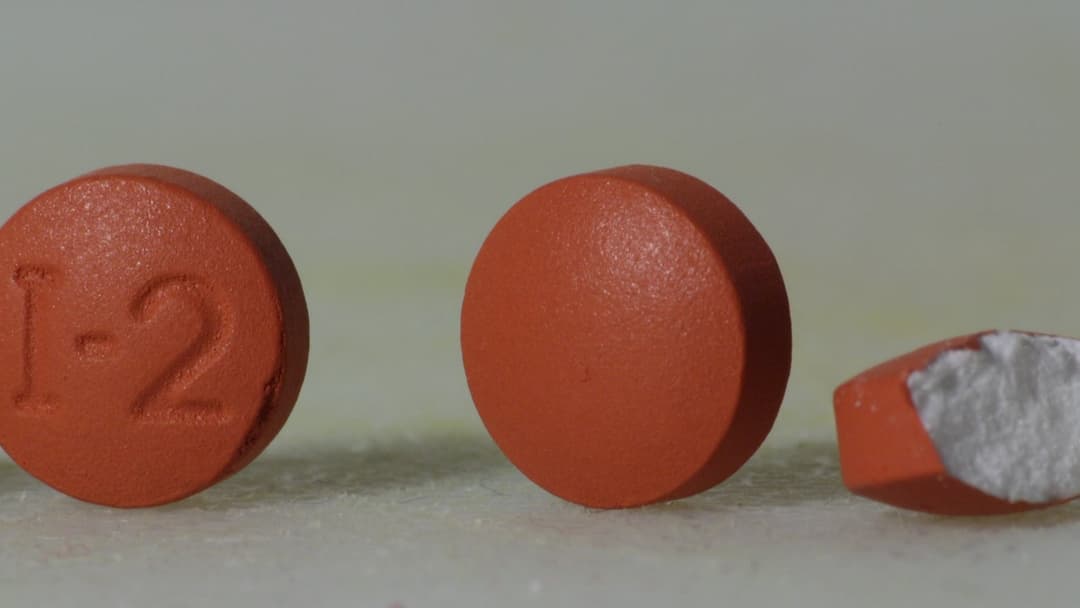
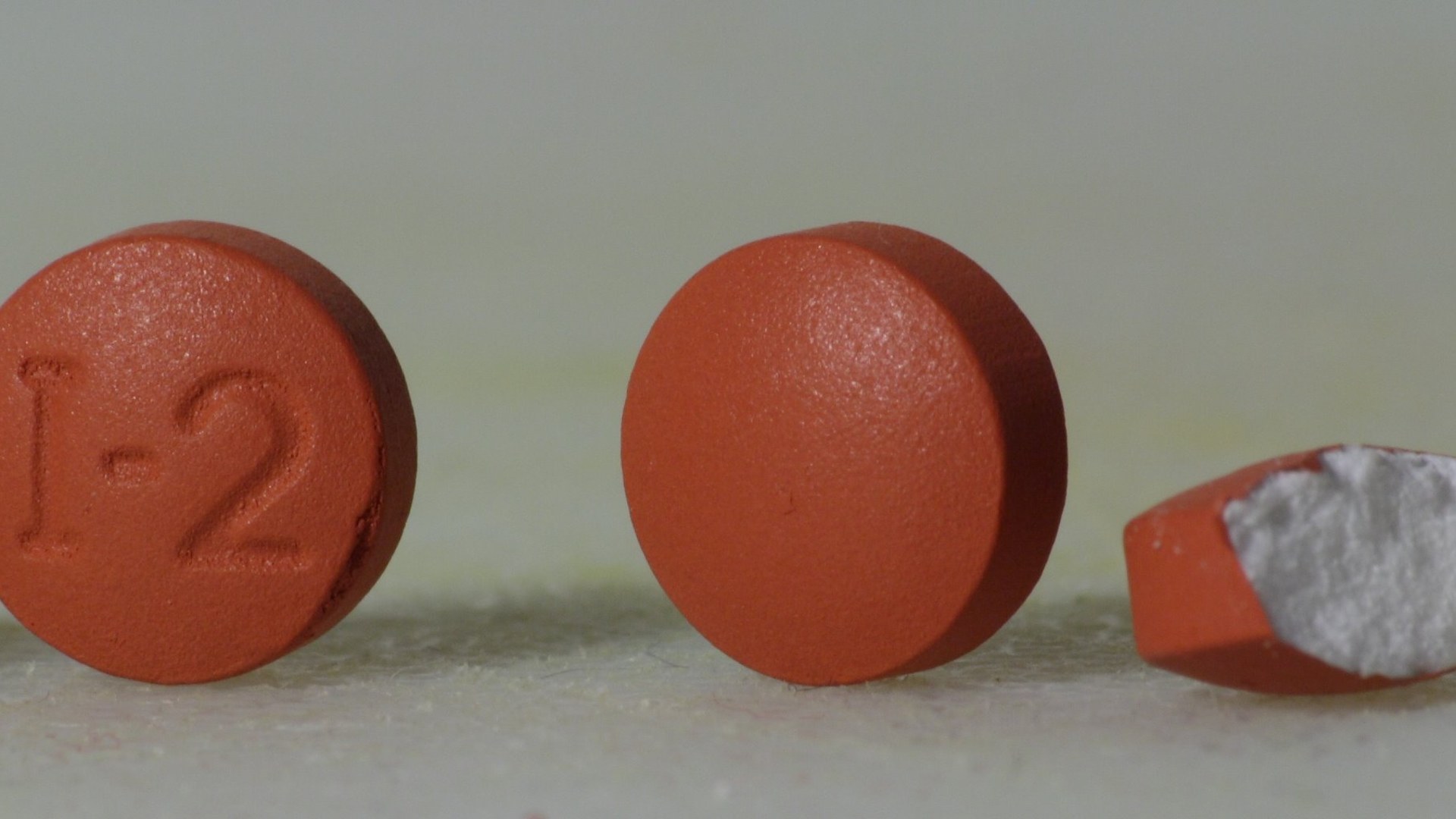
11. Improper Medication Habits
Taking high doses of over-the-counter painkillers like ibuprofen on an empty stomach or exceeding recommended limits erodes the gastrointestinal lining and taxes the kidneys.
©Wikimedia / Ragesoss
10. Frequent Sugar Overconsumption
Heavy intake of refined sugars triggers intense glucose spikes and advanced glycation end-products, structurally aging blood vessels from the inside out.

©Pixabay / MasonSu
Advertisement
Swipe or tap ▶ to resume the countdown.
9. Chronic Dehydration
Neglecting daily water intake lowers circulating blood volume, forces the heart to work harder to pump oxygen, and impairs cellular waste flushing and joint lubrication.

©Pixabay / congerdesign
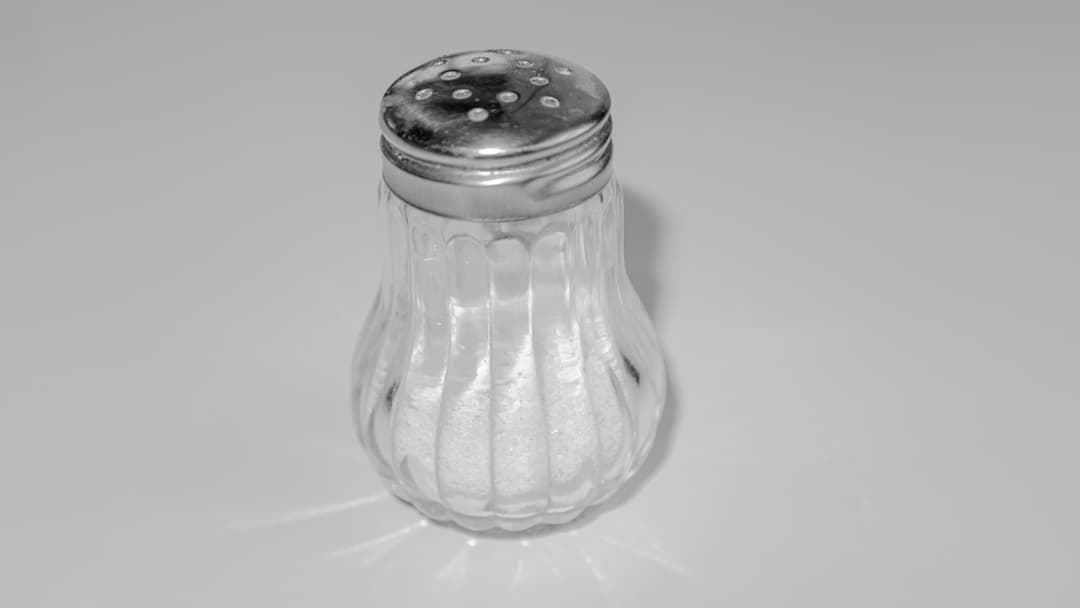
8. Excessive Sodium Intake
Consuming high levels of dietary salt forces up systemic blood pressure and places relentless mechanical strain on delicate arterial walls, accelerating hypertension and stroke risk.
©Unsplash / Oleksandr K
7. Chronic Sleep Deprivation
Regularly sleeping fewer than seven hours a night cripples overnight metabolic repair, triggers systemic insulin resistance, spikes hunger hormones, and heightens the risk of fatal cardiovascular events.

©Unsplash / Slaapwijsheid.nl
6. Diets High In Ultra-Processed Foods
Leading Tier 2 among Dietary and Metabolic Saboteurs tied to roughly a 20% increased mortality risk, diets rich in ultra-processed foods introduce trans fats and chemical additives that accelerate cognitive decline and fuel obesity-related cancer risks.

©Wikimedia / Tony Webster
Advertisement
Swipe or tap ▶ to resume the countdown.
5. Chronic Unmanaged Stress
Remaining locked in a constant fight-or-flight state floods the vascular system with stress hormones like cortisol, structurally damaging the heart, degrading metabolic pathways, and elevating all-cause mortality.

©Unsplash / Vitaly Gariev
4. Binge Drinking And Alcohol Abuse
Regular heavy alcohol consumption acts as a direct physiological toxin across organ systems, causing irreversible liver cirrhosis, elevating multiple cancer risks, and triggering dangerous heart rhythm abnormalities.

©Wikimedia / PattayaPatrol
3. Severe Sedentary Lifestyle
Sitting all day without regular physical movement is associated with a 30% to 45% spike in mortality risk, fundamentally impairing vascular function, insulin sensitivity, and overall cardiac output.

©Unsplash / Kevin Woblick
2. Chronic Smoking And Vaping
A Tier 1 Critical Catalyst, chronic tobacco use and vaping directly trigger 90% of lung cancer deaths and 80% of chronic obstructive pulmonary disease deaths, stripping roughly 10 years off an average individual lifespan.

©Wikimedia / Kruscha
Advertisement
Swipe or tap ▶ to resume the countdown.
1. Opioid And Substance Misuse
Clinically ranked in Tier 1 among the Critical Catalysts carrying a 30% to 45% or higher increased mortality risk, opioid and substance misuse acts as one of the sharpest accelerators of early mortality, driving acute physiological failure and severe metabolic burden.

©Pixabay / ElisaRiva
Advertisement
You've reached the end of the story. Thanks for reading!

20 Stars Who Were Told They Were Not Attractive Enough for Screen
From Academy Award winners to global box office champions, these celebrated actors faced early rejections from casting directors and producers who claimed they lacked screen appeal. Here is how they defied conventional Hollywood molds and proved their critics wrong.
All 20 Entries in this Story
20. Poor Dental Hygiene
Neglecting daily oral care and flossing allows pathogenic gum bacteria to enter the bloodstream, sparking systemic arterial inflammation linked directly to coronary heart disease.

19. Perpetual Pessimism
Longitudinal clinical tracking shows that individuals with a persistently pessimistic outlook suffer reduced emotional resilience and shorter life expectancies than optimistic peers.

18. Holding Deep Grudges
Prolonged anger and unresolved resentment prevent stress hormone and cortisol levels from returning to a healthy baseline, placing chronic strain on the cardiovascular system.

17. Social Isolation And Loneliness
Leading Tier 4 among Psycho-Social Destructors carrying up to a 5% increased mortality risk, lacking positive social relationships promotes systemic inflammation and clinical depression.

16. Neglecting Routine Healthcare Checkups
Failing to see a primary care physician regularly prevents early detection of asymptomatic killers like hypertension, elevated blood glucose, and early-stage malignancies.

15. Prolonged Daily Commutes
Spending long hours trapped in stressful, sedentary highway traffic raises systemic blood pressure, increases exhaust exposure, and reduces daily time for physical or mental recovery.

14. Unprotected UV Exposure
Routinely exposing skin to intense ultraviolet radiation without sunscreen protection creates cumulative DNA mutations, generating precancerous lesions and malignant melanomas.

13. Overworking And Burnout Culture
Extreme professional strain without adequate rest periods creates cumulative vascular friction that can directly precipitate acute cardiac events and stroke.

12. Late-Night Screen Time
Leading Tier 3 among Environmental and Behavioral Accelerators, exposing the eyes to blue light after dark blocks natural melatonin synthesis, fracturing sleep architecture and preventing deep, restorative sleep stages.

11. Improper Medication Habits
Taking high doses of over-the-counter painkillers like ibuprofen on an empty stomach or exceeding recommended limits erodes the gastrointestinal lining and taxes the kidneys.

10. Frequent Sugar Overconsumption
Heavy intake of refined sugars triggers intense glucose spikes and advanced glycation end-products, structurally aging blood vessels from the inside out.

9. Chronic Dehydration
Neglecting daily water intake lowers circulating blood volume, forces the heart to work harder to pump oxygen, and impairs cellular waste flushing and joint lubrication.

8. Excessive Sodium Intake
Consuming high levels of dietary salt forces up systemic blood pressure and places relentless mechanical strain on delicate arterial walls, accelerating hypertension and stroke risk.

7. Chronic Sleep Deprivation
Regularly sleeping fewer than seven hours a night cripples overnight metabolic repair, triggers systemic insulin resistance, spikes hunger hormones, and heightens the risk of fatal cardiovascular events.

6. Diets High In Ultra-Processed Foods
Leading Tier 2 among Dietary and Metabolic Saboteurs tied to roughly a 20% increased mortality risk, diets rich in ultra-processed foods introduce trans fats and chemical additives that accelerate cognitive decline and fuel obesity-related cancer risks.

5. Chronic Unmanaged Stress
Remaining locked in a constant fight-or-flight state floods the vascular system with stress hormones like cortisol, structurally damaging the heart, degrading metabolic pathways, and elevating all-cause mortality.

4. Binge Drinking And Alcohol Abuse
Regular heavy alcohol consumption acts as a direct physiological toxin across organ systems, causing irreversible liver cirrhosis, elevating multiple cancer risks, and triggering dangerous heart rhythm abnormalities.

3. Severe Sedentary Lifestyle
Sitting all day without regular physical movement is associated with a 30% to 45% spike in mortality risk, fundamentally impairing vascular function, insulin sensitivity, and overall cardiac output.

2. Chronic Smoking And Vaping
A Tier 1 Critical Catalyst, chronic tobacco use and vaping directly trigger 90% of lung cancer deaths and 80% of chronic obstructive pulmonary disease deaths, stripping roughly 10 years off an average individual lifespan.

1. Opioid And Substance Misuse
Clinically ranked in Tier 1 among the Critical Catalysts carrying a 30% to 45% or higher increased mortality risk, opioid and substance misuse acts as one of the sharpest accelerators of early mortality, driving acute physiological failure and severe metabolic burden.