Slideshow · Money
20 Hidden Costs First-Time Homeowners Should Understand
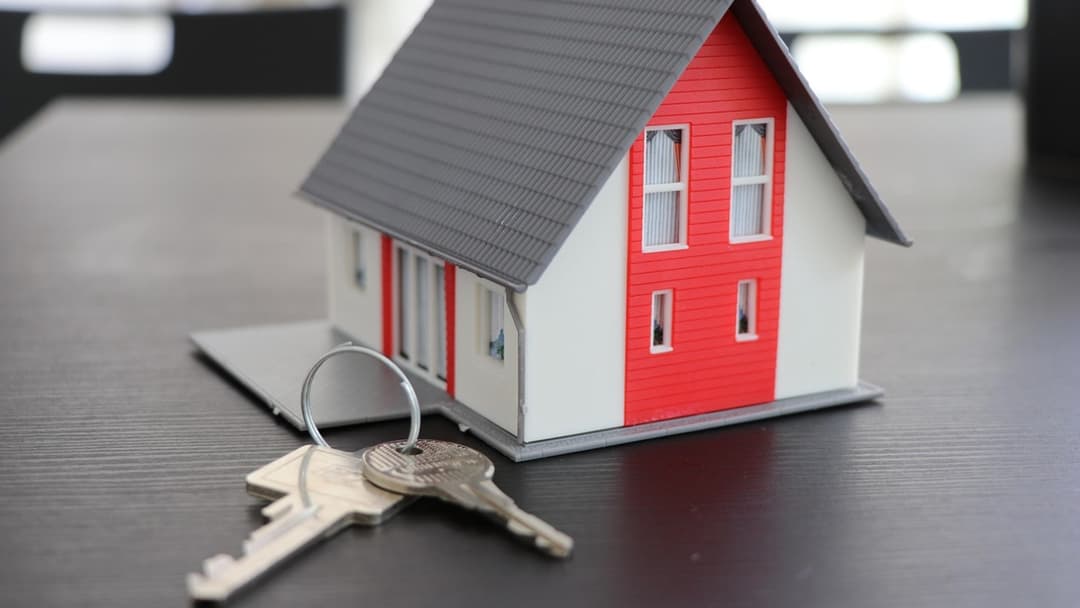
Purchasing real estate brings substantial recurring expenses beyond principal and interest. Data from the Consumer Financial Protection Bureau, the U.S. Census Bureau, and Angi reveals how property taxes, insurance, and maintenance impact household budgets. Here are 20 critical costs to plan for before closing.

By Most Viral Today
14 min ago

Surprise Expenses That Catch New Buyers Completely Unprepared 
20. Emergency Repair Reserve Cushion 
19. Home Security And Smart Monitoring 
18. Kitchen And Laundry Appliance Failures - AdvertisementSwipe or tap ▶ to continue countdown

17. Water Heater Replacements 
16. Sewer Lateral Line Repairs 
15. Specialized Flood Insurance 
14. Supplemental Property Tax Reassessment - AdvertisementSwipe or tap ▶ to continue countdown

13. Title Insurance And Legal Filing 
12. Loan Closing Costs And Escrow Setup 
11. Tree Care And Arborist Services 
10. Pest Control And Termite Defense - AdvertisementSwipe or tap ▶ to continue countdown

9. Trash And Recycling Collection 
8. Water And Sewer Utility Bills 
7. Roof Repairs And Reroofing 
6. HVAC System Replacements - AdvertisementSwipe or tap ▶ to continue countdown

5. Routine Structural Maintenance 
4. HOA Fees And Special Assessments 
3. Private Mortgage Insurance 
2. Homeowners Insurance - AdvertisementSwipe or tap ▶ to continue countdown

1. Property Taxes - Advertisement🔥 UP NEXT IN THIS SERIES◫ 26 Slides

25 Famous Entrepreneurs Who Started Their First Businesses as Teenagers
Long before running global retail empires, software corporations, and consumer brands, these 25 founders launched their first commercial ventures as teenagers. Based on corporate company archives and historical reporting from Forbes, Bloomberg, BBC, and Reuters, here is how their earliest teenage enterprises began.
Purchasing real estate brings substantial recurring expenses beyond principal and interest. Data from the Consumer Financial Protection Bureau, the U.S. Census Bureau, and Angi reveals how property taxes, insurance, and maintenance impact household budgets. Here are 20 critical costs to plan for before closing.

Swipe or tap ▶ to begin the countdown
©Wikimedia / David Boyle from London, UK & Wikimedia / JLPC
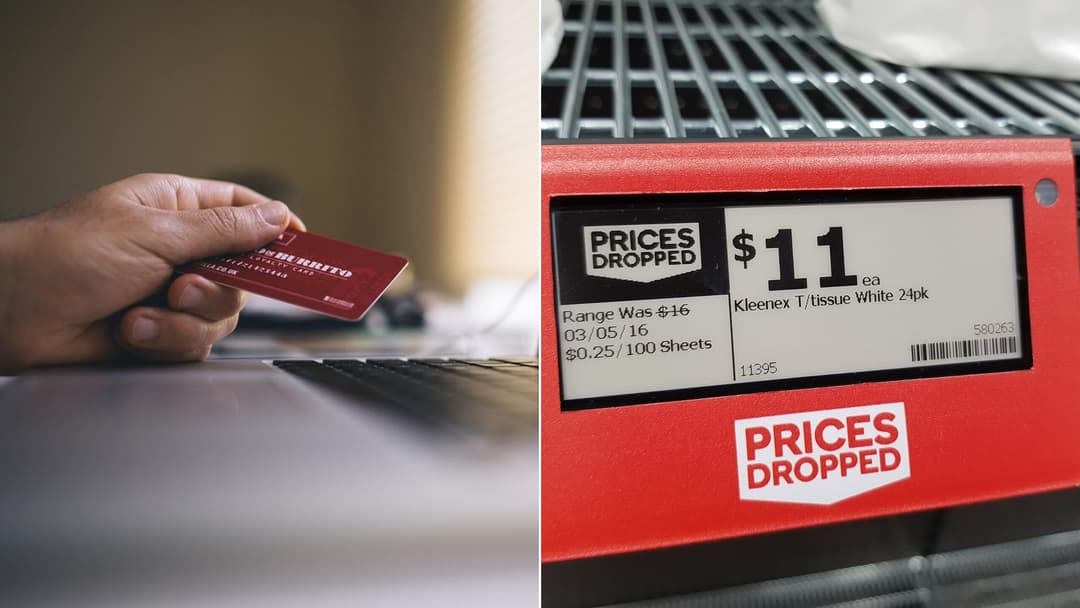
20. Emergency Repair Reserve Cushion
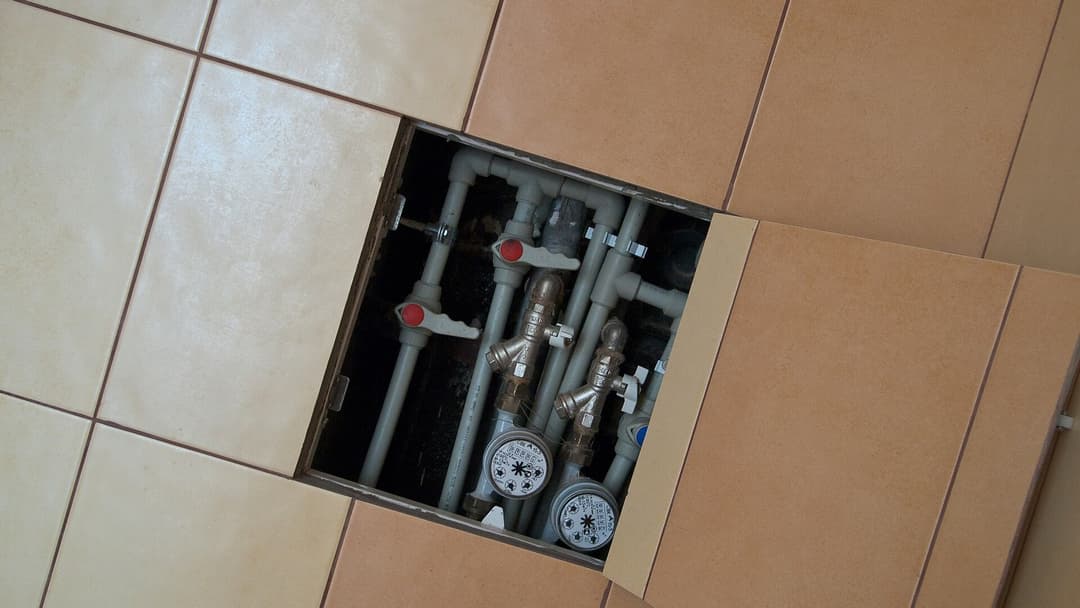
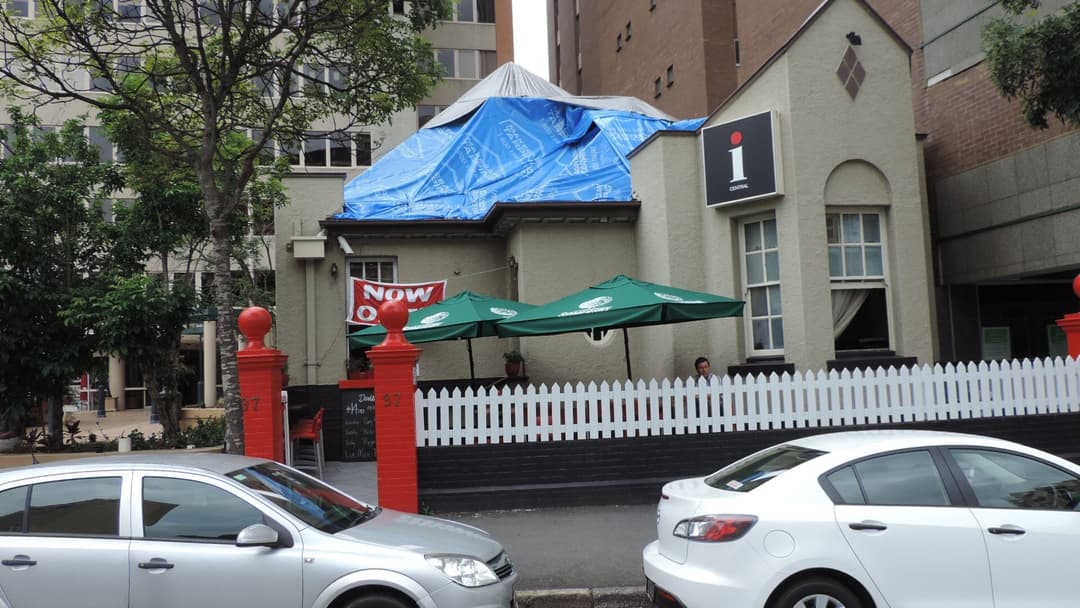
Economic research by the Harvard Joint Center for Housing Studies highlights that unforeseen capital repairs strike most homes within three years of purchase. Financial planners recommend maintaining $10,000 in dedicated liquid cash so minor plumbing or roof leaks do not cause mortgage debt.

©Wikimedia / David Boyle from London, UK
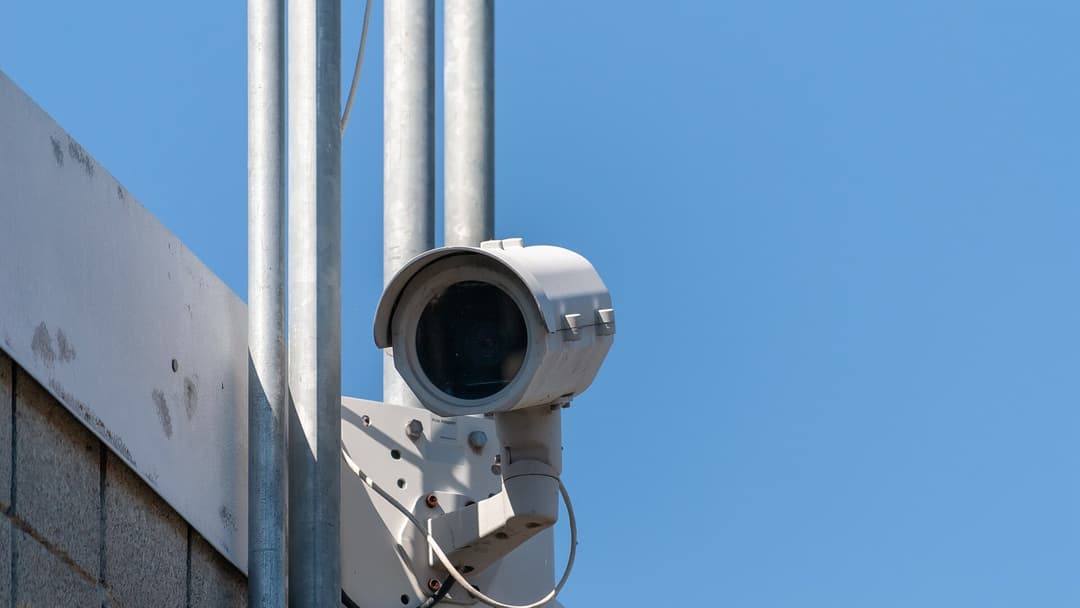
19. Home Security And Smart Monitoring
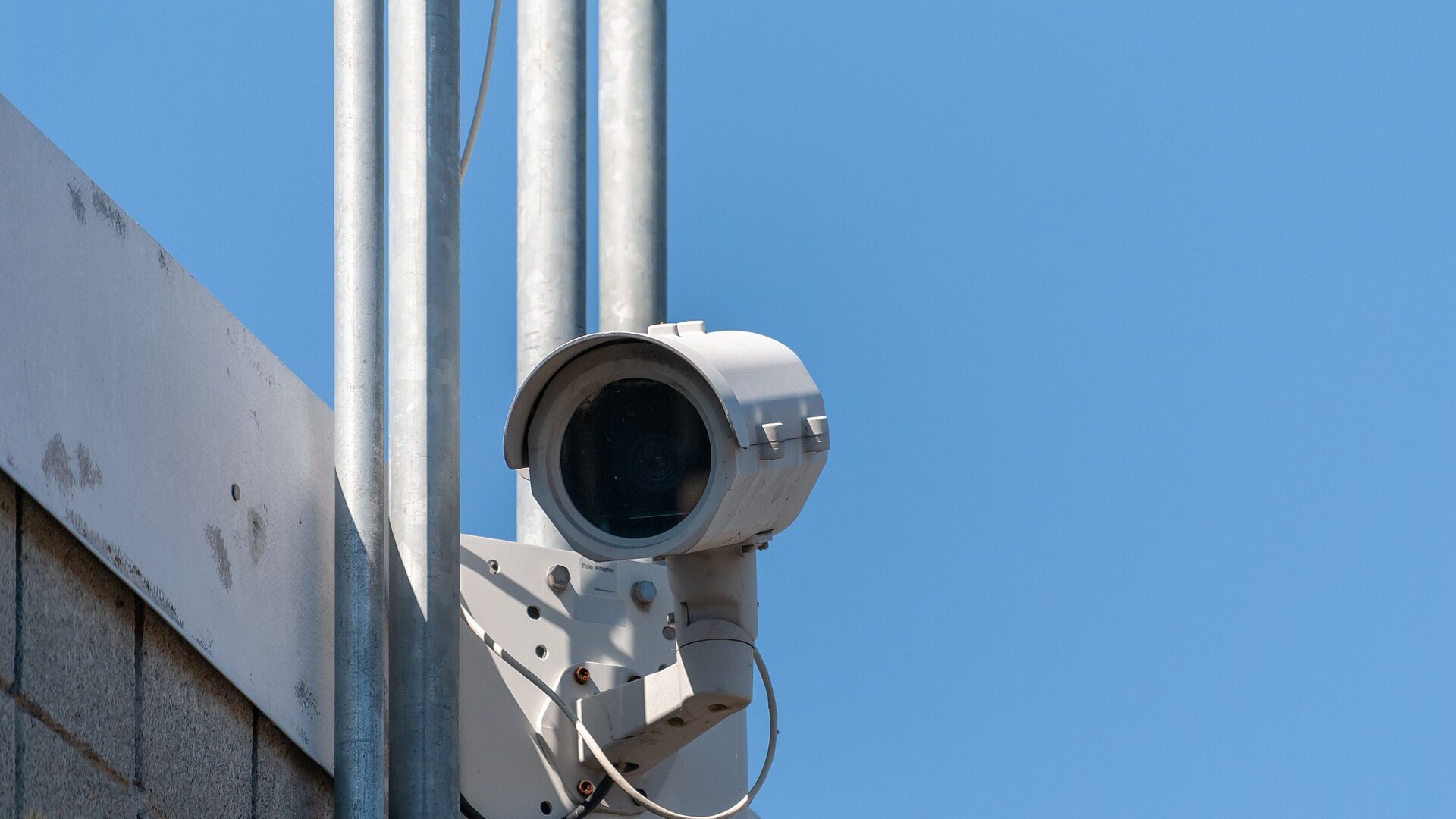
The Federal Trade Commission advises consumers that modern security hardware pairs with monthly monitoring charges of $30 to $65. Professional installation packages start around $500 upfront. Some municipalities also charge annual registration permits to dispatch police to home alarms.
©Wikimedia / Cody Logan
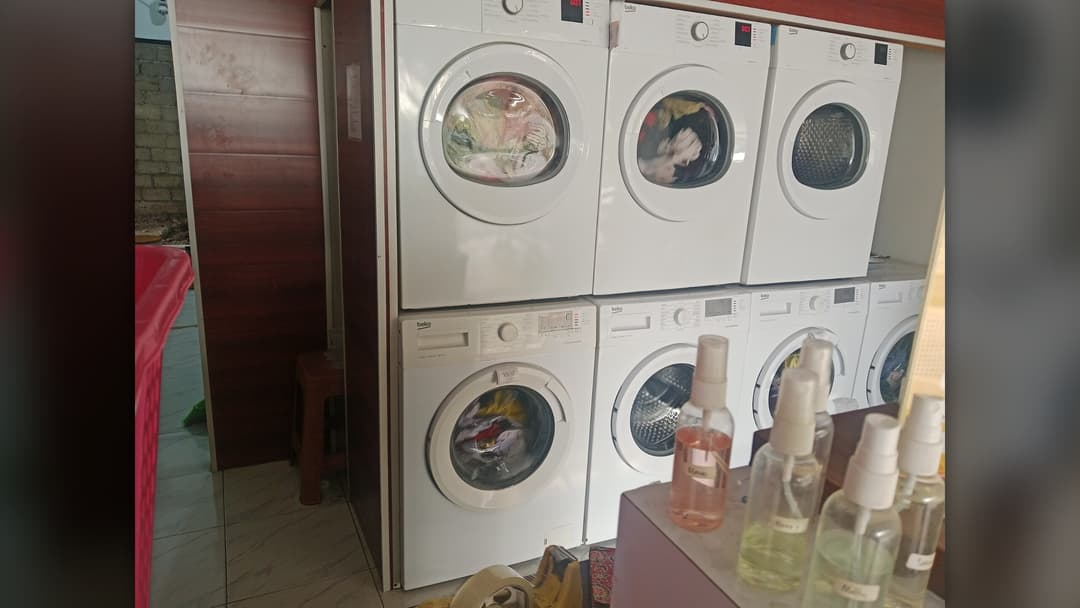
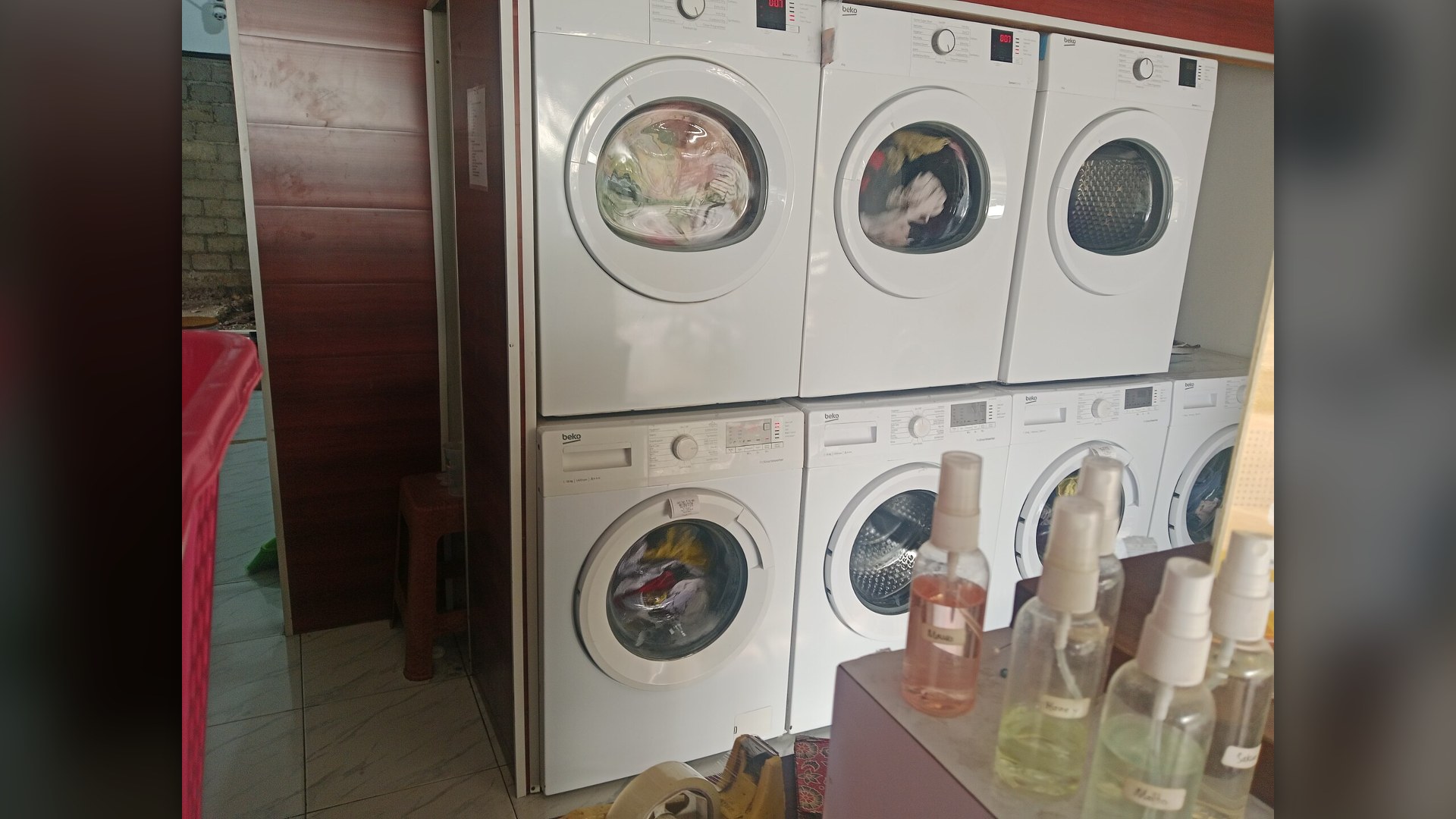
18. Kitchen And Laundry Appliance Failures
Consumer Reports reliability data shows modern appliances last roughly eight to twelve years. A sudden failure of a compressor, dishwasher pump, or dryer motor costs $200 to $500 to diagnose and repair. Buying complete replacements quickly consumes $1,000 to $2,500 from household savings.
©Wikimedia / Fitrah 9131
Advertisement
Swipe or tap ▶ to resume the countdown.
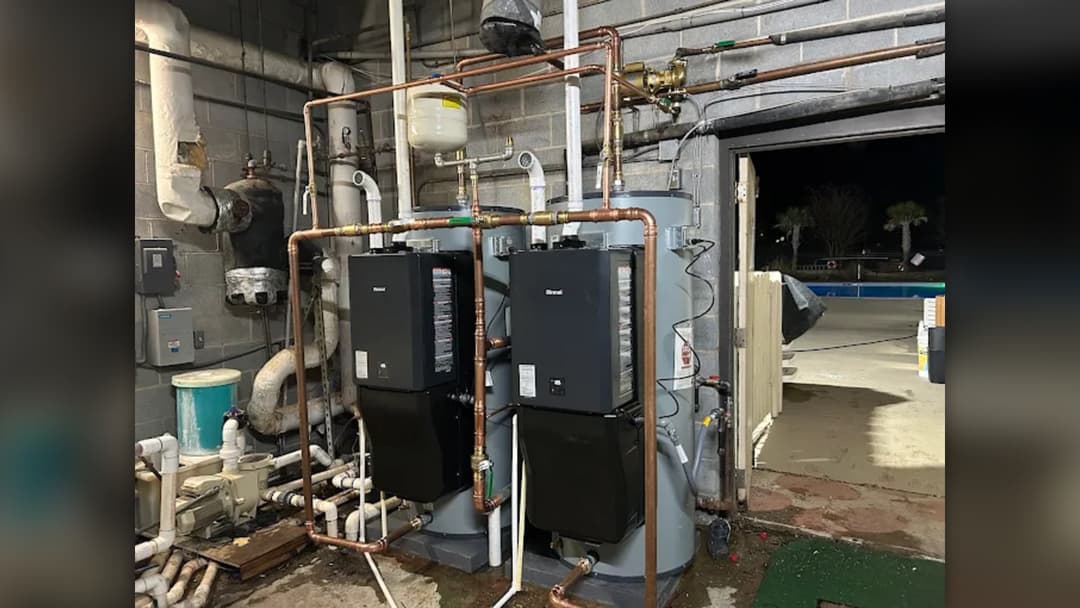
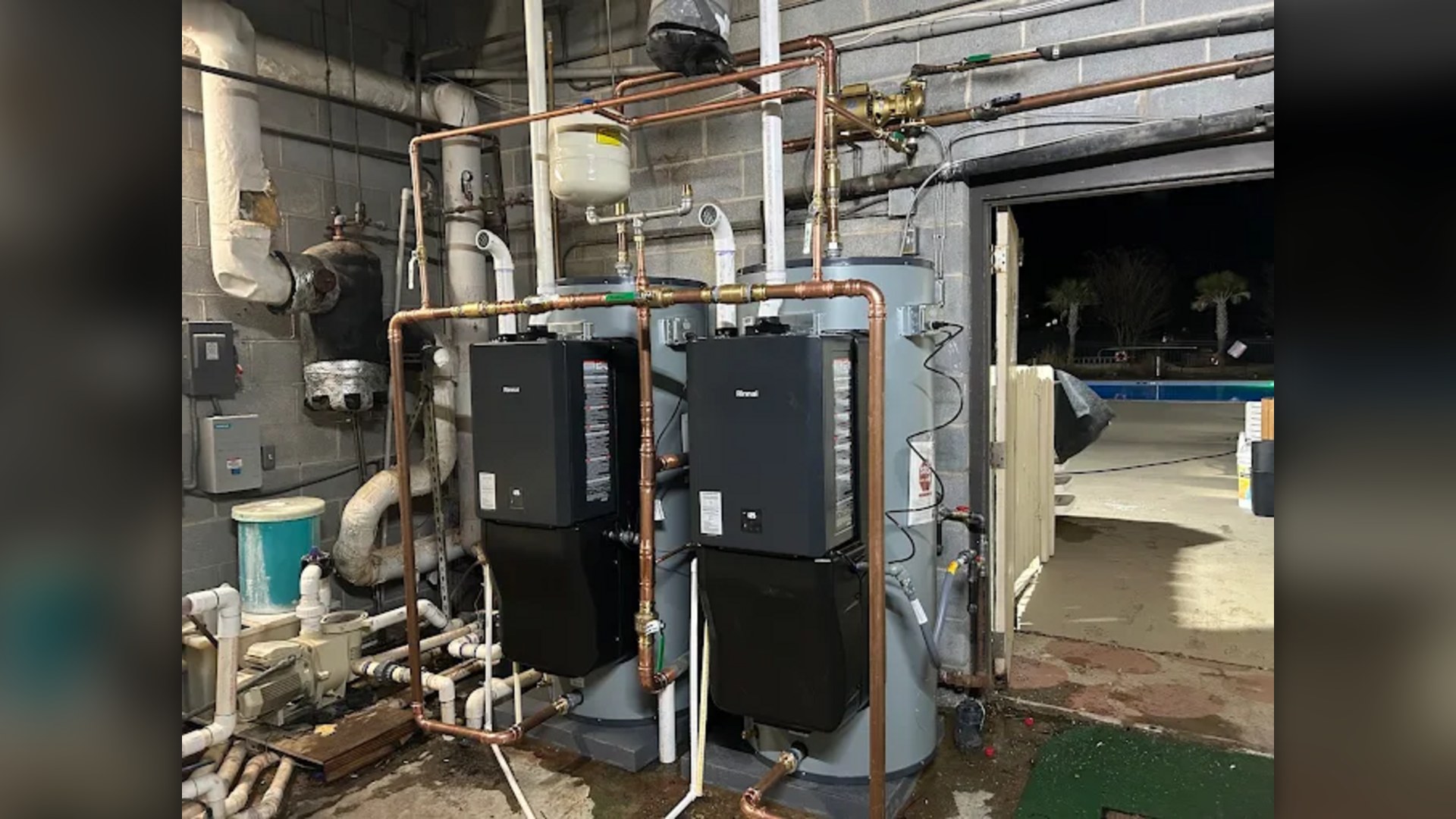
17. Water Heater Replacements
Department of Energy records indicate that replacing a standard 50-gallon gas or electric water heater costs between $1,200 and $2,800 with professional installation. Upgrading to a tankless on-demand system runs $3,000 to $4,500. Tank failures can also flood basements and finished floors.
©Wikimedia / HomeProToday
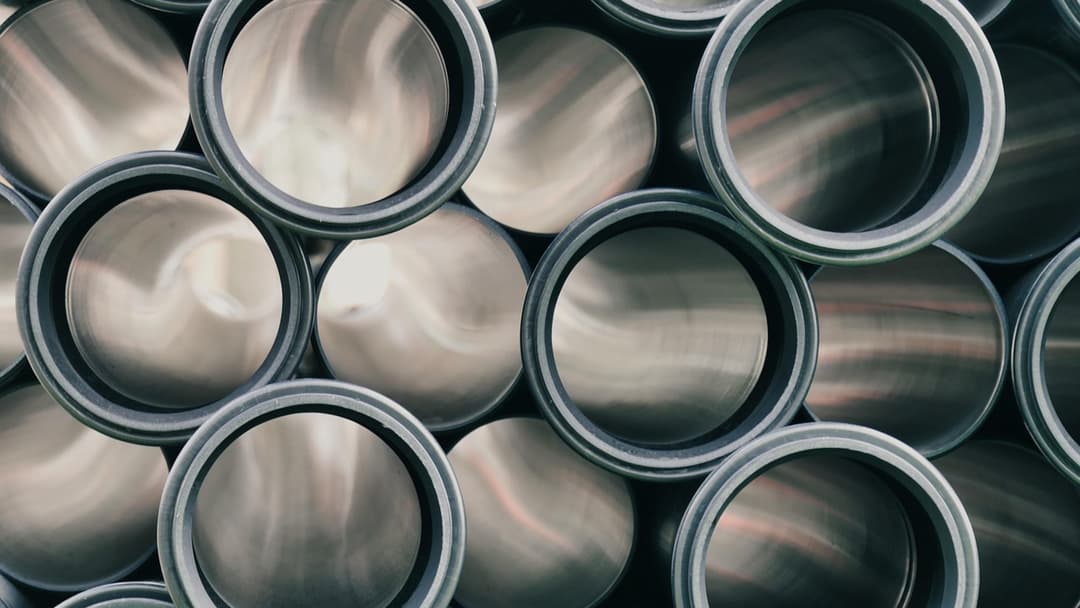
16. Sewer Lateral Line Repairs
The American Society of Civil Engineers points out that homeowners own the sewer lateral line running under their front lawn. Clearing invasive tree roots or replacing collapsed clay pipes costs $3,000 to $7,500. Municipal public works departments do not repair lines on private property.

©Pixabay / Kranich17
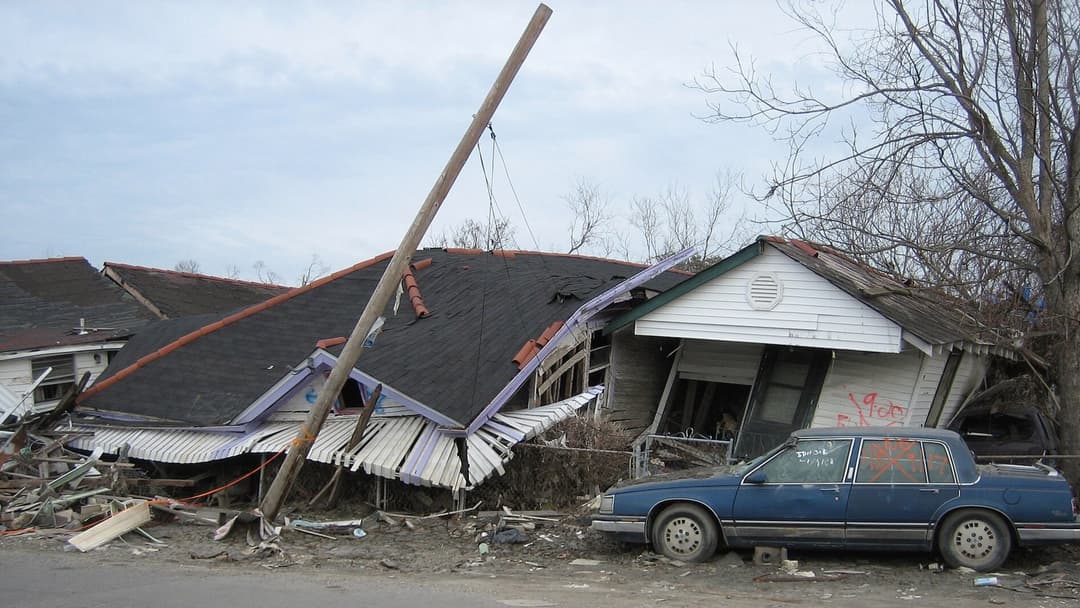
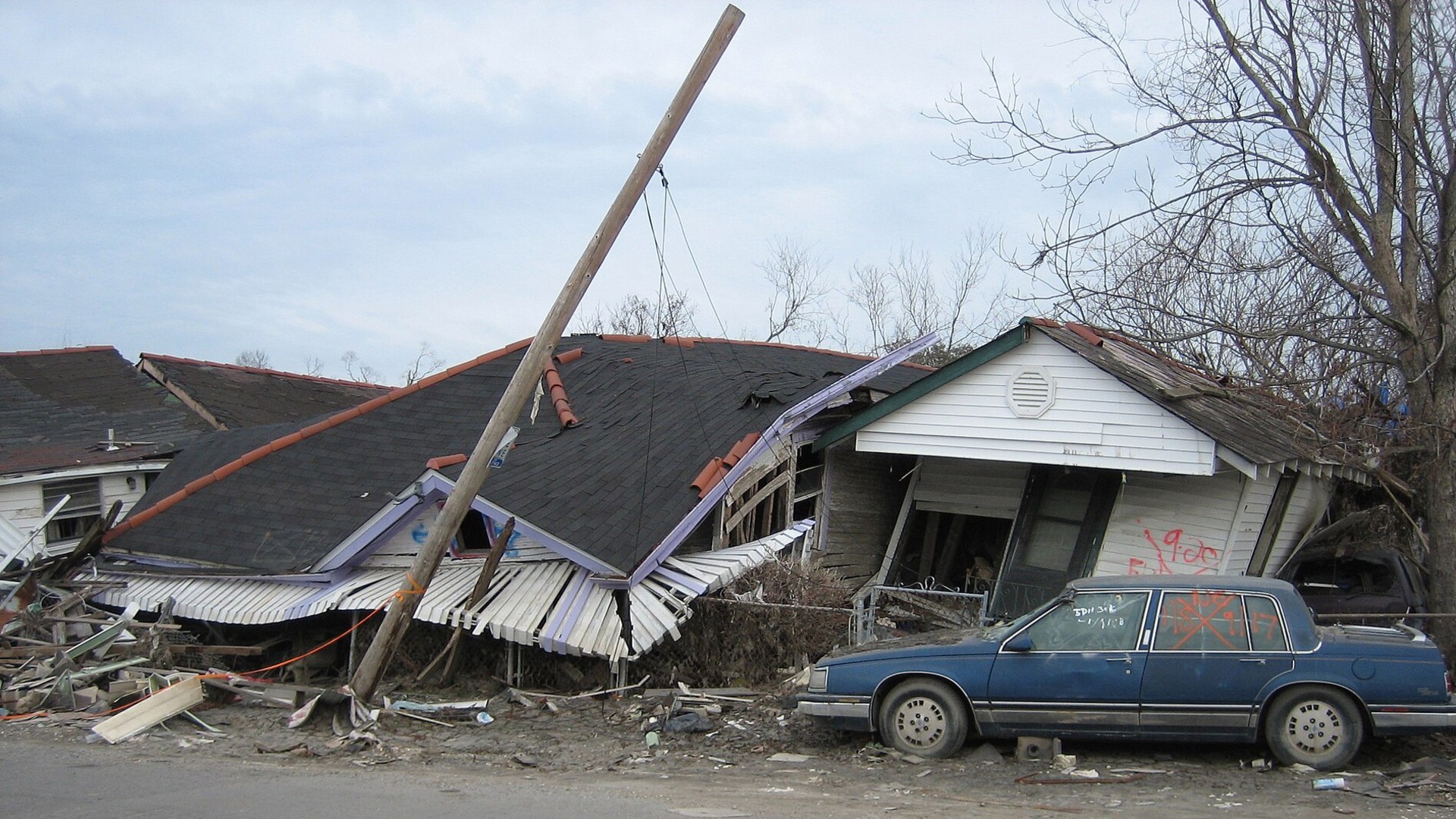
15. Specialized Flood Insurance
The Federal Emergency Management Agency manages the National Flood Insurance Program, where standard coverage averages $800 to $1,500 per year. In high-risk flood zones, premiums frequently surpass $3,500 annually. Mortgage lenders require these separate policies before funding loans.
©Wikimedia / Infrogmation
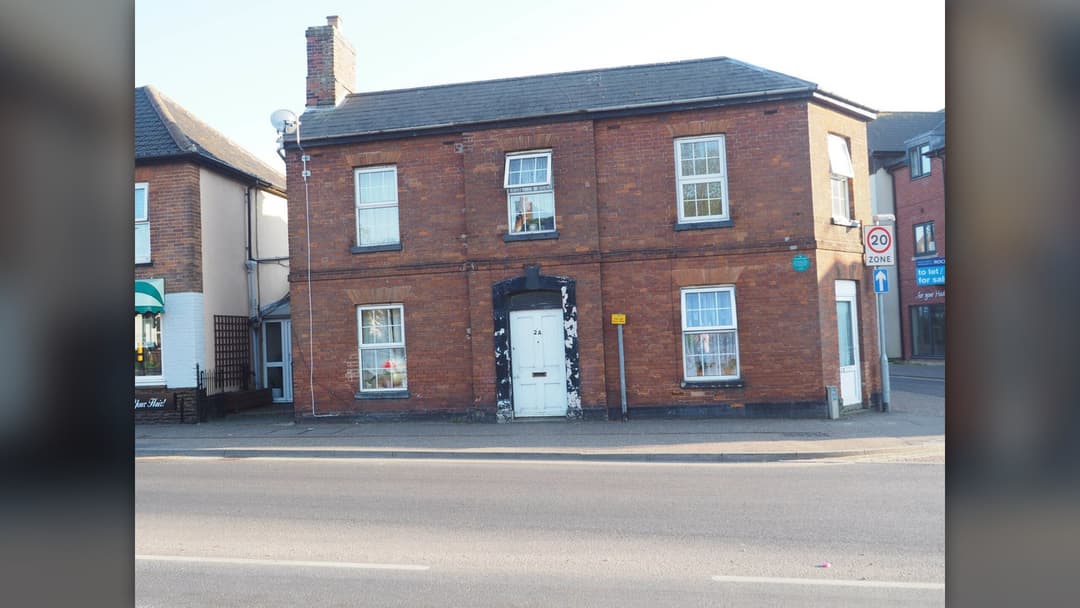
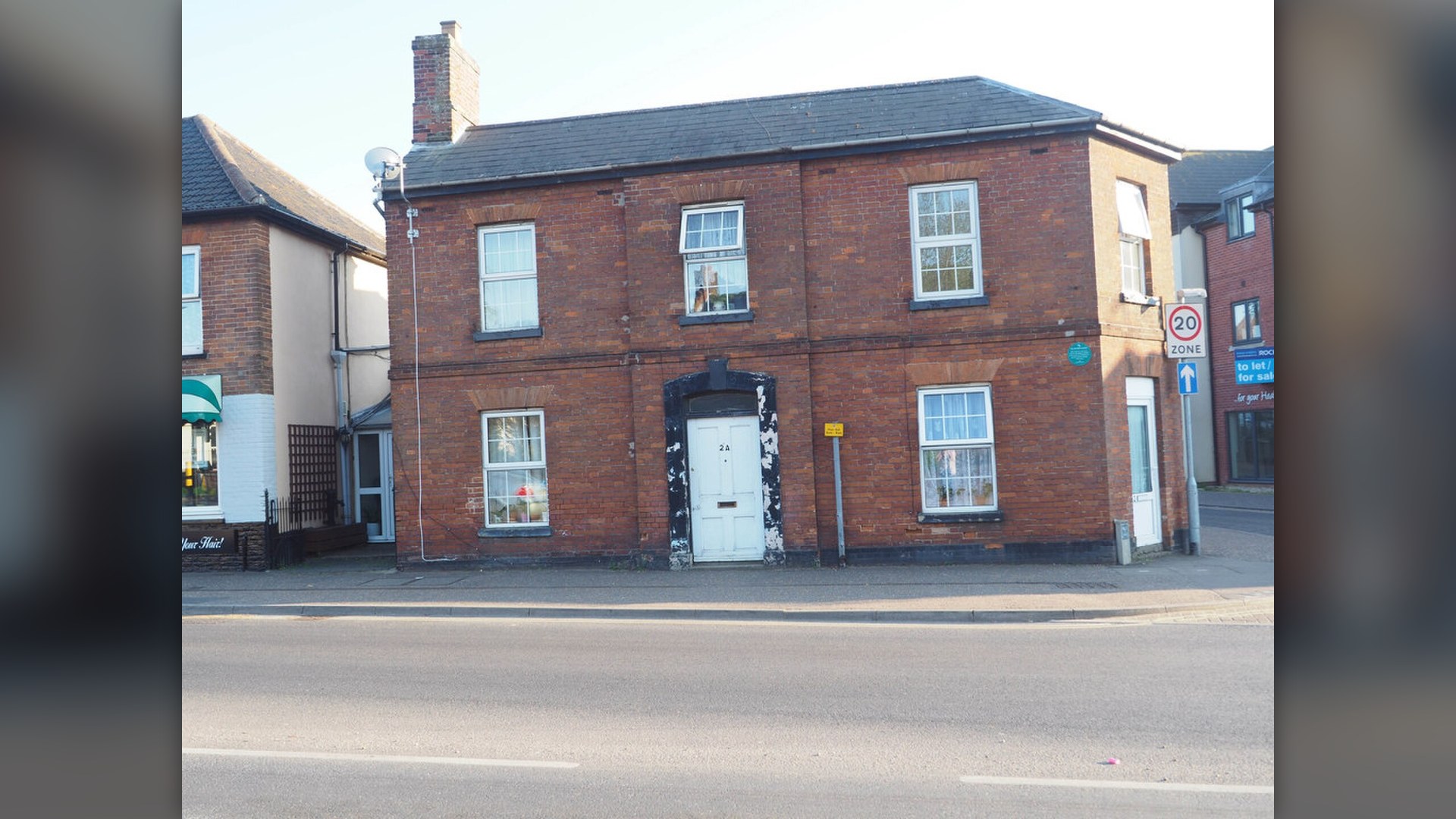
14. Supplemental Property Tax Reassessment
State tax agencies, including California and Florida boards, issue supplemental tax bills several months after purchase. These bills capture the gap between the seller's outdated tax valuation and the higher purchase price. New buyers frequently receive surprise invoices totaling thousands.
©Wikimedia / David Pashley
Advertisement
Swipe or tap ▶ to resume the countdown.
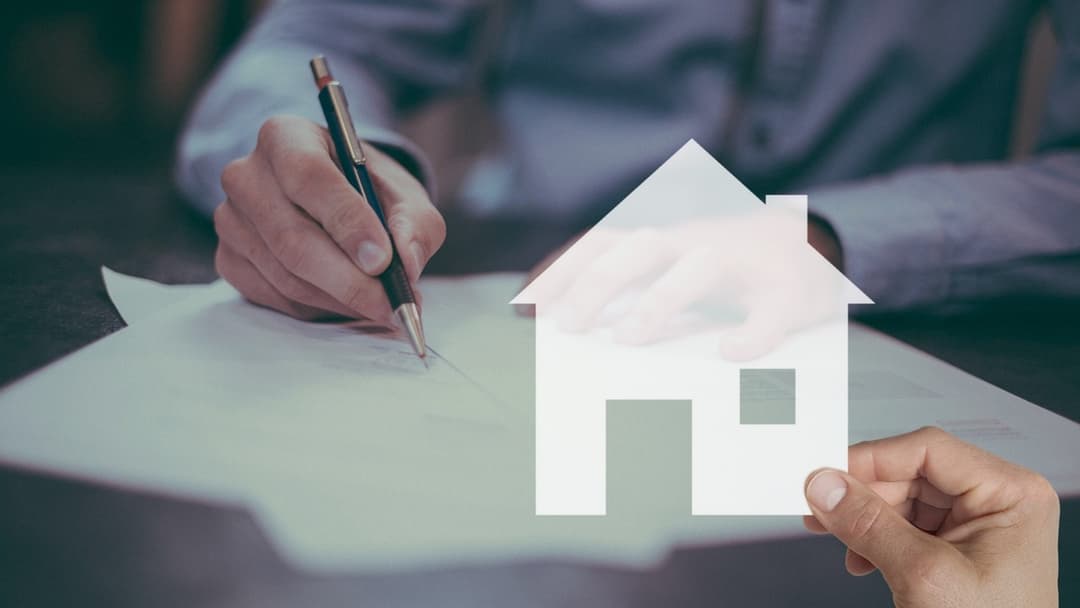
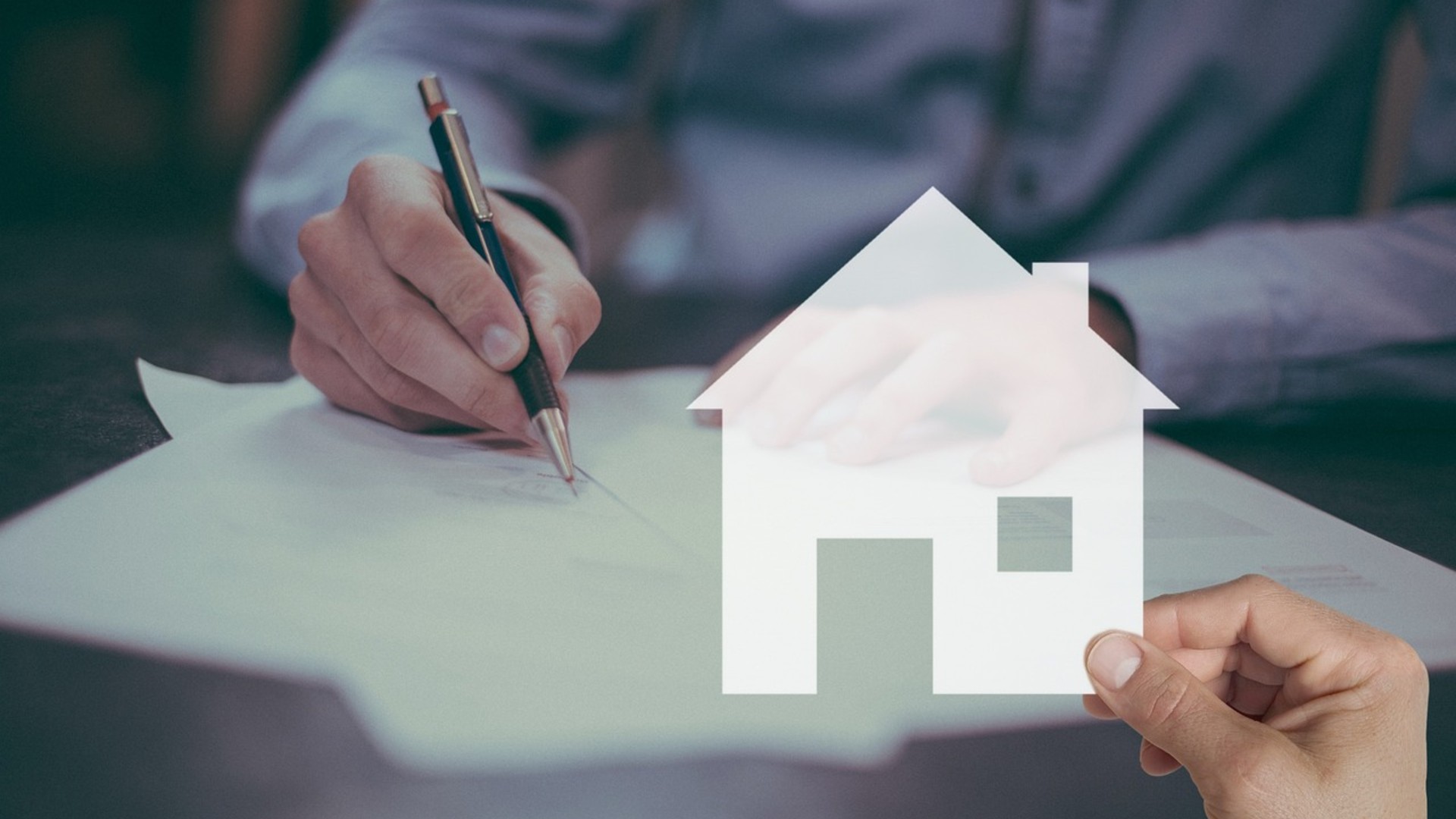
13. Title Insurance And Legal Filing
Data from the American Land Title Association shows title insurance premiums and recording charges cost $1,000 to $2,500 at closing. Lender policies protect financial institutions against defects, while an optional owner policy shields the buyer if an unrecorded heir claims the property.
©Pixabay / Tumisu
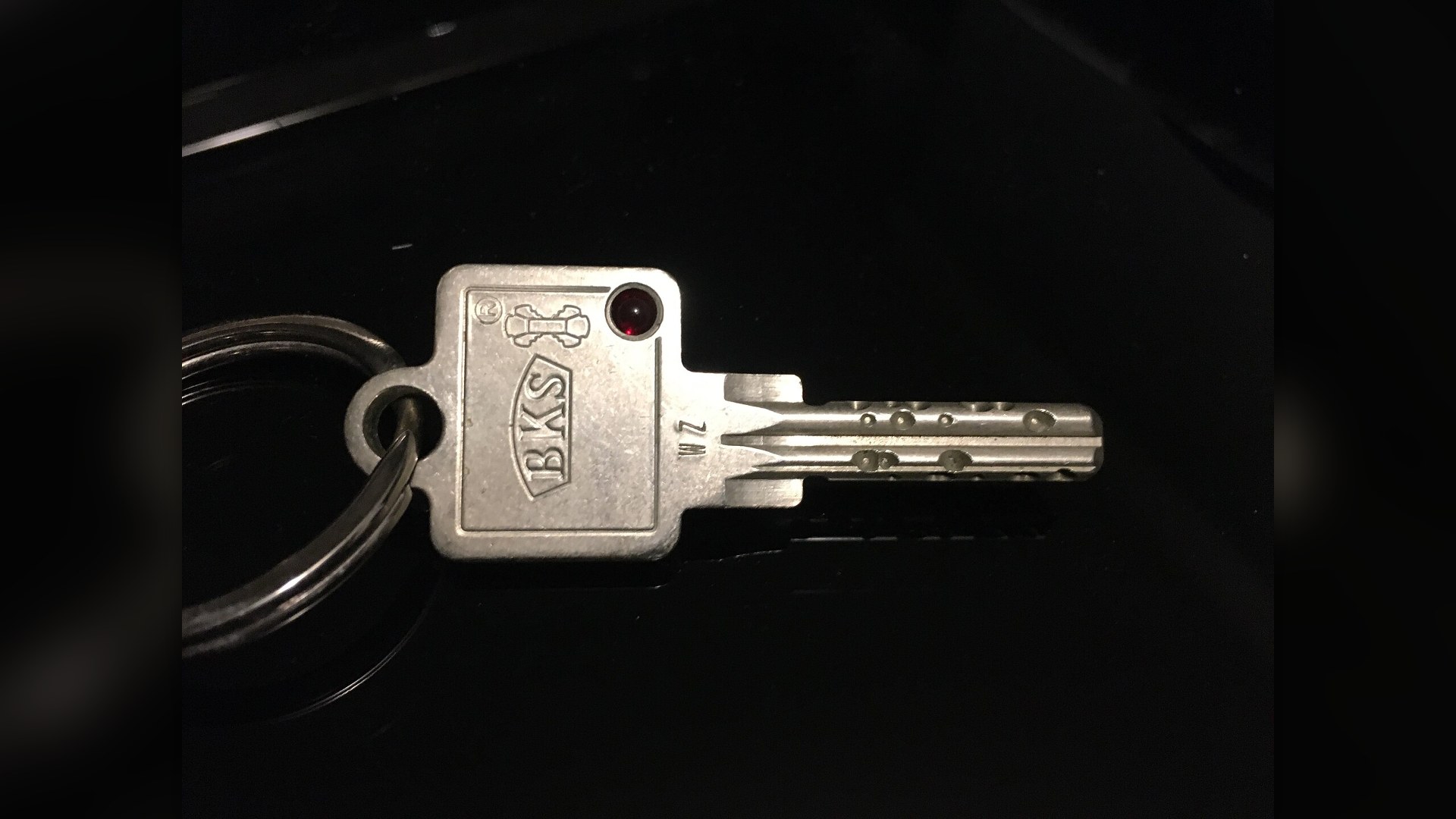
12. Loan Closing Costs And Escrow Setup
According to Fannie Mae, closing expenses average 2% to 5% of the total loan balance. On a $300,000 mortgage, buyers must wire $6,000 to $15,000 at settlement. Lenders also require upfront funding for several months of prepaid taxes and homeowners insurance to establish escrow reserves.
©Wikimedia / Pittigrilli
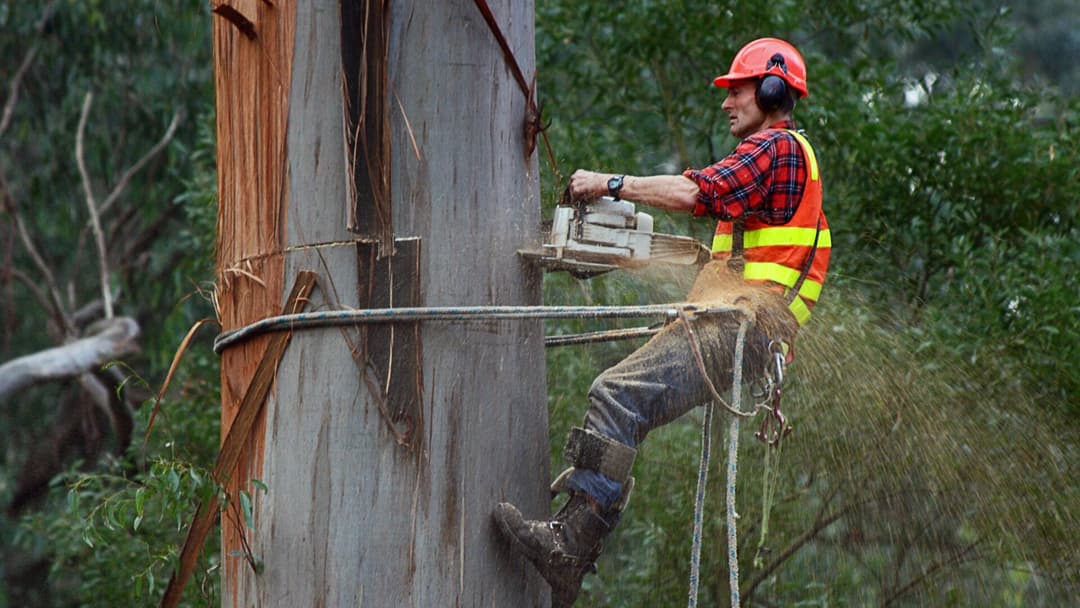
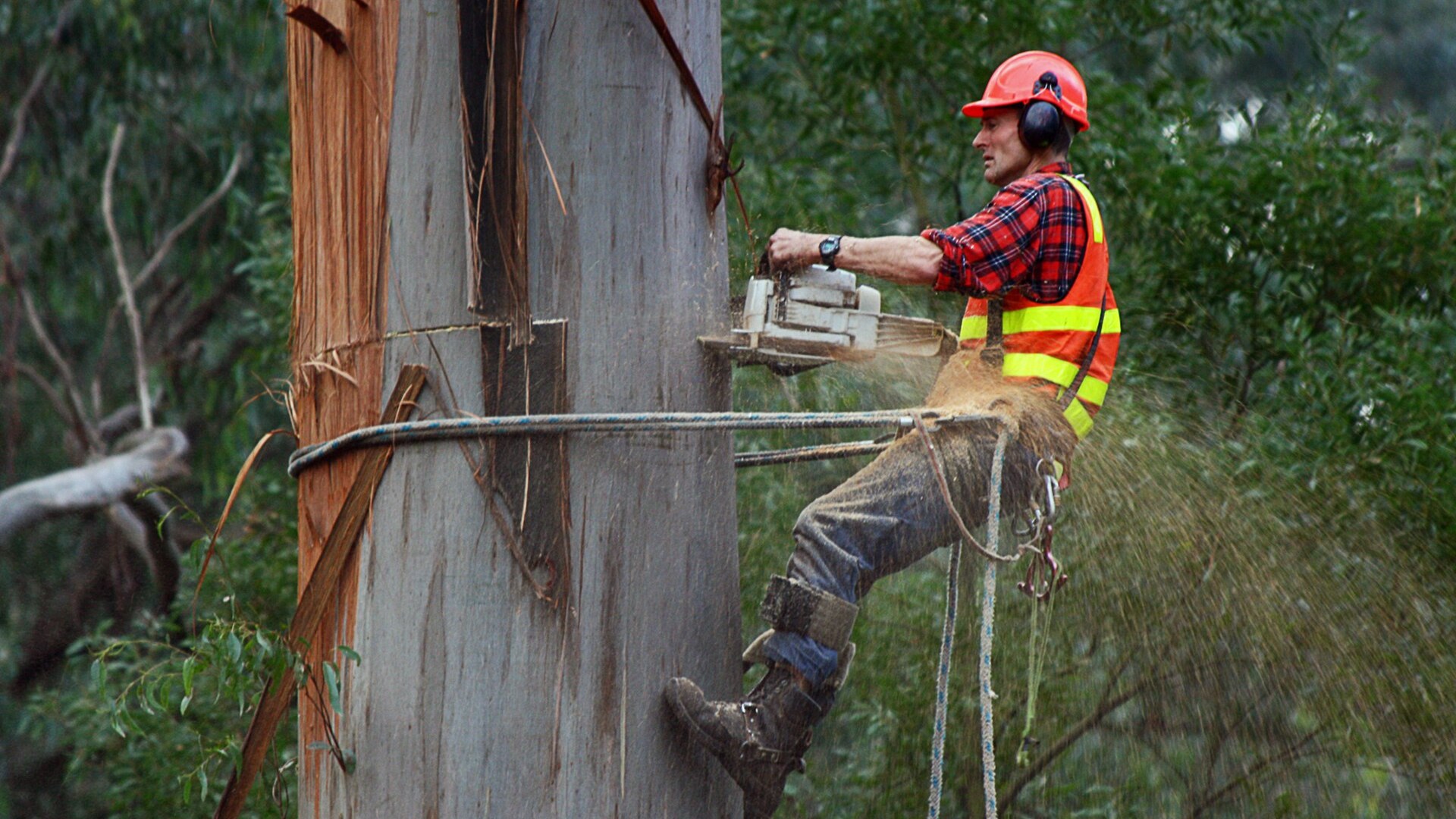
11. Tree Care And Arborist Services
The Tree Care Industry Association estimates that professional pruning costs $400 to $1,200 per visit for large hardwoods. Removing a dead oak or diseased pine near power lines costs up to $2,000. Neglected branches that crash into neighboring structures make owners personally liable.
©Wikimedia / jjron
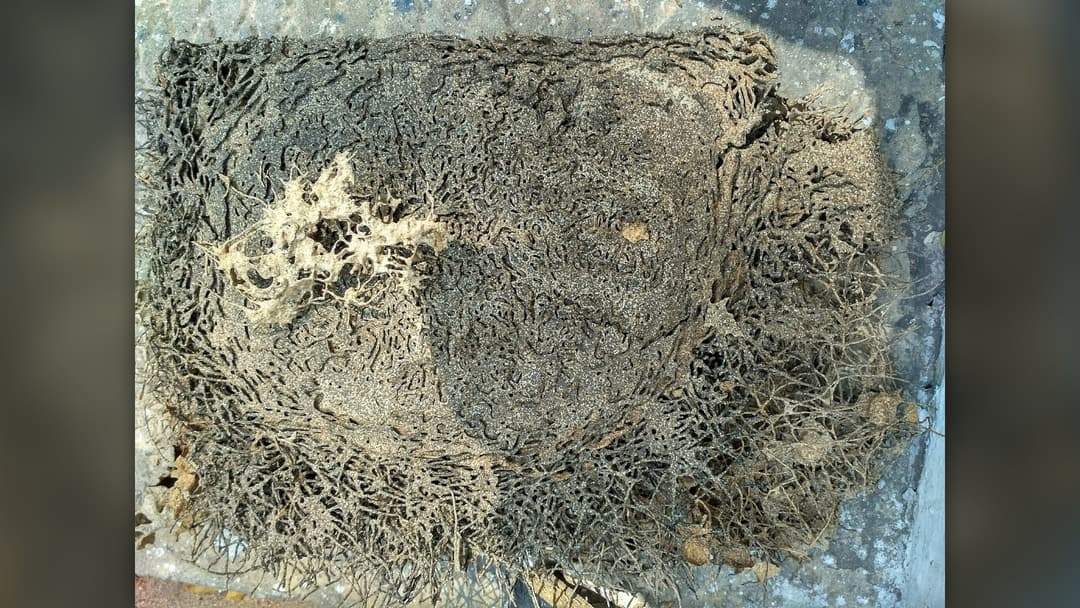
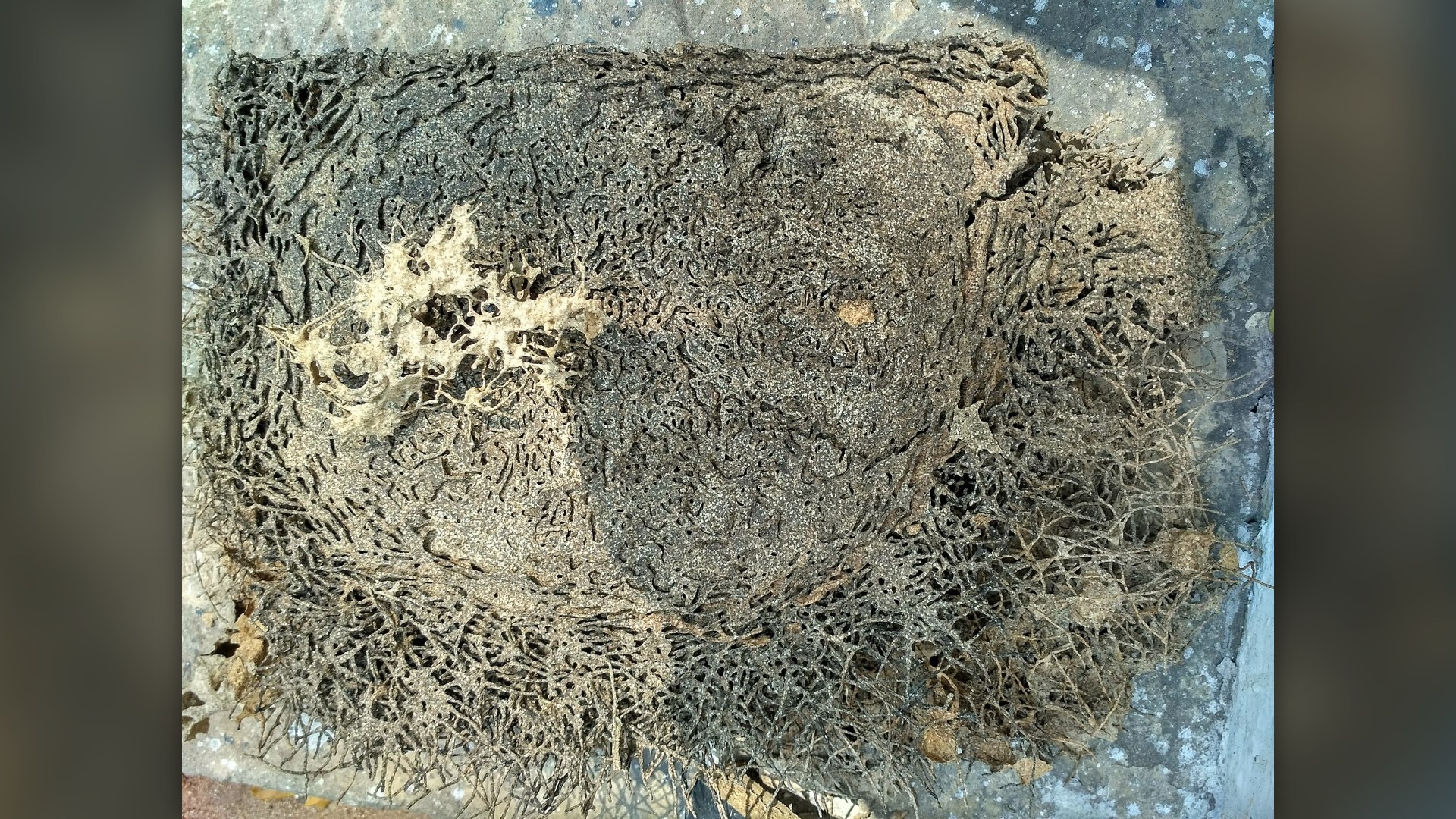
10. Pest Control And Termite Defense
The National Pest Management Association notes that subterranean termites cause an estimated $5 billion in property damage across the country each year. Preventive pest inspection contracts run $350 to $600 annually. Eradication treatments for severe infestations can exceed $2,500.
©Wikimedia / Pratishkhedekar
Advertisement
Swipe or tap ▶ to resume the countdown.
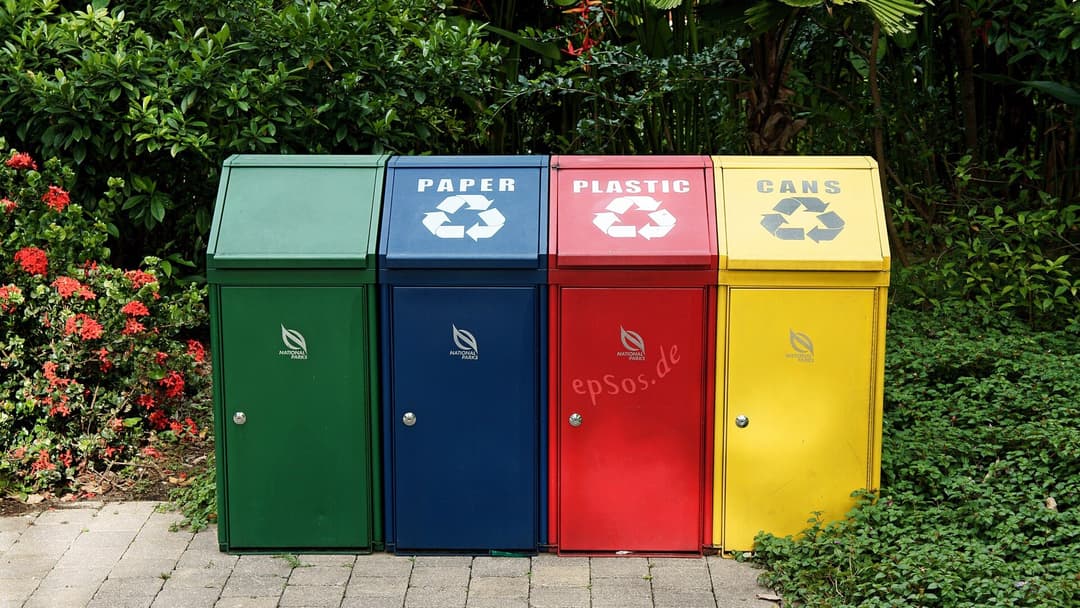
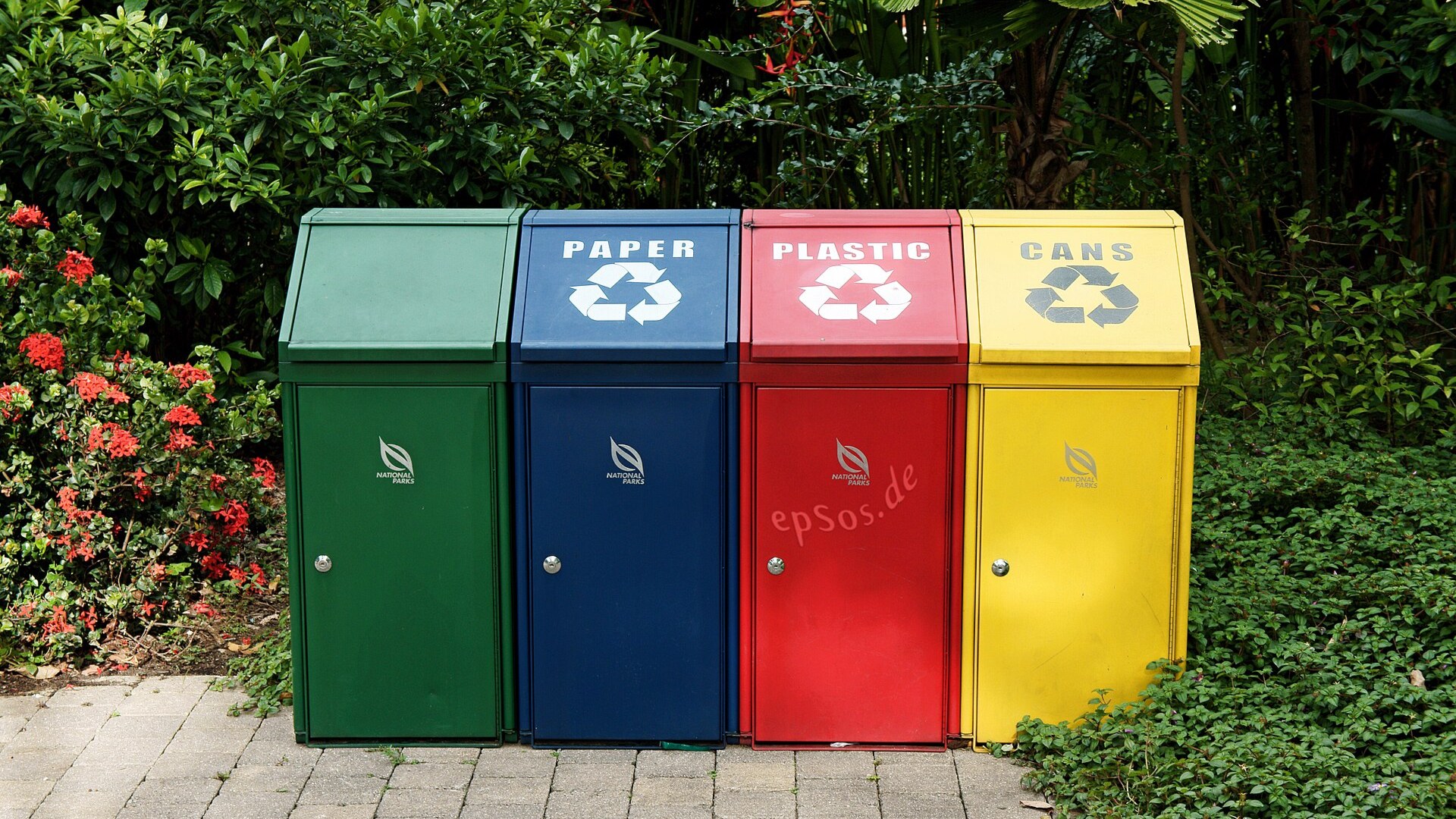
9. Trash And Recycling Collection
Municipal solid waste data from the EPA shows that private waste disposal contracts add $25 to $75 every month depending on location. Many suburban towns do not include trash collection in property taxes. Special recycling bin rentals and bulky item pickups incur extra direct charges.
©Wikimedia / epSos .de
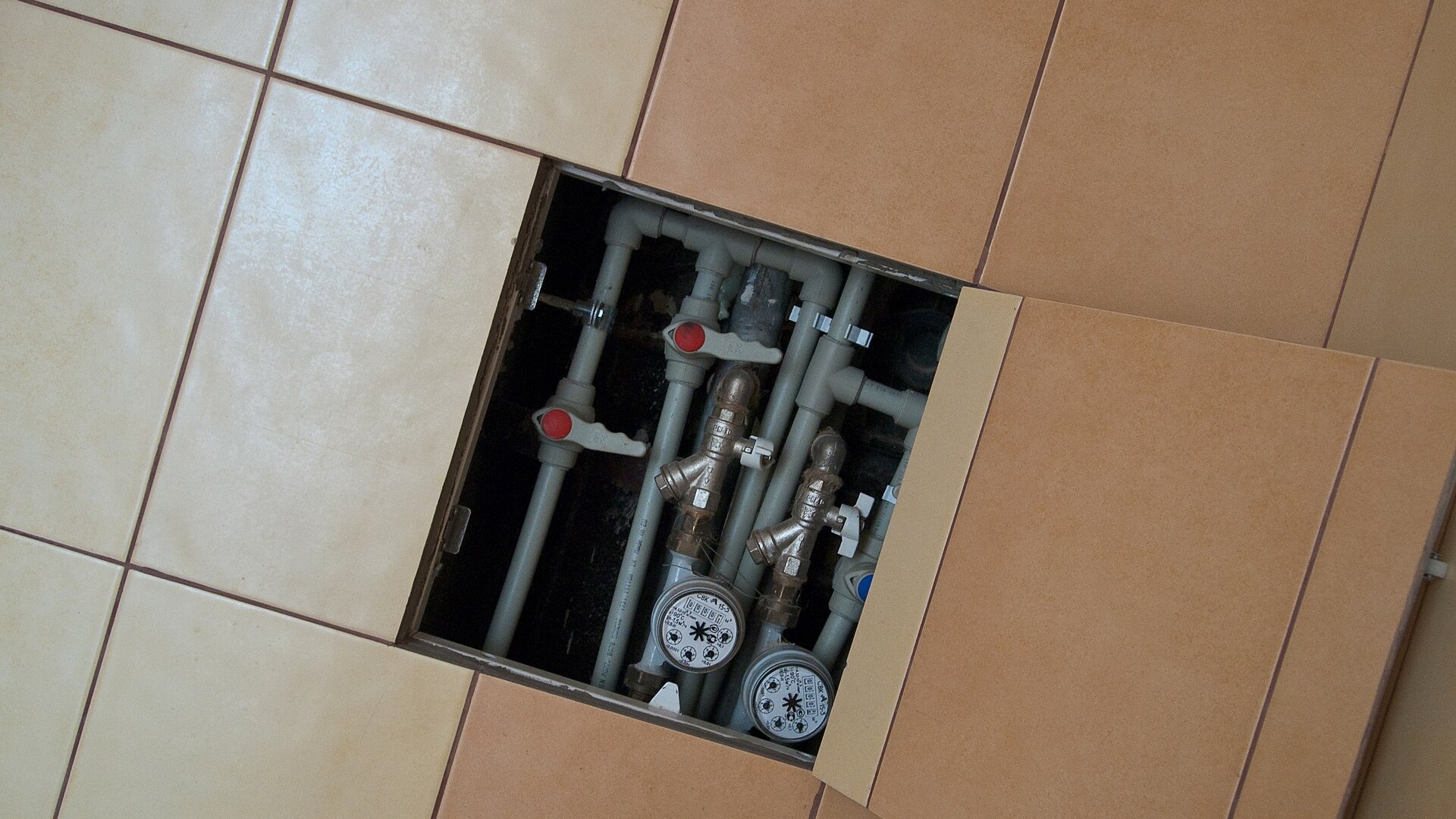
8. Water And Sewer Utility Bills
Research by Circle of Blue shows municipal water and sewer bills in major American cities average $110 to $160 per month for a typical family. Unlike rental setups where owners absorb baseline water use, single-family homeowners pay volumetric fees along with stormwater drainage taxes.
©Wikimedia / Vyacheslav Argenberg
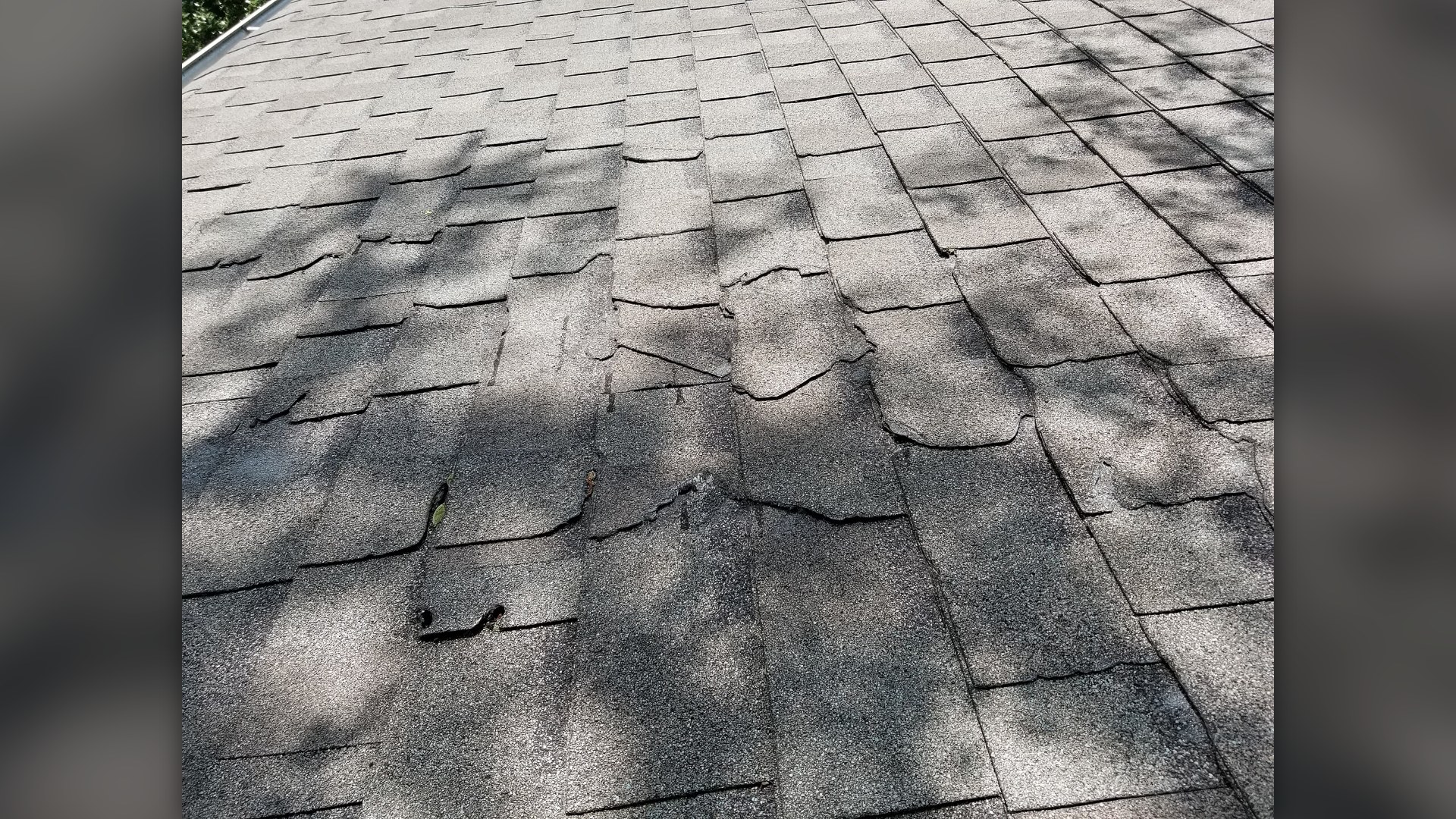
7. Roof Repairs And Reroofing
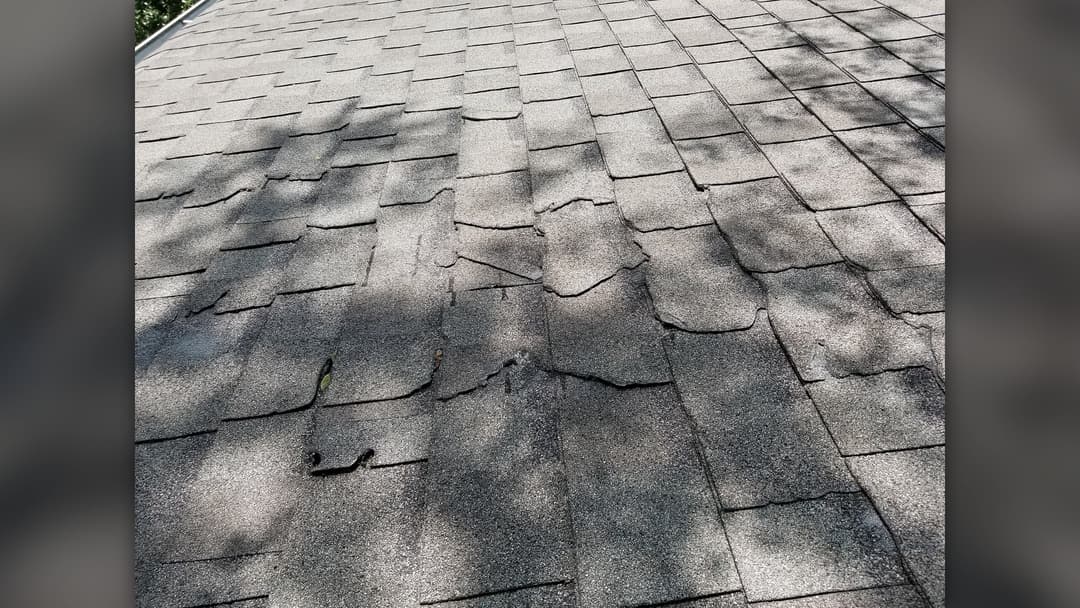
Cost tracking from Angi indicates an entire roof replacement averages $9,300, with architectural shingles and complex pitches exceeding $15,000. Minor patch jobs for flashing leaks start around $400 to $1,000. Insurance policies frequently depreciate payouts on roofs older than ten years.
©Wikimedia / Samuel Bolton
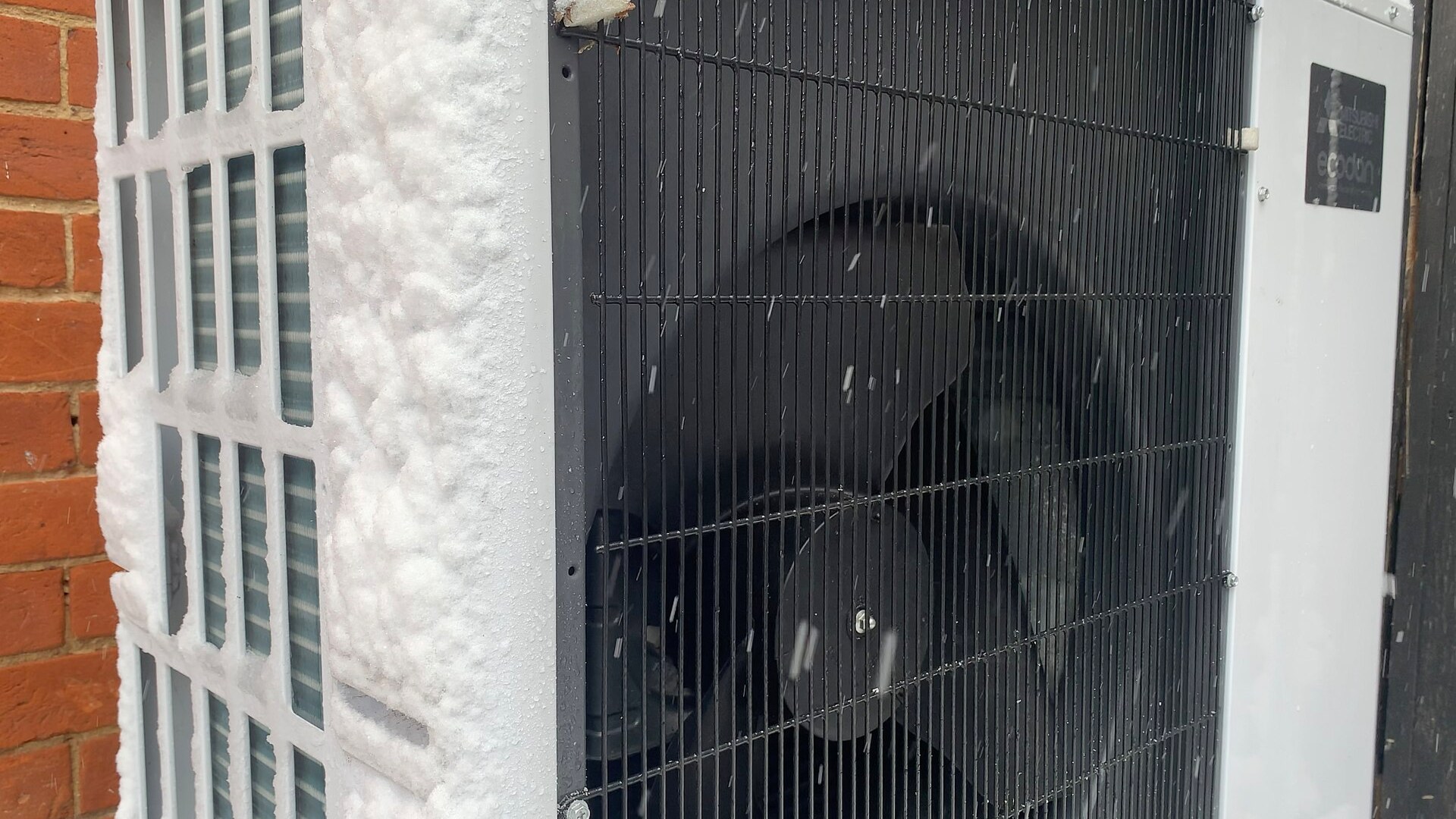
6. HVAC System Replacements
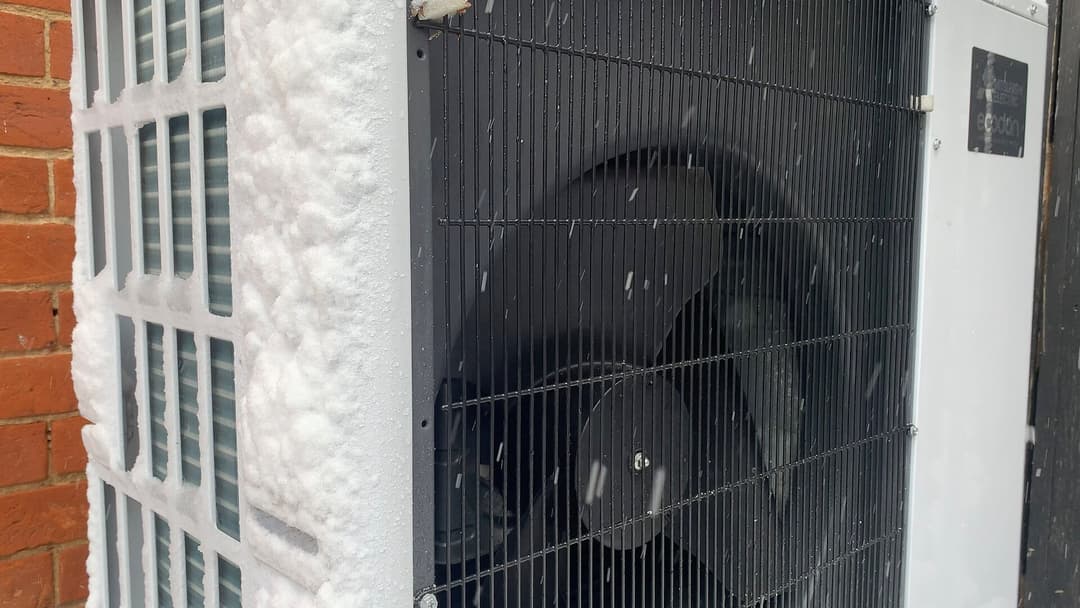
The U.S. Department of Energy estimates that central air and furnace replacements cost between $7,000 and $12,500 depending on system efficiency. Annual seasonal tune-ups add another $150 to $300. Failing compressor units or cracked heat exchangers usually demand immediate capital.
©Wikimedia / PeterEastern
Advertisement
Swipe or tap ▶ to resume the countdown.
5. Routine Structural Maintenance
Financial advisors at Bankrate suggest budgeting 1% to 4% of a property's purchase value annually for baseline maintenance. For a $400,000 property, that requires setting aside $4,000 to $16,000 each year. Routine tasks include gutter cleaning, power washing, and window caulking.

©Wikimedia / Anthony O'Neil
4. HOA Fees And Special Assessments
Data from the Foundation for Community Association Research shows average monthly dues range from $200 to $400 for single-family subdivisions. When major assets fail, such as elevators or private roads, boards pass emergency special assessments that can demand thousands from each owner.

©Wikimedia / Serg Bataiev servika
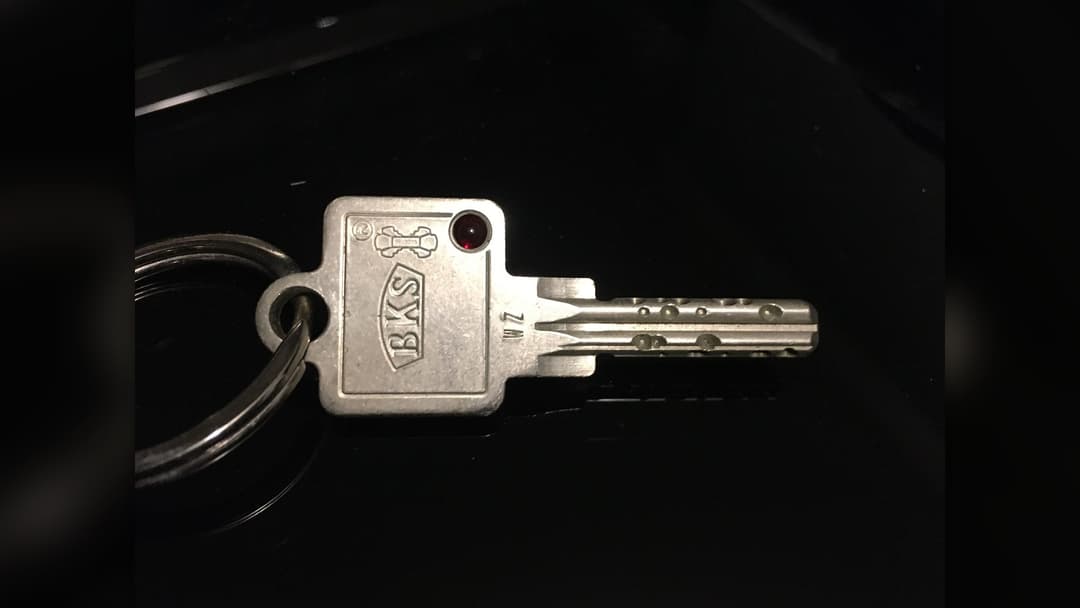
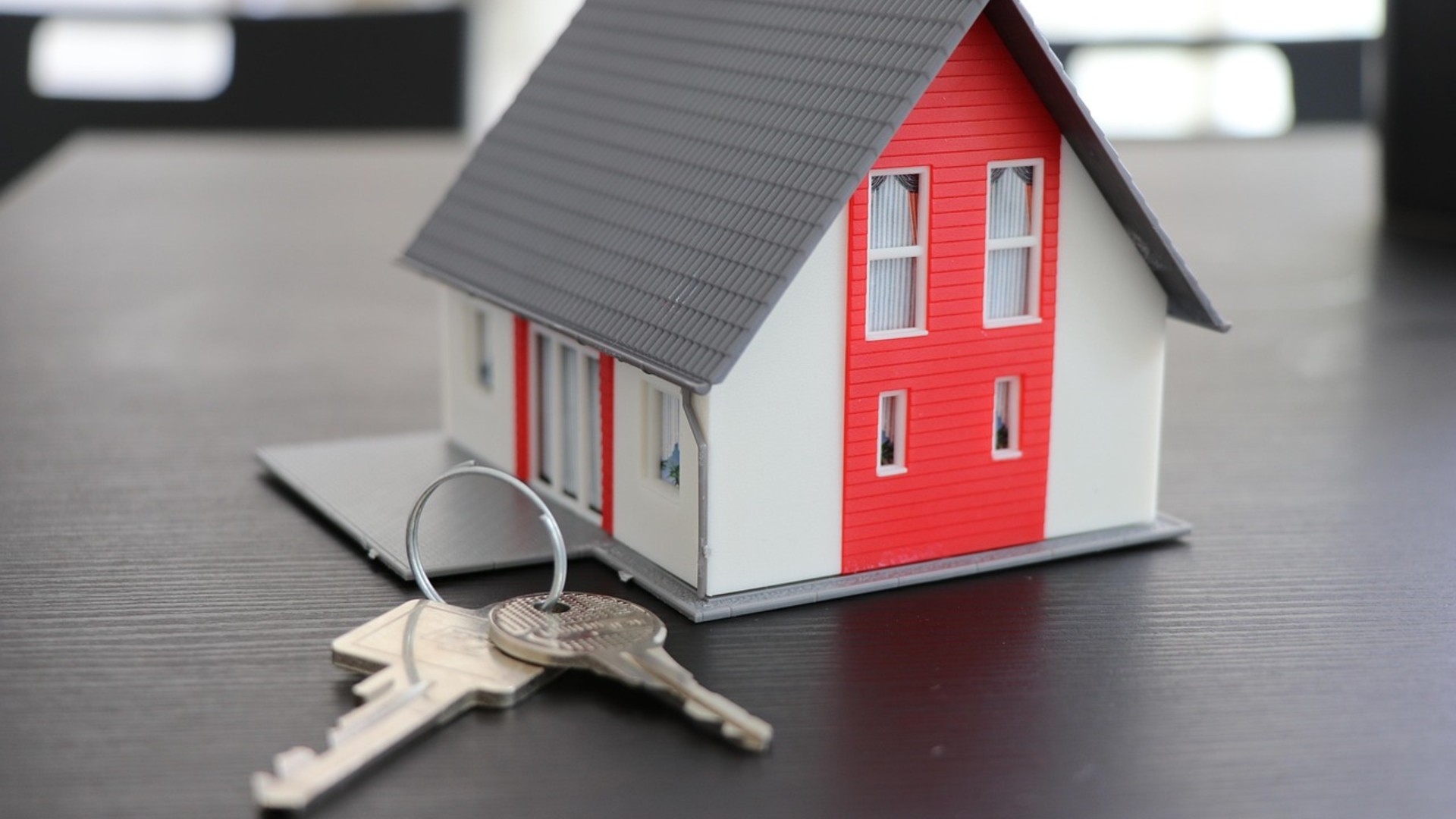
3. Private Mortgage Insurance
The Consumer Financial Protection Bureau reports that annual PMI typically costs between 0.5% and 1.5% of the initial mortgage balance. On a $350,000 home loan, that equals an extra $145 to $435 every month. Borrowers can only drop the coverage once home equity reaches twenty percent.
©Pixabay / Schluesseldienst
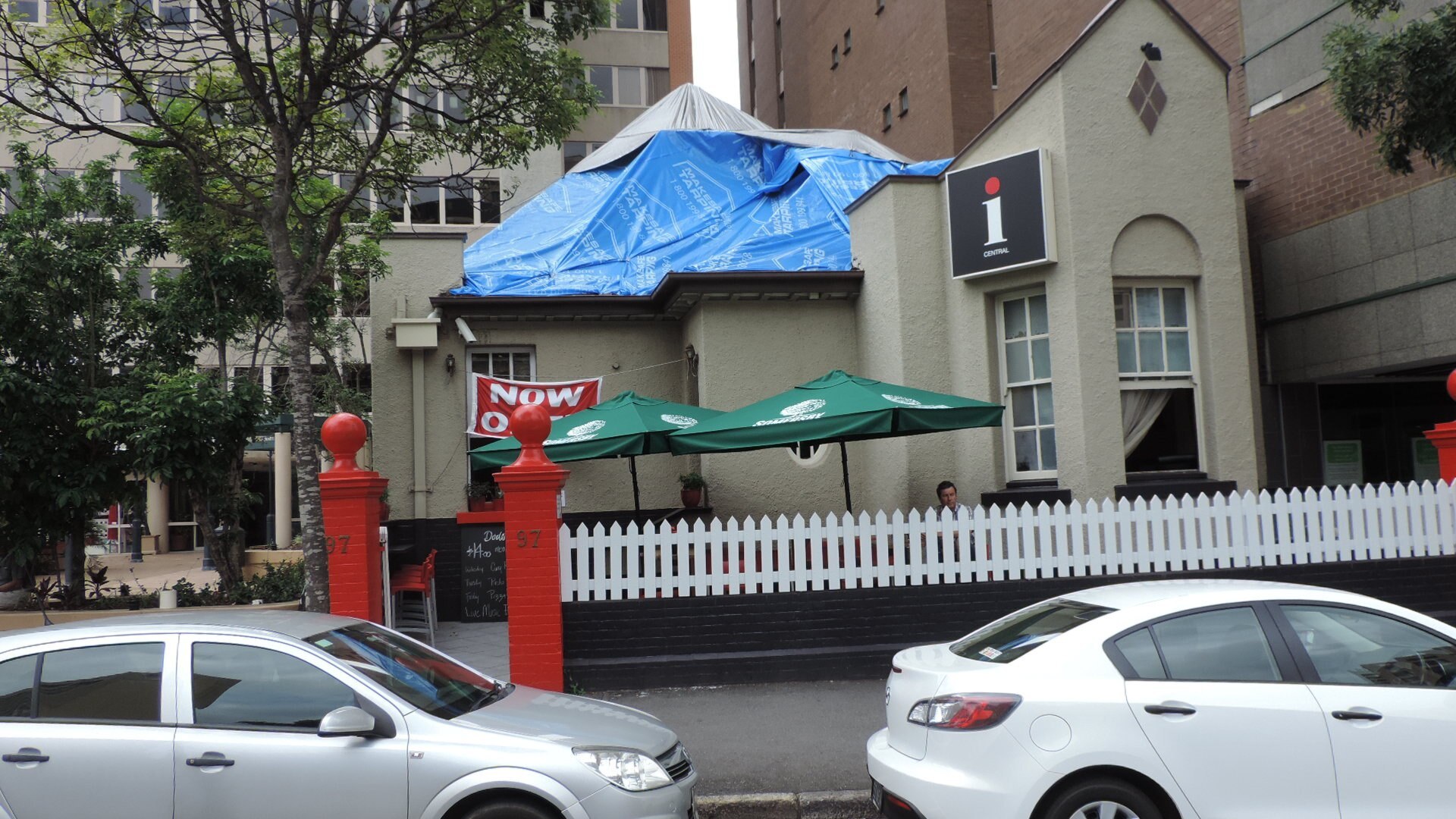
2. Homeowners Insurance
The Insurance Information Institute notes the average annual premium reached $1,700 nationwide, with storm-prone states seeing much steeper figures. Florida and Louisiana averages often top $4,000 annually. Premiums adjust upward each renewal cycle as regional replacement costs climb.
©Wikimedia / Kerry Raymond
Advertisement
Swipe or tap ▶ to resume the countdown.
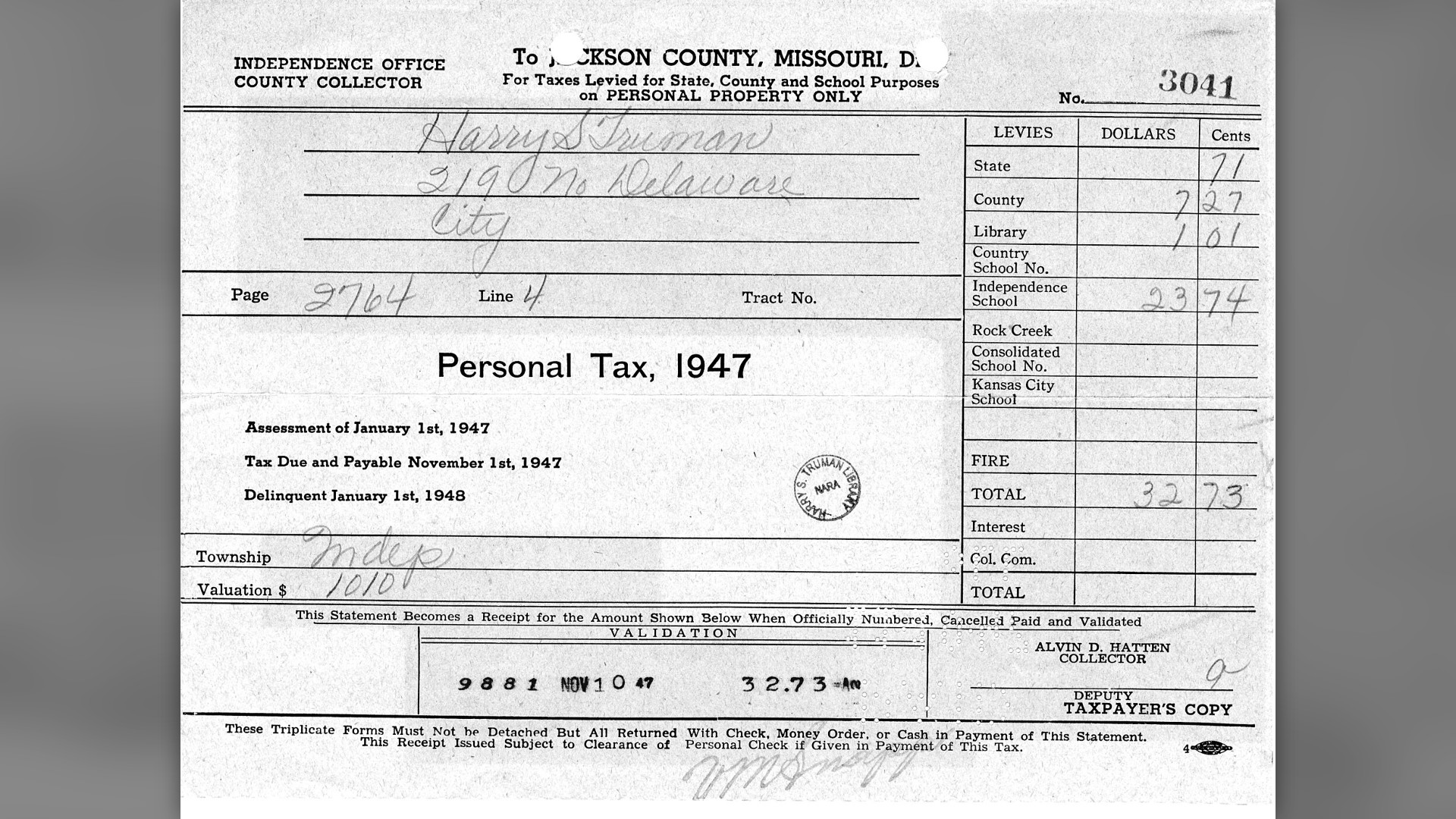
1. Property Taxes
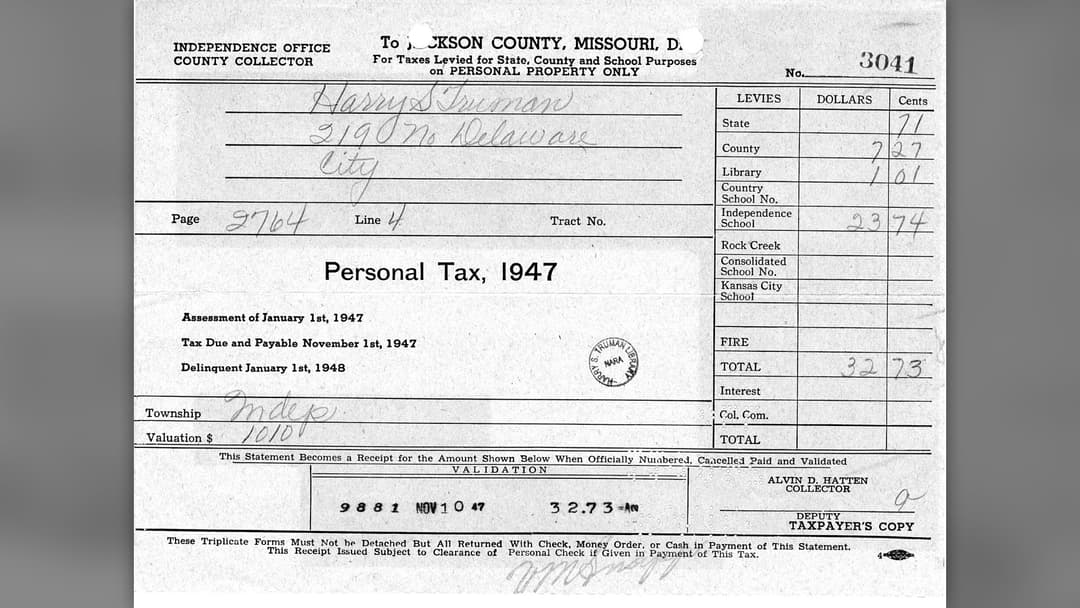
According to the U.S. Census Bureau, the median American property tax bill exceeded $2,900 annually in recent surveys. Rates vary dramatically by jurisdiction, ranging from 0.3% in Hawaii to over 2.2% in New Jersey. Municipal reassessments can increase these payments without warning.
©Wikimedia / Truman, Margaret (Mary Margaret)
Advertisement
You've reached the end of the story. Thanks for reading!

25 Famous Entrepreneurs Who Started Their First Businesses as Teenagers
Long before running global retail empires, software corporations, and consumer brands, these 25 founders launched their first commercial ventures as teenagers. Based on corporate company archives and historical reporting from Forbes, Bloomberg, BBC, and Reuters, here is how their earliest teenage enterprises began.
All 20 Entries in this Story
20. Emergency Repair Reserve Cushion
Economic research by the Harvard Joint Center for Housing Studies highlights that unforeseen capital repairs strike most homes within three years of purchase. Financial planners recommend maintaining $10,000 in dedicated liquid cash so minor plumbing or roof leaks do not cause mortgage debt.

19. Home Security And Smart Monitoring
The Federal Trade Commission advises consumers that modern security hardware pairs with monthly monitoring charges of $30 to $65. Professional installation packages start around $500 upfront. Some municipalities also charge annual registration permits to dispatch police to home alarms.

18. Kitchen And Laundry Appliance Failures
Consumer Reports reliability data shows modern appliances last roughly eight to twelve years. A sudden failure of a compressor, dishwasher pump, or dryer motor costs $200 to $500 to diagnose and repair. Buying complete replacements quickly consumes $1,000 to $2,500 from household savings.

17. Water Heater Replacements
Department of Energy records indicate that replacing a standard 50-gallon gas or electric water heater costs between $1,200 and $2,800 with professional installation. Upgrading to a tankless on-demand system runs $3,000 to $4,500. Tank failures can also flood basements and finished floors.

16. Sewer Lateral Line Repairs
The American Society of Civil Engineers points out that homeowners own the sewer lateral line running under their front lawn. Clearing invasive tree roots or replacing collapsed clay pipes costs $3,000 to $7,500. Municipal public works departments do not repair lines on private property.

15. Specialized Flood Insurance
The Federal Emergency Management Agency manages the National Flood Insurance Program, where standard coverage averages $800 to $1,500 per year. In high-risk flood zones, premiums frequently surpass $3,500 annually. Mortgage lenders require these separate policies before funding loans.

14. Supplemental Property Tax Reassessment
State tax agencies, including California and Florida boards, issue supplemental tax bills several months after purchase. These bills capture the gap between the seller's outdated tax valuation and the higher purchase price. New buyers frequently receive surprise invoices totaling thousands.

13. Title Insurance And Legal Filing
Data from the American Land Title Association shows title insurance premiums and recording charges cost $1,000 to $2,500 at closing. Lender policies protect financial institutions against defects, while an optional owner policy shields the buyer if an unrecorded heir claims the property.

12. Loan Closing Costs And Escrow Setup
According to Fannie Mae, closing expenses average 2% to 5% of the total loan balance. On a $300,000 mortgage, buyers must wire $6,000 to $15,000 at settlement. Lenders also require upfront funding for several months of prepaid taxes and homeowners insurance to establish escrow reserves.

11. Tree Care And Arborist Services
The Tree Care Industry Association estimates that professional pruning costs $400 to $1,200 per visit for large hardwoods. Removing a dead oak or diseased pine near power lines costs up to $2,000. Neglected branches that crash into neighboring structures make owners personally liable.

10. Pest Control And Termite Defense
The National Pest Management Association notes that subterranean termites cause an estimated $5 billion in property damage across the country each year. Preventive pest inspection contracts run $350 to $600 annually. Eradication treatments for severe infestations can exceed $2,500.

9. Trash And Recycling Collection
Municipal solid waste data from the EPA shows that private waste disposal contracts add $25 to $75 every month depending on location. Many suburban towns do not include trash collection in property taxes. Special recycling bin rentals and bulky item pickups incur extra direct charges.

8. Water And Sewer Utility Bills
Research by Circle of Blue shows municipal water and sewer bills in major American cities average $110 to $160 per month for a typical family. Unlike rental setups where owners absorb baseline water use, single-family homeowners pay volumetric fees along with stormwater drainage taxes.

7. Roof Repairs And Reroofing
Cost tracking from Angi indicates an entire roof replacement averages $9,300, with architectural shingles and complex pitches exceeding $15,000. Minor patch jobs for flashing leaks start around $400 to $1,000. Insurance policies frequently depreciate payouts on roofs older than ten years.

6. HVAC System Replacements
The U.S. Department of Energy estimates that central air and furnace replacements cost between $7,000 and $12,500 depending on system efficiency. Annual seasonal tune-ups add another $150 to $300. Failing compressor units or cracked heat exchangers usually demand immediate capital.

5. Routine Structural Maintenance
Financial advisors at Bankrate suggest budgeting 1% to 4% of a property's purchase value annually for baseline maintenance. For a $400,000 property, that requires setting aside $4,000 to $16,000 each year. Routine tasks include gutter cleaning, power washing, and window caulking.

4. HOA Fees And Special Assessments
Data from the Foundation for Community Association Research shows average monthly dues range from $200 to $400 for single-family subdivisions. When major assets fail, such as elevators or private roads, boards pass emergency special assessments that can demand thousands from each owner.

3. Private Mortgage Insurance
The Consumer Financial Protection Bureau reports that annual PMI typically costs between 0.5% and 1.5% of the initial mortgage balance. On a $350,000 home loan, that equals an extra $145 to $435 every month. Borrowers can only drop the coverage once home equity reaches twenty percent.

2. Homeowners Insurance
The Insurance Information Institute notes the average annual premium reached $1,700 nationwide, with storm-prone states seeing much steeper figures. Florida and Louisiana averages often top $4,000 annually. Premiums adjust upward each renewal cycle as regional replacement costs climb.

1. Property Taxes
According to the U.S. Census Bureau, the median American property tax bill exceeded $2,900 annually in recent surveys. Rates vary dramatically by jurisdiction, ranging from 0.3% in Hawaii to over 2.2% in New Jersey. Municipal reassessments can increase these payments without warning.