Slideshow · Viral
20 Hidden Details Inside the Tomb of the Unknown Soldier
Honoring fallen service members whose names and resting places remain lost to history.
By Most Viral Today
26 min ago

Secrets and Untold Stories of the Tomb of the Unknown Soldier 
20. Core Purpose Of The Monument 
19. A Shared Place Of Mourning 
18. Born From Industrial Warfare - AdvertisementSwipe or tap ▶ to continue countdown

17. The Twin 1920 Ceremonies 
16. Soil From French Battlefields 
15. Rekindled Every Evening 
14. Adopted By Over Two Dozen Nations - AdvertisementSwipe or tap ▶ to continue countdown

13. Overlooking Washington D.C. 
12. The 1921 Armistice Day Dedication 
11. The White Rose Selection 
10. Expanding For WWII And Korea - AdvertisementSwipe or tap ▶ to continue countdown

9. The 1984 Vietnam Burial 
8. Identified Via Mitochondrial DNA 
7. Carved Colorado Yule Marble 
6. Peace, Victory, And Valor - AdvertisementSwipe or tap ▶ to continue countdown

5. 'Known But To God' 
4. Guarded Day And Night Since 1937 
3. Sentinels Of The Old Guard 
2. The Ritual Of Twenty-One - AdvertisementSwipe or tap ▶ to continue countdown

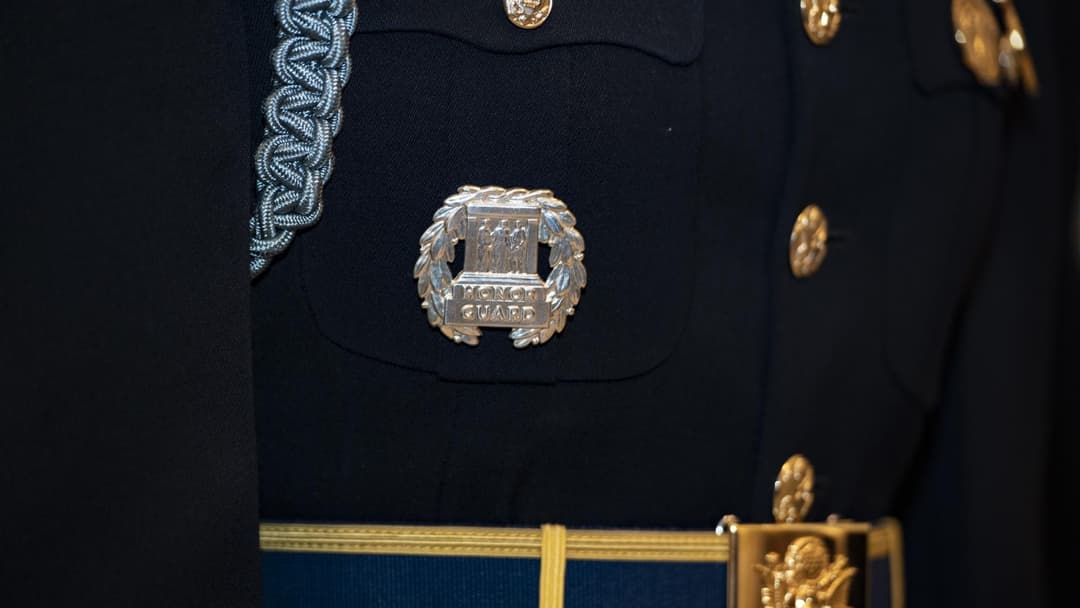
1. The Rare Tomb Guard Badge - Advertisement🔥 UP NEXT IN THIS SERIES◫ 16 Slides

15 Biggest Ships Sunk to Form Artificial Reefs, Ranked
Decommissioned naval behemoths, massive aircraft carriers, and legendary ocean liners have found second lives on the ocean floor. By deliberately scuttling these colossal vessels, conservation teams build thriving marine ecosystems and world-class diving destinations. Here are the 15 biggest ships ever sunk as artificial reefs.
Across national monuments worldwide, the Tomb of the Unknown Soldier represents fallen service members whose names and resting places remain lost to history. From ancient battlefield traditions to 24-hour sentinel guards in blizzards, here are twenty extraordinary facts about these solemn shrines.
Swipe or tap ▶ to begin the countdown
©Wikimedia / Carol M. Highsmith & Wikimedia / U.S. Army Band
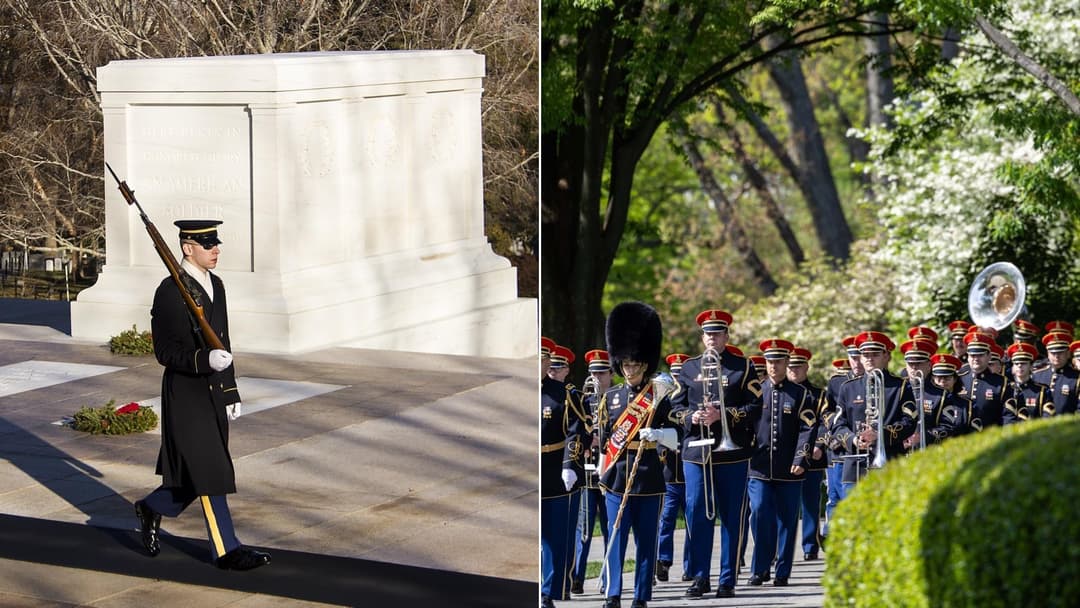
20. Core Purpose Of The Monument
The Tomb of the Unknown Soldier honors service members who made the ultimate sacrifice without having their remains identified. Rather than celebrating an individual commander, it elevates every lost soldier to the status of a revered national hero.
©Wikimedia / The Old Guard
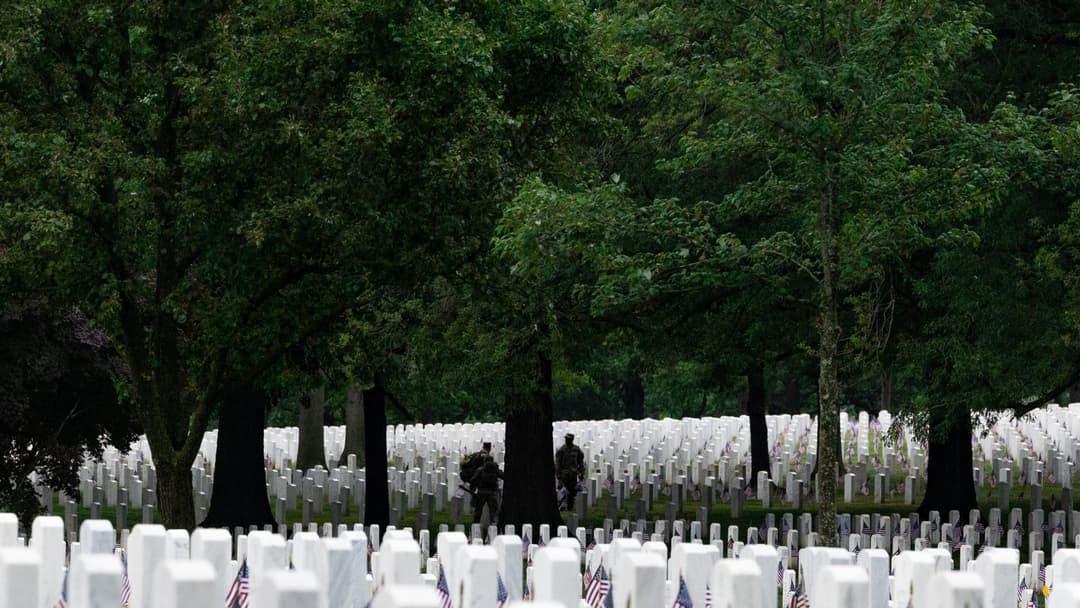
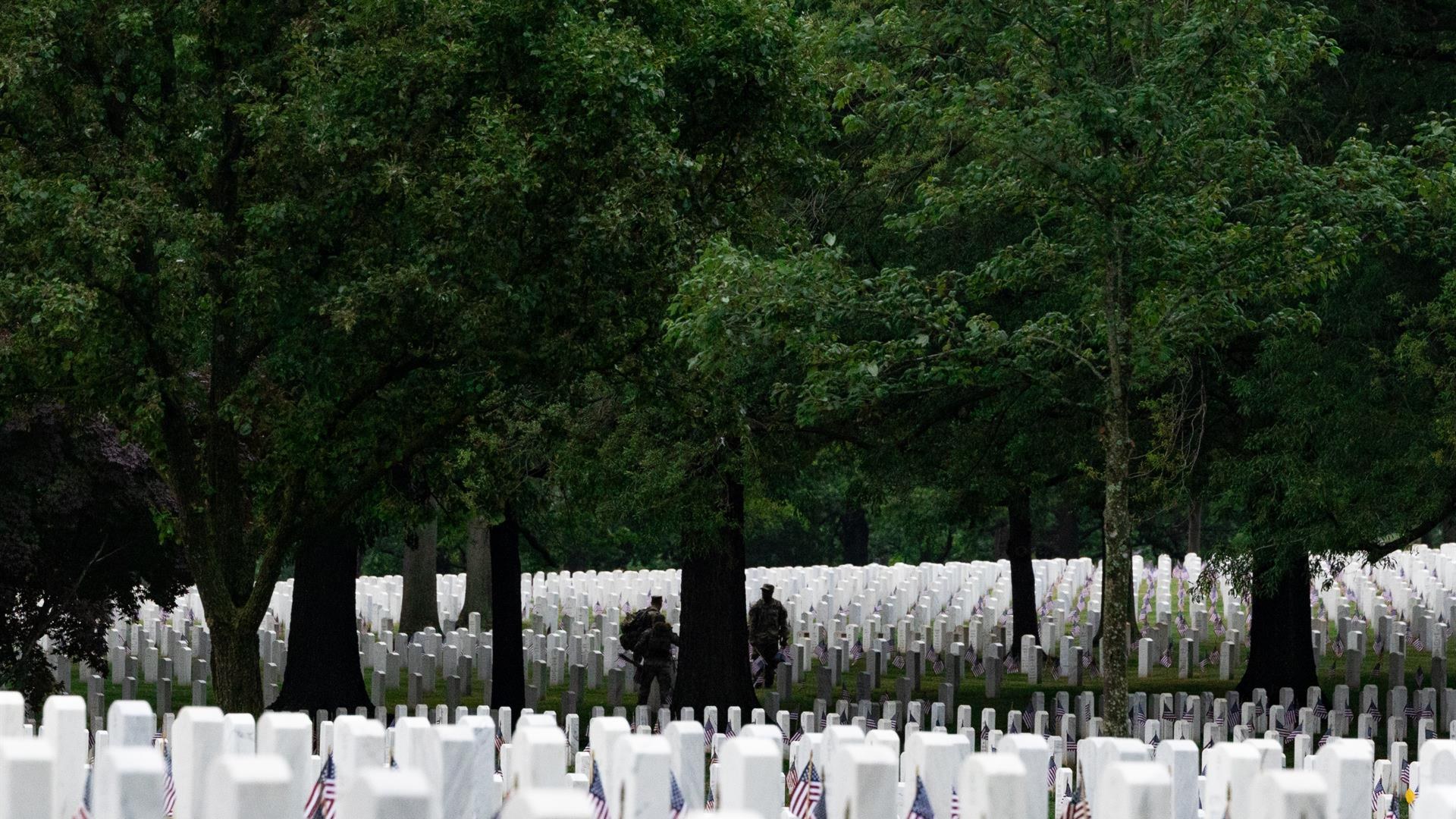
19. A Shared Place Of Mourning
For grieving families whose fallen relatives disappeared on foreign battlefields, the tomb serves as a personal headstone. Citizens visit the site knowing their missing brother, father, or comrade might be the very soldier resting beneath the stone.
©Wikimedia / U.S. Army Band
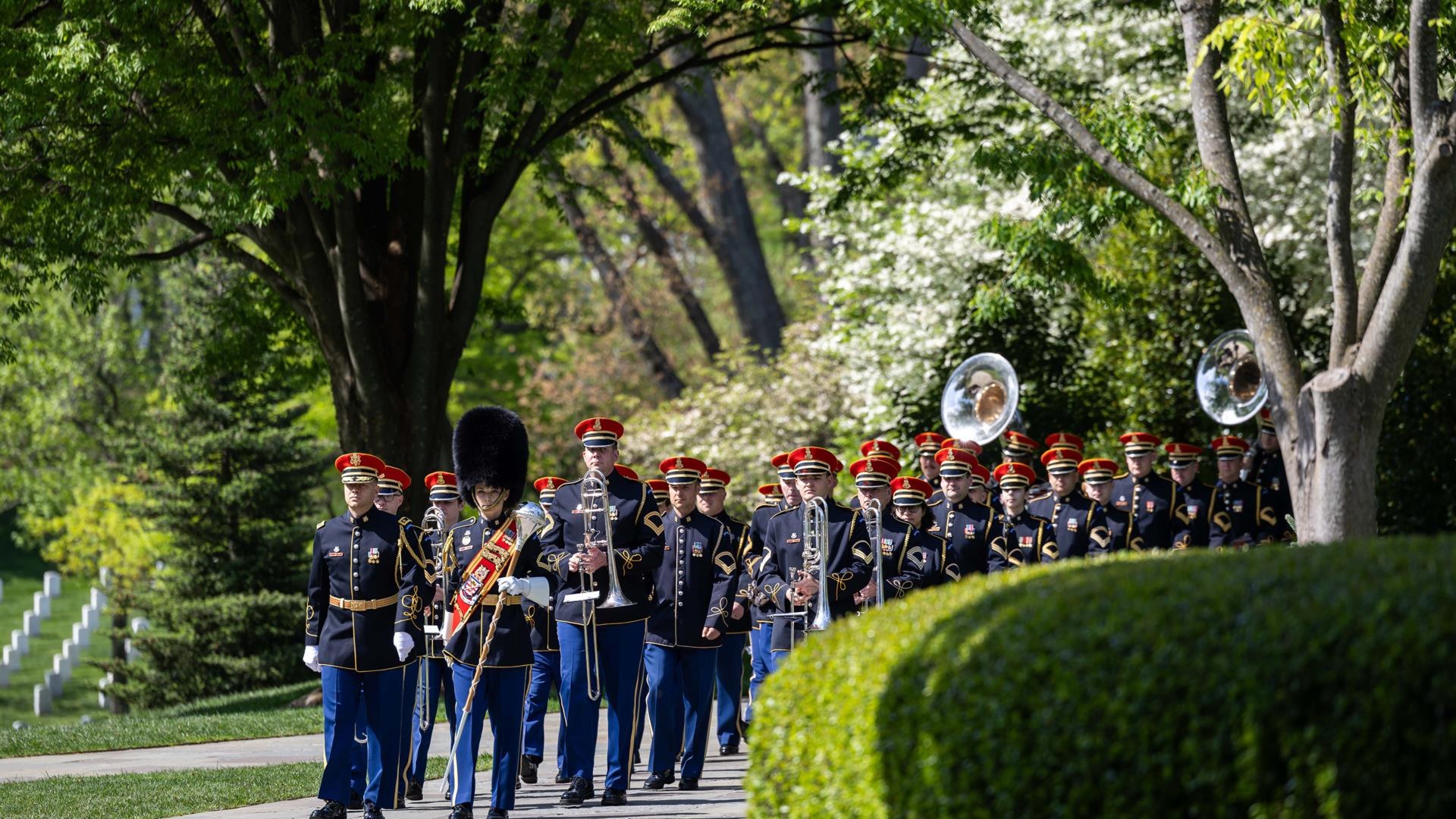
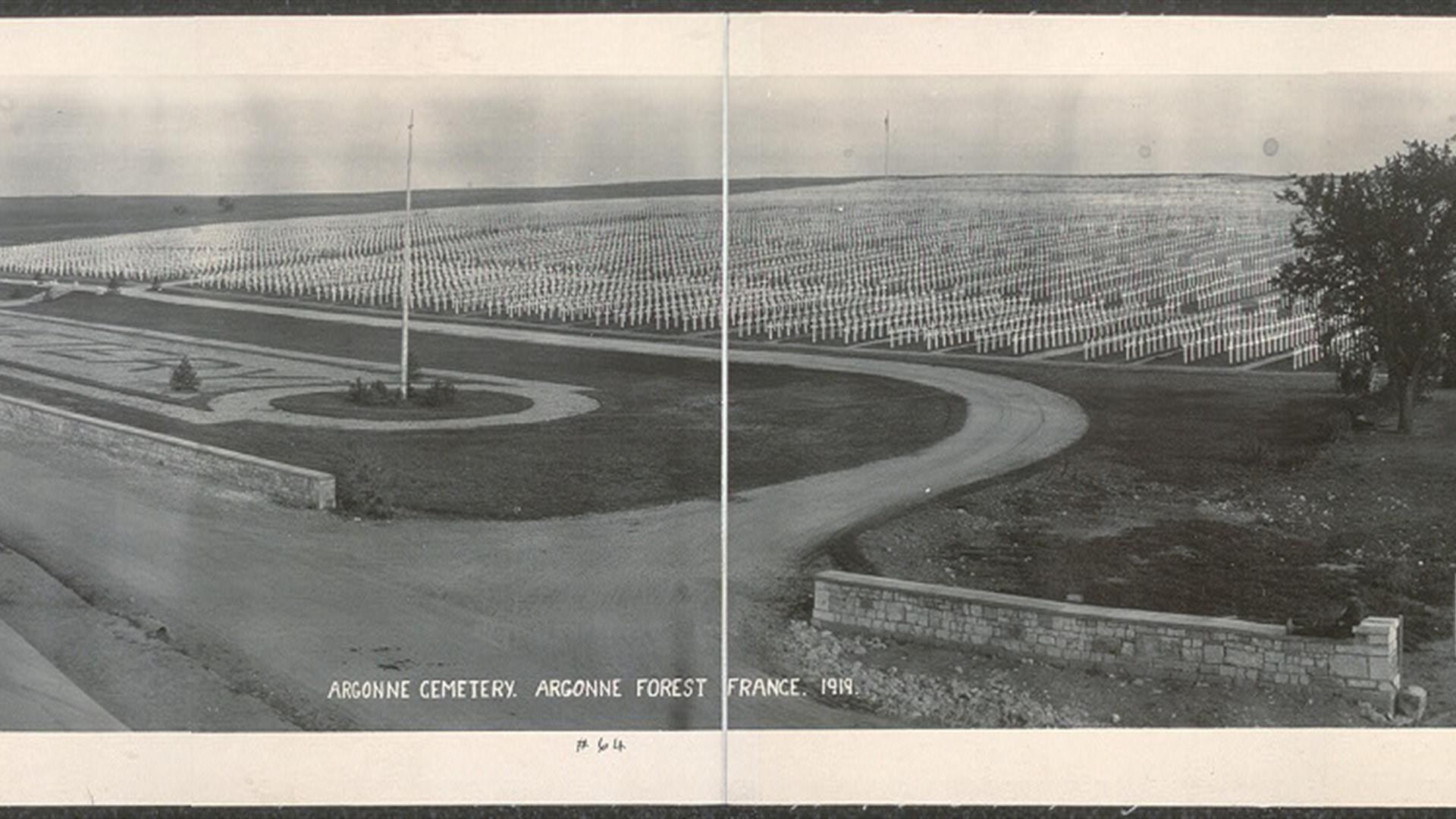
18. Born From Industrial Warfare
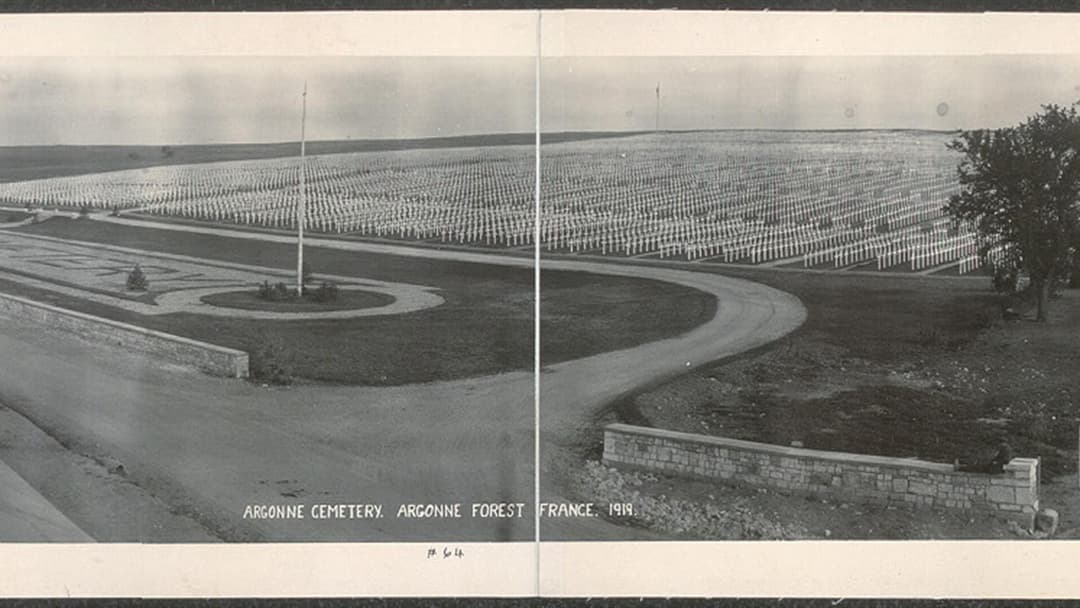
The unprecedented artillery bombardments of the Western Front destroyed dog tags, equipment, and human remains on an industrial scale. Nations faced the reality that hundreds of thousands of soldiers would never have an individual gravesite.
©Wikimedia / Library of Congress
Advertisement
Swipe or tap ▶ to resume the countdown.
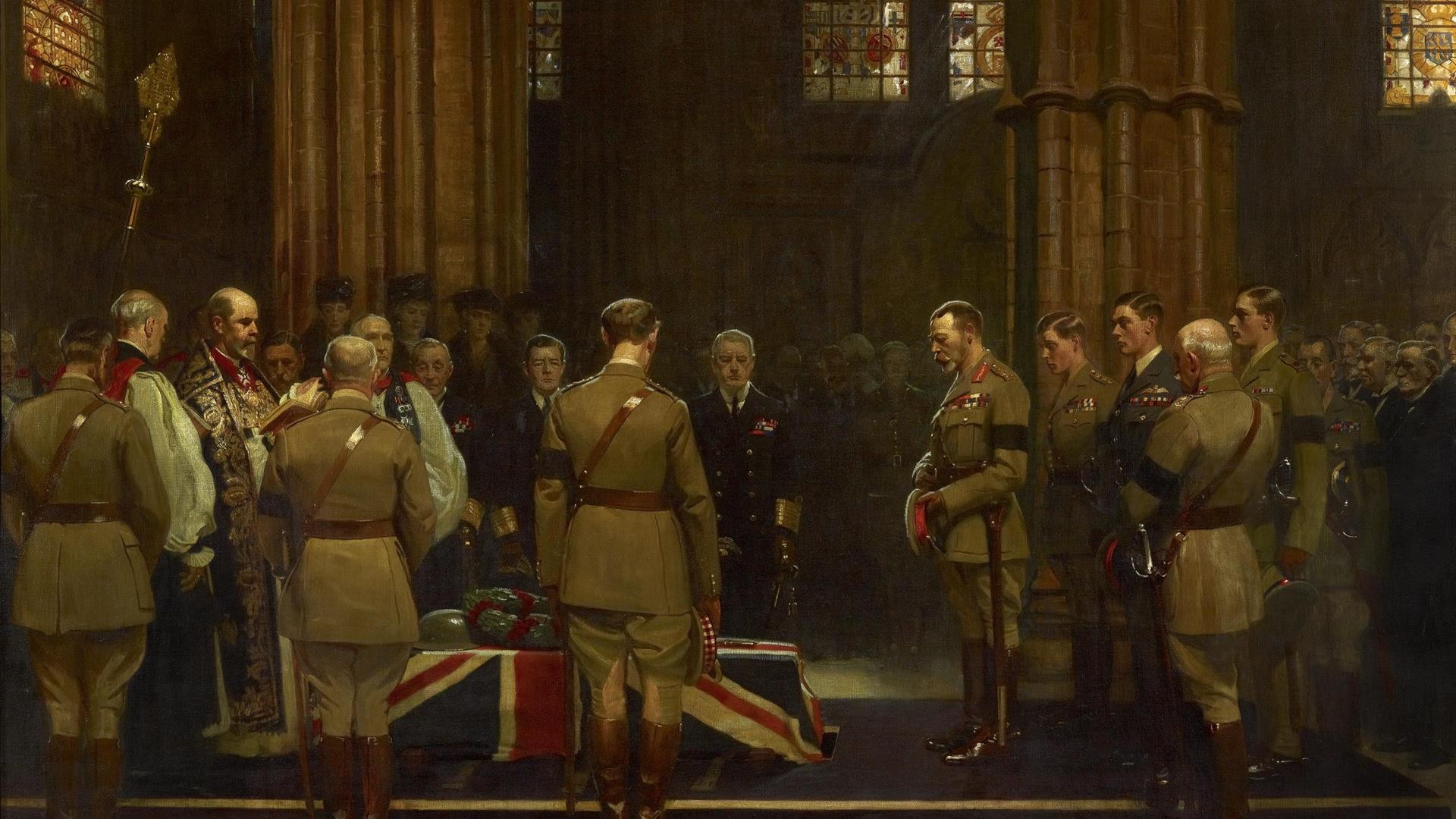
17. The Twin 1920 Ceremonies
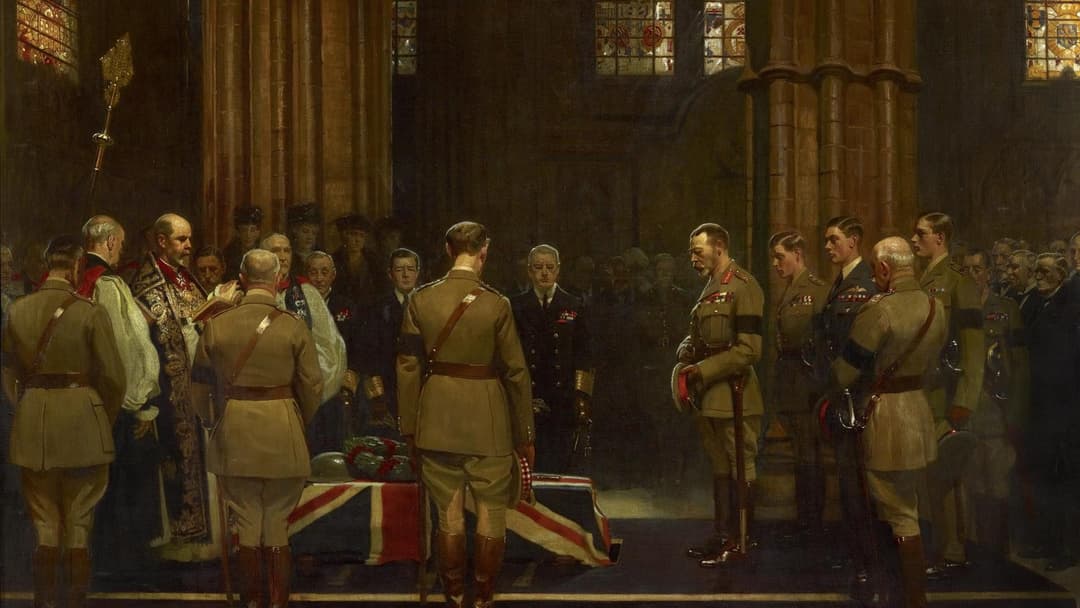
On 11 November 1920, exactly two years after the armistice ended the Great War, Great Britain and France conducted simultaneous state burials. Britain entombed a warrior in Westminster Abbey, while France buried a soldier beneath the Arc de Triomphe.
©Wikimedia / Imperial War Museums
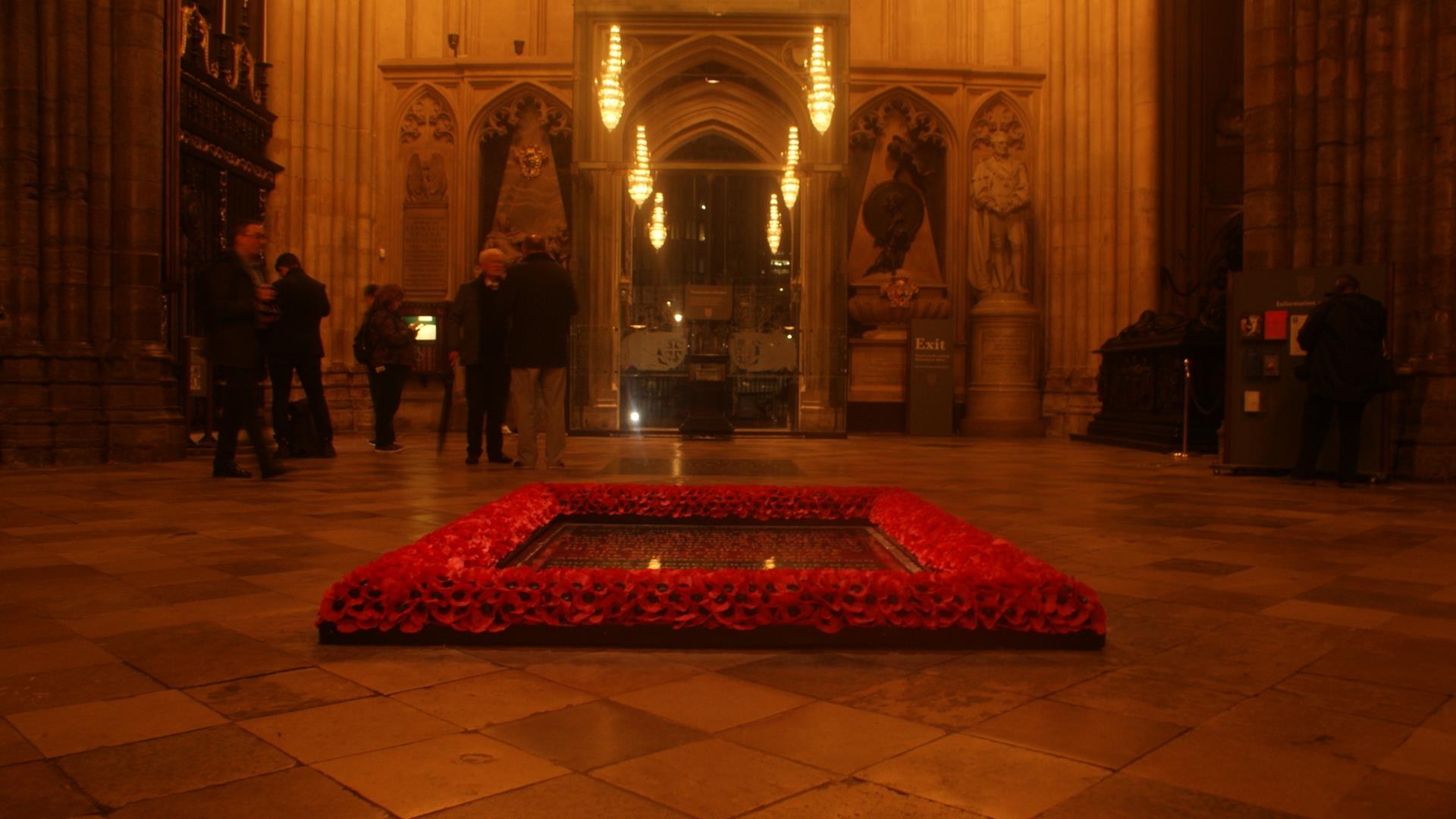
16. Soil From French Battlefields
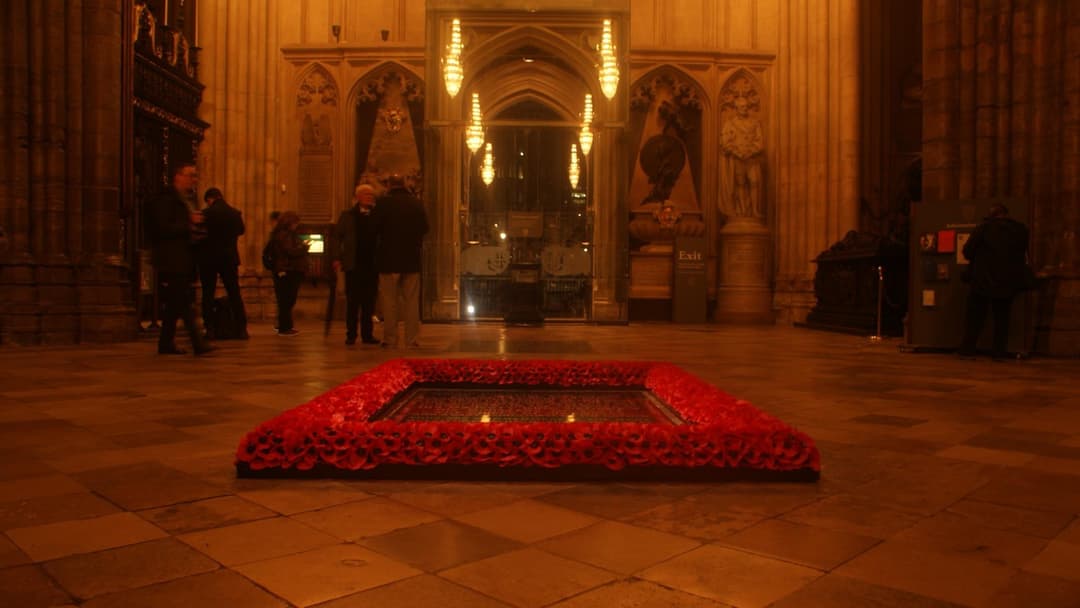
Resting inside Westminster Abbey, the British Unknown Warrior was buried in one hundred sacks of earth brought directly from the battlefields of France. Royal brides lay their wedding bouquets on the stone, but no visitor is permitted to walk across it.
©Wikimedia / Colin Smith
15. Rekindled Every Evening
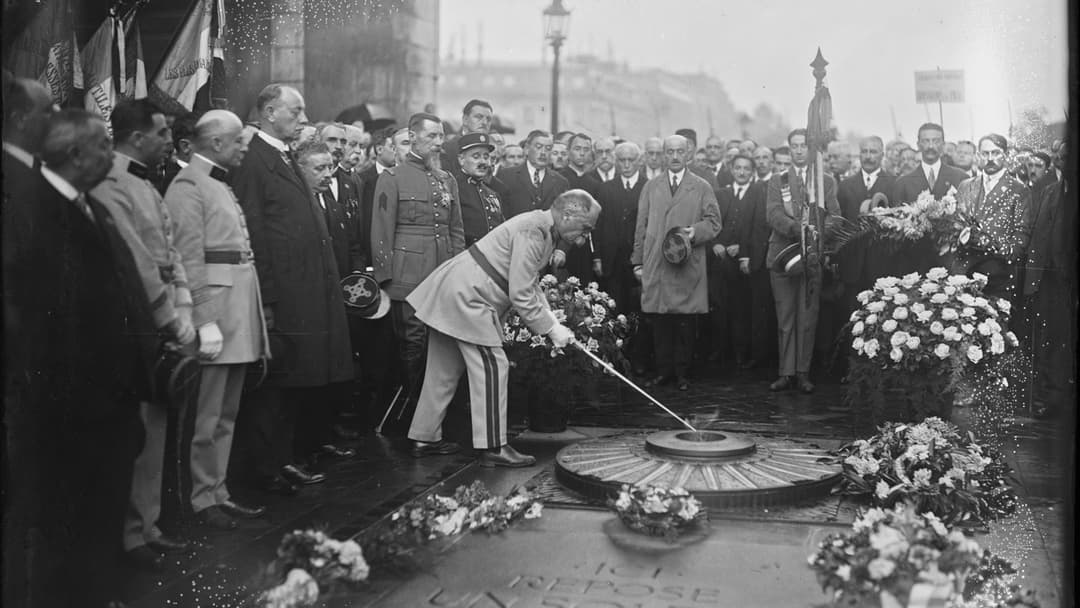
Beneath the soaring arches of Paris's Arc de Triomphe, the French Unknown Soldier rests beneath bronze lettering and floral wreaths. An eternal flame lit in November 1923 has never been extinguished, rekindled every evening at 6:30 PM by veterans.
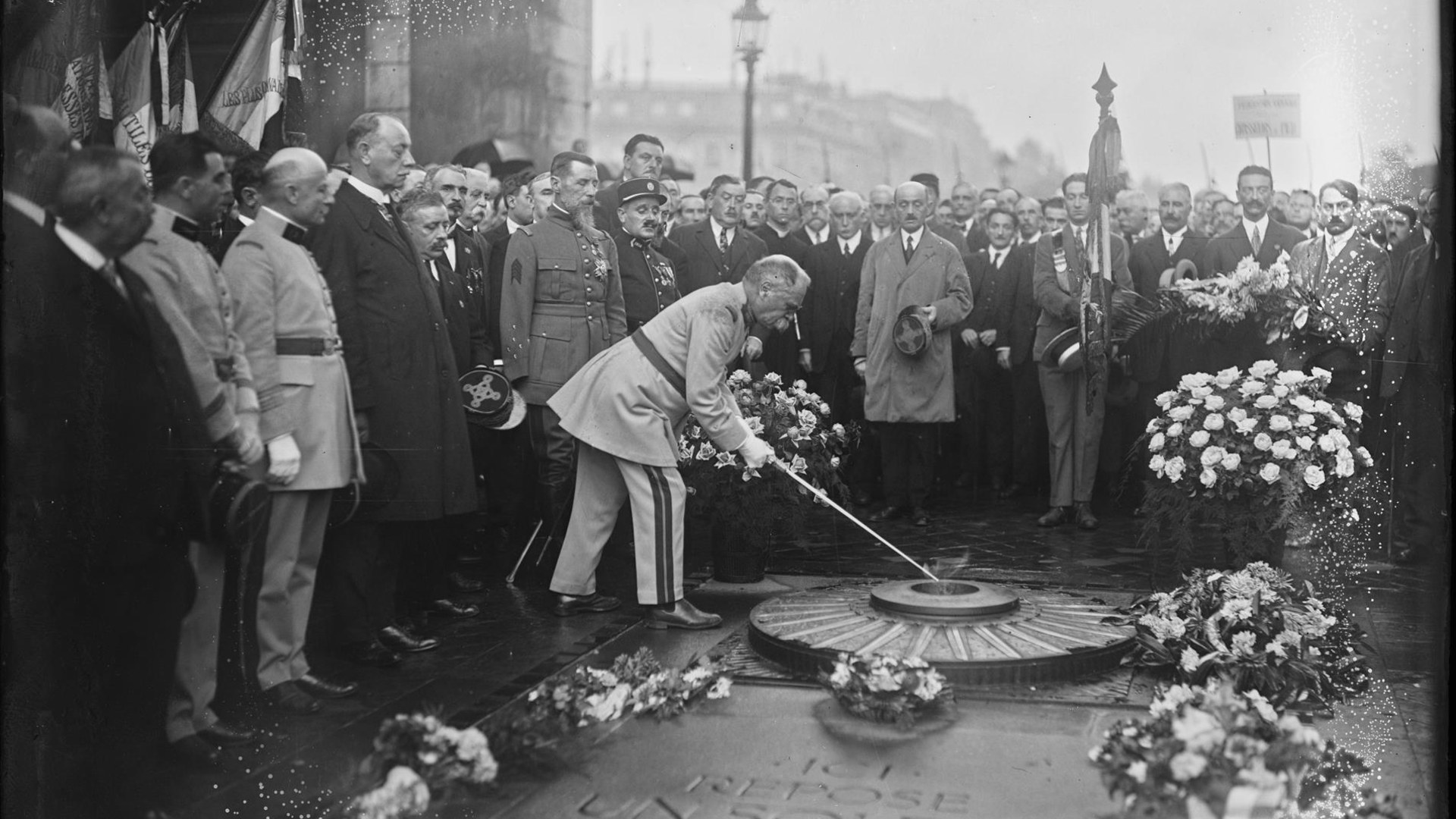
©Wikimedia / Agence Meurisse
14. Adopted By Over Two Dozen Nations
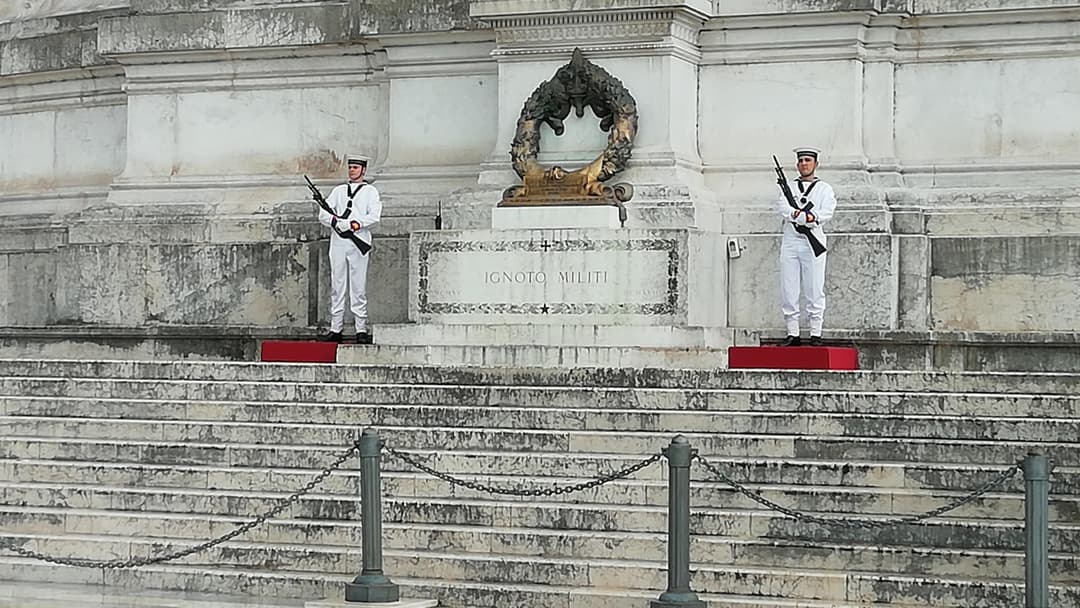
Following the Franco-British dedications, dozens of sovereign nations created their own unknown soldier memorials. Renowned examples include Italy's Altare della Patria in Rome, Canada's National War Memorial in Ottawa, and Australia's War Memorial in Canberra.
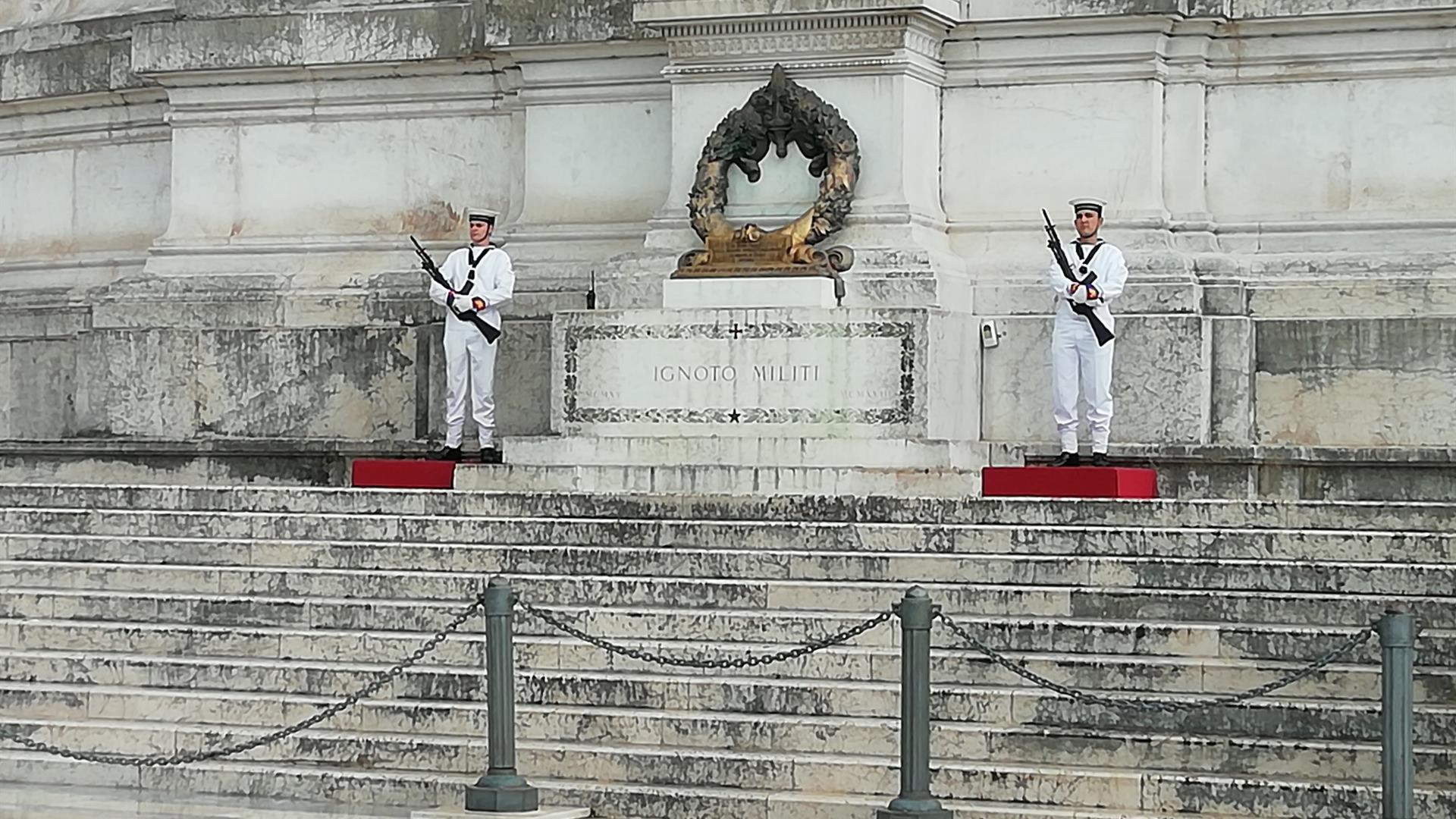
©Wikimedia / Carlo Dani
Advertisement
Swipe or tap ▶ to resume the countdown.
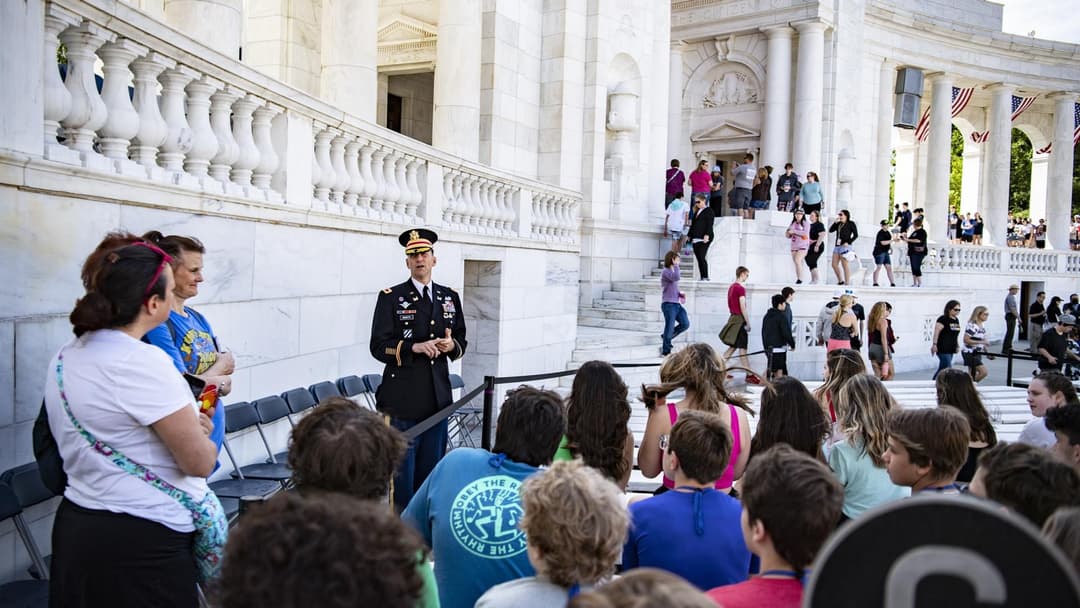
13. Overlooking Washington D.C.
Perched on a grassy ridge in Arlington, Virginia, the U.S. Tomb of the Unknown Soldier overlooks the Potomac River and the monuments of Washington. It sits directly on the plaza of the neoclassical Memorial Amphitheater.
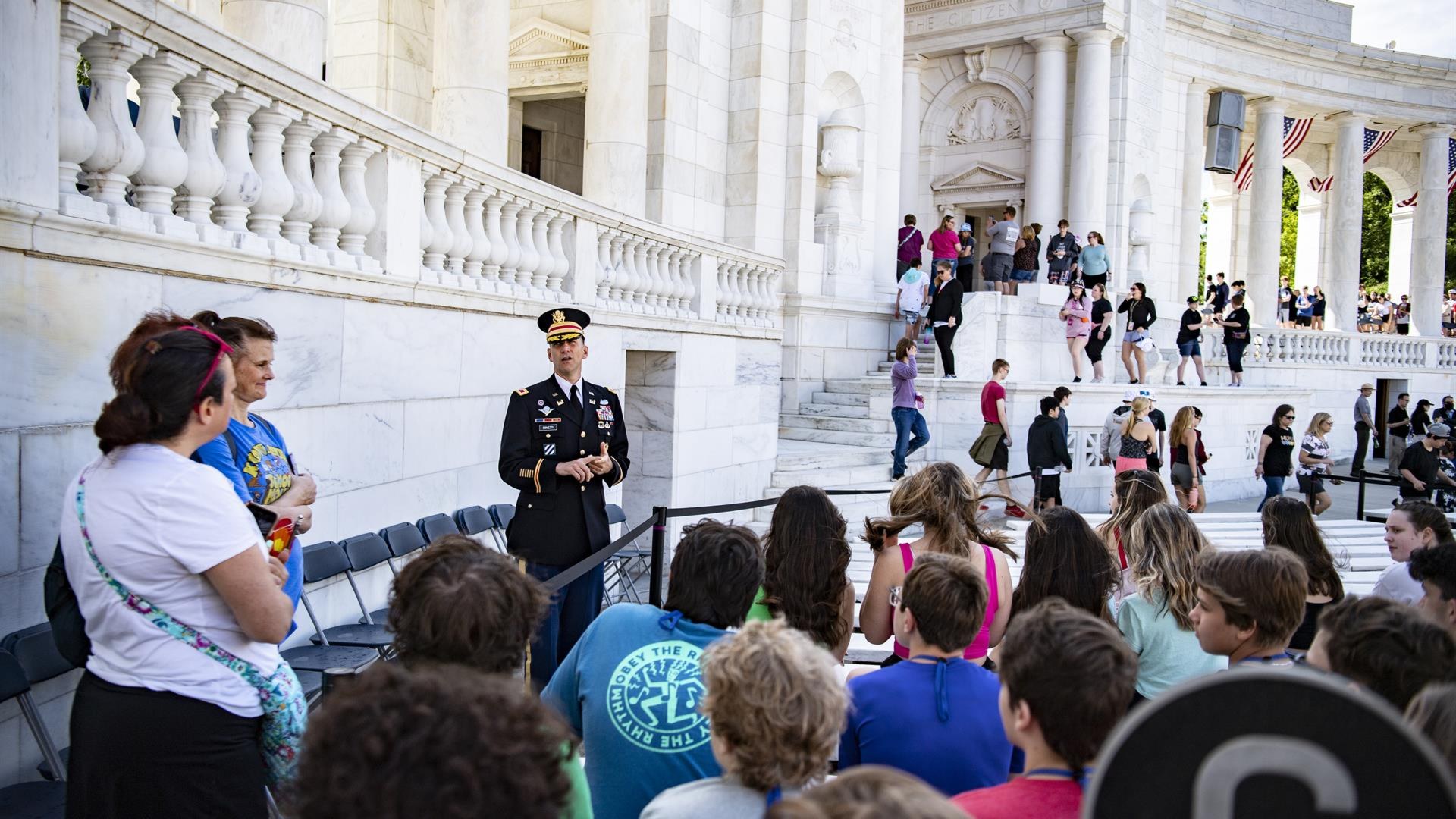
©Wikimedia / Elizabeth Fraser
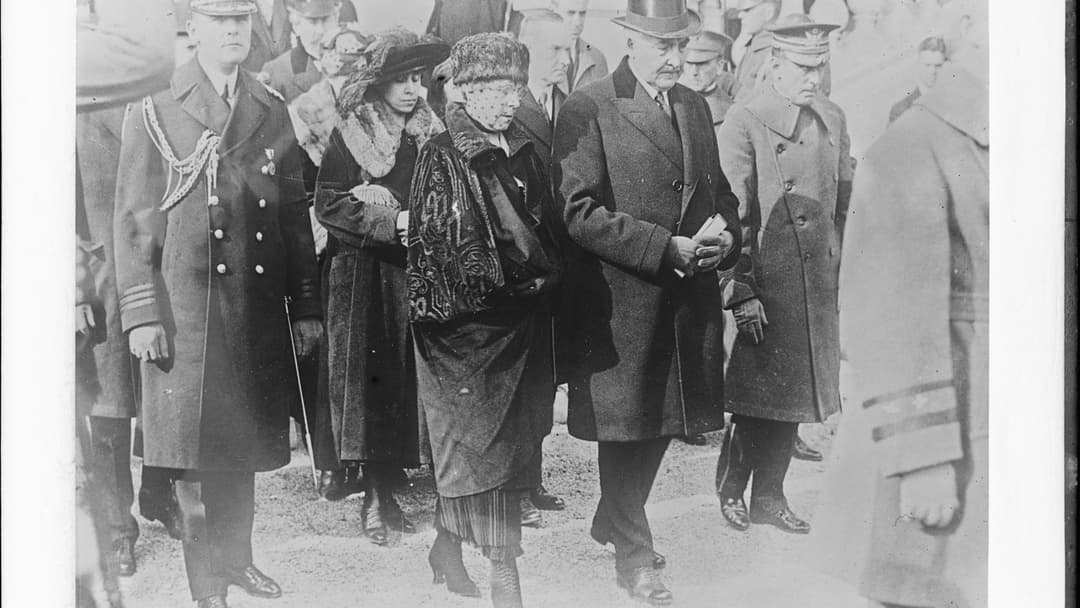
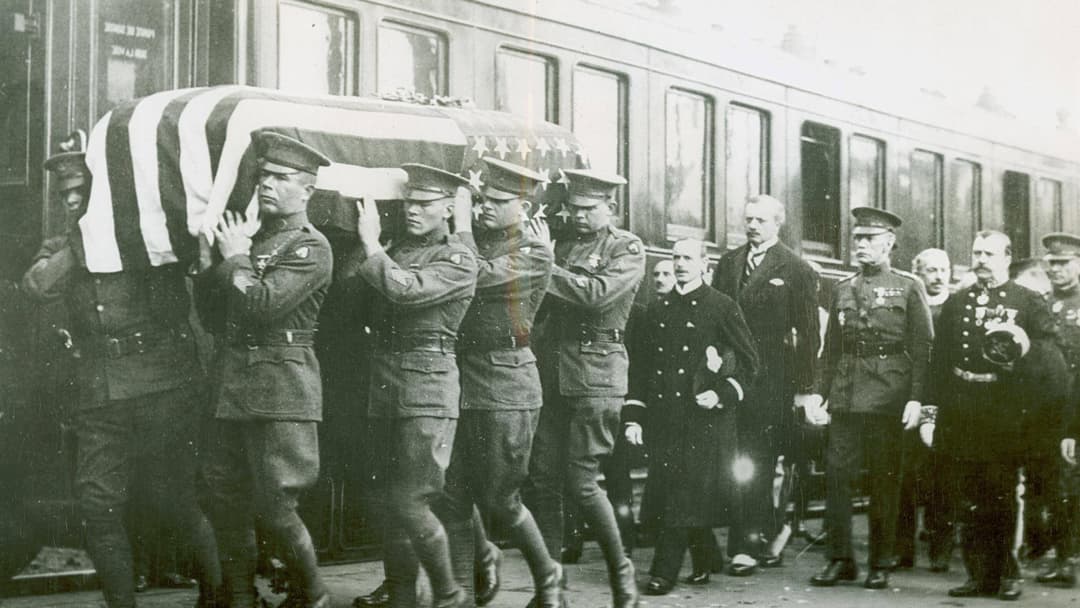
12. The 1921 Armistice Day Dedication
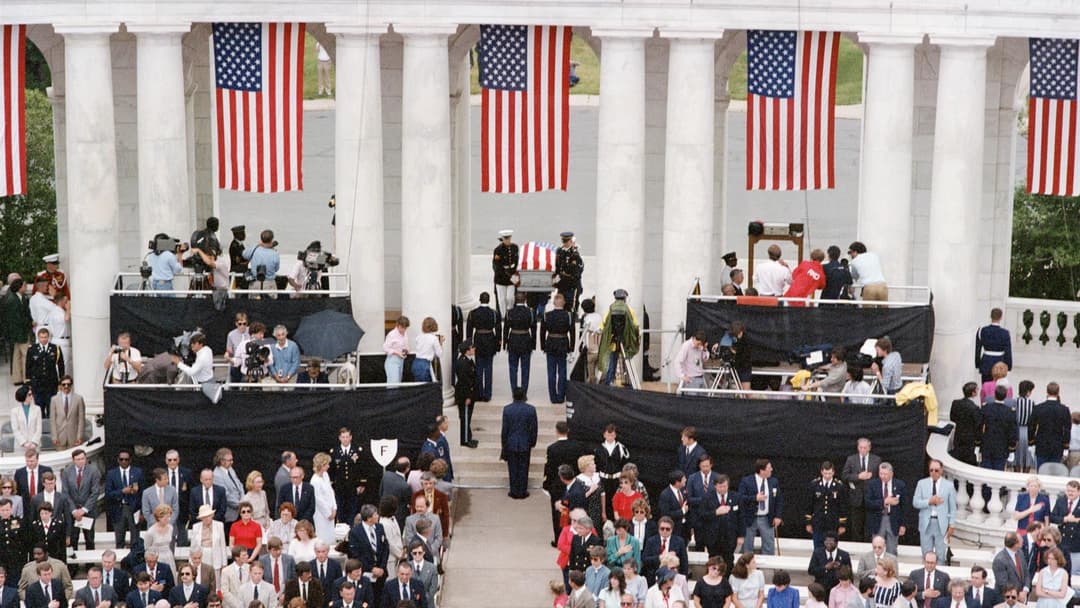
Congress authorized the memorial in early 1921 to receive an unidentified casualty from the American Expeditionary Forces in France. Over one hundred thousand spectators lined the procession route as President Harding officiated the state funeral.
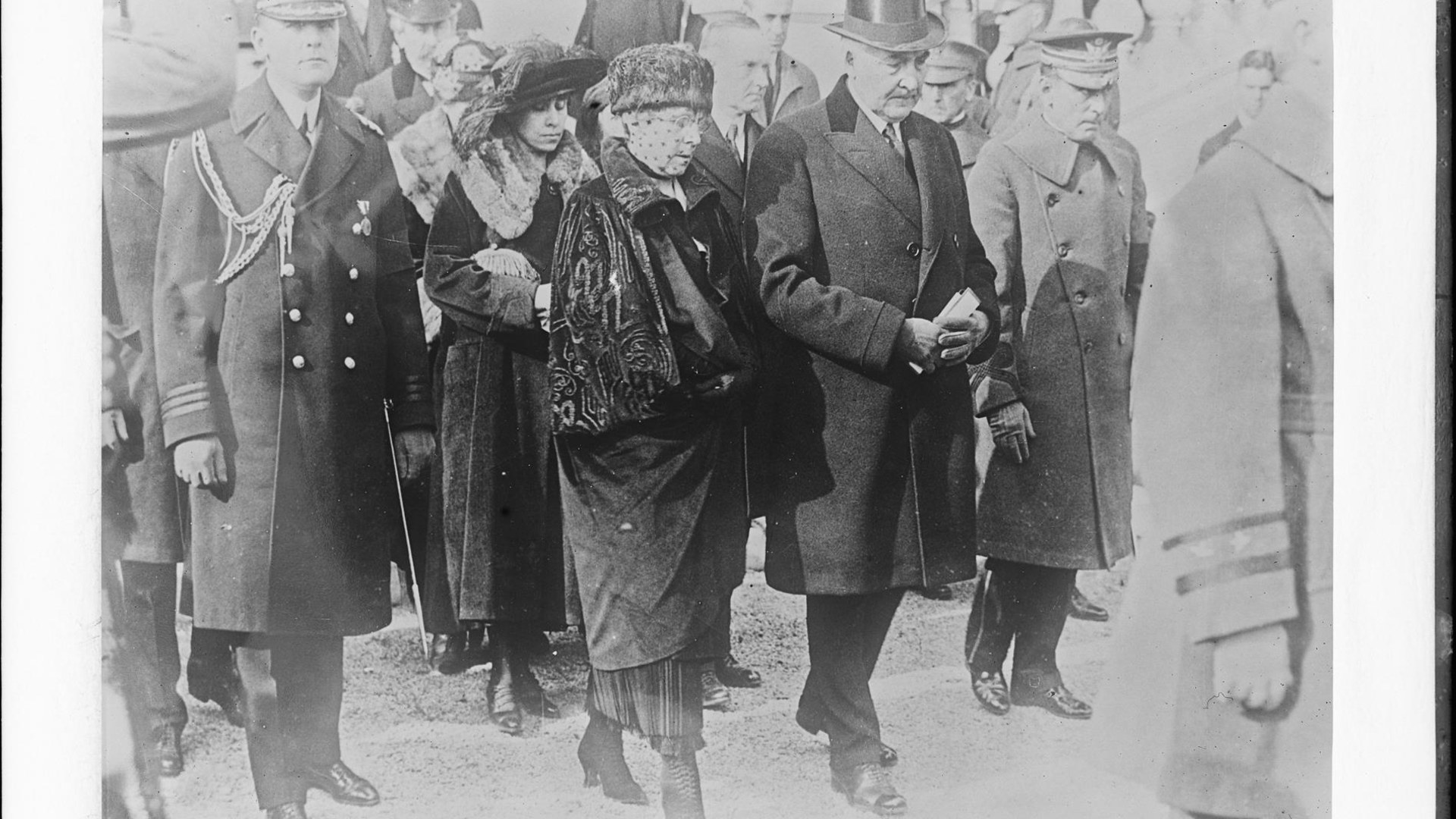
©Wikimedia / Agence Rol
11. The White Rose Selection
To guarantee absolute anonymity, four unidentified American bodies were exhumed from four separate French military cemeteries. Decorated World War I sergeant Edward F. Younger walked around the four unmarked caskets and placed a spray of white roses on the chosen one.
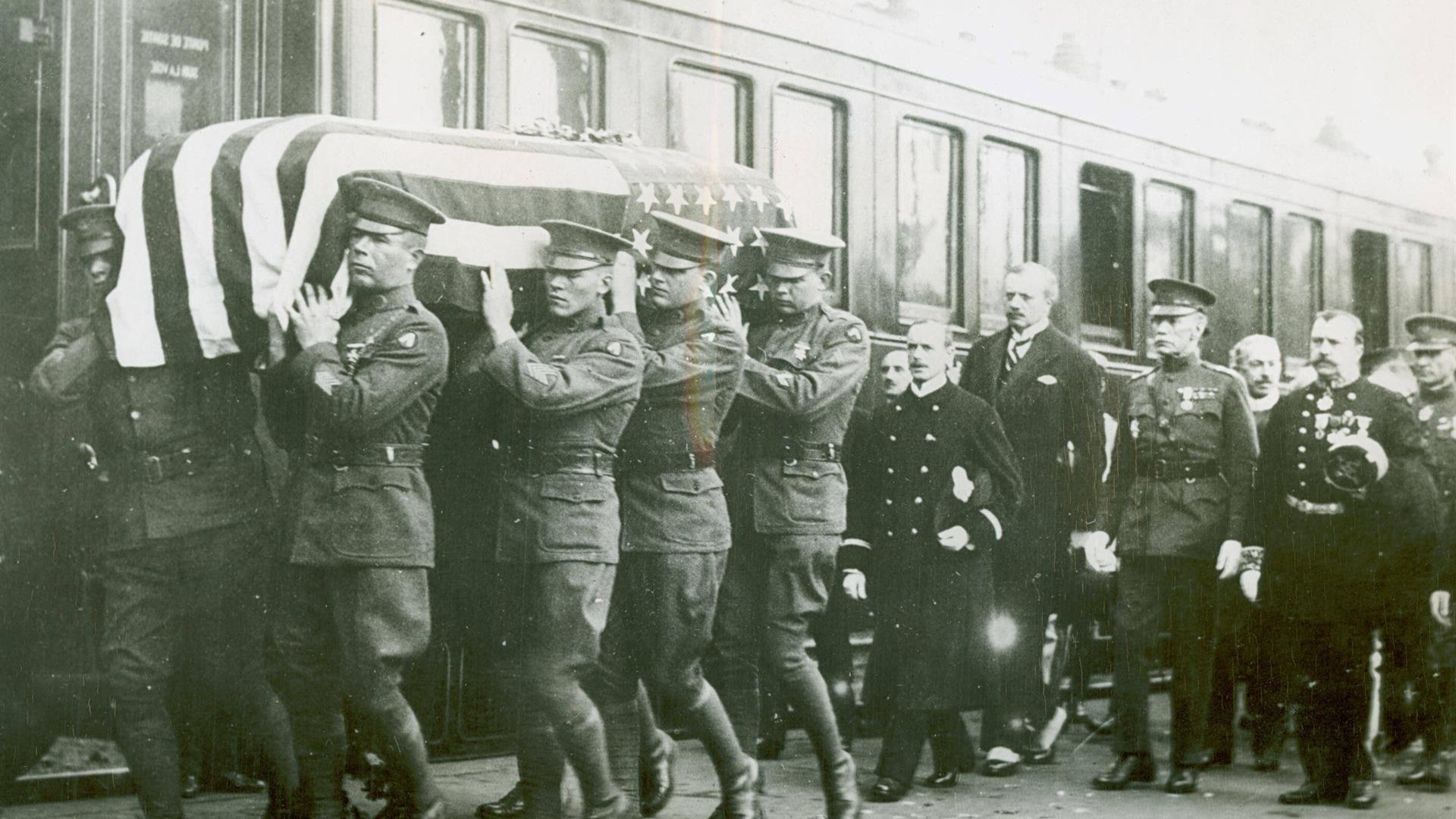
©Wikimedia / National Archives
10. Expanding For WWII And Korea
On Memorial Day in 1958, two additional unknown service members were entombed in marble crypts on the plaza. President Dwight D. Eisenhower presented both with the Medal of Honor before they were placed beside their World War I brother in arms.
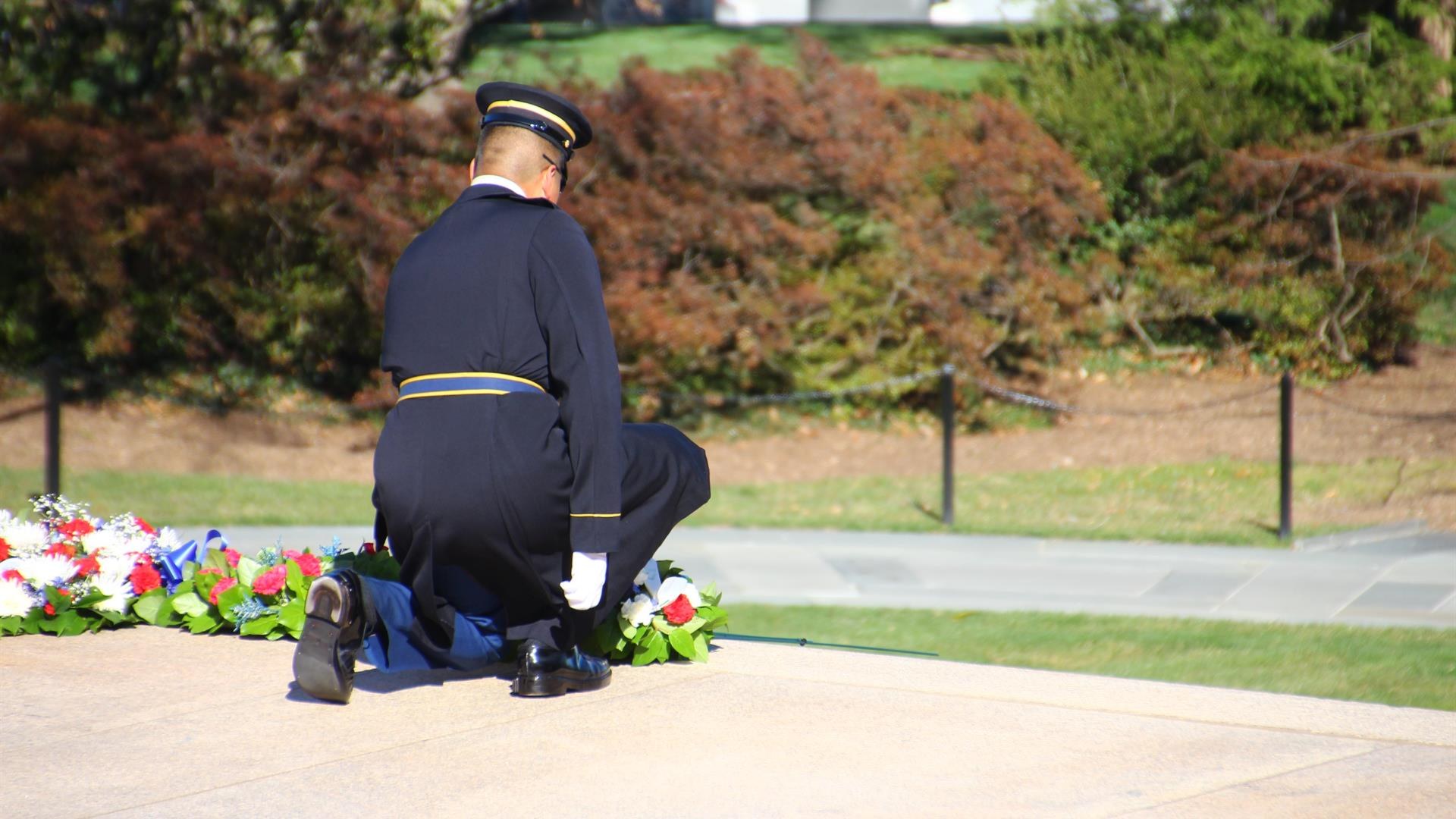
©Wikimedia / U.S. Army
Advertisement
Swipe or tap ▶ to resume the countdown.
9. The 1984 Vietnam Burial
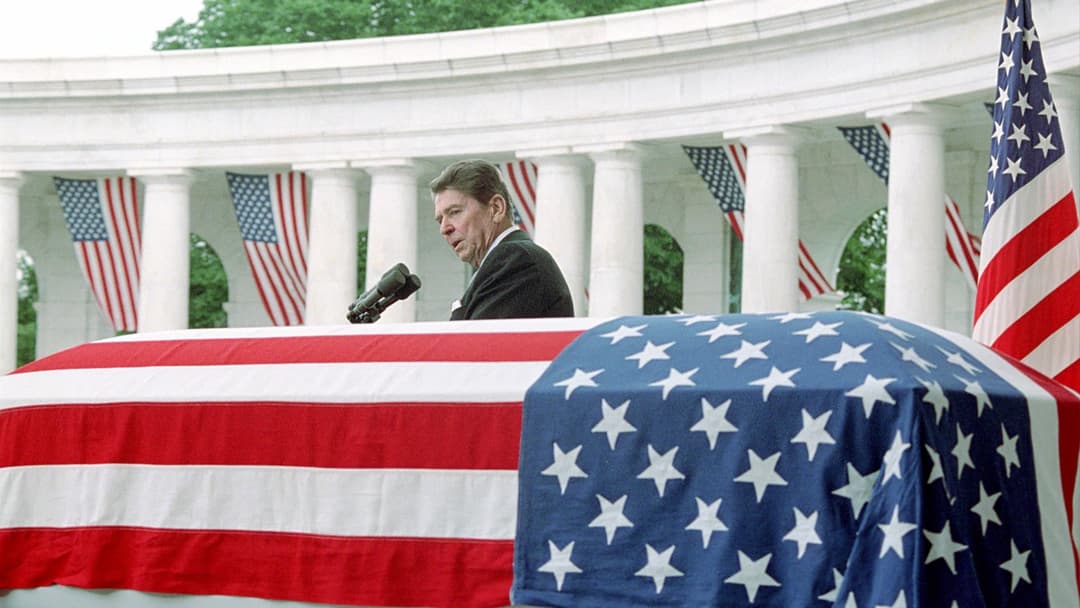
During Memorial Day ceremonies in 1984, President Ronald Reagan presided over the interment of the Vietnam Unknown. Forensic technology had already improved, leaving very few unidentifiable casualties from Southeast Asia.
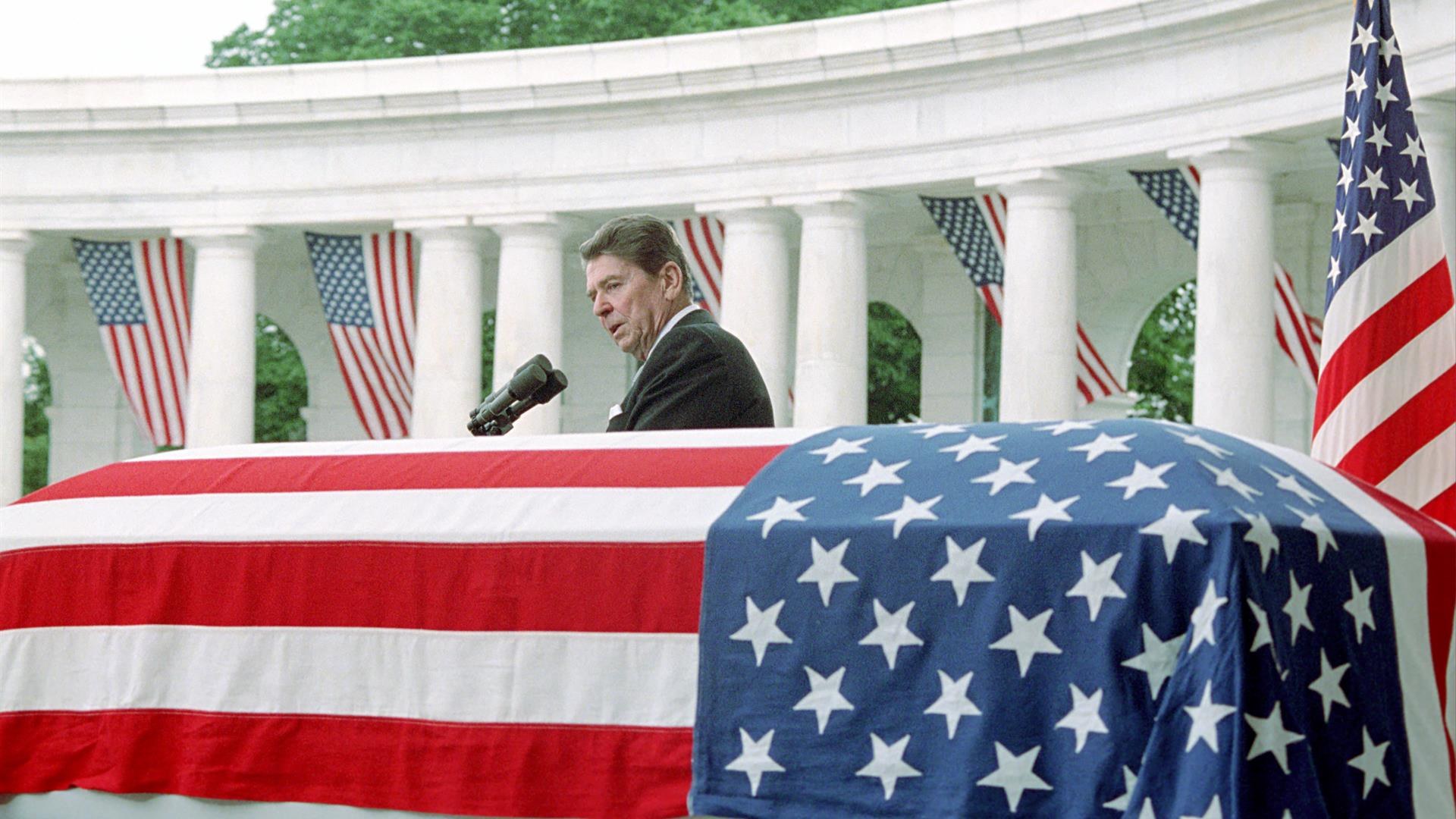
©Wikimedia / White House
8. Identified Via Mitochondrial DNA
At the request of his family, the Pentagon exhumed the Vietnam Unknown in 1998 for mitochondrial DNA testing. Scientists proved the remains belonged to downed pilot First Lieutenant Michael Blassie, who was reinterred in his hometown, leaving the plaza crypt empty.
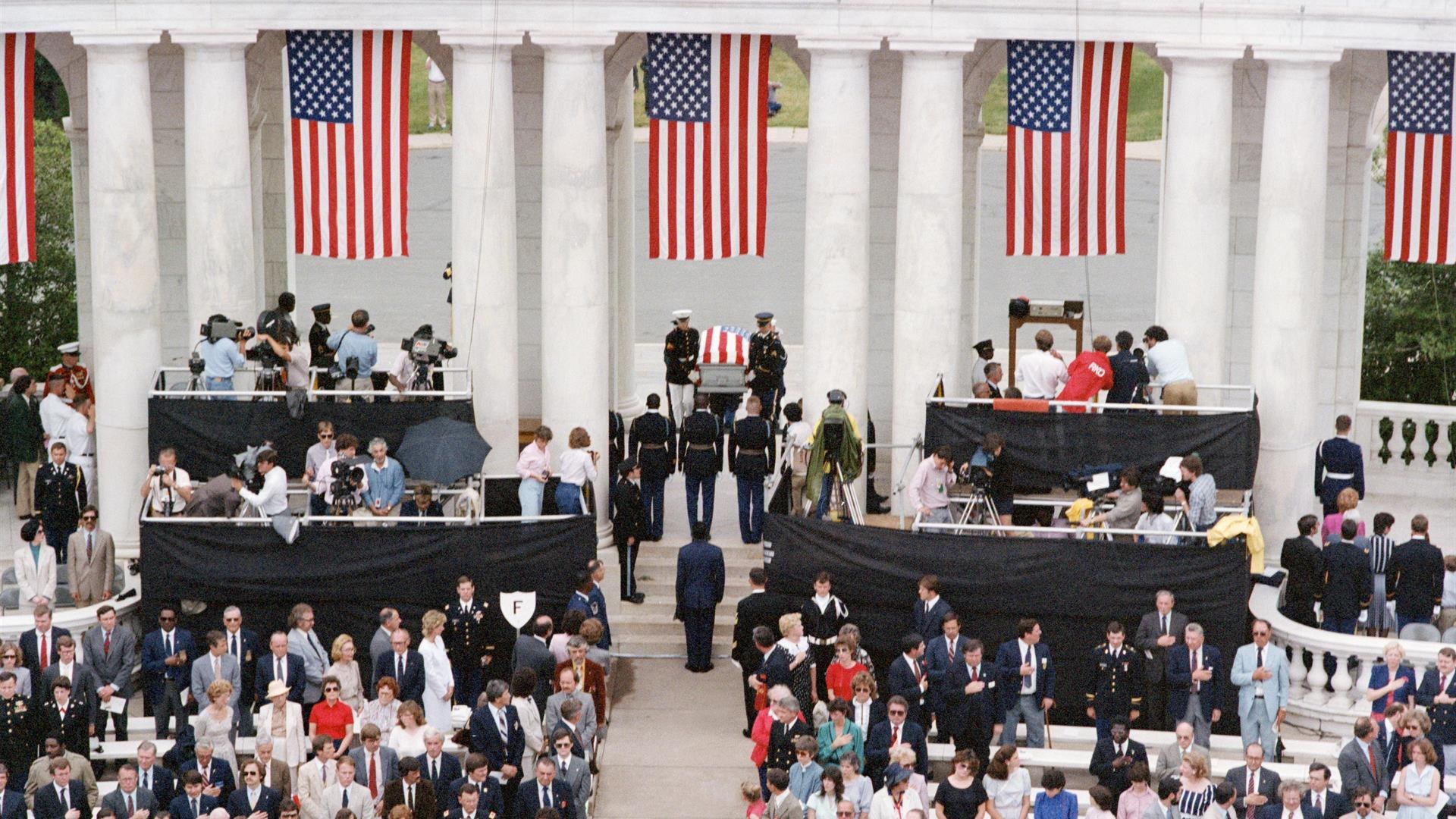
©Wikimedia / Dept of Defense
7. Carved Colorado Yule Marble
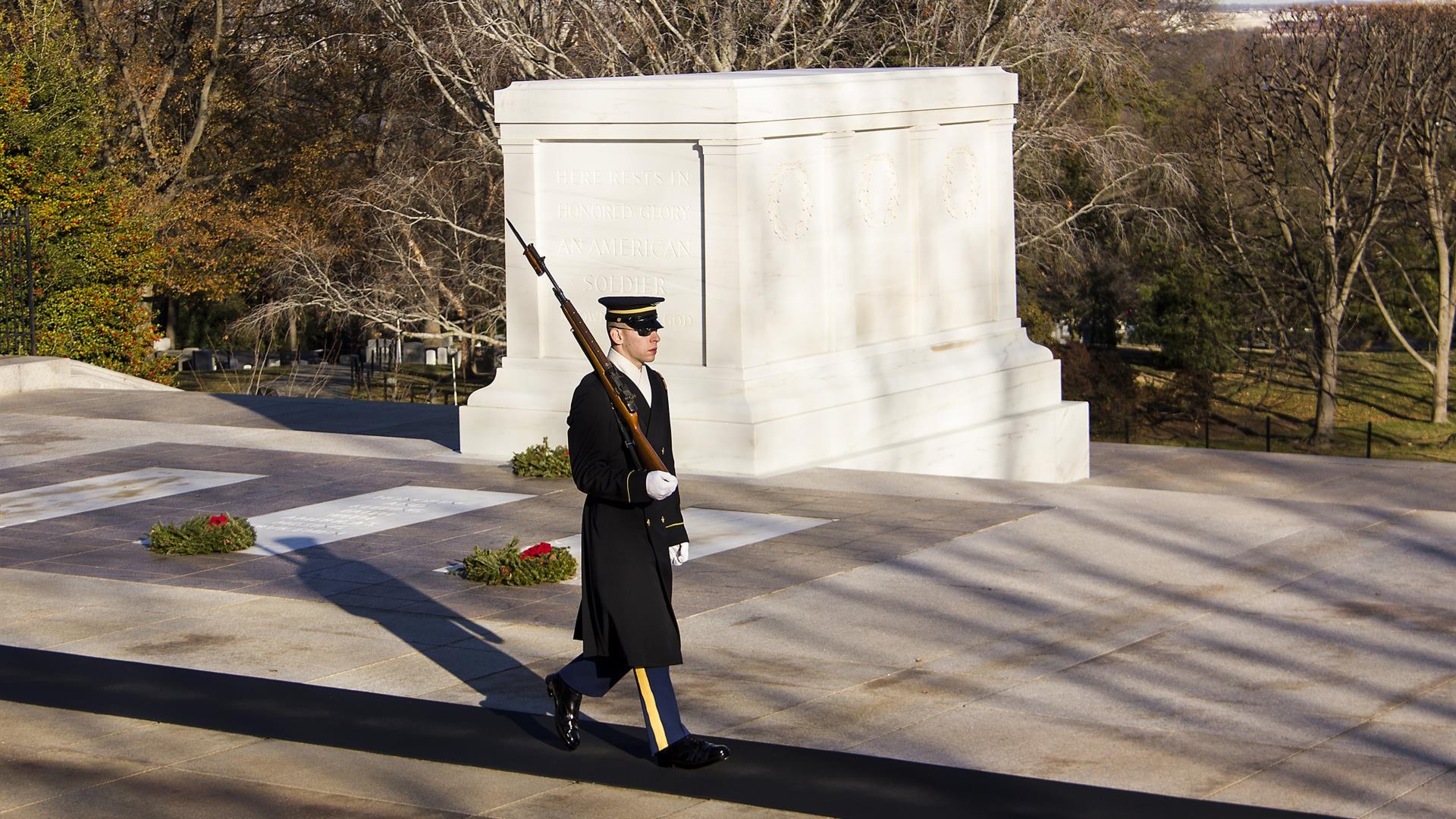
The neoclassical sarcophagus was quarried from the high-elevation Yule quarry in Marble, Colorado. Weighing roughly fifty-six tons upon extraction, the massive block required a custom seventy-five-man logging team and special railcars to transport.
©Wikimedia / Carol M. Highsmith
6. Peace, Victory, And Valor
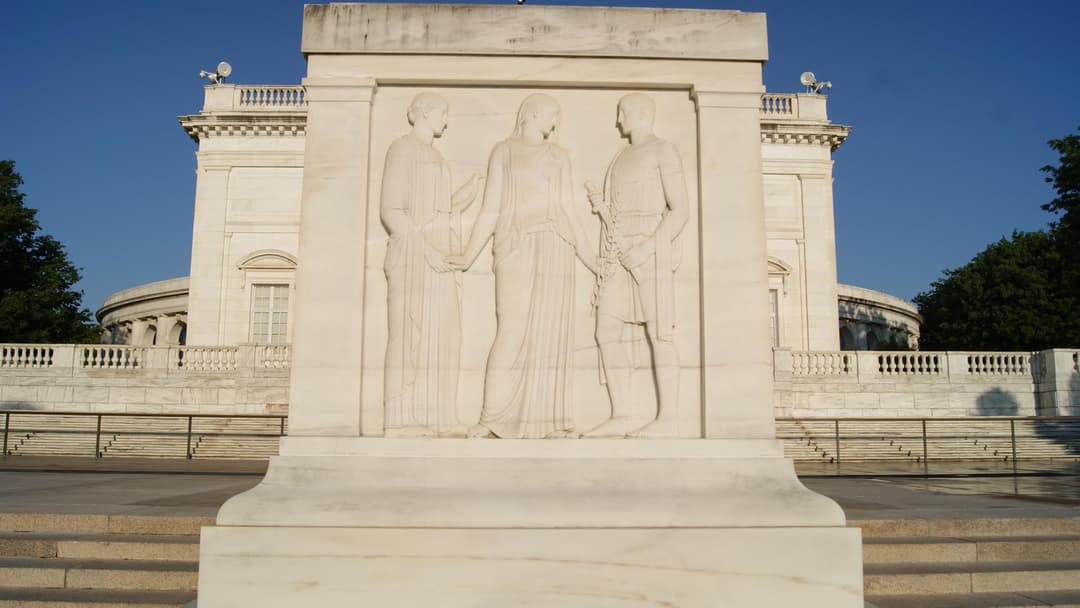
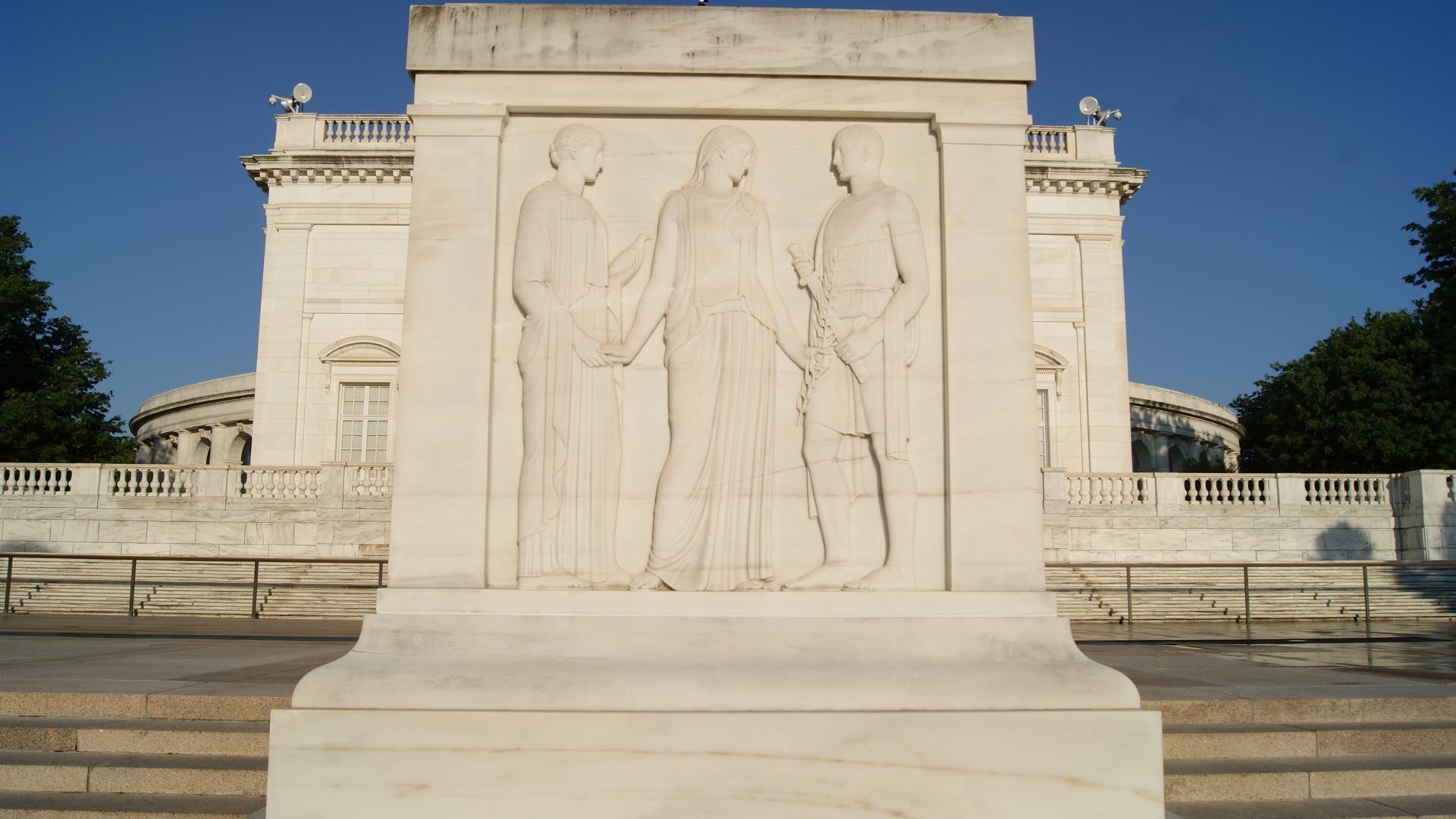
Carved into the east facade facing Washington are three classical draped figures in low relief. Sculptor Thomas Hudson Jones depicted Peace holding an olive branch, flanked by Victory holding a palm frond and Valor holding a sheathed sword.
©Wikimedia / Carol M. Highsmith
Advertisement
Swipe or tap ▶ to resume the countdown.
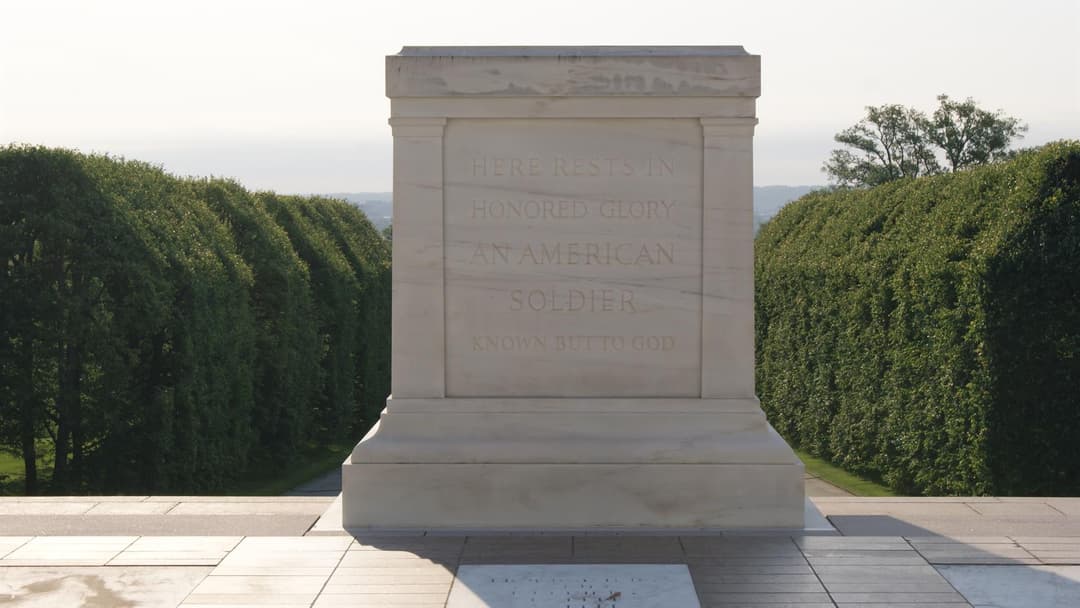
5. 'Known But To God'
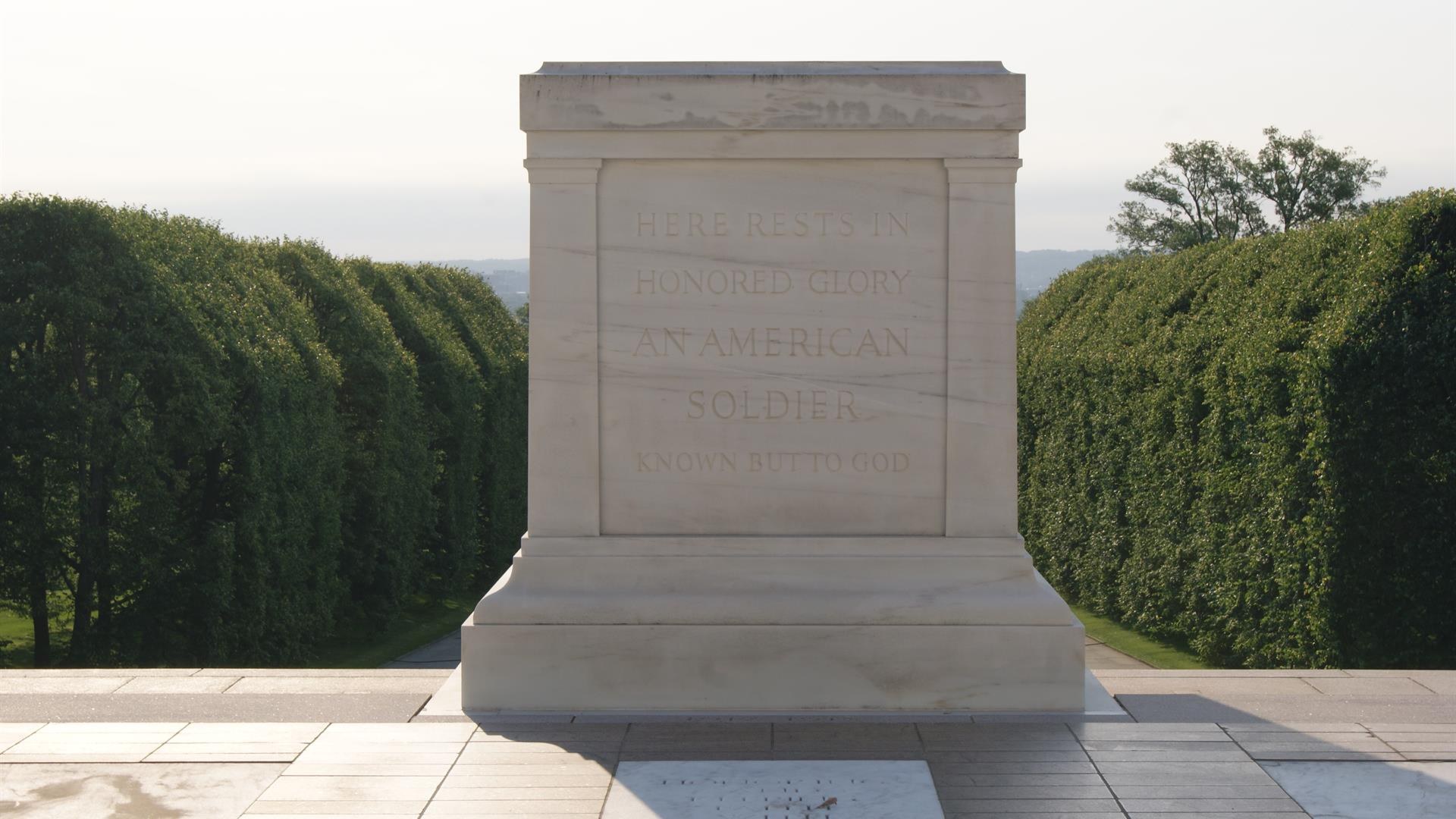
Facing the neoclassical Memorial Amphitheater, the western panel bears the words: 'Here rests in honored glory an American soldier known but to God.' The phrase was penned by General John J. Pershing, commander of the American Expeditionary Forces.
©Wikimedia / Carol M. Highsmith
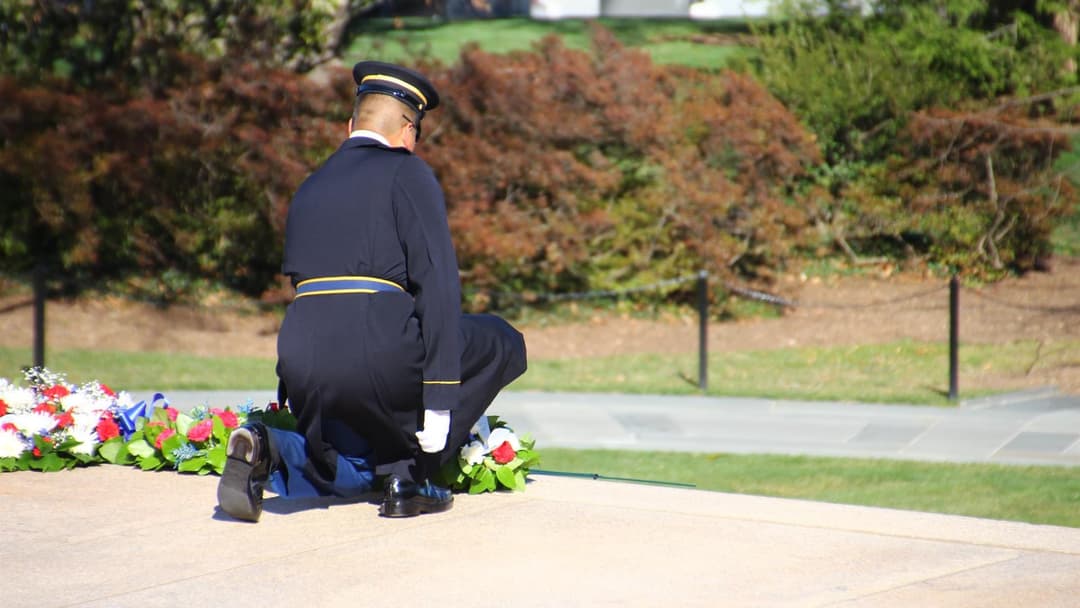
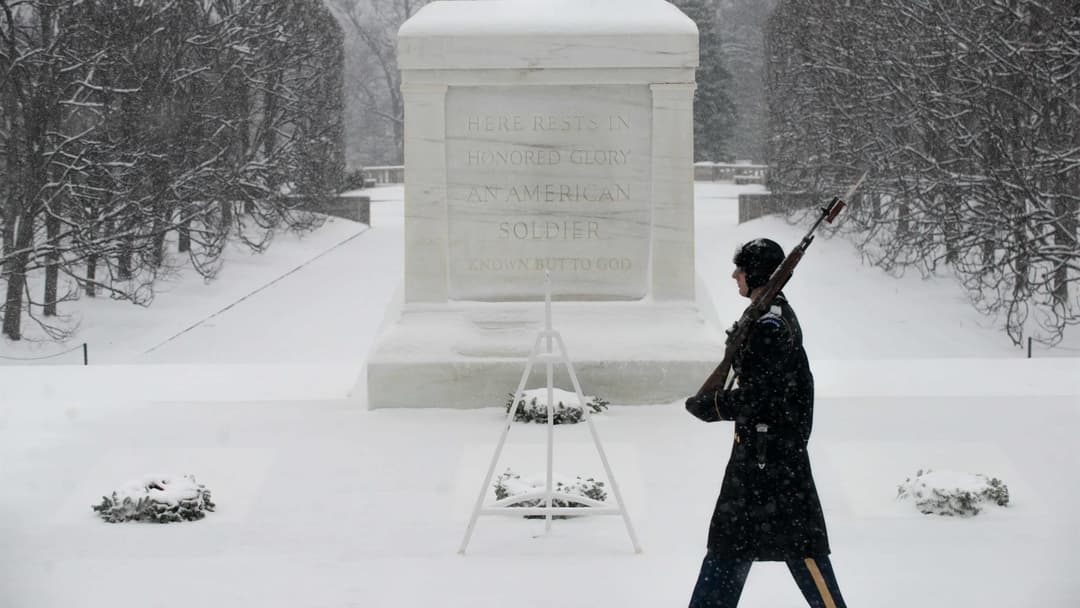
4. Guarded Day And Night Since 1937
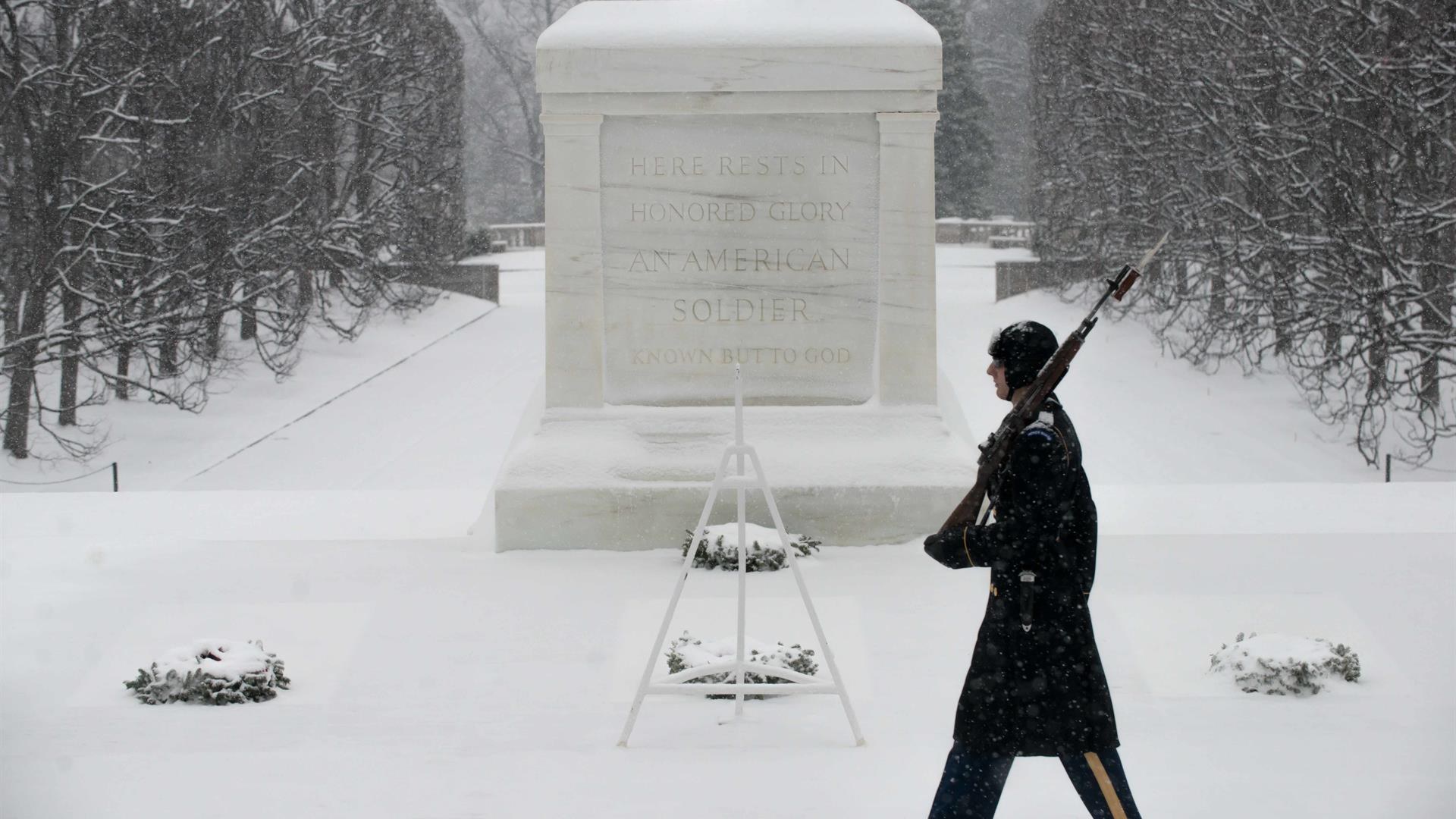
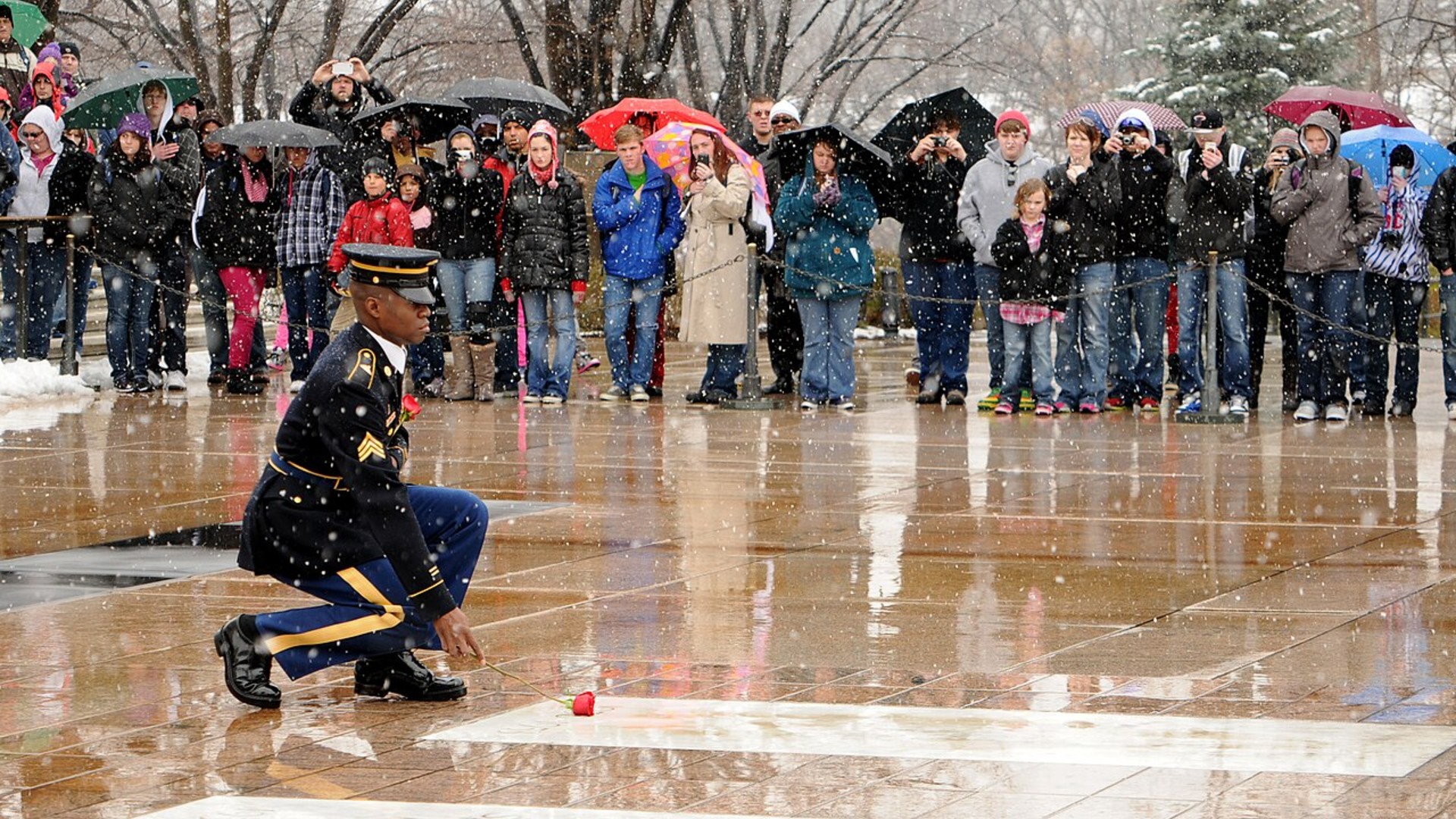
On 2 July 1937, the military initiated an unbroken 24-hour guard schedule that has continued without interruption for nearly a century. Even during Category 3 hurricanes, historic blizzards, and government shutdowns, Tomb Sentinels remain on their post.
©Wikimedia / U.S. Army
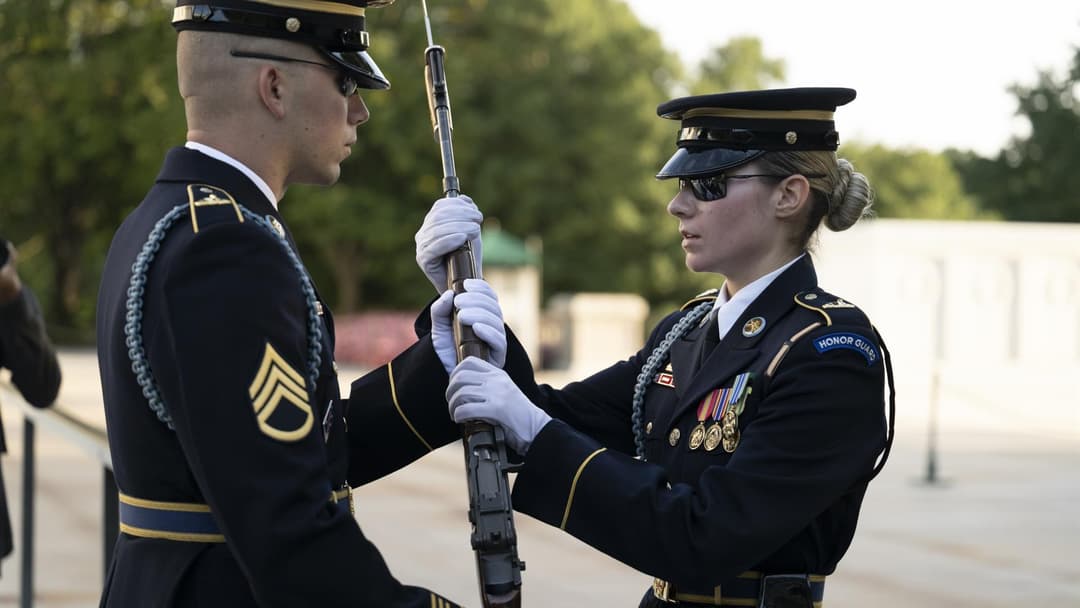
3. Sentinels Of The Old Guard
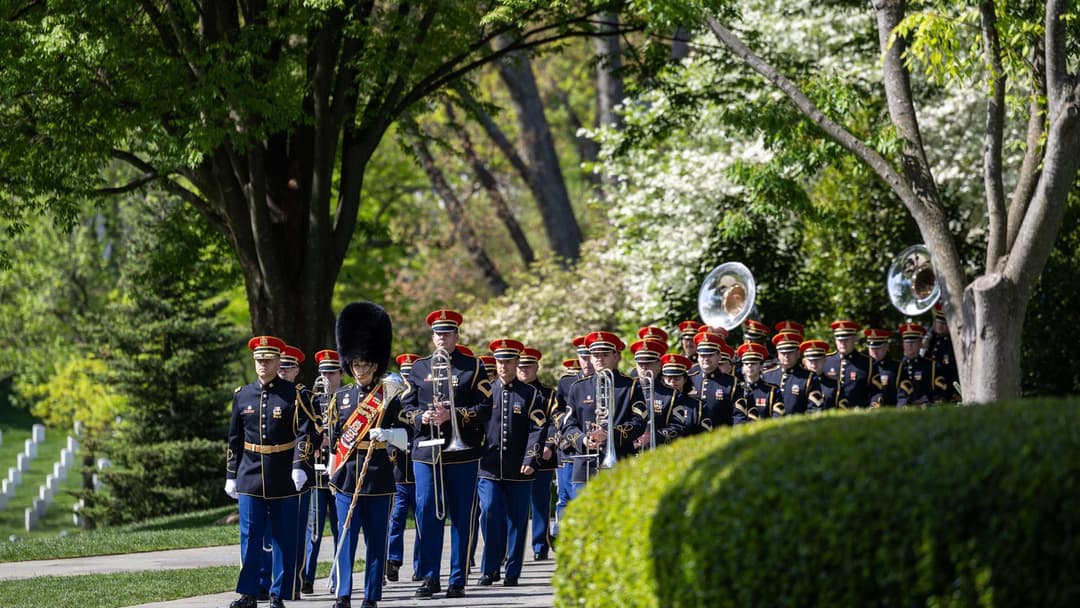
The sentinels are selected from the 3rd U.S. Infantry Regiment, nicknamed The Old Guard, which dates back to 1784. Soldiers undergo months of intensive training, memorizing hundreds of pages of cemetery history and perfecting every crease of their uniform.
©Wikimedia / Sgt. Jose Torres Jr.
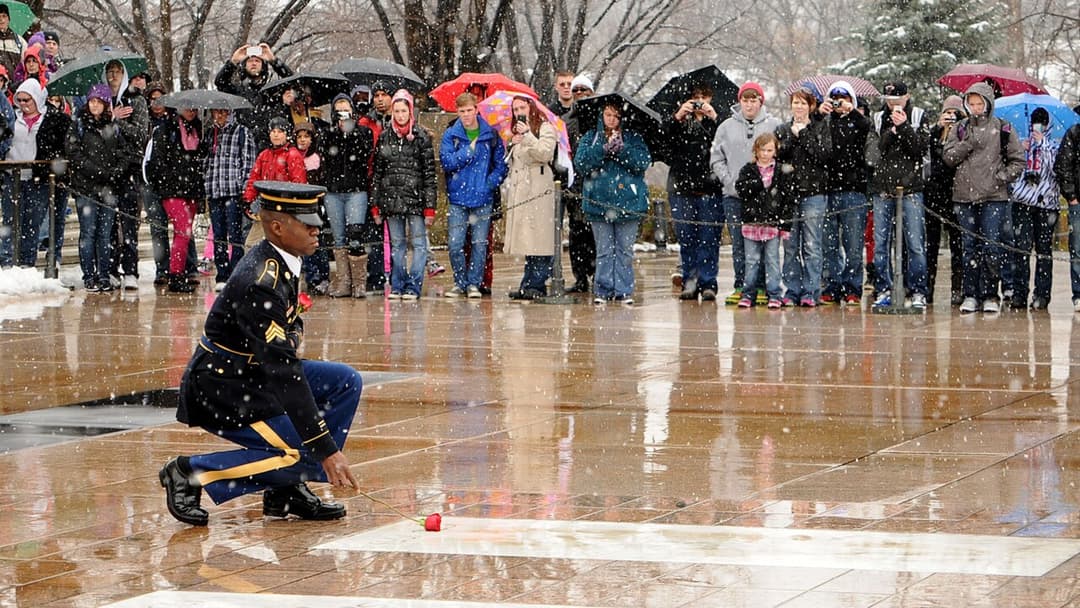
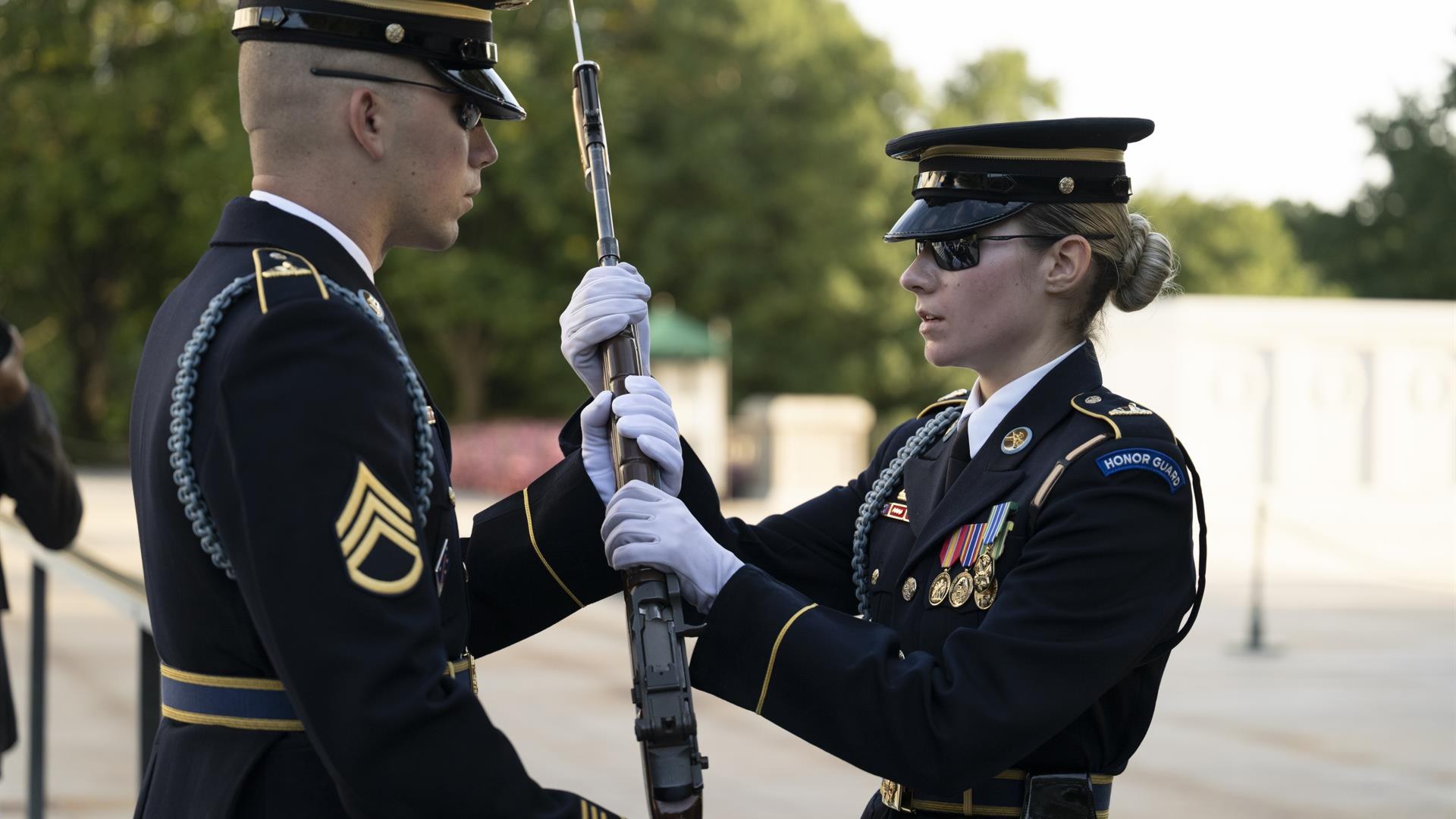
2. The Ritual Of Twenty-One
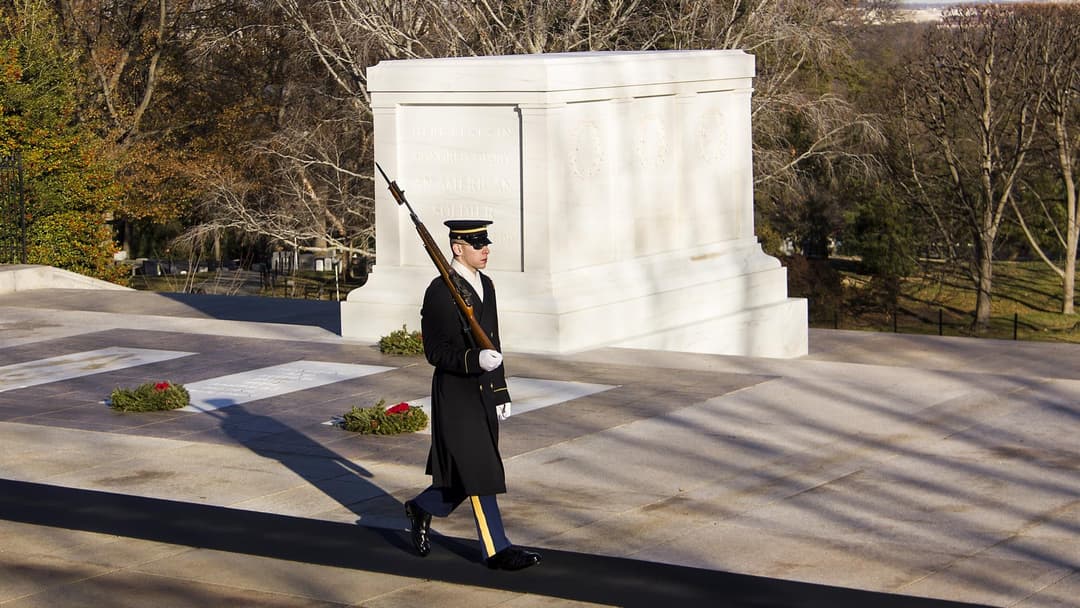
Every movement of the guard walk is governed by the number twenty-one, reflecting the 21-gun salute, the highest military honor. A sentinel takes exactly twenty-one crisp steps down the black mat, turns toward the tomb for twenty-one seconds, and turns back for twenty-one seconds.
©Wikimedia / Elizabeth Fraser
Advertisement
Swipe or tap ▶ to resume the countdown.
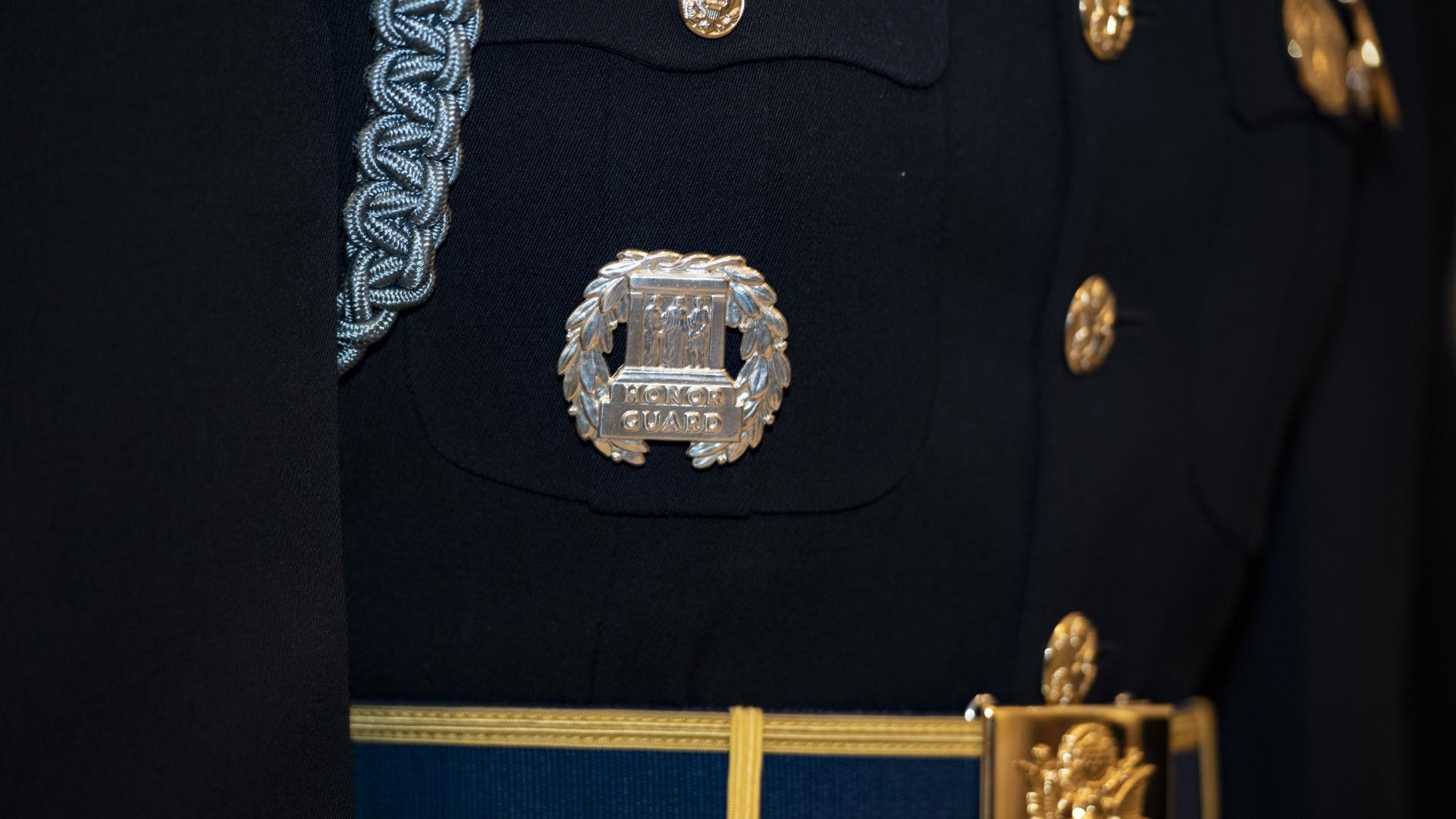
1. The Rare Tomb Guard Badge
The Tomb Guard Identification Badge is the third least-awarded qualification badge in the entire United States Army. Recruits must complete a grueling test on cemetery history, uniform preparation, and precision rifle drill with a score of 95 percent or higher.
©Wikimedia / Elizabeth Fraser
Advertisement
You've reached the end of the story. Thanks for reading!

15 Biggest Ships Sunk to Form Artificial Reefs, Ranked
Decommissioned naval behemoths, massive aircraft carriers, and legendary ocean liners have found second lives on the ocean floor. By deliberately scuttling these colossal vessels, conservation teams build thriving marine ecosystems and world-class diving destinations. Here are the 15 biggest ships ever sunk as artificial reefs.
All 20 Entries in this Story
1. Core Purpose Of The Monument
The Tomb of the Unknown Soldier honors service members who made the ultimate sacrifice without having their remains identified. Rather than celebrating an individual commander, it elevates every lost soldier to the status of a revered national hero.

2. A Shared Place Of Mourning
For grieving families whose fallen relatives disappeared on foreign battlefields, the tomb serves as a personal headstone. Citizens visit the site knowing their missing brother, father, or comrade might be the very soldier resting beneath the stone.

3. Born From Industrial Warfare
The unprecedented artillery bombardments of the Western Front destroyed dog tags, equipment, and human remains on an industrial scale. Nations faced the reality that hundreds of thousands of soldiers would never have an individual gravesite.

4. The Twin 1920 Ceremonies
On 11 November 1920, exactly two years after the armistice ended the Great War, Great Britain and France conducted simultaneous state burials. Britain entombed a warrior in Westminster Abbey, while France buried a soldier beneath the Arc de Triomphe.

5. Soil From French Battlefields
Resting inside Westminster Abbey, the British Unknown Warrior was buried in one hundred sacks of earth brought directly from the battlefields of France. Royal brides lay their wedding bouquets on the stone, but no visitor is permitted to walk across it.

6. Rekindled Every Evening
Beneath the soaring arches of Paris's Arc de Triomphe, the French Unknown Soldier rests beneath bronze lettering and floral wreaths. An eternal flame lit in November 1923 has never been extinguished, rekindled every evening at 6:30 PM by veterans.

7. Adopted By Over Two Dozen Nations
Following the Franco-British dedications, dozens of sovereign nations created their own unknown soldier memorials. Renowned examples include Italy's Altare della Patria in Rome, Canada's National War Memorial in Ottawa, and Australia's War Memorial in Canberra.

8. Overlooking Washington D.C.
Perched on a grassy ridge in Arlington, Virginia, the U.S. Tomb of the Unknown Soldier overlooks the Potomac River and the monuments of Washington. It sits directly on the plaza of the neoclassical Memorial Amphitheater.

9. The 1921 Armistice Day Dedication
Congress authorized the memorial in early 1921 to receive an unidentified casualty from the American Expeditionary Forces in France. Over one hundred thousand spectators lined the procession route as President Harding officiated the state funeral.

10. The White Rose Selection
To guarantee absolute anonymity, four unidentified American bodies were exhumed from four separate French military cemeteries. Decorated World War I sergeant Edward F. Younger walked around the four unmarked caskets and placed a spray of white roses on the chosen one.

11. Expanding For WWII And Korea
On Memorial Day in 1958, two additional unknown service members were entombed in marble crypts on the plaza. President Dwight D. Eisenhower presented both with the Medal of Honor before they were placed beside their World War I brother in arms.

12. The 1984 Vietnam Burial
During Memorial Day ceremonies in 1984, President Ronald Reagan presided over the interment of the Vietnam Unknown. Forensic technology had already improved, leaving very few unidentifiable casualties from Southeast Asia.

13. Identified Via Mitochondrial DNA
At the request of his family, the Pentagon exhumed the Vietnam Unknown in 1998 for mitochondrial DNA testing. Scientists proved the remains belonged to downed pilot First Lieutenant Michael Blassie, who was reinterred in his hometown, leaving the plaza crypt empty.

14. Carved Colorado Yule Marble
The neoclassical sarcophagus was quarried from the high-elevation Yule quarry in Marble, Colorado. Weighing roughly fifty-six tons upon extraction, the massive block required a custom seventy-five-man logging team and special railcars to transport.

15. Peace, Victory, And Valor
Carved into the east facade facing Washington are three classical draped figures in low relief. Sculptor Thomas Hudson Jones depicted Peace holding an olive branch, flanked by Victory holding a palm frond and Valor holding a sheathed sword.

16. 'Known But To God'
Facing the neoclassical Memorial Amphitheater, the western panel bears the words: 'Here rests in honored glory an American soldier known but to God.' The phrase was penned by General John J. Pershing, commander of the American Expeditionary Forces.

17. Guarded Day And Night Since 1937
On 2 July 1937, the military initiated an unbroken 24-hour guard schedule that has continued without interruption for nearly a century. Even during Category 3 hurricanes, historic blizzards, and government shutdowns, Tomb Sentinels remain on their post.

18. Sentinels Of The Old Guard
The sentinels are selected from the 3rd U.S. Infantry Regiment, nicknamed The Old Guard, which dates back to 1784. Soldiers undergo months of intensive training, memorizing hundreds of pages of cemetery history and perfecting every crease of their uniform.

19. The Ritual Of Twenty-One
Every movement of the guard walk is governed by the number twenty-one, reflecting the 21-gun salute, the highest military honor. A sentinel takes exactly twenty-one crisp steps down the black mat, turns toward the tomb for twenty-one seconds, and turns back for twenty-one seconds.

20. The Rare Tomb Guard Badge
The Tomb Guard Identification Badge is the third least-awarded qualification badge in the entire United States Army. Recruits must complete a grueling test on cemetery history, uniform preparation, and precision rifle drill with a score of 95 percent or higher.