Slideshow · Money
20 Home Appliances Ranked by What They Add to Your Power Bill
Turning off lights barely trims a monthly bill when heating, cooling, and hot water dominate demand. Based on U.S. Energy Information Administration survey data and U.S. Department of Energy appliance benchmarks, this countdown ranks 20 everyday household devices from smallest to largest annual power draw.





All 20 Entries in this Story
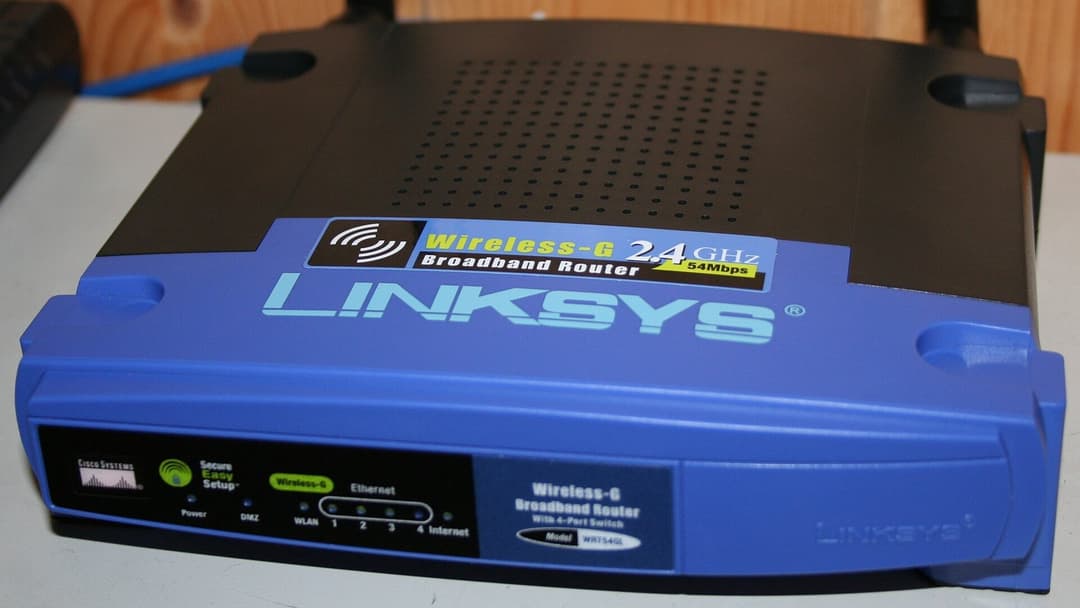
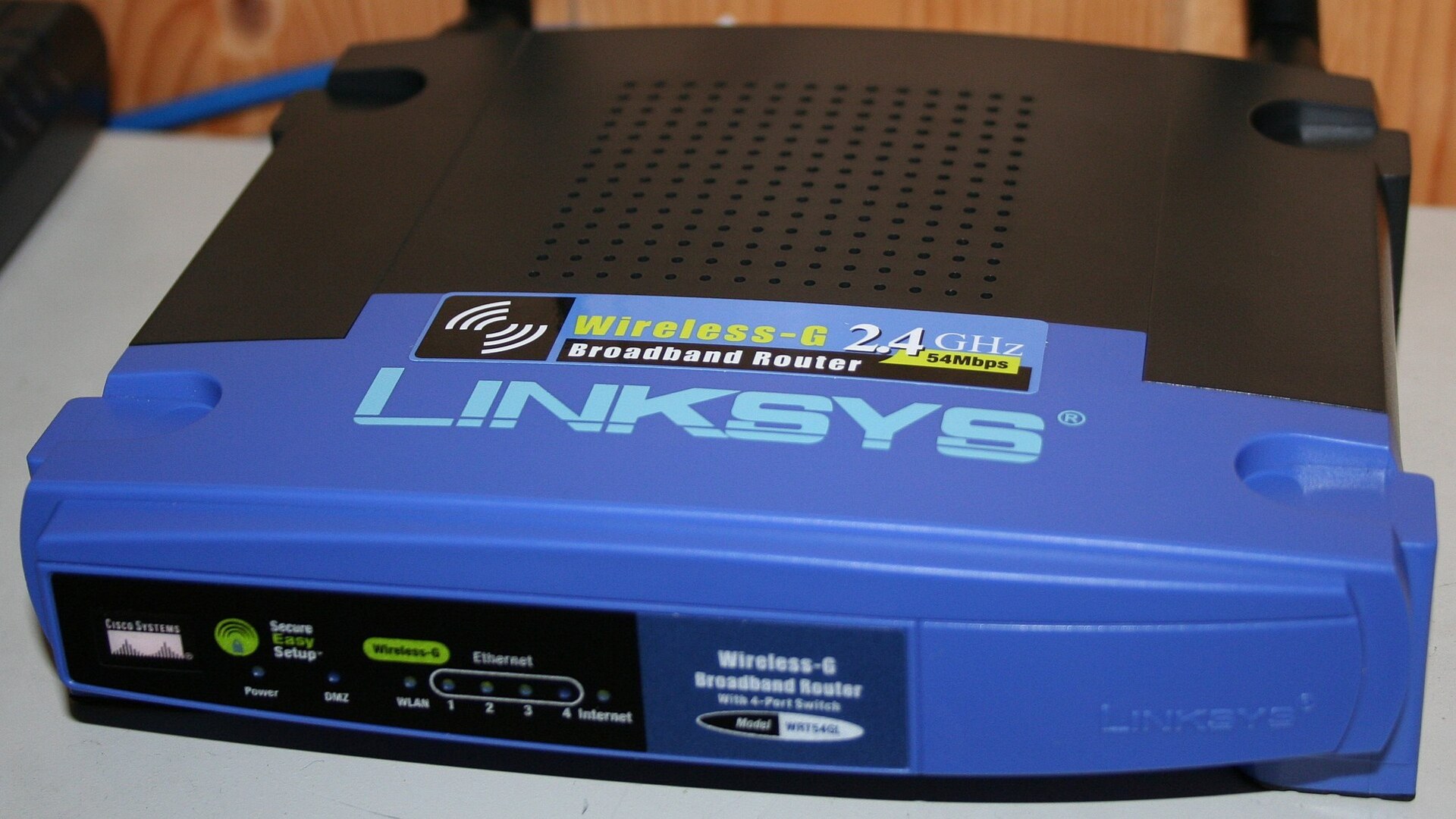
20. Wi-Fi Wireless Router
A typical home Wi-Fi router draws 6 to 15 watts continuously, which adds up to roughly 50 to 130 kilowatt-hours over an entire year. Even at average U.S. electricity rates near 16 cents per kilowatt-hour, keeping your router online 24/7 costs roughly 8 to 21 dollars annually.
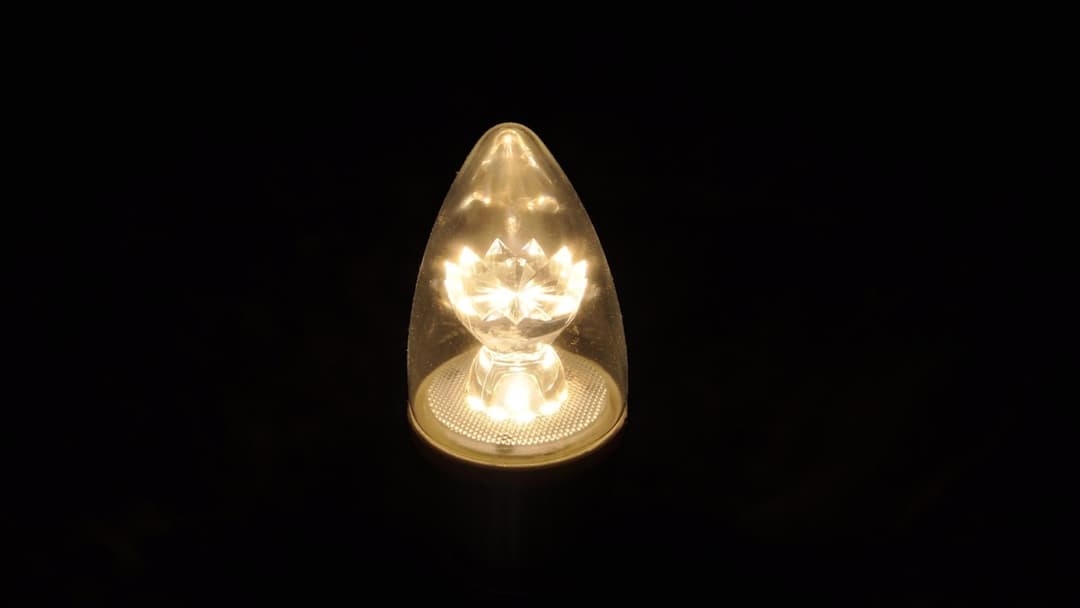
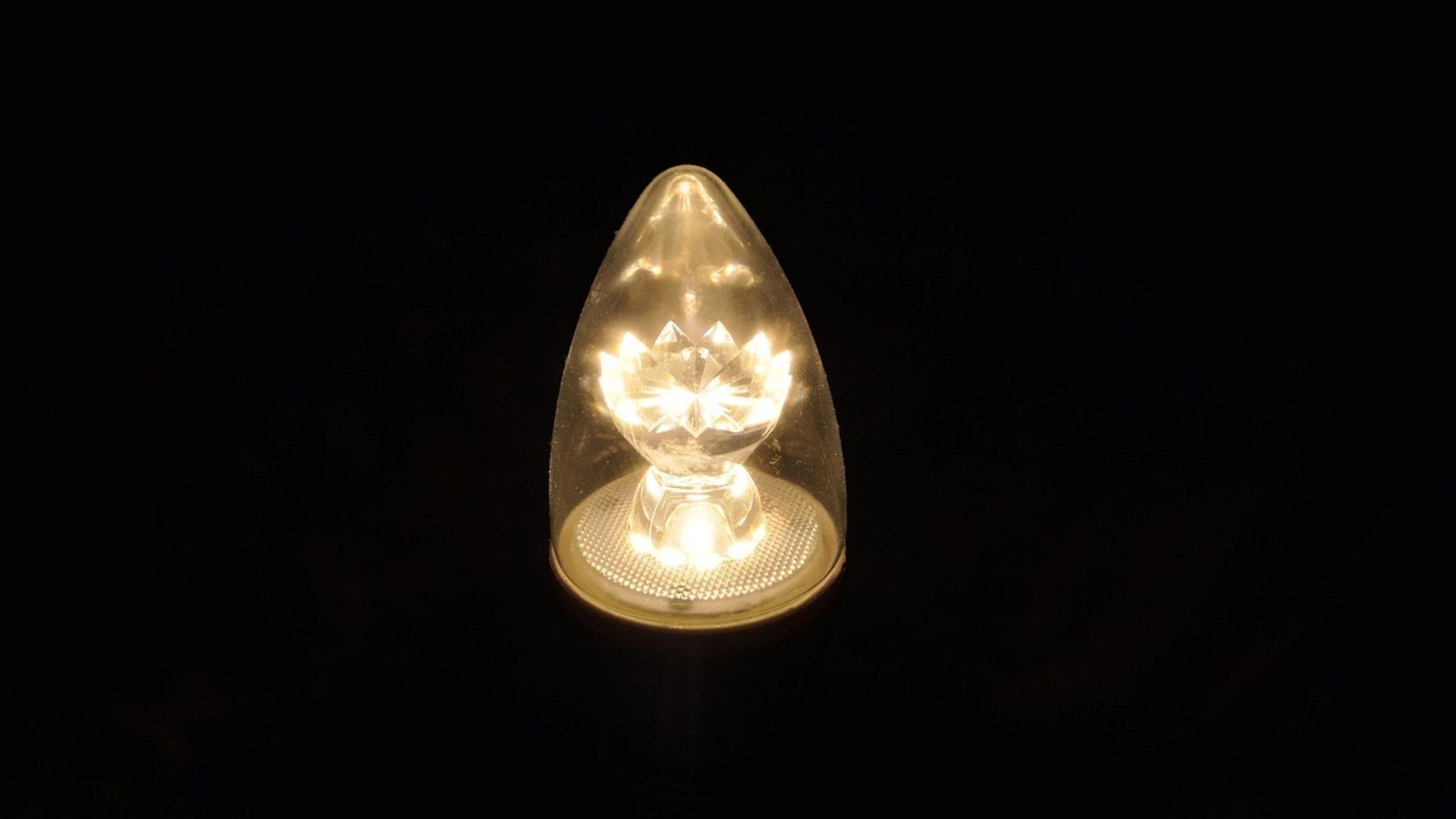
19. LED Light Bulbs
A standard 60-watt-equivalent LED bulb uses just 8 to 10 watts and is rated to last 15,000 to 25,000 hours, according to the U.S. Department of Energy. Running one LED for four hours a day uses under 15 kilowatt-hours a year. Only homes still packed with halogen or incandescent bulbs see lighting spike the meter.
18. Electric Hair Dryer
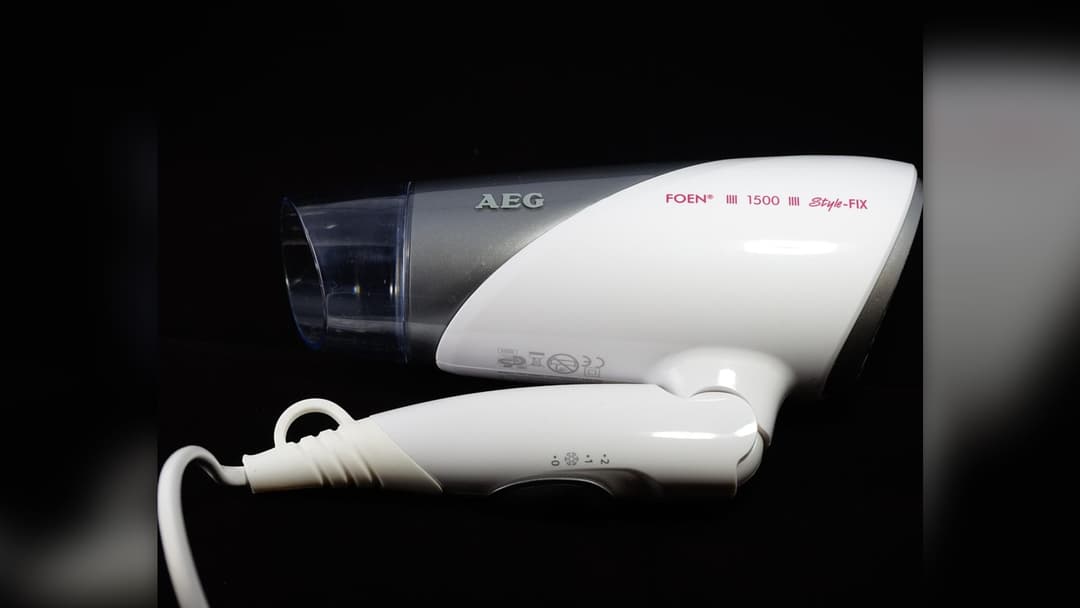
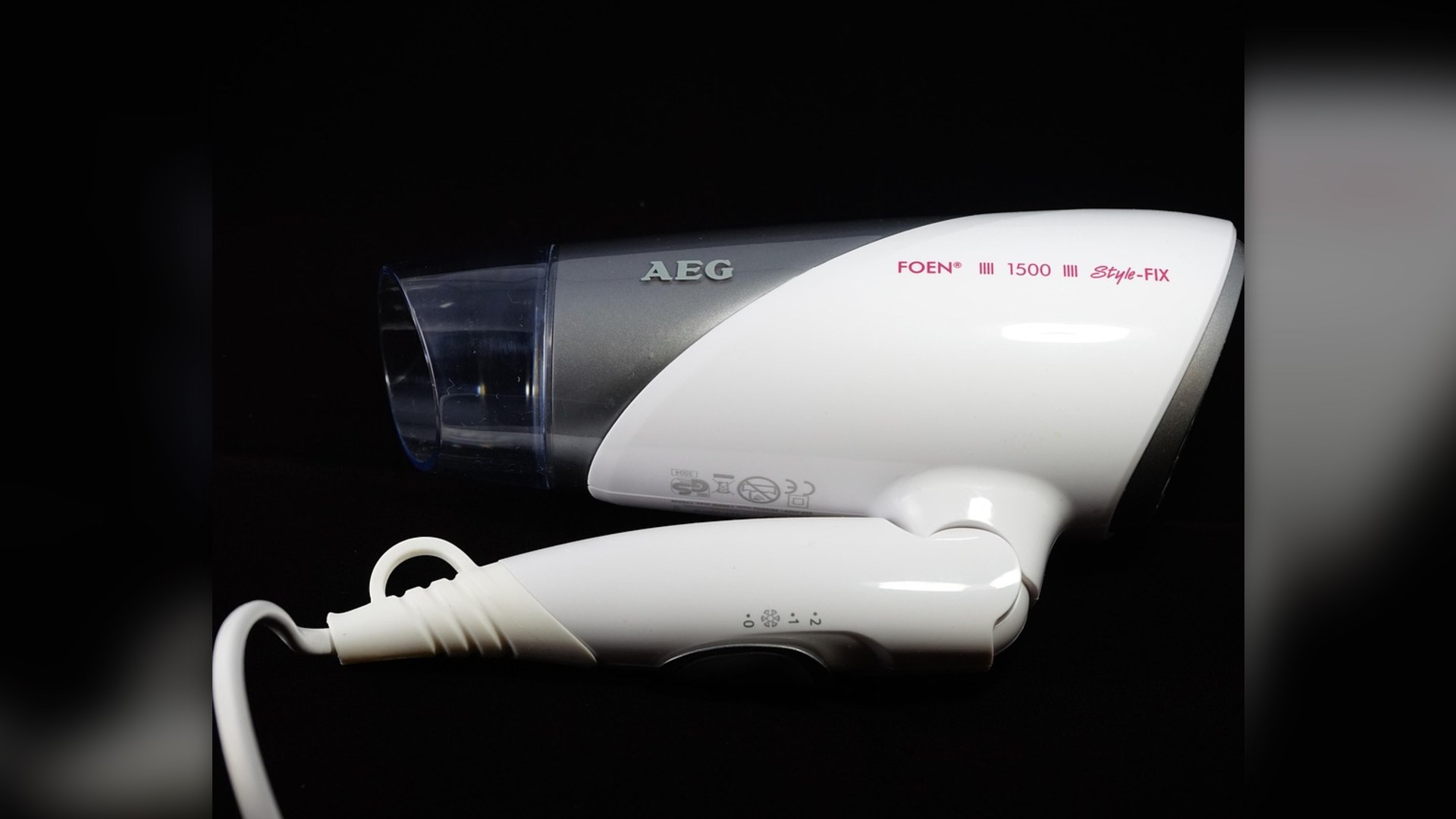
Most handheld hair dryers draw between 1,500 and 1,875 watts on high heat, putting them near the top of a 120-volt circuit's limit. Because a typical session lasts only 10 minutes a day, annual usage lands near 90 to 115 kilowatt-hours per person. Using the cool setting drops heating-coil draw significantly.
17. Drip Coffee Maker
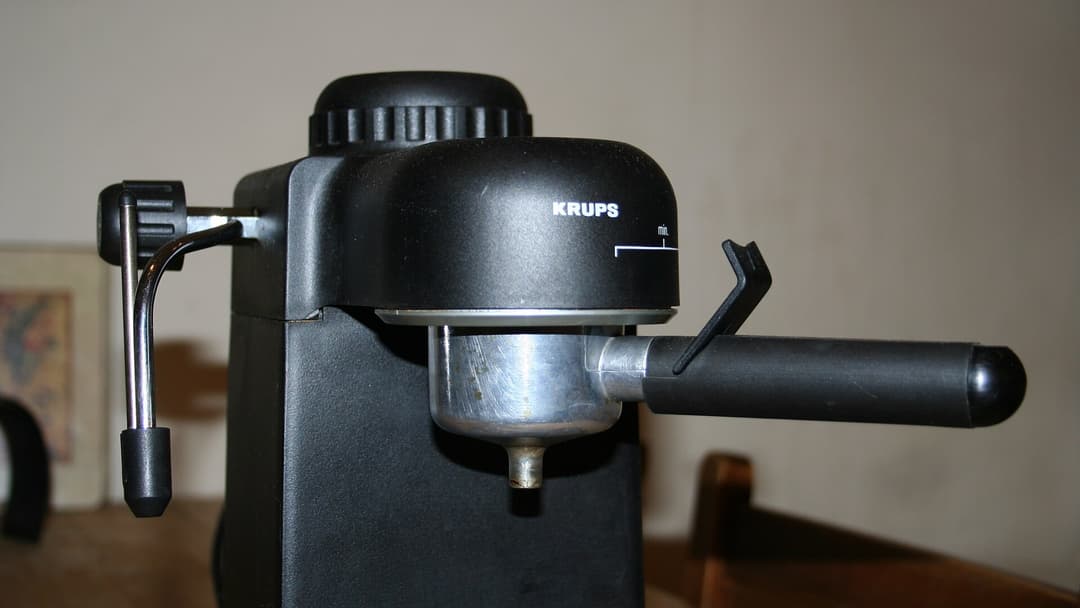
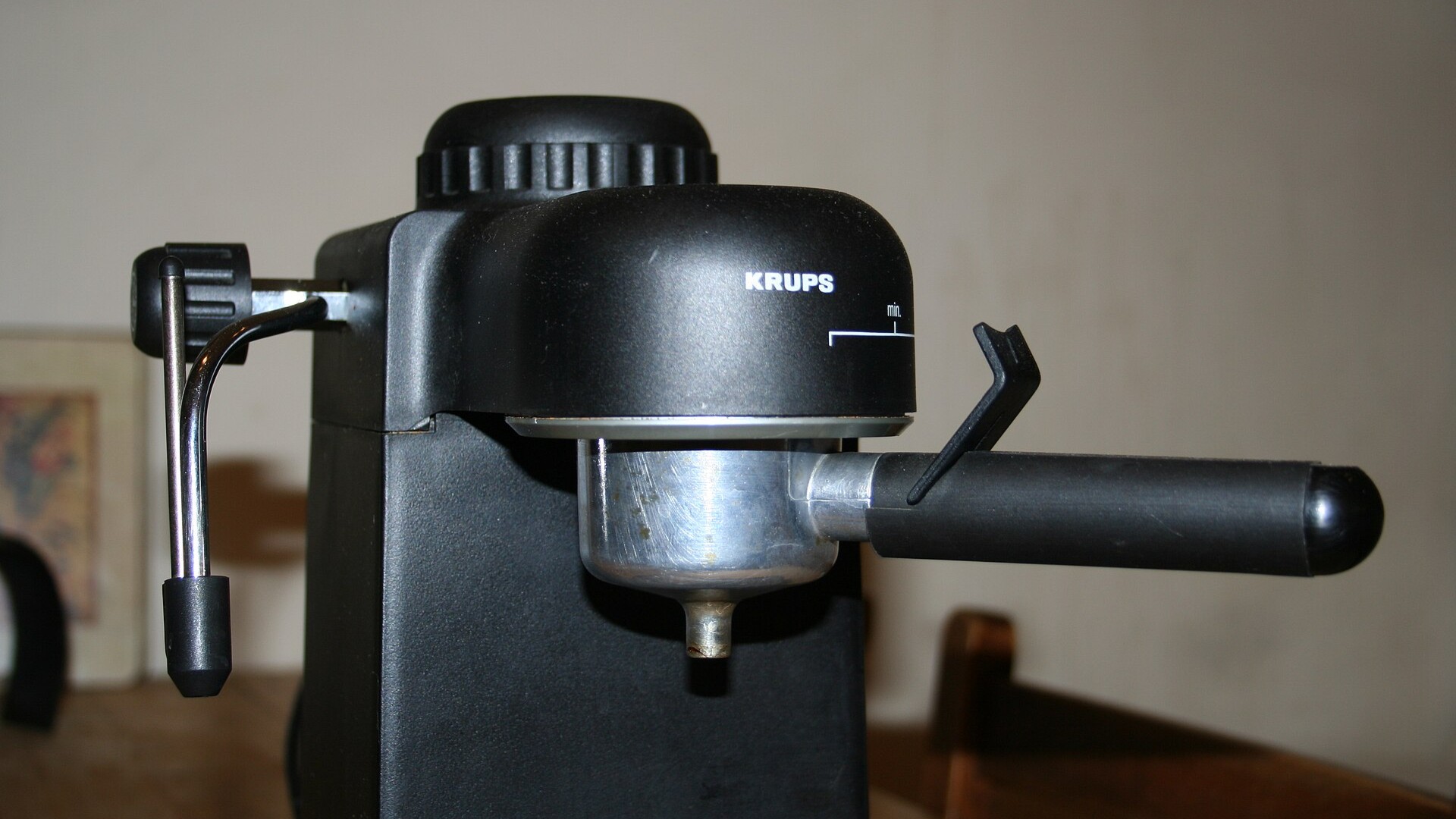
A standard 12-cup drip brewer pulls 900 to 1,200 watts during a 10-minute brew cycle, then drops to 60 to 100 watts to keep the carafe hot. Brewing one pot daily and leaving the burner on for two hours adds about 95 to 125 kilowatt-hours a year. Models with insulated thermal carafes eliminate that standby heat.
16. Ceiling Fan
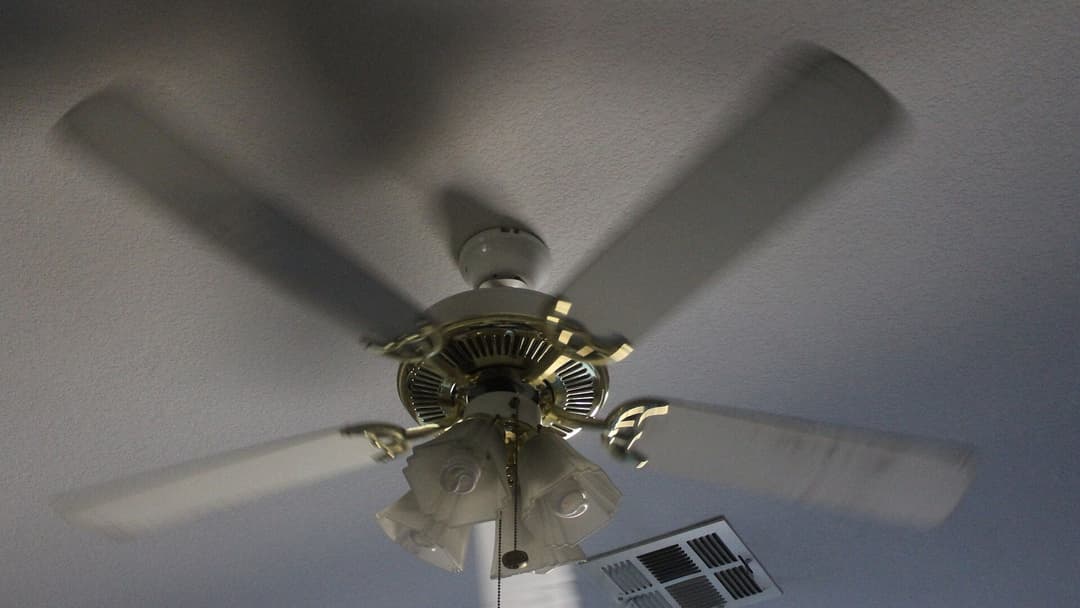
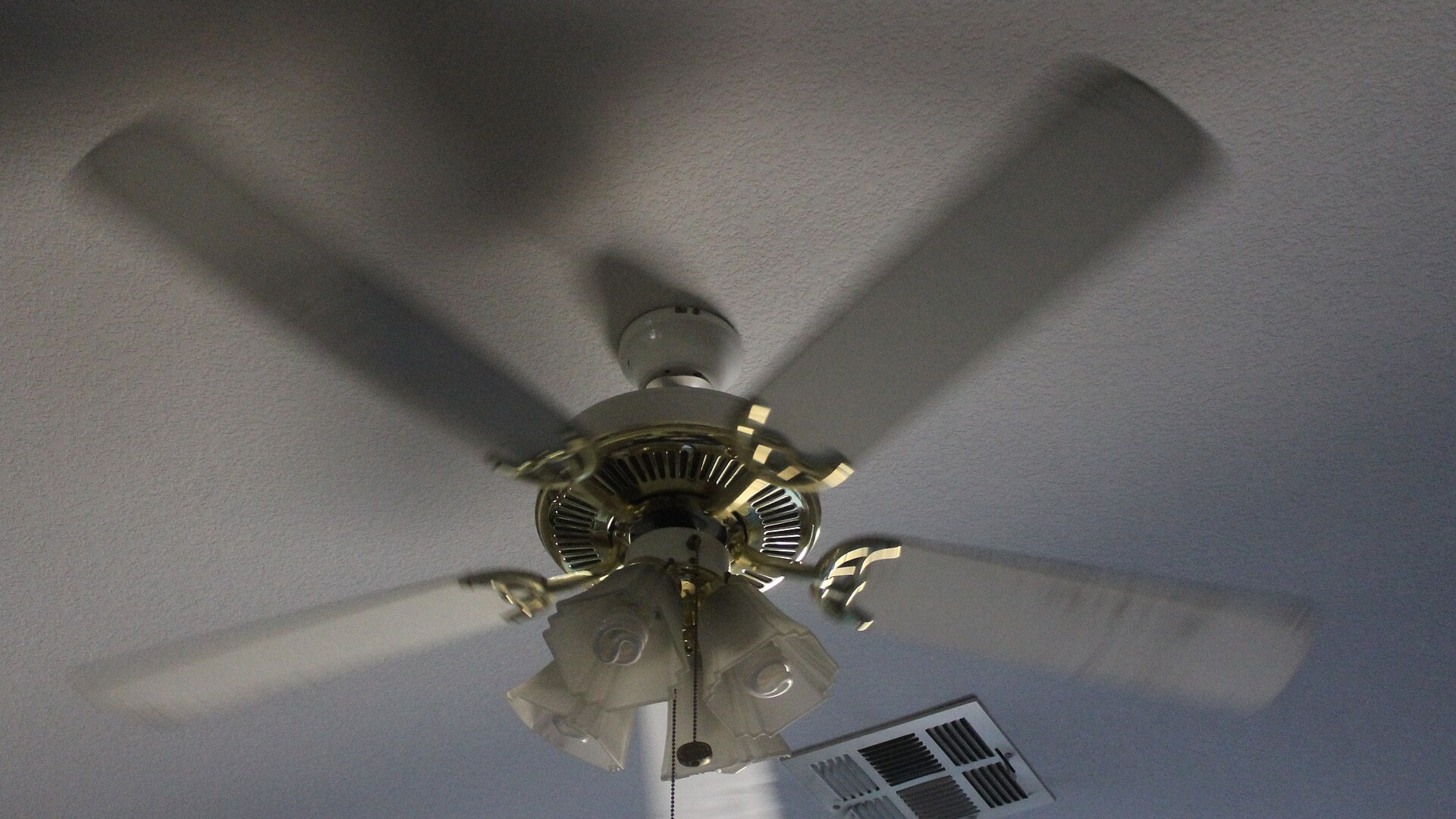
An average AC-motor ceiling fan draws 30 to 75 watts depending on speed, while newer DC-motor models use under 25 watts. Running one 10 hours a day for six warm months consumes roughly 55 to 135 kilowatt-hours a year. Turning fans off in empty rooms matters because moving air does not chill the space itself.
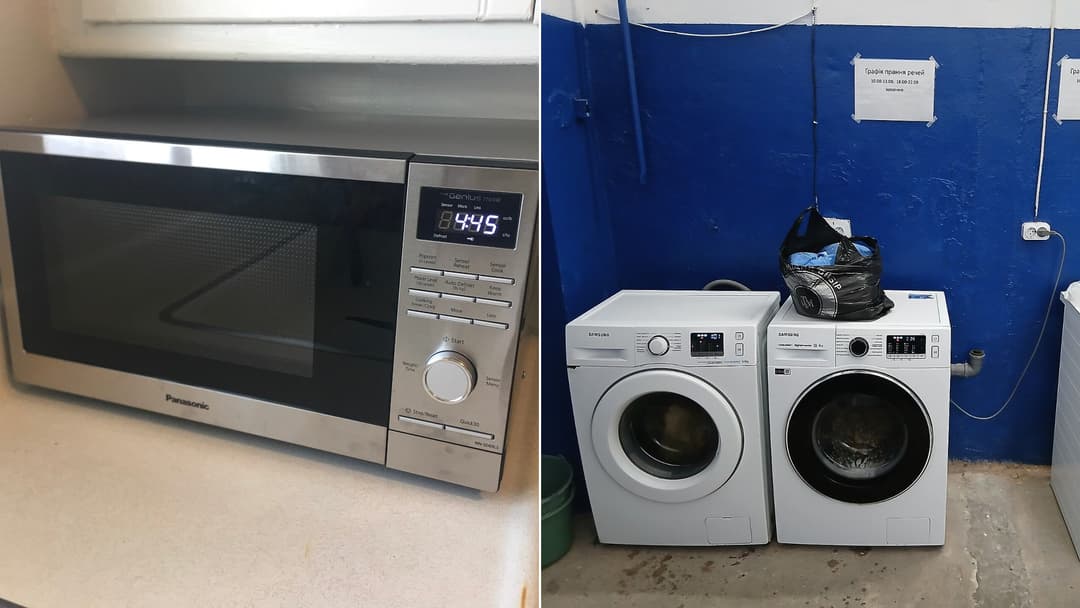
15. Microwave Oven
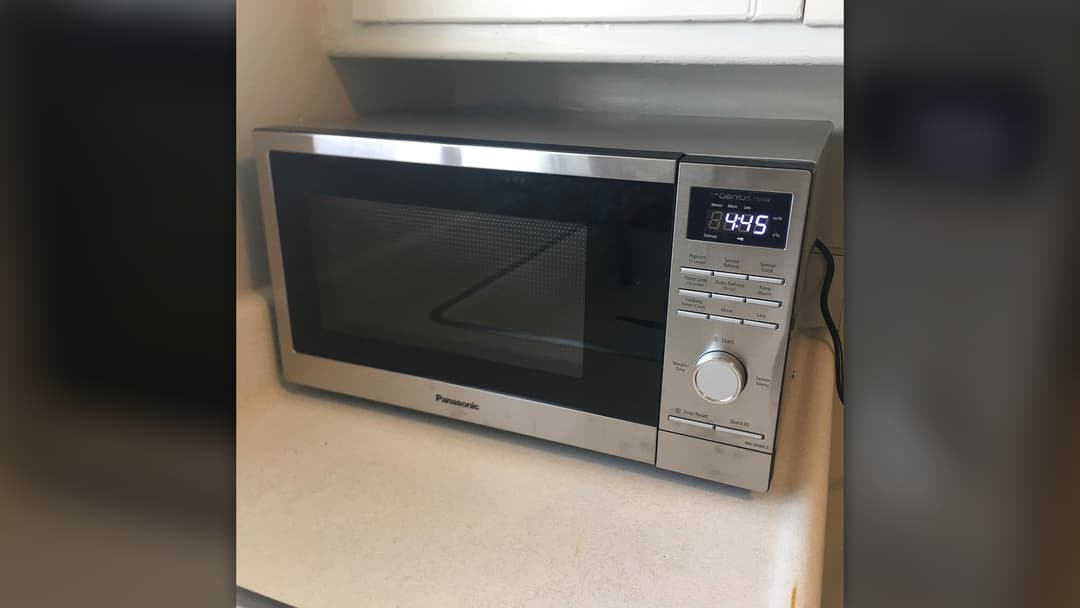
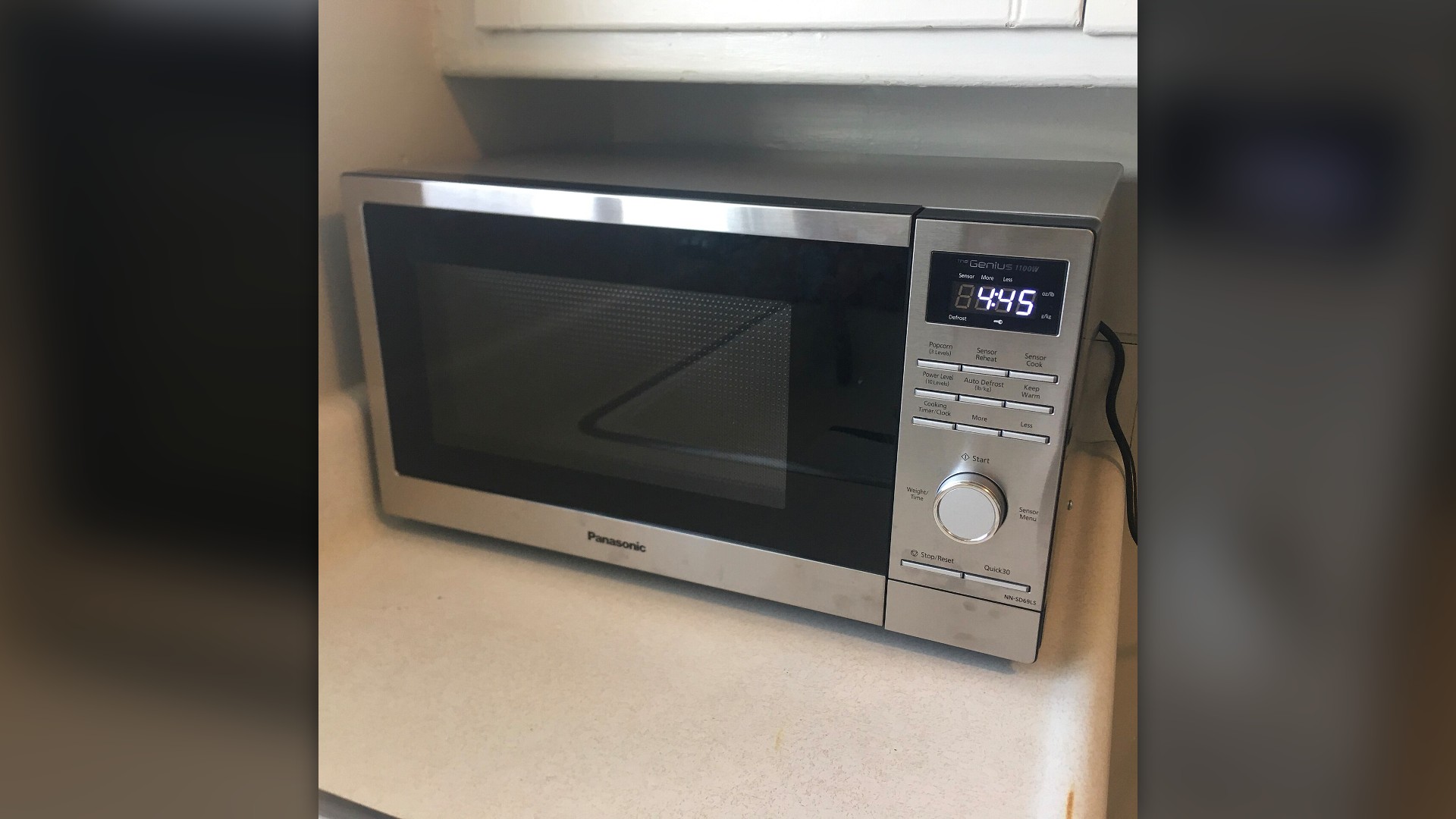
A countertop microwave draws 1,000 to 1,500 watts while heating food, plus 2 to 4 watts for its clock display when idle. Heating meals for 15 minutes a day totals roughly 90 to 135 kilowatt-hours a year. Because microwaves heat food directly instead of warming a metal cavity, they save energy on small portions.
14. PlayStation Gaming Console
Independent power testing shows current-generation consoles like the PlayStation 5 pull 160 to 220 watts during demanding 4K games and 50 to 70 watts while streaming video. Two hours of daily gaming plus standby updates can add 140 to 220 kilowatt-hours a year. Disabling instant-on standby cuts idle draw.

13. Flat-Screen Television
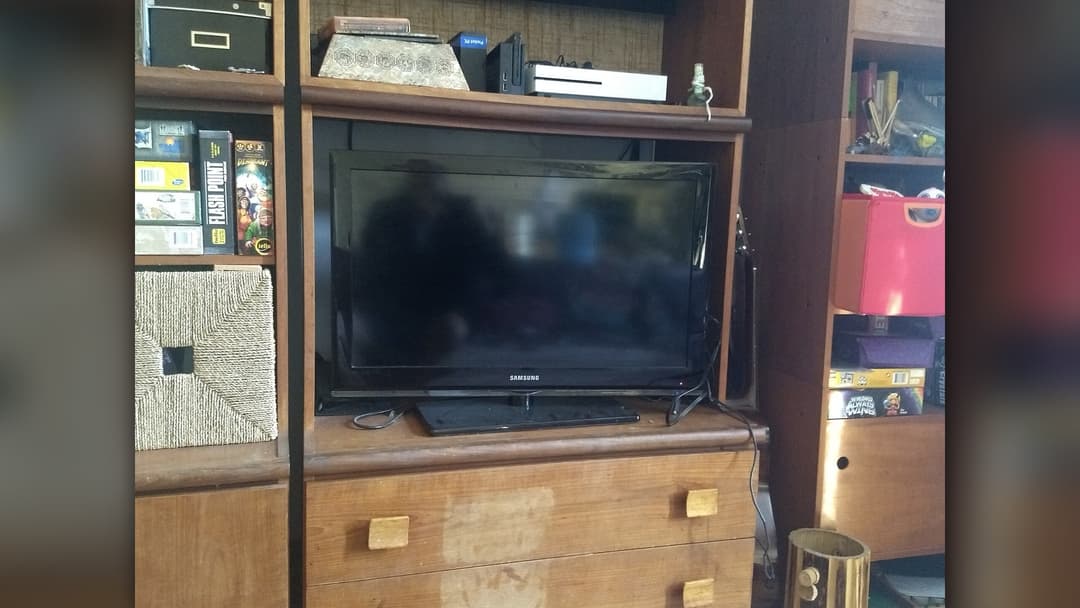
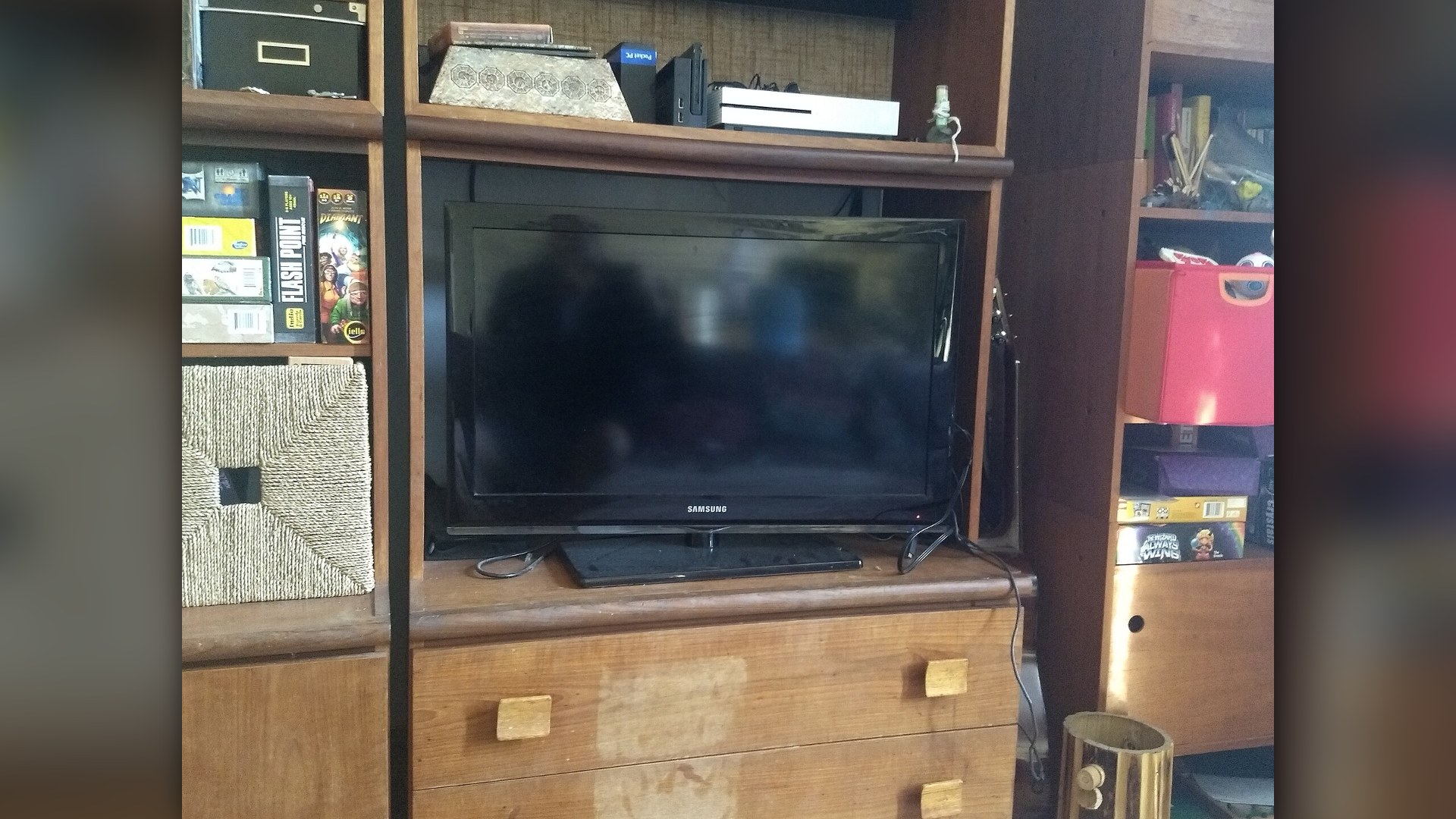
A 55- to 65-inch LED or OLED television typically draws 80 to 180 watts depending on picture brightness and HDR playback. Watching four hours every day adds roughly 120 to 260 kilowatt-hours over a year. Enabling automatic room-brightness sensors trims power use without dimming evening movies.
12. Dishwasher
An ENERGY STAR certified dishwasher uses roughly 240 to 270 kilowatt-hours per year based on 215 annual loads, with peak draws near 1,200 to 1,800 watts when its internal heating coil runs. Skipping the heated-dry option and air-drying dishes overnight can trim cycle electricity by 15 percent or more.

11. Desktop Gaming Computer
While a desktop PC idles around 50 to 80 watts, a modern gaming tower with a dedicated graphics card and monitor easily draws 300 to 550 watts under load. Four hours of heavy daily use adds 440 to 800 kilowatt-hours a year. Putting the system to sleep when stepping away prevents steady overnight waste.

10. Chest Freezer
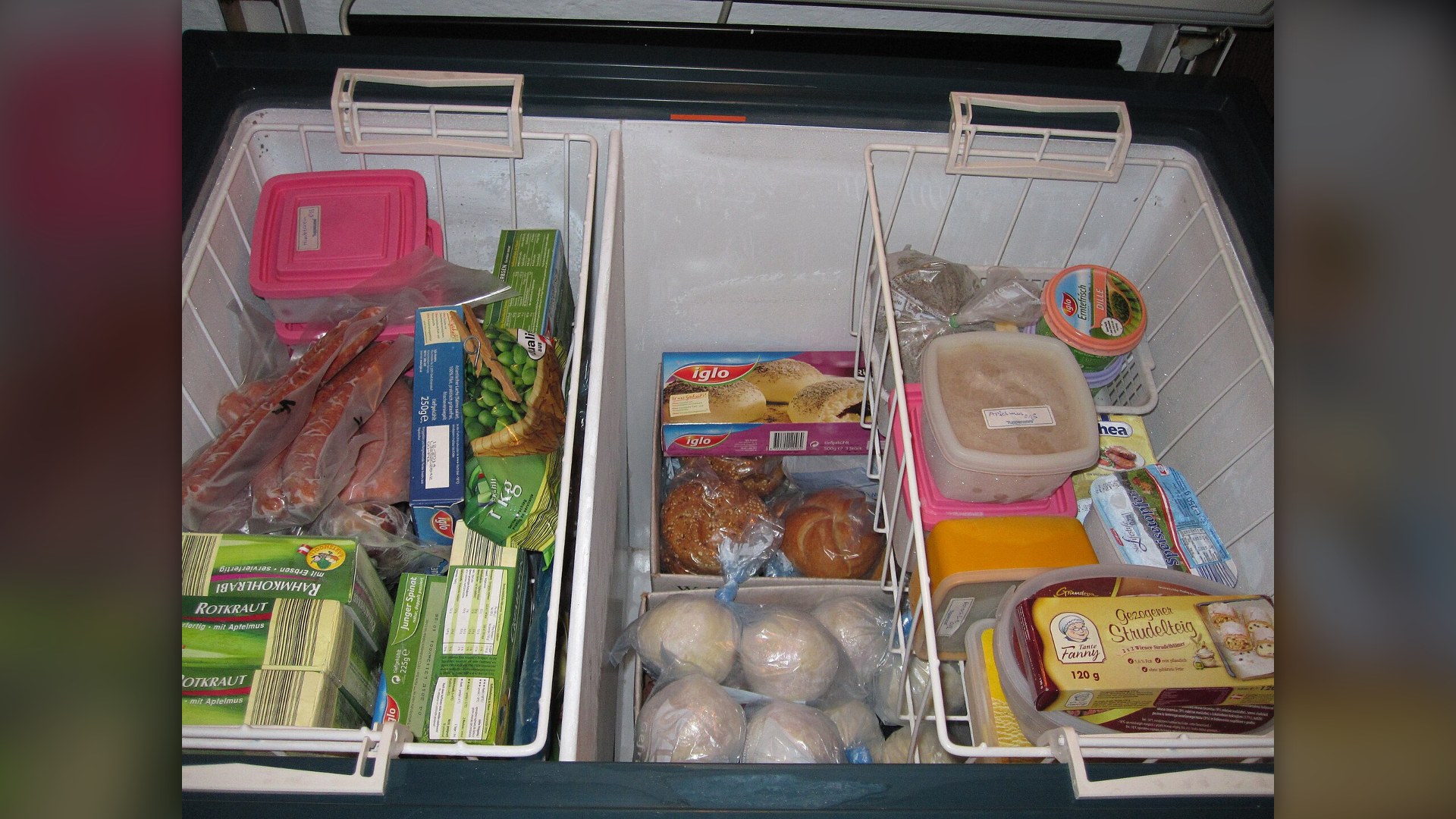
An ENERGY STAR chest freezer typically uses 215 to 350 kilowatt-hours per year in a climate-controlled space, thanks to top-opening lids that trap cold air. Older manual-defrost units or freezers placed in hot garages can easily pass 500 kilowatt-hours annually. Checking door gaskets keeps frost and runtime down.
9. Induction Cooktop And Electric Range
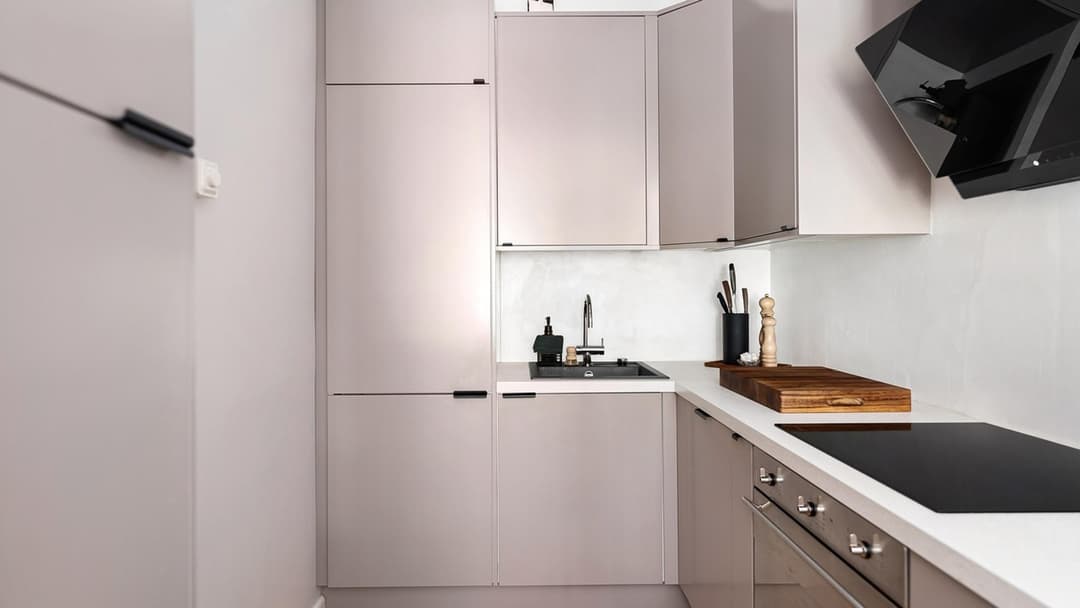
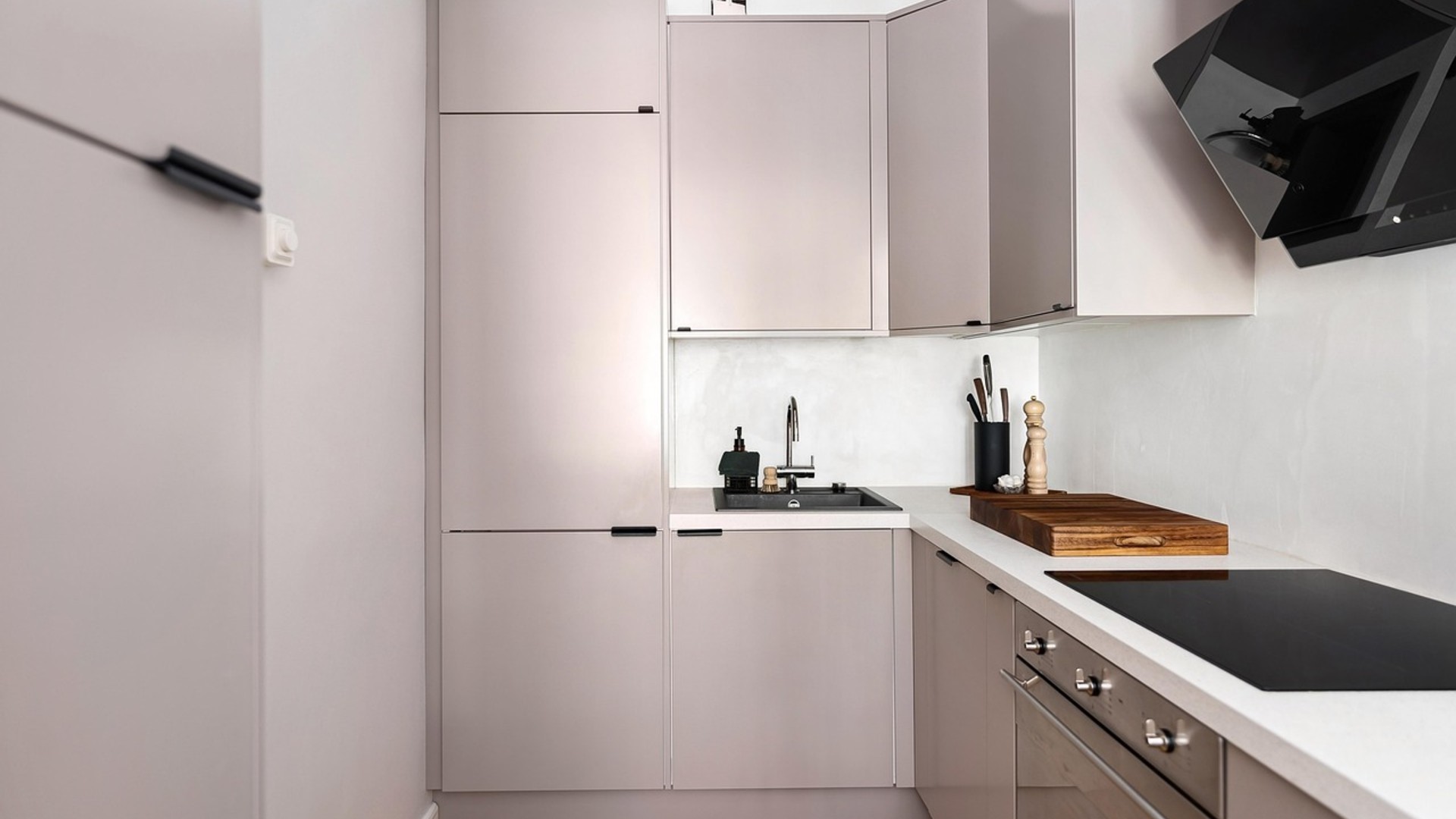
A standard electric oven pulls 2,000 to 3,500 watts while baking, and electric cooking averages 300 to 550 kilowatt-hours per year. Induction burners heat the pan magnetically, transferring roughly 85 percent of energy into food compared with about 74 percent for standard electric coils.
8. Kitchen Refrigerator
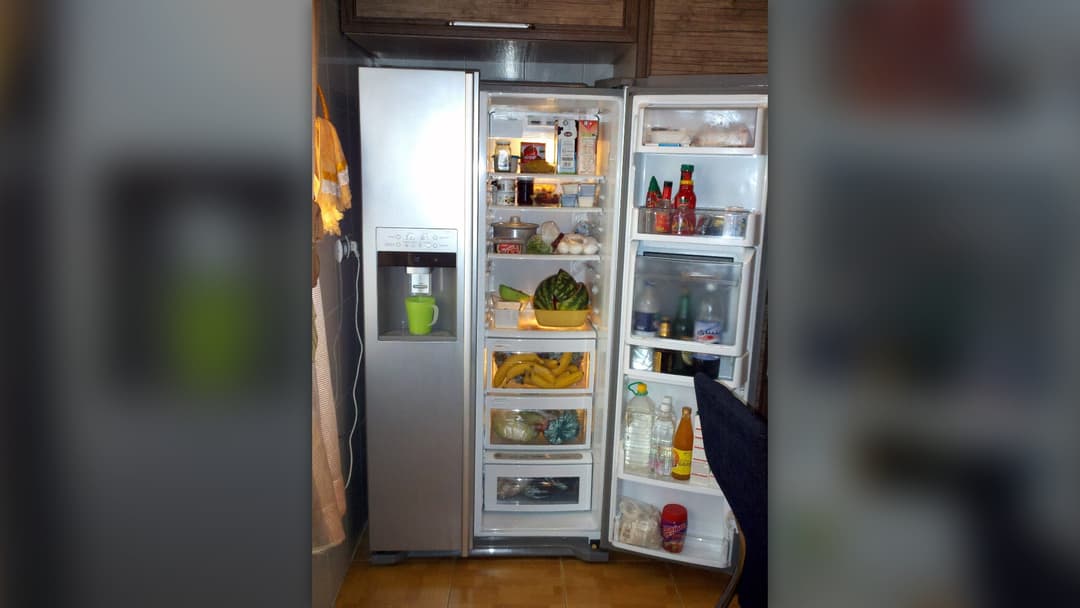
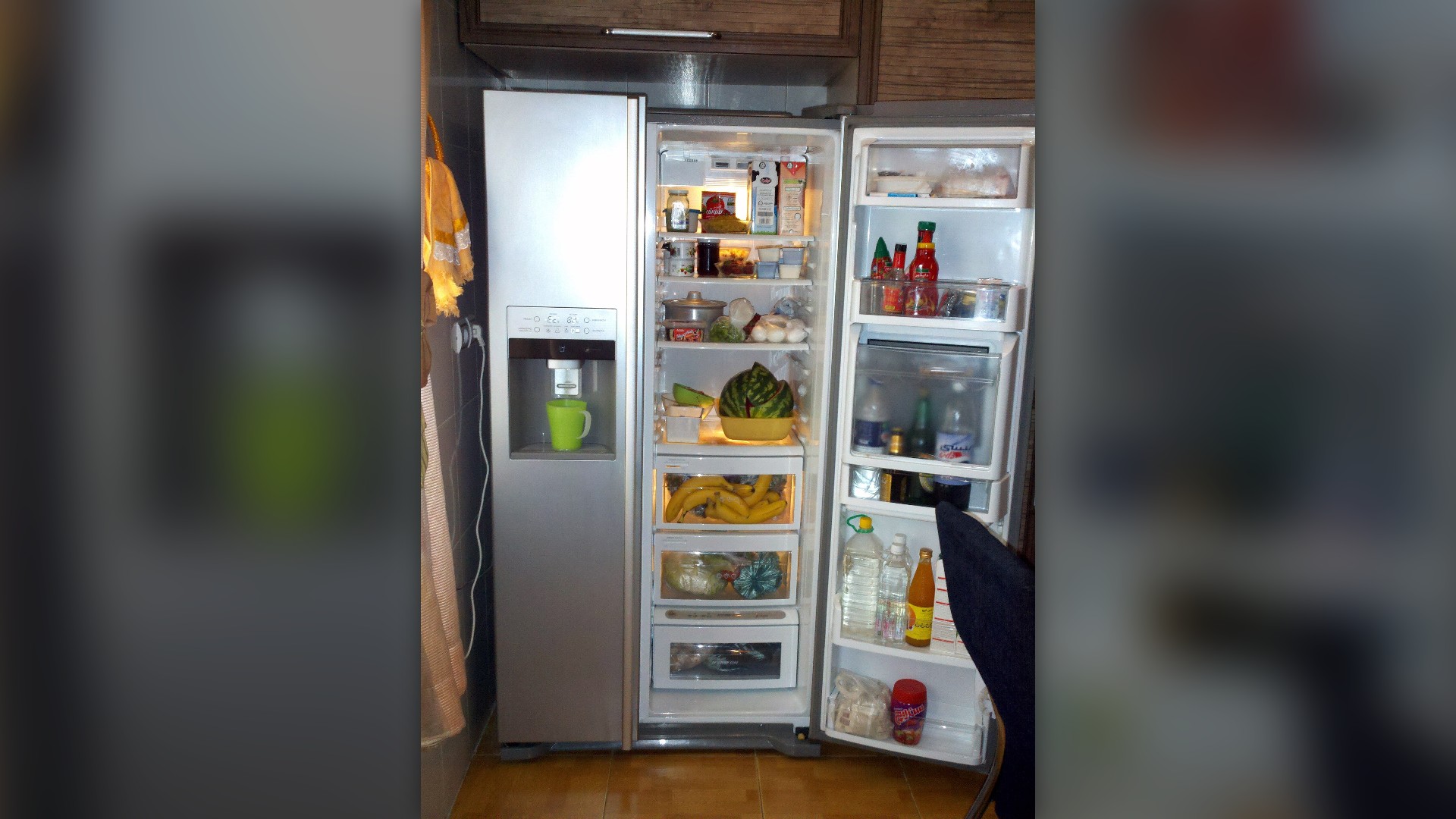
A full-size refrigerator uses about 400 to 650 kilowatt-hours a year, costing roughly 65 to 105 dollars annually at average U.S. rates. Units built before federal efficiency updates in 2001 often consume over 1,200 kilowatt-hours a year. Vacuuming dusty condenser coils helps compressors run shorter cycles.
7. Window Air Conditioner
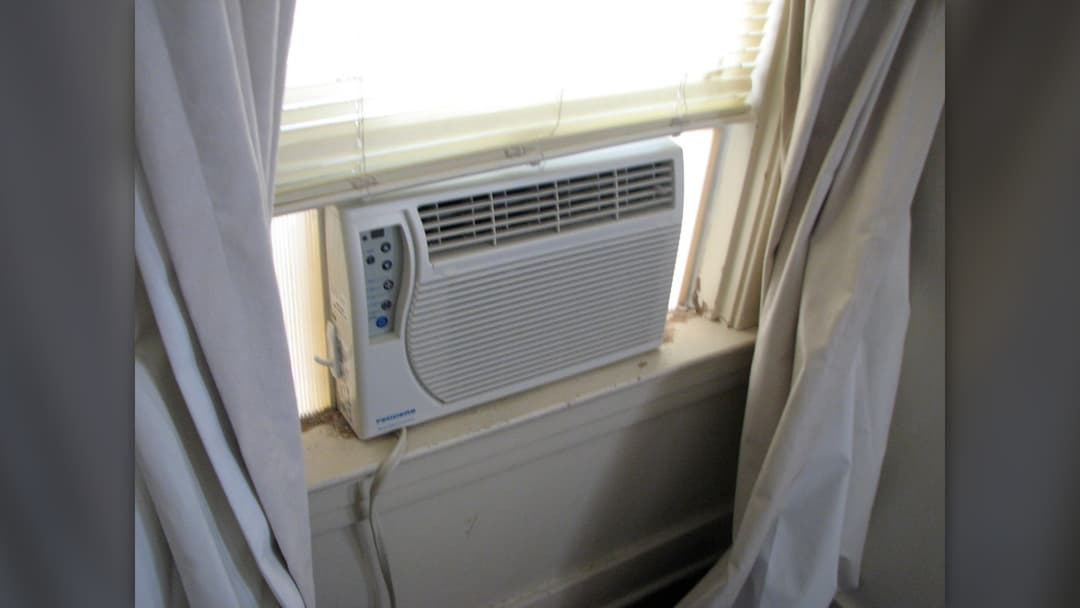
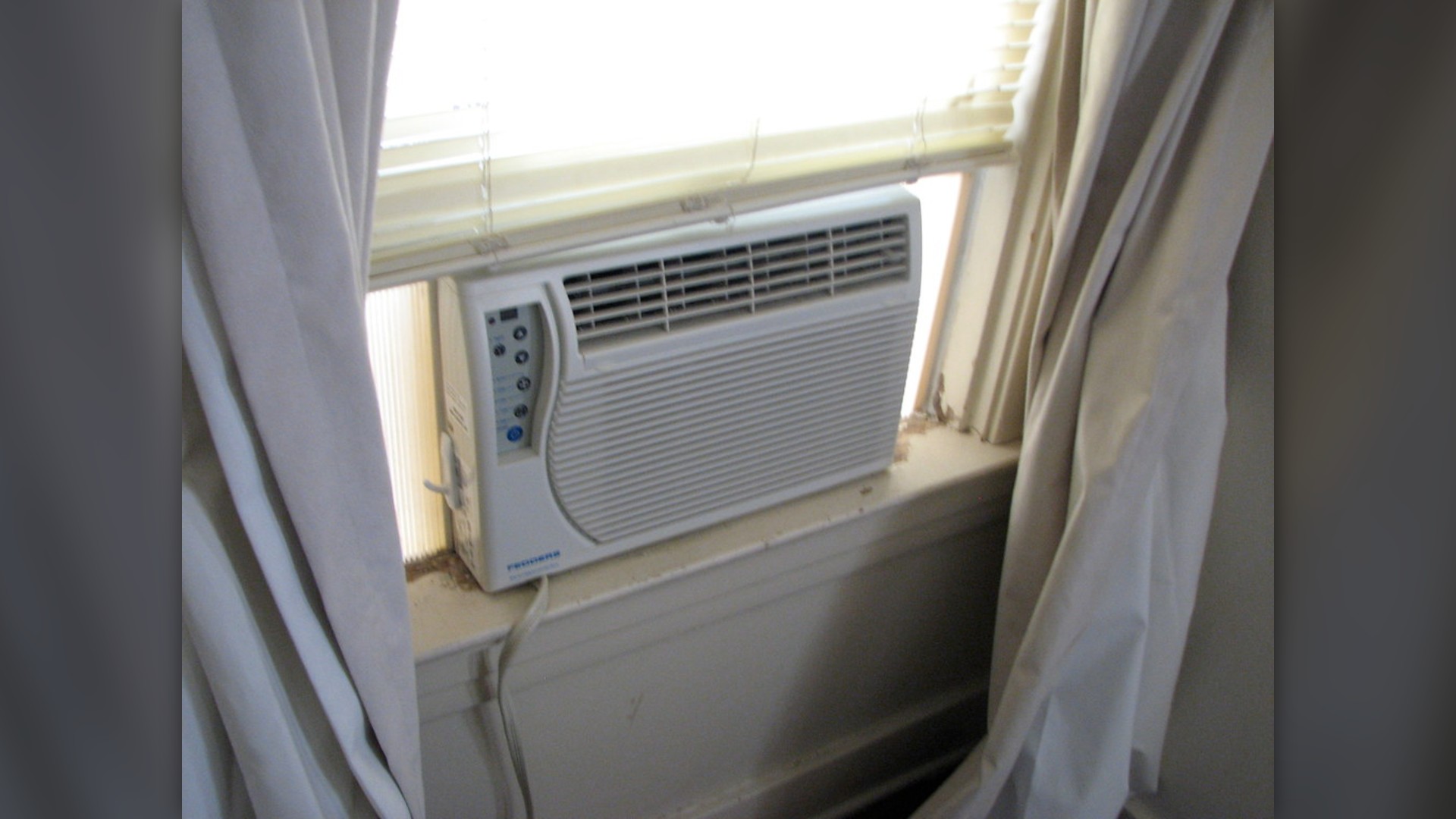
A 6,000- to 12,000-BTU window air conditioner draws roughly 500 to 1,400 watts while its compressor runs. Operating one unit eight hours a day across a 90-day summer consumes 450 to 900 kilowatt-hours, and homes with two or three units double or triple that load. Sealing side gaps keeps hot air outside.
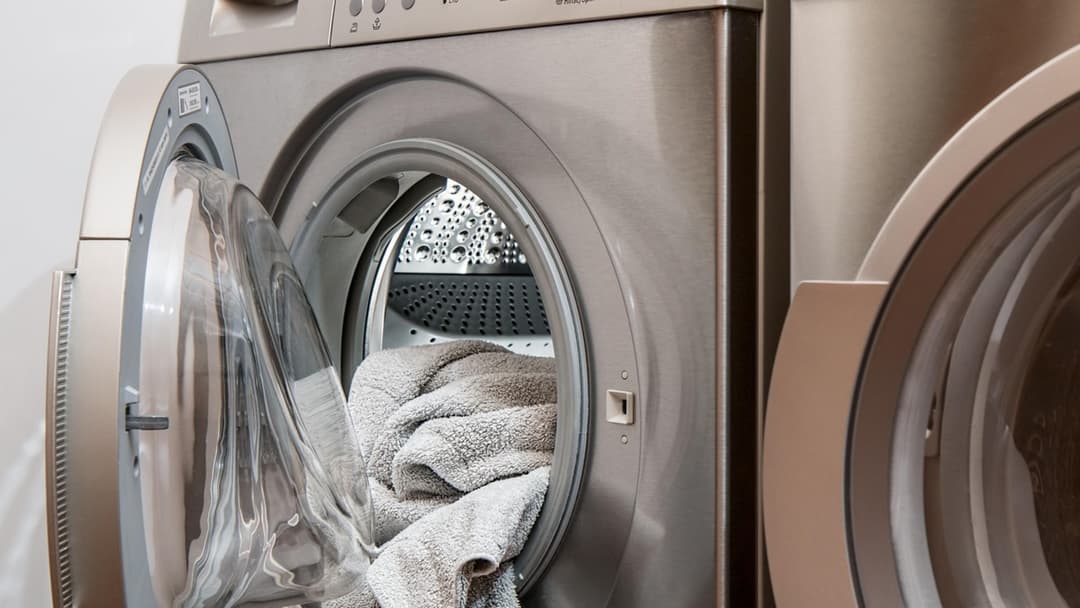
6. Electric Clothes Dryer
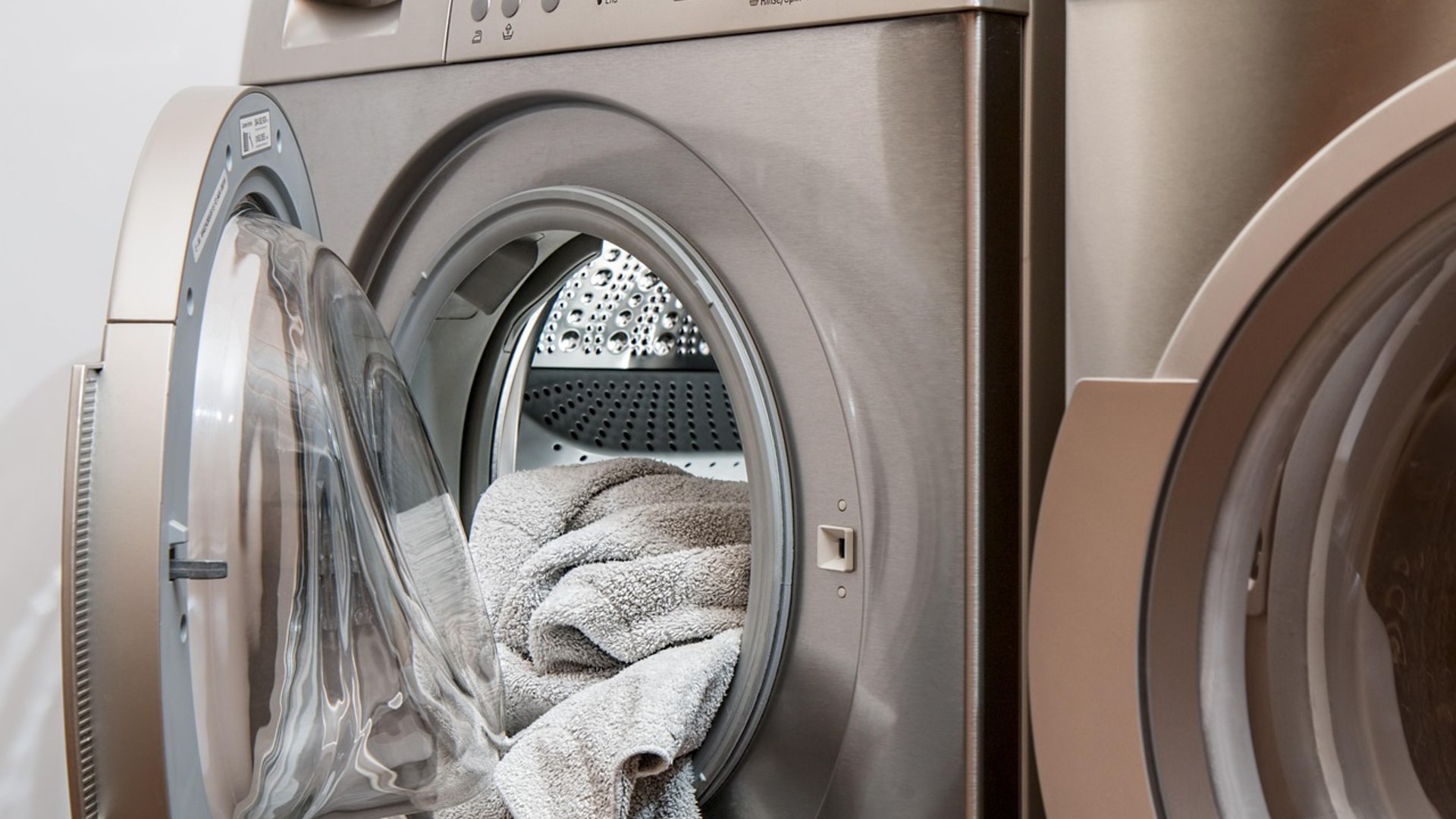
A conventional electric clothes dryer draws 2,000 to 5,000 watts and averages roughly 600 to 900 kilowatt-hours per year across 280 to 300 loads, according to Department of Energy estimates. Cleaning the lint trap before every cycle and using moisture sensors stops the heater from over-drying clothes.
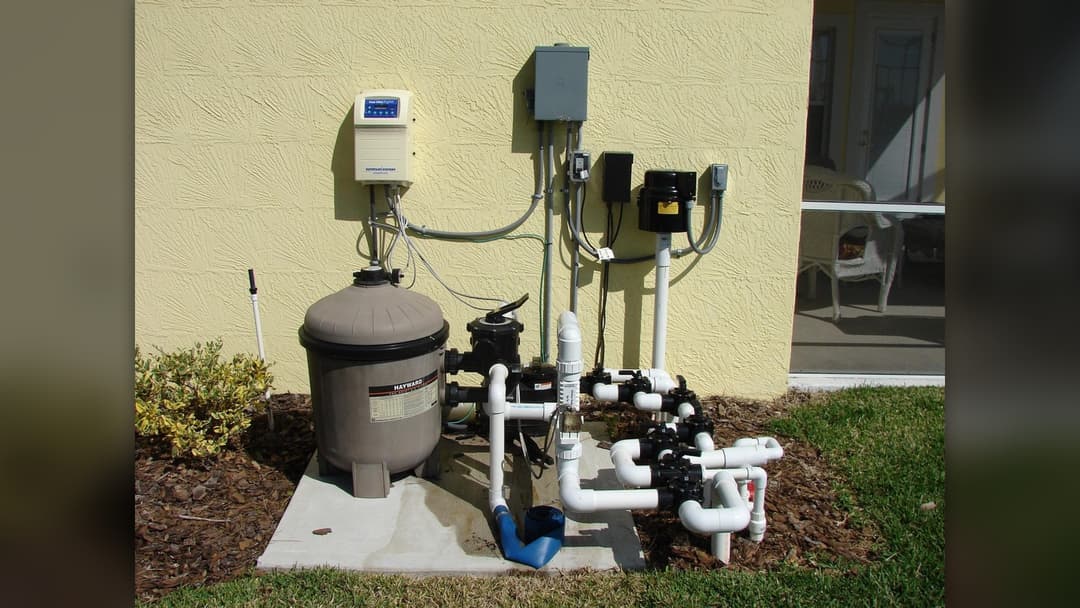
5. Swimming Pool Circulation Pump
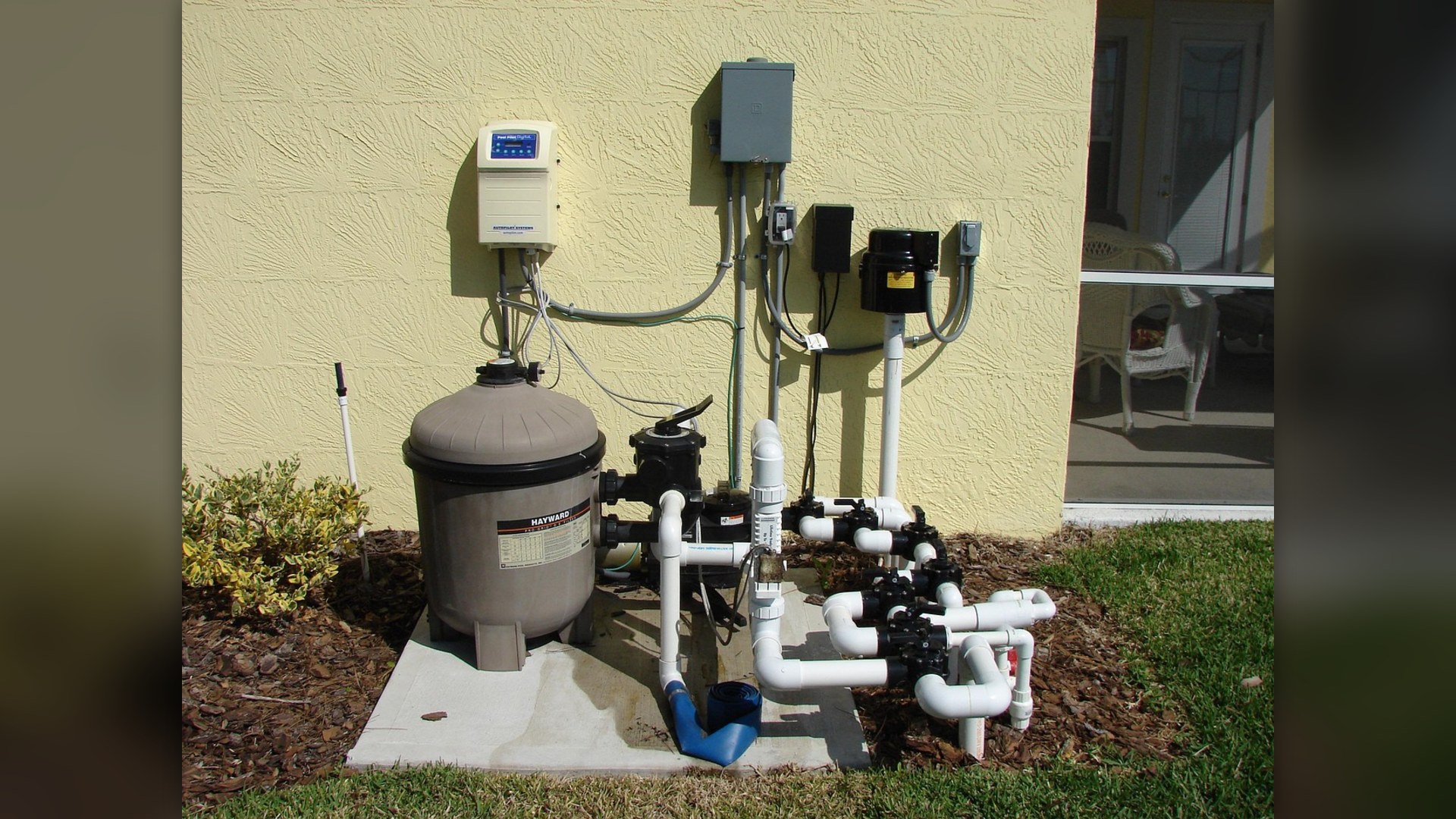
An older single-speed pool pump draws 1,500 to 2,500 watts and often runs 8 to 12 hours daily, burning 2,000 to 3,500 kilowatt-hours each swim season. Switching to an ENERGY STAR variable-speed pump cuts electricity use by roughly 50 to 70 percent by slowing water flow during routine filtration.
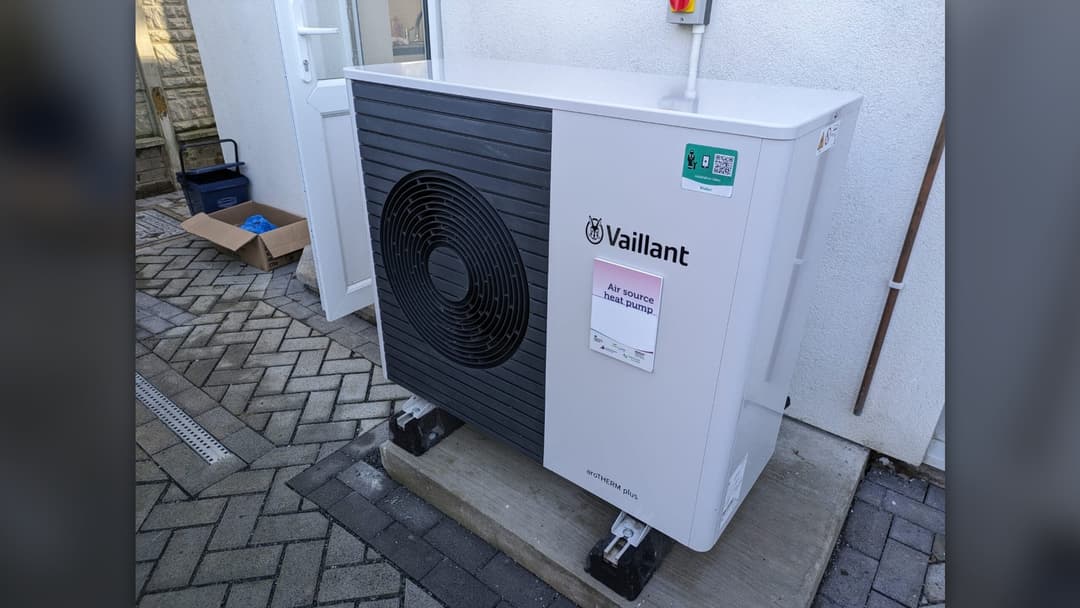
4. Air-Source Heat Pump
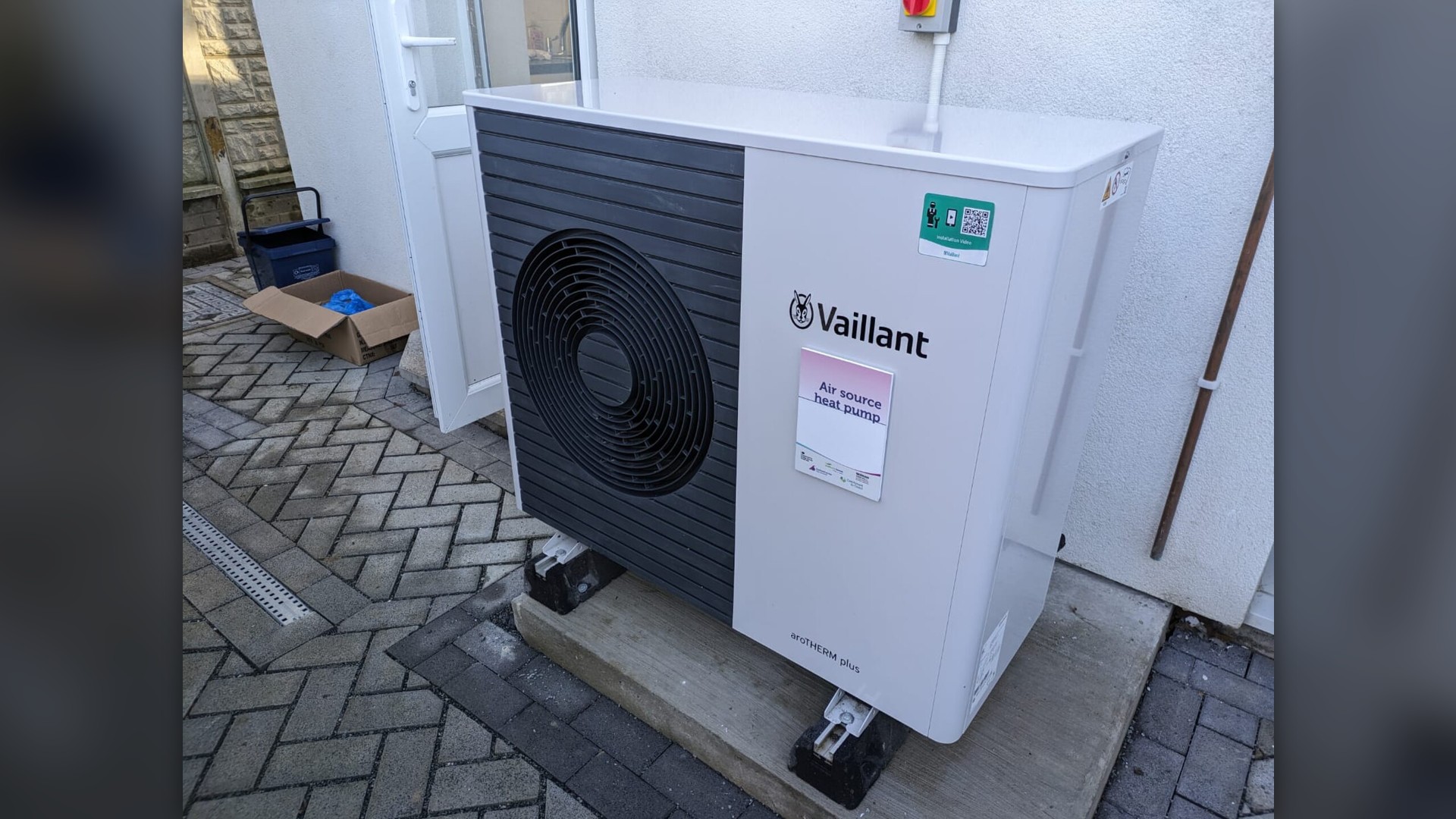
An air-source heat pump pulls 1,000 to 4,000 watts while transferring thermal energy instead of creating heat from resistance coils. In year-round service, it uses 3,000 to 5,500 kilowatt-hours annually, yet cuts winter heating electricity by up to 50 percent compared with electric furnaces, per the DOE.
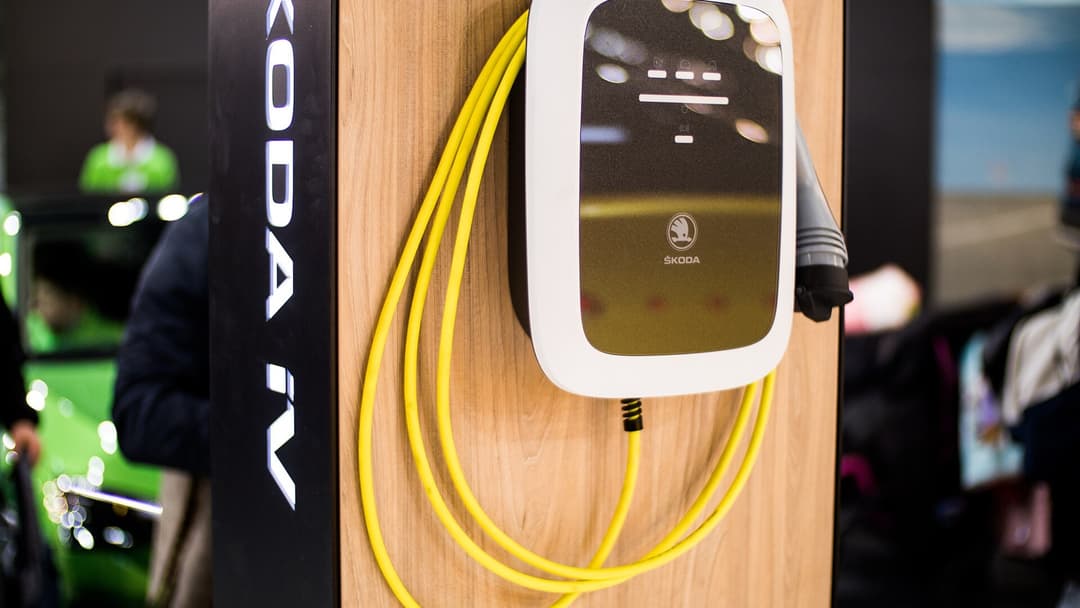
3. Level 2 Home EV Charger
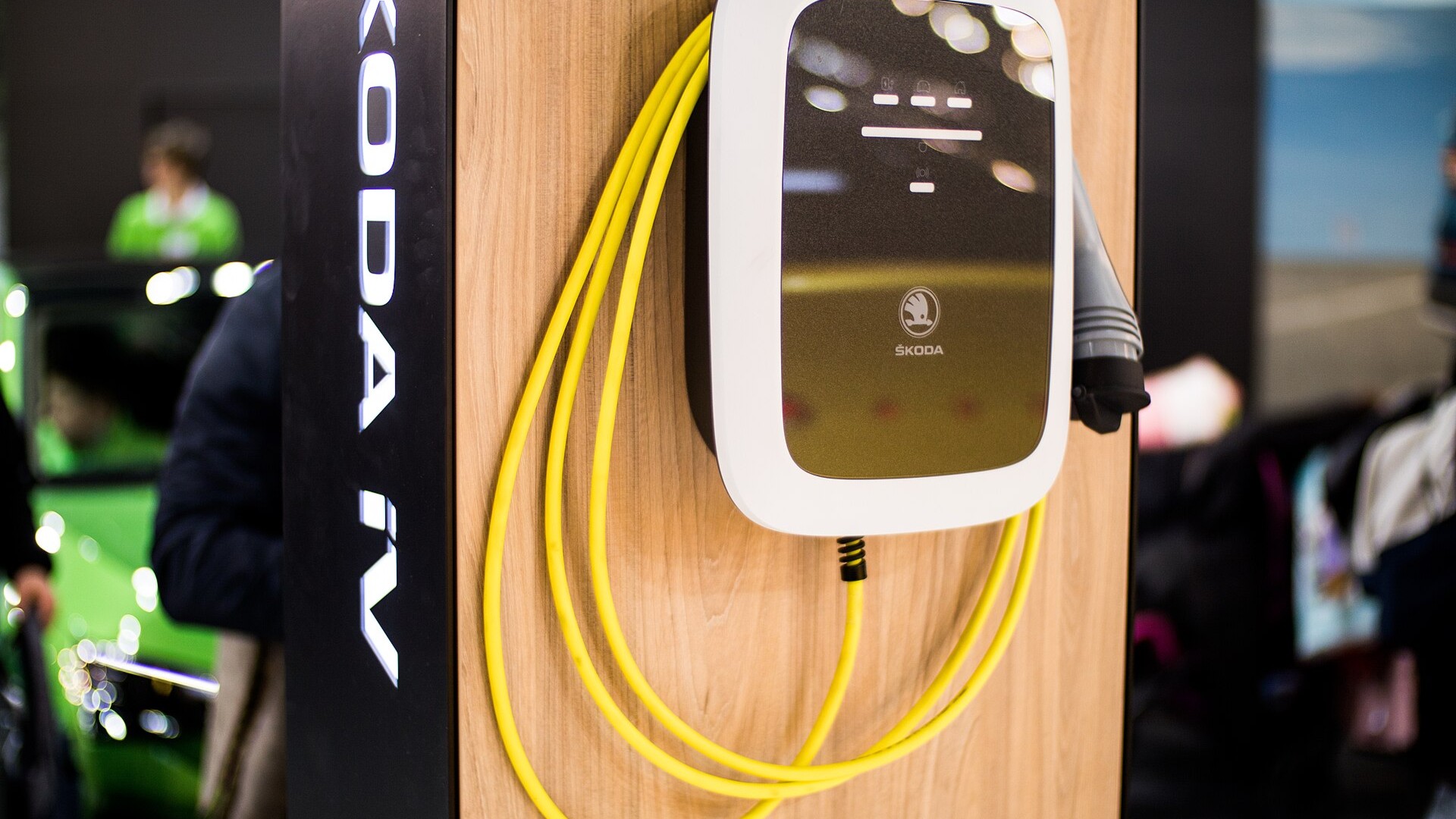
A Level 2 240-volt wall charger delivers 7.7 to 11.5 kilowatts to a vehicle battery. Driving 12,000 miles a year at 3.5 miles per kilowatt-hour adds roughly 3,400 kilowatt-hours to a home's annual electric bill. Scheduling charging during off-peak overnight utility hours lowers the per-kilowatt-hour cost.
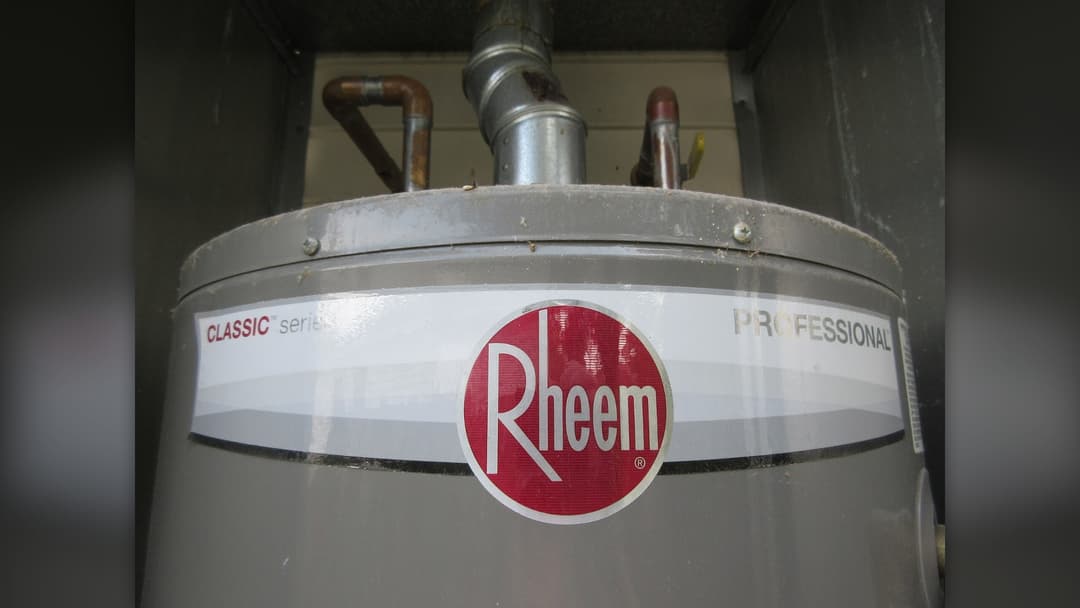
2. Storage Tank Water Heater
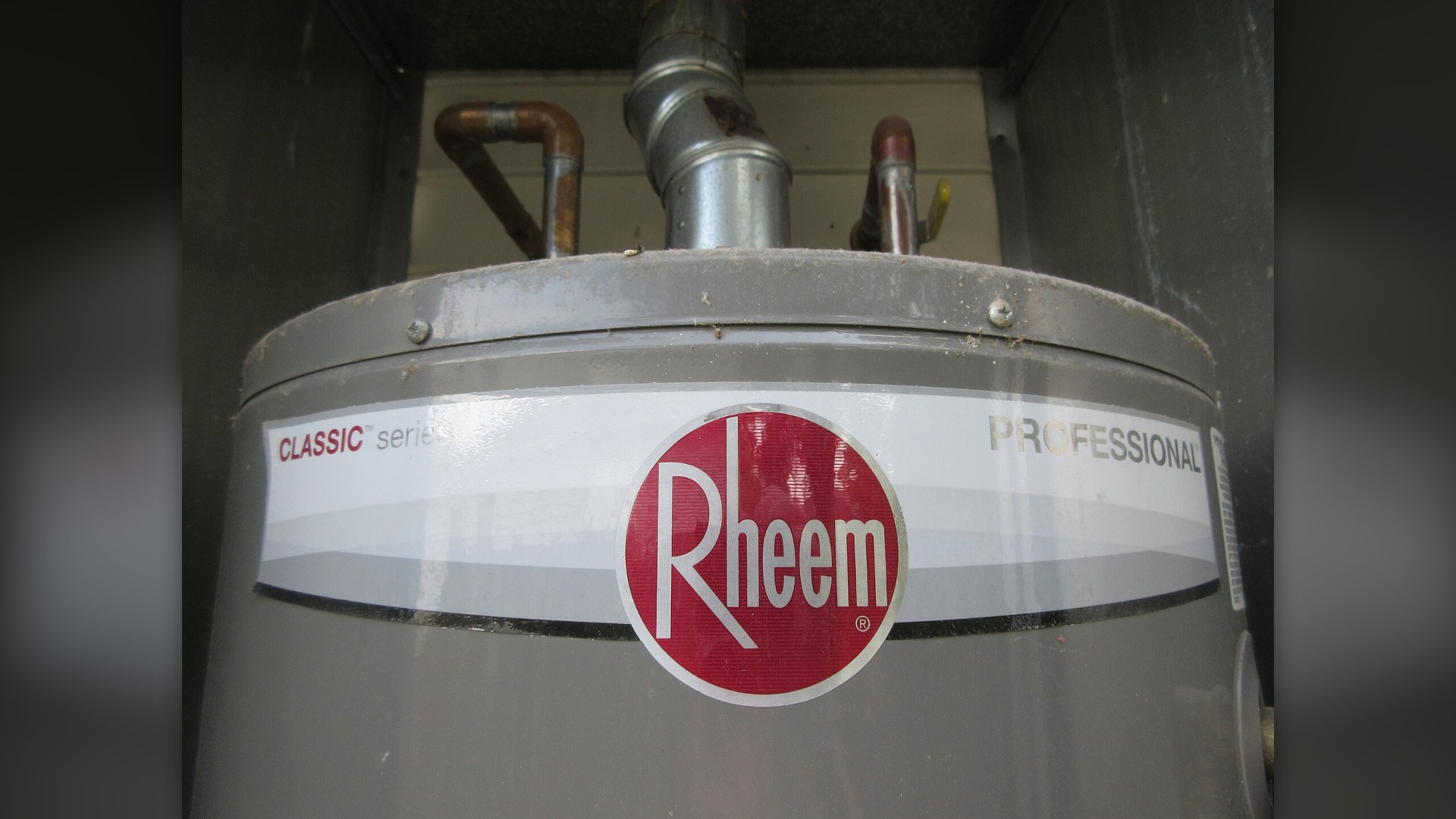
Standard 50-gallon electric storage water heaters use dual 4,500-watt elements and consume 3,500 to 4,500 kilowatt-hours a year, making water heating the second-largest home energy expense after climate control, per the DOE. Lowering the tank thermostat to 120 degrees Fahrenheit cuts standby heat loss noticeably.
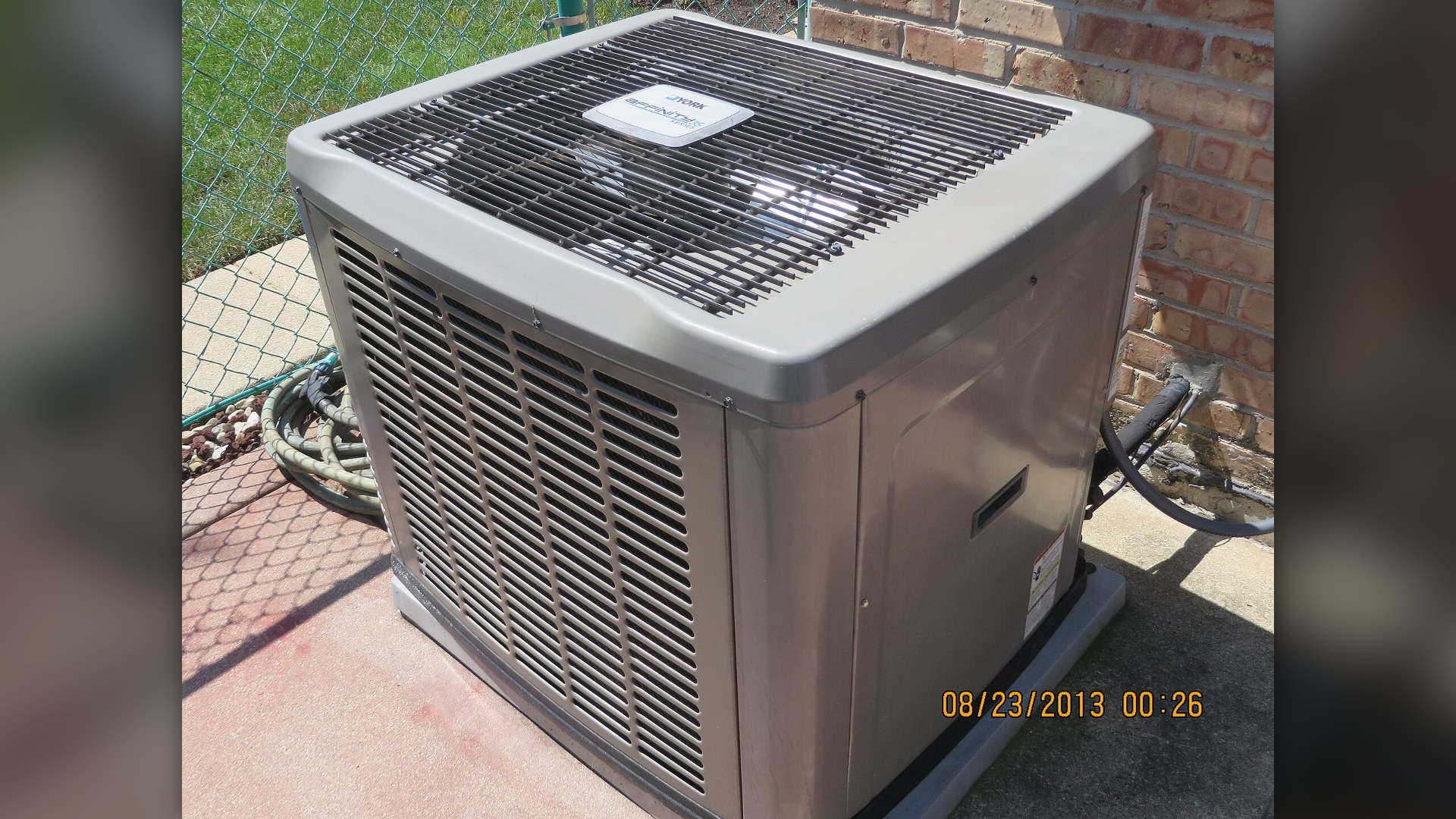
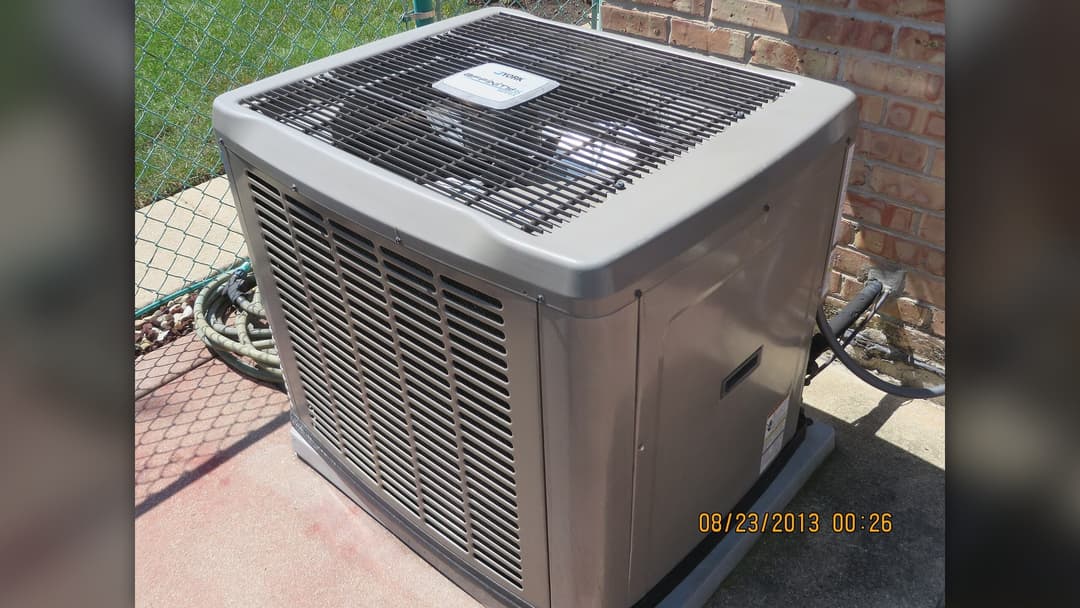
1. Central Air Conditioner
Central air conditioner draws 3,000 to 5,000 watts while cooling, and air conditioning accounts for roughly 19 percent of U.S. residential electricity use according to the Energy Information Administration. Raising the thermostat by a few degrees while away and replacing clogged filters trims summer bills fast.