Slideshow · Technology
20 Home Appliances That Drain Electricity Even When Turned Off
Household electronics quietly siphon electric power around the clock even when switched off. Known as standby power or vampire draw, this idle load adds up to hundreds of kilowatt-hours annually. Data from Lawrence Berkeley National Laboratory and the Department of Energy reveals the costliest culprits in every room.
By Most Viral Today
1 hour ago

20 Household Appliances That Use Power Even When Turned Off 
20. Mobile Phone Chargers 
19. Electric Toothbrush Chargers 
18. Laptop Power Adapters - AdvertisementSwipe or tap ▶ to continue countdown

17. Microwave Ovens 
16. Drip Coffee Makers 
15. Cordless Phone Base Stations 
14. Smart Speakers And Displays - AdvertisementSwipe or tap ▶ to continue countdown

13. Streaming Media Devices 
12. Standalone Soundbars 
11. Robot Vacuum Docks 
10. Garage Door Opener Receivers - AdvertisementSwipe or tap ▶ to continue countdown

9. Home Security Hubs 
8. Smart Televisions 
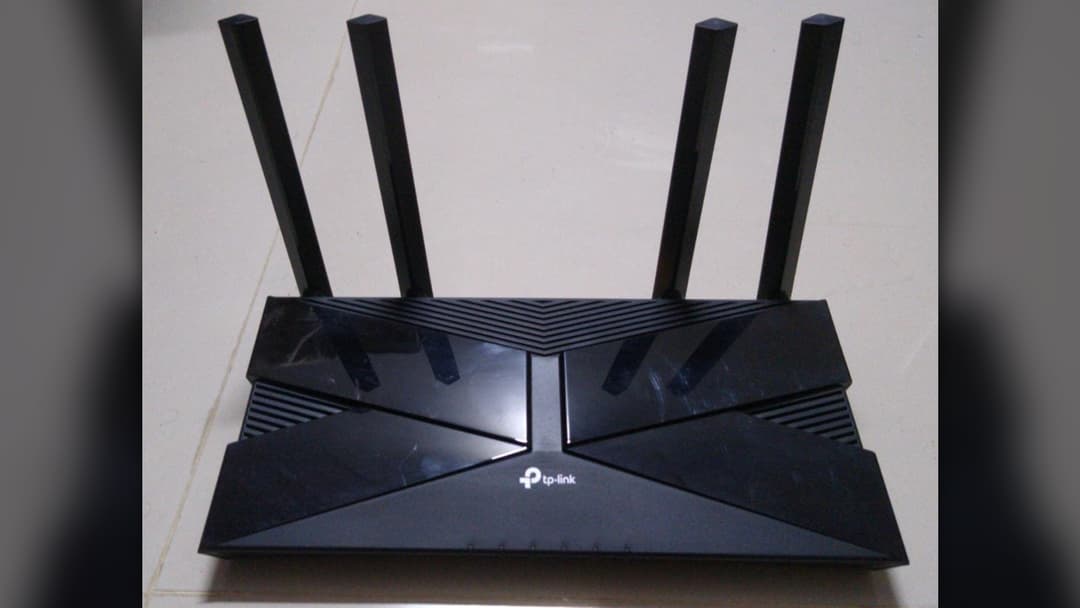
7. Wi-Fi Routers And Modems 
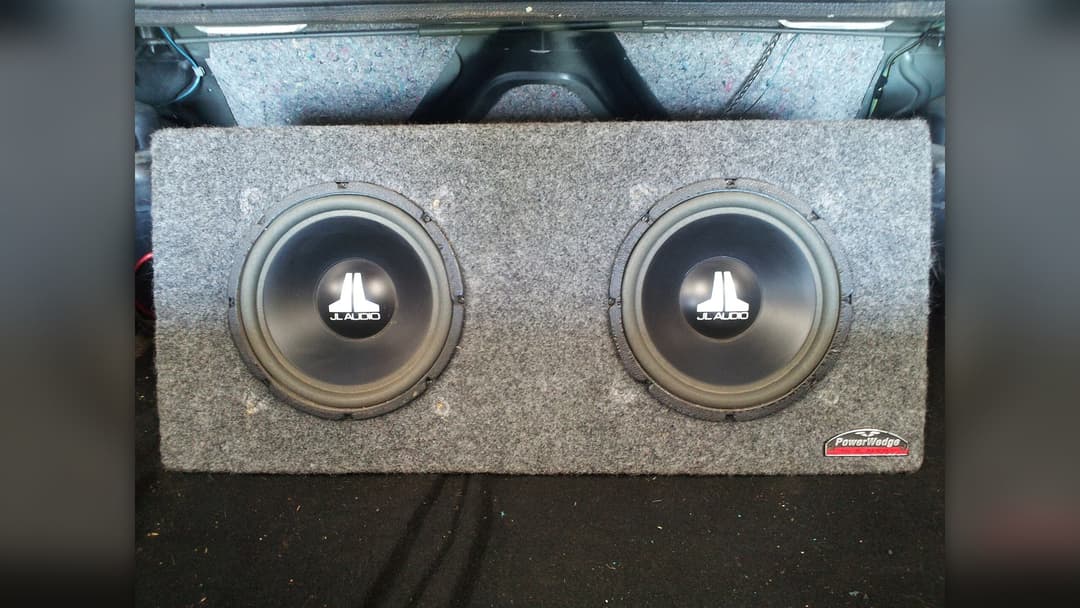
6. Powered Audio Subwoofers - AdvertisementSwipe or tap ▶ to continue countdown

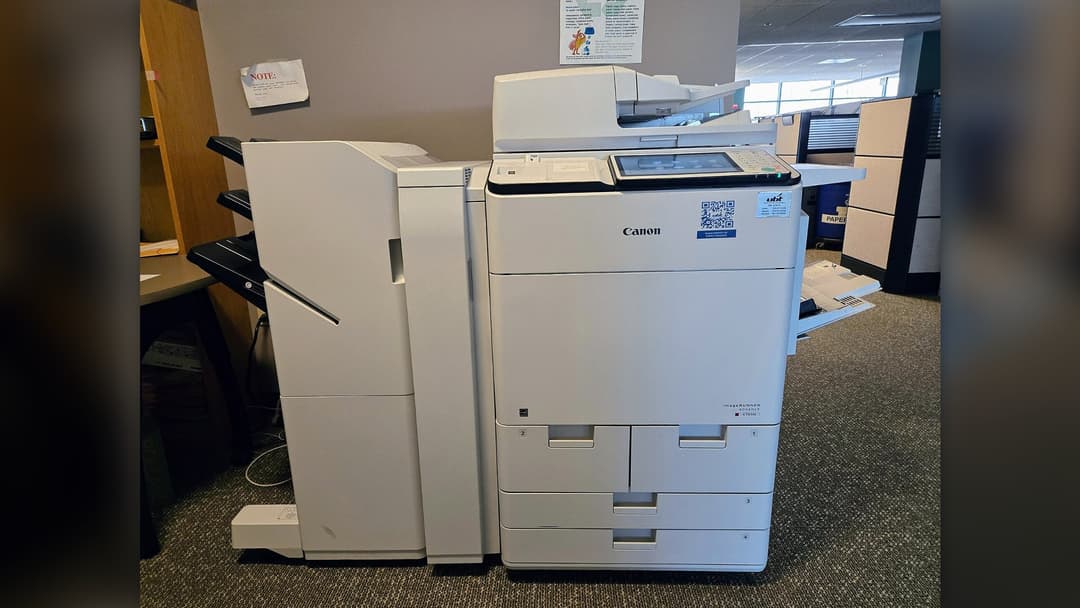
5. Home Office Laser Printers 
4. Desktop Computers In Sleep Mode 
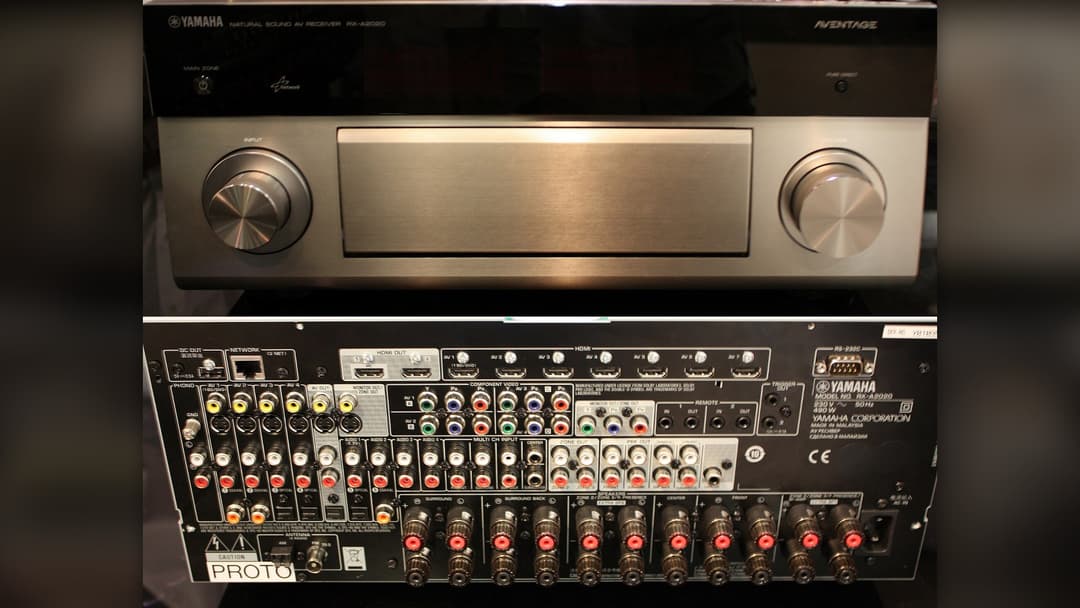
3. AV Home Theater Receivers 
2. Video Game Consoles - AdvertisementSwipe or tap ▶ to continue countdown

1. Cable And Satellite DVR Boxes - Advertisement🔥 UP NEXT IN THIS SERIES◫ 21 Slides

20 Biggest US IPOs by Market Valuation, Ranked
From early dot-com pioneers to modern artificial intelligence leaders, Wall Street history is punctuated by colossal stock market debuts. Based on market capitalization at offer pricing, we count down the twenty largest public listings in United States history to reveal which market giants achieved the biggest floats.
Vampire power accounts for roughly ten percent of residential electricity use across typical American homes. Unplugging idle devices or using smart power strips eliminates unnecessary baseload expenses. Sourced from Lawrence Berkeley National Laboratory standby measurement tables and Department of Energy guidance.
Swipe or tap ▶ to begin the countdown
©Pixabay / Tumisu & Wikimedia / Baron Maddock
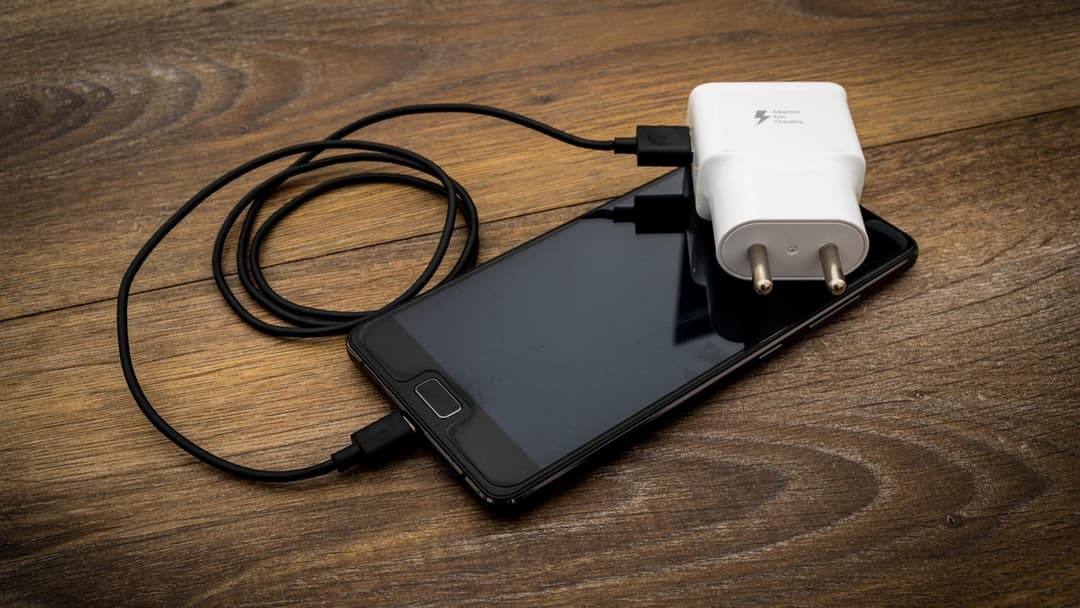
20. Mobile Phone Chargers
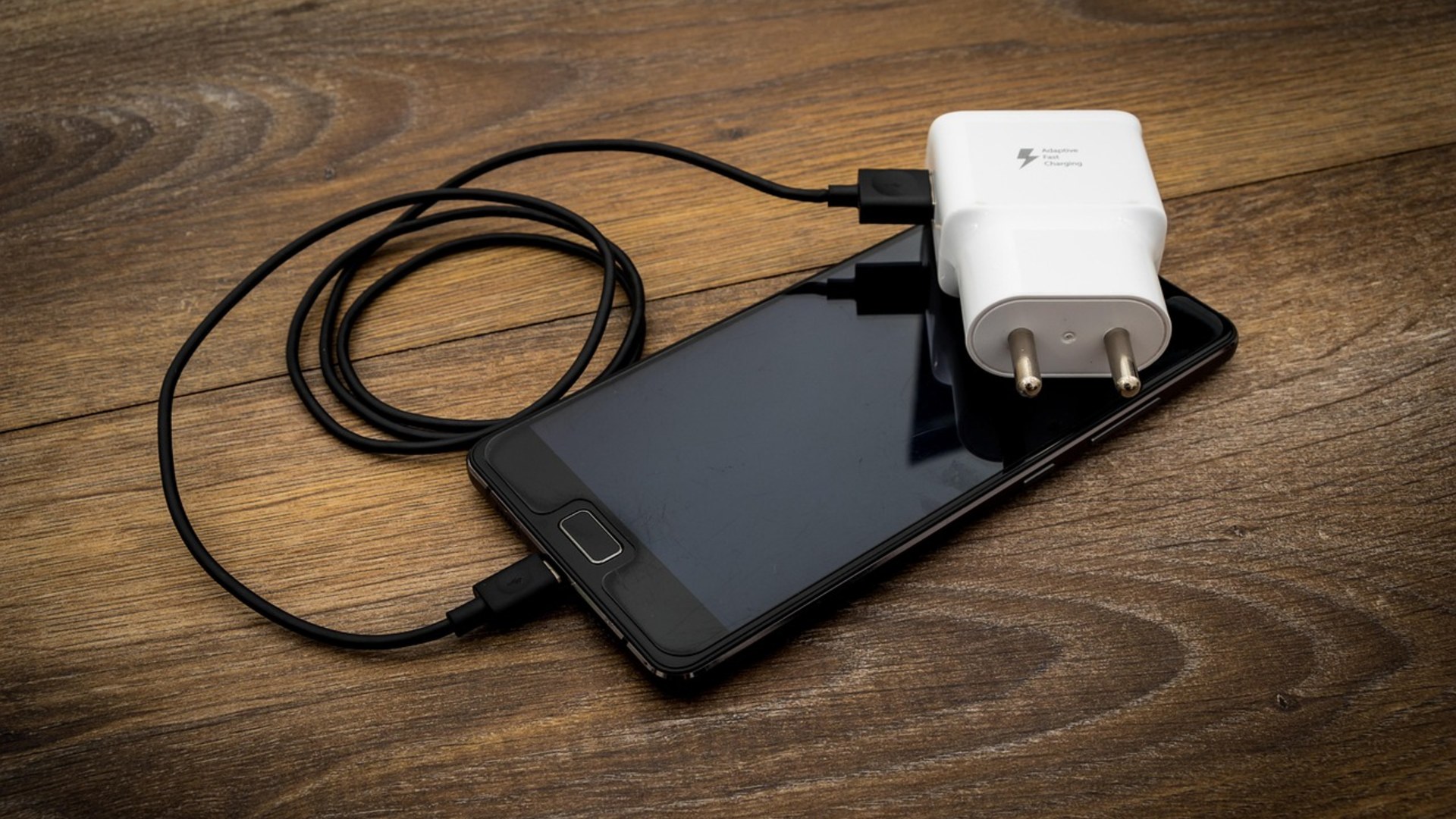
Leaving an idle mobile phone charger plugged into an outlet continuously draws between 0.1 and 0.5 watts of phantom electricity. Lawrence Berkeley National Laboratory testing shows that while a single adapter costs pennies yearly, multiple household chargers multiply baseline waste over twelve months.
©Pixabay / ReadyElements
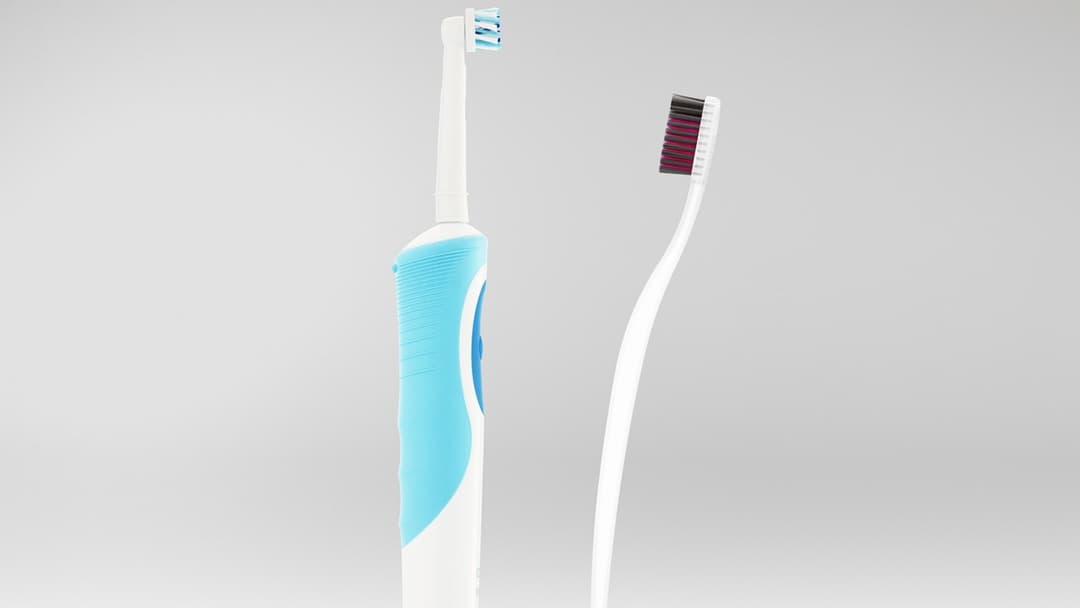
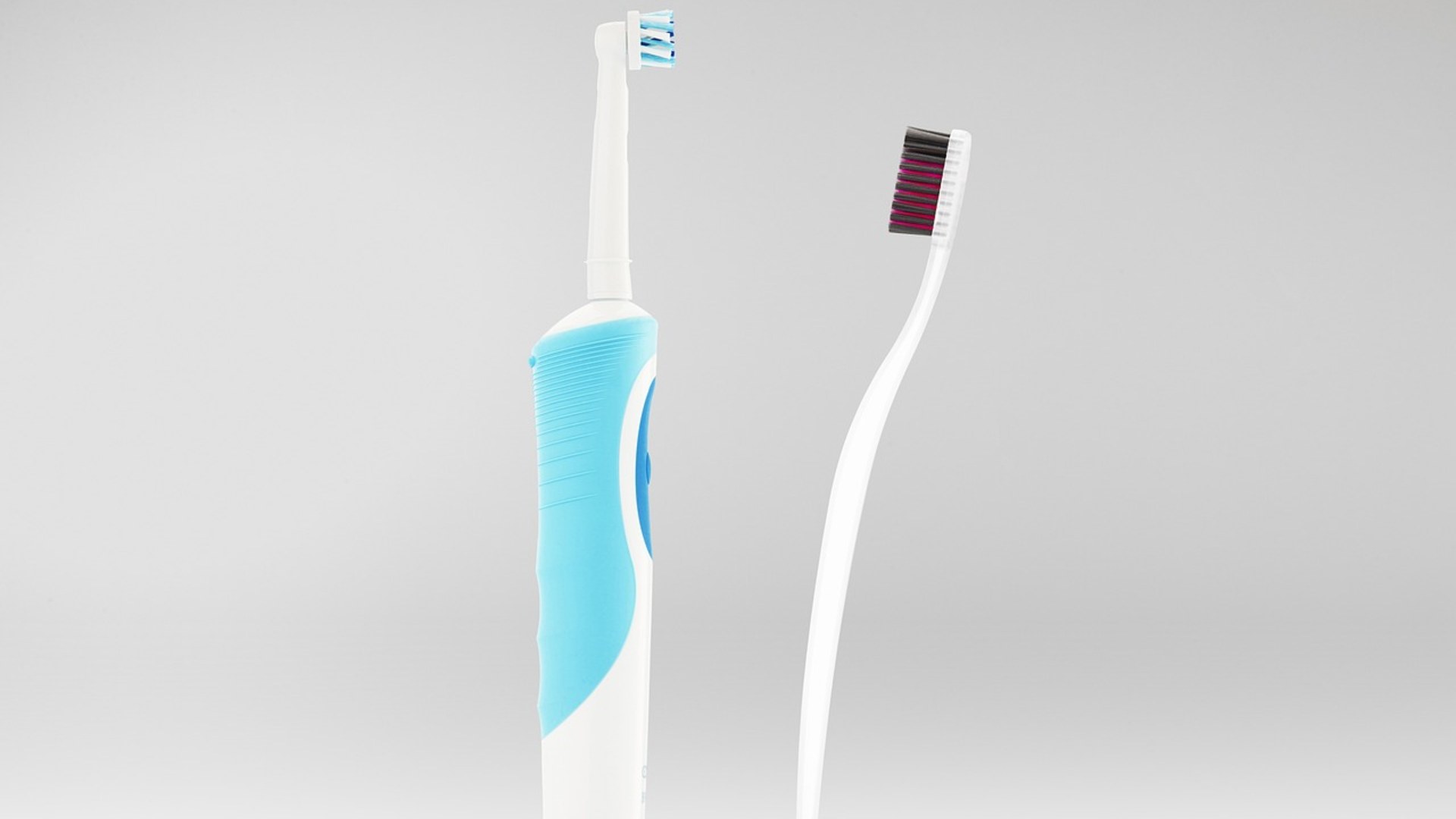
19. Electric Toothbrush Chargers
Bathroom toothbrush stands use magnetic induction coils that draw 1.0 to 1.8 watts constantly from wall sockets. Data published by the US Department of Energy indicates that leaving the charging stand continuously plugged in consumes roughly 15 kilowatt-hours of wasted electricity each year.
©Pixabay / andreas160578
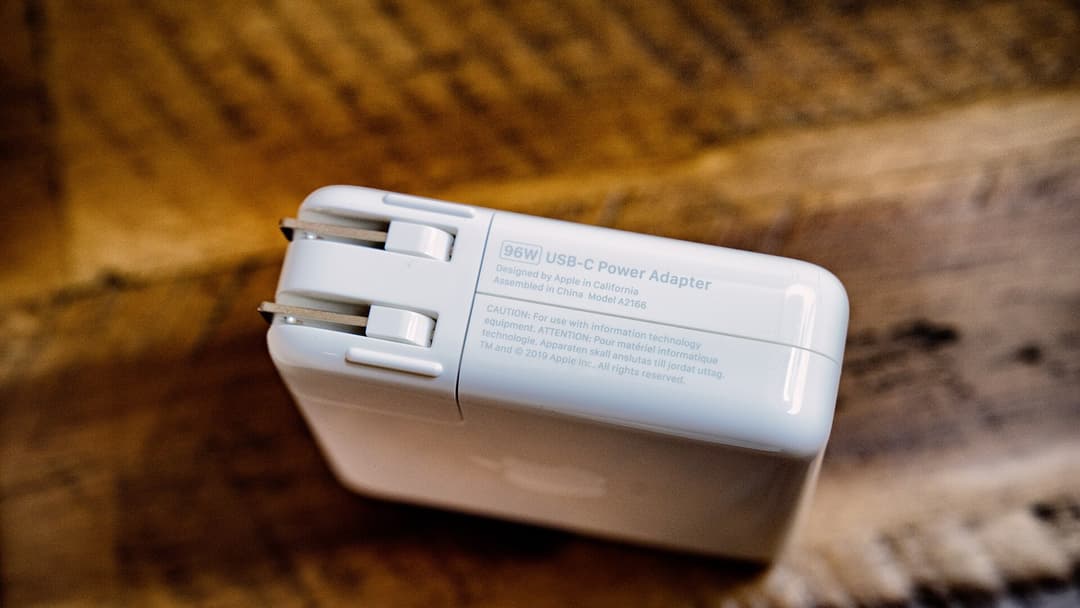
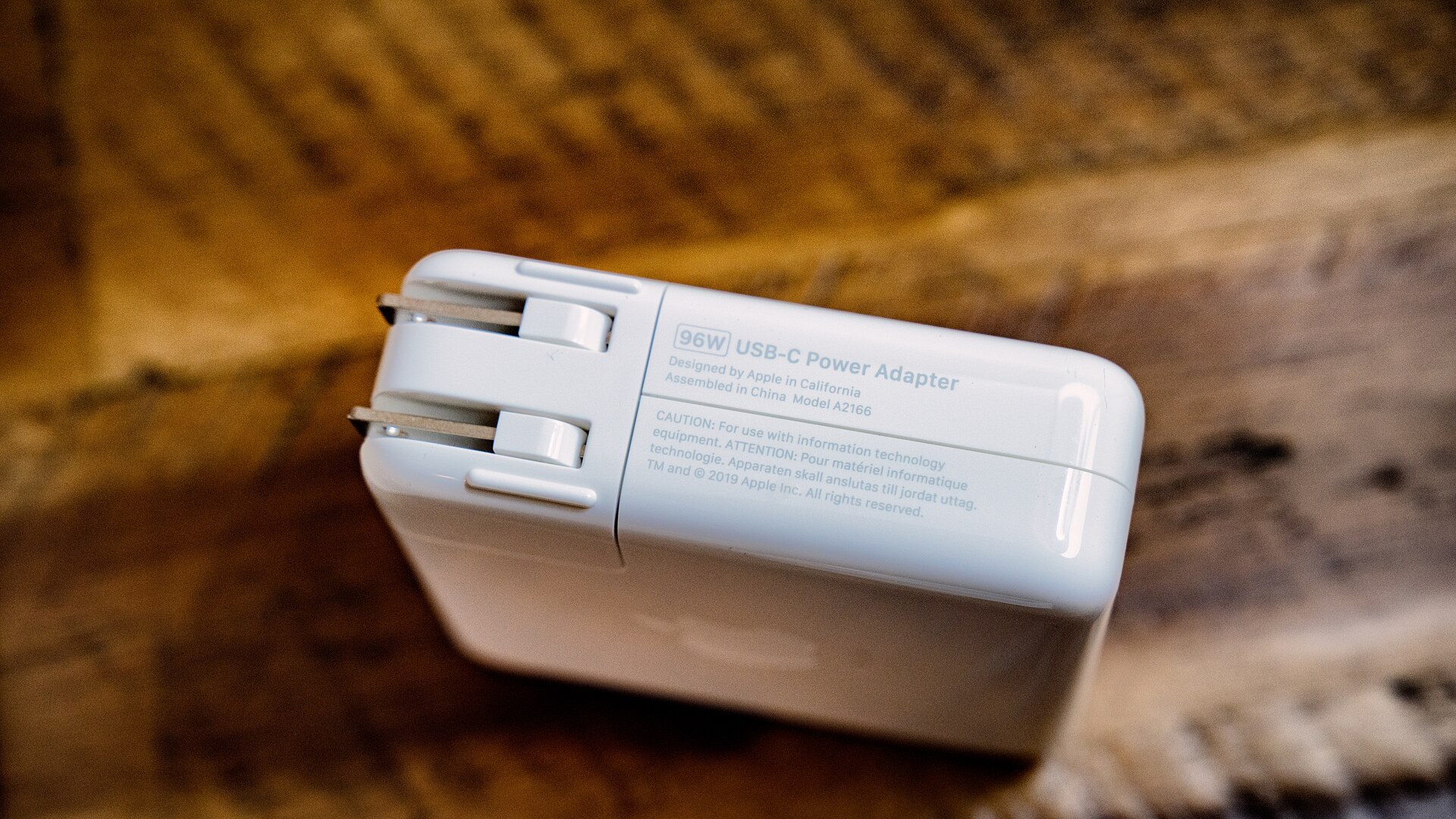
18. Laptop Power Adapters
External laptop power supplies siphon between 1.5 and 3.0 watts of electricity even when disconnected from a computer. Laboratory measurements confirm the internal transformer remains hot and active, dissipating wasted energy into the room whenever left connected to mains power.
©Wikimedia / Tony Webster from Minneapolis, Minnesota, United
Advertisement
Swipe or tap ▶ to resume the countdown.
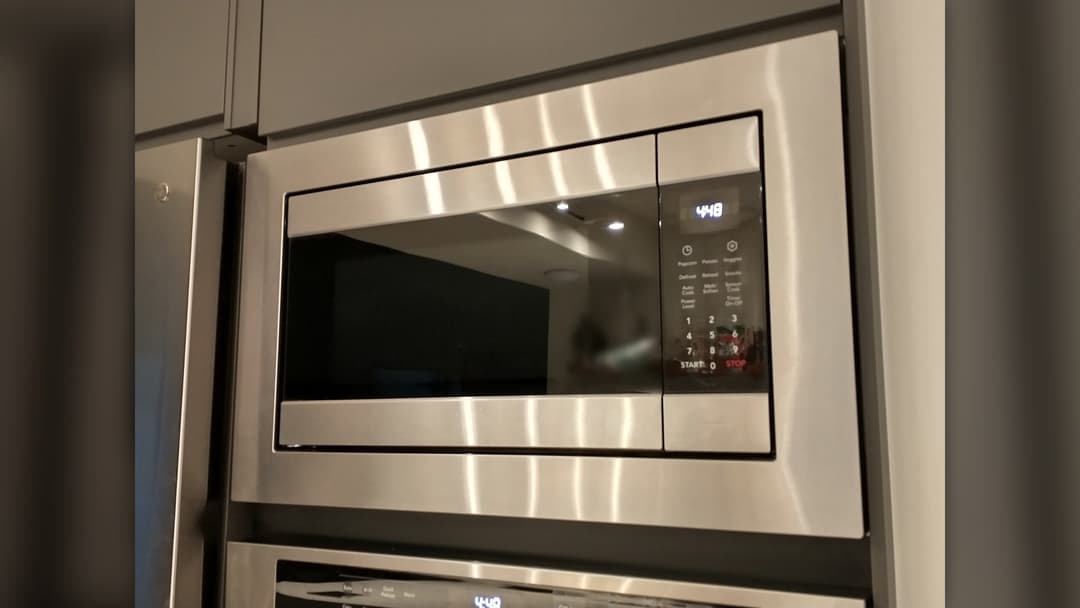
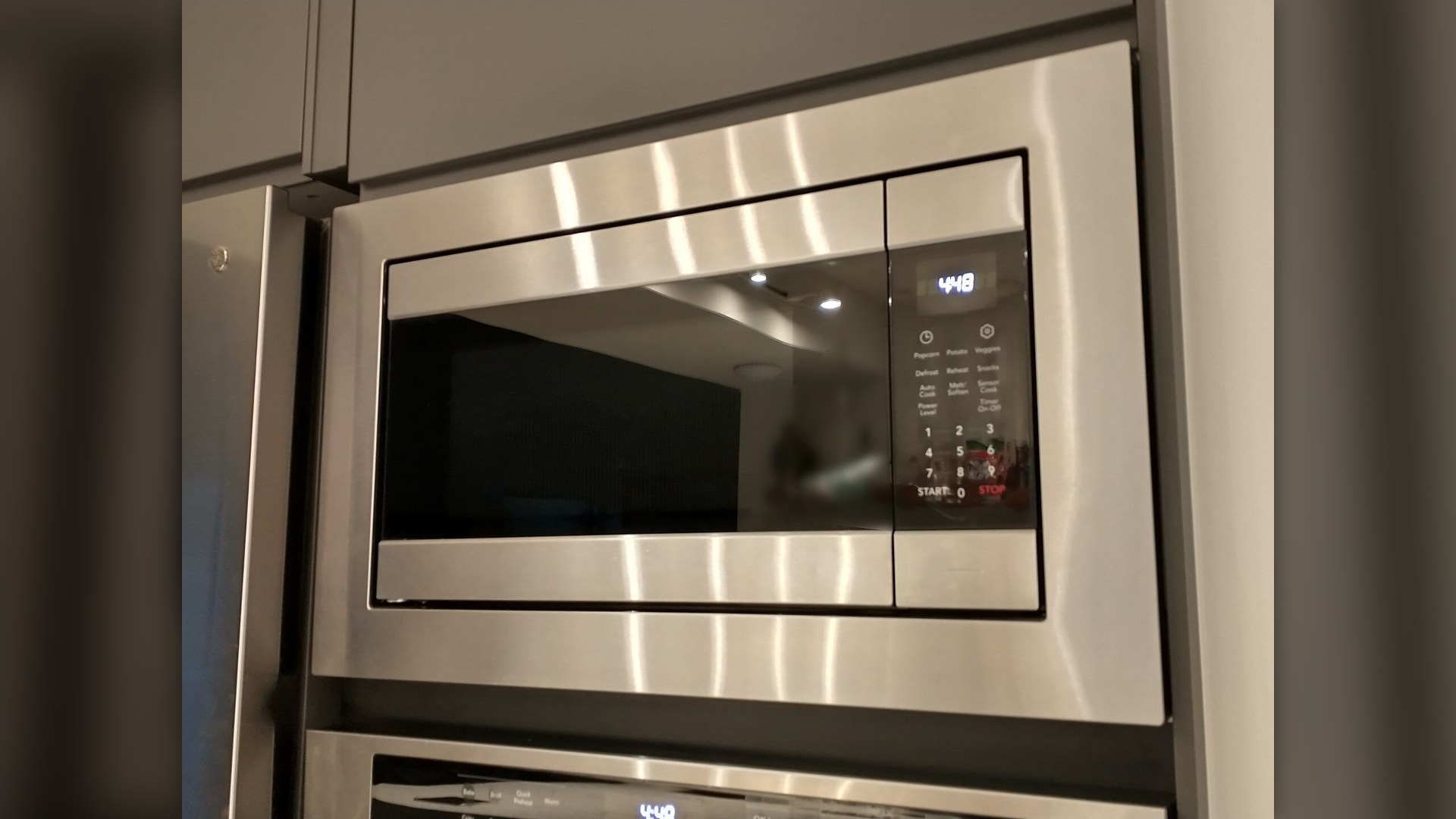
17. Microwave Ovens
A typical countertop microwave oven draws 2.0 to 4.0 watts of continuous standby power to illuminate its digital clock and listen for touch controls. Department of Energy figures show that typical microwaves consume more total energy powering clocks over their lifespan than heating food.
©Wikimedia / Stilfehler
16. Drip Coffee Makers
Coffee makers with digital scheduling displays and keep-warm readiness circuits consume 2.5 to 4.5 watts in off mode. Lawrence Berkeley National Laboratory benchmarks show these small kitchen gadgets waste around 30 kilowatt-hours annually just waiting for the morning brew cycle.

©Pixabay / Pexels
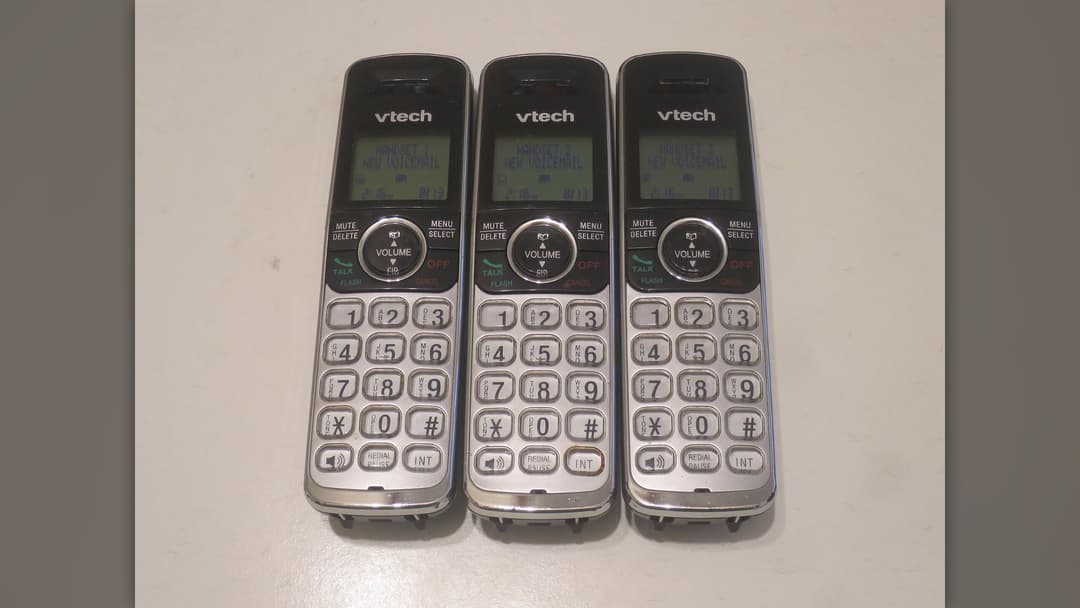
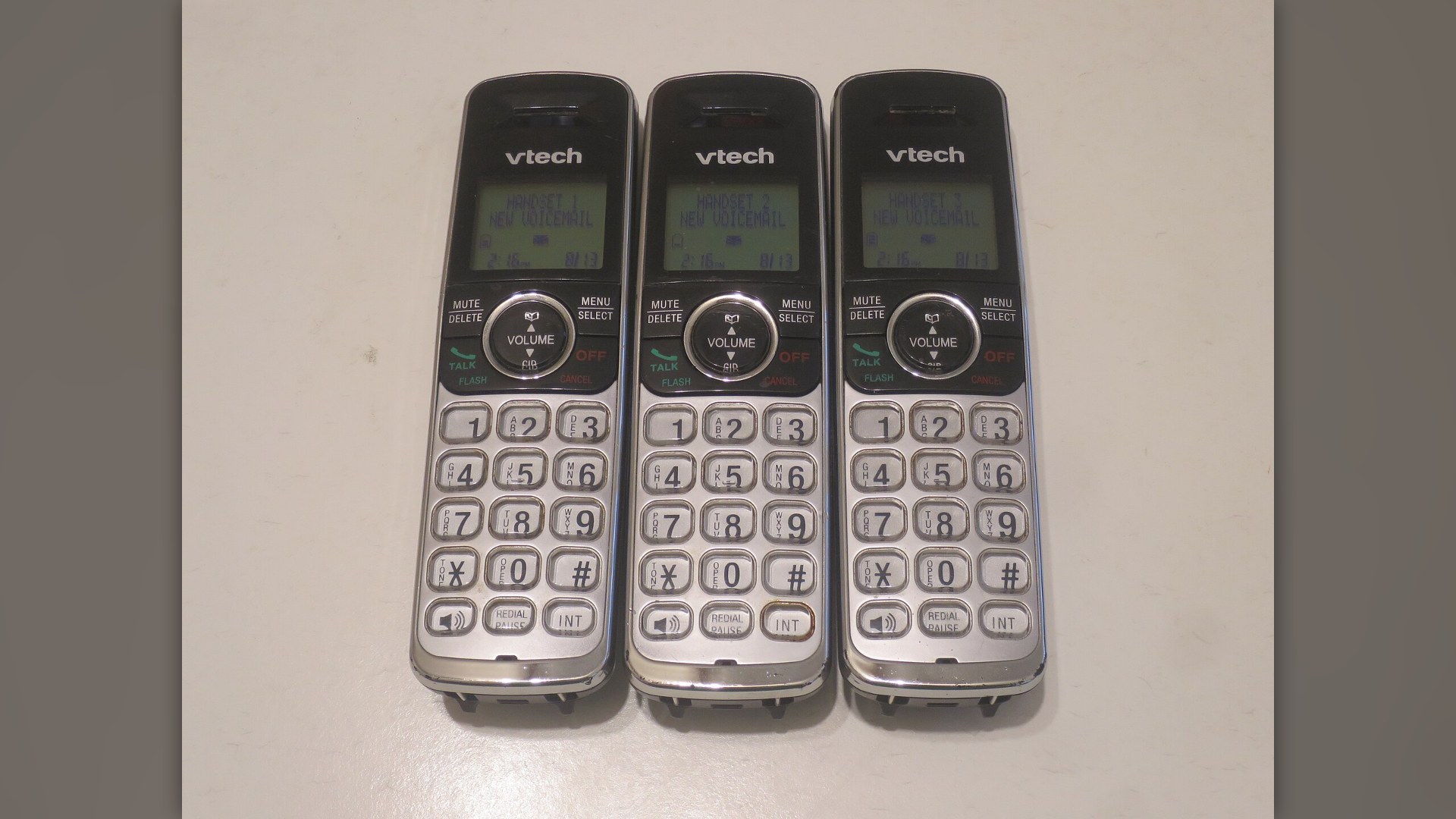
15. Cordless Phone Base Stations
Cordless telephone docking stations draw 2.5 to 5.0 watts continuously to broadcast radio signals to handsets and power base displays. Research from the Natural Resources Defense Council found older multi-handset setups consume up to 40 kilowatt-hours per year in baseline standby load.
©Wikimedia / Urban Versis 32
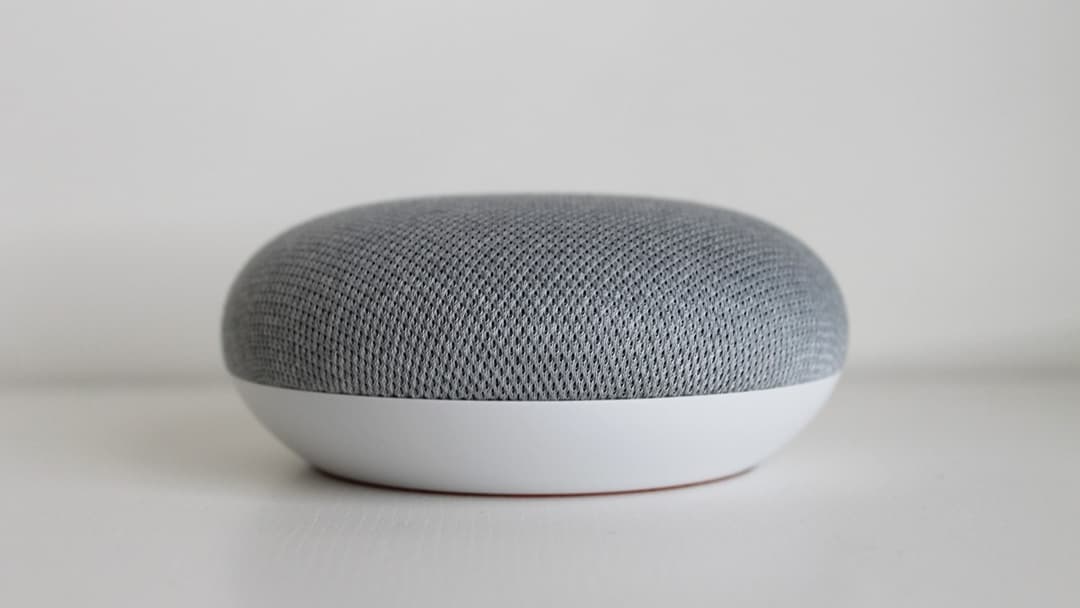
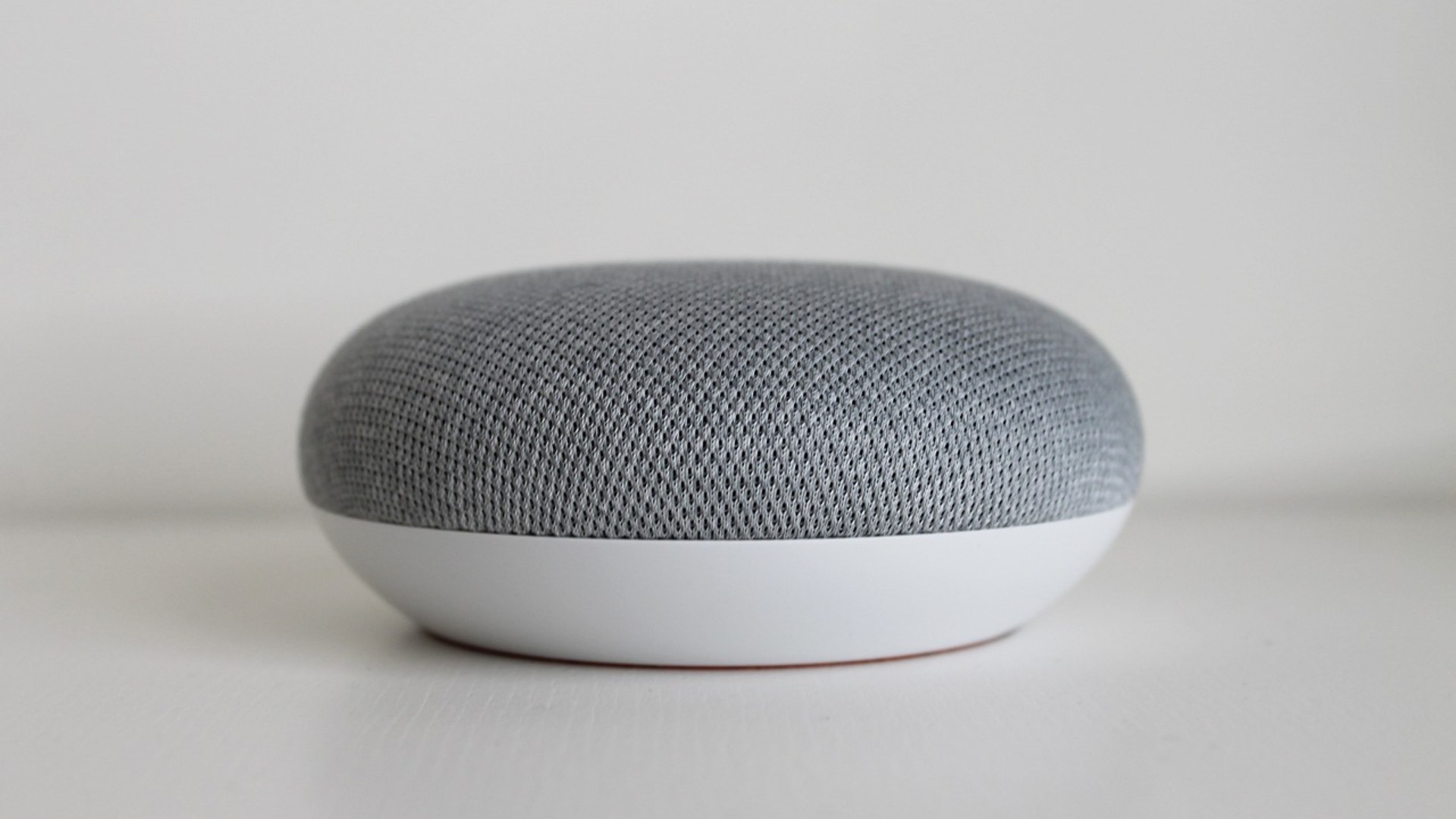
14. Smart Speakers And Displays
Voice-activated smart speakers and smart display screens draw 2.0 to 4.5 watts around the clock while awaiting vocal commands. Energy Star testing confirms that continuous wireless network connectivity and background microphone processing keep internal processors permanently awake.
©Pixabay / antonbe
Advertisement
Swipe or tap ▶ to resume the countdown.
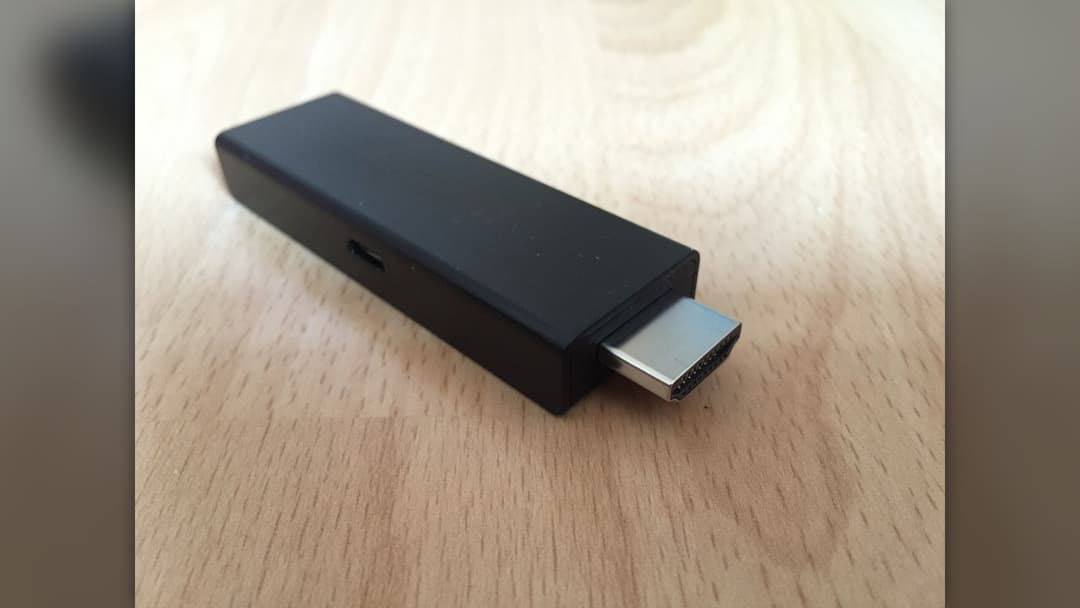
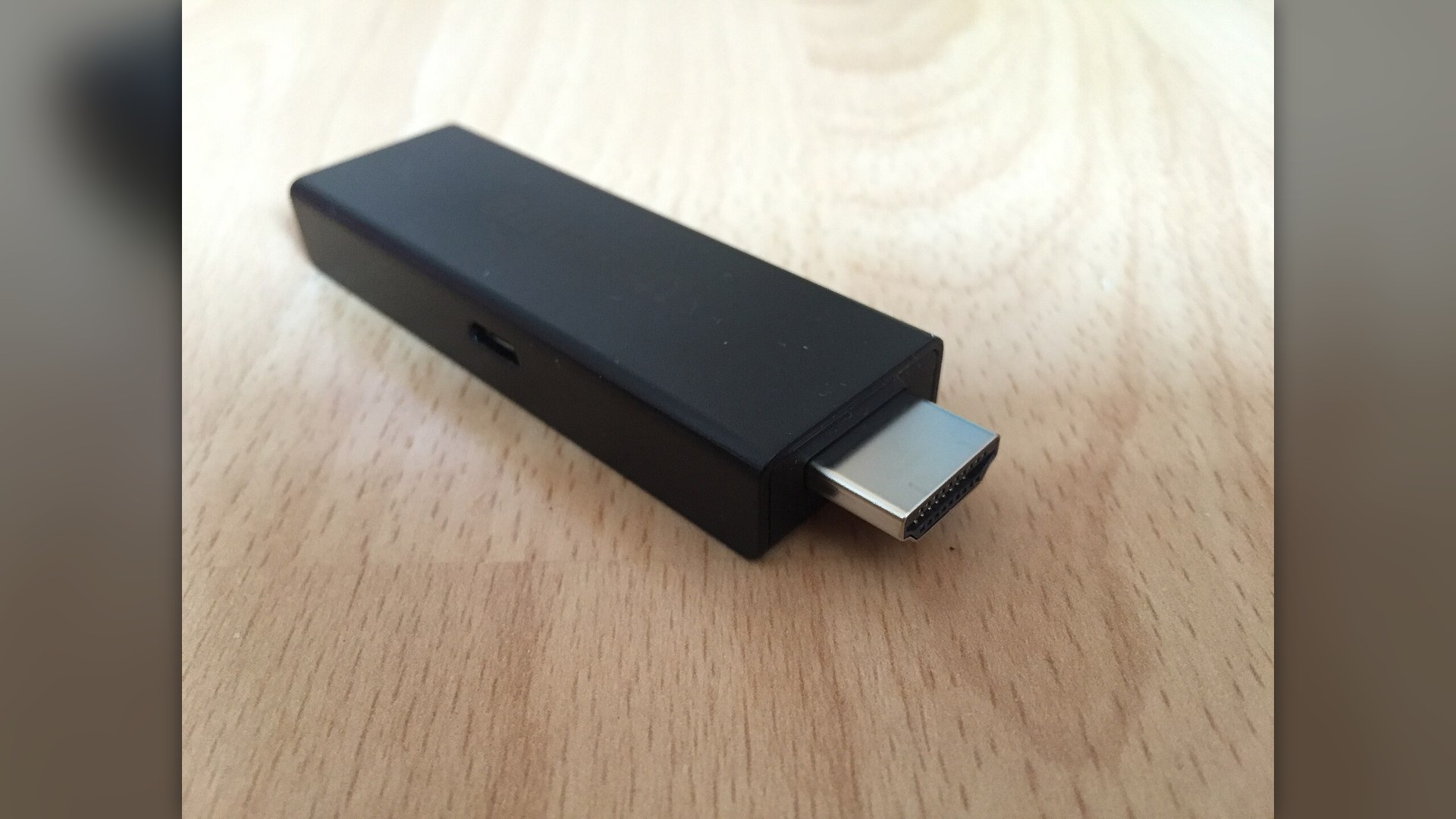
13. Streaming Media Devices
Popular streaming dongles and compact media boxes draw 2.5 to 4.5 watts in sleep mode to fetch background software updates and boot instantly. A study by the Natural Resources Defense Council revealed that compact streamers often draw nearly identical power sleeping as when streaming.
©Wikimedia / ubahnverleih
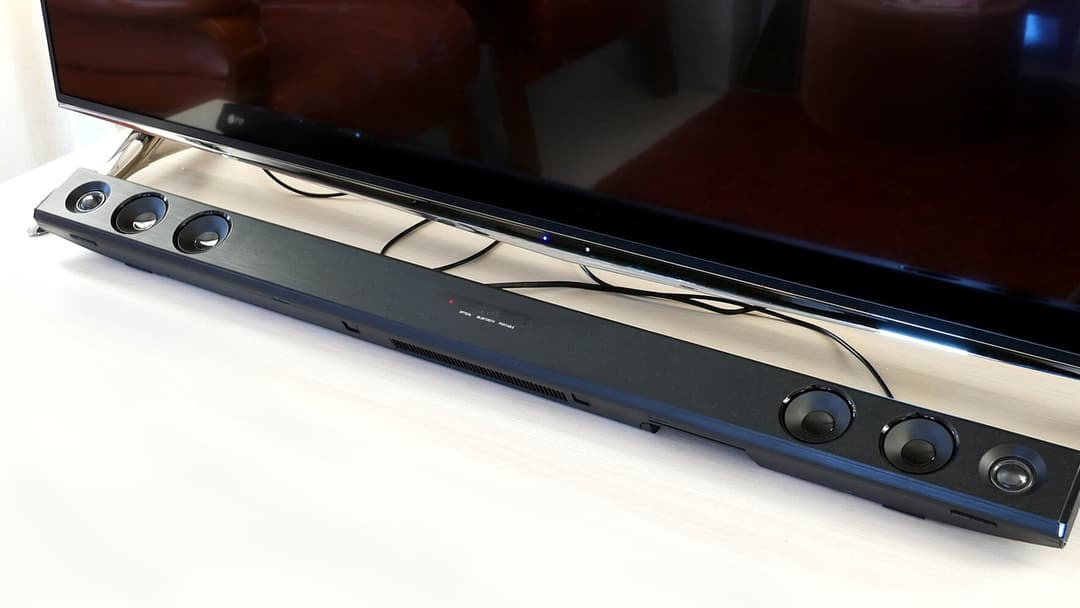
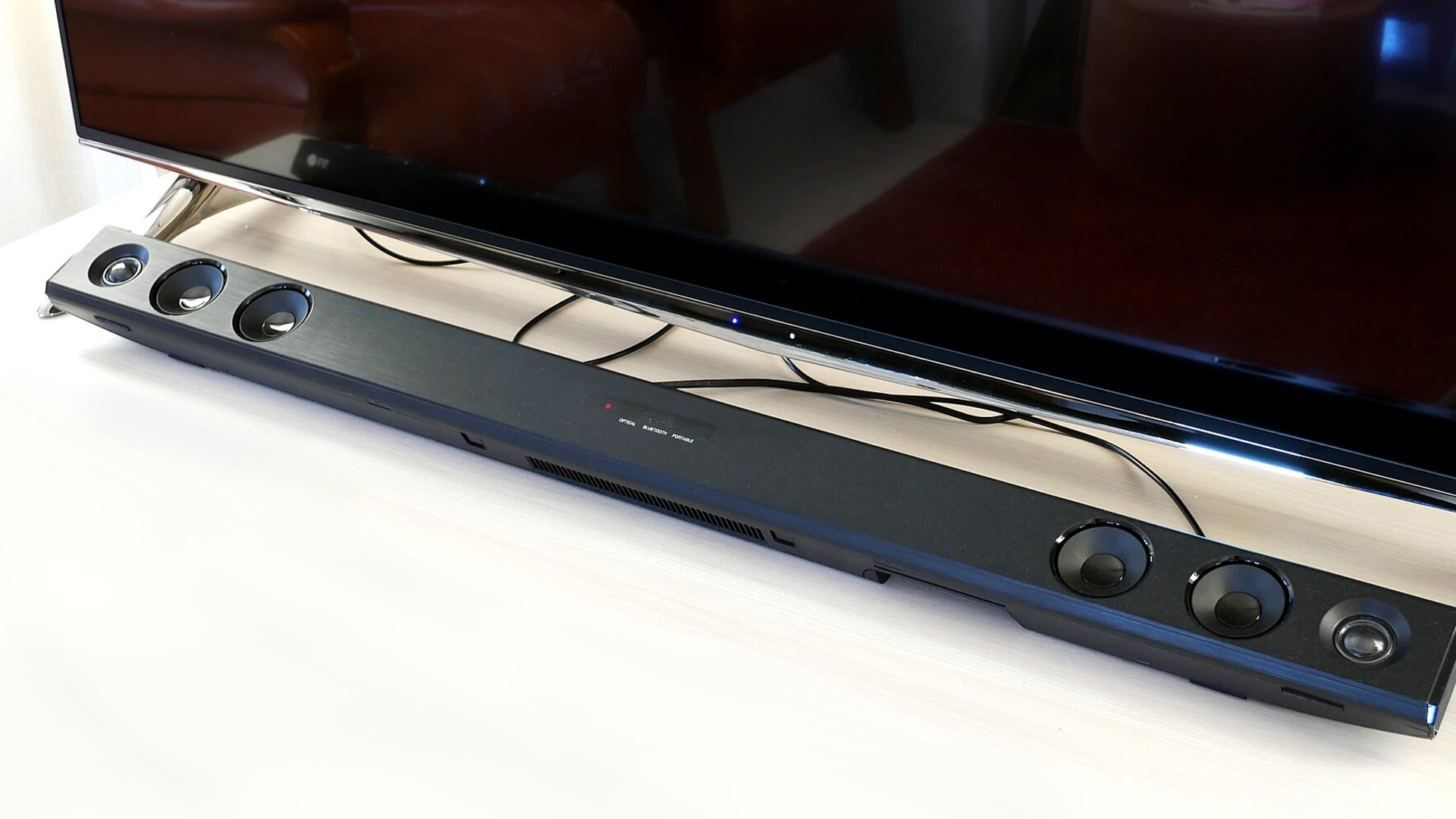
12. Standalone Soundbars
Modern living room soundbars consume 3.0 to 6.0 watts of electricity while waiting for audio inputs or remote control power signals. Berkeley Lab field surveys demonstrate that optical audio sensors and Bluetooth pairing standby make audio bars steady contributors to idle home loads.
©Wikimedia / Santeri Viinamäki
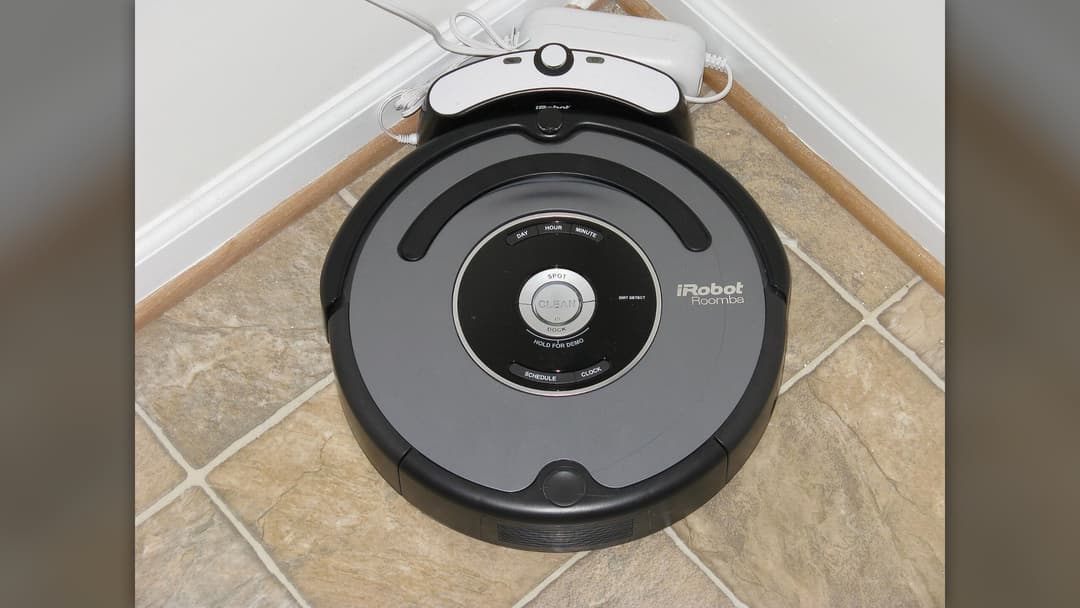
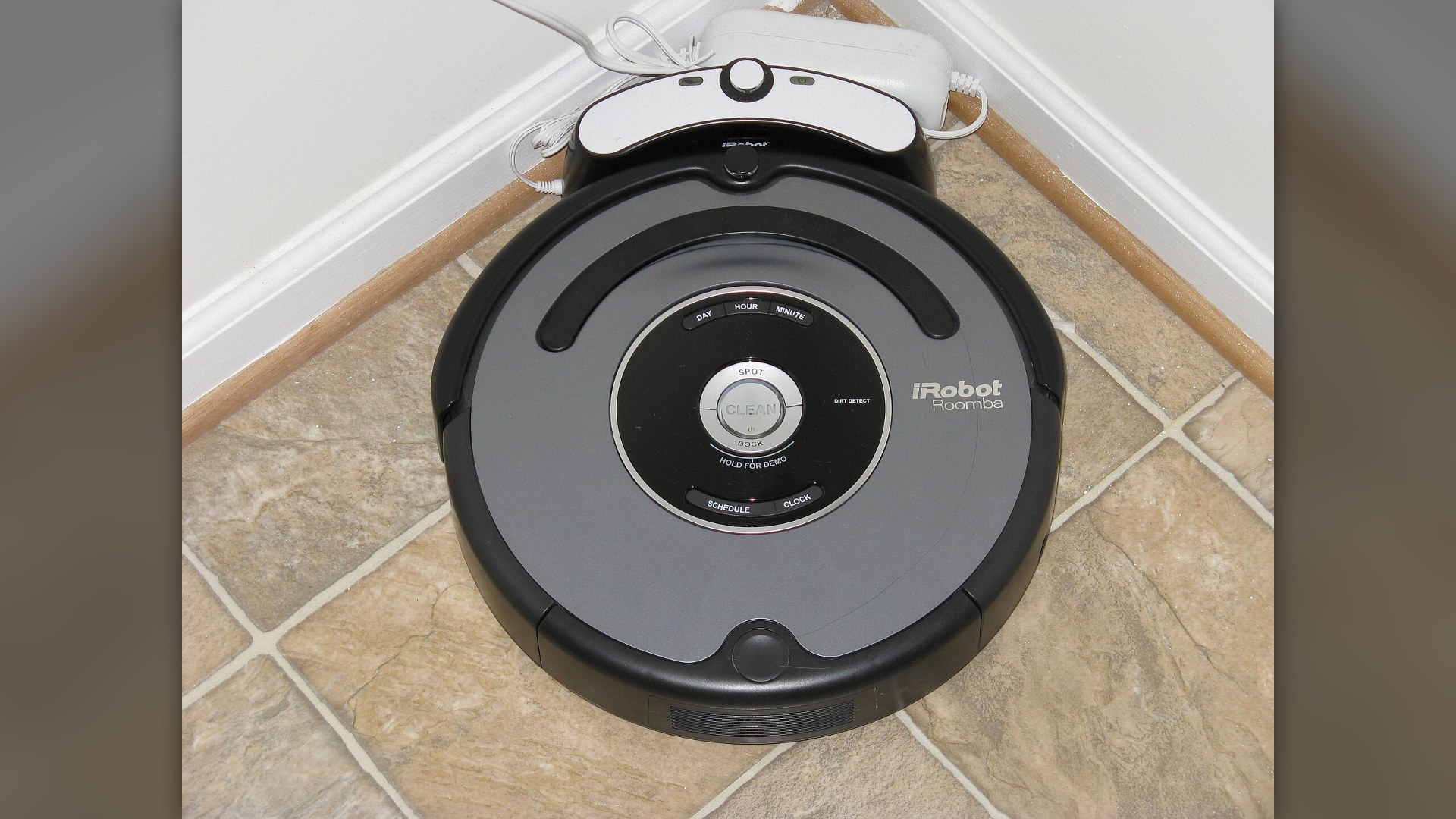
11. Robot Vacuum Docks
Automated vacuum cleaner docking stations draw 3.5 to 6.0 watts continuously once the battery is fully charged. Energy Star measurement protocols document that infrared docking beacons, internal charging circuitry, and constant Wi-Fi telemetry create uninterrupted electrical consumption.
©Wikimedia / Anthony DeRobertis from Sterling, USA
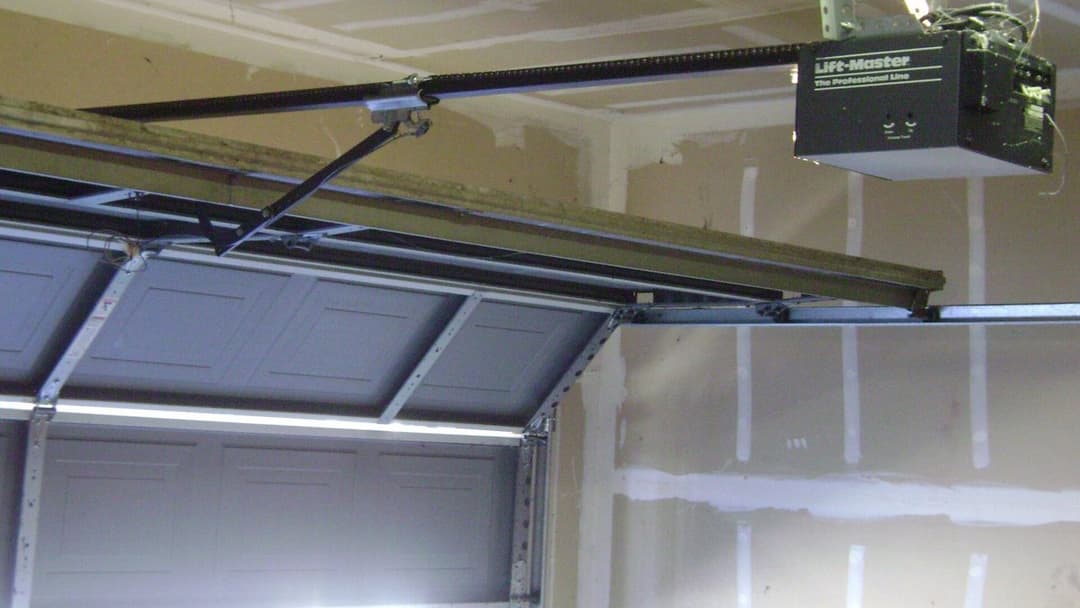
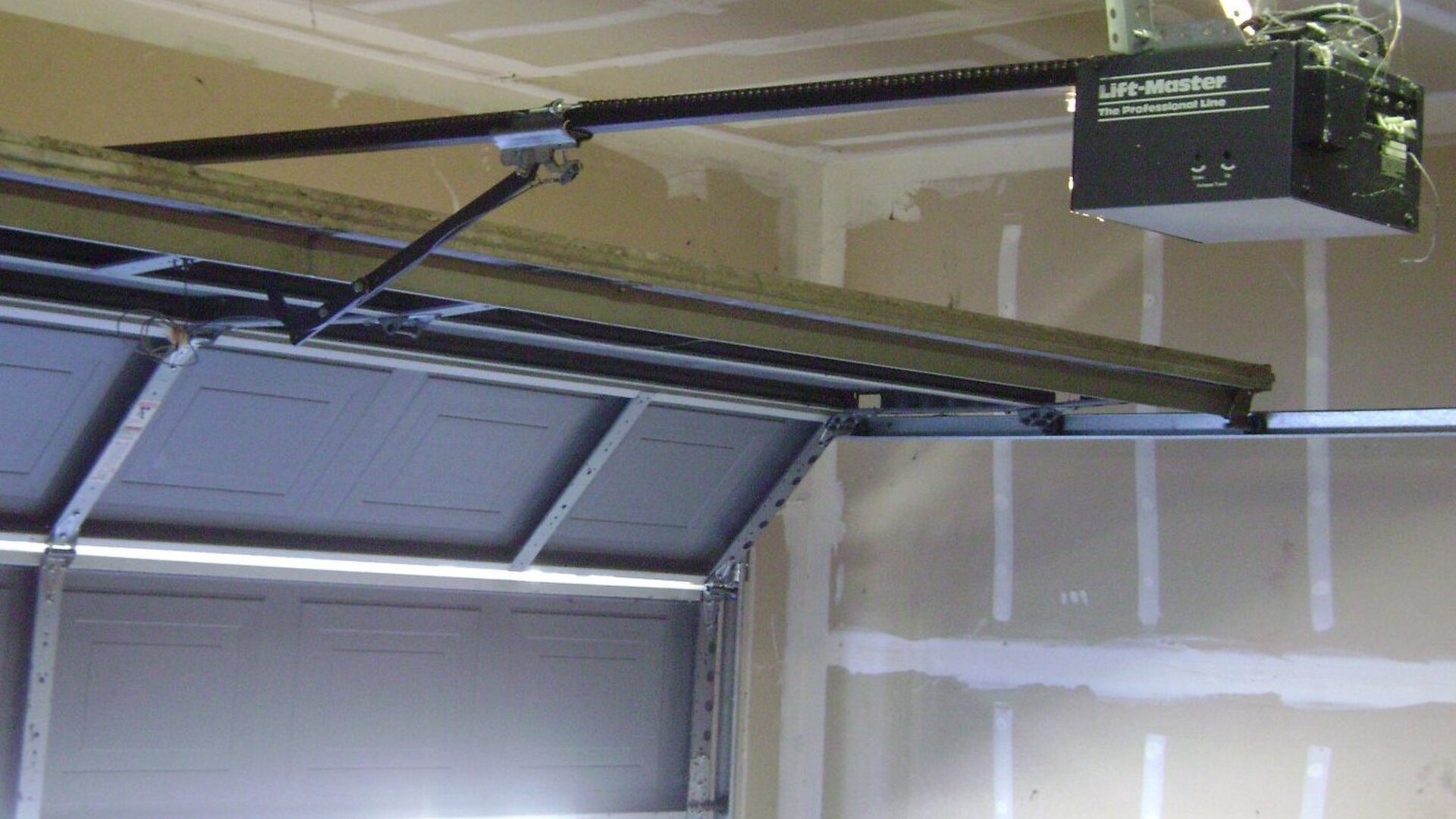
10. Garage Door Opener Receivers
Overhead garage door motors consume 4.0 to 6.0 watts in standby to keep safety beam sensors aligned and listen for wireless remote clickers. Over a full year of continuous readiness, Department of Energy data shows this single radio receiver wastes roughly 45 kilowatt-hours.
©Wikimedia / Oleg Alexandrov 21:31, 9 February 2008 (UTC)
Advertisement
Swipe or tap ▶ to resume the countdown.
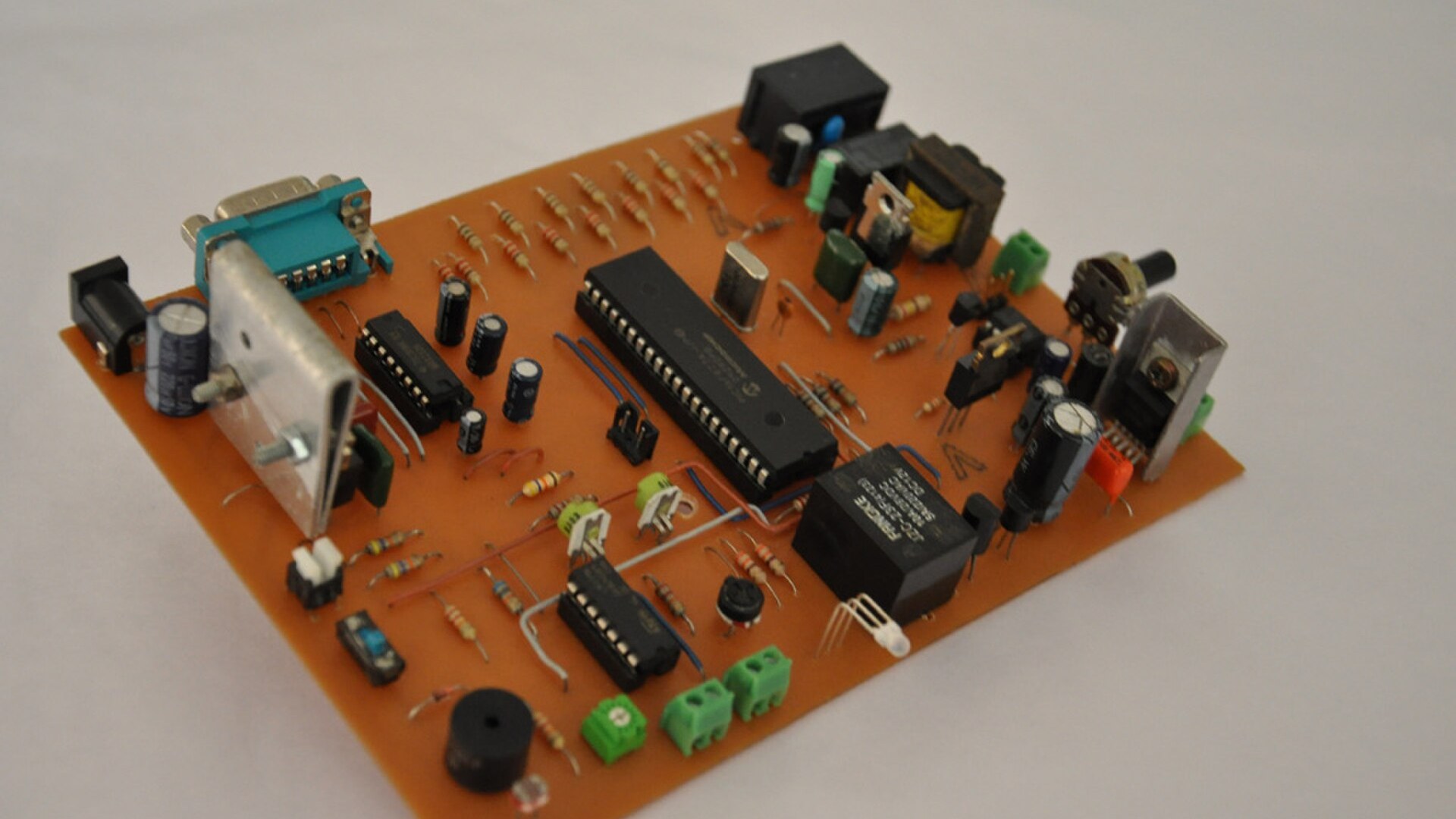
9. Home Security Hubs
Central home alarm and smart security bridges consume 4.5 to 7.0 watts while monitoring wireless door sensors and cloud services. Technical tests by the Natural Resources Defense Council reveal that uninterrupted wireless polling creates an unavoidable baseline electricity draw.
©Wikimedia / Dilshan Jayakody from Maharagama, Sri Lanka
8. Smart Televisions
Modern smart televisions draw 3.0 to 10.0 watts in standby when configured with fast boot and remote wake options enabled. Natural Resources Defense Council evaluations noted that voice activation settings and automated firmware checks can easily double baseline television standby.

©Pixabay / Tumisu
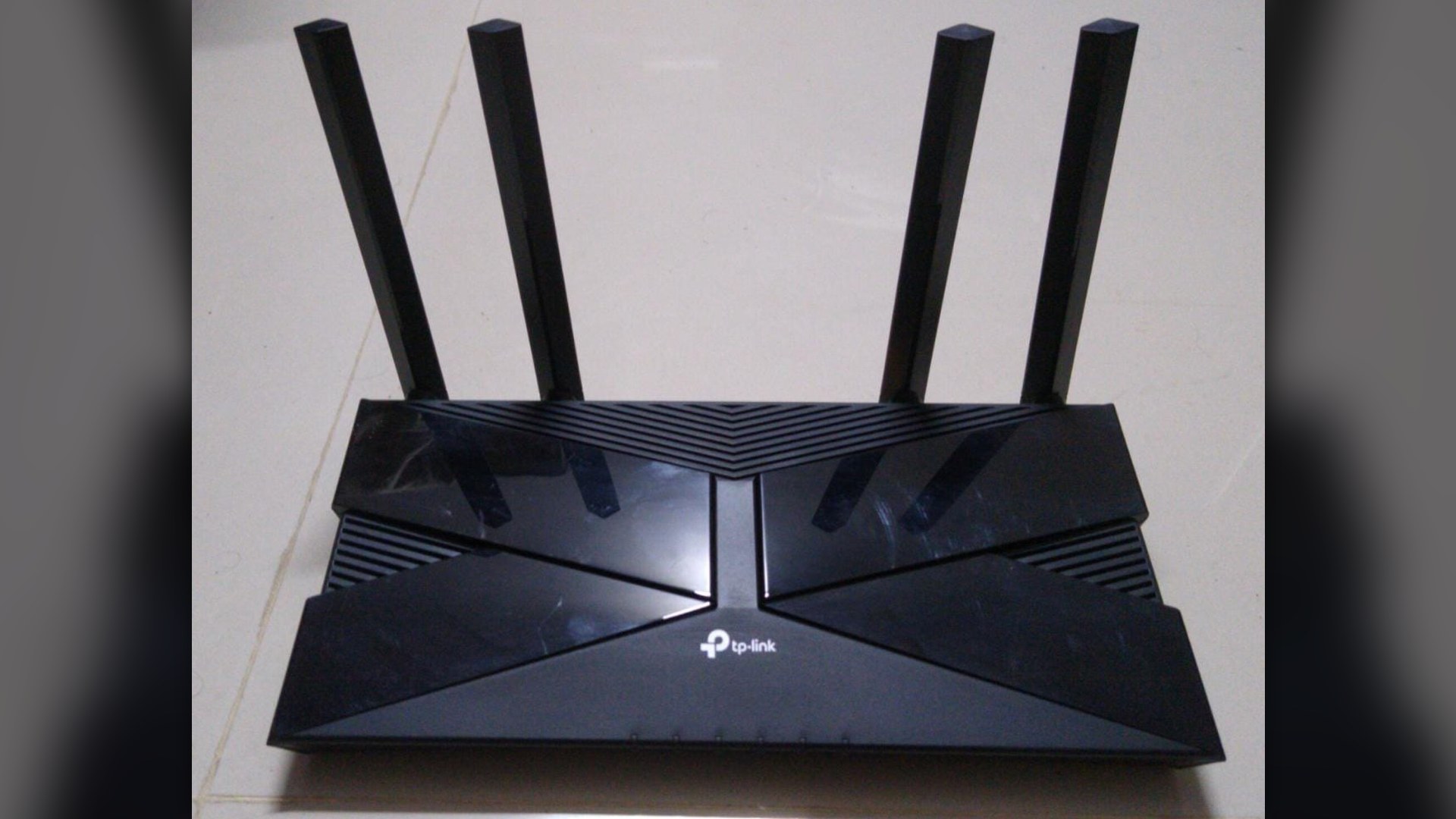
7. Wi-Fi Routers And Modems
Broadband modems and wireless routers typically draw 6.0 to 12.0 watts continuously every hour of the day. Lawrence Berkeley National Laboratory research shows a combined modem and router unit consumes over 70 kilowatt-hours per year, operating at full power even while households sleep.
©Wikimedia / Abhi25t
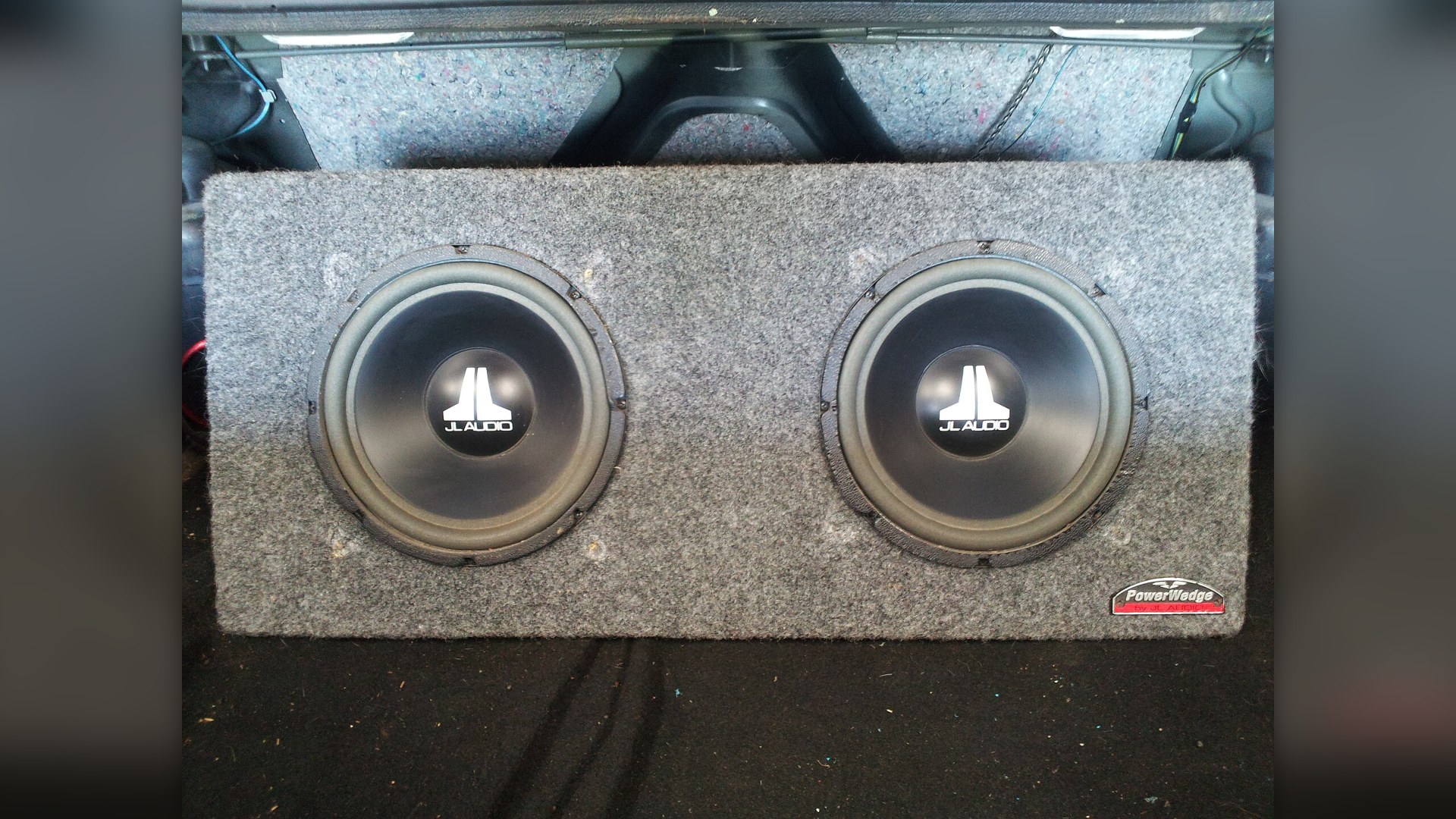
6. Powered Audio Subwoofers
Home theater subwoofers with automatic signal detection draw 5.0 to 12.0 watts while waiting for low-frequency sound signals. Laboratory tests from Berkeley Lab show that analog detection circuits keep heavy power supplies energized continuously, generating steady phantom draw.
©Wikimedia / Dana60Cummins
Advertisement
Swipe or tap ▶ to resume the countdown.
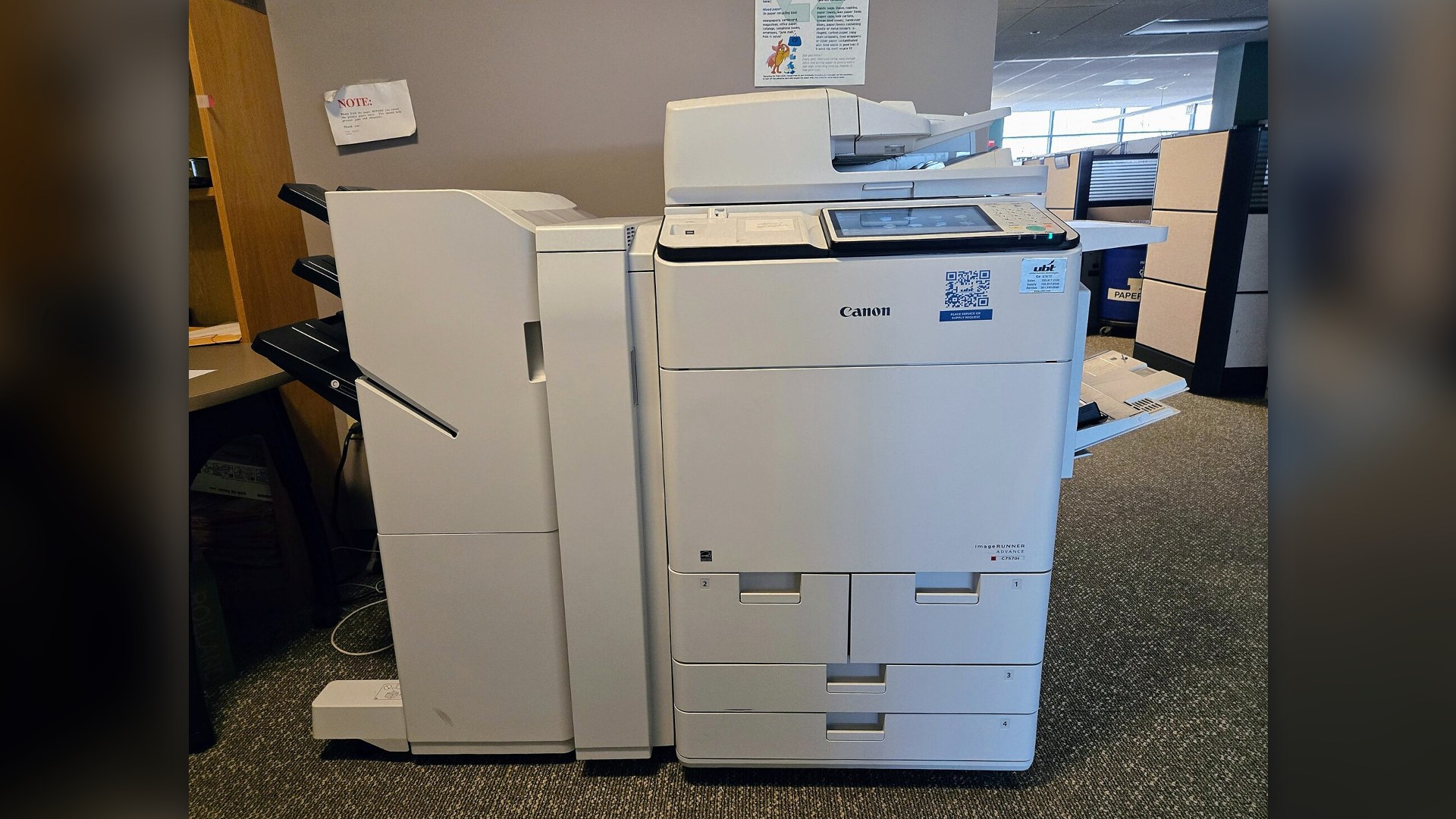
5. Home Office Laser Printers
All-in-one office laser printers consume 6.0 to 14.0 watts while idling in sleep mode to keep internal fuser rollers warm and network ports active. Department of Energy studies show an idle office printer can add more than fifteen dollars to annual utility costs without printing a page.
©Wikimedia / Baron Maddock
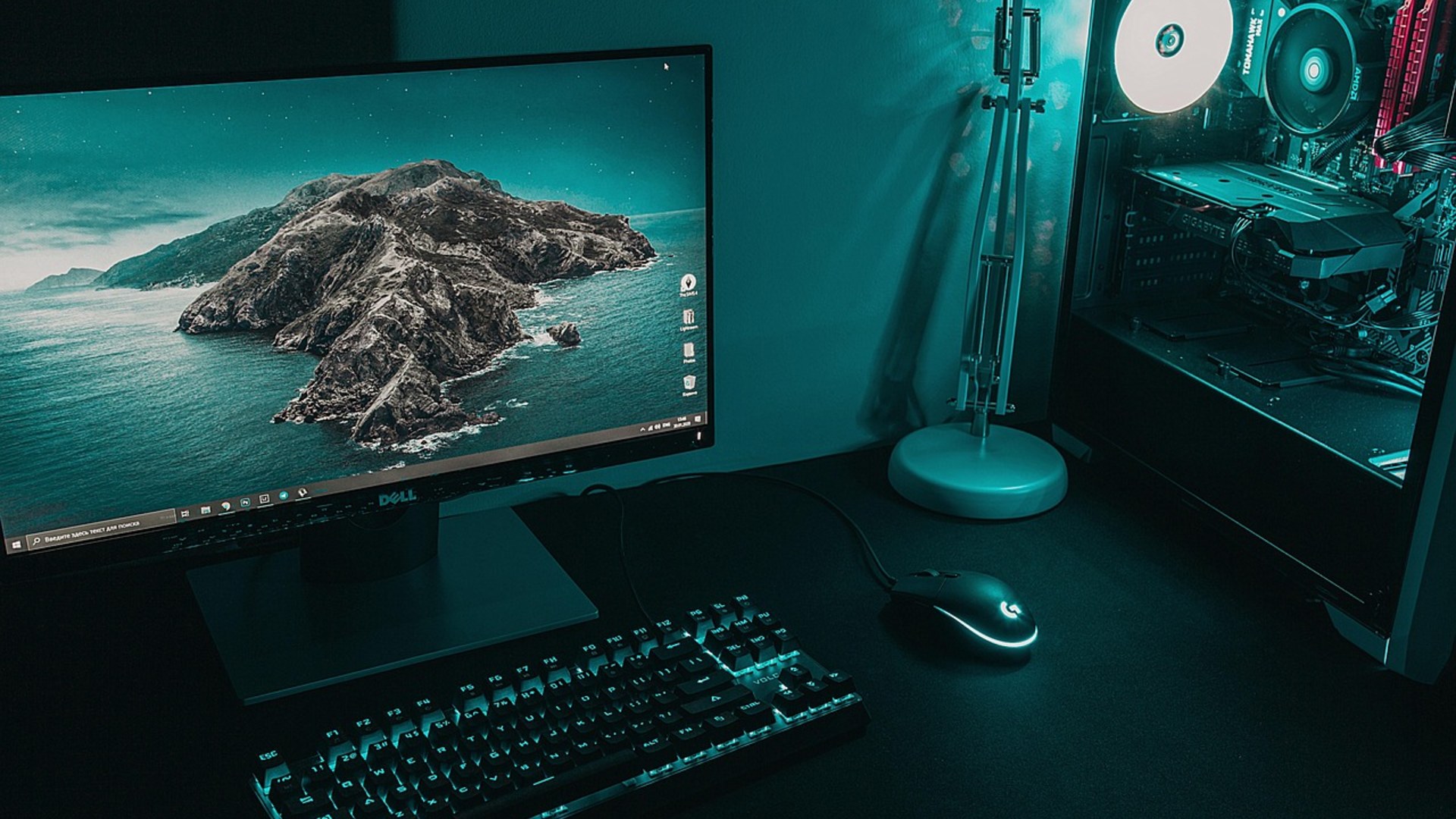
4. Desktop Computers In Sleep Mode
Desktop personal computers in sleep mode consume 8.0 to 15.0 watts to maintain system RAM and power motherboard sleep circuits. Lawrence Berkeley National Laboratory measurements confirm that leaving a desktop PC sleeping overnight wastes over 80 kilowatt-hours across a single year.
©Pixabay / deni_eliash
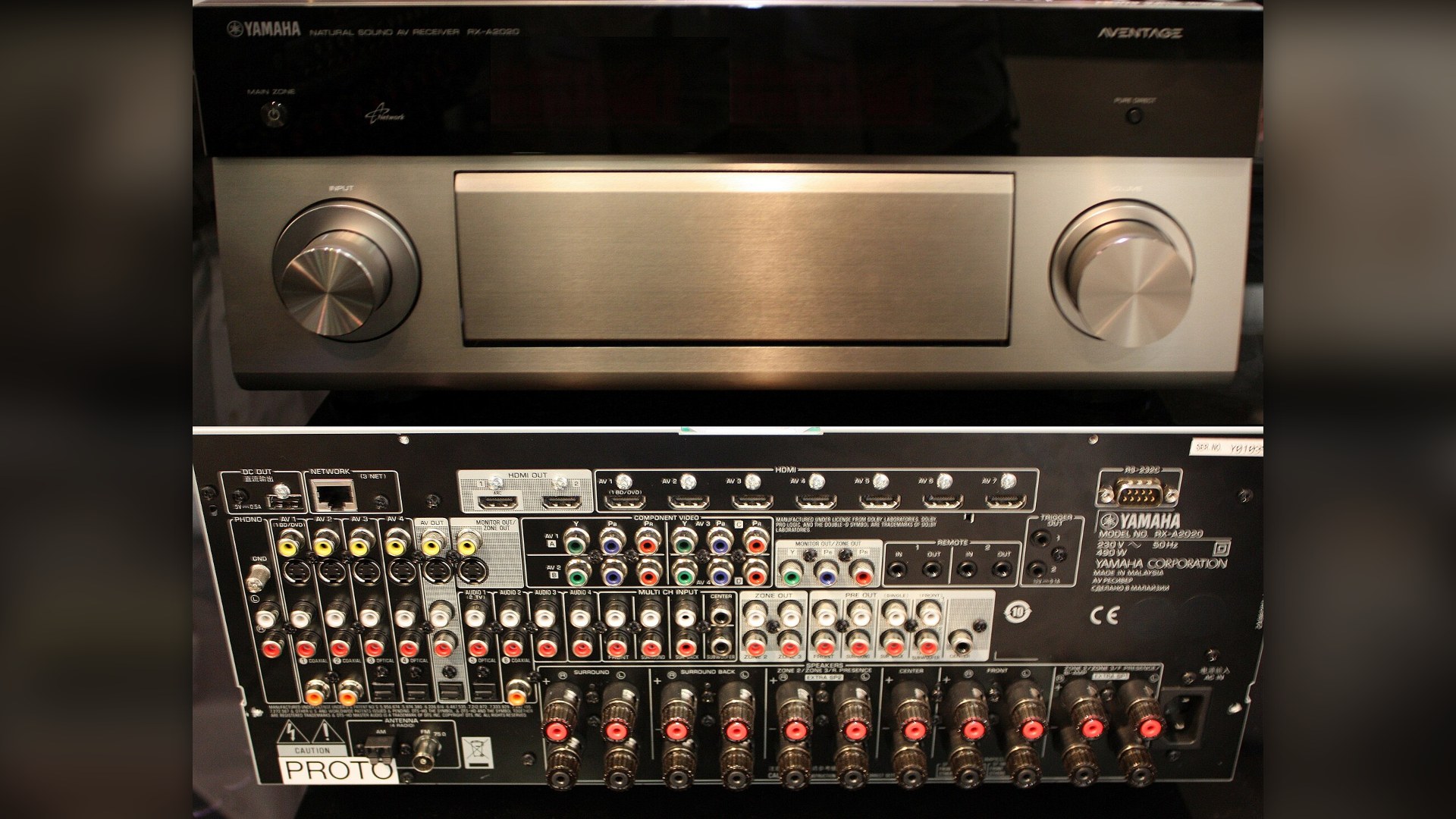
3. AV Home Theater Receivers
Multi-channel audio video receivers consume 10.0 to 18.0 watts in standby when features like HDMI standby pass-through and network control are enabled. Energy Star audits show that unoptimized receivers can waste over 100 kilowatt-hours yearly without playing a single soundtrack.
©Wikimedia / File:IFA 2012 Yamaha RX-A2020 front - cropped.jp
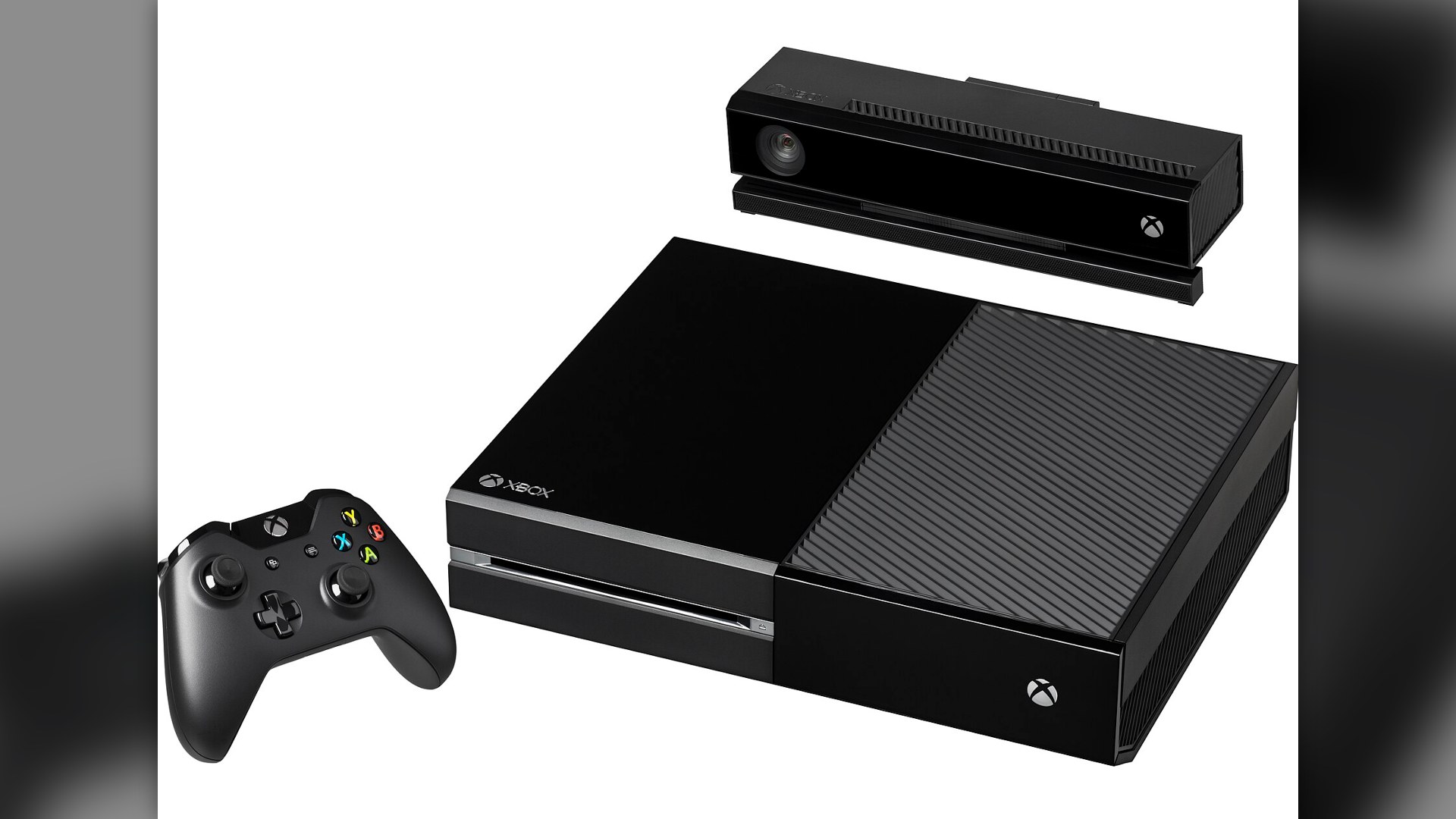
2. Video Game Consoles
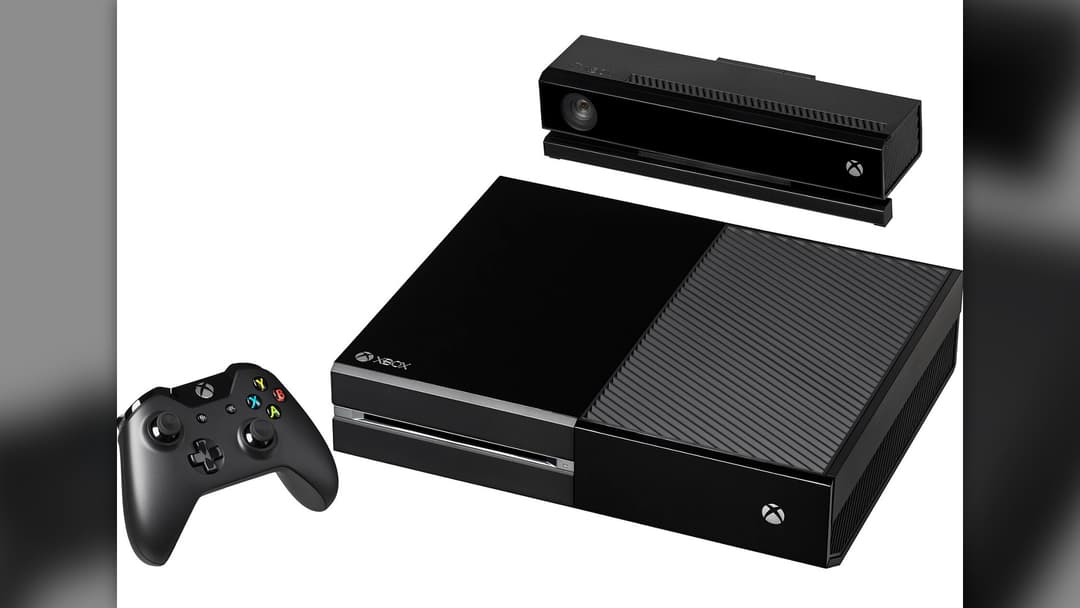
Modern gaming consoles set to instant-on standby mode draw 10.0 to 15.0 watts to download game patches and respond to remote controllers. A landmark study by the Natural Resources Defense Council found that standby gaming consoles cost American households hundreds of millions annually.
©Wikimedia / Evan-Amos
Advertisement
Swipe or tap ▶ to resume the countdown.
1. Cable And Satellite DVR Boxes
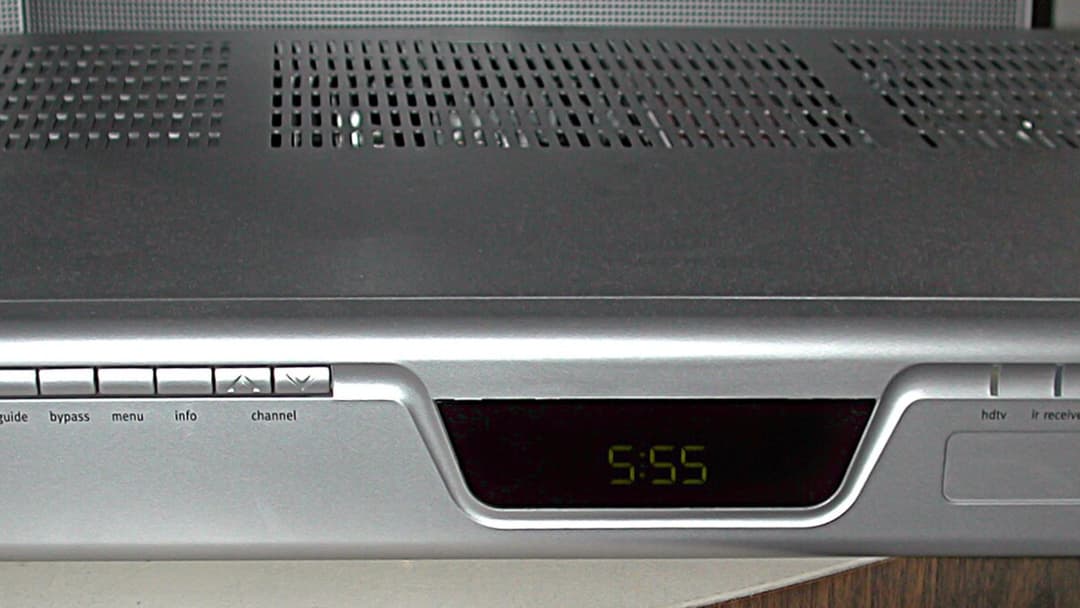
Digital video recorders and set-top boxes draw 18.0 to 35.0 watts continuously even when switched off, as internal tuners and hard drives remain active. Natural Resources Defense Council data confirmed a single DVR box consumes more annual electricity than an efficient refrigerator.
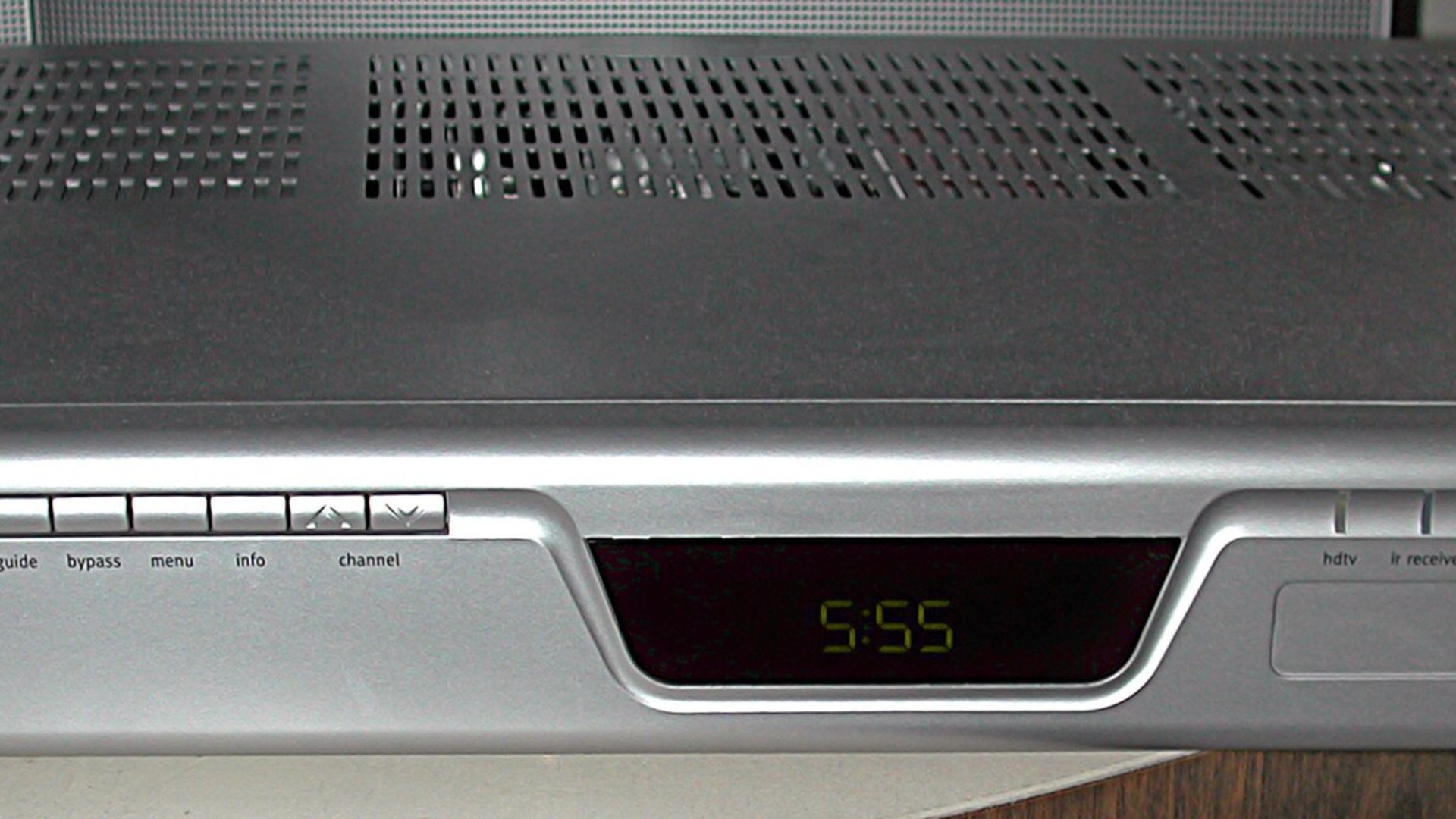
©Wikimedia / Pace_DC757X_cable_box.jpg : en:User:Grock2 deriv
Advertisement
You've reached the end of the story. Thanks for reading!

20 Biggest US IPOs by Market Valuation, Ranked
From early dot-com pioneers to modern artificial intelligence leaders, Wall Street history is punctuated by colossal stock market debuts. Based on market capitalization at offer pricing, we count down the twenty largest public listings in United States history to reveal which market giants achieved the biggest floats.
All 20 Entries in this Story
#20 Mobile Phone Chargers
Leaving an idle mobile phone charger plugged into an outlet continuously draws between 0.1 and 0.5 watts of phantom electricity. Lawrence Berkeley National Laboratory testing shows that while a single adapter costs pennies yearly, multiple household chargers multiply baseline waste over twelve months.

#19 Electric Toothbrush Chargers
Bathroom toothbrush stands use magnetic induction coils that draw 1.0 to 1.8 watts constantly from wall sockets. Data published by the US Department of Energy indicates that leaving the charging stand continuously plugged in consumes roughly 15 kilowatt-hours of wasted electricity each year.

#18 Laptop Power Adapters
External laptop power supplies siphon between 1.5 and 3.0 watts of electricity even when disconnected from a computer. Laboratory measurements confirm the internal transformer remains hot and active, dissipating wasted energy into the room whenever left connected to mains power.

#17 Microwave Ovens
A typical countertop microwave oven draws 2.0 to 4.0 watts of continuous standby power to illuminate its digital clock and listen for touch controls. Department of Energy figures show that typical microwaves consume more total energy powering clocks over their lifespan than heating food.

#16 Drip Coffee Makers
Coffee makers with digital scheduling displays and keep-warm readiness circuits consume 2.5 to 4.5 watts in off mode. Lawrence Berkeley National Laboratory benchmarks show these small kitchen gadgets waste around 30 kilowatt-hours annually just waiting for the morning brew cycle.

#15 Cordless Phone Base Stations
Cordless telephone docking stations draw 2.5 to 5.0 watts continuously to broadcast radio signals to handsets and power base displays. Research from the Natural Resources Defense Council found older multi-handset setups consume up to 40 kilowatt-hours per year in baseline standby load.

#14 Smart Speakers And Displays
Voice-activated smart speakers and smart display screens draw 2.0 to 4.5 watts around the clock while awaiting vocal commands. Energy Star testing confirms that continuous wireless network connectivity and background microphone processing keep internal processors permanently awake.

#13 Streaming Media Devices
Popular streaming dongles and compact media boxes draw 2.5 to 4.5 watts in sleep mode to fetch background software updates and boot instantly. A study by the Natural Resources Defense Council revealed that compact streamers often draw nearly identical power sleeping as when streaming.

#12 Standalone Soundbars
Modern living room soundbars consume 3.0 to 6.0 watts of electricity while waiting for audio inputs or remote control power signals. Berkeley Lab field surveys demonstrate that optical audio sensors and Bluetooth pairing standby make audio bars steady contributors to idle home loads.

#11 Robot Vacuum Docks
Automated vacuum cleaner docking stations draw 3.5 to 6.0 watts continuously once the battery is fully charged. Energy Star measurement protocols document that infrared docking beacons, internal charging circuitry, and constant Wi-Fi telemetry create uninterrupted electrical consumption.

#10 Garage Door Opener Receivers
Overhead garage door motors consume 4.0 to 6.0 watts in standby to keep safety beam sensors aligned and listen for wireless remote clickers. Over a full year of continuous readiness, Department of Energy data shows this single radio receiver wastes roughly 45 kilowatt-hours.

#9 Home Security Hubs
Central home alarm and smart security bridges consume 4.5 to 7.0 watts while monitoring wireless door sensors and cloud services. Technical tests by the Natural Resources Defense Council reveal that uninterrupted wireless polling creates an unavoidable baseline electricity draw.

#8 Smart Televisions
Modern smart televisions draw 3.0 to 10.0 watts in standby when configured with fast boot and remote wake options enabled. Natural Resources Defense Council evaluations noted that voice activation settings and automated firmware checks can easily double baseline television standby.

#7 Wi-Fi Routers And Modems
Broadband modems and wireless routers typically draw 6.0 to 12.0 watts continuously every hour of the day. Lawrence Berkeley National Laboratory research shows a combined modem and router unit consumes over 70 kilowatt-hours per year, operating at full power even while households sleep.

#6 Powered Audio Subwoofers
Home theater subwoofers with automatic signal detection draw 5.0 to 12.0 watts while waiting for low-frequency sound signals. Laboratory tests from Berkeley Lab show that analog detection circuits keep heavy power supplies energized continuously, generating steady phantom draw.

#5 Home Office Laser Printers
All-in-one office laser printers consume 6.0 to 14.0 watts while idling in sleep mode to keep internal fuser rollers warm and network ports active. Department of Energy studies show an idle office printer can add more than fifteen dollars to annual utility costs without printing a page.

#4 Desktop Computers In Sleep Mode
Desktop personal computers in sleep mode consume 8.0 to 15.0 watts to maintain system RAM and power motherboard sleep circuits. Lawrence Berkeley National Laboratory measurements confirm that leaving a desktop PC sleeping overnight wastes over 80 kilowatt-hours across a single year.

#3 AV Home Theater Receivers
Multi-channel audio video receivers consume 10.0 to 18.0 watts in standby when features like HDMI standby pass-through and network control are enabled. Energy Star audits show that unoptimized receivers can waste over 100 kilowatt-hours yearly without playing a single soundtrack.

#2 Video Game Consoles
Modern gaming consoles set to instant-on standby mode draw 10.0 to 15.0 watts to download game patches and respond to remote controllers. A landmark study by the Natural Resources Defense Council found that standby gaming consoles cost American households hundreds of millions annually.

#1 Cable And Satellite DVR Boxes
Digital video recorders and set-top boxes draw 18.0 to 35.0 watts continuously even when switched off, as internal tuners and hard drives remain active. Natural Resources Defense Council data confirmed a single DVR box consumes more annual electricity than an efficient refrigerator.