Slideshow · Science
20 Houseplants That Are Toxic to Pets, Ranked
20 Houseplants That Are Toxic to Pets, Ranked









All 20 Entries in this Story
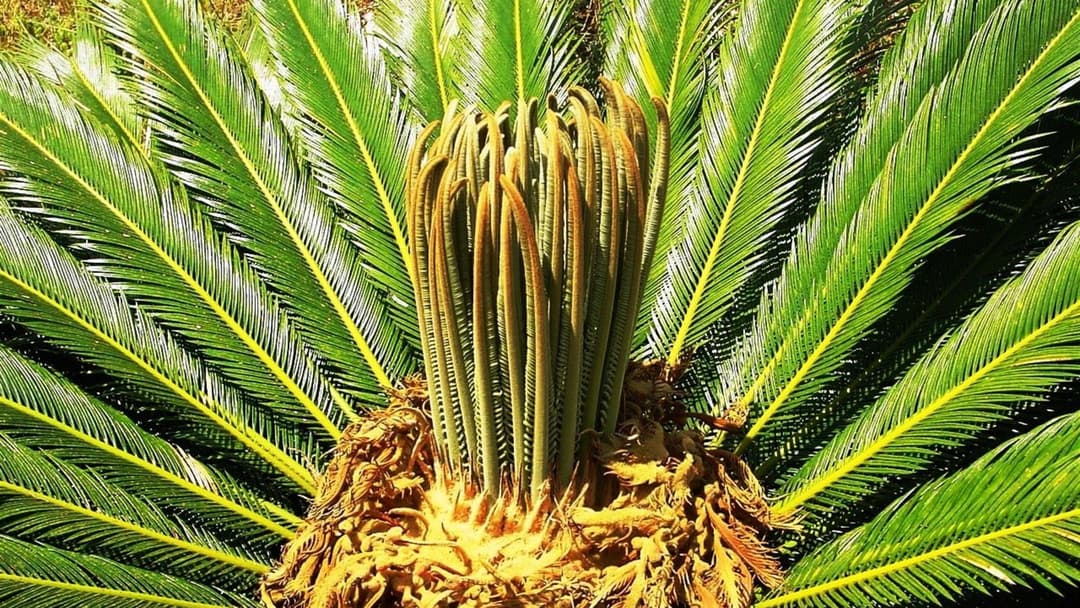
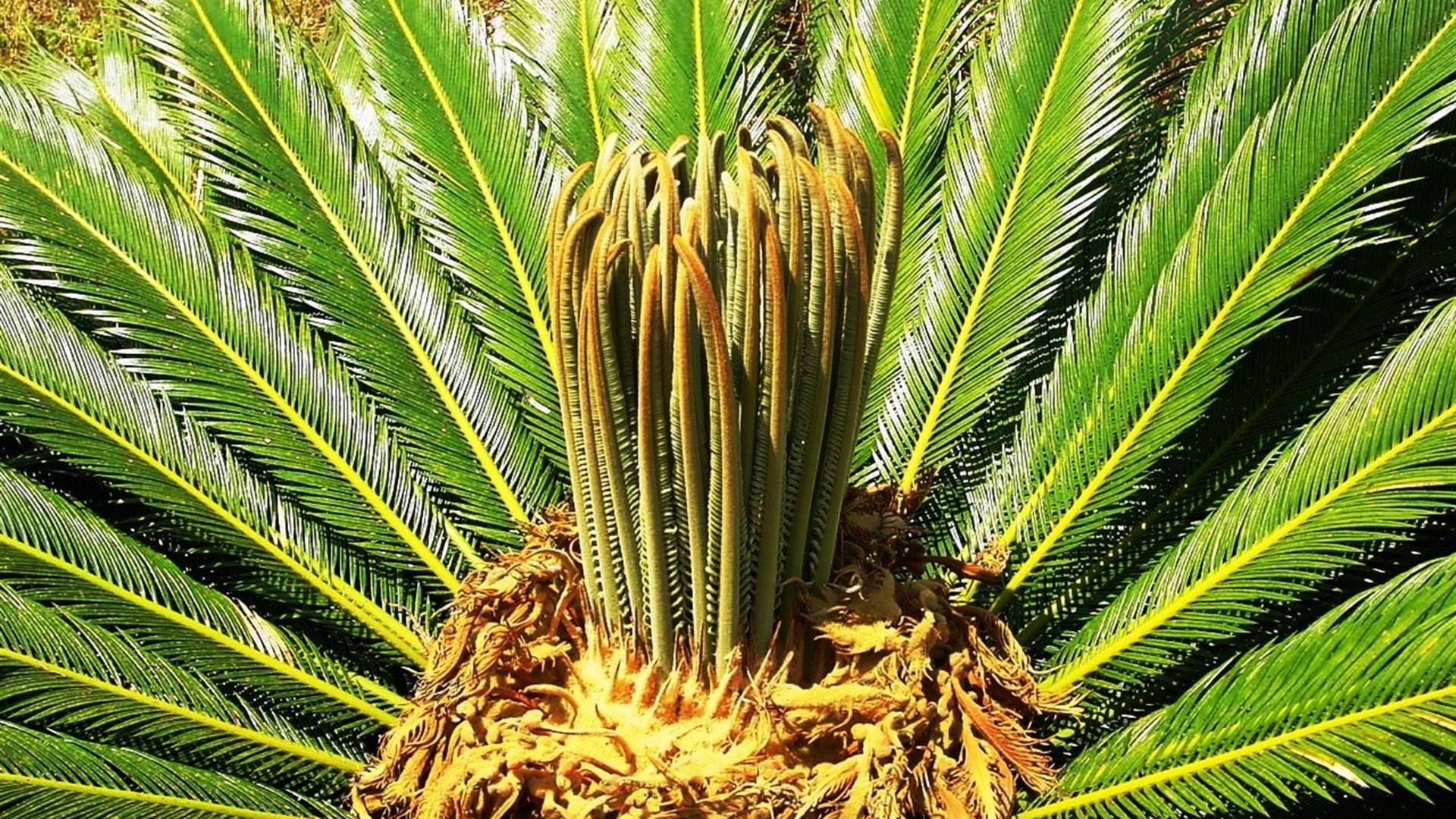
1. Sago Palm (Cycas Revoluta)
The sago palm is among the deadliest ornamental plants for household pets. Every portion contains cycasin, but the seeds harbor the highest concentration. Ingesting even a single seed frequently causes acute liver failure, internal bleeding, and fatal collapse in both dogs and cats.
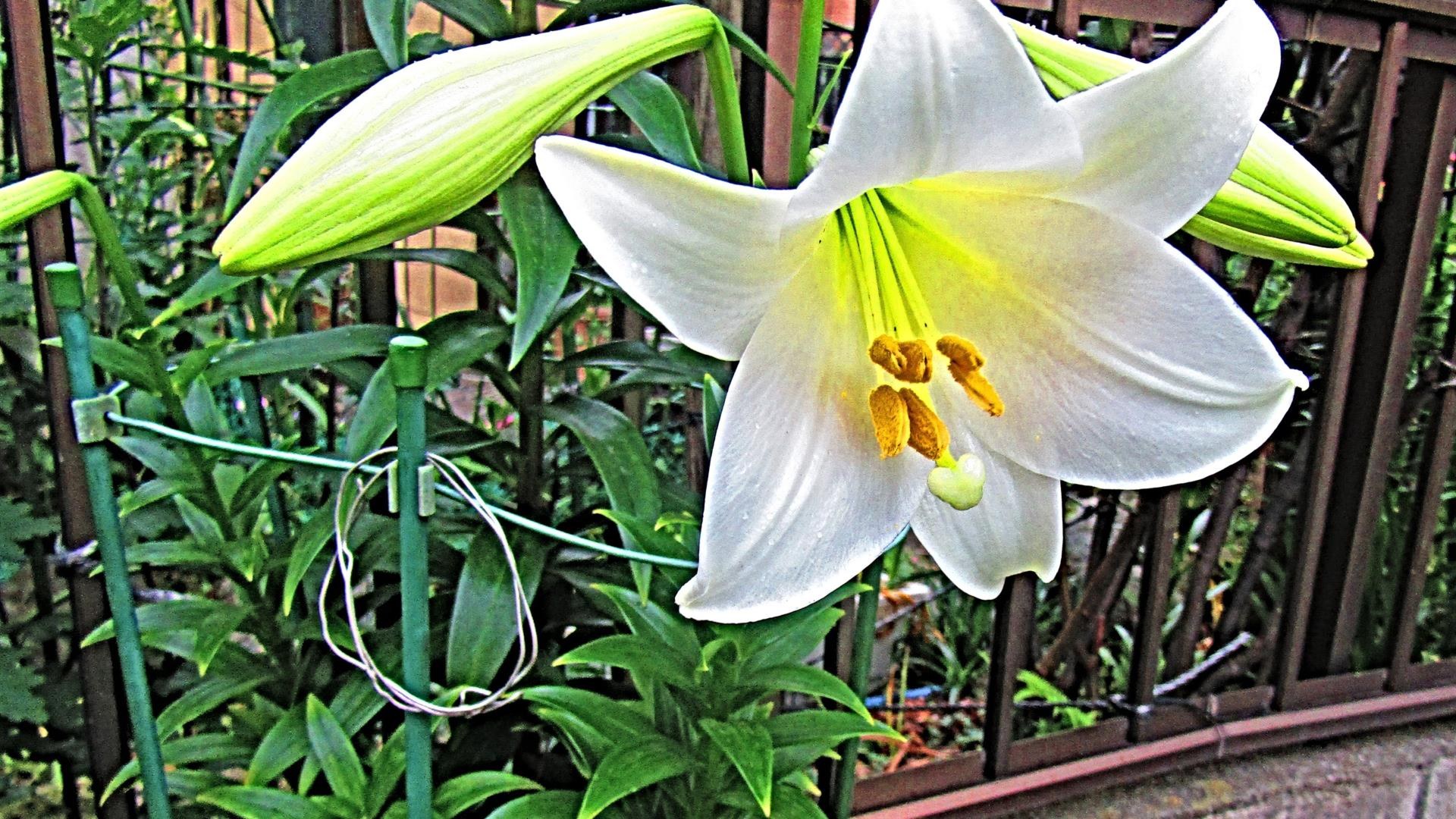
2. True Lilies (Lilium And Hemerocallis)
True lilies represent an extreme veterinary emergency for cats. Ingesting less than two petals, brushing against pollen and grooming, or even drinking vase water can precipitate irreversible acute renal failure within seventy two hours. Prompt emergency hemodialysis is often necessary.
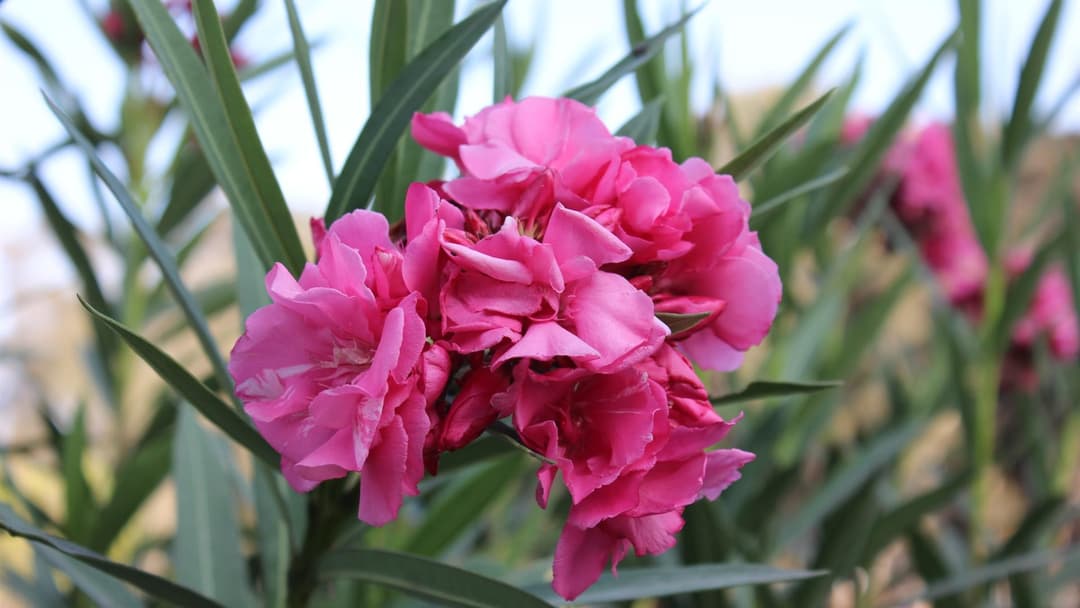
3. Oleander (Nerium Oleander)
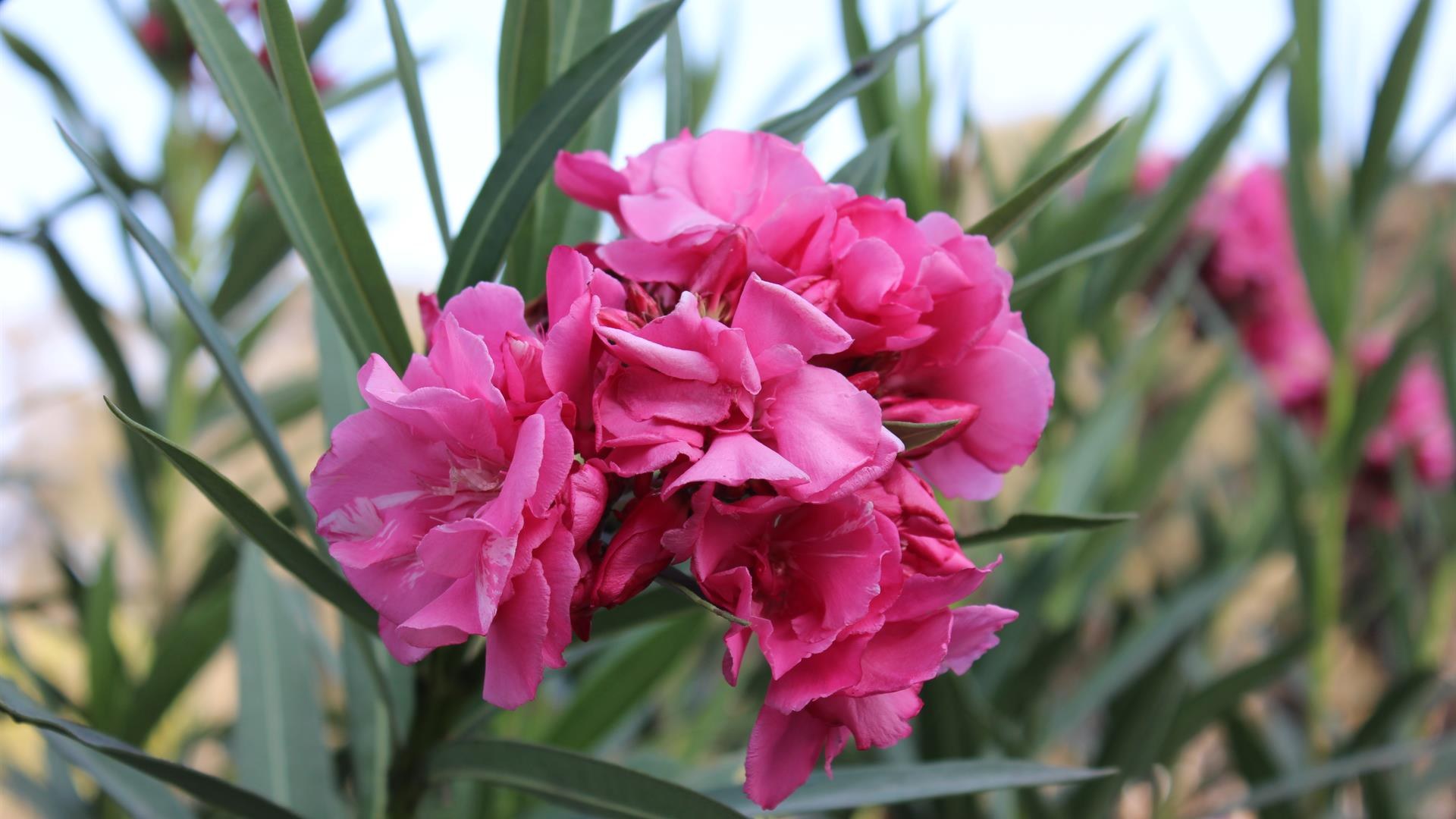
Often kept in sunrooms or bright indoor corners, oleander contains potent cardiac glycosides like oleandrin. Consuming even small leaf fragments causes severe drooling, gastrointestinal distress, hypothermia, abnormal heart rhythms, and lethal cardiovascular failure.
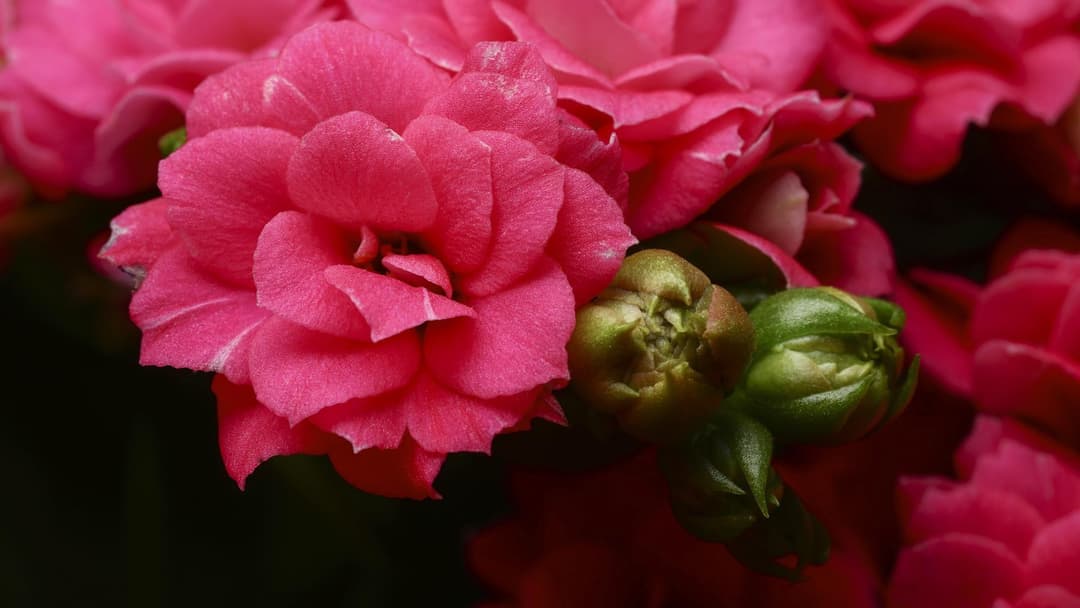
4. Kalanchoe (Kalanchoe Species)
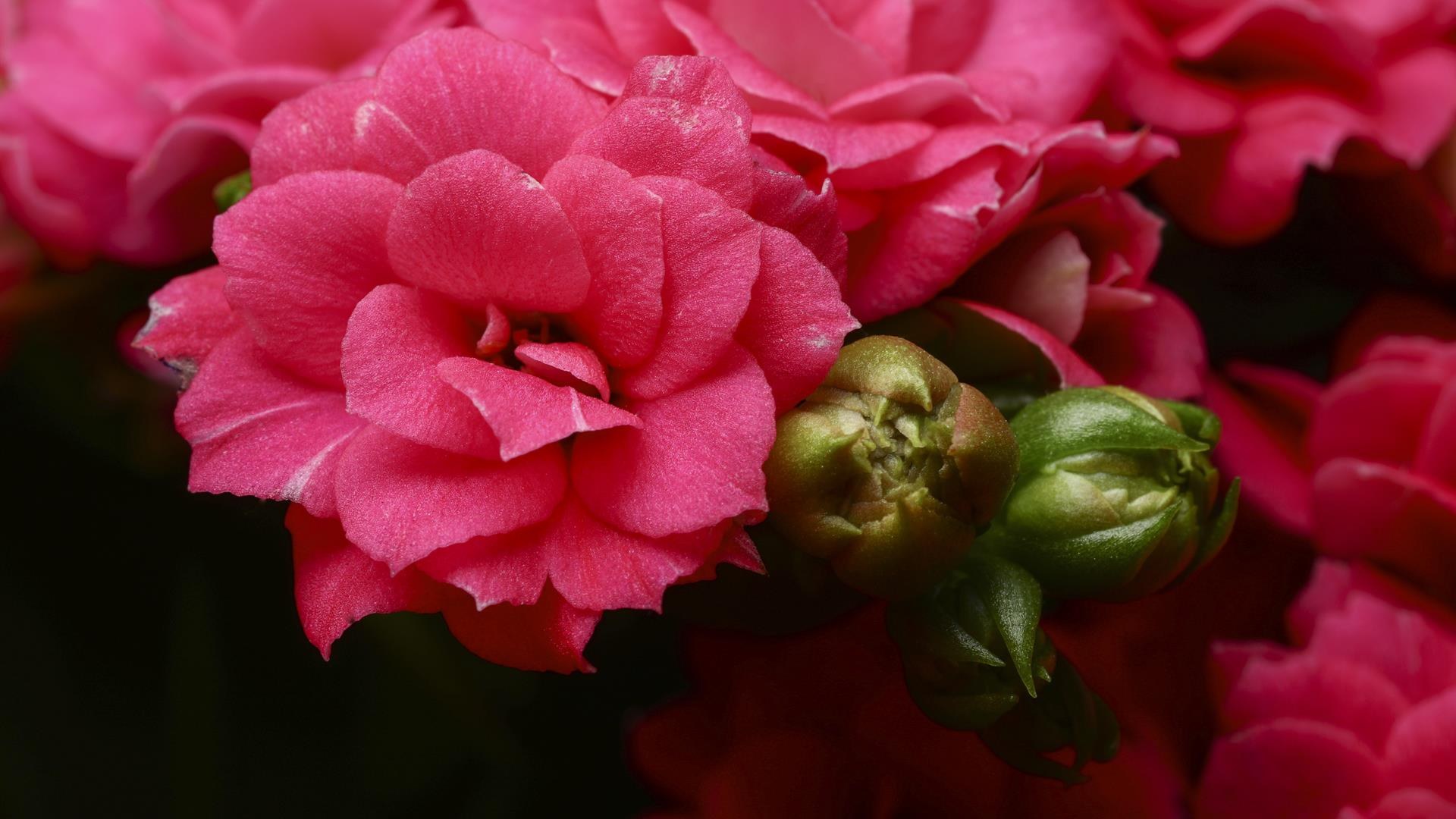
Popular for colorful winter blooms, kalanchoe species contain bufadienolide cardiac toxins. Pets that chew on the blossoms or succulent foliage experience severe gastrointestinal irritation followed by dangerous heart rate fluctuations, collapse, and seizures.
5. Autumn Crocus (Colchicum Autumnale)
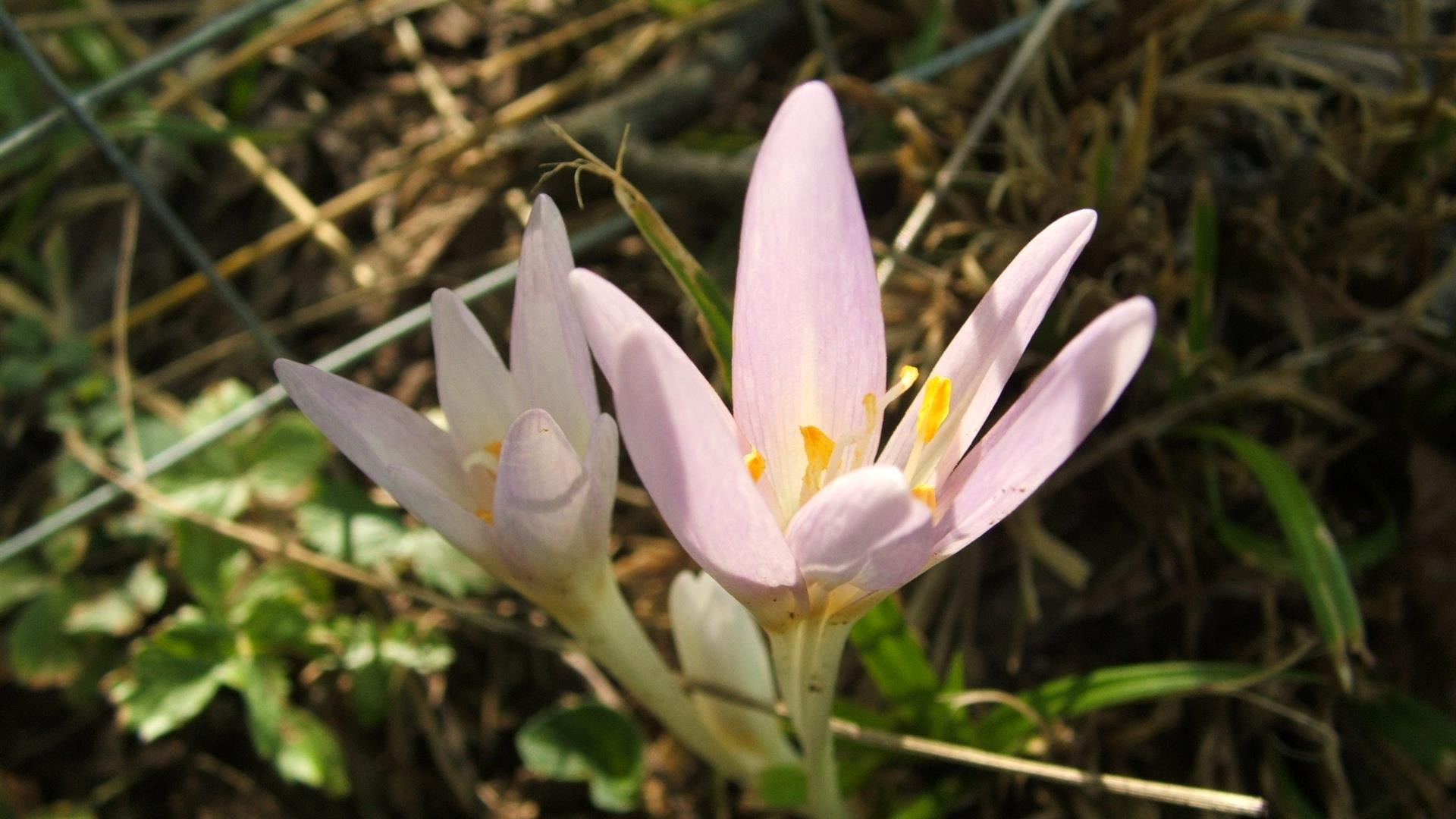
Unlike spring crocuses, the autumn crocus contains high levels of colchicine. Ingestion causes profuse vomiting, bloody diarrhea, bone marrow suppression, liver and kidney damage, and respiratory failure. Clinical symptoms may appear delayed by several days.
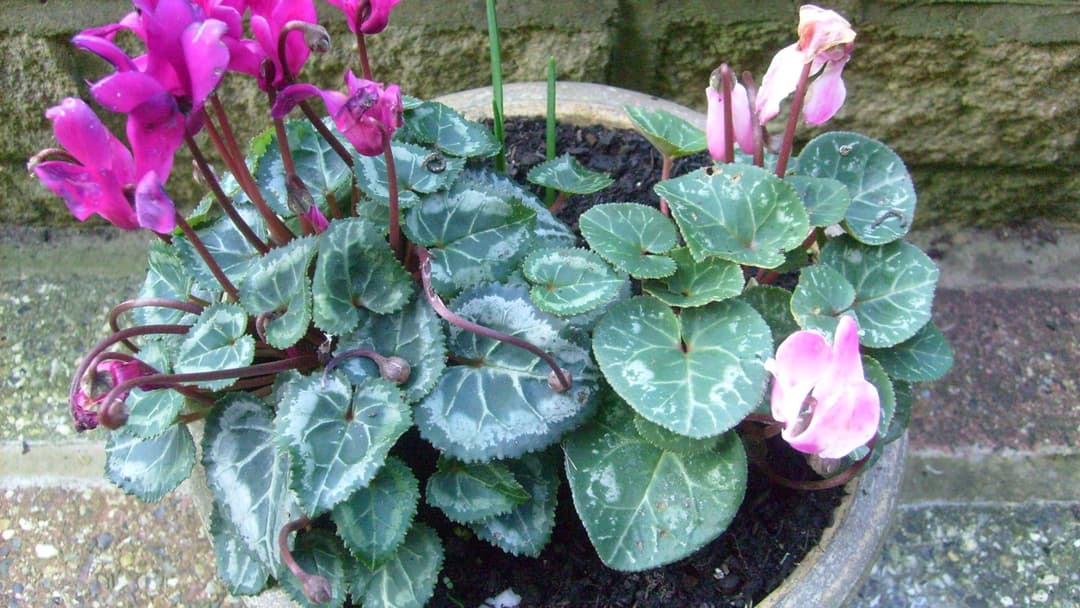
6. Cyclamen (Cyclamen Persicum)
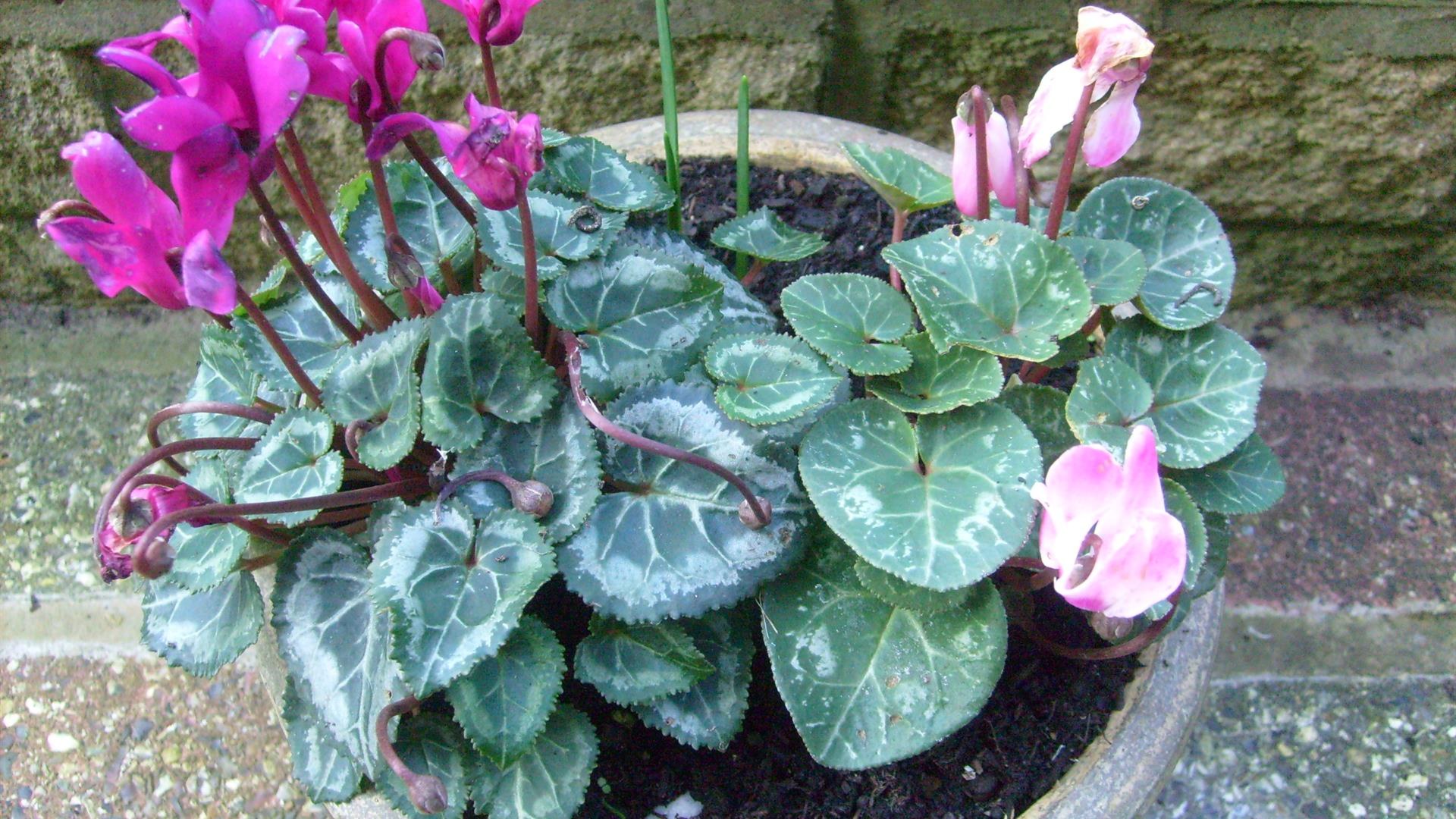
Commonly displayed for vibrant winter flowers, cyclamen contains irritating saponins throughout its tissue. While leaves cause mild vomiting, chewing the underground tubers releases concentrated toxins that induce heart arrhythmias, tremors, and sudden death.
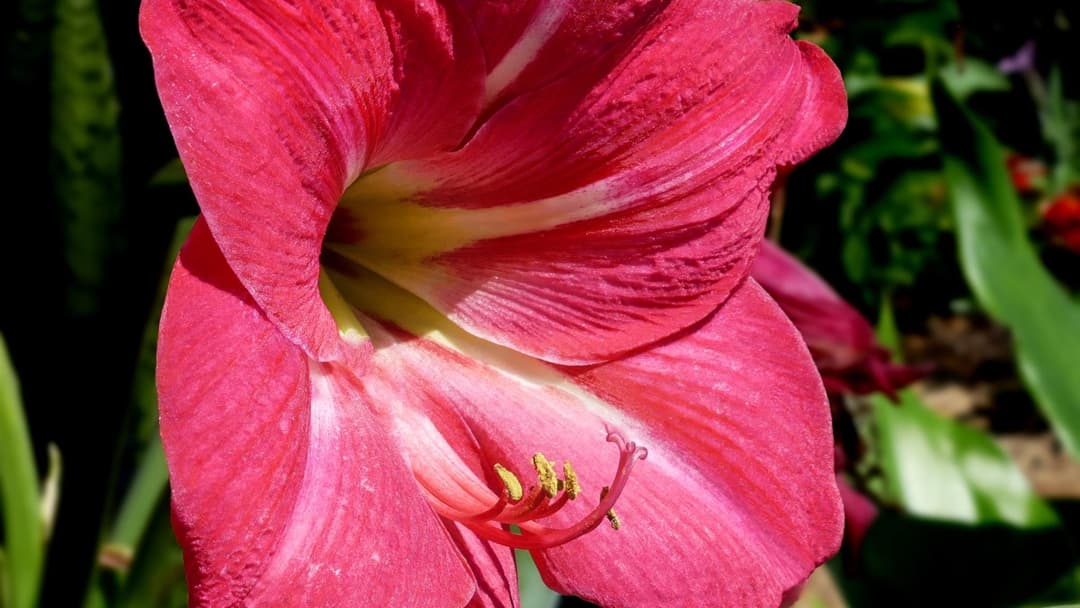
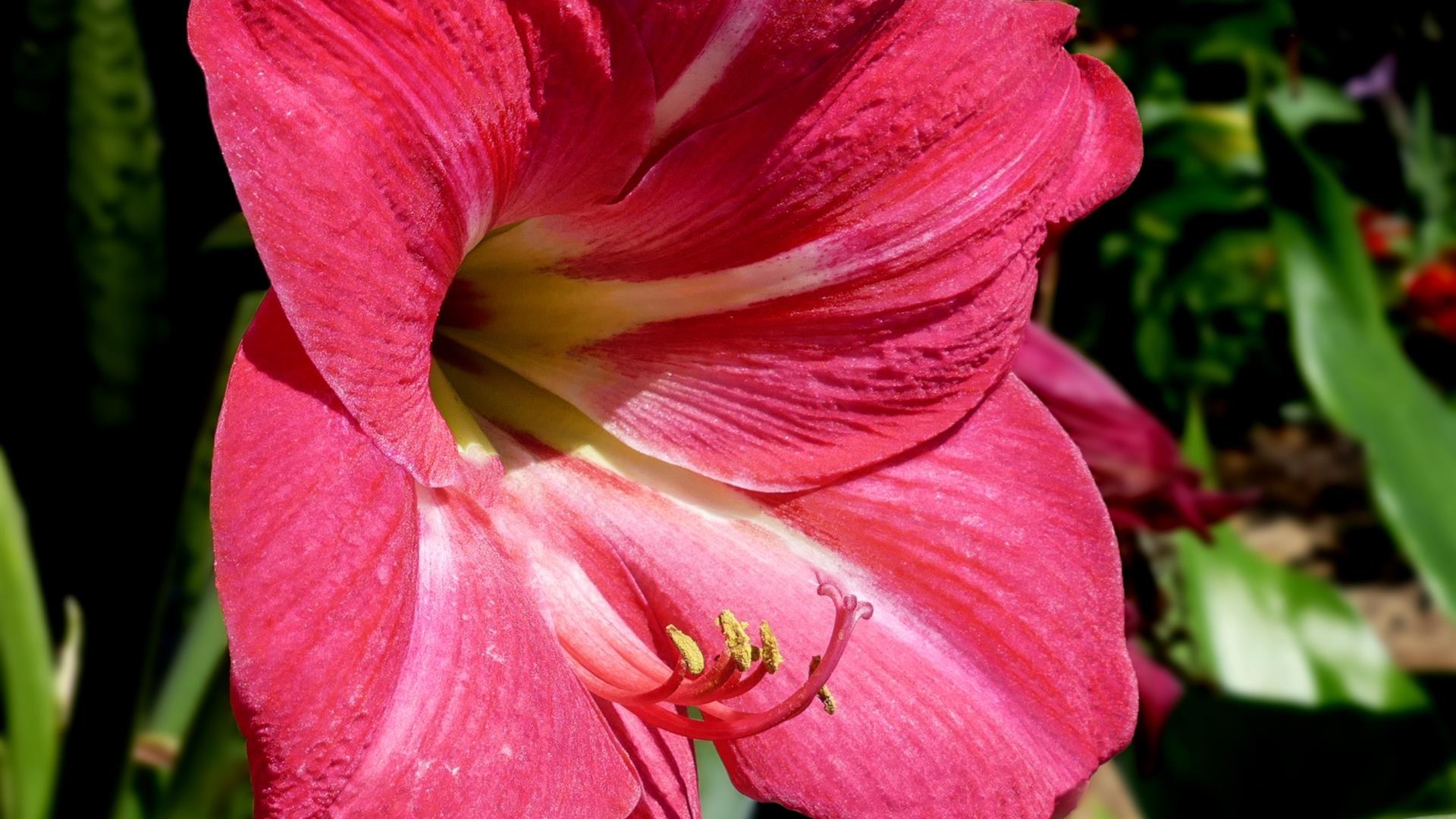
7. Amaryllis (Hippeastrum Species)
Amaryllis bulbs forced indoors during the winter holidays contain toxic lycorine and phenanthridine alkaloids. Ingestion of the bulb or stems leads to significant salivation, lethargy, severe abdominal cramping, low blood pressure, and neurological tremors.
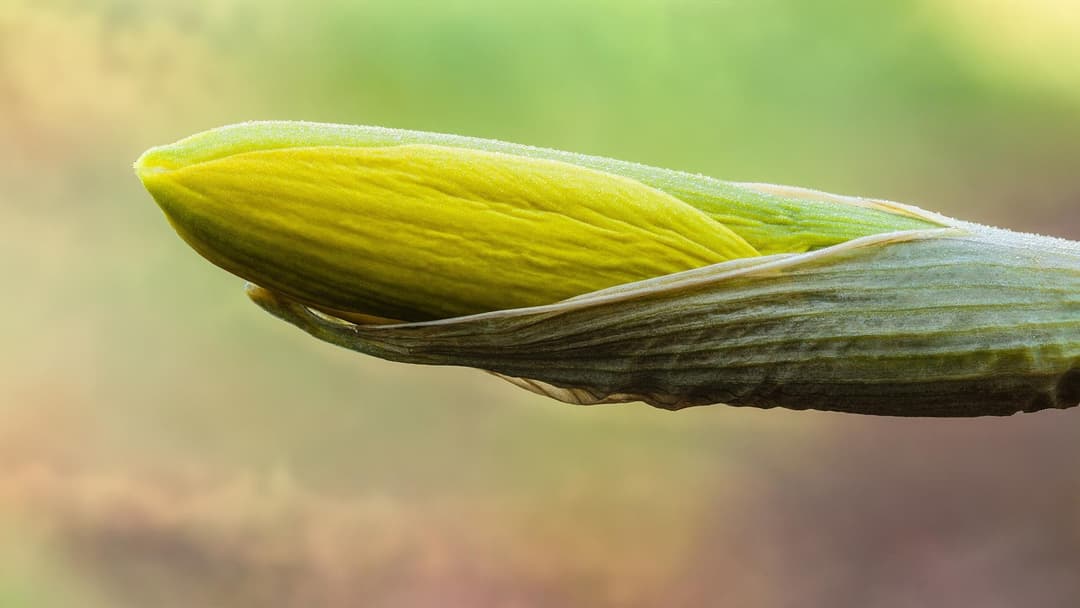
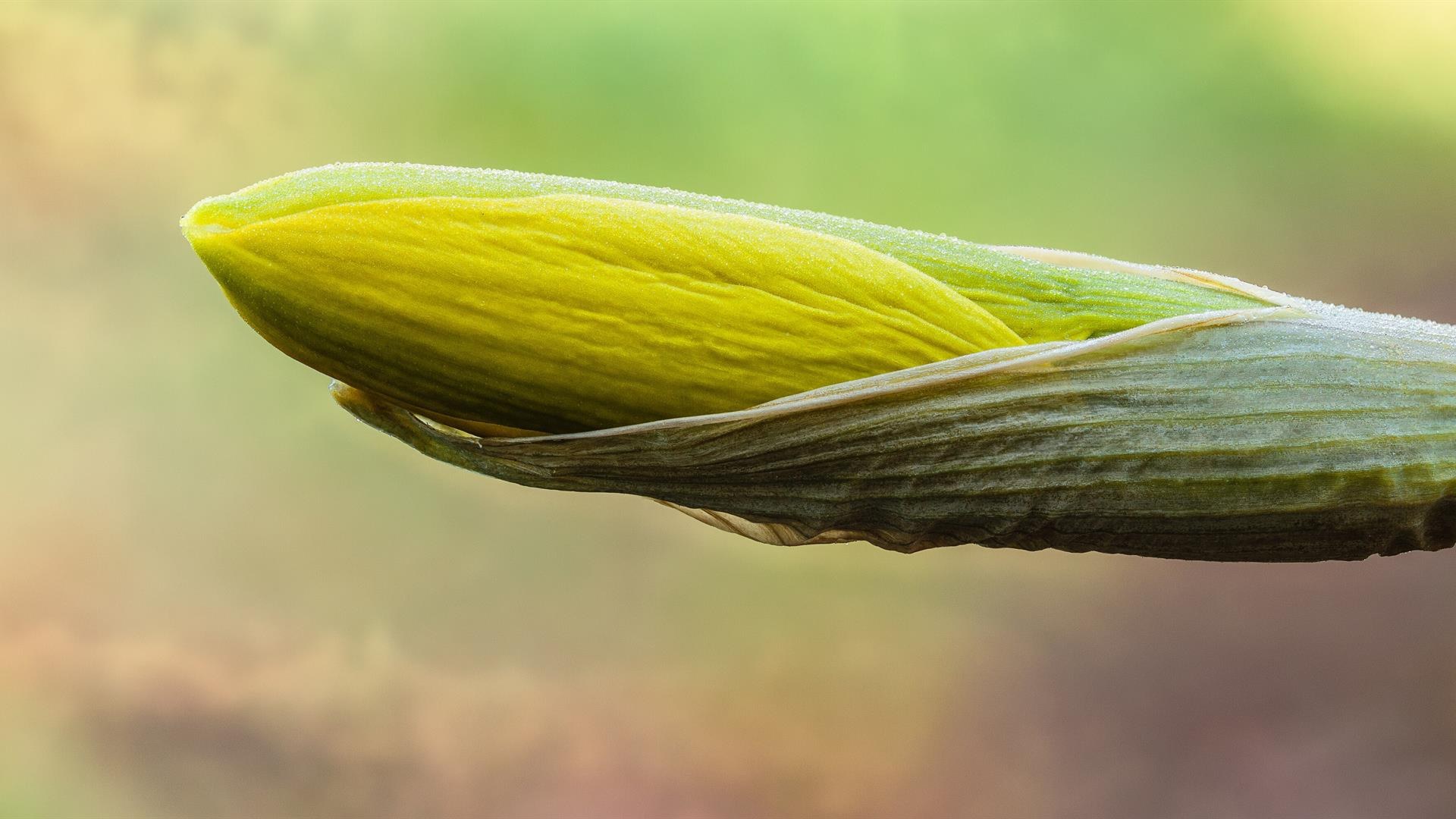
8. Daffodils (Narcissus Pseudonarcissus)
Potted narcissus and daffodils forced into early indoor bloom carry dangerous alkaloid concentrations in their bulbs. Curious dogs digging in pots risk severe gastrointestinal inflammation, sharp drops in blood pressure, tremors, and cardiac arrhythmias.
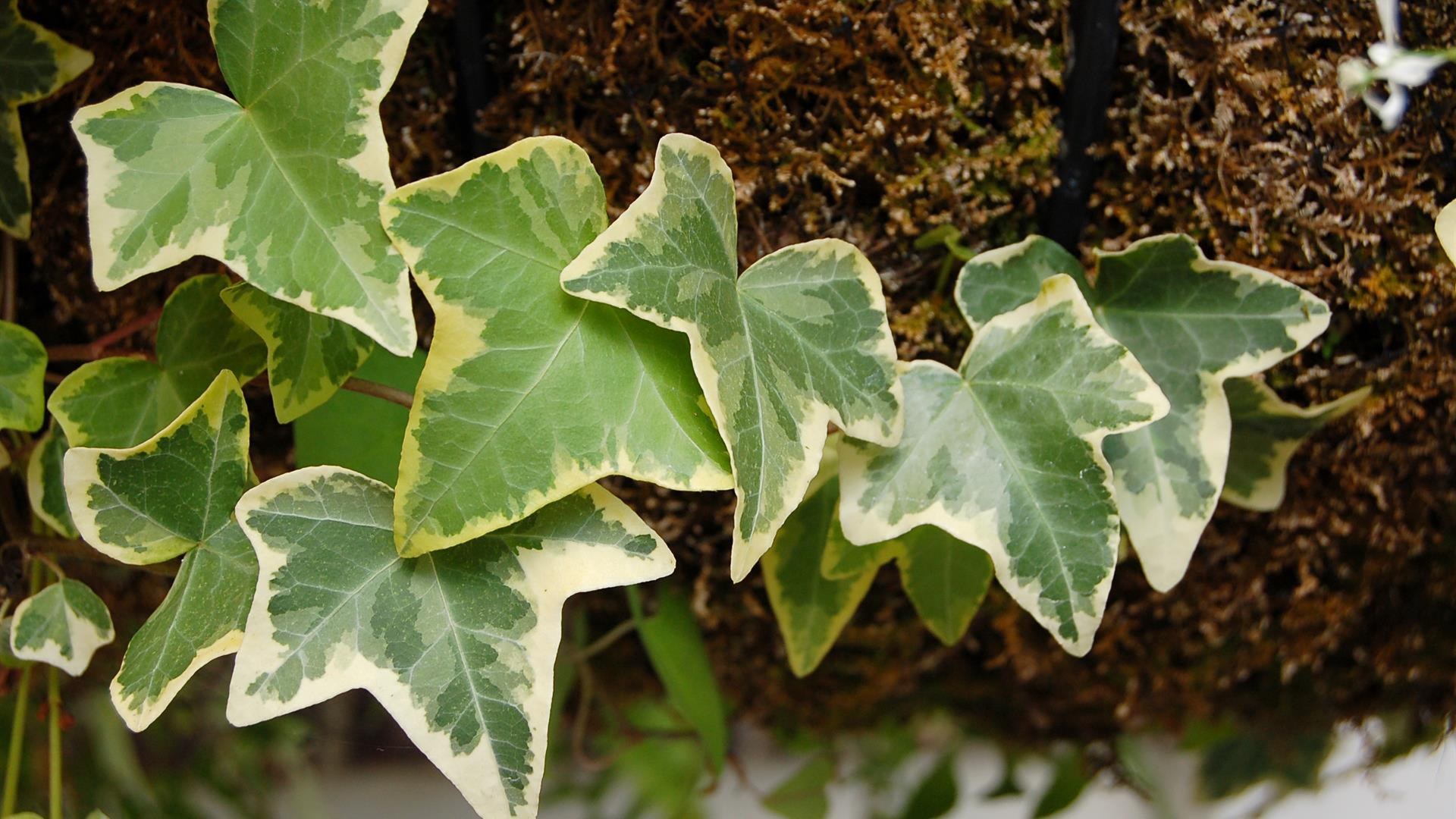
9. English Ivy (Hedera Helix)
Popular as a cascading indoor hanging basket, English ivy foliage contains triterpenoid saponins and polyacetylene compounds. When chewed by cats or dogs, it induces oral burning, excessive salivation, vomiting, severe abdominal pain, and bouts of diarrhea.
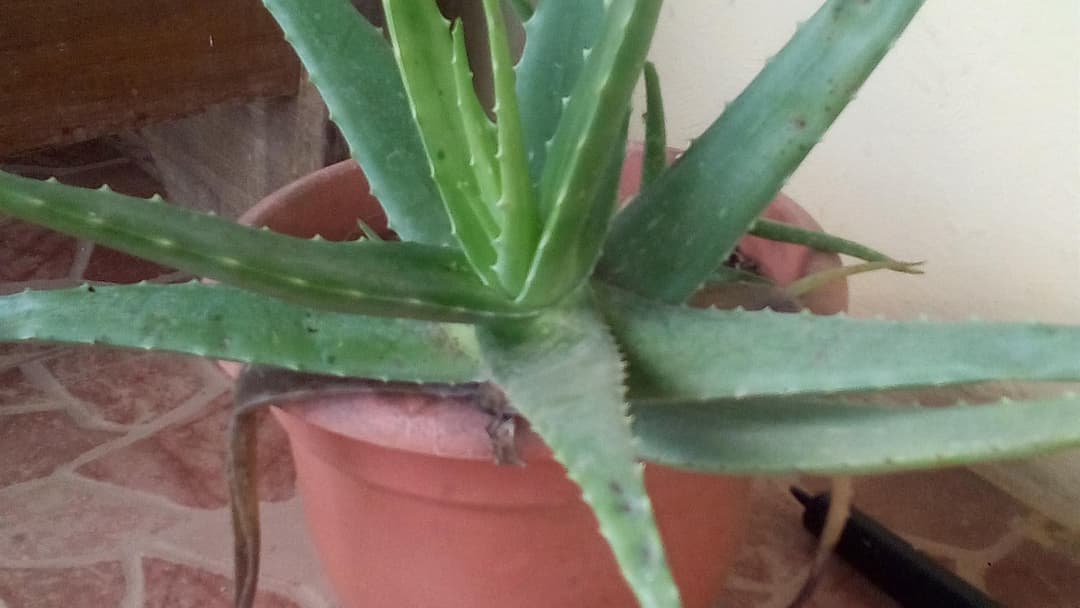
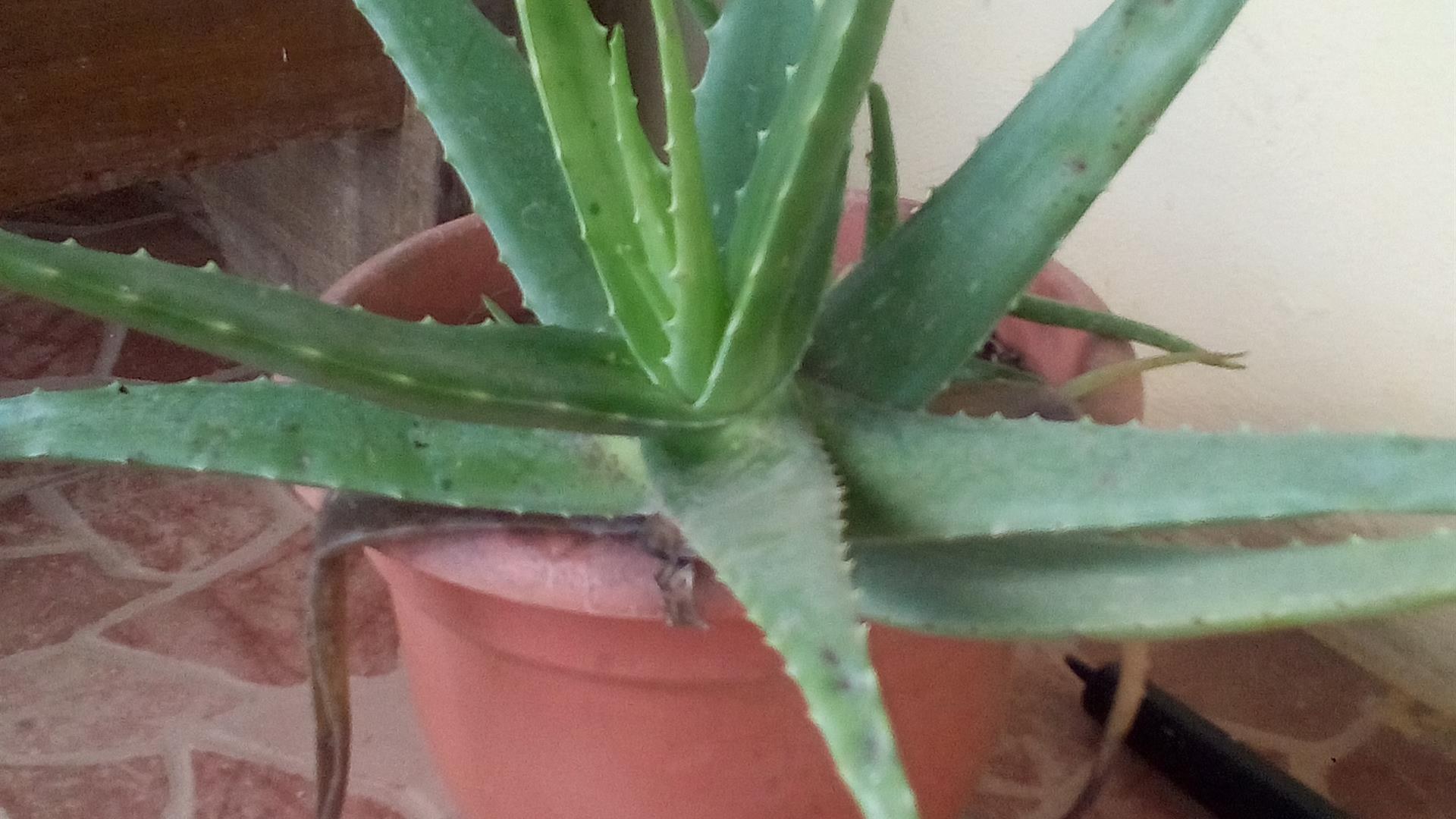
10. Aloe Vera (Aloe Barbadensis)
While clear inner aloe gel is used topically, the outer green rind and yellow latex layer contain aloin and bitter anthraquinones. Chewing the thick leaves breaks down red blood cells, causes noticeable lethargy, and triggers severe diarrhea and dehydration.
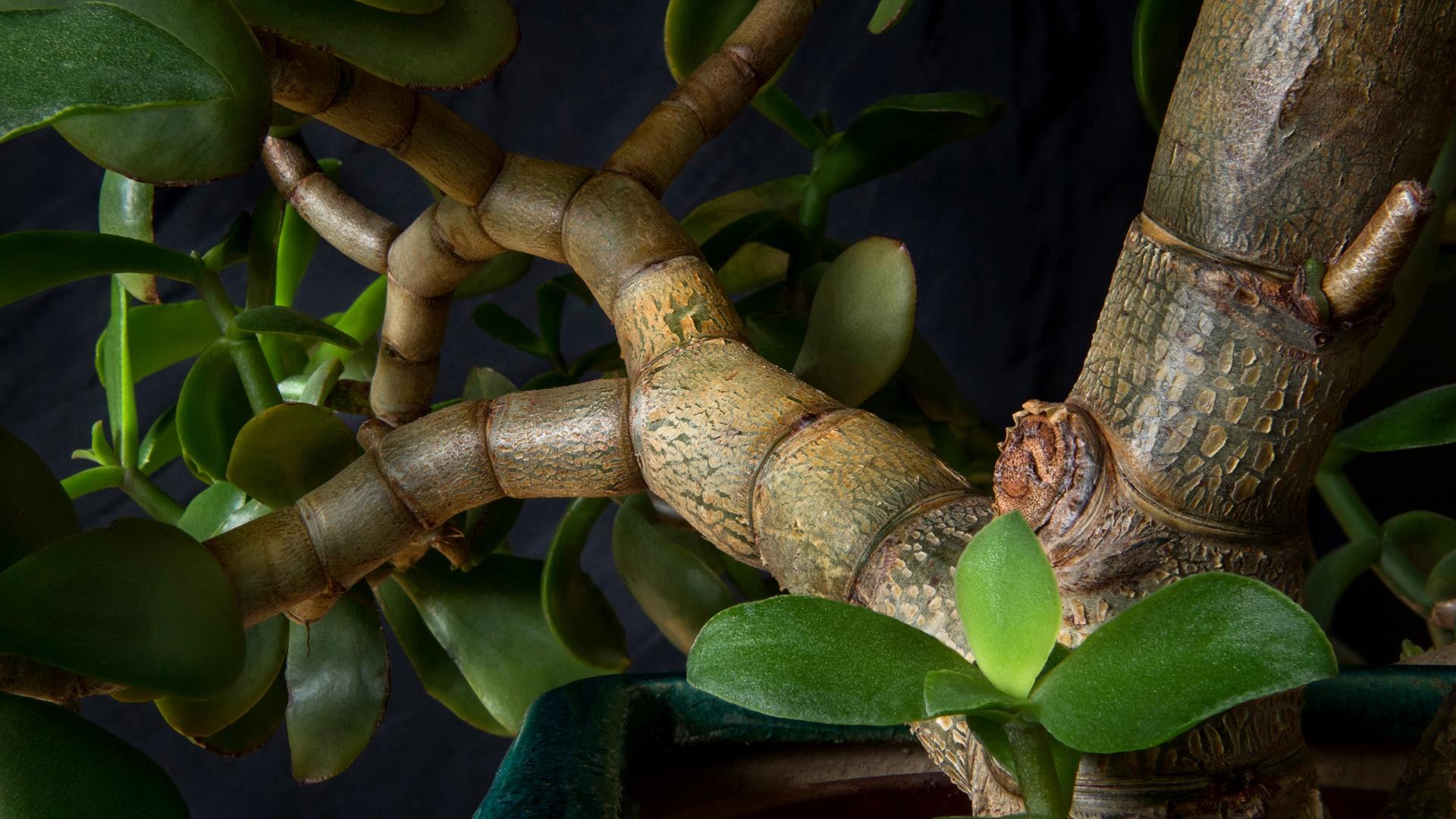
11. Jade Plant (Crassula Ovata)
The ubiquitous jade plant or money tree contains an unidentified toxic agent that reliably sickens companion animals. Ingestion leads to persistent vomiting, abdominal distress, loss of coordination, depression, and occasional bradycardia.
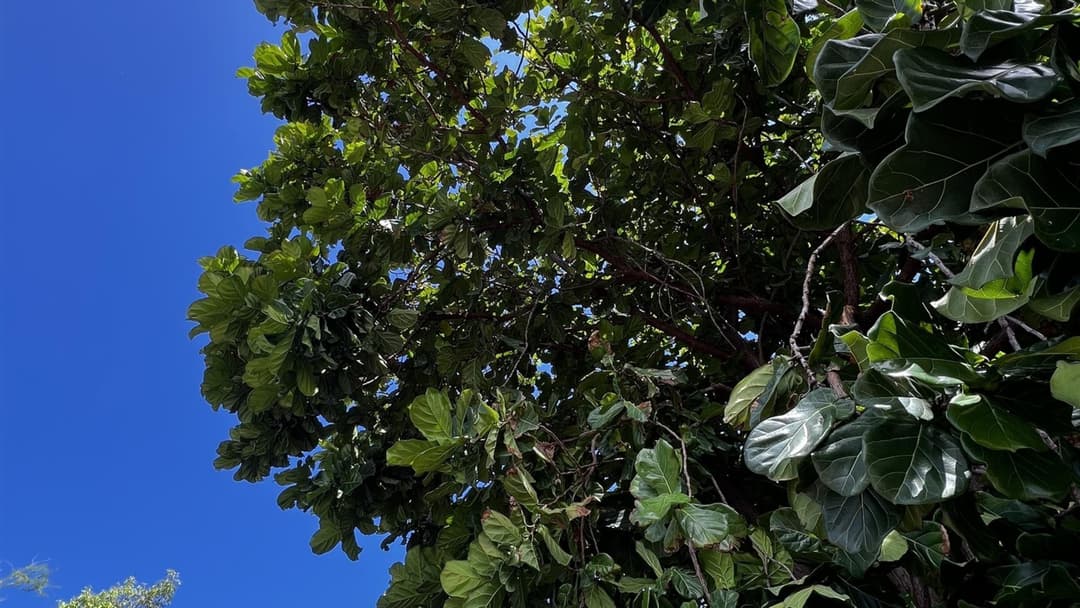
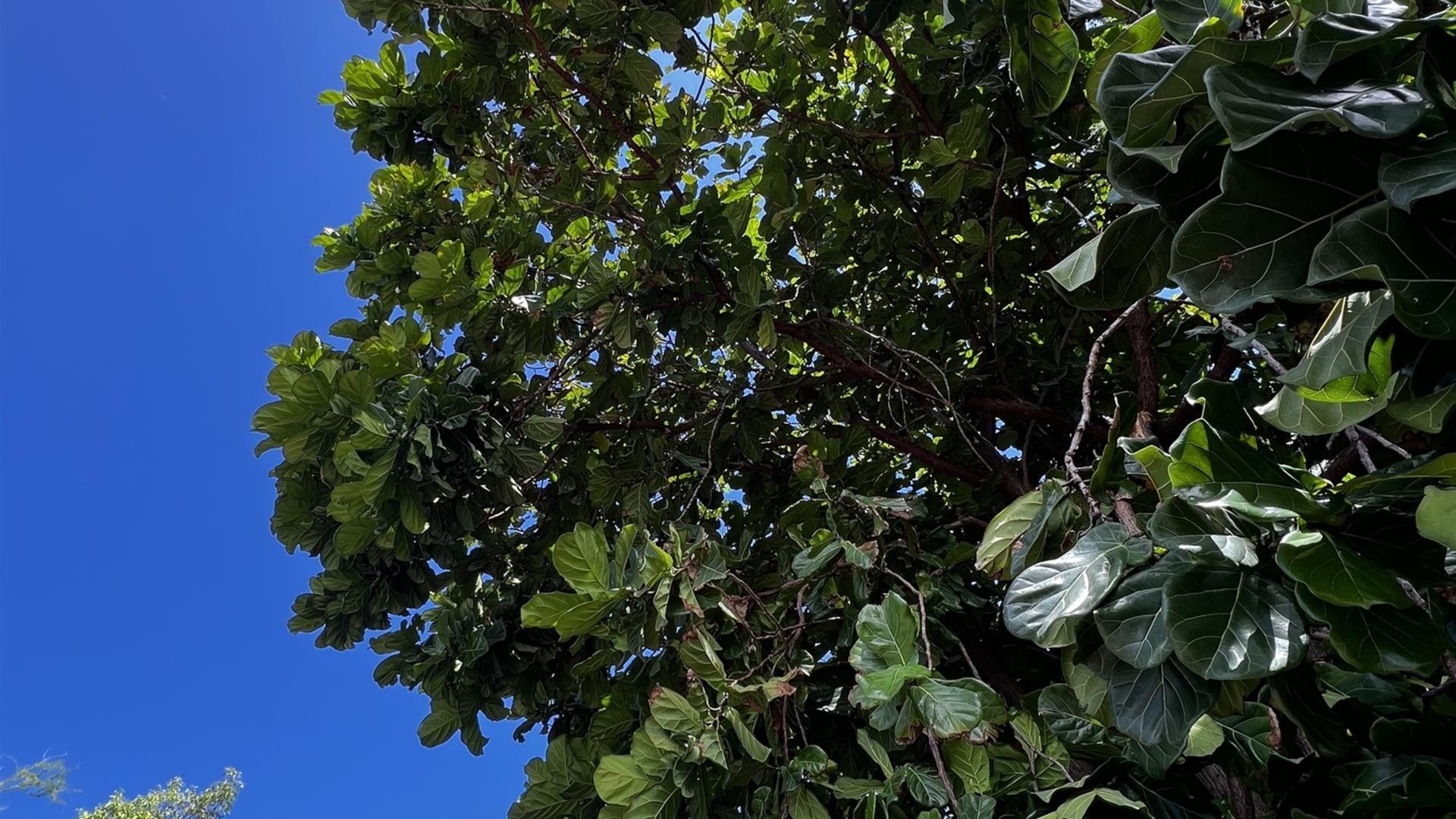
12. Fiddle Leaf Fig (Ficus Lyrata)
The massive sculptural leaves of the fiddle leaf fig contain milky white latex sap packed with proteolytic ficin enzymes and psoralens. Chewing branches or leaves irritates the tongue and lips, leading to drooling, vomiting, and dermal inflammation.
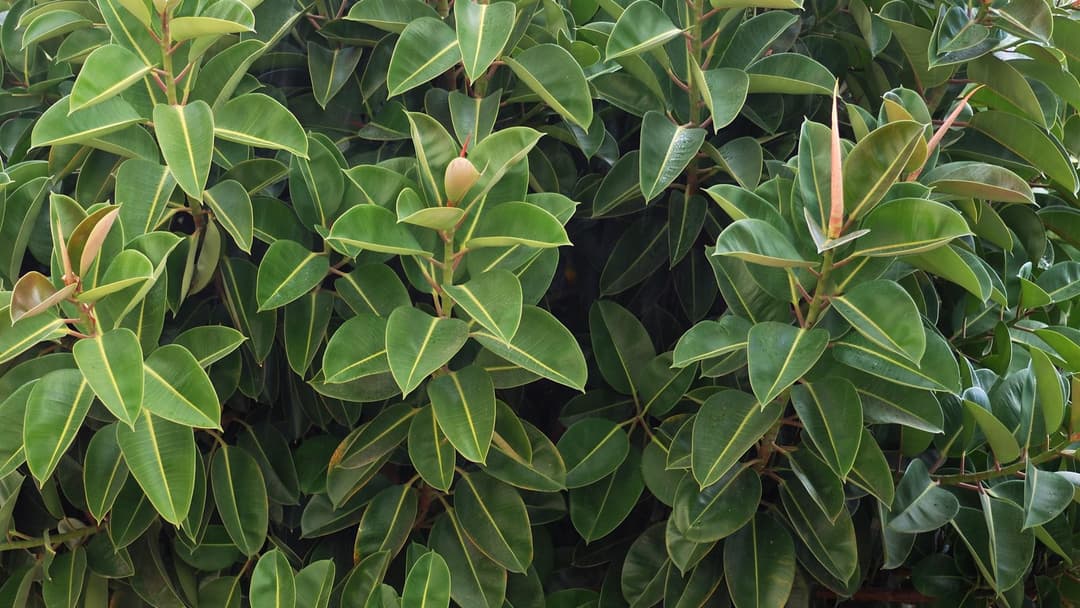
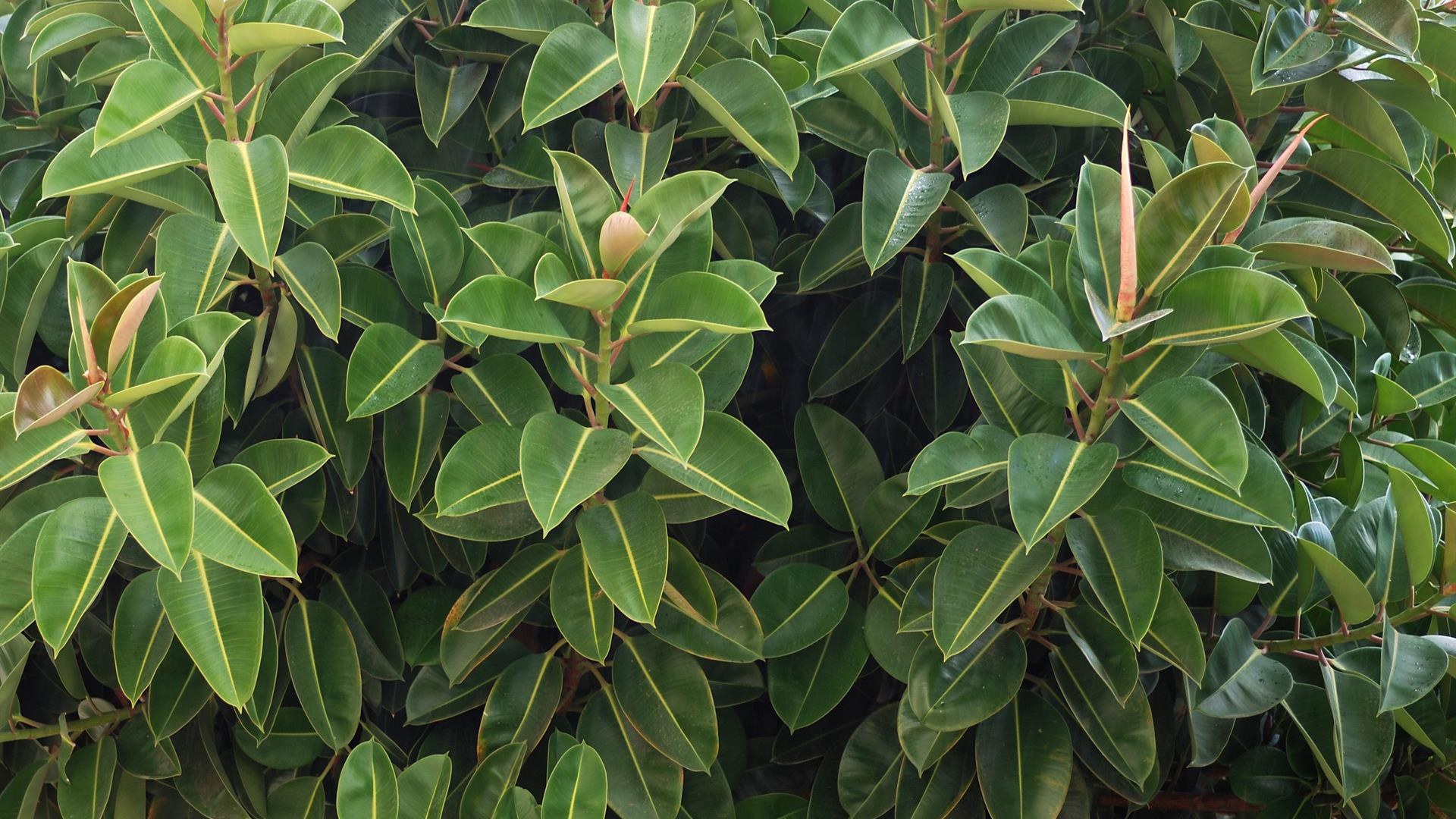
13. Rubber Plant (Ficus Elastica)
Like its fig relatives, the rubber tree secretes irritating latex containing ficin enzymes upon leaf puncture. Cats and dogs attempting to chew the broad foliage suffer mouth burning, excessive drooling, skin rashes, and gastrointestinal distress.
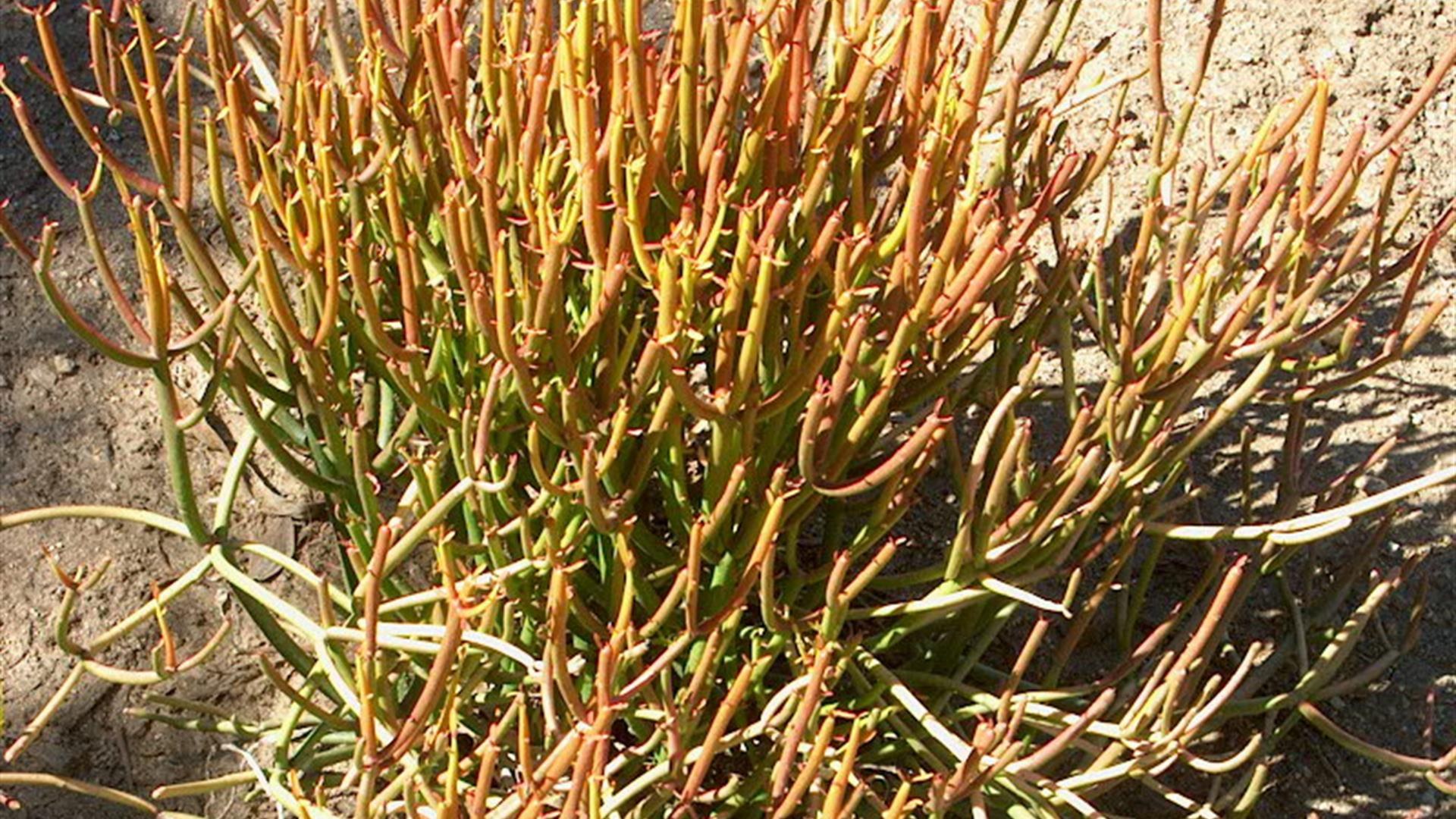
14. Pencil Cactus (Euphorbia Tirucalli)
Also known as the firestick plant, this succulent produces a caustic white latex sap. Direct contact causes chemical burns on the corneas and skin, while ingestion triggers mouth blistering, severe nausea, and stomach lining erosion.
15. Dumb Cane (Dieffenbachia Seguine)
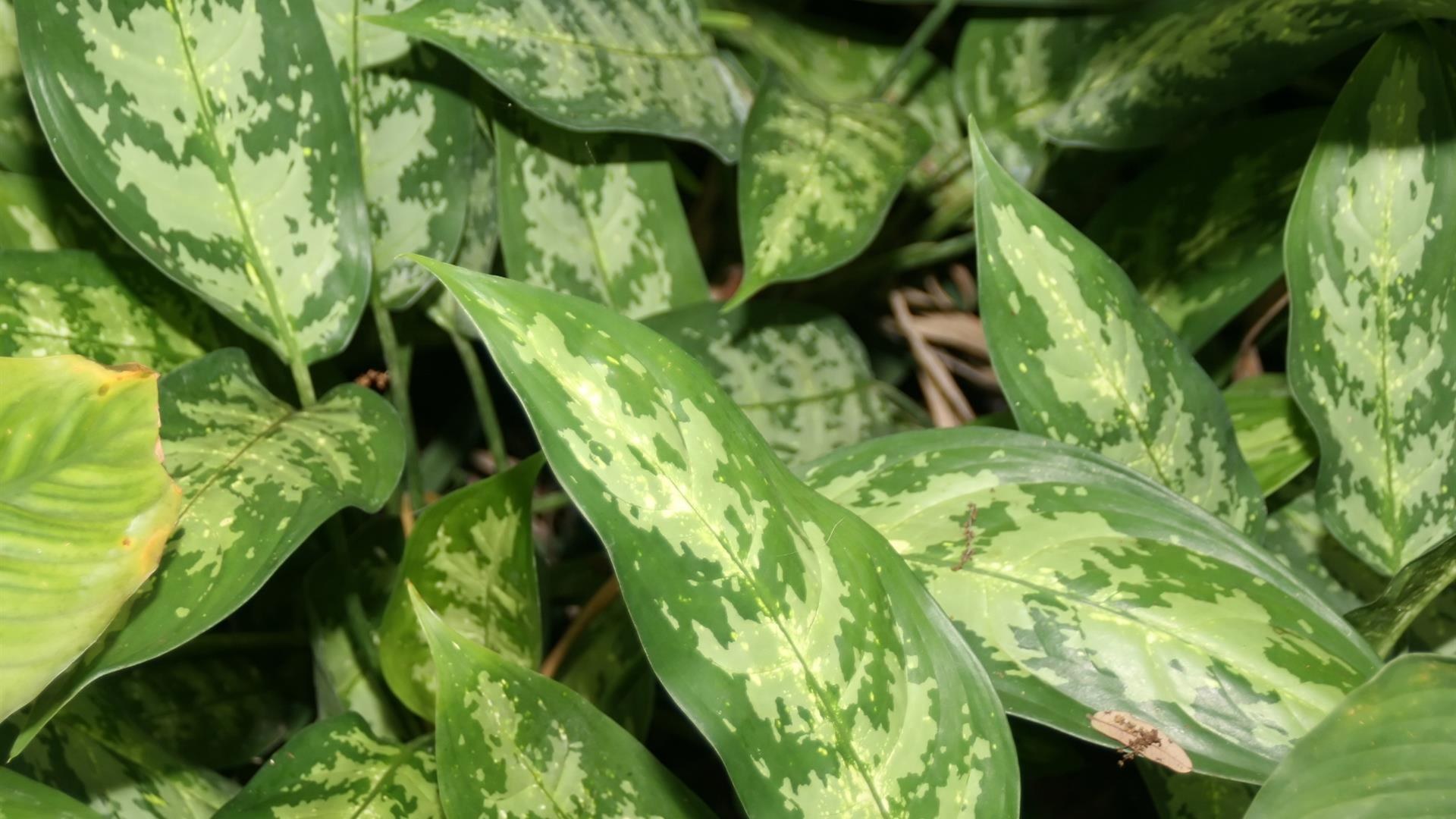
Dieffenbachia earns its moniker because chewing the leaves causes vocal cord paralysis and tongue swelling. Insoluble calcium oxalate raphides pierce oral mucous membranes, creating burning pain, hypersalivation, and potential respiratory obstruction.
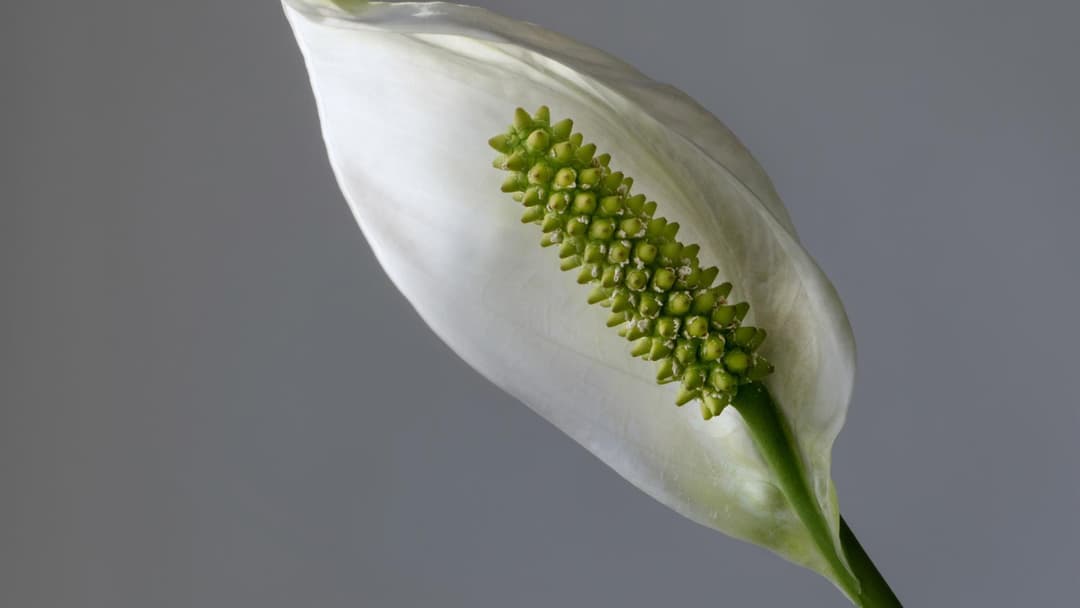
16. Peace Lily (Spathiphyllum Species)
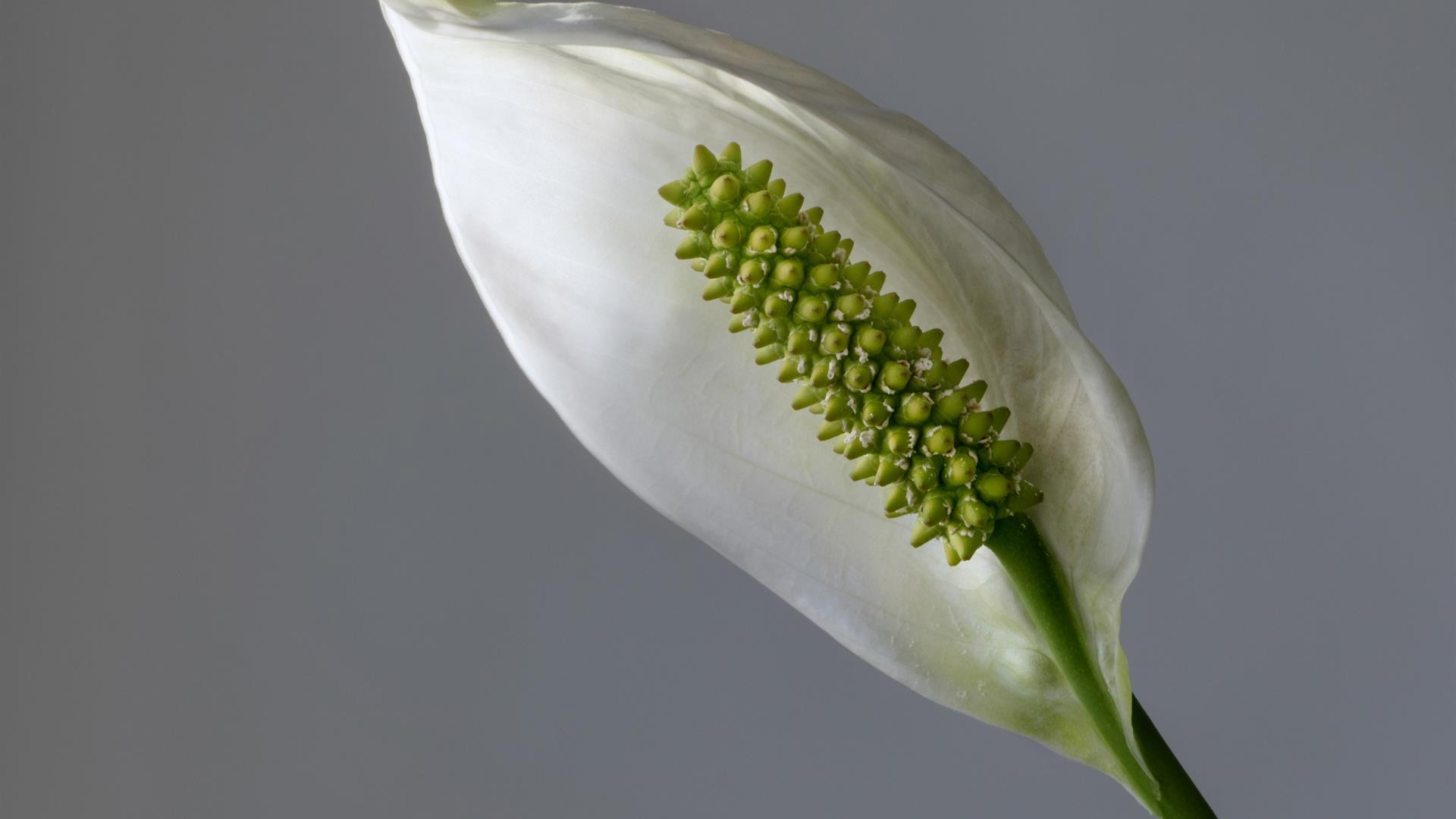
Unlike true Lilium species, peace lilies do not cause feline kidney failure. However, their insoluble calcium oxalate needles inflict immediate burning in the lips and tongue, provoking face pawing, foaming at the mouth, and vomiting.
17. Monstera (Monstera Deliciosa)
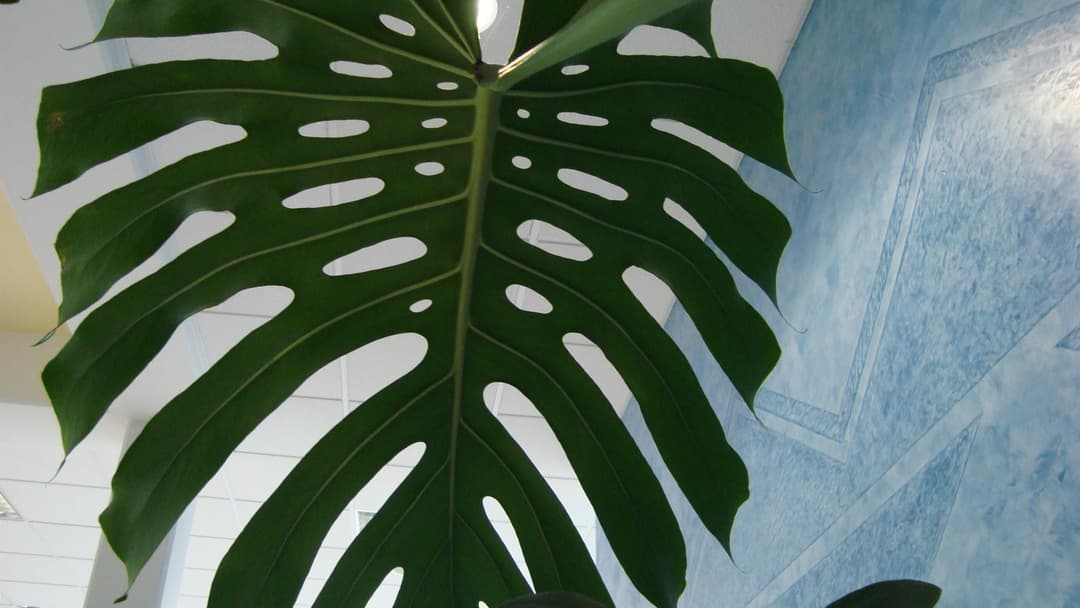
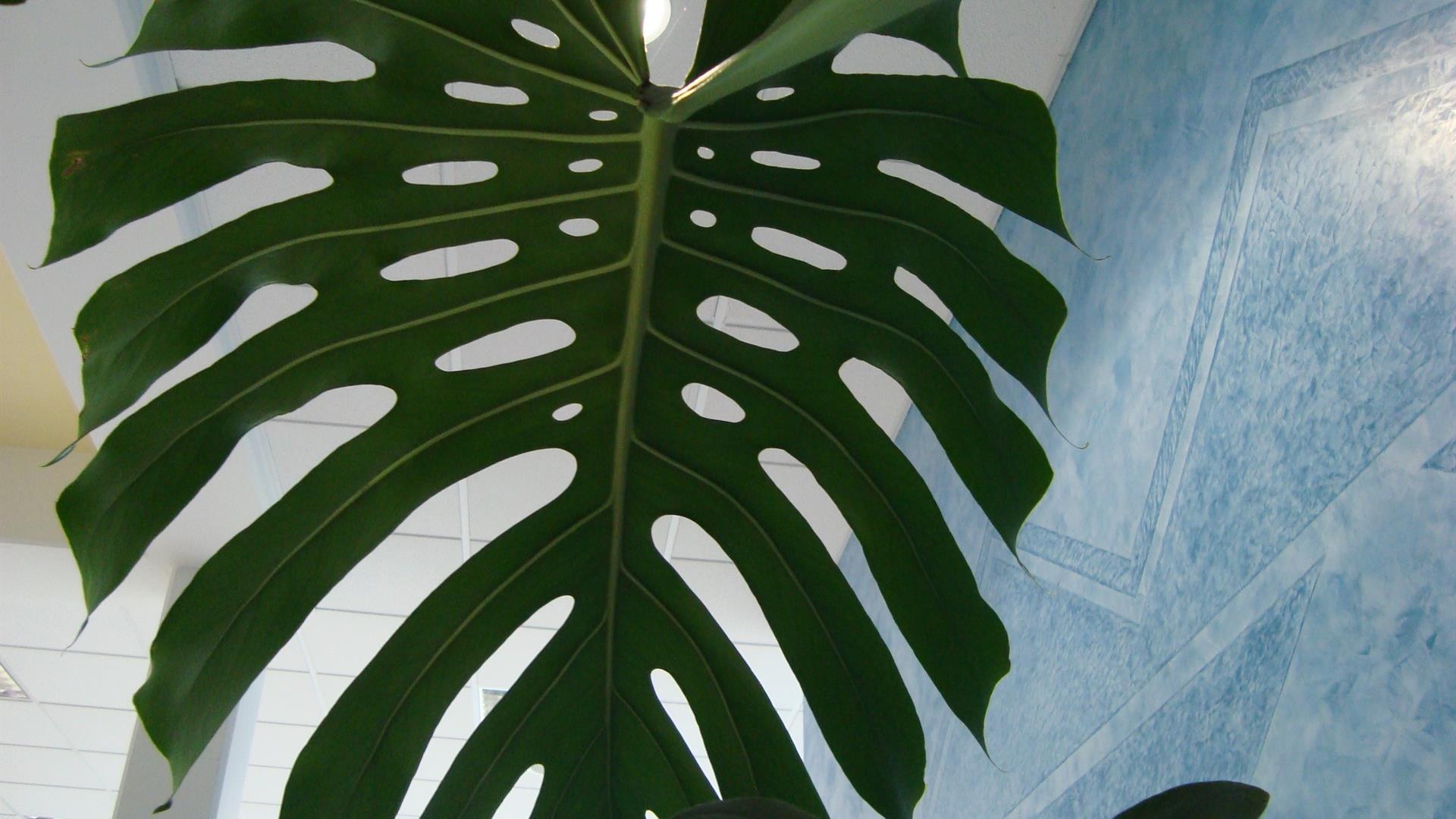
Famous for perforated split leaves, Monstera contains calcium oxalate crystals. Chewing the foliage discharges microscopic needles into soft oral tissue, generating acute irritation, excessive drooling, and digestive discomfort.
18. Golden Pothos (Epipremnum Aureum)
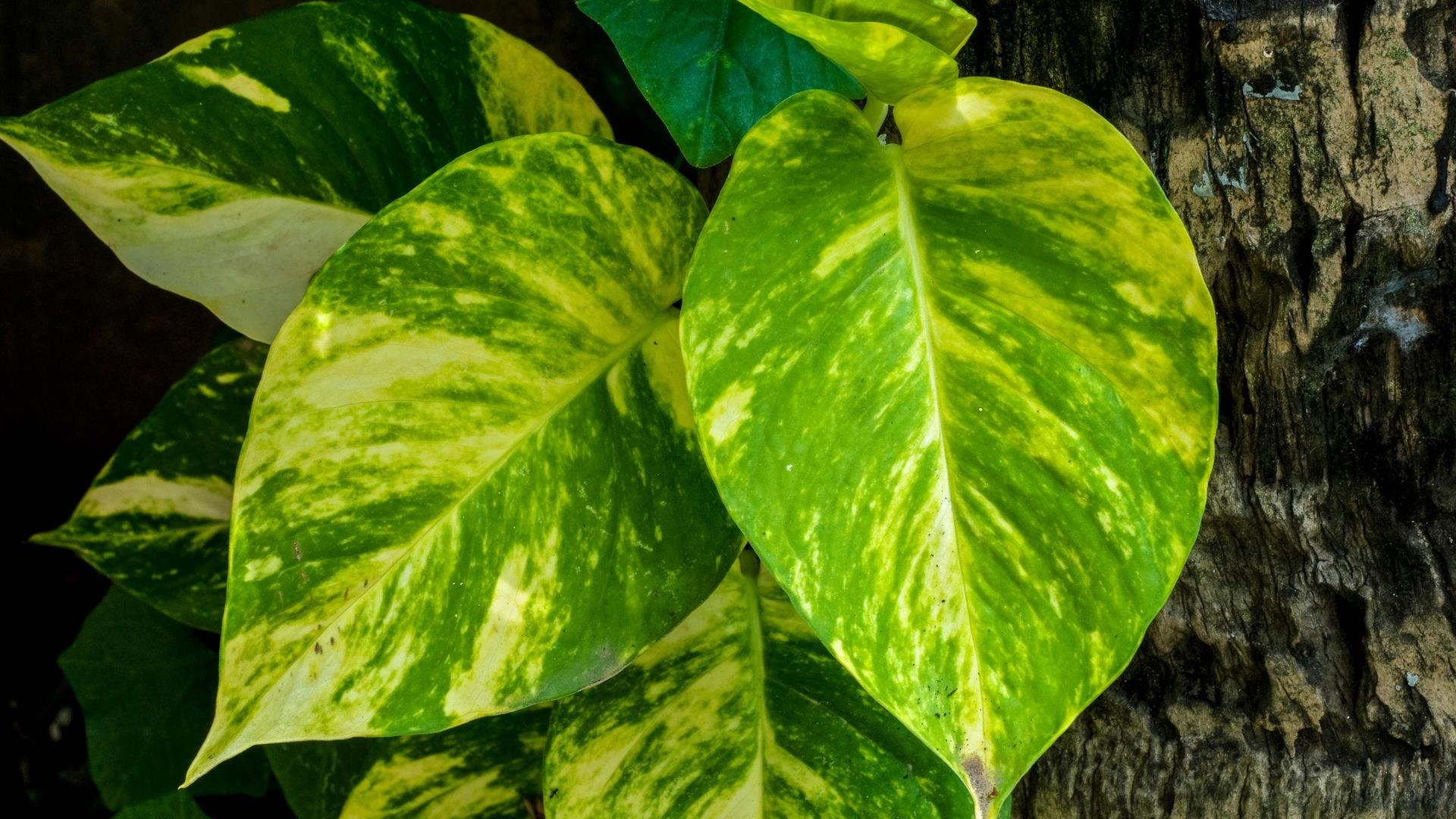
A common hanging vine in apartments, devil is ivy contains needle like calcium oxalate crystals. Bites to the leaves cause localized burning, swelling of the tongue and pharynx, and difficulty swallowing in dogs and cats.
19. ZZ Plant (Zamioculcas Zamiifolia)
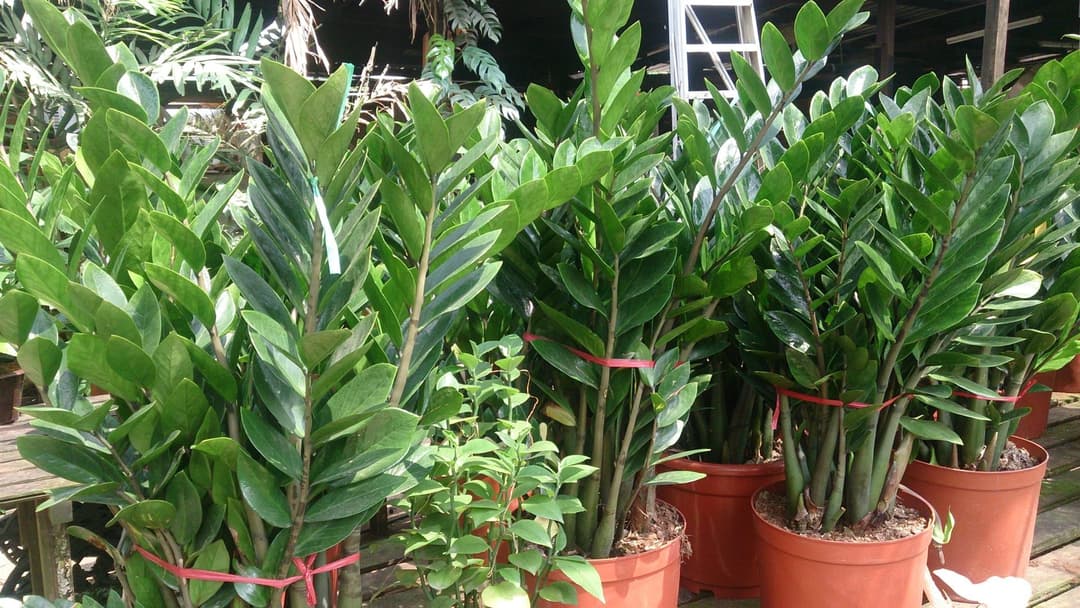
Virtually indestructible in low light, the ZZ plant protects its fleshy stems with insoluble calcium oxalate crystals. Ingesting any part causes prompt oral distress, head shaking, excess drooling, and mild stomach upset.
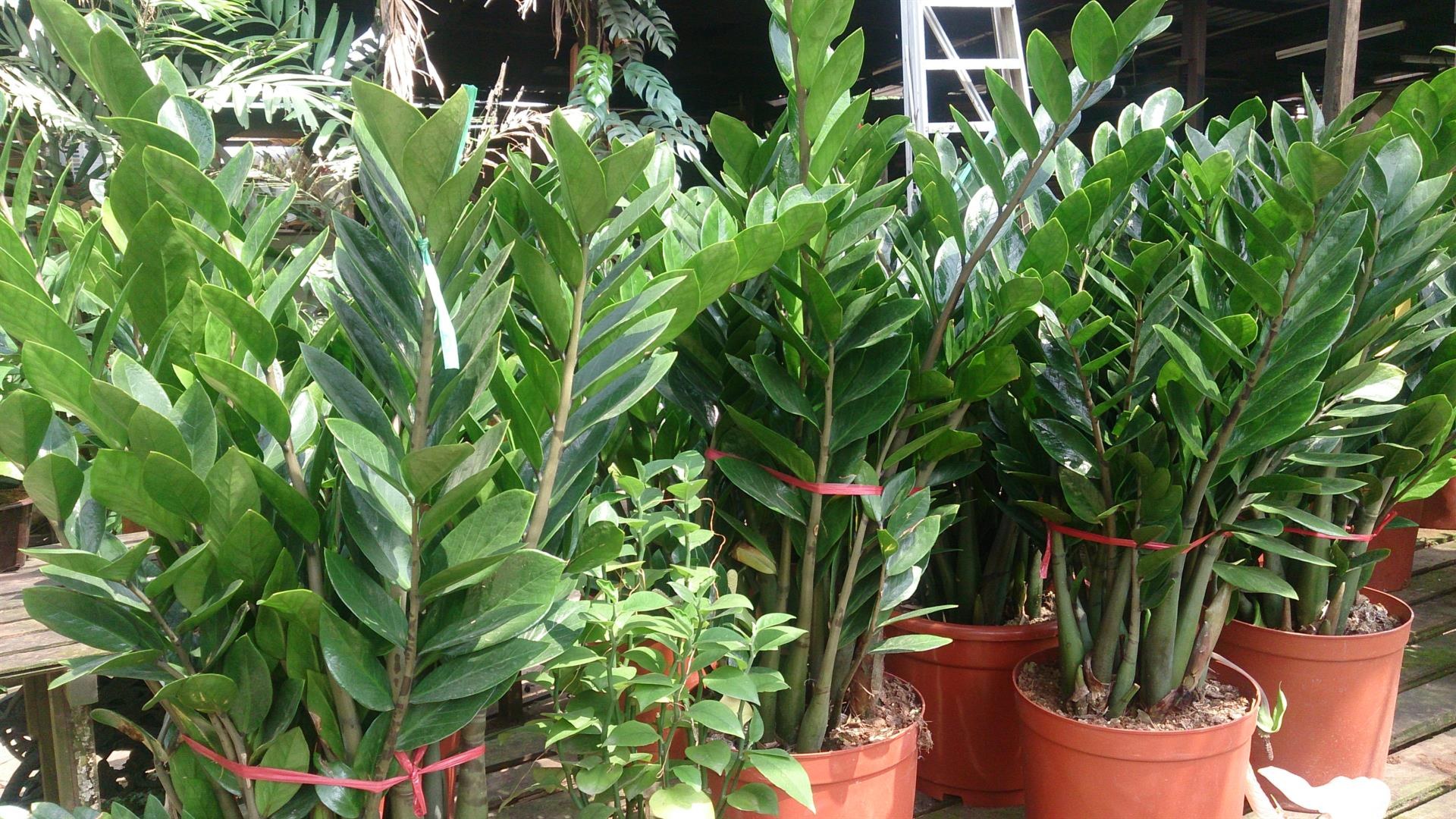
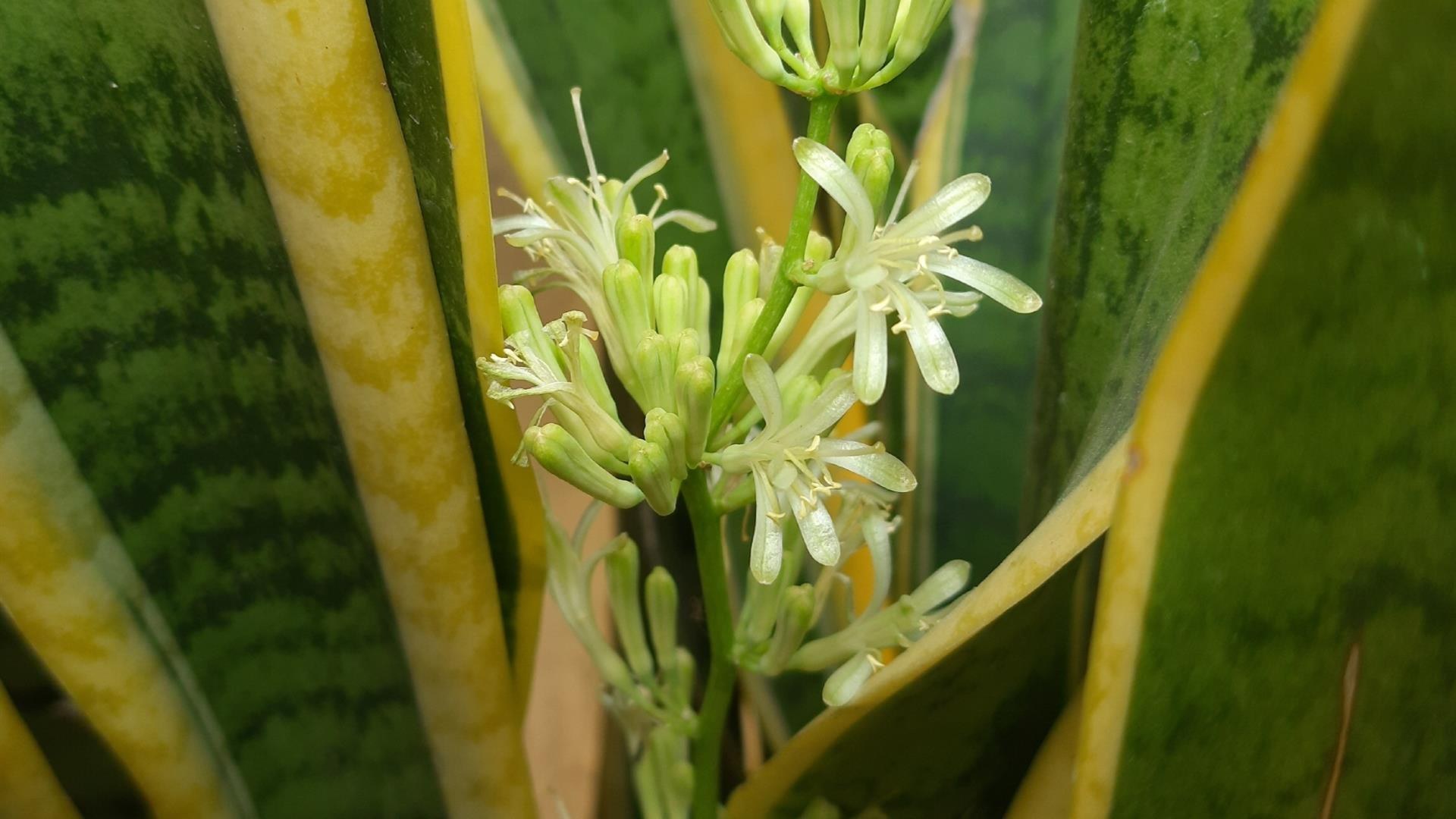
20. Snake Plant (Dracaena Trifasciata)
Formerly categorized as Sansevieria, mother in law tongue contains mild saponin defenses rather than oxalates. Chewing the fibrous sword like foliage causes bitter mouth irritation, nausea, salivation, and transient bouts of diarrhea.