Slideshow · Travel
20 Largest National Forests in the United States by Acreage, Ranked
Ranked by total land area from official U.S. Forest Service records, these 20 massive national forests protect millions of acres of glaciers, old-growth timber, and rugged peaks. Forest rangers manage wildlands. The U.S. Forest Service tracks official acreage across all federal reservations.
By Most Viral Today
19 min ago

Forest Service Records Rank America's Largest Woodlands 
20. Rio Grande National Forest 
19. Coconino National Forest 
18. San Juan National Forest - AdvertisementSwipe or tap ▶ to continue countdown

17. Inyo National Forest 
16. Superior National Forest 
15. White River National Forest 
14. Payette National Forest - AdvertisementSwipe or tap ▶ to continue countdown

13. Shoshone National Forest 
12. Flathead National Forest 
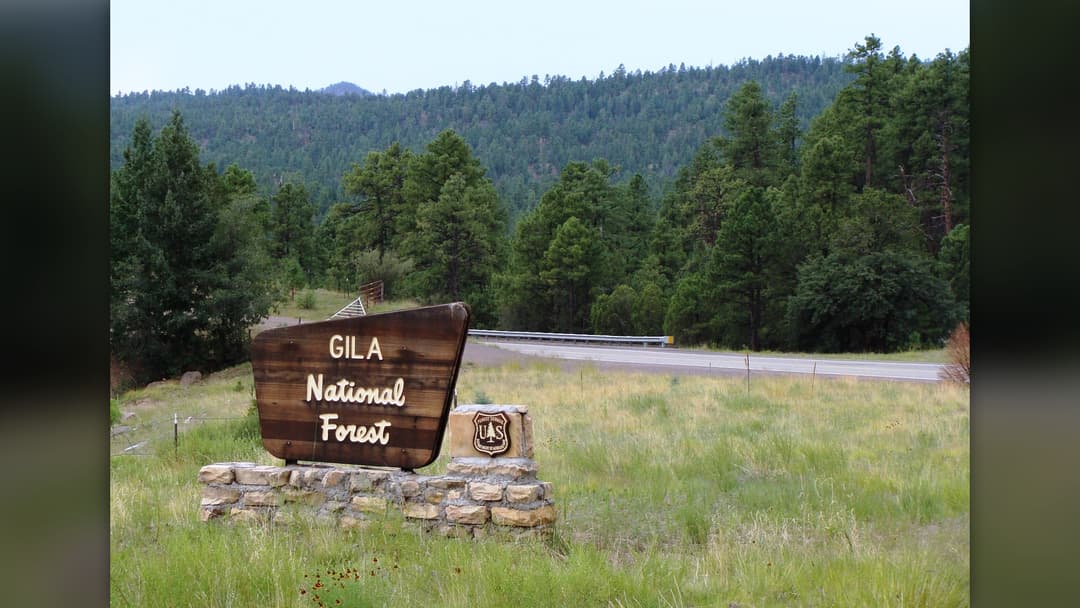
11. Gila National Forest 
10. Tonto National Forest - AdvertisementSwipe or tap ▶ to continue countdown

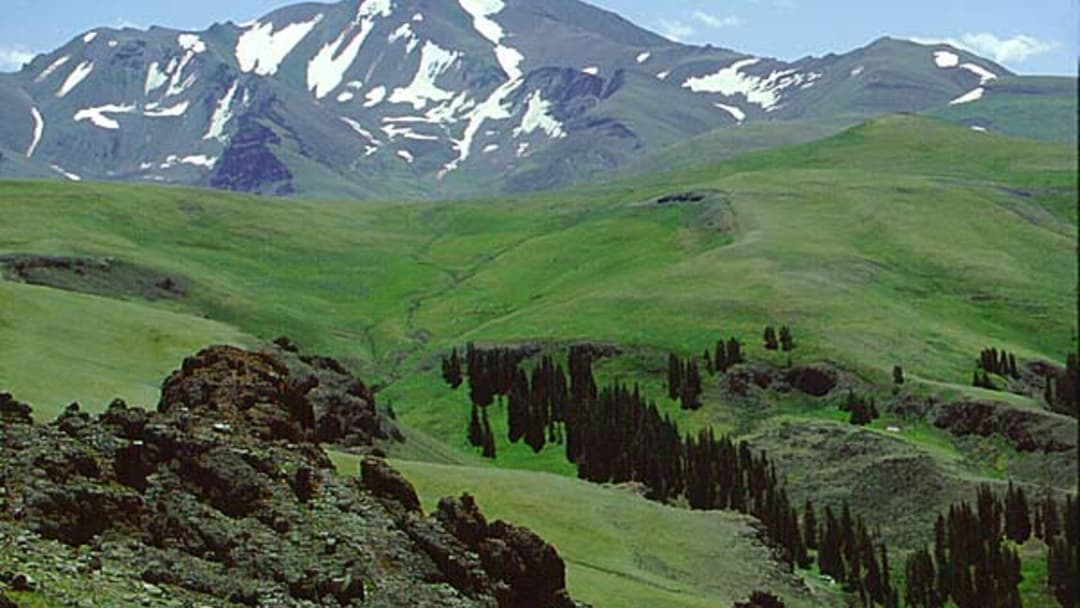
9. Custer Gallatin National Forest 
8. Beaverhead-Deerlodge National Forest 
7. Bridger-Teton National Forest 
6. Nez Perce-Clearwater National Forests - AdvertisementSwipe or tap ▶ to continue countdown

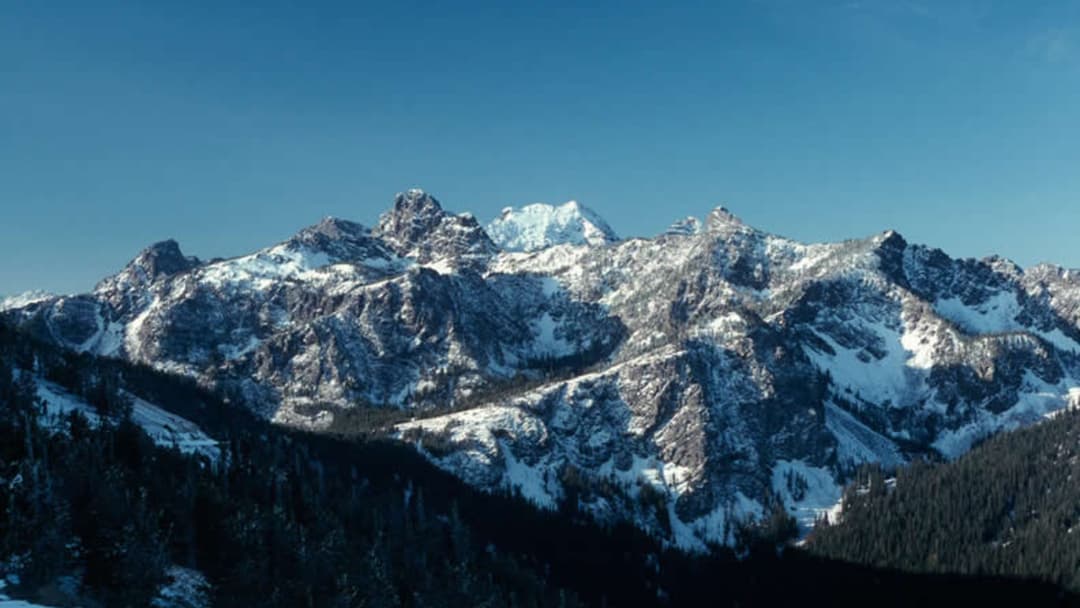
5. Okanogan-Wenatchee National Forest 
4. Salmon-Challis National Forest 
3. Chugach National Forest 
2. Humboldt-Toiyabe National Forest - AdvertisementSwipe or tap ▶ to continue countdown

1. Tongass National Forest - Advertisement🔥 UP NEXT IN THIS SERIES◫ 21 Slides

20 Most Advanced Airports That Redefine Air Travel
Experience the future of flight at 20 airports redefining air travel through AI.
Forest rangers manage wildlands. The U.S. Forest Service tracks official acreage across all federal reservations. These 20 public forests protect millions of acres of old-growth spruce, subalpine meadows, and glacier-carved wilderness. Ranked by total land area from official U.S.
Swipe or tap ▶ to begin the countdown
©Wikimedia / Forest
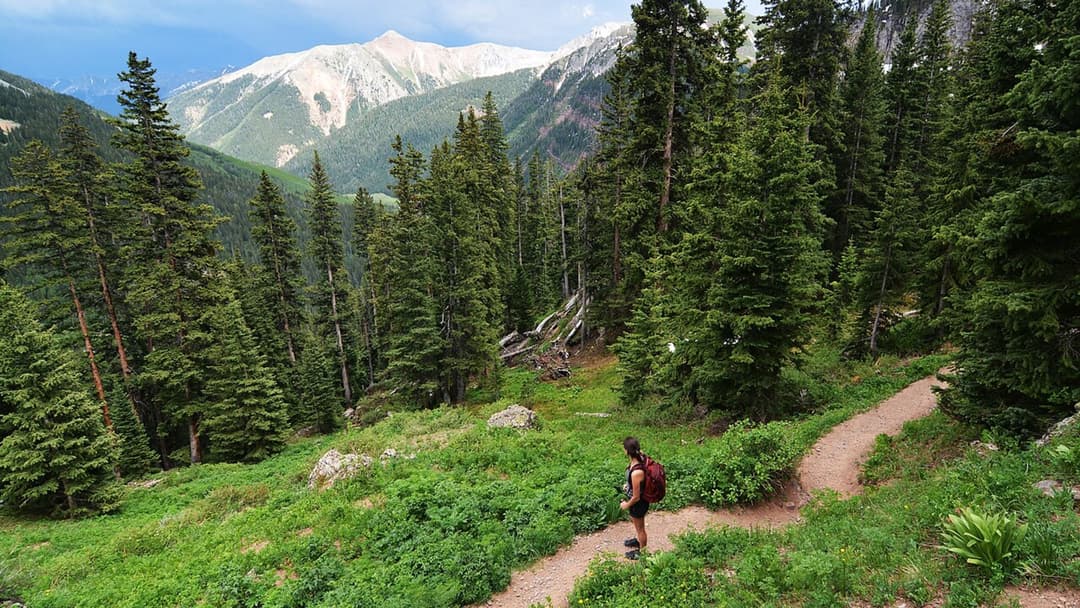
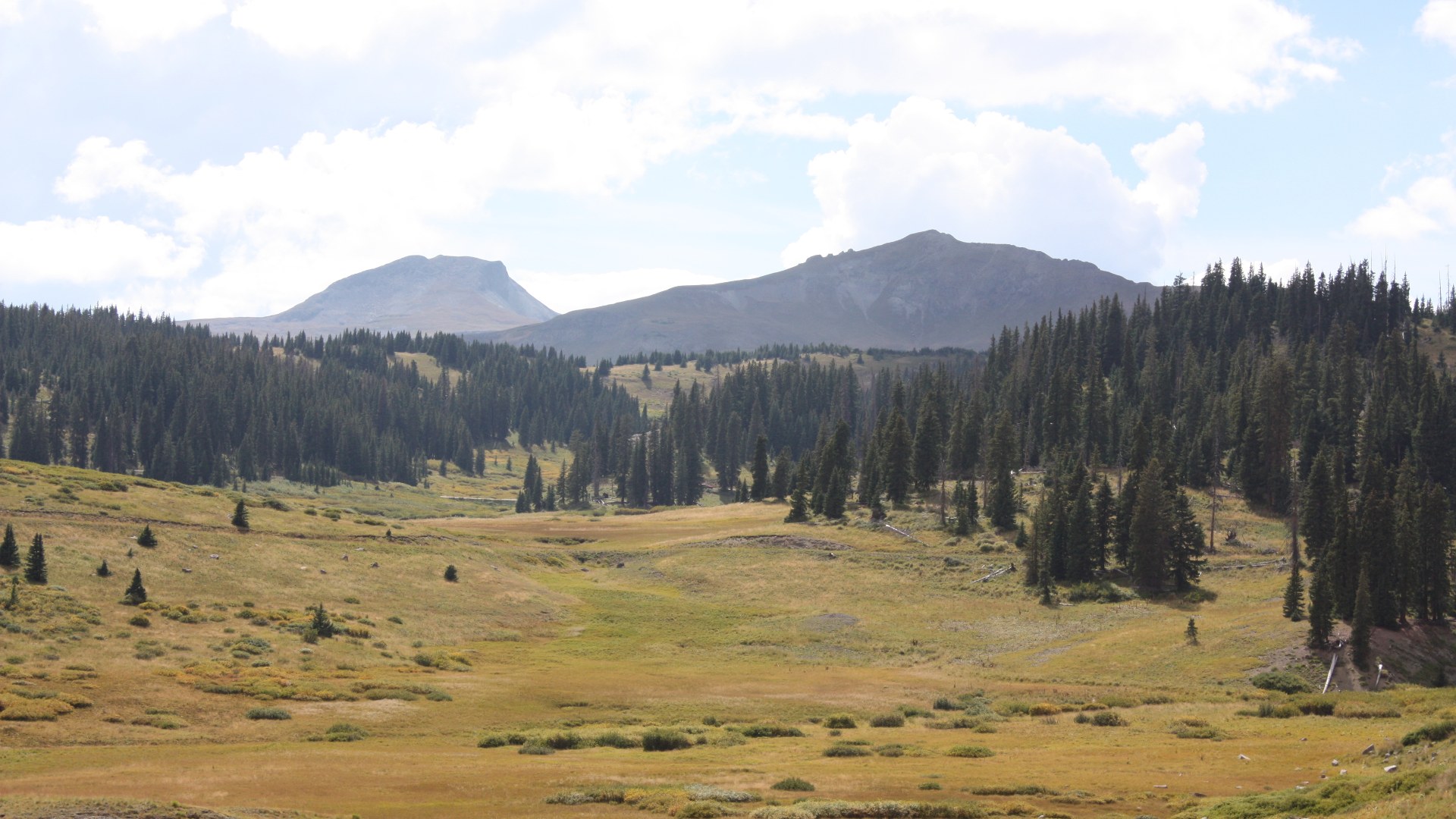
20. Rio Grande National Forest
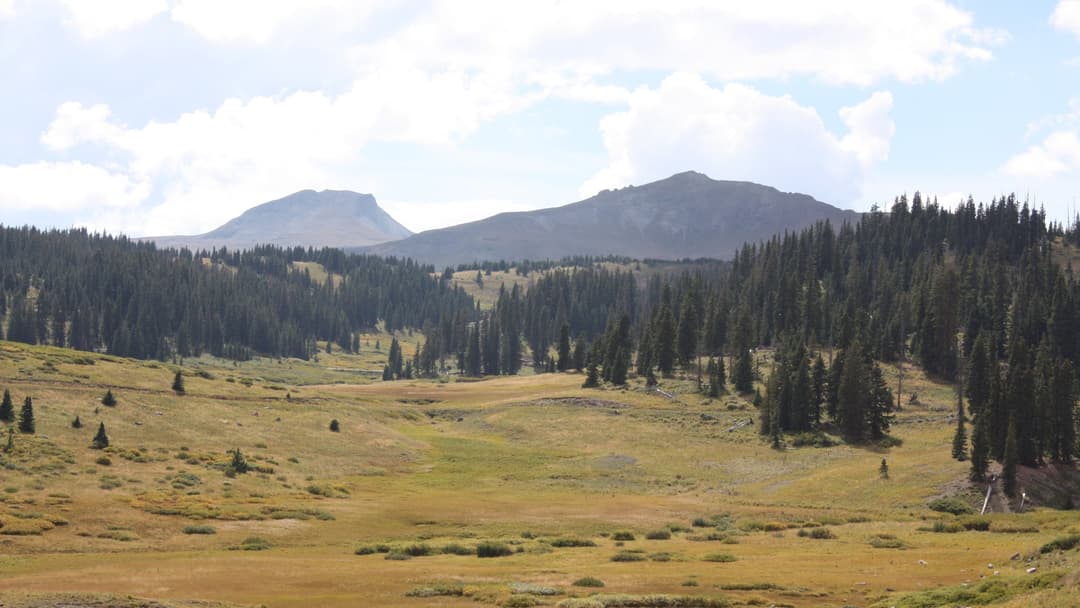
High headwaters flow cold. Rio Grande National Forest protects 1.83 million acres across Colorado's San Juan Mountains. Snowmelt feeds the headwaters of the Rio Grande River beneath craggy volcanic summits that reach over 14,000 feet into the alpine sky.
©Wikimedia / DrunkDriver
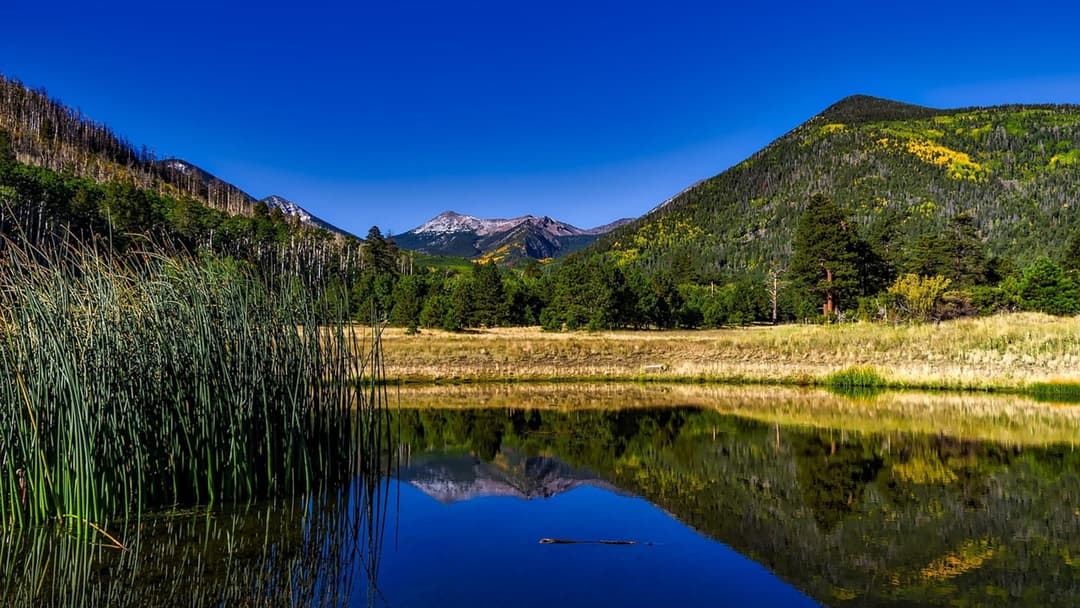
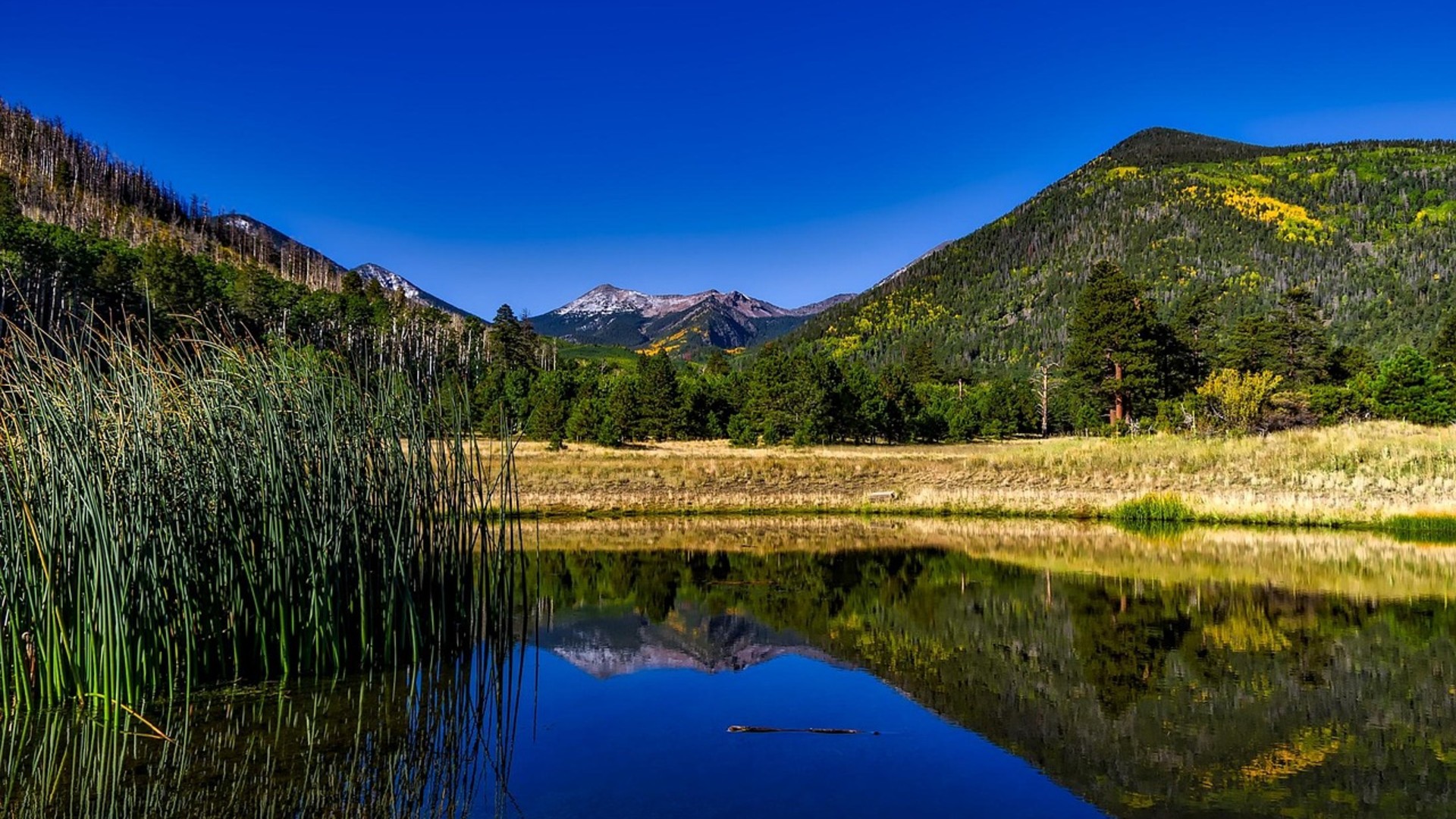
19. Coconino National Forest
Crimson rocks rise high. Coconino spans 1.85 million acres around Sedona and the San Francisco Peaks. Thick ponderosa pine woodlands give way to red sandstone buttes and ancient volcanic cinder cones across the sprawling Colorado Plateau.
©Pixabay / 12019
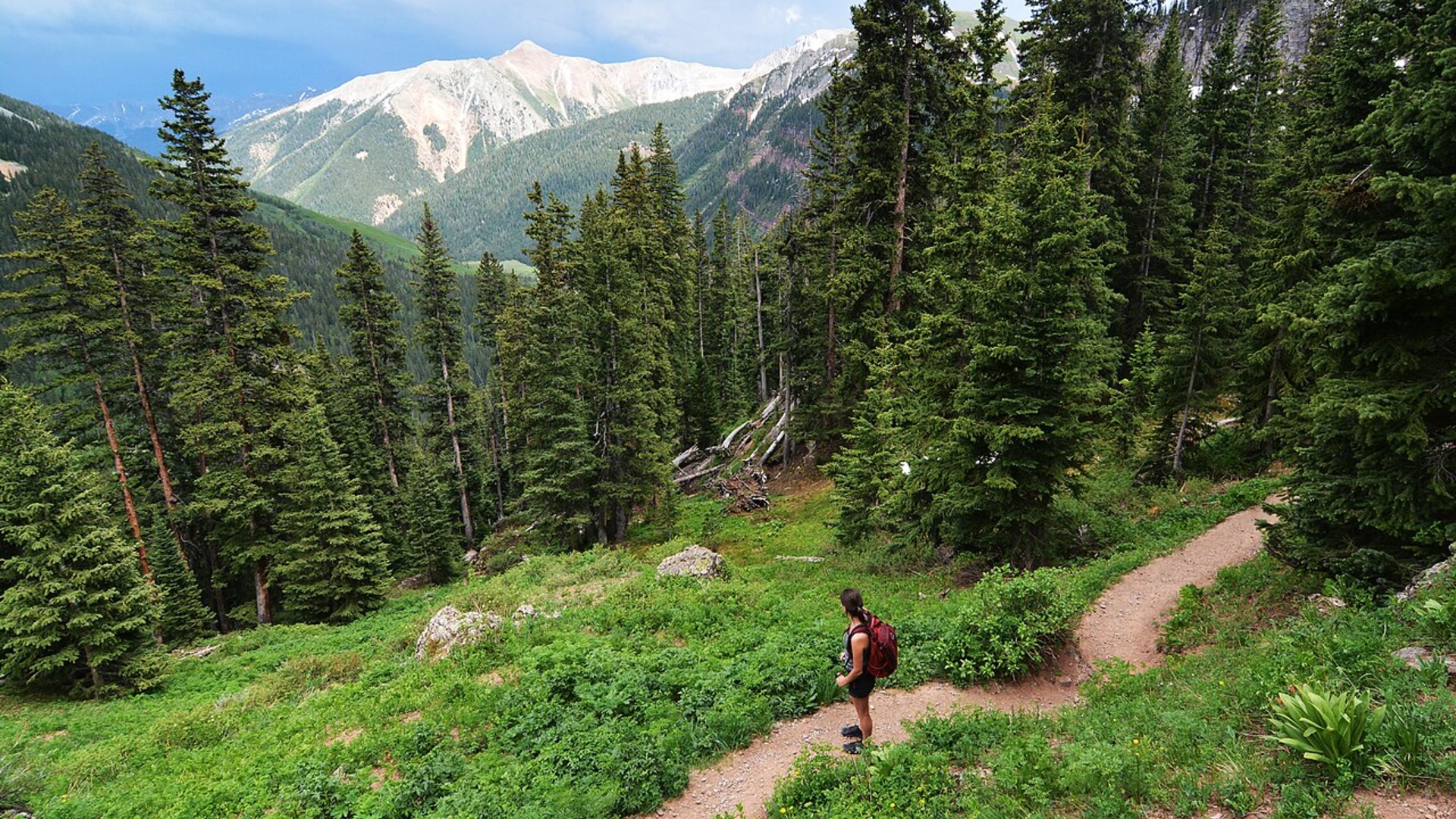
18. San Juan National Forest
Glacial peaks soar. San Juan National Forest covers 1.88 million acres in southwestern Colorado. The Durango and Silverton steam train chugs through deep river gorges flanked by sheer granite spires and high alpine basins.
©Wikimedia / Paxson Woelber
Advertisement
Swipe or tap ▶ to resume the countdown.
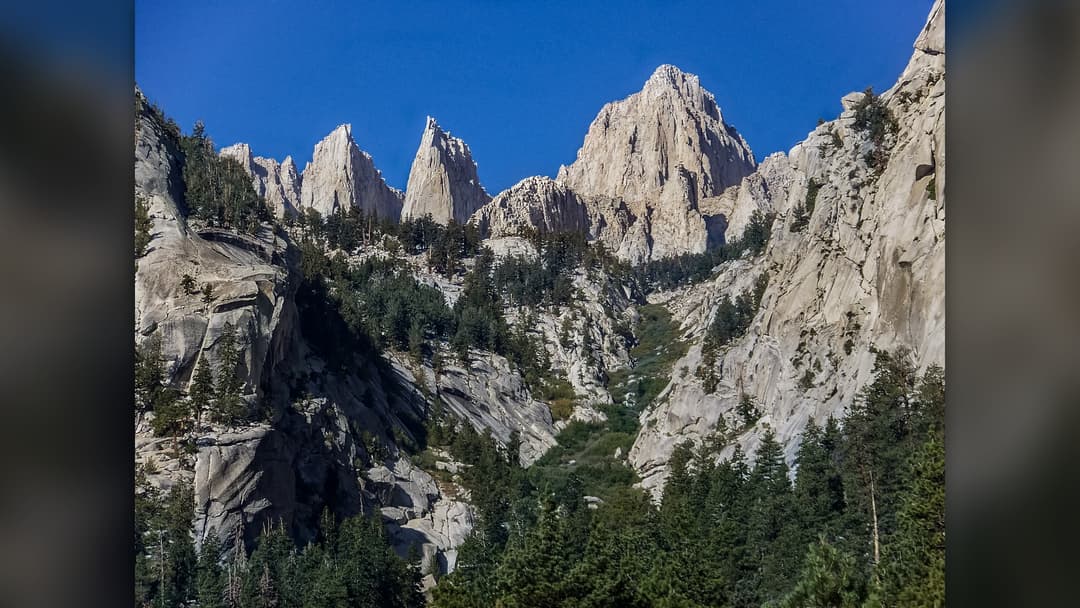
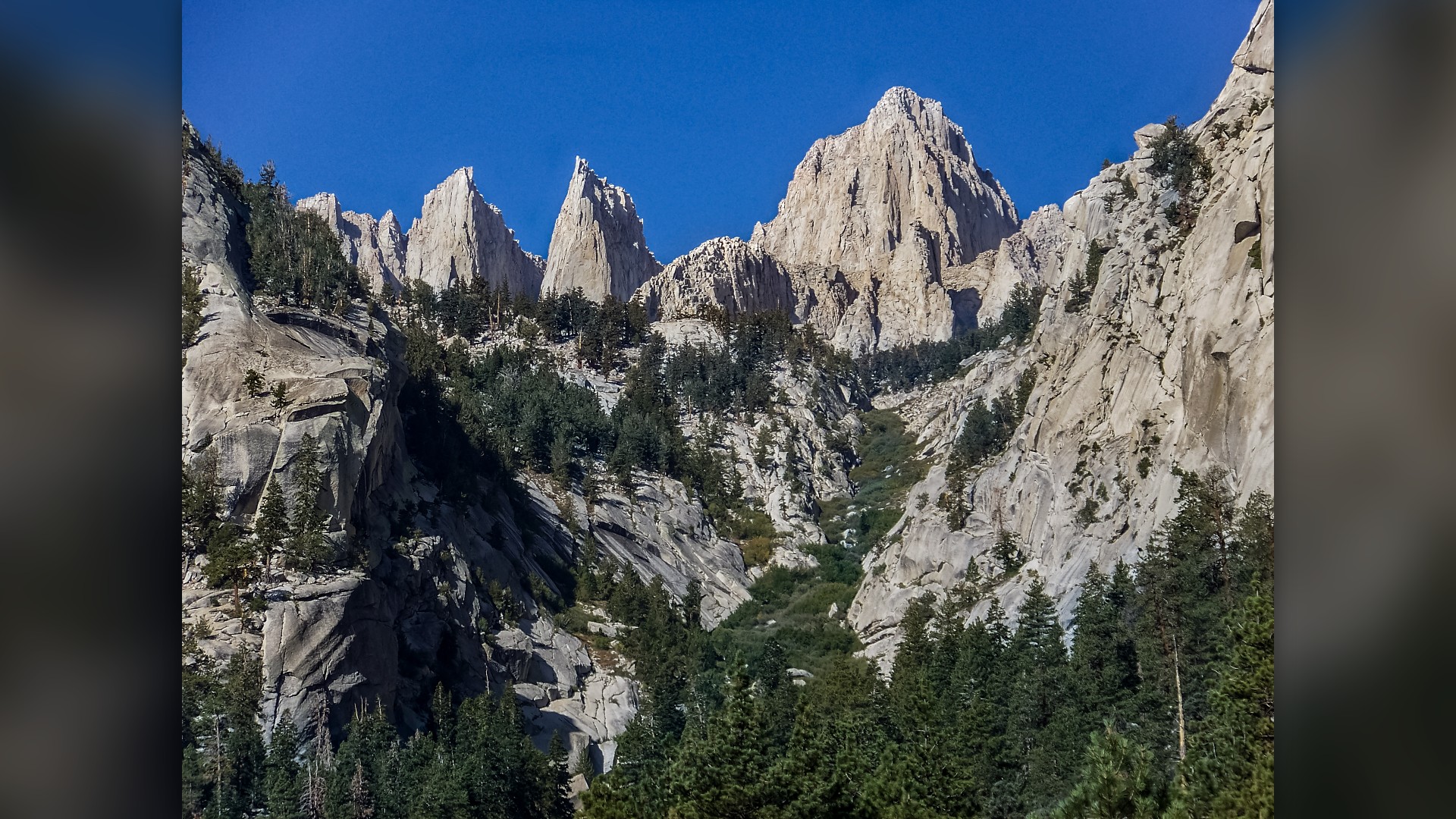
17. Inyo National Forest
Ancient bristlecones endure wind. Inyo spans 1.9 million acres along the eastern Sierra Nevada. Gnarled bristlecone pine trees have survived severe mountain weather here along windswept limestone ridges for more than 4,000 continuous years.
©Wikimedia / Inyo National Forest
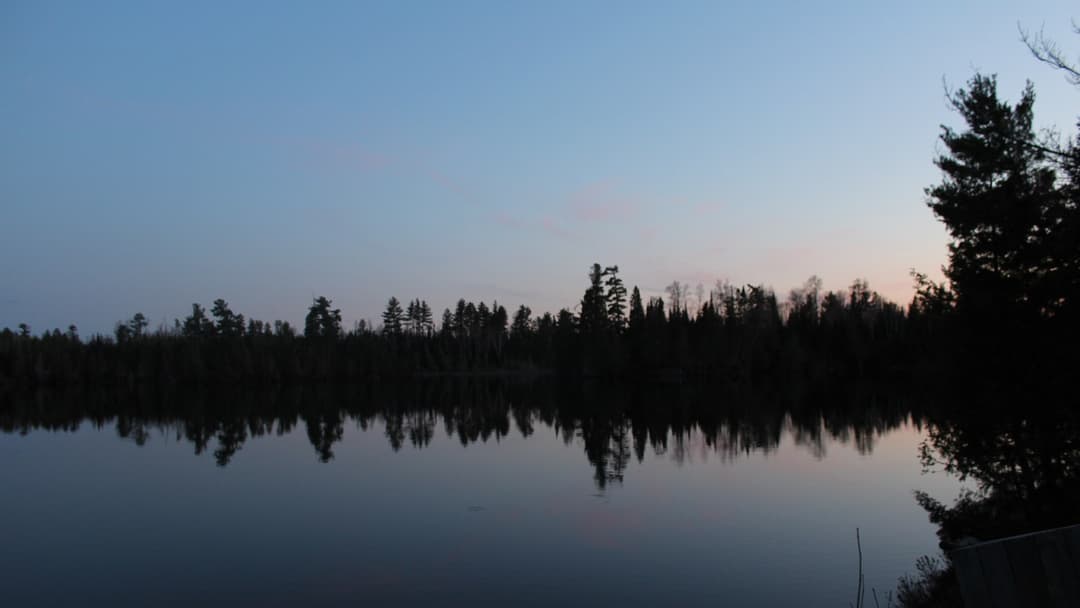
16. Superior National Forest
Canoe trails wind. Superior National Forest covers 2.09 million acres of pristine boreal woods. Thousands of freshwater lakes connect remote portage trails through the protected Boundary Waters Canoe Area Wilderness.
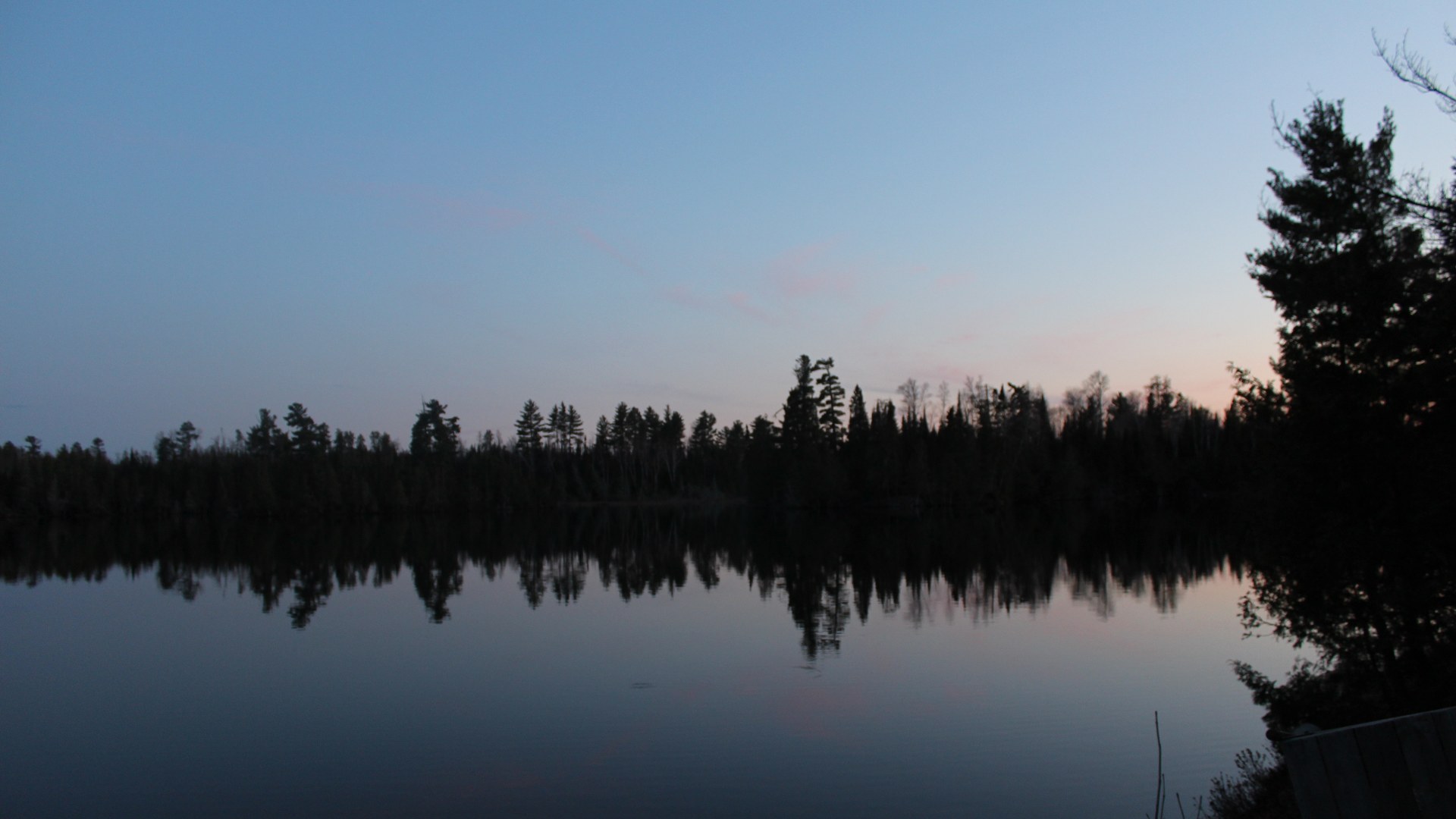
©Wikimedia / Daniel Ziegler
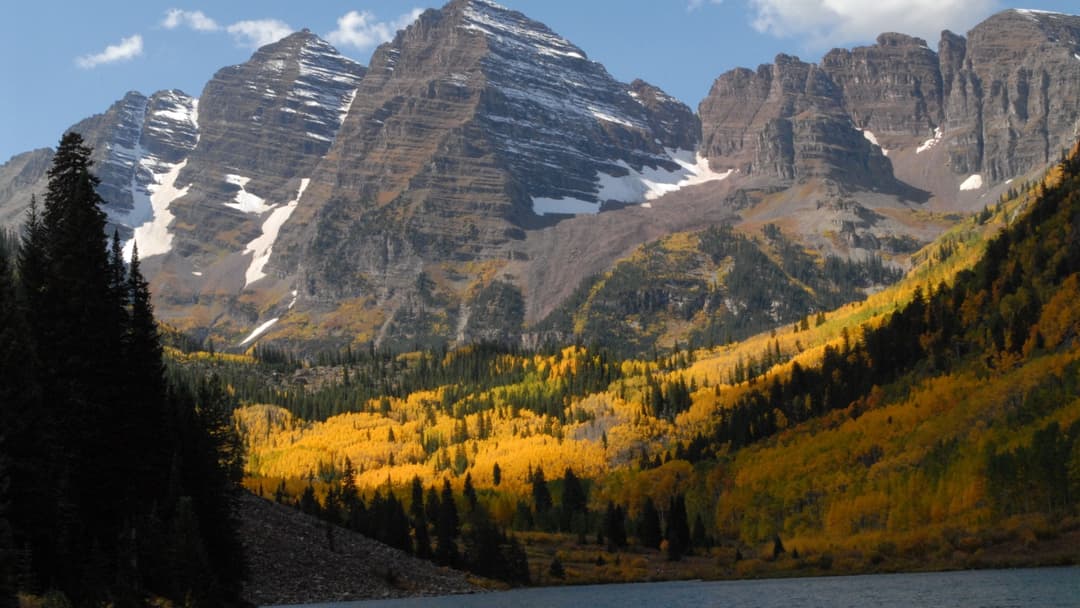
15. White River National Forest
Ski slopes draw millions. White River encompasses 2.28 million acres of rugged central Colorado mountain terrain. The forest contains twelve major ski resorts alongside pristine wilderness areas that safeguard elk herds and bighorn sheep.
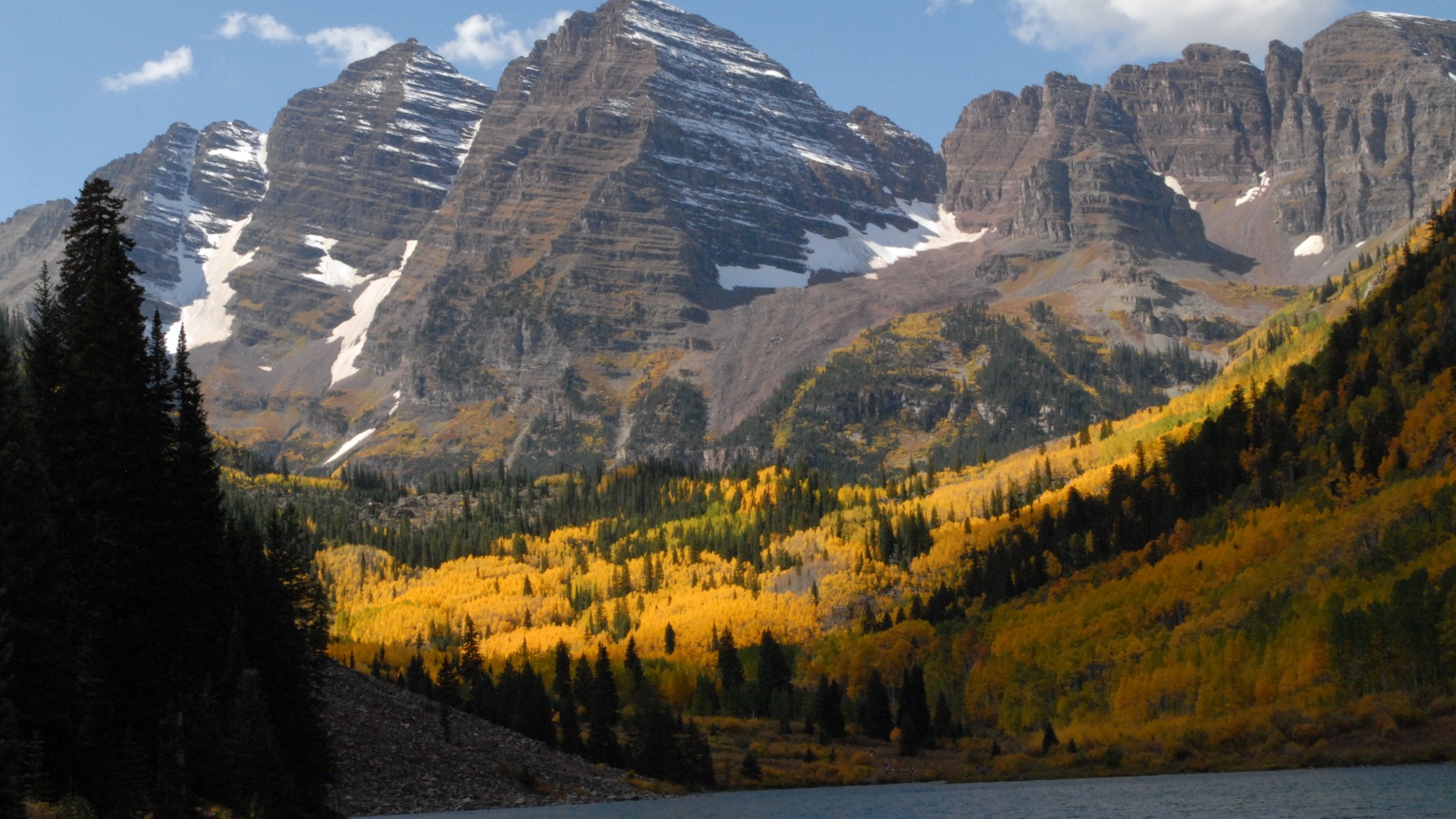
©Wikimedia / White River National Forest
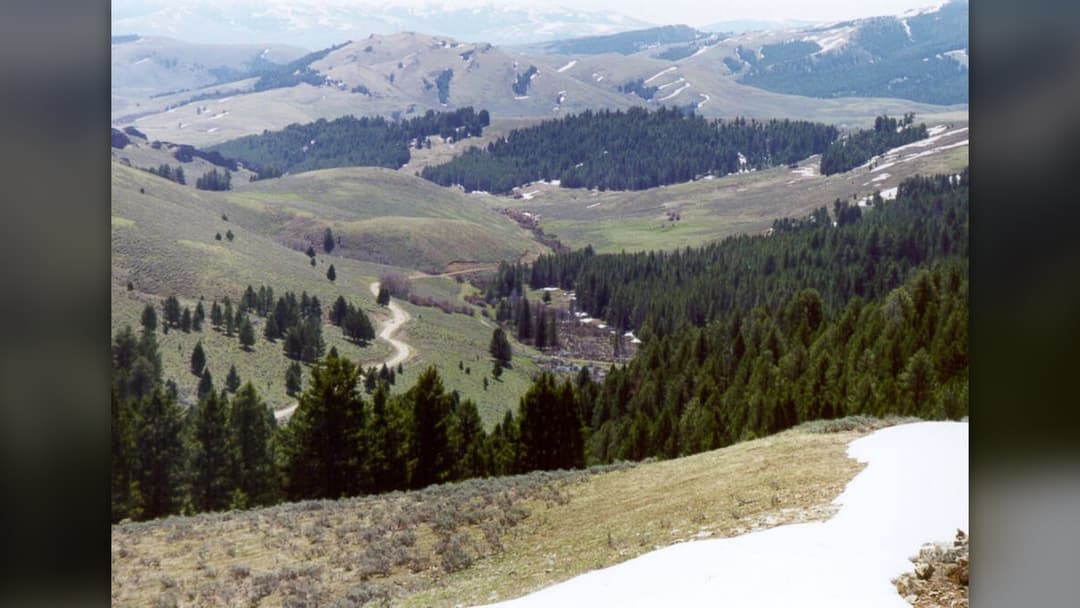
14. Payette National Forest
River rapids cut stone. Payette National Forest spans 2.3 million acres of Idaho mountains and river canyons. Ponderosa pine forests slope steeply down toward the roaring rapids of Hell's Canyon and the Salmon River gorge.
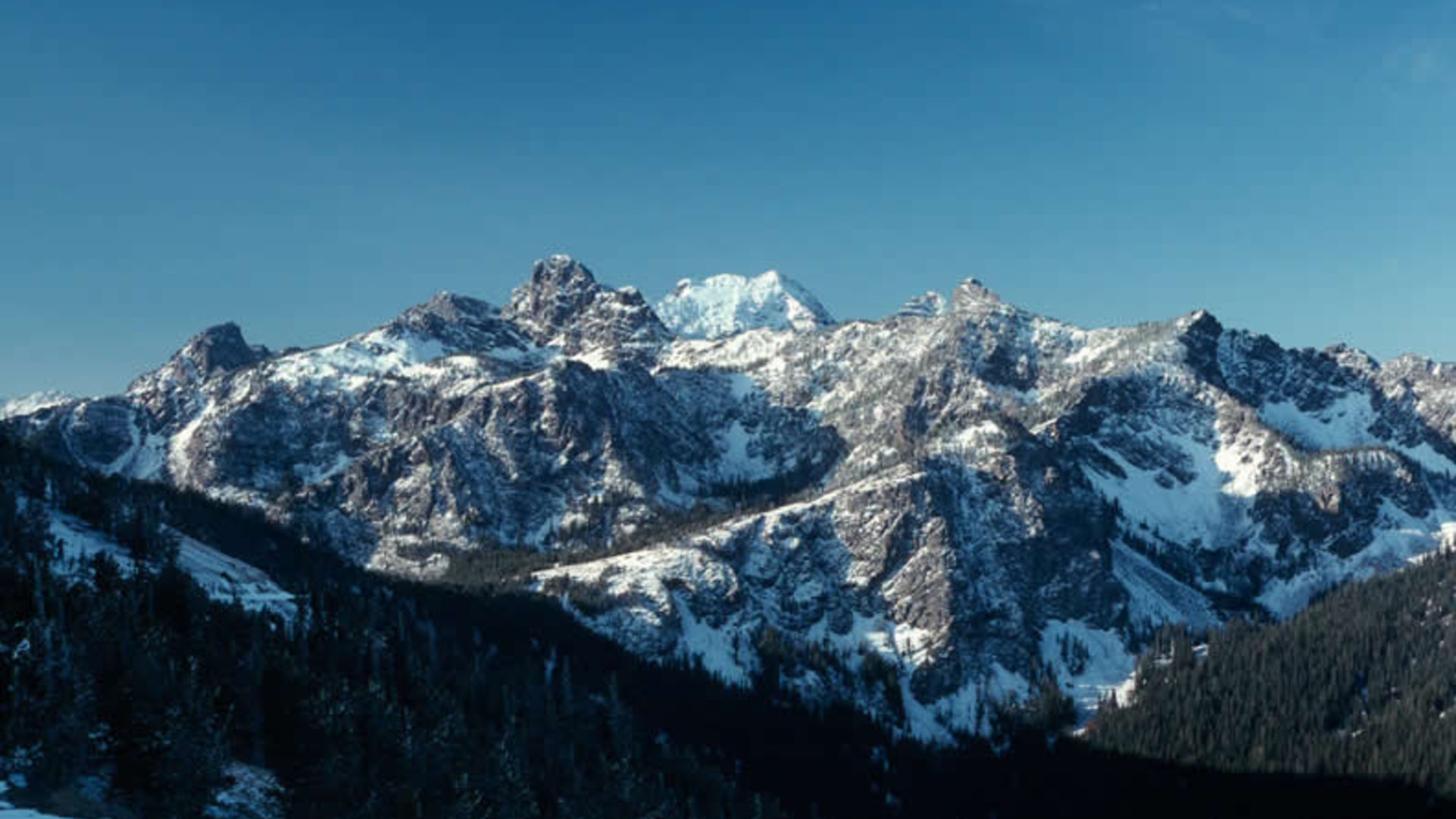
©Wikimedia / Payette National Forest
Advertisement
Swipe or tap ▶ to resume the countdown.
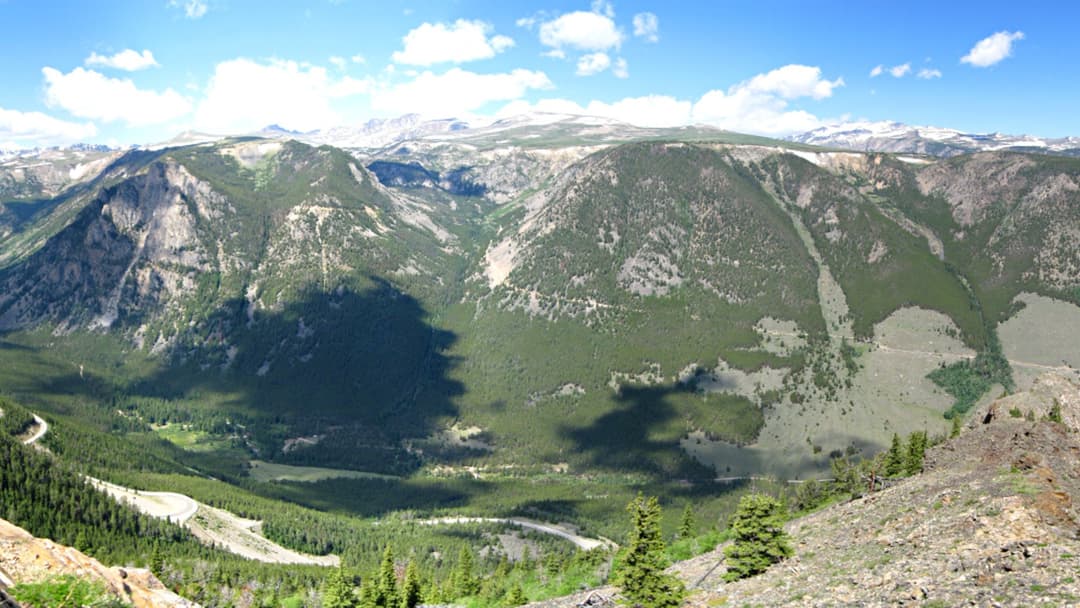
13. Shoshone National Forest
Harrison made history. Shoshone protects 2.44 million acres of wild Wyoming mountain ranges east of Yellowstone. Jagged Absaroka volcanic formations and windswept Beartooth alpine tundra shelter grizzly bears, gray wolves, and wild elk herds.
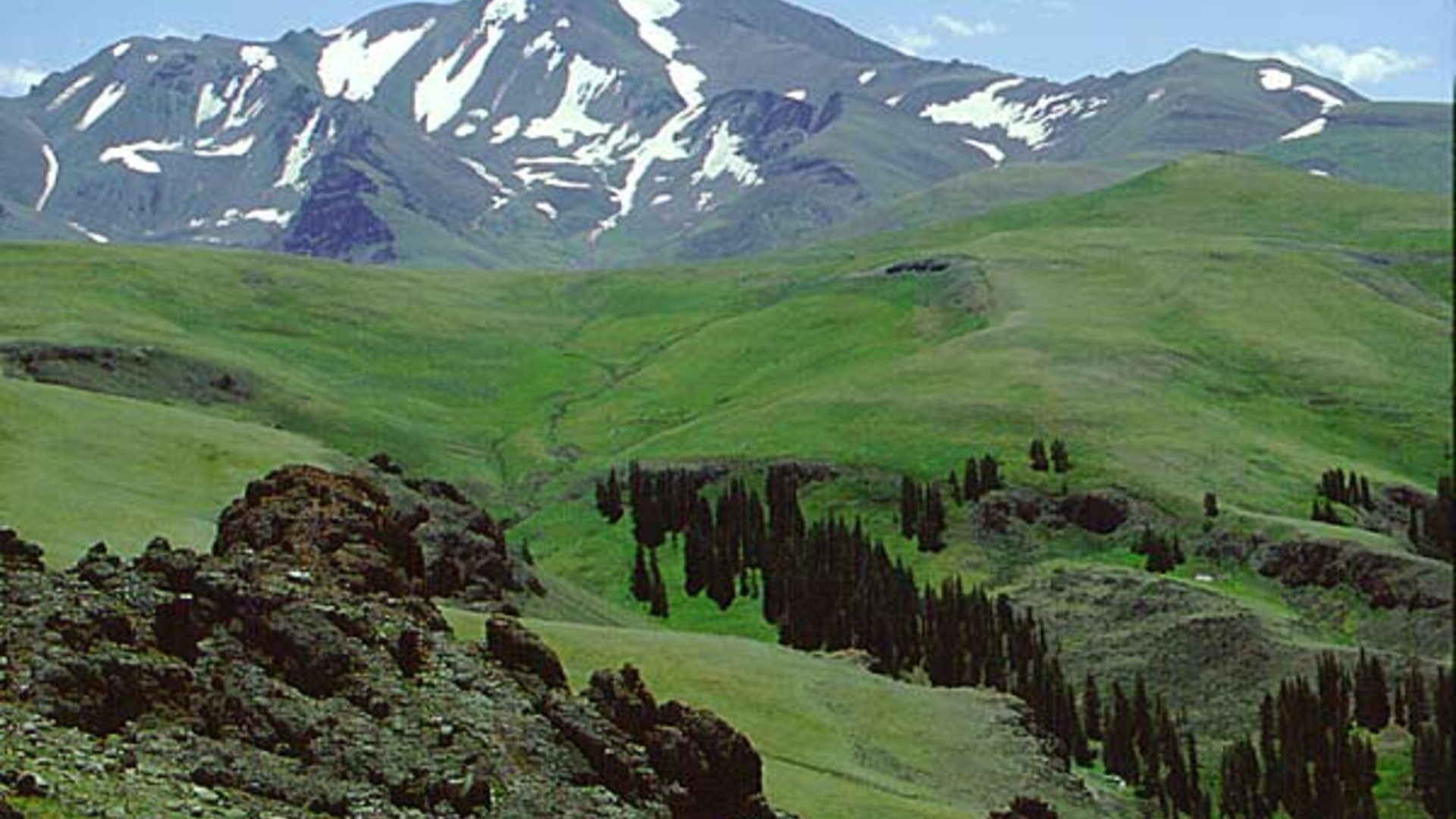
©Wikimedia / Shoshone National Forest
12. Flathead National Forest
Limestone cliffs plunge. Flathead National Forest encompasses 2.41 million acres bordering Glacier National Park. The towering Chinese Wall cliff formation stretches for twelve continuous miles through the remote Bob Marshall Wilderness.
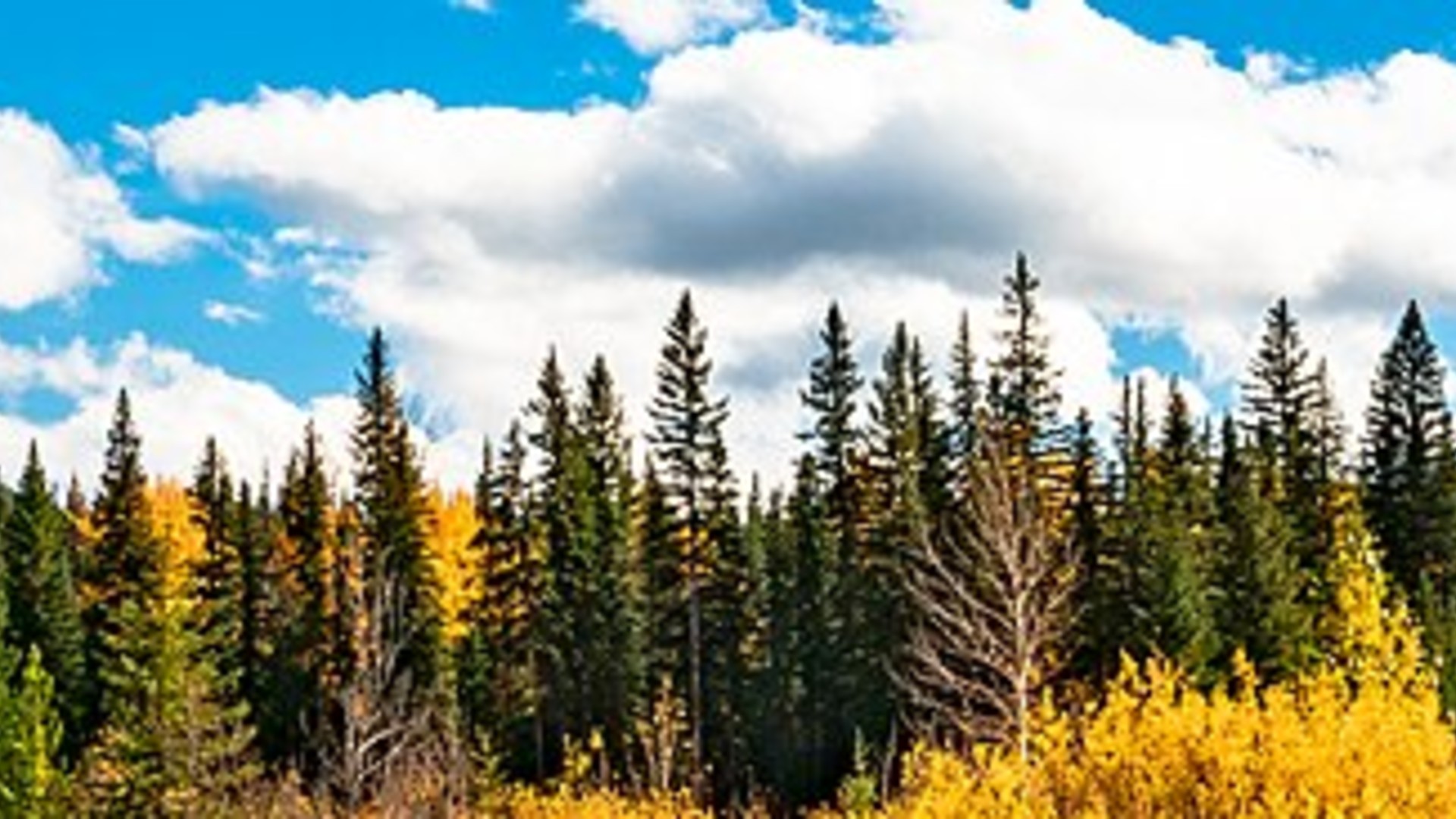
©Wikimedia / Forest Service, USDA
11. Gila National Forest
Wilderness preservation started here. Gila covers 2.71 million acres of pine woodlands and deep river canyons. In 1924, conservationist Aldo Leopold helped establish the Gila Wilderness as America's very first protected wildland.
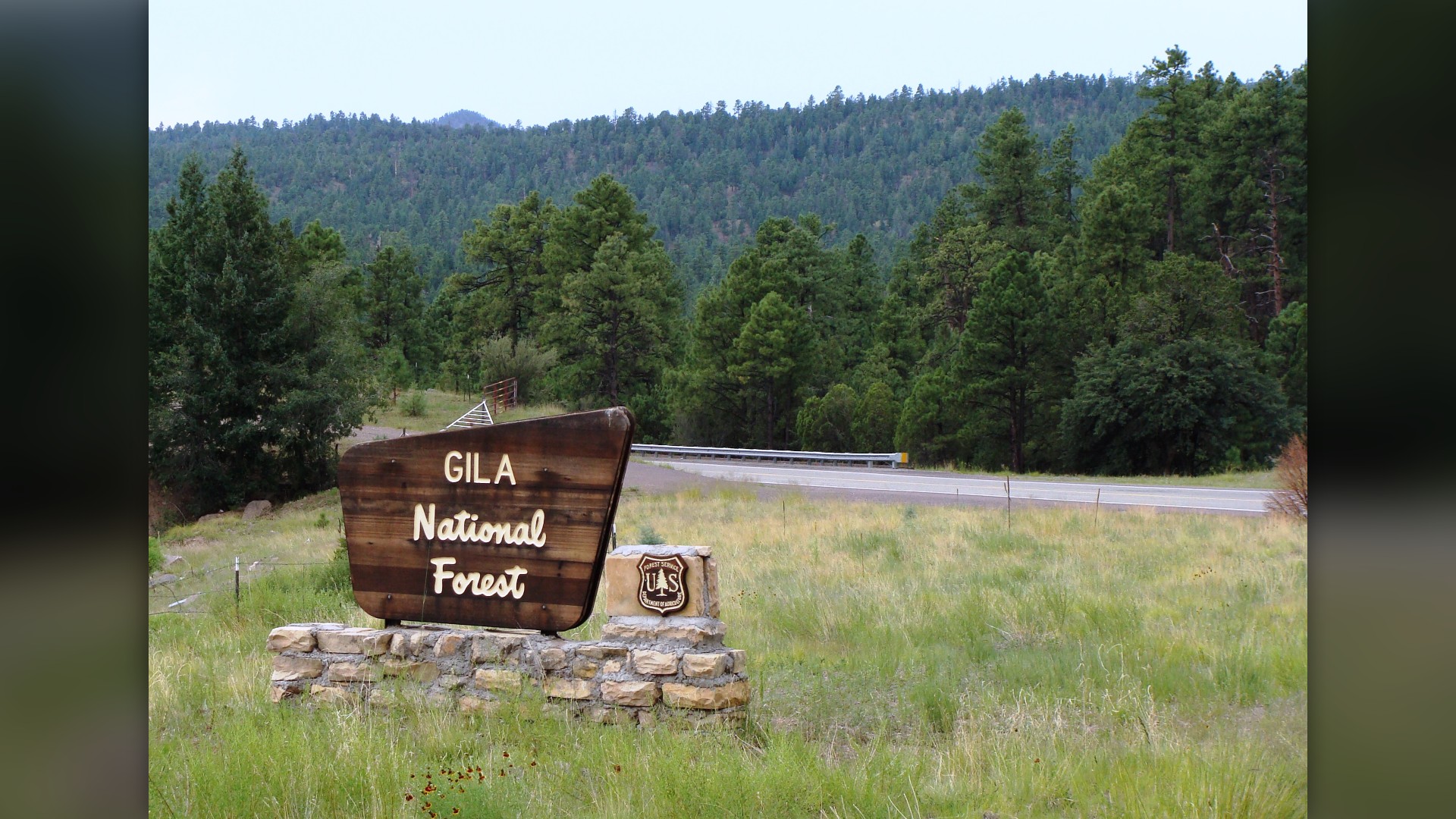
©Wikimedia / Gila National Forest
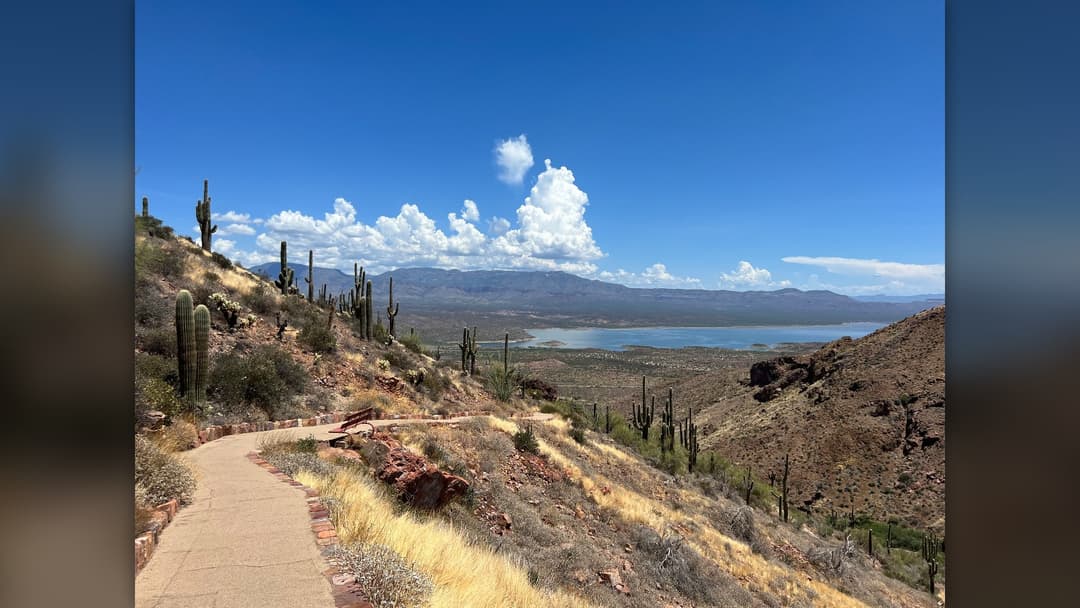
10. Tonto National Forest
Desert meets pine forest. Tonto spans 2.87 million acres stretching from Phoenix suburbs up to the Mogollon Rim. Giant multi-armed saguaro cacti dominate arid lower foothills while dense ponderosa pine woodlands crown the highest mountain ridges.
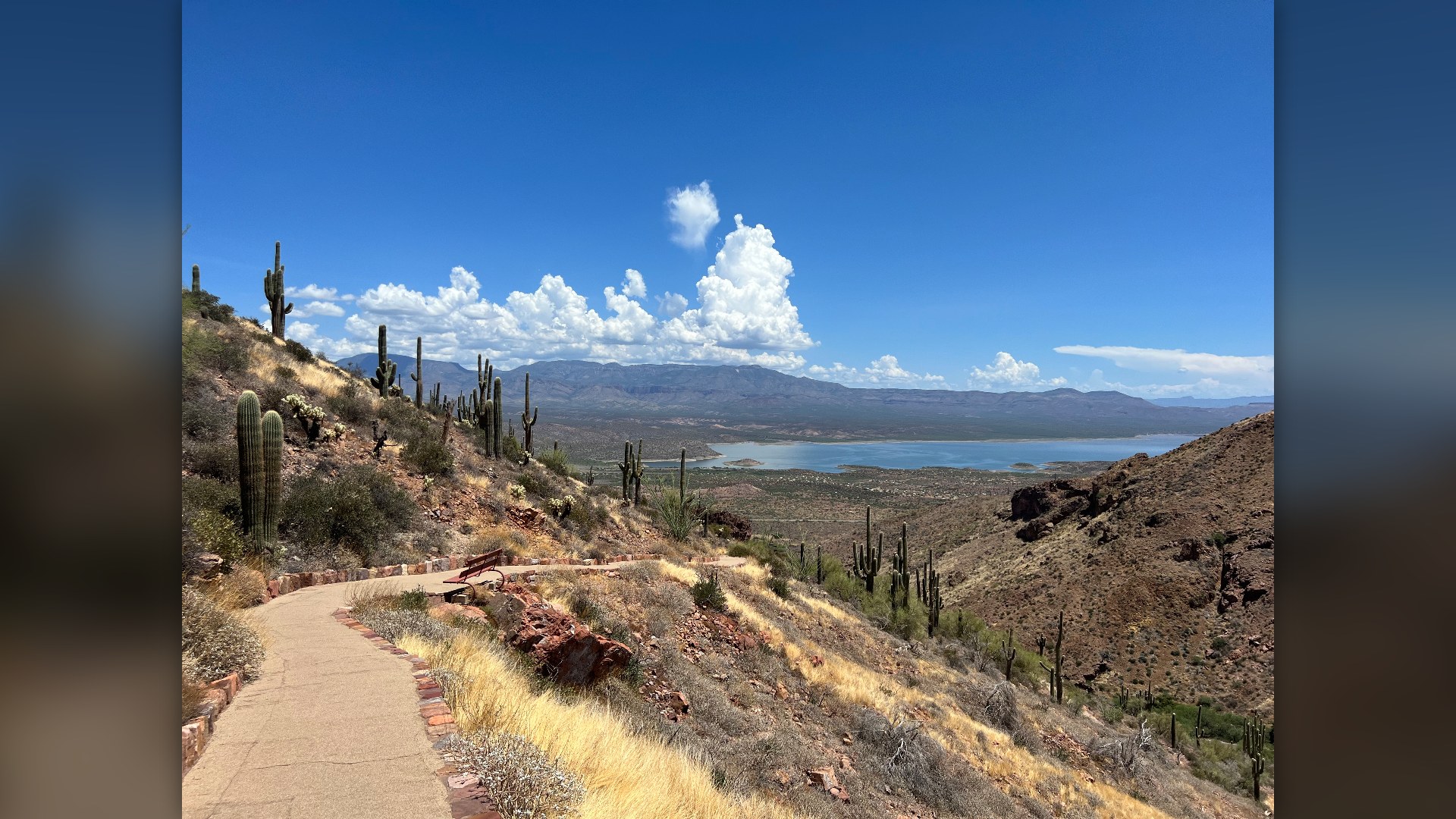
©Wikimedia / Erinimagines
Advertisement
Swipe or tap ▶ to resume the countdown.
9. Custer Gallatin National Forest
Granite peaks overlook valleys. Custer Gallatin encompasses 3.1 million acres across Montana and South Dakota. Granite Peak rises 12,799 feet as Montana's highest point above glacier-carved cirques and trout streams.
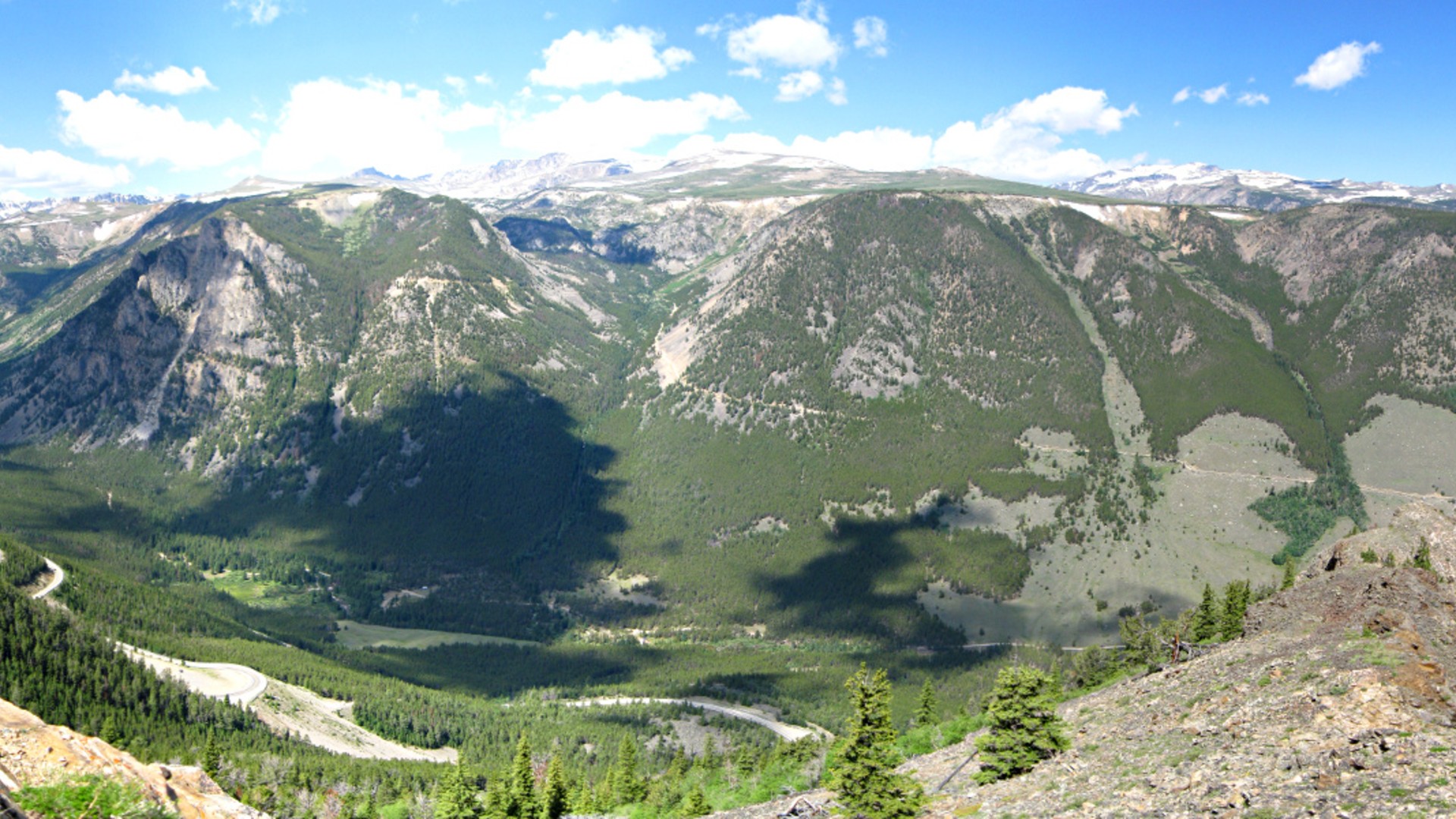
©Wikimedia / Custer Gallatin National Forest
8. Beaverhead-Deerlodge National Forest
Granite ranges soar. Beaverhead-Deerlodge covers 3.36 million acres across southwestern Montana. Historic ghost towns and mining cabins dot rugged valleys once explored by Lewis and Clark during their 1805 trek.
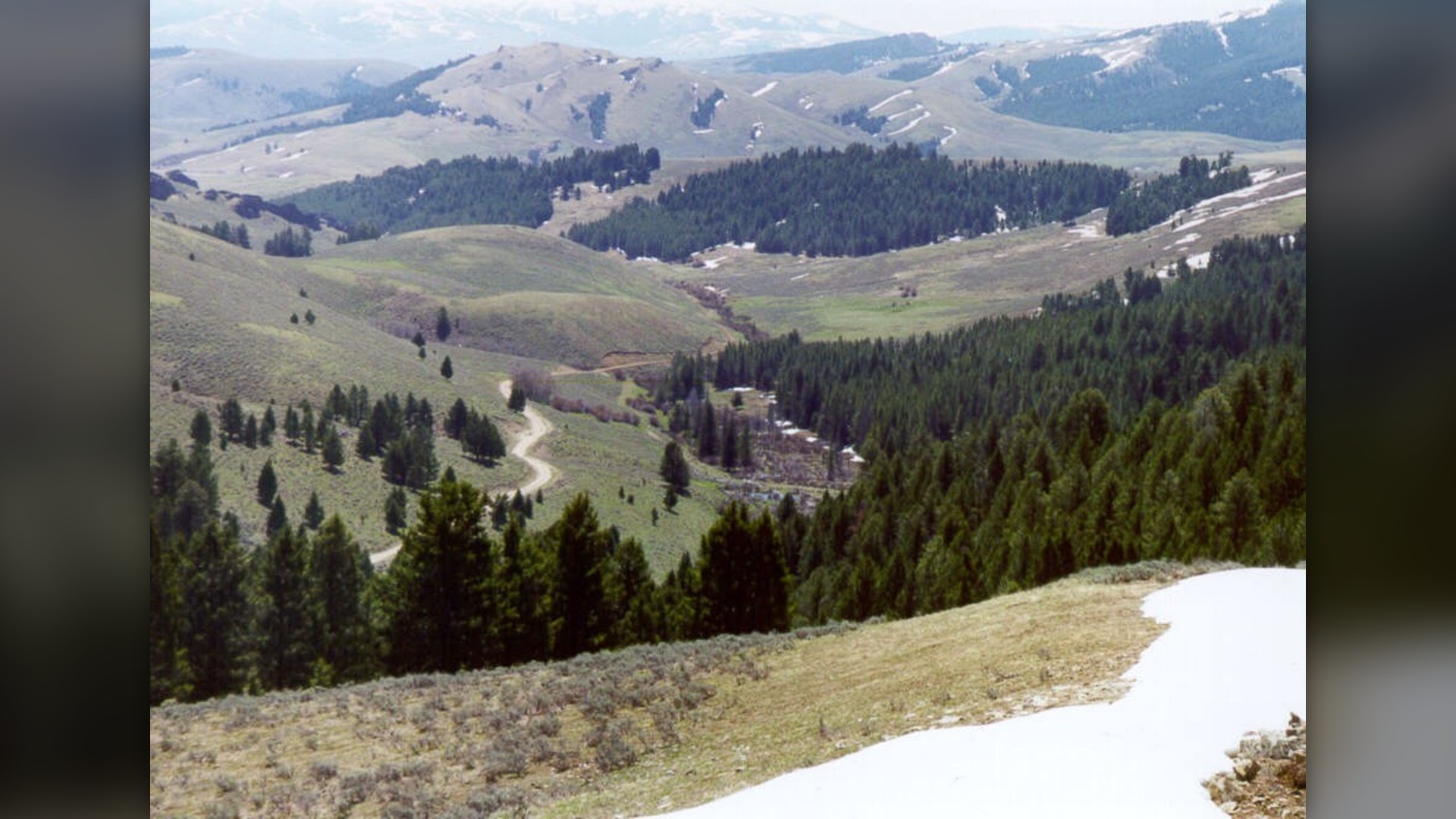
©Wikimedia / Beaverhead–Deerlodge National Forest
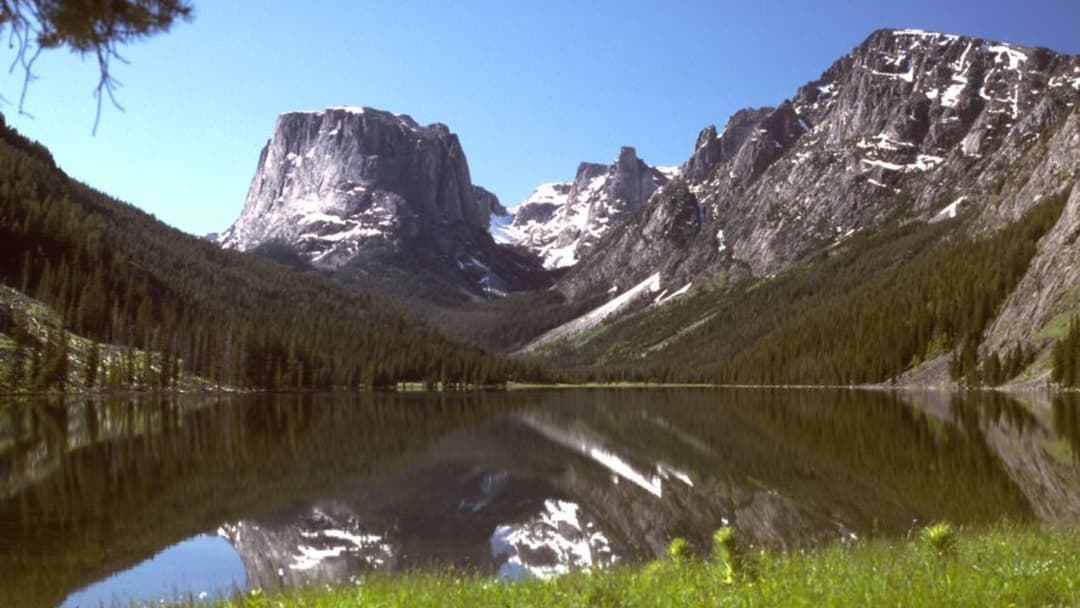
7. Bridger-Teton National Forest
Glacial ice sculpts granite. Bridger-Teton encompasses 3.4 million acres of wild Wyoming peaks south of Yellowstone. Gannett Peak rises above forty named glaciers that feed the upper Green and Snake river drainages across the Rocky Mountains.
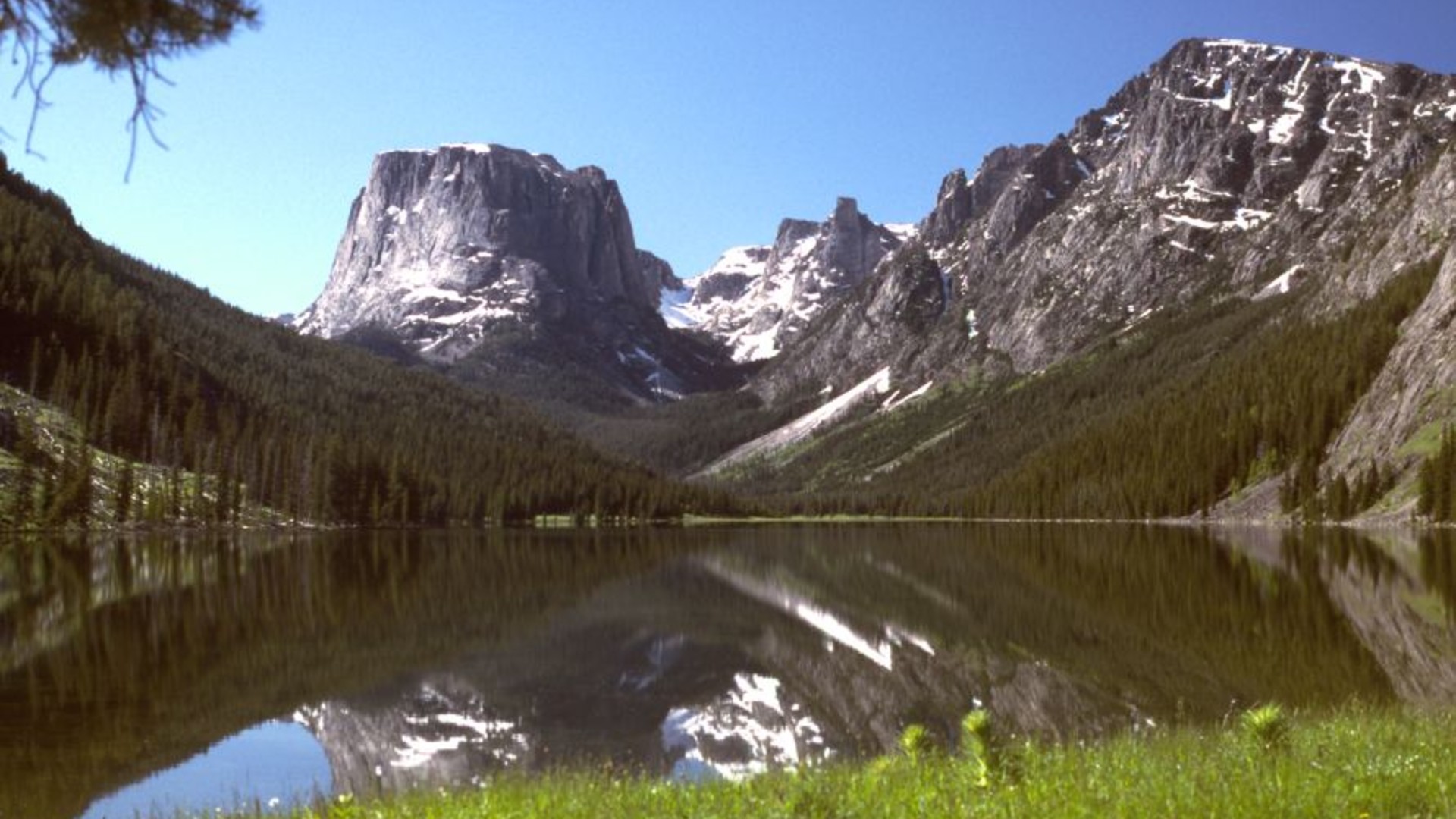
©Wikimedia / Bridger–Teton National Forest
6. Nez Perce-Clearwater National Forests
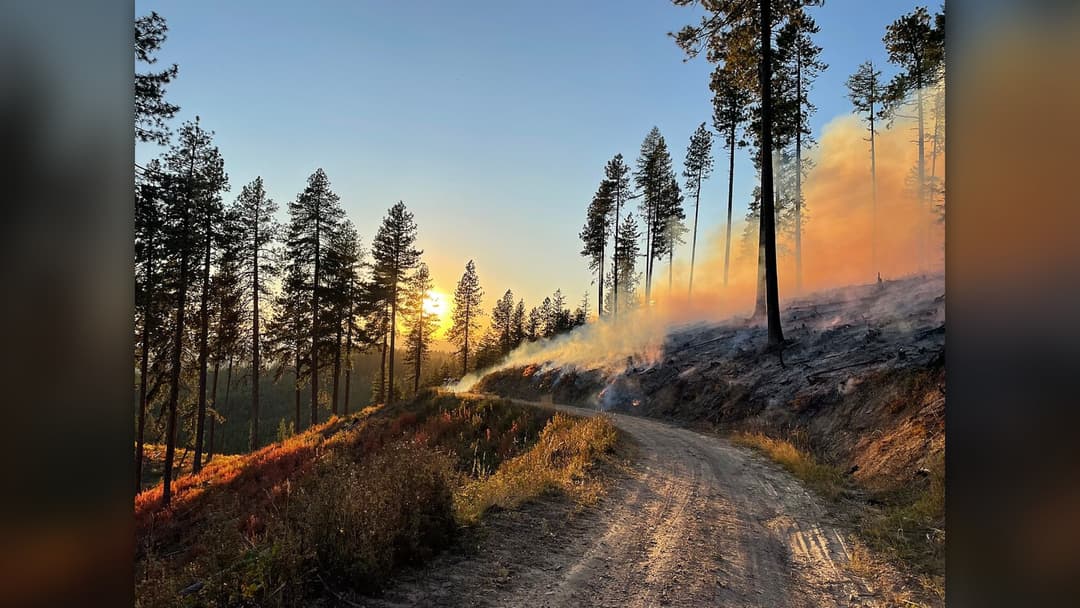
Wild rivers roar. Nez Perce-Clearwater covers 4.0 million acres of dense cedar and pine mountain timber. The historic Lolo Trail winds across high ridges where Native Americans and explorers navigated difficult terrain.
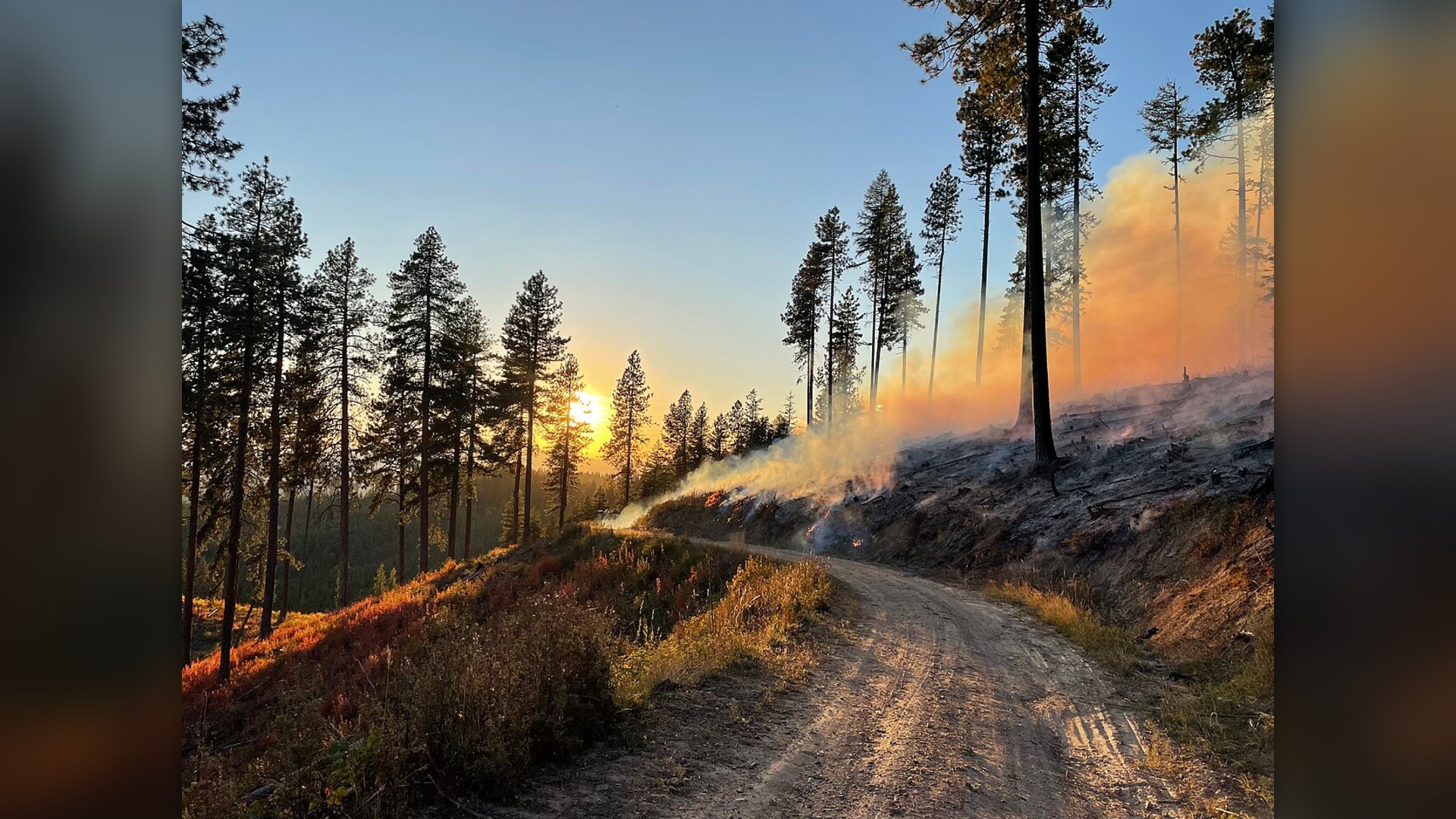
©Wikimedia / Forest Service - Northern Region
Advertisement
Swipe or tap ▶ to resume the countdown.
5. Okanogan-Wenatchee National Forest
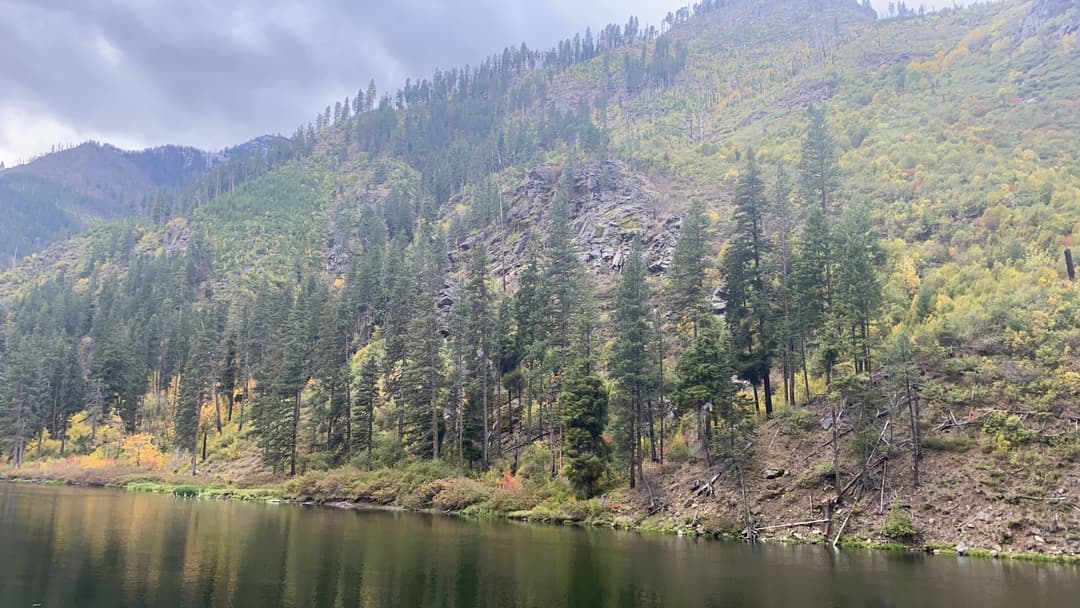
Glacial summits soar. Okanogan-Wenatchee spans 4.0 million acres from the Canadian border south toward Mount Rainier. Sheer glaciated peaks transition into dry ponderosa pine forests on the sunny eastern slopes.
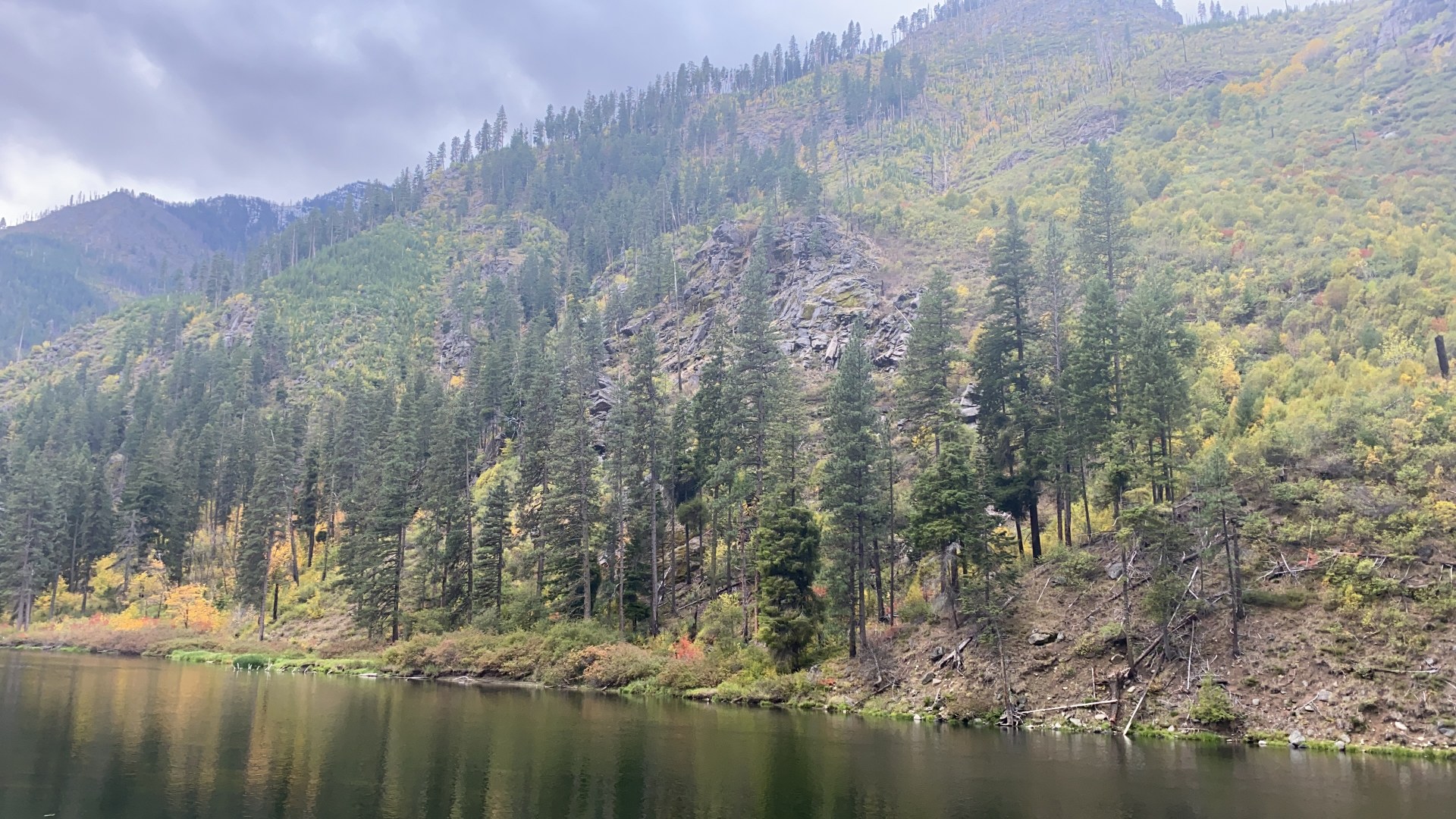
©Wikimedia / JB
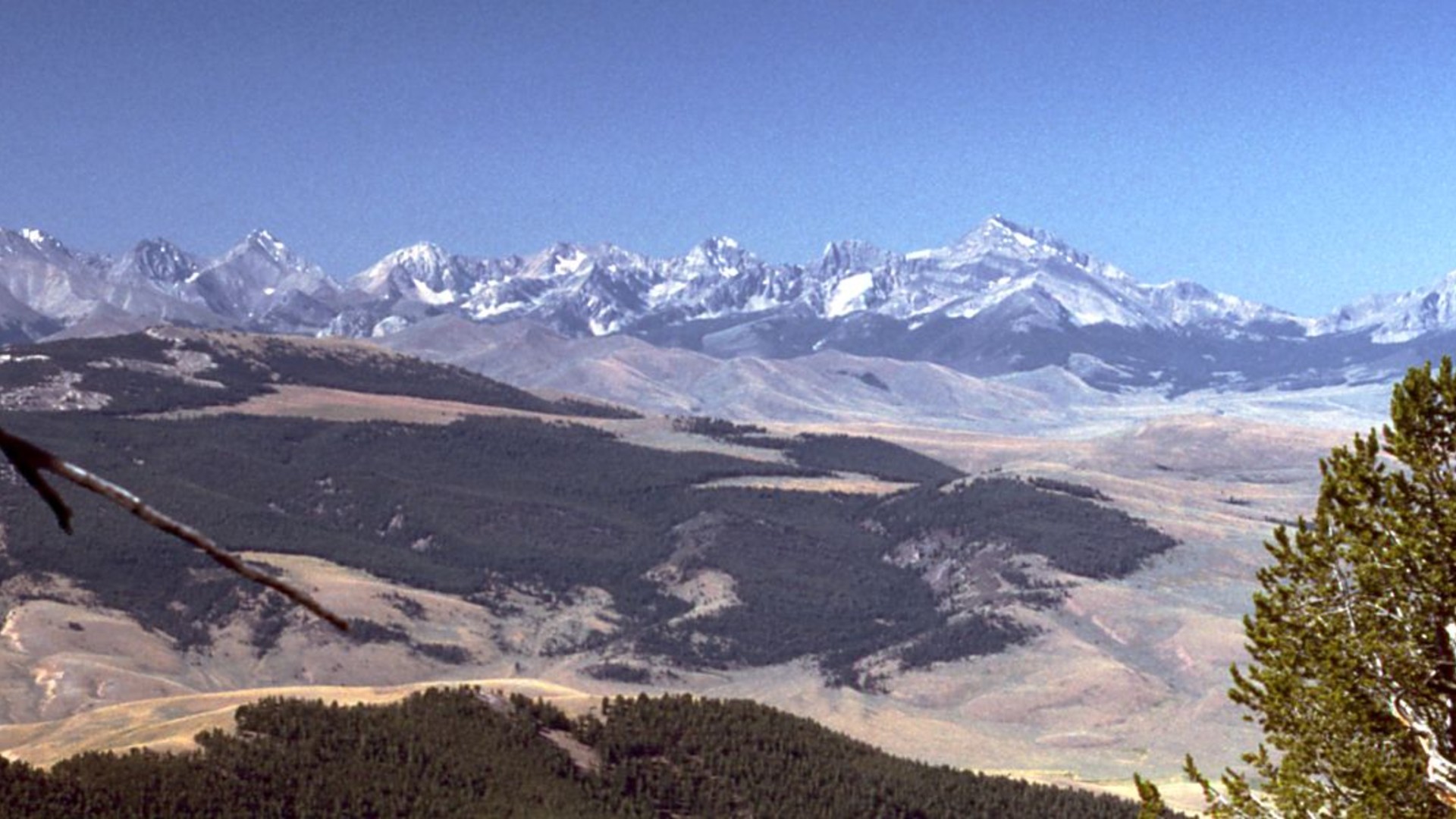
4. Salmon-Challis National Forest
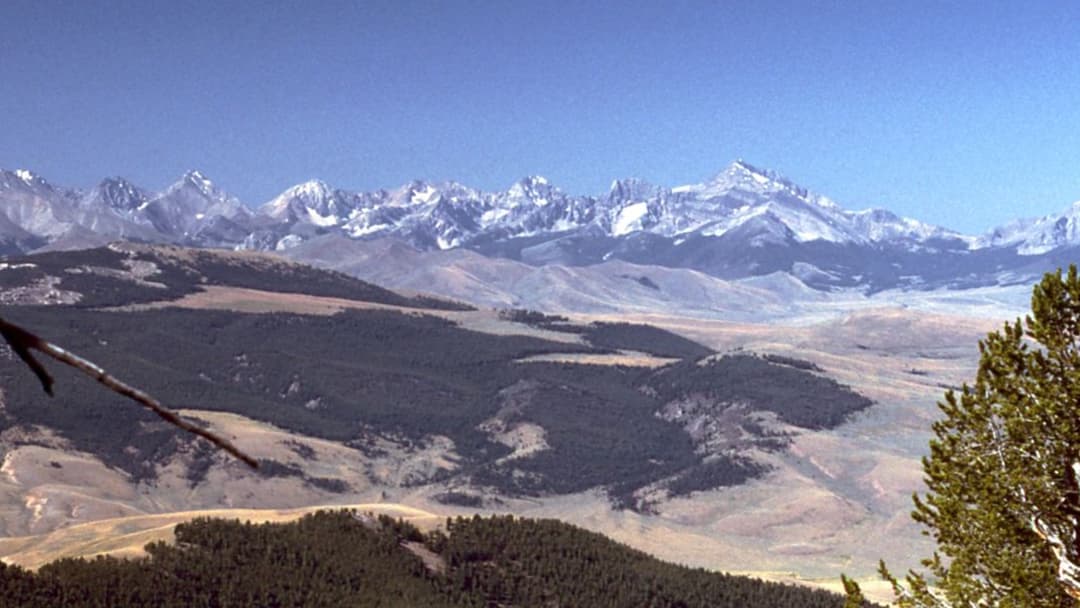
Whitewater rapids plunge downstream. Salmon-Challis encompasses 4.23 million acres of central Idaho wilderness. The untamed Middle Fork of the Salmon River flows through roadless mountain canyons deeper and more rugged than the Grand Canyon.
©Wikimedia / Salmon–Challis National Forest
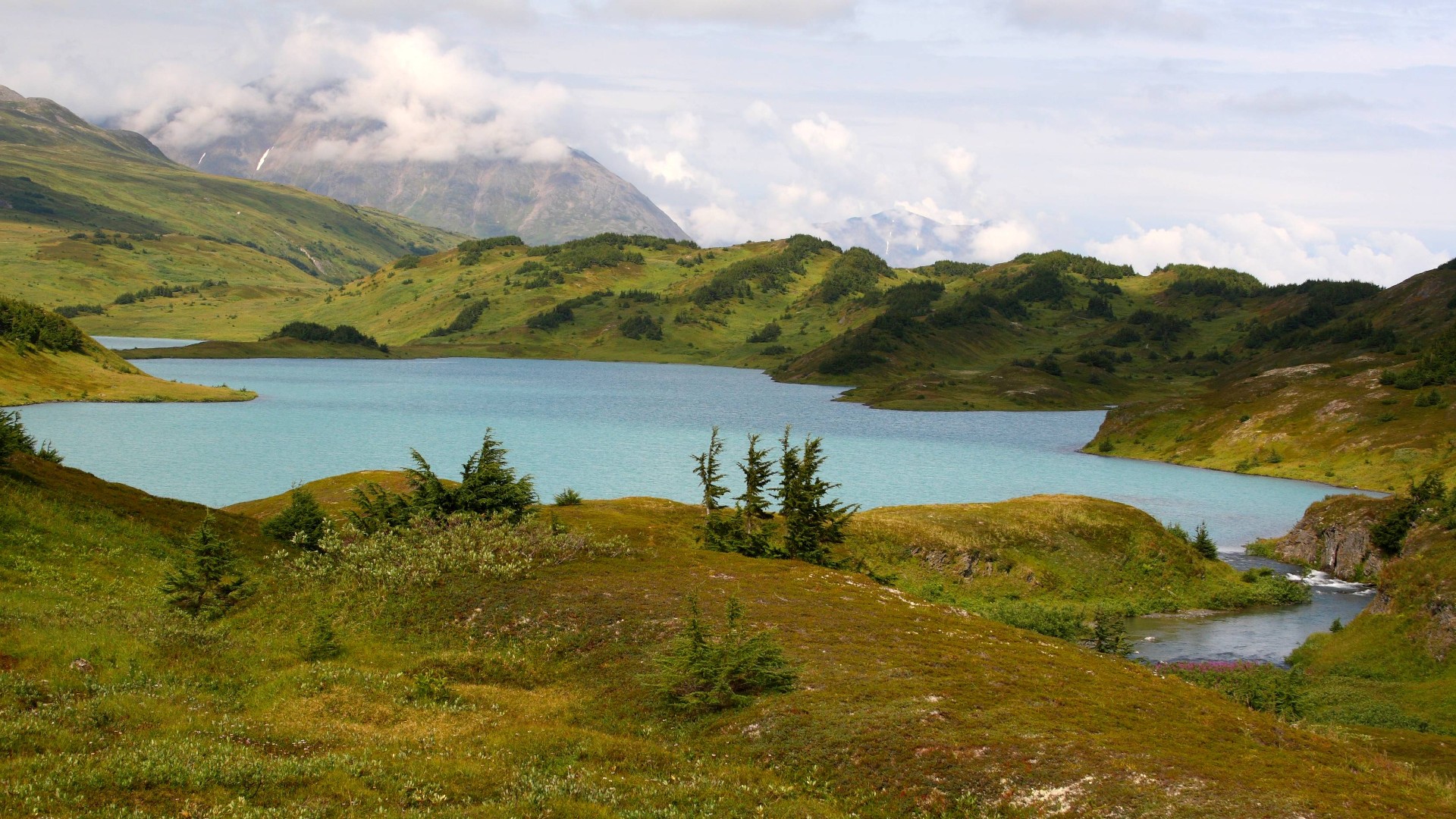
3. Chugach National Forest
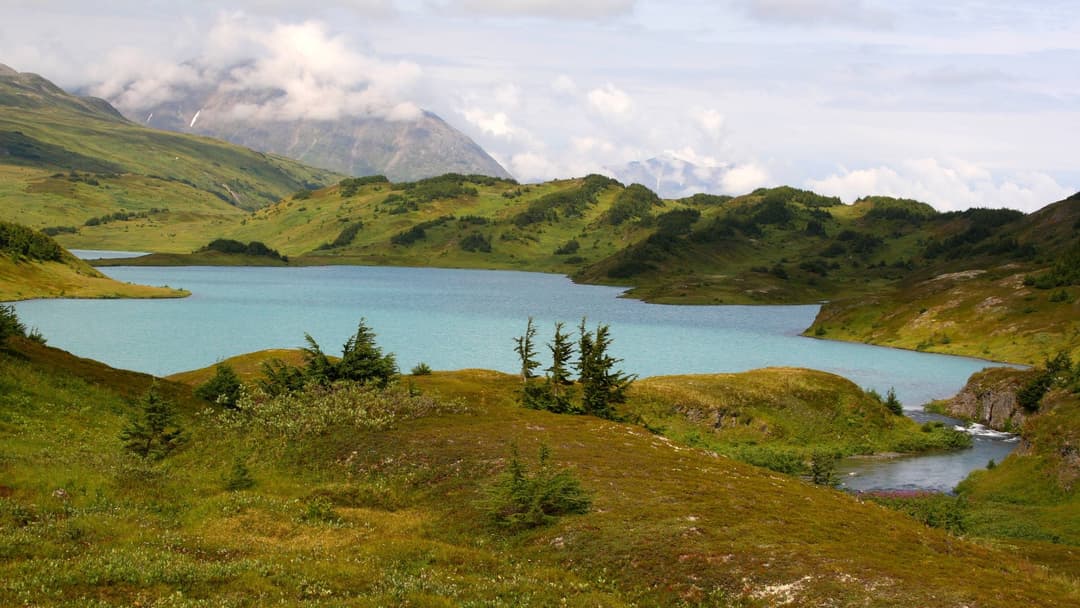
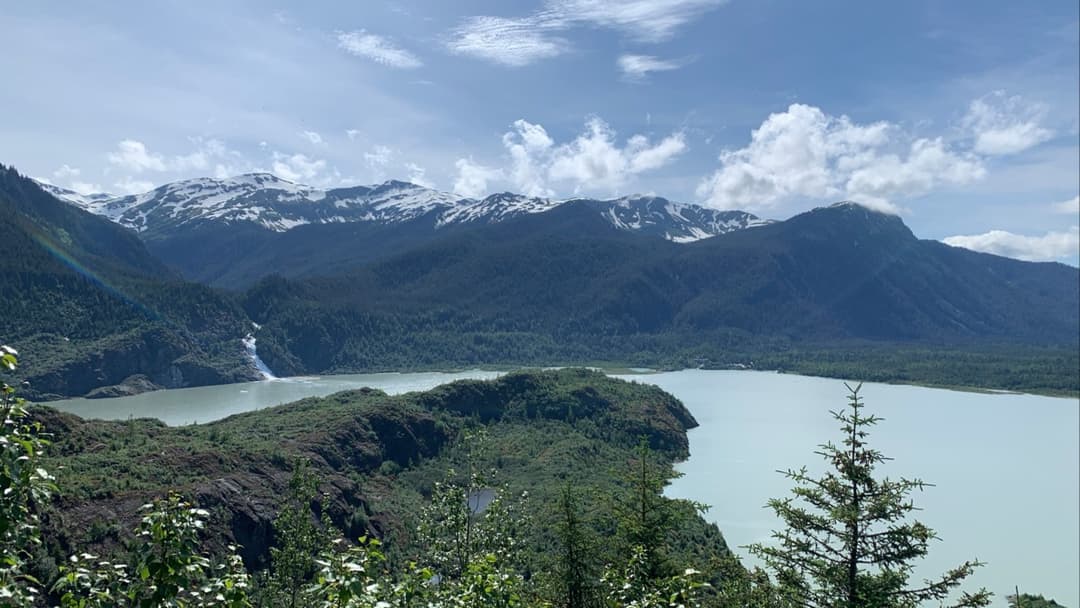
Tidewater glaciers calve ice. Chugach covers 5.4 million acres around Prince William Sound. Dense spruce rainforests hug coastal fjords where sea otters, killer whales, and bald eagles thrive in abundance along the Gulf of Alaska.
©Wikimedia / Chugach National Forest
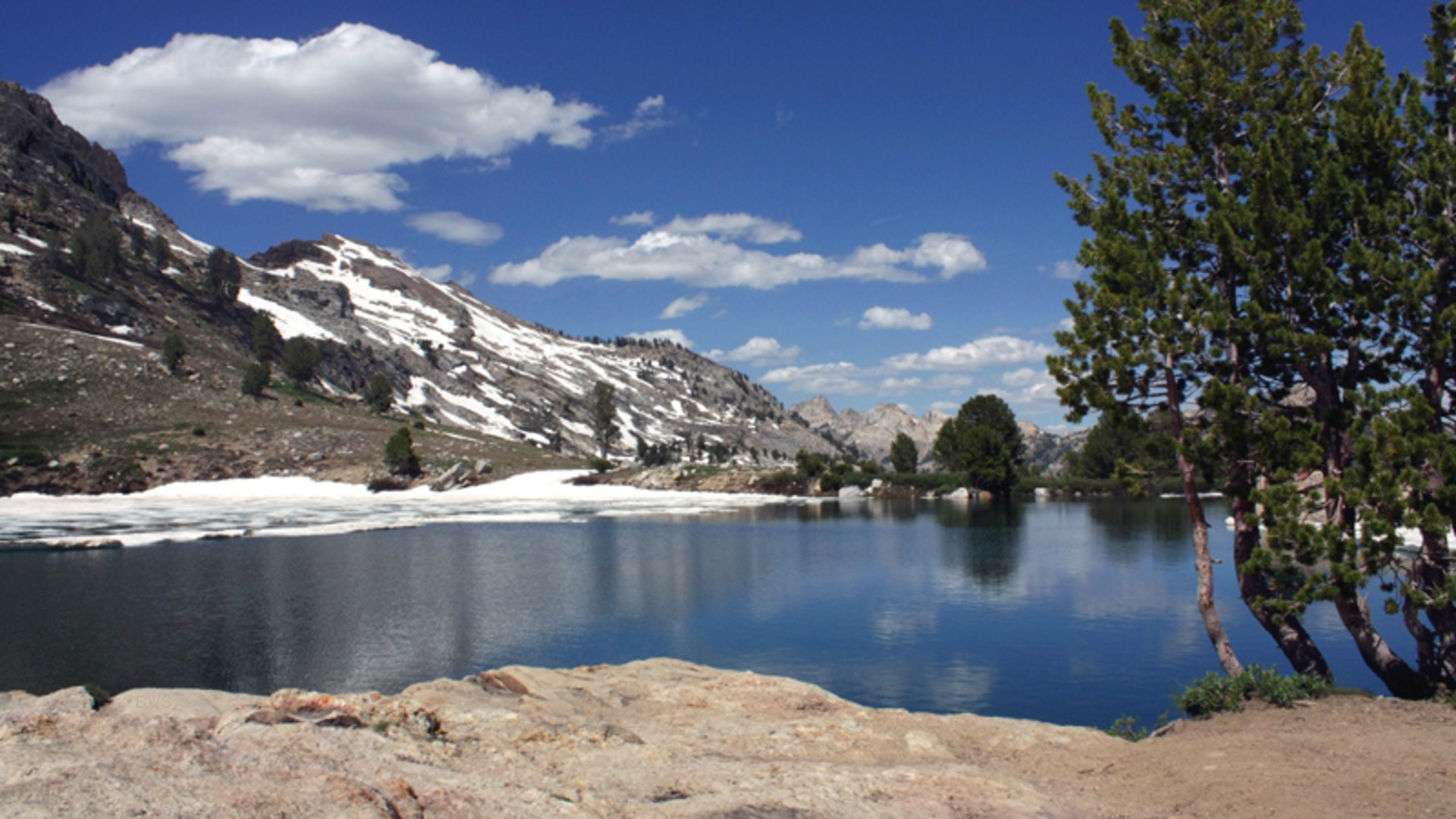
2. Humboldt-Toiyabe National Forest
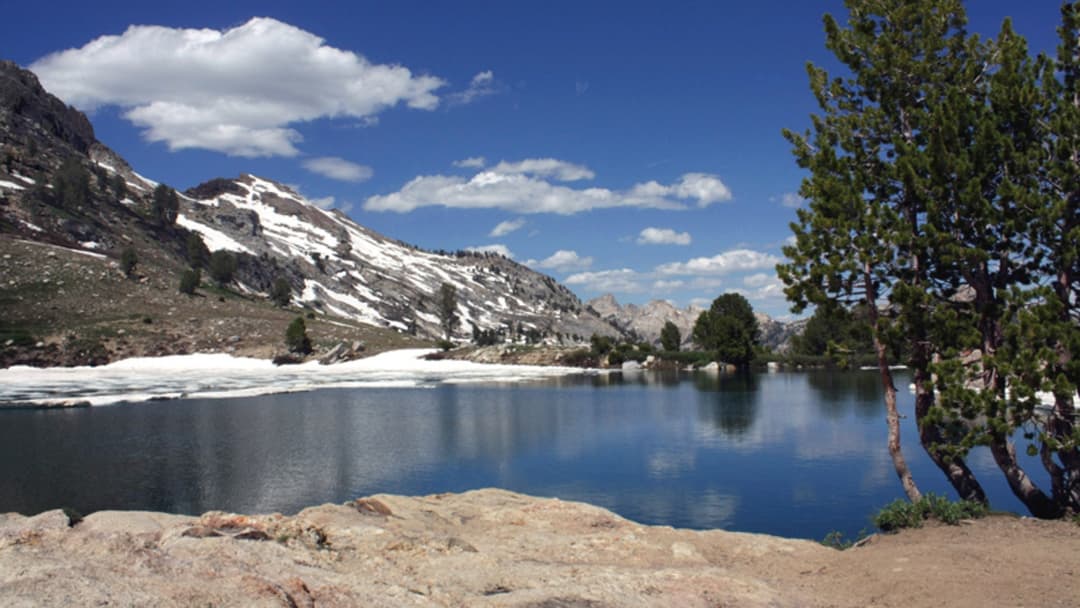
Desert mountain ranges climb. Humboldt-Toiyabe spans 6.29 million acres across Nevada and eastern California. Isolated mountain islands rise dramatically above arid sagebrush basins to protect high alpine lakes, glacial valleys, and bighorn sheep.
©Wikimedia / Brian W. Schaller
Advertisement
Swipe or tap ▶ to resume the countdown.
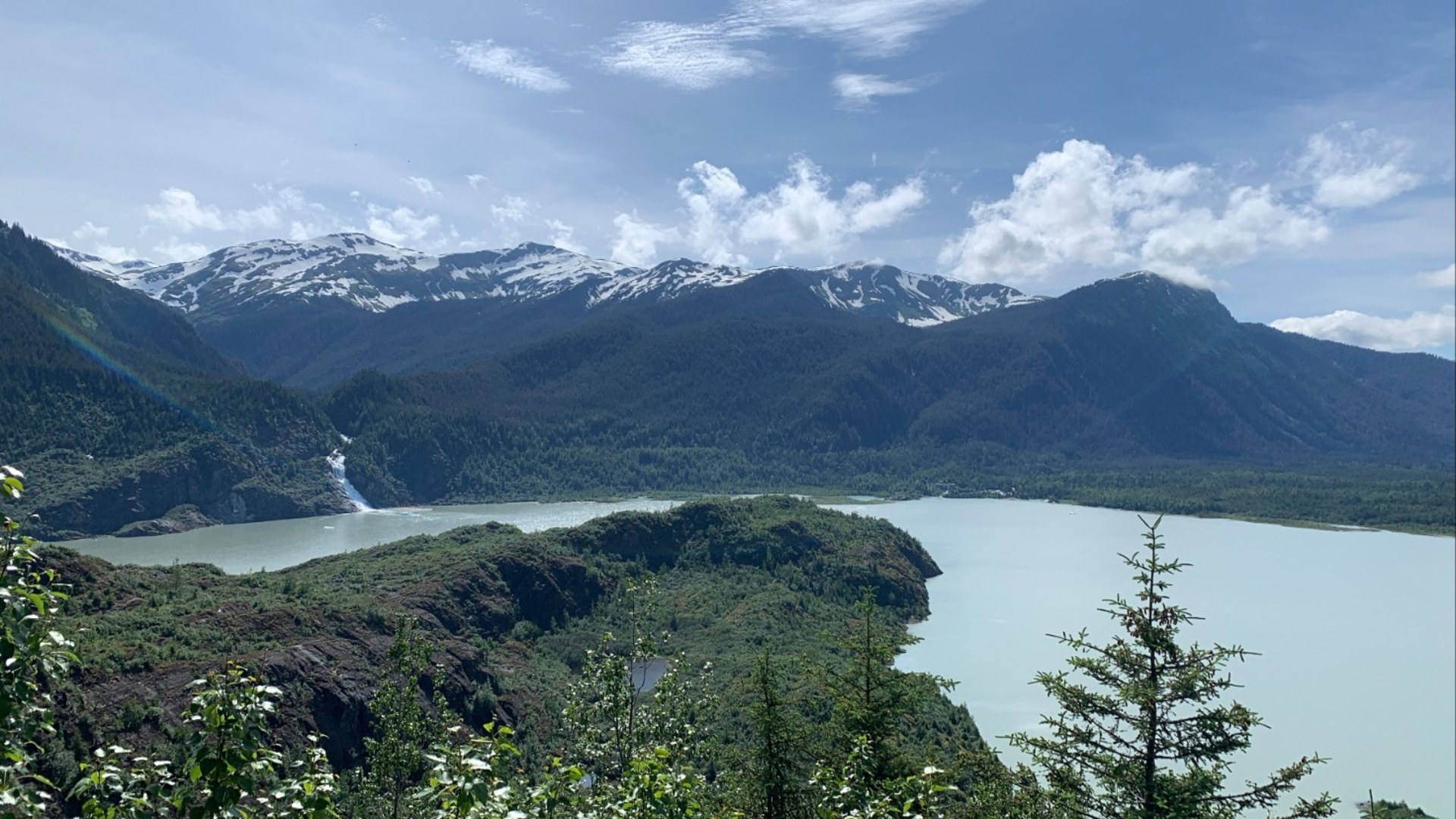
1. Tongass National Forest
Ancient rainforest sprawls. Spanning 16.7 million acres across Southeast Alaska, Tongass is the crown jewel of federal public lands. Old-growth Sitka spruce and western hemlock trees shelter brown bears, wolves, and five species of Pacific salmon.
©Wikimedia / Forest Service Alaska Region, USDA
Advertisement
You've reached the end of the story. Thanks for reading!

20 Most Advanced Airports That Redefine Air Travel
Experience the future of flight at 20 airports redefining air travel through AI.
All 20 Entries in this Story
20. Rio Grande National Forest
High headwaters flow cold. Rio Grande National Forest protects 1.83 million acres across Colorado's San Juan Mountains. Snowmelt feeds the headwaters of the Rio Grande River beneath craggy volcanic summits that reach over 14,000 feet into the alpine sky.

19. Coconino National Forest
Crimson rocks rise high. Coconino spans 1.85 million acres around Sedona and the San Francisco Peaks. Thick ponderosa pine woodlands give way to red sandstone buttes and ancient volcanic cinder cones across the sprawling Colorado Plateau.

18. San Juan National Forest
Glacial peaks soar. San Juan National Forest covers 1.88 million acres in southwestern Colorado. The Durango and Silverton steam train chugs through deep river gorges flanked by sheer granite spires and high alpine basins.

17. Inyo National Forest
Ancient bristlecones endure wind. Inyo spans 1.9 million acres along the eastern Sierra Nevada. Gnarled bristlecone pine trees have survived severe mountain weather here along windswept limestone ridges for more than 4,000 continuous years.

16. Superior National Forest
Canoe trails wind. Superior National Forest covers 2.09 million acres of pristine boreal woods. Thousands of freshwater lakes connect remote portage trails through the protected Boundary Waters Canoe Area Wilderness.

15. White River National Forest
Ski slopes draw millions. White River encompasses 2.28 million acres of rugged central Colorado mountain terrain. The forest contains twelve major ski resorts alongside pristine wilderness areas that safeguard elk herds and bighorn sheep.

14. Payette National Forest
River rapids cut stone. Payette National Forest spans 2.3 million acres of Idaho mountains and river canyons. Ponderosa pine forests slope steeply down toward the roaring rapids of Hell's Canyon and the Salmon River gorge.

13. Shoshone National Forest
Harrison made history. Shoshone protects 2.44 million acres of wild Wyoming mountain ranges east of Yellowstone. Jagged Absaroka volcanic formations and windswept Beartooth alpine tundra shelter grizzly bears, gray wolves, and wild elk herds.

12. Flathead National Forest
Limestone cliffs plunge. Flathead National Forest encompasses 2.41 million acres bordering Glacier National Park. The towering Chinese Wall cliff formation stretches for twelve continuous miles through the remote Bob Marshall Wilderness.

11. Gila National Forest
Wilderness preservation started here. Gila covers 2.71 million acres of pine woodlands and deep river canyons. In 1924, conservationist Aldo Leopold helped establish the Gila Wilderness as America's very first protected wildland.

10. Tonto National Forest
Desert meets pine forest. Tonto spans 2.87 million acres stretching from Phoenix suburbs up to the Mogollon Rim. Giant multi-armed saguaro cacti dominate arid lower foothills while dense ponderosa pine woodlands crown the highest mountain ridges.

9. Custer Gallatin National Forest
Granite peaks overlook valleys. Custer Gallatin encompasses 3.1 million acres across Montana and South Dakota. Granite Peak rises 12,799 feet as Montana's highest point above glacier-carved cirques and trout streams.

8. Beaverhead-Deerlodge National Forest
Granite ranges soar. Beaverhead-Deerlodge covers 3.36 million acres across southwestern Montana. Historic ghost towns and mining cabins dot rugged valleys once explored by Lewis and Clark during their 1805 trek.

7. Bridger-Teton National Forest
Glacial ice sculpts granite. Bridger-Teton encompasses 3.4 million acres of wild Wyoming peaks south of Yellowstone. Gannett Peak rises above forty named glaciers that feed the upper Green and Snake river drainages across the Rocky Mountains.

6. Nez Perce-Clearwater National Forests
Wild rivers roar. Nez Perce-Clearwater covers 4.0 million acres of dense cedar and pine mountain timber. The historic Lolo Trail winds across high ridges where Native Americans and explorers navigated difficult terrain.

5. Okanogan-Wenatchee National Forest
Glacial summits soar. Okanogan-Wenatchee spans 4.0 million acres from the Canadian border south toward Mount Rainier. Sheer glaciated peaks transition into dry ponderosa pine forests on the sunny eastern slopes.

4. Salmon-Challis National Forest
Whitewater rapids plunge downstream. Salmon-Challis encompasses 4.23 million acres of central Idaho wilderness. The untamed Middle Fork of the Salmon River flows through roadless mountain canyons deeper and more rugged than the Grand Canyon.

3. Chugach National Forest
Tidewater glaciers calve ice. Chugach covers 5.4 million acres around Prince William Sound. Dense spruce rainforests hug coastal fjords where sea otters, killer whales, and bald eagles thrive in abundance along the Gulf of Alaska.

2. Humboldt-Toiyabe National Forest
Desert mountain ranges climb. Humboldt-Toiyabe spans 6.29 million acres across Nevada and eastern California. Isolated mountain islands rise dramatically above arid sagebrush basins to protect high alpine lakes, glacial valleys, and bighorn sheep.

1. Tongass National Forest
Ancient rainforest sprawls. Spanning 16.7 million acres across Southeast Alaska, Tongass is the crown jewel of federal public lands. Old-growth Sitka spruce and western hemlock trees shelter brown bears, wolves, and five species of Pacific salmon.