Slideshow · Science
20 Most Powerful Quasars Ever Discovered
Supermassive Engines of the Primordial Cosmos
By Most Viral Today
28 min ago

Supermassive Engines of the Primordial Cosmos 
20. S5 0014+81 
19. PKS 0637-752 
18. Markarian 231 - AdvertisementSwipe or tap ▶ to continue countdown

17. 3C 48 
16. 3C 454.3 (Crazy Diamond) 
15. 3C 279 
14. Cloverleaf Quasar (H1413+117) - AdvertisementSwipe or tap ▶ to continue countdown

13. Twin Quasar (Q0957+561) 
12. Einstein Cross (Q2237+0305) 
11. SDSS J0100+2802 
10. Pōniuāʻena (J1007+2115) - AdvertisementSwipe or tap ▶ to continue countdown

9. ULAS J1342+0928 
8. ULAS J1120+0641 
7. J0313-1806 
6. P172+18 - AdvertisementSwipe or tap ▶ to continue countdown

5. 3C 273 
4. APM 08279+5255 
3. SDSS J1106+1939 
2. TON 618 - AdvertisementSwipe or tap ▶ to continue countdown

1. QSO J0529-4351 - Advertisement🔥 UP NEXT IN THIS SERIES◫ 21 Slides

20 Essential Off-Grid Cooking Tools When the Grid Fails, Ranked
Evaluated by off-grid homesteaders and emergency management survival guidelines, these 20 non-electric tools keep kitchens functioning when utility power fails. Emergency preparedness guidelines emphasize that modern recipes depend on uninterrupted municipal utilities.
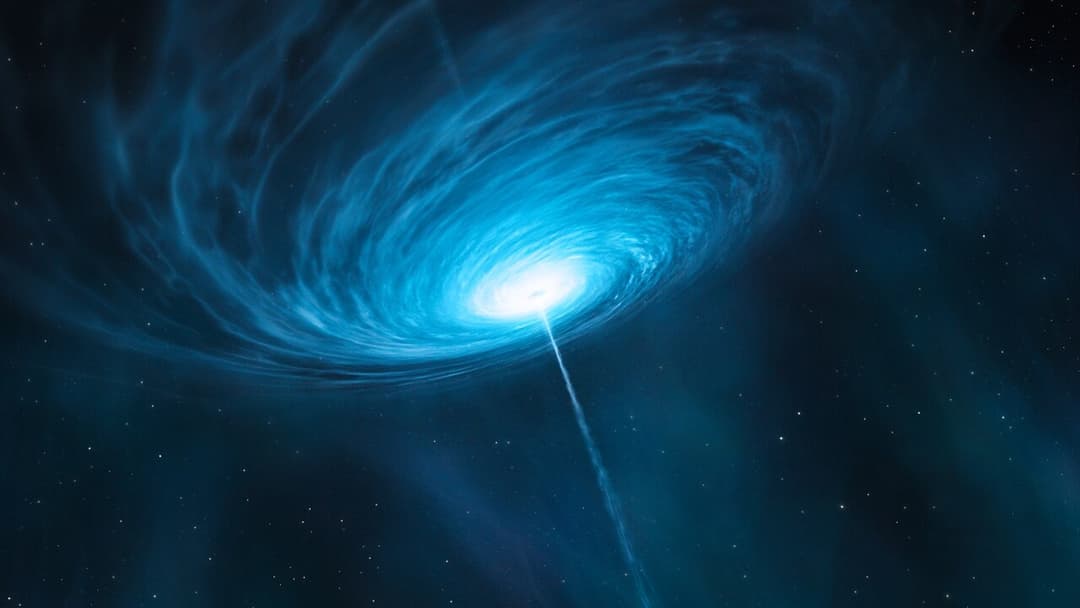
Quasars represent the most luminous and energetically violent engines in the known universe. Powered by supermassive black holes consuming vast quantities of gas and dust at galactic cores, these cosmic powerhouses outshine entire host galaxies, delivering crucial insights into cosmic reionization.
Swipe or tap ▶ to begin the countdown
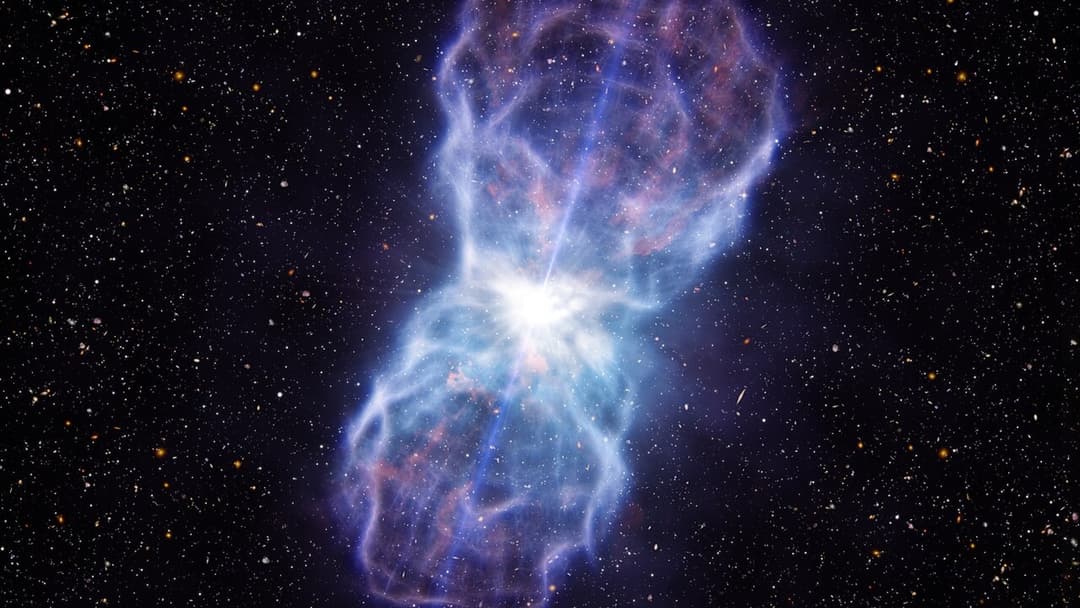
©Wikimedia / Gemini Observatory, NOIRLab & ESO, M. Kornmesser
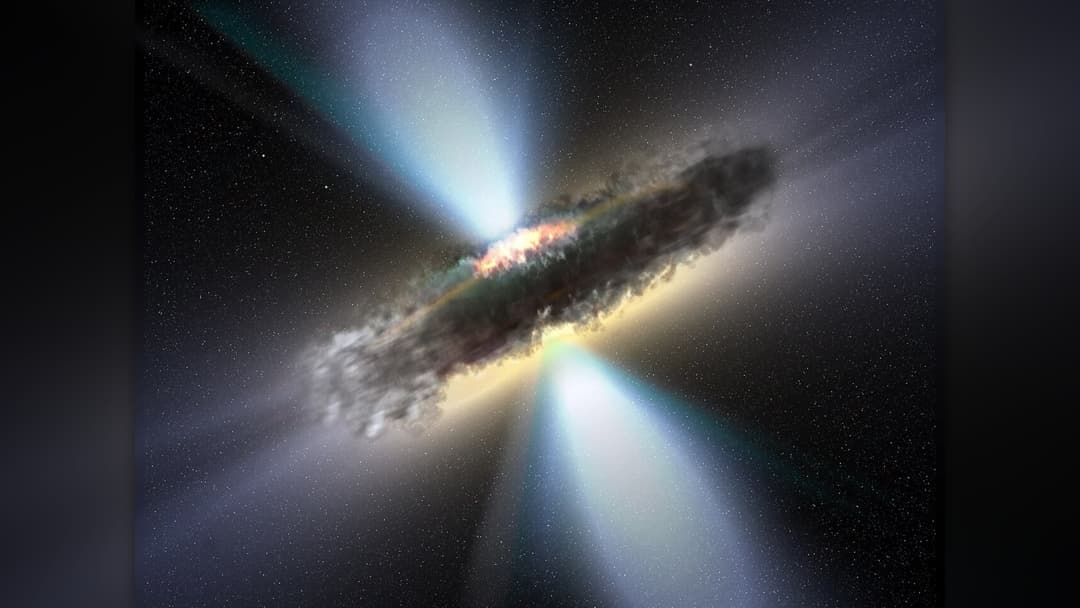
20. S5 0014+81
Situated over twelve billion light-years distant in Cepheus, S5 0014+81 ranks among the most optically radiant active galactic nuclei known. Beaming its relativistic jet nearly directly along our line of sight, the object outshines ten thousand normal galaxies combined.
©Wikimedia / V. Beckmann (NASA's GSFC) et al., ESA
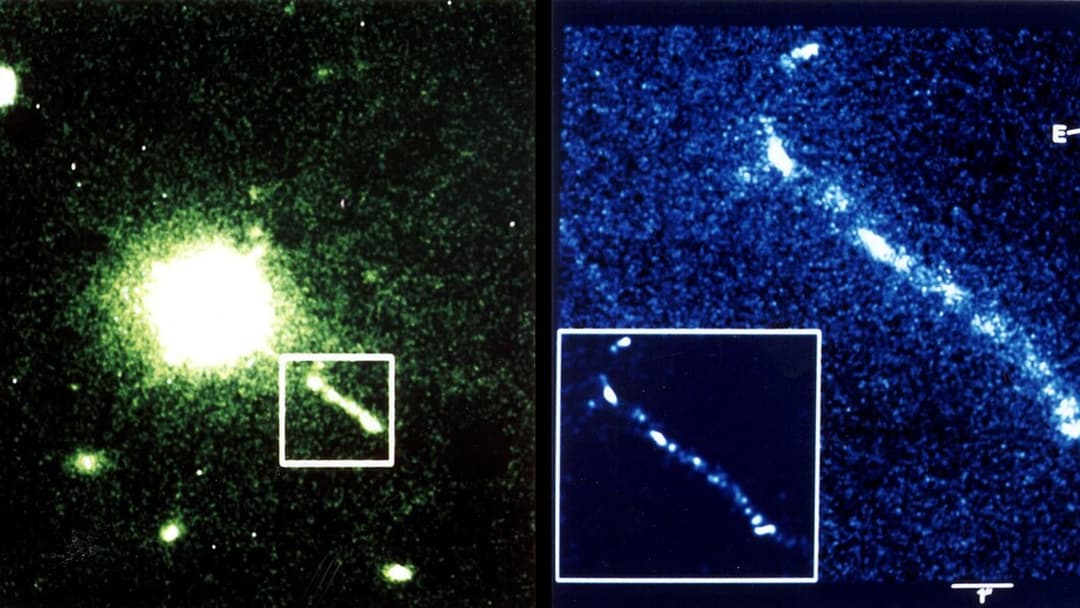
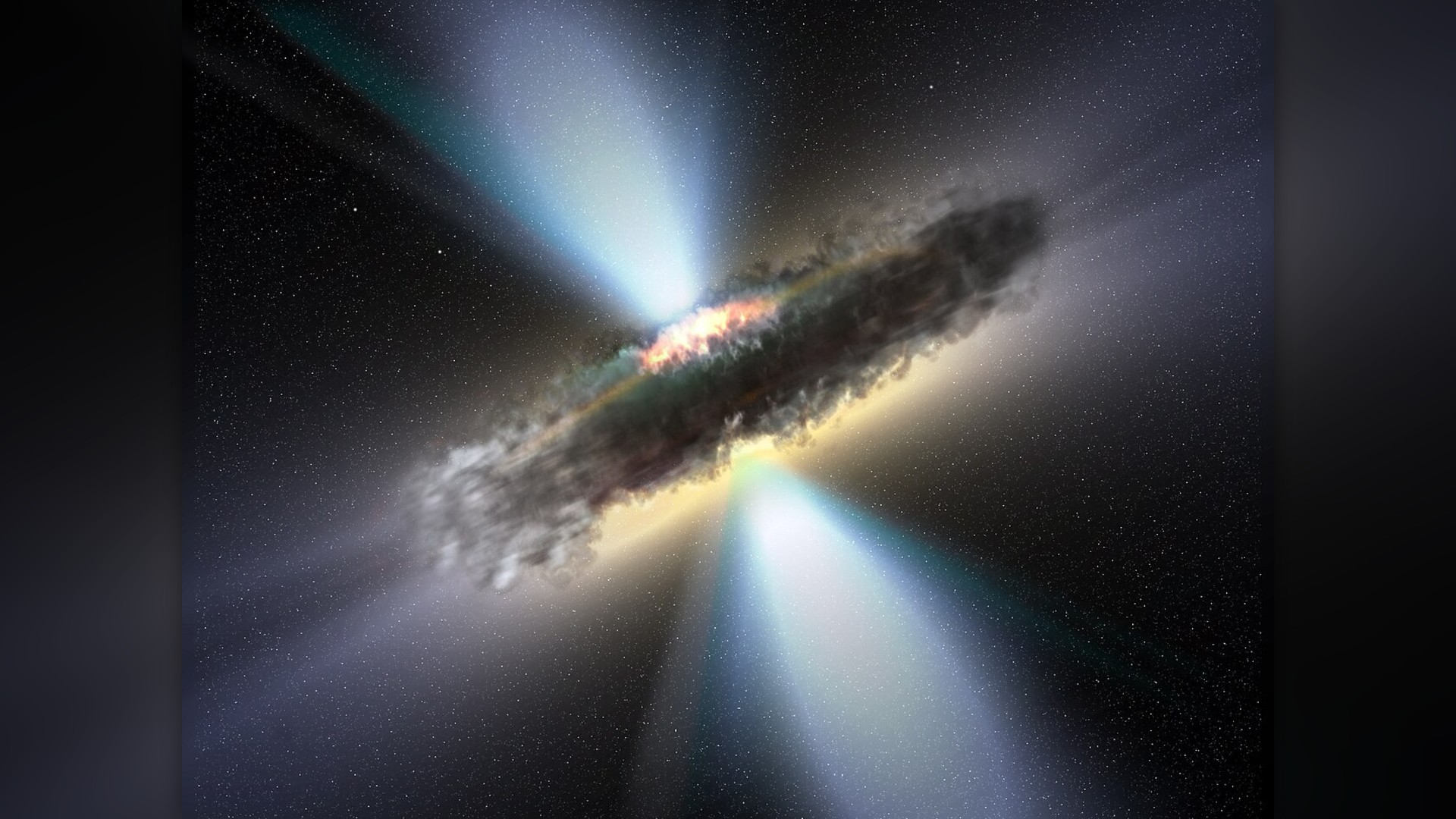
19. PKS 0637-752
PKS 0637-752 served as the ceremonial first target for NASA's Chandra X-ray Observatory in 1999. The resulting images surprised astrophysicists by revealing a powerful X-ray jet extending across one hundred thousand light-years, energized by relativistic electrons interacting with cosmic microwave background photons.
©Internet Archive / Public Domain Archive
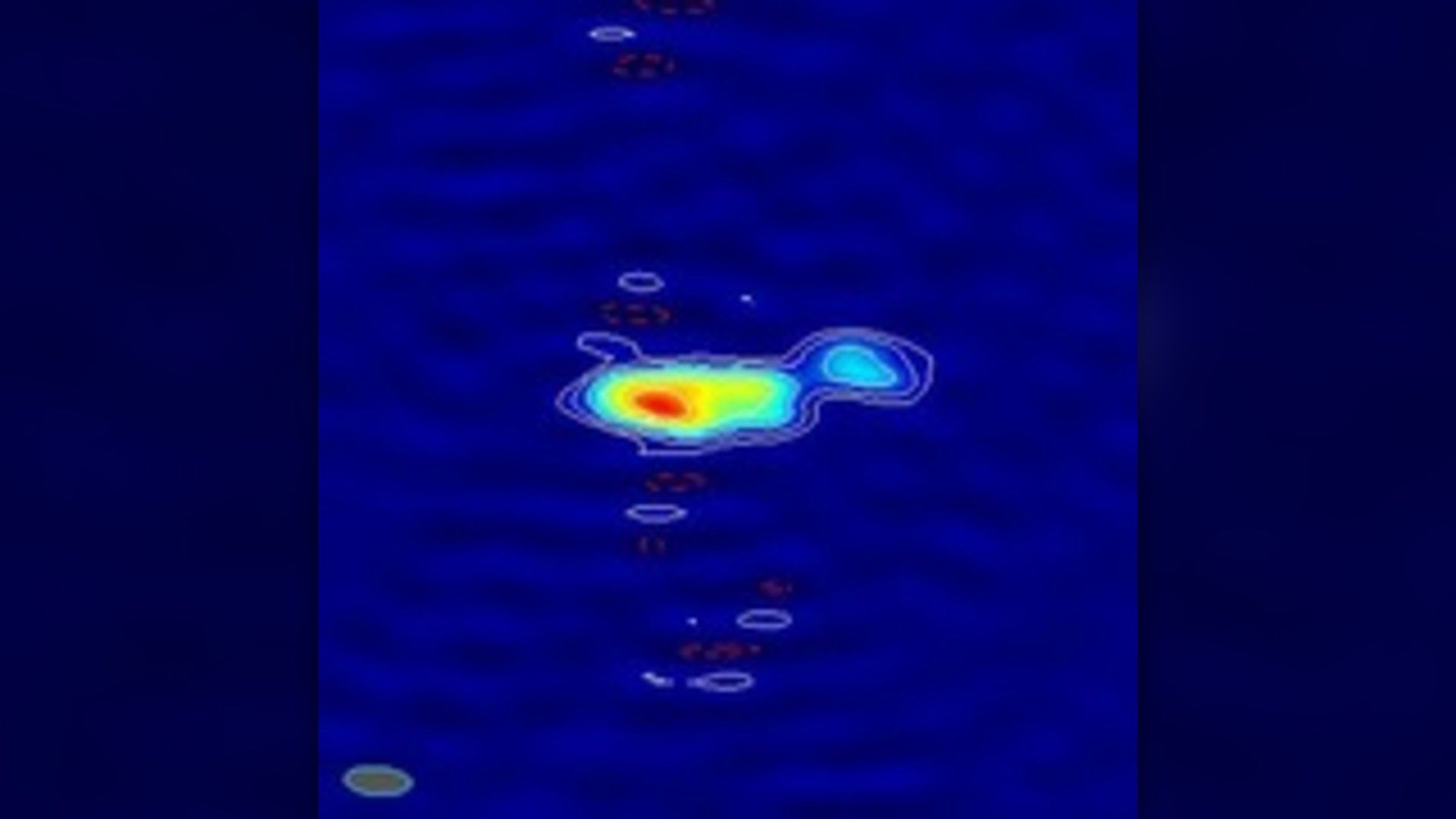
18. Markarian 231
Located in the constellation Ursa Major, Markarian 231 powers the closest quasar core to our Solar System. Ultraviolet and optical measurements from the Hubble Space Telescope suggest its luminous center may harbor an exotic binary supermassive black hole pair engaged in a cosmic orbital dance.
©Wikimedia / International Gemini Observatory, AURA
Advertisement
Swipe or tap ▶ to resume the countdown.
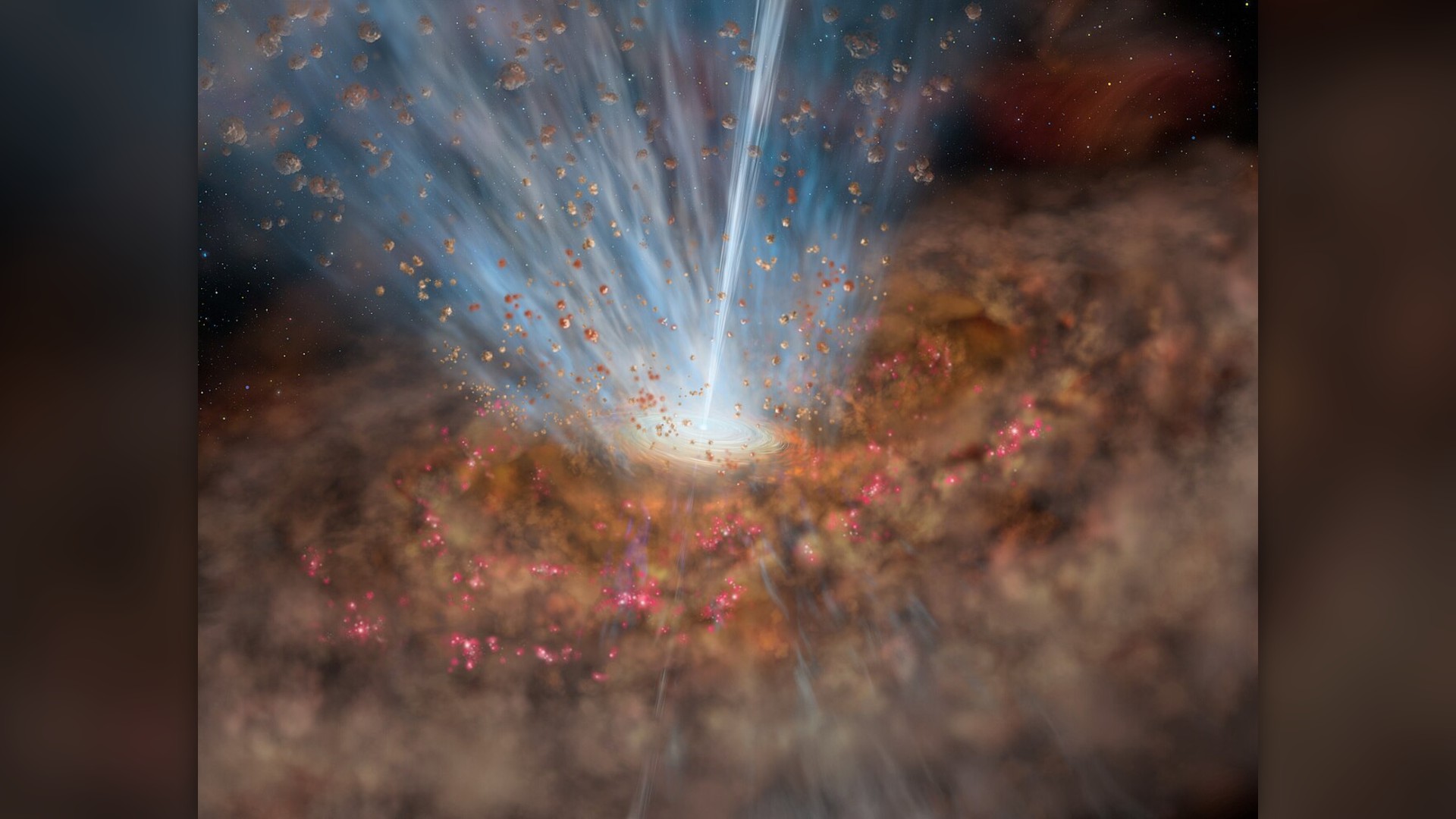
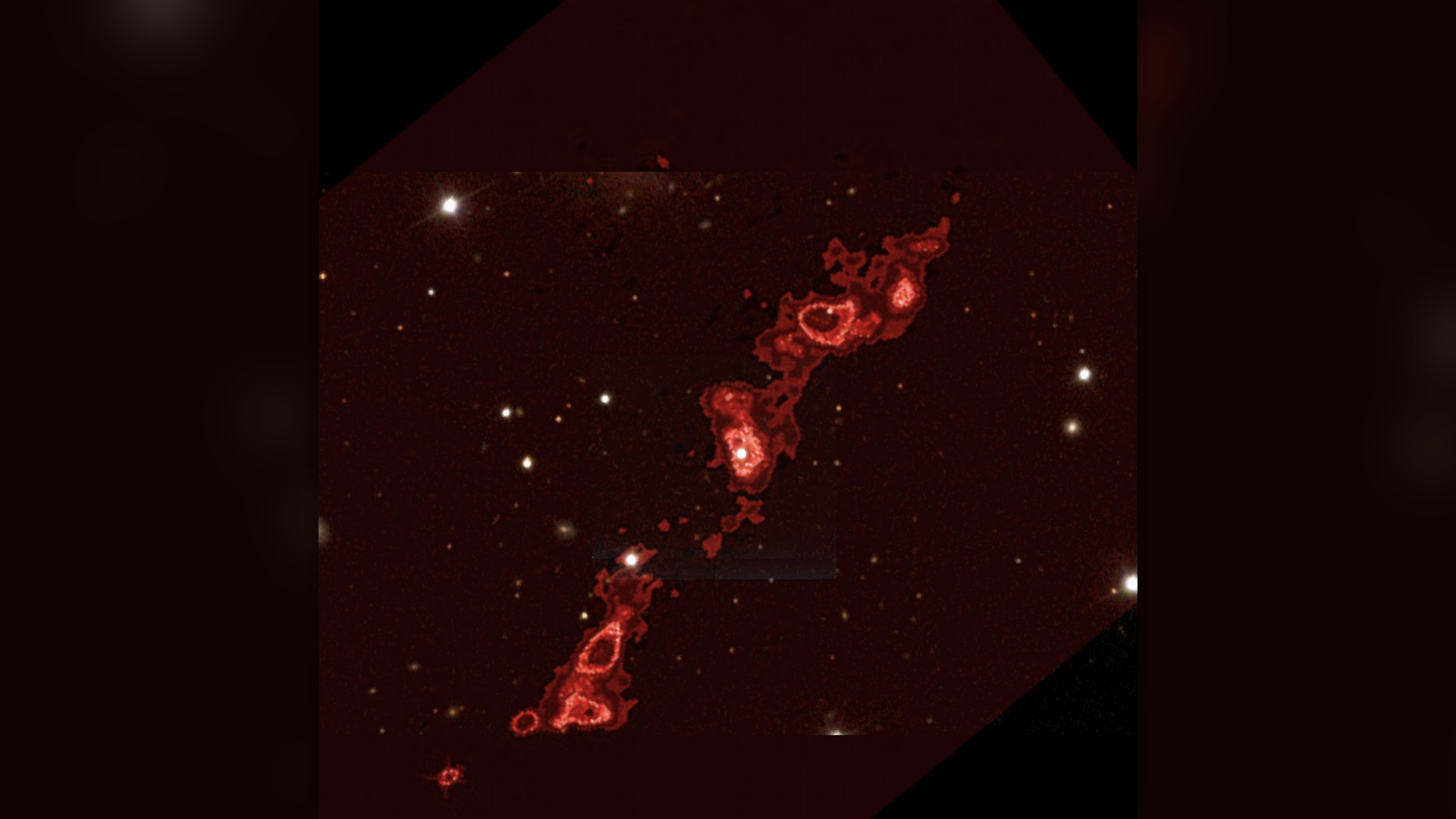
17. 3C 48
Discovered in 1960 alongside 3C 273, 3C 48 was initially thought to be an unusual radio star within the Milky Way. Subsequent spectroscopic measurements revealed a dramatic redshift, demonstrating that its compact radio core was located four billion light-years away in deep extragalactic space.
©Wikimedia / Pelligton
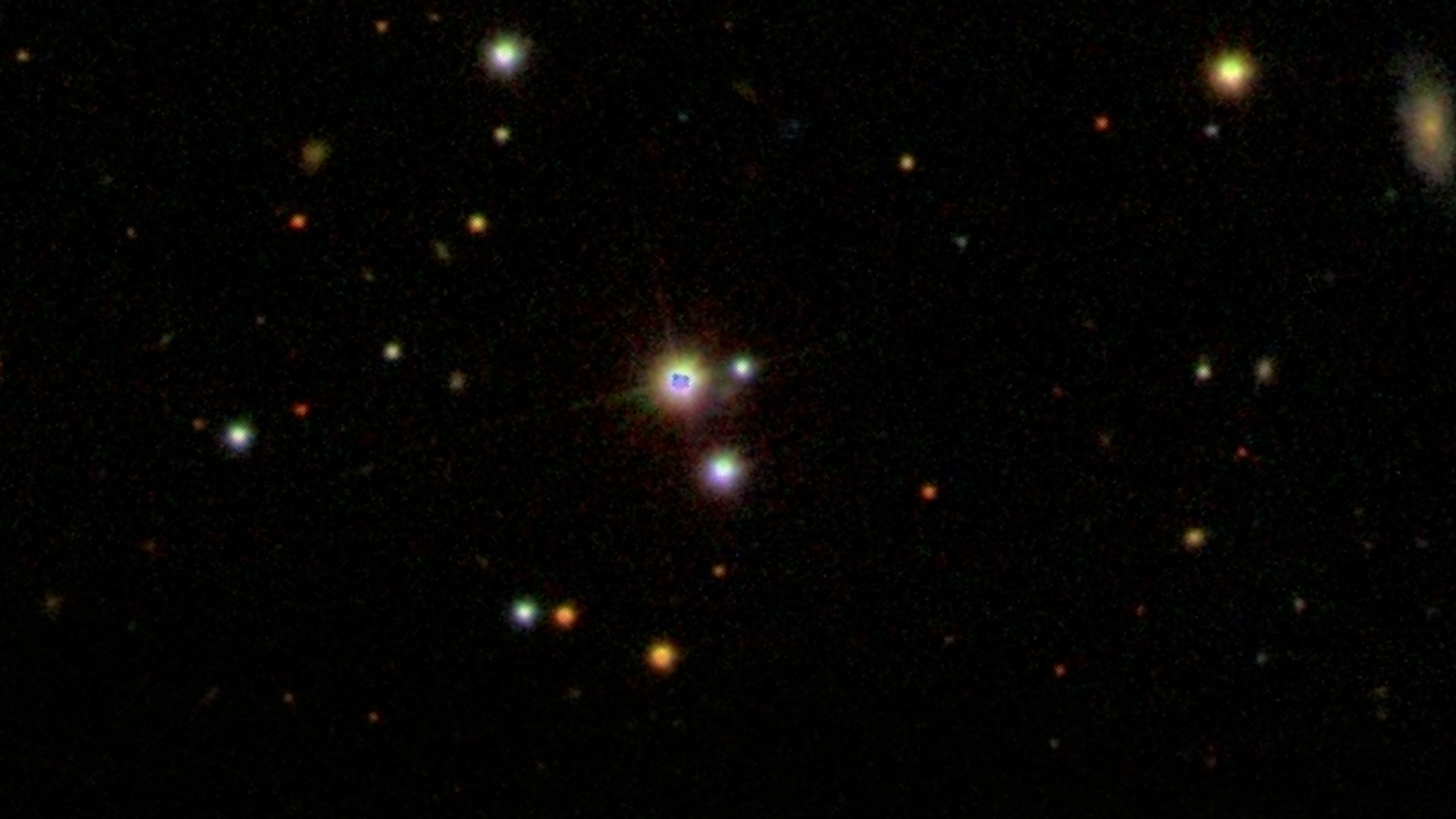
16. 3C 454.3 (Crazy Diamond)
Located in the constellation Pegasus, 3C 454.3 underwent explosive outbursts observed by NASA's Fermi Gamma-ray Space Telescope. During its peak eruptions, the quasar temporarily became the brightest persistent source of high-energy gamma rays anywhere in the night sky.
©Wikimedia / Aladin Sky Server
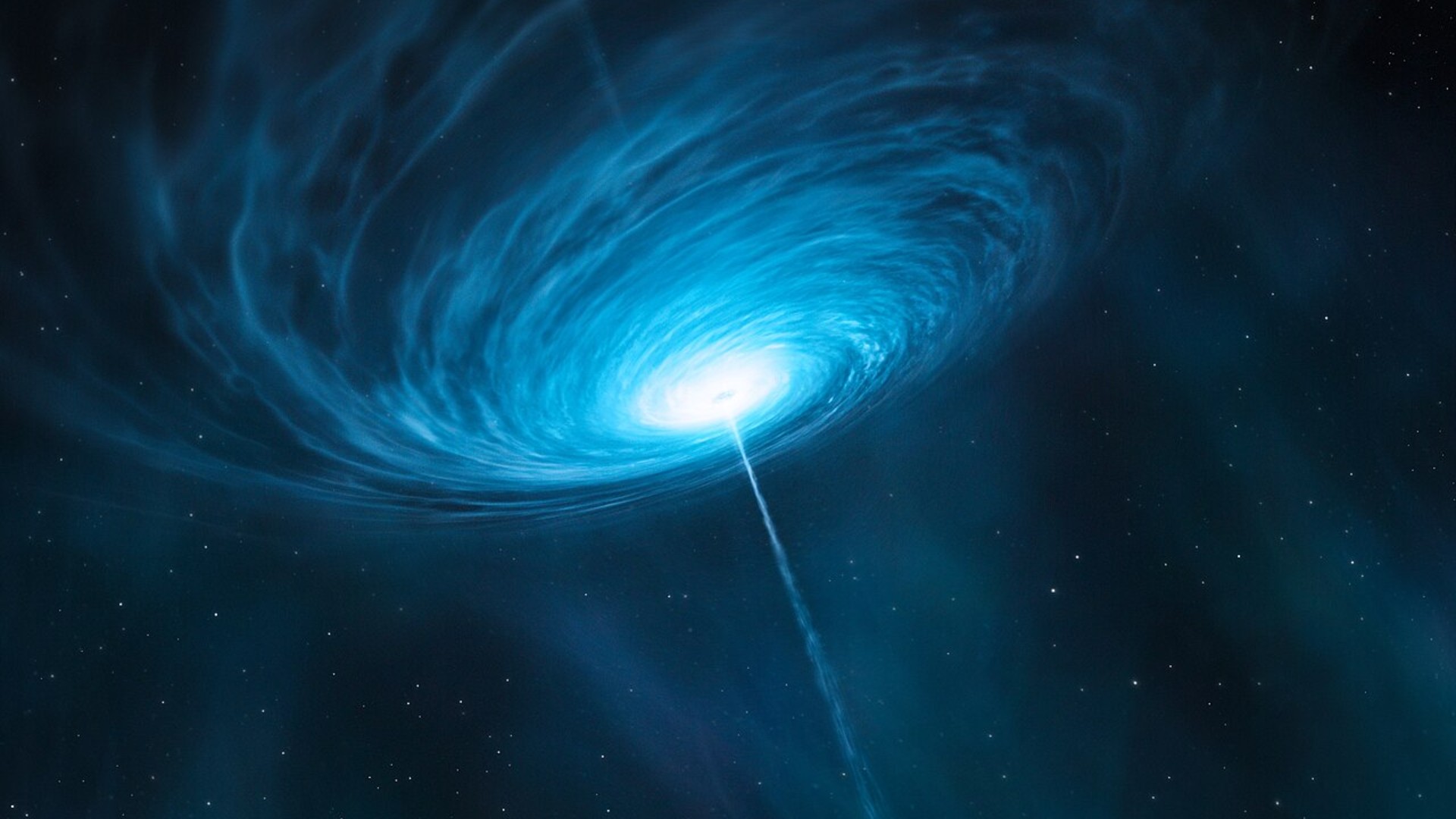
15. 3C 279
3C 279 became famous in the 1970s when radio interferometry revealed apparent faster-than-light motion within its jet knots. This phenomenon, known as superluminal motion, is a geometric optical illusion resulting from plasma traveling along magnetic field lines at over 99.9% of the speed of light.
©Wikimedia / ESO, M. Kornmesser
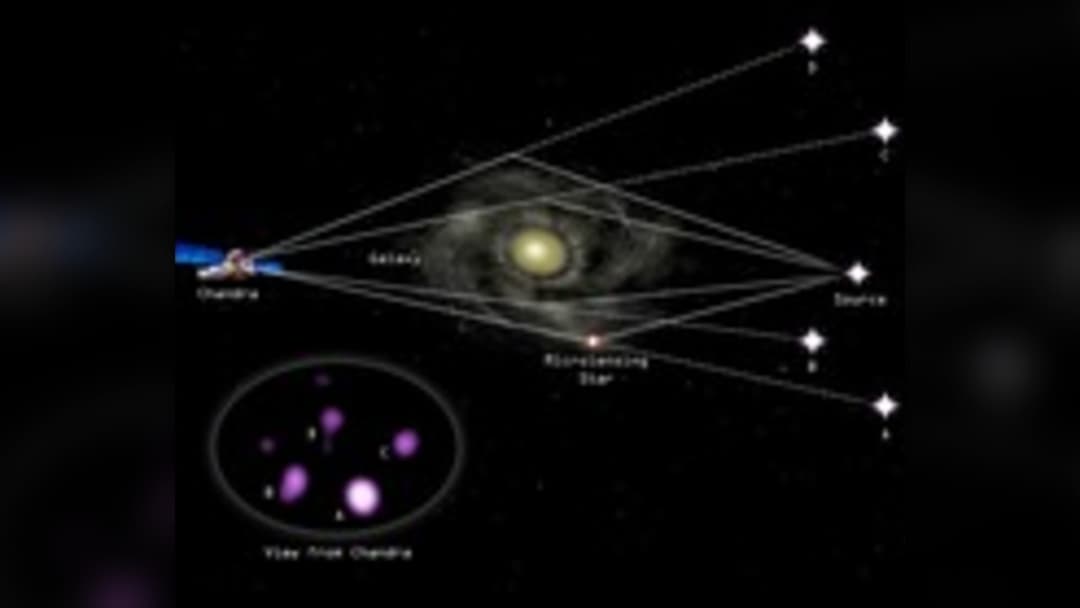
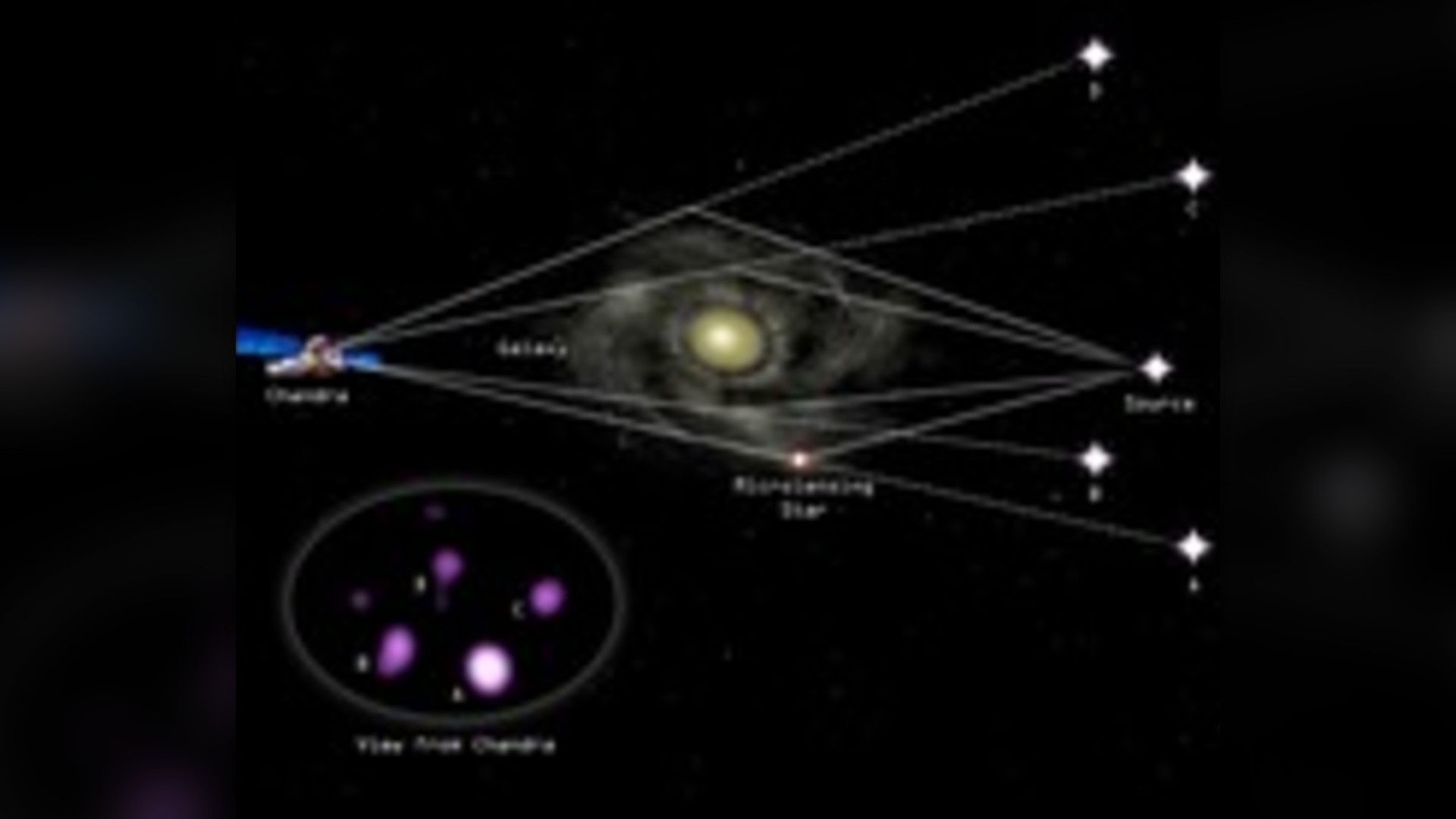
14. Cloverleaf Quasar (H1413+117)
The Cloverleaf Quasar presents four magnified components produced by strong gravitational deflection. Radio interferometry revealed enormous pools of carbon monoxide and dust, demonstrating vigorous star formation occurring around this active nucleus nearly eleven billion years ago.
©Internet Archive / X-ray: NASA, CXC, Penn State
Advertisement
Swipe or tap ▶ to resume the countdown.
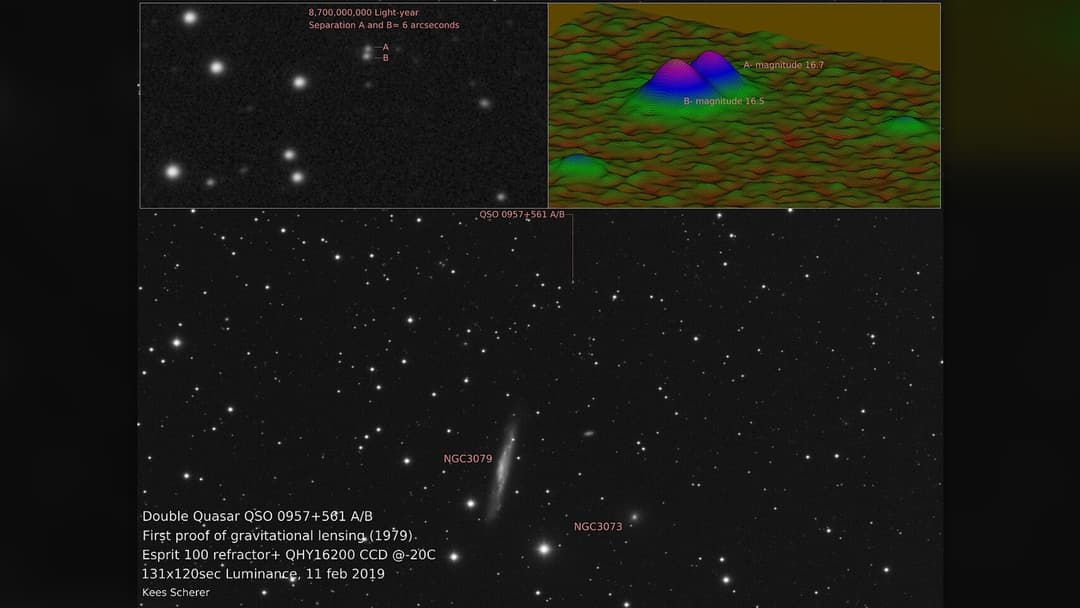
13. Twin Quasar (Q0957+561)
Identified in 1979 in the constellation Ursa Major, Q0957+561 appeared as two identical images separated by six arcseconds. Careful timing of intrinsic brightness fluctuations established a 417-day time delay between light paths, providing a direct measurement of the cosmic expansion rate.
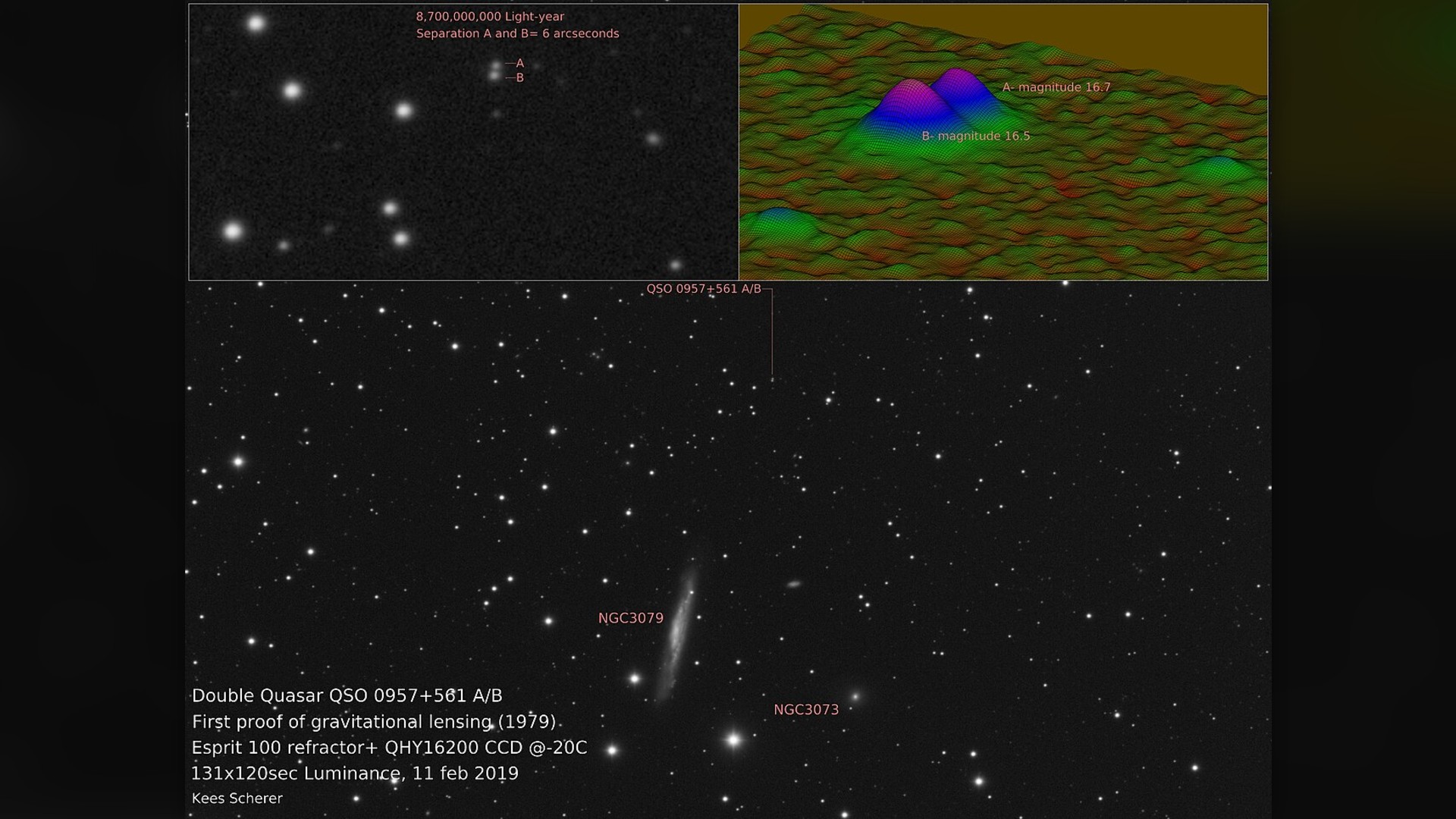
©Wikimedia / Keesscherer
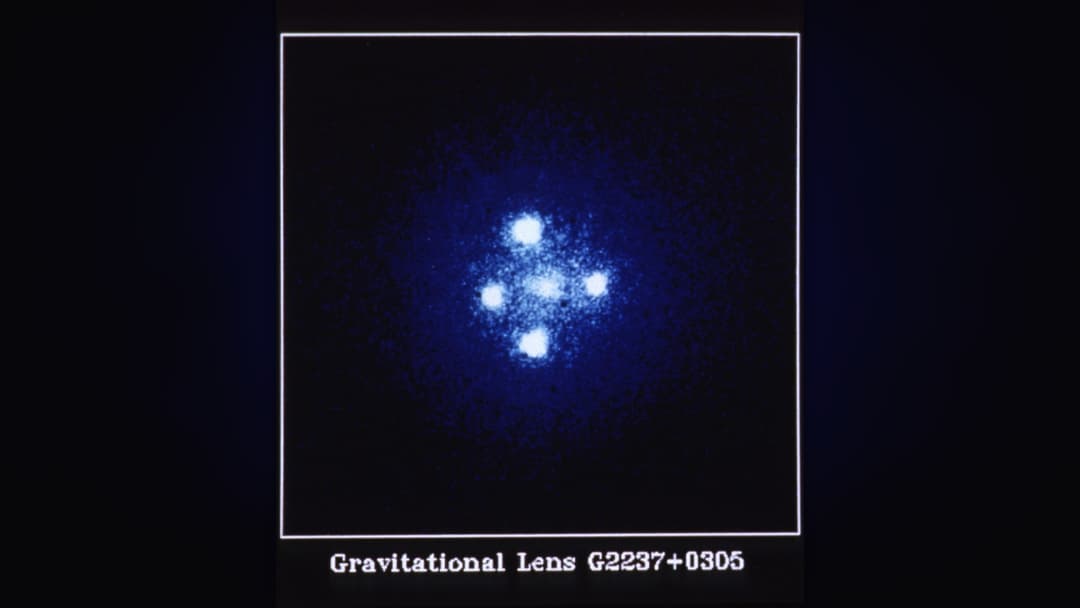
12. Einstein Cross (Q2237+0305)
Situated eight billion light-years behind the core of the galaxy Huchra's Lens, this quasar has its light bent into an iconic cross pattern. Gravitational microlensing by individual stars in the foreground galaxy allows astronomers to map the inner regions of the quasar accretion disk.
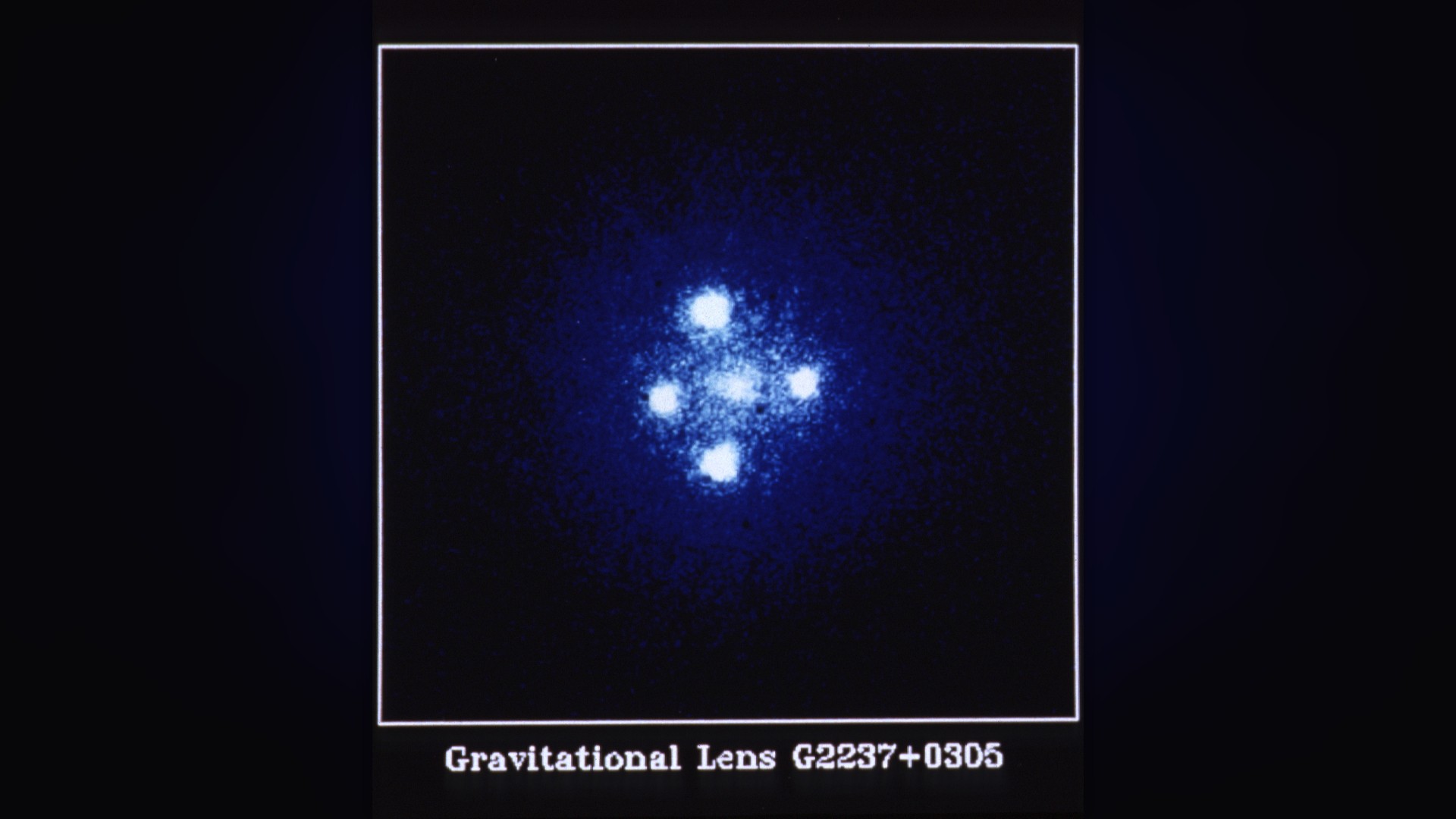
©Wikimedia / NASA & ESA
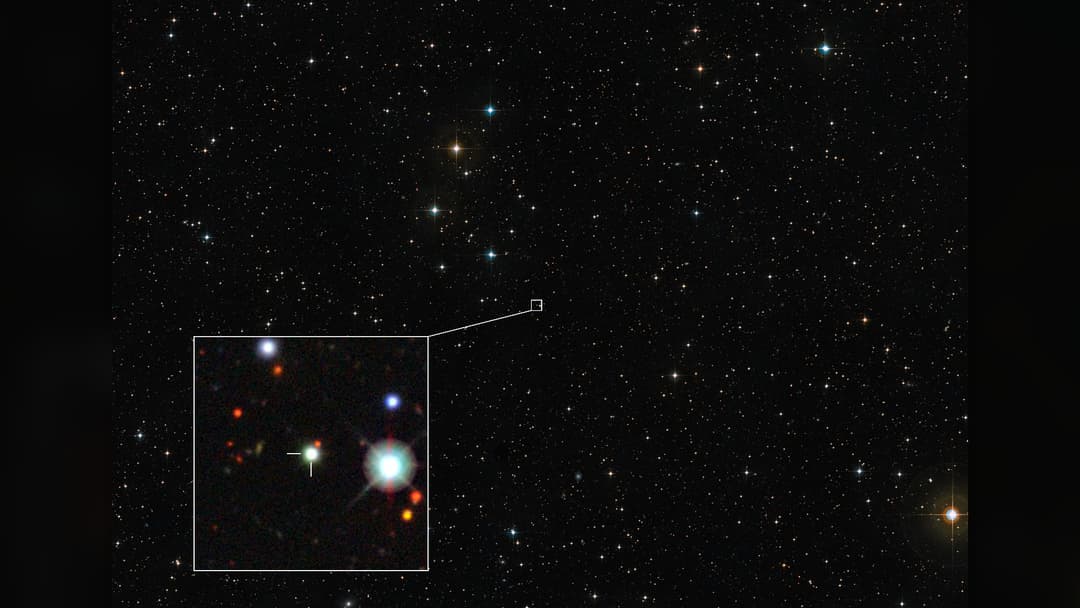
11. SDSS J0100+2802
Located at redshift 6.30, SDSS J0100+2802 is an ultraluminous quasar that harbored twelve billion solar masses when the cosmos was younger than one billion years. Its immense energy output makes it a premier astronomical laboratory for examining stellar evolution and galaxy co-evolution.
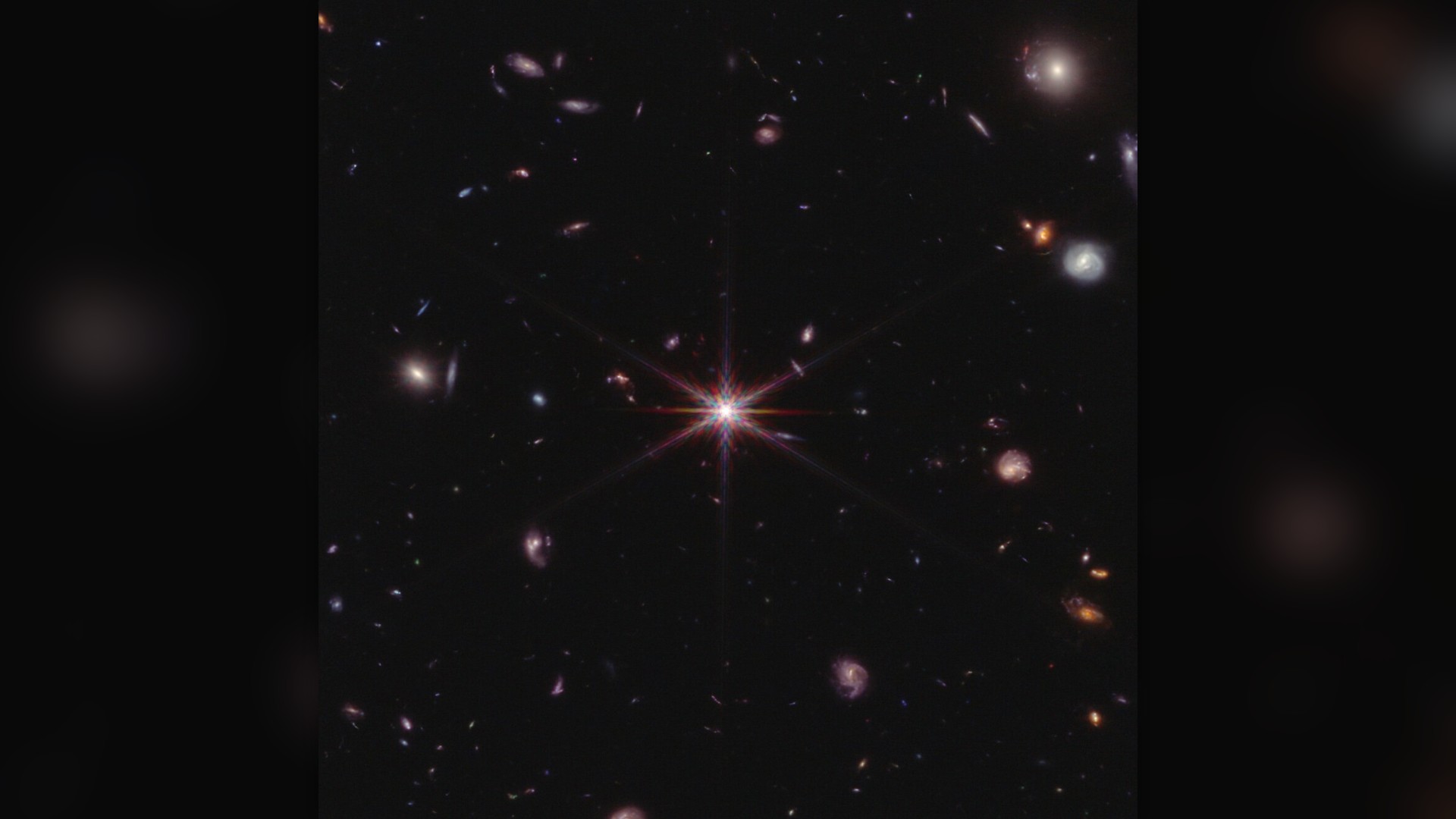
©Wikimedia / SDSS J0100+2802
10. Pōniuāʻena (J1007+2115)
Discovered using the Maunakea observatories in Hawaii, Pōniuāʻena contains a 1.5-billion-solar-mass black hole existing merely 700 million years after the Big Bang. Its extreme mass challenges existing models, requiring massive initial black hole seeds in the early universe.
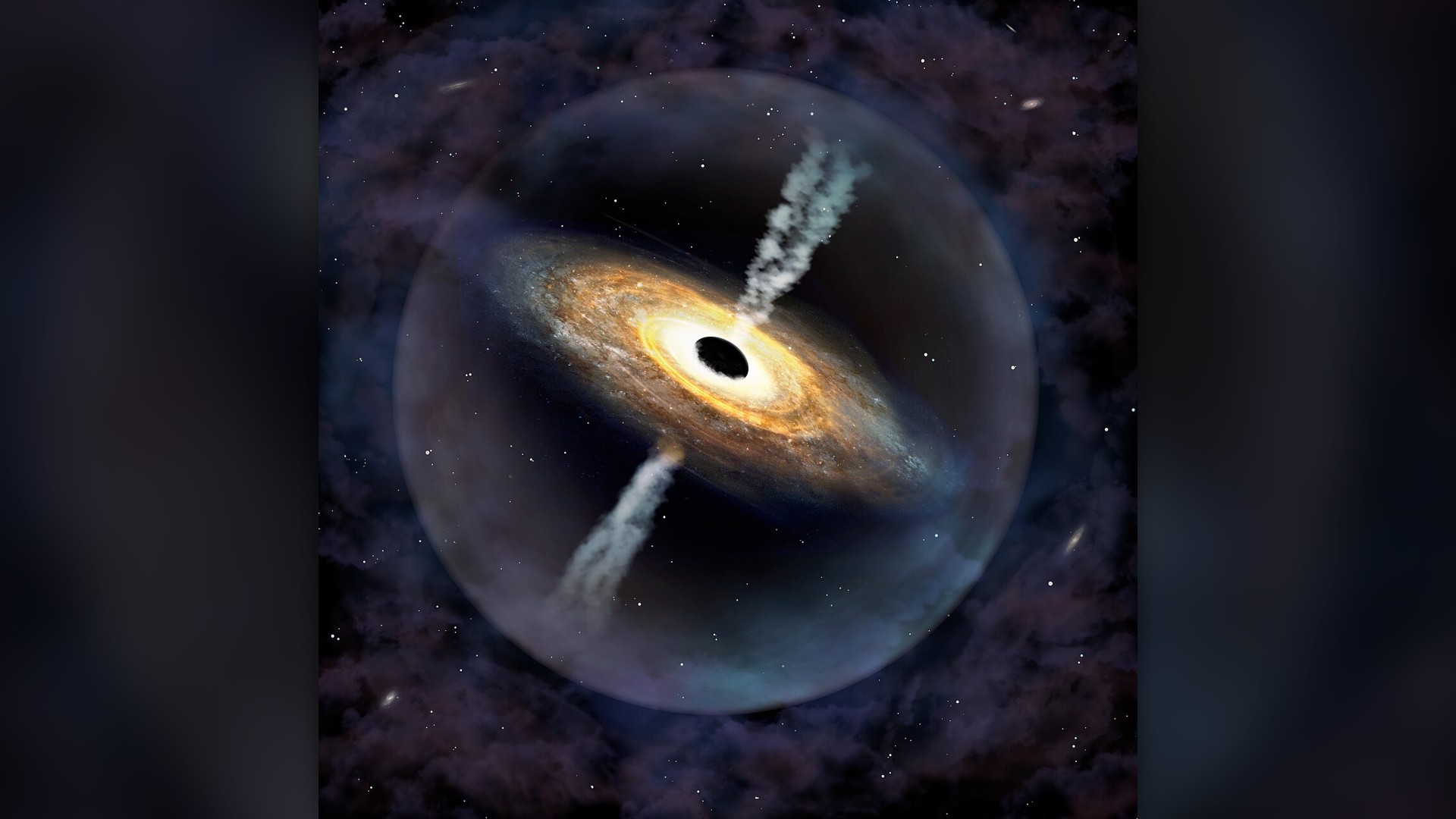
©Wikimedia / International Gemini Observatory, NOIRLab
Advertisement
Swipe or tap ▶ to resume the countdown.
9. ULAS J1342+0928
ULAS J1342+0928 features an eight-hundred-million-solar-mass black hole radiating at forty trillion times solar brightness. Deep spectroscopic analyses revealed significant neutral hydrogen absorption, providing concrete evidence of the boundary between the cosmic dark ages and the modern cosmos.
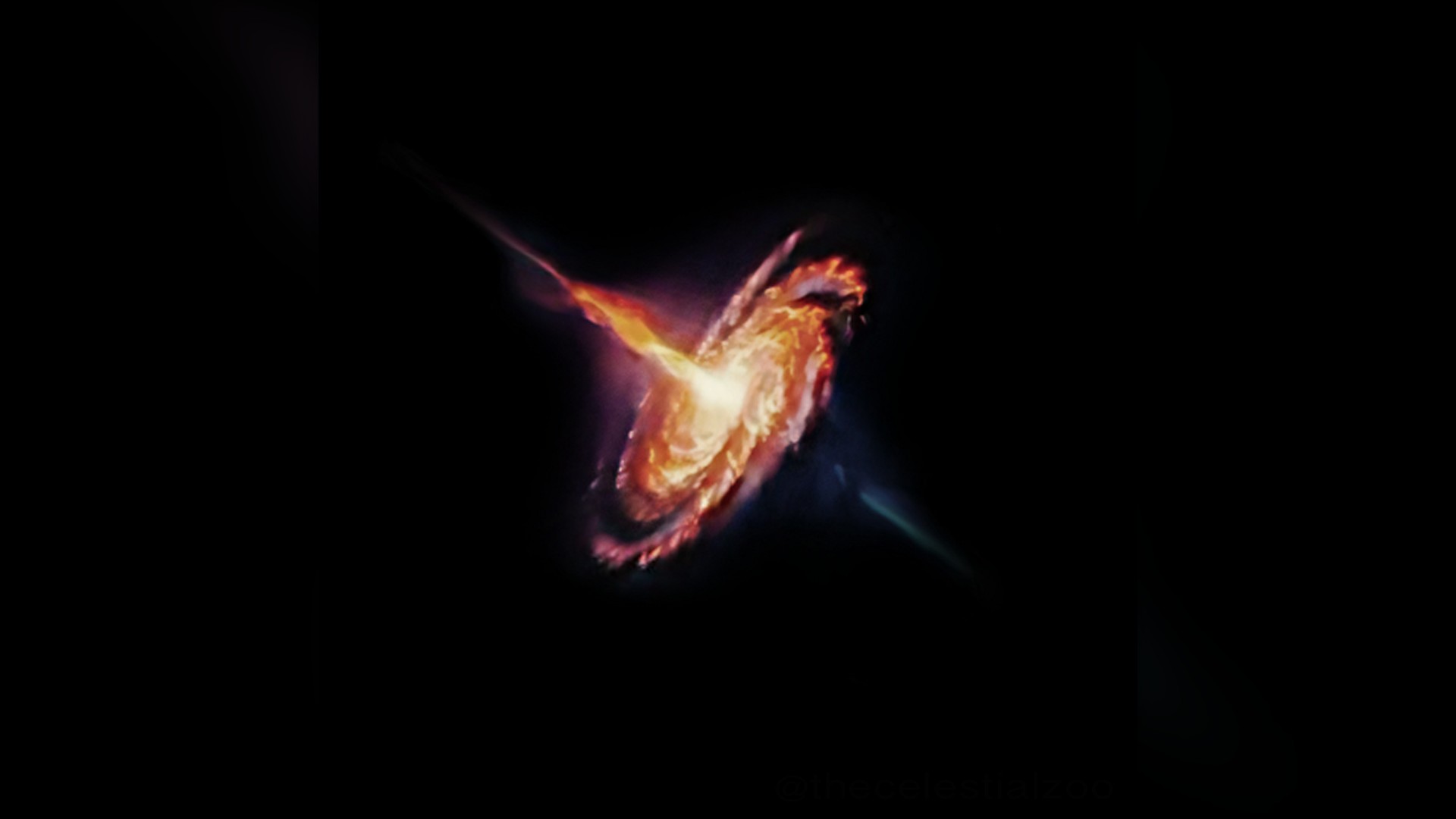
©Wikimedia / Pablo Carlos Budassi
8. ULAS J1120+0641
Located at redshift 7.085, ULAS J1120+0641 was the first quasar discovered beyond redshift 7. Its central two-billion-solar-mass black hole shines with sixty trillion times the solar luminosity, illuminating the late stages of cosmic hydrogen reionization.
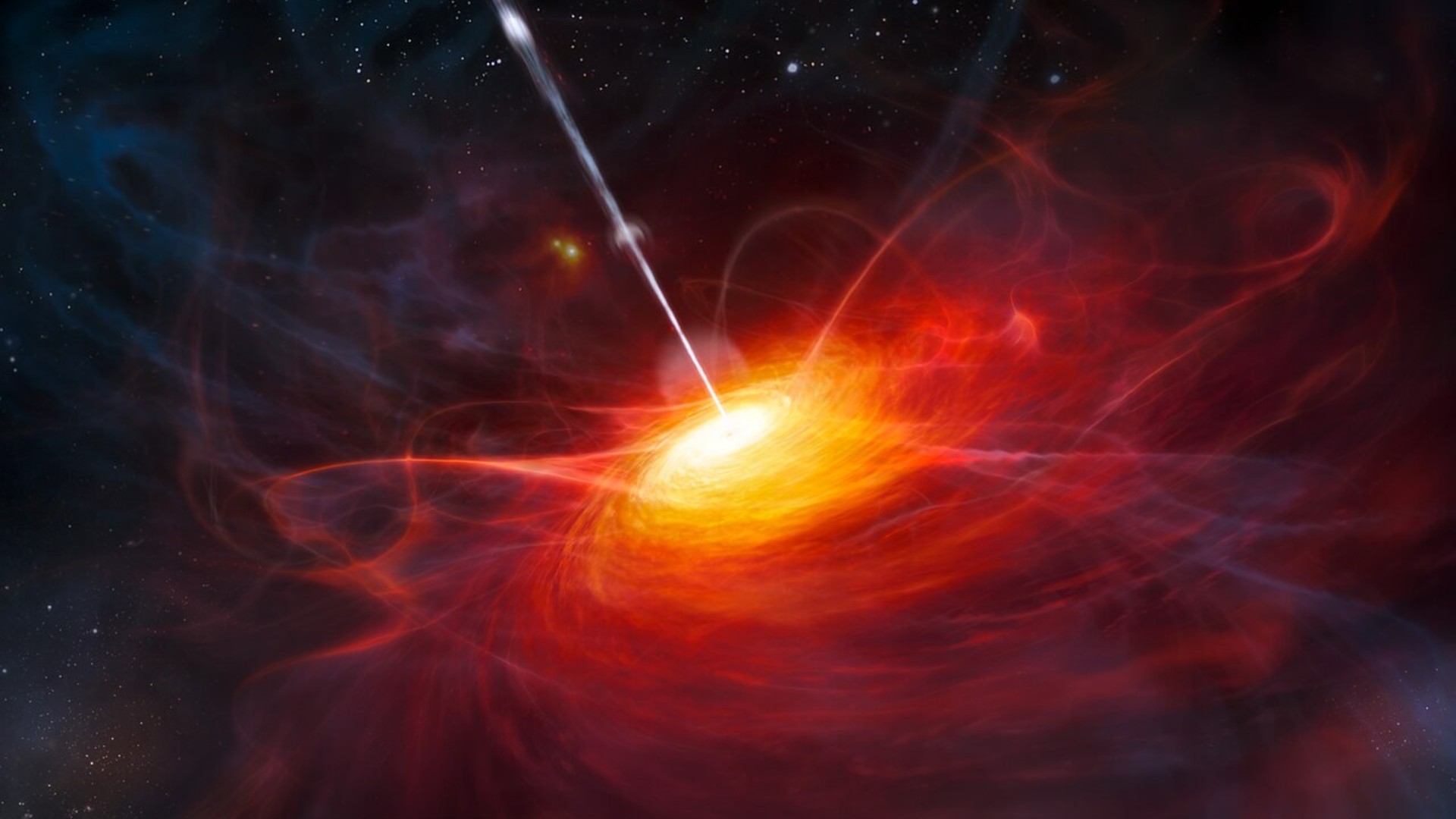
©Wikimedia / ESO, M. Kornmesser
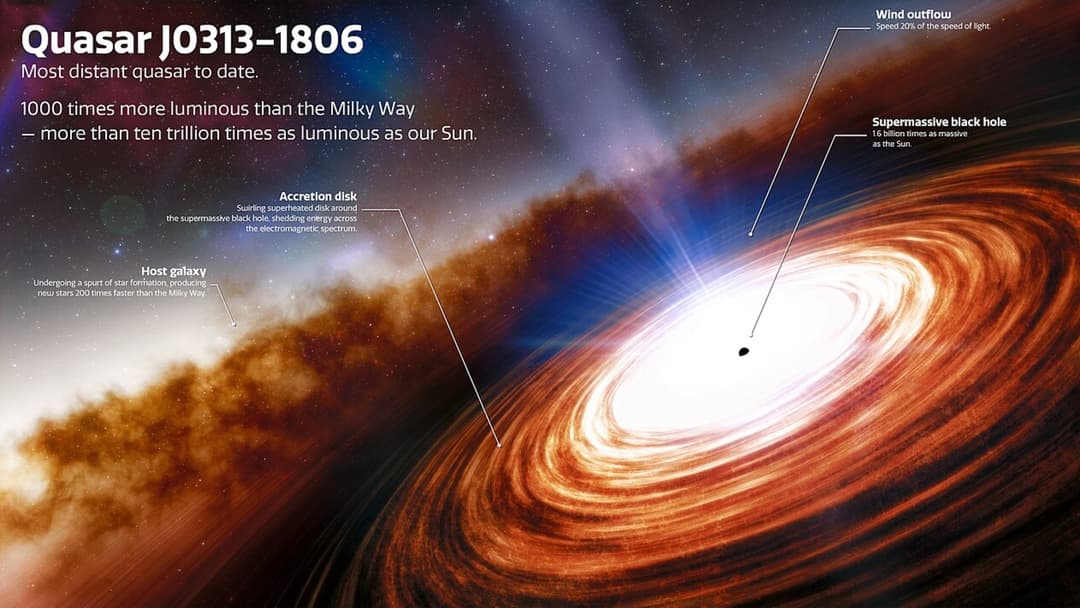
7. J0313-1806
Existing just 670 million years after the Big Bang, J0313-1806 hosts a supermassive black hole with 1.6 billion solar masses. Its accretion disk generates winds that blast away molecular gas at twenty percent the speed of light, effectively quenching star formation in the young galaxy.
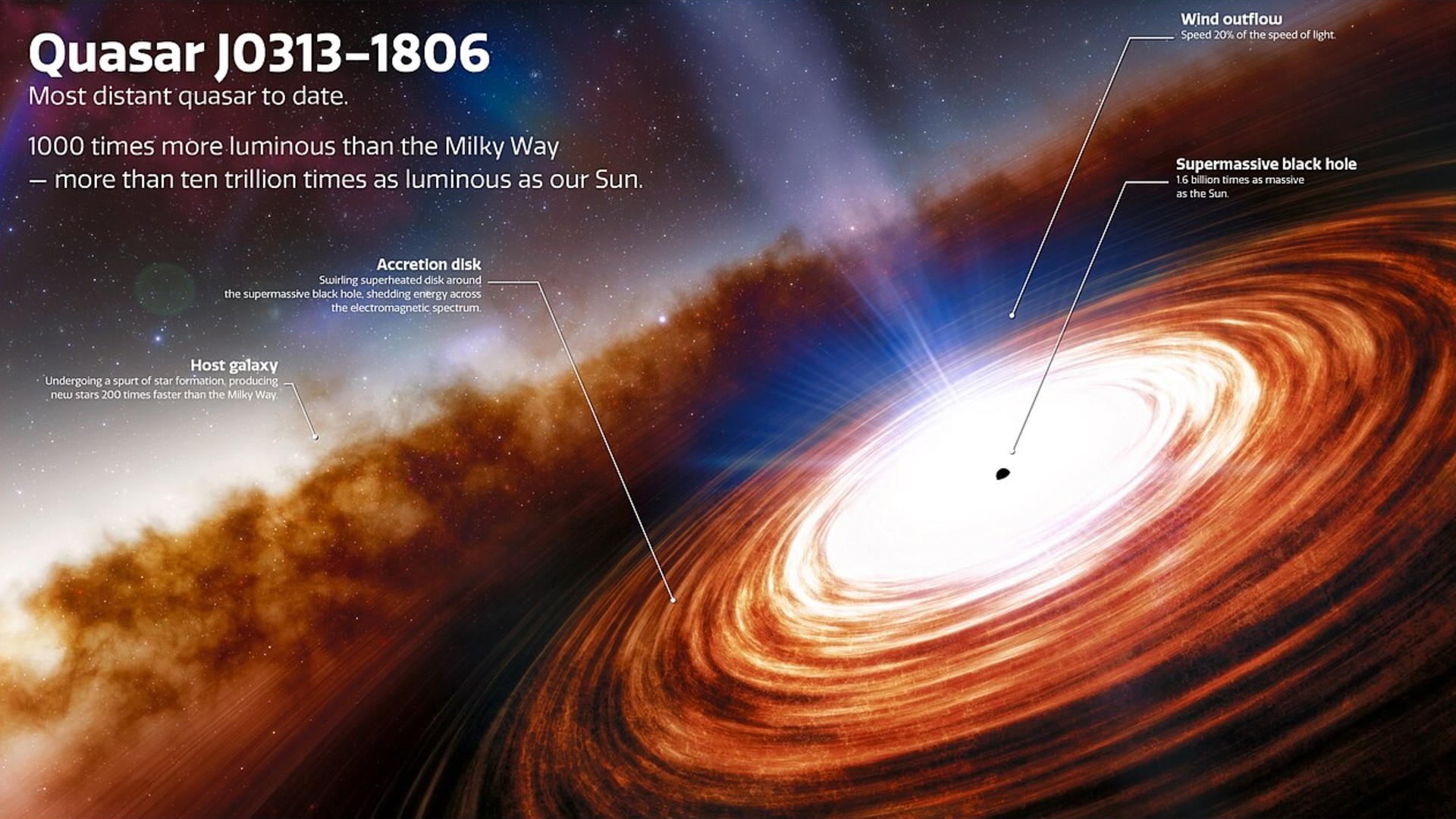
©Wikimedia / NOIRLab, NSF, AURA, J. da Silva
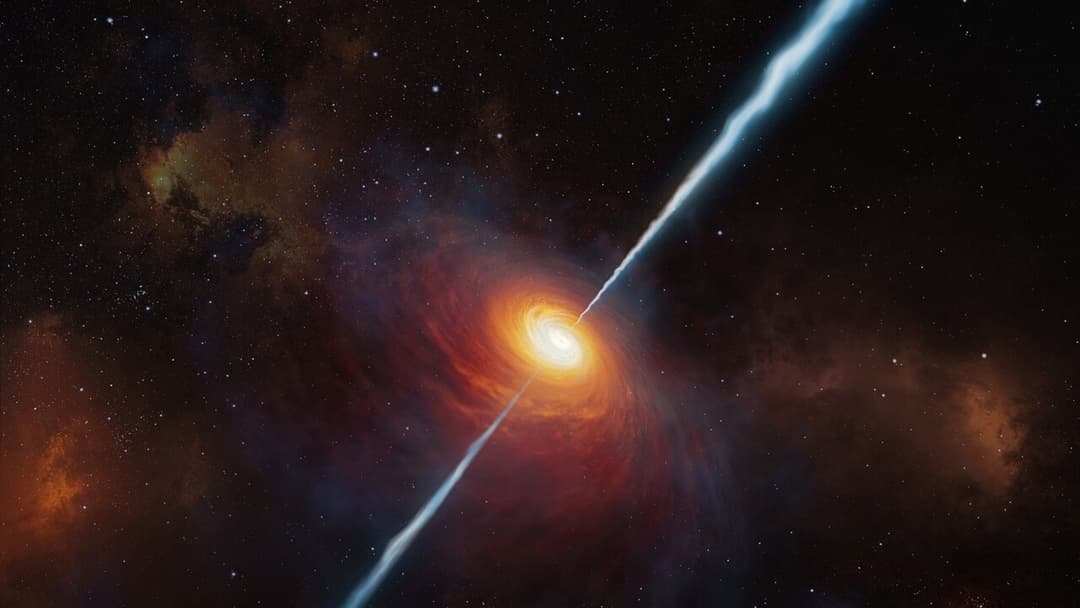
6. P172+18
P172+18 represents one of the most distant radio-loud quasars ever discovered, observed when the universe was merely 780 million years old. Its supermassive black hole consumes surrounding matter at a ferocious rate, channeling high-energy particles into focused radio-emitting magnetic jets.
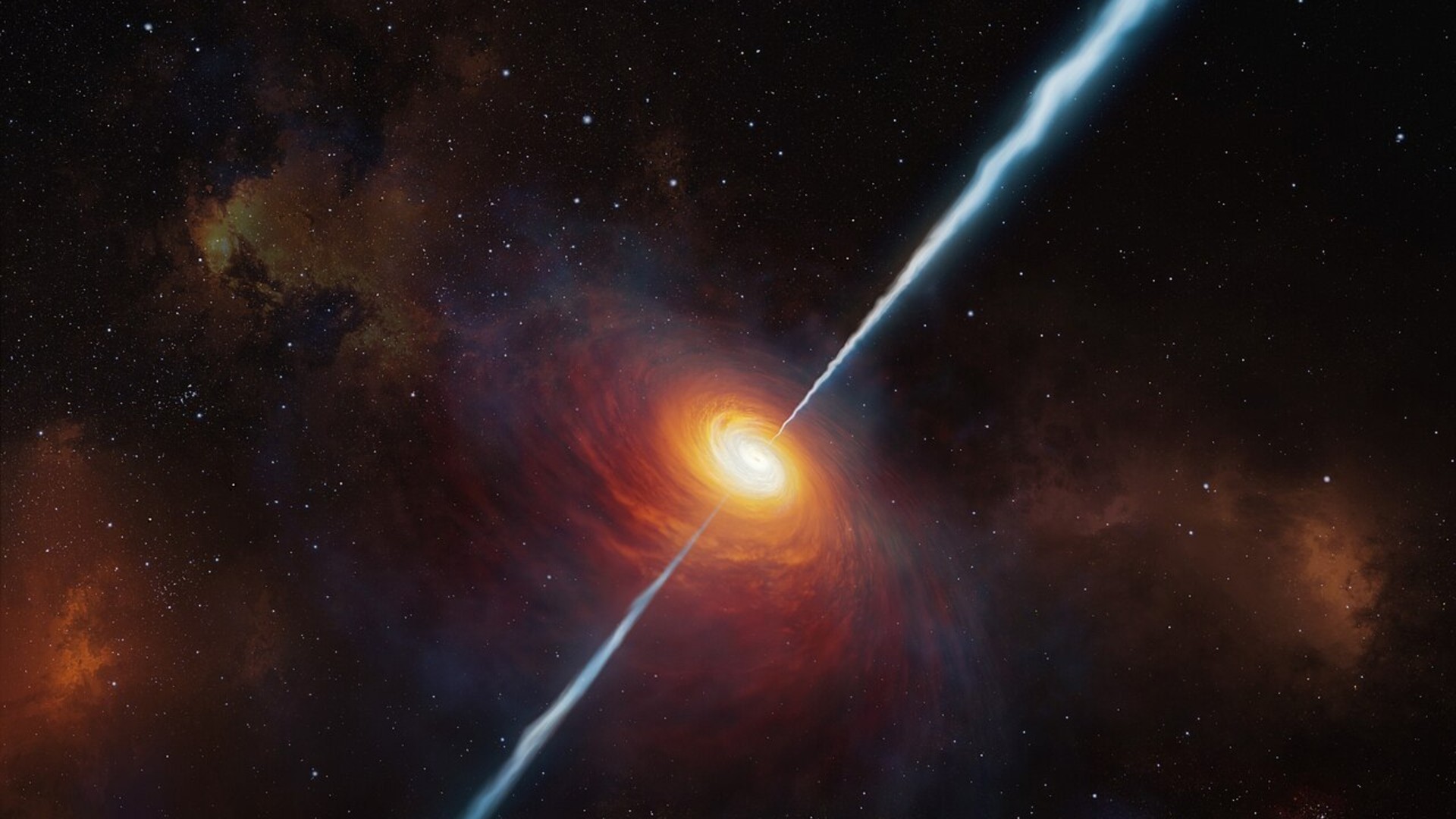
©Wikimedia / ESO, M. Kornmesser
Advertisement
Swipe or tap ▶ to resume the countdown.
5. 3C 273
Identified by Maarten Schmidt in 1963, 3C 273 proved that mysterious quasi-stellar radio sources were located billions of light-years away. It features a dazzling relativistic plasma jet spanning over two hundred thousand light-years, visible in radio, optical, and X-ray wavelengths.
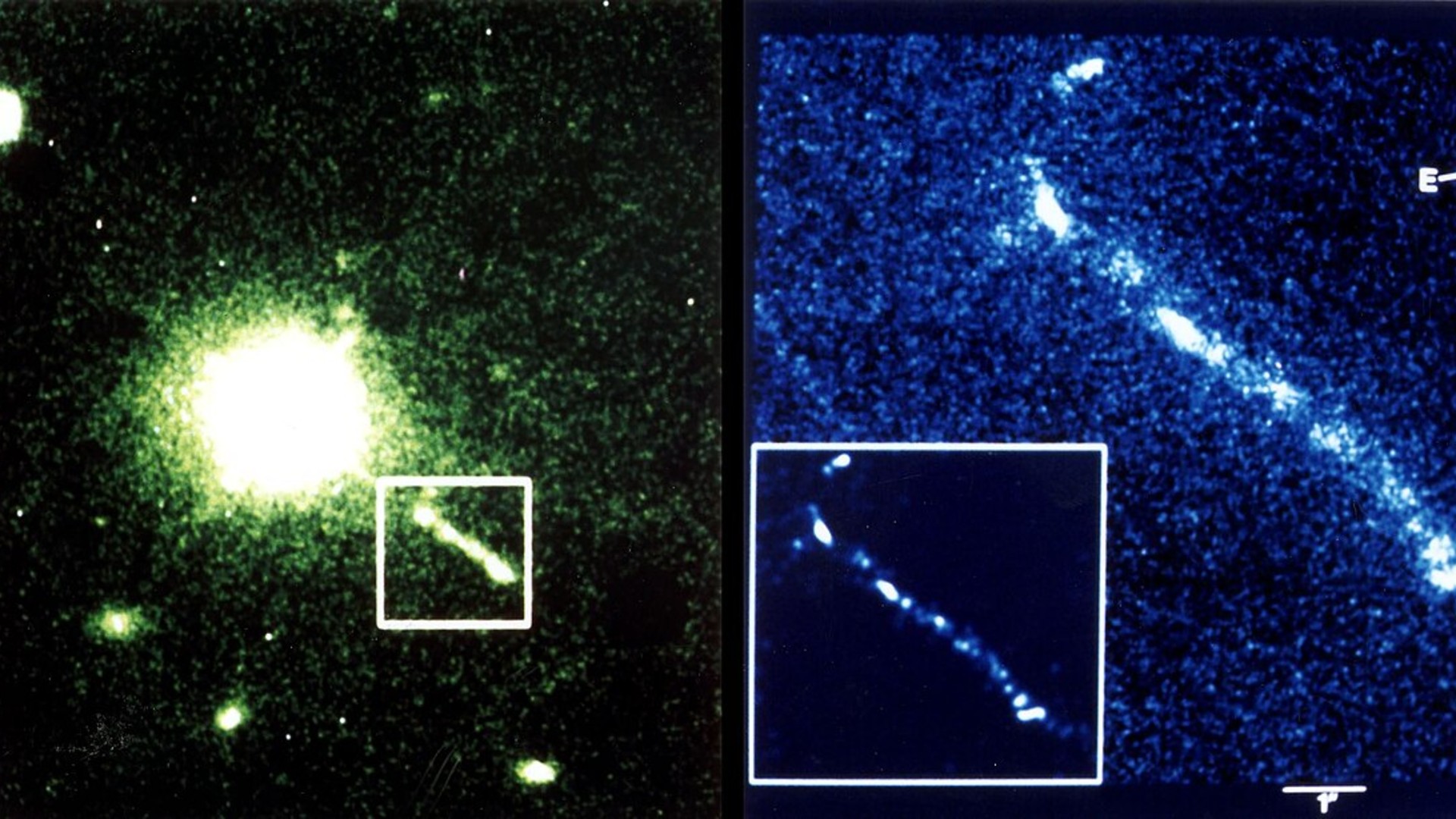
©Wikimedia / R.C. Thomson, IoA, Cambridge, UK; C.D
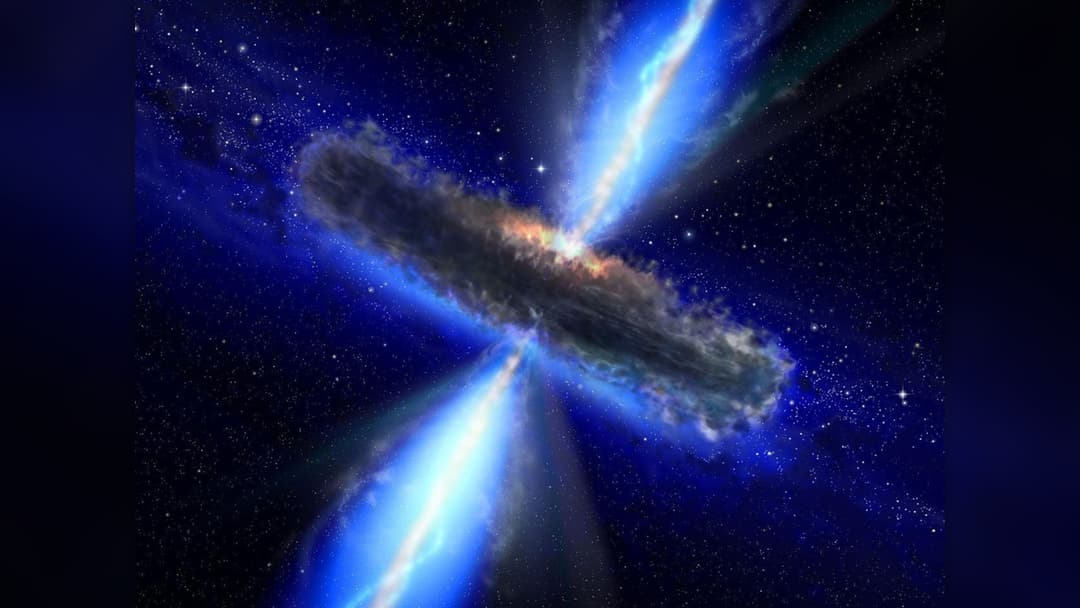
4. APM 08279+5255
Magnified nearly a hundredfold by an intervening galaxy, APM 08279+5255 emits roughly one hundred trillion solar luminosities. Submillimeter telescope arrays discovered an immense shroud of warm molecular gas and water vapor encircling the black hole twelve billion light-years distant.
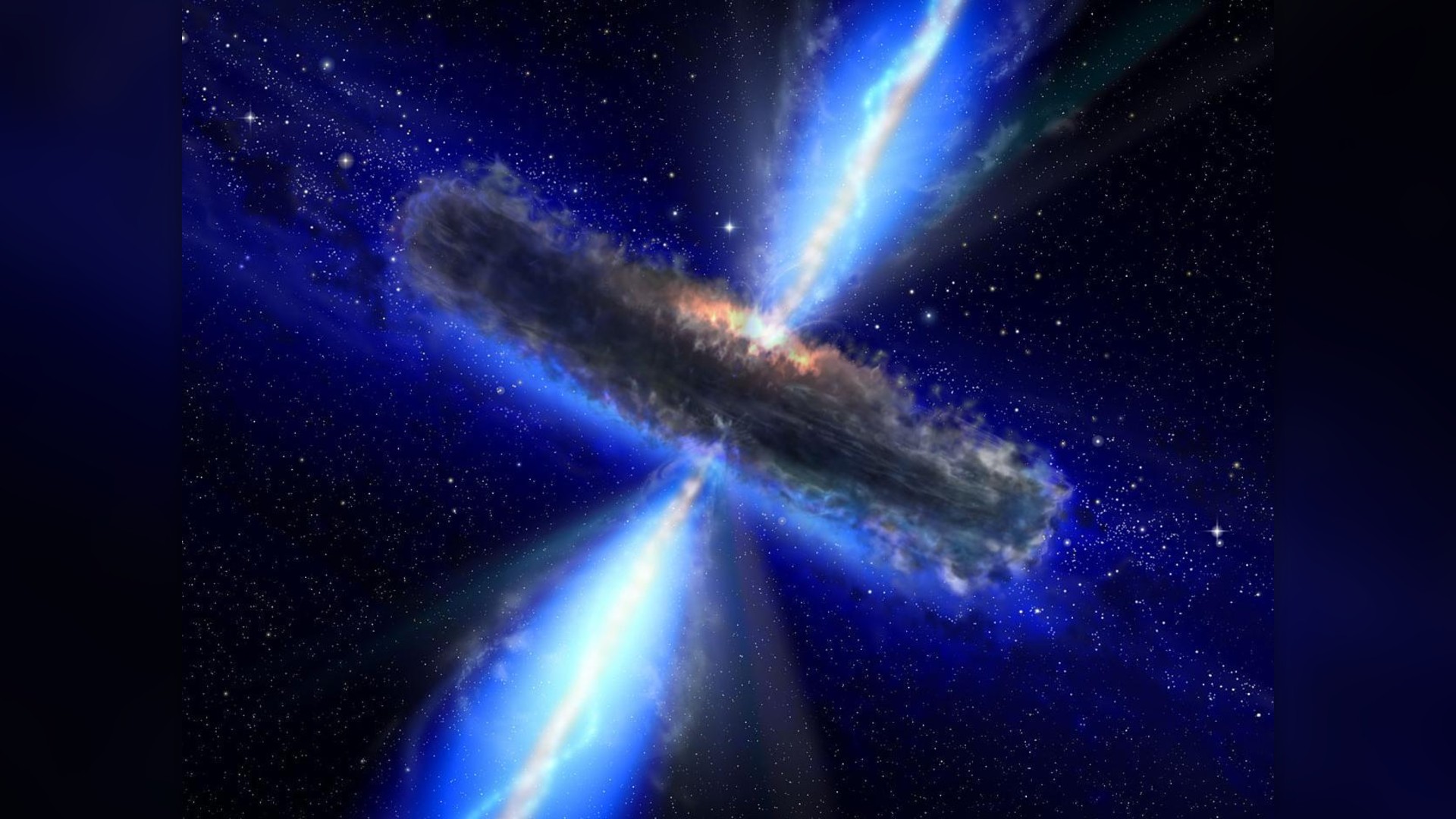
©Wikimedia / APM 08279+5255
3. SDSS J1106+1939
SDSS J1106+1939 drives a hurricane of relativistic plasma into intergalactic space with a mechanical power exceeding ten to the forty-sixth ergs per second. This gargantuan cosmic outflow releases at least five times more kinetic energy than any previously recorded quasar wind.
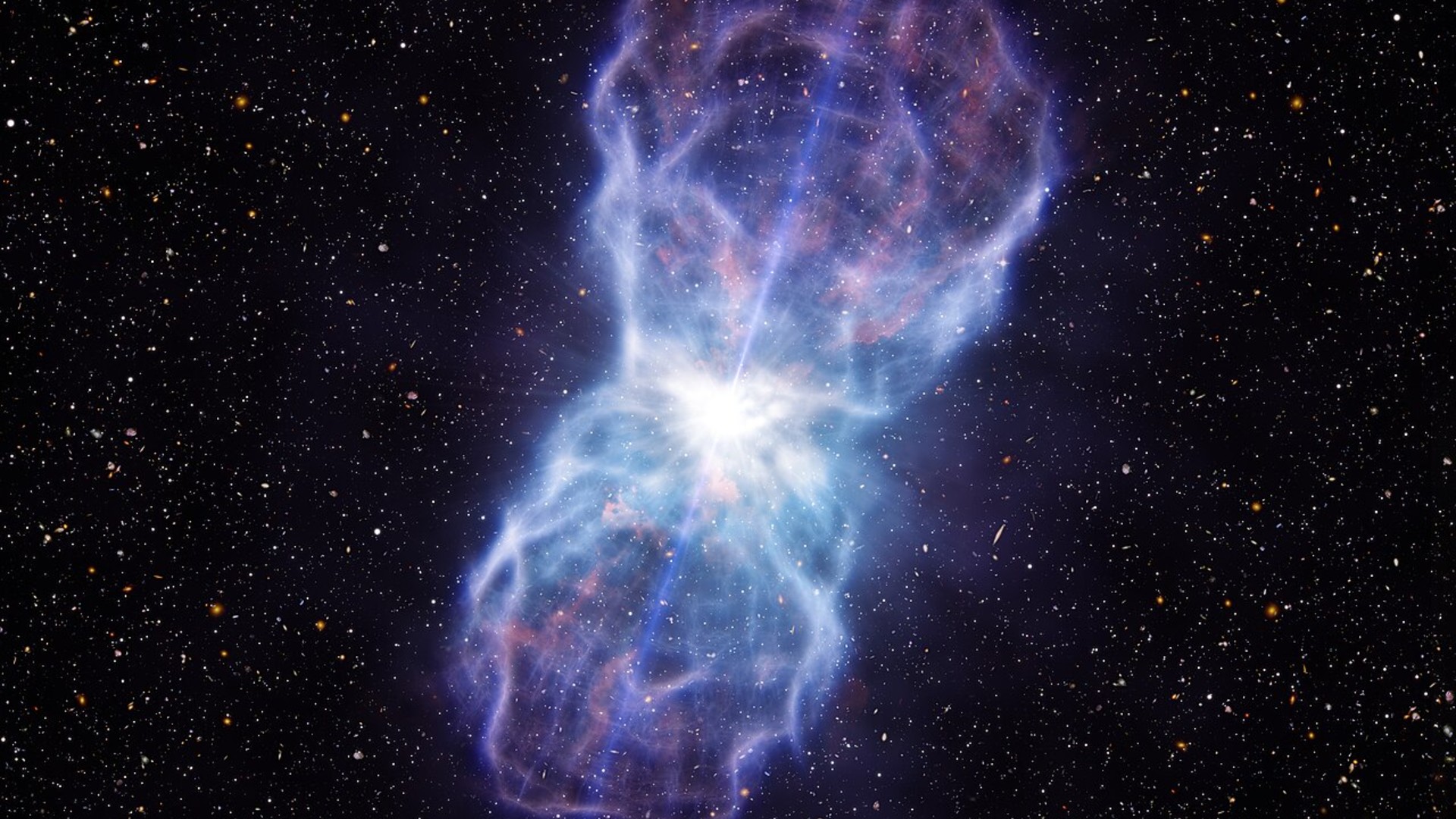
©Wikimedia / ESO, L. Calçada
2. TON 618
TON 618 anchors an accretion disk blazing at one hundred forty trillion times solar brightness, outshining its host galaxy by thousands of times. The central gravitational titan weighs approximately sixty-six billion solar masses, pushing theoretical boundaries for black hole growth.
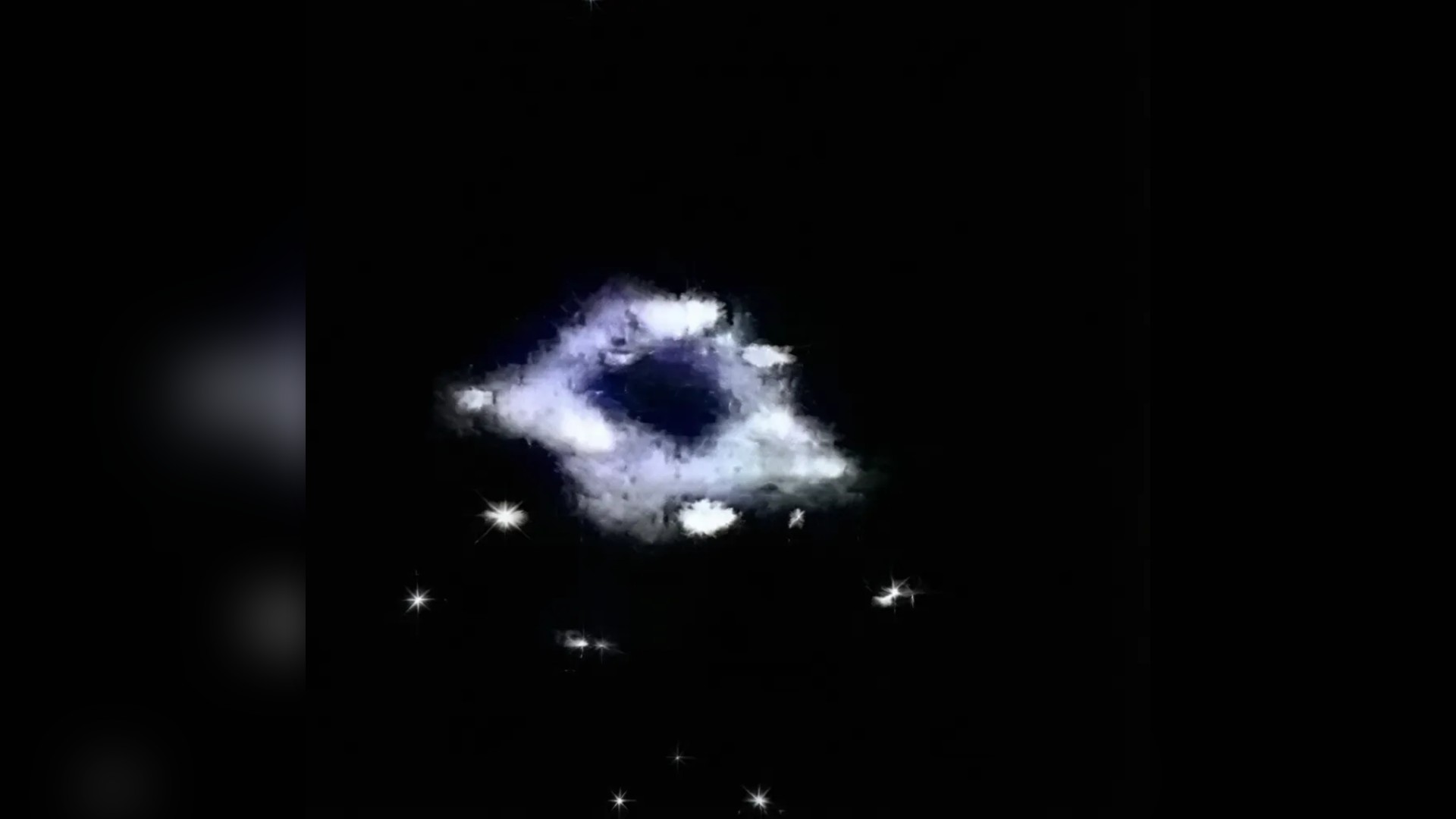
©Wikimedia / UniViki
Advertisement
Swipe or tap ▶ to resume the countdown.
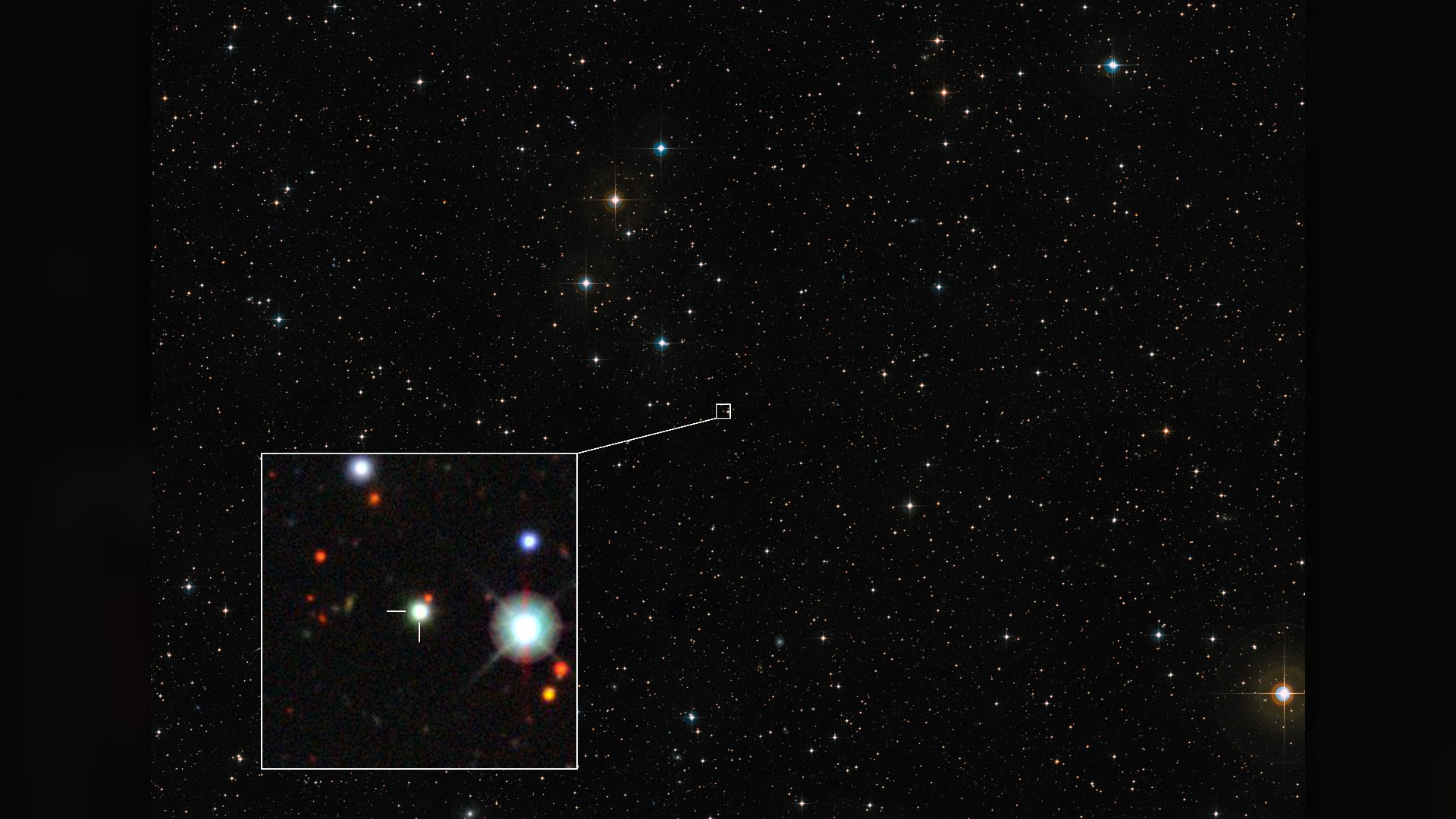
1. QSO J0529-4351
Discovered in 2024 using the Very Large Telescope in Chile, QSO J0529-4351 shines with five hundred trillion times the luminosity of our Sun. Powered by an accretion disk seven light-years across, it stands as the most luminous known individual object in the observable universe.
©Wikimedia / QSO J0529−4351
Advertisement
You've reached the end of the story. Thanks for reading!

20 Essential Off-Grid Cooking Tools When the Grid Fails, Ranked
Evaluated by off-grid homesteaders and emergency management survival guidelines, these 20 non-electric tools keep kitchens functioning when utility power fails. Emergency preparedness guidelines emphasize that modern recipes depend on uninterrupted municipal utilities.
All 20 Entries in this Story
20. S5 0014+81
Situated over twelve billion light-years distant in Cepheus, S5 0014+81 ranks among the most optically radiant active galactic nuclei known. Beaming its relativistic jet nearly directly along our line of sight, the object outshines ten thousand normal galaxies combined.

19. PKS 0637-752
PKS 0637-752 served as the ceremonial first target for NASA's Chandra X-ray Observatory in 1999. The resulting images surprised astrophysicists by revealing a powerful X-ray jet extending across one hundred thousand light-years, energized by relativistic electrons interacting with cosmic microwave background photons.

18. Markarian 231
Located in the constellation Ursa Major, Markarian 231 powers the closest quasar core to our Solar System. Ultraviolet and optical measurements from the Hubble Space Telescope suggest its luminous center may harbor an exotic binary supermassive black hole pair engaged in a cosmic orbital dance.

17. 3C 48
Discovered in 1960 alongside 3C 273, 3C 48 was initially thought to be an unusual radio star within the Milky Way. Subsequent spectroscopic measurements revealed a dramatic redshift, demonstrating that its compact radio core was located four billion light-years away in deep extragalactic space.

16. 3C 454.3 (Crazy Diamond)
Located in the constellation Pegasus, 3C 454.3 underwent explosive outbursts observed by NASA's Fermi Gamma-ray Space Telescope. During its peak eruptions, the quasar temporarily became the brightest persistent source of high-energy gamma rays anywhere in the night sky.

15. 3C 279
3C 279 became famous in the 1970s when radio interferometry revealed apparent faster-than-light motion within its jet knots. This phenomenon, known as superluminal motion, is a geometric optical illusion resulting from plasma traveling along magnetic field lines at over 99.9% of the speed of light.

14. Cloverleaf Quasar (H1413+117)
The Cloverleaf Quasar presents four magnified components produced by strong gravitational deflection. Radio interferometry revealed enormous pools of carbon monoxide and dust, demonstrating vigorous star formation occurring around this active nucleus nearly eleven billion years ago.

13. Twin Quasar (Q0957+561)
Identified in 1979 in the constellation Ursa Major, Q0957+561 appeared as two identical images separated by six arcseconds. Careful timing of intrinsic brightness fluctuations established a 417-day time delay between light paths, providing a direct measurement of the cosmic expansion rate.

12. Einstein Cross (Q2237+0305)
Situated eight billion light-years behind the core of the galaxy Huchra's Lens, this quasar has its light bent into an iconic cross pattern. Gravitational microlensing by individual stars in the foreground galaxy allows astronomers to map the inner regions of the quasar accretion disk.

11. SDSS J0100+2802
Located at redshift 6.30, SDSS J0100+2802 is an ultraluminous quasar that harbored twelve billion solar masses when the cosmos was younger than one billion years. Its immense energy output makes it a premier astronomical laboratory for examining stellar evolution and galaxy co-evolution.

10. Pōniuāʻena (J1007+2115)
Discovered using the Maunakea observatories in Hawaii, Pōniuāʻena contains a 1.5-billion-solar-mass black hole existing merely 700 million years after the Big Bang. Its extreme mass challenges existing models, requiring massive initial black hole seeds in the early universe.

9. ULAS J1342+0928
ULAS J1342+0928 features an eight-hundred-million-solar-mass black hole radiating at forty trillion times solar brightness. Deep spectroscopic analyses revealed significant neutral hydrogen absorption, providing concrete evidence of the boundary between the cosmic dark ages and the modern cosmos.

8. ULAS J1120+0641
Located at redshift 7.085, ULAS J1120+0641 was the first quasar discovered beyond redshift 7. Its central two-billion-solar-mass black hole shines with sixty trillion times the solar luminosity, illuminating the late stages of cosmic hydrogen reionization.

7. J0313-1806
Existing just 670 million years after the Big Bang, J0313-1806 hosts a supermassive black hole with 1.6 billion solar masses. Its accretion disk generates winds that blast away molecular gas at twenty percent the speed of light, effectively quenching star formation in the young galaxy.

6. P172+18
P172+18 represents one of the most distant radio-loud quasars ever discovered, observed when the universe was merely 780 million years old. Its supermassive black hole consumes surrounding matter at a ferocious rate, channeling high-energy particles into focused radio-emitting magnetic jets.

5. 3C 273
Identified by Maarten Schmidt in 1963, 3C 273 proved that mysterious quasi-stellar radio sources were located billions of light-years away. It features a dazzling relativistic plasma jet spanning over two hundred thousand light-years, visible in radio, optical, and X-ray wavelengths.

4. APM 08279+5255
Magnified nearly a hundredfold by an intervening galaxy, APM 08279+5255 emits roughly one hundred trillion solar luminosities. Submillimeter telescope arrays discovered an immense shroud of warm molecular gas and water vapor encircling the black hole twelve billion light-years distant.

3. SDSS J1106+1939
SDSS J1106+1939 drives a hurricane of relativistic plasma into intergalactic space with a mechanical power exceeding ten to the forty-sixth ergs per second. This gargantuan cosmic outflow releases at least five times more kinetic energy than any previously recorded quasar wind.

2. TON 618
TON 618 anchors an accretion disk blazing at one hundred forty trillion times solar brightness, outshining its host galaxy by thousands of times. The central gravitational titan weighs approximately sixty-six billion solar masses, pushing theoretical boundaries for black hole growth.

1. QSO J0529-4351
Discovered in 2024 using the Very Large Telescope in Chile, QSO J0529-4351 shines with five hundred trillion times the luminosity of our Sun. Powered by an accretion disk seven light-years across, it stands as the most luminous known individual object in the observable universe.