Slideshow · Travel
20 of the Largest Lakes on Earth, Ranked by Surface Area
Ranked by surface area using figures from Encyclopaedia Britannica and national survey data, these 20 giants range from Arctic basins to African rift valleys. Four lie entirely in Canada, and all five Great Lakes make the list. Number one is so large that it is still called a sea, and five nations share its shoreline.
By Most Viral Today
17 min ago

The biggest one is called a sea and touches five countries 
20. Turkana 
19. Athabasca 
18. Nicaragua - AdvertisementSwipe or tap ▶ to continue countdown

17. Titicaca 
16. Onega 
15. Balkhash 
14. Ladoga - AdvertisementSwipe or tap ▶ to continue countdown

13. Ontario 
12. Winnipeg 
11. Erie 
10. Great Slave - AdvertisementSwipe or tap ▶ to continue countdown

9. Malawi 
8. Great Bear 
7. Baikal 
6. Tanganyika - AdvertisementSwipe or tap ▶ to continue countdown

5. Michigan 
4. Huron 
3. Victoria 
2. Superior - AdvertisementSwipe or tap ▶ to continue countdown

1. Caspian Sea - Advertisement🔥 UP NEXT IN THIS SERIES◫ 21 Slides

20 Most Advanced Airports That Redefine Air Travel
Experience the future of flight at 20 airports redefining air travel through AI.
Ranked by surface area using figures from Encyclopaedia Britannica and national survey data, these 20 giants range from Arctic basins to African rift valleys. Four lie entirely in Canada, and all five Great Lakes make the list. Number one is so large that it is still called a sea, and five nations share its shoreline.
Swipe or tap ▶ to begin the countdown
©Wikimedia / Vyacheslav Argenberg & Wikimedia / WildChild300
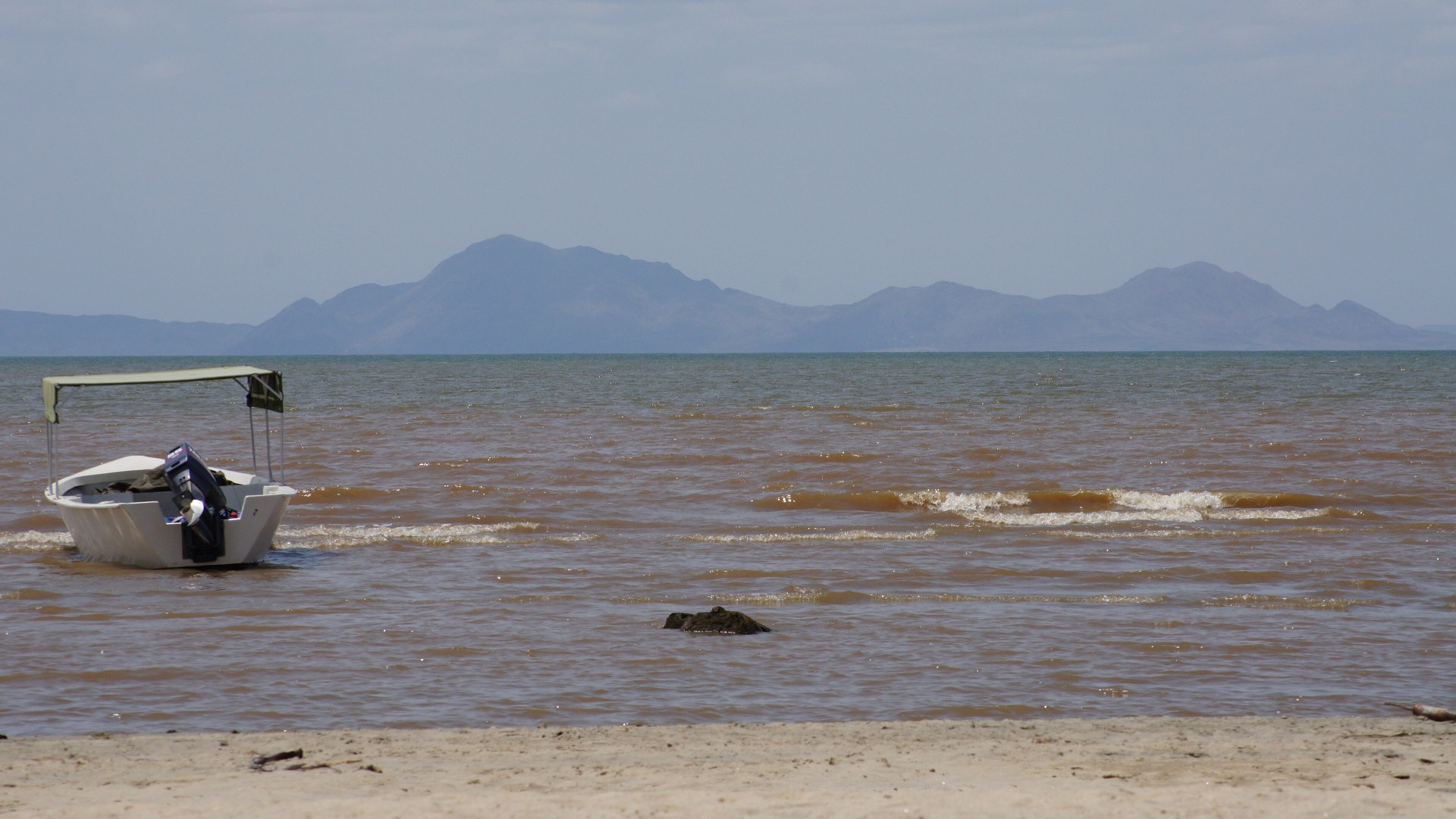
20. Turkana
Lake Turkana sits in the arid north of Kenya and is also the largest alkaline lake on Earth. Fossil sites along its shores, including the Turkana Boy skeleton, have reshaped what scientists know about early humans.
©Wikimedia / CaptChandra
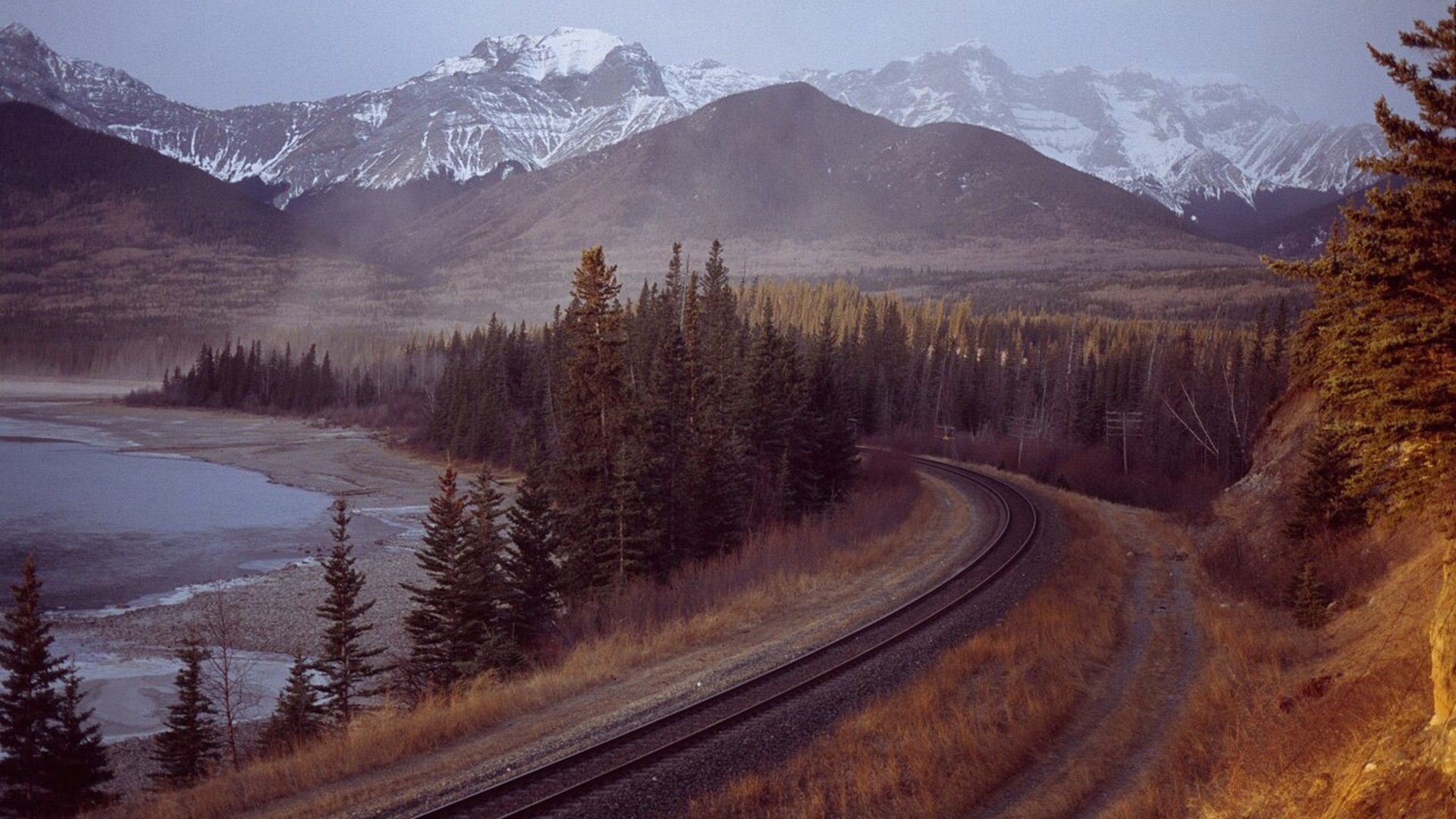
19. Athabasca
Lake Athabasca's south shore holds the Athabasca Sand Dunes, the most northerly active sand dunes of their size in the world. The lake drains north toward the Arctic Ocean.
©Wikimedia / Eddie Carle
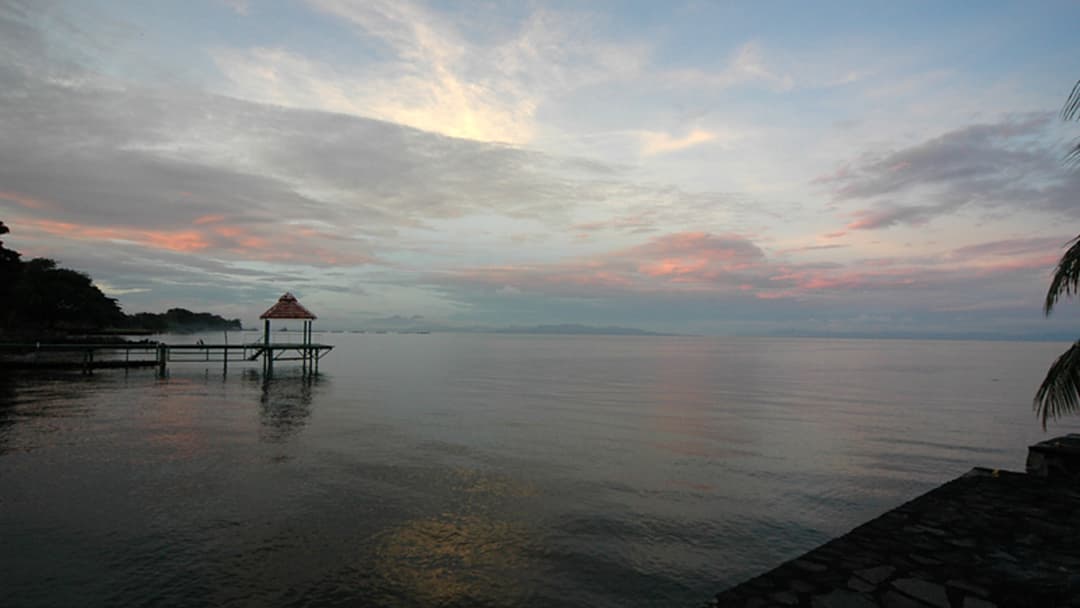
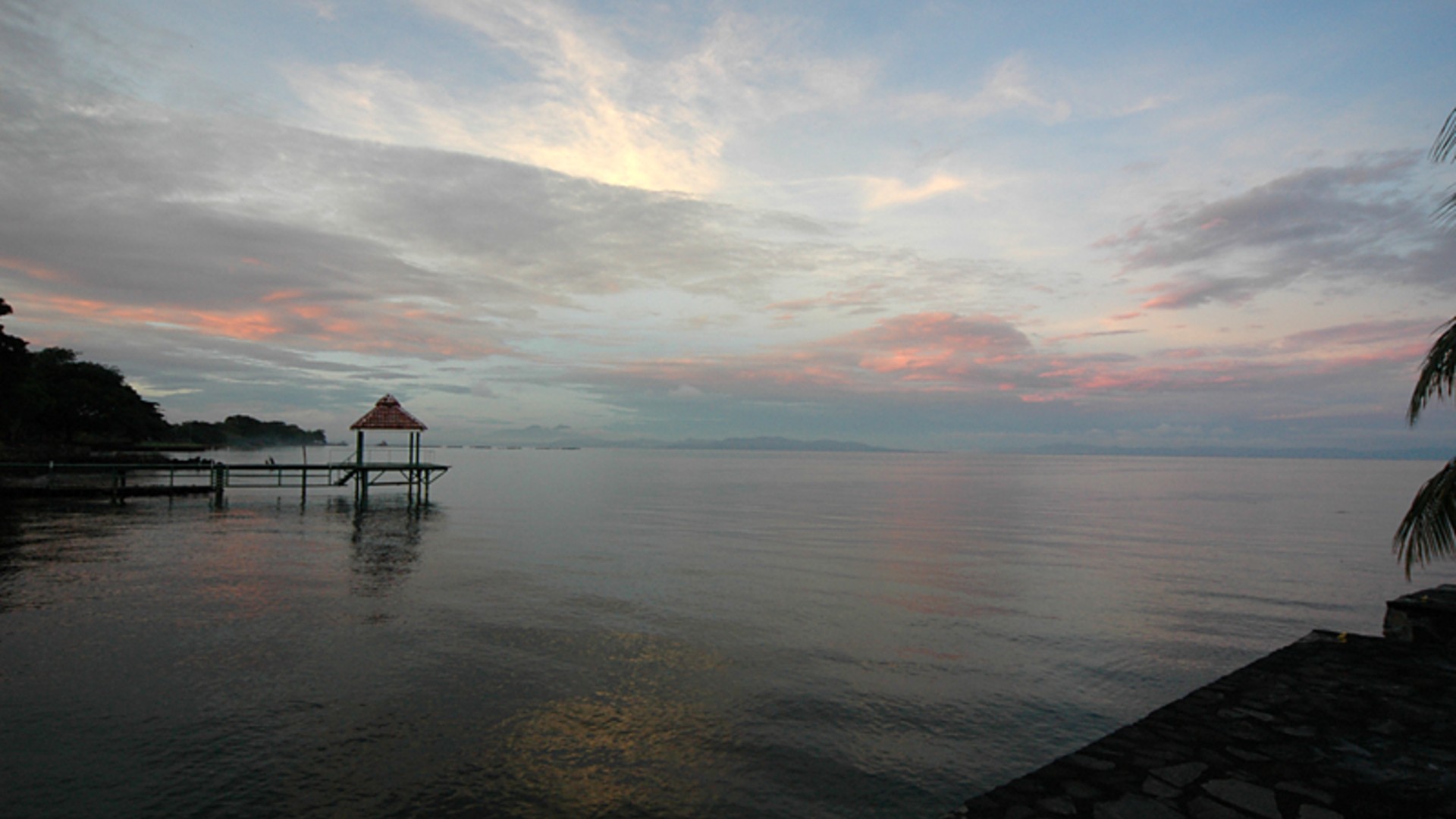
18. Nicaragua
Lake Nicaragua is one of the few freshwater lakes with bull sharks. They swim up the San Juan River from the Caribbean. Ometepe, its largest island, is formed by two volcanoes joined by a narrow strip of land.
©Wikimedia / Lake Nicaragua
Advertisement
Swipe or tap ▶ to resume the countdown.
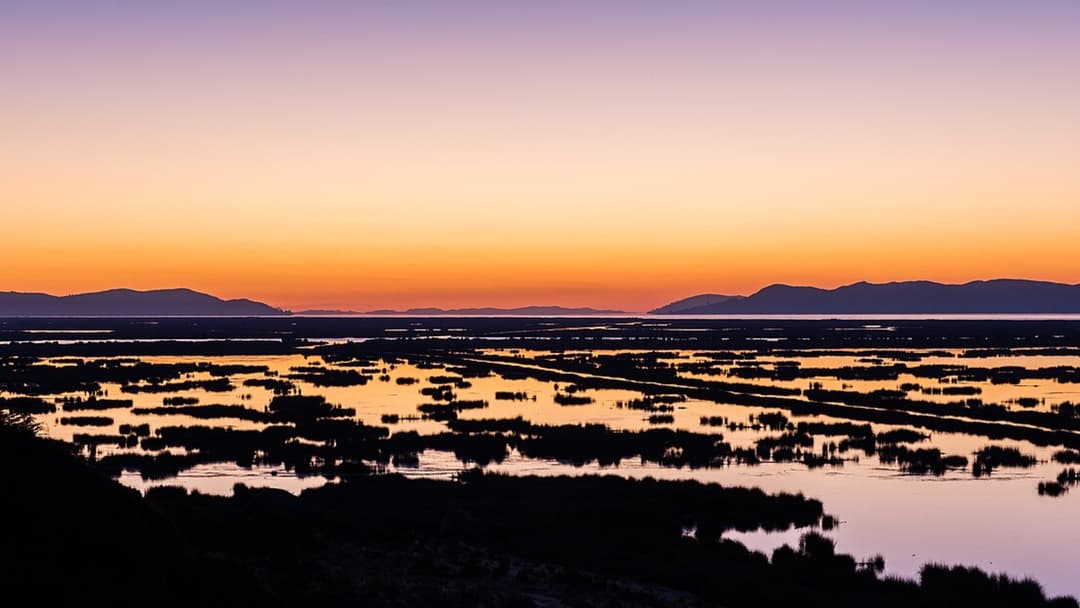
17. Titicaca
Titicaca is often called the highest navigable lake in the world. The Uros people live on floating islands built from layers of totora reeds that must be topped up every few weeks.
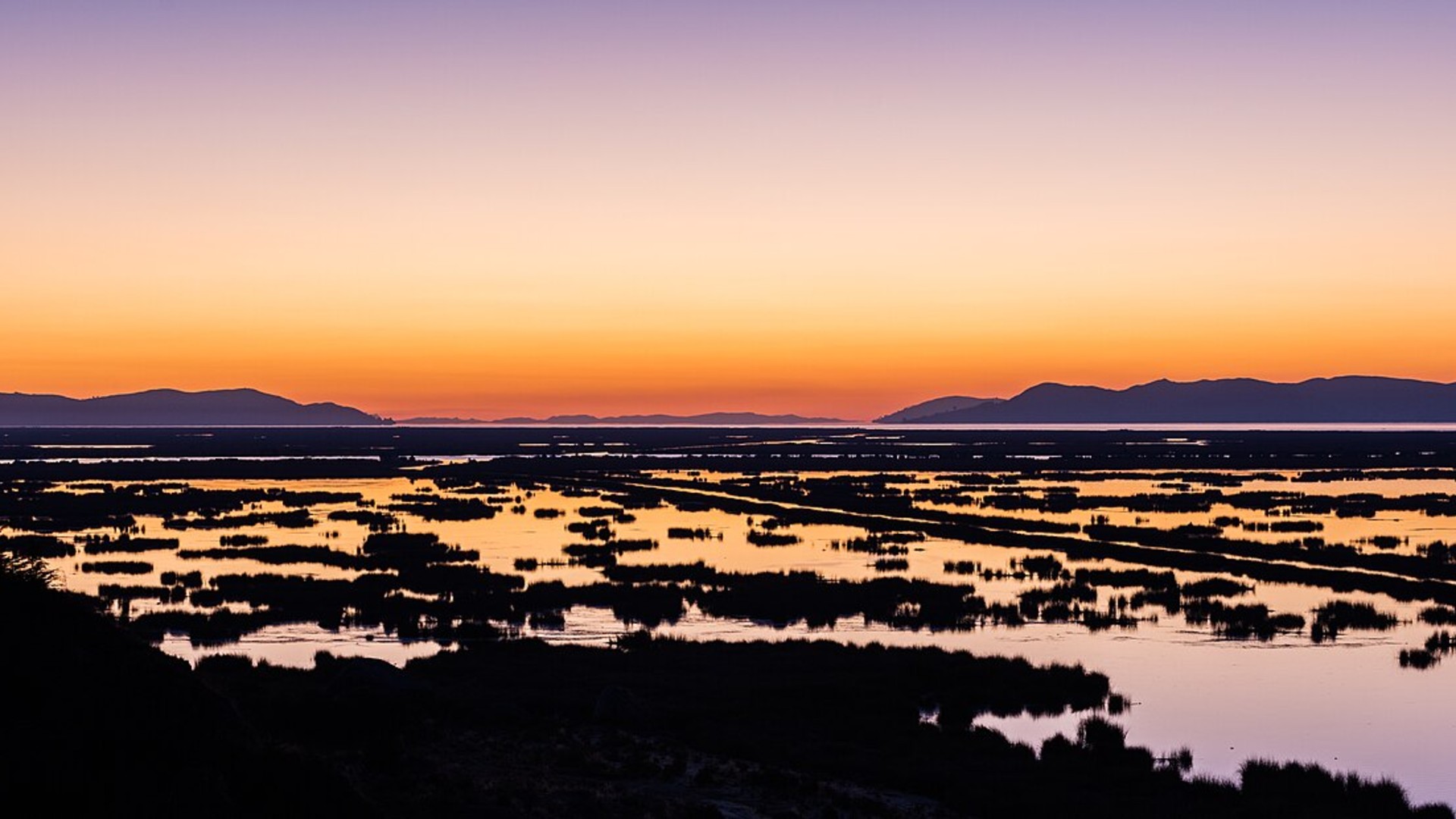
©Wikimedia / Diego Delso
16. Onega
Kizhi Island on Lake Onega holds a group of wooden churches built without nails, including one with 22 domes. The site is protected as a UNESCO World Heritage Site.
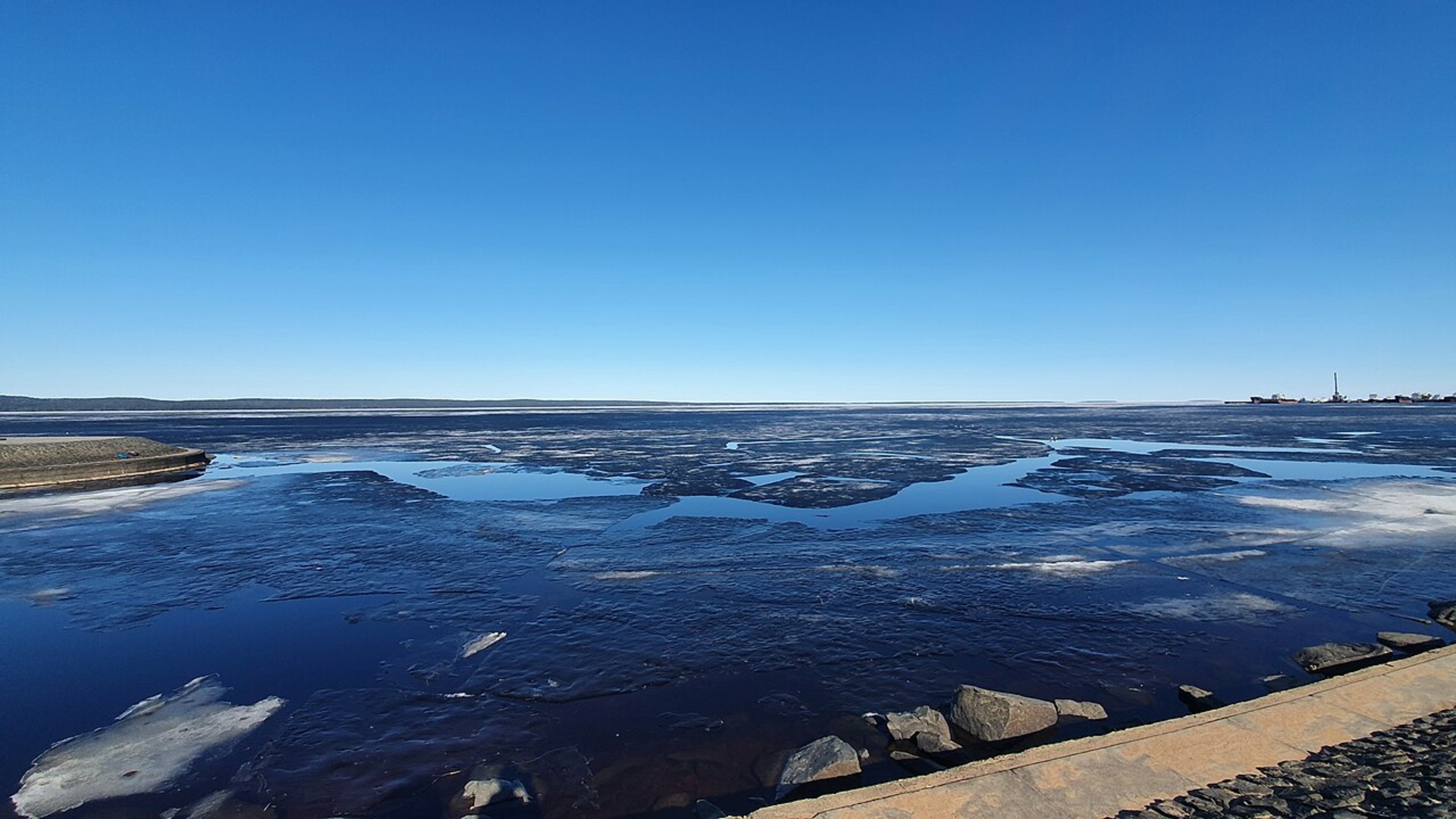
©Wikimedia / Efimova Anastasia
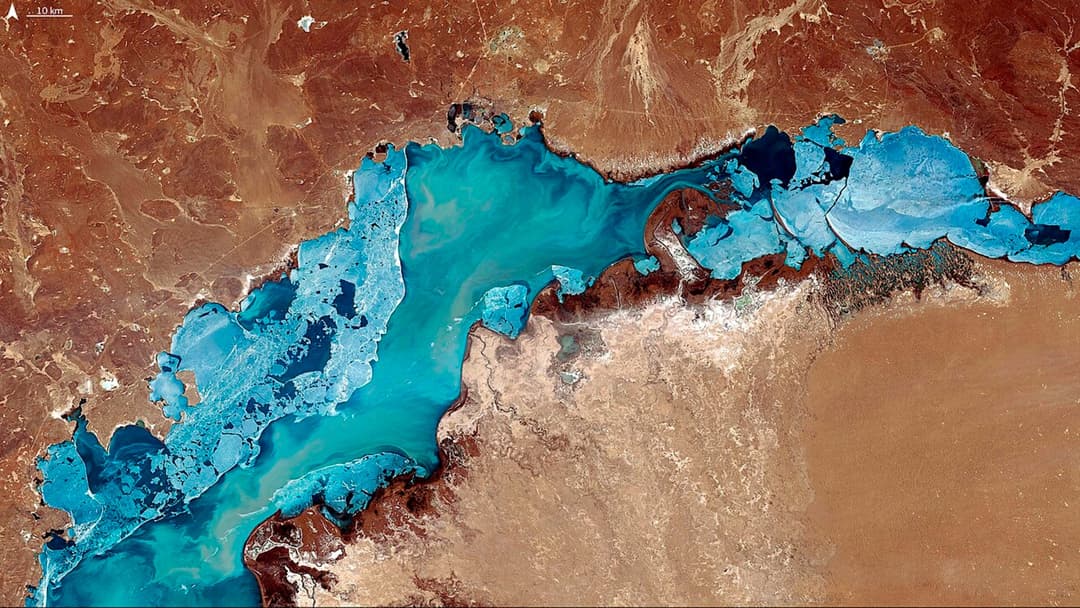
15. Balkhash
A narrow strait splits Lake Balkhash in two. The western half, fed by the Ili River, is nearly fresh. The eastern half has no major inflow, so evaporation leaves it noticeably salty.
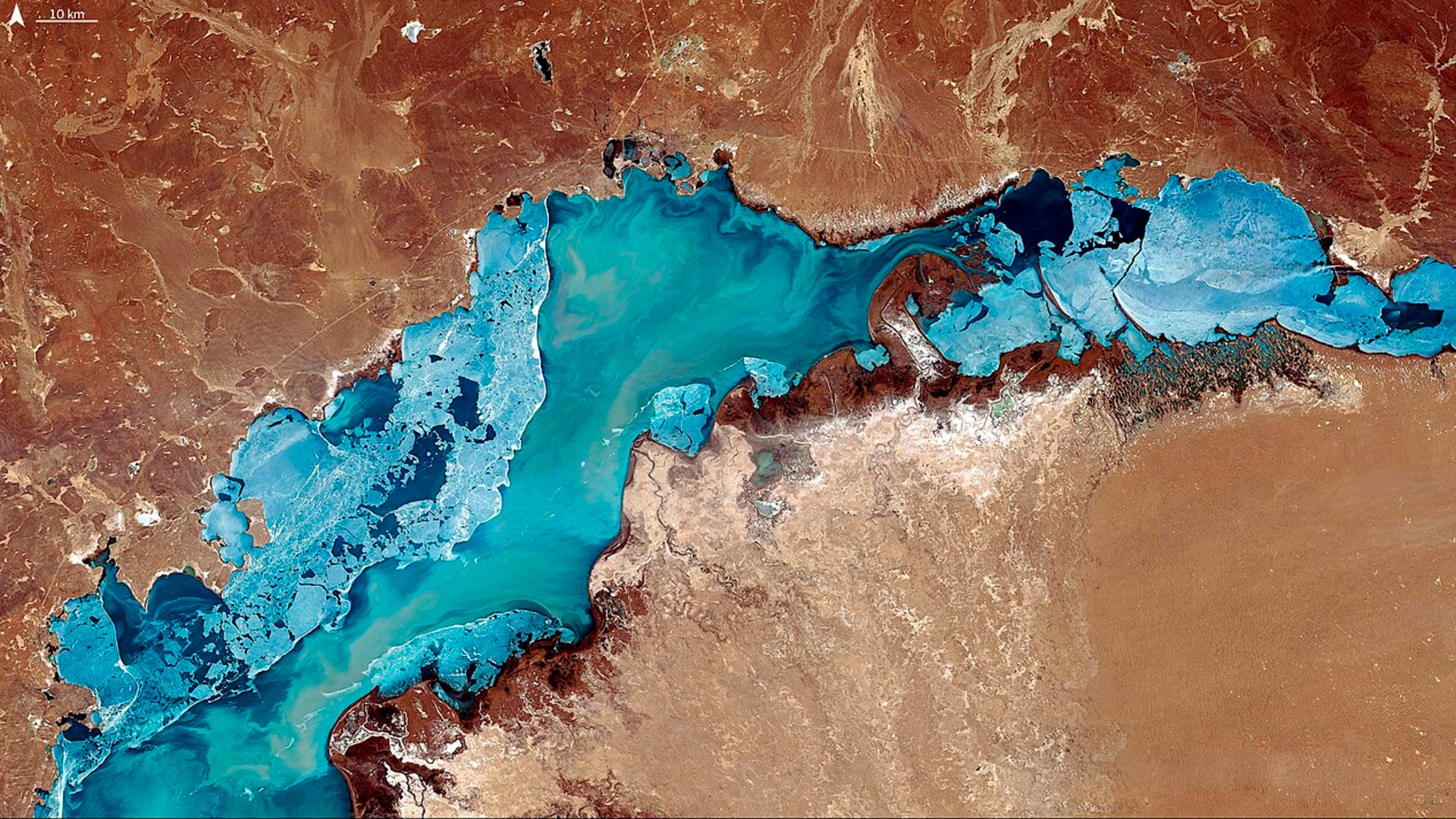
©Wikimedia / European Union, Copernicus Sentinel-2
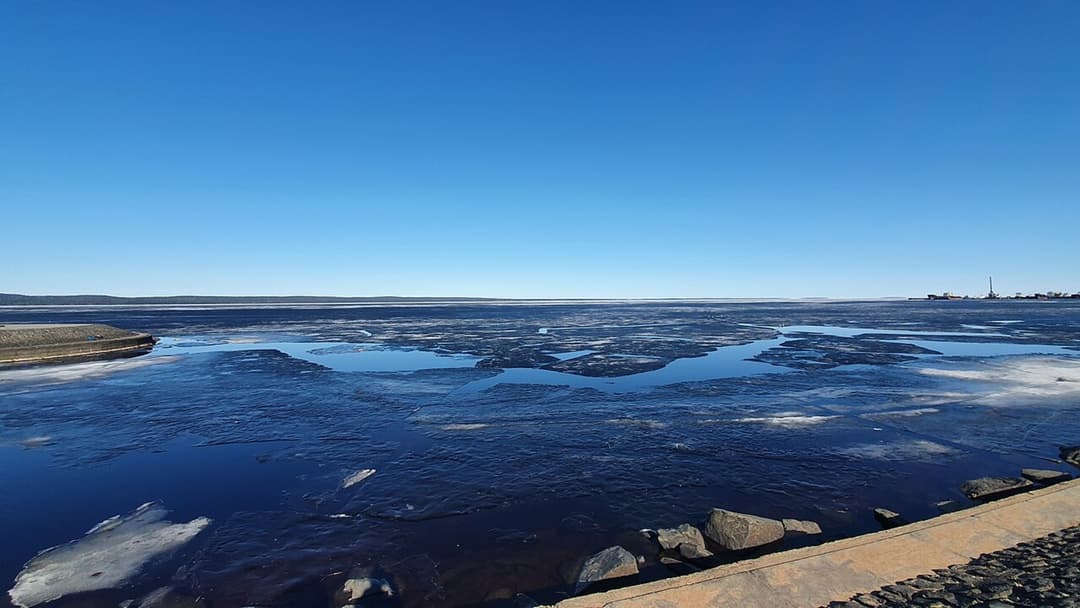
14. Ladoga
During the Siege of Leningrad in World War II, trucks drove across Ladoga's frozen surface to bring food into the city. The route became known as the Road of Life.
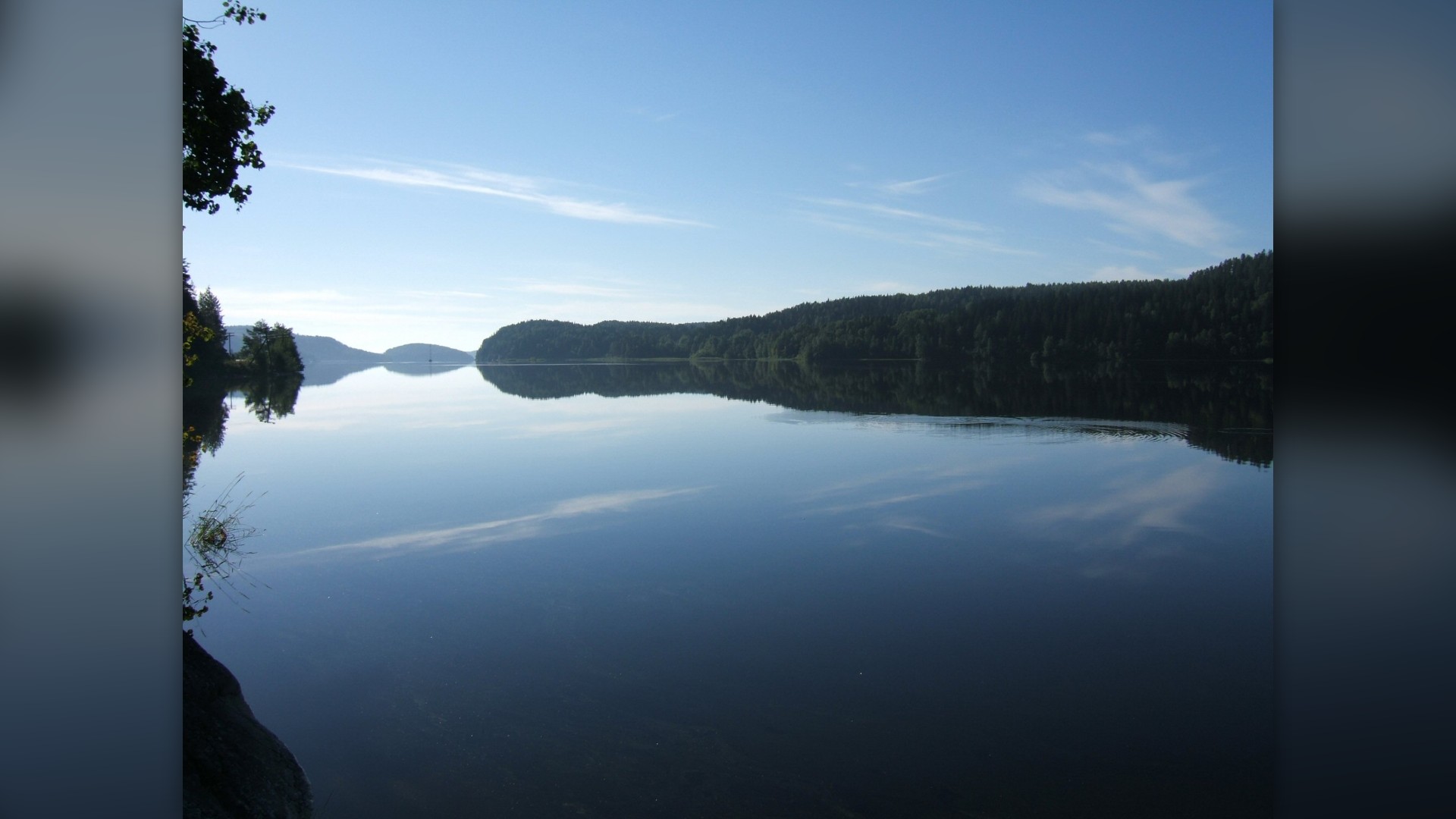
©Wikimedia / Lake Ladoga
Advertisement
Swipe or tap ▶ to resume the countdown.
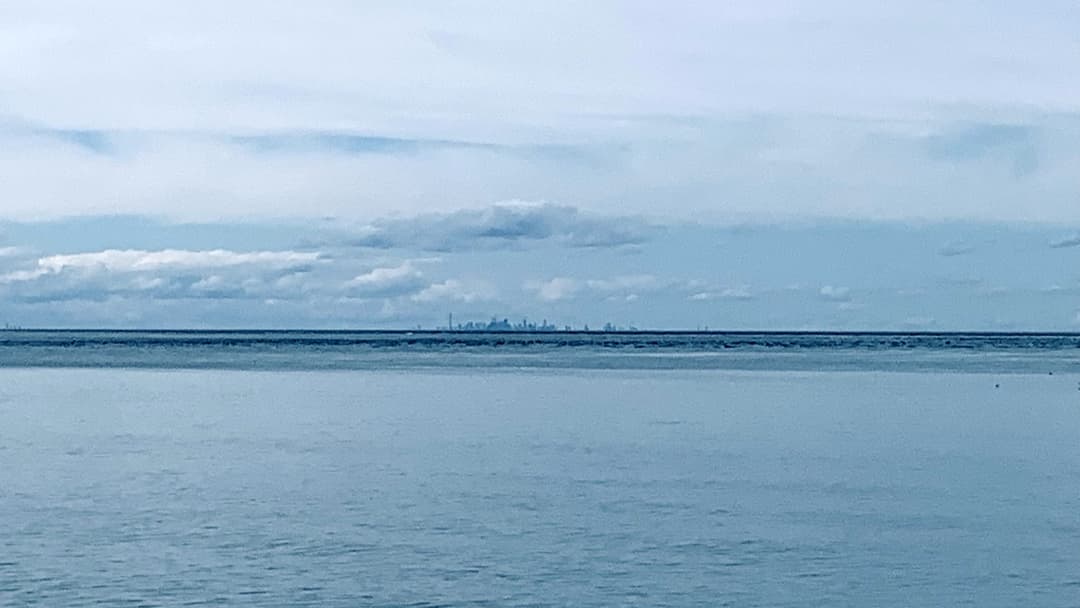
13. Ontario
Lake Ontario is the last of the Great Lakes before the water flows into the St. Lawrence River and out to the Atlantic. Toronto, Canada's largest city, sits on its northwest shore.
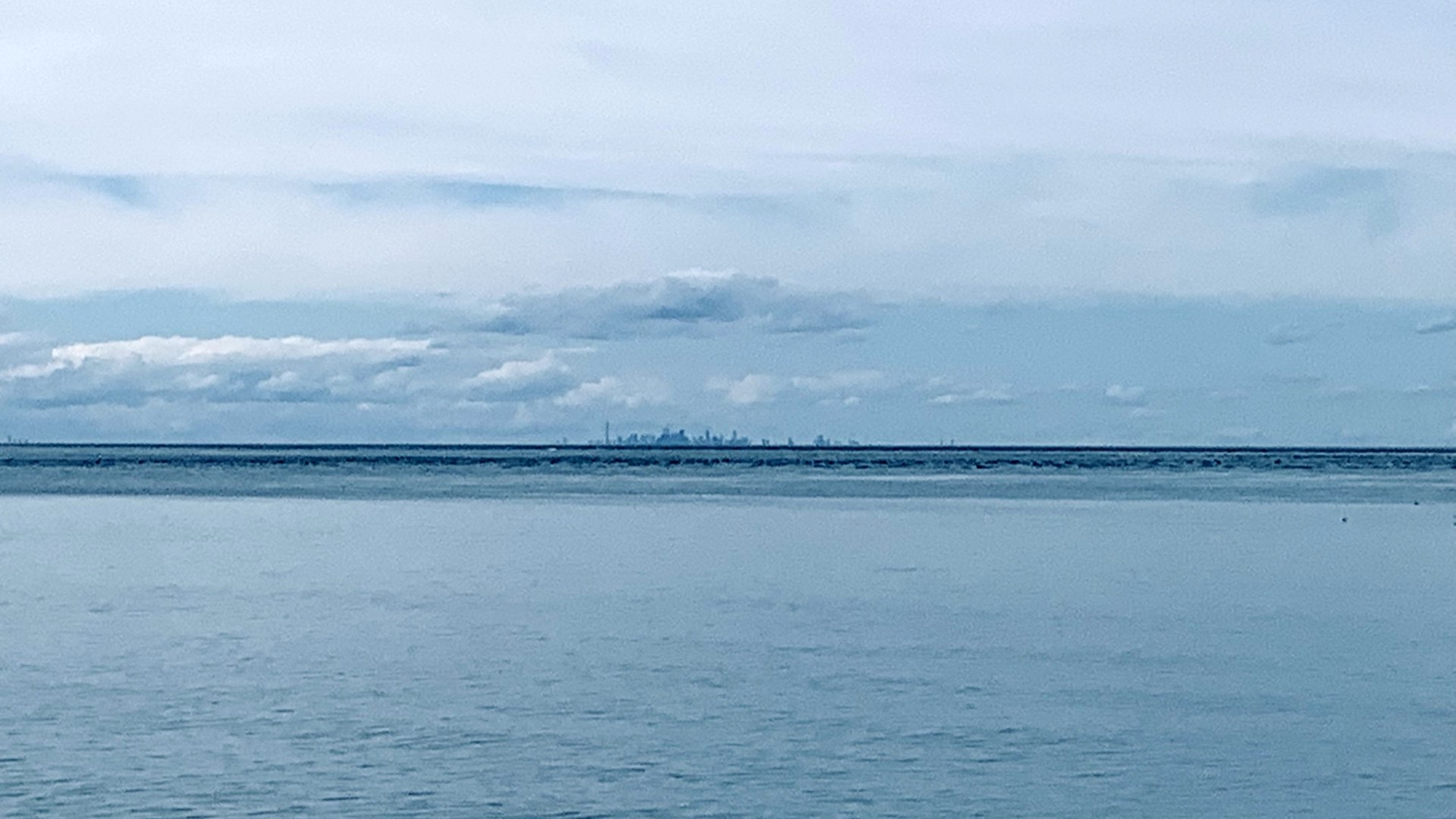
©Wikimedia / APK
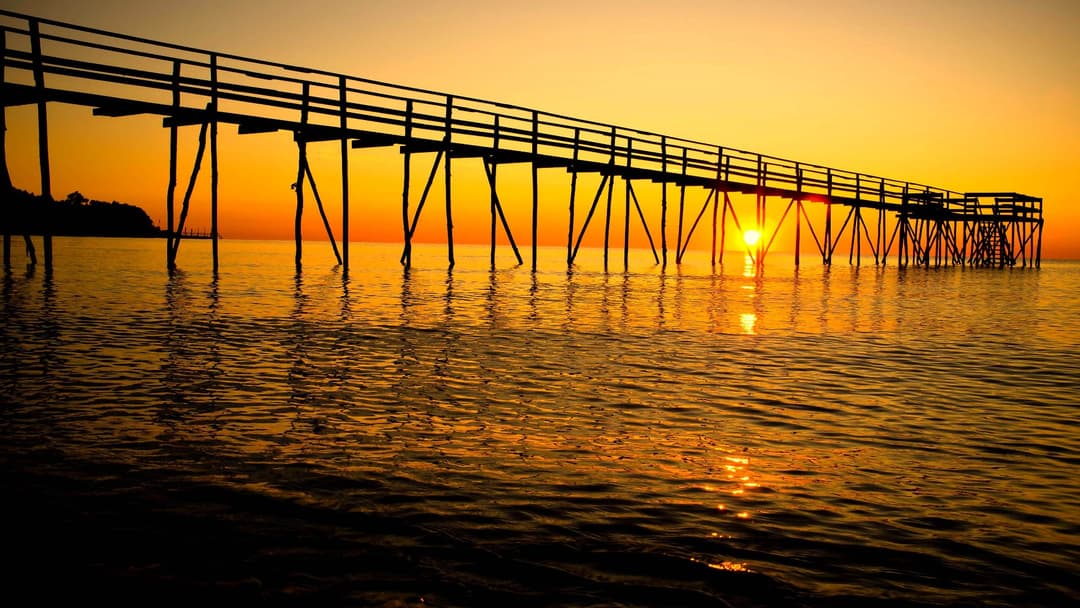
12. Winnipeg
Lake Winnipeg is left over from glacial Lake Agassiz, which once covered much of central North America. It is the largest lake within southern Canada's borders.
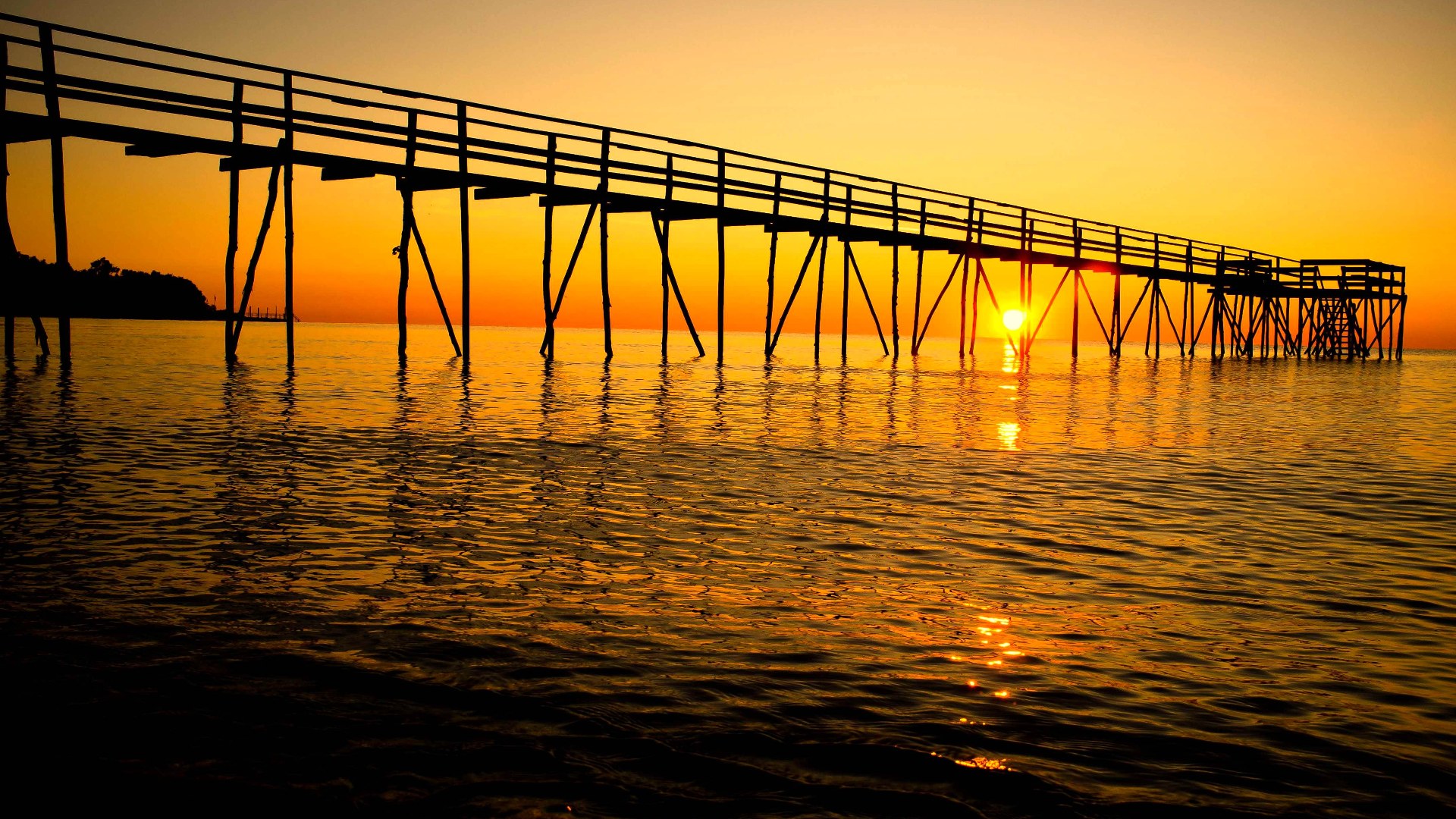
©Wikimedia / Vince pahkala
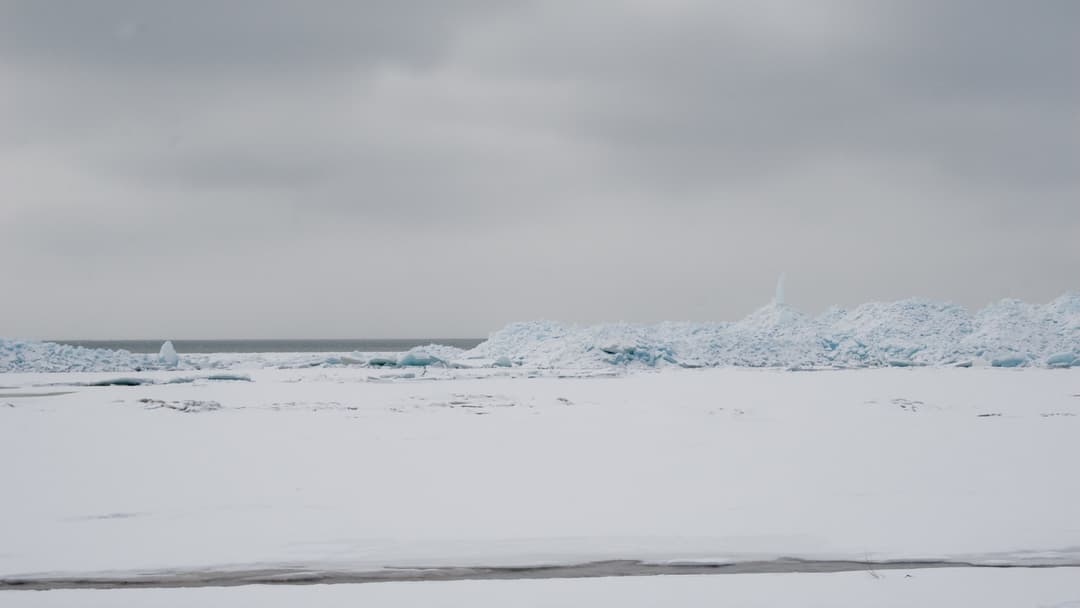
11. Erie
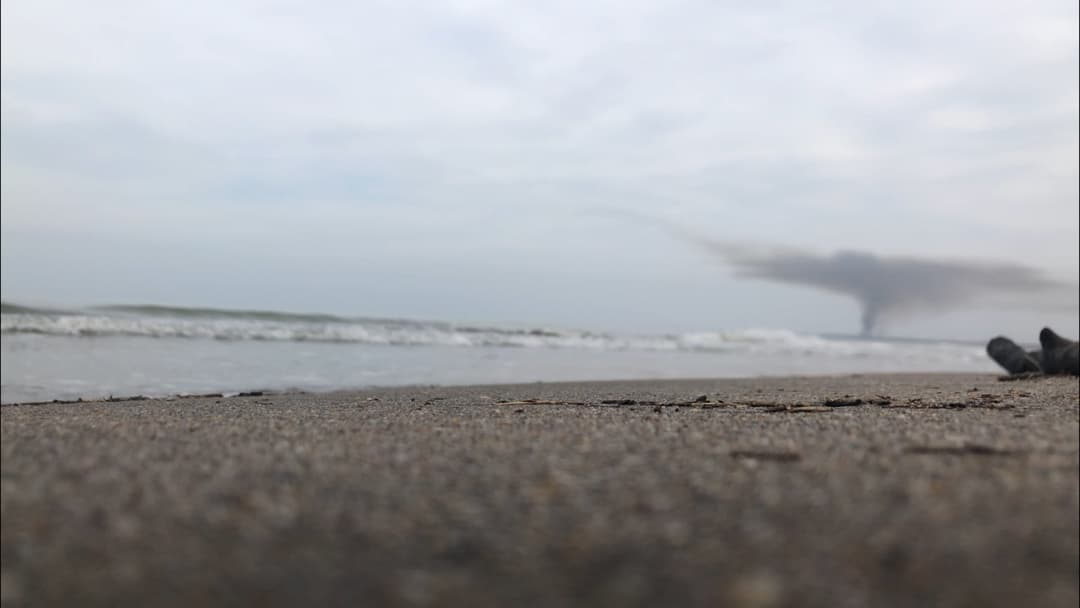
Because it is so shallow, Lake Erie warms fastest in summer and freezes over more often than the other Great Lakes. It also supports the largest freshwater commercial fishery of the group.
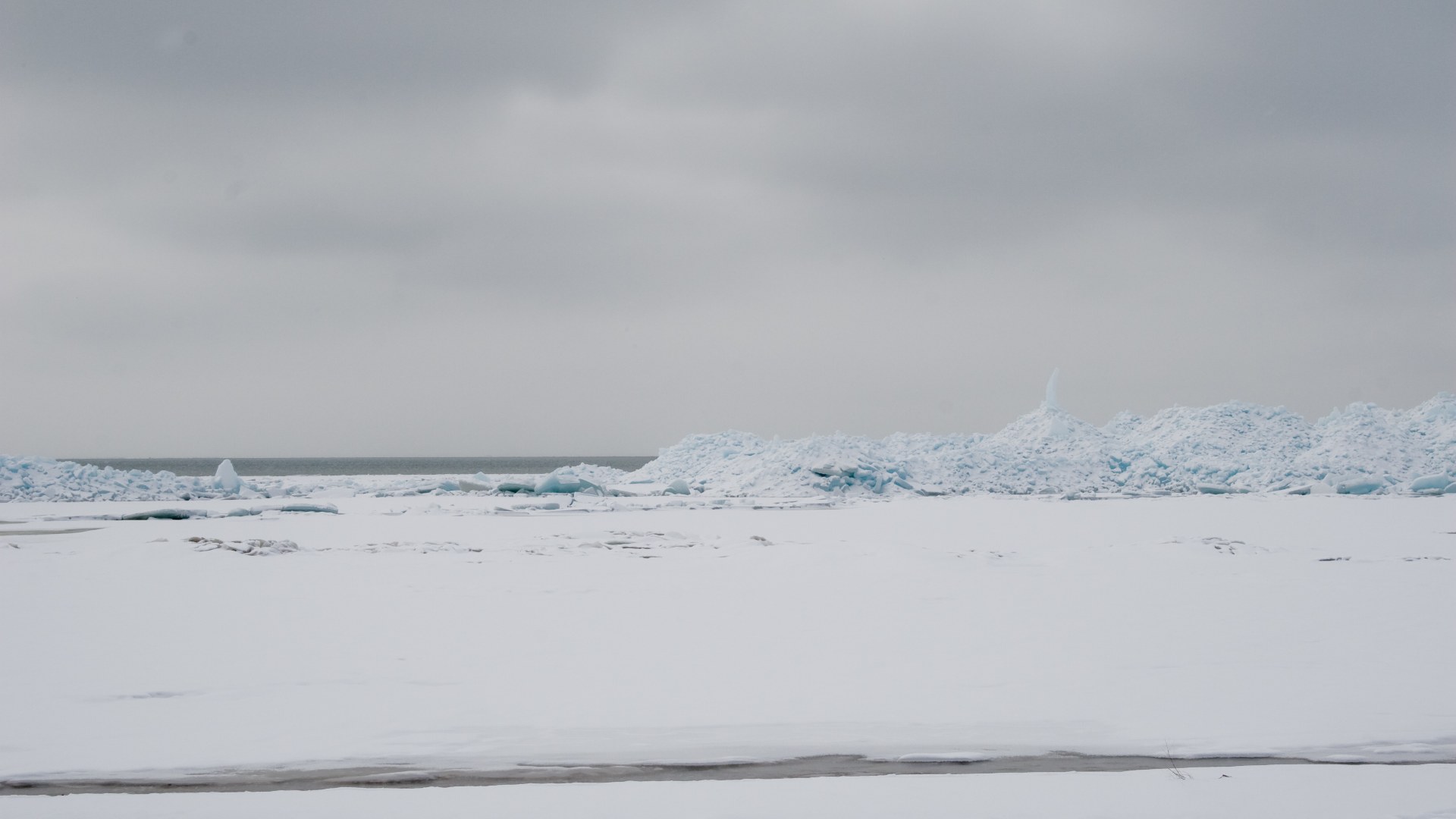
©Wikimedia / Gary J. Wood
10. Great Slave
Great Slave Lake reaches about 614 meters at its deepest point. In winter an ice road across the lake links the territorial capital, Yellowknife, to remote communities.
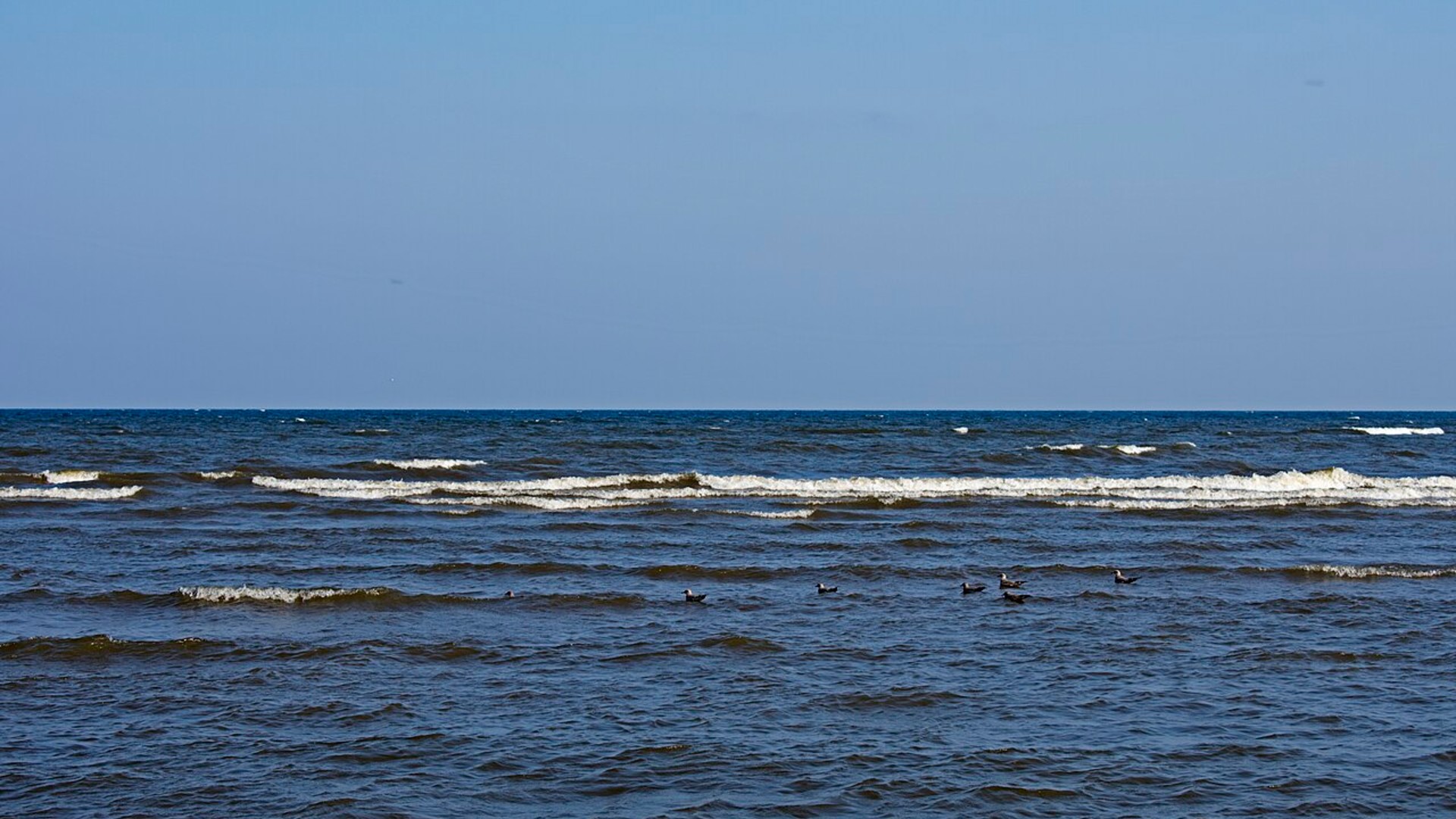
©Wikimedia / Ymblanter
Advertisement
Swipe or tap ▶ to resume the countdown.
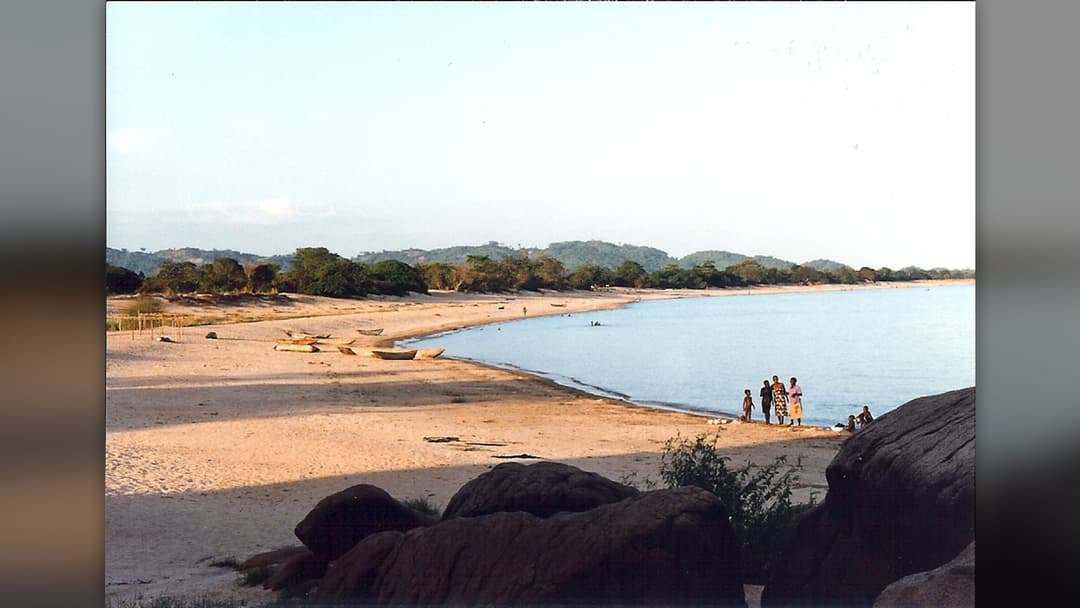
9. Malawi
Lake Malawi has more fish species than any other lake in the world, most of them brightly colored cichlids found nowhere else. Its southern end is protected as Lake Malawi National Park.
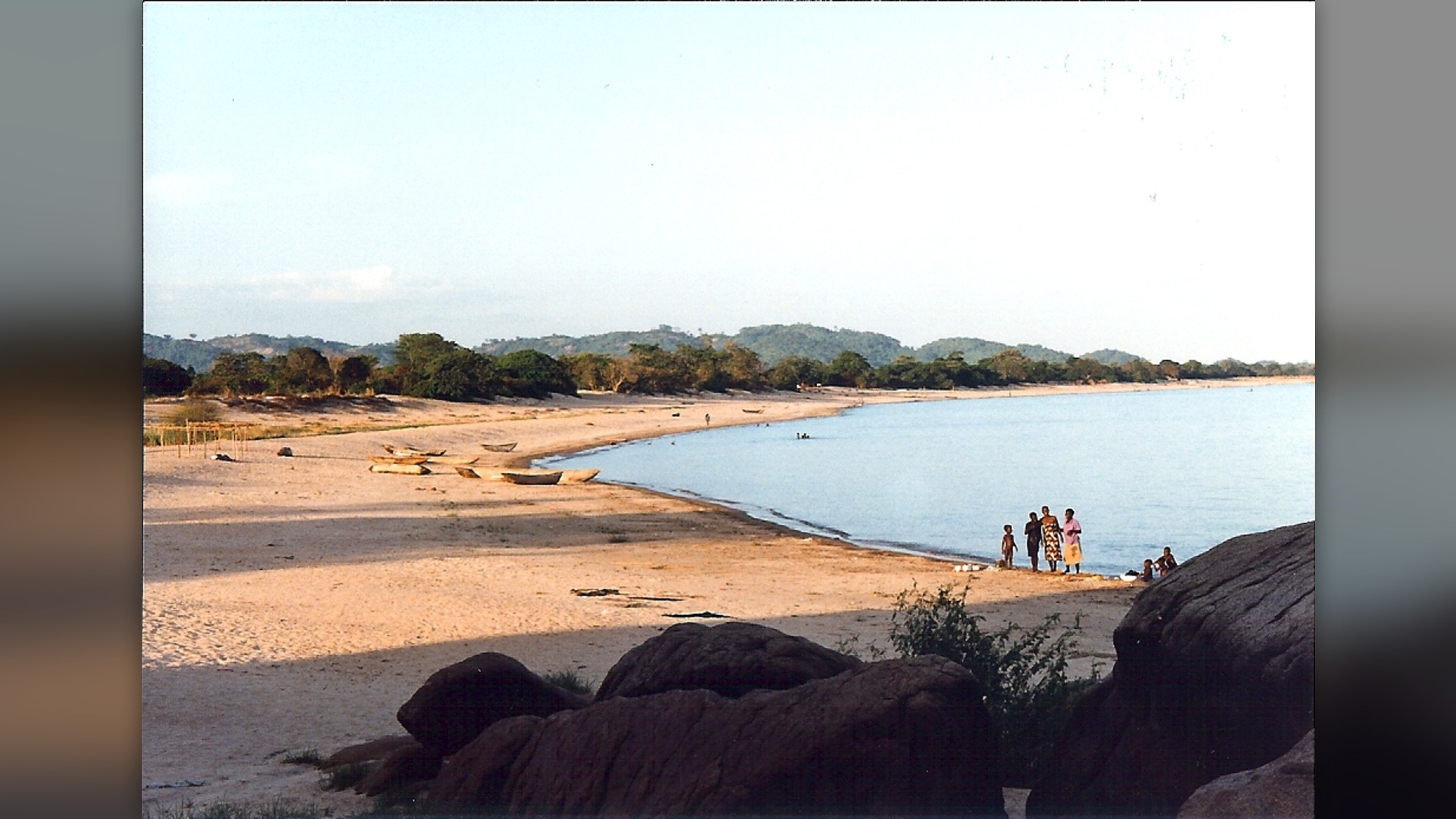
©Wikimedia / JackyR
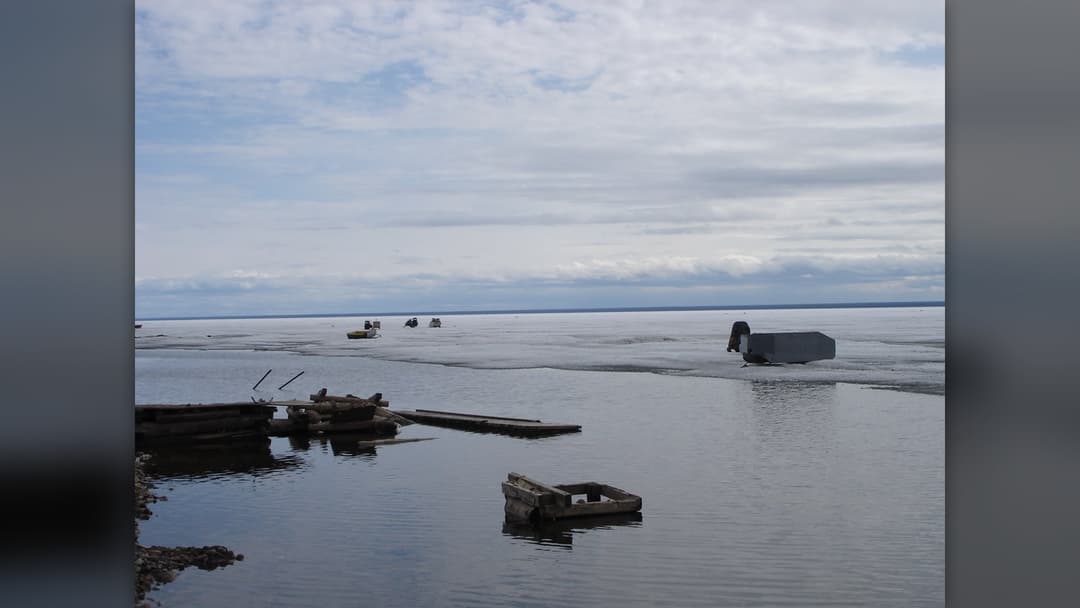
8. Great Bear
Great Bear Lake straddles the Arctic Circle and is covered in ice for much of the year. Its cold, clean water is known for record-size lake trout.
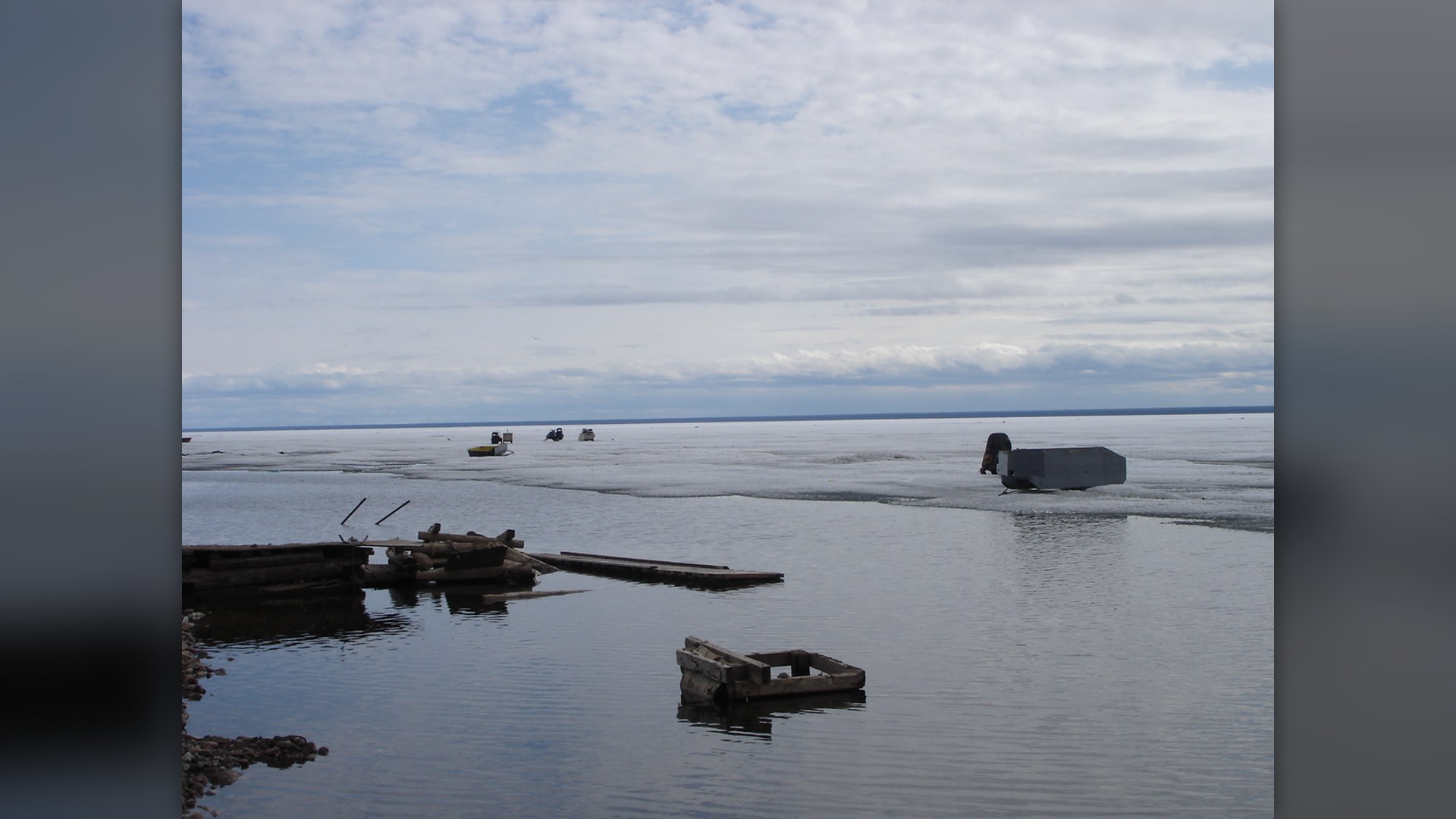
©Wikimedia / mattcatpurple
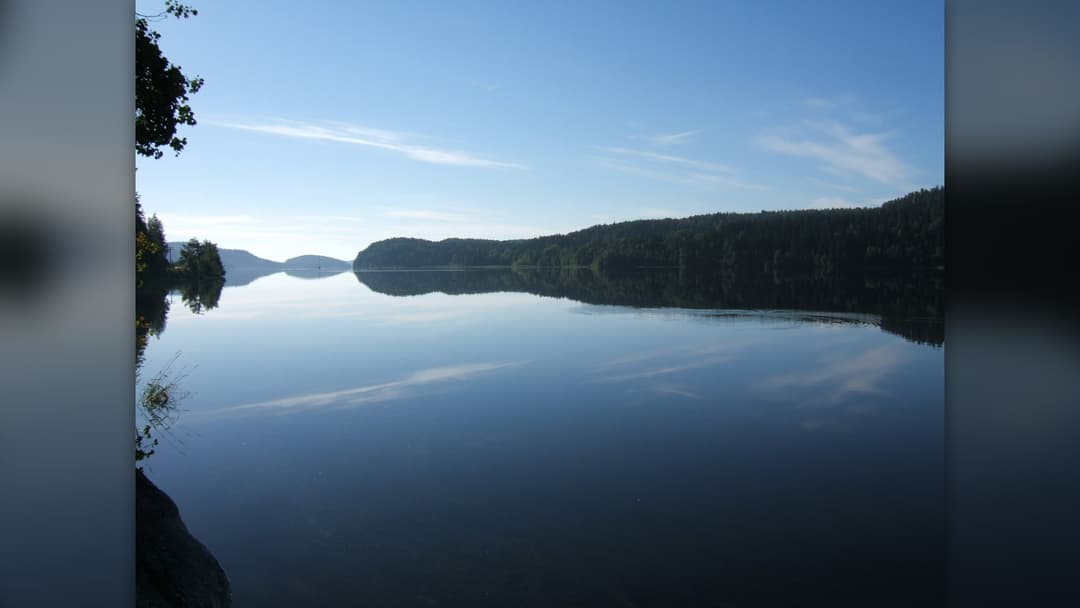
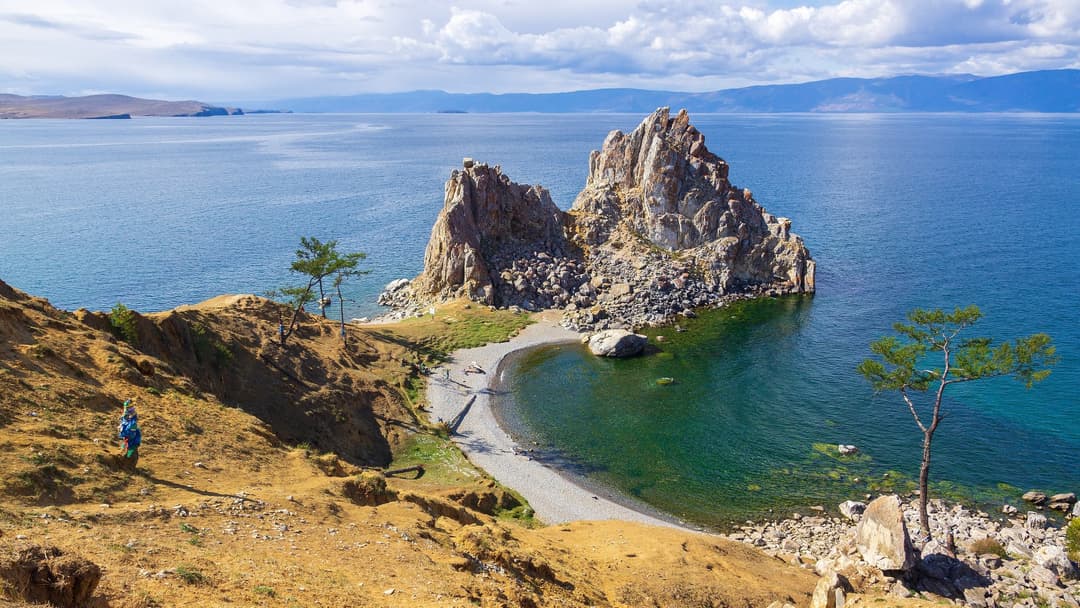
7. Baikal
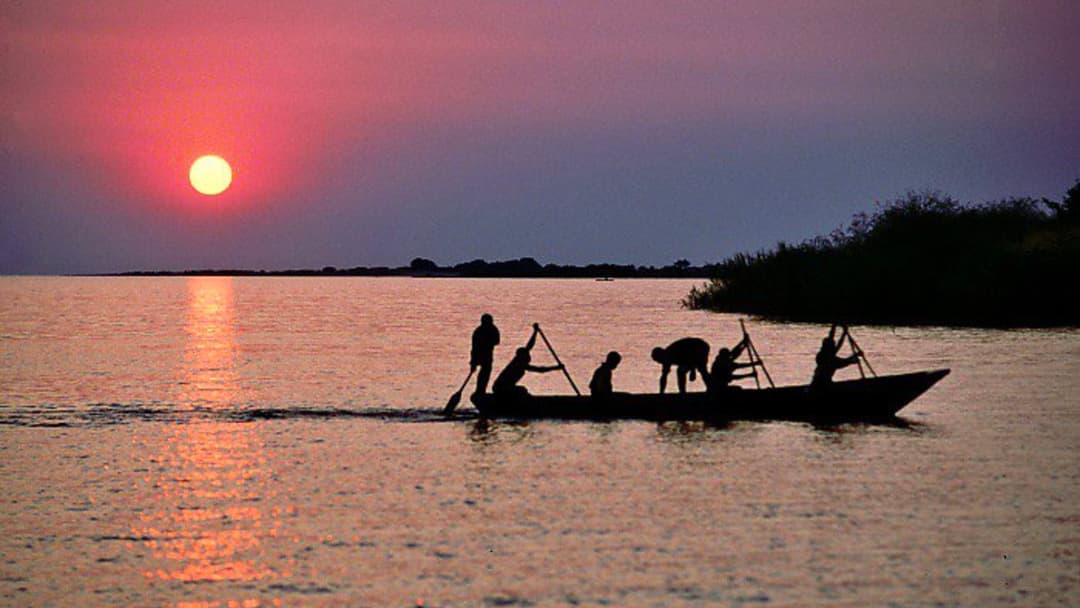
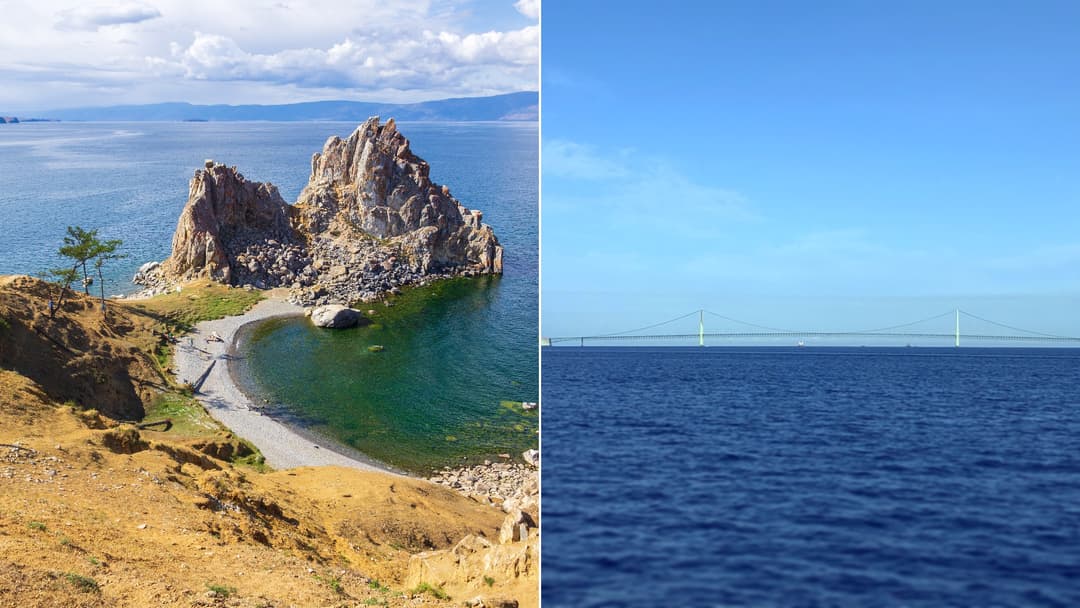
Lake Baikal is about 1,642 meters deep and around 25 million years old. It holds more fresh water than all five Great Lakes combined, and it is home to the nerpa, one of the only freshwater seals.
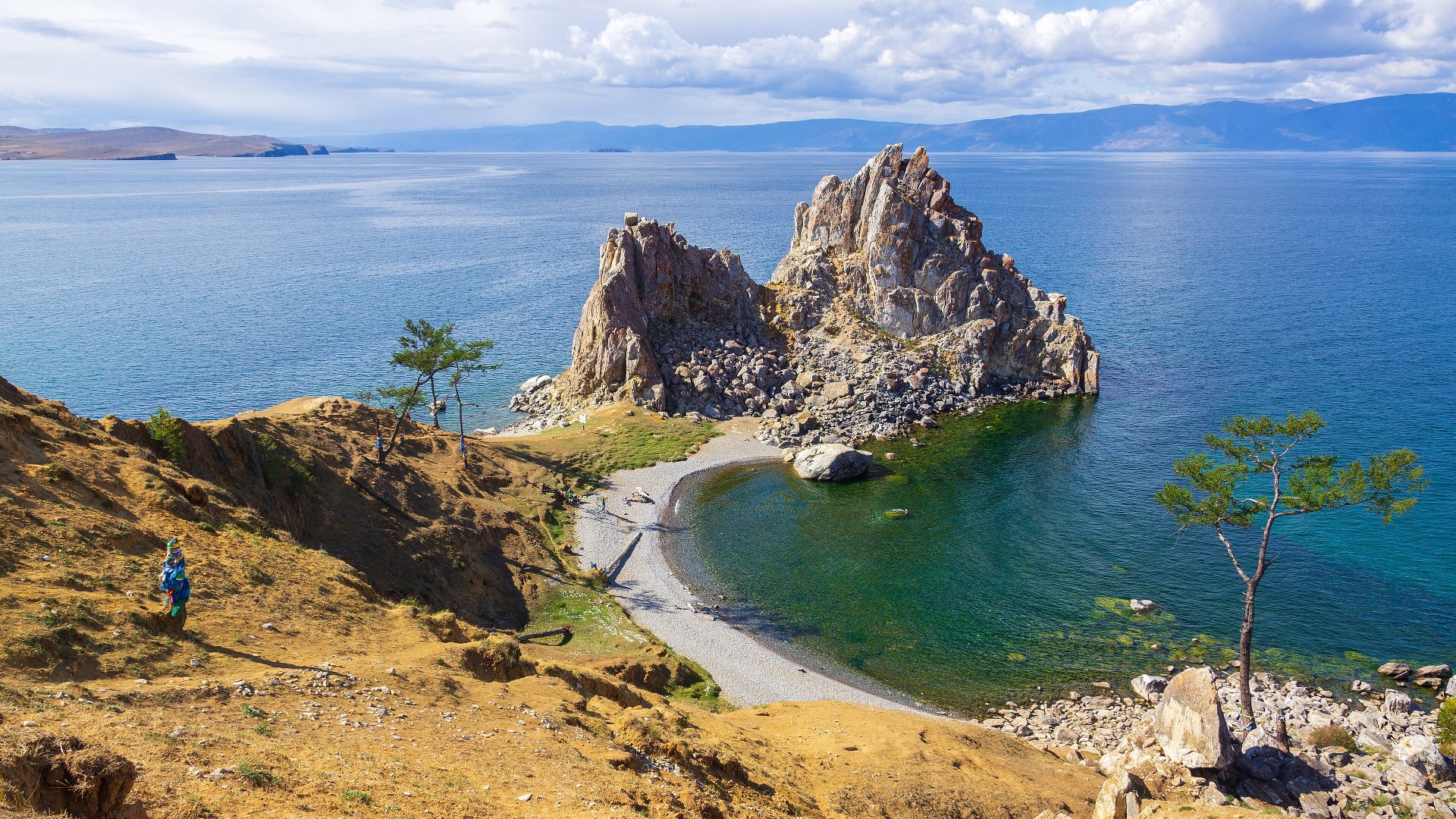
©Wikimedia / Vyacheslav Argenberg
6. Tanganyika
Lake Tanganyika stretches about 673 kilometers from north to south. At around 1,470 meters deep, it is the second deepest lake on Earth after Baikal.
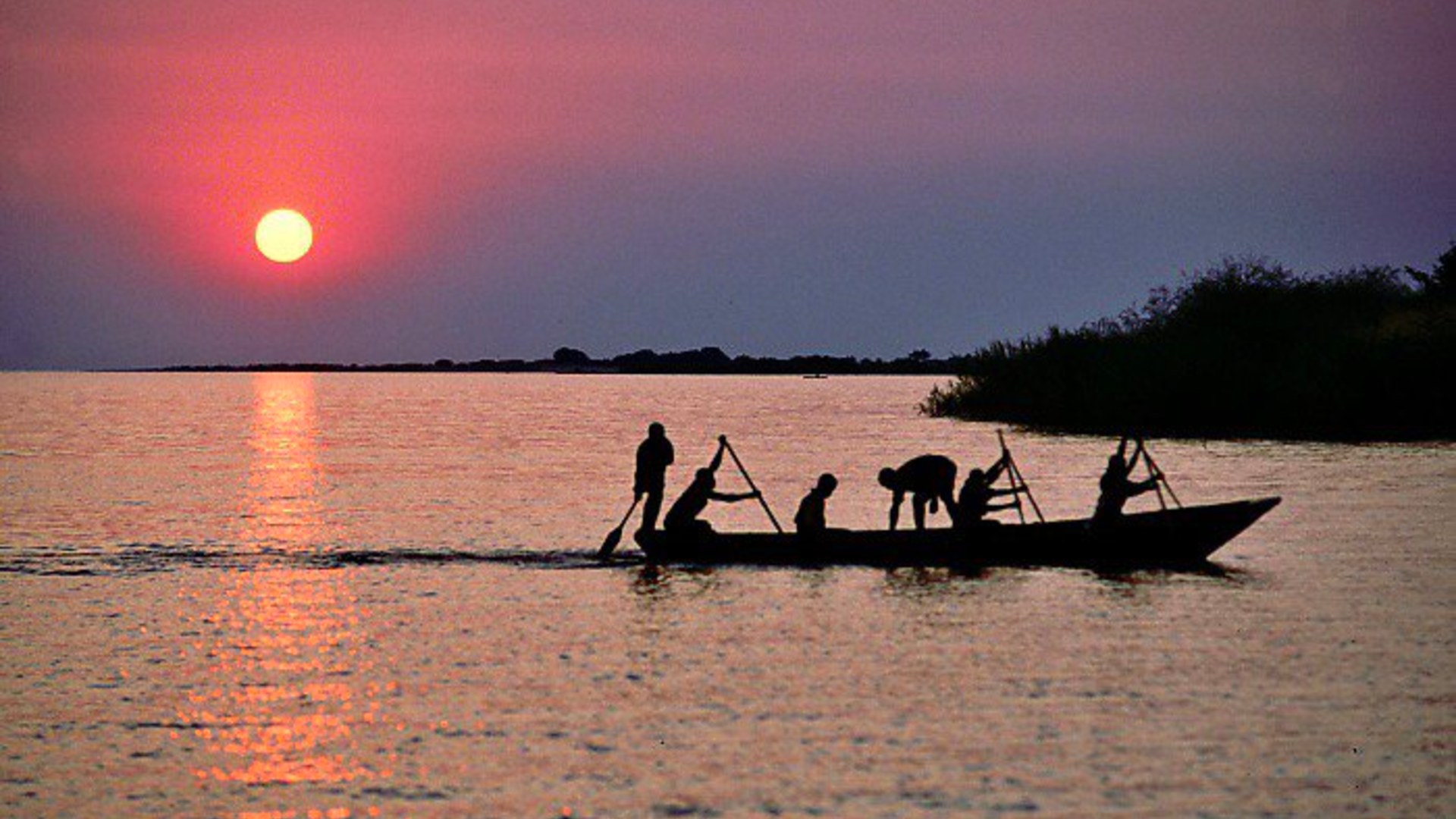
©Wikimedia / Worldtraveller
Advertisement
Swipe or tap ▶ to resume the countdown.
5. Michigan
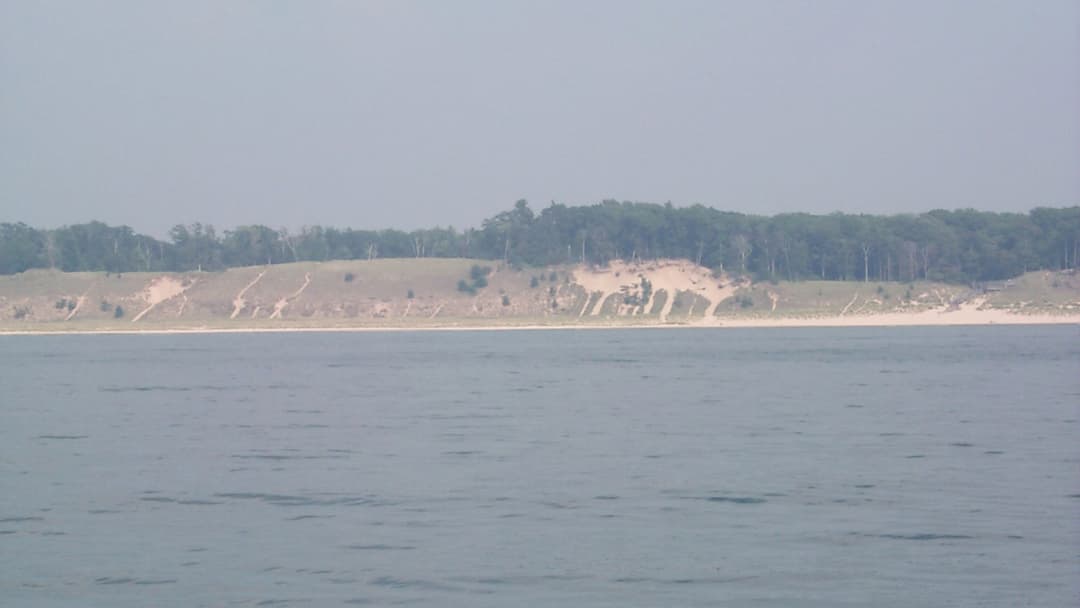
Chicago and Milwaukee sit on Lake Michigan's western shore. The east shore holds Sleeping Bear Dunes, where sand bluffs rise more than 100 meters above the water.
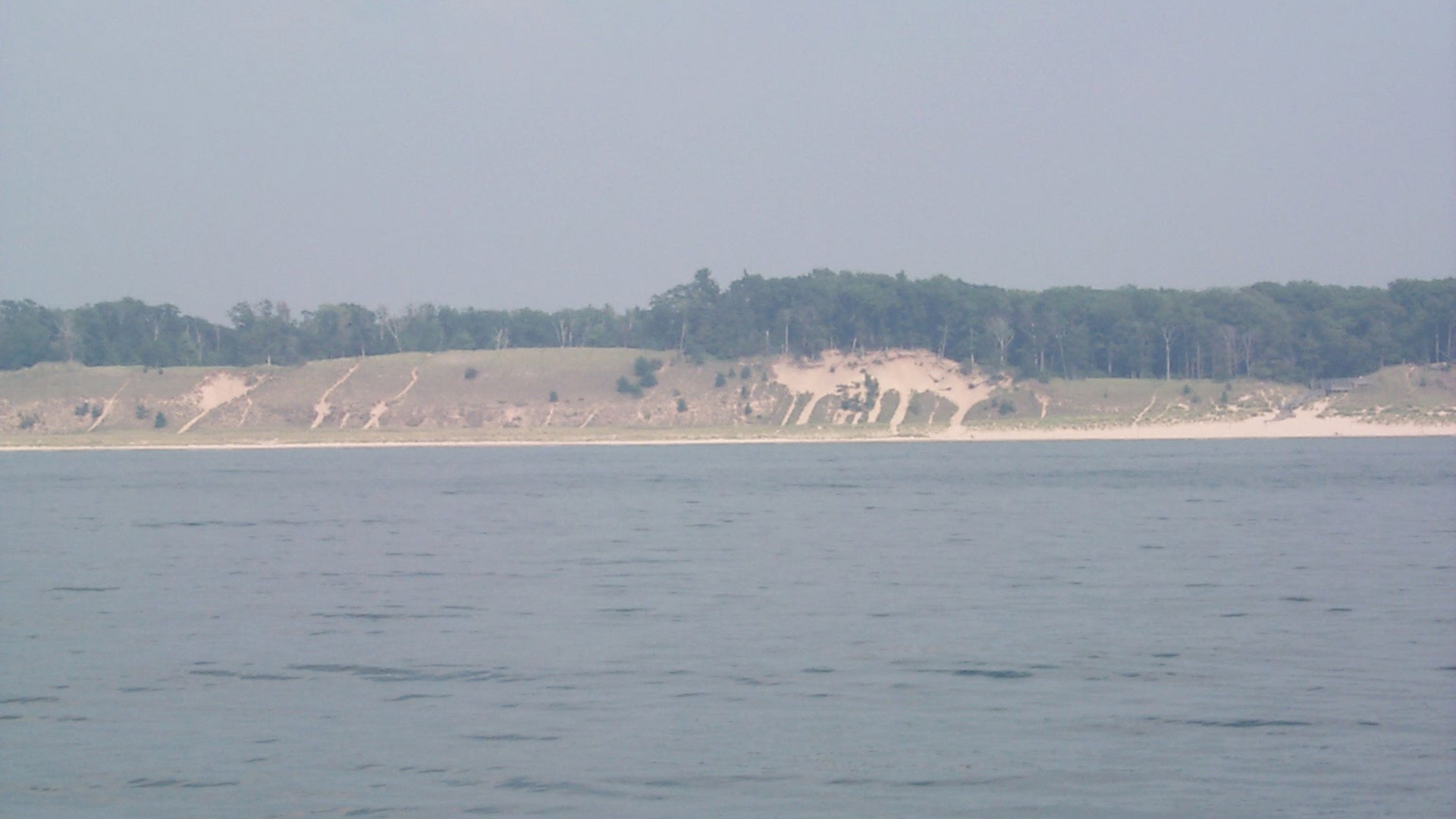
©Wikimedia / NOAA GLERL
4. Huron
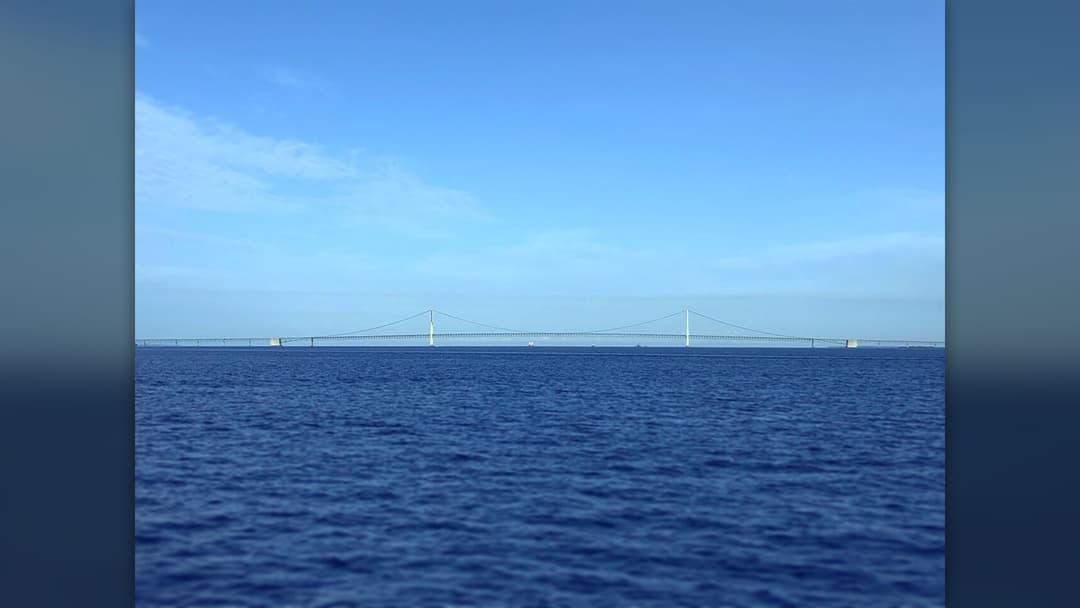
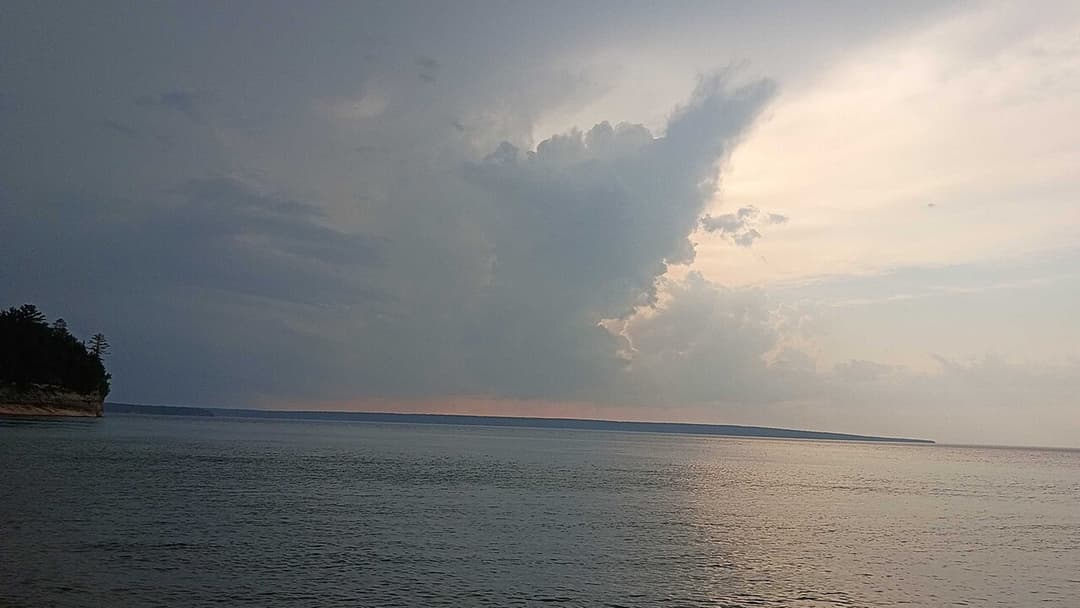
Lake Huron holds Manitoulin Island, the largest island in any freshwater lake. Huron and Michigan are joined by the Straits of Mackinac and sit at the same water level.
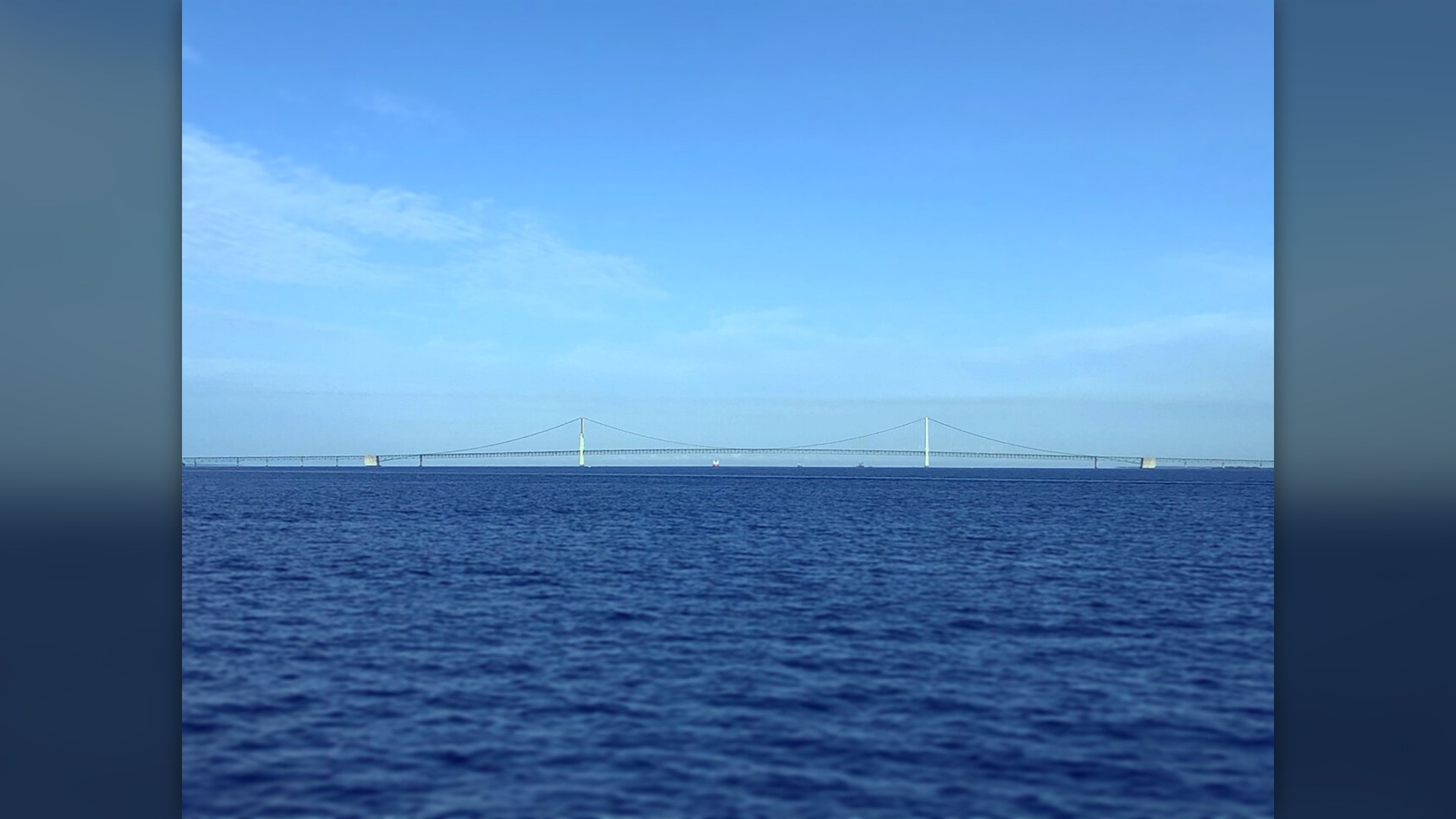
©Wikimedia / WildChild300
3. Victoria
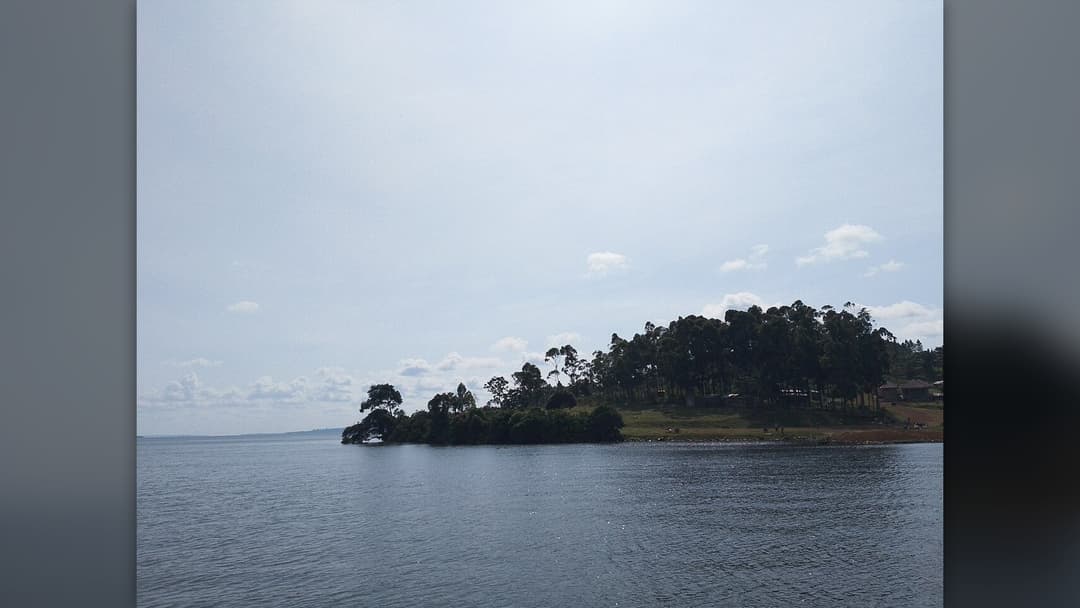
Lake Victoria is the main source of the White Nile. Despite its huge area, it is relatively shallow, with a maximum depth of around 80 meters.
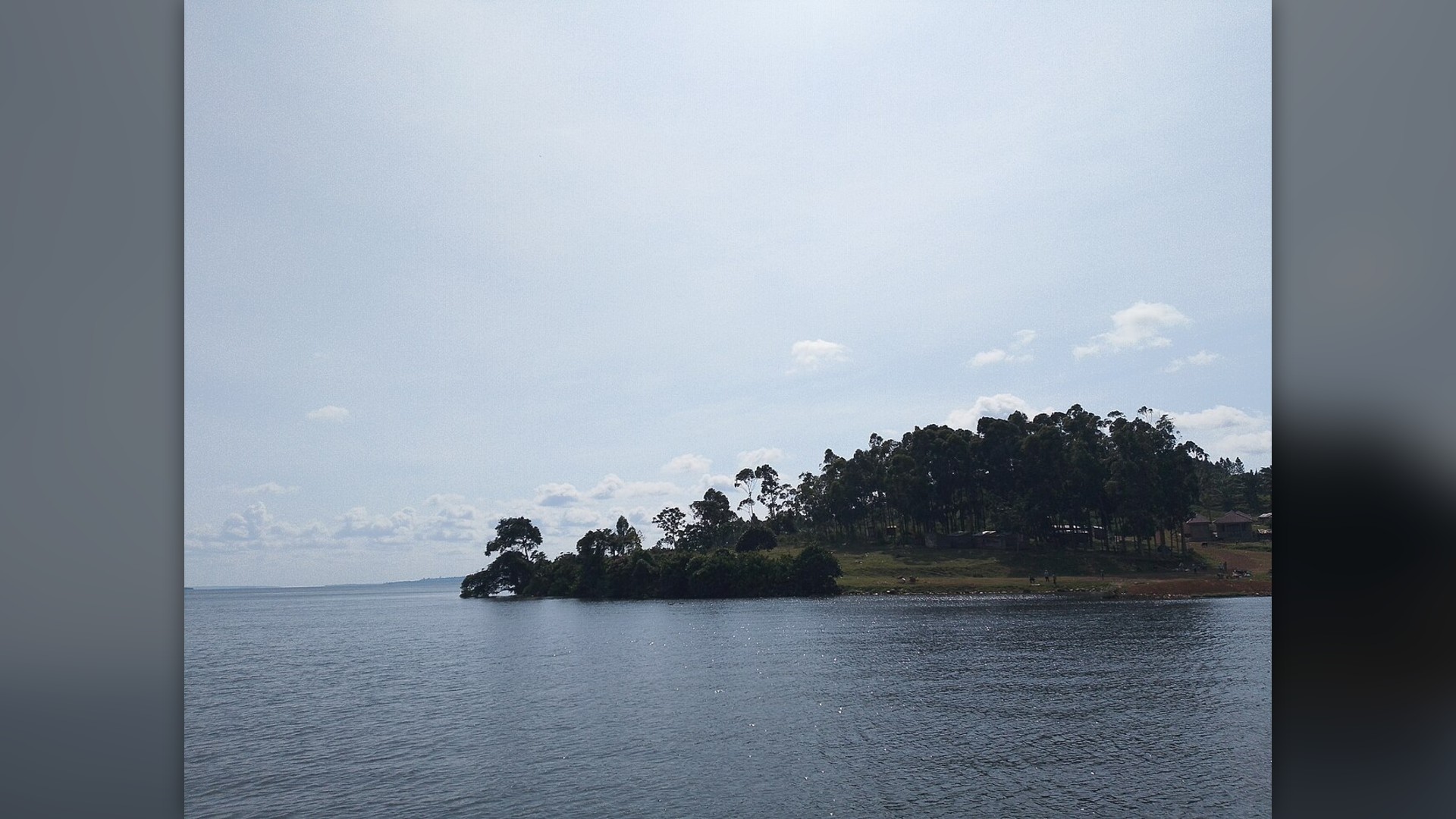
©Wikimedia / Geossegawa
2. Superior
Lake Superior holds about 10 percent of the world's fresh surface water. It contains enough water to cover all of North and South America about 30 centimeters deep.
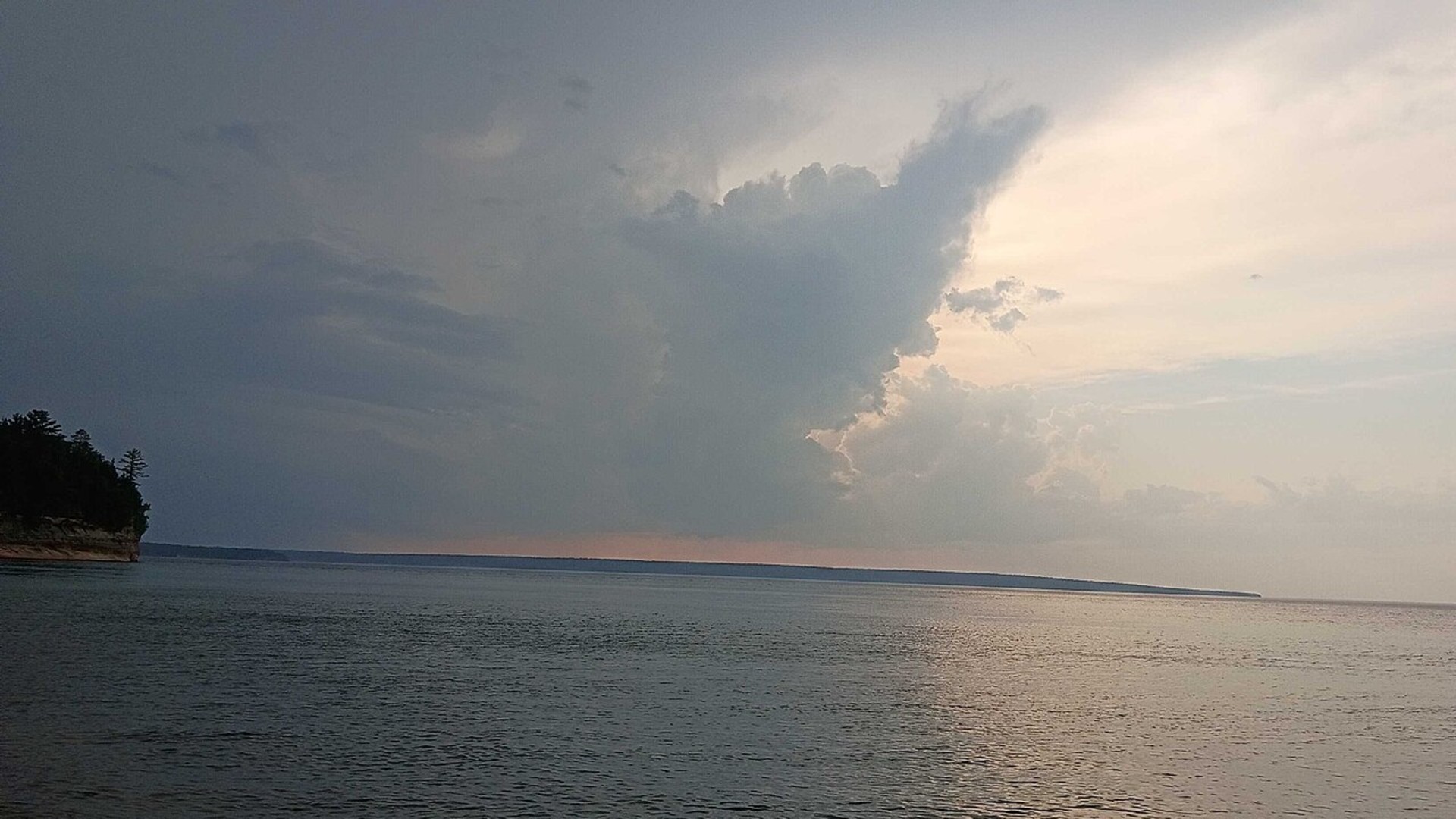
©Wikimedia / PolarisNC
Advertisement
Swipe or tap ▶ to resume the countdown.
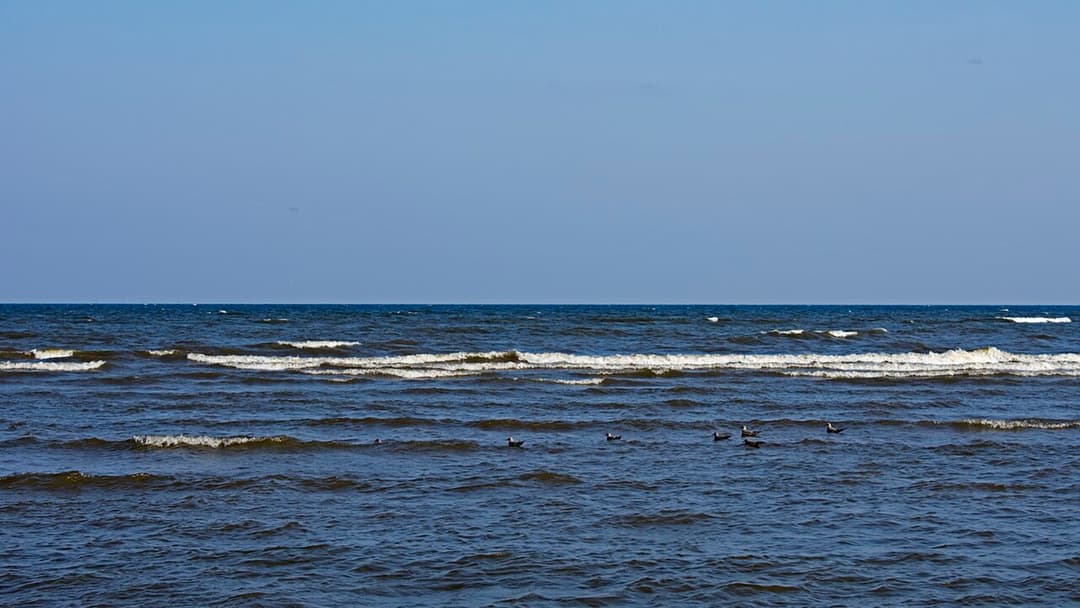
1. Caspian Sea
Despite its name, the Caspian Sea is a lake with no outlet to the ocean. Its water is brackish, and its shoreline is shared by Russia, Kazakhstan, Turkmenistan, Iran and Azerbaijan.
©Wikimedia / Nastavnikbonda
Advertisement
You've reached the end of the story. Thanks for reading!

20 Most Advanced Airports That Redefine Air Travel
Experience the future of flight at 20 airports redefining air travel through AI.
All 20 Entries in this Story
20. Turkana
Lake Turkana sits in the arid north of Kenya and is also the largest alkaline lake on Earth. Fossil sites along its shores, including the Turkana Boy skeleton, have reshaped what scientists know about early humans.

19. Athabasca
Lake Athabasca's south shore holds the Athabasca Sand Dunes, the most northerly active sand dunes of their size in the world. The lake drains north toward the Arctic Ocean.

18. Nicaragua
Lake Nicaragua is one of the few freshwater lakes with bull sharks. They swim up the San Juan River from the Caribbean. Ometepe, its largest island, is formed by two volcanoes joined by a narrow strip of land.

17. Titicaca
Titicaca is often called the highest navigable lake in the world. The Uros people live on floating islands built from layers of totora reeds that must be topped up every few weeks.

16. Onega
Kizhi Island on Lake Onega holds a group of wooden churches built without nails, including one with 22 domes. The site is protected as a UNESCO World Heritage Site.

15. Balkhash
A narrow strait splits Lake Balkhash in two. The western half, fed by the Ili River, is nearly fresh. The eastern half has no major inflow, so evaporation leaves it noticeably salty.

14. Ladoga
During the Siege of Leningrad in World War II, trucks drove across Ladoga's frozen surface to bring food into the city. The route became known as the Road of Life.

13. Ontario
Lake Ontario is the last of the Great Lakes before the water flows into the St. Lawrence River and out to the Atlantic. Toronto, Canada's largest city, sits on its northwest shore.

12. Winnipeg
Lake Winnipeg is left over from glacial Lake Agassiz, which once covered much of central North America. It is the largest lake within southern Canada's borders.

11. Erie
Because it is so shallow, Lake Erie warms fastest in summer and freezes over more often than the other Great Lakes. It also supports the largest freshwater commercial fishery of the group.

10. Great Slave
Great Slave Lake reaches about 614 meters at its deepest point. In winter an ice road across the lake links the territorial capital, Yellowknife, to remote communities.

9. Malawi
Lake Malawi has more fish species than any other lake in the world, most of them brightly colored cichlids found nowhere else. Its southern end is protected as Lake Malawi National Park.

8. Great Bear
Great Bear Lake straddles the Arctic Circle and is covered in ice for much of the year. Its cold, clean water is known for record-size lake trout.

7. Baikal
Lake Baikal is about 1,642 meters deep and around 25 million years old. It holds more fresh water than all five Great Lakes combined, and it is home to the nerpa, one of the only freshwater seals.

6. Tanganyika
Lake Tanganyika stretches about 673 kilometers from north to south. At around 1,470 meters deep, it is the second deepest lake on Earth after Baikal.

5. Michigan
Chicago and Milwaukee sit on Lake Michigan's western shore. The east shore holds Sleeping Bear Dunes, where sand bluffs rise more than 100 meters above the water.

4. Huron
Lake Huron holds Manitoulin Island, the largest island in any freshwater lake. Huron and Michigan are joined by the Straits of Mackinac and sit at the same water level.

3. Victoria
Lake Victoria is the main source of the White Nile. Despite its huge area, it is relatively shallow, with a maximum depth of around 80 meters.

2. Superior
Lake Superior holds about 10 percent of the world's fresh surface water. It contains enough water to cover all of North and South America about 30 centimeters deep.

1. Caspian Sea
Despite its name, the Caspian Sea is a lake with no outlet to the ocean. Its water is brackish, and its shoreline is shared by Russia, Kazakhstan, Turkmenistan, Iran and Azerbaijan.