Slideshow · Money
20 Richest Self-Made Americans in History, Ranked by Net Worth
Ranked according to historical GDP wealth shares from economic historians and Forbes archives, these 20 titans accumulated America's largest personal fortunes. Wealth reached unprecedented heights. Ranked according to historical wealth calculations from economic historians and Forbes archives, these 20 titans built unmatched fortunes.
By Most Viral Today
55 min ago

American Titans Accumulated Unprecedented Personal Fortunes in History 
20. Steve Ballmer 
19. Larry Page 
18. Warren Buffett - AdvertisementSwipe or tap ▶ to continue countdown

17. Sam Walton 
16. Marshall Field 
15. Jay Gould 
14. Alexander Turney Stewart - AdvertisementSwipe or tap ▶ to continue countdown

13. Frederick Weyerhaeuser 
12. Stephen Girard 
11. Mark Zuckerberg 
10. Andrew Mellon - AdvertisementSwipe or tap ▶ to continue countdown

9. Larry Ellison 
8. Bill Gates 
7. Jeff Bezos 
6. Elon Musk - AdvertisementSwipe or tap ▶ to continue countdown

5. John Jacob Astor 
4. Henry Ford 
3. Cornelius Vanderbilt 
2. Andrew Carnegie - AdvertisementSwipe or tap ▶ to continue countdown

1. John D. Rockefeller - Advertisement🔥 UP NEXT IN THIS SERIES◫ 23 Slides

22 Most Affordable Towns to Buy a Home in Scotland, Ranked
Ranked by average residential property prices from official Registers of Scotland sales data, these 22 historic Scottish communities combine scenic living with genuine affordability. Scotland offers value. According to official Registers of Scotland property records, twenty-two historic settlements provide welcoming communities.
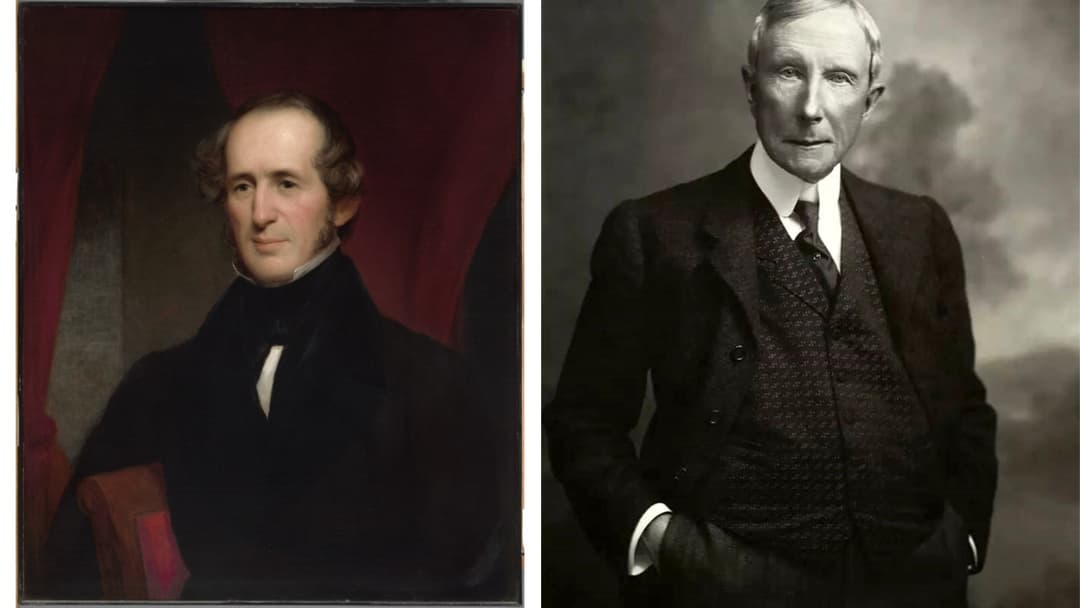
Wealth reached unprecedented heights. Ranked according to historical wealth calculations from economic historians and Forbes archives, these 20 titans built unmatched fortunes. Records shattered. John D. Rockefeller led all titans with a peak fortune exceeding $400 billion.
Swipe or tap ▶ to begin the countdown
©Wikimedia / Nathaniel Jocelyn & Wikimedia / Oscar White
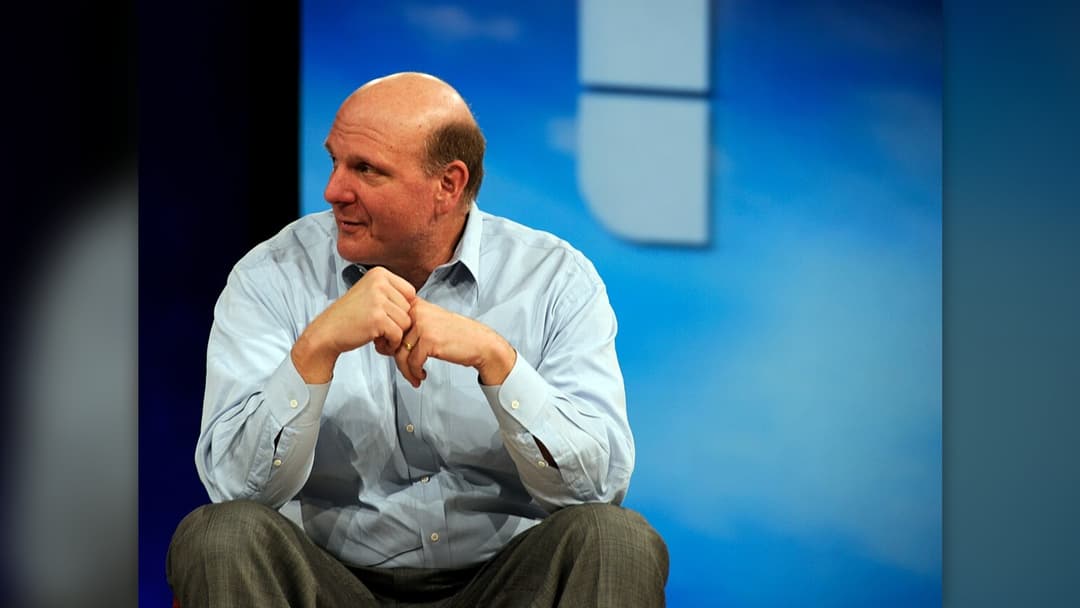
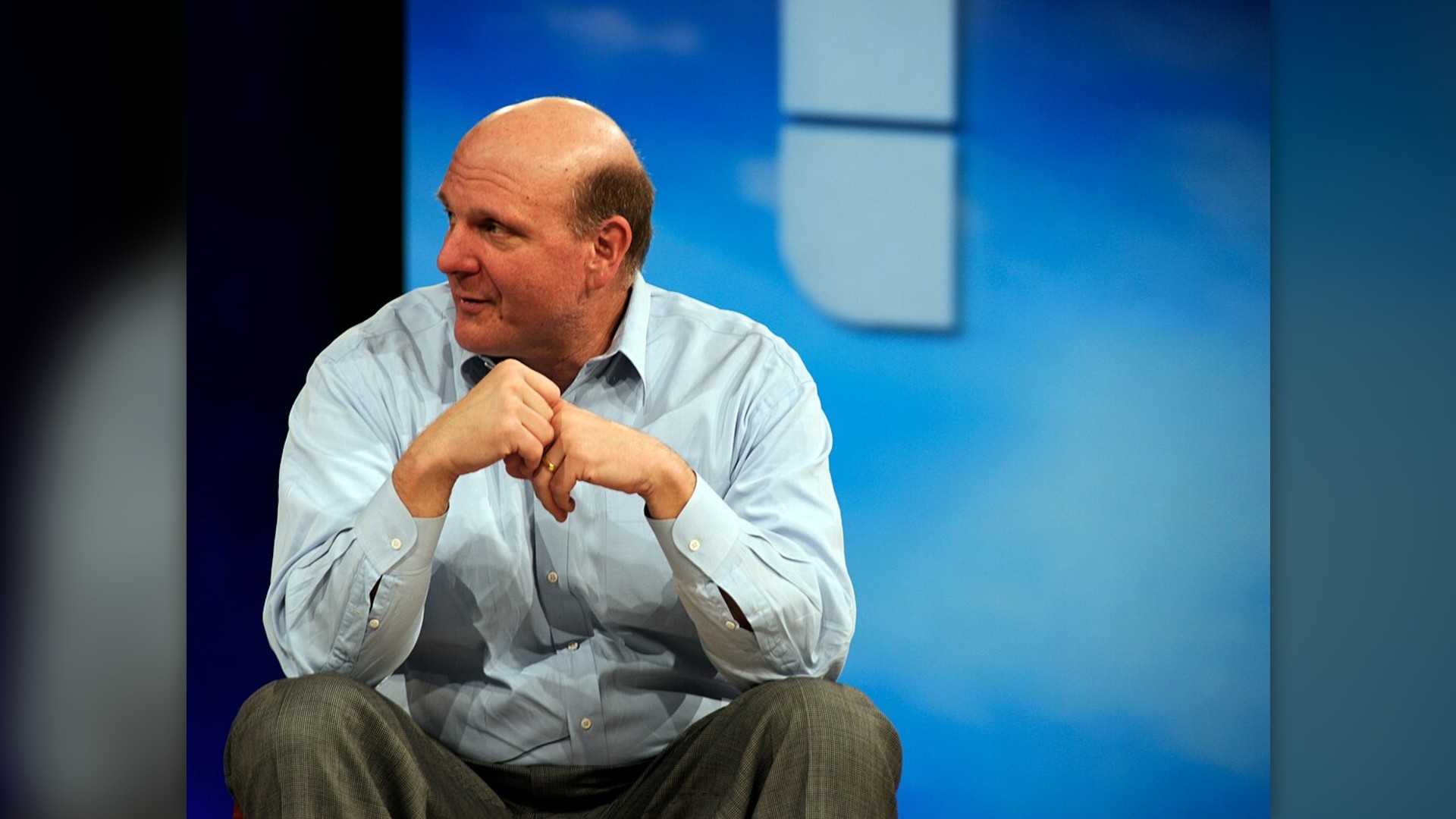
20. Steve Ballmer
Timing was everything. Steve Ballmer joined Microsoft in 1980 as its thirtieth employee, negotiating an eight percent equity stake that formed the bedrock of his immense wealth. Shares soared. Today, his Microsoft holdings and ownership of the Los Angeles Clippers push his net worth past $130 billion.
©Wikimedia / Jesús Gorriti
19. Larry Page
Search changed forever. Larry Page built Google with Sergey Brin at Stanford, developing the PageRank algorithm that revolutionized digital search. Growth followed fast. Retaining super-voting shares allowed Page to accumulate $145 billion as Alphabet expanded into cloud services.

©Wikimedia / European Parliament
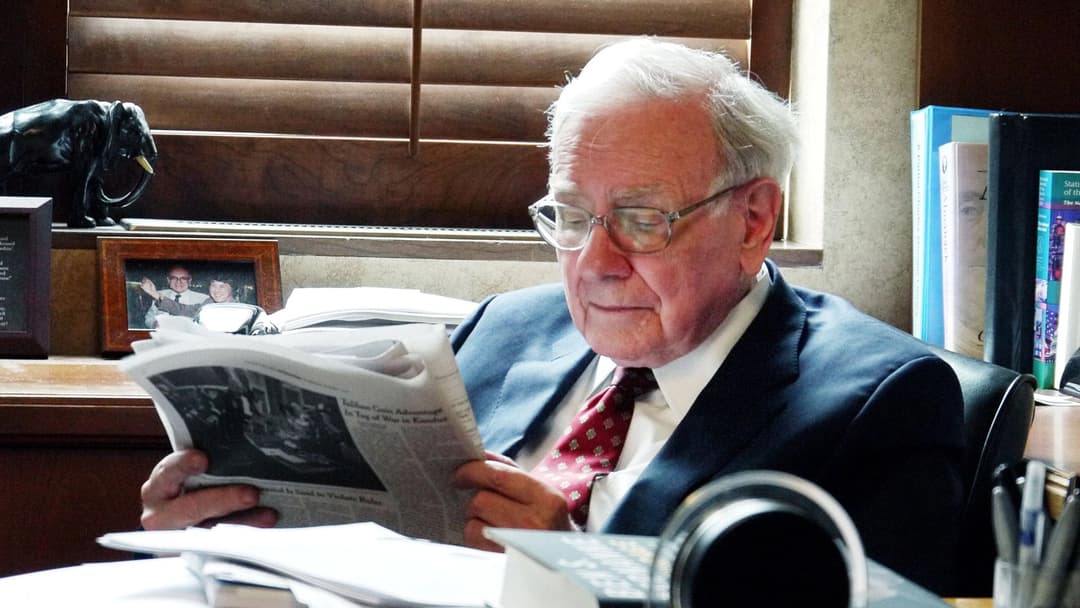
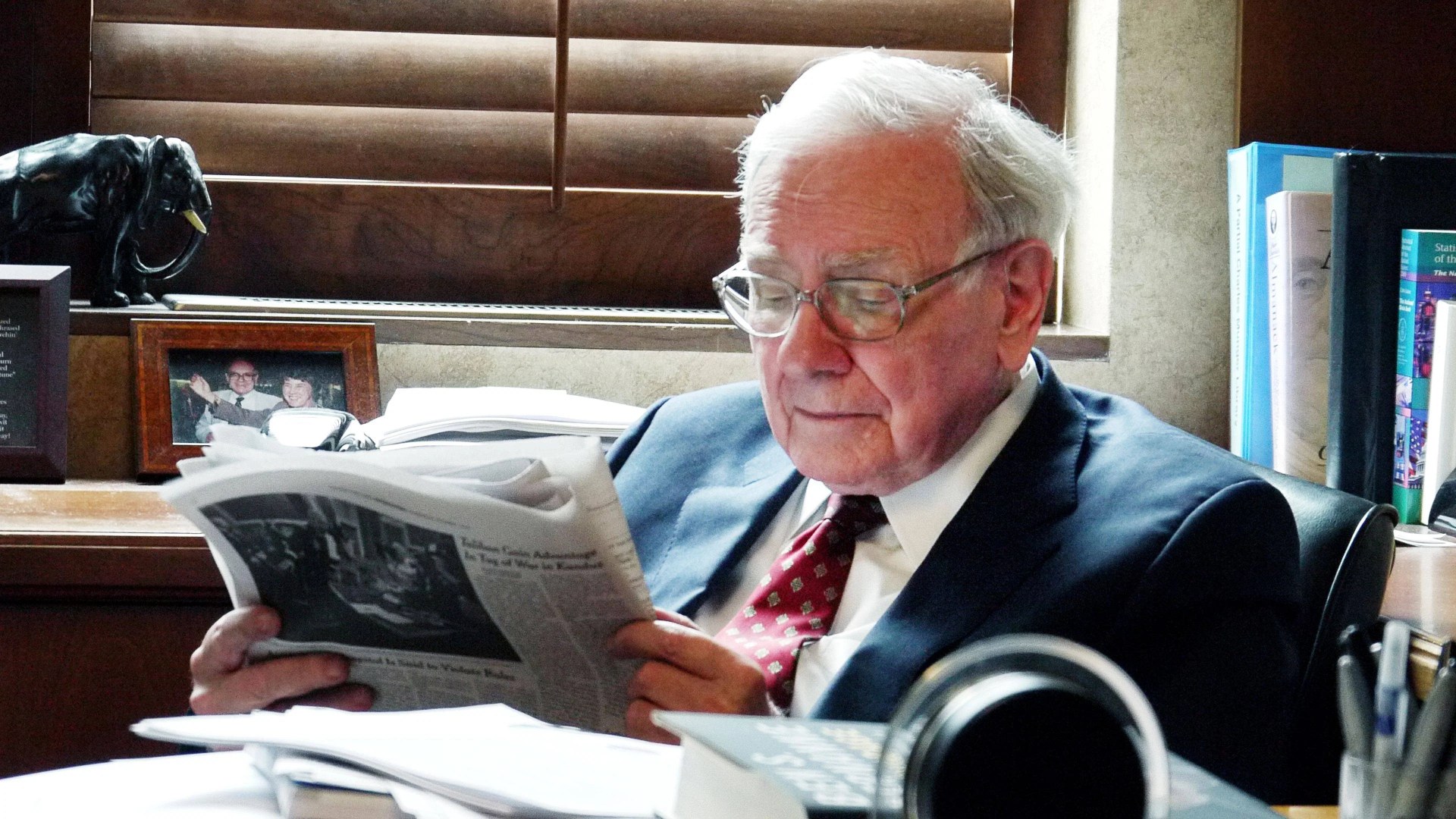
18. Warren Buffett
Patience built billions. Warren Buffett took control of Berkshire Hathaway in 1965, transforming the textile mill into a conglomerate controlling insurers and railroads. Compounding worked wonders. His annual returns averaged nearly twenty percent over six decades, lifting his net worth past $145 billion.
©TMDb / HBO Documentary Films
Advertisement
Swipe or tap ▶ to resume the countdown.
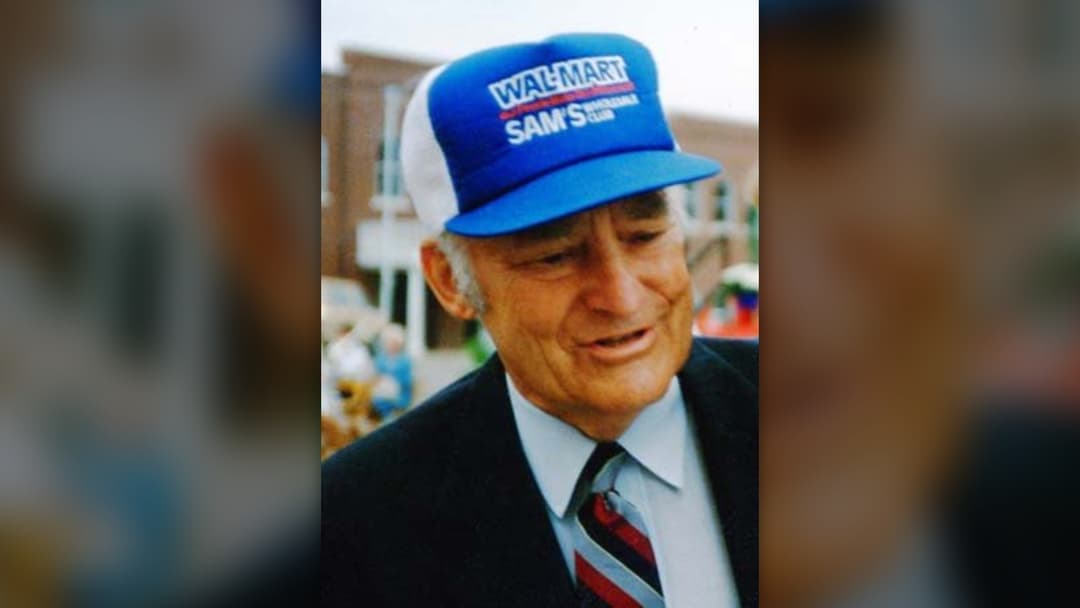
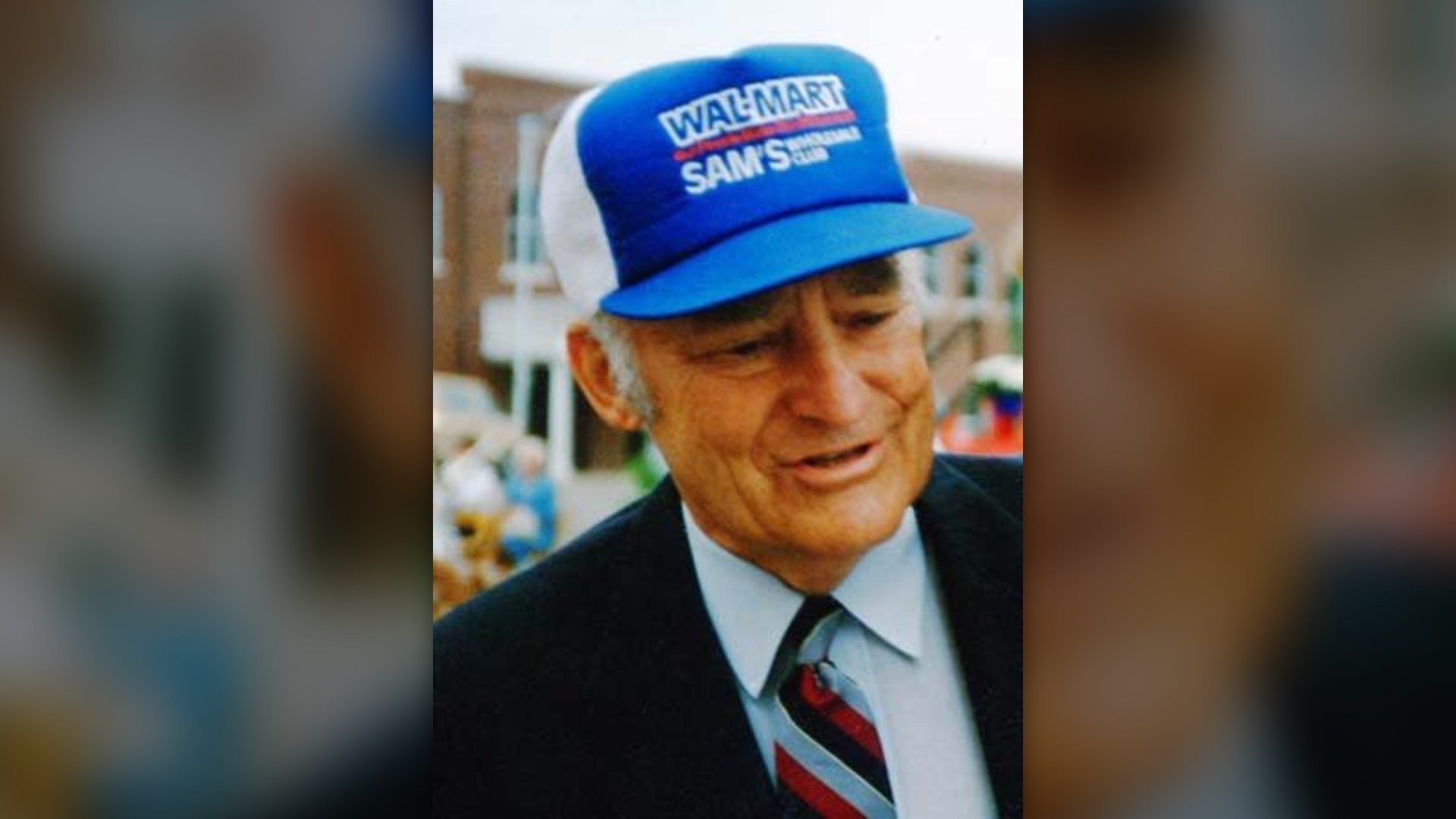
17. Sam Walton
Rural retail boomed. Sam Walton opened his first Walmart in Arkansas in 1962, pairing low prices with automated supply chains that undercut regional competitors. Logistics drove dominance. At his death in 1992, Walton's family fortune surpassed $150 billion in today's dollars.
©Wikimedia / Janice Waltzer
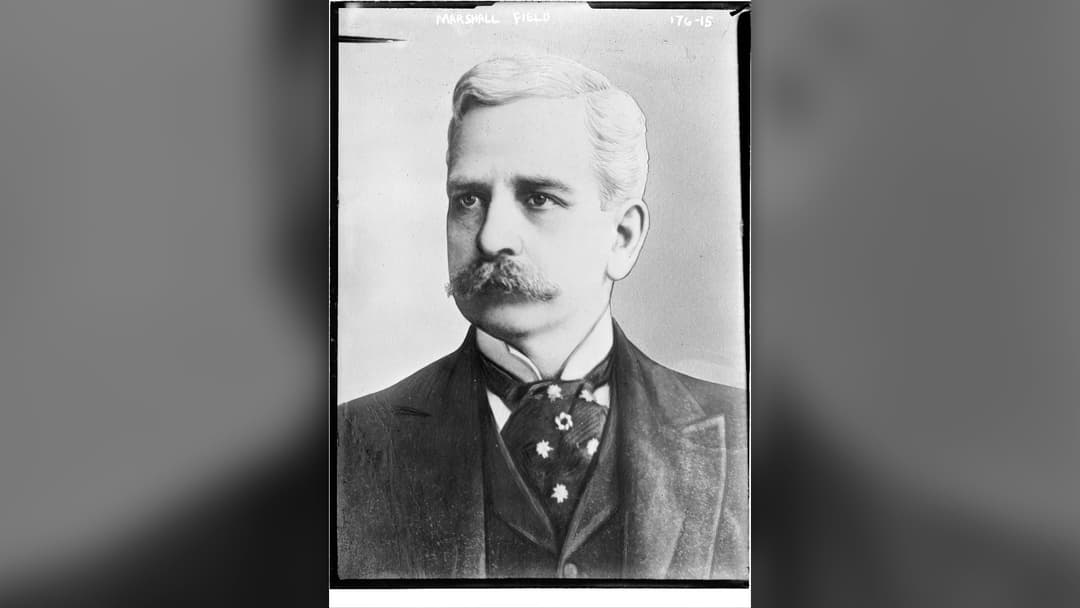
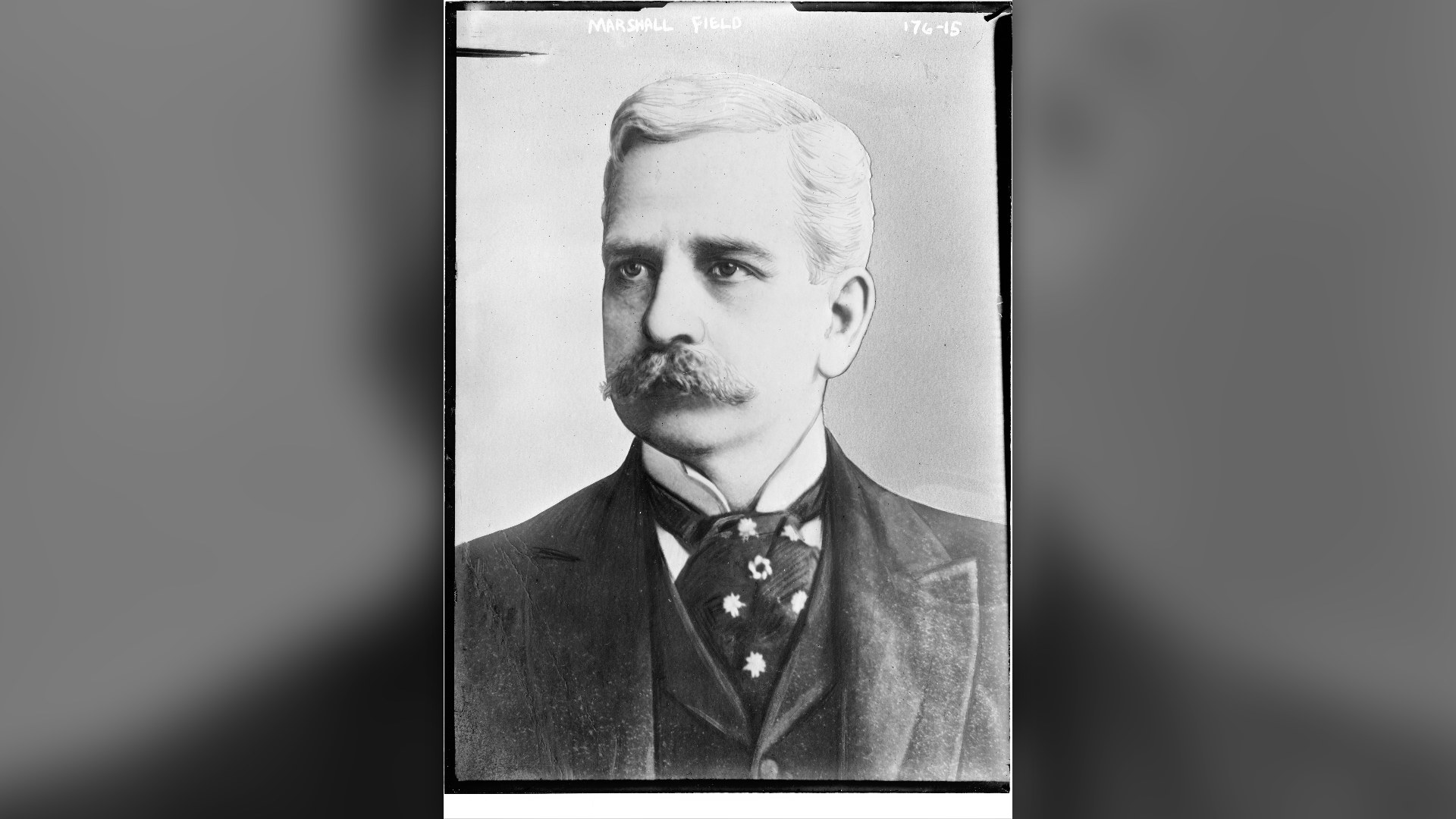
16. Marshall Field
Customer service ruled. Marshall Field popularized the slogan 'give the lady what she wants' at his Chicago flagship, introducing revolving credit and dining to shoppers. Profits went into property. Field invested his massive retail earnings into prime downtown real estate, leaving a $155 billion legacy.
©Wikimedia / Bain News Service
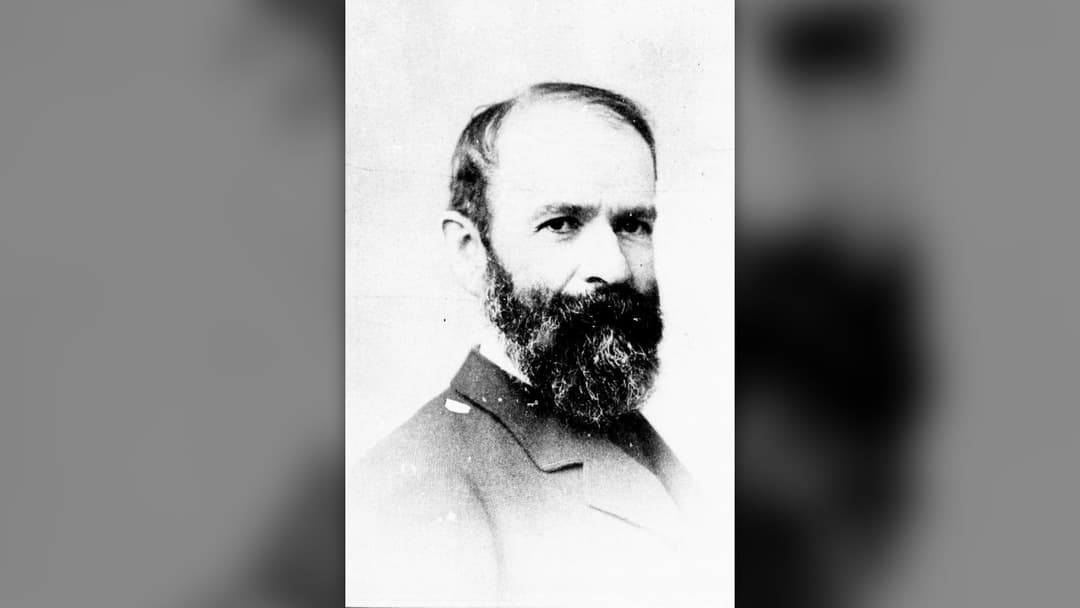
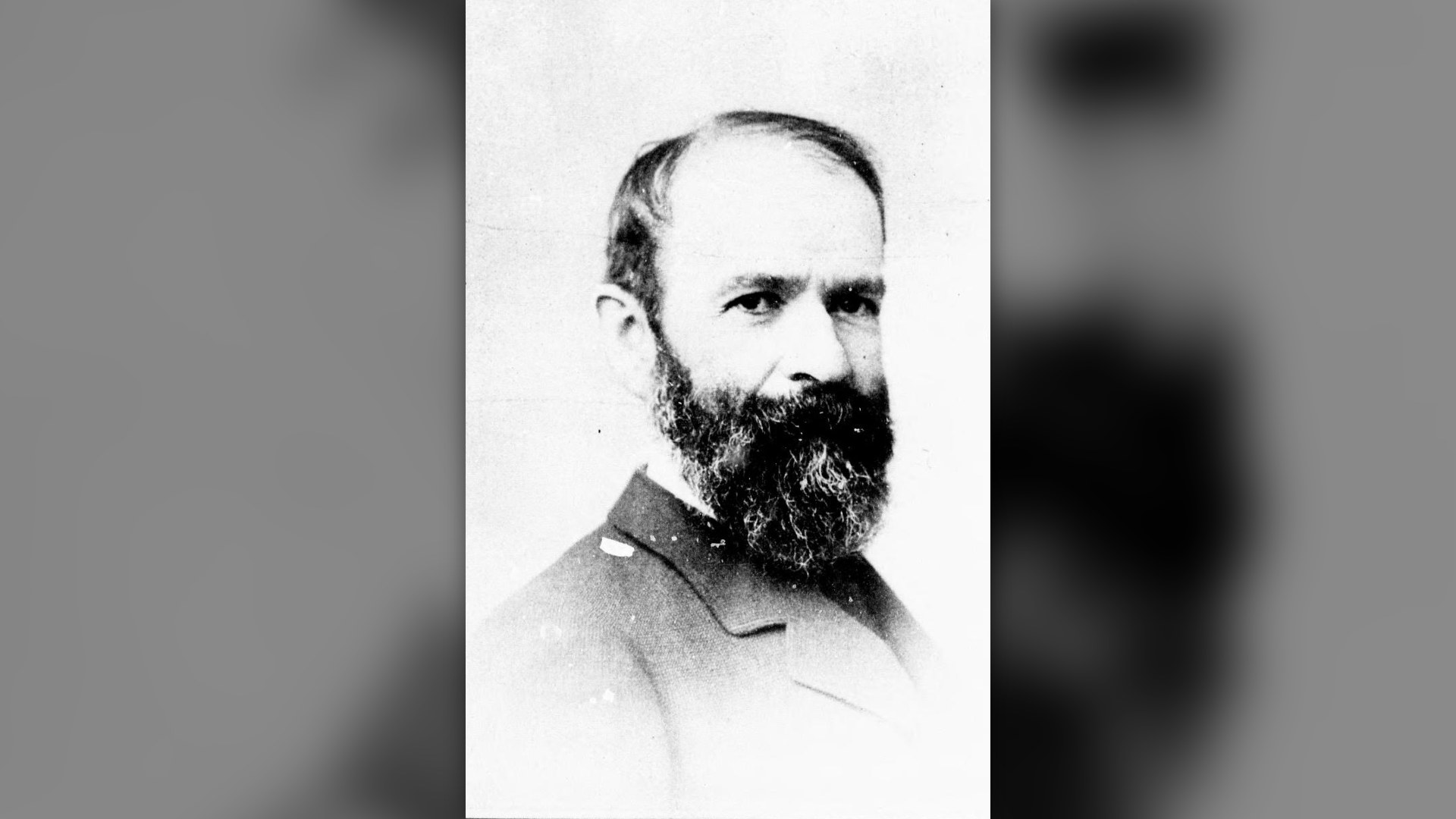
15. Jay Gould
Speculation paid off. Jay Gould dominated Wall Street during the Gilded Age, cornering the national gold market in 1869 and wresting control of the Erie Railroad. Rail lines multiplied. By 1880, Gould controlled ten thousand miles of railway track, amassing an inflation-adjusted $160 billion fortune.
©Wikimedia / Mathew Brady Studio
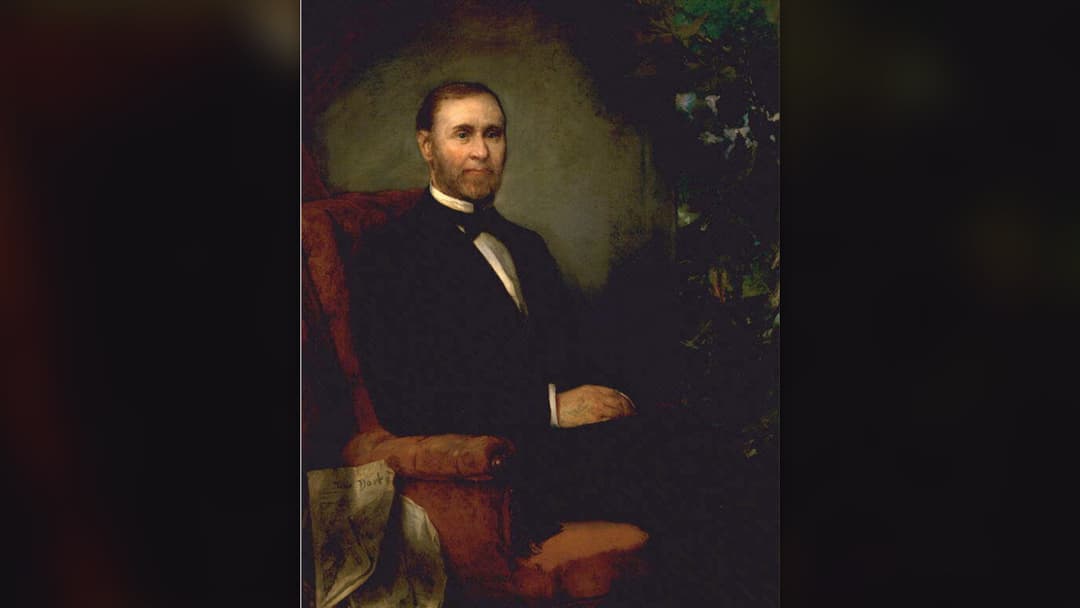
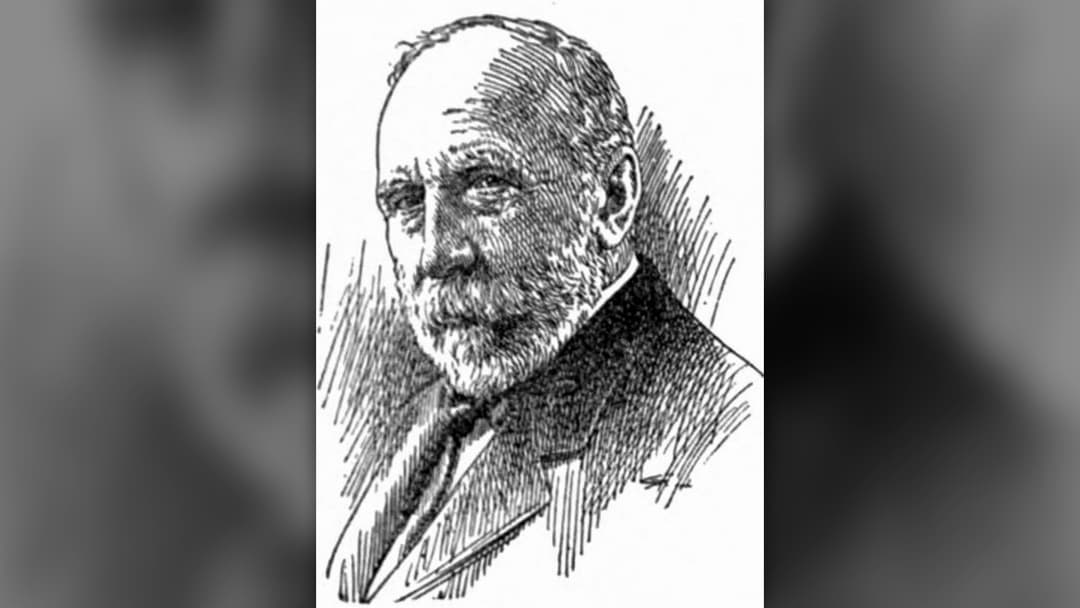
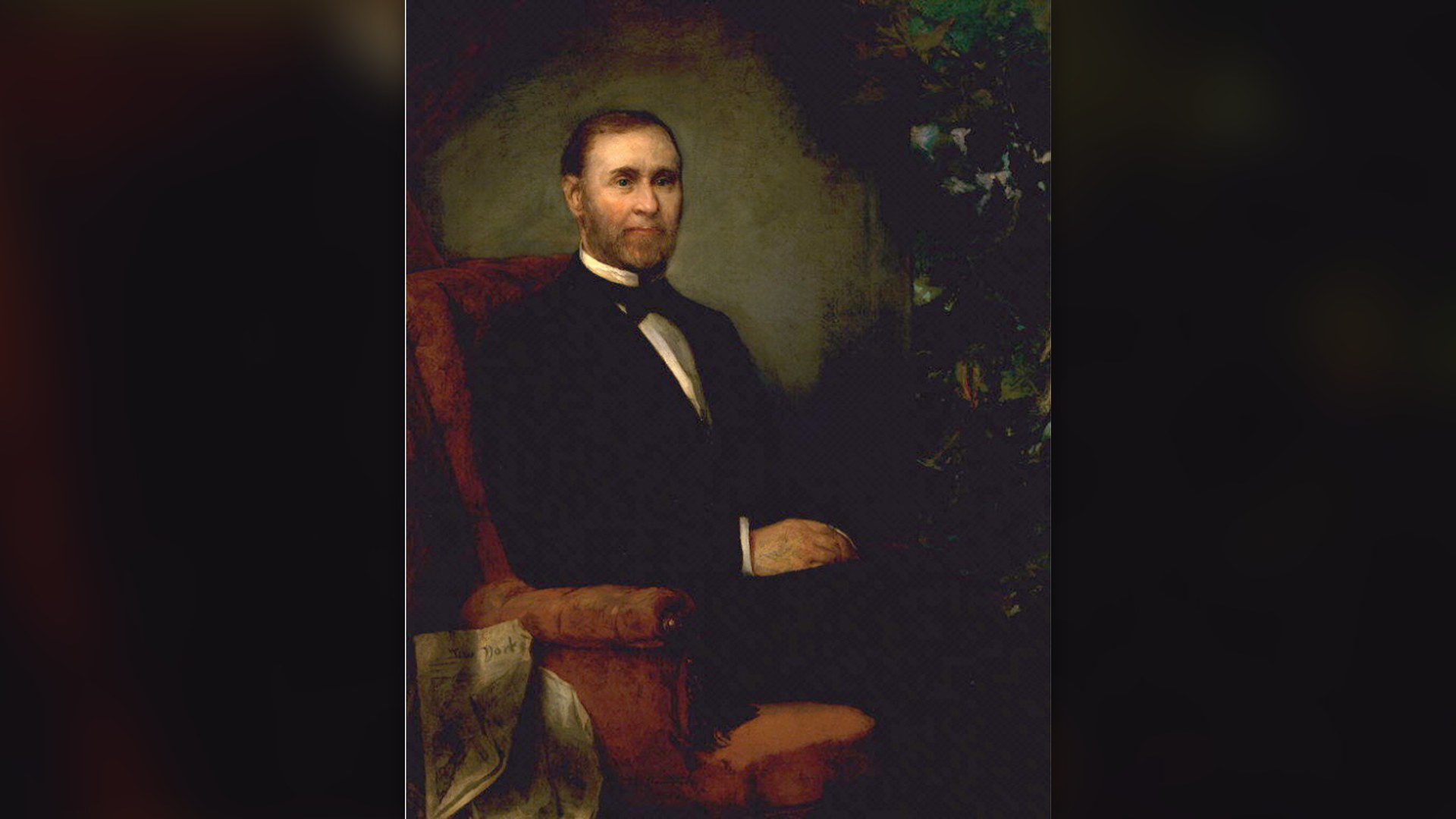
14. Alexander Turney Stewart
Broadway saw history. Alexander Turney Stewart opened New York's Marble Palace in 1846, creating America's first department store with fixed prices rather than haggling. Wartime contracts expanded sales. He supplied Union Army uniforms during the Civil War, building an unprecedented $165 billion estate.
©Wikimedia / Thomas Le Clear
Advertisement
Swipe or tap ▶ to resume the countdown.
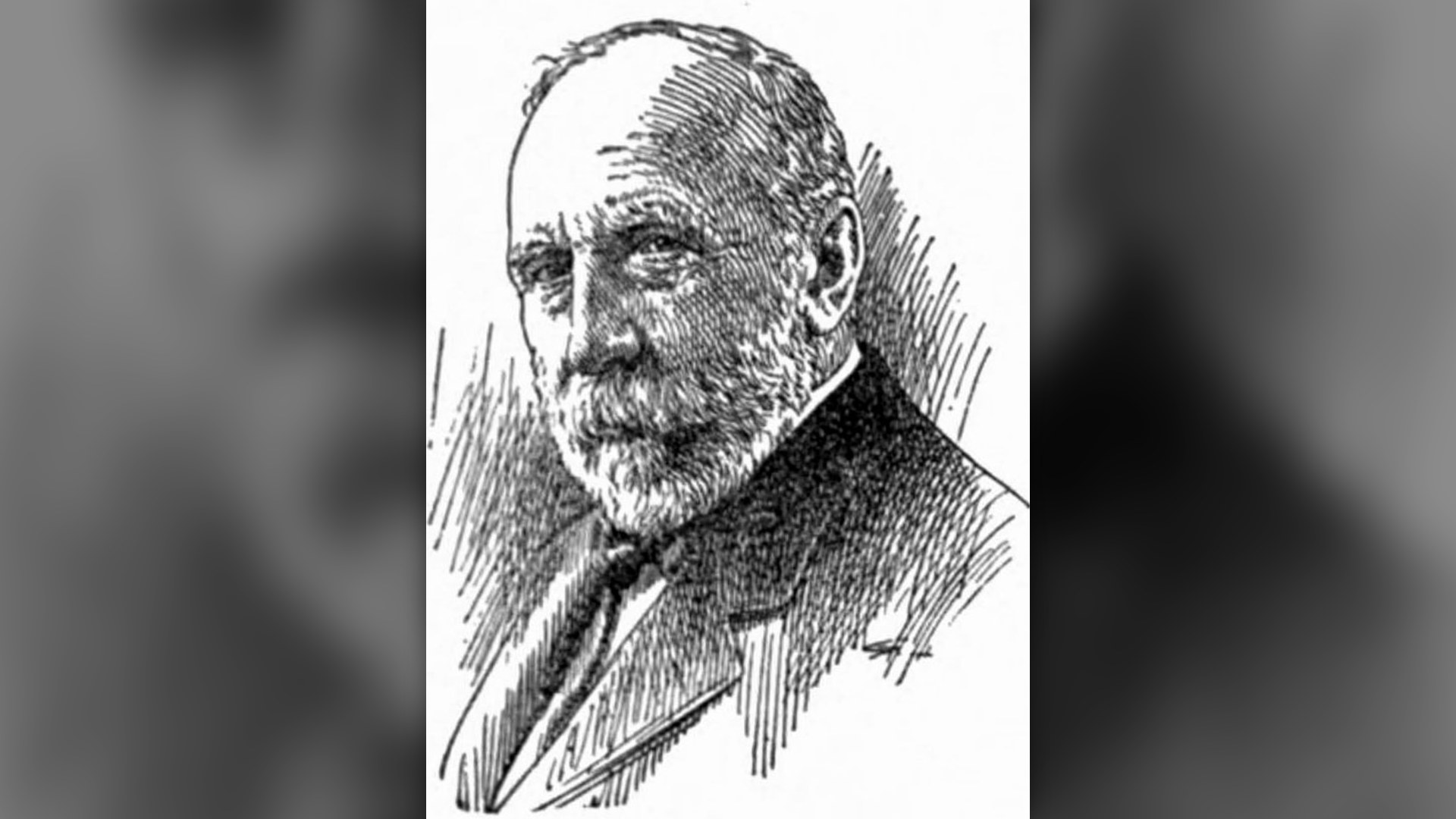
13. Frederick Weyerhaeuser
Timber built empires. Frederick Weyerhaeuser arrived penniless from Germany before partnering with railroad tycoon James J. Hill in 1900 to buy massive timberland tracts. Mills ran nonstop. His syndicate dominated American lumber production, leaving an estate valued at $170 billion in today's currency.
©Wikimedia / Unknown artist
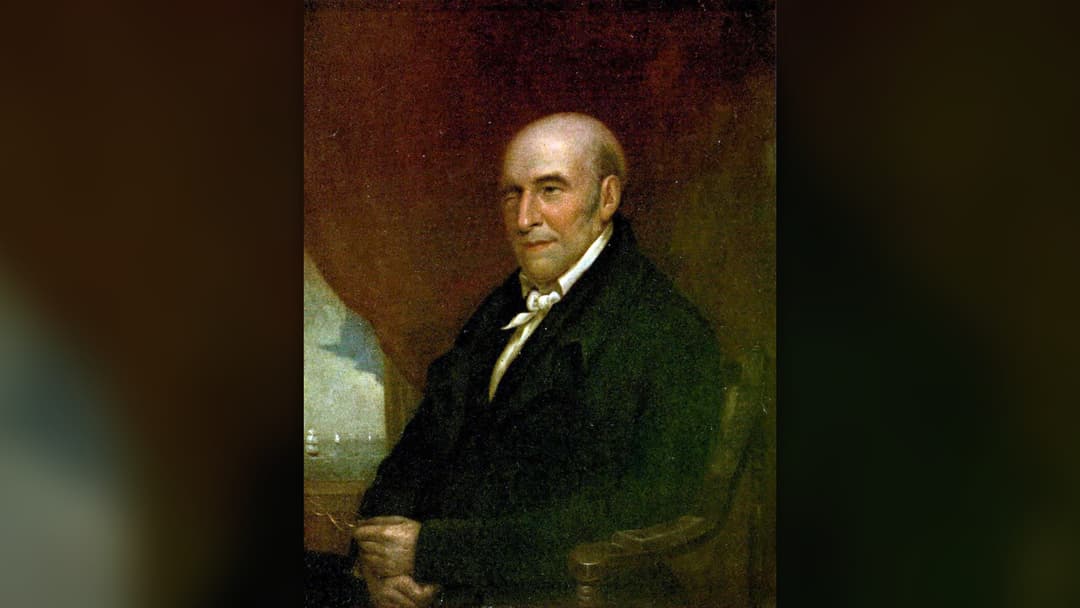
12. Stephen Girard
One man funded victory. Stephen Girard built a global shipping fleet before loaning eight million dollars to the United States Treasury to save federal finances in 1813. Banking secured power. He was America's richest citizen at death, leaving an estate worth $175 billion today.
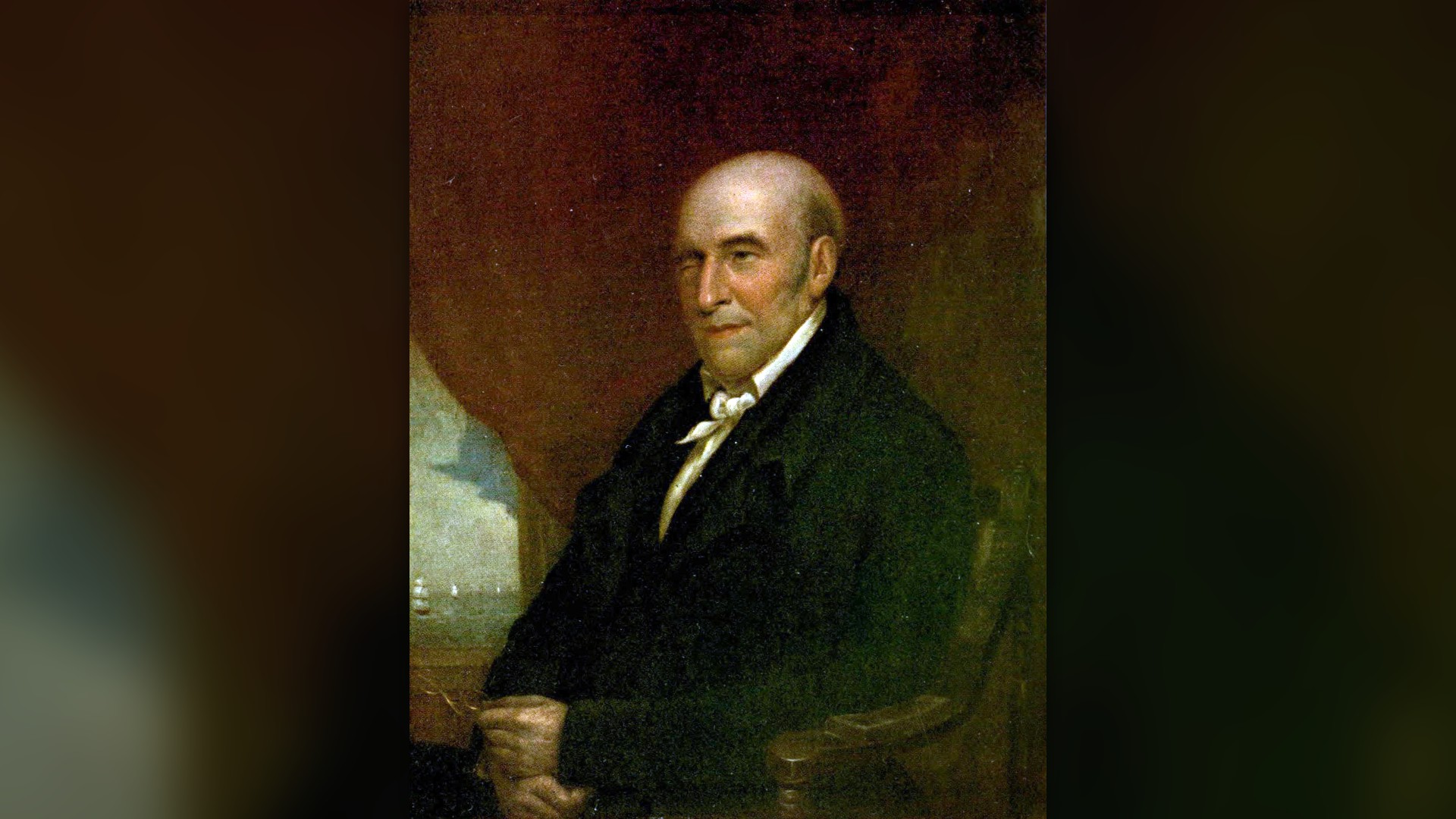
©Wikimedia / Stephen Girard
11. Mark Zuckerberg
Social networks exploded. Mark Zuckerberg launched Facebook from a Harvard dorm room in 2004, acquiring Instagram and WhatsApp to build a dominant advertising colossus. Scale drove revenue. His controlling equity shares have lifted his modern personal fortune past $180 billion.

©Wikimedia / Jason McELweenie
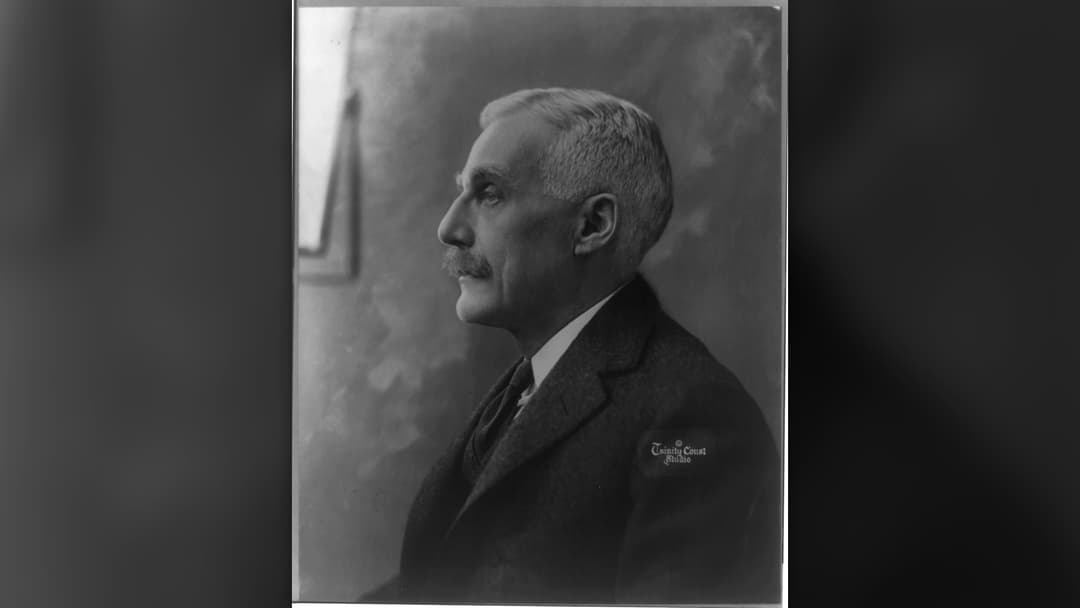
10. Andrew Mellon
Pittsburgh steel prospered. Andrew Mellon transformed his father's banking house into a venture capital powerhouse, financing aluminum giant Alcoa and Gulf Oil from early stages. Treasury leadership followed. As Treasury Secretary in the 1920s, Mellon accumulated an estate exceeding $185 billion.
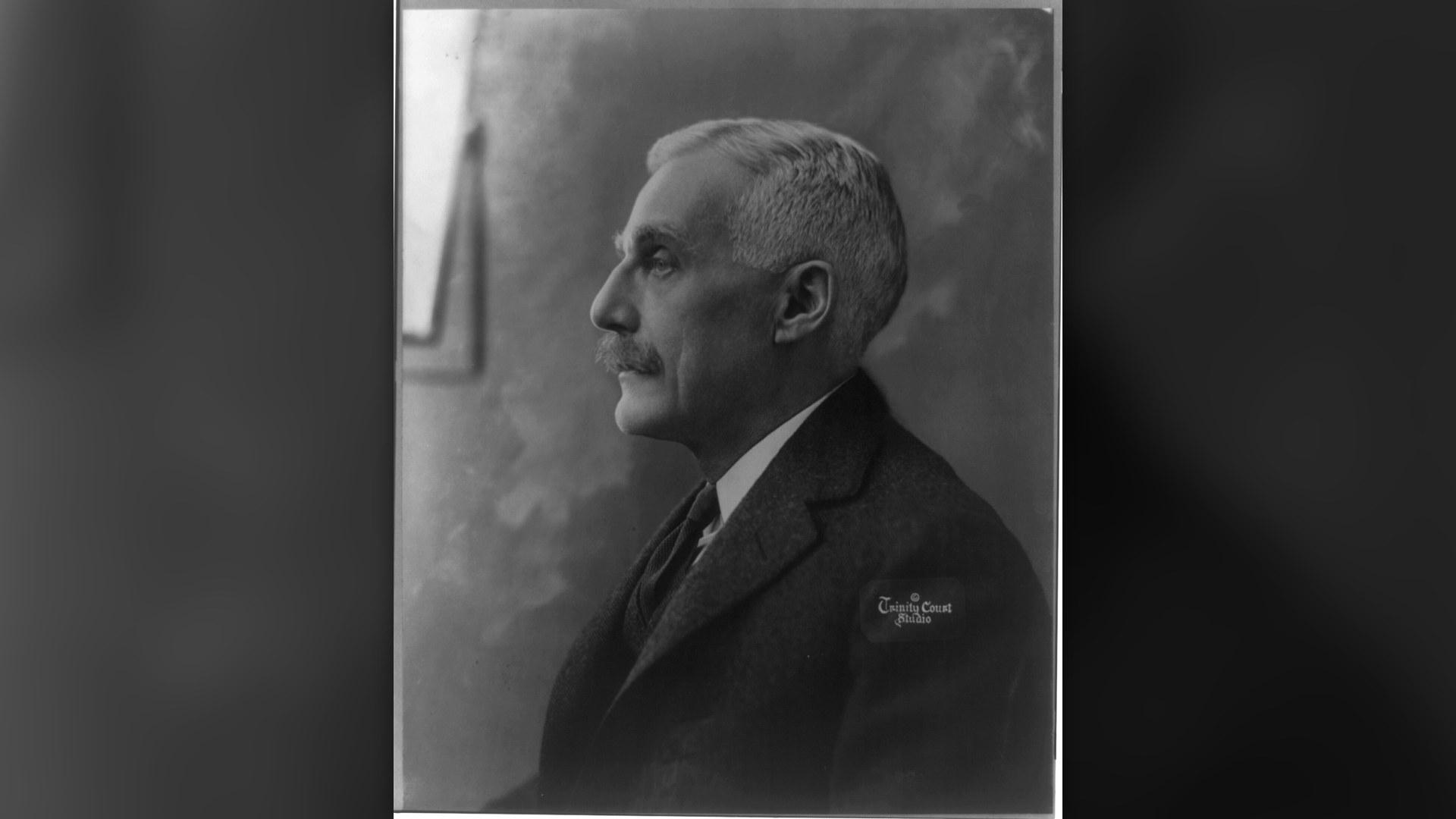
©Wikimedia / Library of Congress
Advertisement
Swipe or tap ▶ to resume the countdown.
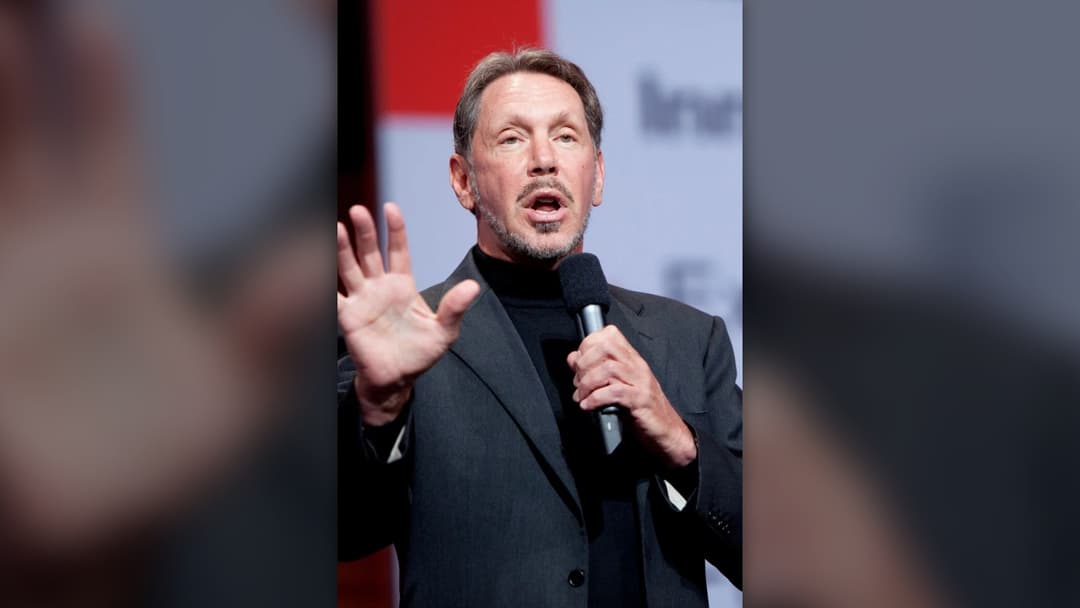
9. Larry Ellison
Databases ran commerce. Larry Ellison co-founded Software Development Laboratories in 1977 with twelve hundred dollars, developing relational database systems for enterprise clients. Cloud demand grew. Ellison's massive equity stake in Oracle Corporation drives his $190 billion net worth.
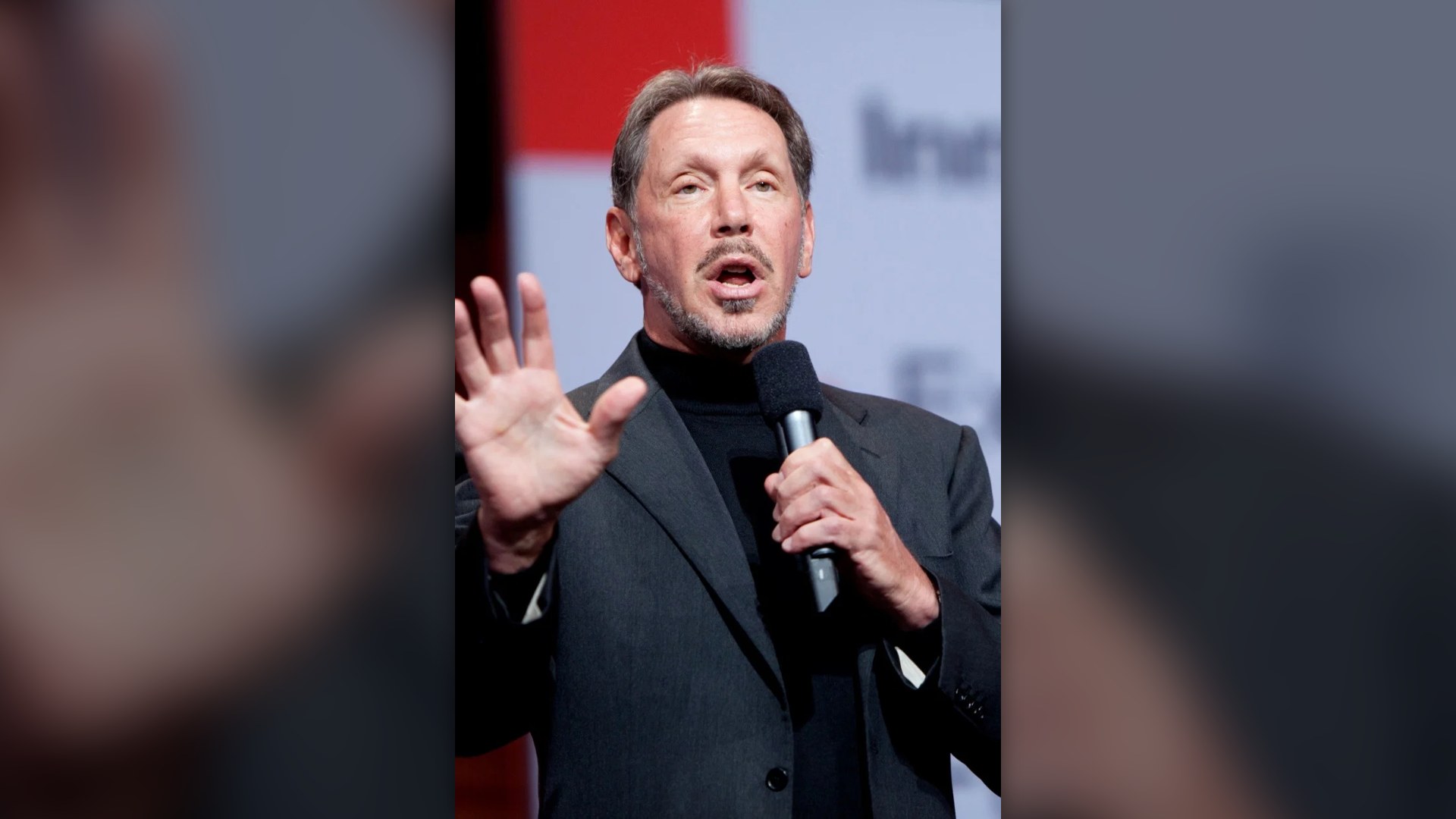
©TMDb / Larry Ellison
8. Bill Gates
Software ruled homes. Bill Gates dropped out of Harvard in 1975 to license MS-DOS to IBM, securing an operating system monopoly that powered the PC revolution. Valuations hit records. At the 1999 dot-com market peak, his personal wealth exceeded $210 billion in modern purchasing power.
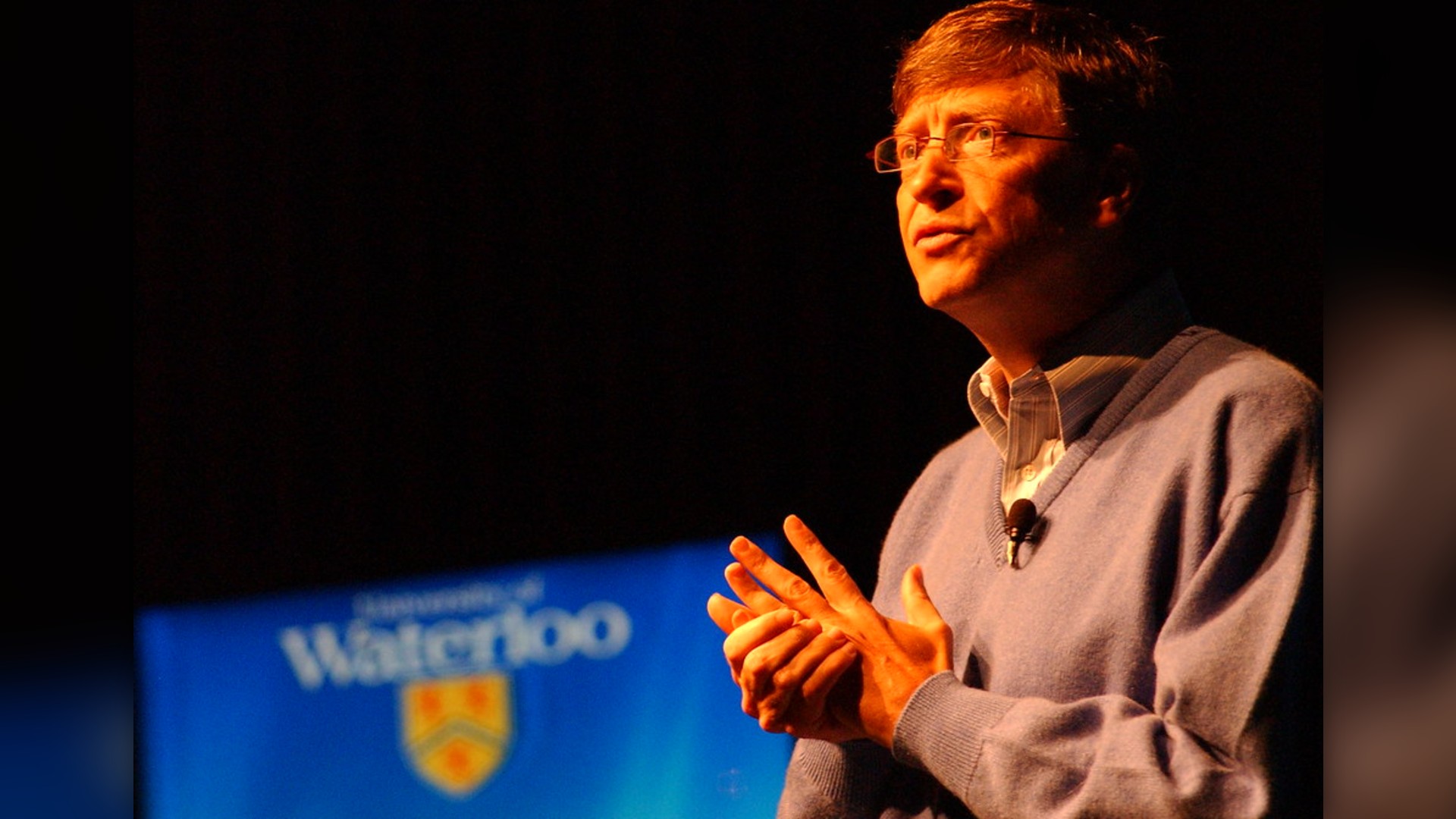
©Openverse / batmoo
7. Jeff Bezos
Commerce moved online. Jeff Bezos founded Amazon in a Seattle garage in 1994, expanding from books into global logistics infrastructure and enterprise cloud computing. E-commerce exploded worldwide. Surging cloud profits helped Bezos amass a peak net worth of $215 billion.
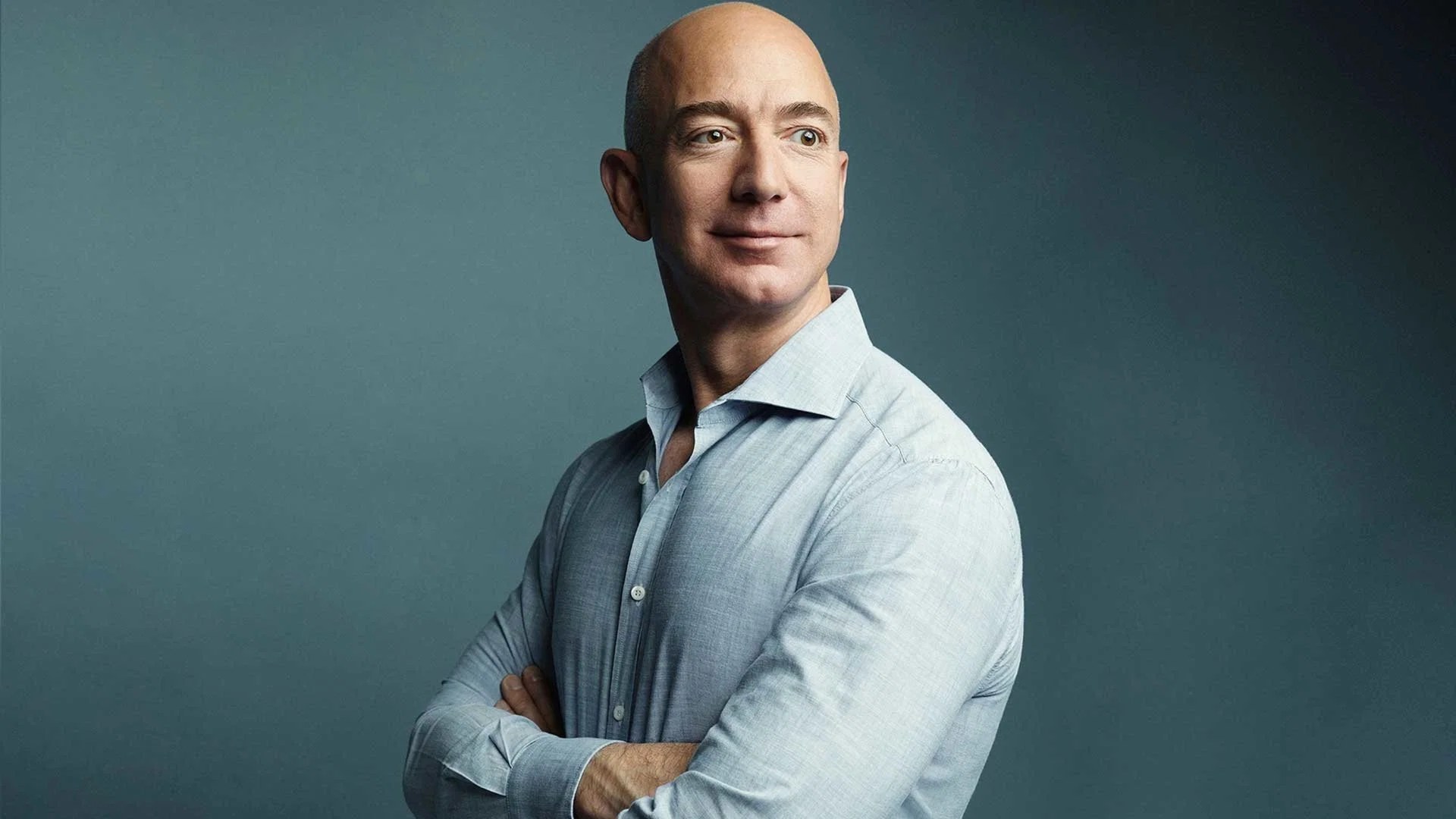
©TMDb / Jeff Bezos
6. Elon Musk
Rockets flew higher. Elon Musk reinvested his PayPal millions into Tesla and SpaceX, building reusable Falcon rockets and turning electric cars into mass-market vehicles. Valuations surged rapidly. Unprecedented stock market rallies propelled Musk's fortune past $250 billion, setting modern historical records.

©Openverse / jurvetson
Advertisement
Swipe or tap ▶ to resume the countdown.
5. John Jacob Astor
Manhattan real estate paid. John Jacob Astor arrived in 1783 with five pounds, monopolizing the North American fur trade before investing every dollar into Manhattan farmland. City growth exploded. By his death in 1848, Astor owned one-hundredth of all national wealth, equaling $260 billion today.
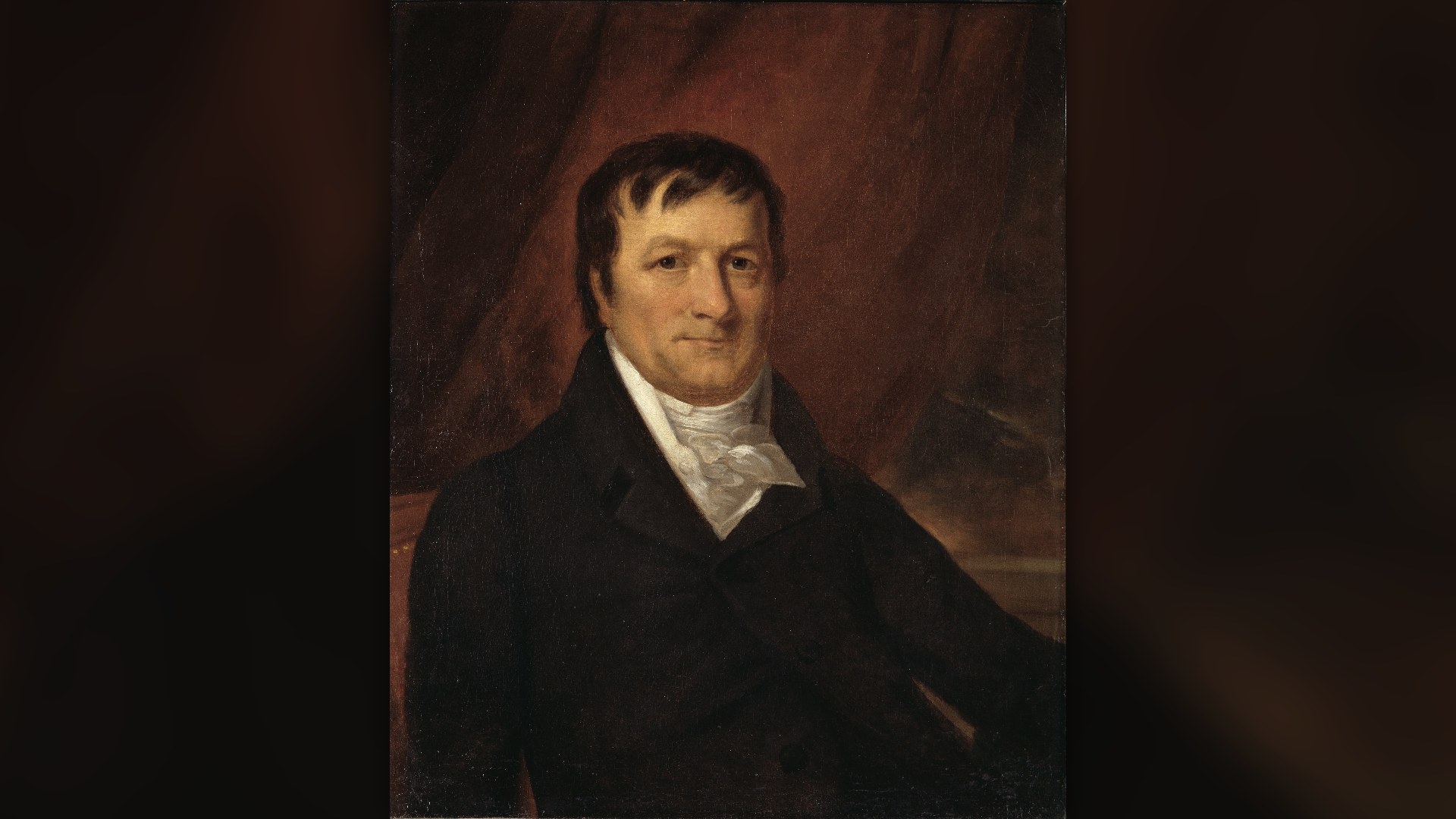
©Wikimedia / John Wesley Jarvis
4. Henry Ford
Assembly lines accelerated. Henry Ford installed the moving assembly line at Highland Park in 1913, reducing Model T build times from twelve hours to ninety minutes. Costs plunged dramatically. Ford accumulated an inflation-adjusted fortune exceeding $280 billion as car ownership became universal.
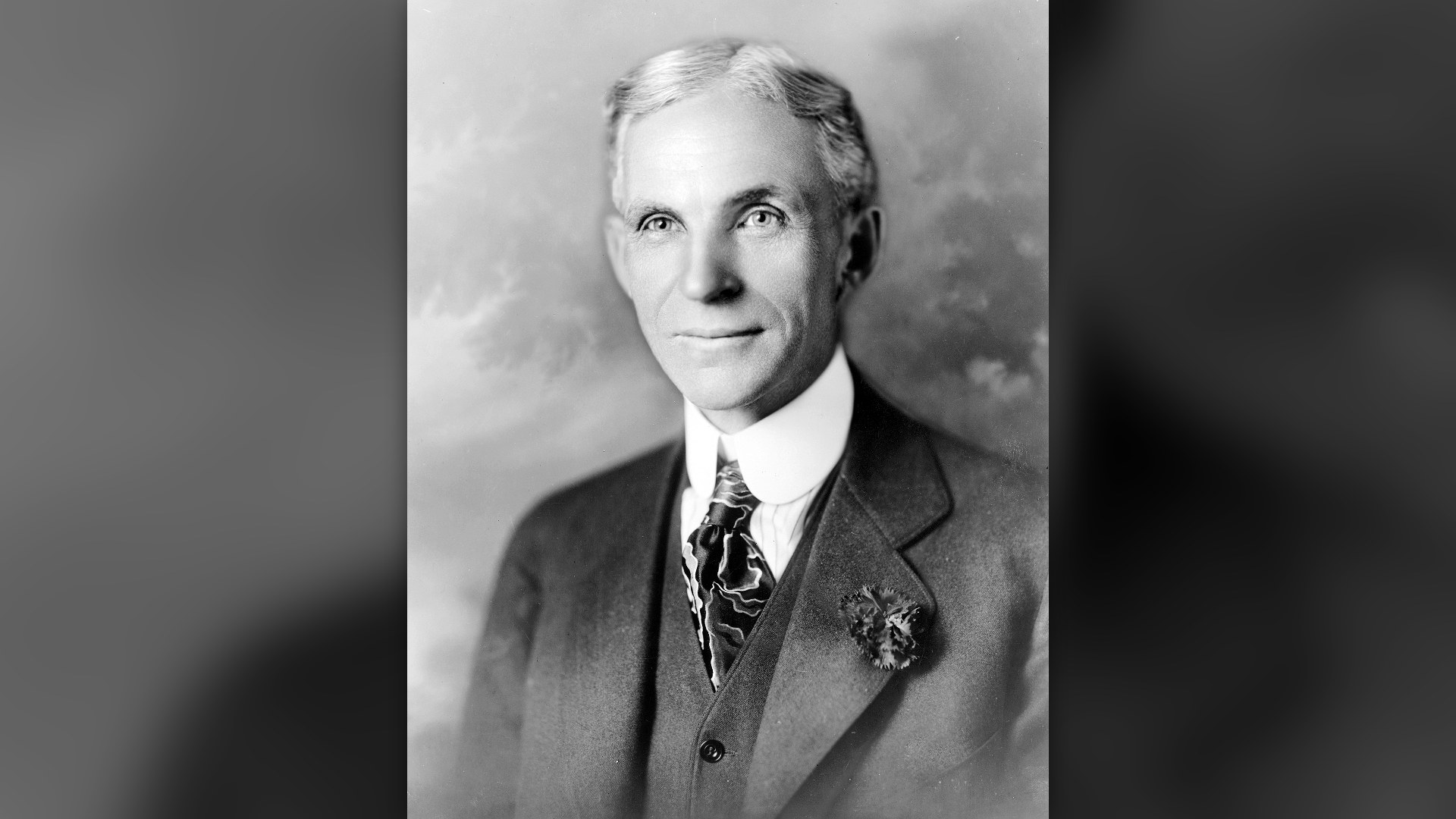
©Wikimedia / Fred Hartsook
3. Cornelius Vanderbilt
Railroads linked states. Cornelius Vanderbilt began ferrying harbor passengers on a borrowed sailboat before creating the New York Central Railroad network. Transport dominated markets. At his death in 1877, Vanderbilt held one out of every nine dollars in United States currency, equaling $300 billion.
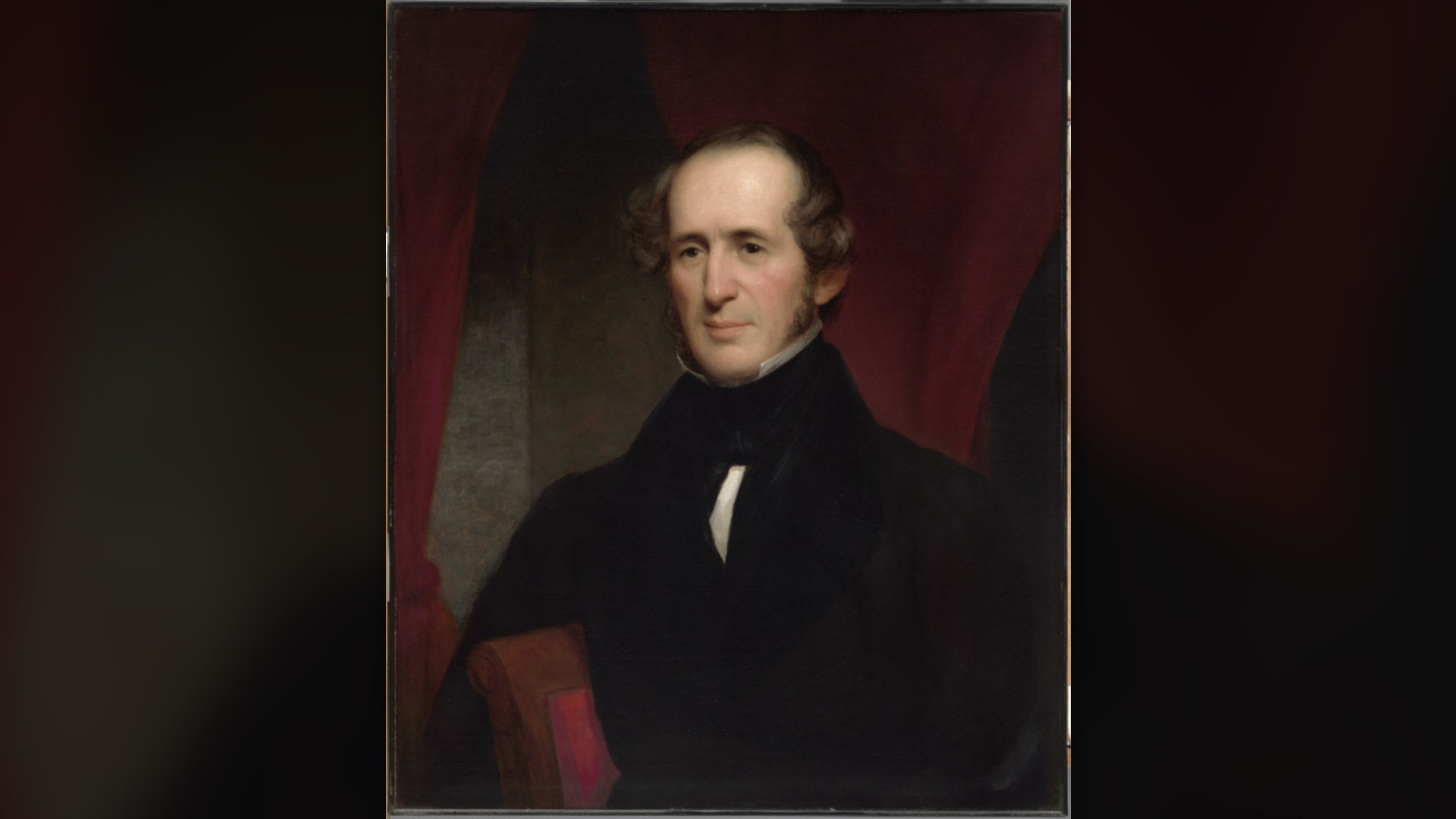
©Wikimedia / Nathaniel Jocelyn
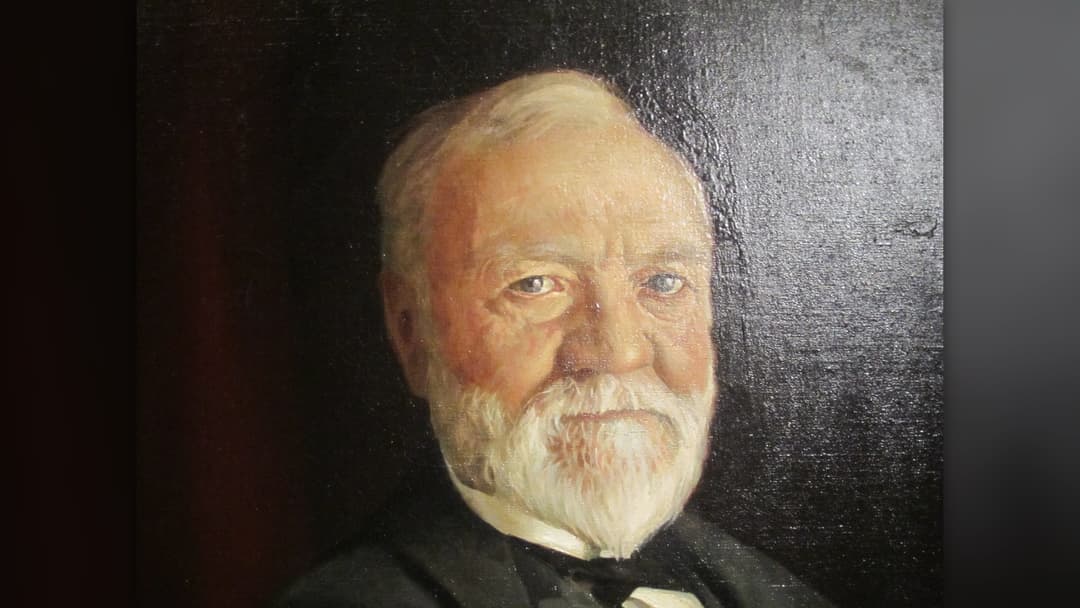
2. Andrew Carnegie
Steel framed cities. Andrew Carnegie started as a one-dollar-a-week bobbin boy, adopting the Bessemer process to manufacture steel rails across industrializing America. He sold out. In 1901, J.P. Morgan bought Carnegie Steel for $480 million, giving Carnegie an inflation-adjusted fortune of $350 billion.
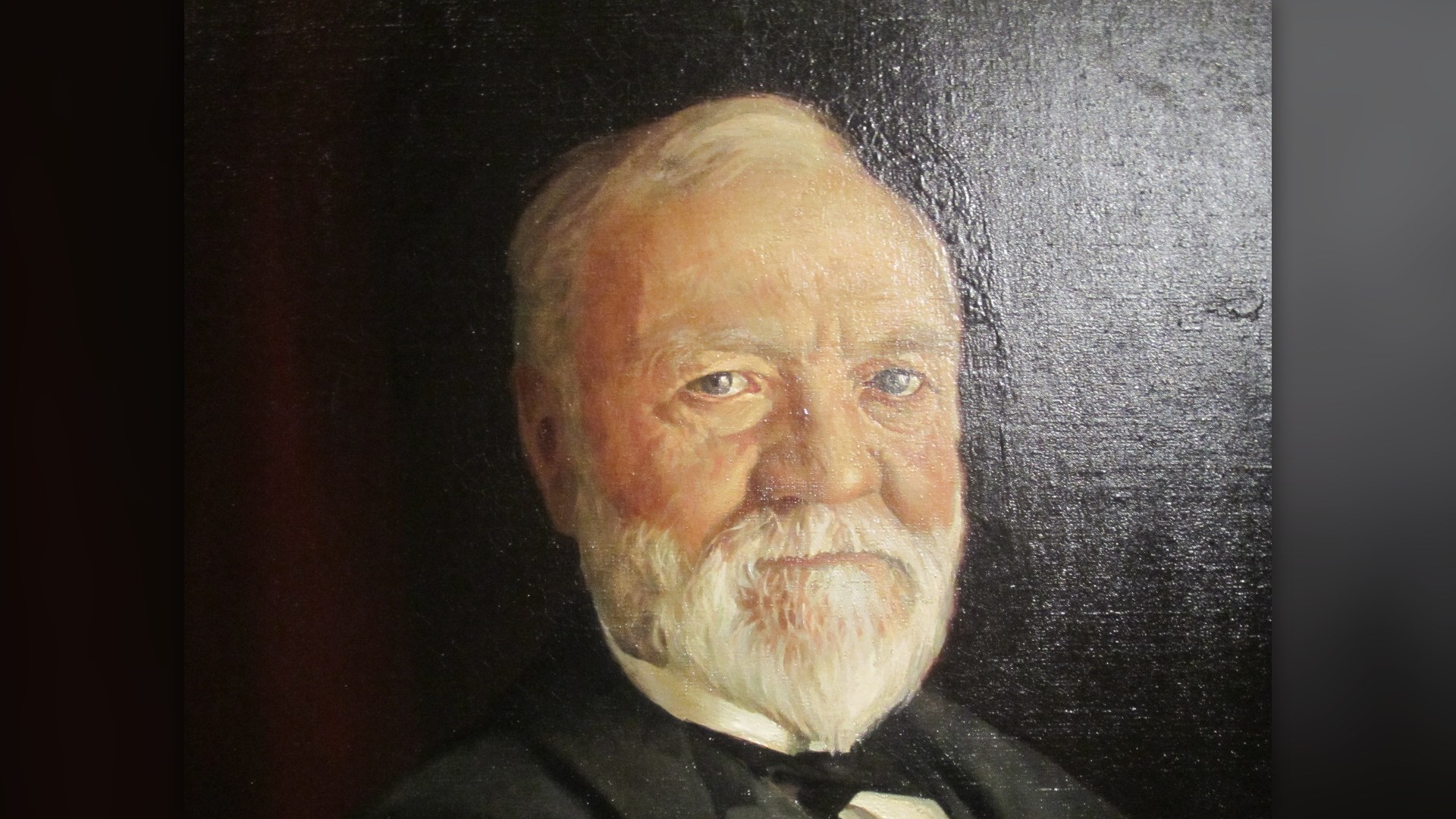
©Wikimedia / National Portrait Gallery
Advertisement
Swipe or tap ▶ to resume the countdown.
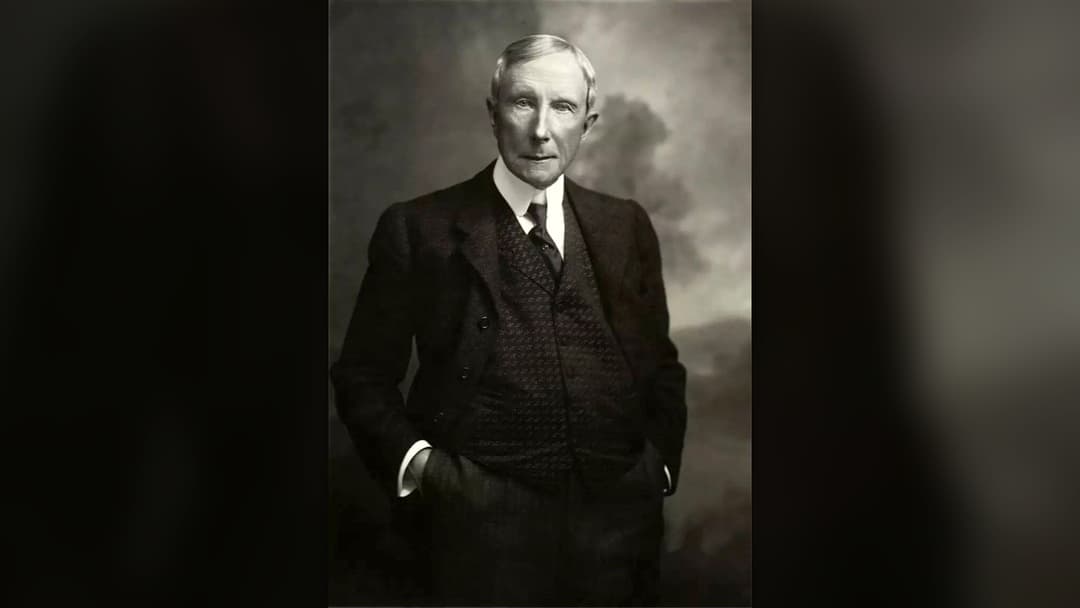
1. John D. Rockefeller
Refining ruled oil. John D. Rockefeller formed Standard Oil in 1870, using strict cost control and rail rebates to dominate American oil refining. Monopoly created unmatched wealth. His fortune equaled two percent of national economic output, totaling $420 billion today.
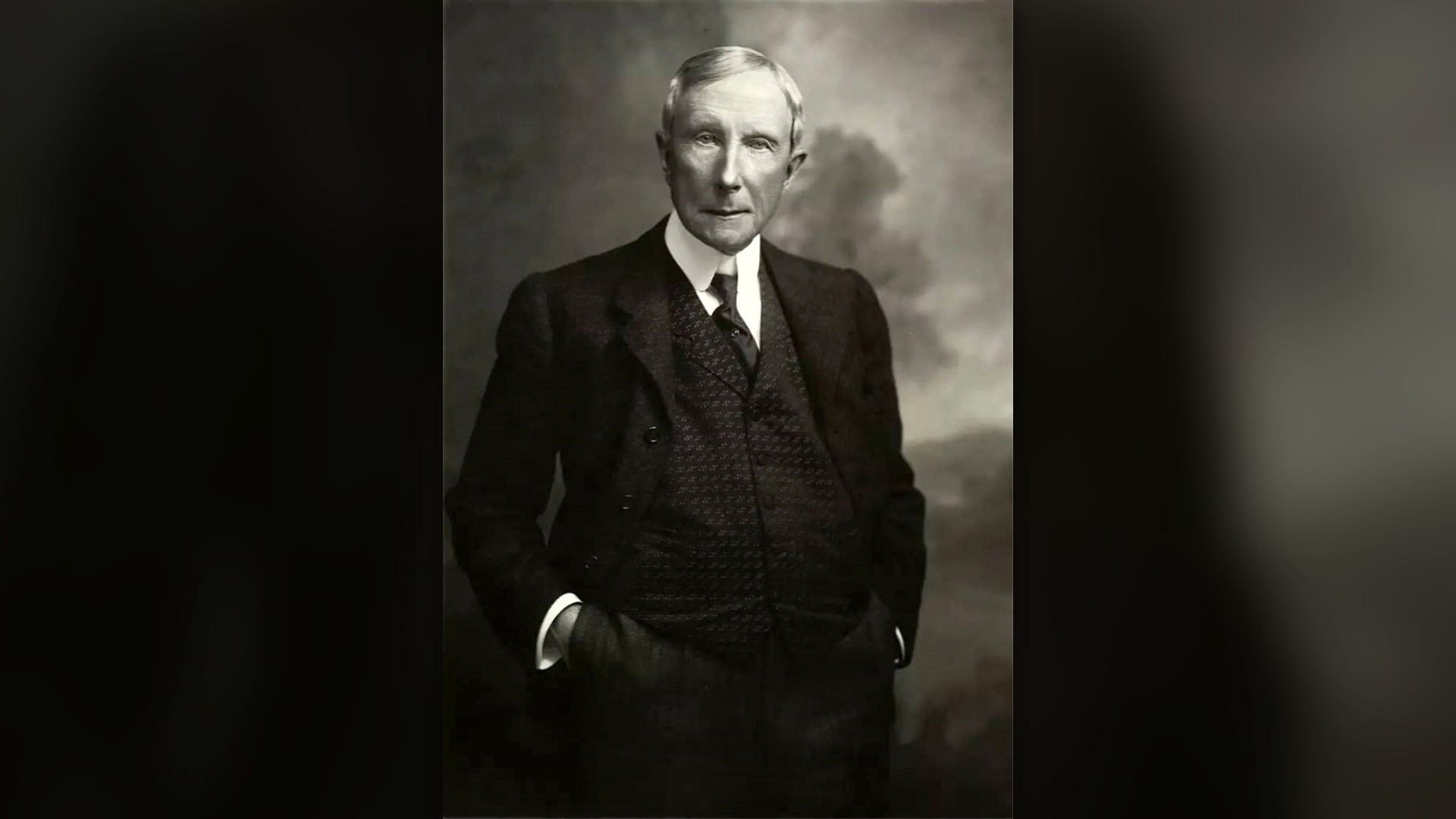
©Wikimedia / Oscar White
Advertisement
You've reached the end of the story. Thanks for reading!

22 Most Affordable Towns to Buy a Home in Scotland, Ranked
Ranked by average residential property prices from official Registers of Scotland sales data, these 22 historic Scottish communities combine scenic living with genuine affordability. Scotland offers value. According to official Registers of Scotland property records, twenty-two historic settlements provide welcoming communities.
All 20 Entries in this Story
20. Steve Ballmer
Timing was everything. Steve Ballmer joined Microsoft in 1980 as its thirtieth employee, negotiating an eight percent equity stake that formed the bedrock of his immense wealth. Shares soared. Today, his Microsoft holdings and ownership of the Los Angeles Clippers push his net worth past $130 billion.

19. Larry Page
Search changed forever. Larry Page built Google with Sergey Brin at Stanford, developing the PageRank algorithm that revolutionized digital search. Growth followed fast. Retaining super-voting shares allowed Page to accumulate $145 billion as Alphabet expanded into cloud services.

18. Warren Buffett
Patience built billions. Warren Buffett took control of Berkshire Hathaway in 1965, transforming the textile mill into a conglomerate controlling insurers and railroads. Compounding worked wonders. His annual returns averaged nearly twenty percent over six decades, lifting his net worth past $145 billion.

17. Sam Walton
Rural retail boomed. Sam Walton opened his first Walmart in Arkansas in 1962, pairing low prices with automated supply chains that undercut regional competitors. Logistics drove dominance. At his death in 1992, Walton's family fortune surpassed $150 billion in today's dollars.

16. Marshall Field
Customer service ruled. Marshall Field popularized the slogan 'give the lady what she wants' at his Chicago flagship, introducing revolving credit and dining to shoppers. Profits went into property. Field invested his massive retail earnings into prime downtown real estate, leaving a $155 billion legacy.

15. Jay Gould
Speculation paid off. Jay Gould dominated Wall Street during the Gilded Age, cornering the national gold market in 1869 and wresting control of the Erie Railroad. Rail lines multiplied. By 1880, Gould controlled ten thousand miles of railway track, amassing an inflation-adjusted $160 billion fortune.

14. Alexander Turney Stewart
Broadway saw history. Alexander Turney Stewart opened New York's Marble Palace in 1846, creating America's first department store with fixed prices rather than haggling. Wartime contracts expanded sales. He supplied Union Army uniforms during the Civil War, building an unprecedented $165 billion estate.

13. Frederick Weyerhaeuser
Timber built empires. Frederick Weyerhaeuser arrived penniless from Germany before partnering with railroad tycoon James J. Hill in 1900 to buy massive timberland tracts. Mills ran nonstop. His syndicate dominated American lumber production, leaving an estate valued at $170 billion in today's currency.

12. Stephen Girard
One man funded victory. Stephen Girard built a global shipping fleet before loaning eight million dollars to the United States Treasury to save federal finances in 1813. Banking secured power. He was America's richest citizen at death, leaving an estate worth $175 billion today.

11. Mark Zuckerberg
Social networks exploded. Mark Zuckerberg launched Facebook from a Harvard dorm room in 2004, acquiring Instagram and WhatsApp to build a dominant advertising colossus. Scale drove revenue. His controlling equity shares have lifted his modern personal fortune past $180 billion.

10. Andrew Mellon
Pittsburgh steel prospered. Andrew Mellon transformed his father's banking house into a venture capital powerhouse, financing aluminum giant Alcoa and Gulf Oil from early stages. Treasury leadership followed. As Treasury Secretary in the 1920s, Mellon accumulated an estate exceeding $185 billion.

9. Larry Ellison
Databases ran commerce. Larry Ellison co-founded Software Development Laboratories in 1977 with twelve hundred dollars, developing relational database systems for enterprise clients. Cloud demand grew. Ellison's massive equity stake in Oracle Corporation drives his $190 billion net worth.

8. Bill Gates
Software ruled homes. Bill Gates dropped out of Harvard in 1975 to license MS-DOS to IBM, securing an operating system monopoly that powered the PC revolution. Valuations hit records. At the 1999 dot-com market peak, his personal wealth exceeded $210 billion in modern purchasing power.

7. Jeff Bezos
Commerce moved online. Jeff Bezos founded Amazon in a Seattle garage in 1994, expanding from books into global logistics infrastructure and enterprise cloud computing. E-commerce exploded worldwide. Surging cloud profits helped Bezos amass a peak net worth of $215 billion.

6. Elon Musk
Rockets flew higher. Elon Musk reinvested his PayPal millions into Tesla and SpaceX, building reusable Falcon rockets and turning electric cars into mass-market vehicles. Valuations surged rapidly. Unprecedented stock market rallies propelled Musk's fortune past $250 billion, setting modern historical records.

5. John Jacob Astor
Manhattan real estate paid. John Jacob Astor arrived in 1783 with five pounds, monopolizing the North American fur trade before investing every dollar into Manhattan farmland. City growth exploded. By his death in 1848, Astor owned one-hundredth of all national wealth, equaling $260 billion today.

4. Henry Ford
Assembly lines accelerated. Henry Ford installed the moving assembly line at Highland Park in 1913, reducing Model T build times from twelve hours to ninety minutes. Costs plunged dramatically. Ford accumulated an inflation-adjusted fortune exceeding $280 billion as car ownership became universal.

3. Cornelius Vanderbilt
Railroads linked states. Cornelius Vanderbilt began ferrying harbor passengers on a borrowed sailboat before creating the New York Central Railroad network. Transport dominated markets. At his death in 1877, Vanderbilt held one out of every nine dollars in United States currency, equaling $300 billion.

2. Andrew Carnegie
Steel framed cities. Andrew Carnegie started as a one-dollar-a-week bobbin boy, adopting the Bessemer process to manufacture steel rails across industrializing America. He sold out. In 1901, J.P. Morgan bought Carnegie Steel for $480 million, giving Carnegie an inflation-adjusted fortune of $350 billion.

1. John D. Rockefeller
Refining ruled oil. John D. Rockefeller formed Standard Oil in 1870, using strict cost control and rail rebates to dominate American oil refining. Monopoly created unmatched wealth. His fortune equaled two percent of national economic output, totaling $420 billion today.