Slideshow · Entertainment
20 Singers Who Hated Their Biggest Hits, Ranked
Some of the most celebrated songs in music history brought misery to the artists who made them. From ruined concerts to bitter royalty fights, here are 20 famous singers who came to despise their signature tracks.
By Most Viral Today
4 hours ago

The Massive Anthems Their Creators Despised 
20. Miley Cyrus 
19. Mandy Moore 
18. Selena Gomez - AdvertisementSwipe or tap ▶ to continue countdown

17. Lorde 
16. James Blunt 
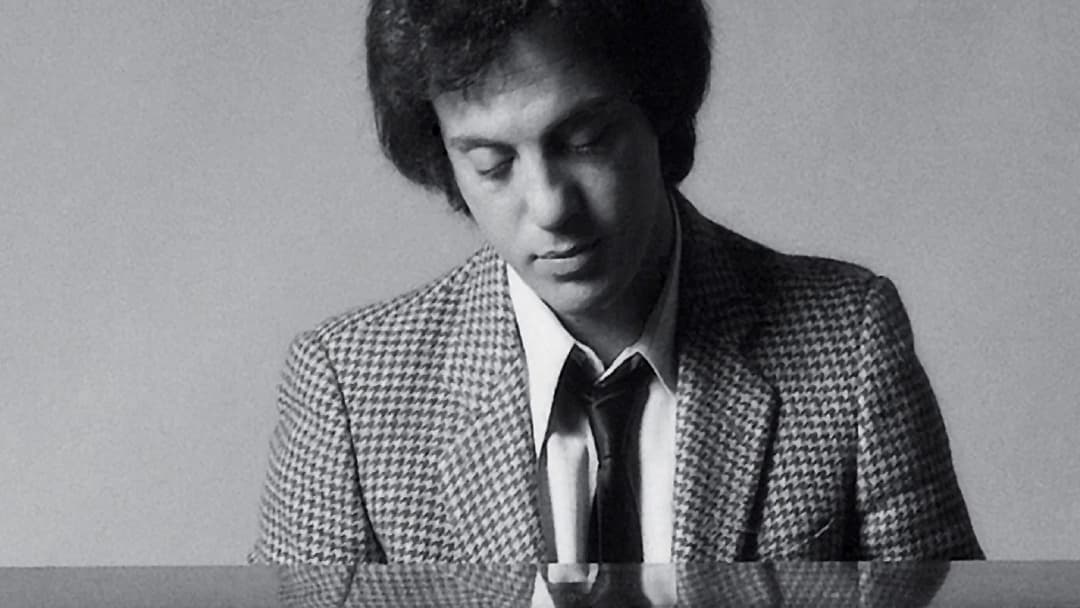
15. Billy Joel 
14. Kelly Clarkson - AdvertisementSwipe or tap ▶ to continue countdown

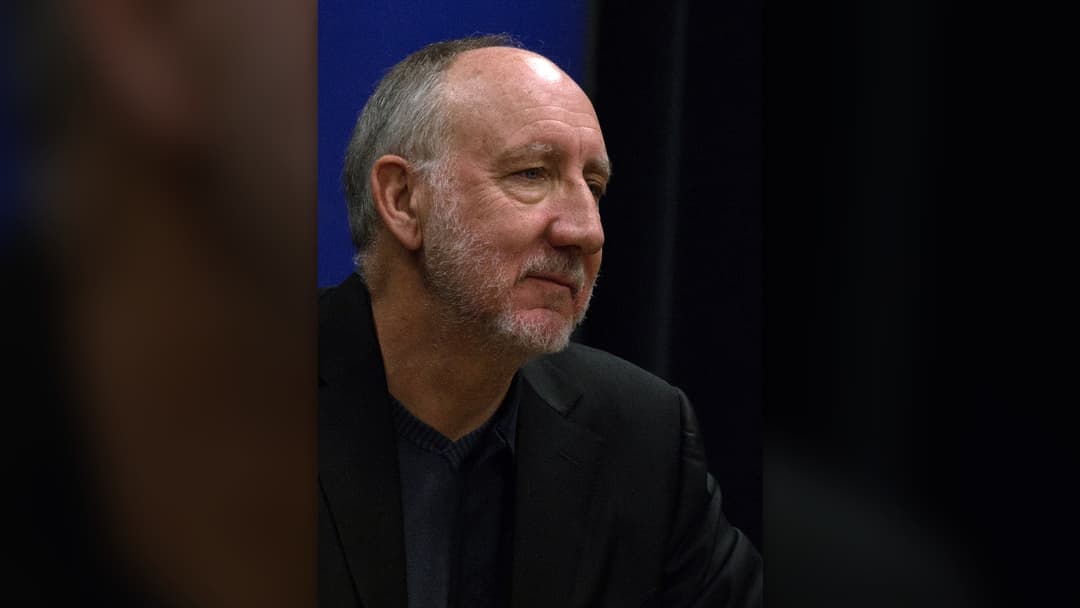
13. Pete Townshend 
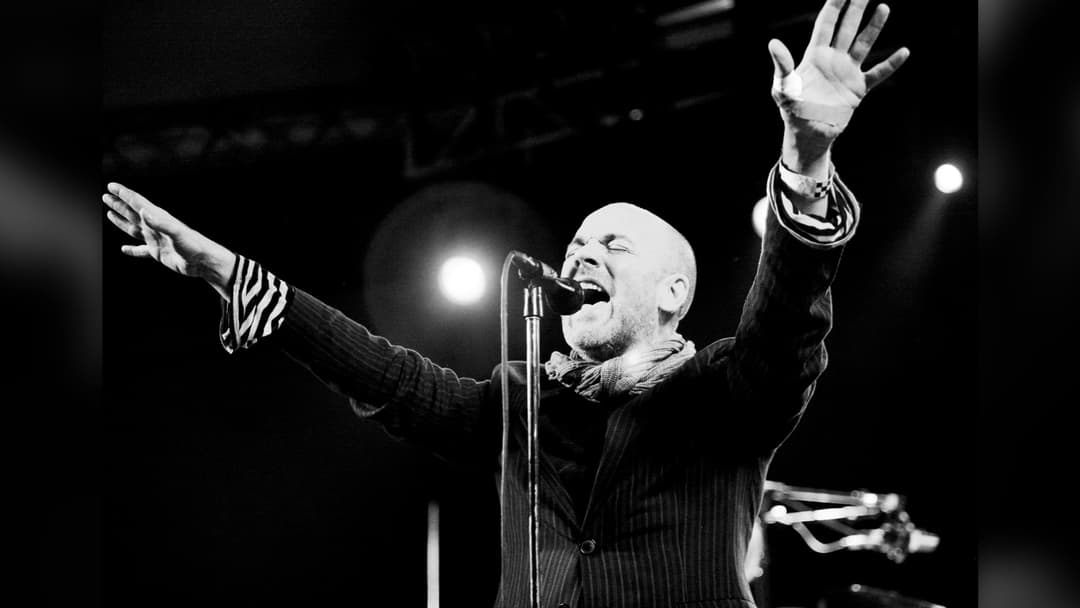
12. Michael Stipe 
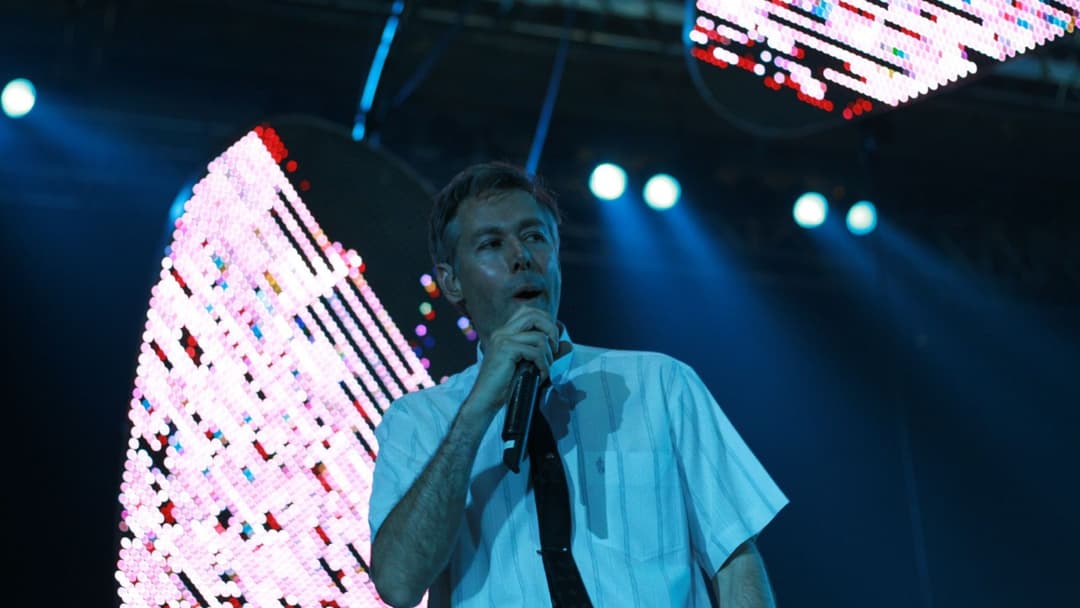
11. Beastie Boys 
10. Oasis - AdvertisementSwipe or tap ▶ to continue countdown

9. Cher 
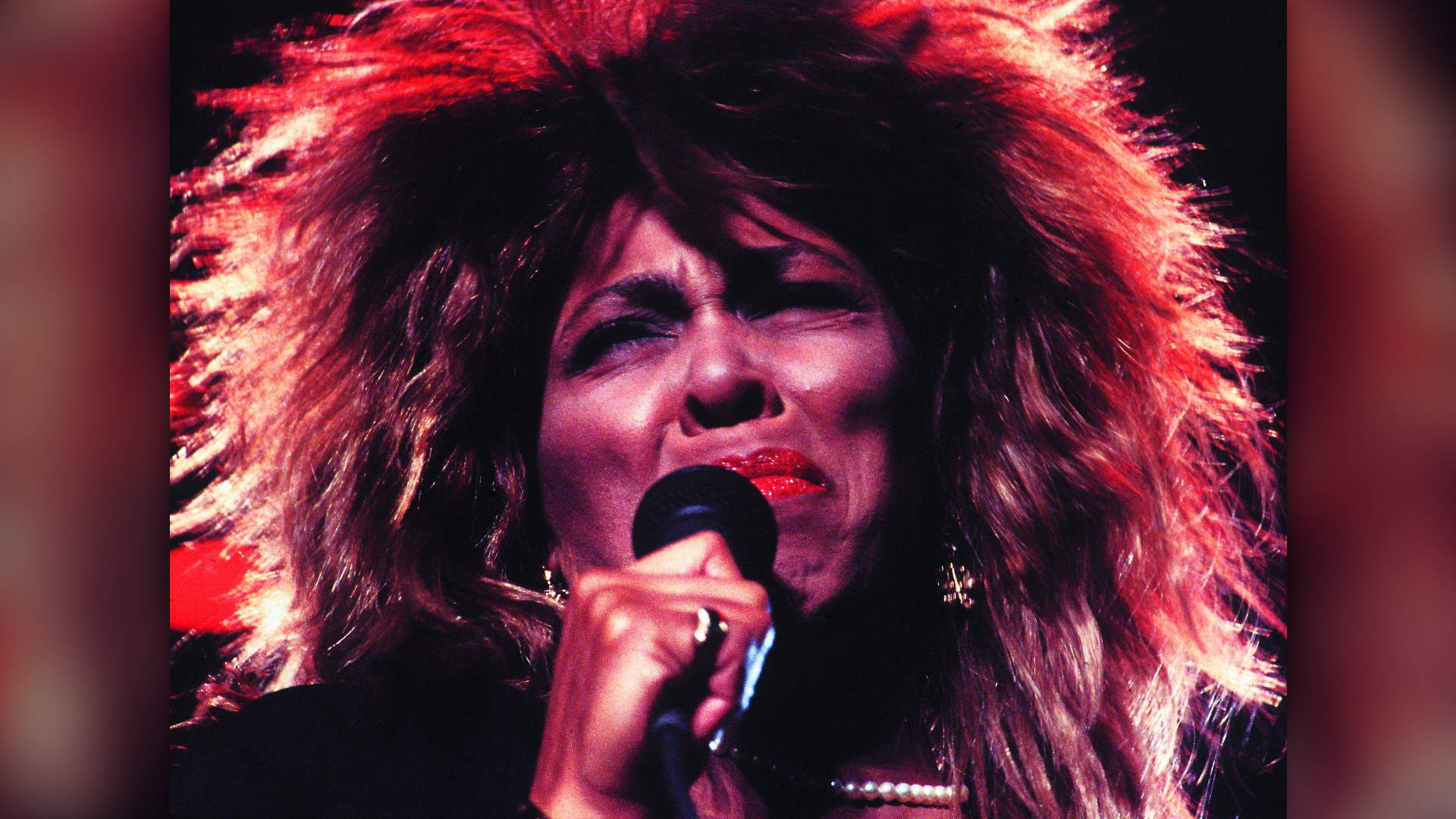
8. Tina Turner 
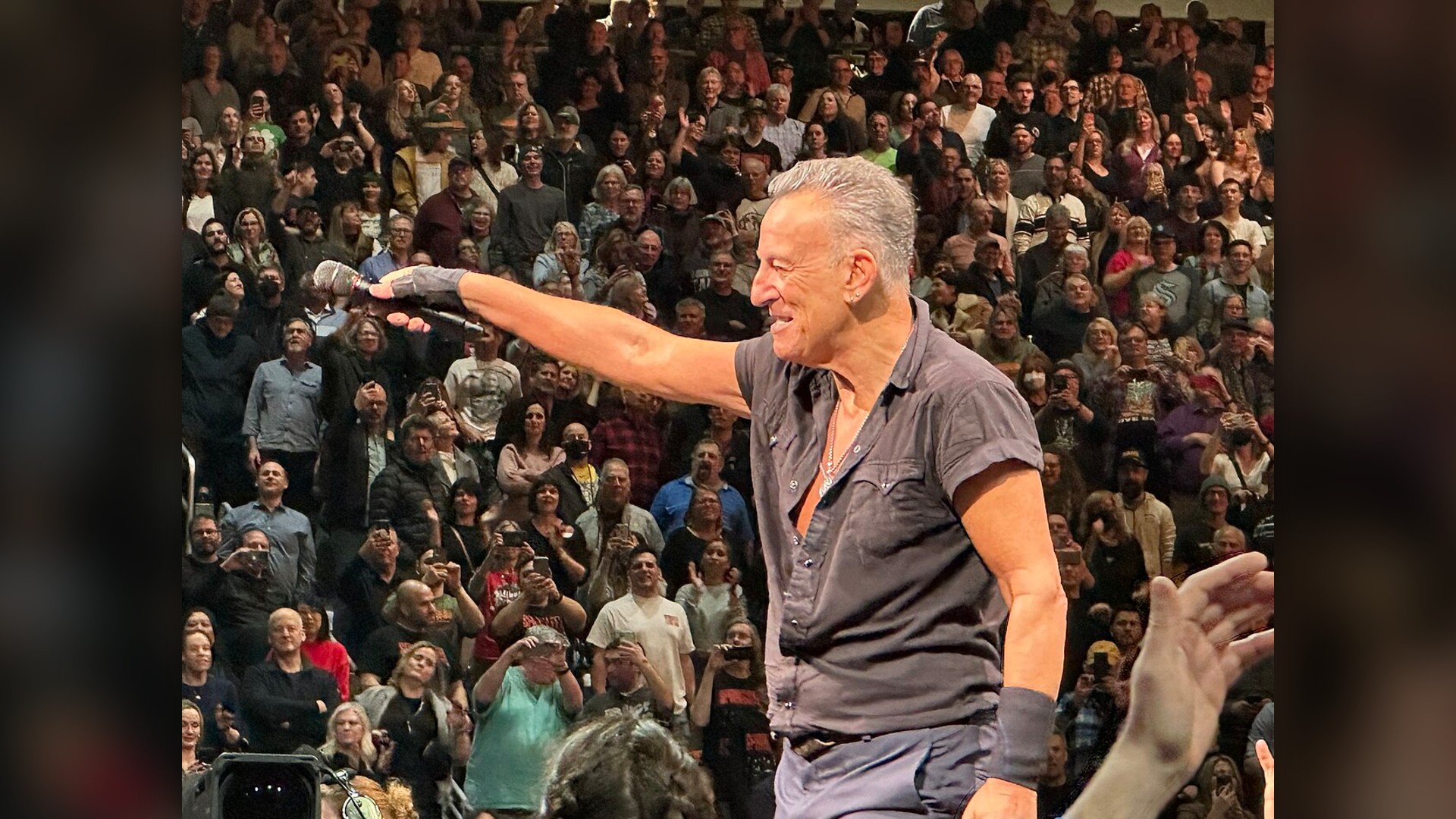
7. Bruce Springsteen 
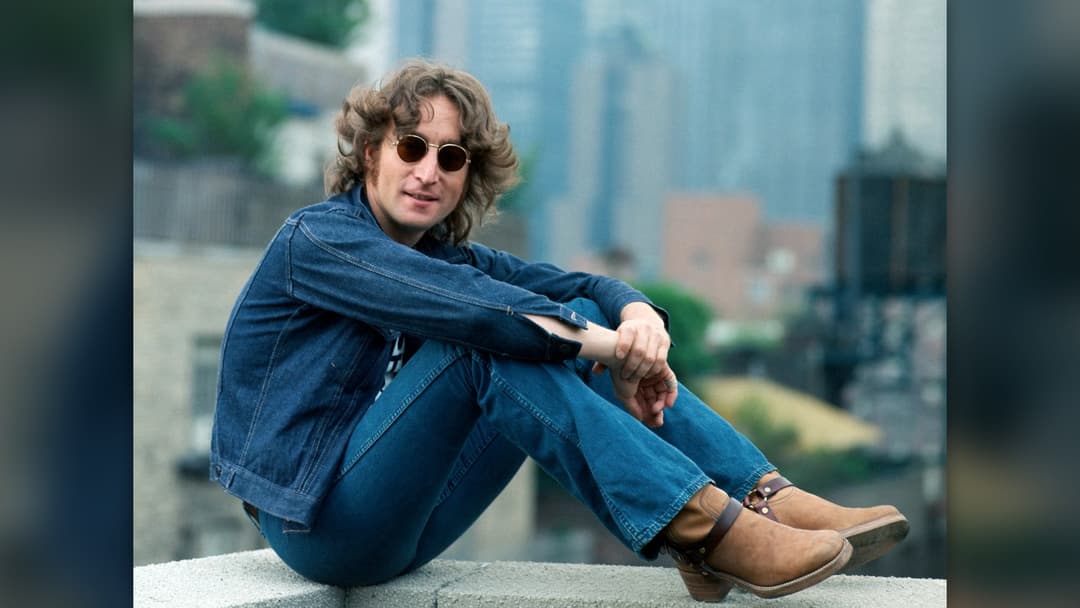
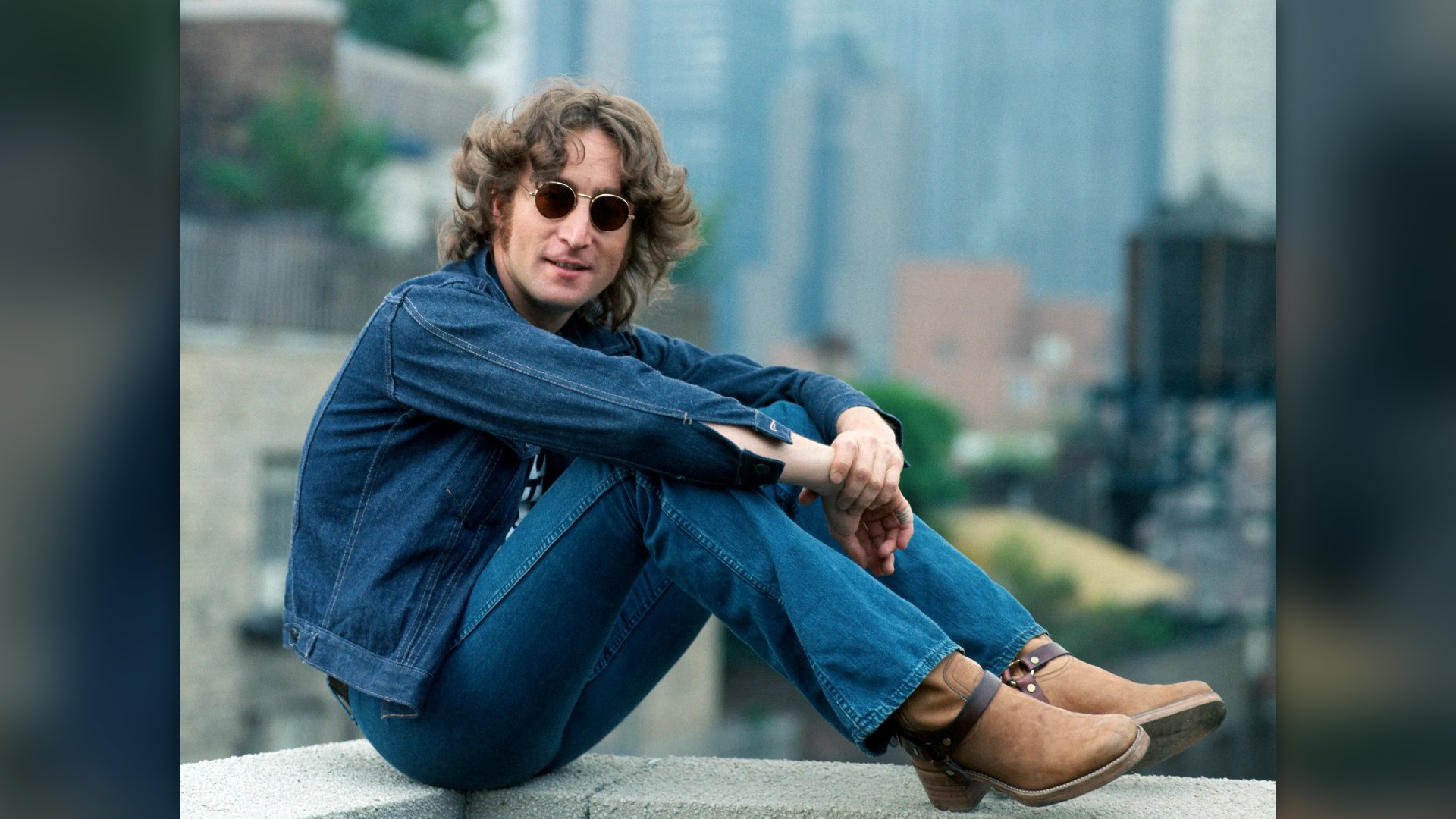
6. John Lennon - AdvertisementSwipe or tap ▶ to continue countdown

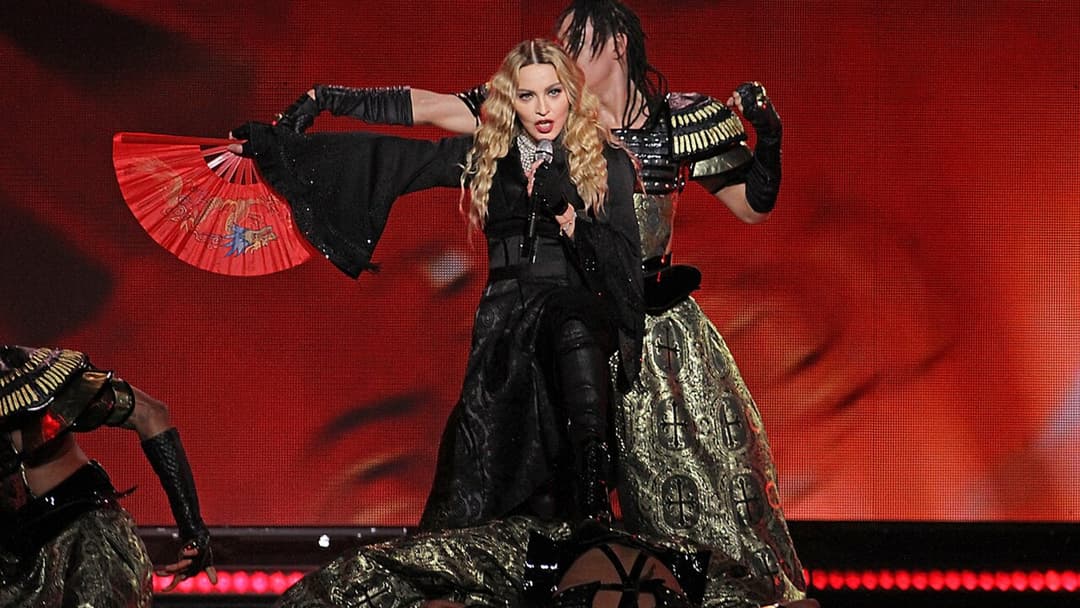
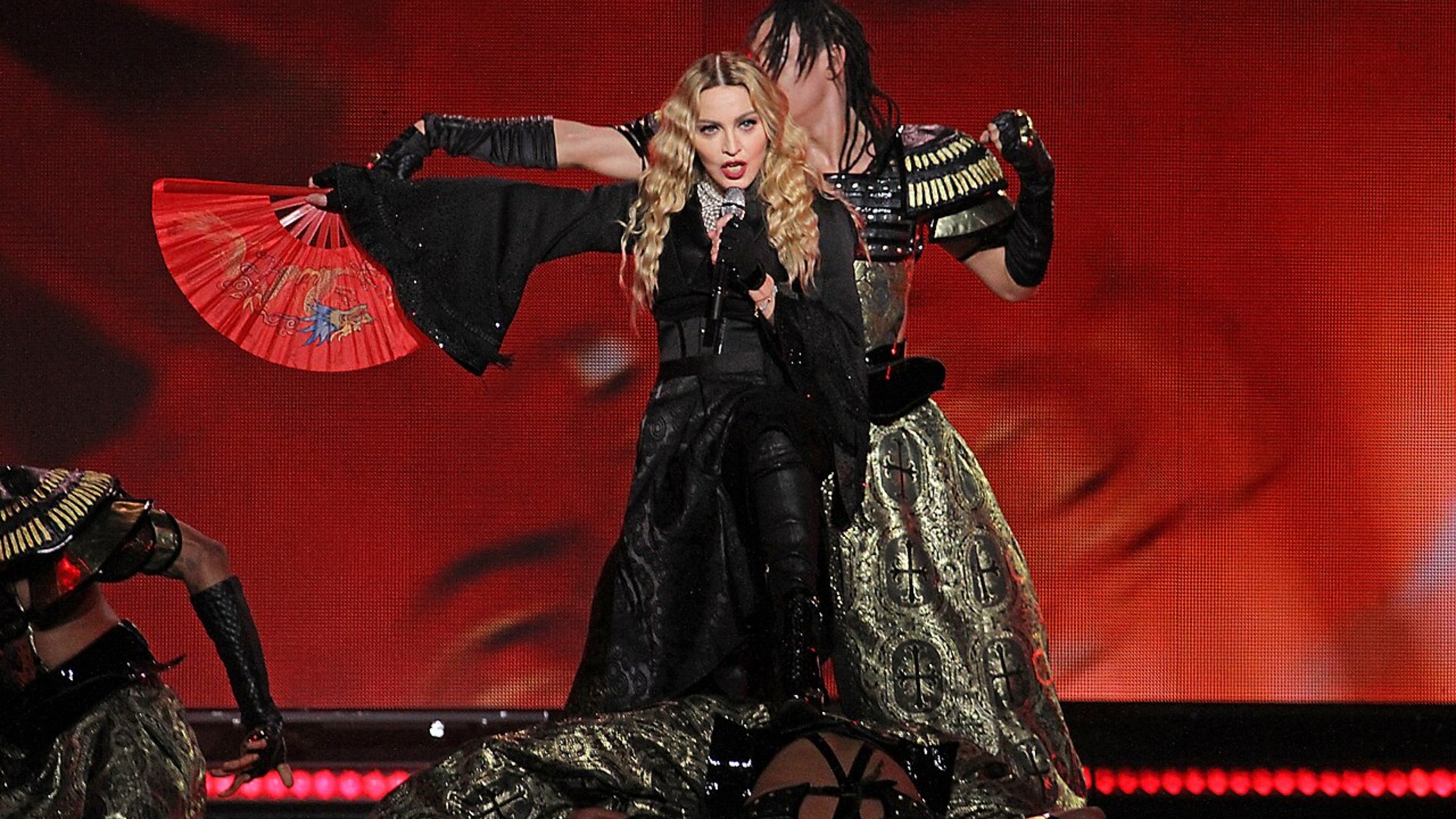
5. Madonna 
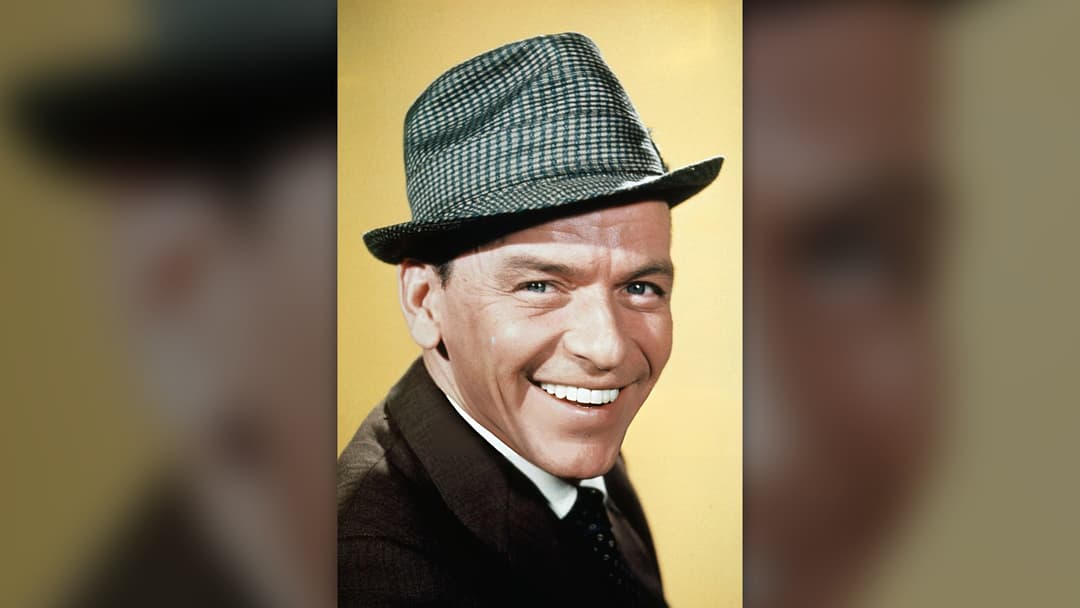
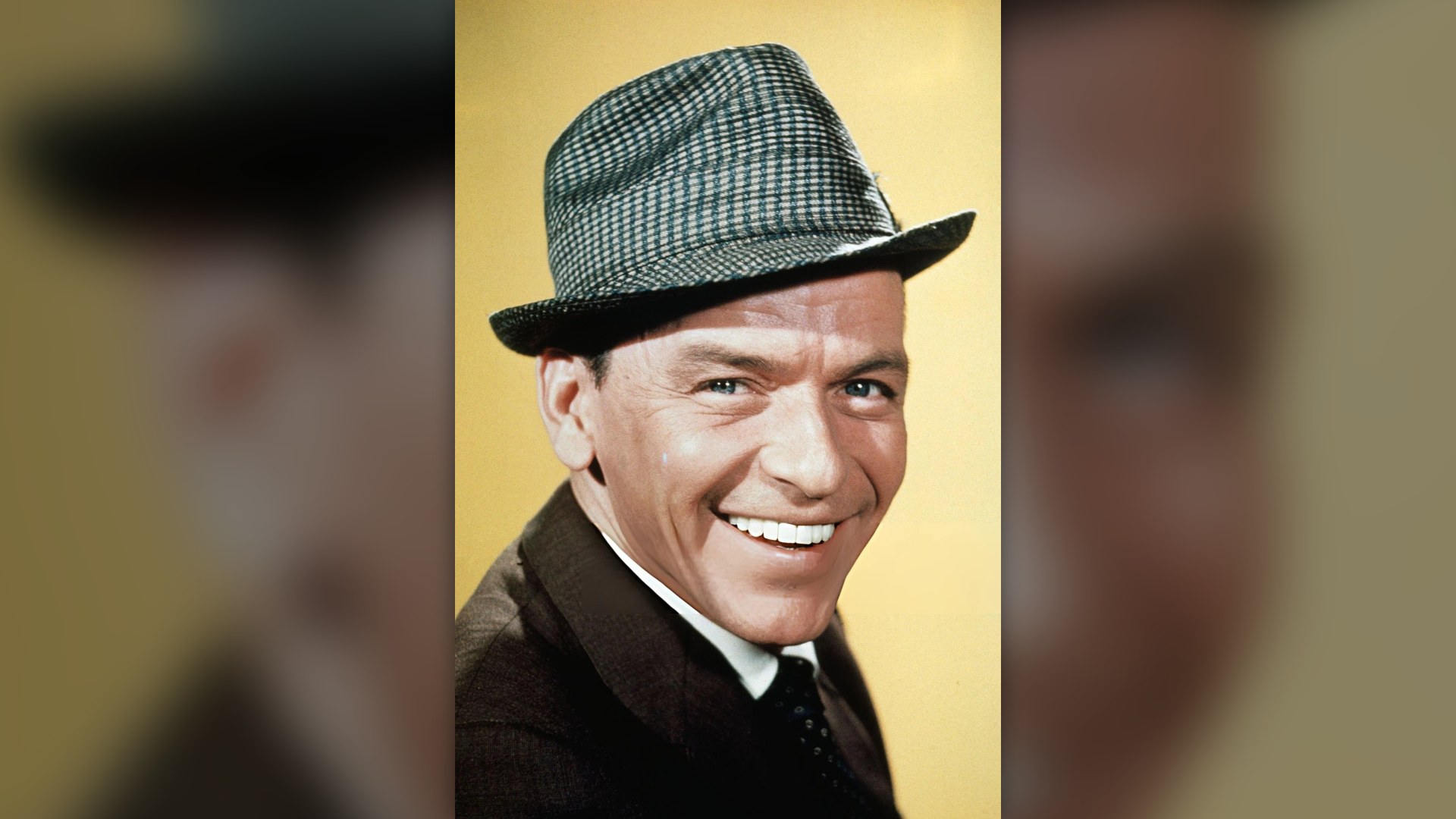
4. Frank Sinatra 
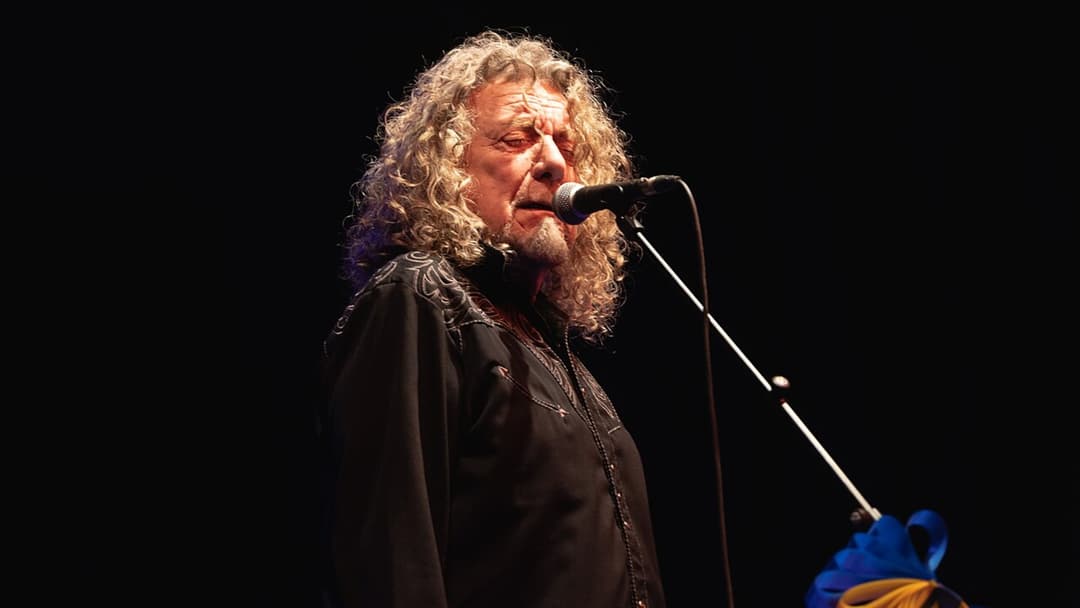
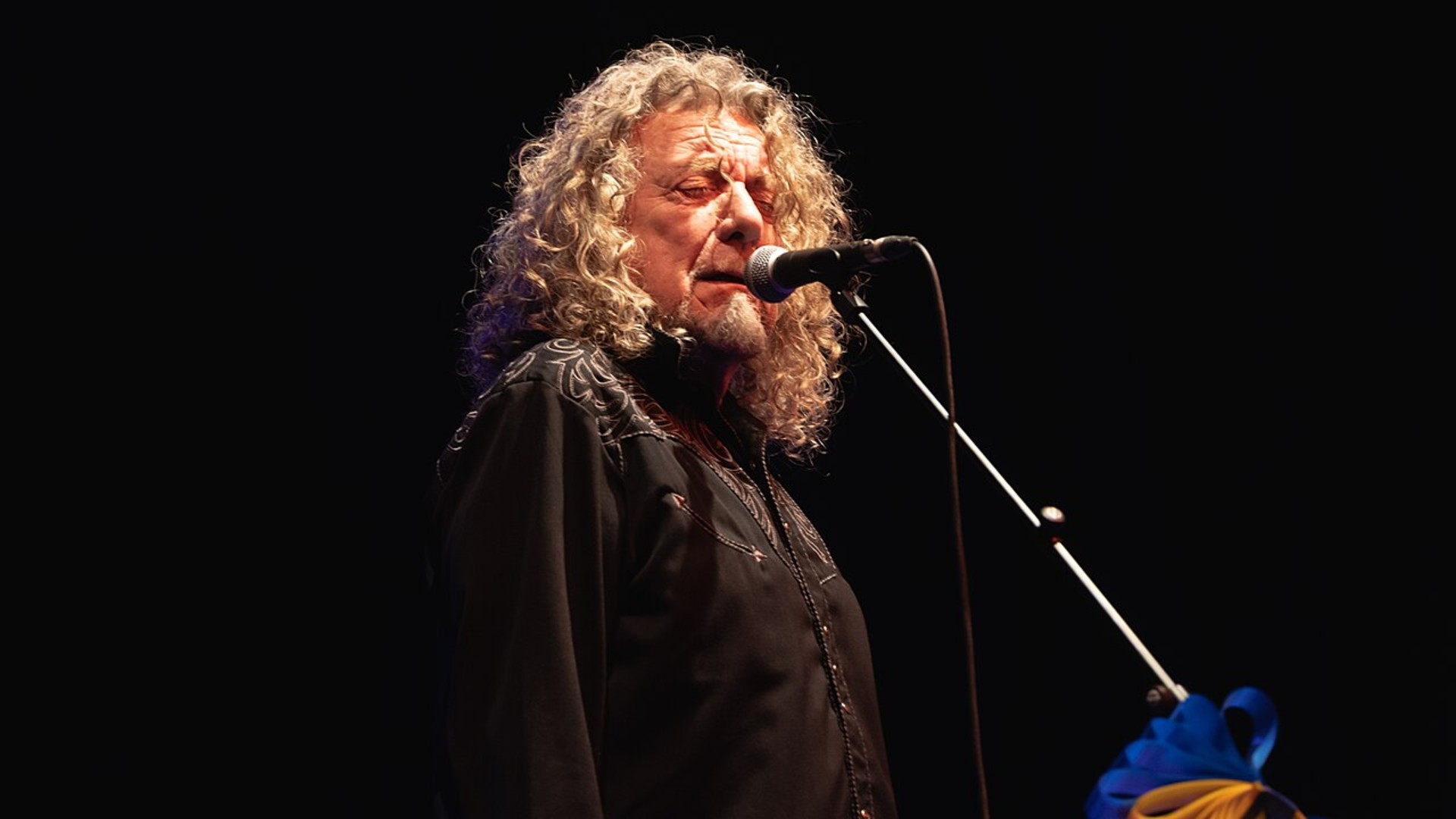
3. Robert Plant 
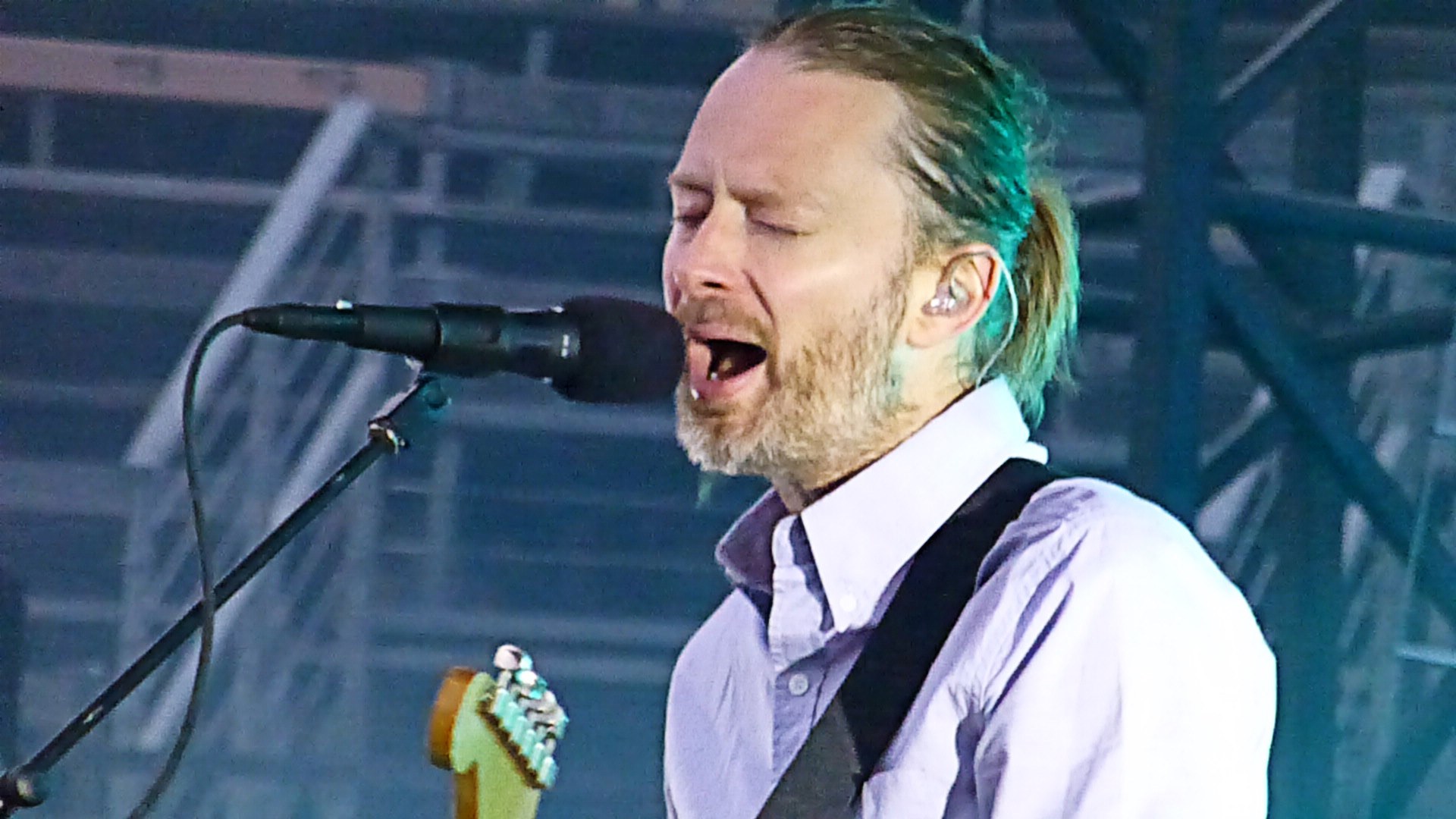
2. Thom Yorke - AdvertisementSwipe or tap ▶ to continue countdown

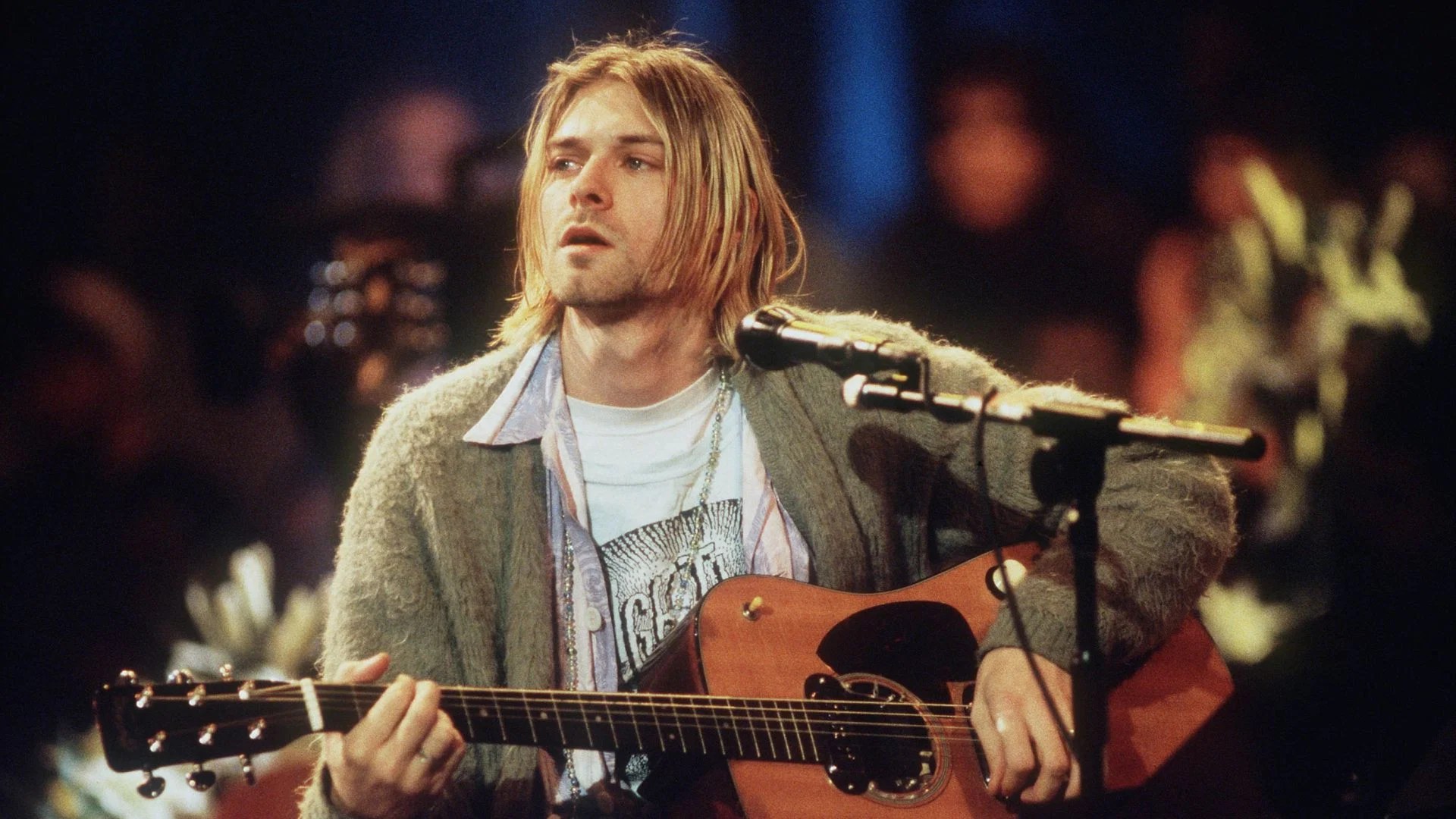
1. Kurt Cobain - Advertisement🔥 UP NEXT IN THIS SERIES◫ 21 Slides

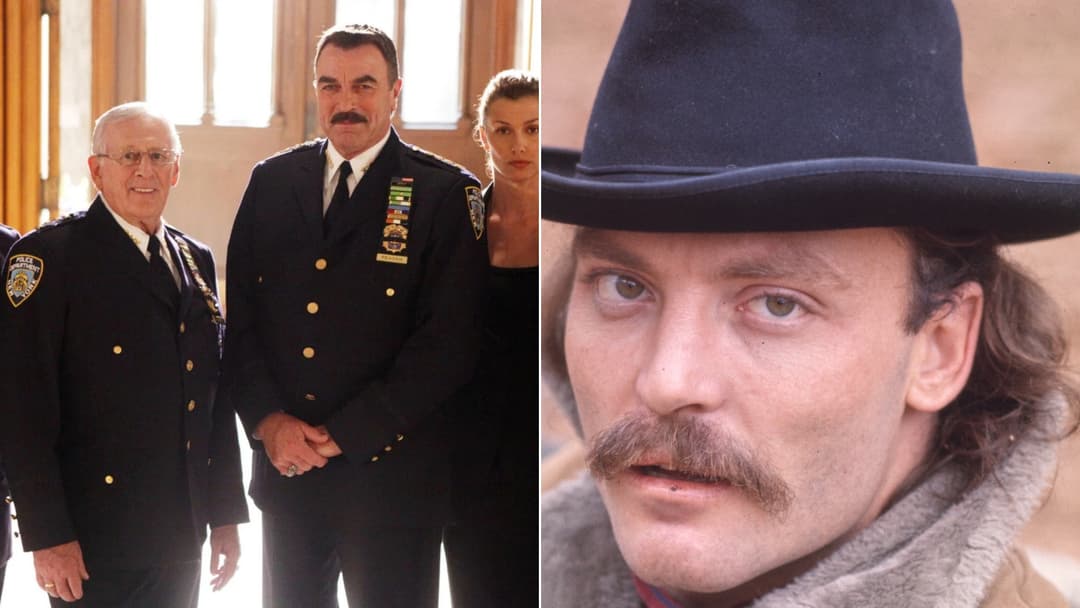
Stacy Keach, Mike Hammer and Blue Bloods Star, Dies at 85
Celebrated for his gritty detective roles, commanding classical stage presence, and iconic voice work, actor Stacy Keach passed away on 10 November 2026.
Some of the most celebrated songs in music history brought misery to the artists who made them. From ruined concerts to bitter royalty fights, here are 20 famous singers who came to despise their signature tracks.
Swipe or tap ▶ to begin the countdown
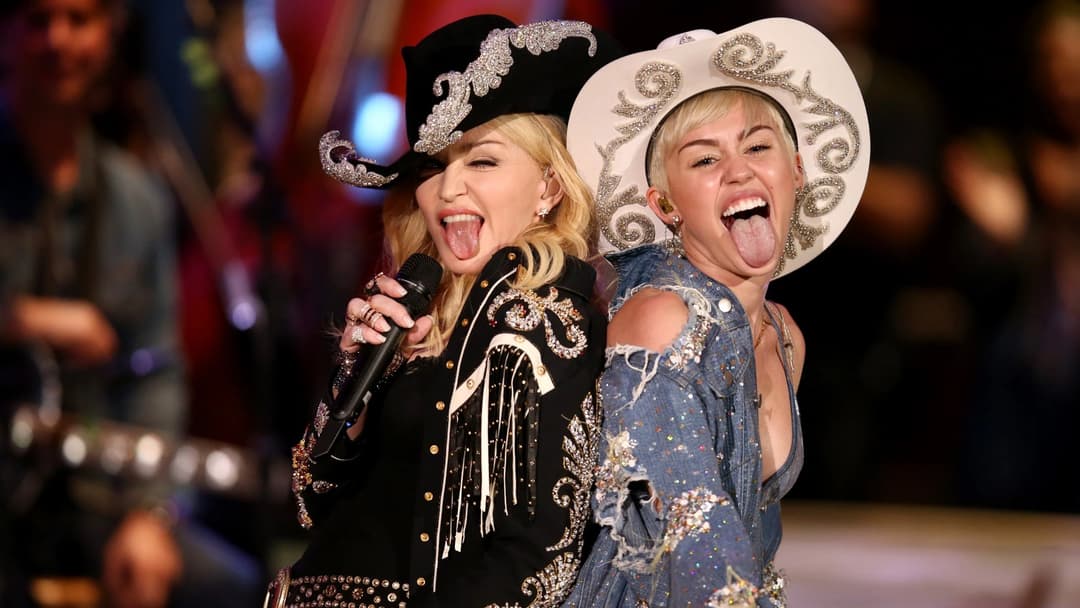
©TMDb / MTV & Wikimedia / anyonlinyr
20. Miley Cyrus
Recorded when she was just sixteen, the patriotic pop smash became a staple on radio stations worldwide. Cyrus later admitted that she had never listened to Jay-Z before singing his name, and she grew tired of being defined by a bubblegum tune that did not reflect her personal musical taste.
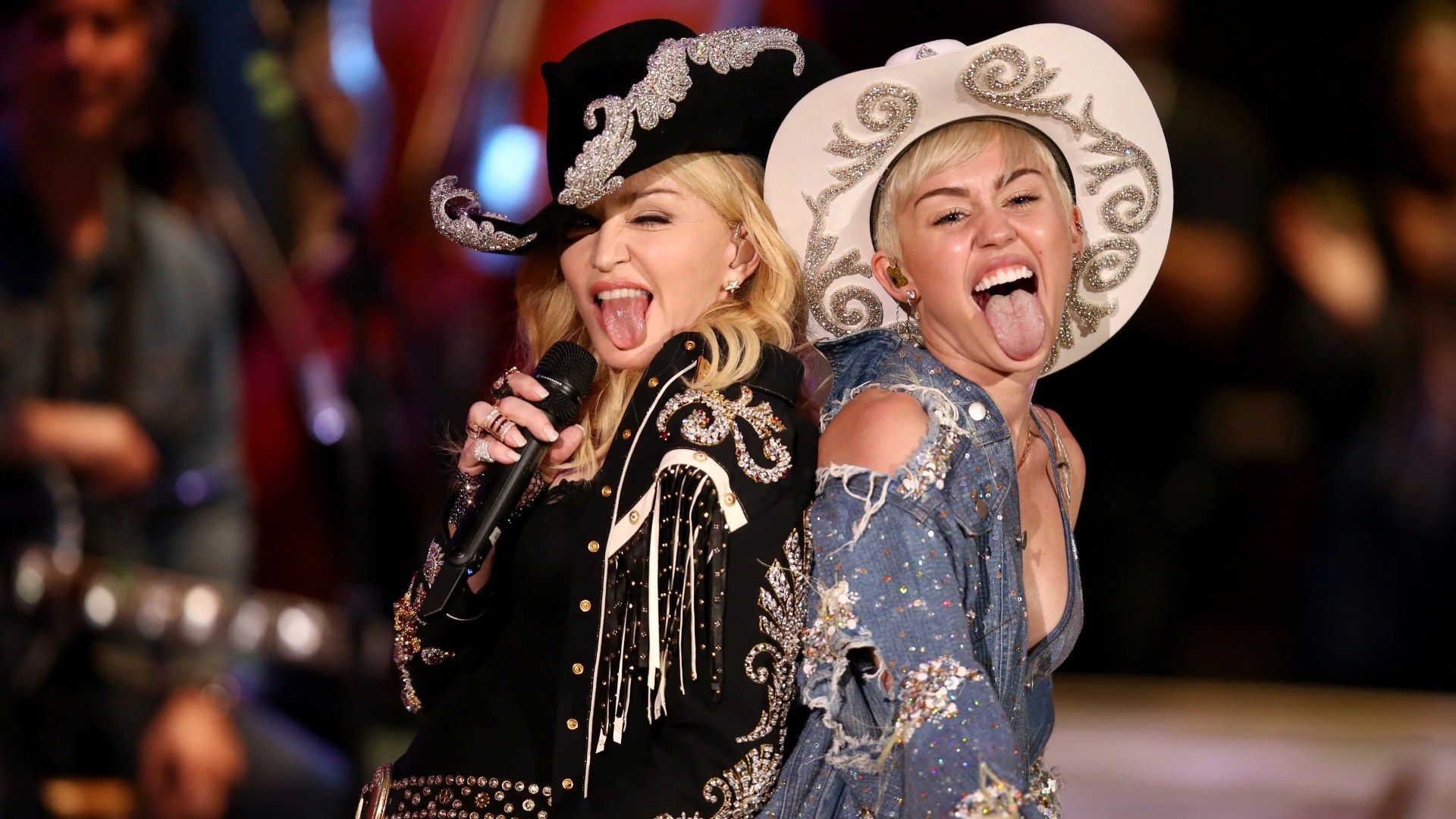
©TMDb / MTV
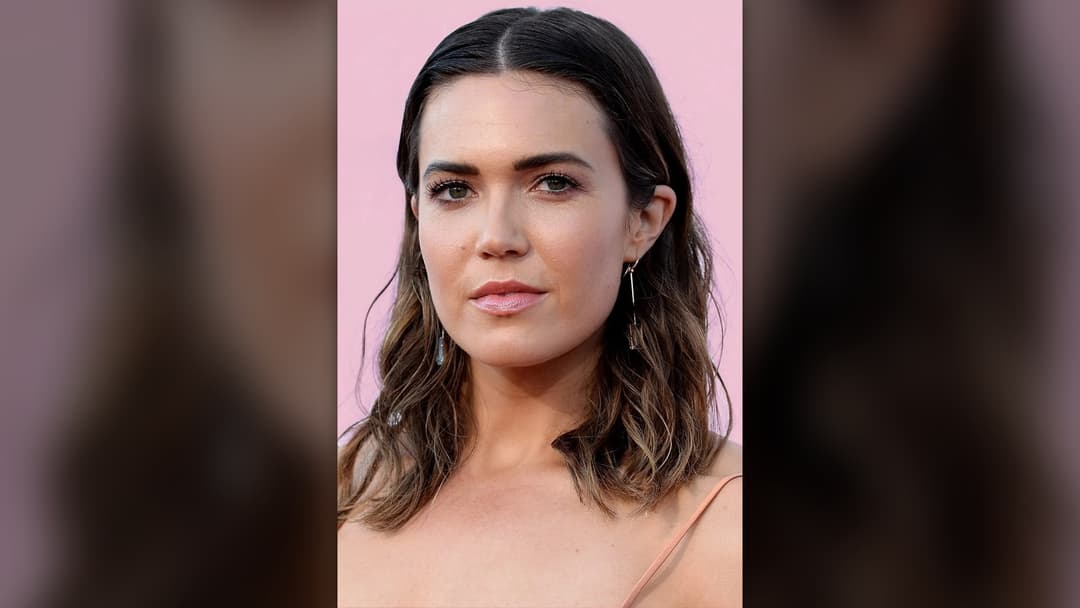
19. Mandy Moore
Released in 1999 during the height of late-nineties teen pop, Candy launched Mandy Moore into national stardom. Decades later, Moore called the sugary track embarrassing and publicly stated that she would gladly mail a refund to anyone who spent money on her first record.
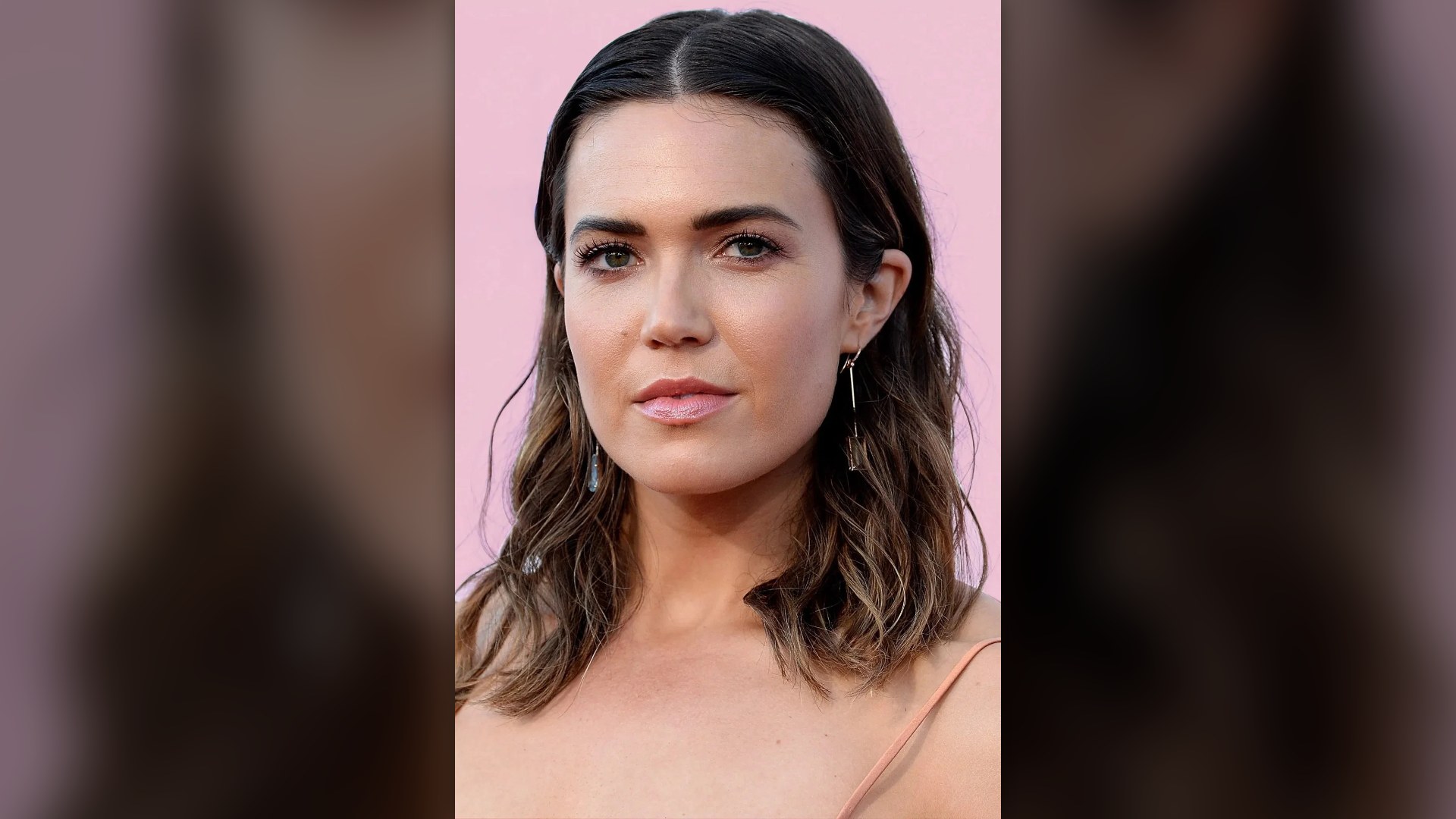
©TMDb / Mandy Moore
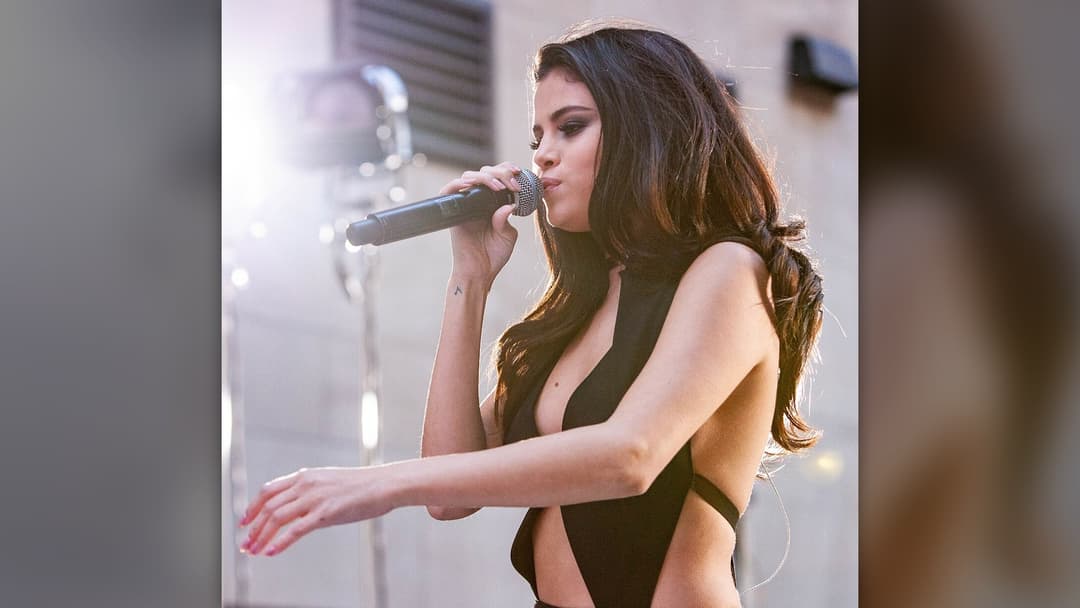
18. Selena Gomez
The 2013 single was an undeniable radio success, yet Gomez later expressed regret over releasing it. Originally written for Rihanna, the song felt artificial to Gomez, who noted that its aggressive production style never aligned with her personal vocal direction.
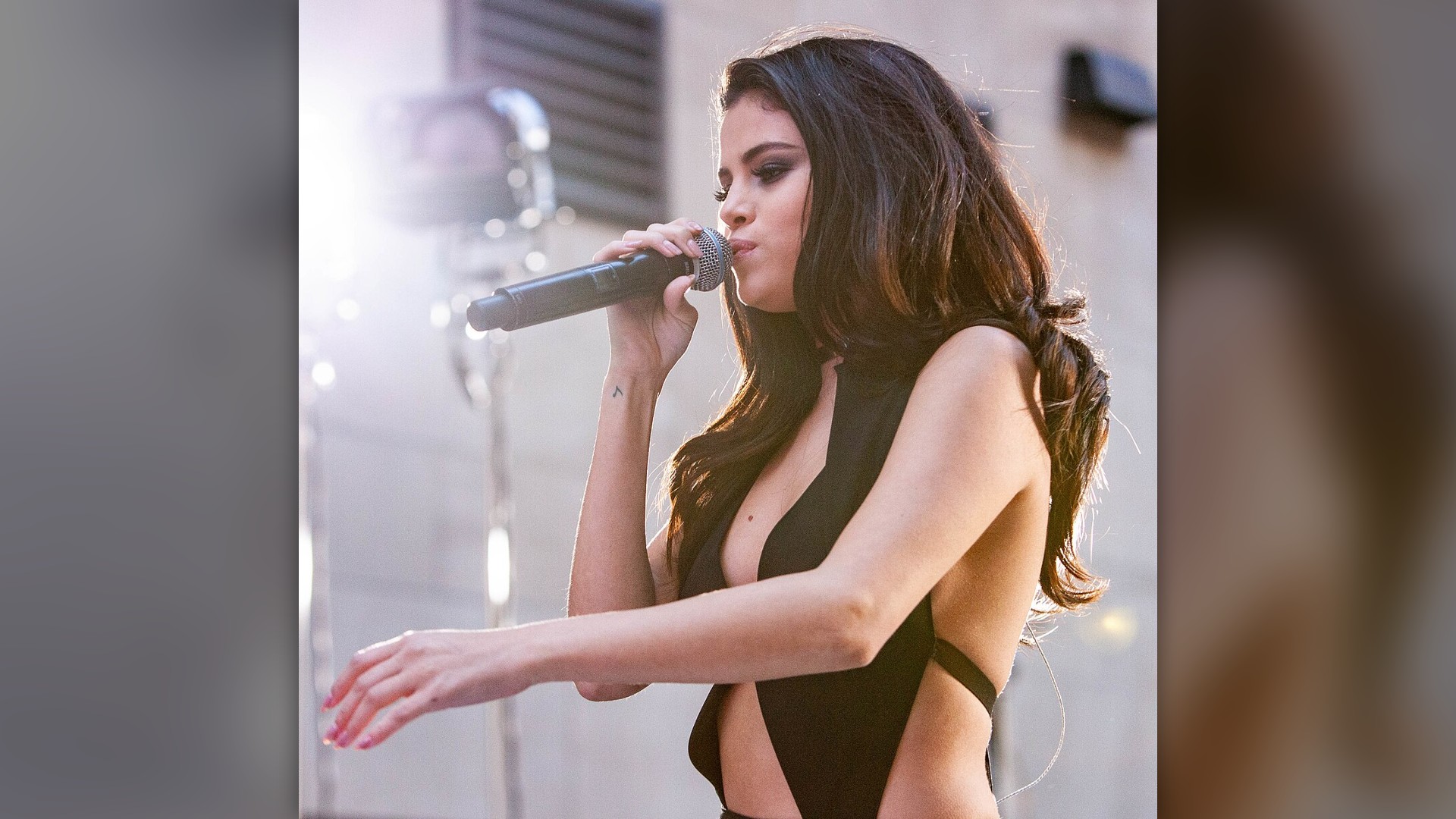
©Wikimedia / Anthony Quintano from Westminster, United
Advertisement
Swipe or tap ▶ to resume the countdown.
17. Lorde
Royals topped the Billboard Hot 100 for nine weeks and won two Grammy Awards when Lorde was seventeen. In later interviews, the New Zealand artist called her vocal delivery dreadful and joked that the melody sounded like a generic ringtone from a 2006 Nokia phone.

©Wikimedia / Raph_PH
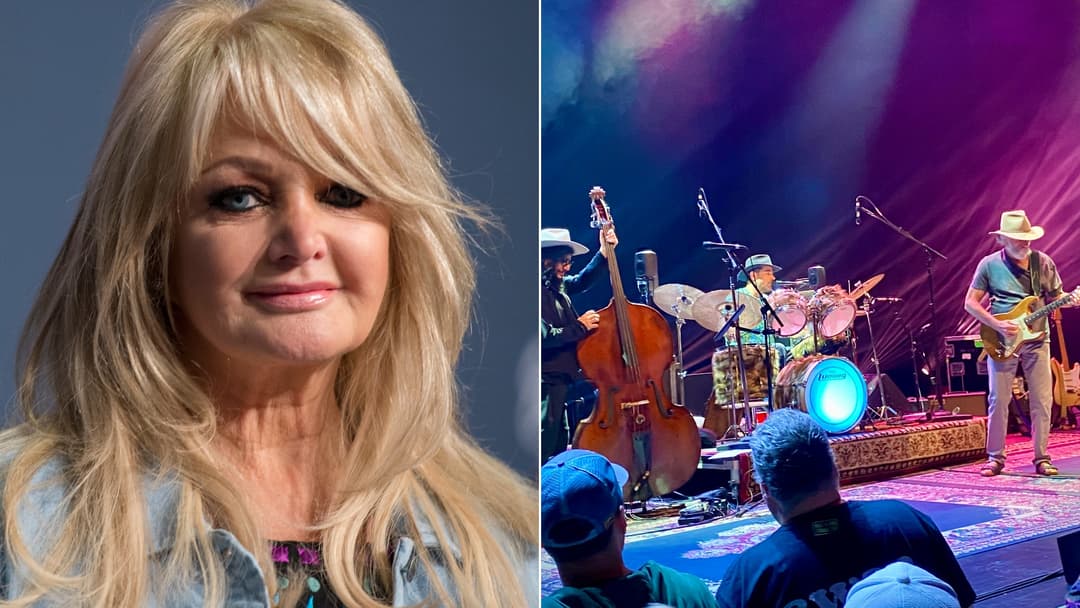
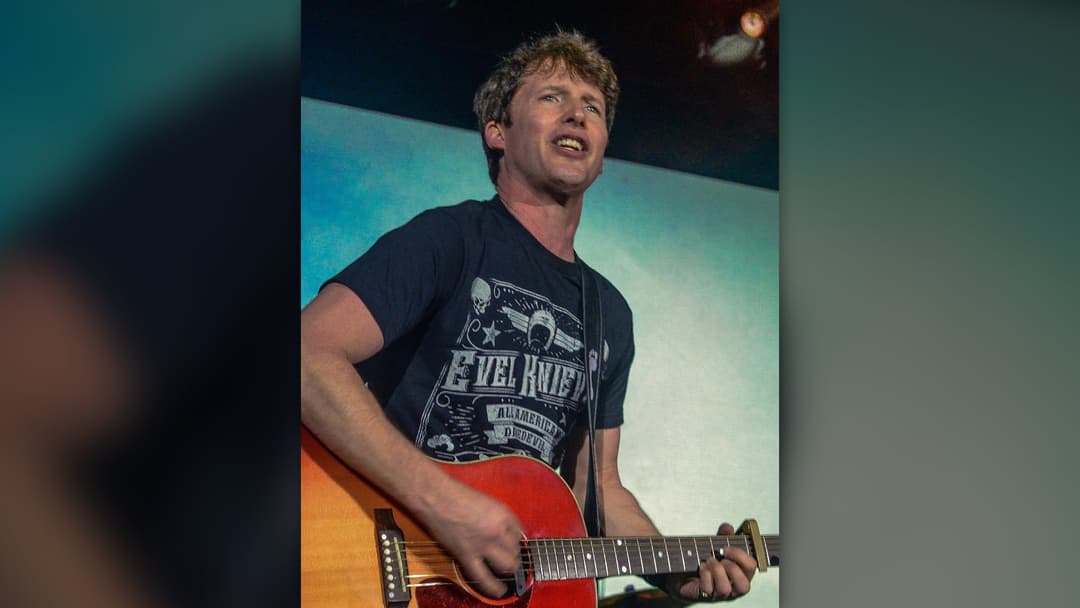
16. James Blunt
The soft-rock anthem reached number one in a dozen nations and dominated weddings worldwide. Blunt eventually acknowledged that relentless radio overplay annoyed music fans, and he clarified that the lyrics actually depict an unstable stalker on an underground subway rather than a sweet romantic hero.
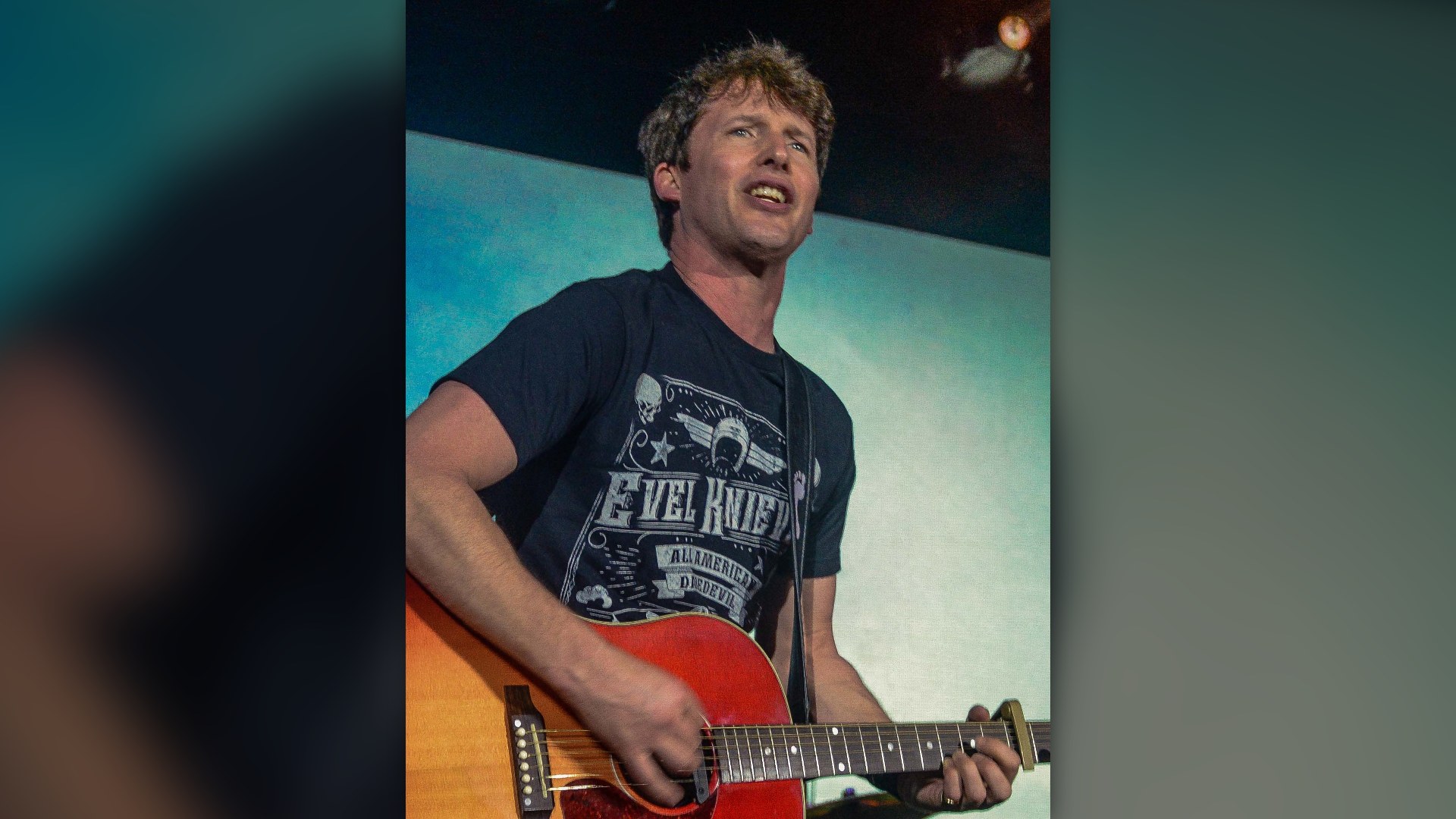
©Wikimedia / Teca Lamboglia
15. Billy Joel
While the 1989 track provided a rapid-fire tour of Cold War history, Billy Joel holds little affection for the composition. Joel has repeatedly described the tune as musically terrible, noting that the repetitive chord progression lacks any melodic craft and feels like a dental drill.
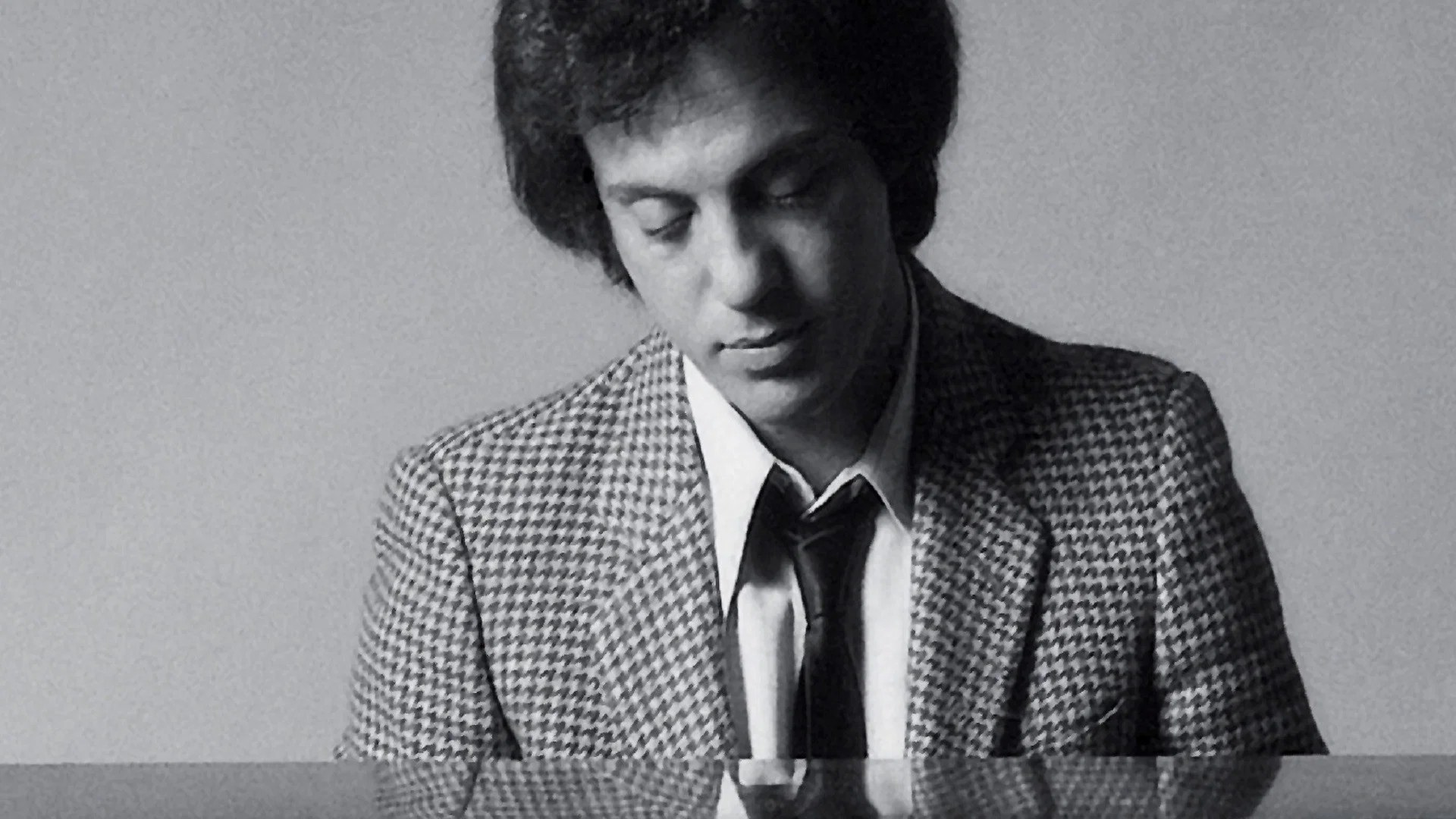
©TMDb / Sony Music
14. Kelly Clarkson
The 2004 pop-rock anthem earned Clarkson a Grammy and defined mid-2000s radio. Behind the scenes, Clarkson endured intense conflict with producers Max Martin and Dr. Luke, recalling that she had to fight tooth and nail just to give the track a heavier rock edge while facing belittling studio treatment.

©Wikimedia / vagueonthehow
Advertisement
Swipe or tap ▶ to resume the countdown.
13. Pete Townshend
Written for the 1969 rock opera Tommy, Pinball Wizard features one of rock music's most electrifying acoustic guitar intros. In his memoirs, Townshend dismissed the composition as an awful piece of writing that he knocked together quickly just to win over music journalist Nik Cohn.
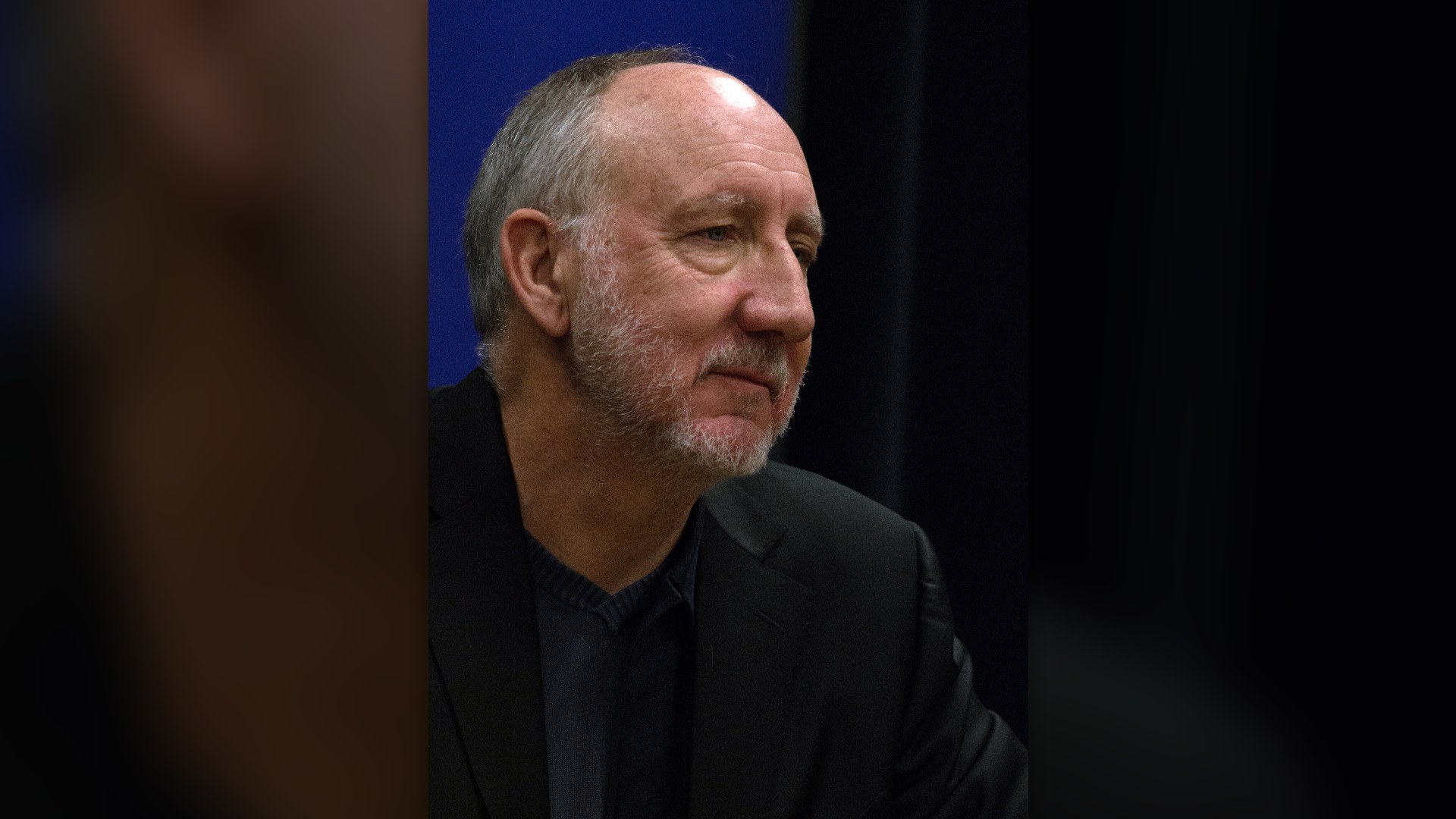
©Wikimedia / Pete Townshend
12. Michael Stipe
Featuring guest vocals from Kate Pierson of The B-52s, the 1991 track became a top ten hit across the globe. Michael Stipe grew to loathe the bouncy, childish optimism of the record, ensuring that R.E.M. never played the song on major arena tours and leaving it off their greatest hits compilation.
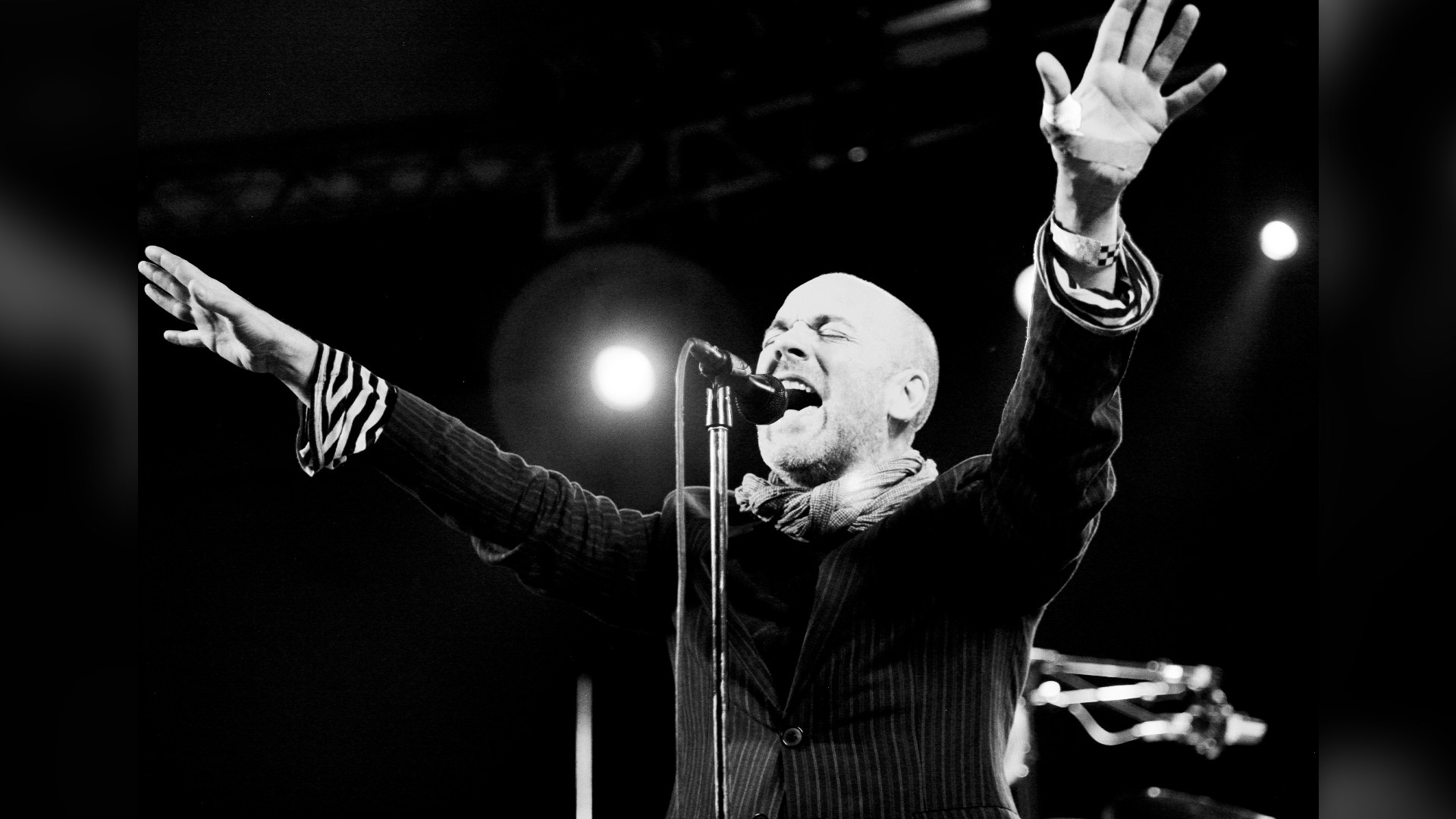
©Wikimedia / Kris Krug
11. Beastie Boys
Written as an overt satire targeting meathead college culture, the 1986 party anthem backfired in dramatic fashion. Frat crowds took the lyrics completely seriously, leading the Beastie Boys to drop the song from live setlists for nearly two decades out of pure frustration with the misunderstanding.
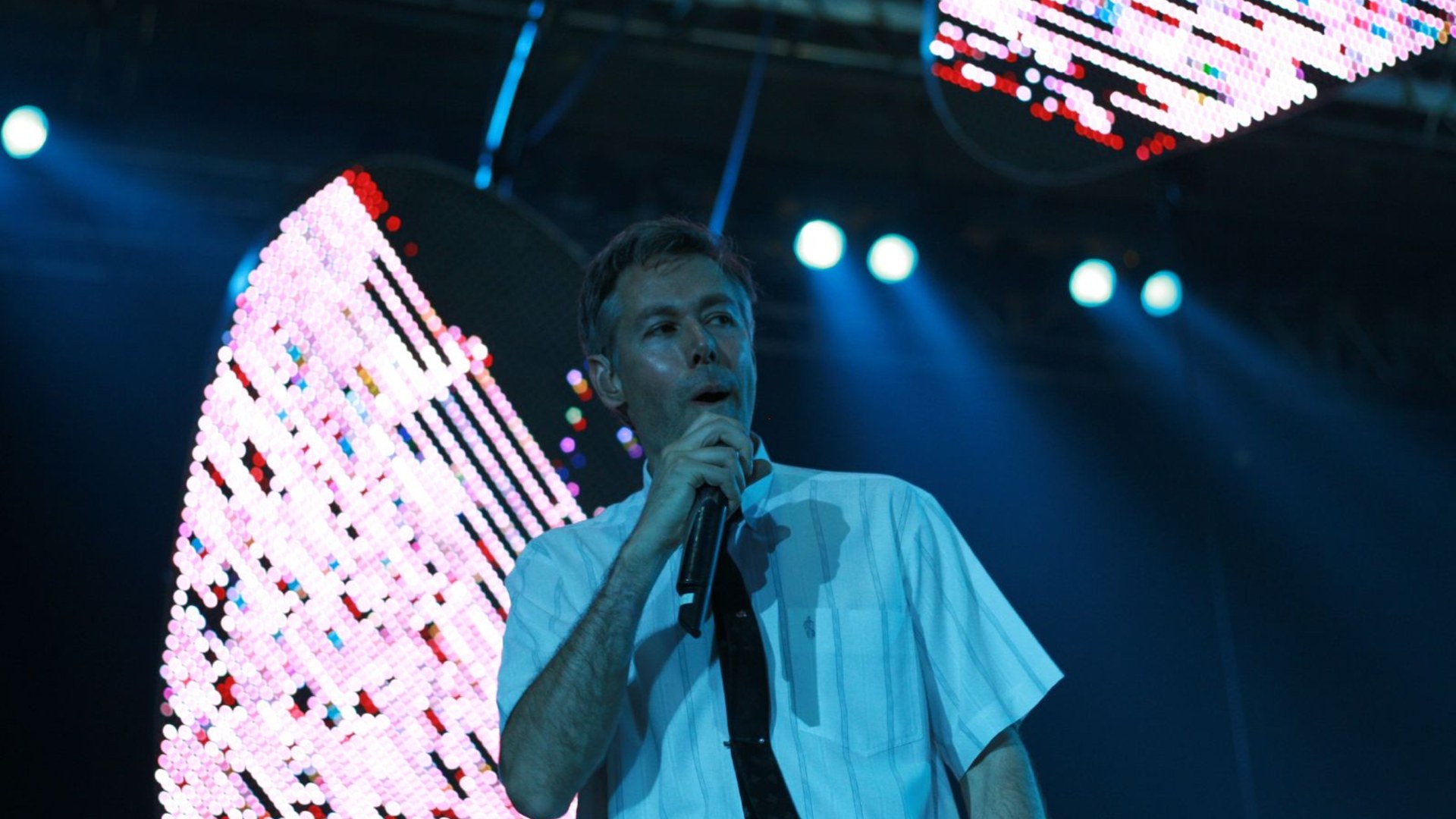
©Wikimedia / Michael Morel
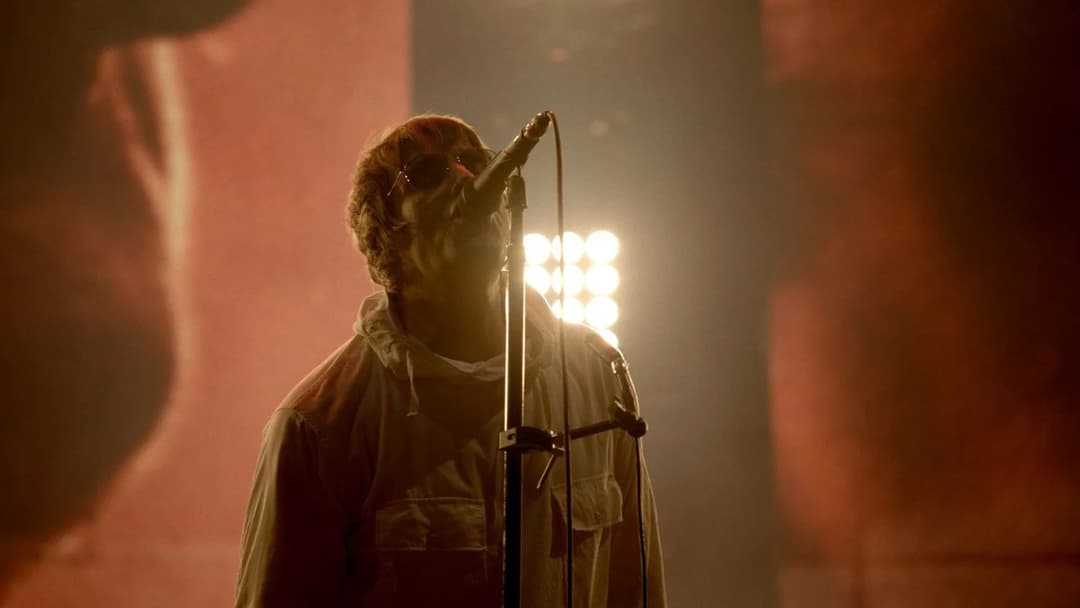
10. Oasis
Wonderwall propelled Oasis into international superstardom in 1995 and remains an essential British pub anthem. Frontman Liam Gallagher expressed intense disdain for the song, complaining in interviews that he could not stand hearing it and dreaded singing the ubiquitous track night after night.
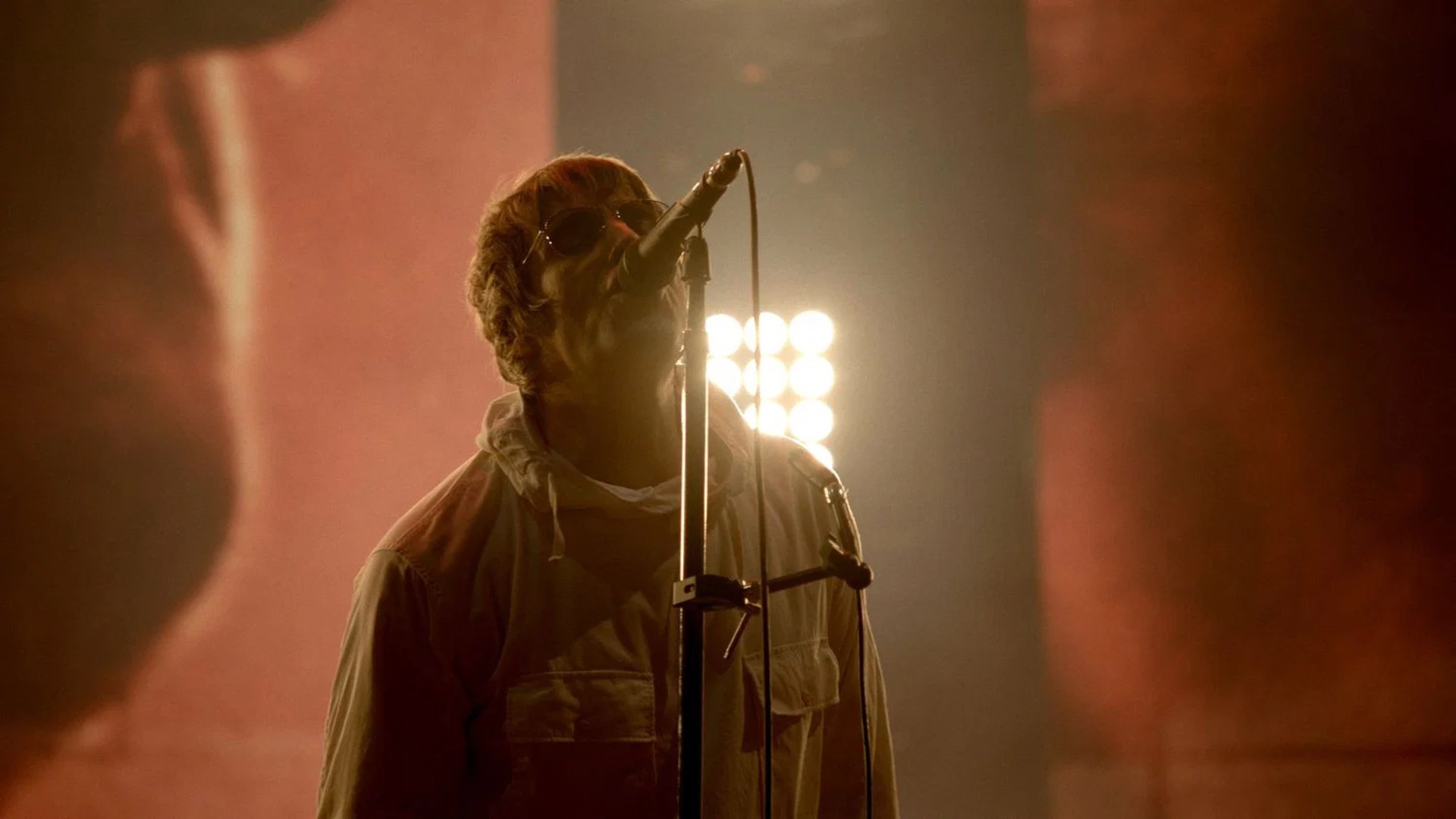
©TMDb / Up The Game
Advertisement
Swipe or tap ▶ to resume the countdown.
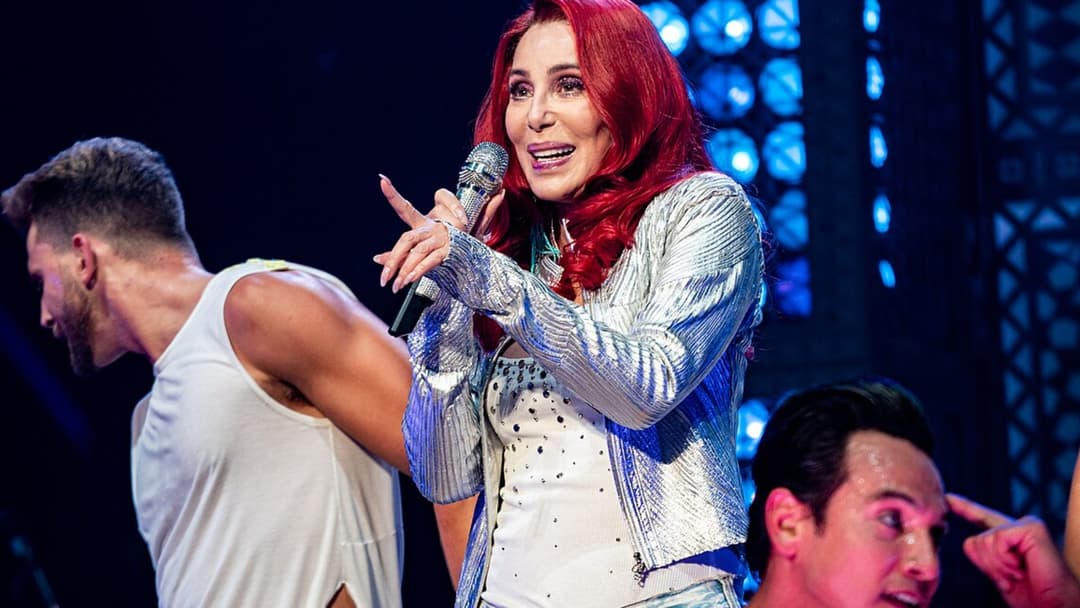
9. Cher
The 1998 worldwide smash pioneered the commercial use of Auto-Tune and revived Cher's chart dominance. During recording, producer Mark Taylor criticized Cher's vocal performance, sparking an explosive argument that prompted Cher to shout that he should sing it himself before storming out of the studio.
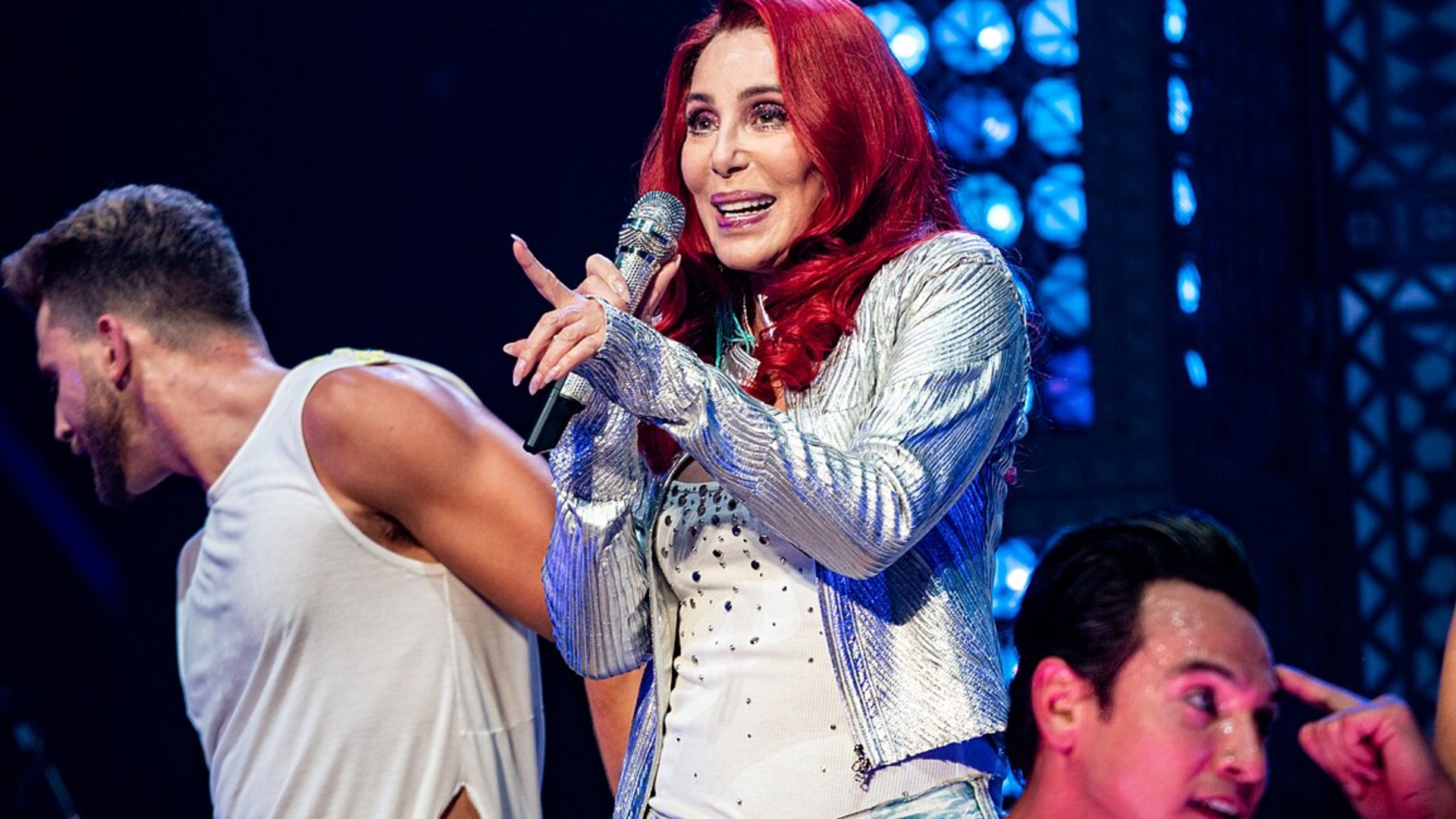
©Wikimedia / Raph_PH
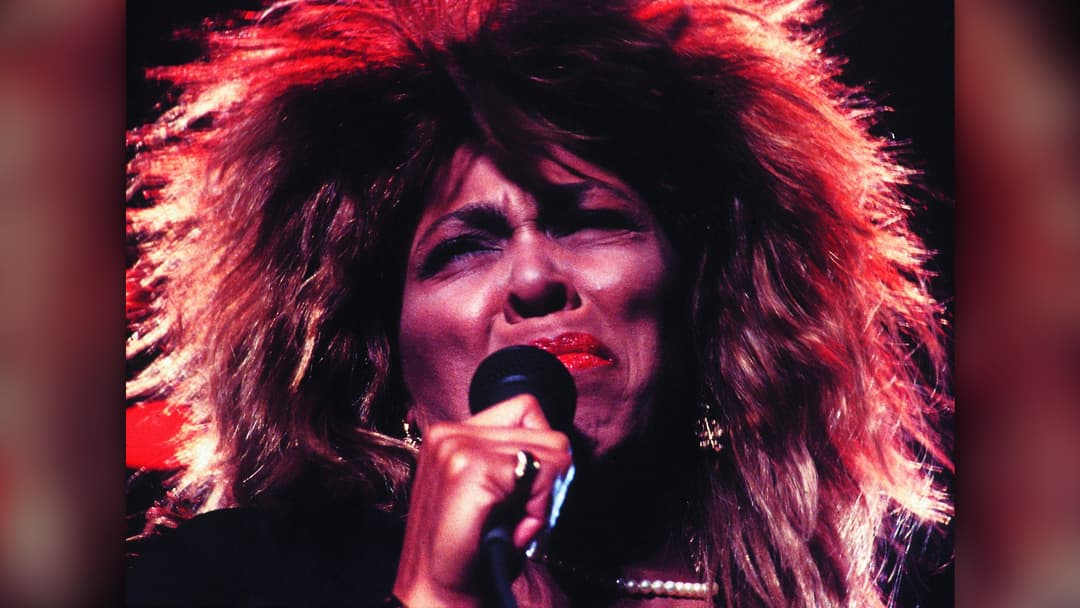
8. Tina Turner
The 1984 single completed one of the greatest career comebacks in pop history, sweeping three Grammy Awards. When manager Roger Davies first presented the demo, Turner hated the lightweight pop arrangement and only agreed to record it after restructuring the rhythm and adding her trademark raw soul.
©Wikimedia / Les Zg
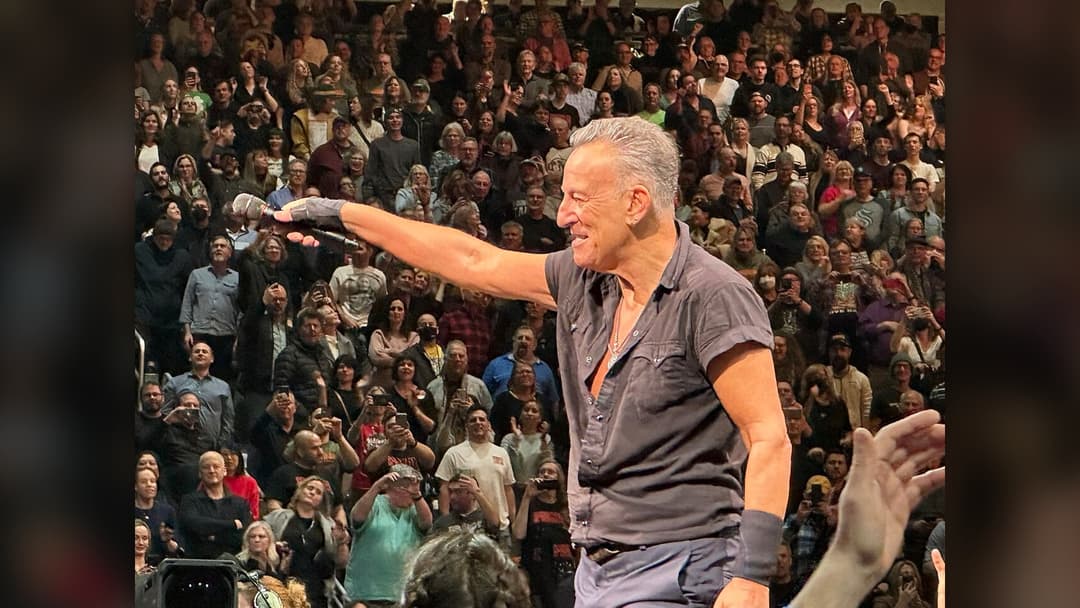
7. Bruce Springsteen
Obsessed with creating a Wall of Sound masterpiece, Bruce Springsteen labored for half a year to record Born to Run. When the test vinyl arrived, Springsteen felt the mix failed to capture the explosive thunder in his head, throwing the freshly pressed record directly into a hotel swimming pool.
©Wikimedia / Dharmabumstead
6. John Lennon
While credited to Lennon-McCartney, Let It Be was entirely Paul McCartney's creation. John Lennon openly disliked the track, feeling it had nothing to do with The Beatles and resembled a Simon and Garfunkel church hymn, which led him to crack cynical studio jokes during the recording sessions.
©Wikimedia / Bob Gruen
Advertisement
Swipe or tap ▶ to resume the countdown.
5. Madonna
The title track from her 1984 breakthrough album transformed Madonna into a global cultural phenomenon. Decades of ubiquity wore on the pop superstar, who admitted that she cannot bear hearing the song in restaurants or hotels and would only consider performing it again if someone paid her thirty million dollars.
©Wikimedia / BBGunBilly - have you been shot? from
4. Frank Sinatra
The 1966 recording earned Frank Sinatra two Grammy Awards and topped charts on both sides of the Atlantic. In private and on stage, Sinatra held utter contempt for the melody and nonsensical doobie-doobie-doo outro, frequently telling audiences that it was the worst piece of junk he ever sang.
©TMDb / Reprise Records
3. Robert Plant
Led Zeppelin's eight-minute opus became the most requested FM radio track of the 1970s. Robert Plant grew completely exhausted by the song's pompous legacy, and during a 1991 drive through Oregon, he called a listener-supported station and pledged ten thousand dollars if they promised to remove it from rotation.
©Wikimedia / Raph_PH
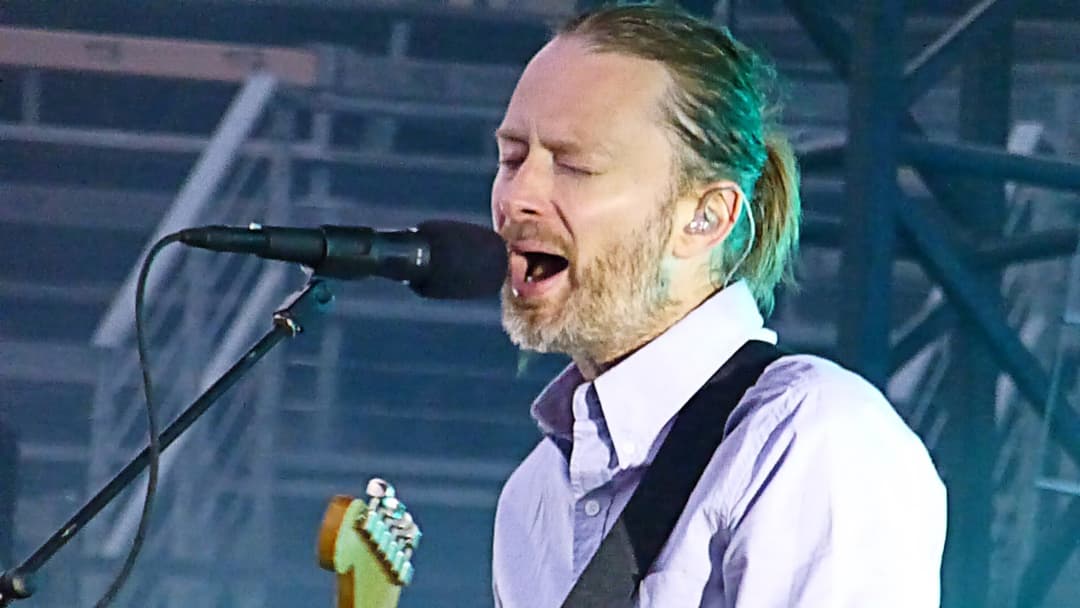
2. Thom Yorke
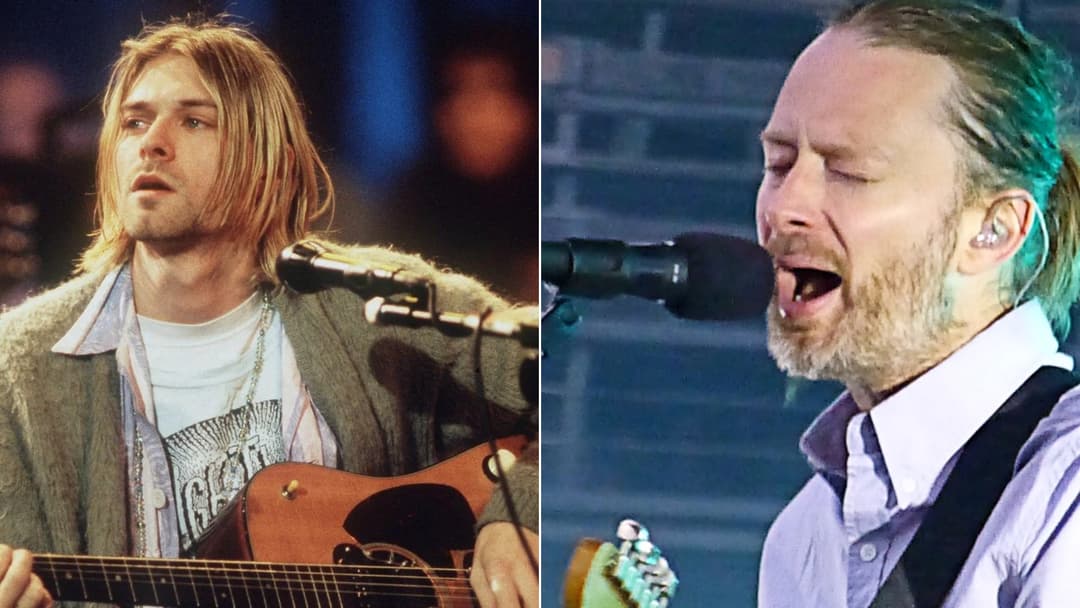
Creep made Radiohead an overnight sensation in 1992, but the grunge ballad quickly became an emotional albatross. Resenting audiences who only showed up to hear their signature hit, Thom Yorke and the band refused to play the track live for years and frequently insulted concertgoers who shouted for it.
©Wikimedia / anyonlinyr
Advertisement
Swipe or tap ▶ to resume the countdown.
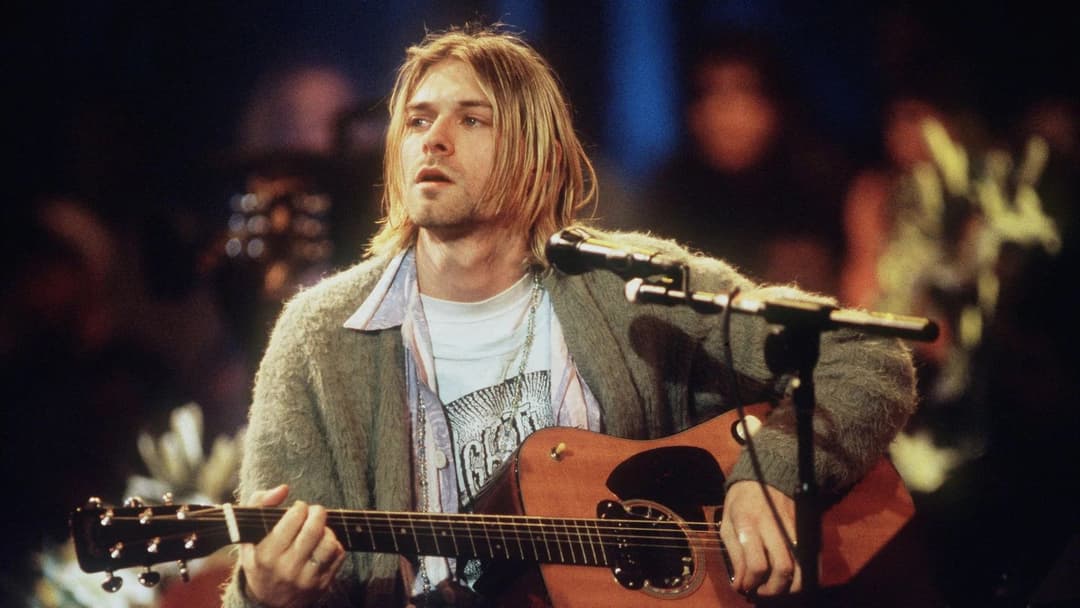
1. Kurt Cobain
Smells Like Teen Spirit detonated the 1990s grunge explosion and permanently altered mainstream music culture. Kurt Cobain quickly grew sick of the massive attention and commercial radio saturation, deliberately dropping the anthem from Nirvana setlists and butchering the guitar solos whenever forced to play it.
©TMDb / MTV
Advertisement
You've reached the end of the story. Thanks for reading!

Stacy Keach, Mike Hammer and Blue Bloods Star, Dies at 85
Celebrated for his gritty detective roles, commanding classical stage presence, and iconic voice work, actor Stacy Keach passed away on 10 November 2026.
All 20 Entries in this Story
20. Miley Cyrus
Recorded when she was just sixteen, the patriotic pop smash became a staple on radio stations worldwide. Cyrus later admitted that she had never listened to Jay-Z before singing his name, and she grew tired of being defined by a bubblegum tune that did not reflect her personal musical taste.

19. Mandy Moore
Released in 1999 during the height of late-nineties teen pop, Candy launched Mandy Moore into national stardom. Decades later, Moore called the sugary track embarrassing and publicly stated that she would gladly mail a refund to anyone who spent money on her first record.

18. Selena Gomez
The 2013 single was an undeniable radio success, yet Gomez later expressed regret over releasing it. Originally written for Rihanna, the song felt artificial to Gomez, who noted that its aggressive production style never aligned with her personal vocal direction.

17. Lorde
Royals topped the Billboard Hot 100 for nine weeks and won two Grammy Awards when Lorde was seventeen. In later interviews, the New Zealand artist called her vocal delivery dreadful and joked that the melody sounded like a generic ringtone from a 2006 Nokia phone.

16. James Blunt
The soft-rock anthem reached number one in a dozen nations and dominated weddings worldwide. Blunt eventually acknowledged that relentless radio overplay annoyed music fans, and he clarified that the lyrics actually depict an unstable stalker on an underground subway rather than a sweet romantic hero.

15. Billy Joel
While the 1989 track provided a rapid-fire tour of Cold War history, Billy Joel holds little affection for the composition. Joel has repeatedly described the tune as musically terrible, noting that the repetitive chord progression lacks any melodic craft and feels like a dental drill.

14. Kelly Clarkson
The 2004 pop-rock anthem earned Clarkson a Grammy and defined mid-2000s radio. Behind the scenes, Clarkson endured intense conflict with producers Max Martin and Dr. Luke, recalling that she had to fight tooth and nail just to give the track a heavier rock edge while facing belittling studio treatment.

13. Pete Townshend
Written for the 1969 rock opera Tommy, Pinball Wizard features one of rock music's most electrifying acoustic guitar intros. In his memoirs, Townshend dismissed the composition as an awful piece of writing that he knocked together quickly just to win over music journalist Nik Cohn.

12. Michael Stipe
Featuring guest vocals from Kate Pierson of The B-52s, the 1991 track became a top ten hit across the globe. Michael Stipe grew to loathe the bouncy, childish optimism of the record, ensuring that R.E.M. never played the song on major arena tours and leaving it off their greatest hits compilation.

11. Beastie Boys
Written as an overt satire targeting meathead college culture, the 1986 party anthem backfired in dramatic fashion. Frat crowds took the lyrics completely seriously, leading the Beastie Boys to drop the song from live setlists for nearly two decades out of pure frustration with the misunderstanding.

10. Oasis
Wonderwall propelled Oasis into international superstardom in 1995 and remains an essential British pub anthem. Frontman Liam Gallagher expressed intense disdain for the song, complaining in interviews that he could not stand hearing it and dreaded singing the ubiquitous track night after night.

9. Cher
The 1998 worldwide smash pioneered the commercial use of Auto-Tune and revived Cher's chart dominance. During recording, producer Mark Taylor criticized Cher's vocal performance, sparking an explosive argument that prompted Cher to shout that he should sing it himself before storming out of the studio.

8. Tina Turner
The 1984 single completed one of the greatest career comebacks in pop history, sweeping three Grammy Awards. When manager Roger Davies first presented the demo, Turner hated the lightweight pop arrangement and only agreed to record it after restructuring the rhythm and adding her trademark raw soul.

7. Bruce Springsteen
Obsessed with creating a Wall of Sound masterpiece, Bruce Springsteen labored for half a year to record Born to Run. When the test vinyl arrived, Springsteen felt the mix failed to capture the explosive thunder in his head, throwing the freshly pressed record directly into a hotel swimming pool.

6. John Lennon
While credited to Lennon-McCartney, Let It Be was entirely Paul McCartney's creation. John Lennon openly disliked the track, feeling it had nothing to do with The Beatles and resembled a Simon and Garfunkel church hymn, which led him to crack cynical studio jokes during the recording sessions.

5. Madonna
The title track from her 1984 breakthrough album transformed Madonna into a global cultural phenomenon. Decades of ubiquity wore on the pop superstar, who admitted that she cannot bear hearing the song in restaurants or hotels and would only consider performing it again if someone paid her thirty million dollars.

4. Frank Sinatra
The 1966 recording earned Frank Sinatra two Grammy Awards and topped charts on both sides of the Atlantic. In private and on stage, Sinatra held utter contempt for the melody and nonsensical doobie-doobie-doo outro, frequently telling audiences that it was the worst piece of junk he ever sang.

3. Robert Plant
Led Zeppelin's eight-minute opus became the most requested FM radio track of the 1970s. Robert Plant grew completely exhausted by the song's pompous legacy, and during a 1991 drive through Oregon, he called a listener-supported station and pledged ten thousand dollars if they promised to remove it from rotation.

2. Thom Yorke
Creep made Radiohead an overnight sensation in 1992, but the grunge ballad quickly became an emotional albatross. Resenting audiences who only showed up to hear their signature hit, Thom Yorke and the band refused to play the track live for years and frequently insulted concertgoers who shouted for it.

1. Kurt Cobain
Smells Like Teen Spirit detonated the 1990s grunge explosion and permanently altered mainstream music culture. Kurt Cobain quickly grew sick of the massive attention and commercial radio saturation, deliberately dropping the anthem from Nirvana setlists and butchering the guitar solos whenever forced to play it.