Slideshow · Viral
20 Things King Charles III Can Do That Ordinary People Can't
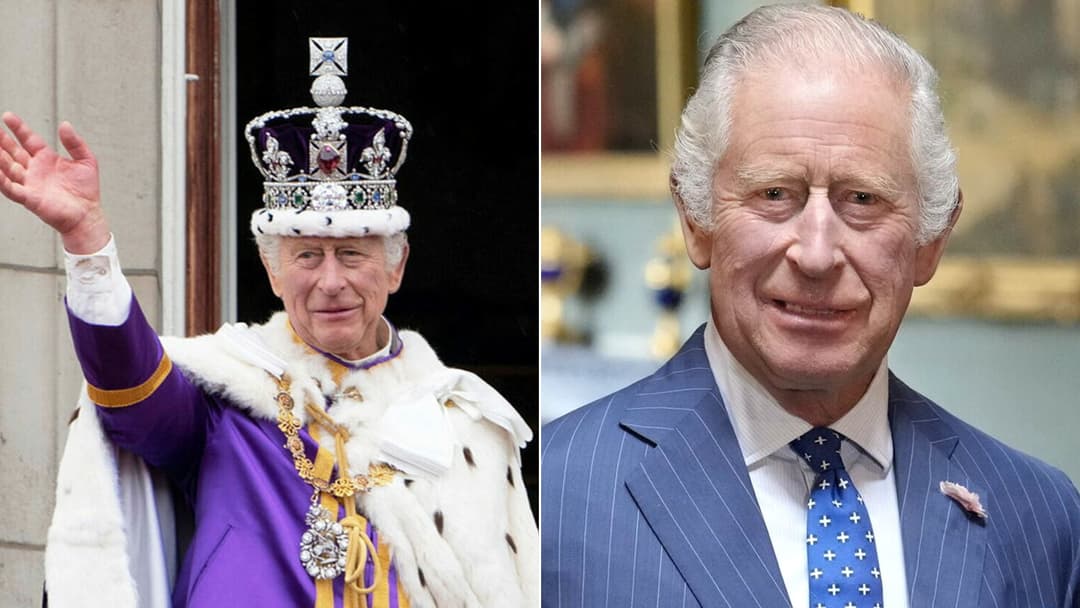
As the reigning British monarch in 2026, King Charles III holds centuries-old Royal Prerogatives and legal exemptions that place him above ordinary laws—from driving without a license plate to commanding the seabed.
By Most Viral Today
21 Oct 2026

From Traveling Without a Passport to Owning Every Swan on the Thames 
20. Appoint The King's Poet Laureate 
19. Claim Private Estates Without A Will 
18. Hold Exclusive Custodianship Of Royal Palaces - AdvertisementSwipe or tap ▶ to continue countdown

17. Bestow Royal Warrants On Brands 
16. Remain Totally Exempt From Freedom Of Information 
15. Pay Income Tax Purely On A Voluntary Basis 
14. Skip Mandatory Jury Service For Life - AdvertisementSwipe or tap ▶ to continue countdown

13. Own Nearly All Of The UK's Seabed 
12. Create Knights, Dames, And Life Peers 
11. Put His Own Portrait On Every New UK Coin 
10. Issue Banknotes Bearing His Face As Legal Tender - AdvertisementSwipe or tap ▶ to continue countdown

9. Celebrate Two Official Birthdays Every Year 
8. Grant The Royal Prerogative Of Mercy 
7. Claim Every Sturgeon, Whale, And Dolphin In UK Waters 
6. Own All Unmarked Mute Swans On The River Thames - AdvertisementSwipe or tap ▶ to continue countdown

5. Summon, Prorogue, And Dissolve Parliament 
4. Appoint The Prime Minister And Command Weekly Audiences 
3. Serve As Commander In-Chief And Formally Declare War 
2. Drive Without A Driver's License Or Number Plate - AdvertisementSwipe or tap ▶ to continue countdown

1. Travel The World Without A Passport & Enjoy Total Legal Immunity - Advertisement🔥 UP NEXT IN THIS SERIES◫ 21 Slides

20 Details Behind The Real Story Of Stephen Miller
As the reigning British monarch in 2026, King Charles III holds centuries-old Royal Prerogatives and legal exemptions that place him above ordinary laws—from driving without a license plate to commanding the seabed.
Swipe or tap ▶ to begin the countdown
©Wikimedia / HM Government & Wikimedia / White House
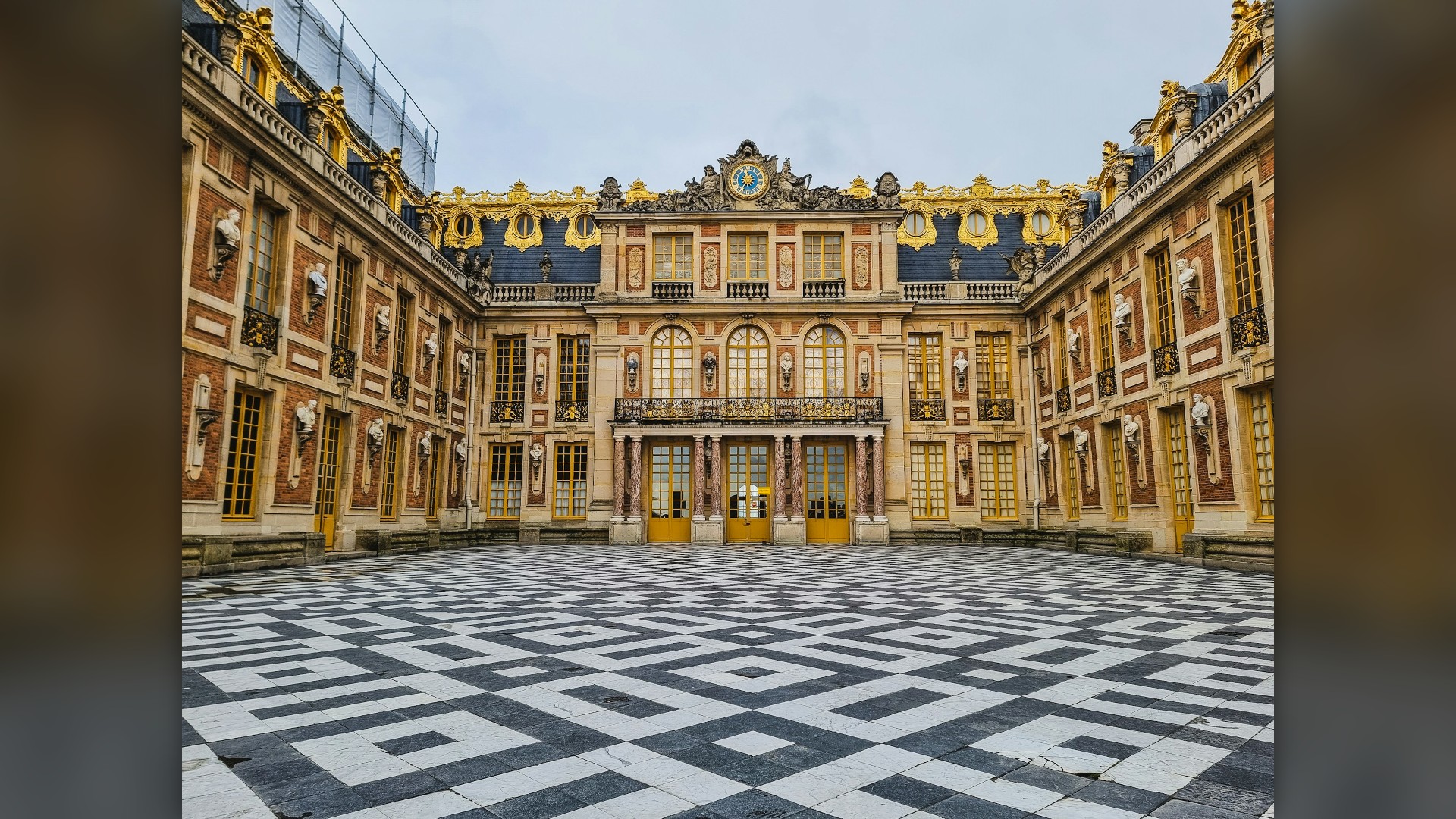
20. Appoint The King's Poet Laureate
Since 1668, only the British monarch can appoint the UK's Poet Laureate to compose verse for historic state occasions. Traditionally, the role carries an annual royal stipend plus a "butt of sack"—equivalent to 600 bottles of Spanish sherry.
©Wikimedia / Diliff
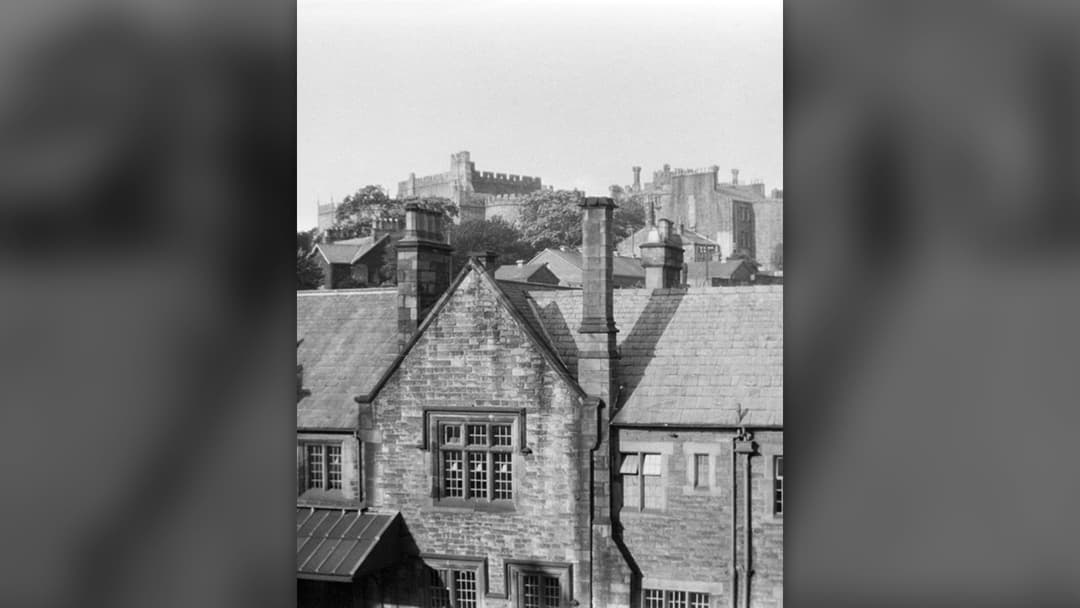
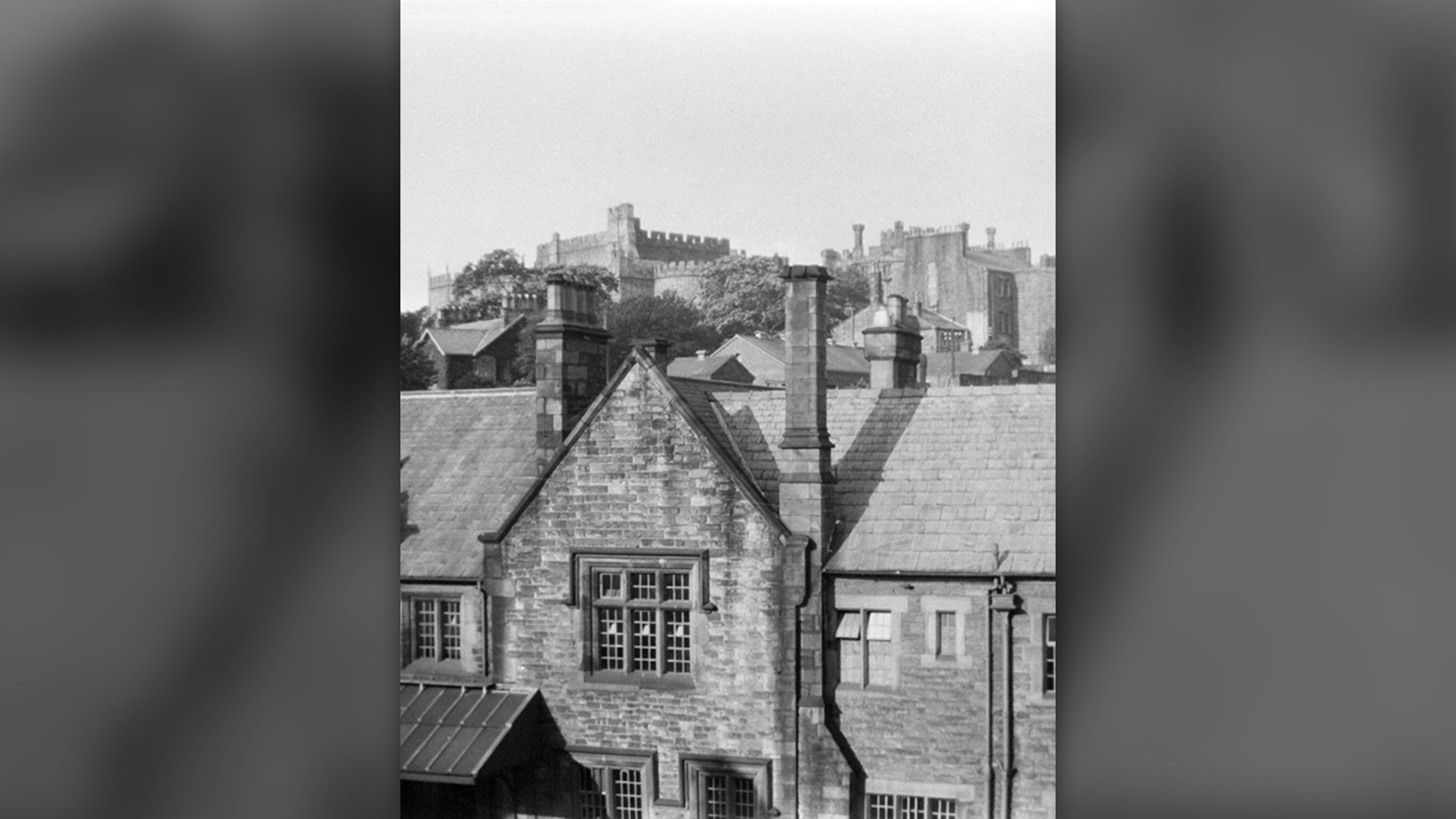
19. Claim Private Estates Without A Will
When someone dies without a will or known heirs in Lancashire, their property and money—known as "bona vacantia"—legally revert to King Charles III as Duke of Lancaster, with net proceeds directed to the Duchy's registered charitable funds.
©Wikimedia / Swedish National Heritage Board
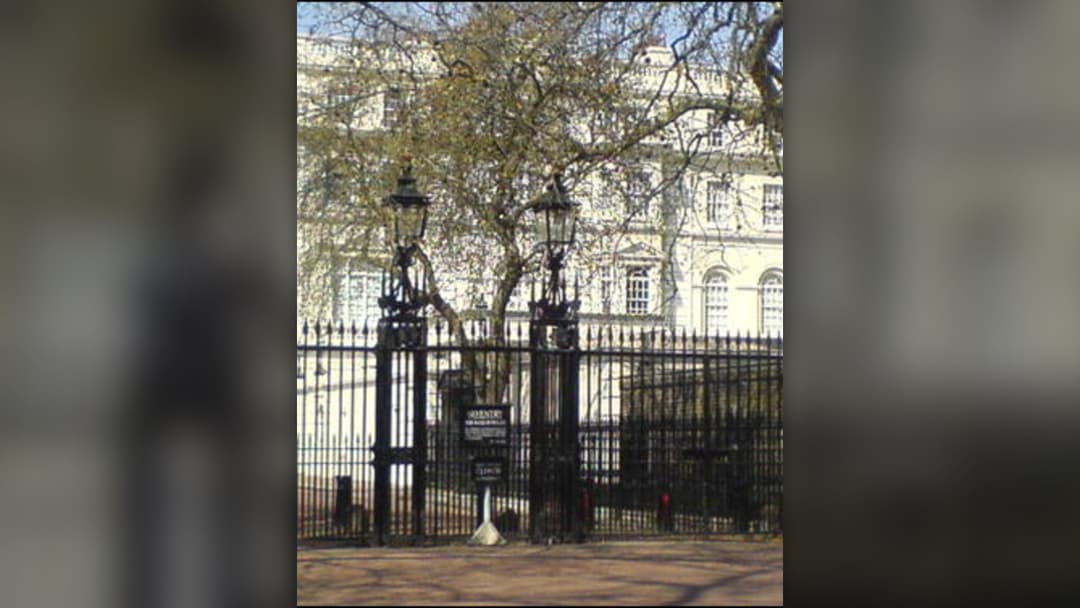
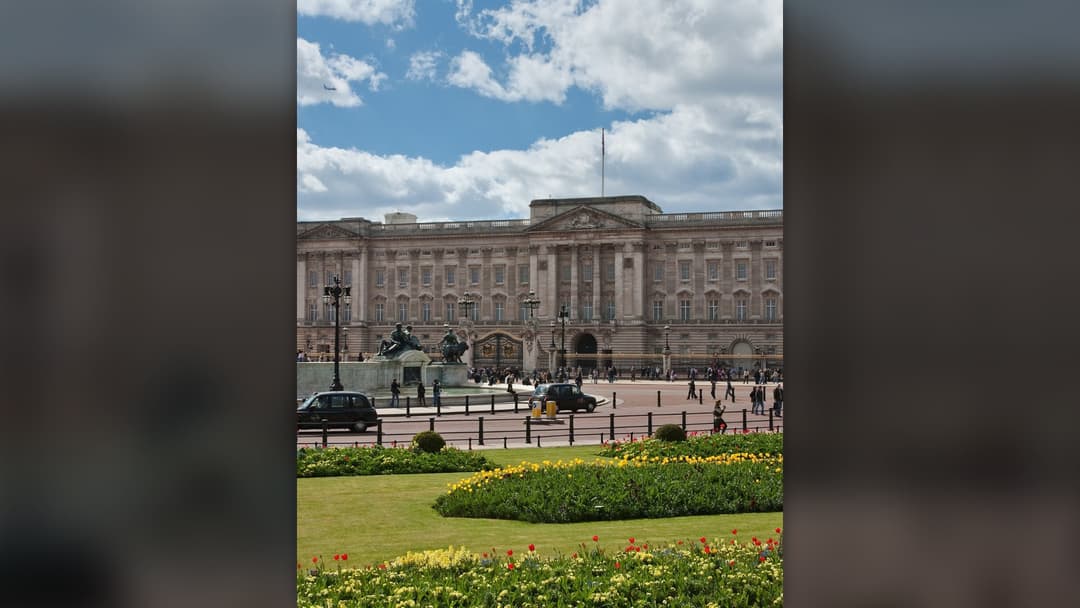
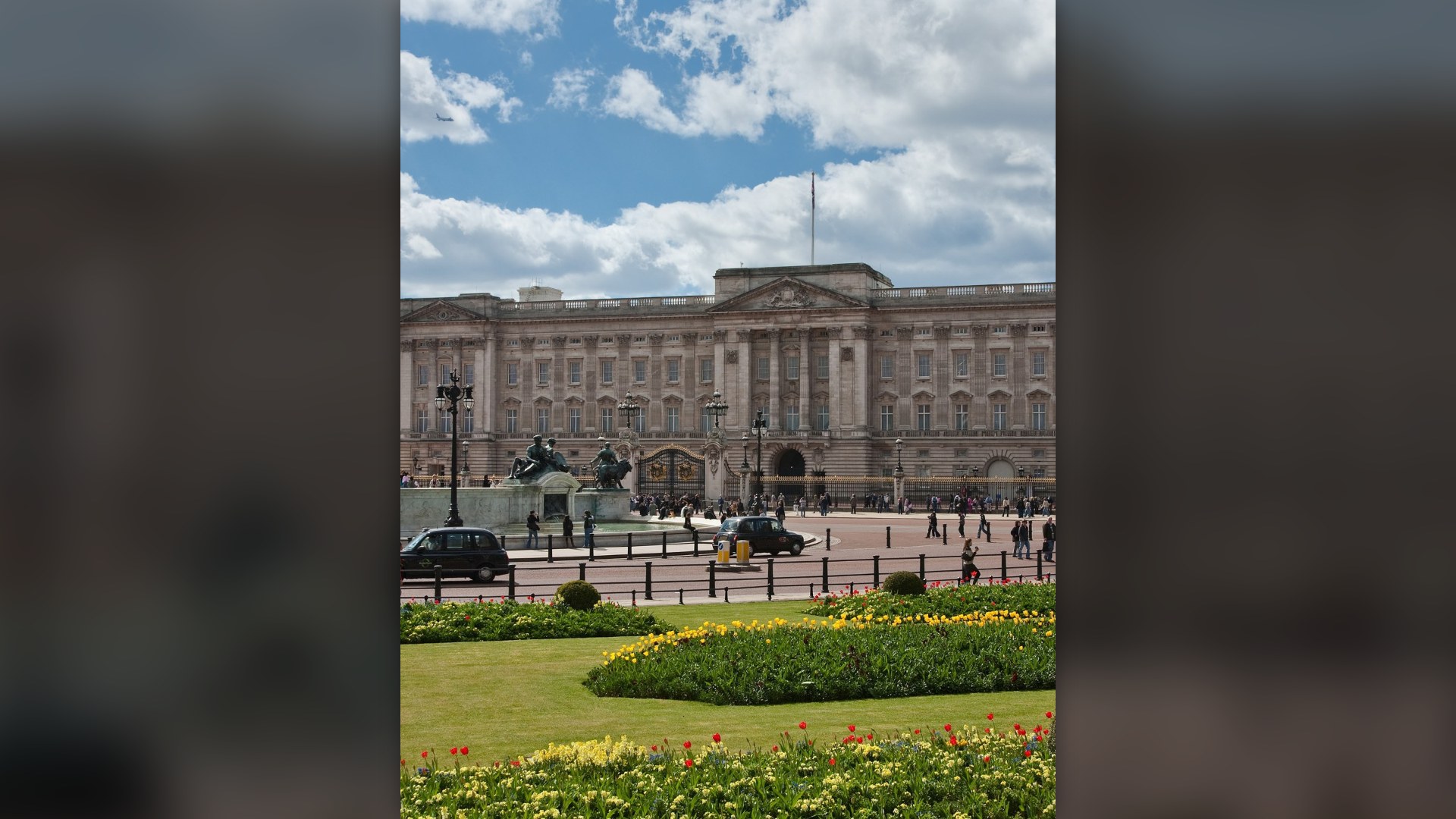
18. Hold Exclusive Custodianship Of Royal Palaces
Unlike ordinary homeowners, King Charles III holds occupied royal residences such as Kensington Palace in trust for the nation, where police require explicit royal permission to conduct searches and standard local planning enforcement does not apply.
© Photo by Tharun Thejas J P on Unsplash
Advertisement
Swipe or tap ▶ to resume the countdown.
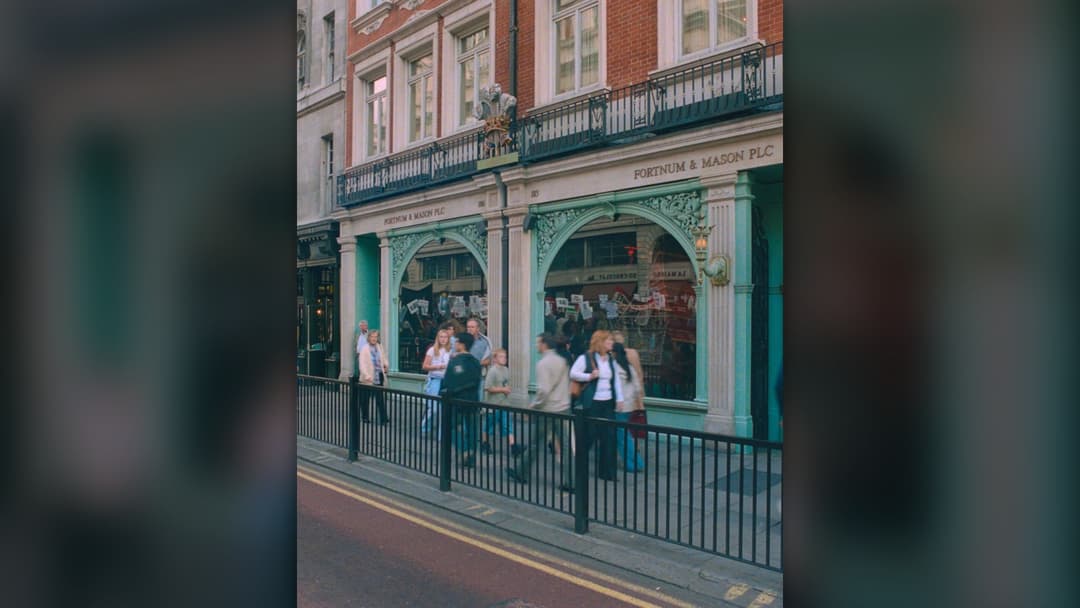
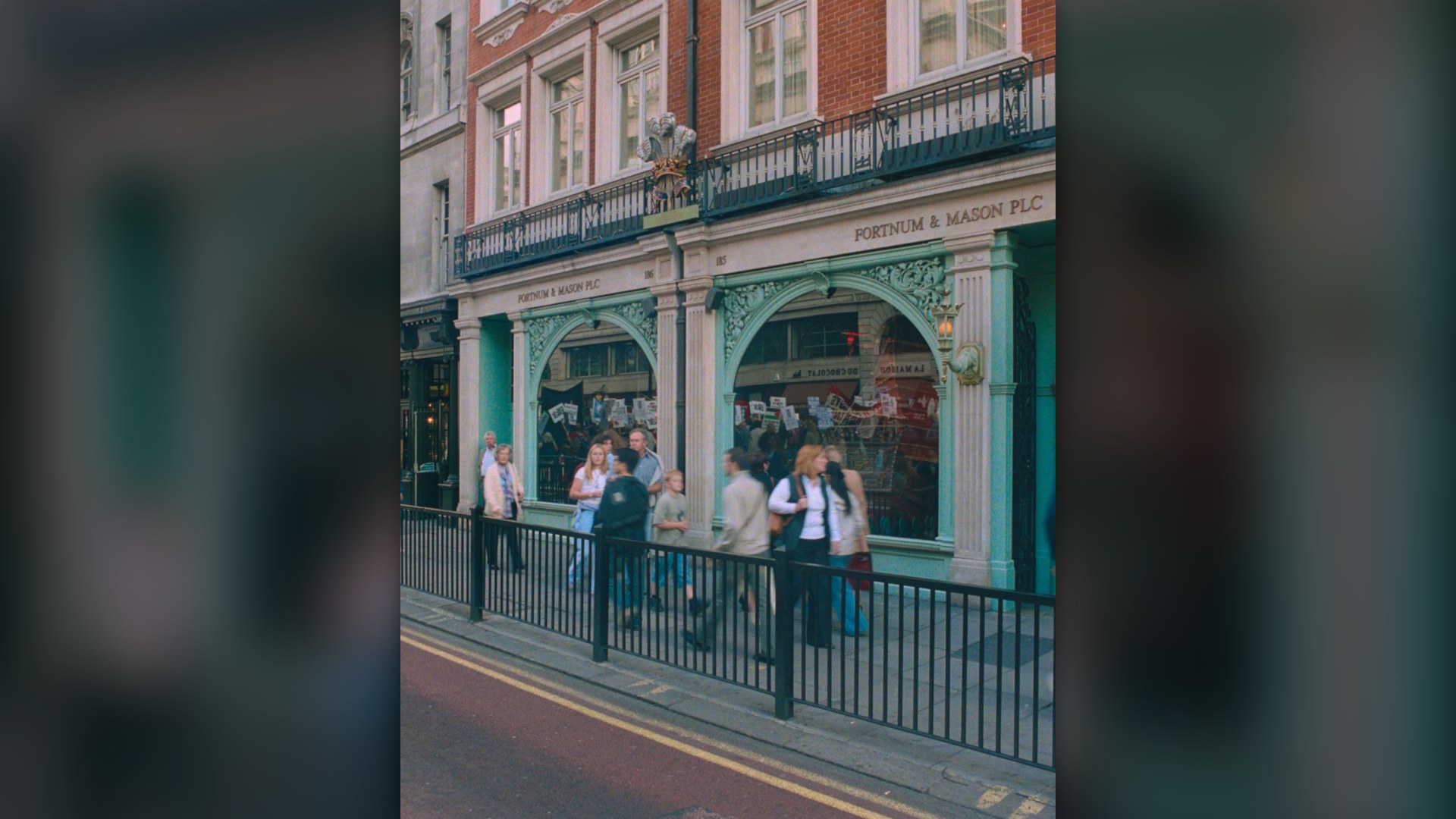
17. Bestow Royal Warrants On Brands
From Fortnum & Mason to luxury tailors and grocers, King Charles III holds the exclusive authority to grant Royal Warrants of Appointment—allowing select purveyors who supply the Royal Household to display his coat of arms.
©Wikimedia / habiloid
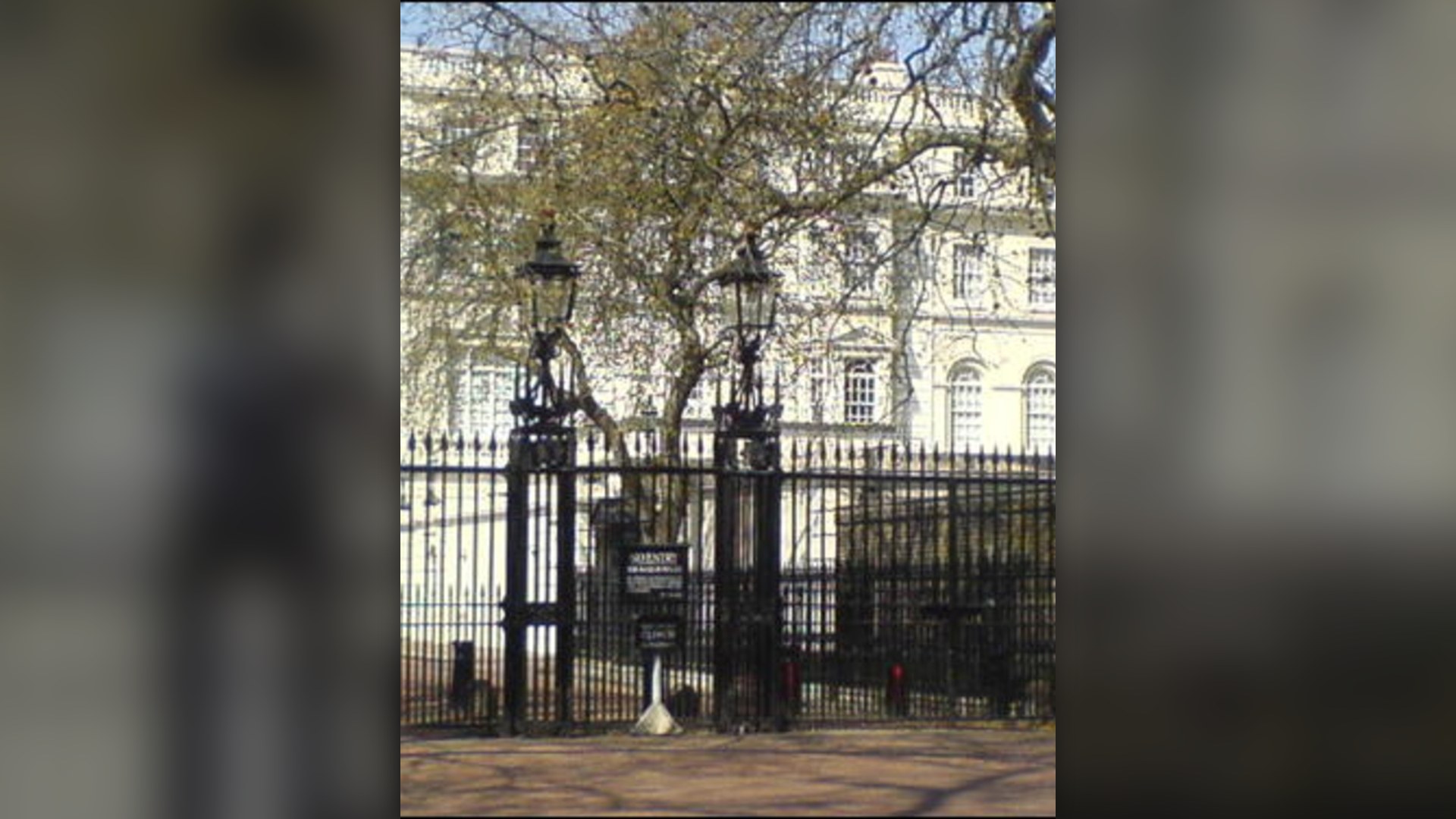
16. Remain Totally Exempt From Freedom Of Information
While government ministries must release public records upon request, the UK Freedom of Information Act grants an absolute exemption to communications with King Charles III and the Royal Household, keeping royal correspondence confidential for decades.
©Wikimedia / Funguy06
15. Pay Income Tax Purely On A Voluntary Basis
Under British law, the Crown is not bound by tax statutes unless Parliament explicitly says so. While King Charles III has no legal obligation to pay income or capital gains tax on his private estates like Balmoral, he voluntarily pays at the standard rate.

© Photo by Markus Winkler on Unsplash
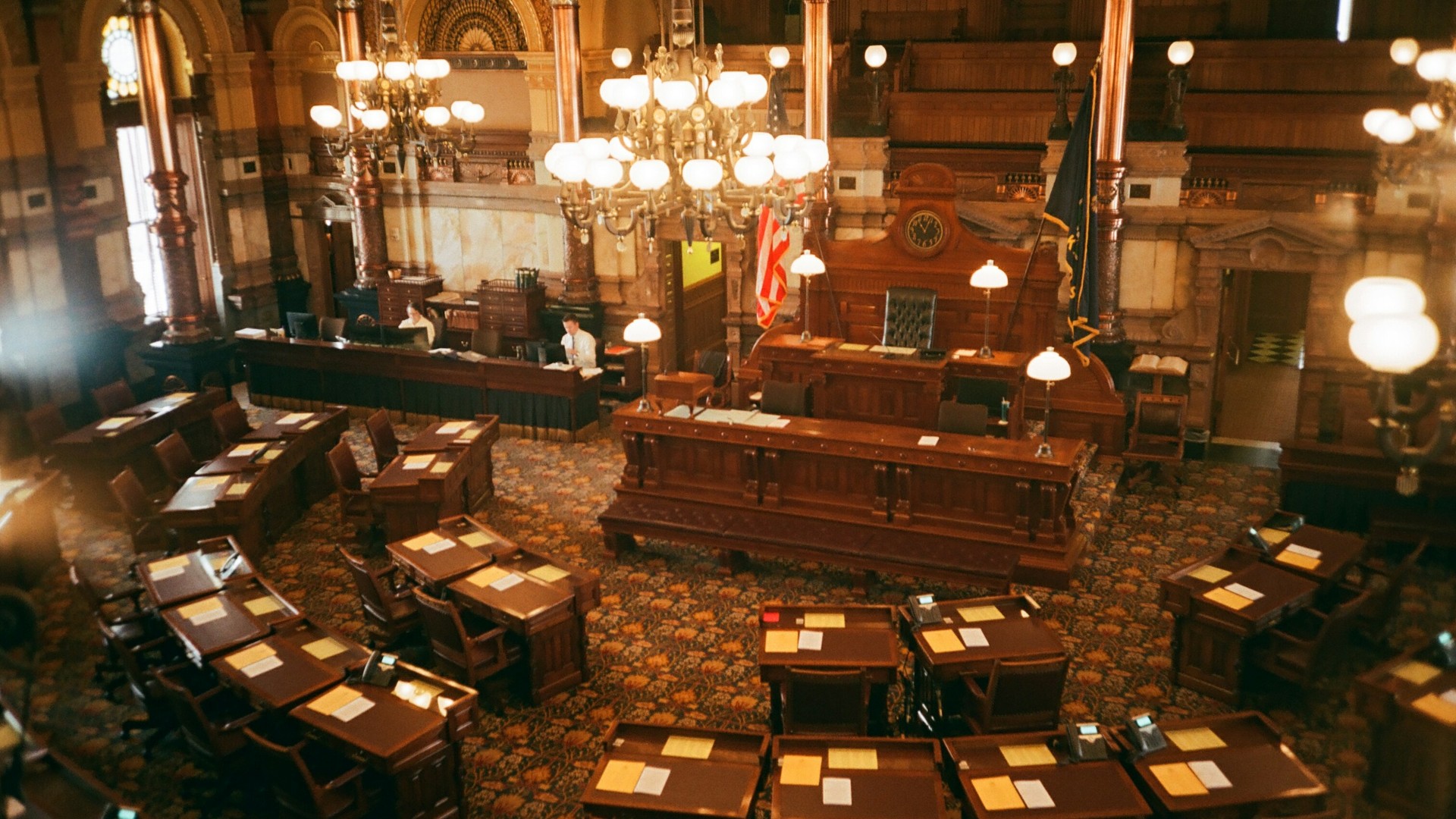
14. Skip Mandatory Jury Service For Life
Ordinary British citizens can be fined for ignoring a jury summons, but King Charles III is constitutionally barred from sitting on a jury at the Old Bailey or any Crown Court—since every prosecution is legally brought by "The King" (R v. Defendant).
Advertisement
Swipe or tap ▶ to resume the countdown.
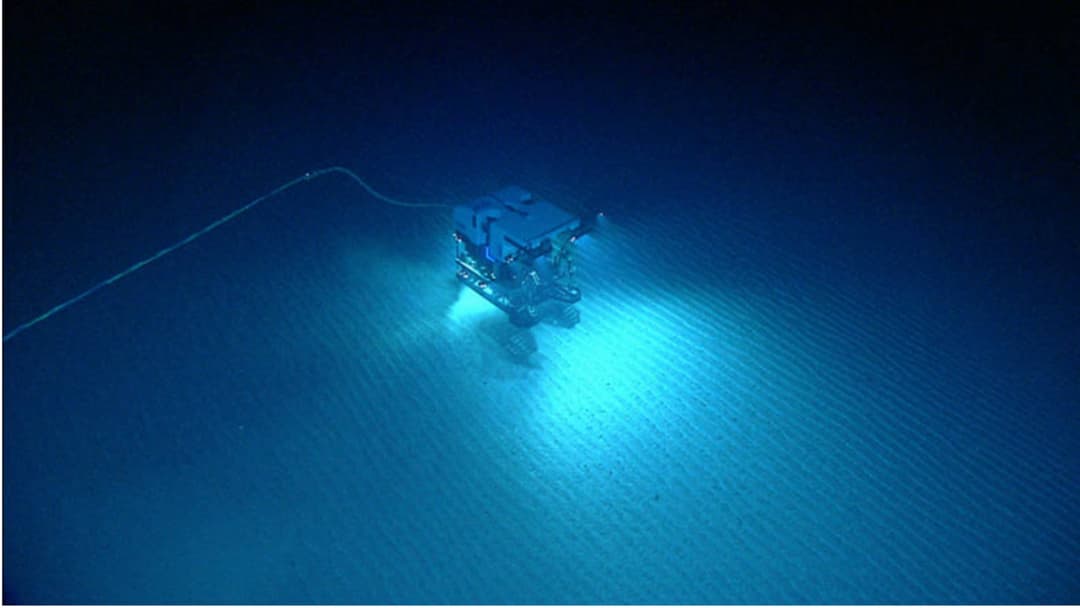
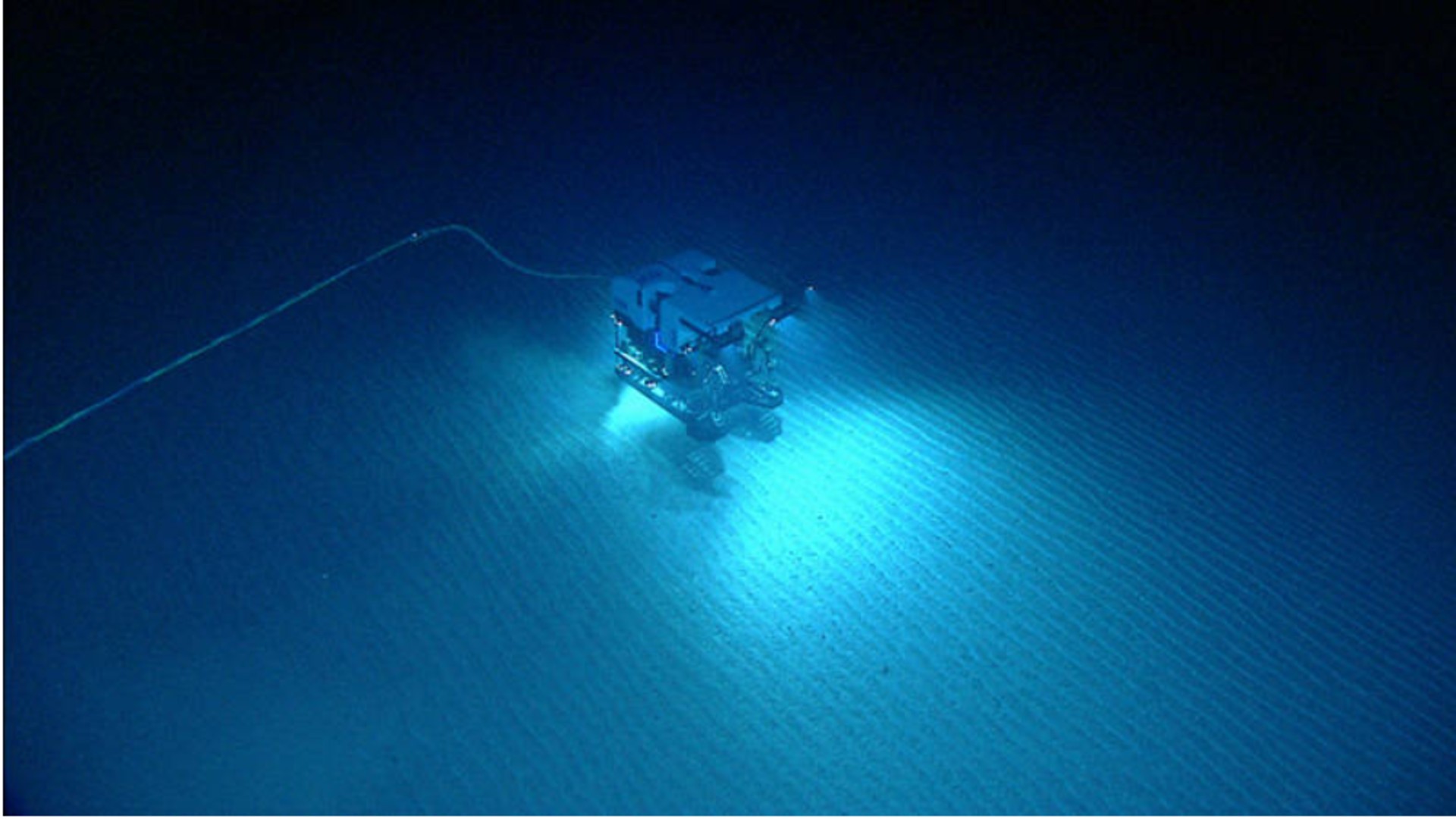
13. Own Nearly All Of The UK's Seabed
Stretching out from landmarks like the White Cliffs of Dover, virtually the entire UK seabed within the 12-nautical-mile territorial limit belongs to the Crown Estate, giving the monarchy massive offshore wind power leasing rights whose profits fund the Treasury.
©Wikimedia / NOAA Office of Ocean Exploration and
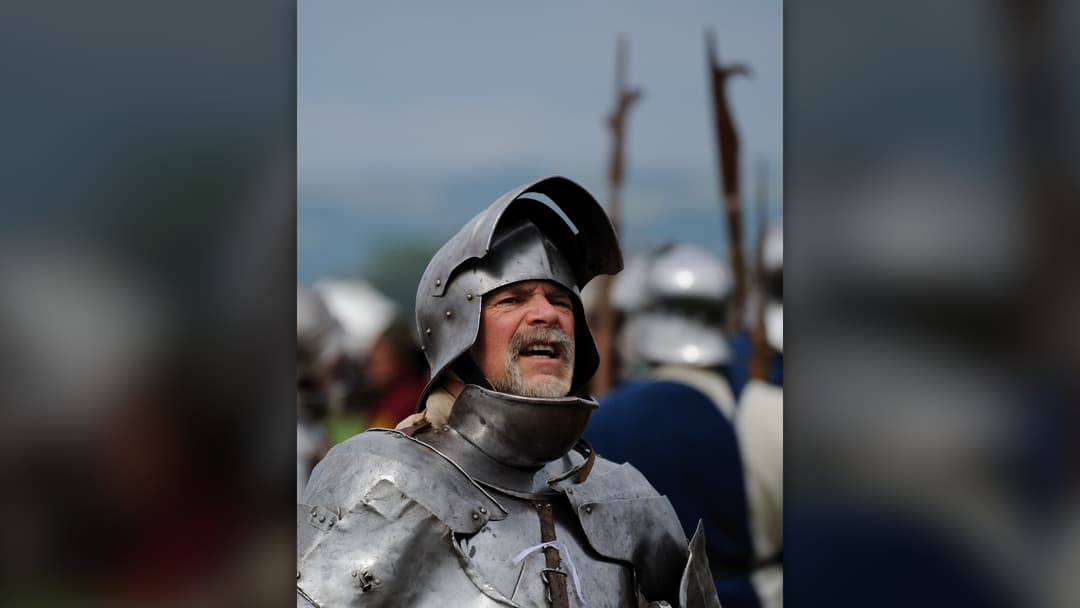
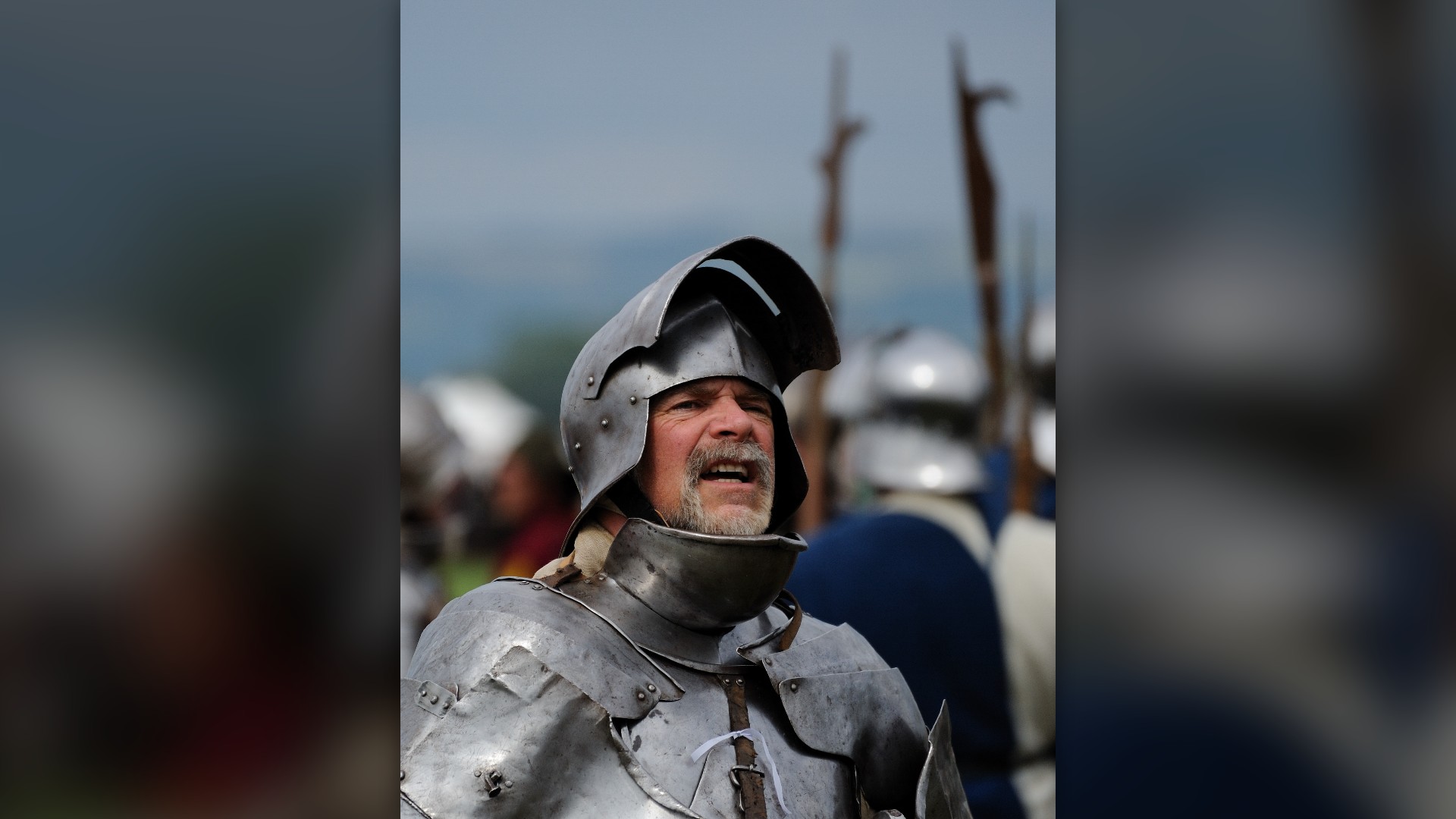
12. Create Knights, Dames, And Life Peers
Under the Royal Prerogative, King Charles III is the sole "Fount of Honour" in the United Kingdom—holding the exclusive constitutional right to create peerages, knighthoods, and chivalric orders inside grand state rooms like Windsor Castle's St George's Hall.
©Wikimedia / Saffron Blaze
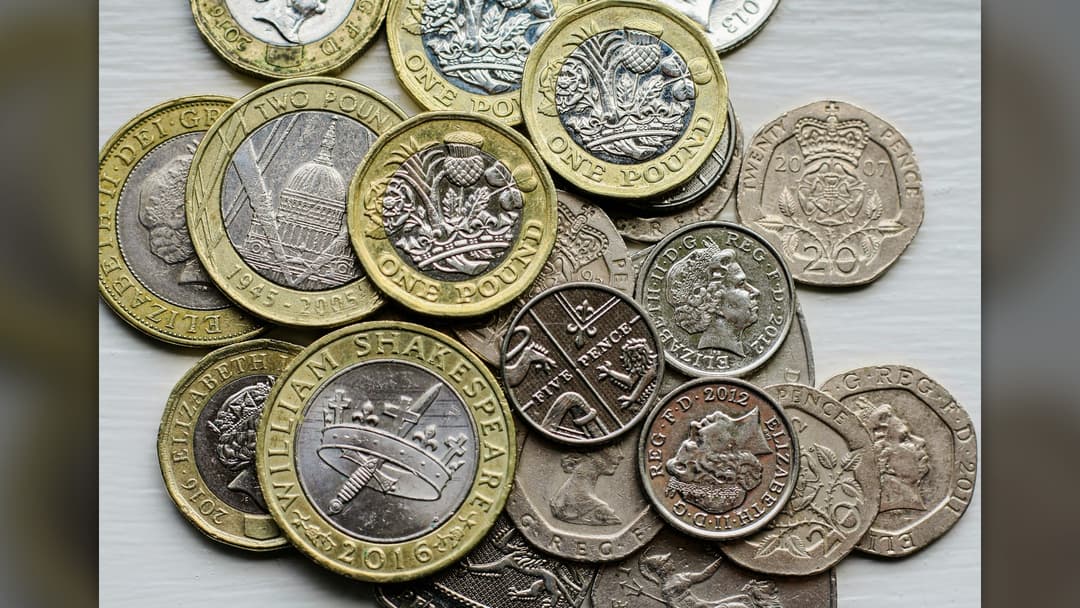
11. Put His Own Portrait On Every New UK Coin
Every circulating pound and pence coin struck at the Royal Mint in Llantrisant carries King Charles III's uncrowned left-facing profile—continuing a 17th-century royal tradition where each new monarch faces the opposite direction of their predecessor.
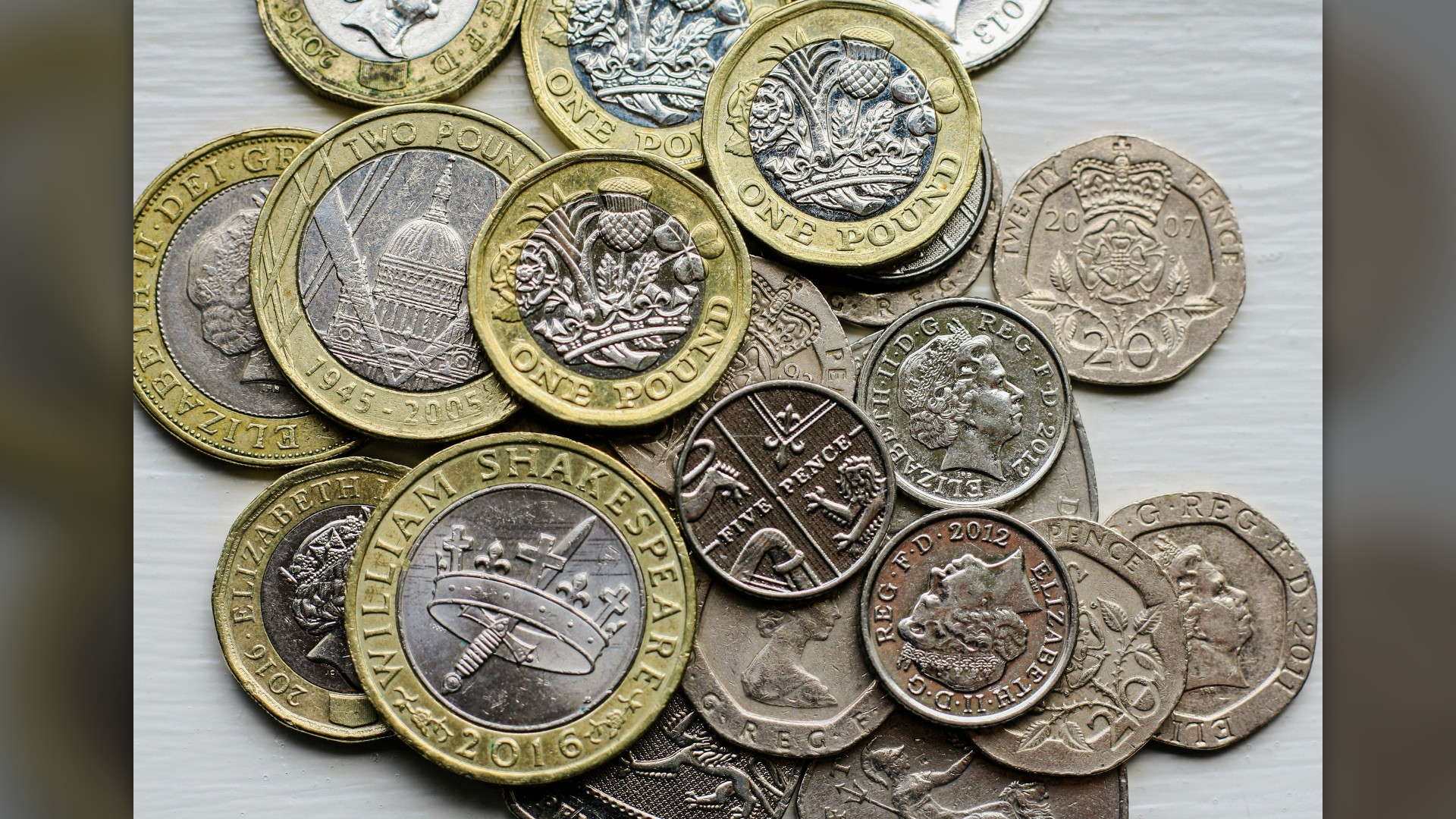
© Photo by Sarah Agnew on Unsplash
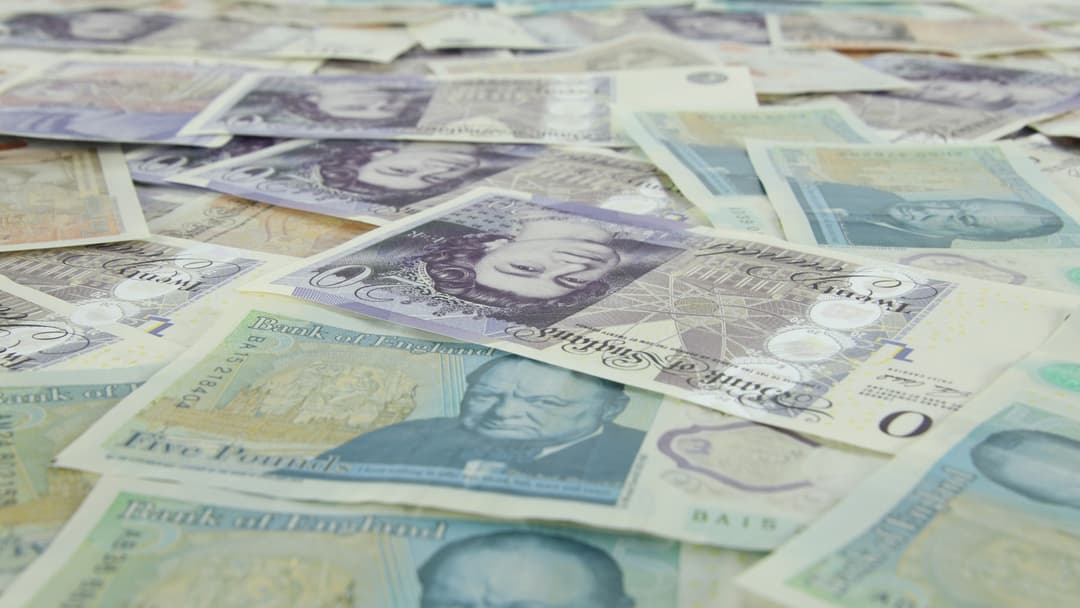
10. Issue Banknotes Bearing His Face As Legal Tender
Entering circulation through the Bank of England in June 2024, the UK's £5, £10, £20, and £50 polymer banknotes carry King Charles III's portrait—making him only the second British monarch in history ever depicted on Bank of England paper money.

© Photo by Christopher Bill on Unsplash
Advertisement
Swipe or tap ▶ to resume the countdown.
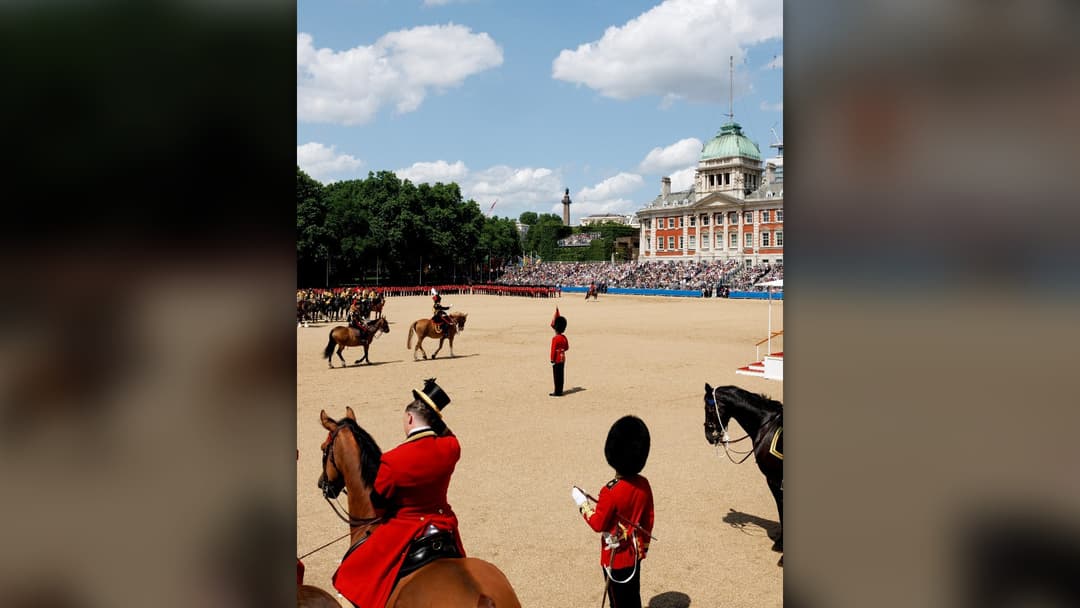
9. Celebrate Two Official Birthdays Every Year
Although King Charles III was born on November 14, 1948, he celebrates a second official birthday every June with the grand Trooping the Colour military parade at Horse Guards Parade—a royal tradition started in 1748 to guarantee fair summer weather.
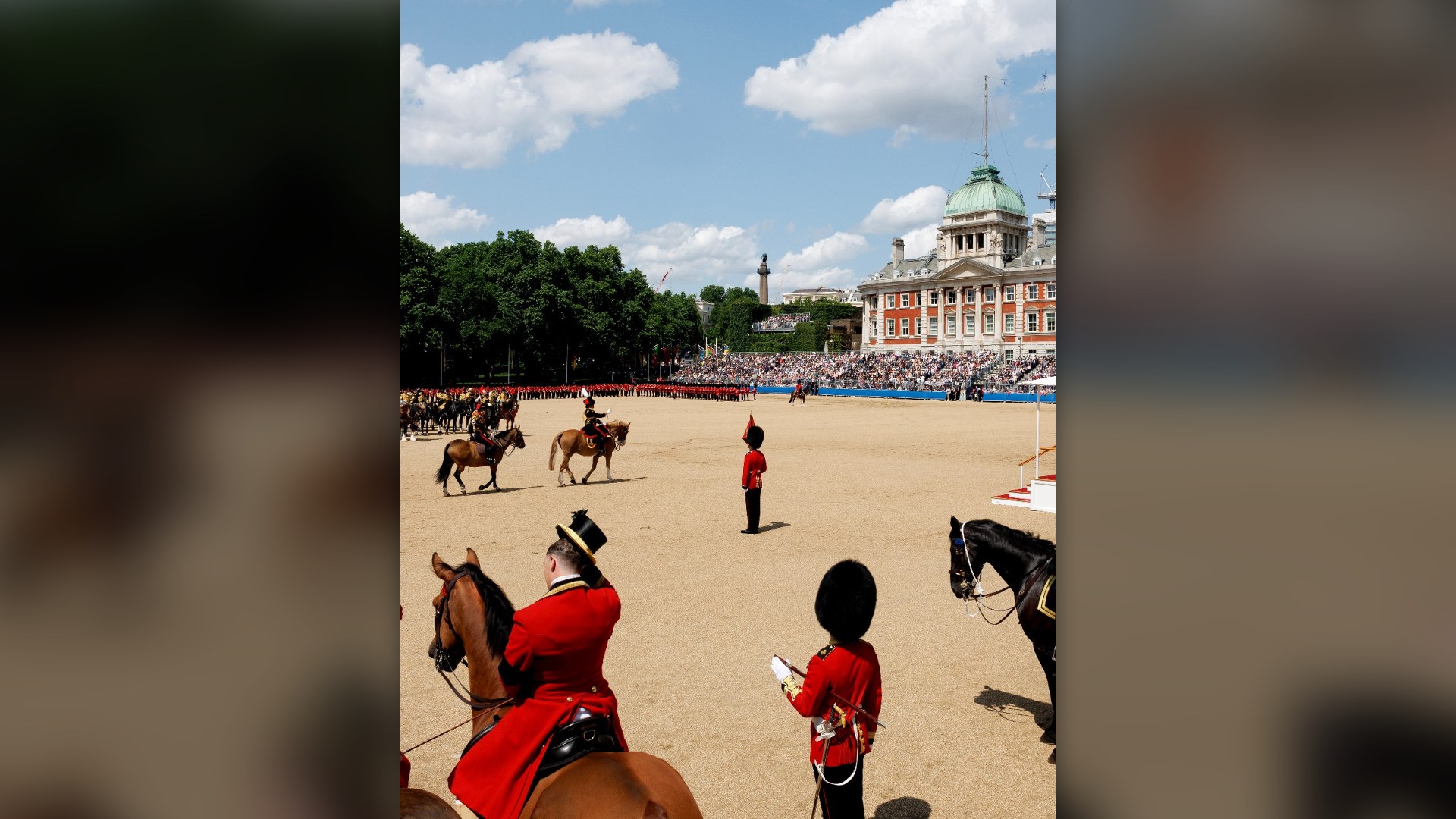
©Wikimedia / Lauren Hurley
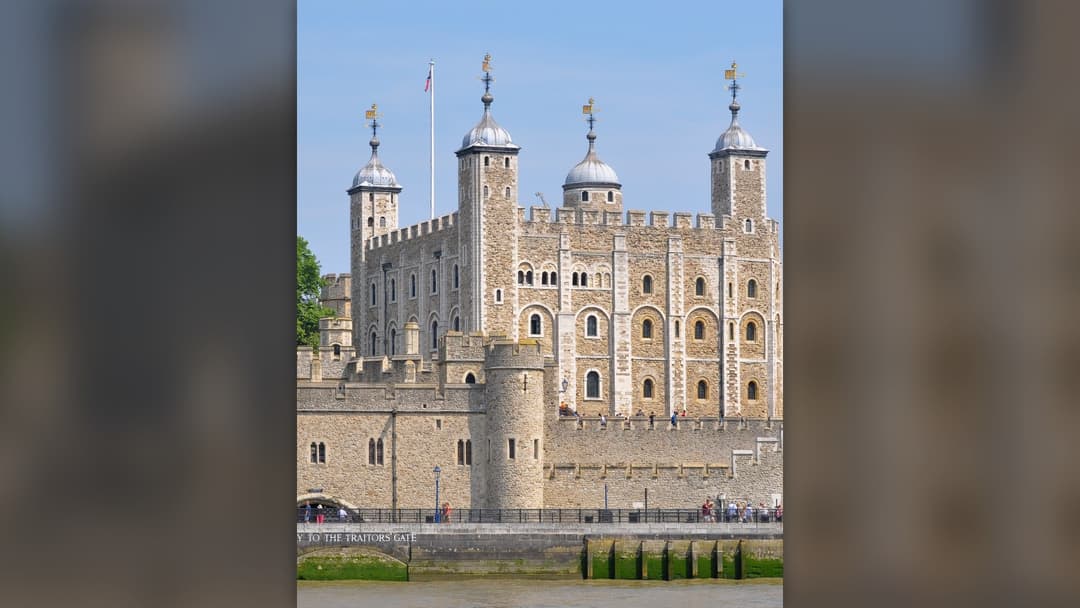
8. Grant The Royal Prerogative Of Mercy
Once exercised personally by monarchs at the Tower of London, the Royal Prerogative of Mercy still allows King Charles III—acting on the advice of his Justice Secretary—to grant free royal pardons or remit prison sentences for extraordinary acts or wrongful convictions.
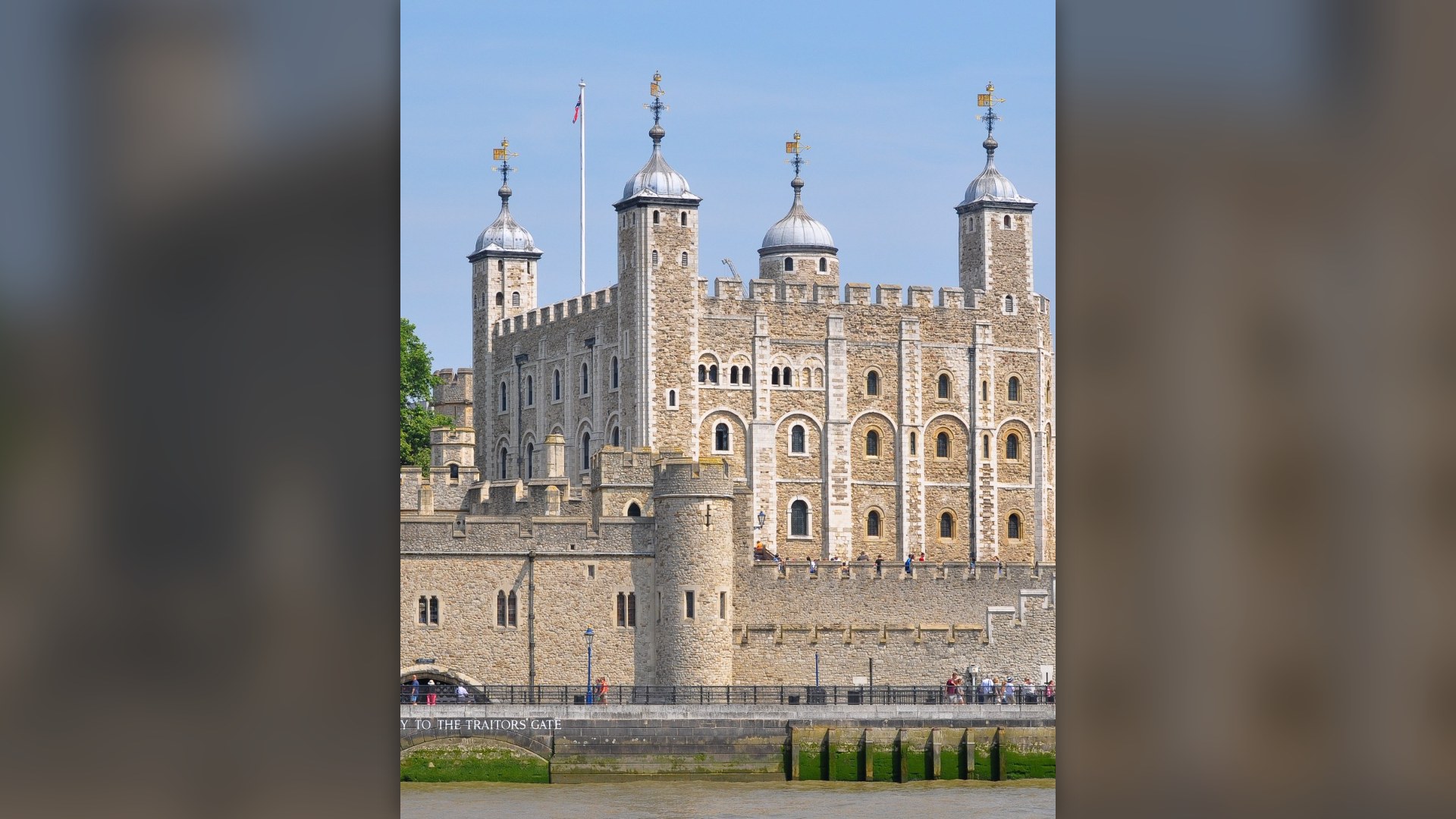
©Wikimedia / Bob Collowan
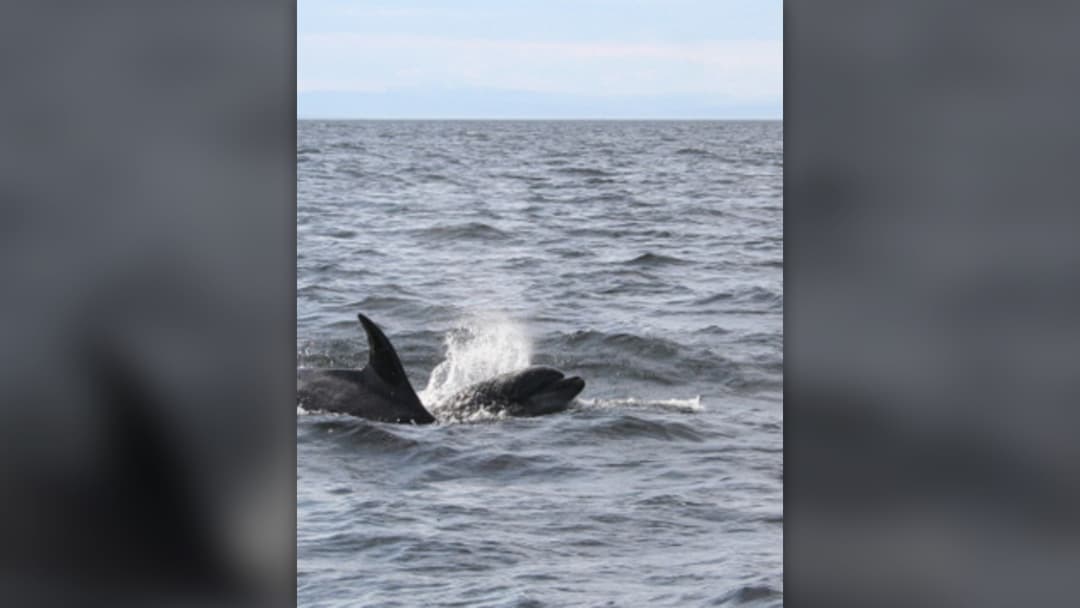
7. Claim Every Sturgeon, Whale, And Dolphin In UK Waters
Under the unrepealed Prerogative Regis statute enacted by King Edward II in 1324, every whale, sturgeon, porpoise, and bottlenose dolphin caught or stranded within three miles of the British coast is legally classified as a "Royal Fish" belonging to King Charles III.
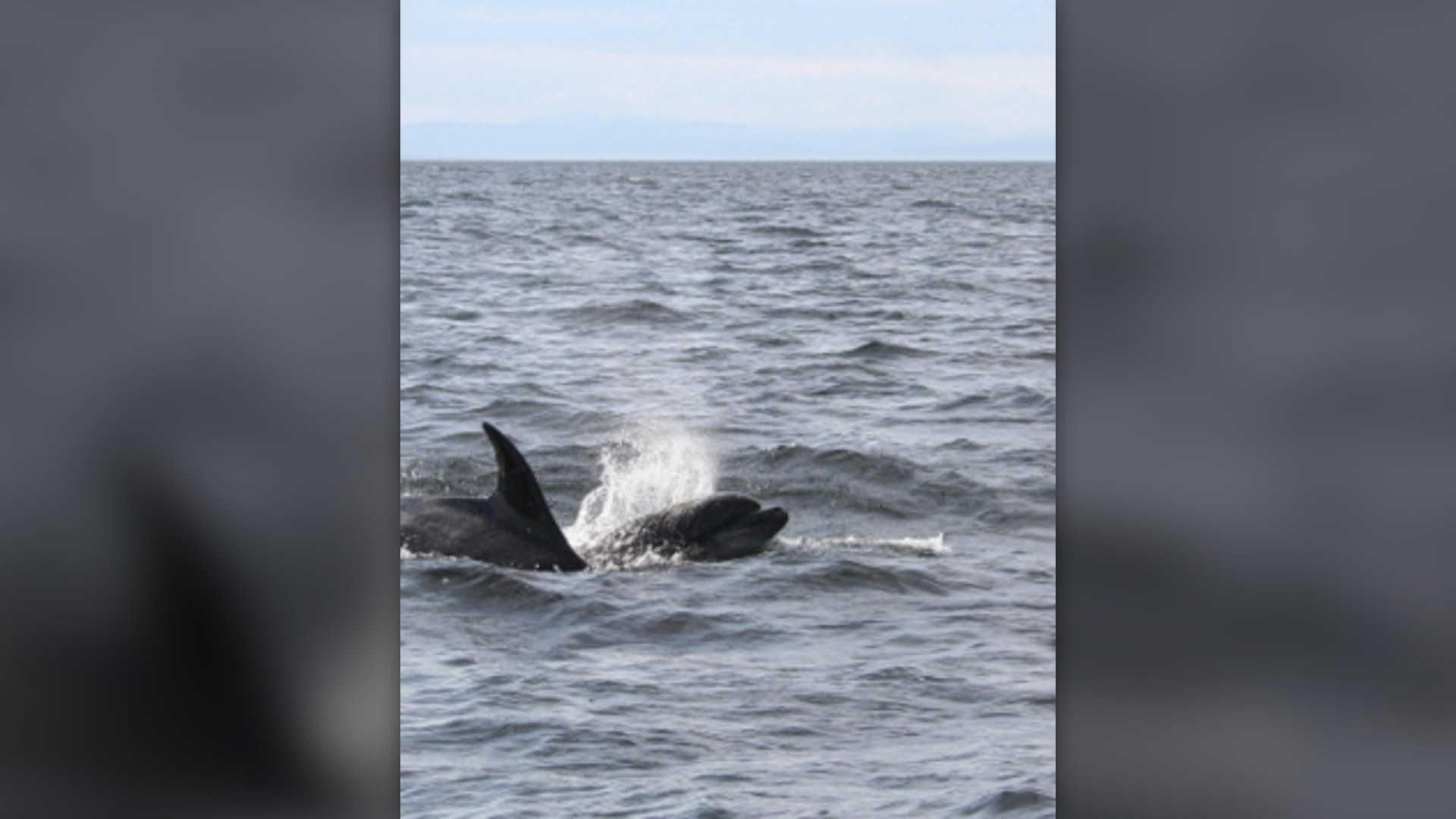
©Wikimedia / Des Colhoun
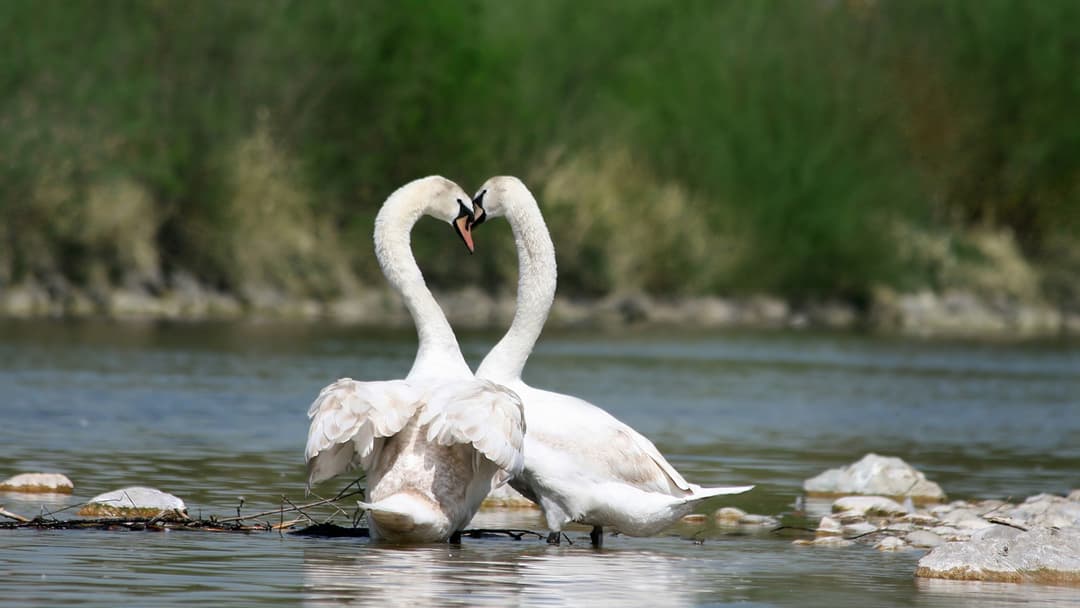
6. Own All Unmarked Mute Swans On The River Thames
Every July on the River Thames, the King's Swan Marker leads the traditional five-day "Swan Upping" census in royal skiffs—exercising the monarch's 800-year-old prerogative right to claim ownership of all unmarked mute swans on open British waterways.
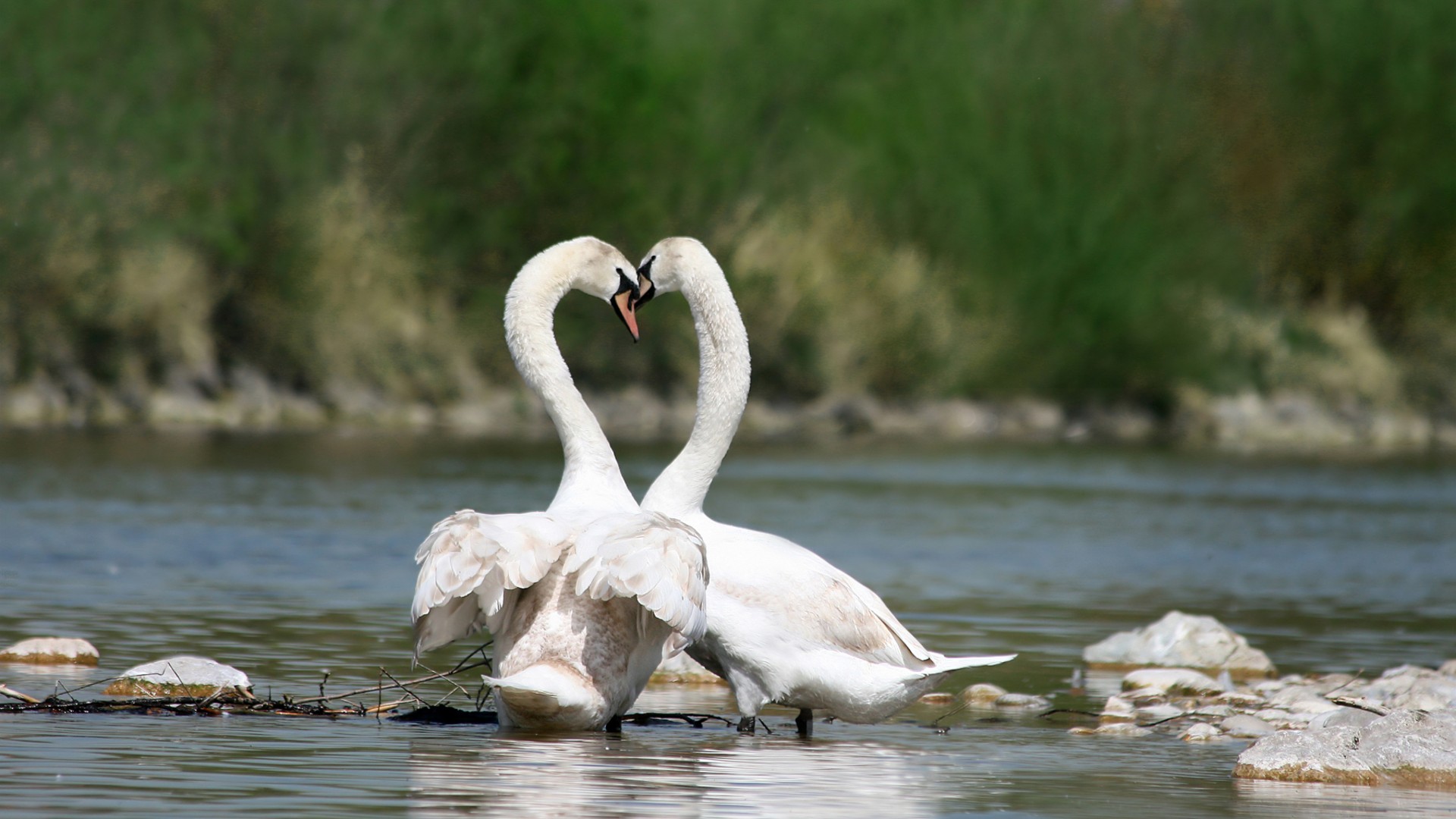
©Wikimedia / Richard Bartz, Munich Makro Freak
Advertisement
Swipe or tap ▶ to resume the countdown.
5. Summon, Prorogue, And Dissolve Parliament
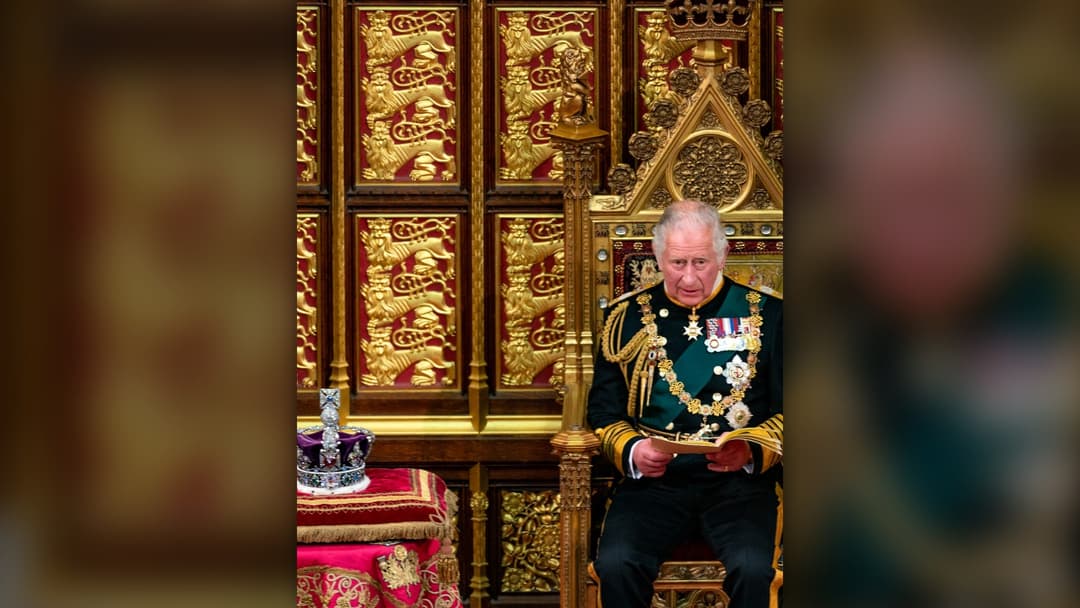
Inside the gilded House of Lords chamber, only the Sovereign can formally summon a new Parliament, suspend ("prorogue") its sittings, or dissolve it ahead of a general election—reading the government's legislative agenda from the Sovereign's Throne.
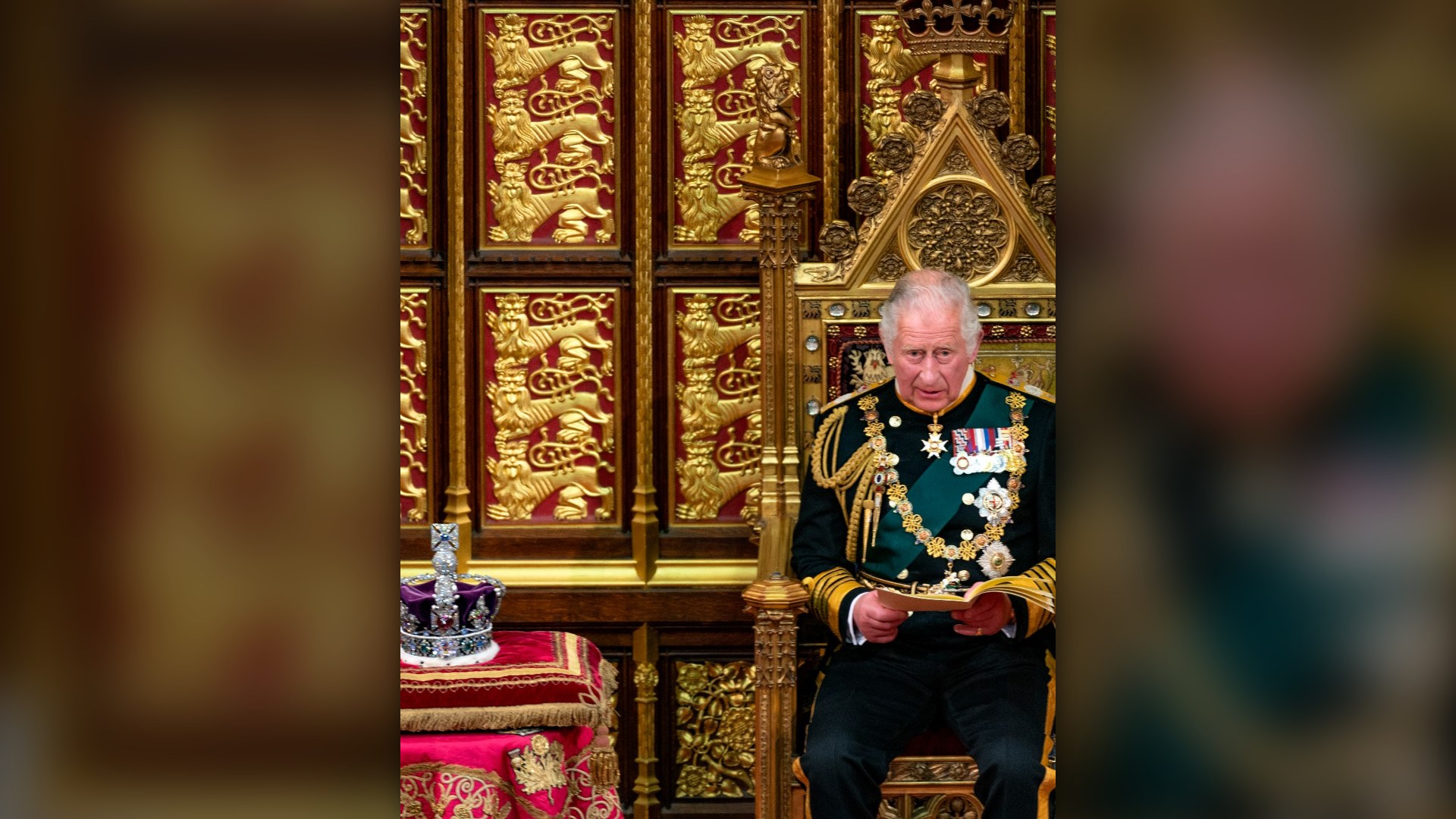
©Wikimedia / ukhouseoflords
4. Appoint The Prime Minister And Command Weekly Audiences
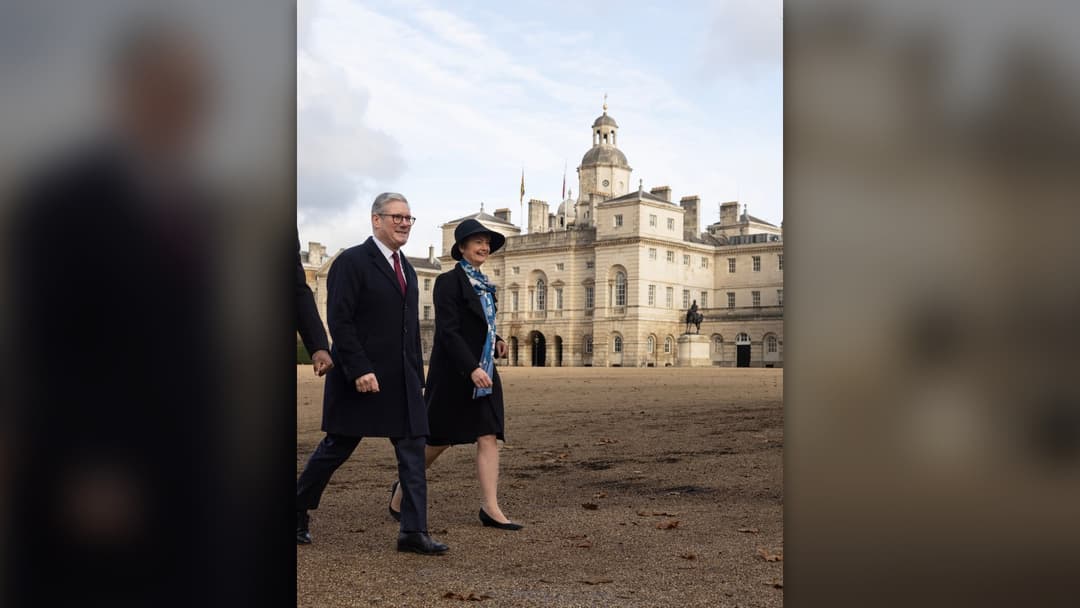
No British Prime Minister can take office without "kissing hands" in a private audience with King Charles III, who also holds the constitutional right to be consulted, to encourage, and to warn the Prime Minister during strictly confidential weekly meetings.
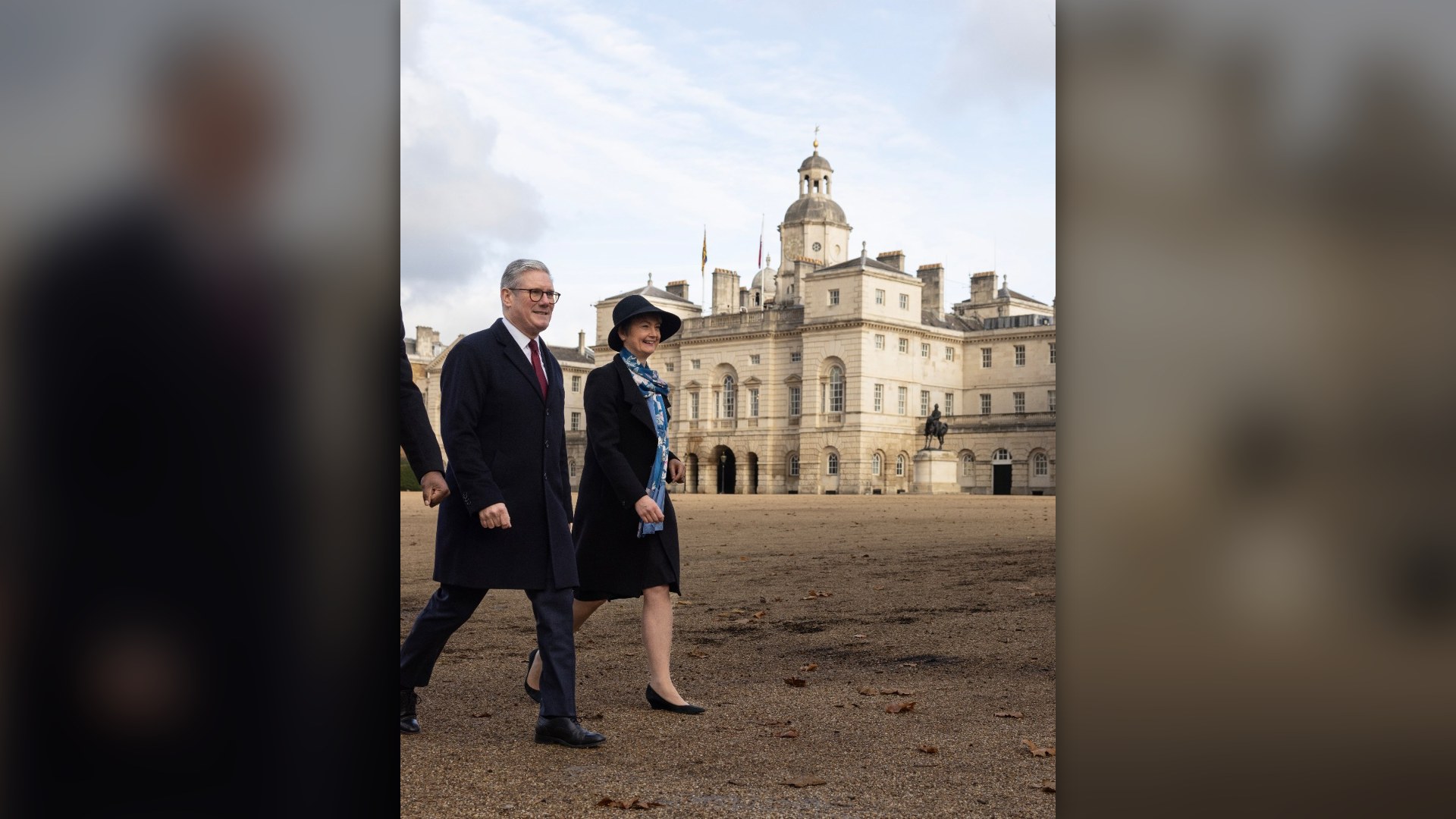
©Wikimedia / No 10 Downing Street
3. Serve As Commander In-Chief And Formally Declare War
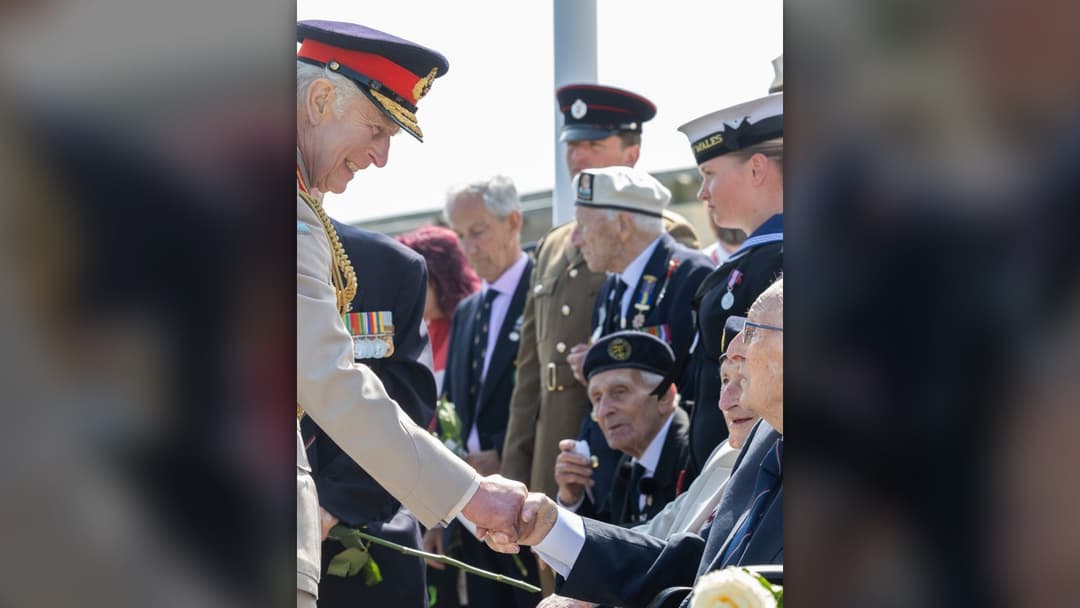
Every recruit in the British Army, Royal Navy, and Royal Air Force swears an oath of allegiance directly to King Charles III—not to Parliament—and the formal constitutional power to declare war, sign treaties, and deploy troops rests in the Royal Prerogative.
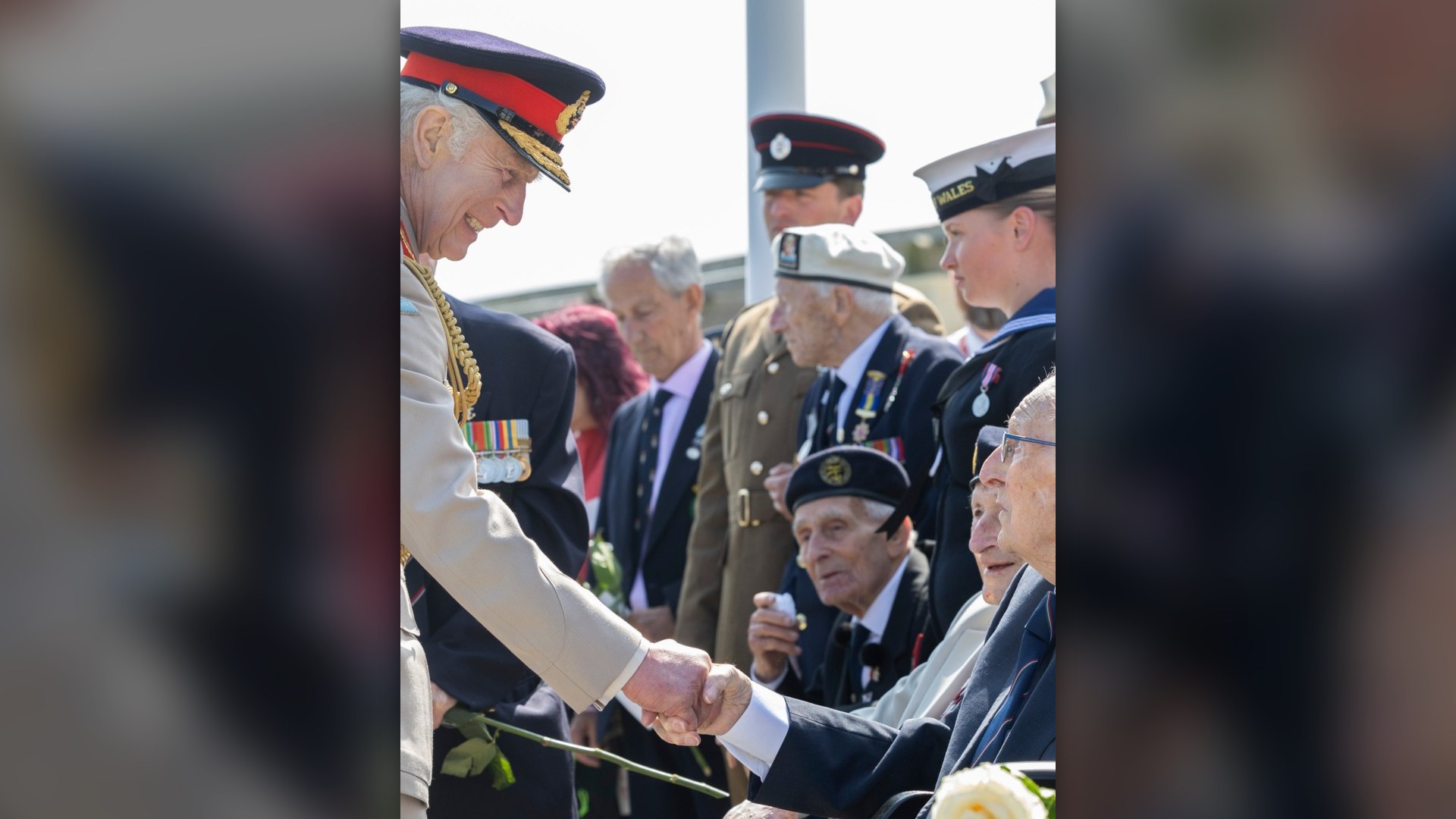
©Wikimedia / British Embassy Paris
2. Drive Without A Driver's License Or Number Plate
While every British motorist must pass a driving test and display front and rear registration plates, King Charles III can legally drive without a license—and his official State Bentley limousines travel on public roads completely free of number plates.

©Wikimedia / George M. Groutas
Advertisement
Swipe or tap ▶ to resume the countdown.
1. Travel The World Without A Passport & Enjoy Total Legal Immunity
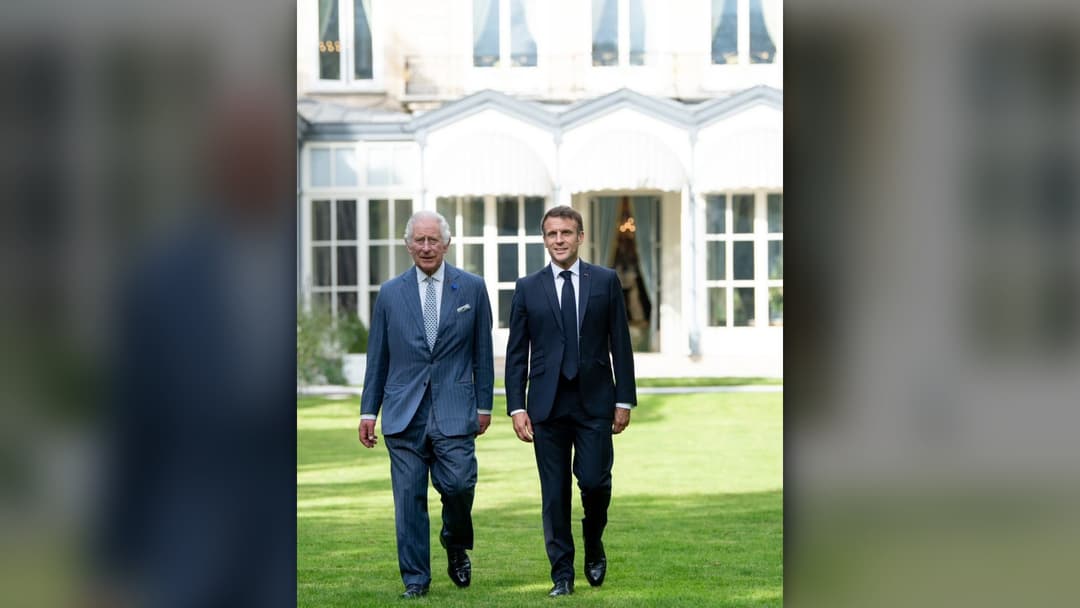
Because every British passport is issued in the name of His Majesty, King Charles III travels on state visits—like his landmark trip to France—without owning a passport at all. Under the doctrine of Sovereign Immunity ("the King can do no wrong"), he cannot be arrested or prosecuted.
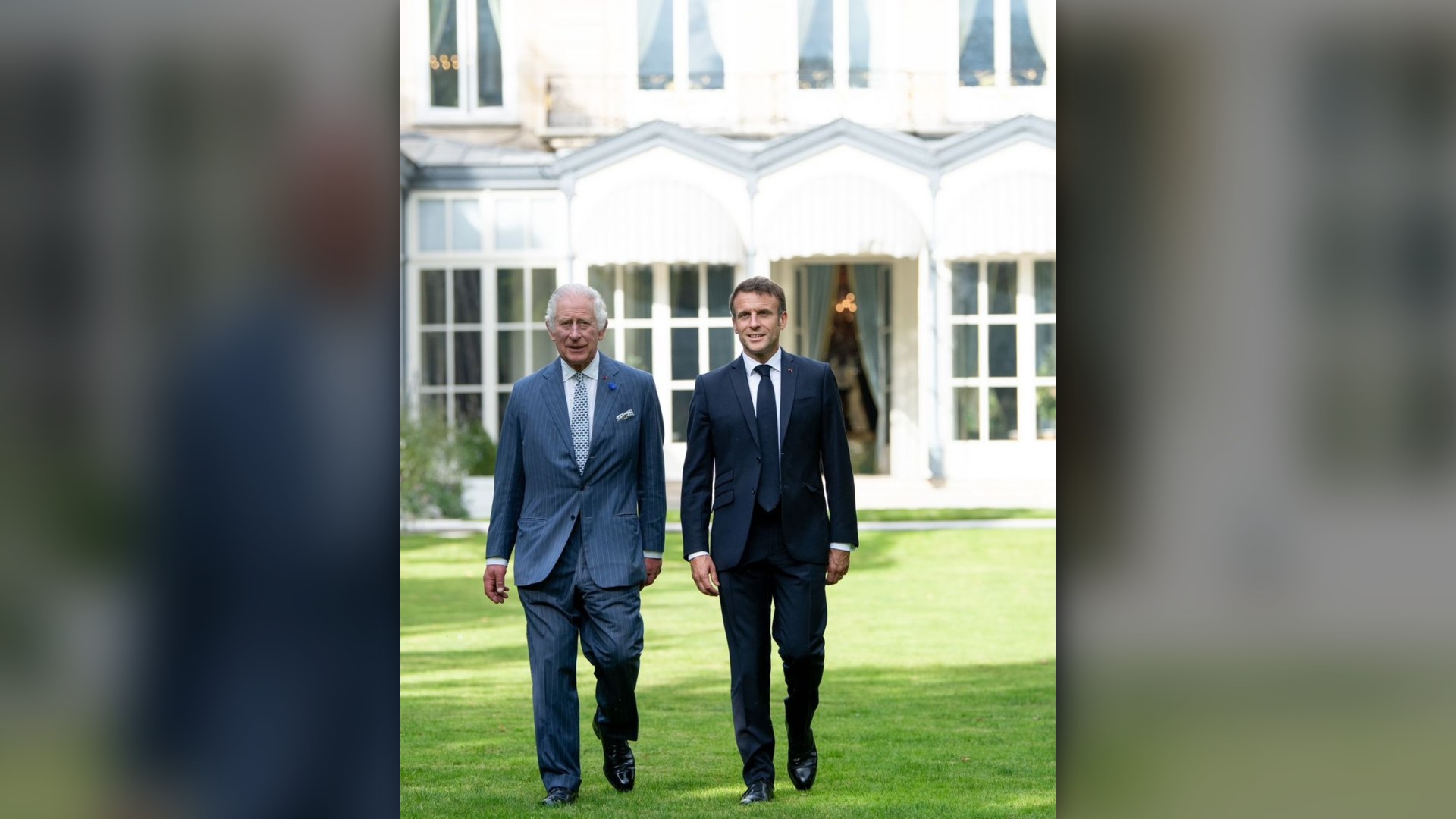
©Wikimedia / UK in France
Advertisement
You've reached the end of the story. Thanks for reading!

20 Details Behind The Real Story Of Stephen Miller
All 20 Entries in this Story
20. Appoint The King's Poet Laureate
Since 1668, only the British monarch can appoint the UK's Poet Laureate to compose verse for historic state occasions. Traditionally, the role carries an annual royal stipend plus a "butt of sack"—equivalent to 600 bottles of Spanish sherry.

19. Claim Private Estates Without A Will
When someone dies without a will or known heirs in Lancashire, their property and money—known as "bona vacantia"—legally revert to King Charles III as Duke of Lancaster, with net proceeds directed to the Duchy's registered charitable funds.

18. Hold Exclusive Custodianship Of Royal Palaces
Unlike ordinary homeowners, King Charles III holds occupied royal residences such as Kensington Palace in trust for the nation, where police require explicit royal permission to conduct searches and standard local planning enforcement does not apply.

17. Bestow Royal Warrants On Brands
From Fortnum & Mason to luxury tailors and grocers, King Charles III holds the exclusive authority to grant Royal Warrants of Appointment—allowing select purveyors who supply the Royal Household to display his coat of arms.

16. Remain Totally Exempt From Freedom Of Information
While government ministries must release public records upon request, the UK Freedom of Information Act grants an absolute exemption to communications with King Charles III and the Royal Household, keeping royal correspondence confidential for decades.

15. Pay Income Tax Purely On A Voluntary Basis
Under British law, the Crown is not bound by tax statutes unless Parliament explicitly says so. While King Charles III has no legal obligation to pay income or capital gains tax on his private estates like Balmoral, he voluntarily pays at the standard rate.

14. Skip Mandatory Jury Service For Life
Ordinary British citizens can be fined for ignoring a jury summons, but King Charles III is constitutionally barred from sitting on a jury at the Old Bailey or any Crown Court—since every prosecution is legally brought by "The King" (R v. Defendant).

13. Own Nearly All Of The UK's Seabed
Stretching out from landmarks like the White Cliffs of Dover, virtually the entire UK seabed within the 12-nautical-mile territorial limit belongs to the Crown Estate, giving the monarchy massive offshore wind power leasing rights whose profits fund the Treasury.

12. Create Knights, Dames, And Life Peers
Under the Royal Prerogative, King Charles III is the sole "Fount of Honour" in the United Kingdom—holding the exclusive constitutional right to create peerages, knighthoods, and chivalric orders inside grand state rooms like Windsor Castle's St George's Hall.

11. Put His Own Portrait On Every New UK Coin
Every circulating pound and pence coin struck at the Royal Mint in Llantrisant carries King Charles III's uncrowned left-facing profile—continuing a 17th-century royal tradition where each new monarch faces the opposite direction of their predecessor.

10. Issue Banknotes Bearing His Face As Legal Tender
Entering circulation through the Bank of England in June 2024, the UK's £5, £10, £20, and £50 polymer banknotes carry King Charles III's portrait—making him only the second British monarch in history ever depicted on Bank of England paper money.

9. Celebrate Two Official Birthdays Every Year
Although King Charles III was born on November 14, 1948, he celebrates a second official birthday every June with the grand Trooping the Colour military parade at Horse Guards Parade—a royal tradition started in 1748 to guarantee fair summer weather.

8. Grant The Royal Prerogative Of Mercy
Once exercised personally by monarchs at the Tower of London, the Royal Prerogative of Mercy still allows King Charles III—acting on the advice of his Justice Secretary—to grant free royal pardons or remit prison sentences for extraordinary acts or wrongful convictions.

7. Claim Every Sturgeon, Whale, And Dolphin In UK Waters
Under the unrepealed Prerogative Regis statute enacted by King Edward II in 1324, every whale, sturgeon, porpoise, and bottlenose dolphin caught or stranded within three miles of the British coast is legally classified as a "Royal Fish" belonging to King Charles III.

6. Own All Unmarked Mute Swans On The River Thames
Every July on the River Thames, the King's Swan Marker leads the traditional five-day "Swan Upping" census in royal skiffs—exercising the monarch's 800-year-old prerogative right to claim ownership of all unmarked mute swans on open British waterways.

5. Summon, Prorogue, And Dissolve Parliament
Inside the gilded House of Lords chamber, only the Sovereign can formally summon a new Parliament, suspend ("prorogue") its sittings, or dissolve it ahead of a general election—reading the government's legislative agenda from the Sovereign's Throne.

4. Appoint The Prime Minister And Command Weekly Audiences
No British Prime Minister can take office without "kissing hands" in a private audience with King Charles III, who also holds the constitutional right to be consulted, to encourage, and to warn the Prime Minister during strictly confidential weekly meetings.

3. Serve As Commander In-Chief And Formally Declare War
Every recruit in the British Army, Royal Navy, and Royal Air Force swears an oath of allegiance directly to King Charles III—not to Parliament—and the formal constitutional power to declare war, sign treaties, and deploy troops rests in the Royal Prerogative.

2. Drive Without A Driver's License Or Number Plate
While every British motorist must pass a driving test and display front and rear registration plates, King Charles III can legally drive without a license—and his official State Bentley limousines travel on public roads completely free of number plates.

1. Travel The World Without A Passport & Enjoy Total Legal Immunity
Because every British passport is issued in the name of His Majesty, King Charles III travels on state visits—like his landmark trip to France—without owning a passport at all. Under the doctrine of Sovereign Immunity ("the King can do no wrong"), he cannot be arrested or prosecuted.