Slideshow · Lifestyle
20 Unusual Myths Around The World People Still Believe
Generations of folklore continue to shape everyday habits across diverse cultures. Based on research from National Geographic, BBC Culture, and Smithsonian anthropological records as of November 2026, communities worldwide maintain bizarre customs to ward off misfortune, bad spirits, and unproven dangers.








All 20 Entries in this Story
20. Will-O'-The-Wisp In Europe And Asia
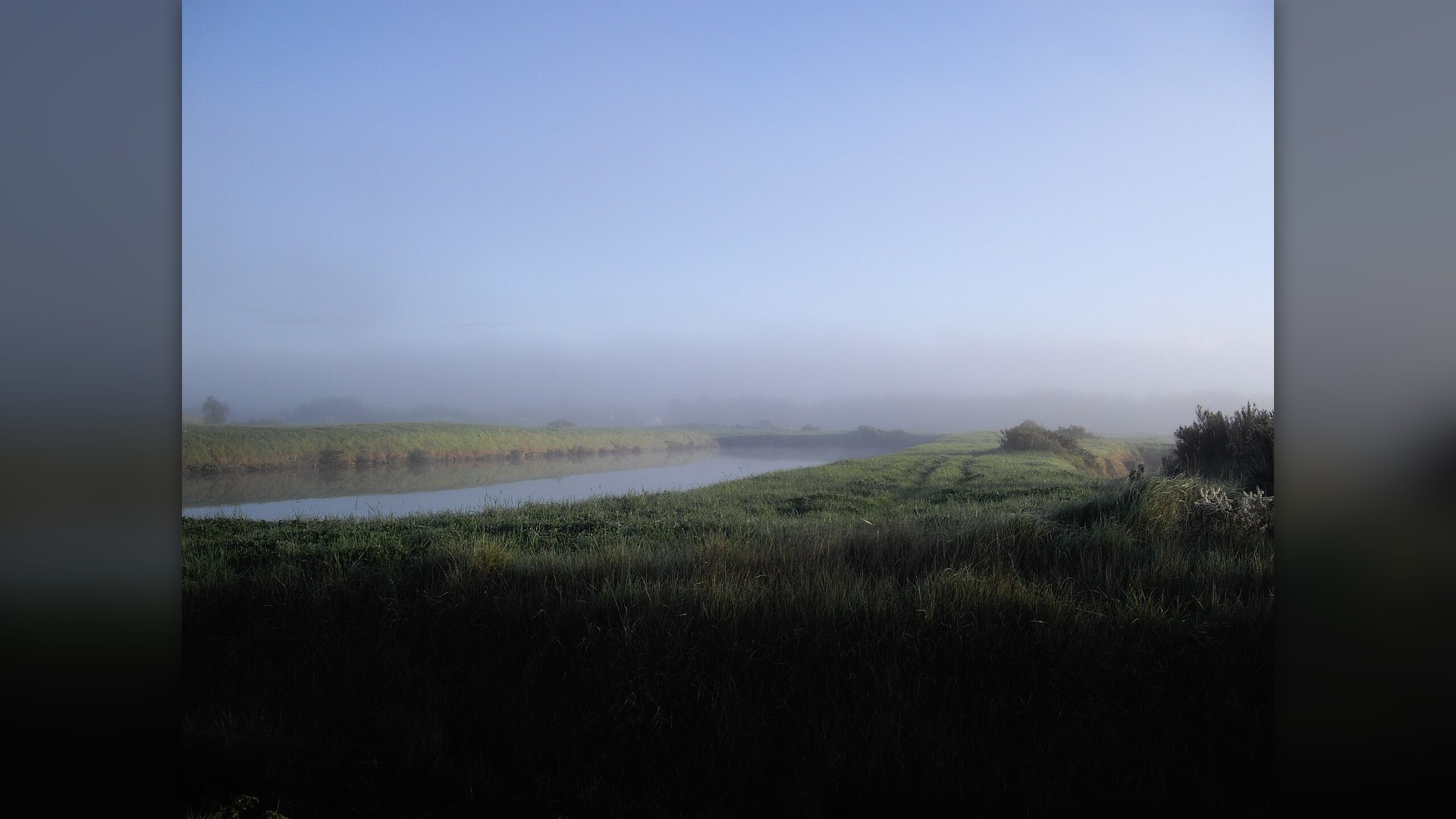
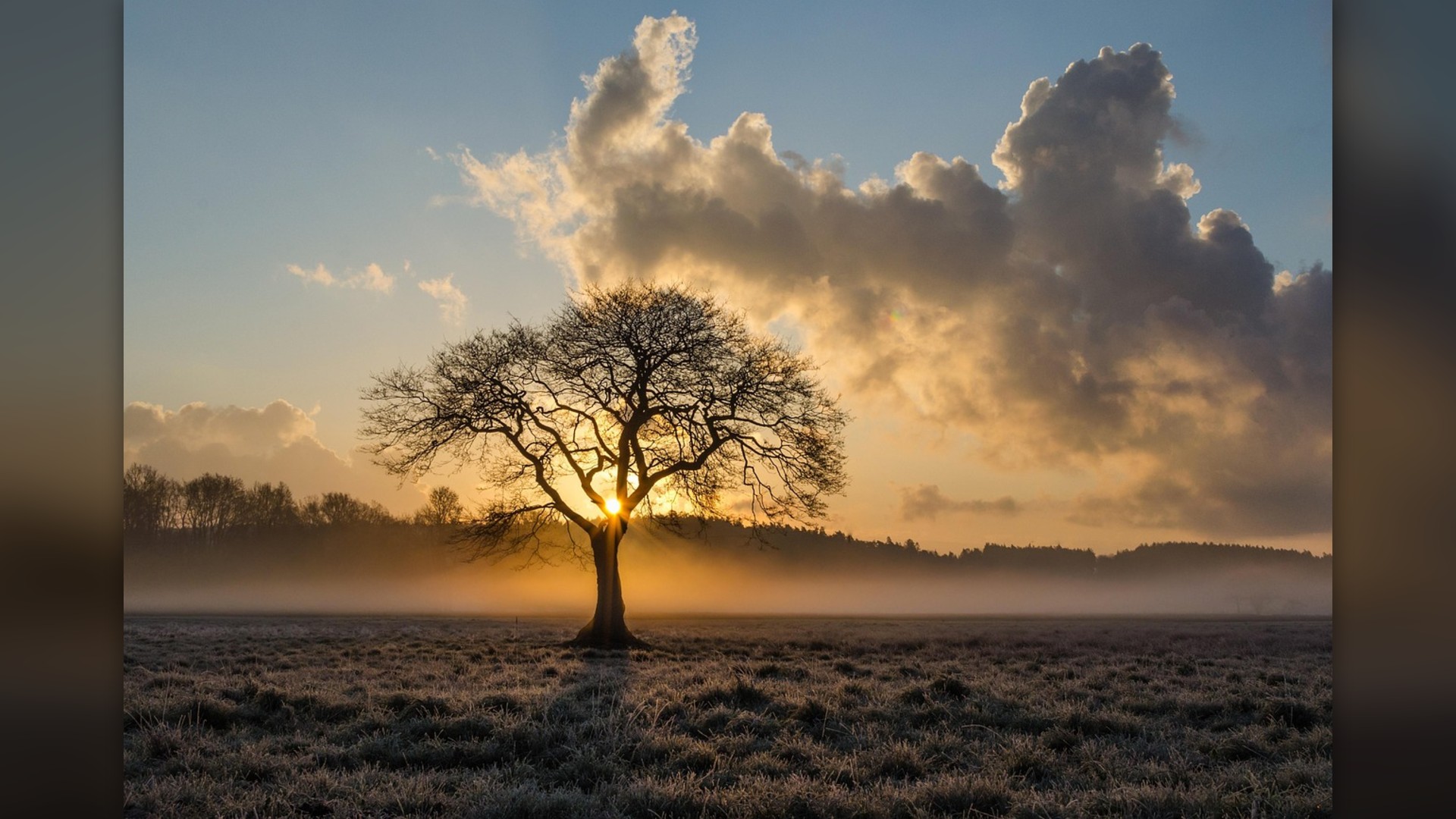
Travelers traversing wetlands across Europe and Asia have reported dancing orbs of light for centuries. While atmospheric science explains them as spontaneous ignitions of marsh gas, folklore warned that these will-o'-the-wisps were mischievous fairies trying to lure people to watery graves.
19. The Mongolian Death Worm In The Gobi Desert
Gobi Desert nomads have passed down accounts of the olgoi-khorkhoi, an elusive crimson creature resembling an oversized intestine. Folklore claims the subterranean worm can discharge lethal venom and electric shocks from afar, inspiring generations of cryptid expeditions across Mongolia.
18. Skinwalkers In The American Southwest
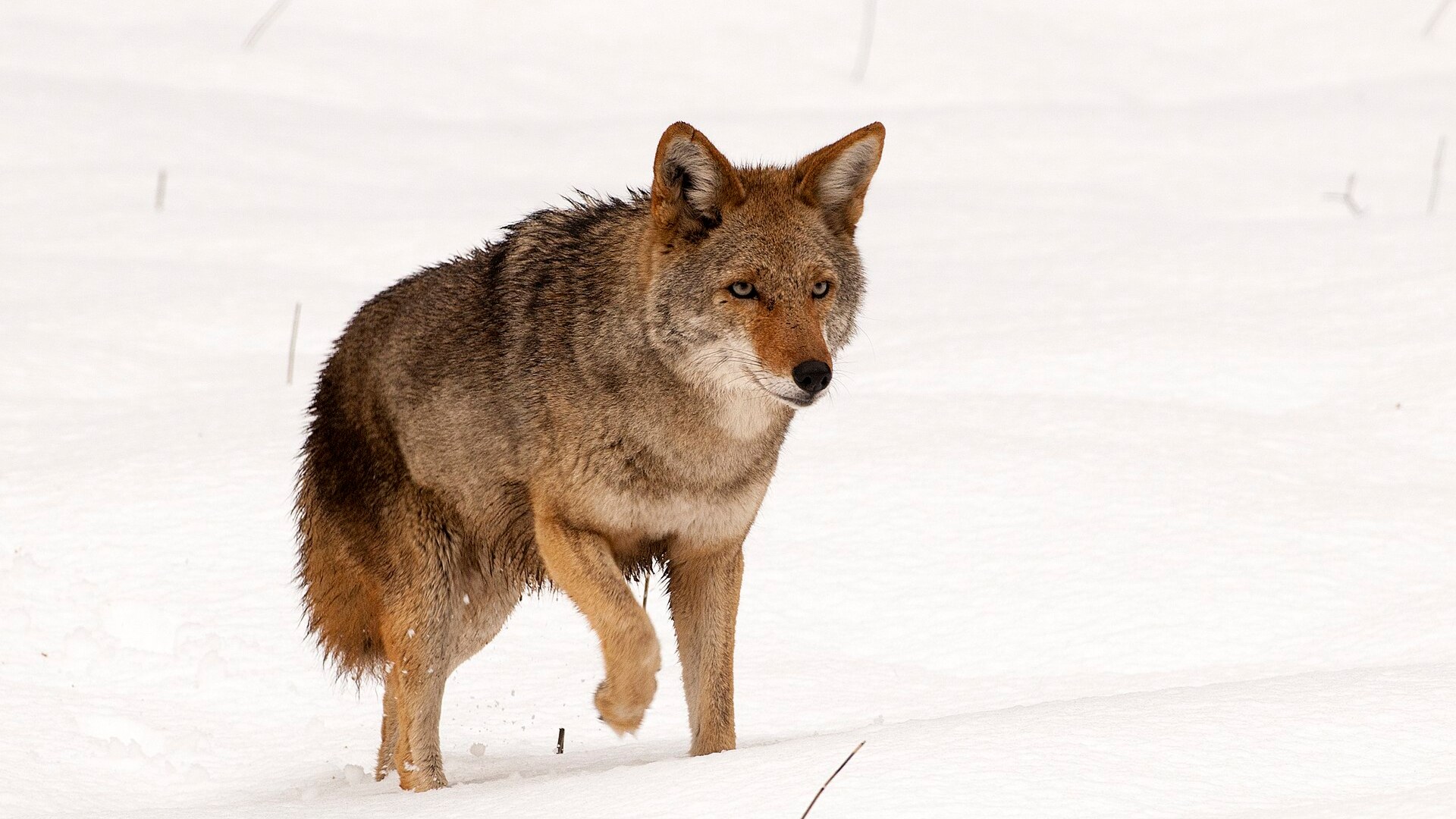
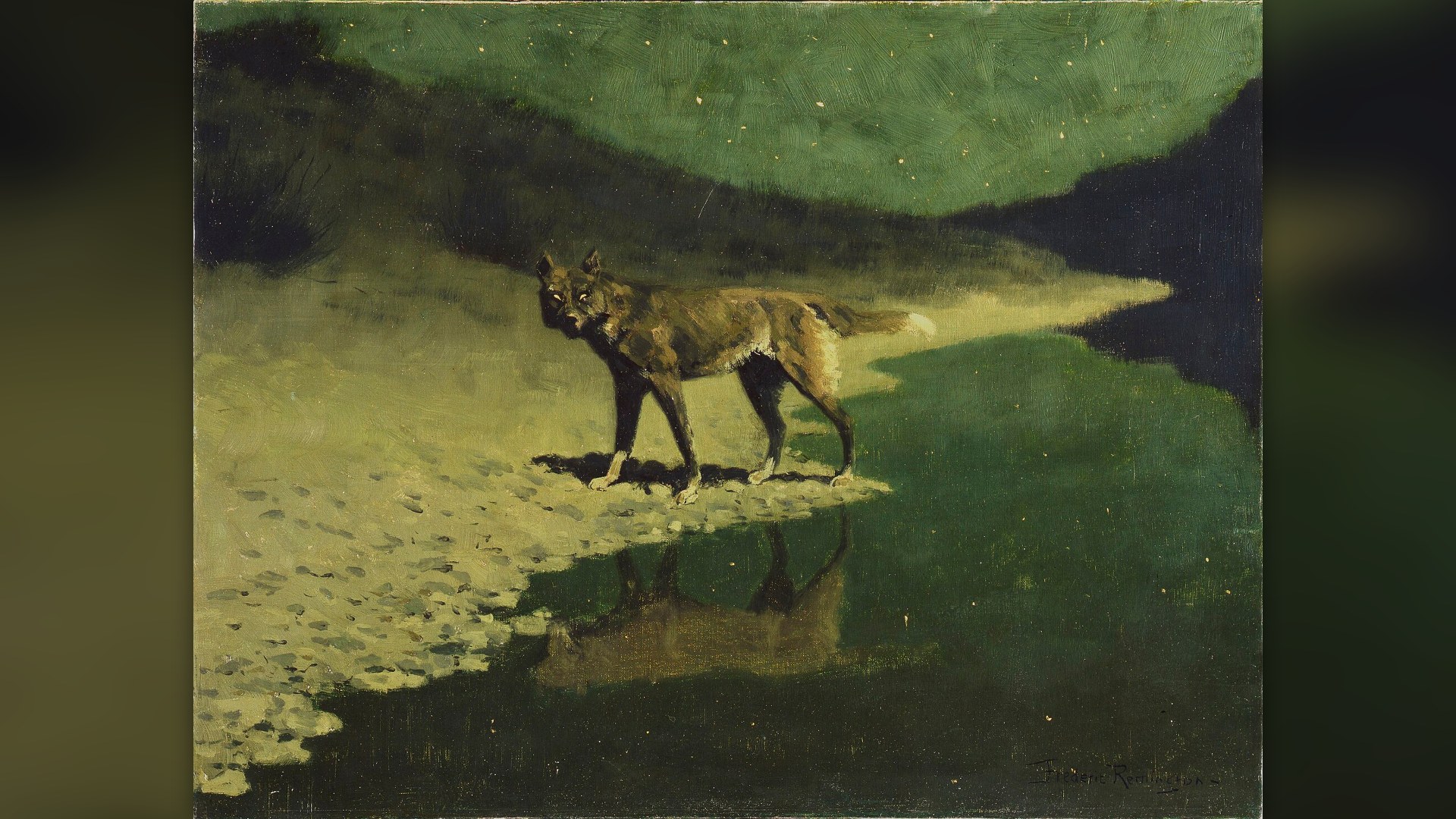
In Navajo folklore, the yee naaldlooshii, or skinwalker, is a corrupted medicine person capable of transforming into wolves, bears, or coyotes. Belief remains so deeply entrenched in the Southwest that many Native Americans refuse to speak their name aloud or discuss them after nightfall.
17. El Chupacabra In Puerto Rico And Latin America
First reported in Puerto Rico in 1995, tales of El Chupacabra quickly spread across Latin America. Described as a spiny reptilian beast that drains the blood of livestock, rural farmers still attribute unexplained animal deaths to the cryptid, which scientists identify as coyotes with severe mange.
16. Waiting 24 Hours For Missing Persons Globally
Crime television shows commonly depict detectives telling frantic families they must wait a full day before filing a missing person report. In reality, law enforcement agencies worldwide urge immediate contact, as the first 48 hours represent the most critical window in locating individuals.
15. Brown Cows Make Chocolate Milk In The US
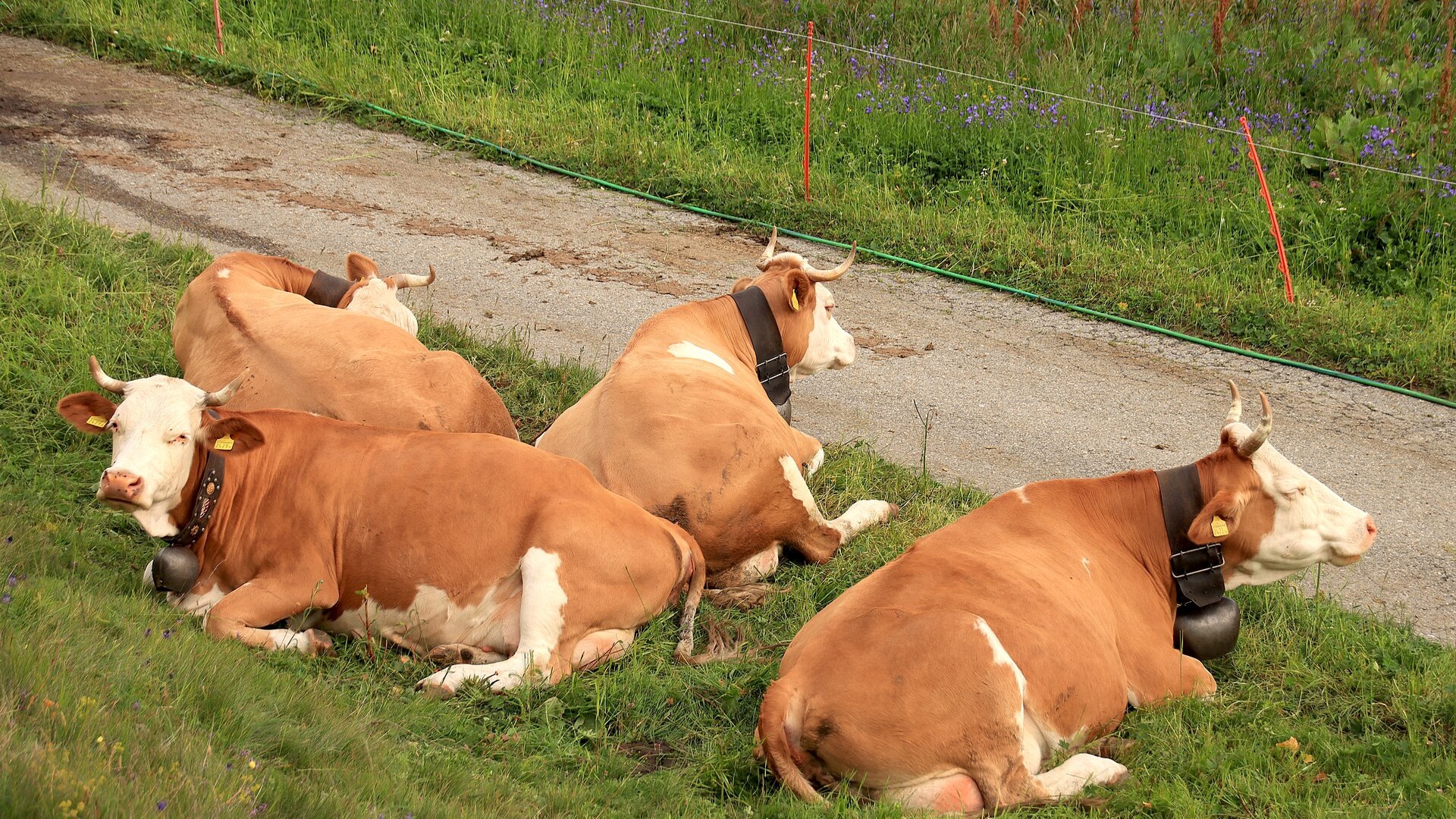
A landmark 2017 survey conducted by the Innovation Center for US Dairy revealed that seven percent of American adults believed chocolate milk came straight from brown cows. The finding highlighted how widespread consumer disconnect from modern agriculture and food processing remains today.
14. Tuesday The 13th In Spain And Greece
While English-speaking nations fear Friday the 13th, Greek and Hispanic cultures designate Tuesday the 13th as their unlucky date. In Spanish, Tuesday is named Martes after Mars, the Roman god of war, linking the day to conflict, bloodshed, and historic military defeats like Constantinople.
13. Bird Droppings Bring Wealth In Italy
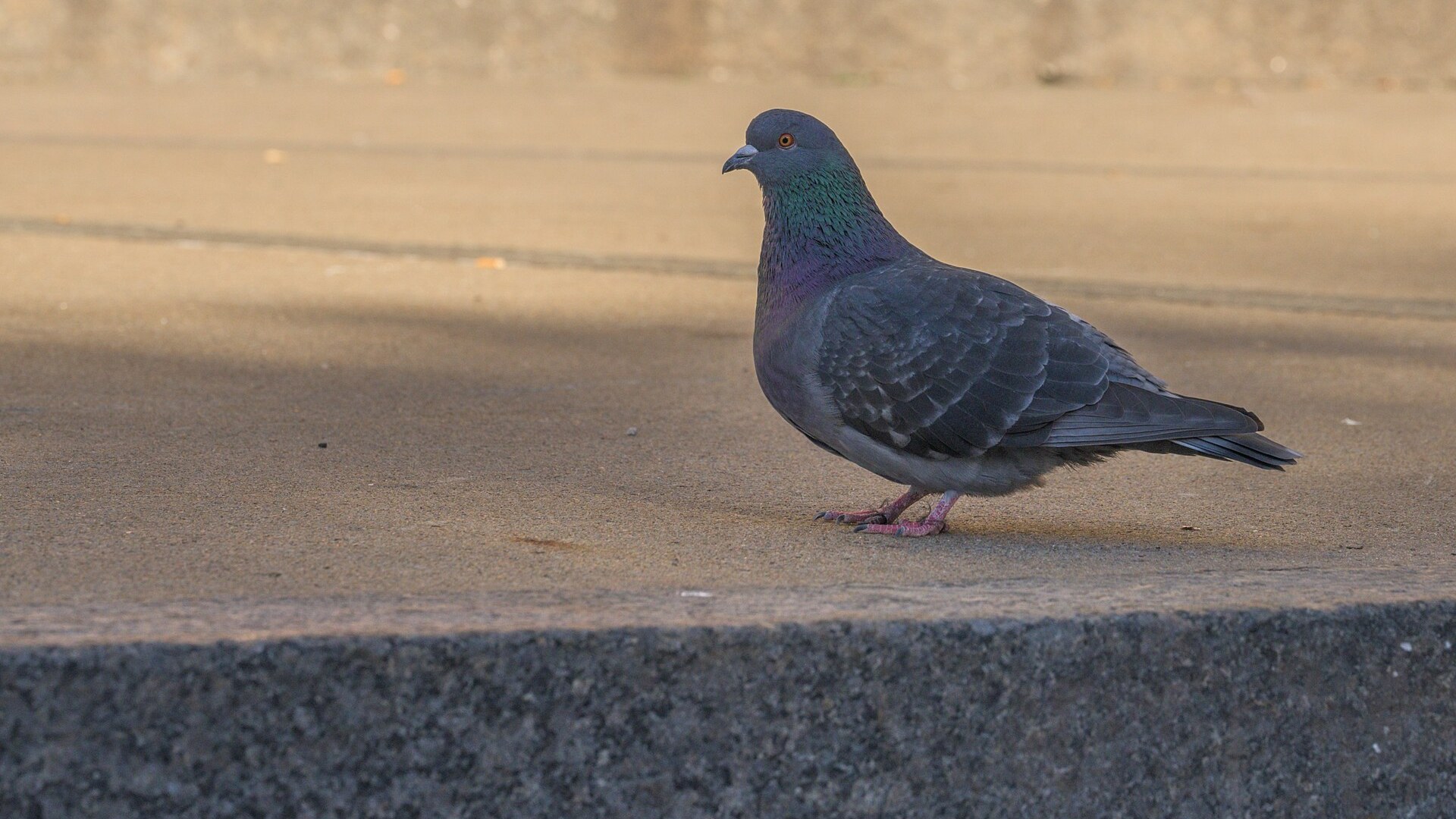
While being struck by falling bird droppings ruins clothing elsewhere, Italian folklore interprets the mishap as an auspicious blessing. Locals believe the unexpected occurrence brings sudden financial windfalls, turning an unpleasant surprise into a celebrated stroke of fortune.
12. Tetraphobia In East Asia
Across China, Korea, and Japan, the pronunciation for the number four sounds almost identical to the word for death. As a result, hospitals, hotels, and high-rise apartments regularly omit the fourth floor, replacing it with designations like three-A or skipping straight to five.
11. Seventh-Son Werewolves In Argentina
Argentine lore holds that the seventh consecutive son born to a family is cursed to transform into a werewolf, known locally as the Lobizon. To protect children from abandonment, an official national tradition began where the Argentine president becomes the boy's ceremonial godfather.
10. Upright Chopsticks In China And Japan
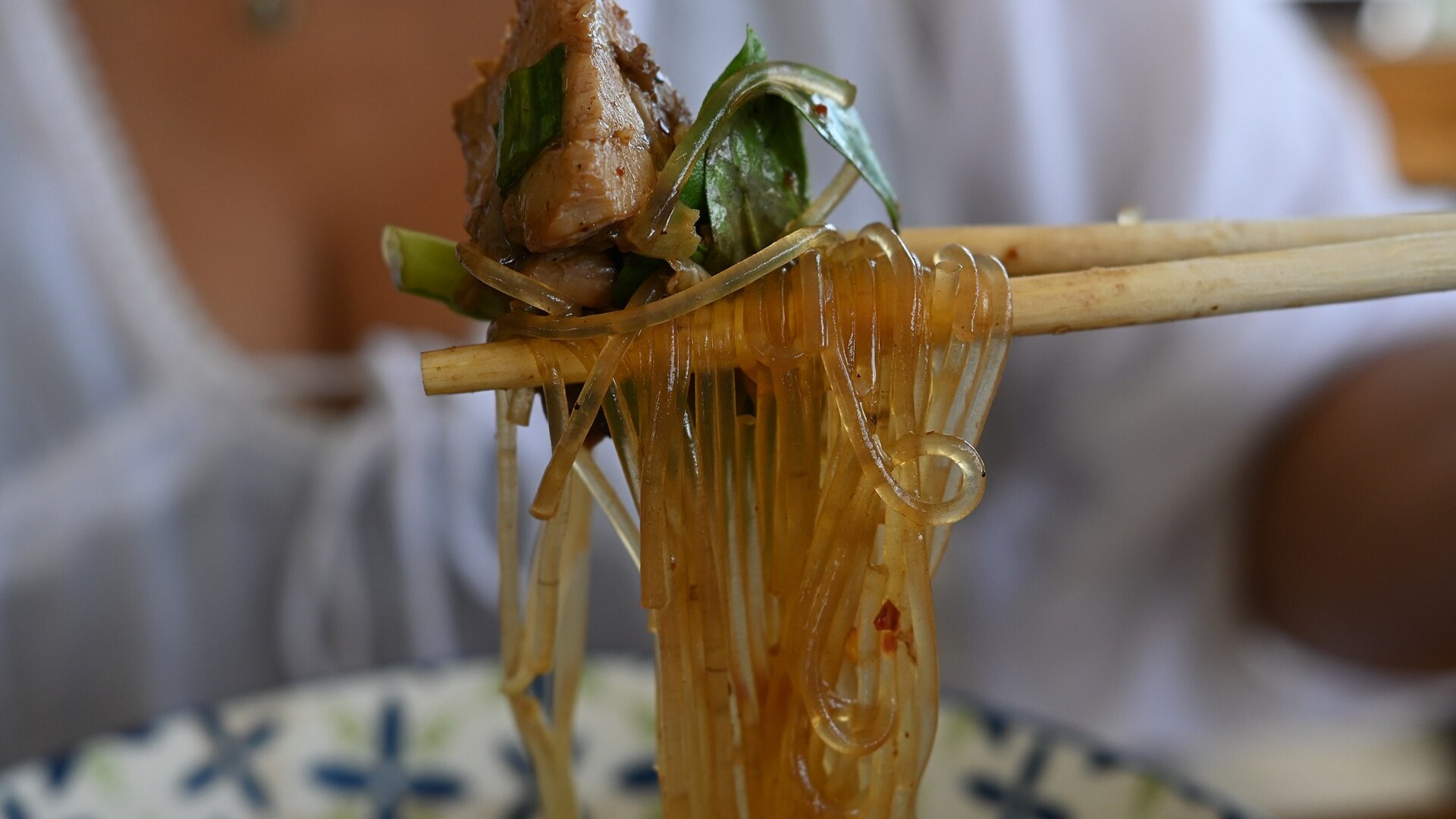
Diners across China, Japan, and Taiwan take care never to stick their chopsticks vertically into a bowl of steamed rice. The upright posture mimics funeral incense burners used to honor deceased ancestors, making the gesture an unwelcome symbol of death at any cheerful dining table.
9. Toasting With Water In Germany
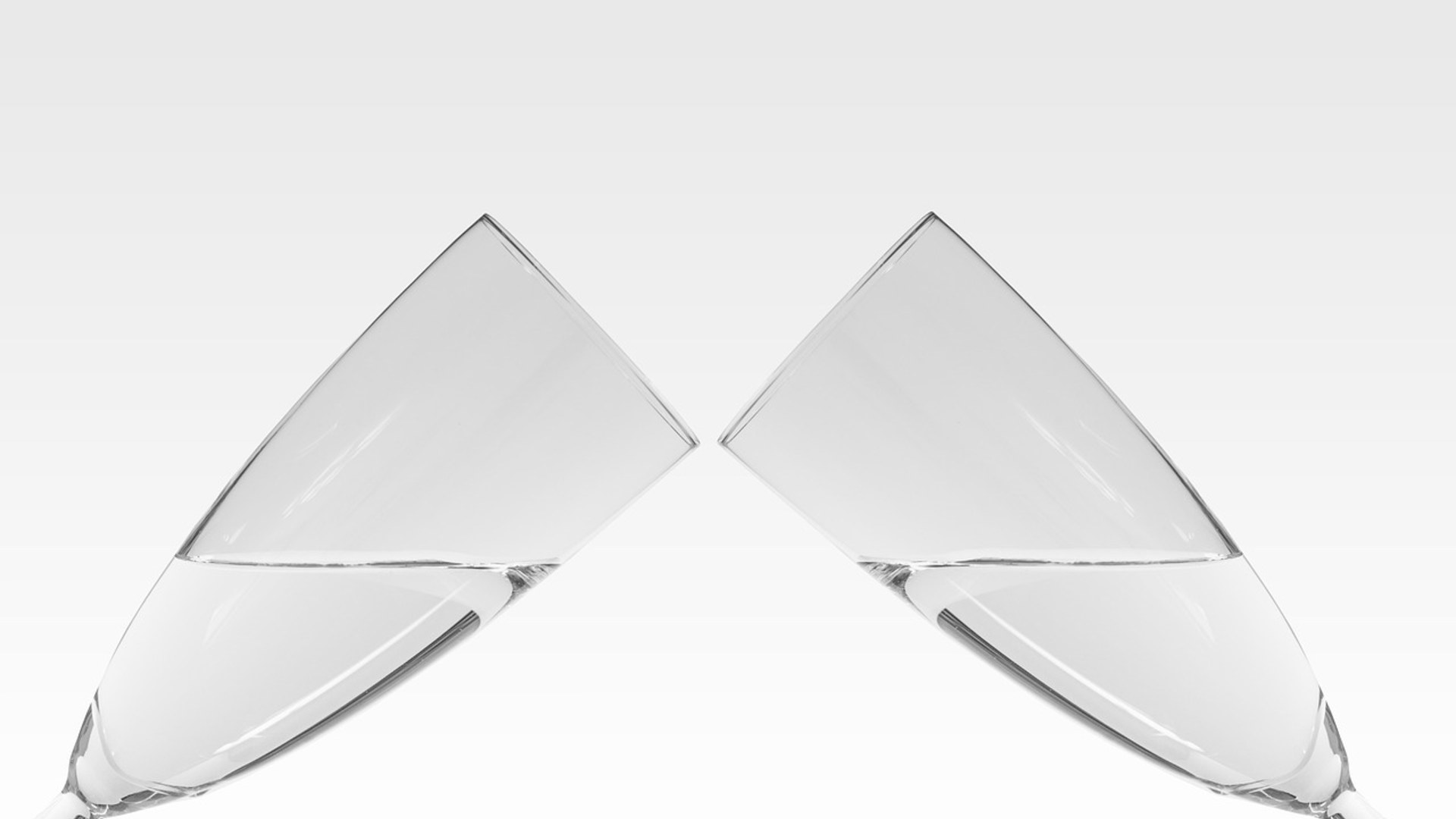
German dining etiquette warns against toasting friends with plain water. Rooted in ancient Greek mythology where the dead drank from the river Lethe to forget past lives, clinking glasses filled with water is perceived as wishing an early demise upon fellow dinner guests.
8. Whistling Indoors In Lithuania And Russia
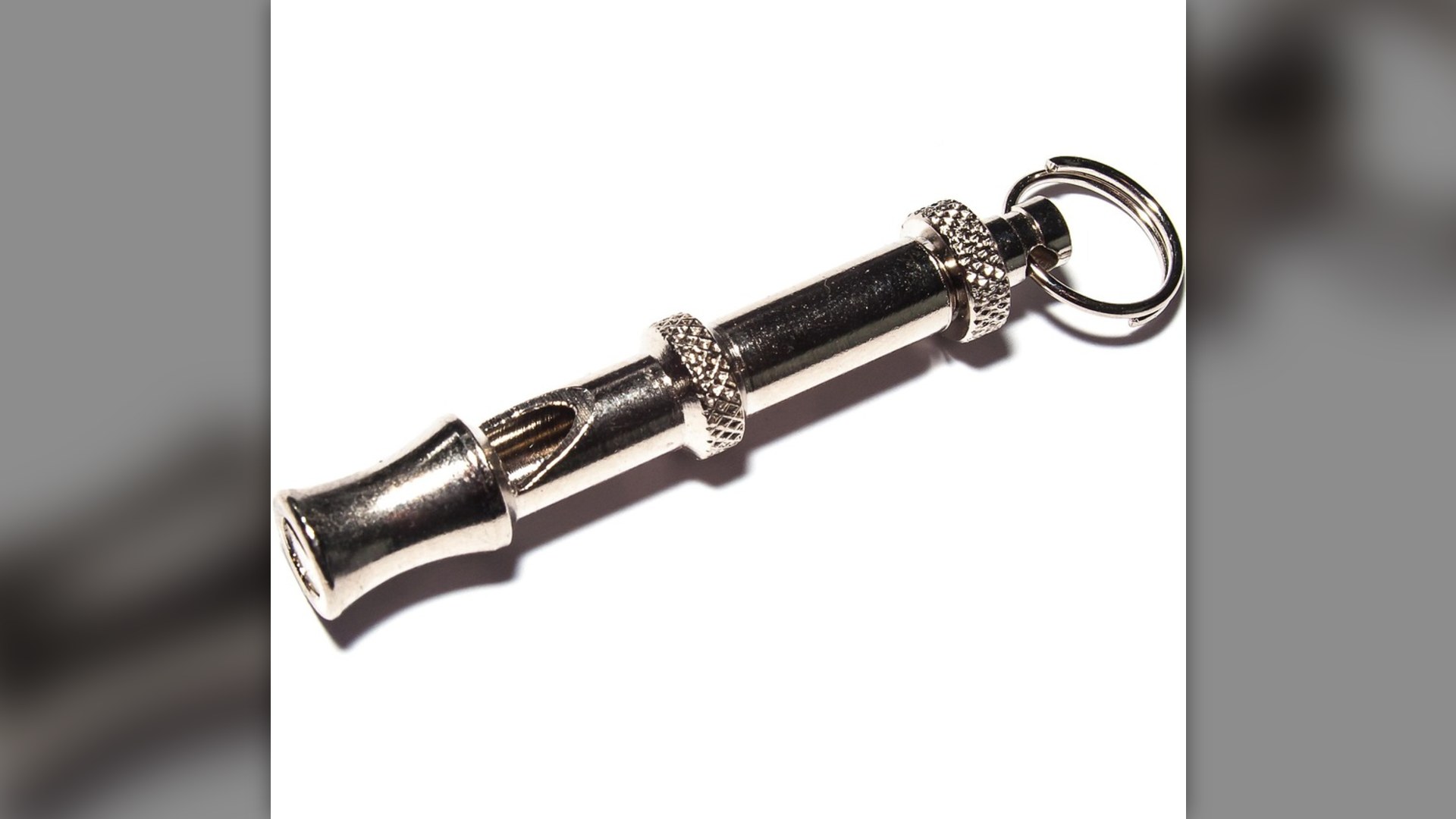
Whistling inside a residential home is strictly discouraged across Russia and Lithuania. Eastern European lore claims the whistling sound invites household demons or blows away personal savings, leading older generations to quickly silence anyone whistling within four domestic walls.
7. Bags On The Floor In Poland
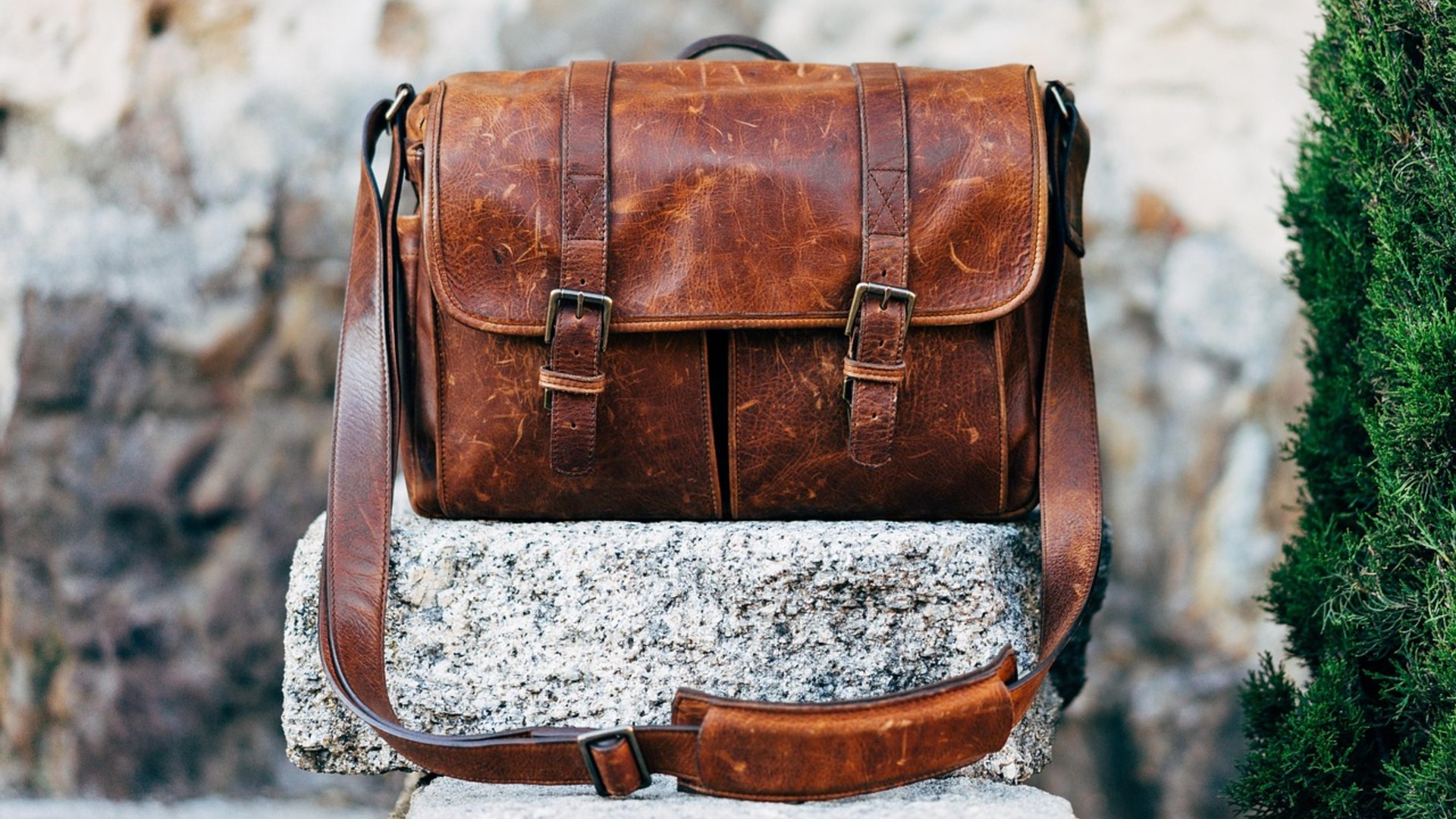
In Poland and several Slavic regions, resting a handbag, wallet, or backpack on the ground is viewed as financial recklessness. Folk tradition teaches that money placed directly on the floor will energetically escape, prompting people to seek chairs, hooks, or lap placement instead.
6. Greeting Lone Magpies In The United Kingdom
Traditional British folklore attaches good or bad luck to sightings of magpies based on old nursery rhymes. A lone magpie represents sorrow, leading superstitious passersby to respectfully salute the bird and politely inquire after its mate to neutralize any impending misfortune.
5. Sweeping Over Feet In Spain And Latin America
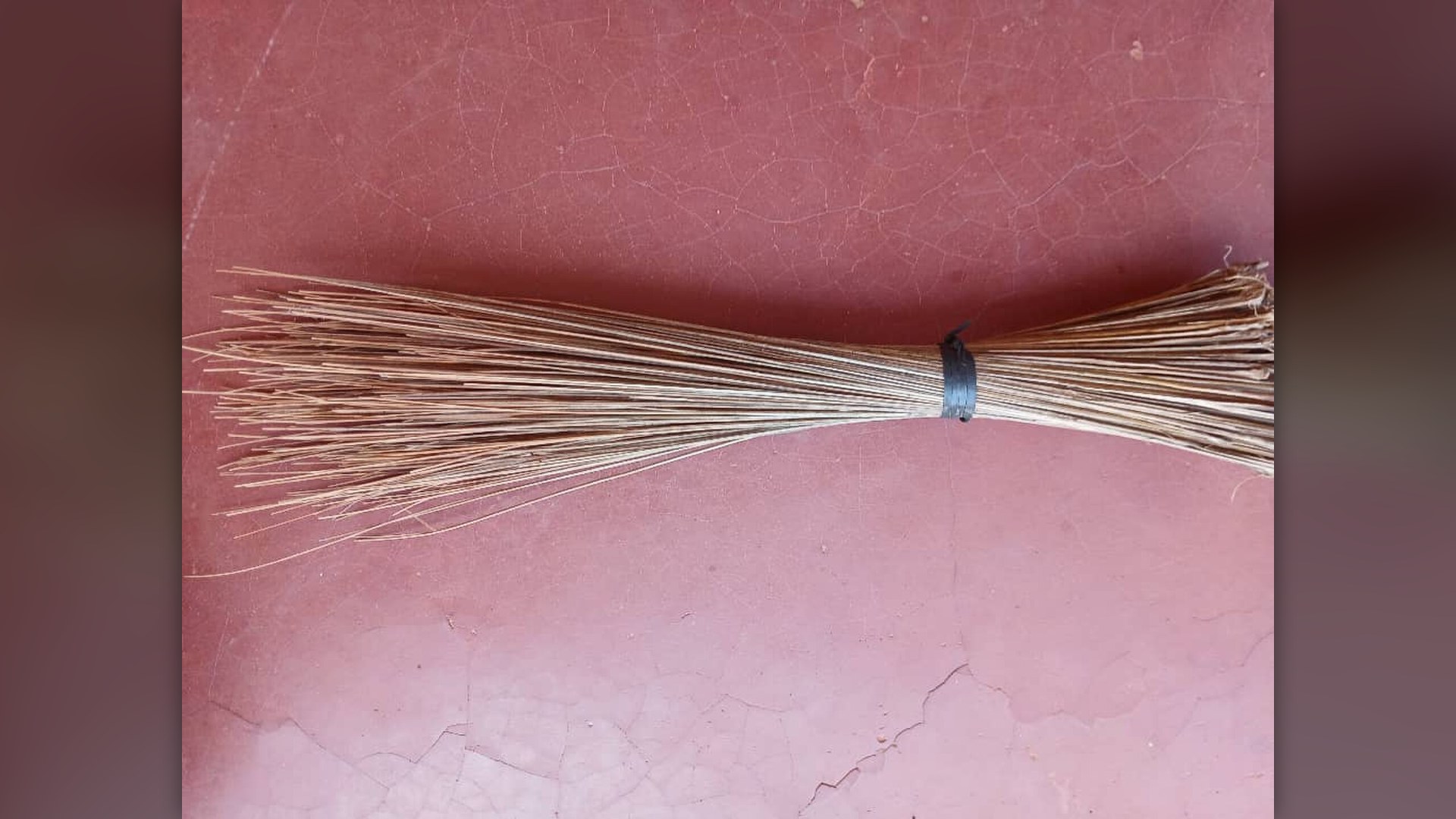
Throughout Spain and Latin America, sweeping a broom across the shoes or feet of an unmarried person is believed to doom them to a solitary life. Superstitious locals rush to apologize and spit three times on the floor to reverse the bad omen if a broom head touches someone's toes.
4. Detouring After A Funeral In The Philippines
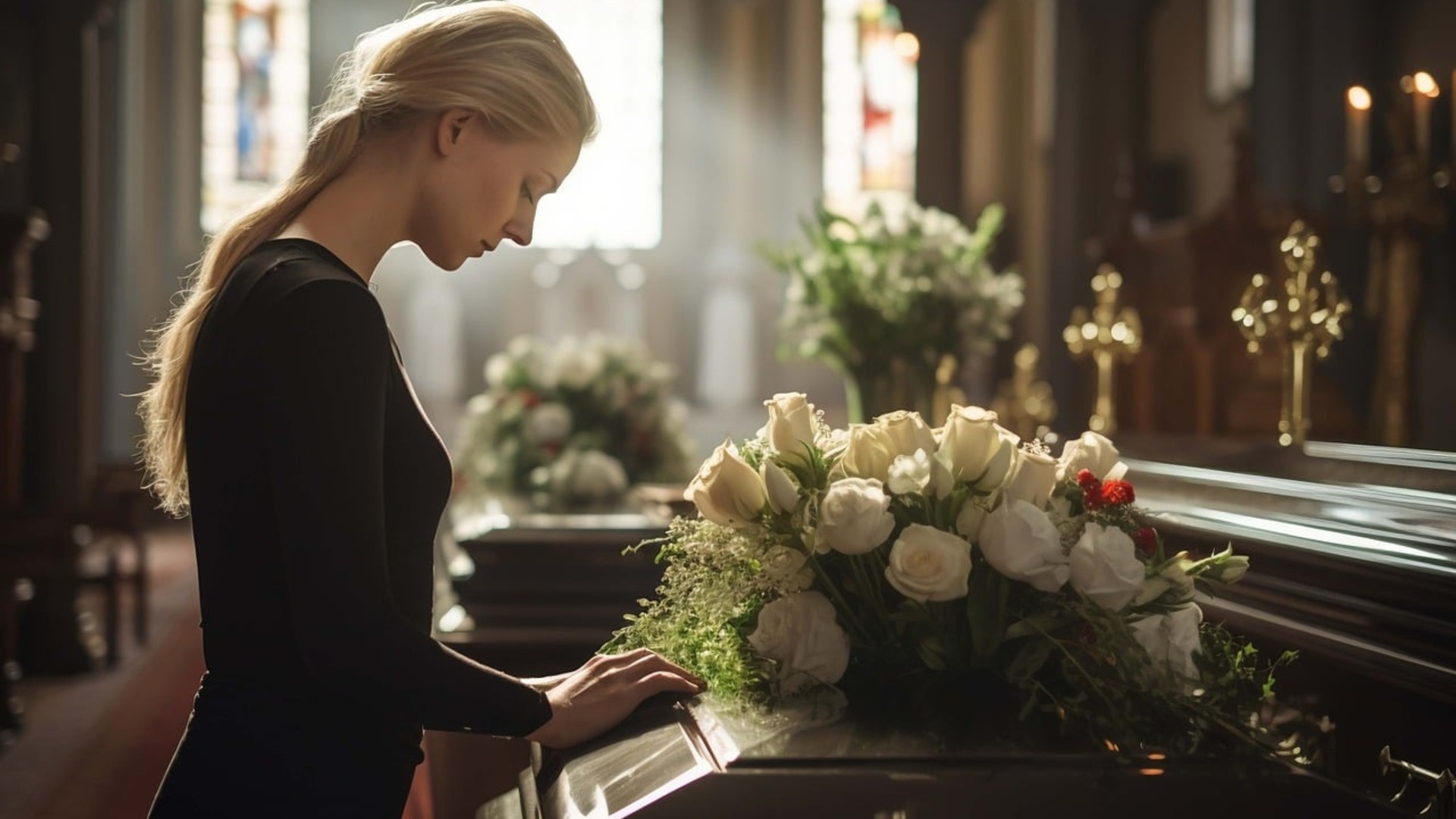
The Filipino practice known as pagpag dictates that attendees of a wake or burial must never travel straight home. Instead, mourners stop at a busy eatery, convenience store, or gas station so that any accompanying spirits will detach and remain behind rather than enter their residence.
3. Tucking Thumbs In Cemeteries In Japan
Japanese pedestrians often hide their thumbs inside their fists whenever passing graveyards or funeral processions. In Japanese linguistics, the word for thumb literally translates to parent finger, leading to the belief that tucking it protects one's mother and father from spirits.
2. Chewing Gum After Sunset In Turkey
An enduring Turkish superstition warns against chewing gum once the sun sets. According to regional folk belief, gum chewed late in the evening magically transforms into the rotting flesh of the deceased, prompting locals to spit out gum before darkness settles over their towns.
1. Ceiling Fan Fall In South Korea
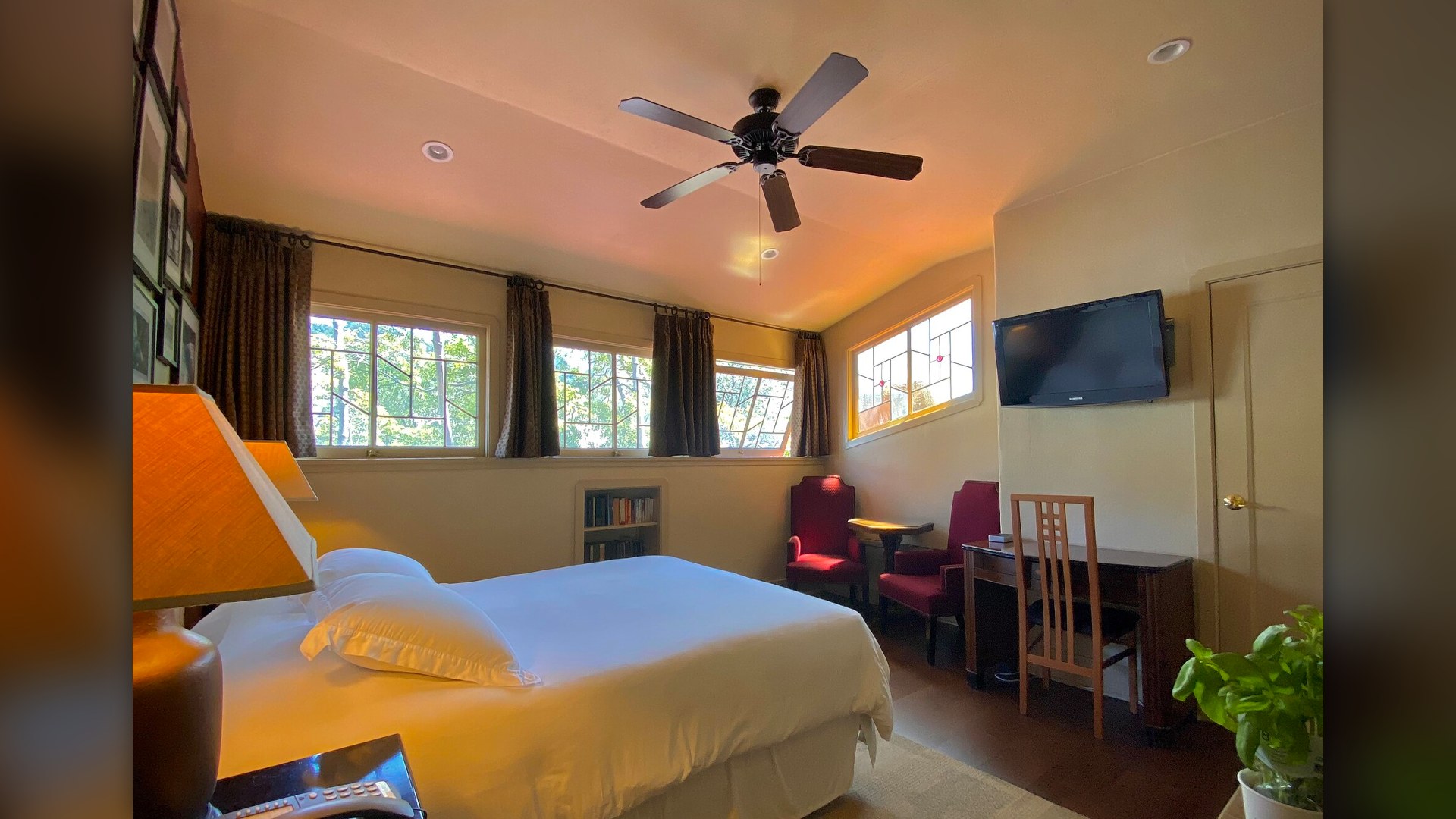
In South Korea, a widespread urban myth holds that running an electric fan in a closed bedroom causes hypothermia or asphyxiation. The belief became so common that domestic manufacturers historically installed automatic shut-off timers to reassure nervous sleepers during warm summer months.