Slideshow · Viral
20 US Cities That Will Be Unaffordable by 2030, Ranked
Structural housing shortages, strict zoning, and soaring property insurance are pushing median home price-to-income ratios in these 20 U.S. cities past the breaking point.
By Most Viral Today
11 min ago
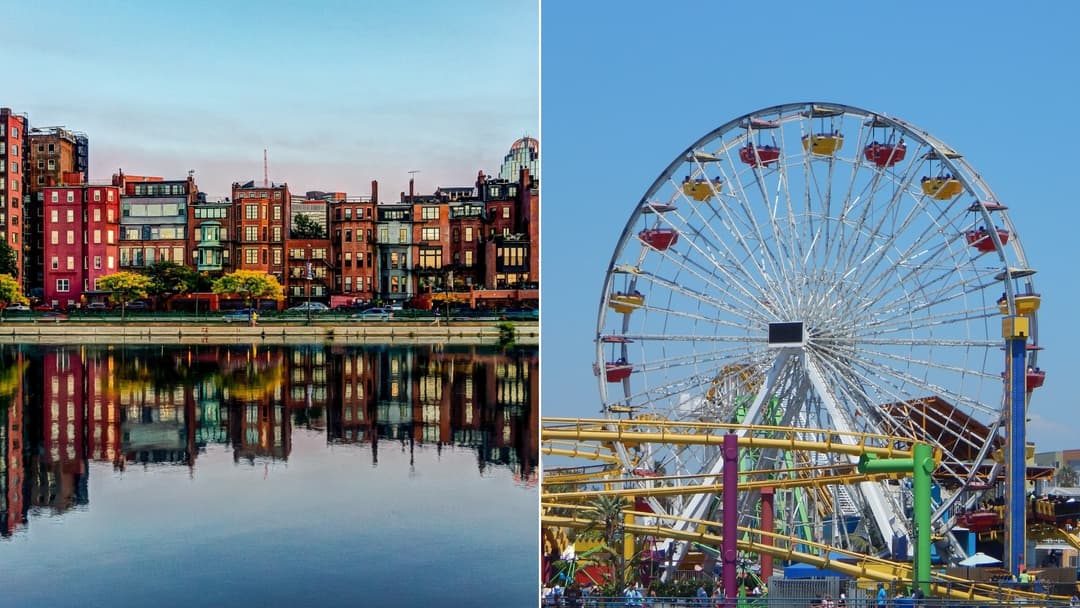
From Tech Hubs to Coastal Enclaves, 20 Cities Pricing Out Buyers by 2030 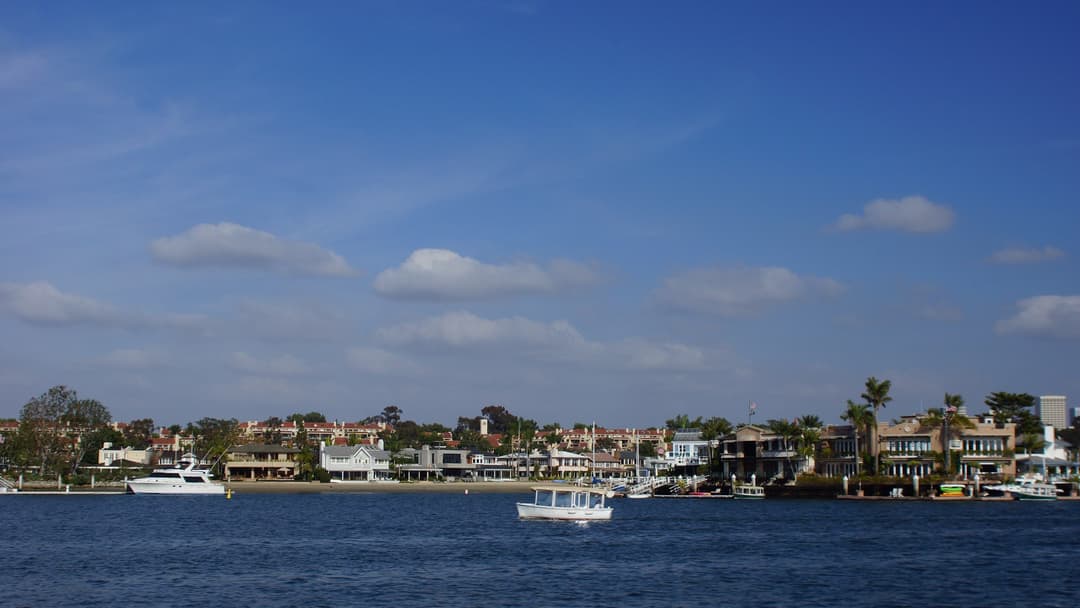
20. Newport Beach, California 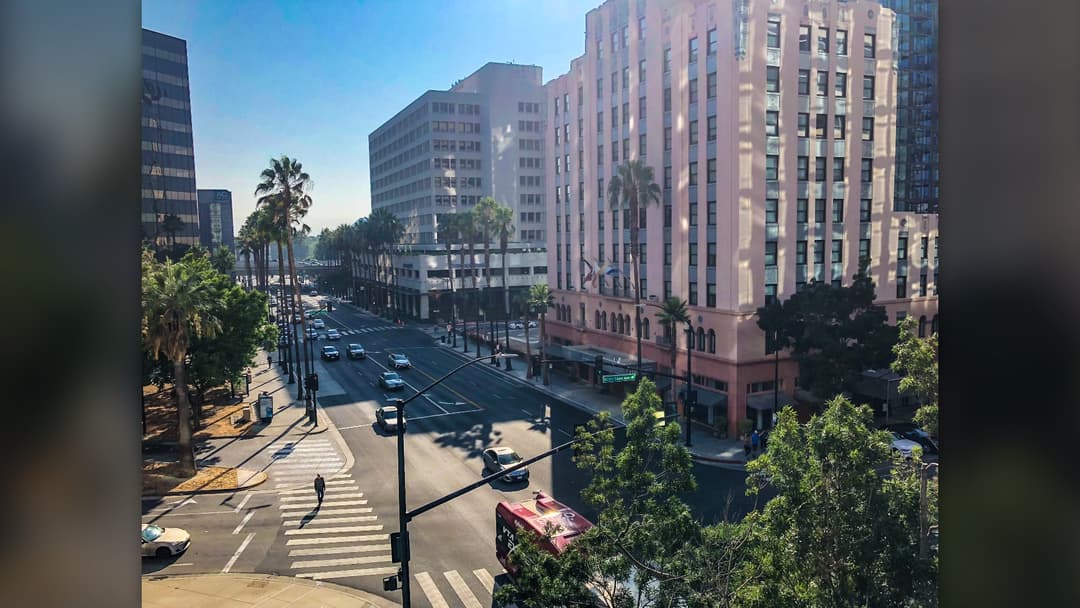
19. San Jose, California 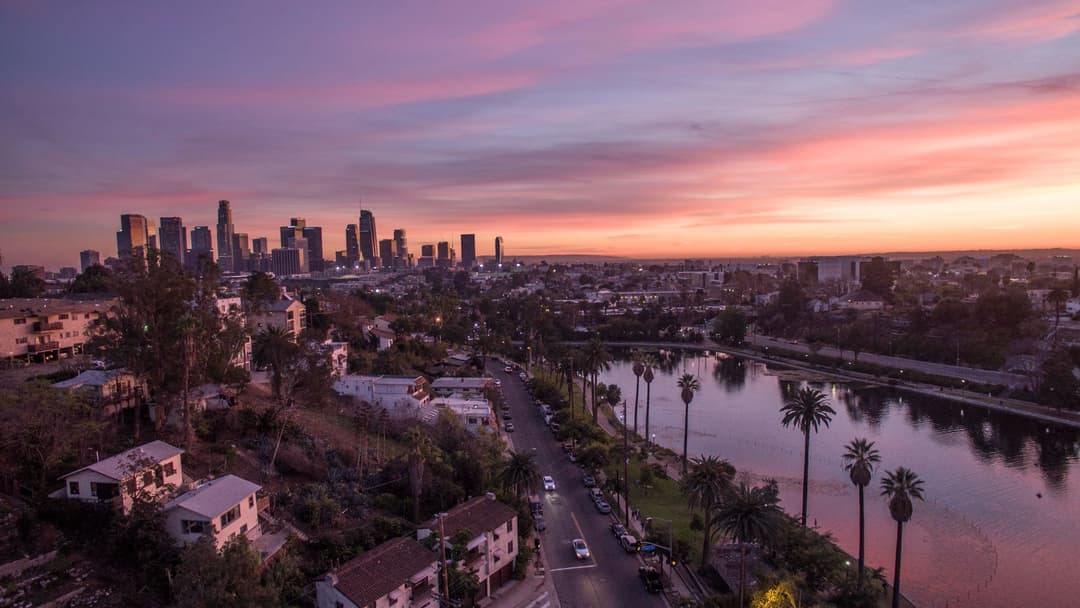
18. Los Angeles, California - AdvertisementSwipe or tap ▶ to continue countdown
17. Honolulu, Hawaii 
16. San Francisco, California 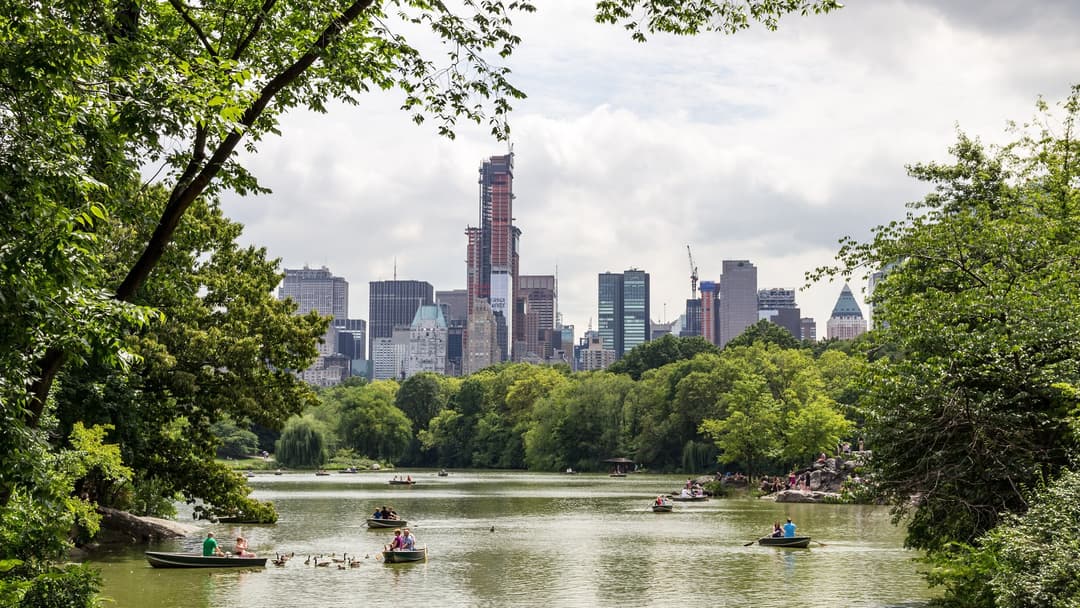
15. New York City, New York 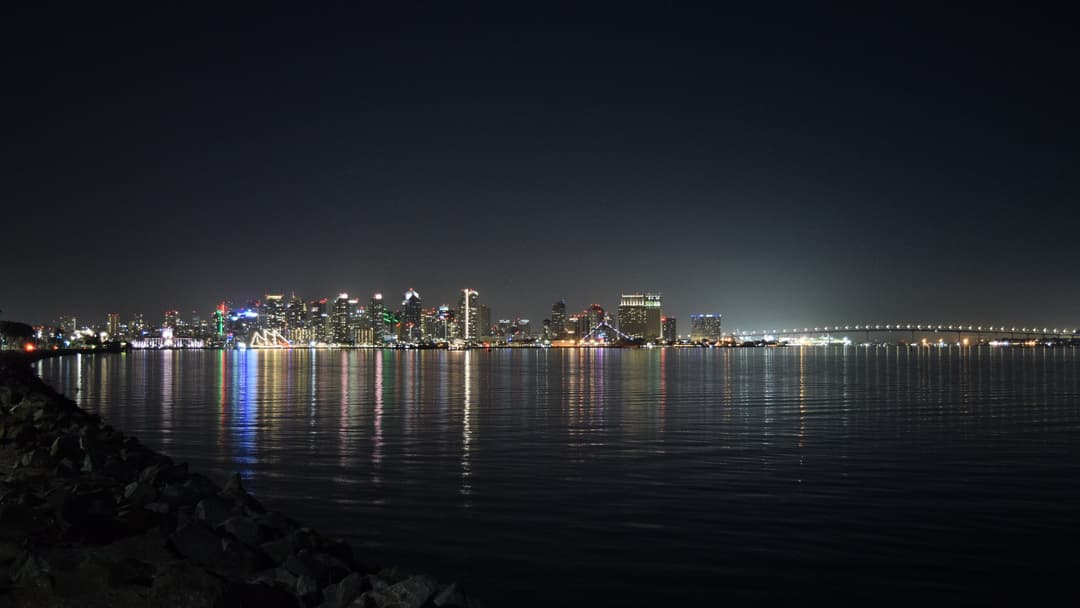
14. San Diego, California - AdvertisementSwipe or tap ▶ to continue countdown

13. Santa Barbara, California 
12. Santa Monica, California 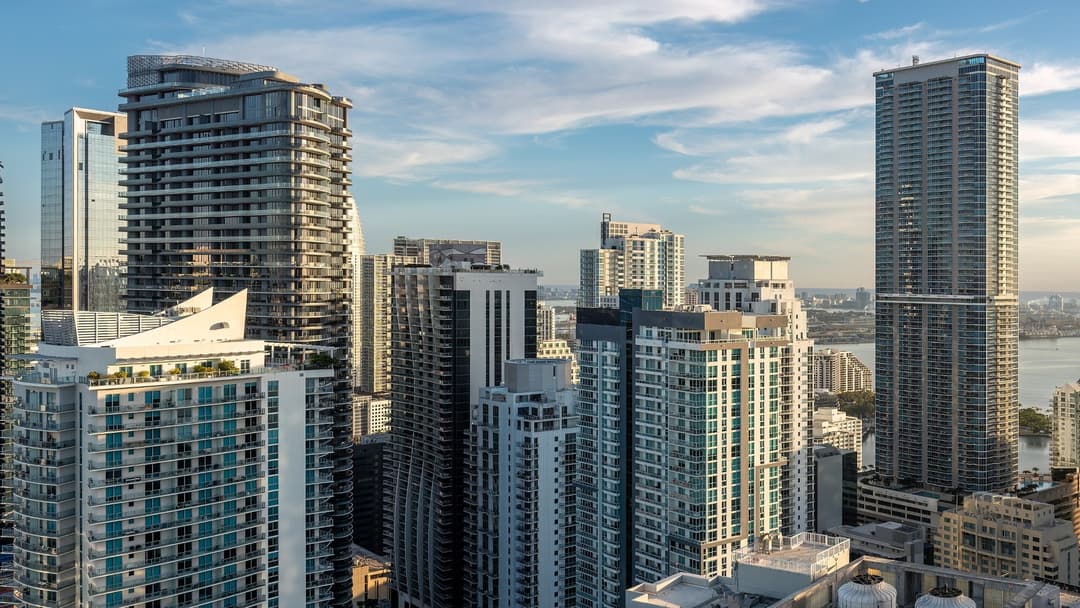
11. Miami, Florida 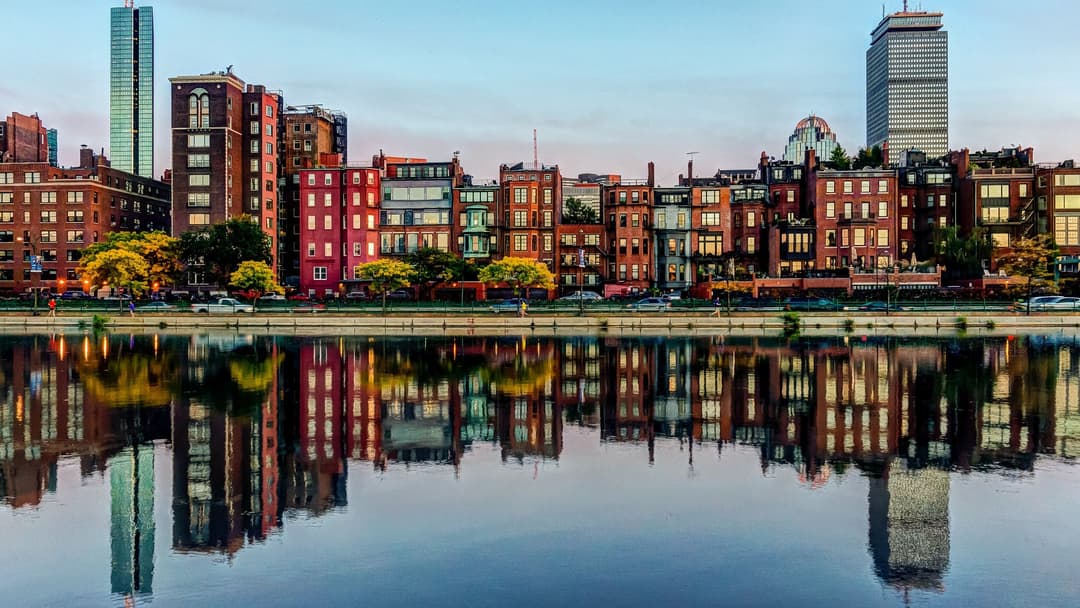
10. Boston, Massachusetts - AdvertisementSwipe or tap ▶ to continue countdown
9. Seattle, Washington 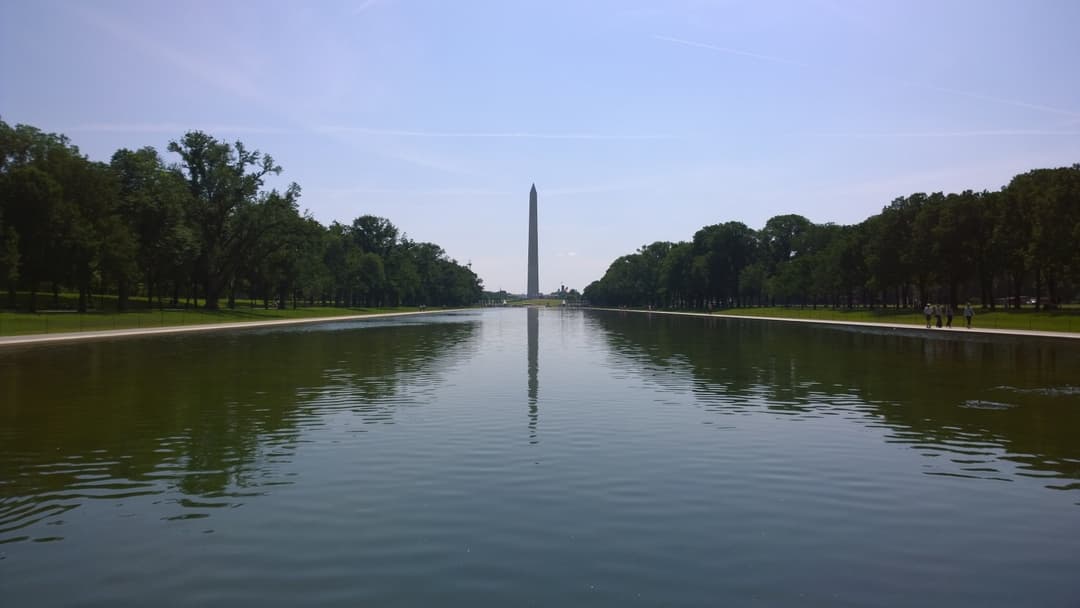
8. Washington, D.C. 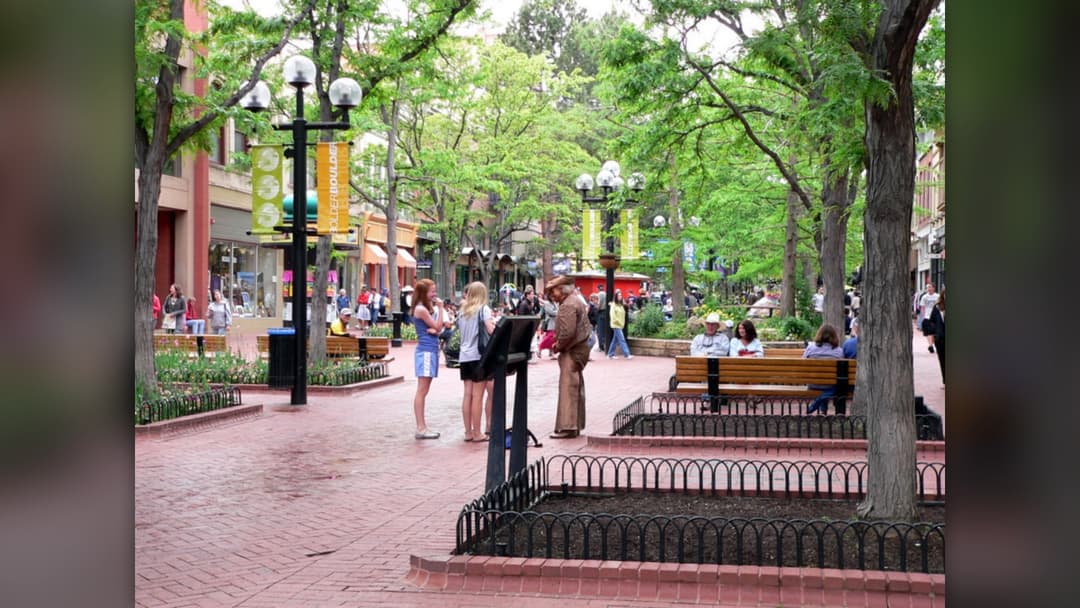
7. Boulder, Colorado 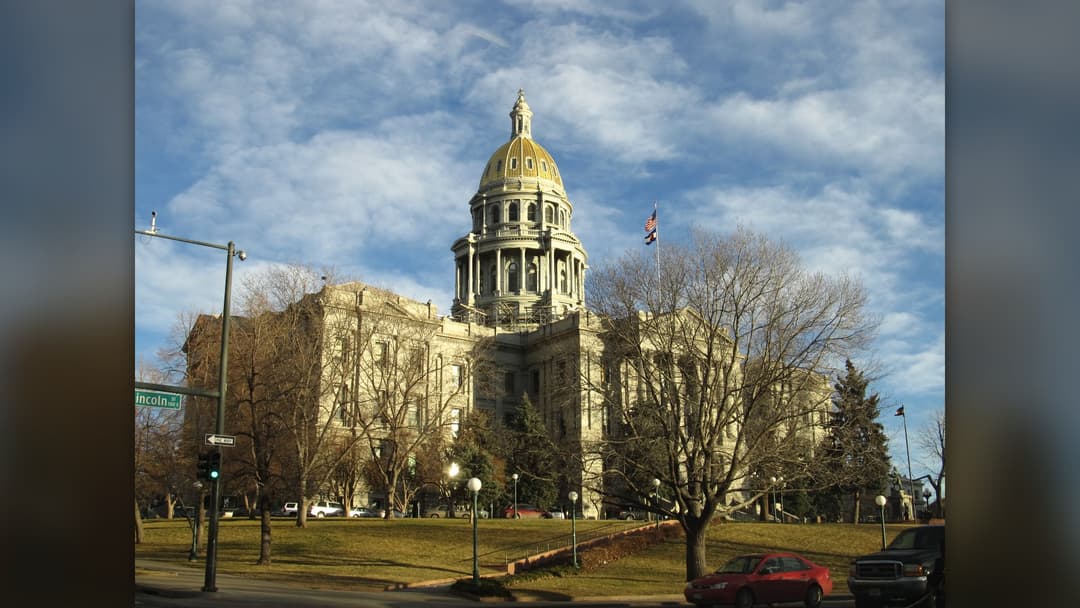
6. Denver, Colorado - AdvertisementSwipe or tap ▶ to continue countdown

5. Salt Lake City, Utah 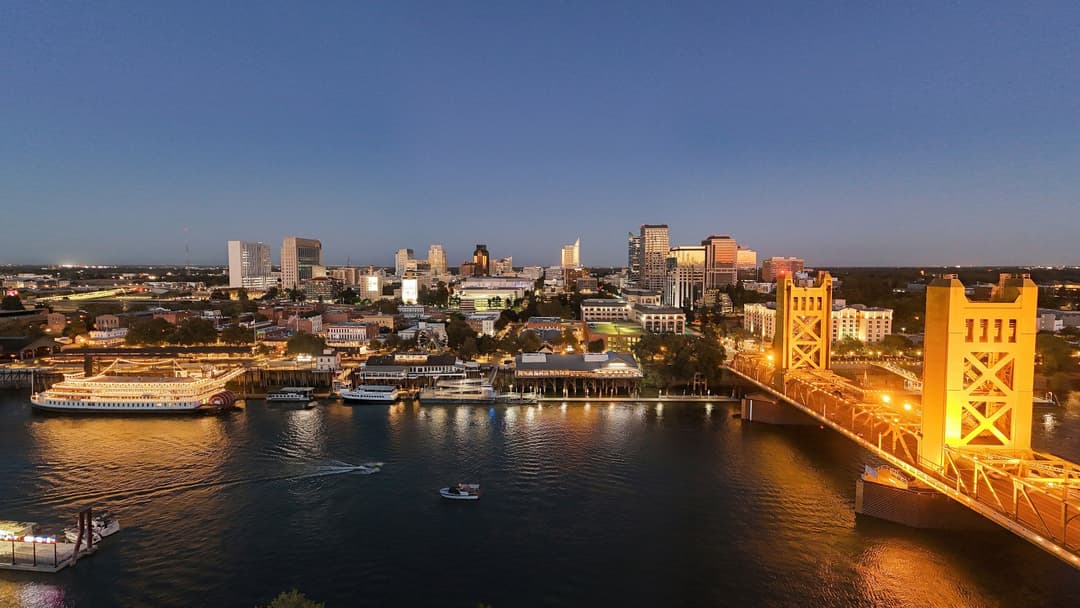
4. Sacramento, California 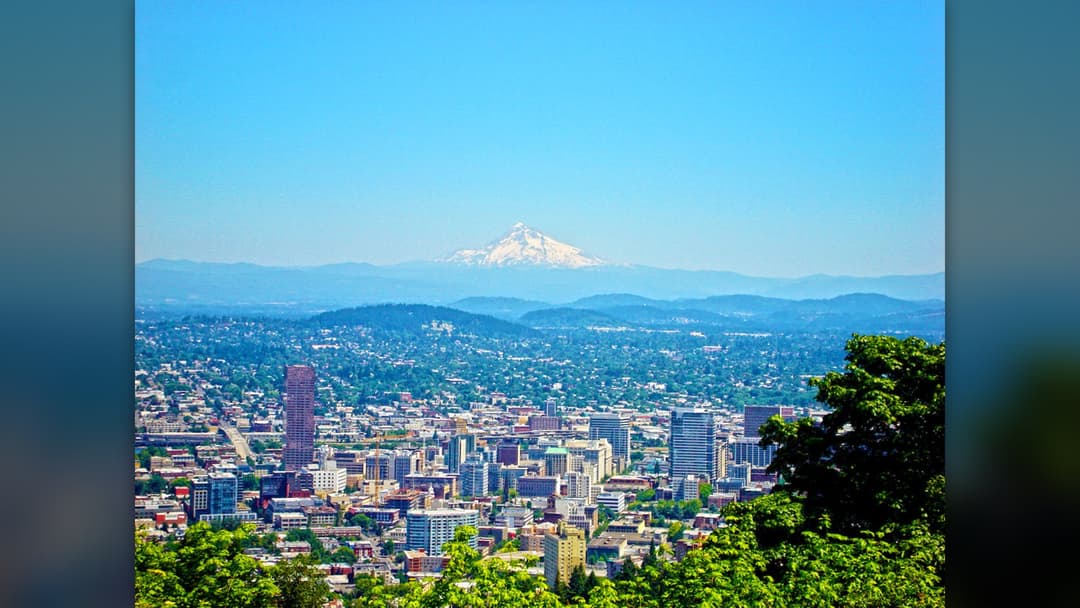
3. Portland, Oregon 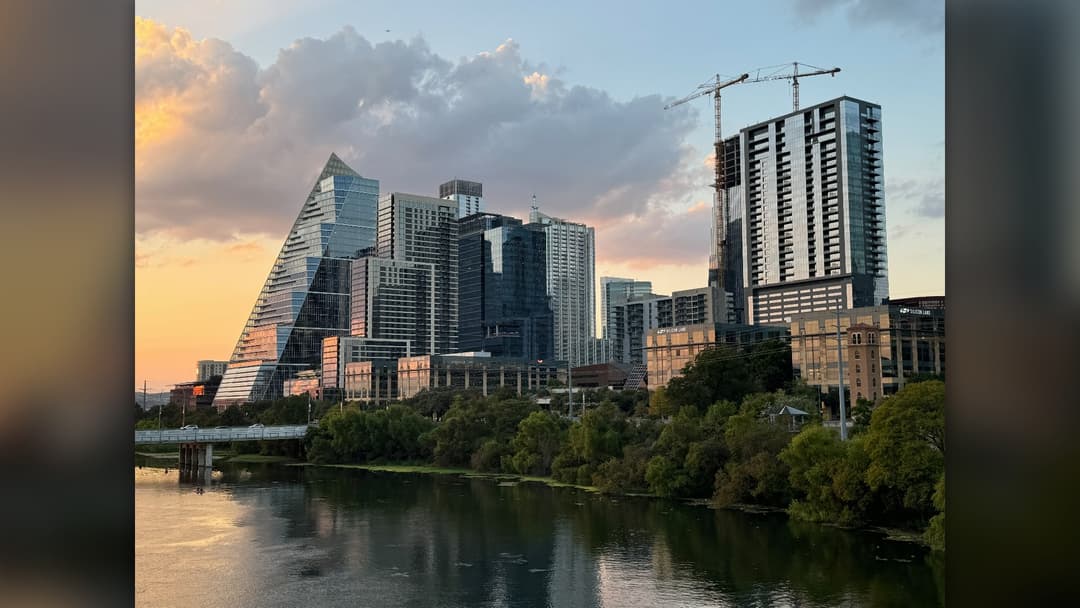
2. Austin, Texas - AdvertisementSwipe or tap ▶ to continue countdown
1. Charleston, South Carolina - Advertisement🔥 UP NEXT IN THIS SERIES◫ 26 Slides

25 US States with the Best Christmas Celebrations
25 US States with the Best Christmas Celebrations
According to Demographia and Harvard Joint Center for Housing Studies benchmarks, home prices exceeding five times median income are severely unaffordable. Based on U.S. Census and Realtor metrics, these 20 cities are projected to lock out middle-class buyers by 2030.
Swipe or tap ▶ to begin the countdown
©Wikimedia / Robbie Shade & Wikimedia / Laura Choate
20. Newport Beach, California
Census ACS and California real estate sales records reveal Newport Beach median home values exceed 3.2 million dollars. Requiring more than 21 years of gross local median household income to purchase a typical residence, Demographia benchmarks rank it as America most extreme affordability barrier through 2030.
©Wikimedia / Chris English
19. San Jose, California
National Association of Realtors data confirmed San Jose as the first major U.S. metropolitan area where median single-family homes topped two million dollars. Driven by Silicon Valley tech equity, Demographia impossible 11.4 ratio ensures non-tech wage earners will remain locked out through 2030.
©Wikimedia / Will Buckner
18. Los Angeles, California
Harvard JCHS research points out that single-family zoning across three-quarters of residential land restricts starter-home construction in Los Angeles. With median sales near 980,000 dollars and Census household earnings lagging far behind, Demographia projects widespread middle-class exclusion by 2030.
©Wikimedia / Adoramassey
Advertisement
Swipe or tap ▶ to resume the countdown.
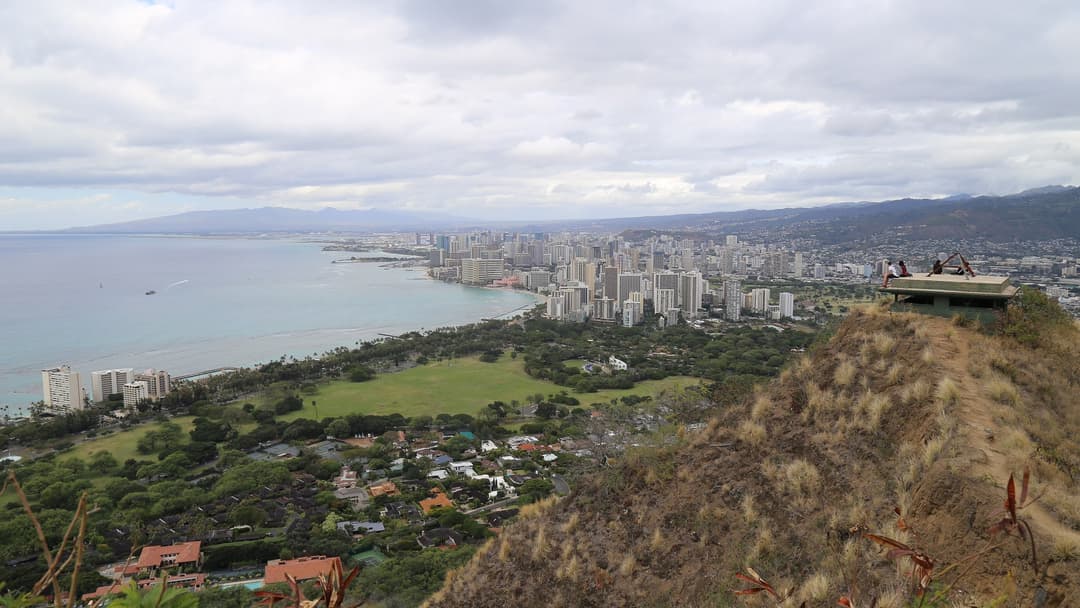
17. Honolulu, Hawaii
University of Hawaii Economic Research Organization and Census data highlight that island terrain leaves little room for new housing developments. Single-family homes averaging 1.05 million dollars produce an impossible 10.5 Demographia ratio, keeping typical local wage earners from purchasing by 2030.
©Wikimedia / Ueutyi
16. San Francisco, California
Confined to a 49-square-mile peninsula and characterized by multi-year zoning approvals, San Francisco maintains an impossible 10.2 Demographia rating. Realtor records show median values near 1.28 million dollars, with technology wealth continuing to decouple property values from local municipal salaries.
©Wikimedia / Brocken Inaglory
15. New York City, New York
Harvard JCHS data reveals New York multi-million home deficit keeps prices roughly 9.5 times higher than median Census household income. In Manhattan and Brooklyn, mandatory cash down payments and steep building maintenance charges ensure middle-income buyers remain locked out of homeownership through 2030.
©Wikimedia / Dietmar Rabich
14. San Diego, California
Bordered by Camp Pendleton, Mexico, and the Pacific Ocean, San Diego faces severe land constraints. California Association of Realtors data tracks median prices beyond 920,000 dollars, lifting its Demographia ratio to 9.4 and pricing out defense personnel and healthcare staff leading up to 2030.
©Wikimedia / Eric
Advertisement
Swipe or tap ▶ to resume the countdown.
13. Santa Barbara, California
Demographia figures place Santa Barbara among the most expensive markets in North America, with median single-family homes topping 1.8 million dollars. Squeezed between the Santa Ynez Mountains and the Pacific, local Census earnings cannot keep pace with out-of-town wealth heading toward 2030.
©Wikimedia / Don Ramey Logan
12. Santa Monica, California
Restricted by coastal development regulations and high demand from Silicon Beach executives, Santa Monica represents an extreme housing divide. Census metrics show typical homes trading for twelve times local median income, placing the coastal enclave firmly in Demographia impossibly unaffordable category.
©Wikimedia / Laura Choate
11. Miami, Florida
Federal Reserve and Realtor reports confirm that capital relocation into South Florida pushed housing costs out of step with local service wages. With mandatory post-Surfside structural reserves and climbing wind insurance rates, Demographia calculates an 8.7 multiple that will sideline local buyers through 2030.
©Wikimedia / Rhododendrites
10. Boston, Massachusetts
Harvard JCHS research identifies Greater Boston suburban single-family zoning codes as key drivers of the region housing shortage. With Back Bay condominiums trading above one million dollars and metro median prices surpassing 760,000 dollars, Census wage trends point to severe affordability hurdles by 2030.
©Wikimedia / Robbie Shade
Advertisement
Swipe or tap ▶ to resume the countdown.
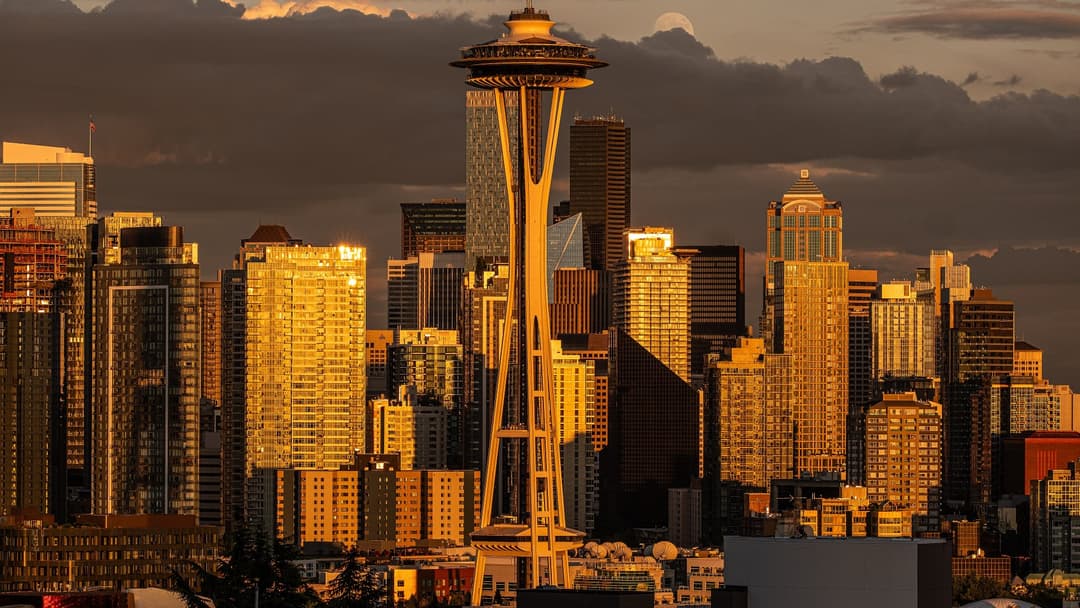
9. Seattle, Washington
Confined by Puget Sound and Lake Washington, Seattle faces strict geographic boundaries alongside corporate equity growth. Census and Realtor statistics show median home prices exceeding 850,000 dollars, generating an 8.2 Demographia rating that Harvard housing models expect to tighten further by 2030.
©Wikimedia / Guywelch2000
8. Washington, D.C.
The 1910 Height of Buildings Act prevents vertical residential density across the capital, concentrating demand on historic rowhouses. National Association of Realtors data tracks typical homes above 700,000 dollars, which Demographia projects will exclude workers without dual six-figure salaries by 2030.
©Wikimedia / Kenrick95
7. Boulder, Colorado
Census ACS data indicates Boulder municipal greenbelt protections and a strict 55-foot building height cap limit housing growth. With median detached homes approaching one million dollars, Demographia assigns Boulder an impossible 9.5 rating, leaving middle-tier earners shut out of the market through 2030.
©Wikimedia / Boulder, Colorado
6. Denver, Colorado
Harvard JCHS reports highlight Colorado Front Range housing supply deficits that have kept single-family home prices near 600,000 dollars. Coupled with rising hail and wildfire property insurance premiums, Census income figures indicate middle-income households will face escalating ownership barriers by 2030.
©Wikimedia / Ken Lund
Advertisement
Swipe or tap ▶ to resume the countdown.
5. Salt Lake City, Utah
Kem C. Gardner Policy Institute and Census data show Salt Lake City buildable acreage is limited by the Wasatch Range and Great Salt Lake. Rapid tech job expansion has driven median home prices above 560,000 dollars, lifting its Demographia multiple past 7.2 and squeezing prospective buyers heading into 2030.
©Wikimedia / GyozaDumpling
4. Sacramento, California
California Department of Finance and Census migration records confirm tens of thousands of Bay Area buyers relocated up Interstate 80. That influx lifted Sacramento median home prices past 530,000 dollars, driving its Demographia ratio to 6.9 and outpacing regional state government pay scales toward 2030.
©Wikimedia / Quintin Soloviev
3. Portland, Oregon
Census data reveals that Portland statutory Urban Growth Boundary confines new home construction within the urban perimeter. With median home prices near 540,000 dollars and construction labor costs rising, Demographia projects the metro will remain severely unaffordable for entry-level buyers through 2030.
©Wikimedia / Truflip99
2. Austin, Texas
Federal Reserve and Realtor market data show central Austin home values anchored near 550,000 dollars. Combined with effective Texas property tax rates near 1.8 percent and corporate tech relocations, Harvard JCHS models project housing costs will outstrip local median wage gains leading into 2030.
©Wikimedia / Oleg Yunakov
Advertisement
Swipe or tap ▶ to resume the countdown.
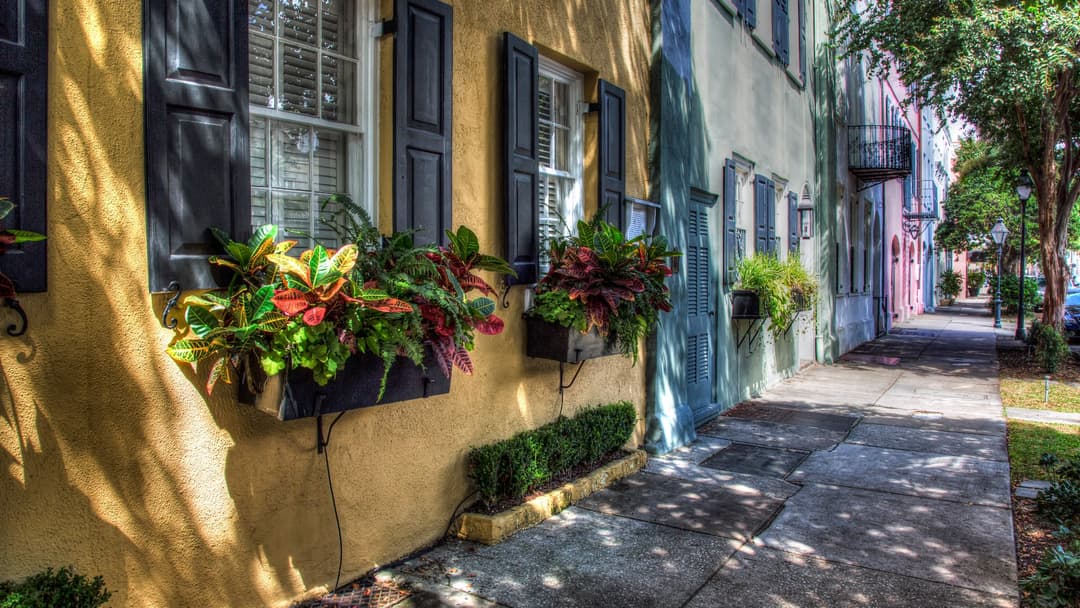
1. Charleston, South Carolina
Harvard housing researchers note that Charleston preservation zoning restricts new residential construction across the peninsula. Paired with surging coastal insurance rates and U.S. Census median incomes lagging behind 580,000-dollar home prices, Demographia projects local workers will be priced out by 2030.
©Wikimedia / John Hoey
Advertisement
You've reached the end of the story. Thanks for reading!
25 US States with the Best Christmas Celebrations
25 US States with the Best Christmas Celebrations