Slideshow · Entertainment
20 Video Games Banned or Restricted in Different Countries
Video Games That Faced Massive Government Bans
By Most Viral Today
35 min ago

Video Games That Faced Massive Government Bans 
20. Mortal Kombat 
19. Manhunt 
18. Fallout 3 - AdvertisementSwipe or tap ▶ to continue countdown

17. Grand Theft Auto: San Andreas 
16. Pokemon Red And Blue 
15. Wolfenstein 3D 
14. Postal 2 - AdvertisementSwipe or tap ▶ to continue countdown

13. Pokemon Go 
12. Bully 
11. Call Of Duty: Modern Warfare 2 
10. EA Sports FIFA Series - AdvertisementSwipe or tap ▶ to continue countdown

9. Command & Conquer: Generals 
8. Left 4 Dead 2 
7. South Park: The Stick Of Truth 
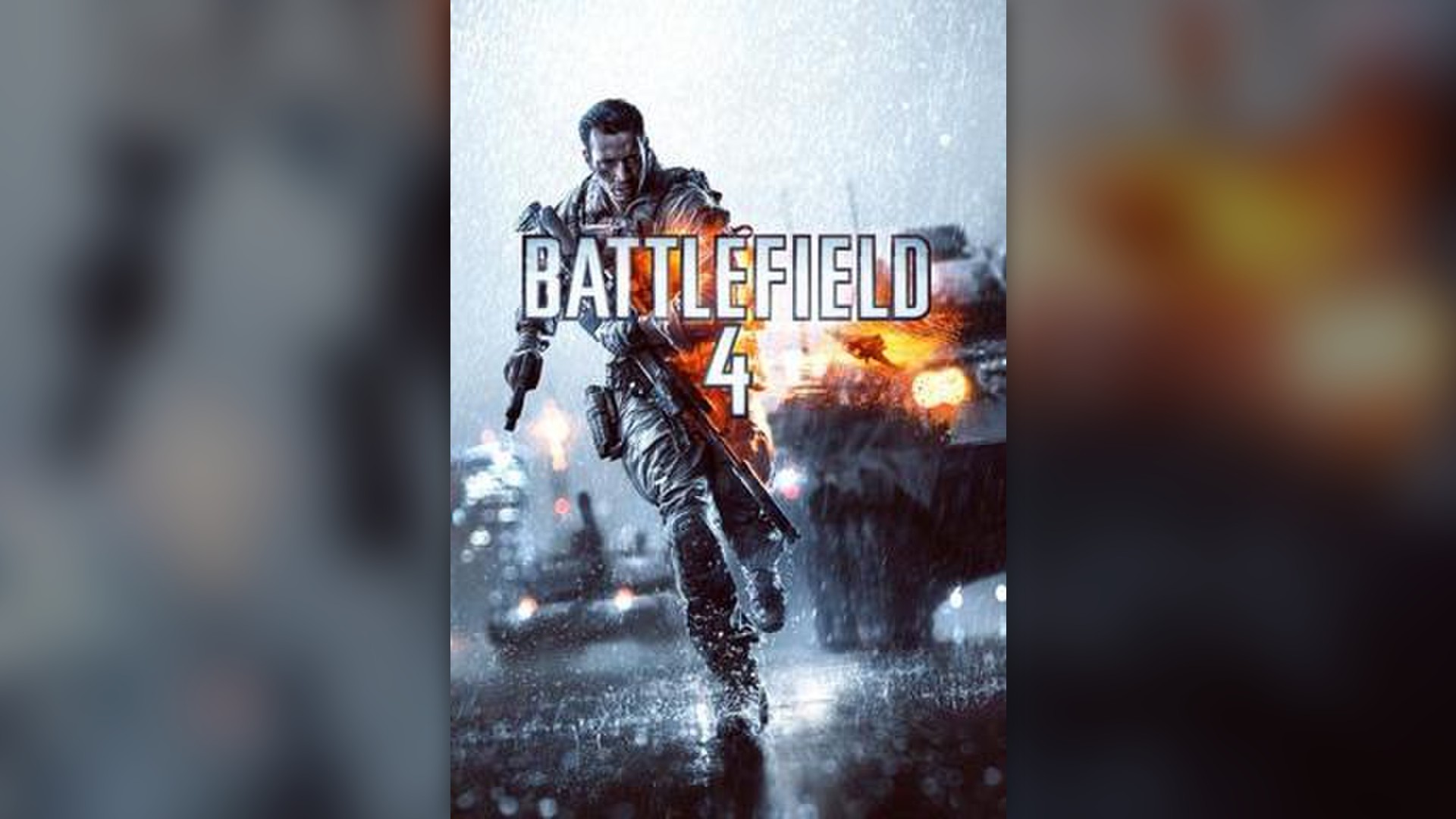
6. Battlefield 4 - AdvertisementSwipe or tap ▶ to continue countdown

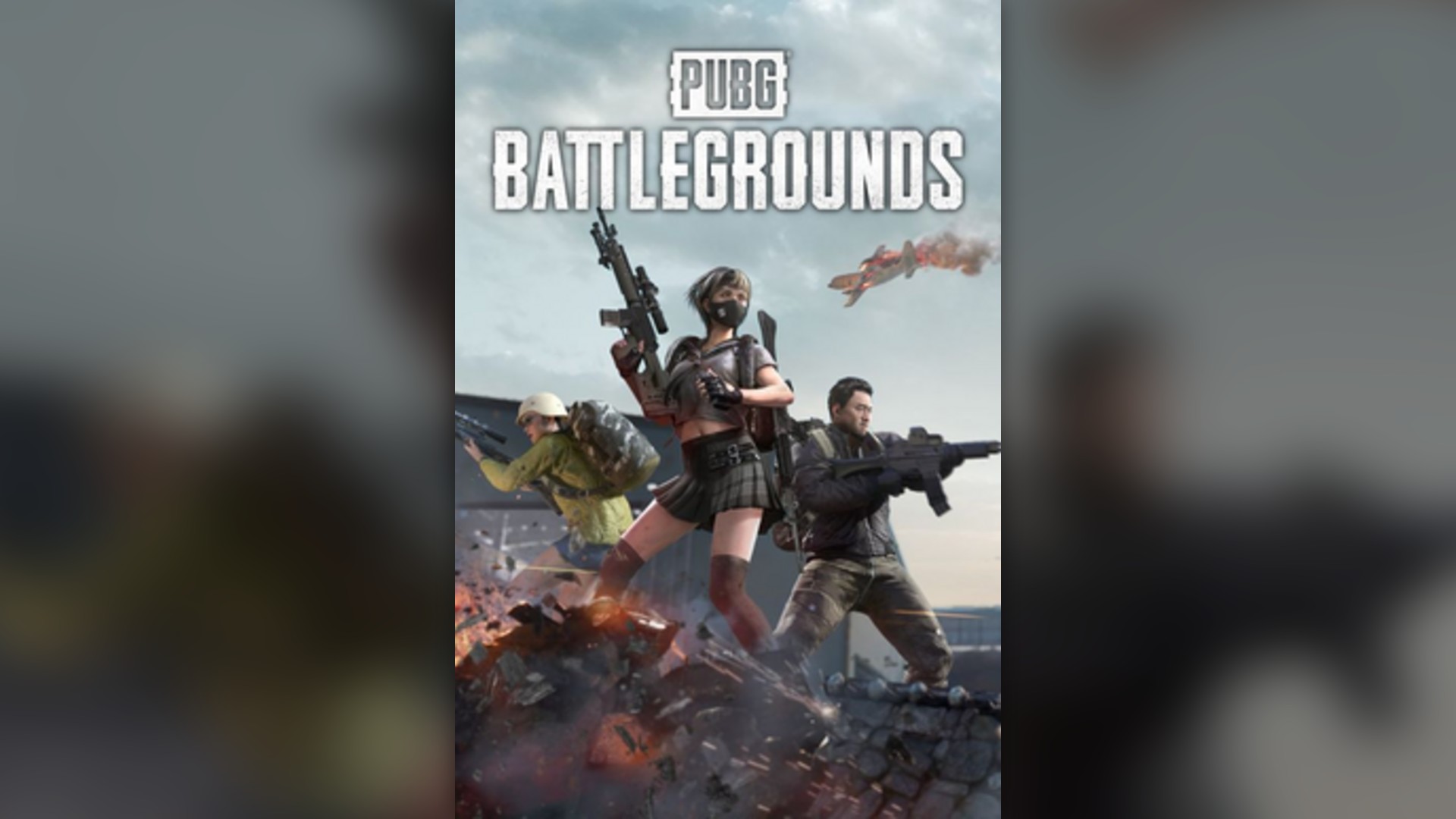
5. PUBG: Battlegrounds 
4. Counter-Strike 
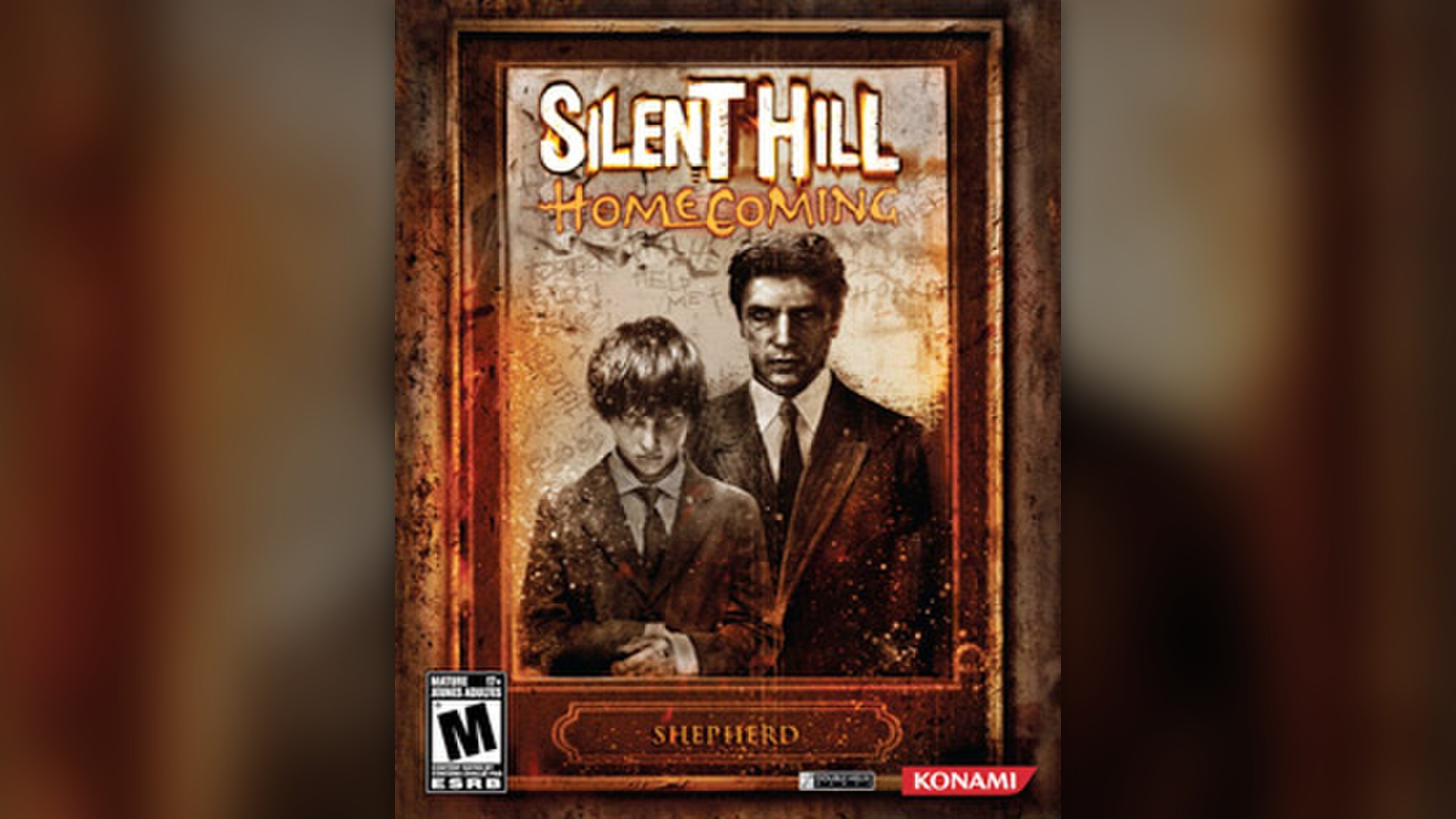
3. Silent Hill: Homecoming 
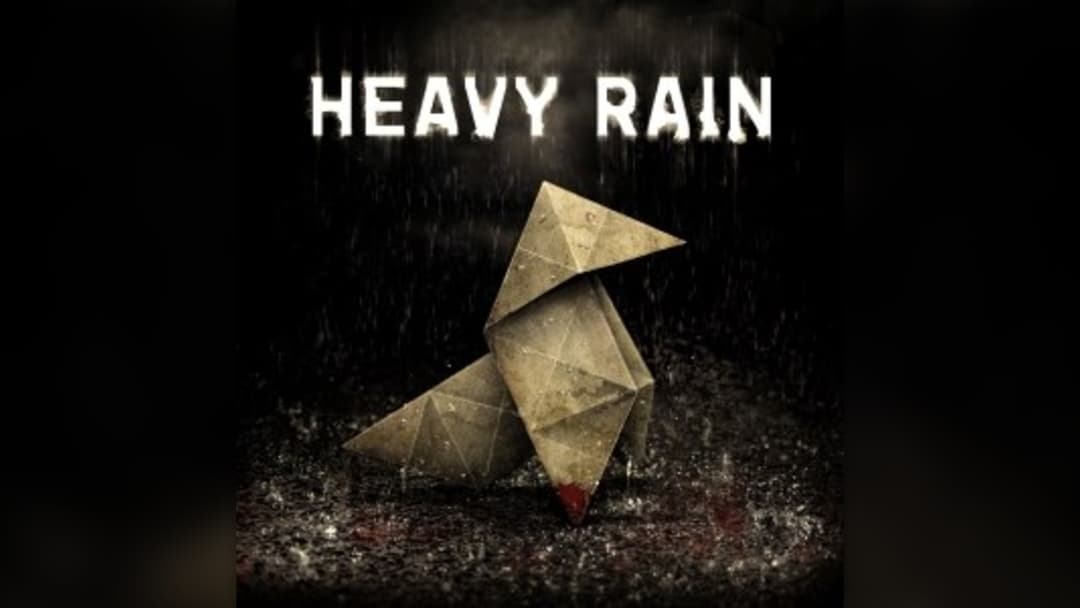
2. Heavy Rain - AdvertisementSwipe or tap ▶ to continue countdown

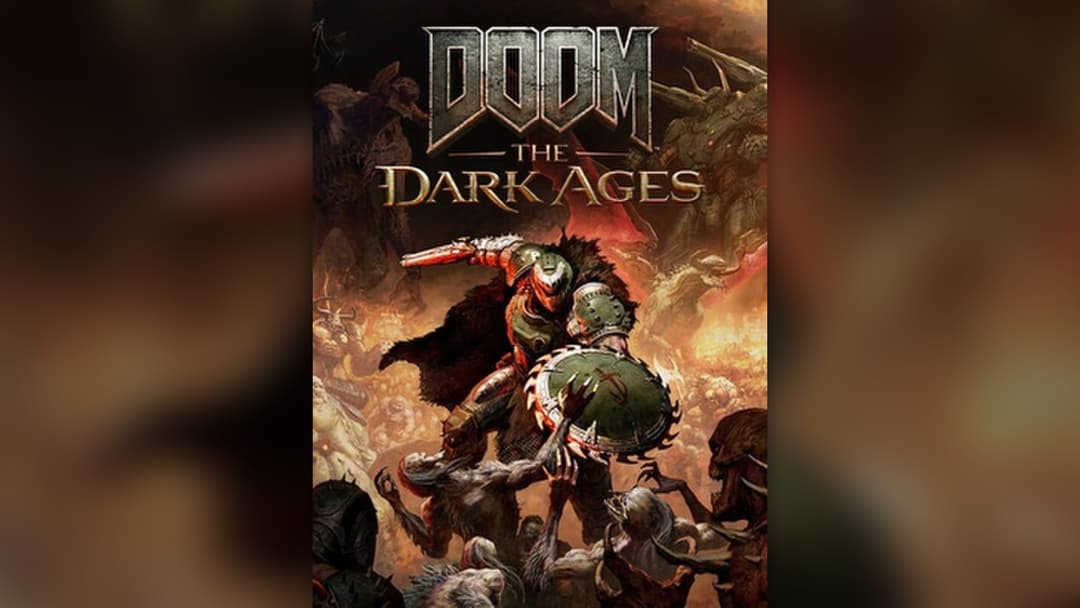
1. Doom - Advertisement🔥 UP NEXT IN THIS SERIES◫ 26 Slides

25 Most Successful and Anticipated Movies of 2026
The 2026 Cinema Comeback
From Australia and Germany to China and Saudi Arabia, video games have frequently collided with international regulators. Whether due to graphic combat, taboo political themes, hidden code, or virtual gambling, these 20 releases pushed authorities to rewrite censorship laws.
Swipe or tap ▶ to begin the countdown
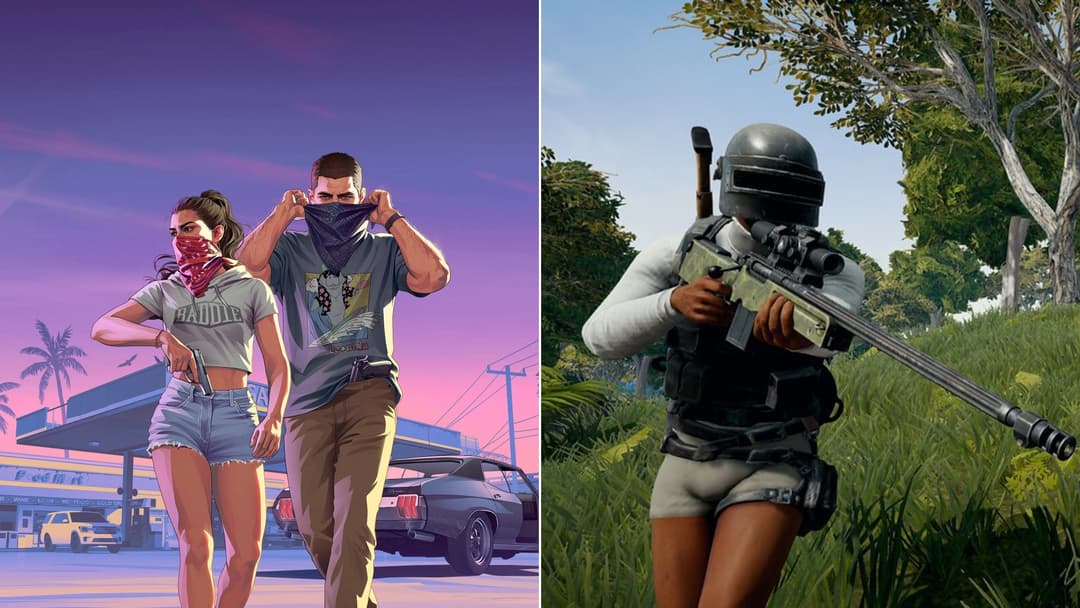
©TMDb / Grand Theft Auto & Openverse / Whelsko
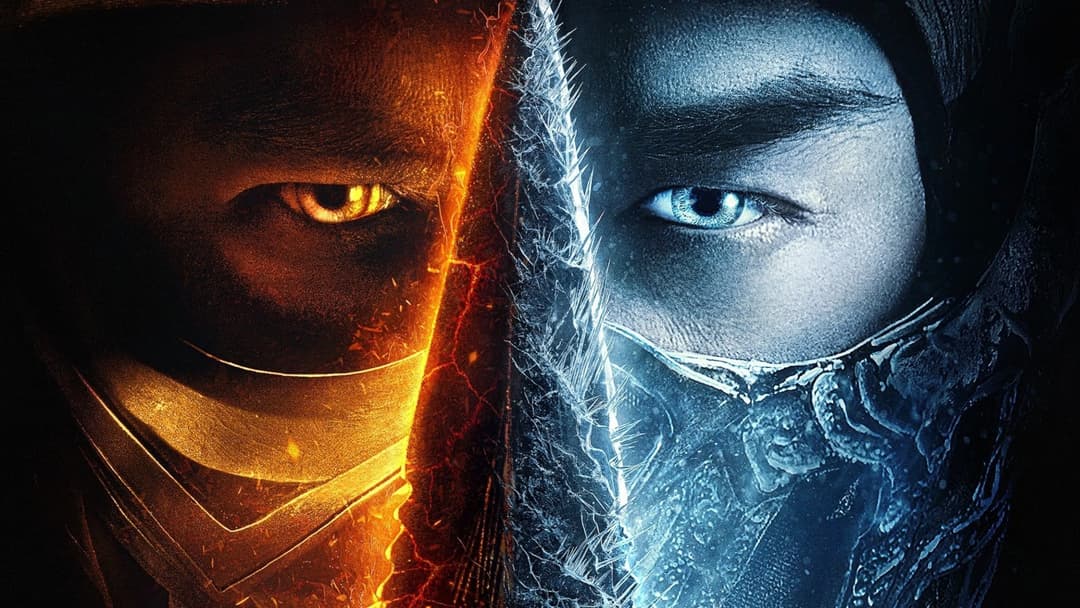
20. Mortal Kombat
When Midway released Mortal Kombat in 1992, the digitized blood and spine-ripping fatalities shocked lawmakers worldwide. Australia banned the console releases in 1993, while US Senate hearings spearheaded by Joe Lieberman pushed the industry to establish the ESRB rating system.
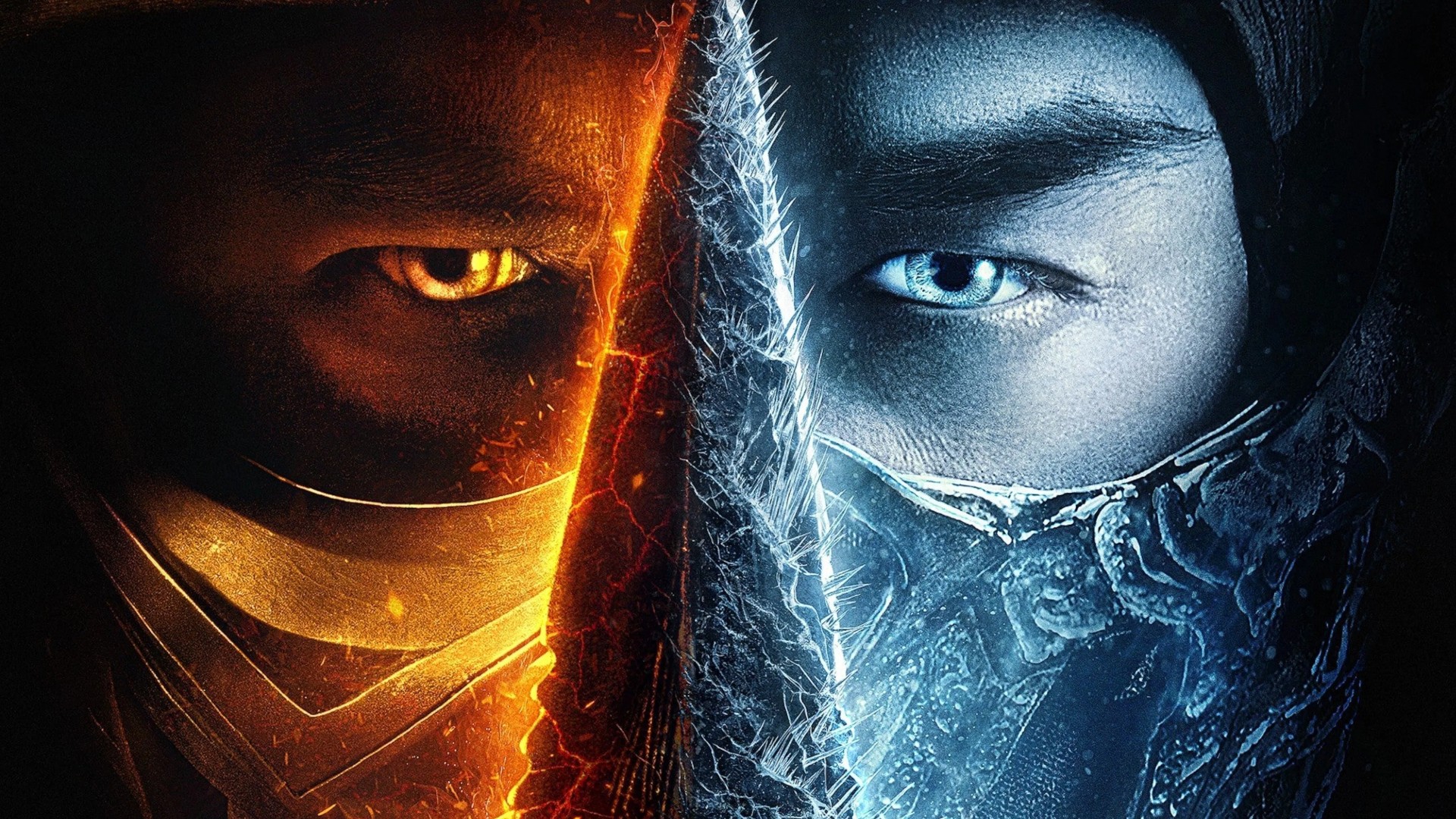
©TMDb / Mortal Kombat
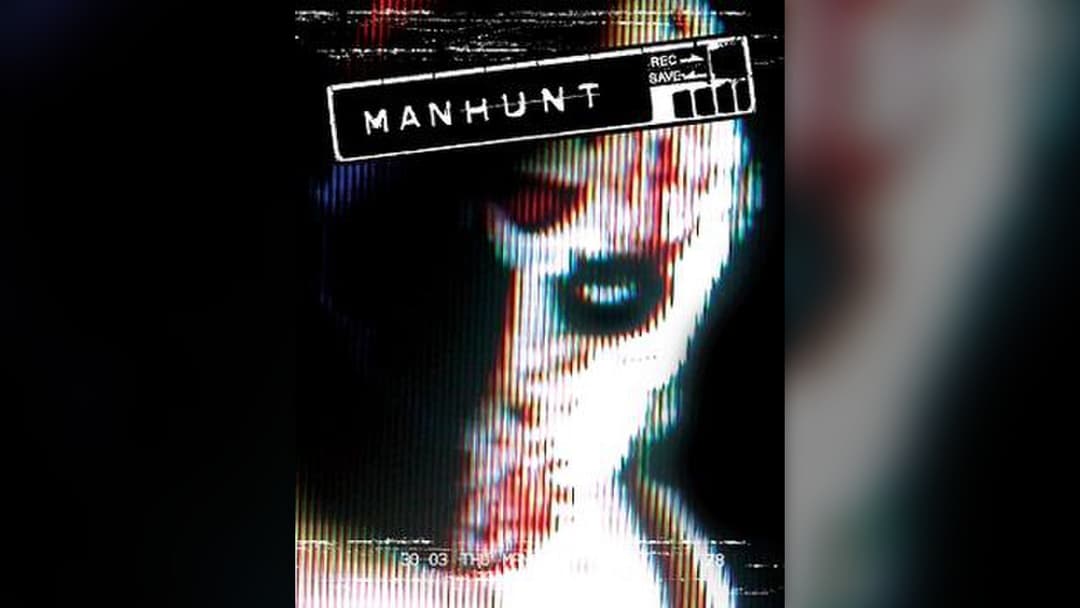
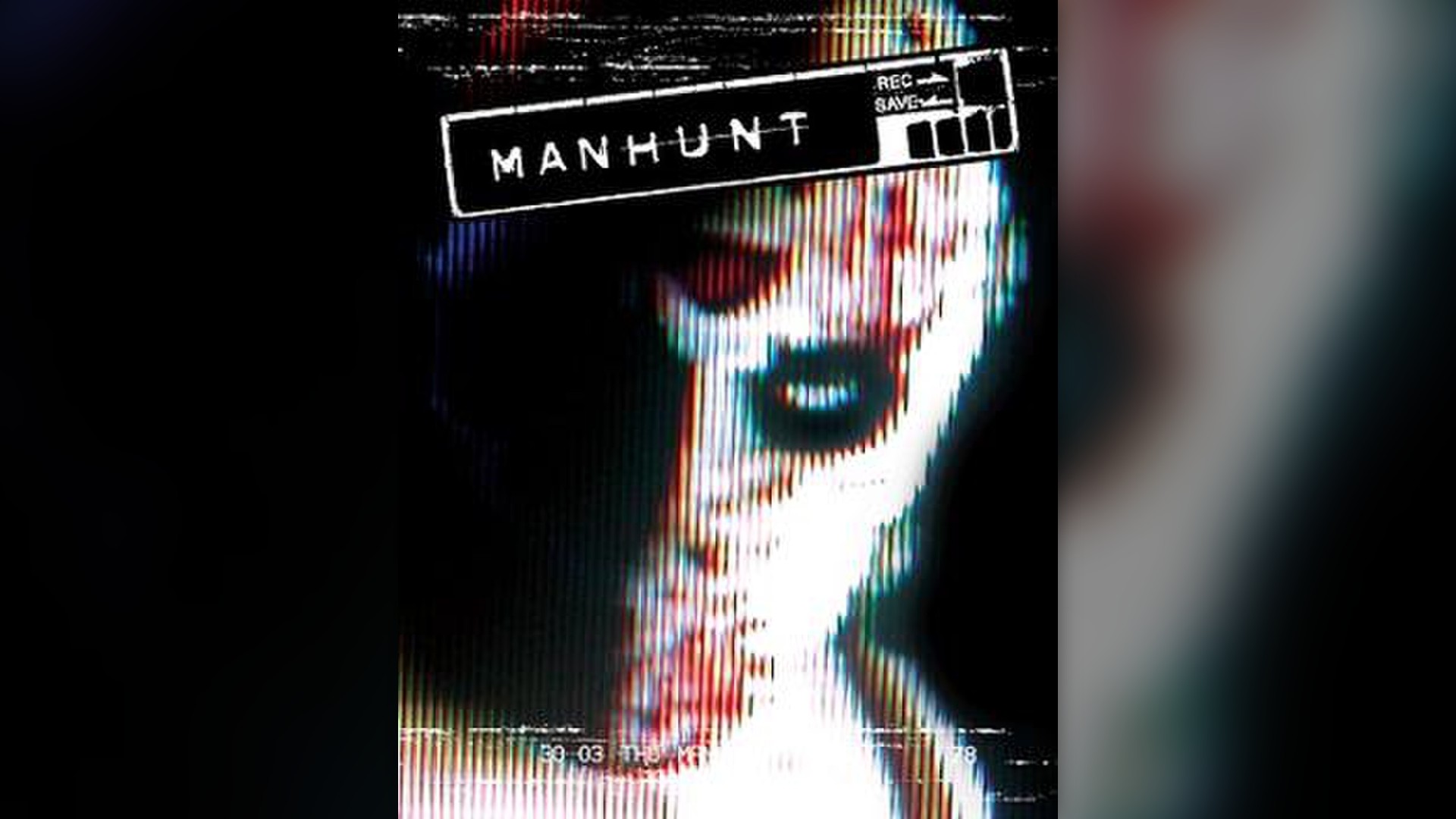
19. Manhunt
Rockstar Games created Manhunt as a grim psychological thriller, but its brutal execution ratings sparked intense backlash. New Zealand classified the game as objectionable in 2003, making ownership illegal, while Australia's classification board revoked its release in 2004.
©Pixabay / fugas3
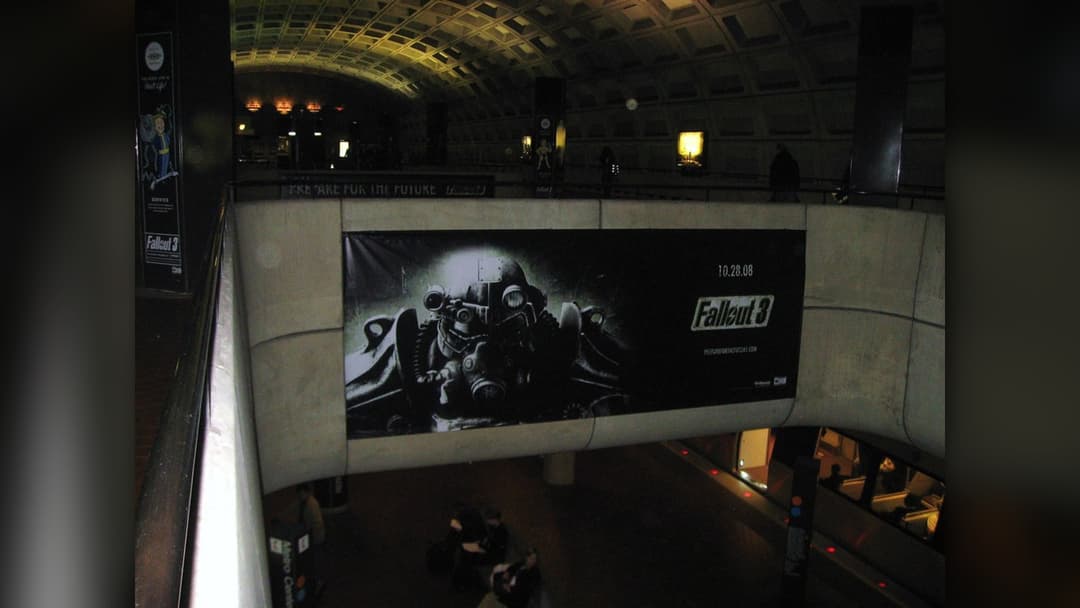
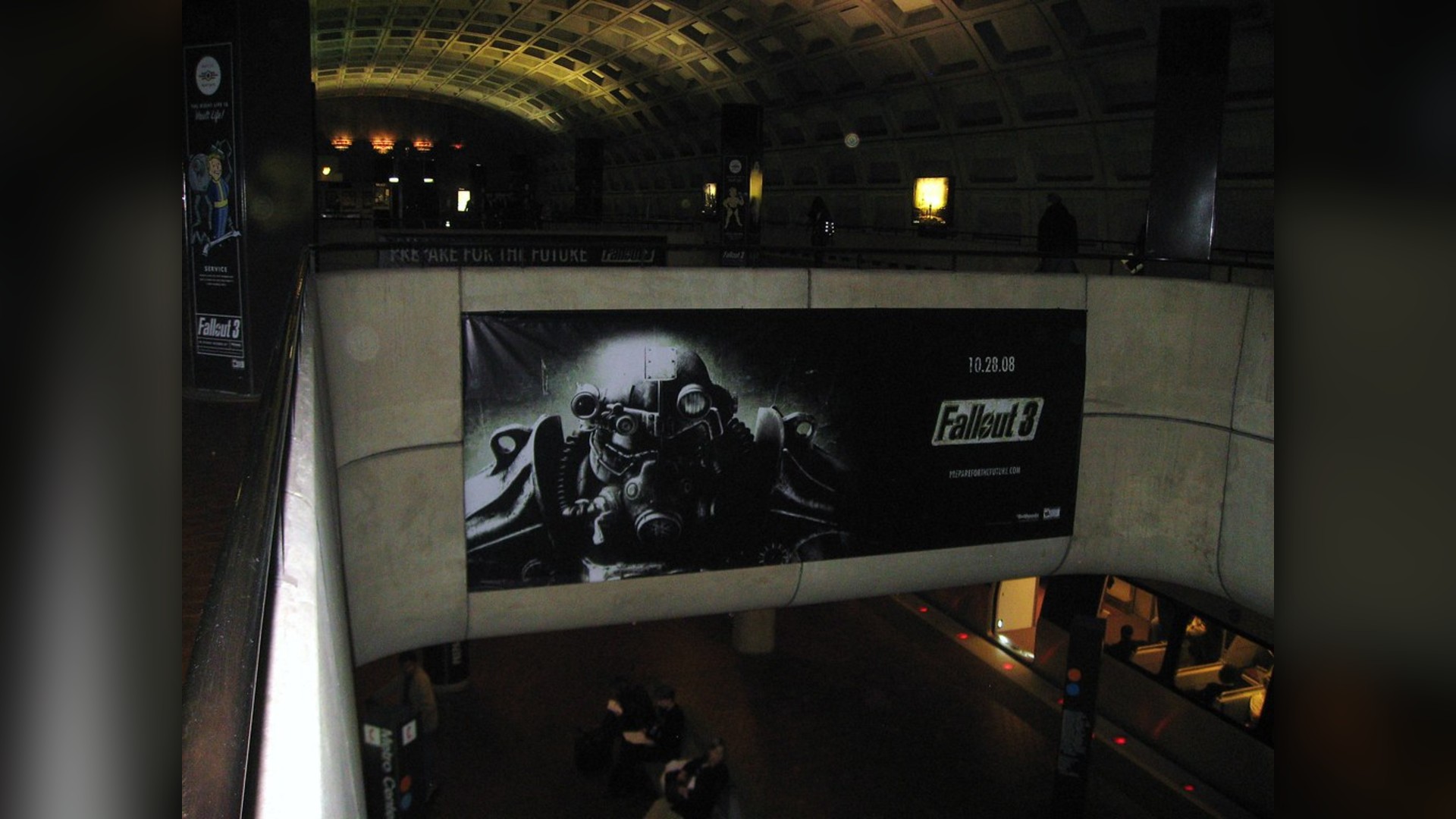
18. Fallout 3
Australia refused classification for Fallout 3 in 2008 because player characters used real-world morphine for health recovery. Bethesda renamed the chemical Med-X globally to secure a release. In India, Microsoft canceled the release over mutant two-headed cows called Brahmins.
©Openverse / Mrs. Gemstone
Advertisement
Swipe or tap ▶ to resume the countdown.
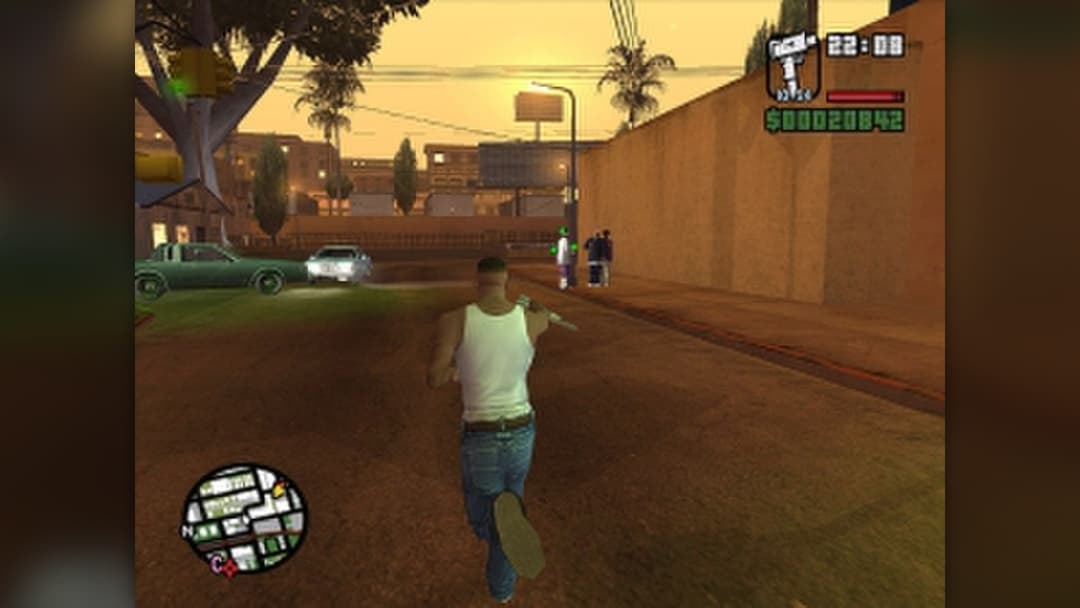
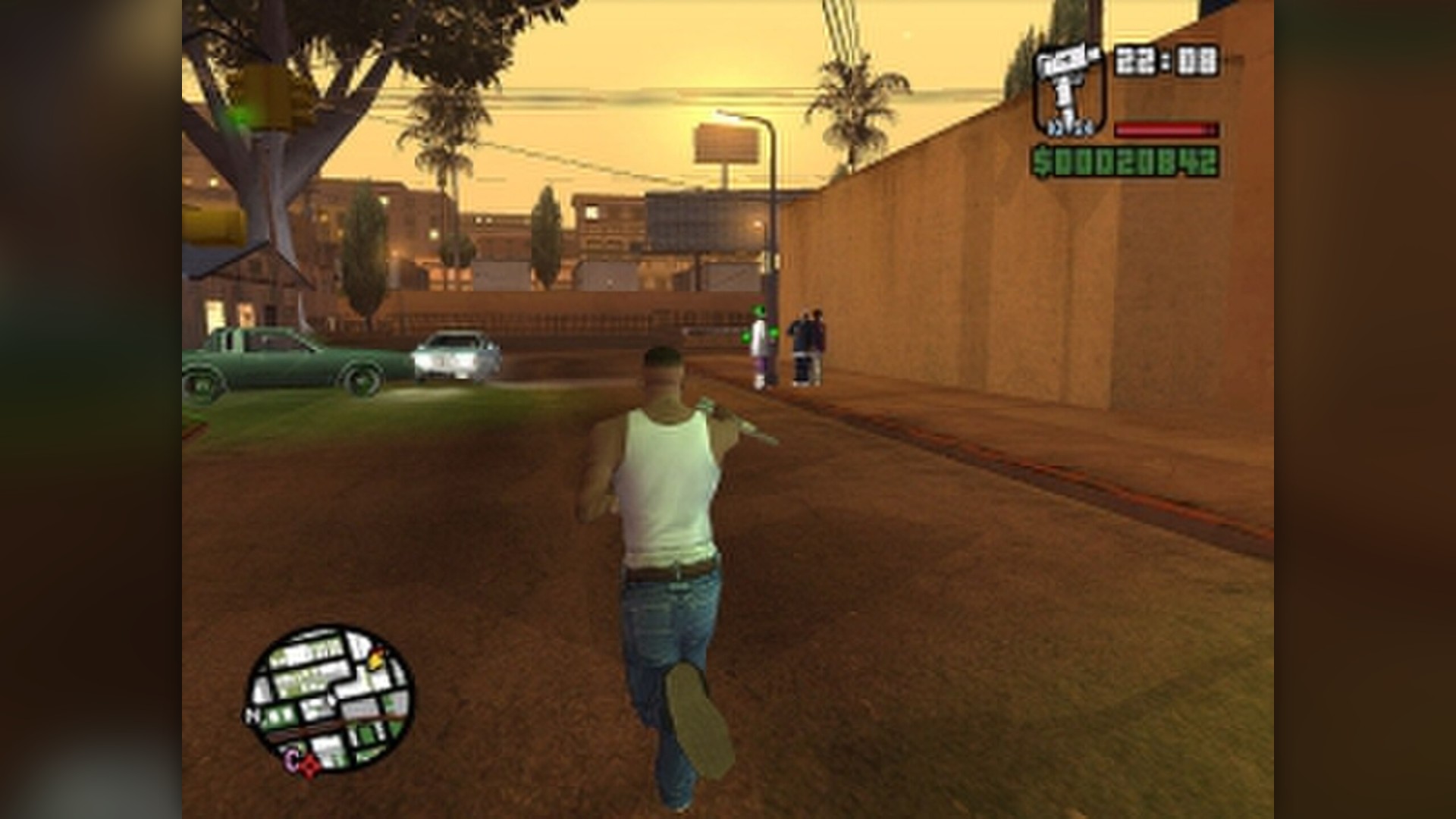
17. Grand Theft Auto: San Andreas
Months after release, modders uncovered an explicit minigame buried inside the retail code of San Andreas. The US ESRB revoked its Mature rating, forcing Rockstar to issue an Adults Only classification. Retailers pulled millions of copies until a cleaned version hit shelves.
©Unsplash / Marcreation
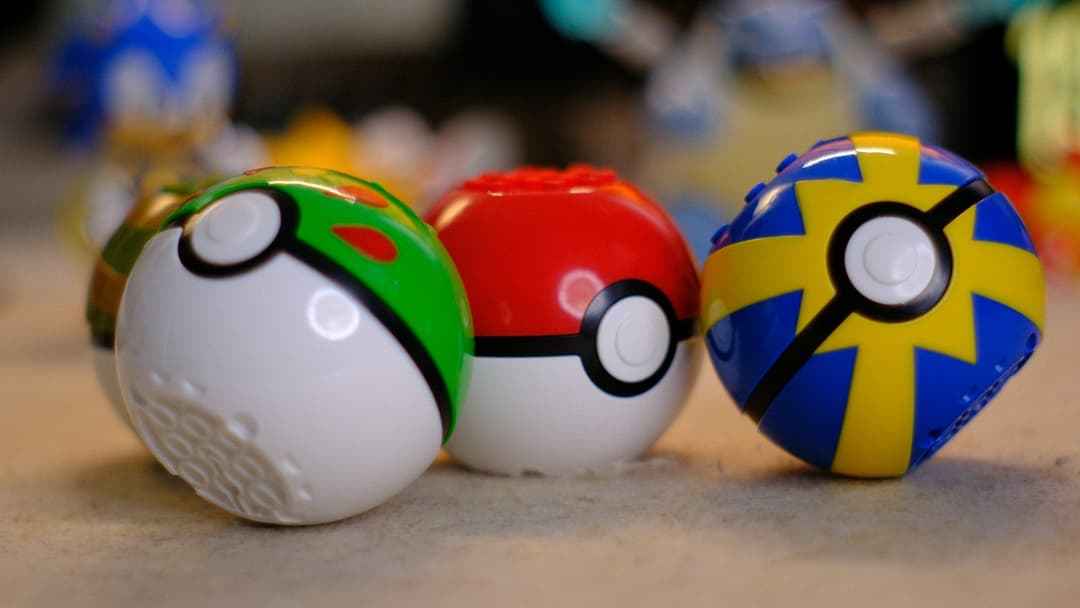
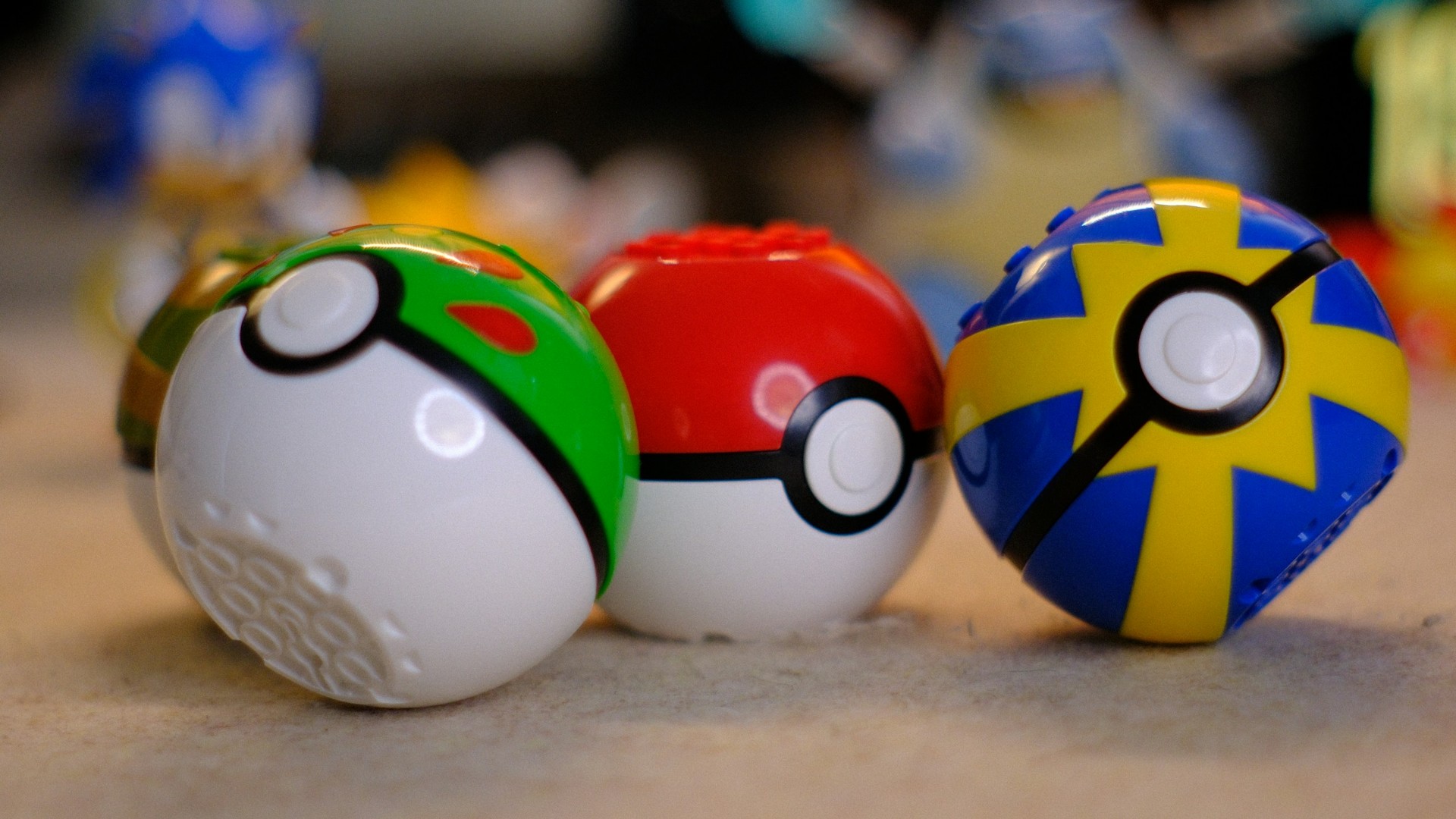
16. Pokemon Red And Blue
In March 2001, the Higher Council of Scholars in Saudi Arabia banned Pokemon video games and trading cards across the kingdom. Regulators argued that trading mechanics promoted gambling habits, while fictional card glyphs allegedly mirrored unauthorized religious symbolism.
© Photo by Alex de Koning on Unsplash
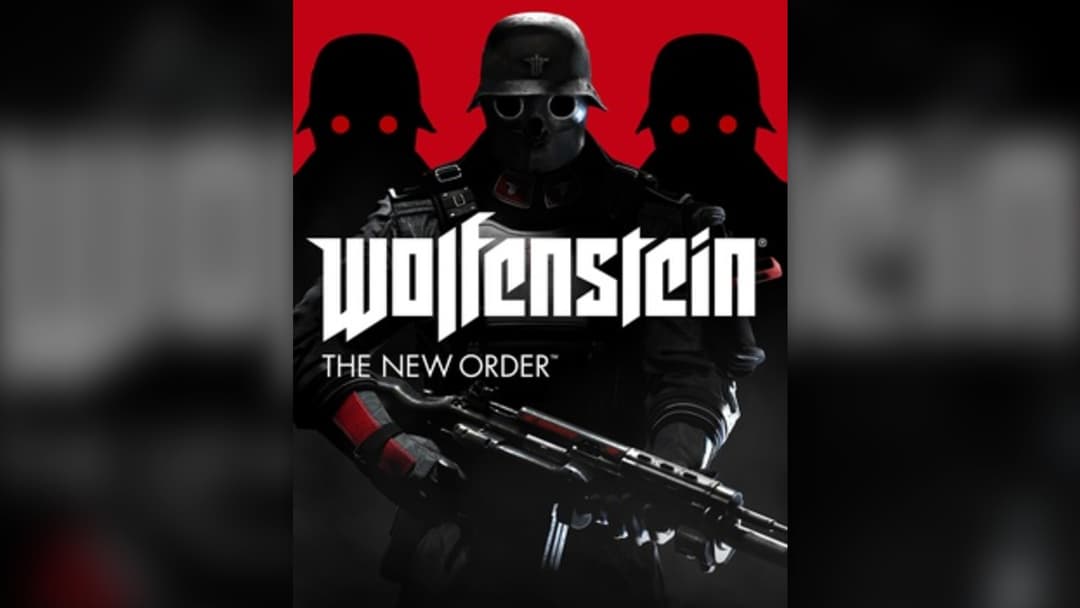
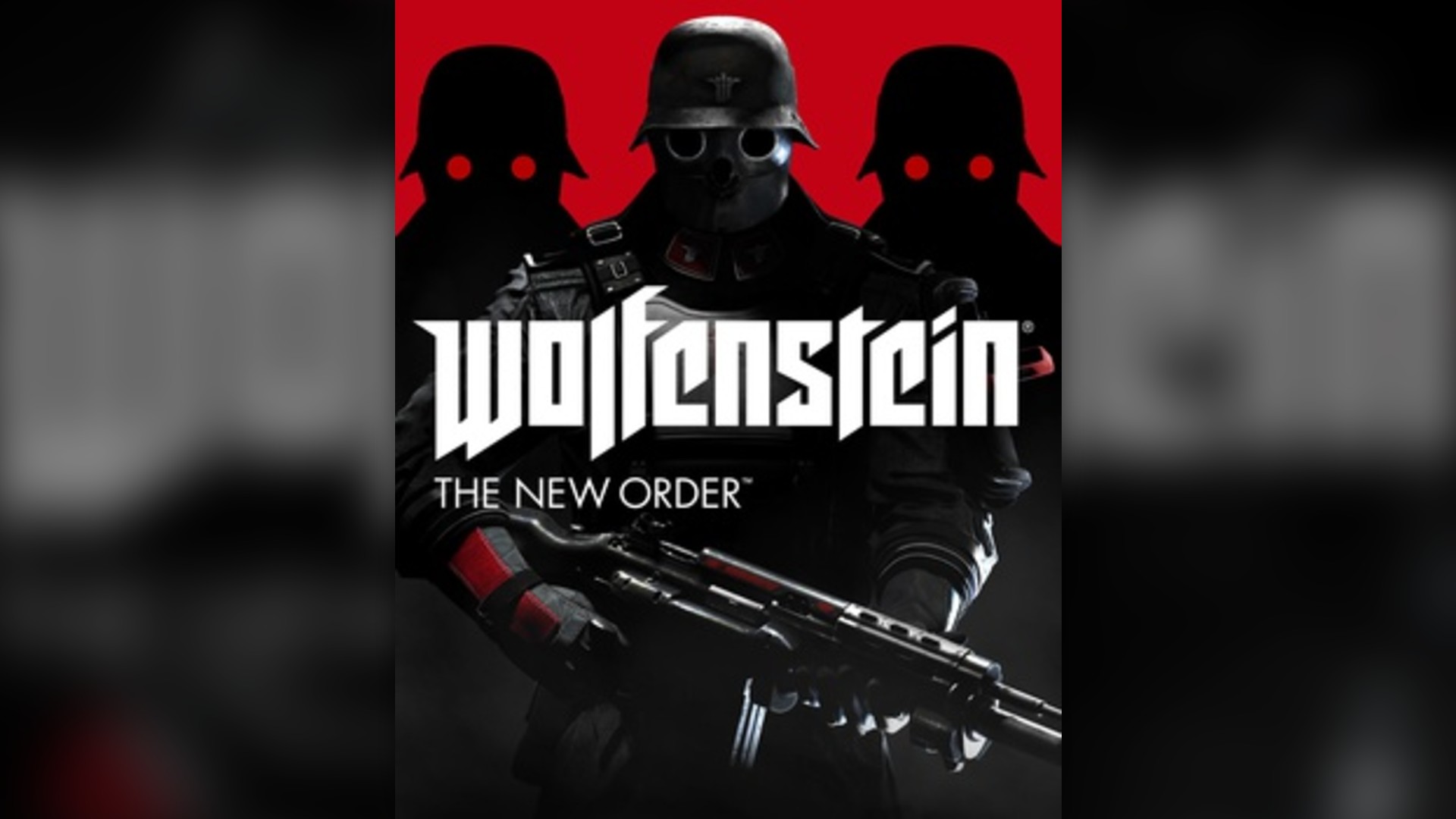
15. Wolfenstein 3D
Under Section 86a of the German Criminal Code, unconstitutional symbols like swastikas could not appear in entertainment media. Wolfenstein 3D was confiscated in Germany in 1994. The strict restriction shaped German gaming policy until regulators finally recognized games as art in 2018.
©Internet Archive / Public Domain Archive
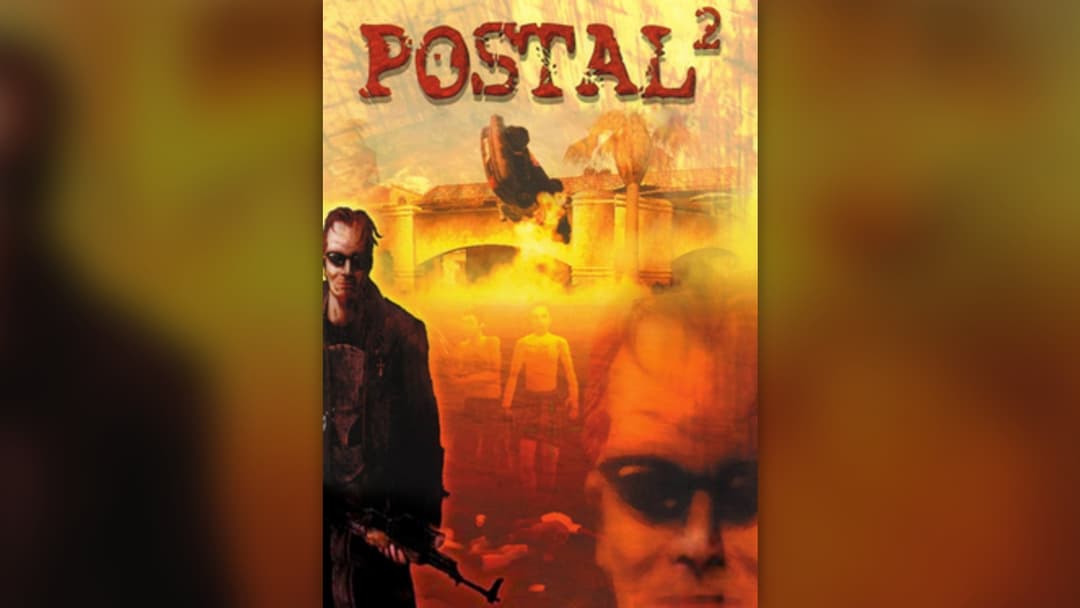
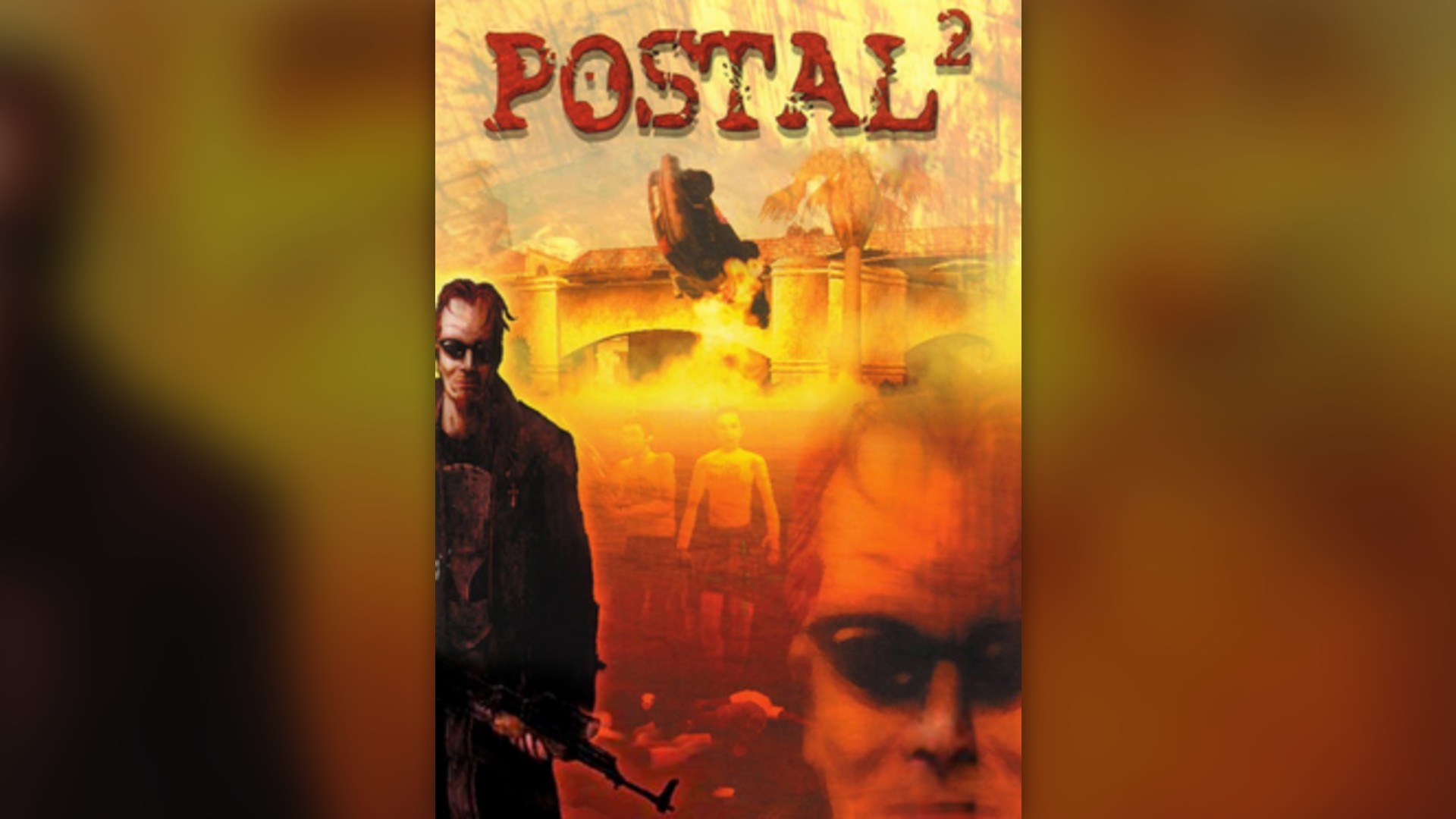
14. Postal 2
Running With Scissors designed Postal 2 with intentionally crude, gratuitous violence. In 2004, New Zealand's Office of Film and Literature Classification banned the game entirely. Anyone caught buying, selling, or possessing a physical copy faced massive fines and potential prison time.
©Wikimedia / Video game
Advertisement
Swipe or tap ▶ to resume the countdown.
13. Pokemon Go
Weeks after its global rollout in 2016, Iran's High Council of Virtual Spaces banned Pokemon Go entirely over security and surveillance concerns. Officials feared augmented reality camera tracking and GPS mapping could expose sensitive government facilities and military installations.
©TMDb / Pokémon
12. Bully
In April 2008, a state judge in Rio Grande do Sul banned sales of Bully across Brazil, ruling that depicting physical clashes on campus could incite school violence. Retailers faced daily fines for stocking copies, and the national ban remained in place for eight years until 2016.
©Wikimedia / Official GDC
11. Call Of Duty: Modern Warfare 2
The airport massacre level No Russian caused immediate international fury in 2009. Activision preemptively removed the mission from Russian PC editions and withheld console releases in the region. In Germany and Japan, developers patched the game to trigger failure if civilians were hurt.
©Wikimedia / Activision, IW
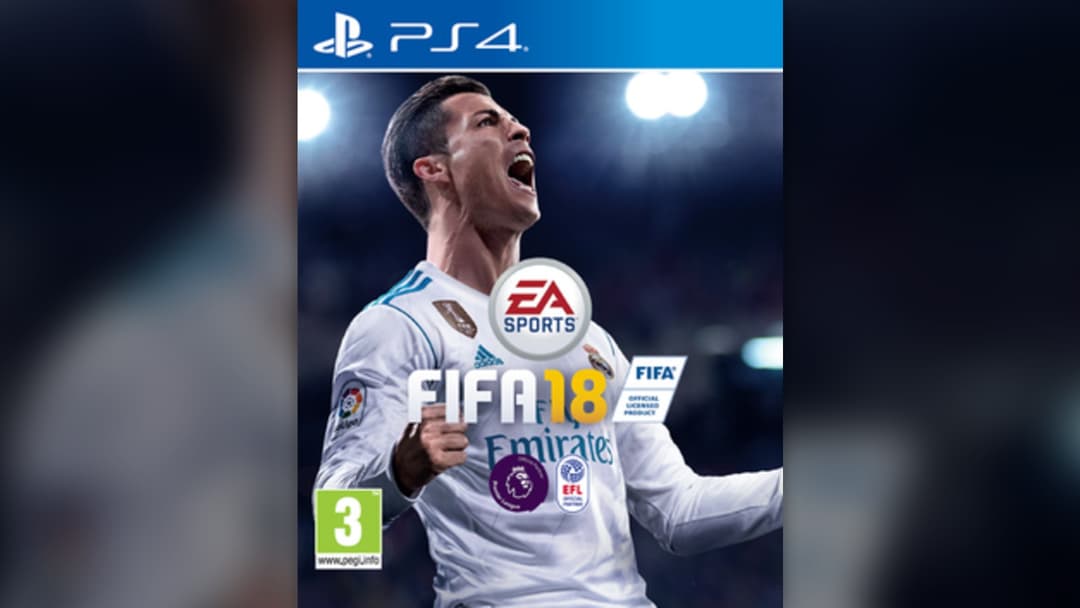
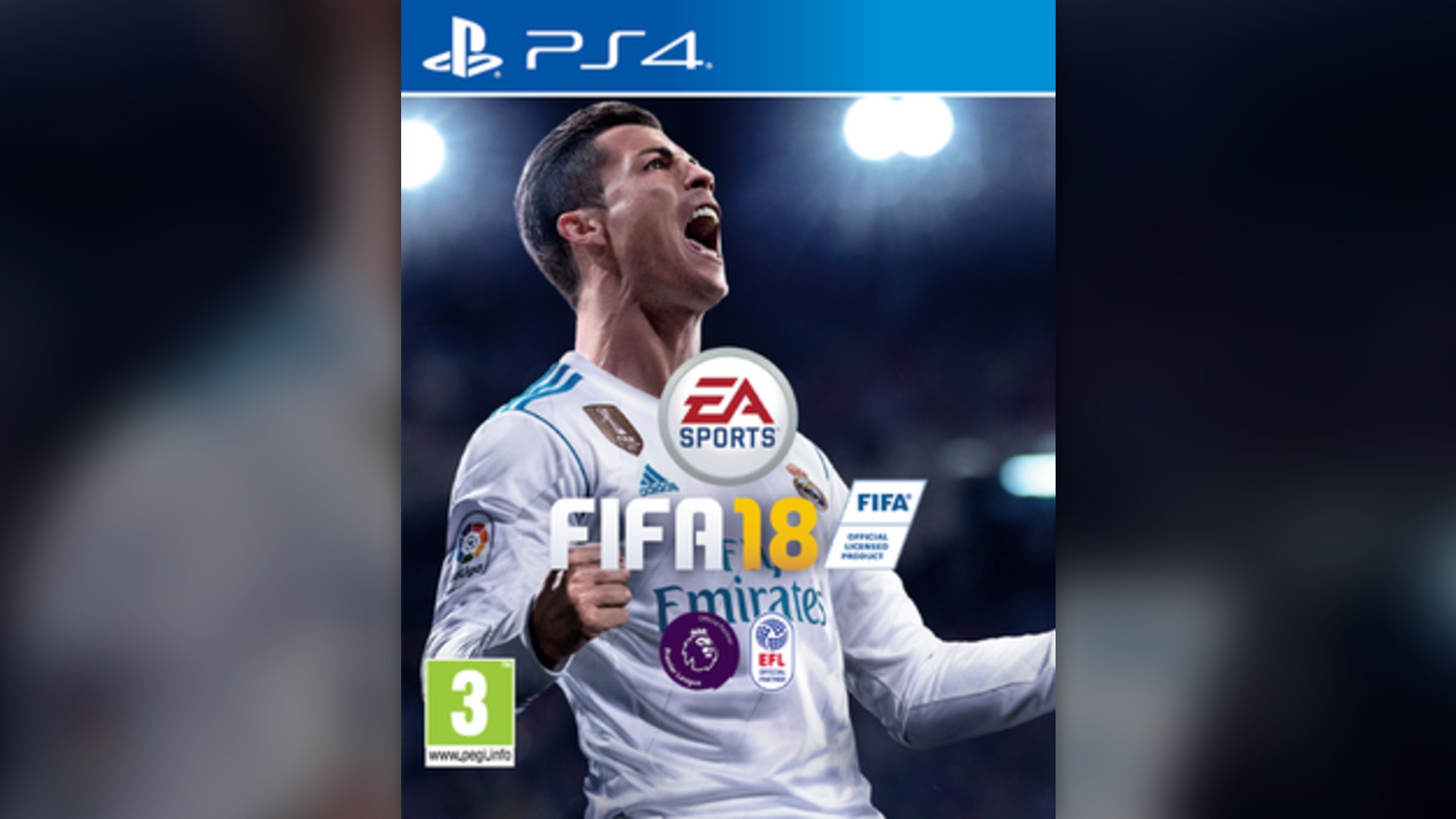
10. EA Sports FIFA Series
The Belgian Gaming Commission ruled in 2018 that blind randomized player packs constituted illegal gambling under domestic law. Facing potential criminal prosecution, Electronic Arts disabled all FIFA Points purchases in Belgium, forcing players to earn packs solely through in-game play.
©Wikimedia / dronepicr
Advertisement
Swipe or tap ▶ to resume the countdown.
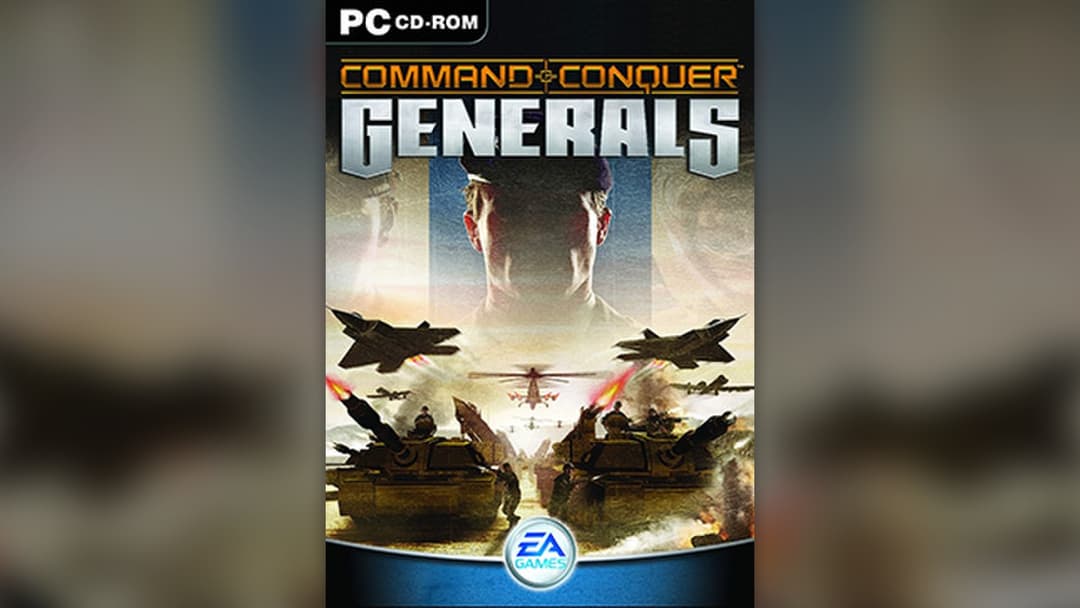
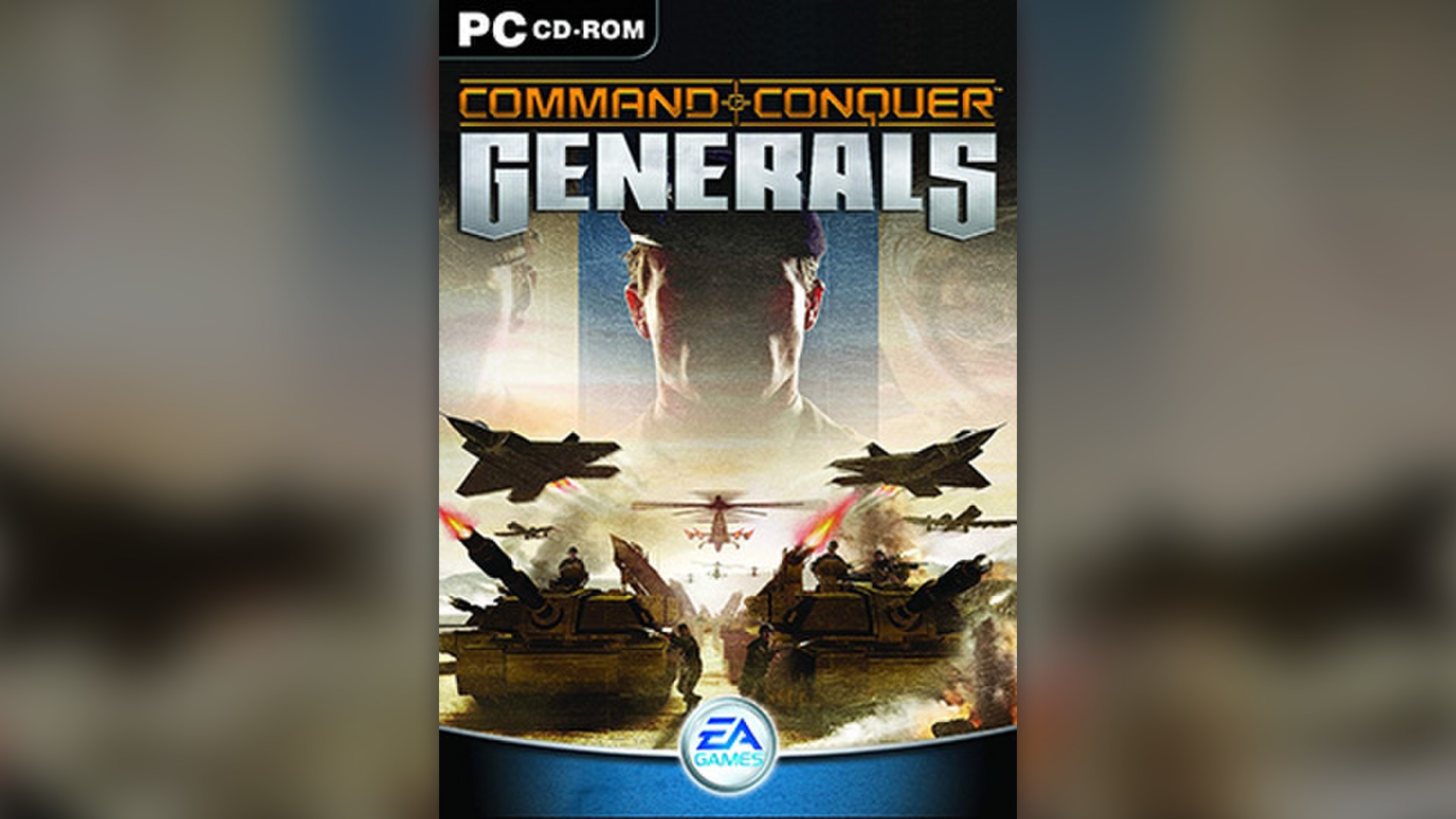
9. Command & Conquer: Generals
In 2003, China's Ministry of Culture enacted a total ban on Command and Conquer Generals. Officials stated the campaign missions, which depicted the destruction of Beijing landmarks and tactical nuclear strikes by fictional factions, smeared the image of China and its armed forces.
©Wikimedia / King of Hearts
8. Left 4 Dead 2
Australia's Classification Board refused to classify Left 4 Dead 2 in 2009, citing relentless limb removal and graphic pileups of infected corpses. Valve was forced to engineer a sanitized Australian edition with disappearing bodies, until an R18 rating classification arrived years later.
©Wikimedia / Andrew Evans
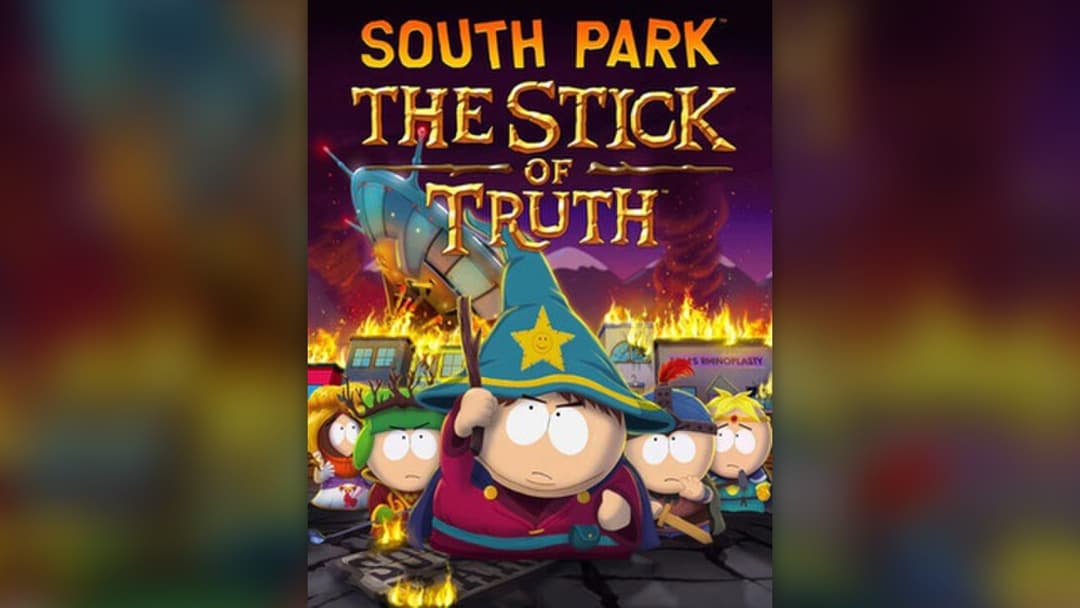
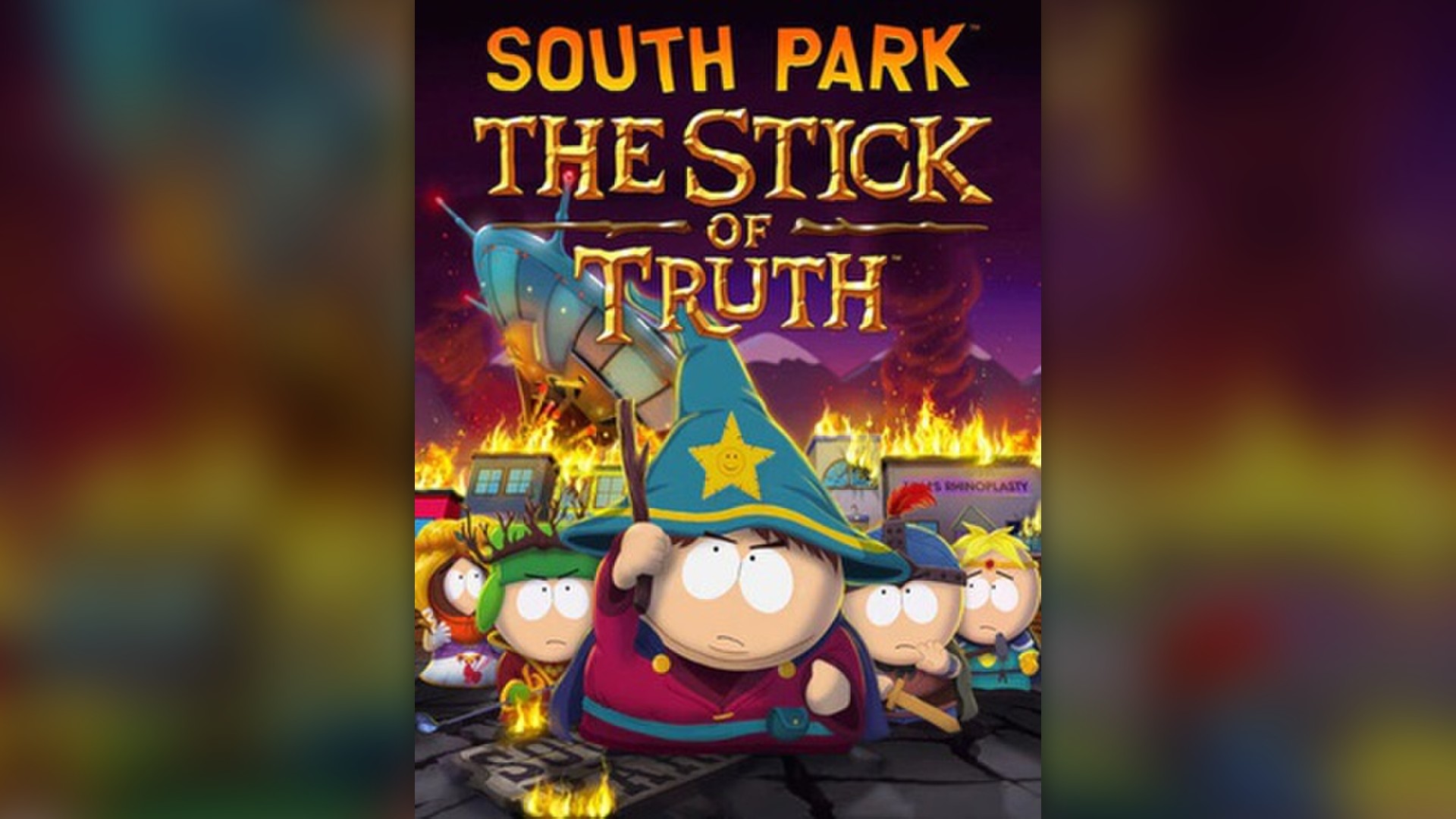
7. South Park: The Stick Of Truth
To satisfy strict censorship guidelines in Europe and Australia, Ubisoft censored multiple mini-games in South Park The Stick of Truth. Rather than display alien probes and abortion mechanics, the regional releases presented a mocking still image of a crying koala alongside explanatory text.
©Wikimedia / Gage Skidmore
6. Battlefield 4
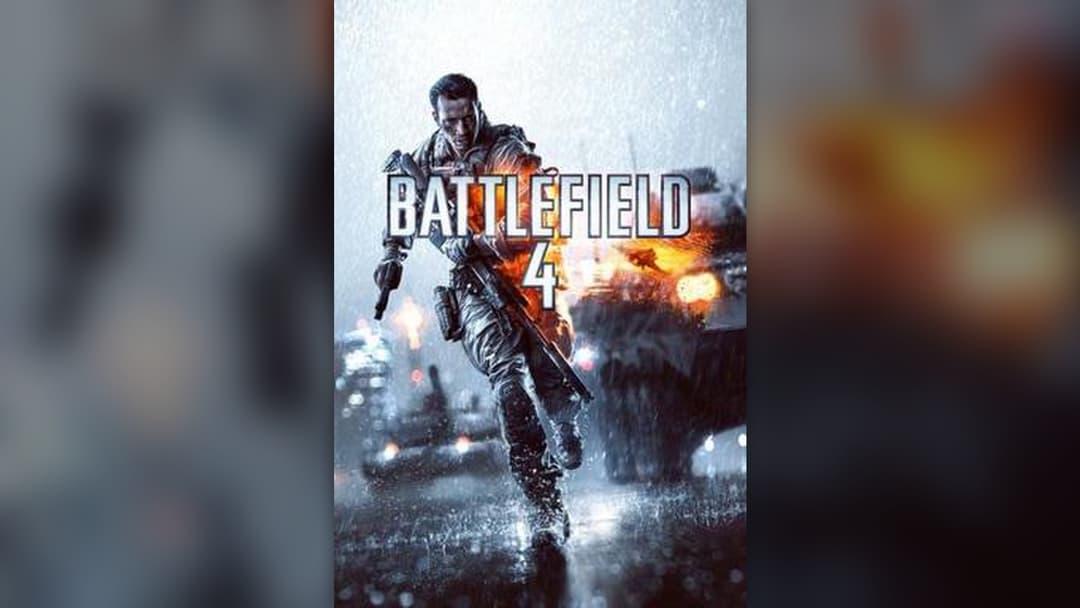
Following the release of the China Rising expansion, China's Ministry of Culture banned Battlefield 4 in December 2013. The ministry labeled the game an illegal cultural invasion that distorted Chinese military posture and posed an ideological threat to sovereign national security.
©Wikimedia / Eva Rinaldi
Advertisement
Swipe or tap ▶ to resume the countdown.
5. PUBG: Battlegrounds
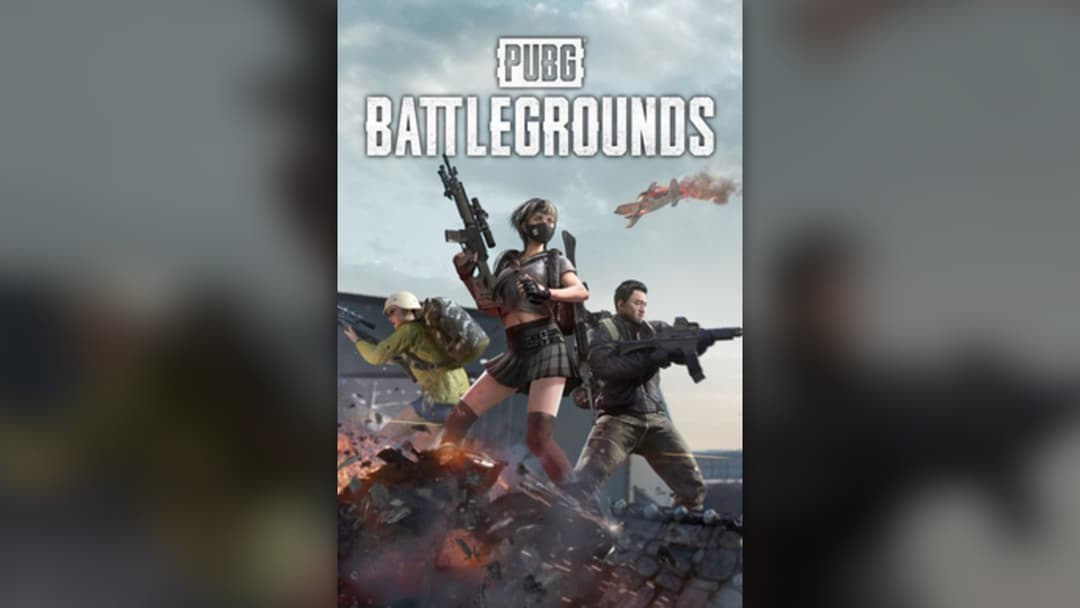
Between 2019 and 2020, authorities in India, Pakistan, Nepal, and Jordan enacted temporary or permanent bans on PUBG Mobile. Regulators cited addictive gameplay loops, academic disruption among youth, and isolated incidents of distress, leading Krafton to launch a reconfigured local version.
©Wikimedia / Chongkian
4. Counter-Strike
In January 2008, a federal court in Minas Gerais banned sales of Counter-Strike across Brazil. The court argued that the title brought harmful social stimulus to public order, focusing on an unauthorized community-created favela map named Rio that simulated clashes with military police.
©Wikimedia / Tim Bartel
3. Silent Hill: Homecoming
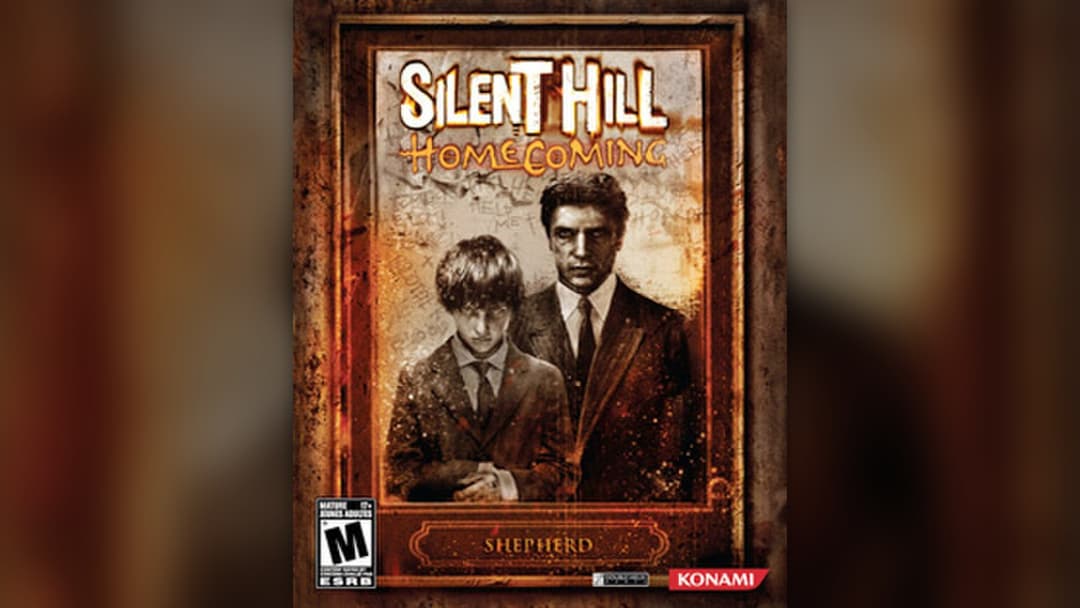
The Australian Classification Board refused classification for Silent Hill Homecoming in 2008 due to intense sadism and anatomical gore. Reviewers singled out a drill torture sequence and bisection scenes as exceeding the permissible MA15 limit, keeping the game off shelves until re-edited.
©Wikimedia / Official GDC
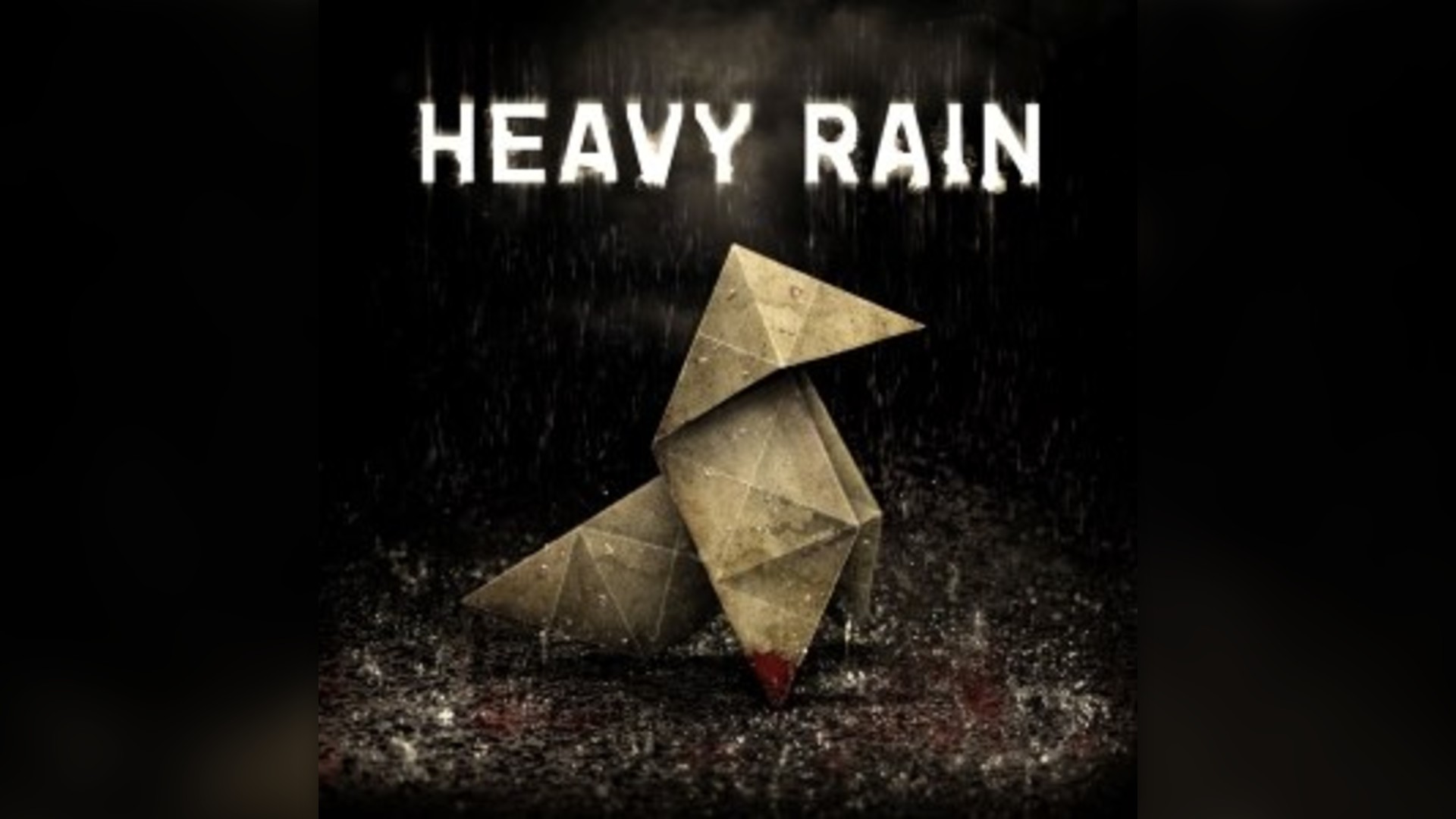
2. Heavy Rain
Quantic Dream's cinematic murder mystery was banned across Saudi Arabia and the United Arab Emirates upon its 2010 debut. Regulators objected to interactive scenes depicting explicit nudity, domestic violence, and adult sexual encounters that breached regional media broadcasting standards.
©Wikimedia / Nicolas Richoffer
Advertisement
Swipe or tap ▶ to resume the countdown.
1. Doom
Shortly after its ground-breaking 1993 debut, id Software's Doom was placed on Germany's federal index of harmful media for youth, barring public display and advertising. The ban stood until 2011, when regulators officially acknowledged the title's historical and artistic importance.
©Wikimedia / Official GDC
Advertisement
You've reached the end of the story. Thanks for reading!

25 Most Successful and Anticipated Movies of 2026
The 2026 Cinema Comeback
All 20 Entries in this Story
20. Mortal Kombat
When Midway released Mortal Kombat in 1992, the digitized blood and spine-ripping fatalities shocked lawmakers worldwide. Australia banned the console releases in 1993, while US Senate hearings spearheaded by Joe Lieberman pushed the industry to establish the ESRB rating system.

19. Manhunt
Rockstar Games created Manhunt as a grim psychological thriller, but its brutal execution ratings sparked intense backlash. New Zealand classified the game as objectionable in 2003, making ownership illegal, while Australia's classification board revoked its release in 2004.

18. Fallout 3
Australia refused classification for Fallout 3 in 2008 because player characters used real-world morphine for health recovery. Bethesda renamed the chemical Med-X globally to secure a release. In India, Microsoft canceled the release over mutant two-headed cows called Brahmins.

17. Grand Theft Auto: San Andreas
Months after release, modders uncovered an explicit minigame buried inside the retail code of San Andreas. The US ESRB revoked its Mature rating, forcing Rockstar to issue an Adults Only classification. Retailers pulled millions of copies until a cleaned version hit shelves.

16. Pokemon Red And Blue
In March 2001, the Higher Council of Scholars in Saudi Arabia banned Pokemon video games and trading cards across the kingdom. Regulators argued that trading mechanics promoted gambling habits, while fictional card glyphs allegedly mirrored unauthorized religious symbolism.

15. Wolfenstein 3D
Under Section 86a of the German Criminal Code, unconstitutional symbols like swastikas could not appear in entertainment media. Wolfenstein 3D was confiscated in Germany in 1994. The strict restriction shaped German gaming policy until regulators finally recognized games as art in 2018.

14. Postal 2
Running With Scissors designed Postal 2 with intentionally crude, gratuitous violence. In 2004, New Zealand's Office of Film and Literature Classification banned the game entirely. Anyone caught buying, selling, or possessing a physical copy faced massive fines and potential prison time.

13. Pokemon Go
Weeks after its global rollout in 2016, Iran's High Council of Virtual Spaces banned Pokemon Go entirely over security and surveillance concerns. Officials feared augmented reality camera tracking and GPS mapping could expose sensitive government facilities and military installations.

12. Bully
In April 2008, a state judge in Rio Grande do Sul banned sales of Bully across Brazil, ruling that depicting physical clashes on campus could incite school violence. Retailers faced daily fines for stocking copies, and the national ban remained in place for eight years until 2016.

11. Call Of Duty: Modern Warfare 2
The airport massacre level No Russian caused immediate international fury in 2009. Activision preemptively removed the mission from Russian PC editions and withheld console releases in the region. In Germany and Japan, developers patched the game to trigger failure if civilians were hurt.

10. EA Sports FIFA Series
The Belgian Gaming Commission ruled in 2018 that blind randomized player packs constituted illegal gambling under domestic law. Facing potential criminal prosecution, Electronic Arts disabled all FIFA Points purchases in Belgium, forcing players to earn packs solely through in-game play.

9. Command & Conquer: Generals
In 2003, China's Ministry of Culture enacted a total ban on Command and Conquer Generals. Officials stated the campaign missions, which depicted the destruction of Beijing landmarks and tactical nuclear strikes by fictional factions, smeared the image of China and its armed forces.

8. Left 4 Dead 2
Australia's Classification Board refused to classify Left 4 Dead 2 in 2009, citing relentless limb removal and graphic pileups of infected corpses. Valve was forced to engineer a sanitized Australian edition with disappearing bodies, until an R18 rating classification arrived years later.

7. South Park: The Stick Of Truth
To satisfy strict censorship guidelines in Europe and Australia, Ubisoft censored multiple mini-games in South Park The Stick of Truth. Rather than display alien probes and abortion mechanics, the regional releases presented a mocking still image of a crying koala alongside explanatory text.

6. Battlefield 4
Following the release of the China Rising expansion, China's Ministry of Culture banned Battlefield 4 in December 2013. The ministry labeled the game an illegal cultural invasion that distorted Chinese military posture and posed an ideological threat to sovereign national security.

5. PUBG: Battlegrounds
Between 2019 and 2020, authorities in India, Pakistan, Nepal, and Jordan enacted temporary or permanent bans on PUBG Mobile. Regulators cited addictive gameplay loops, academic disruption among youth, and isolated incidents of distress, leading Krafton to launch a reconfigured local version.

4. Counter-Strike
In January 2008, a federal court in Minas Gerais banned sales of Counter-Strike across Brazil. The court argued that the title brought harmful social stimulus to public order, focusing on an unauthorized community-created favela map named Rio that simulated clashes with military police.

3. Silent Hill: Homecoming
The Australian Classification Board refused classification for Silent Hill Homecoming in 2008 due to intense sadism and anatomical gore. Reviewers singled out a drill torture sequence and bisection scenes as exceeding the permissible MA15 limit, keeping the game off shelves until re-edited.

2. Heavy Rain
Quantic Dream's cinematic murder mystery was banned across Saudi Arabia and the United Arab Emirates upon its 2010 debut. Regulators objected to interactive scenes depicting explicit nudity, domestic violence, and adult sexual encounters that breached regional media broadcasting standards.

1. Doom
Shortly after its ground-breaking 1993 debut, id Software's Doom was placed on Germany's federal index of harmful media for youth, barring public display and advertising. The ban stood until 2011, when regulators officially acknowledged the title's historical and artistic importance.