Slideshow · Entertainment
20 Ways American Families Spent Summer Vacations in the 1970s
From wood-paneled wagons to drive-ins, classic summer road trips of the 1970s.
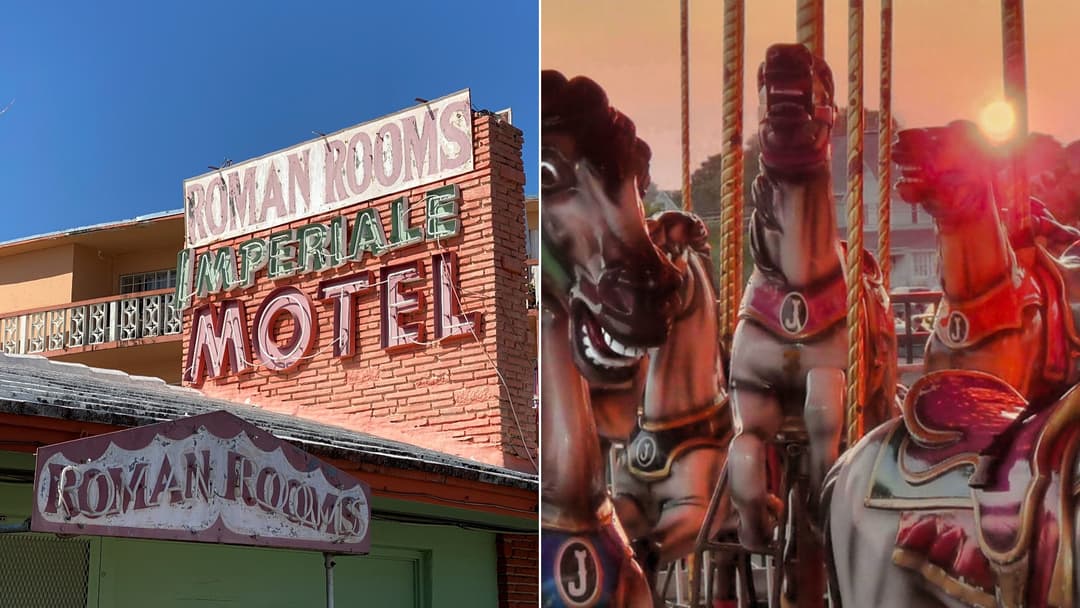
By Most Viral Today
1 hour ago

Everyday Summer Vacation Rituals Of 1970s American Families 
20. Riding In The Rear-Facing Seat Of A Station Wagon 
19. Navigating Highway Routes With Fold-Out Paper Maps 
18. Packing Metal Coolers And Heavy Plaid Thermos Jugs - AdvertisementSwipe or tap ▶ to continue countdown

17. Catching Evening Double Features At Drive-In Theaters 
16. Staying At Roadside Motels With Magic Fingers Beds 
15. Snapping Family Memories On Kodak Instamatic Cameras 
14. Pitching Heavy Canvas Tents At Family Campgrounds - AdvertisementSwipe or tap ▶ to continue countdown

13. Dining Under Orange Roofs At Howard Johnson Lodges 
12. Tuning Into Local AM Radio Stations Across State Lines 
11. Playing The License Plate Road Trip Game In The Backseat 
10. Driving With All Four Windows Rolled Down For Air - AdvertisementSwipe or tap ▶ to continue countdown

9. Stopping At Roadside Fruit Stands And Cider Mills 
8. Swimming In Chlorine-Soaked Motel Courtyard Pools 
7. Towing Pop-Up Tent Trailers Behind The Family Car 
6. Waiting In Line At Gas Stations During Fuel Shortages - AdvertisementSwipe or tap ▶ to continue countdown

5. Strolling Wooden Ocean Boardwalks And Amusement Piers 
4. Collecting Travel Pennants And Bumper Decals 
3. Grilling Hot Dogs On Cast-Iron Park Charcoal Stoves 
2. Relaxing At Rented Lake Cabins Without A Television - AdvertisementSwipe or tap ▶ to continue countdown

1. Visiting Newly Opened Walt Disney World In Florida - Advertisement🔥 UP NEXT IN THIS SERIES◫ 28 Slides

27 Famous Hollywood Actors Who Started in Television Commercials
Before conquering Hollywood, these A-list legends pitched products on TV
Long before air-conditioned minivans, digital navigation, and smartphone screens, summer vacations meant loading into wood-paneled station wagons and heading down two-lane highways. From paper road maps to motel swimming pools, these twenty classic family rituals defined summer travel across 1970s America.
Swipe or tap ▶ to begin the countdown
©Wikimedia / Phillip Pessar & Openverse / joiseyshowaa
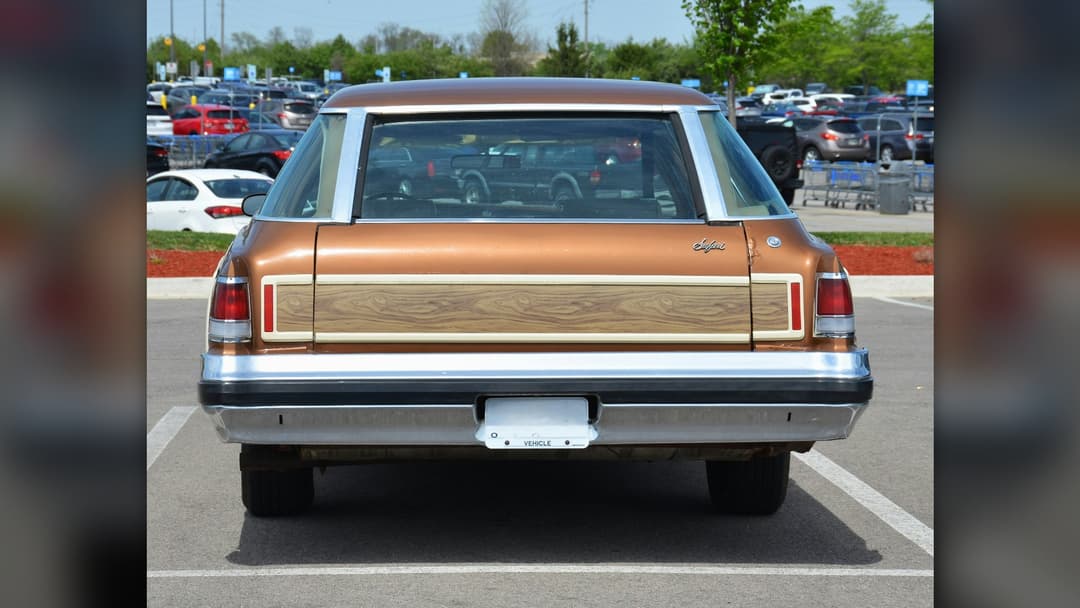
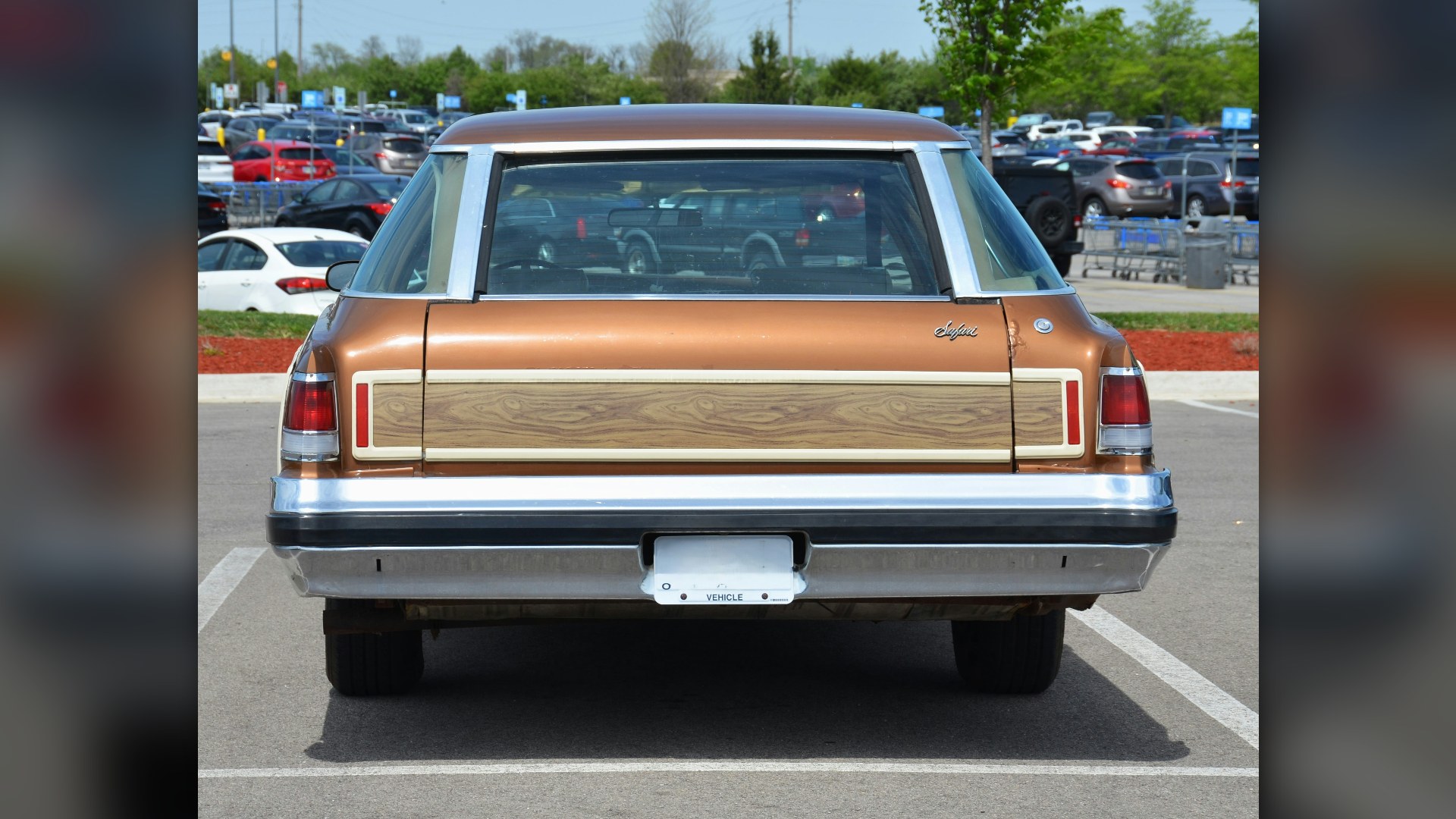
20. Riding In The Rear-Facing Seat Of A Station Wagon
The rear jump seat in family wagons like the Pontiac Grand Safari was prime territory for siblings. Facing backward with no seatbelt laws in effect, children made faces at trailing motorists, counted passing semi trucks, and signaled truckers to honk their air horns across state lines.
©Unsplash / Roger Starnes Sr
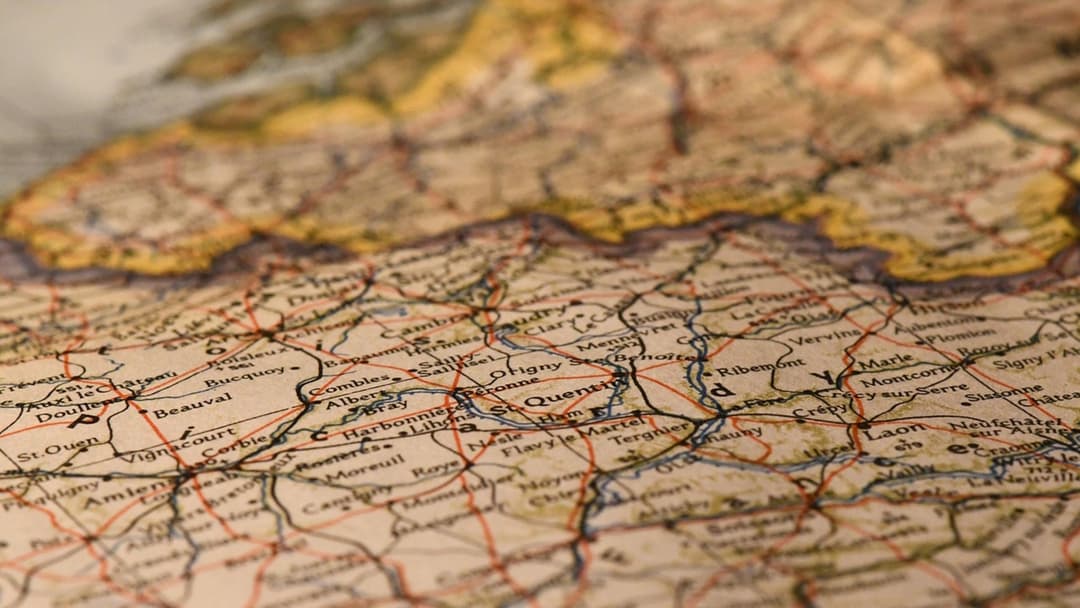
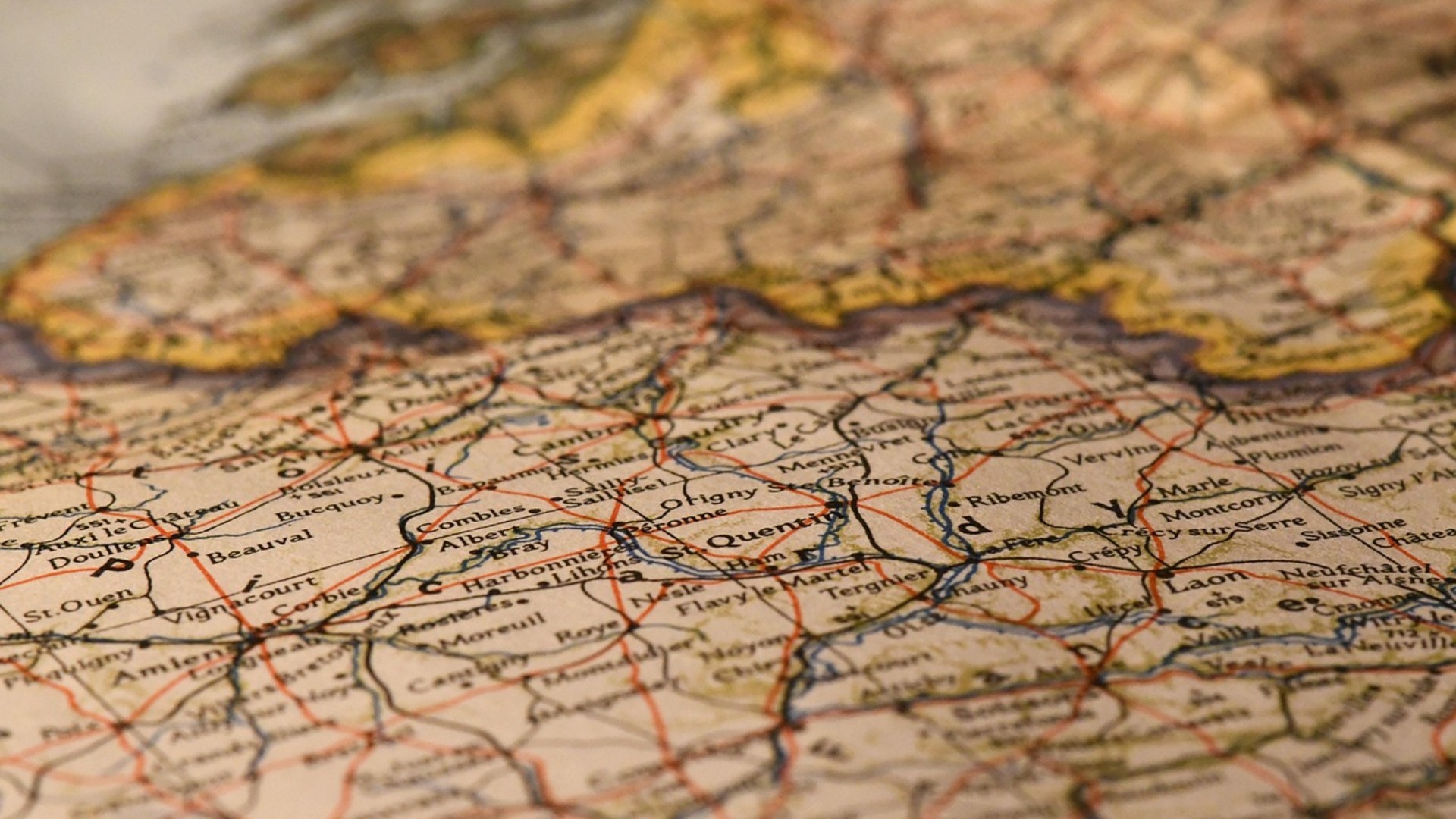
19. Navigating Highway Routes With Fold-Out Paper Maps
Before GPS and turn-by-turn phone guidance, cross-country travel depended on folding highway maps picked up at gas stations or AAA offices. Navigators traced federal route markers by hand, refolding the giant paper sheets into origami squares while trying not to block the rearview mirror.
©Pixabay / ohalso
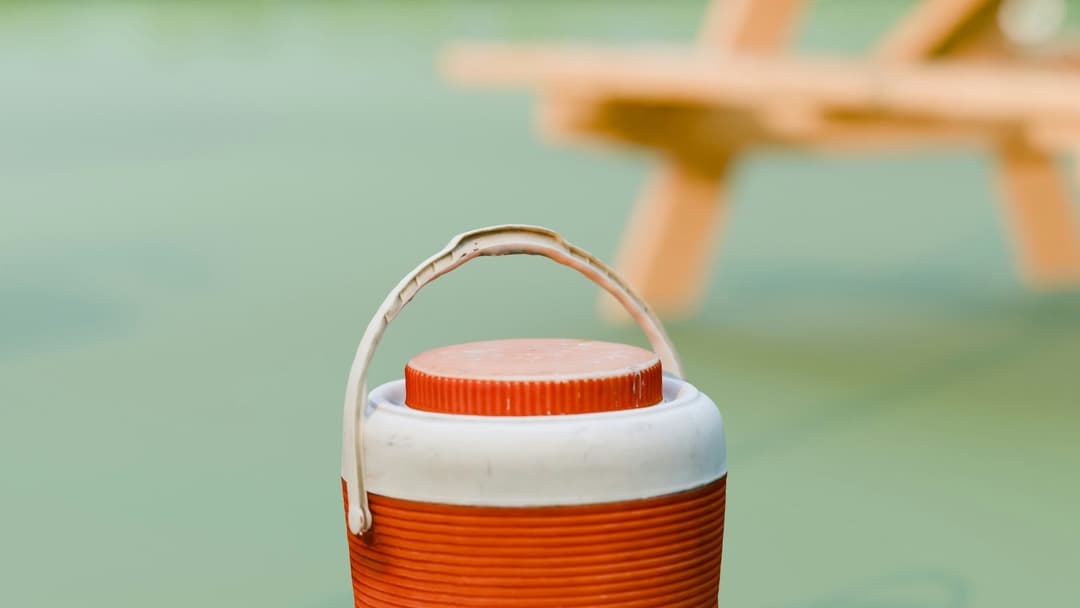
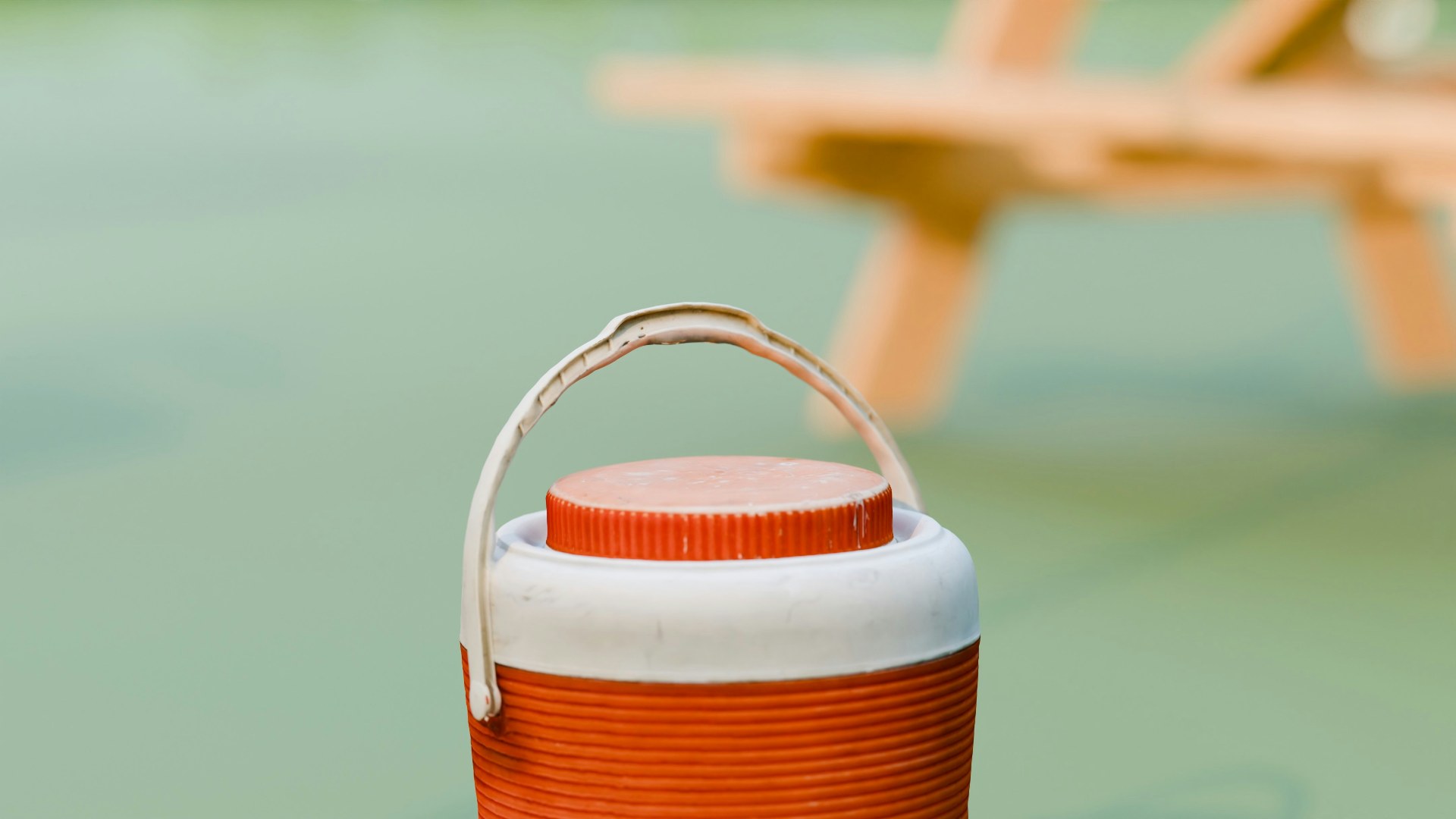
18. Packing Metal Coolers And Heavy Plaid Thermos Jugs
Family road trips rarely included drive-thru meal stops. Parents packed insulated metal coolers with bologna sandwiches, carrot sticks, and hard-boiled eggs. A heavy glass-lined thermos bottle kept iced tea or sweetened lemonade chilled for hours under the sweltering trunk lid.
©Unsplash / Brecht Corbeel
Advertisement
Swipe or tap ▶ to resume the countdown.
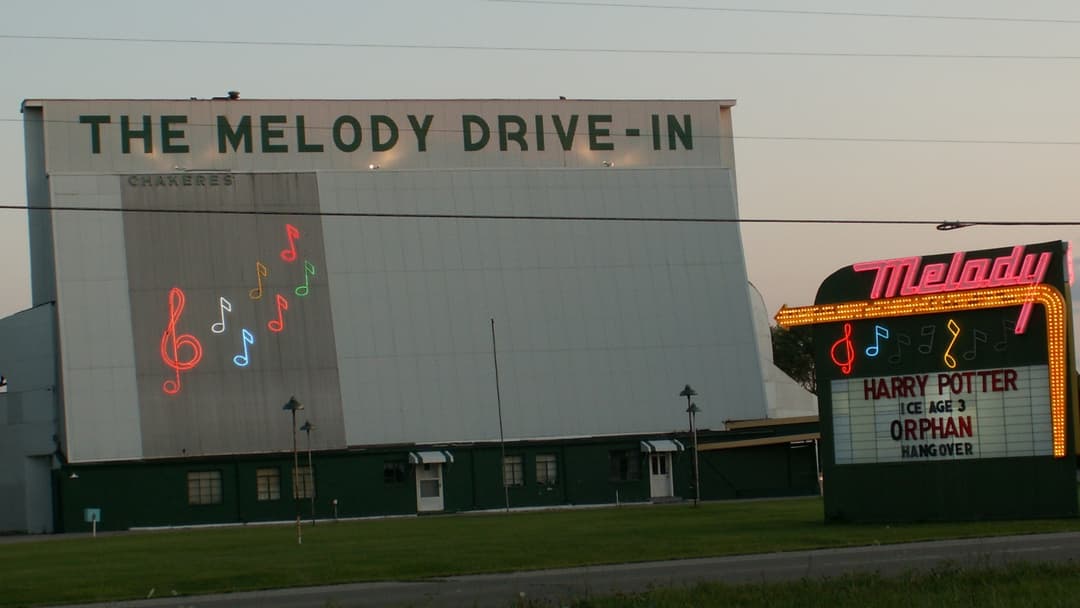
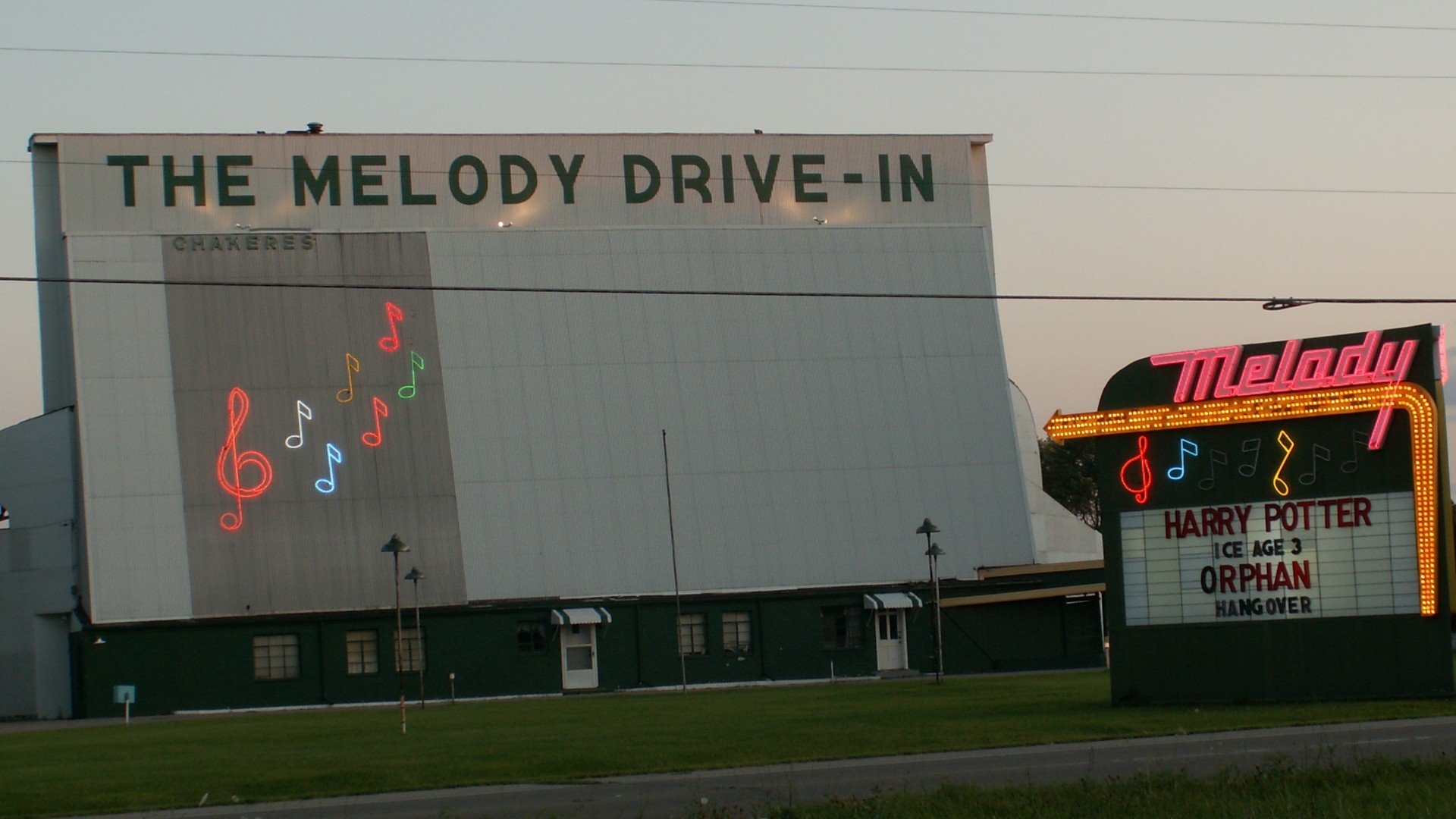
17. Catching Evening Double Features At Drive-In Theaters
Summer evenings after a long day of driving often ended at a rural drive-in theater. Kids in pajamas climbed onto hoods or watched from station wagon tailgates while heavy metal speakers crackled with dialogue. A trip to the glowing snack bar for buttered popcorn completed the night.
©Wikimedia / Cindy Funk
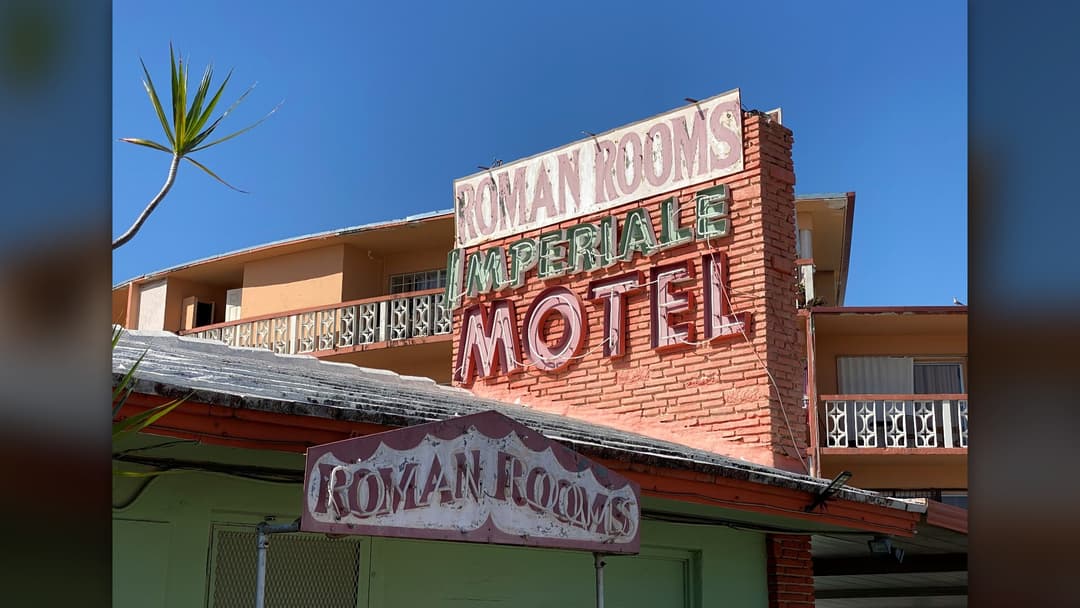
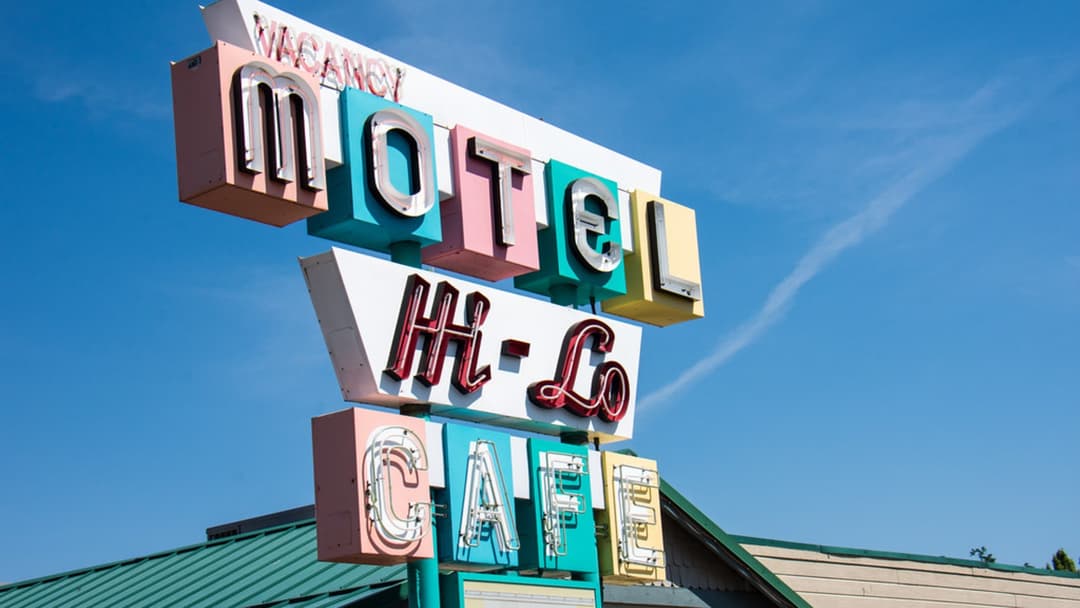
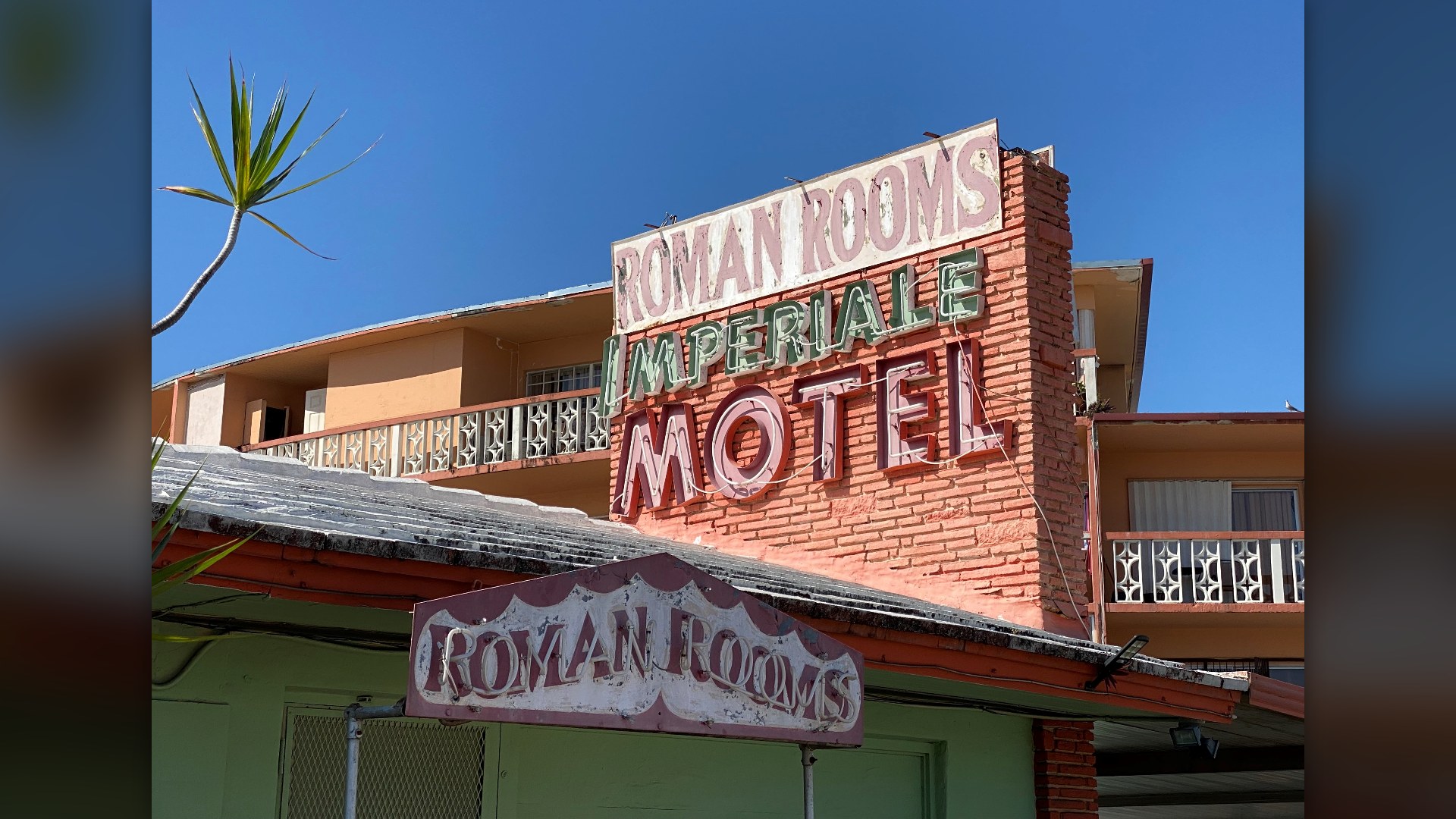
16. Staying At Roadside Motels With Magic Fingers Beds
Motor courts and highway motels competed for vacationing families with glowing neon vacancy signs and color televisions. Rooms frequently featured the famous Magic Fingers coin-operated vibrating bed units. Feeding twenty-five cents into the metal bedside box delivered fifteen minutes of buzzing novelty.
©Wikimedia / Phillip Pessar
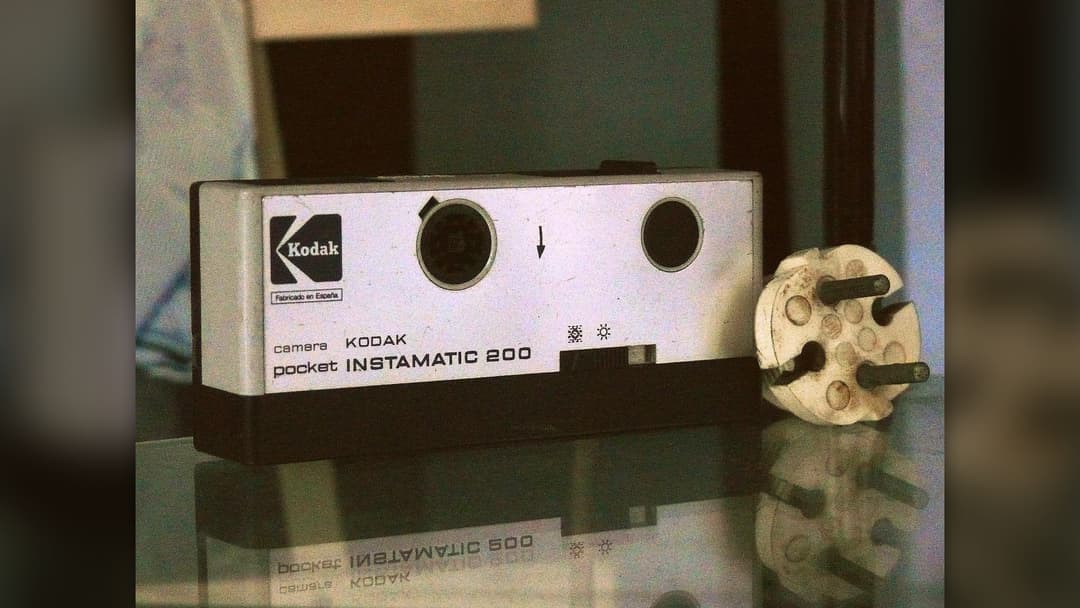
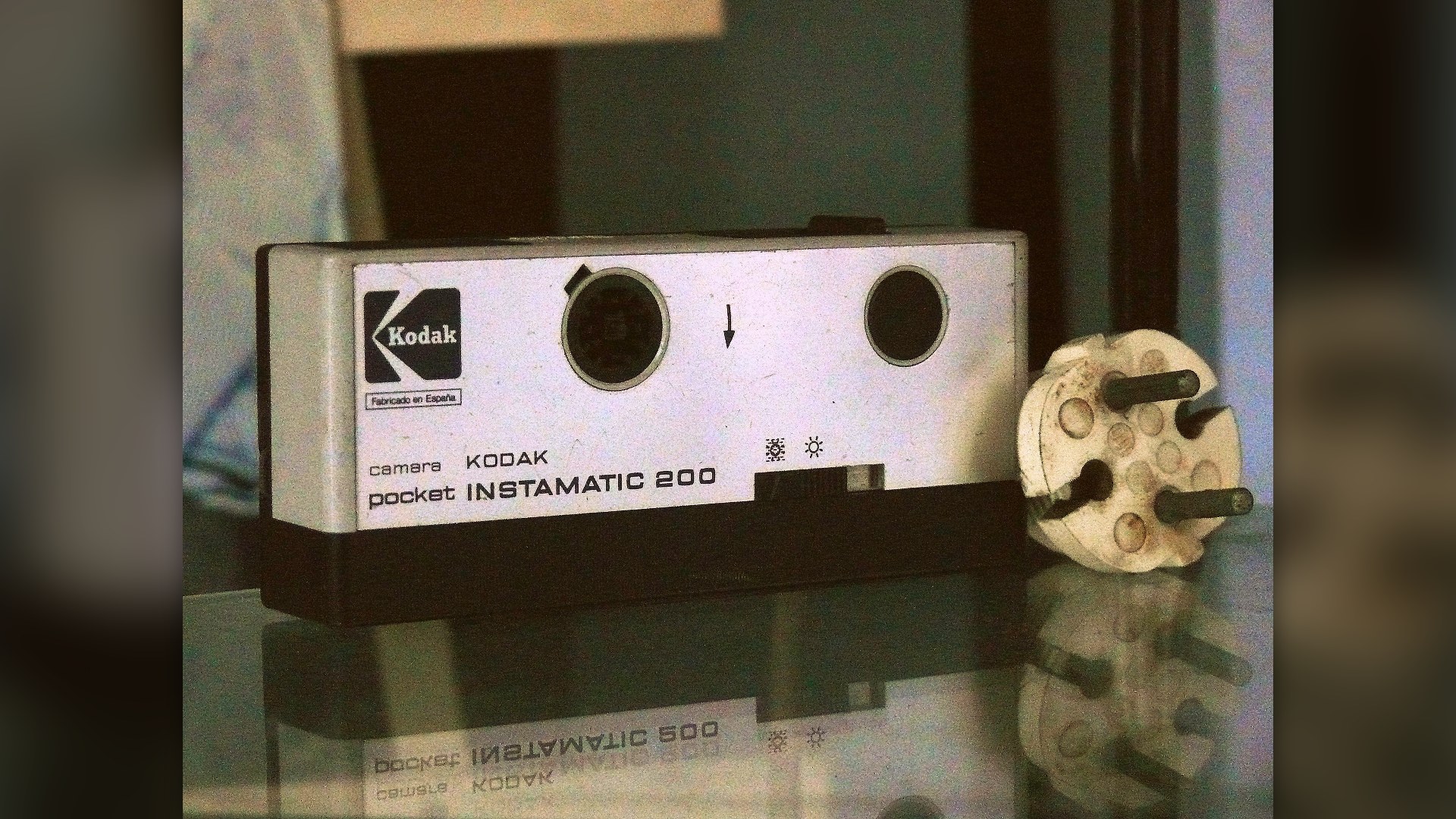
15. Snapping Family Memories On Kodak Instamatic Cameras
Vacation photography relied on the square Kodak Instamatic loaded with 126 cartridge film. Every shot required a rotating four-sided flashcube that melted slightly with each brilliant pop. Families waited days or weeks after arriving home to pick up prints at the neighborhood drugstore photo counter.
©Wikimedia / DELAVILLE
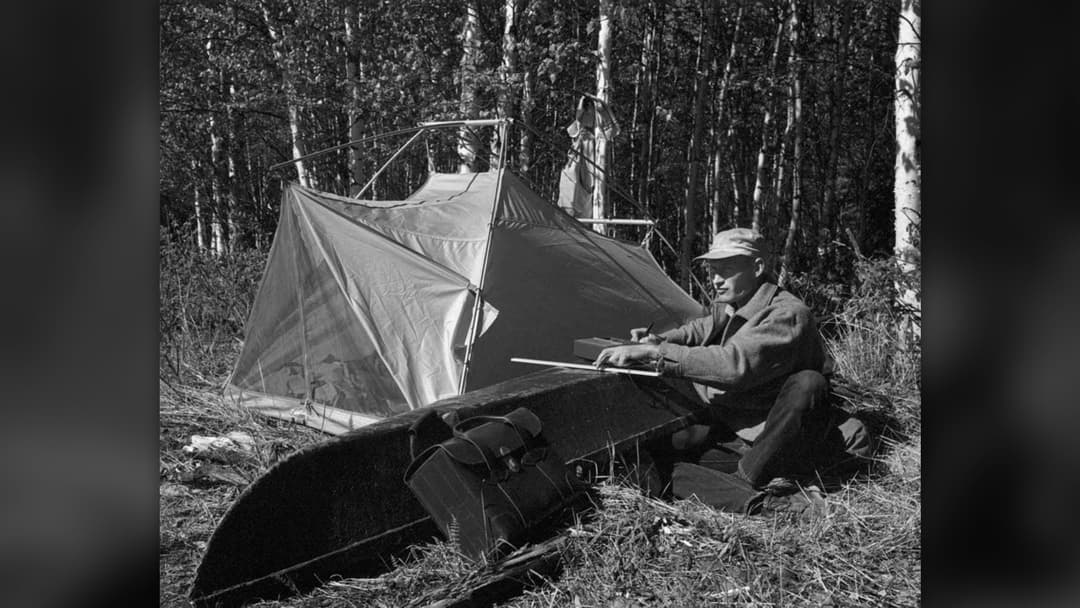
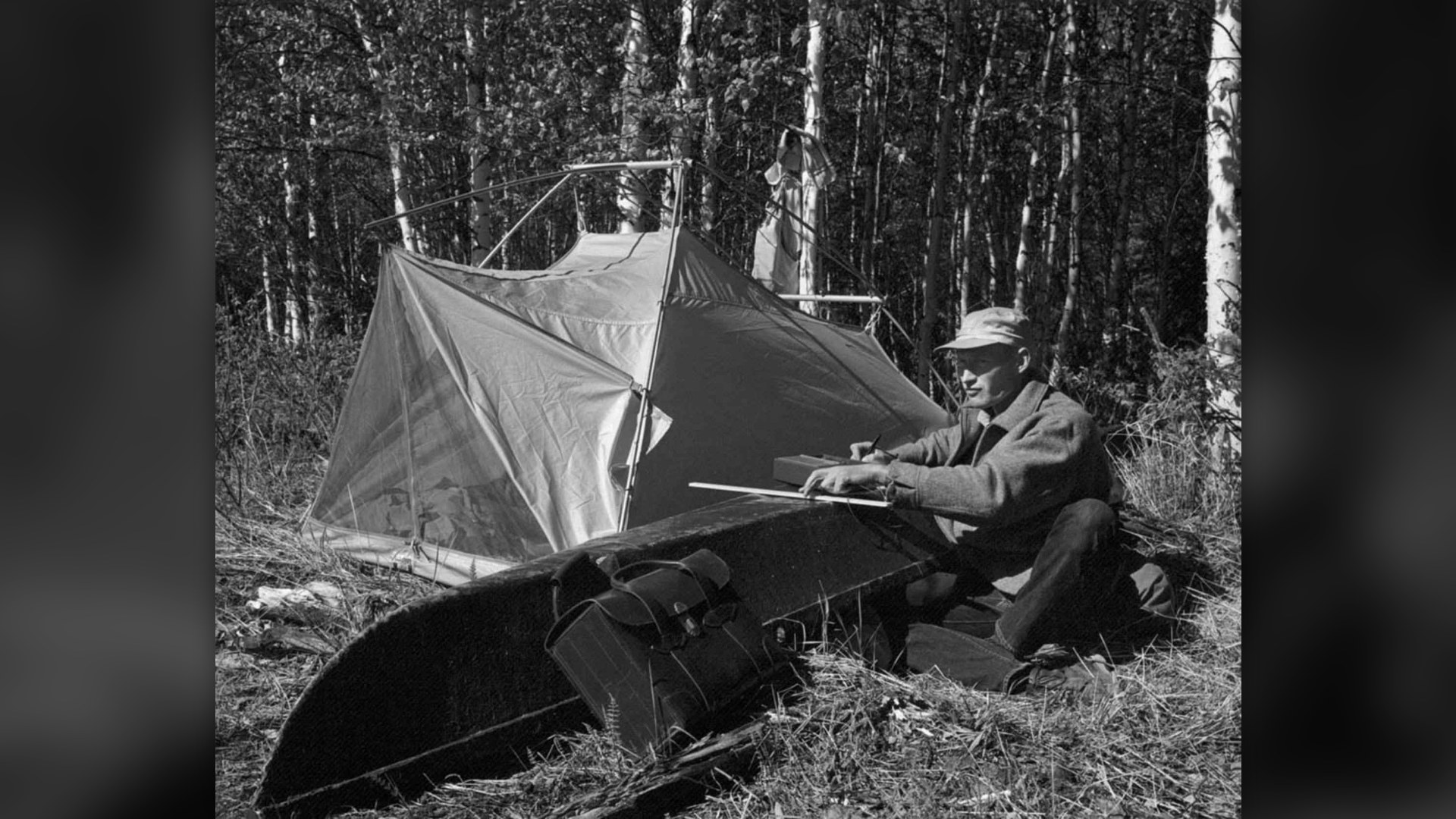
14. Pitching Heavy Canvas Tents At Family Campgrounds
Affordable family lodging often meant booking a dirt campsite at state parks or private campgrounds. Pitching a treated canvas cabin tent required heavy metal poles, thick guy ropes, and wooden mallets. The smell of damp canvas and morning campfire pine smoke became the signature fragrance of summer.
©Wikimedia / Charles D. Evans
Advertisement
Swipe or tap ▶ to resume the countdown.
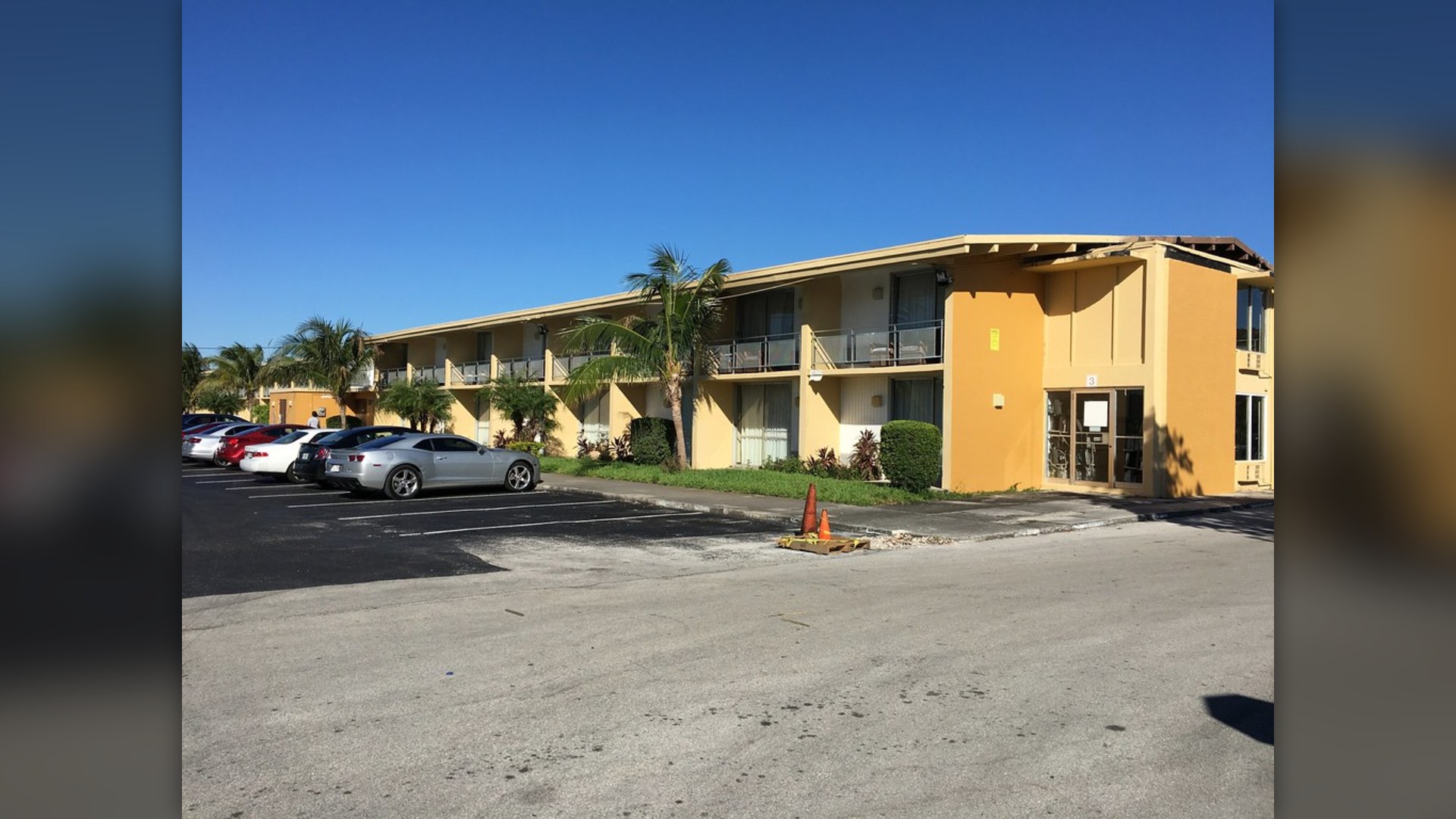
13. Dining Under Orange Roofs At Howard Johnson Lodges
The beacon for 1970s highway dining was the bright orange porcelain-tile roof and blue cupola of Howard Johnson. Motorists pulled off turnpikes for fried clams, frankforts on butter-toasted rolls, and scoops of peppermint stick ice cream from the iconic twenty-eight flavor roster.
©Openverse / Phillip Pessar
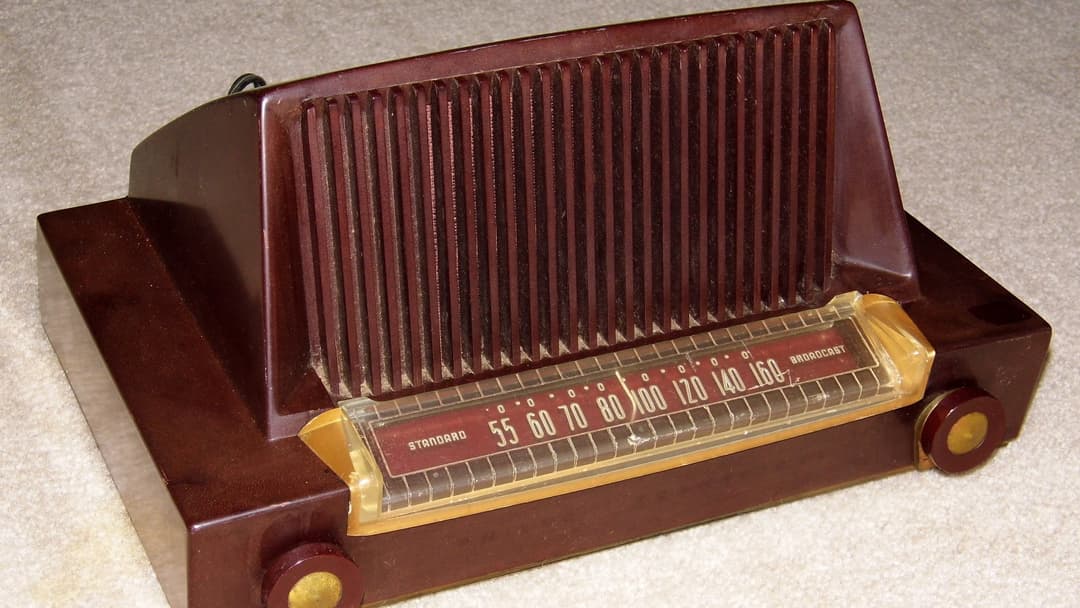
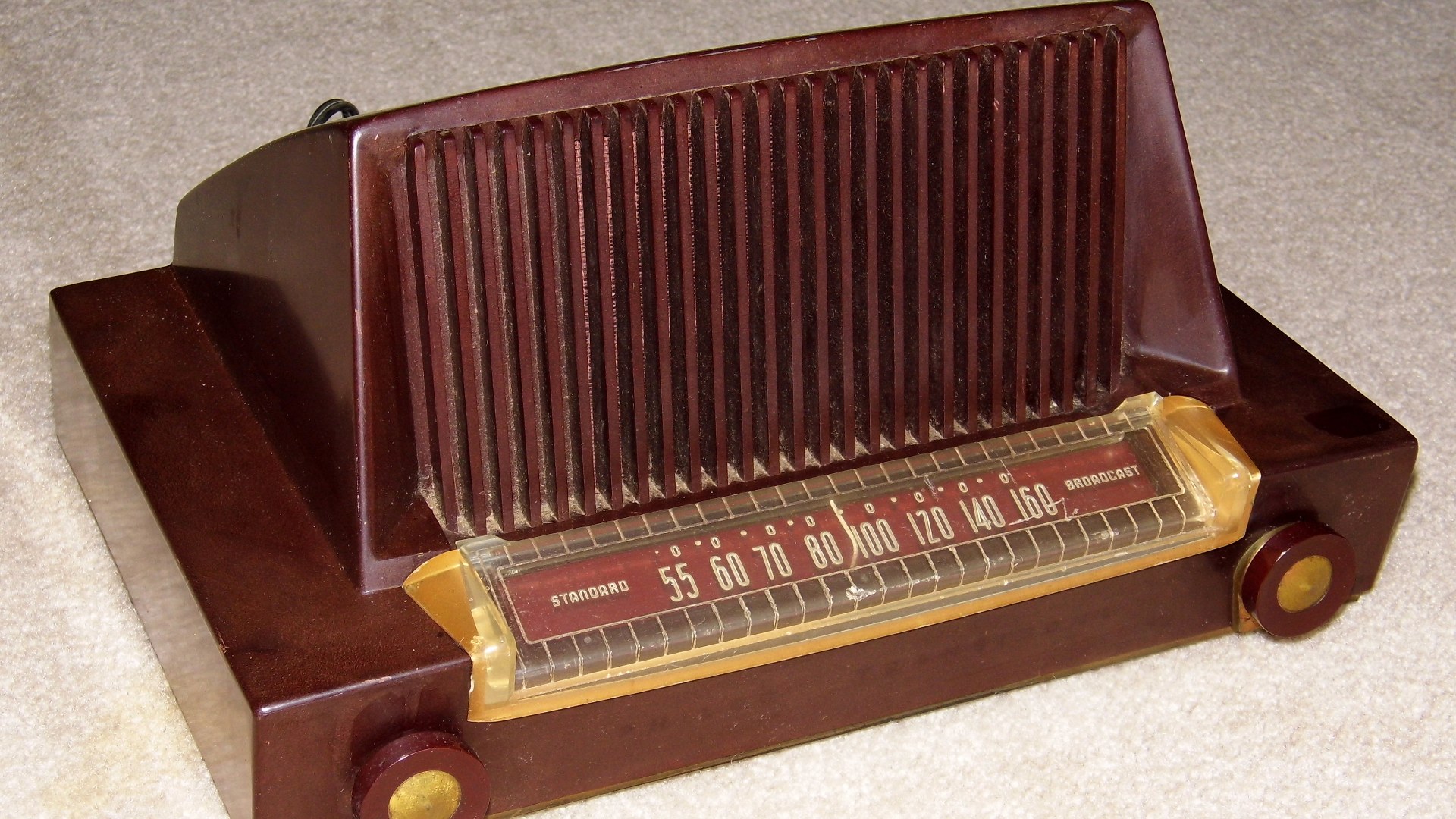
12. Tuning Into Local AM Radio Stations Across State Lines
With cassette decks still uncommon in family cars, dashboard AM radios provided the soundtrack to long highway stretches. As vehicles crossed county borders, local broadcast signals faded into crackling static, prompting parents and teenagers to scan the dial for regional pop hits and radar reports.
©Wikimedia / Joe Haupt
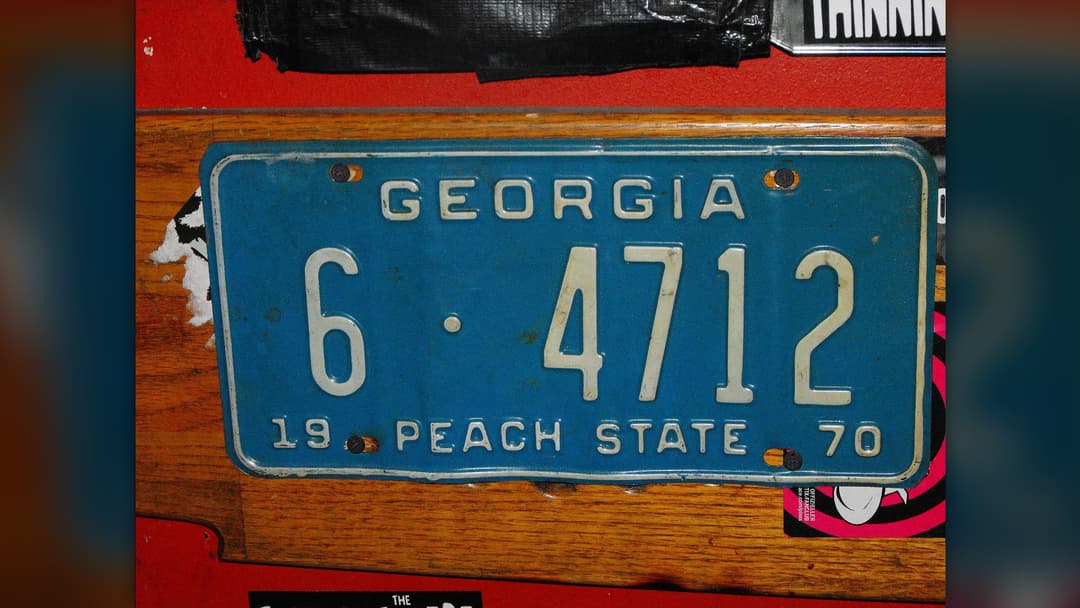
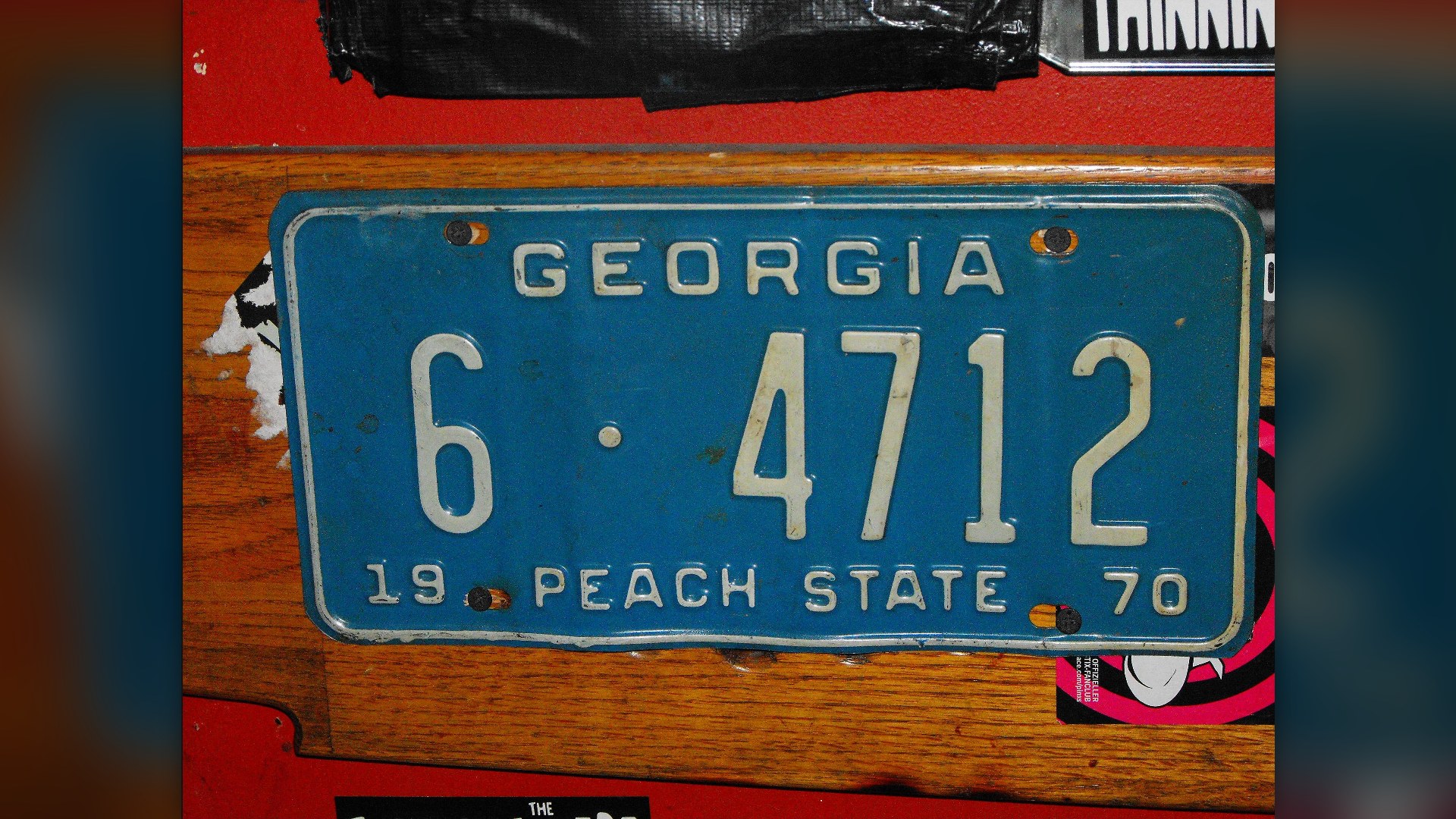
11. Playing The License Plate Road Trip Game In The Backseat
To survive hours on the highway without handheld video games, kids logged passing license plates on yellow legal pads or printed travel bingo cards. Spotting a distant Hawaii or Alaska plate elicited cheers, sparking debates among backseat passengers over whether parked cars counted.
©Wikimedia / The Eyes Of New York
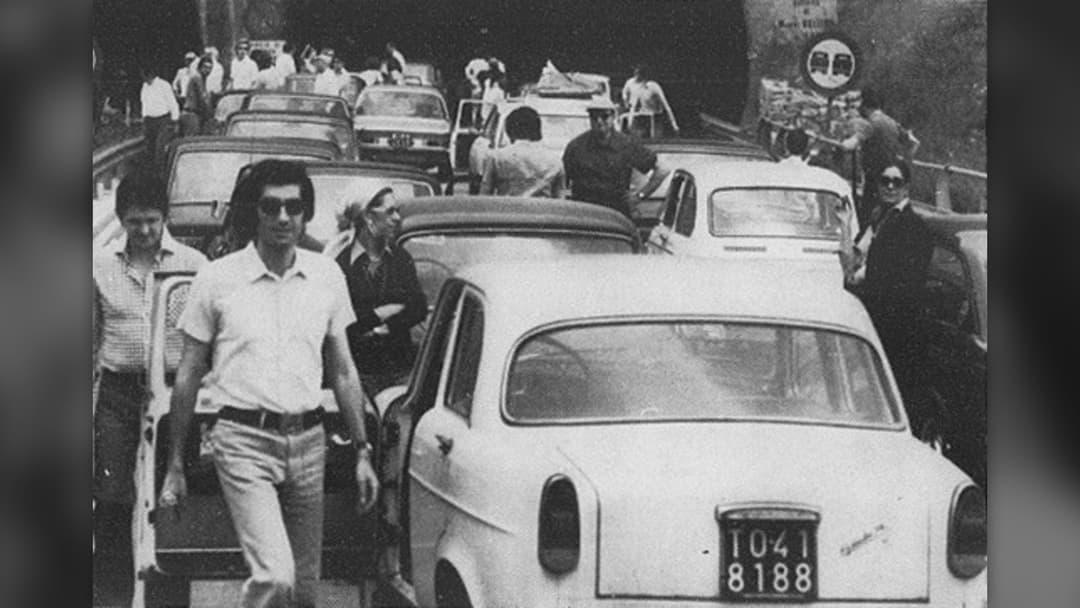
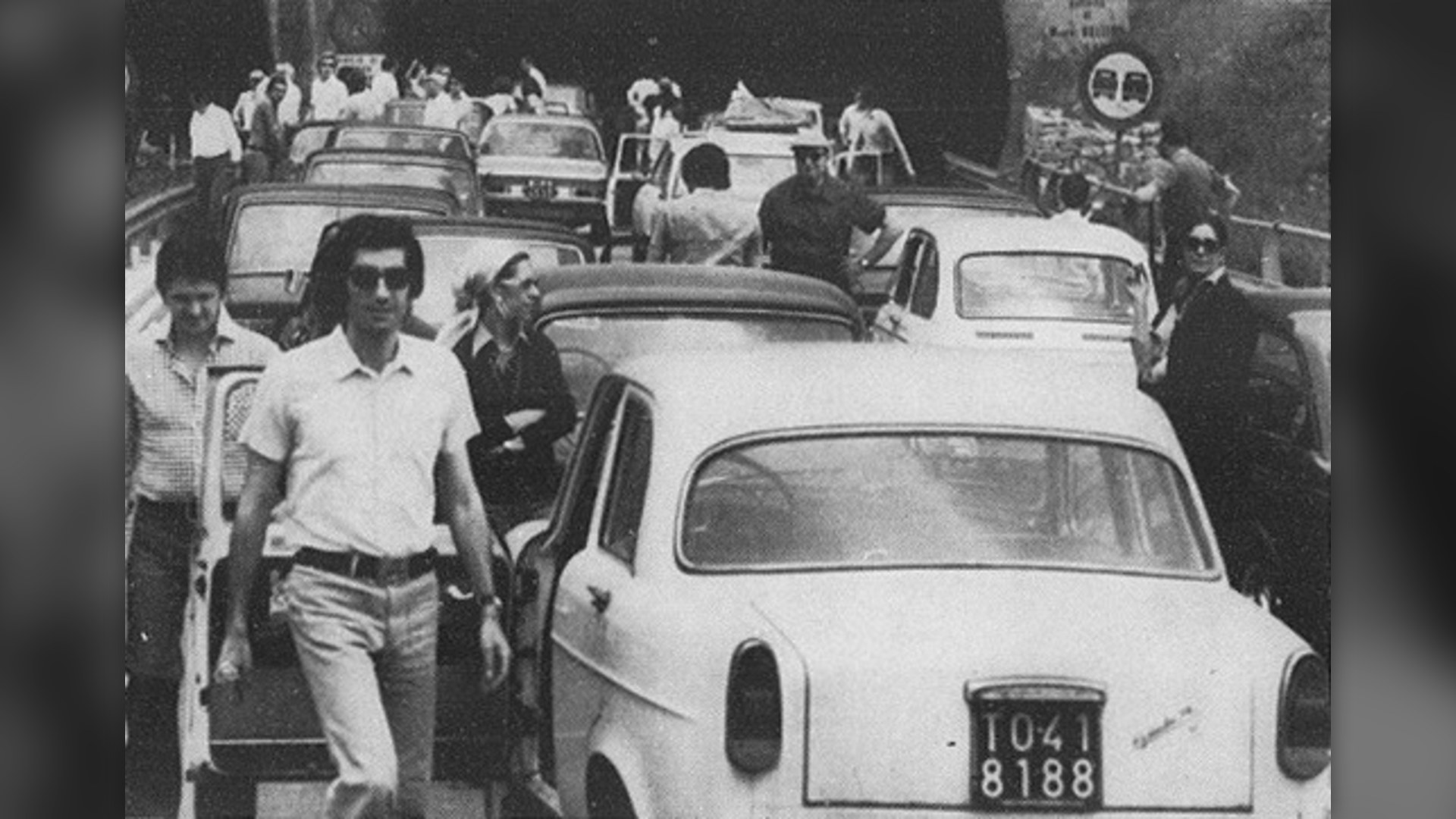
10. Driving With All Four Windows Rolled Down For Air
Automotive air conditioning was an expensive add-on in the 1970s, so many family sedans used sixty-mile-per-hour natural breeze cooling. With four crank windows down and triangular front vent wings tilted open, wind blasted through the cabin, whipping hair and rustling road maps for hours.
©Wikimedia / Foto Moisio
Advertisement
Swipe or tap ▶ to resume the countdown.
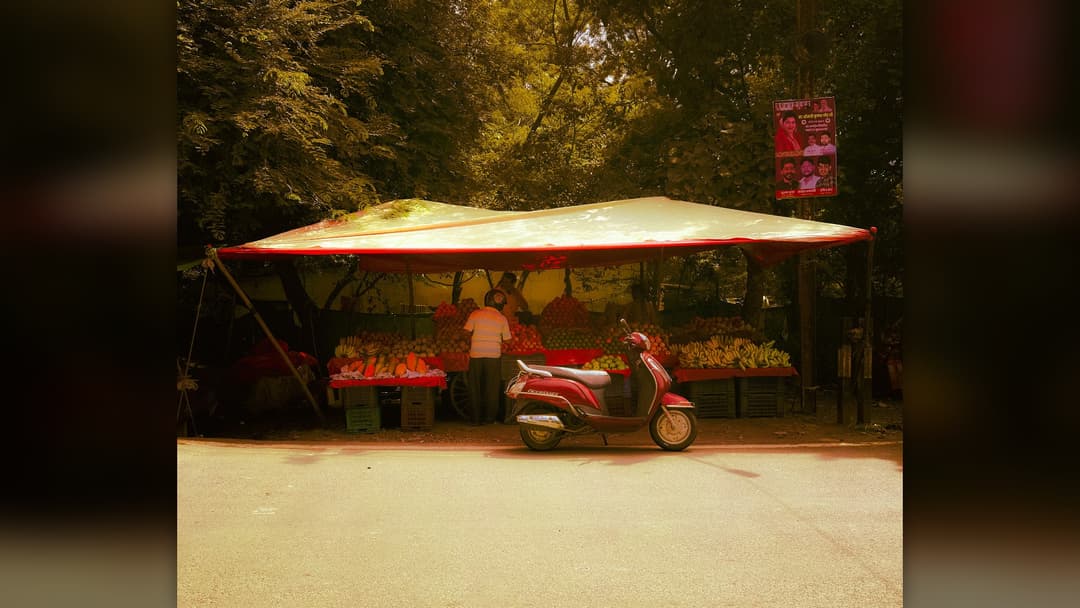
9. Stopping At Roadside Fruit Stands And Cider Mills
Two-lane country highways were dotted with independent farm stands and wooden produce shacks. Families stopped to stretch their legs and buy baskets of fresh Georgia peaches, Michigan cherries, or crisp cider. These informal pit stops broke up grueling drives with sweet local treats.
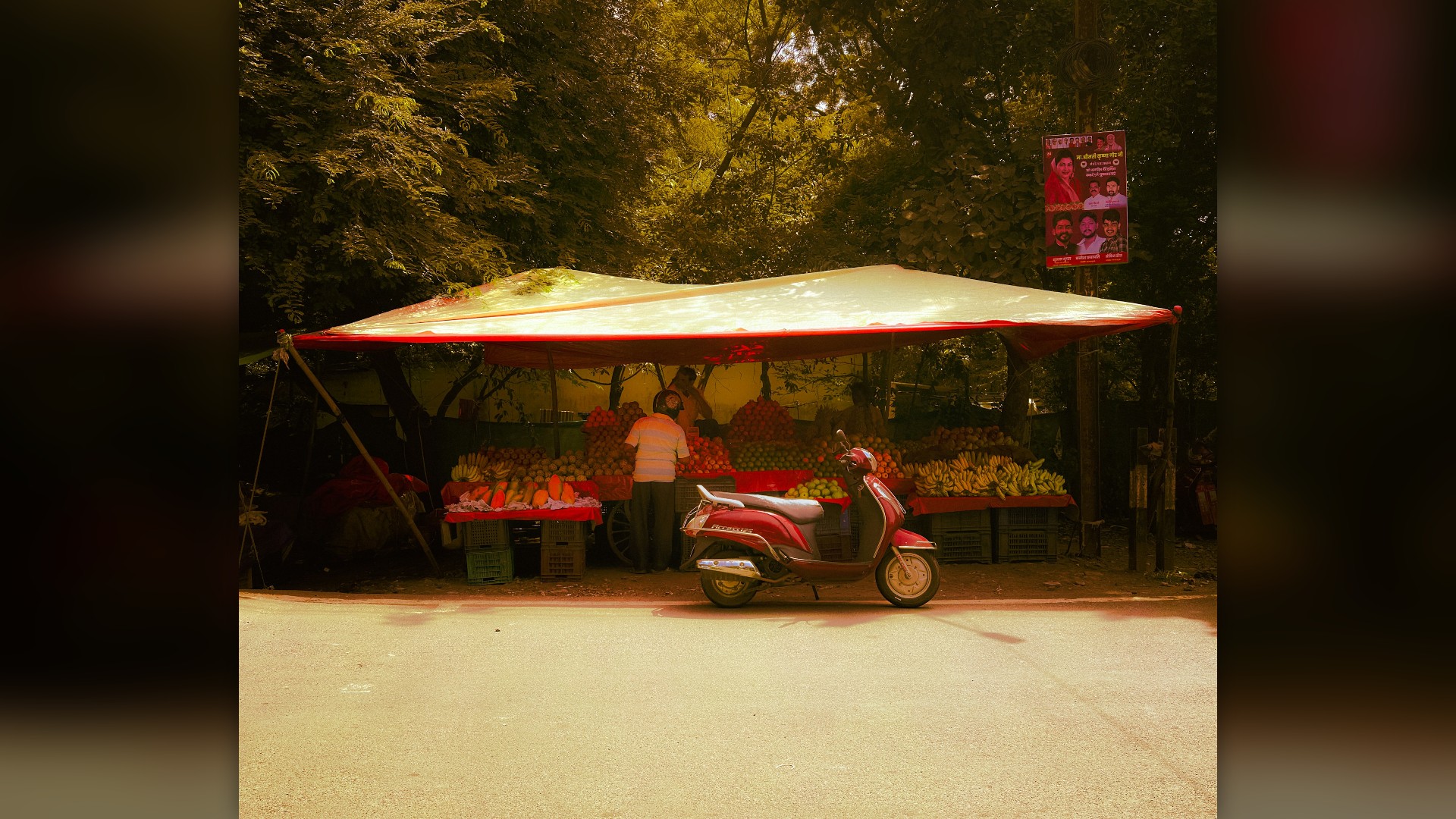
© Photo by Divyansh Dwivedi on Unsplash
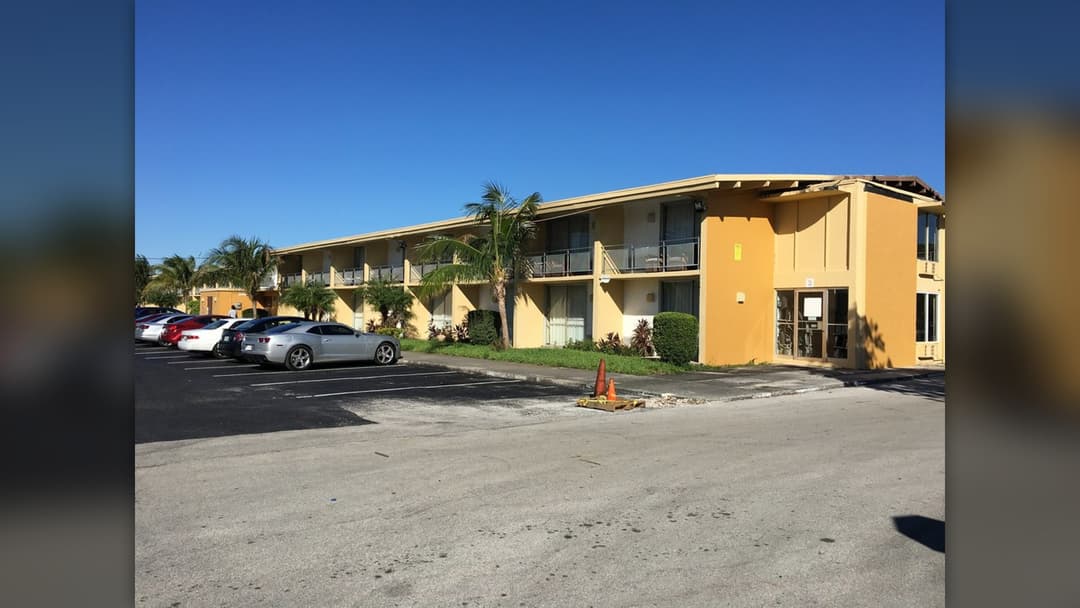
8. Swimming In Chlorine-Soaked Motel Courtyard Pools
After eight hours trapped on vinyl car seats, nothing matched the excitement of seeing a sparkling rectangular pool in a motel courtyard. Kids put on bathing suits and leaped into the deep end under poolside floodlights while parents relaxed on webbed aluminum lawn chairs nearby.
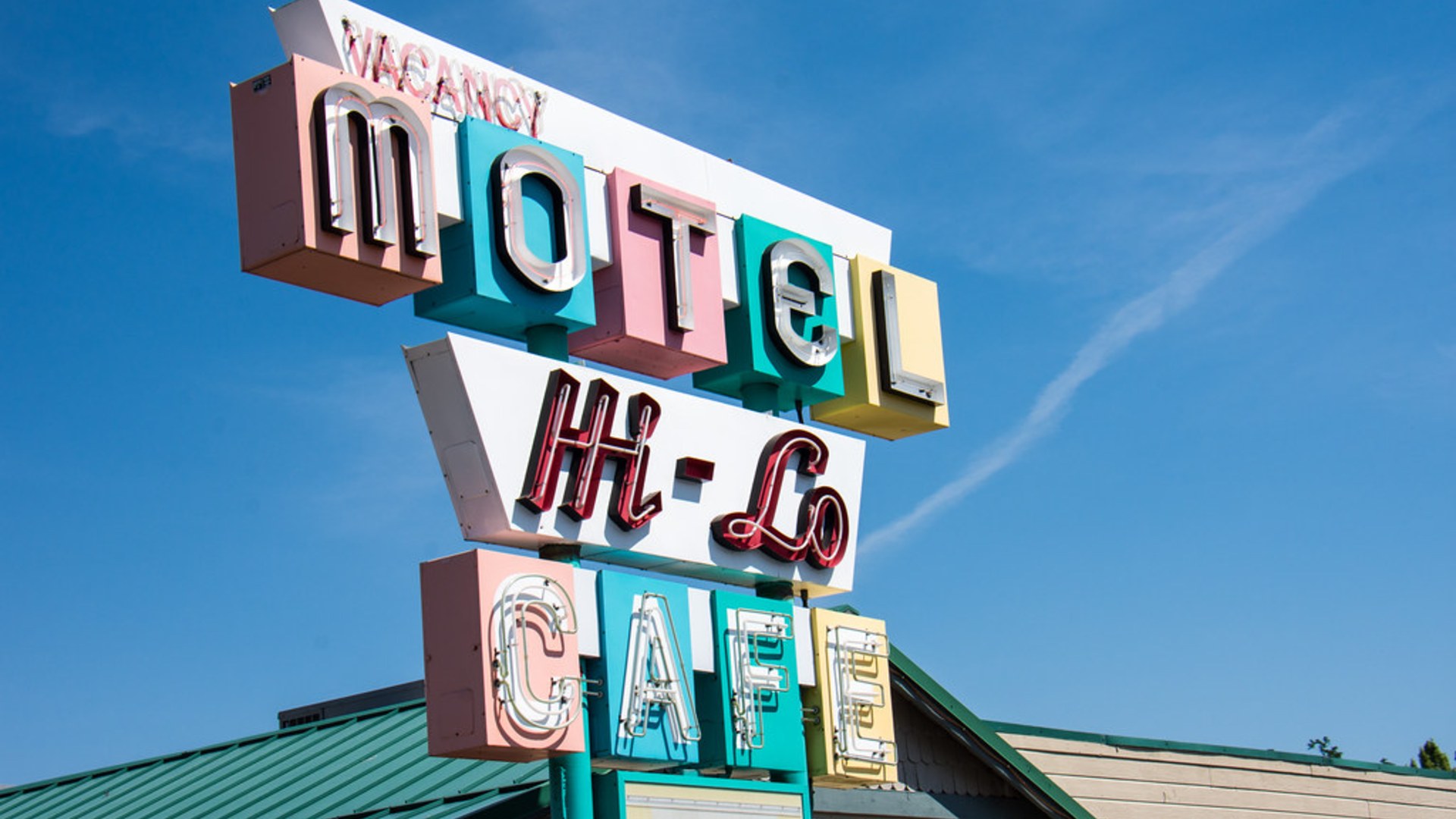
©Openverse / m01229
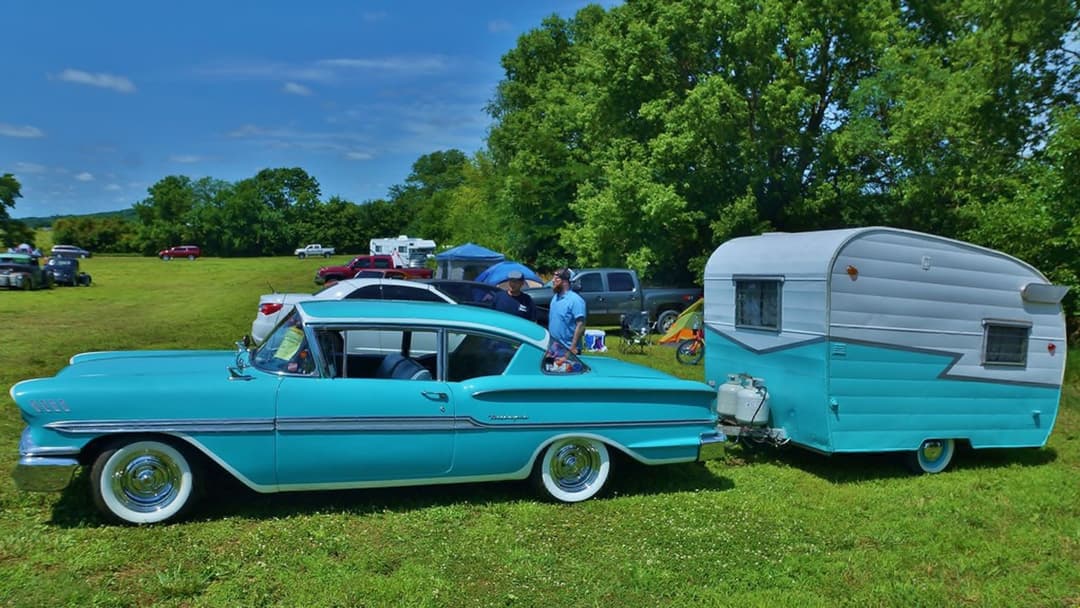
7. Towing Pop-Up Tent Trailers Behind The Family Car
Campers like Coleman and Starcraft pop-up tent trailers brought bedroom comfort to national parks without the high cost of a motorhome. Fathers unlatched the metal top and turned the hand crank to raise canvas walls, sliding out bunk mattresses while children set up folding card tables.
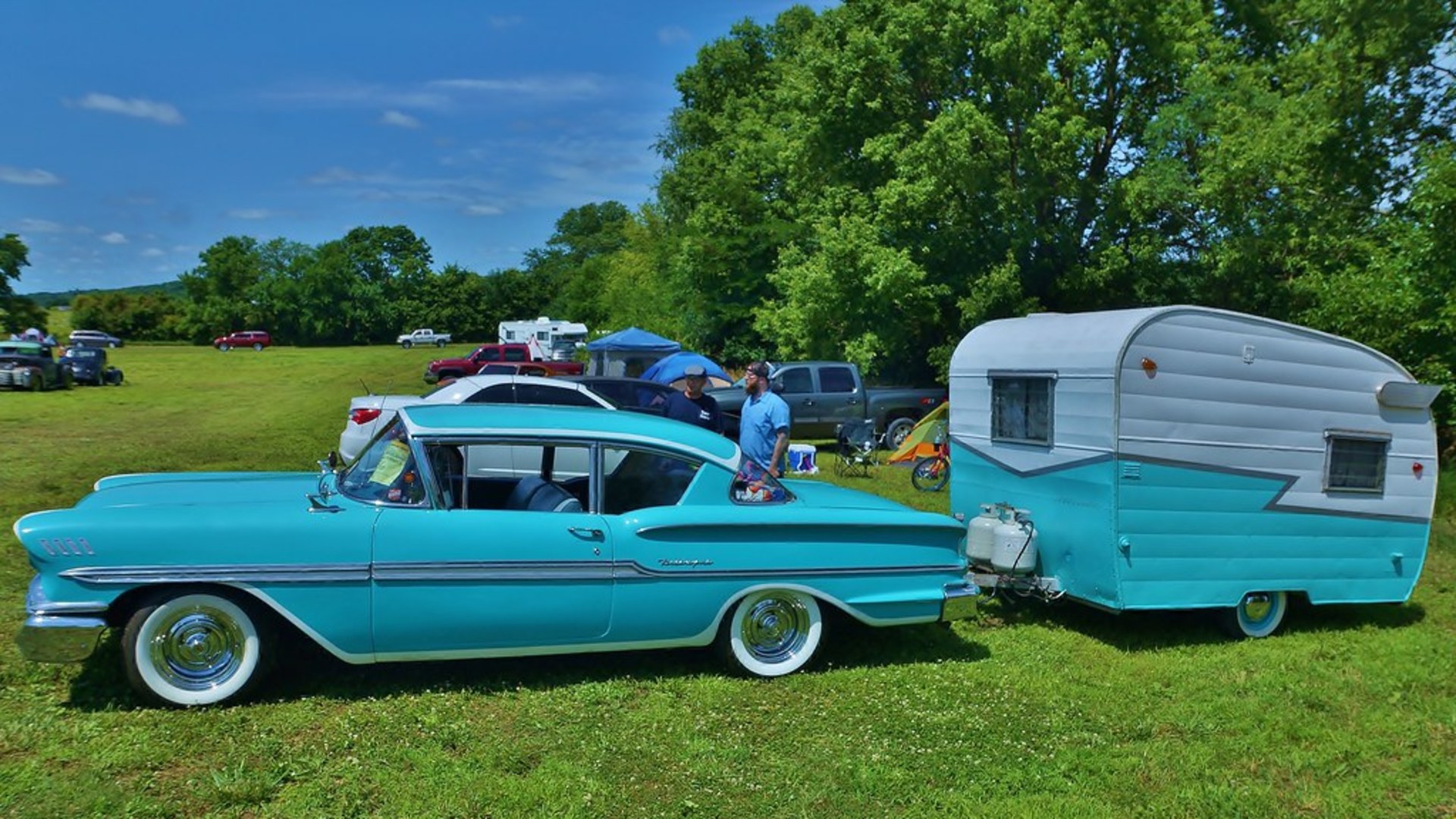
©Openverse / chumlee10
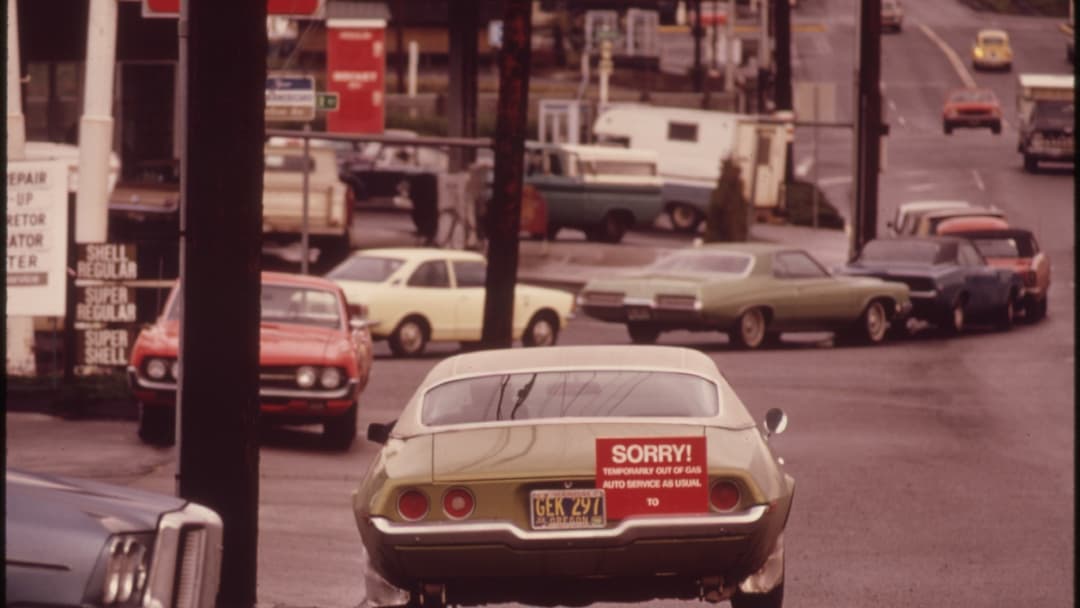
6. Waiting In Line At Gas Stations During Fuel Shortages
The 1973 and 1979 energy crises turned routine refueling into a major vacation hurdle. States instituted odd-even rationing based on the last digit of license plates, forcing motorists to line up around city blocks at dawn. Families carefully planned routes around open pumps and reduced highway speed limits.
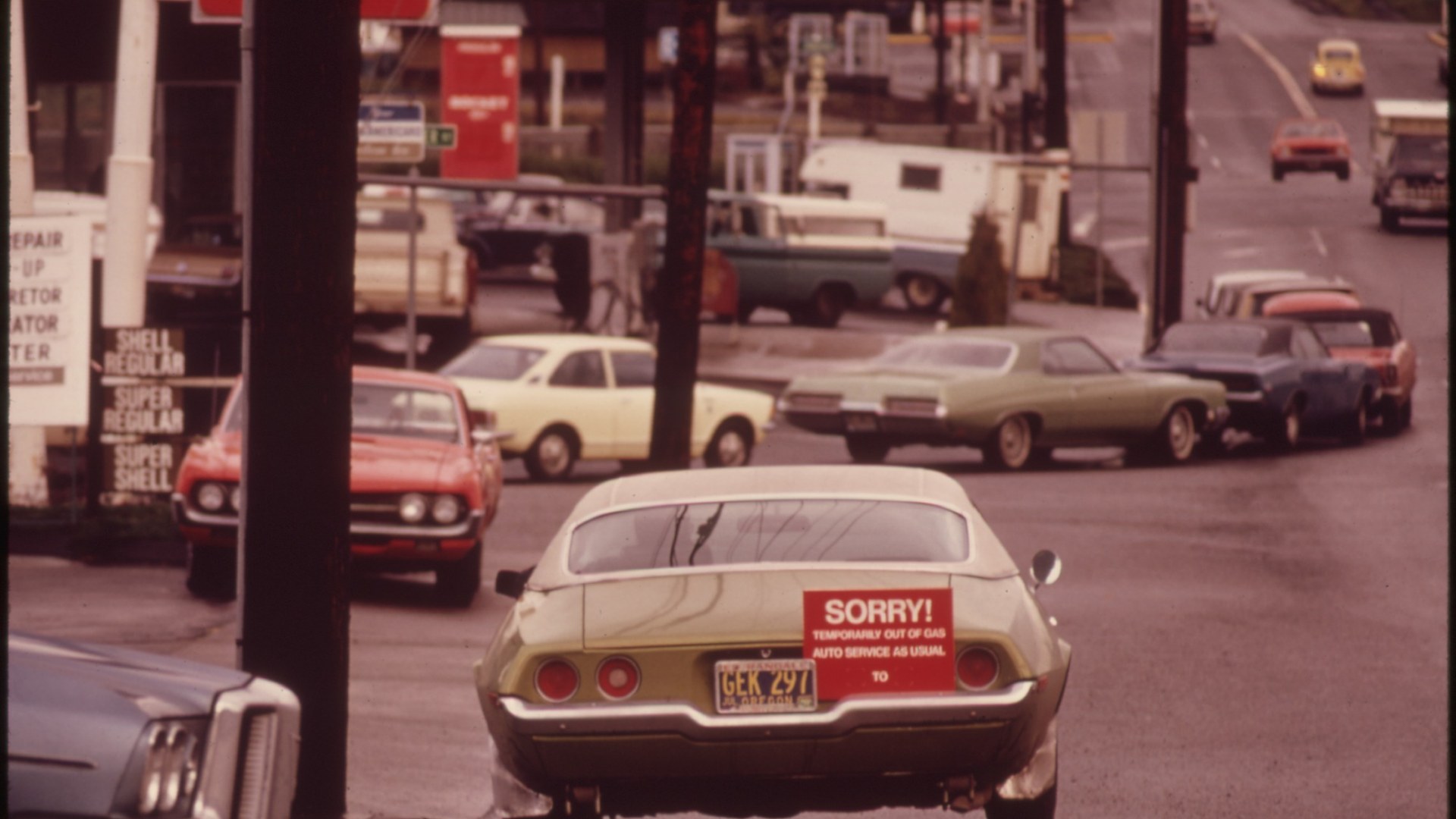
©Wikimedia / David Falconer
Advertisement
Swipe or tap ▶ to resume the countdown.
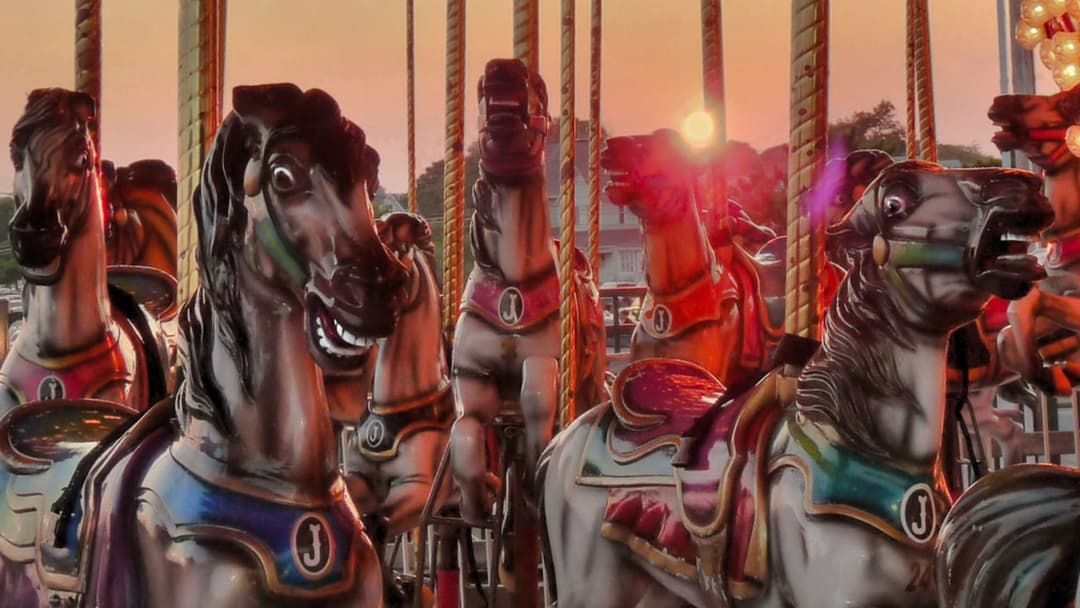
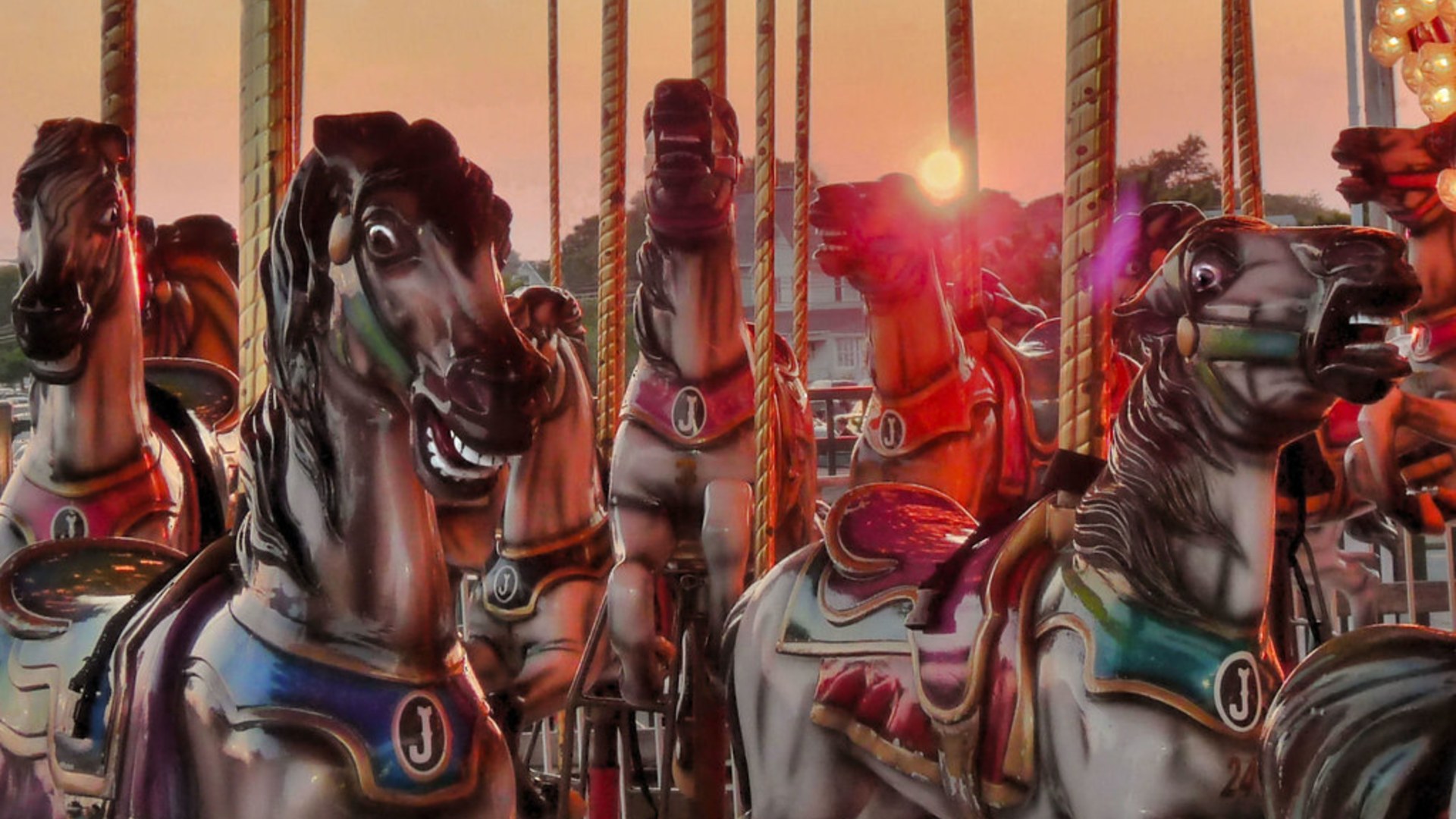
5. Strolling Wooden Ocean Boardwalks And Amusement Piers
Summer coastal vacations revolved around historic wooden boardwalks in New Jersey, Maryland, California, and Florida. Families strolled past saltwater taffy pullers, skee-ball arcades, and neon-lit midway attractions, finishing the evening riding historic wooden roller coasters beside the ocean.
©Openverse / joiseyshowaa
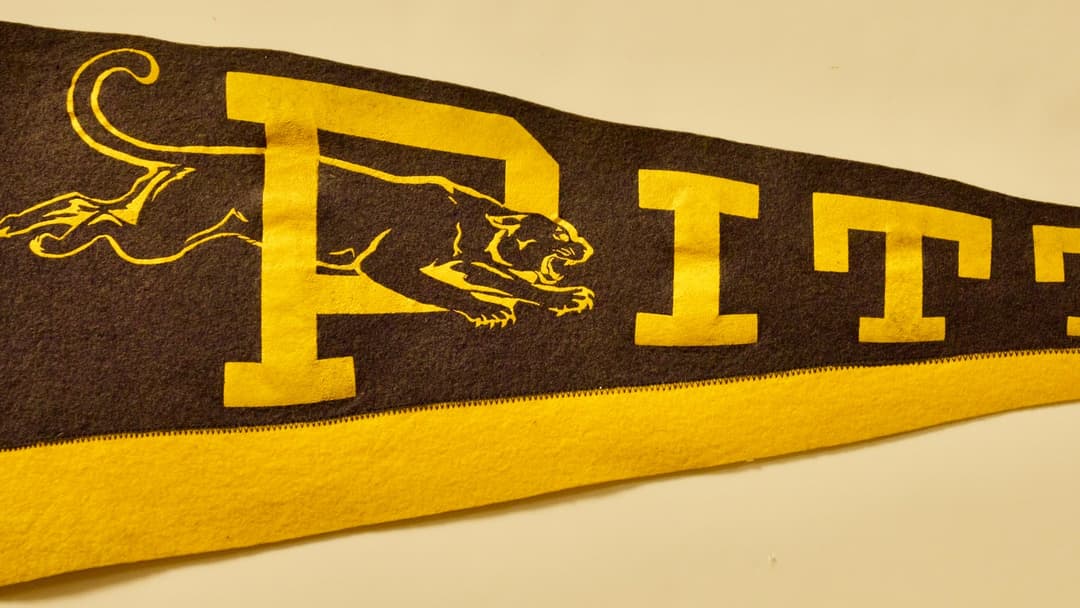
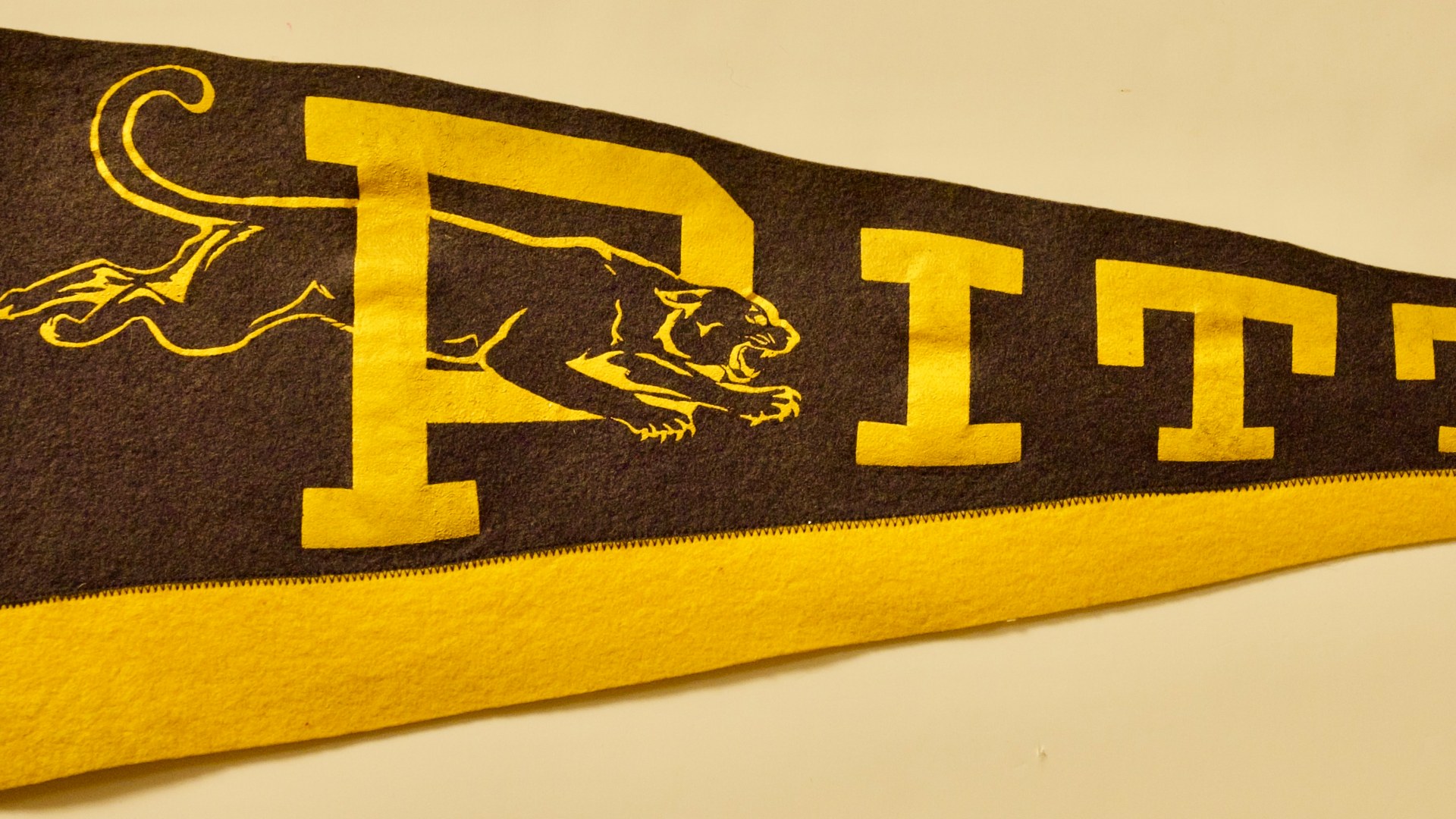
4. Collecting Travel Pennants And Bumper Decals
Every state park, cavern, and tourist attraction sold colorful triangular felt pennants and peel-and-stick bumper decals. Kids decorated bedroom walls with banners from South of the Border or Lookout Mountain, while rear station wagon bumpers became travel collages of visited states.
©Openverse / Pittalum
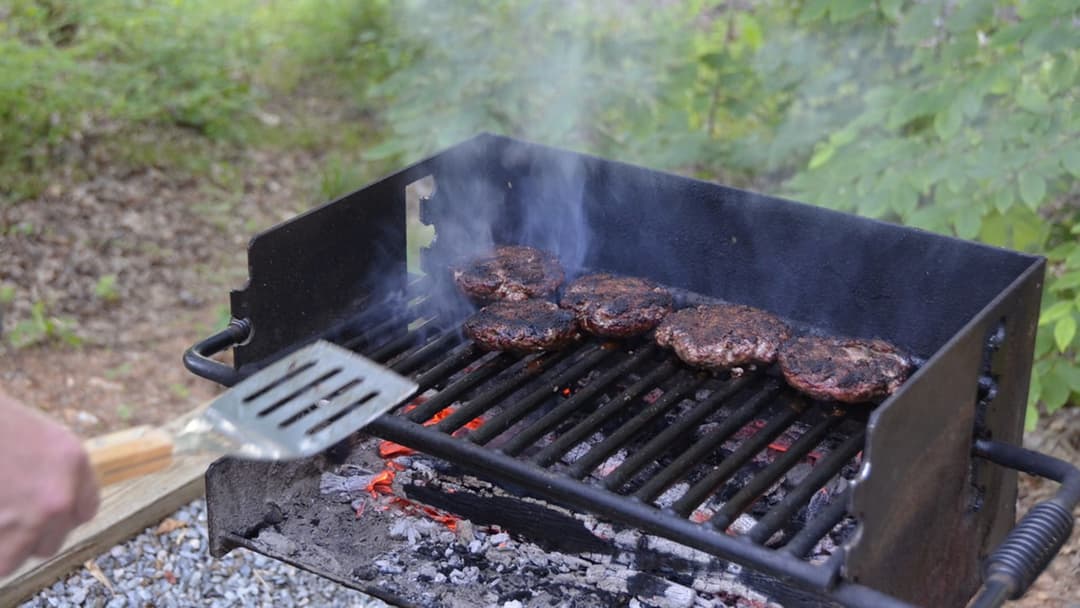
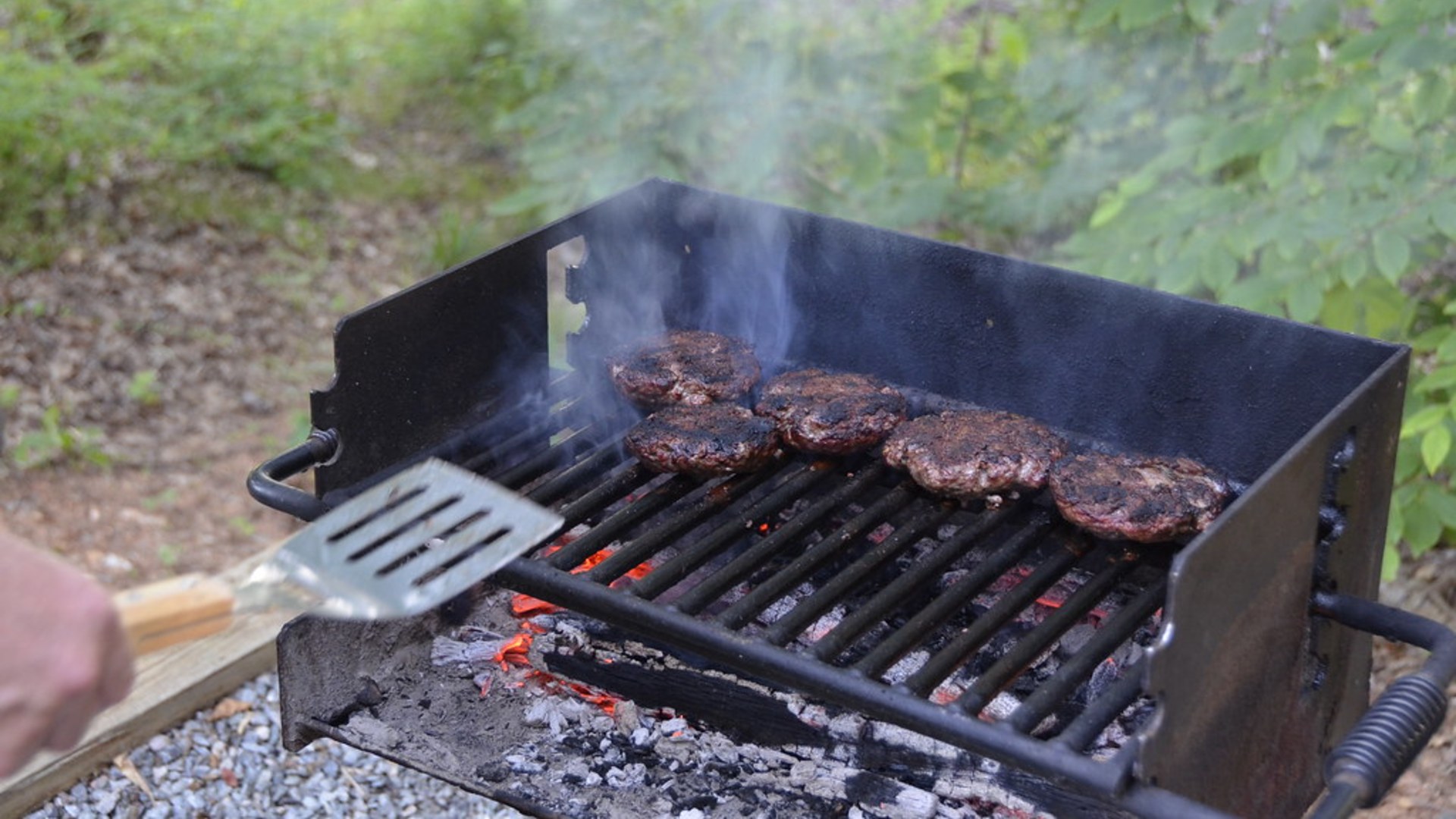
3. Grilling Hot Dogs On Cast-Iron Park Charcoal Stoves
Highway rest areas and municipal parks featured heavy cast-iron charcoal grills cemented into the ground beside wooden picnic tables. Families stopped along long journeys to light charcoal briquettes and grill hot dogs and hamburgers, creating a memorable outdoor cookout on a modest budget.
©Openverse / vastateparksstaff
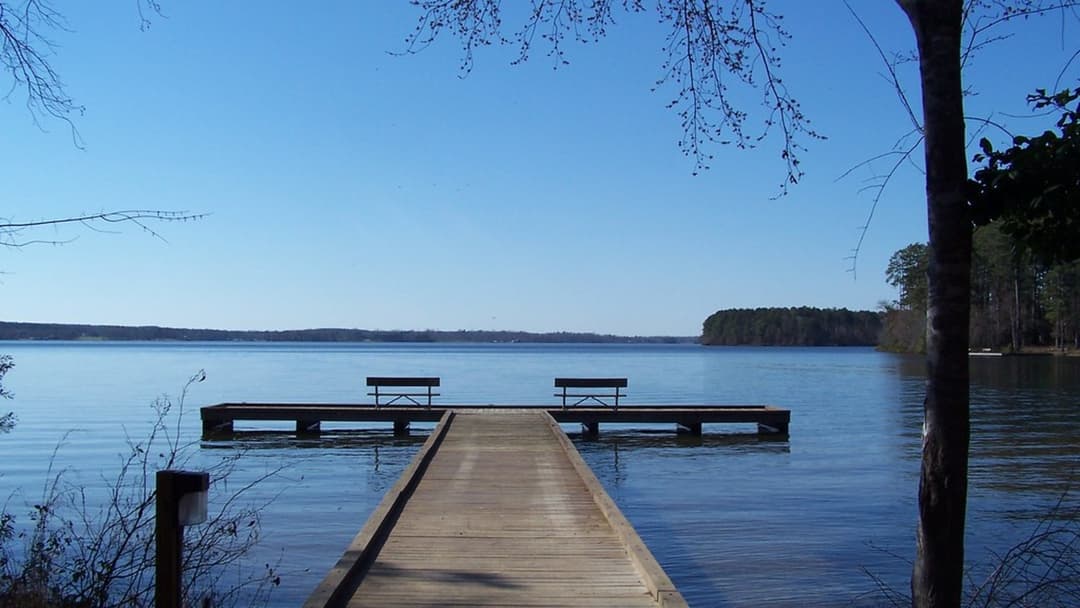
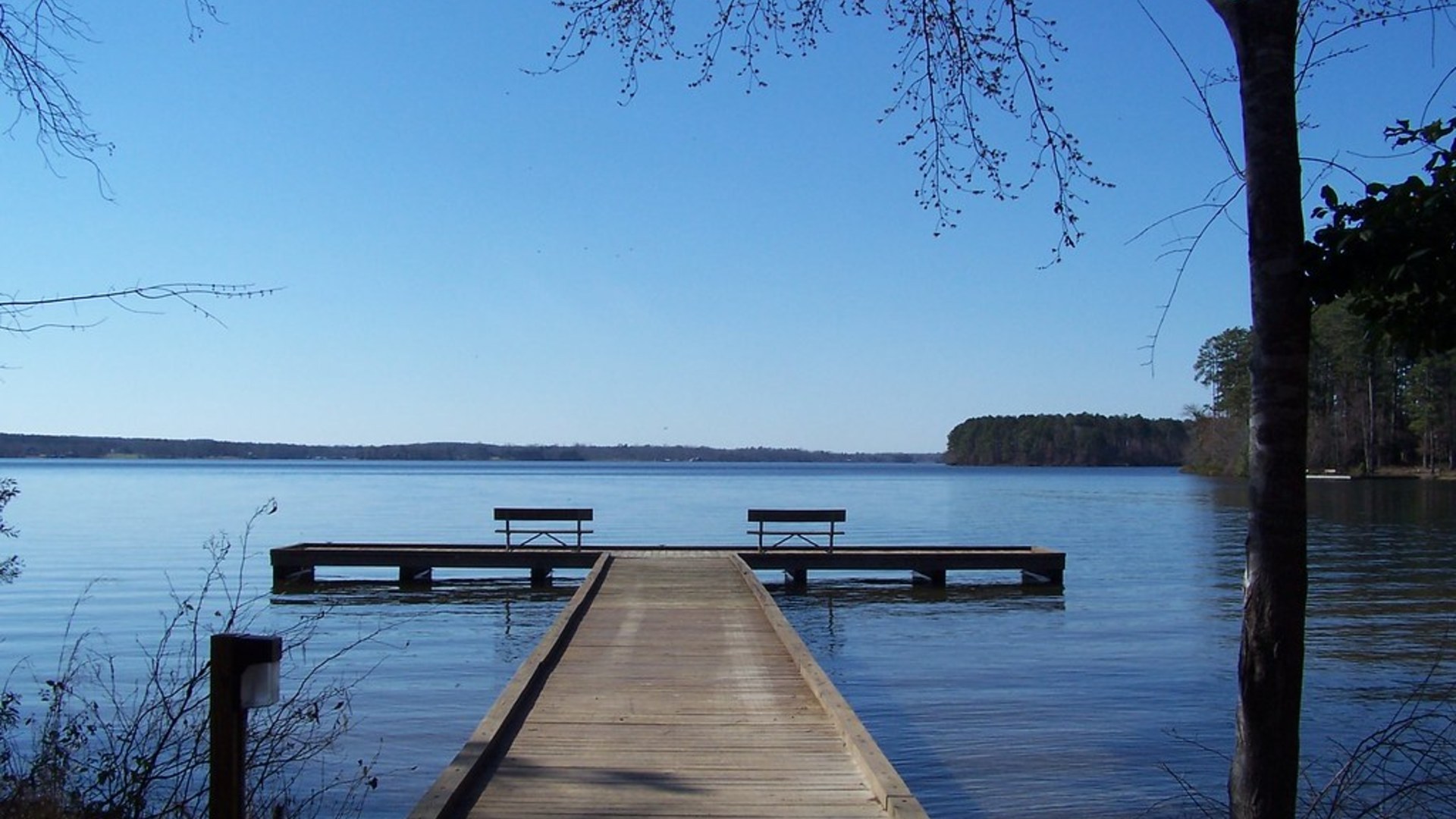
2. Relaxing At Rented Lake Cabins Without A Television
Renting a rustic wooden cabin on a quiet lake was the quintessential summer getaway. Without television sets or electronic gadgets to distract them, families spent whole afternoons fishing from wooden docks, swimming to floating rafts, and playing Monopoly on screened-in porches after sunset.
©Openverse / roughedge57
Advertisement
Swipe or tap ▶ to resume the countdown.
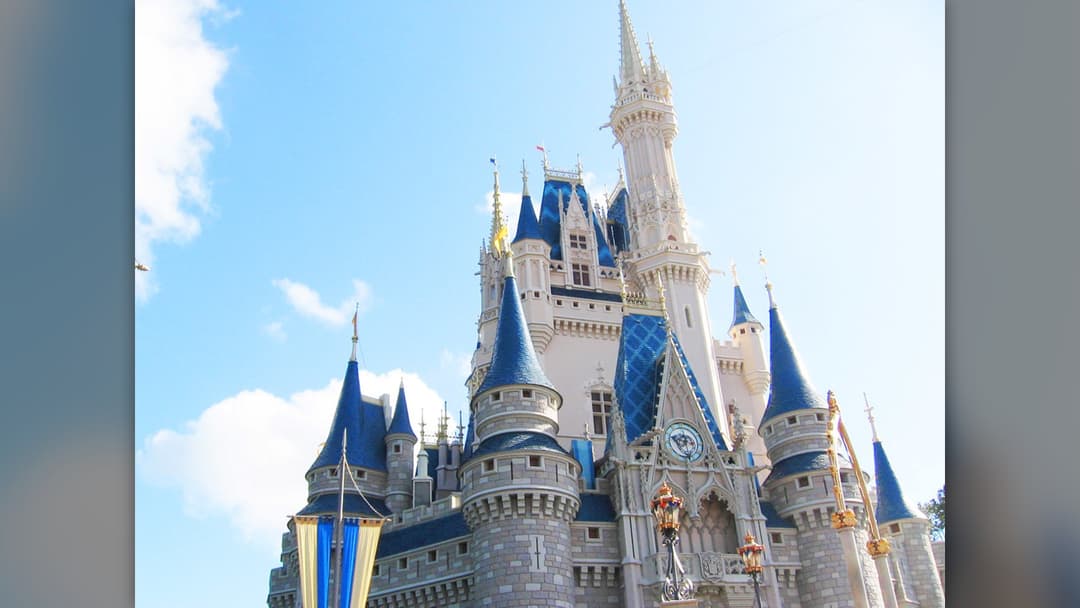
1. Visiting Newly Opened Walt Disney World In Florida
When Walt Disney World opened in October 1971, it instantly became the premier summer destination for families across the nation. Packing into family sedans and driving down Interstate 95 to Orlando, parents and children explored Main Street, rode the monorail, and marveled at Cinderella Castle.
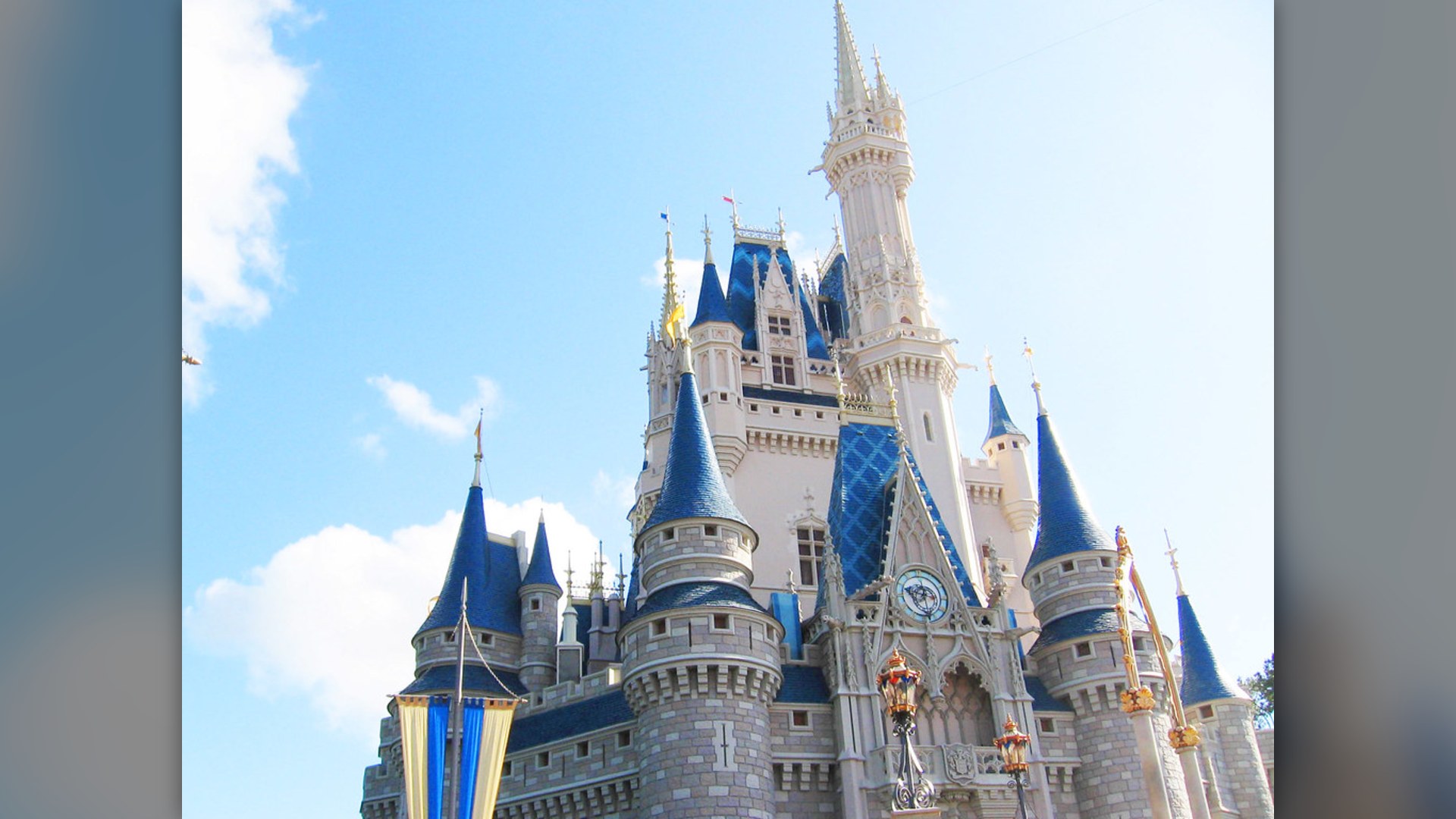
©Openverse / TrueLovesKiss
Advertisement
You've reached the end of the story. Thanks for reading!

27 Famous Hollywood Actors Who Started in Television Commercials
Before conquering Hollywood, these A-list legends pitched products on TV
All 20 Entries in this Story
20. Riding In The Rear-Facing Seat Of A Station Wagon
The rear jump seat in family wagons like the Pontiac Grand Safari was prime territory for siblings. Facing backward with no seatbelt laws in effect, children made faces at trailing motorists, counted passing semi trucks, and signaled truckers to honk their air horns across state lines.

19. Navigating Highway Routes With Fold-Out Paper Maps
Before GPS and turn-by-turn phone guidance, cross-country travel depended on folding highway maps picked up at gas stations or AAA offices. Navigators traced federal route markers by hand, refolding the giant paper sheets into origami squares while trying not to block the rearview mirror.

18. Packing Metal Coolers And Heavy Plaid Thermos Jugs
Family road trips rarely included drive-thru meal stops. Parents packed insulated metal coolers with bologna sandwiches, carrot sticks, and hard-boiled eggs. A heavy glass-lined thermos bottle kept iced tea or sweetened lemonade chilled for hours under the sweltering trunk lid.

17. Catching Evening Double Features At Drive-In Theaters
Summer evenings after a long day of driving often ended at a rural drive-in theater. Kids in pajamas climbed onto hoods or watched from station wagon tailgates while heavy metal speakers crackled with dialogue. A trip to the glowing snack bar for buttered popcorn completed the night.

16. Staying At Roadside Motels With Magic Fingers Beds
Motor courts and highway motels competed for vacationing families with glowing neon vacancy signs and color televisions. Rooms frequently featured the famous Magic Fingers coin-operated vibrating bed units. Feeding twenty-five cents into the metal bedside box delivered fifteen minutes of buzzing novelty.

15. Snapping Family Memories On Kodak Instamatic Cameras
Vacation photography relied on the square Kodak Instamatic loaded with 126 cartridge film. Every shot required a rotating four-sided flashcube that melted slightly with each brilliant pop. Families waited days or weeks after arriving home to pick up prints at the neighborhood drugstore photo counter.

14. Pitching Heavy Canvas Tents At Family Campgrounds
Affordable family lodging often meant booking a dirt campsite at state parks or private campgrounds. Pitching a treated canvas cabin tent required heavy metal poles, thick guy ropes, and wooden mallets. The smell of damp canvas and morning campfire pine smoke became the signature fragrance of summer.

13. Dining Under Orange Roofs At Howard Johnson Lodges
The beacon for 1970s highway dining was the bright orange porcelain-tile roof and blue cupola of Howard Johnson. Motorists pulled off turnpikes for fried clams, frankforts on butter-toasted rolls, and scoops of peppermint stick ice cream from the iconic twenty-eight flavor roster.

12. Tuning Into Local AM Radio Stations Across State Lines
With cassette decks still uncommon in family cars, dashboard AM radios provided the soundtrack to long highway stretches. As vehicles crossed county borders, local broadcast signals faded into crackling static, prompting parents and teenagers to scan the dial for regional pop hits and radar reports.

11. Playing The License Plate Road Trip Game In The Backseat
To survive hours on the highway without handheld video games, kids logged passing license plates on yellow legal pads or printed travel bingo cards. Spotting a distant Hawaii or Alaska plate elicited cheers, sparking debates among backseat passengers over whether parked cars counted.

10. Driving With All Four Windows Rolled Down For Air
Automotive air conditioning was an expensive add-on in the 1970s, so many family sedans used sixty-mile-per-hour natural breeze cooling. With four crank windows down and triangular front vent wings tilted open, wind blasted through the cabin, whipping hair and rustling road maps for hours.

9. Stopping At Roadside Fruit Stands And Cider Mills
Two-lane country highways were dotted with independent farm stands and wooden produce shacks. Families stopped to stretch their legs and buy baskets of fresh Georgia peaches, Michigan cherries, or crisp cider. These informal pit stops broke up grueling drives with sweet local treats.

8. Swimming In Chlorine-Soaked Motel Courtyard Pools
After eight hours trapped on vinyl car seats, nothing matched the excitement of seeing a sparkling rectangular pool in a motel courtyard. Kids put on bathing suits and leaped into the deep end under poolside floodlights while parents relaxed on webbed aluminum lawn chairs nearby.

7. Towing Pop-Up Tent Trailers Behind The Family Car
Campers like Coleman and Starcraft pop-up tent trailers brought bedroom comfort to national parks without the high cost of a motorhome. Fathers unlatched the metal top and turned the hand crank to raise canvas walls, sliding out bunk mattresses while children set up folding card tables.

6. Waiting In Line At Gas Stations During Fuel Shortages
The 1973 and 1979 energy crises turned routine refueling into a major vacation hurdle. States instituted odd-even rationing based on the last digit of license plates, forcing motorists to line up around city blocks at dawn. Families carefully planned routes around open pumps and reduced highway speed limits.

5. Strolling Wooden Ocean Boardwalks And Amusement Piers
Summer coastal vacations revolved around historic wooden boardwalks in New Jersey, Maryland, California, and Florida. Families strolled past saltwater taffy pullers, skee-ball arcades, and neon-lit midway attractions, finishing the evening riding historic wooden roller coasters beside the ocean.

4. Collecting Travel Pennants And Bumper Decals
Every state park, cavern, and tourist attraction sold colorful triangular felt pennants and peel-and-stick bumper decals. Kids decorated bedroom walls with banners from South of the Border or Lookout Mountain, while rear station wagon bumpers became travel collages of visited states.

3. Grilling Hot Dogs On Cast-Iron Park Charcoal Stoves
Highway rest areas and municipal parks featured heavy cast-iron charcoal grills cemented into the ground beside wooden picnic tables. Families stopped along long journeys to light charcoal briquettes and grill hot dogs and hamburgers, creating a memorable outdoor cookout on a modest budget.

2. Relaxing At Rented Lake Cabins Without A Television
Renting a rustic wooden cabin on a quiet lake was the quintessential summer getaway. Without television sets or electronic gadgets to distract them, families spent whole afternoons fishing from wooden docks, swimming to floating rafts, and playing Monopoly on screened-in porches after sunset.

1. Visiting Newly Opened Walt Disney World In Florida
When Walt Disney World opened in October 1971, it instantly became the premier summer destination for families across the nation. Packing into family sedans and driving down Interstate 95 to Orlando, parents and children explored Main Street, rode the monorail, and marveled at Cinderella Castle.