Slideshow · Lifestyle
20 Ways To Survive Heavy Snow In The USA
Essential Rules To Survive Severe US Winter Blizzards
By Most Viral Today
19 min ago

Surviving Heavy Snow Weather In The USA 
20. Pack An Emergency Car Kit 
19. Crack A Downwind Window 
18. Clear Exhaust Tailpipe - AdvertisementSwipe or tap ▶ to continue countdown

17. Run The Engine Sparingly 
16. Stay Inside Your Vehicle 
15. Avoid Highway Driving 
14. Rig A Safety Lifeline - AdvertisementSwipe or tap ▶ to continue countdown

13. Wear Mittens And Headgear 
12. Melt And Purify Snow 
11. Shovel Snow In Intervals 
10. Seal Interior Living Zones - AdvertisementSwipe or tap ▶ to continue countdown

9. Assist Vulnerable Neighbors 
8. Layer Clothing For Warmth 
7. Keep Heating Vents Clear 
6. Test Carbon Monoxide Alarms - AdvertisementSwipe or tap ▶ to continue countdown

5. Use Safe Heating Sources 
4. Prevent Frozen Pipes 
3. Keep Food Supplies Ready 
2. Stockpile Emergency Water - AdvertisementSwipe or tap ▶ to continue countdown

1. Stay Inside During The Storm - Advertisement🔥 UP NEXT IN THIS SERIES◫ 26 Slides

25 Most Beloved NCIS Characters in Franchise History, Ranked
Ranked according to extensive viewer polling and fan voting across TV Guide and Ranker community surveys, these 25 legendary NCIS characters defined television's most watched crime procedural. From special agents and forensic pioneers to medical examiners and directors, explore the team members who built the multi-decade naval franchise.
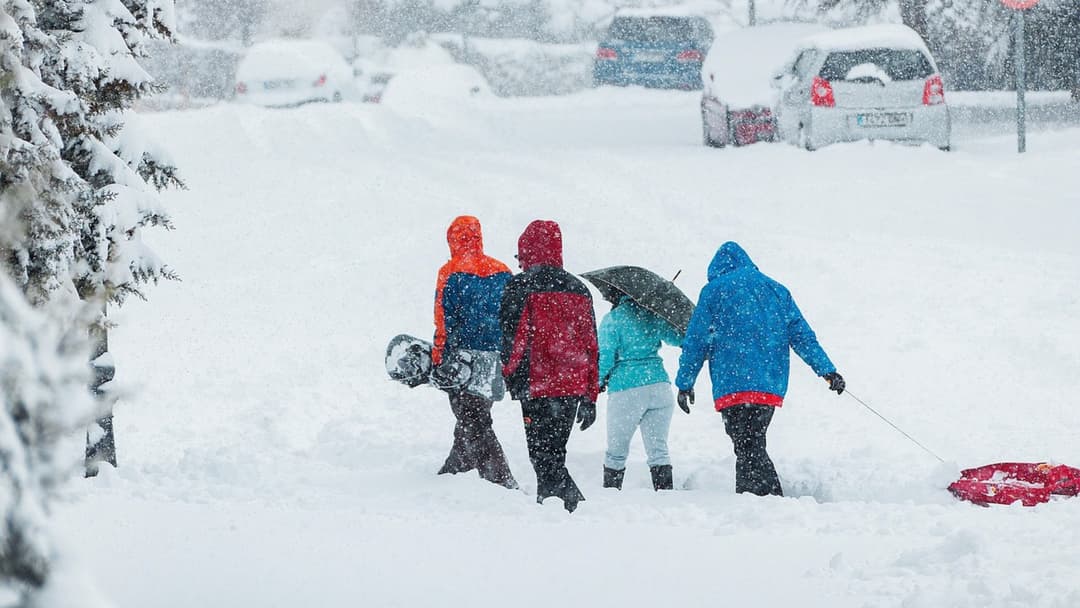
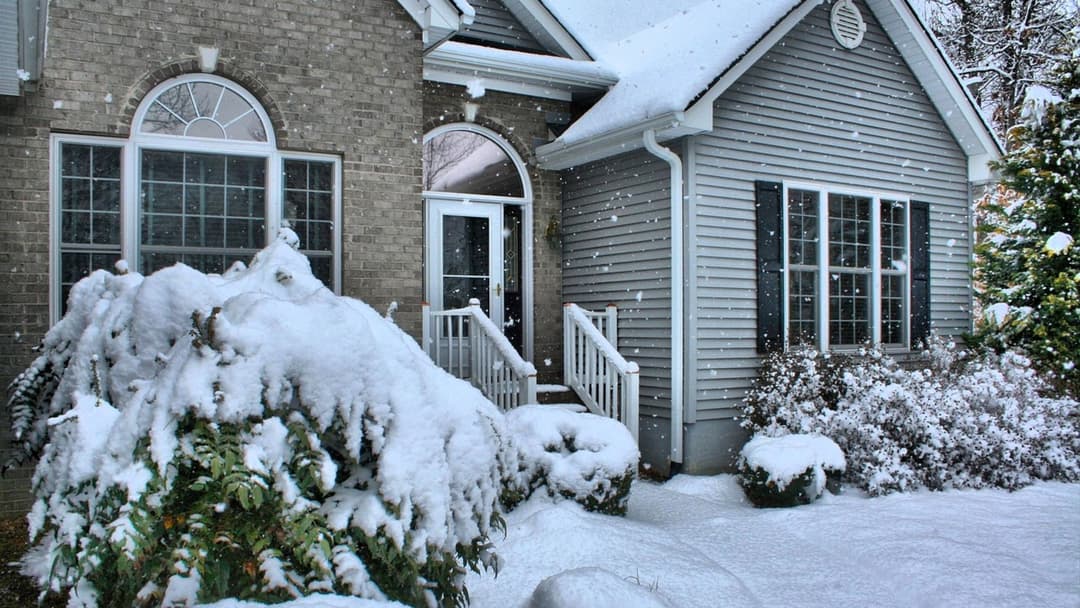
Severe winter storms and blizzards present serious threats across the United States. Following essential indoor preparations, outdoor cold weather precautions, and winter vehicle survival rules ensures households remain warm, safe, and resilient during extreme weather.
Swipe or tap ▶ to begin the countdown
©Pixabay / JamesDeMers & Pixabay / UlisesRomero
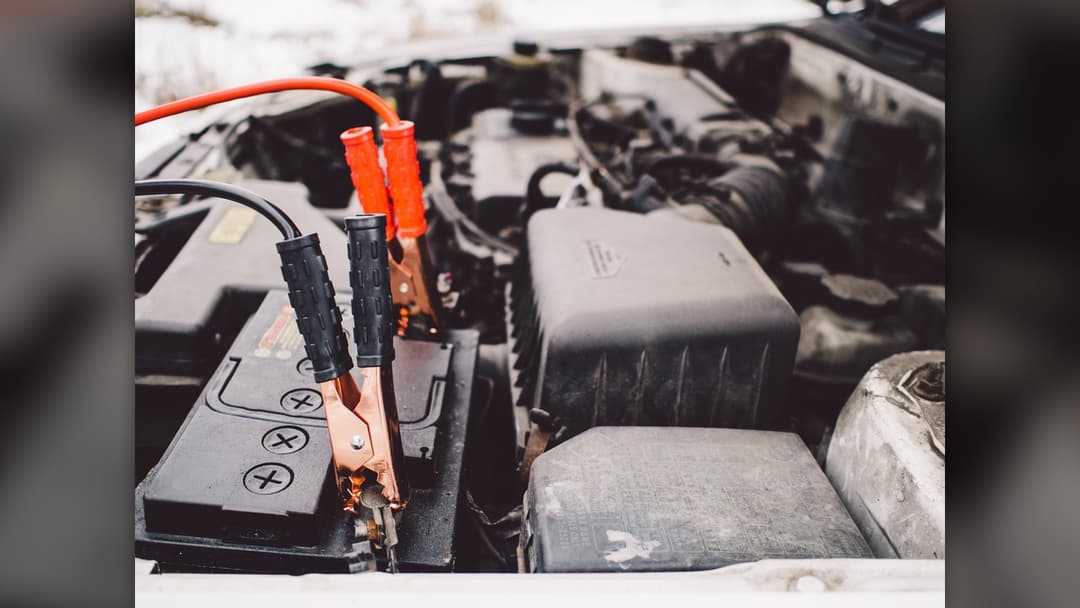
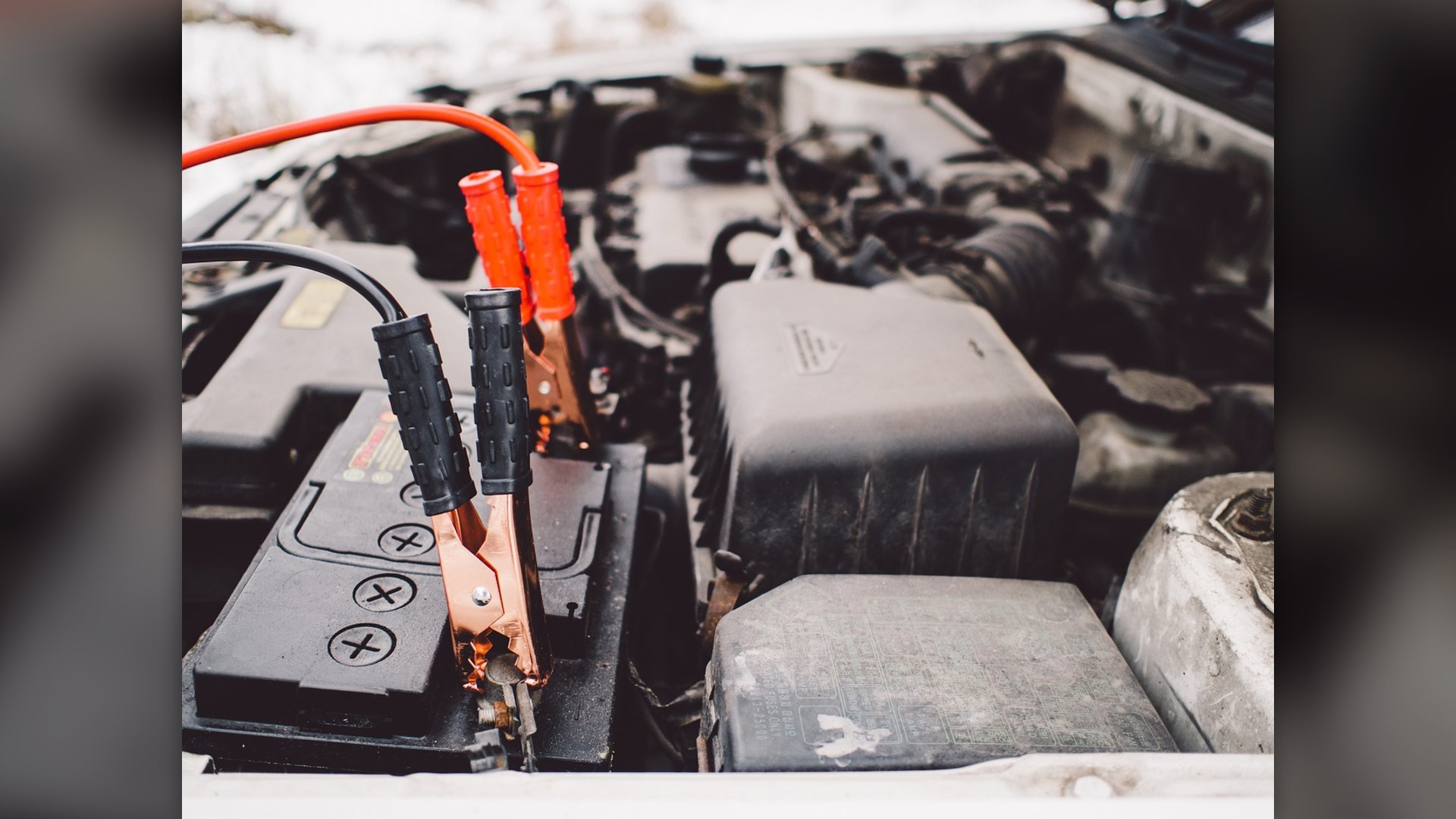
20. Pack An Emergency Car Kit
Always travel with an emergency trunk winter kit containing wool blankets, extra clothing, heavy-duty jumper cables, a flashlight, high-protein snacks, a phone power bank, and a bag of sand or cat litter for tire traction.
©Pixabay / StockSnap
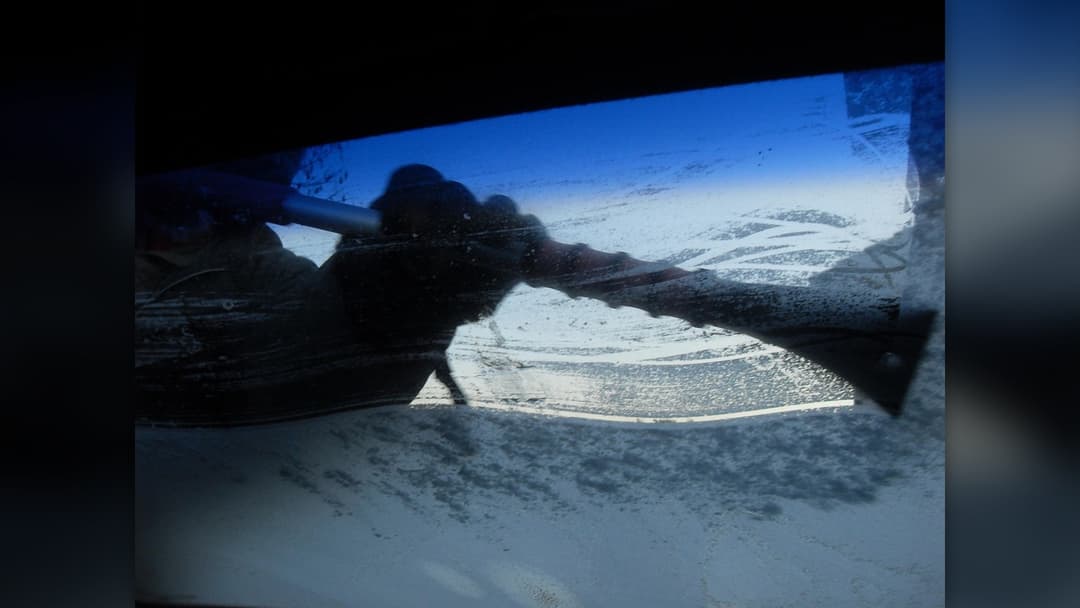
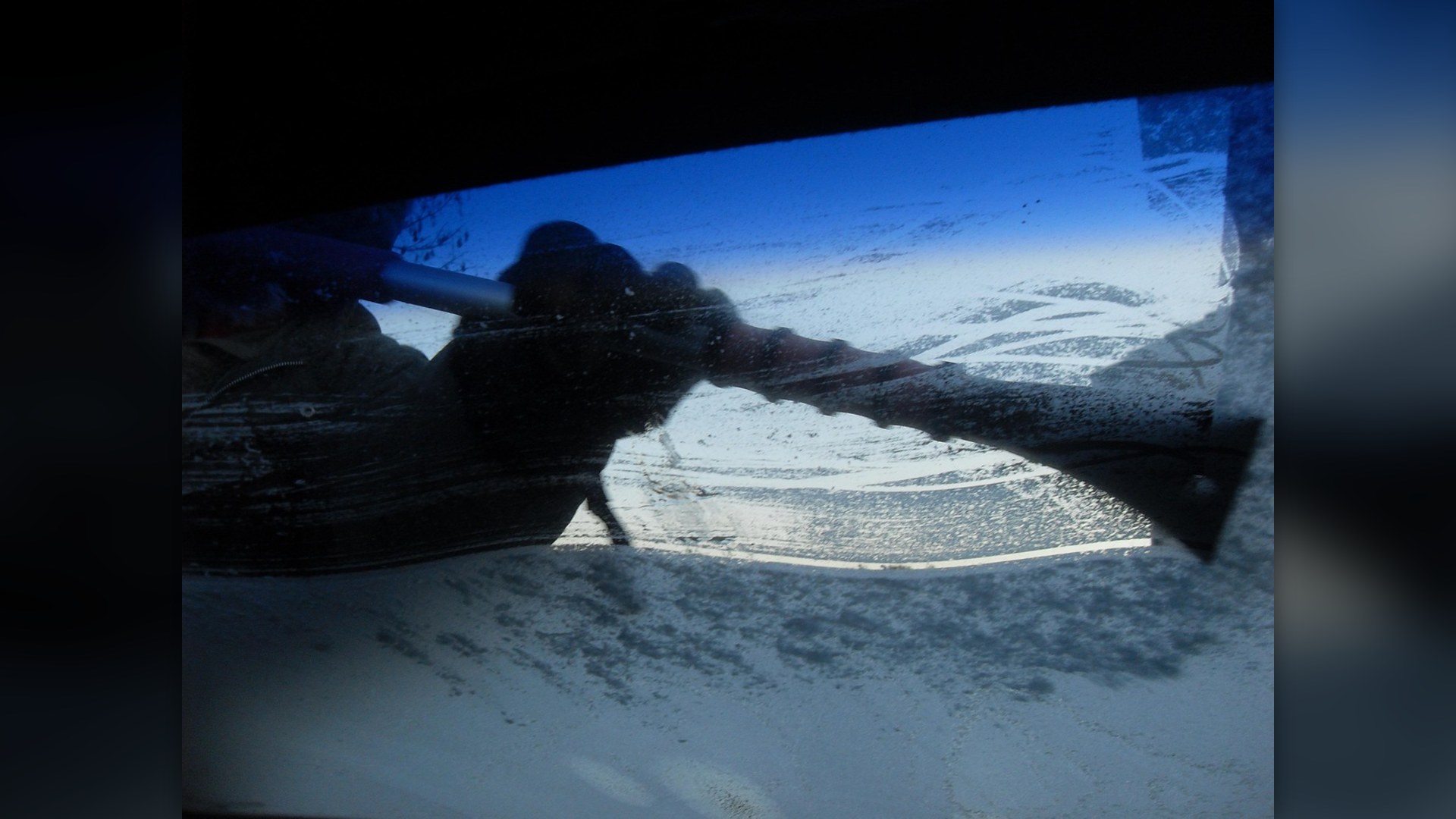
19. Crack A Downwind Window
While running the car engine to warm the interior, open a downwind window slightly to let fresh air circulate. A narrow opening prevents asphyxiation, minimizes humidity fogging, and safeguards against undetected exhaust leakage.
©Pixabay / uknowgayle
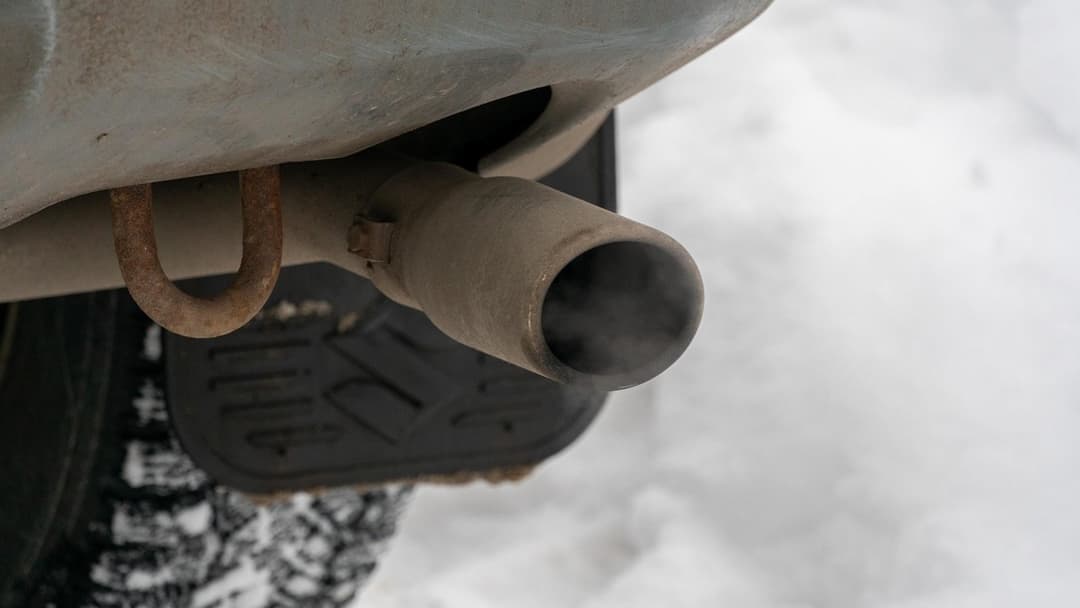
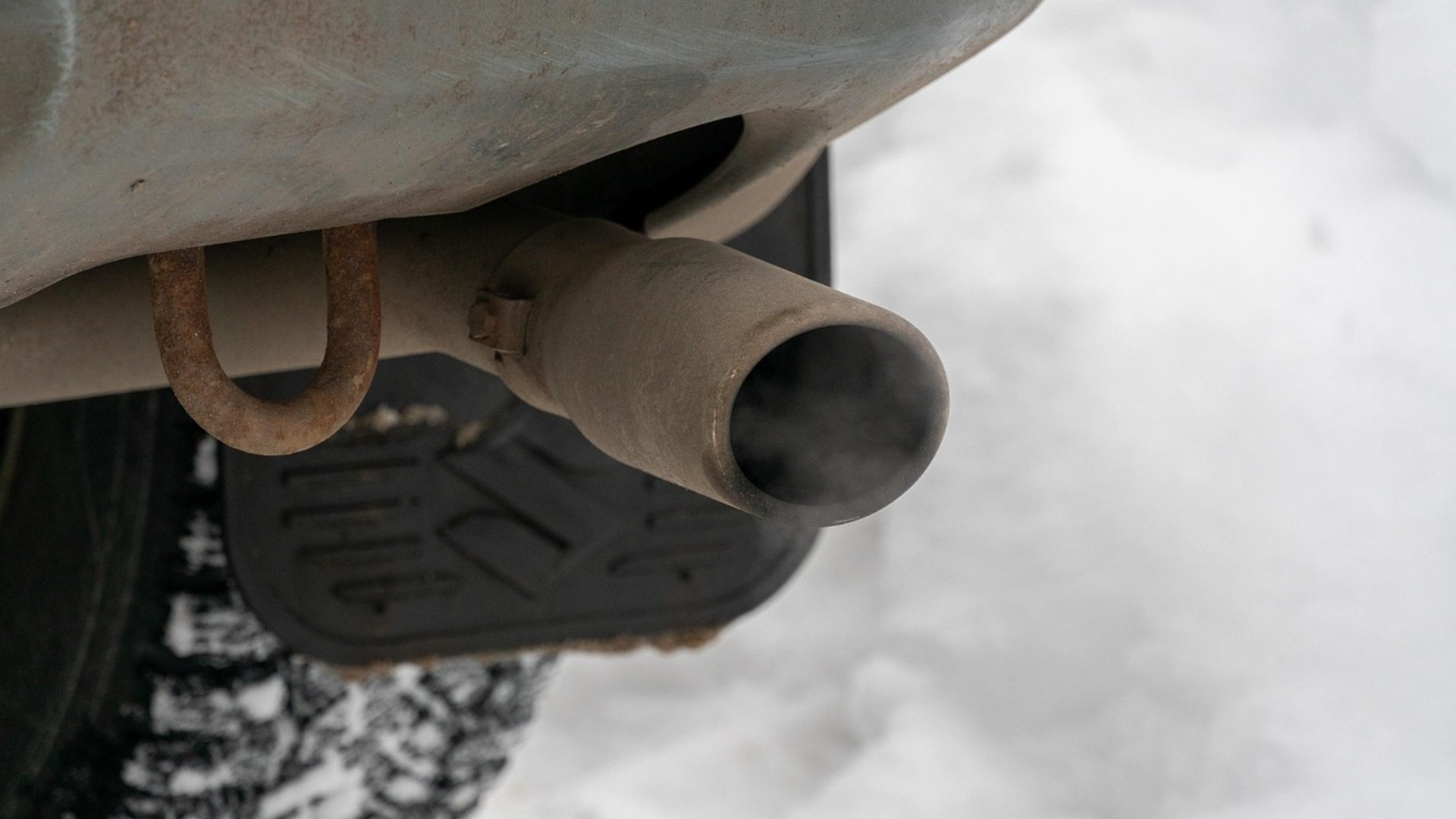
18. Clear Exhaust Tailpipe
Before running your engine while stranded in deep snow, inspect the rear exhaust pipe. Clear away all ice and packed drifts to ensure carbon monoxide discharges safely into the open air instead of seeping into the vehicle cabin.
©Pixabay / Alexei_other
Advertisement
Swipe or tap ▶ to resume the countdown.
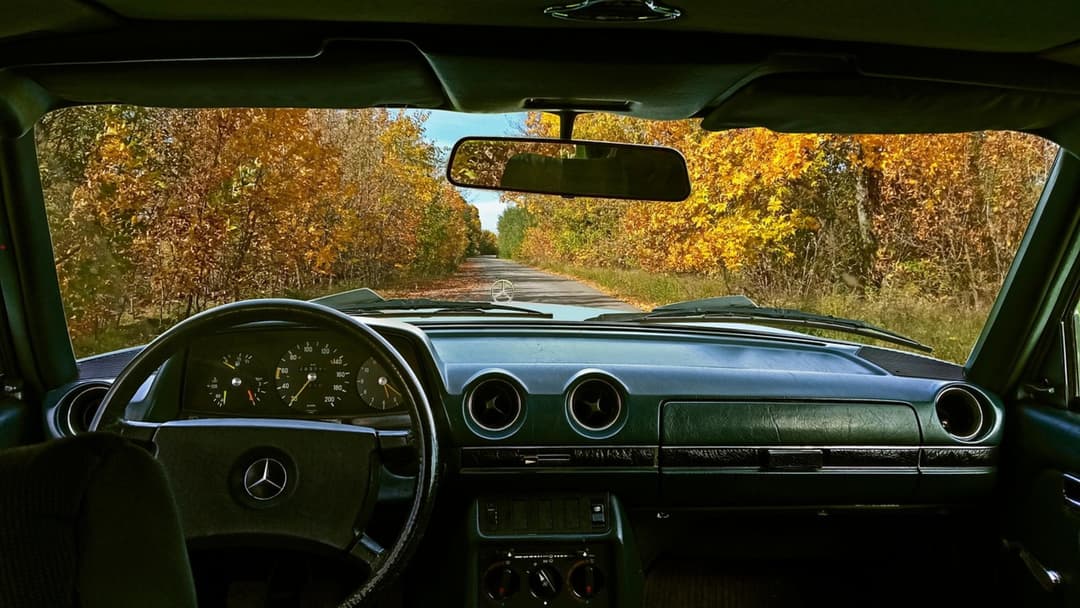
17. Run The Engine Sparingly
Conserve gasoline by running your vehicle motor and cabin heater for approximately ten minutes each hour. Turn on the interior dome light while the engine runs so recovery crews can spot your vehicle during nocturnal operations.

©Pixabay / Igor2008
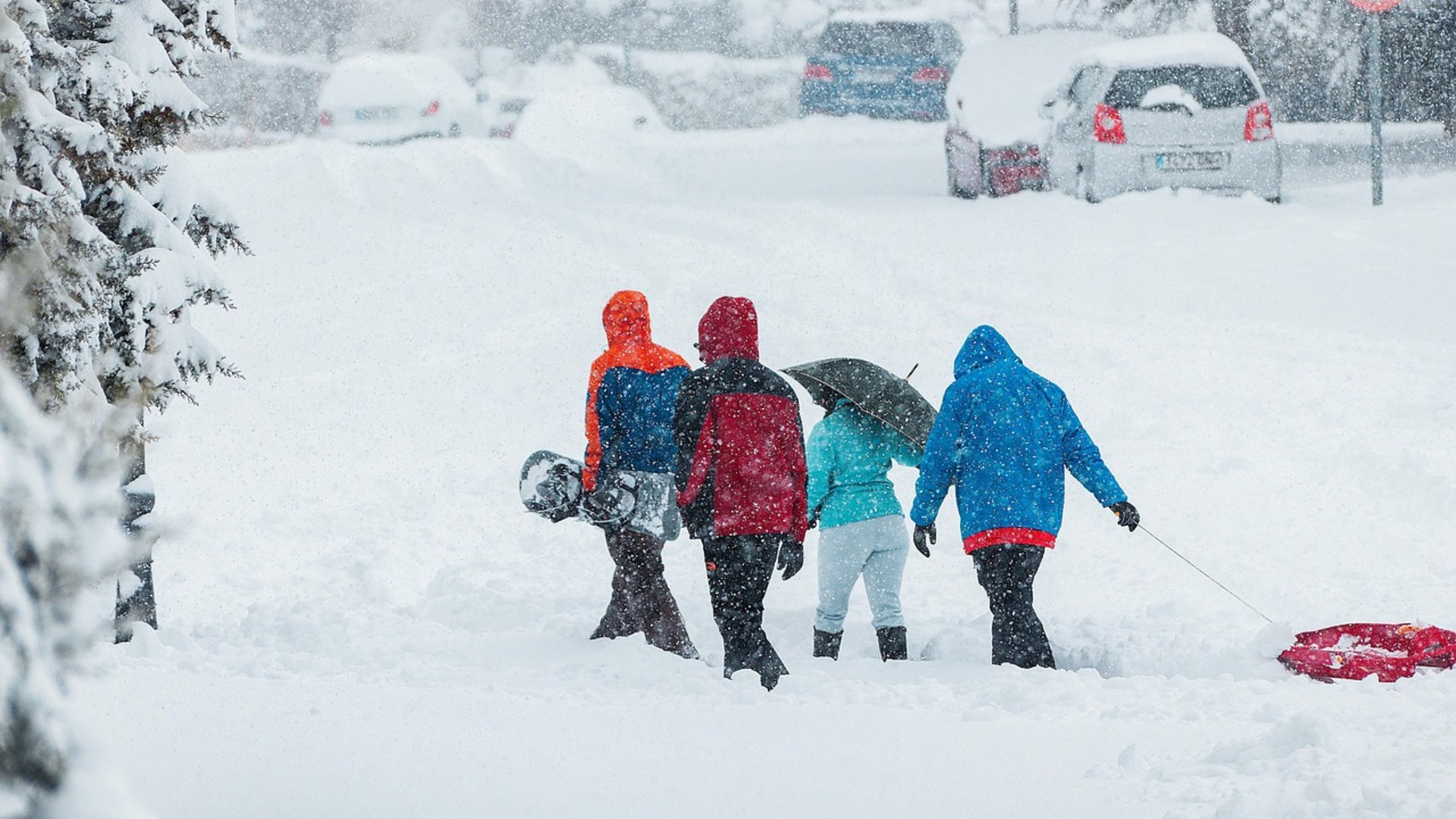
16. Stay Inside Your Vehicle
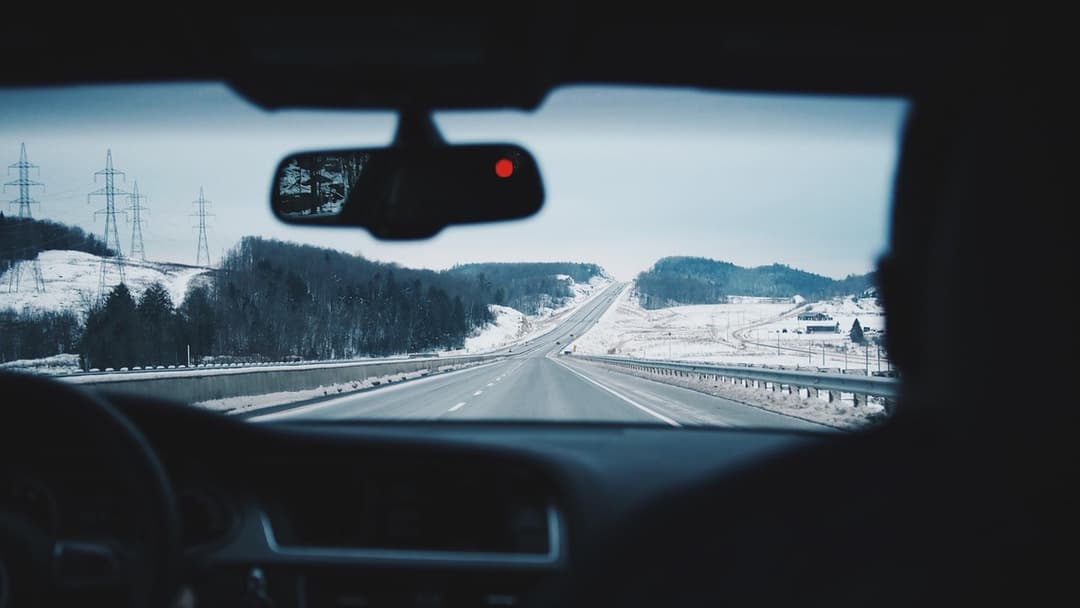
If your automobile stalls or slides off the roadway in a blizzard, stay inside the vehicle cabin. Your car provides immediate shelter and makes you far easier for rescue teams to find than an exposed pedestrian lost in a snowfield.
©Pixabay / UlisesRomero
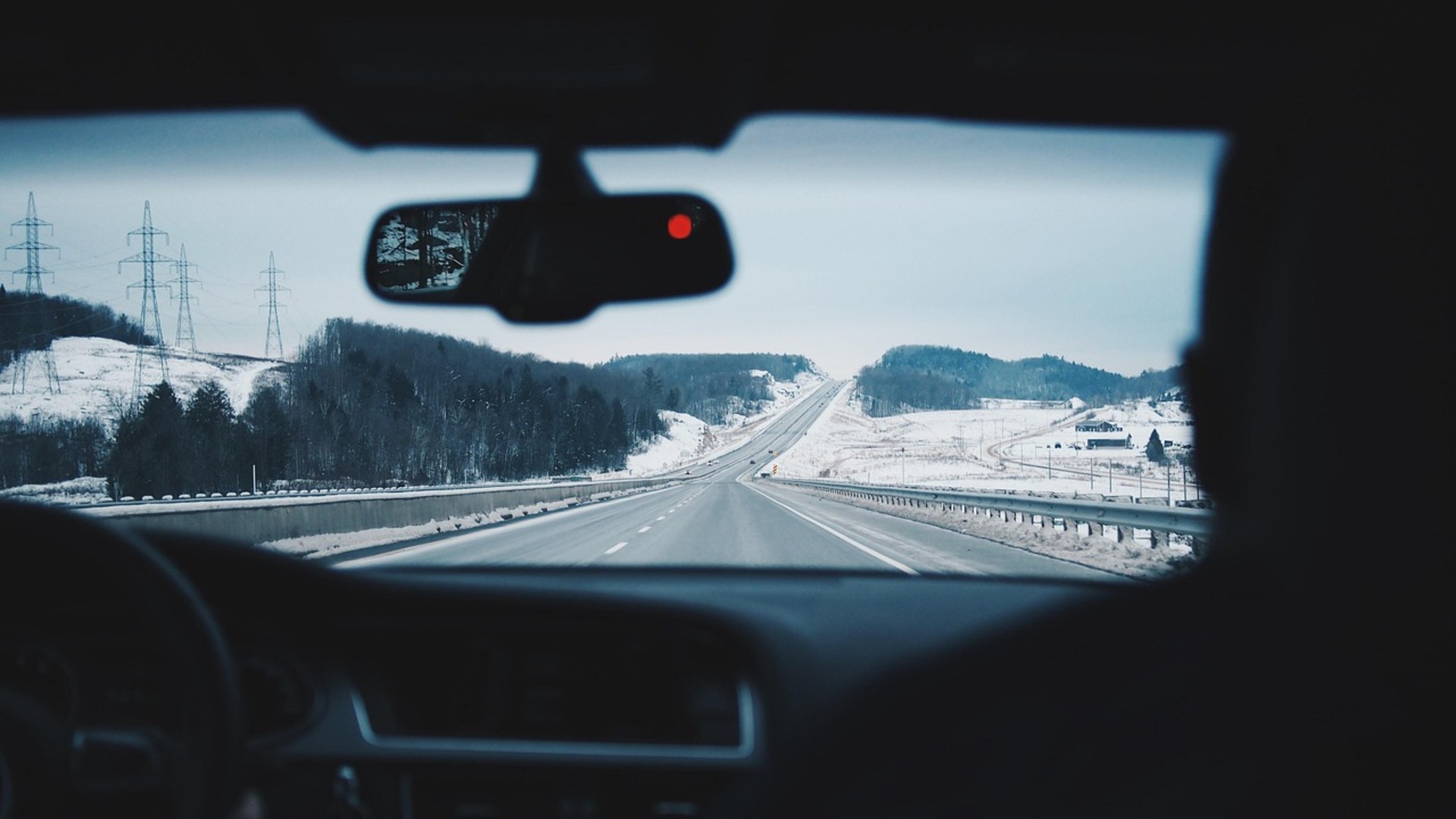
15. Avoid Highway Driving
Do not drive during heavy blizzards and freezing rain. Black ice, snowdrifts, and zero visibility cause multi-vehicle pileups and leave drivers stranded in freezing conditions for hours before emergency crews can respond.
©Pixabay / fancycrave1
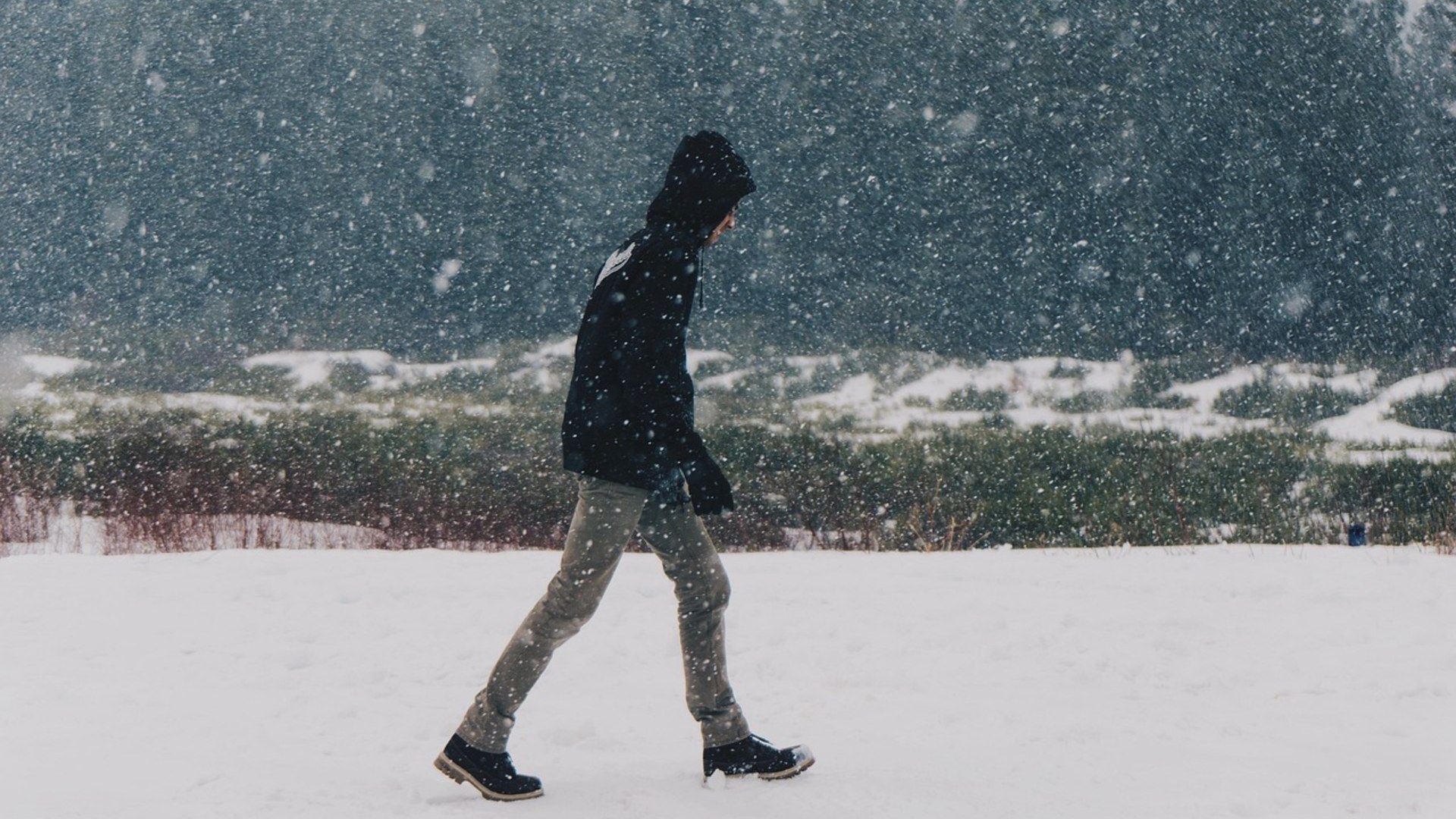
14. Rig A Safety Lifeline
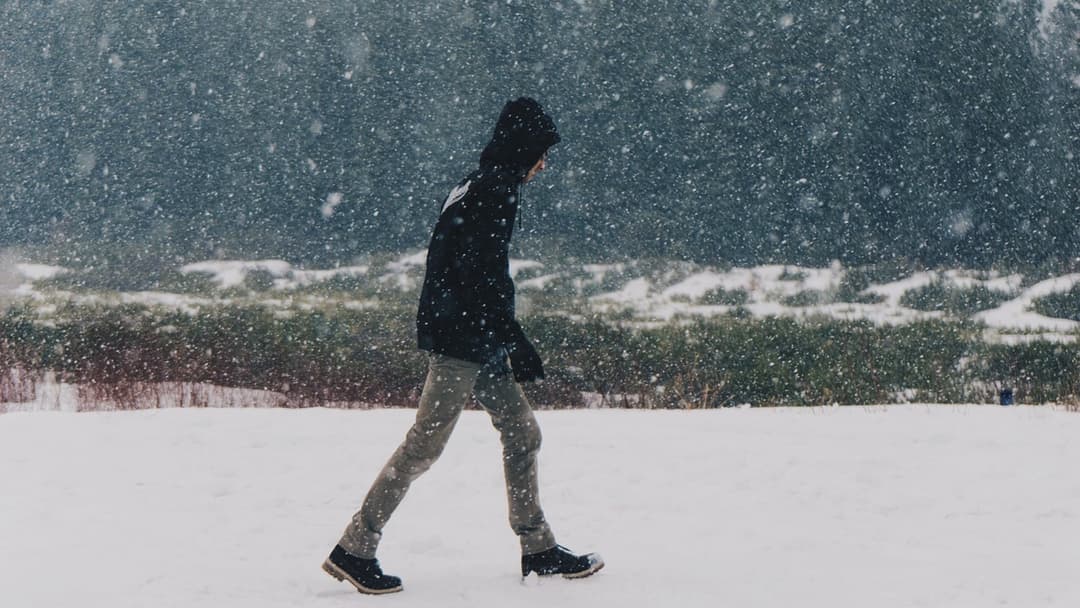
Whiteout conditions erase visual landmarks, horizons, and footprints in seconds. If you must walk between your home and an outbuilding or barn during severe gusts, tie a taut guide rope between structures to guarantee safe navigation back.
©Pixabay / StockSnap
Advertisement
Swipe or tap ▶ to resume the countdown.
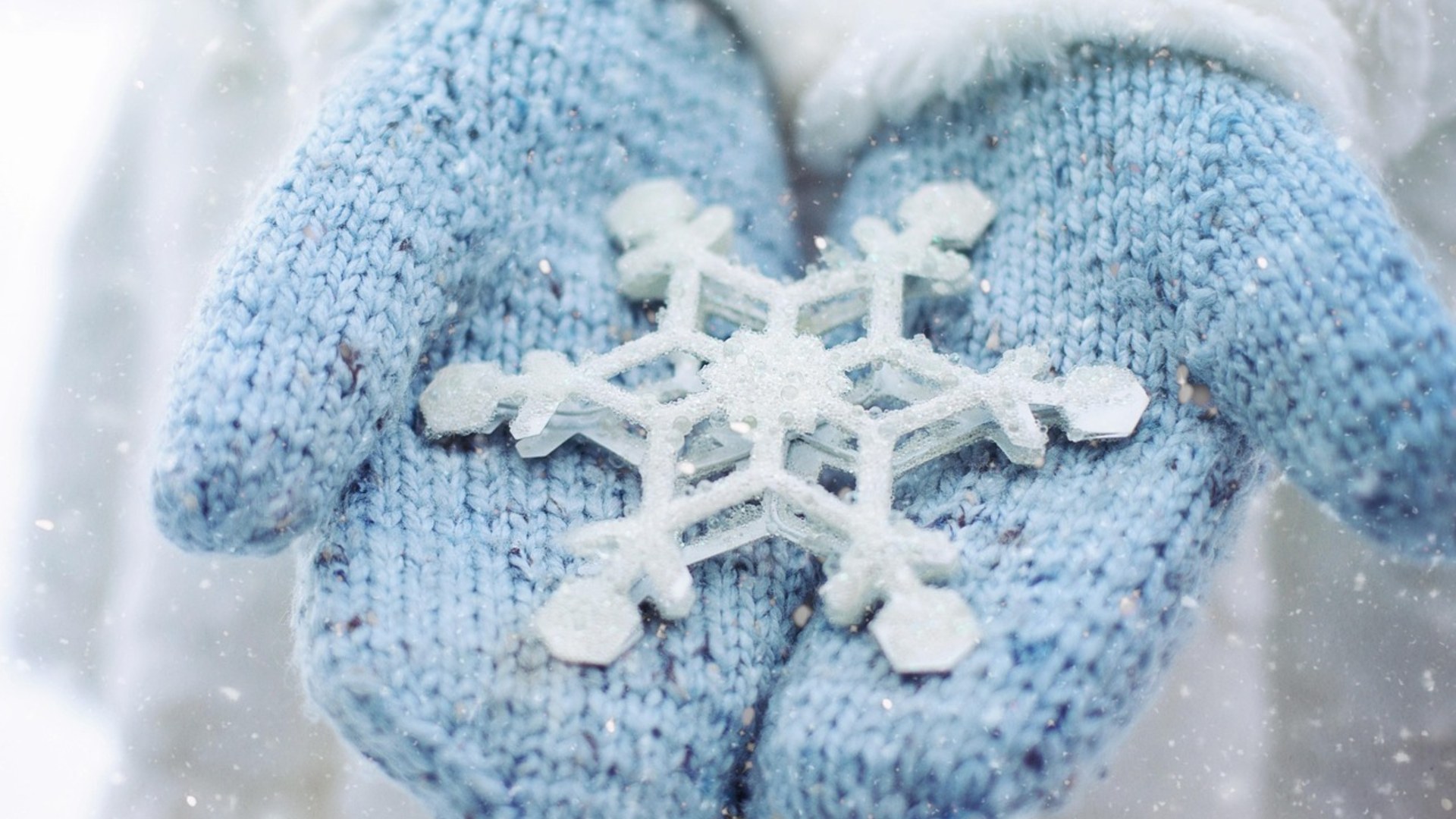
13. Wear Mittens And Headgear
Mittens keep fingers close together to generate superior warmth compared to gloves. Wear a thermal knit hat that covers your ears, a scarf across your face, and waterproof insulated footwear with deep traction tread outdoors.
©Pixabay / JillWellington
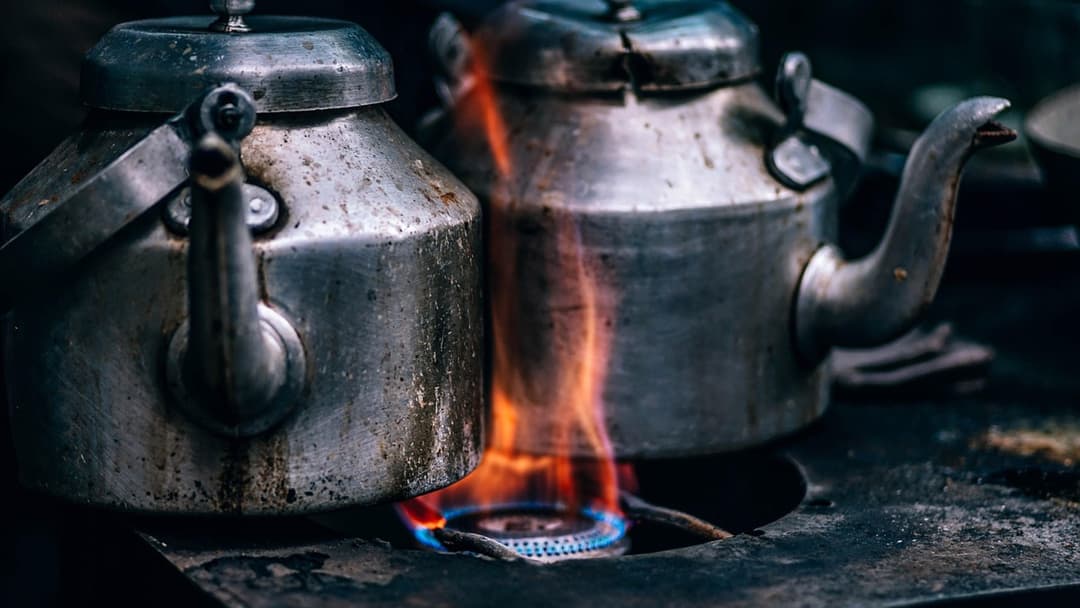
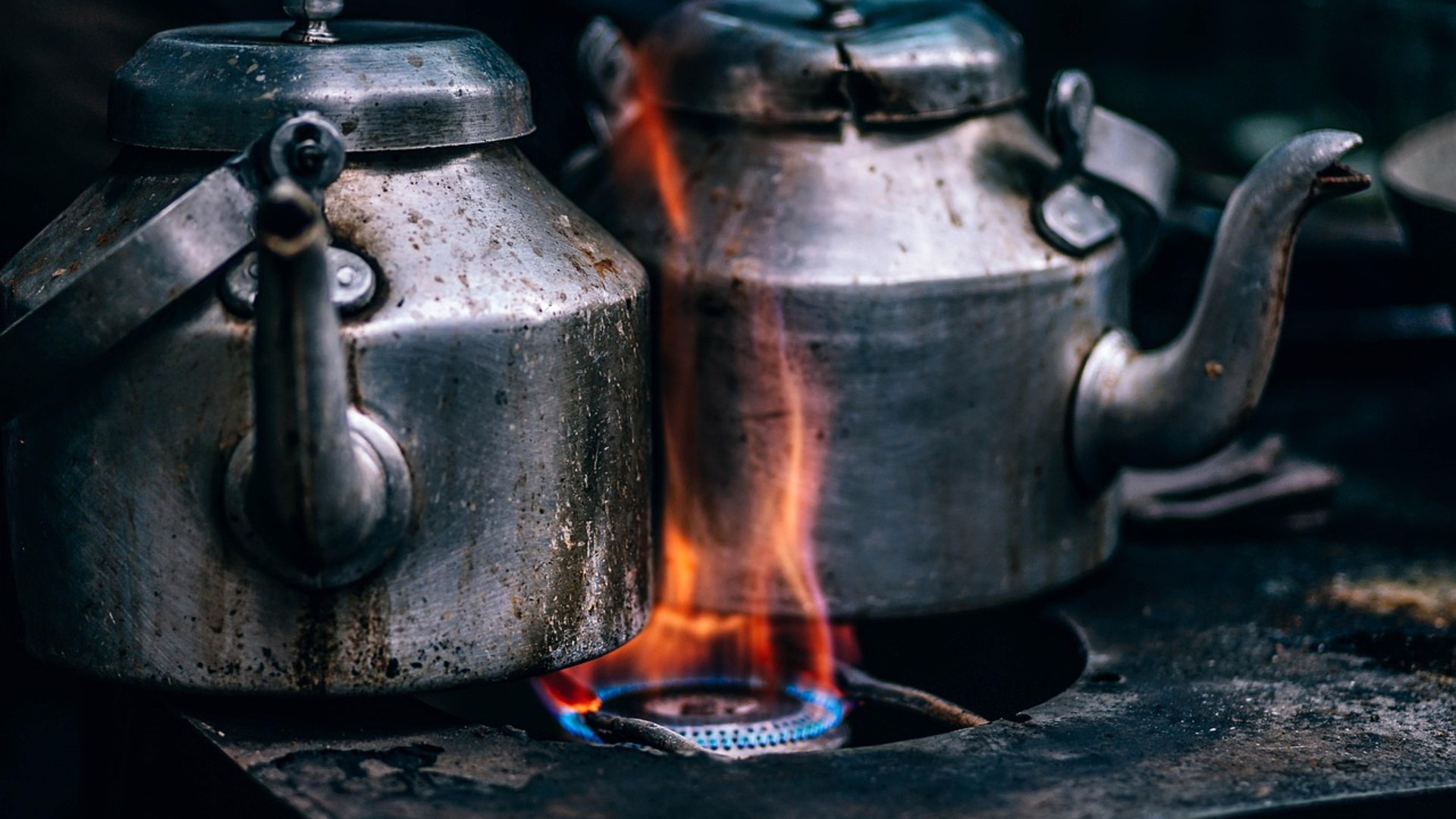
12. Melt And Purify Snow
Eating raw snow lowers your core body temperature rapidly and accelerates hypothermia. If municipal water fails, melt clean snow in pots over an approved camp stove or indoor safe heat source, and bring it to a rolling boil before consumption.
©Pixabay / Pexels
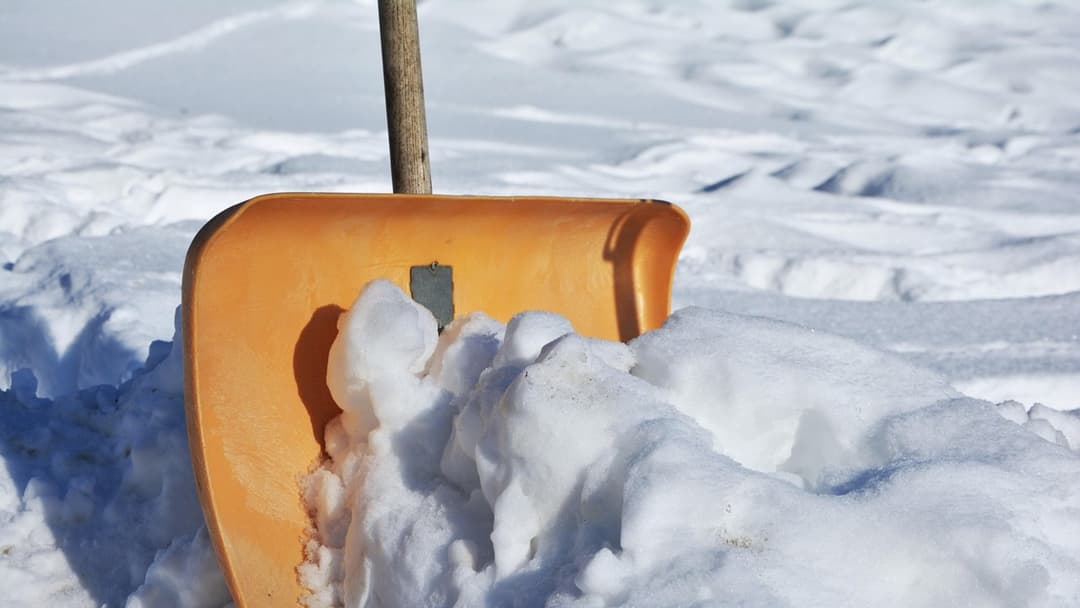
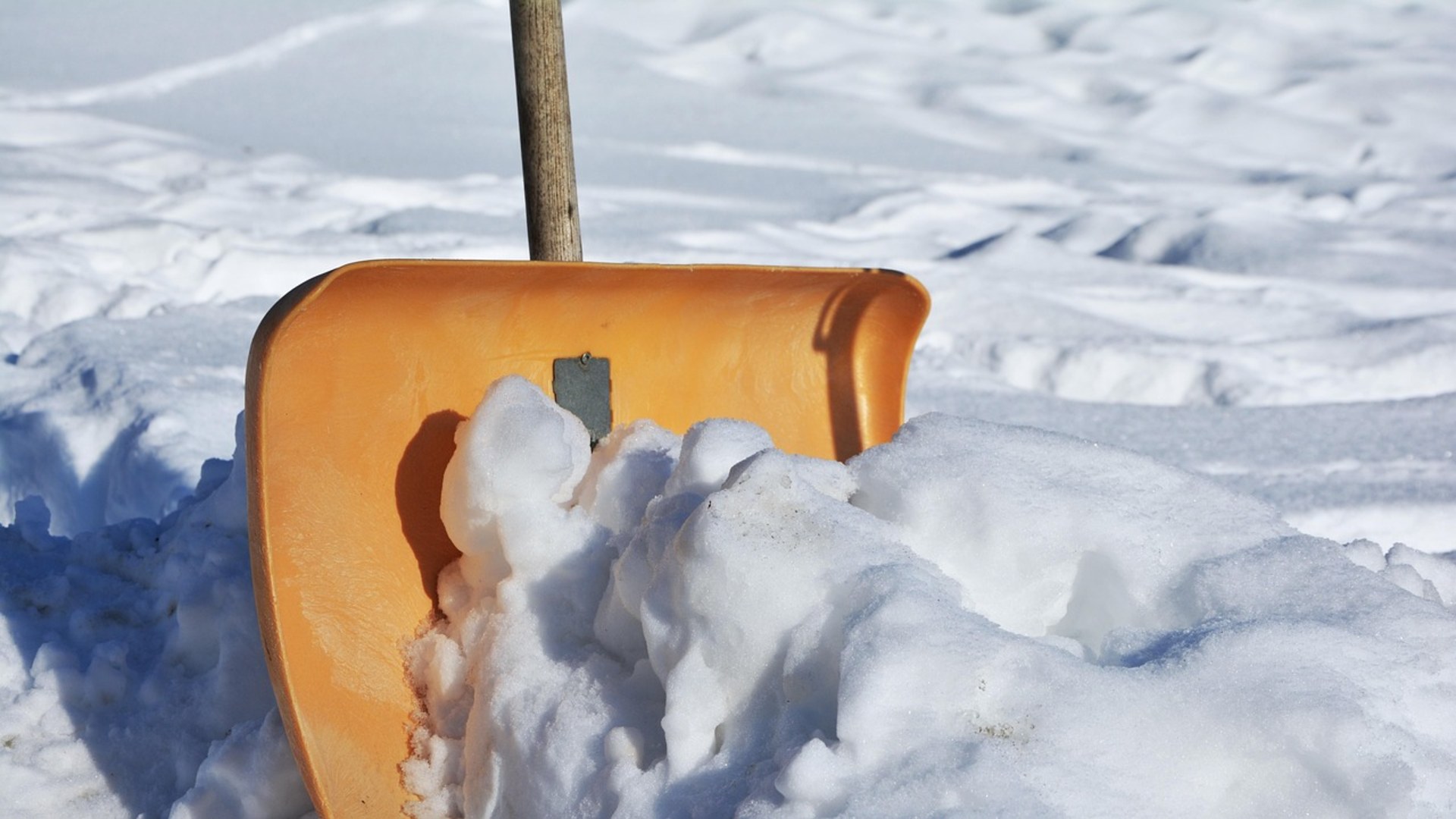
11. Shovel Snow In Intervals
Lifting dense, wet snow in frigid temperatures places severe strain on cardiovascular systems. Shovel small, manageable amounts at frequent intervals, push rather than lift whenever possible, and take warm breaks to prevent cardiac events.
©Pixabay / congerdesign
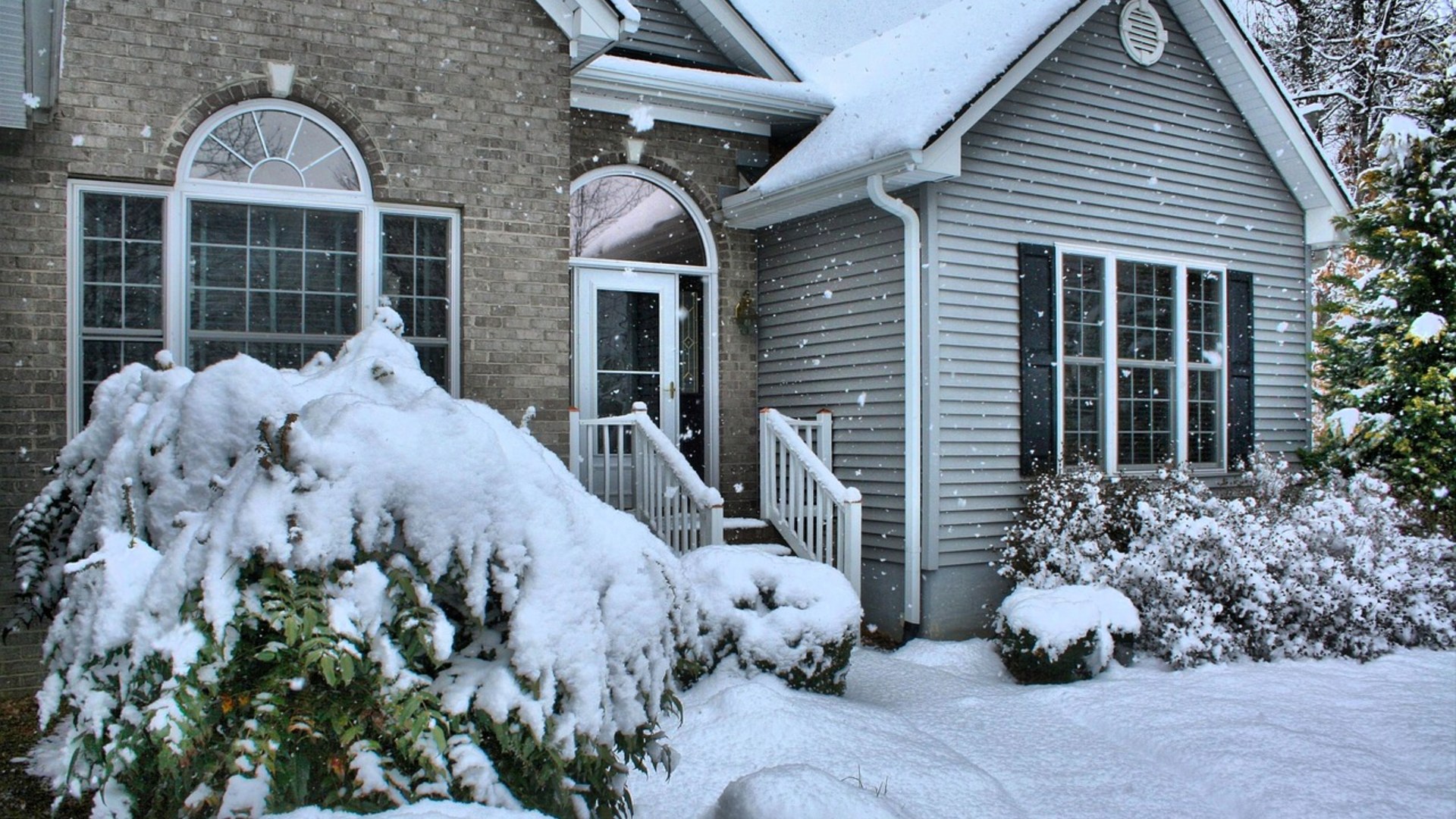
10. Seal Interior Living Zones
During prolonged heating system outages or power cuts, close doors to unoccupied rooms to trap warmth in a central living zone. Hang thick blankets across windows and place rolled towels against door thresholds to block icy drafts.
©Pixabay / JamesDeMers
Advertisement
Swipe or tap ▶ to resume the countdown.
9. Assist Vulnerable Neighbors
Cold waves hit elderly neighbors and individuals with chronic medical issues hardest. Call or safely check in to verify their heating systems function properly, their water remains running, and their essential medical prescriptions stay stocked.

©Pixabay / 1866946
8. Layer Clothing For Warmth
Layering lightweight, loose-fitting clothing traps warm insulating air between fabrics more effectively than one heavy sweater. Water-resistant outerwear paired with wool or thermal synthetic bases preserves vital core body heat indoors and outside.

©Pixabay / 822640
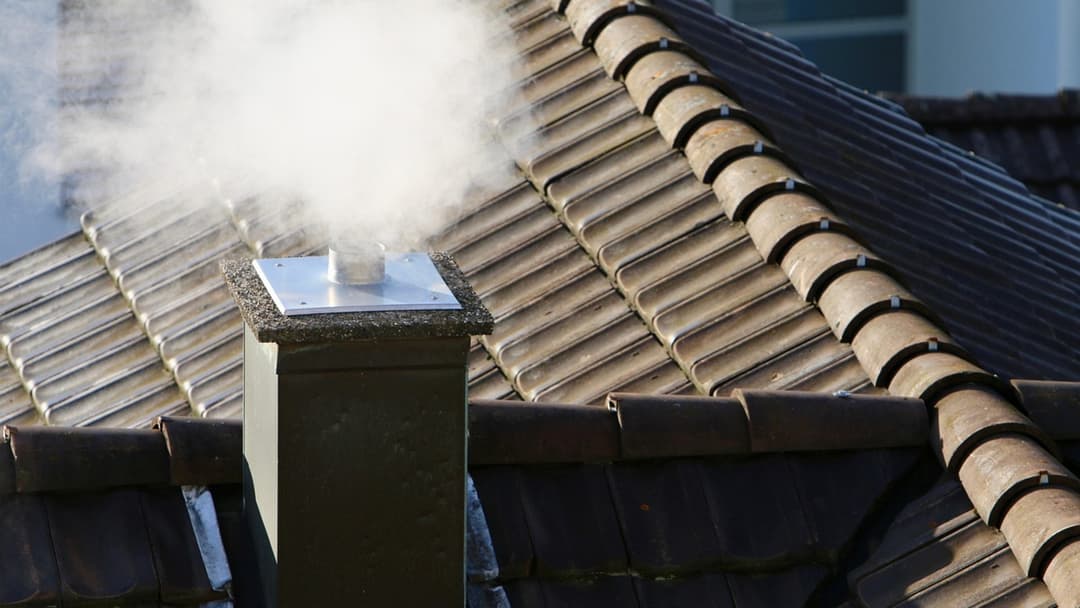
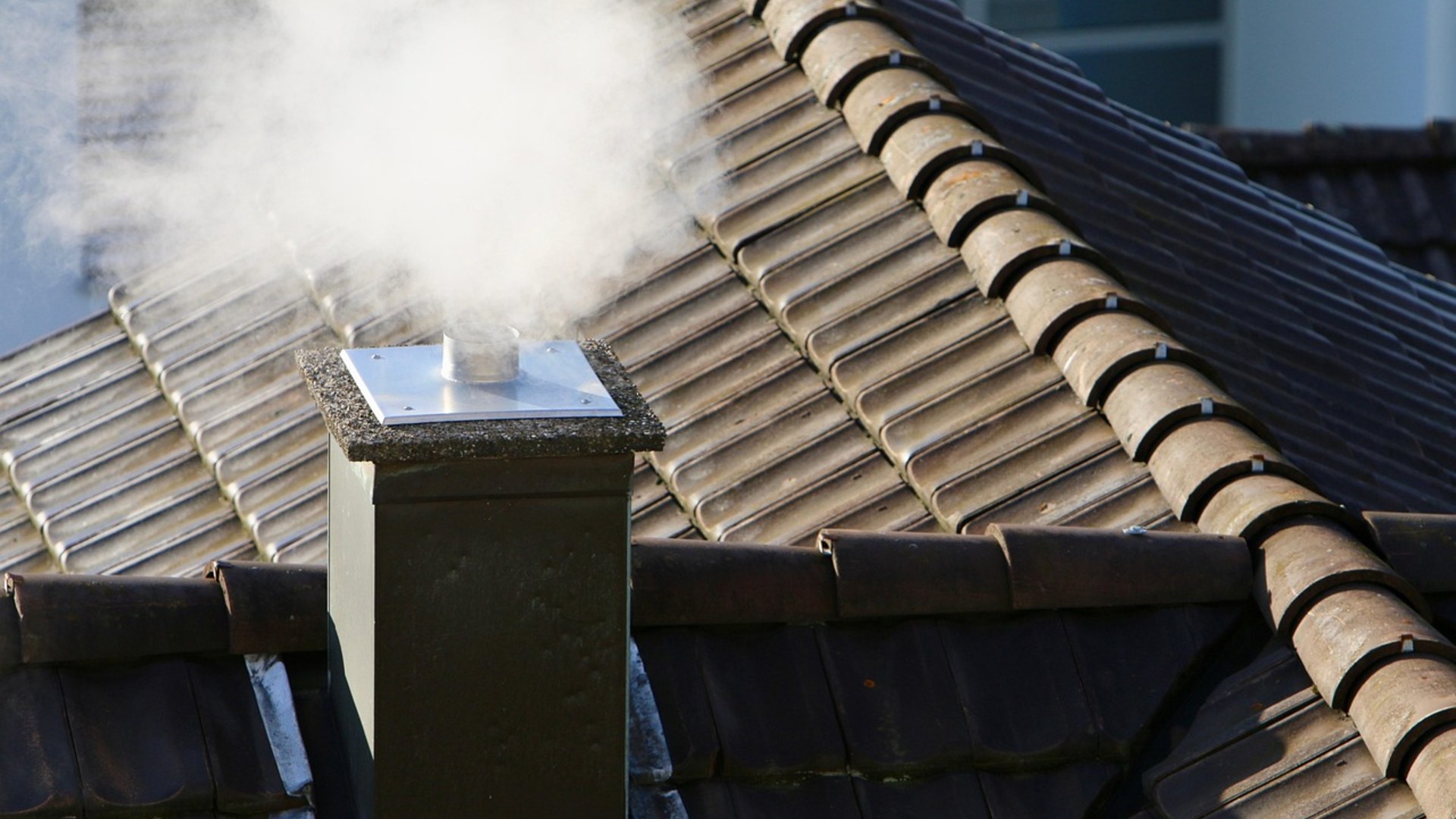
7. Keep Heating Vents Clear
Snowdrifts can quickly cover and choke exterior intake vents, furnace exhausts, and chimney flues. Blocked exhaust systems force dangerous combustion fumes directly back into living quarters or trigger automatic emergency furnace shutdowns.
©Pixabay / FotoEmotions
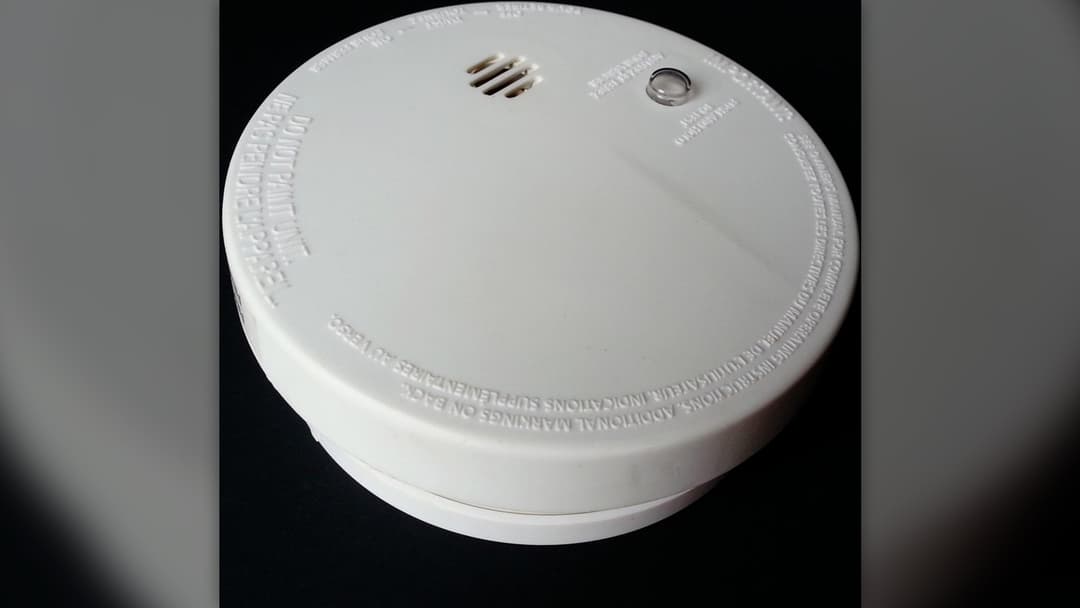
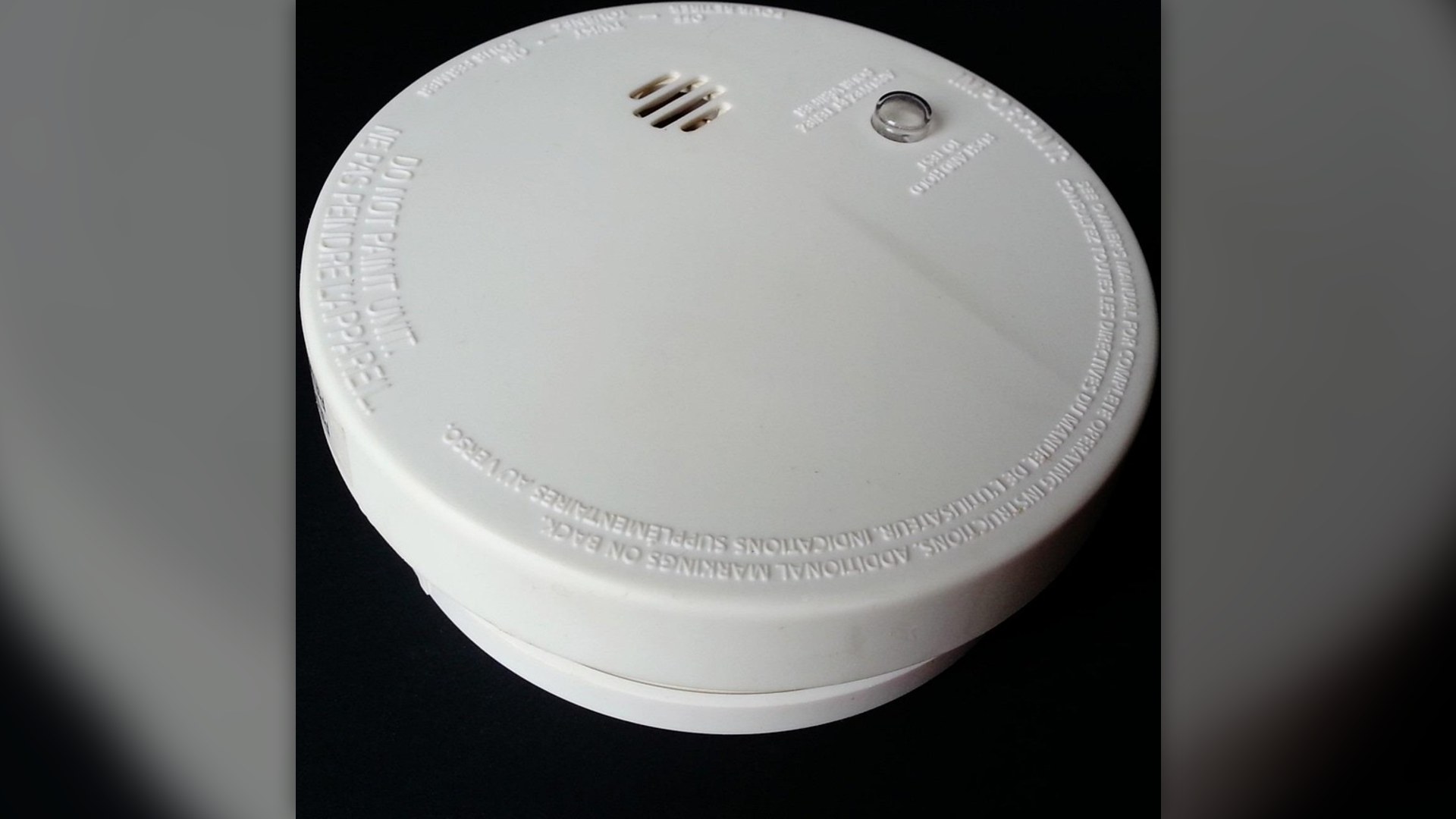
6. Test Carbon Monoxide Alarms
Test carbon monoxide and smoke detectors ahead of the storm and install fresh backup batteries. Incomplete combustion from alternative heating appliances elevates lethal carbon monoxide risks, requiring reliable detection on every level of the residence.
©Pixabay / PublicDomainPictures
Advertisement
Swipe or tap ▶ to resume the countdown.
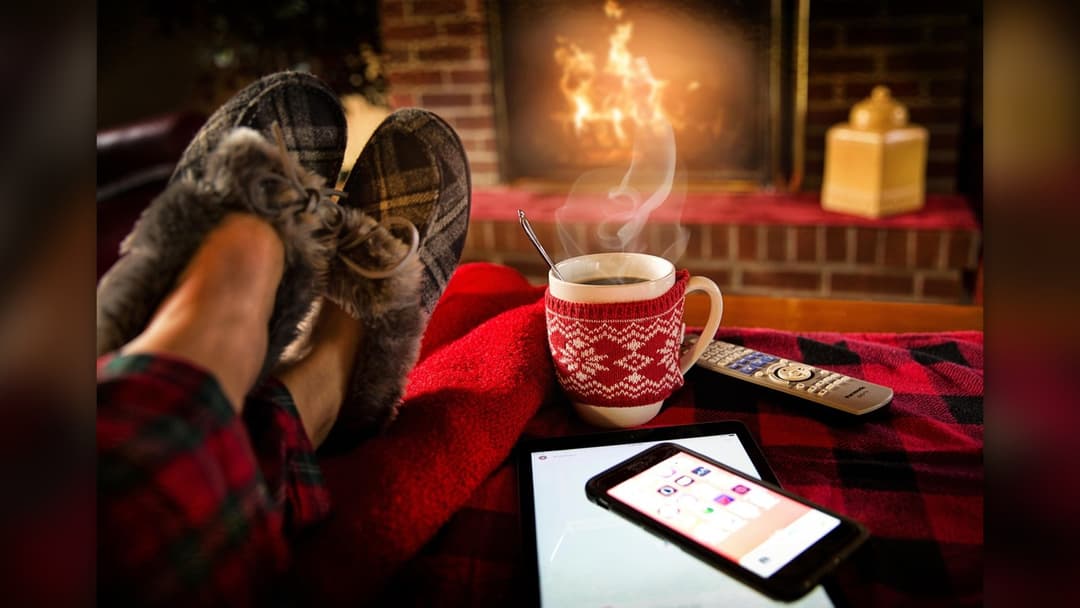
5. Use Safe Heating Sources
Never use a gas oven, kitchen stovetop, or outdoor charcoal grill to warm your home indoors. Portable electric space heaters require three feet of clear perimeter space, while fuel generators must always operate outdoors far from open windows.

©Pixabay / JillWellington
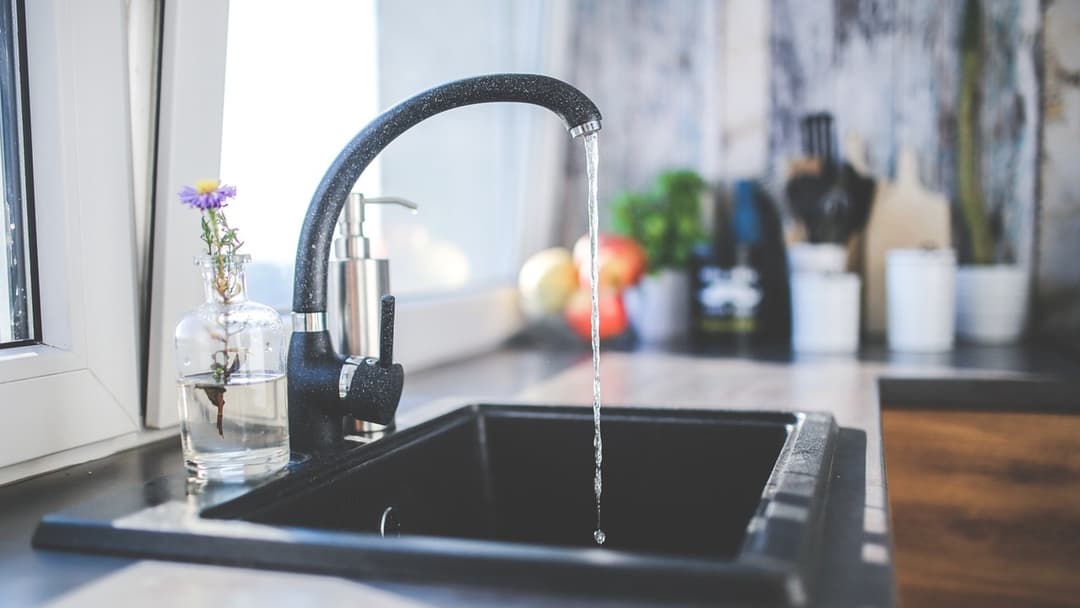
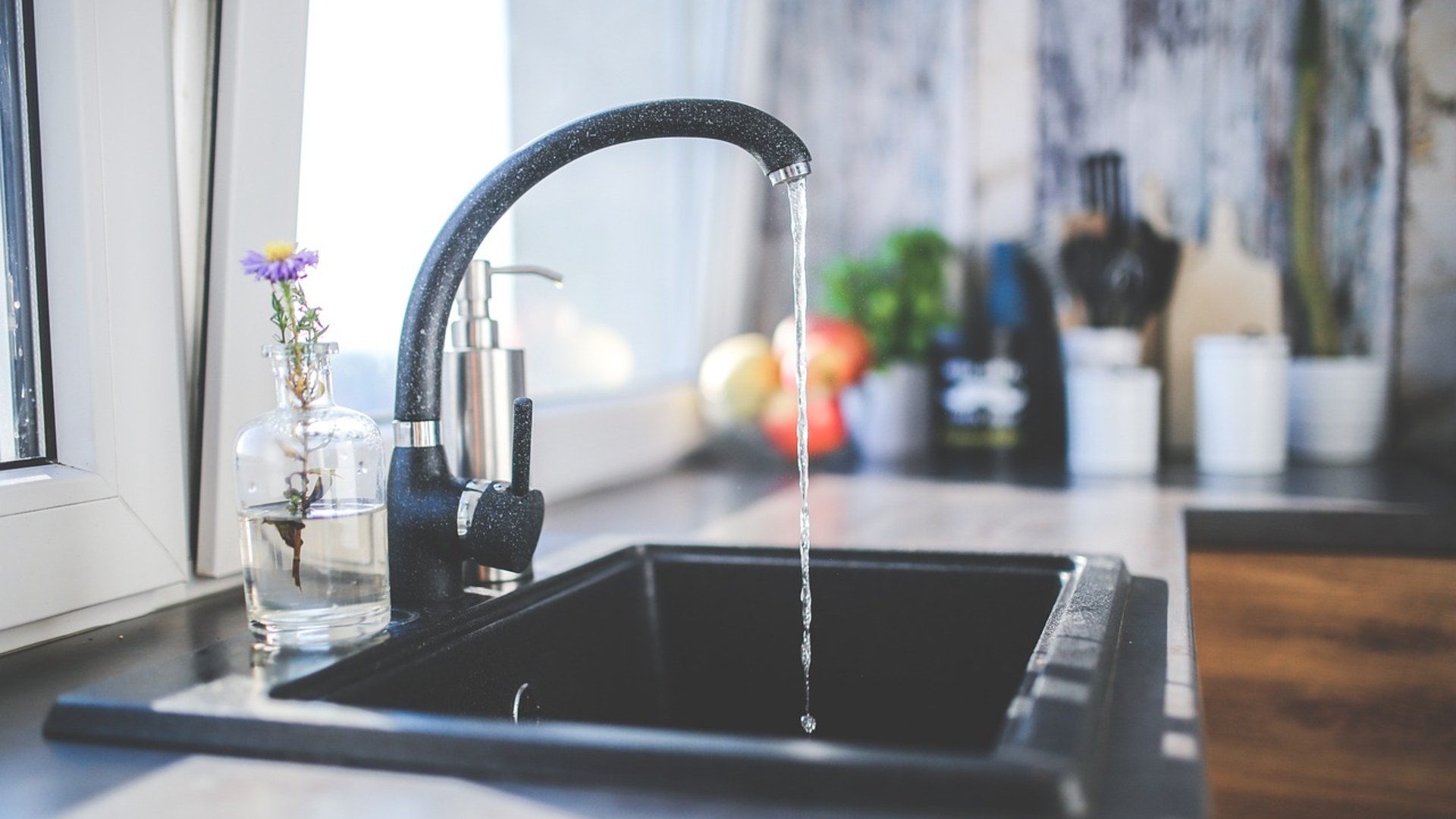
4. Prevent Frozen Pipes
Open bathroom and kitchen under-sink cabinet doors so warm interior air can circulate around plumbing lines. Allow cold-water faucets to drip steadily, and locate your main home shut-off valve beforehand so you can quickly halt leaks if a pipe bursts.
©Pixabay / kaboompics
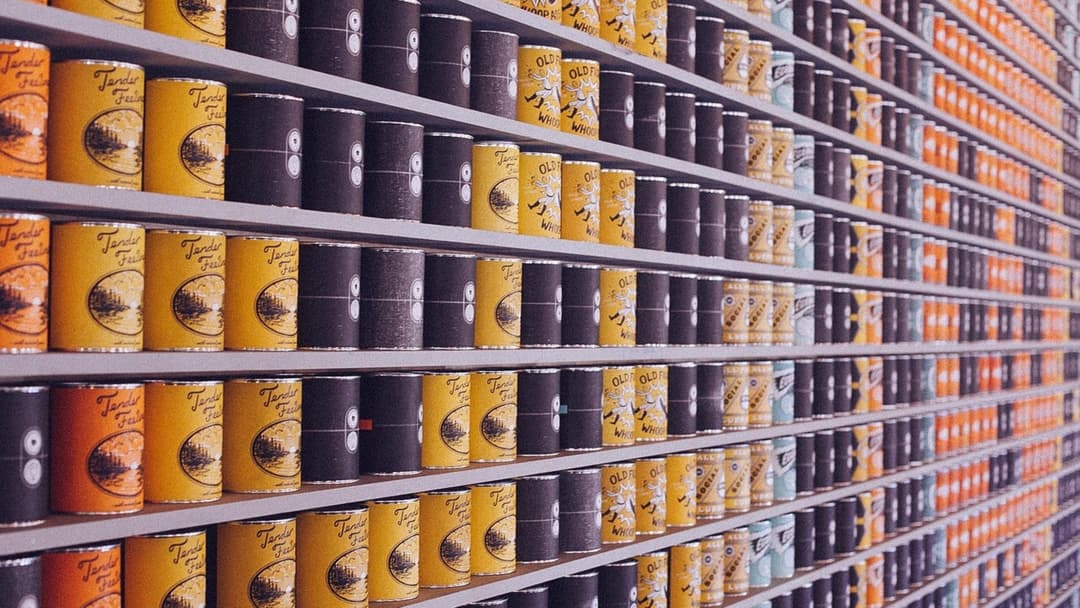
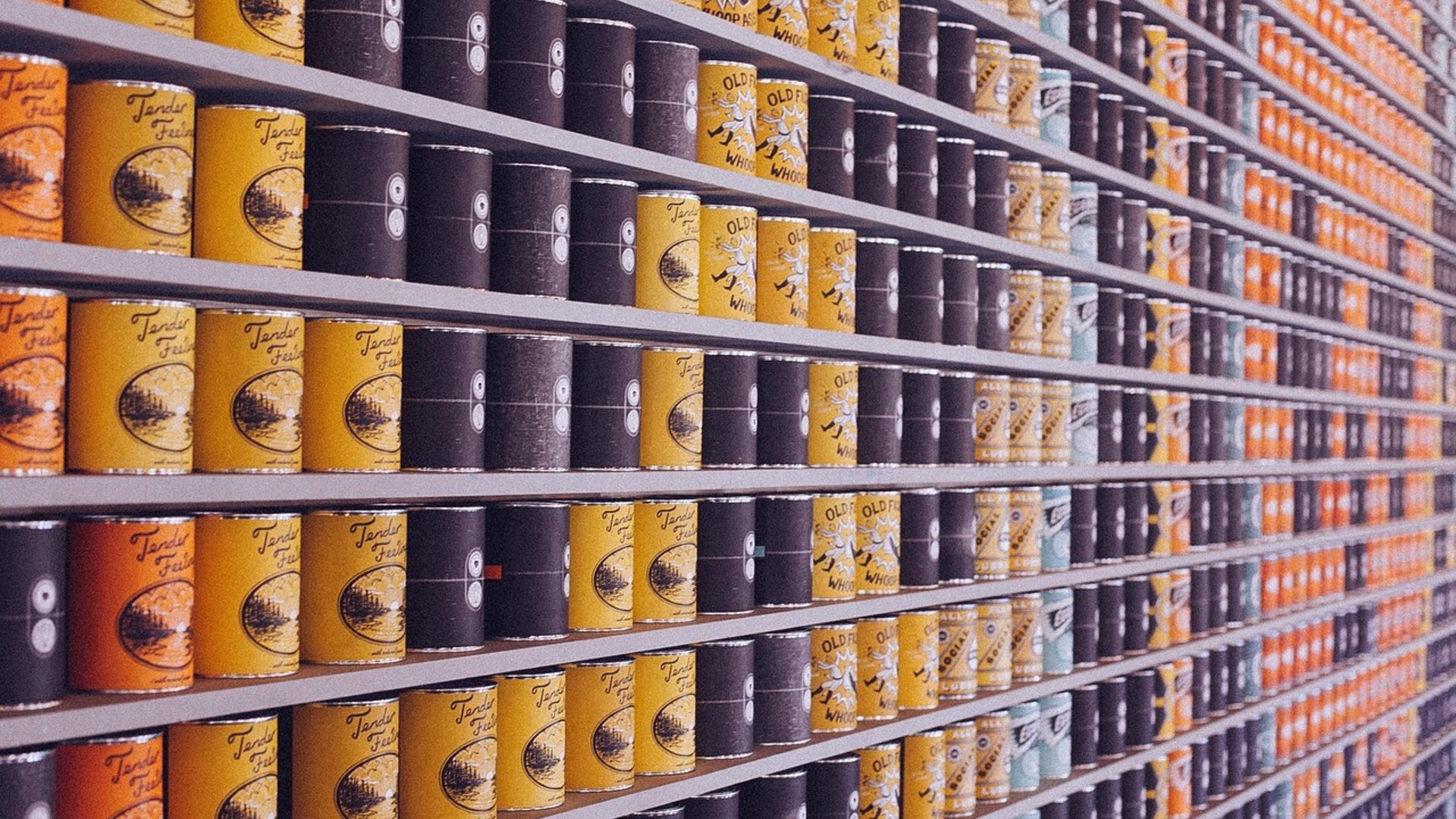
3. Keep Food Supplies Ready
Maintain at least a three-day supply of shelf-stable, ready-to-eat foods that do not rely on cooking or electric refrigeration. Nut butter, canned goods, dried fruits, energy bars, and crackers provide dense calories during power blackouts.
©Pixabay / PublicDomainArchive
2. Stockpile Emergency Water
Severe freezes and power outages frequently disable municipal pumps and residential well systems. Store at least one gallon of clean water per person and pet each day for drinking and sanitation, and fill bathtubs in advance as backup reserves.

©Pixabay / congerdesign
Advertisement
Swipe or tap ▶ to resume the countdown.
1. Stay Inside During The Storm
Avoid leaving shelter while heavy snow, high winds, and sub-zero temperatures persist. Venturing outside exposes individuals to disorientation, hypothermia, and frostbite within minutes. Reserve travel exclusively for true emergencies.

©Pixabay / Abbat1
Advertisement
You've reached the end of the story. Thanks for reading!

25 Most Beloved NCIS Characters in Franchise History, Ranked
Ranked according to extensive viewer polling and fan voting across TV Guide and Ranker community surveys, these 25 legendary NCIS characters defined television's most watched crime procedural. From special agents and forensic pioneers to medical examiners and directors, explore the team members who built the multi-decade naval franchise.
All 20 Entries in this Story
20. Pack An Emergency Car Kit
Always travel with an emergency trunk winter kit containing wool blankets, extra clothing, heavy-duty jumper cables, a flashlight, high-protein snacks, a phone power bank, and a bag of sand or cat litter for tire traction.

19. Crack A Downwind Window
While running the car engine to warm the interior, open a downwind window slightly to let fresh air circulate. A narrow opening prevents asphyxiation, minimizes humidity fogging, and safeguards against undetected exhaust leakage.

18. Clear Exhaust Tailpipe
Before running your engine while stranded in deep snow, inspect the rear exhaust pipe. Clear away all ice and packed drifts to ensure carbon monoxide discharges safely into the open air instead of seeping into the vehicle cabin.

17. Run The Engine Sparingly
Conserve gasoline by running your vehicle motor and cabin heater for approximately ten minutes each hour. Turn on the interior dome light while the engine runs so recovery crews can spot your vehicle during nocturnal operations.

16. Stay Inside Your Vehicle
If your automobile stalls or slides off the roadway in a blizzard, stay inside the vehicle cabin. Your car provides immediate shelter and makes you far easier for rescue teams to find than an exposed pedestrian lost in a snowfield.

15. Avoid Highway Driving
Do not drive during heavy blizzards and freezing rain. Black ice, snowdrifts, and zero visibility cause multi-vehicle pileups and leave drivers stranded in freezing conditions for hours before emergency crews can respond.

14. Rig A Safety Lifeline
Whiteout conditions erase visual landmarks, horizons, and footprints in seconds. If you must walk between your home and an outbuilding or barn during severe gusts, tie a taut guide rope between structures to guarantee safe navigation back.

13. Wear Mittens And Headgear
Mittens keep fingers close together to generate superior warmth compared to gloves. Wear a thermal knit hat that covers your ears, a scarf across your face, and waterproof insulated footwear with deep traction tread outdoors.

12. Melt And Purify Snow
Eating raw snow lowers your core body temperature rapidly and accelerates hypothermia. If municipal water fails, melt clean snow in pots over an approved camp stove or indoor safe heat source, and bring it to a rolling boil before consumption.

11. Shovel Snow In Intervals
Lifting dense, wet snow in frigid temperatures places severe strain on cardiovascular systems. Shovel small, manageable amounts at frequent intervals, push rather than lift whenever possible, and take warm breaks to prevent cardiac events.

10. Seal Interior Living Zones
During prolonged heating system outages or power cuts, close doors to unoccupied rooms to trap warmth in a central living zone. Hang thick blankets across windows and place rolled towels against door thresholds to block icy drafts.

9. Assist Vulnerable Neighbors
Cold waves hit elderly neighbors and individuals with chronic medical issues hardest. Call or safely check in to verify their heating systems function properly, their water remains running, and their essential medical prescriptions stay stocked.

8. Layer Clothing For Warmth
Layering lightweight, loose-fitting clothing traps warm insulating air between fabrics more effectively than one heavy sweater. Water-resistant outerwear paired with wool or thermal synthetic bases preserves vital core body heat indoors and outside.

7. Keep Heating Vents Clear
Snowdrifts can quickly cover and choke exterior intake vents, furnace exhausts, and chimney flues. Blocked exhaust systems force dangerous combustion fumes directly back into living quarters or trigger automatic emergency furnace shutdowns.

6. Test Carbon Monoxide Alarms
Test carbon monoxide and smoke detectors ahead of the storm and install fresh backup batteries. Incomplete combustion from alternative heating appliances elevates lethal carbon monoxide risks, requiring reliable detection on every level of the residence.

5. Use Safe Heating Sources
Never use a gas oven, kitchen stovetop, or outdoor charcoal grill to warm your home indoors. Portable electric space heaters require three feet of clear perimeter space, while fuel generators must always operate outdoors far from open windows.

4. Prevent Frozen Pipes
Open bathroom and kitchen under-sink cabinet doors so warm interior air can circulate around plumbing lines. Allow cold-water faucets to drip steadily, and locate your main home shut-off valve beforehand so you can quickly halt leaks if a pipe bursts.

3. Keep Food Supplies Ready
Maintain at least a three-day supply of shelf-stable, ready-to-eat foods that do not rely on cooking or electric refrigeration. Nut butter, canned goods, dried fruits, energy bars, and crackers provide dense calories during power blackouts.

2. Stockpile Emergency Water
Severe freezes and power outages frequently disable municipal pumps and residential well systems. Store at least one gallon of clean water per person and pet each day for drinking and sanitation, and fill bathtubs in advance as backup reserves.

1. Stay Inside During The Storm
Avoid leaving shelter while heavy snow, high winds, and sub-zero temperatures persist. Venturing outside exposes individuals to disorientation, hypothermia, and frostbite within minutes. Reserve travel exclusively for true emergencies.