Slideshow · Animals
25 Clever Animals That Use Deception to Survive
Biologists long believed tactical deception was unique to humans, but these twenty-five fascinating animal species prove that lying is a powerful survival tool in nature. Biologists long believed tactical deception was unique to humans, but these twenty-five fascinating animal species prove that lying is a powerful survival tool in nature.
By Most Viral Today
1 hour ago

Intelligent animal species that deliberately deceive others in nature 
25. Killdeer 
24. Cuttlefish 
23. Femme Fatale Firefly - AdvertisementSwipe or tap ▶ to continue countdown

22. Alcon Blue Butterfly 
21. Green Heron 
20. Common Cuckoo 
19. Margay - AdvertisementSwipe or tap ▶ to continue countdown

18. Blue Jay 
17. Eastern Hognose Snake 
16. Common Raven 
15. Western Scrub-Jay - AdvertisementSwipe or tap ▶ to continue countdown

14. Mimic Octopus 
13. Chimpanzee 
12. White Faced Capuchin 
11. Red Fox - AdvertisementSwipe or tap ▶ to continue countdown

10. American Alligator 
9. Spider Tailed Horned Viper 
8. Anglerfish 
7. Zone Tailed Hawk - AdvertisementSwipe or tap ▶ to continue countdown

6. Alligator Snapping Turtle 
5. Blister Beetle 
4. Bluestreak Cleaner Wrasse 
3. Death's Head Hawkmoth - AdvertisementSwipe or tap ▶ to continue countdown

2. Rhesus Macaque 
1. Fork Tailed Drongo - Advertisement🔥 UP NEXT IN THIS SERIES◫ 21 Slides

20 Ways Your Home Office Hurts Productivity
Transform your remote workspace from a chaotic desk corner into a powerhouse of efficiency and comfort with these 20 essential upgrades.
Biologists long believed tactical deception was unique to humans, but these twenty-five fascinating animal species prove that lying is a powerful survival tool in nature. Here are the wild kingdom's most cunning deceivers.
Swipe or tap ▶ to begin the countdown
©Wikimedia / Frank Schulenburg & Wikimedia / Hobbyfotowiki
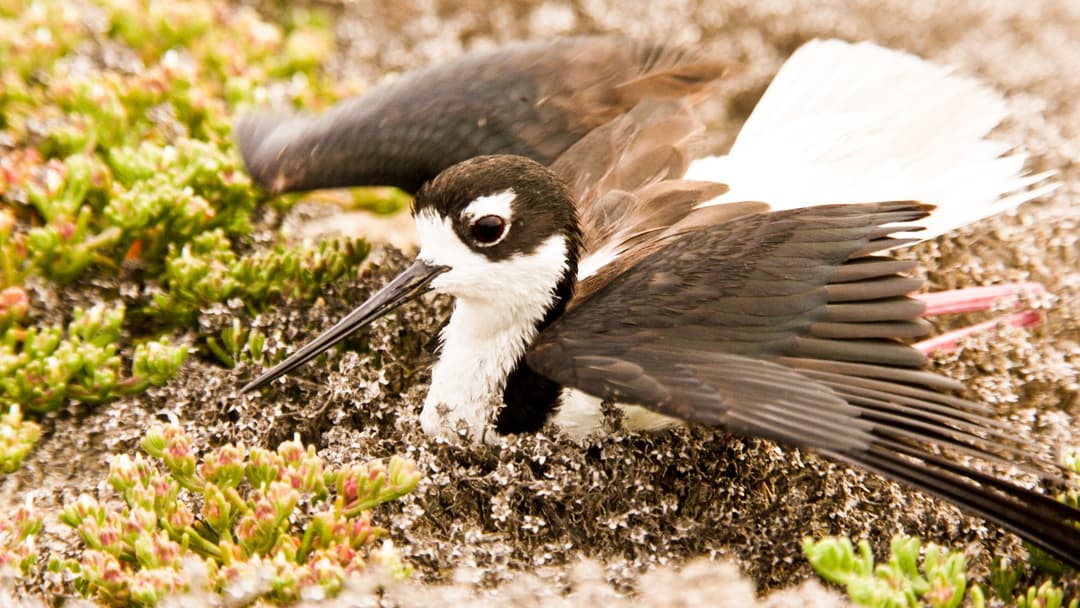
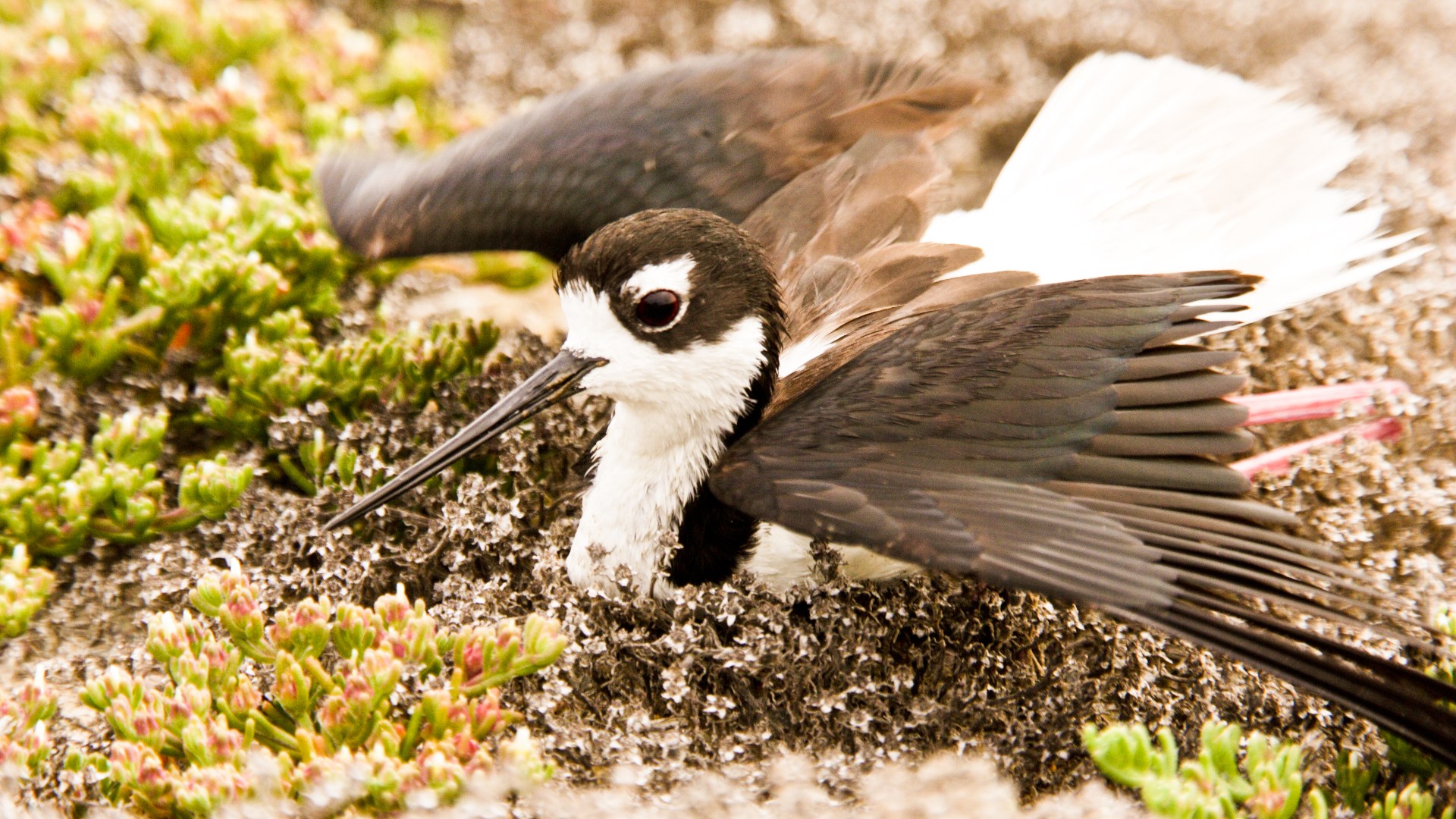
25. Killdeer
The killdeer lays its eggs directly in shallow gravel scrapes on open ground. When a fox or coyote approaches the nest, the adult bird drags a wing as though crippled, crying out in distress until the predator follows it far away from the vulnerable chicks.
©Wikimedia / Sacramento, US
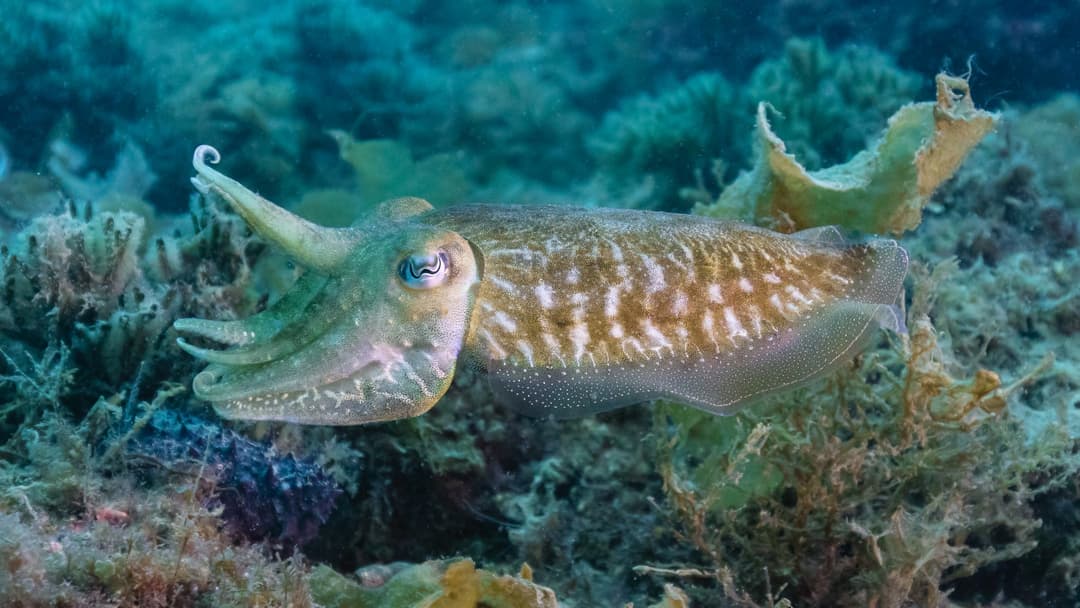
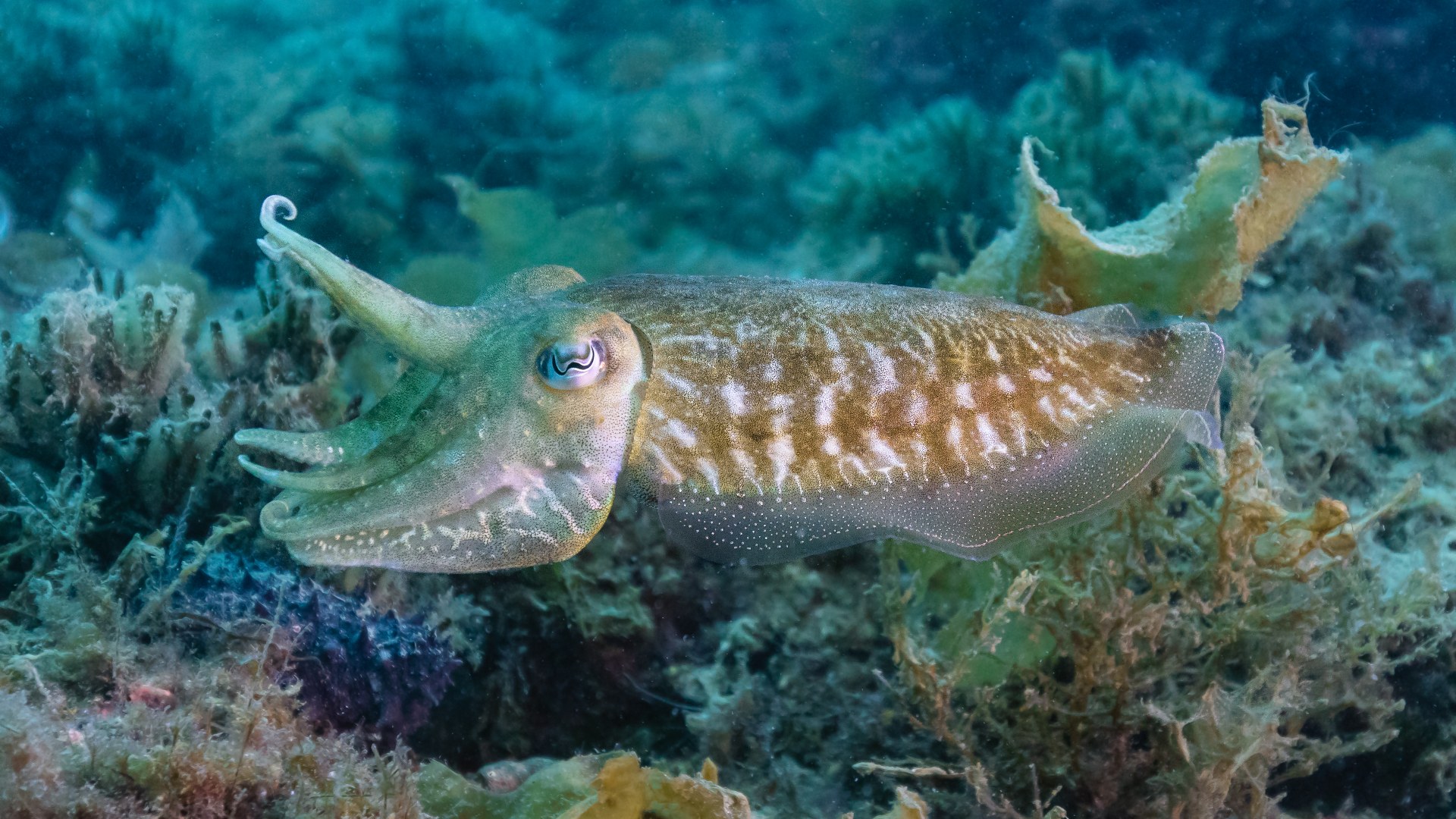
24. Cuttlefish
During competitive breeding seasons, large male cuttlefish aggressively guard fertile females. Smaller males outsmart their rivals by tucking in their tentacles and shifting their skin patterns to mimic females, swimming right past guards to mate successfully.
©Wikimedia / Diego Delso
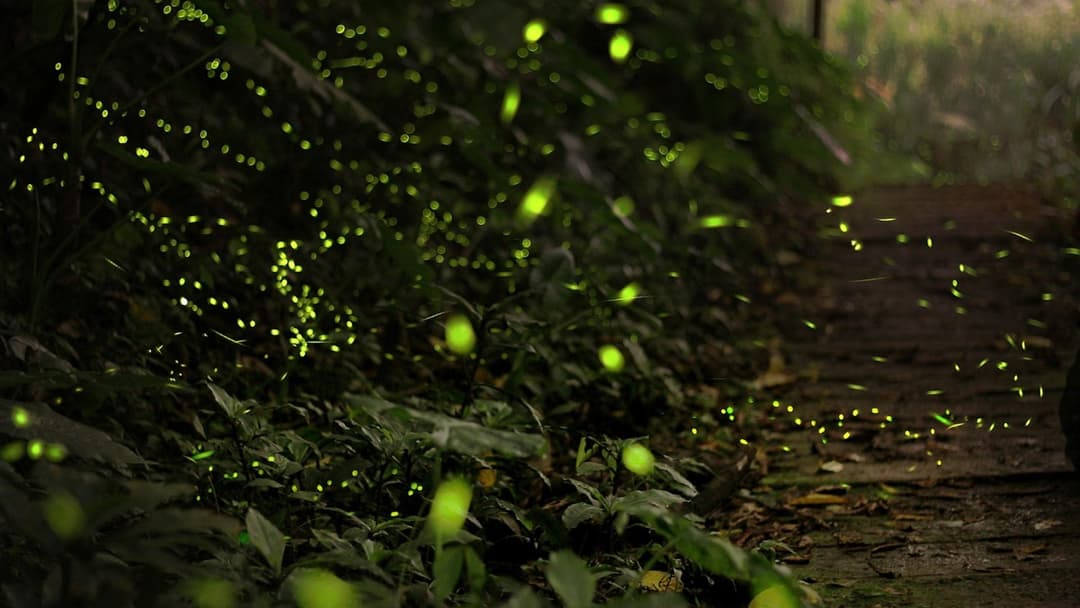
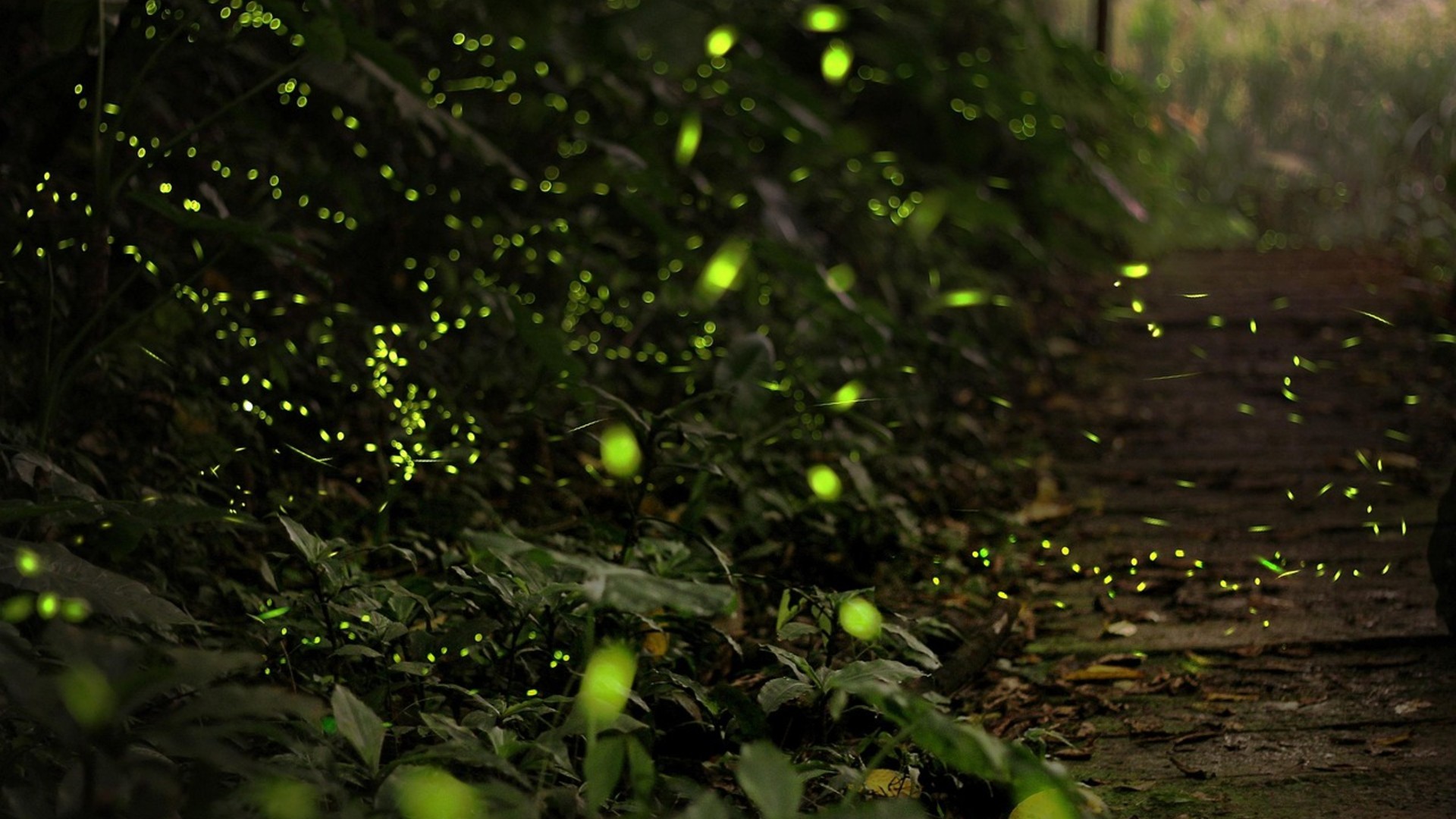
23. Femme Fatale Firefly
Female Photuris fireflies are cunning predators in the insect world. By observing the distinctive glowing flash codes of neighboring Photinus fireflies, they blink back the exact reply of a receptive female, ambushing eager males who arrive expecting a mate.
©Pixabay / kiwi616
Advertisement
Swipe or tap ▶ to resume the countdown.
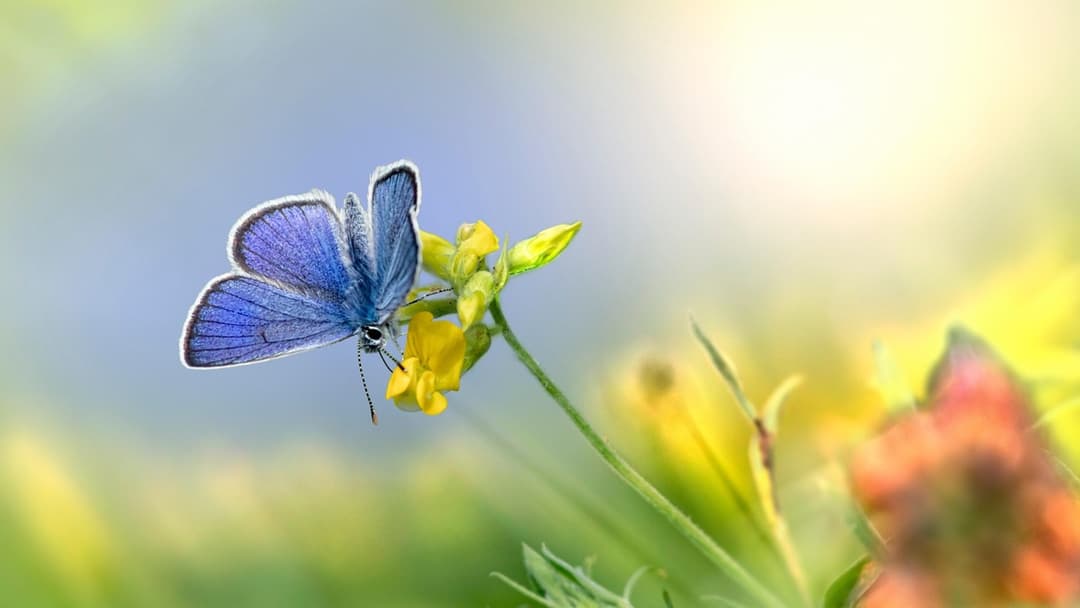
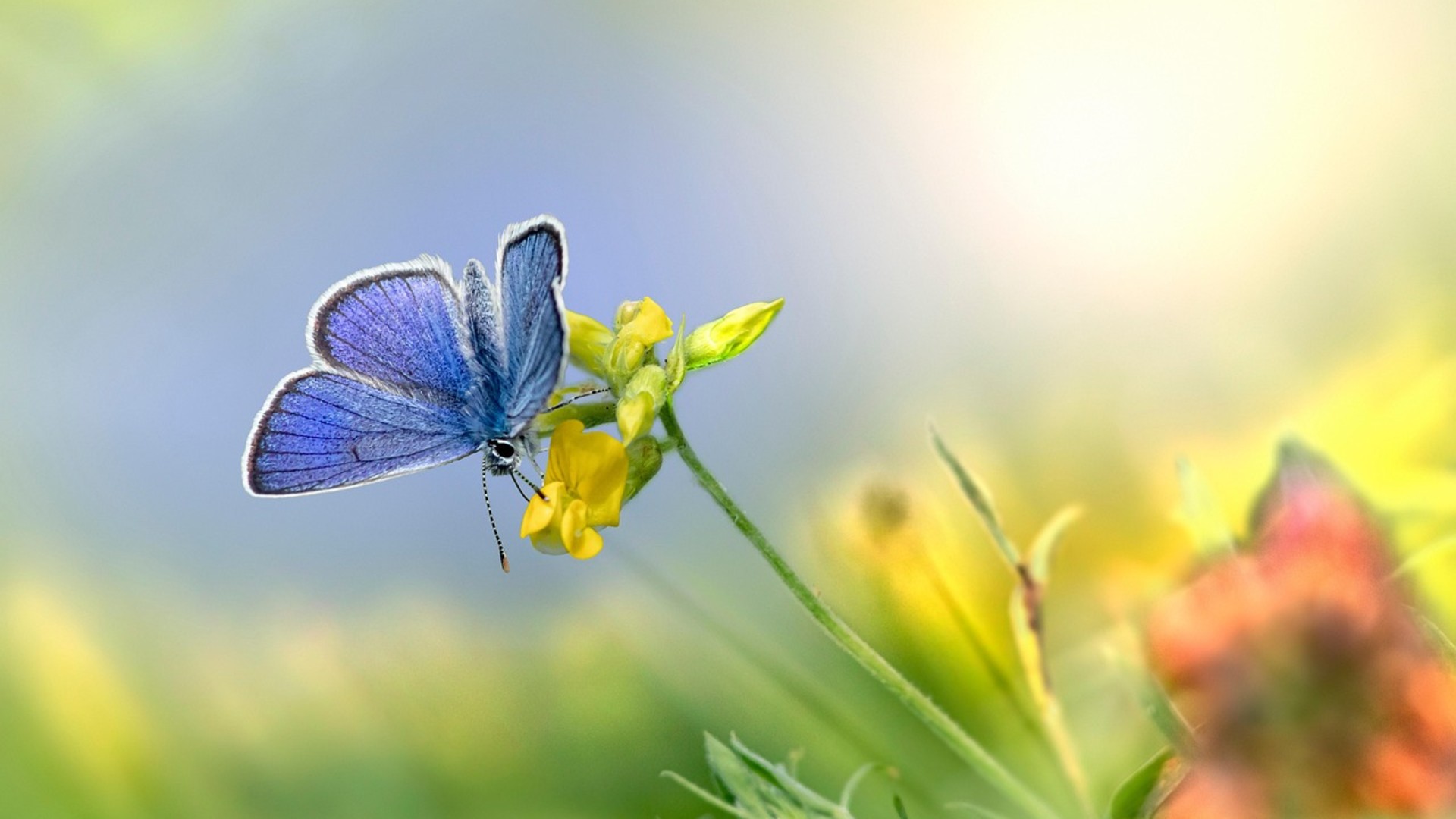
22. Alcon Blue Butterfly
The Alcon blue butterfly caterpillar falls to the forest floor and secretes pheromones identical to Myrmica queen ants. Deceived worker ants carry the imposter deep into their underground chambers, feeding it royal food while their own ant larvae starve.
©Pixabay / Erik_Karits
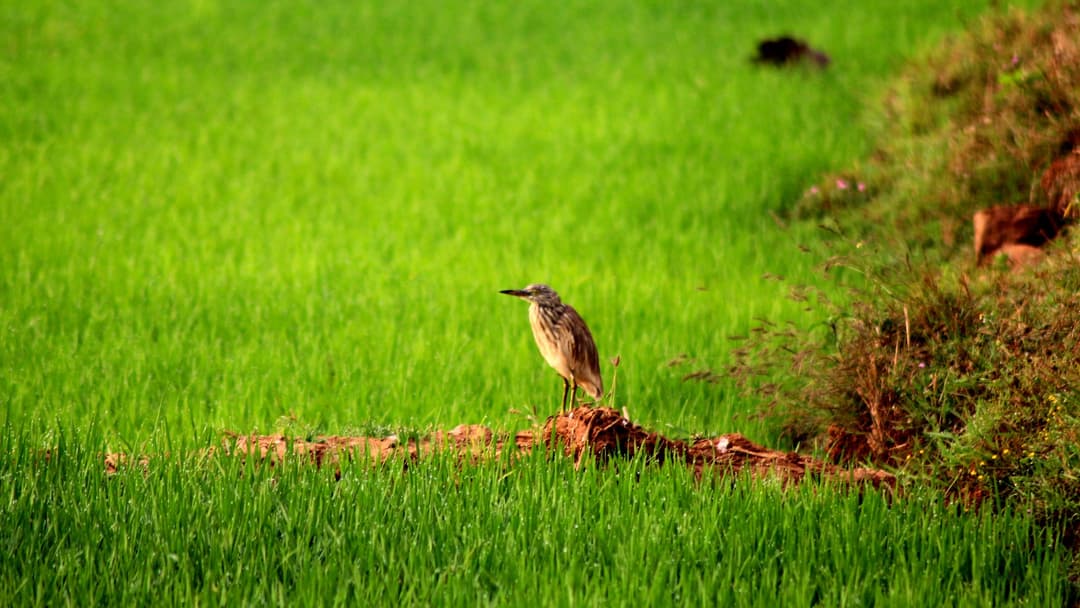
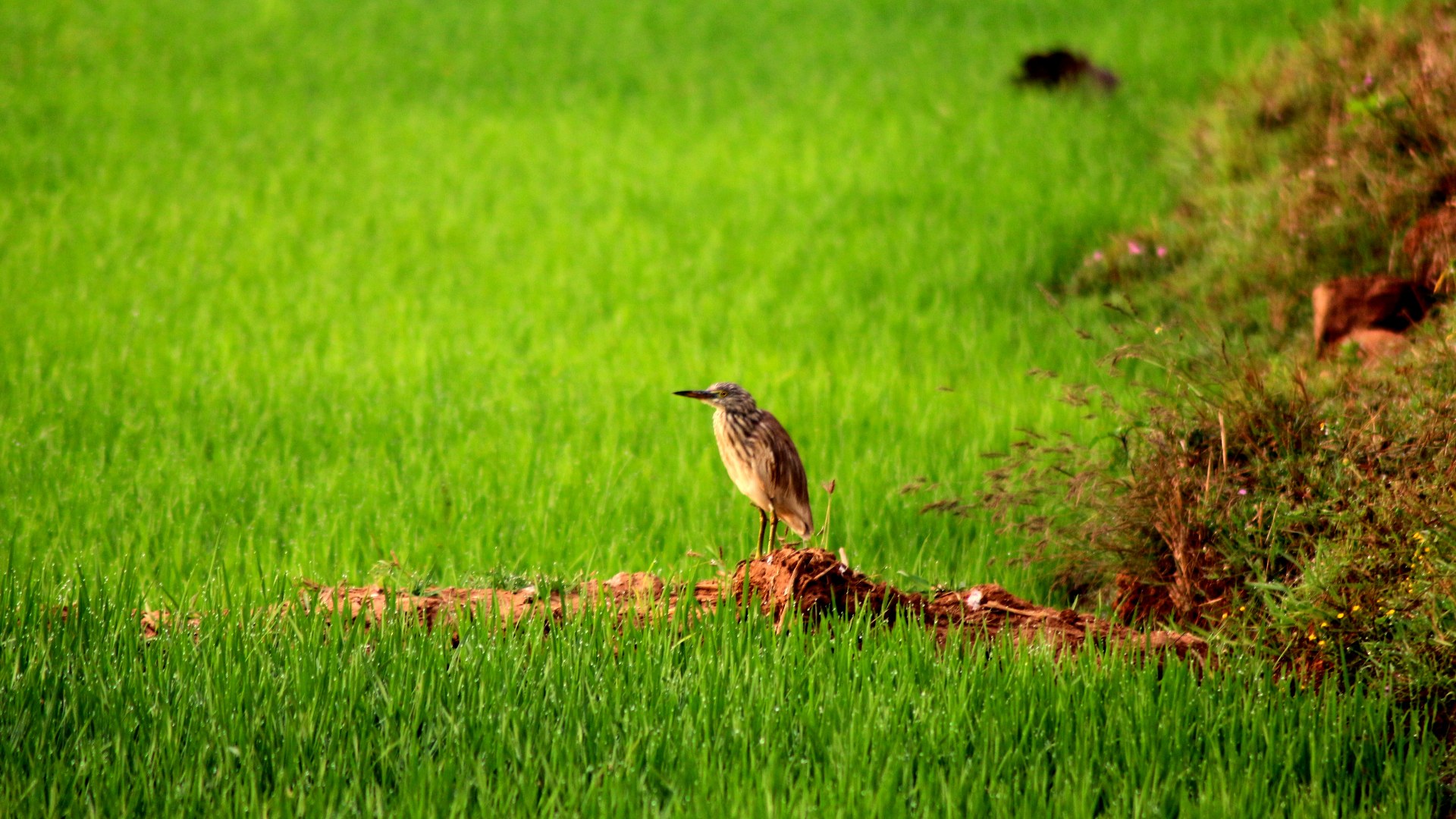
21. Green Heron
The green heron is one of the few bird species documented using tools for intentional deception. Standing motionlessly at the water's edge, the bird deliberately drops floating insects or twigs on the surface, waiting patiently for curious fish to rise before striking.
©Wikimedia / Shiv's fotografia
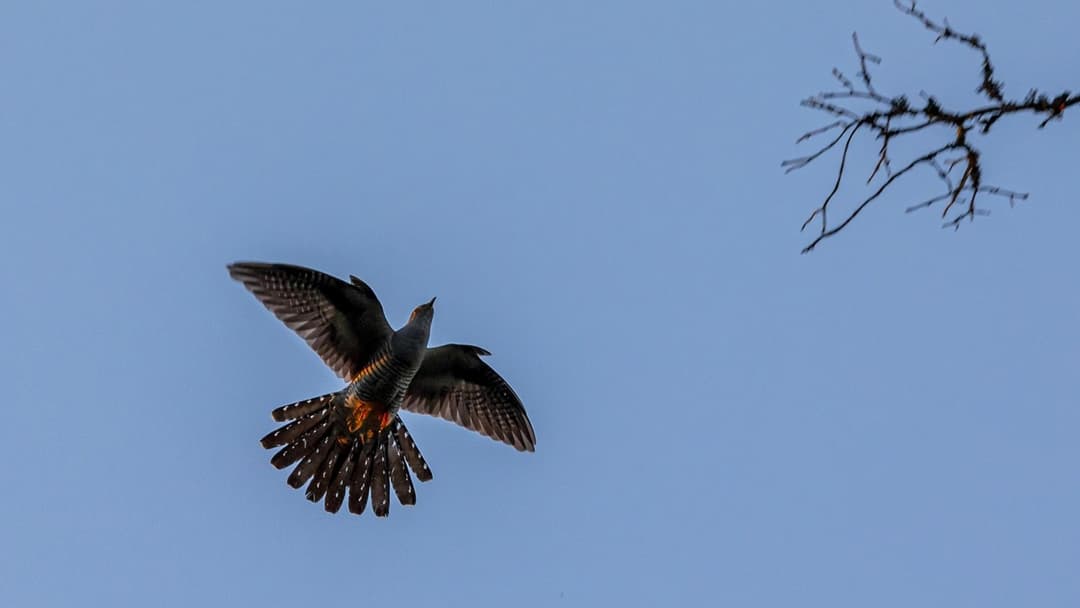
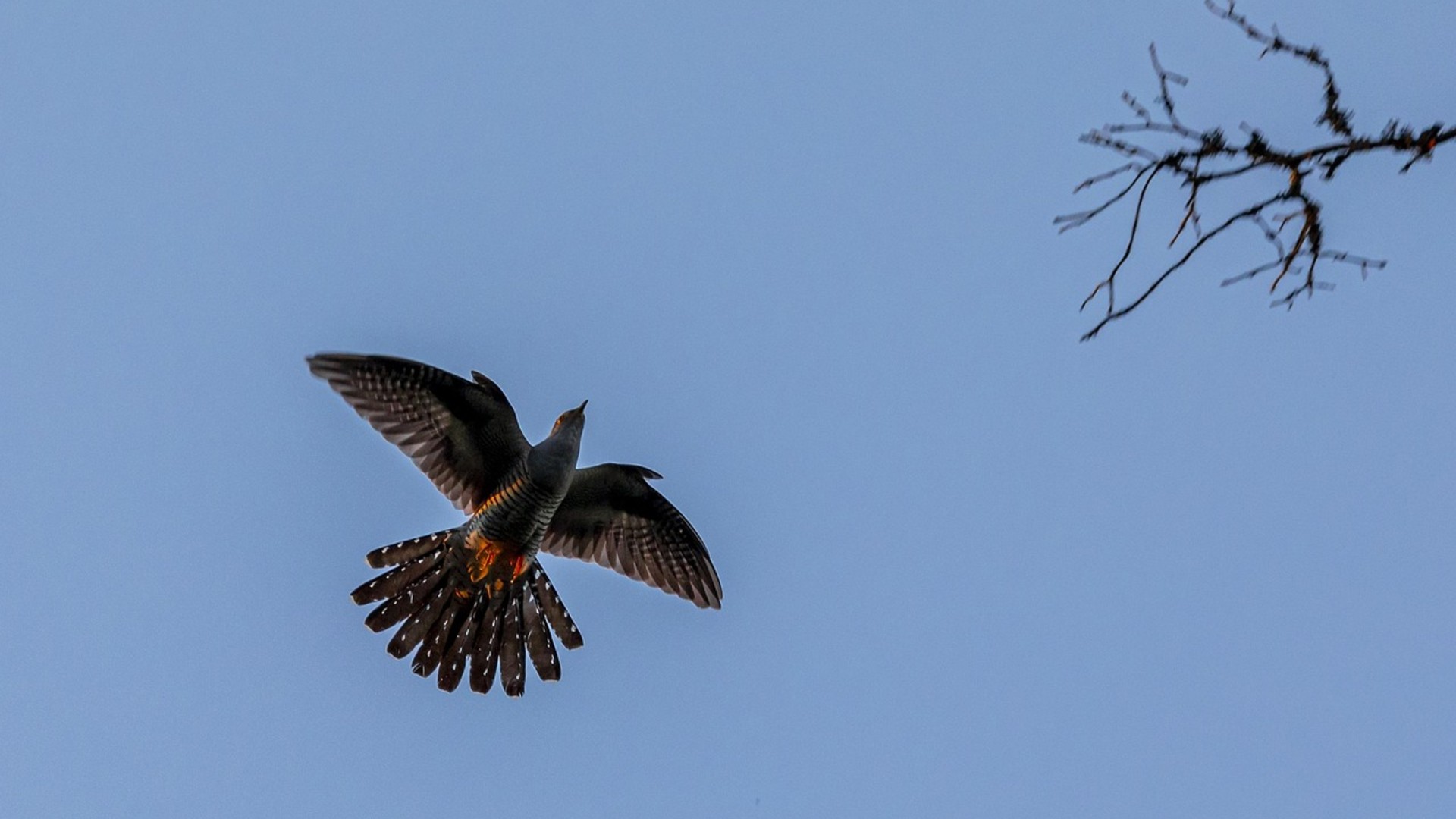
20. Common Cuckoo
Female cuckoos sneak into the nests of songbirds like reed warblers while the parents are away foraging. After pushing out a host egg, the cuckoo lays an egg that matches the host species in color and speckling, ensuring foster parents raise the giant cuckoo chick.
©Pixabay / Erik_Karits
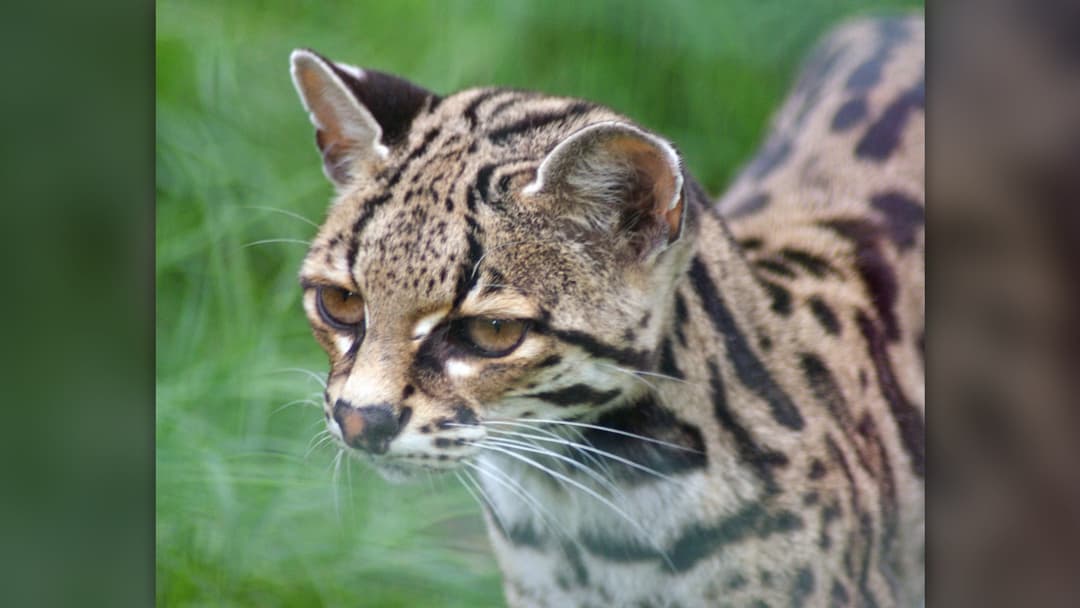
19. Margay
The margay is a tree-dwelling wildcat native to the rainforests of Central and South America. Researchers in the Amazon observed a margay vocally imitating the cries of a lost baby tamarin monkey, attempting to draw curious adult monkeys down from the canopy into ambush range.
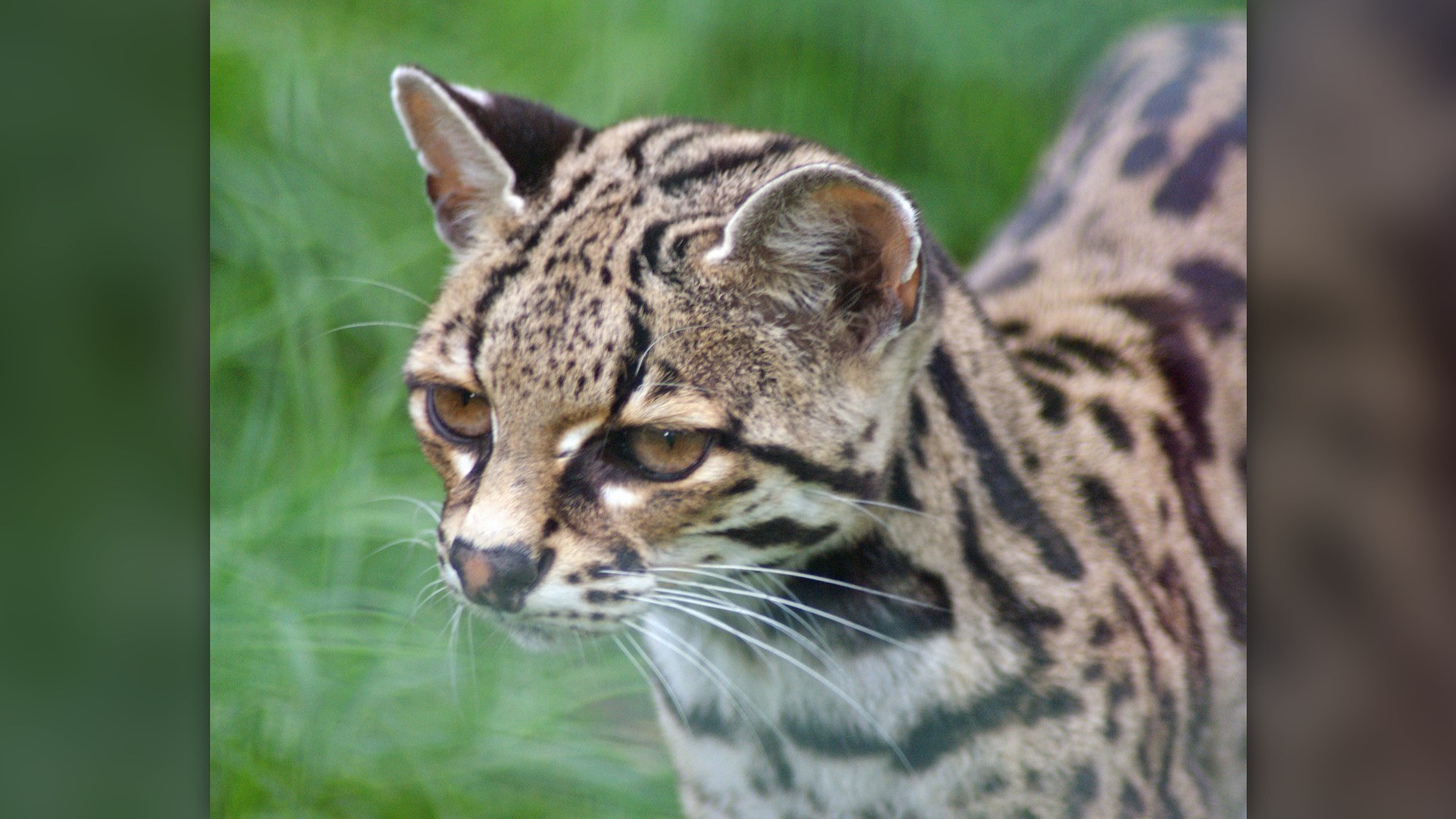
©Wikimedia / Spencer Wright from North Walsham, England
Advertisement
Swipe or tap ▶ to resume the countdown.
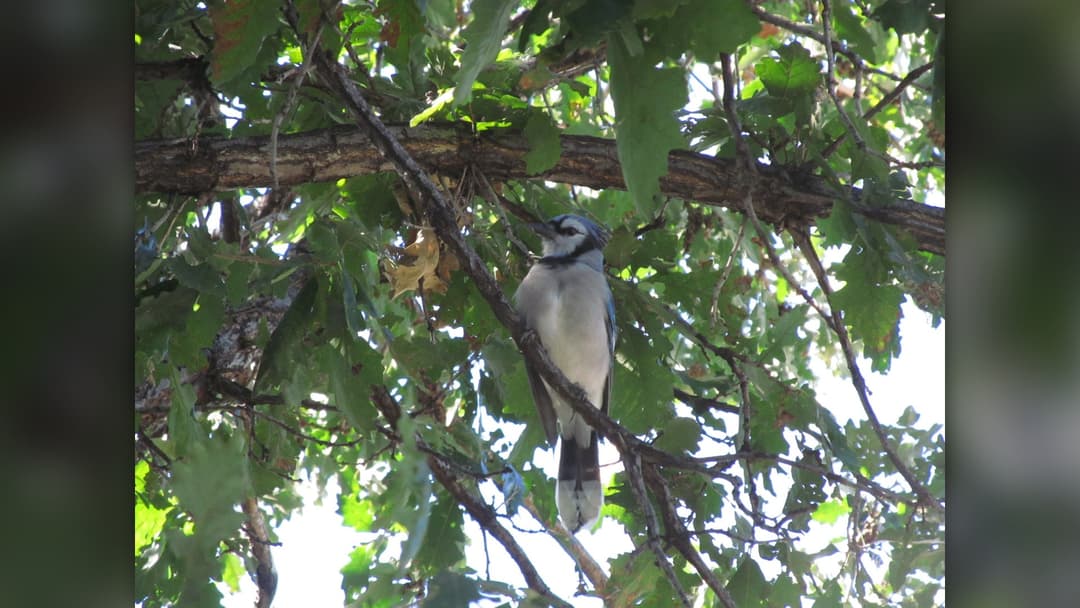
18. Blue Jay
Blue jays possess remarkable vocal mimicry and frequently imitate the shrill cries of red-shouldered hawks. By sounding this convincing predator alarm near crowded bird feeders, the blue jay sends smaller songbirds fleeing, leaving all the food for itself.
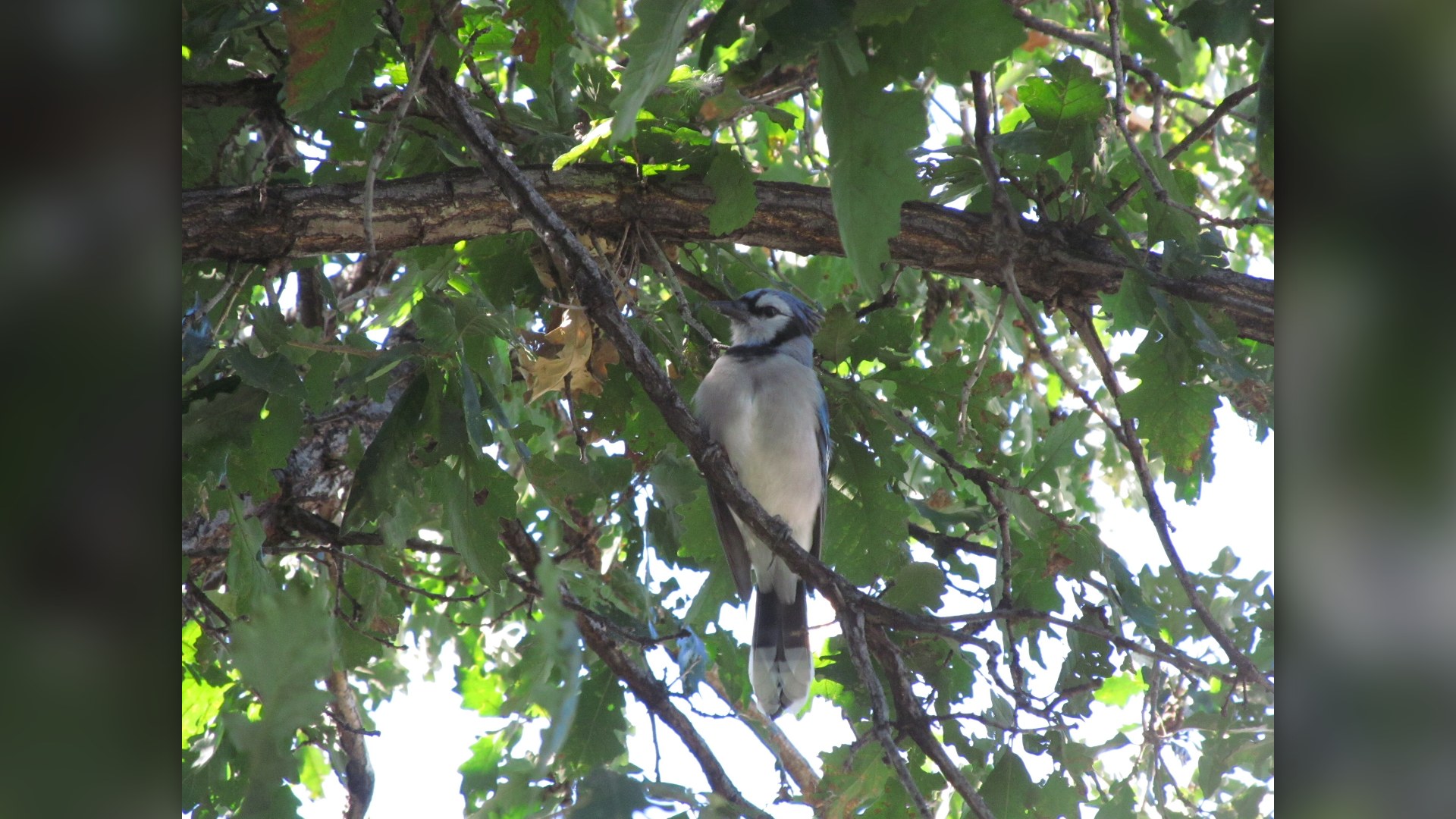
©Wikimedia / Kevin Kiefuik
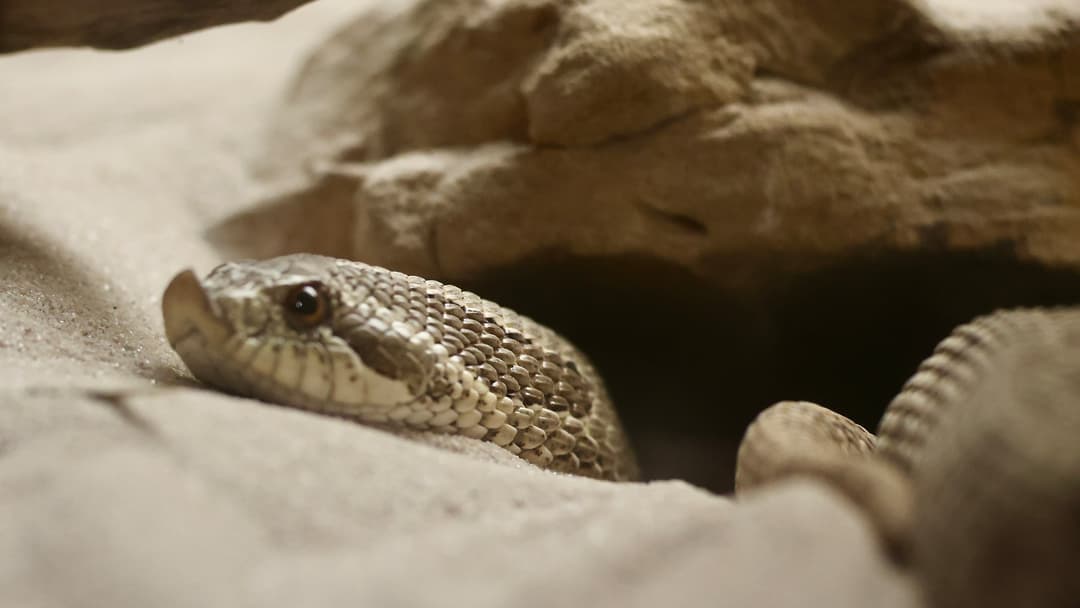
17. Eastern Hognose Snake
The eastern hognose snake stages one of nature's most dramatic performances when confronted by predators. After flattening its neck like a cobra fails to intimidate, the snake rolls onto its back, opens its mouth, and emits a foul musky odor to appear completely rotten.
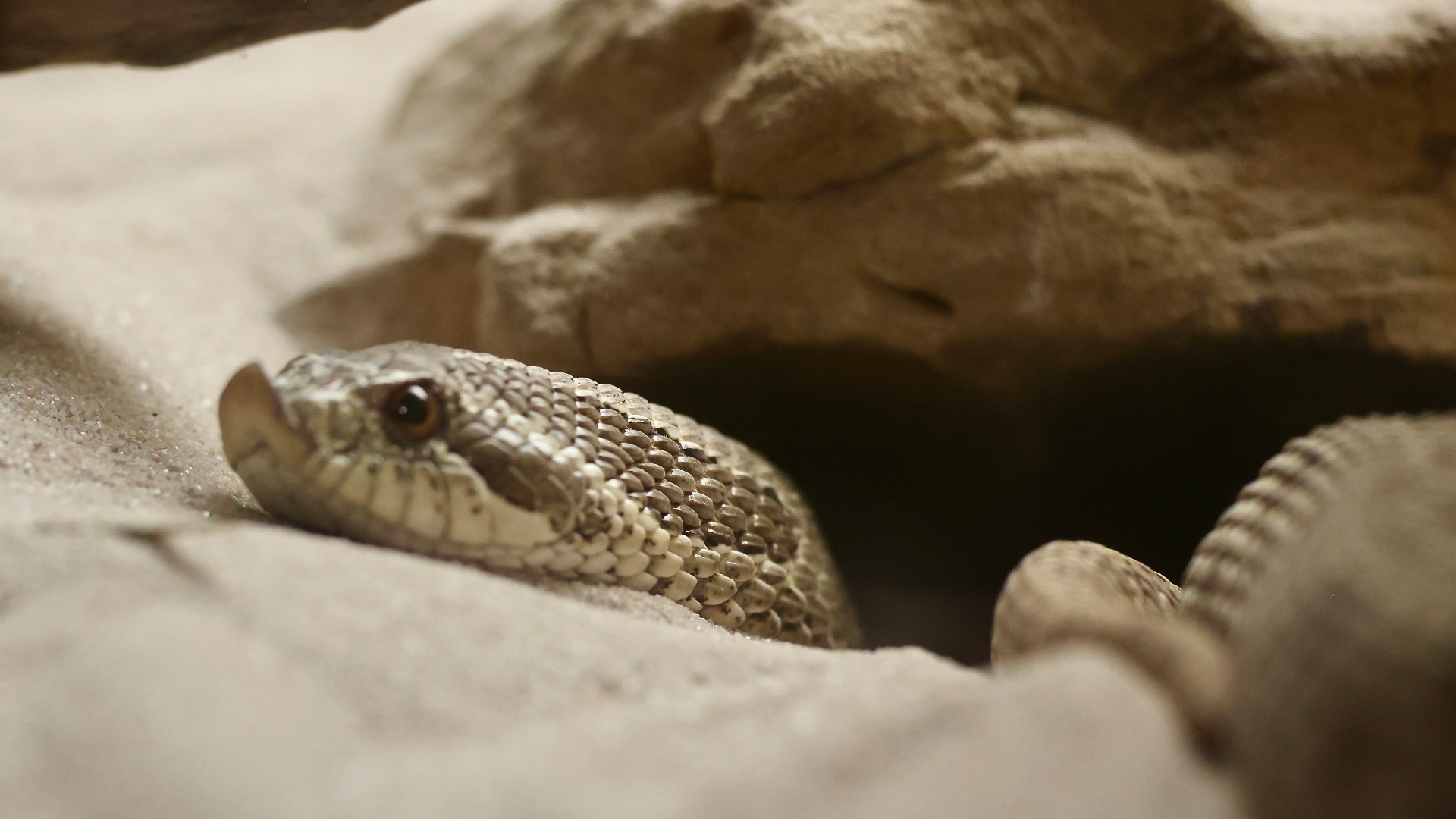
©Wikimedia / Jean Ogden Just Chaos Photography
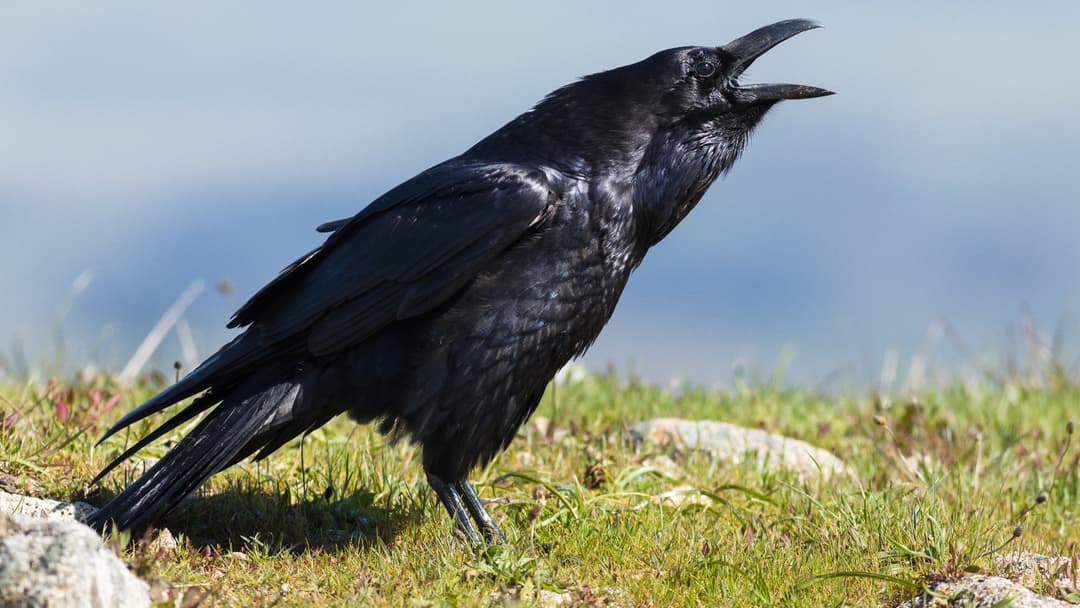
16. Common Raven
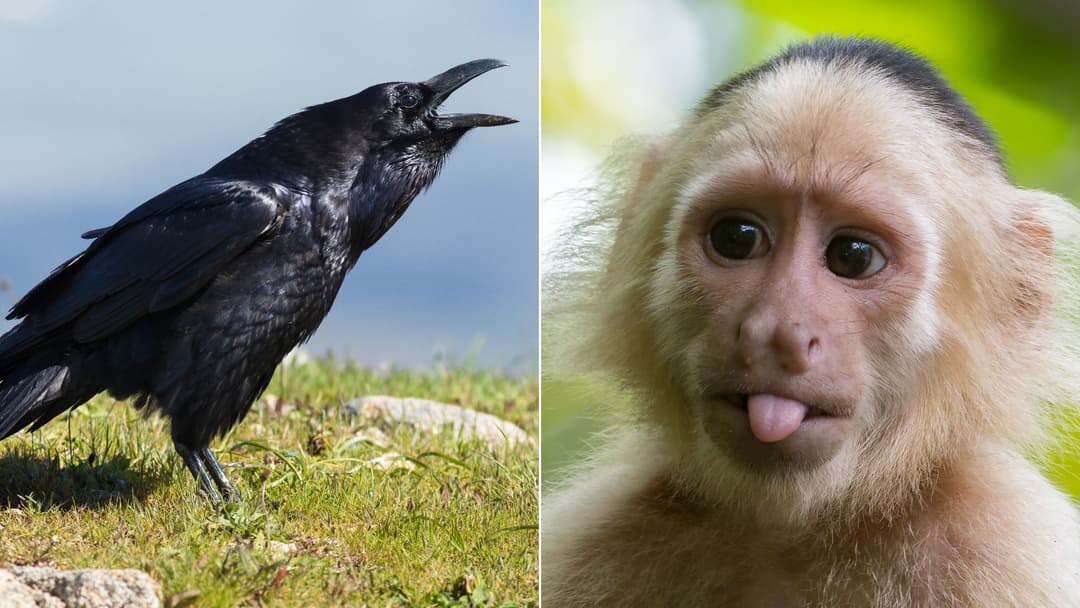
Ravens possess an acute understanding of what other birds can see. When caching food in the presence of curious onlookers, a raven will pretend to push a morsel under leaves, only to fly away with the food tucked inside its beak to bury it in a private location.
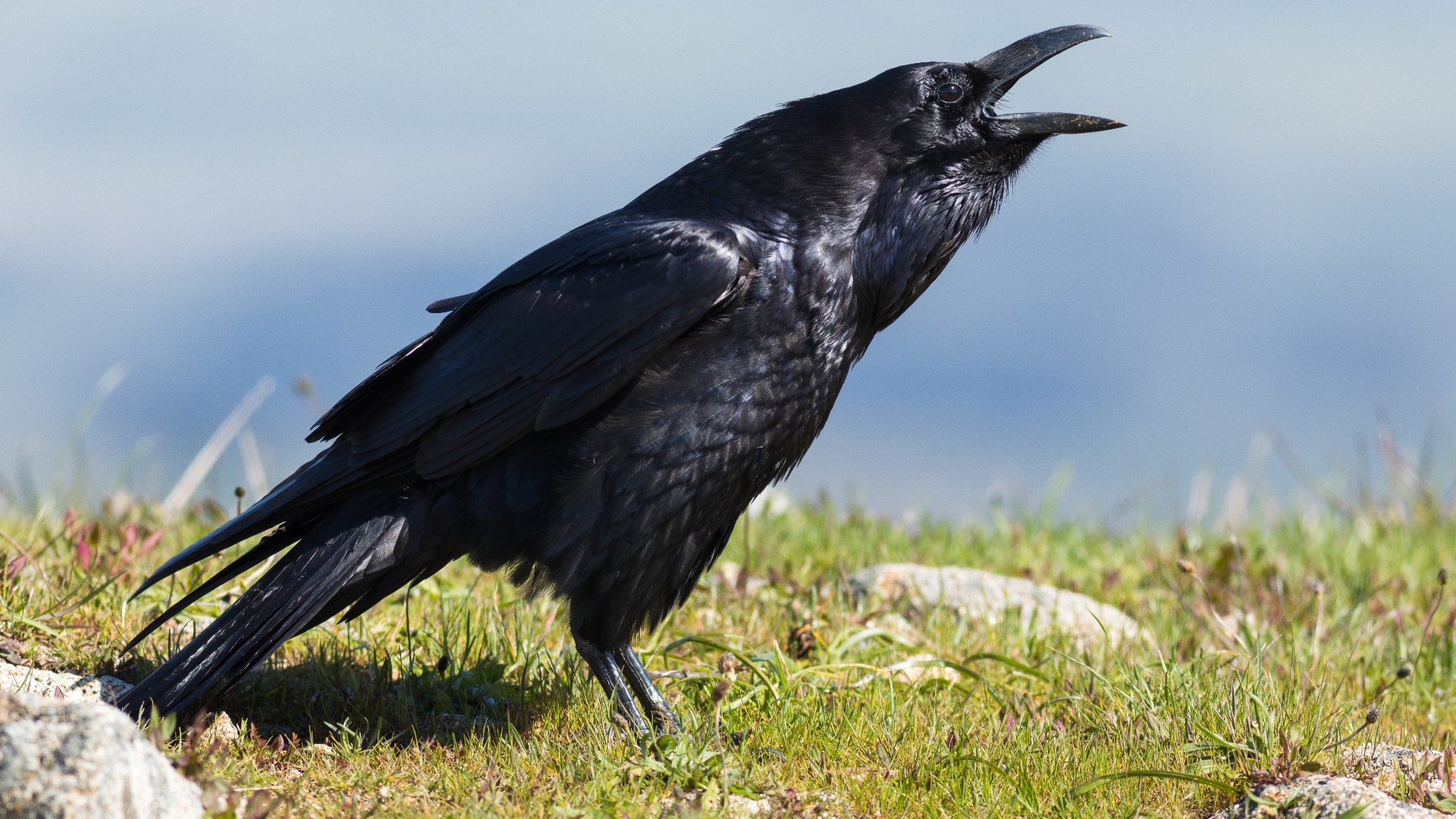
©Wikimedia / Frank Schulenburg
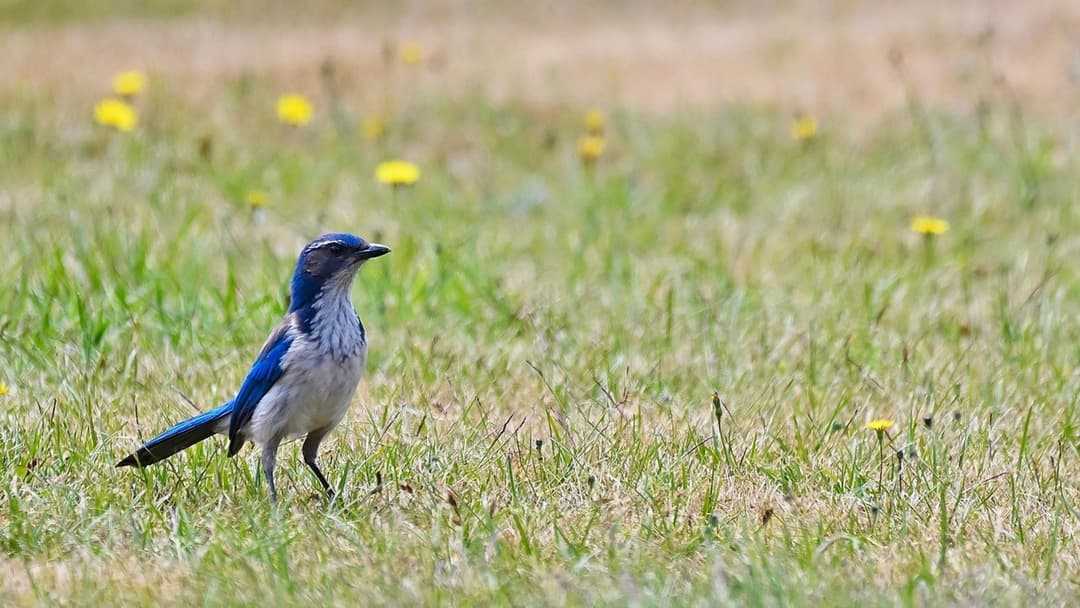
15. Western Scrub-Jay
Studies reveal that western scrub-jays understand the intentions of food thieves. If a scrub-jay notices another bird watching while it buries seeds, it returns as soon as the observer leaves, quietly digging up the cache and hiding it somewhere new.
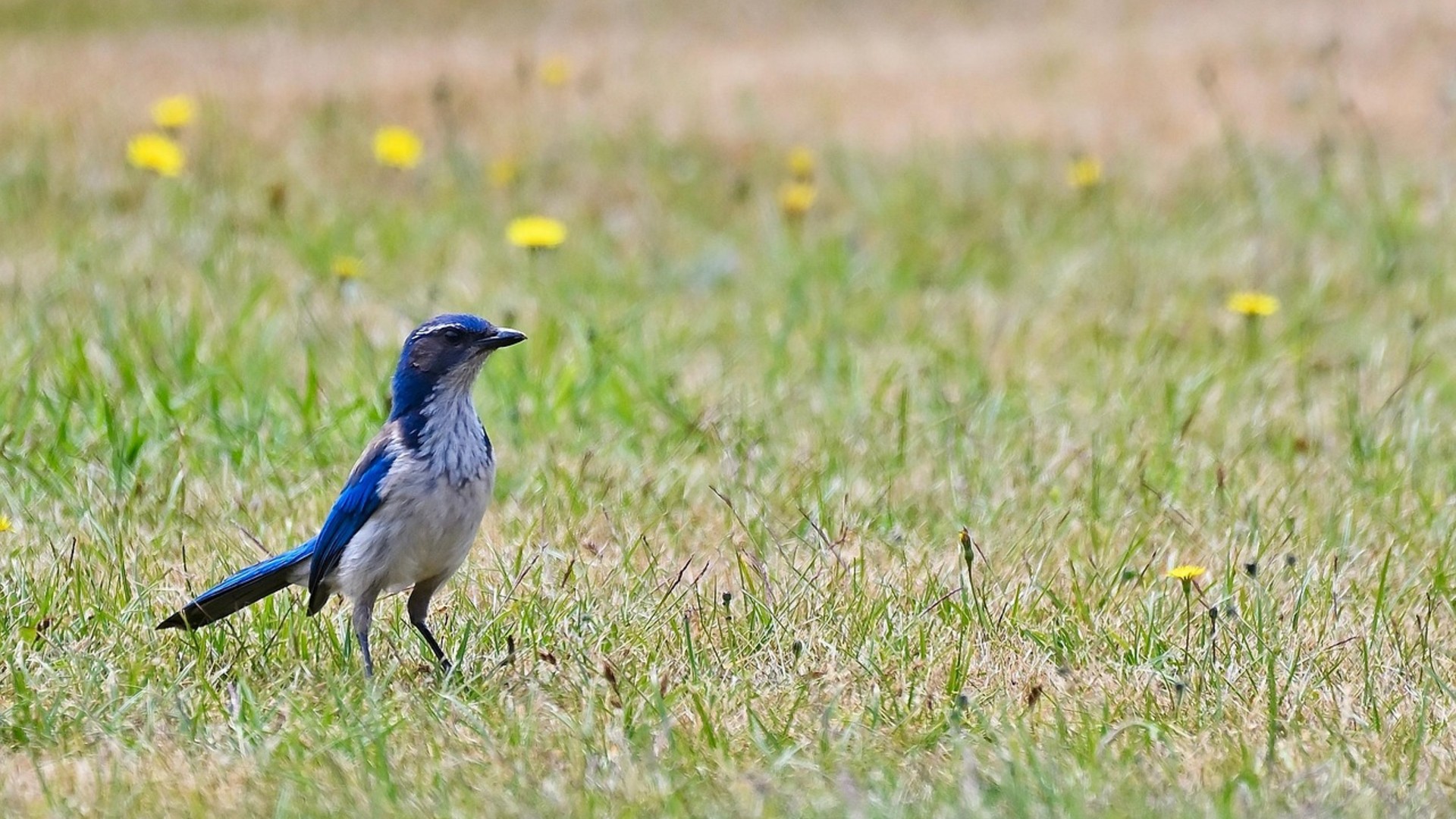
©Pixabay / Wunderphotos1951
Advertisement
Swipe or tap ▶ to resume the countdown.
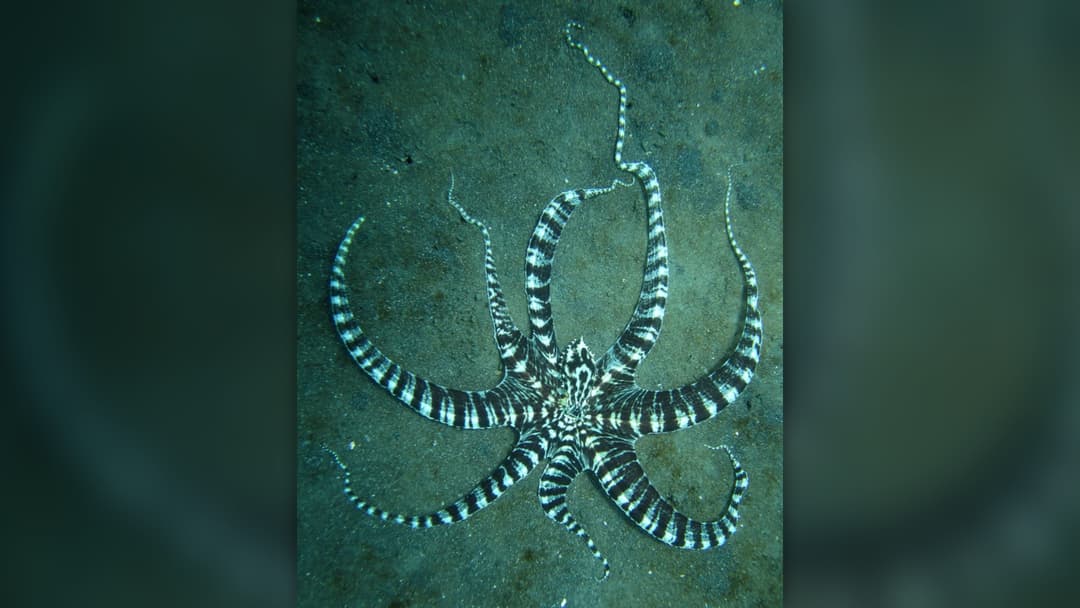
14. Mimic Octopus
Discovered in the shallow waters of Indonesia, the mimic octopus is a master of impersonation. Depending on the predator it encounters, it can contort its flexible arms and color patterns to imitate banded sea snakes, spiky lionfish, or flat venomous sole.
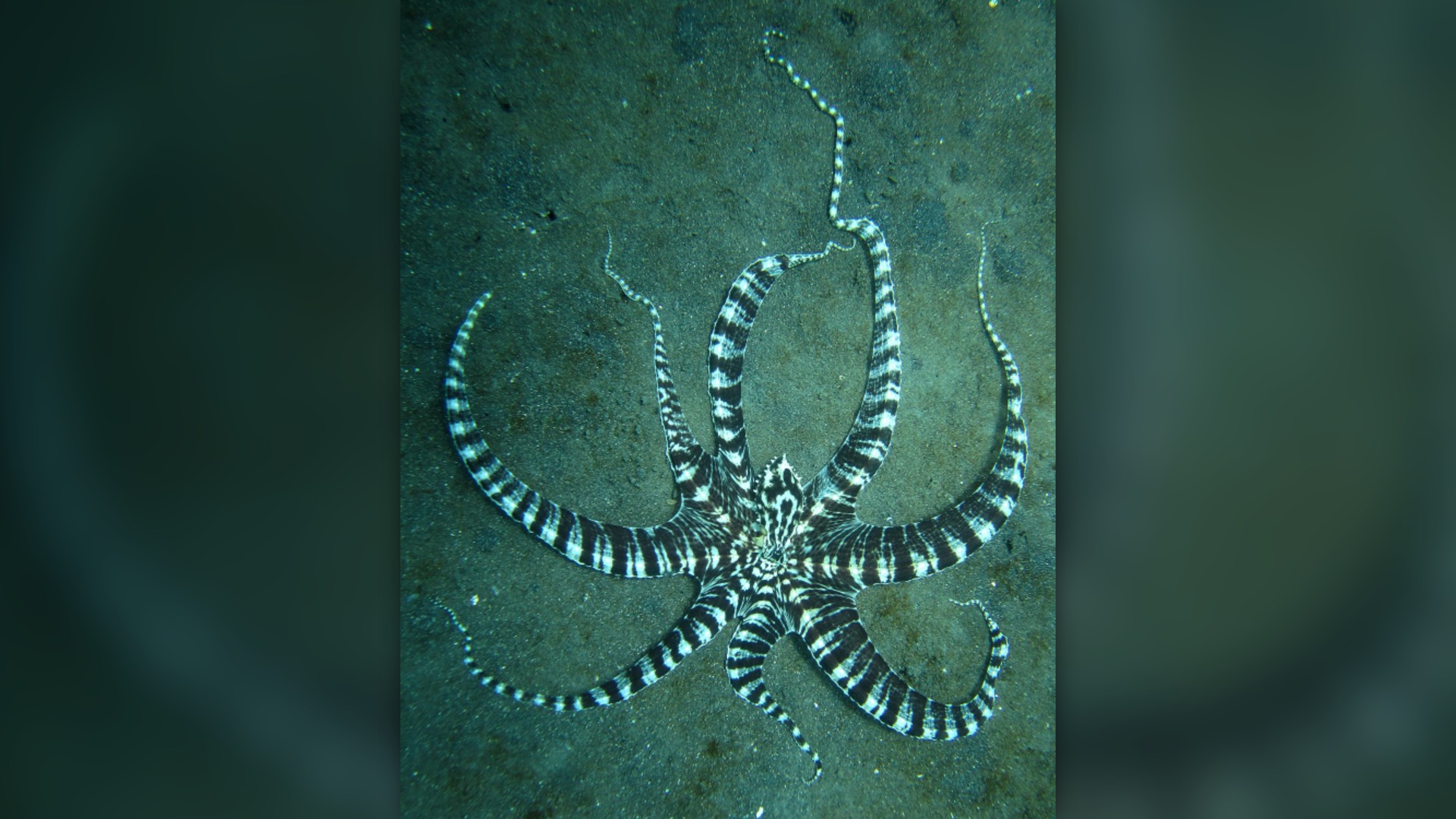
©Wikimedia / Mimic octopus
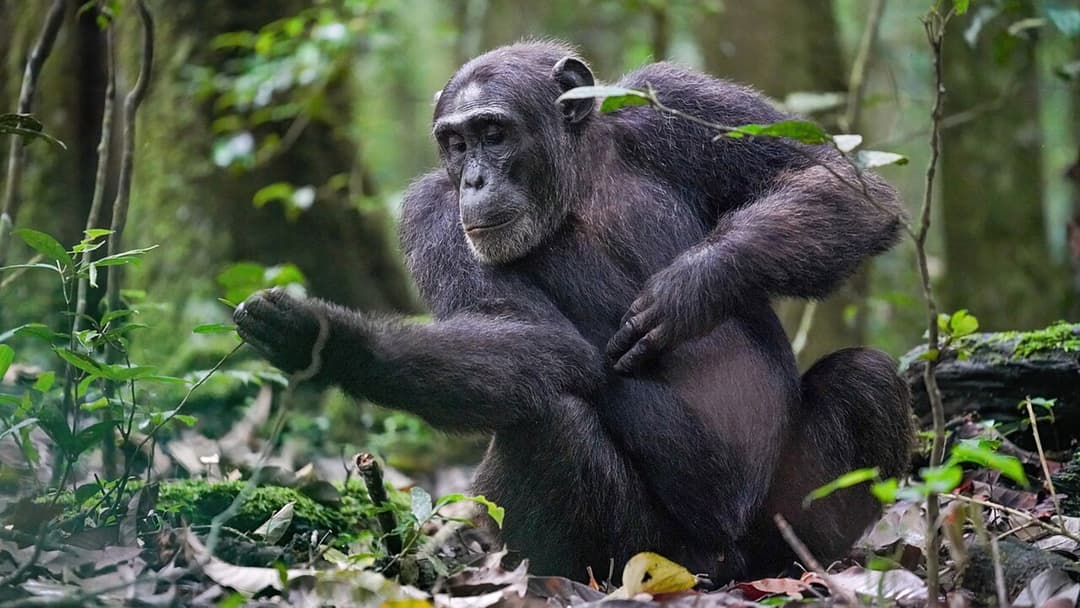
13. Chimpanzee
Primatologists studying chimpanzees have recorded numerous instances of intentional deception. Subordinate chimps who stumble upon a hidden stash of fruit will casually walk away with blank facial expressions until higher-ranking group members leave the clearing.
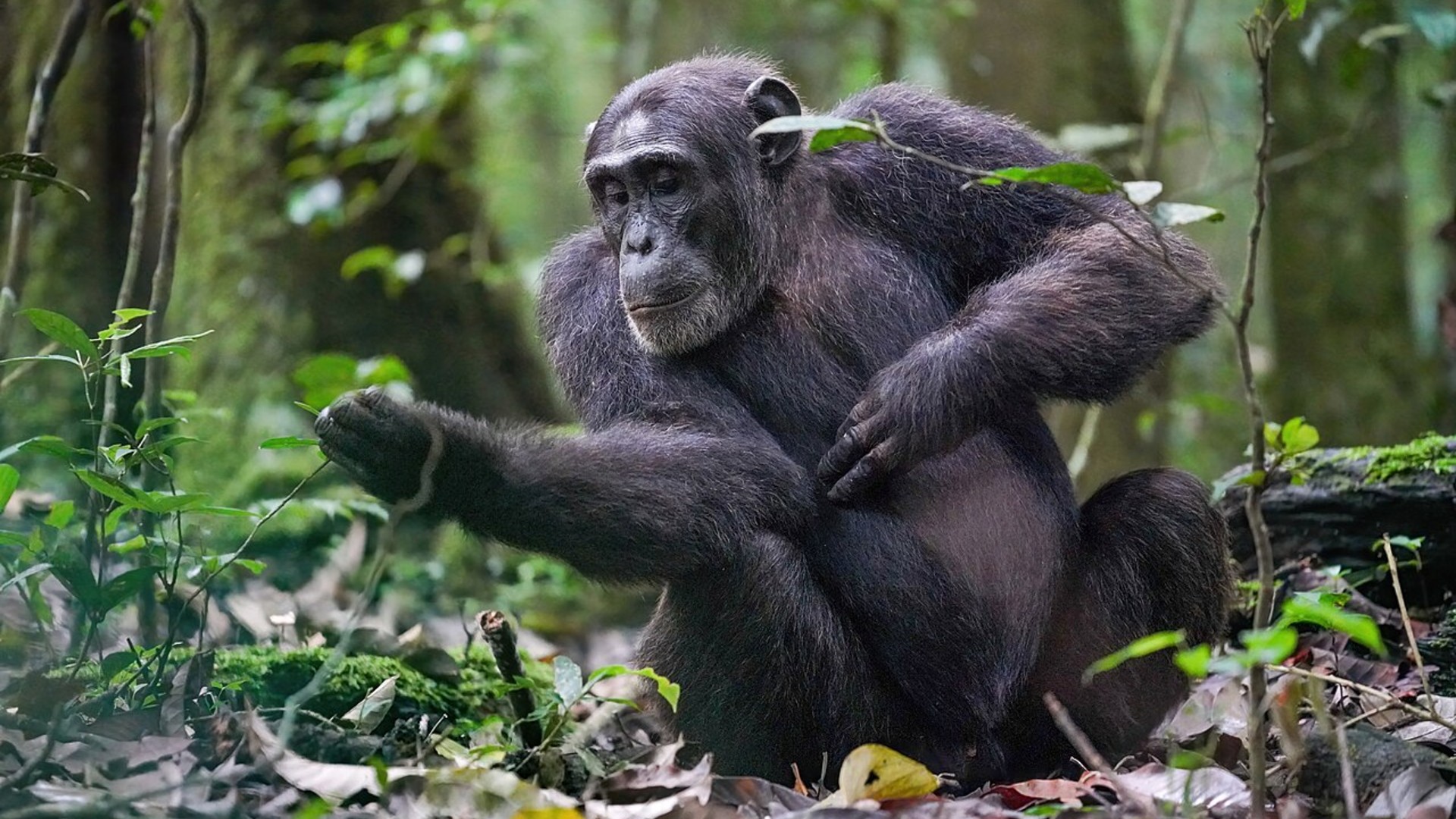
©Wikimedia / Giles Laurent
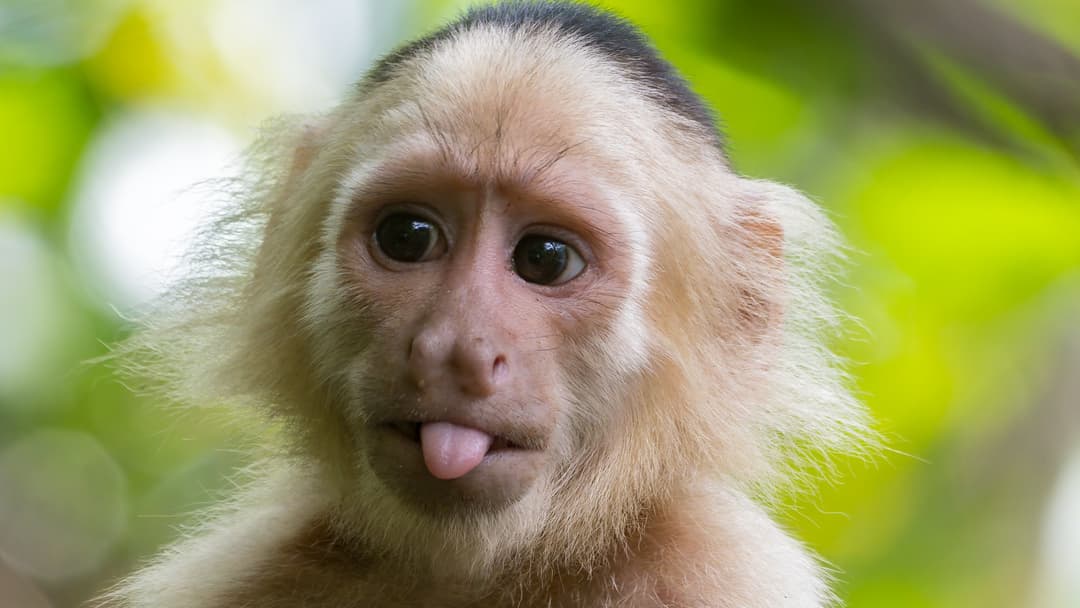
12. White Faced Capuchin
White-faced capuchins in Costa Rica use false alarms as a tactical feeding strategy. When subordinate monkeys see dominant rivals guarding a prized clump of figs, they shout distress calls warning of venomous snakes, stealing the abandoned fruit when the group flees.
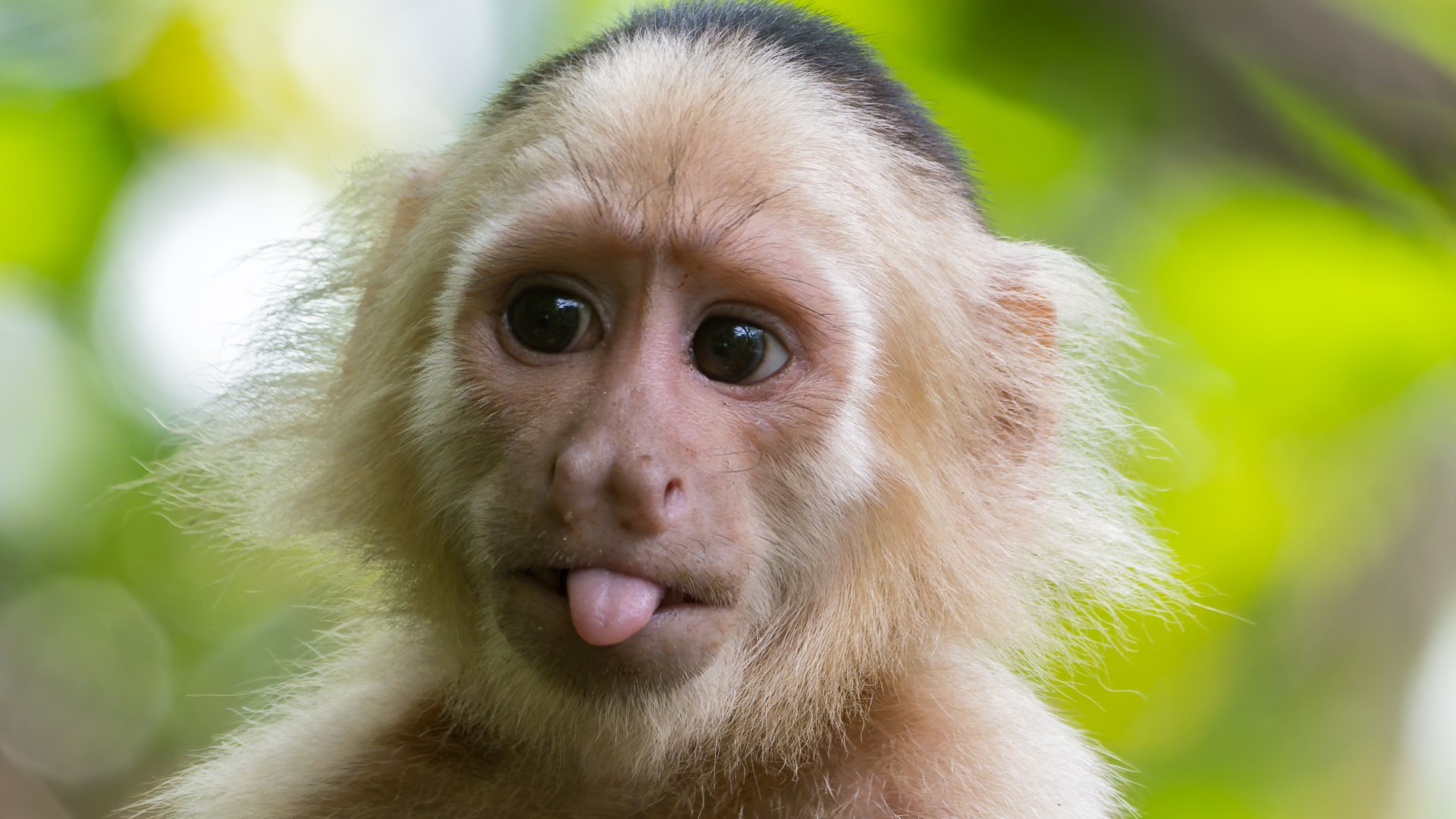
©Wikimedia / Hobbyfotowiki
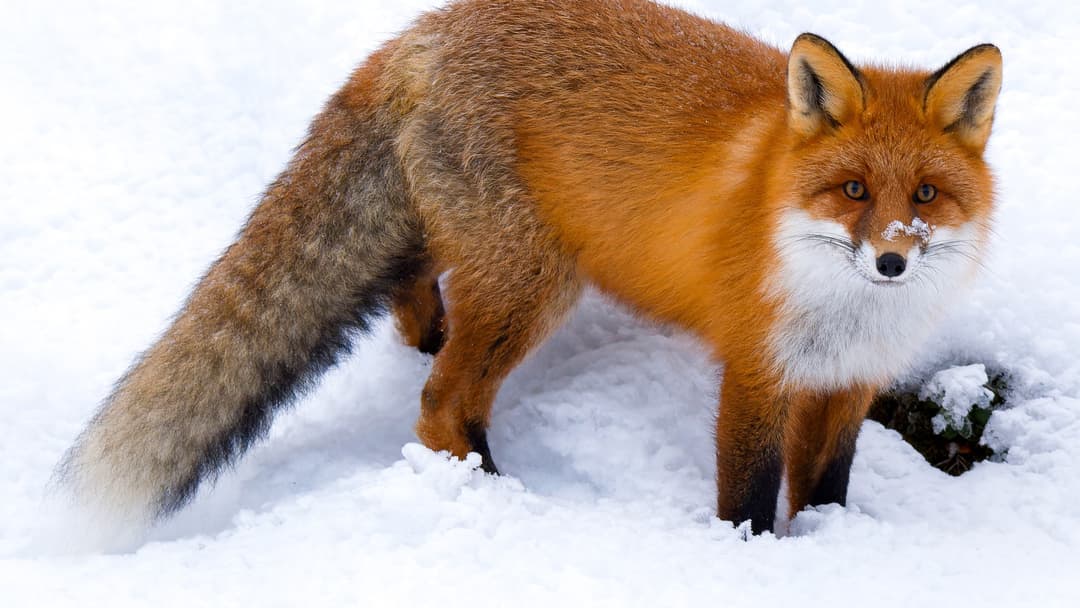
11. Red Fox
Historical naturalists and wildlife trackers have observed red foxes using feigned vulnerability as a hunting technique. By lying motionless on the snow as though deceased, a fox can tempt overconfident crows or magpies into landing nearby before springing into action.
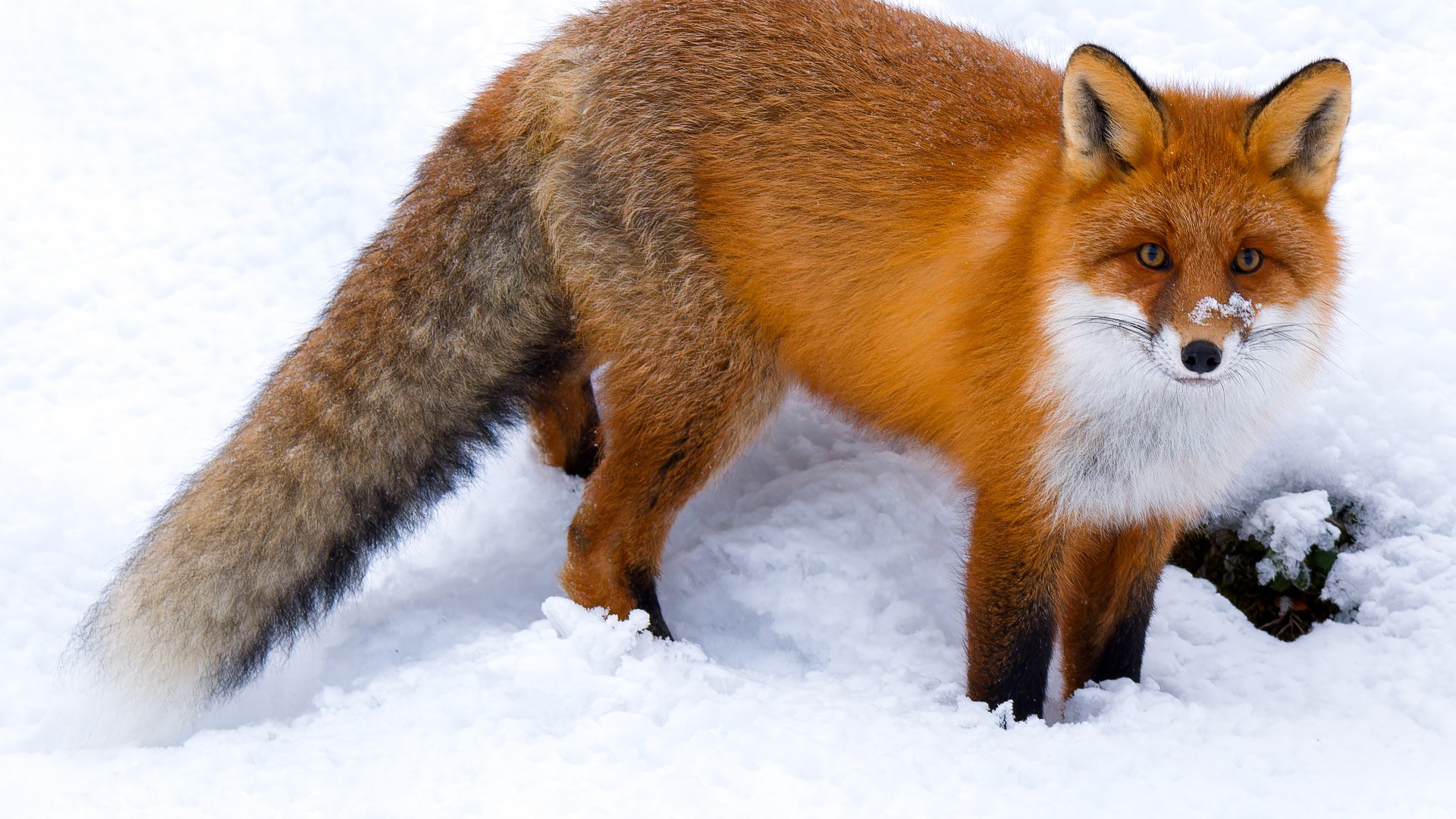
©Wikimedia / Red fox
Advertisement
Swipe or tap ▶ to resume the countdown.
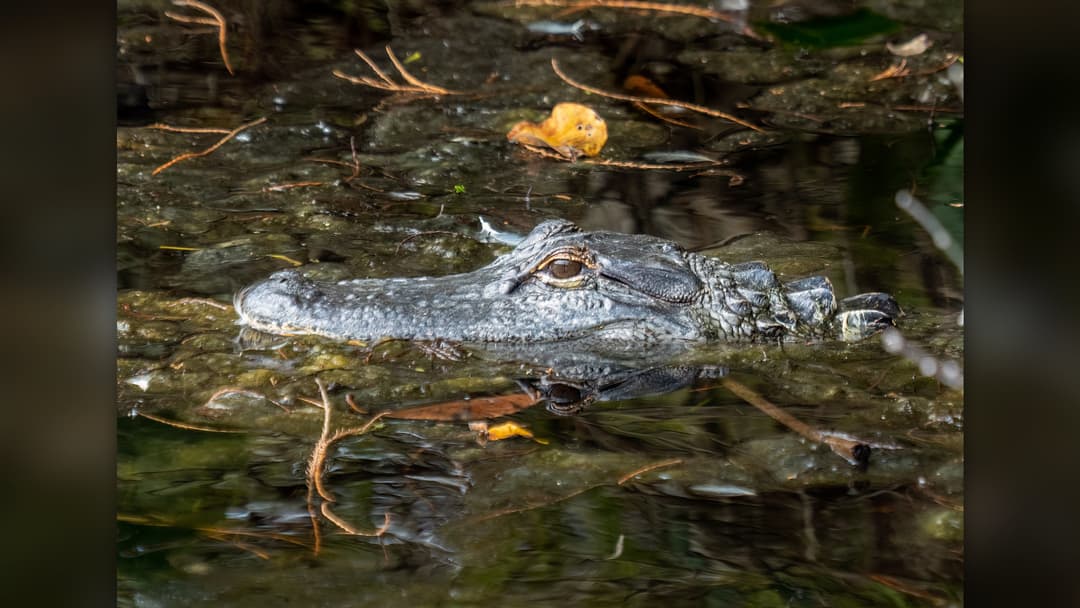
10. American Alligator
During spring egret and heron nesting season, American alligators display remarkable tactical deception. By floating motionless with twigs balanced across their snouts, they create irresistible bait for wading birds hunting for nesting materials, snapping when birds land.
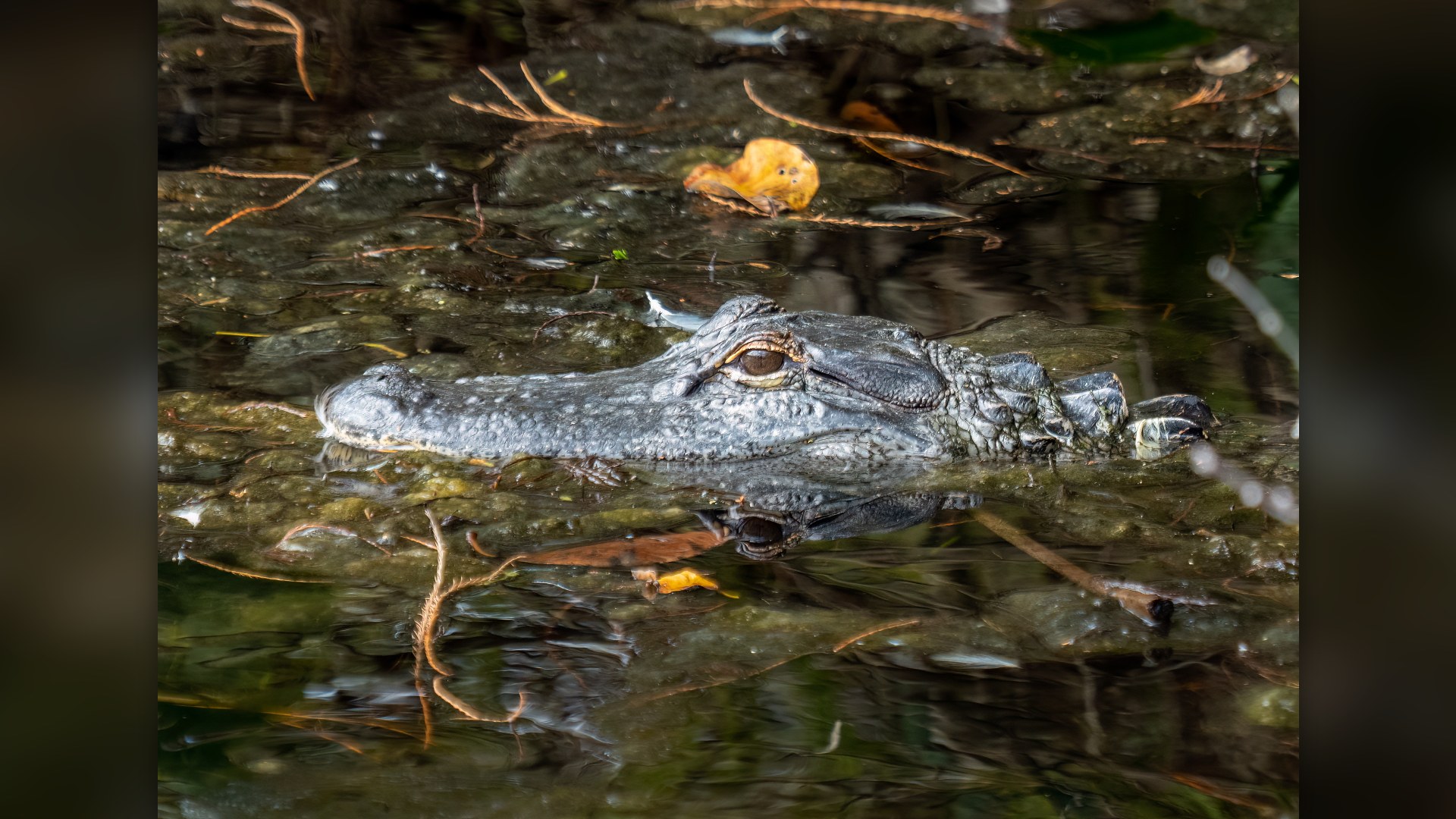
©Wikimedia / Rhododendrites
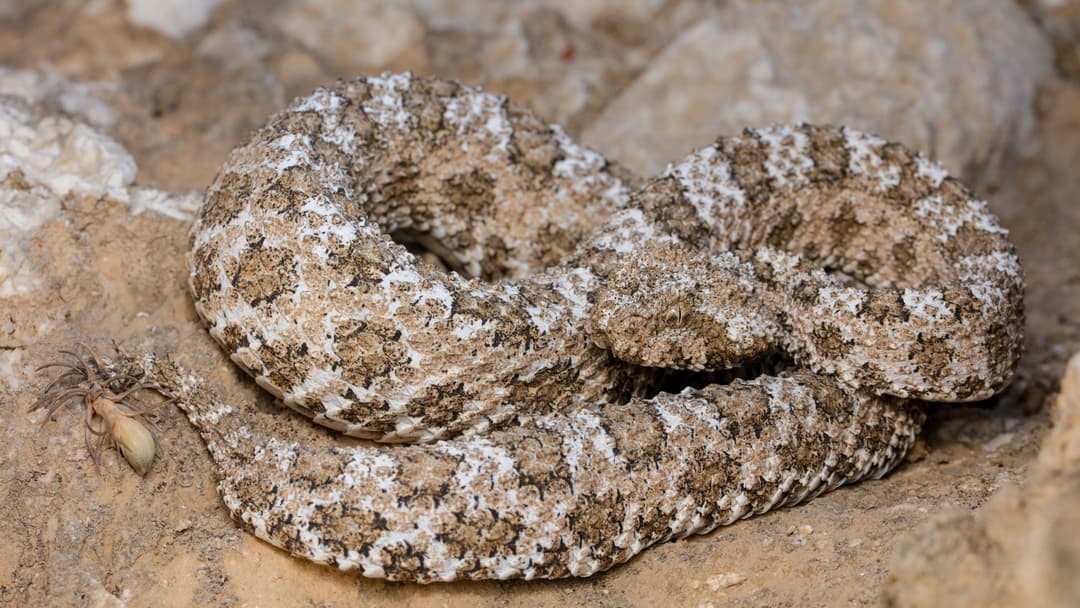
9. Spider Tailed Horned Viper
Native to the rocky deserts of western Iran, this venomous viper blends seamlessly into limestone rocks. Its tail terminates in an elaborate spider-like bulb with radiating scales, which it twitches convincingly to lure insectivorous migratory birds directly into striking range.
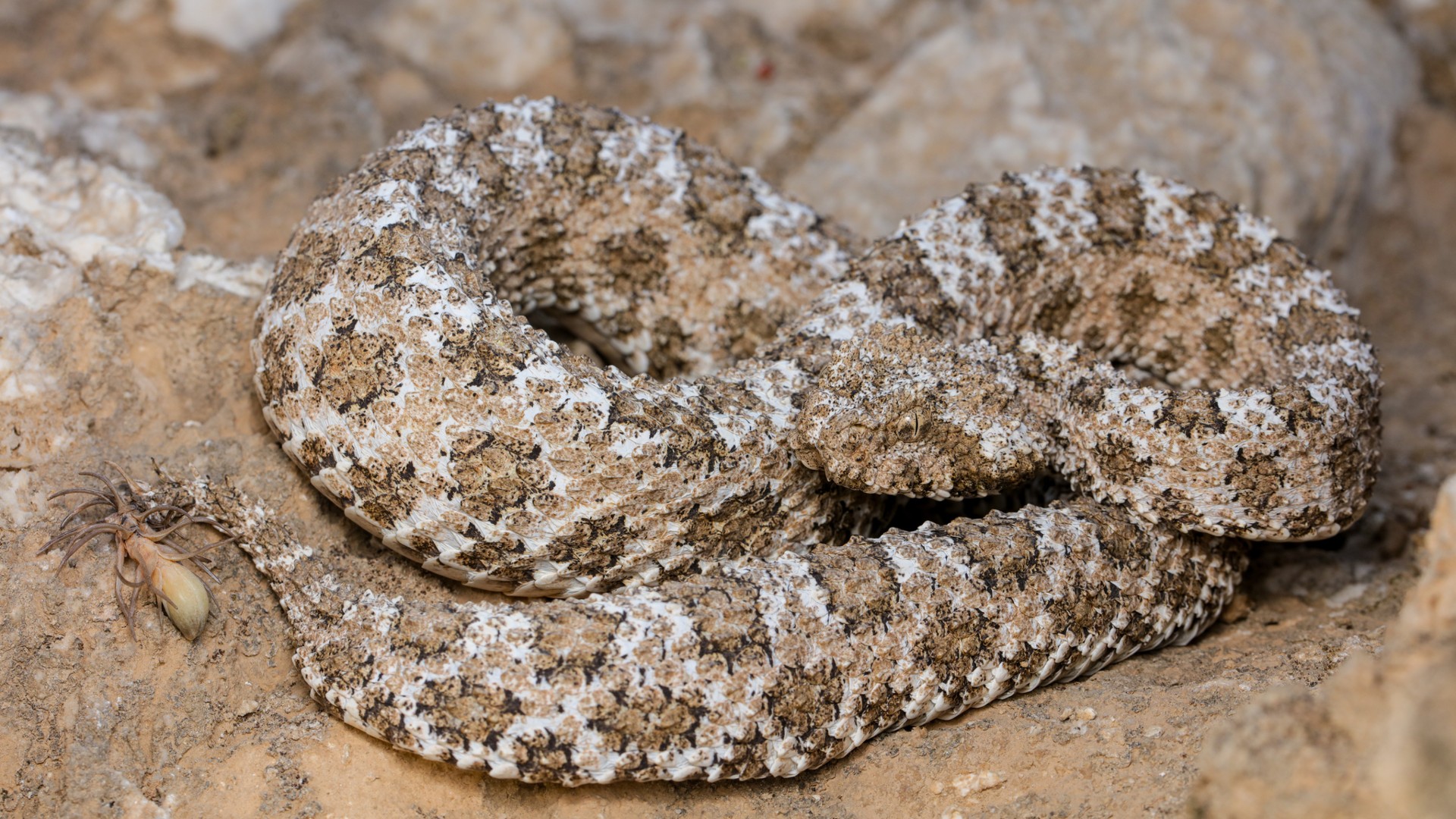
©Wikimedia / Kian kaftarbaz
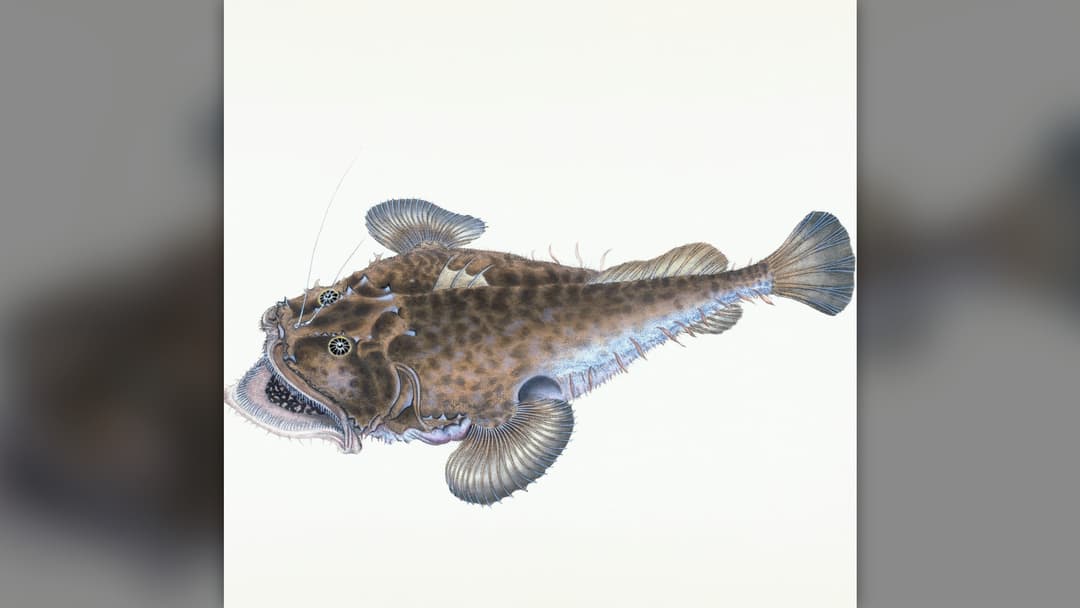
8. Anglerfish
Lurking in the pitch-black abyss, the female anglerfish wields a modified dorsal fin known as the illicium. The luminous tip, packed with bioluminescent bacteria, glows like a small struggling shrimp, drawing unsuspecting fish right into a cavernous mouth lined with needle teeth.
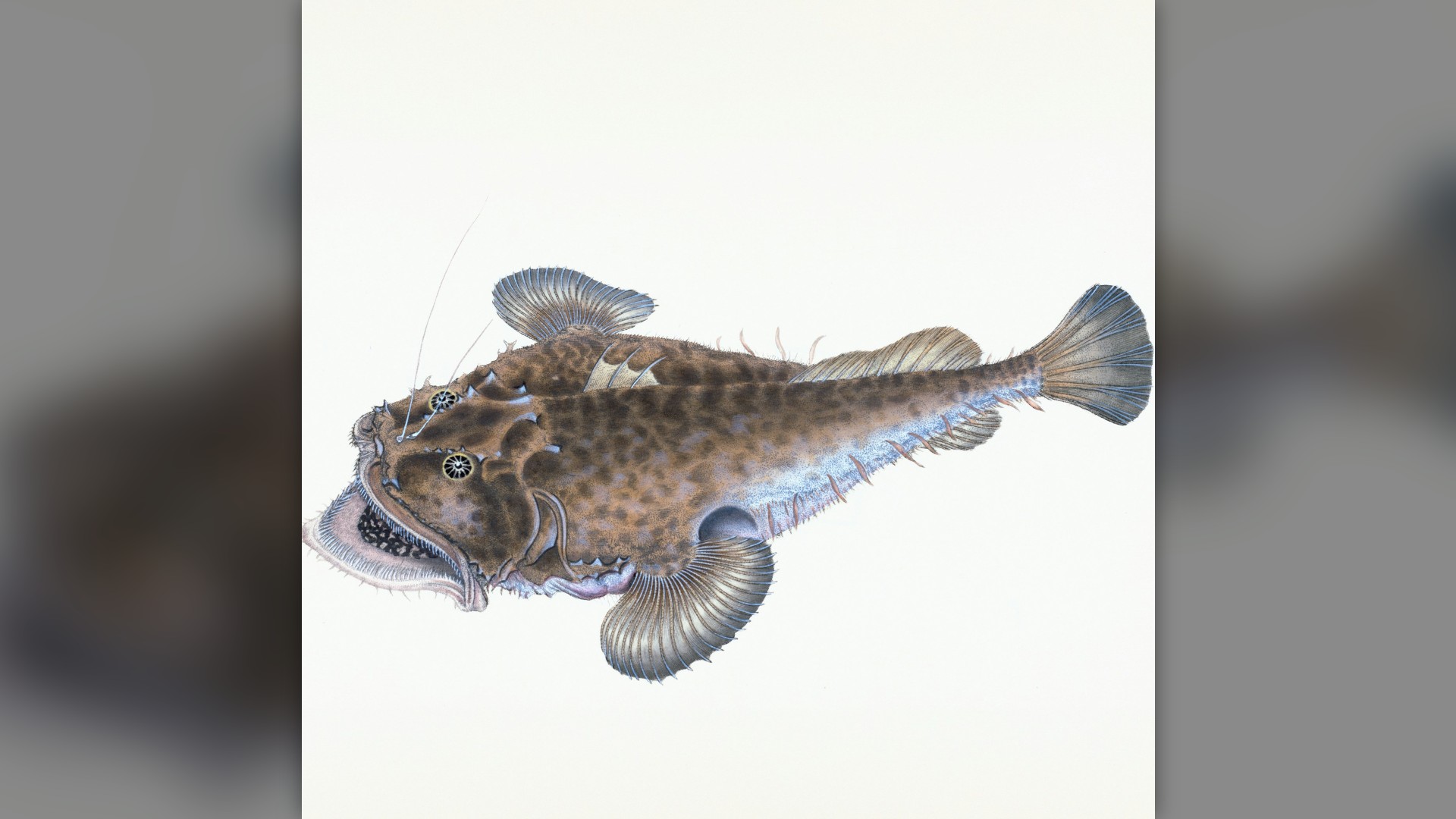
© Photo by The New York Public Library on Unsplash
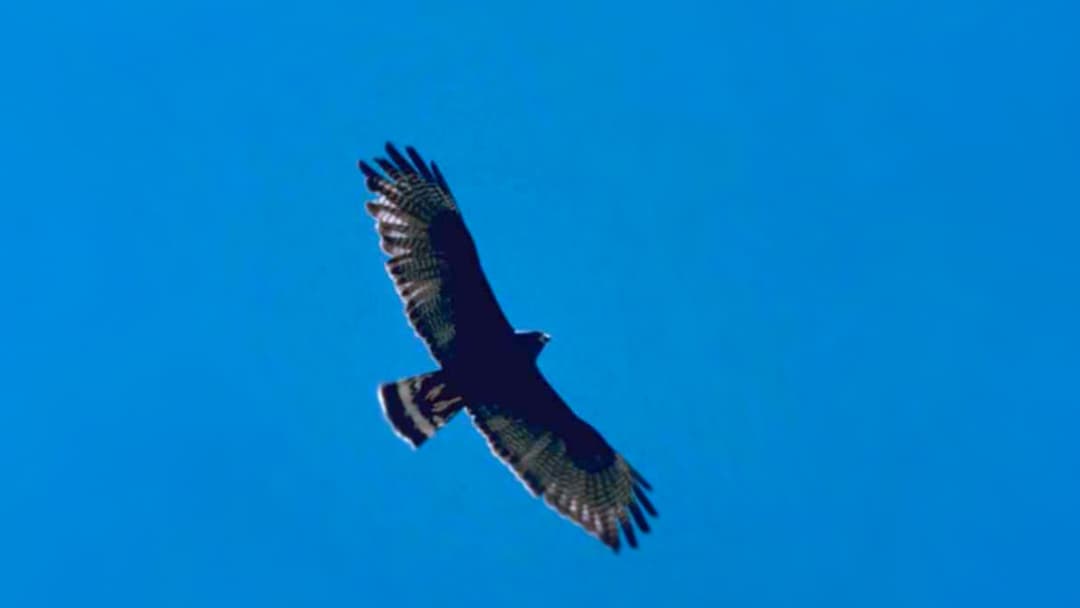
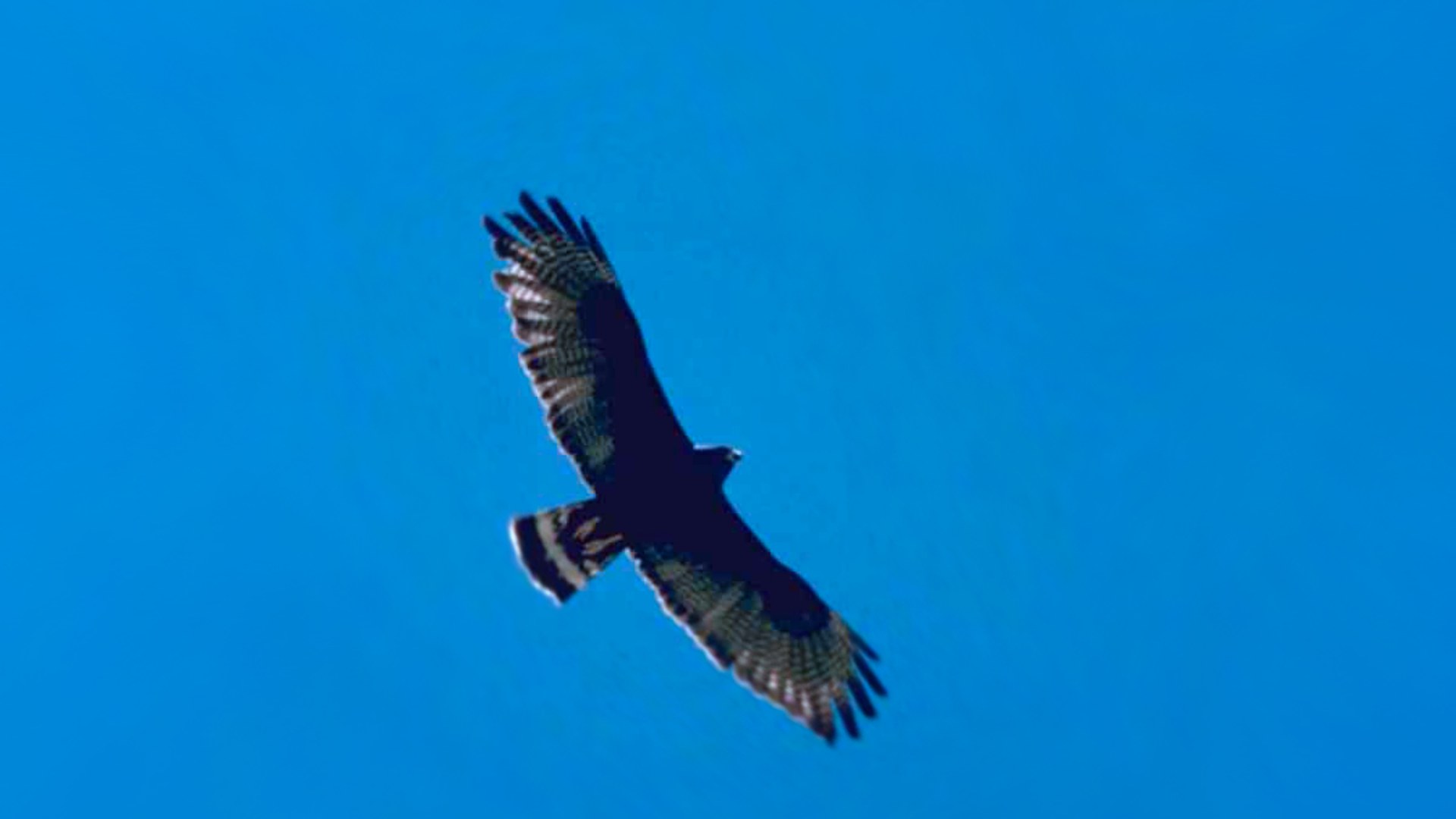
7. Zone Tailed Hawk
Small rodents and songbirds pay little attention to scavenger turkey vultures circling overhead. The zone-tailed hawk takes advantage of this by flying amidst vulture flocks, matching their distinctive rocking flight and plumage before suddenly diving on unsuspecting targets below.
©Wikimedia / Stolz, Gary M
Advertisement
Swipe or tap ▶ to resume the countdown.
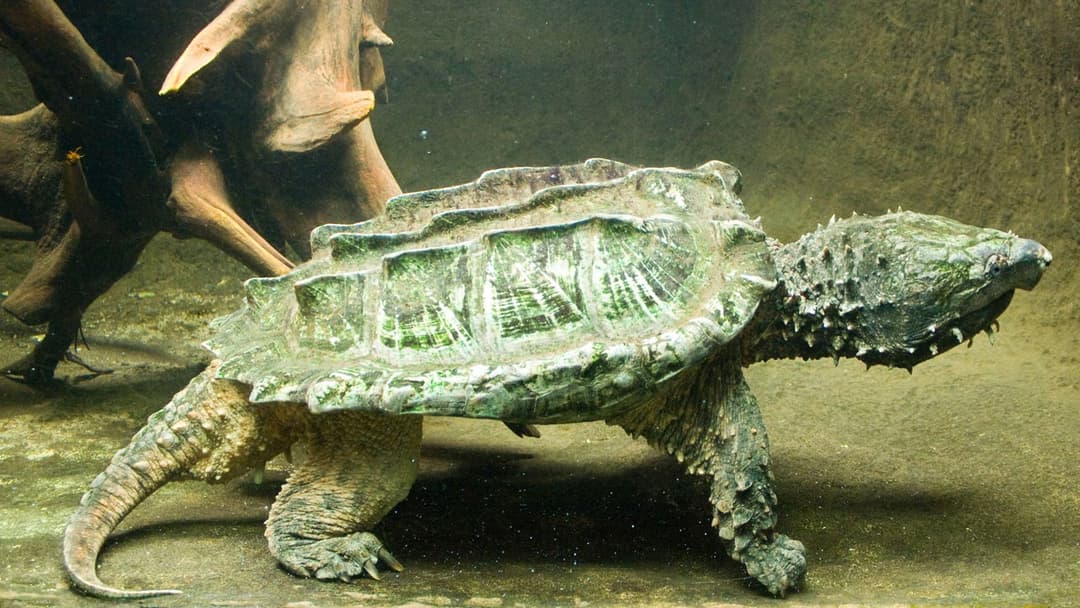
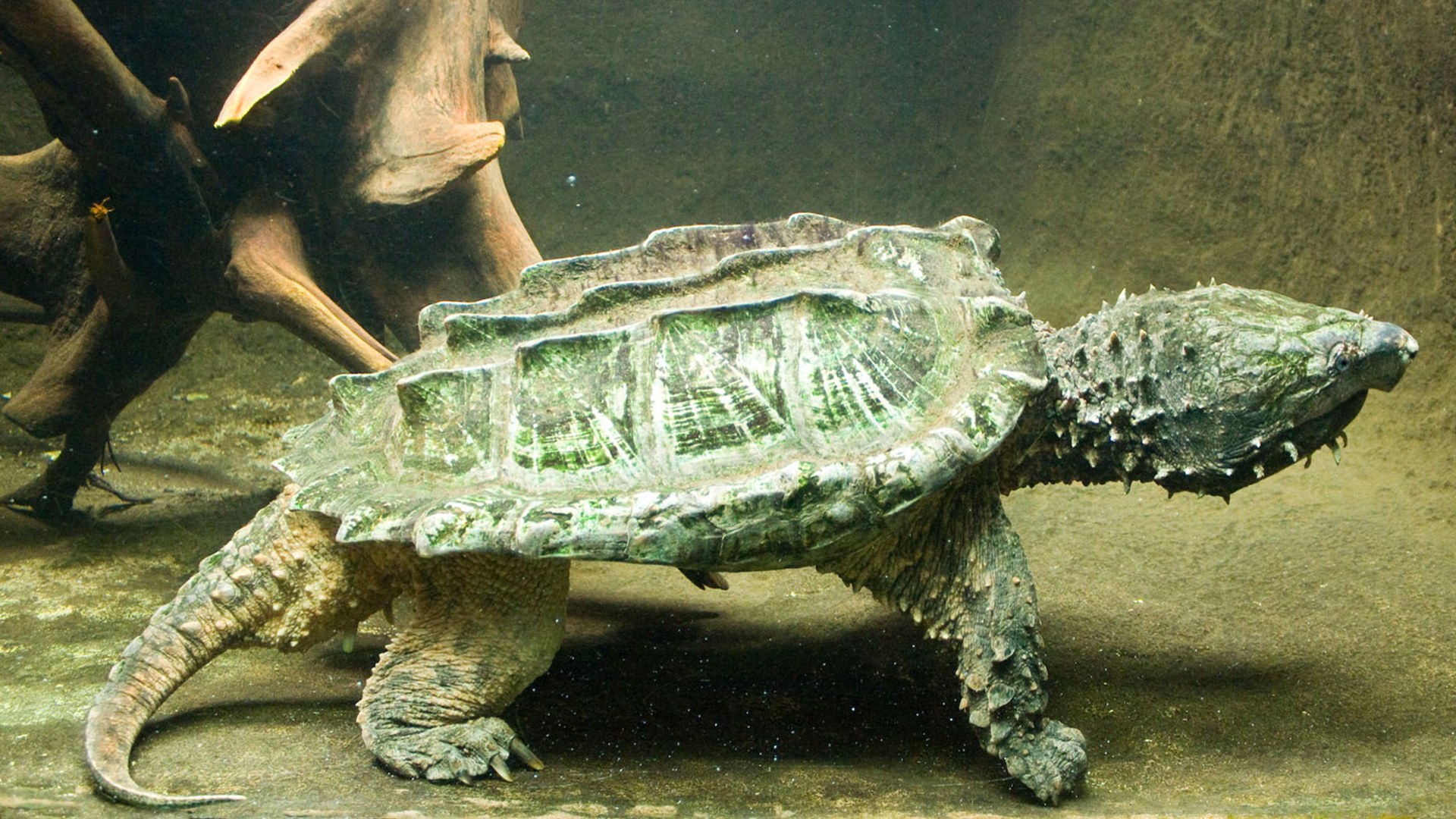
6. Alligator Snapping Turtle
Resting camouflaged on murky river bottoms, the alligator snapping turtle opens its massive jaws wide. It wiggles a bright pink, fleshy appendage located on its tongue that wriggles like a live worm, snapping its beak shut with bone-crushing force when a fish swims inside.
©Wikimedia / Tina Li
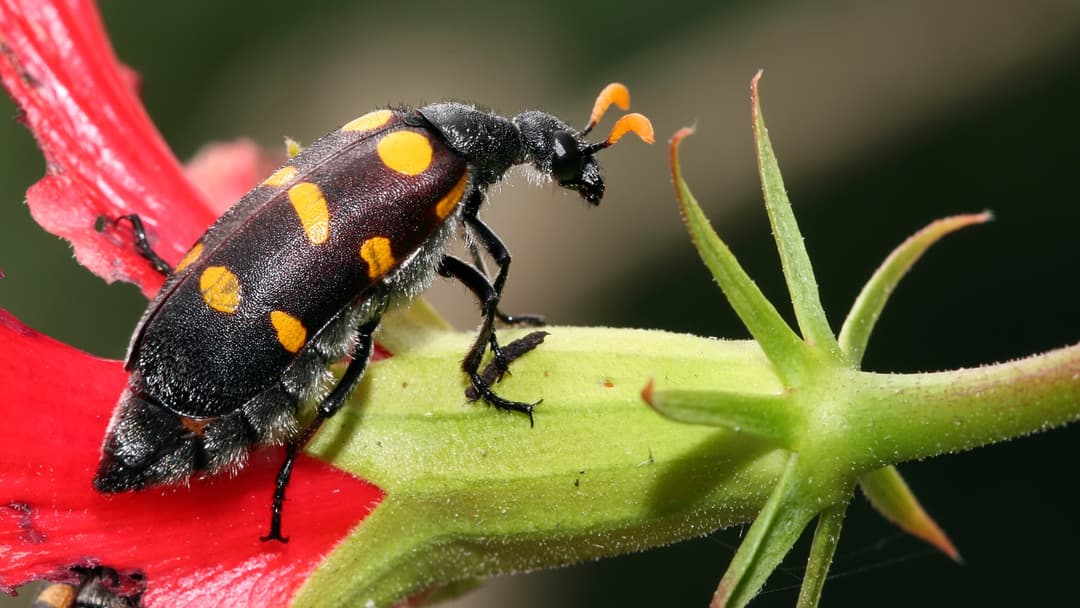
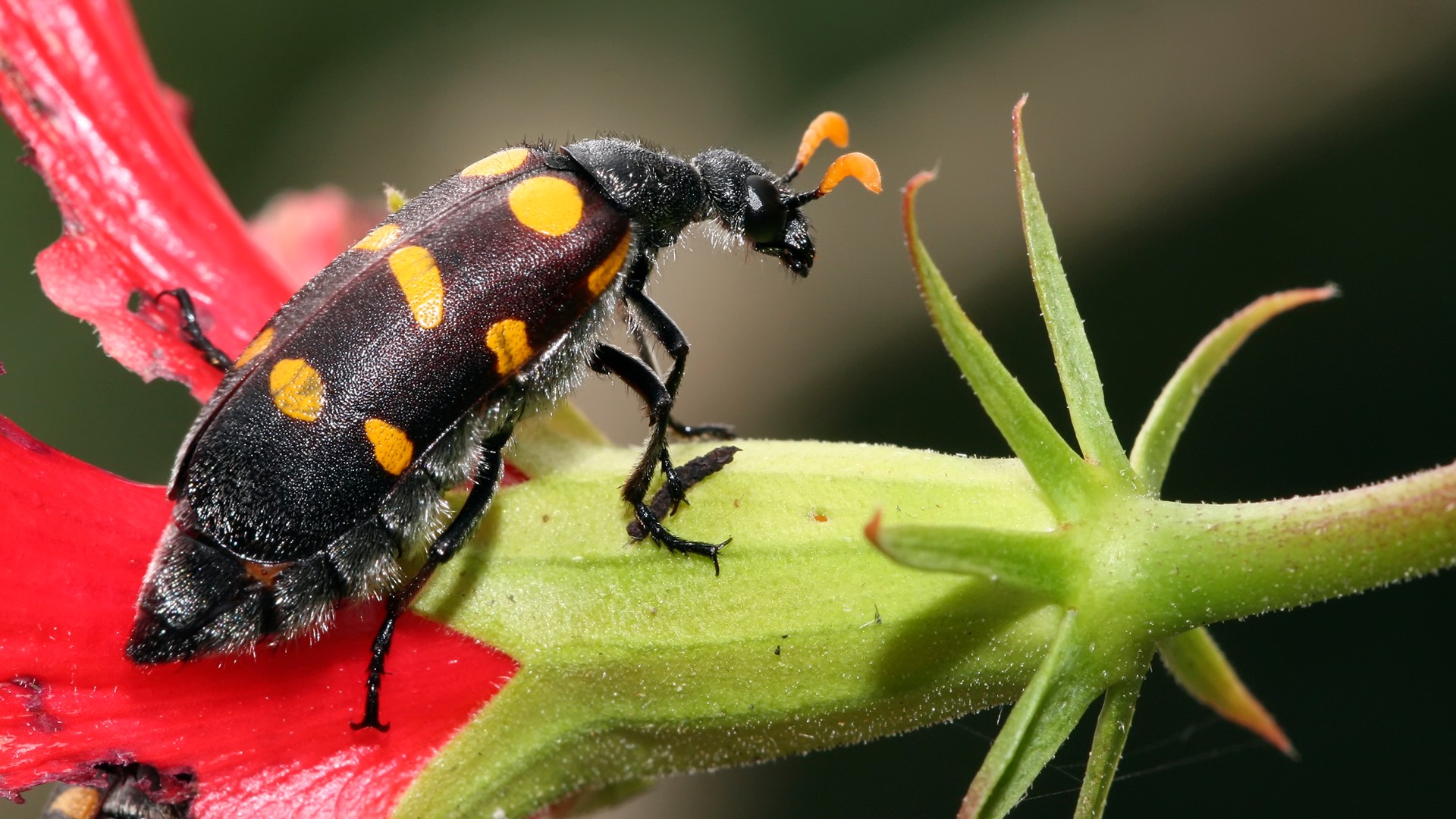
5. Blister Beetle
Blister beetle larvae assemble in a wriggling clump on flower stems and release pheromones that mimic a female solitary bee. When an eager male bee attempts to mate with the fake female, the larvae latch onto his fur, transferring to the real female later to feed on her nest.
©Wikimedia / Blister beetle
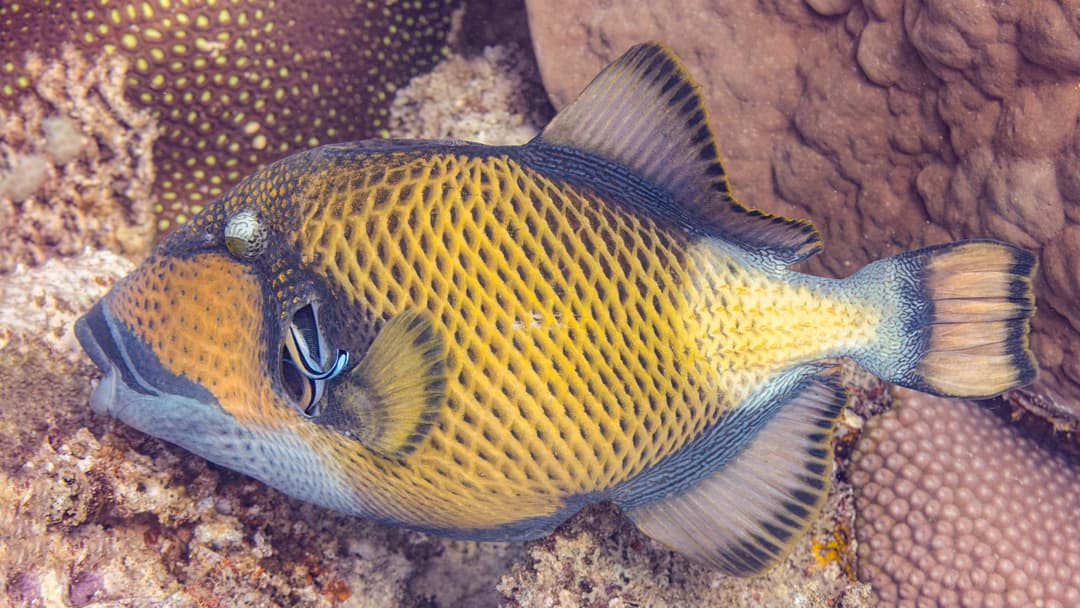
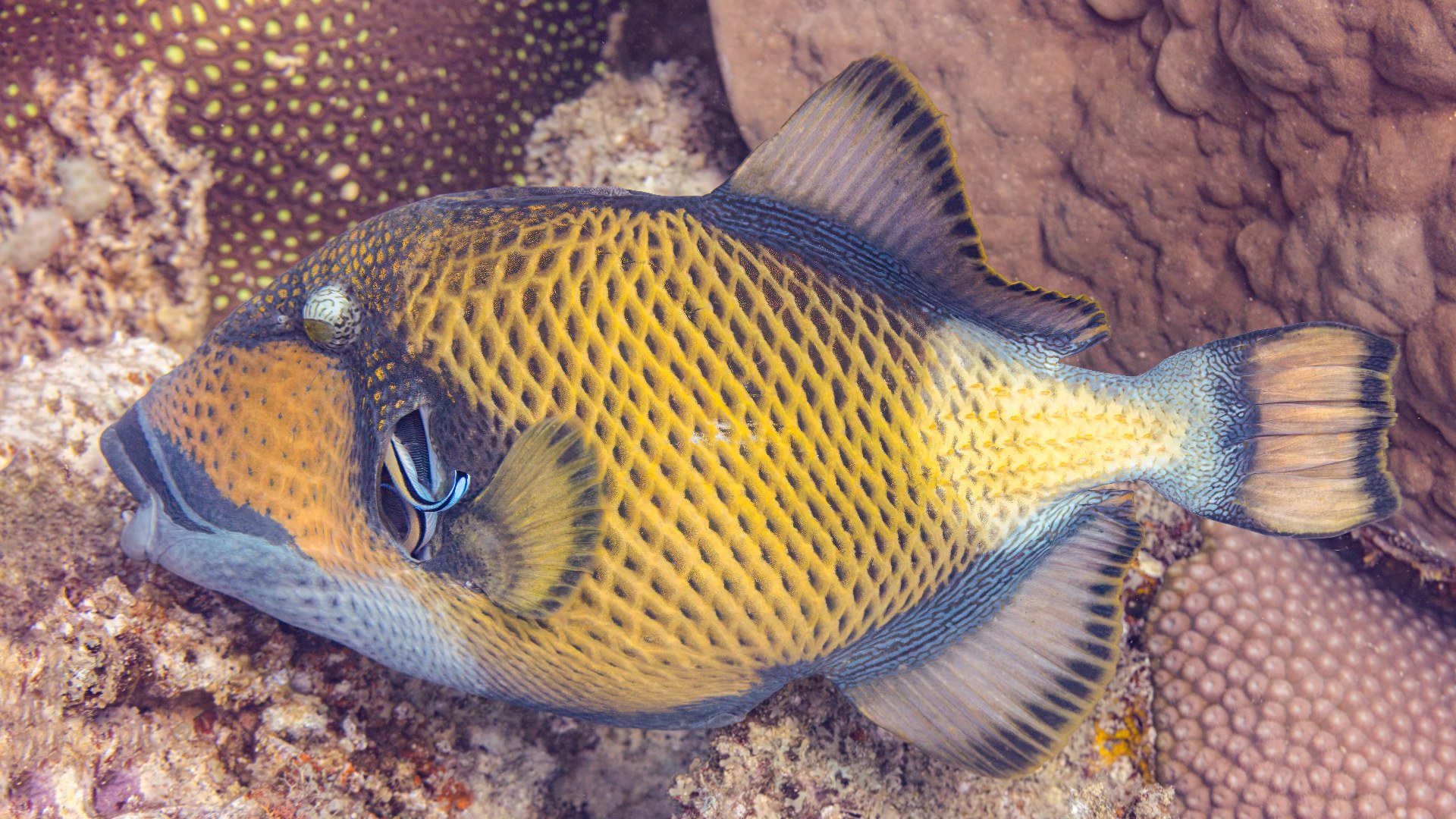
4. Bluestreak Cleaner Wrasse
Bluestreak cleaner wrasses operate cleaning stations on coral reefs where larger fish wait peacefully. While they are supposed to eat dead skin and parasites, wrasses prefer energy-rich fish mucus, secretly taking illegal bites and swimming away if client fish become angry.
©Wikimedia / Diego Delso
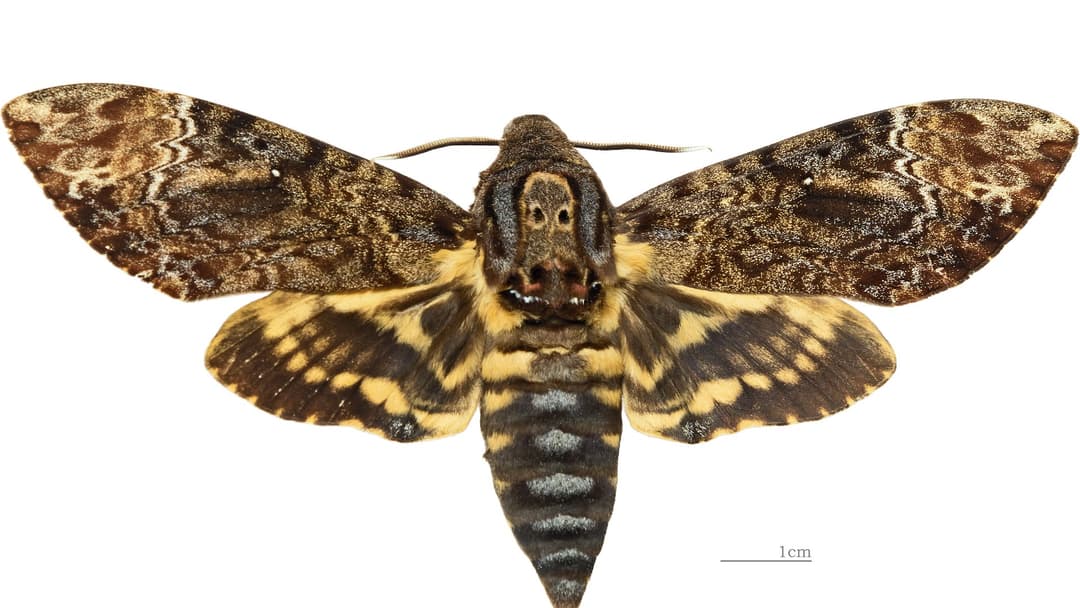
3. Death's Head Hawkmoth
Entering a honeybee hive is normally suicidal for intruders, but the death's-head hawkmoth possesses an ingenious disguise. By synthesizing a chemical coating that matches the scent profile of worker bees, the moth strolls directly into the hive undetected to gorge on honeycombs.
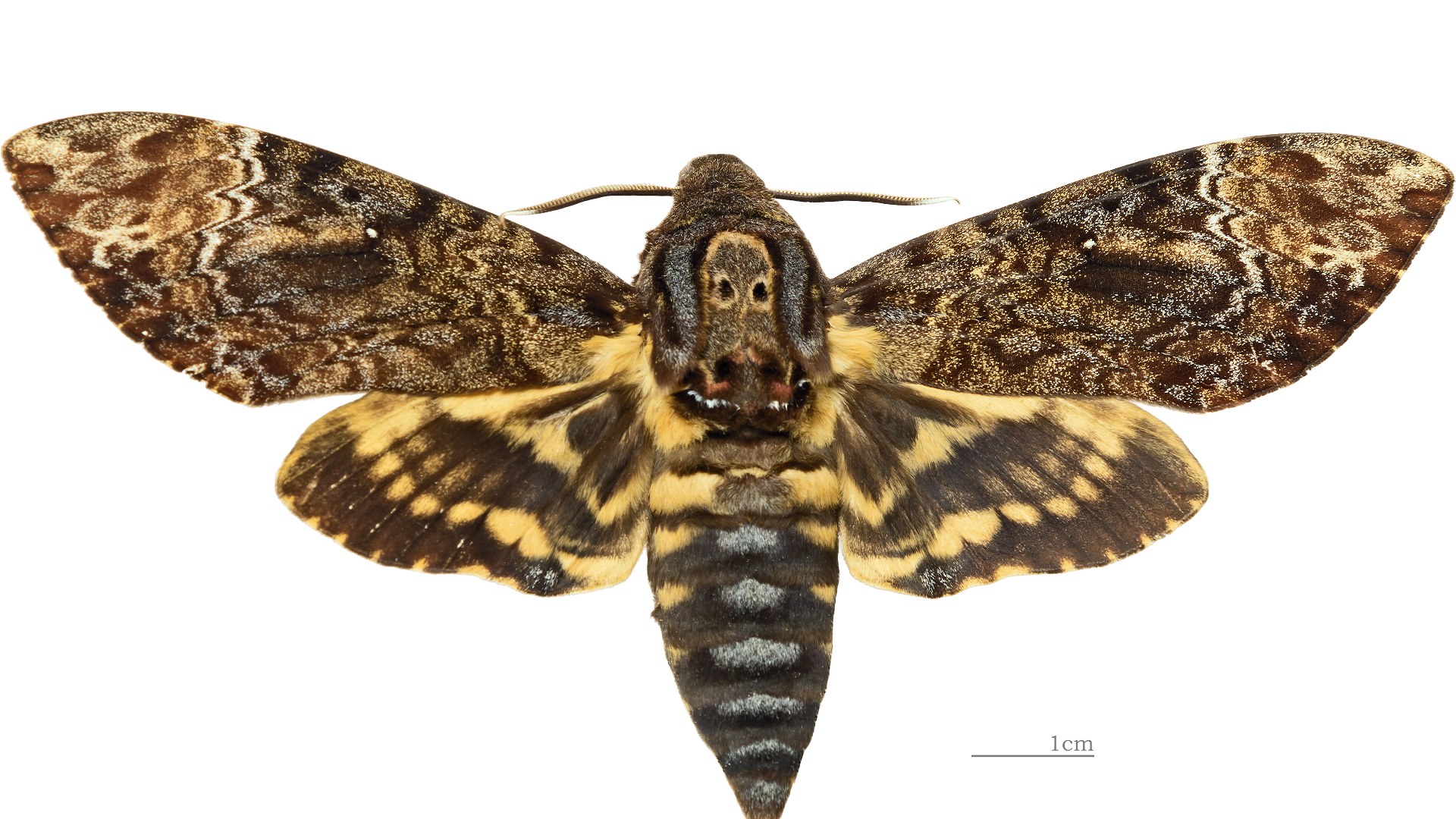
©Wikimedia / Didier Descouens
Advertisement
Swipe or tap ▶ to resume the countdown.
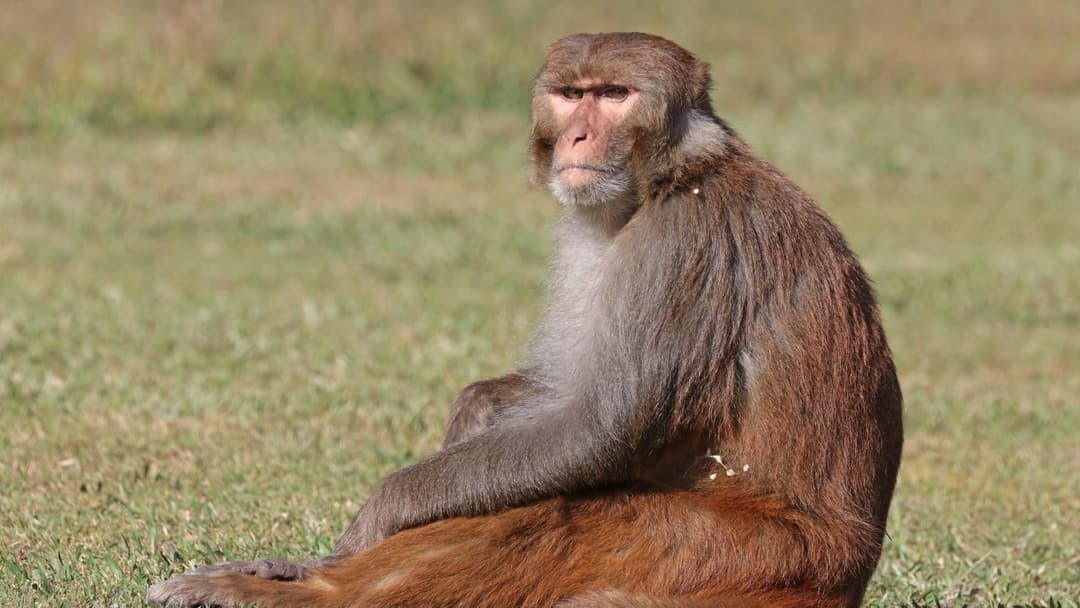
2. Rhesus Macaque
Rhesus macaques are socially obligated to emit loud acoustic food calls whenever they find abundant sustenance. Field studies show that macaques frequently suppress these calls when finding rare, high-energy fruit, silently eating in secret to avoid sharing with dominant troops.
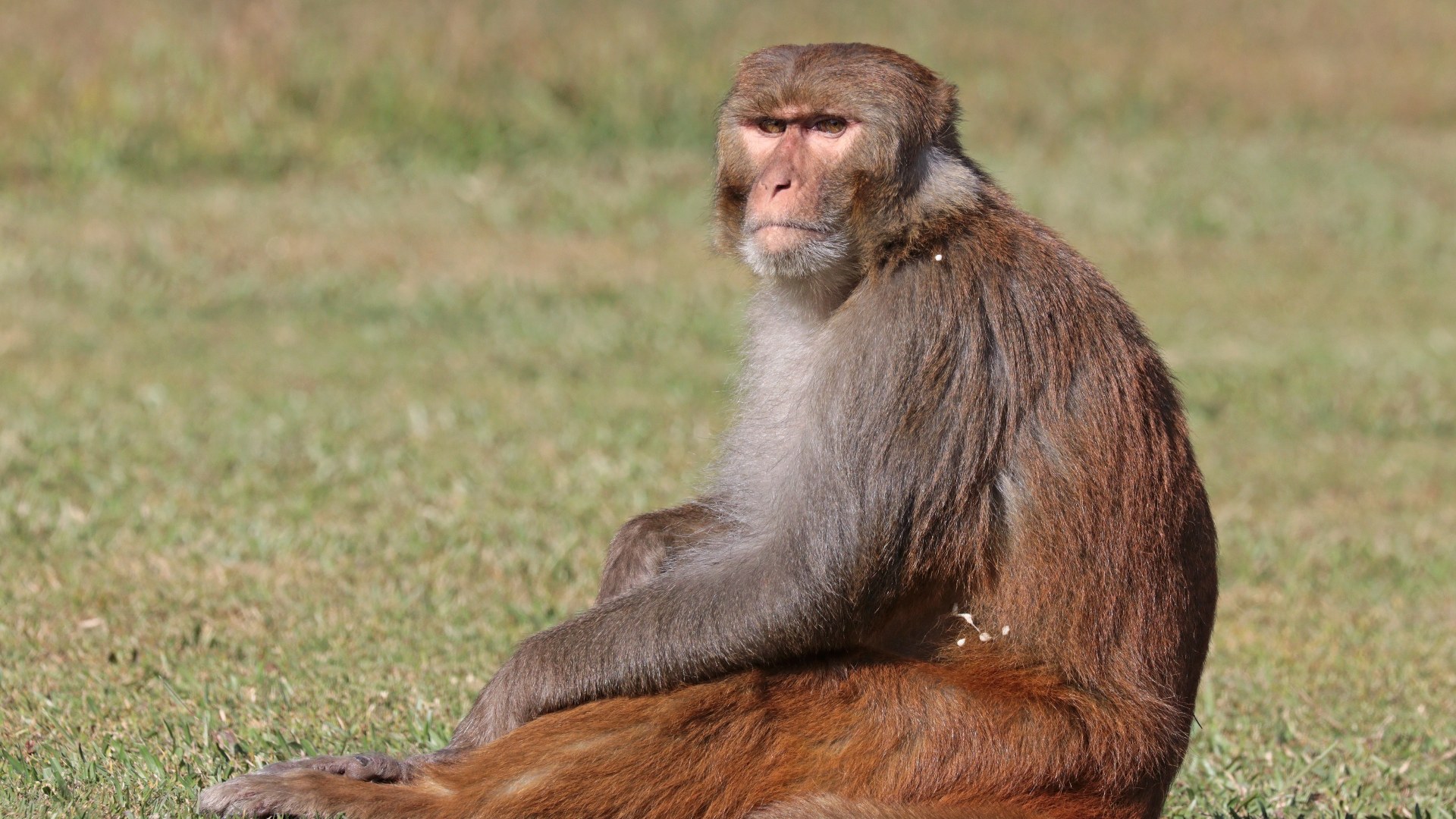
©Wikimedia / Charles J. Sharp
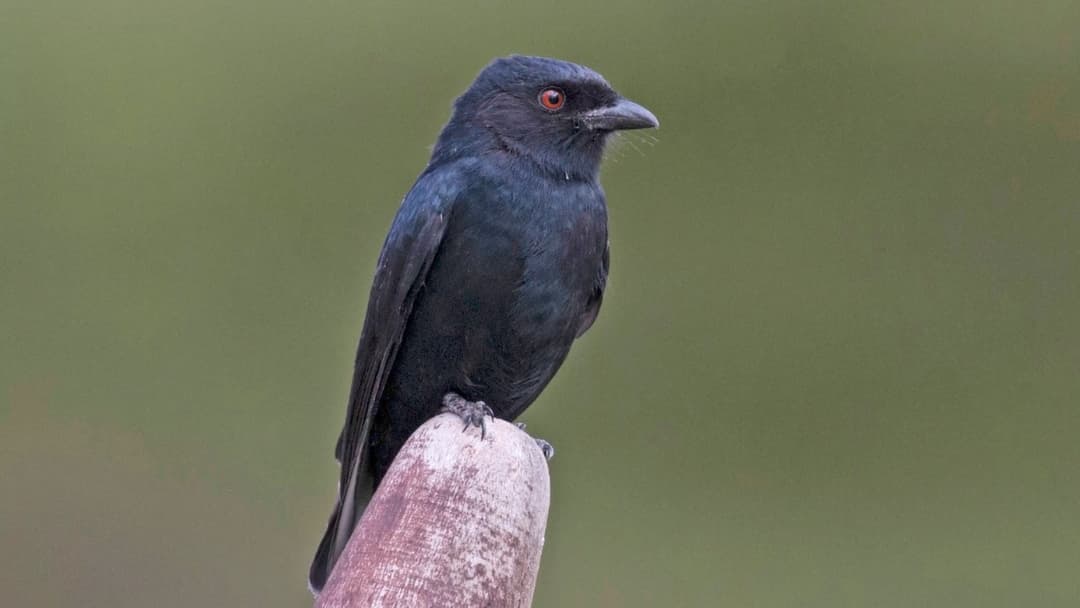
1. Fork Tailed Drongo
The fork-tailed drongo of the Kalahari Desert is nature's ultimate con artist. It earns the trust of meerkats and babblers by giving genuine warning calls when raptors appear, then mimics those exact alarm cries when a meerkat catches a fat grub, swooping down to steal the abandoned feast.
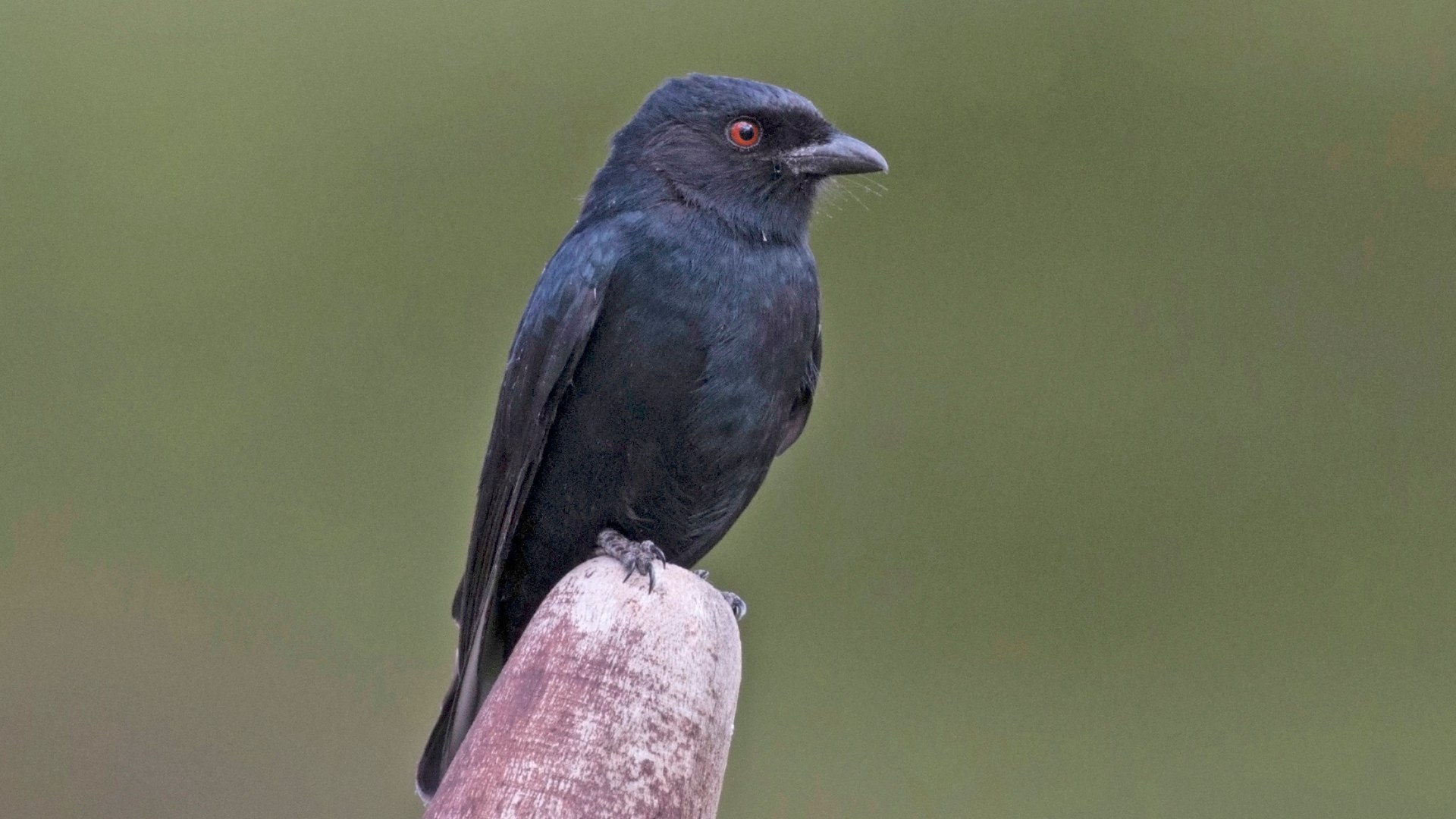
©Wikimedia / Charles J. Sharp
Advertisement
You've reached the end of the story. Thanks for reading!

20 Ways Your Home Office Hurts Productivity
Transform your remote workspace from a chaotic desk corner into a powerhouse of efficiency and comfort with these 20 essential upgrades.
All 25 Entries in this Story
25. Killdeer
The killdeer lays its eggs directly in shallow gravel scrapes on open ground. When a fox or coyote approaches the nest, the adult bird drags a wing as though crippled, crying out in distress until the predator follows it far away from the vulnerable chicks.

24. Cuttlefish
During competitive breeding seasons, large male cuttlefish aggressively guard fertile females. Smaller males outsmart their rivals by tucking in their tentacles and shifting their skin patterns to mimic females, swimming right past guards to mate successfully.

23. Femme Fatale Firefly
Female Photuris fireflies are cunning predators in the insect world. By observing the distinctive glowing flash codes of neighboring Photinus fireflies, they blink back the exact reply of a receptive female, ambushing eager males who arrive expecting a mate.

22. Alcon Blue Butterfly
The Alcon blue butterfly caterpillar falls to the forest floor and secretes pheromones identical to Myrmica queen ants. Deceived worker ants carry the imposter deep into their underground chambers, feeding it royal food while their own ant larvae starve.

21. Green Heron
The green heron is one of the few bird species documented using tools for intentional deception. Standing motionlessly at the water's edge, the bird deliberately drops floating insects or twigs on the surface, waiting patiently for curious fish to rise before striking.

20. Common Cuckoo
Female cuckoos sneak into the nests of songbirds like reed warblers while the parents are away foraging. After pushing out a host egg, the cuckoo lays an egg that matches the host species in color and speckling, ensuring foster parents raise the giant cuckoo chick.

19. Margay
The margay is a tree-dwelling wildcat native to the rainforests of Central and South America. Researchers in the Amazon observed a margay vocally imitating the cries of a lost baby tamarin monkey, attempting to draw curious adult monkeys down from the canopy into ambush range.

18. Blue Jay
Blue jays possess remarkable vocal mimicry and frequently imitate the shrill cries of red-shouldered hawks. By sounding this convincing predator alarm near crowded bird feeders, the blue jay sends smaller songbirds fleeing, leaving all the food for itself.

17. Eastern Hognose Snake
The eastern hognose snake stages one of nature's most dramatic performances when confronted by predators. After flattening its neck like a cobra fails to intimidate, the snake rolls onto its back, opens its mouth, and emits a foul musky odor to appear completely rotten.

16. Common Raven
Ravens possess an acute understanding of what other birds can see. When caching food in the presence of curious onlookers, a raven will pretend to push a morsel under leaves, only to fly away with the food tucked inside its beak to bury it in a private location.

15. Western Scrub-Jay
Studies reveal that western scrub-jays understand the intentions of food thieves. If a scrub-jay notices another bird watching while it buries seeds, it returns as soon as the observer leaves, quietly digging up the cache and hiding it somewhere new.

14. Mimic Octopus
Discovered in the shallow waters of Indonesia, the mimic octopus is a master of impersonation. Depending on the predator it encounters, it can contort its flexible arms and color patterns to imitate banded sea snakes, spiky lionfish, or flat venomous sole.

13. Chimpanzee
Primatologists studying chimpanzees have recorded numerous instances of intentional deception. Subordinate chimps who stumble upon a hidden stash of fruit will casually walk away with blank facial expressions until higher-ranking group members leave the clearing.

12. White Faced Capuchin
White-faced capuchins in Costa Rica use false alarms as a tactical feeding strategy. When subordinate monkeys see dominant rivals guarding a prized clump of figs, they shout distress calls warning of venomous snakes, stealing the abandoned fruit when the group flees.

11. Red Fox
Historical naturalists and wildlife trackers have observed red foxes using feigned vulnerability as a hunting technique. By lying motionless on the snow as though deceased, a fox can tempt overconfident crows or magpies into landing nearby before springing into action.

10. American Alligator
During spring egret and heron nesting season, American alligators display remarkable tactical deception. By floating motionless with twigs balanced across their snouts, they create irresistible bait for wading birds hunting for nesting materials, snapping when birds land.

9. Spider Tailed Horned Viper
Native to the rocky deserts of western Iran, this venomous viper blends seamlessly into limestone rocks. Its tail terminates in an elaborate spider-like bulb with radiating scales, which it twitches convincingly to lure insectivorous migratory birds directly into striking range.

8. Anglerfish
Lurking in the pitch-black abyss, the female anglerfish wields a modified dorsal fin known as the illicium. The luminous tip, packed with bioluminescent bacteria, glows like a small struggling shrimp, drawing unsuspecting fish right into a cavernous mouth lined with needle teeth.

7. Zone Tailed Hawk
Small rodents and songbirds pay little attention to scavenger turkey vultures circling overhead. The zone-tailed hawk takes advantage of this by flying amidst vulture flocks, matching their distinctive rocking flight and plumage before suddenly diving on unsuspecting targets below.

6. Alligator Snapping Turtle
Resting camouflaged on murky river bottoms, the alligator snapping turtle opens its massive jaws wide. It wiggles a bright pink, fleshy appendage located on its tongue that wriggles like a live worm, snapping its beak shut with bone-crushing force when a fish swims inside.

5. Blister Beetle
Blister beetle larvae assemble in a wriggling clump on flower stems and release pheromones that mimic a female solitary bee. When an eager male bee attempts to mate with the fake female, the larvae latch onto his fur, transferring to the real female later to feed on her nest.

4. Bluestreak Cleaner Wrasse
Bluestreak cleaner wrasses operate cleaning stations on coral reefs where larger fish wait peacefully. While they are supposed to eat dead skin and parasites, wrasses prefer energy-rich fish mucus, secretly taking illegal bites and swimming away if client fish become angry.

3. Death's Head Hawkmoth
Entering a honeybee hive is normally suicidal for intruders, but the death's-head hawkmoth possesses an ingenious disguise. By synthesizing a chemical coating that matches the scent profile of worker bees, the moth strolls directly into the hive undetected to gorge on honeycombs.

2. Rhesus Macaque
Rhesus macaques are socially obligated to emit loud acoustic food calls whenever they find abundant sustenance. Field studies show that macaques frequently suppress these calls when finding rare, high-energy fruit, silently eating in secret to avoid sharing with dominant troops.

1. Fork Tailed Drongo
The fork-tailed drongo of the Kalahari Desert is nature's ultimate con artist. It earns the trust of meerkats and babblers by giving genuine warning calls when raptors appear, then mimics those exact alarm cries when a meerkat catches a fat grub, swooping down to steal the abandoned feast.