Slideshow · Technology
25 Technologies Air Traffic Control Towers Rely On Every Day
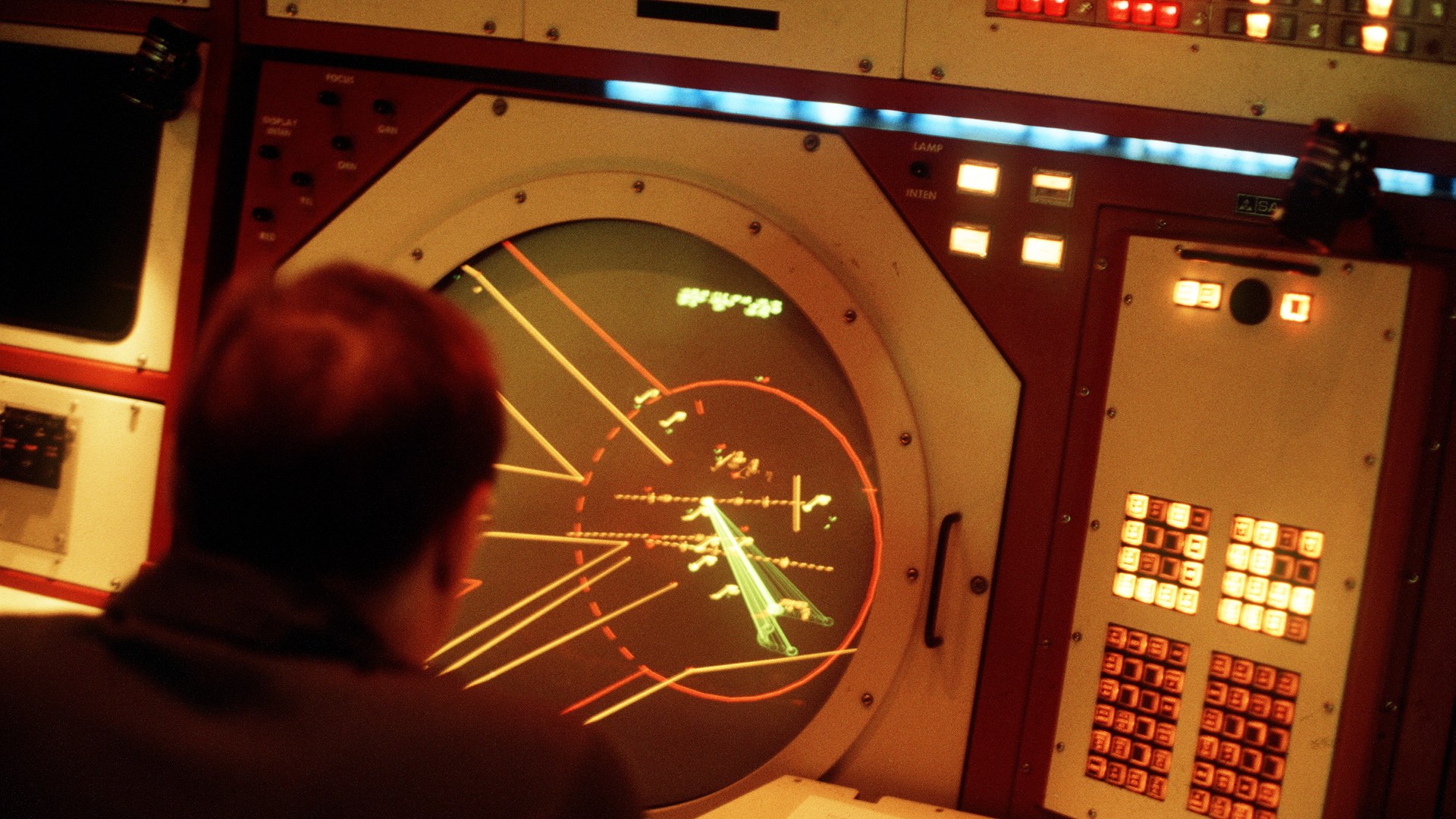
Perched hundreds of feet above busy runways, air traffic controllers orchestrate complex arrivals and departures using an intricate mesh of ground radar, sensors, and safety nets.

All 25 Entries in this Story
25. Handheld Light Gun Signals
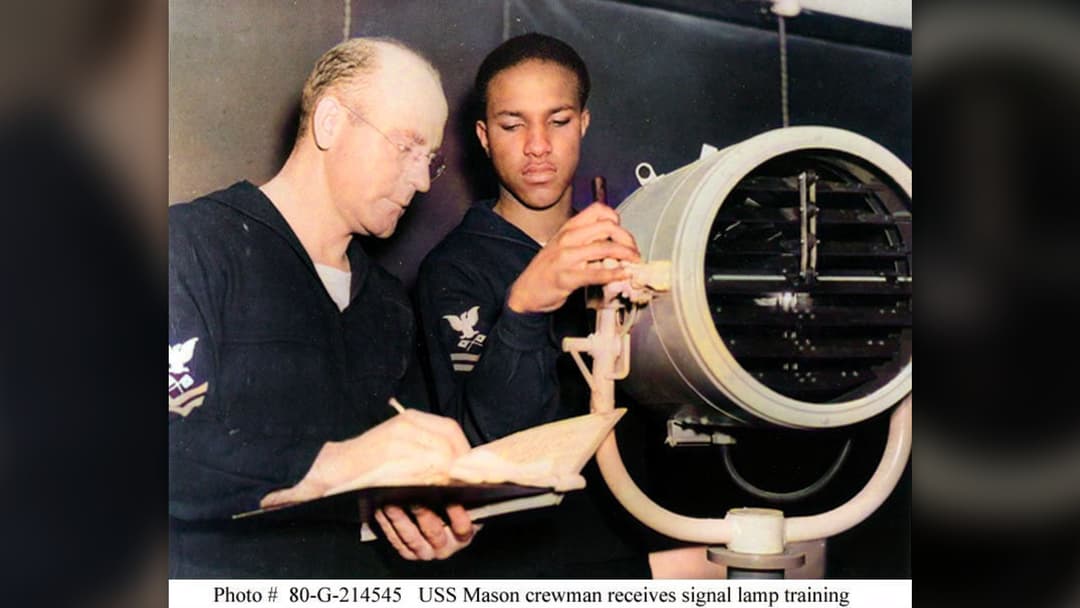
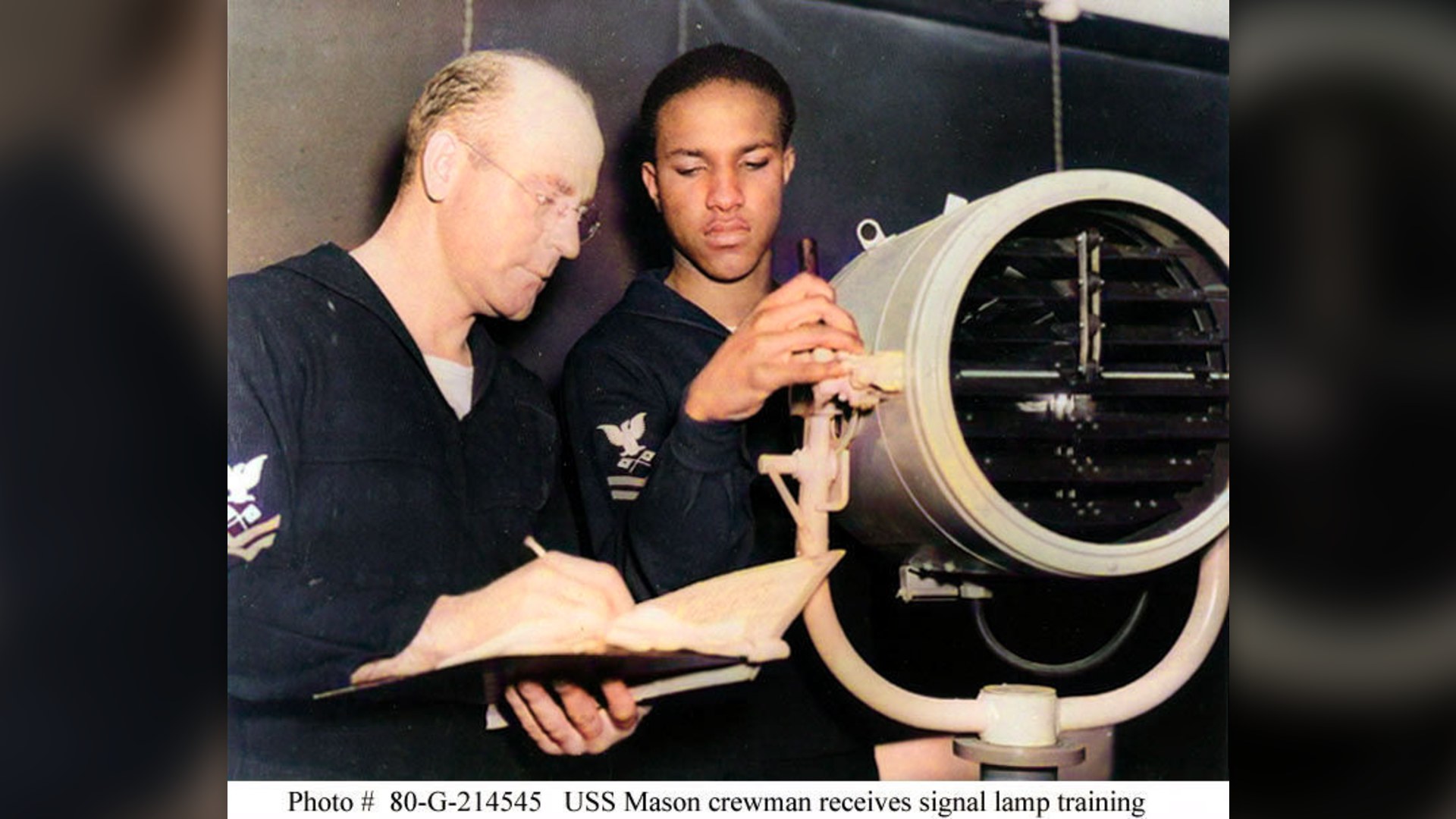
If lightning strikes or radio transmitters experience total electrical failure, controllers grab a handheld directional light gun. By aiming focused beams of steady green, flashing red, or alternating white light directly into airplane cockpits, controllers issue legally binding landing clearances.
24. Precision Approach Path Indicators
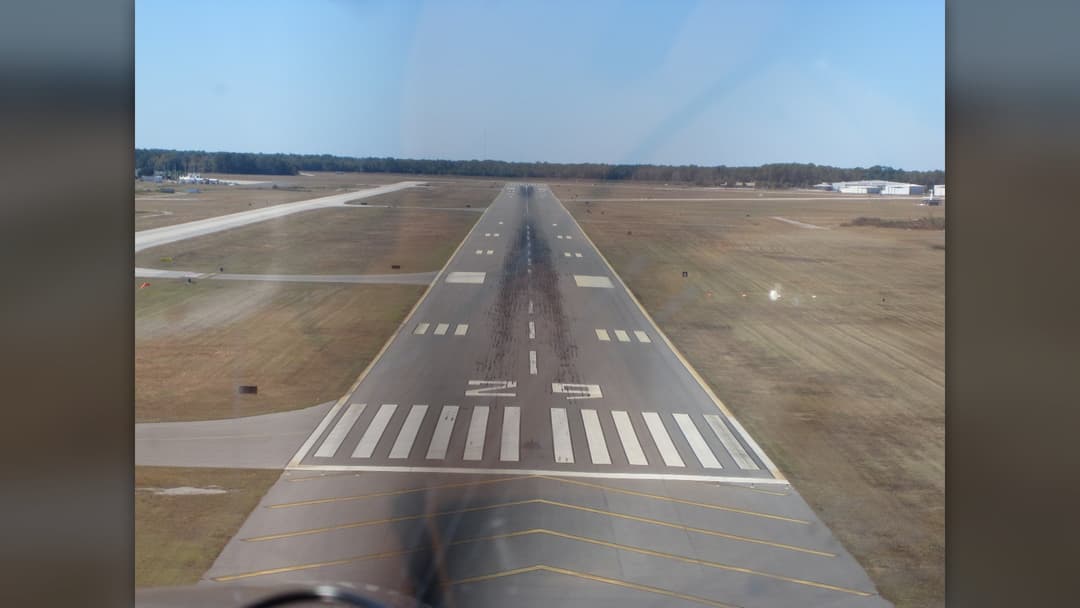
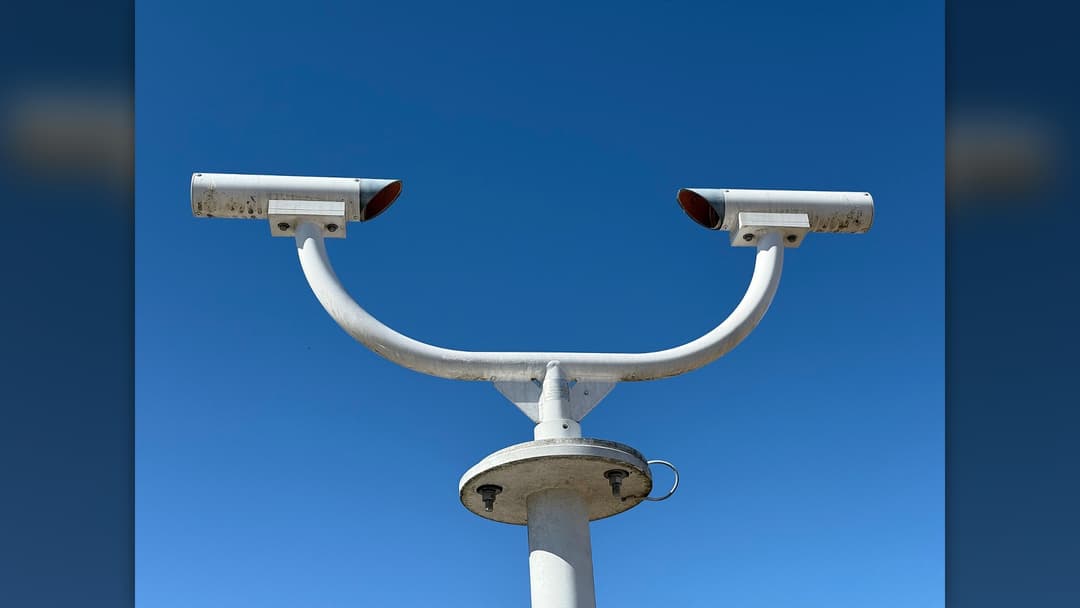
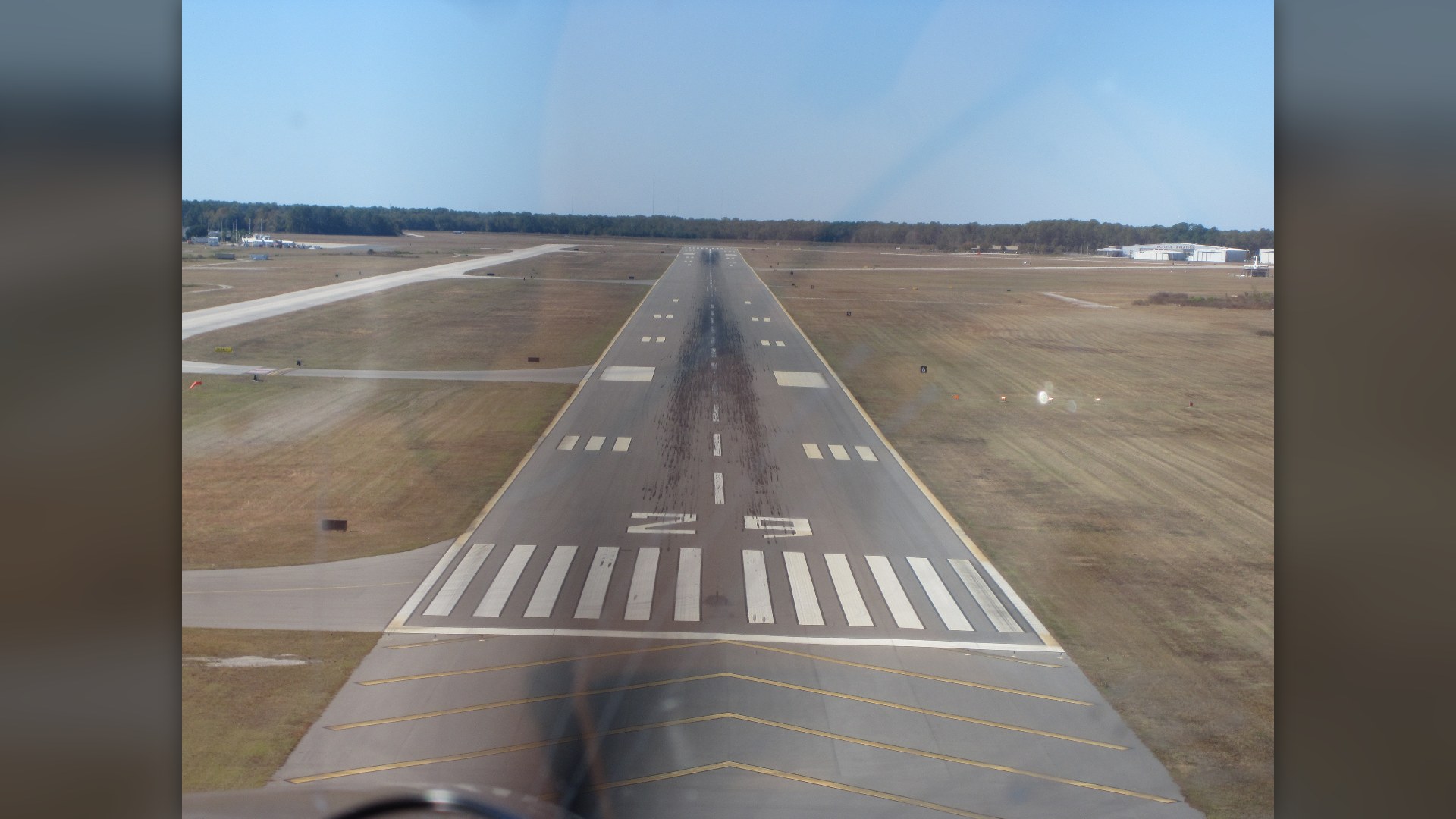
Installed beside the touchdown zone, Precision Approach Path Indicator boxes project split beams of white and red light toward landing pilots. Seeing two white and two red lights confirms a perfect three-degree glidepath, while all red signals a dangerous, low approach toward obstacles.
23. Electronic Flight Progress Strips
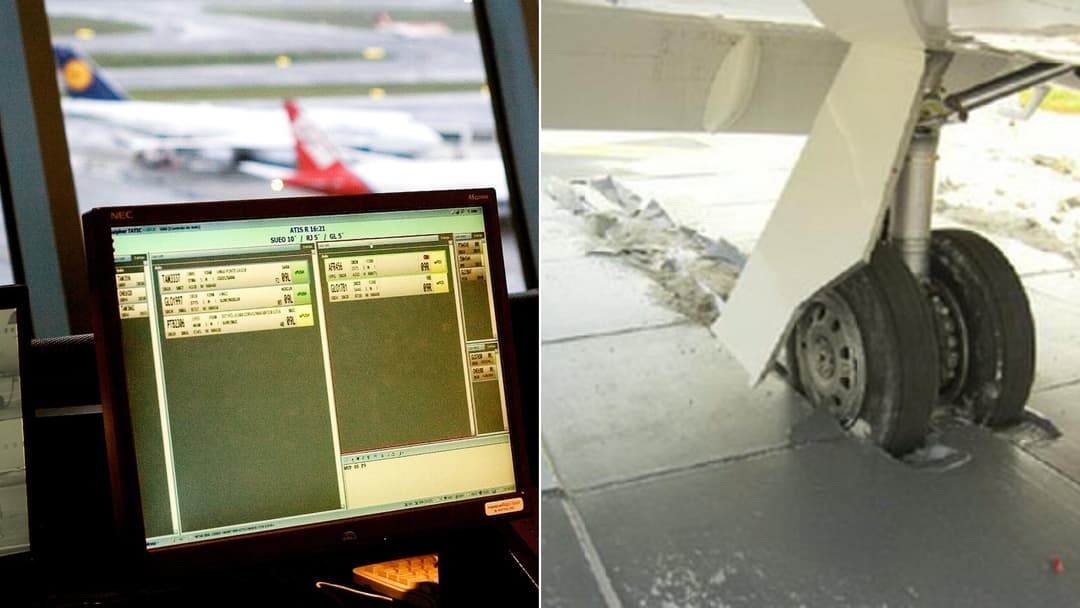
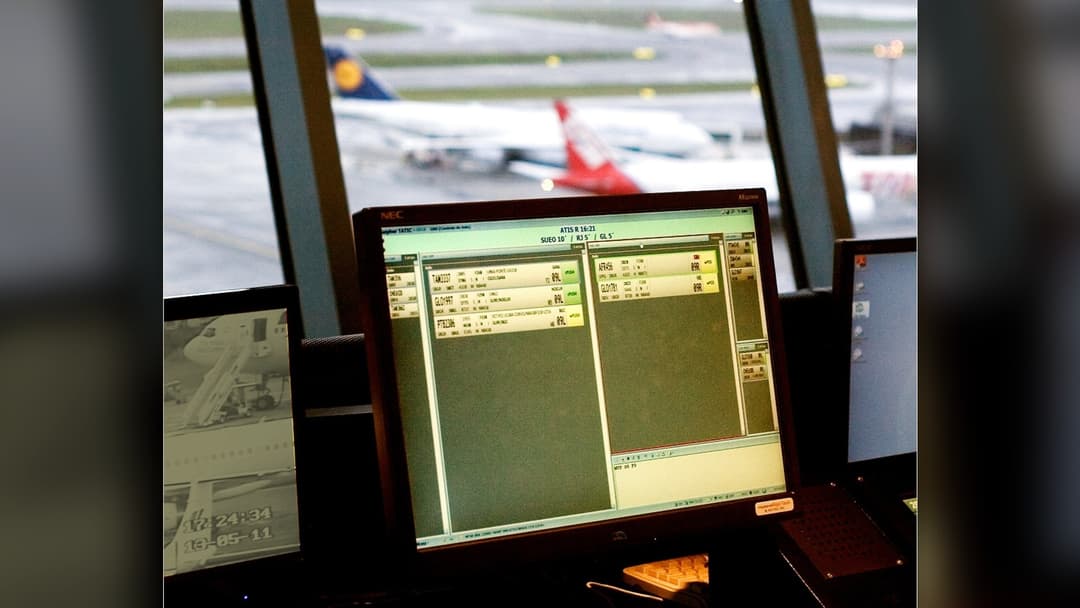
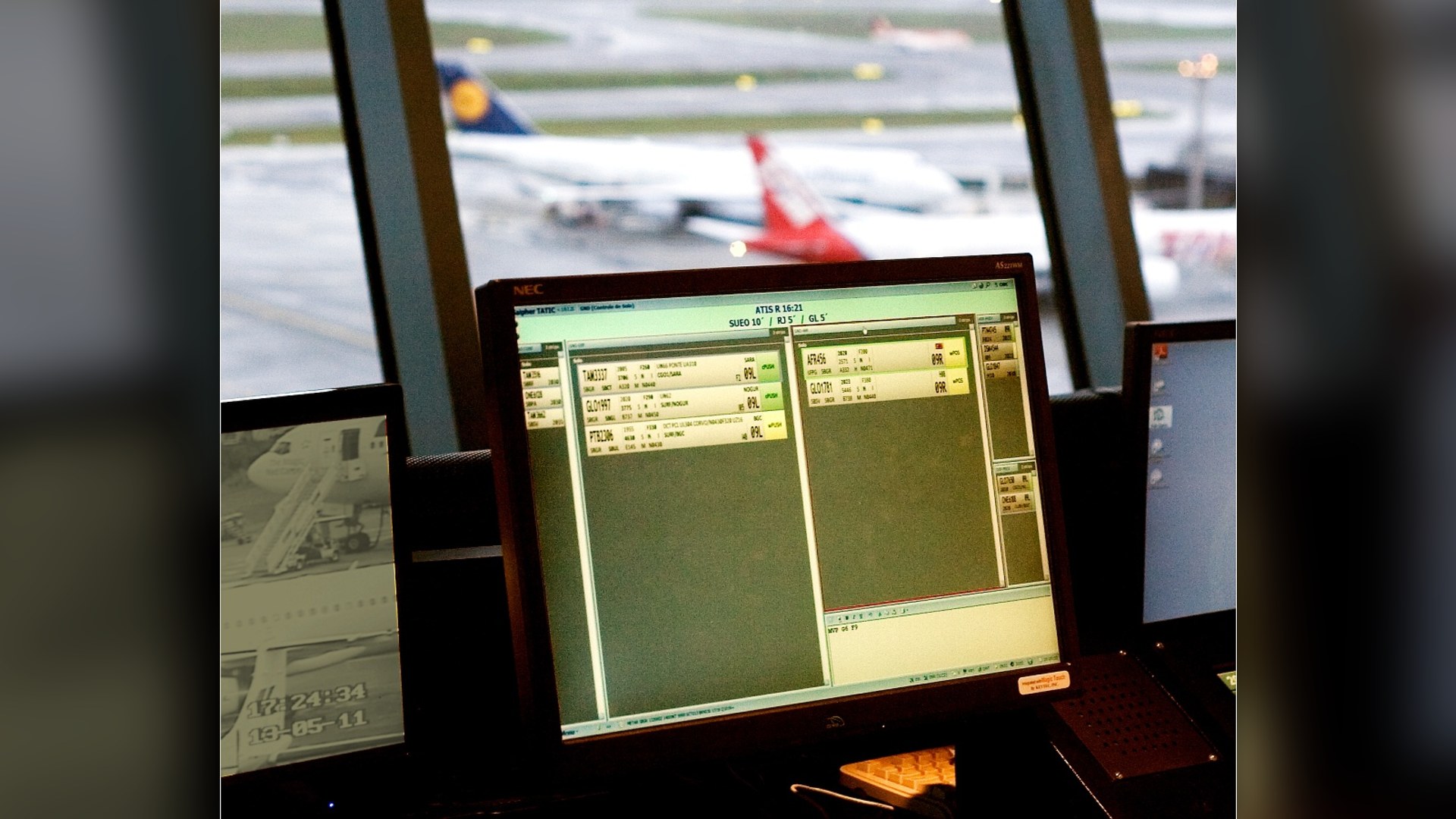
For decades, controllers scribbled flight notes onto small plastic-mounted paper strips. Modern towers utilize electronic flight strip software where departure routes, transponder codes, and gate releases update dynamically, allowing controllers to pass clearances across consoles with a finger swipe.
22. Uninterruptible Power Systems
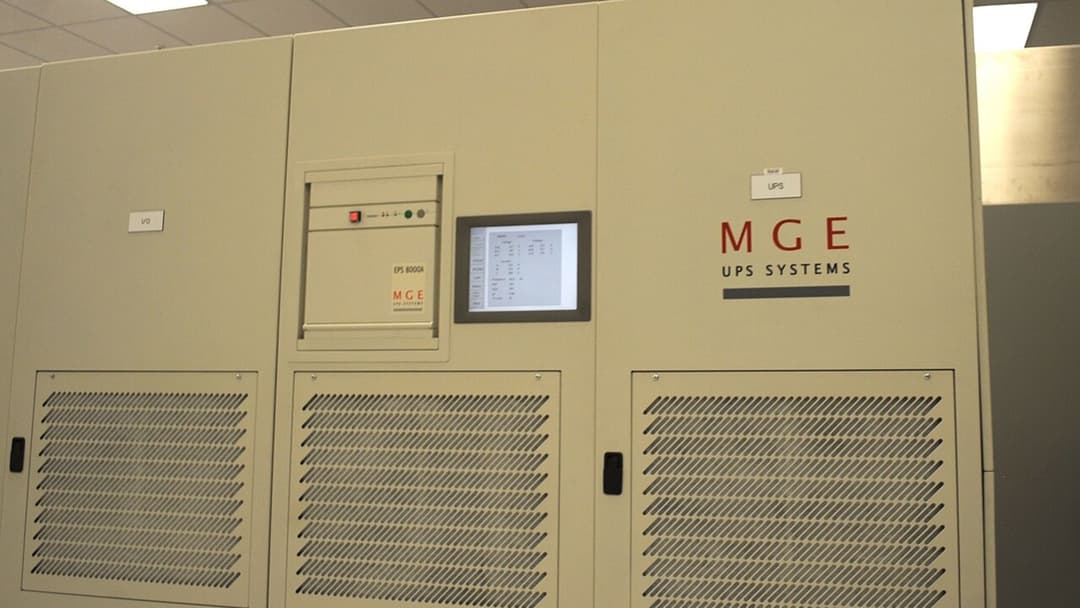
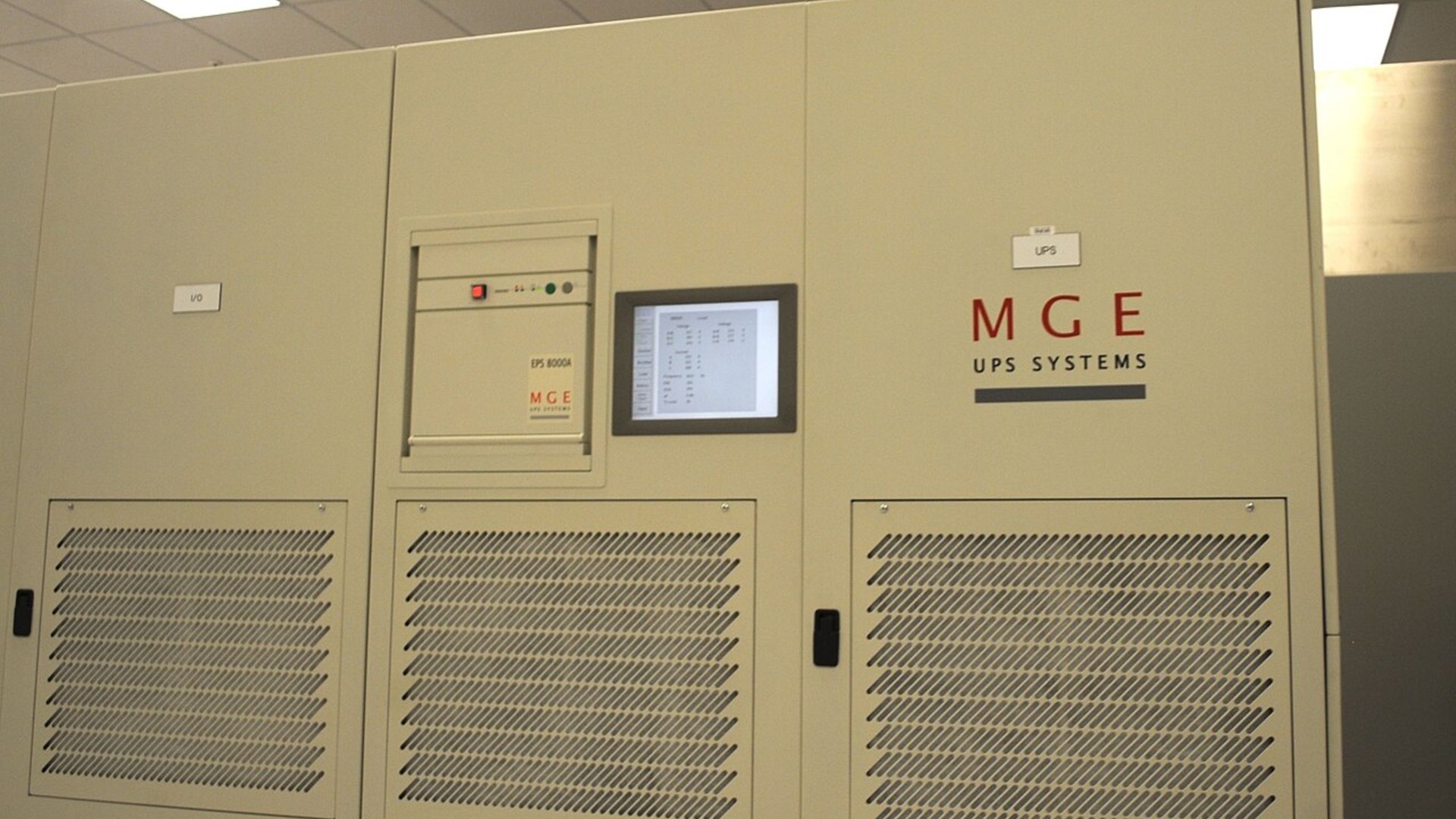
If a severe regional storm cuts municipal power to an airport, air traffic control towers cannot afford a single flicker. Industrial flywheel battery banks instantly absorb the electrical load within milliseconds, keeping radar screens online until massive backup diesel generators fire up.
21. Engineered Materials Arresting Beds
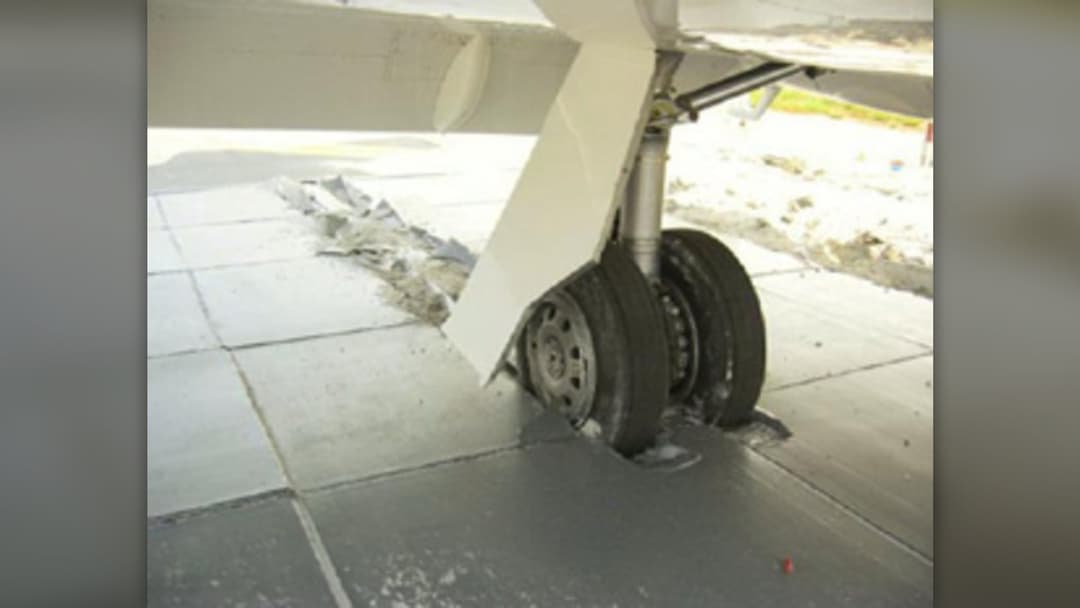
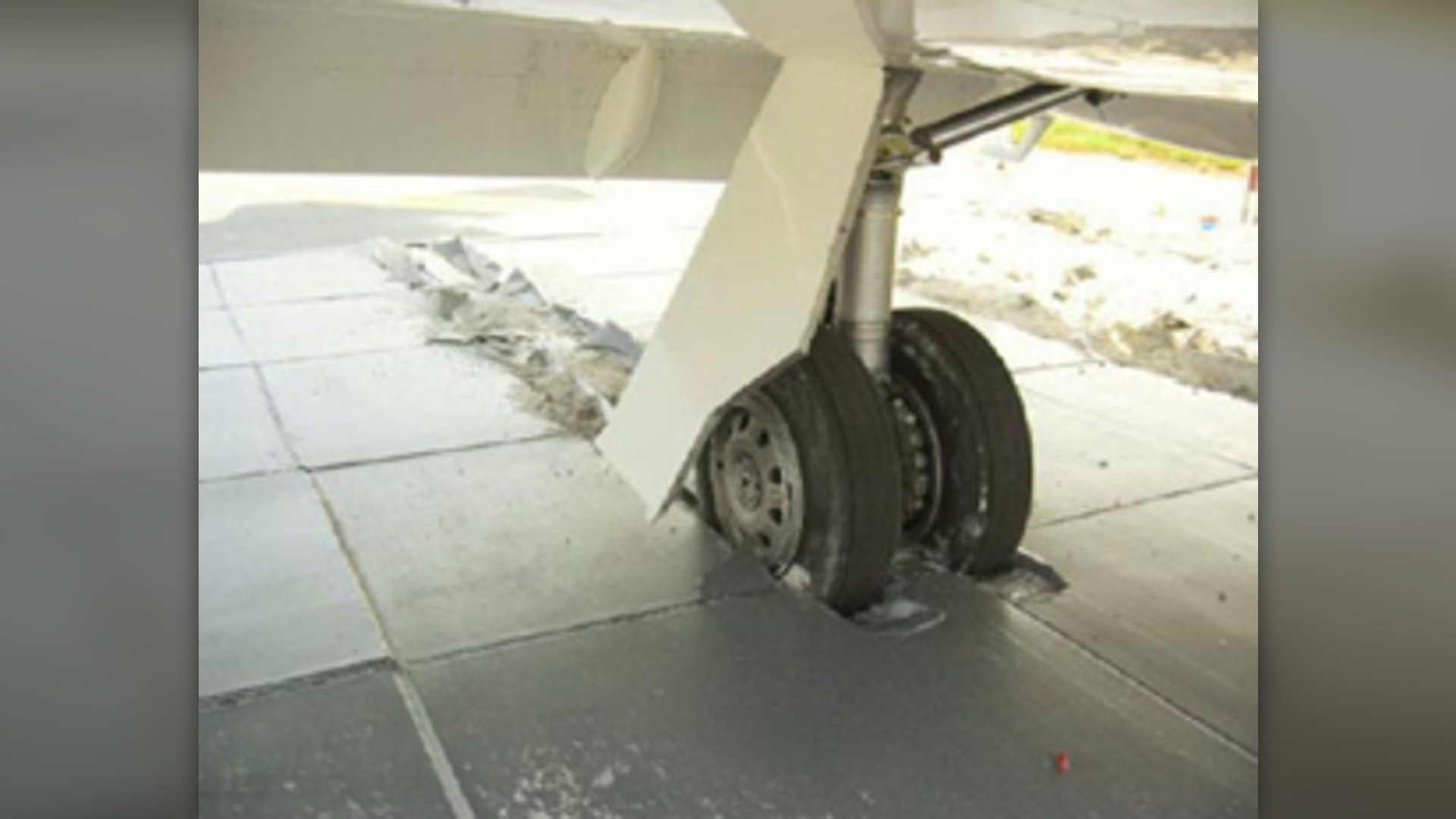
Located at the end of runways surrounded by water or highways, Engineered Materials Arresting Systems consist of lightweight cellular concrete blocks. If an airliner overshoots the runway during an aborted takeoff, the landing gear crushes the concrete, bringing the aircraft to a safe halt.
20. Automated Surface Observing Systems
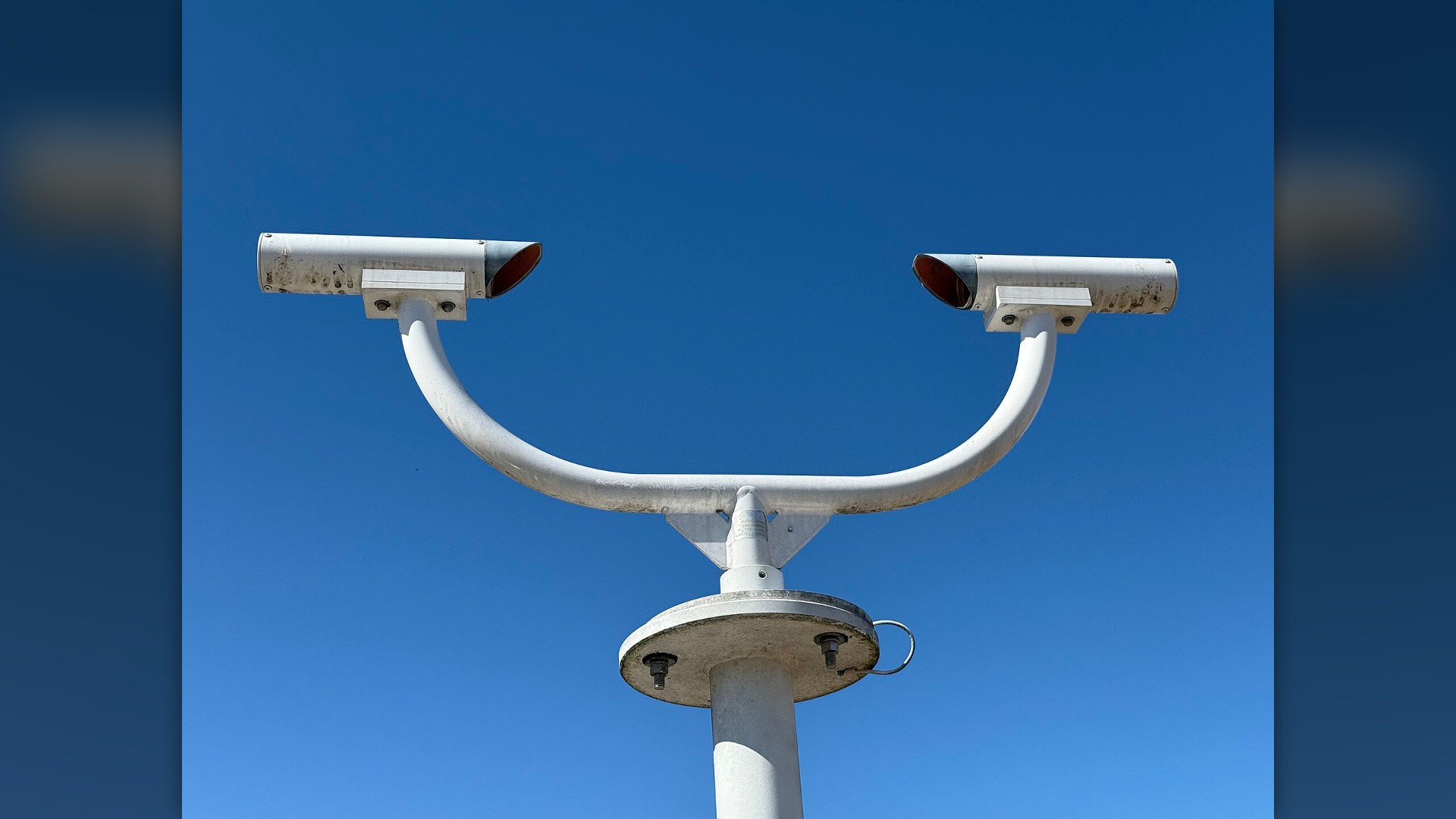
Automated weather stations stationed between runways report microclimatic atmospheric readings every minute. Laser ceilometers measure cloud base heights, freezing rain sensors detect ice, and quartz barometers provide pilots with the exact altimeter settings required for safe approaches.
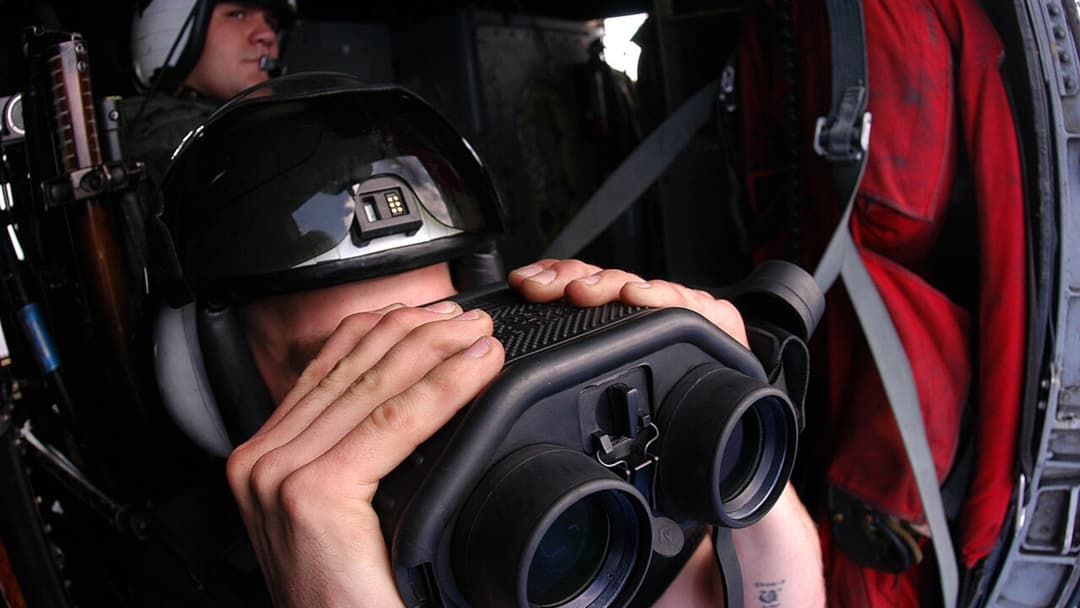
19. Gyro-Stabilized Tower Optics
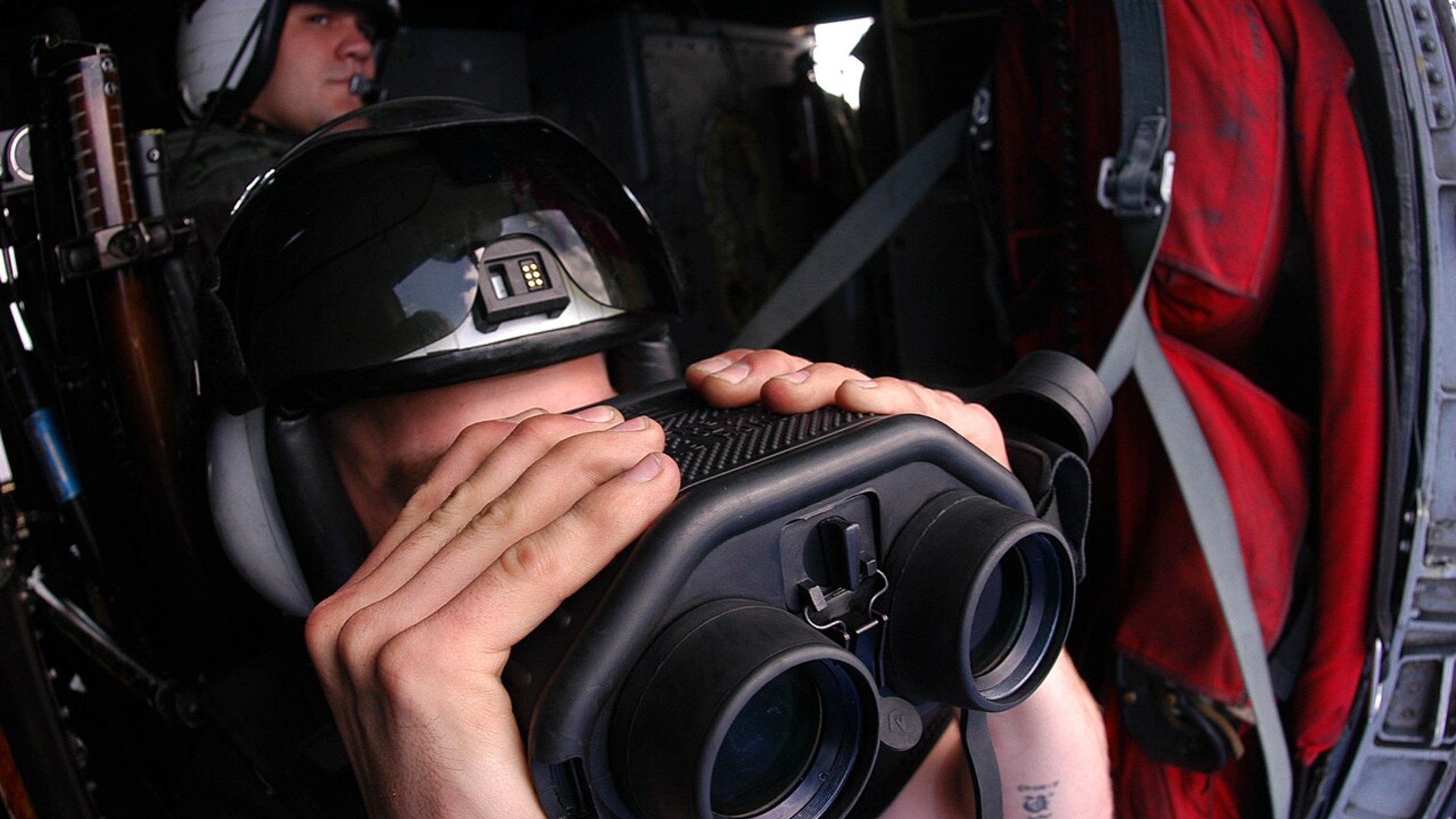
Despite advanced radar, visual verification remains a foundational pillar of tower control. Controllers use heavy tripod-mounted gyro-stabilized binoculars to inspect approaching aircraft for unlatched cargo doors, landing gear failures, or engine smoke miles before touchdown.
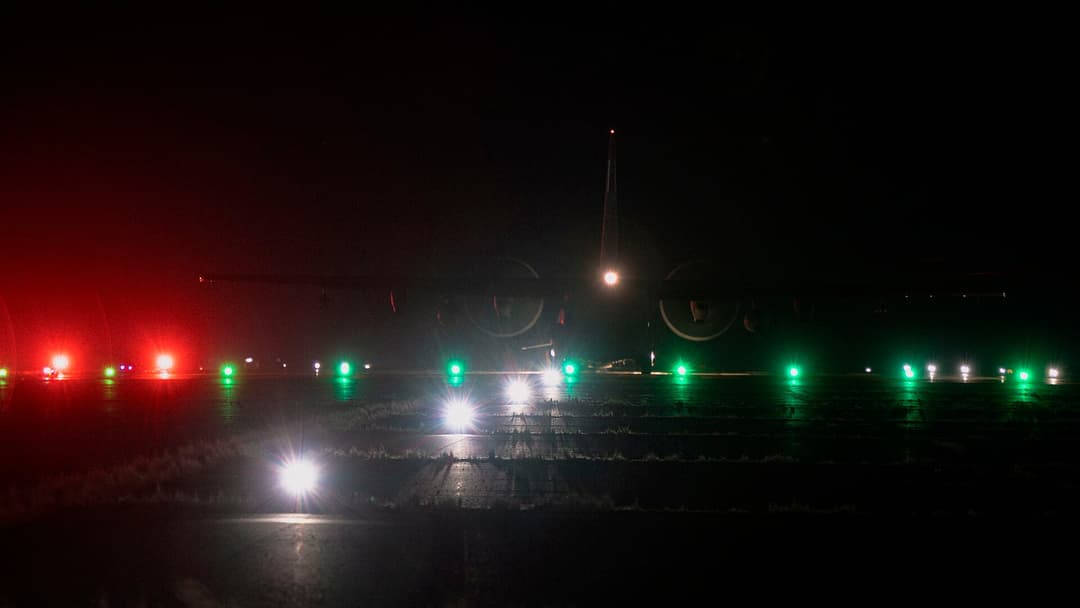
18. High-Intensity Runway Surface Lighting
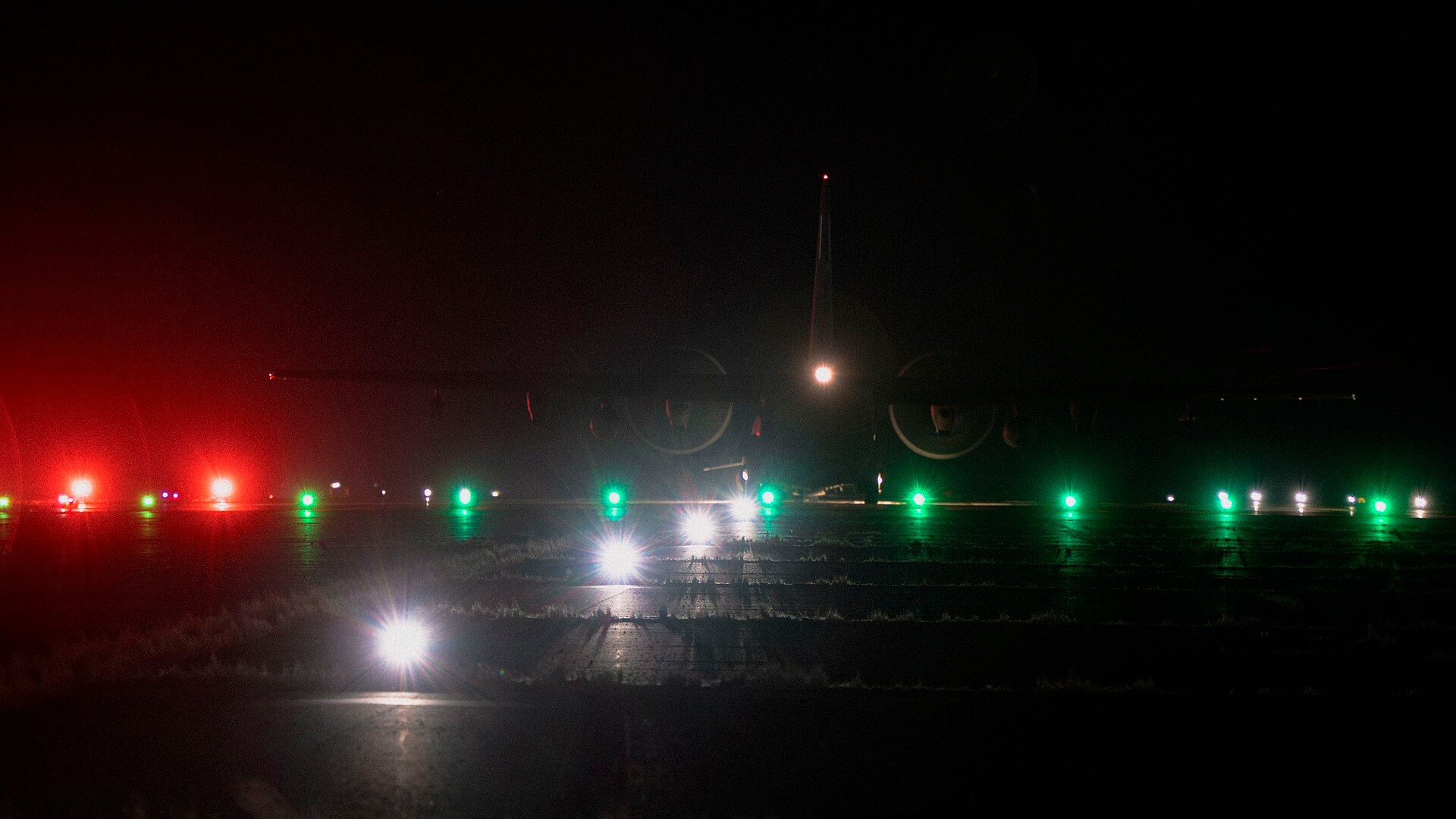
Embedded flush into thick runway asphalt, bidirectional high-intensity lights illuminate centerlines and touchdown zones. Controlled directly from tower touchscreens, lighting intensity steps up to thousands of candelas during blizzards, ensuring pilots maintain centerline tracking.
17. Stop Bar Guard Lighting
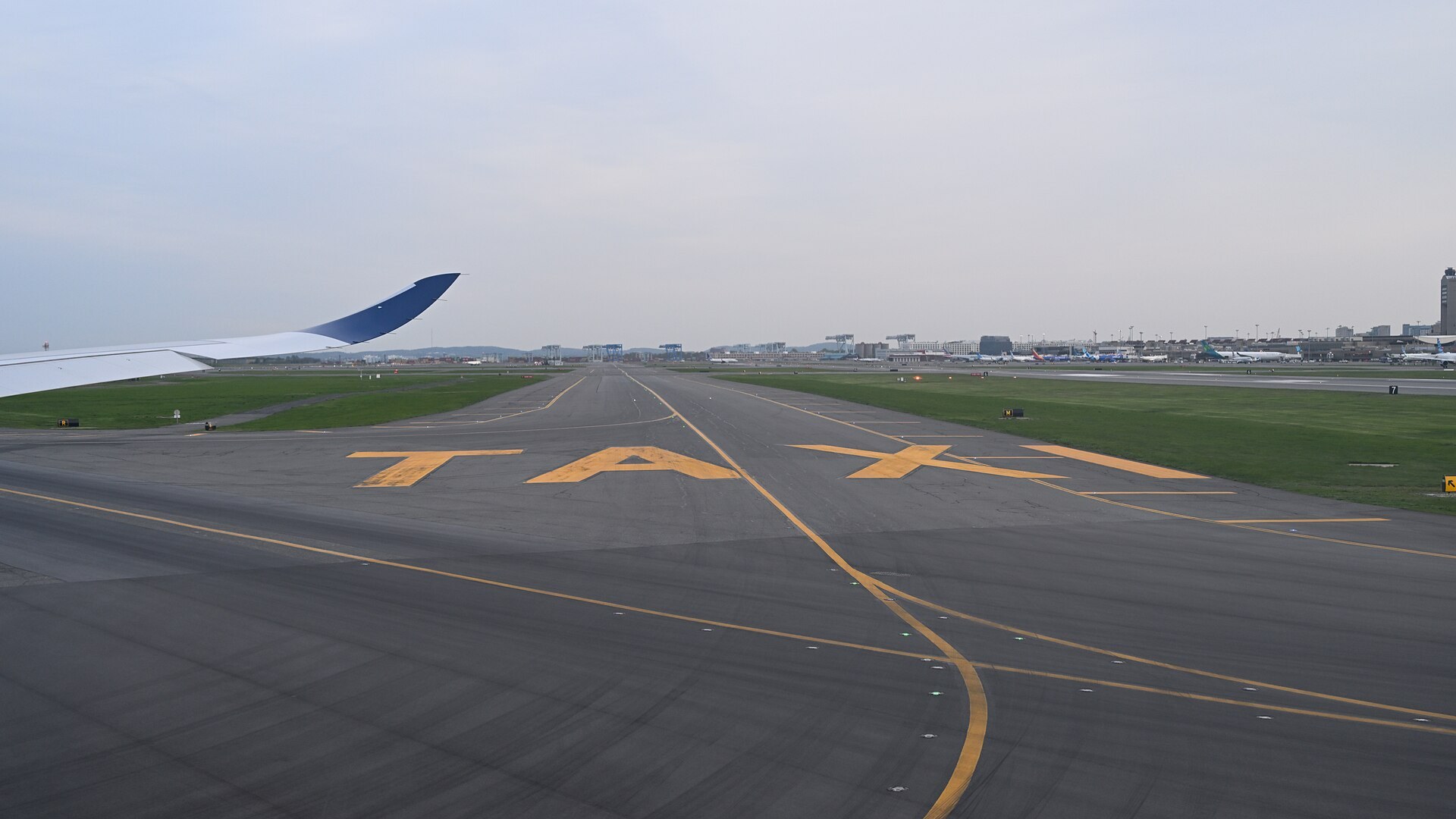
Runway incursions represent one of aviation's greatest operational dangers. Guard lights consist of rows of bright red lights embedded across taxiway entrances. The lights only extinguish when the ground controller depresses a clearance button, confirming the runway is clear for crossing.
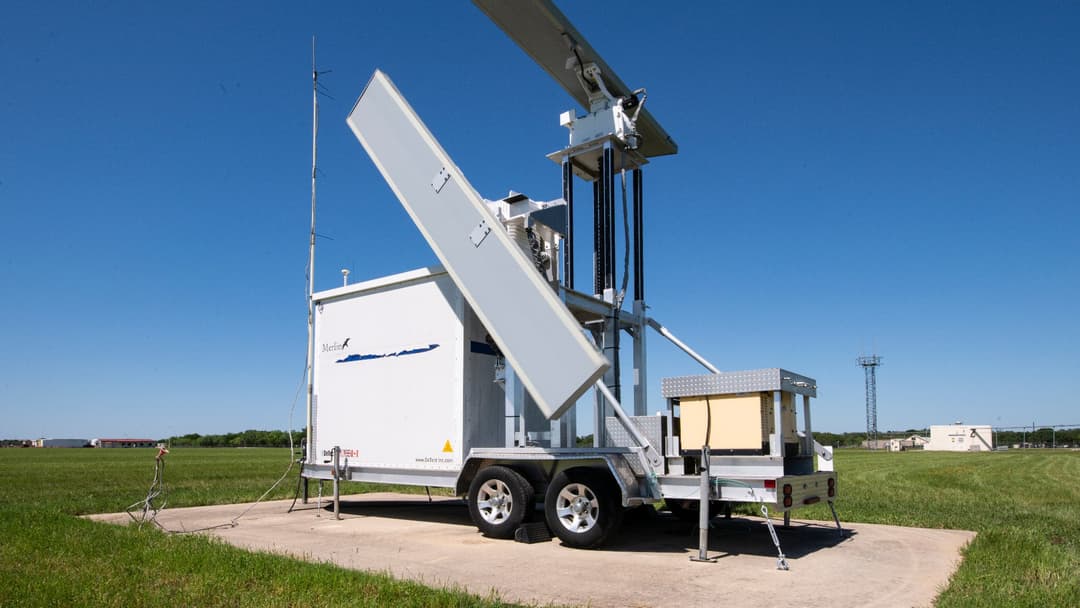
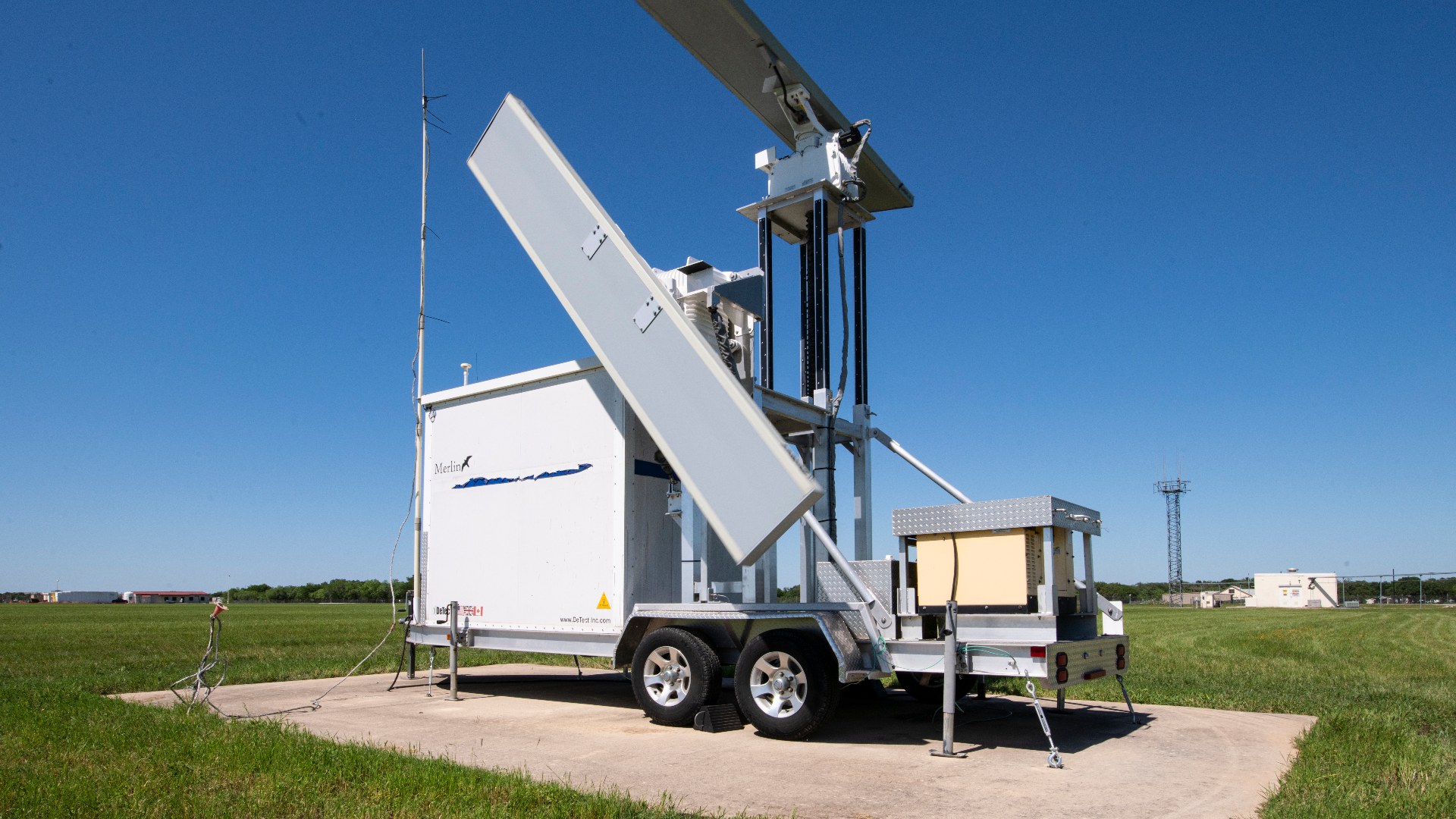
16. Avian And Wildlife Hazard Radar
Bird strikes can destroy turbofan engines during full-thrust takeoffs. Dedicated bird radar systems scan departure flight corridors for flocking waterfowl and raptors. When bird density passes critical thresholds, controllers delay departures and dispatch wildlife rangers to disperse flocks.
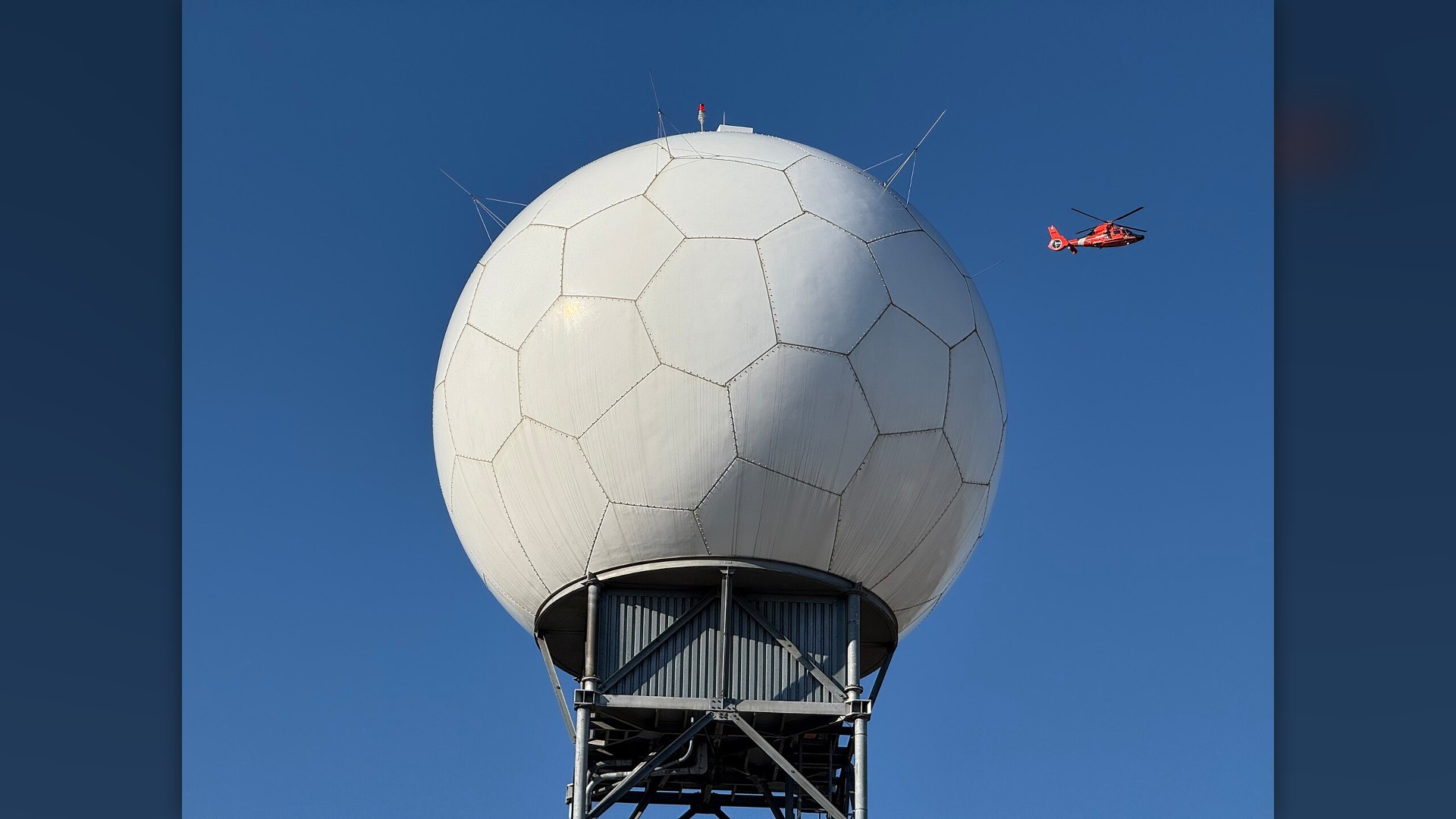
15. Terminal Doppler Weather Radar
Microbursts are violent localized columns of sinking air that can push landing airliners into the ground. Terminal Doppler Weather Radar stations located near major airports scan low altitudes, giving tower controllers and cockpits immediate audible warnings of wind shear along runway paths.
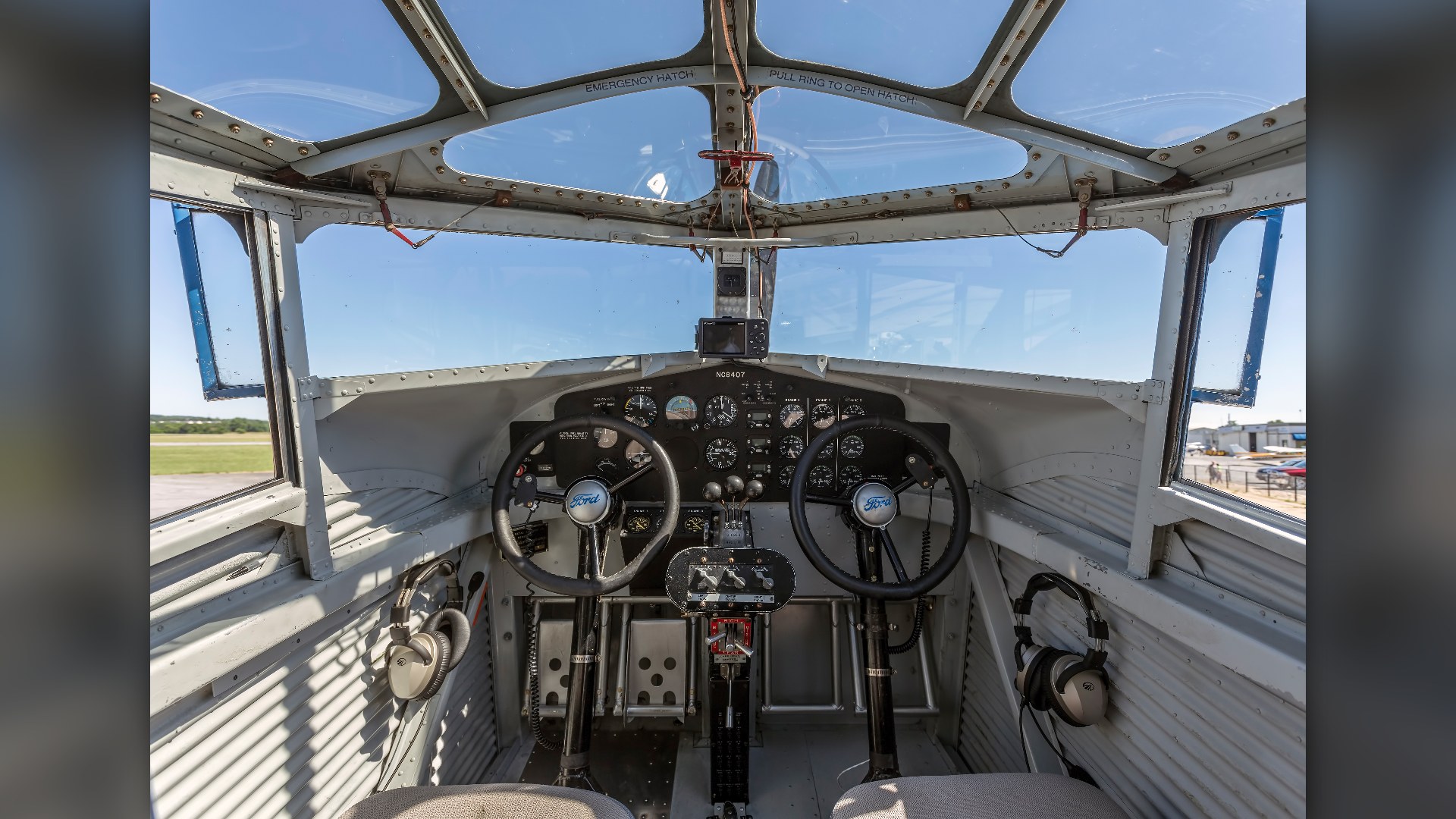
14. Controller-Pilot Data Link Communications
Busy radio frequencies can lead to misheard verbal clearances and transmission readback errors. Controller-Pilot Data Link Communications transmits complex route changes, departure clearances, and oceanic waypoints directly onto cockpit digital multifunction displays with error-free digital confirmation.
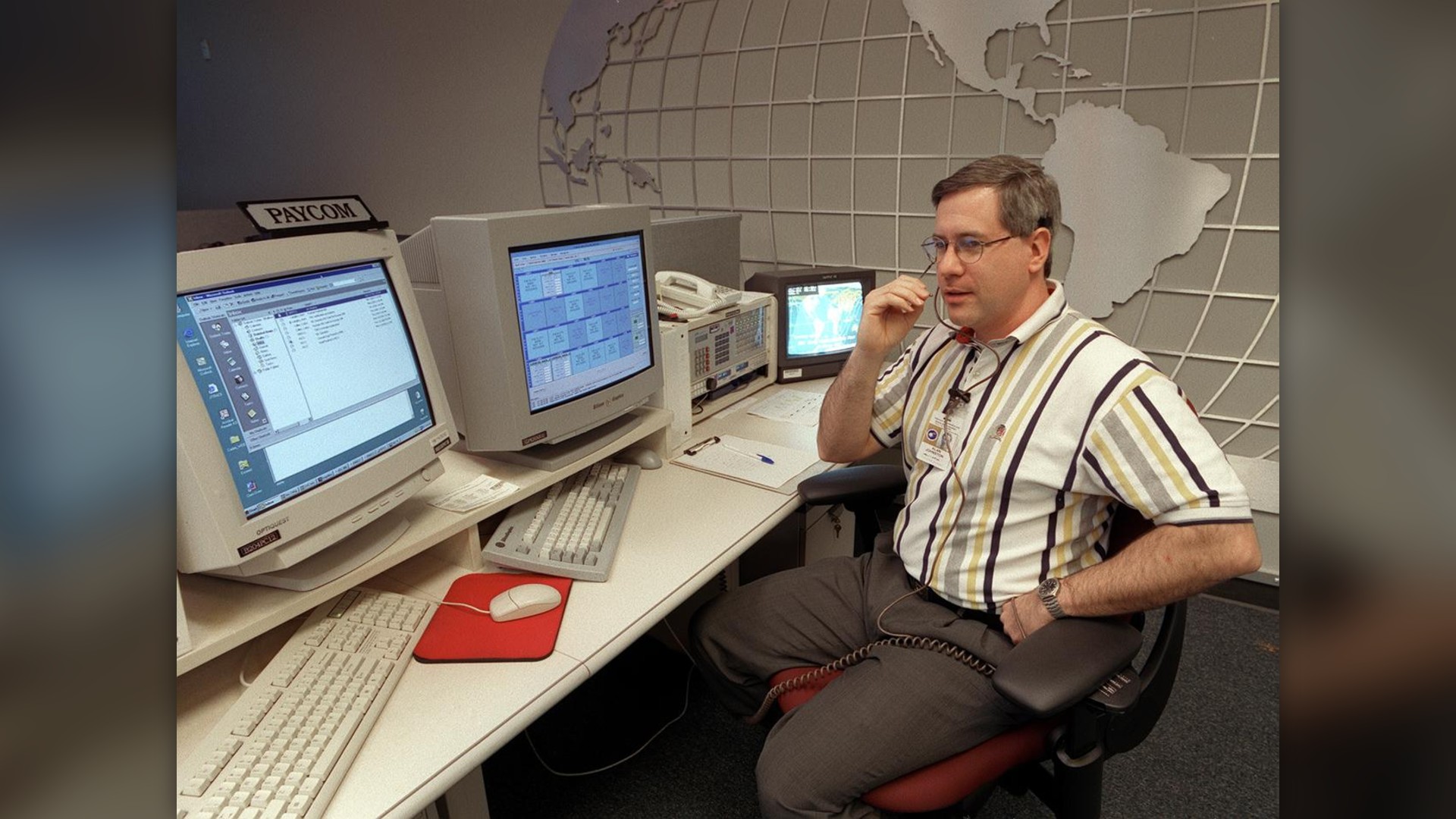
13. Voice Communication Control Systems
Controllers manage dozens of simultaneous frequencies for ground control, tower local control, and emergency rescue channels. Modern voice communication control systems allow controllers to monitor, cross-couple, and switch radio frequencies instantly using digital touchscreen panels.
12. Automated Runway Status Lights
Runway Status Lights operate without direct human intervention. Connecting directly to ground surveillance radar, the system automatically illuminates red entrance lights if another aircraft is taking off or landing at high speed, providing an immediate visual warning to waiting pilots.
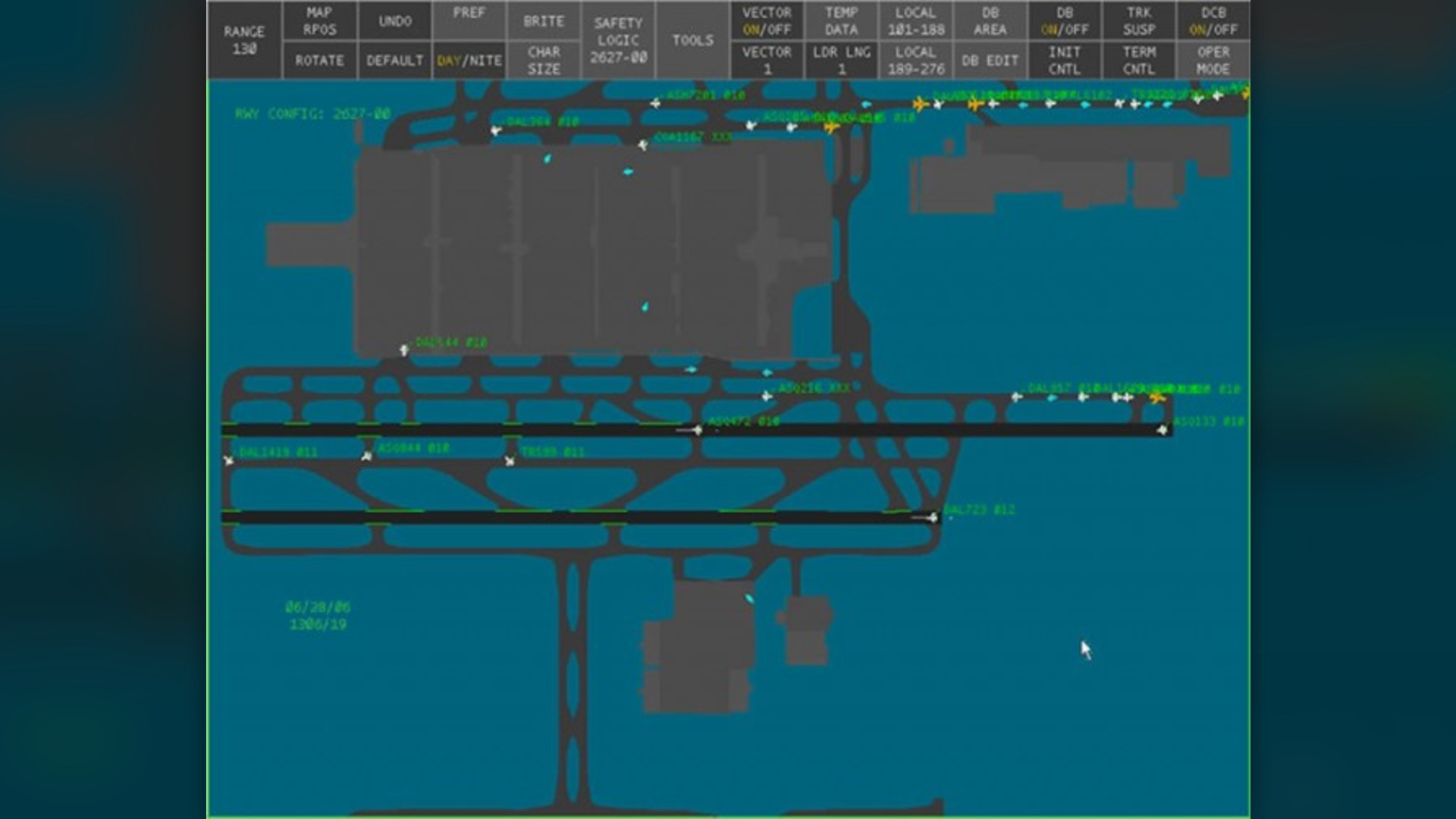
11. Surface Detection Equipment ASDE-X
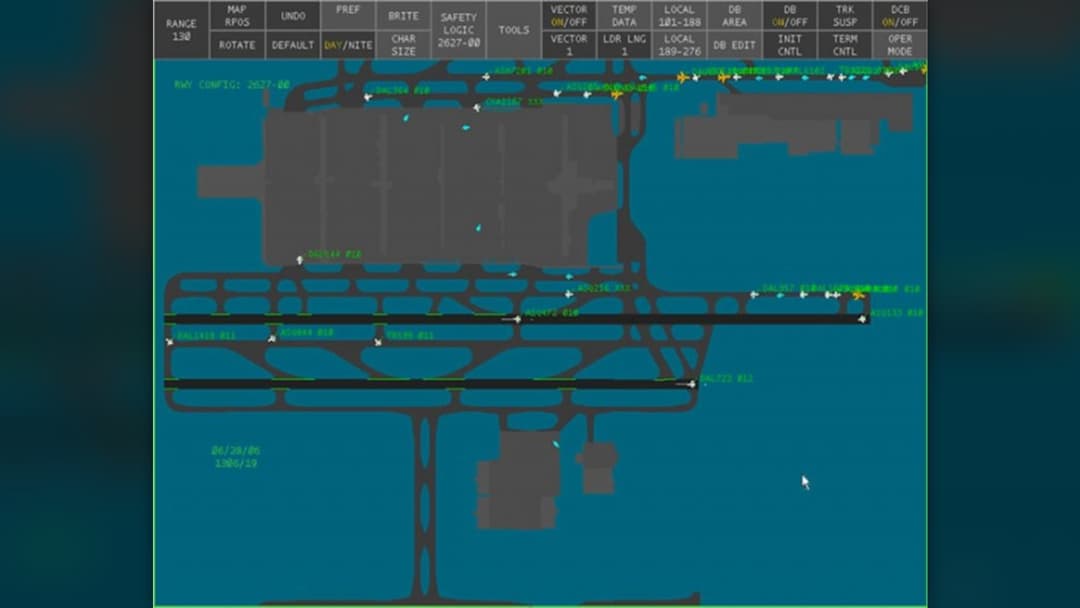
Airport Surface Detection Equipment integrates surface movement radar, multilateration transponder sensors, and satellite tracking onto a color-coded top-down airport map. Controllers can monitor exact aircraft positions across taxiways even during zero-visibility midnight thunderstorms.
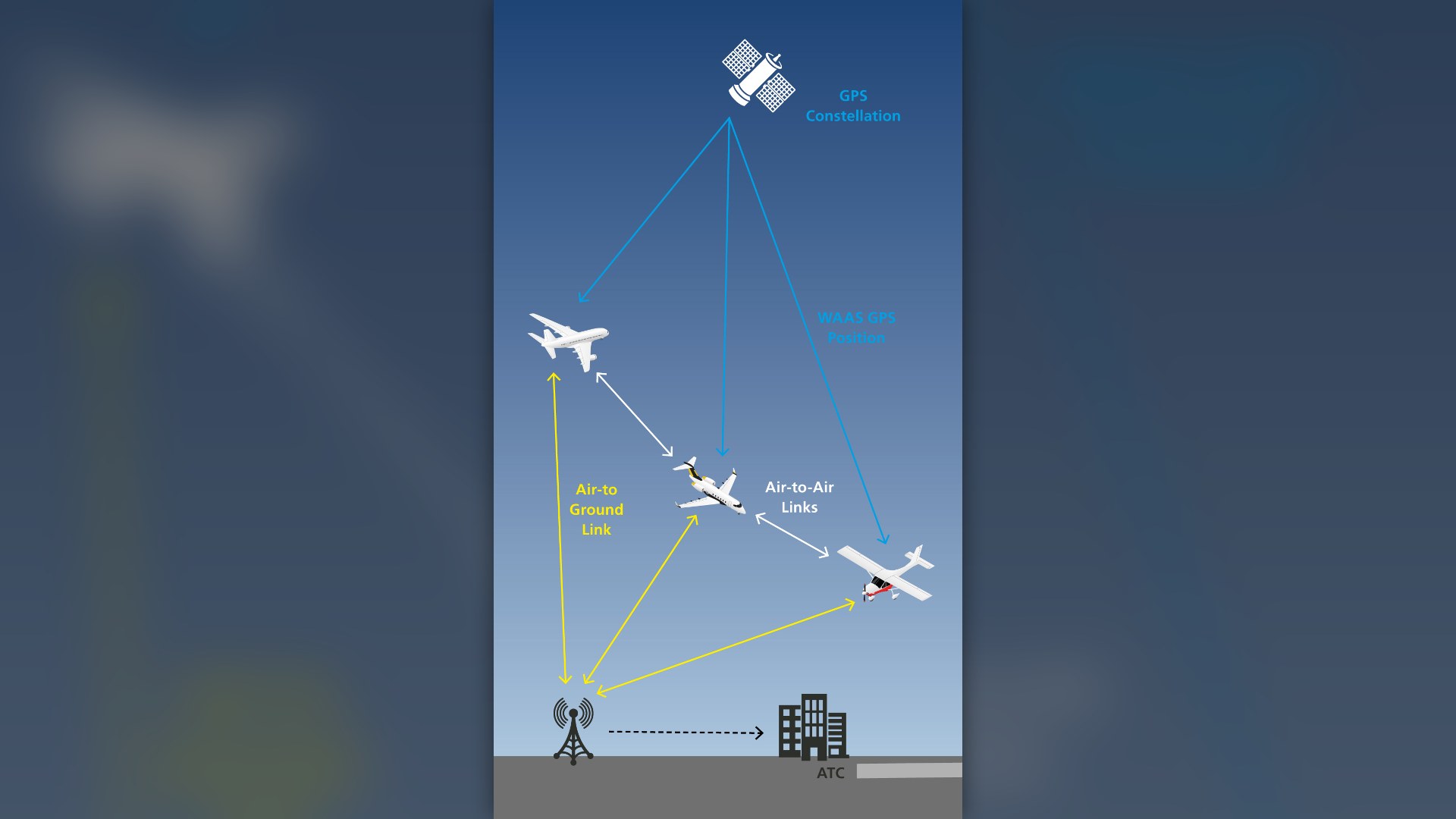
10. Automatic Dependent Surveillance-Broadcast
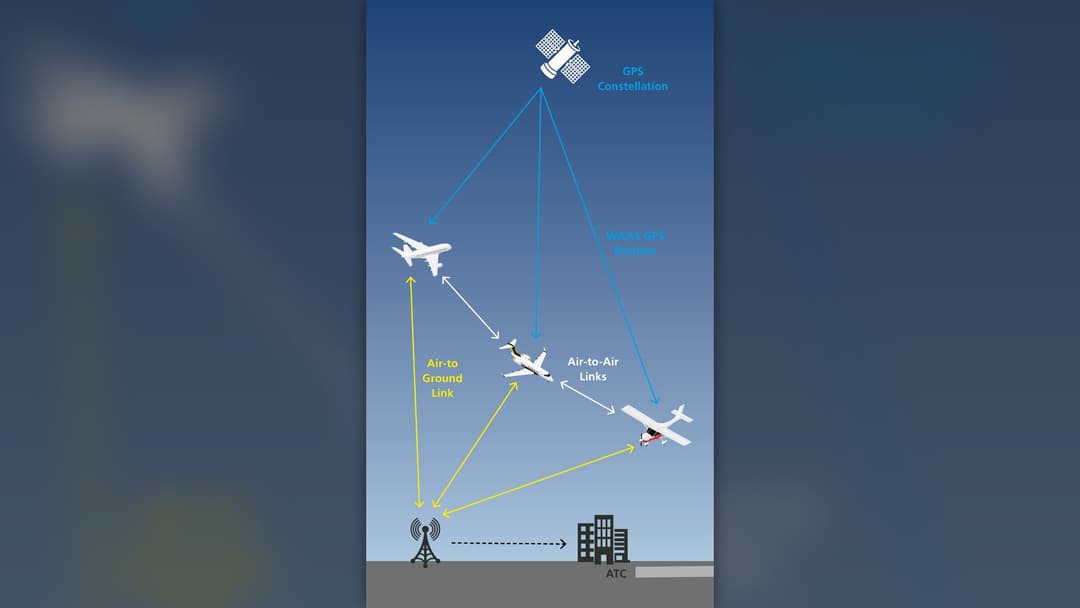
Replacing legacy rotating sweep radar, ADS-B mandates that all aircraft determine their position via satellite GPS and broadcast the telemetry continuously. Tower systems receive these digital packets every single second, giving controllers an exceptionally precise, lag-free picture of local airspace.
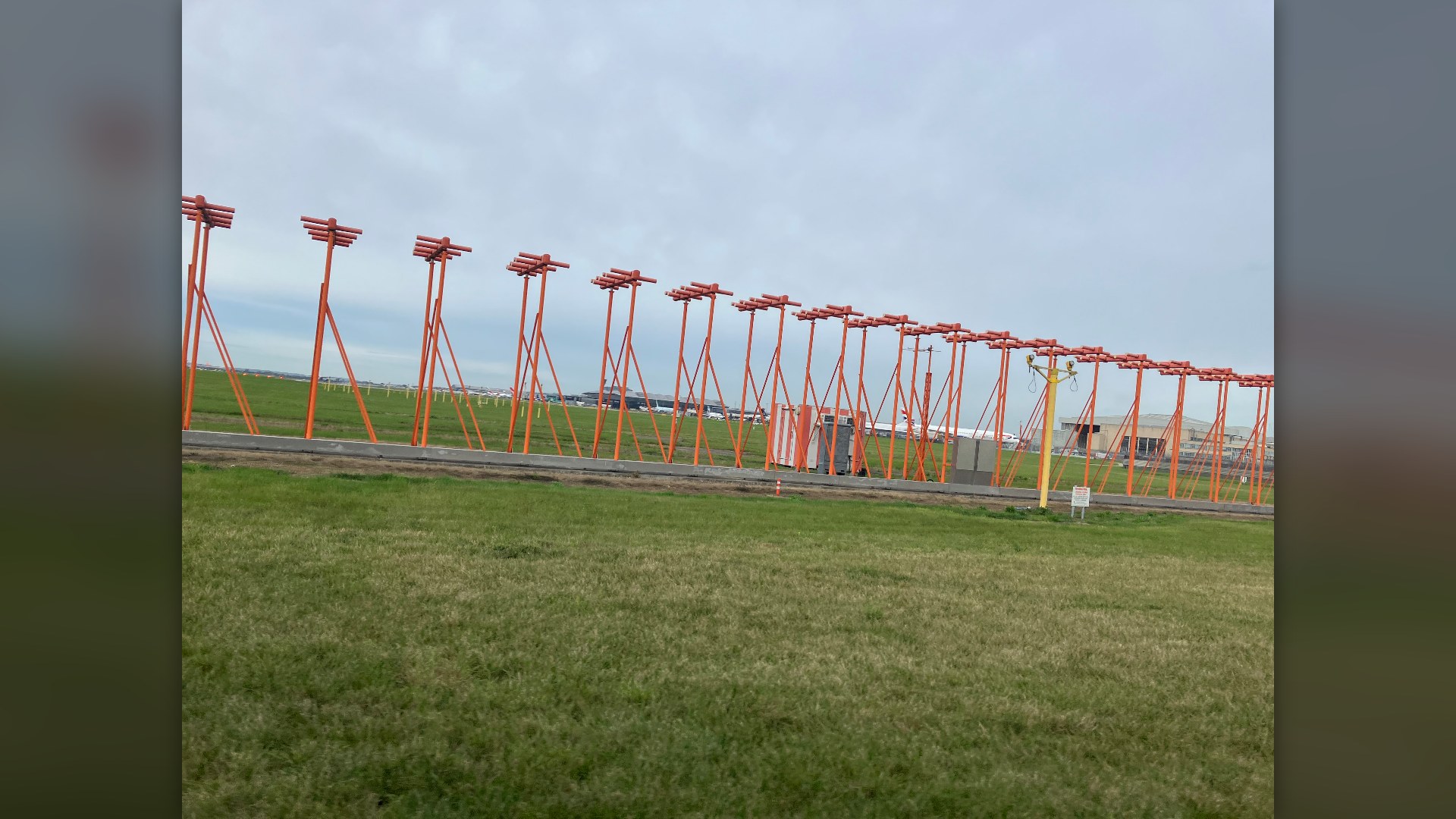
9. Instrument Landing System Localizer And Glideslope
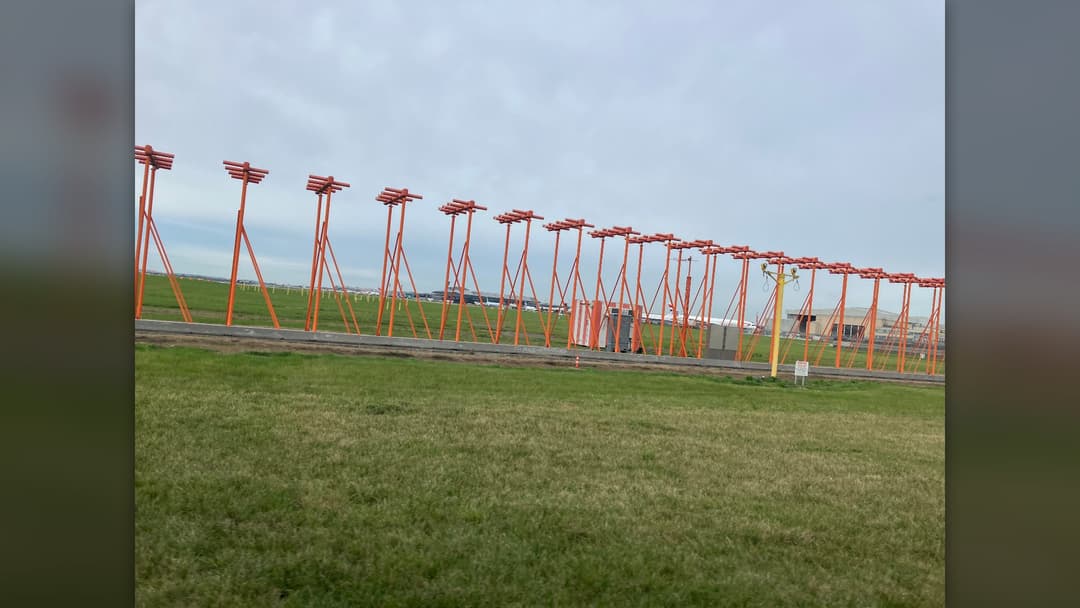
Positioned at opposite ends of the runway, the localizer antenna provides horizontal alignment while the glideslope tower transmits vertical angle beams. Aircraft avionics lock onto these overlapping radio signals, guiding flights down through dense fog directly to the runway threshold.
8. TRACON Approach Control Consoles
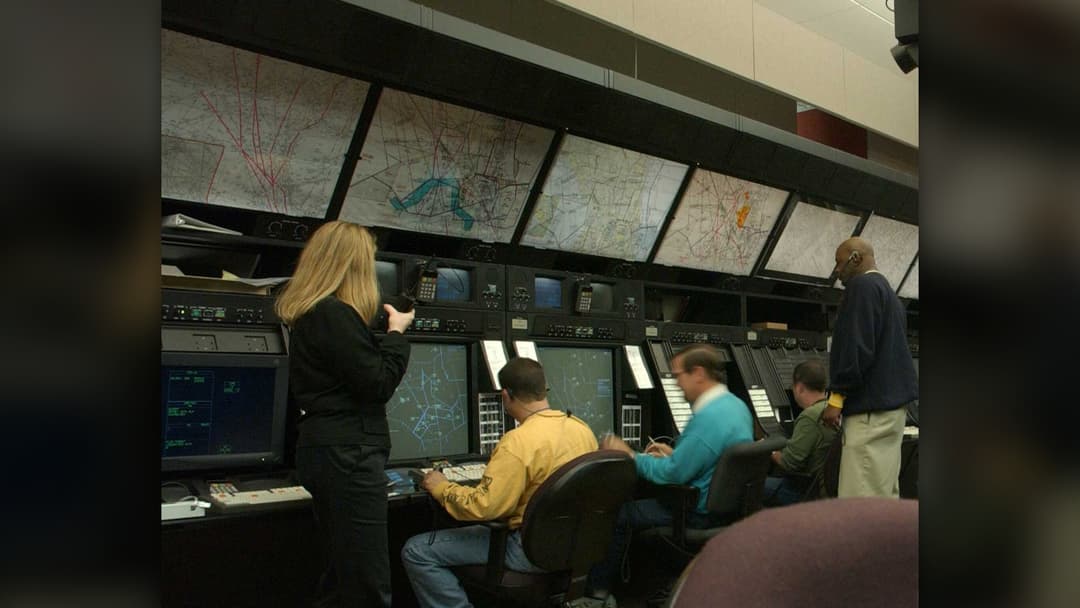
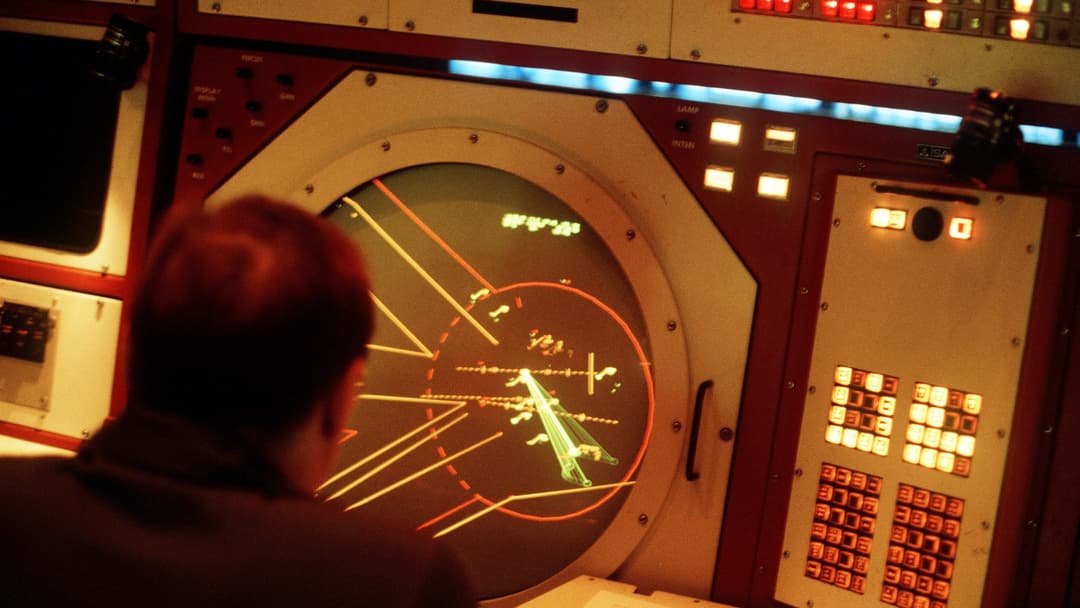
Located in soundproof radar rooms often beneath the tower, Terminal Radar Approach Control personnel sequence high-speed aircraft descending from cruising altitude. Controllers space incoming jets three to five miles apart before handing them off to the visual tower cab for touchdown.
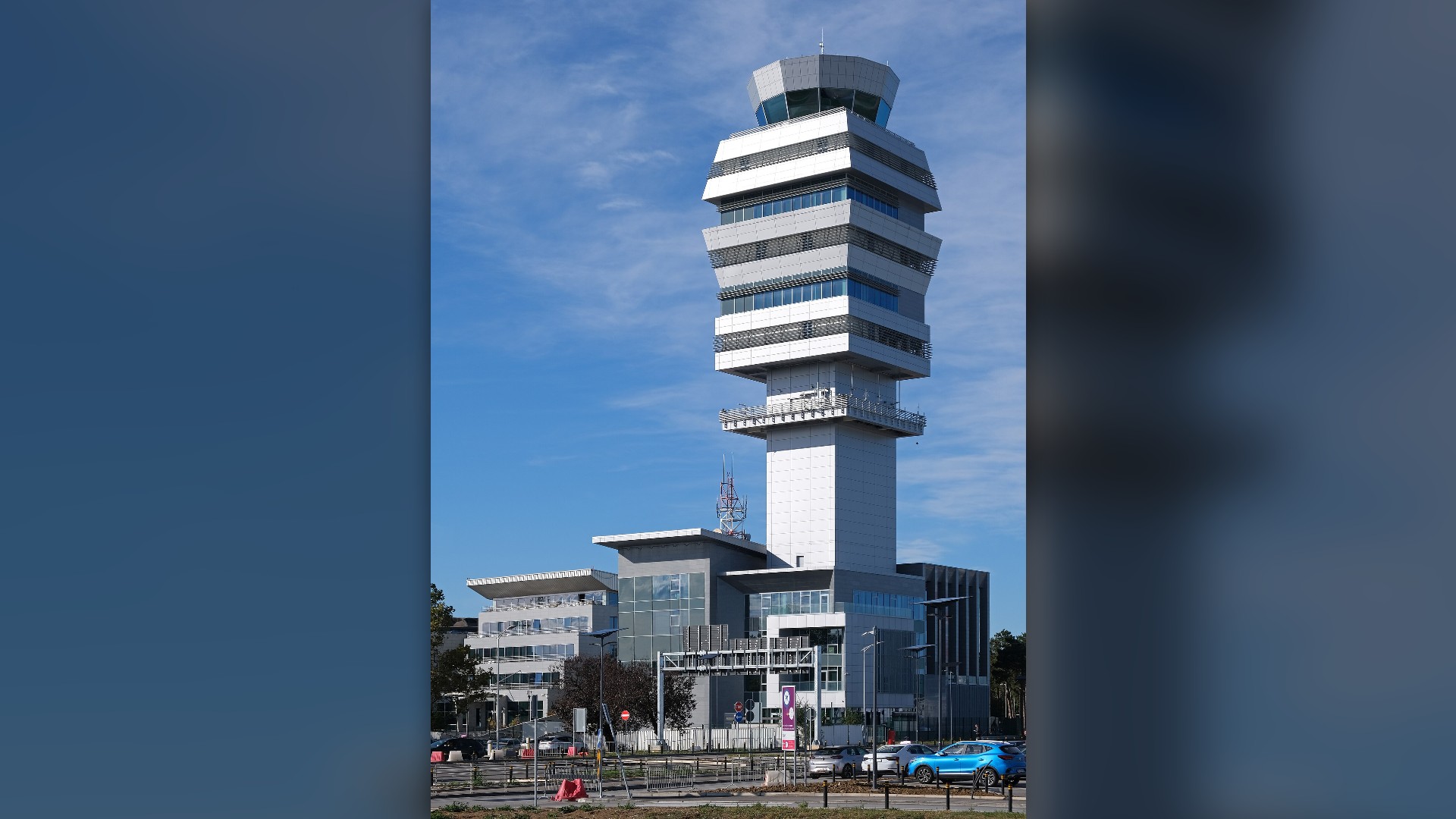
7. Minimum Safe Altitude Warning Systems
The Minimum Safe Altitude Warning system compares live radar altitude data against three-dimensional digital elevation models of local mountains and radio towers. If an aircraft descends below minimum vectoring altitudes, an audible klaxon sounds across the control room.
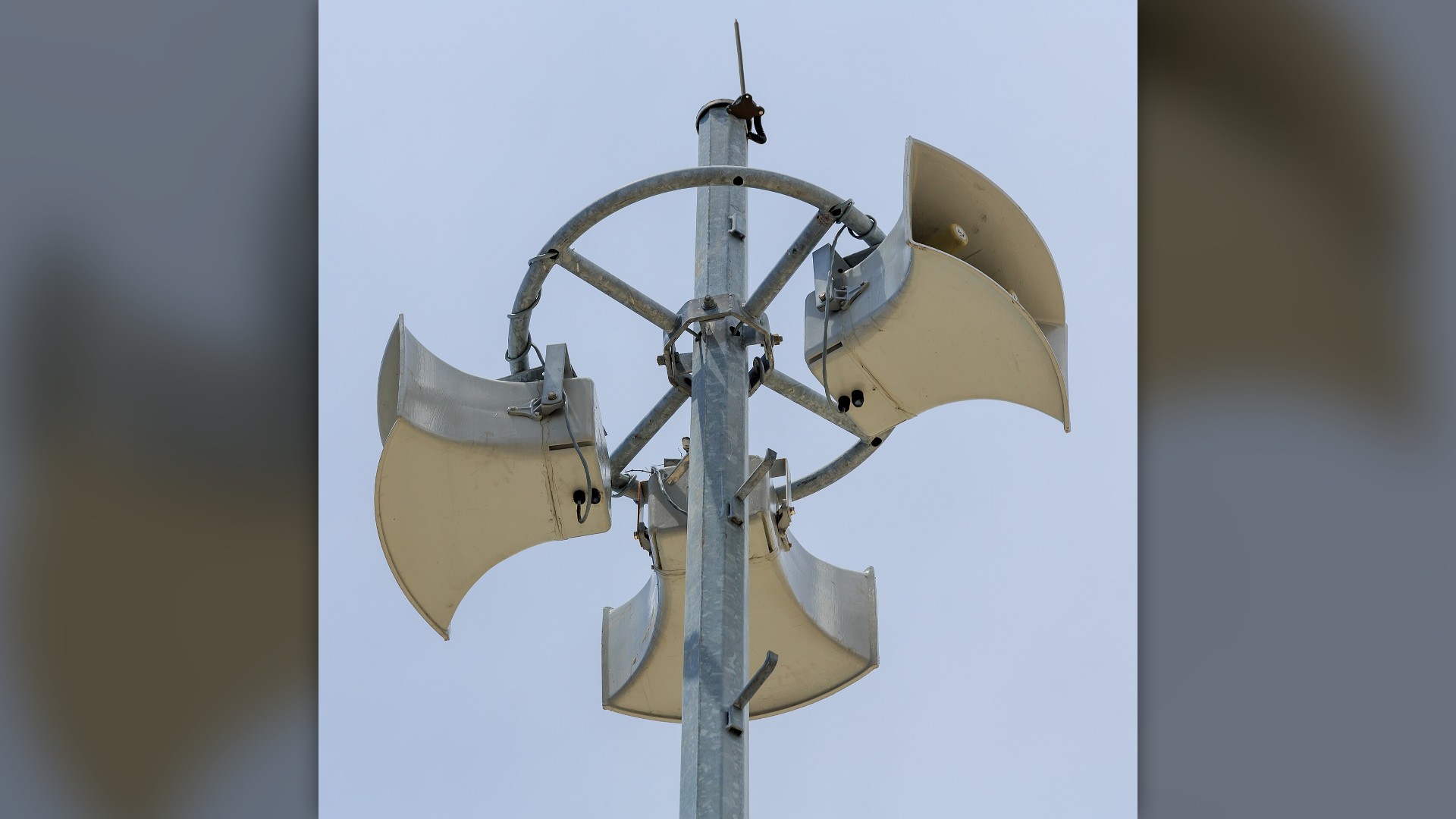
6. Short-Term Conflict Alert Algorithms
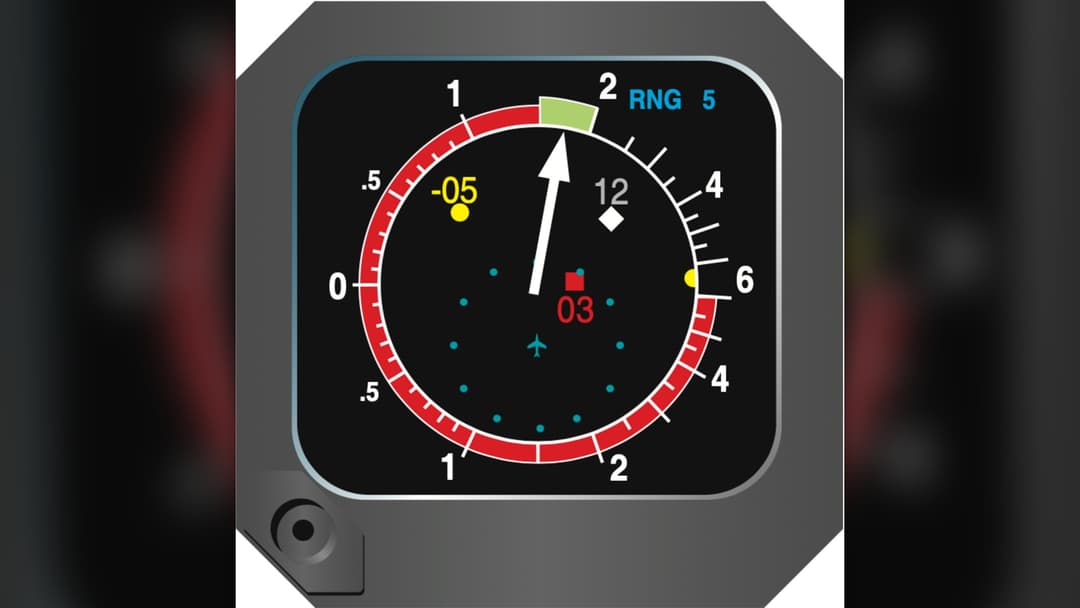
Air traffic control computers continuously project the future trajectories of every tracked flight. If two aircraft are projected to breach standard separation distances within two minutes, radar targets flash bright yellow on controllers' screens accompanied by auditory conflict alerts.
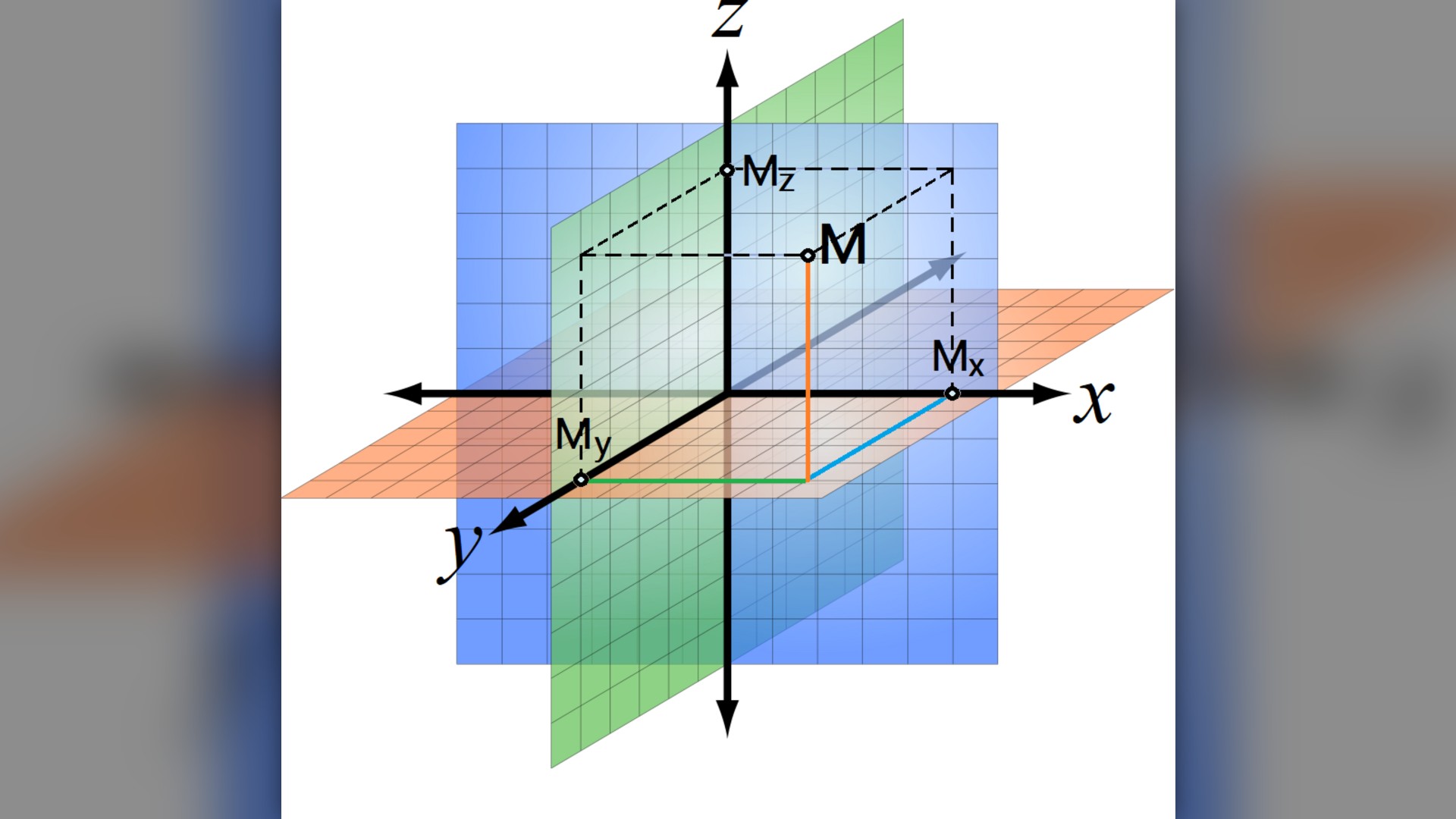
5. En Route Automation Modernization
En Route Automation Modernization processes huge volumes of flight data across national airspace centers. It tracks flight plans, calculates fuel-efficient oceanic routes, and automatically coordinates flight handoffs between regional airspace sectors with zero manual delays.
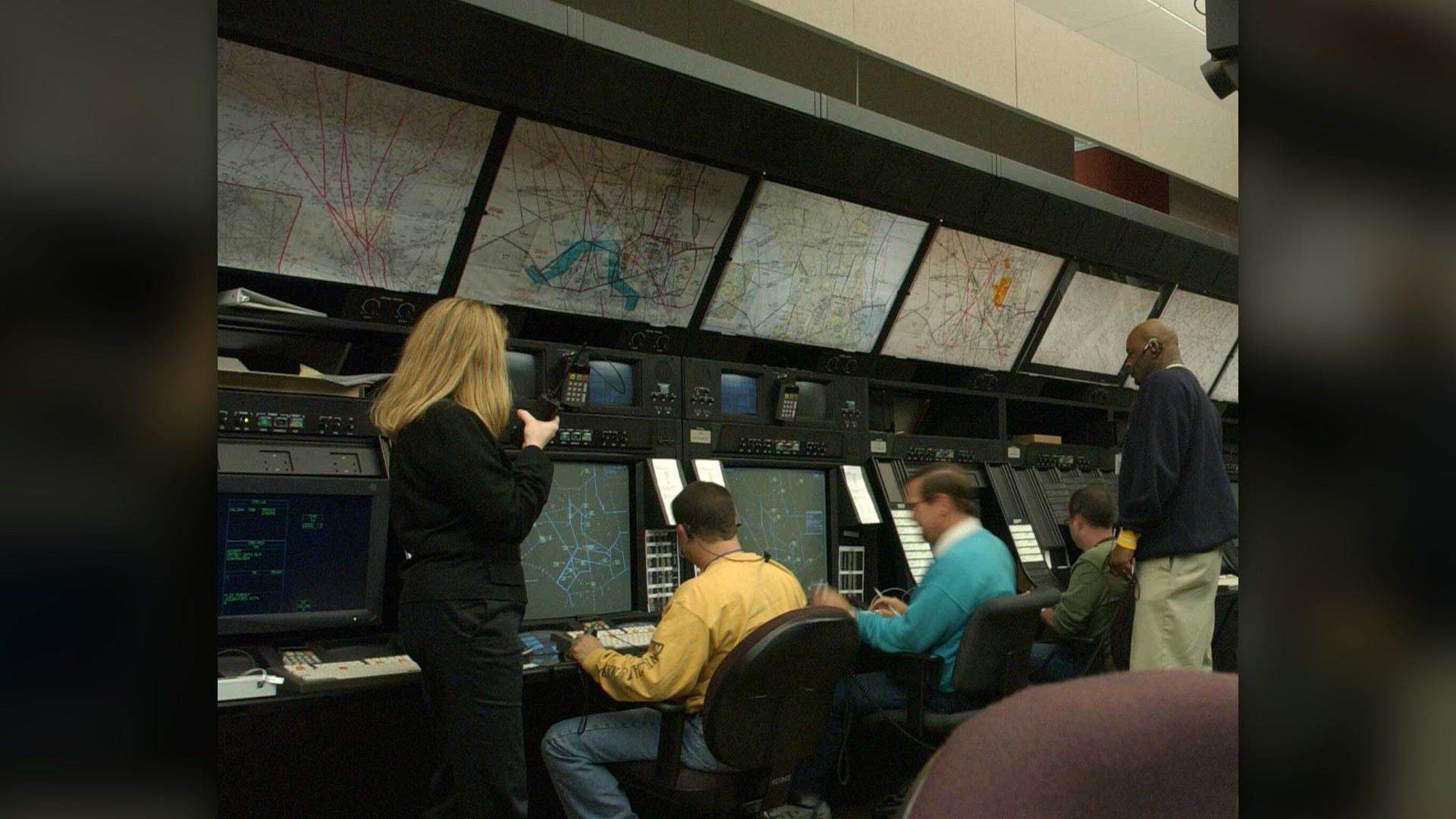
4. Category III Autoland Precision Systems
Under Category III instrument landing rules, airliners can execute completely automated landings with zero decision height and zero forward runway visibility. Ultra-reliable ground transmitters guide autopilot actuators all the way through touchdown, rollout, and initial braking.
3. Airborne Collision Avoidance Systems
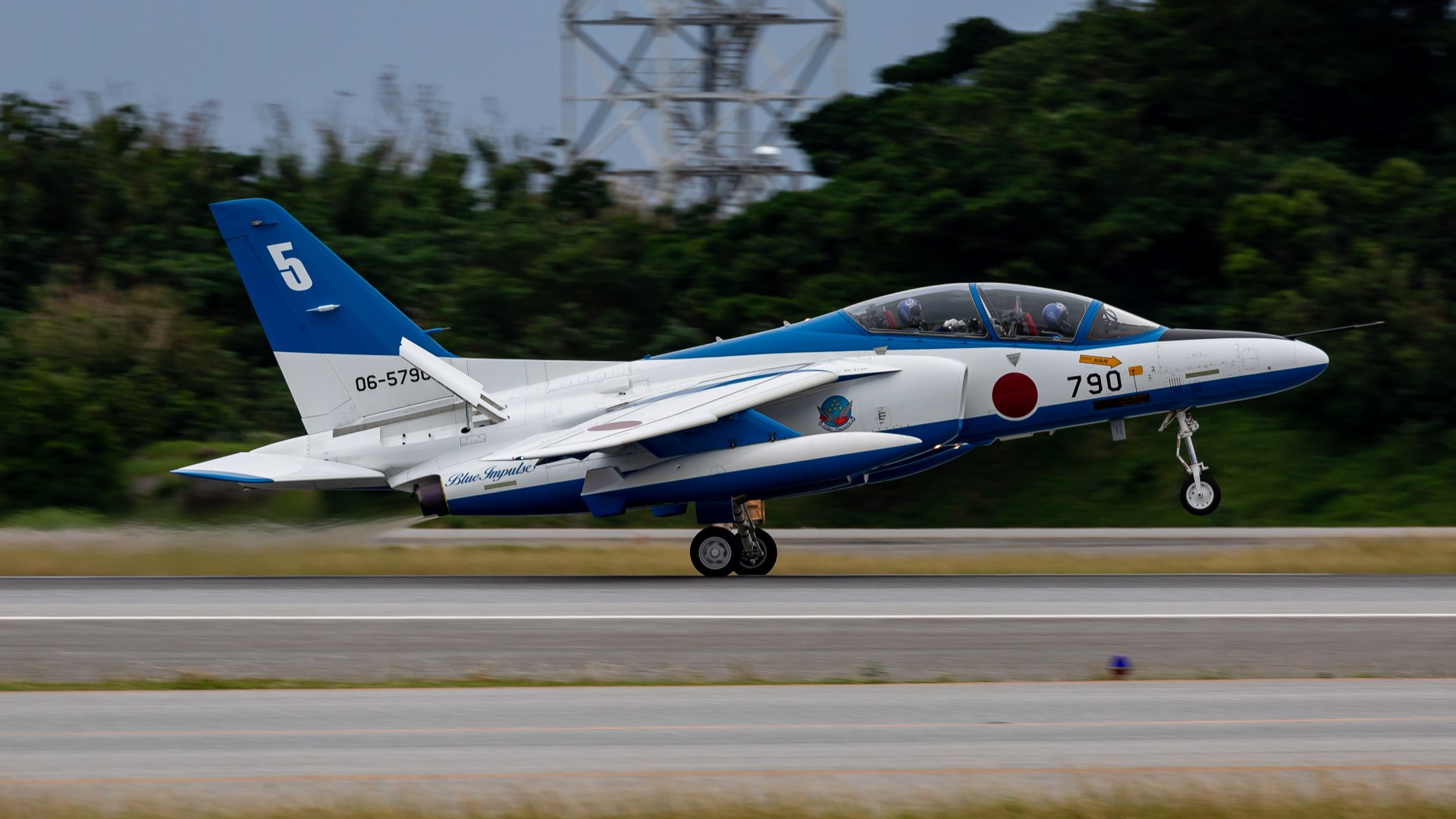
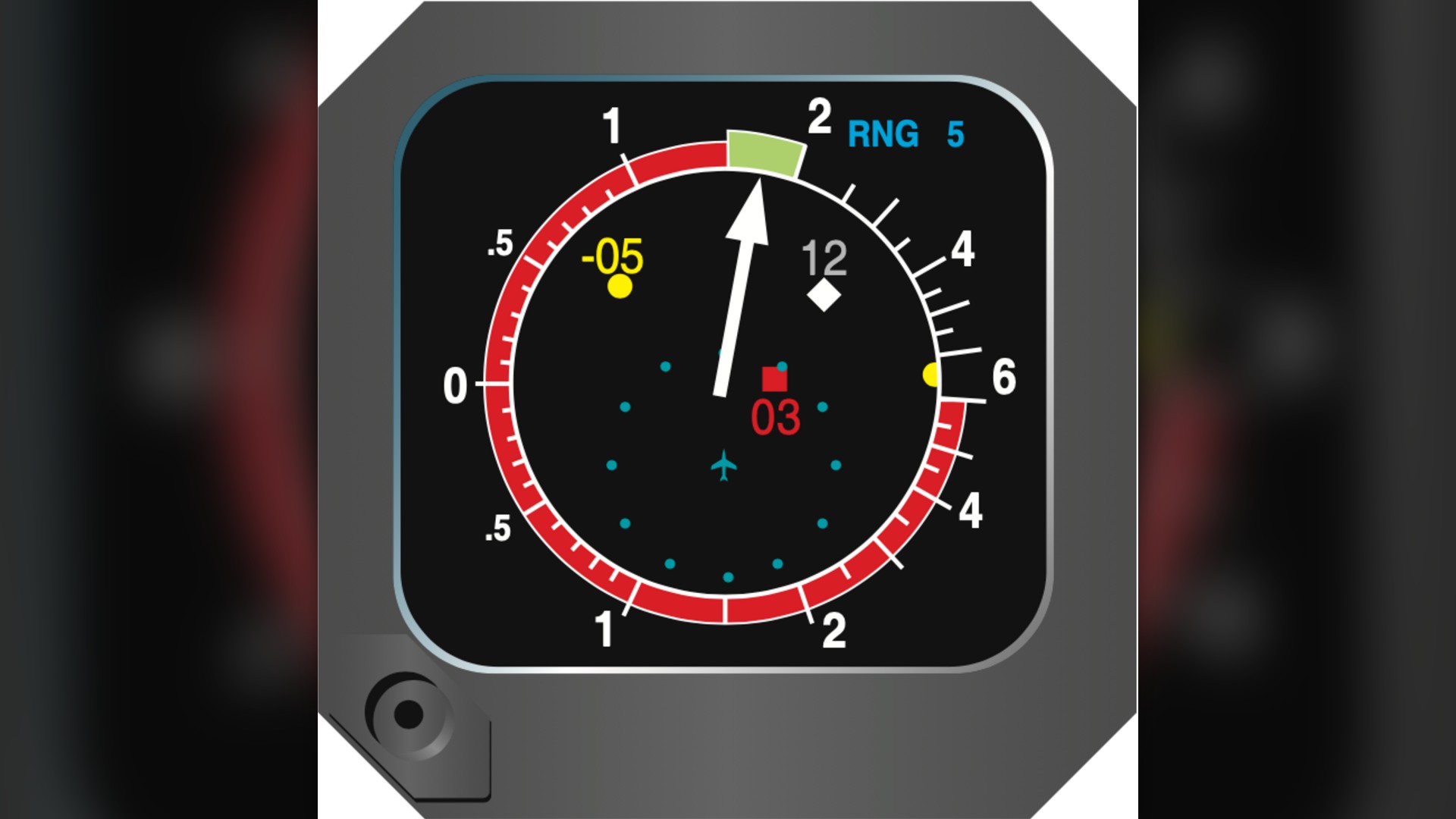
Serving as the ultimate backup if all human and radar systems fail, the Traffic Collision Avoidance System interrogates nearby aircraft transponders directly. If a mid-air collision is imminent, TCAS commands one pilot to climb and the other to descend, bypassing ground control.
2. Primary And Secondary Surveillance Radars
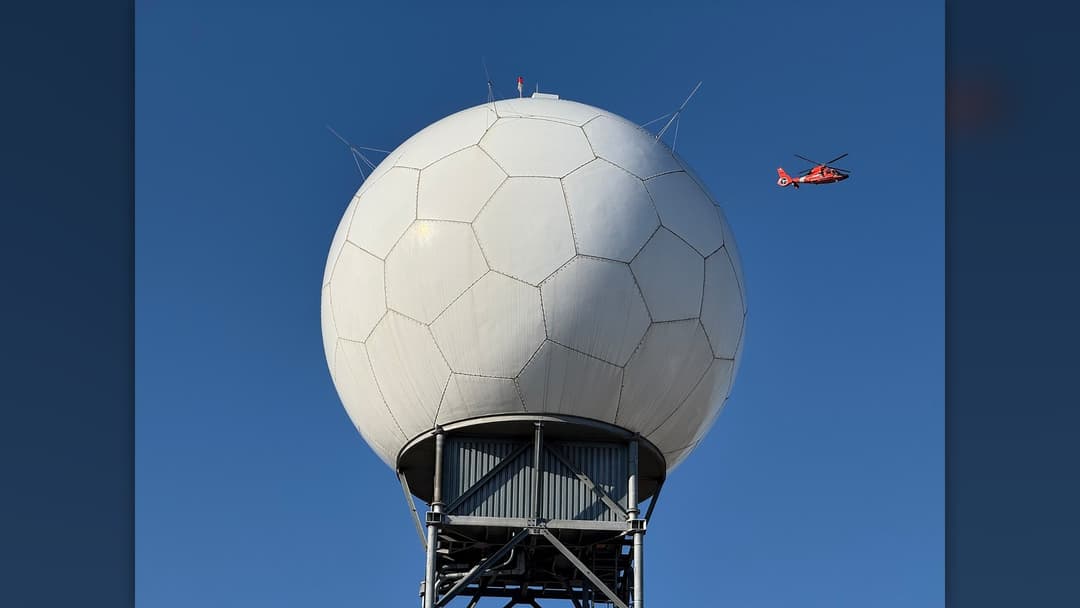
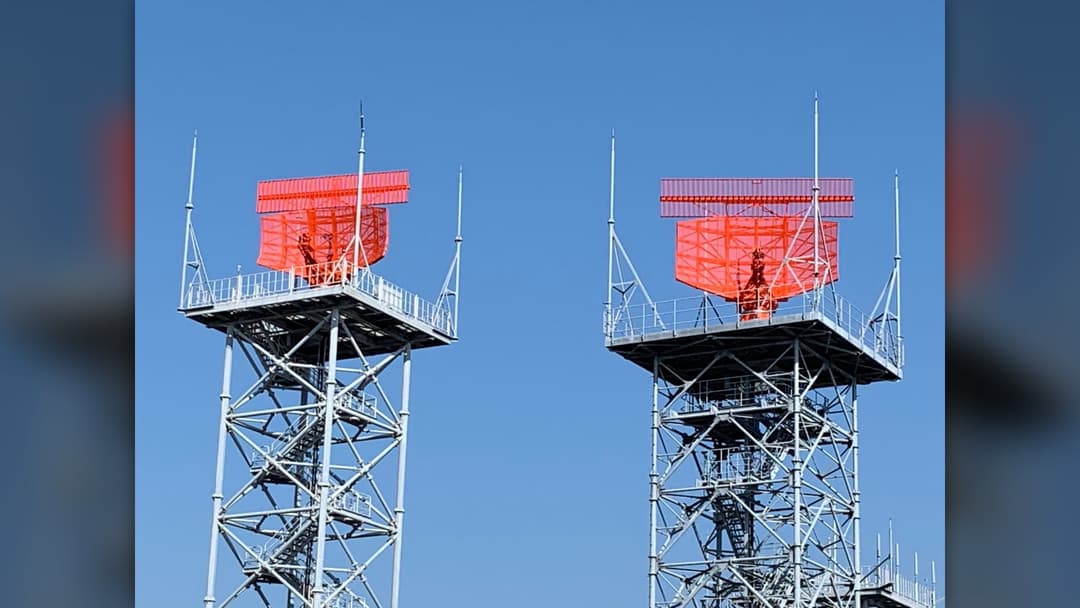
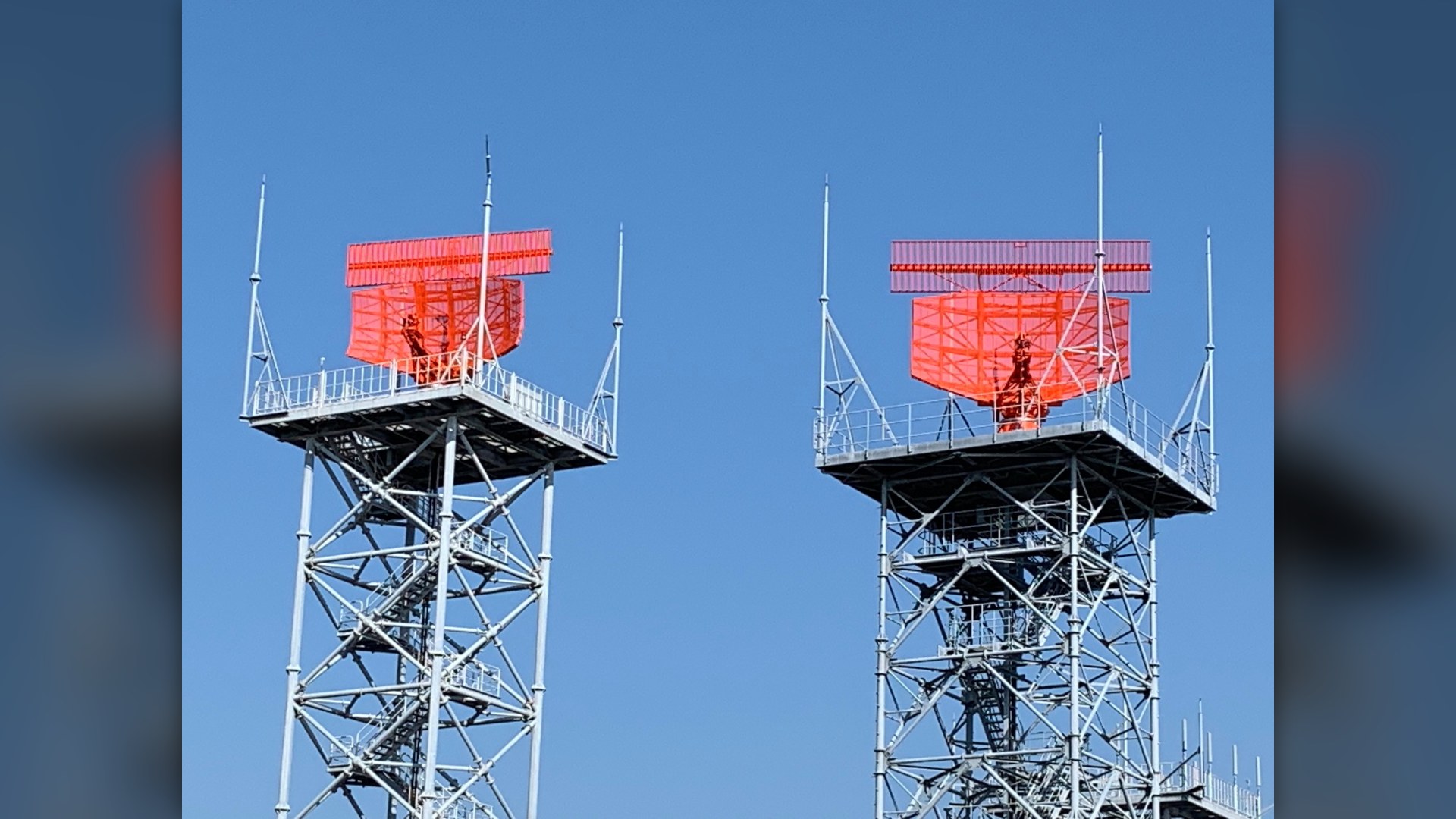
Enclosed inside protective fiberglass domes, primary radar bounces high-power microwave pulses off metal airframes to detect non-cooperative targets. The secondary surveillance radar interrogates onboard aircraft transponders, instantly displaying callsigns, true airspeed, and pressure altitudes.
1. The 360-Degree Panoramic Observation Cab
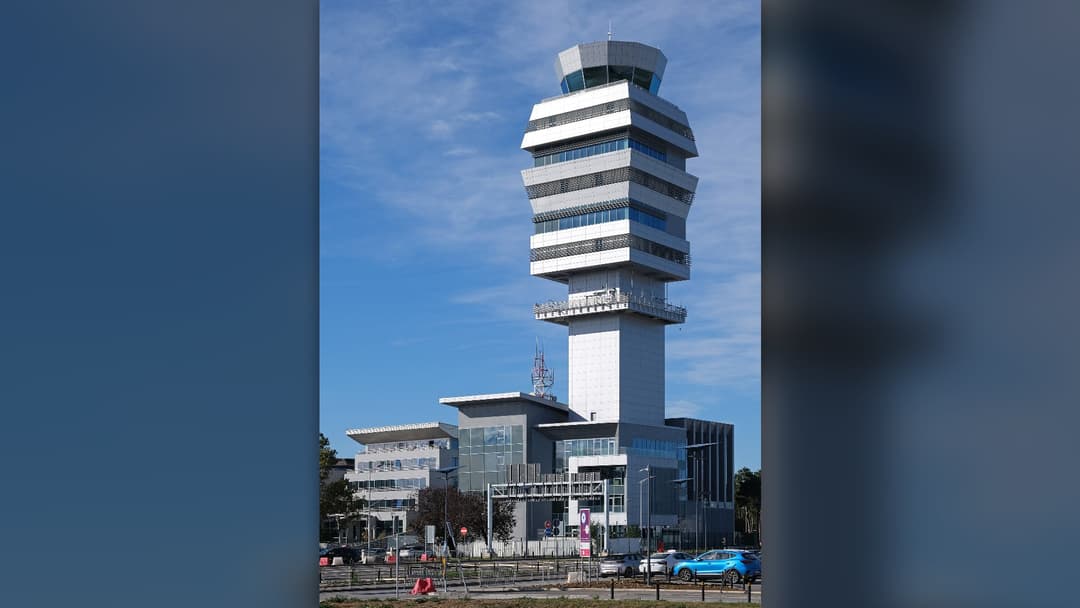
At the summit of the tower sits the glass observation cab, tilted outward at fifteen degrees to eliminate interior reflections. From this elevated perch, controllers maintain visual command over miles of runways, taxiways, and skies, synthesizing radar data with human visual judgment.