Slideshow · Viral
25 Deaths That Changed the Course of Human History Forever
From ancient battlefields in Mesopotamia to a wrong turn on a Sarajevo street, these 25 pivotal deaths shattered empires, sparked world wars, and permanently rewired human civilization.
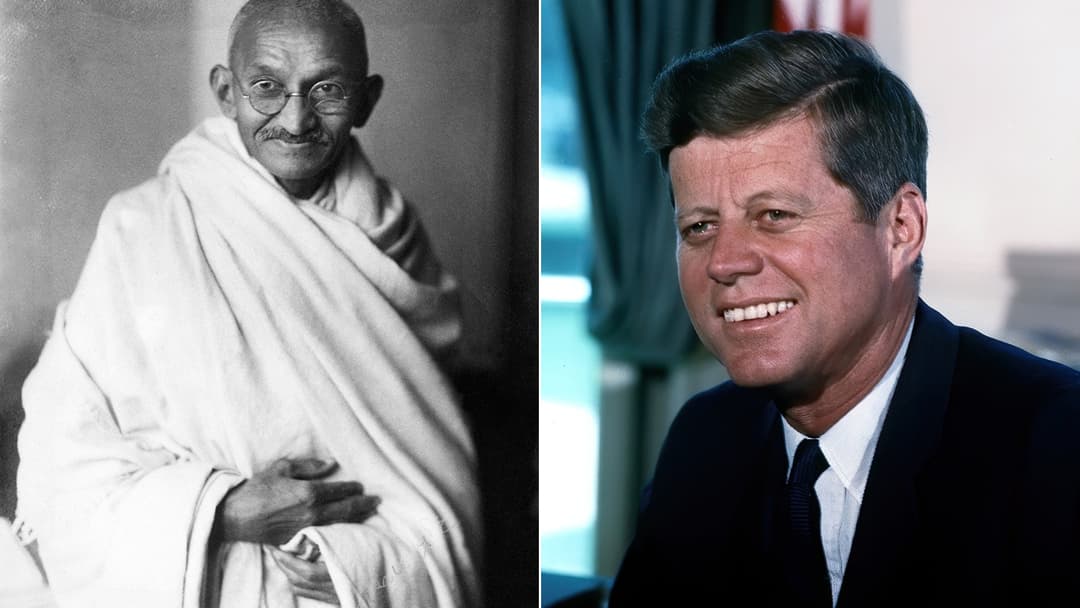
By Most Viral Today
21 Oct 2026

How 25 Sudden Deaths Toppled Empires and Sparked World Wars 
24. Marcus Licinius Crassus (53 BC) 
23. Emperor Qin Shi Huang (210 BC) 
22. King Gustavus Adolphus Of Sweden (1632) - AdvertisementSwipe or tap ▶ to continue countdown

21. Toussaint Louverture (1803) 
20. President Salvador Allende (1973) 
19. Sultan Suleiman The Magnificent (1566) 
18. Inca Emperor Atahualpa (1533) - AdvertisementSwipe or tap ▶ to continue countdown

17. Prime Minister Patrice Lumumba (1961) 
16. Joan Of Arc (1431) 
15. Tsar Alexander II Of Russia (1881) 
14. President John F. Kennedy (1963) - AdvertisementSwipe or tap ▶ to continue countdown

13. King Charles I Of England (1649) 
12. Tsar Nicholas II Of Russia (1918) 
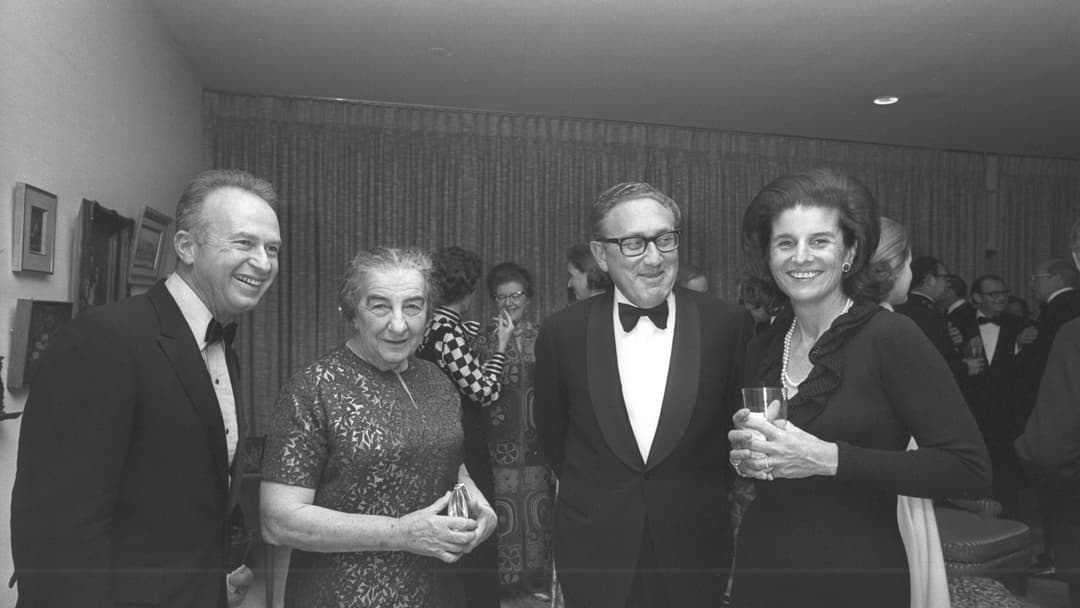
11. Prime Minister Yitzhak Rabin (1995) 
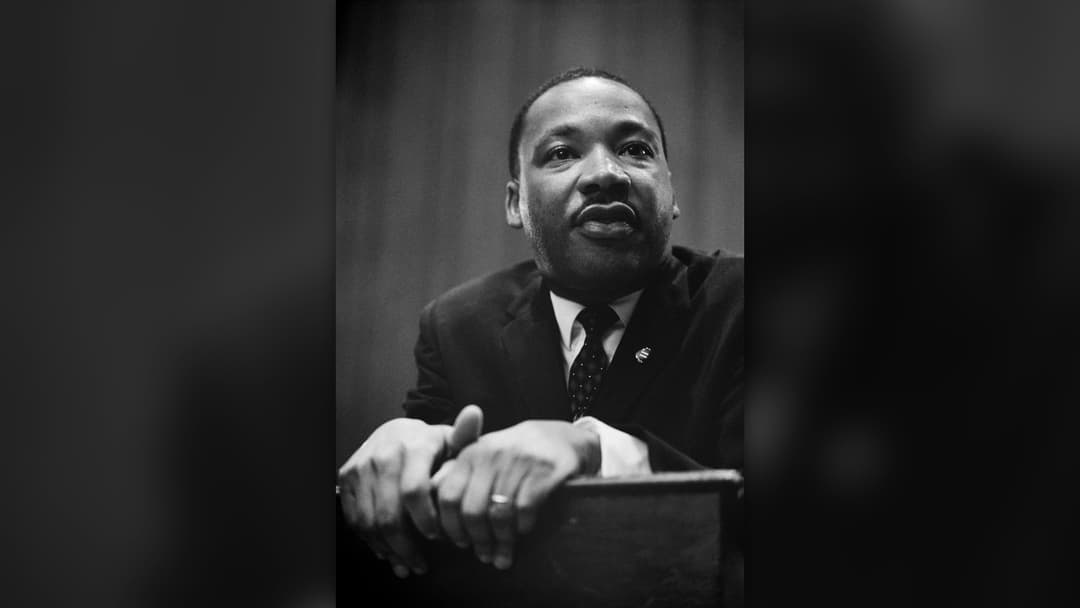
10. Dr. Martin Luther King Jr. (1968) - AdvertisementSwipe or tap ▶ to continue countdown

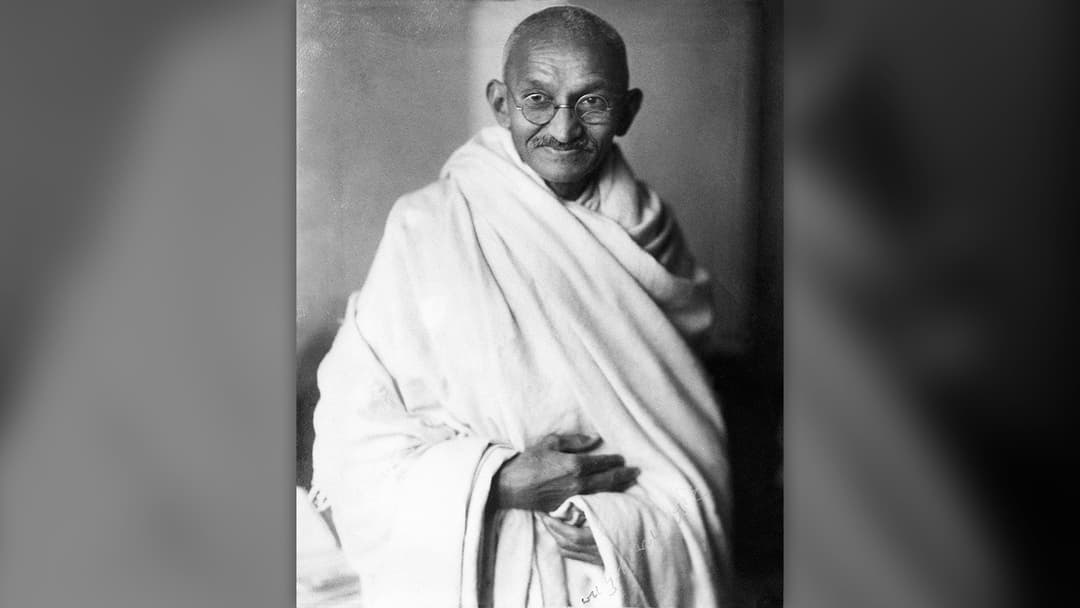
9. Mahatma Gandhi (1948) 
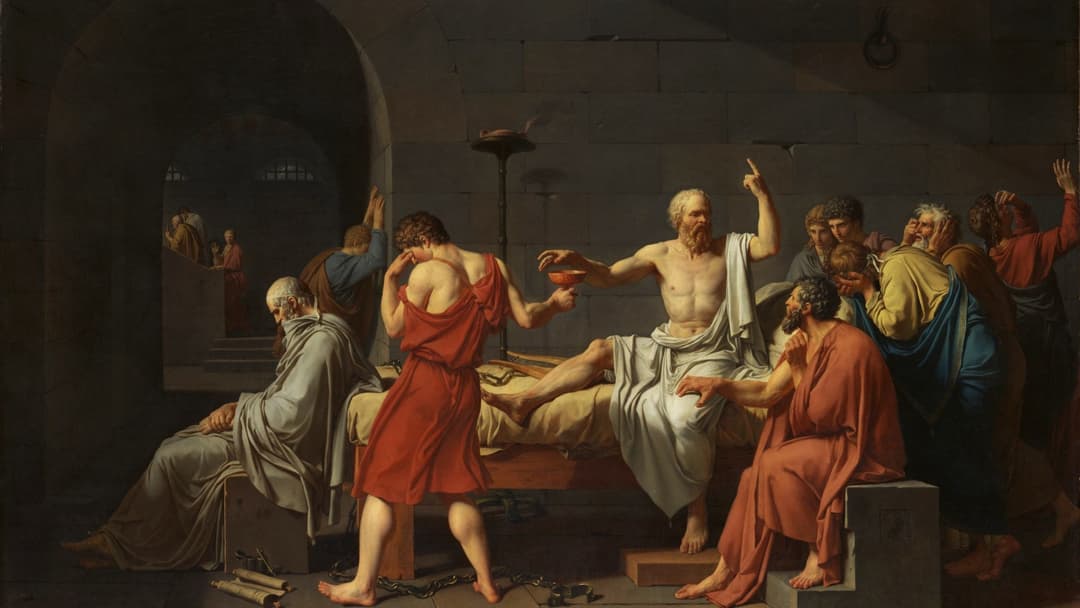
8. Socrates (399 BC) 
7. Queen Cleopatra VII Of Egypt (30 BC) 
6. Khagan Ogedei Khan (1241) - AdvertisementSwipe or tap ▶ to continue countdown

5. President Abraham Lincoln (1865) 
4. Julius Caesar (44 BC) 
3. Alexander The Great (323 BC) 
2. Jesus Of Nazareth (c. 30-33 AD) - AdvertisementSwipe or tap ▶ to continue countdown

1. Archduke Franz Ferdinand (1914) - Advertisement🔥 UP NEXT IN THIS SERIES◫ 21 Slides

20 Details Behind The Real Story Of Stephen Miller
History often hinges on a single heartbeat. Across two millennia, the sudden deaths of rulers, thinkers, and revolutionaries have collapsed dynasties overnight and ignited conflicts that reshaped every continent.
Swipe or tap ▶ to begin the countdown
©Wikimedia / Elliott & Wikimedia / Cecil Stoughton
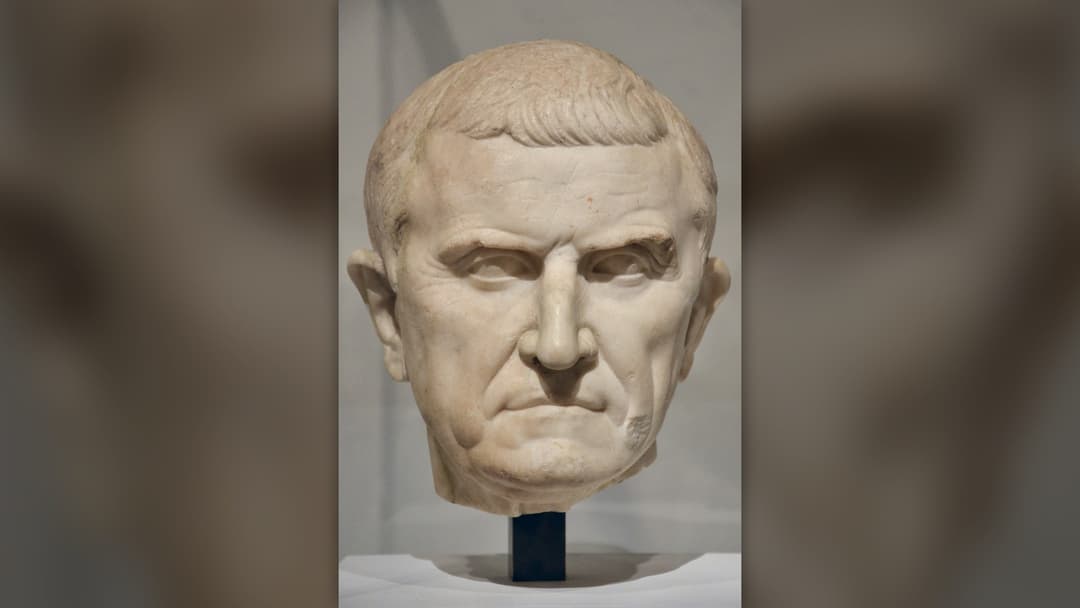
24. Marcus Licinius Crassus (53 BC)
When Rome's wealthiest general was killed at the Battle of Carrhae against Parthia in 53 BC, the First Triumvirate collapsed overnight. Without Crassus acting as a counterweight, Julius Caesar and Pompey were locked on a collision course that destroyed the Roman Republic.
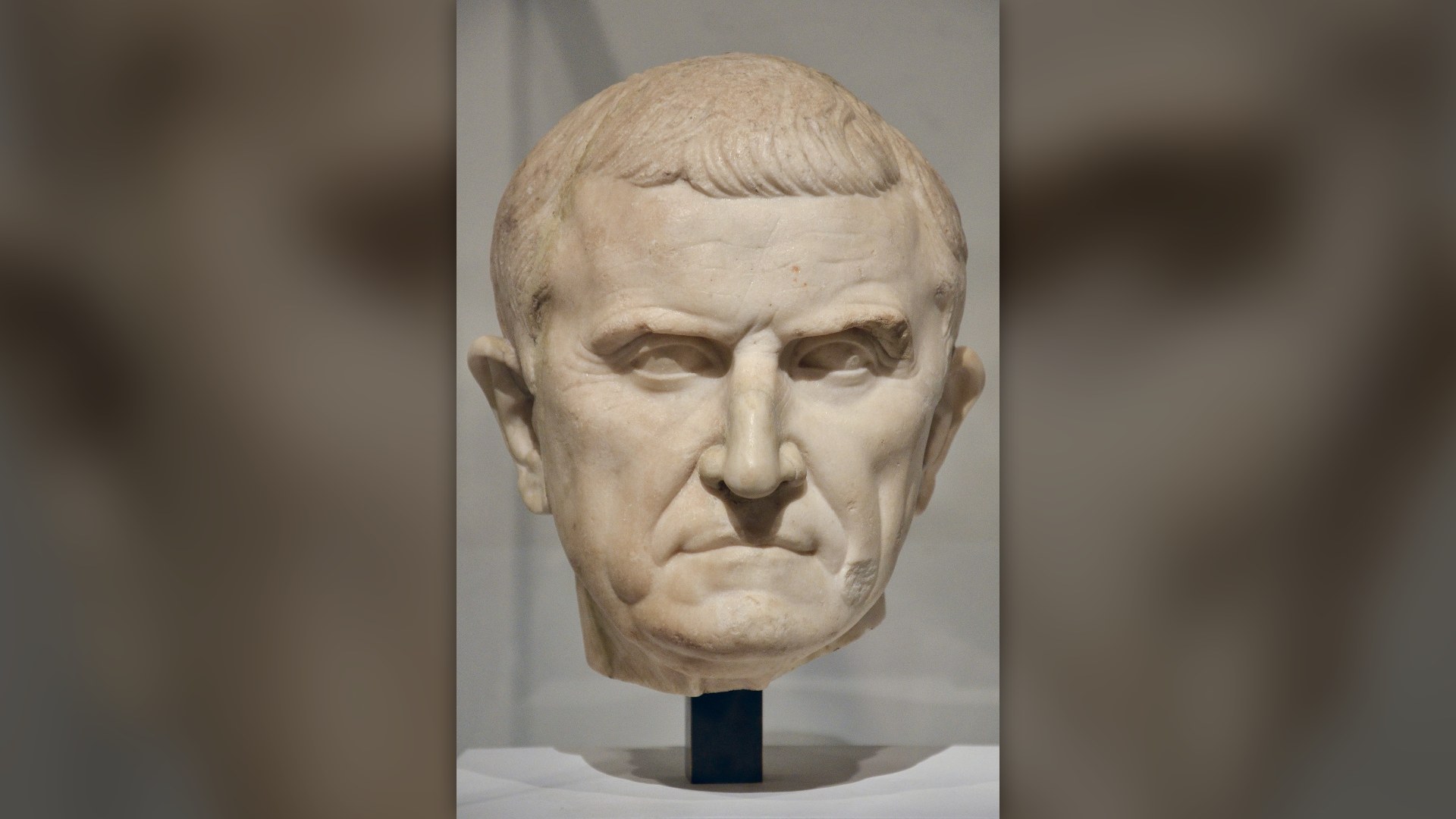
©Wikimedia / Carole Raddato
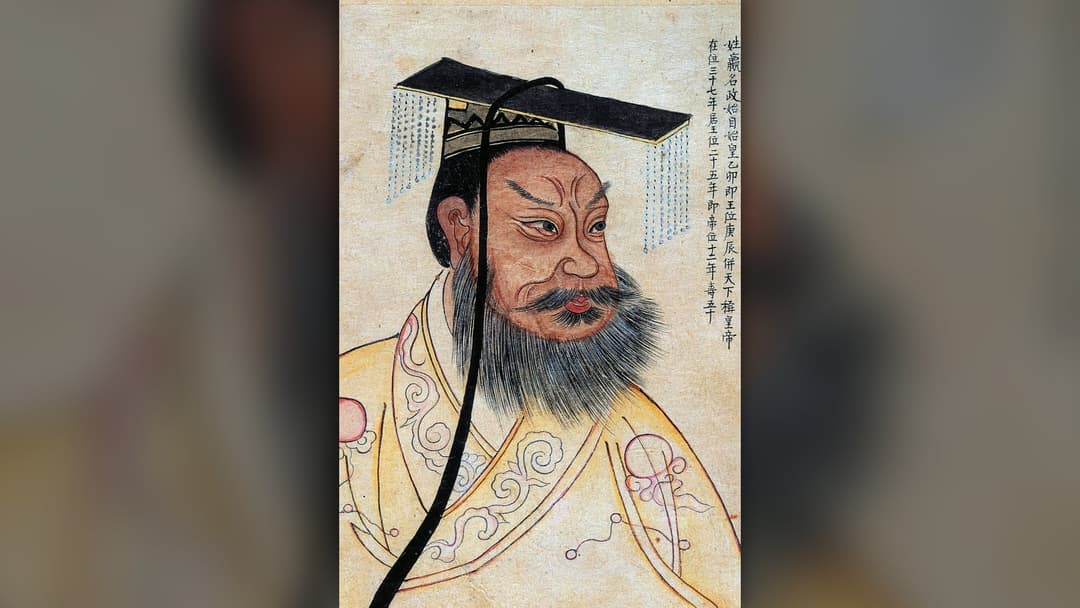
23. Emperor Qin Shi Huang (210 BC)
Qin Shi Huang unified warring China and linked the early Great Wall, yet died in 210 BC after ingesting mercury pills meant to grant eternal life. A palace conspiracy to forge his will triggered rebellions that toppled the Qin Dynasty and birthed the 400-year Han era.
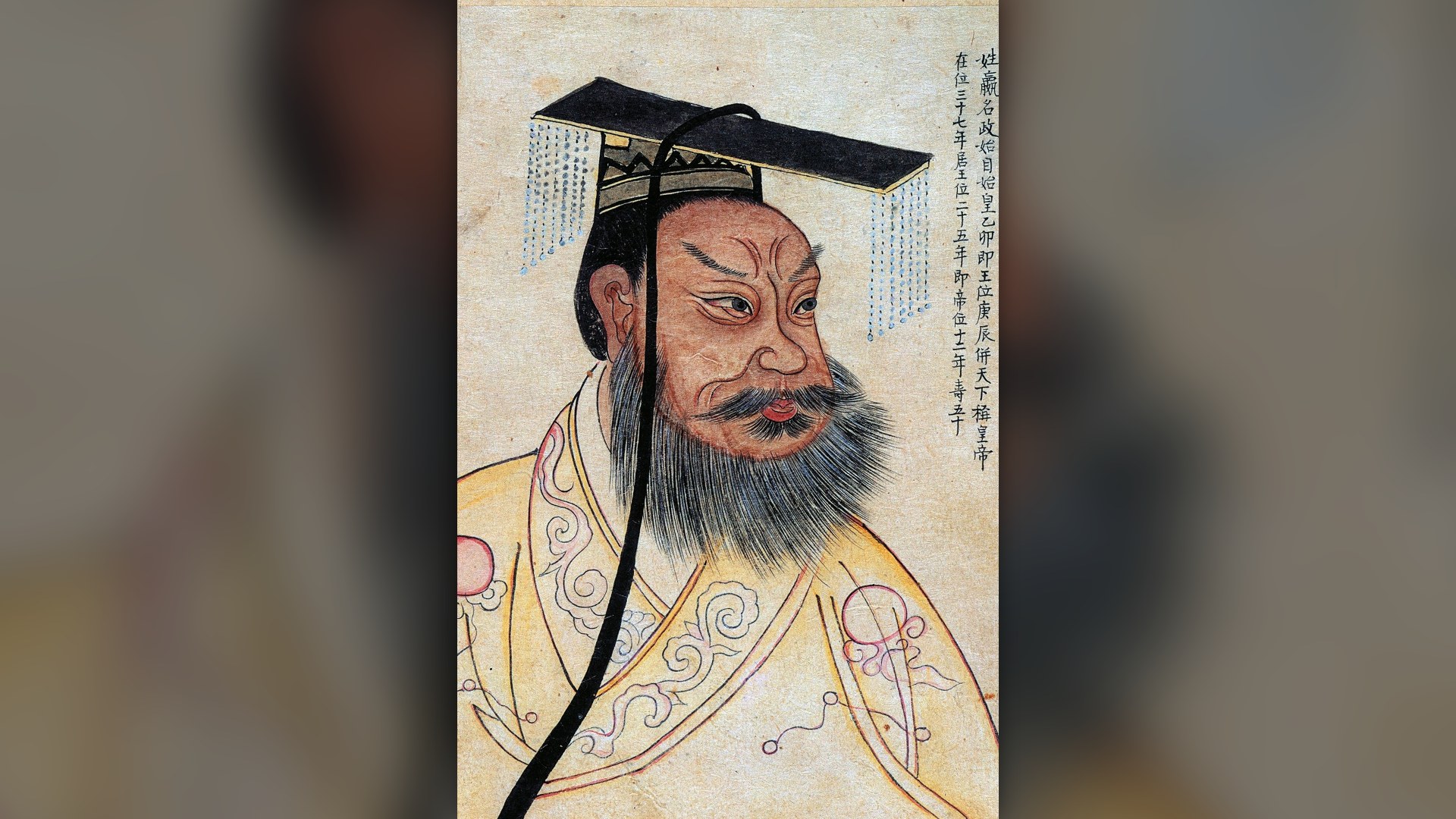
©Wikimedia / Imperial Court Archive
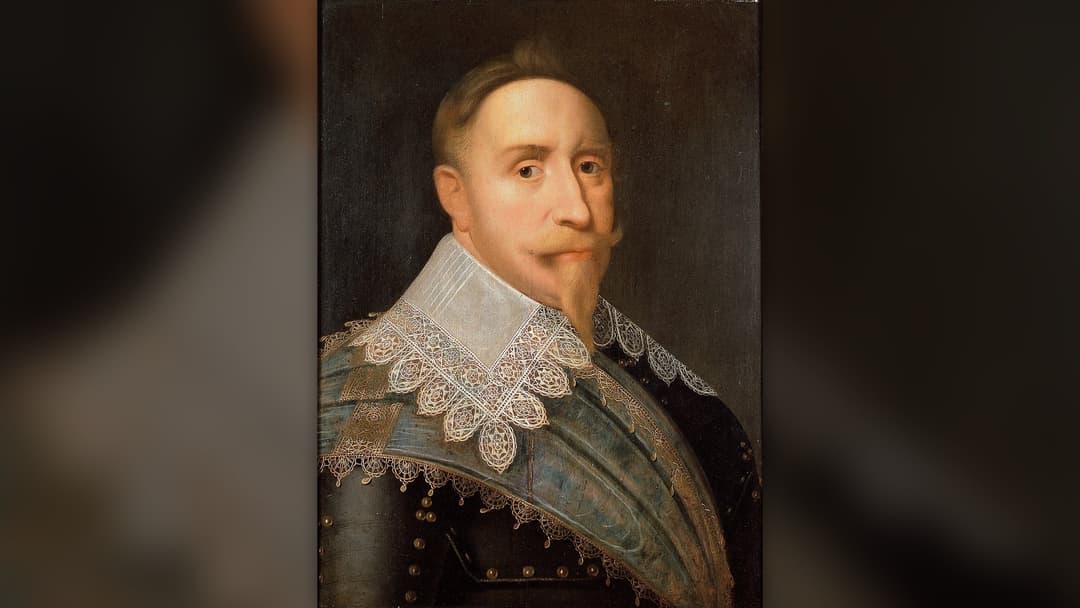
22. King Gustavus Adolphus Of Sweden (1632)
Leading a cavalry charge at the Battle of Lutzen during the Thirty Years' War in 1632, Sweden's king was separated from his troops in dense fog and killed. His death ended hopes of a unified Protestant German empire and shaped the modern Westphalian state system.
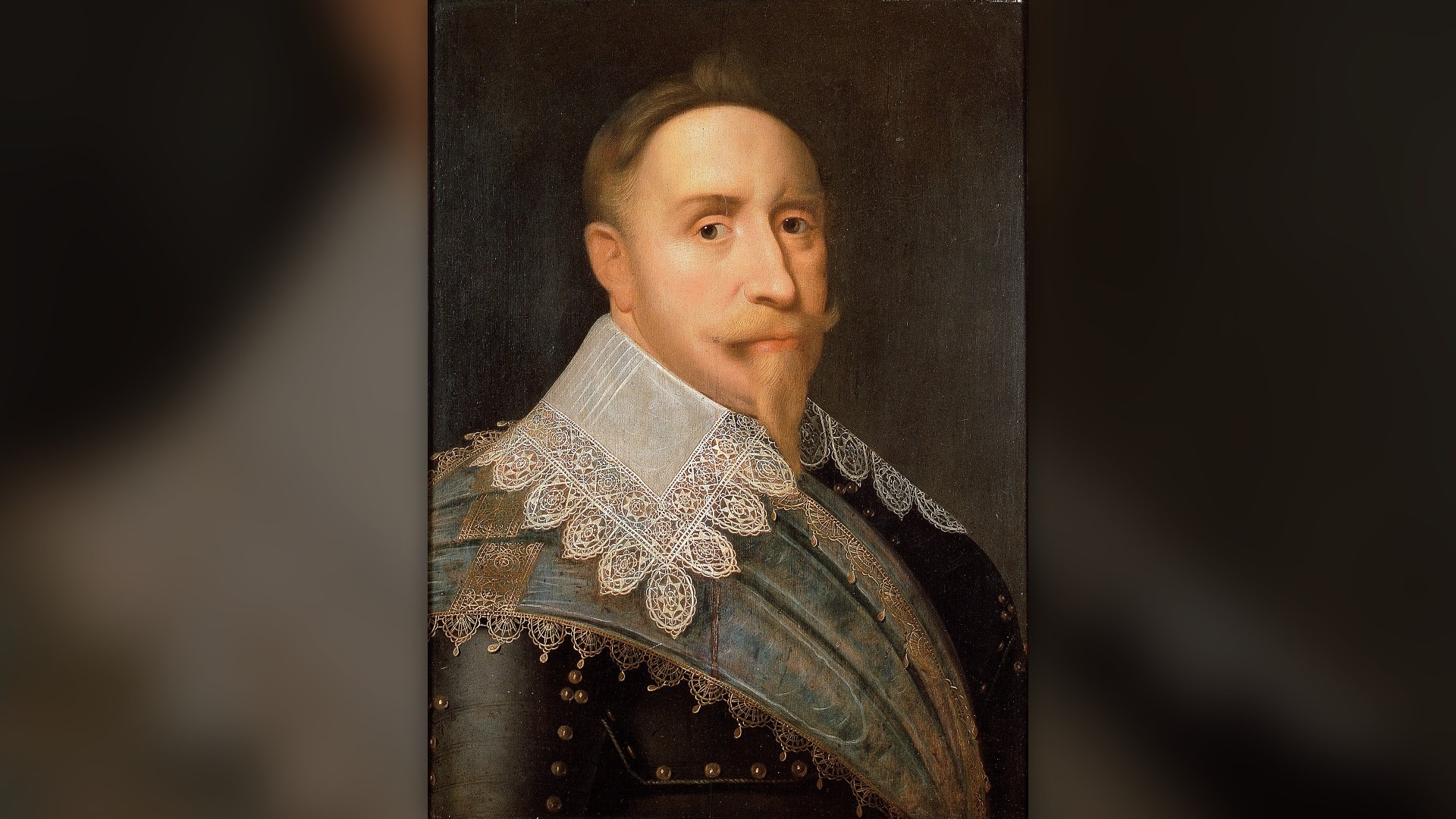
©Wikimedia / Jacob Hoefnagel
Advertisement
Swipe or tap ▶ to resume the countdown.
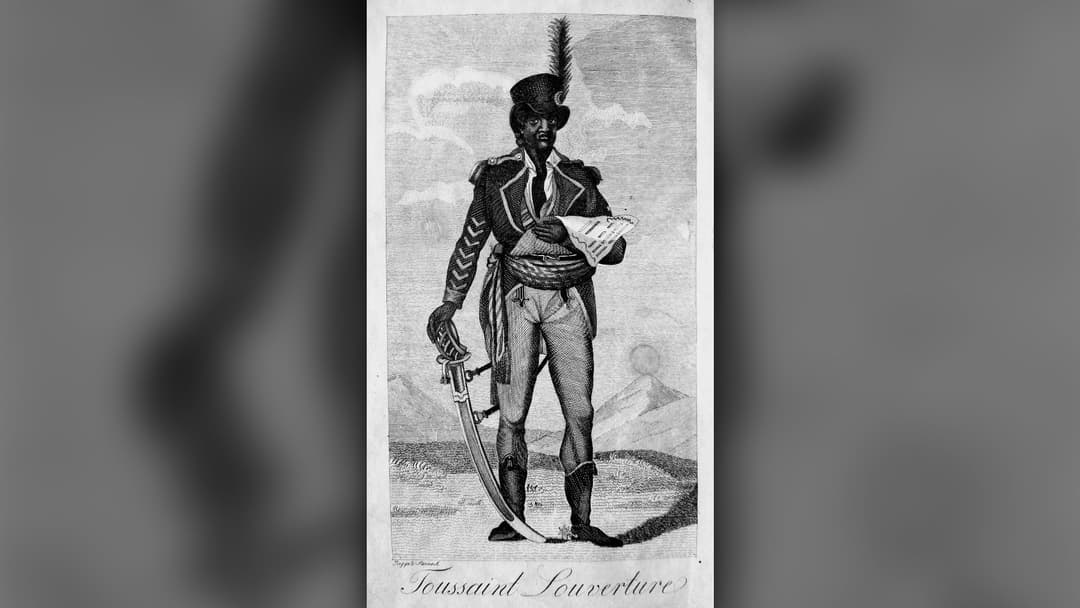
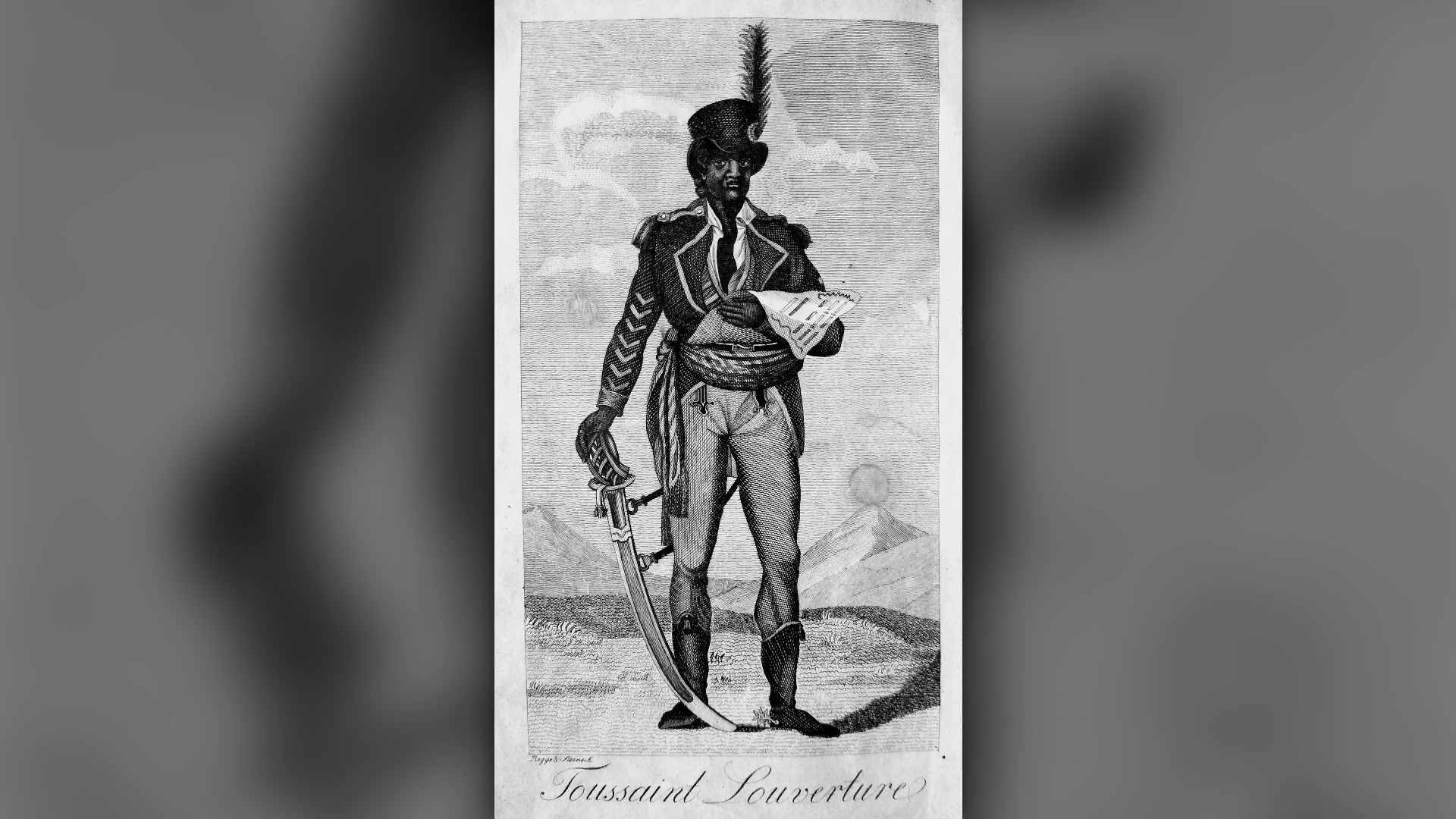
21. Toussaint Louverture (1803)
Imprisoned in the freezing Fort de Joux in the French Alps, Toussaint Louverture died of pneumonia in April 1803. His martyrdom galvanized Haitian independence and convinced Napoleon to abandon his Western Hemisphere ambitions by selling the Louisiana Territory to the United States.
©Wikimedia / Maurin
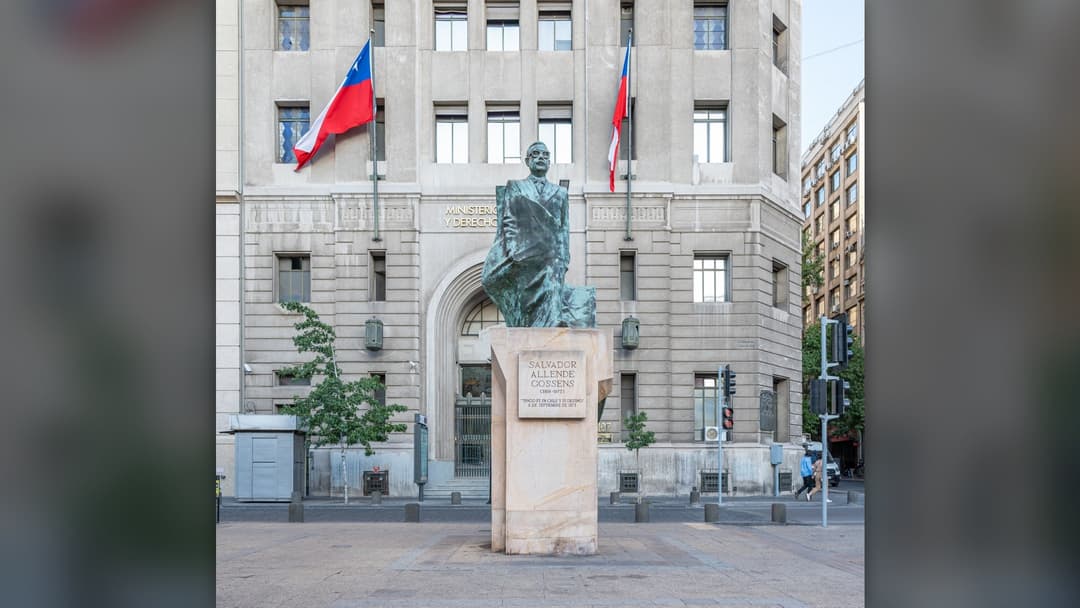
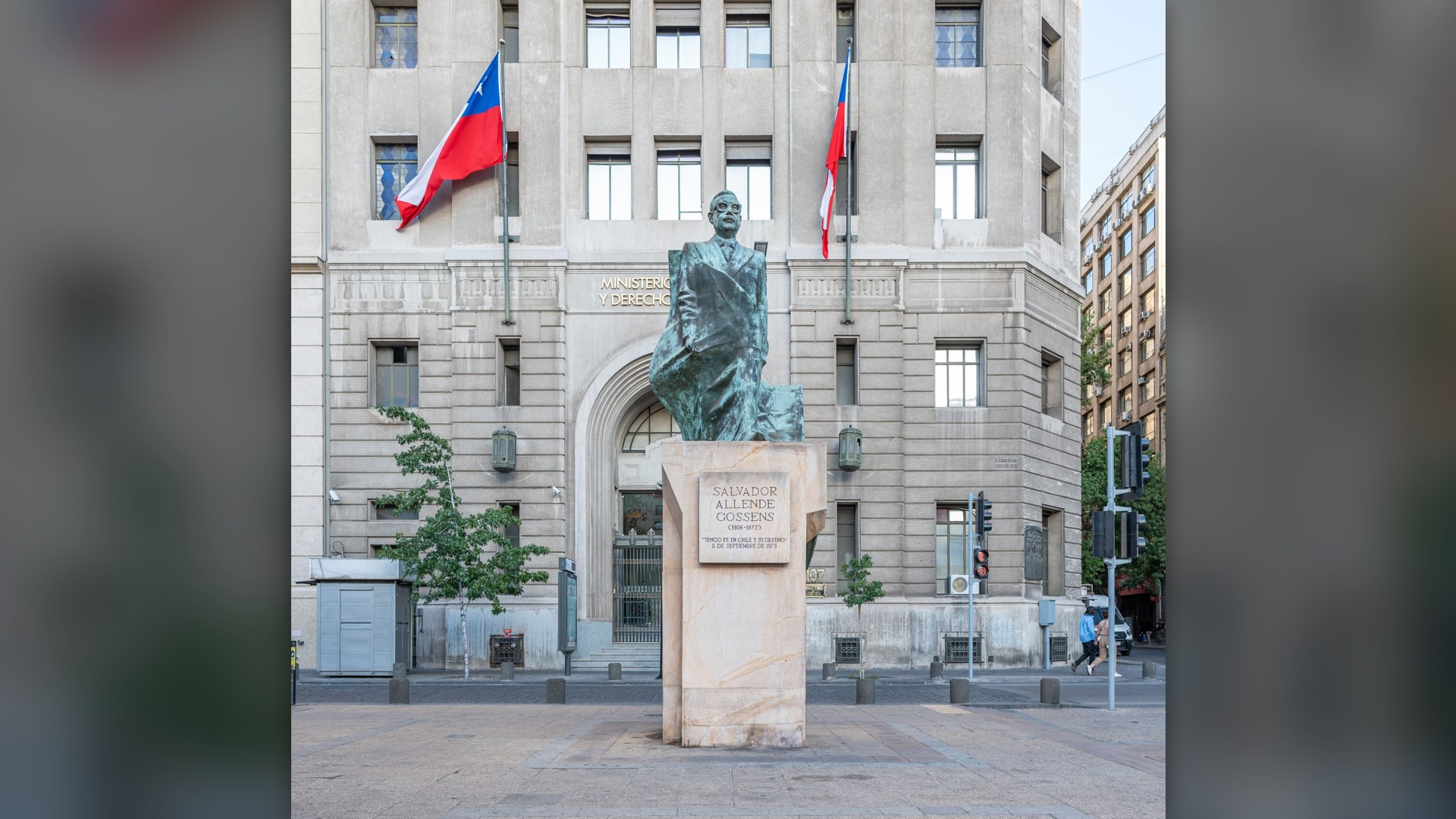
20. President Salvador Allende (1973)
As military jets bombed La Moneda presidential palace on September 11, 1973, democratically elected Chilean president Salvador Allende delivered a final radio broadcast before dying inside the palace. The coup ushered in Augusto Pinochet's 17-year military dictatorship.
©Wikimedia / Carlos Figueroa
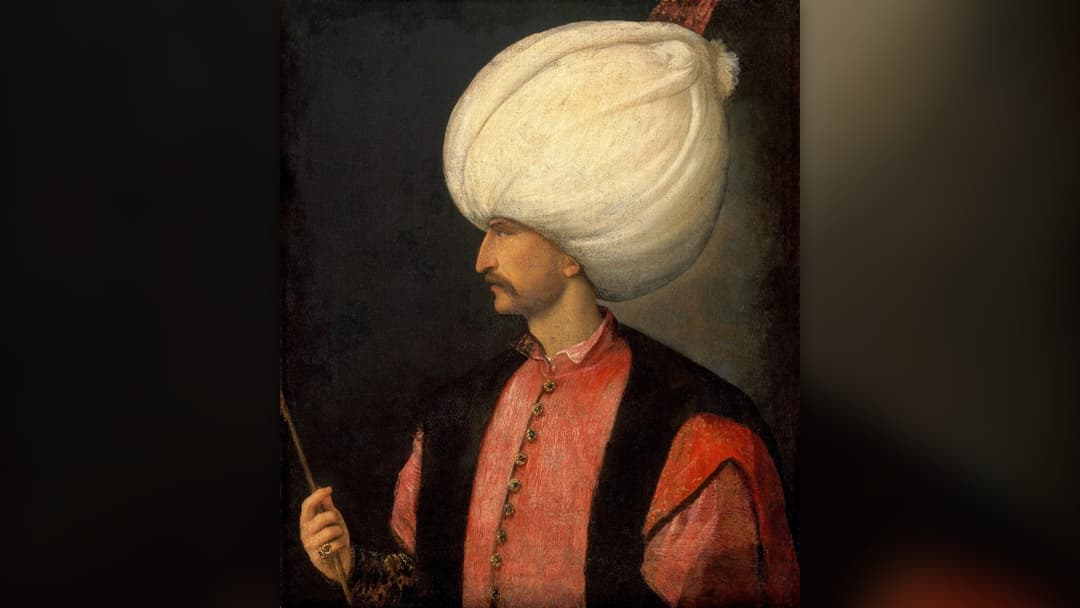
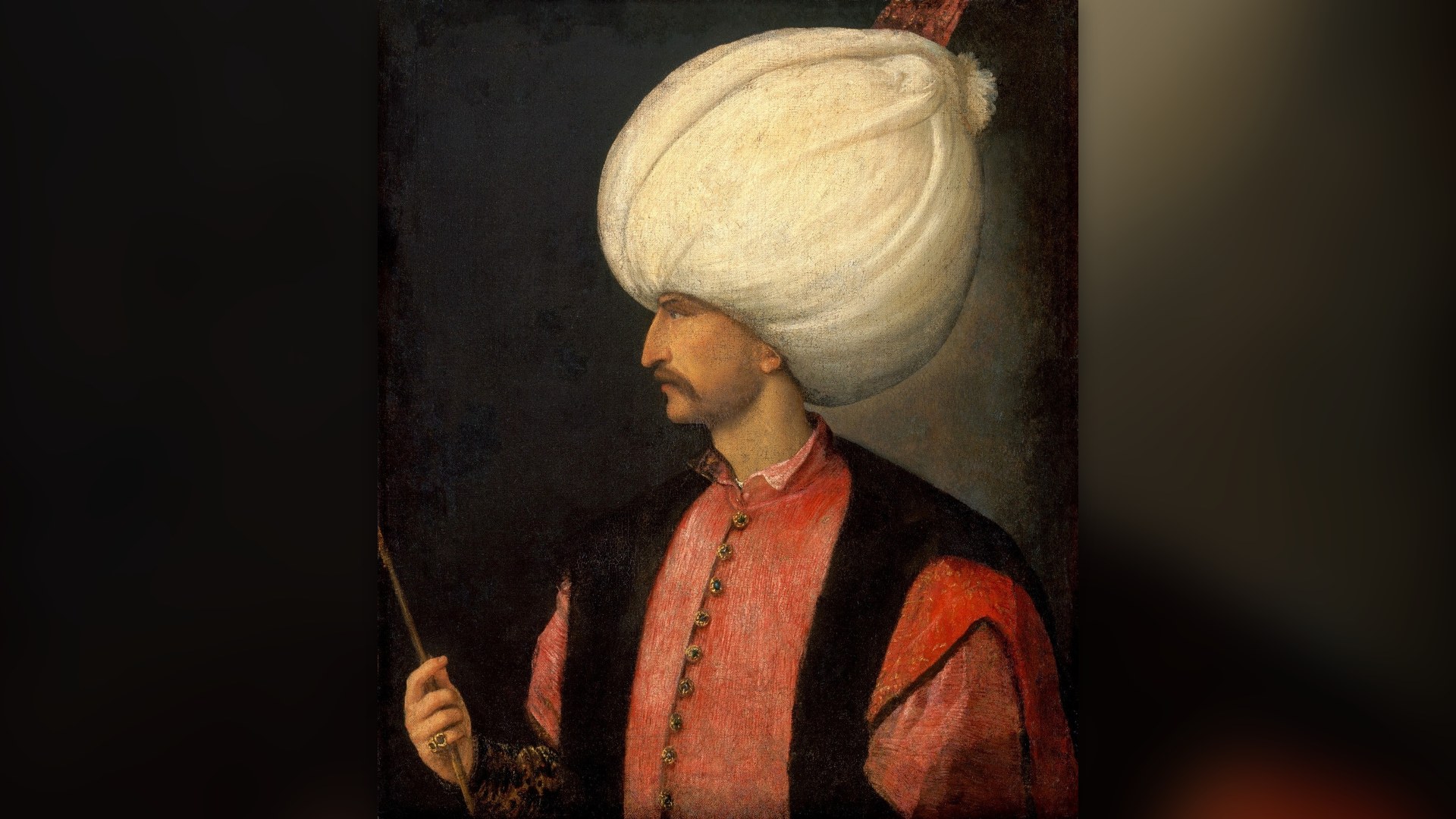
19. Sultan Suleiman The Magnificent (1566)
Aged 71, Suleiman the Magnificent died in his tent during the 1566 Siege of Szigetvar in Hungary, and his Grand Vizier kept the death secret for 48 days to prevent army mutiny. His passing marked the zenith of Ottoman military expansion into Central Europe.
©Wikimedia / Titian
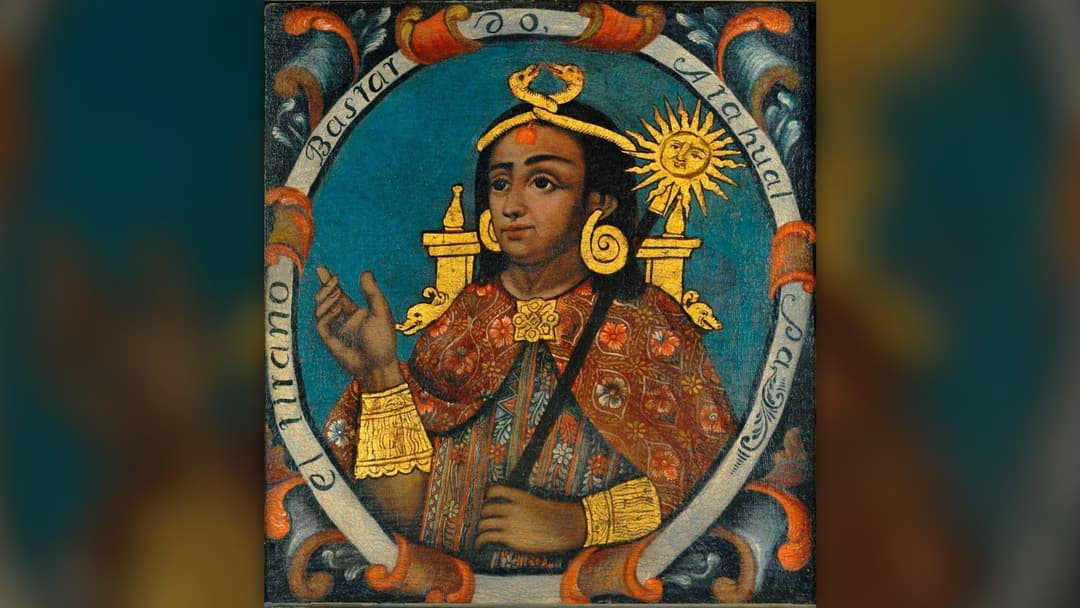
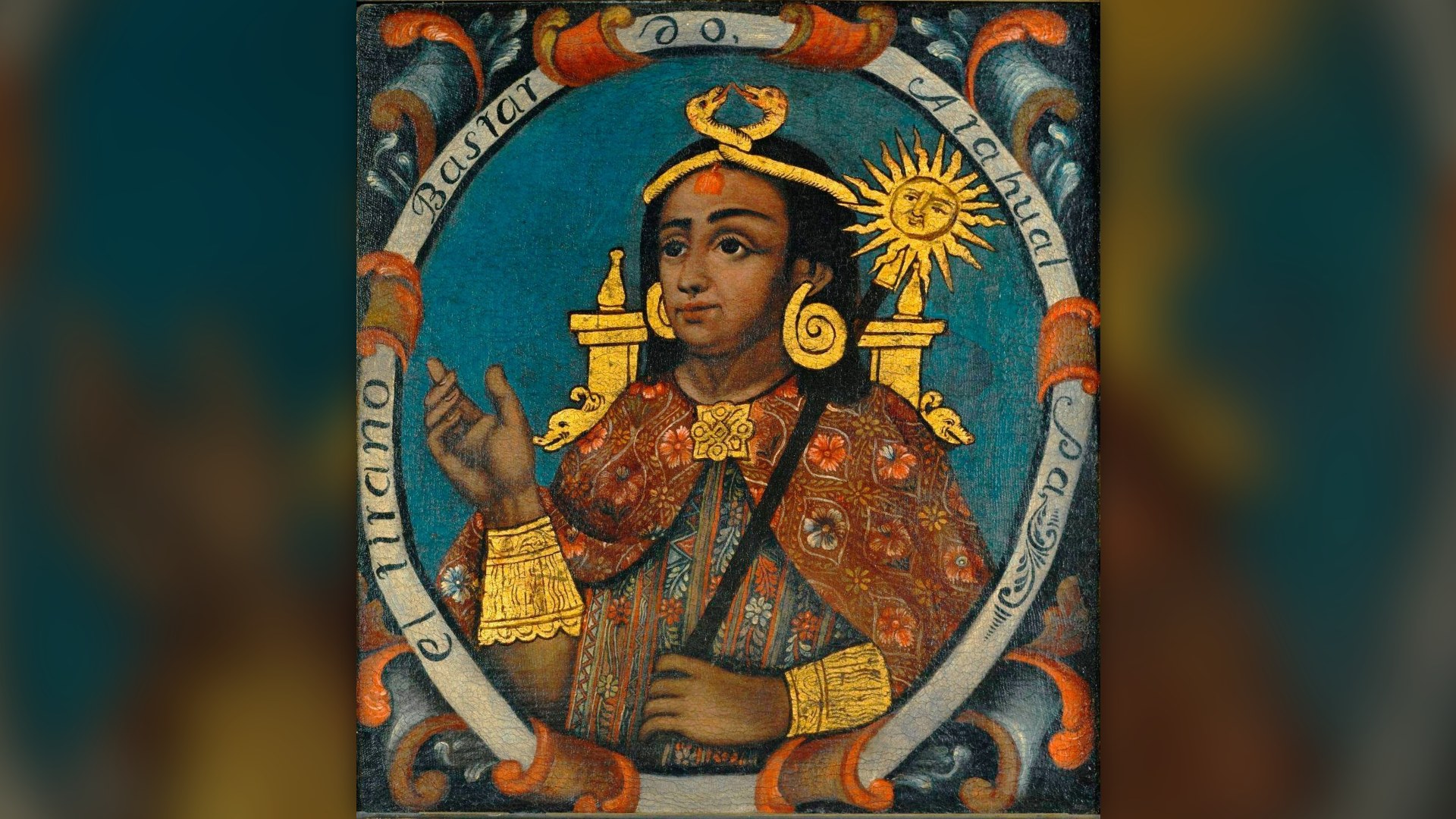
18. Inca Emperor Atahualpa (1533)
Despite filling an entire room with gold and two more with silver at Cajamarca, the last sovereign Inca emperor was executed on Francisco Pizarro's orders in July 1533. His death fractured Inca command and enabled Spain to conquer the Andes.
©Wikimedia / Brooklyn Museum
Advertisement
Swipe or tap ▶ to resume the countdown.
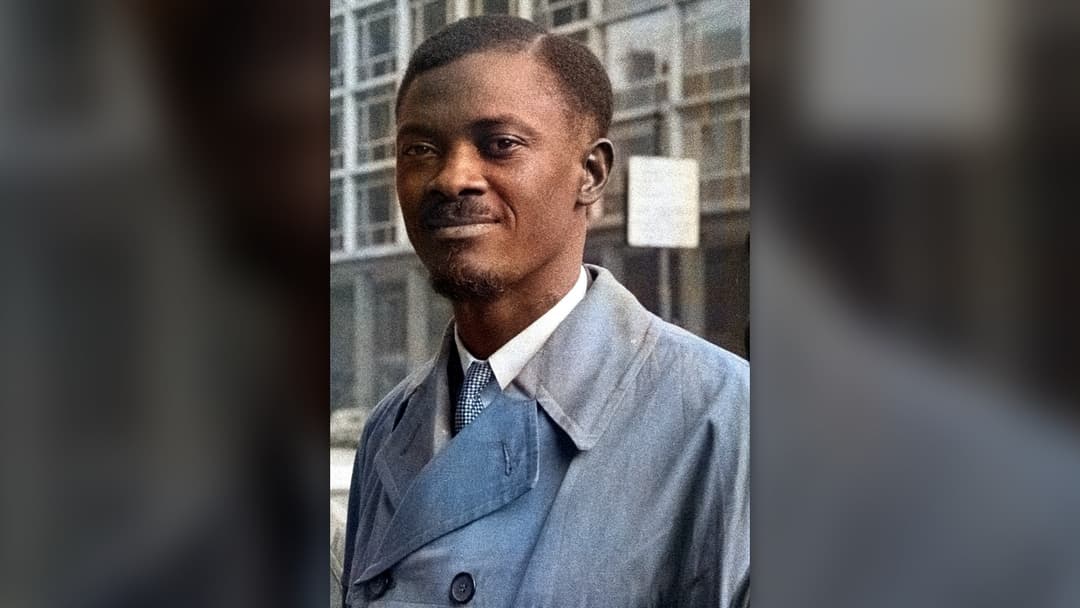
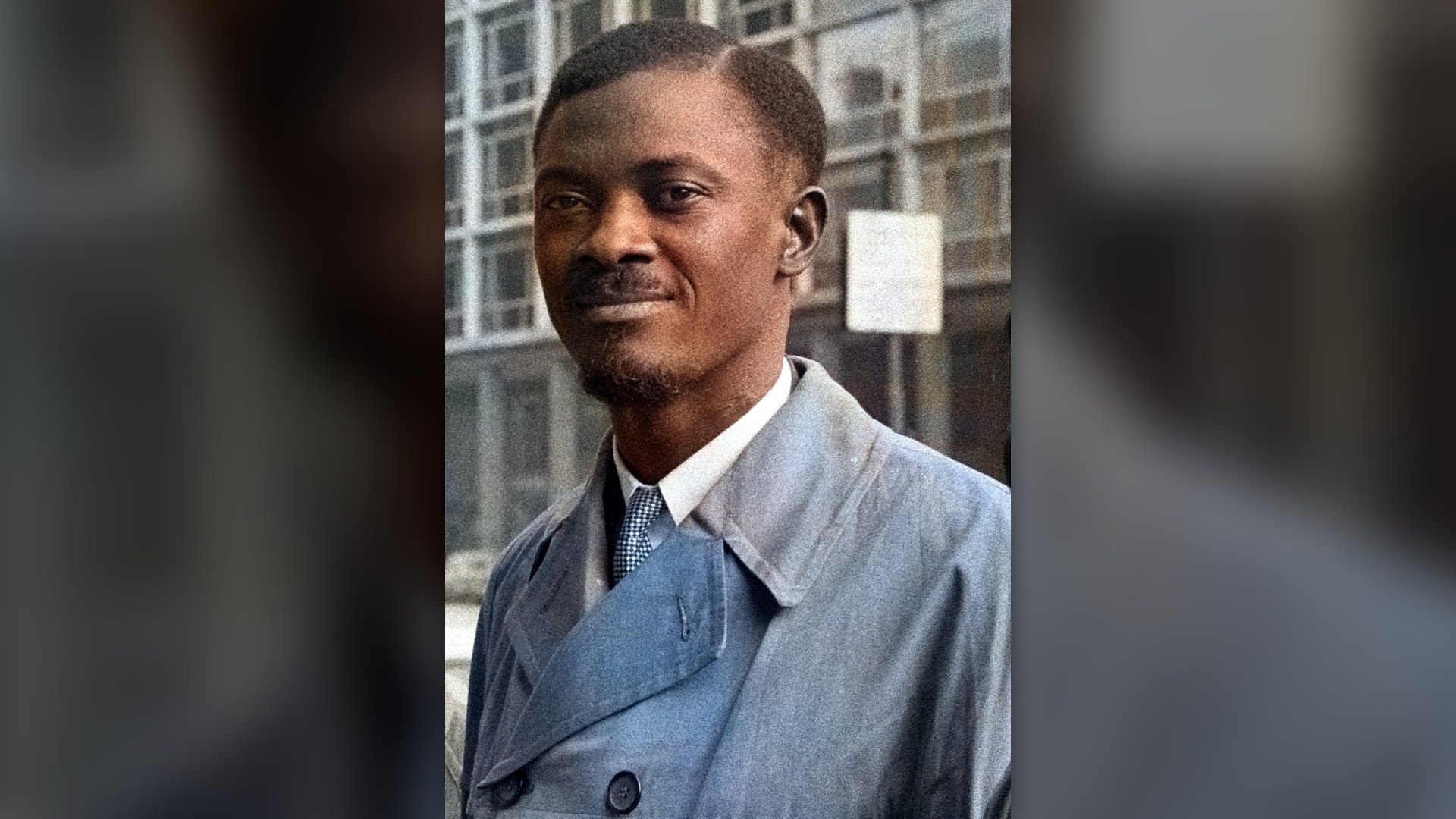
17. Prime Minister Patrice Lumumba (1961)
Less than seven months after leading the Congo to independence from Belgium, its first democratically elected prime minister was overthrown and executed in January 1961. His elimination cleared the path for Mobutu Sese Seko's three-decade dictatorship.
©Wikimedia / Anefo Archive
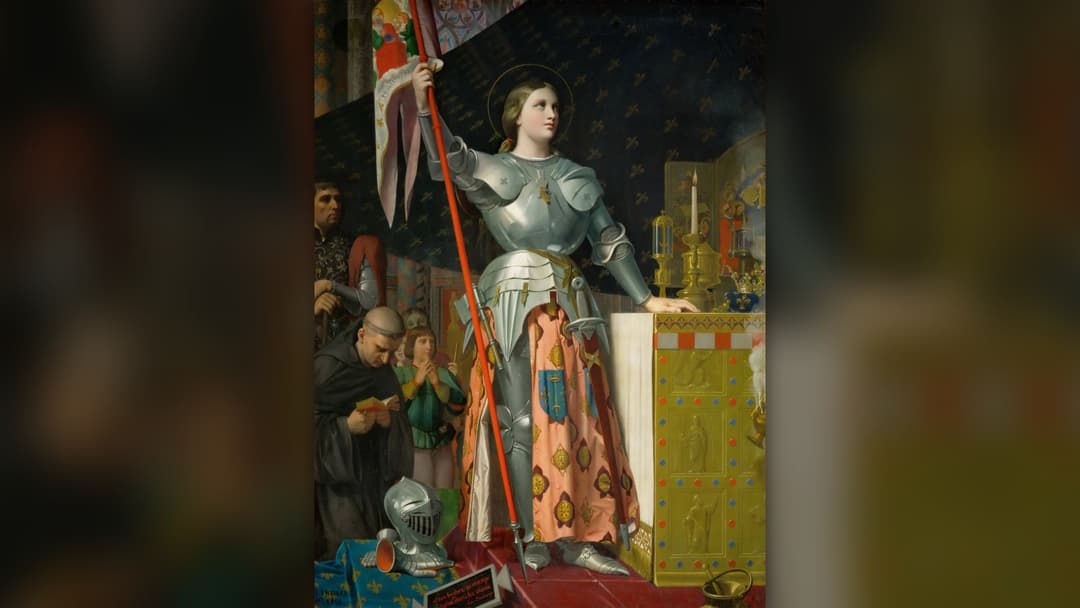
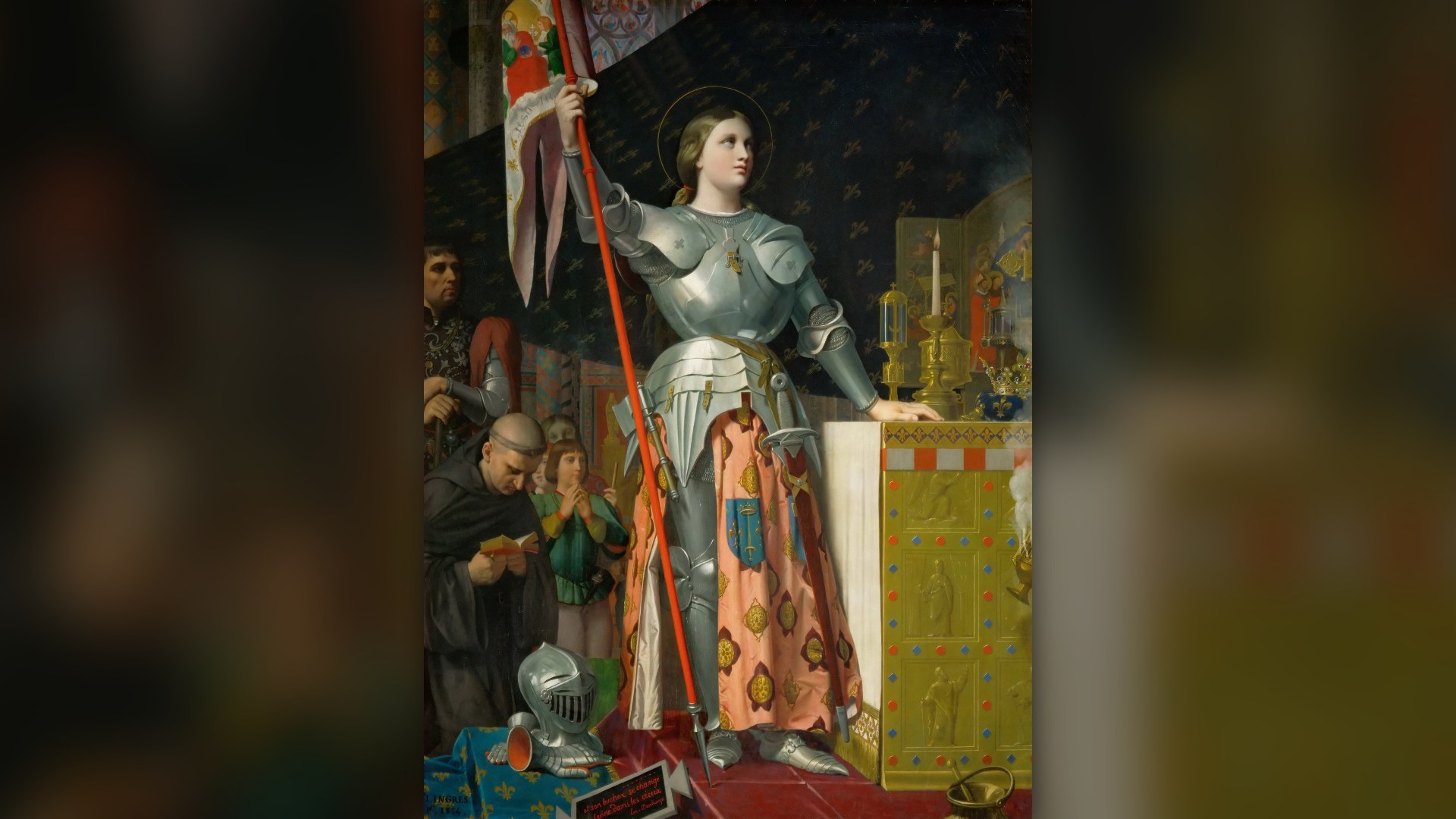
16. Joan Of Arc (1431)
Burned at the stake in Rouen at just 19 years old after lifting the Siege of Orleans, Joan of Arc became an instant martyr for French sovereignty. Inspired French armies subsequently drove England out of every continental stronghold except Calais.
©Wikimedia / Jean-Auguste-Dominique Ingres
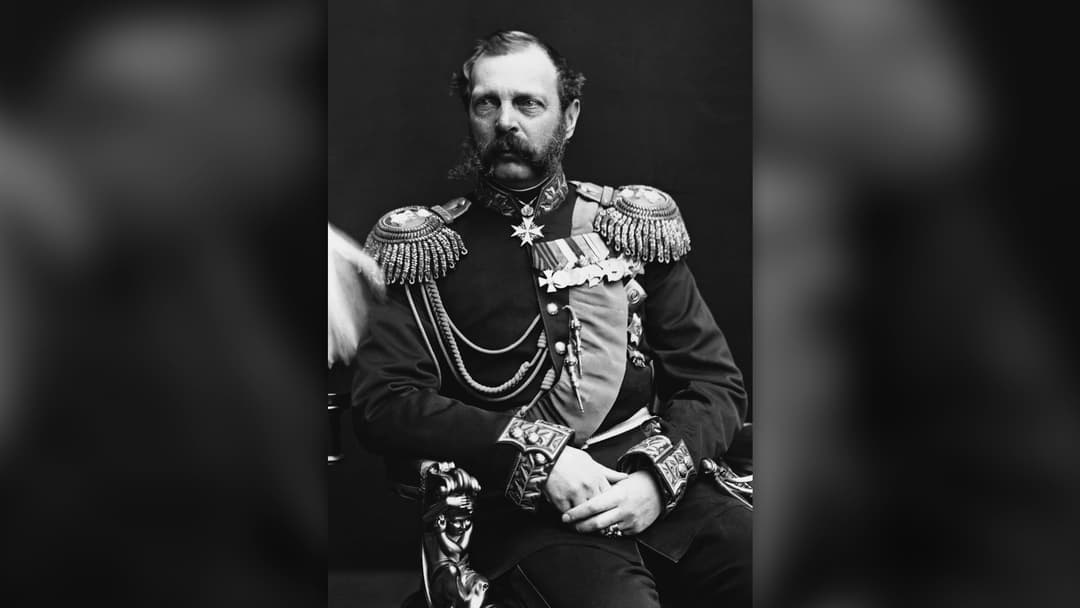
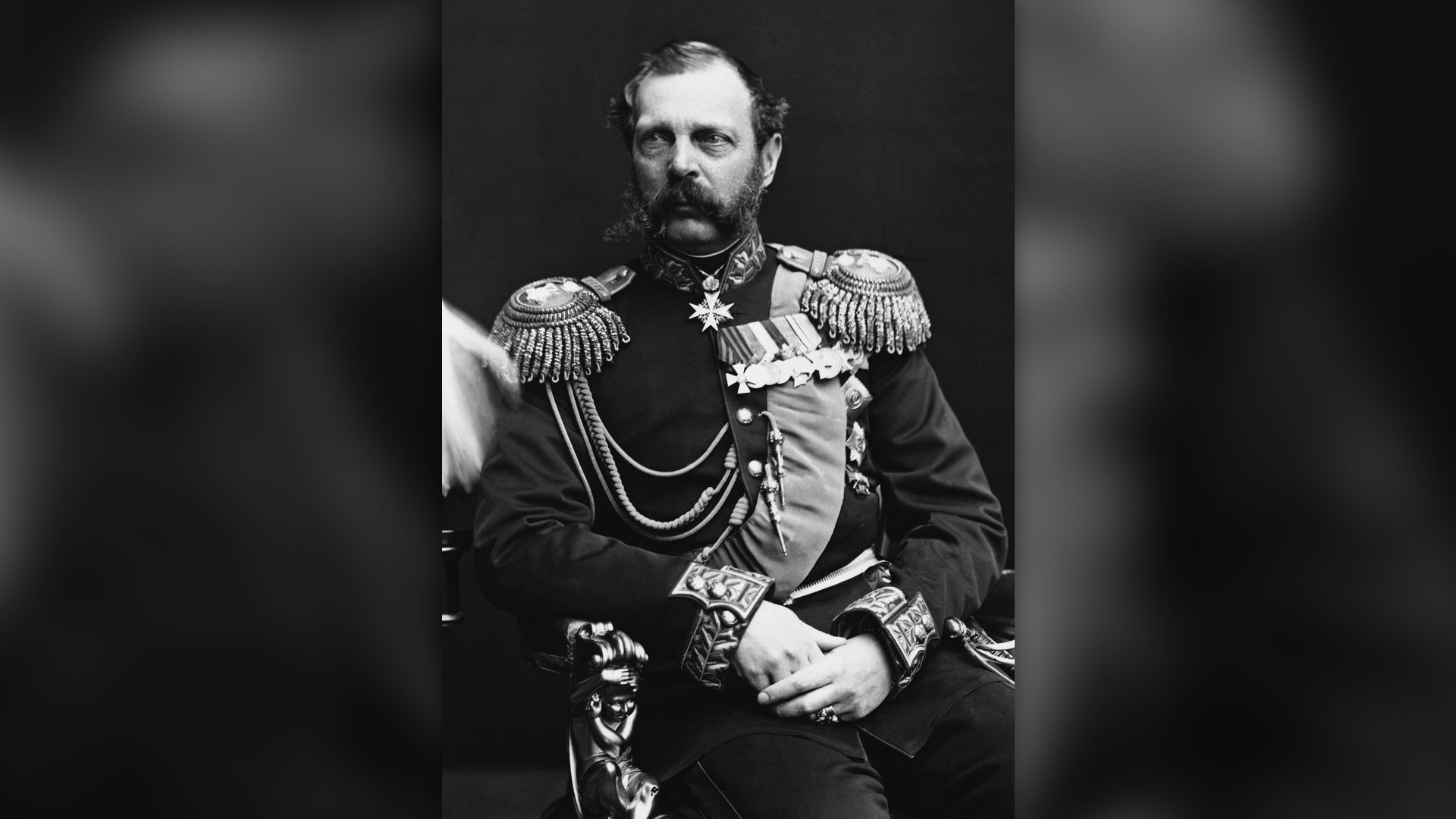
15. Tsar Alexander II Of Russia (1881)
Having emancipated 23 million Russian serfs, Tsar Alexander II approved Russia's first representative advisory assembly on March 13, 1881, only to be killed hours later by an assassin's bomb. His successor tore up the reform plan, setting Russia on the path to 1917.
©Wikimedia / Sergei Levitsky
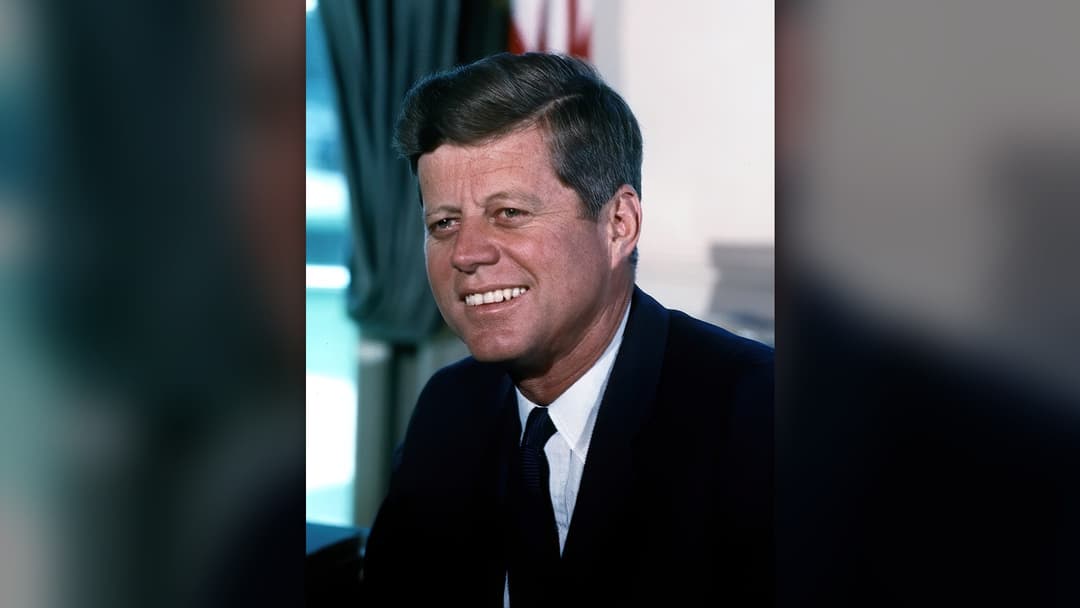
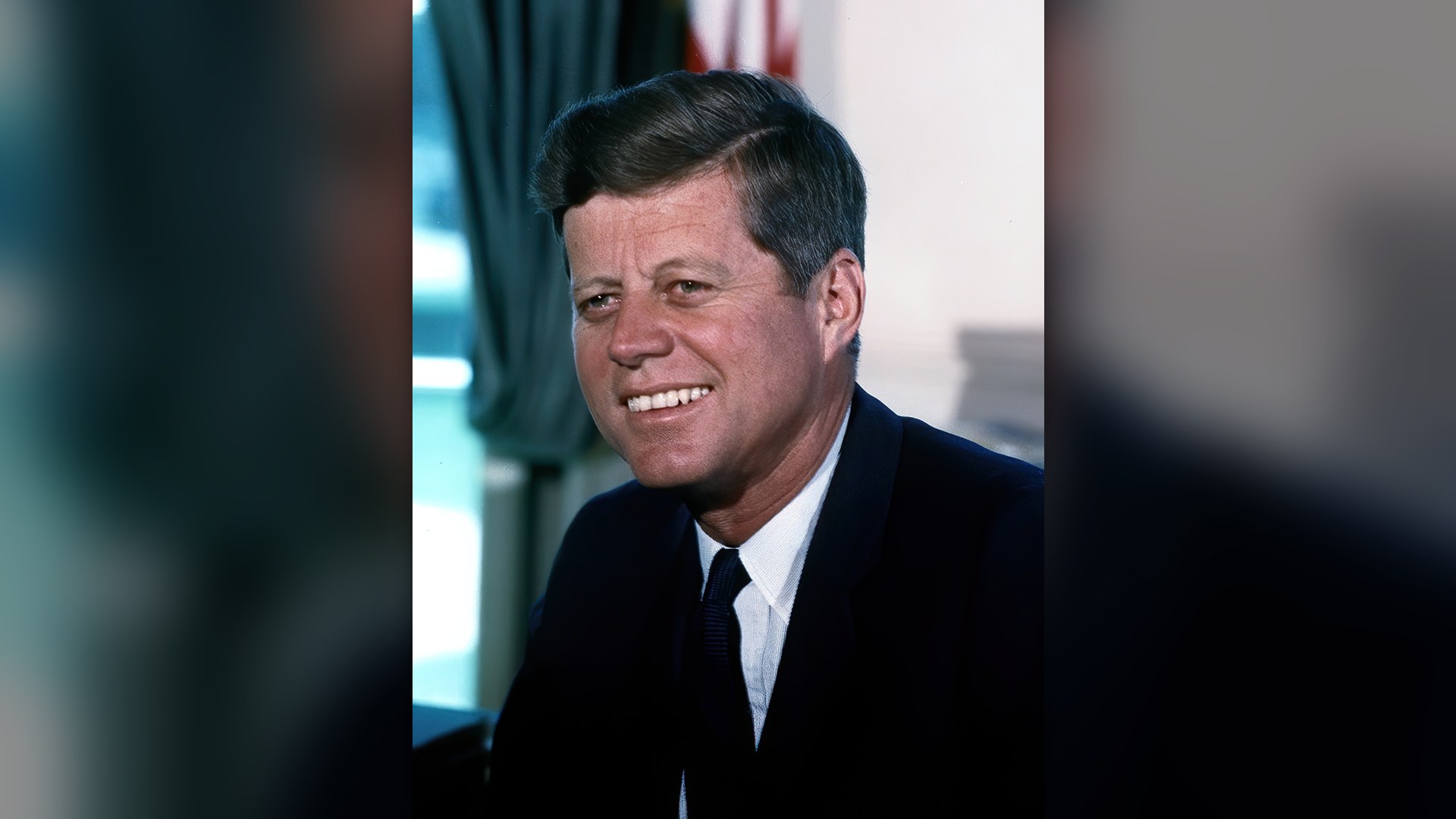
14. President John F. Kennedy (1963)
Shot while riding through Dallas on November 22, 1963, John F. Kennedy's death traumatized a generation. Successor Lyndon B. Johnson invoked Kennedy's memory to pass the landmark Civil Rights Act of 1964 while escalating U.S. military involvement in Vietnam.
©Wikimedia / Cecil Stoughton
Advertisement
Swipe or tap ▶ to resume the countdown.
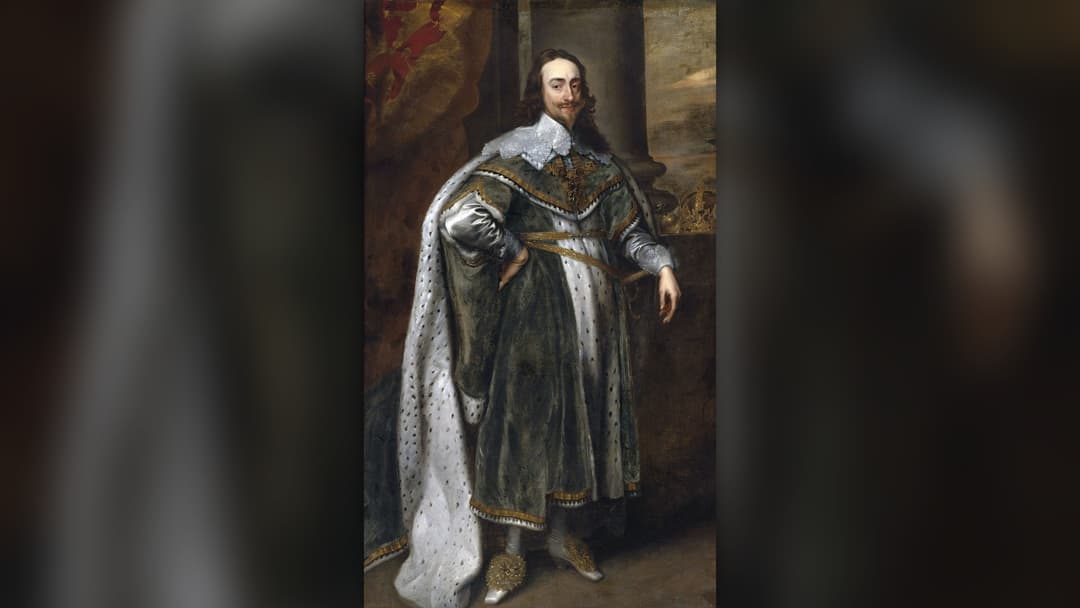
13. King Charles I Of England (1649)
Beheaded outside Whitehall's Banqueting House in January 1649 after losing the English Civil War, Charles I became the first European monarch publicly tried and executed for treason by his own subjects, permanently breaking royal absolutism in Britain.
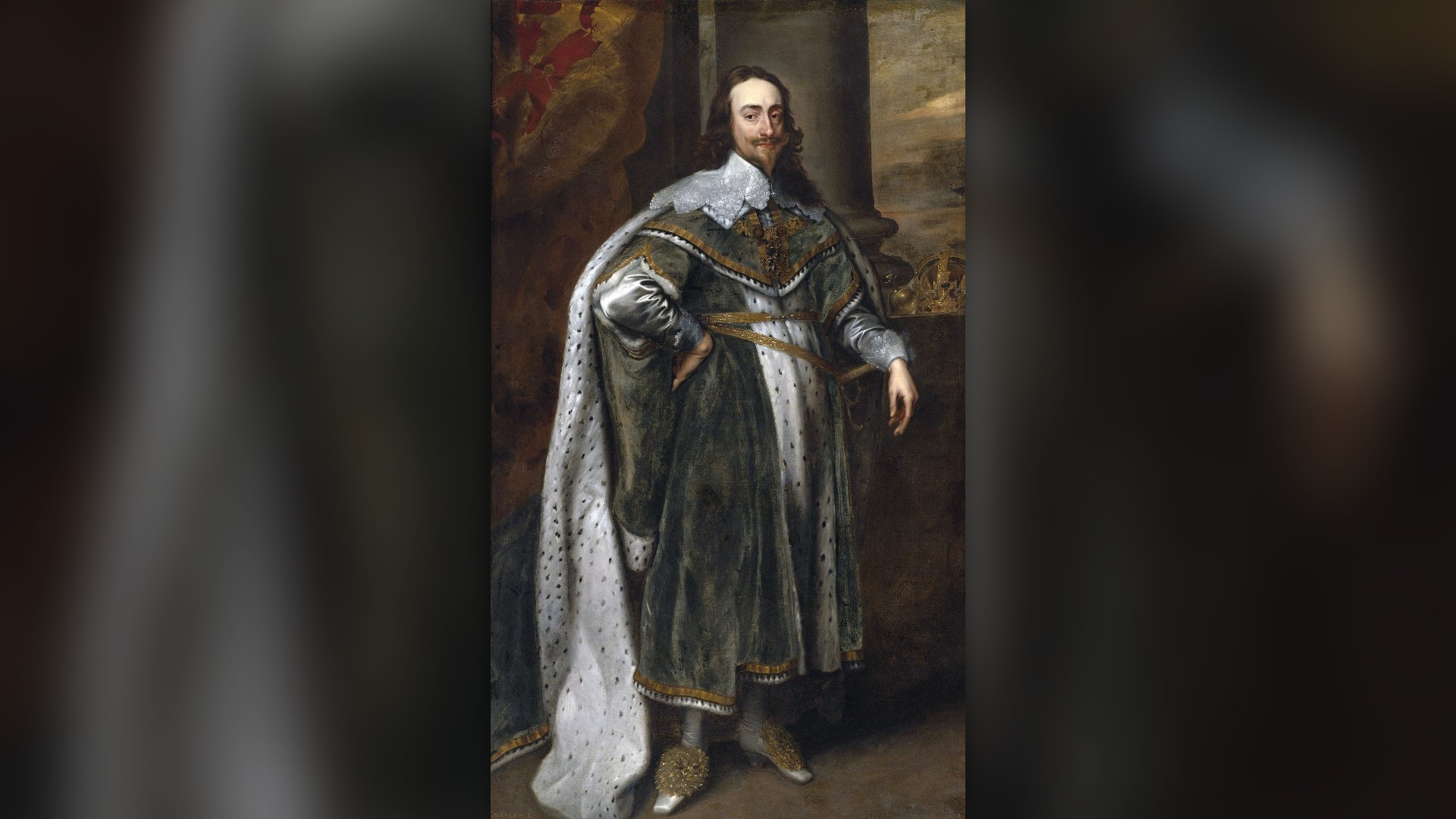
©Wikimedia / Anthony van Dyck
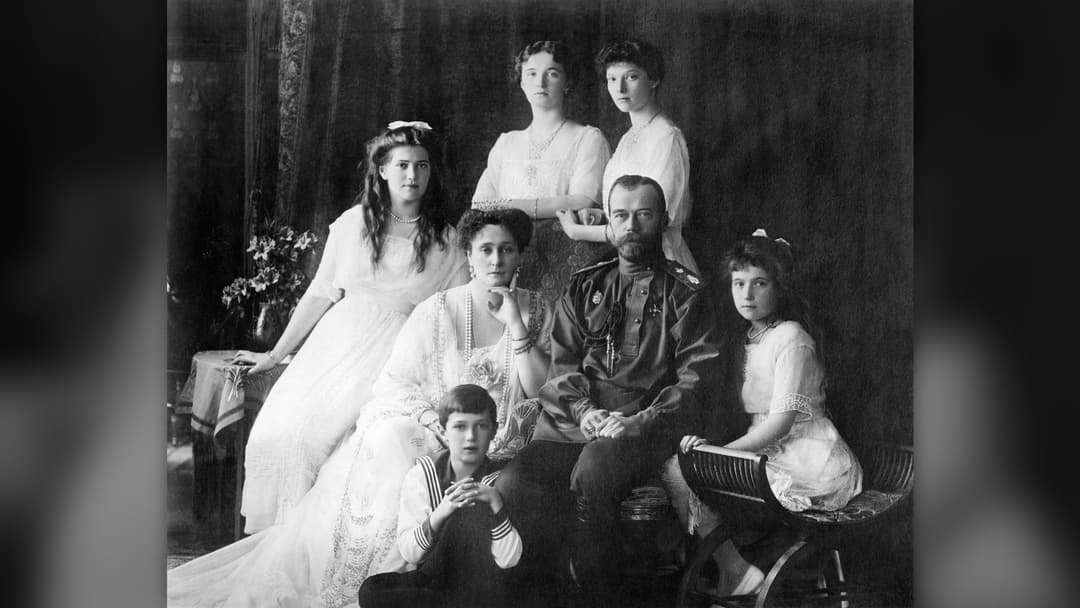
12. Tsar Nicholas II Of Russia (1918)
In the early morning hours of July 17, 1918, Bolshevik guards executed deposed Tsar Nicholas II and his family in Yekaterinburg as White Army forces approached. The killings eliminated any living symbol for monarchist restoration and cemented Soviet rule.
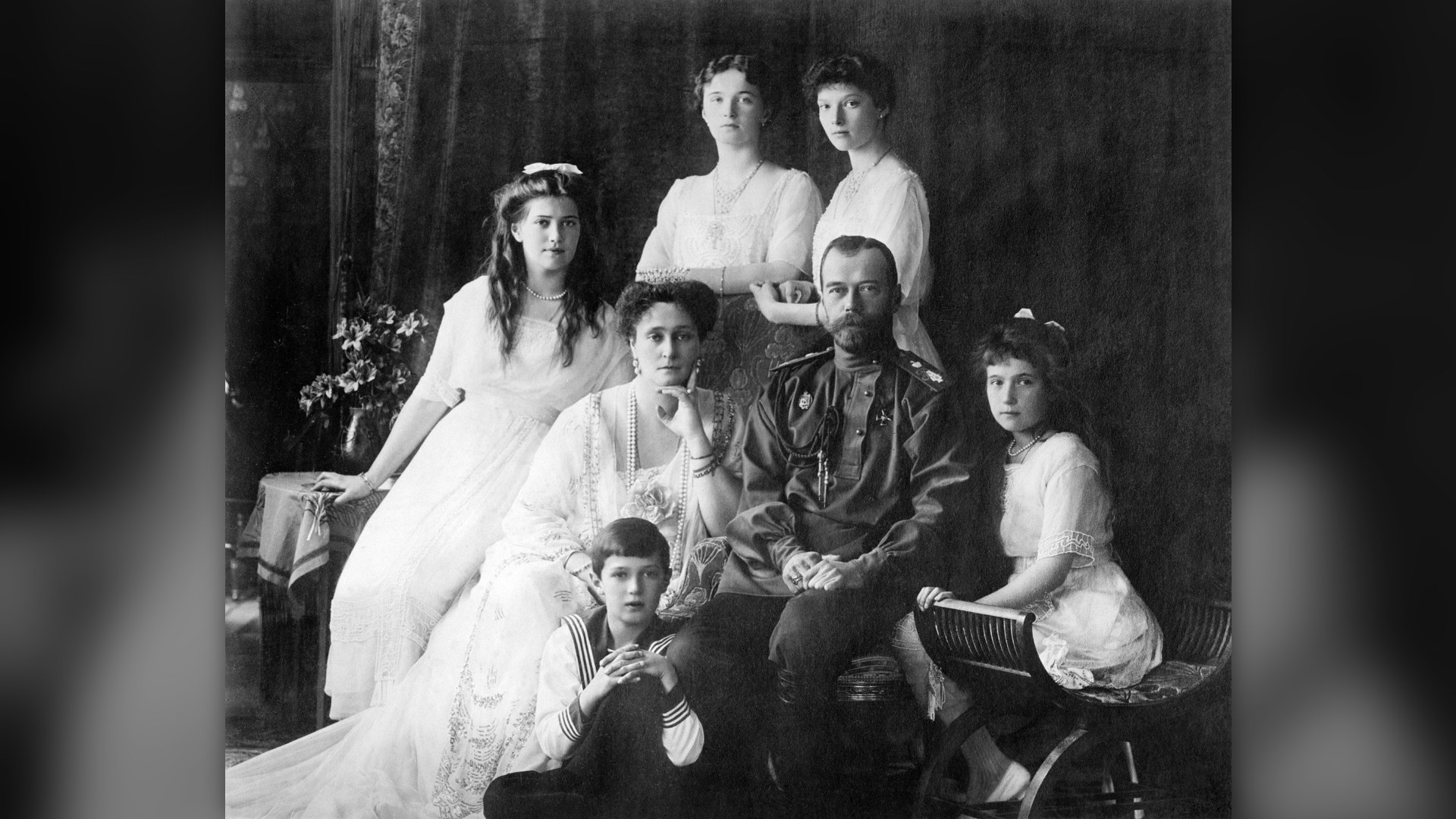
©Wikimedia / Boasson and Eggler
11. Prime Minister Yitzhak Rabin (1995)
Moments after addressing 100,000 peace rally supporters in Tel Aviv on November 4, 1995, Israeli Prime Minister and Nobel laureate Yitzhak Rabin was assassinated by an extremist opposed to the Oslo Accords, stalling final-status peace negotiations for decades.
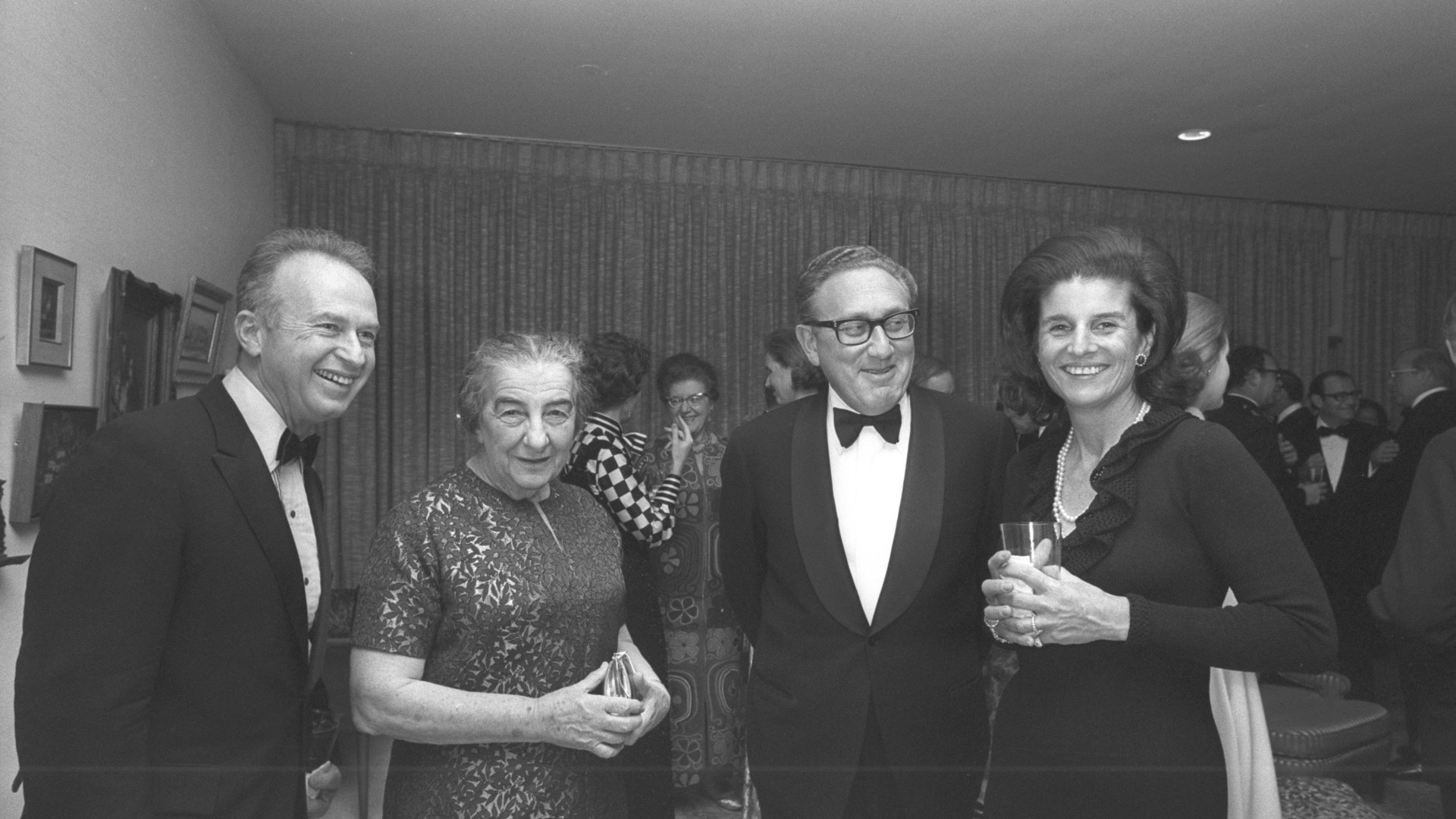
©Wikimedia / Moshe Milner
10. Dr. Martin Luther King Jr. (1968)
Shot on the balcony of the Lorraine Motel in Memphis on April 4, 1968, Dr. Martin Luther King Jr.'s assassination sparked grief and unrest across more than 100 American cities. Within seven days, Congress broke a legislative stalemate and passed the Fair Housing Act.
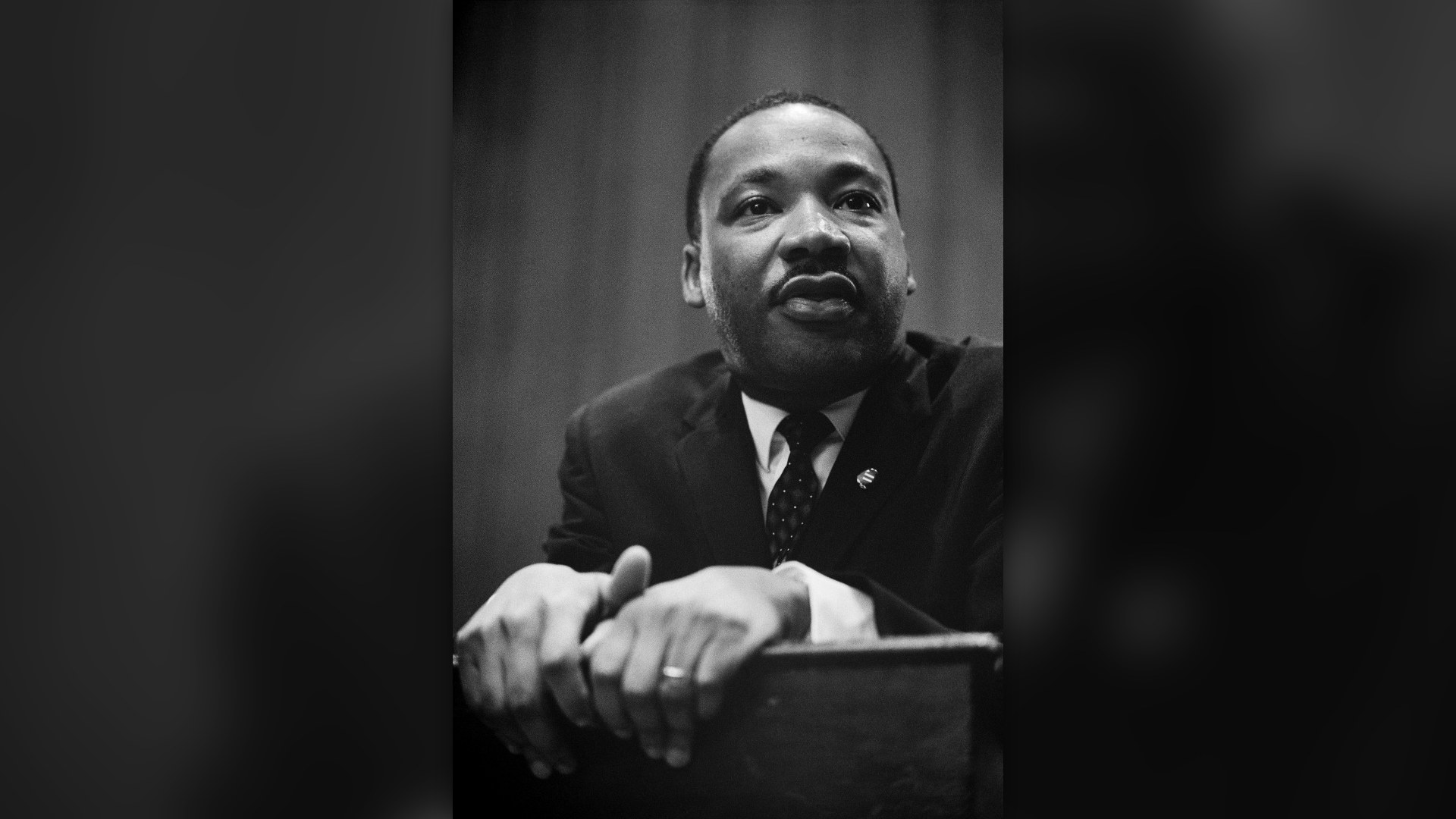
©Wikimedia / Marion S. Trikosko
Advertisement
Swipe or tap ▶ to resume the countdown.
9. Mahatma Gandhi (1948)
Less than six months after India's independence, 78-year-old Mahatma Gandhi was shot by Nathuram Godse while walking to an evening prayer meeting in New Delhi on January 30, 1948. The tragedy delegitimized communal extremism and enshrined nonviolent resistance globally.
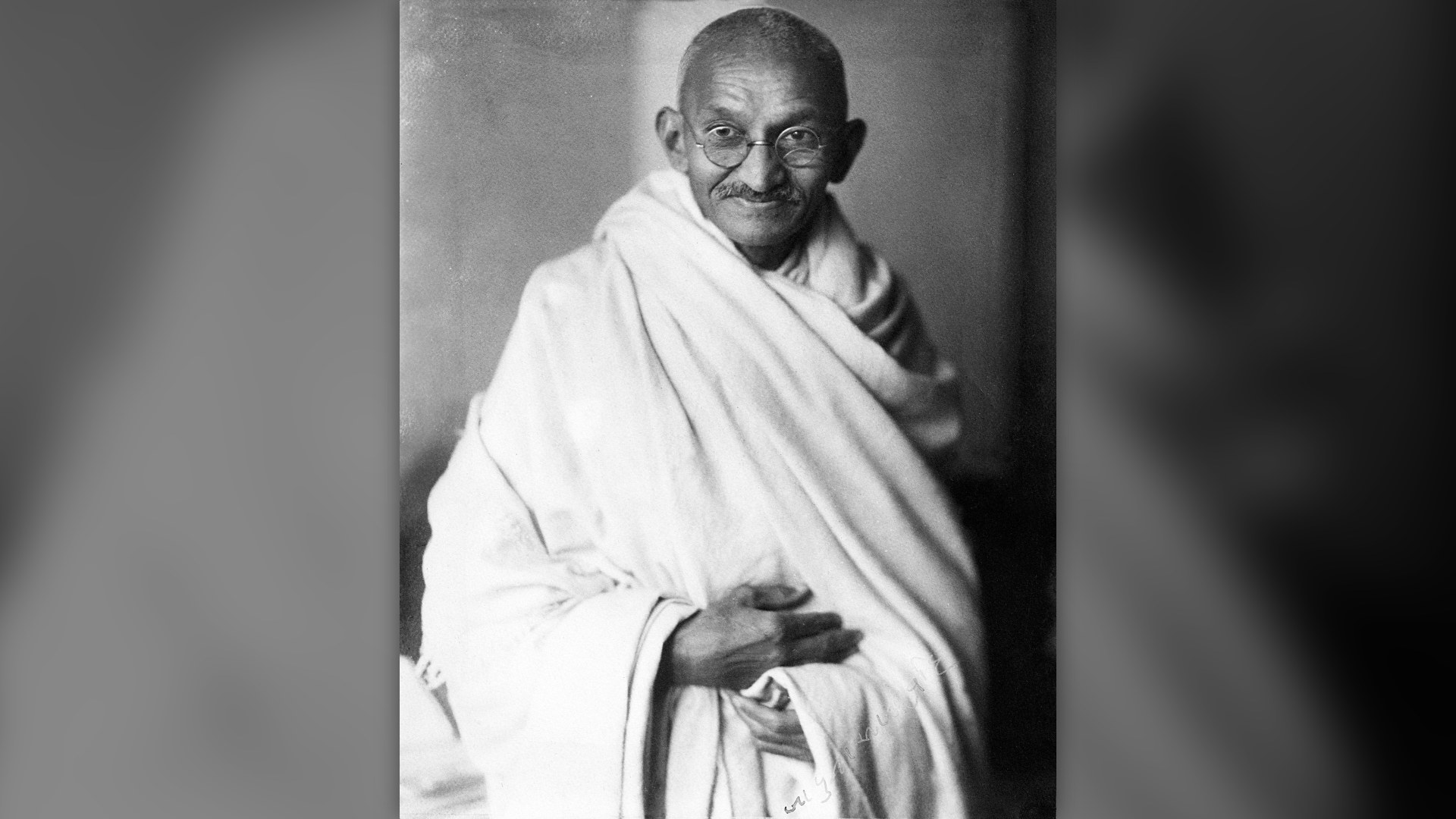
©Wikimedia / Elliott & Fry
8. Socrates (399 BC)
Convicted by an Athenian jury of corrupting the youth in 399 BC, 70-year-old Socrates refused exile and calmly drank poison hemlock. Outraged by his mentor's execution, Plato founded the Academy and immortalized Socratic inquiry as the bedrock of Western philosophy.
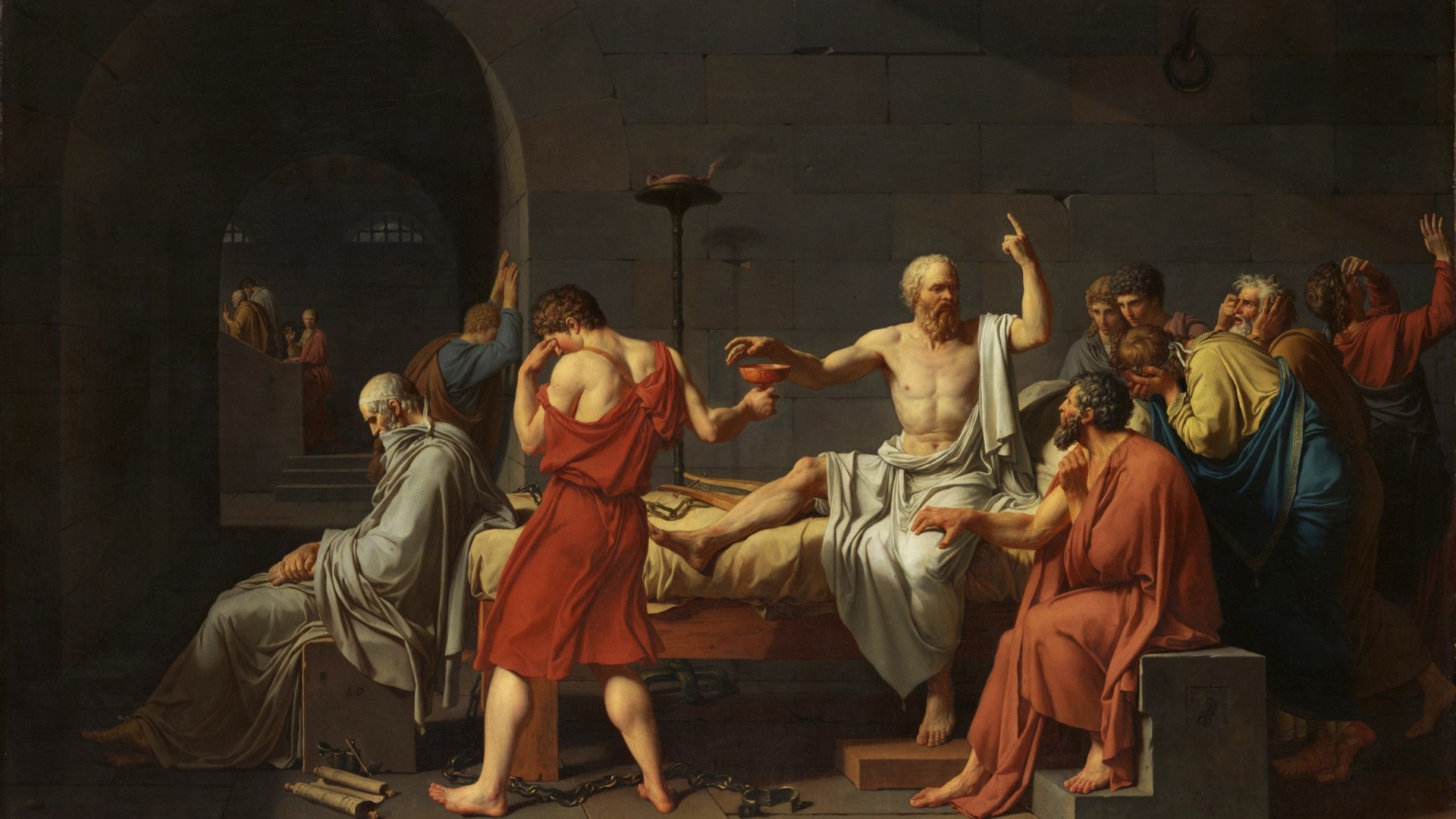
©Wikimedia / Jacques-Louis David
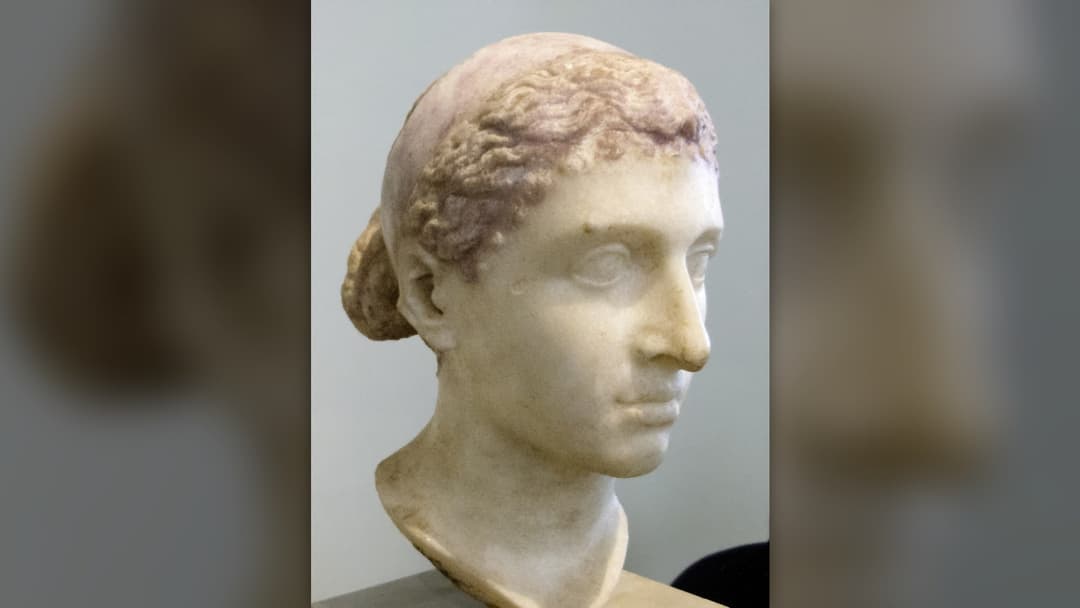
7. Queen Cleopatra VII Of Egypt (30 BC)
Rather than be paraded through Rome in chains after Mark Antony's defeat at Actium, 39-year-old Cleopatra VII took her own life in Alexandria in August 30 BC. Her death ended 300 years of Ptolemaic rule and gave Octavian the wealth to reign as Emperor Augustus.
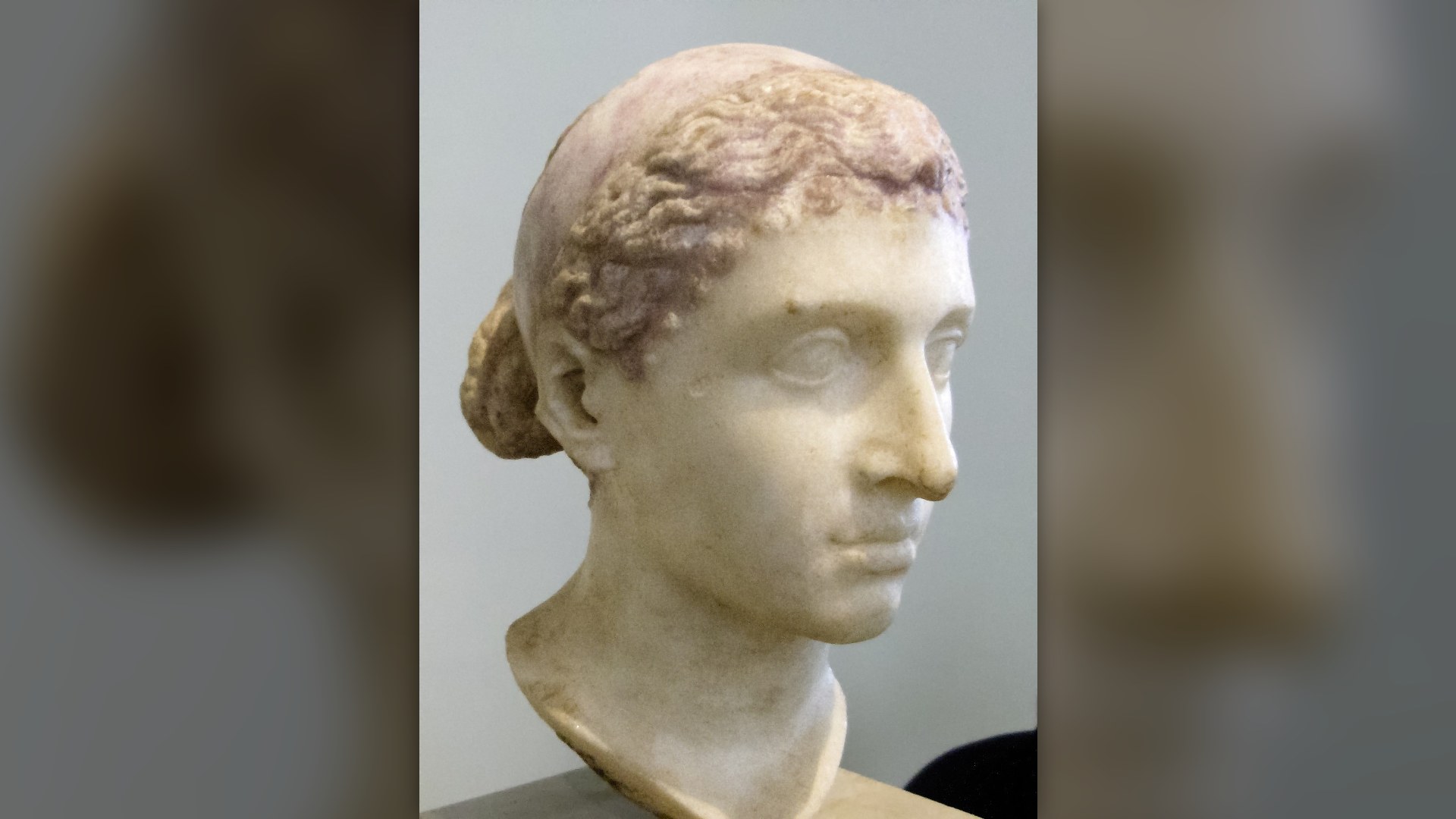
©Wikimedia / Louis le Grand
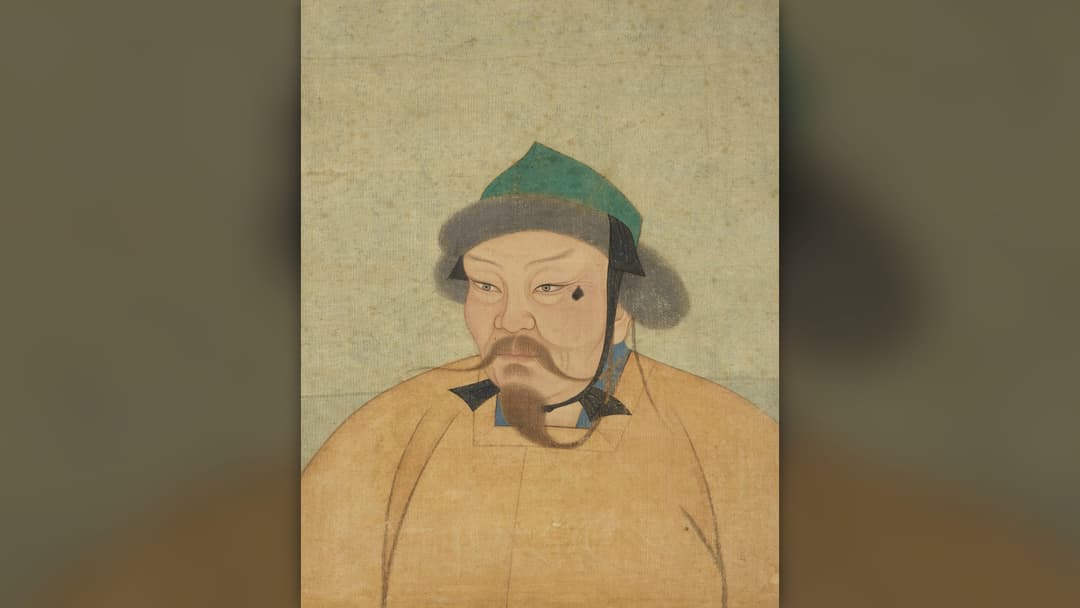
6. Khagan Ogedei Khan (1241)
In December 1241, after Mongol armies under Batu Khan and Subutai had crushed Hungarian and Polish forces and reached the outskirts of Vienna, Great Khan Ogedei died in Mongolia. Mongol princes withdrew eastward to elect a new ruler, sparing Western Europe.
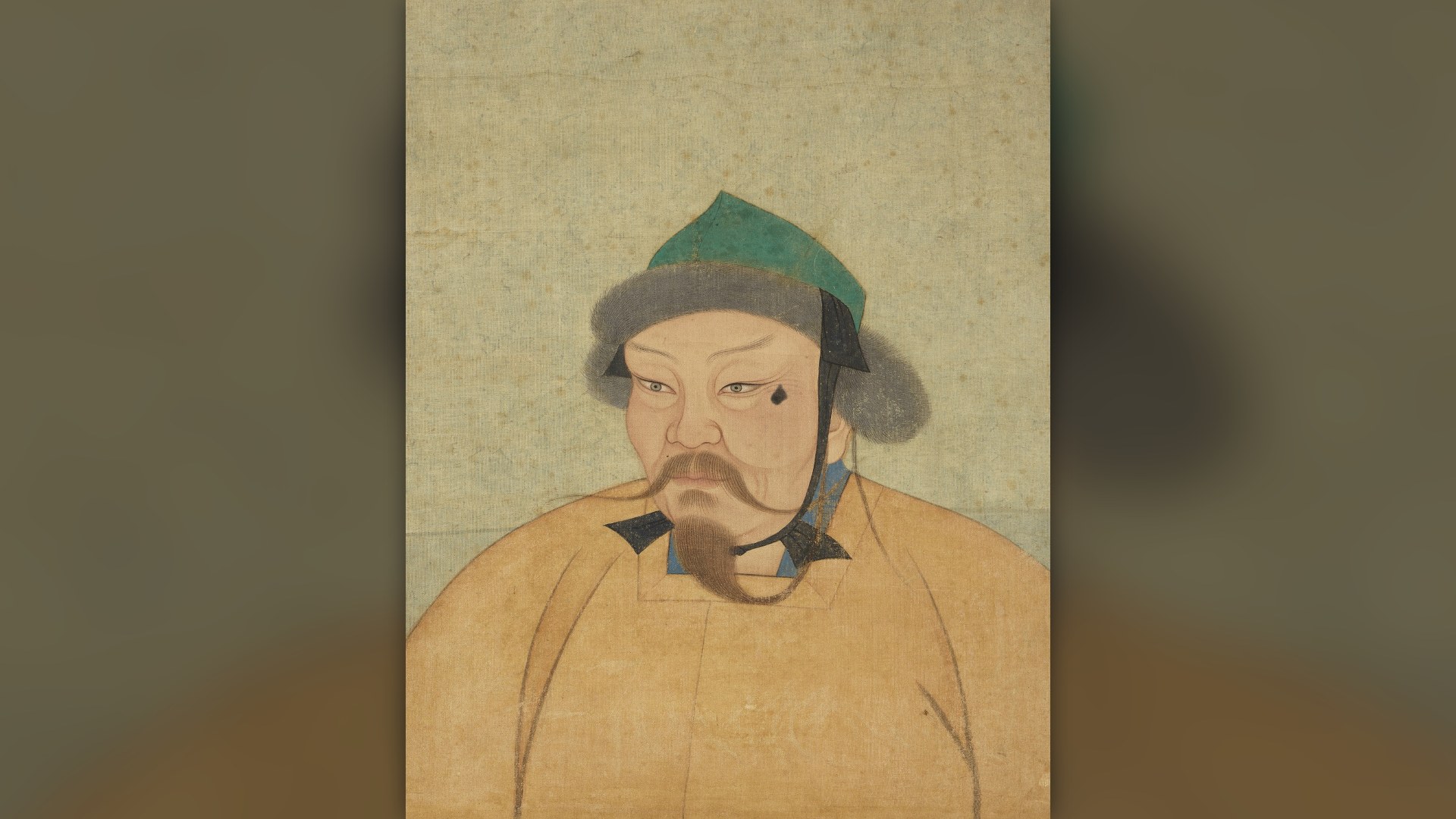
©Wikimedia / National Palace Museum
Advertisement
Swipe or tap ▶ to resume the countdown.
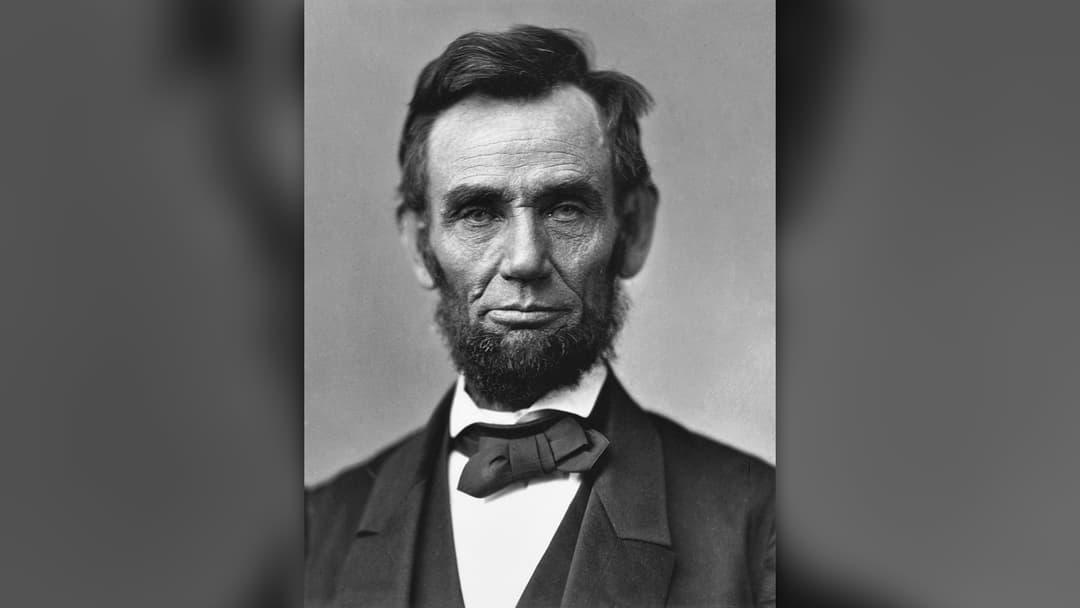
5. President Abraham Lincoln (1865)
Shot by John Wilkes Booth on April 14, 1865, just five days after Robert E. Lee's surrender at Appomattox, Abraham Lincoln became the first assassinated U.S. president. Successor Andrew Johnson's lenient policies crippled Reconstruction and delayed civil rights for a century.
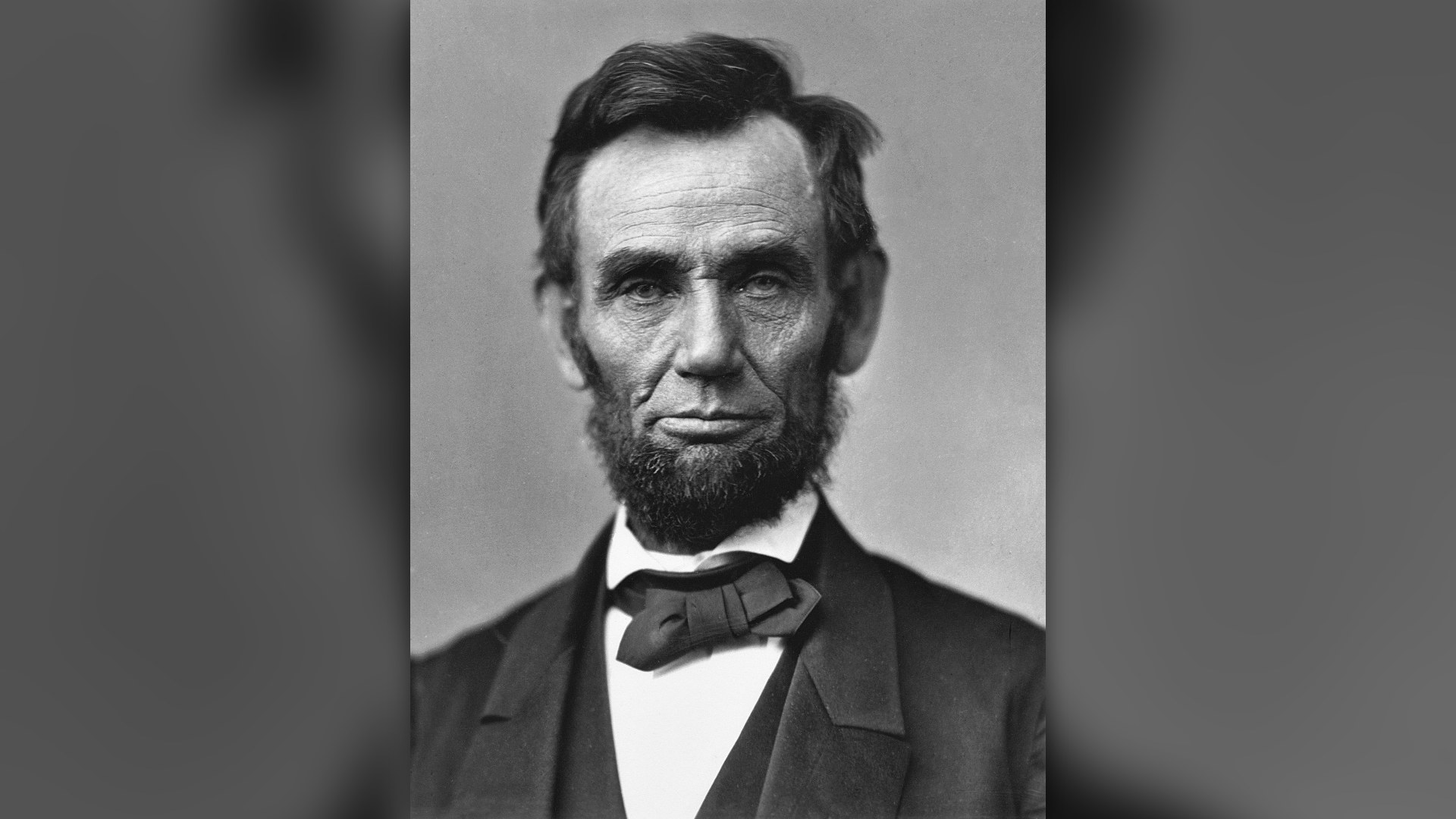
©Wikimedia / Alexander Gardner
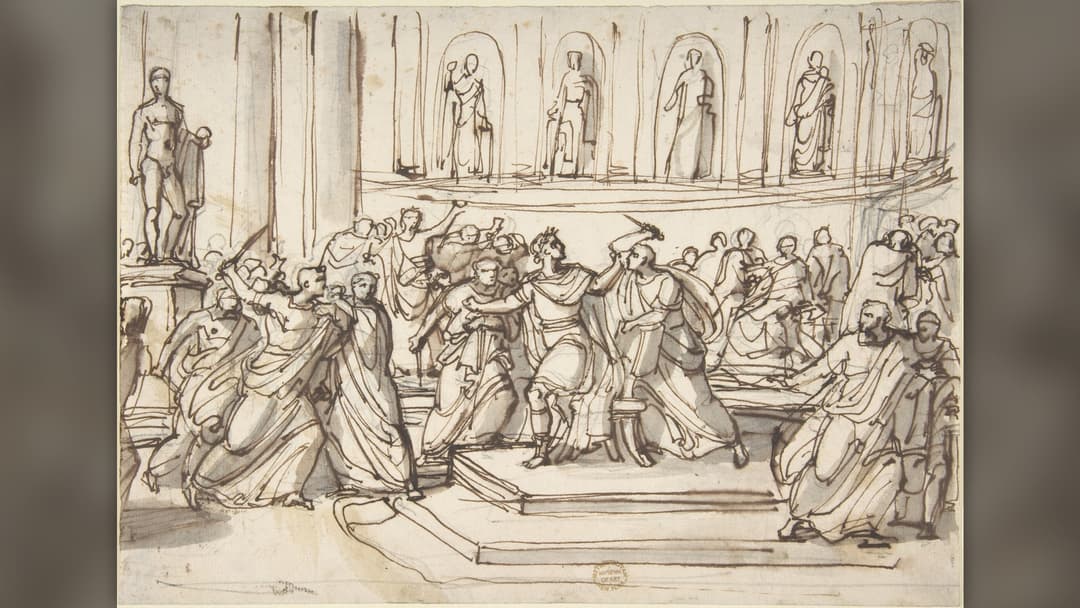
4. Julius Caesar (44 BC)
Stabbed 23 times on March 15, 44 BC, by senators calling themselves the Liberatores, Julius Caesar's assassination backfired spectacularly. Instead of restoring the Republic, the killing plunged Rome into civil wars that birthed the Roman Empire under Augustus.
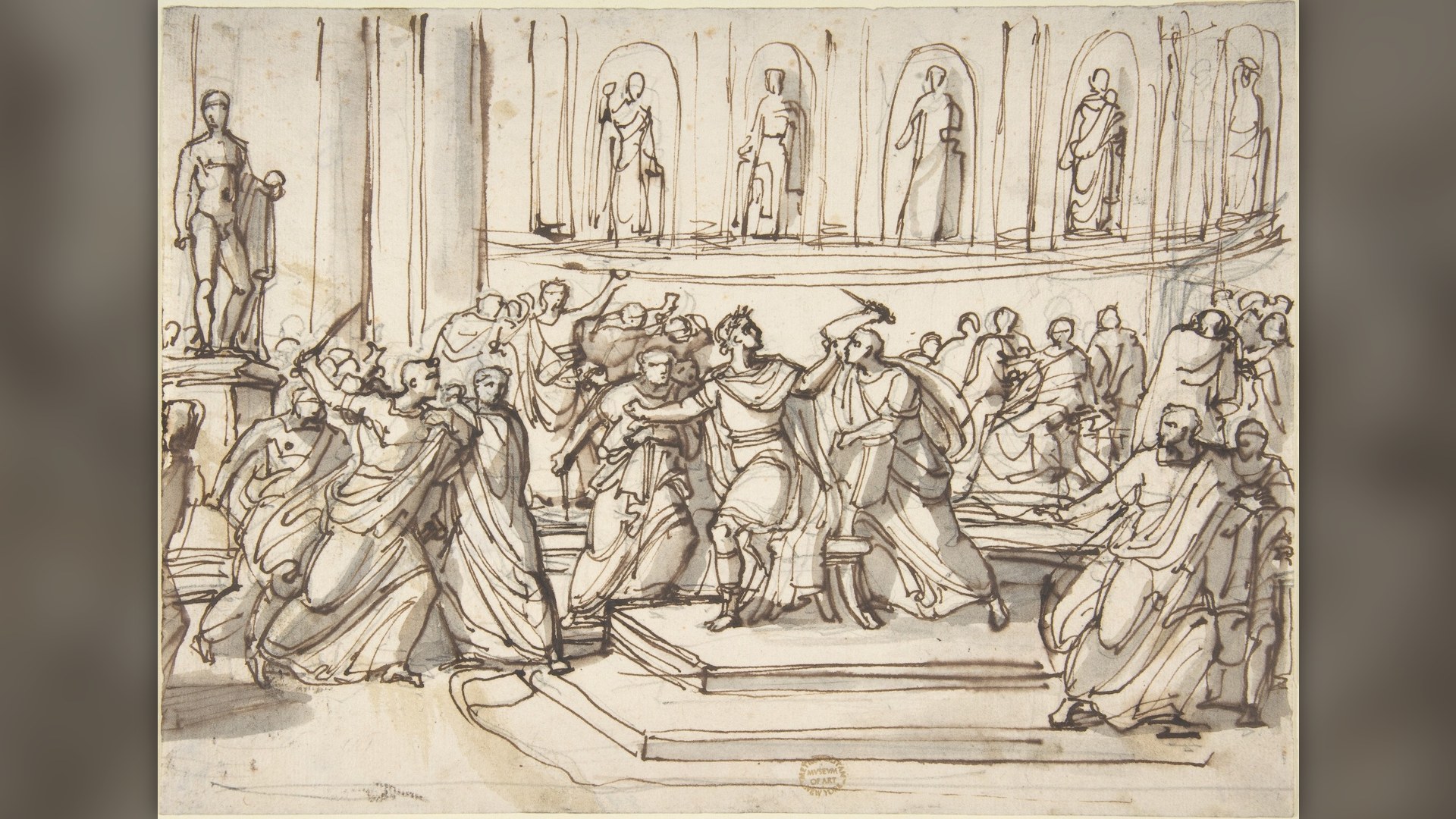
©Wikimedia / Met Museum Open Access
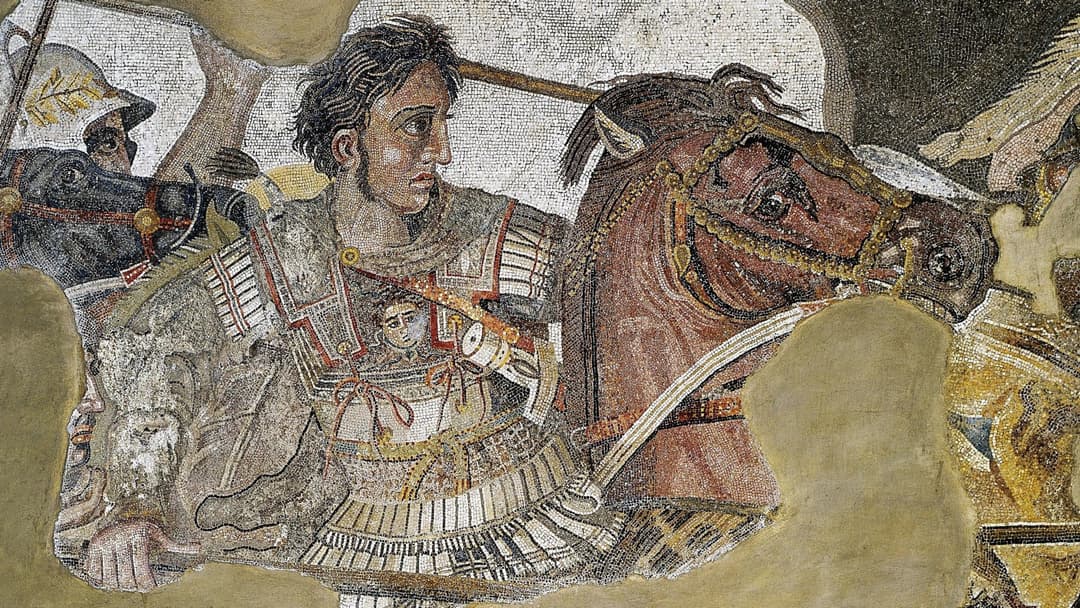
3. Alexander The Great (323 BC)
After conquering an empire from Greece to the Indus River without a single defeat, 32-year-old Alexander the Great died of a fever in Babylon in June 323 BC. Whispering that he left his realm 'to the strongest,' his death sparked 40 years of Wars of the Diadochi.
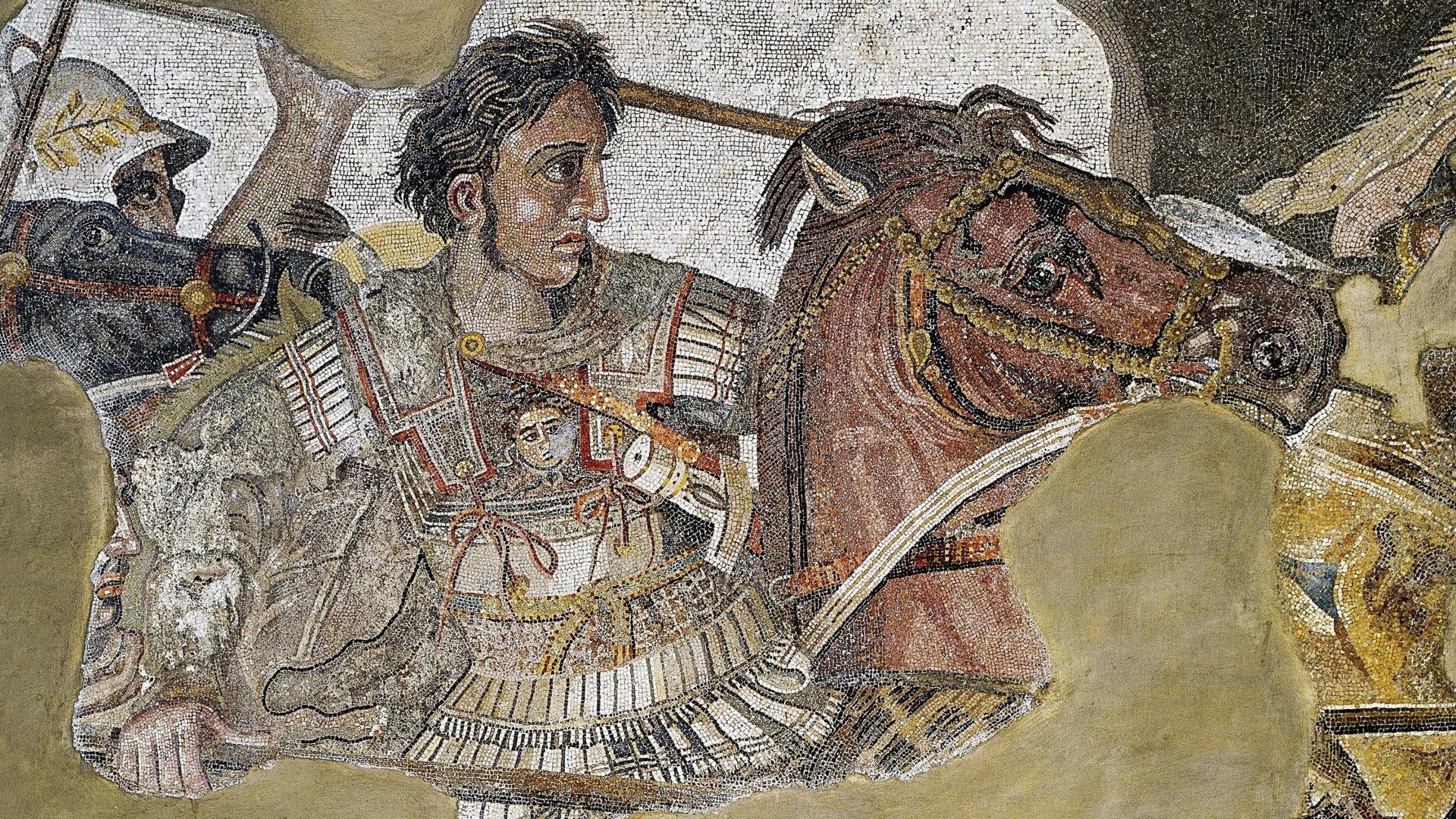
©Wikimedia / Berthold Werner
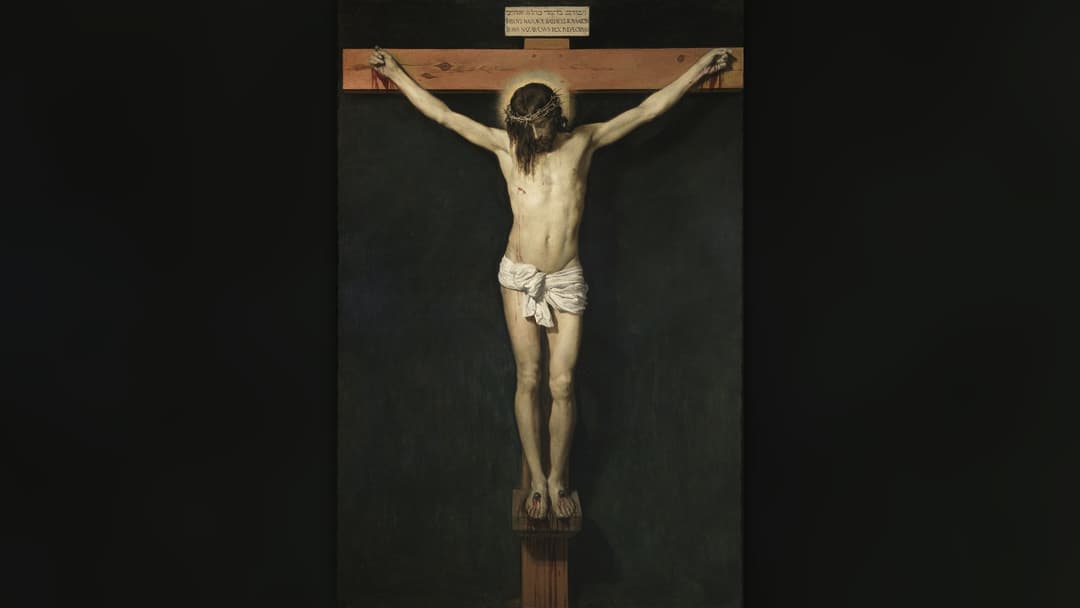
2. Jesus Of Nazareth (c. 30-33 AD)
Ordered crucified outside Jerusalem by Roman prefect Pontius Pilate around 30 to 33 AD, the execution of Jesus of Nazareth became the foundational event of Christianity. Within three centuries, a persecuted movement became the state religion of the Roman Empire.
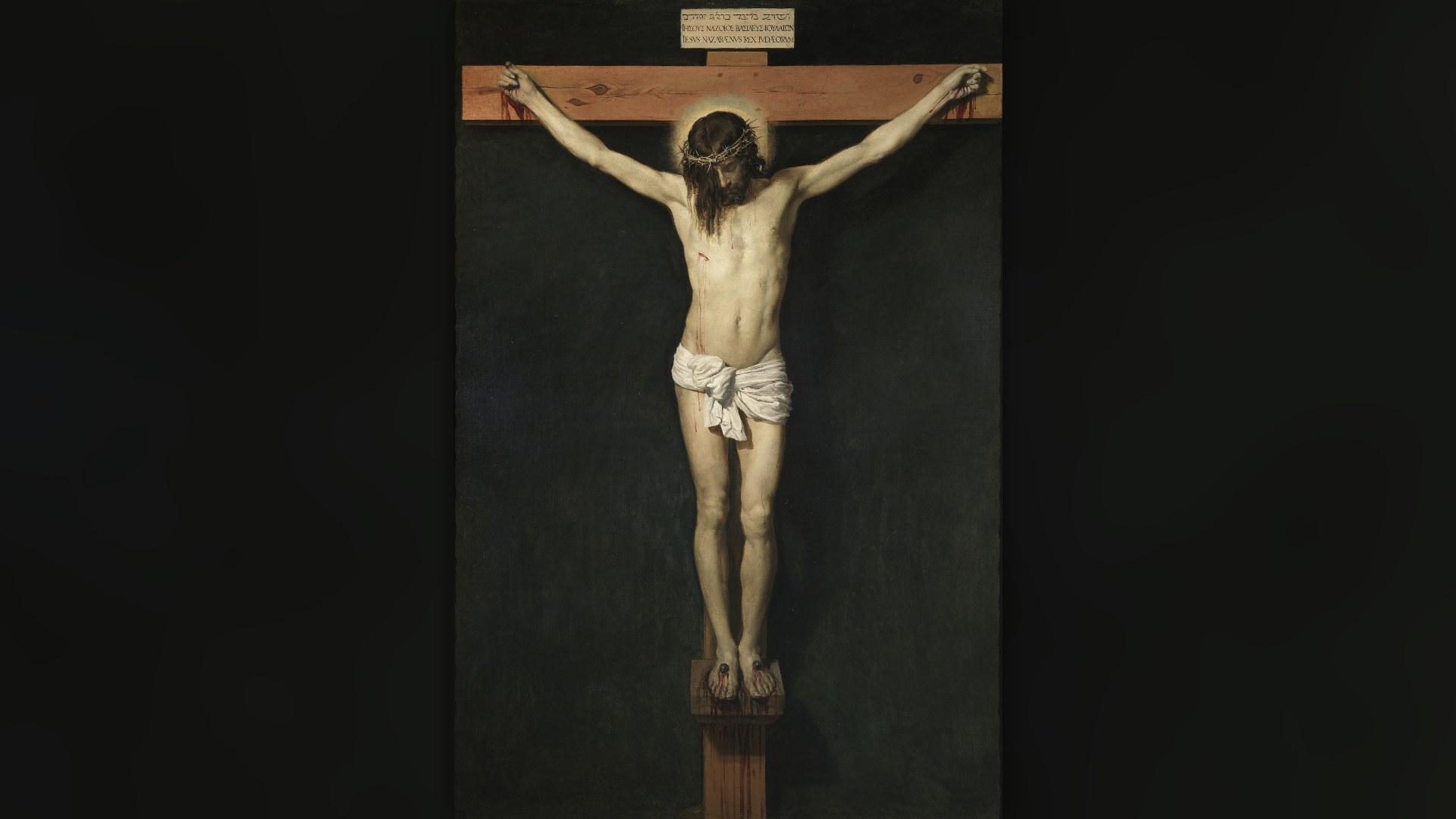
©Wikimedia / Diego Velazquez
Advertisement
Swipe or tap ▶ to resume the countdown.
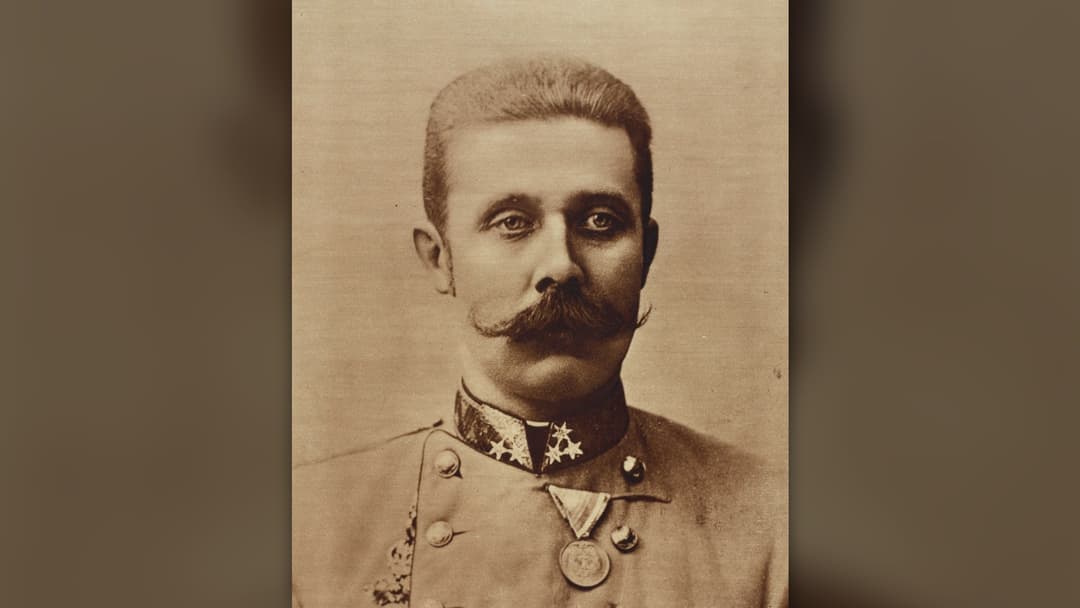
1. Archduke Franz Ferdinand (1914)
On June 28, 1914, Austro-Hungarian heir Archduke Franz Ferdinand and his wife Sophie were fatally shot by Gavrilo Princip after their driver took a wrong turn in Sarajevo. That single assassination triggered World War I, the fall of four empires, World War II, and the Cold War.
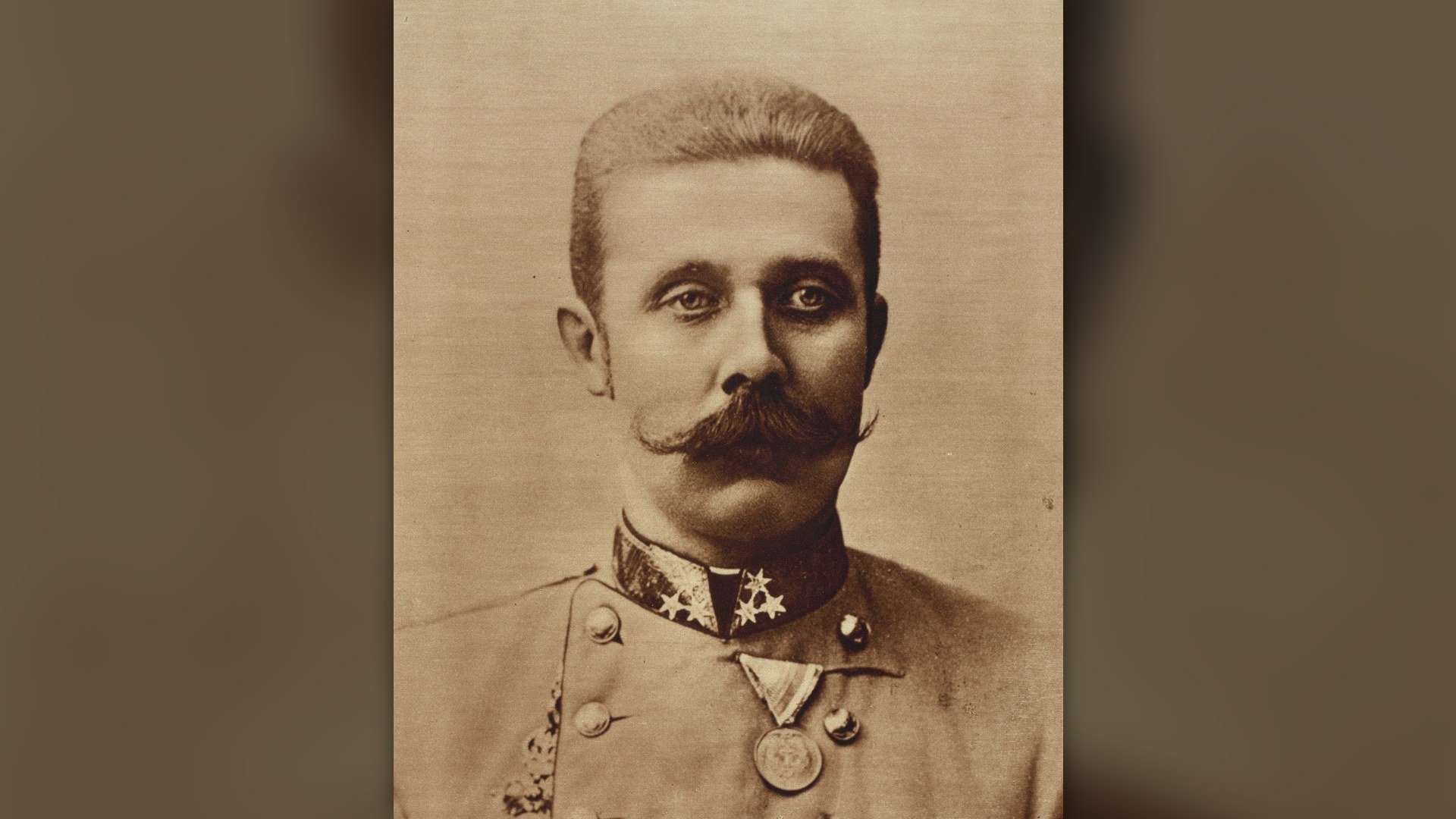
©Wikimedia / Karl Pietzner
Advertisement
You've reached the end of the story. Thanks for reading!

20 Details Behind The Real Story Of Stephen Miller
All 24 Entries in this Story
25. Marcus Licinius Crassus (53 BC)
When Rome's wealthiest general was killed at the Battle of Carrhae against Parthia in 53 BC, the First Triumvirate collapsed overnight. Without Crassus acting as a counterweight, Julius Caesar and Pompey were locked on a collision course that destroyed the Roman Republic.

24. Emperor Qin Shi Huang (210 BC)
Qin Shi Huang unified warring China and linked the early Great Wall, yet died in 210 BC after ingesting mercury pills meant to grant eternal life. A palace conspiracy to forge his will triggered rebellions that toppled the Qin Dynasty and birthed the 400-year Han era.

23. King Gustavus Adolphus Of Sweden (1632)
Leading a cavalry charge at the Battle of Lutzen during the Thirty Years' War in 1632, Sweden's king was separated from his troops in dense fog and killed. His death ended hopes of a unified Protestant German empire and shaped the modern Westphalian state system.

22. Toussaint Louverture (1803)
Imprisoned in the freezing Fort de Joux in the French Alps, Toussaint Louverture died of pneumonia in April 1803. His martyrdom galvanized Haitian independence and convinced Napoleon to abandon his Western Hemisphere ambitions by selling the Louisiana Territory to the United States.

21. President Salvador Allende (1973)
As military jets bombed La Moneda presidential palace on September 11, 1973, democratically elected Chilean president Salvador Allende delivered a final radio broadcast before dying inside the palace. The coup ushered in Augusto Pinochet's 17-year military dictatorship.

20. Sultan Suleiman The Magnificent (1566)
Aged 71, Suleiman the Magnificent died in his tent during the 1566 Siege of Szigetvar in Hungary, and his Grand Vizier kept the death secret for 48 days to prevent army mutiny. His passing marked the zenith of Ottoman military expansion into Central Europe.

19. Inca Emperor Atahualpa (1533)
Despite filling an entire room with gold and two more with silver at Cajamarca, the last sovereign Inca emperor was executed on Francisco Pizarro's orders in July 1533. His death fractured Inca command and enabled Spain to conquer the Andes.

18. Prime Minister Patrice Lumumba (1961)
Less than seven months after leading the Congo to independence from Belgium, its first democratically elected prime minister was overthrown and executed in January 1961. His elimination cleared the path for Mobutu Sese Seko's three-decade dictatorship.

17. Joan Of Arc (1431)
Burned at the stake in Rouen at just 19 years old after lifting the Siege of Orleans, Joan of Arc became an instant martyr for French sovereignty. Inspired French armies subsequently drove England out of every continental stronghold except Calais.

16. Tsar Alexander II Of Russia (1881)
Having emancipated 23 million Russian serfs, Tsar Alexander II approved Russia's first representative advisory assembly on March 13, 1881, only to be killed hours later by an assassin's bomb. His successor tore up the reform plan, setting Russia on the path to 1917.

15. President John F. Kennedy (1963)
Shot while riding through Dallas on November 22, 1963, John F. Kennedy's death traumatized a generation. Successor Lyndon B. Johnson invoked Kennedy's memory to pass the landmark Civil Rights Act of 1964 while escalating U.S. military involvement in Vietnam.

14. King Charles I Of England (1649)
Beheaded outside Whitehall's Banqueting House in January 1649 after losing the English Civil War, Charles I became the first European monarch publicly tried and executed for treason by his own subjects, permanently breaking royal absolutism in Britain.

13. Tsar Nicholas II Of Russia (1918)
In the early morning hours of July 17, 1918, Bolshevik guards executed deposed Tsar Nicholas II and his family in Yekaterinburg as White Army forces approached. The killings eliminated any living symbol for monarchist restoration and cemented Soviet rule.

12. Prime Minister Yitzhak Rabin (1995)
Moments after addressing 100,000 peace rally supporters in Tel Aviv on November 4, 1995, Israeli Prime Minister and Nobel laureate Yitzhak Rabin was assassinated by an extremist opposed to the Oslo Accords, stalling final-status peace negotiations for decades.

11. Dr. Martin Luther King Jr. (1968)
Shot on the balcony of the Lorraine Motel in Memphis on April 4, 1968, Dr. Martin Luther King Jr.'s assassination sparked grief and unrest across more than 100 American cities. Within seven days, Congress broke a legislative stalemate and passed the Fair Housing Act.

10. Mahatma Gandhi (1948)
Less than six months after India's independence, 78-year-old Mahatma Gandhi was shot by Nathuram Godse while walking to an evening prayer meeting in New Delhi on January 30, 1948. The tragedy delegitimized communal extremism and enshrined nonviolent resistance globally.

9. Socrates (399 BC)
Convicted by an Athenian jury of corrupting the youth in 399 BC, 70-year-old Socrates refused exile and calmly drank poison hemlock. Outraged by his mentor's execution, Plato founded the Academy and immortalized Socratic inquiry as the bedrock of Western philosophy.

7. Queen Cleopatra VII Of Egypt (30 BC)
Rather than be paraded through Rome in chains after Mark Antony's defeat at Actium, 39-year-old Cleopatra VII took her own life in Alexandria in August 30 BC. Her death ended 300 years of Ptolemaic rule and gave Octavian the wealth to reign as Emperor Augustus.

6. Khagan Ogedei Khan (1241)
In December 1241, after Mongol armies under Batu Khan and Subutai had crushed Hungarian and Polish forces and reached the outskirts of Vienna, Great Khan Ogedei died in Mongolia. Mongol princes withdrew eastward to elect a new ruler, sparing Western Europe.

5. President Abraham Lincoln (1865)
Shot by John Wilkes Booth on April 14, 1865, just five days after Robert E. Lee's surrender at Appomattox, Abraham Lincoln became the first assassinated U.S. president. Successor Andrew Johnson's lenient policies crippled Reconstruction and delayed civil rights for a century.

4. Julius Caesar (44 BC)
Stabbed 23 times on March 15, 44 BC, by senators calling themselves the Liberatores, Julius Caesar's assassination backfired spectacularly. Instead of restoring the Republic, the killing plunged Rome into civil wars that birthed the Roman Empire under Augustus.

3. Alexander The Great (323 BC)
After conquering an empire from Greece to the Indus River without a single defeat, 32-year-old Alexander the Great died of a fever in Babylon in June 323 BC. Whispering that he left his realm 'to the strongest,' his death sparked 40 years of Wars of the Diadochi.

2. Jesus Of Nazareth (c. 30-33 AD)
Ordered crucified outside Jerusalem by Roman prefect Pontius Pilate around 30 to 33 AD, the execution of Jesus of Nazareth became the foundational event of Christianity. Within three centuries, a persecuted movement became the state religion of the Roman Empire.

1. Archduke Franz Ferdinand (1914)
On June 28, 1914, Austro-Hungarian heir Archduke Franz Ferdinand and his wife Sophie were fatally shot by Gavrilo Princip after their driver took a wrong turn in Sarajevo. That single assassination triggered World War I, the fall of four empires, World War II, and the Cold War.