Slideshow · Lifestyle
25 Easy-Care Houseplants Featured in NASA’s Clean Air Study
From snake plants to resilient pothos, these top-rated air-purifying indoor houseplants remove common household toxins while demanding almost zero maintenance.


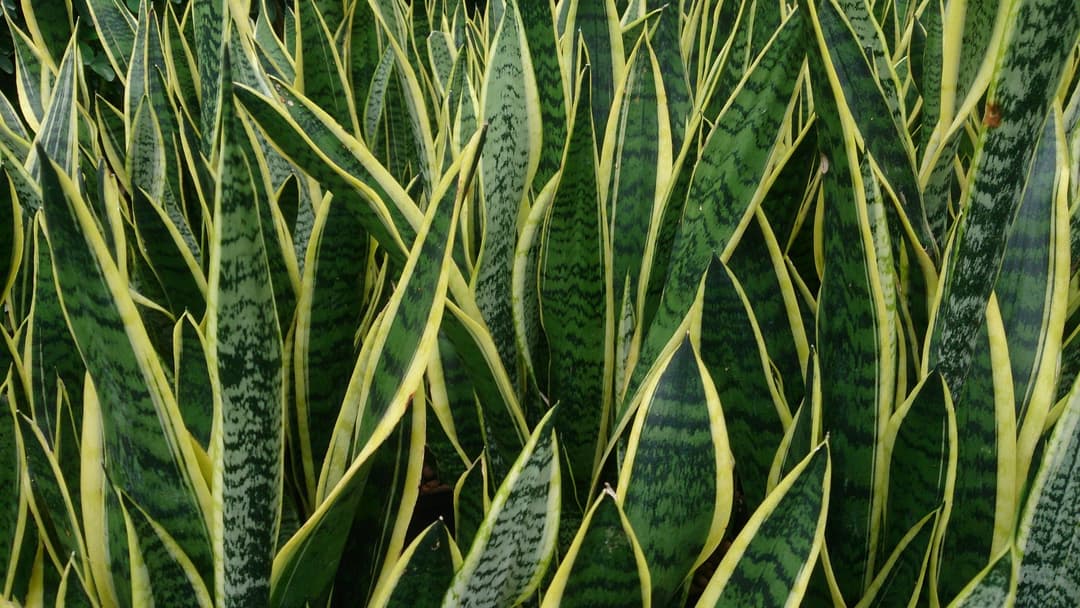

All 25 Entries in this Story
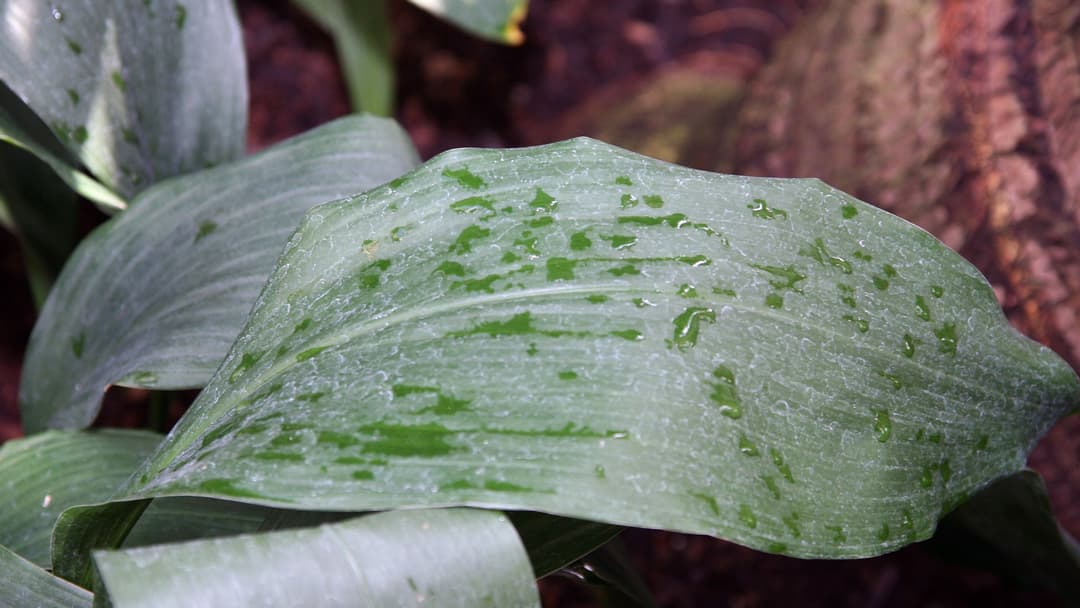
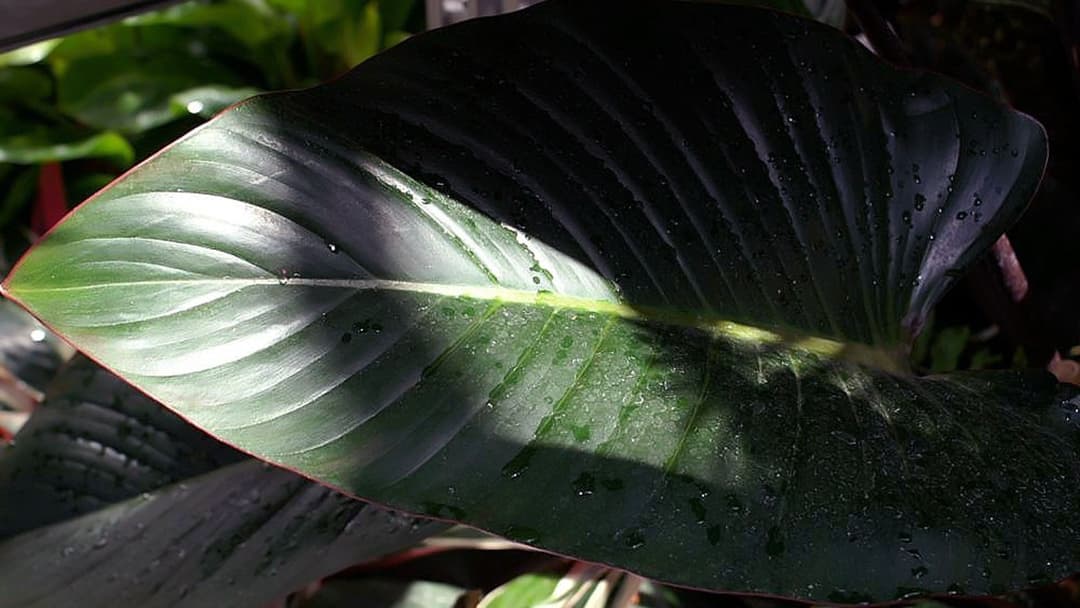
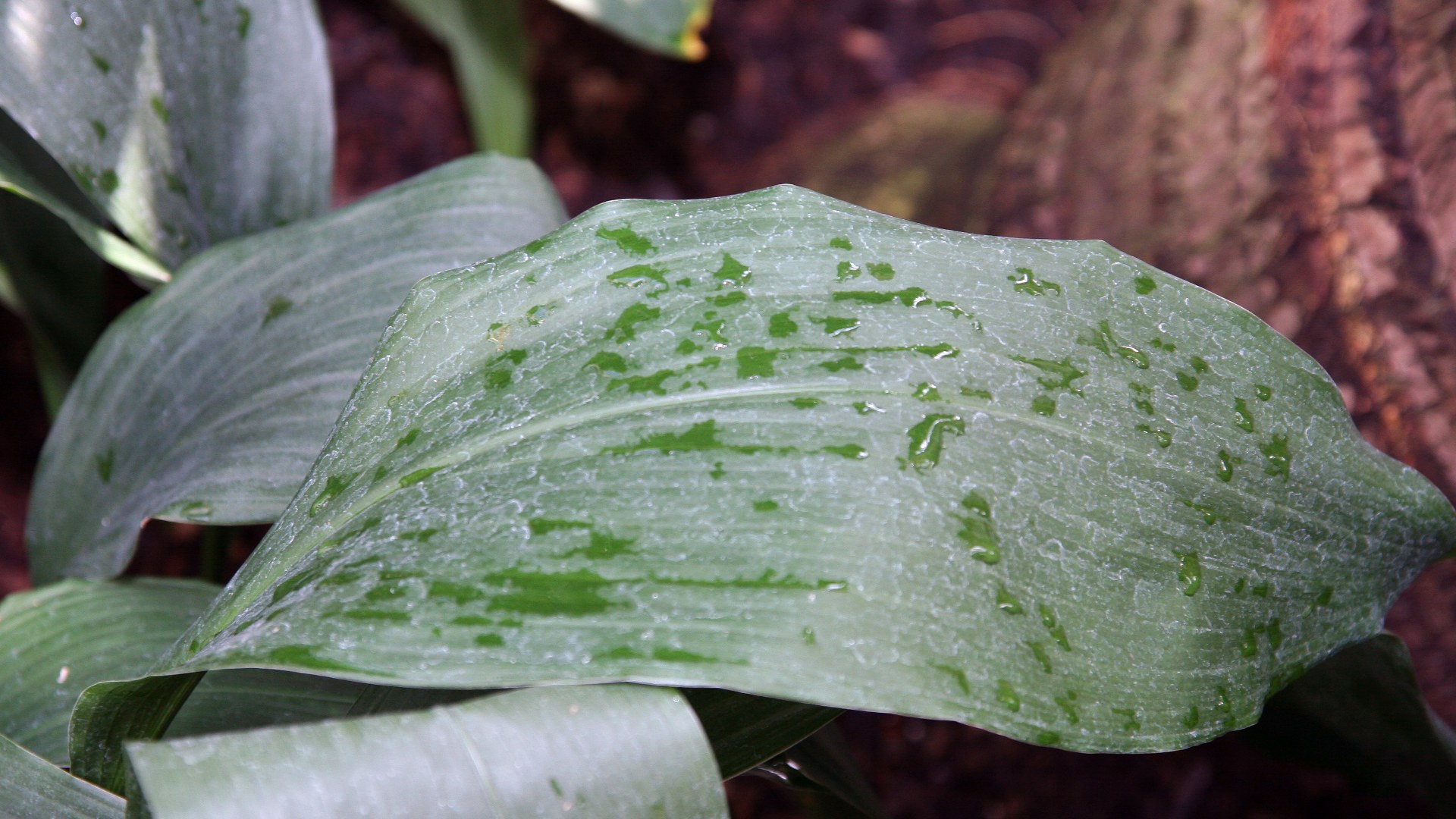
25. Cast Iron Plant (Aspidistra Elatior)
Victorian households popularized the cast iron plant because it withstood dim rooms and gas lamp fumes without browning. Modern testing confirms it reliably filters airborne toxins while asking for minimal light and water.
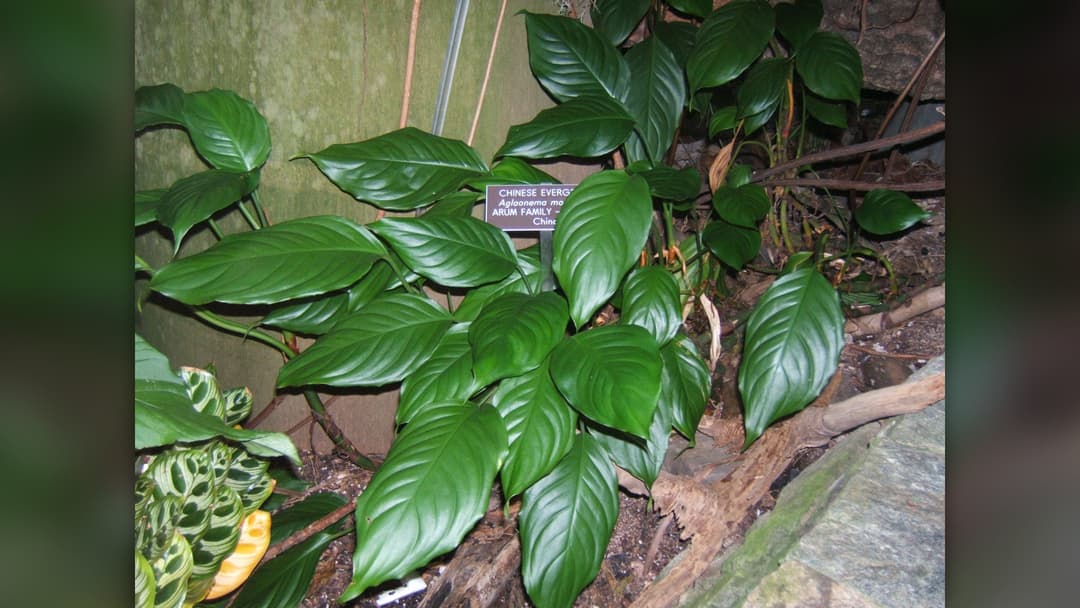
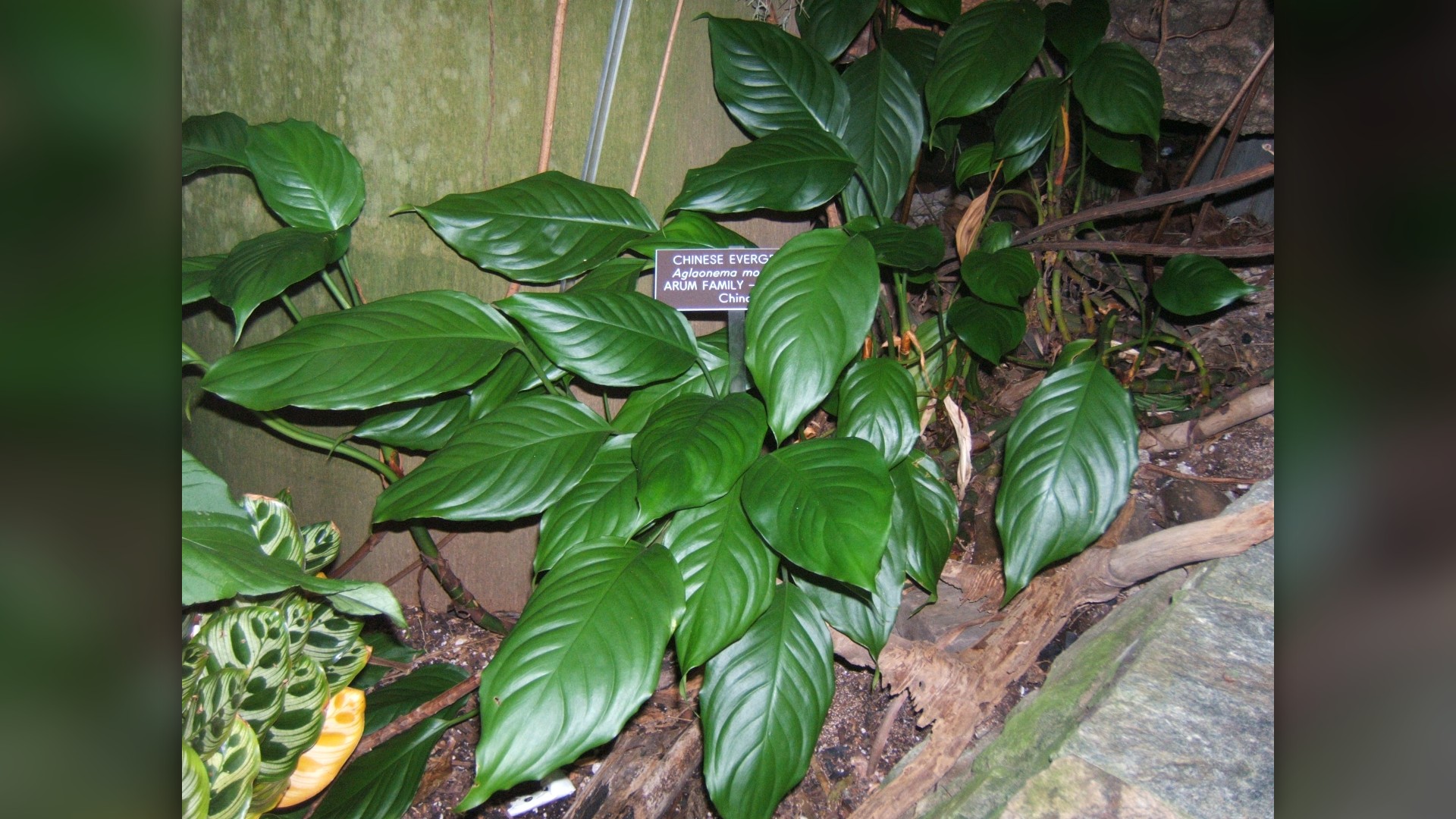
24. Chinese Evergreen (Aglaonema)
With striking variegated leaves, Chinese evergreen brings color into spaces where most plants wither. It thrives under fluorescent office bulbs and purifies chemical residues released by everyday carpeting and plastics.
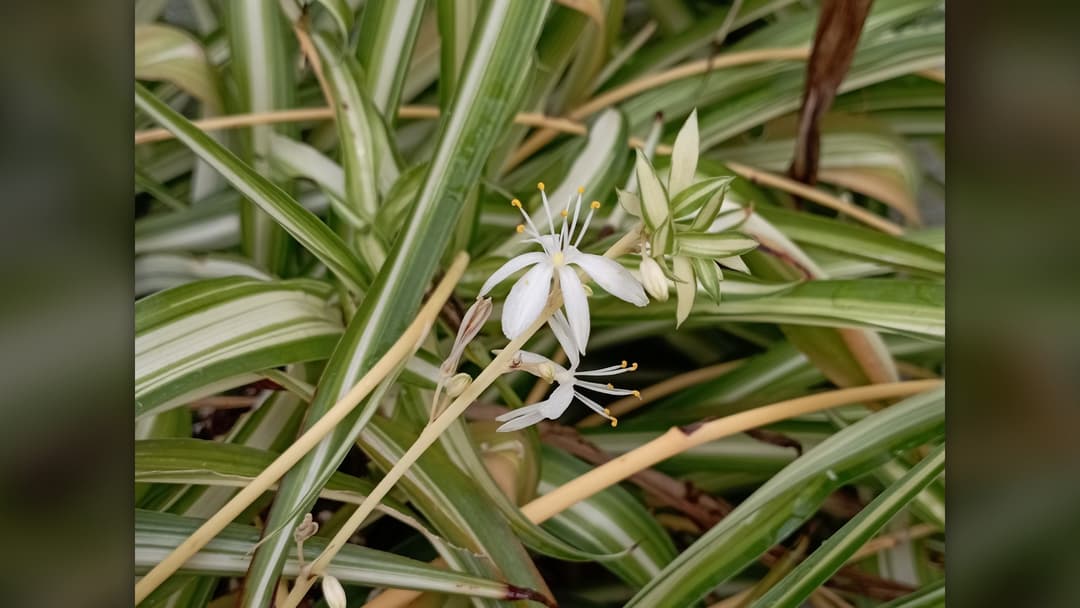
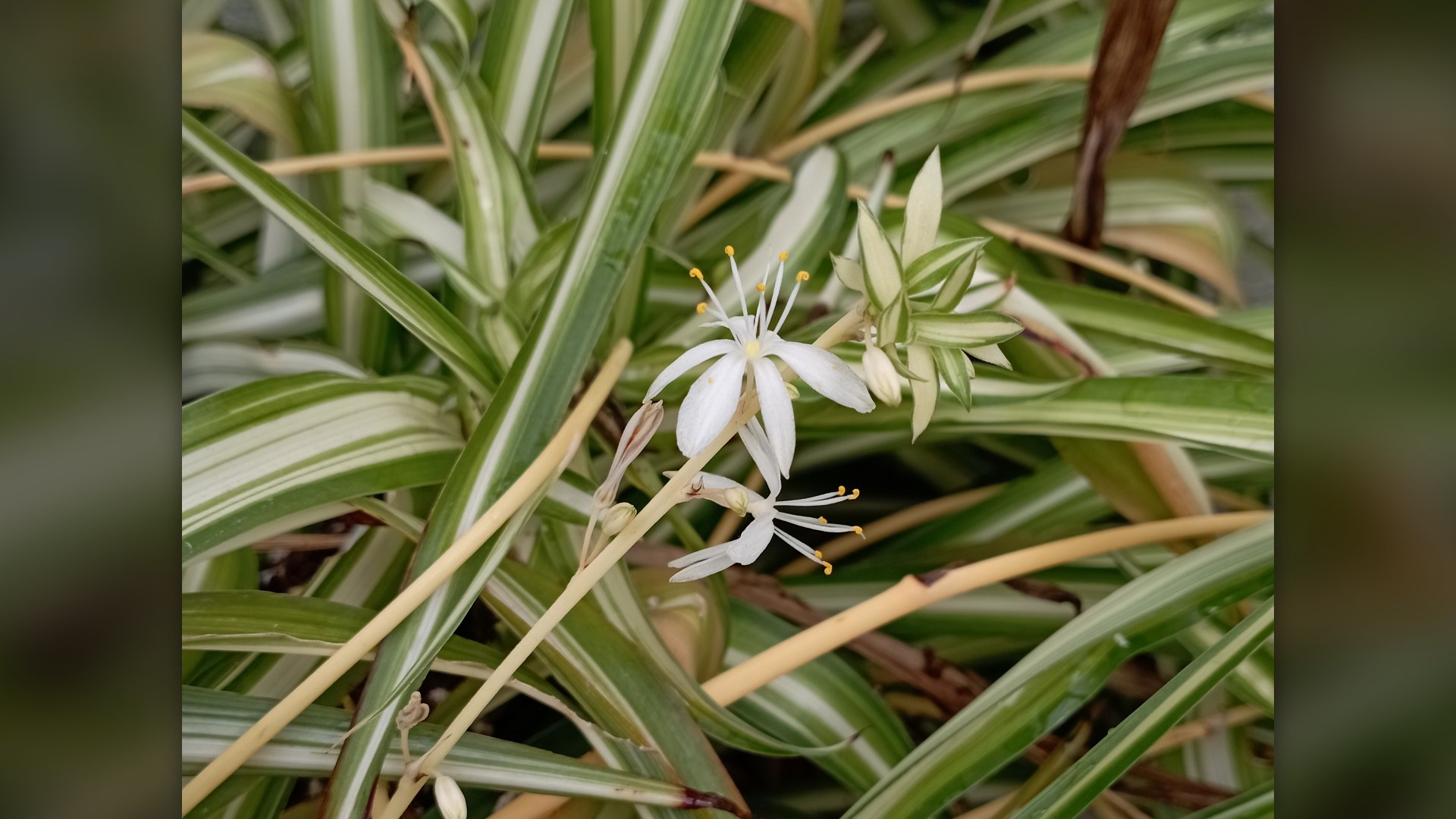
23. Spider Plant (Chlorophytum Comosum)
Spider plants are non-toxic to household pets and extraordinarily forgiving of missed waterings. Within forty-eight hours of placement, a single specimen can dramatically lower levels of carbon monoxide and airborne solvents.
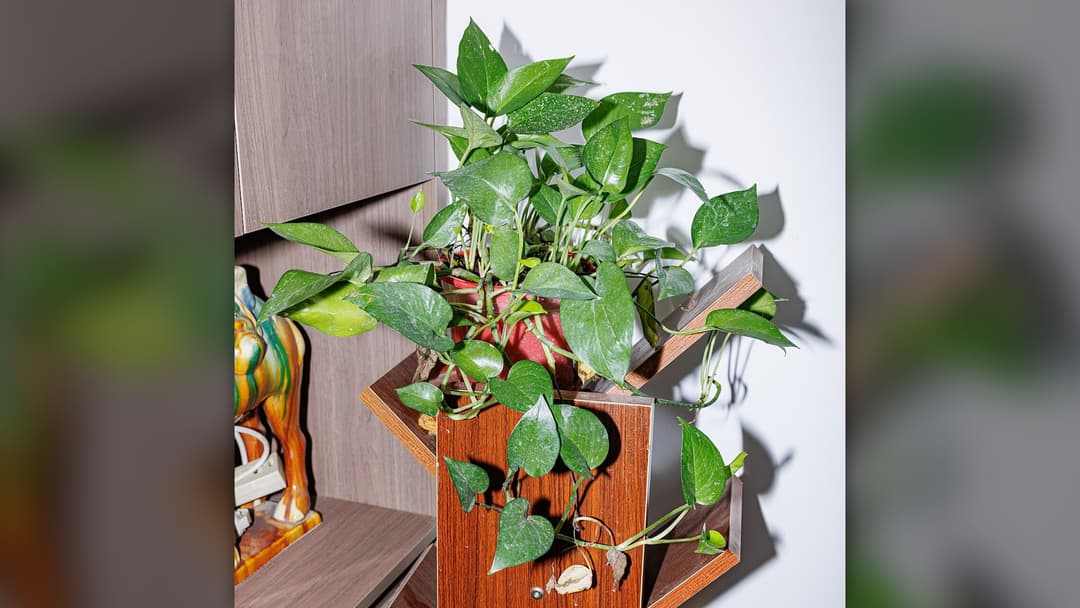
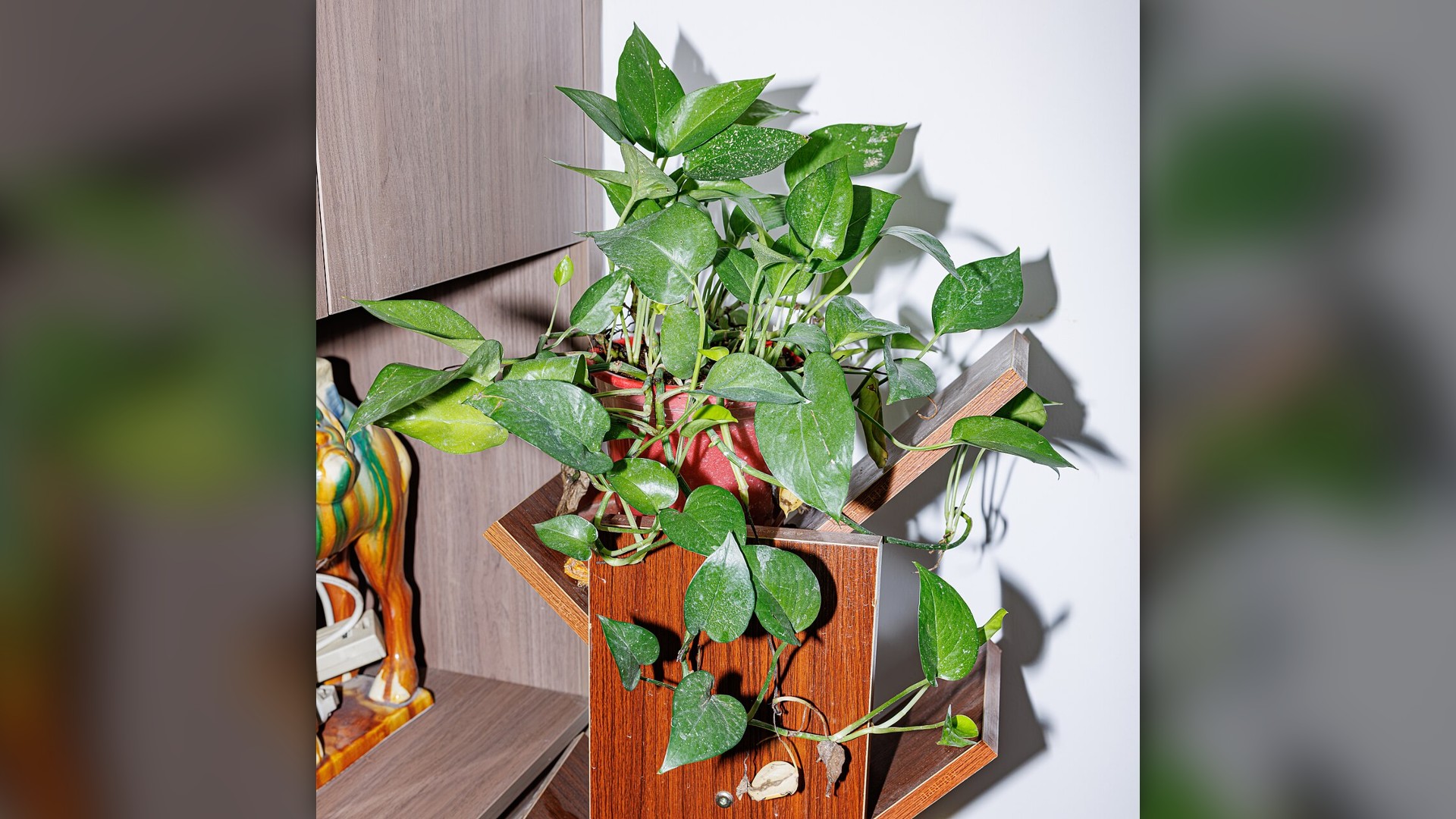
22. Golden Pothos (Epipremnum Aureum)
Golden pothos earned its reputation by surviving in total disregard of regular watering schedules. Its cascading vines actively absorb formaldehyde, xylene, and benzene, making it a staple for home offices and bedrooms.
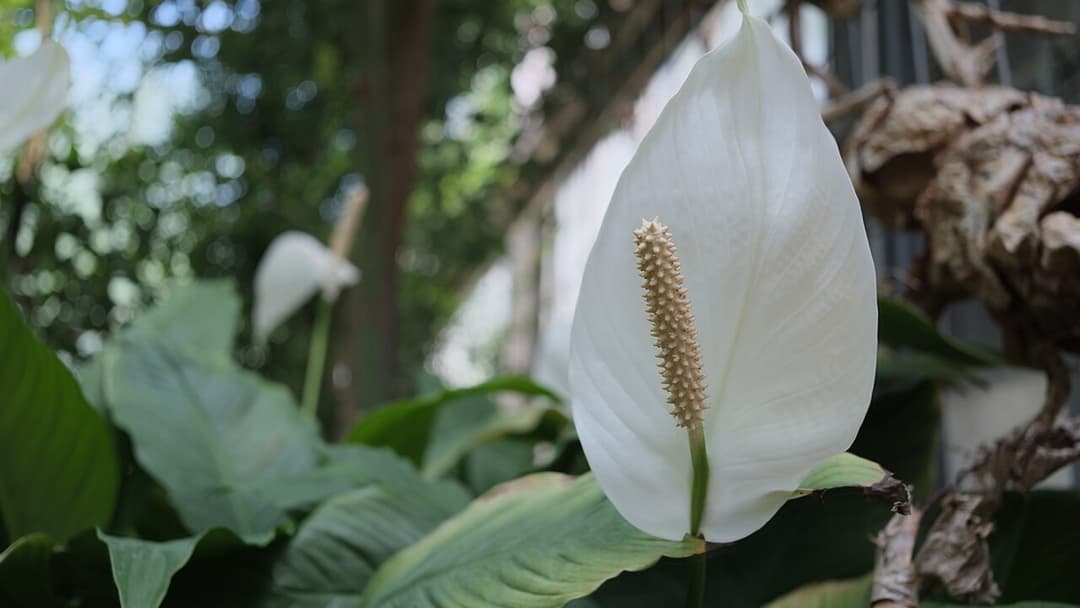
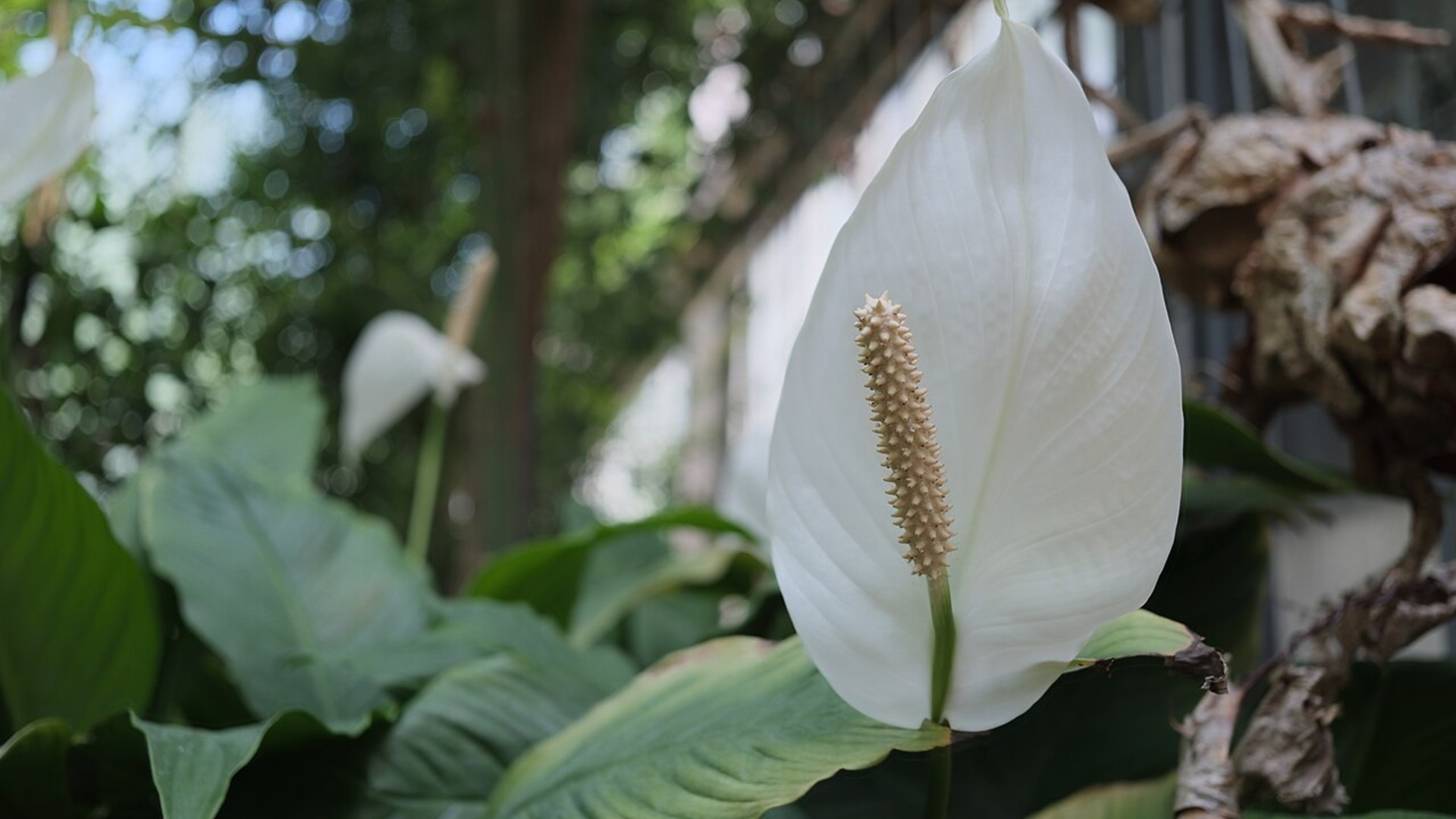
21. Peace Lily (Spathiphyllum)
Peace lilies communicate their hydration needs by gently drooping, springing back upright within an hour of watering. They ranked among the highest-performing species in comprehensive NASA clean air evaluations.
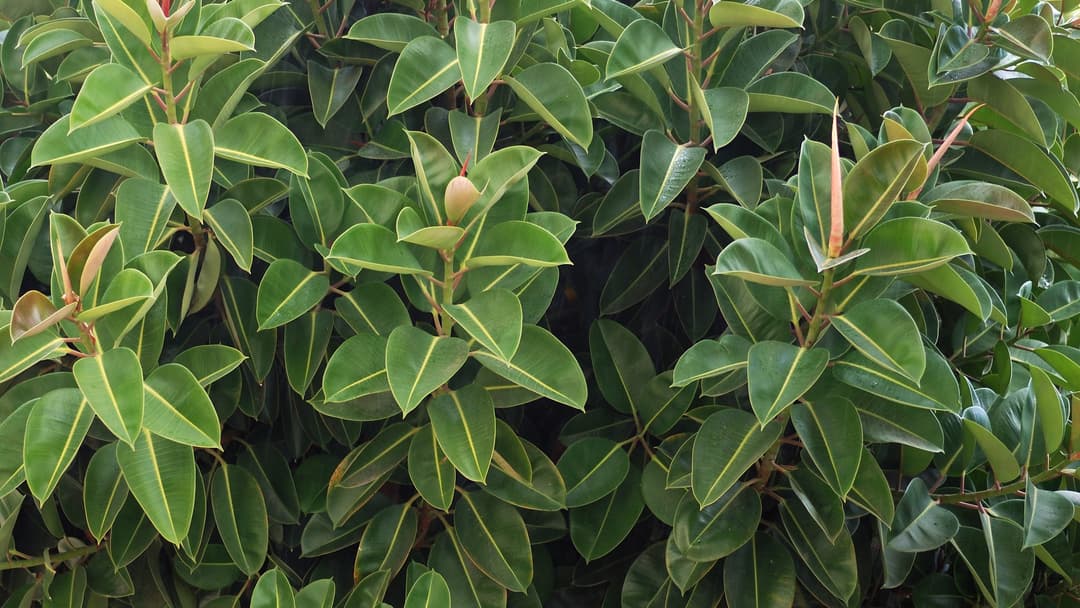
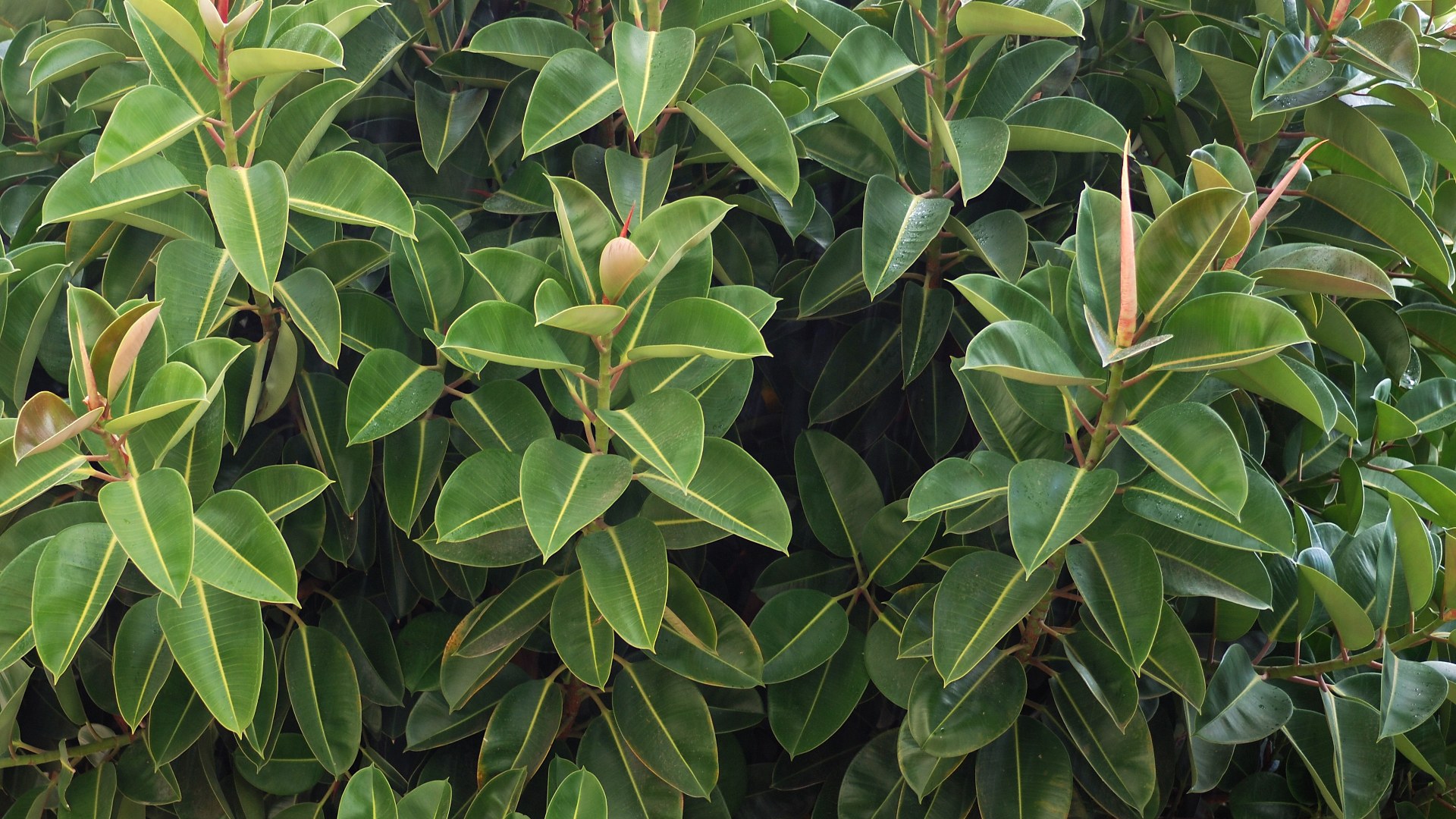
20. Rubber Tree (Ficus Elastica)
With glossy dark leaves, the rubber plant brings structural presence to living rooms. The thick foliage absorbs airborne toxins and efficiently converts carbon dioxide into clean oxygen even during overcast winter weeks.
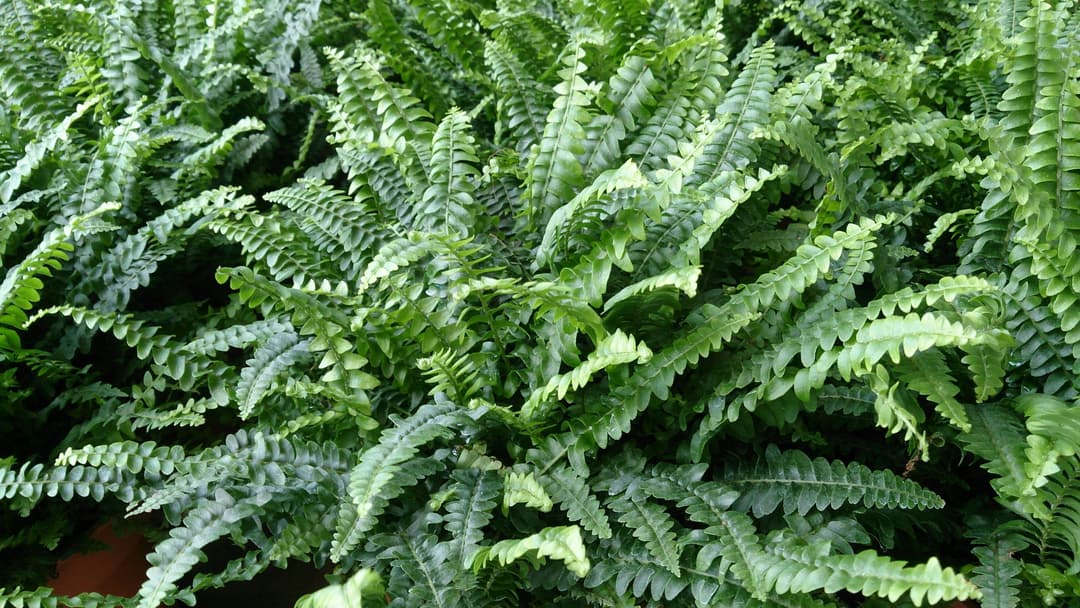
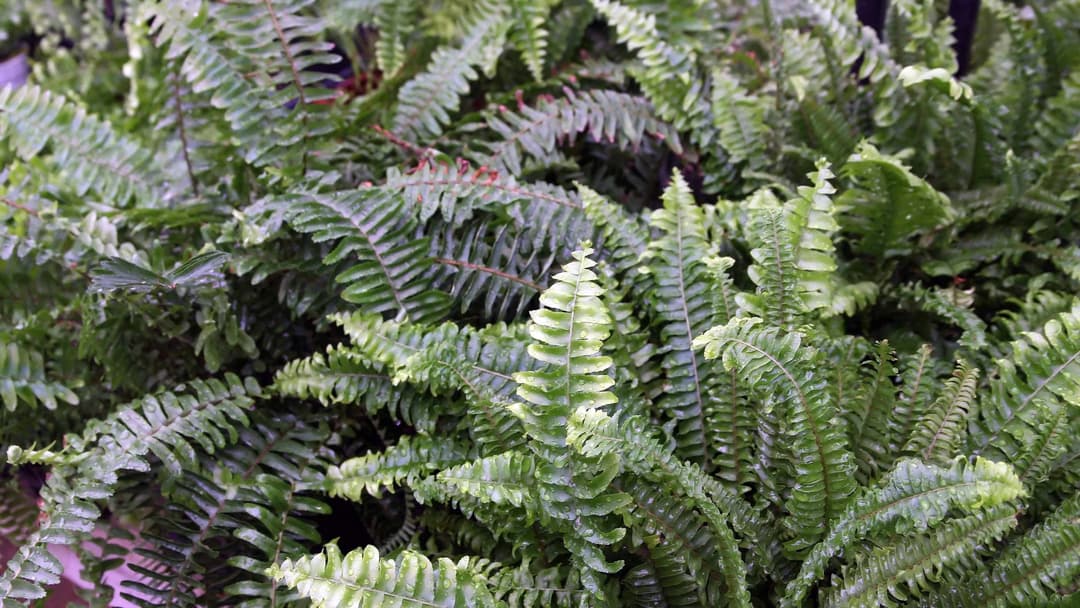
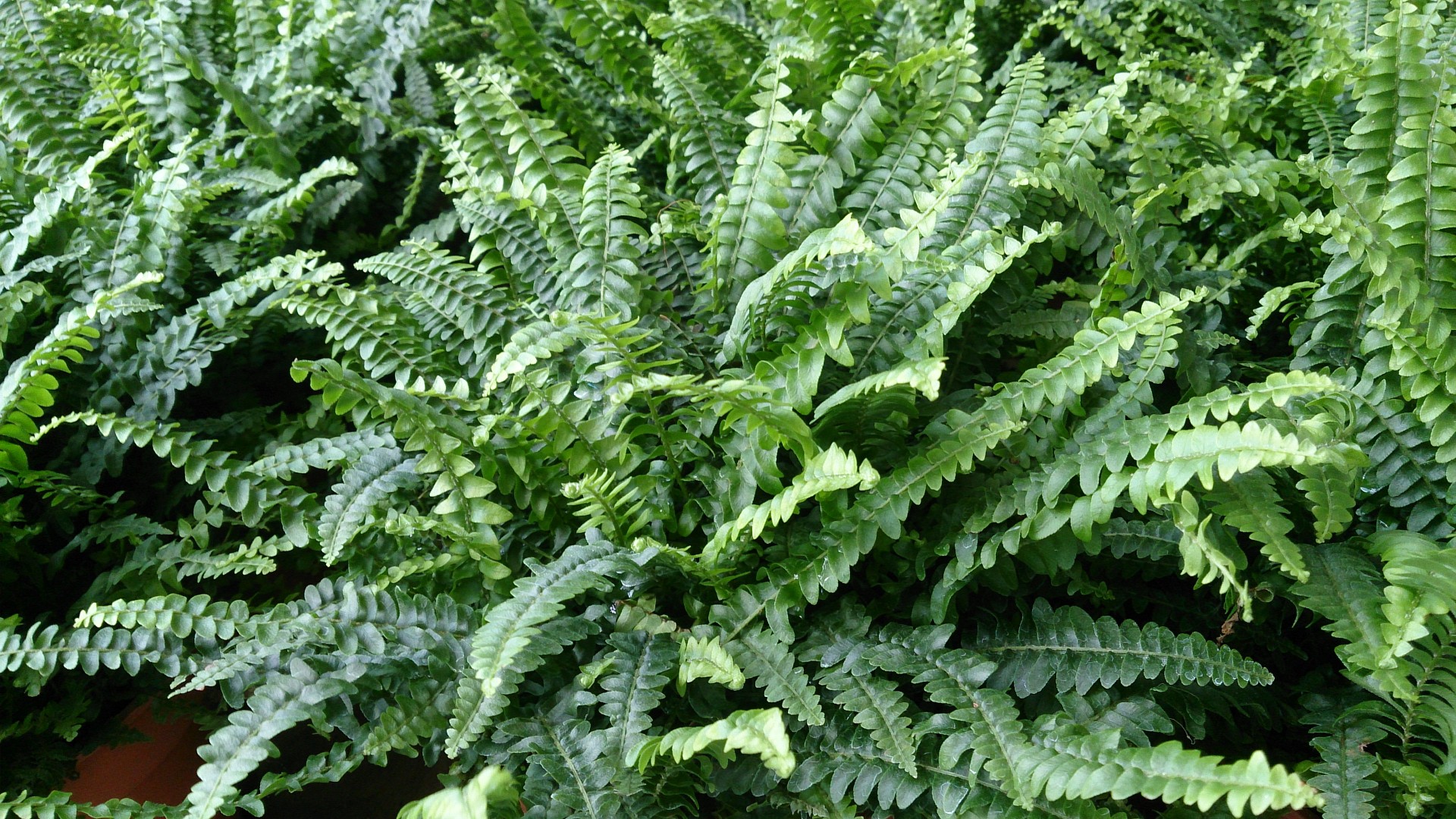
19. Boston Fern (Nephrolepis Exaltata)
Boston ferns excel in bathrooms and kitchens where humidity lingers. Their expansive fronds scrub formaldehyde emitted by synthetic glues and pressed wood products, restoring fresh moisture to indoor air.
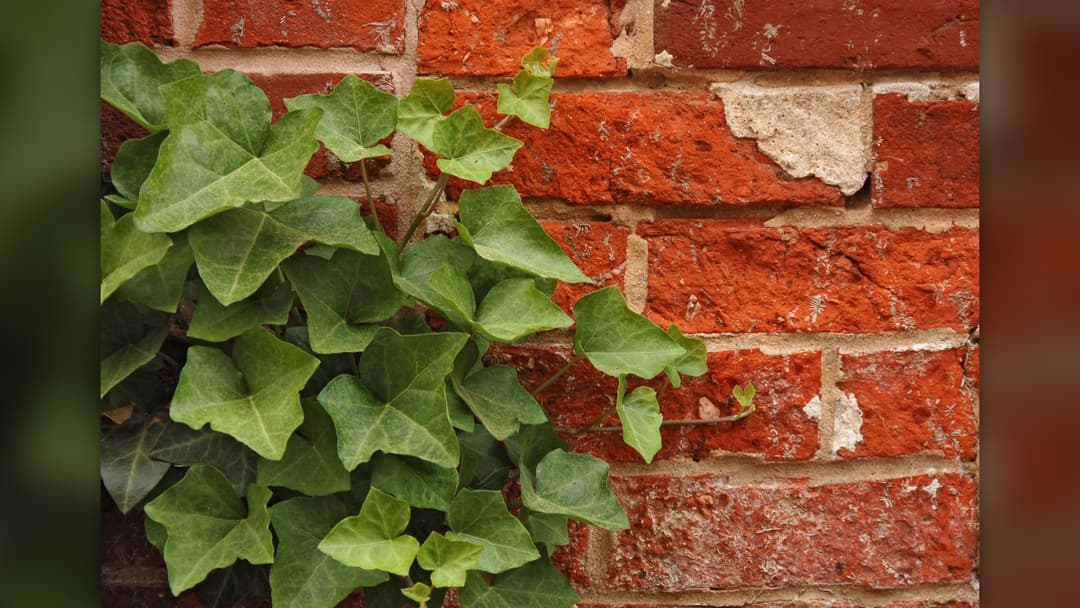
18. English Ivy (Hedera Helix)
Research shows English ivy reduces airborne mold particles and fecal matter particles within hours of introduction. When grown indoors in a hanging pot, its dense canopy purifies recirculated indoor air.
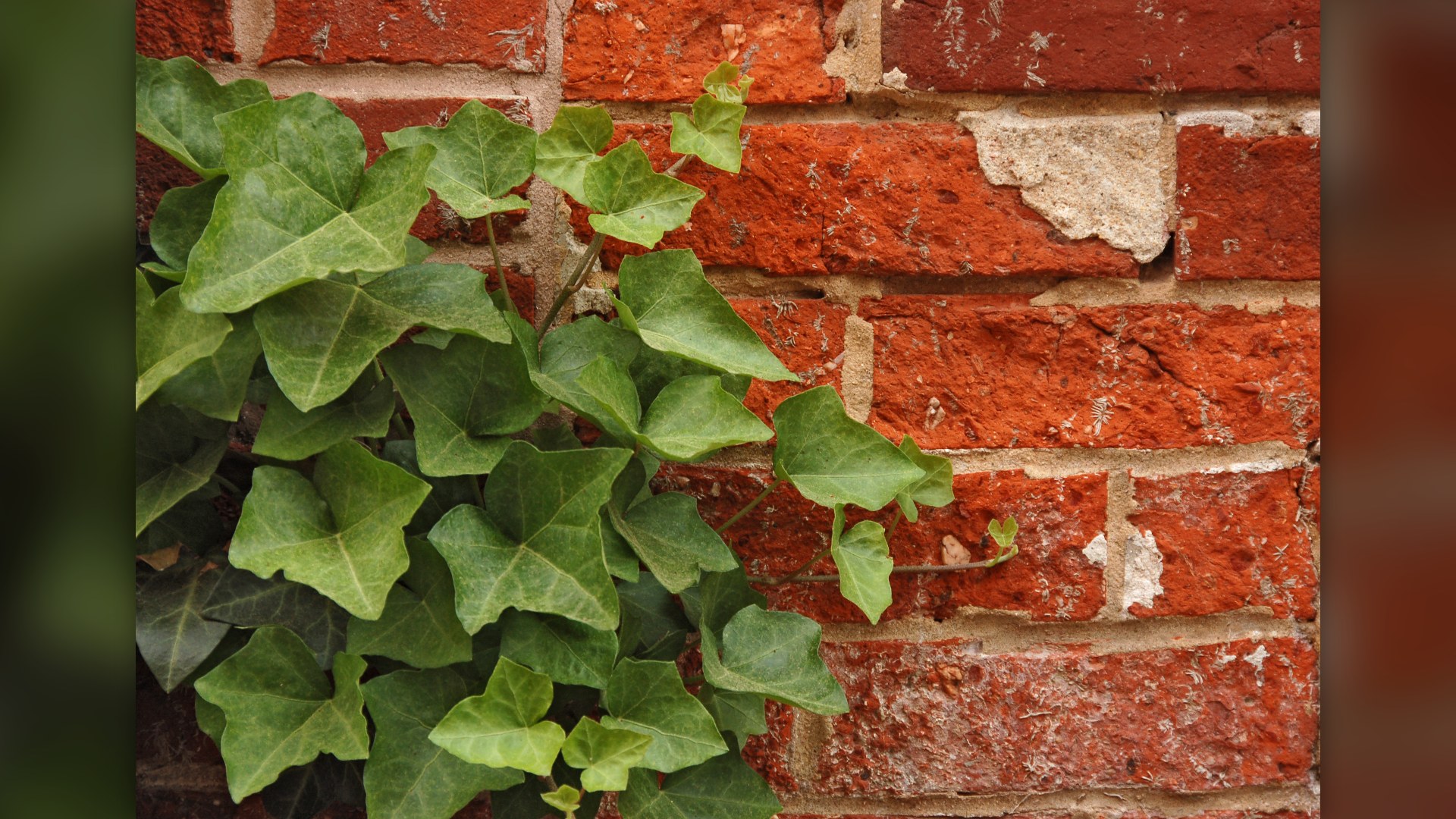
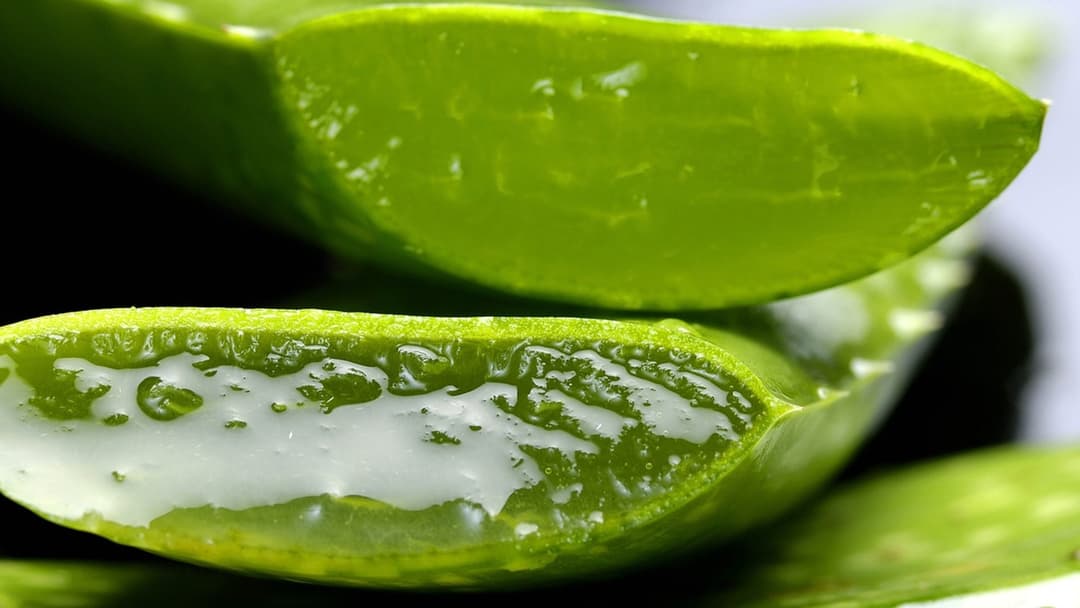
17. Aloe Vera (Aloe Barbadensis)
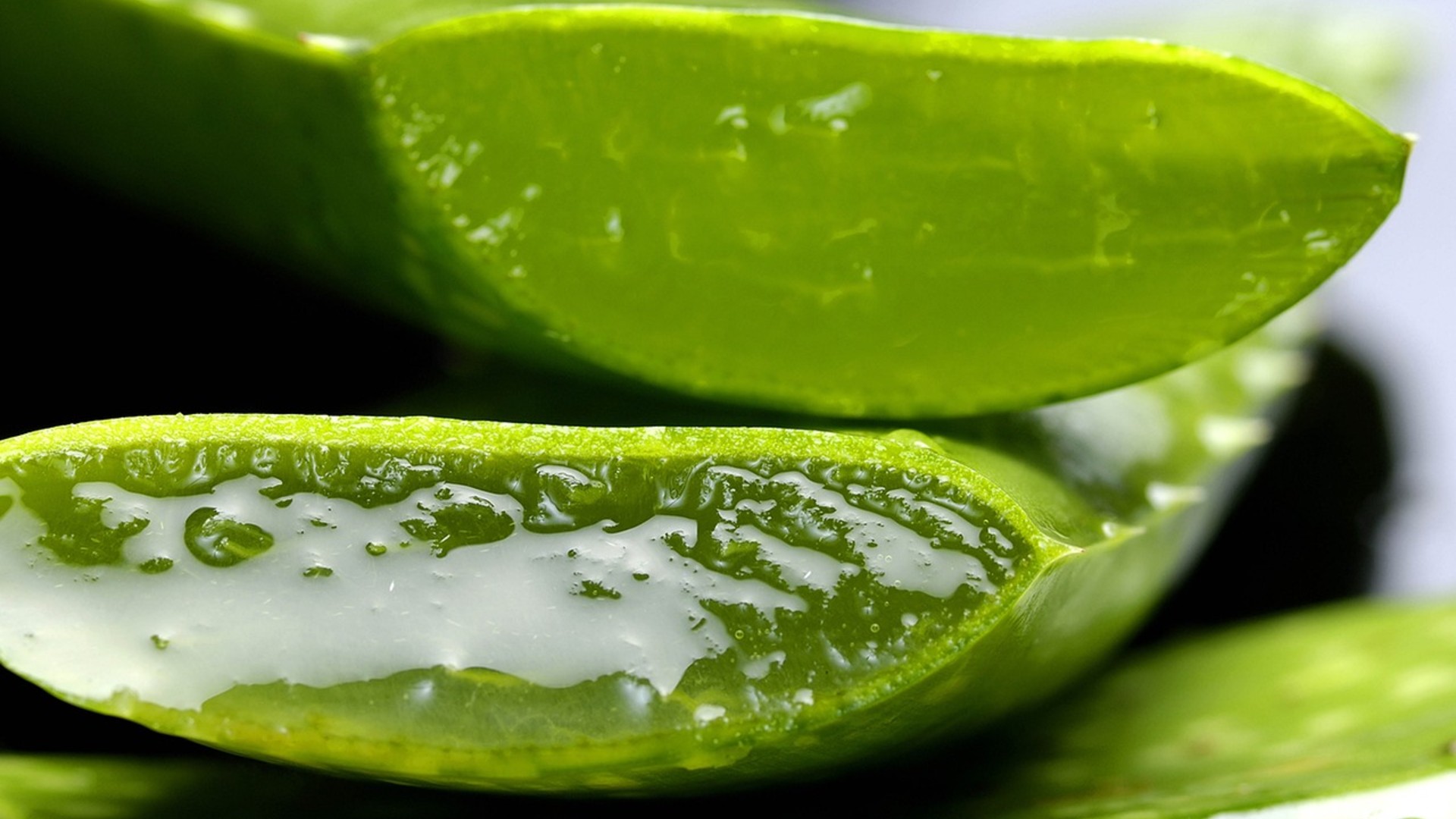
Beyond its soothing topical gel, aloe vera cleans indoor air by absorbing benzene and formaldehyde found in paints and chemical polishes. It develops brown spots on leaf tips when chemical levels spike, signaling air issues.
16. Red-Edged Dracaena (Dracaena Marginata)
Reaching toward ceilings with ribbon foliage bordered in red, this slow-growing dracaena tolerates dry soil and inconsistent watering while steadily removing chemical emissions from household paints and lacquers.

15. Areca Palm (Dypsis Lutescens)
Also known as the butterfly palm, this Madagascar native functions as a biological humidifier. A mature plant releases up to one liter of water vapor daily, cleansing indoor air of common synthetic chemicals.

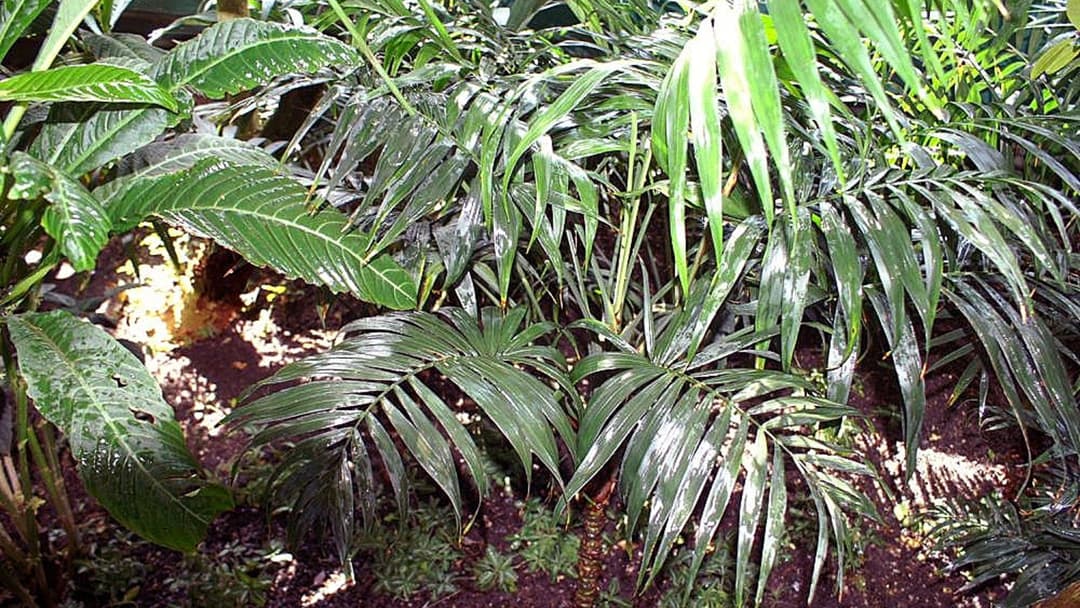
14. Parlor Palm (Chamaedorea Elegans)
Parlor palms earned their name by thriving in dark Victorian parlors where sunlight rarely penetrated. They remain top indoor plants for apartments, requiring minimal watering while removing lingering air pollutants.
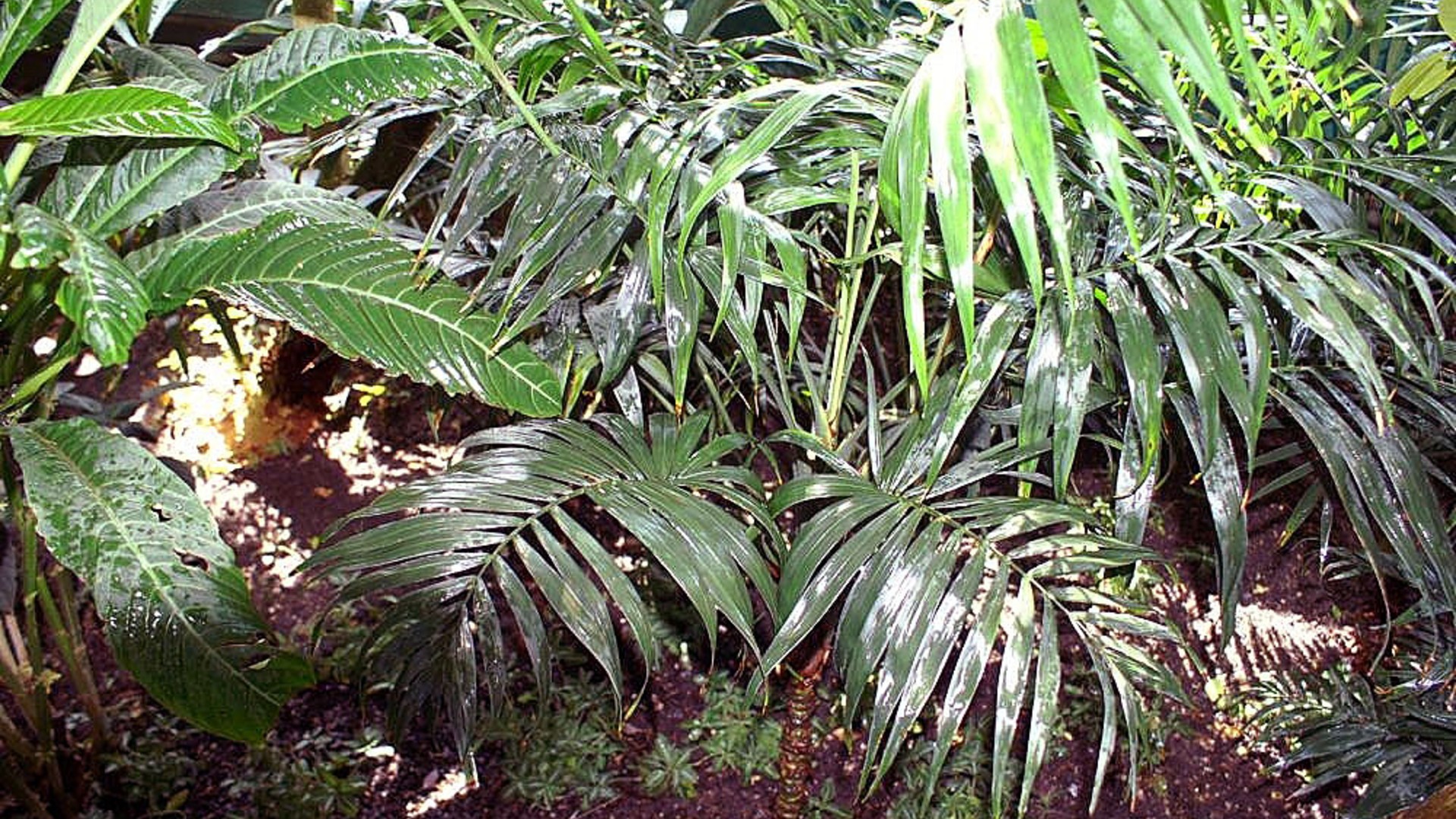
13. Corn Plant (Dracaena Fragrans)
The corn plant resembles a miniature palm tree with broad striped leaves. It thrives on minimal light and removes trichloroethylene, a solvent commonly found in dry-cleaned fabrics and industrial printing inks.
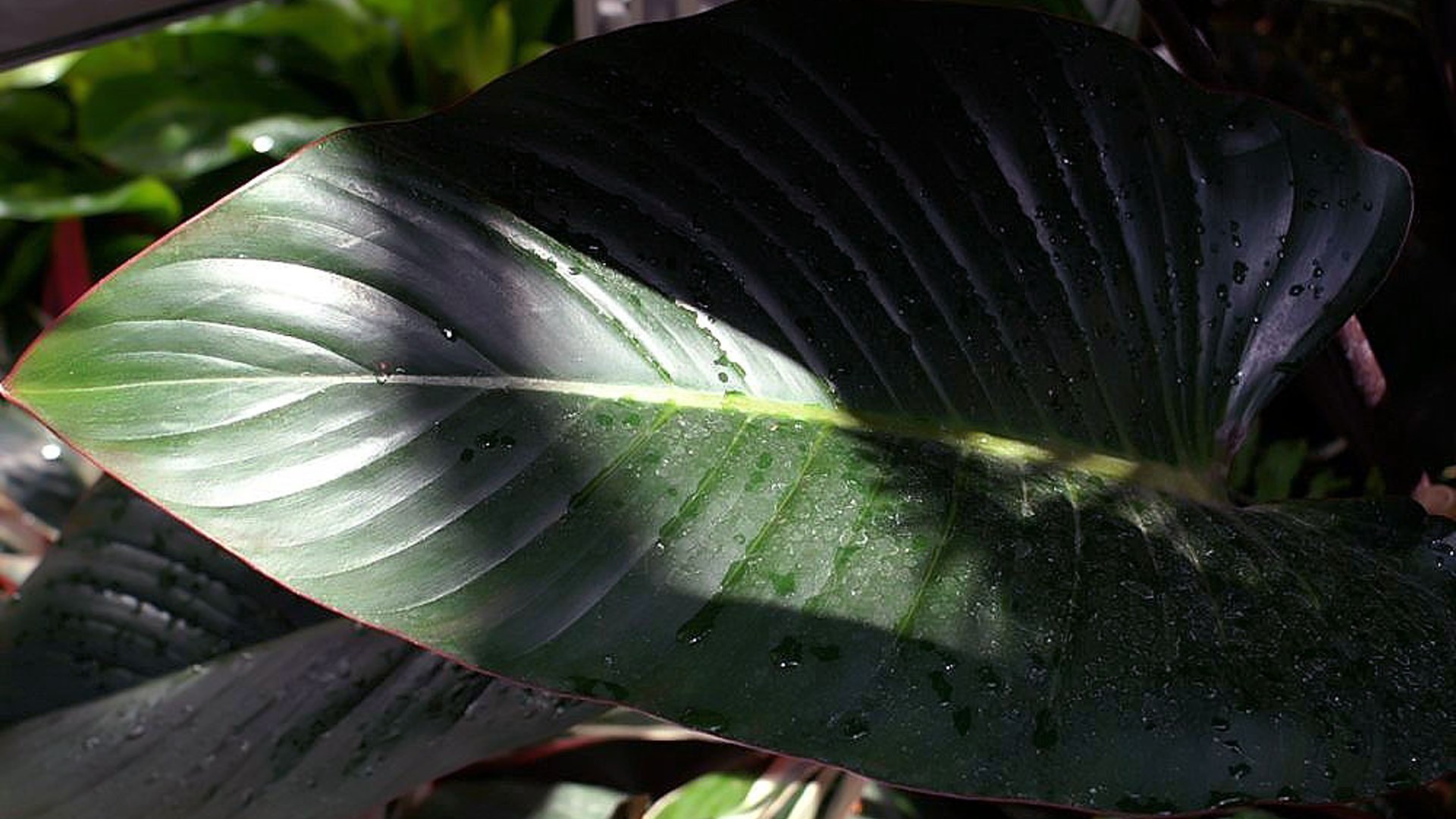
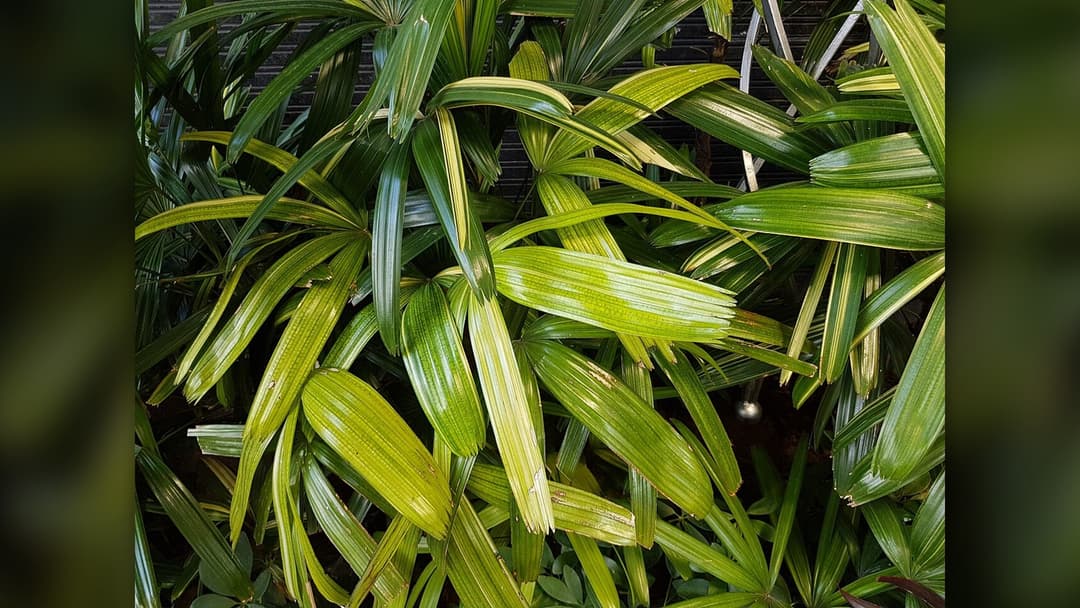
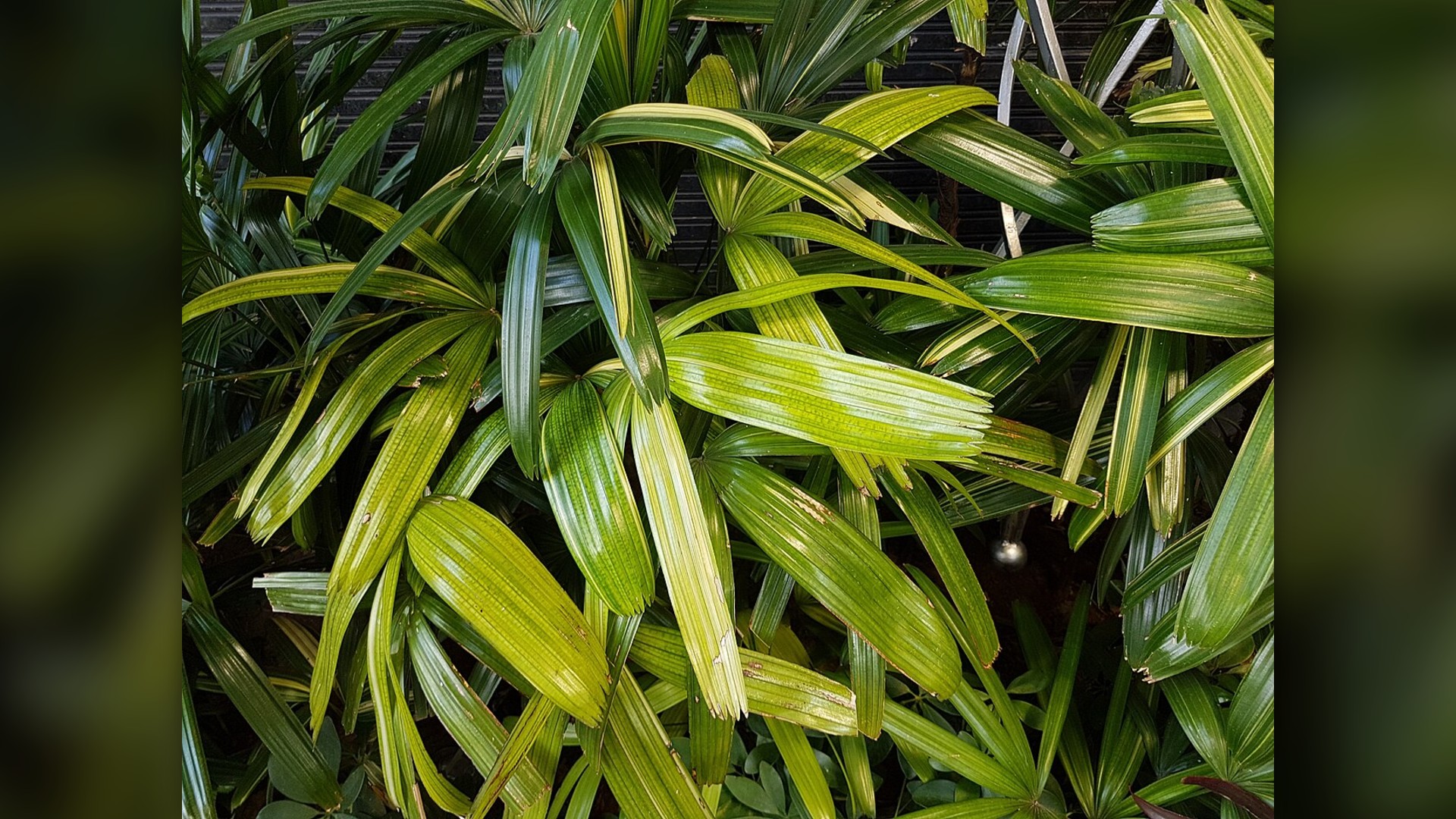
12. Broadleaf Lady Palm (Rhapis Excelsa)
The broadleaf lady palm features fan-shaped leaves that resist pests and disease. Because it targets airborne ammonia from cleaning solutions and dyes, placing one near utility rooms significantly improves room air.
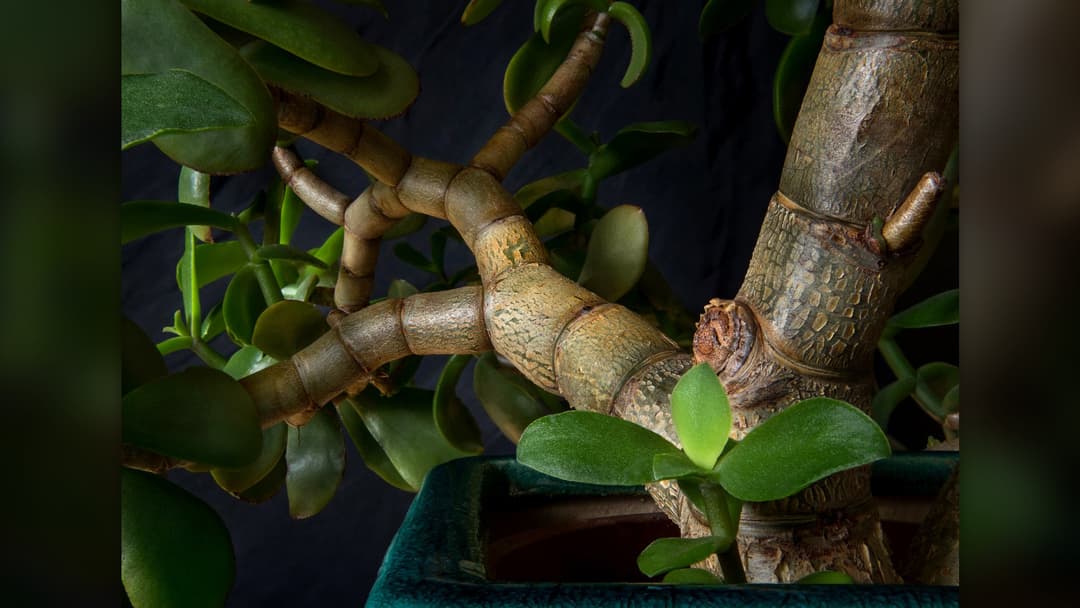
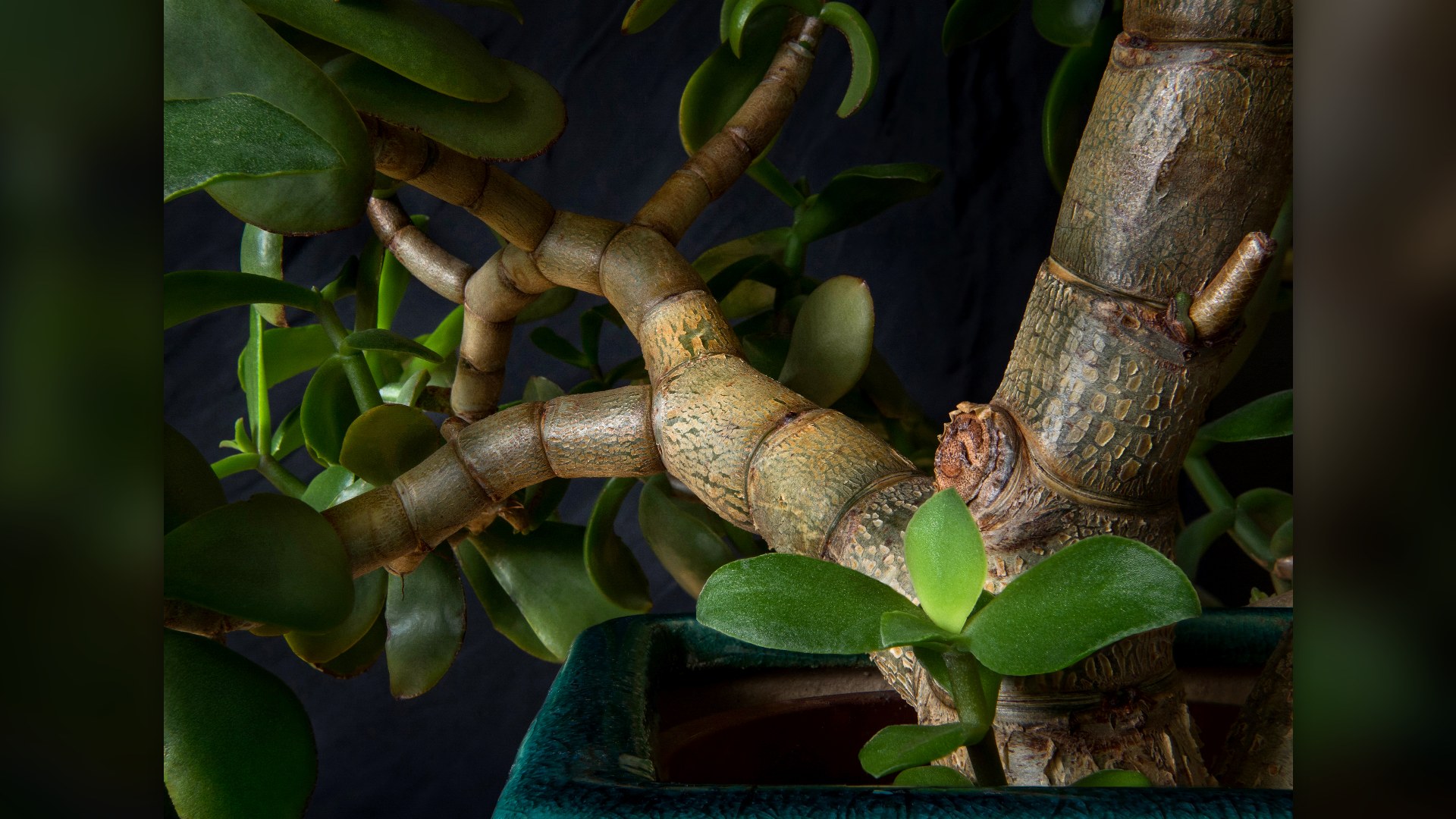
11. Jade Plant (Crassula Ovata)
Jade plants store moisture in plump oval leaves, making them impervious to forgetful watering habits. They survive in sunny windowsills for decades, filtering indoor airborne pollutants and cycling nighttime carbon.
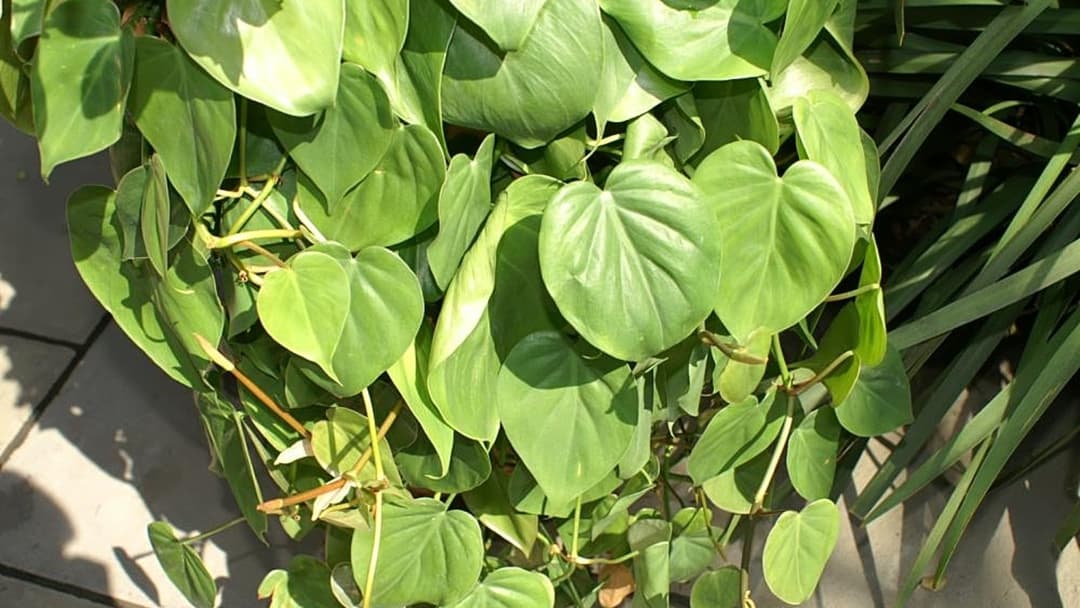
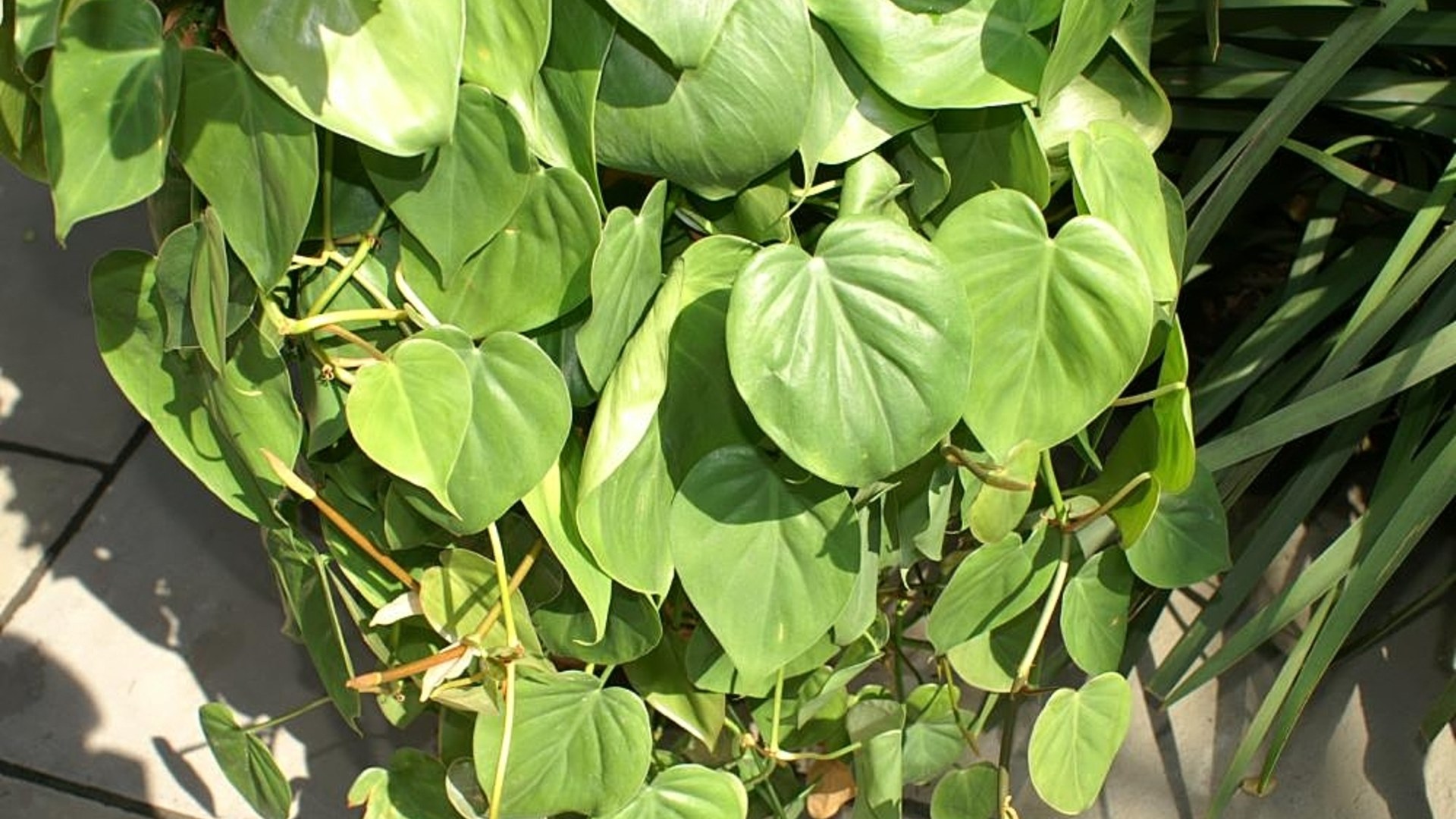
10. Heartleaf Philodendron (Philodendron Hederaceum)
Heartleaf philodendrons grow quickly along shelves and mantels even under standard office illumination. Their leafy vines absorb gaseous formaldehyde released by particleboard, foam insulation, and paper products.
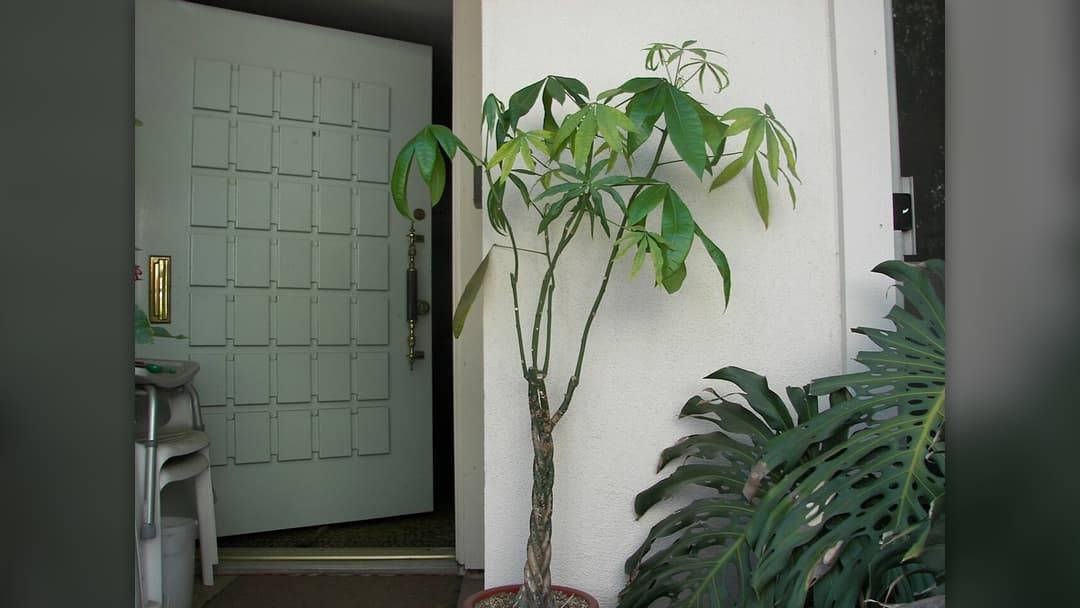
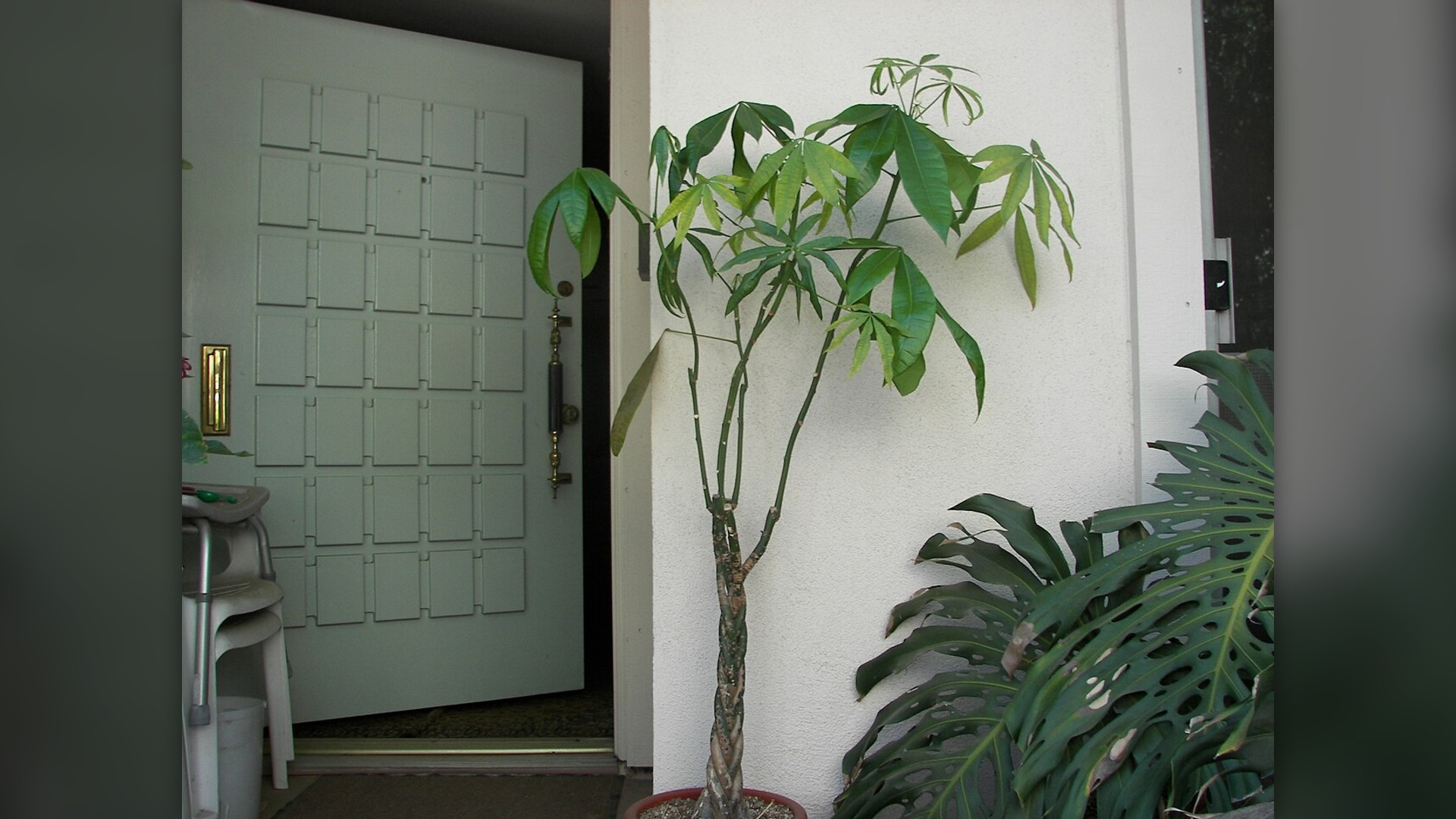
9. Money Tree (Pachira Aquatica)
Famous for braided trunks and palm-like leaf clusters, the money tree thrives in humid rooms with indirect sunlight. It filters volatile organic chemicals, providing fresh air and lush green accents across bedrooms.
8. Kimberly Queen Fern (Nephrolepis Obliterata)
Unlike traditional ferns that drop fronds when indoor heating kicks on, the Kimberly queen fern retains compact upright foliage. It captures airborne pollutants and cleanses rooms that suffer from dry central heating.
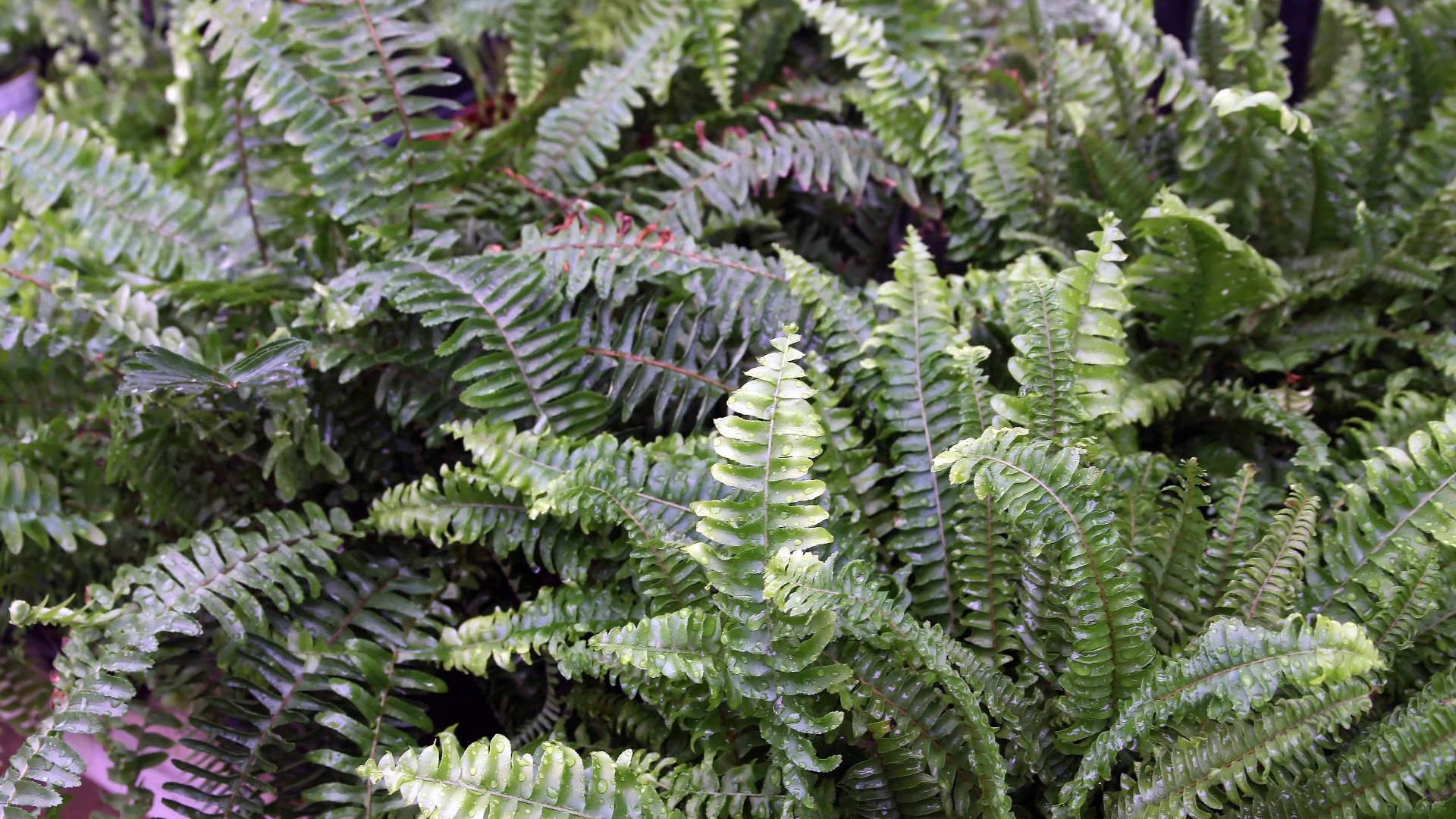
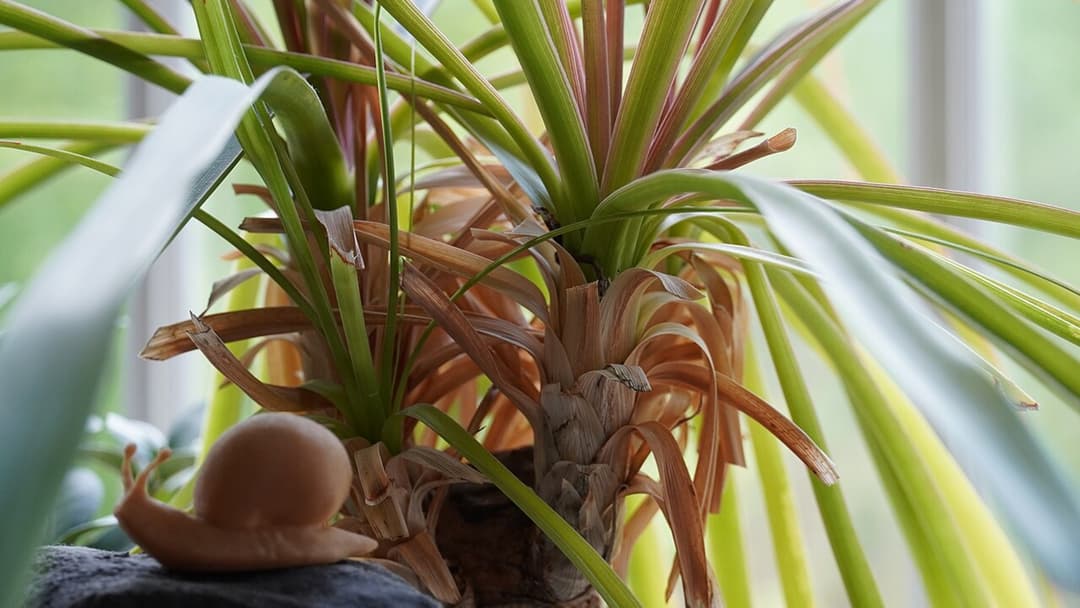
7. Ponytail Palm (Beaucarnea Recurvata)
Despite its common name, the ponytail palm is actually a desert succulent related to agaves. Its swollen base stores moisture for extended dry periods, filtering circulating indoor air with practically zero upkeep.
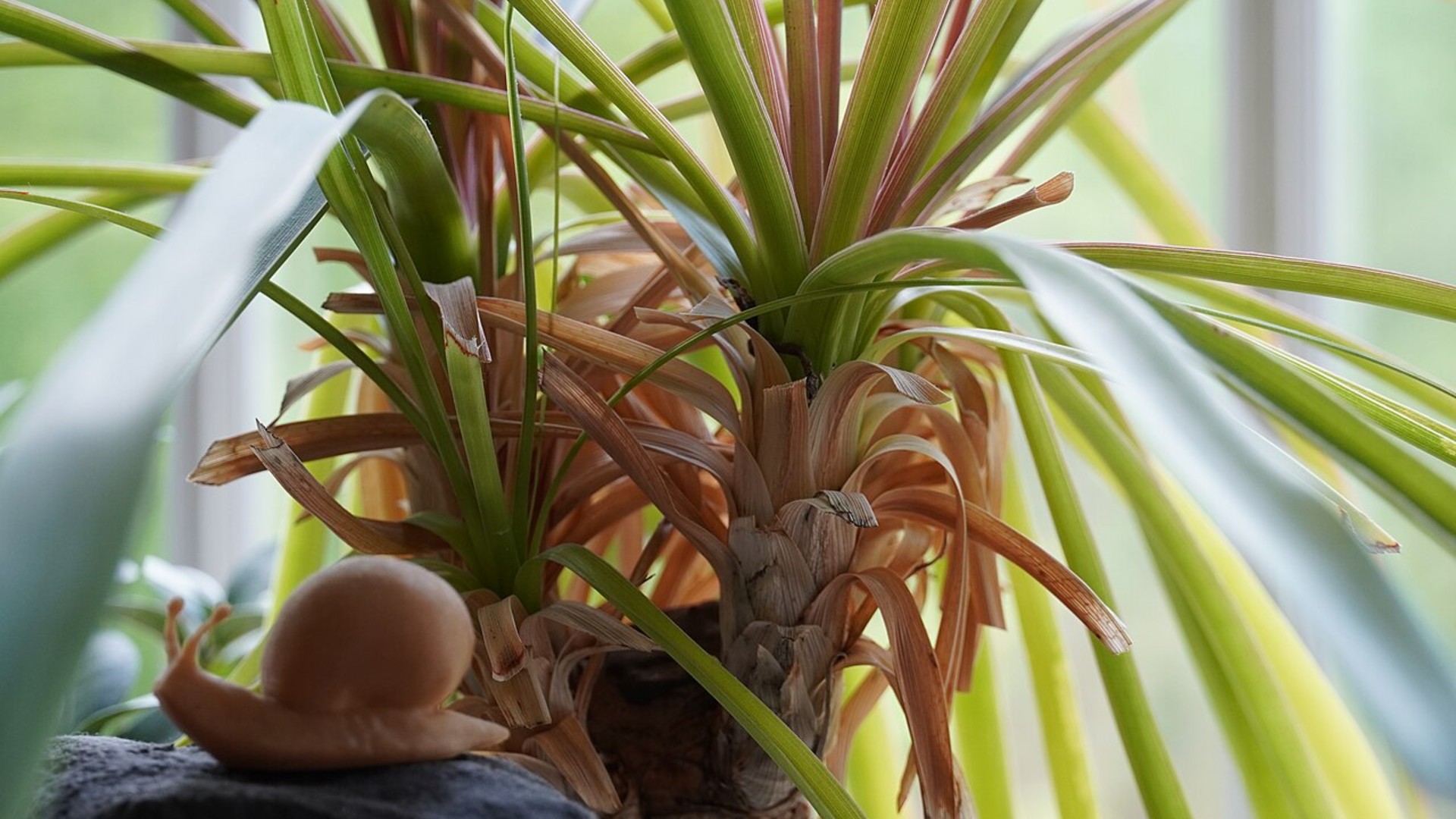
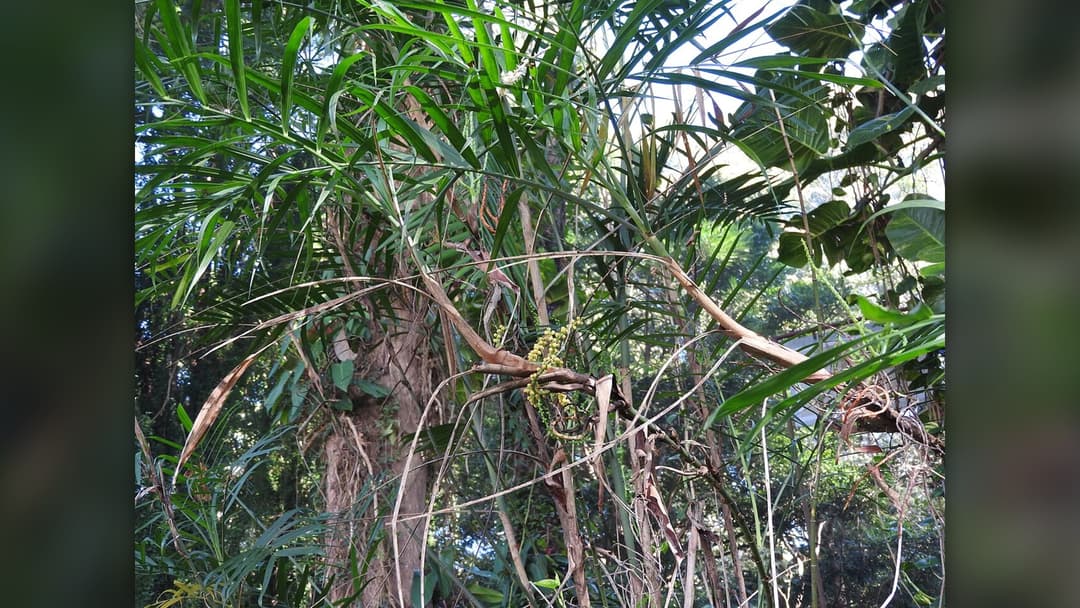
6. Bamboo Palm (Chamaedorea Seifrizii)
Bamboo palms produce clusters of slender reed-like stems topped with delicate fronds. They excel in shaded living spaces and earned top scores in scientific tests for filtering out harsh industrial solvents and varnishes.
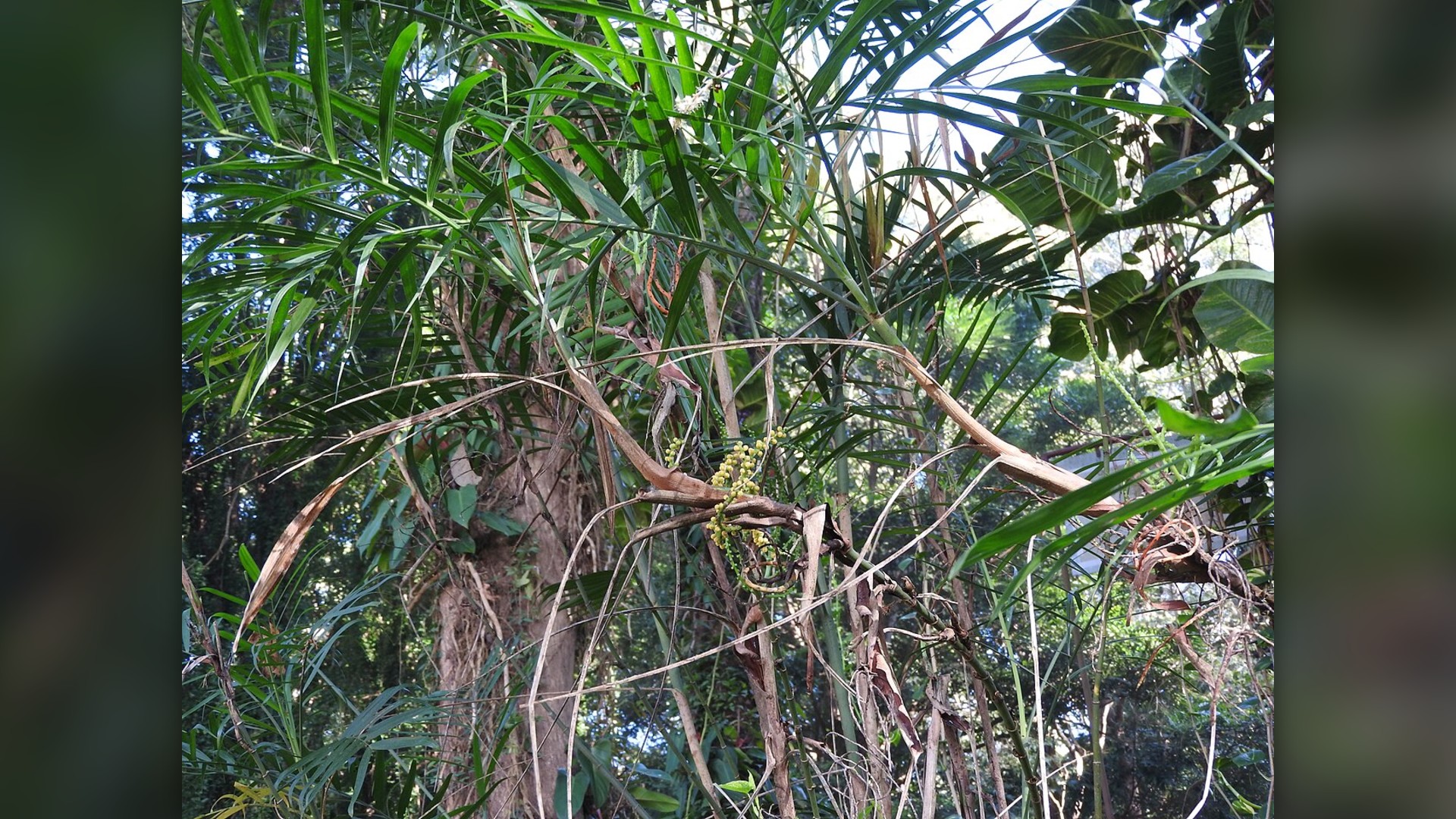
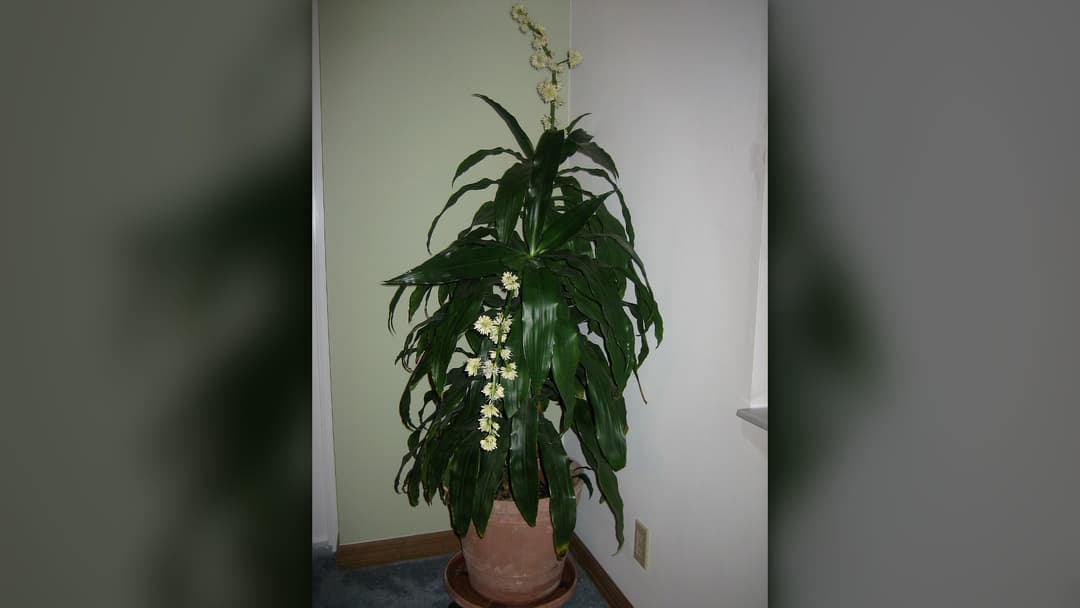
5. Janet Craig Dracaena (Dracaena Deremensis)
Named after the daughter of a nurseryman, the Janet Craig dracaena handles neglect, low humidity, and low light better than almost any other leafy houseplant while targeting airborne xylene, toluene, and benzene.
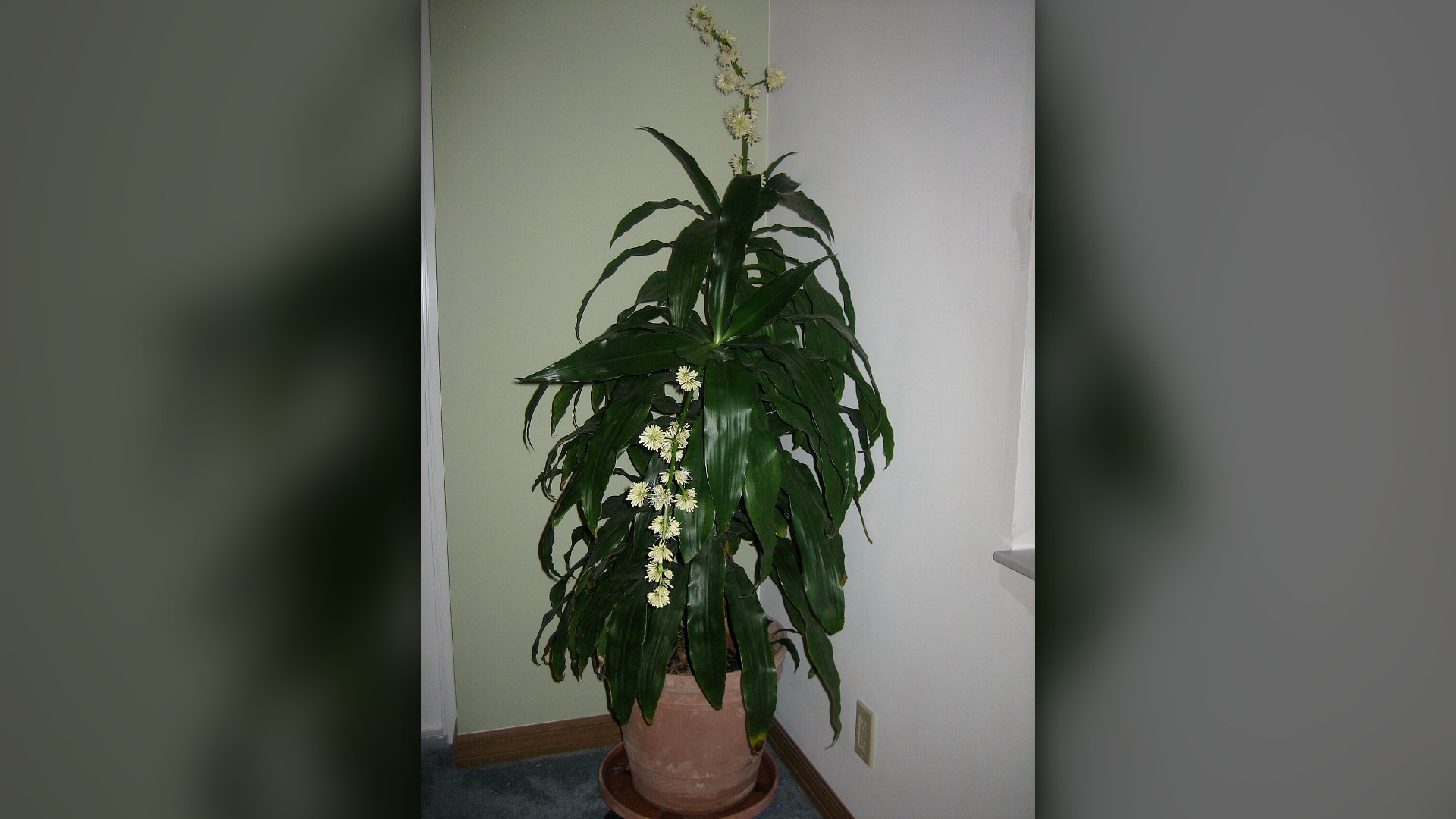
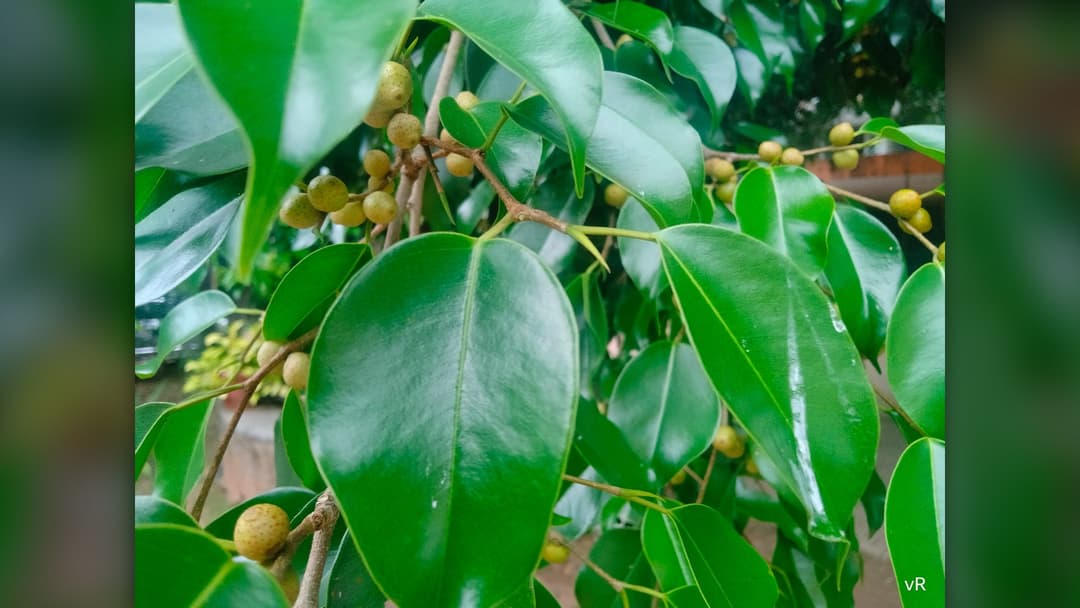
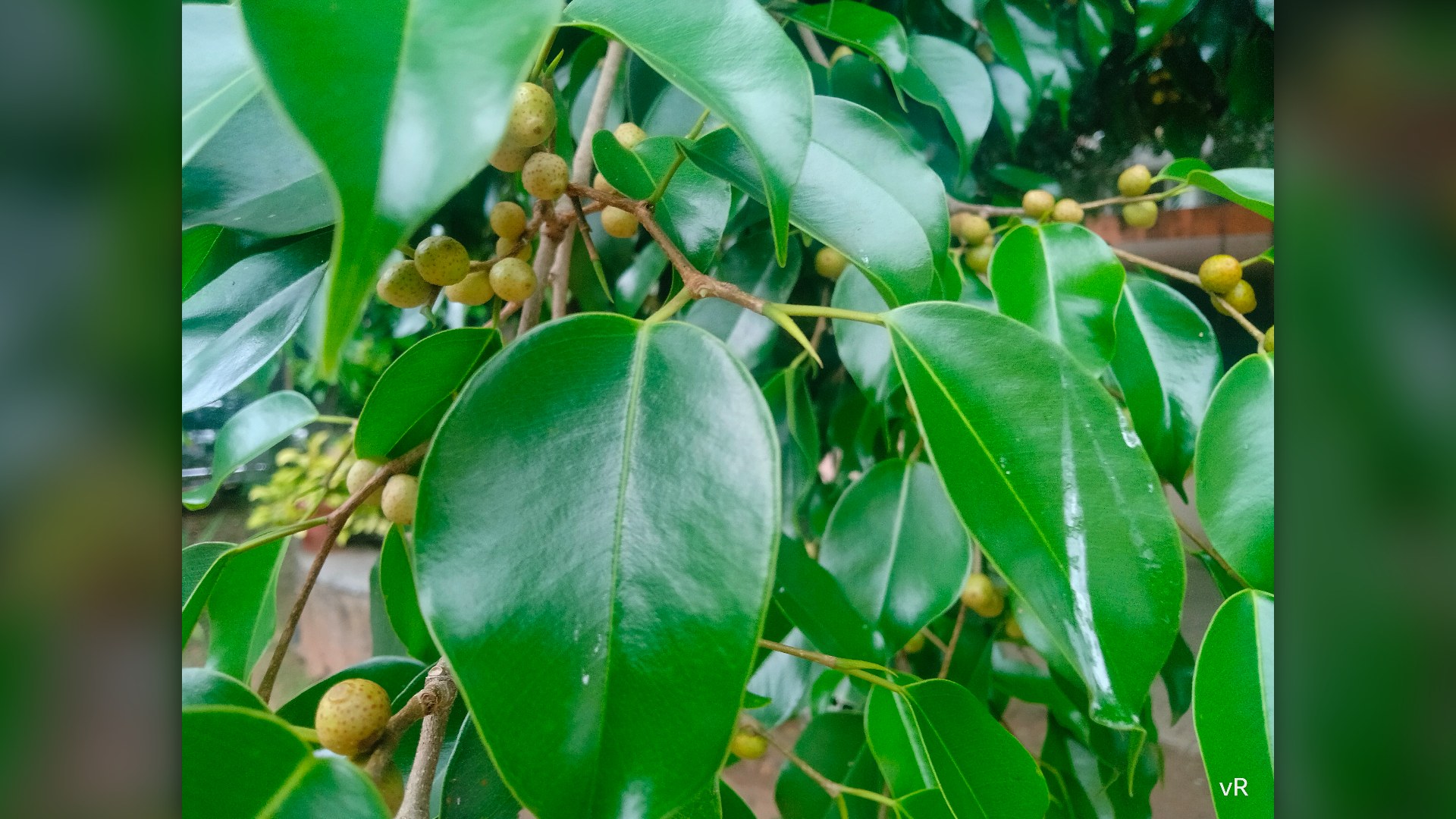
4. Weeping Fig (Ficus Benjamina)
Weeping figs feature dense glossy canopies that add architectural elegance to entryways. When settled in bright indirect light, they clear airborne chemicals released by furniture adhesives, plastics, and wall paint.
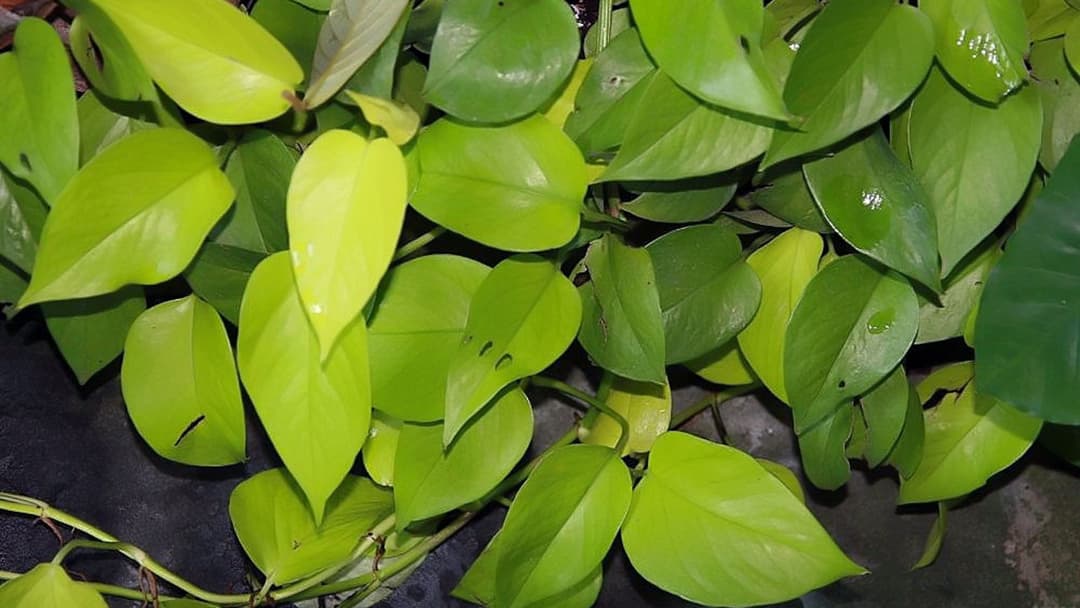
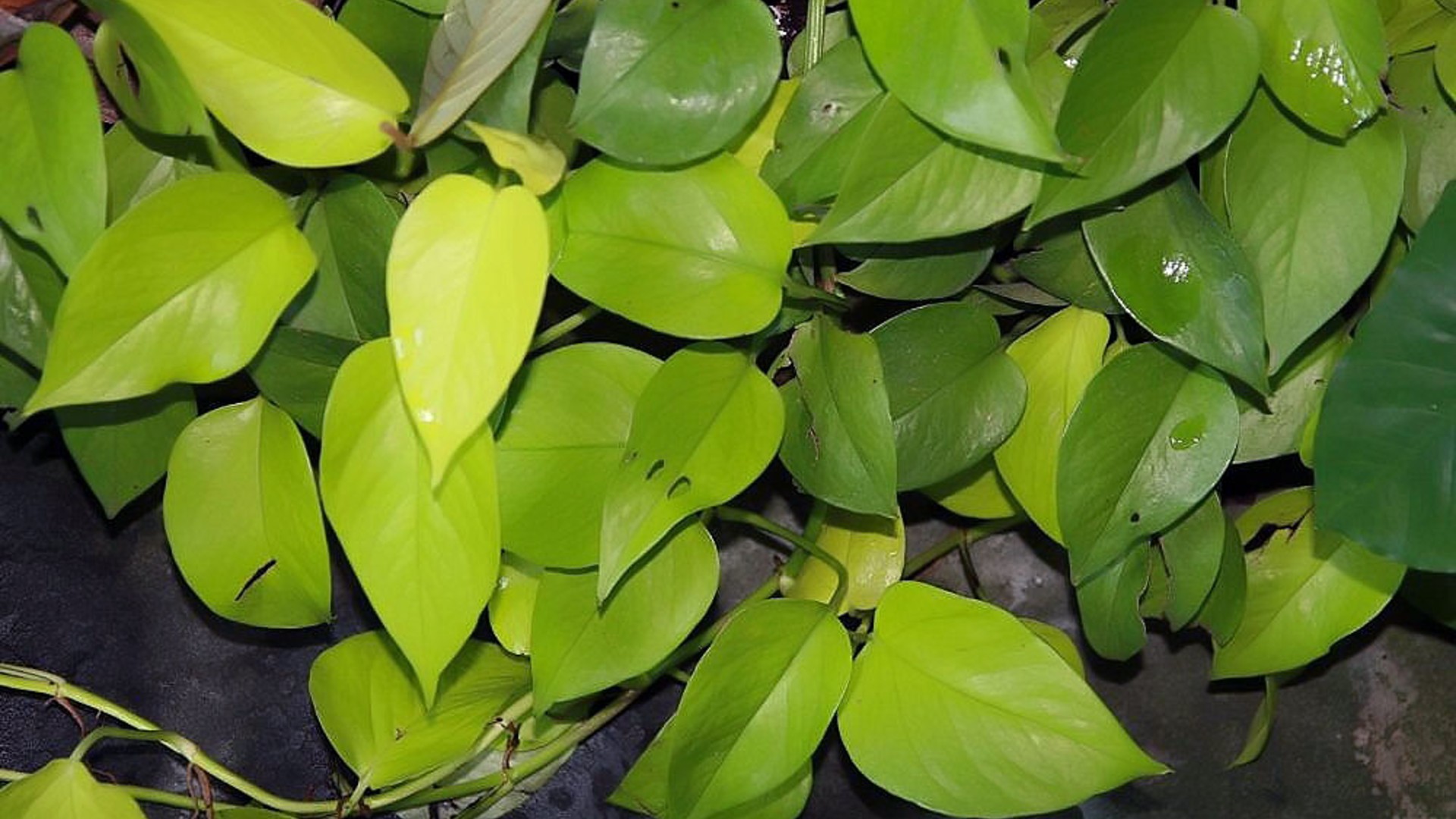
3. Neon Pothos (Epipremnum Aureum Neon)
Neon pothos delivers electric lime foliage that brightens dimly lit rooms without losing vigor. Like other pothos cultivars, it survives weeks without water and absorbs airborne toxins emitted by household cleaners.
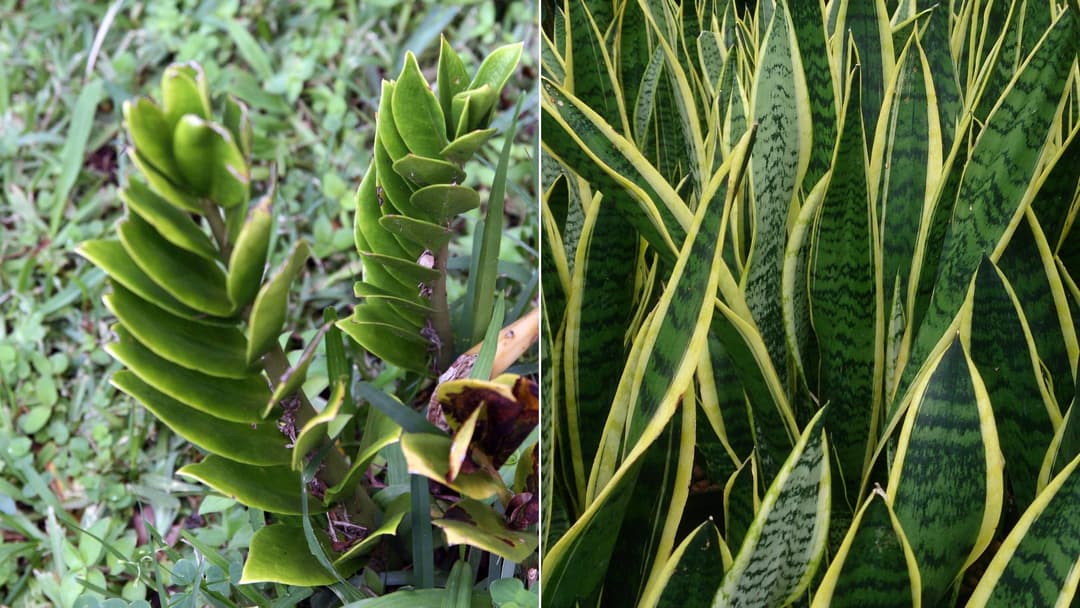
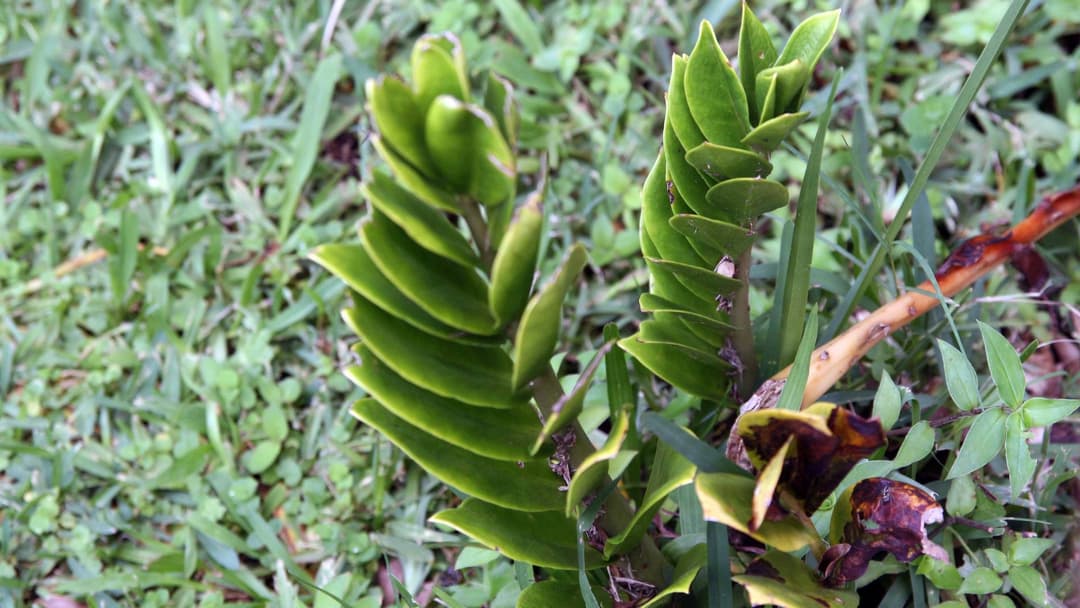
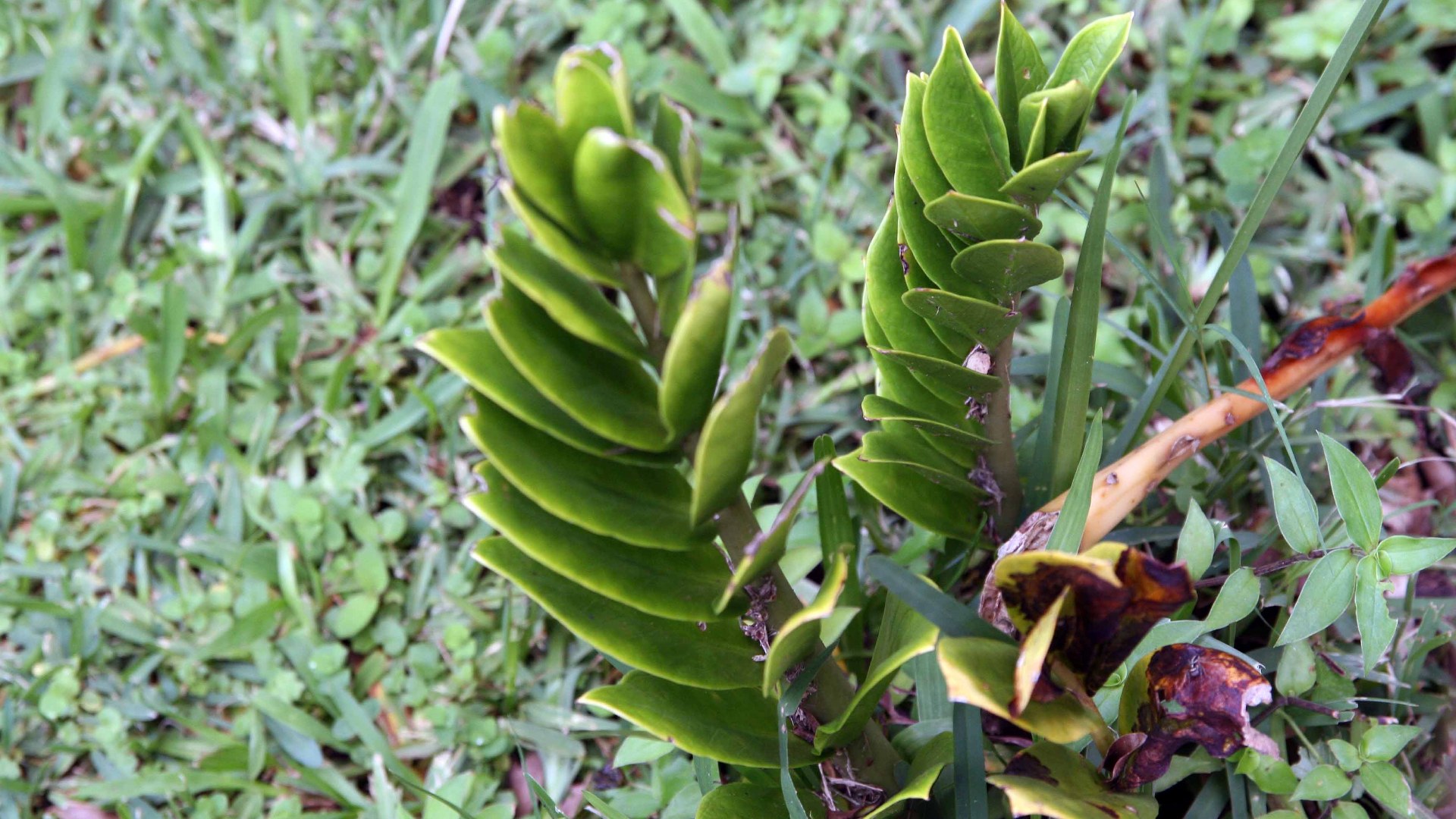
2. ZZ Plant (Zamioculcas Zamiifolia)
Hailing from drought-prone eastern Africa, the ZZ plant stores moisture inside underground rhizomes. It thrives under dim fluorescent fixtures and actively scrubs indoor air of xylene, toluene, and benzene fumes.
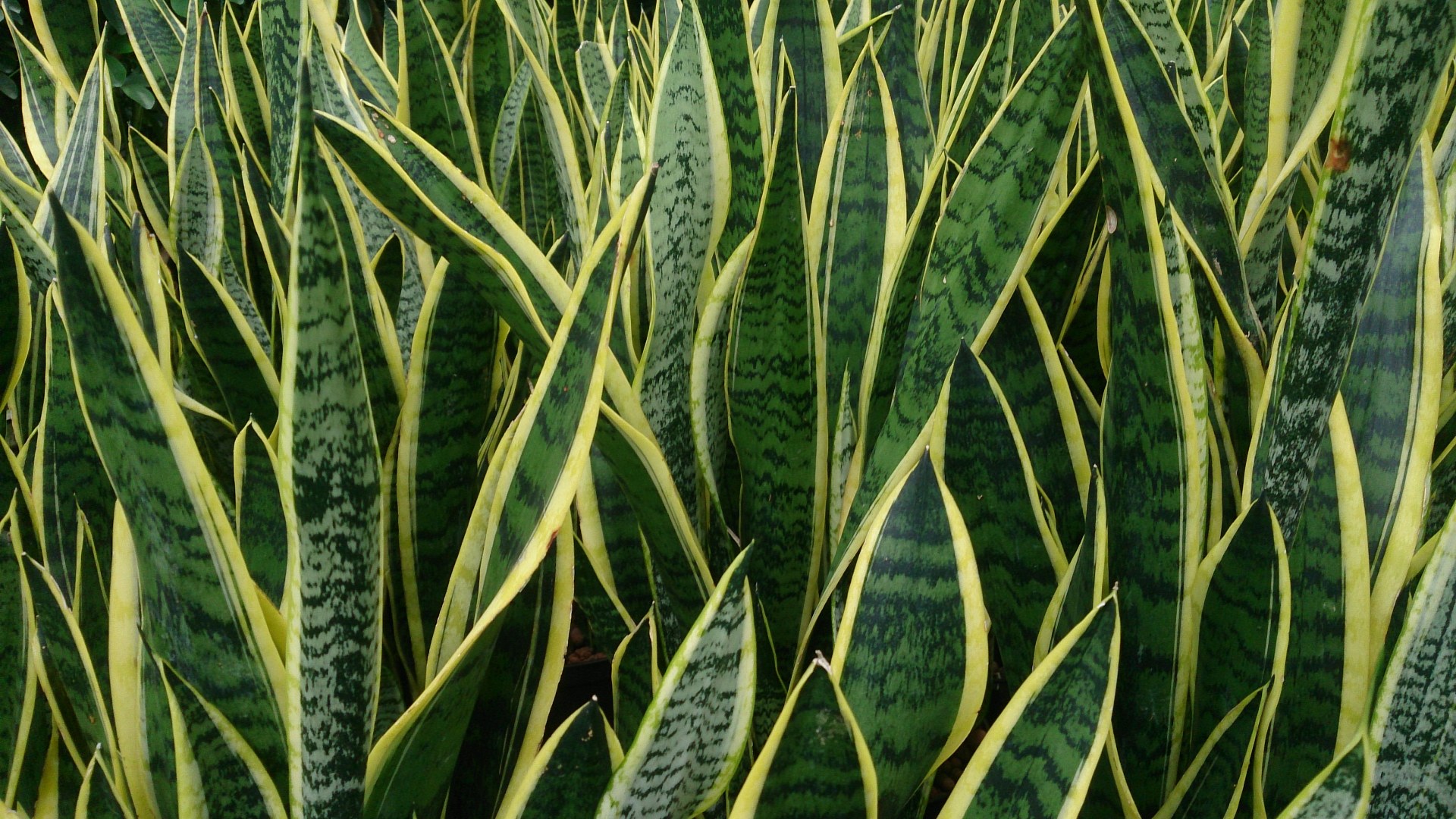
1. Variegated Snake Plant (Sansevieria Laurentii)
Ranked as the champion of indoor survival, the variegated snake plant tolerates almost any light level and goes weeks without water. It releases oxygen during nighttime hours while scrubbing airborne formaldehyde and benzene.