Slideshow · Entertainment
25 Living Animals That Still Retain Prehistoric Dinosaur Traits
While non-avian dinosaurs vanished sixty-six million years ago, their evolutionary blueprints never disappeared. Modern birds represent living theropod descendants, while various reptiles retain ancient anatomical structures from the Mesozoic Era. These twenty-five modern species carry unmistakable living links to Earth's primeval past.

All 25 Entries in this Story
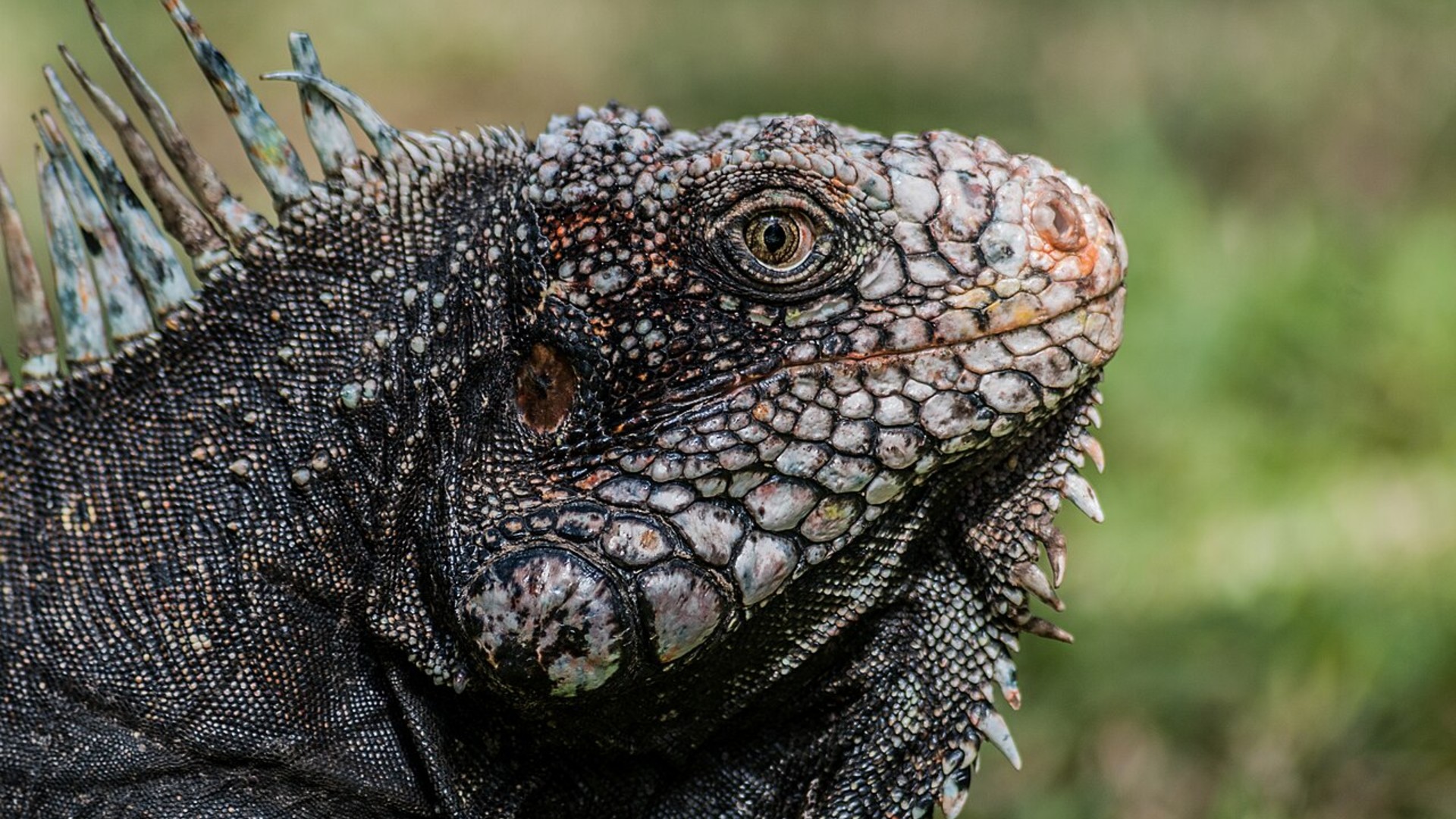
25. Green Iguana
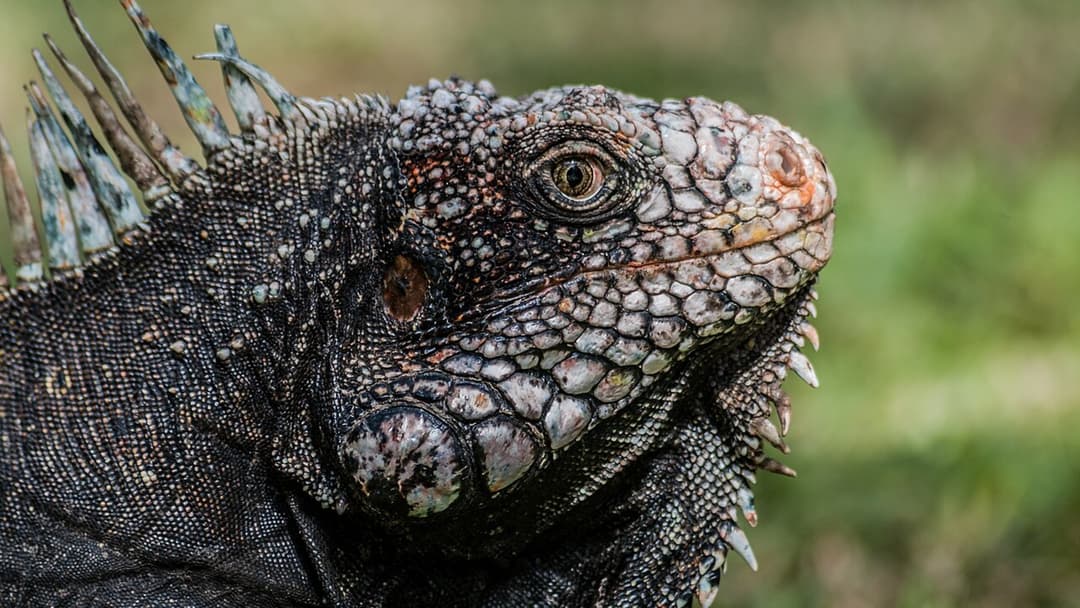
Green iguanas feature a row of sharp keratinous spines running down their spine, resembling defensive crests seen on Jurassic reptiles. They also possess a photosensory third eye atop their skull to spot aerial predators. It's a primitive anatomical organ preserved across millions of years.
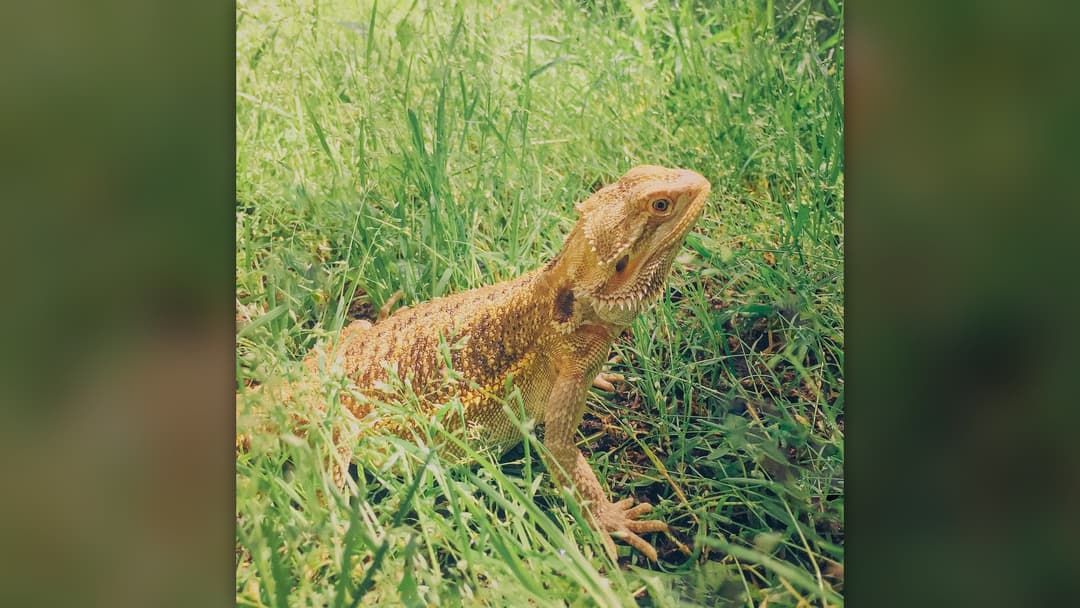
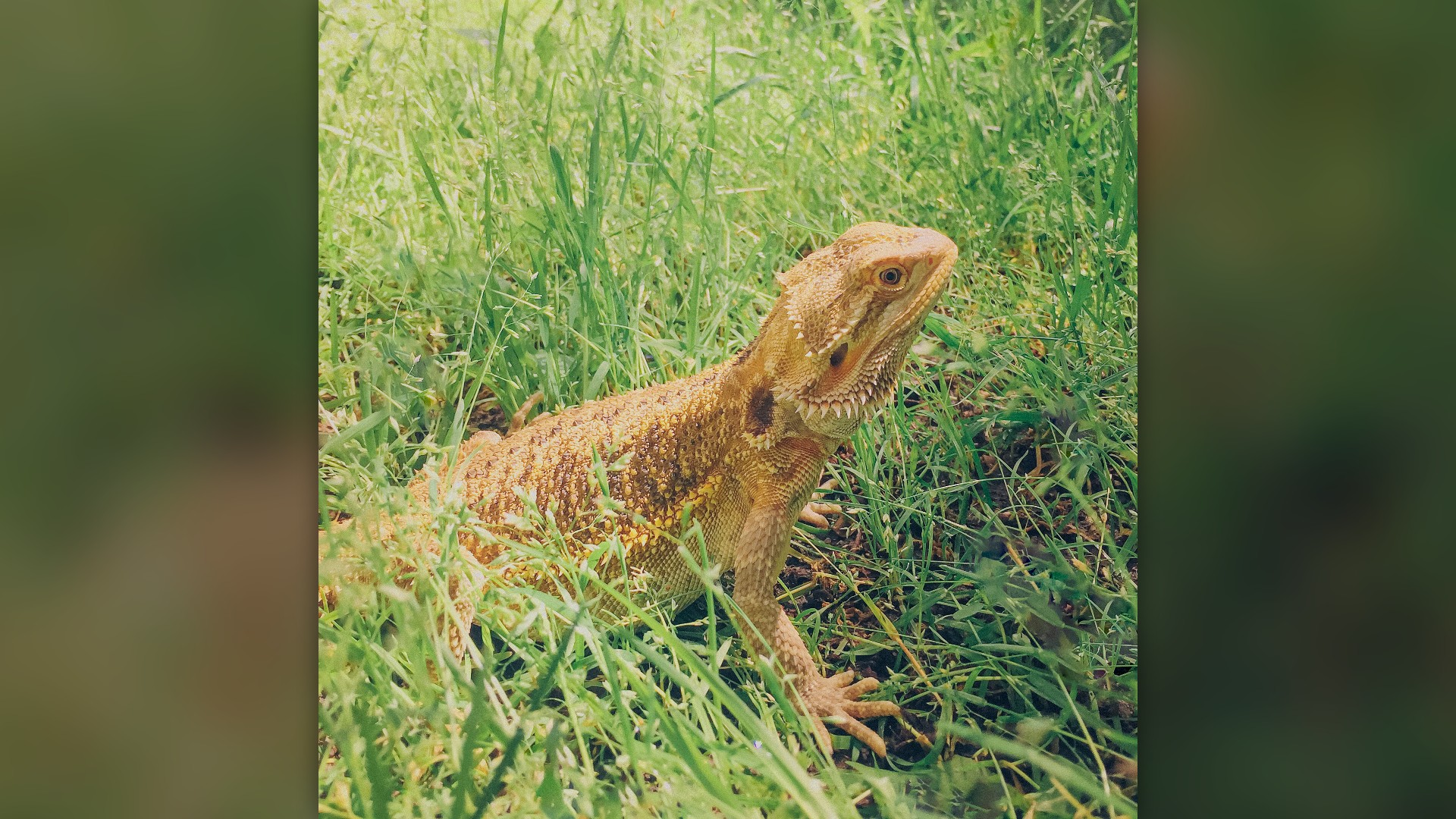
24. Bearded Dragon
Native to arid Australian woodlands, bearded dragons inflate spiky throat scales when threatened by territory rivals. Their triangular skull architecture and scaly armored skin match fossilized squamate reptiles from the Cretaceous period. The defense mechanism relies on startling visual bluffs.
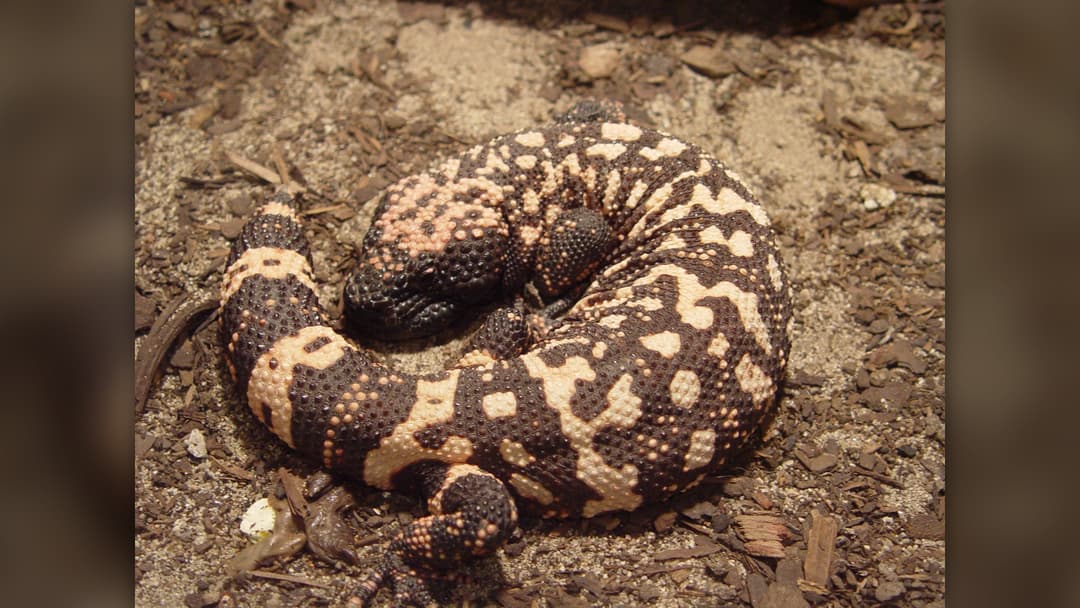
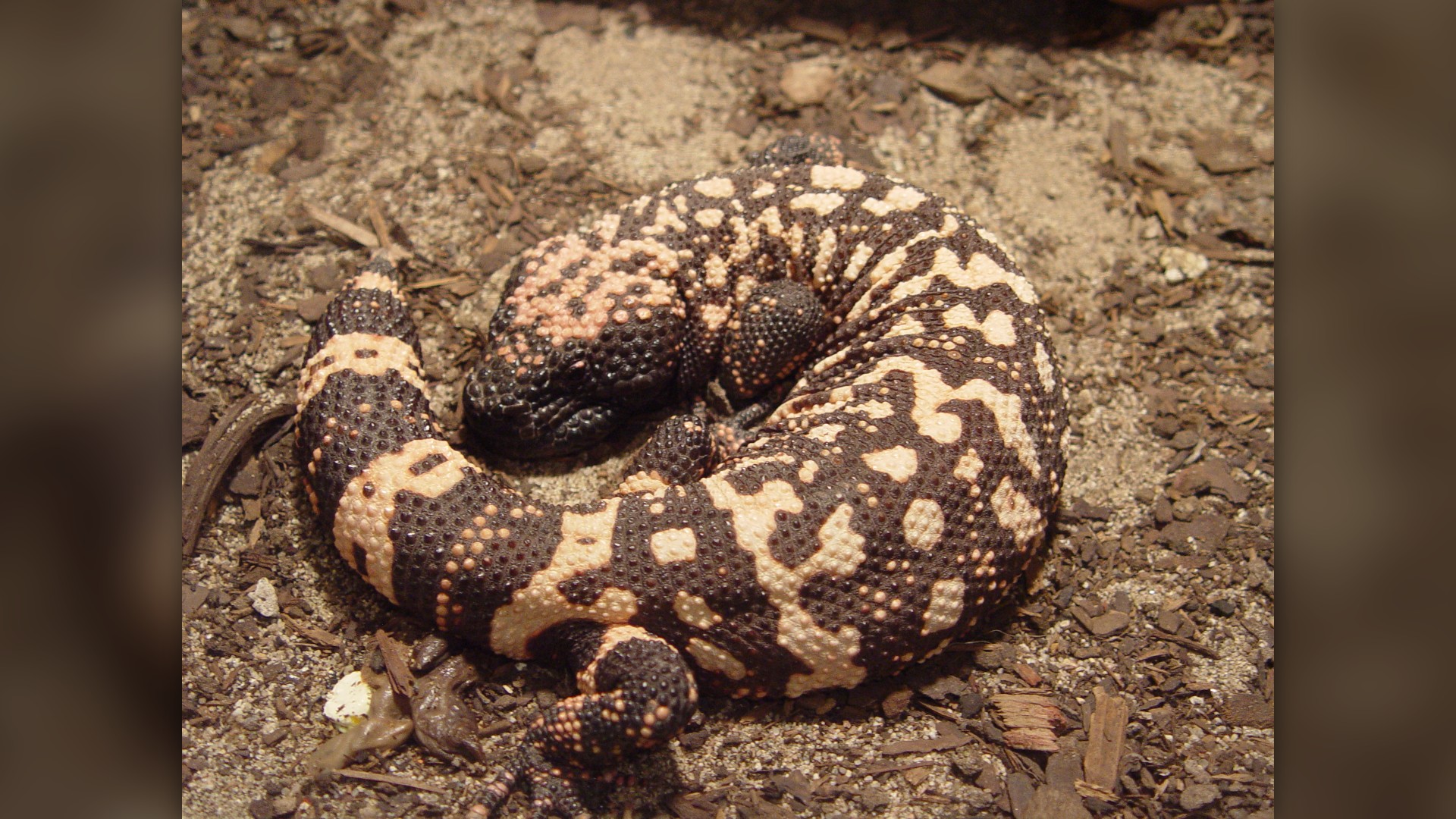
23. Gila Monster
The Gila monster is one of North America's few venomous lizards, hunting throughout the Sonoran Desert. Unlike vipers with hollow fangs, it chews neurotoxins into prey through grooved lower teeth. Paleontologists find identical dental grooves in ancient predatory reptiles from the Triassic period.
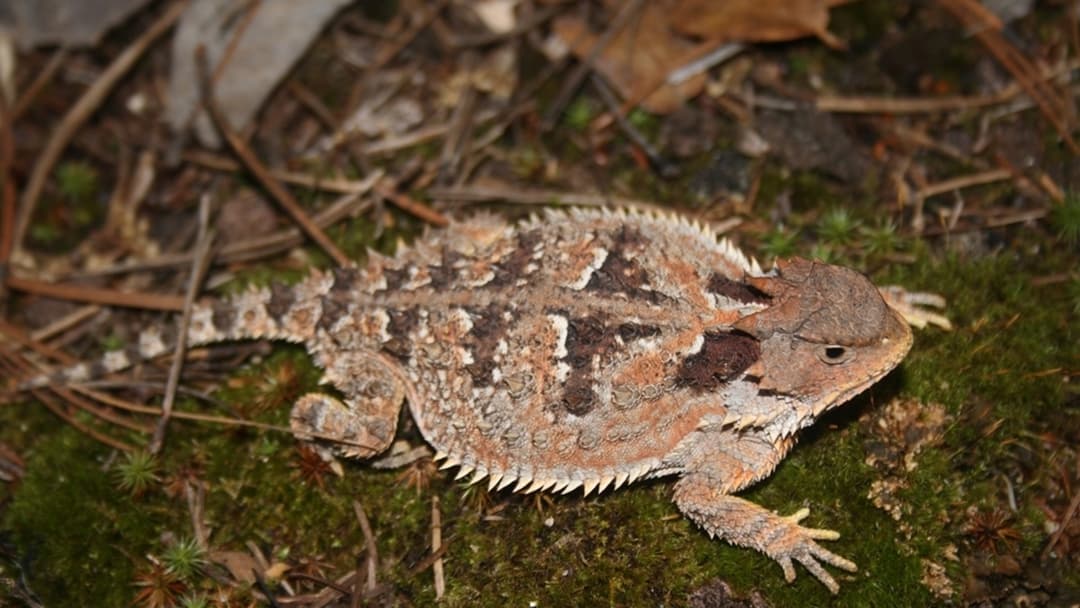
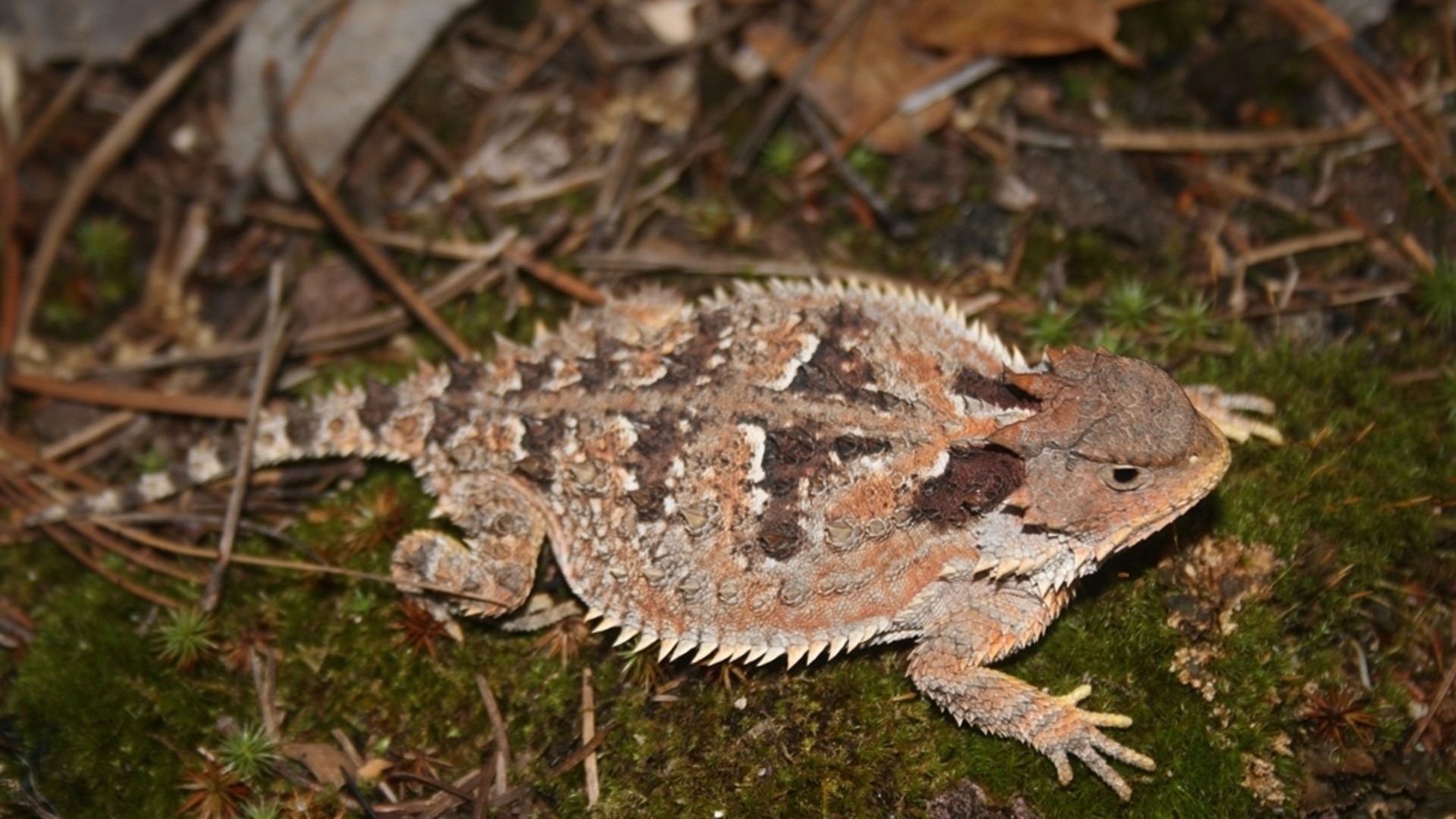
22. Horned Lizard
Horned lizards survive across North American deserts by blending into gravelly washbeds. Their crown of pointed occipital horns mirrors the defensive frills of ceratopsian dinosaurs like Styracosaurus. When cornered by predators, they can also restrict cranial blood flow to spray defensive blood.
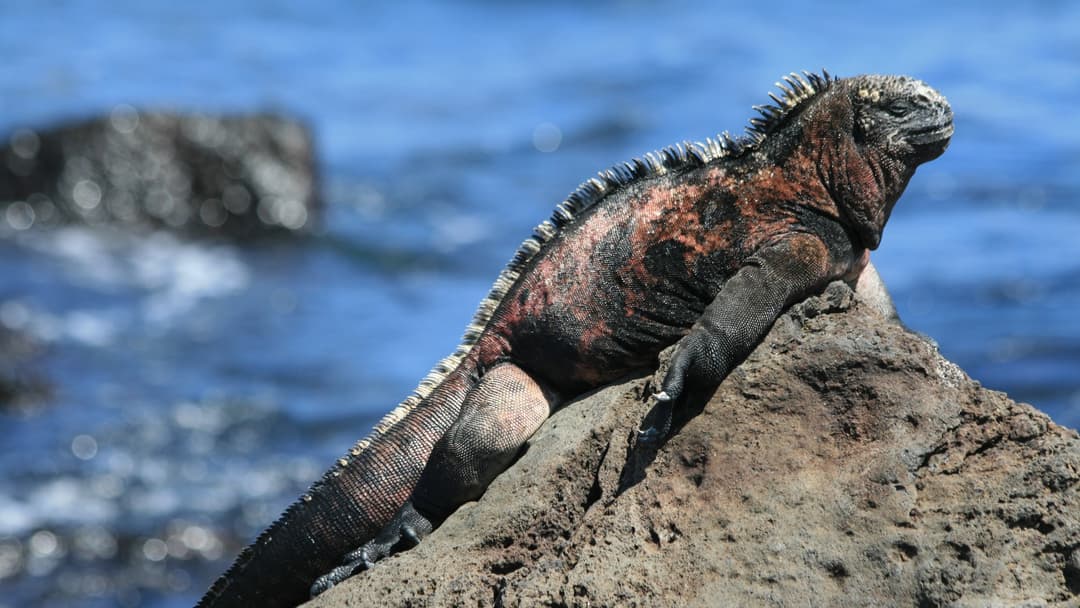
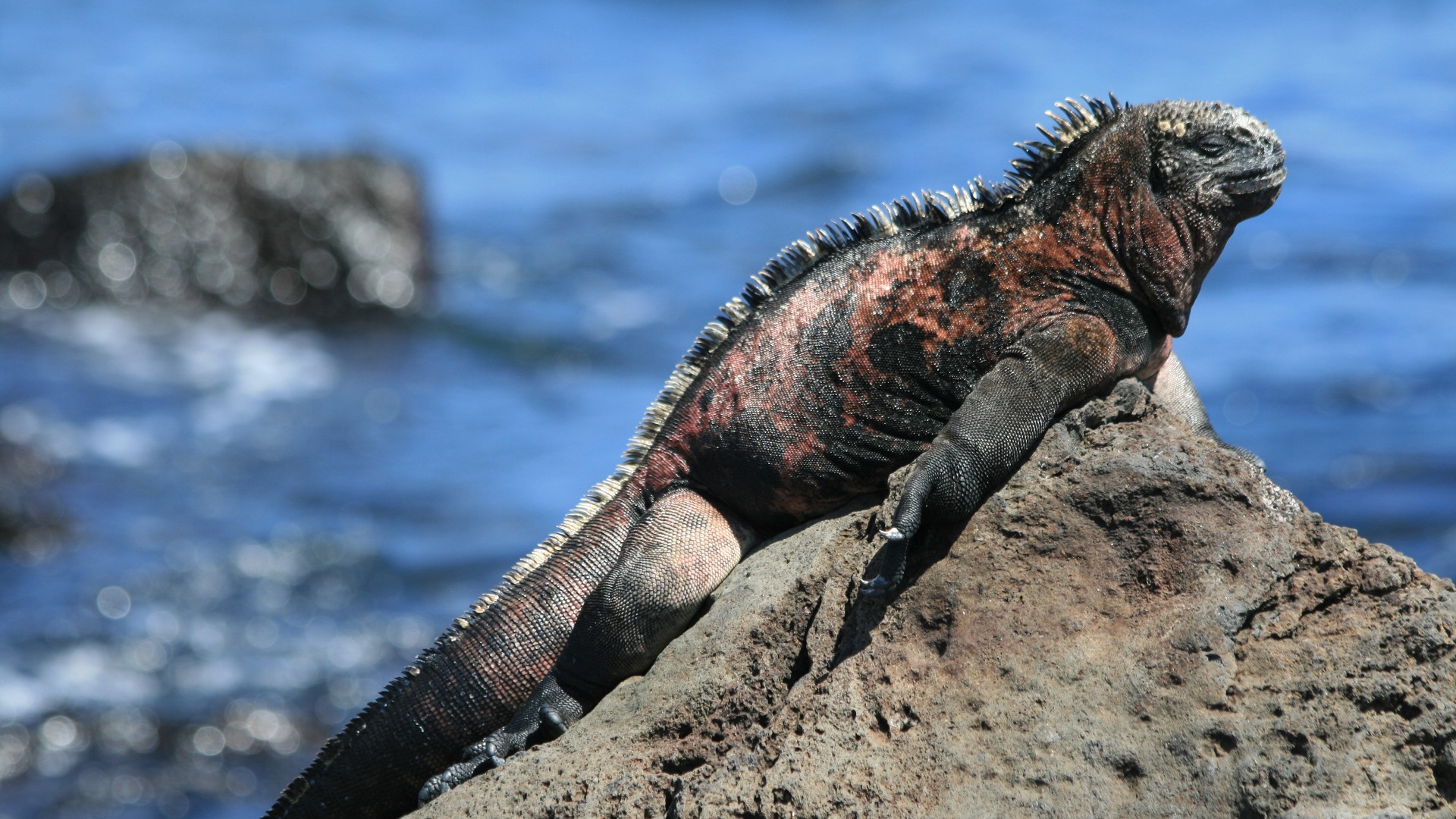
21. Marine Iguana
Galapagos marine iguanas are the only modern lizards that forage in ocean surf. They graze on underwater algae using flattened snouts and expel excess sea salt through specialized nasal glands. Their dense clawed limbs grip volcanic basalt rock against violent waves with primeval ease.
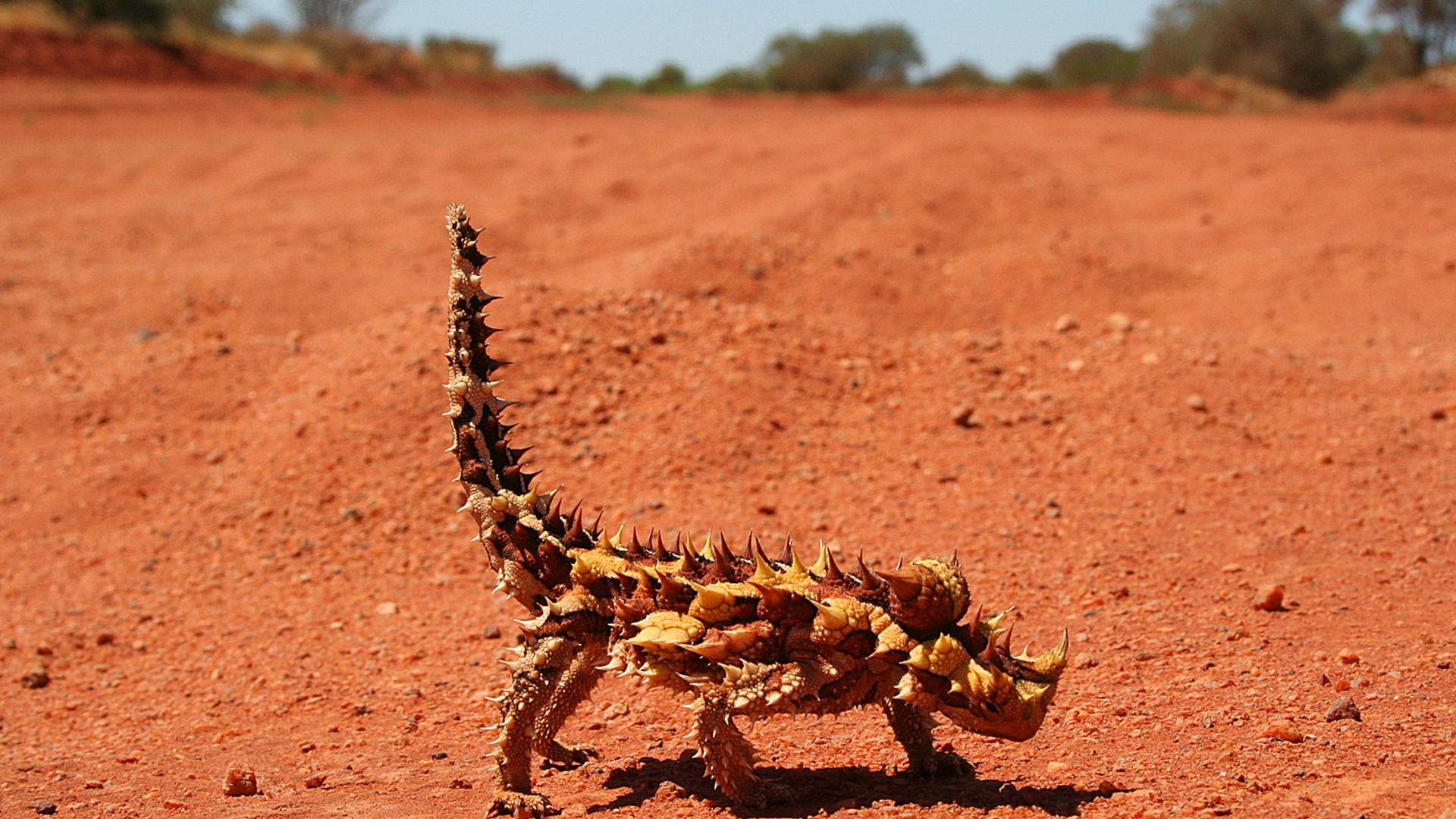
20. Thorny Devil
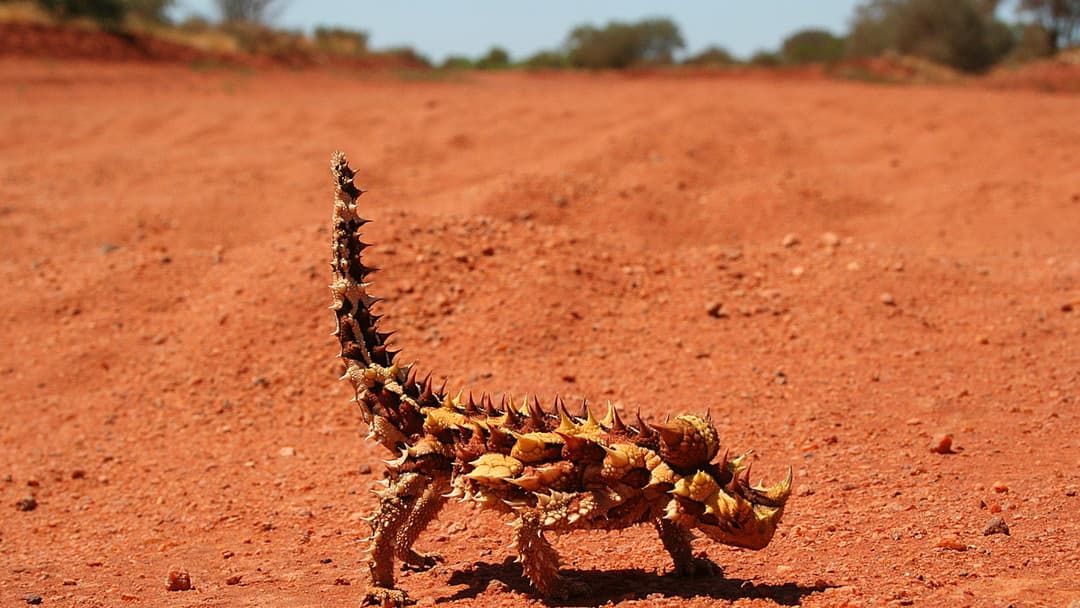
Covered entirely in rigid, uncalcified thorns, Australia's thorny devil looks like a miniature ankylosaur. Grooves between its spiky scales channel condensation directly to the corners of its mouth through capillary action. The bizarre armor prevents desert predators from easily swallowing it whole.
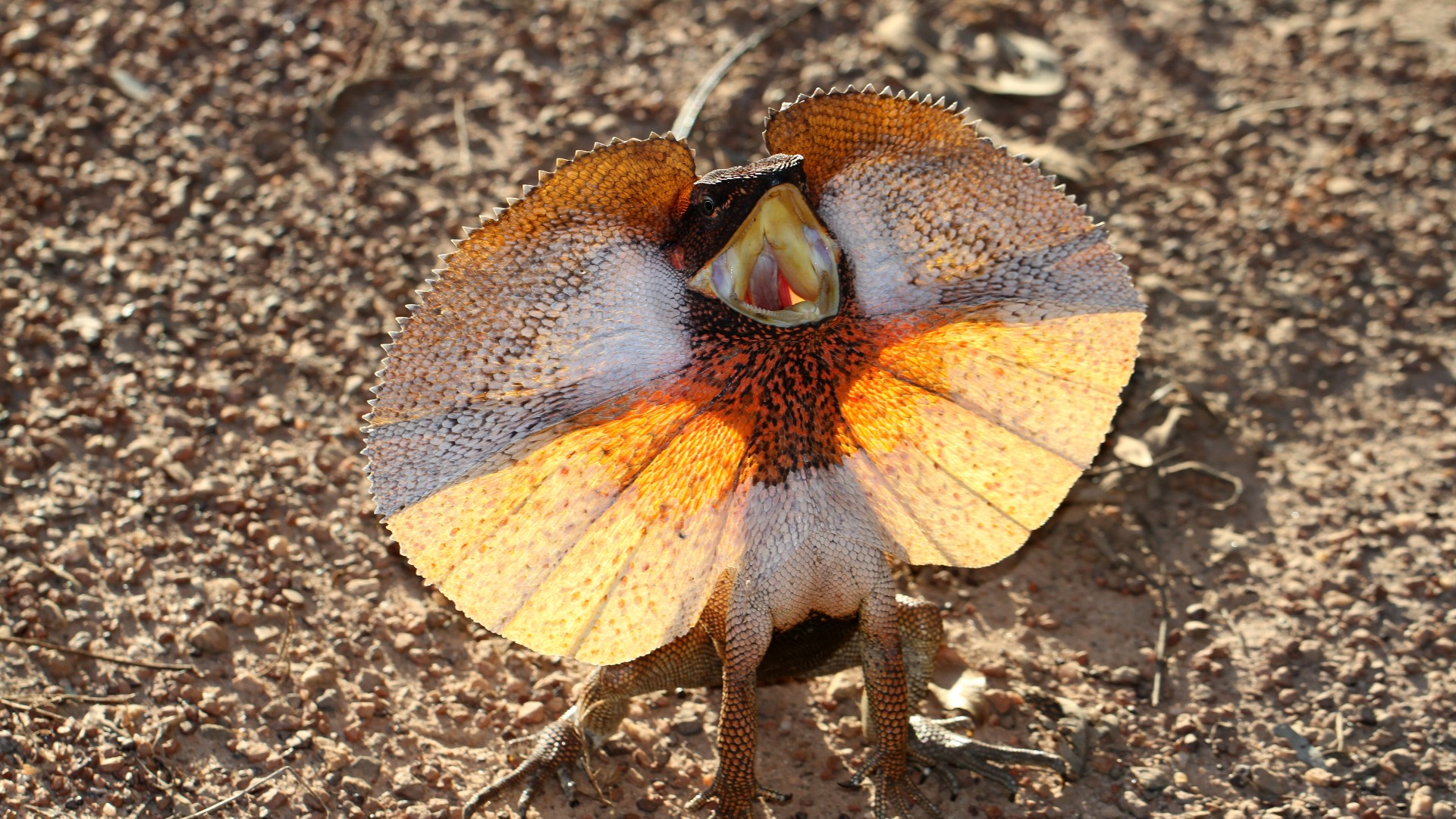
19. Frilled Lizard
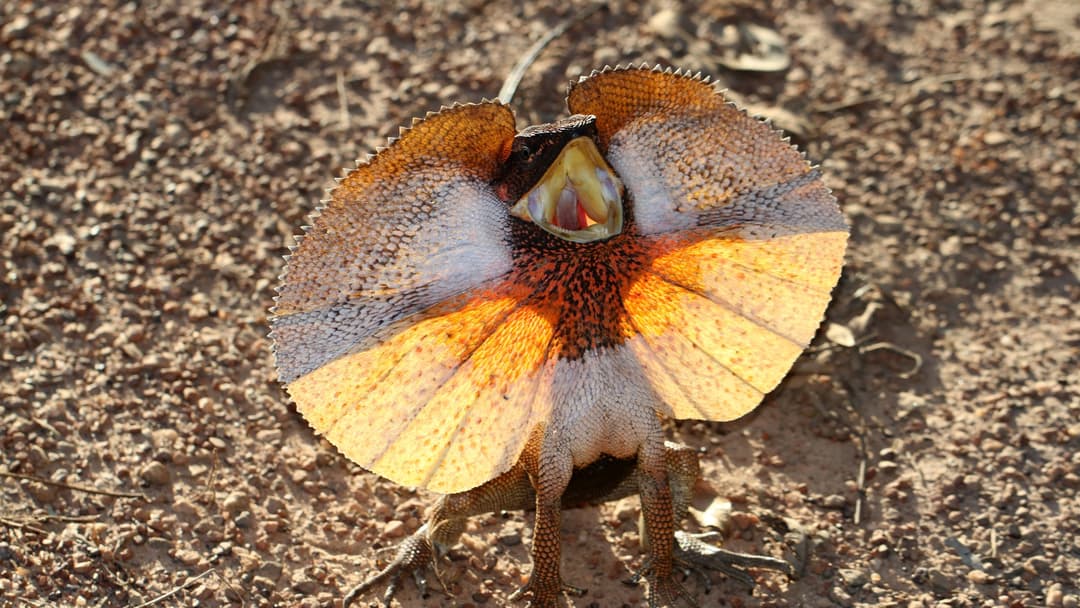
When confronted by dingoes or hawks, this Australian lizard spreads a broad circular skin ruff supported by elongated cartilage spines. While Jurassic Park famously attributed this trait to Dilophosaurus, the real mechanism belongs to modern agamid lizards. It intimidates rivals and aids thermal regulation.
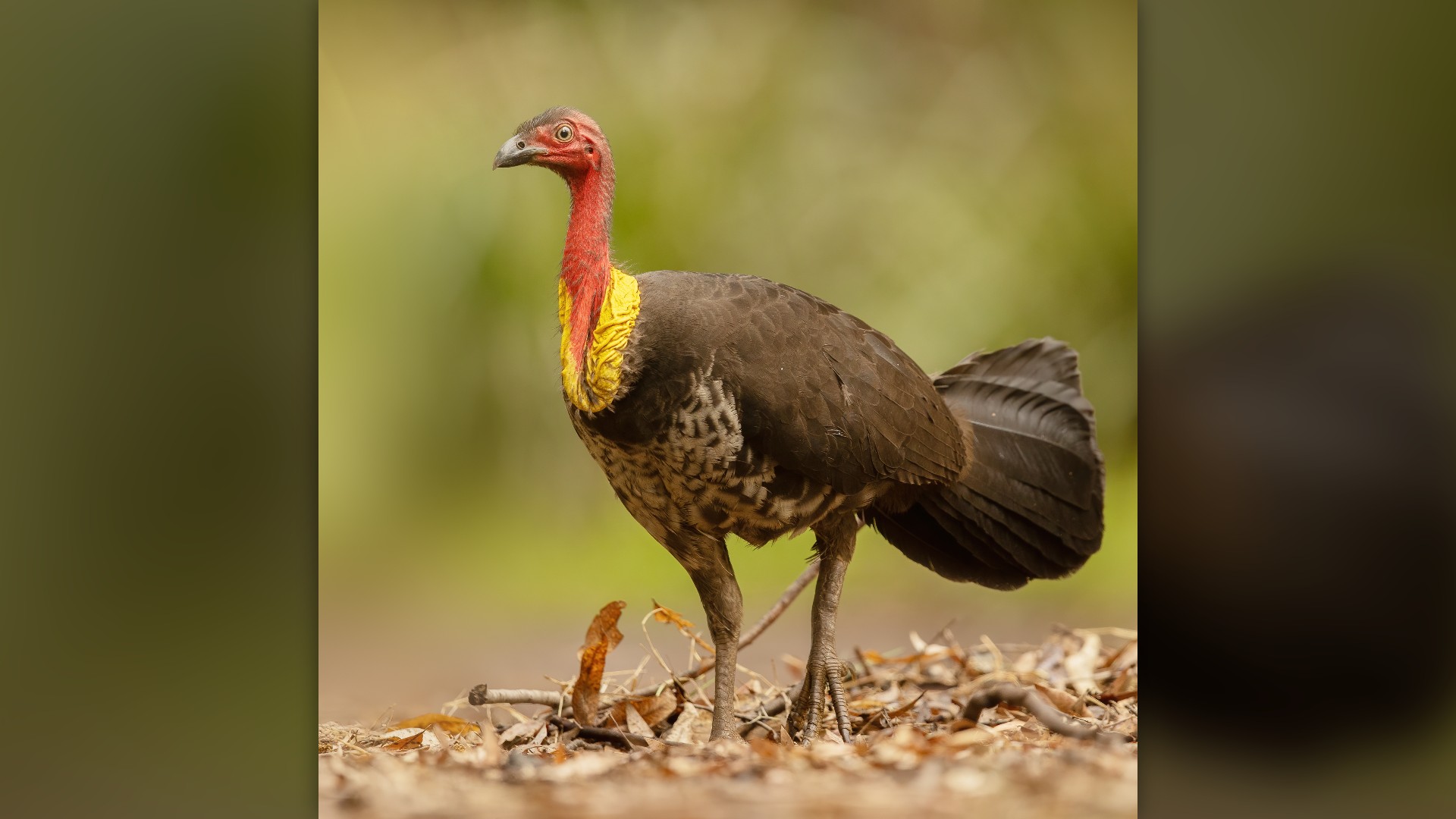
18. Australian Brush-Turkey
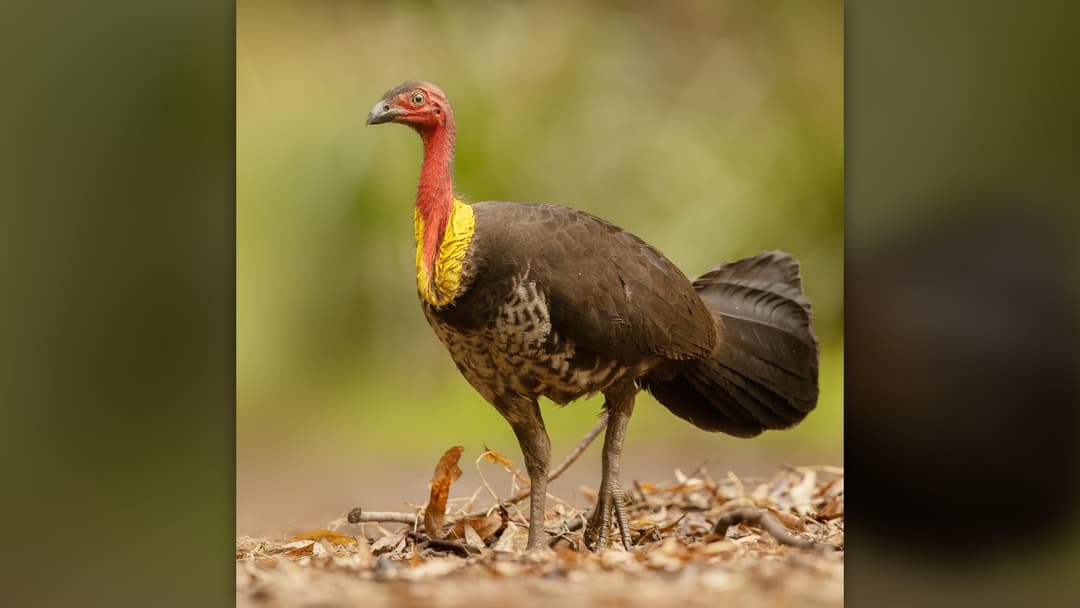
Instead of using body heat to brood eggs, male brush-turkeys scrape leaf litter into massive communal compost heaps. Heat generated by fungal decay incubates eggs buried deep within the mound. Fossilized dinosaur nesting colonies in Argentina reveal titanosaurs used identical organic composting methods.
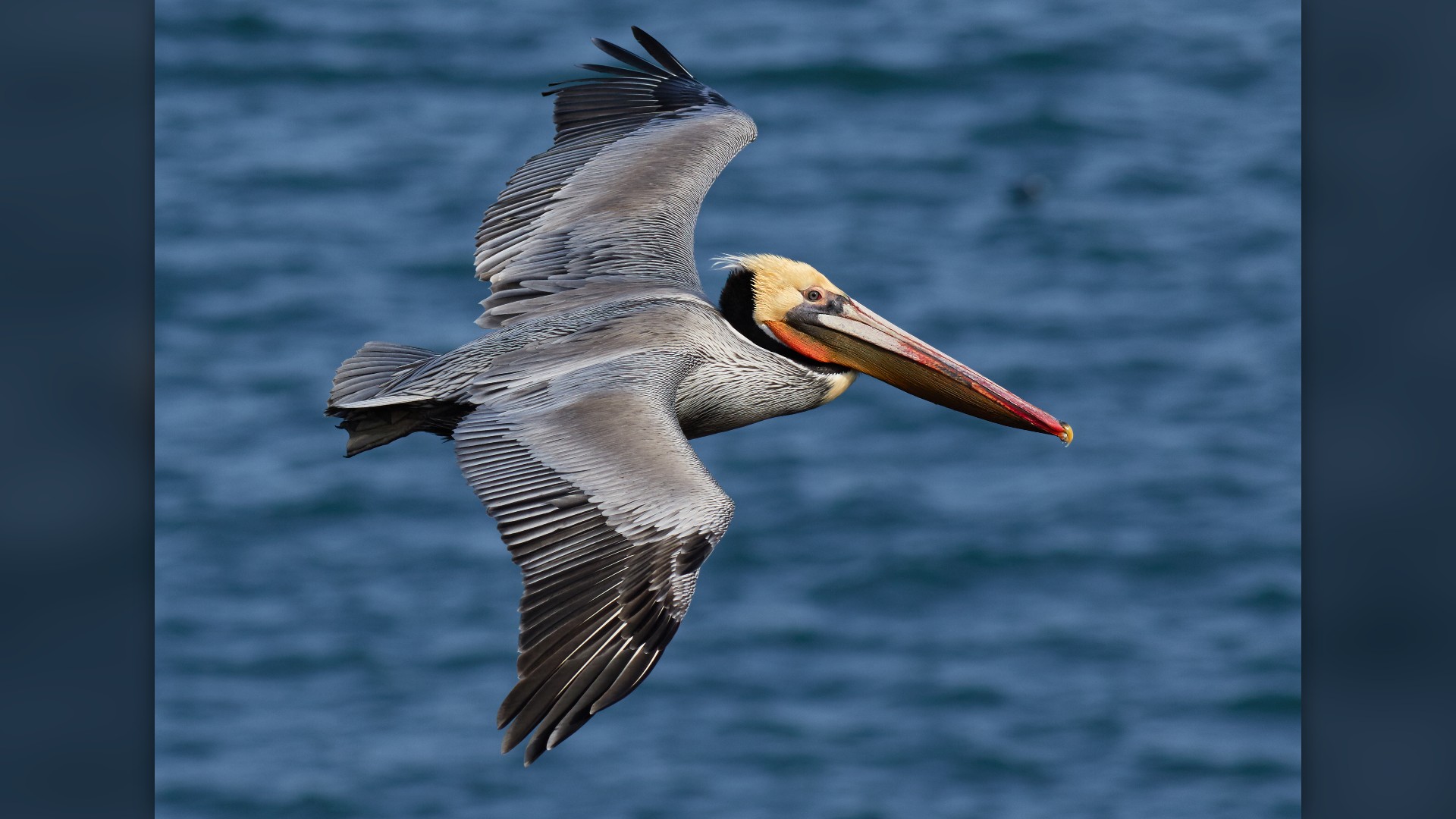
17. Brown Pelican
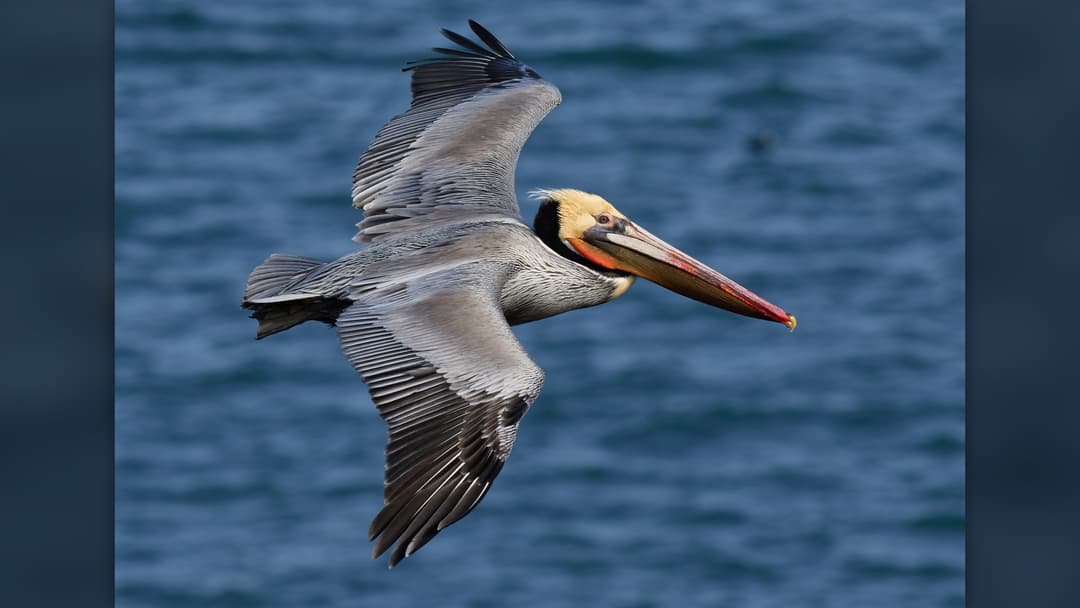
Brown pelicans plunge-dive into coastal waters, using a flexible pouch made of skin and expandable jaw bones to scoop schools of fish. The pouch holds up to three gallons of seawater before draining. Paleontologists discovered identical mandibular structures in fossilized Cretaceous marine flyers.
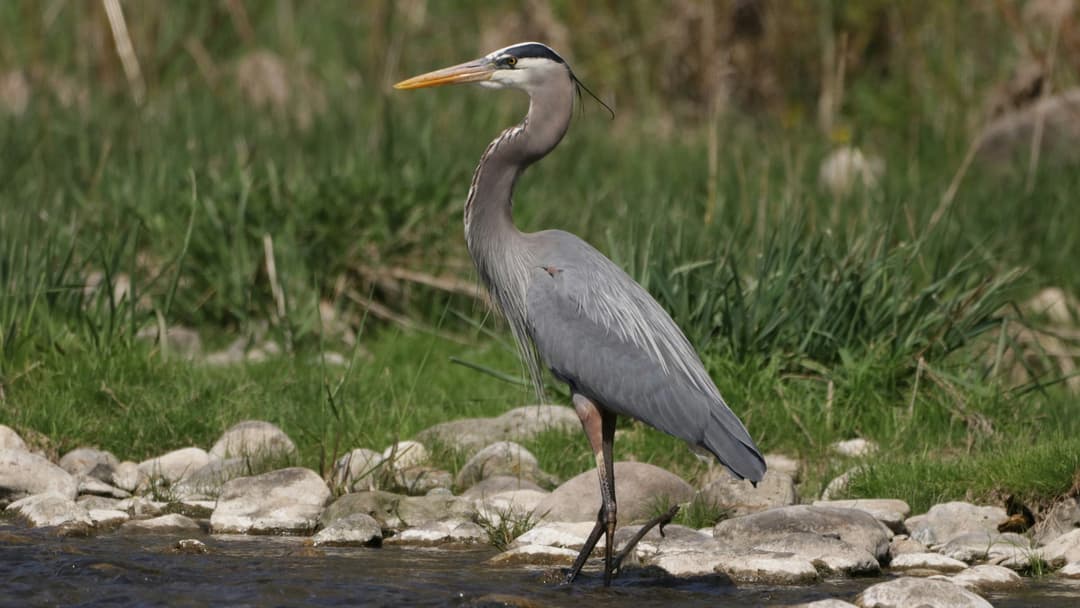
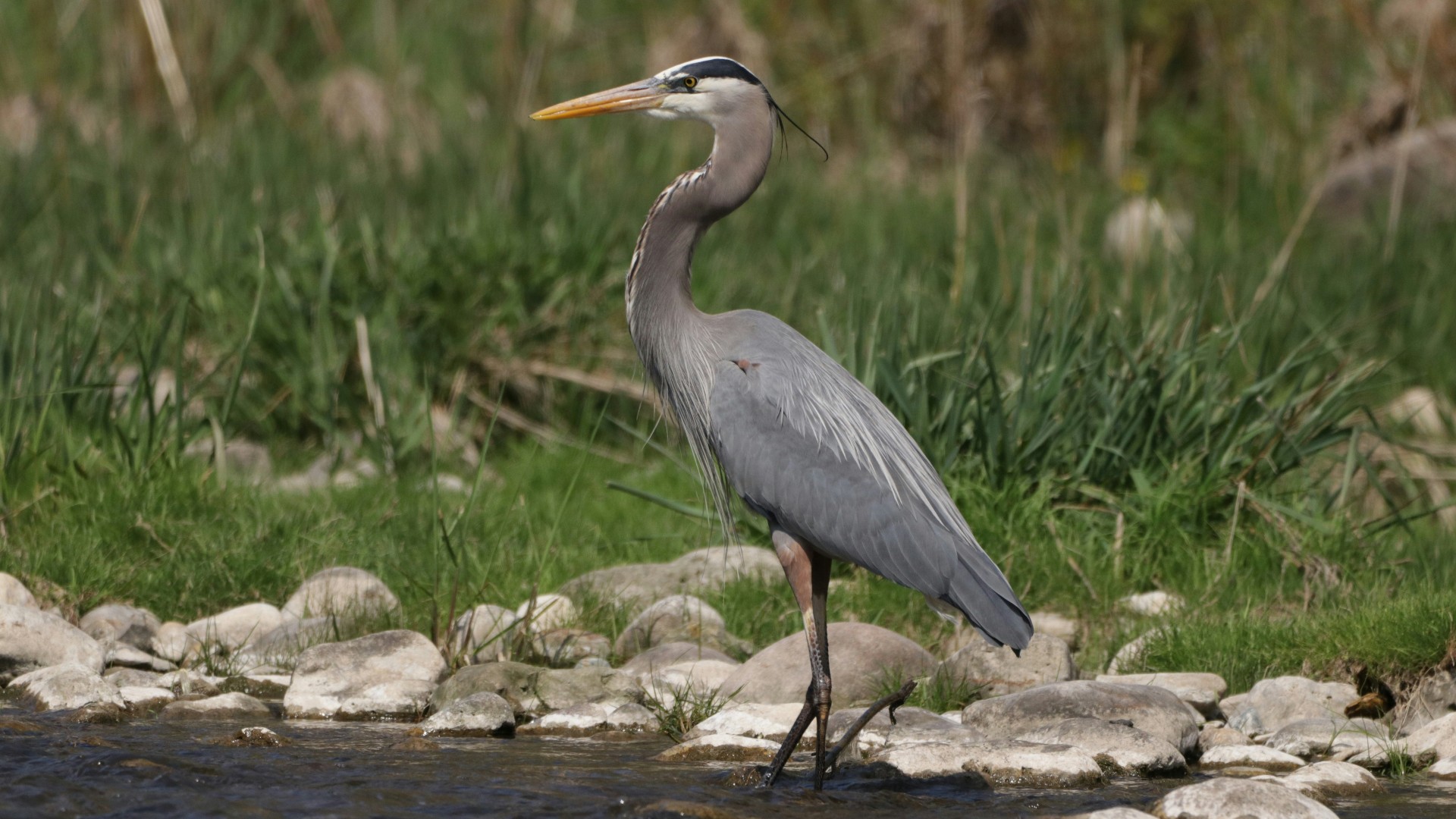
16. Great Blue Heron
The sixth vertebra of a heron's neck is modified into an anatomical hinge that snaps forward with blinding speed. This kinetic mechanism matches the flexible S-curved cervical vertebrae discovered in velociraptor skeletons. It transforms the bird's dagger-like bill into a lethal predatory spear.
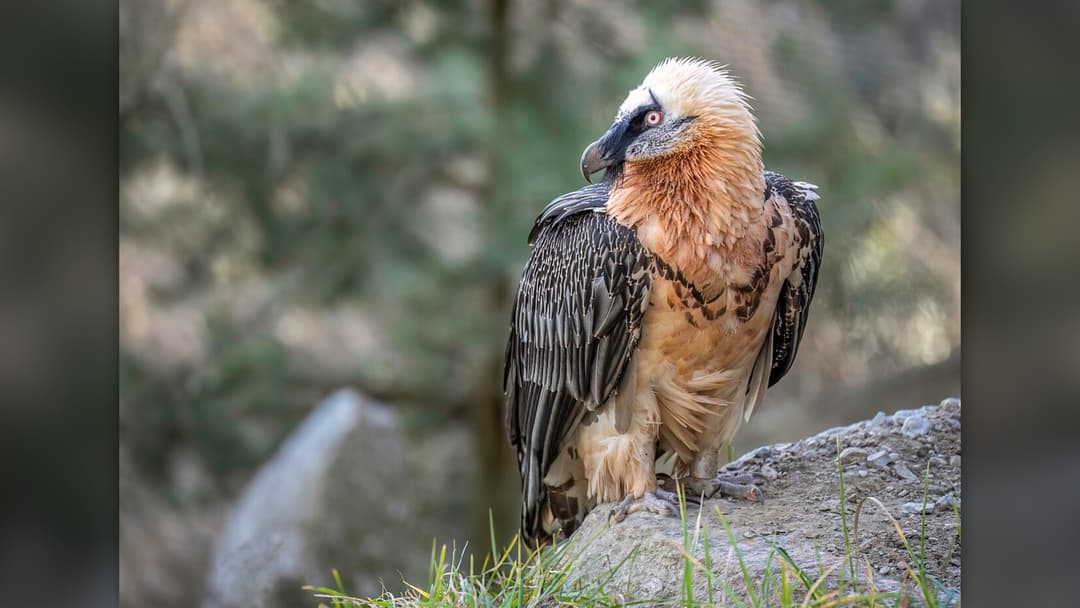
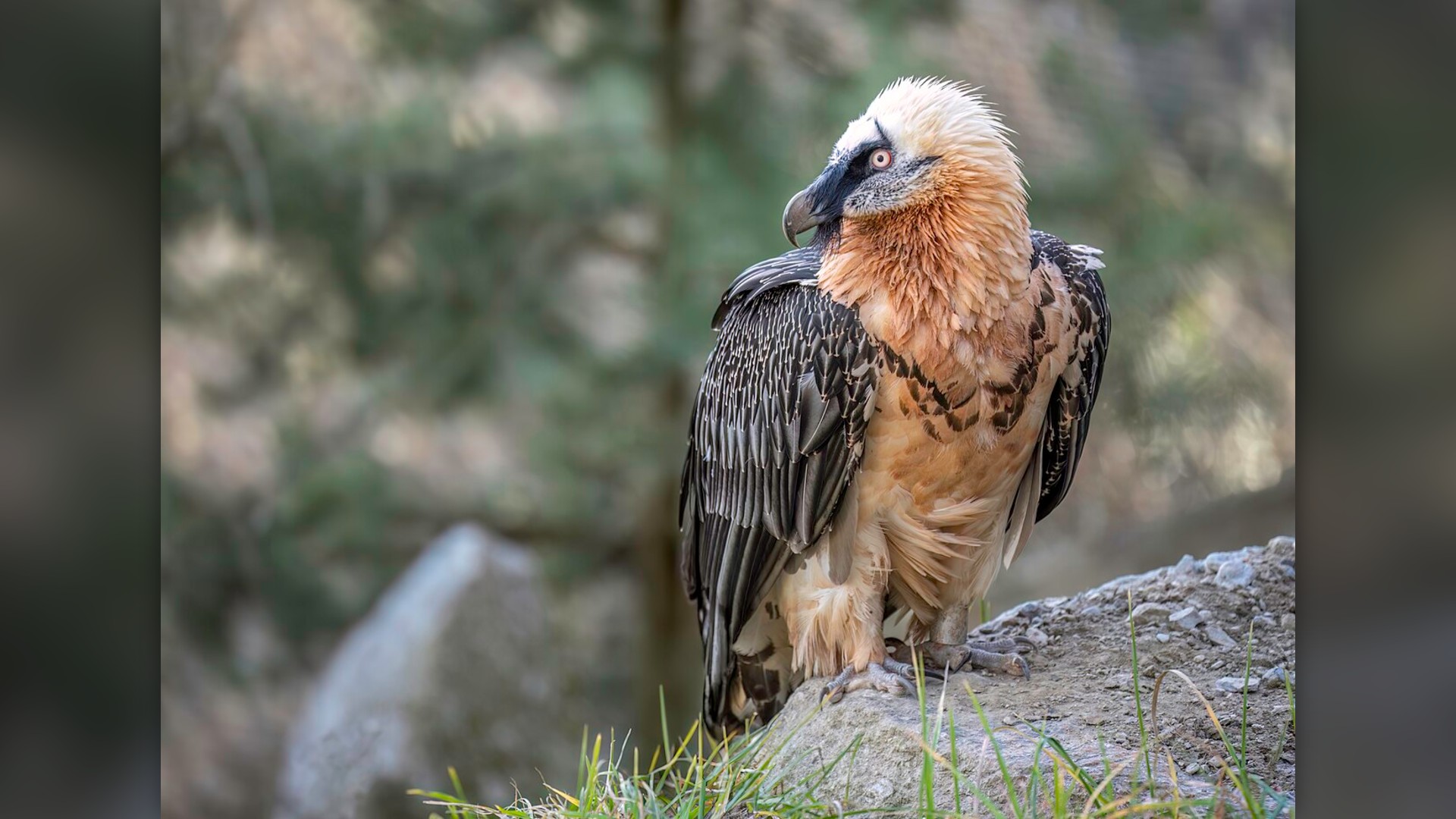
15. Bearded Vulture
Soaring above Eurasian mountain ranges, the bearded vulture eats an exclusive diet of large mammal bones. Its stomach pH sits near 1.0, enabling gastric enzymes to break down dense bone marrow within twenty-four hours. Such ultra-acidic digestive systems were vital for large carnivorous dinosaurs.
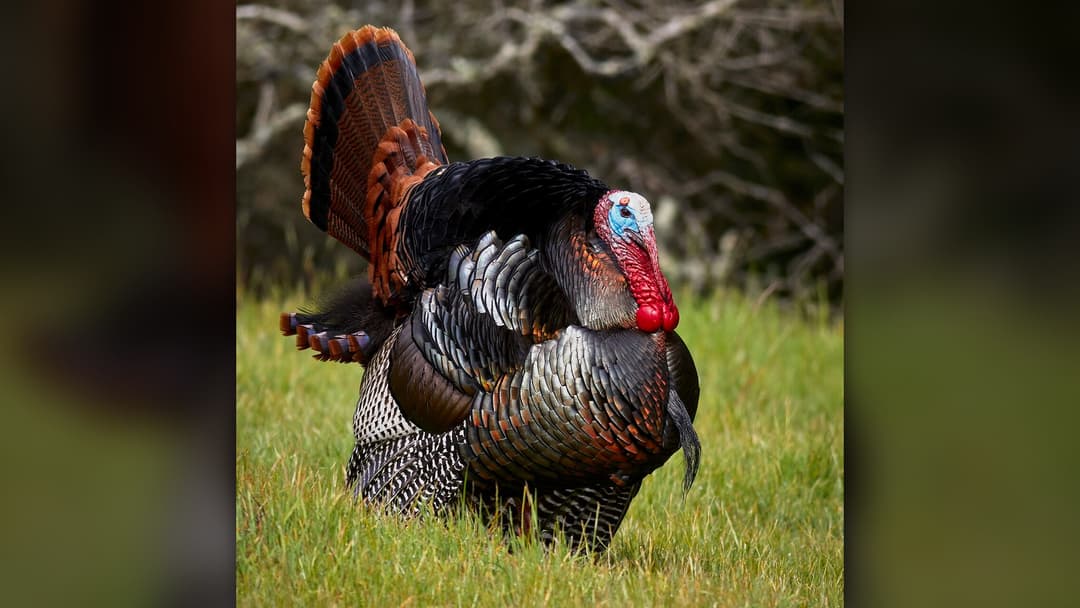
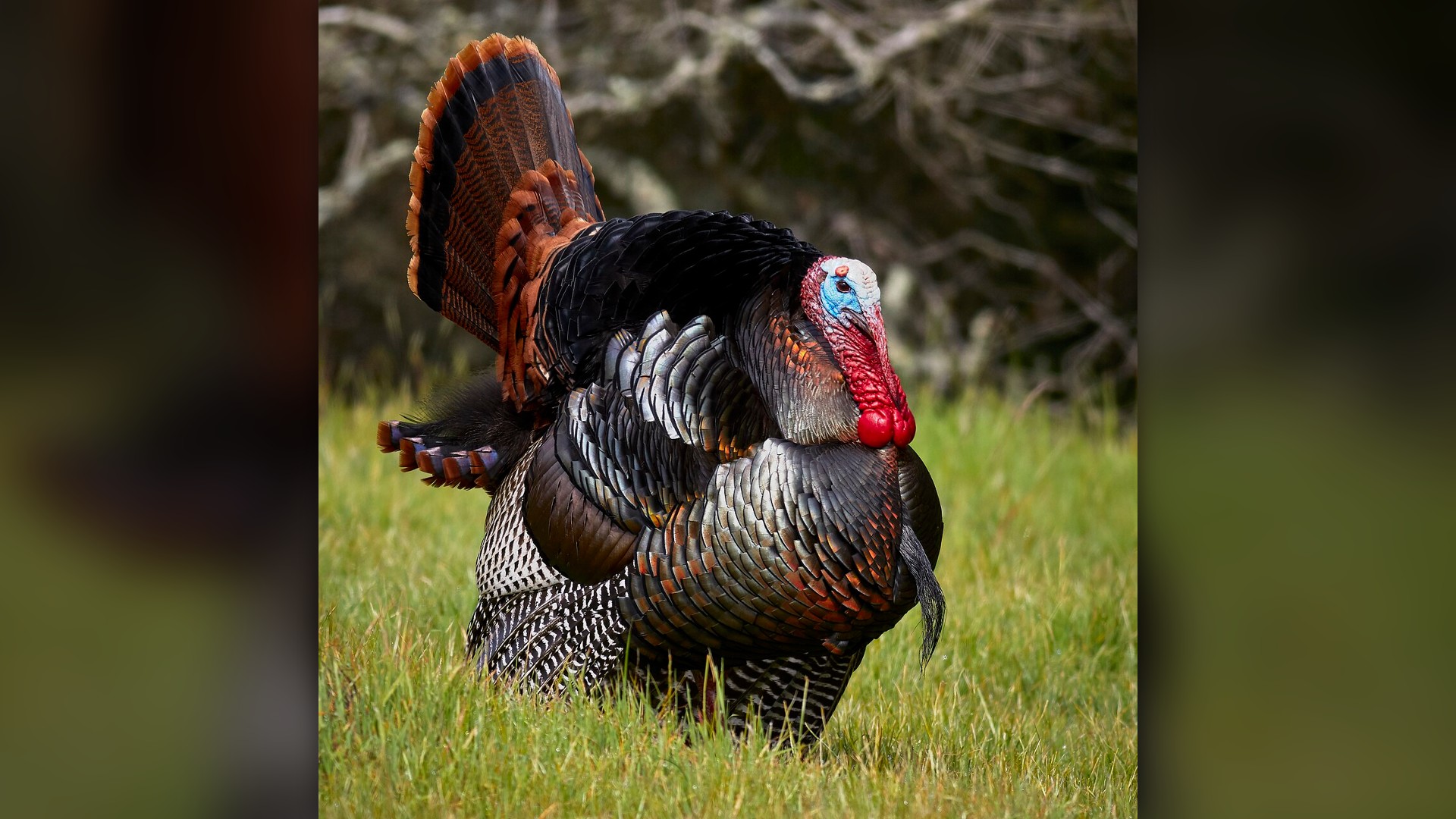
14. Wild Turkey
The wishbone broken at Thanksgiving dinners is formed by the fusion of two clavicles. Early naturalists considered the furcula unique to birds until fossil hunters unearthed identical fused wishbones in Allosaurus and Tyrannosaurus rex. It acts as an elastic spring storing energy during flight strokes.
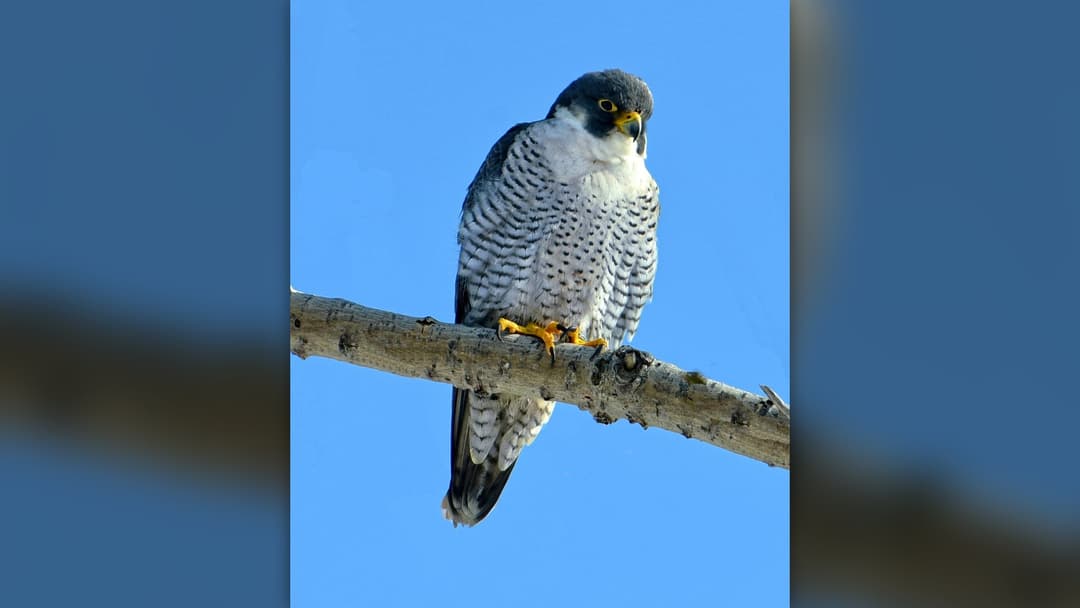
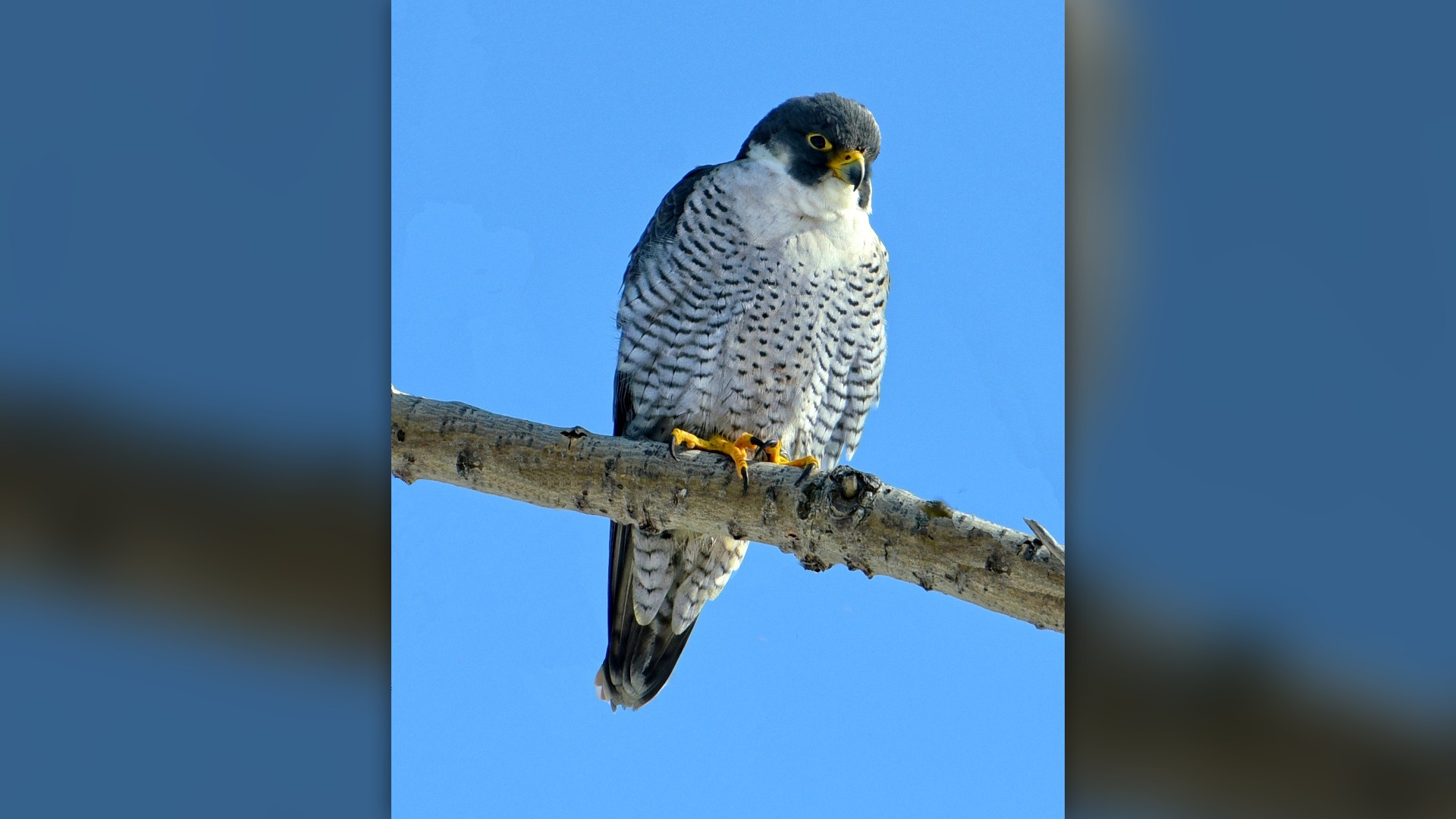
13. Peregrine Falcon
Reaching speeds over two hundred miles per hour in vertical dives, peregrine falcons rely on lightweight hollow bones reinforced with internal struts. Their specialized respiratory air sacs maintain continuous oxygen flow during intense exertion. Theropod dinosaurs developed this exact respiratory system.
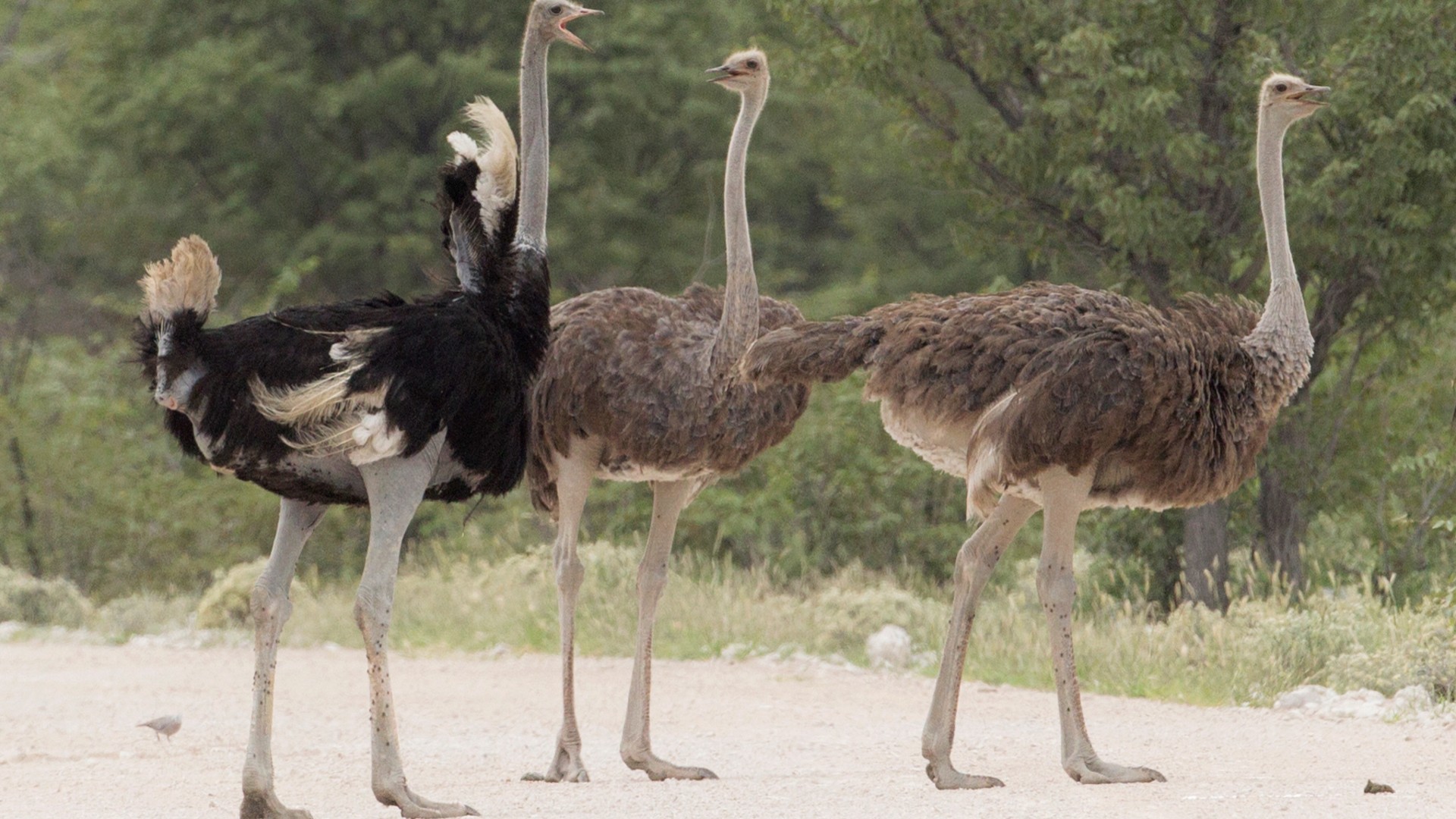
12. Common Ostrich
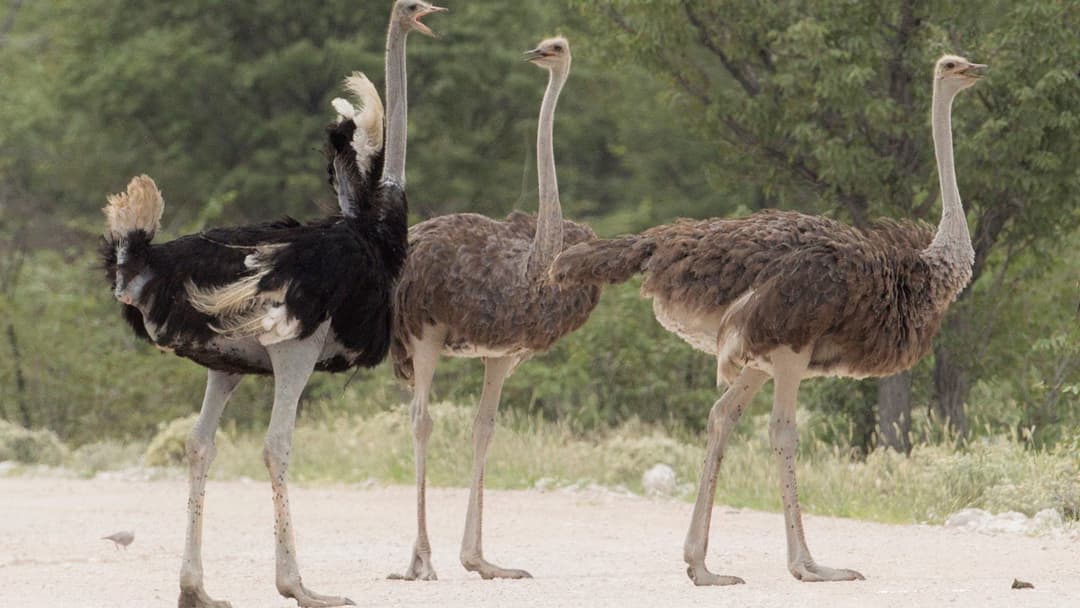
Weighing up to 300 pounds, ostriches can sprint forty miles per hour across African grasslands. Their muscular legs, shock-absorbing tendons, and reduced toe count mirror the running mechanics of bipedal ornithomimosaurs. A single forward defensive kick delivers lethal force against predators.
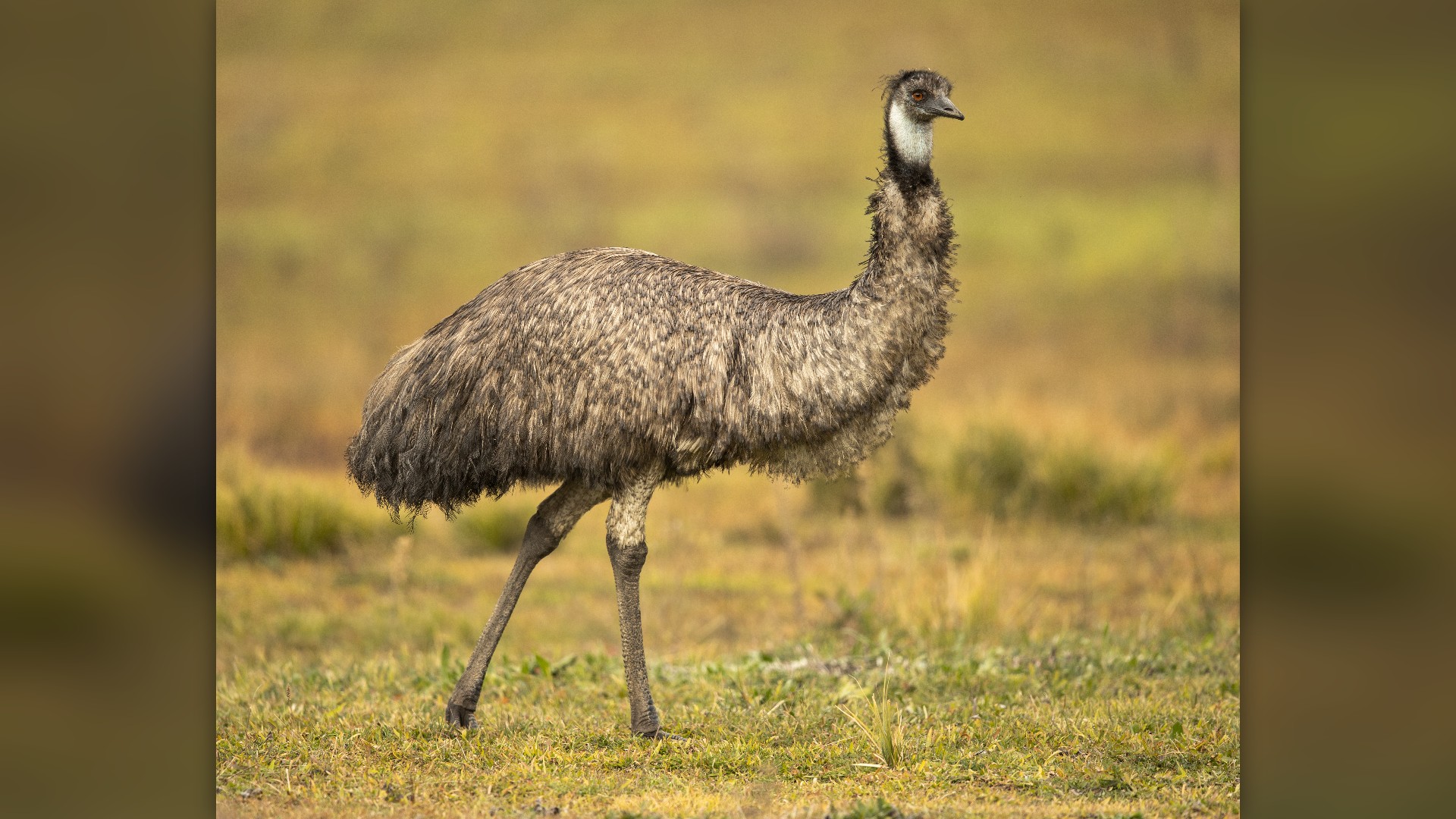
11. Emu
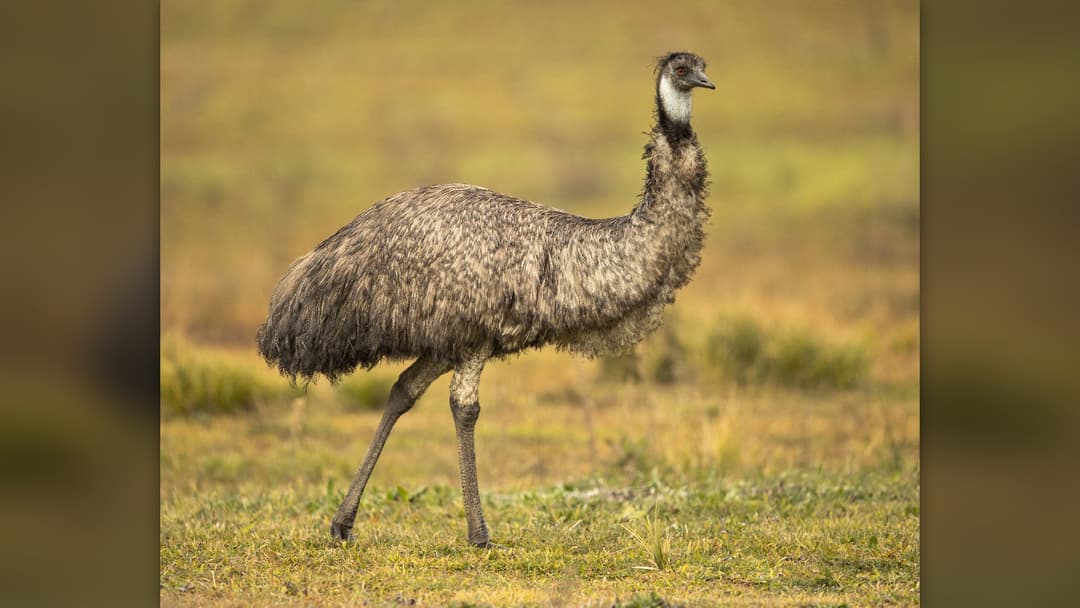
Unlike modern flight feathers with microscopic interlocking hooks, emu feathers consist of loose filaments resembling hair. These simple double-shafted plumes match the filamentous proto-feathers discovered on non-avian dinosaurs in China. They insulate against desert cold without enabling flight.
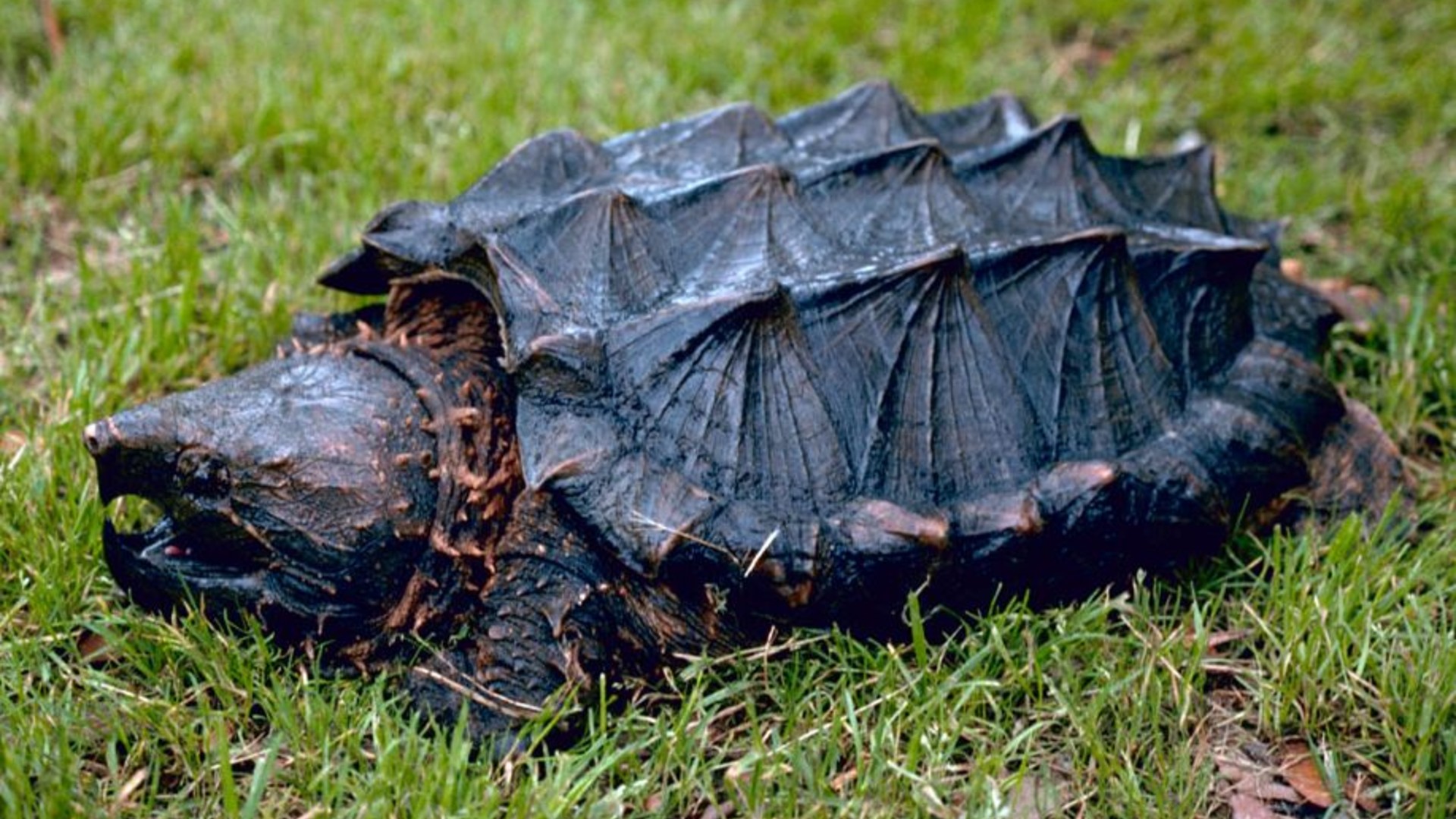
10. Alligator Snapping Turtle
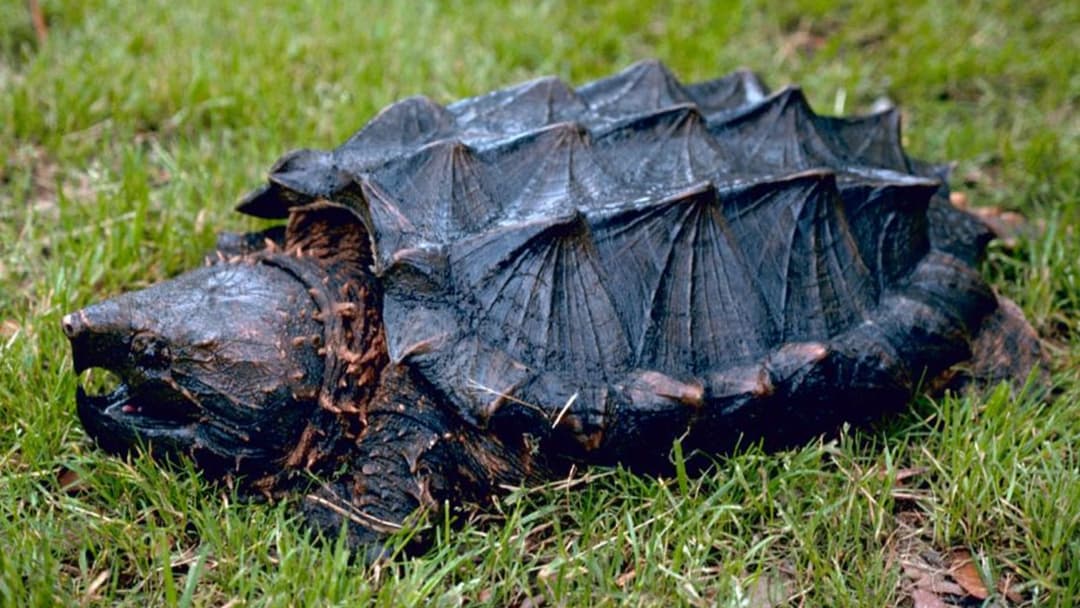
Lurking in deep southern river bottoms, the alligator snapping turtle is the largest freshwater turtle in North America. Its shell features three rows of sharp keeled scutes that resemble the dorsal armor plates of Cretaceous ankylosaurs. Inside its mouth, a worm-like tongue lure catches live fish.
9. Tuatara
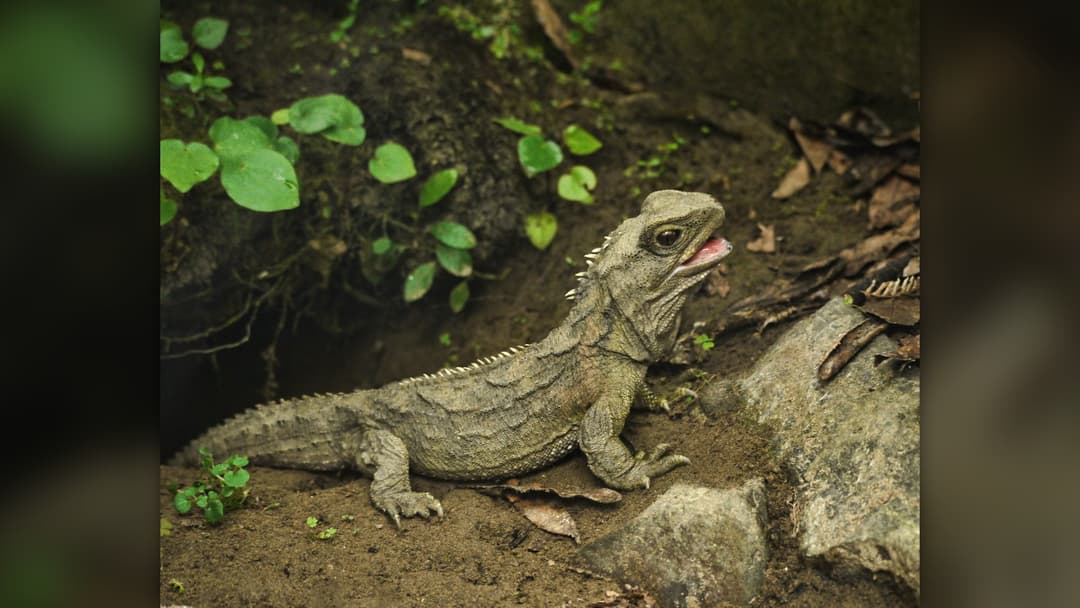
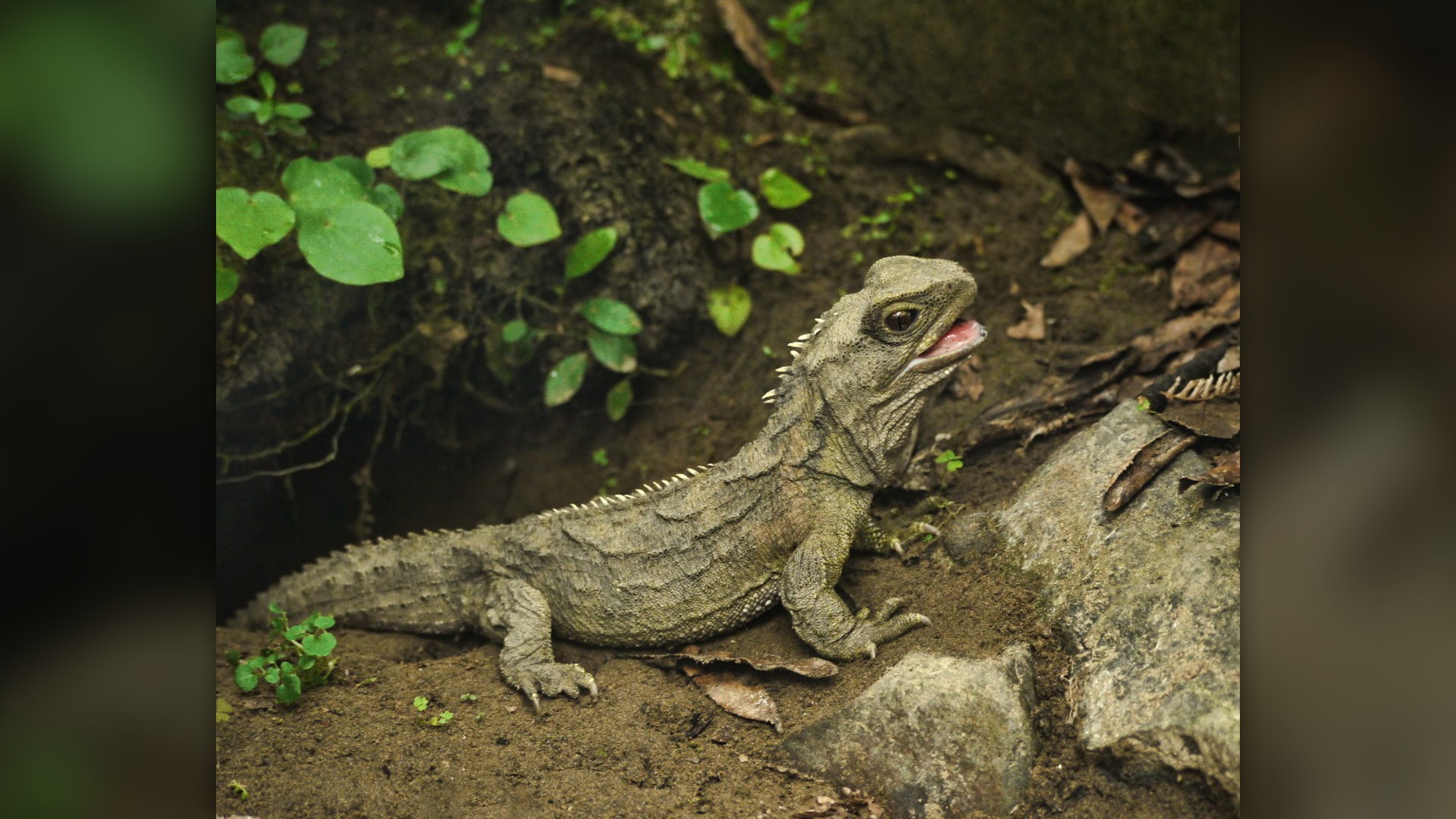
Endemic to offshore New Zealand islands, the tuatara is the sole survivor of the ancient reptilian order Rhynchocephalia. Unlike modern lizards, its skull retains two complete temporal arches identical to the earliest Mesozoic archosaurs. It also has a well-developed parietal third eye on its head.
8. Gharial
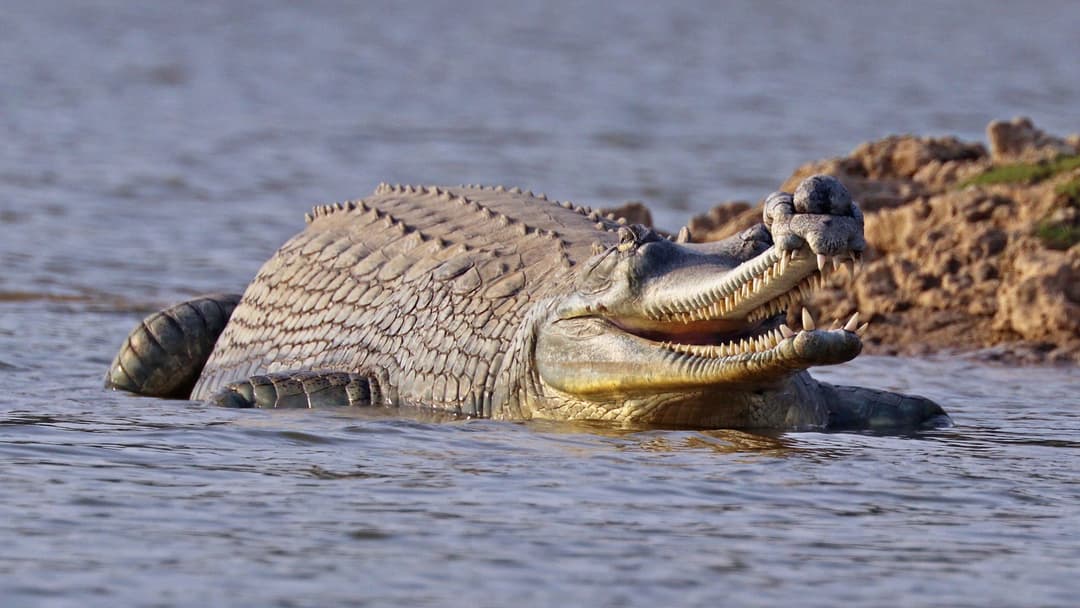
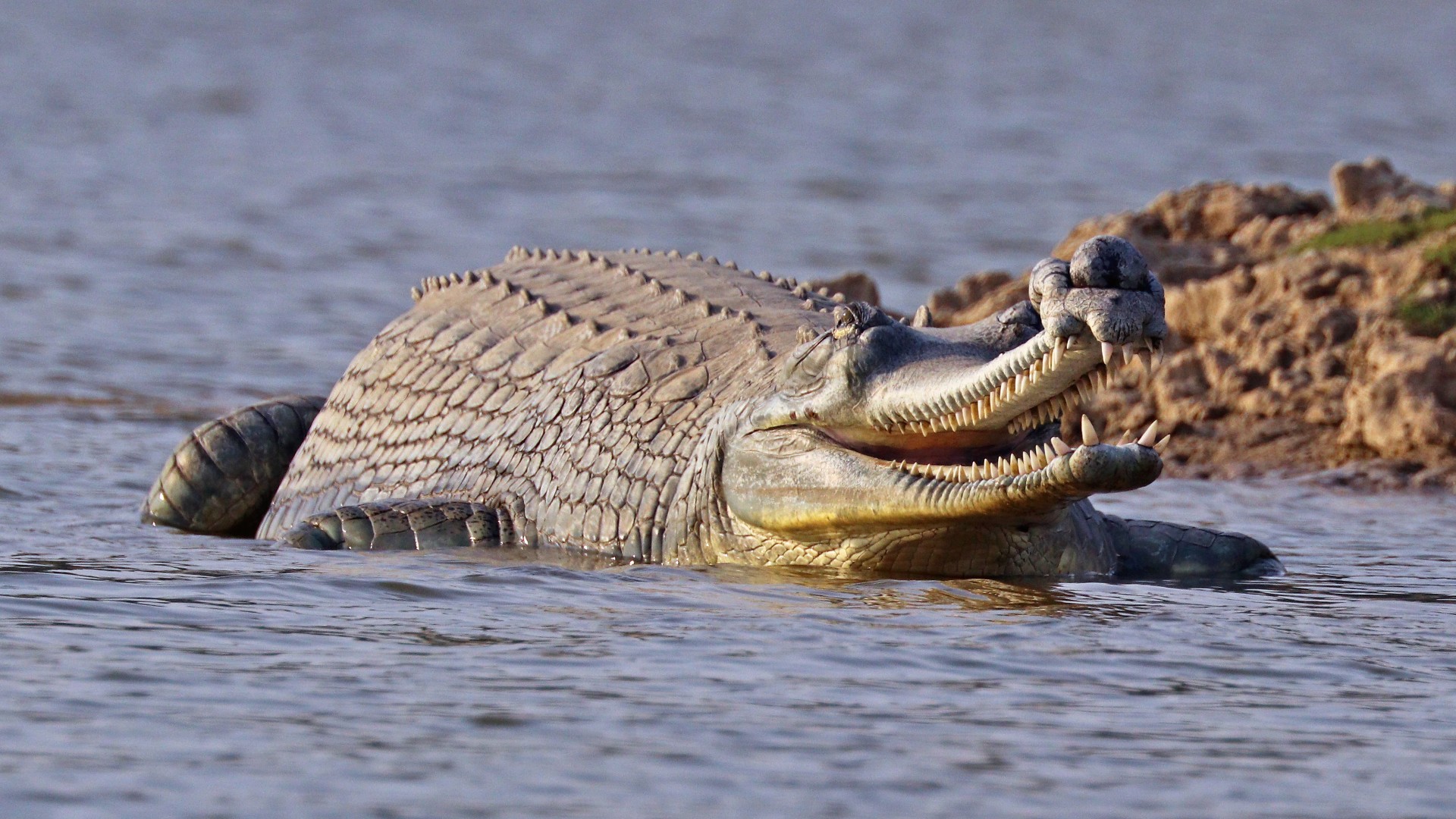
Northern India's critically endangered gharial uses a long, slender snout to slash sideways through river currents with zero water resistance. Over one hundred interlocking needle-like teeth seize slippery fish instantly. Spinosaurus and pterosaurs evolved the exact same jaw design for aquatic feeding.
7. Komodo Dragon
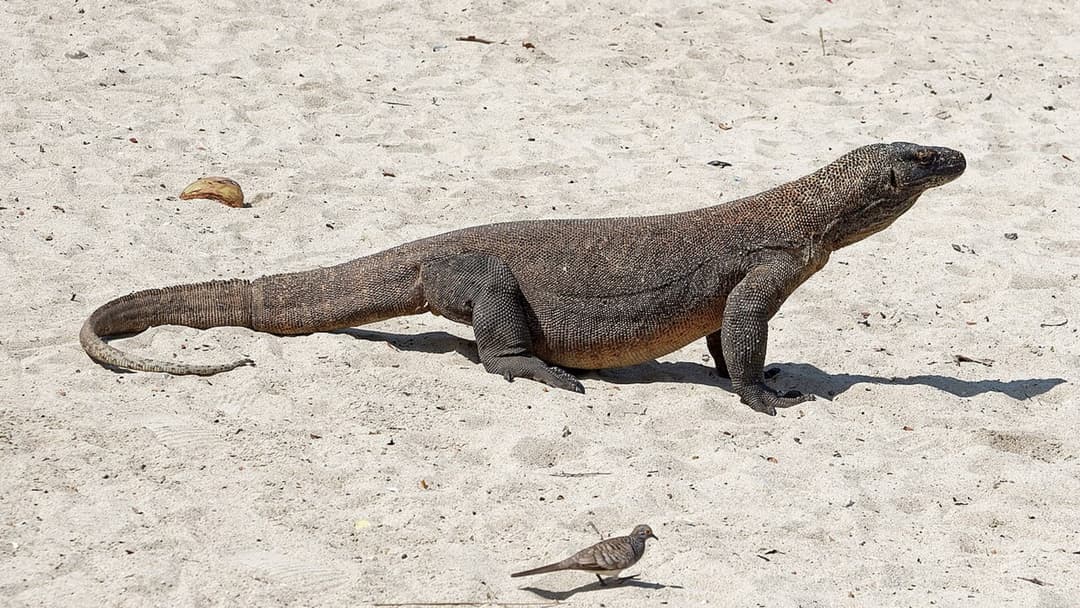
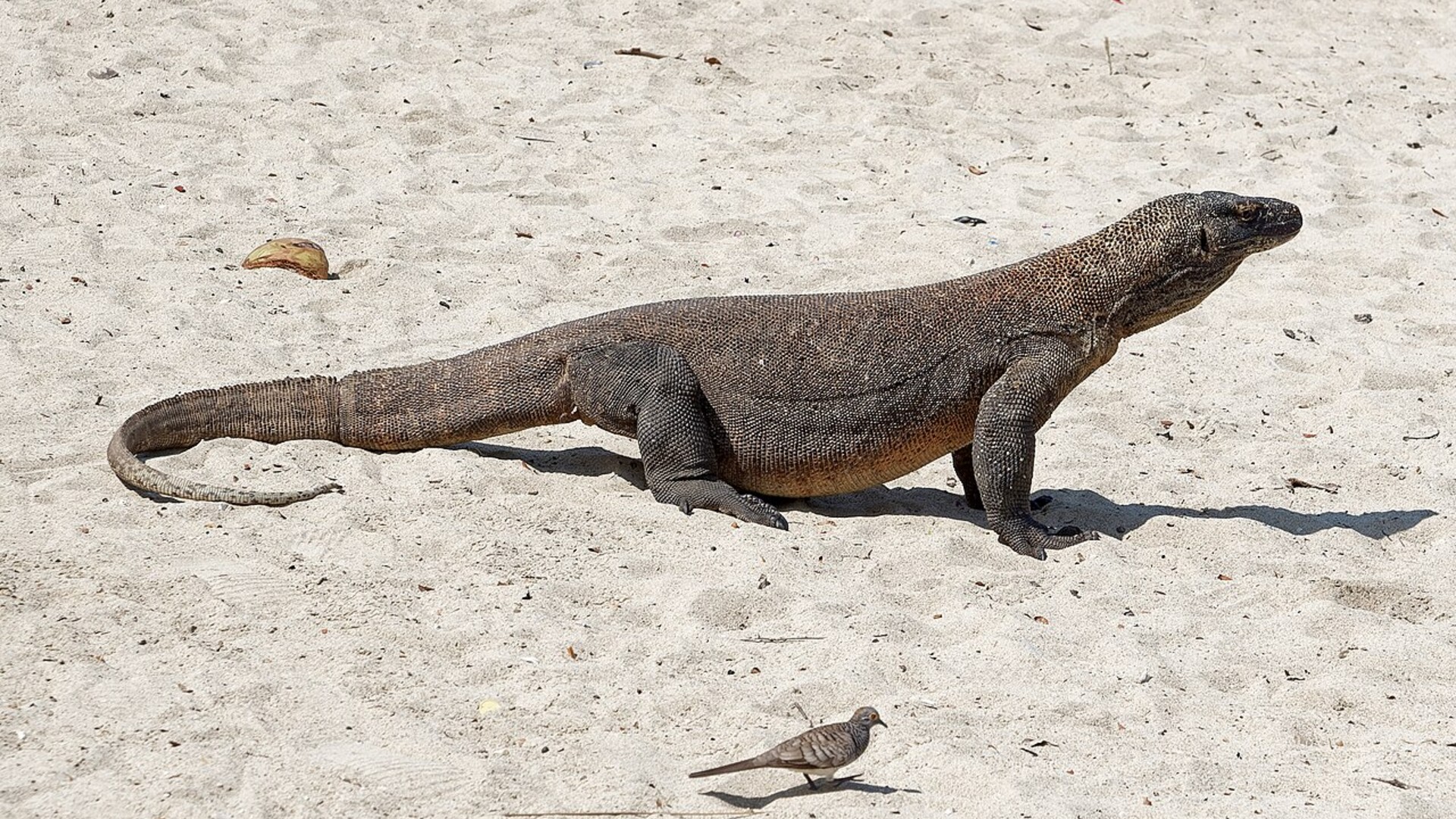
Reaching ten feet in length, Komodo dragons hunt deer and water buffalo on Indonesian islands. Their teeth are curved, laterally compressed, and serrated like steak knives, a design known as ziphodont dentition. Tyrannosaurus and allosaurs used identical serrations to strip flesh from prey.
6. Saltwater Crocodile
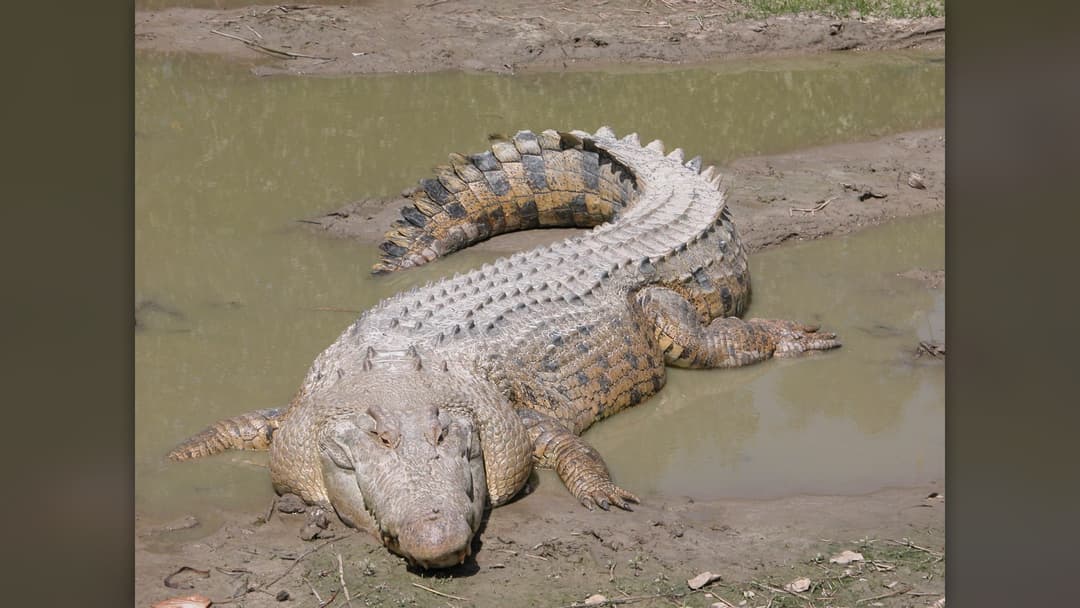
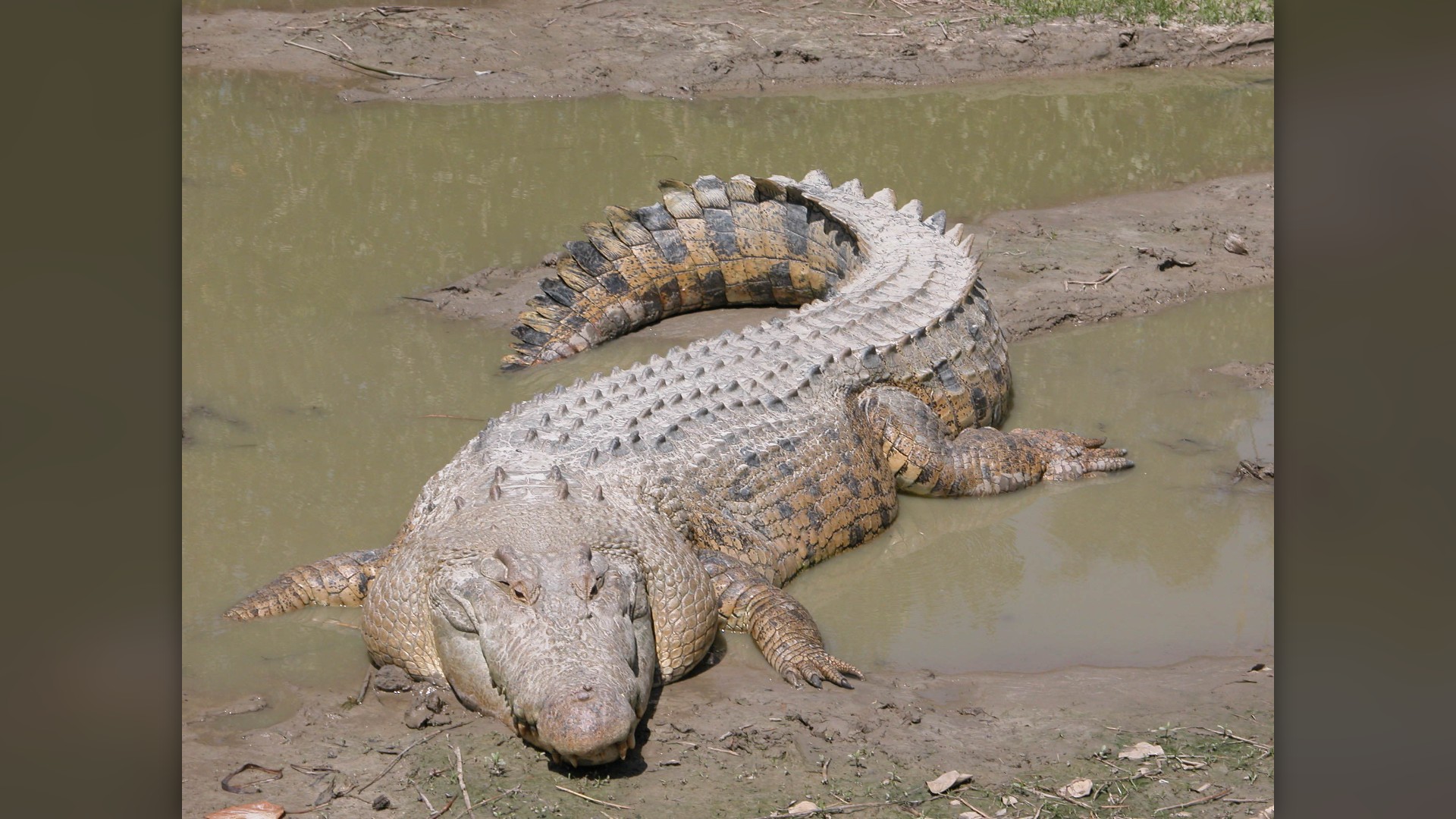
Saltwater crocodiles are living archosaurs whose lineage predates the emergence of true dinosaurs. Their backs are covered in osteoderms, bony plates anchored within the dermis that act as protective body armor. These durable dermal bones also function as solar panels, absorbing sun warmth efficiently.
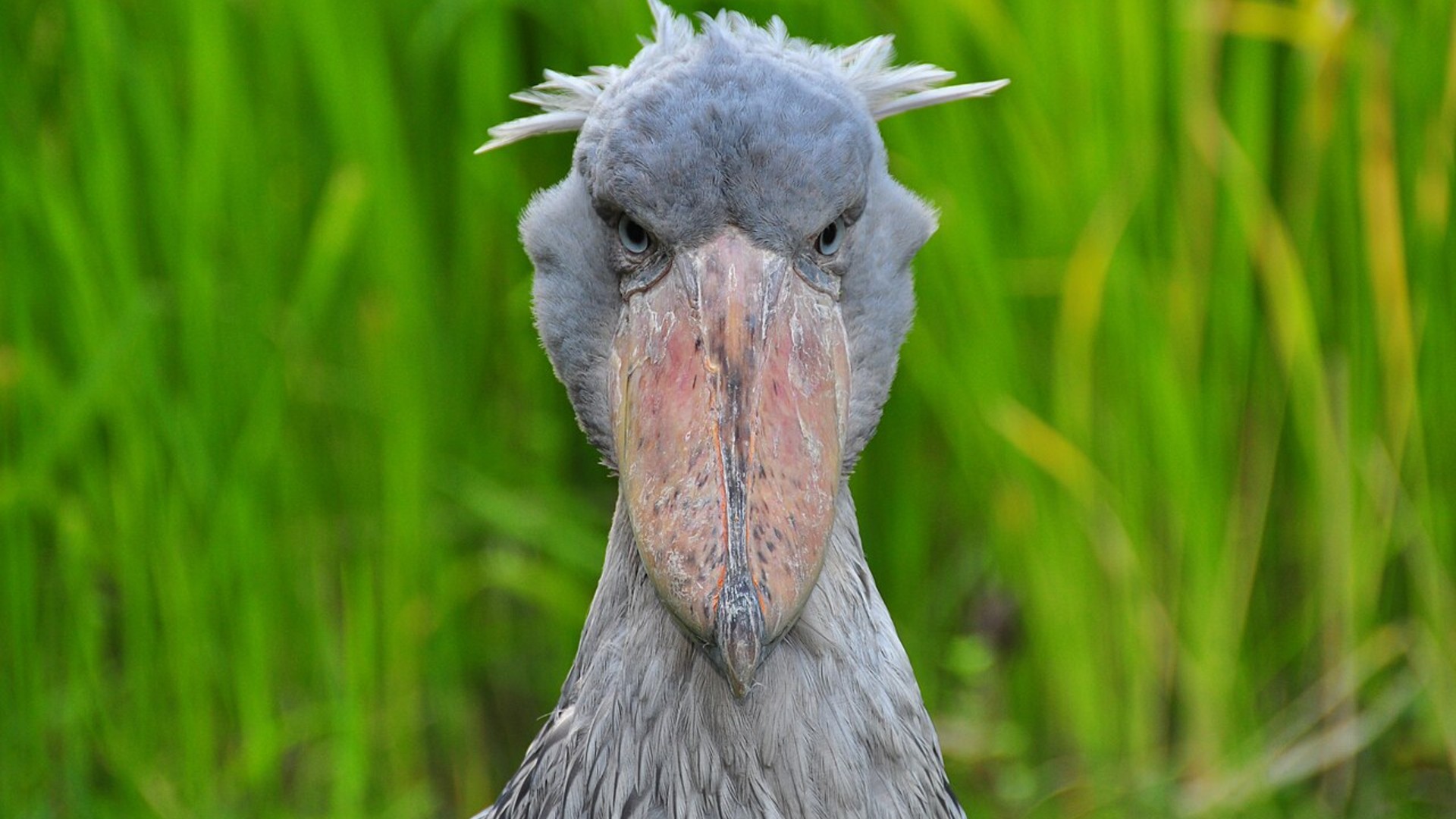
5. Shoebill Stork
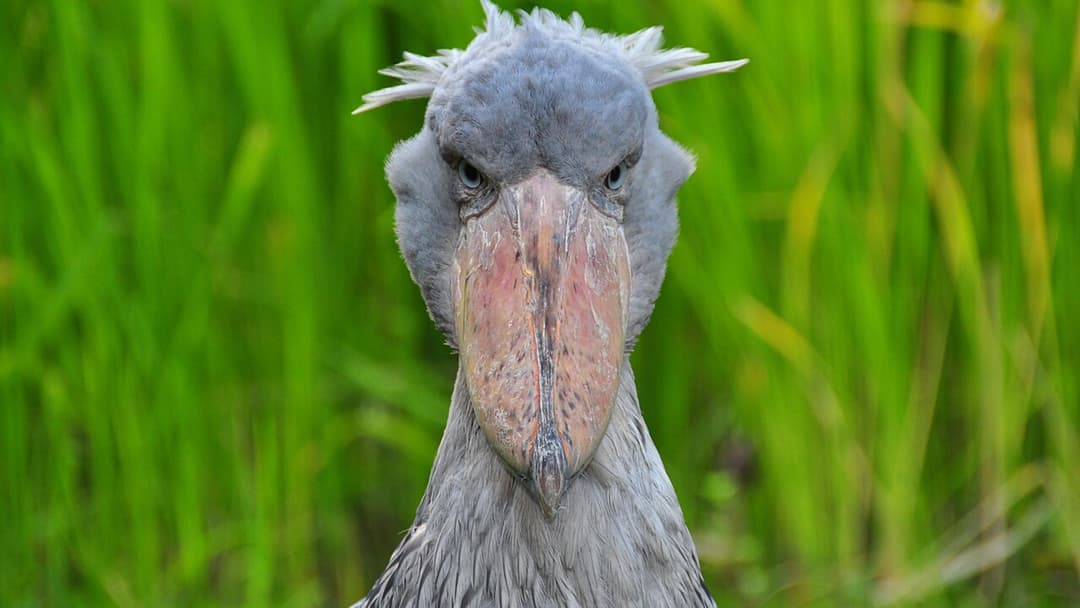
Native to east African papyrus swamps, the shoebill stands five feet tall and stares down prey with pale, unblinking eyes. Its enormous shoe-shaped bill ends in a razor-sharp hooked nail designed to decapitate lungfish and baby crocodiles. The menacing cranial profile looks completely prehistoric.
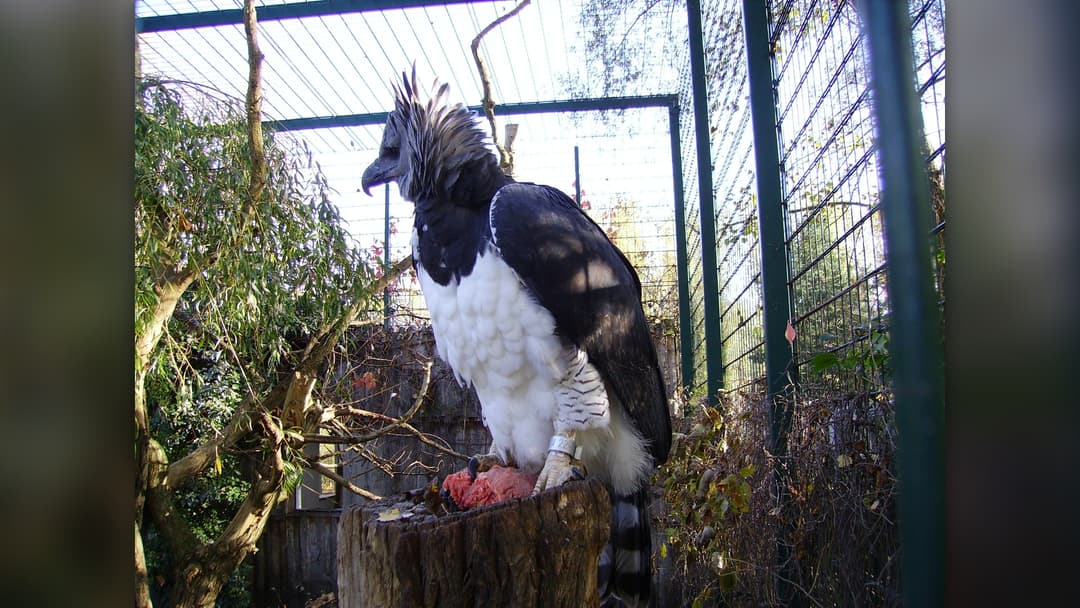
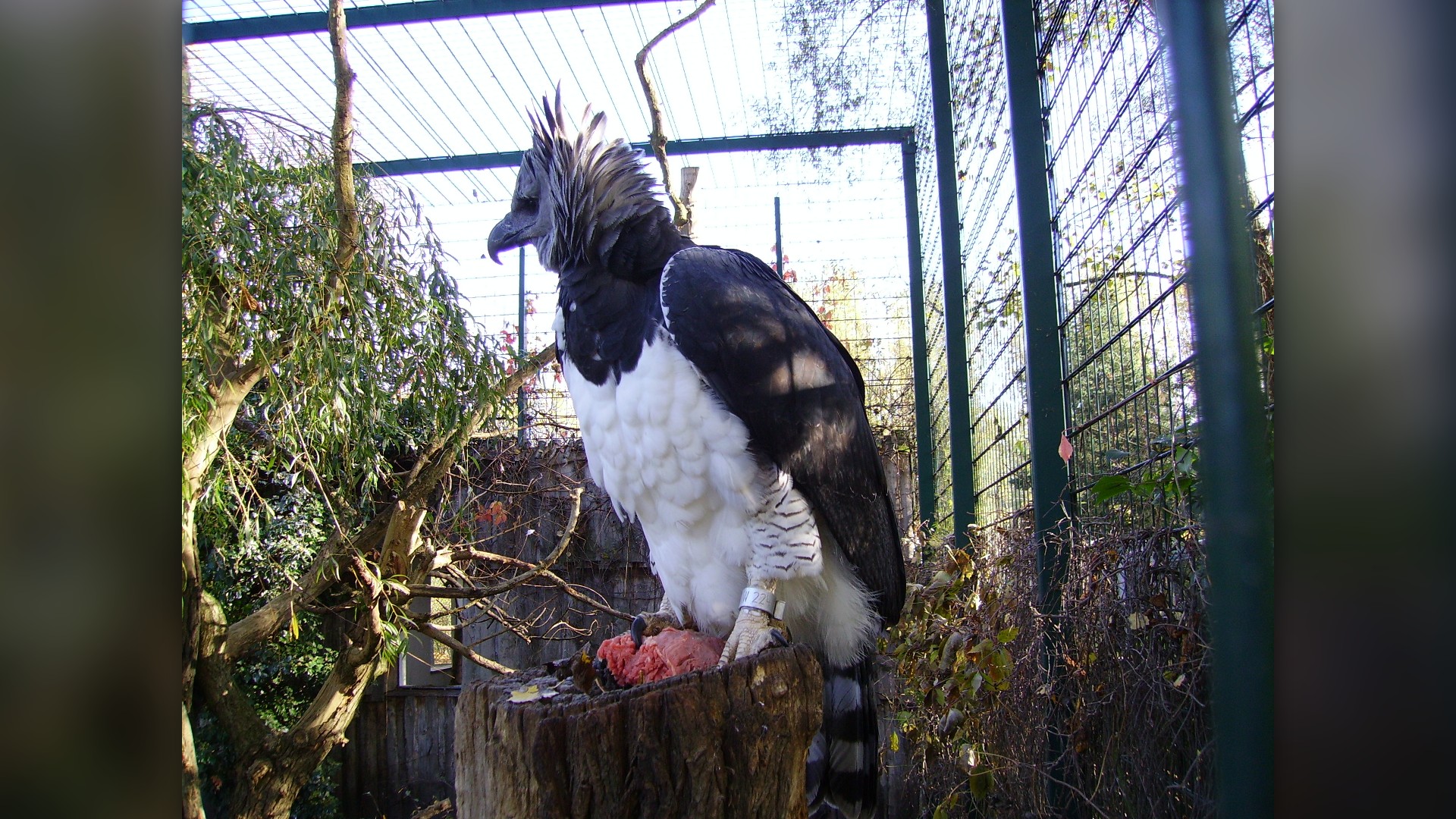
4. Harpy Eagle
Reigning over tropical South American canopies, the harpy eagle hunts sloths and monkeys from high branches. Its hind talons measure up to four inches long, matching the terrifying sickle claws of Deinonychus. When gripping prey, its massive feet exert over five hundred pounds of crushing pressure.
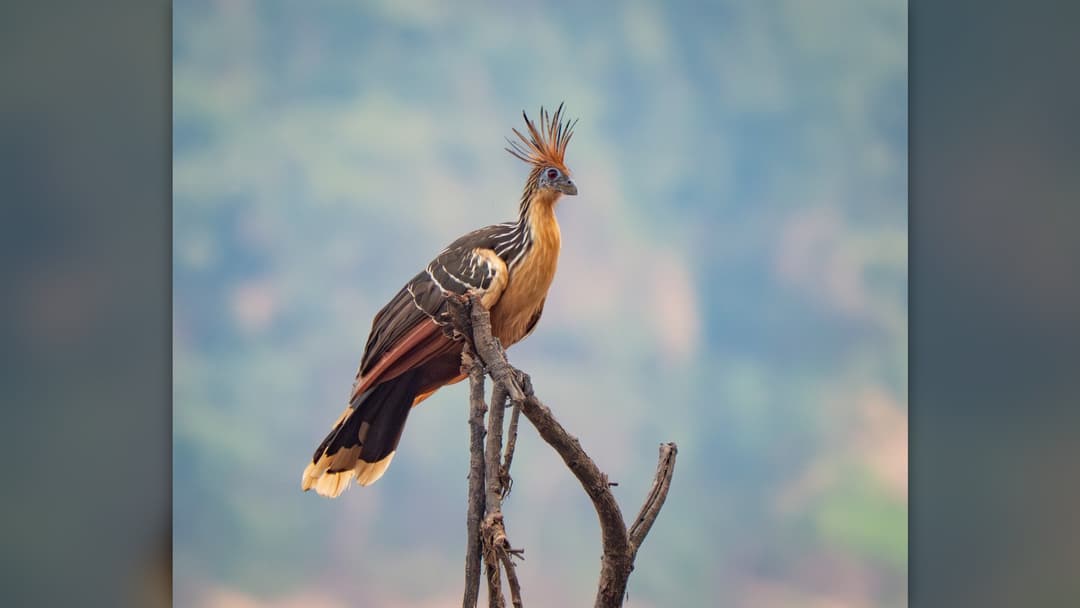
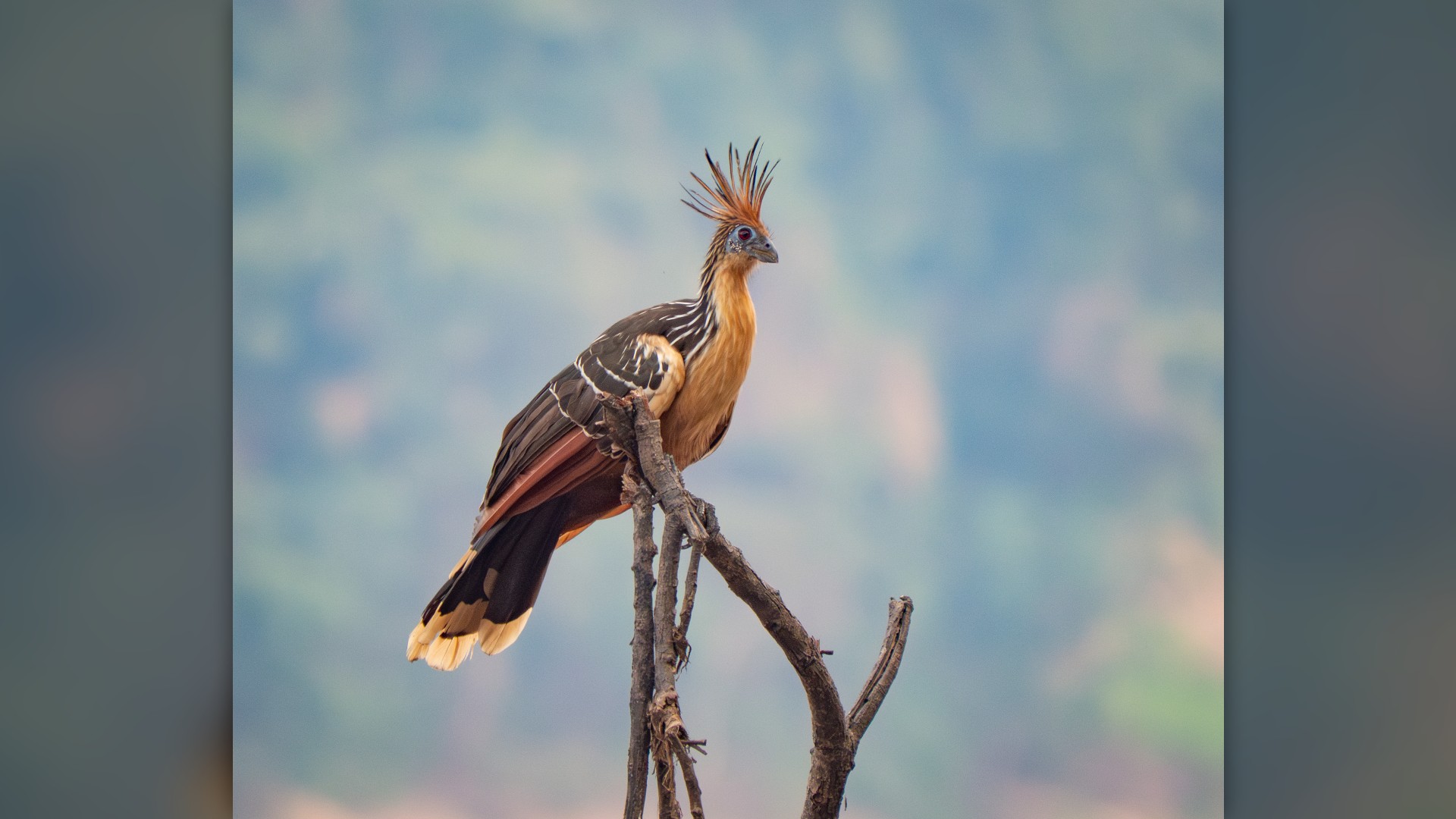
3. Hoatzin
Living along Amazon river basins, the hoatzin is one of the strangest birds on Earth. Juvenile chicks possess two functional claws on each wing, allowing them to climb back up tree branches if they drop into the river. This clawed wing structure directly recalls early transitional bird fossils.
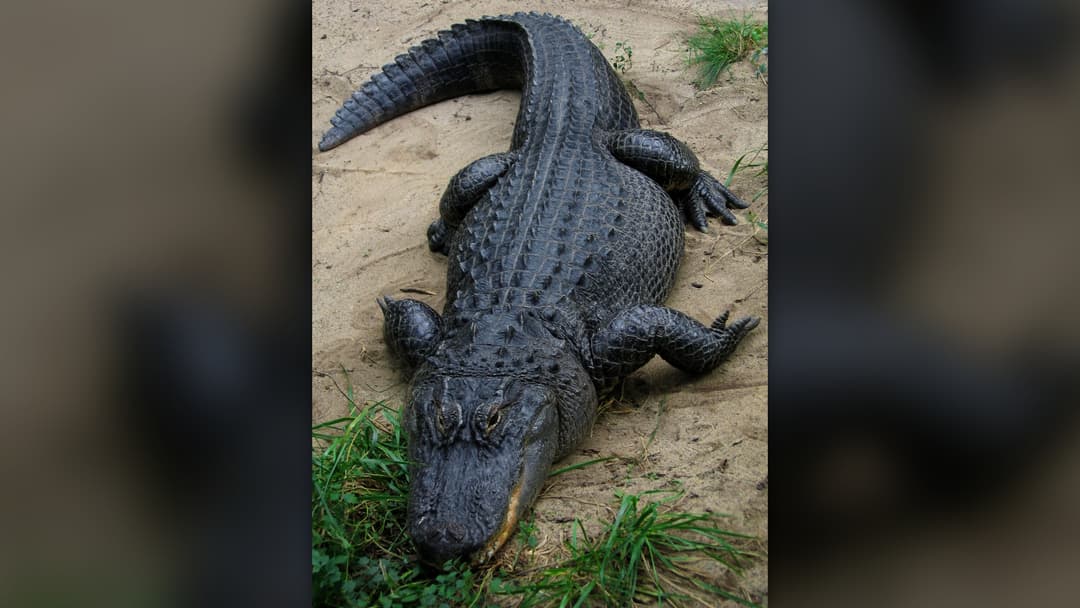
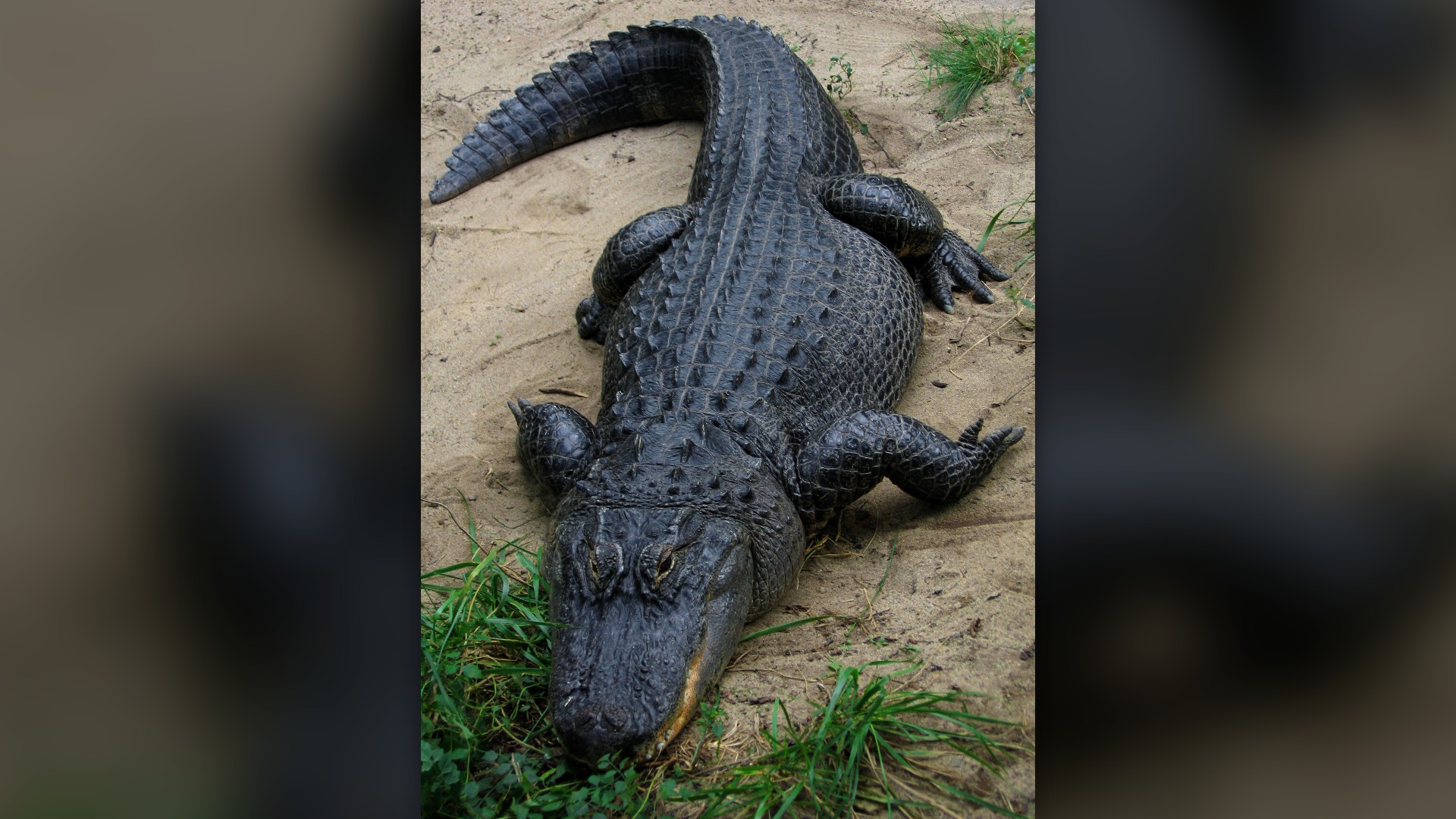
2. American Alligator
Lacking grinding molars, American alligators deliberately swallow river stones that reside inside their muscular gizzards. Contractions churn these gastroliths to pulverize turtle shells and bone fragments. Paleontologists frequently discover smooth polished gastroliths inside sauropod fossil rib cages.
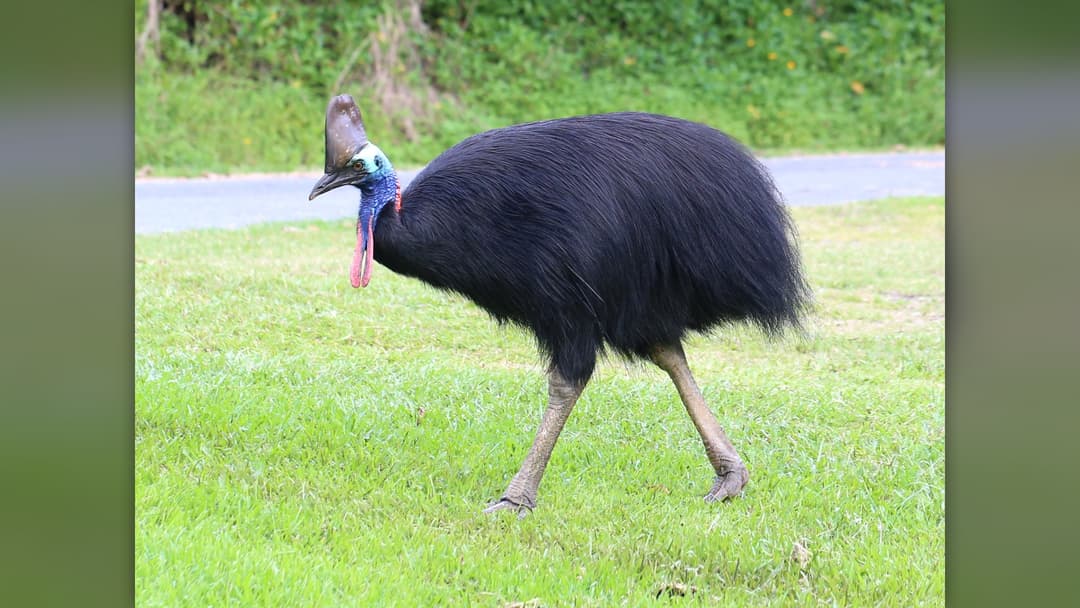
1. Southern Cassowary
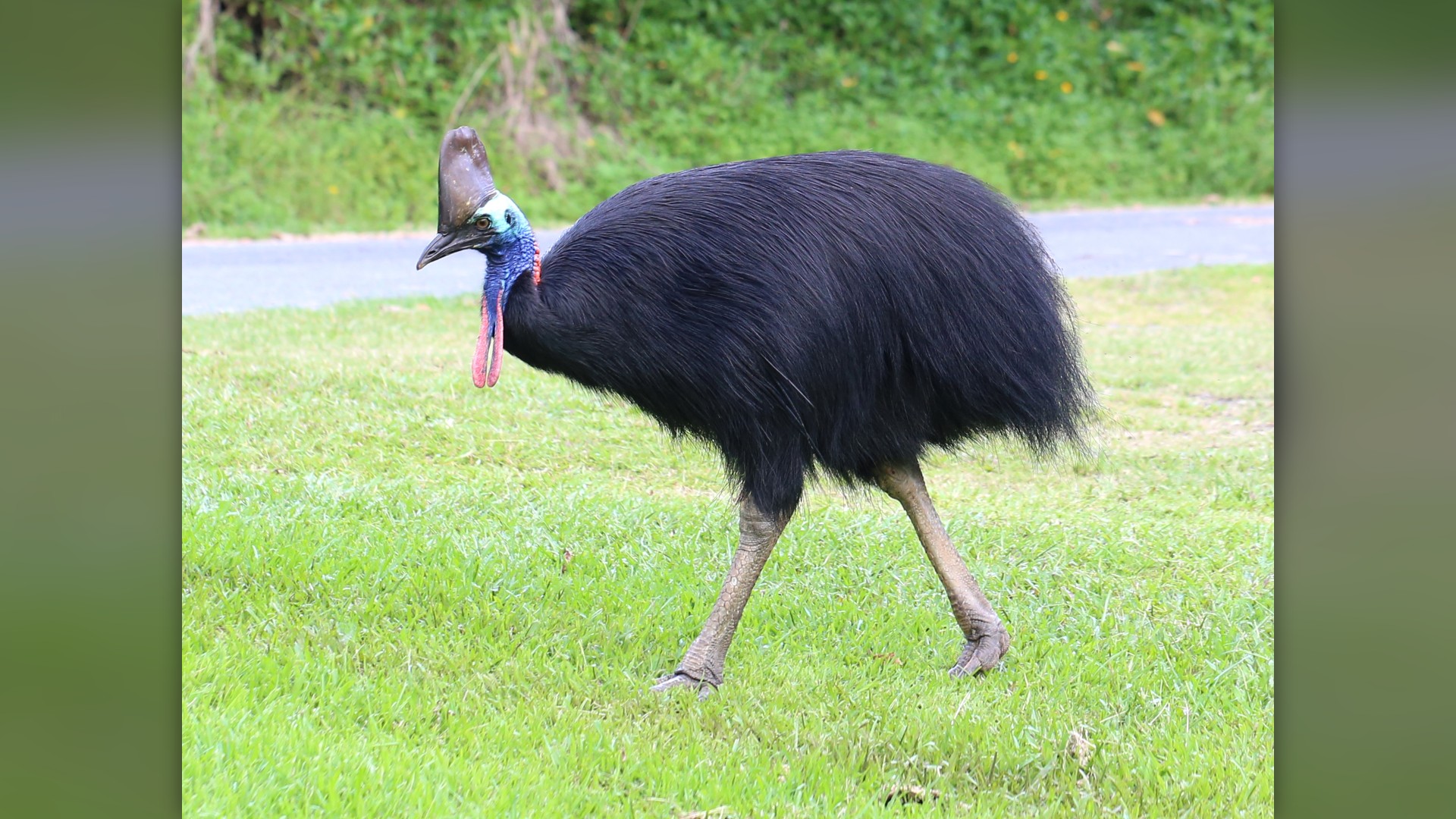
Native to northeastern Australia, the southern cassowary is considered the most dangerous bird in the world. A sponge-like keratin casque tops its head like a Cretaceous oviraptor, while its inner toe carries a five-inch razor claw. It's living proof that velociraptor anatomy never truly left our planet.