Slideshow · Viral
25 Major Global Cities Living in the Shadow of Active Volcanoes
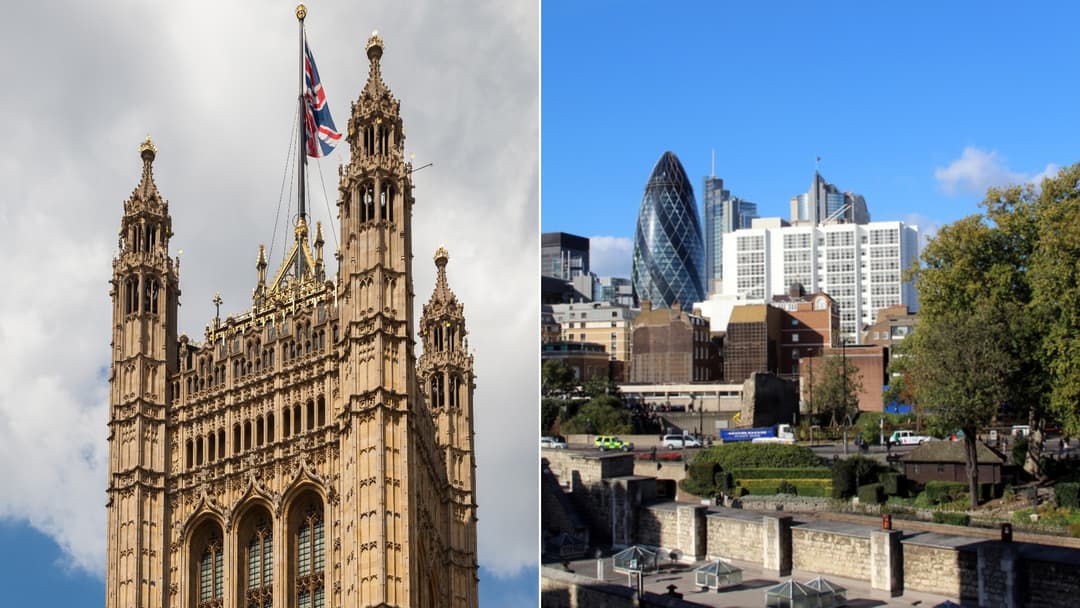
From densely populated metropolitan hubs in Italy and Japan to bustling capitals in Latin America, millions of people live directly beneath explosive volcanic peaks. While fertile volcanic soils and geothermal energy drew historical settlements, modern geologists warn that dormant craters can awaken with catastrophic speed.
By Most Viral Today
15 min ago

Millions of urban residents live in the direct path of dangerous magma flows 
25. Hilo, Hawaii 
24. Reykjavik, Iceland 
23. Goma, DR Congo - AdvertisementSwipe or tap ▶ to continue countdown

22. Pasto, Colombia 
21. Legazpi, Philippines 
20. Arequipa, Peru 
19. Catania, Italy - AdvertisementSwipe or tap ▶ to continue countdown

18. San Jose, Costa Rica 
17. Yogyakarta, Indonesia 
16. Kagoshima, Japan 
15. Quito, Ecuador - AdvertisementSwipe or tap ▶ to continue countdown

14. San Salvador, El Salvador 
13. Managua, Nicaragua 
12. Antigua, Guatemala 
11. Shimabara, Japan - AdvertisementSwipe or tap ▶ to continue countdown

10. Rabaul, Papua New Guinea 
9. Saint-Pierre, Martinique 
8. Anchorage, Alaska 
7. Bandung, Indonesia - AdvertisementSwipe or tap ▶ to continue countdown

6. Tacoma, Washington 
5. Clermont-Ferrand, France 
4. Auckland, New Zealand 
3. Tokyo, Japan - AdvertisementSwipe or tap ▶ to continue countdown

2. Mexico City, Mexico 
1. Naples, Italy - Advertisement🔥 UP NEXT IN THIS SERIES◫ 21 Slides

20 Top Selling EVs of 2026
Which electric vehicles are winning the global race in 2026? From industry giants to rising challengers, we rank the top 20 best-selling battery electric vehicles based on year-to-date global market performance as of November 2026.
From densely populated metropolitan hubs in Italy and Japan to bustling capitals in Latin America, millions of people live directly beneath explosive volcanic peaks.
Swipe or tap ▶ to begin the countdown
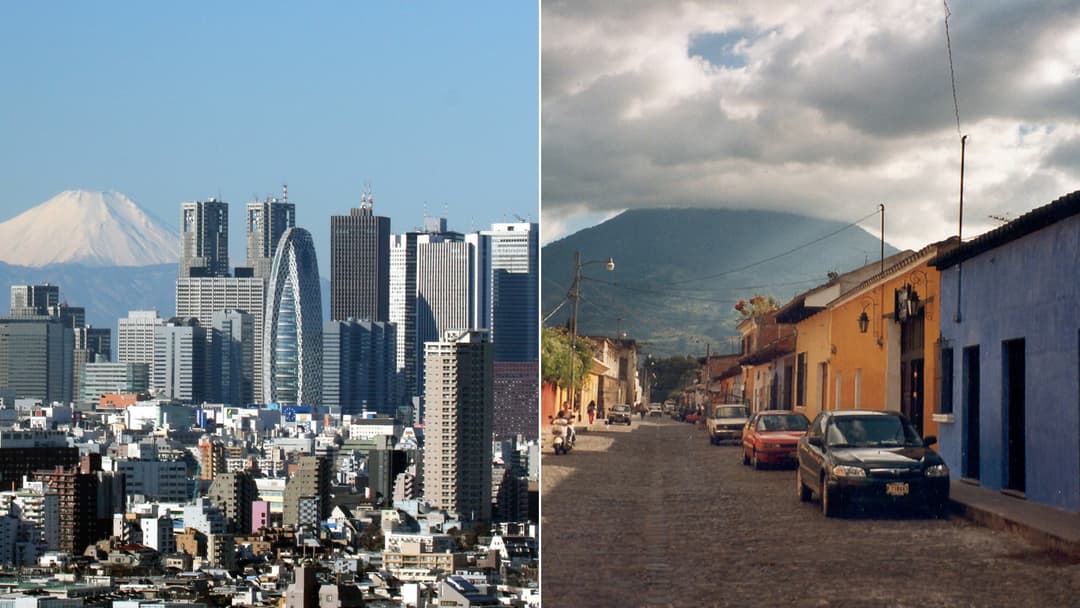
©Wikimedia / Tokyo & Wikimedia / Alex Guerrero
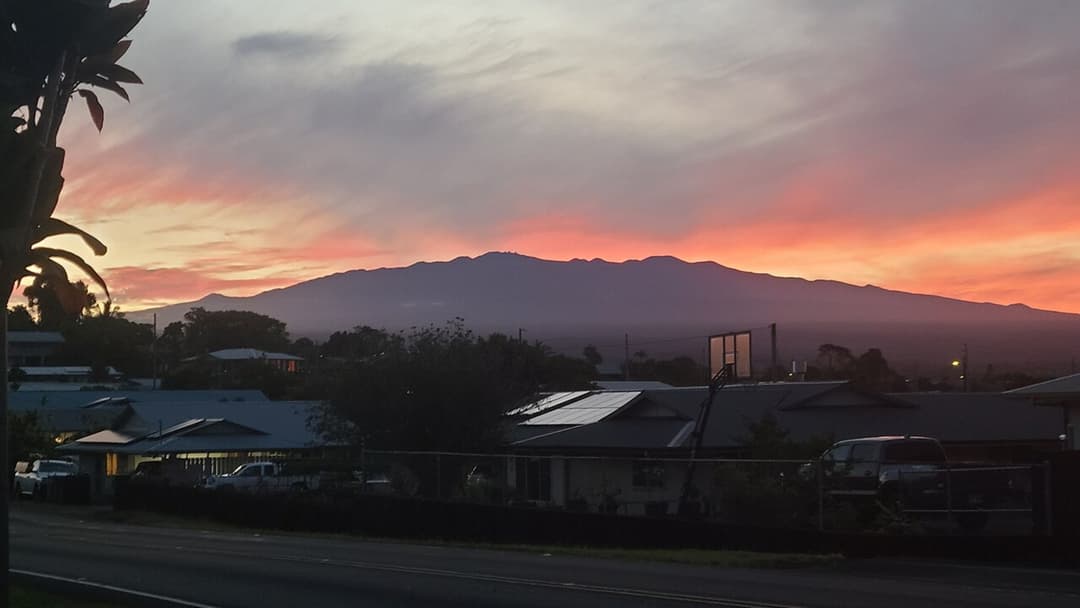
25. Hilo, Hawaii
Situated on the eastern coast of the Big Island, Hilo has repeatedly confronted encroaching basalt lava flows. In 1984, molten rock from Mauna Loa advanced within four miles of the city limits before stopping. County officials maintain specialized diversion barriers to protect municipal infrastructure.
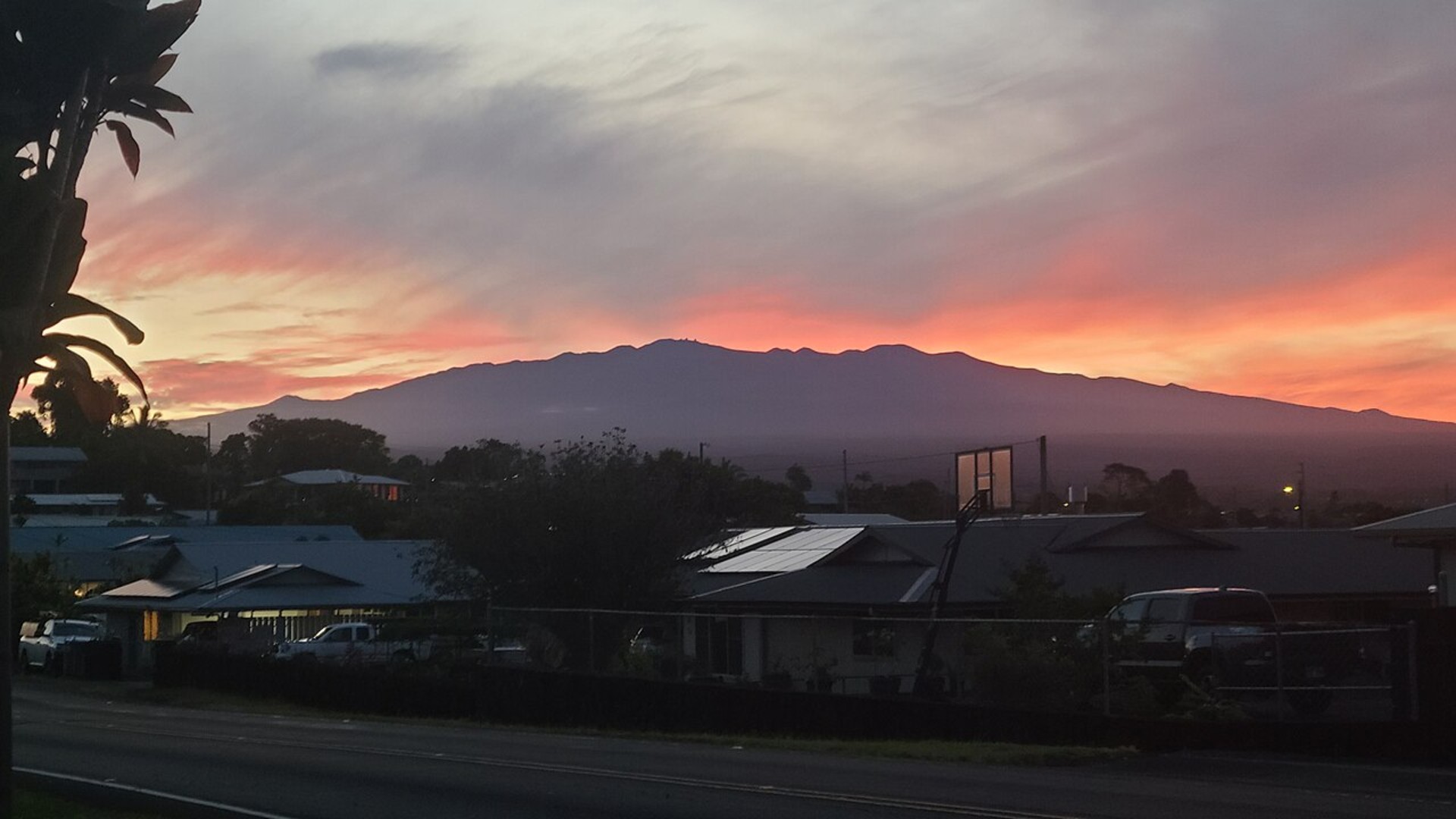
©Wikimedia / Maplemoths
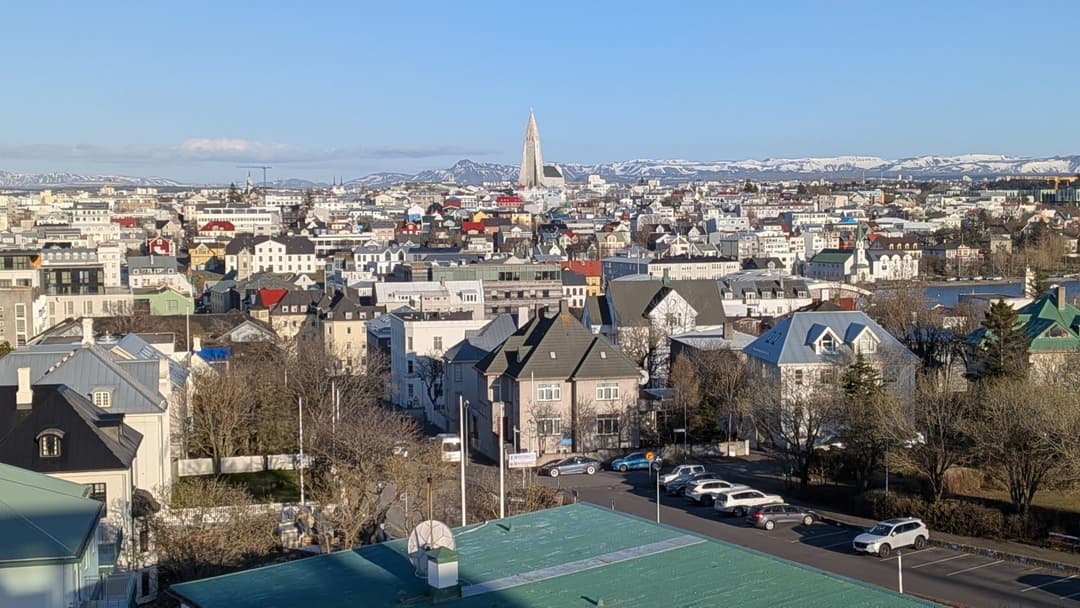
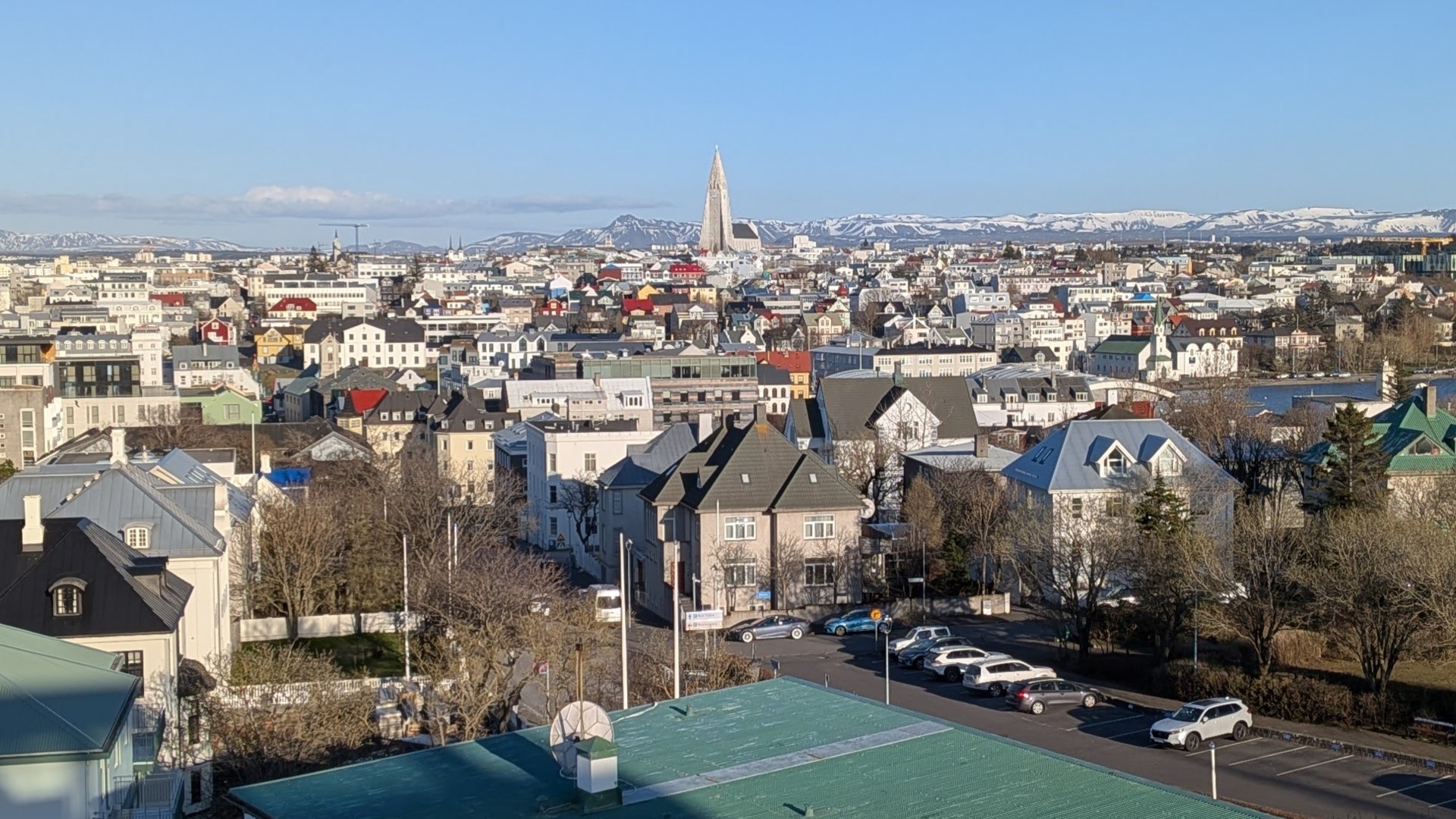
24. Reykjavik, Iceland
While Reykjavik itself rests on ancient basalt, recent volcanic rifting in nearby Grindavik proved the peninsula is entering an active volcanic cycle. Expanding magma dikes threaten international airport corridors and geothermal power plants that supply heat to over two hundred thousand residents.
©Wikimedia / Steinninn
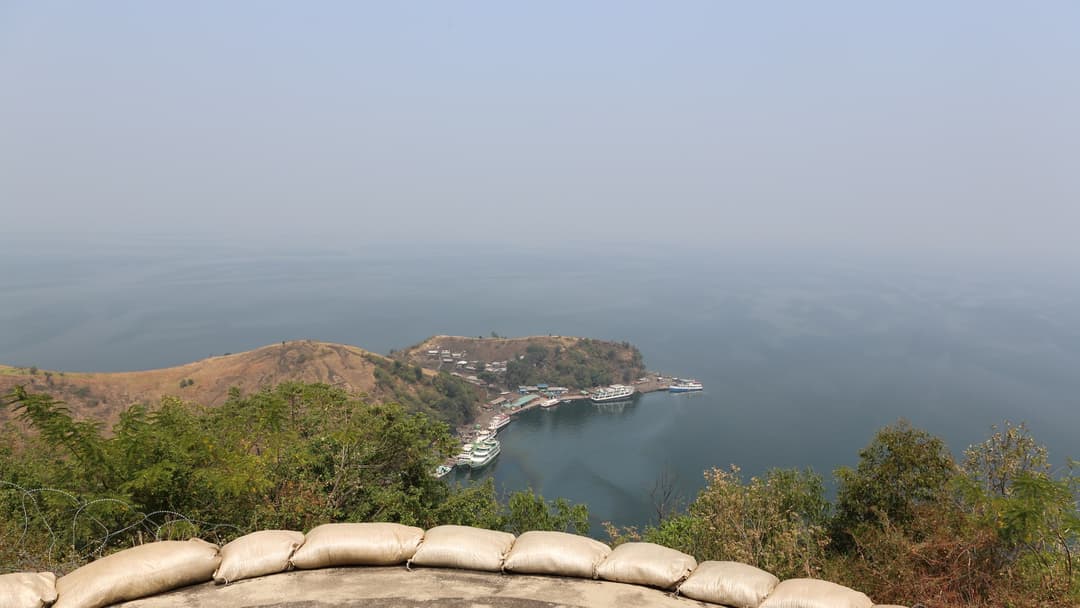
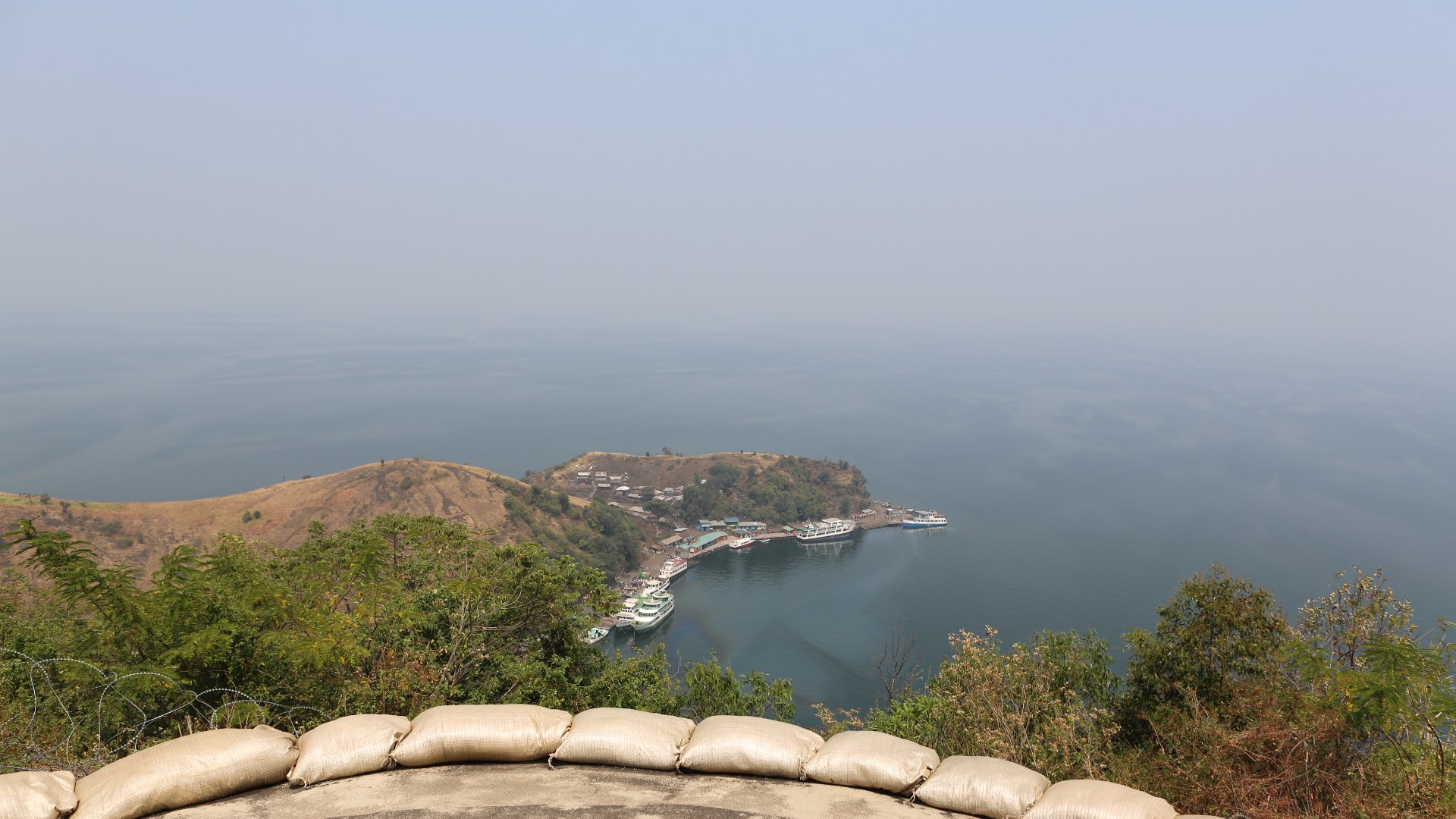
23. Goma, DR Congo
Nyiragongo's low-silica alkaline lava can travel downhill at sixty miles per hour. In 2002, catastrophic lava streams tore through downtown Goma, destroying twenty percent of the city and reaching Lake Kivu. Today, emergency sirens monitor the volatile crater to prevent another sudden evacuation.
©Wikimedia / MONUSCO Photos
Advertisement
Swipe or tap ▶ to resume the countdown.
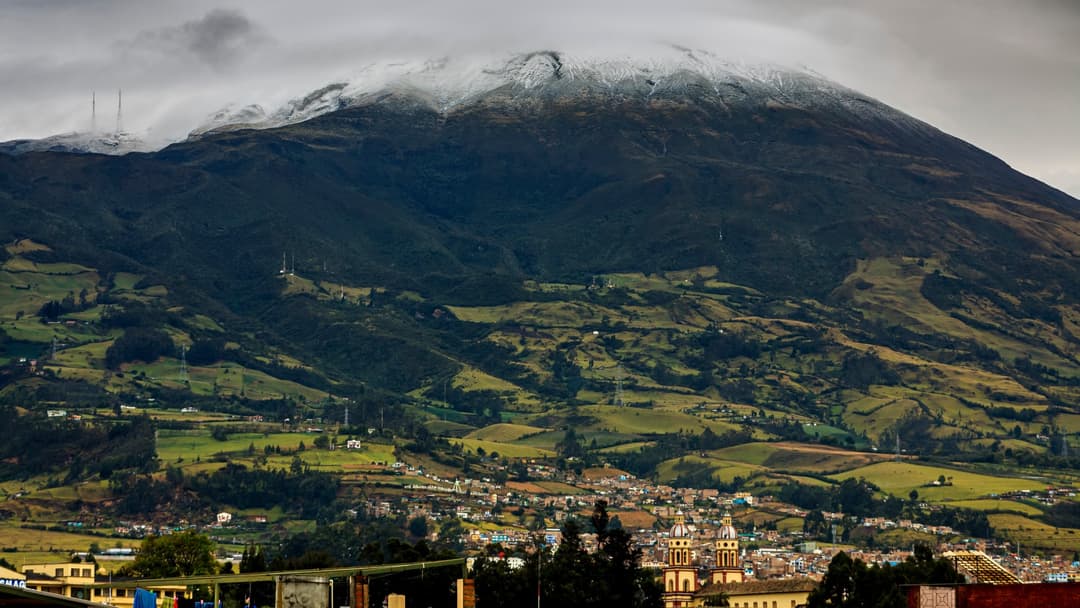
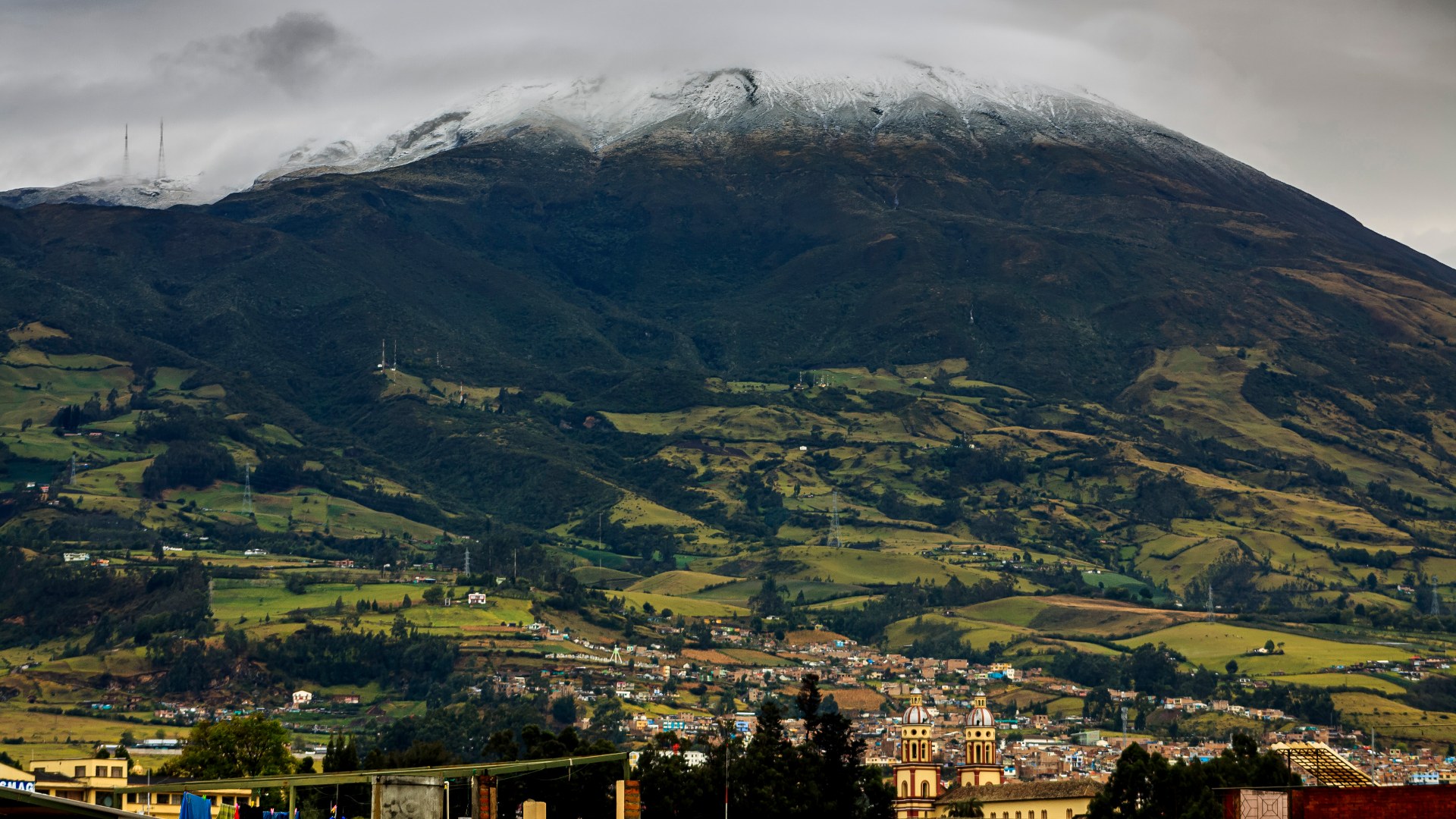
22. Pasto, Colombia
Galeras has erupted continuously for over four centuries, making it Colombia's most dangerous active stratovolcano. Pasto sits within the high-hazard pyroclastic zone, where explosive ash columns regularly force regional airport closures. Evacuation drills are a routine fact of municipal civic life.
©Wikimedia / Luis Eduardo White Patiño
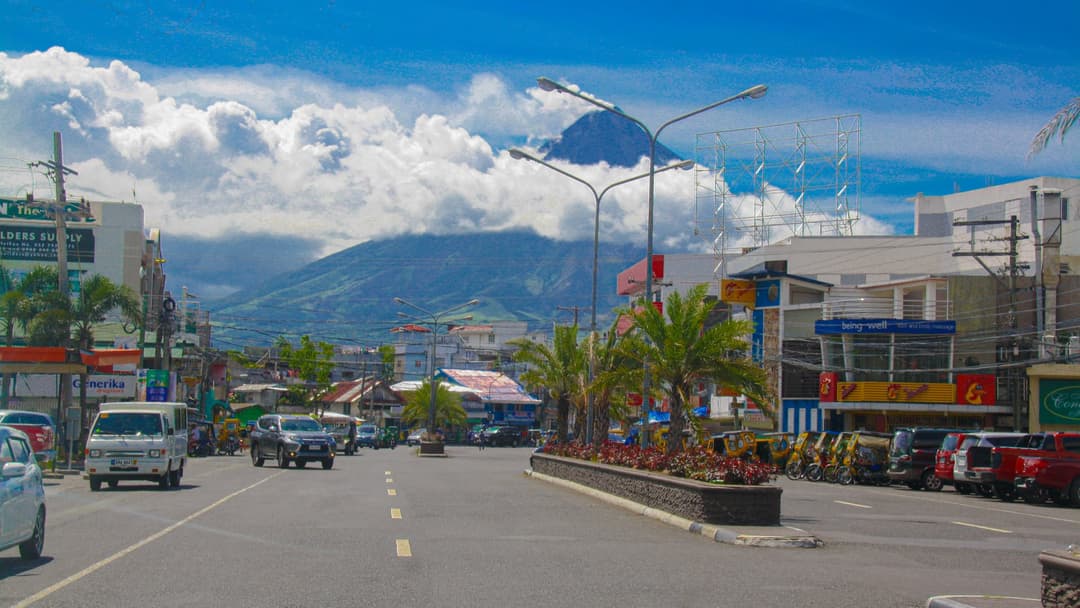
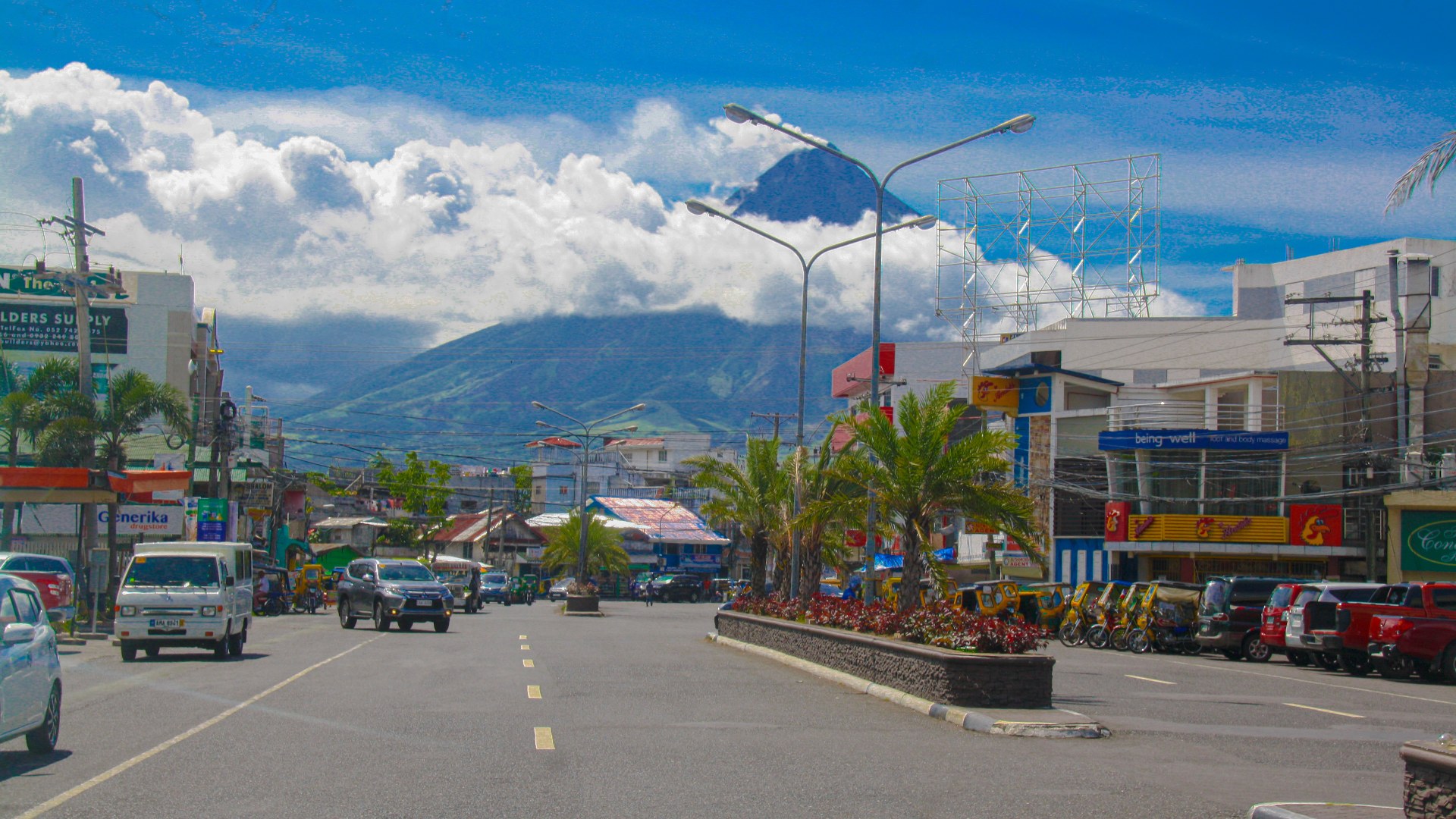
21. Legazpi, Philippines
Mayon is renowned for its near-perfect conical silhouette, but it has erupted over fifty times since 1616. In 1814, an explosive blast buried the nearby town of Cagsawa under volcanic ash and lahars. Today, Legazpi monitors a permanent six-kilometer danger zone to keep residents out of harms way.
©Wikimedia / Alcantaraeric
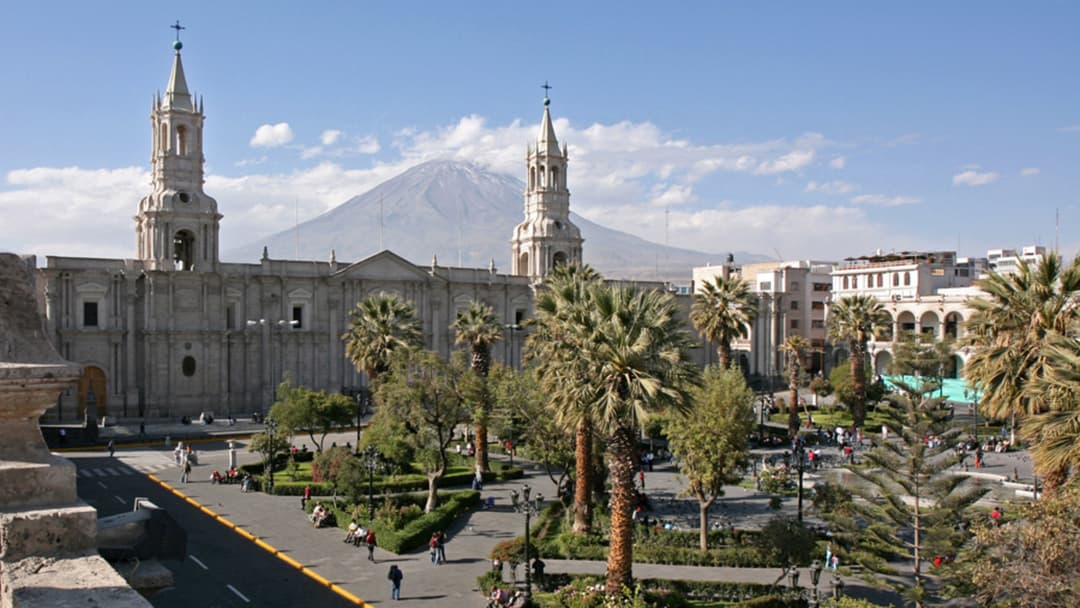
20. Arequipa, Peru
Known as the White City because of its white volcanic sillar architecture, Arequipa developed directly from its menacing neighbor. El Misti last produced a major explosive blast during the fifteenth century, but venting fumaroles remain active. A sudden eruption would send lahars directly into city ravines.
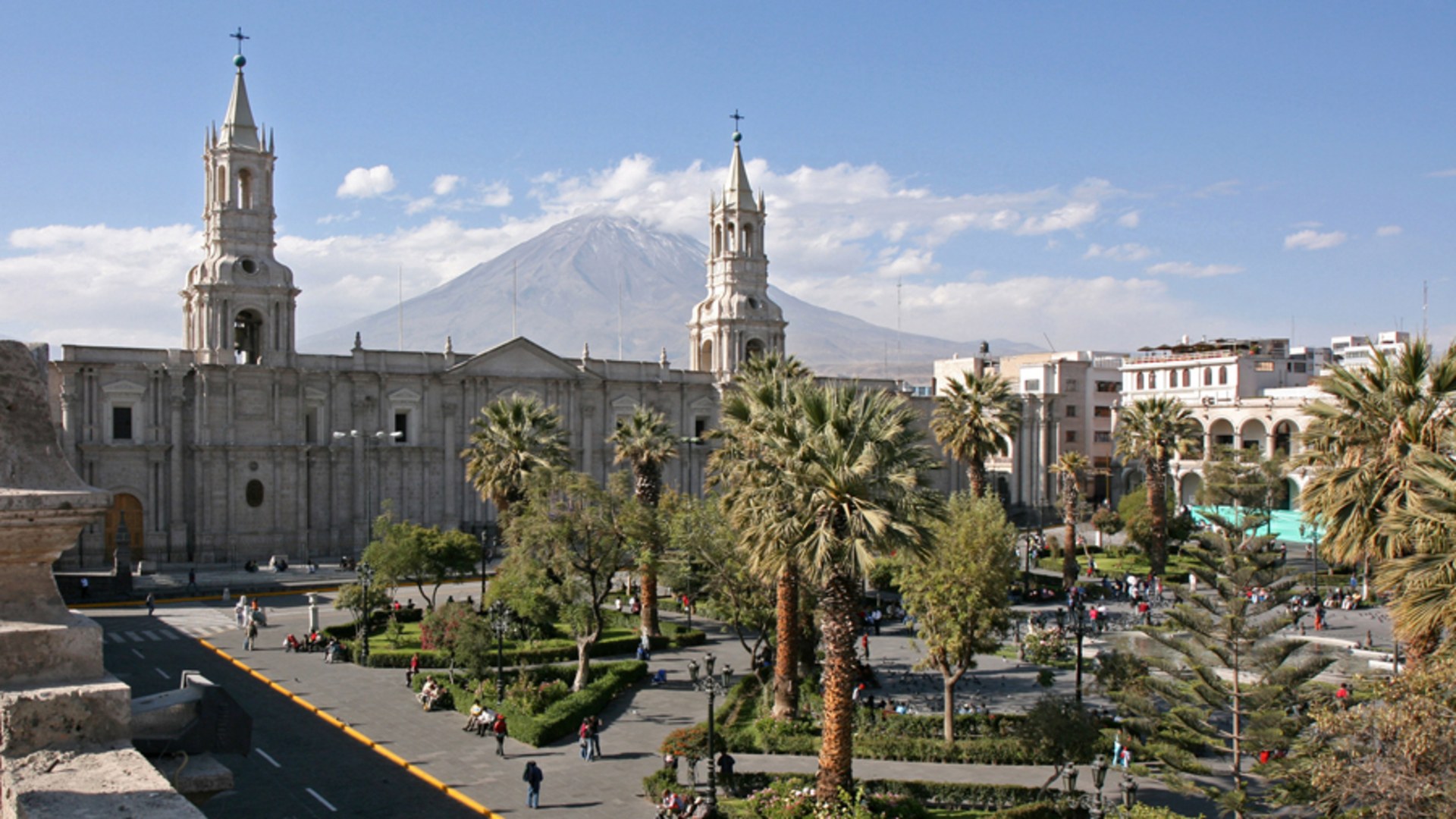
©Wikimedia / Frans-Banja Mulder
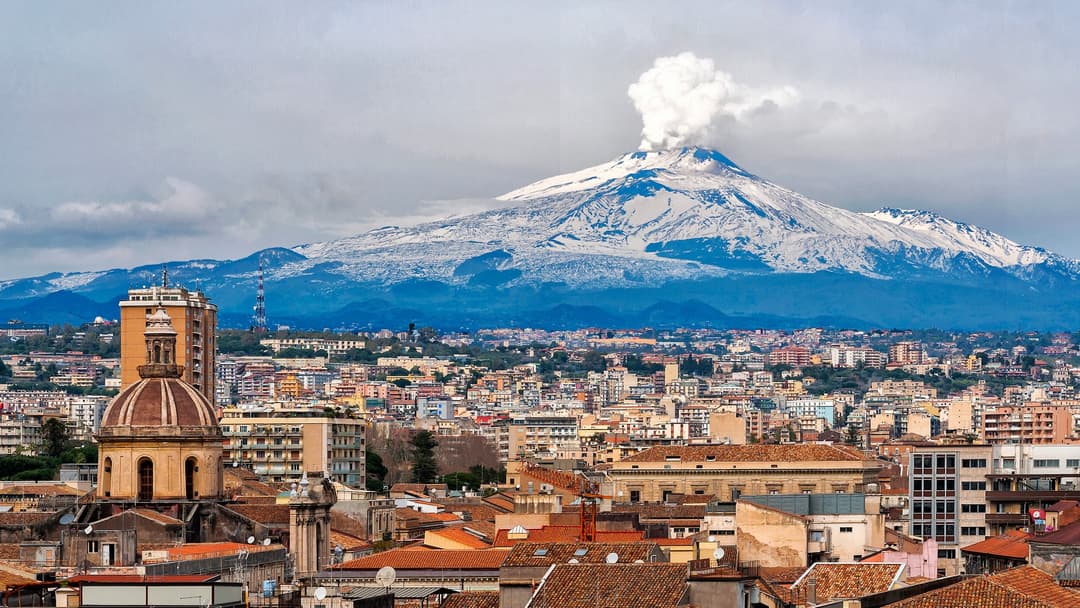
19. Catania, Italy
Mount Etna has towered over Catania for millennia, erupting dozens of times each decade. In 1669, massive lava streams breached the western city walls and submerged historical fortifications before plunging into the Ionian Sea. Modern residents live alongside frequent spectacular nighttime lava fountains.
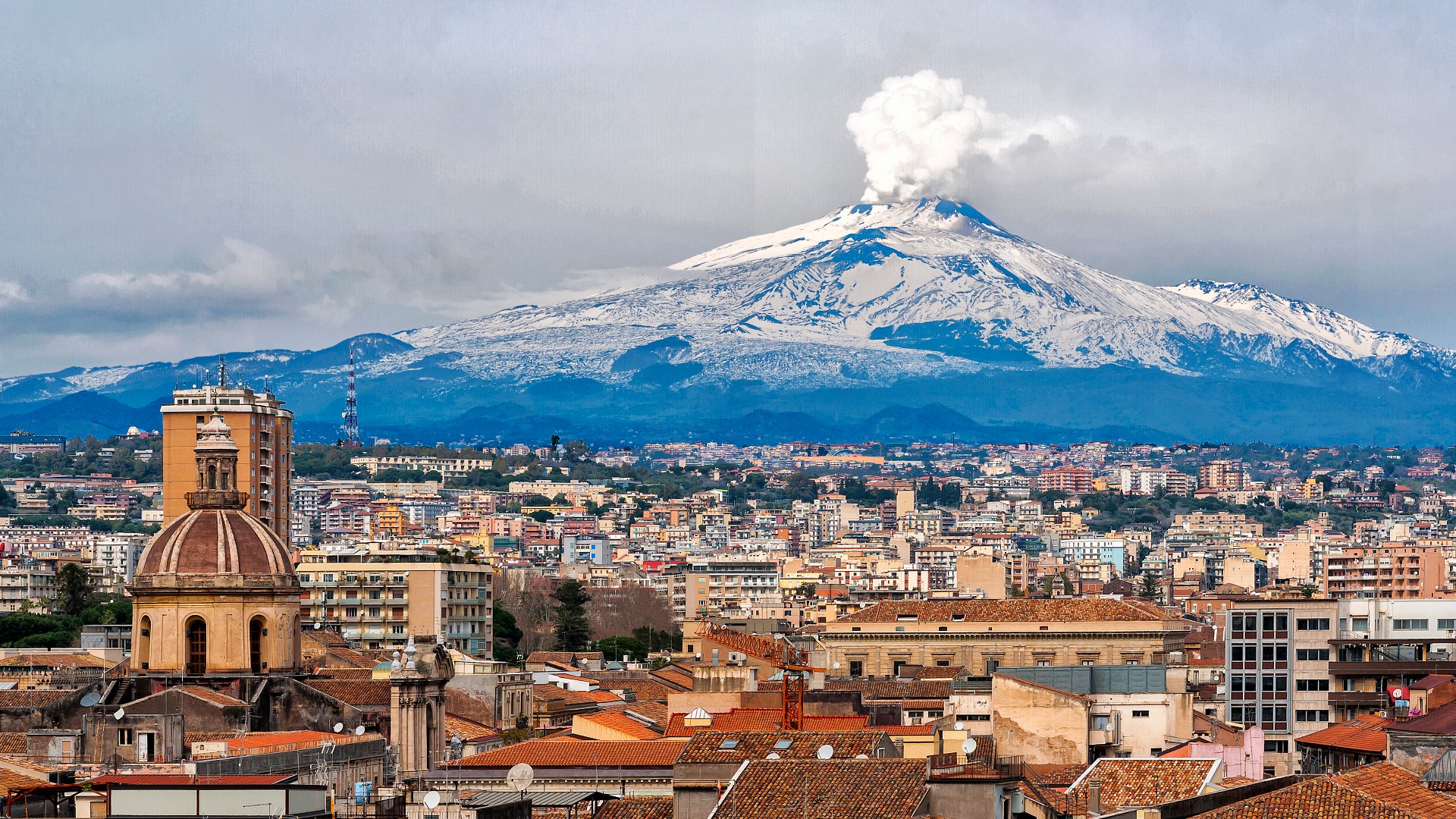
©Wikimedia / Catania
Advertisement
Swipe or tap ▶ to resume the countdown.
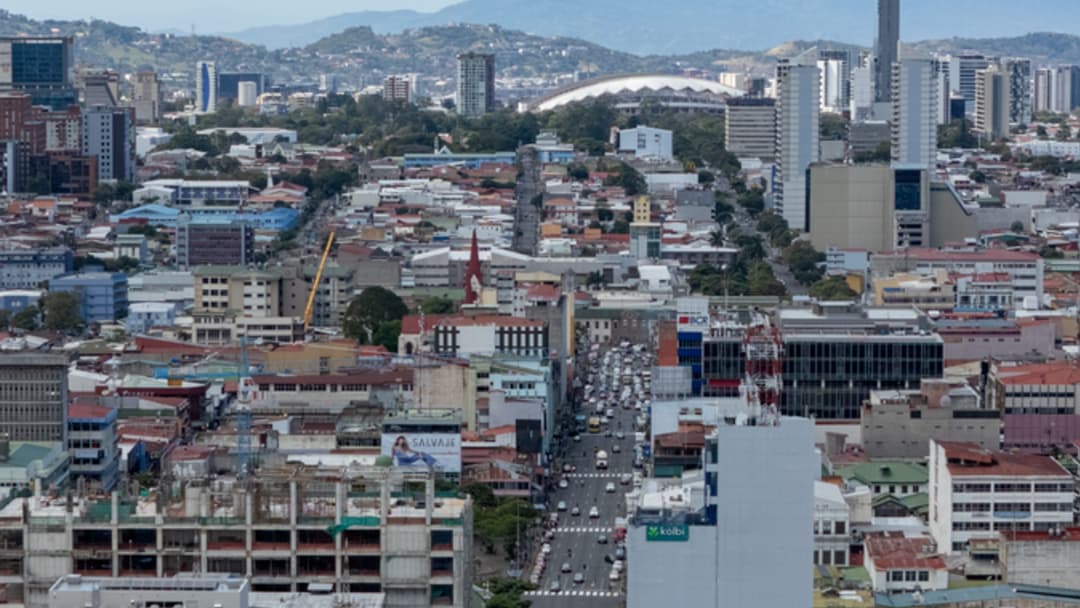
18. San Jose, Costa Rica
The Central Valley of Costa Rica houses over two million residents directly between Irazu and Poas volcanoes. When Irazu erupted violently during the 1963 state visit of President John F. Kennedy, thick volcanic grit blanketed San Jose for two full years, disrupting agriculture and urban transit.
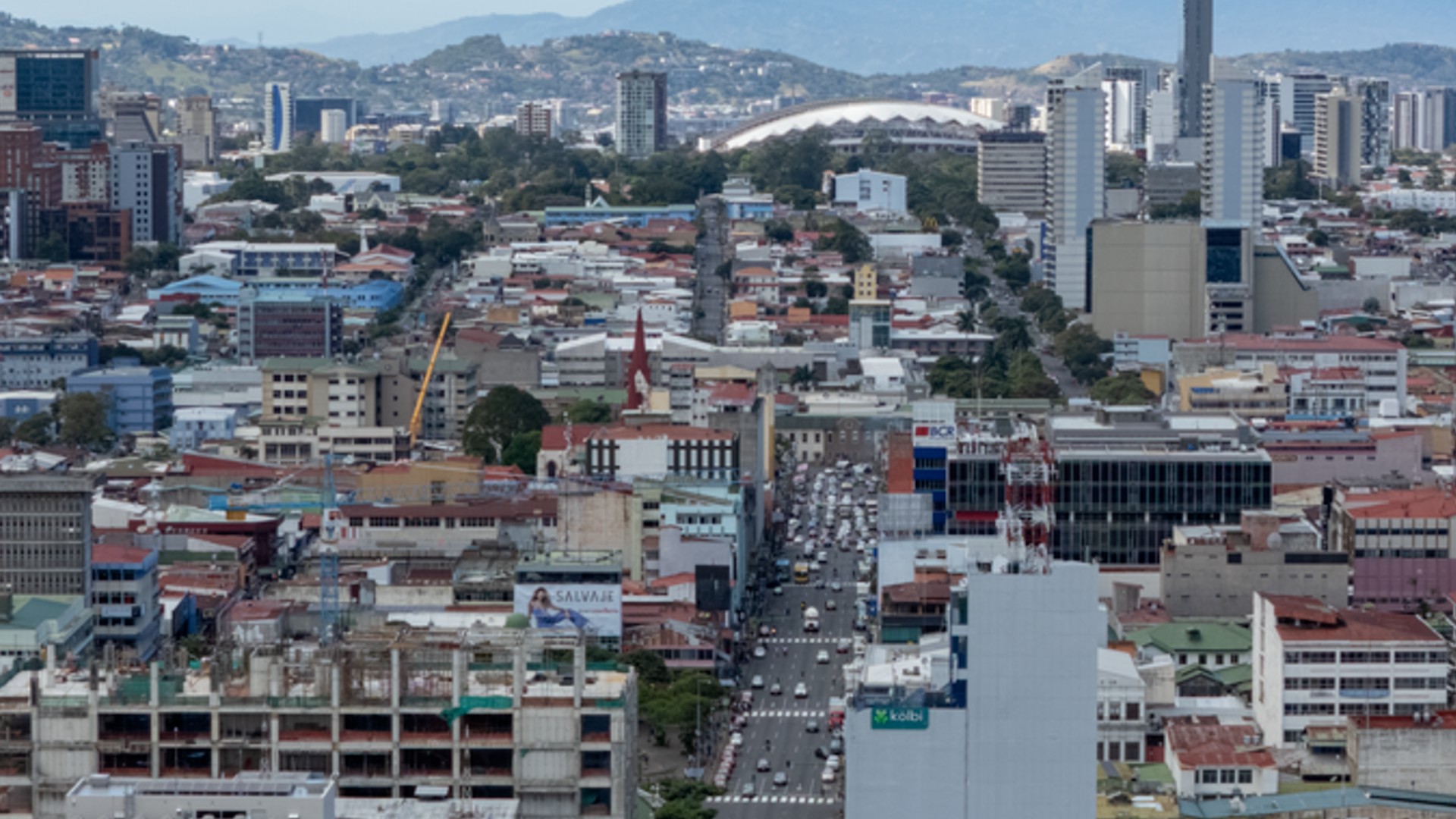
©Wikimedia / Spicypepper999
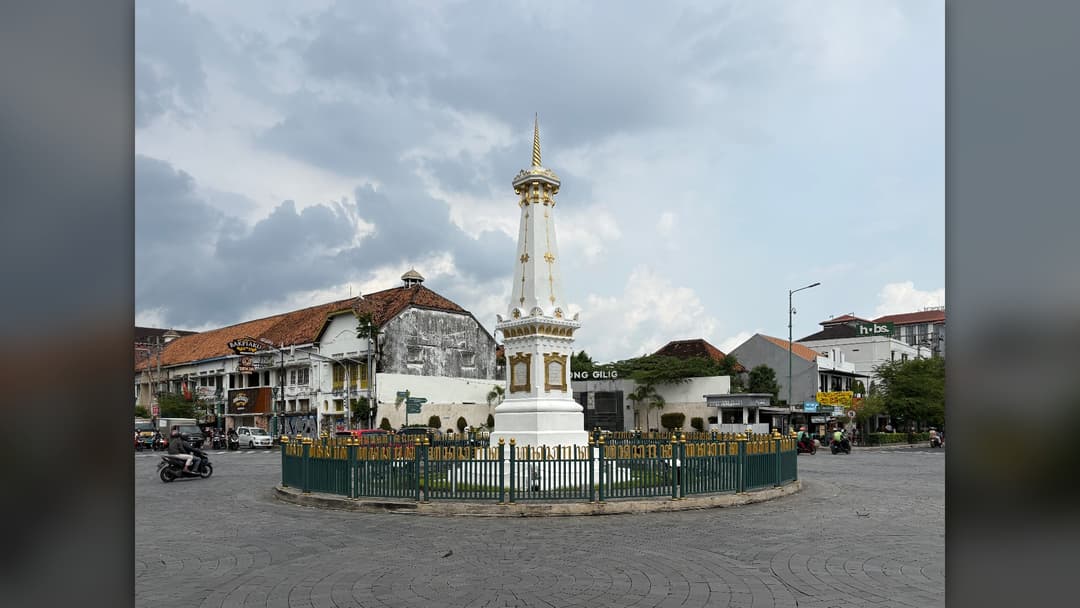
17. Yogyakarta, Indonesia
Merapi is Indonesia's most active stratovolcano, producing searing pyroclastic avalanches known locally as wedhus gembel. A series of major eruptions in 2010 displaced hundreds of thousands of residents around Yogyakarta. Traditional volcanic caretakers and modern seismologists cooperate to issue alarms.
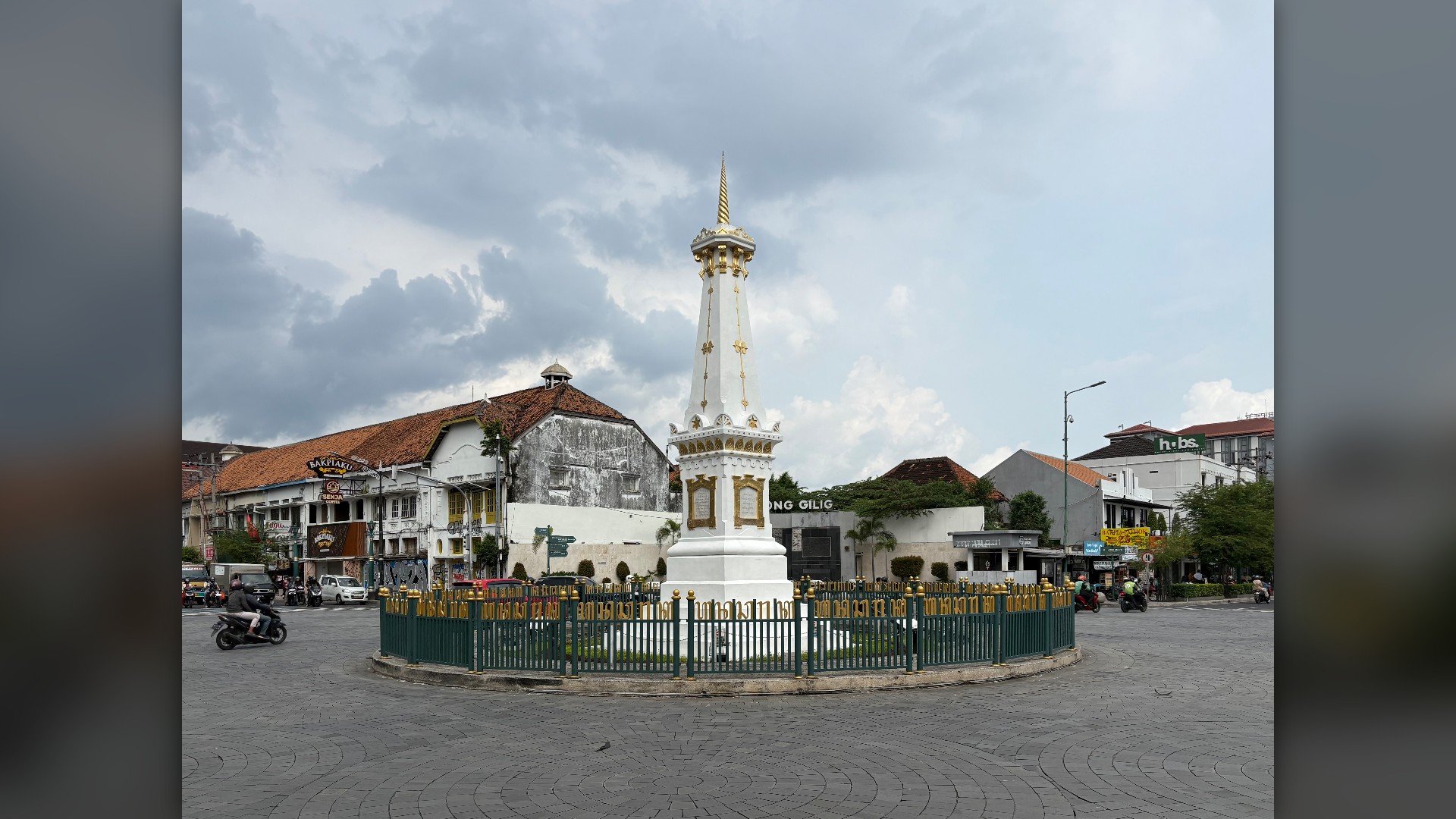
©Wikimedia / Yogyakarta
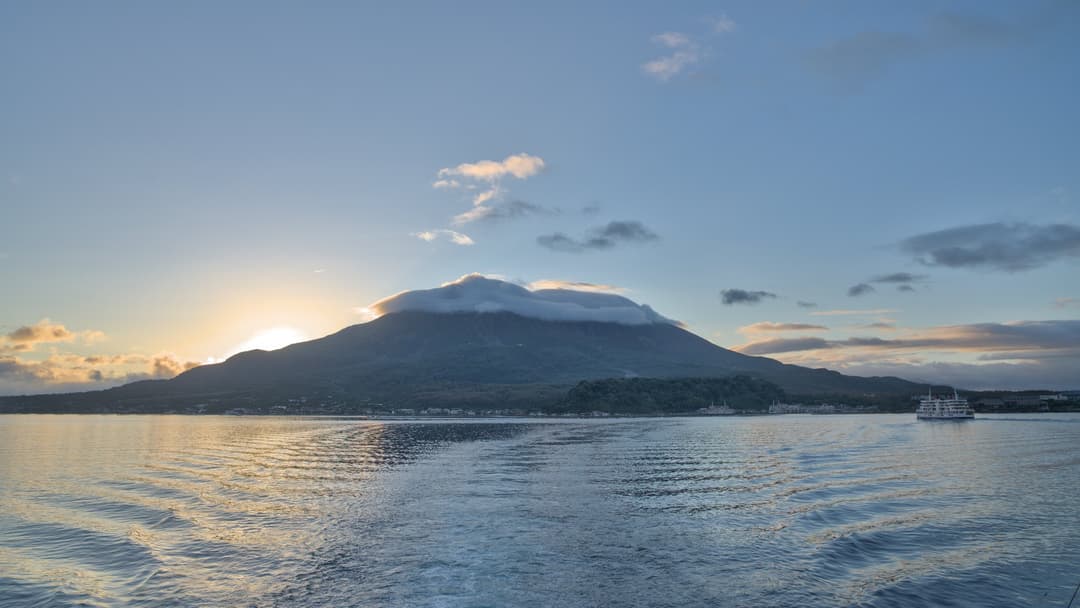
16. Kagoshima, Japan
Sakurajima sits just four kilometers across the bay from downtown Kagoshima. In 1914, a massive eruption produced lava flows that connected the former volcanic island to the mainland. City streets feature designated ash-collection stations, and schoolchildren wear safety helmets walking to school.
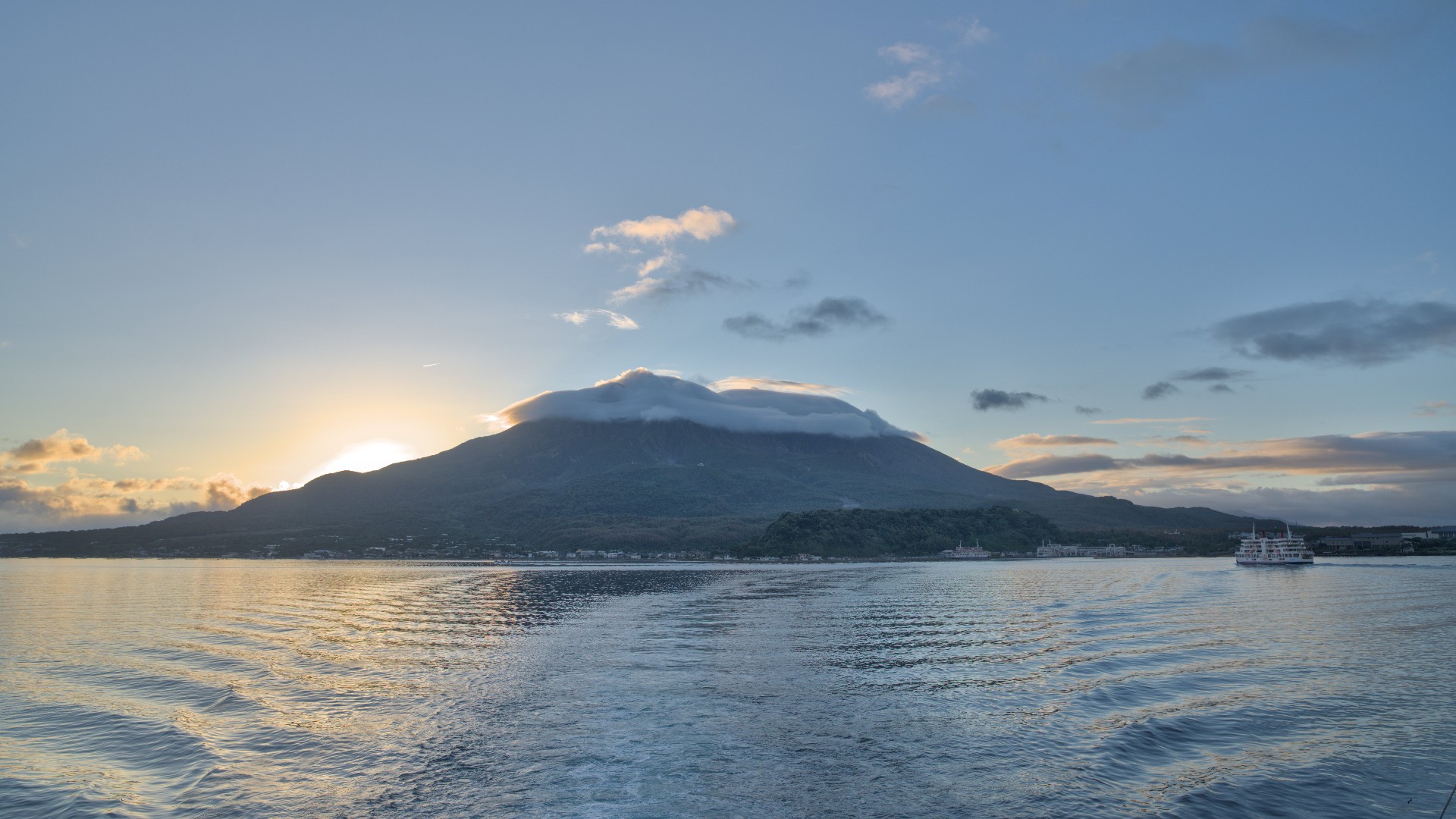
©Wikimedia / Kagoshima Prefecture
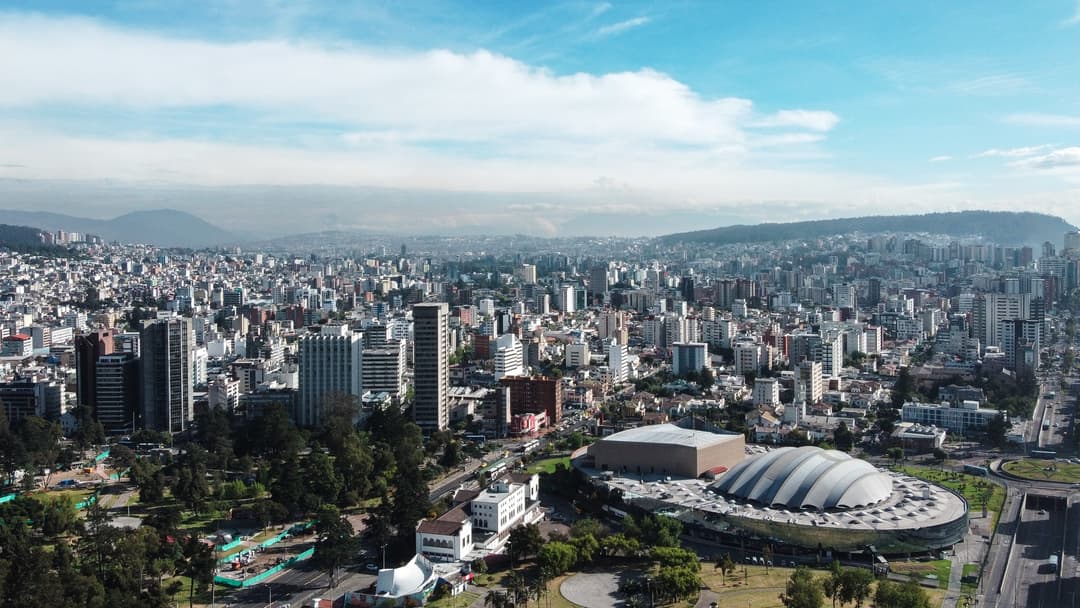
15. Quito, Ecuador
At 9,350 feet above sea level, Quito is the world's second-highest capital city. Guagua Pichincha's volcanic crater rises directly to the west, depositing inches of fine volcanic ash over downtown plazas in 1999. In the distance, snow-capped Cotopaxi poses an even larger lahar threat to southern valleys.
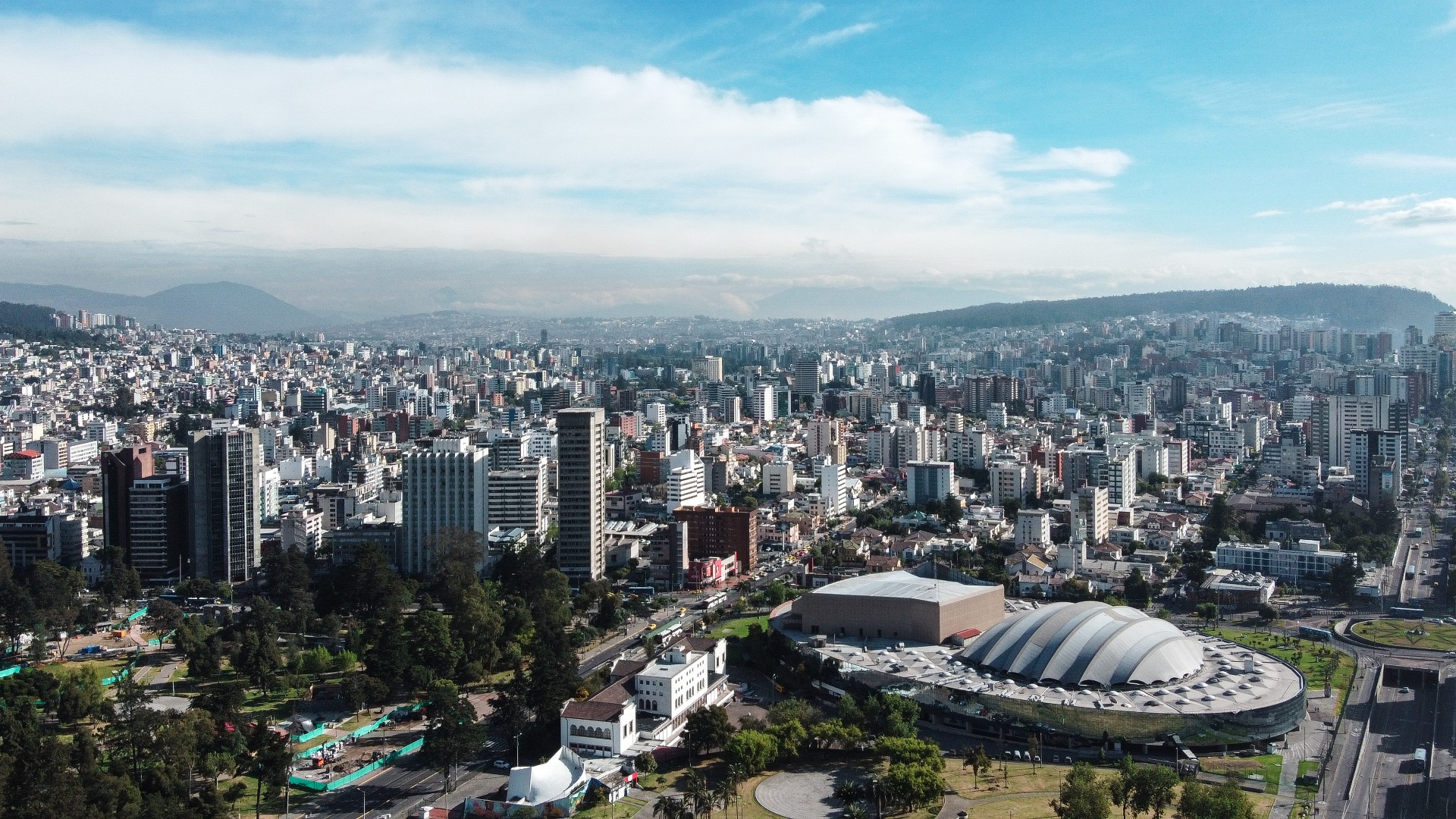
©Wikimedia / Quito
Advertisement
Swipe or tap ▶ to resume the countdown.
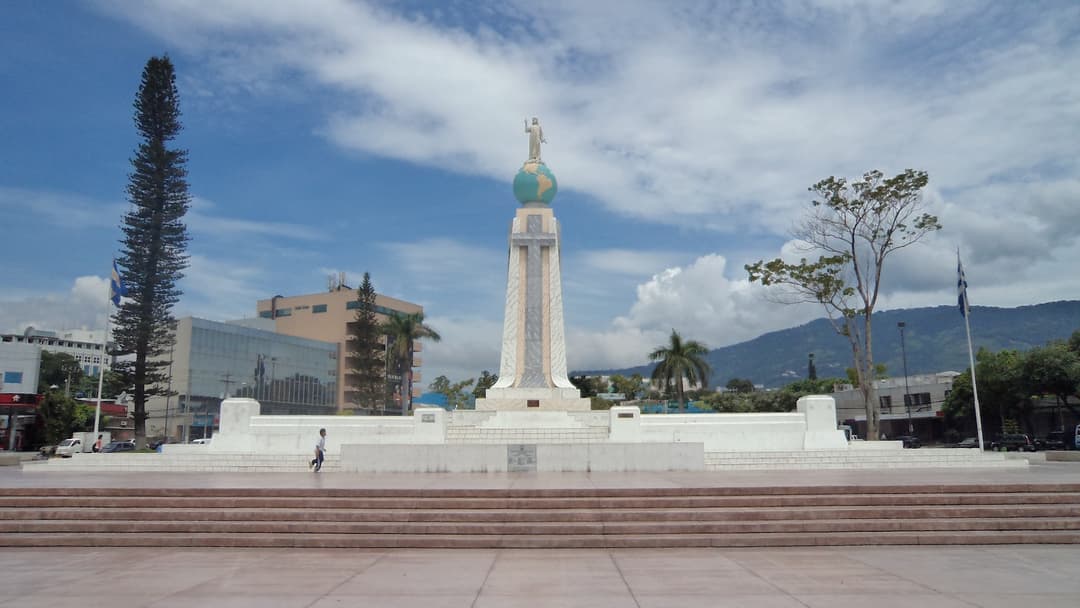
14. San Salvador, El Salvador
San Salvador Volcano dominates the western skyline of the nation's capital. Its 1917 eruption emptied the summit crater lake and triggered damaging earthquakes that flattened historic neighborhoods. Today, suburbs climb high up the volcanic flanks, placing hundreds of thousands in potential flow paths.
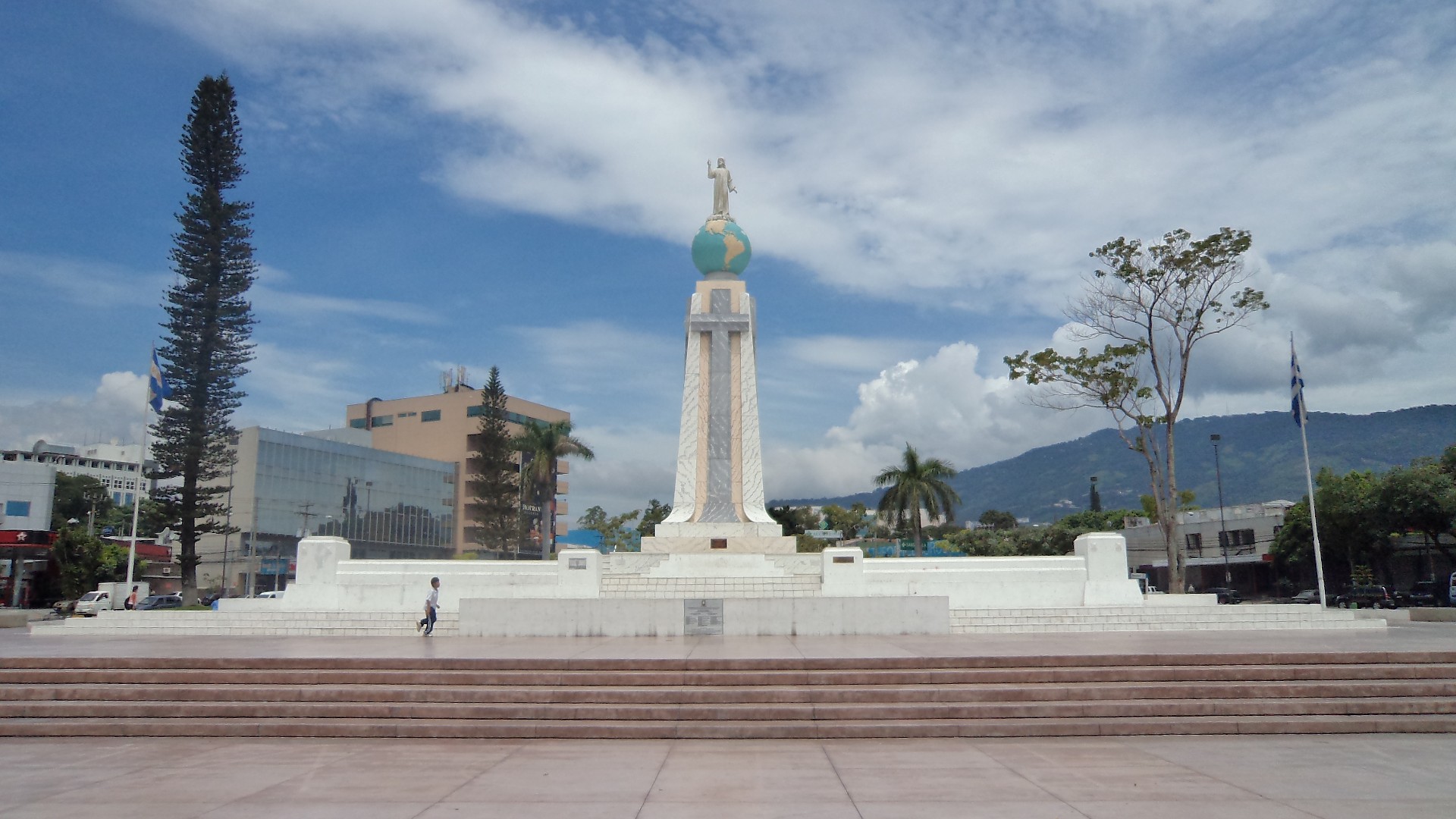
©Wikimedia / San Salvador
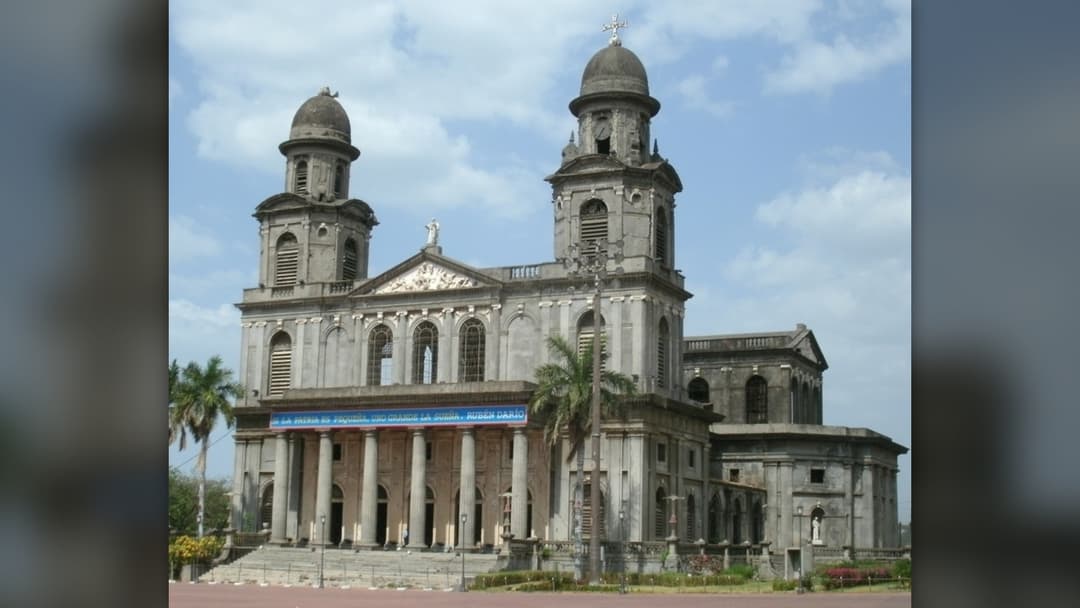
13. Managua, Nicaragua
Spanish conquistadors dubbed Masaya the Mouth of Hell, and the volcanic complex remains active beside Nicaragua's largest urban center. Gas vents discharge high concentrations of sulfur dioxide that damage regional crops. Seismologists keep constant watch on magma movements beneath the suburban fringe.
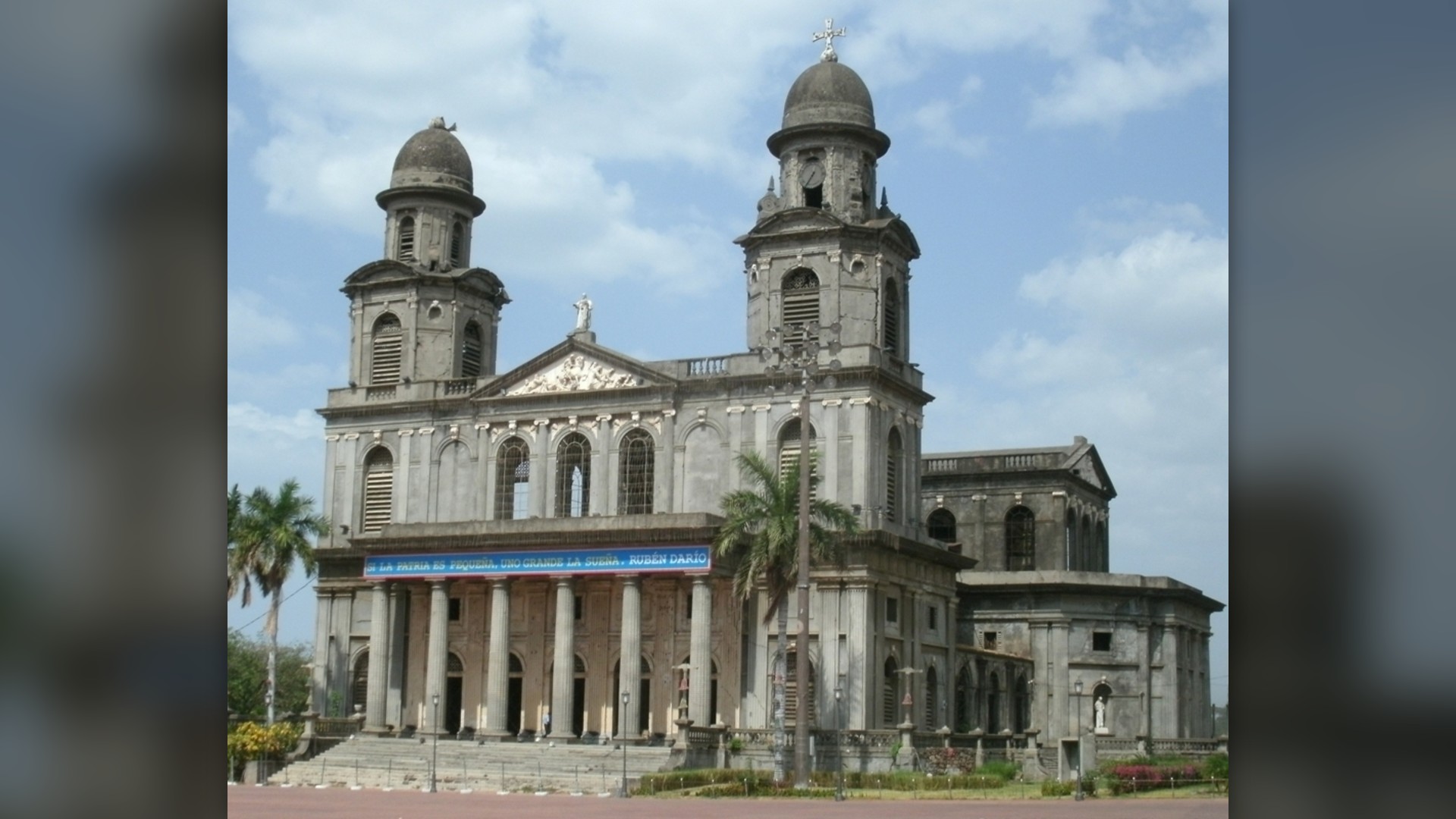
©Wikimedia / Managua
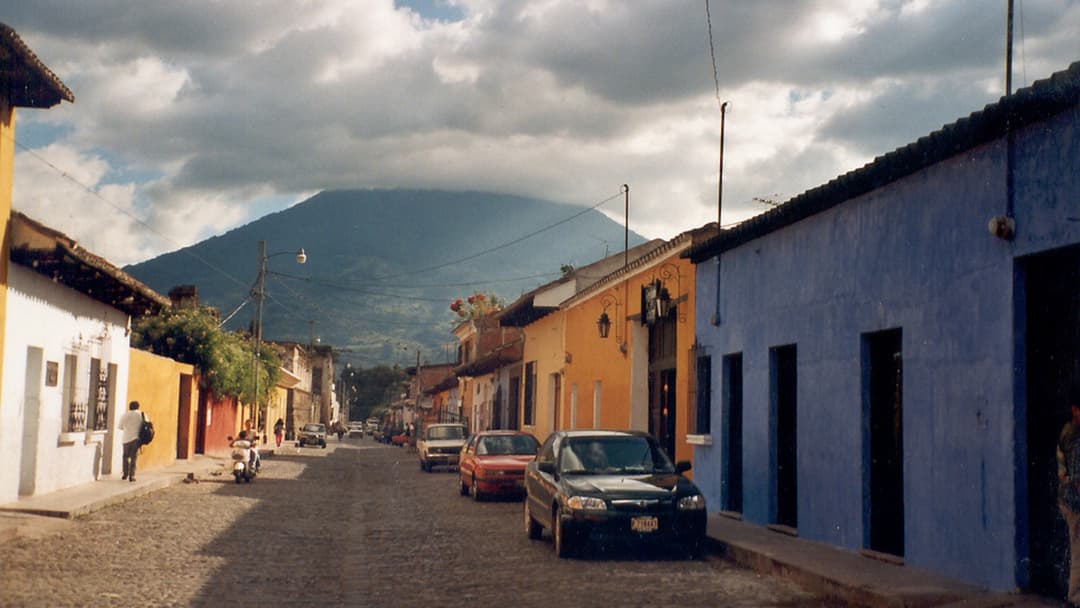
12. Antigua, Guatemala
Fuego is one of the world's most consistently active volcanoes, erupting every fifteen to twenty minutes with audible cannon-like booms. In 2018, high-velocity pyroclastic flows devastated nearby foothill villages. Antigua's preserved Spanish colonial architecture sits just eleven miles from the crater.
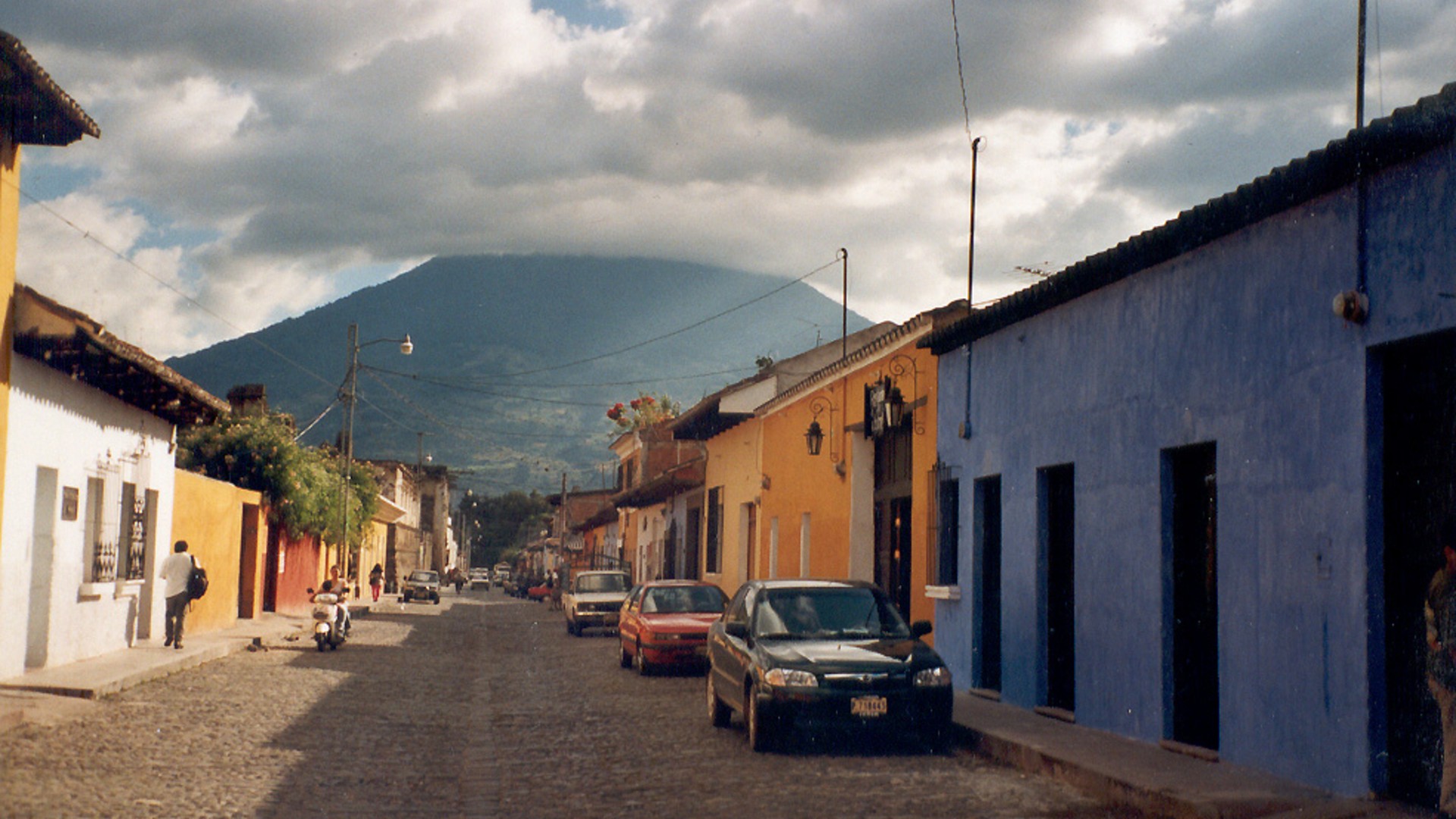
©Wikimedia / Alex Guerrero
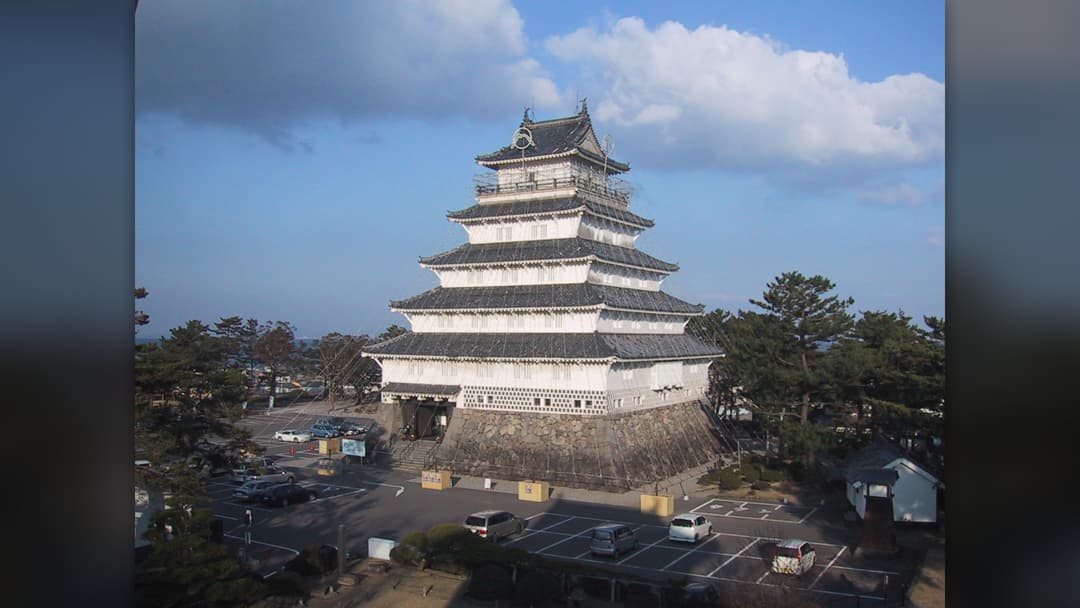
11. Shimabara, Japan
Located on Kyushu Island, Shimabara has a tragic history with volcanic disasters. In 1792, a volcanic flank collapse triggered a massive tsunami that claimed fifteen thousand lives. More recently, in 1991, collapsing dacite lava domes unleashed searing cloud surges that destroyed thousands of homes.
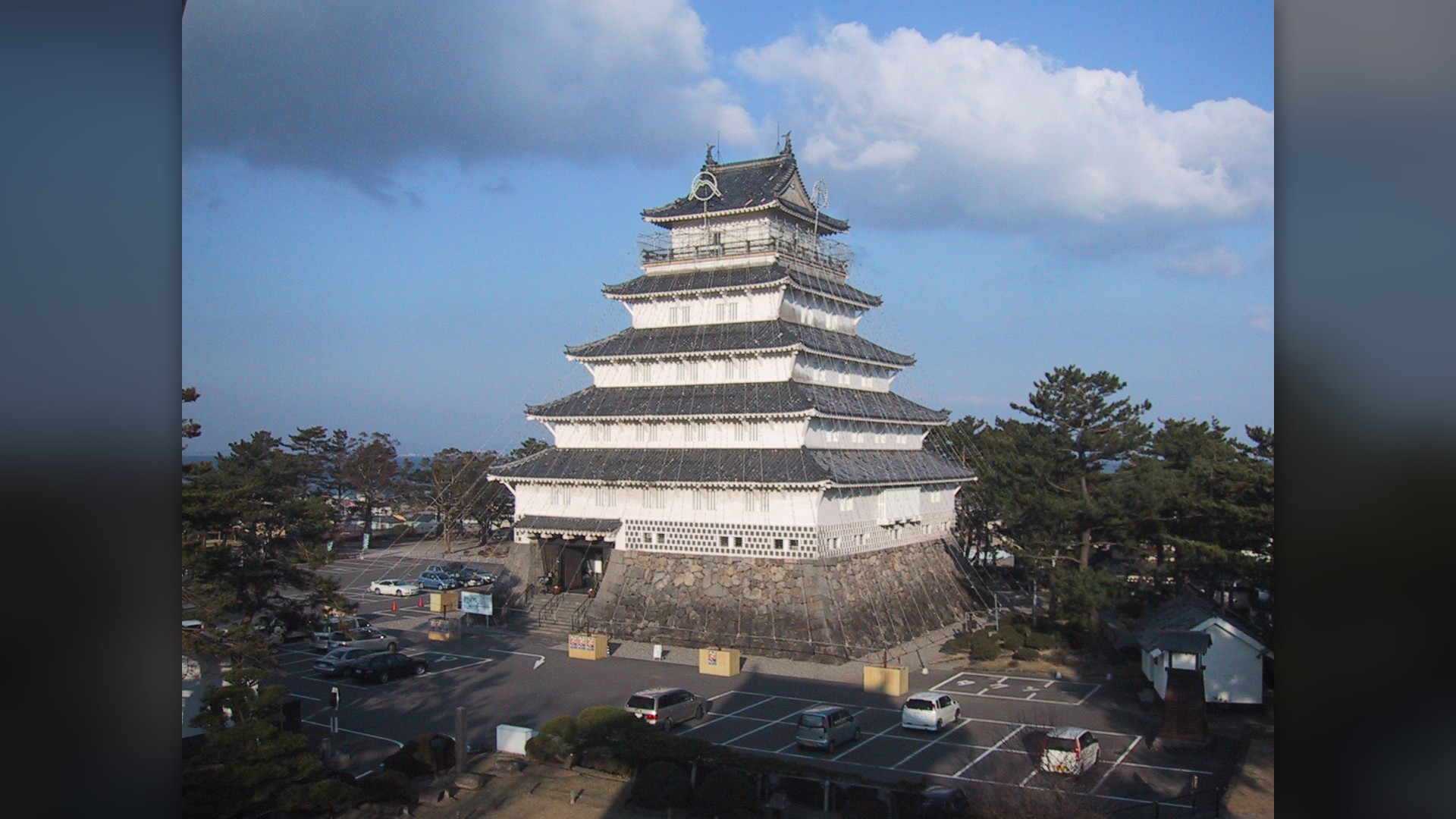
©Wikimedia / Image taken by Chris 73 in December 2004
Advertisement
Swipe or tap ▶ to resume the countdown.
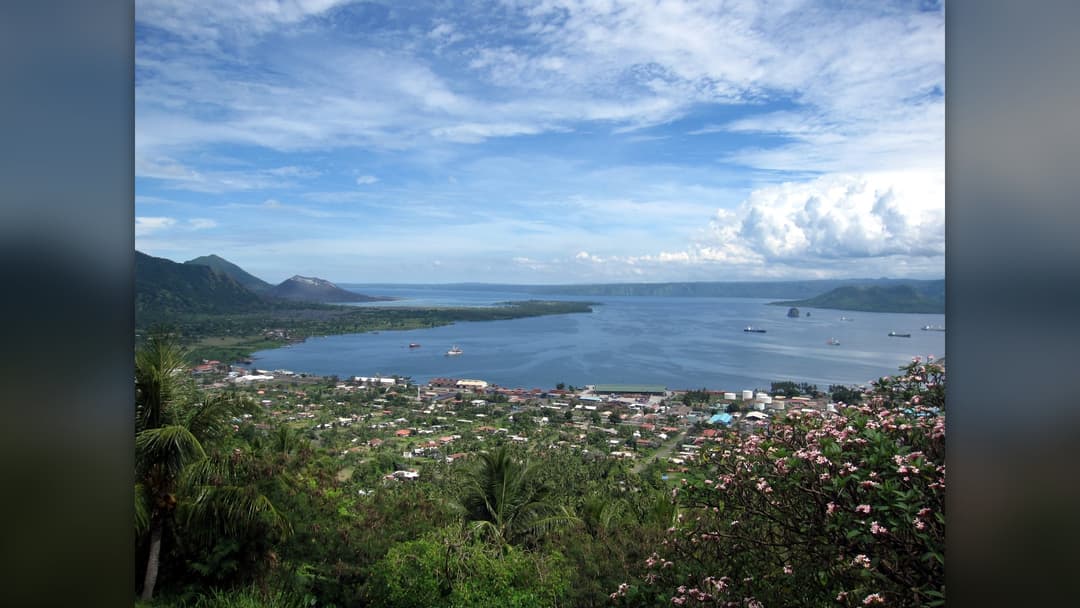
10. Rabaul, Papua New Guinea
Rabaul was once a thriving South Pacific deep-water port built inside a giant submerged caldera. In September 1994, simultaneous eruptions from Tavurvur and Vulcan buried eighty percent of the city under wet cement-like ash. Most administrative operations had to be permanently relocated twenty miles away.
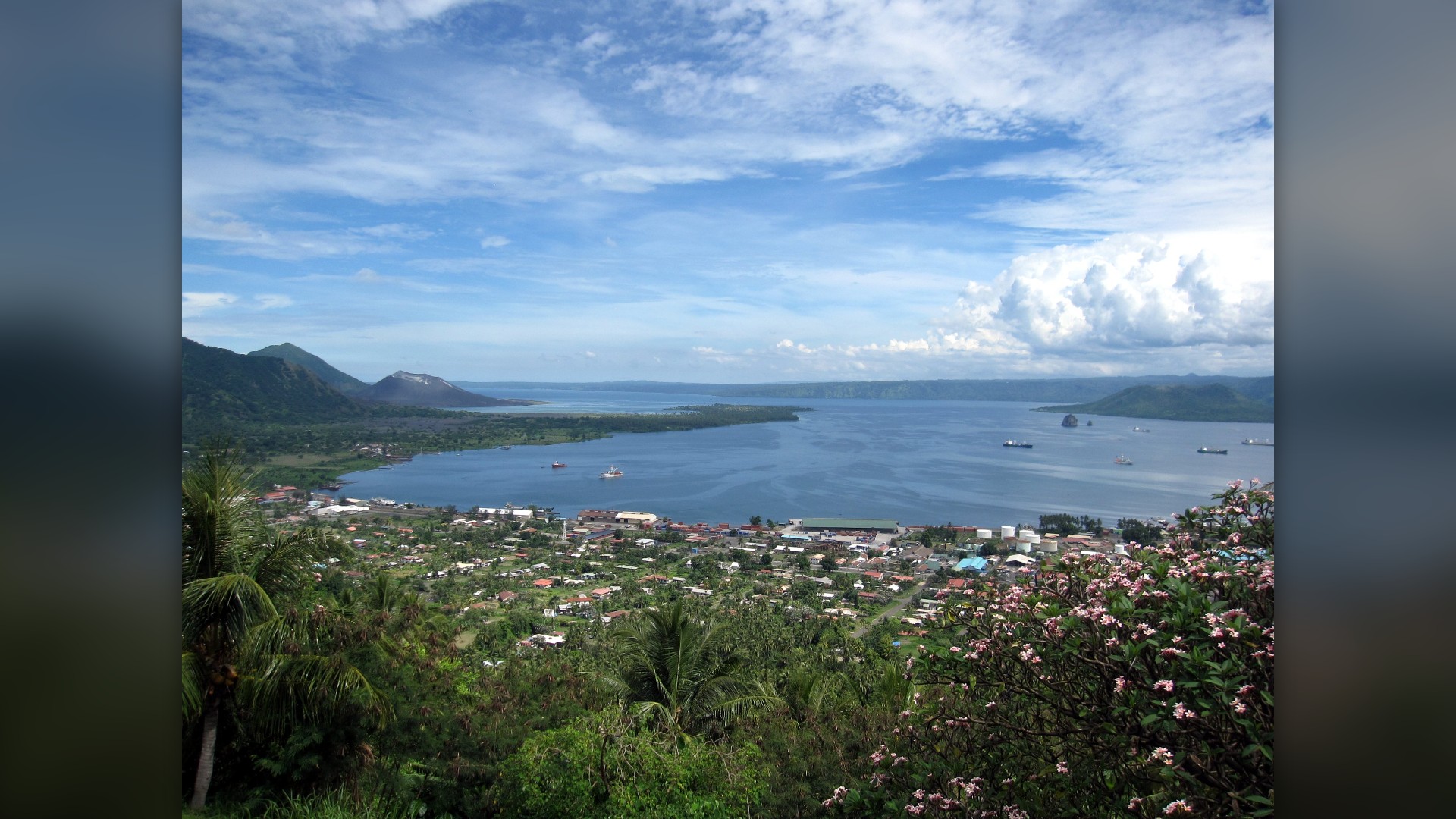
©Wikimedia / Rabaul
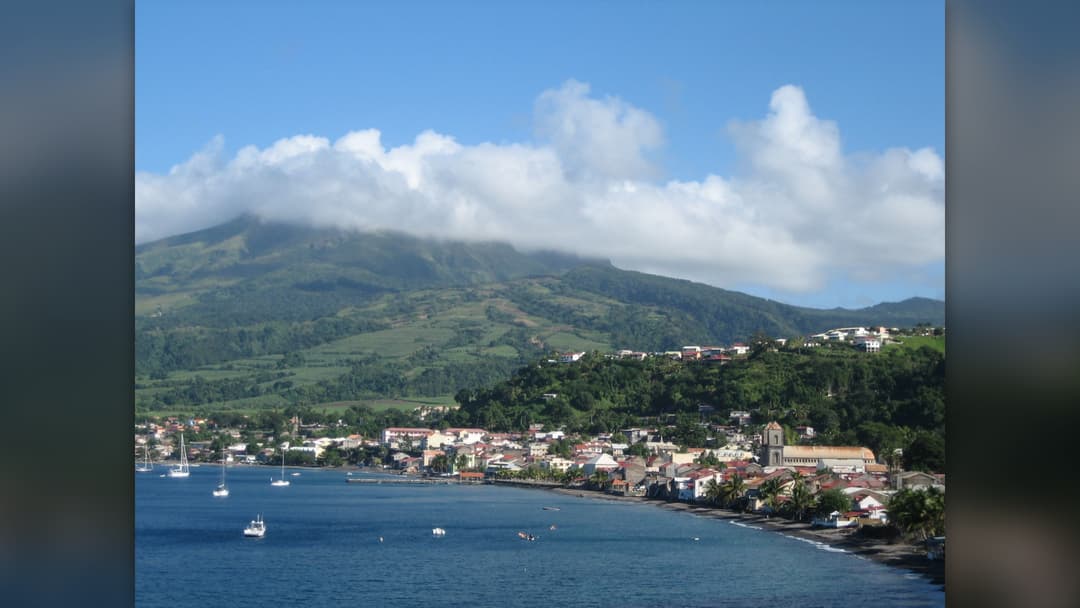
9. Saint-Pierre, Martinique
On May 8, 1902, Mount Pelee unleashed a hurricane of incandescent gas and volcanic ash traveling at three hundred miles per hour. The blast killed nearly thirty thousand residents in minutes, leaving only two documented survivors. The rebuilt coastal town remains a sobering lesson in volcanic hazard.
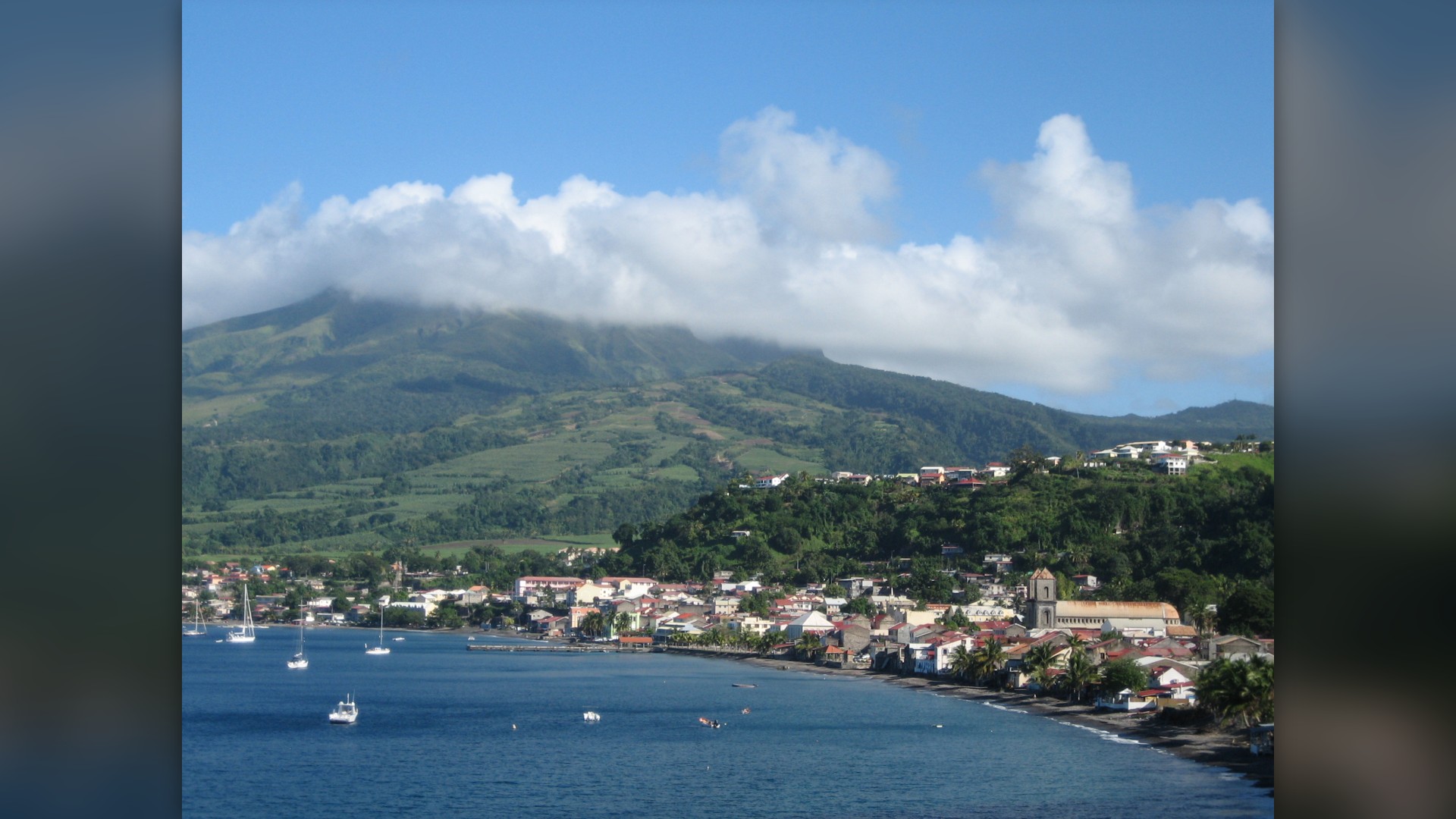
©Wikimedia / Saint-Pierre, Martinique
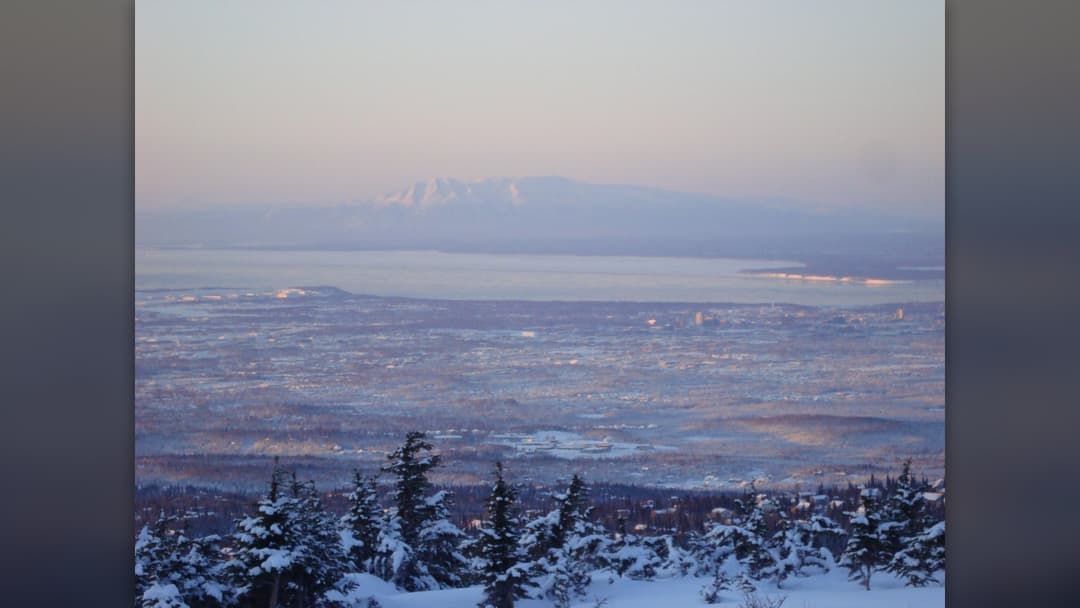
8. Anchorage, Alaska
Anchorage sits surrounded by active subduction volcanoes, including Mount Spurr, Redoubt, and Augustine. In 1989, Redoubt spewed ash that shut down all four engines of a KLM Boeing 747 carrying 231 passengers before crews restarted them. City snow plows frequently double as ash-removal equipment.
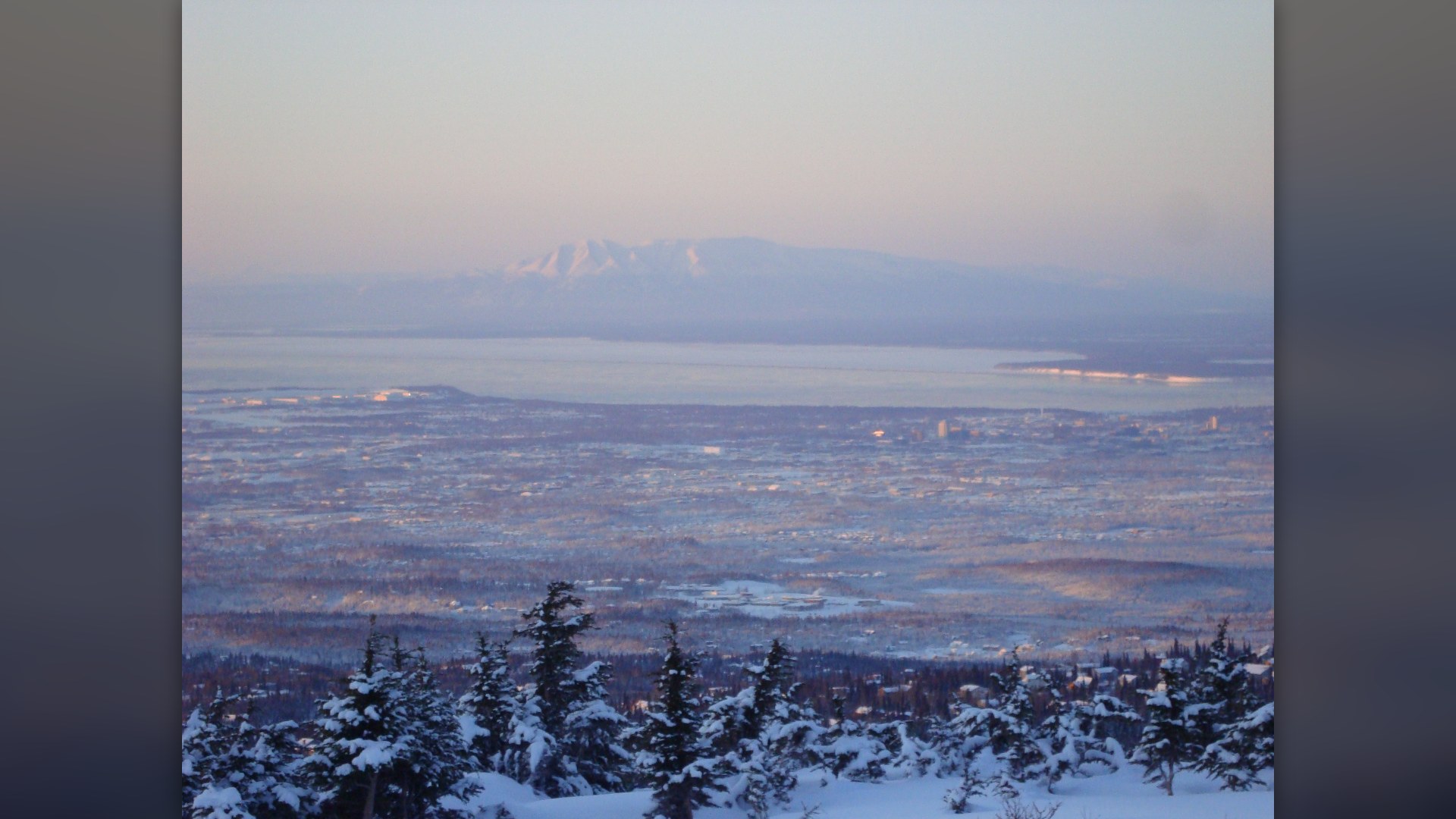
©Wikimedia / Zaereth
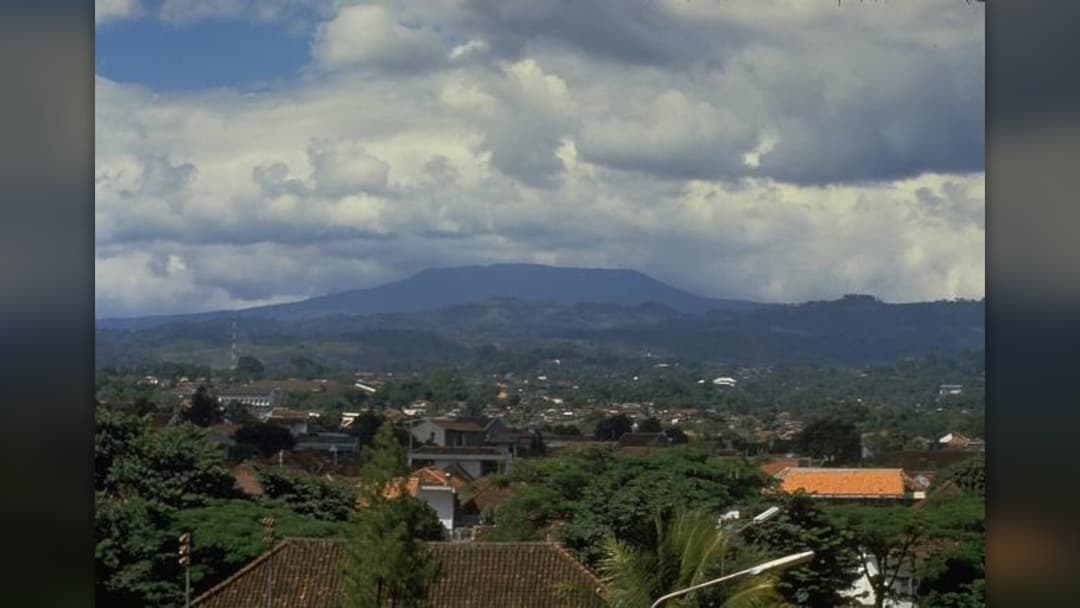
7. Bandung, Indonesia
Bandung occupies the drained lakebed of an ancient prehistoric caldera, with Tangkuban Perahu steaming along its northern rim. The volcano last experienced phreatic steam eruptions in 2019, coating tourist overlooks in ash. A major eruption could trigger toxic gas releases and severe volcanic mudslides.
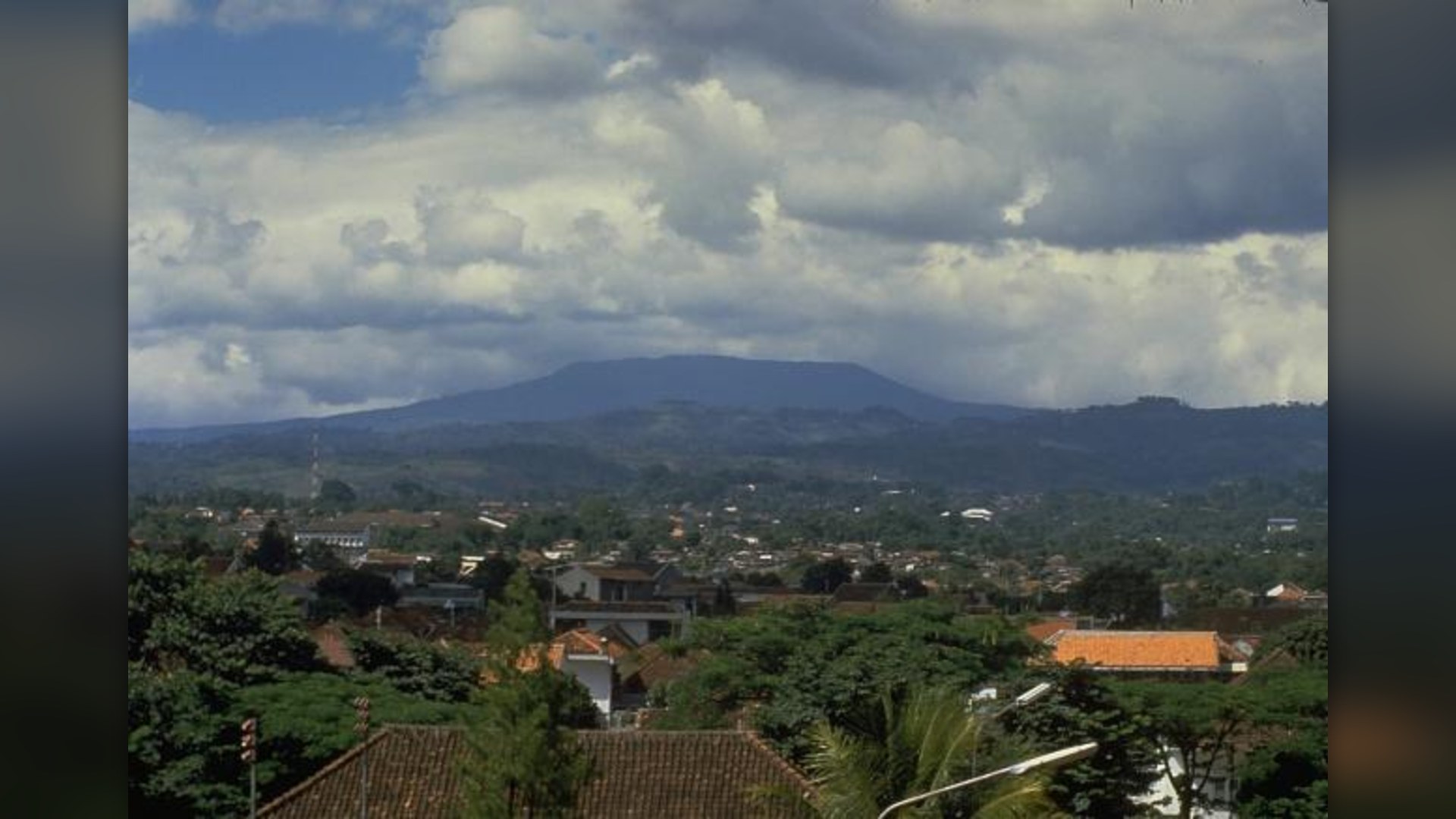
©Wikimedia / Tom Casadevall, U.S. Geological Survey
Advertisement
Swipe or tap ▶ to resume the countdown.
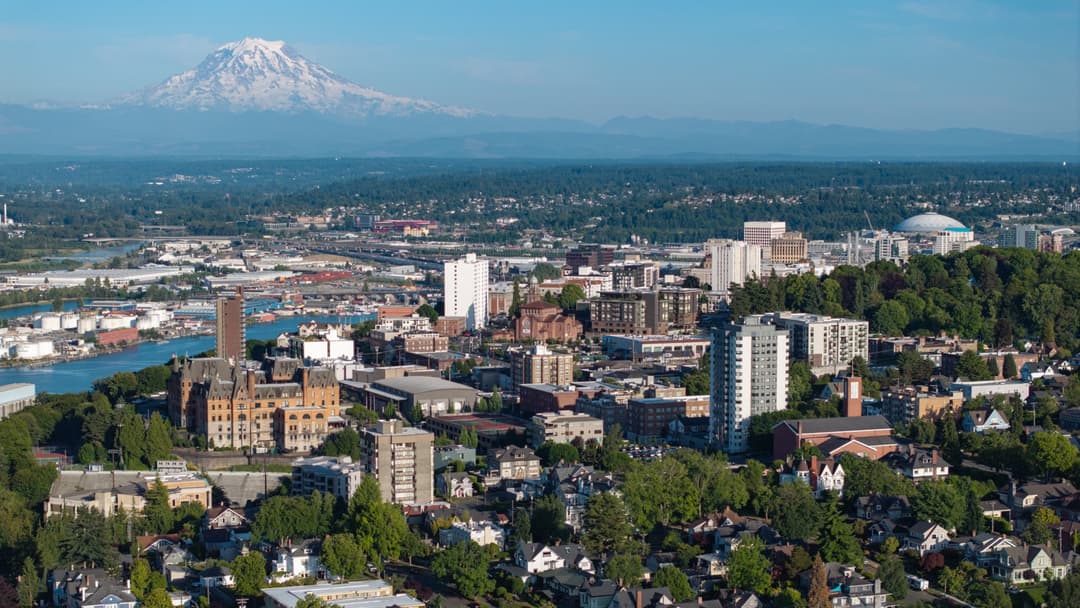
6. Tacoma, Washington
Mount Rainier holds more glacial ice than any other peak in the contiguous United States. Geologists discovered the Puyallup Valley was buried under five hundred million cubic yards of mudflow five thousand years ago. USGS acoustic flow monitors now provide early warnings to schools and port terminals.
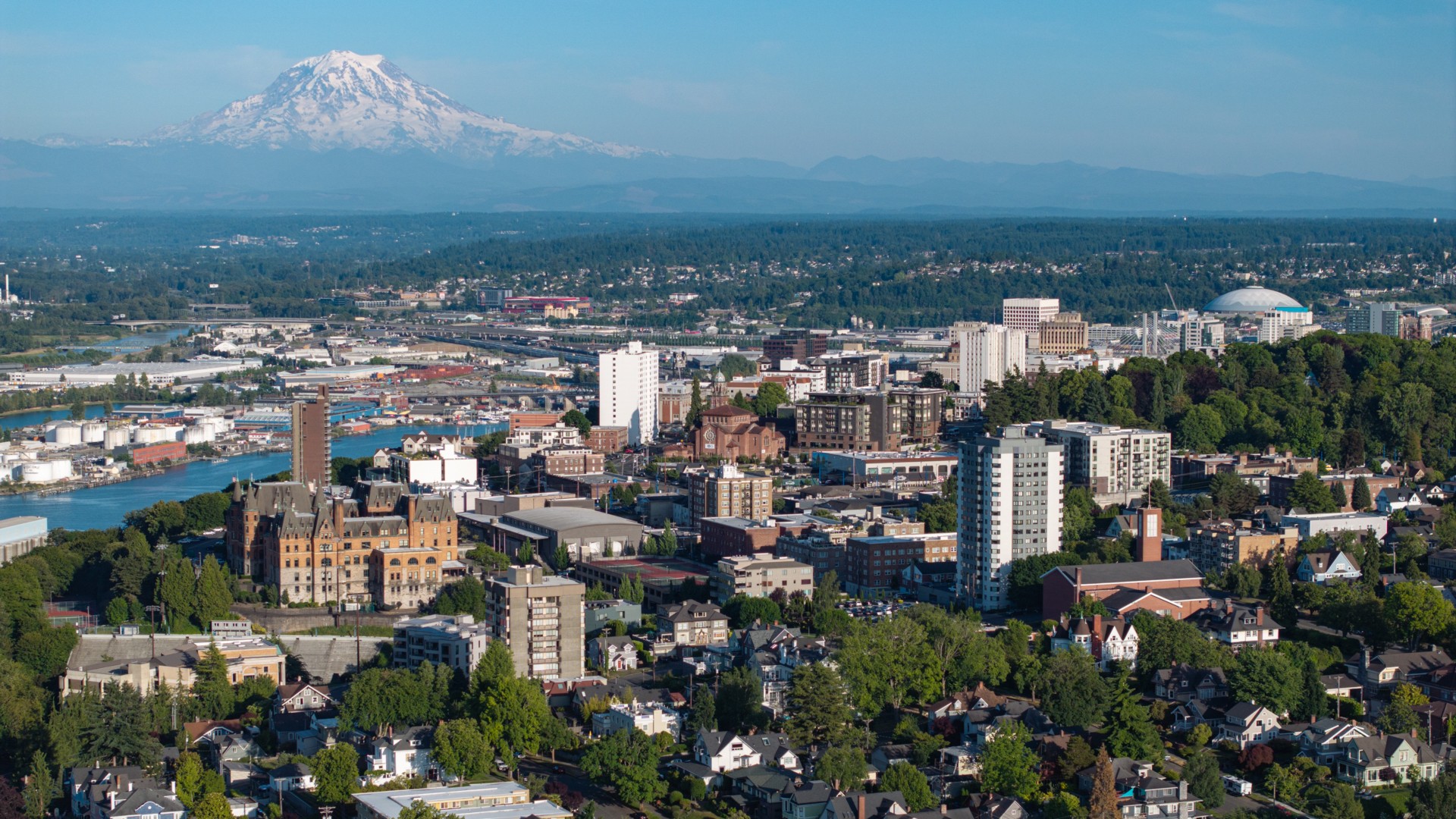
©Wikimedia / Tacoma, Washington
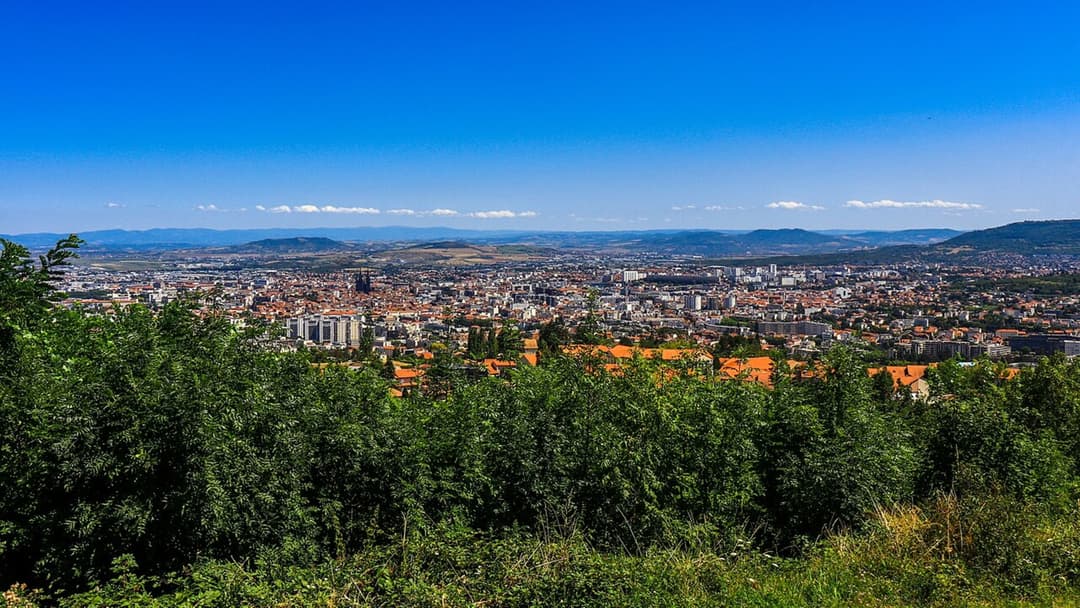
5. Clermont-Ferrand, France
Clermont-Ferrand sits at the foot of the Chaine des Puys, a chain of volcanic domes that was active as recently as seven thousand years ago. The city's famous Gothic cathedral was built entirely using black volcanic lava stone. Volcanologists classify the volcanic field as dormant rather than extinct.
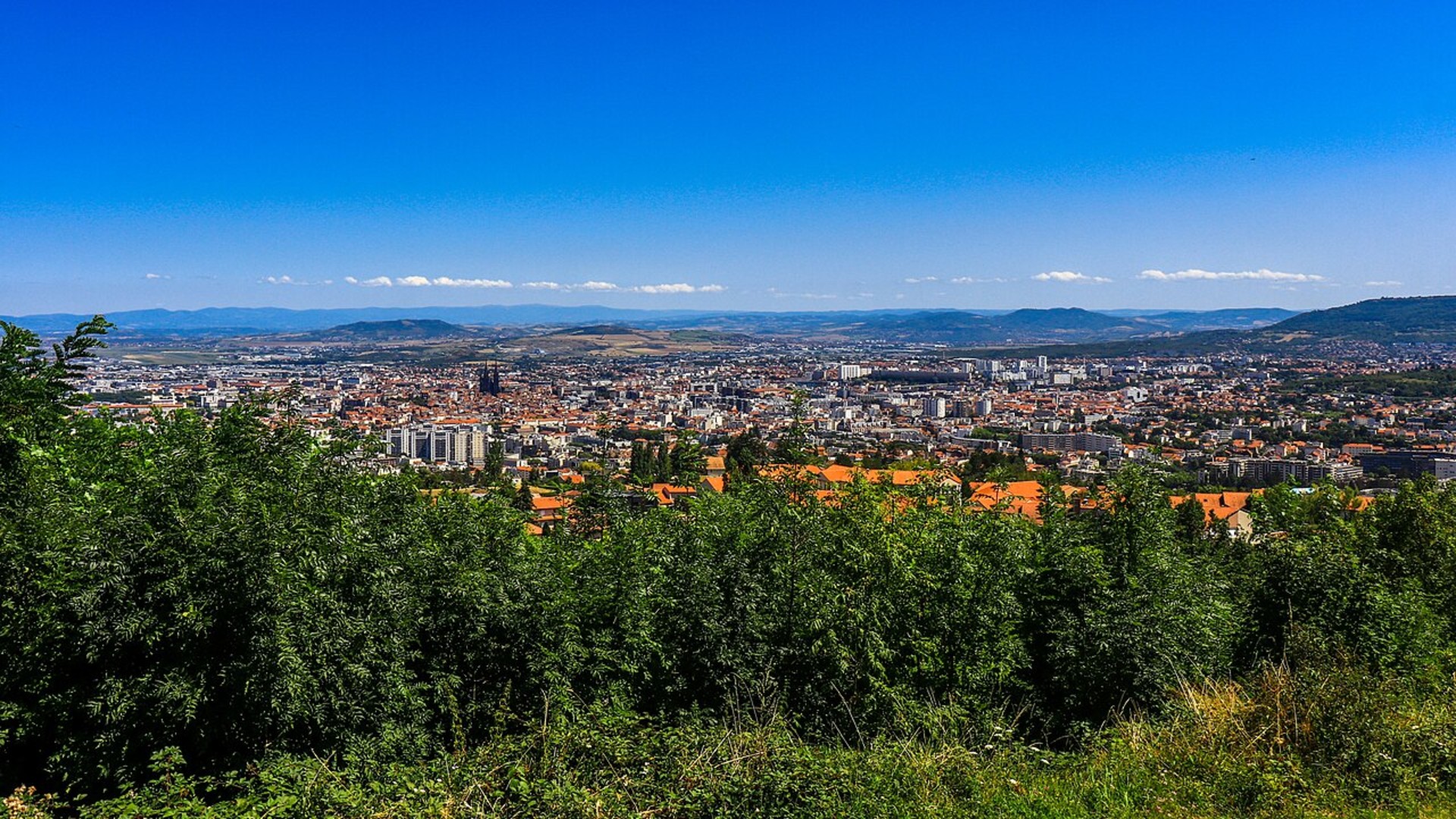
©Wikimedia / @ S@ndrine
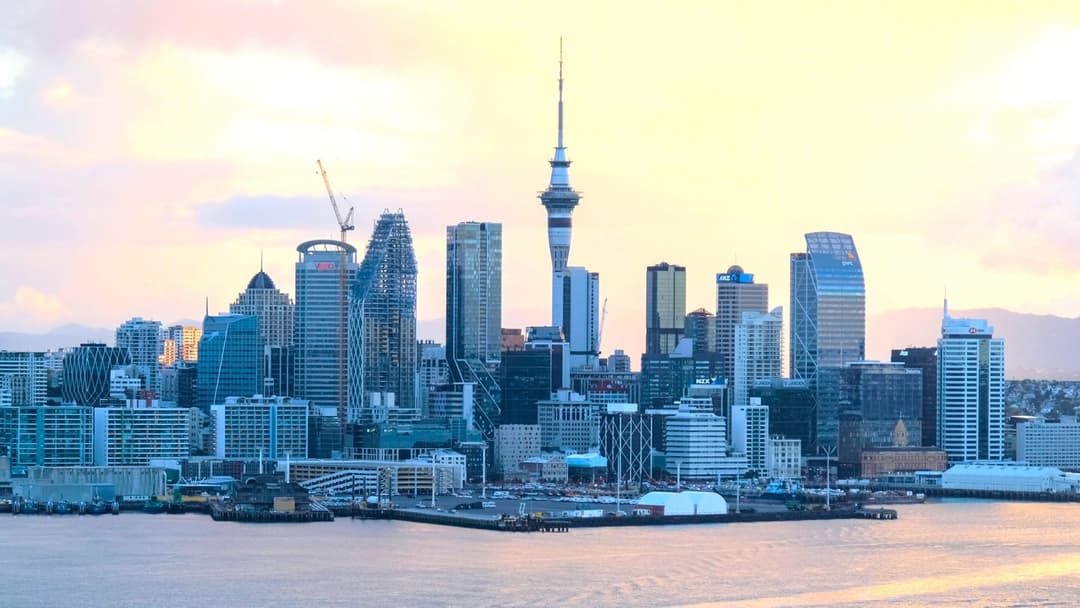
4. Auckland, New Zealand
Auckland is the only major global city built directly upon an active volcanic field. Unlike towering stratovolcanoes that erupt from a single crater, Auckland's magma can punch through the ground at entirely new locations. The youngest cone, Rangitoto Island, emerged from the sea just six hundred years ago.
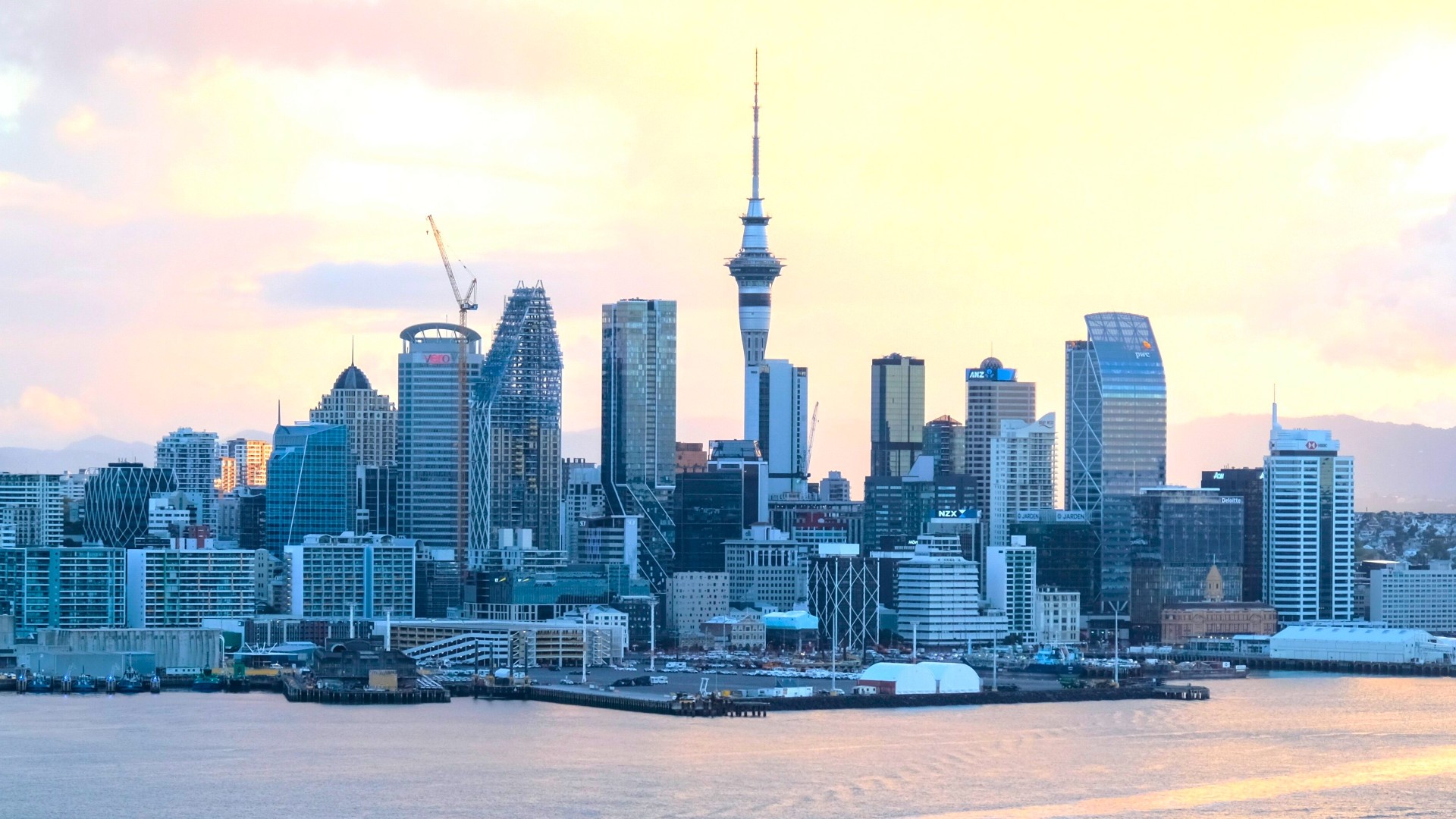
©Wikimedia / Auckland
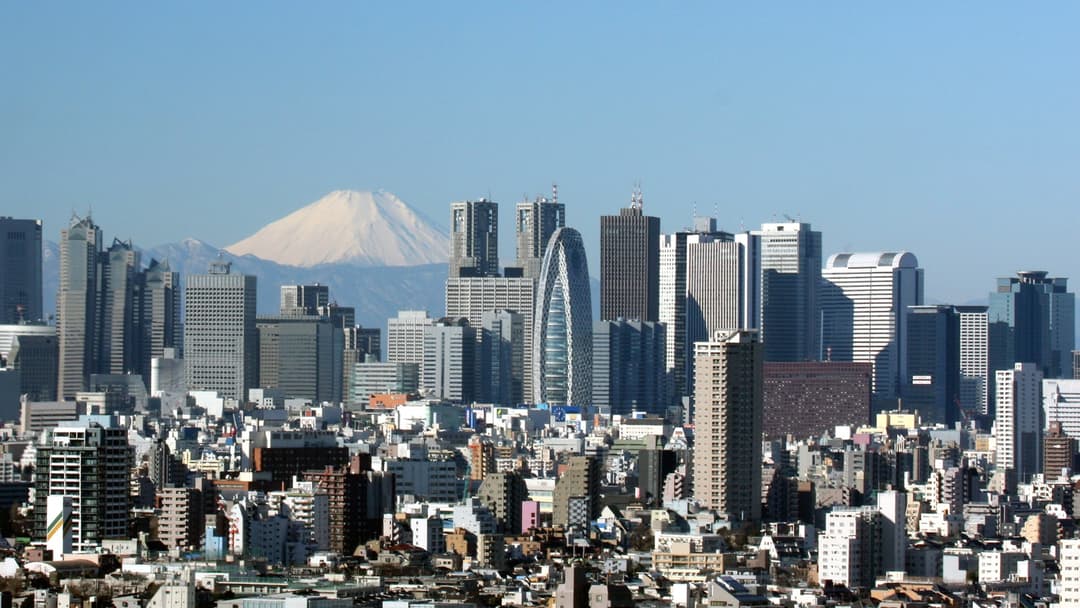
3. Tokyo, Japan
While Mount Fuji has slumbered since the Hoei eruption of 1707, it remains an active stratovolcano. During that last blast, volcanic ash fell across Edo, modern Tokyo, for two continuous weeks. A comparable modern eruption would paralyze regional electrical grids, high-speed rail lines, and airports.
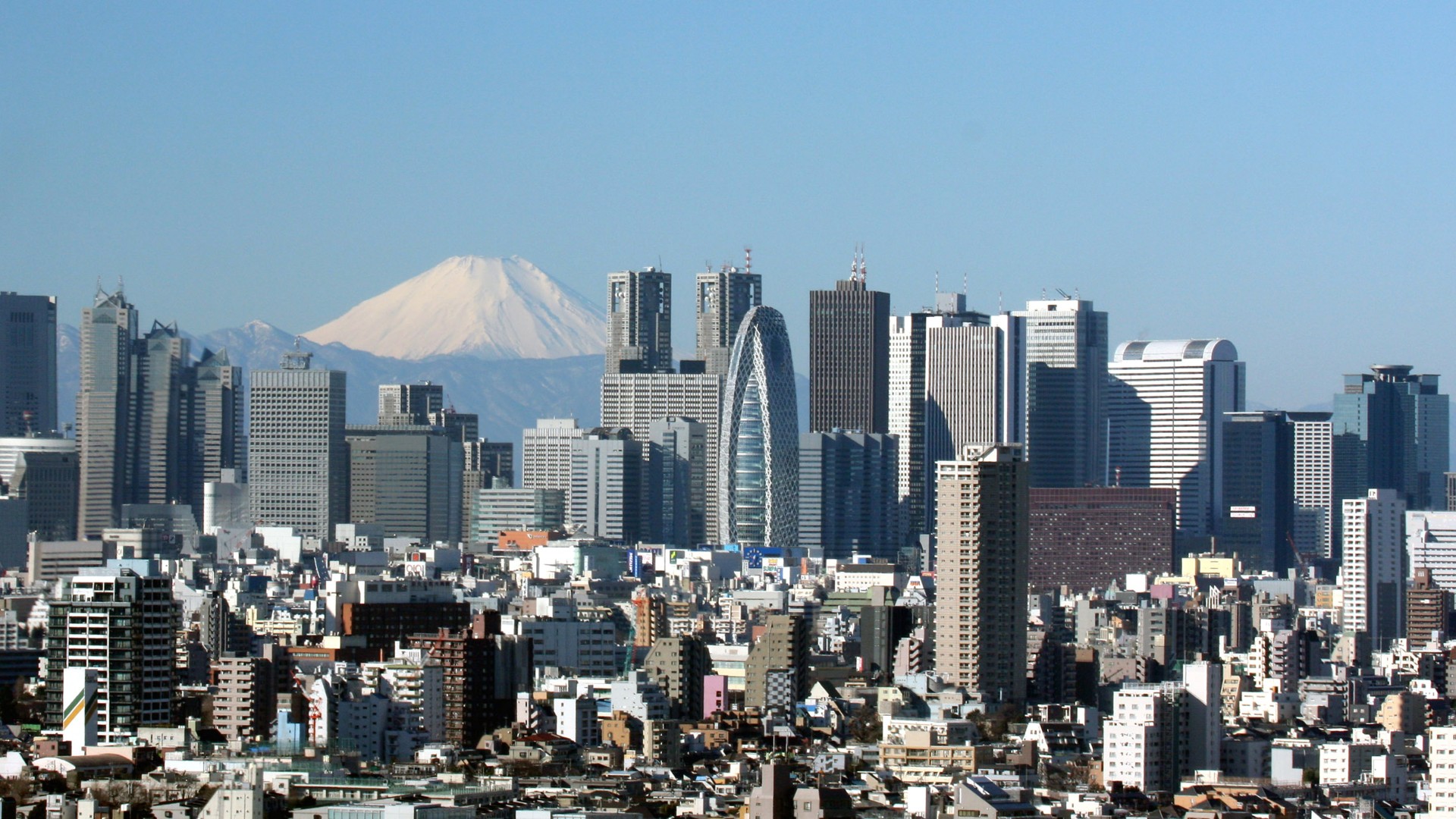
©Wikimedia / Tokyo
Advertisement
Swipe or tap ▶ to resume the countdown.
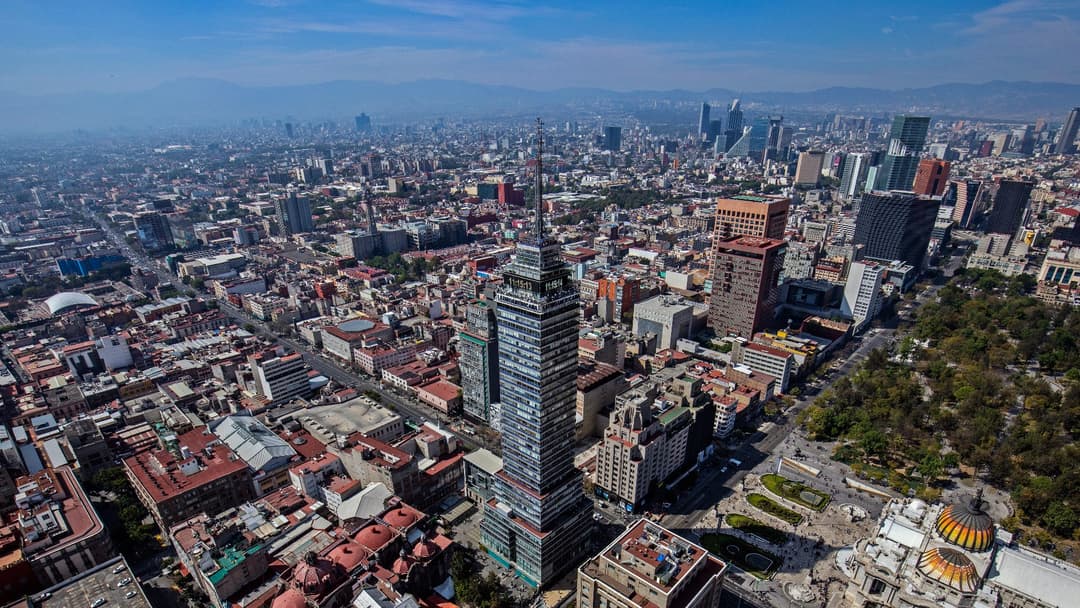
2. Mexico City, Mexico
Rising over seventeen thousand feet into the sky, Popocatepetl has erupted intermittently for three decades. More than twenty-five million people live within fifty miles of its summit crater. When winds shift toward the capital, fine volcanic ash blankets runways at Benito Juarez International Airport.
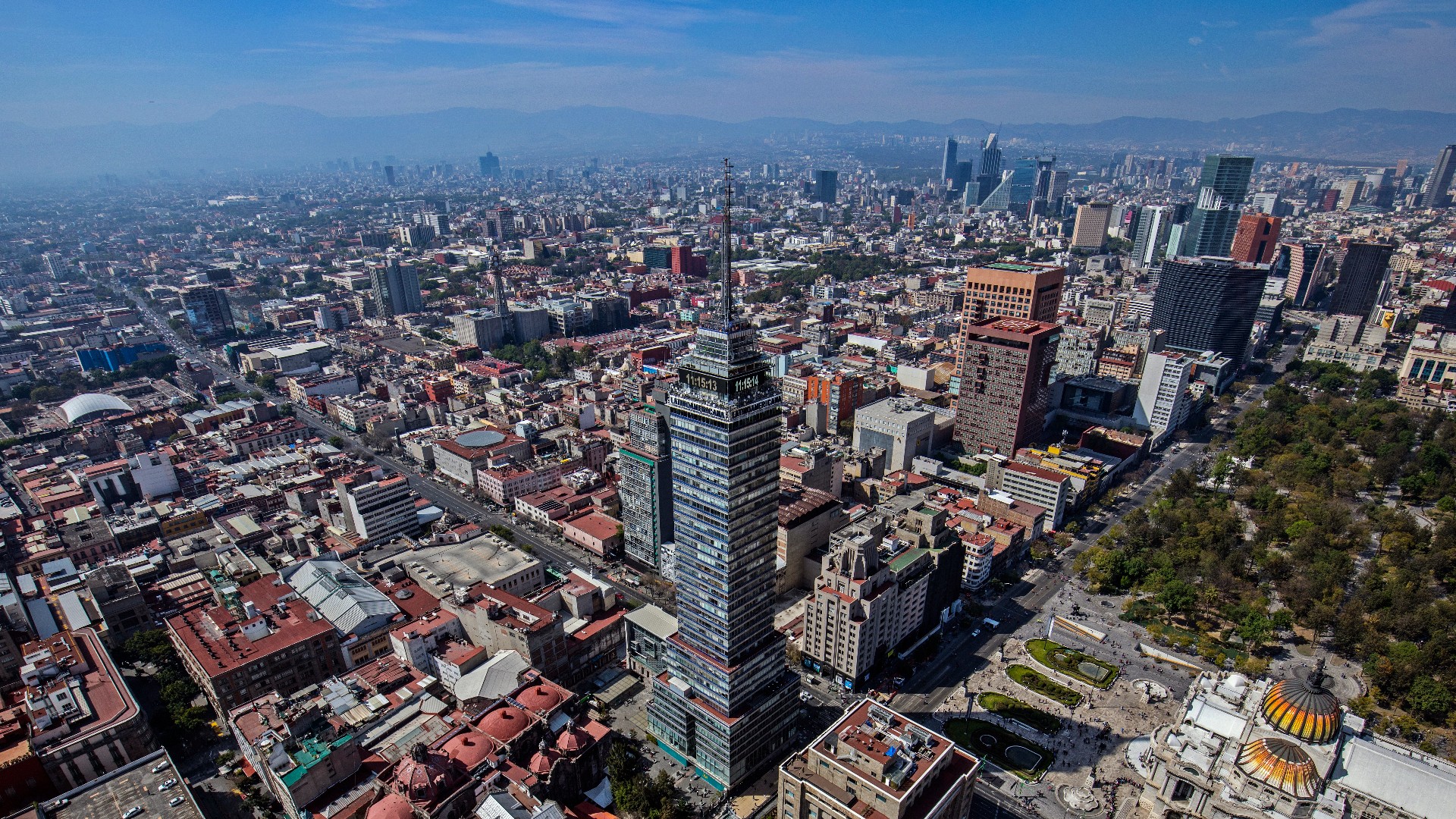
©Wikimedia / Mexico City
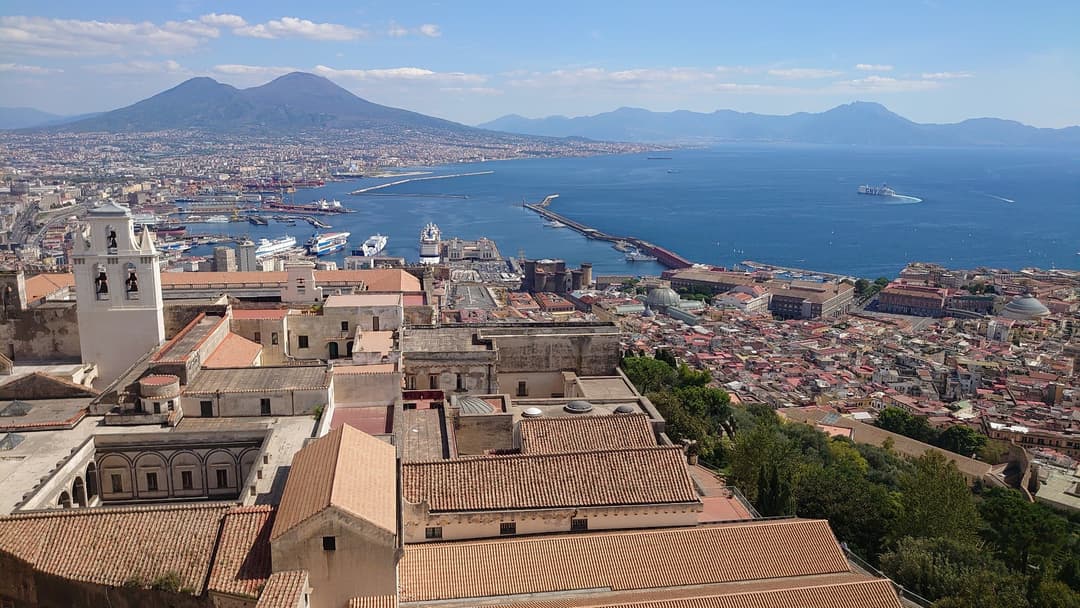
1. Naples, Italy
Naples faces the highest volcanic risk on Earth, flanked by Mount Vesuvius to the east and the restless Campi Flegrei caldera to the west. Vesuvius famously obliterated Pompeii in 79 AD, and another Plinian eruption would threaten millions. Italian civil protection agencies maintain complex evacuation routes.
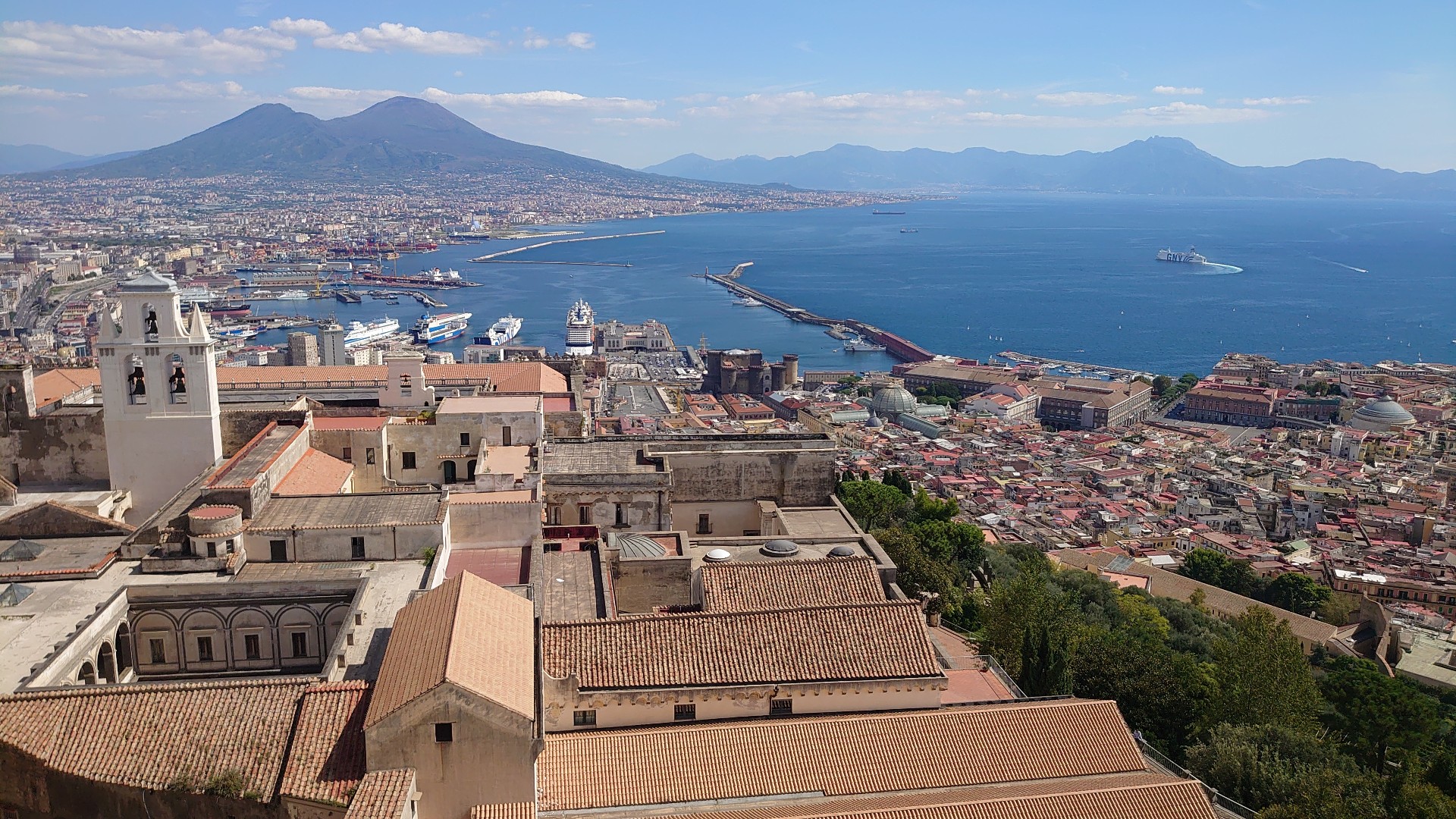
©Wikimedia / Naples
Advertisement
You've reached the end of the story. Thanks for reading!

20 Top Selling EVs of 2026
Which electric vehicles are winning the global race in 2026? From industry giants to rising challengers, we rank the top 20 best-selling battery electric vehicles based on year-to-date global market performance as of November 2026.
All 25 Entries in this Story
25. Hilo, Hawaii
Situated on the eastern coast of the Big Island, Hilo has repeatedly confronted encroaching basalt lava flows. In 1984, molten rock from Mauna Loa advanced within four miles of the city limits before stopping. County officials maintain specialized diversion barriers to protect municipal infrastructure.

24. Reykjavik, Iceland
While Reykjavik itself rests on ancient basalt, recent volcanic rifting in nearby Grindavik proved the peninsula is entering an active volcanic cycle. Expanding magma dikes threaten international airport corridors and geothermal power plants that supply heat to over two hundred thousand residents.

23. Goma, DR Congo
Nyiragongo's low-silica alkaline lava can travel downhill at sixty miles per hour. In 2002, catastrophic lava streams tore through downtown Goma, destroying twenty percent of the city and reaching Lake Kivu. Today, emergency sirens monitor the volatile crater to prevent another sudden evacuation.

22. Pasto, Colombia
Galeras has erupted continuously for over four centuries, making it Colombia's most dangerous active stratovolcano. Pasto sits within the high-hazard pyroclastic zone, where explosive ash columns regularly force regional airport closures. Evacuation drills are a routine fact of municipal civic life.

21. Legazpi, Philippines
Mayon is renowned for its near-perfect conical silhouette, but it has erupted over fifty times since 1616. In 1814, an explosive blast buried the nearby town of Cagsawa under volcanic ash and lahars. Today, Legazpi monitors a permanent six-kilometer danger zone to keep residents out of harms way.

20. Arequipa, Peru
Known as the White City because of its white volcanic sillar architecture, Arequipa developed directly from its menacing neighbor. El Misti last produced a major explosive blast during the fifteenth century, but venting fumaroles remain active. A sudden eruption would send lahars directly into city ravines.

19. Catania, Italy
Mount Etna has towered over Catania for millennia, erupting dozens of times each decade. In 1669, massive lava streams breached the western city walls and submerged historical fortifications before plunging into the Ionian Sea. Modern residents live alongside frequent spectacular nighttime lava fountains.

18. San Jose, Costa Rica
The Central Valley of Costa Rica houses over two million residents directly between Irazu and Poas volcanoes. When Irazu erupted violently during the 1963 state visit of President John F. Kennedy, thick volcanic grit blanketed San Jose for two full years, disrupting agriculture and urban transit.

17. Yogyakarta, Indonesia
Merapi is Indonesia's most active stratovolcano, producing searing pyroclastic avalanches known locally as wedhus gembel. A series of major eruptions in 2010 displaced hundreds of thousands of residents around Yogyakarta. Traditional volcanic caretakers and modern seismologists cooperate to issue alarms.

16. Kagoshima, Japan
Sakurajima sits just four kilometers across the bay from downtown Kagoshima. In 1914, a massive eruption produced lava flows that connected the former volcanic island to the mainland. City streets feature designated ash-collection stations, and schoolchildren wear safety helmets walking to school.

15. Quito, Ecuador
At 9,350 feet above sea level, Quito is the world's second-highest capital city. Guagua Pichincha's volcanic crater rises directly to the west, depositing inches of fine volcanic ash over downtown plazas in 1999. In the distance, snow-capped Cotopaxi poses an even larger lahar threat to southern valleys.

14. San Salvador, El Salvador
San Salvador Volcano dominates the western skyline of the nation's capital. Its 1917 eruption emptied the summit crater lake and triggered damaging earthquakes that flattened historic neighborhoods. Today, suburbs climb high up the volcanic flanks, placing hundreds of thousands in potential flow paths.

13. Managua, Nicaragua
Spanish conquistadors dubbed Masaya the Mouth of Hell, and the volcanic complex remains active beside Nicaragua's largest urban center. Gas vents discharge high concentrations of sulfur dioxide that damage regional crops. Seismologists keep constant watch on magma movements beneath the suburban fringe.

12. Antigua, Guatemala
Fuego is one of the world's most consistently active volcanoes, erupting every fifteen to twenty minutes with audible cannon-like booms. In 2018, high-velocity pyroclastic flows devastated nearby foothill villages. Antigua's preserved Spanish colonial architecture sits just eleven miles from the crater.

11. Shimabara, Japan
Located on Kyushu Island, Shimabara has a tragic history with volcanic disasters. In 1792, a volcanic flank collapse triggered a massive tsunami that claimed fifteen thousand lives. More recently, in 1991, collapsing dacite lava domes unleashed searing cloud surges that destroyed thousands of homes.

10. Rabaul, Papua New Guinea
Rabaul was once a thriving South Pacific deep-water port built inside a giant submerged caldera. In September 1994, simultaneous eruptions from Tavurvur and Vulcan buried eighty percent of the city under wet cement-like ash. Most administrative operations had to be permanently relocated twenty miles away.

9. Saint-Pierre, Martinique
On May 8, 1902, Mount Pelee unleashed a hurricane of incandescent gas and volcanic ash traveling at three hundred miles per hour. The blast killed nearly thirty thousand residents in minutes, leaving only two documented survivors. The rebuilt coastal town remains a sobering lesson in volcanic hazard.

8. Anchorage, Alaska
Anchorage sits surrounded by active subduction volcanoes, including Mount Spurr, Redoubt, and Augustine. In 1989, Redoubt spewed ash that shut down all four engines of a KLM Boeing 747 carrying 231 passengers before crews restarted them. City snow plows frequently double as ash-removal equipment.

7. Bandung, Indonesia
Bandung occupies the drained lakebed of an ancient prehistoric caldera, with Tangkuban Perahu steaming along its northern rim. The volcano last experienced phreatic steam eruptions in 2019, coating tourist overlooks in ash. A major eruption could trigger toxic gas releases and severe volcanic mudslides.

6. Tacoma, Washington
Mount Rainier holds more glacial ice than any other peak in the contiguous United States. Geologists discovered the Puyallup Valley was buried under five hundred million cubic yards of mudflow five thousand years ago. USGS acoustic flow monitors now provide early warnings to schools and port terminals.

5. Clermont-Ferrand, France
Clermont-Ferrand sits at the foot of the Chaine des Puys, a chain of volcanic domes that was active as recently as seven thousand years ago. The city's famous Gothic cathedral was built entirely using black volcanic lava stone. Volcanologists classify the volcanic field as dormant rather than extinct.

4. Auckland, New Zealand
Auckland is the only major global city built directly upon an active volcanic field. Unlike towering stratovolcanoes that erupt from a single crater, Auckland's magma can punch through the ground at entirely new locations. The youngest cone, Rangitoto Island, emerged from the sea just six hundred years ago.

3. Tokyo, Japan
While Mount Fuji has slumbered since the Hoei eruption of 1707, it remains an active stratovolcano. During that last blast, volcanic ash fell across Edo, modern Tokyo, for two continuous weeks. A comparable modern eruption would paralyze regional electrical grids, high-speed rail lines, and airports.

2. Mexico City, Mexico
Rising over seventeen thousand feet into the sky, Popocatepetl has erupted intermittently for three decades. More than twenty-five million people live within fifty miles of its summit crater. When winds shift toward the capital, fine volcanic ash blankets runways at Benito Juarez International Airport.

1. Naples, Italy
Naples faces the highest volcanic risk on Earth, flanked by Mount Vesuvius to the east and the restless Campi Flegrei caldera to the west. Vesuvius famously obliterated Pompeii in 79 AD, and another Plinian eruption would threaten millions. Italian civil protection agencies maintain complex evacuation routes.