Slideshow · Viral
Are You Sitting Too Much? The Healthiest Habits For Desk Workers
From standing desks and walking meetings to 30-minute micro-breaks, we rank the 20 most effective science-backed habits to protect your spine, metabolism, and focus at work.
By Most Viral Today
21 Oct 2026

Are You Sitting Too Much? The Healthiest Habits For Desk Workers 
20. Desk Plants And Natural Greenery 
19. Blue-Light Filtering And Warm Screen Modes 
18. Ergonomic Split Or Mechanical Keyboards - AdvertisementSwipe or tap ▶ to continue countdown

17. Neutral Wrist Mouse Positioning 
16. 90-Degree Knee And Foot Support 
15. Mindful Box Breathing Between Tasks 
14. High-Protein, Low-Glycemic Desk Snacks - AdvertisementSwipe or tap ▶ to continue countdown

13. Stepping Away For A Screen-Free Lunch 
12. Under-Desk Walking Pads And Treadmill Desks 
11. Natural Window Daylight Exposure 
10. Lumbar Support And Neutral Spine Posture - AdvertisementSwipe or tap ▶ to continue countdown

9. Eye-Level Monitor Positioning 
8. Keeping A Water Bottle Or Glass On Your Desk 
7. Seated Neck And Shoulder Tension Releases 
6. Overhead Reach And Chest Opener Stretches - AdvertisementSwipe or tap ▶ to continue countdown

5. The 20-20-20 Visual Reset Rule 
4. Taking Walking Meetings And Audio Calls 
3. Alternating With An Adjustable Standing Desk 
2. Post-Meal 10-Minute Brisk Walks - AdvertisementSwipe or tap ▶ to continue countdown

1. Micro-Movement Breaks Every 30 Minutes - Advertisement🔥 UP NEXT IN THIS SERIES◫ 21 Slides

20 Details Behind The Real Story Of Stephen Miller
Sitting for eight or more hours a day slows metabolic activity, compresses spinal discs, and drains cognitive focus. Fortunately, small adjustments to how you sit, stand, hydrate, and move can transform your workday health.
Swipe or tap ▶ to begin the countdown
©Wikimedia / Shixart1985 & Unsplash / Vitaly Gariev
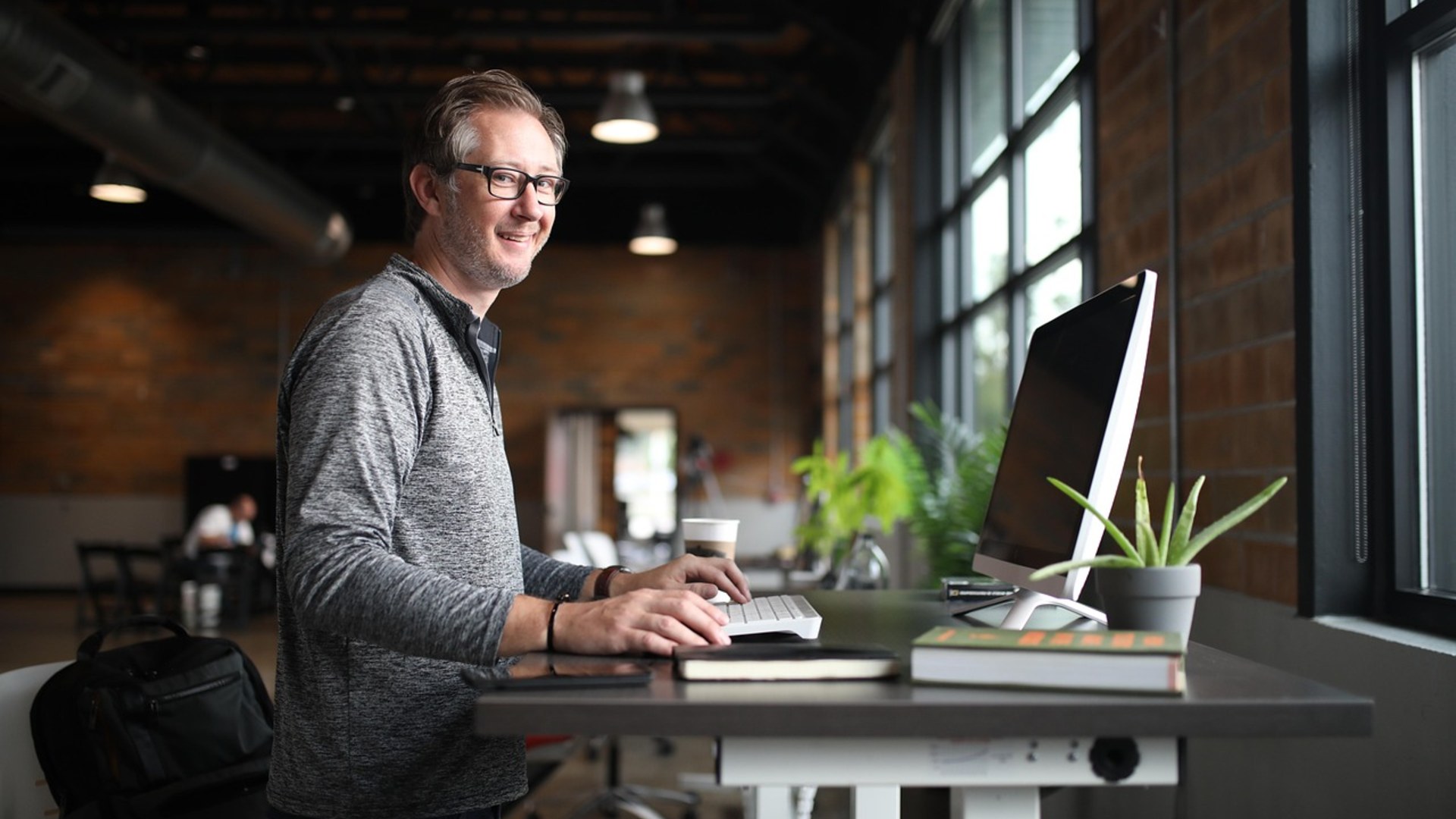
20. Desk Plants And Natural Greenery
Environmental psychology studies show that placing even one or two live green plants within your line of sight at a desk reduces physiological stress markers and helps recover attention faster after intense screen tasks.
©Pixabay / reallywellmadedesks
19. Blue-Light Filtering And Warm Screen Modes
High-energy short-wavelength blue light from monitors suppresses evening melatonin and contributes to glare fatigue. Pairing anti-reflective lenses with scheduled warm display modes after 4 p.m. safeguards your circadian rhythm.

©Wikimedia / Shixart1985
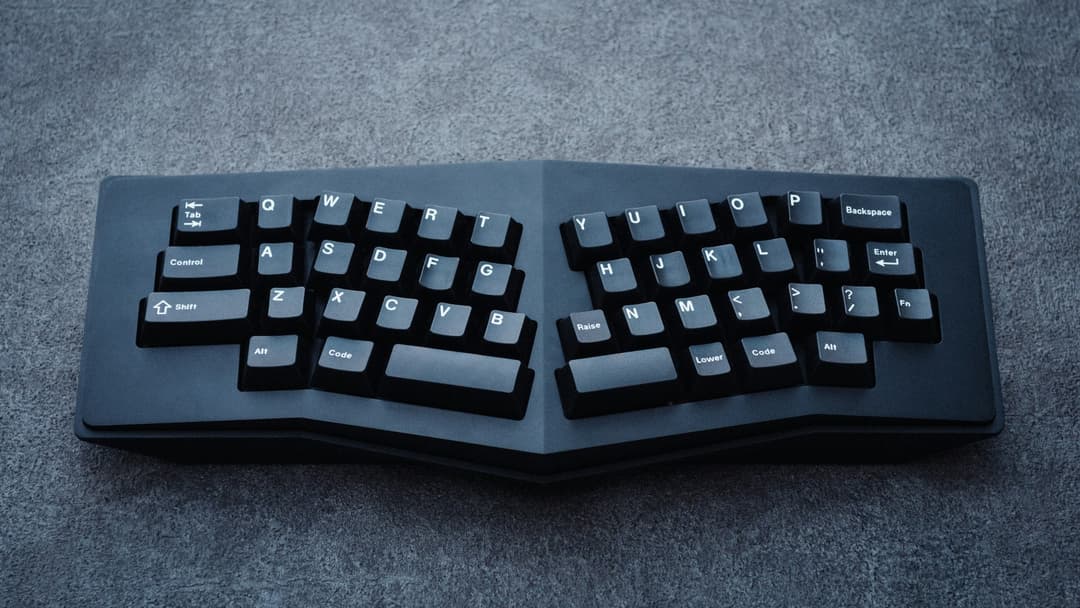
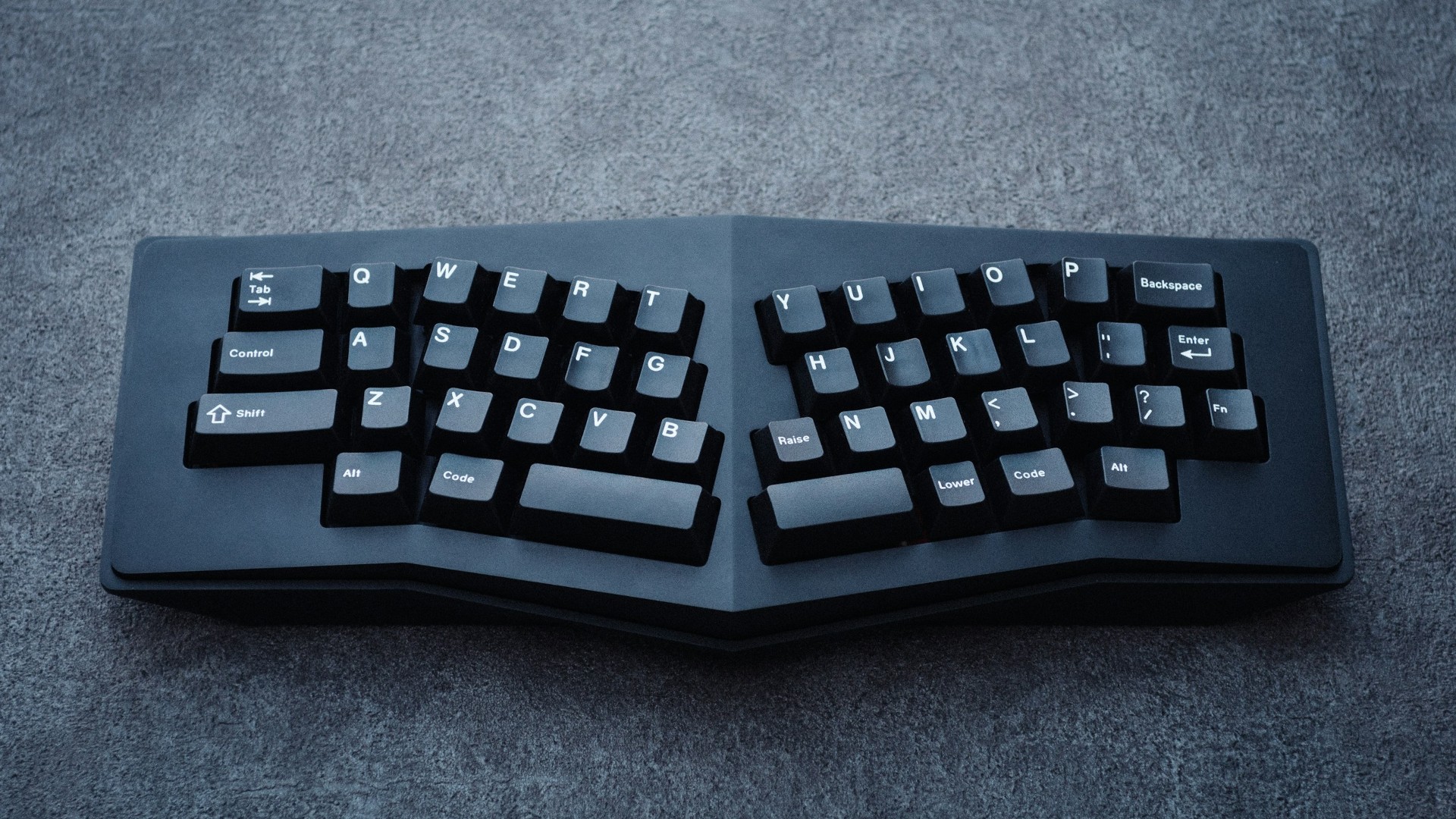
18. Ergonomic Split Or Mechanical Keyboards
Standard flat keyboards force your forearms to pronate inward and bend your wrists outward. Switching to a split or negative-tilt ergonomic keyboard aligns the median nerve through the carpal tunnel and eases finger impact.
© Photo by Peppy Toad on Unsplash
Advertisement
Swipe or tap ▶ to resume the countdown.
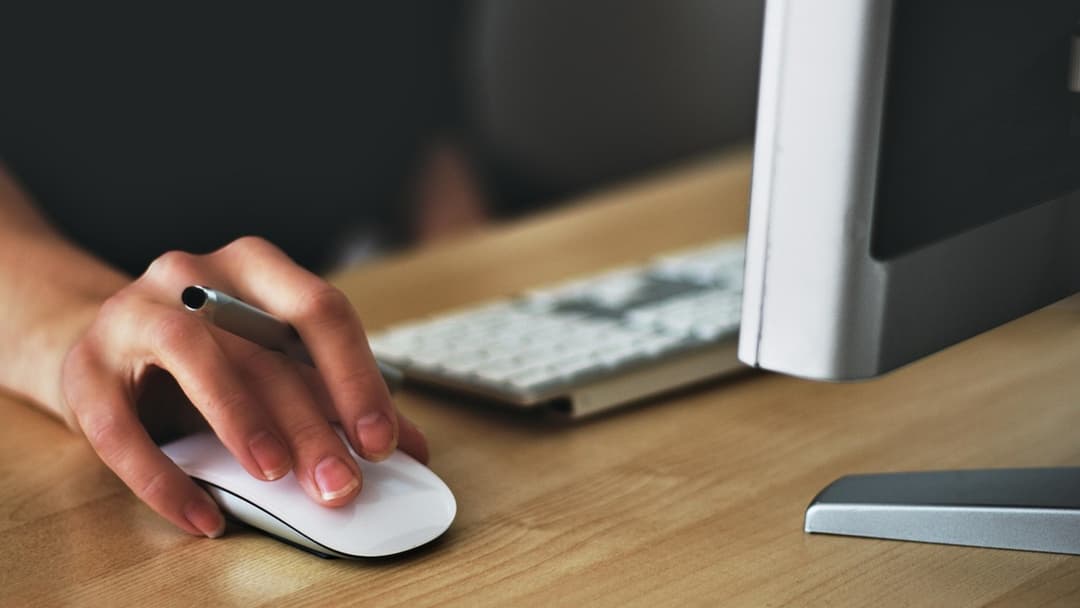
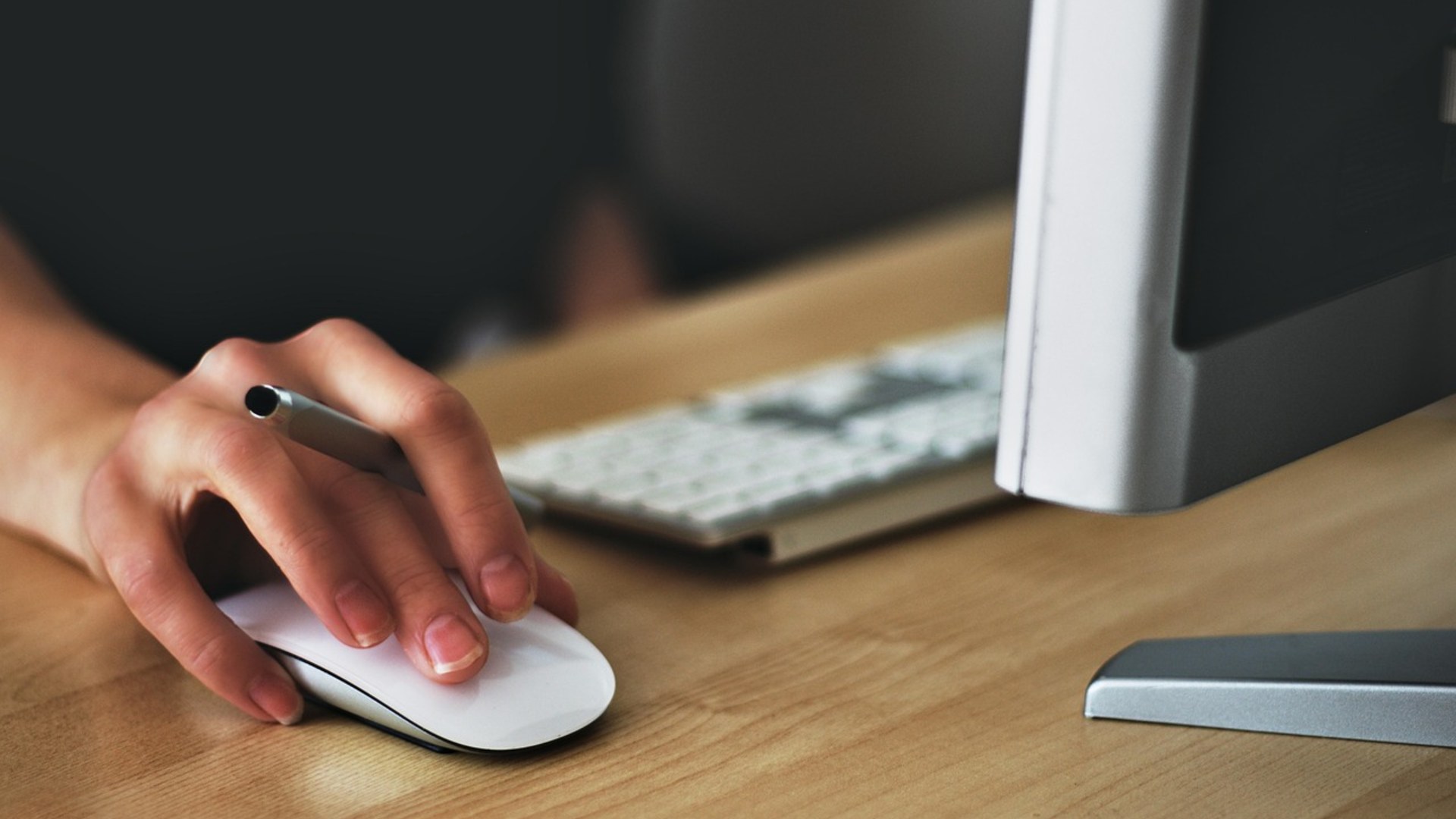
17. Neutral Wrist Mouse Positioning
Reaching far to the side for a mouse overloads the rotator cuff and twists the forearm bones. Positioning an ergonomic mouse directly beside your keyboard keeps your elbow at a comfortable 90-degree angle close to your ribs.
©Pixabay / StockSnap
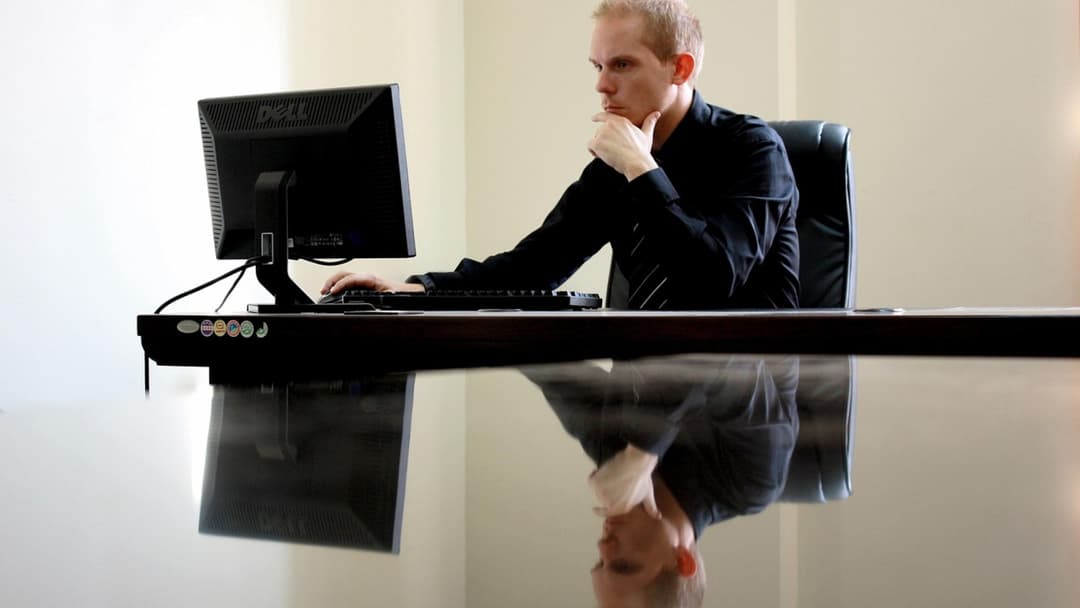
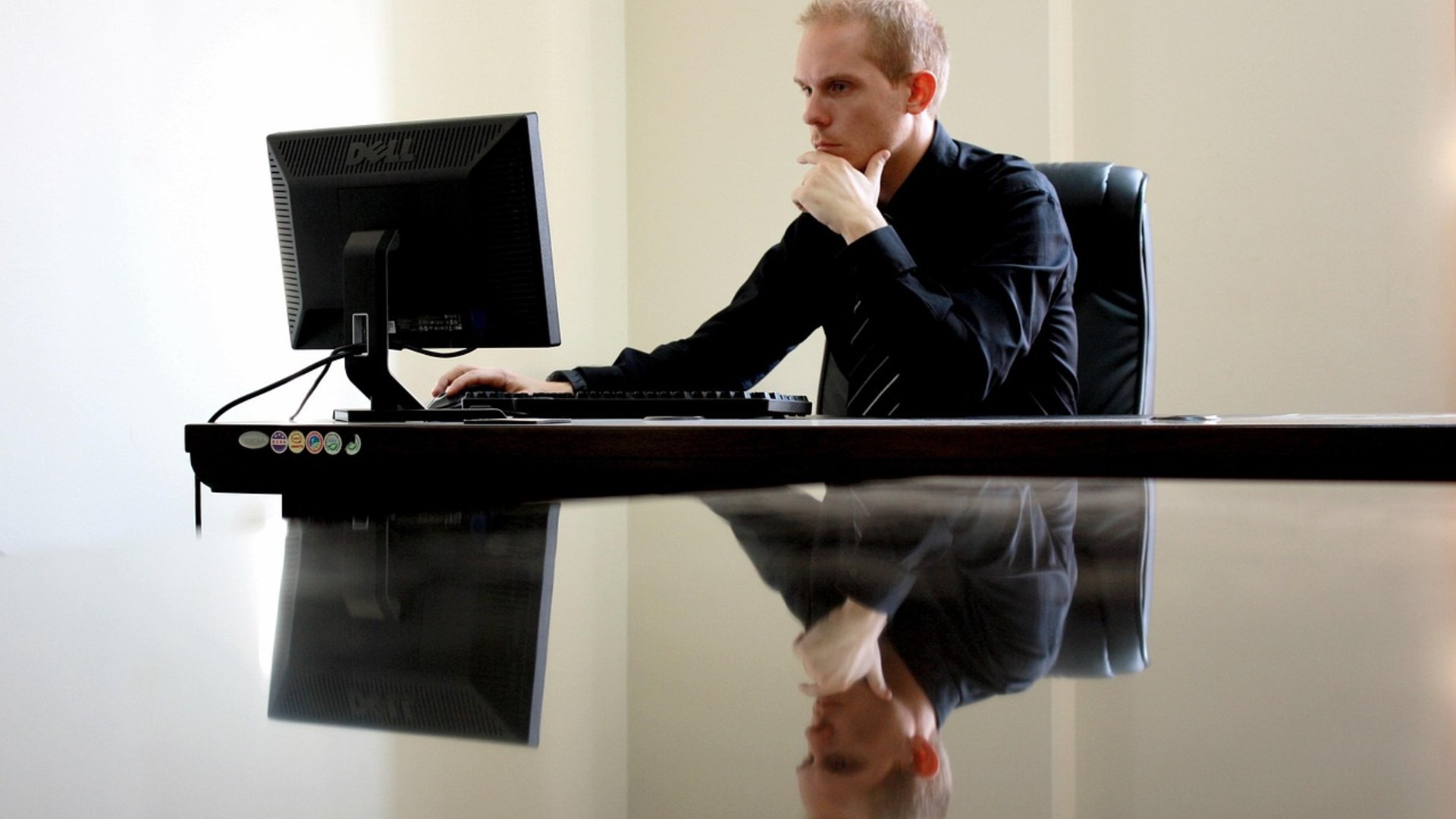
16. 90-Degree Knee And Foot Support
Dangling feet or crossing your legs for hours restricts venous blood return behind the knees and tilts the pelvis backward. Adjusting chair height so your knees rest at a 90-to-100-degree angle stabilizes your entire lower back.
©Pixabay / Pexels Archive Studio
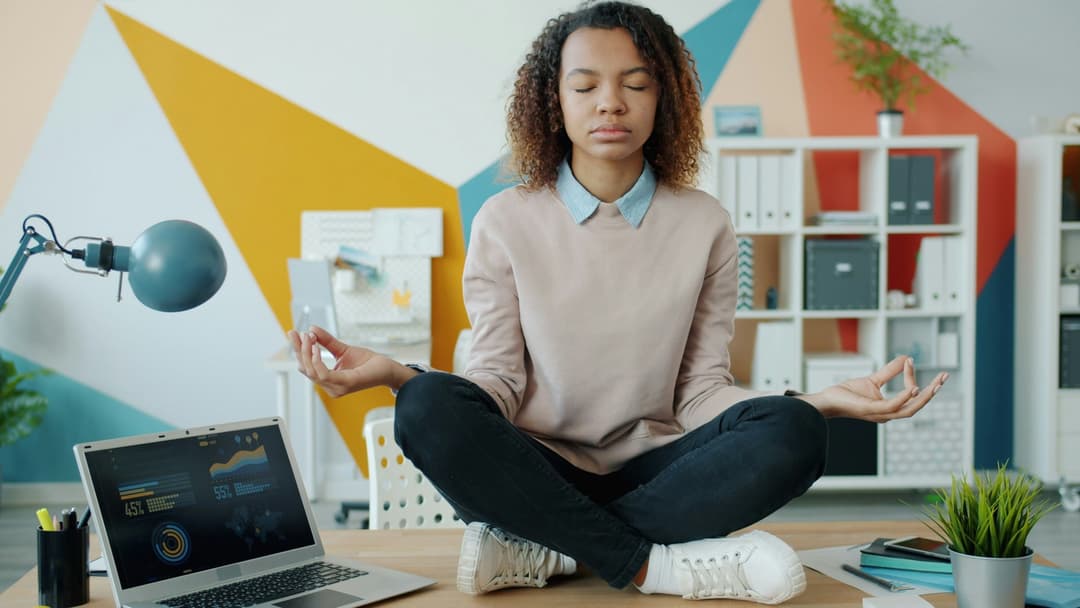
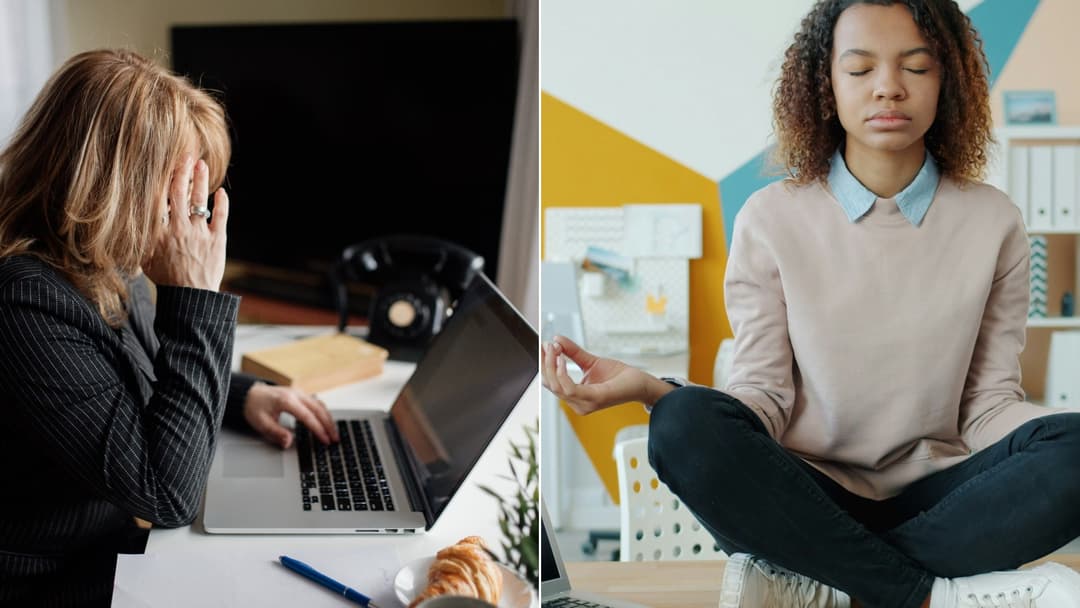
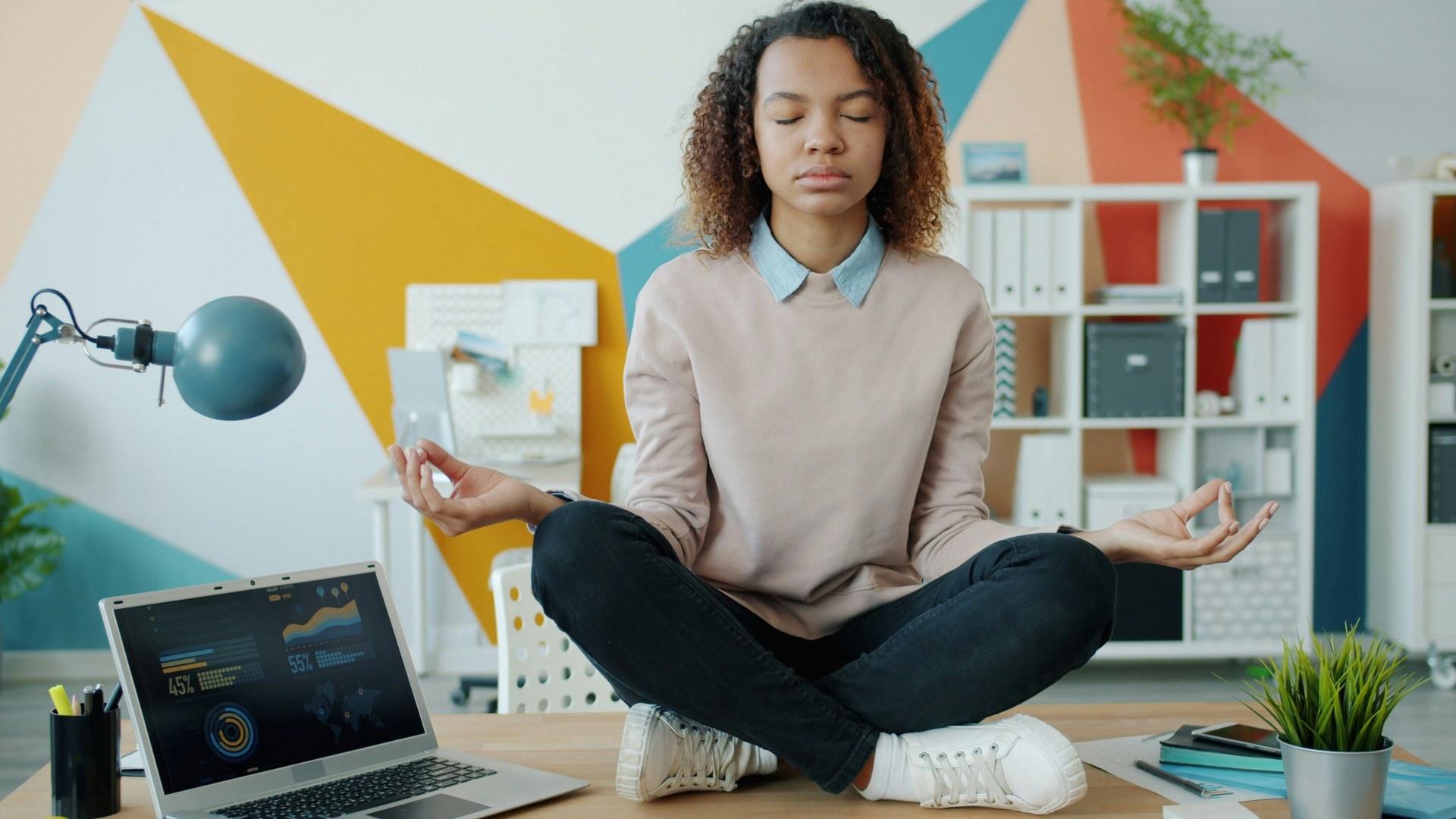
15. Mindful Box Breathing Between Tasks
Researchers call unconscious shallow breathing while reading emails 'email apnea.' Pausing between meetings for four-second box breathing activates the vagus nerve, lowers blood pressure, and clears mental clutter.
© Photo by Vitaly Gariev on Unsplash
14. High-Protein, Low-Glycemic Desk Snacks
Sugary afternoon snacks trigger a rapid insulin spike followed by a steep glucose drop that causes brain fog and fatigue. Keeping a bowl of unsalted tree nuts at your desk delivers steady protein, fiber, and healthy fats.

©Wikimedia / Shixart1985
Advertisement
Swipe or tap ▶ to resume the countdown.
13. Stepping Away For A Screen-Free Lunch
Working through lunch in front of a keyboard keeps your nervous system locked in task mode and encourages mindless overeating. Taking 20 minutes away from screens to enjoy a balanced meal resets focus for the second half of the day.

©Pixabay / Surprising_Media
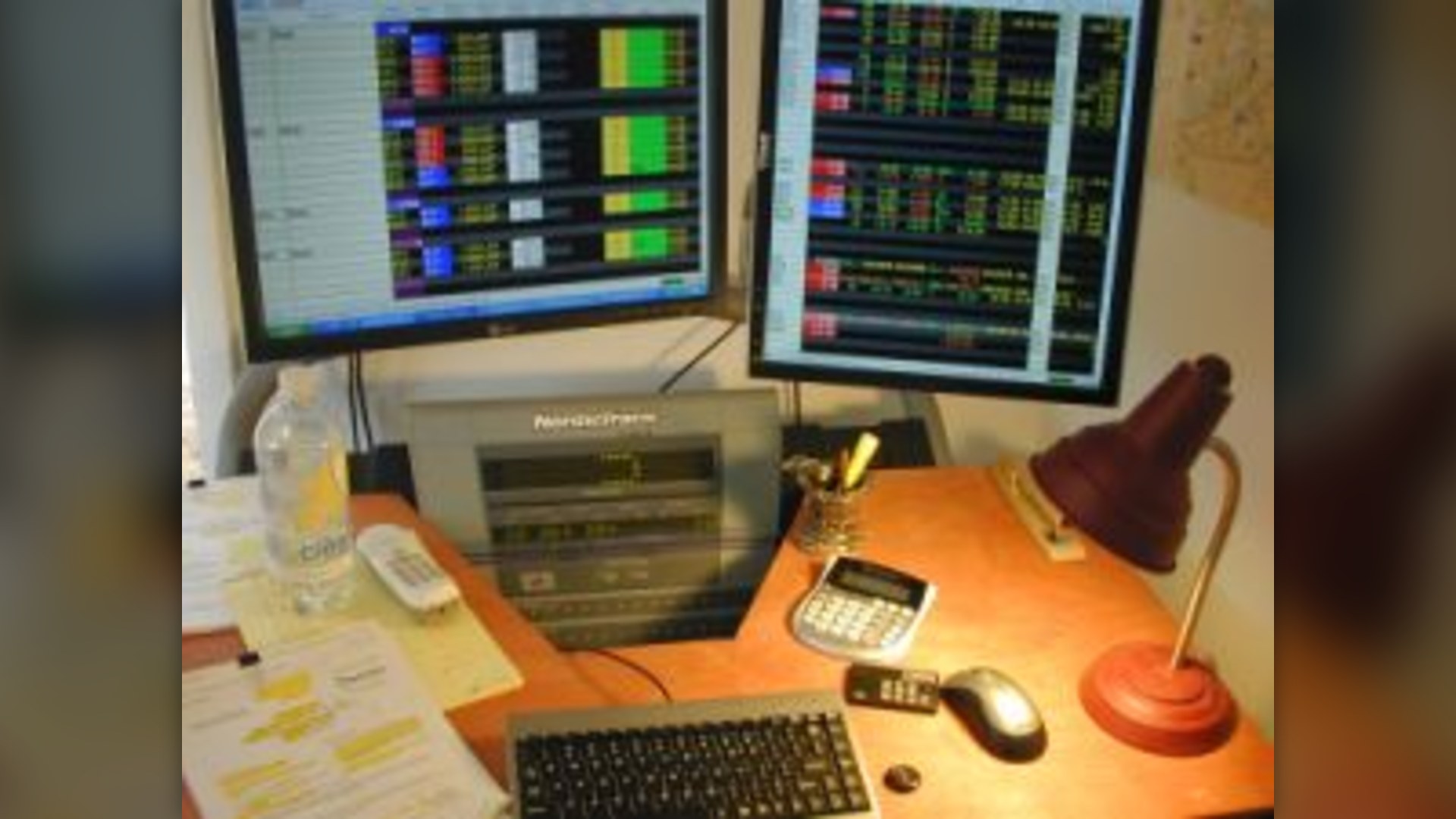
12. Under-Desk Walking Pads And Treadmill Desks
Under-desk walking pads boost non-exercise activity thermogenesis (NEAT) while you read documents or attend town halls. Even 45 minutes of slow walking at work engages calf muscle pumps that keep blood glucose and lipids in check.
©Wikimedia / Jaybuster
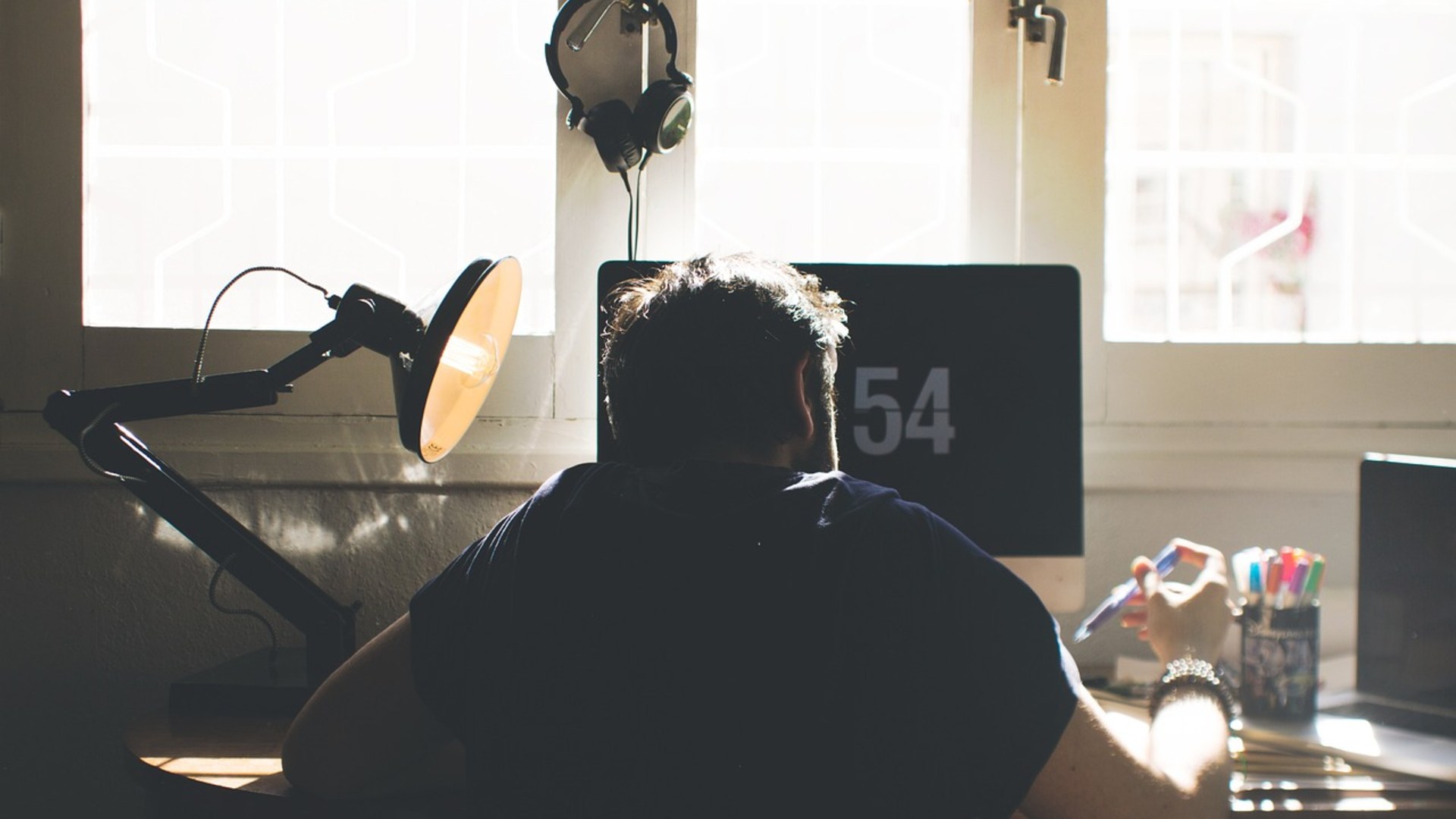
11. Natural Window Daylight Exposure
A Northwestern University study found that office workers seated near windows received 173% more white light exposure during work hours and slept an average of 46 minutes longer per night than those working under dim artificial lights.
©Pixabay / Pexels Archive Studio
10. Lumbar Support And Neutral Spine Posture
When you slump forward in a chair, the load on your lumbar discs nearly doubles compared to standing upright. Using an ergonomic mesh backrest that cradles your lower lumbar curve keeps your ears, shoulders, and hips stacked.

©Wikimedia / Shixart1985
Advertisement
Swipe or tap ▶ to resume the countdown.
9. Eye-Level Monitor Positioning
Hunching over a low laptop screen angles your head forward, placing up to 40 pounds of leverage on your neck muscles. Placing your primary display an arm's length away at eye level effortlessly enforces upright posture.

©Wikimedia / Shixart1985
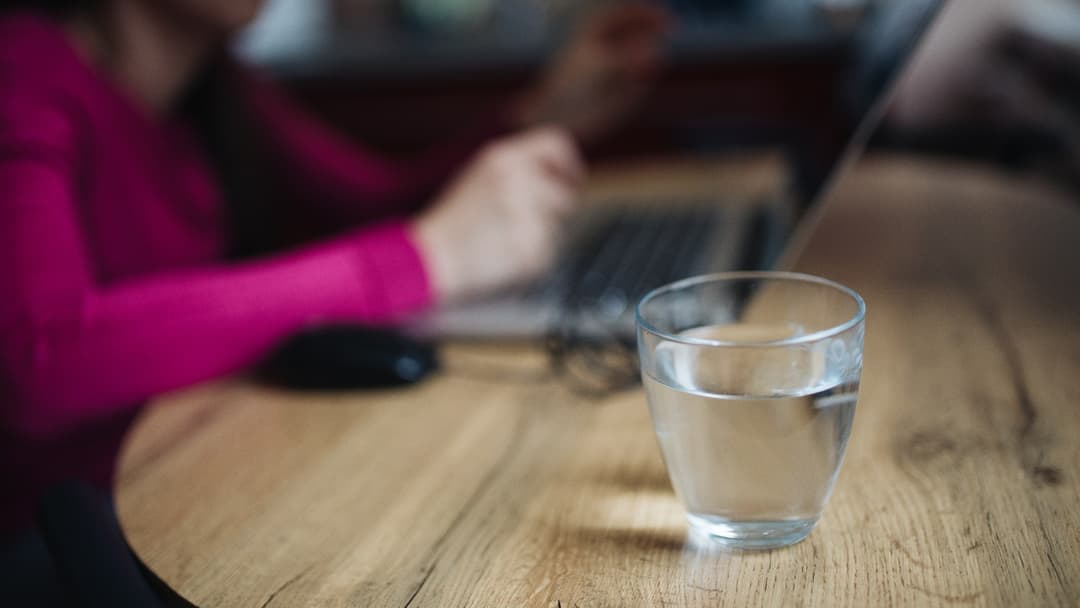
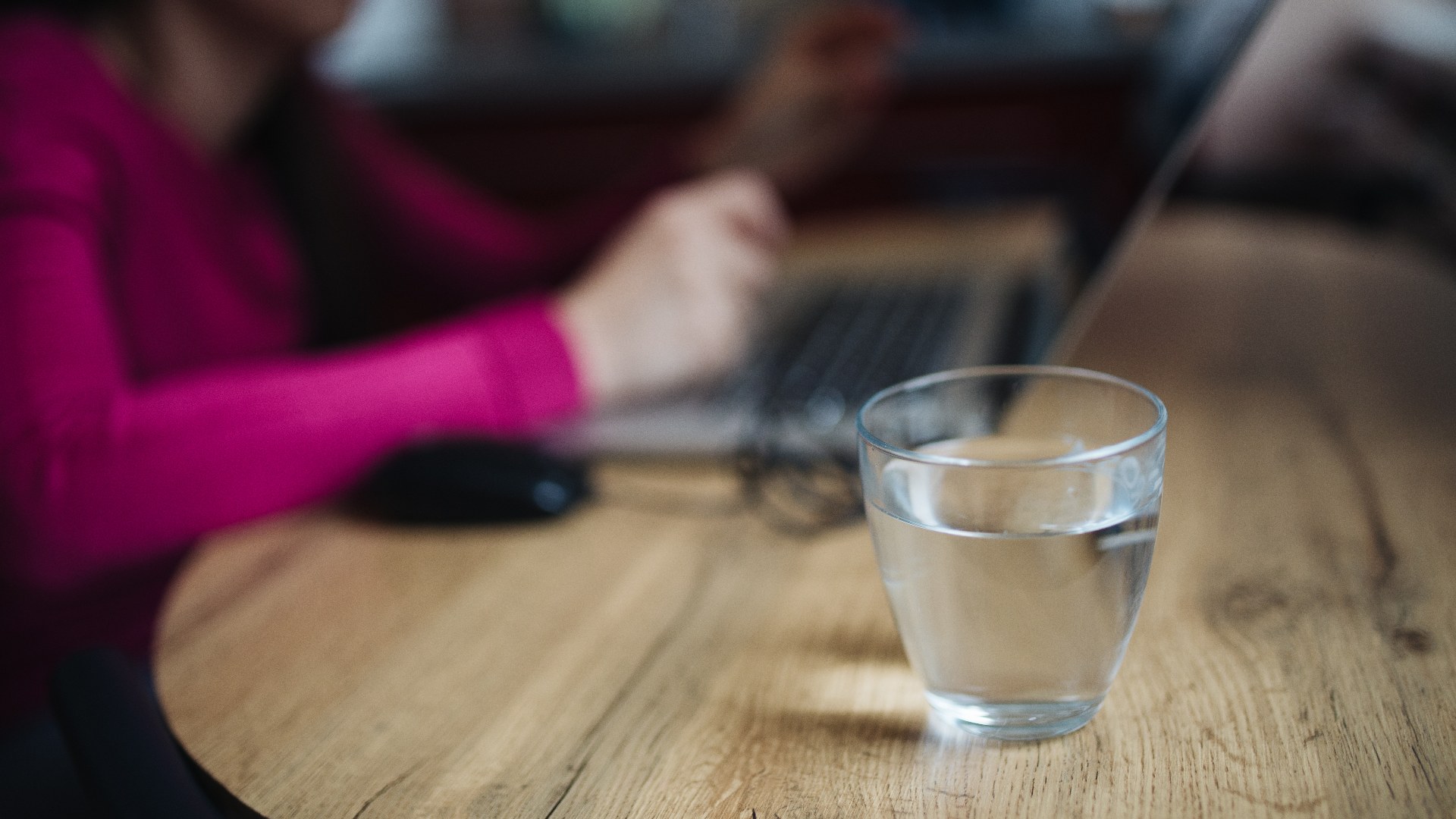
8. Keeping A Water Bottle Or Glass On Your Desk
Even mild dehydration temporarily shrinks brain tissue volume, causing afternoon headaches and slower reaction times. Keeping a filled water glass or bottle in your immediate field of view ensures steady sips—and naturally prompts movement breaks to refill it.
©Wikimedia / Shixart1985
7. Seated Neck And Shoulder Tension Releases
Holding your arms forward to type keeps the upper trapezius and levator scapulae muscles in constant isometric contraction. Taking 60 seconds for slow ear-to-shoulder stretches restores blood flow and wards off tension headaches.

©Wikimedia / Shixart1985
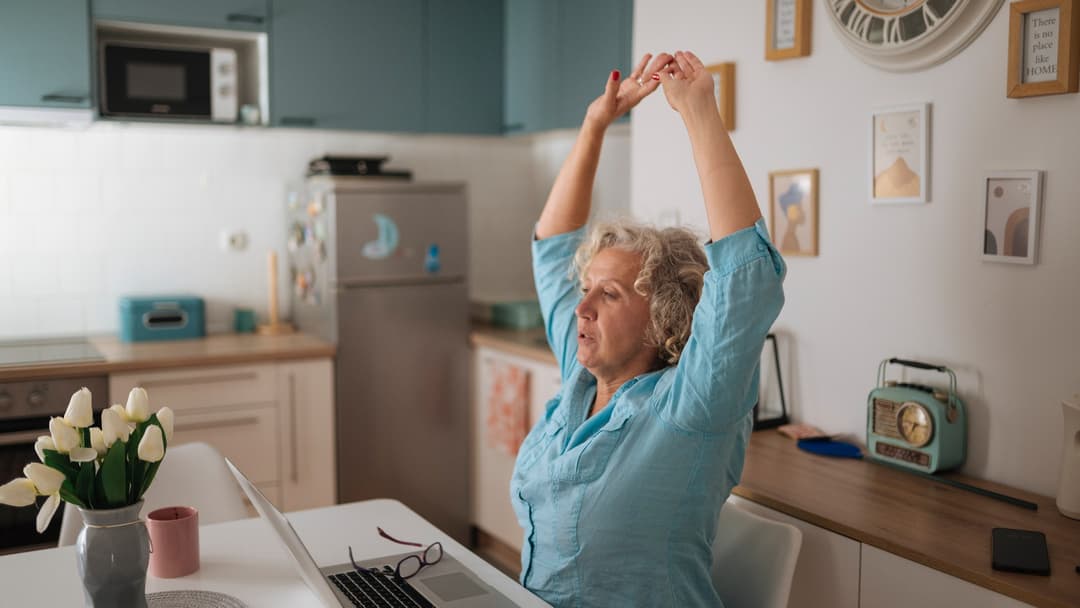
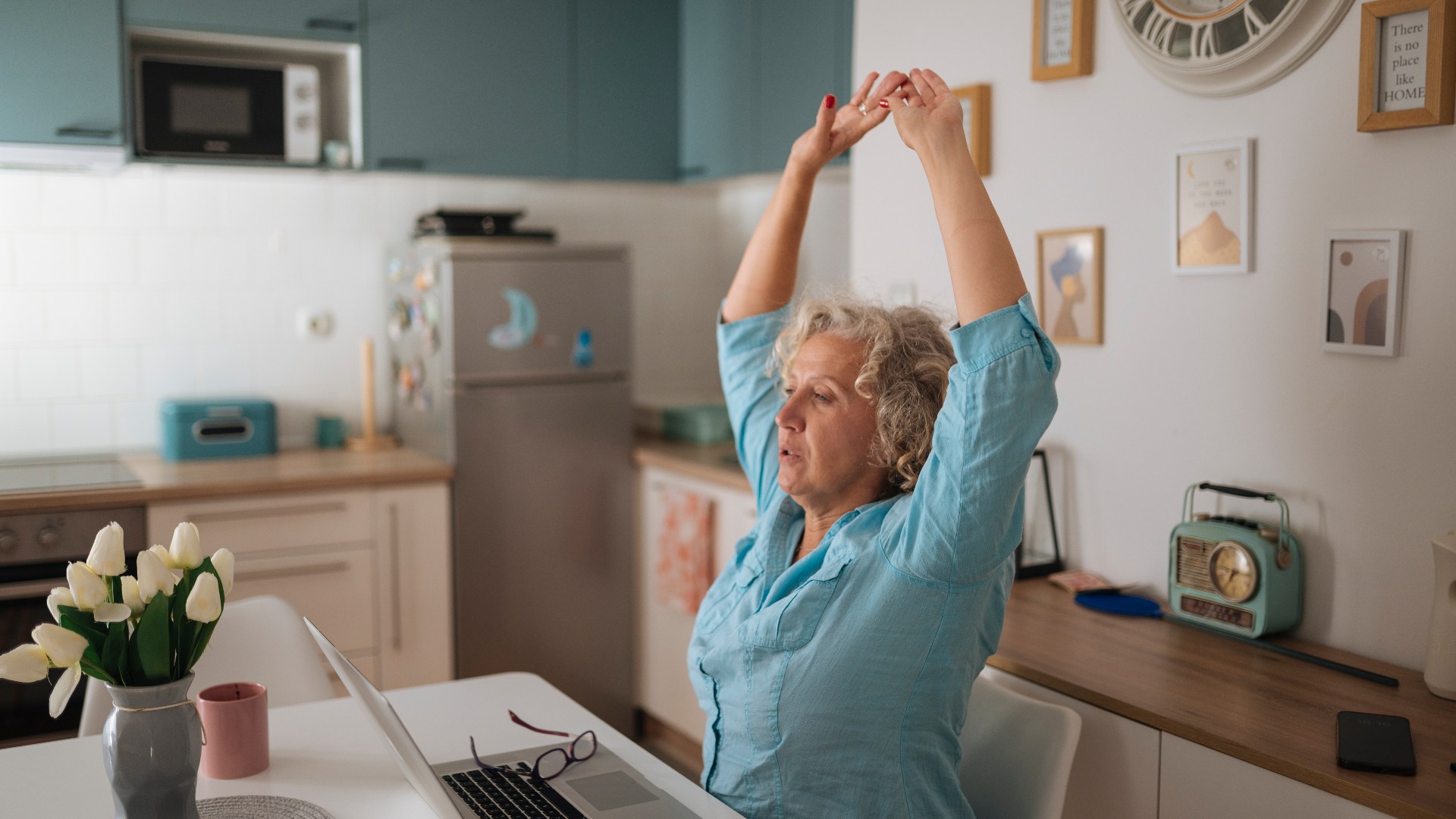
6. Overhead Reach And Chest Opener Stretches
Prolonged sitting shortens the chest muscles and weakens the mid-back rhomboids, pulling your shoulders forward. Interlacing your fingers and stretching overhead at your desk decompresses the thoracic spine and expands lung capacity.
©Wikimedia / Shixart1985
Advertisement
Swipe or tap ▶ to resume the countdown.
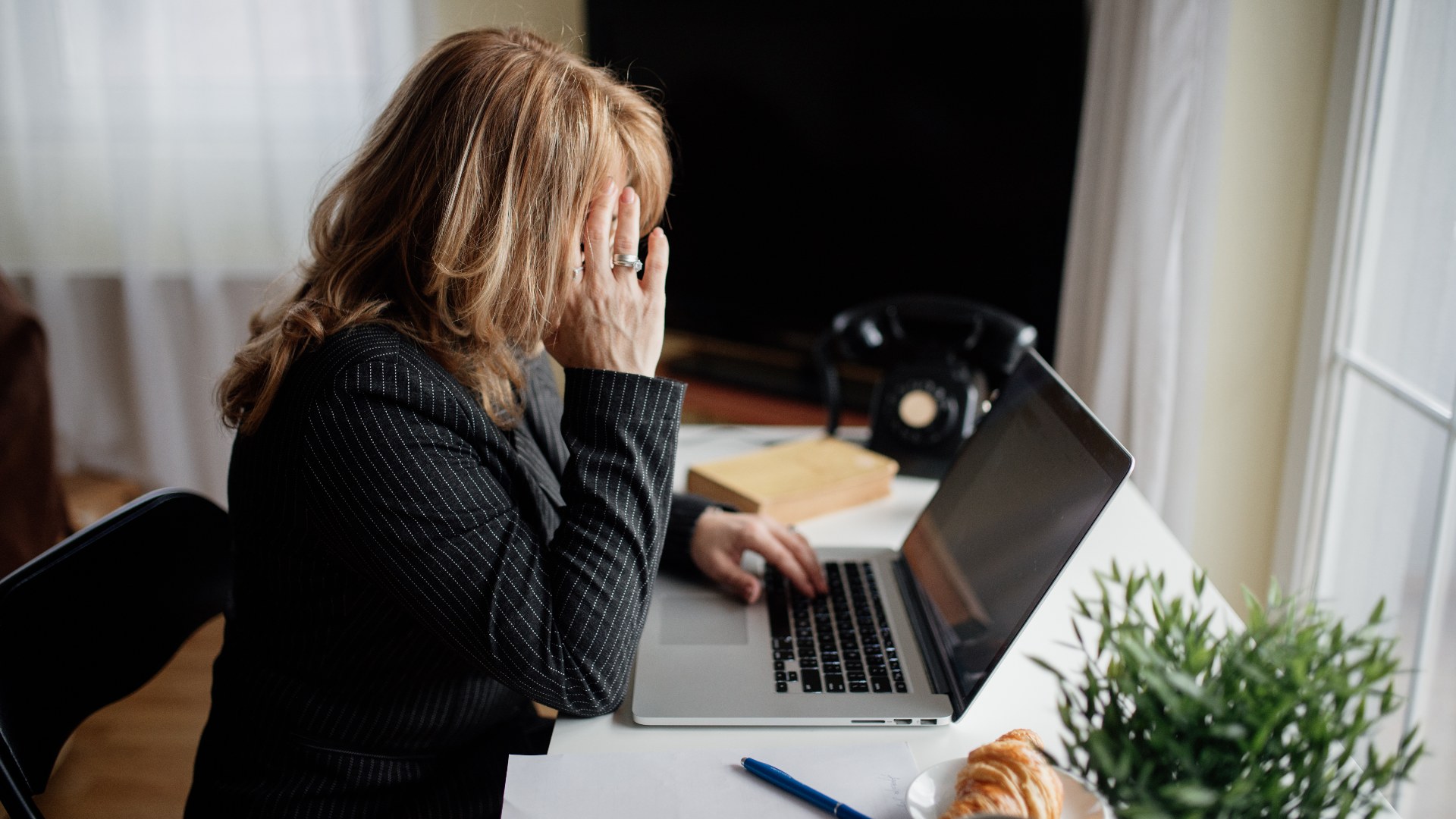
5. The 20-20-20 Visual Reset Rule
Staring at a fixed screen distance locks the ciliary muscles inside your eyes and cuts your blink rate in half. Gazing out a window toward a distant horizon for 20 seconds lets those intraocular muscles fully relax and re-wets the cornea.
©Wikimedia / Shixart1985
4. Taking Walking Meetings And Audio Calls
Not every meeting requires a shared screen. Stanford University research demonstrated that walking outdoors increases creative ideation by an average of 60% compared to sitting, while effortlessly adding 2,000 to 3,000 steps to your workday.

©Wikimedia / National Park Service
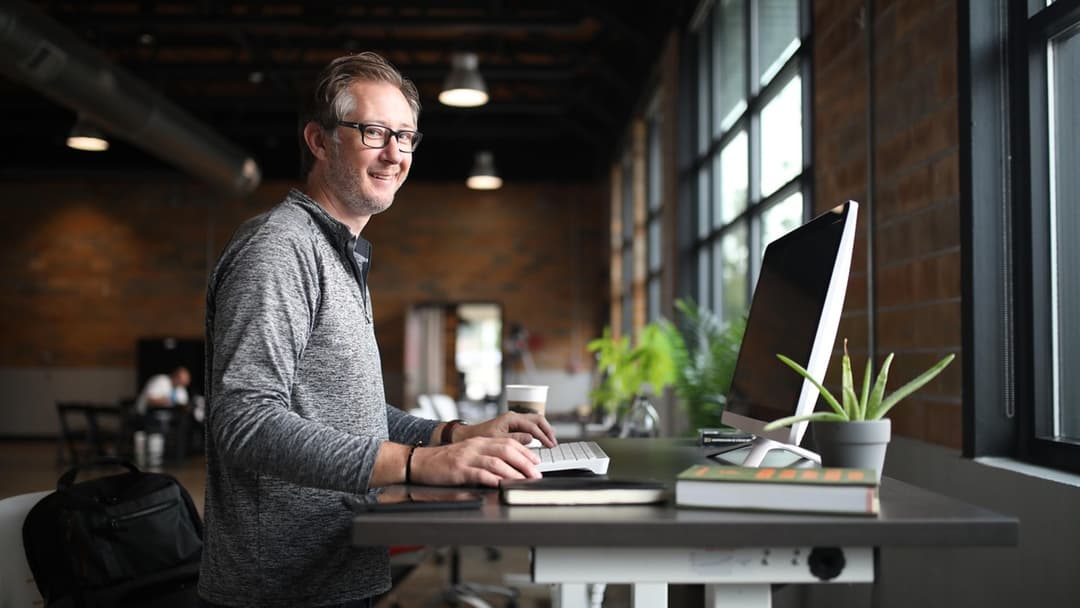
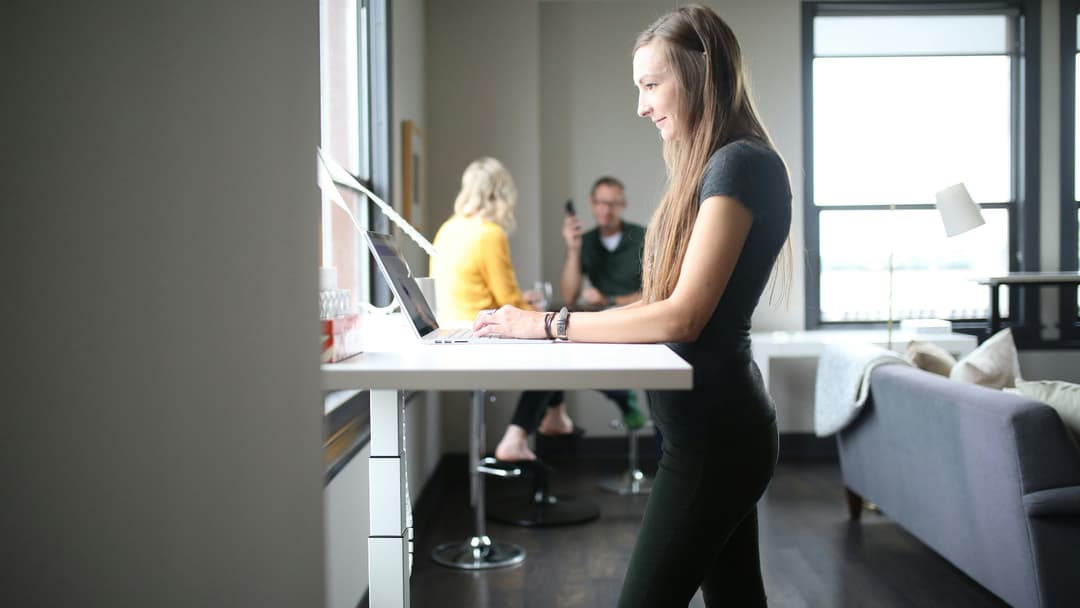
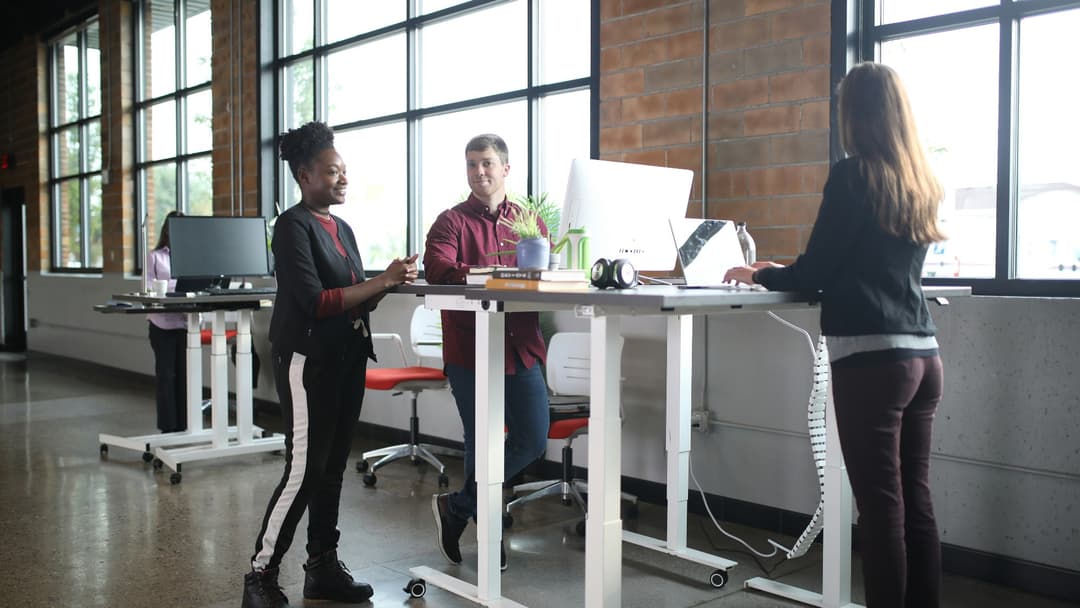
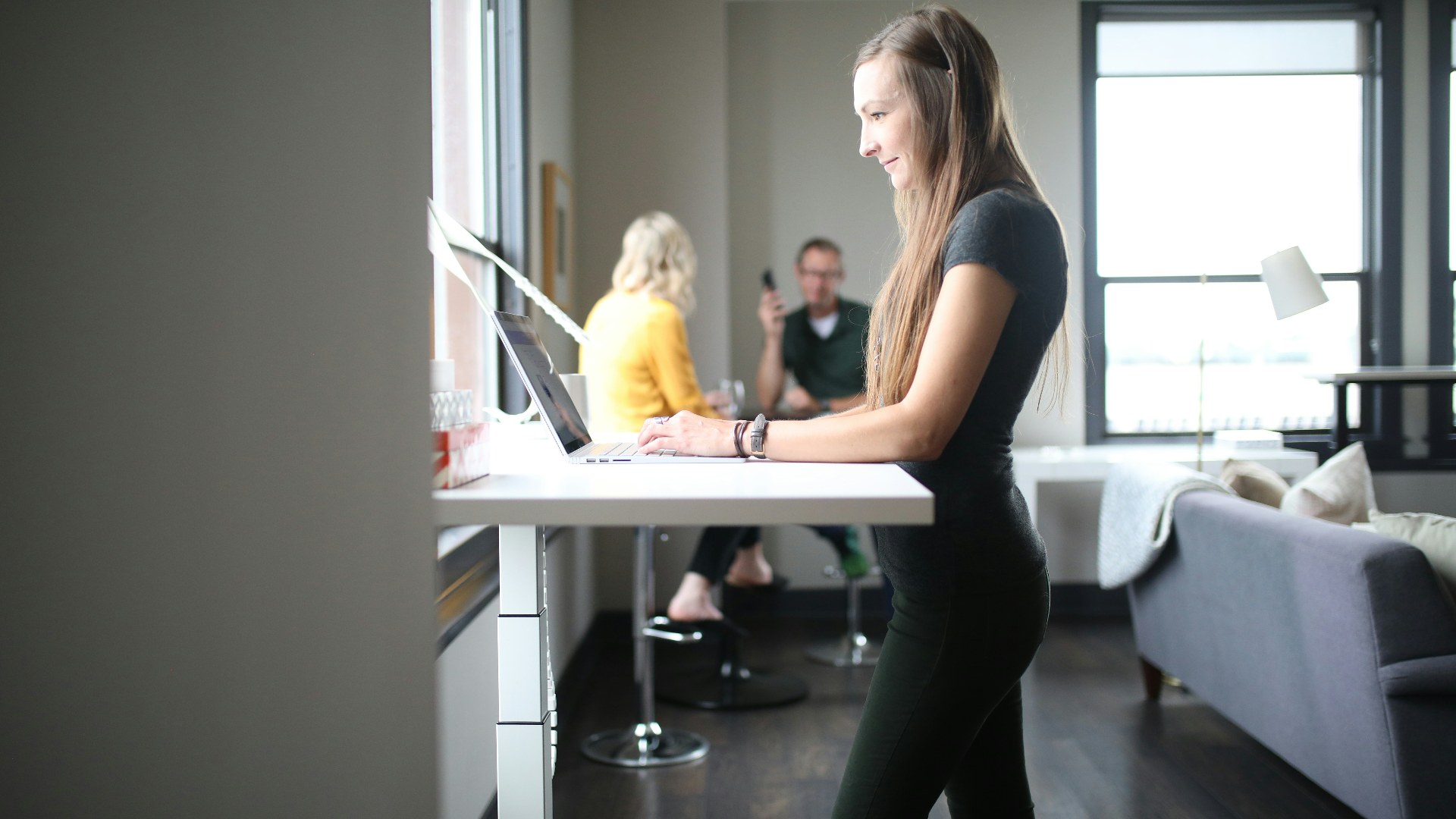
3. Alternating With An Adjustable Standing Desk
Standing all day is no better than sitting all day—the real magic lies in posture variation. Ergonomists recommend a 1:1 or 2:1 sit-to-stand ratio using a height-adjustable desk, which reduces upper back and neck pain by up to 54%.
© Photo by TheStandingDesk on Unsplash
2. Post-Meal 10-Minute Brisk Walks
Sports medicine meta-analyses confirm that walking for just 10 minutes right after a meal allows contracting leg muscles to absorb glucose directly from the bloodstream, cutting insulin demand and keeping afternoon energy rock-steady.

©Pixabay / StockSnap
Advertisement
Swipe or tap ▶ to resume the countdown.
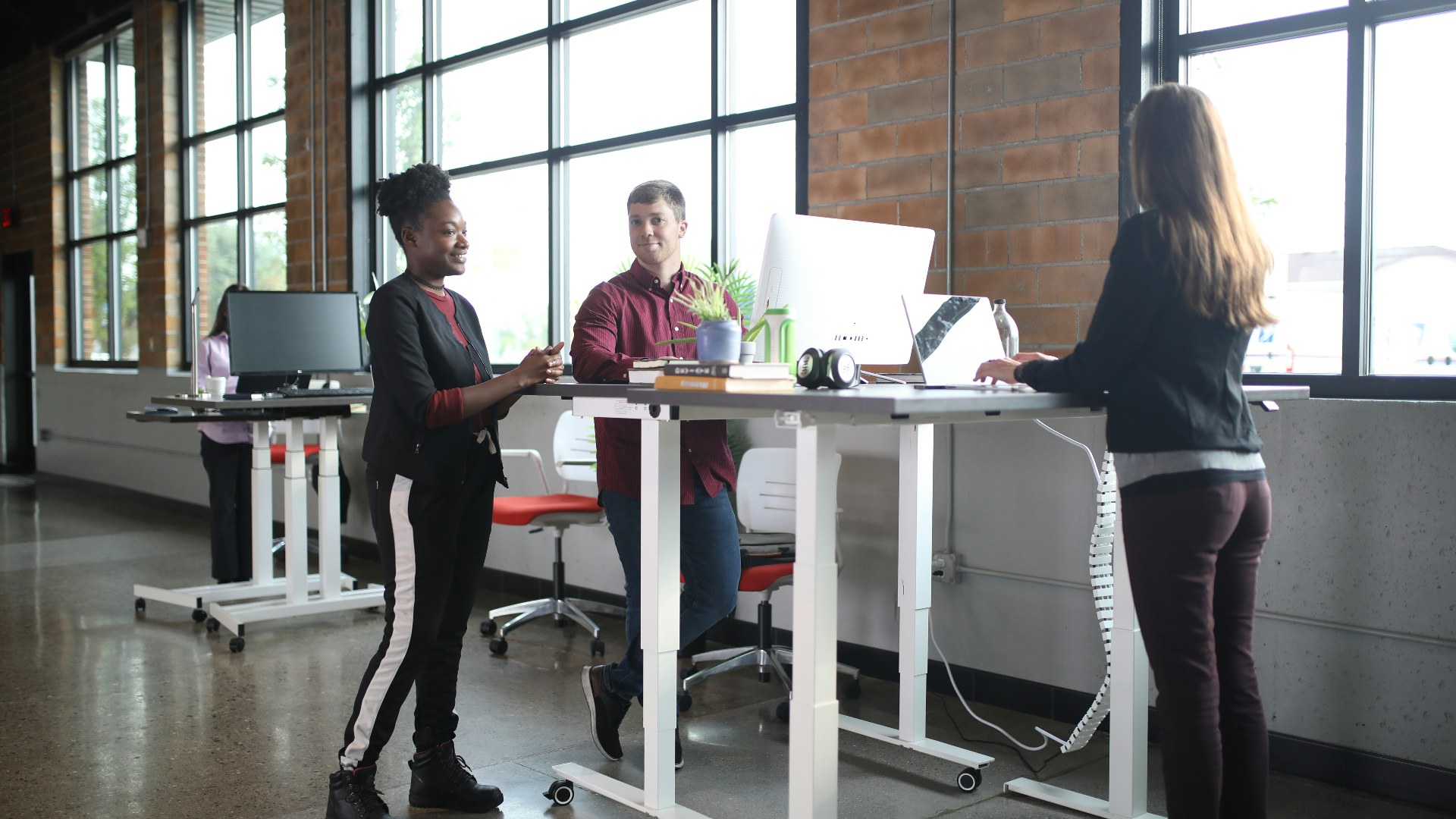
1. Micro-Movement Breaks Every 30 Minutes
A landmark Columbia University physiological study tested multiple movement schedules and found a clear winner: five minutes of light walking every 30 minutes of sitting reduced post-meal glucose spikes by 58% and significantly lowered blood pressure.
© Photo by TheStandingDesk on Unsplash
Advertisement
You've reached the end of the story. Thanks for reading!

20 Details Behind The Real Story Of Stephen Miller
All 20 Entries in this Story
20. Desk Plants And Natural Greenery
Environmental psychology studies show that placing even one or two live green plants within your line of sight at a desk reduces physiological stress markers and helps recover attention faster after intense screen tasks.

19. Blue-Light Filtering And Warm Screen Modes
High-energy short-wavelength blue light from monitors suppresses evening melatonin and contributes to glare fatigue. Pairing anti-reflective lenses with scheduled warm display modes after 4 p.m. safeguards your circadian rhythm.

18. Ergonomic Split Or Mechanical Keyboards
Standard flat keyboards force your forearms to pronate inward and bend your wrists outward. Switching to a split or negative-tilt ergonomic keyboard aligns the median nerve through the carpal tunnel and eases finger impact.

17. Neutral Wrist Mouse Positioning
Reaching far to the side for a mouse overloads the rotator cuff and twists the forearm bones. Positioning an ergonomic mouse directly beside your keyboard keeps your elbow at a comfortable 90-degree angle close to your ribs.

16. 90-Degree Knee And Foot Support
Dangling feet or crossing your legs for hours restricts venous blood return behind the knees and tilts the pelvis backward. Adjusting chair height so your knees rest at a 90-to-100-degree angle stabilizes your entire lower back.

15. Mindful Box Breathing Between Tasks
Researchers call unconscious shallow breathing while reading emails 'email apnea.' Pausing between meetings for four-second box breathing activates the vagus nerve, lowers blood pressure, and clears mental clutter.

14. High-Protein, Low-Glycemic Desk Snacks
Sugary afternoon snacks trigger a rapid insulin spike followed by a steep glucose drop that causes brain fog and fatigue. Keeping a bowl of unsalted tree nuts at your desk delivers steady protein, fiber, and healthy fats.

13. Stepping Away For A Screen-Free Lunch
Working through lunch in front of a keyboard keeps your nervous system locked in task mode and encourages mindless overeating. Taking 20 minutes away from screens to enjoy a balanced meal resets focus for the second half of the day.

12. Under-Desk Walking Pads And Treadmill Desks
Under-desk walking pads boost non-exercise activity thermogenesis (NEAT) while you read documents or attend town halls. Even 45 minutes of slow walking at work engages calf muscle pumps that keep blood glucose and lipids in check.

11. Natural Window Daylight Exposure
A Northwestern University study found that office workers seated near windows received 173% more white light exposure during work hours and slept an average of 46 minutes longer per night than those working under dim artificial lights.

10. Lumbar Support And Neutral Spine Posture
When you slump forward in a chair, the load on your lumbar discs nearly doubles compared to standing upright. Using an ergonomic mesh backrest that cradles your lower lumbar curve keeps your ears, shoulders, and hips stacked.

9. Eye-Level Monitor Positioning
Hunching over a low laptop screen angles your head forward, placing up to 40 pounds of leverage on your neck muscles. Placing your primary display an arm's length away at eye level effortlessly enforces upright posture.

8. Keeping A Water Bottle Or Glass On Your Desk
Even mild dehydration temporarily shrinks brain tissue volume, causing afternoon headaches and slower reaction times. Keeping a filled water glass or bottle in your immediate field of view ensures steady sips—and naturally prompts movement breaks to refill it.

7. Seated Neck And Shoulder Tension Releases
Holding your arms forward to type keeps the upper trapezius and levator scapulae muscles in constant isometric contraction. Taking 60 seconds for slow ear-to-shoulder stretches restores blood flow and wards off tension headaches.

6. Overhead Reach And Chest Opener Stretches
Prolonged sitting shortens the chest muscles and weakens the mid-back rhomboids, pulling your shoulders forward. Interlacing your fingers and stretching overhead at your desk decompresses the thoracic spine and expands lung capacity.

5. The 20-20-20 Visual Reset Rule
Staring at a fixed screen distance locks the ciliary muscles inside your eyes and cuts your blink rate in half. Gazing out a window toward a distant horizon for 20 seconds lets those intraocular muscles fully relax and re-wets the cornea.

4. Taking Walking Meetings And Audio Calls
Not every meeting requires a shared screen. Stanford University research demonstrated that walking outdoors increases creative ideation by an average of 60% compared to sitting, while effortlessly adding 2,000 to 3,000 steps to your workday.

3. Alternating With An Adjustable Standing Desk
Standing all day is no better than sitting all day—the real magic lies in posture variation. Ergonomists recommend a 1:1 or 2:1 sit-to-stand ratio using a height-adjustable desk, which reduces upper back and neck pain by up to 54%.

2. Post-Meal 10-Minute Brisk Walks
Sports medicine meta-analyses confirm that walking for just 10 minutes right after a meal allows contracting leg muscles to absorb glucose directly from the bloodstream, cutting insulin demand and keeping afternoon energy rock-steady.

1. Micro-Movement Breaks Every 30 Minutes
A landmark Columbia University physiological study tested multiple movement schedules and found a clear winner: five minutes of light walking every 30 minutes of sitting reduced post-meal glucose spikes by 58% and significantly lowered blood pressure.