Slideshow · Viral
20 British Inventions That Changed The World Ranked
Britain sparked the Industrial, Digital, and Medical Revolutions. Here are 20 British inventions that reshaped human civilization—ranked #20 to #1, including several you are using right now.
By Most Viral Today
21 Oct 2026

British Inventions That Changed The World Ranked 
20. The Hovercraft By Christopher Cockerell 
19. Cats Eyes Reflective Road Studs By Percy Shaw 
18. The Vacuum Flask By Sir James Dewar - AdvertisementSwipe or tap ▶ to continue countdown

17. High Strength Carbon Fibre At Farnborough 
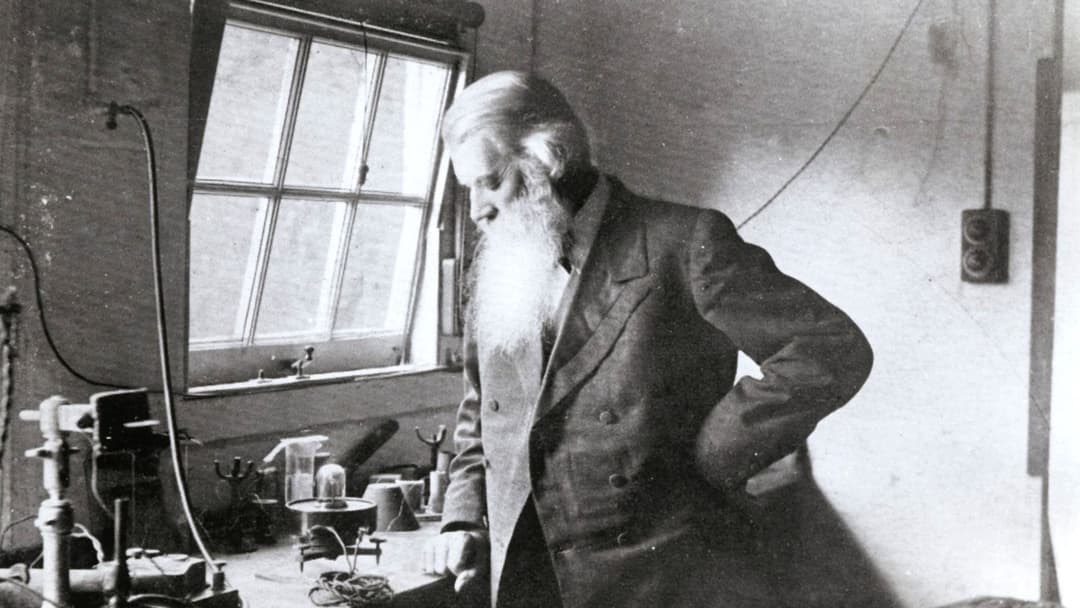
16. The Hydraulic Press By Joseph Bramah 
15. The Modern Flush Toilet By Cumming And Crapper 
14. The Cash Machine And PIN By Shepherd Barron - AdvertisementSwipe or tap ▶ to continue countdown

13. The Rover Safety Bicycle By John Kemp Starley 
12. The Bessemer Steel Process By Henry Bessemer 
11. Practical Radar By Sir Robert Watson Watt 
10. The Incandescent Light Bulb By Sir Joseph Swan - AdvertisementSwipe or tap ▶ to continue countdown

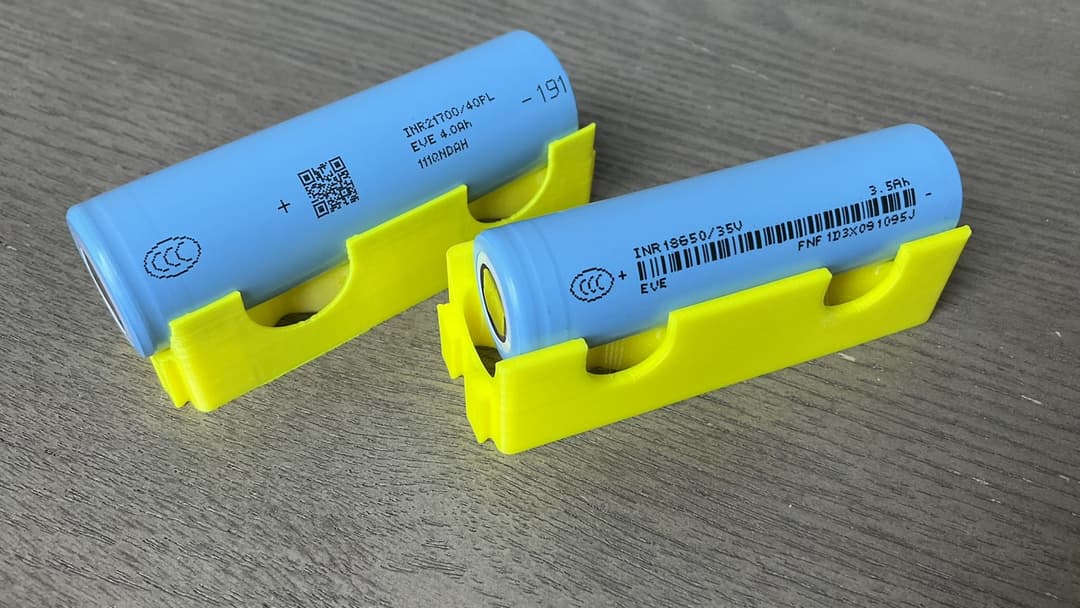
9. The Lithium Ion Battery At Oxford University 
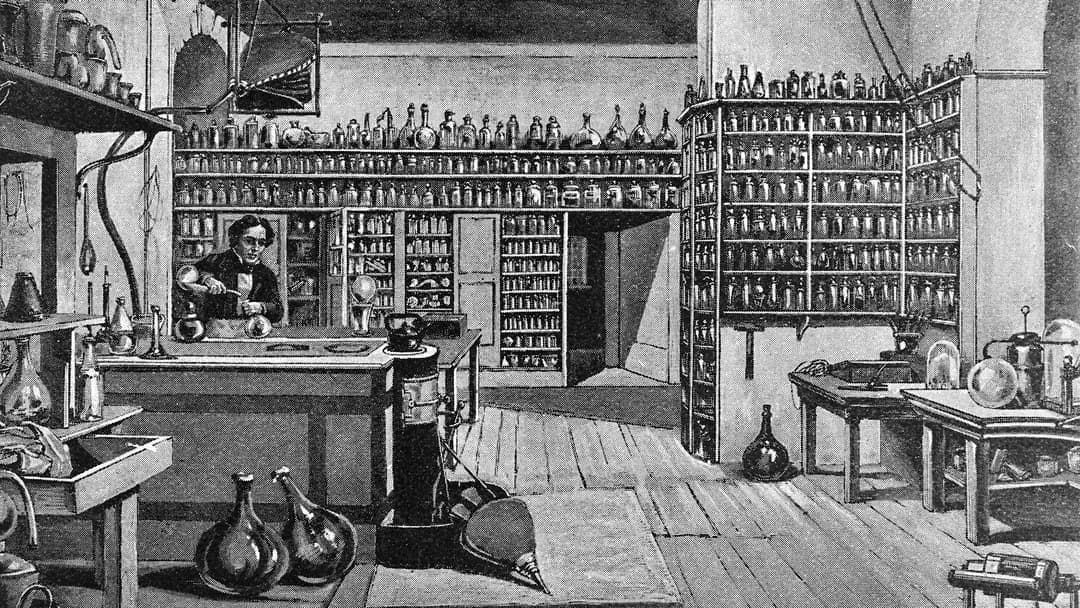
8. The Electric Motor And Dynamo By Michael Faraday 
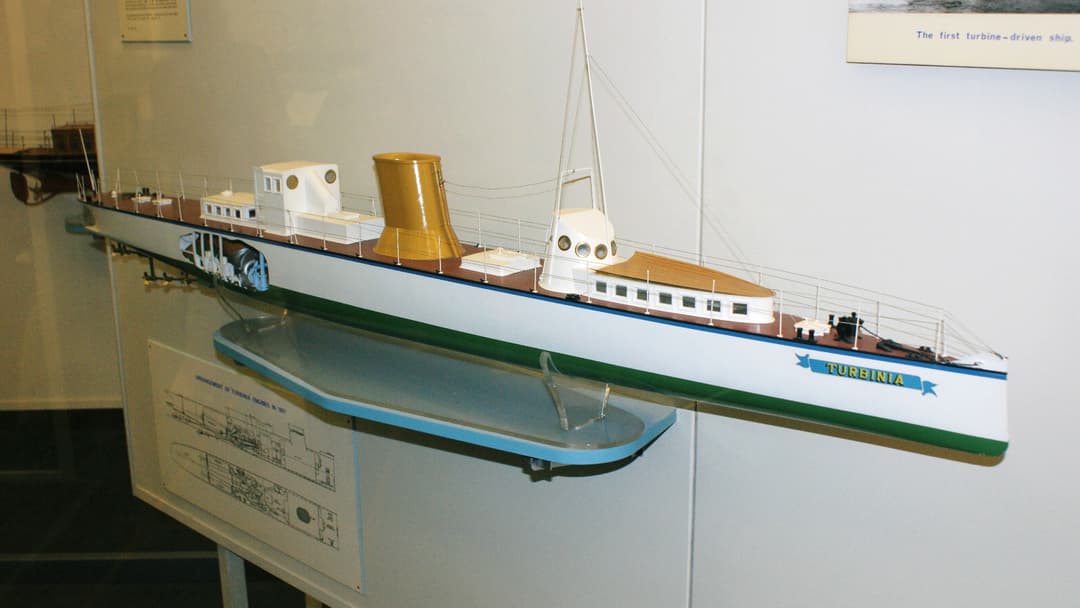
7. The Modern Steam Turbine By Sir Charles Parsons 
6. Television By John Logie Baird - AdvertisementSwipe or tap ▶ to continue countdown

5. The Turbojet Engine By Sir Frank Whittle 
4. The Steam Locomotive By Trevithick And Stephenson 
3. Programmable Computing By Babbage And Alan Turing 
2. Penicillin Antibiotics By Alexander Fleming - AdvertisementSwipe or tap ▶ to continue countdown

1. The World Wide Web By Sir Tim Berners Lee - Advertisement🔥 UP NEXT IN THIS SERIES◫ 21 Slides

20 Details Behind The Real Story Of Stephen Miller
From the World Wide Web carrying this page to your screen to the lithium-ion cathode powering your battery, British inventors laid the foundations of modern life. We ranked the 20 greatest British inventions from #20 to #1 by global impact—and you are almost certainly using one right now.
Swipe or tap ▶ to begin the countdown
©Wikimedia / Royal Air Force Official Photographer & Geni
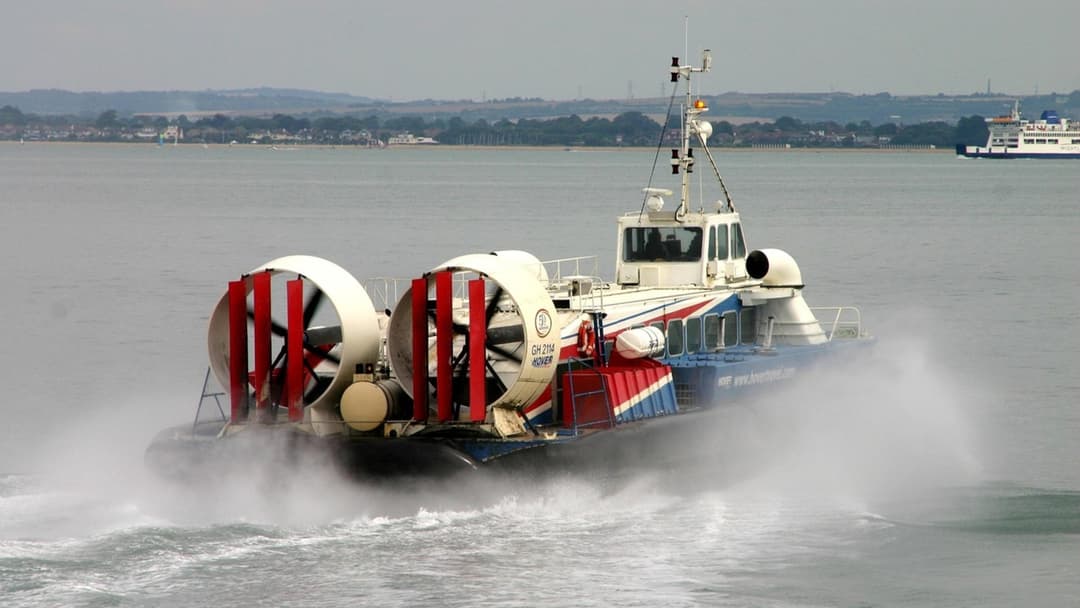
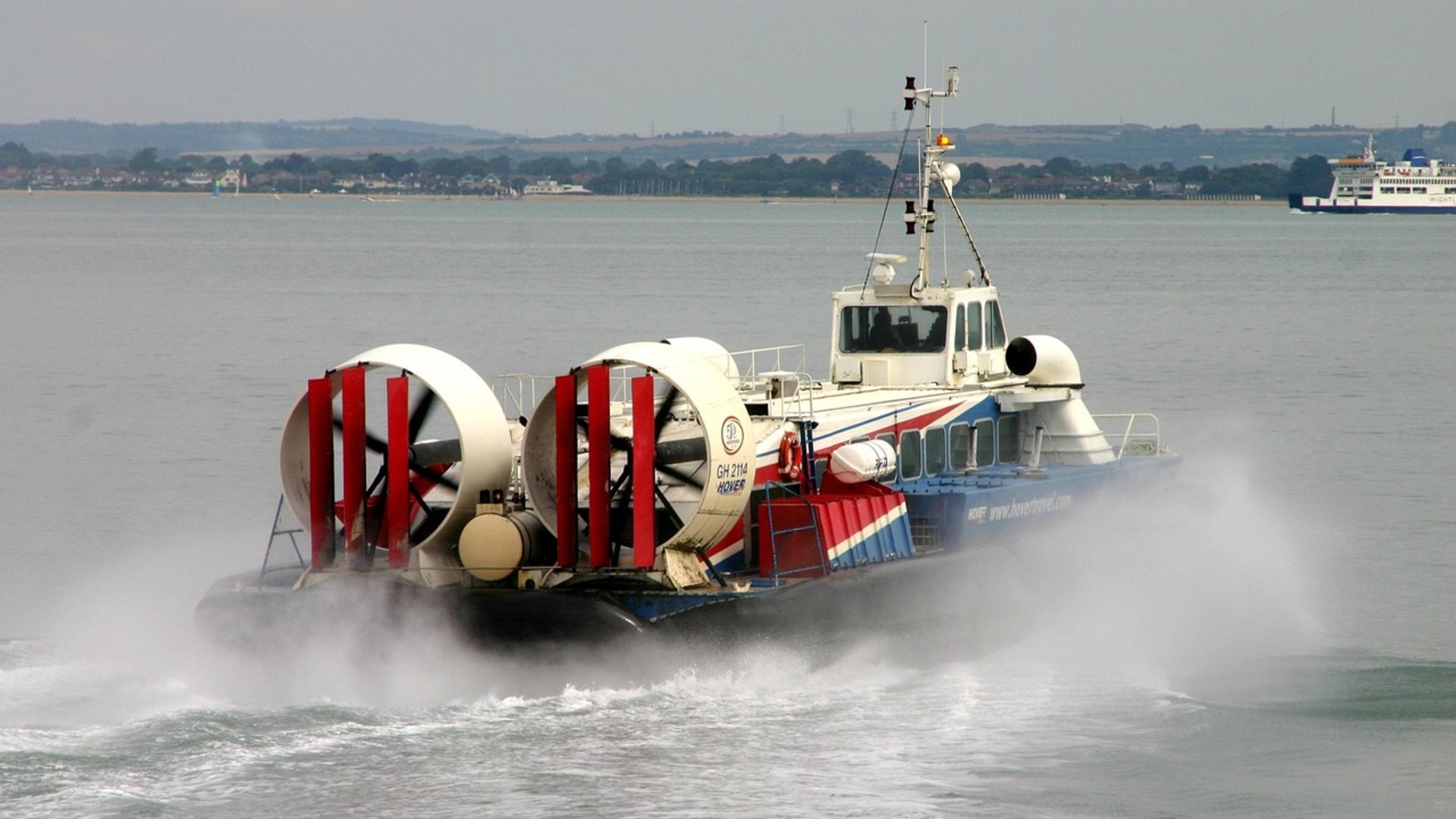
20. The Hovercraft By Christopher Cockerell
British radio engineer Sir Christopher Cockerell proved the annular air-cushion principle in 1953 using a Kit-E-Kat tin inside a coffee tin connected to a vacuum cleaner. Patented in 1955, his hovercraft glided seamlessly across water, ice, mud, and land, transforming amphibious rescue and ferry transit.
©Pixabay / Andreas64
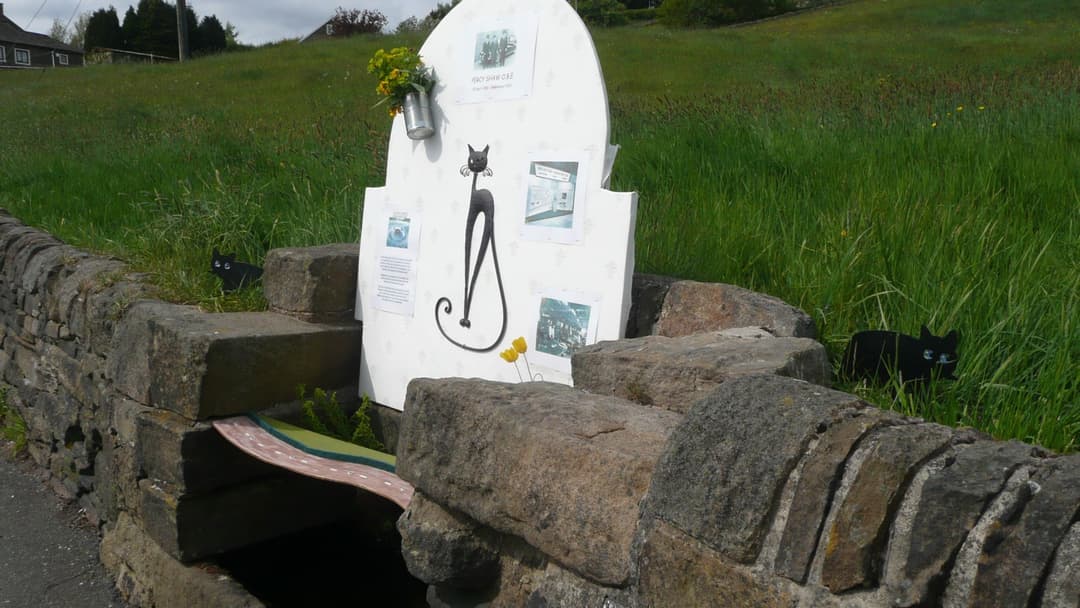
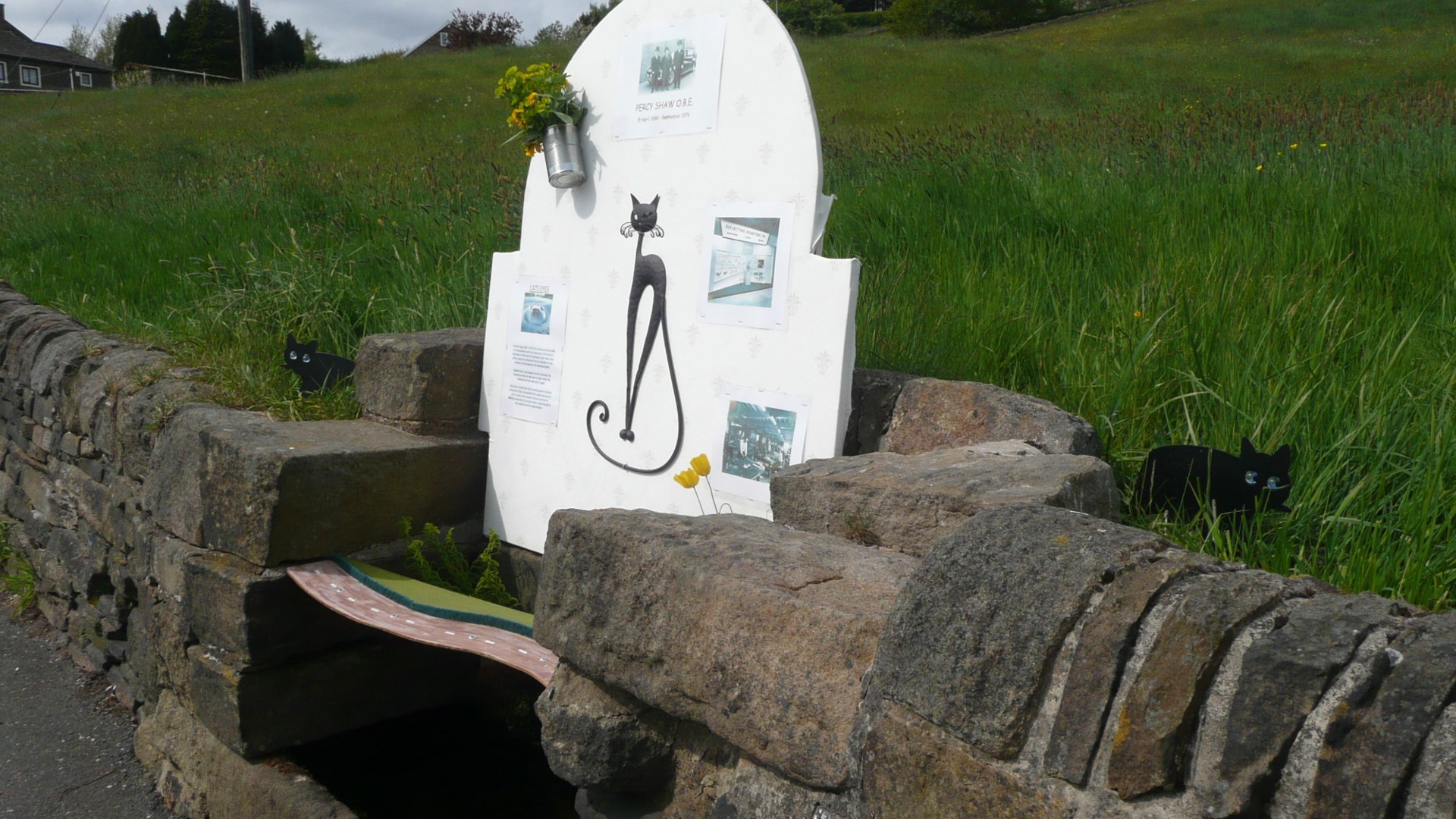
19. Cats Eyes Reflective Road Studs By Percy Shaw
Driving home through dense Yorkshire fog in 1933, inventor Percy Shaw noticed his headlights glinting off a cat's eyes along the roadside. In 1934 he patented the Catseye: twin glass spheres set in a flexible rubber dome that wipes itself clean on a rainwater reservoir every time a car tire rolls over it.
©Wikimedia / Humphrey Bolton
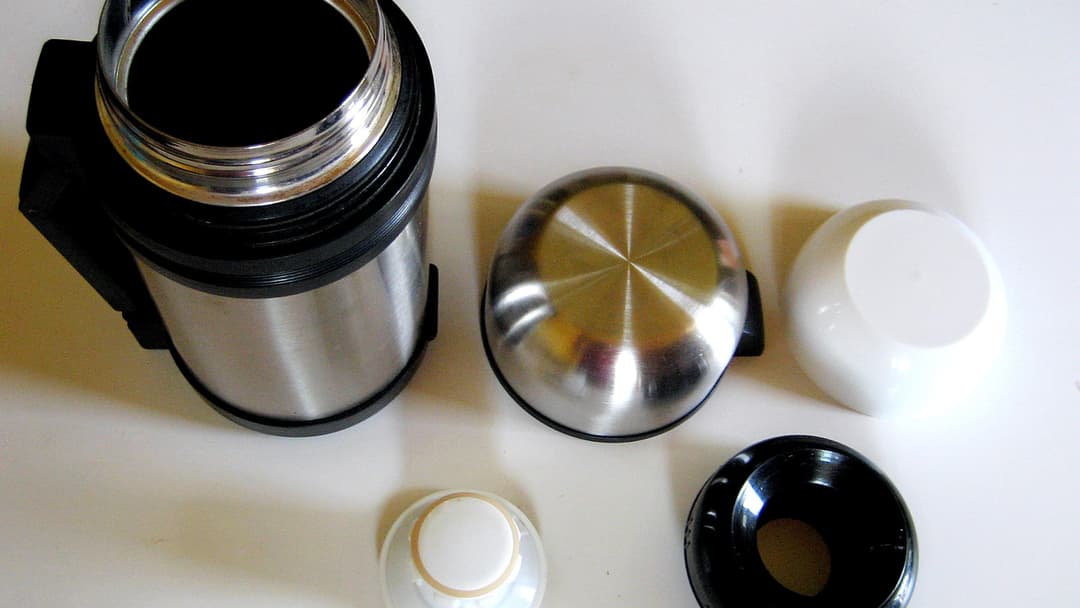
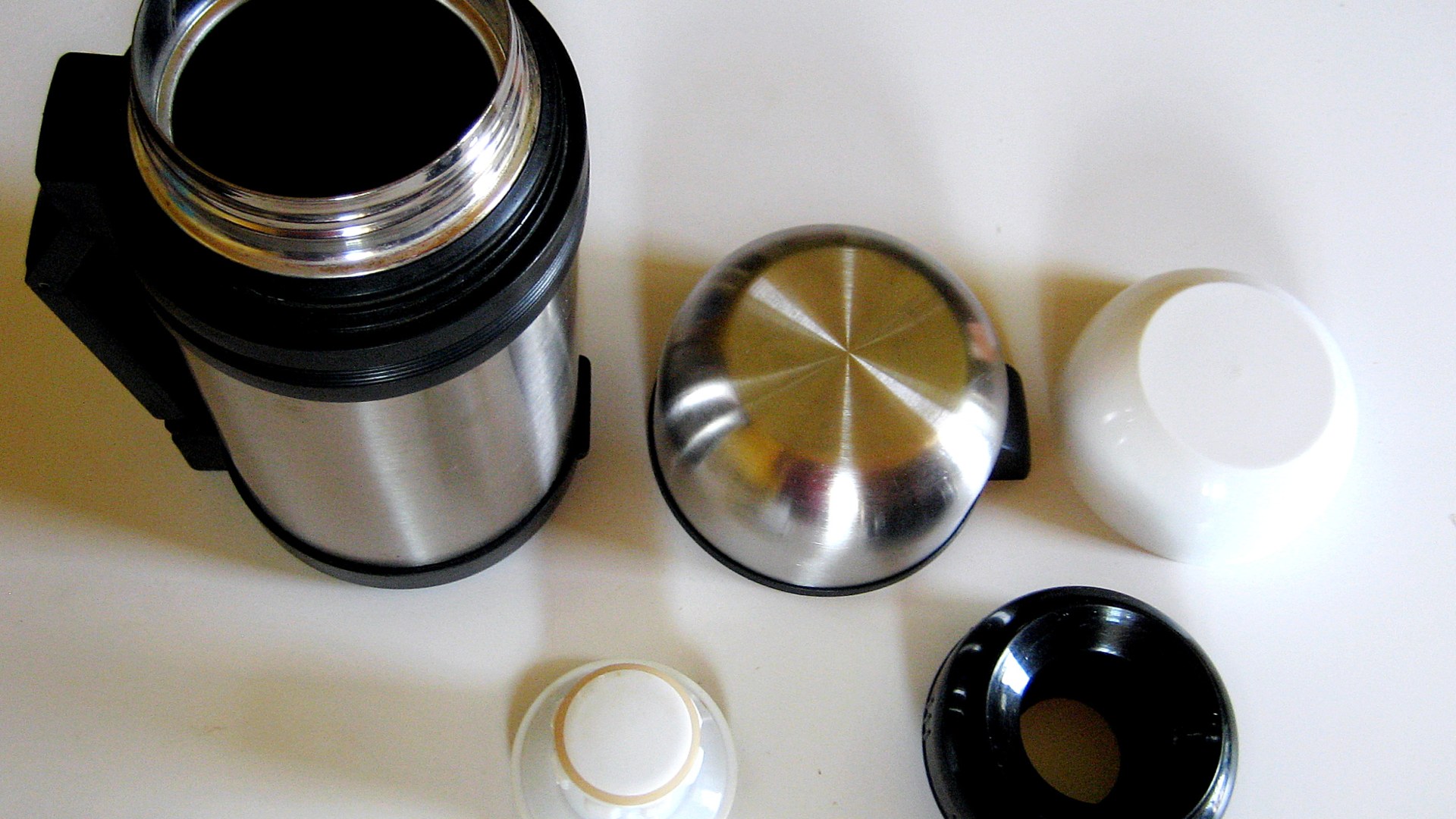
18. The Vacuum Flask By Sir James Dewar
Before it kept morning coffee piping hot, the vacuum flask was created for extreme cryogenics. In 1892, Scottish physicist Sir James Dewar placed one silvered glass flask inside another and pumped out the air between them—halting heat transfer by conduction, convection, and radiation all at once.
©Wikimedia / Schekinov Alexey Victorovich
Advertisement
Swipe or tap ▶ to resume the countdown.
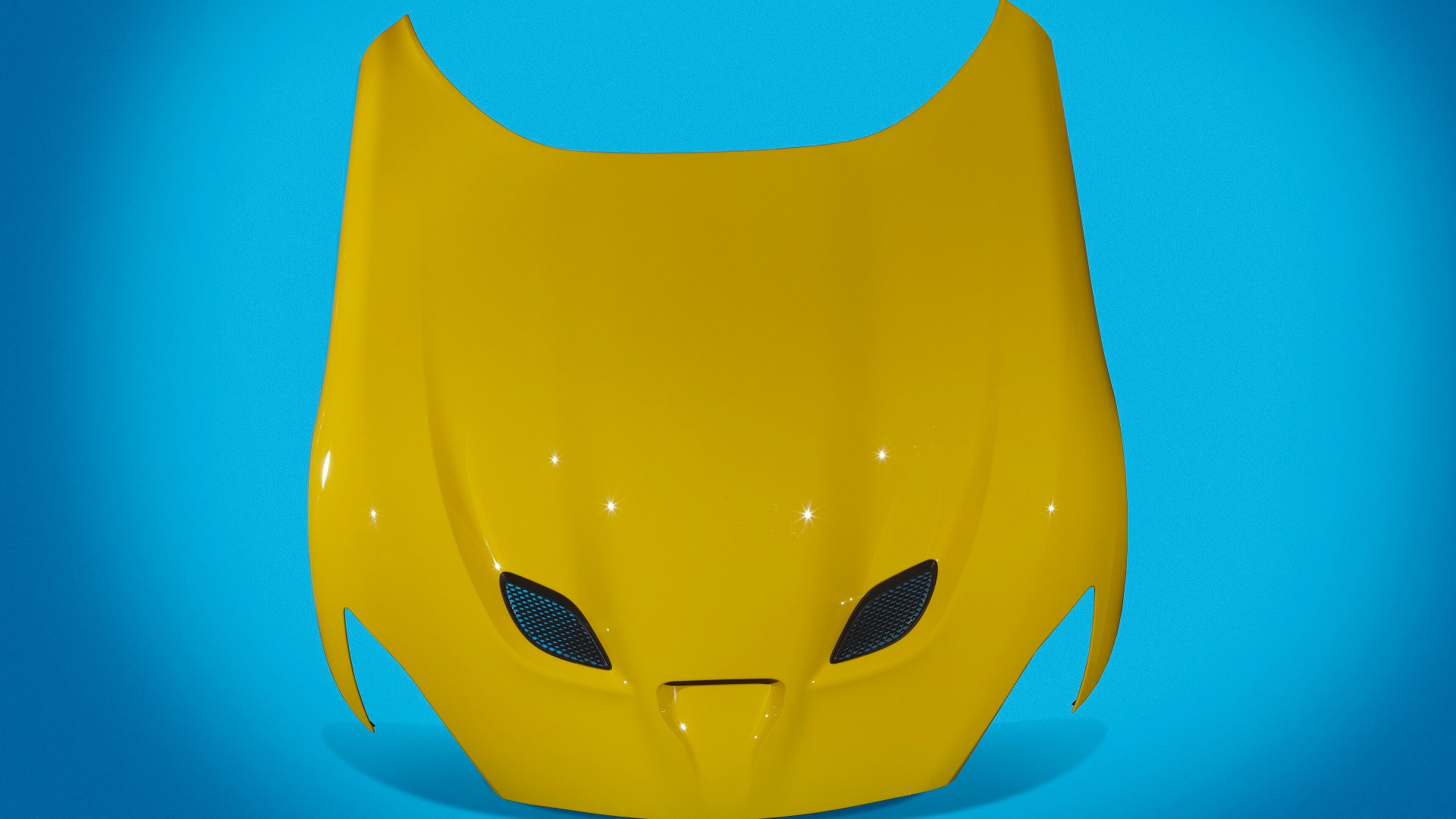
17. High Strength Carbon Fibre At Farnborough
In 1963, William Watt, Leslie Phillips, and William Johnson at the Royal Aircraft Establishment in Farnborough discovered how to align polyacrylonitrile (PAN) chains under tension during pyrolysis. Their breakthrough produced high-modulus carbon fibre—now essential in Boeing 787s, Formula 1, and prosthetics.
©Wikimedia / SPE Automotive
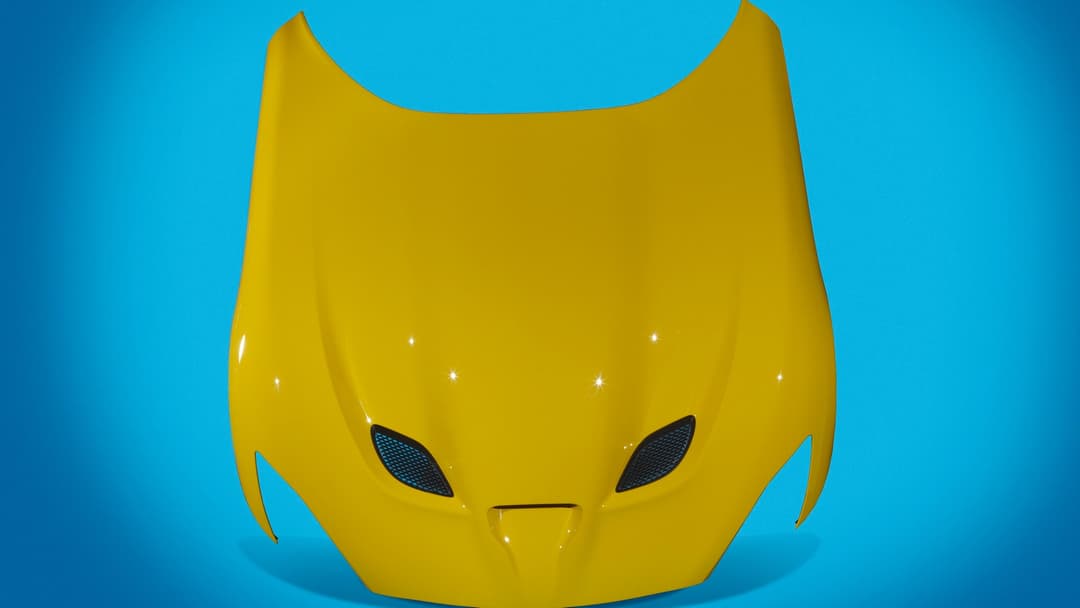
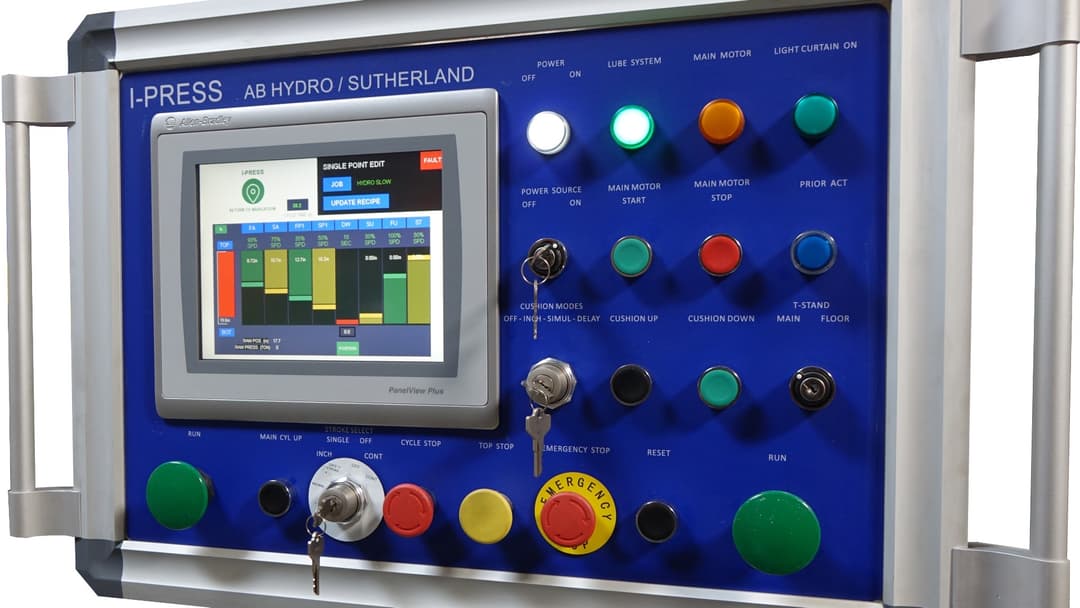
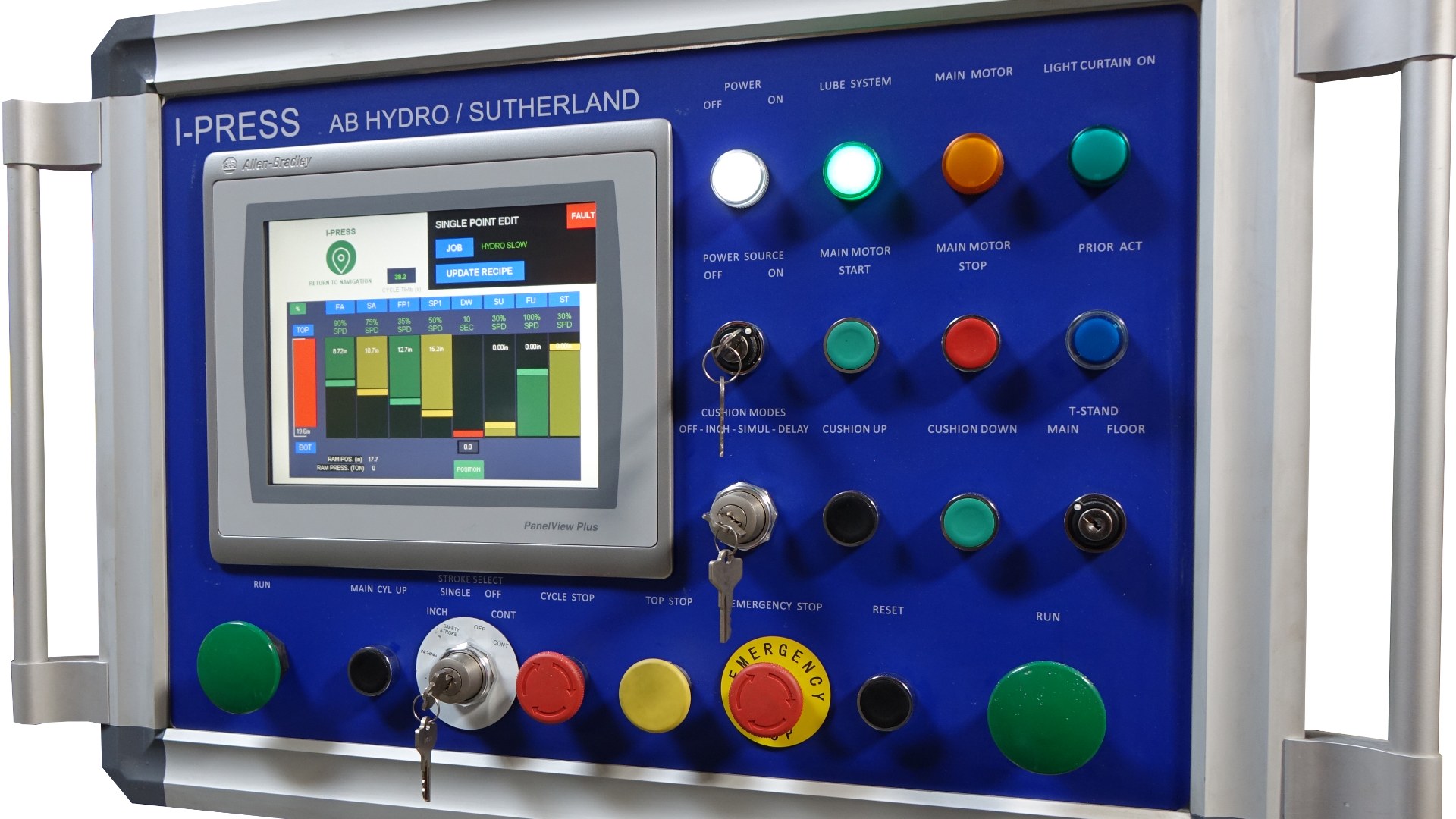
16. The Hydraulic Press By Joseph Bramah
Yorkshire locksmith and engineer Joseph Bramah patented the hydraulic press in 1795 by applying Pascal's law to two linked cylinders of different diameters. With his assistant Henry Maudslay's self-sealing leather cup collar, a single operator could multiply hand pressure into thousands of tons.
©Wikimedia / Sam D. Wilbur
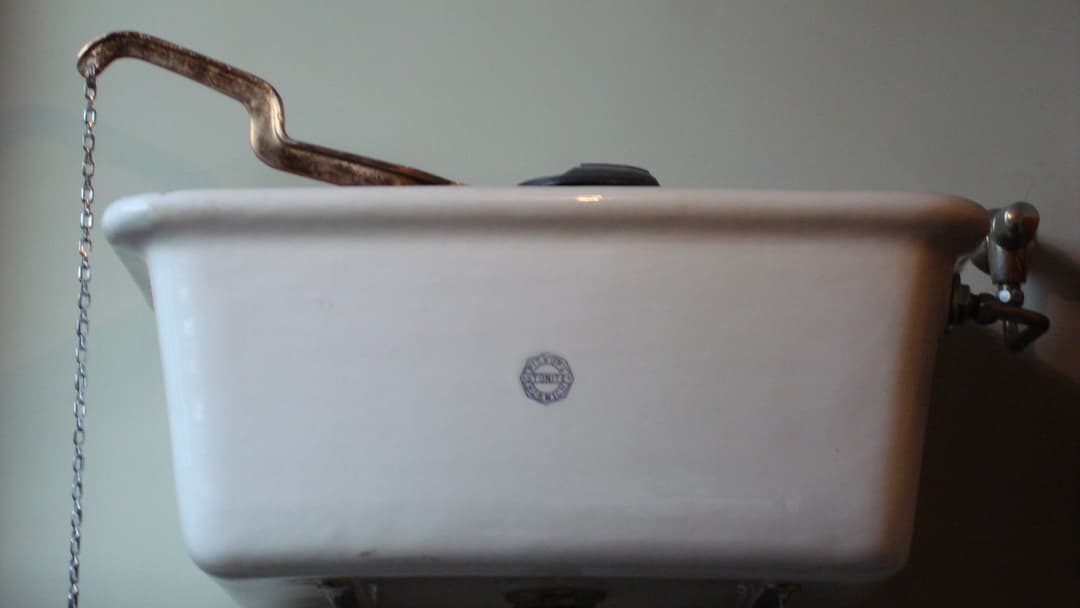
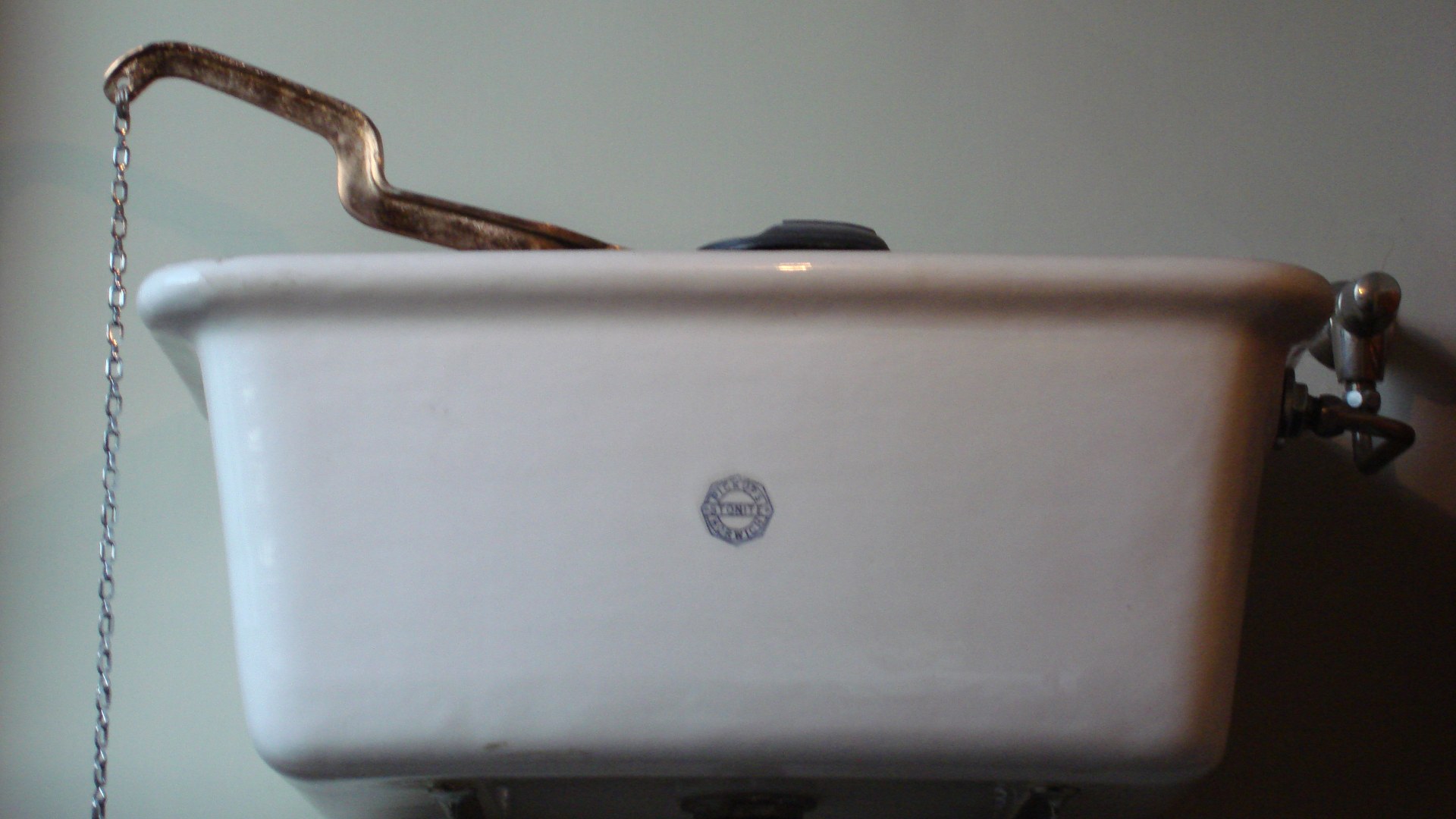
15. The Modern Flush Toilet By Cumming And Crapper
While Sir John Harington built a valve toilet for Queen Elizabeth I in 1596, Scottish watchmaker Alexander Cumming made indoor plumbing safe in 1775 by inventing the S-trap—keeping a standing water seal that blocked toxic sewer fumes. Plumber Thomas Crapper later perfected the floating ballcock and siphon cistern.
©Wikimedia / Oxyman
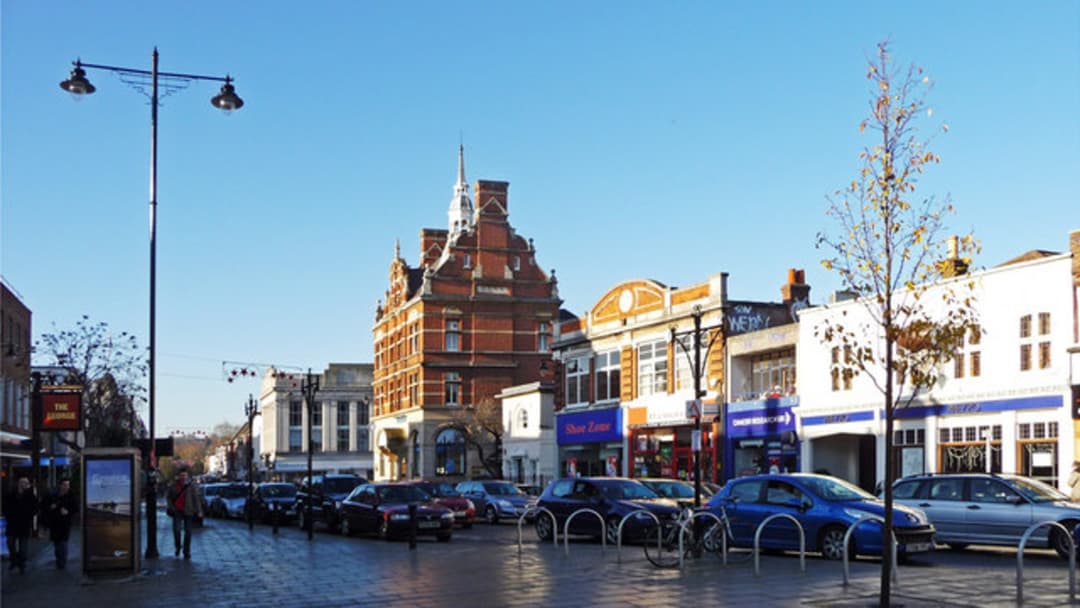
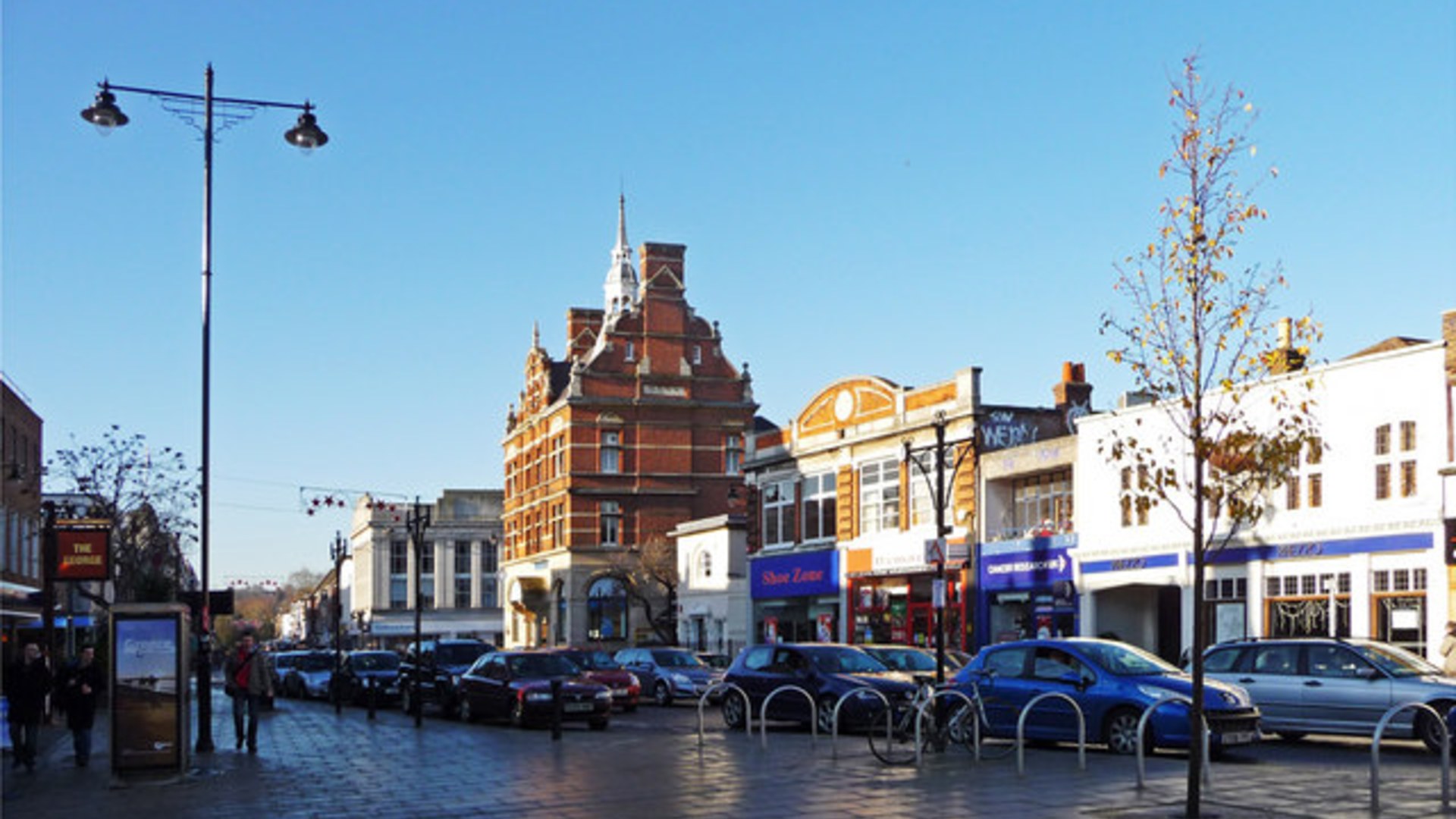
14. The Cash Machine And PIN By Shepherd Barron
Inspired by chocolate-bar vending machines after being locked out of his bank, John Shepherd-Barron unveiled the world's first ATM at Barclays Bank in Enfield Town (red-brick building, center) on 27 June 1967. Fellow Scot James Goodfellow patented the encrypted Personal Identification Number (PIN) the year before.
©Wikimedia / Christine Matthews
Advertisement
Swipe or tap ▶ to resume the countdown.
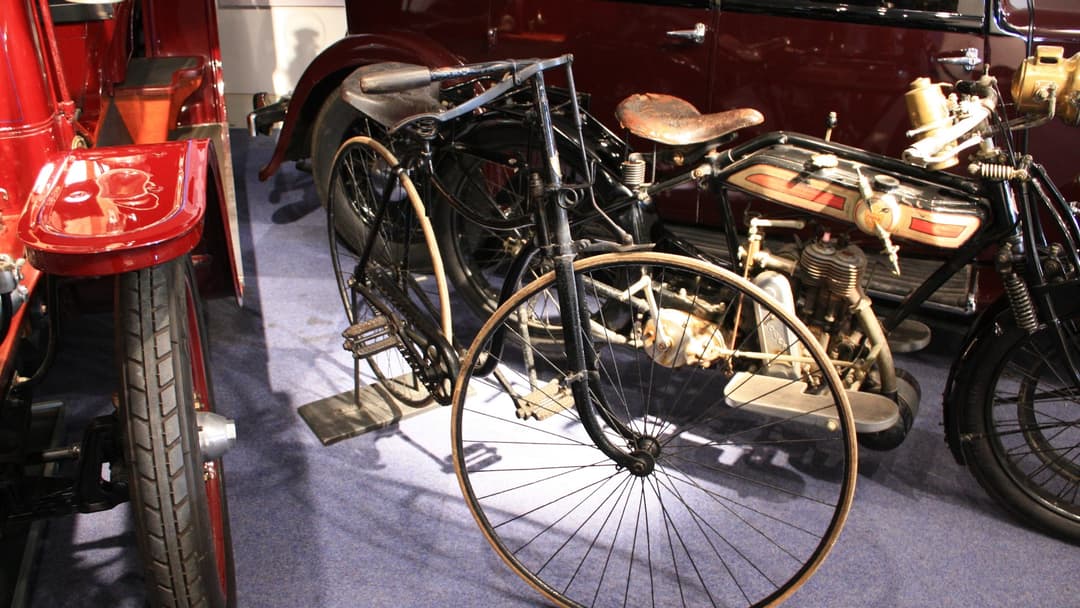
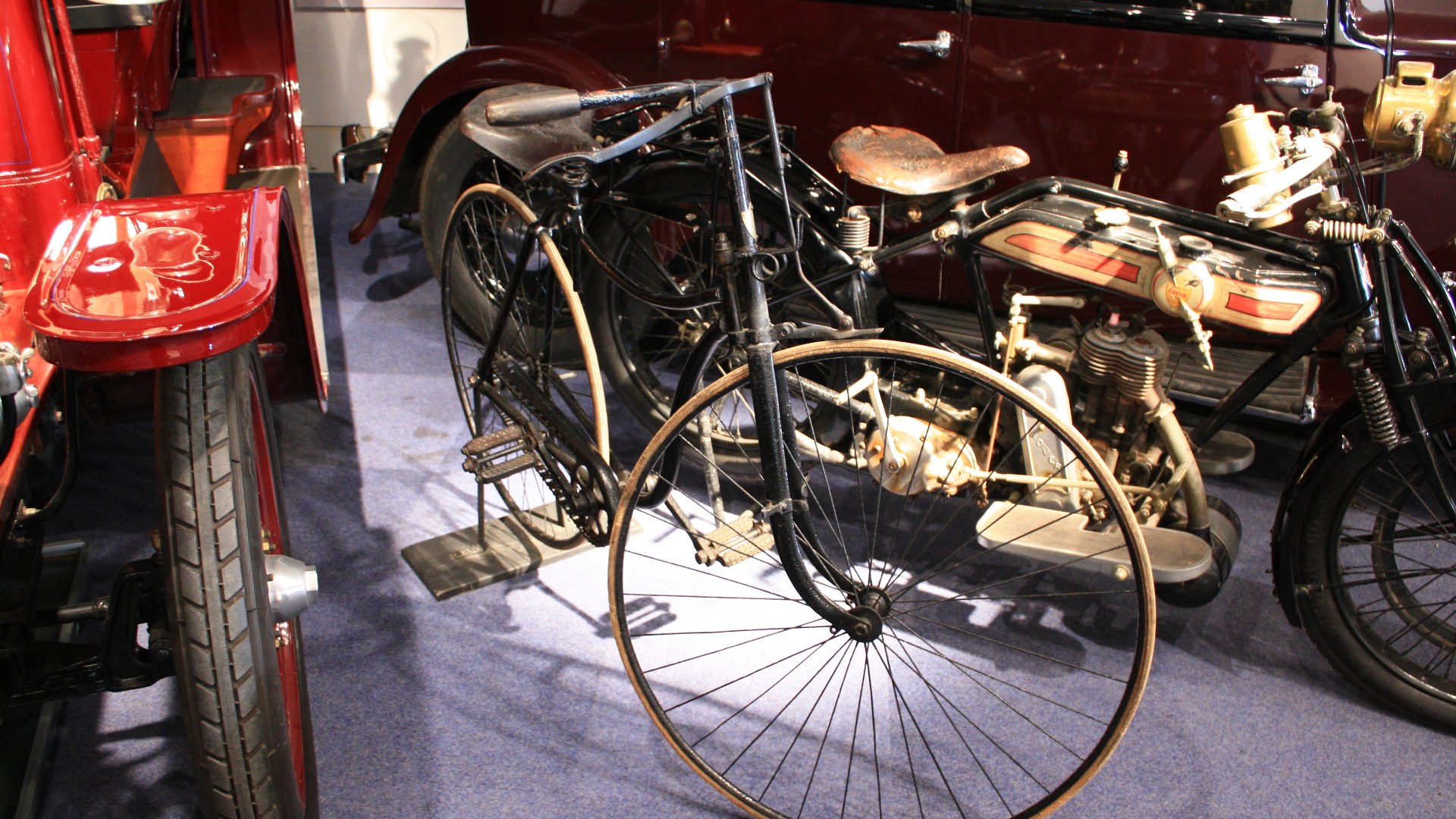
13. The Rover Safety Bicycle By John Kemp Starley
Before 1885, cycling meant balancing atop a perilous five-foot "Penny Farthing" front wheel. Working in Coventry, English inventor John Kemp Starley created the Rover Safety Bicycle—combining two equal-sized wheels, steerable forks, a diamond-shaped frame, and a geared roller-chain drive to the rear wheel.
©Wikimedia / Coventry Transport Museum
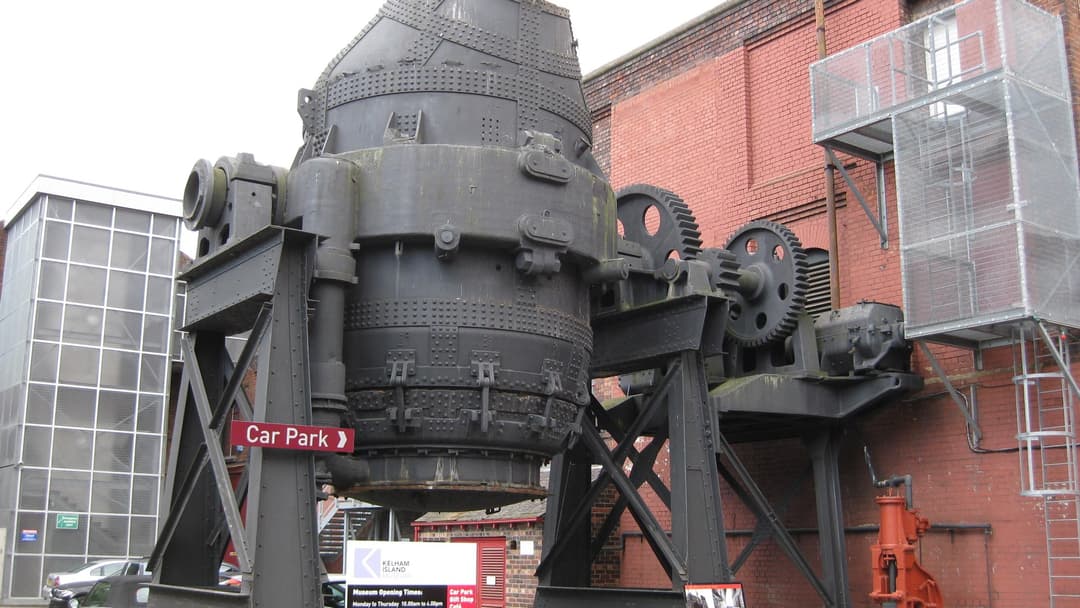
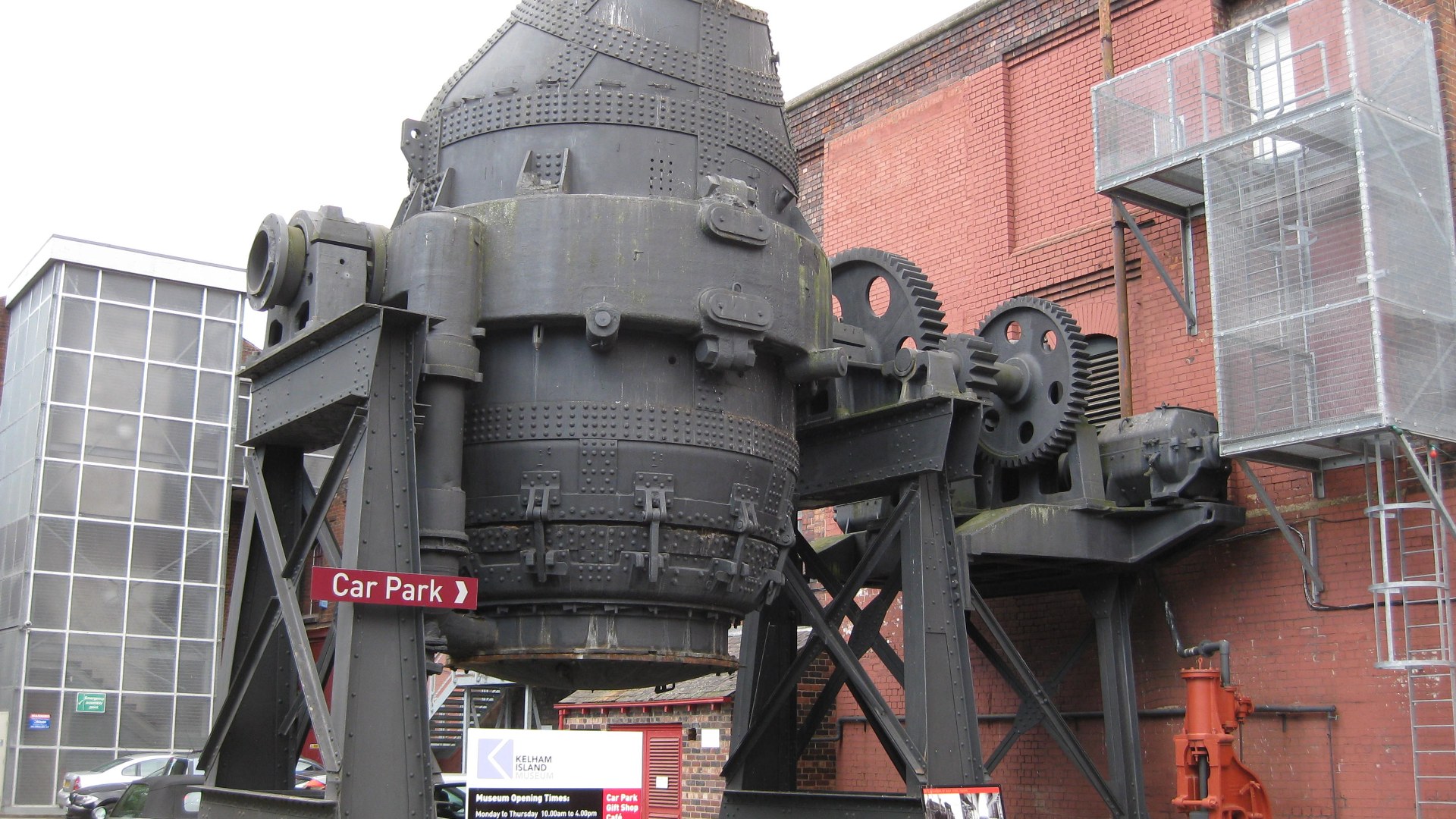
12. The Bessemer Steel Process By Henry Bessemer
Before 1856, steel was so expensive it was reserved for cutlery, watch springs, and swords. English engineer Sir Henry Bessemer discovered that blowing air directly through molten pig iron inside a tilting converter burned off carbon impurities using its own internal heat—slashing steel costs by over 80 percent.
©Wikimedia / Chemical Engineer
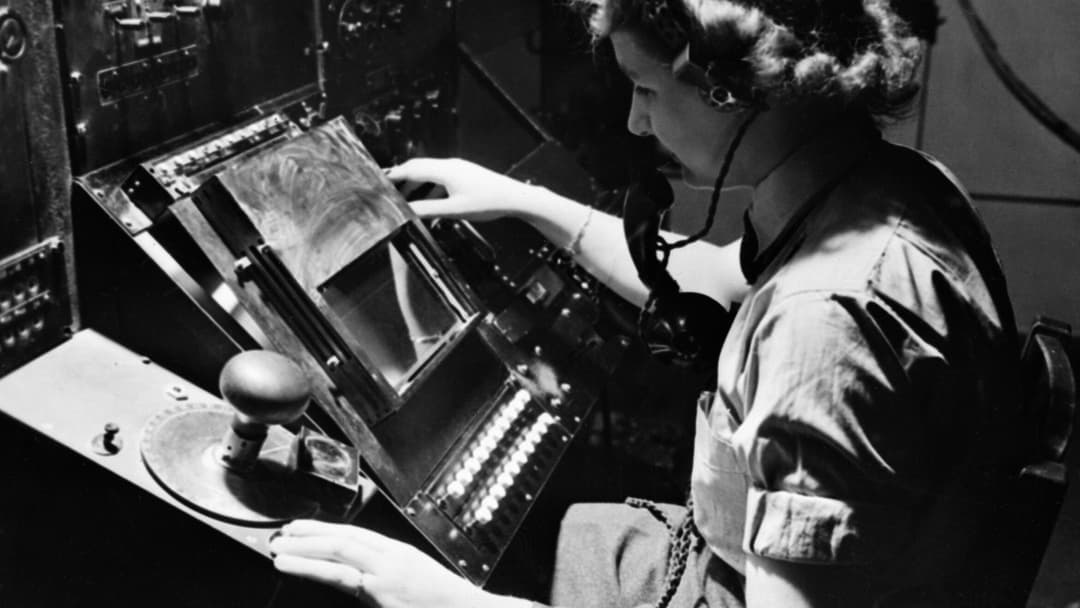
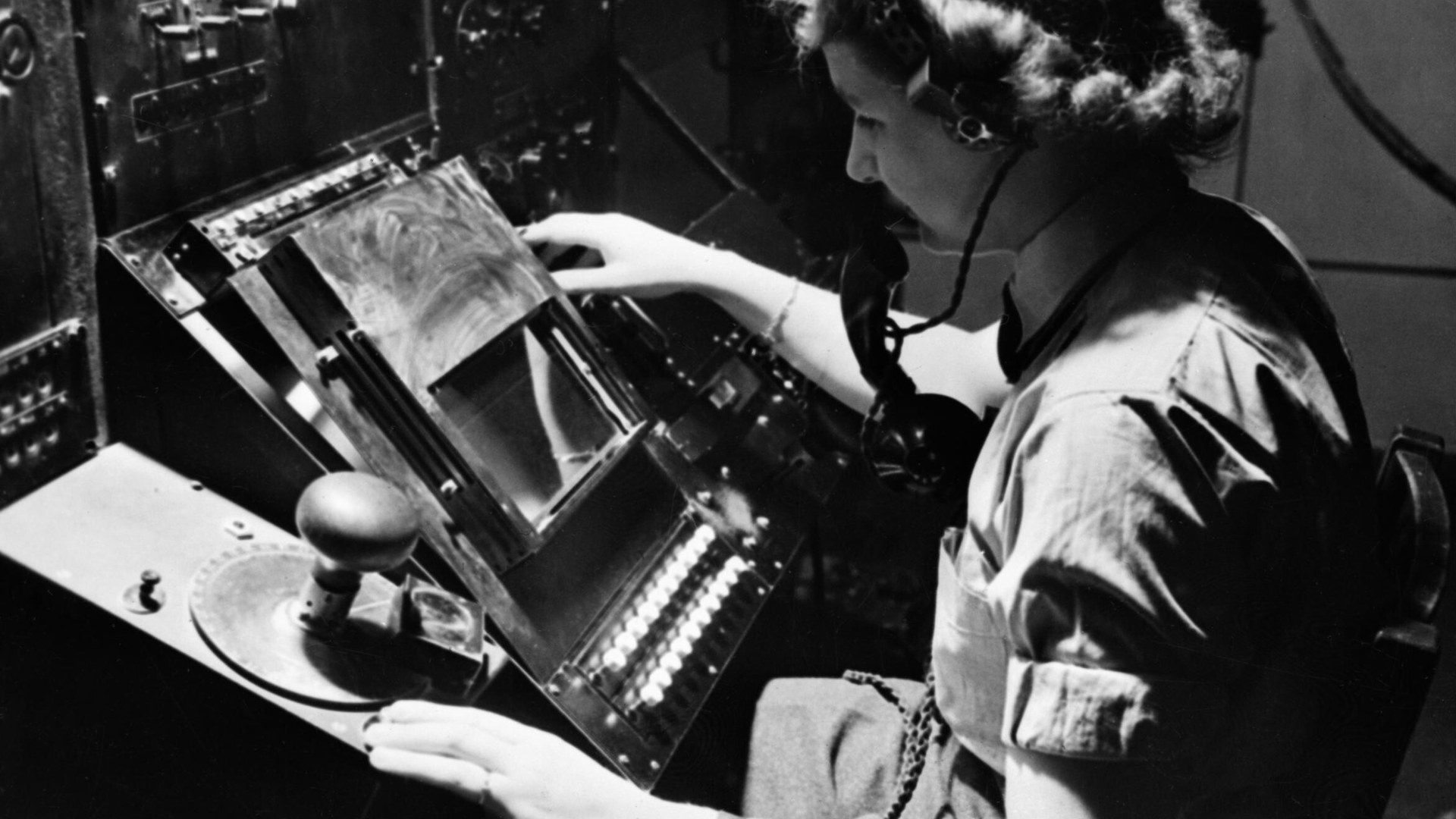
11. Practical Radar By Sir Robert Watson Watt
Asked by the Air Ministry if a radio "death ray" was possible, Scottish physicist Robert Watson-Watt calculated it was not—but offered radio aircraft detection instead. On 26 February 1935 near Daventry, he bounced shortwave signals off a Handley Page Heyford bomber, birthing the Chain Home radar network.
©Wikimedia / Royal Air Force Official Photographer
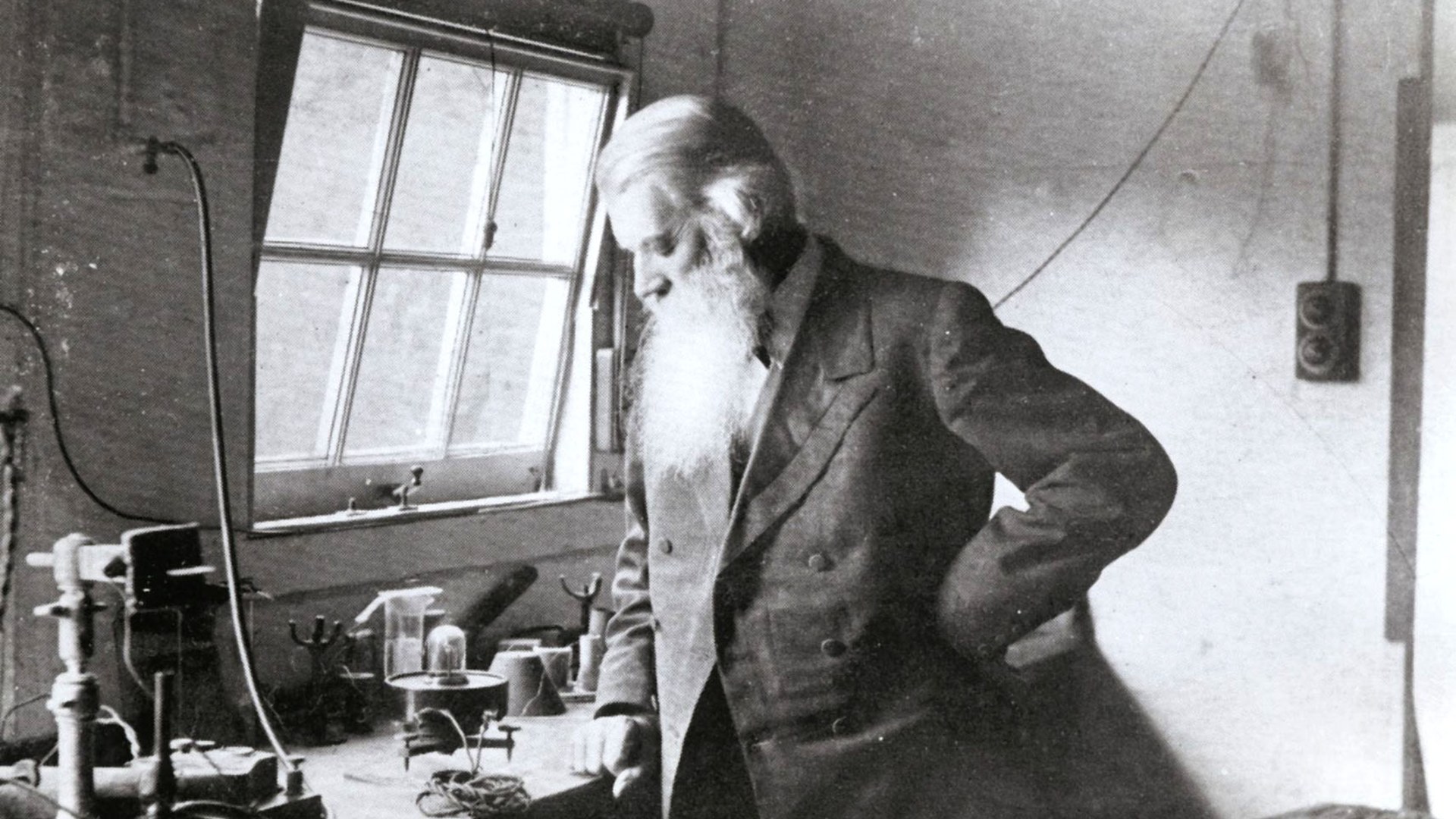
10. The Incandescent Light Bulb By Sir Joseph Swan
While Thomas Edison is famous in America, Sunderland-born physicist Sir Joseph Swan demonstrated a working carbon-filament incandescent lamp in Newcastle upon Tyne on 18 December 1878. Swan's home in Gateshead became the first private residence in the world wired for electric light, and Edison later merged with him.
©Wikimedia / Tyne & Wear Archives & Museums
Advertisement
Swipe or tap ▶ to resume the countdown.
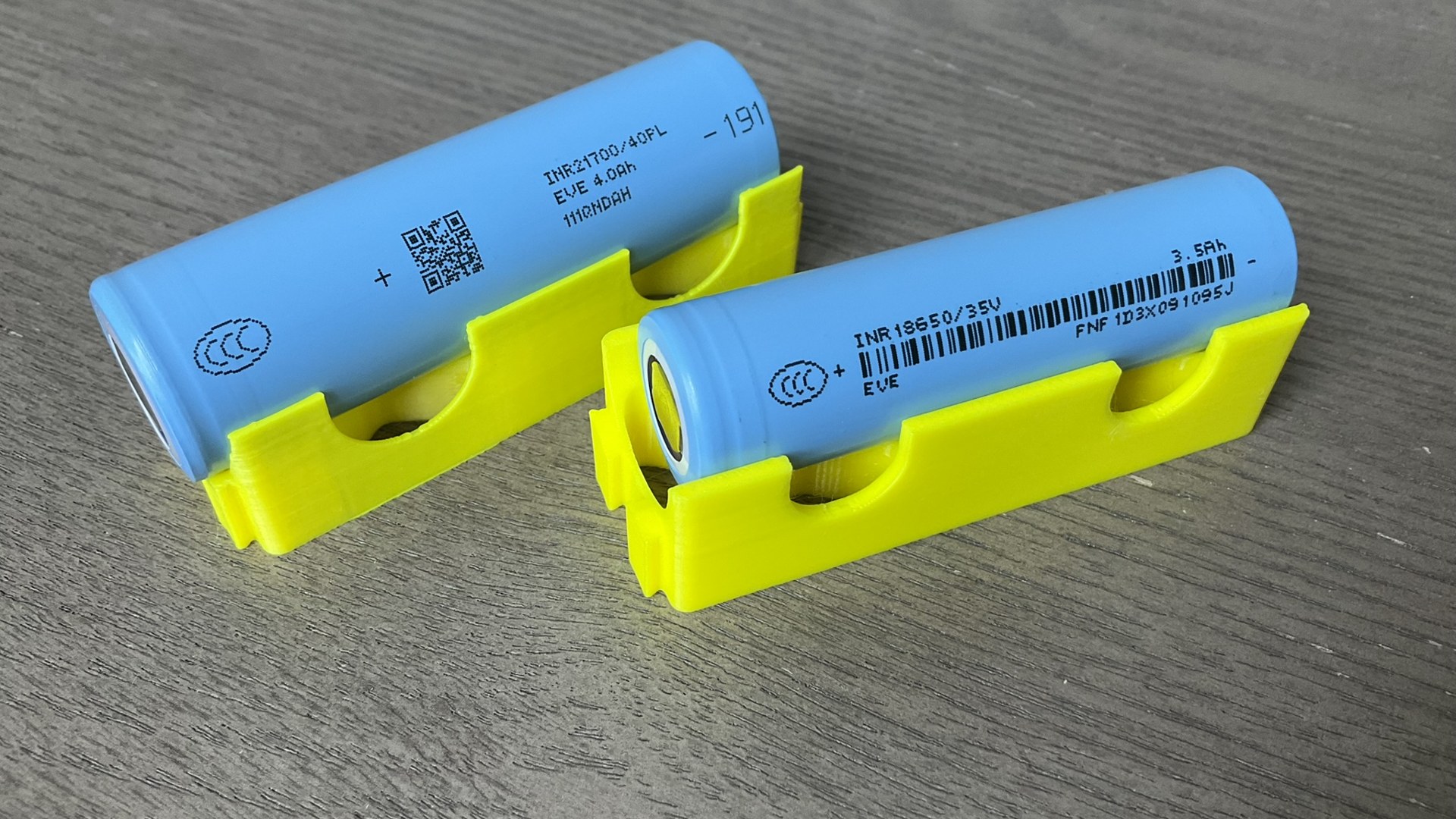
9. The Lithium Ion Battery At Oxford University
In 1979 at the University of Oxford's Inorganic Chemistry Laboratory, John Goodenough, Koichi Mizushima, Philip Jones, and Philip Wiseman discovered the lithium-cobalt-oxide (LiCoO2) cathode. Capable of storing double the voltage of earlier cells safely, it made every smartphone, laptop, and EV battery possible.
©Wikimedia / Sevenethics
8. The Electric Motor And Dynamo By Michael Faraday
A self-taught bookbinder's apprentice in London, Michael Faraday built the first electromagnetic rotary motor at the Royal Institution in 1821. Ten years later, in 1831, he discovered electromagnetic induction and built the Faraday disc dynamo—proving mechanical motion could generate continuous electric current.
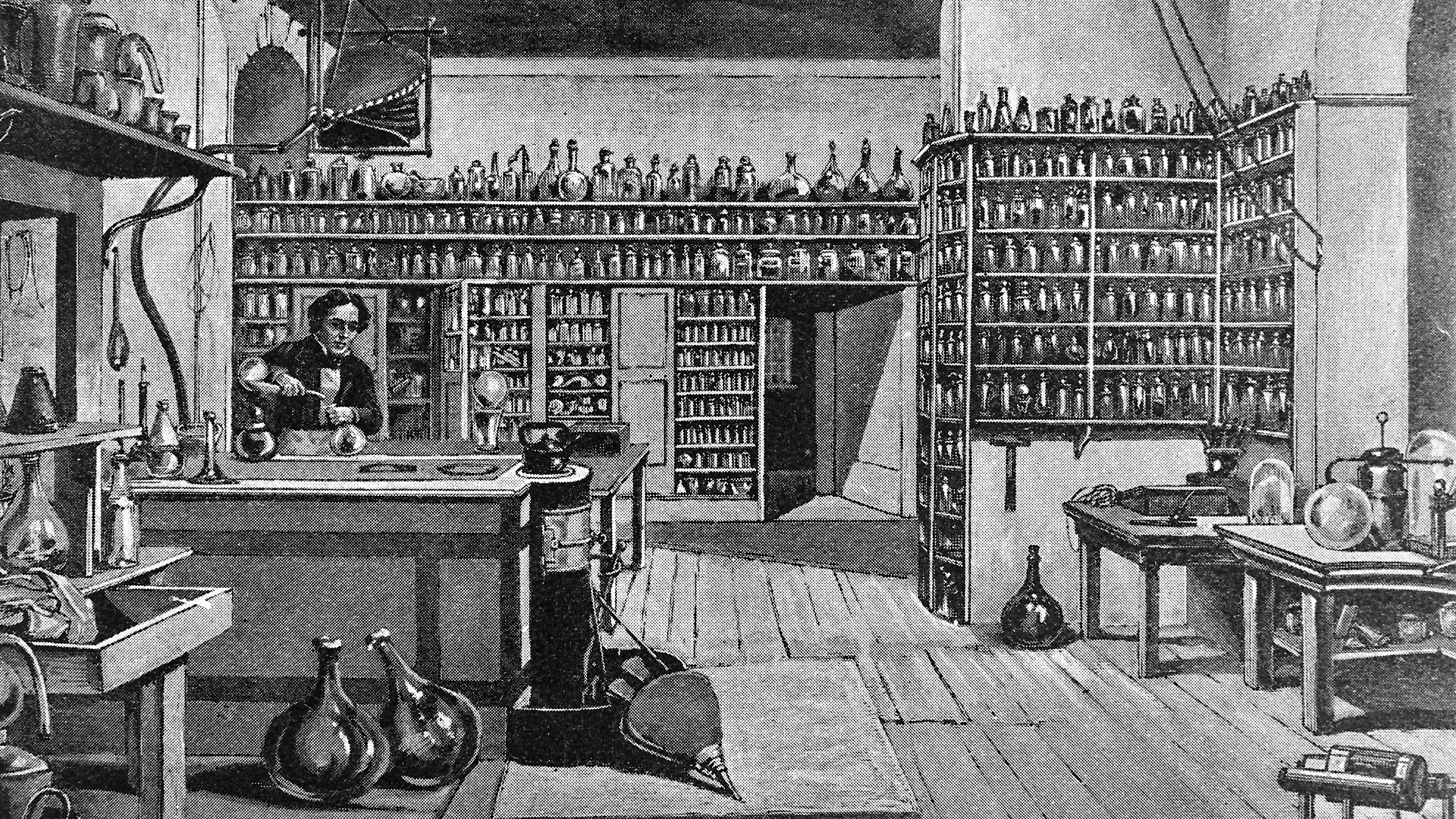
©Wikimedia / Wellcome Collection
7. The Modern Steam Turbine By Sir Charles Parsons
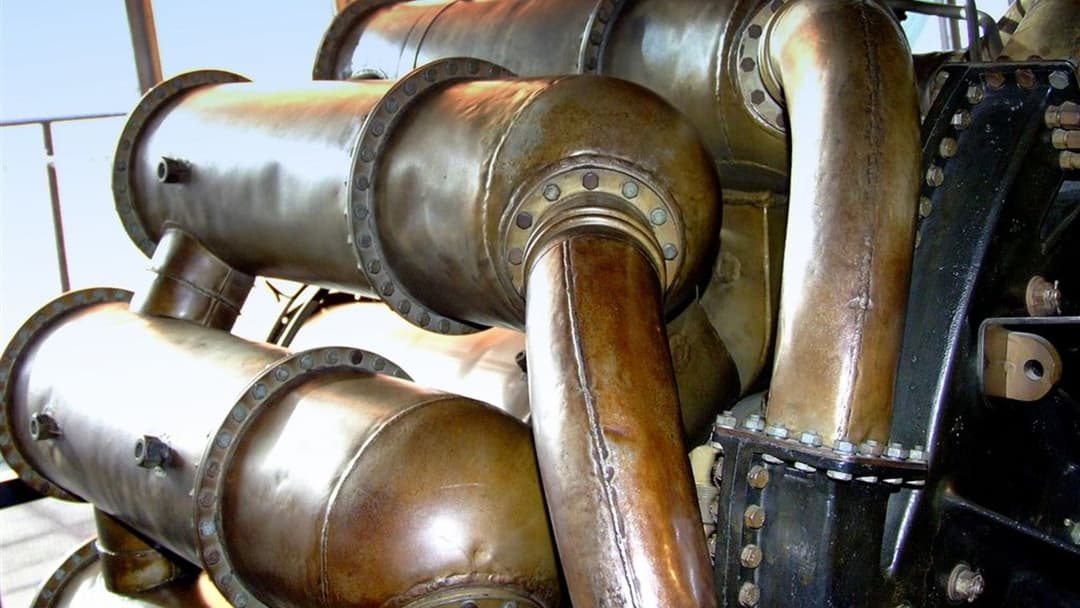
In 1884, Anglo-Irish engineer Sir Charles Parsons invented the compound reaction steam turbine, stepping steam expansion across rows of angled blades to spin a dynamo at 18,000 RPM. To prove its power, he gatecrashed Queen Victoria's 1897 Diamond Jubilee Naval Review in Turbinia at a record-shattering 34 knots.
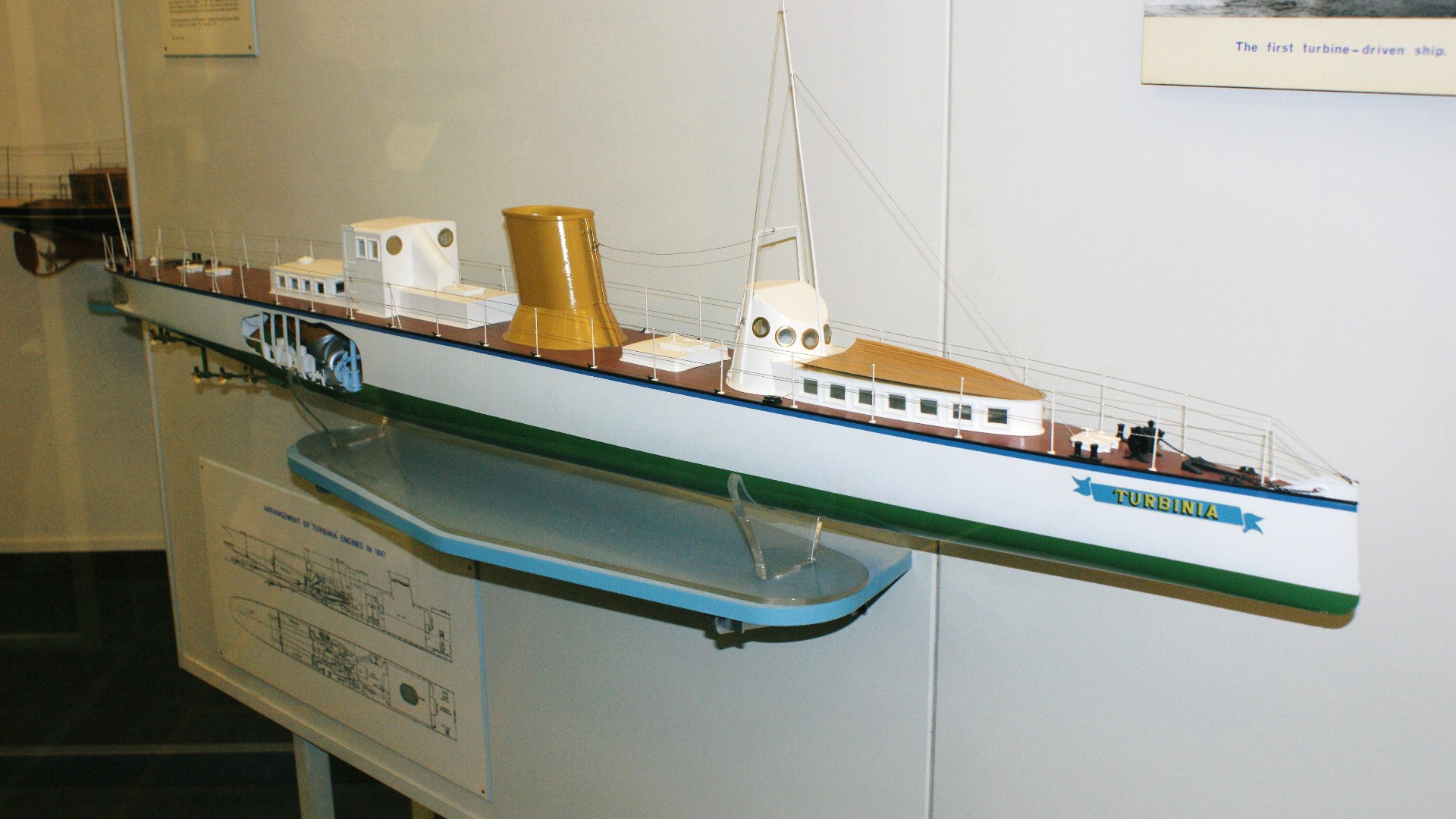
©Wikimedia / Hugh Llewelyn
6. Television By John Logie Baird
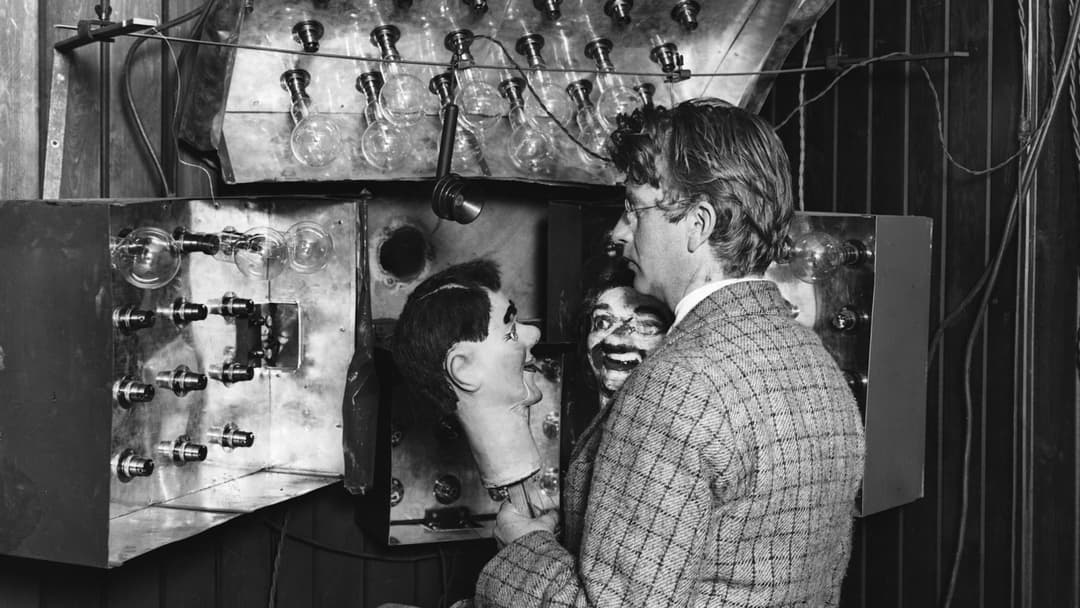
On 26 January 1926 at 22 Frith Street in Soho, London, Scottish inventor John Logie Baird gave the world's first public demonstration of live moving television images with tonal gradations. Using ventriloquist dummy "Stooky Bill" under blazing lamps, he went on to pioneer color TV (1928) and transatlantic TV.
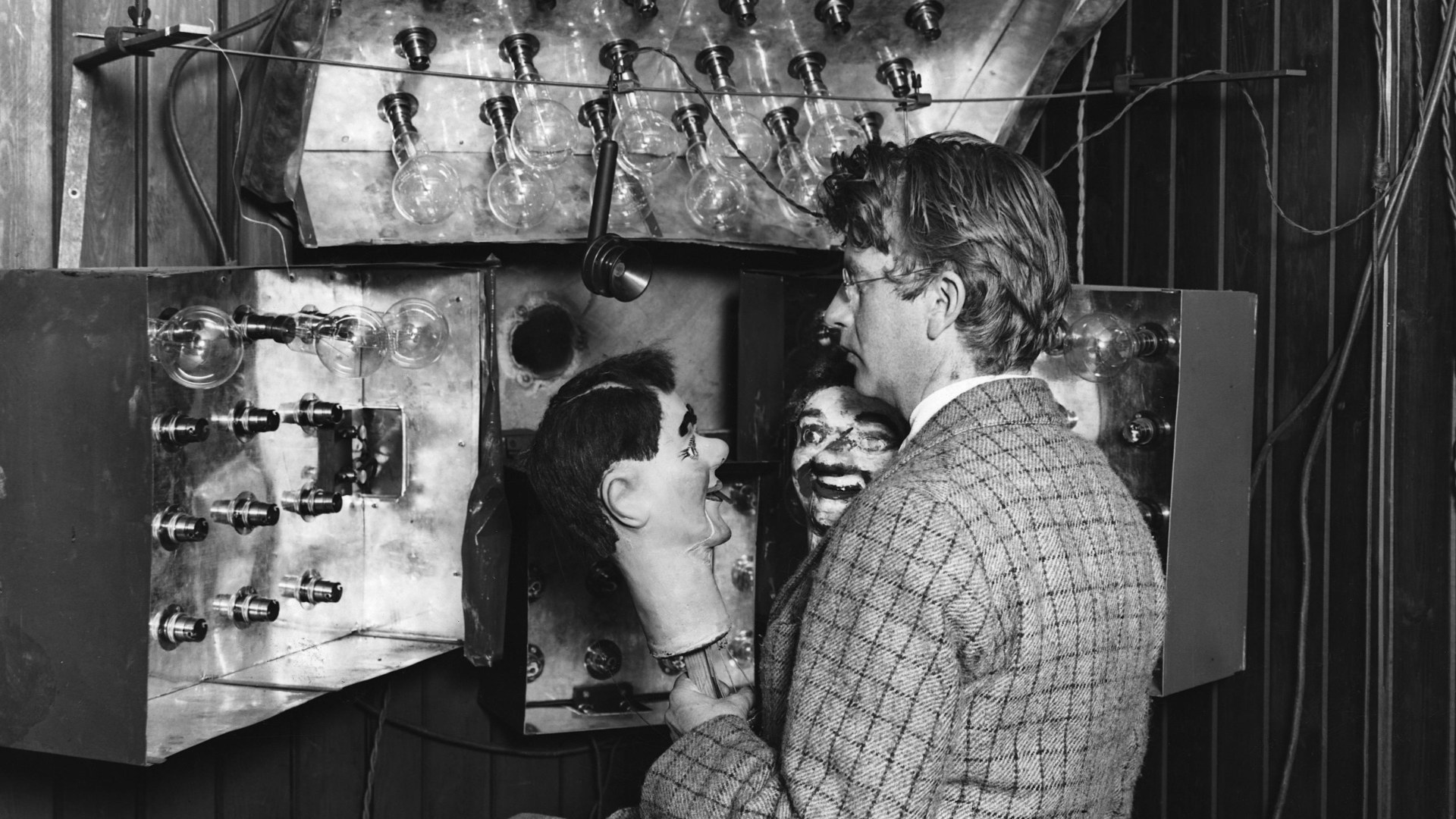
©Wikimedia / Orrin Dunlap, Jr.
Advertisement
Swipe or tap ▶ to resume the countdown.
5. The Turbojet Engine By Sir Frank Whittle
At just 22 years old, Royal Air Force Flying Officer Frank Whittle filed the fundamental patent for the turbojet engine in January 1930. Despite initial government skepticism, he built and ran the first liquid-fueled jet engine on a bench in Rugby in April 1937, launching the Gloster E.28/39 into the Jet Age.
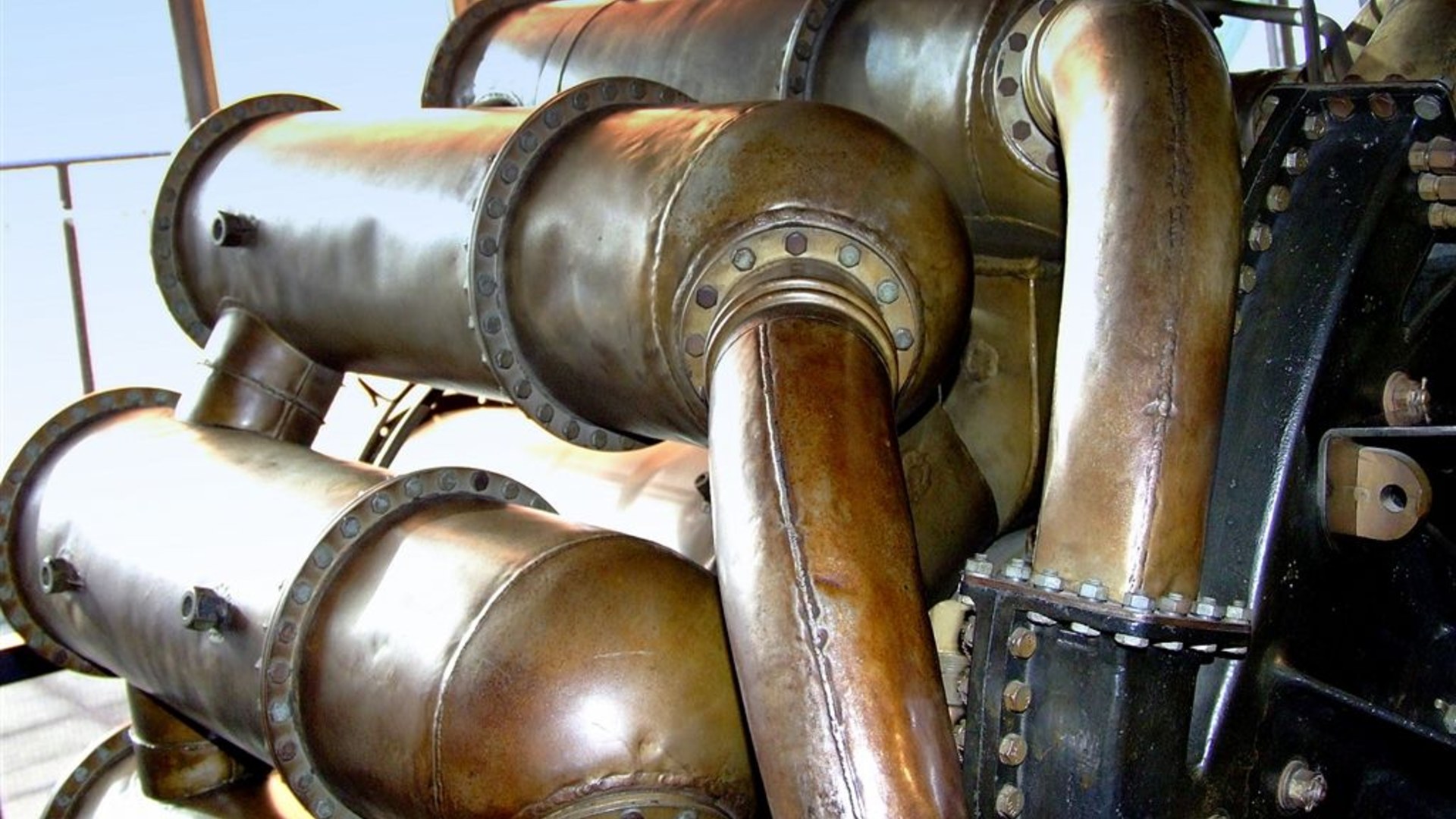
©Wikimedia / Les Chatfield
4. The Steam Locomotive By Trevithick And Stephenson
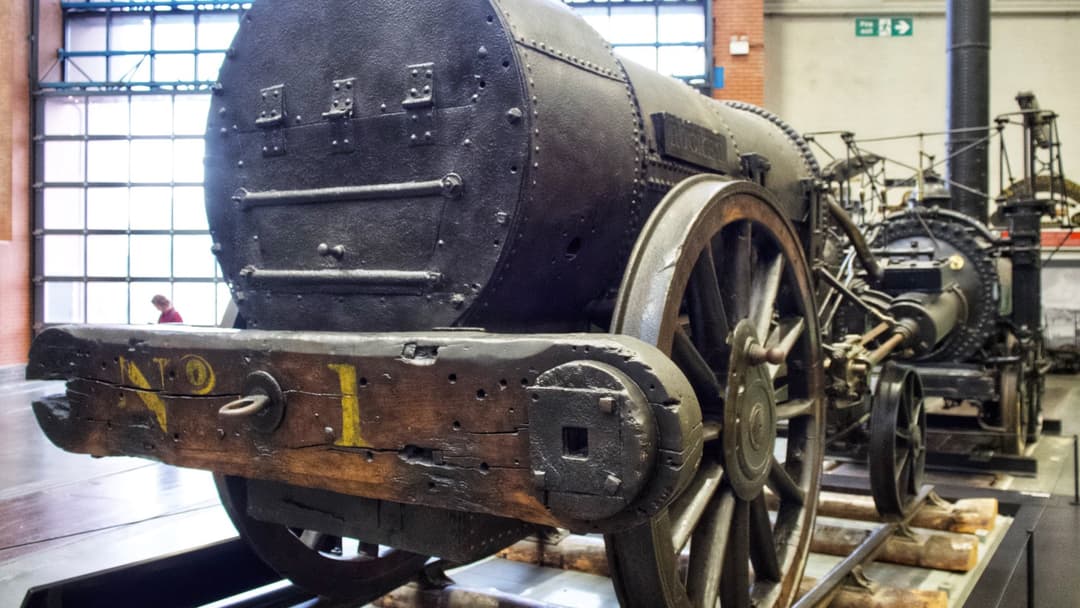
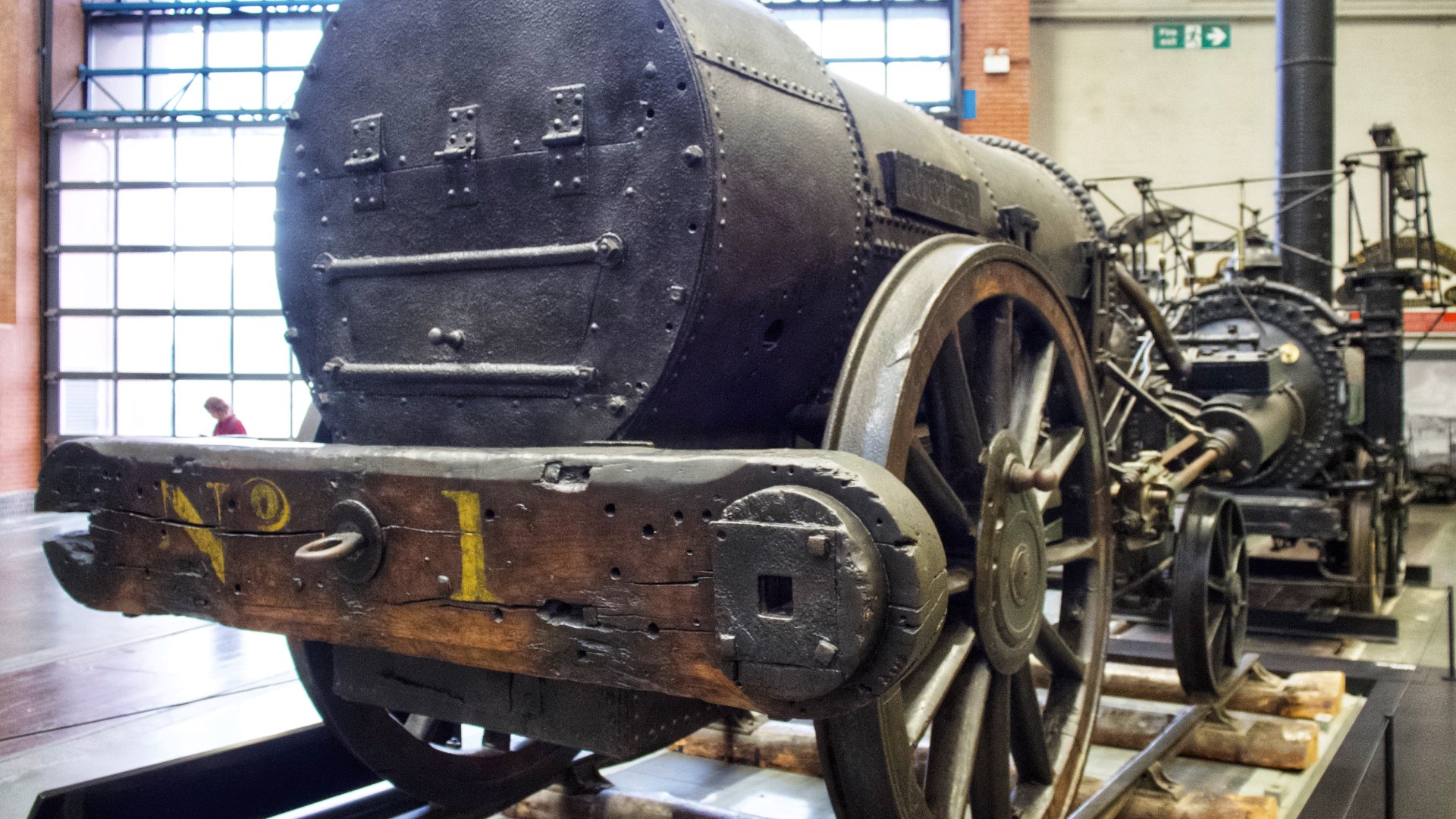
Cornish engineer Richard Trevithick built the first high-pressure steam locomotive to haul iron at Penydarren in 1804, and George and Robert Stephenson's 1829 Rocket (pictured) perfected the multi-tube boiler for the Liverpool and Manchester Railway. Britain's 4 ft 8.5 in track gauge remains the world standard.
©Wikimedia / Malcolmxl5
3. Programmable Computing By Babbage And Alan Turing
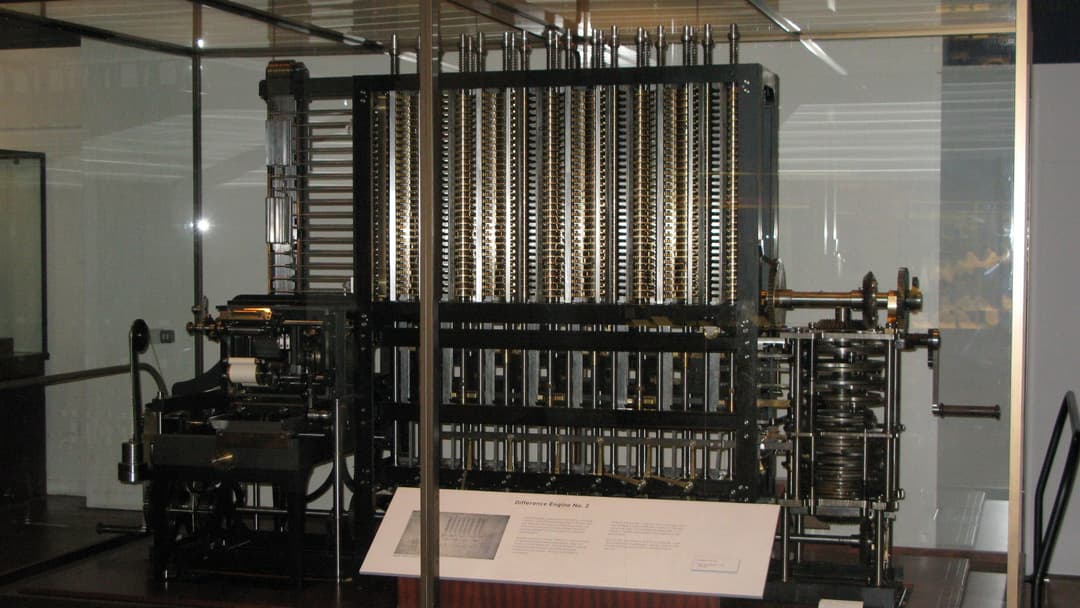
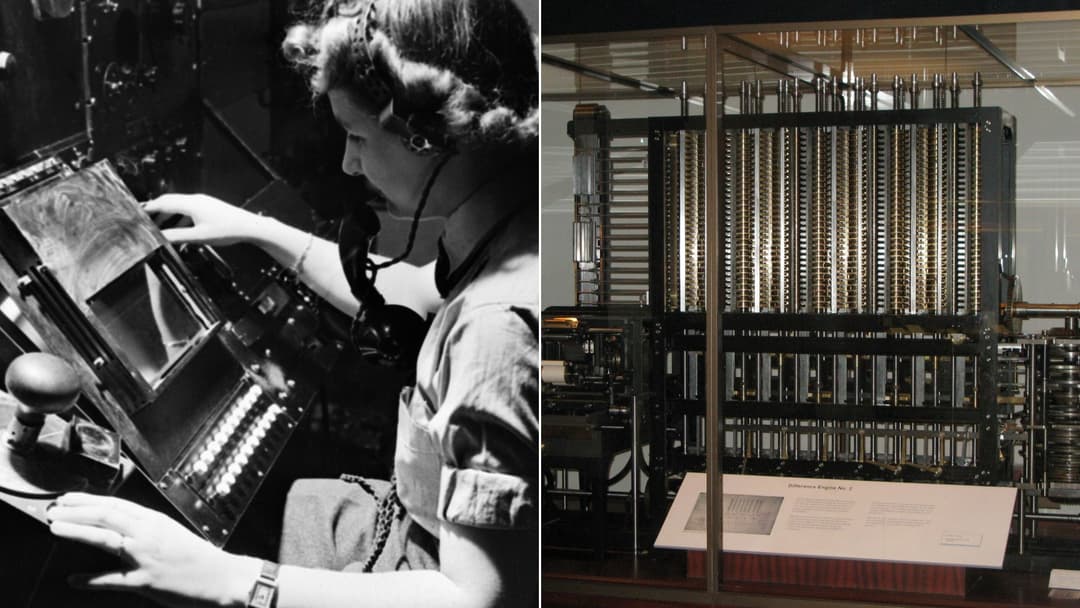
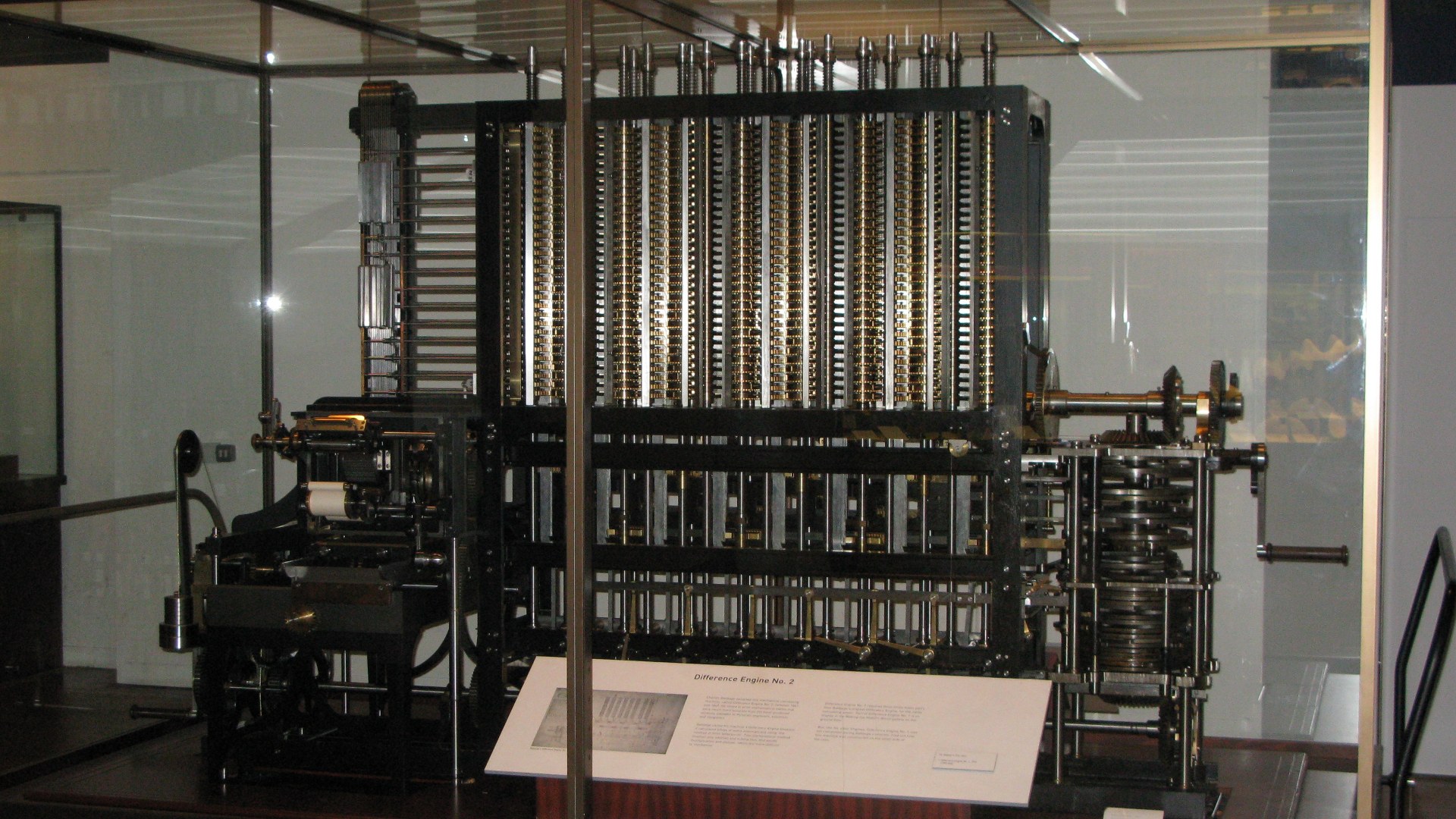
In 1837, Charles Babbage designed the Analytical Engine—complete with a CPU "Mill", memory "Store", and punched cards—while Ada Lovelace wrote the first published computer algorithm in 1843. A century later, Alan Turing's 1936 Universal Turing Machine paper and Manchester's 1948 "Baby" birthed modern computing.
©Wikimedia / Geni
2. Penicillin Antibiotics By Alexander Fleming
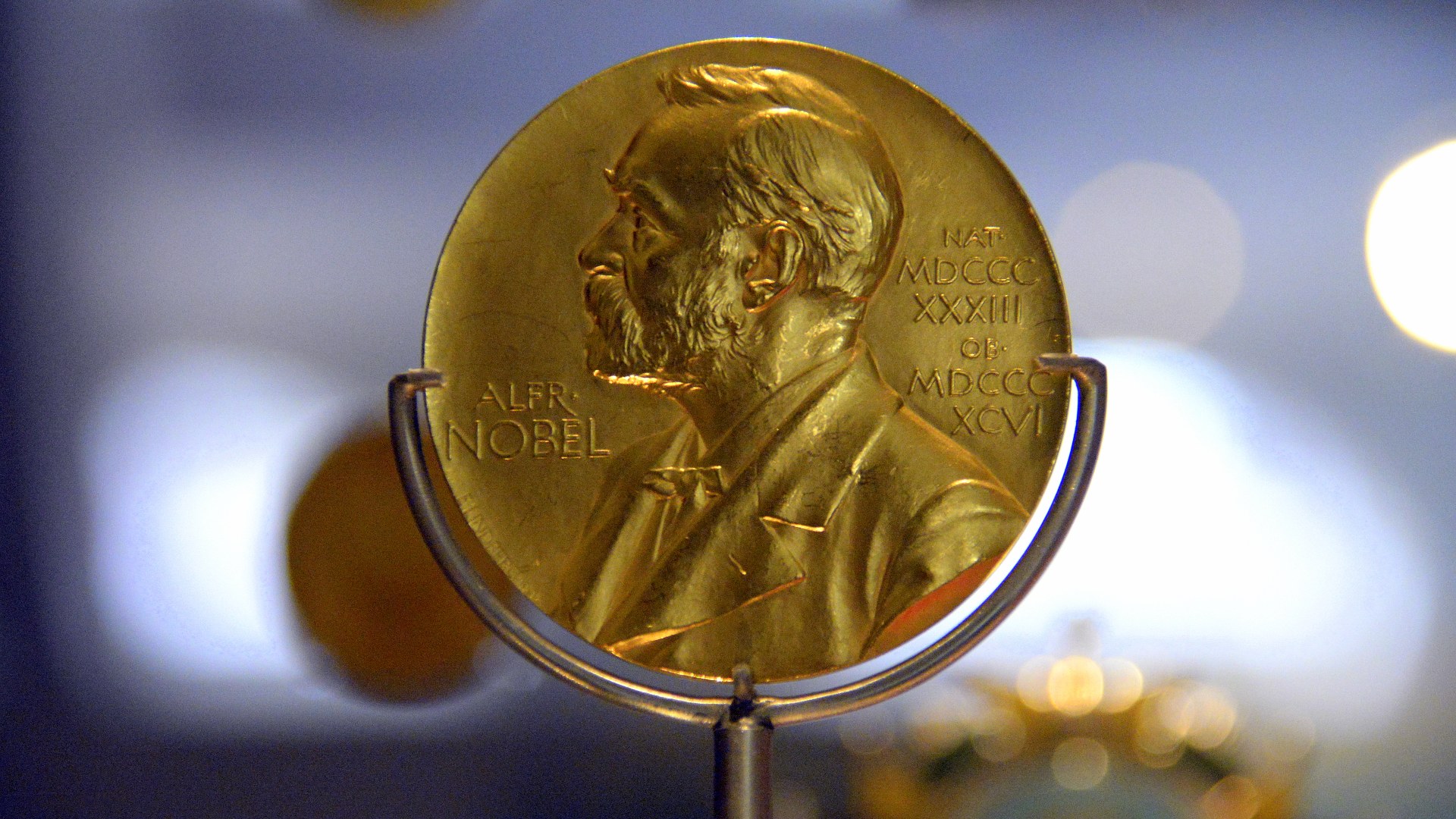
Returning from holiday to St Mary's Hospital, London, on 3 September 1928, Scottish bacteriologist Alexander Fleming noticed a clear halo around a stray Penicillium notatum mould colony where Staphylococcus bacteria had dissolved. Purified for mass medicine at Oxford by Florey, Chain, and Heatley, it saved 200M+ lives.
©Wikimedia / Osama Shukir Muhammed Amin
Advertisement
Swipe or tap ▶ to resume the countdown.
1. The World Wide Web By Sir Tim Berners Lee
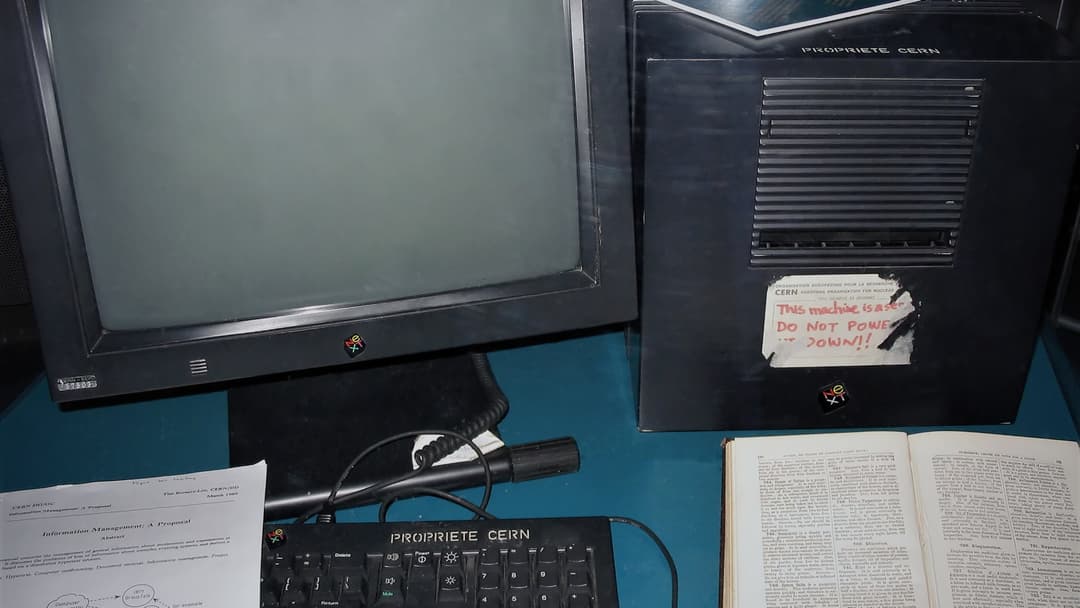
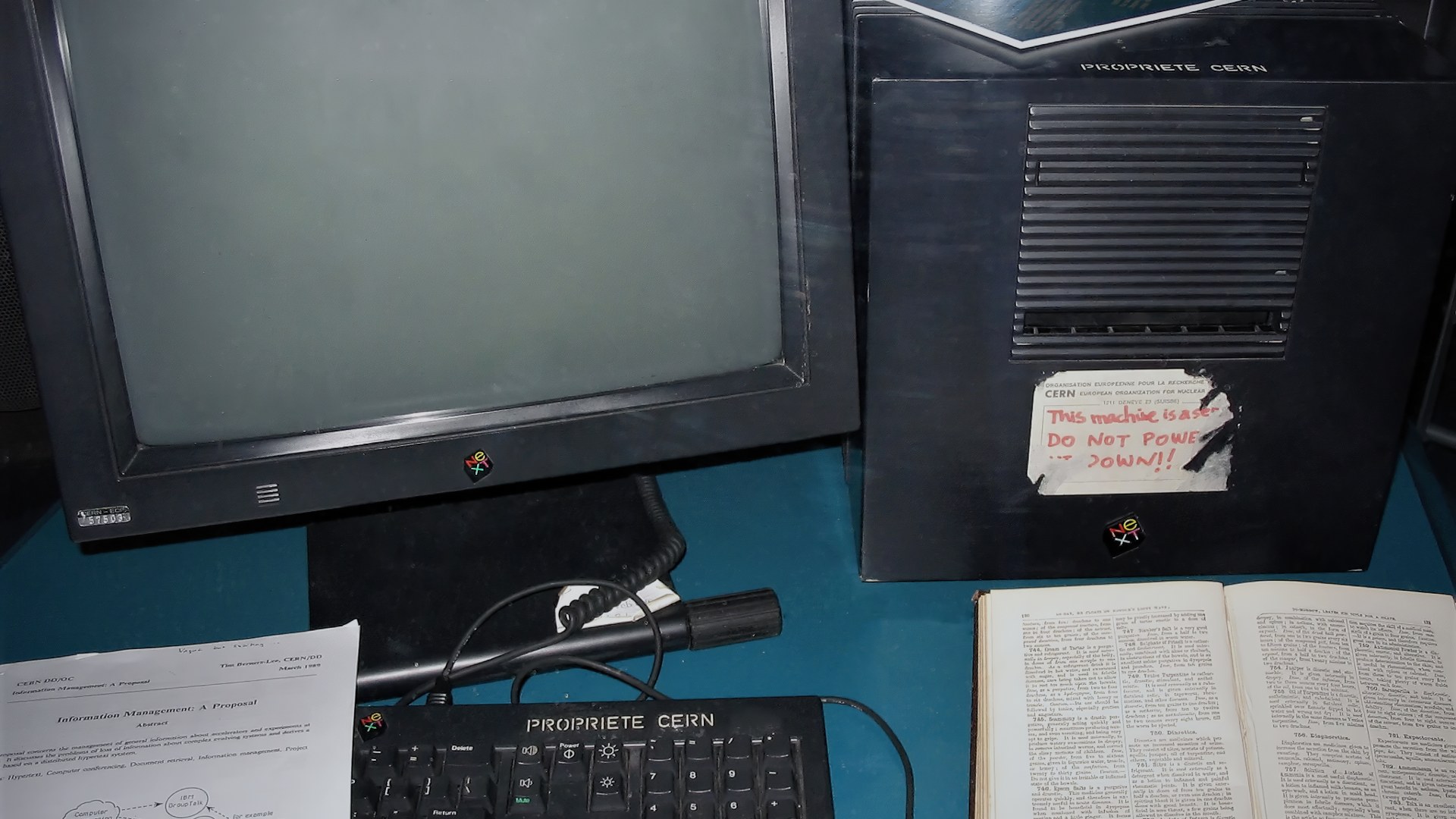
London-born physicist Sir Tim Berners-Lee invented the World Wide Web in March 1989 to share hypertext documents across the internet. On this NeXT computer (pictured with his "DO NOT POWER IT DOWN!!" sticker), he wrote the first web browser, server, HTTP, HTML, and URL—and gave it to the world royalty-free.
©Wikimedia / Coolcaesar
Advertisement
You've reached the end of the story. Thanks for reading!

20 Details Behind The Real Story Of Stephen Miller
All 20 Entries in this Story
20. The Hovercraft By Christopher Cockerell
British radio engineer Sir Christopher Cockerell proved the annular air-cushion principle in 1953 using a Kit-E-Kat tin inside a coffee tin connected to a vacuum cleaner. Patented in 1955, his hovercraft glided seamlessly across water, ice, mud, and land, transforming amphibious rescue and ferry transit.

19. Cats Eyes Reflective Road Studs By Percy Shaw
Driving home through dense Yorkshire fog in 1933, inventor Percy Shaw noticed his headlights glinting off a cat's eyes along the roadside. In 1934 he patented the Catseye: twin glass spheres set in a flexible rubber dome that wipes itself clean on a rainwater reservoir every time a car tire rolls over it.

18. The Vacuum Flask By Sir James Dewar
Before it kept morning coffee piping hot, the vacuum flask was created for extreme cryogenics. In 1892, Scottish physicist Sir James Dewar placed one silvered glass flask inside another and pumped out the air between them—halting heat transfer by conduction, convection, and radiation all at once.

17. High Strength Carbon Fibre At Farnborough
In 1963, William Watt, Leslie Phillips, and William Johnson at the Royal Aircraft Establishment in Farnborough discovered how to align polyacrylonitrile (PAN) chains under tension during pyrolysis. Their breakthrough produced high-modulus carbon fibre—now essential in Boeing 787s, Formula 1, and prosthetics.

16. The Hydraulic Press By Joseph Bramah
Yorkshire locksmith and engineer Joseph Bramah patented the hydraulic press in 1795 by applying Pascal's law to two linked cylinders of different diameters. With his assistant Henry Maudslay's self-sealing leather cup collar, a single operator could multiply hand pressure into thousands of tons.

15. The Modern Flush Toilet By Cumming And Crapper
While Sir John Harington built a valve toilet for Queen Elizabeth I in 1596, Scottish watchmaker Alexander Cumming made indoor plumbing safe in 1775 by inventing the S-trap—keeping a standing water seal that blocked toxic sewer fumes. Plumber Thomas Crapper later perfected the floating ballcock and siphon cistern.

14. The Cash Machine And PIN By Shepherd Barron
Inspired by chocolate-bar vending machines after being locked out of his bank, John Shepherd-Barron unveiled the world's first ATM at Barclays Bank in Enfield Town (red-brick building, center) on 27 June 1967. Fellow Scot James Goodfellow patented the encrypted Personal Identification Number (PIN) the year before.

13. The Rover Safety Bicycle By John Kemp Starley
Before 1885, cycling meant balancing atop a perilous five-foot "Penny Farthing" front wheel. Working in Coventry, English inventor John Kemp Starley created the Rover Safety Bicycle—combining two equal-sized wheels, steerable forks, a diamond-shaped frame, and a geared roller-chain drive to the rear wheel.

12. The Bessemer Steel Process By Henry Bessemer
Before 1856, steel was so expensive it was reserved for cutlery, watch springs, and swords. English engineer Sir Henry Bessemer discovered that blowing air directly through molten pig iron inside a tilting converter burned off carbon impurities using its own internal heat—slashing steel costs by over 80 percent.

11. Practical Radar By Sir Robert Watson Watt
Asked by the Air Ministry if a radio "death ray" was possible, Scottish physicist Robert Watson-Watt calculated it was not—but offered radio aircraft detection instead. On 26 February 1935 near Daventry, he bounced shortwave signals off a Handley Page Heyford bomber, birthing the Chain Home radar network.

10. The Incandescent Light Bulb By Sir Joseph Swan
While Thomas Edison is famous in America, Sunderland-born physicist Sir Joseph Swan demonstrated a working carbon-filament incandescent lamp in Newcastle upon Tyne on 18 December 1878. Swan's home in Gateshead became the first private residence in the world wired for electric light, and Edison later merged with him.

9. The Lithium Ion Battery At Oxford University
In 1979 at the University of Oxford's Inorganic Chemistry Laboratory, John Goodenough, Koichi Mizushima, Philip Jones, and Philip Wiseman discovered the lithium-cobalt-oxide (LiCoO2) cathode. Capable of storing double the voltage of earlier cells safely, it made every smartphone, laptop, and EV battery possible.

8. The Electric Motor And Dynamo By Michael Faraday
A self-taught bookbinder's apprentice in London, Michael Faraday built the first electromagnetic rotary motor at the Royal Institution in 1821. Ten years later, in 1831, he discovered electromagnetic induction and built the Faraday disc dynamo—proving mechanical motion could generate continuous electric current.

7. The Modern Steam Turbine By Sir Charles Parsons
In 1884, Anglo-Irish engineer Sir Charles Parsons invented the compound reaction steam turbine, stepping steam expansion across rows of angled blades to spin a dynamo at 18,000 RPM. To prove its power, he gatecrashed Queen Victoria's 1897 Diamond Jubilee Naval Review in Turbinia at a record-shattering 34 knots.

6. Television By John Logie Baird
On 26 January 1926 at 22 Frith Street in Soho, London, Scottish inventor John Logie Baird gave the world's first public demonstration of live moving television images with tonal gradations. Using ventriloquist dummy "Stooky Bill" under blazing lamps, he went on to pioneer color TV (1928) and transatlantic TV.

5. The Turbojet Engine By Sir Frank Whittle
At just 22 years old, Royal Air Force Flying Officer Frank Whittle filed the fundamental patent for the turbojet engine in January 1930. Despite initial government skepticism, he built and ran the first liquid-fueled jet engine on a bench in Rugby in April 1937, launching the Gloster E.28/39 into the Jet Age.

4. The Steam Locomotive By Trevithick And Stephenson
Cornish engineer Richard Trevithick built the first high-pressure steam locomotive to haul iron at Penydarren in 1804, and George and Robert Stephenson's 1829 Rocket (pictured) perfected the multi-tube boiler for the Liverpool and Manchester Railway. Britain's 4 ft 8.5 in track gauge remains the world standard.

3. Programmable Computing By Babbage And Alan Turing
In 1837, Charles Babbage designed the Analytical Engine—complete with a CPU "Mill", memory "Store", and punched cards—while Ada Lovelace wrote the first published computer algorithm in 1843. A century later, Alan Turing's 1936 Universal Turing Machine paper and Manchester's 1948 "Baby" birthed modern computing.

2. Penicillin Antibiotics By Alexander Fleming
Returning from holiday to St Mary's Hospital, London, on 3 September 1928, Scottish bacteriologist Alexander Fleming noticed a clear halo around a stray Penicillium notatum mould colony where Staphylococcus bacteria had dissolved. Purified for mass medicine at Oxford by Florey, Chain, and Heatley, it saved 200M+ lives.

1. The World Wide Web By Sir Tim Berners Lee
London-born physicist Sir Tim Berners-Lee invented the World Wide Web in March 1989 to share hypertext documents across the internet. On this NeXT computer (pictured with his "DO NOT POWER IT DOWN!!" sticker), he wrote the first web browser, server, HTTP, HTML, and URL—and gave it to the world royalty-free.