Slideshow · Entertainment
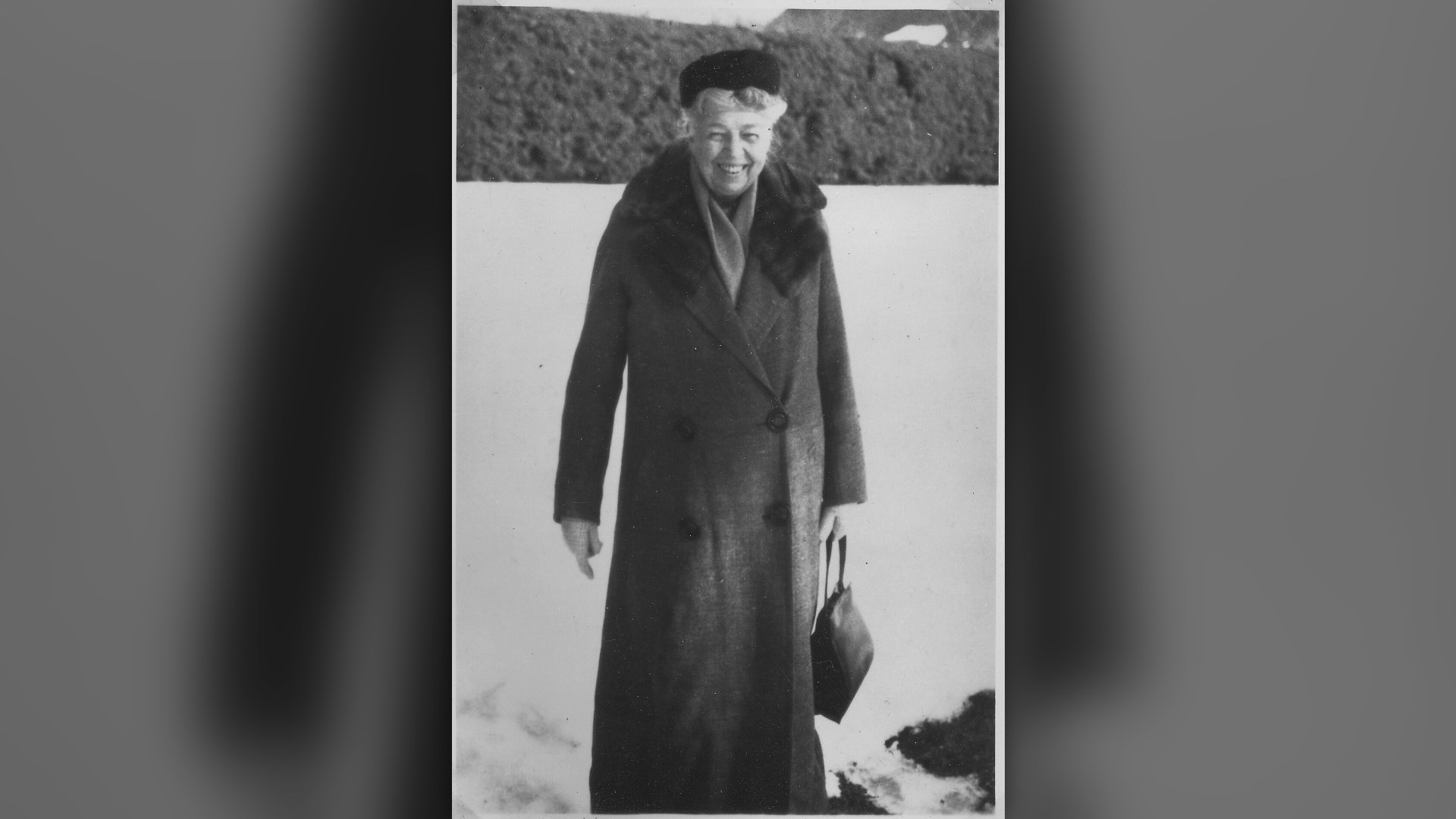
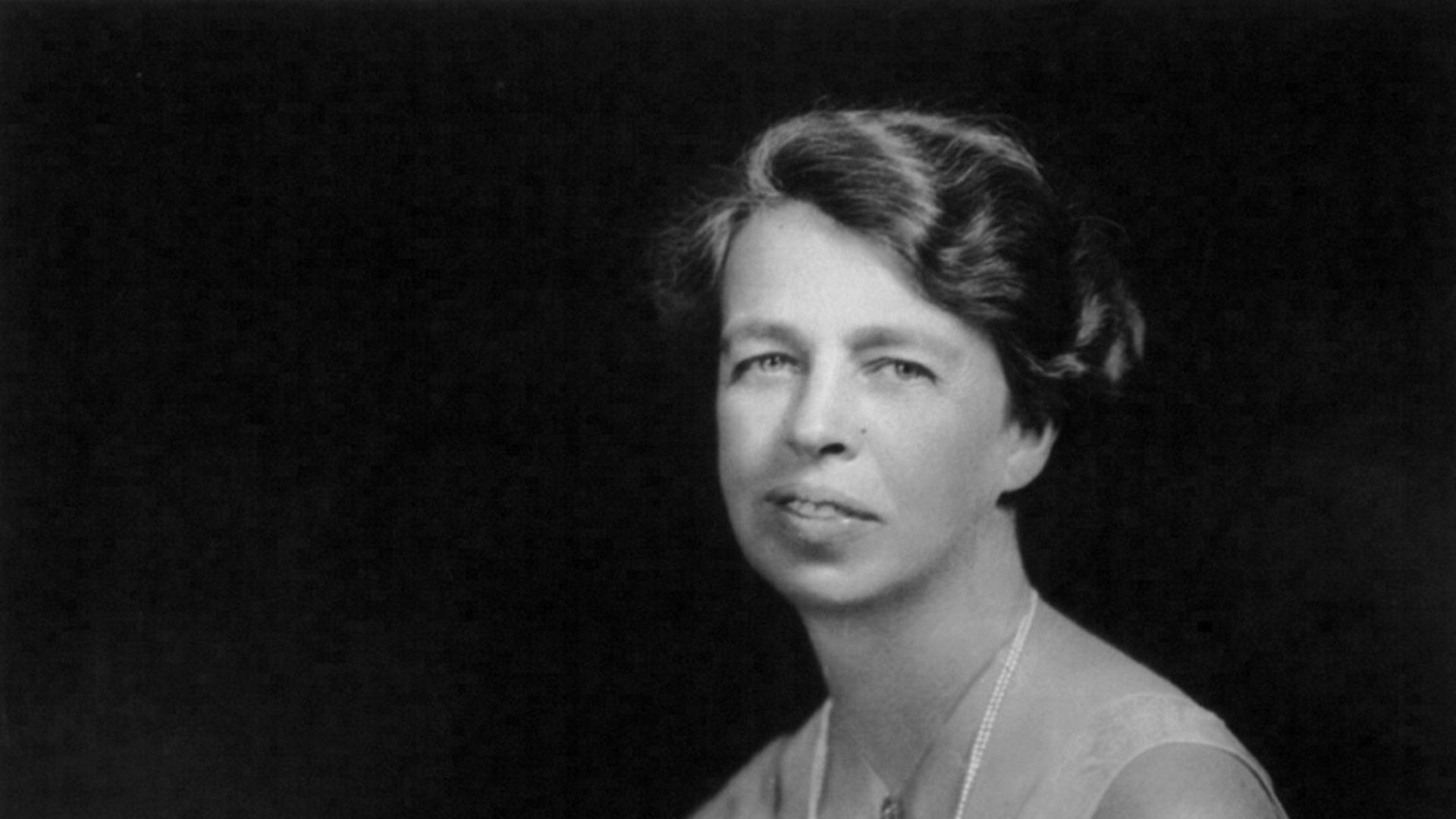
Eleanor Roosevelt: the First Lady who changed America
Stepping far beyond traditional hostess duties, Eleanor Roosevelt became the conscience of a nation—championing civil rights, labor dignity, and global human freedom across four turbulent decades.
By Most Viral Today
12 Oct 2026

Eleanor Roosevelt: the First Lady who changed America 
15. Reimagining The First Lady Role 
14. The "My Day" Daily Newspaper Column 
13. Championing Arthurdale & Coal Mining Families - AdvertisementSwipe or tap ▶ to continue countdown

12. Women-Only White House Press Conferences 
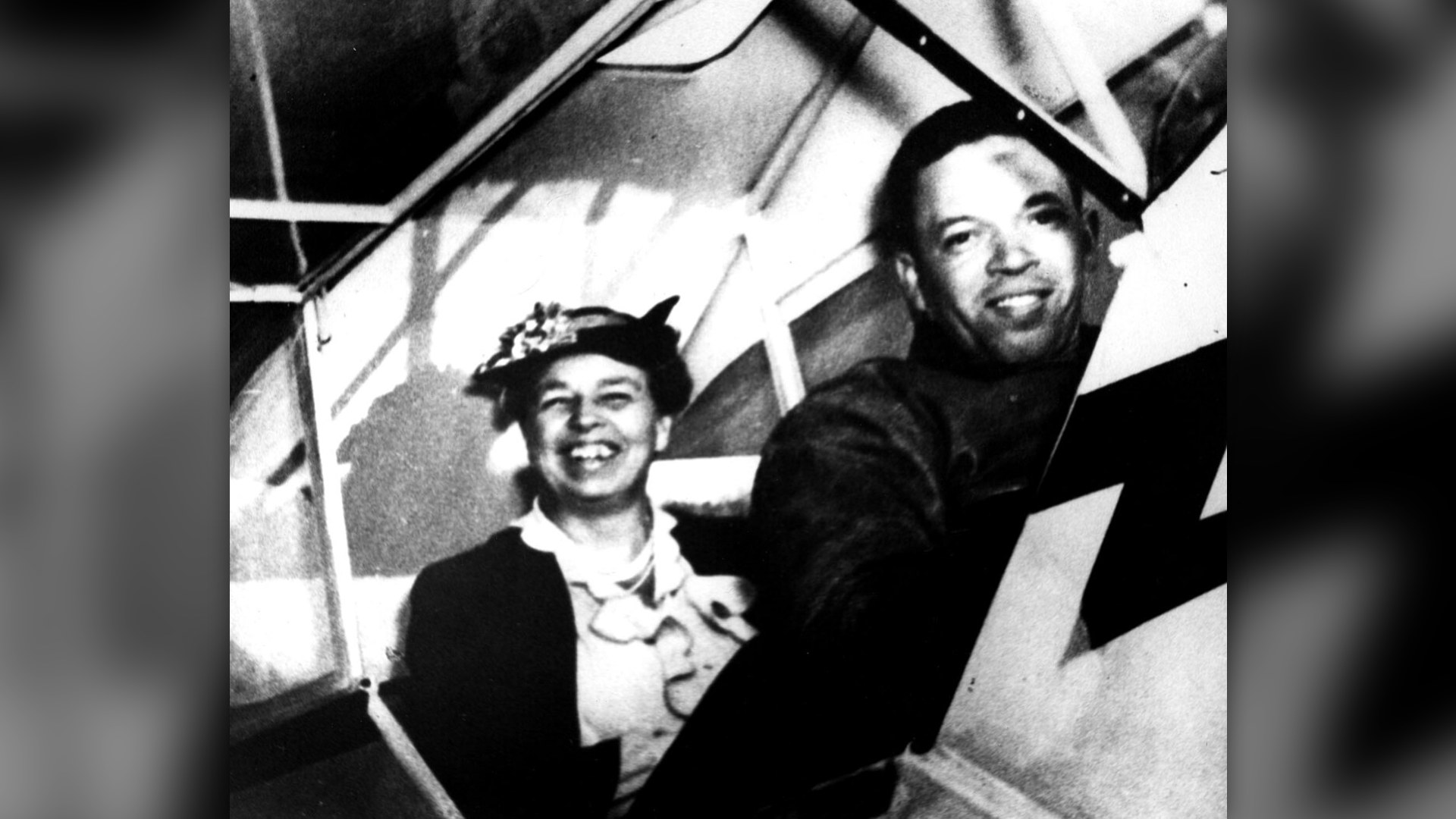
11. The Historic Flight That Launched The Tuskegee Airmen 
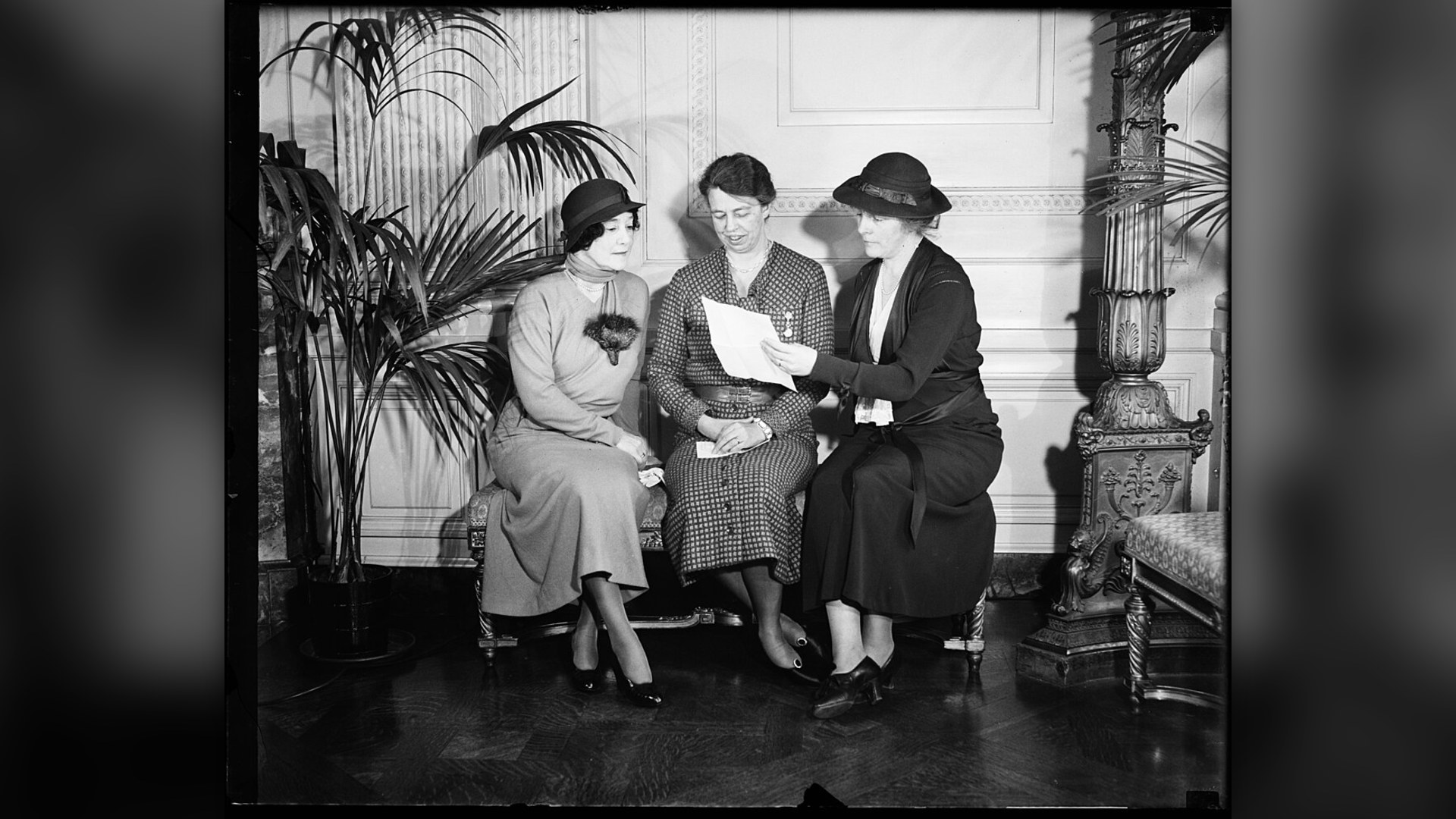
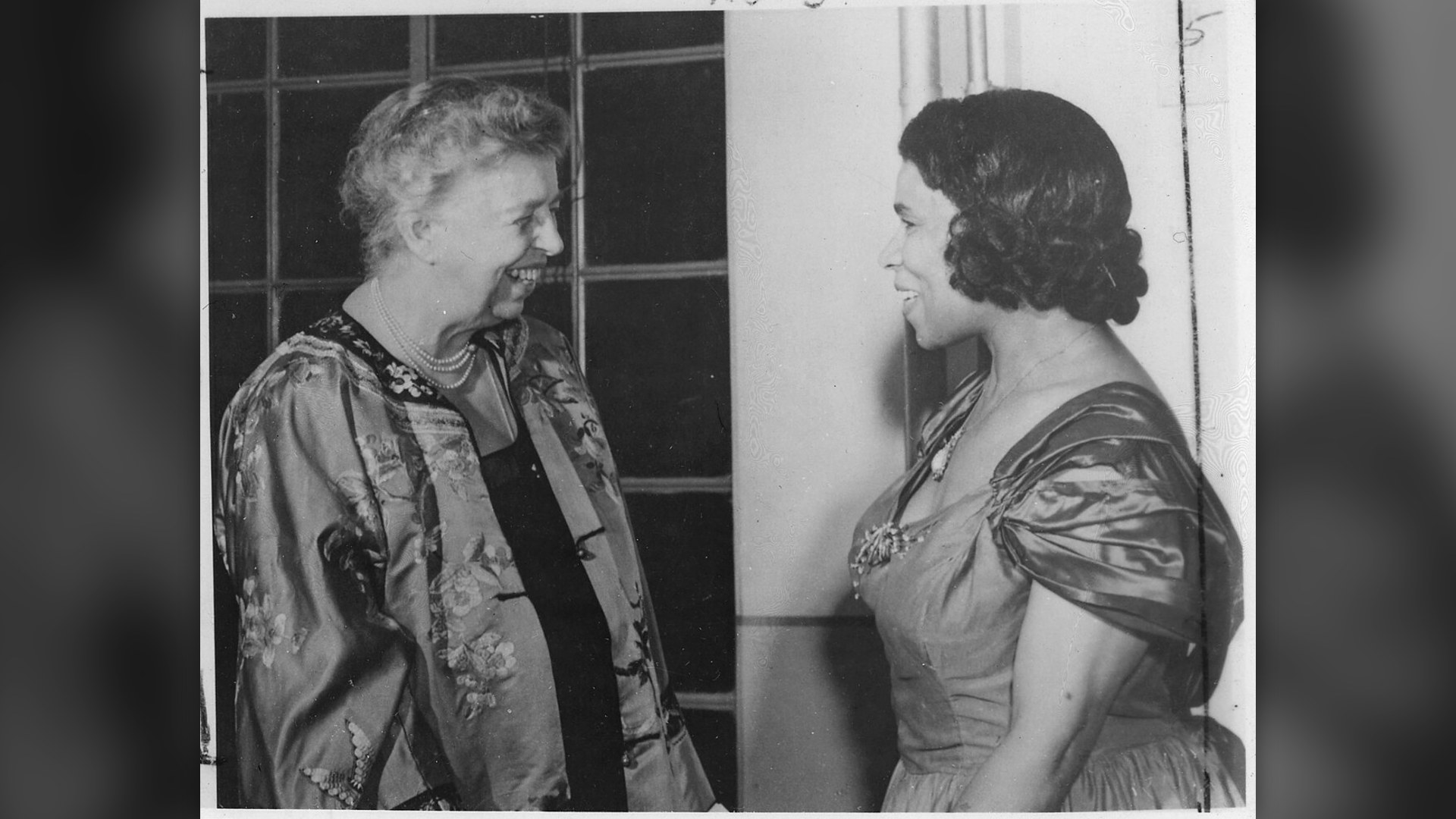
10. Resigning From The DAR Over Racial Segregation 
9. Defying Jim Crow Seating Laws In Birmingham - AdvertisementSwipe or tap ▶ to continue countdown

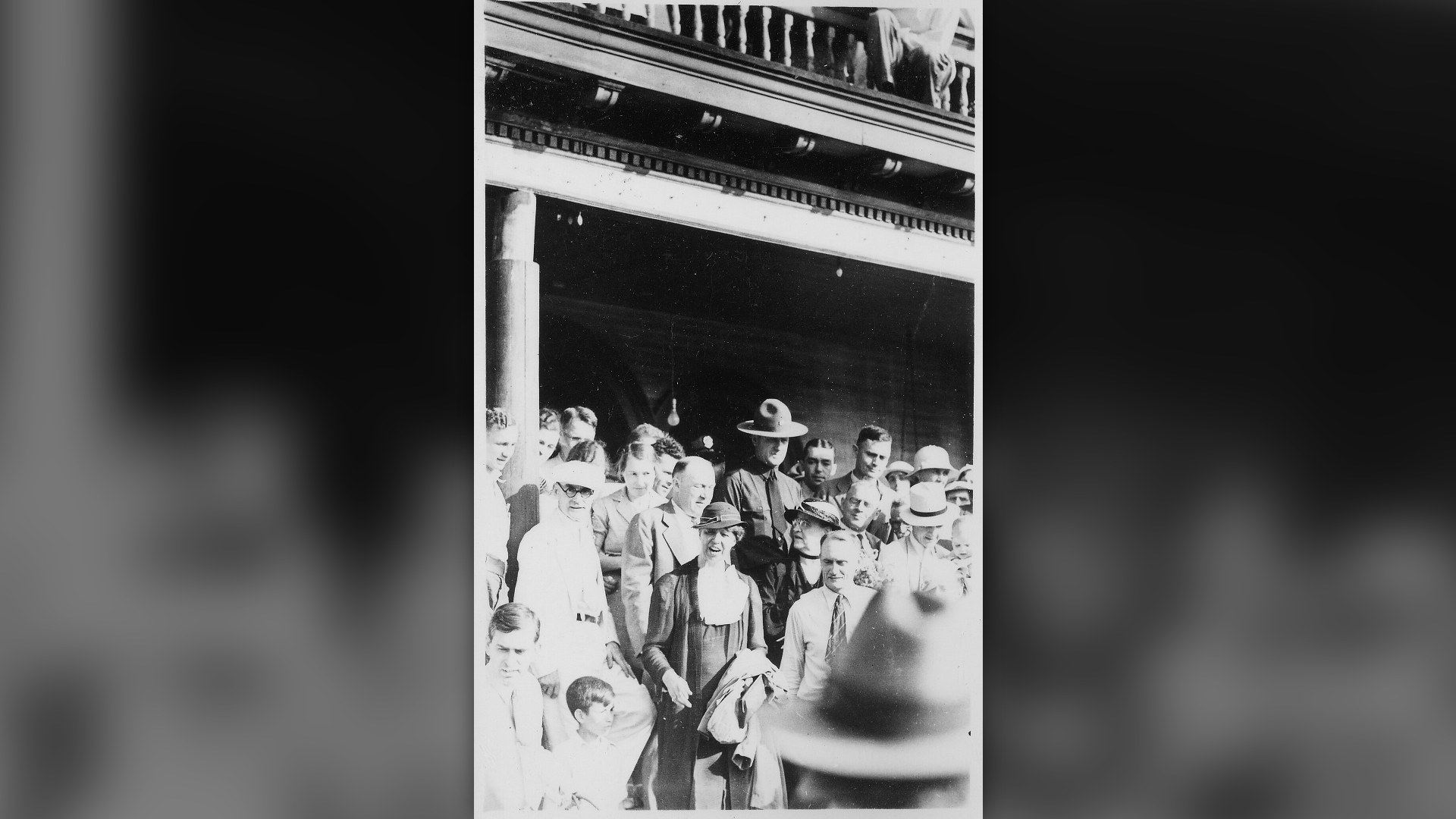
8. Integrating New Deal Housing & Black Cabinet Access 
7. The 25,000-Mile South Pacific Wartime Morale Tour 
6. Championing Women In The Wartime Industrial Workforce 
5. Calming The 1940 Democratic National Convention - AdvertisementSwipe or tap ▶ to continue countdown

4. Breaking Media Frontiers On Live Radio & Broadcasting 
3. Named First U.S. Delegate To The United Nations 
2. Chairing The President's Commission On The Status Of Women 
1. Drafting The Universal Declaration Of Human Rights - Advertisement🔥 UP NEXT IN THIS SERIES◫ 21 Slides

20 Stars Who Spoke Openly About Living With Multiple Sclerosis
Multiple sclerosis affects millions worldwide, yet many famous actors, musicians, broadcasters, and athletes kept their diagnoses private for years. Drawing on National Multiple Sclerosis Society profiles and interviews in People, NBC News, and Vanity Fair, here are 20 stars who spoke openly about living with MS.
Stepping far beyond traditional hostess duties, Eleanor Roosevelt became the conscience of a nation—championing civil rights, labor dignity, and global human freedom across four turbulent decades.
Swipe or tap ▶ to begin the countdown
©Library of Congress / Underwood & Underwood
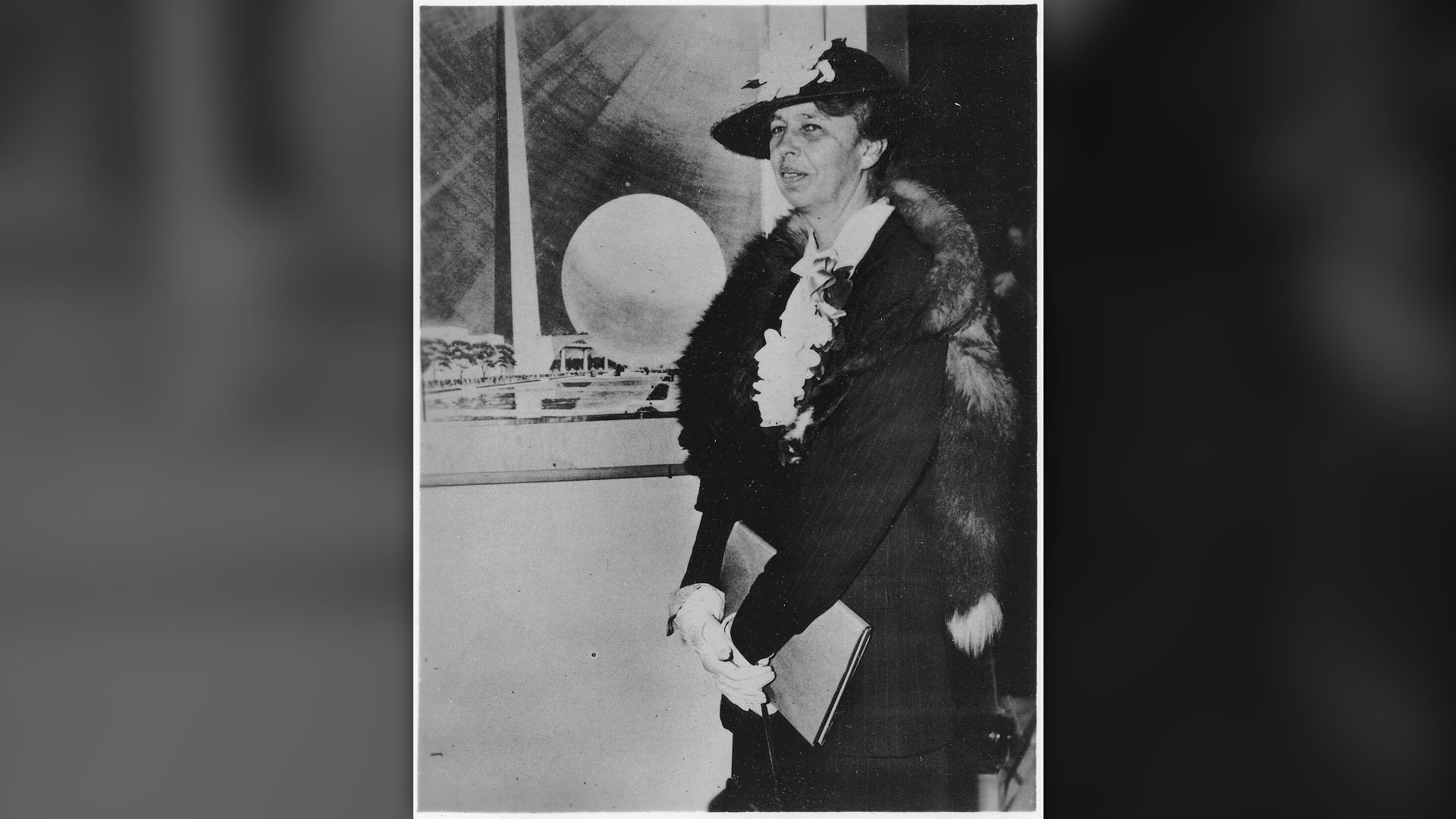
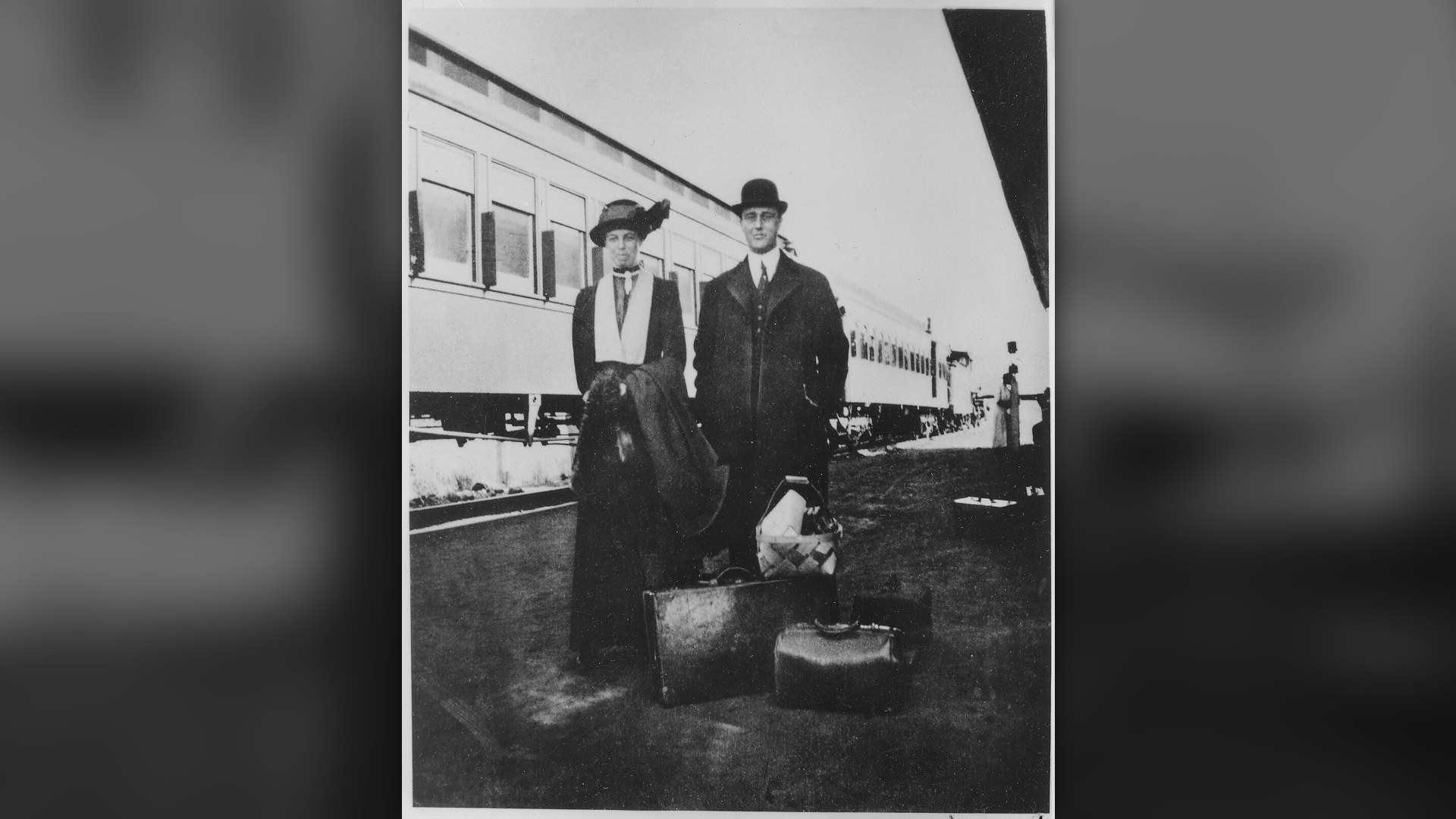
15. Reimagining The First Lady Role
When polio paralyzed Franklin D. Roosevelt's legs, Eleanor became his eyes, ears, and legs—crisscrossing hundreds of thousands of miles across the country to witness the Great Depression's toll firsthand.
©Wikimedia / FDR Presidential Library
14. The "My Day" Daily Newspaper Column
Eleanor used her pen as a direct megaphone to everyday citizens, fearlessly debating racial equality, workers' wages, and women's voting rights long before major newspapers championed civil justice.
©Wikimedia / FDR Presidential Library
13. Championing Arthurdale & Coal Mining Families
Visiting destitute families in Scotts Run, West Virginia, Eleanor demanded government action. Arthurdale provided modern electrified homes, vocational schools, and farmland to displaced coal miners during the Great Depression.
©Wikimedia / FDR Presidential Library
Advertisement
Swipe or tap ▶ to resume the countdown.
12. Women-Only White House Press Conferences
In 1933, women journalists were routinely relegated to domestic society pages. By decreeing that only accredited female correspondents could attend her press briefings, Eleanor protected dozens of women's reporting careers.
©Wikimedia / Harris & Ewing
11. The Historic Flight That Launched The Tuskegee Airmen
When the War Department claimed Black men lacked the aptitude to fly military aircraft, Eleanor climbed into an open-cockpit biplane with Tuskegee chief flight instructor C. Alfred Anderson, securing vital federal flight training funding.
©Wikimedia / U.S. Air Force
10. Resigning From The DAR Over Racial Segregation
In 1939, Eleanor penned a scorching public letter resigning from the DAR: 'To remain as a member implies approval of that action, and therefore I am resigning.' Her protest catalyzed Anderson's historic concert at the Lincoln Memorial.
©Wikimedia / FDR Presidential Library
9. Defying Jim Crow Seating Laws In Birmingham
At the 1938 Southern Conference for Human Welfare in Birmingham, segregation commissioner Bull Connor threatened to arrest attendees. Eleanor calmly carried her folding chair into the center aisle between the segregated sections and refused to budge.
©Wikimedia / FDR Presidential Library
Advertisement
Swipe or tap ▶ to resume the countdown.
8. Integrating New Deal Housing & Black Cabinet Access
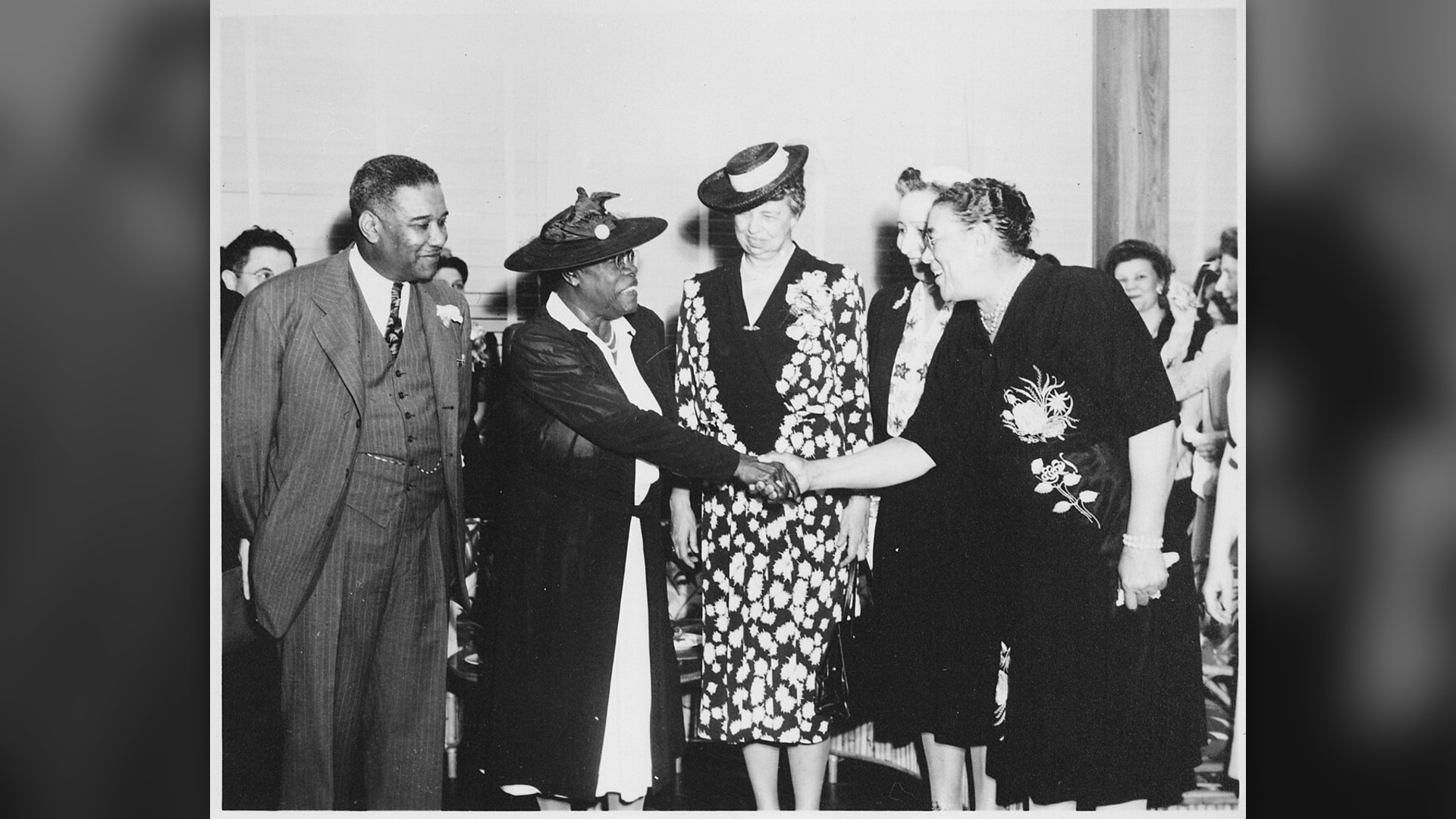
Eleanor served as the vital conduit between FDR and the informal 'Black Cabinet.' She successfully lobbied for non-discriminatory clauses in federal housing projects and the National Youth Administration.
©Wikimedia / FDR Presidential Library
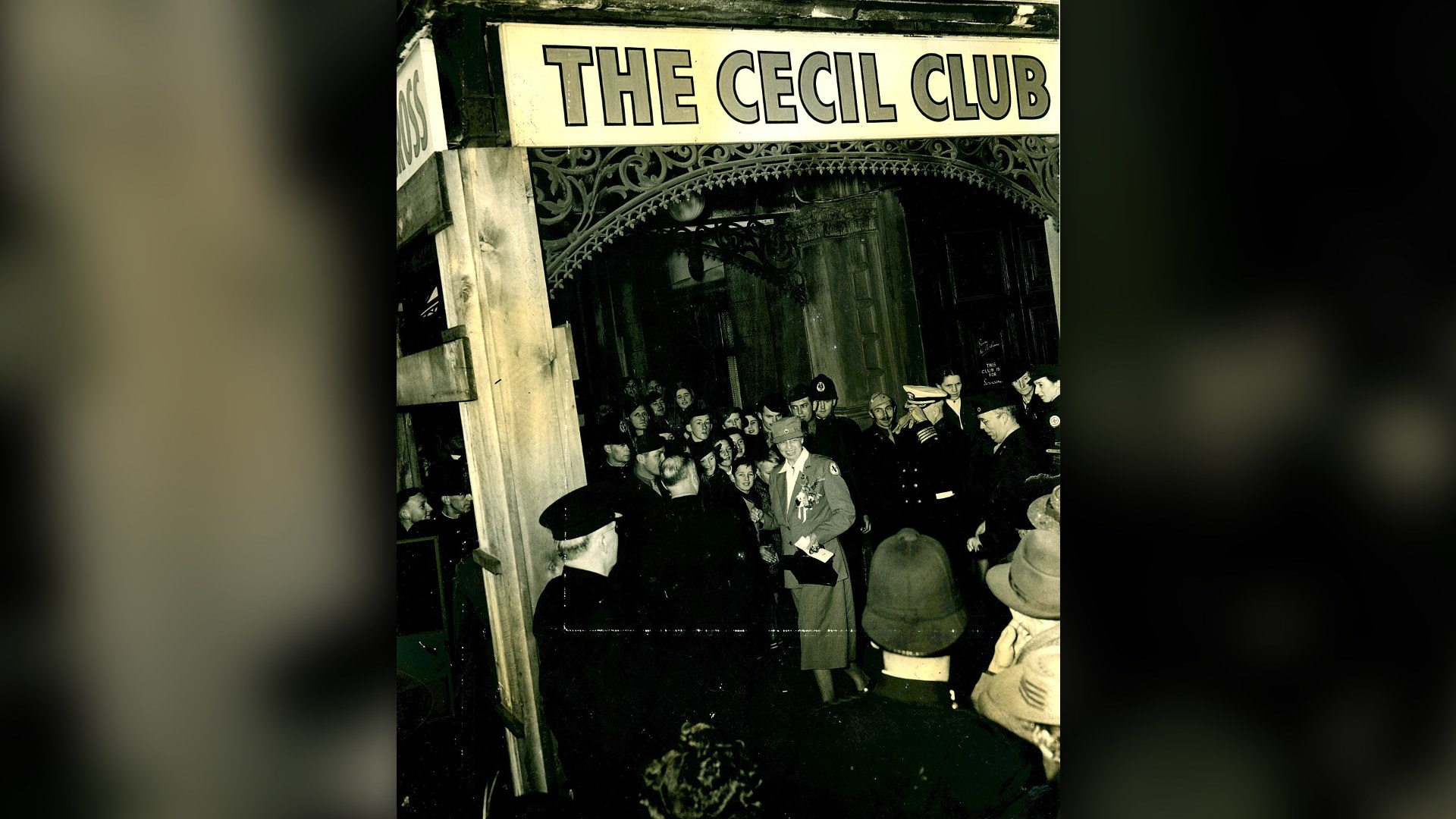
7. The 25,000-Mile South Pacific Wartime Morale Tour
Admiral William Halsey initially opposed her visit as a political stunt, but later admitted: 'She inspected every hospital ward, smiled at every bed, and gave 400,000 men the feeling that someone at home cared deeply.'
©Wikimedia / USMC Archives
6. Championing Women In The Wartime Industrial Workforce
Recognizing that women could not work round-the-clock factory shifts without childcare, Eleanor pressured the administration to pass the Lanham Act, establishing America's first universal federally subsidized daycare network.
©Wikimedia / FDR Presidential Library
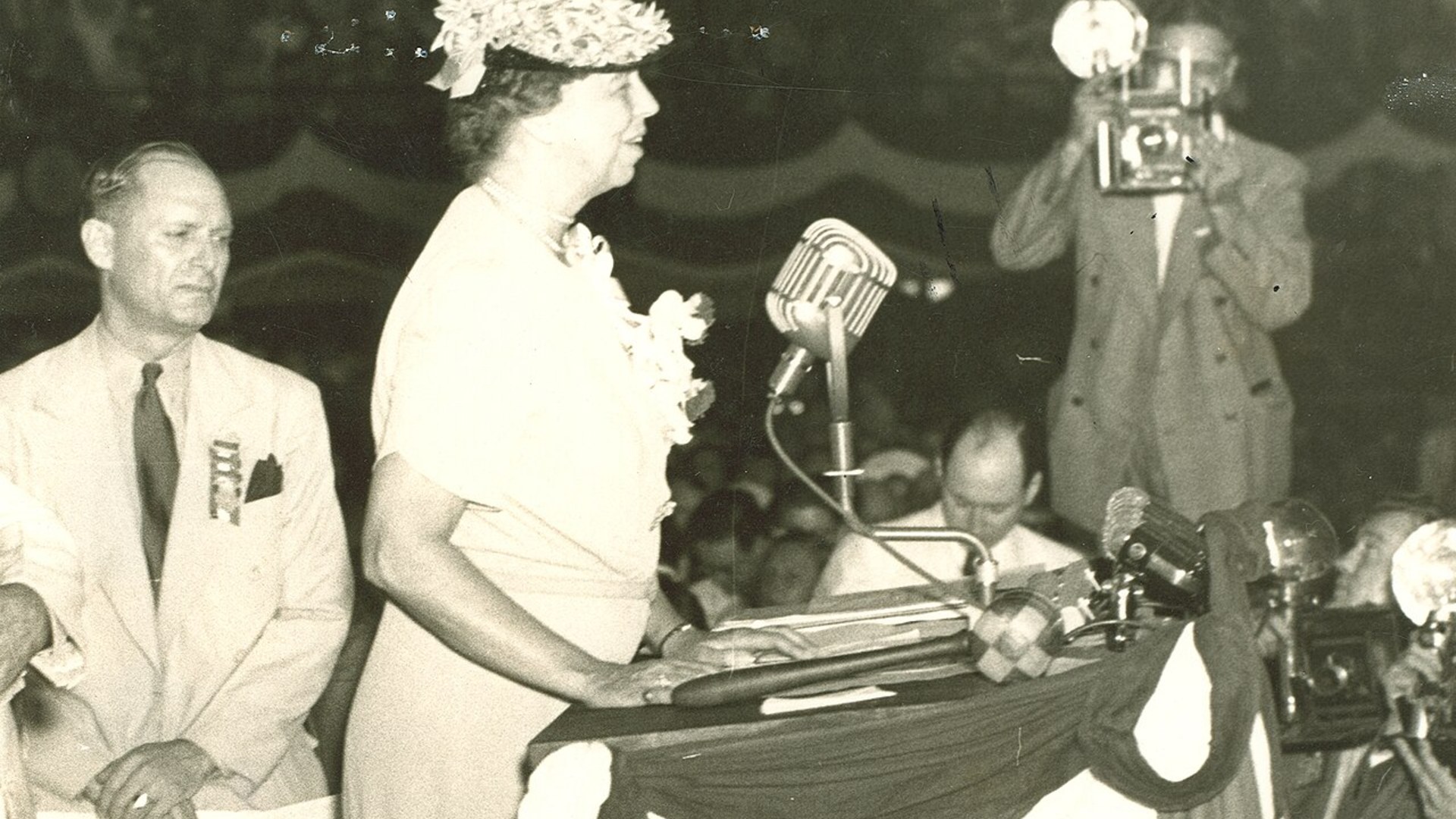
5. Calming The 1940 Democratic National Convention
When delegates revolted over FDR's vice-presidential pick Henry Wallace amidst the gathering storm of WWII, Eleanor delivered an unscripted, electrifying speech on national unity that silenced the arena and saved the ticket.
©Wikimedia / FDR Presidential Library
Advertisement
Swipe or tap ▶ to resume the countdown.
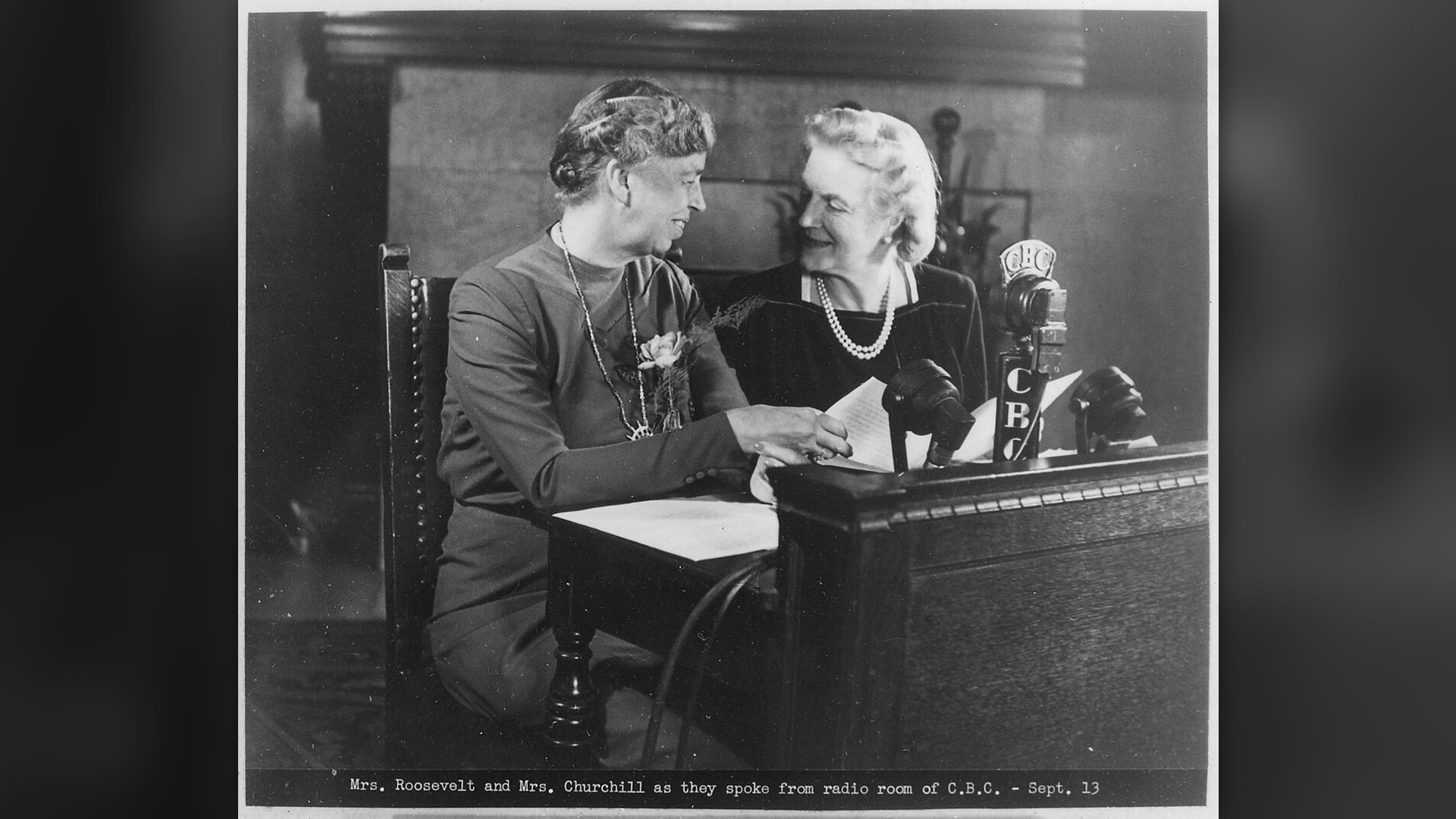
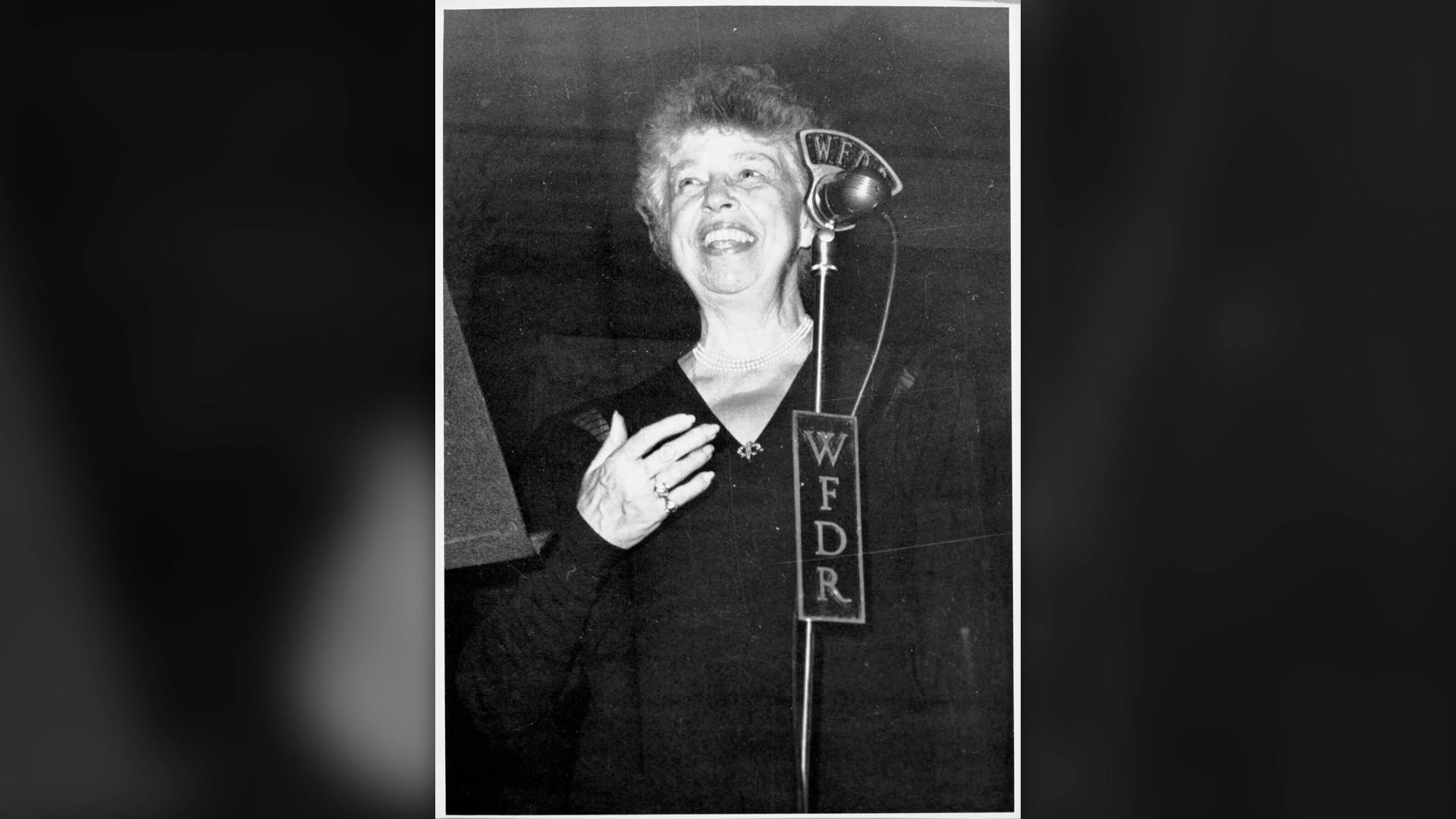
4. Breaking Media Frontiers On Live Radio & Broadcasting
On the night of Pearl Harbor in December 1941, it was Eleanor—not FDR—who first addressed the shocked American public on national radio, urging quiet courage and calm resolve before the President's address to Congress.
©Wikimedia / Kheel Center
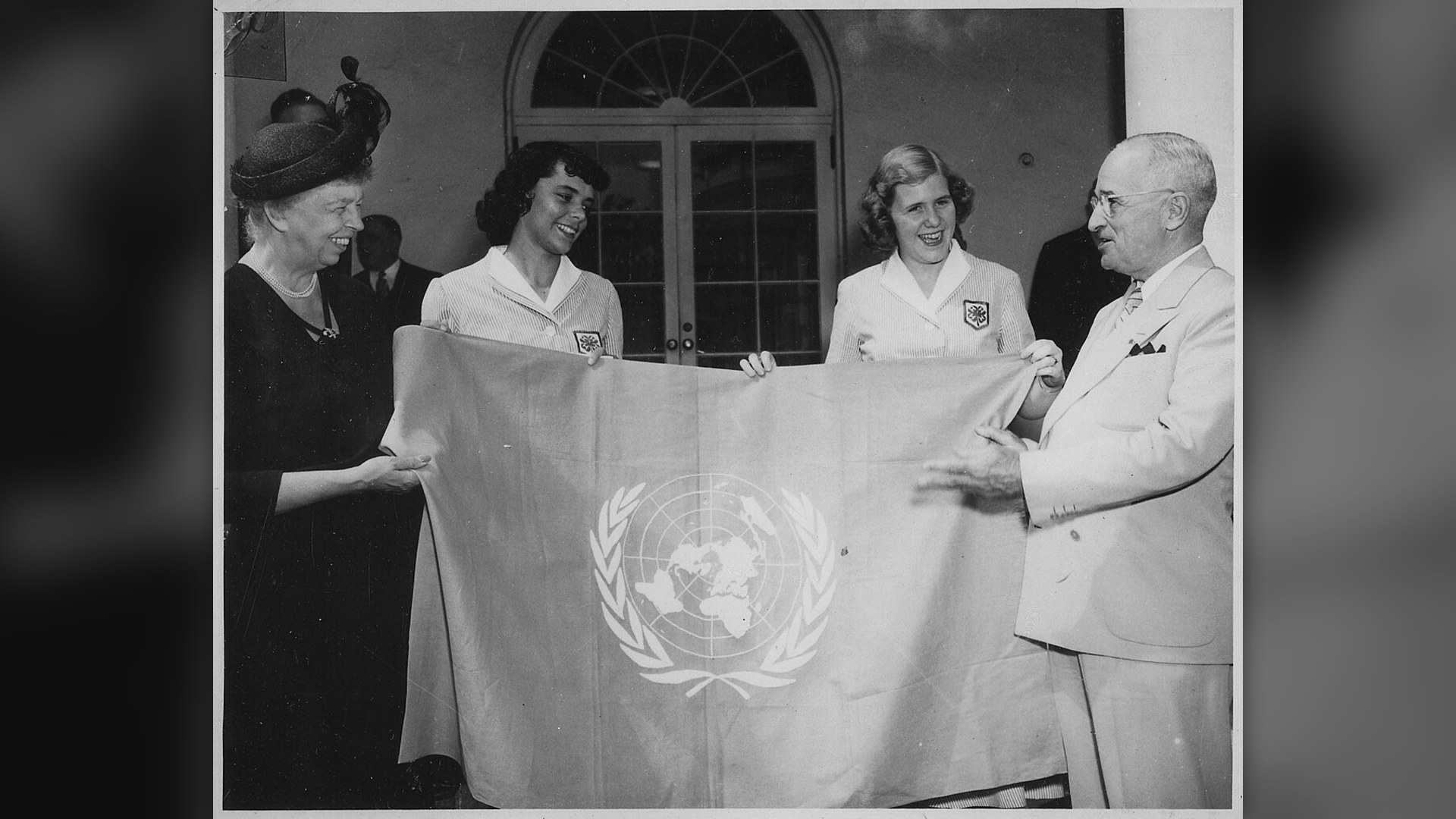
3. Named First U.S. Delegate To The United Nations
Facing skepticism from male diplomats who doubted a former First Lady could master intricate geopolitical diplomacy, Eleanor outworked her peers in London and Paris, earning the permanent respect of global leaders.
©Wikimedia / FDR Presidential Library
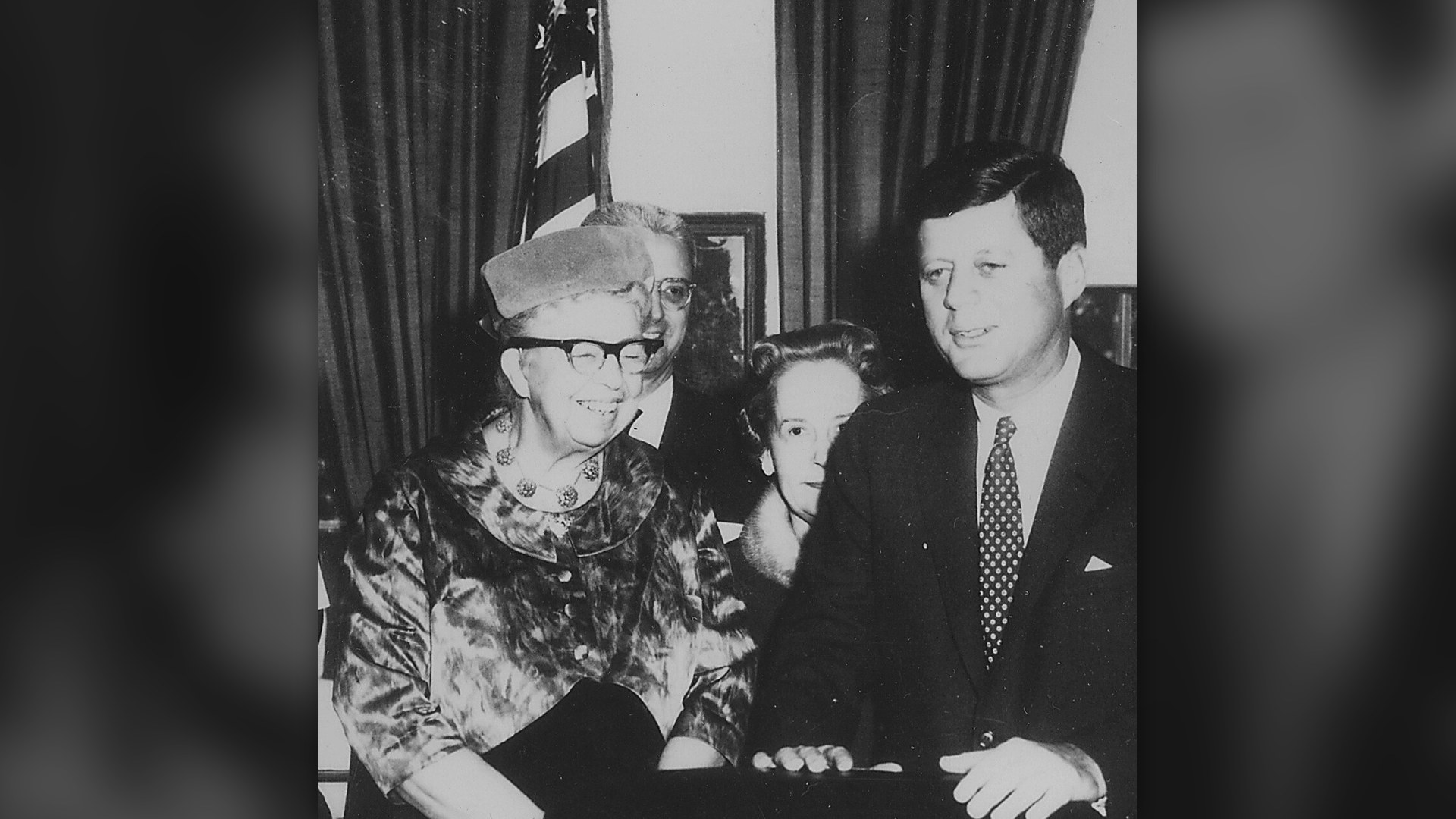
2. Chairing The President's Commission On The Status Of Women
Her commission's 1963 report, 'American Women,' systematically exposed workplace pay disparities and legal barriers, laying the immediate legislative foundation for the landmark Equal Pay Act and second-wave feminism.
©Wikimedia / FDR Presidential Library
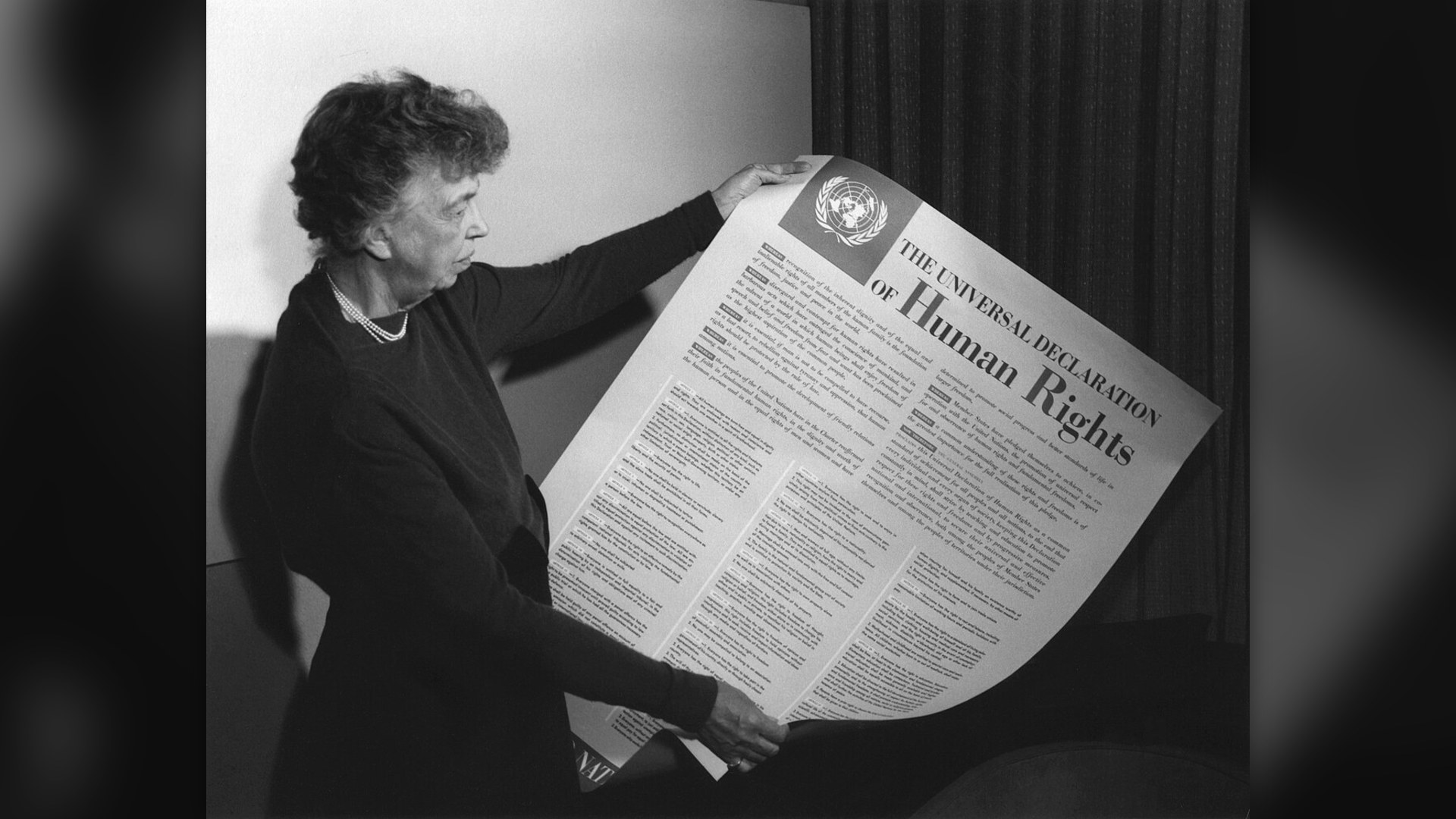
1. Drafting The Universal Declaration Of Human Rights
For two grueling years, Eleanor chaired the UN Human Rights Commission, navigating ideological battles between Soviet and Western blocs to enshrine 30 fundamental human freedoms into international law forever.

©Wikimedia / FDR Presidential Library
Advertisement
You've reached the end of the story. Thanks for reading!

20 Stars Who Spoke Openly About Living With Multiple Sclerosis
Multiple sclerosis affects millions worldwide, yet many famous actors, musicians, broadcasters, and athletes kept their diagnoses private for years. Drawing on National Multiple Sclerosis Society profiles and interviews in People, NBC News, and Vanity Fair, here are 20 stars who spoke openly about living with MS.
All 15 Entries in this Story
15. Reimagining The First Lady Role
When polio paralyzed Franklin D. Roosevelt's legs, Eleanor became his eyes, ears, and legs—crisscrossing hundreds of thousands of miles across the country to witness the Great Depression's toll firsthand.

14. The "My Day" Daily Newspaper Column
Eleanor used her pen as a direct megaphone to everyday citizens, fearlessly debating racial equality, workers' wages, and women's voting rights long before major newspapers championed civil justice.

13. Championing Arthurdale & Coal Mining Families
Visiting destitute families in Scotts Run, West Virginia, Eleanor demanded government action. Arthurdale provided modern electrified homes, vocational schools, and farmland to displaced coal miners during the Great Depression.

12. Women-Only White House Press Conferences
In 1933, women journalists were routinely relegated to domestic society pages. By decreeing that only accredited female correspondents could attend her press briefings, Eleanor protected dozens of women's reporting careers.

11. The Historic Flight That Launched The Tuskegee Airmen
When the War Department claimed Black men lacked the aptitude to fly military aircraft, Eleanor climbed into an open-cockpit biplane with Tuskegee chief flight instructor C. Alfred Anderson, securing vital federal flight training funding.

10. Resigning From The DAR Over Racial Segregation
In 1939, Eleanor penned a scorching public letter resigning from the DAR: 'To remain as a member implies approval of that action, and therefore I am resigning.' Her protest catalyzed Anderson's historic concert at the Lincoln Memorial.

9. Defying Jim Crow Seating Laws In Birmingham
At the 1938 Southern Conference for Human Welfare in Birmingham, segregation commissioner Bull Connor threatened to arrest attendees. Eleanor calmly carried her folding chair into the center aisle between the segregated sections and refused to budge.

8. Integrating New Deal Housing & Black Cabinet Access
Eleanor served as the vital conduit between FDR and the informal 'Black Cabinet.' She successfully lobbied for non-discriminatory clauses in federal housing projects and the National Youth Administration.

7. The 25,000-Mile South Pacific Wartime Morale Tour
Admiral William Halsey initially opposed her visit as a political stunt, but later admitted: 'She inspected every hospital ward, smiled at every bed, and gave 400,000 men the feeling that someone at home cared deeply.'

6. Championing Women In The Wartime Industrial Workforce
Recognizing that women could not work round-the-clock factory shifts without childcare, Eleanor pressured the administration to pass the Lanham Act, establishing America's first universal federally subsidized daycare network.

5. Calming The 1940 Democratic National Convention
When delegates revolted over FDR's vice-presidential pick Henry Wallace amidst the gathering storm of WWII, Eleanor delivered an unscripted, electrifying speech on national unity that silenced the arena and saved the ticket.

4. Breaking Media Frontiers On Live Radio & Broadcasting
On the night of Pearl Harbor in December 1941, it was Eleanor—not FDR—who first addressed the shocked American public on national radio, urging quiet courage and calm resolve before the President's address to Congress.

3. Named First U.S. Delegate To The United Nations
Facing skepticism from male diplomats who doubted a former First Lady could master intricate geopolitical diplomacy, Eleanor outworked her peers in London and Paris, earning the permanent respect of global leaders.

2. Chairing The President's Commission On The Status Of Women
Her commission's 1963 report, 'American Women,' systematically exposed workplace pay disparities and legal barriers, laying the immediate legislative foundation for the landmark Equal Pay Act and second-wave feminism.

1. Drafting The Universal Declaration Of Human Rights
For two grueling years, Eleanor chaired the UN Human Rights Commission, navigating ideological battles between Soviet and Western blocs to enshrine 30 fundamental human freedoms into international law forever.