Slideshow · Health
20 Everyday Household Items That Pose Hidden Health Risks
By Most Viral Today
41 min ago

Everyday Household Items That Pose Hidden Health Risks 
20. Non-Stick Cookware 
19. Chemical Air Fresheners 
18. Plastic Food Storage Containers - AdvertisementSwipe or tap ▶ to continue countdown

17. Scented Paraffin Candles 
16. Kitchen Cleaning Sponges 
15. Antibacterial Liquid Soaps 
14. Flame Retardant Couches - AdvertisementSwipe or tap ▶ to continue countdown

13. Chemical Cleaning Sprays 
12. Scratched Cutting Boards 
11. Scented Laundry Detergents 
10. Chemical Mothballs - AdvertisementSwipe or tap ▶ to continue countdown

9. Peeling Lead Paint 
8. Dust-Trapping Carpets 
7. Vinyl Air Mattresses 
6. Expired Cosmetics And Brushes - AdvertisementSwipe or tap ▶ to continue countdown

5. Harsh Alcohol Disinfectants 
4. Kitchen Sink Drain Hazards 
3. Exposed Bathroom Toothbrushes 
2. Dust Mite Pillows - AdvertisementSwipe or tap ▶ to continue countdown

1. Uncleaned Ceiling Fans - Advertisement🔥 UP NEXT IN THIS SERIES◫ 21 Slides

20 Foods Doctors Recommend Avoiding Before Bed
20 Worst Foods to Eat Before Bed, Ranked
From non-stick pans releasing toxic fumes when overheated to synthetic air fresheners burdening our lungs, common household goods can quietly compromise indoor wellness. Discover the everyday items in your living space that carry surprising health risks and learn how to reduce your daily exposure.
Swipe or tap ▶ to begin the countdown
©Wikimedia / Steve Buissinne & wikimedia / Marek Ślusarczyk
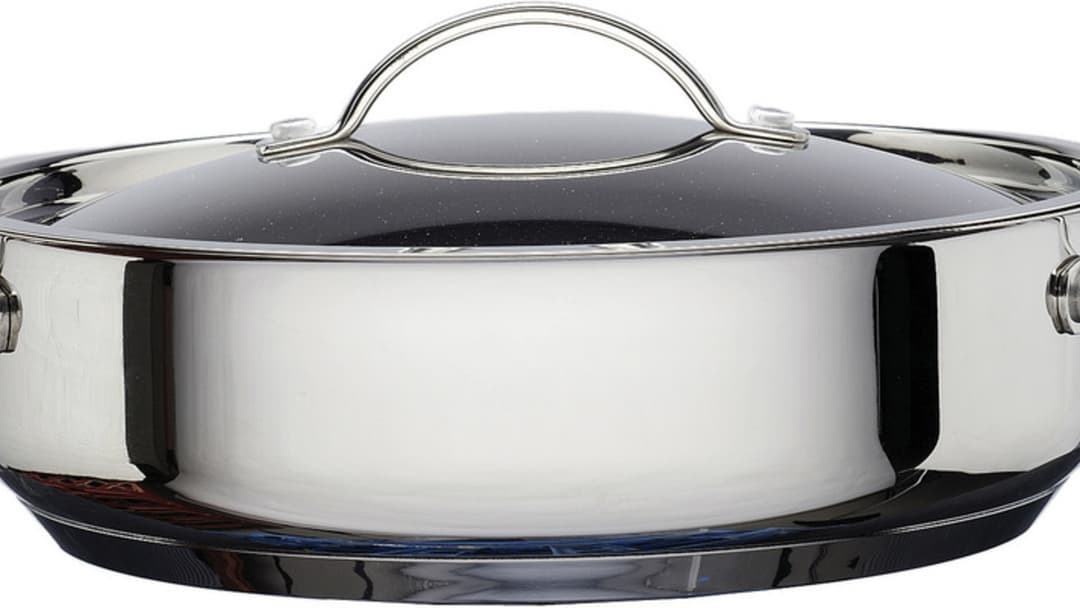
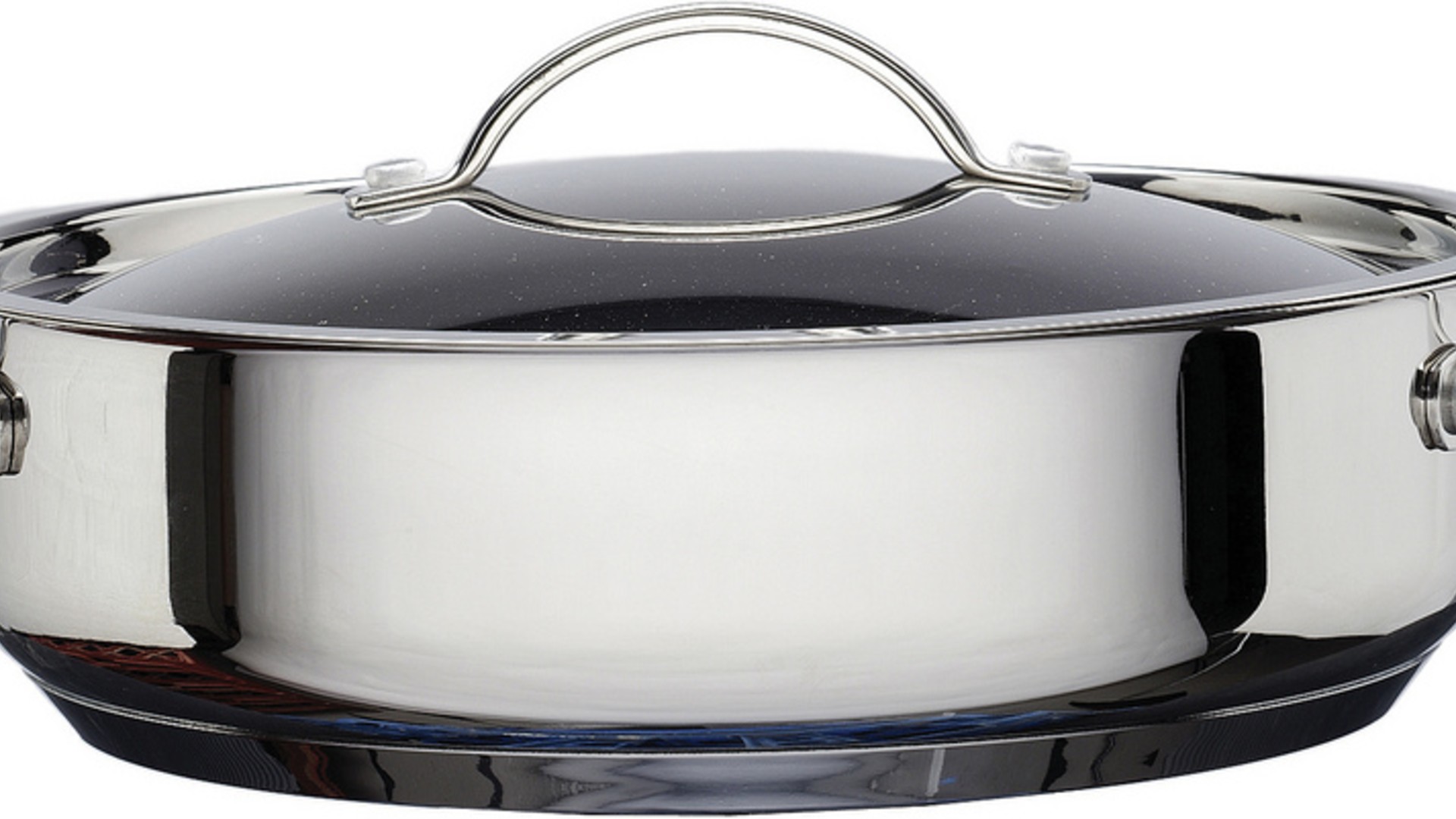
20. Non-Stick Cookware
Traditional non-stick pans coated with polytetrafluoroethylene can break down when heated above five hundred degrees Fahrenheit. Overheating releases invisible polymer fumes containing perfluorinated compounds, triggering flu-like chills in humans and presenting severe respiratory risks in enclosed kitchens.
©Wikimedia / Cooks & Kitchens from Darlington, UK
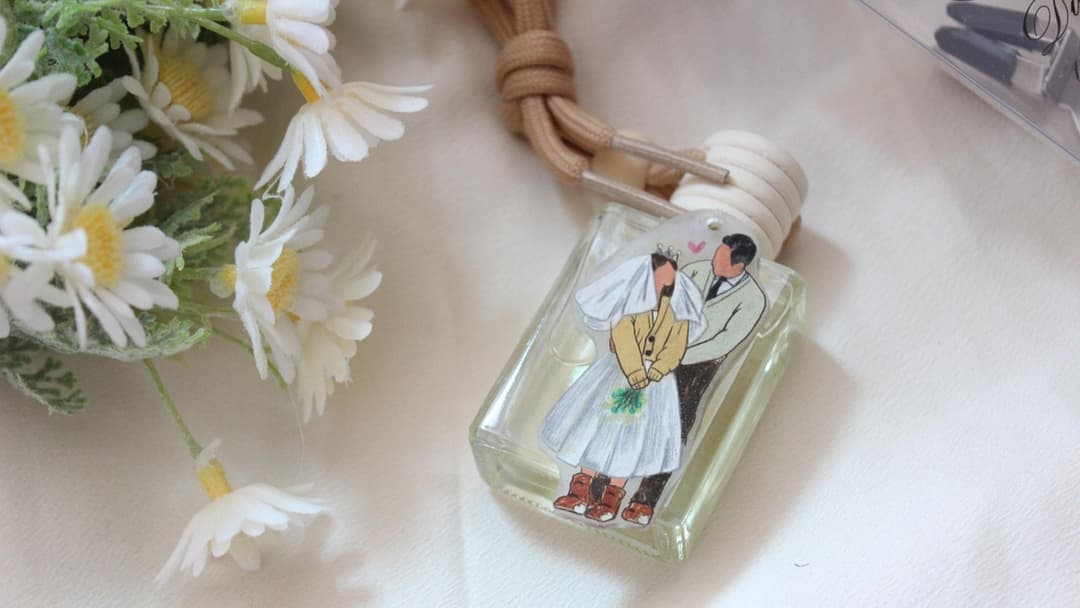
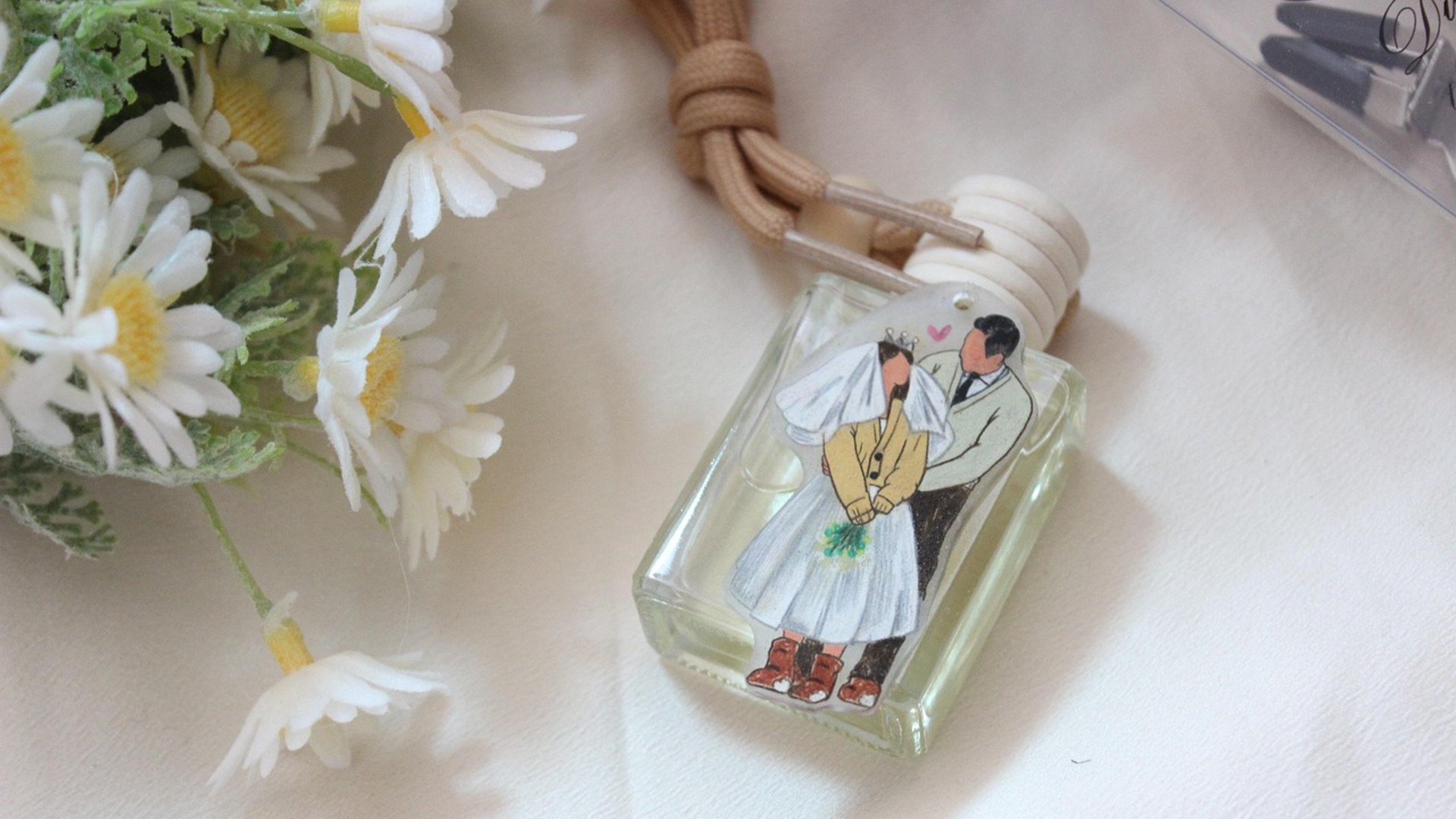
19. Chemical Air Fresheners
Aerosol sprays and plug-in air fresheners rely on synthetic fragrance compounds and volatile organic chemicals to mask odors. Many formulas emit phthalates and terpenes, which react with indoor ozone to produce formaldehyde and cause chronic nasal irritation or headaches over time.
©Pixabay / yuri9092
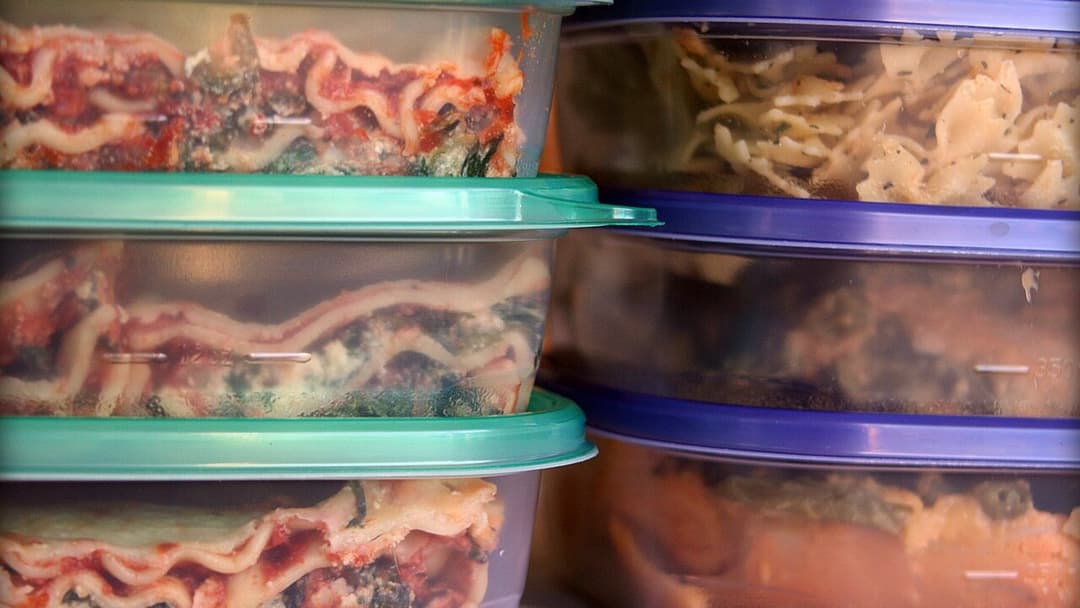
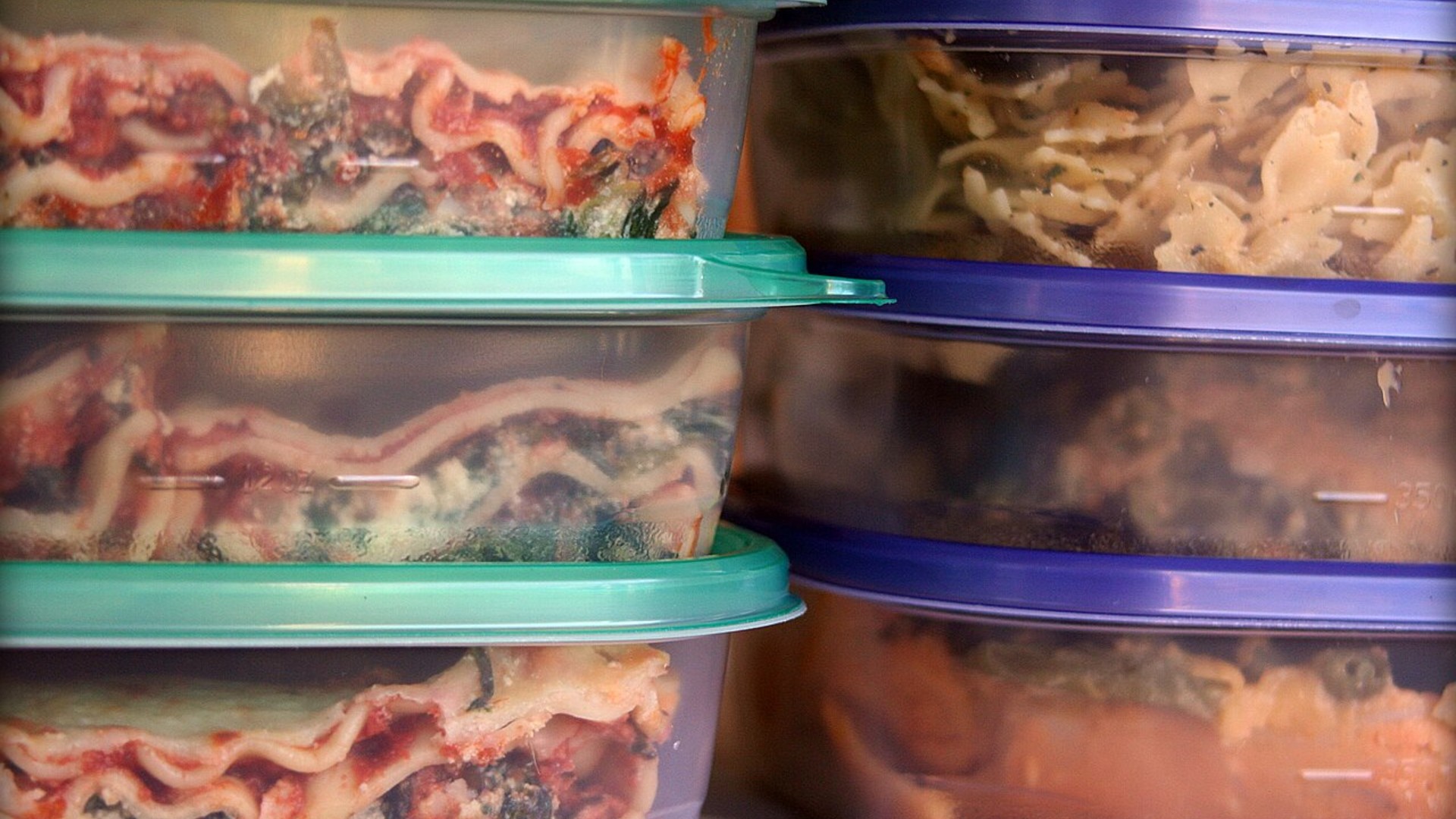
18. Plastic Food Storage Containers
Heating leftovers in worn plastic containers can accelerate the migration of bisphenols and microplastic particles directly into your meal. Repeated microwave cycles degrade synthetic polymers, allowing endocrine-disrupting chemicals to enter warm, fatty foods during everyday storage and reheating.
©Wikimedia / Kathleen Franklin
Advertisement
Swipe or tap ▶ to resume the countdown.
17. Scented Paraffin Candles
Most budget commercial candles are made from paraffin, a petroleum byproduct. Burning paraffin releases ultrafine soot particles alongside traces of toluene and benzene, degrading indoor air quality in poorly ventilated rooms and triggering asthma attacks in vulnerable family members.

©Wikimedia Commons / ootahara
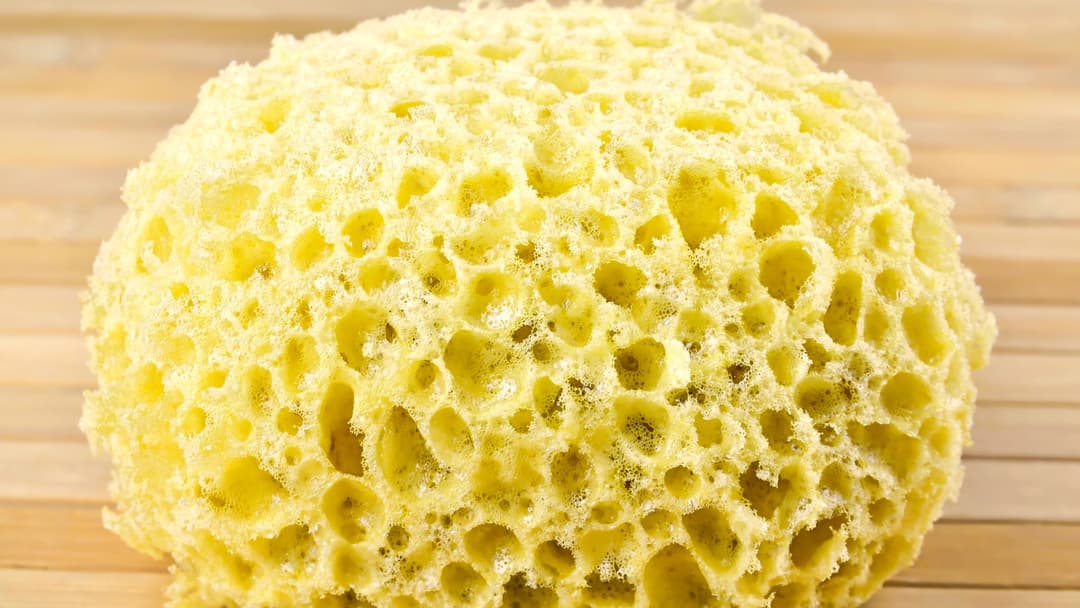
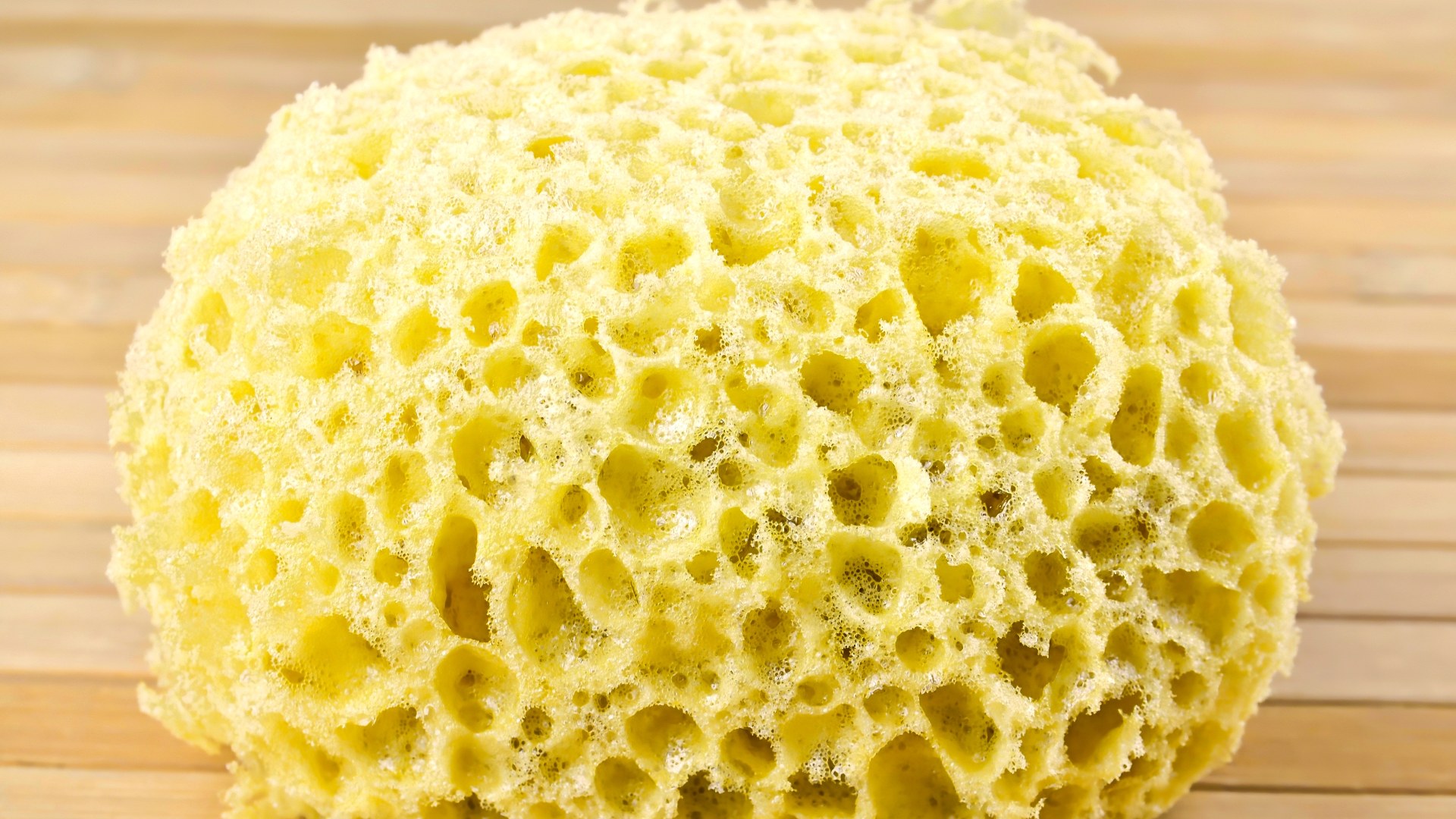
16. Kitchen Cleaning Sponges
Porous cellulose sponges retain moisture and trapped food grease, creating an ideal breeding habitat for bacteria like Campylobacter and Salmonella. Wiping down counter surfaces with an aged sponge often spreads pathogens across food preparation zones instead of cleaning them.
©Wikimedia Commons / George Hodan
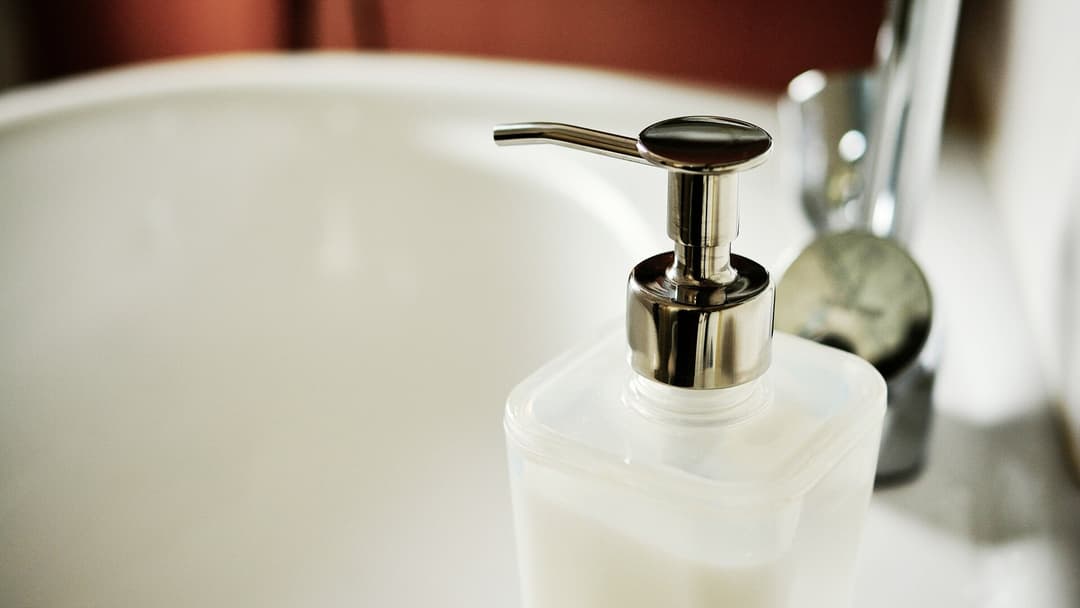
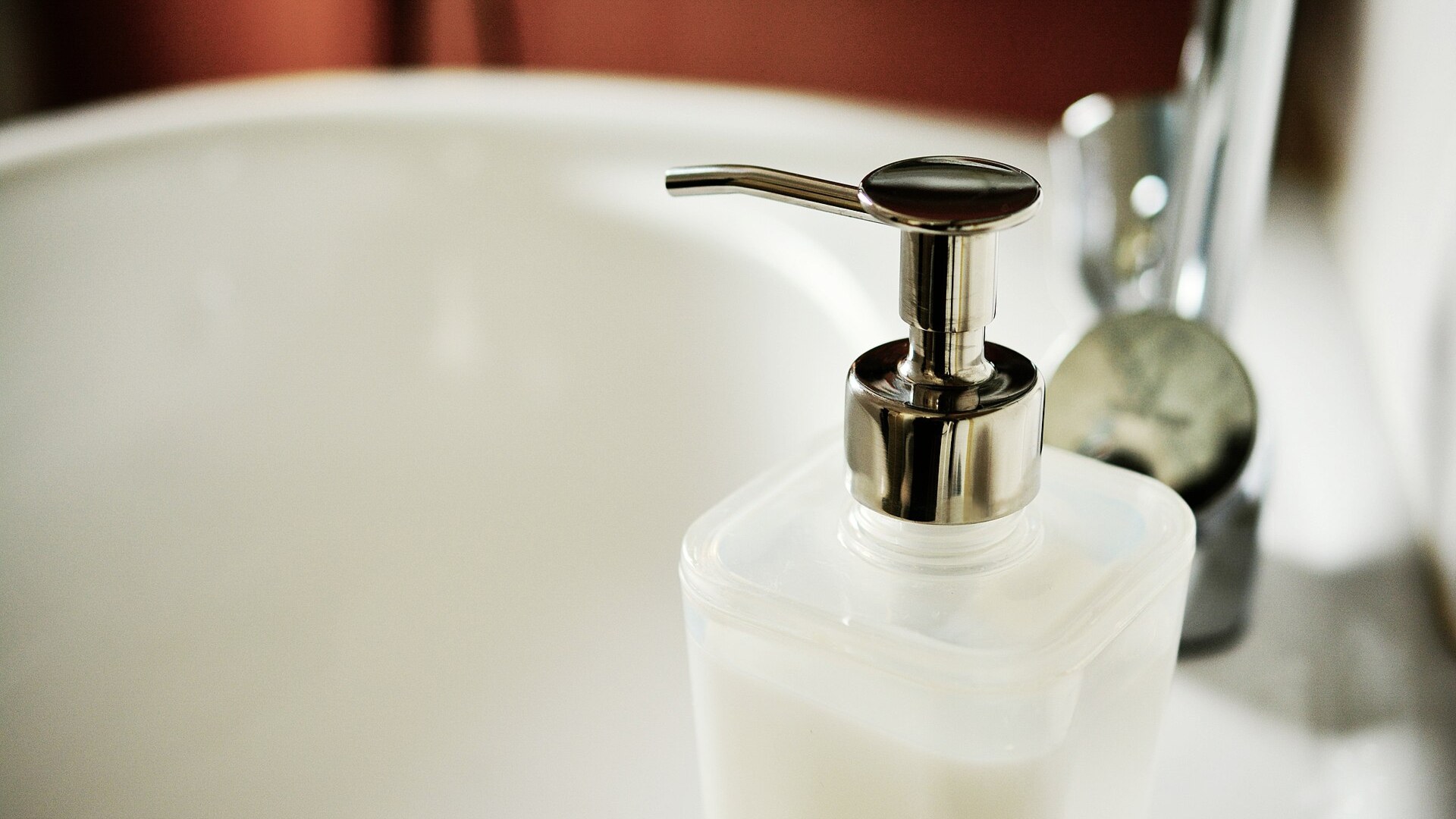
15. Antibacterial Liquid Soaps
Liquid antibacterial soaps formulated with synthetic additives strip beneficial lipids from your skin, leading to chronic dryness and micro-tears. Widespread use also prompts concerns from health agencies over environmental runoff and the acceleration of antimicrobial resistance in household settings.
©Wikimedia Commons / Pixabay
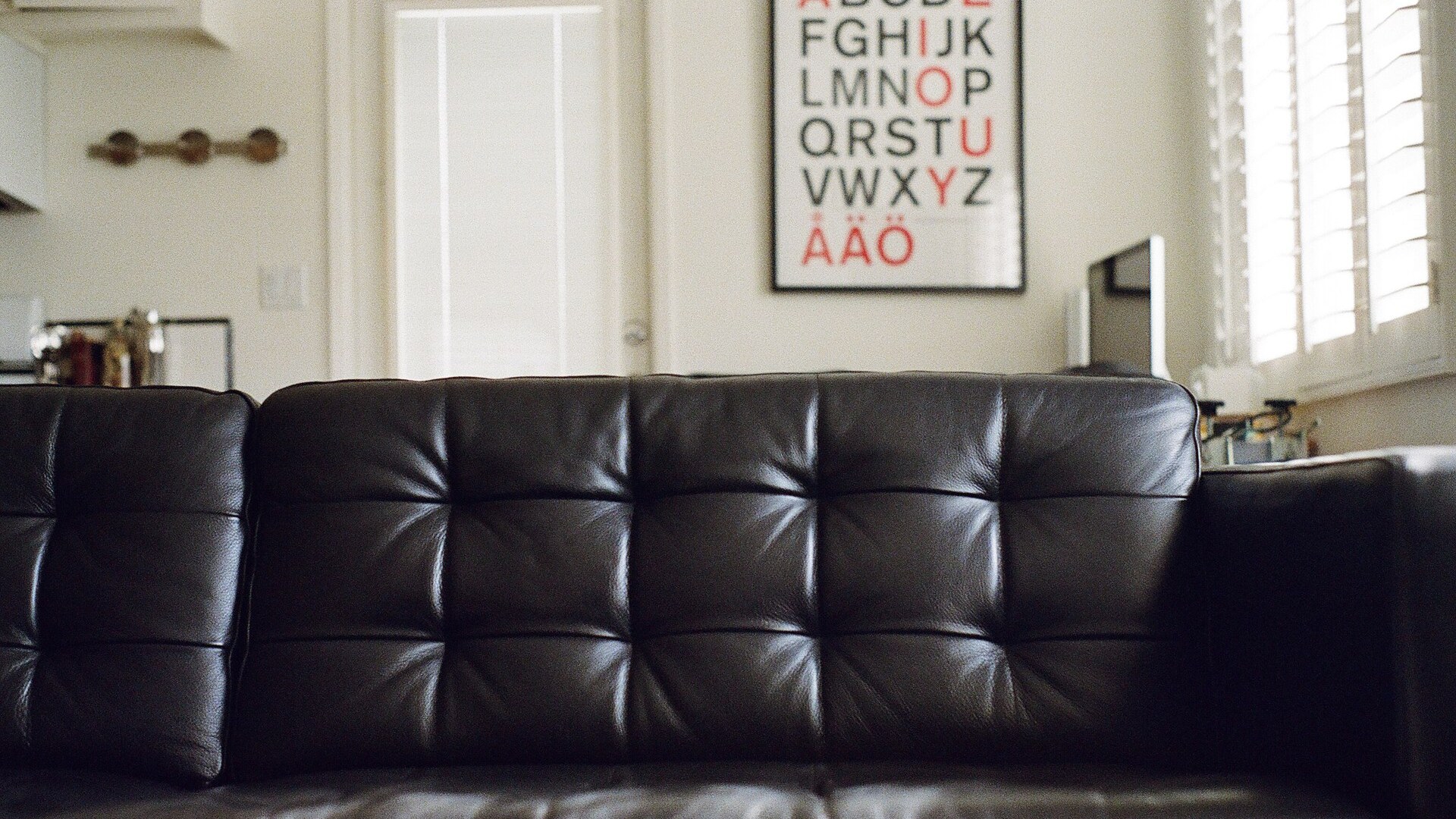
14. Flame Retardant Couches
Upholstered furniture manufactured with polyurethane foam often contains chemical flame retardants like organophosphates. These compounds gradually migrate out of cushions as microscopic dust, settling on carpets and living room surfaces where children and pets inhale or ingest them daily.
©Wikimedia Commons / Pexels
Advertisement
Swipe or tap ▶ to resume the countdown.
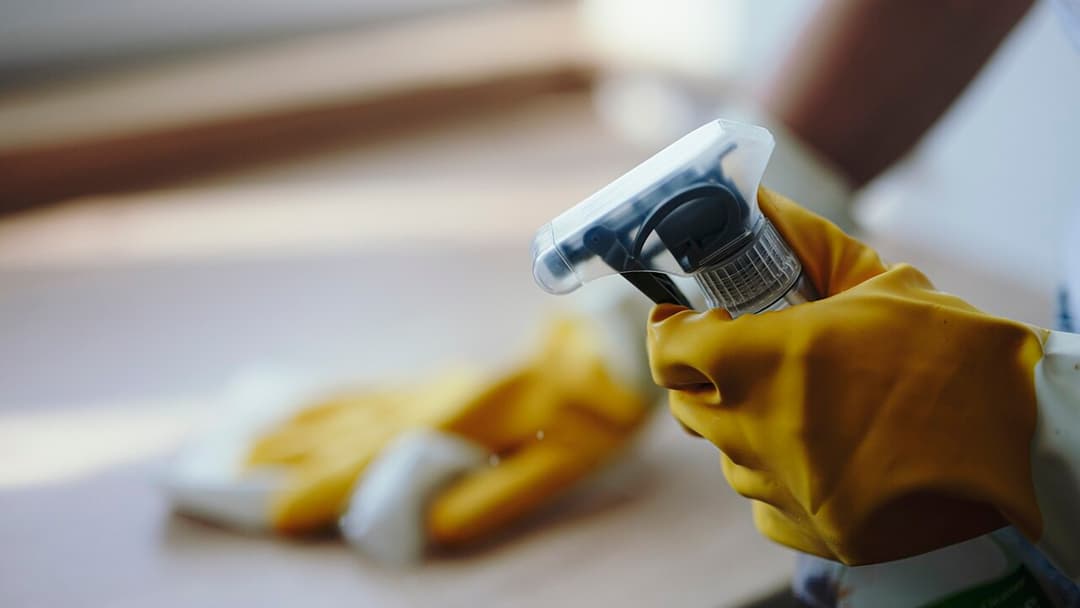
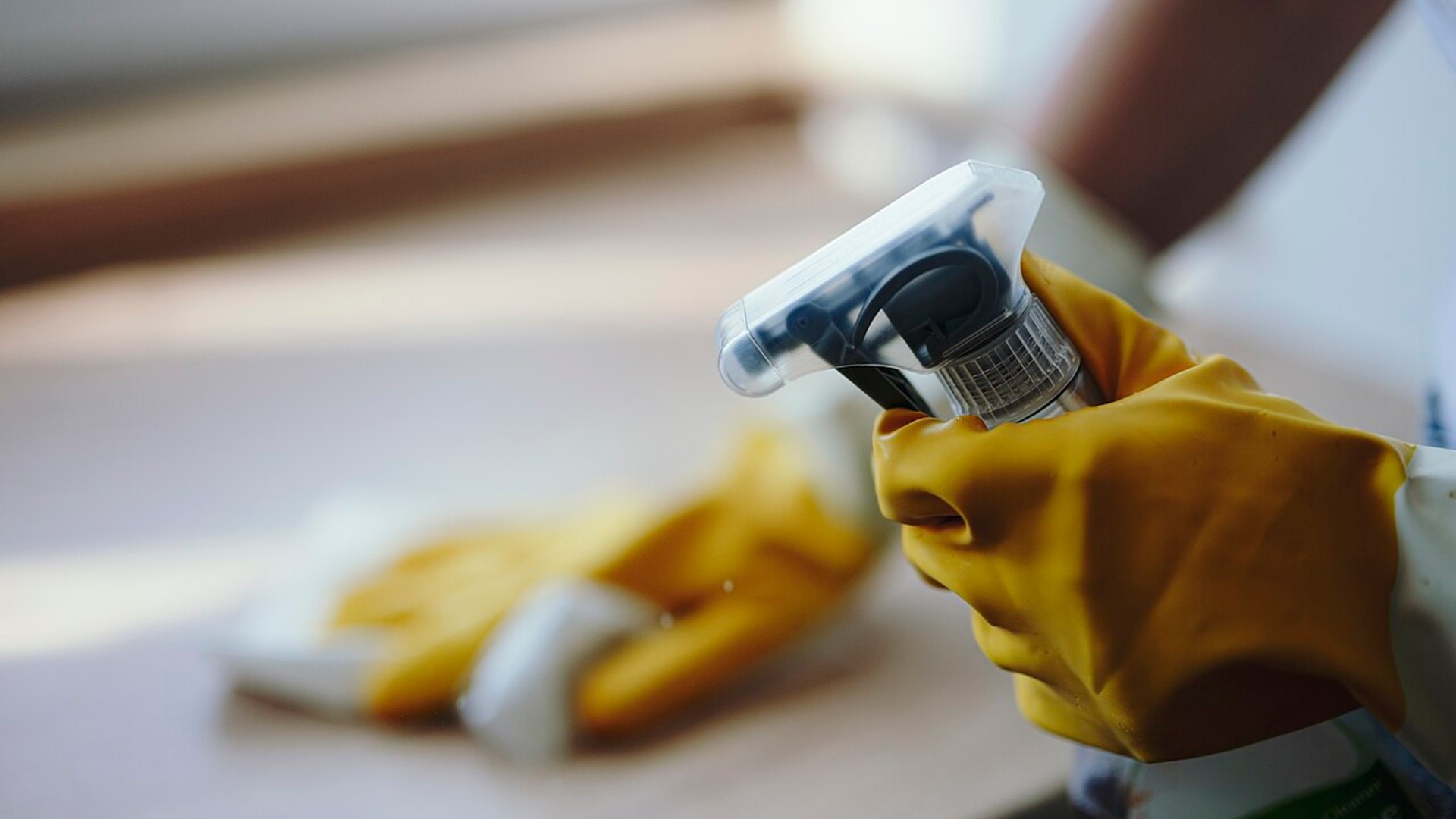
13. Chemical Cleaning Sprays
Commercial bathroom sprays formulated with bleach and ammonia generate stinging vapor clouds when used in tight quarters. Inhaling these chloramine vapors damages delicate respiratory membranes, worsening chronic bronchitis and creating acute lung inflammation in sensitive adults.
©Wikimedia / Shixart1985
12. Scratched Cutting Boards
Deep knife scores across wooden and plastic prep boards form microscopic crevices that resist regular dish soap. Raw poultry and meat juices linger inside these scratches, fostering persistent colonies of bacteria that cross-contaminate fresh produce and ready-to-eat foods.

©Wikimedia Commons / Marco Verch
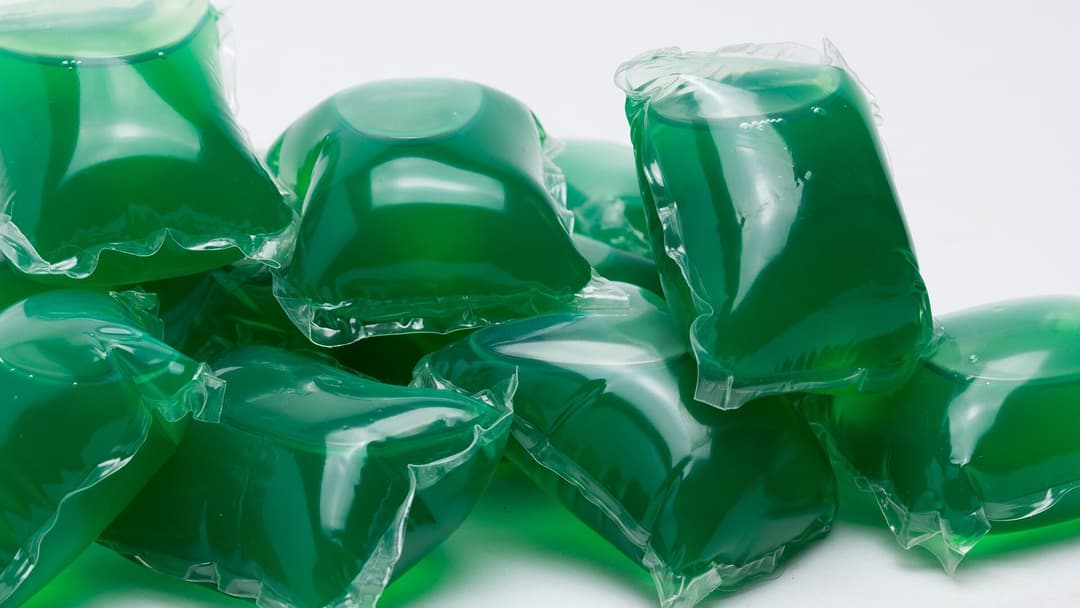
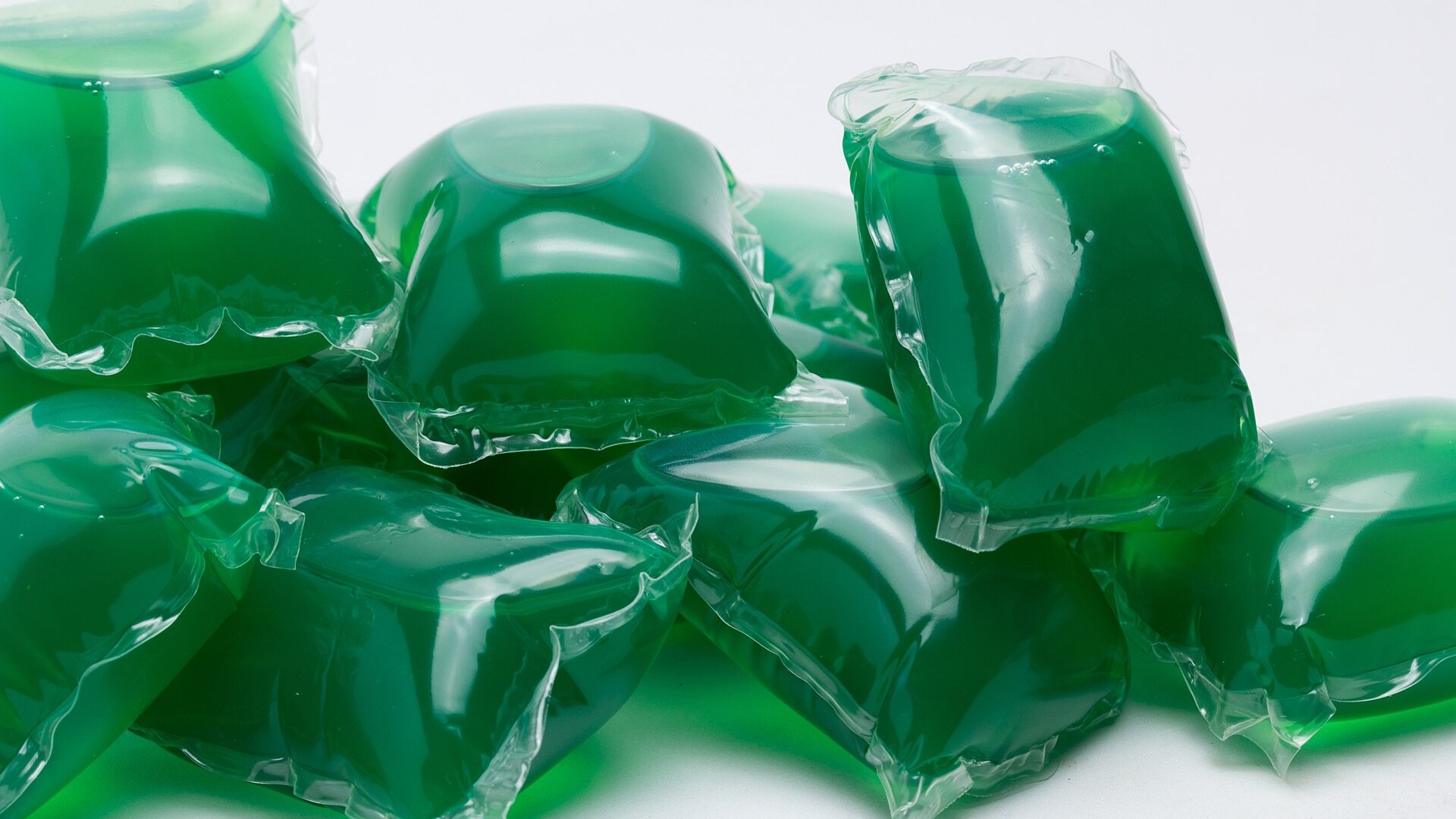
11. Scented Laundry Detergents
Heavily fragranced detergents and dryer sheets coat clothing fabric in chemical softeners and artificial musks. These stubborn residues rest continuously against warm human skin, triggering contact dermatitis, hives, and systemic allergic flare-ups throughout the day.
©Wikimedia Commons / Mike Mozart
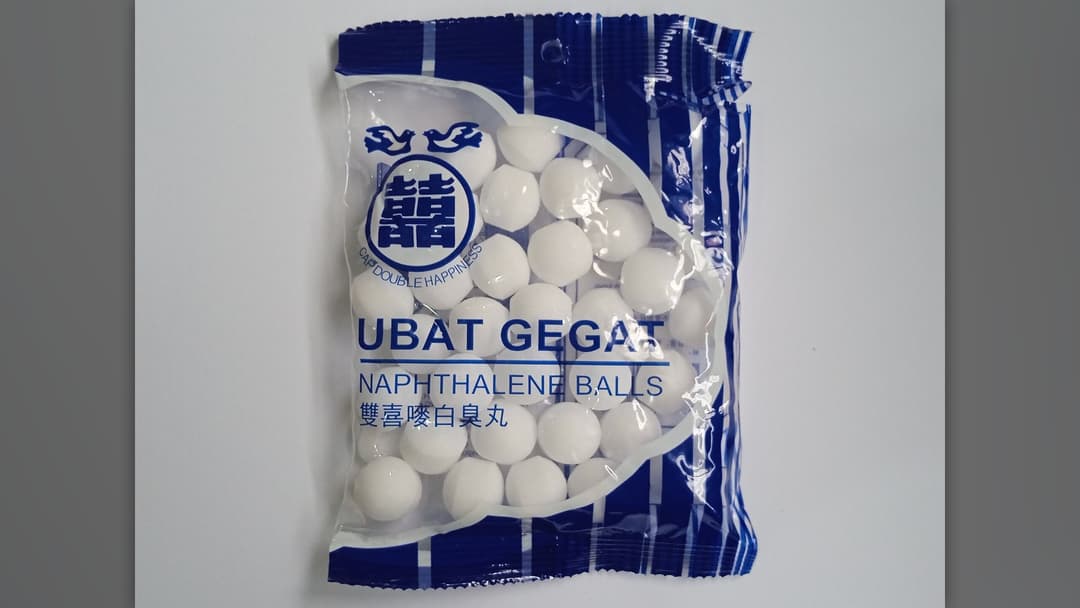
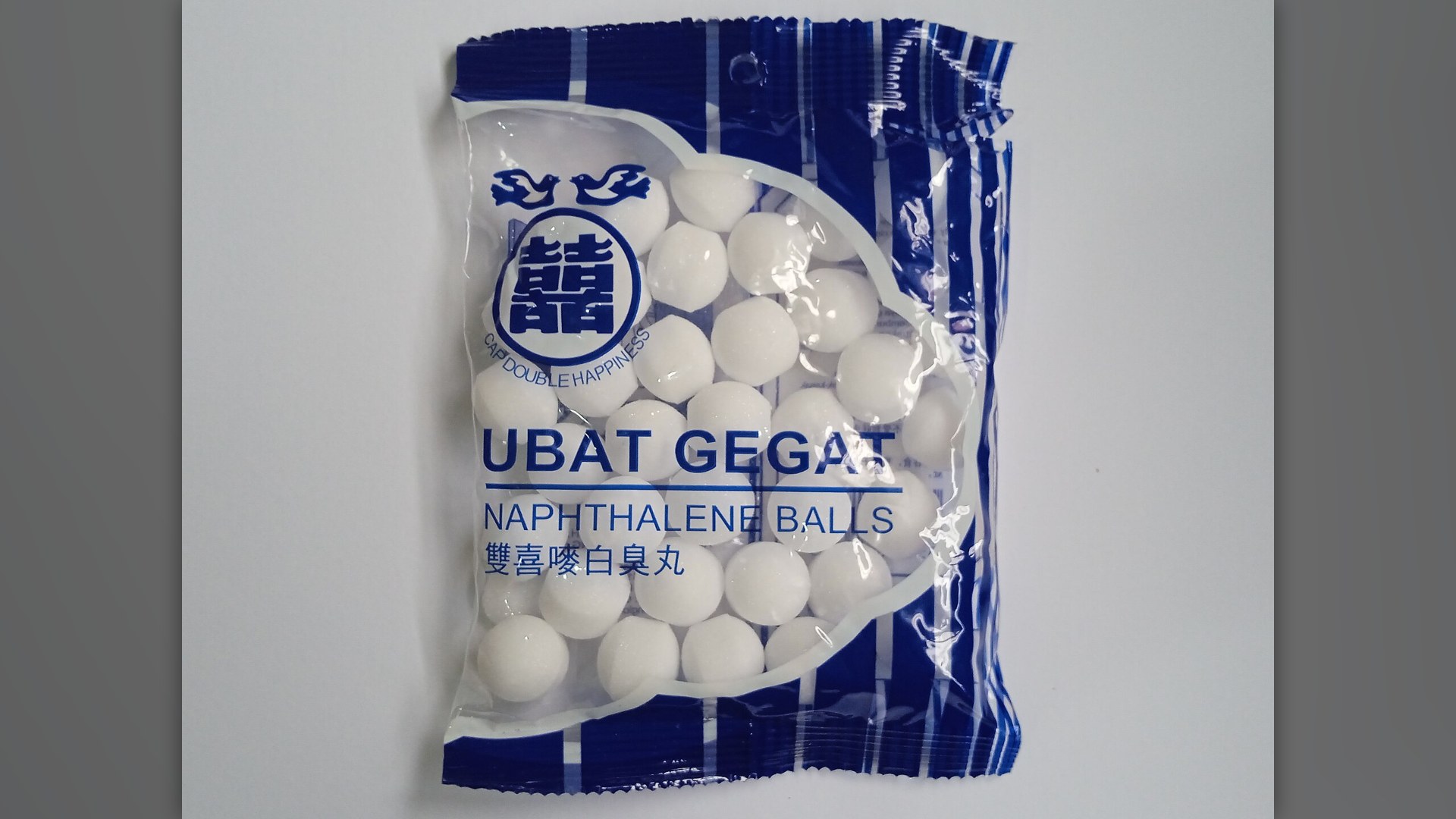
10. Chemical Mothballs
Traditional mothballs consist almost entirely of solid naphthalene or paradichlorobenzene. These insecticides sublime into gas at room temperature, concentrating toxic fumes within enclosed closets that can trigger dizziness, nausea, and long-term red blood cell damage.
©Wikimedia Commons / Fadzly Razak
Advertisement
Swipe or tap ▶ to resume the countdown.
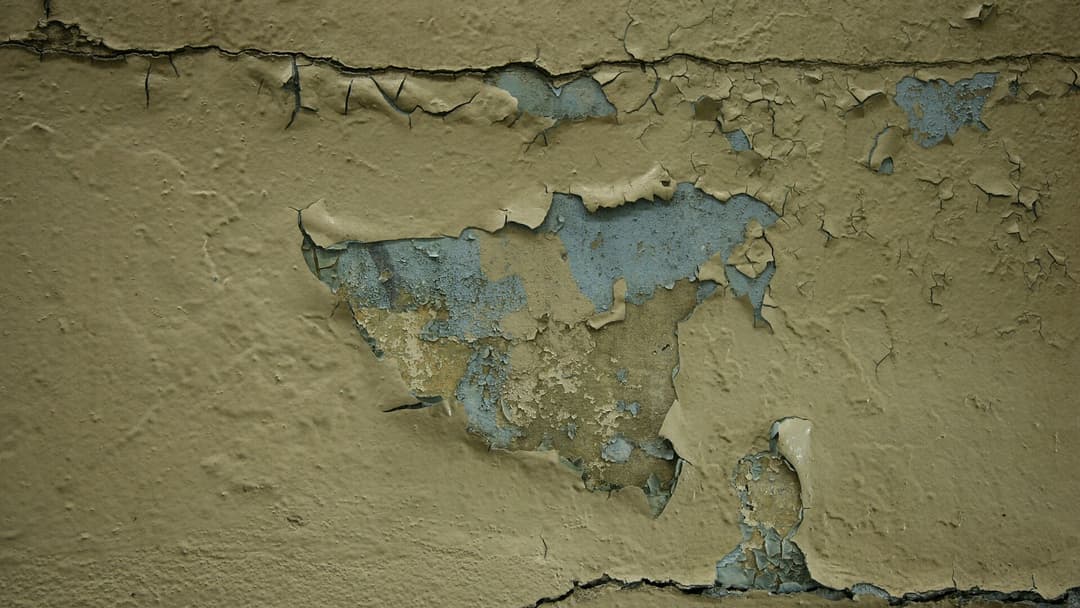
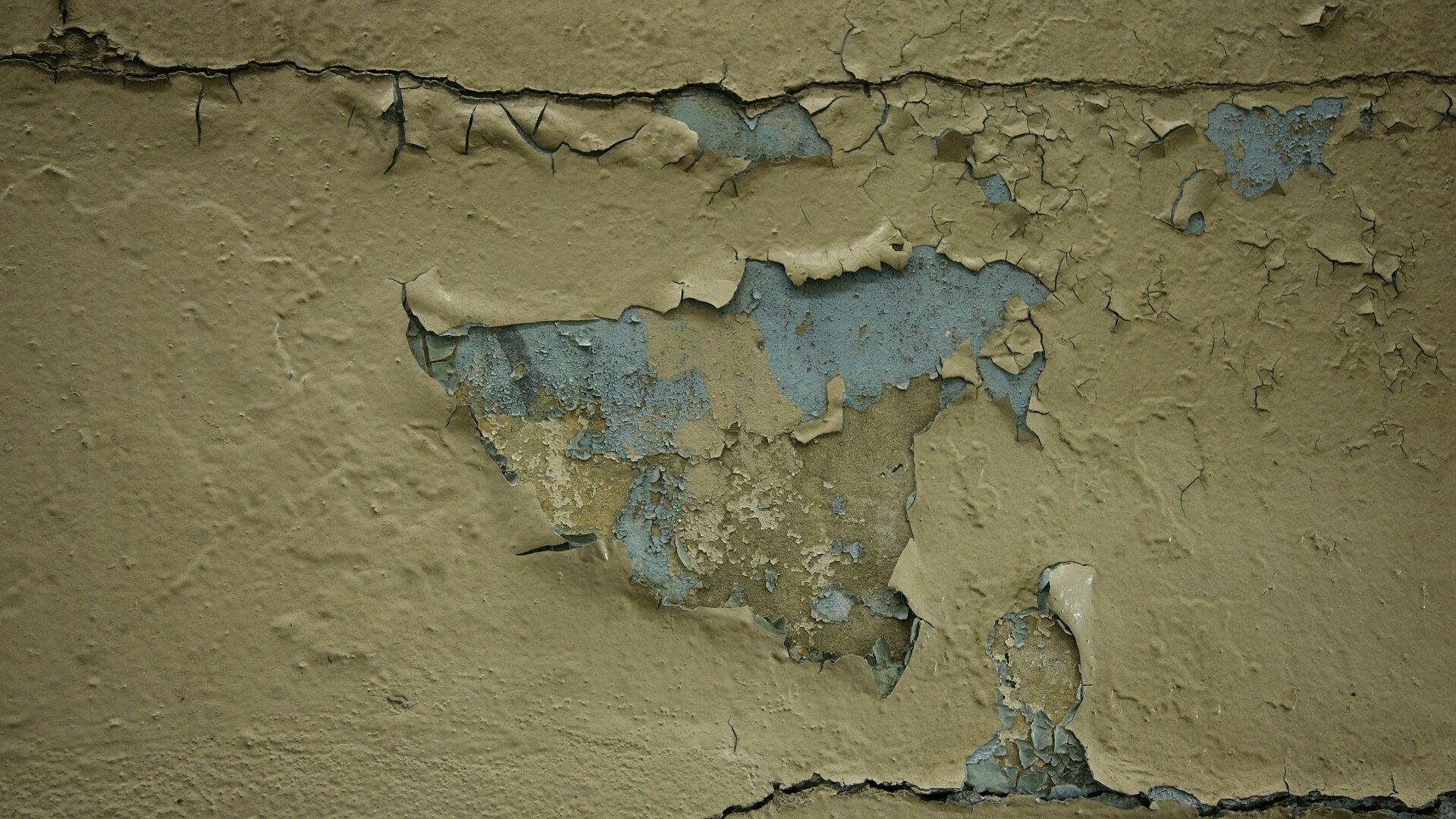
9. Peeling Lead Paint
Homes constructed before 1978 frequently contain lead-based paint layers under modern coats. Normal friction from windows and doors grinds old paint into invisible lead dust, creating a neurotoxic hazard that settles on floors and threatens cognitive development in young children.
©Wikimedia Commons / Wing-Chi Poon
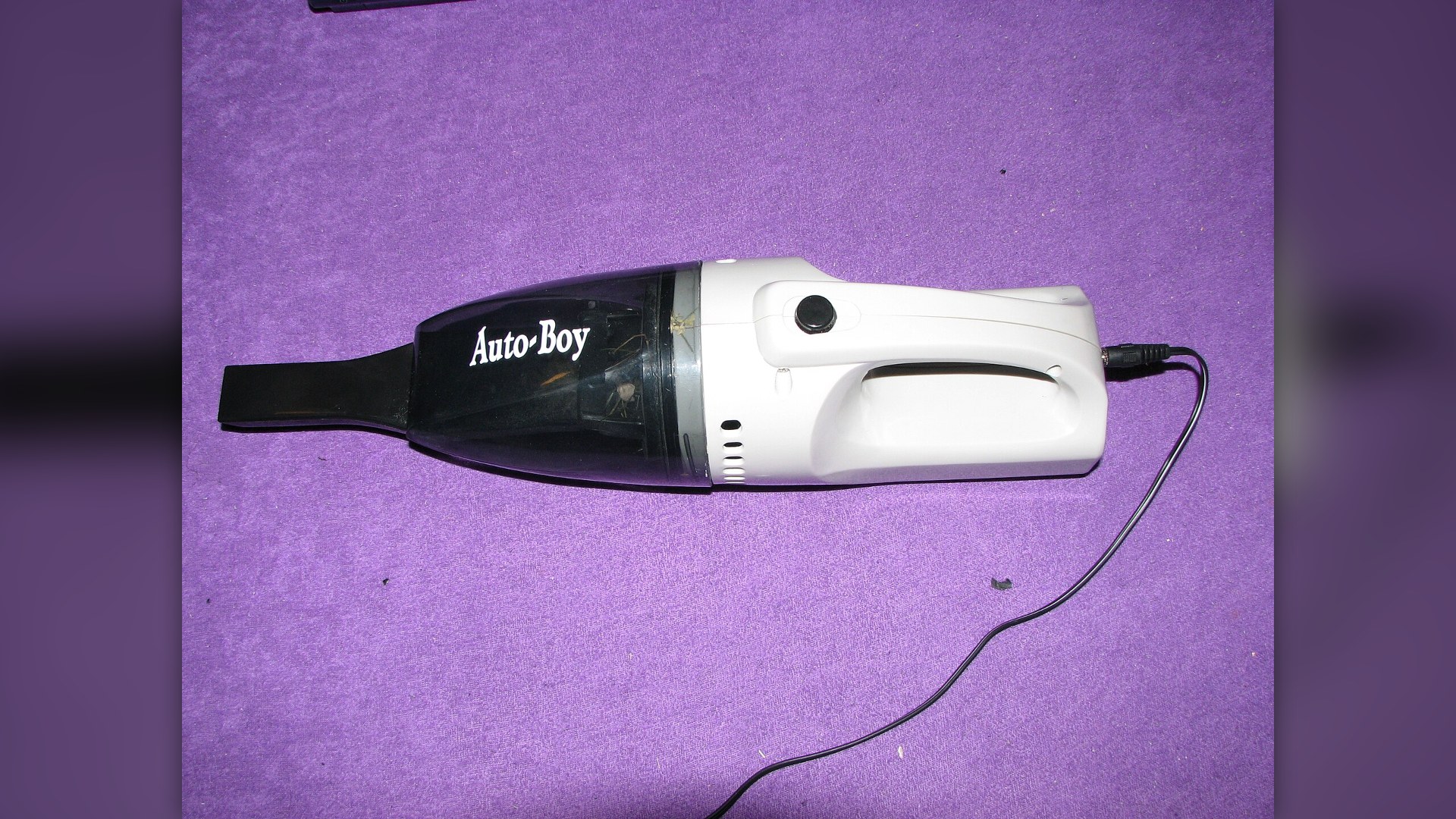
8. Dust-Trapping Carpets
Wall-to-wall carpets capture years of shedding skin flakes, pet dander, pollen, and microscopic dust mites within their dense weave. Walking across neglected carpeting churns trapped biological matter back into ambient breathing zones, aggravating chronic sinusitis and indoor allergies.
©Wikimedia Commons / Felix E. Guerrero
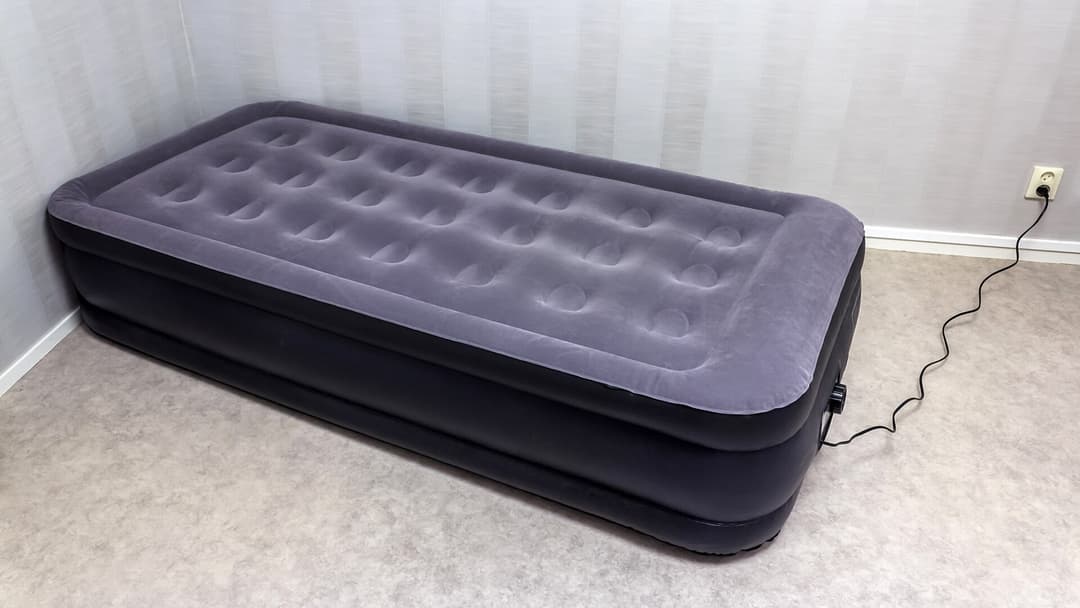
7. Vinyl Air Mattresses
Inflatable guest beds and vinyl shower curtains are manufactured from polyvinyl chloride softened with plasticizers. Unfolding a fresh vinyl mattress releases pungent chemical aromas that concentrate around sleepers, causing headaches and respiratory discomfort overnight.
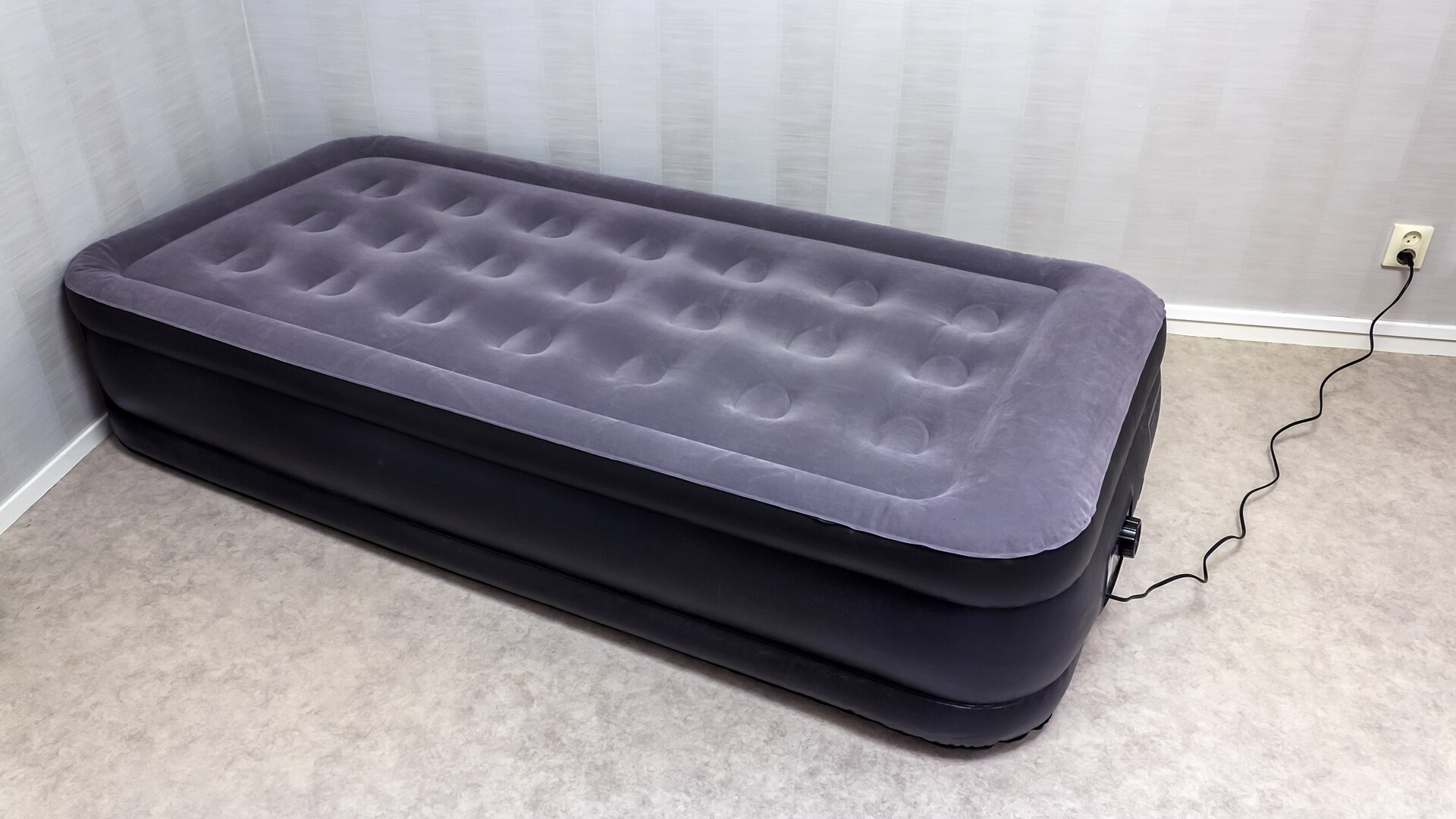
©Wikimedia Commons / Sanu N
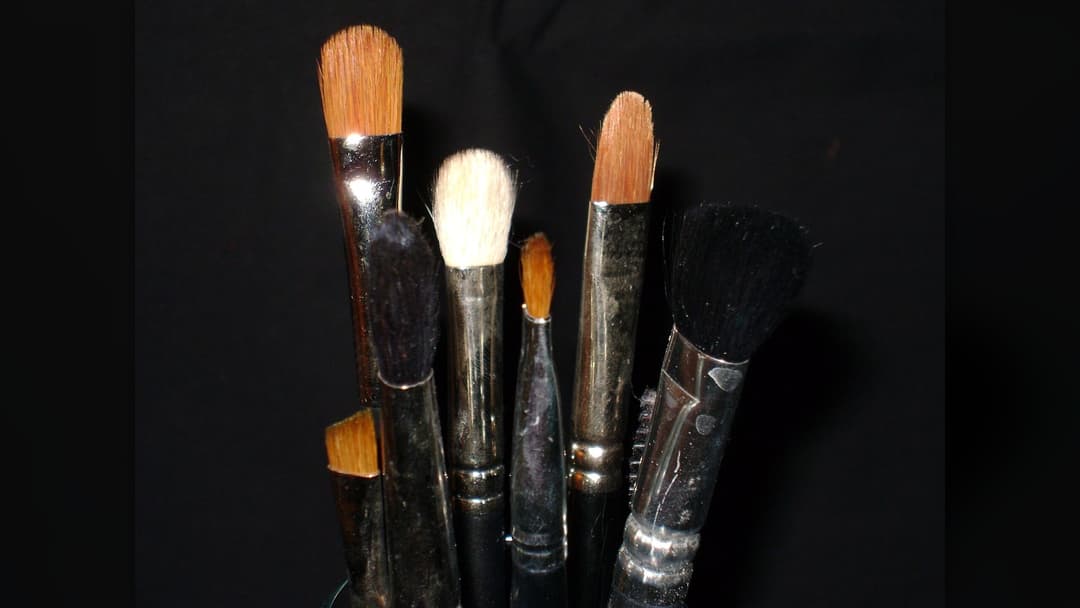
6. Expired Cosmetics And Brushes
Liquid foundations and makeup brushes accumulate dead skin cells, sebum, and airborne microbes over weeks of regular application. Reusing unwashed brushes around sensitive eye zones and broken skin triggers stubborn bacterial breakouts, folliculitis, and painful ocular sties.
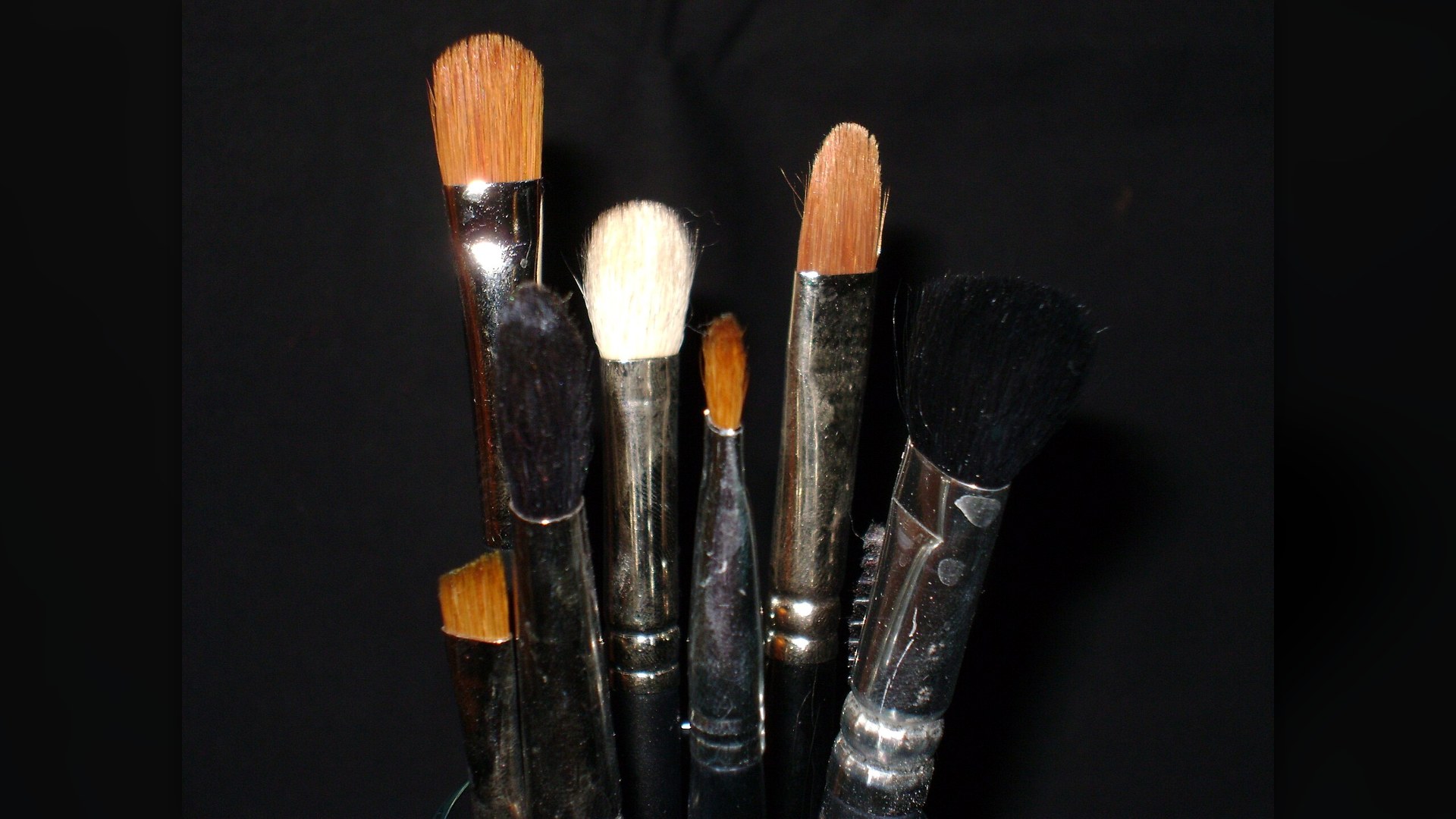
©Wikimedia Commons / Al.kash
Advertisement
Swipe or tap ▶ to resume the countdown.
5. Harsh Alcohol Disinfectants
Frequent overuse of high-concentration alcohol sprays on indoor living surfaces creates airborne alcohol vapor clouds in confined bathrooms. Repeated contact strips protective sebum from hands, leaving skin prone to cracked fissures and secondary contact dermatitis.
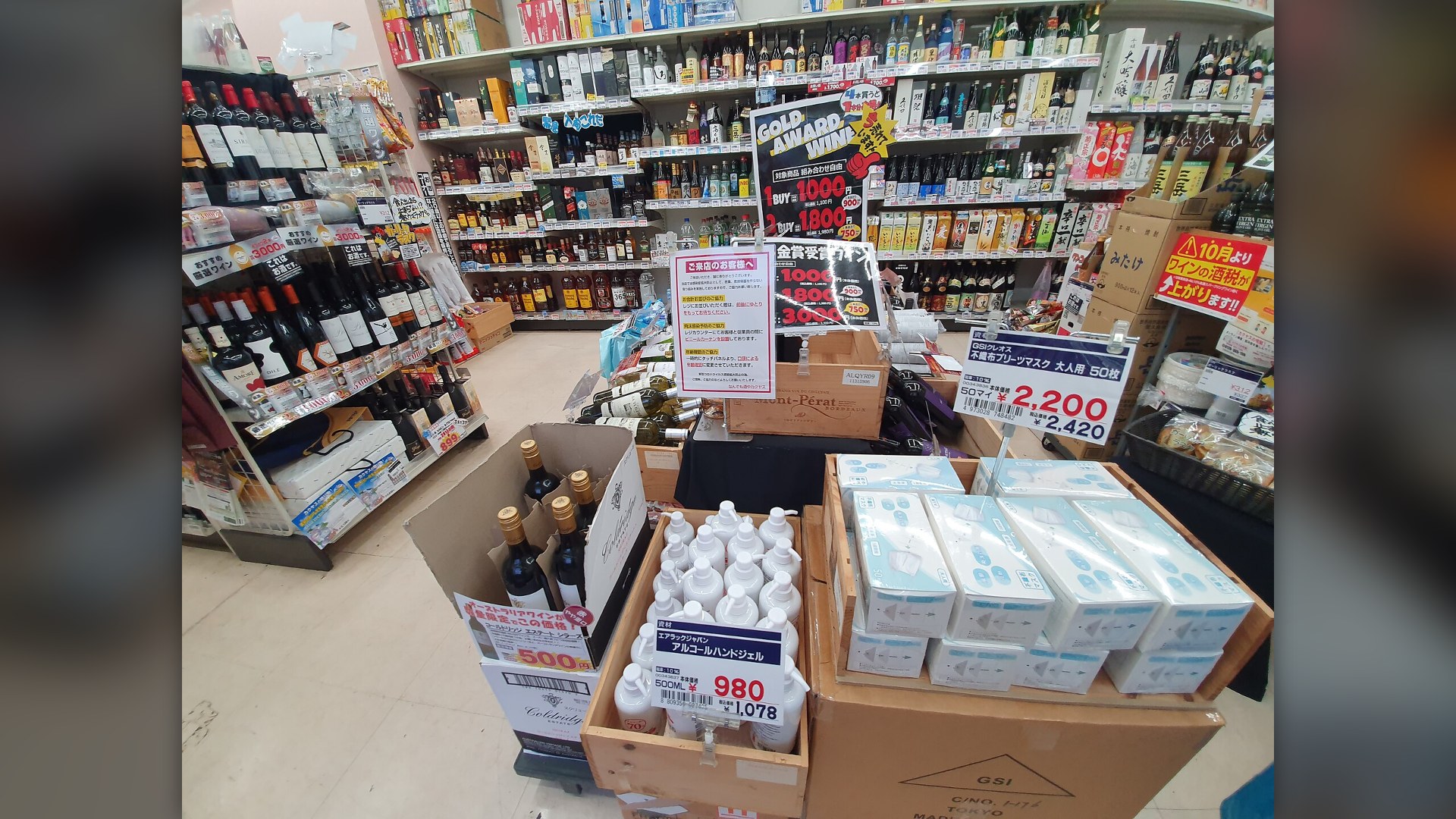
©Wikimedia Commons / Tokumeigakarinoaoshima
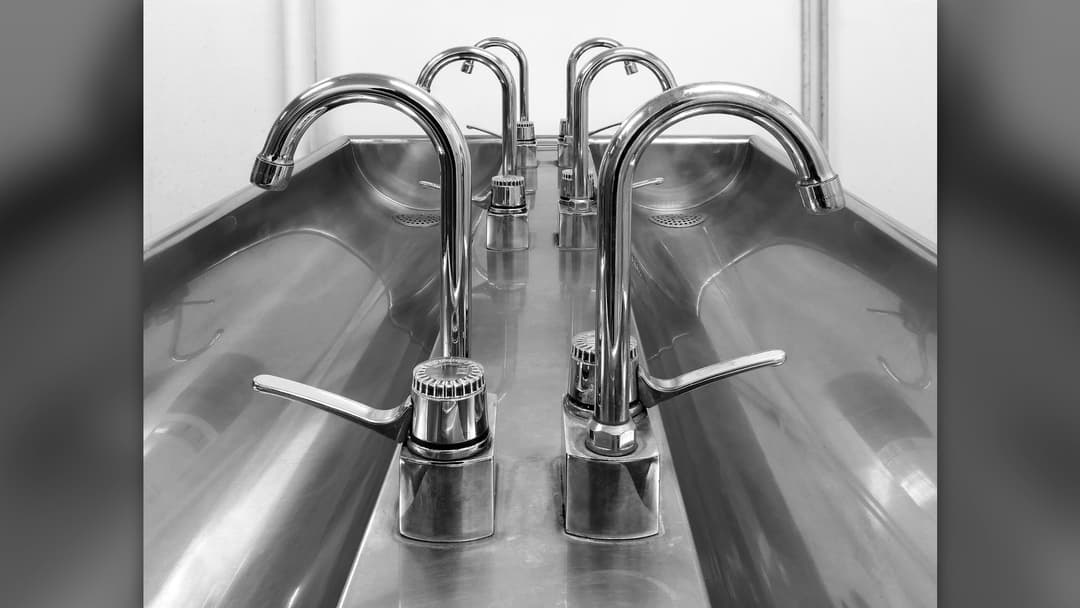
4. Kitchen Sink Drain Hazards
Kitchen sink traps accumulate decomposing grease, rotting food scraps, and stagnant water over time. Thick microbial biofilms colonize the pipe walls, creating a constant reservoir of sewer gas and airborne coliform bacteria that waft into food prep areas whenever the tap runs.
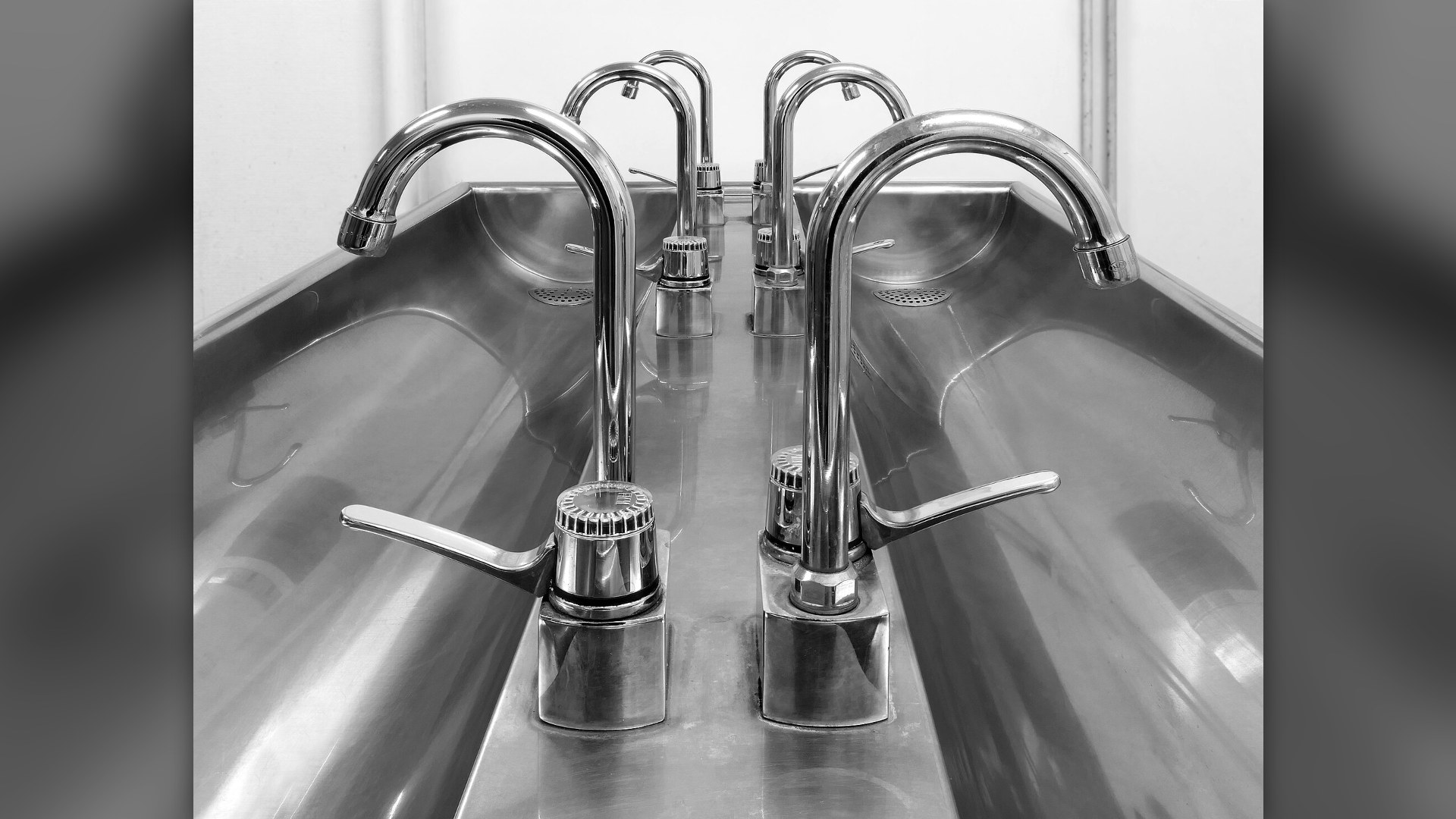
©Wikimedia Commons / Michael Gäbler
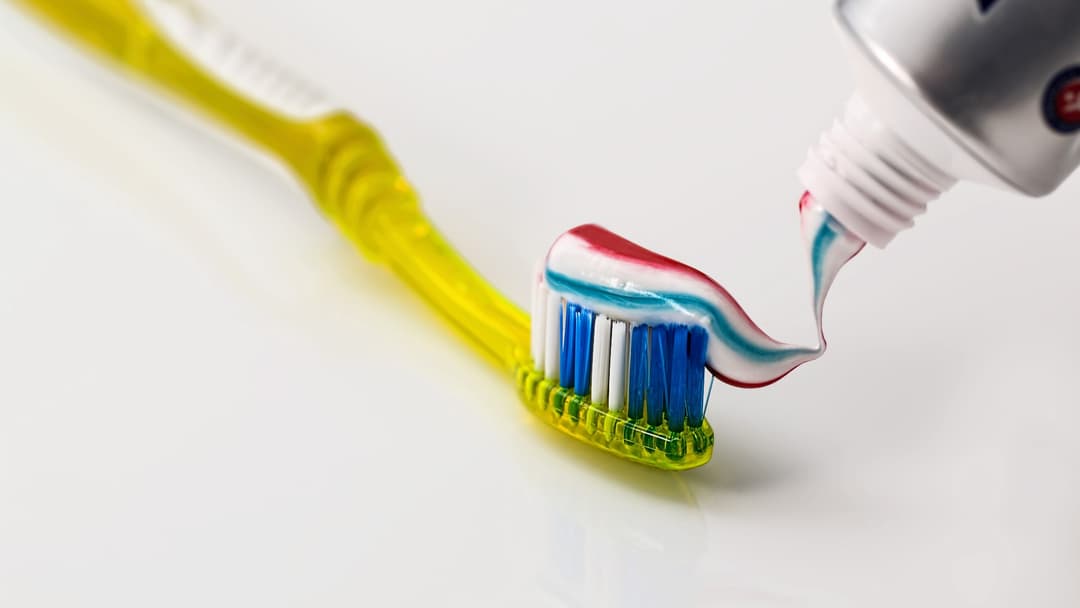
3. Exposed Bathroom Toothbrushes
Storing toothbrushes upright on open sink counters exposes delicate bristles to microscopic droplet spray generated by flushing toilets. Airborne bacteria including Escherichia coli settle directly onto wet bristles, transferring oral pathogens straight into your mouth during brushing.
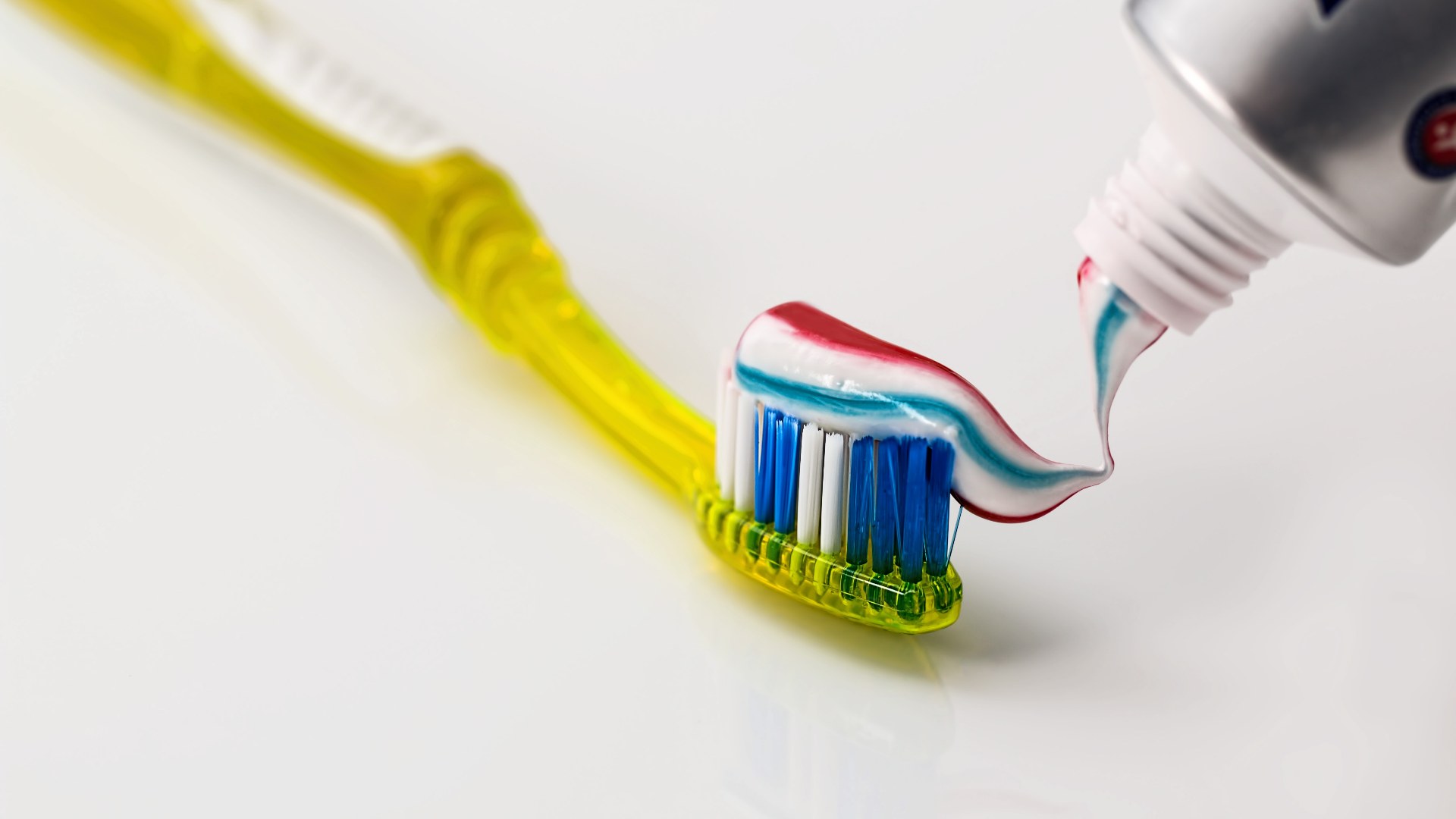
©Wikimedia Commons / Steve Buissinne
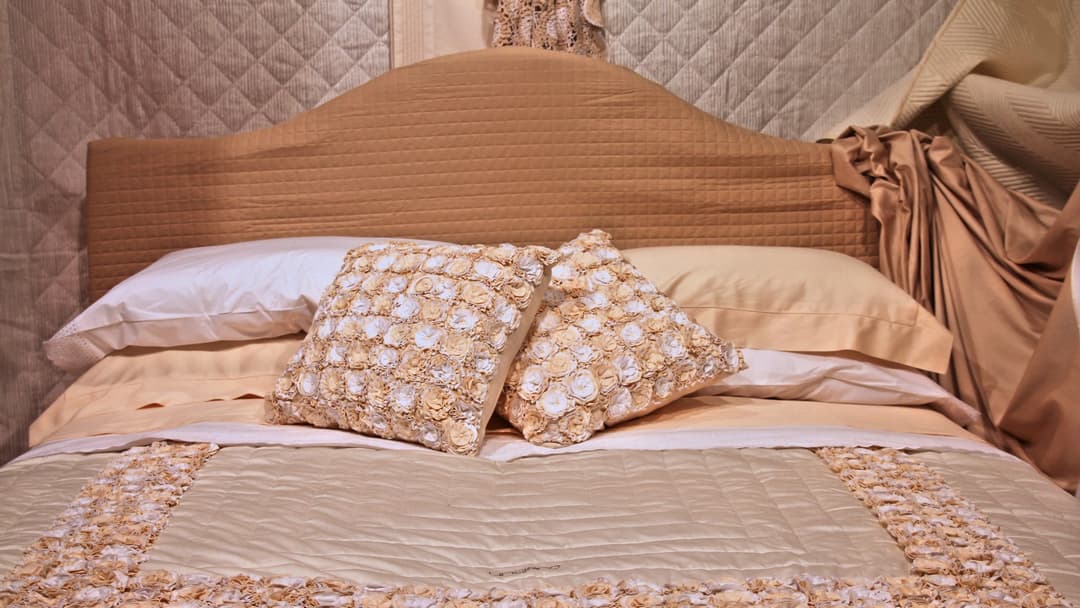
2. Dust Mite Pillows
Over two years of nightly sleep, an unwashed bed pillow accumulates significant dead skin shed and colonies of dust mites. These microscopic arachnids excrete enzymatic digestive proteins that provoke nighttime coughing, chronic nasal congestion, and disturbed slumber.
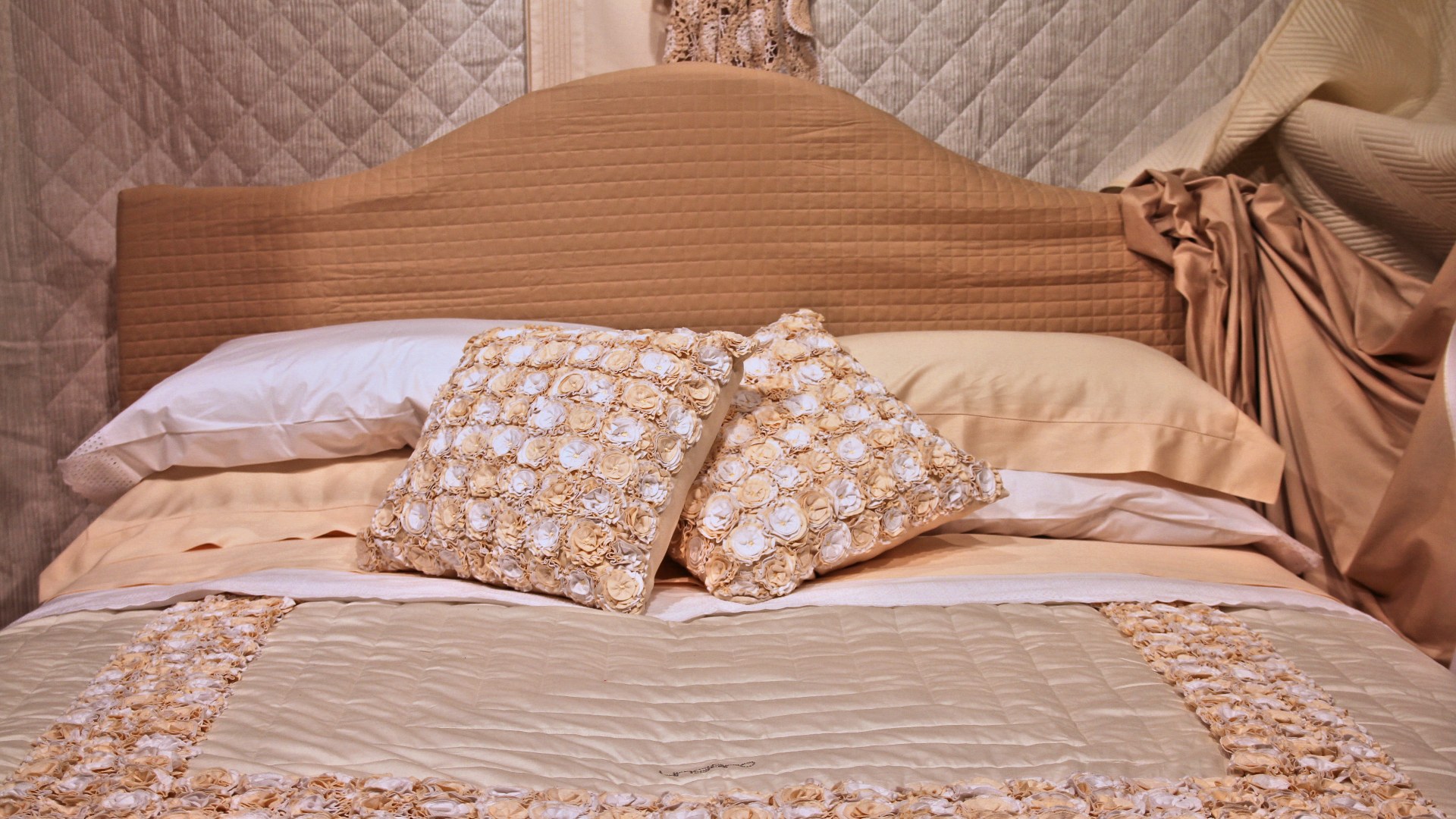
©Wikimedia Commons / Marek Ślusarczyk
Advertisement
Swipe or tap ▶ to resume the countdown.
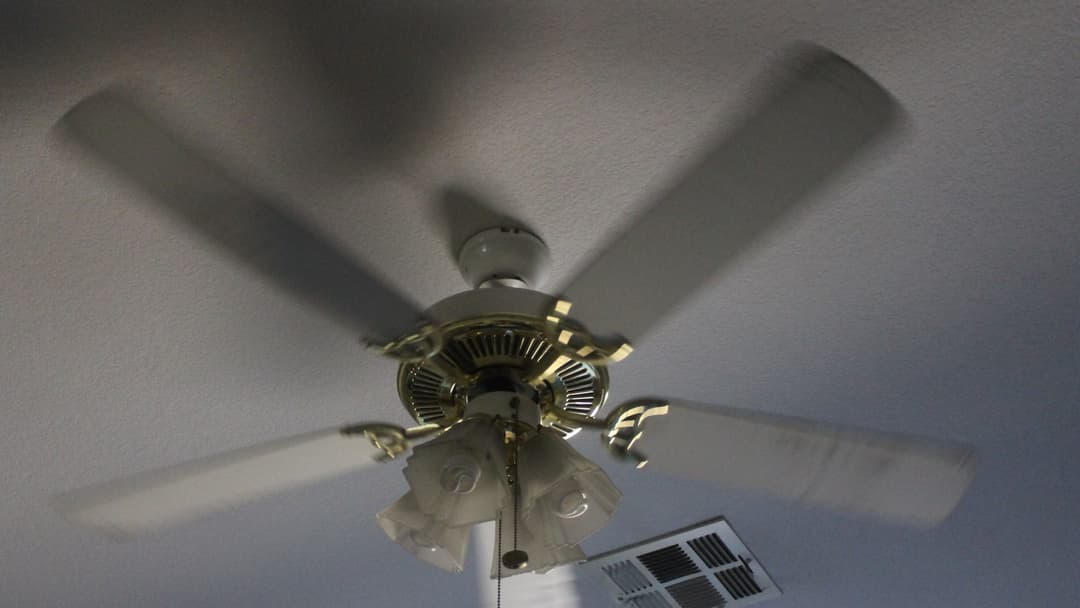
1. Uncleaned Ceiling Fans
Ceiling fan blades collect thick bands of greasy dust and airborne mold spores when sitting idle during cooler months. Turning the fan on flings concentrated plumes of allergens outward across the entire room, filling bedroom air with respiratory irritants within seconds.
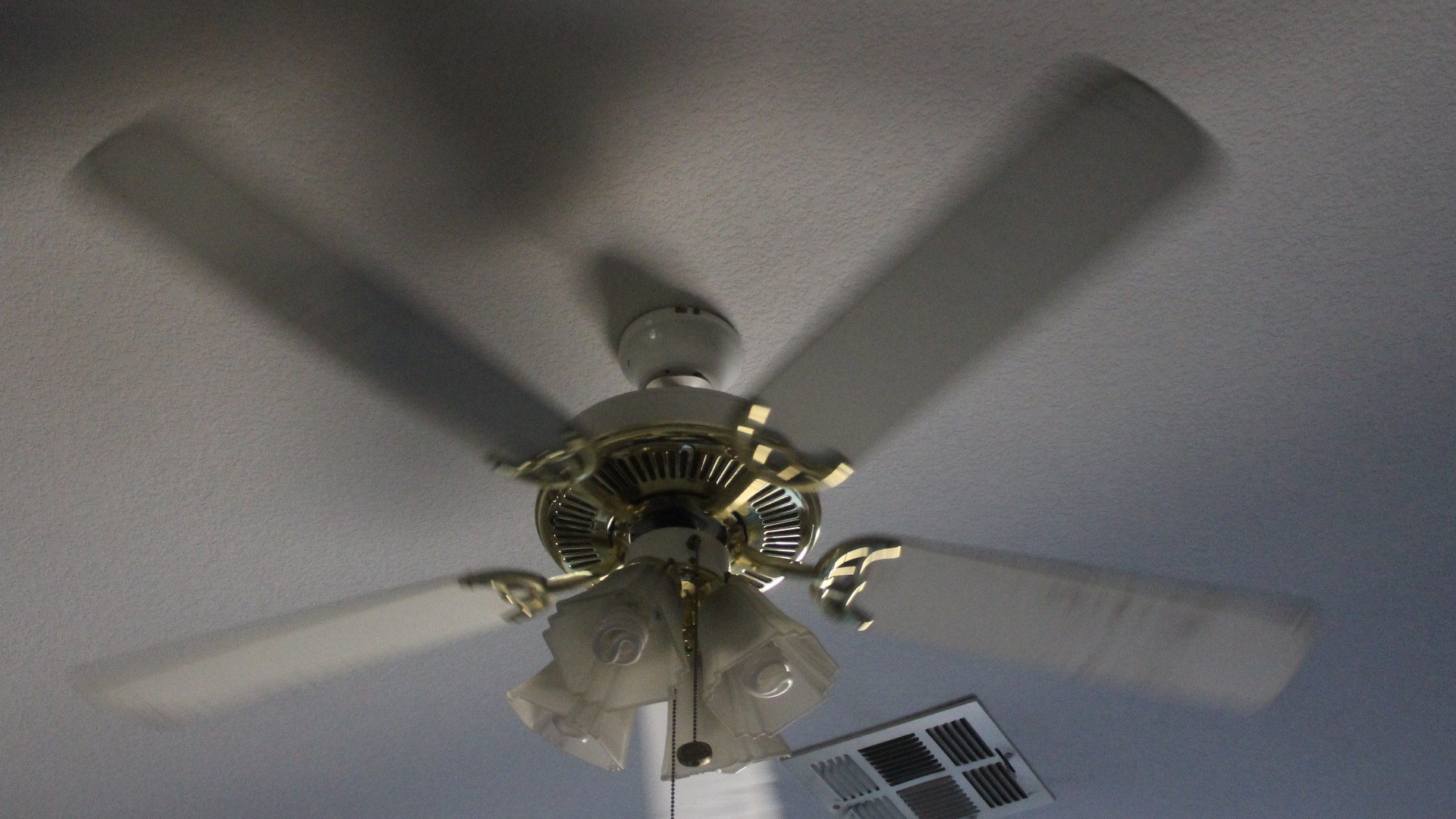
©Wikimedia Commons / Noah Wulf
Advertisement
You've reached the end of the story. Thanks for reading!

20 Foods Doctors Recommend Avoiding Before Bed
20 Worst Foods to Eat Before Bed, Ranked
All 20 Entries in this Story
1. Non-Stick Cookware
Traditional non-stick pans coated with polytetrafluoroethylene can break down when heated above five hundred degrees Fahrenheit. Overheating releases invisible polymer fumes containing perfluorinated compounds, triggering flu-like chills in humans and presenting severe respiratory risks in enclosed kitchens.

2. Chemical Air Fresheners
Aerosol sprays and plug-in air fresheners rely on synthetic fragrance compounds and volatile organic chemicals to mask odors. Many formulas emit phthalates and terpenes, which react with indoor ozone to produce formaldehyde and cause chronic nasal irritation or headaches over time.

3. Plastic Food Storage Containers
Heating leftovers in worn plastic containers can accelerate the migration of bisphenols and microplastic particles directly into your meal. Repeated microwave cycles degrade synthetic polymers, allowing endocrine-disrupting chemicals to enter warm, fatty foods during everyday storage and reheating.

4. Scented Paraffin Candles
Most budget commercial candles are made from paraffin, a petroleum byproduct. Burning paraffin releases ultrafine soot particles alongside traces of toluene and benzene, degrading indoor air quality in poorly ventilated rooms and triggering asthma attacks in vulnerable family members.

5. Kitchen Cleaning Sponges
Porous cellulose sponges retain moisture and trapped food grease, creating an ideal breeding habitat for bacteria like Campylobacter and Salmonella. Wiping down counter surfaces with an aged sponge often spreads pathogens across food preparation zones instead of cleaning them.

6. Antibacterial Liquid Soaps
Liquid antibacterial soaps formulated with synthetic additives strip beneficial lipids from your skin, leading to chronic dryness and micro-tears. Widespread use also prompts concerns from health agencies over environmental runoff and the acceleration of antimicrobial resistance in household settings.

7. Flame Retardant Couches
Upholstered furniture manufactured with polyurethane foam often contains chemical flame retardants like organophosphates. These compounds gradually migrate out of cushions as microscopic dust, settling on carpets and living room surfaces where children and pets inhale or ingest them daily.

8. Chemical Cleaning Sprays
Commercial bathroom sprays formulated with bleach and ammonia generate stinging vapor clouds when used in tight quarters. Inhaling these chloramine vapors damages delicate respiratory membranes, worsening chronic bronchitis and creating acute lung inflammation in sensitive adults.

9. Scratched Cutting Boards
Deep knife scores across wooden and plastic prep boards form microscopic crevices that resist regular dish soap. Raw poultry and meat juices linger inside these scratches, fostering persistent colonies of bacteria that cross-contaminate fresh produce and ready-to-eat foods.

10. Scented Laundry Detergents
Heavily fragranced detergents and dryer sheets coat clothing fabric in chemical softeners and artificial musks. These stubborn residues rest continuously against warm human skin, triggering contact dermatitis, hives, and systemic allergic flare-ups throughout the day.

11. Chemical Mothballs
Traditional mothballs consist almost entirely of solid naphthalene or paradichlorobenzene. These insecticides sublime into gas at room temperature, concentrating toxic fumes within enclosed closets that can trigger dizziness, nausea, and long-term red blood cell damage.

12. Peeling Lead Paint
Homes constructed before 1978 frequently contain lead-based paint layers under modern coats. Normal friction from windows and doors grinds old paint into invisible lead dust, creating a neurotoxic hazard that settles on floors and threatens cognitive development in young children.

13. Dust-Trapping Carpets
Wall-to-wall carpets capture years of shedding skin flakes, pet dander, pollen, and microscopic dust mites within their dense weave. Walking across neglected carpeting churns trapped biological matter back into ambient breathing zones, aggravating chronic sinusitis and indoor allergies.

14. Vinyl Air Mattresses
Inflatable guest beds and vinyl shower curtains are manufactured from polyvinyl chloride softened with plasticizers. Unfolding a fresh vinyl mattress releases pungent chemical aromas that concentrate around sleepers, causing headaches and respiratory discomfort overnight.

15. Expired Cosmetics And Brushes
Liquid foundations and makeup brushes accumulate dead skin cells, sebum, and airborne microbes over weeks of regular application. Reusing unwashed brushes around sensitive eye zones and broken skin triggers stubborn bacterial breakouts, folliculitis, and painful ocular sties.

16. Harsh Alcohol Disinfectants
Frequent overuse of high-concentration alcohol sprays on indoor living surfaces creates airborne alcohol vapor clouds in confined bathrooms. Repeated contact strips protective sebum from hands, leaving skin prone to cracked fissures and secondary contact dermatitis.

17. Kitchen Sink Drain Hazards
Kitchen sink traps accumulate decomposing grease, rotting food scraps, and stagnant water over time. Thick microbial biofilms colonize the pipe walls, creating a constant reservoir of sewer gas and airborne coliform bacteria that waft into food prep areas whenever the tap runs.

18. Exposed Bathroom Toothbrushes
Storing toothbrushes upright on open sink counters exposes delicate bristles to microscopic droplet spray generated by flushing toilets. Airborne bacteria including Escherichia coli settle directly onto wet bristles, transferring oral pathogens straight into your mouth during brushing.

19. Dust Mite Pillows
Over two years of nightly sleep, an unwashed bed pillow accumulates significant dead skin shed and colonies of dust mites. These microscopic arachnids excrete enzymatic digestive proteins that provoke nighttime coughing, chronic nasal congestion, and disturbed slumber.

20. Uncleaned Ceiling Fans
Ceiling fan blades collect thick bands of greasy dust and airborne mold spores when sitting idle during cooler months. Turning the fan on flings concentrated plumes of allergens outward across the entire room, filling bedroom air with respiratory irritants within seconds.