Slideshow · Entertainment
Famous Inventions by Women
20 Everyday And Life-Saving Inventions Created By Women
By Most Viral Today
21 Oct 2026

20 Everyday And Life-Saving Inventions Created By Women 
20. Chocolate Chip Cookies — Ruth Graves Wakefield 
19. Flat-Bottom Paper Bag Machine — Margaret E. Knight 
18. Liquid Paper Correction Fluid — Bette Nesmith Graham - AdvertisementSwipe or tap ▶ to continue countdown

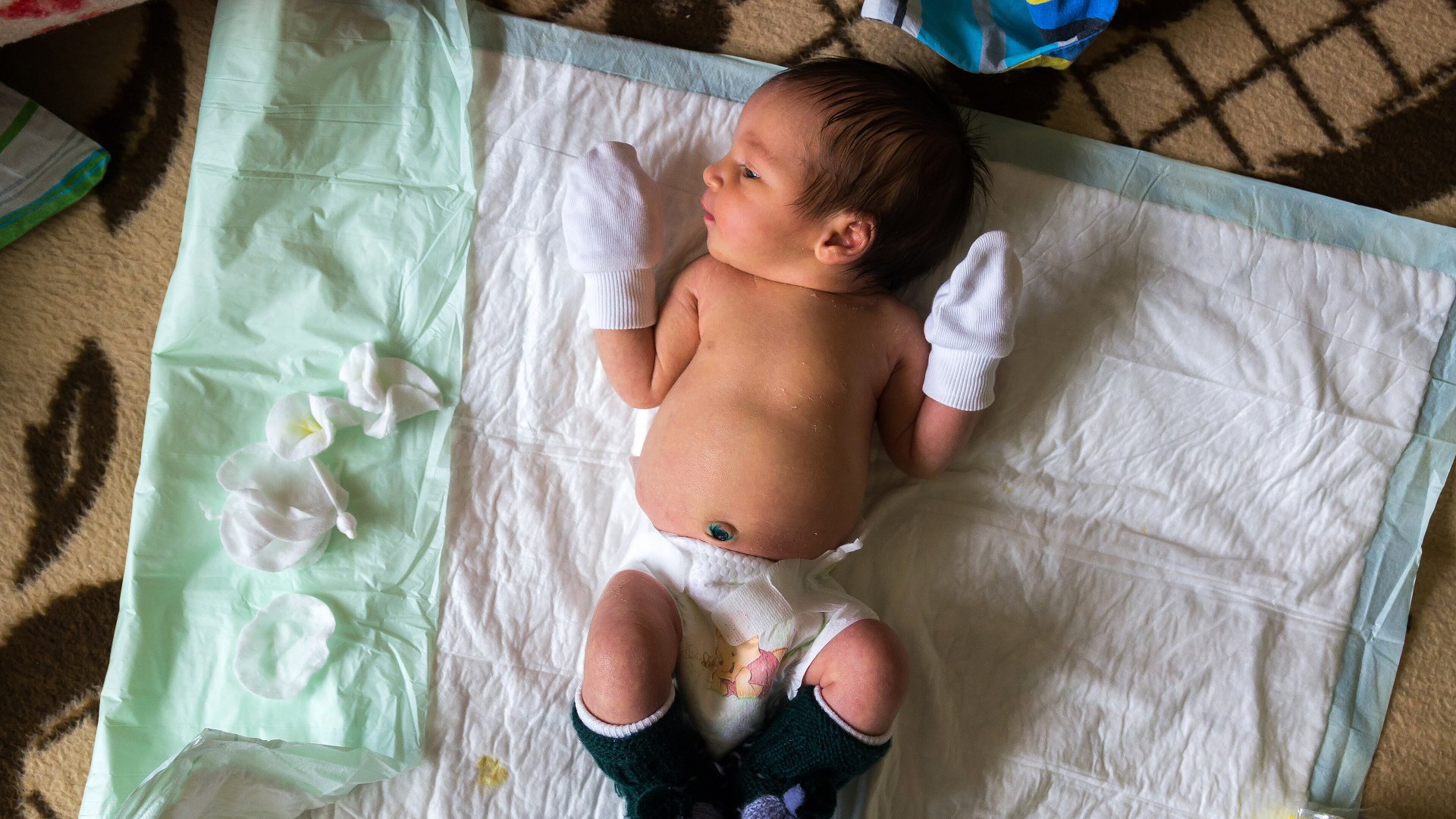
17. Waterproof Diaper Cover — Marion Donovan 
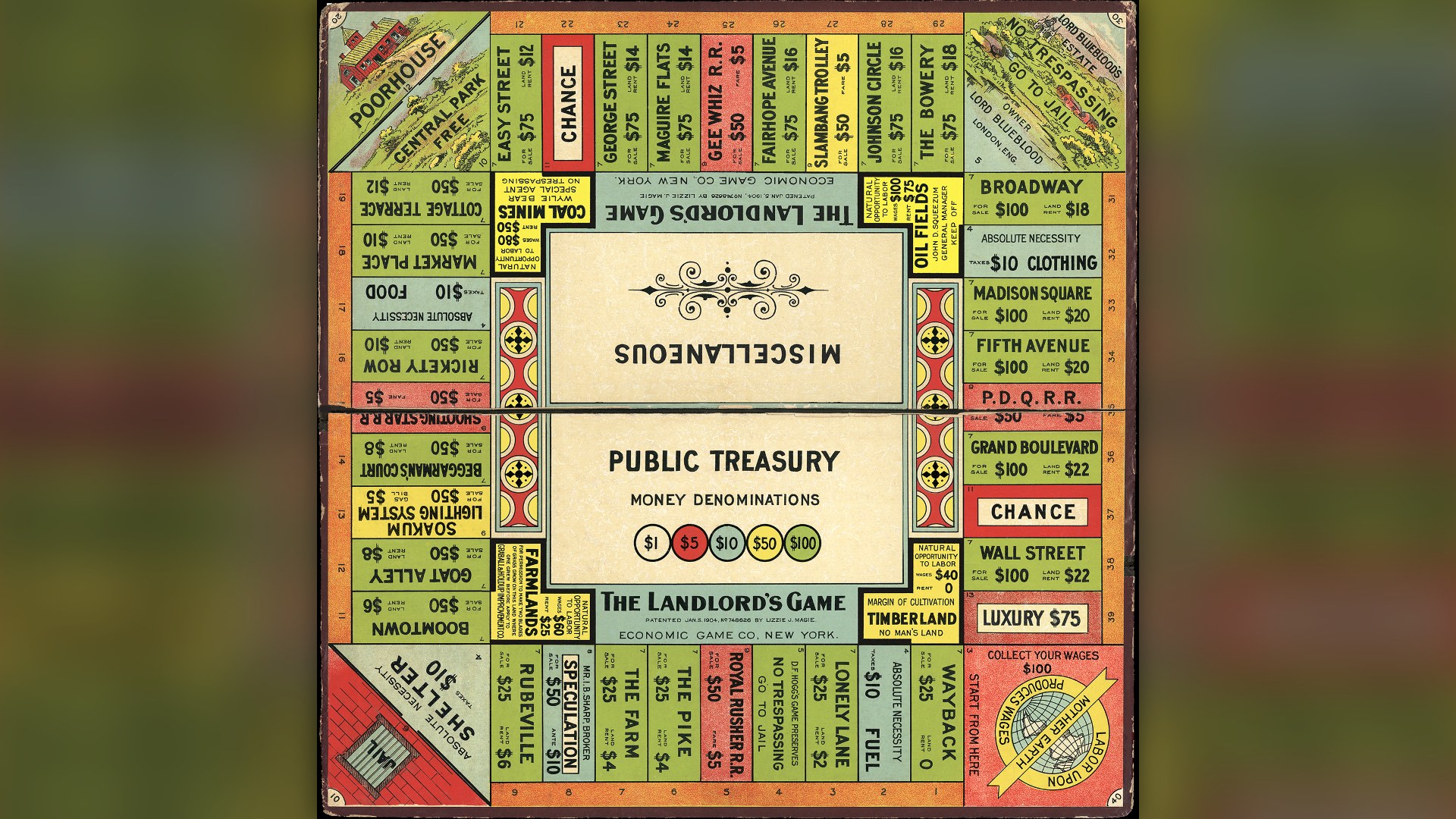
16. Monopoly (The Landlord's Game) — Elizabeth Magie 
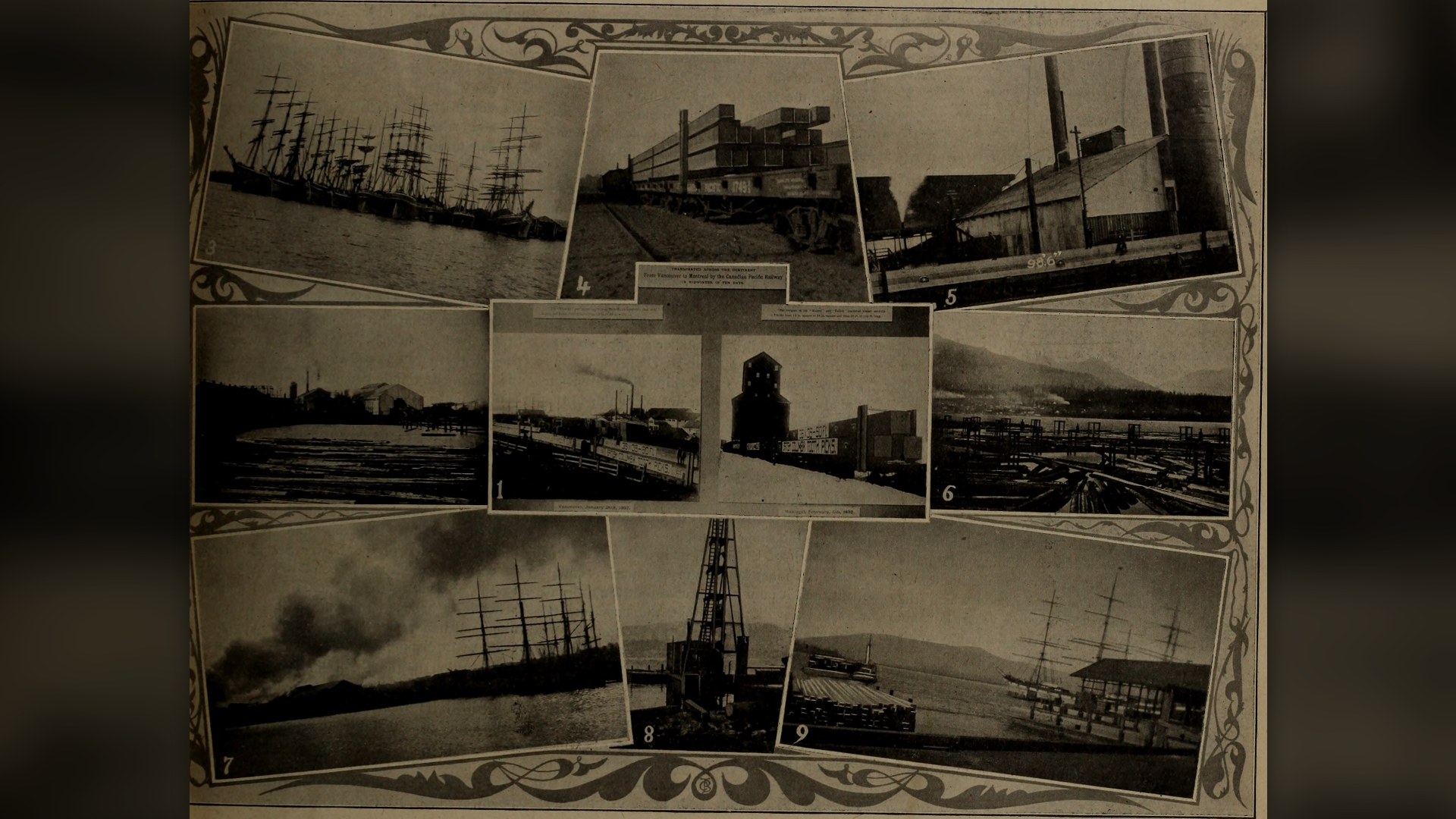
15. Sawmill Circular Saw — Tabitha Babbitt 
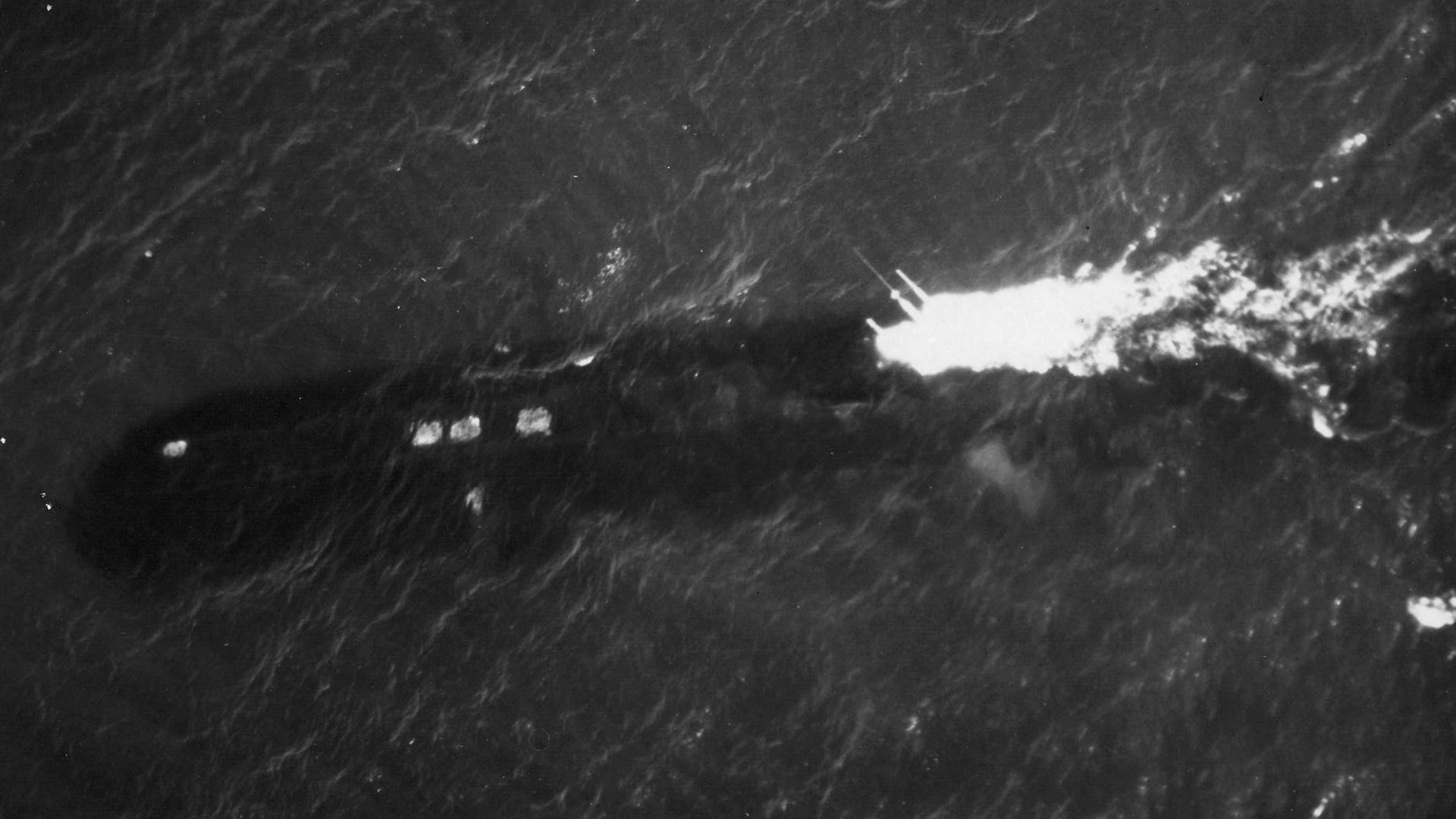
14. Submarine Telescope & Periscope — Sarah Mather - AdvertisementSwipe or tap ▶ to continue countdown

13. Modern Electric Refrigerator — Florence Parpart 
12. Natural Gas Central Heating — Alice H. Parker 
11. Home Video Security System — Marie Van Brittan Brown 
10. Automated Mechanical Dishwasher — Josephine Cochrane - AdvertisementSwipe or tap ▶ to continue countdown

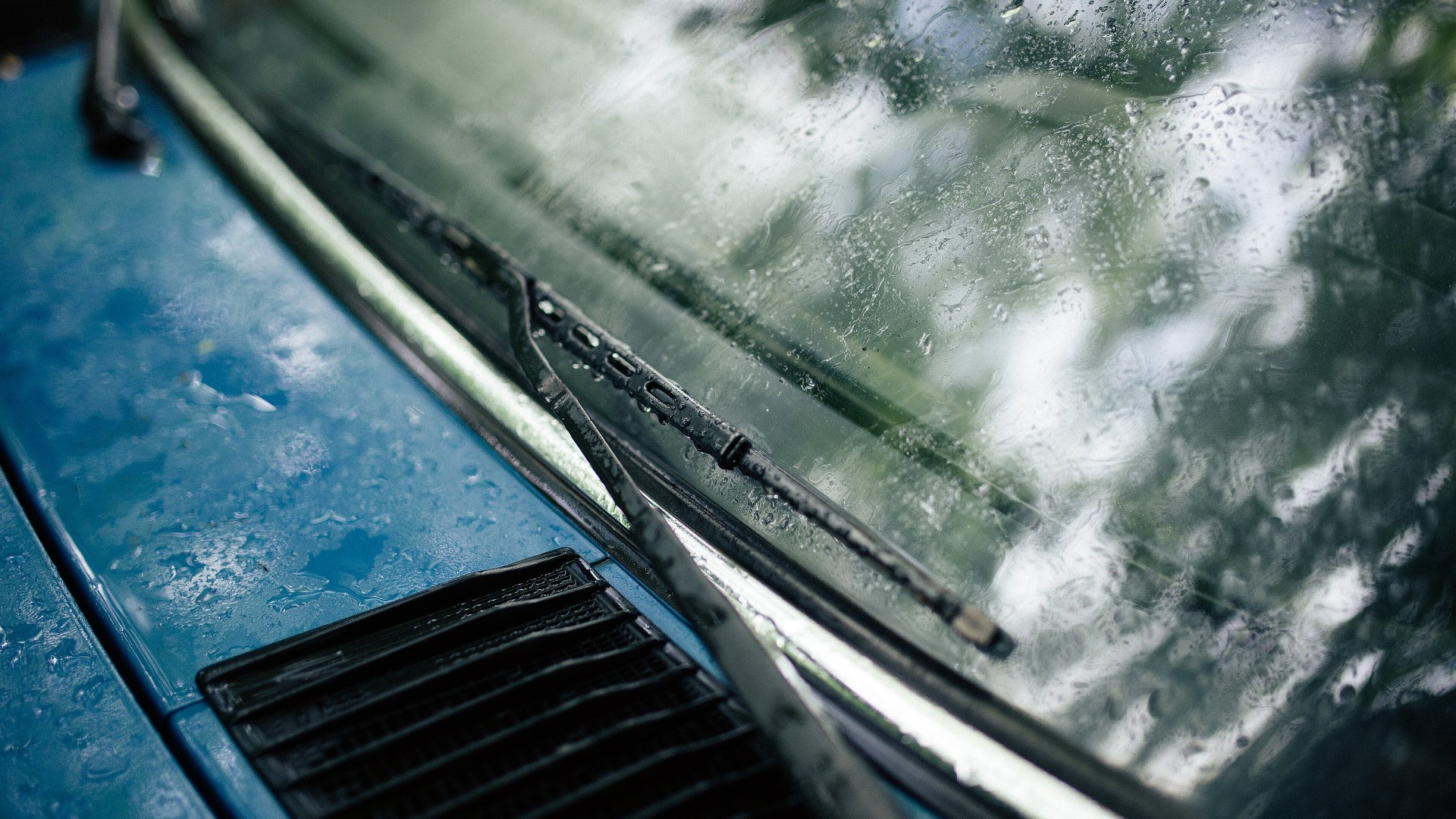
9. Automobile Windshield Wipers — Mary Anderson 
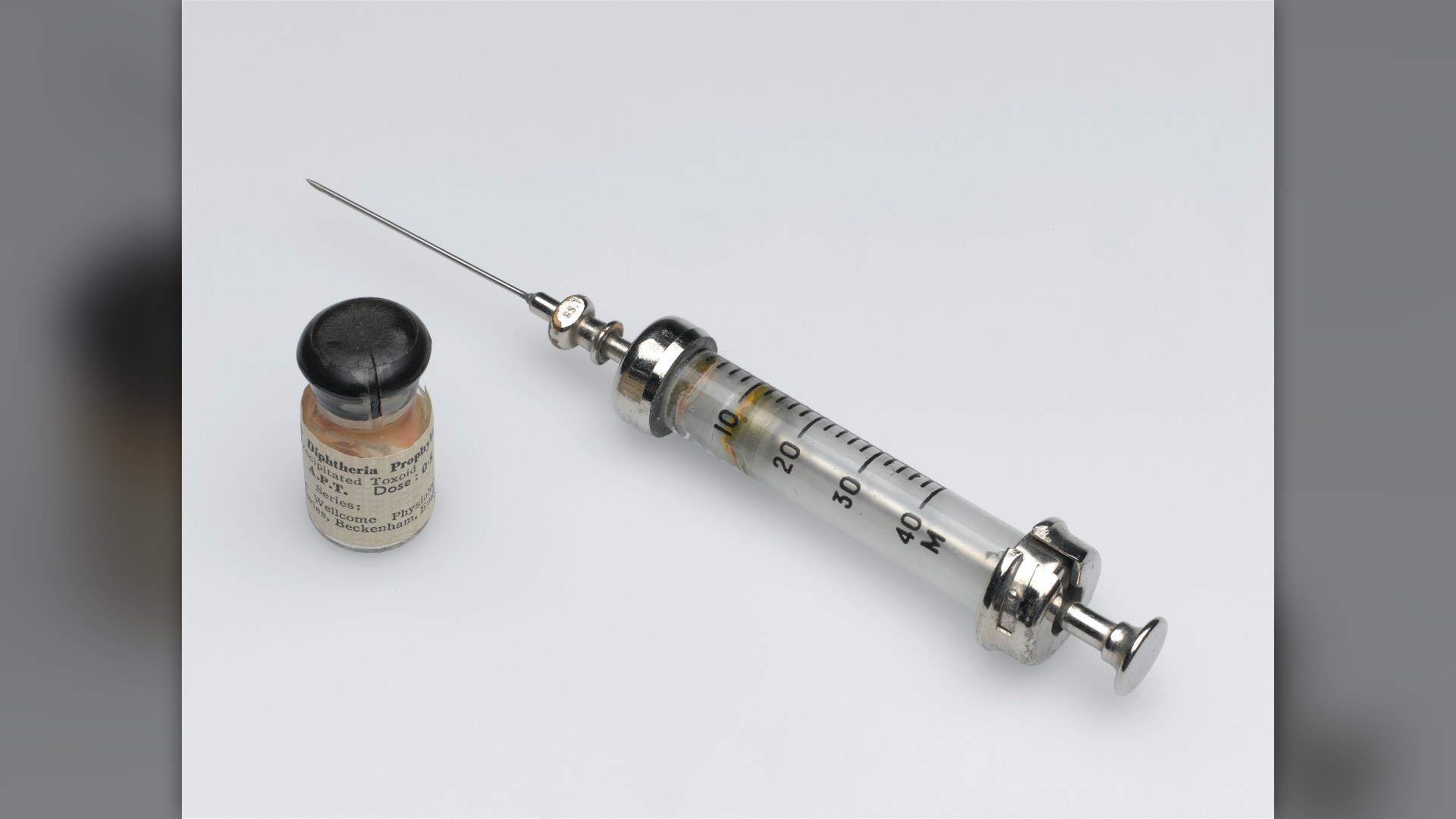
8. One-Handed Medical Syringe — Letitia Mumford Geer 
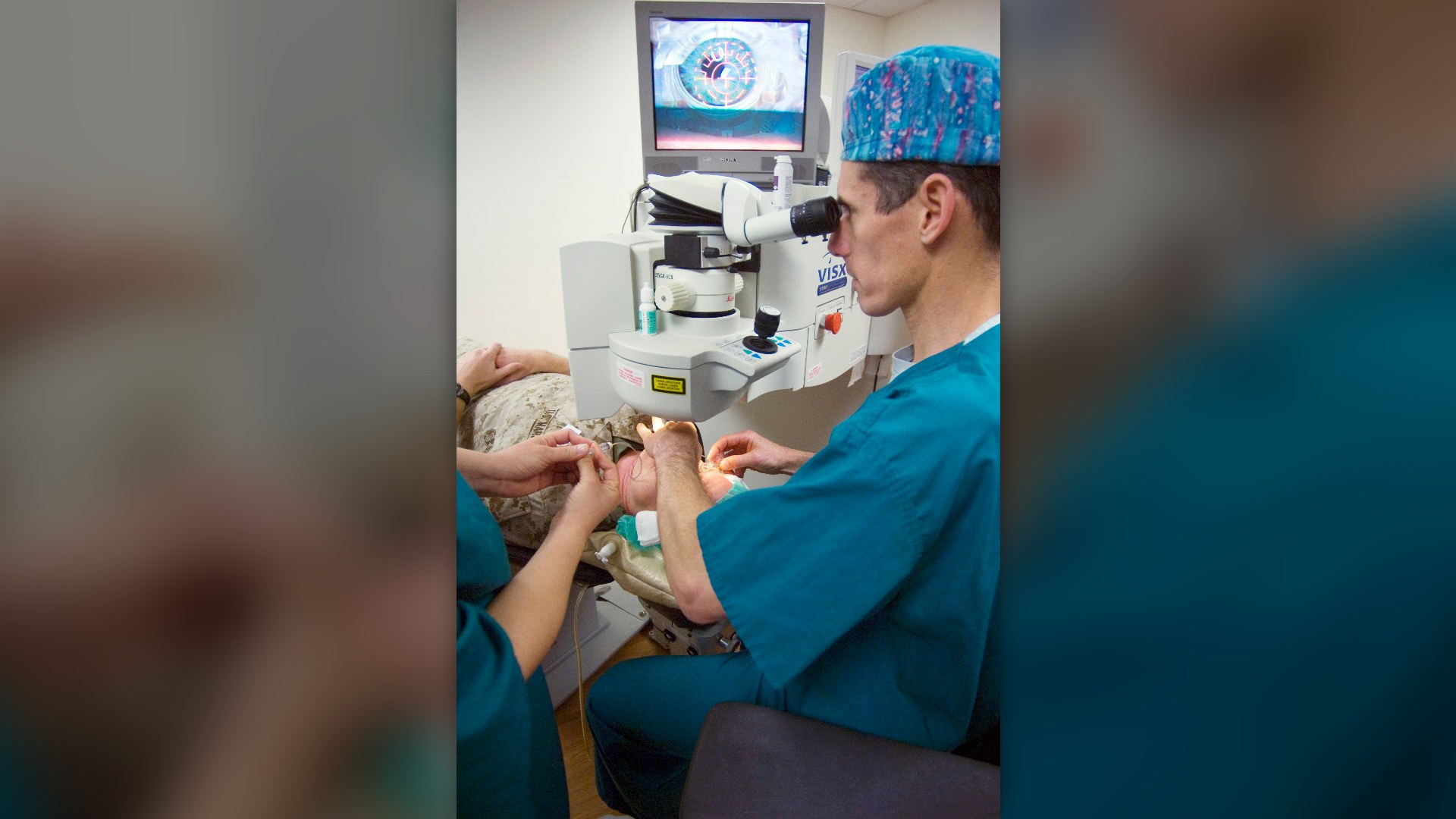
7. Laserphaco Cataract Probe — Dr. Patricia Bath 
6. Human Stem Cell Isolation — Dr. Ann Tsukamoto - AdvertisementSwipe or tap ▶ to continue countdown

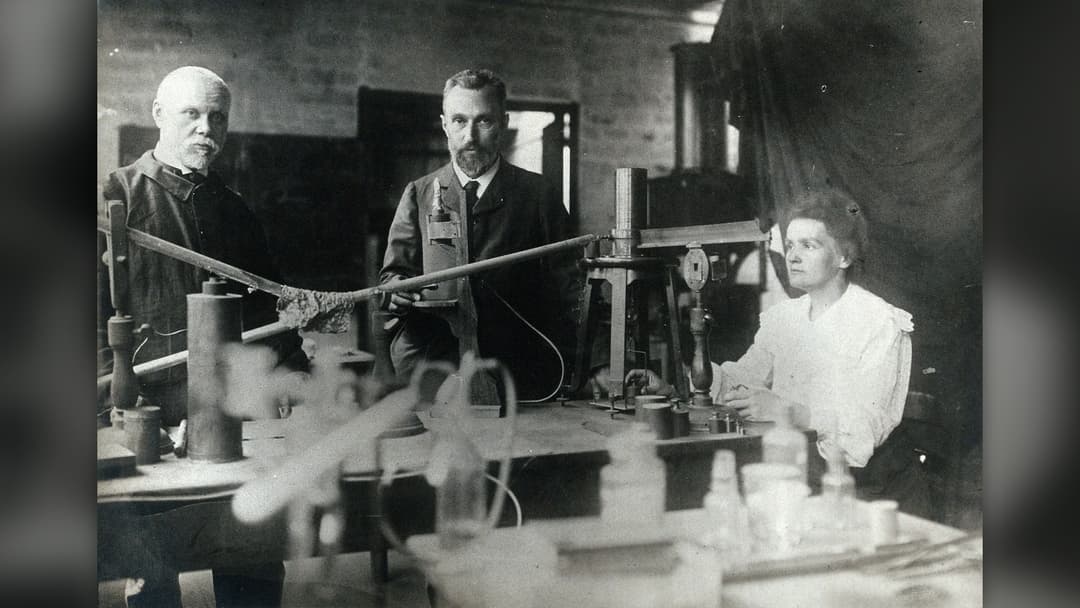
5. Mobile X-Ray Units & Radium Therapy — Marie Curie 
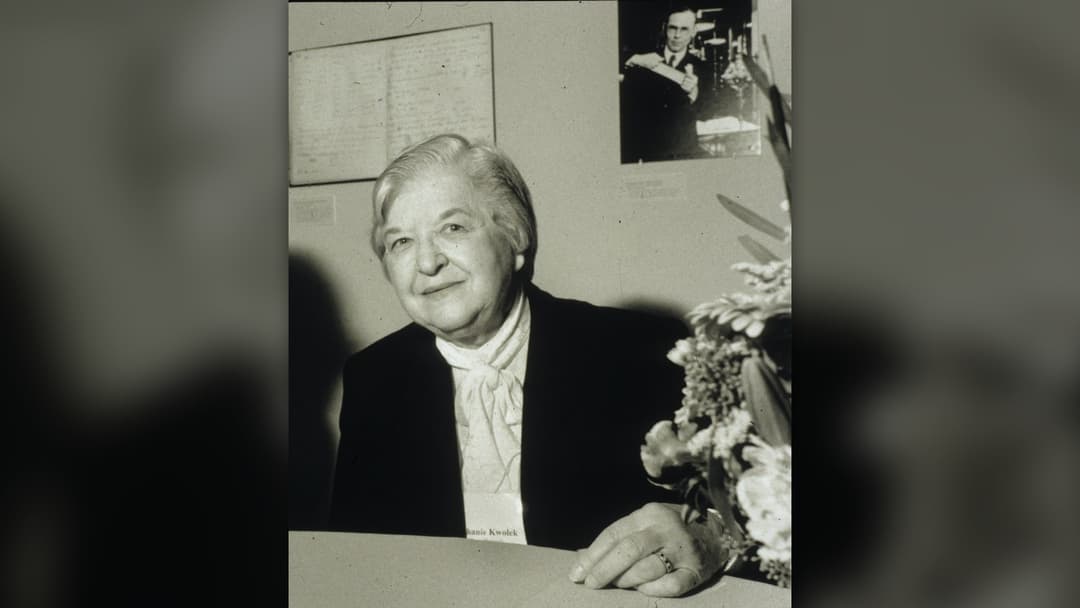
4. Kevlar Bulletproof Fiber — Stephanie Kwolek 
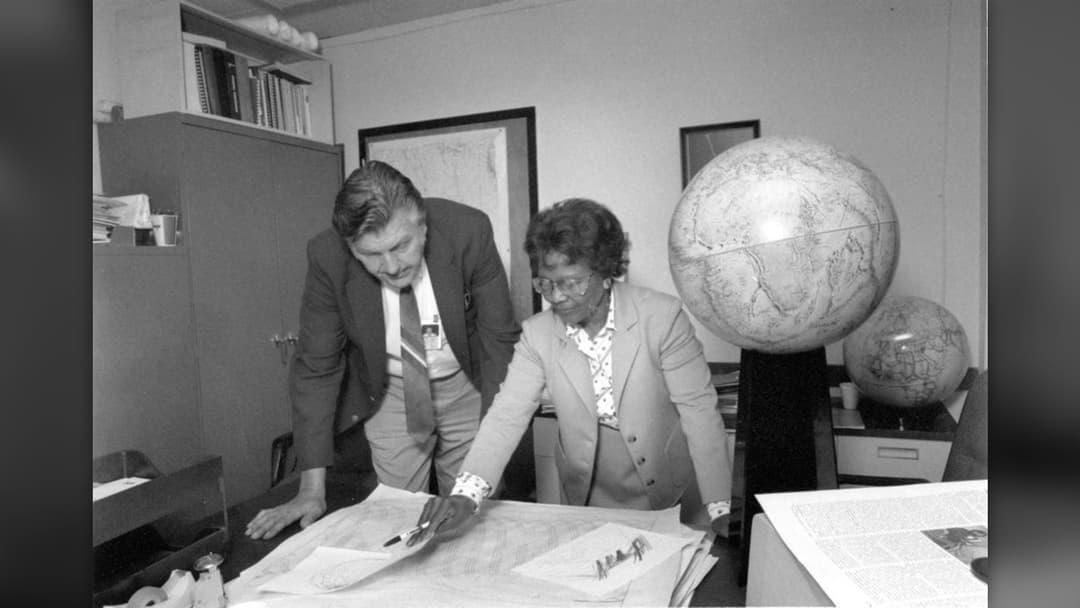
3. GPS Satellite Geodesy Models — Dr. Gladys West 
2. First Computer Compiler & COBOL — Grace Hopper - AdvertisementSwipe or tap ▶ to continue countdown

1. Frequency-Hopping Wireless Tech — Hedy Lamarr - Advertisement🔥 UP NEXT IN THIS SERIES◫ 21 Slides

20 Stages of Jim Jordan's Rise From Wrestler to House Republican
From the flight software that landed Apollo 11 on the Moon and the wireless frequency-hopping technology behind Wi-Fi to Kevlar body armor and everyday household essentials, women inventors have transformed modern civilization. Here are 20 groundbreaking inventions created by pioneering women.
Swipe or tap ▶ to begin the countdown
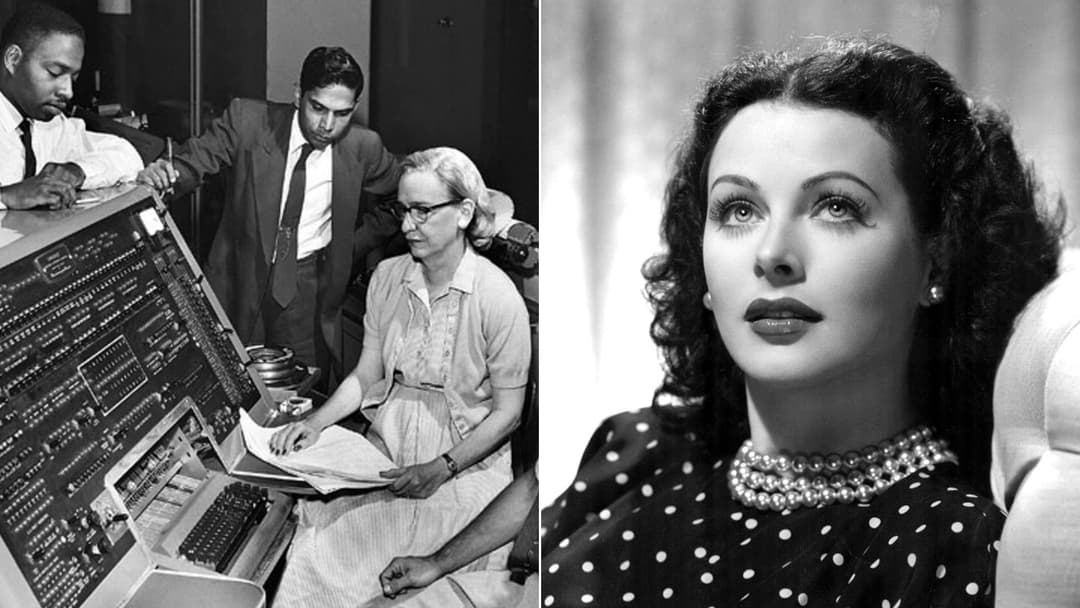
©Wikimedia / U.S. Navy & Wikimedia / Metro-Goldwyn-Mayer
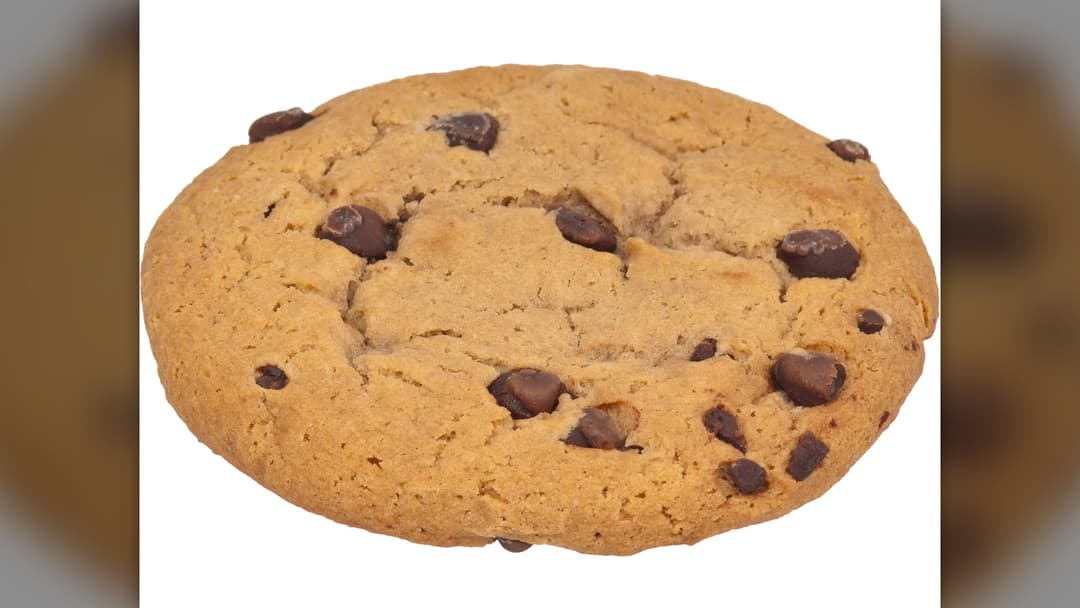
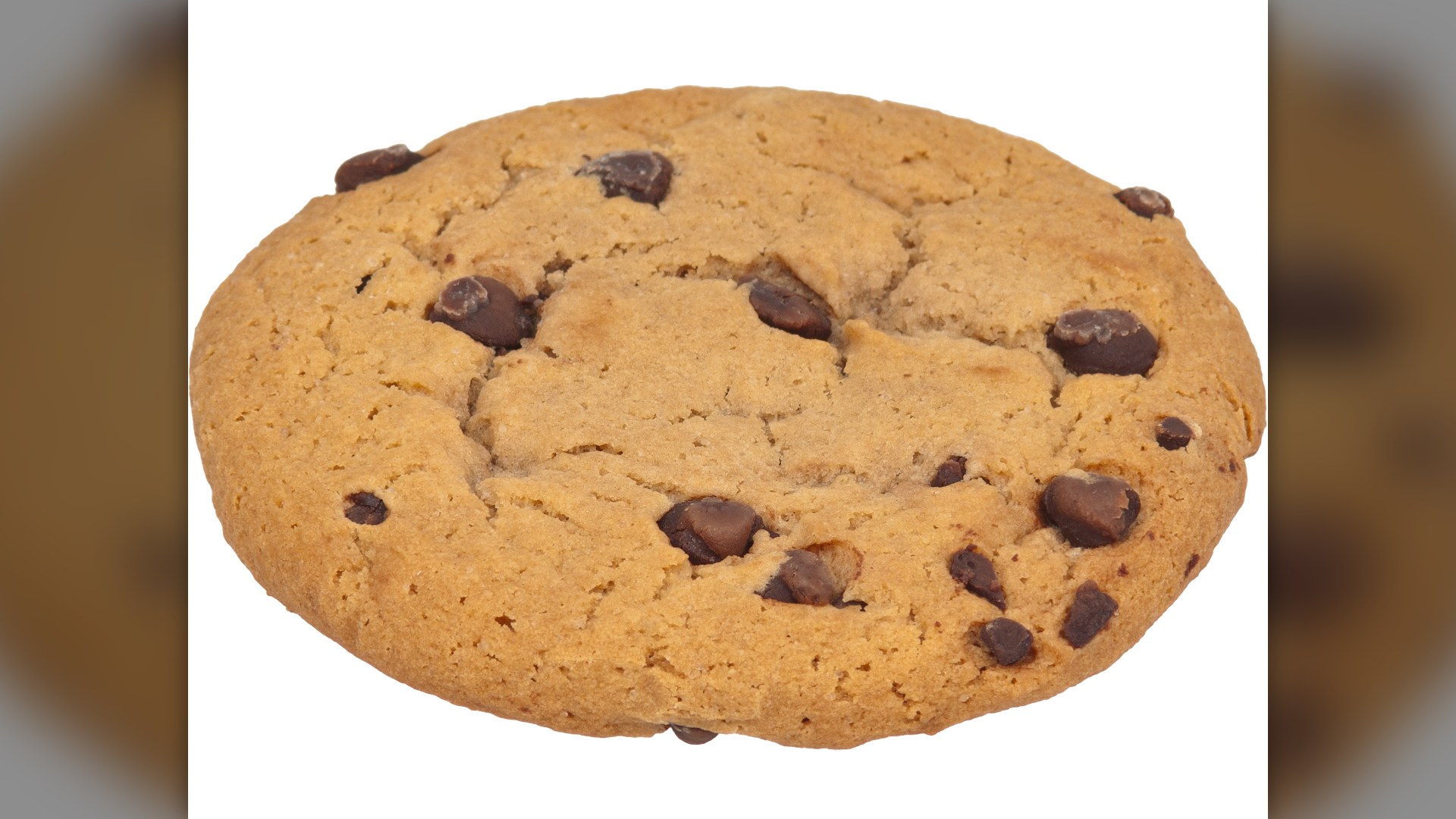
20. Chocolate Chip Cookies — Ruth Graves Wakefield
Contrary to myth, the chocolate chip cookie was no accident. Trained dietitian and food lecturer Ruth Graves Wakefield deliberately developed the recipe in 1938 at her Toll House Inn in Whitman, Massachusetts, trading her recipe to Nestlé for a lifetime supply of chocolate.
©Wikimedia / Evan-Amos
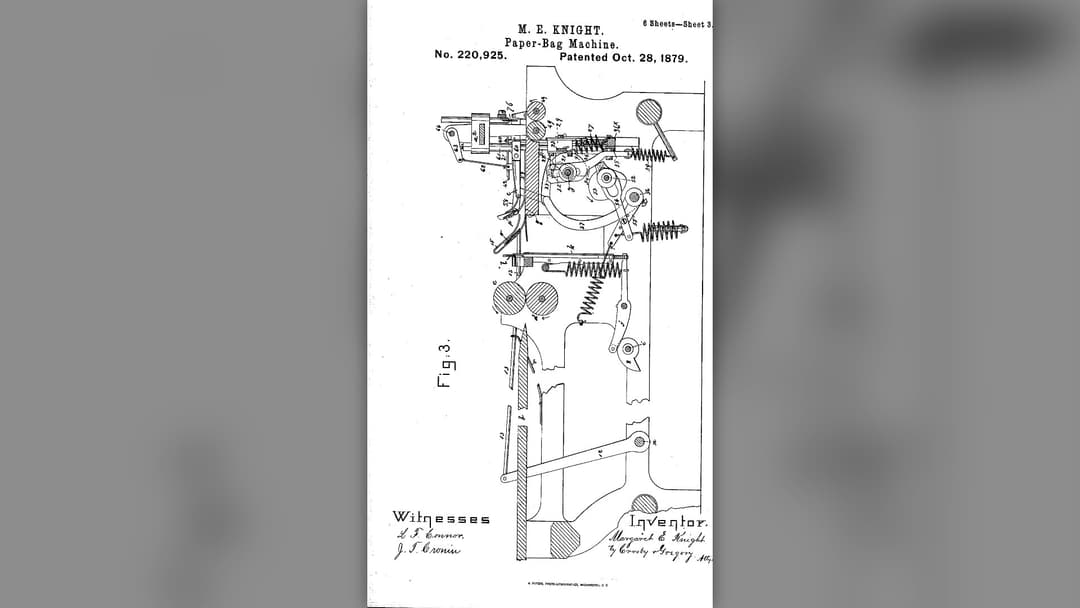
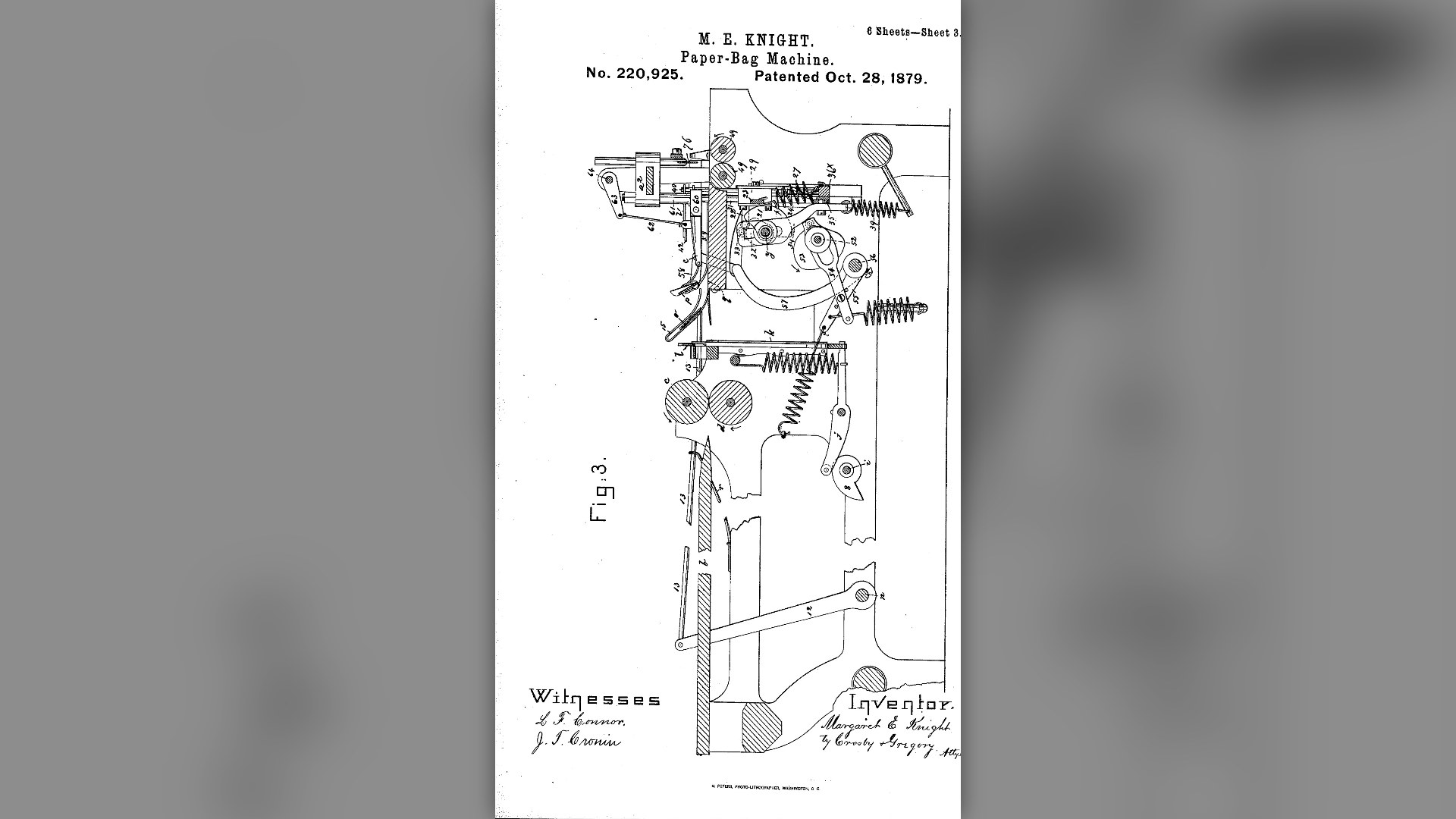
19. Flat-Bottom Paper Bag Machine — Margaret E. Knight
While working at the Columbia Paper Bag Company in Massachusetts, Margaret E. Knight built an iron machine that automatically folded and pasted square-bottomed paper bags. When a machinist stole her design and claimed a woman couldn't understand mechanics, she won a landmark 1871 patent lawsuit.
©Wikimedia / U.S. Patent Office
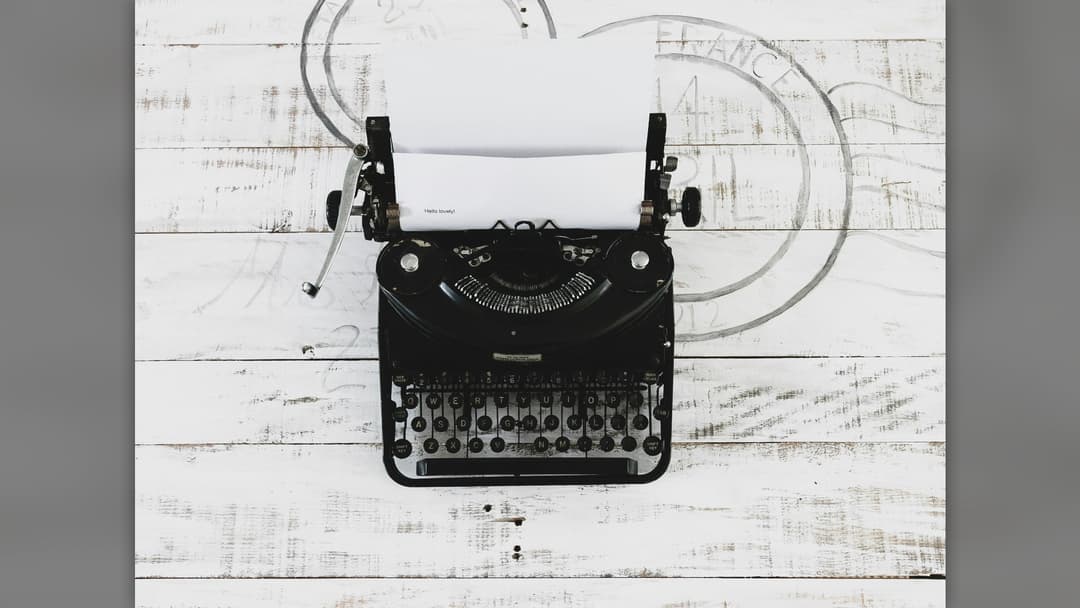
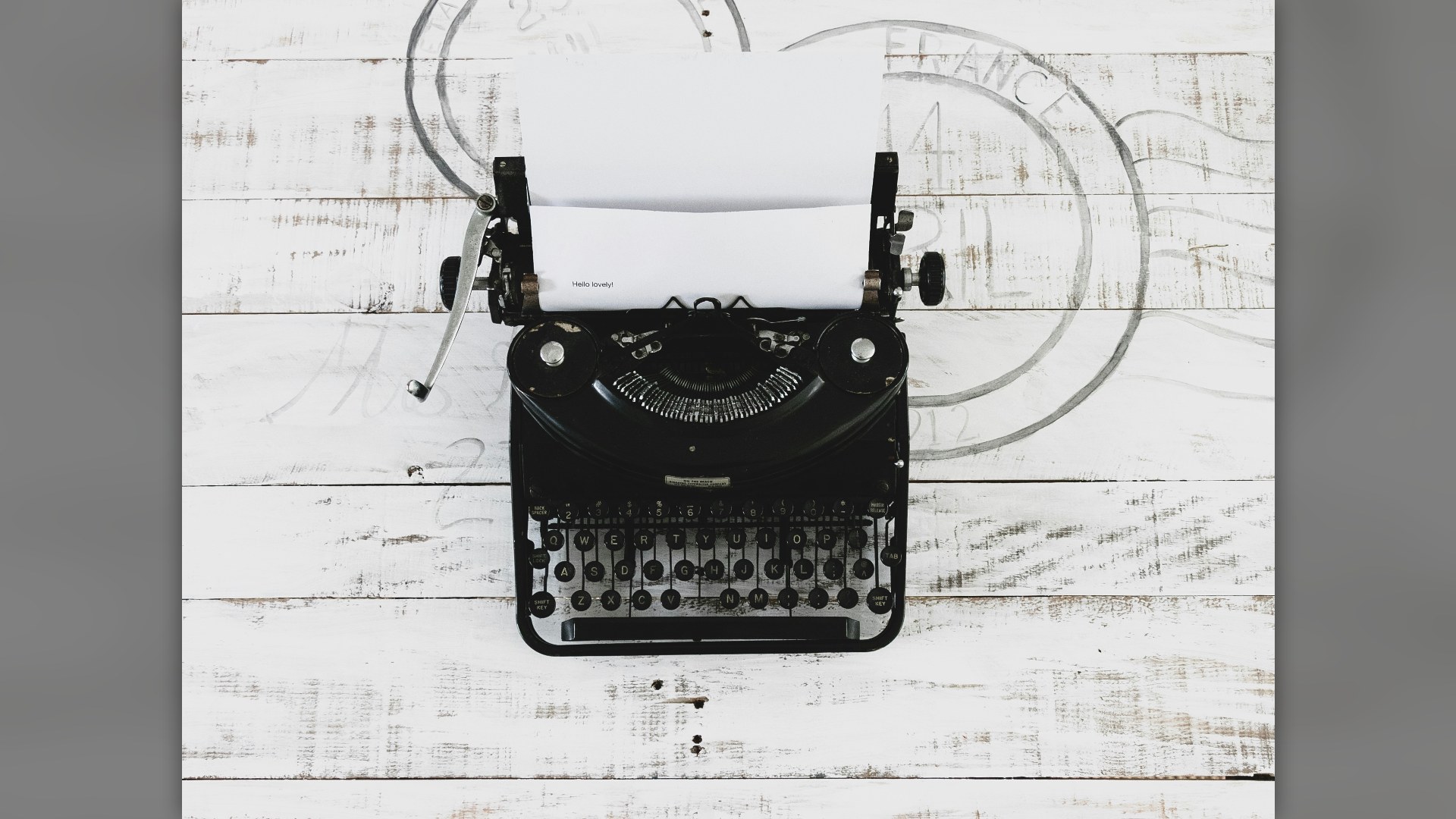
18. Liquid Paper Correction Fluid — Bette Nesmith Graham
Electric typewriters in the 1950s had carbon-film ribbons that made erasing typos nearly impossible. Texas bank secretary Bette Nesmith Graham—also the mother of Monkees musician Michael Nesmith—blended water-based tempera paint to match office stationery, selling Liquid Paper for $47.5 million in 1979.
©Unsplash / Debby Hudson
Advertisement
Swipe or tap ▶ to resume the countdown.
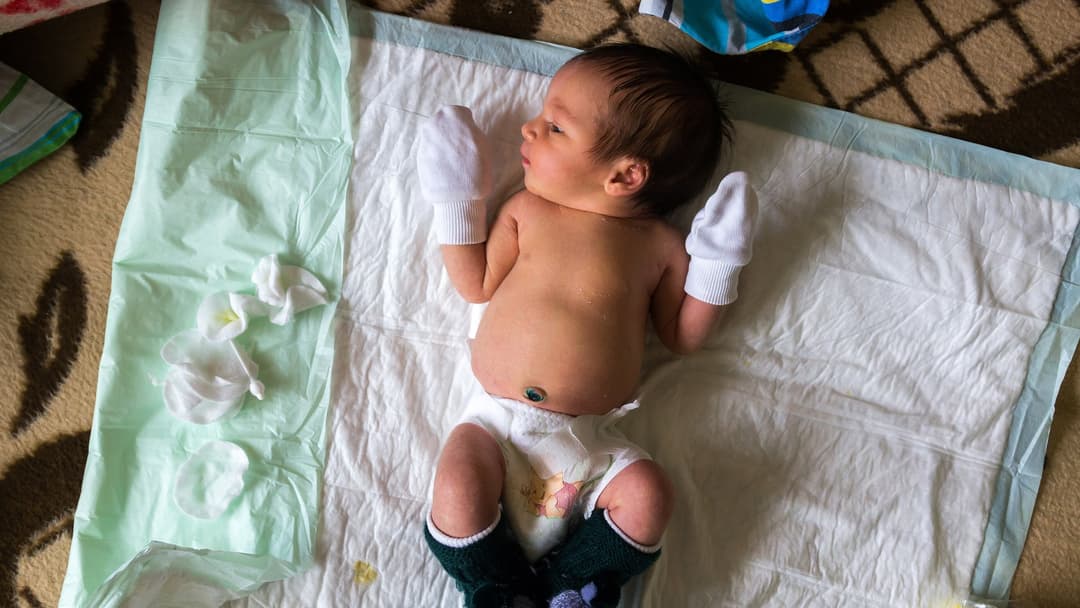
17. Waterproof Diaper Cover — Marion Donovan
Post-WWII parents had only leaky cloth diapers and rubber pants that caused painful rashes. Marion Donovan fashioned a breathable, leakproof cover from nylon parachute cloth and replaced sharp safety pins with metal snaps, earning four patents in 1951 and selling the rights for $1 million.
©Wikimedia / Vyacheslav Argenberg
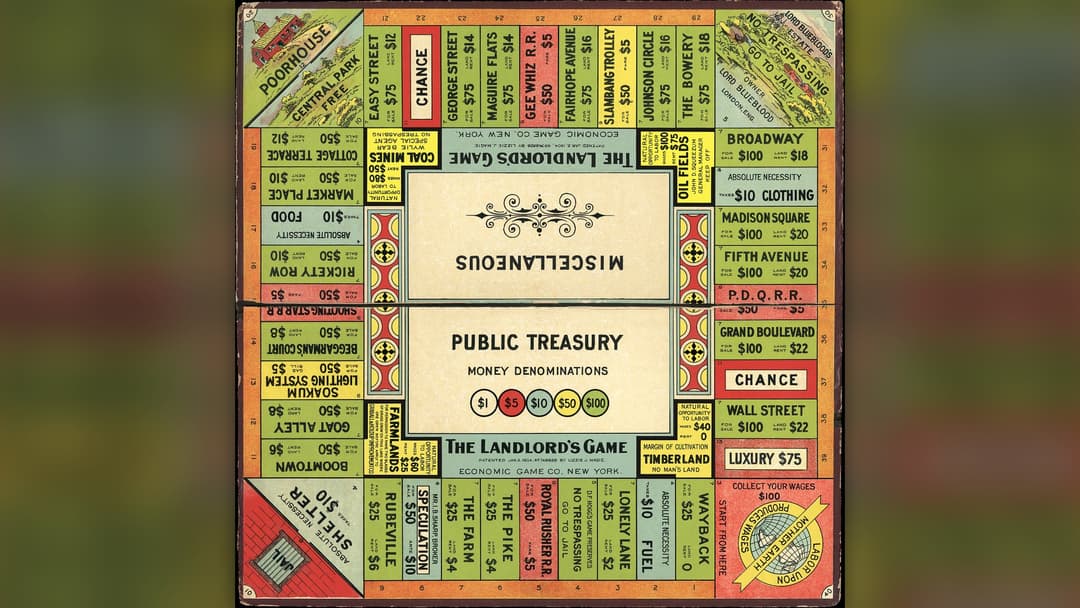
16. Monopoly (The Landlord's Game) — Elizabeth Magie
Patented on January 5, 1904 (U.S. Patent 748,626), stenographer and writer Elizabeth 'Lizzie' Magie designed The Landlord's Game to illustrate the economic consequences of land monopolies. Her original square board featured railroads, utilities, rent collection, and a 'Go to Jail' corner space.
©Wikimedia / Economic Game Company
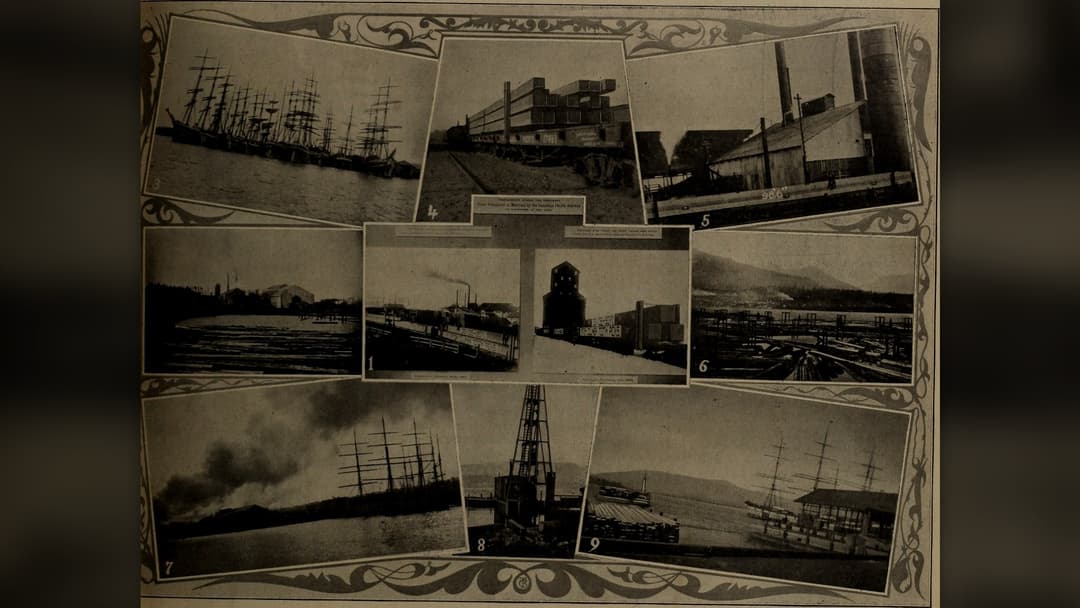
15. Sawmill Circular Saw — Tabitha Babbitt
At the Harvard Shaker community in Massachusetts in 1813, toolmaker and weaver Sarah 'Tabitha' Babbitt noticed that traditional pit saws only cut timber on the downward stroke. She notched a tin disk, attached it to her water-powered spinning wheel spindle, and created the first sawmill circular saw.
©Wikimedia / Canadian Forest Industries
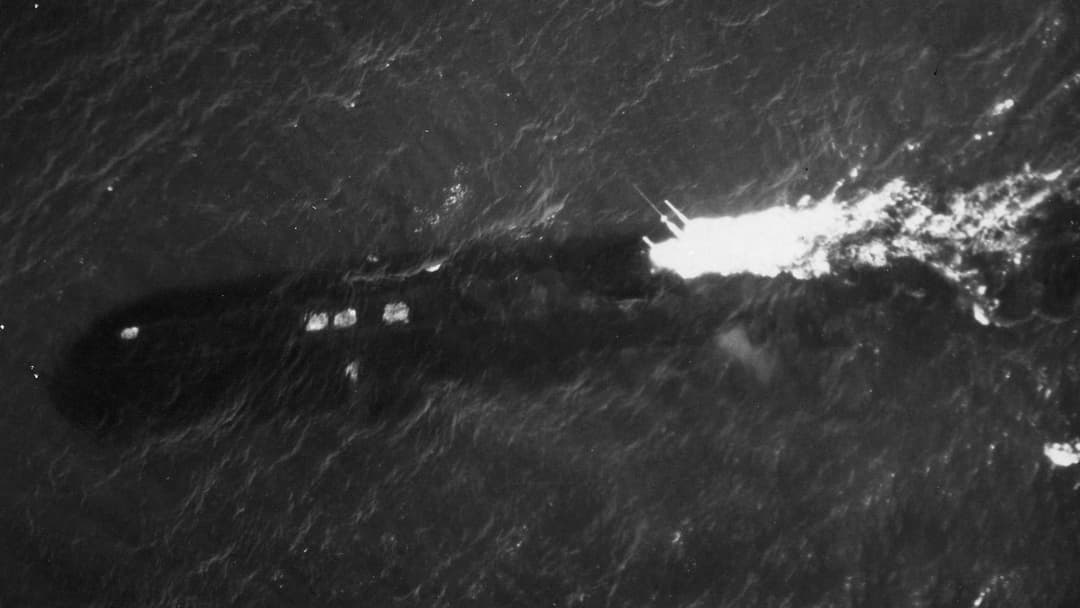
14. Submarine Telescope & Periscope — Sarah Mather
Granted U.S. Patent 3,995 on April 16, 1845—and upgraded with a second patent in 1864—Brooklyn inventor Sarah P. Mather combined a camphine lamp housed in a glass globe with angled mirrors inside a sunken tube, enabling mariners and submarines to survey underwater objects and hulls from the surface.
©Wikimedia / U.S. Navy
Advertisement
Swipe or tap ▶ to resume the countdown.
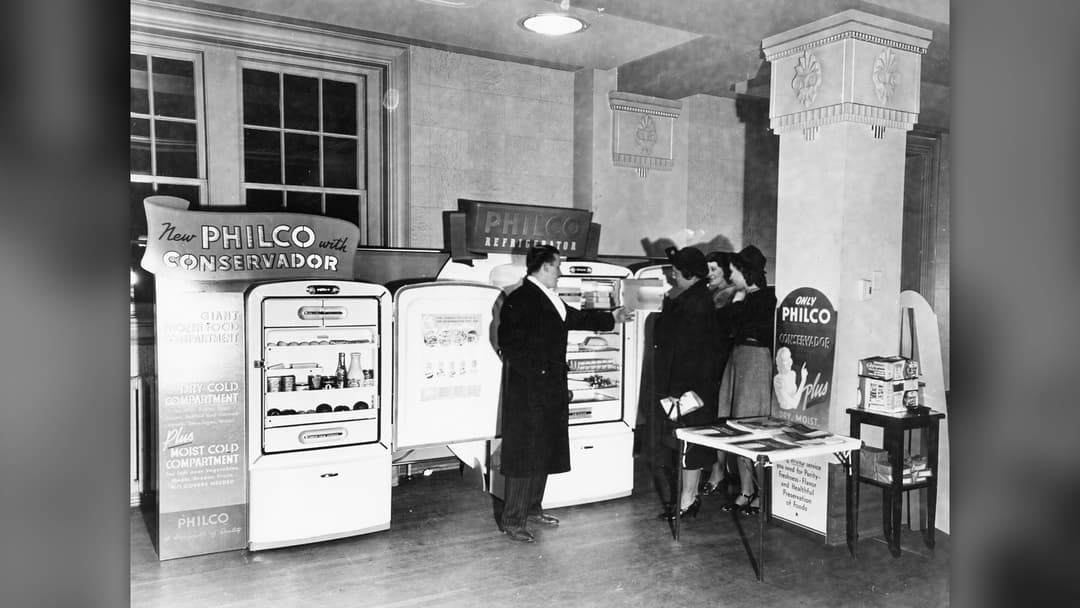
13. Modern Electric Refrigerator — Florence Parpart
Before the 1910s, most households relied on messy wooden iceboxes that required daily blocks of harvested ice. In 1914, New Jersey inventor Florence Parpart secured U.S. Patent 1,090,925 for an electric water-circulating cooling compartment that rendered traditional iceboxes obsolete.
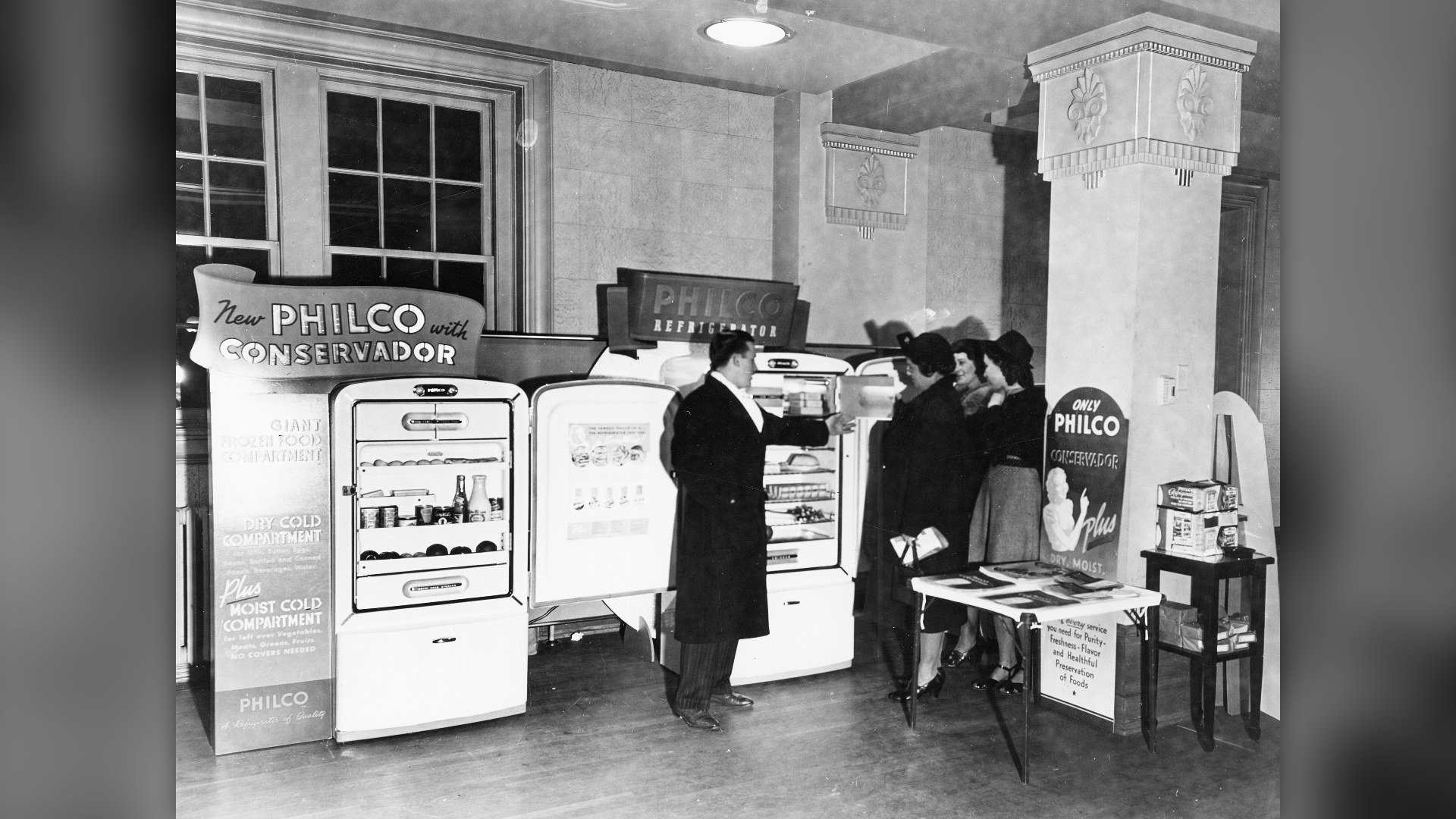
©Wikimedia / State Archives of North Carolina
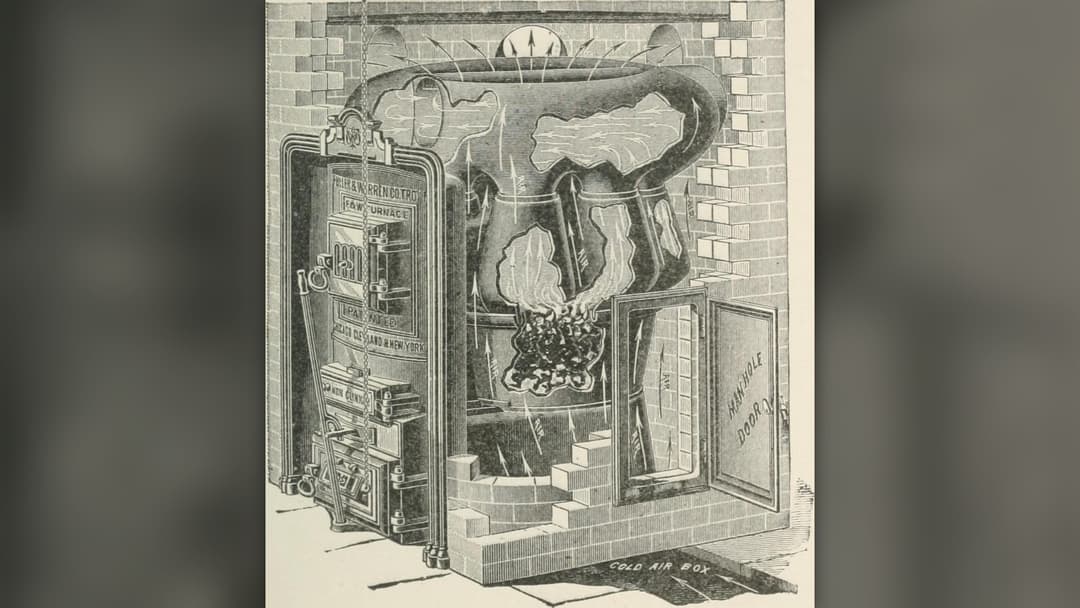
12. Natural Gas Central Heating — Alice H. Parker
Awarded U.S. Patent 1,325,905 on December 23, 1919, African American inventor Alice H. Parker of Morristown, New Jersey designed a multi-burner natural gas heating furnace with individual air ducts. Her zone-controlled design laid the direct foundation for modern home thermostats and central HVAC systems.
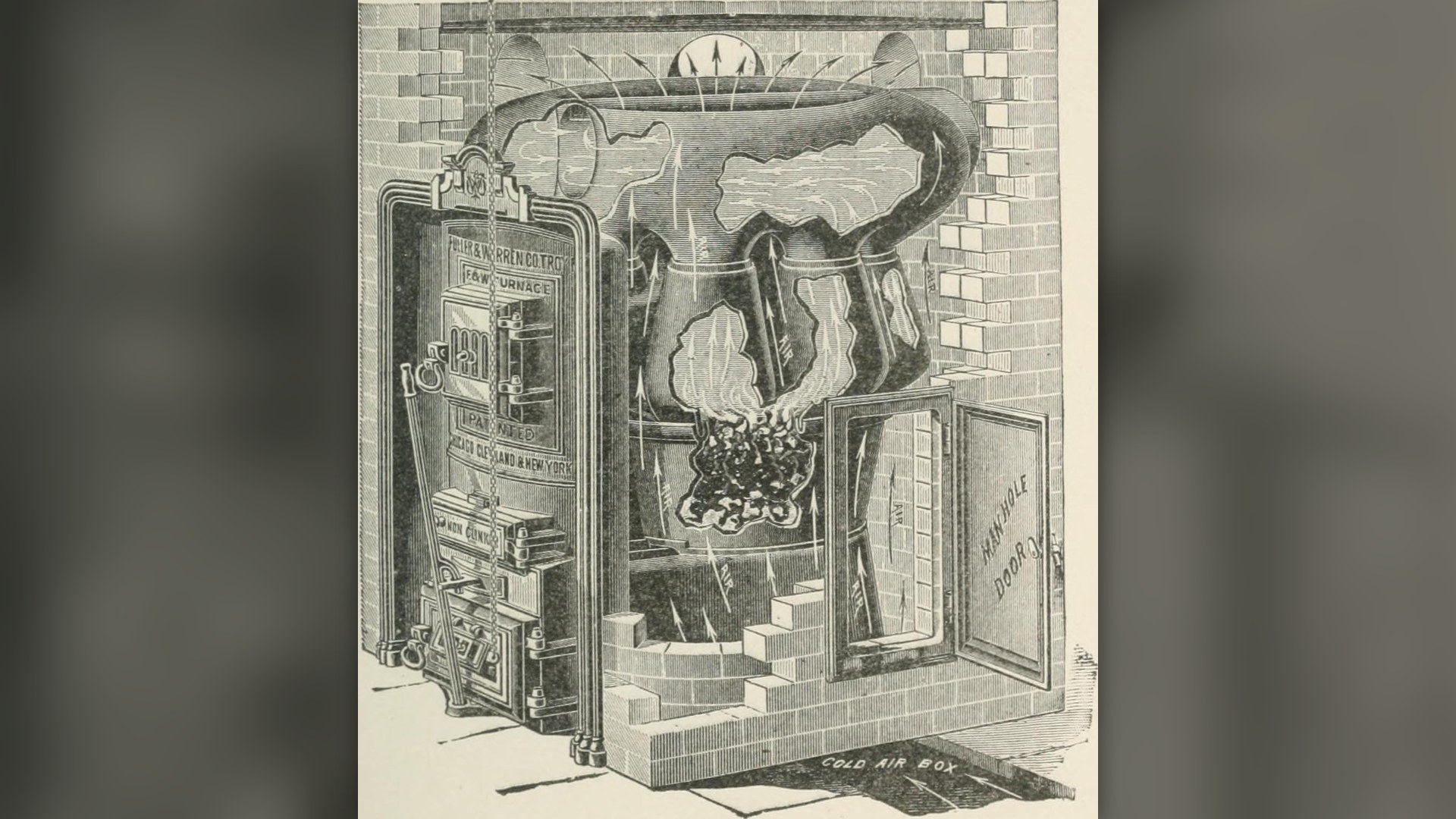
©Wikimedia / American Technical Society
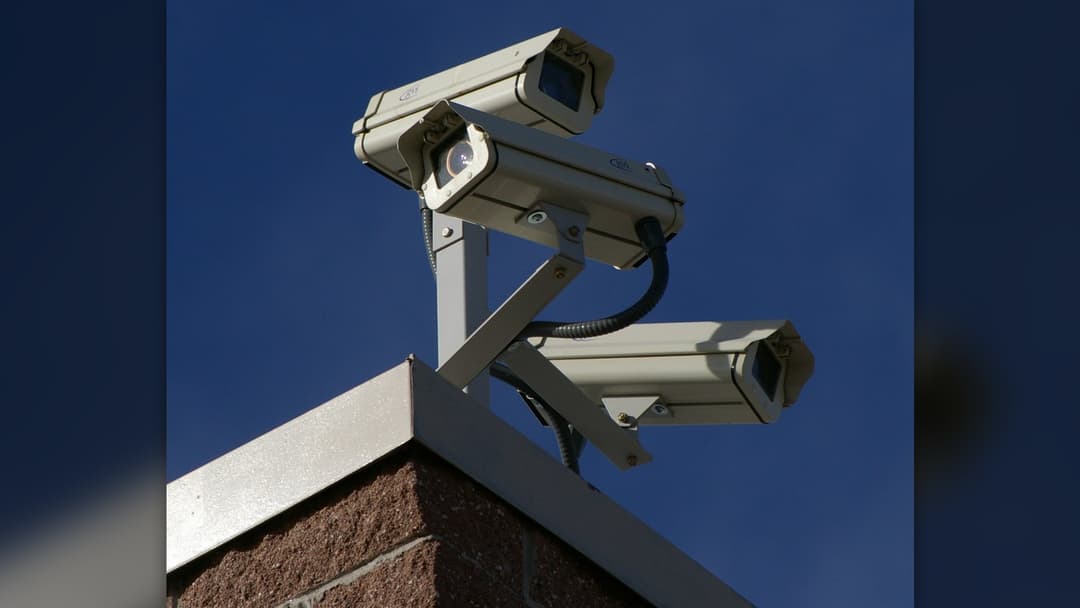
11. Home Video Security System — Marie Van Brittan Brown
Concerned by slow police response times in Jamaica, Queens, nurse Marie Van Brittan Brown and her husband Albert built a motorized camera that slid across four peepholes, streaming live video to a bedroom monitor alongside a two-way microphone and remote-controlled door lock (U.S. Patent 3,482,037).
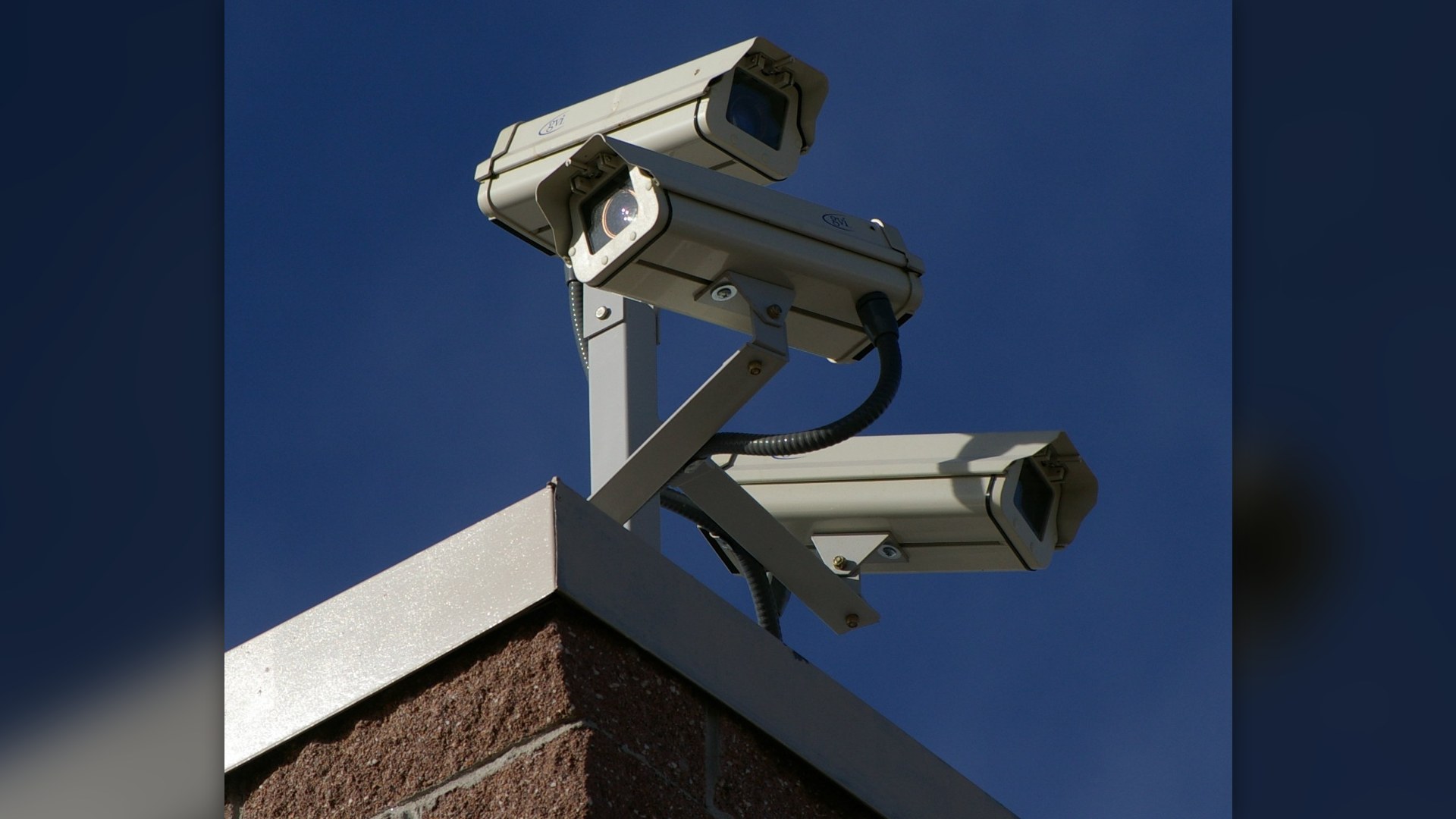
©Wikimedia / Hustvedt
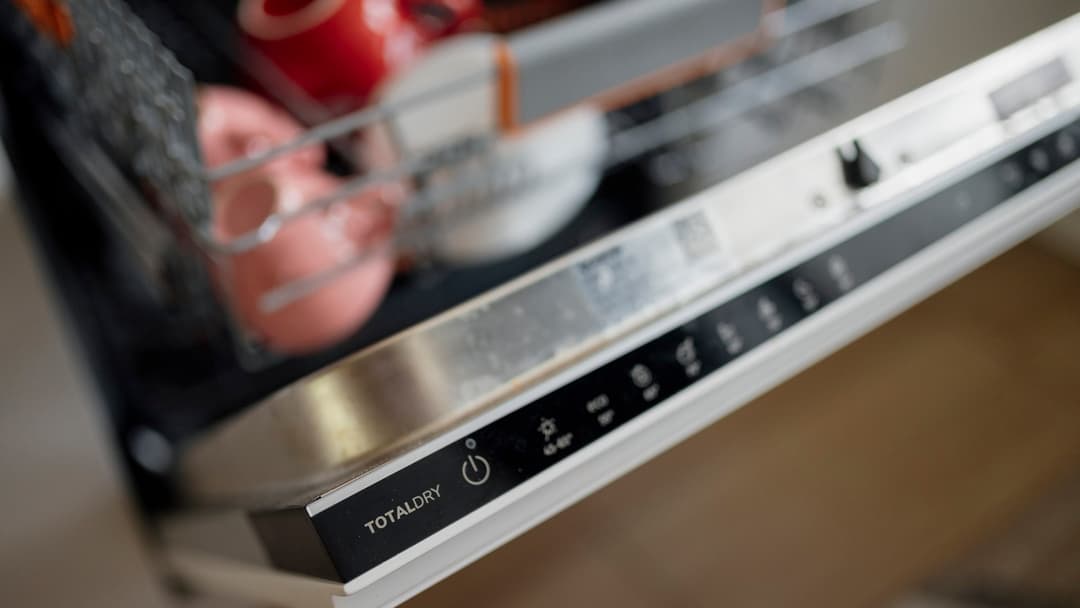
10. Automated Mechanical Dishwasher — Josephine Cochrane
To protect her heirloom 17th-century china from chipping in the sink, Illinois inventor Josephine Cochrane engineered wire compartments measured for plates and saucers inside a copper boiler powered by hot, soapy water jets. Her 1886 patent won top honors at the 1893 Chicago World's Fair and evolved into KitchenAid.
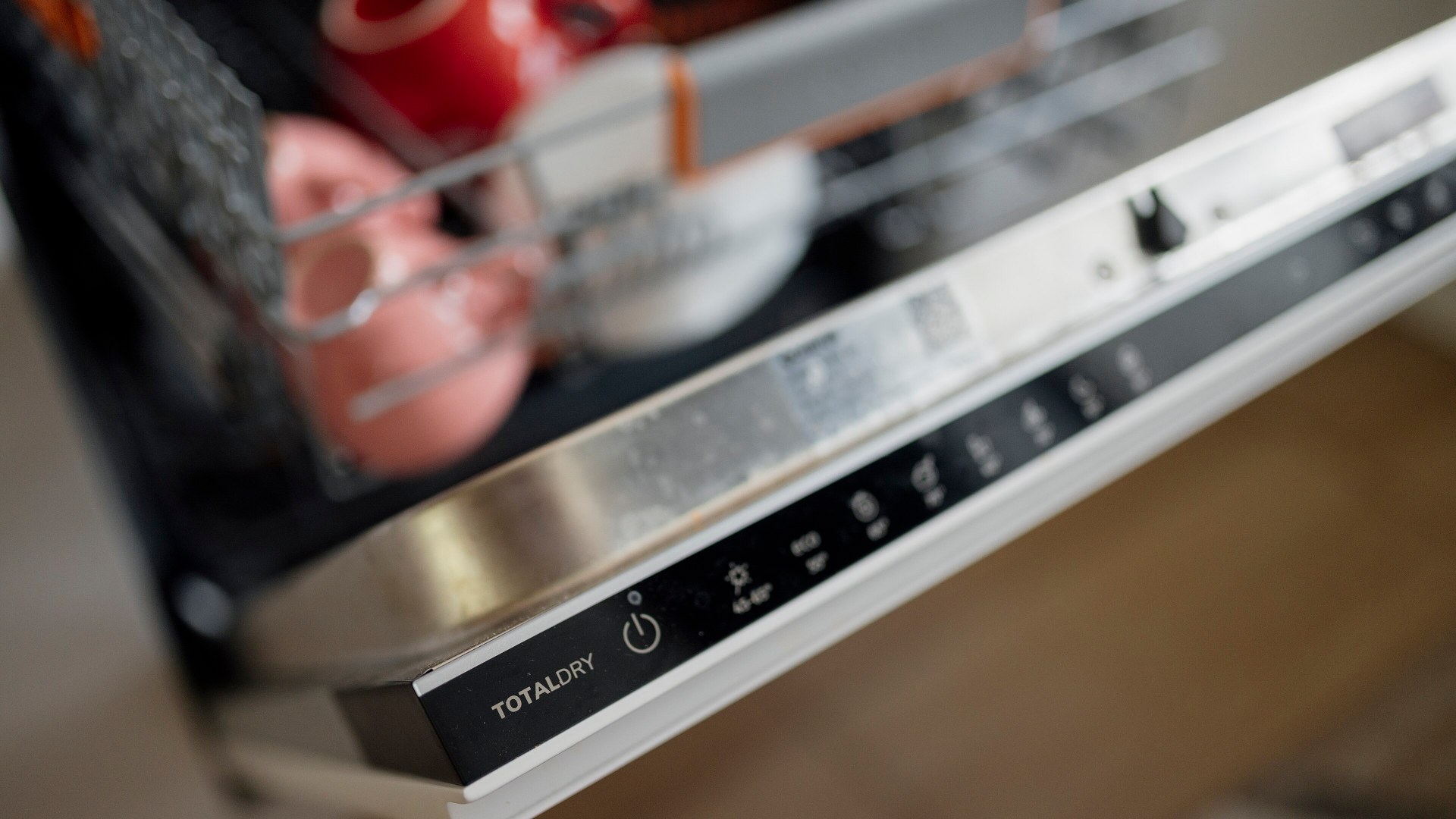
©Wikimedia / Shixart1985
Advertisement
Swipe or tap ▶ to resume the countdown.
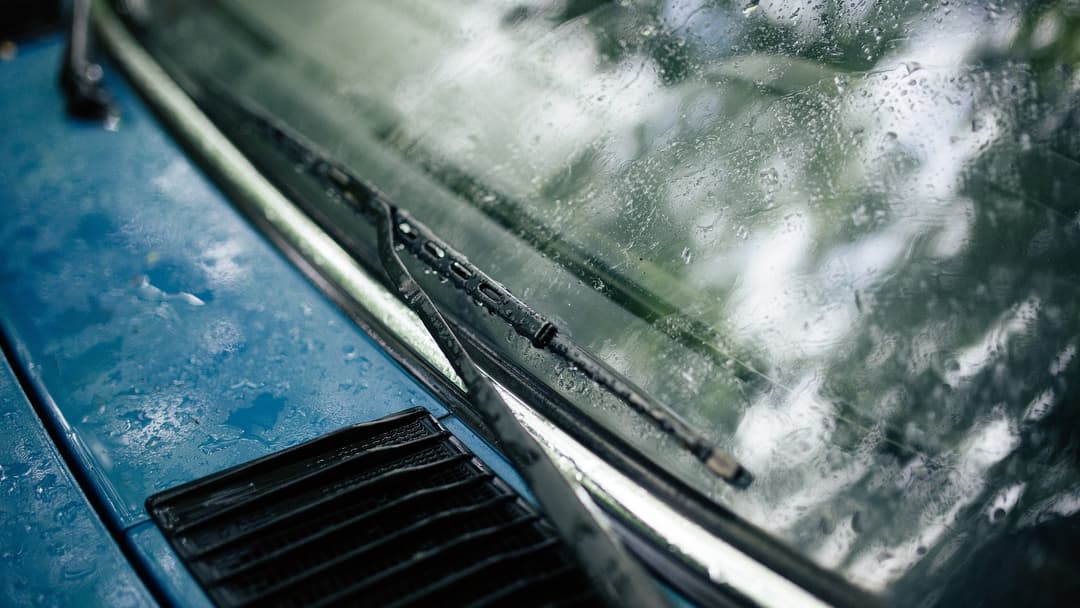
9. Automobile Windshield Wipers — Mary Anderson
Watching a New York trolley driver stick his head out into freezing sleet to wipe the glass by hand, Alabama developer Mary Anderson designed a spring-loaded rubber arm controlled by a lever inside the warm cab. Granted U.S. Patent 743,801 in November 1903, her invention became standard on cars by 1916.
©Wikimedia / Shixart1985
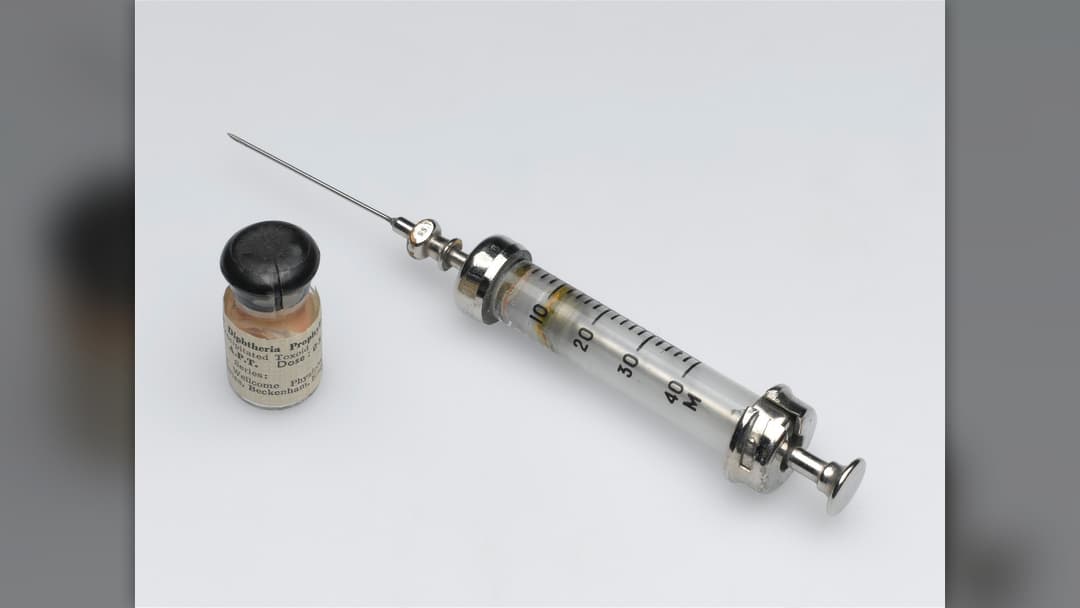
8. One-Handed Medical Syringe — Letitia Mumford Geer
19th-century medical syringes were bulky instruments that required two hands or an assistant to operate. On April 11, 1899, New York nurse Letitia Mumford Geer received U.S. Patent 622,848 for a glass cylinder with a curved finger-rest handle and thumb plunger that enabled safe, one-handed injections.
©Wikimedia / Wellcome Collection
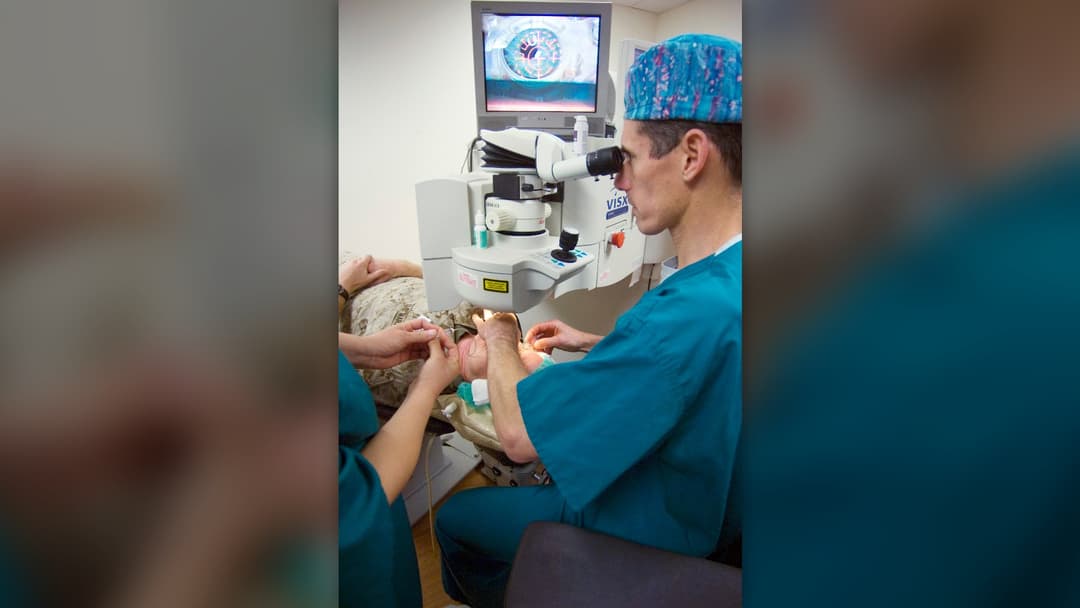
7. Laserphaco Cataract Probe — Dr. Patricia Bath
In 1988, Dr. Patricia Bath became the first African American female physician to receive a medical patent (U.S. Patent 4,744,360). Her Laserphaco Probe used fiber-optic laser pulses and gentle suction to vaporize cataracts painlessly in minutes, restoring vision to millions of patients worldwide.
©Wikimedia / U.S. Navy
6. Human Stem Cell Isolation — Dr. Ann Tsukamoto
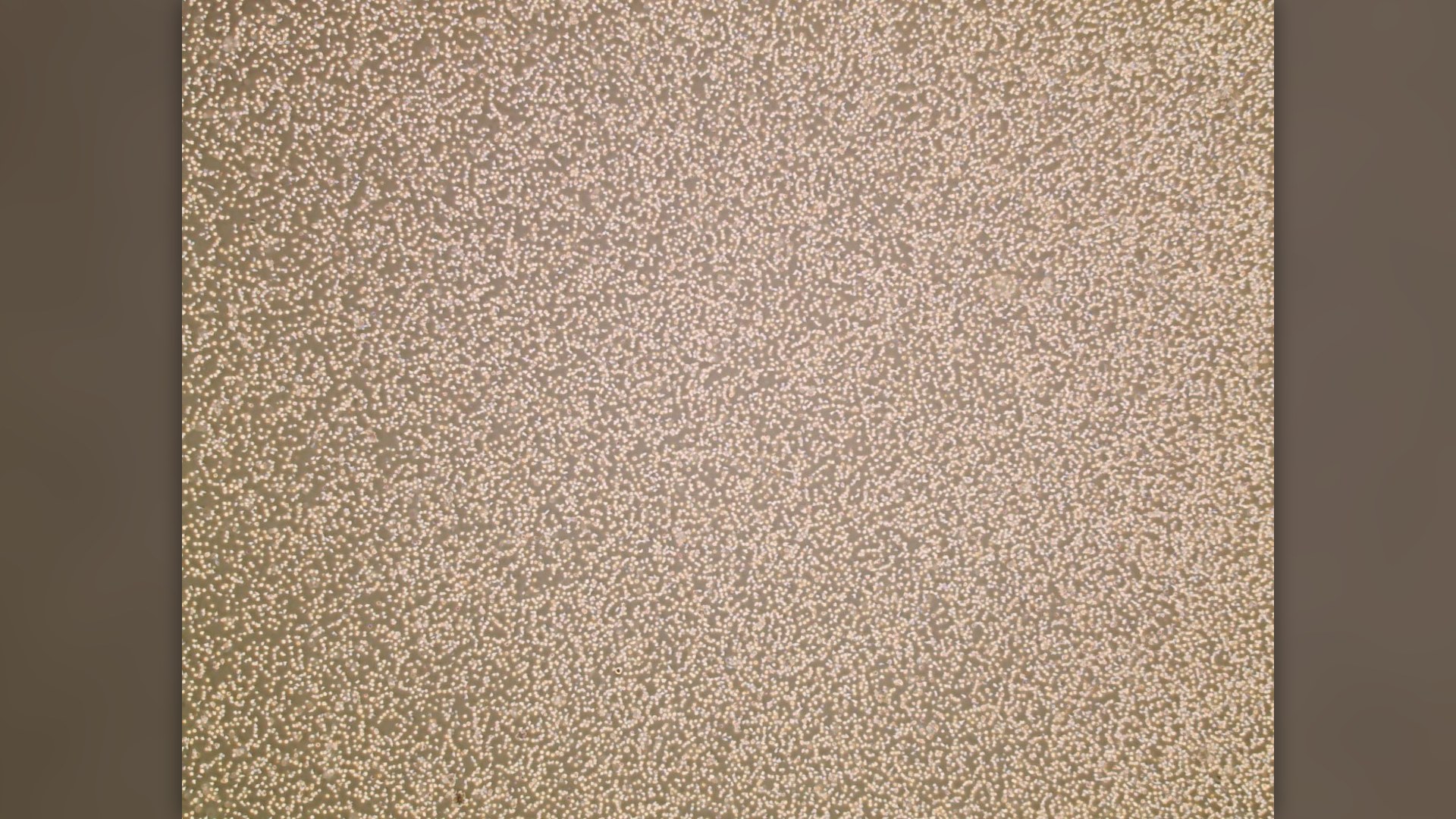
Awarded U.S. Patent 5,061,620 in 1991 alongside colleagues Charles Baum, Irving Weissman, and Ashley Buckle, cell biologist Dr. Ann Tsukamoto discovered how to isolate pure human hematopoietic blood stem cells—unlocking life-saving bone marrow transplants for metastatic cancer and leukemia patients.
©NASA / Johnson Space Center
Advertisement
Swipe or tap ▶ to resume the countdown.
5. Mobile X-Ray Units & Radium Therapy — Marie Curie
Beyond discovering polonium and radium and coining the term 'radioactivity,' two-time Nobel laureate Marie Skłodowska-Curie engineered fleets of generator-powered 'Petites Curies' radiology trucks during World War I—personally driving to the front lines so battlefield surgeons could locate shrapnel.
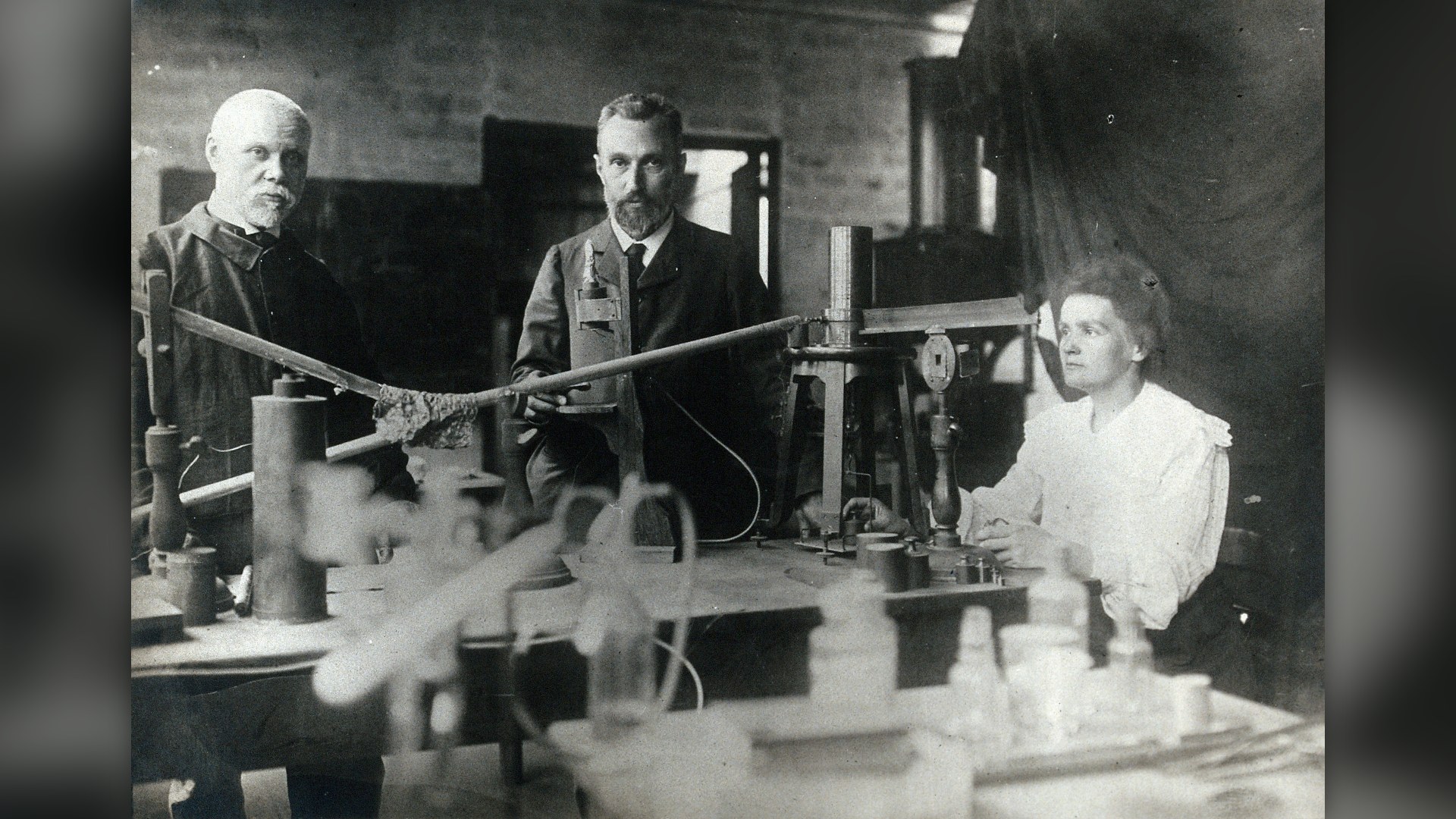
©Wikimedia / Wellcome Collection
4. Kevlar Bulletproof Fiber — Stephanie Kwolek
When DuPont chemist Stephanie Kwolek synthesized a cloudy, low-viscosity liquid-crystalline polymer solution in 1965, she persuaded a skeptical technician to spin it into fiber. The resulting material—Kevlar—proved five times stronger than steel by weight and has saved thousands of lives in body armor.
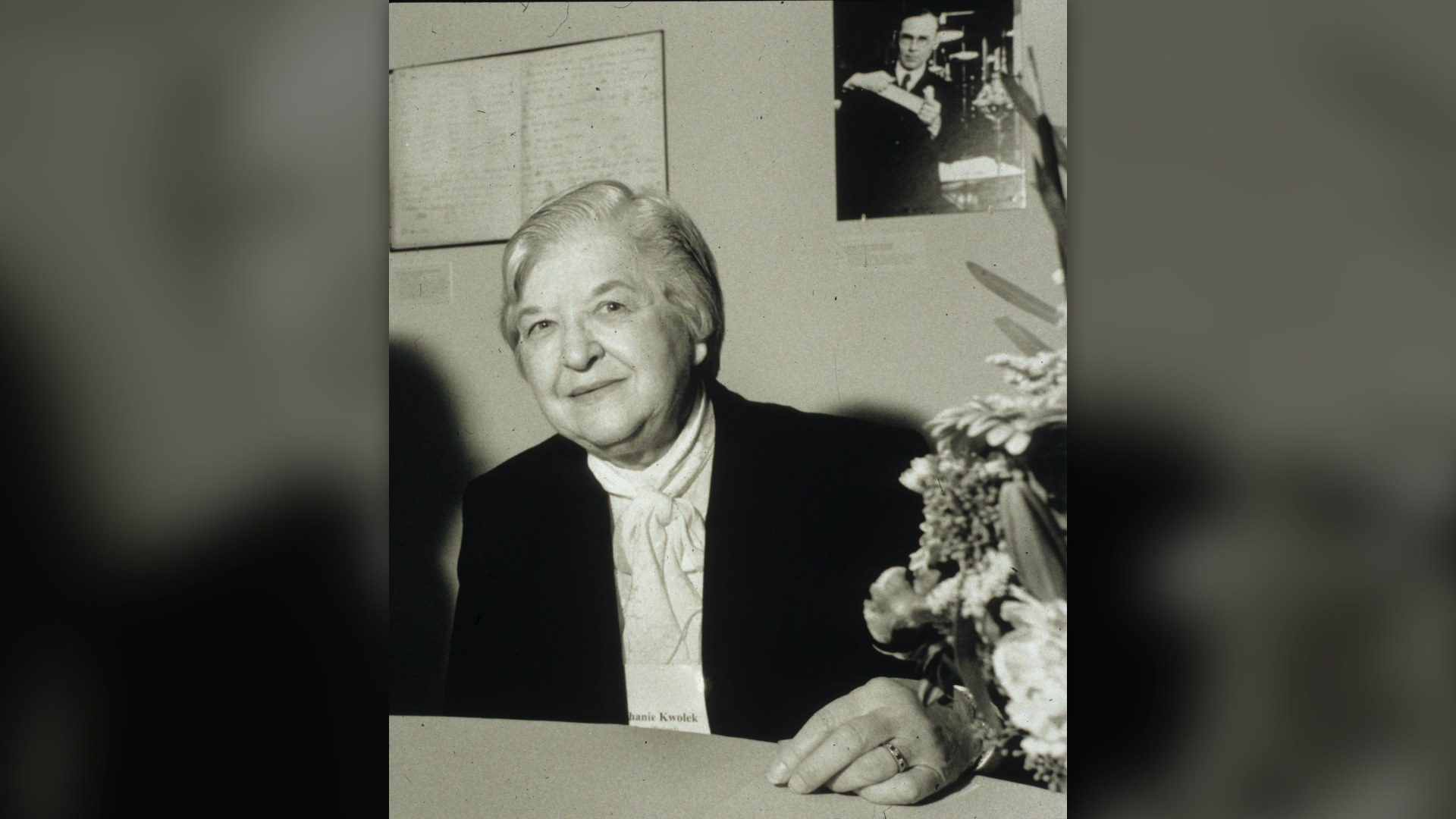
©Wikimedia / Science History Institute
3. GPS Satellite Geodesy Models — Dr. Gladys West
Because Earth is distorted by gravity and ocean tides rather than a perfect sphere, satellite navigation required complex mathematical modeling. Project manager Dr. Gladys West programmed an IBM 7030 Stretch supercomputer at Dahlgren to map Earth's precise geoid, forming the mathematical backbone of GPS.
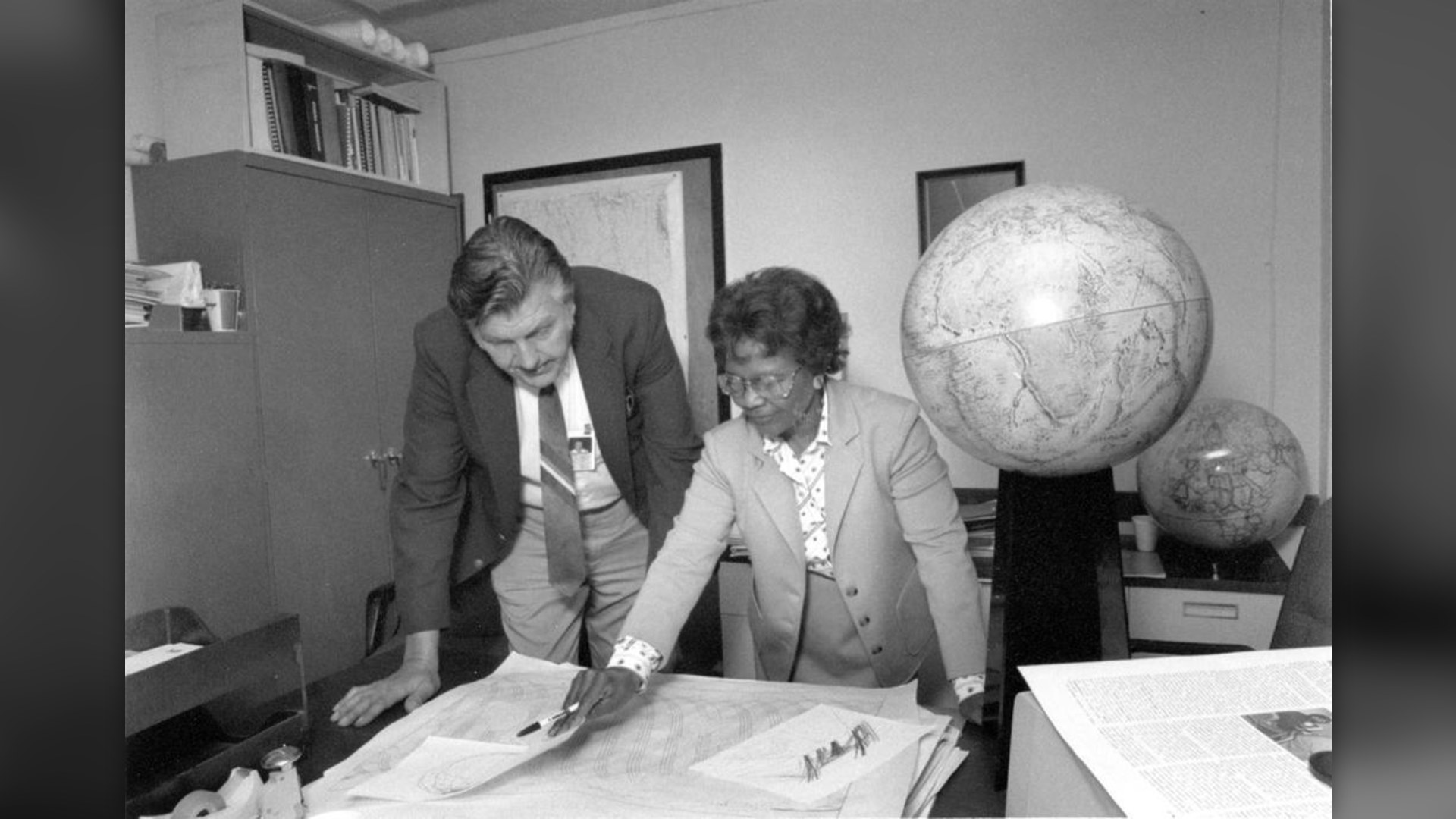
©Wikimedia / U.S. Navy
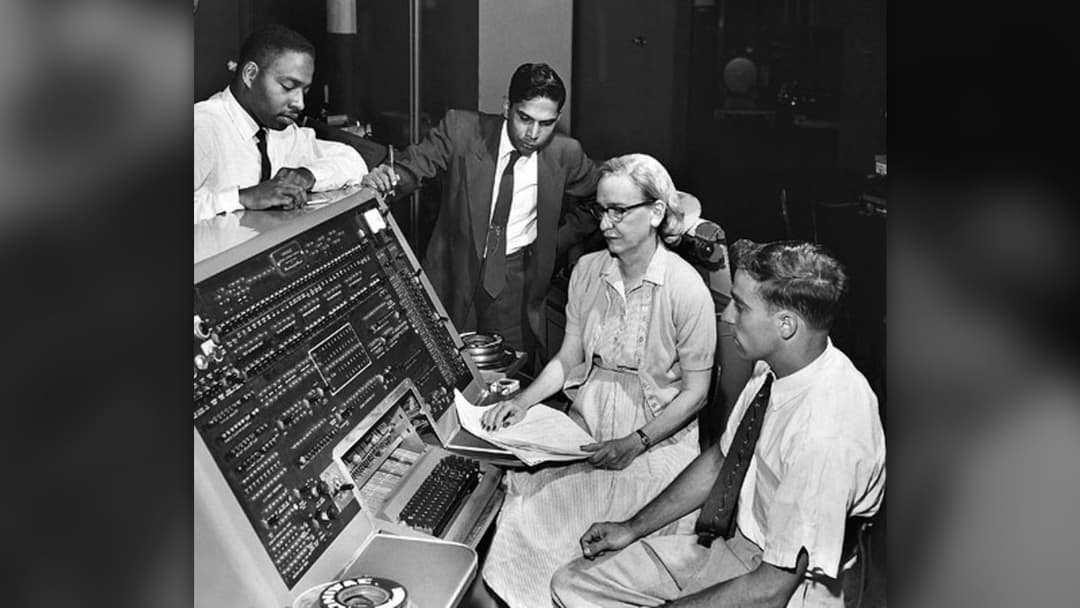
2. First Computer Compiler & COBOL — Grace Hopper
Mathematician and U.S. Navy Rear Admiral Grace Murray Hopper revolutionized computing in 1952 by inventing the A-0 compiler, which translated human-readable statements into binary machine code. Her subsequent FLOW-MATIC language directly inspired COBOL, powering global banking and enterprise software.
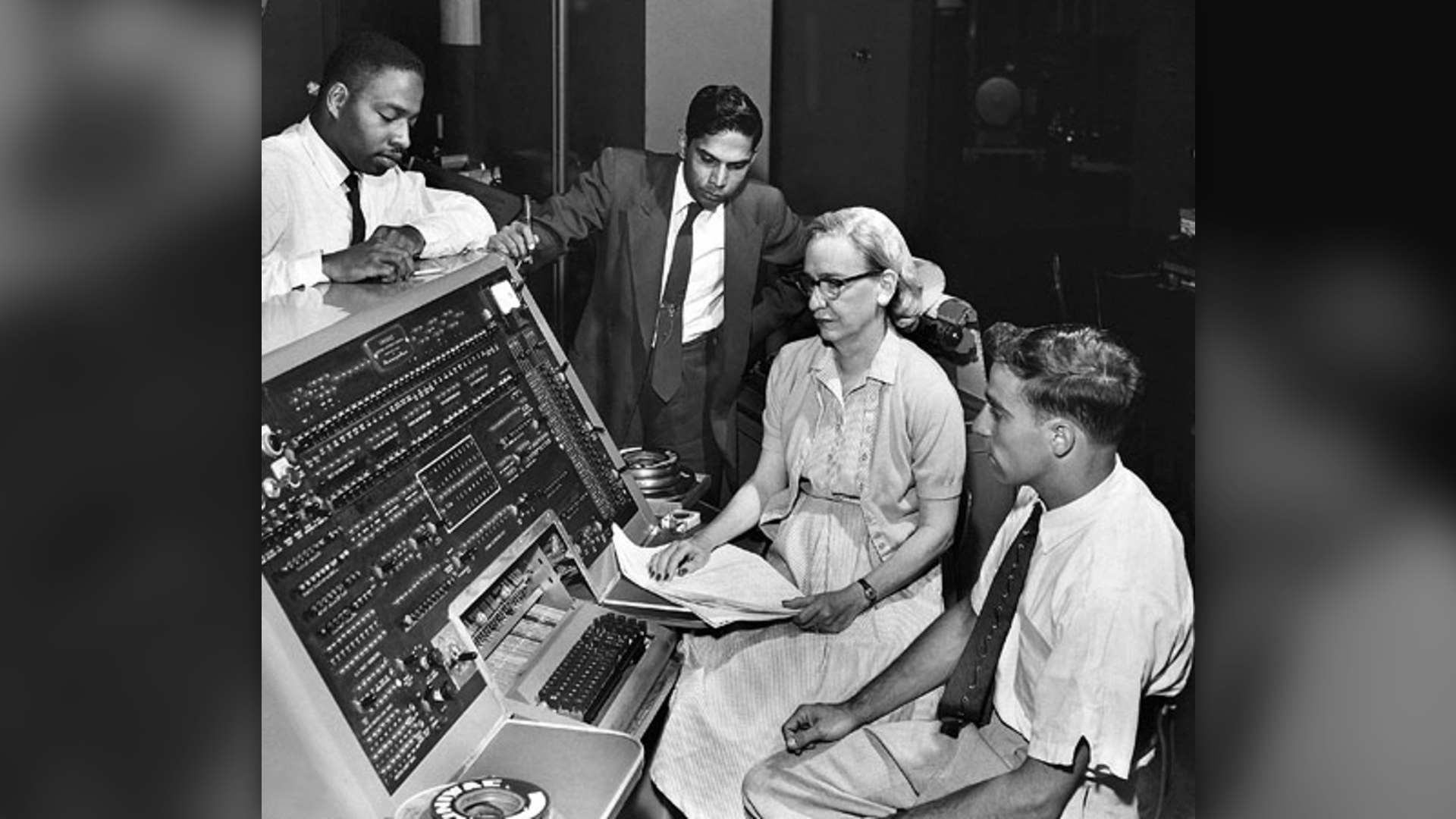
©Wikimedia / U.S. Navy & Sperry Rand
Advertisement
Swipe or tap ▶ to resume the countdown.
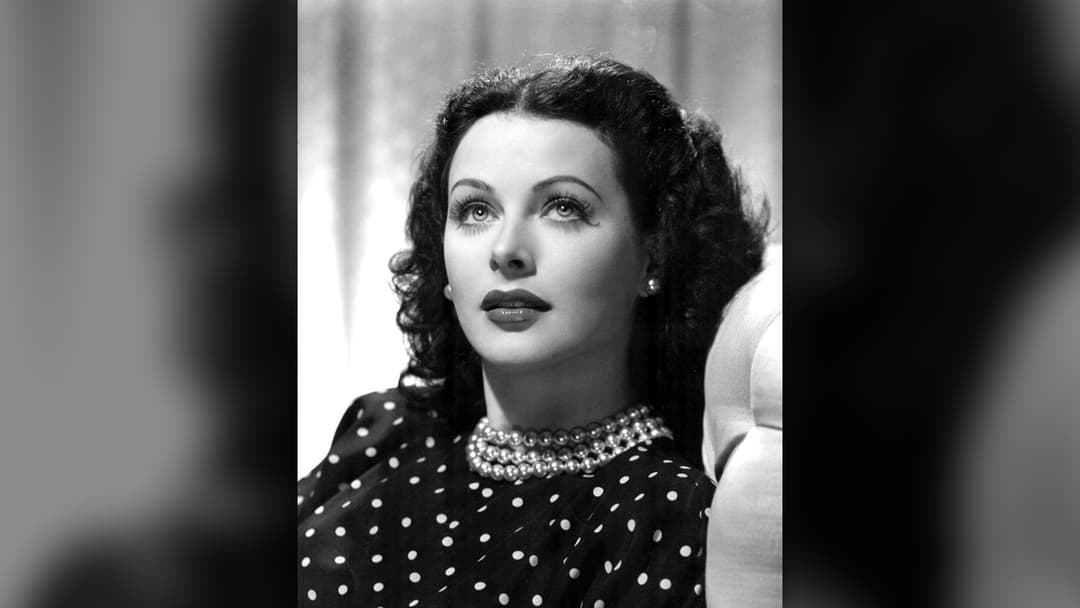
1. Frequency-Hopping Wireless Tech — Hedy Lamarr
Determined to stop Axis powers from jamming Allied radio-guided torpedoes during WWII, Austrian-born actress and self-taught inventor Hedy Lamarr teamed with composer George Antheil to patent a piano-roll-synchronized 'Secret Communication System' (U.S. Patent 2,292,387)—the bedrock of modern Wi-Fi and Bluetooth.
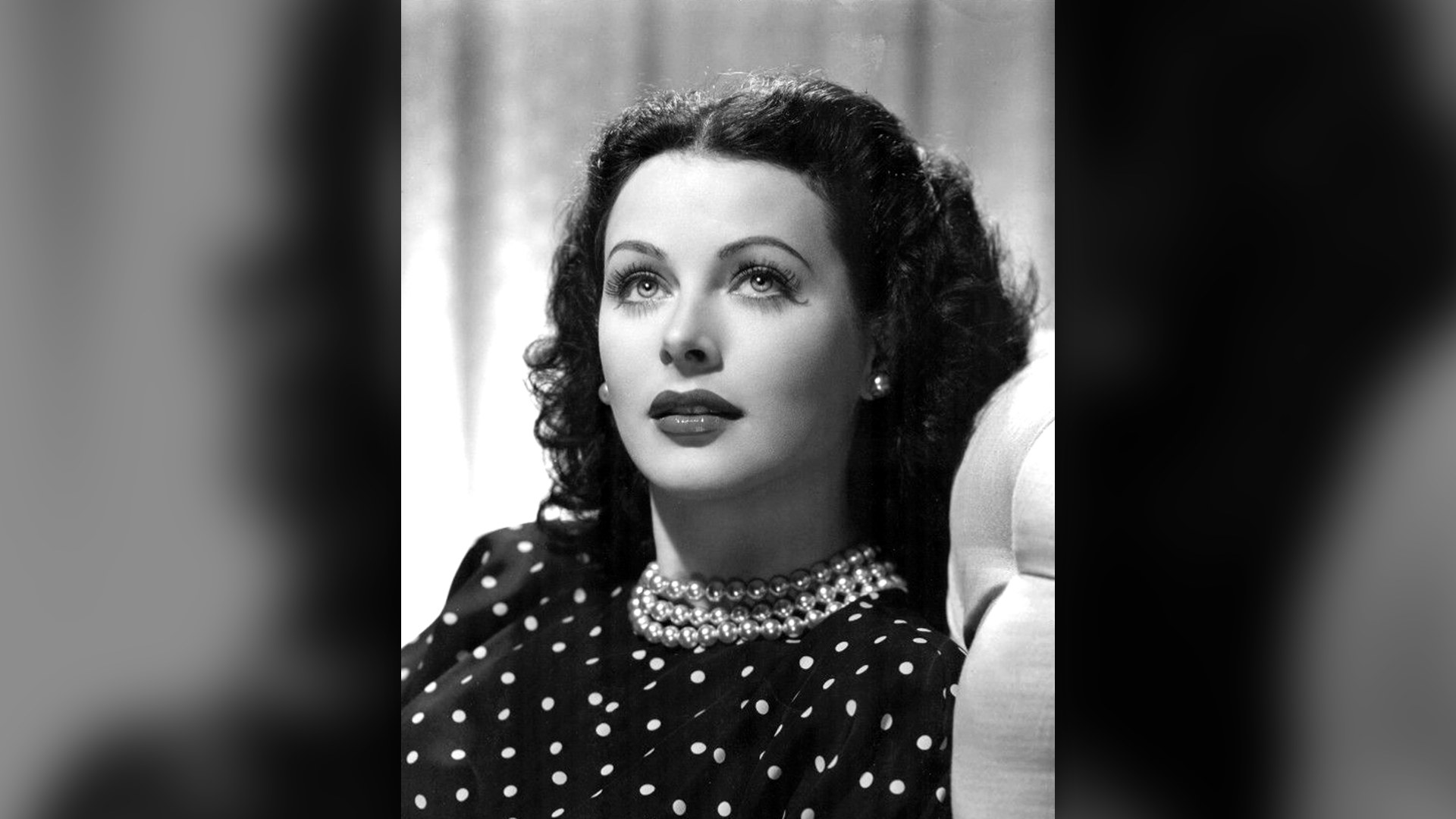
©Wikimedia / Metro-Goldwyn-Mayer
Advertisement
You've reached the end of the story. Thanks for reading!

20 Stages of Jim Jordan's Rise From Wrestler to House Republican
All 20 Entries in this Story
20. Chocolate Chip Cookies — Ruth Graves Wakefield
Contrary to myth, the chocolate chip cookie was no accident. Trained dietitian and food lecturer Ruth Graves Wakefield deliberately developed the recipe in 1938 at her Toll House Inn in Whitman, Massachusetts, trading her recipe to Nestlé for a lifetime supply of chocolate.

19. Flat-Bottom Paper Bag Machine — Margaret E. Knight
While working at the Columbia Paper Bag Company in Massachusetts, Margaret E. Knight built an iron machine that automatically folded and pasted square-bottomed paper bags. When a machinist stole her design and claimed a woman couldn't understand mechanics, she won a landmark 1871 patent lawsuit.

18. Liquid Paper Correction Fluid — Bette Nesmith Graham
Electric typewriters in the 1950s had carbon-film ribbons that made erasing typos nearly impossible. Texas bank secretary Bette Nesmith Graham—also the mother of Monkees musician Michael Nesmith—blended water-based tempera paint to match office stationery, selling Liquid Paper for $47.5 million in 1979.

17. Waterproof Diaper Cover — Marion Donovan
Post-WWII parents had only leaky cloth diapers and rubber pants that caused painful rashes. Marion Donovan fashioned a breathable, leakproof cover from nylon parachute cloth and replaced sharp safety pins with metal snaps, earning four patents in 1951 and selling the rights for $1 million.

16. Monopoly (The Landlord's Game) — Elizabeth Magie
Patented on January 5, 1904 (U.S. Patent 748,626), stenographer and writer Elizabeth 'Lizzie' Magie designed The Landlord's Game to illustrate the economic consequences of land monopolies. Her original square board featured railroads, utilities, rent collection, and a 'Go to Jail' corner space.

15. Sawmill Circular Saw — Tabitha Babbitt
At the Harvard Shaker community in Massachusetts in 1813, toolmaker and weaver Sarah 'Tabitha' Babbitt noticed that traditional pit saws only cut timber on the downward stroke. She notched a tin disk, attached it to her water-powered spinning wheel spindle, and created the first sawmill circular saw.

14. Submarine Telescope & Periscope — Sarah Mather
Granted U.S. Patent 3,995 on April 16, 1845—and upgraded with a second patent in 1864—Brooklyn inventor Sarah P. Mather combined a camphine lamp housed in a glass globe with angled mirrors inside a sunken tube, enabling mariners and submarines to survey underwater objects and hulls from the surface.

13. Modern Electric Refrigerator — Florence Parpart
Before the 1910s, most households relied on messy wooden iceboxes that required daily blocks of harvested ice. In 1914, New Jersey inventor Florence Parpart secured U.S. Patent 1,090,925 for an electric water-circulating cooling compartment that rendered traditional iceboxes obsolete.

12. Natural Gas Central Heating — Alice H. Parker
Awarded U.S. Patent 1,325,905 on December 23, 1919, African American inventor Alice H. Parker of Morristown, New Jersey designed a multi-burner natural gas heating furnace with individual air ducts. Her zone-controlled design laid the direct foundation for modern home thermostats and central HVAC systems.

11. Home Video Security System — Marie Van Brittan Brown
Concerned by slow police response times in Jamaica, Queens, nurse Marie Van Brittan Brown and her husband Albert built a motorized camera that slid across four peepholes, streaming live video to a bedroom monitor alongside a two-way microphone and remote-controlled door lock (U.S. Patent 3,482,037).

10. Automated Mechanical Dishwasher — Josephine Cochrane
To protect her heirloom 17th-century china from chipping in the sink, Illinois inventor Josephine Cochrane engineered wire compartments measured for plates and saucers inside a copper boiler powered by hot, soapy water jets. Her 1886 patent won top honors at the 1893 Chicago World's Fair and evolved into KitchenAid.

9. Automobile Windshield Wipers — Mary Anderson
Watching a New York trolley driver stick his head out into freezing sleet to wipe the glass by hand, Alabama developer Mary Anderson designed a spring-loaded rubber arm controlled by a lever inside the warm cab. Granted U.S. Patent 743,801 in November 1903, her invention became standard on cars by 1916.

8. One-Handed Medical Syringe — Letitia Mumford Geer
19th-century medical syringes were bulky instruments that required two hands or an assistant to operate. On April 11, 1899, New York nurse Letitia Mumford Geer received U.S. Patent 622,848 for a glass cylinder with a curved finger-rest handle and thumb plunger that enabled safe, one-handed injections.

7. Laserphaco Cataract Probe — Dr. Patricia Bath
In 1988, Dr. Patricia Bath became the first African American female physician to receive a medical patent (U.S. Patent 4,744,360). Her Laserphaco Probe used fiber-optic laser pulses and gentle suction to vaporize cataracts painlessly in minutes, restoring vision to millions of patients worldwide.

6. Human Stem Cell Isolation — Dr. Ann Tsukamoto
Awarded U.S. Patent 5,061,620 in 1991 alongside colleagues Charles Baum, Irving Weissman, and Ashley Buckle, cell biologist Dr. Ann Tsukamoto discovered how to isolate pure human hematopoietic blood stem cells—unlocking life-saving bone marrow transplants for metastatic cancer and leukemia patients.

5. Mobile X-Ray Units & Radium Therapy — Marie Curie
Beyond discovering polonium and radium and coining the term 'radioactivity,' two-time Nobel laureate Marie Skłodowska-Curie engineered fleets of generator-powered 'Petites Curies' radiology trucks during World War I—personally driving to the front lines so battlefield surgeons could locate shrapnel.

4. Kevlar Bulletproof Fiber — Stephanie Kwolek
When DuPont chemist Stephanie Kwolek synthesized a cloudy, low-viscosity liquid-crystalline polymer solution in 1965, she persuaded a skeptical technician to spin it into fiber. The resulting material—Kevlar—proved five times stronger than steel by weight and has saved thousands of lives in body armor.

3. GPS Satellite Geodesy Models — Dr. Gladys West
Because Earth is distorted by gravity and ocean tides rather than a perfect sphere, satellite navigation required complex mathematical modeling. Project manager Dr. Gladys West programmed an IBM 7030 Stretch supercomputer at Dahlgren to map Earth's precise geoid, forming the mathematical backbone of GPS.

2. First Computer Compiler & COBOL — Grace Hopper
Mathematician and U.S. Navy Rear Admiral Grace Murray Hopper revolutionized computing in 1952 by inventing the A-0 compiler, which translated human-readable statements into binary machine code. Her subsequent FLOW-MATIC language directly inspired COBOL, powering global banking and enterprise software.

1. Frequency-Hopping Wireless Tech — Hedy Lamarr
Determined to stop Axis powers from jamming Allied radio-guided torpedoes during WWII, Austrian-born actress and self-taught inventor Hedy Lamarr teamed with composer George Antheil to patent a piano-roll-synchronized 'Secret Communication System' (U.S. Patent 2,292,387)—the bedrock of modern Wi-Fi and Bluetooth.