Slideshow · Viral
Which US Cities Average the Most Snow Each Year?
By Most Viral Today
21 Oct 2026

Which US Cities Average the Most Snow Each Year? 
10. Denver, Colorado (56.5 Inches) 
9. Cleveland, Ohio (63.8 Inches) 
8. Grand Rapids, Michigan (79.7 Inches) - AdvertisementSwipe or tap ▶ to continue countdown

7. Duluth, Minnesota (86.1 Inches) 
6. Flagstaff, Arizona (90.1 Inches) 
5. Rochester, New York (102.0 Inches) 
4. Erie, Pennsylvania (104.3 Inches) - AdvertisementSwipe or tap ▶ to continue countdown

3. Buffalo, New York (105.1 Inches) 
2. Syracuse, New York (127.8 Inches) 
1. Valdez, Alaska (326.3 Inches) - Advertisement🔥 UP NEXT IN THIS SERIES◫ 21 Slides

20 Details Behind The Real Story Of Stephen Miller
Which US Cities Average the Most Snow Each Year?
Swipe or tap ▶ to begin the countdown
©Wikimedia / Jason Grote & Wikimedia / Chanilim714
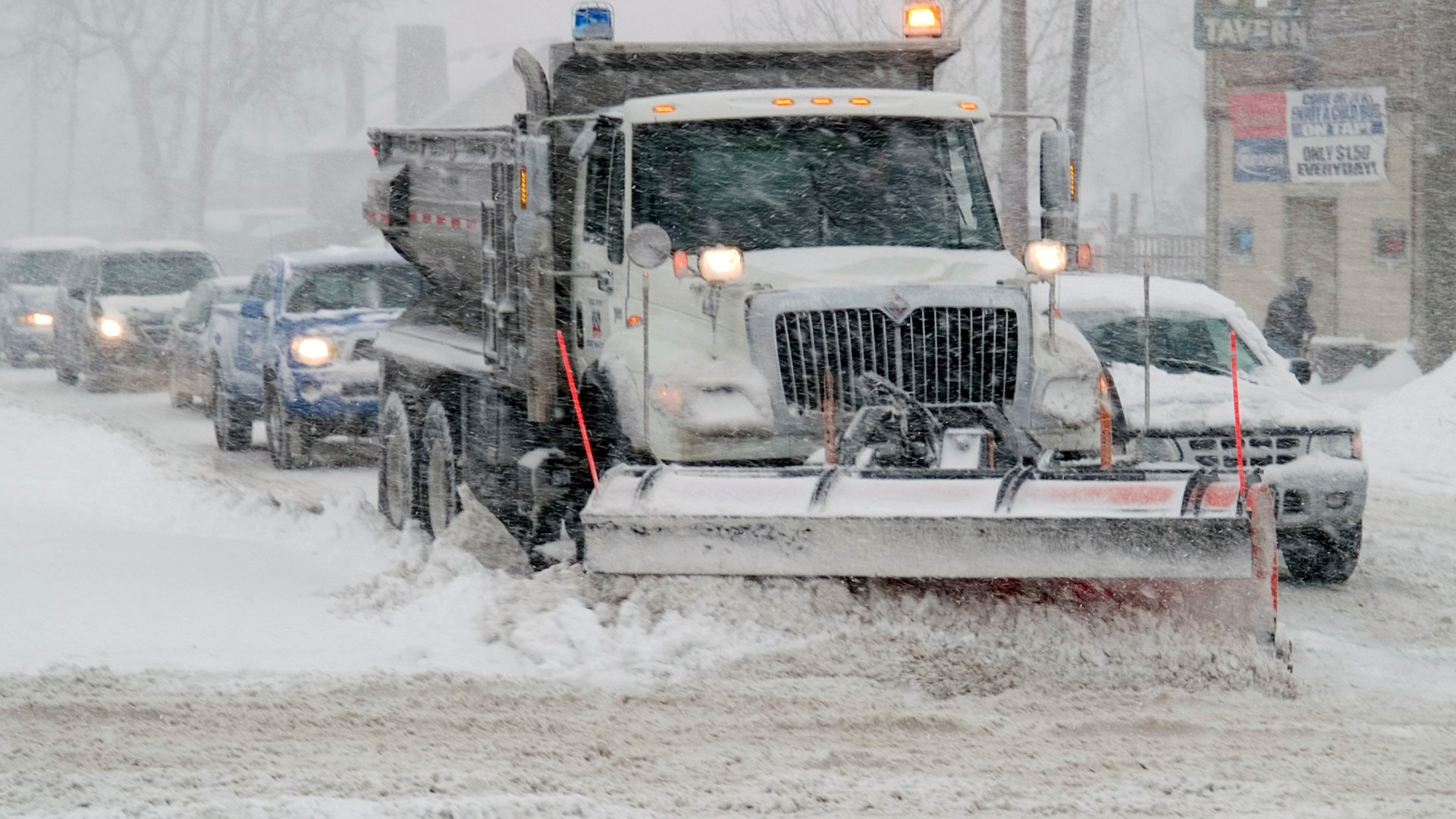
10. Denver, Colorado (56.5 Inches)
Denver kicks off the top ten with an annual average of 56.5 inches of snow. Situated at the base of the Rocky Mountains, the Mile High City experiences dramatic winter upslope storms that can dump several feet of powder in a single 24-hour cycle.
©Wikimedia / FEMA / Michael Rieger
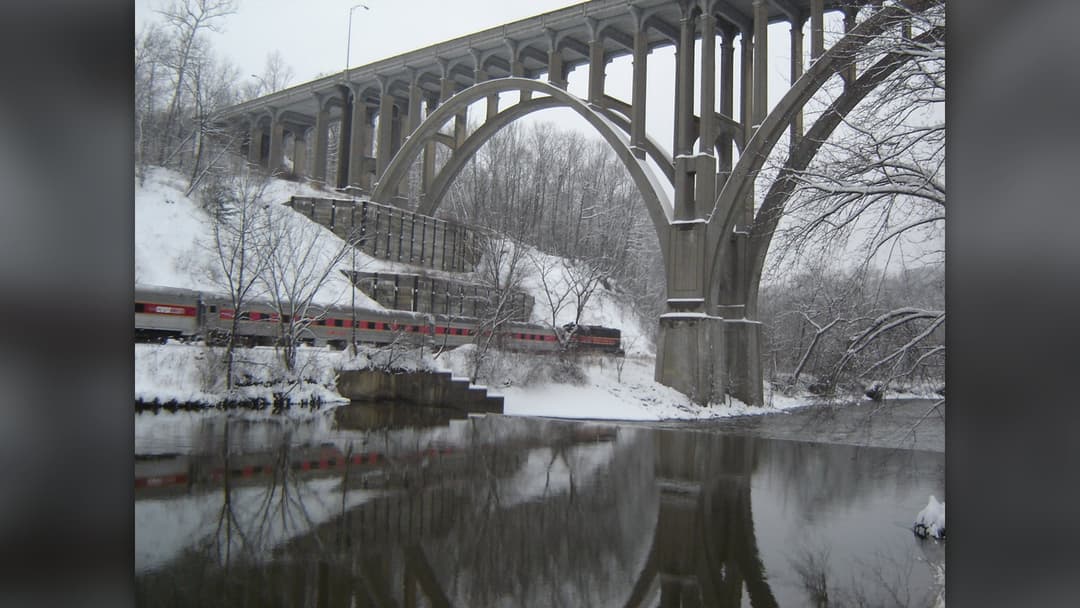
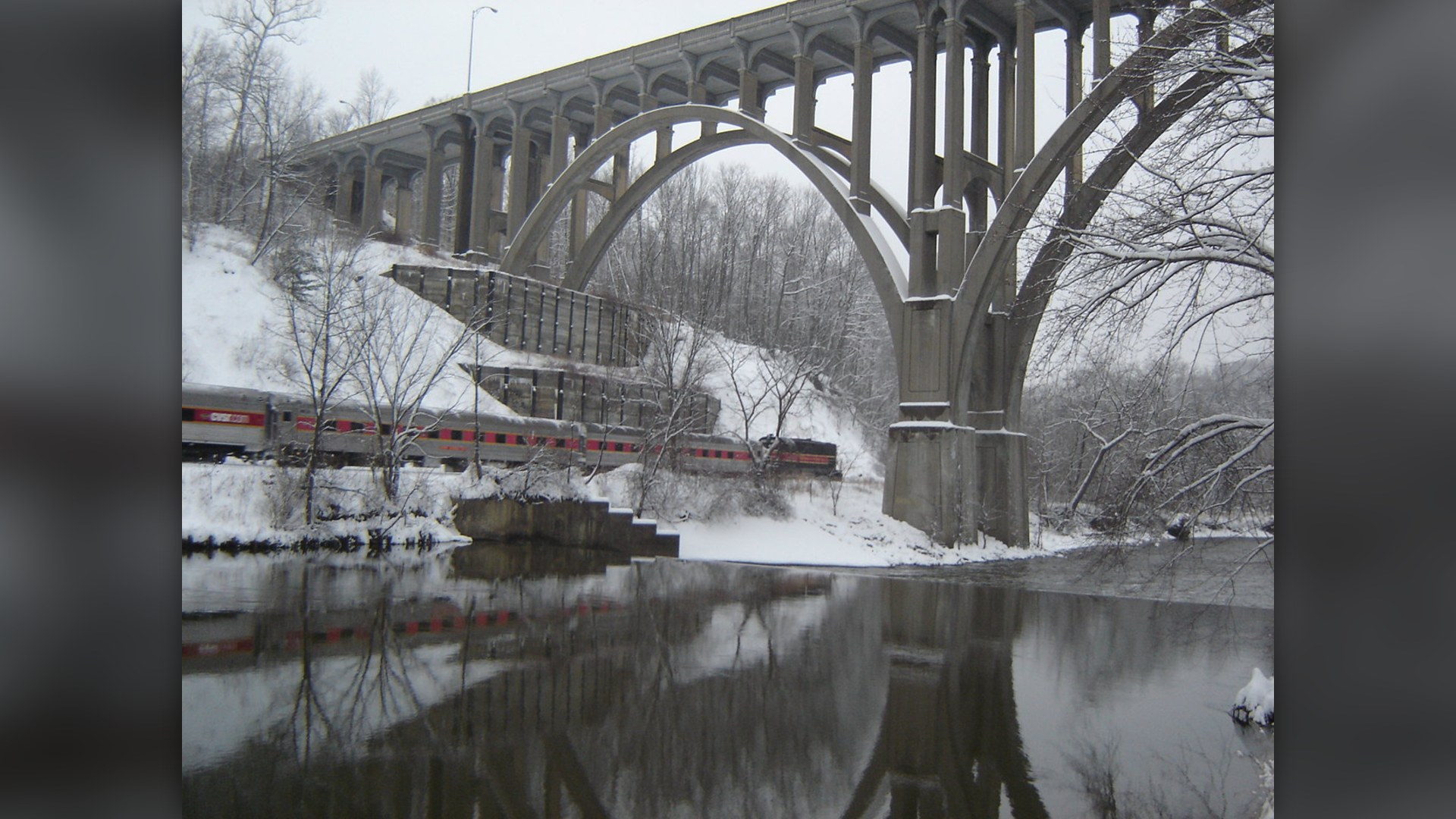
9. Cleveland, Ohio (63.8 Inches)
Cleveland's winters are defined by Lake Erie. When Arctic air masses sweep across open lake waters, intense lake-effect snow bands set up directly over the city's eastern suburbs, known locally as the primary snowbelt, driving annual averages to 63.8 inches.
©Wikimedia / Chanilim714
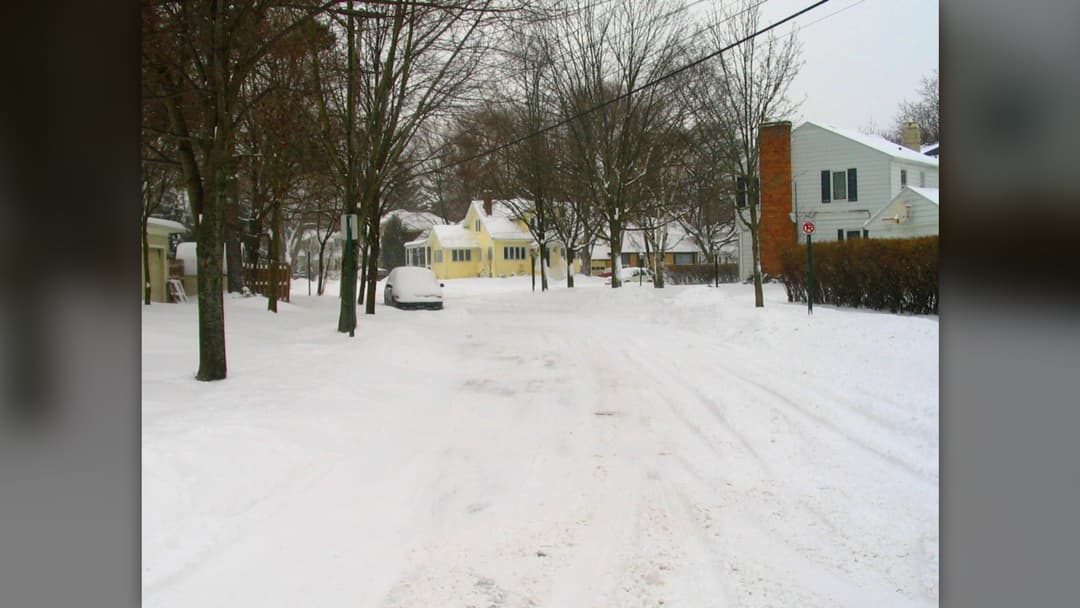
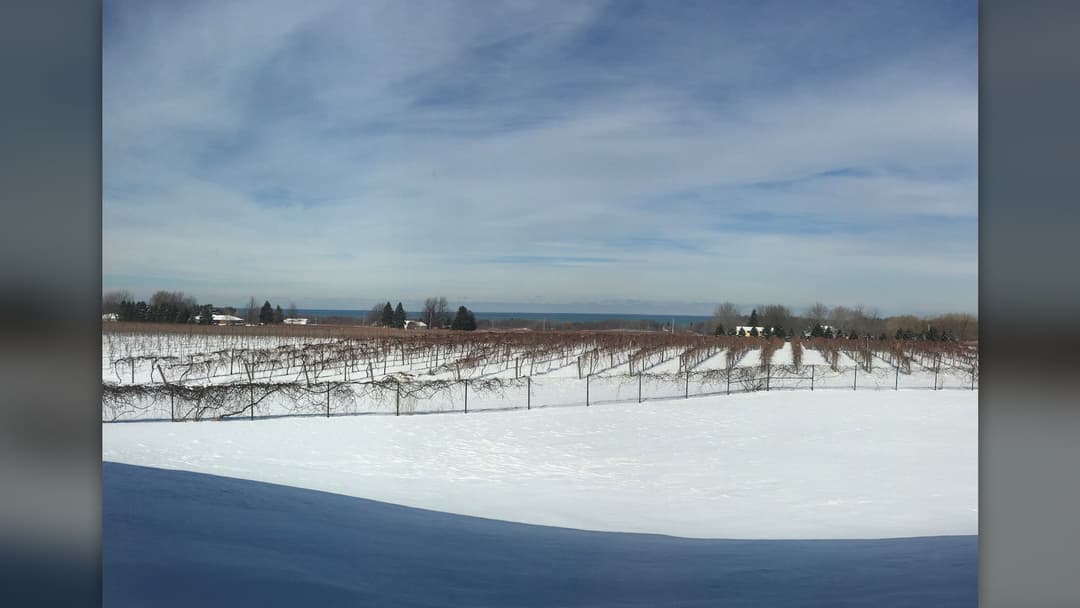
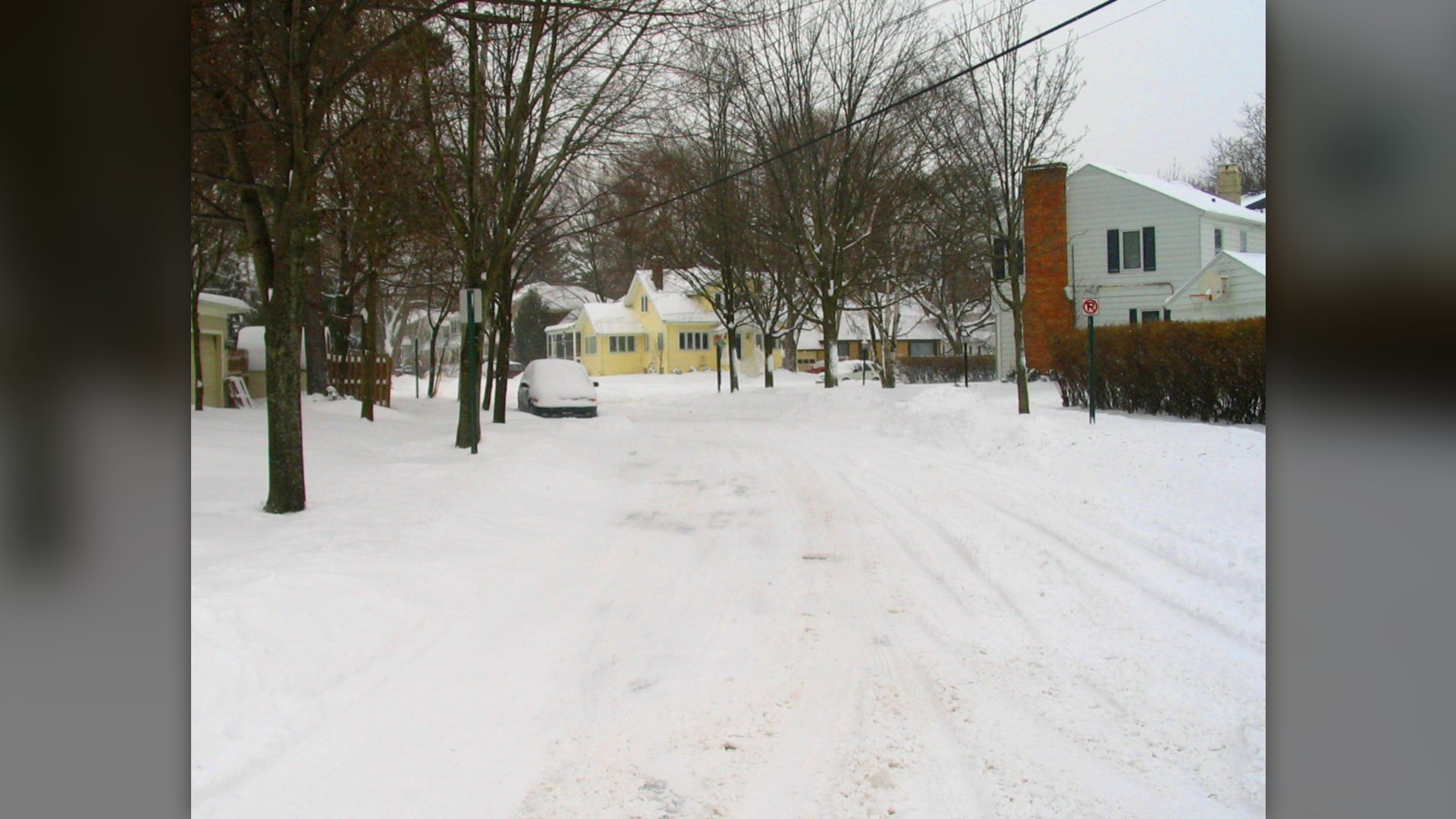
8. Grand Rapids, Michigan (79.7 Inches)
Located just 30 miles east of Lake Michigan, Grand Rapids sits squarely in West Michigan's snowbelt. Cold northwesterly winds trigger persistent snow squalls from November through March, piling up an average of 79.7 inches of fluffy powder each winter season.
©Wikimedia / Attercop311
Advertisement
Swipe or tap ▶ to resume the countdown.
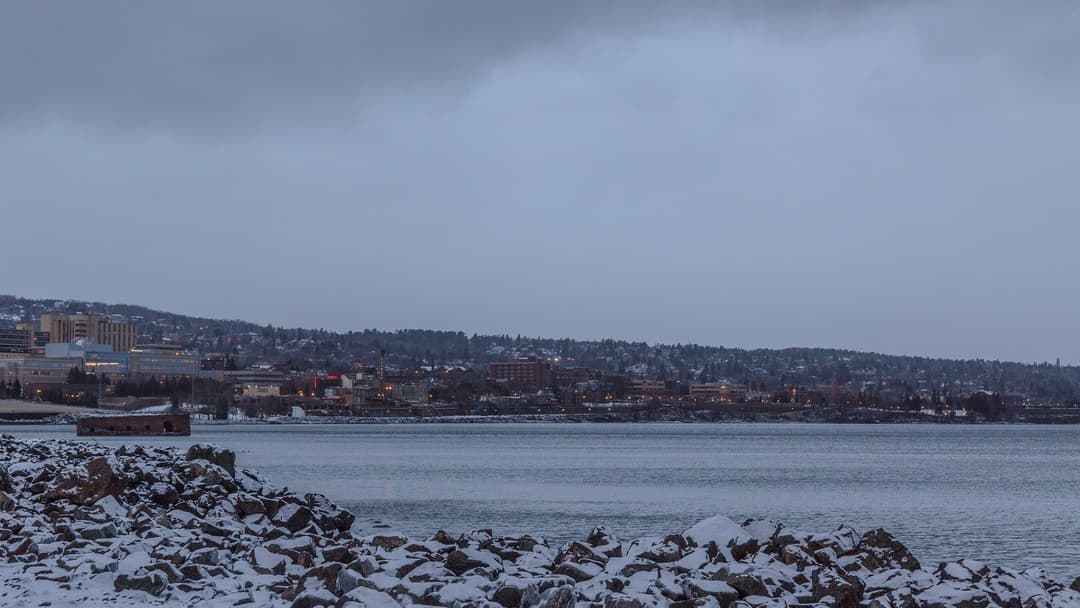
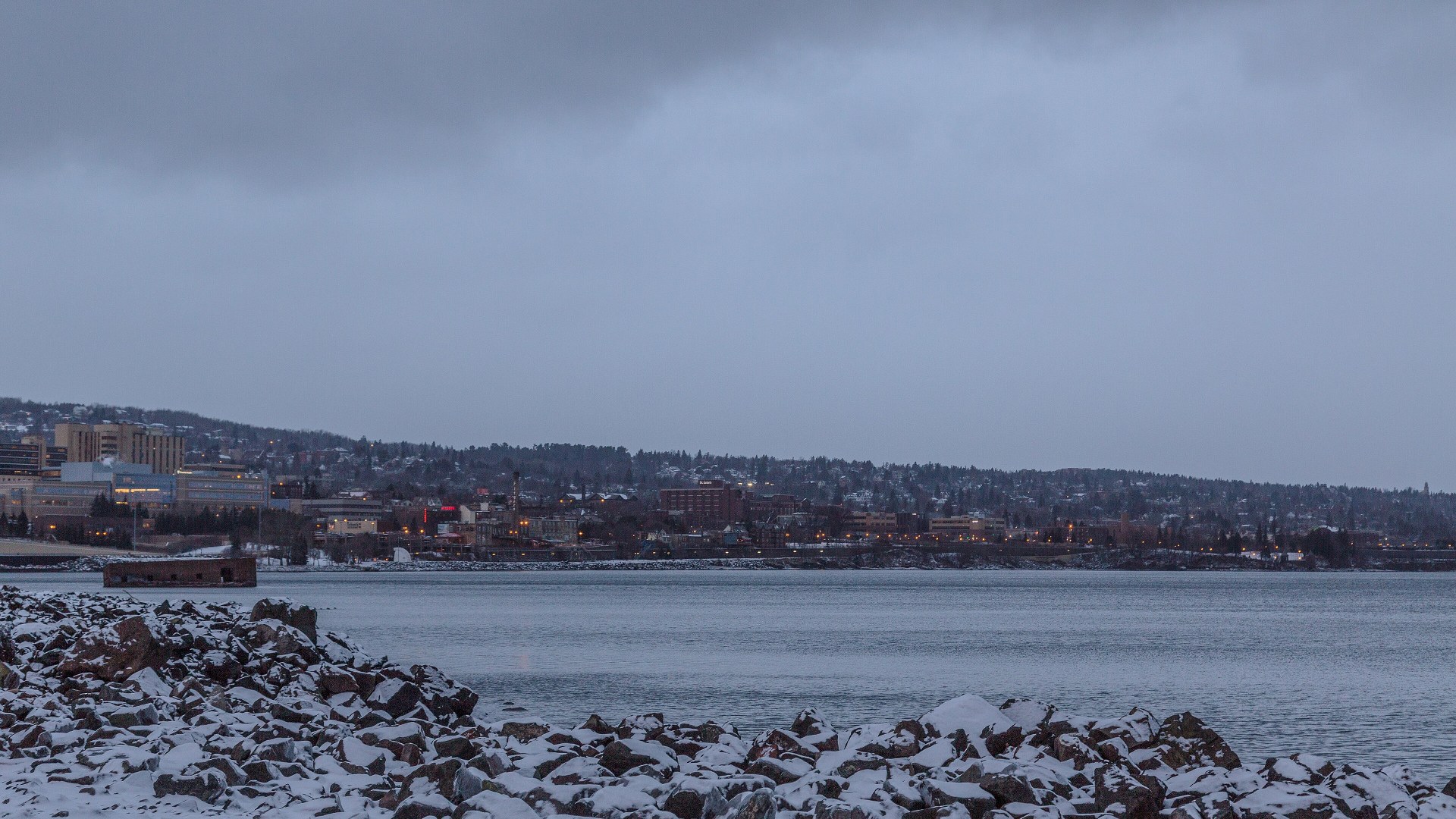
7. Duluth, Minnesota (86.1 Inches)
Duluth combines brutal Arctic cold with massive lake-effect moisture from Lake Superior. The city's steep hillside topography acts as a natural ramp, enhancing snowfall through orographic lift and burying neighborhoods in an average of 86.1 inches annually.
©Wikimedia / Tony Webster
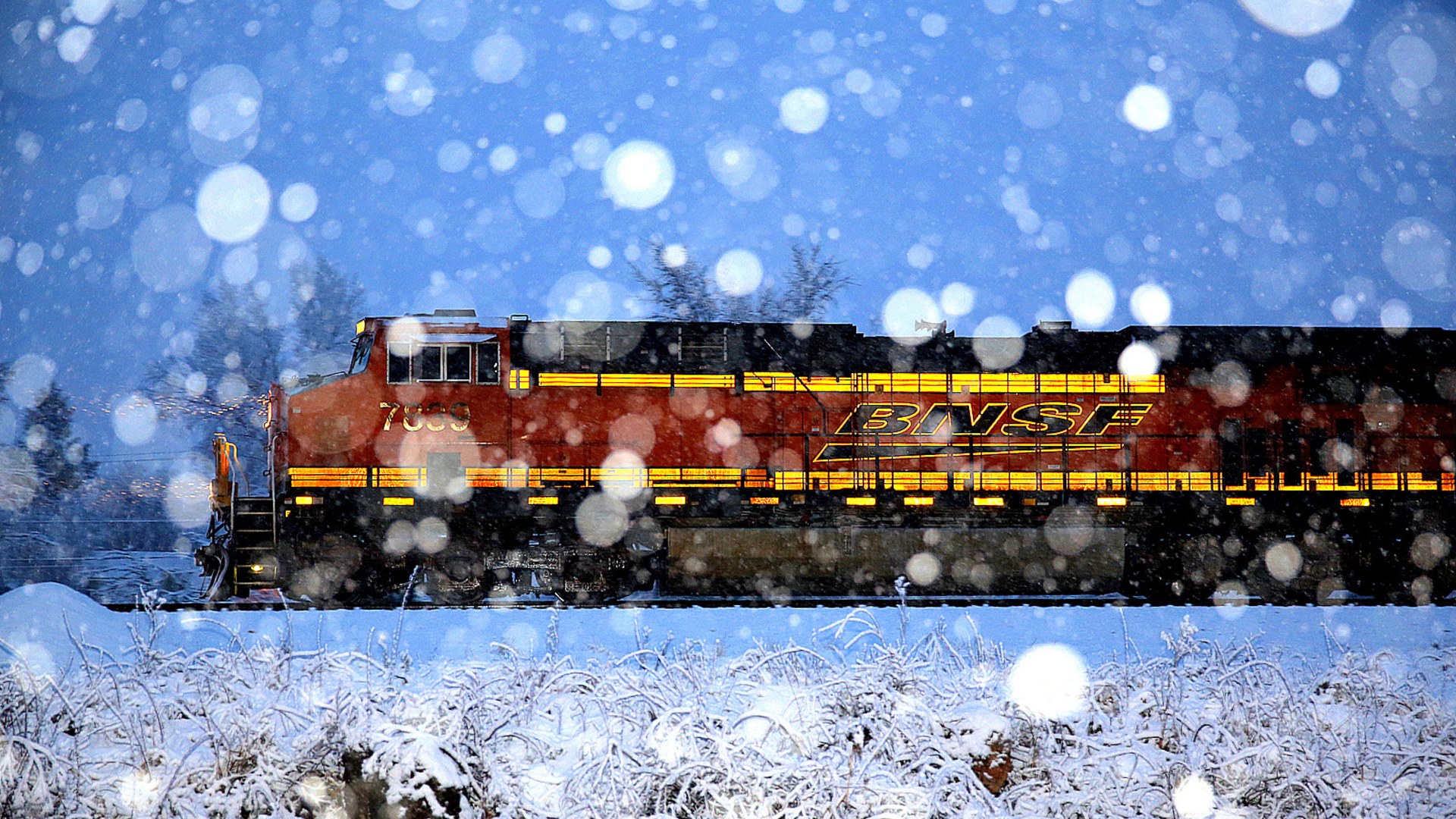
6. Flagstaff, Arizona (90.1 Inches)
While most associate Arizona with scorching desert heat, Flagstaff sits at an elevation of 7,000 feet beneath the San Francisco Peaks. Pacific winter storms slammed against the plateau drop an astonishing 90.1 inches of snow on average every year.
©Wikimedia / Bill Morrow
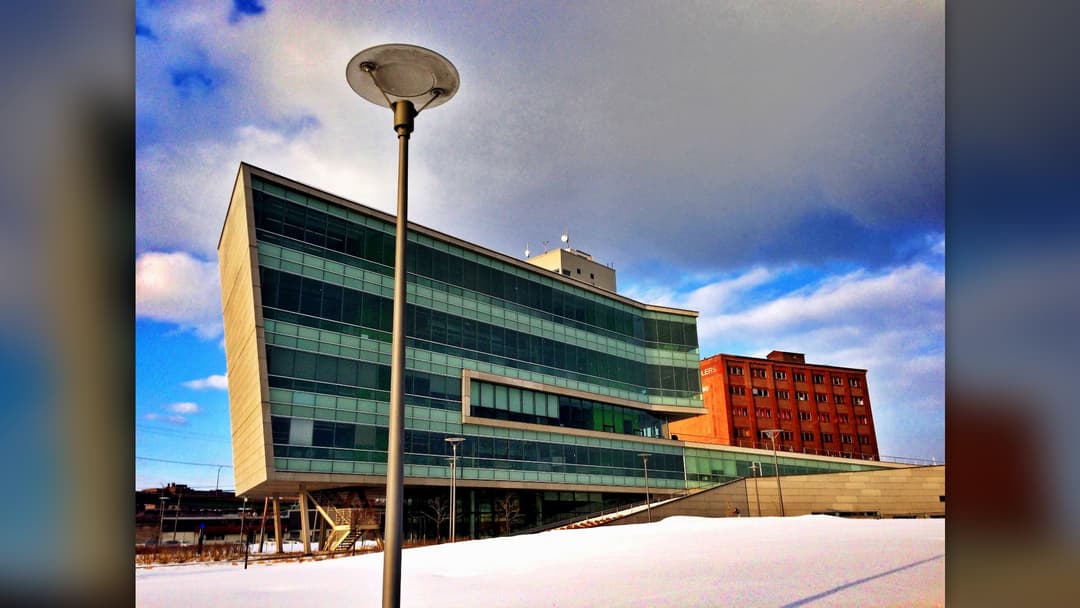
5. Rochester, New York (102.0 Inches)
Rochester is the first city on our list to break the 100-inch threshold, averaging 102.0 inches annually. Trapped between Lake Erie and Lake Ontario, the city regularly faces parallel lake-effect bands that can drop two to three inches of snow per hour.

©Wikimedia / Yourusernamewillbepublic2
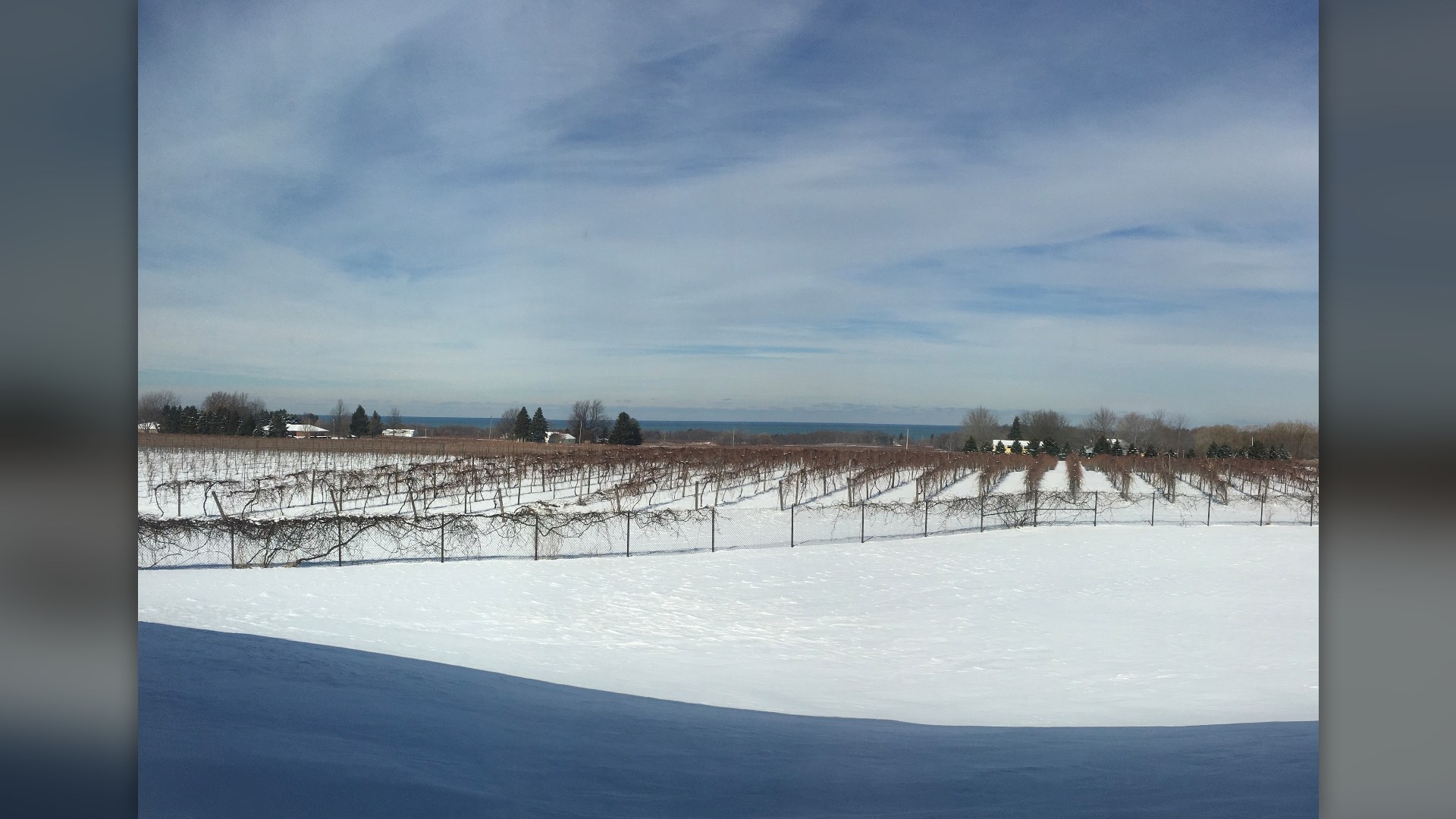
4. Erie, Pennsylvania (104.3 Inches)
Erie, Pennsylvania, averages 104.3 inches of snow per winter. In December 2017, the city made national weather history when a relentless lake-effect squall dumped an unprecedented 65.8 inches of snow in just 48 hours, paralyzing roads and setting state records.
©Wikimedia / Andre Carrotflower
Advertisement
Swipe or tap ▶ to resume the countdown.
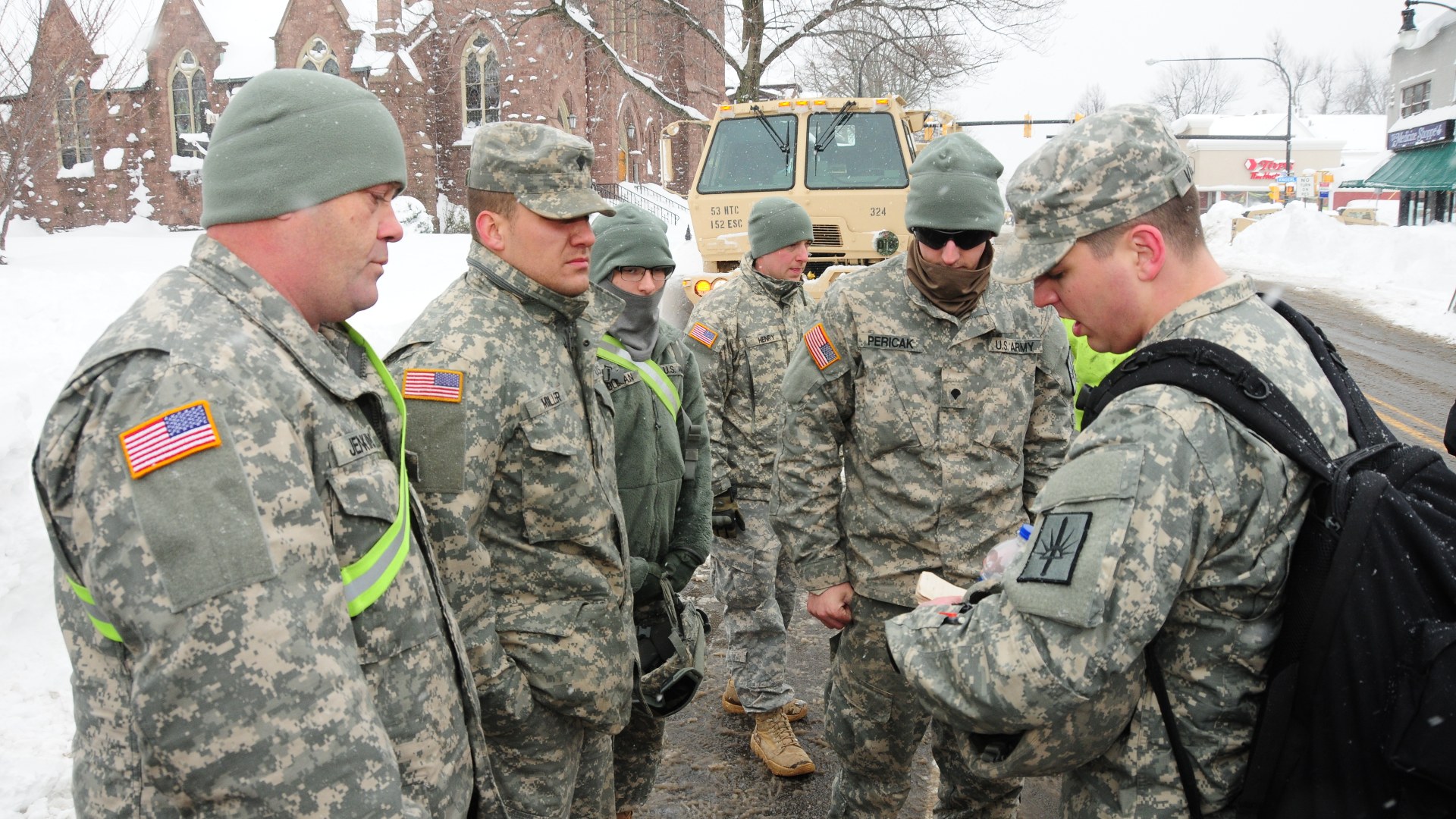
3. Buffalo, New York (105.1 Inches)
Buffalo's location at the eastern tip of Lake Erie creates a perfect meteorological snow cannon. When freezing winds align with the lake's longest axis, historic multi-day blizzard bands paralyze the Southtowns, powering Buffalo to an average of 105.1 inches.
©Wikimedia / Senior Master Sgt. Raymond Lloyd
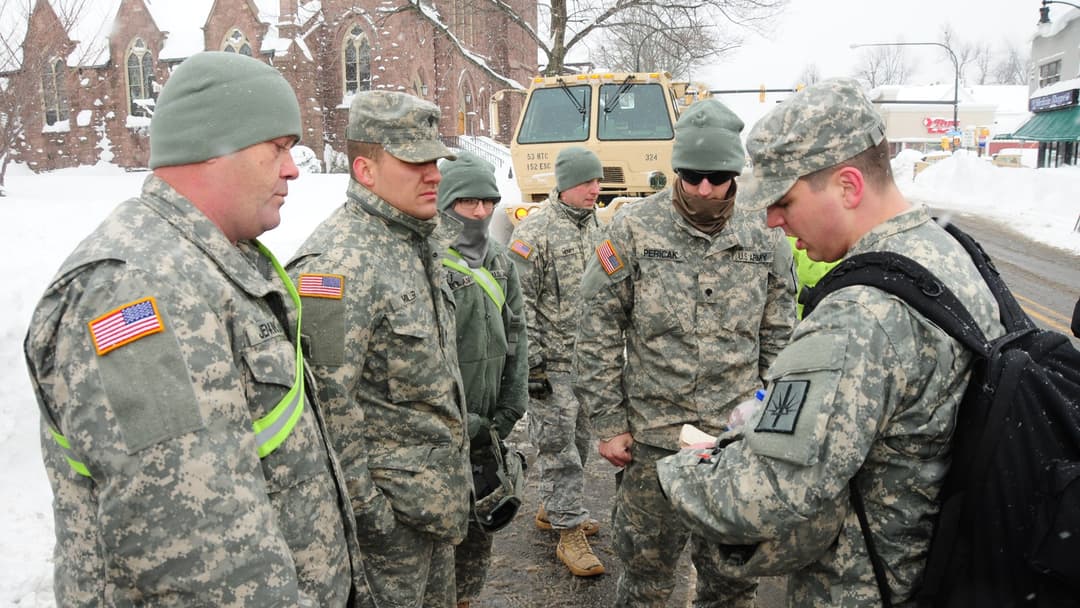
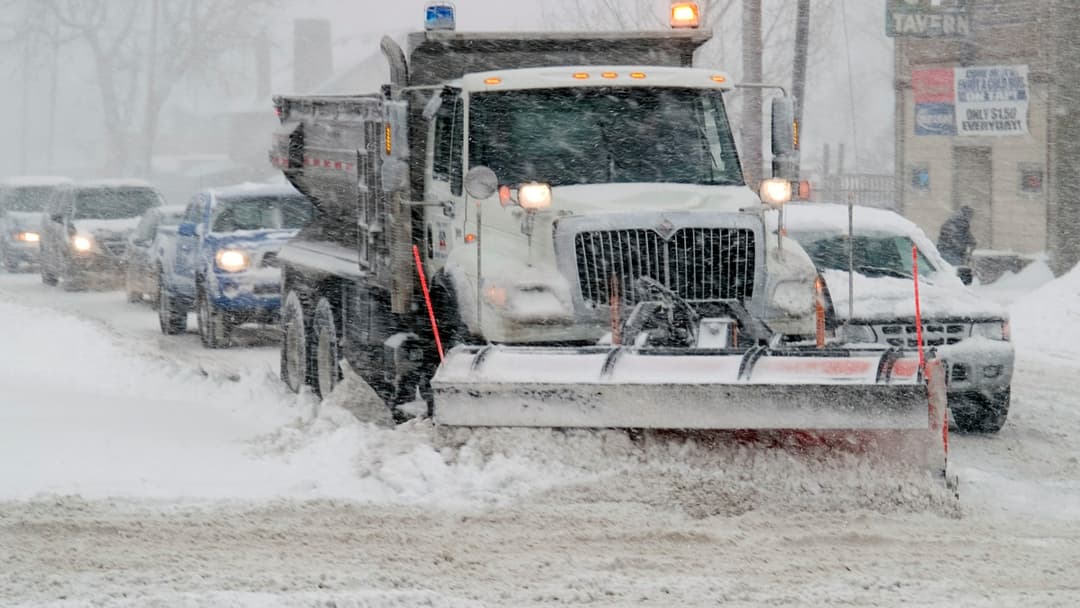
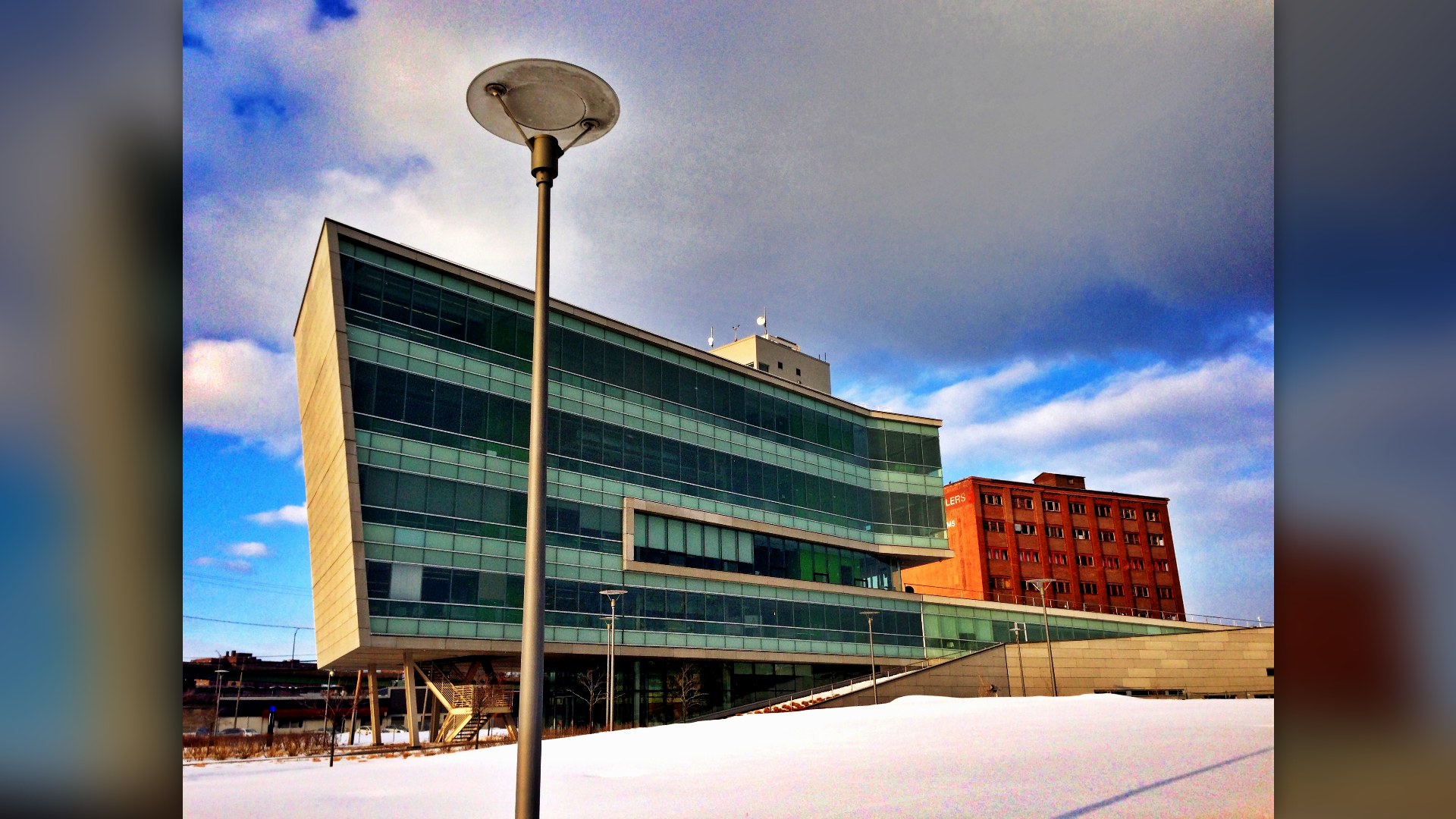
2. Syracuse, New York (127.8 Inches)
Among all US metropolitan cities with over 100,000 residents, Syracuse holds the undisputed crown with an annual average of 127.8 inches. Cold Canadian air picking up moisture across Lake Ontario dumps towering drifts, earning Syracuse multiple Golden Snowball awards.
©Wikimedia / Michael Scialdone
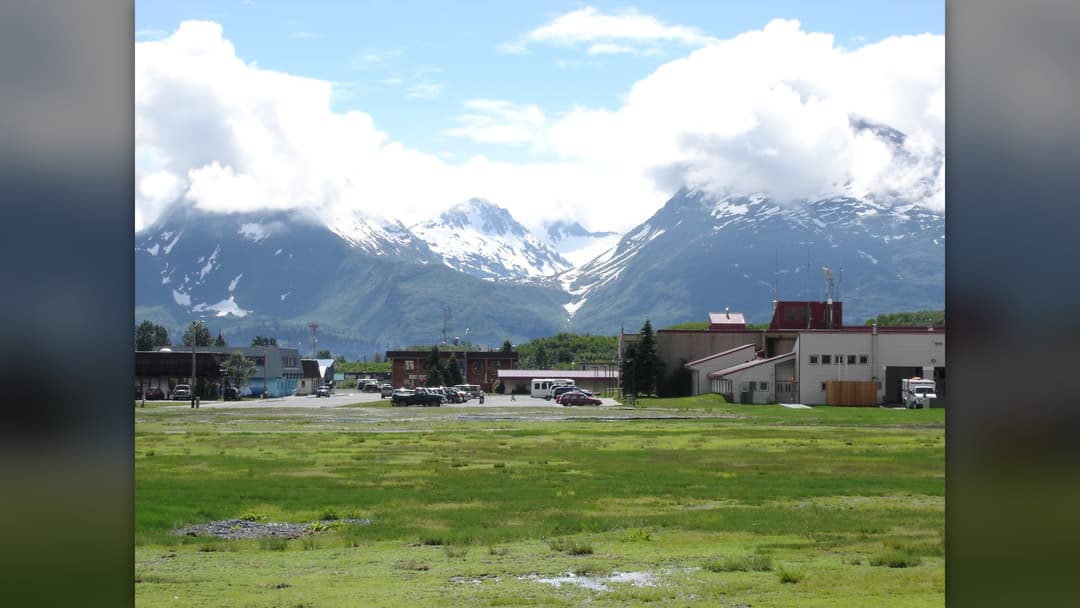
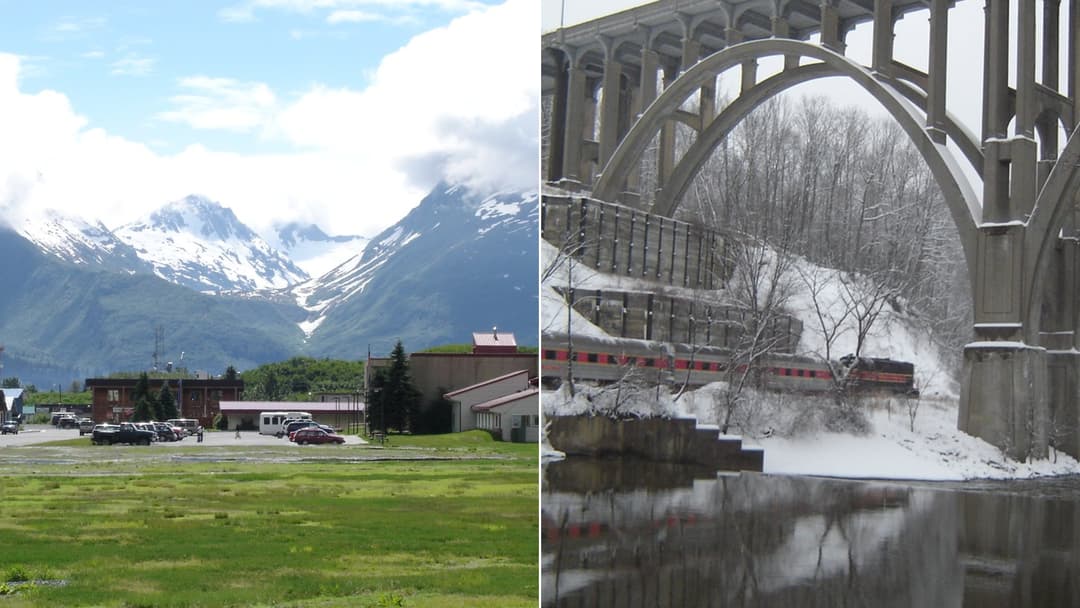
1. Valdez, Alaska (326.3 Inches)
Blowing away every other city in the nation, Valdez, Alaska, averages an astonishing 326.3 inches of snow annually—more than 27 vertical feet! Surrounded by the Chugach Mountains, moisture-rich Gulf of Alaska systems unleash relentless, staggering winter avalanches.
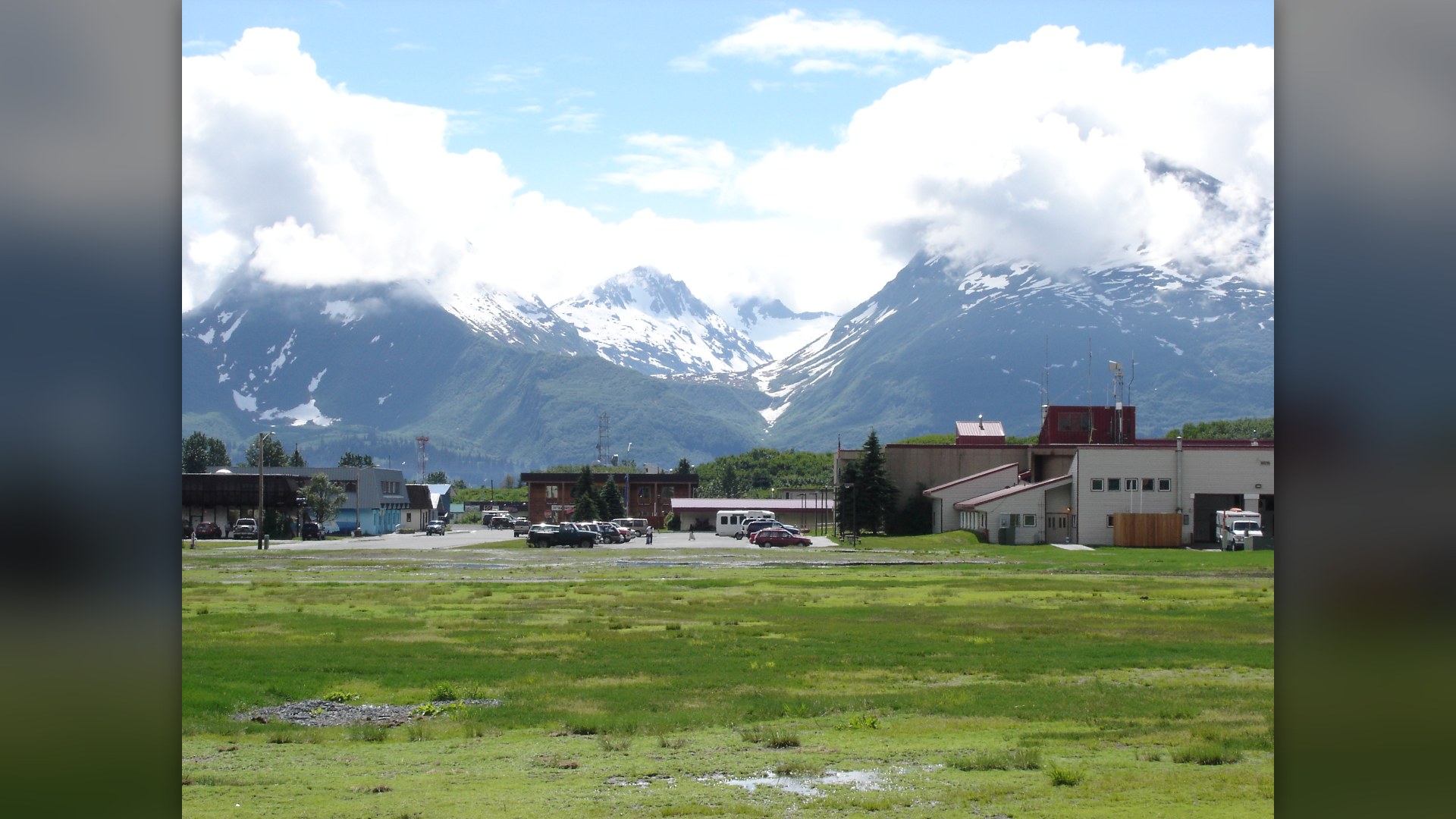
©Wikimedia / Jason Grote
Advertisement
You've reached the end of the story. Thanks for reading!

20 Details Behind The Real Story Of Stephen Miller
All 10 Entries in this Story
10. Denver, Colorado (56.5 Inches)
Denver kicks off the top ten with an annual average of 56.5 inches of snow. Situated at the base of the Rocky Mountains, the Mile High City experiences dramatic winter upslope storms that can dump several feet of powder in a single 24-hour cycle.

9. Cleveland, Ohio (63.8 Inches)
Cleveland's winters are defined by Lake Erie. When Arctic air masses sweep across open lake waters, intense lake-effect snow bands set up directly over the city's eastern suburbs, known locally as the primary snowbelt, driving annual averages to 63.8 inches.

8. Grand Rapids, Michigan (79.7 Inches)
Located just 30 miles east of Lake Michigan, Grand Rapids sits squarely in West Michigan's snowbelt. Cold northwesterly winds trigger persistent snow squalls from November through March, piling up an average of 79.7 inches of fluffy powder each winter season.

7. Duluth, Minnesota (86.1 Inches)
Duluth combines brutal Arctic cold with massive lake-effect moisture from Lake Superior. The city's steep hillside topography acts as a natural ramp, enhancing snowfall through orographic lift and burying neighborhoods in an average of 86.1 inches annually.

6. Flagstaff, Arizona (90.1 Inches)
While most associate Arizona with scorching desert heat, Flagstaff sits at an elevation of 7,000 feet beneath the San Francisco Peaks. Pacific winter storms slammed against the plateau drop an astonishing 90.1 inches of snow on average every year.

5. Rochester, New York (102.0 Inches)
Rochester is the first city on our list to break the 100-inch threshold, averaging 102.0 inches annually. Trapped between Lake Erie and Lake Ontario, the city regularly faces parallel lake-effect bands that can drop two to three inches of snow per hour.

4. Erie, Pennsylvania (104.3 Inches)
Erie, Pennsylvania, averages 104.3 inches of snow per winter. In December 2017, the city made national weather history when a relentless lake-effect squall dumped an unprecedented 65.8 inches of snow in just 48 hours, paralyzing roads and setting state records.

3. Buffalo, New York (105.1 Inches)
Buffalo's location at the eastern tip of Lake Erie creates a perfect meteorological snow cannon. When freezing winds align with the lake's longest axis, historic multi-day blizzard bands paralyze the Southtowns, powering Buffalo to an average of 105.1 inches.

2. Syracuse, New York (127.8 Inches)
Among all US metropolitan cities with over 100,000 residents, Syracuse holds the undisputed crown with an annual average of 127.8 inches. Cold Canadian air picking up moisture across Lake Ontario dumps towering drifts, earning Syracuse multiple Golden Snowball awards.

1. Valdez, Alaska (326.3 Inches)
Blowing away every other city in the nation, Valdez, Alaska, averages an astonishing 326.3 inches of snow annually—more than 27 vertical feet! Surrounded by the Chugach Mountains, moisture-rich Gulf of Alaska systems unleash relentless, staggering winter avalanches.