Slideshow · Viral
15 Backlash over Google's AI school search policy
15 Real Differences Between Google Search And School AI

By Most Viral Today
1 hour ago

Google Search vs School AI: The Battle Over Classrooms 
15. Alternative Paths And Guided Learning 
14. The Widening Digital Divide 
13. Academic Impact And Retention - AdvertisementSwipe or tap ▶ to continue countdown

12. Hallucinations And Critical Thinking 
11. Major District Resistance 
10. Mandatory AI Overviews 
9. Congressional Pushback - AdvertisementSwipe or tap ▶ to continue countdown

8. Monopoly Leverage Concerns 
7. Allegations Of Corporate Extortion 
6. Google Technical Defense 
5. The Student Experience - AdvertisementSwipe or tap ▶ to continue countdown

4. Default Settings And Blackouts 
3. The Administrator Dilemma 
2. The All-Or-Nothing Bundle 
1. The Core Policy Shift - Advertisement🔥 UP NEXT IN THIS SERIES◫ 21 Slides

20 US States with the most bald men
20 Environmental and Lifestyle Factors Driving Hair Loss
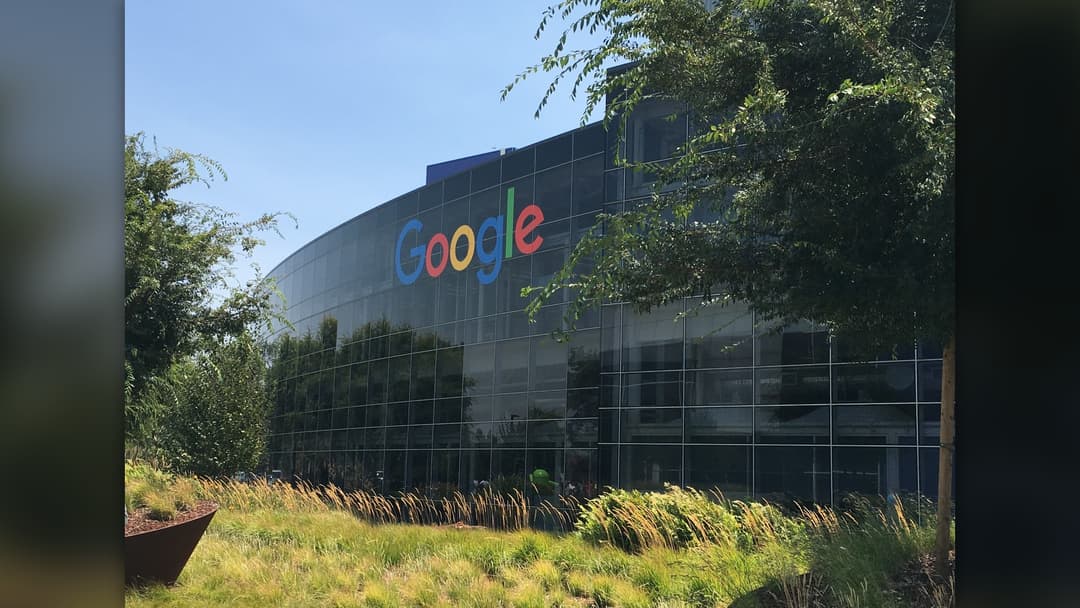
Google is bundling traditional search with generative AI tools across K-12 school accounts. The policy forces school districts to choose between accepting AI in the classroom or losing access to Google Search entirely, sparking nationwide debate among educators, parents, and lawmakers.
Swipe or tap ▶ to begin the countdown
©Wikimedia / Runner1928 & Virginia Dept of Ed
15. Alternative Paths And Guided Learning
In response to Google's bundling mandate, many school systems are testing privacy-focused search engines like DuckDuckGo alongside curated library databases. Other districts are drafting structured AI curricula to teach students how to question machine outputs.

©Wikimedia / vincent desjardins
14. The Widening Digital Divide
The policy risks worsening educational disparities across the country. Well-funded school districts can train teachers to guide students through AI use safely, while under-resourced districts opting out lose essential online research tools entirely.

©Wikimedia / Michael Surran
13. Academic Impact And Retention
Recent academic findings indicate that students who rely on instant AI solutions often struggle on unassisted standardized exams. While AI can speed up routine tasks, cognitive scientists emphasize that productive struggle remains critical for deep reading comprehension.

©Wikimedia / Christ School
Advertisement
Swipe or tap ▶ to resume the countdown.
12. Hallucinations And Critical Thinking
Educators caution that generative AI tools frequently produce hallucinations and inaccuracies. When students receive summarized answers directly on screen, teachers argue they skip reading diverse viewpoints and lose essential practice in critical source verification.

©Wikimedia / woodleywonderworks
11. Major District Resistance
Urban school districts, including New York City and Los Angeles Unified, previously restricted generative chatbots over cheating and misinformation risks. Google's new policy has renewed administrative resistance, prompting school boards to re-evaluate their tech contracts.

©Unsplash / Zoshua Colah
10. Mandatory AI Overviews
Google clarified that districts can disable standalone applications such as the Gemini chatbot. However, administrators cannot remove the automated AI Overviews that appear at the top of search result pages, ensuring that generated answers remain front and center for students.

©Pixabay / geralt
9. Congressional Pushback
Senator Edward Markey sent formal inquiries to Alphabet leadership demanding an immediate policy reversal. Congressional committees are also pressing Google to disclose internal safety research regarding how conversational AI models affect child mental health and cognitive development.

©Wikimedia / Office of U.S. Senator Ed Markey
Advertisement
Swipe or tap ▶ to resume the countdown.
8. Monopoly Leverage Concerns
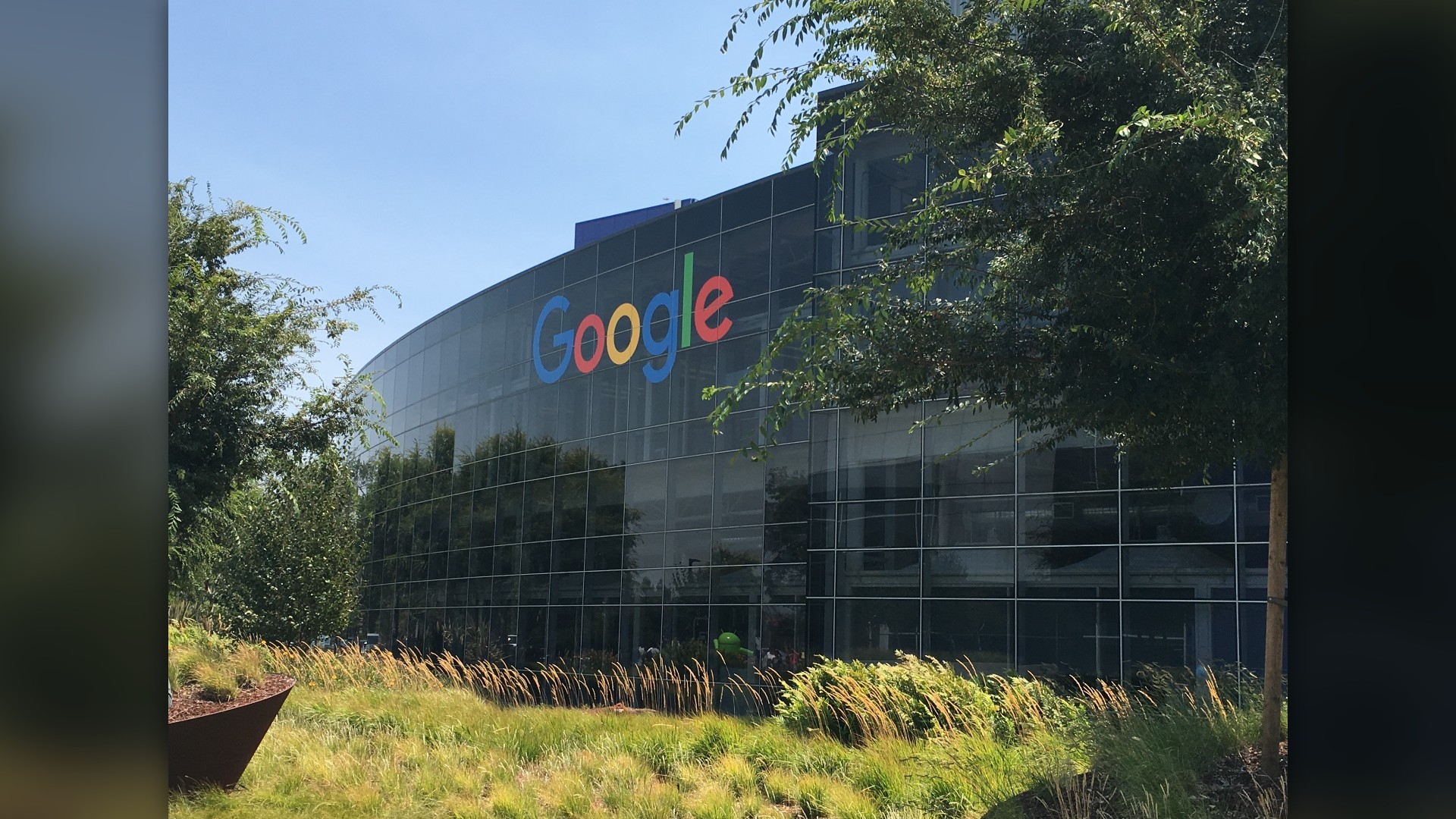
Antitrust advocates and consumer watchdogs contend that Google is exploiting its overwhelming dominance in web search to corner the education sector. By conditioning access to its essential search engine on AI acceptance, critics argue Google is sidelining classroom consent.
©Wikimedia / Google
7. Allegations Of Corporate Extortion
The policy triggered sharp condemnation on Capitol Hill. Prominent lawmakers, including Senator Bernie Sanders, labeled the mandatory bundling as corporate extortion designed to force experimental generative technologies onto millions of public school children.

©Wikimedia / Steve Karp
6. Google Technical Defense
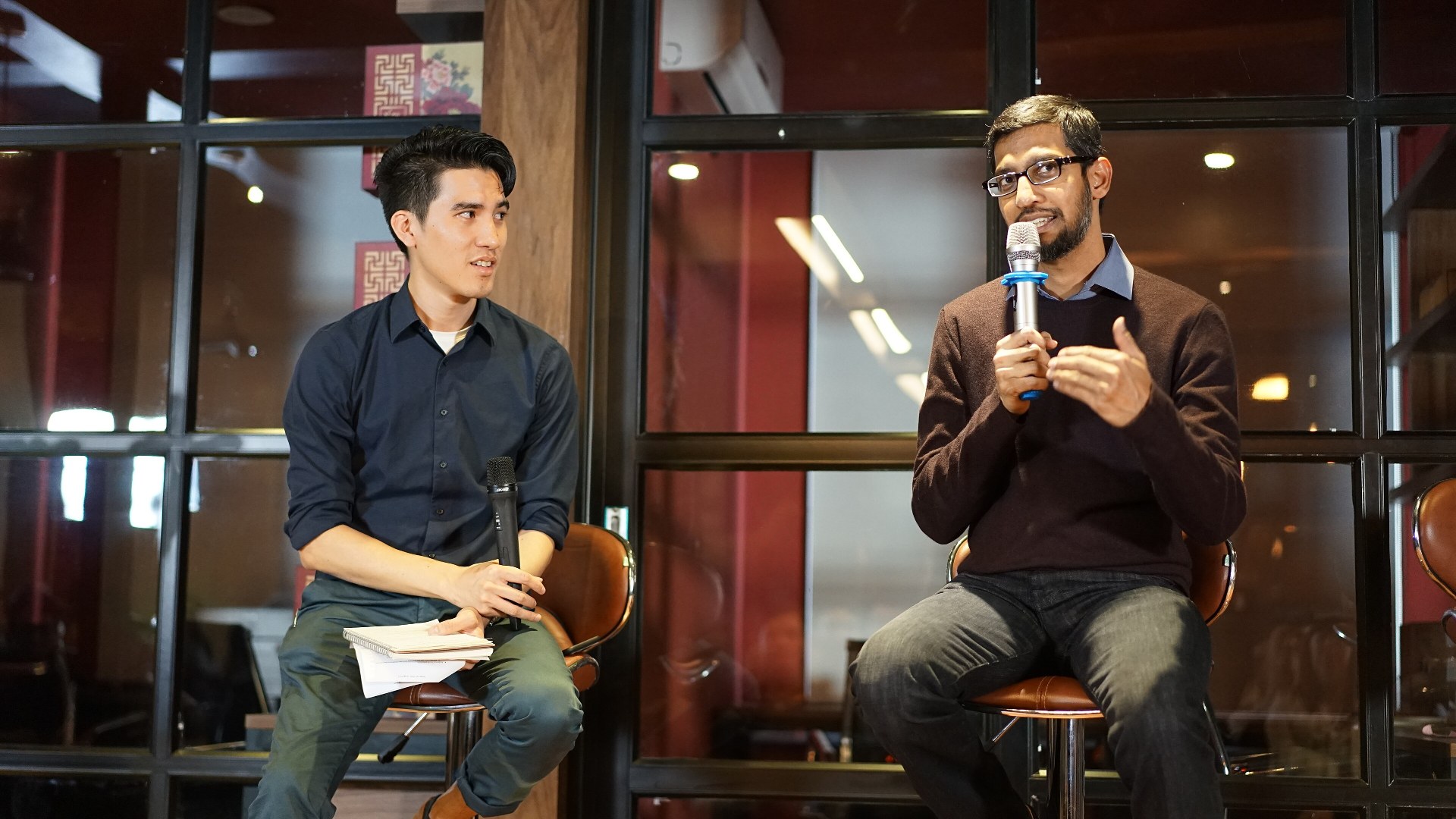
Google leadership defends the policy by explaining that modern search architecture relies heavily on machine learning models. Company engineers state that isolating traditional link-based results from generative AI summaries is no longer practical from a development standpoint.
©Wikimedia / Nguyen Hung Vu
5. The Student Experience
In districts where administrators choose not to adopt generative AI, students opening their browsers are met with an unexpected roadblock. School accounts show an error message confirming Google Search is unavailable, forcing classrooms to rethink simple homework assignments.

©Pixabay / AS_Photography
Advertisement
Swipe or tap ▶ to resume the countdown.
4. Default Settings And Blackouts
To meet youth data privacy laws, Google keeps the entire bundle turned off by default for K-12 accounts. As a result, schools that take a cautious approach find their students completely blocked from standard web search until IT administrators explicitly opt in.

©Unsplash / Baptiste Riethmann
3. The Administrator Dilemma
District IT leaders face a difficult ultimatum. If a school board worries about automated plagiarism, factual errors, or student data collection and votes to disable AI, their decision immediately strips students of Google web search across school-issued laptops.

©Unsplash / Arlington Research
2. The All-Or-Nothing Bundle
Under this new operational model, Google Search and the company's educational AI tools, including Gemini, function as an inseparable package. District administrators cannot keep standard search active while switching off automated answer generators.

©Unsplash / Nathana Rebouças
1. The Core Policy Shift
Google has updated its terms for K-12 educational accounts by combining its classic web search engine with generative AI features. This means schools can no longer treat basic web lookup and generative AI assistants as independent software tools.

©Wikimedia / Virginia Department of Education
Advertisement
You've reached the end of the story. Thanks for reading!

20 US States with the most bald men
20 Environmental and Lifestyle Factors Driving Hair Loss
All 15 Entries in this Story
15. Alternative Paths And Guided Learning
In response to Google's bundling mandate, many school systems are testing privacy-focused search engines like DuckDuckGo alongside curated library databases. Other districts are drafting structured AI curricula to teach students how to question machine outputs.

14. The Widening Digital Divide
The policy risks worsening educational disparities across the country. Well-funded school districts can train teachers to guide students through AI use safely, while under-resourced districts opting out lose essential online research tools entirely.

13. Academic Impact And Retention
Recent academic findings indicate that students who rely on instant AI solutions often struggle on unassisted standardized exams. While AI can speed up routine tasks, cognitive scientists emphasize that productive struggle remains critical for deep reading comprehension.

12. Hallucinations And Critical Thinking
Educators caution that generative AI tools frequently produce hallucinations and inaccuracies. When students receive summarized answers directly on screen, teachers argue they skip reading diverse viewpoints and lose essential practice in critical source verification.

11. Major District Resistance
Urban school districts, including New York City and Los Angeles Unified, previously restricted generative chatbots over cheating and misinformation risks. Google's new policy has renewed administrative resistance, prompting school boards to re-evaluate their tech contracts.

10. Mandatory AI Overviews
Google clarified that districts can disable standalone applications such as the Gemini chatbot. However, administrators cannot remove the automated AI Overviews that appear at the top of search result pages, ensuring that generated answers remain front and center for students.

9. Congressional Pushback
Senator Edward Markey sent formal inquiries to Alphabet leadership demanding an immediate policy reversal. Congressional committees are also pressing Google to disclose internal safety research regarding how conversational AI models affect child mental health and cognitive development.

8. Monopoly Leverage Concerns
Antitrust advocates and consumer watchdogs contend that Google is exploiting its overwhelming dominance in web search to corner the education sector. By conditioning access to its essential search engine on AI acceptance, critics argue Google is sidelining classroom consent.

7. Allegations Of Corporate Extortion
The policy triggered sharp condemnation on Capitol Hill. Prominent lawmakers, including Senator Bernie Sanders, labeled the mandatory bundling as corporate extortion designed to force experimental generative technologies onto millions of public school children.

6. Google Technical Defense
Google leadership defends the policy by explaining that modern search architecture relies heavily on machine learning models. Company engineers state that isolating traditional link-based results from generative AI summaries is no longer practical from a development standpoint.

5. The Student Experience
In districts where administrators choose not to adopt generative AI, students opening their browsers are met with an unexpected roadblock. School accounts show an error message confirming Google Search is unavailable, forcing classrooms to rethink simple homework assignments.

4. Default Settings And Blackouts
To meet youth data privacy laws, Google keeps the entire bundle turned off by default for K-12 accounts. As a result, schools that take a cautious approach find their students completely blocked from standard web search until IT administrators explicitly opt in.

3. The Administrator Dilemma
District IT leaders face a difficult ultimatum. If a school board worries about automated plagiarism, factual errors, or student data collection and votes to disable AI, their decision immediately strips students of Google web search across school-issued laptops.

2. The All-Or-Nothing Bundle
Under this new operational model, Google Search and the company's educational AI tools, including Gemini, function as an inseparable package. District administrators cannot keep standard search active while switching off automated answer generators.

1. The Core Policy Shift
Google has updated its terms for K-12 educational accounts by combining its classic web search engine with generative AI features. This means schools can no longer treat basic web lookup and generative AI assistants as independent software tools.