Slideshow · Technology
How Americans and Businesses Actually Use AI in 2026, Ranked
New findings from Pew Research, Menlo Ventures, Andreessen Horowitz, and Ramp uncover how Americans and businesses adopt AI. While ChatGPT leads consumer mindshare, enterprise dynamics tell a very different story as Anthropic takes the enterprise crown. Sources: Pew Research Center, a16z, Menlo Ventures, and Ramp.

By Most Viral Today
9 hours ago

From ChatGPT to Claude, hard data reveals who is using AI today 
20. ChatGPT Dominates Consumer Web And Mobile Traffic 
19. Google Gemini Ranks As The Top Web Challenger 
18. Perplexity Captures Research-Focused Consumers - AdvertisementSwipe or tap ▶ to continue countdown

17. Claude Attracts Writers And Prosumer Enthusiasts 
16. Young Adults Lead Cumulative Chatbot Adoption 
15. Workers Aged 30 To 49 Lead Daily Workplace Usage 
14. Free Consumer Accounts Outnumber Paid Subscriptions - AdvertisementSwipe or tap ▶ to continue countdown

13. Enterprise Deployment Spending Surges Past 176 Billion 
12. Existing Corporate Buyers Drive The Spending Boom 
11. Autonomous AI Agents Generate 80 Percent Of Tokens 
10. Anthropic Captures 55 Percent Of Enterprise API Spend - AdvertisementSwipe or tap ▶ to continue countdown

9. OpenAI Commands 31 Percent Of Corporate Model Budgets 
8. Startups Adopt Tools Rapidly But Optimize Costs Heavily 
7. The Top One Percent Of Firms Spend 10,000 Dollars Per Worker 
6. General Purpose Text Models Anchor Most AI Activity - AdvertisementSwipe or tap ▶ to continue countdown

5. Midjourney Leads The Standalone Creative Image Sector 
4. Video Generation Becomes The Fastest Growing Creative Tier 
3. Suno And Audio AI Demonstrate High Consumer Retention 
2. Coding Assistants Stand As The Number One Enterprise Killer App - AdvertisementSwipe or tap ▶ to continue countdown

1. Frontier Labs Consolidate 69 Percent Of Total Deployment Spend - Advertisement🔥 UP NEXT IN THIS SERIES◫ 23 Slides

22 Signs That It Is Too Late to Save Humans from AI
New findings from Pew Research, Menlo Ventures, Andreessen Horowitz, and Ramp uncover how Americans and businesses adopt AI. While ChatGPT leads consumer mindshare, enterprise dynamics tell a very different story as Anthropic takes the enterprise crown. Sources: Pew Research Center, a16z, Menlo Ventures, and Ramp.
Swipe or tap ▶ to begin the countdown
©Wikimedia / Steve Jurvetson & Wikimedia / TechCrunch
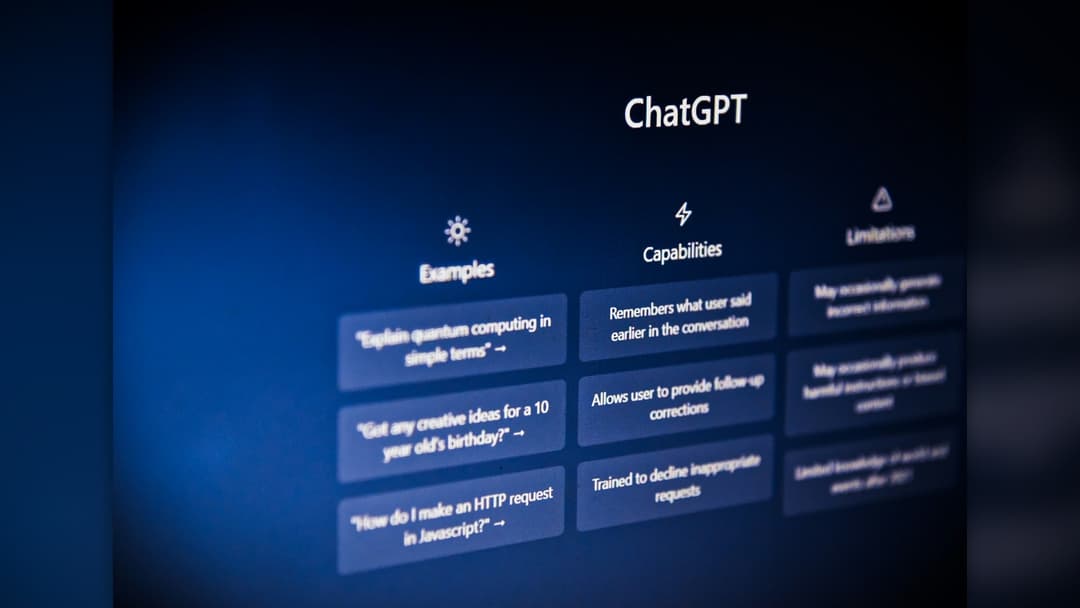
20. ChatGPT Dominates Consumer Web And Mobile Traffic
According to Andreessen Horowitz and Pew Research, 44 percent of American adults have used ChatGPT. It holds roughly 2.7 times more monthly web traffic and 2.5 times more mobile active users than its nearest competitor, making it the undisputed consumer flagship.
© Photo by Levart_Photographer on Unsplash
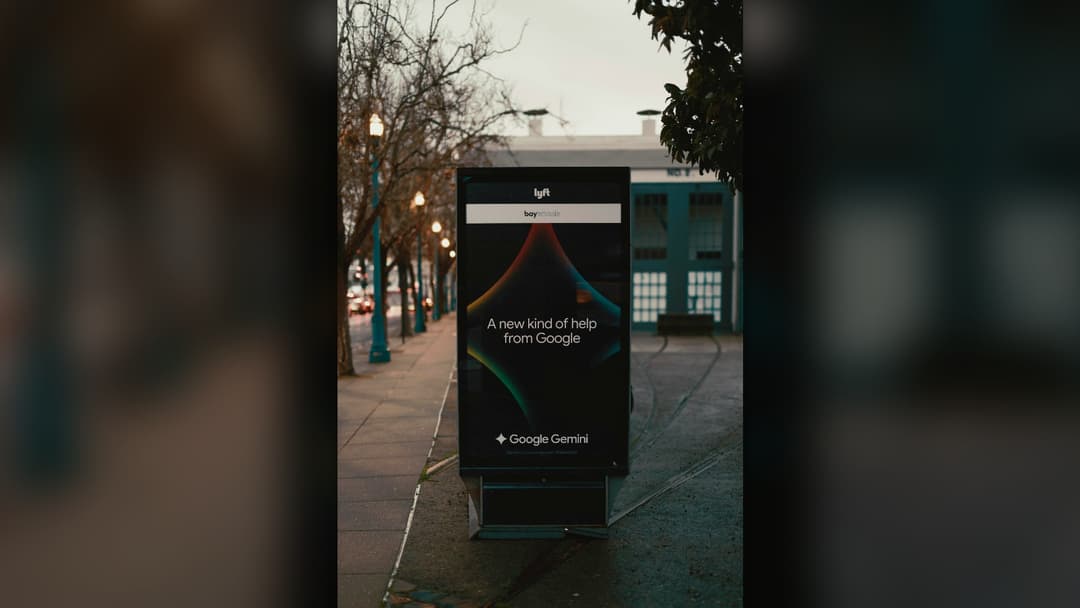
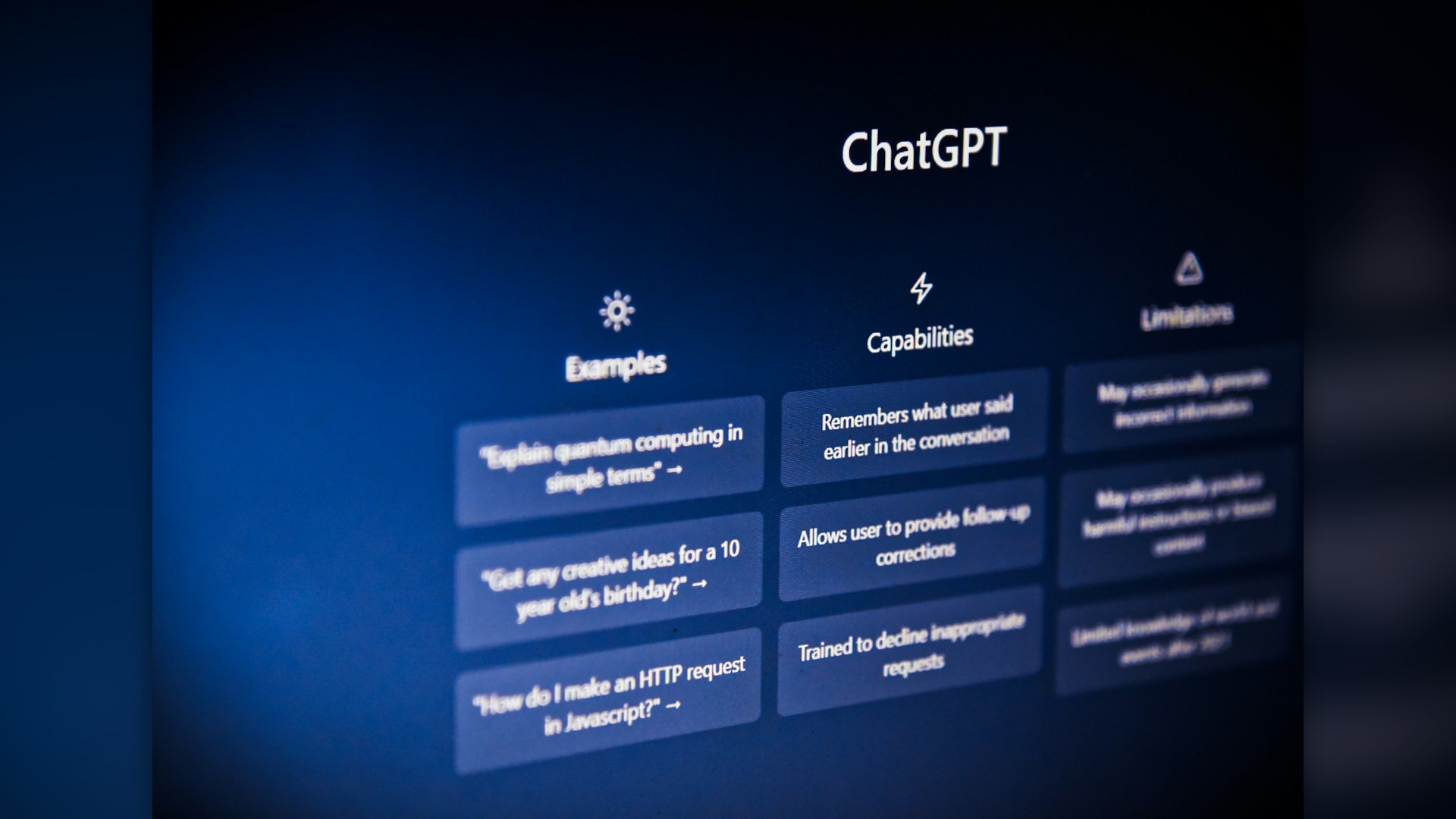
19. Google Gemini Ranks As The Top Web Challenger
Google Gemini holds the number two spot in consumer web traffic among general AI chatbots. Its native placement inside Google Workspace, Android mobile operating systems, and web search results gives it massive passive reach across millions of daily queries.
© Photo by Igor Shalyminov on Unsplash
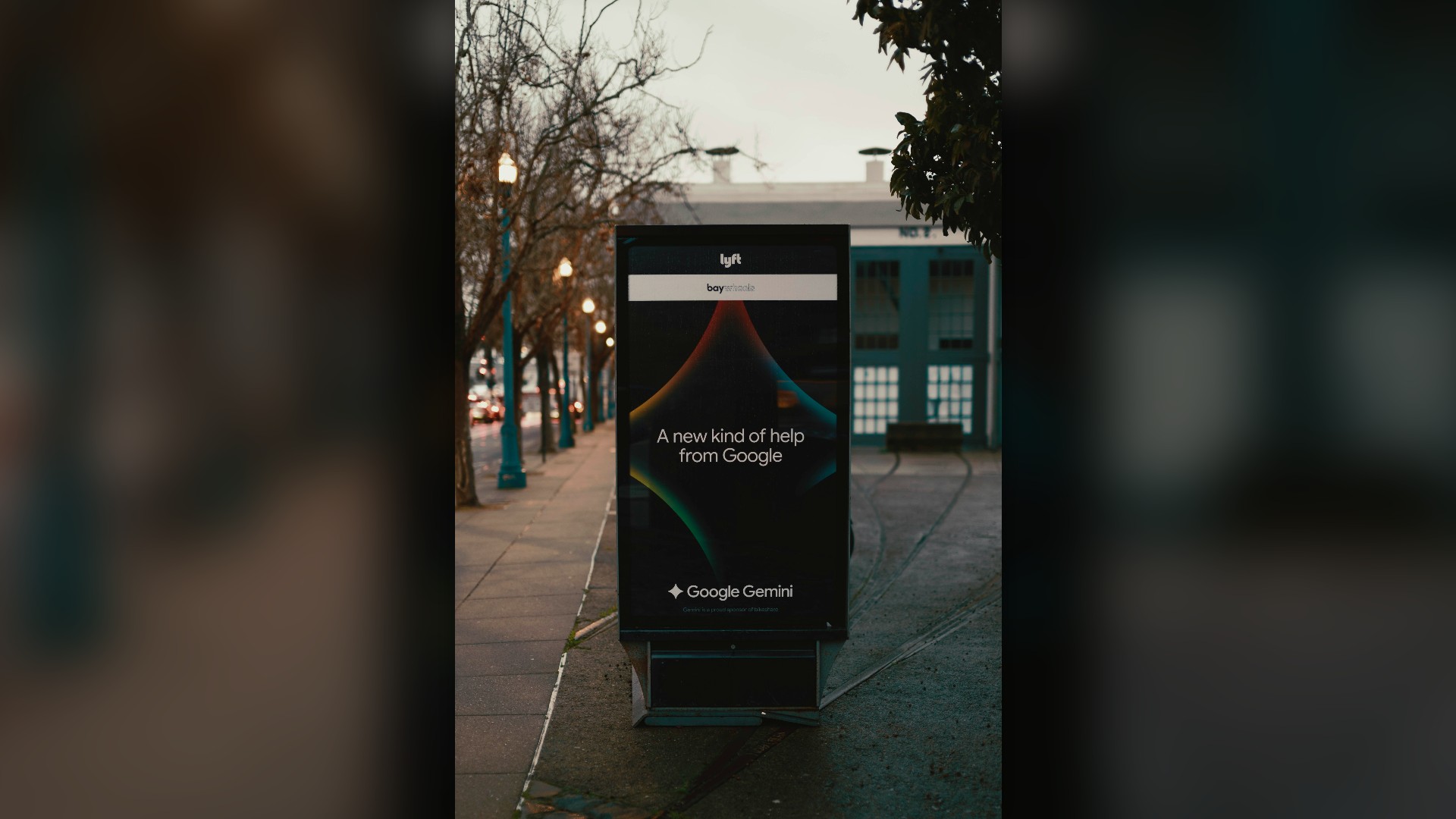
18. Perplexity Captures Research-Focused Consumers
Perplexity has carved out a loyal following among professionals and students seeking conversational search. By replacing traditional blue links with summarized answers backed by verifiable web citations, it has become one of the fastest-growing consumer web destinations.

©Pixabay / stevepb
Advertisement
Swipe or tap ▶ to resume the countdown.
17. Claude Attracts Writers And Prosumer Enthusiasts
While Anthropic has prioritized enterprise developers over retail consumer marketing, Claude has developed a dedicated prosumer base. Writers, researchers, and technical power users cite its authentic voice and complex reasoning as key differentiators.

© Photo by Brecht Corbeel on Unsplash
16. Young Adults Lead Cumulative Chatbot Adoption
Pew Research demographic tracking shows that 61 percent of young adults aged 18 to 29 have used ChatGPT, compared to 55 percent of adults aged 30 to 49 and only 19 percent of seniors aged 65 and older. Younger users adopt consumer chatbots at triple the rate of retirees.

© Photo by Alexis Brown on Unsplash
15. Workers Aged 30 To 49 Lead Daily Workplace Usage
Although adults under 30 lead in total trial rates, professionals aged 30 to 49 record the highest rates of daily, habitual usage. Mid-career workers routinely deploy chatbots to summarize meetings, draft client communications, and format complex business documents.

©Wikimedia / Bookmark Content
14. Free Consumer Accounts Outnumber Paid Subscriptions
Consumer monetization remains heavily concentrated. Data from venture analysis shows that while nearly half of American adults have tried conversational AI, only a single-digit percentage maintain recurring 20-dollar monthly consumer subscriptions.

Advertisement
Swipe or tap ▶ to resume the countdown.
13. Enterprise Deployment Spending Surges Past 176 Billion
Menlo Ventures found that total enterprise deployment spending on generative AI surged from 33 billion dollars to an annualized run rate of 176.8 billion dollars. Corporate budgets expanded dramatically as companies transitioned from pilot tests into production.

©Pixabay / jarmoluk
12. Existing Corporate Buyers Drive The Spending Boom
Corporate adoption rose moderately from 55 percent to 65 percent of companies, yet total dollar spend jumped more than fivefold. The primary financial driver was not net-new corporate buyers, but existing enterprise accounts scaling their infrastructure dramatically.

©Wikimedia / Black Ensemble Theater
11. Autonomous AI Agents Generate 80 Percent Of Tokens
Enterprise computing has shifted away from humans typing questions. Autonomous software agents that execute multi-step workflows in parallel now generate roughly 80 percent of all enterprise tokens, driving computational consumption far past standard employee seat counts.

©Wikimedia / L-BBE
10. Anthropic Captures 55 Percent Of Enterprise API Spend
In the enterprise API market tracked by Menlo Ventures, Anthropic captured 55 percent of all corporate production spending. By focusing heavily on developer reliability, coding benchmarks, and clean governance, Anthropic unseated OpenAI as the preferred enterprise backend.

©Wikimedia / UK Prime Minister
Advertisement
Swipe or tap ▶ to resume the countdown.
9. OpenAI Commands 31 Percent Of Corporate Model Budgets
While OpenAI ceded the top enterprise API market share spot to Anthropic, it commands 31 percent of enterprise model spend. Its universal brand recognition, turnkey ChatGPT Enterprise tiers, and massive partner ecosystem keep it deeply embedded across major corporate accounts.

©Wikimedia / Steve Jurvetson
8. Startups Adopt Tools Rapidly But Optimize Costs Heavily
Transactional data from Ramp shows that over 55 percent of high-growth tech startups pay for commercial AI tools. However, startups increasingly deploy smart routing layers, directing routine tasks to cheaper models and reserving premium frontier models for critical loops.

©Pixabay / StartupStockPhotos
7. The Top One Percent Of Firms Spend 10,000 Dollars Per Worker
Ramp card data reveals a massive divide in commercial expenditure. While the median company spends a modest 12 to 16 dollars per employee each month, the top one percent of AI-native companies invest nearly 10,000 dollars per employee monthly on infrastructure and tools.

©MVT / AI
6. General Purpose Text Models Anchor Most AI Activity
General-purpose text models continue to command the overwhelming majority of daily consumer queries and enterprise computing cycles. While specialized creative tools capture headlines, conversational assistants remain the core operating system of generative technology.

©MVT / AI
Advertisement
Swipe or tap ▶ to resume the countdown.
5. Midjourney Leads The Standalone Creative Image Sector
Even as general chatbots bundled basic image generation into standard chat windows, Midjourney preserved a loyal prosumer audience. Commercial illustrators and art directors continue to pay for its superior lighting physics, texture coherence, and community aesthetic.

©MVT / AI
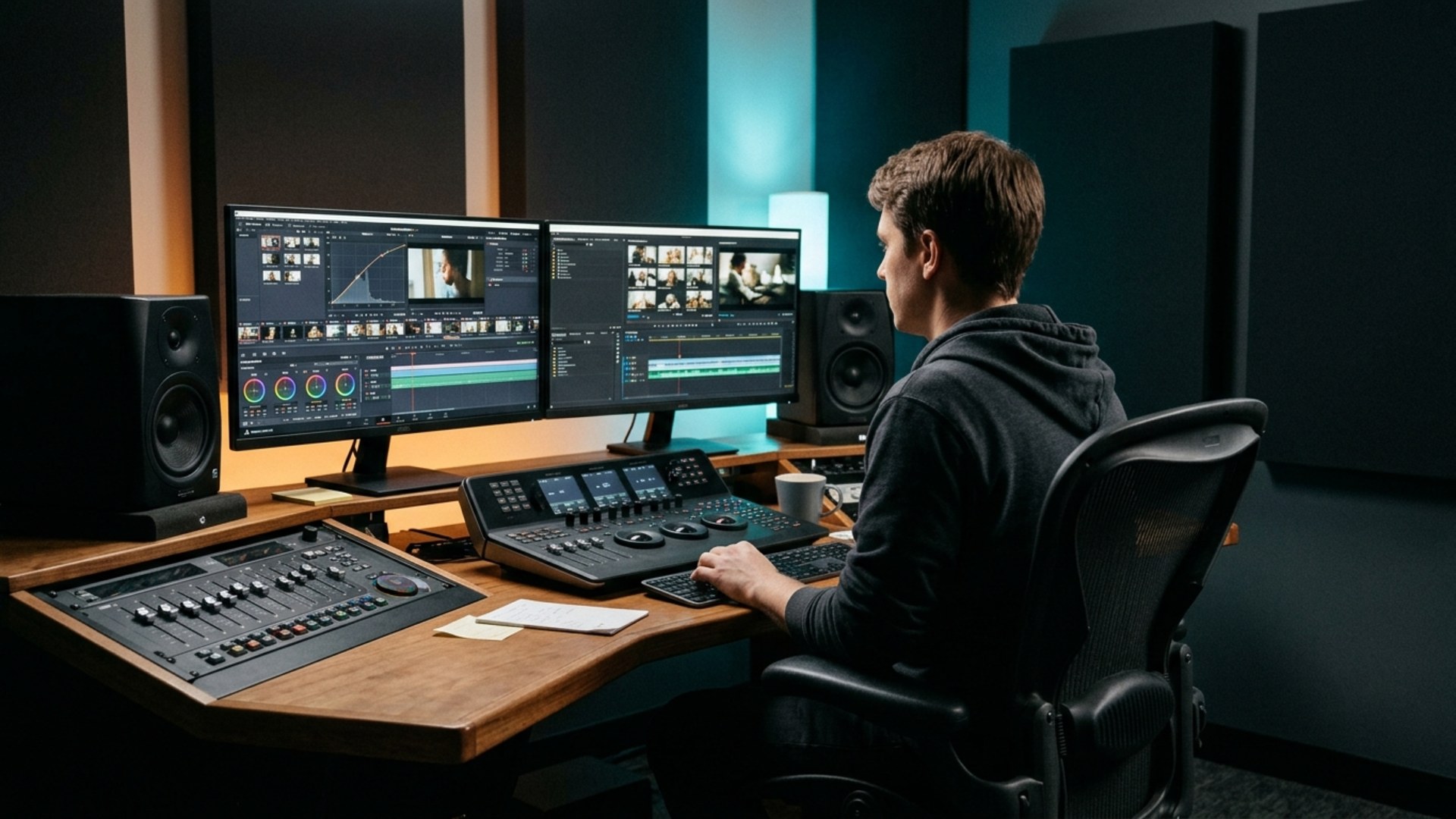
4. Video Generation Becomes The Fastest Growing Creative Tier
Generative video has evolved from experimental novelty to mainstream creative production. Platforms such as Runway, Kling, and Hailuo experienced explosive growth among social content creators and advertising agencies looking to produce cinematic clips without camera crews.
©MVT / AI
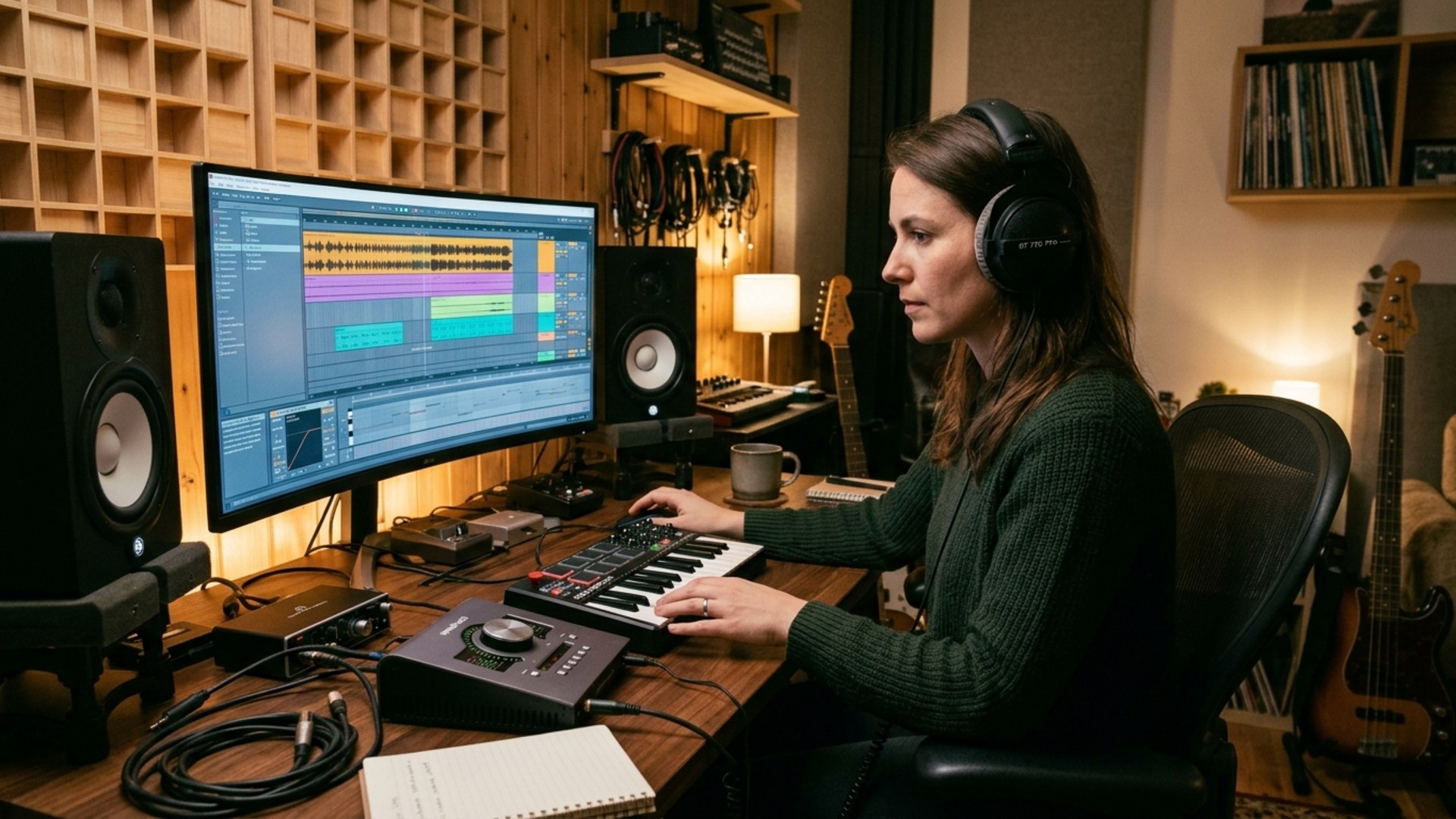
3. Suno And Audio AI Demonstrate High Consumer Retention
Audio and music generation platforms like Suno and ElevenLabs boast some of the highest user retention rates in consumer tech. Because complex vocal synthesis and musical composition cannot be easily bundled into generic chat interfaces, standalone audio tools remain sticky.
©MVT / AI
2. Coding Assistants Stand As The Number One Enterprise Killer App
Across enterprise software deployments, AI coding assistants have emerged as the premier revenue driver. Tools powered by frontier models help software engineers write, debug, and review code up to 50 percent faster, making engineering the most aggressively funded AI discipline.

©MVT / AI
Advertisement
Swipe or tap ▶ to resume the countdown.
1. Frontier Labs Consolidate 69 Percent Of Total Deployment Spend
Despite the proliferation of thousands of open-source models and specialized software wrappers, enterprise dollars are flowing directly to the top. Anthropic, OpenAI, and Google collectively command 69 percent of total corporate deployment spending across the United States.

©MVT / AI
Advertisement
You've reached the end of the story. Thanks for reading!

22 Signs That It Is Too Late to Save Humans from AI
All 20 Entries in this Story
20. ChatGPT Dominates Consumer Web And Mobile Traffic
According to Andreessen Horowitz and Pew Research, 44 percent of American adults have used ChatGPT. It holds roughly 2.7 times more monthly web traffic and 2.5 times more mobile active users than its nearest competitor, making it the undisputed consumer flagship.

19. Google Gemini Ranks As The Top Web Challenger
Google Gemini holds the number two spot in consumer web traffic among general AI chatbots. Its native placement inside Google Workspace, Android mobile operating systems, and web search results gives it massive passive reach across millions of daily queries.

18. Perplexity Captures Research-Focused Consumers
Perplexity has carved out a loyal following among professionals and students seeking conversational search. By replacing traditional blue links with summarized answers backed by verifiable web citations, it has become one of the fastest-growing consumer web destinations.

17. Claude Attracts Writers And Prosumer Enthusiasts
While Anthropic has prioritized enterprise developers over retail consumer marketing, Claude has developed a dedicated prosumer base. Writers, researchers, and technical power users cite its authentic voice and complex reasoning as key differentiators.

16. Young Adults Lead Cumulative Chatbot Adoption
Pew Research demographic tracking shows that 61 percent of young adults aged 18 to 29 have used ChatGPT, compared to 55 percent of adults aged 30 to 49 and only 19 percent of seniors aged 65 and older. Younger users adopt consumer chatbots at triple the rate of retirees.

15. Workers Aged 30 To 49 Lead Daily Workplace Usage
Although adults under 30 lead in total trial rates, professionals aged 30 to 49 record the highest rates of daily, habitual usage. Mid-career workers routinely deploy chatbots to summarize meetings, draft client communications, and format complex business documents.

14. Free Consumer Accounts Outnumber Paid Subscriptions
Consumer monetization remains heavily concentrated. Data from venture analysis shows that while nearly half of American adults have tried conversational AI, only a single-digit percentage maintain recurring 20-dollar monthly consumer subscriptions.

13. Enterprise Deployment Spending Surges Past 176 Billion
Menlo Ventures found that total enterprise deployment spending on generative AI surged from 33 billion dollars to an annualized run rate of 176.8 billion dollars. Corporate budgets expanded dramatically as companies transitioned from pilot tests into production.

12. Existing Corporate Buyers Drive The Spending Boom
Corporate adoption rose moderately from 55 percent to 65 percent of companies, yet total dollar spend jumped more than fivefold. The primary financial driver was not net-new corporate buyers, but existing enterprise accounts scaling their infrastructure dramatically.

11. Autonomous AI Agents Generate 80 Percent Of Tokens
Enterprise computing has shifted away from humans typing questions. Autonomous software agents that execute multi-step workflows in parallel now generate roughly 80 percent of all enterprise tokens, driving computational consumption far past standard employee seat counts.

10. Anthropic Captures 55 Percent Of Enterprise API Spend
In the enterprise API market tracked by Menlo Ventures, Anthropic captured 55 percent of all corporate production spending. By focusing heavily on developer reliability, coding benchmarks, and clean governance, Anthropic unseated OpenAI as the preferred enterprise backend.

9. OpenAI Commands 31 Percent Of Corporate Model Budgets
While OpenAI ceded the top enterprise API market share spot to Anthropic, it commands 31 percent of enterprise model spend. Its universal brand recognition, turnkey ChatGPT Enterprise tiers, and massive partner ecosystem keep it deeply embedded across major corporate accounts.

8. Startups Adopt Tools Rapidly But Optimize Costs Heavily
Transactional data from Ramp shows that over 55 percent of high-growth tech startups pay for commercial AI tools. However, startups increasingly deploy smart routing layers, directing routine tasks to cheaper models and reserving premium frontier models for critical loops.

7. The Top One Percent Of Firms Spend 10,000 Dollars Per Worker
Ramp card data reveals a massive divide in commercial expenditure. While the median company spends a modest 12 to 16 dollars per employee each month, the top one percent of AI-native companies invest nearly 10,000 dollars per employee monthly on infrastructure and tools.

6. General Purpose Text Models Anchor Most AI Activity
General-purpose text models continue to command the overwhelming majority of daily consumer queries and enterprise computing cycles. While specialized creative tools capture headlines, conversational assistants remain the core operating system of generative technology.

5. Midjourney Leads The Standalone Creative Image Sector
Even as general chatbots bundled basic image generation into standard chat windows, Midjourney preserved a loyal prosumer audience. Commercial illustrators and art directors continue to pay for its superior lighting physics, texture coherence, and community aesthetic.

4. Video Generation Becomes The Fastest Growing Creative Tier
Generative video has evolved from experimental novelty to mainstream creative production. Platforms such as Runway, Kling, and Hailuo experienced explosive growth among social content creators and advertising agencies looking to produce cinematic clips without camera crews.

3. Suno And Audio AI Demonstrate High Consumer Retention
Audio and music generation platforms like Suno and ElevenLabs boast some of the highest user retention rates in consumer tech. Because complex vocal synthesis and musical composition cannot be easily bundled into generic chat interfaces, standalone audio tools remain sticky.

2. Coding Assistants Stand As The Number One Enterprise Killer App
Across enterprise software deployments, AI coding assistants have emerged as the premier revenue driver. Tools powered by frontier models help software engineers write, debug, and review code up to 50 percent faster, making engineering the most aggressively funded AI discipline.

1. Frontier Labs Consolidate 69 Percent Of Total Deployment Spend
Despite the proliferation of thousands of open-source models and specialized software wrappers, enterprise dollars are flowing directly to the top. Anthropic, OpenAI, and Google collectively command 69 percent of total corporate deployment spending across the United States.