Slideshow · Viral
25 Nature Warning Signs Before Disaster Strikes
By Most Viral Today
12 min ago

Nature's Warning Signs Before Disaster Strikes 
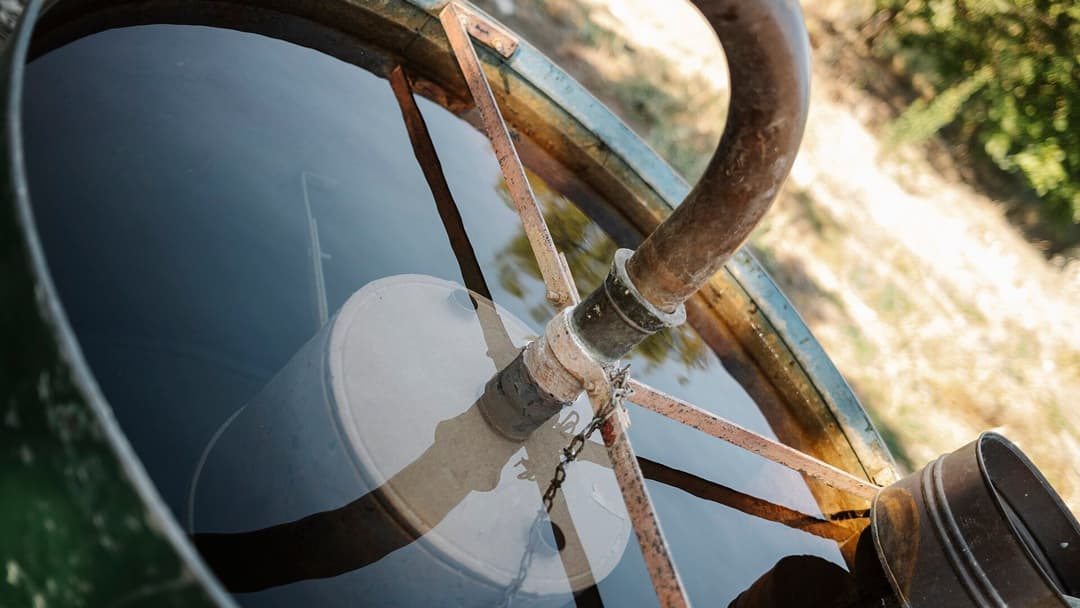
25. Well Water Level Fluctuations 
24. Deep-Sea Oarfish Strandings 
23. Volcanic Lake Discoloration - AdvertisementSwipe or tap ▶ to continue countdown

22. Mass Amphibian Evacuations 
21. Sudden Glacial Meltwater Surges 
20. 22-Degree Solar And Lunar Halos 
19. Eerie Forest Silence - AdvertisementSwipe or tap ▶ to continue countdown

18. Rapid Barometric Pressure Drops 
17. Mammatus Cloud Pouches 
16. Rapidly Rotating Wall Clouds 
15. Square Waves (Cross Sea Patterns) - AdvertisementSwipe or tap ▶ to continue countdown

14. Discolored Foam Gaps In Waves 
13. Slanted Drunken Trees 
12. Mountain Streams Turning Muddy 
11. Ocean Water Rapidly Receding - AdvertisementSwipe or tap ▶ to continue countdown

10. Emerald Green Sky In Storms 
9. Deafening Freight Train Roar 
8. Shooting Cracks In Snowpack 
7. Ground Swelling And Boiling Pools - AdvertisementSwipe or tap ▶ to continue countdown

6. Infrasound Animal Panics 
5. Earthquake Lights And Plasma Glows 
4. Distant White Water Line 
3. Sudden Vertical Ground Jolt - AdvertisementSwipe or tap ▶ to continue countdown

2. Buzzing Metal And Singing Lines 
1. Hair Standing Directly On End - Advertisement🔥 UP NEXT IN THIS SERIES◫ 26 Slides

25 Major Changes Americans Could See From the New Congress
From sudden drops in ocean tides to emerald green storm skies and hair standing straight on end, nature signals imminent catastrophe long before human sirens sound. Arranged in ascending order of urgency from multi-day environmental precursors down to split-second survival warnings, here are life-saving warning signs.
Swipe or tap ▶ to begin the countdown
©Wikimedia / Ted.ns
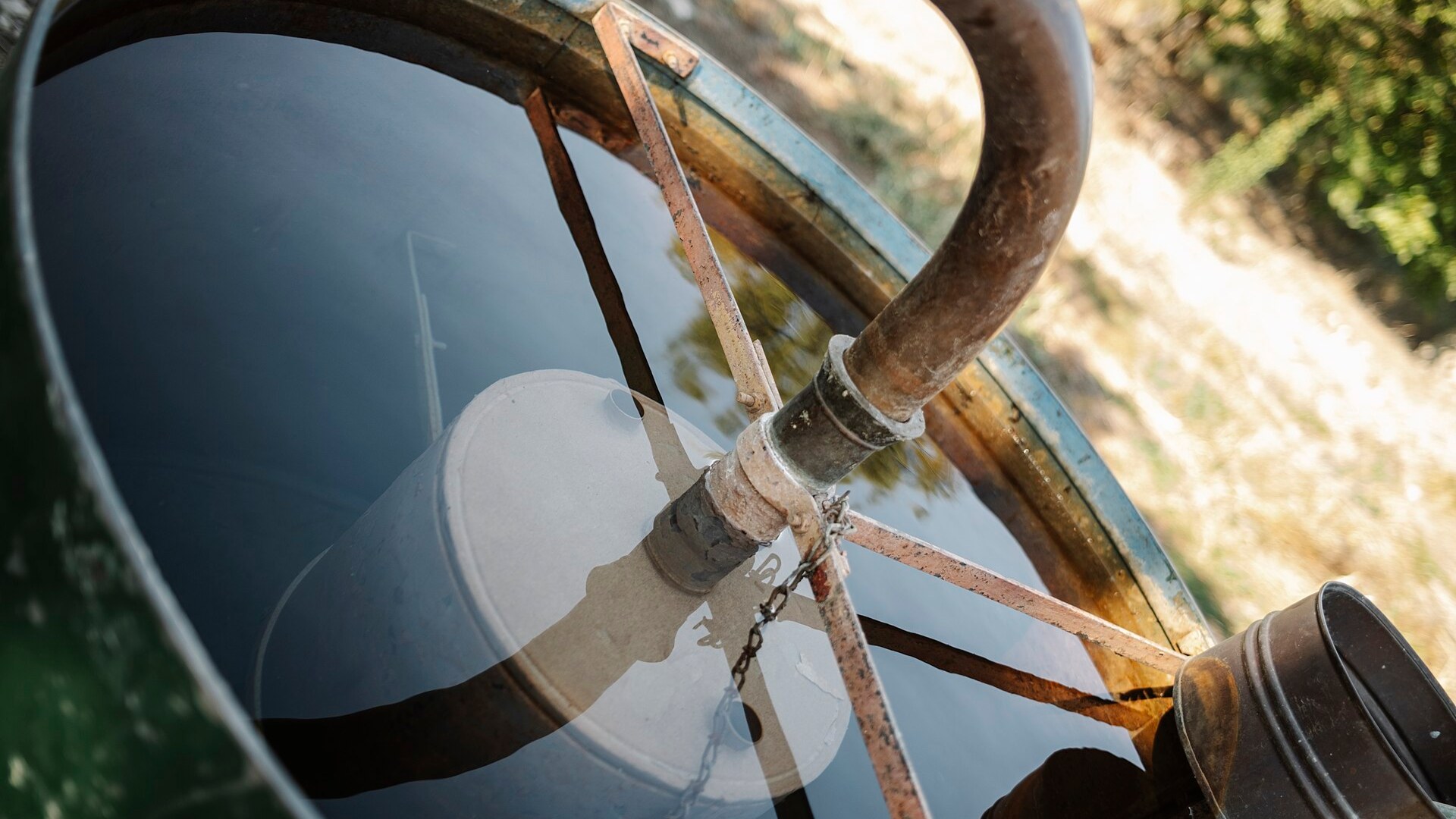
25. Well Water Level Fluctuations
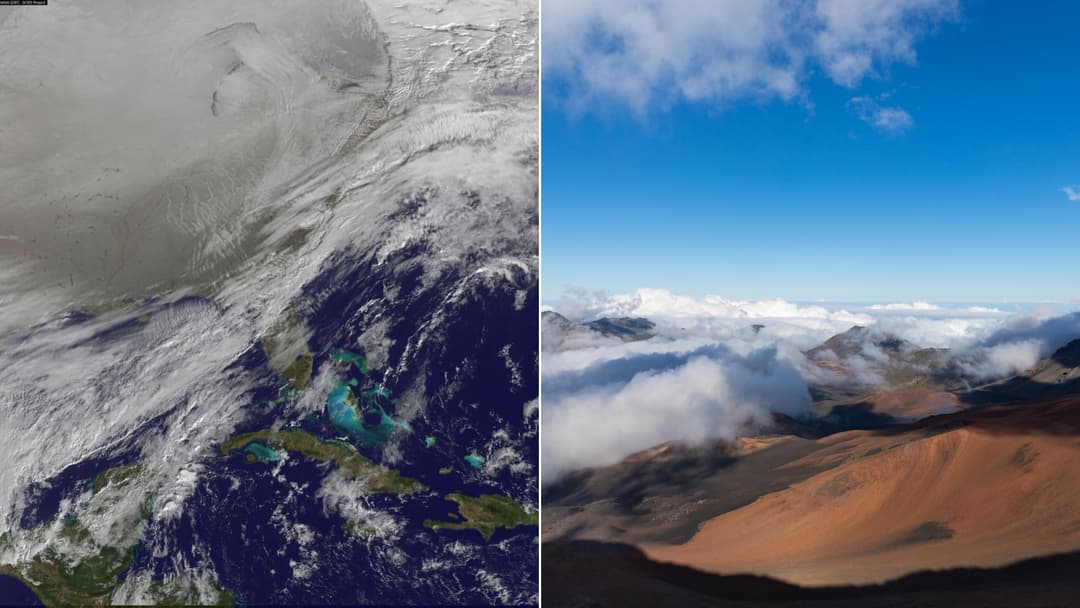
Hydrologists have documented erratic groundwater shifts days before major earthquakes. Subterranean tectonic stress compresses or dilates permeable rock layers, causing deep aquifers to suddenly surge or drain. In Haicheng, China, dramatic well water fluctuations helped authorities order timely evacuations in 1975.
©Wikimedia / Shixart1985
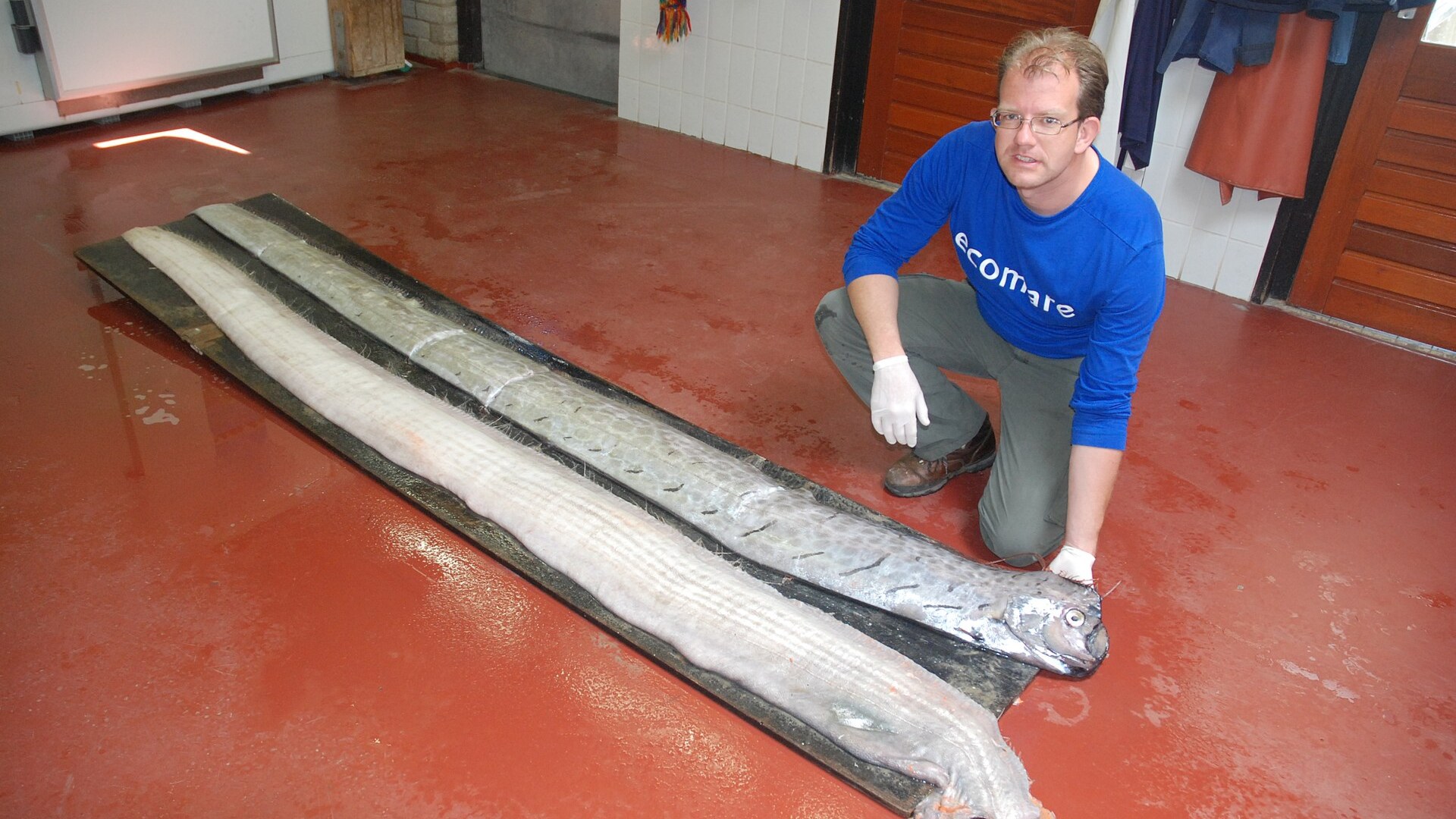
24. Deep-Sea Oarfish Strandings
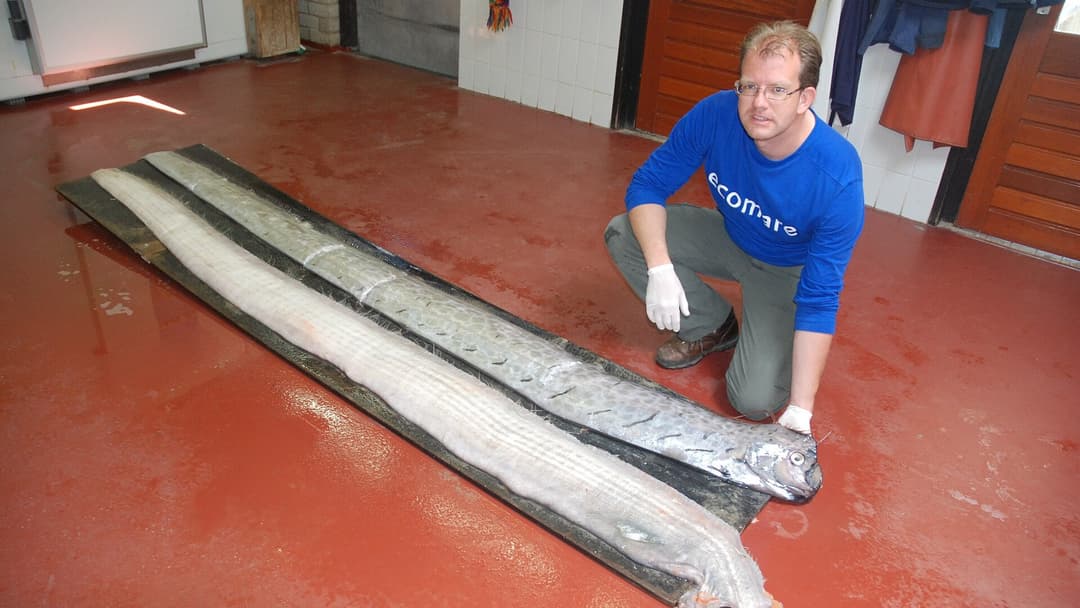
Known in Japanese folklore as the Messenger from the Sea God's Palace, giant oarfish reside at ocean depths exceeding six hundred feet. Marine biologists hypothesize that deep tectonic stress, seismic sound pulses, and releasing toxic gases drive these sensitive ribbonfish upward toward shallow beaches.
©Wikimedia / Ecomare / Salko de Wolf
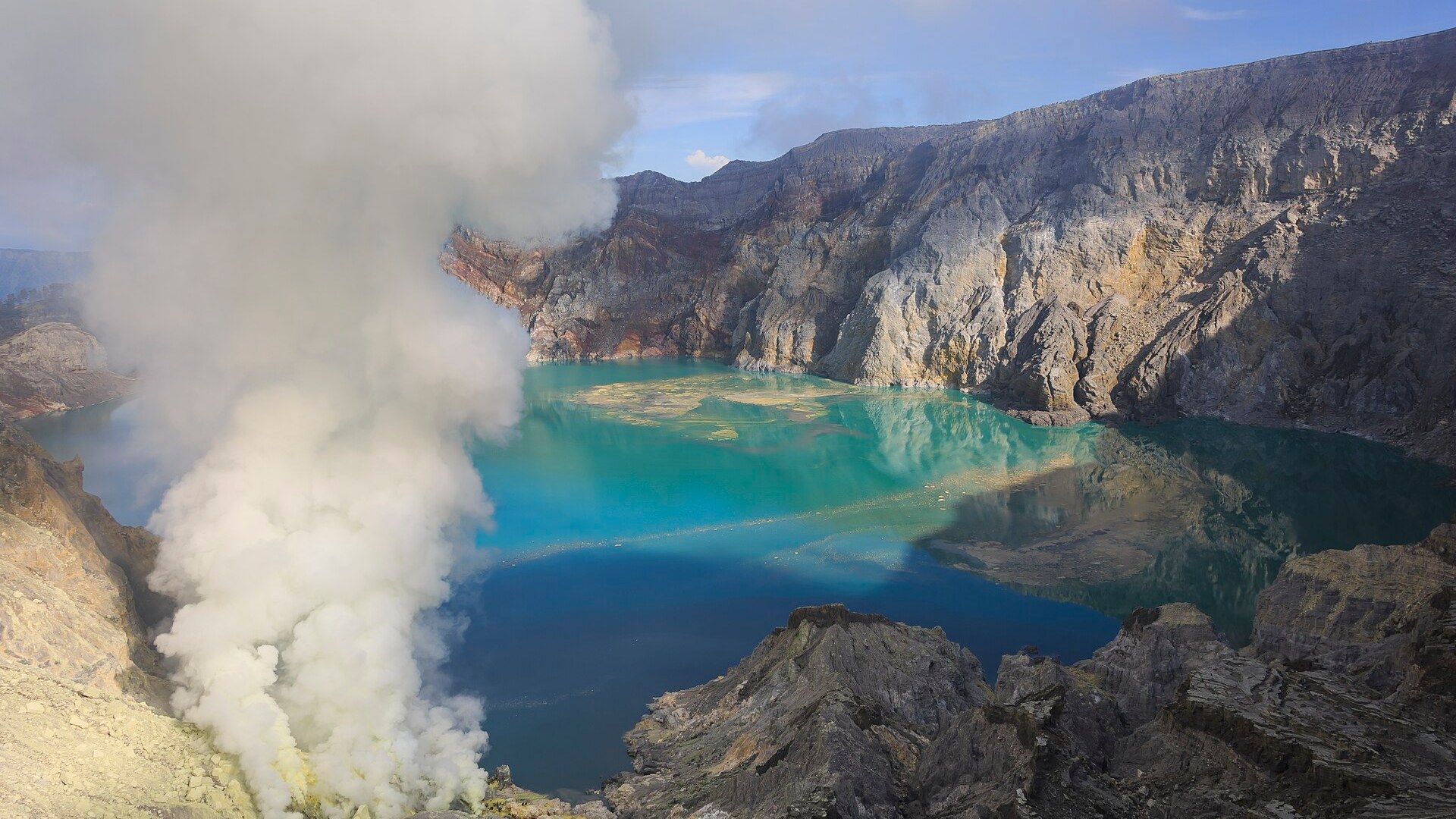
23. Volcanic Lake Discoloration
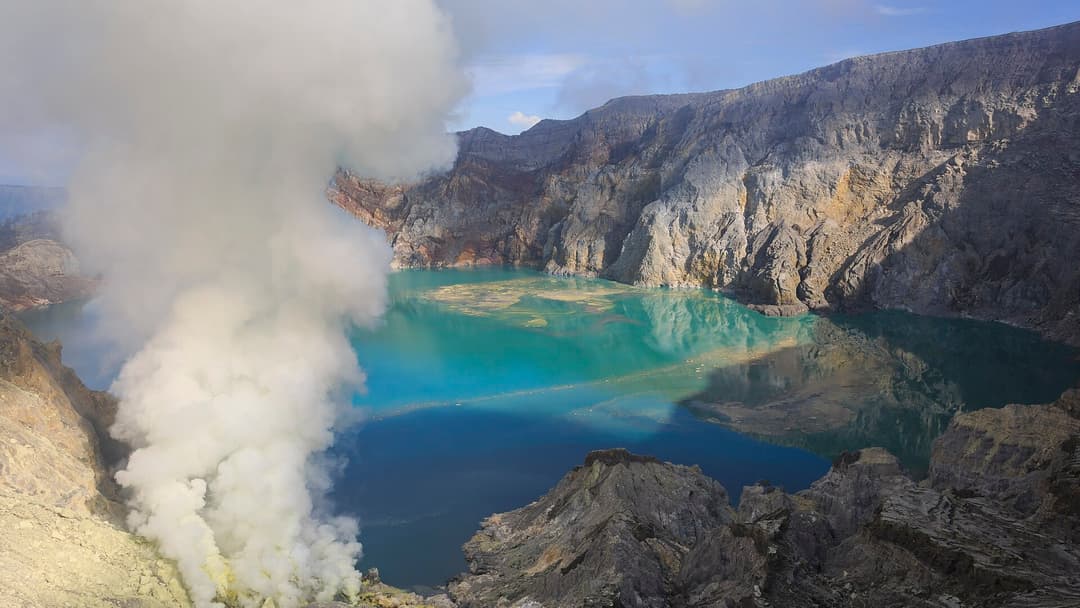
Crater lakes act as natural pressure valves for dormant volcanoes. When ascending magma fractures subterranean conduits, intense surges of sulfur dioxide and carbon dioxide react with mineral rich waters. The sudden chemical shift changes emerald waters to murky gray while dead fish float to the surface.
©Wikimedia / Uwe Aranas
Advertisement
Swipe or tap ▶ to resume the countdown.
22. Mass Amphibian Evacuations
Days before the 2009 earthquake in L'Aquila, Italy, biologists noted that ninety-six percent of local common toads abruptly evacuated their breeding ponds. Laboratory studies suggest that piezoelectric stress in bedrock ionizes groundwater and releases radon, prompting sensitive amphibians to flee en masse.

©Wikimedia / Holger Krisp
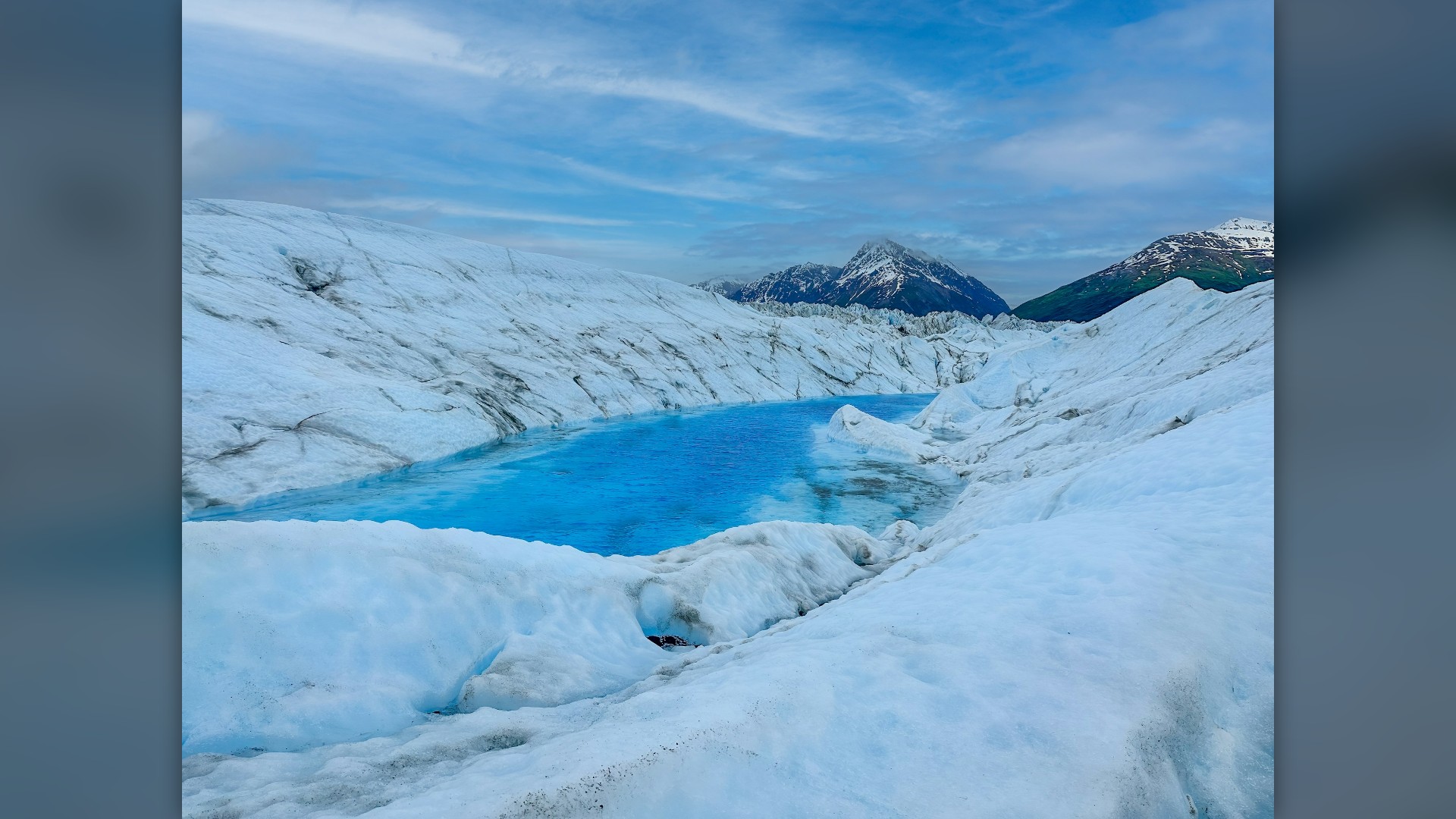
21. Sudden Glacial Meltwater Surges
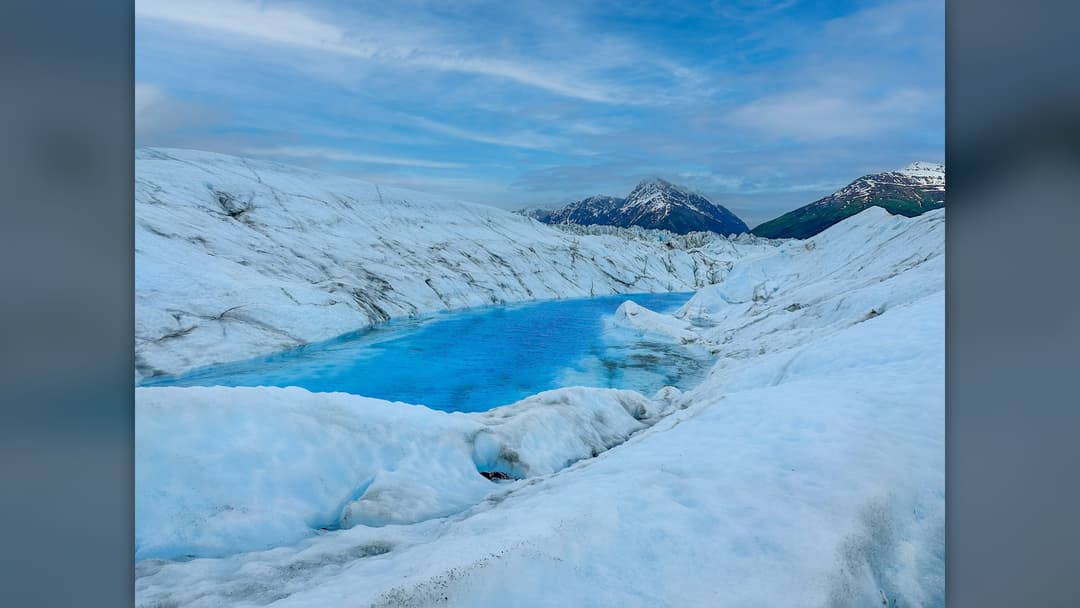
In Iceland, a sudden surge in river volume known as a jokulhlaup signals that subglacial volcanic heat is melting massive ice sheets from beneath. Within hours of the initial murky discharge, catastrophic torrents carrying iceberg slabs and volcanic ash can sweep away coastal highways and bridges.
©Unsplash / Stephen Crane
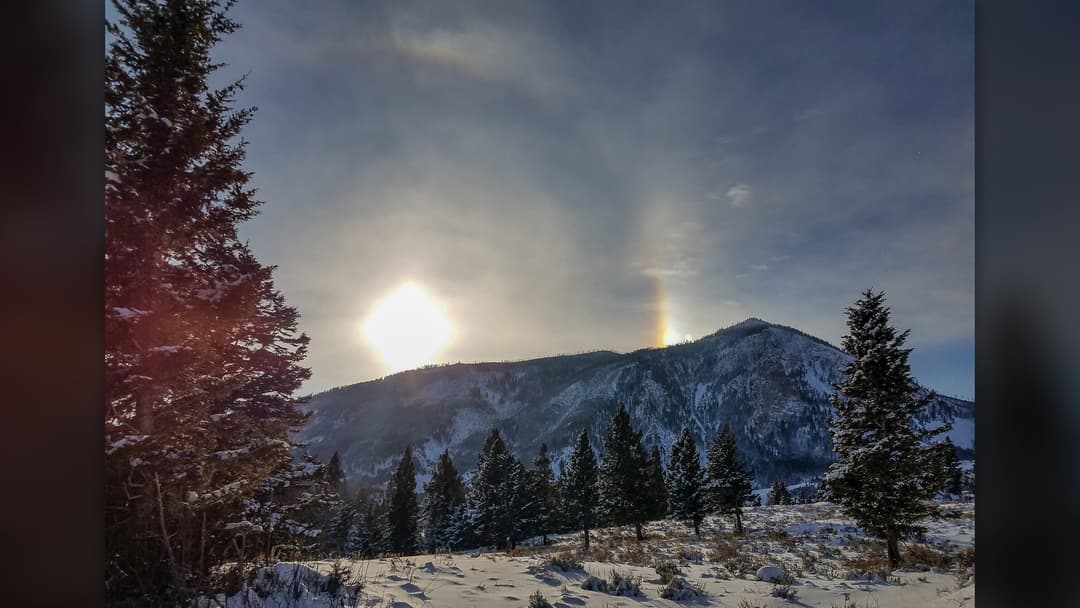
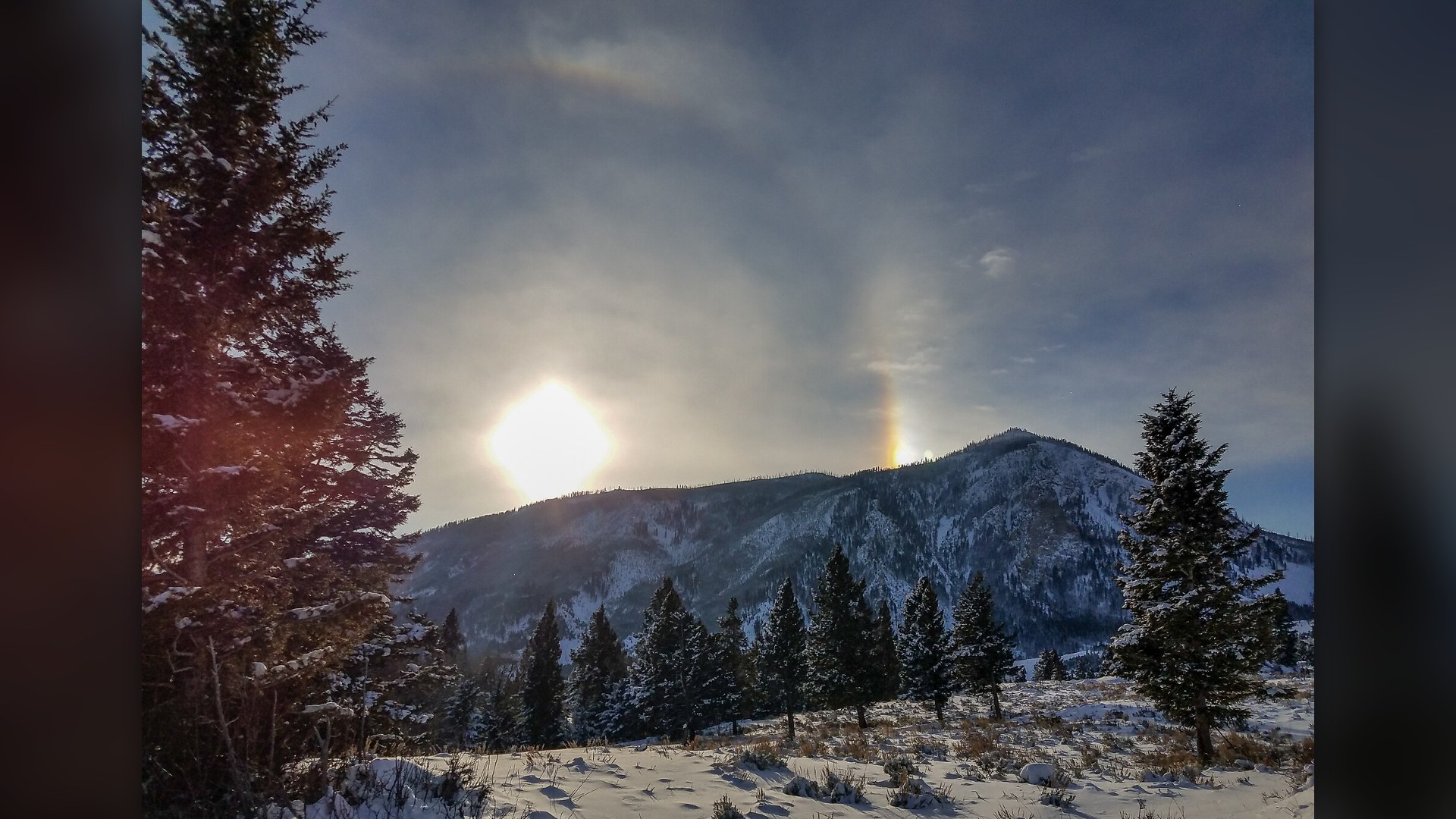
20. 22-Degree Solar And Lunar Halos
When high, thin cirrostratus clouds blanket the upper troposphere, hexagonal ice crystals refract incoming sunlight at exactly 22 degrees. Because these ice clouds form on the leading edge of powerful low-pressure systems, a vivid halo indicates that heavy rain and severe wind will arrive within twenty-four hours.
©Wikimedia / NPS / Diane Renkin
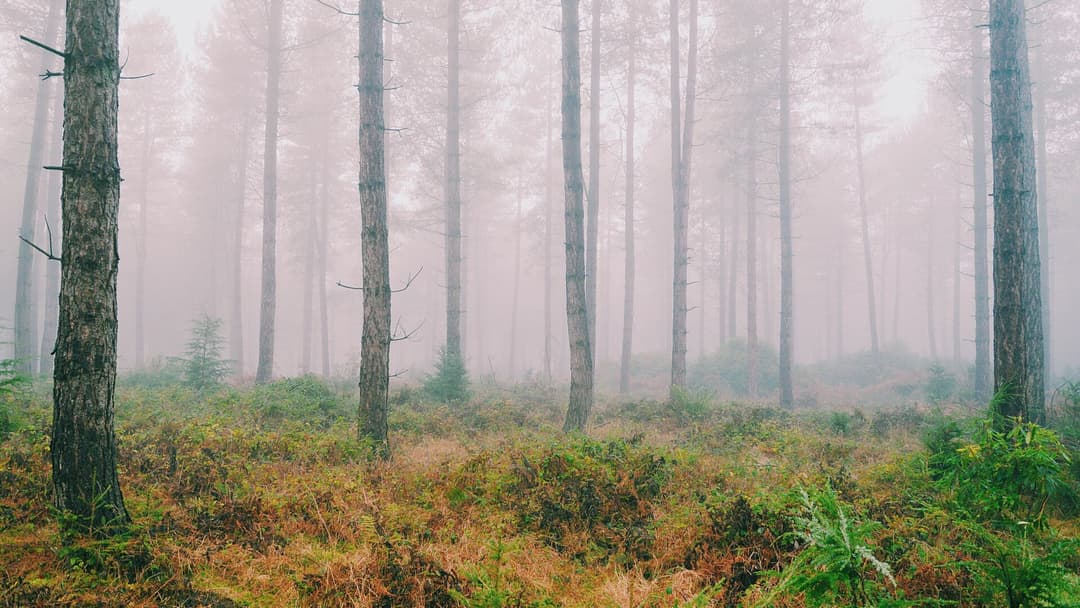
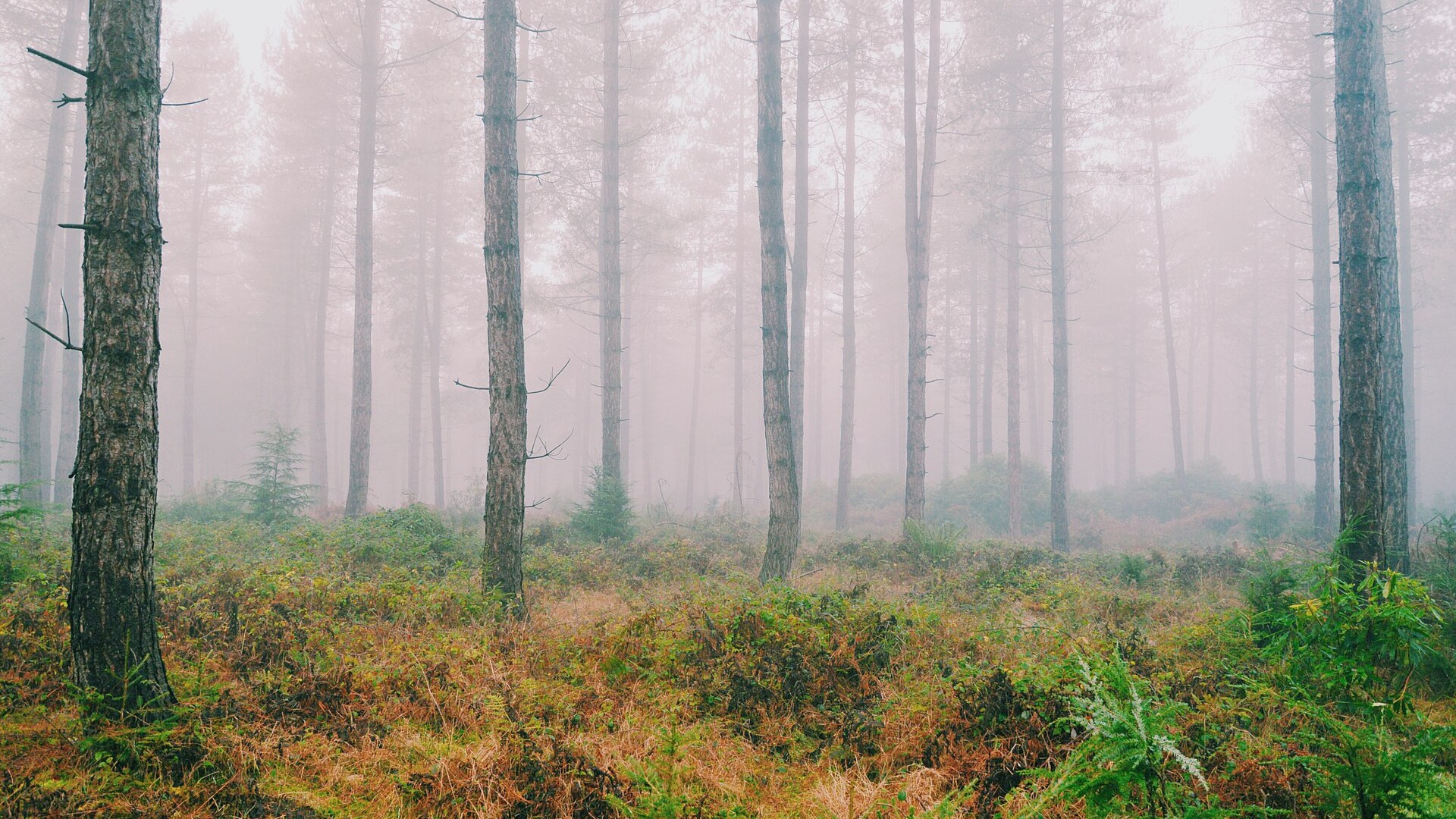
19. Eerie Forest Silence
Animals detect subtle barometric drops and low-frequency infrasound long before human meteorologists broadcast storm warnings. When approaching hurricanes or severe derecho squall lines compress atmospheric density, woodland birds and cicadas abruptly halt all vocalizations to seek deep shelter in tree hollows.
©Wikimedia / Scott Wylie
Advertisement
Swipe or tap ▶ to resume the countdown.
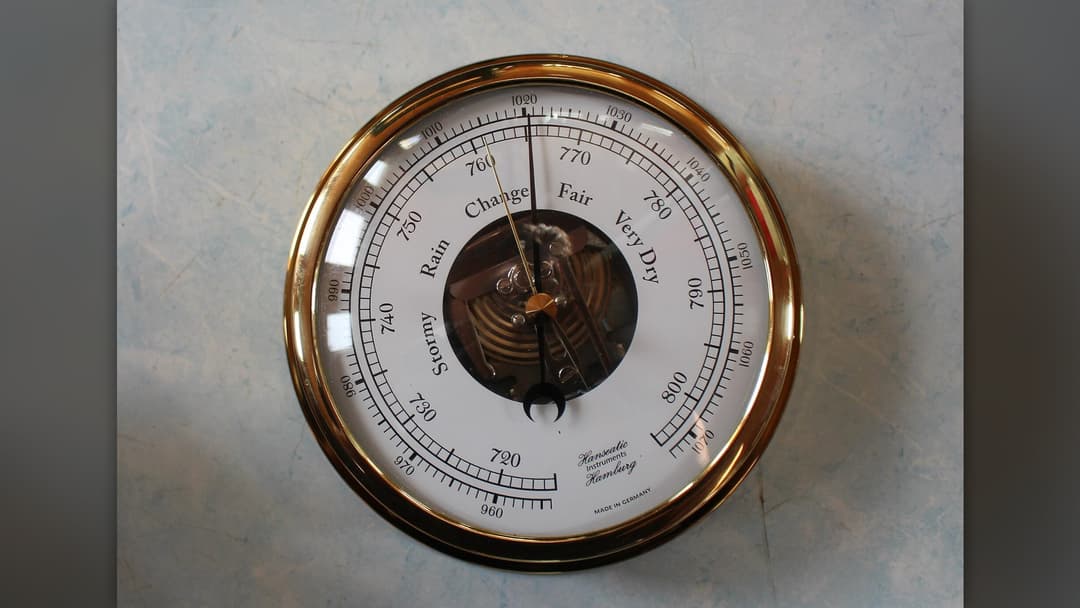
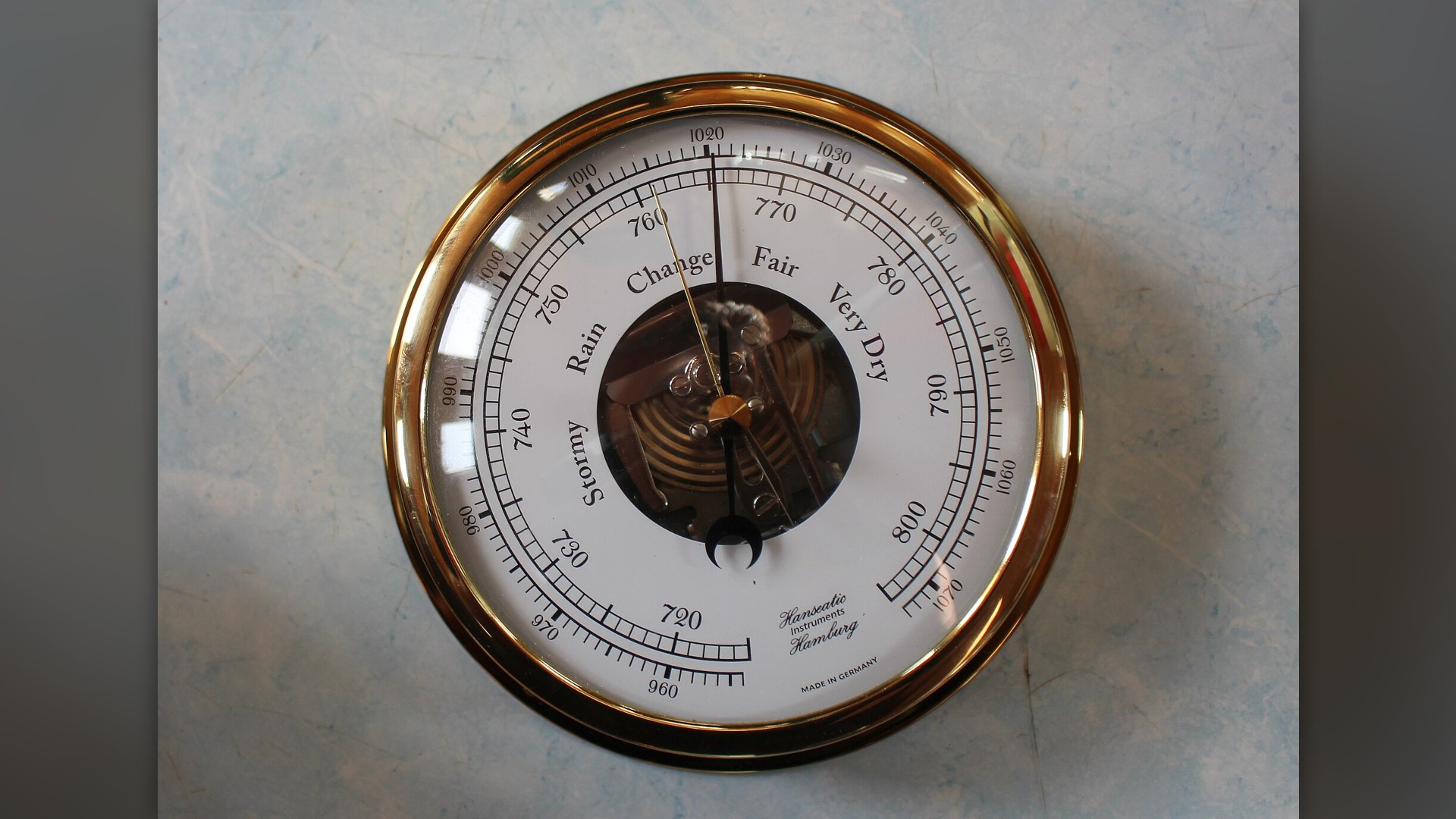
18. Rapid Barometric Pressure Drops
A barometric drop of several millibars in an hour indicates an intense cyclonic storm is bearing down. The sudden drop in ambient pressure causes human ears to pop, similar to an aircraft descending rapidly. Marine barometers falling off the scale warn mariners to seek safe harbor immediately.
©Wikimedia / Marwan Mohamad
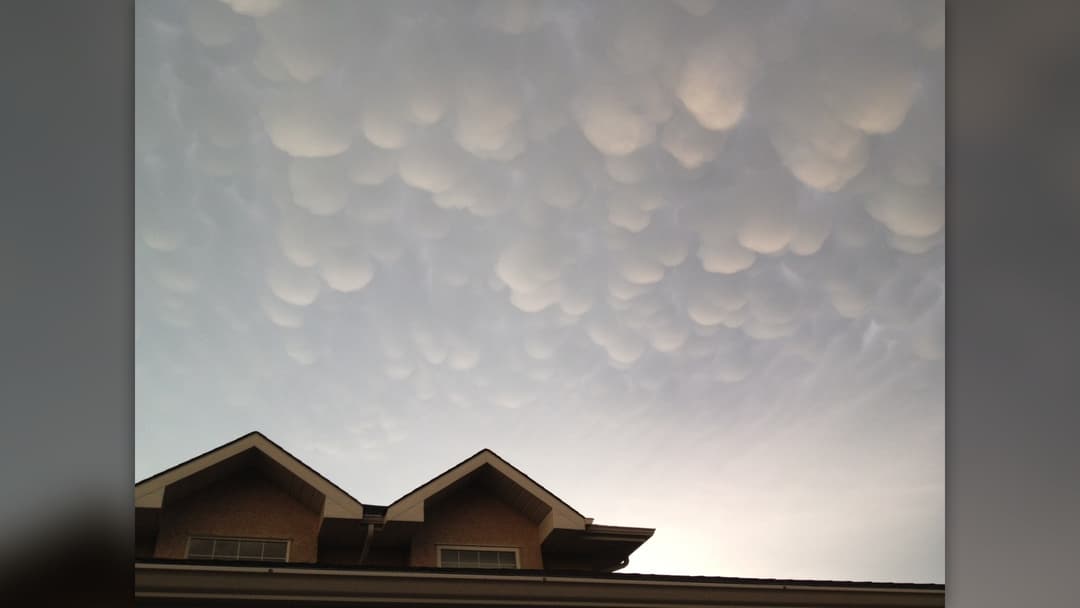
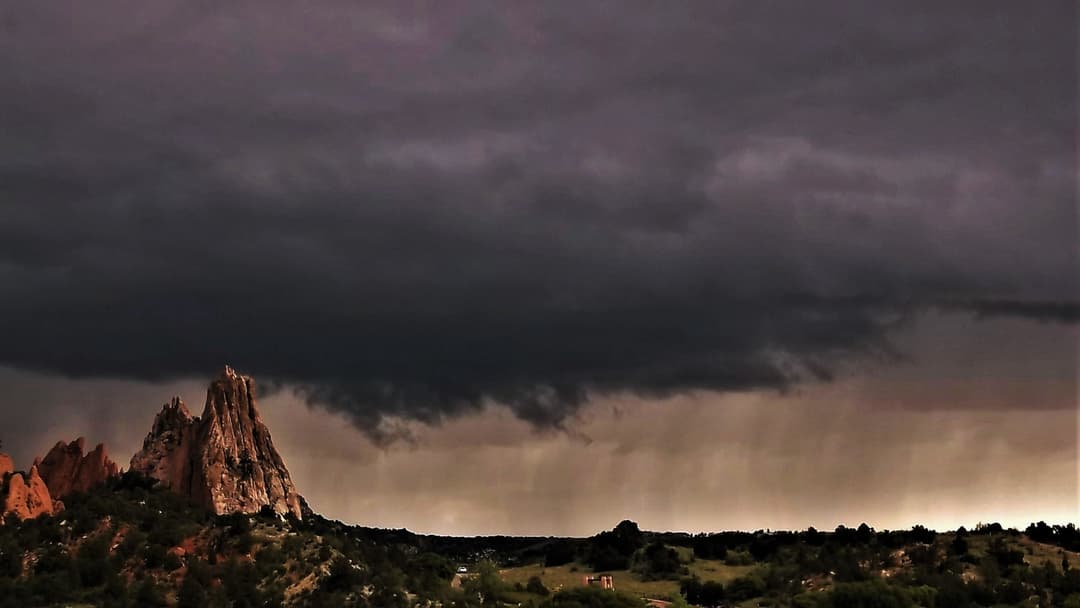
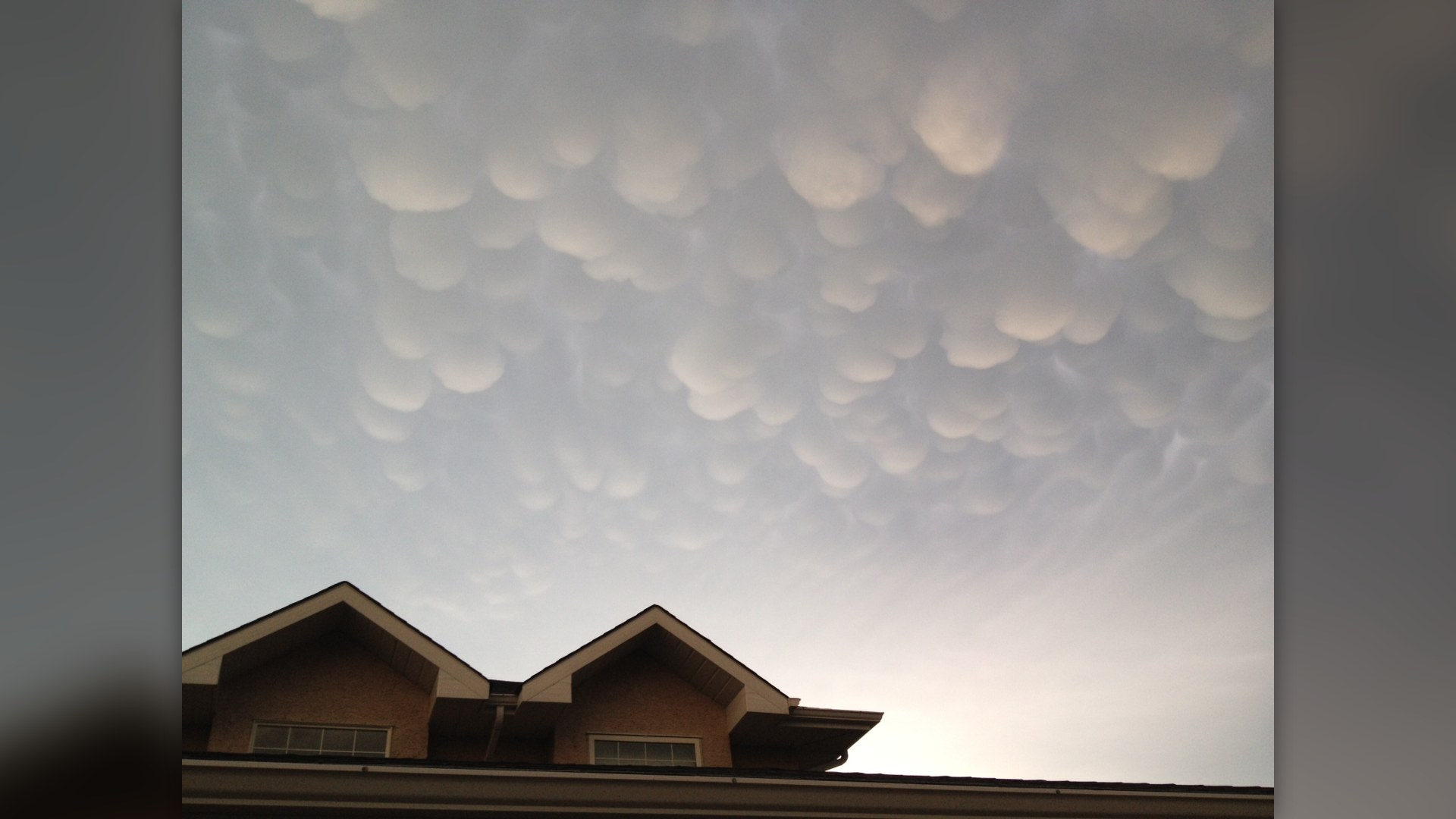
17. Mammatus Cloud Pouches
Mammatus clouds consist of sinking pockets of cool, saturated air descending beneath the anvil of a severe thunderstorm. While mammatus pouches do not produce tornadoes directly, they signal an intensely violent updraft overhead capable of spawning giant hail, destructive microbursts, and tornadoes.
©Wikimedia / Guitarmanchu
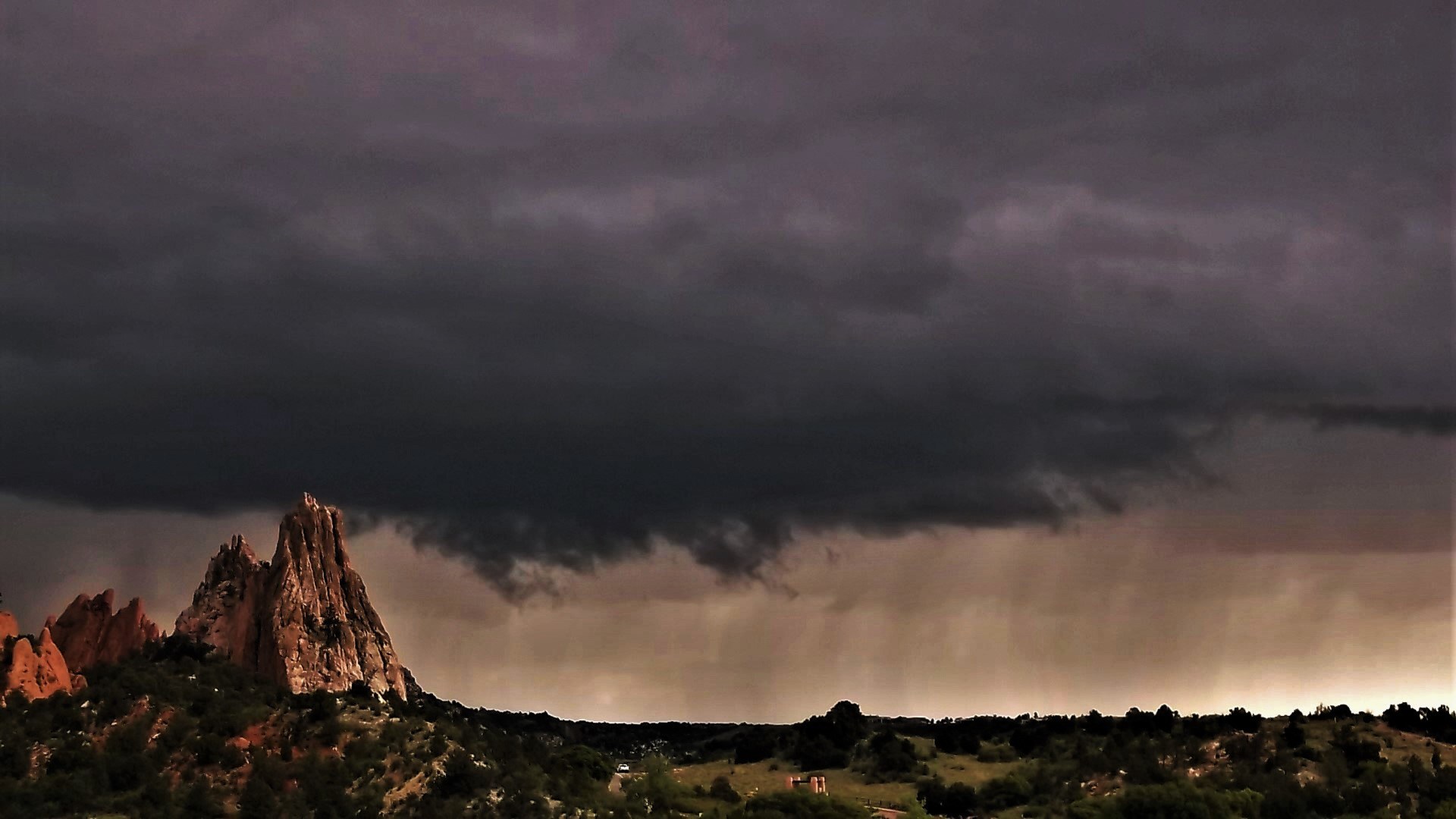
16. Rapidly Rotating Wall Clouds
Wall clouds form beneath the rain-free base of a supercell where strong inward updrafts ingest humid surface air. When a wall cloud develops persistent, rapid rotation and vertical motion, it indicates a concentrated vortex is forming, giving bystanders thirty minutes or less to seek reinforced underground shelter.
©Wikimedia / Stefan Klein
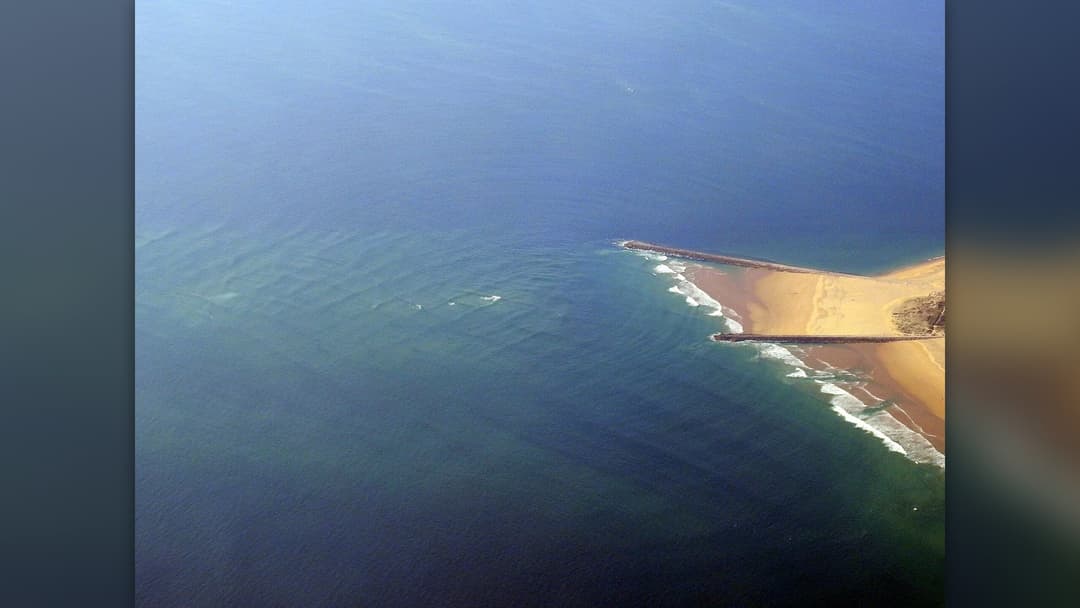
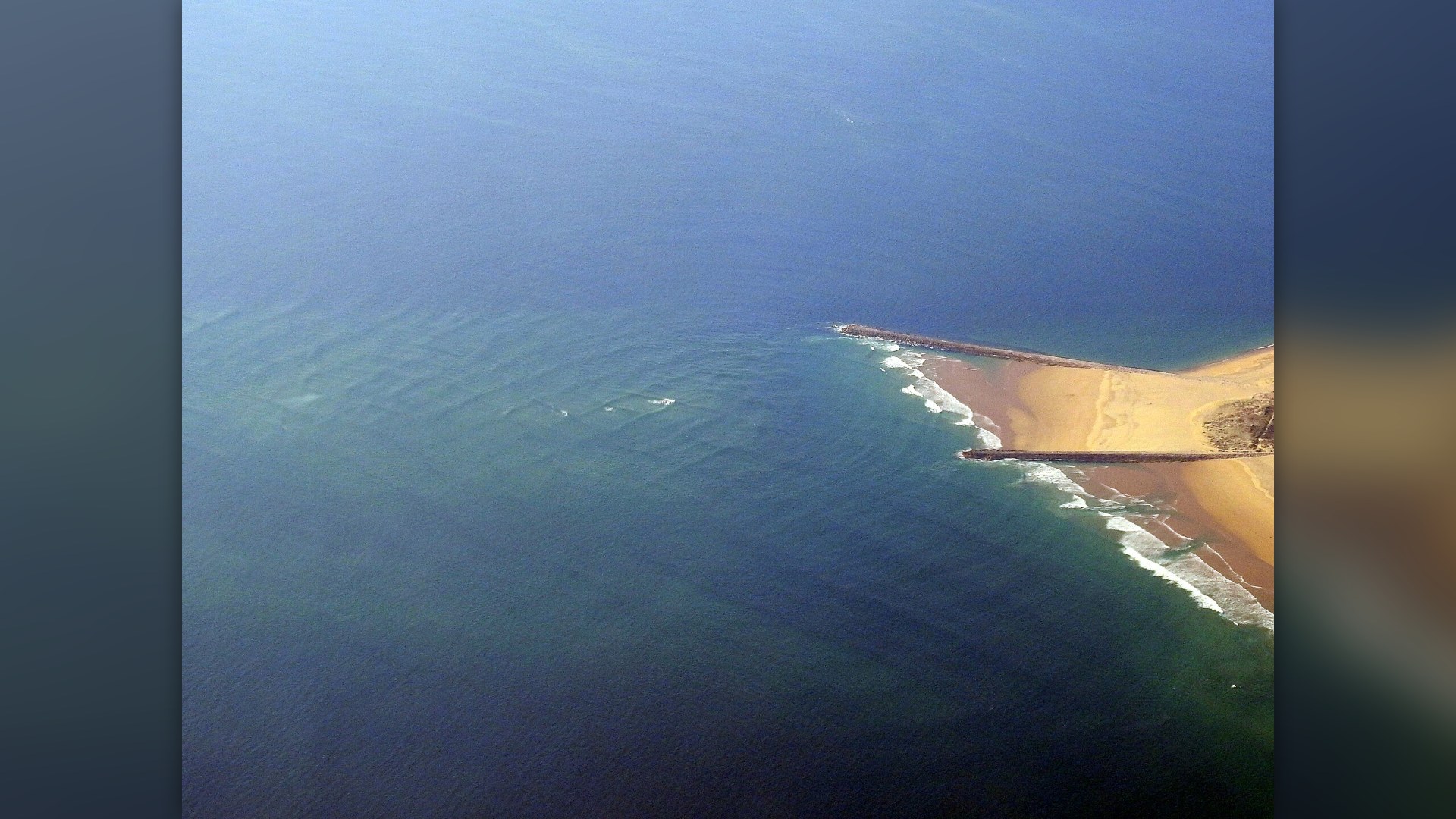
15. Square Waves (Cross Sea Patterns)
Known as a cross sea, square wave patterns form when two opposing weather systems generate swell angles that collide at ninety degrees. The resulting grid produces unpredictable wave peaks and ferocious underwater currents that trap unsuspecting swimmers and capsize small vessels within minutes.
©Wikimedia / Rehman Abubakr
Advertisement
Swipe or tap ▶ to resume the countdown.
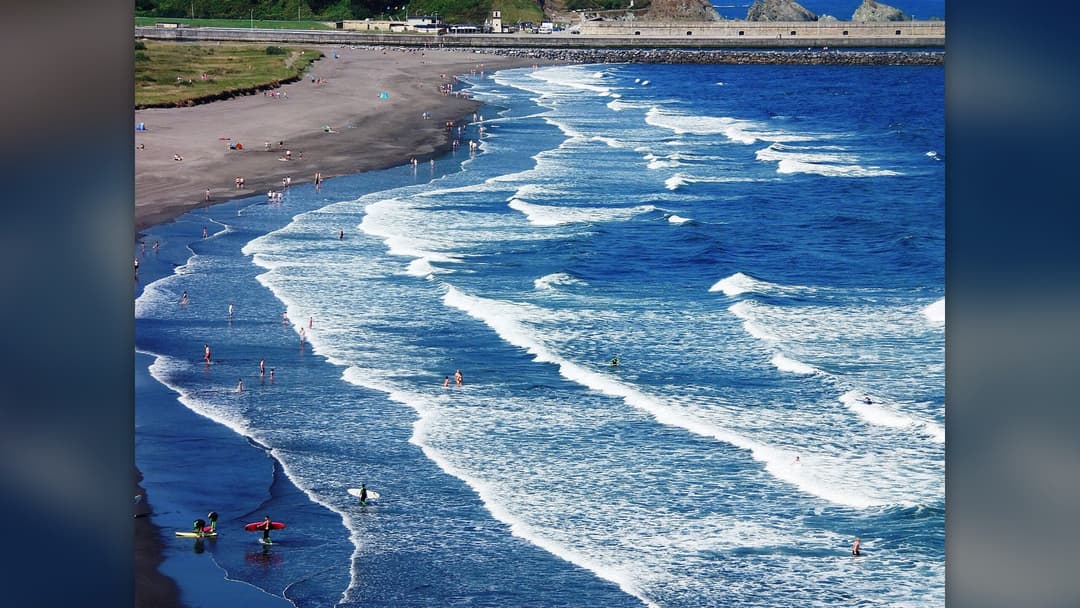
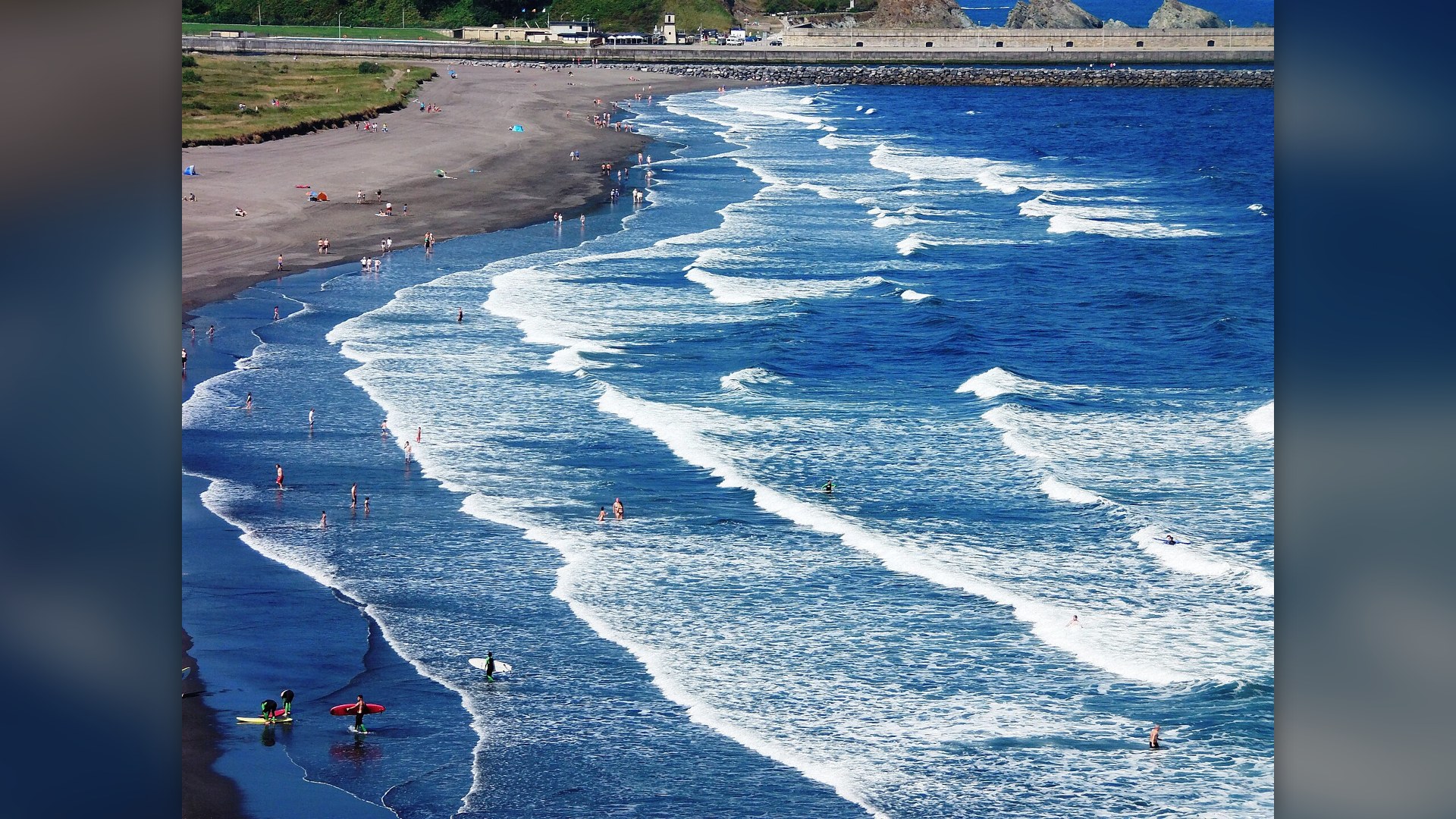
14. Discolored Foam Gaps In Waves
To the untrained eye, a flat gap between crashing beach waves looks like the safest place to swim. In reality, that calm, discolored lane of churning sandy water is a powerful rip current funneling thousands of gallons of water back to sea at speeds exceeding eight feet per second.
©Wikimedia / Geologist15
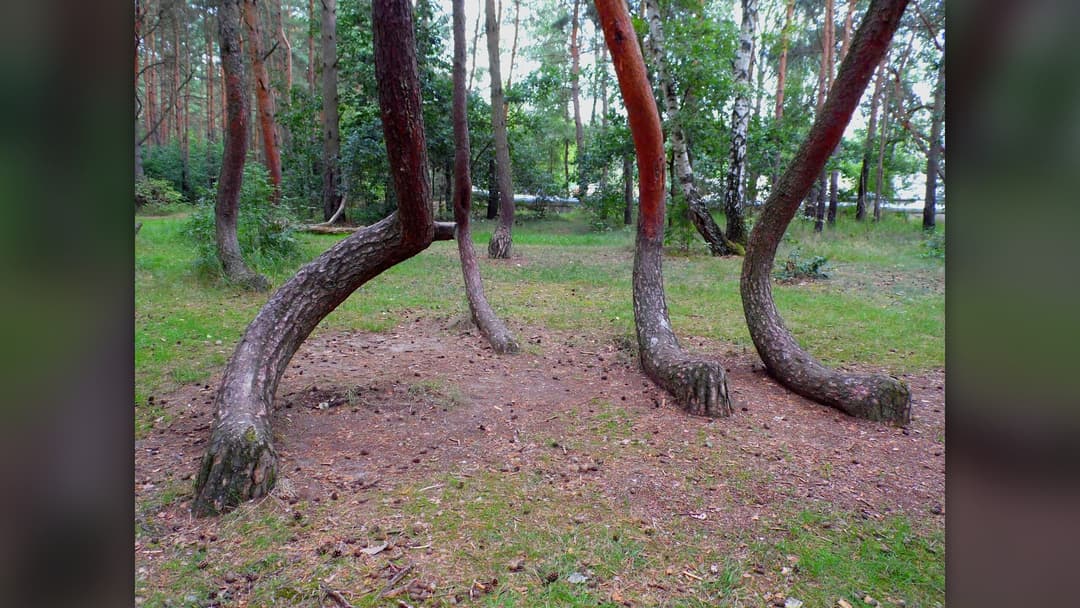
13. Slanted Drunken Trees
When deep soil layers become saturated with groundwater, the underlying bedrock begins to lose friction and shear strength. As the mountainside shifts downward, tree trunks bend downhill or tilt chaotically into what geologists call drunken forests, indicating that a catastrophic slope failure is underway.
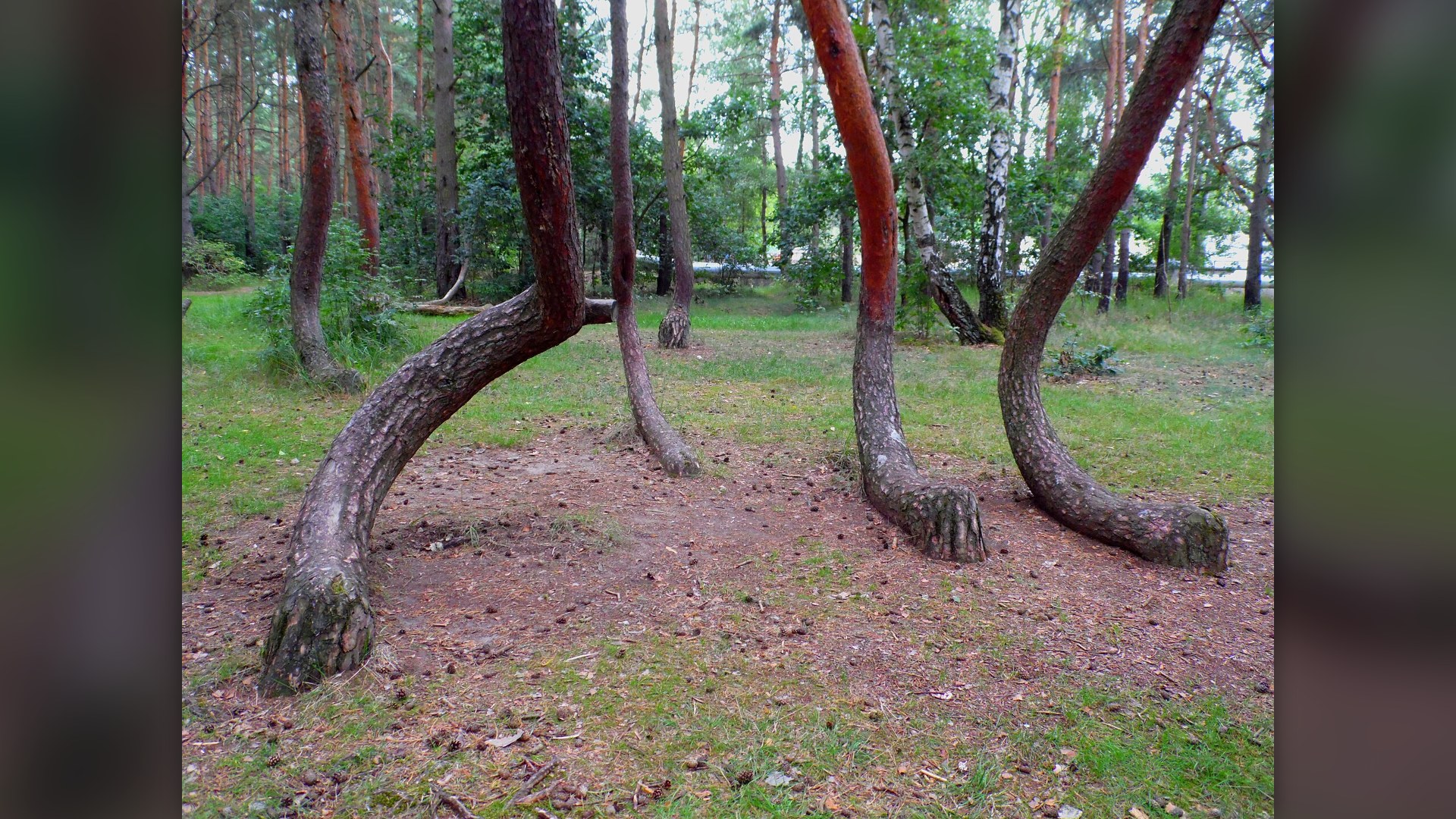
©Wikimedia / Stasiu Stachow
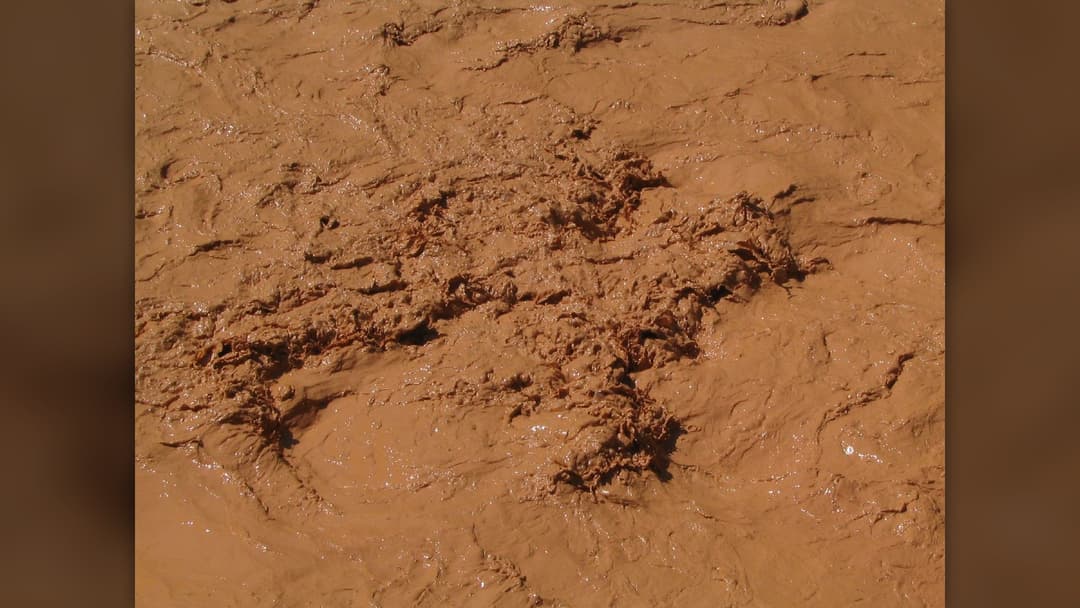
12. Mountain Streams Turning Muddy
If a pristine alpine creek suddenly turns muddy or drops in volume, a debris dam has likely formed upstream. When the accumulated water and timber debris breach the obstruction, a vertical wall of water and boulders surges downstream at highway speeds, leaving anyone in canyon bottoms with moments to scramble up.
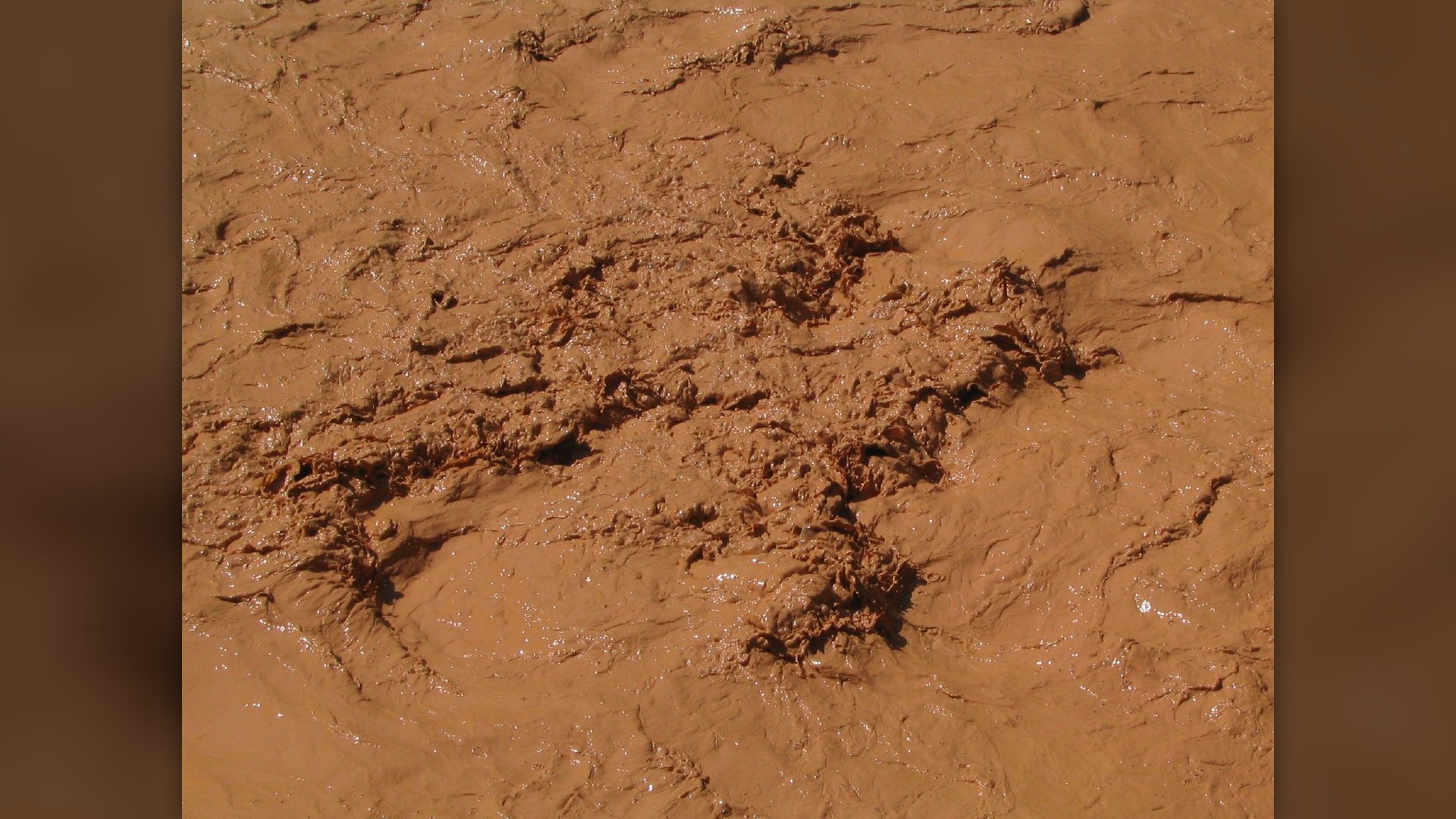
©Wikimedia / Ken Lund
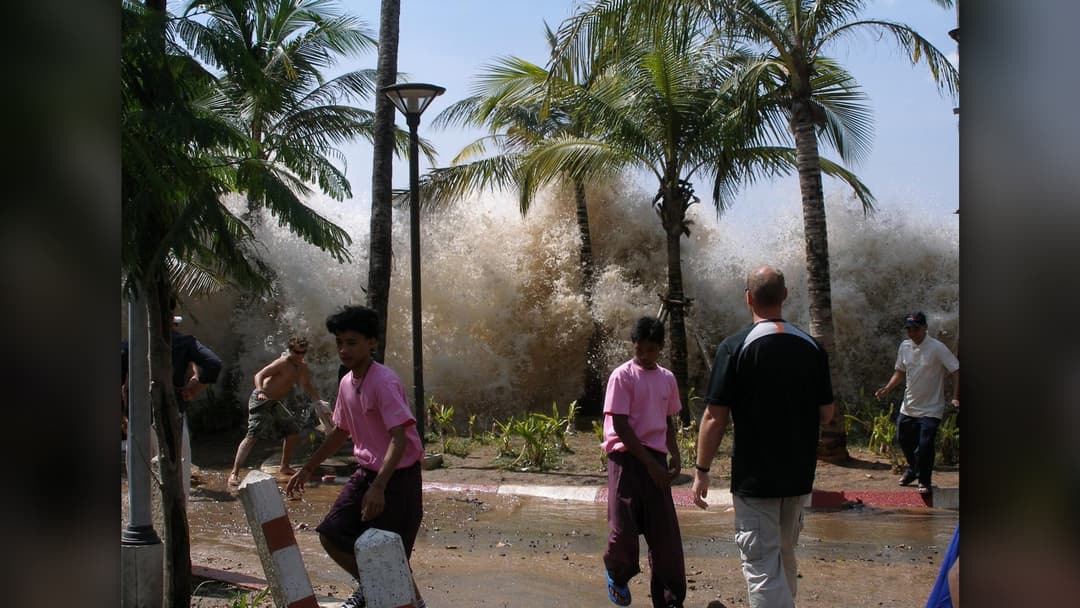
11. Ocean Water Rapidly Receding
During megathrust subduction earthquakes, the leading trough of a tsunami wave often draws coastal water backward into the deep ocean. When the tide vanishes beyond the horizon and exposes coral beds, it signals that an immense wave wall is minutes away. Running immediately to high ground is the only survival path.
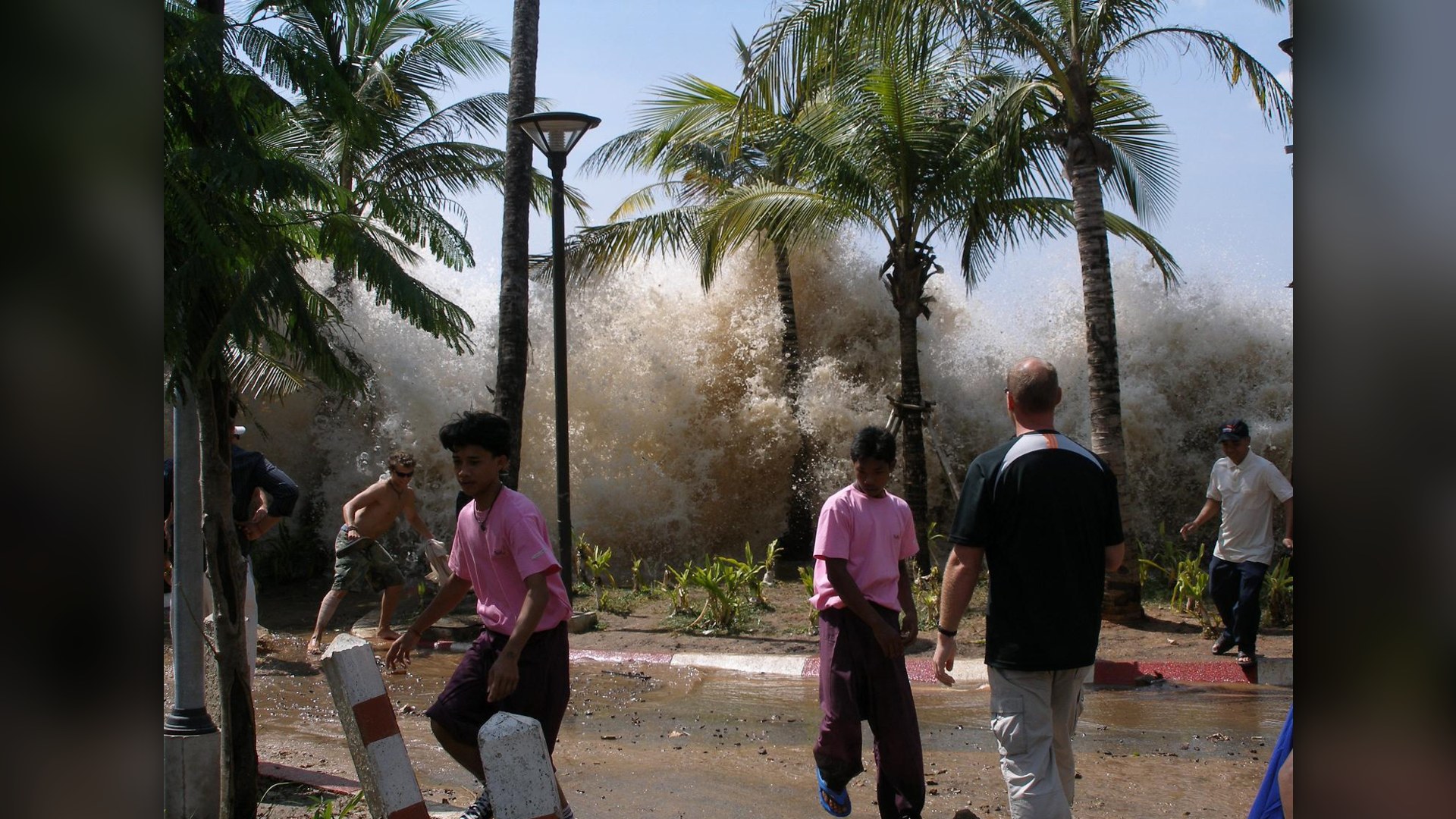
©Wikimedia / David Rydevik
Advertisement
Swipe or tap ▶ to resume the countdown.
10. Emerald Green Sky In Storms
When daylight filters through massive columns of moisture and dense hail cores within a supercell, blue light scatters while absorbing red wavelengths, projecting an eerie emerald tint. Spotting a sulfur green sky means baseball sized hail and tornadic winds will impact the area within minutes.
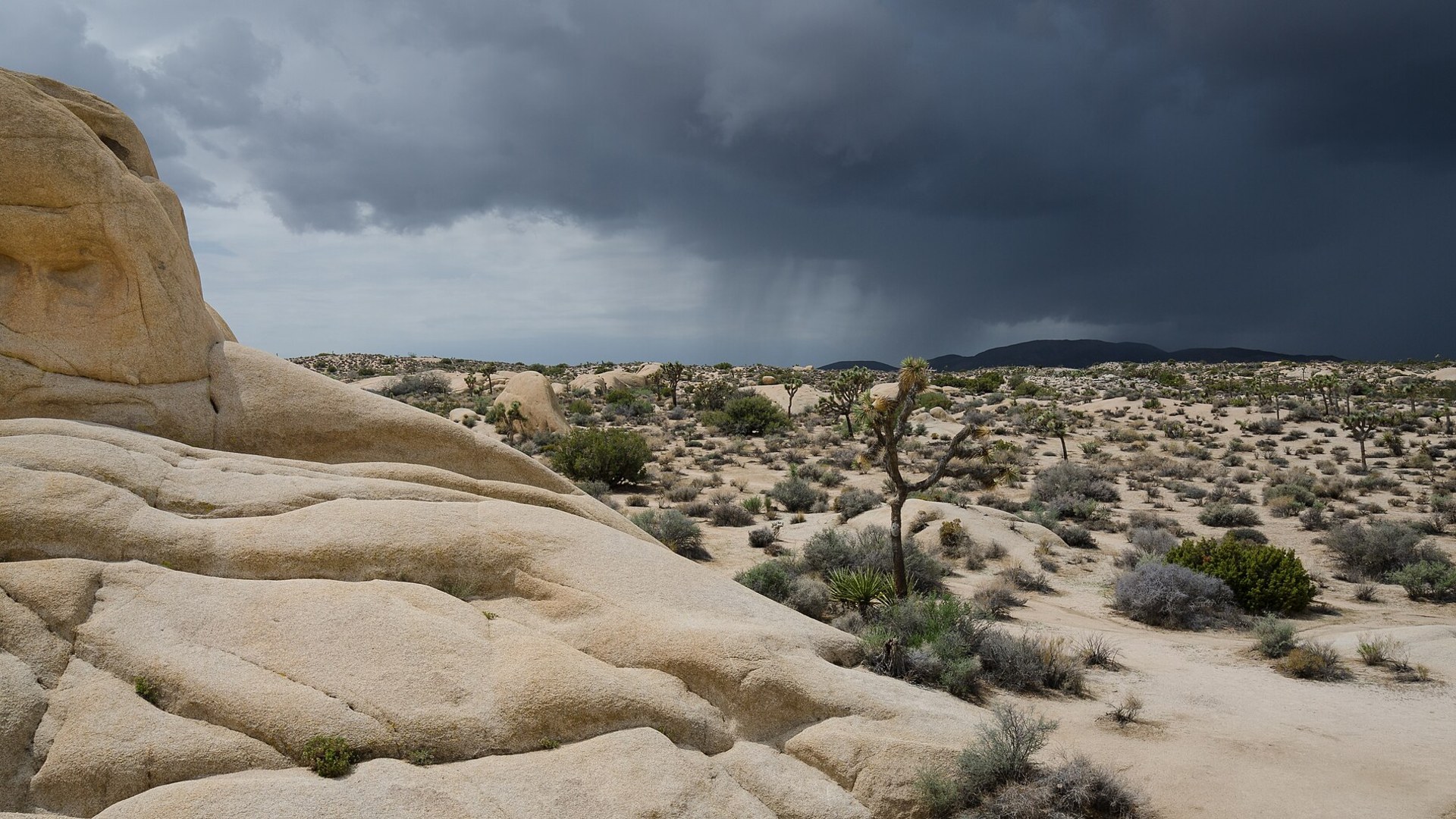
©Wikimedia / Tuxyso
9. Deafening Freight Train Roar
Survivors of EF4 and EF5 tornadoes consistently report hearing a persistent roaring noise resembling an oncoming freight train. This acoustic signature is generated by high speed winds tearing through vegetation and structures alongside massive barometric cavitations, leaving seconds to seek reinforced shelter.
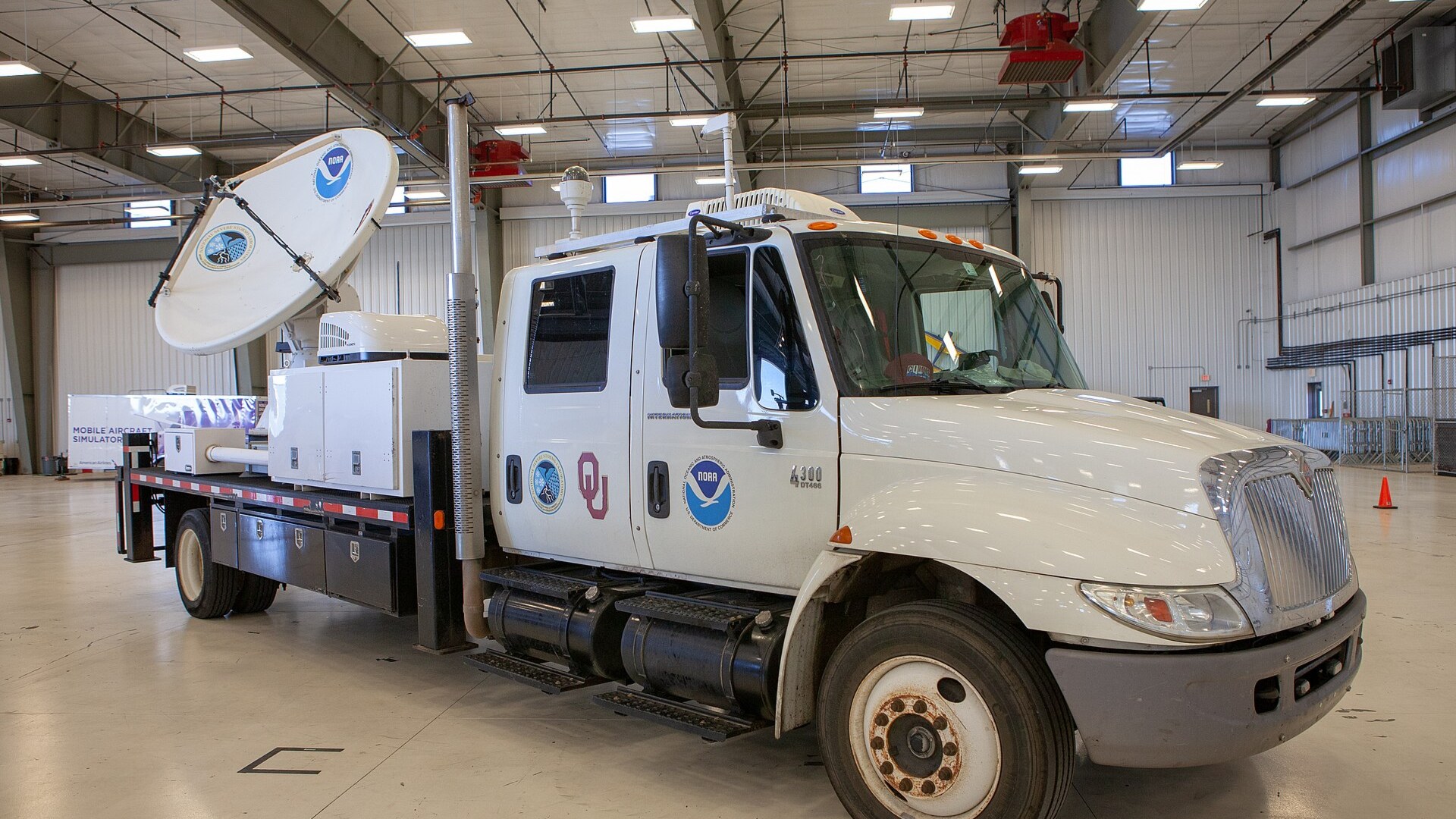
©Wikimedia / NOAA NSSL
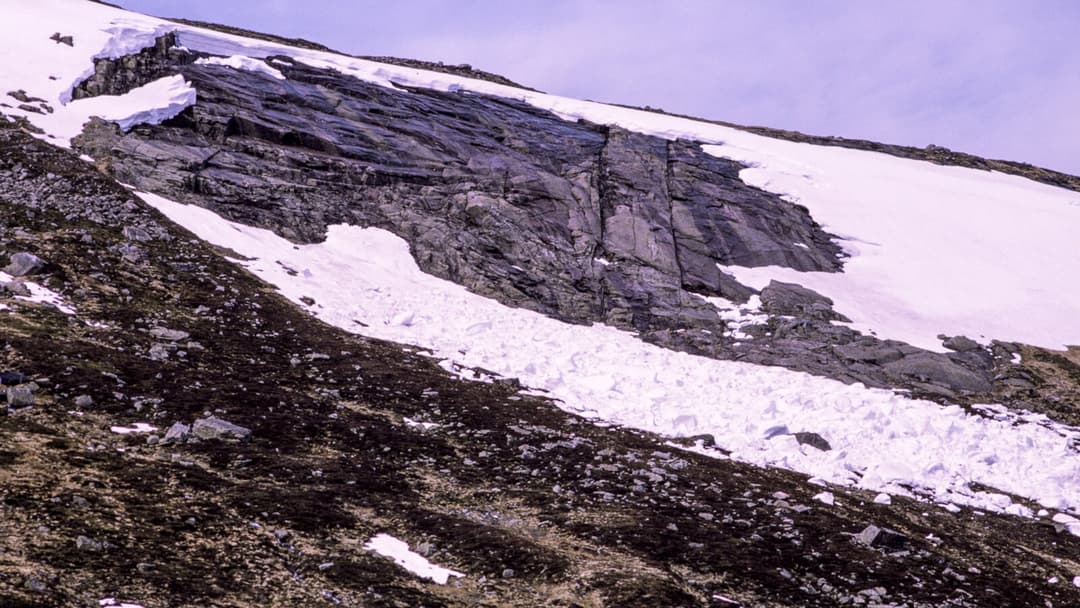
8. Shooting Cracks In Snowpack
When traveling across snow covered slopes, hearing a hollow settling thump known as a whumpf means a weak buried layer has collapsed under stress. When cracks rapidly shoot outward across the snowpack, cohesive slab avalanches fracture immediately and release tons of snow down the mountainside.
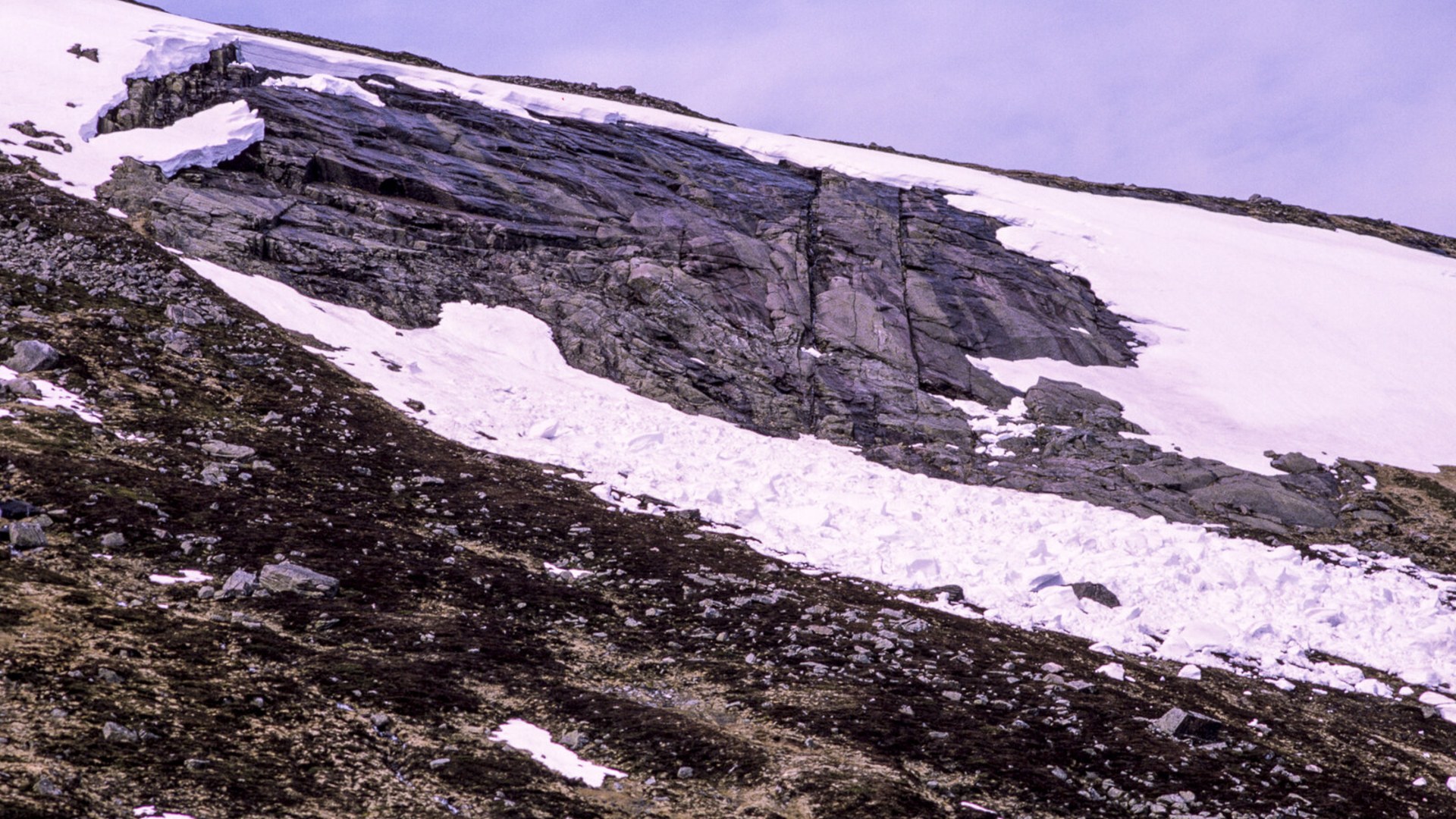
©Wikimedia / Trevor Littlewood
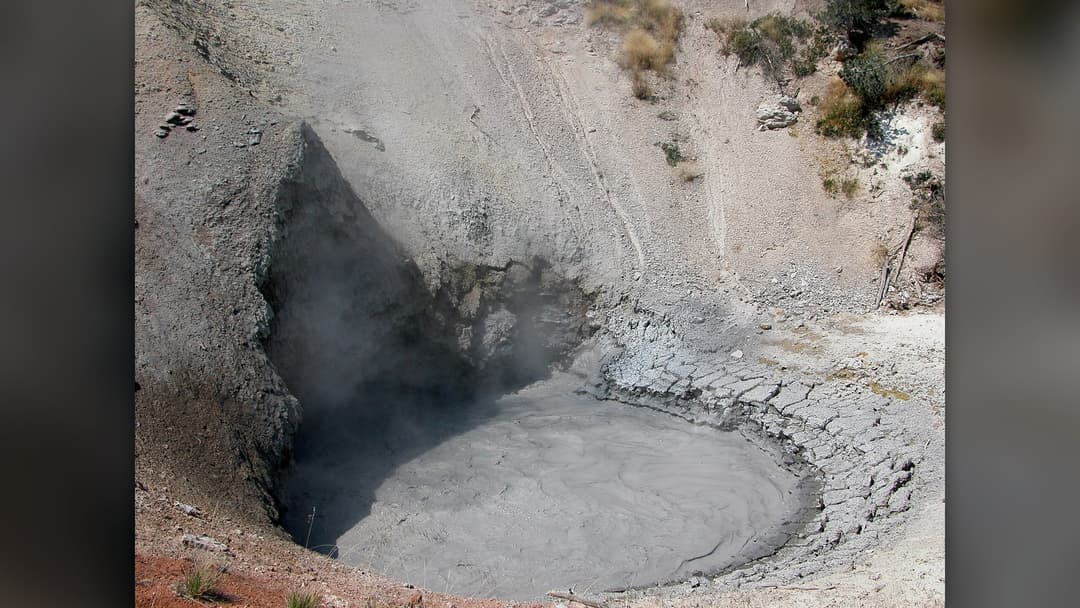
7. Ground Swelling And Boiling Pools
Volcanologists monitor ground deformation because expanding magma reservoirs literally lift the surface earth by several feet. When ground swelling fractures bedrock seals, superheated groundwater flashes into violent steam eruptions that can blast shattered boulders outward with virtually zero evacuation warning.
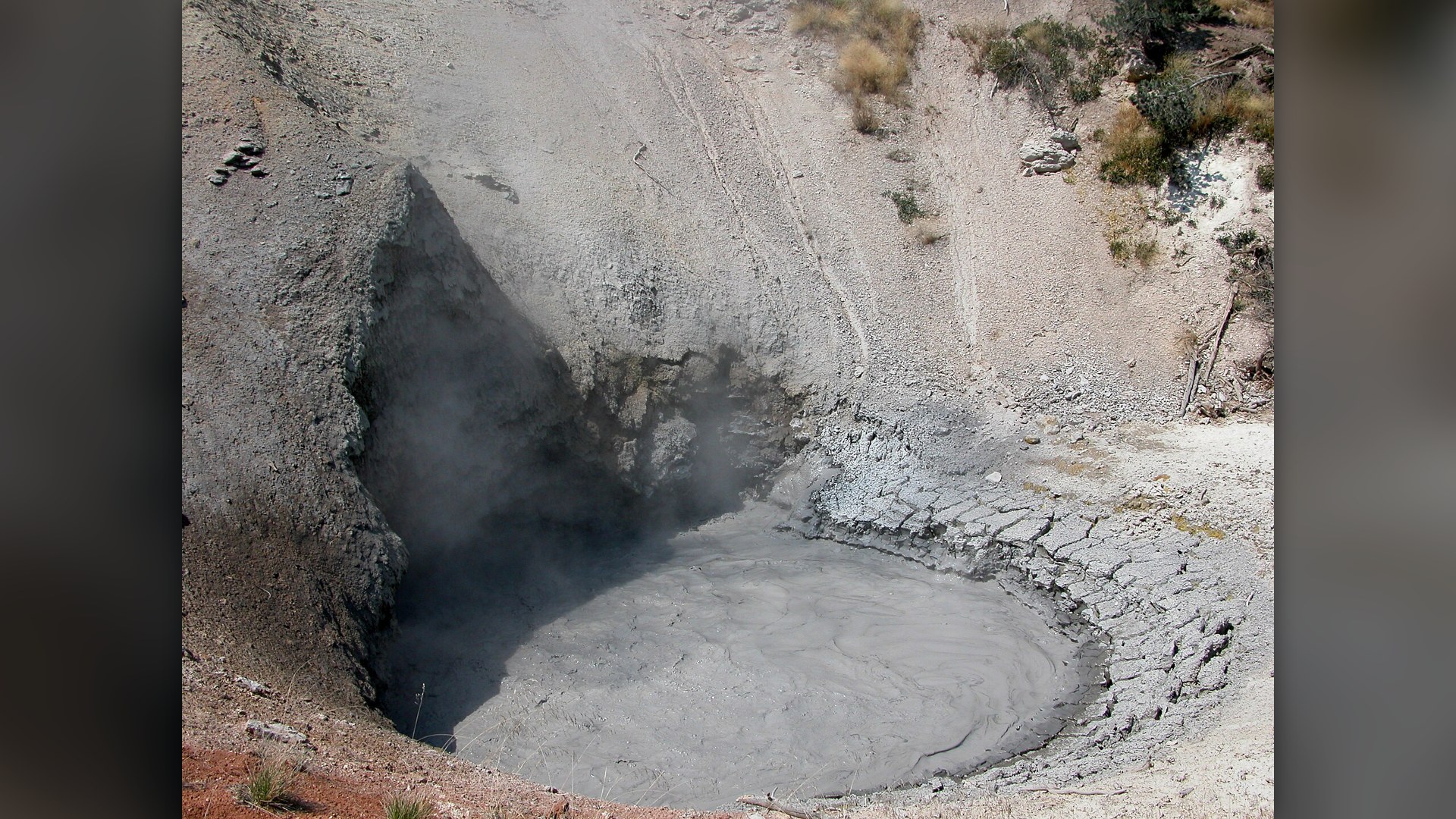
©Wikimedia / Ildar Sagdejev
Advertisement
Swipe or tap ▶ to resume the countdown.
6. Infrasound Animal Panics
Animals perceive infrasound acoustic waves below twenty hertz that travel thousands of miles faster than tsunamis or volcanic ash clouds. During the 2004 Indian Ocean tsunami, herds of wild elephants and coastal cattle bolted toward hilltop elevations hours before the lethal ocean surge engulfed shorelines.

©Wikimedia / Opittman
5. Earthquake Lights And Plasma Glows
Moments before violent earthquakes rupture, intense tectonic friction breaks peroxy bonds in subterranean basalt. Highly mobilized electrical charges surge to the earth surface, ionizing air molecules into eerie blue and white glowing plasmas, signaling violent ground shaking within thirty seconds.
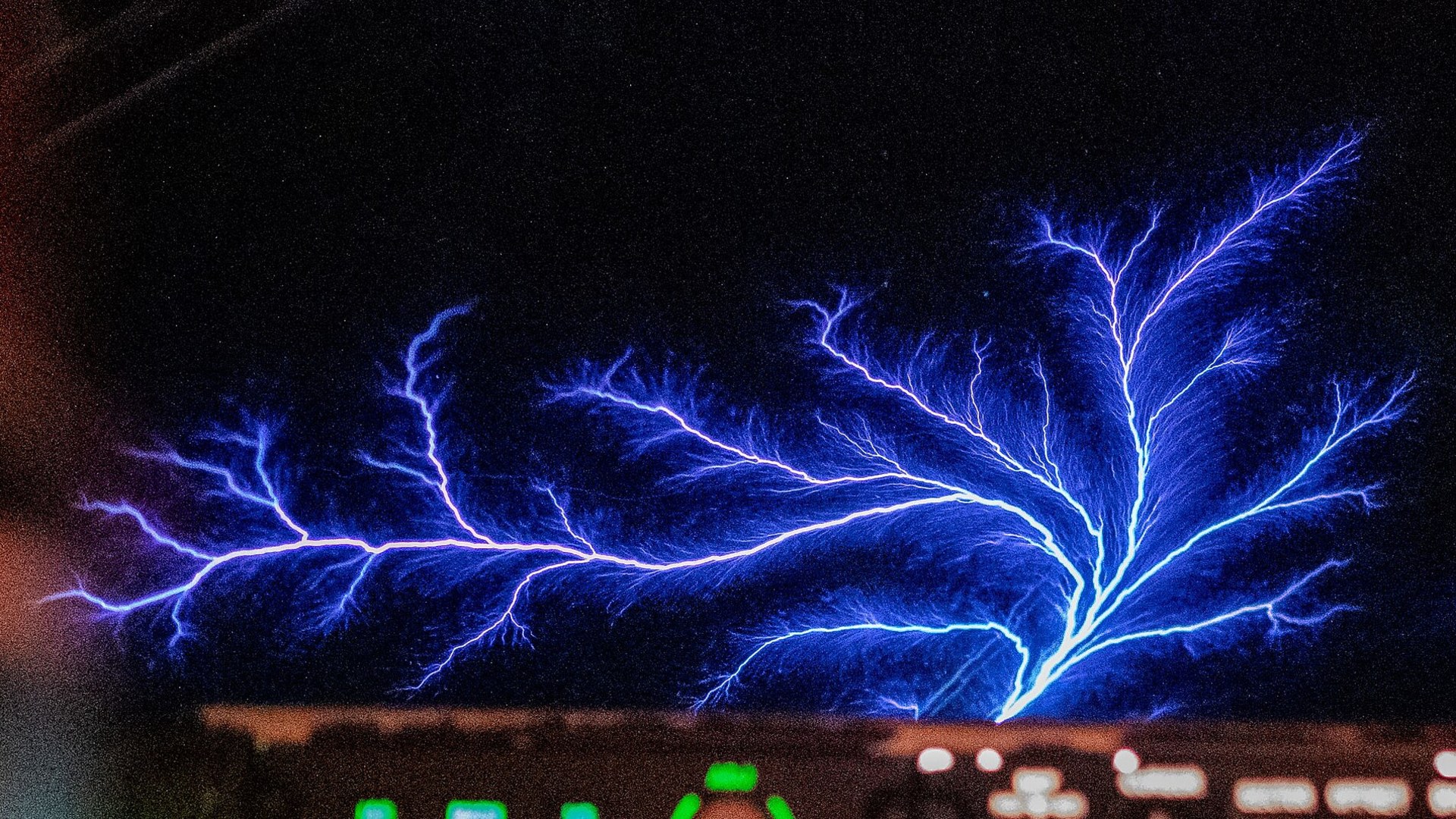
©Wikimedia / Staff Sgt. Jackson Manske
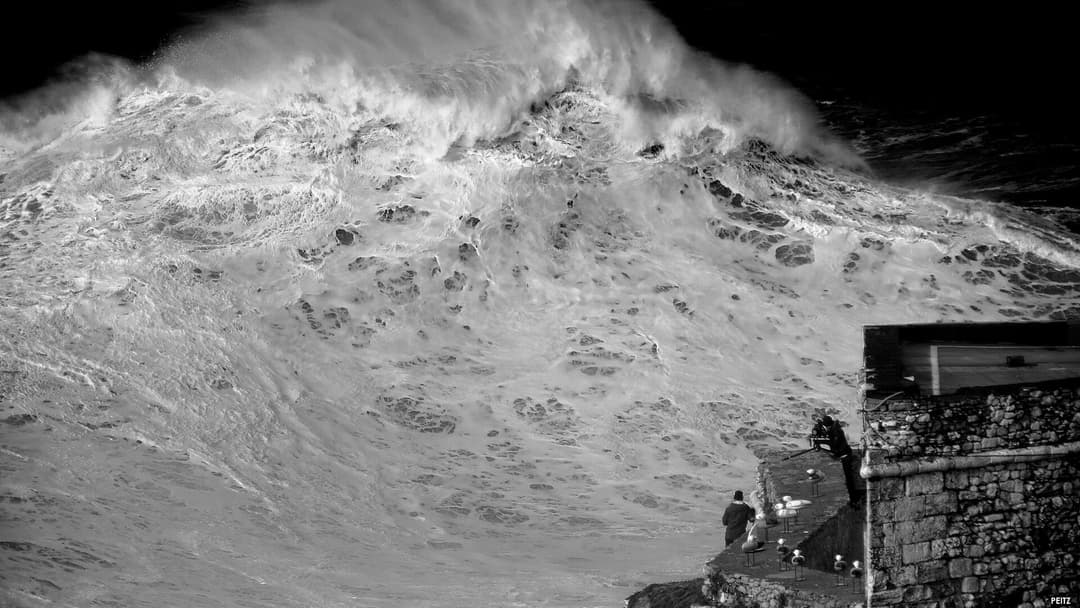
4. Distant White Water Line
When tsunami waves encounter coastal shelf shallows, their immense energy compresses and forces the water column upward into a foaming wall. Seen from shore, the wave first appears as an unbroken white horizontal streak on the distant horizon accompanied by a low roar, offering roughly ninety seconds to flee inland.
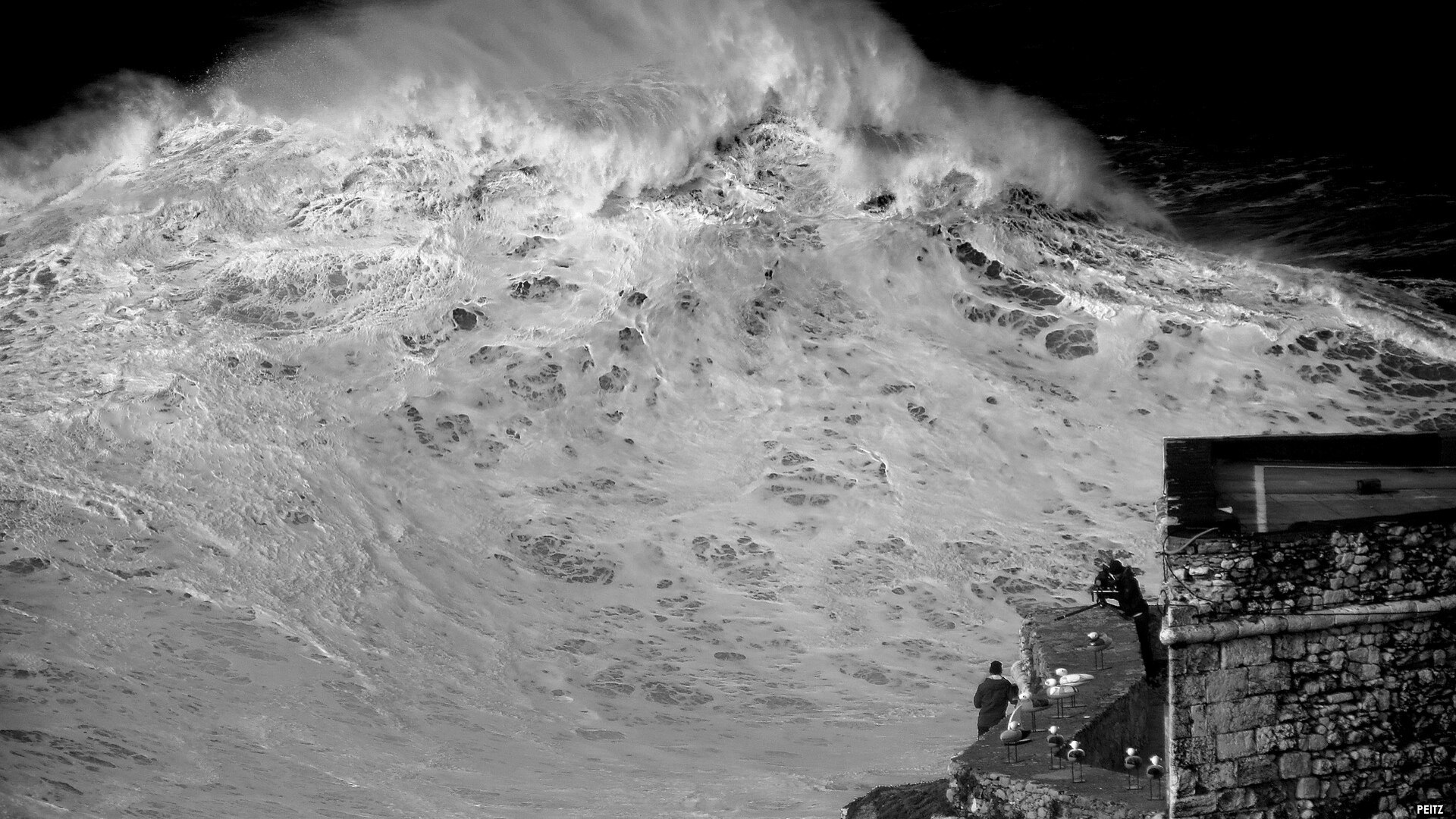
©Wikimedia / Walterpeitz
3. Sudden Vertical Ground Jolt
Primary compressional waves travel twice as fast as shear secondary waves. A sudden sharp vertical thump beneath your feet is the primary wave arriving at the surface. This physical sensation provides a crucial five to twenty second warning before destructive horizontal secondary shaking tears structures apart.
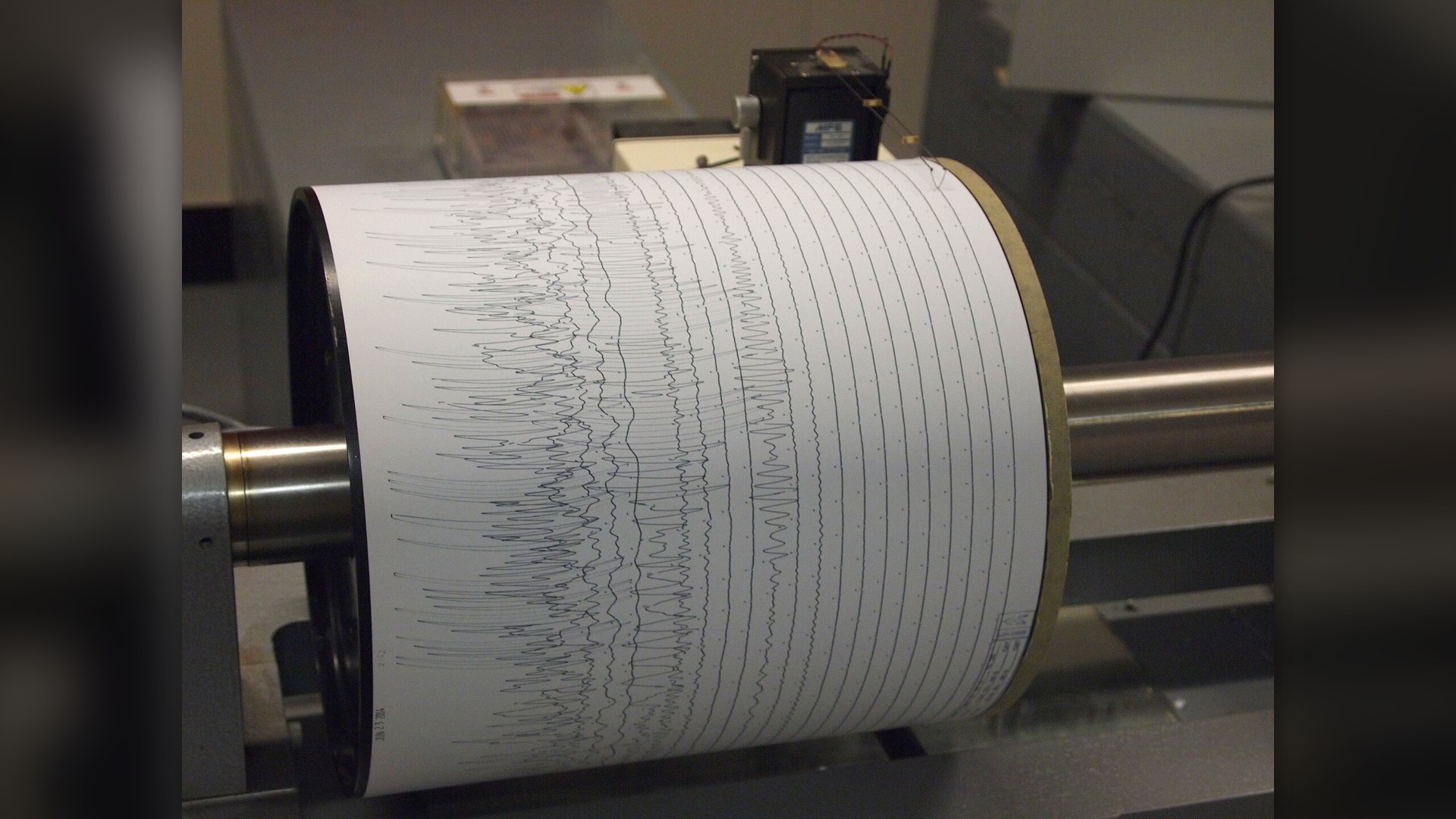
©Wikimedia / Z22
Advertisement
Swipe or tap ▶ to resume the countdown.
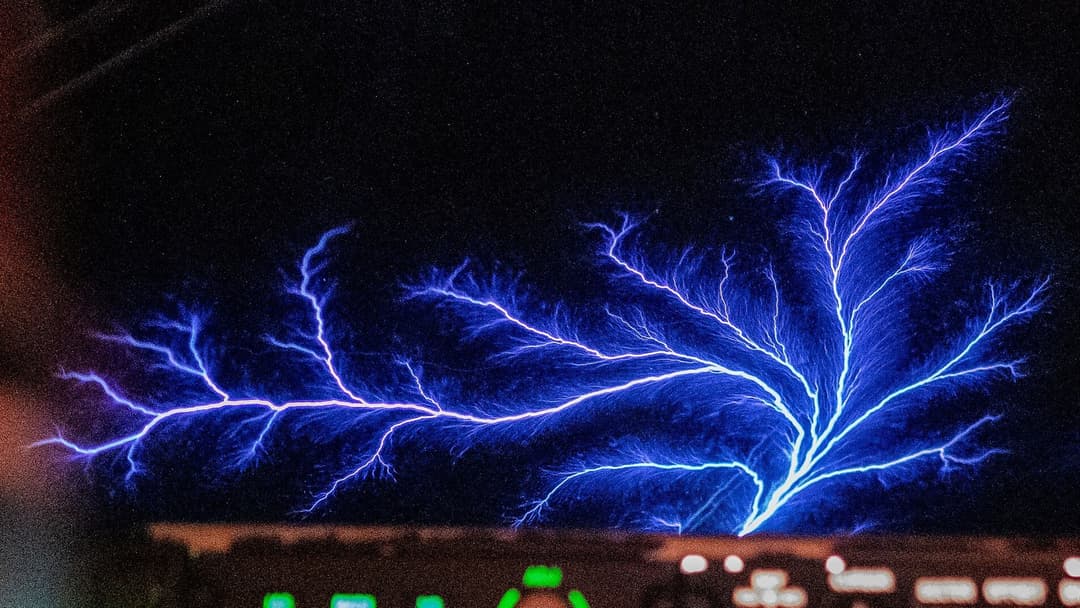
2. Buzzing Metal And Singing Lines
Before a cloud to ground lightning stroke channels downward, intense upward streamers of positive electrical charges surge through elevated conductors. Metal fences, hiking poles, and power lines begin to hiss, crackle, and emit an ozone scent, leaving anyone nearby with seconds to drop into a crouch.
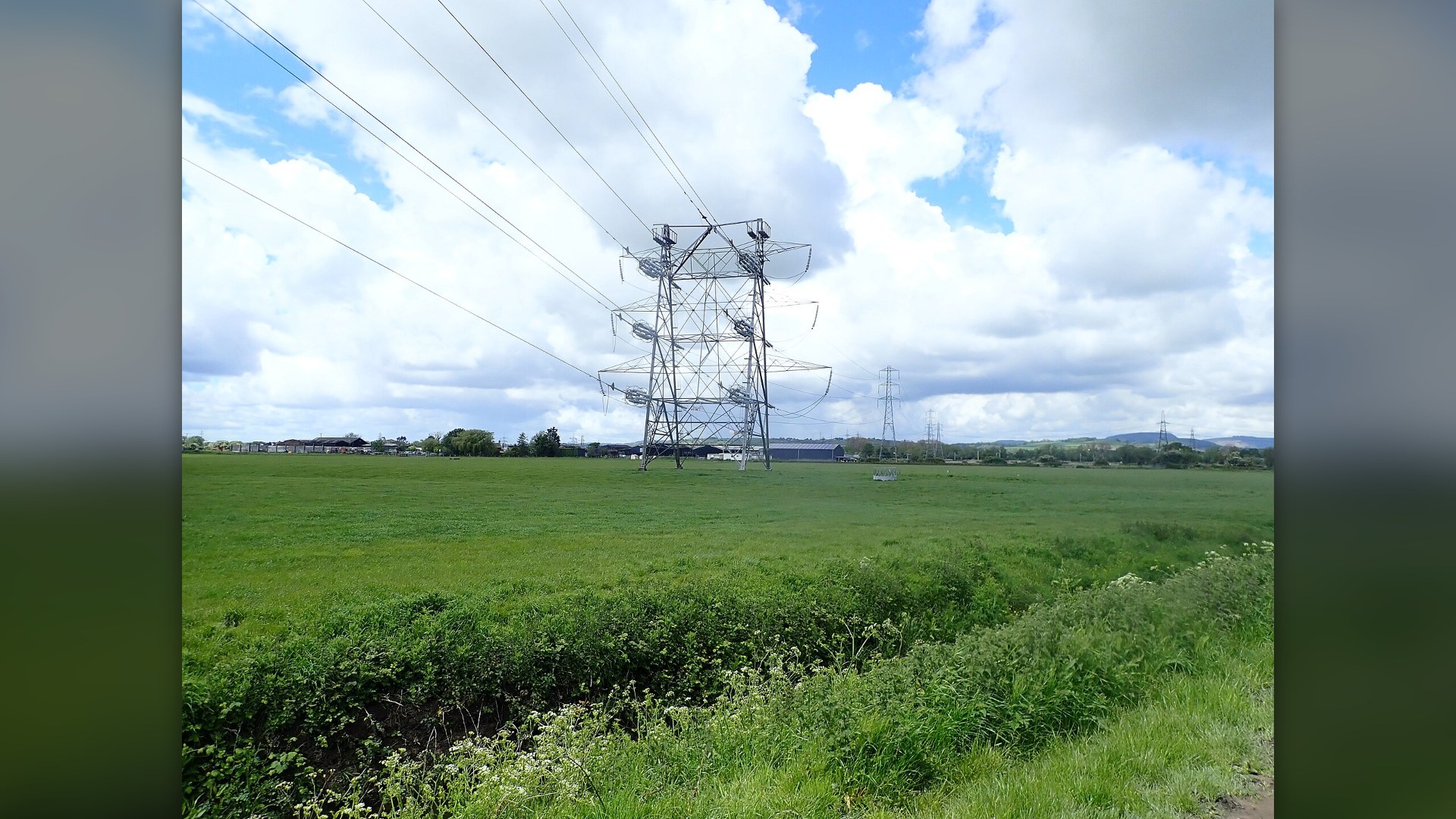
©Wikimedia / Eirian Evans
1. Hair Standing Directly On End
When strong static electricity lifts hair strands into the air and tingling spreads across skin, a stepped leader has connected directly with your location. You have less than three seconds before hundreds of millions of volts strike. Instantly drop into a baseball catcher crouch on the balls of your feet.

©Wikimedia / ShakataGaNai
Advertisement
You've reached the end of the story. Thanks for reading!

25 Major Changes Americans Could See From the New Congress
All 25 Entries in this Story
1. Well Water Level Fluctuations
Hydrologists have documented erratic groundwater shifts days before major earthquakes. Subterranean tectonic stress compresses or dilates permeable rock layers, causing deep aquifers to suddenly surge or drain. In Haicheng, China, dramatic well water fluctuations helped authorities order timely evacuations in 1975.

2. Deep-Sea Oarfish Strandings
Known in Japanese folklore as the Messenger from the Sea God's Palace, giant oarfish reside at ocean depths exceeding six hundred feet. Marine biologists hypothesize that deep tectonic stress, seismic sound pulses, and releasing toxic gases drive these sensitive ribbonfish upward toward shallow beaches.

3. Volcanic Lake Discoloration
Crater lakes act as natural pressure valves for dormant volcanoes. When ascending magma fractures subterranean conduits, intense surges of sulfur dioxide and carbon dioxide react with mineral rich waters. The sudden chemical shift changes emerald waters to murky gray while dead fish float to the surface.

4. Mass Amphibian Evacuations
Days before the 2009 earthquake in L'Aquila, Italy, biologists noted that ninety-six percent of local common toads abruptly evacuated their breeding ponds. Laboratory studies suggest that piezoelectric stress in bedrock ionizes groundwater and releases radon, prompting sensitive amphibians to flee en masse.

5. Sudden Glacial Meltwater Surges
In Iceland, a sudden surge in river volume known as a jokulhlaup signals that subglacial volcanic heat is melting massive ice sheets from beneath. Within hours of the initial murky discharge, catastrophic torrents carrying iceberg slabs and volcanic ash can sweep away coastal highways and bridges.

6. 22-Degree Solar And Lunar Halos
When high, thin cirrostratus clouds blanket the upper troposphere, hexagonal ice crystals refract incoming sunlight at exactly 22 degrees. Because these ice clouds form on the leading edge of powerful low-pressure systems, a vivid halo indicates that heavy rain and severe wind will arrive within twenty-four hours.

7. Eerie Forest Silence
Animals detect subtle barometric drops and low-frequency infrasound long before human meteorologists broadcast storm warnings. When approaching hurricanes or severe derecho squall lines compress atmospheric density, woodland birds and cicadas abruptly halt all vocalizations to seek deep shelter in tree hollows.

8. Rapid Barometric Pressure Drops
A barometric drop of several millibars in an hour indicates an intense cyclonic storm is bearing down. The sudden drop in ambient pressure causes human ears to pop, similar to an aircraft descending rapidly. Marine barometers falling off the scale warn mariners to seek safe harbor immediately.

9. Mammatus Cloud Pouches
Mammatus clouds consist of sinking pockets of cool, saturated air descending beneath the anvil of a severe thunderstorm. While mammatus pouches do not produce tornadoes directly, they signal an intensely violent updraft overhead capable of spawning giant hail, destructive microbursts, and tornadoes.

10. Rapidly Rotating Wall Clouds
Wall clouds form beneath the rain-free base of a supercell where strong inward updrafts ingest humid surface air. When a wall cloud develops persistent, rapid rotation and vertical motion, it indicates a concentrated vortex is forming, giving bystanders thirty minutes or less to seek reinforced underground shelter.

11. Square Waves (Cross Sea Patterns)
Known as a cross sea, square wave patterns form when two opposing weather systems generate swell angles that collide at ninety degrees. The resulting grid produces unpredictable wave peaks and ferocious underwater currents that trap unsuspecting swimmers and capsize small vessels within minutes.

12. Discolored Foam Gaps In Waves
To the untrained eye, a flat gap between crashing beach waves looks like the safest place to swim. In reality, that calm, discolored lane of churning sandy water is a powerful rip current funneling thousands of gallons of water back to sea at speeds exceeding eight feet per second.

13. Slanted Drunken Trees
When deep soil layers become saturated with groundwater, the underlying bedrock begins to lose friction and shear strength. As the mountainside shifts downward, tree trunks bend downhill or tilt chaotically into what geologists call drunken forests, indicating that a catastrophic slope failure is underway.

14. Mountain Streams Turning Muddy
If a pristine alpine creek suddenly turns muddy or drops in volume, a debris dam has likely formed upstream. When the accumulated water and timber debris breach the obstruction, a vertical wall of water and boulders surges downstream at highway speeds, leaving anyone in canyon bottoms with moments to scramble up.

15. Ocean Water Rapidly Receding
During megathrust subduction earthquakes, the leading trough of a tsunami wave often draws coastal water backward into the deep ocean. When the tide vanishes beyond the horizon and exposes coral beds, it signals that an immense wave wall is minutes away. Running immediately to high ground is the only survival path.

16. Emerald Green Sky In Storms
When daylight filters through massive columns of moisture and dense hail cores within a supercell, blue light scatters while absorbing red wavelengths, projecting an eerie emerald tint. Spotting a sulfur green sky means baseball sized hail and tornadic winds will impact the area within minutes.

17. Deafening Freight Train Roar
Survivors of EF4 and EF5 tornadoes consistently report hearing a persistent roaring noise resembling an oncoming freight train. This acoustic signature is generated by high speed winds tearing through vegetation and structures alongside massive barometric cavitations, leaving seconds to seek reinforced shelter.

18. Shooting Cracks In Snowpack
When traveling across snow covered slopes, hearing a hollow settling thump known as a whumpf means a weak buried layer has collapsed under stress. When cracks rapidly shoot outward across the snowpack, cohesive slab avalanches fracture immediately and release tons of snow down the mountainside.

19. Ground Swelling And Boiling Pools
Volcanologists monitor ground deformation because expanding magma reservoirs literally lift the surface earth by several feet. When ground swelling fractures bedrock seals, superheated groundwater flashes into violent steam eruptions that can blast shattered boulders outward with virtually zero evacuation warning.

20. Infrasound Animal Panics
Animals perceive infrasound acoustic waves below twenty hertz that travel thousands of miles faster than tsunamis or volcanic ash clouds. During the 2004 Indian Ocean tsunami, herds of wild elephants and coastal cattle bolted toward hilltop elevations hours before the lethal ocean surge engulfed shorelines.

21. Earthquake Lights And Plasma Glows
Moments before violent earthquakes rupture, intense tectonic friction breaks peroxy bonds in subterranean basalt. Highly mobilized electrical charges surge to the earth surface, ionizing air molecules into eerie blue and white glowing plasmas, signaling violent ground shaking within thirty seconds.

22. Distant White Water Line
When tsunami waves encounter coastal shelf shallows, their immense energy compresses and forces the water column upward into a foaming wall. Seen from shore, the wave first appears as an unbroken white horizontal streak on the distant horizon accompanied by a low roar, offering roughly ninety seconds to flee inland.

23. Sudden Vertical Ground Jolt
Primary compressional waves travel twice as fast as shear secondary waves. A sudden sharp vertical thump beneath your feet is the primary wave arriving at the surface. This physical sensation provides a crucial five to twenty second warning before destructive horizontal secondary shaking tears structures apart.

24. Buzzing Metal And Singing Lines
Before a cloud to ground lightning stroke channels downward, intense upward streamers of positive electrical charges surge through elevated conductors. Metal fences, hiking poles, and power lines begin to hiss, crackle, and emit an ozone scent, leaving anyone nearby with seconds to drop into a crouch.

25. Hair Standing Directly On End
When strong static electricity lifts hair strands into the air and tingling spreads across skin, a stepped leader has connected directly with your location. You have less than three seconds before hundreds of millions of volts strike. Instantly drop into a baseball catcher crouch on the balls of your feet.