Slideshow · Animals
Some Animals Have Been Alive Since Before Your Country Was Founded
From immortal jellyfish that reverse aging to sharks older than the United States — meet the extraordinary creatures that have turned time into their superpower.
By Most Viral Today
30 Sept 2026

Some Animals Have Been Alive Since Before Your Country Was Founded 
10. Wandering Albatross 
9. Giant Tortoise 
8. Jonathan The Tortoise - AdvertisementSwipe or tap ▶ to continue countdown

7. Bowhead Whale 
6. Red Sea Urchin 
5. Deep-Sea Tubeworm 
4. Ocean Quahog Clam - AdvertisementSwipe or tap ▶ to continue countdown

3. Greenland Shark 
2. Immortal Jellyfish 
1. Glass Sponge - Advertisement🔥 UP NEXT IN THIS SERIES◫ 26 Slides

25 Moments When Mother Animals Find Their Way Back to Babies
25 Emotional Moments When Mother Animals Find Their Way Back to Young
Swipe or tap ▶ to begin the countdown
©Wikimedia / Hemming1952 · Smithsonian / Dr. Karen J. Osborn
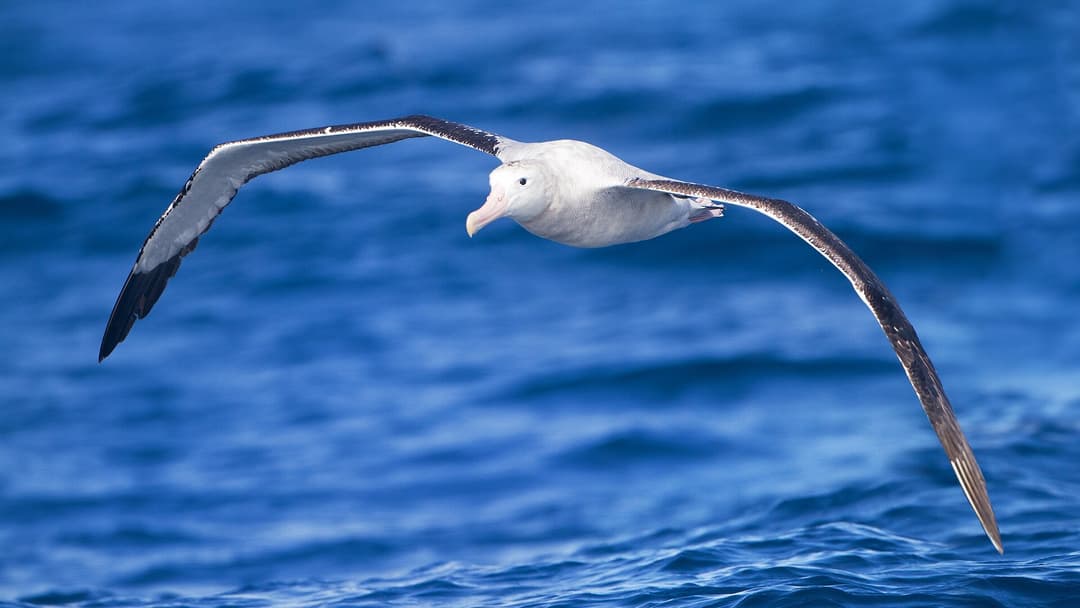
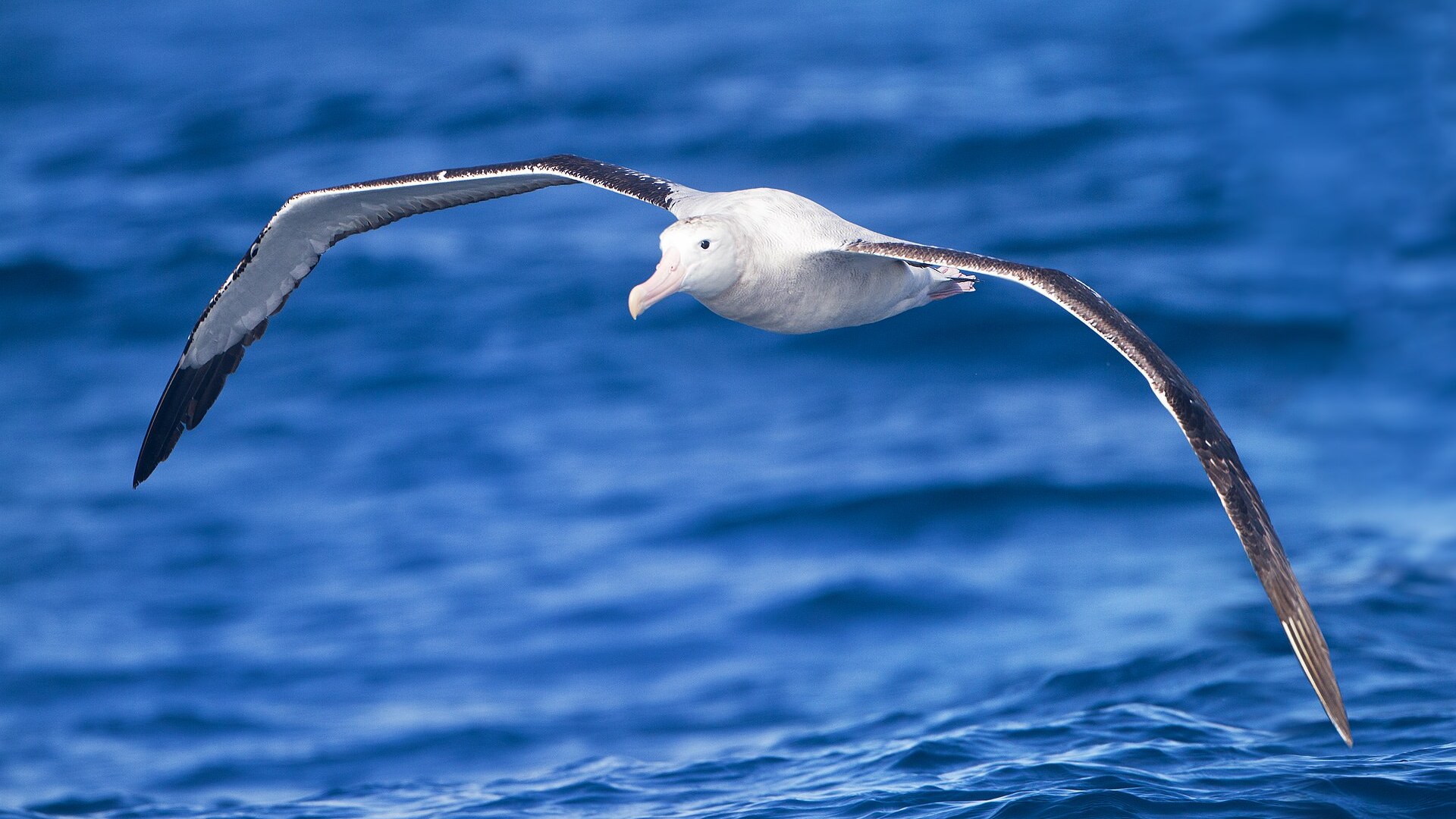
10. Wandering Albatross
The Wandering Albatross holds the largest wingspan of any living bird and spends years at a time airborne over the Southern Ocean. Individual birds banded in the 1950s were still breeding and flying strong into their 70s — making them among the oldest confirmed wild birds on Earth.
©Wikimedia / JJ Harrison
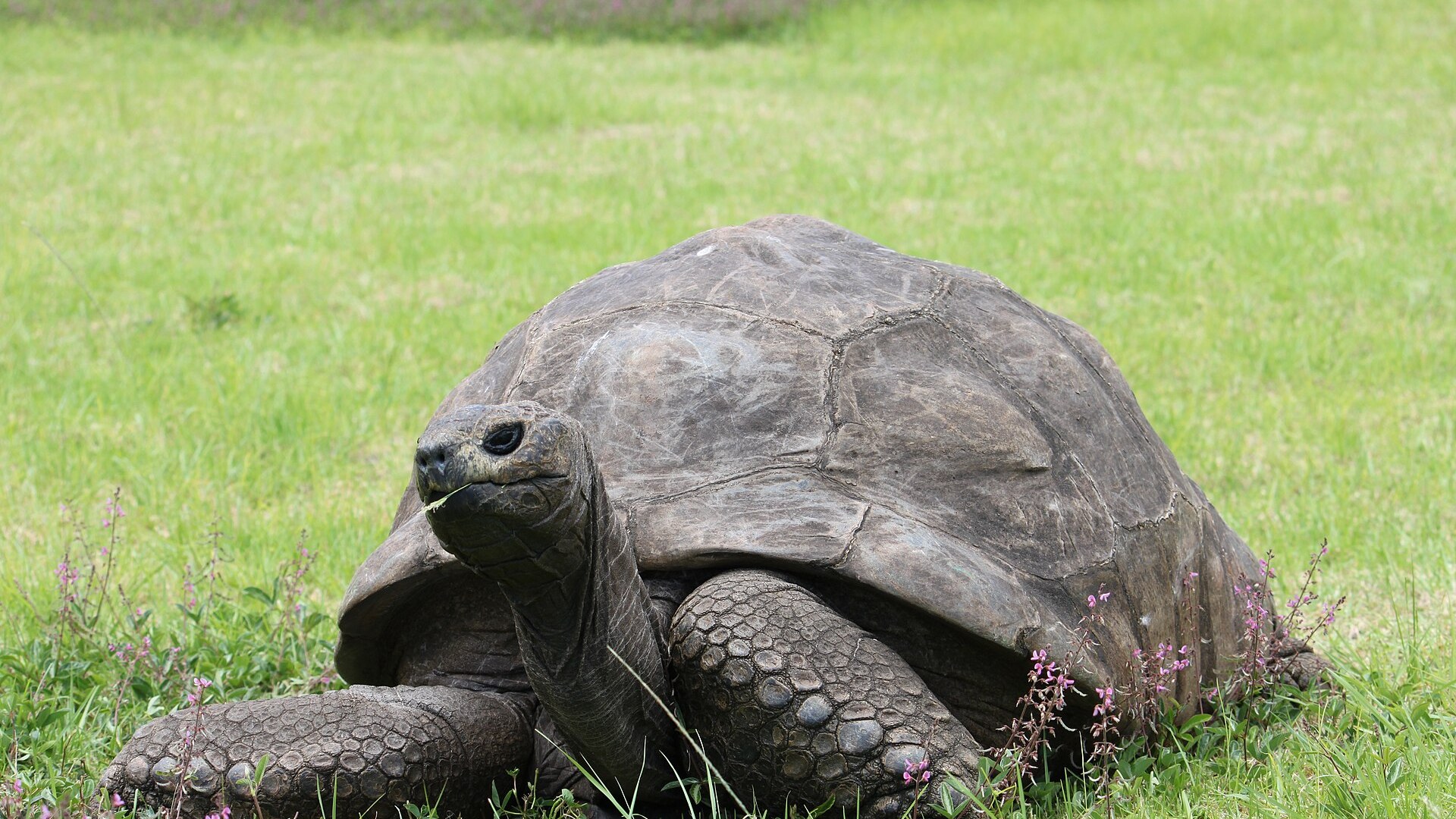
9. Giant Tortoise
Aldabra and Galápagos giant tortoises routinely live 150–175 years, with some exceptional individuals exceeding that. Slow metabolism, minimal stress, and a plant-based diet are thought to be the keys — meaning their longevity secret is essentially a very boring life.
©Wikimedia / Kevstan
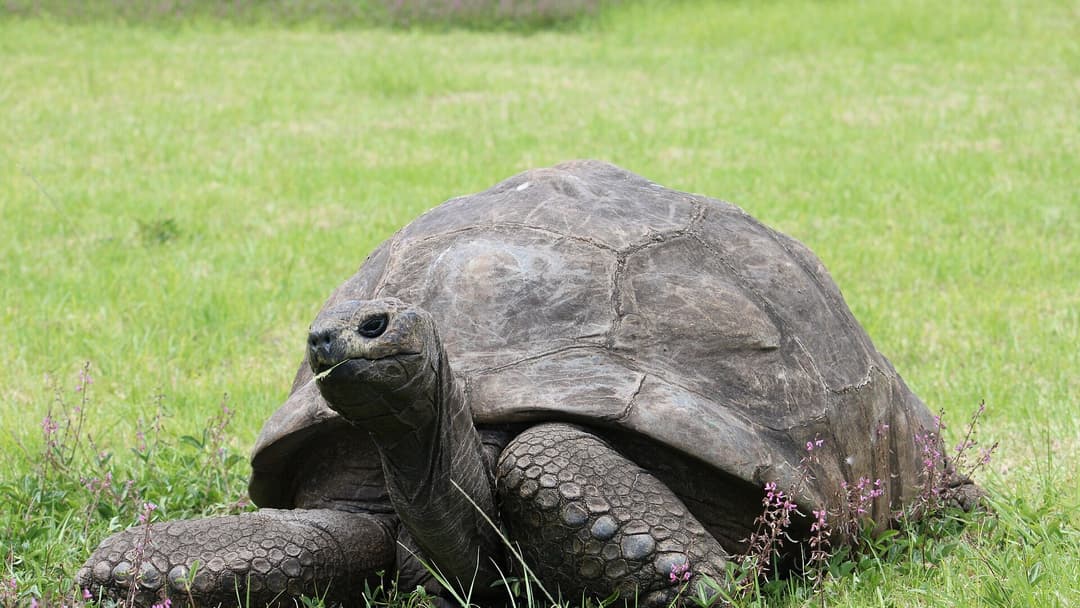
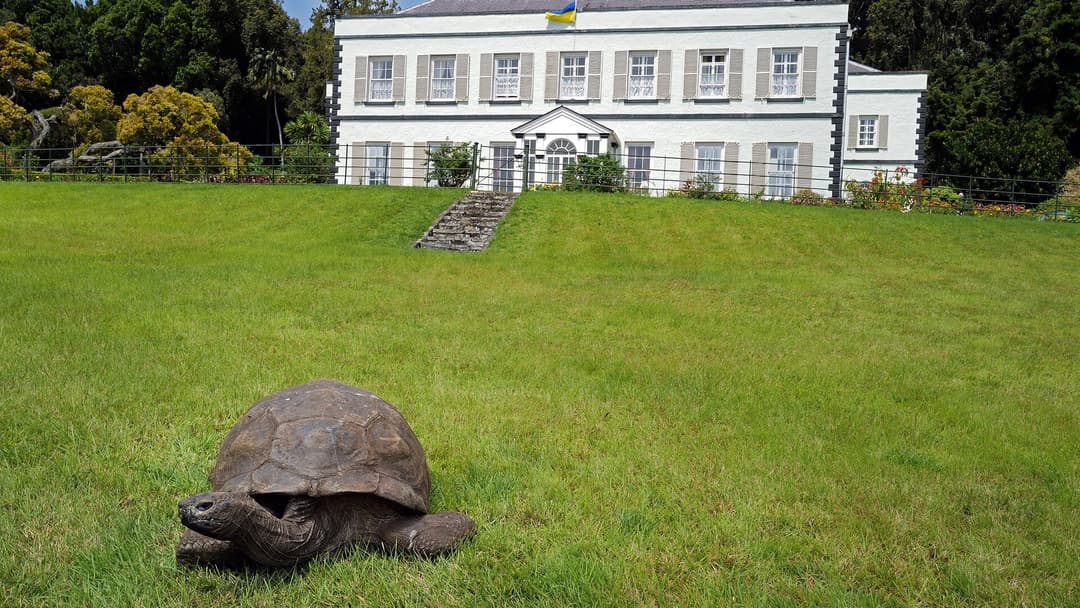
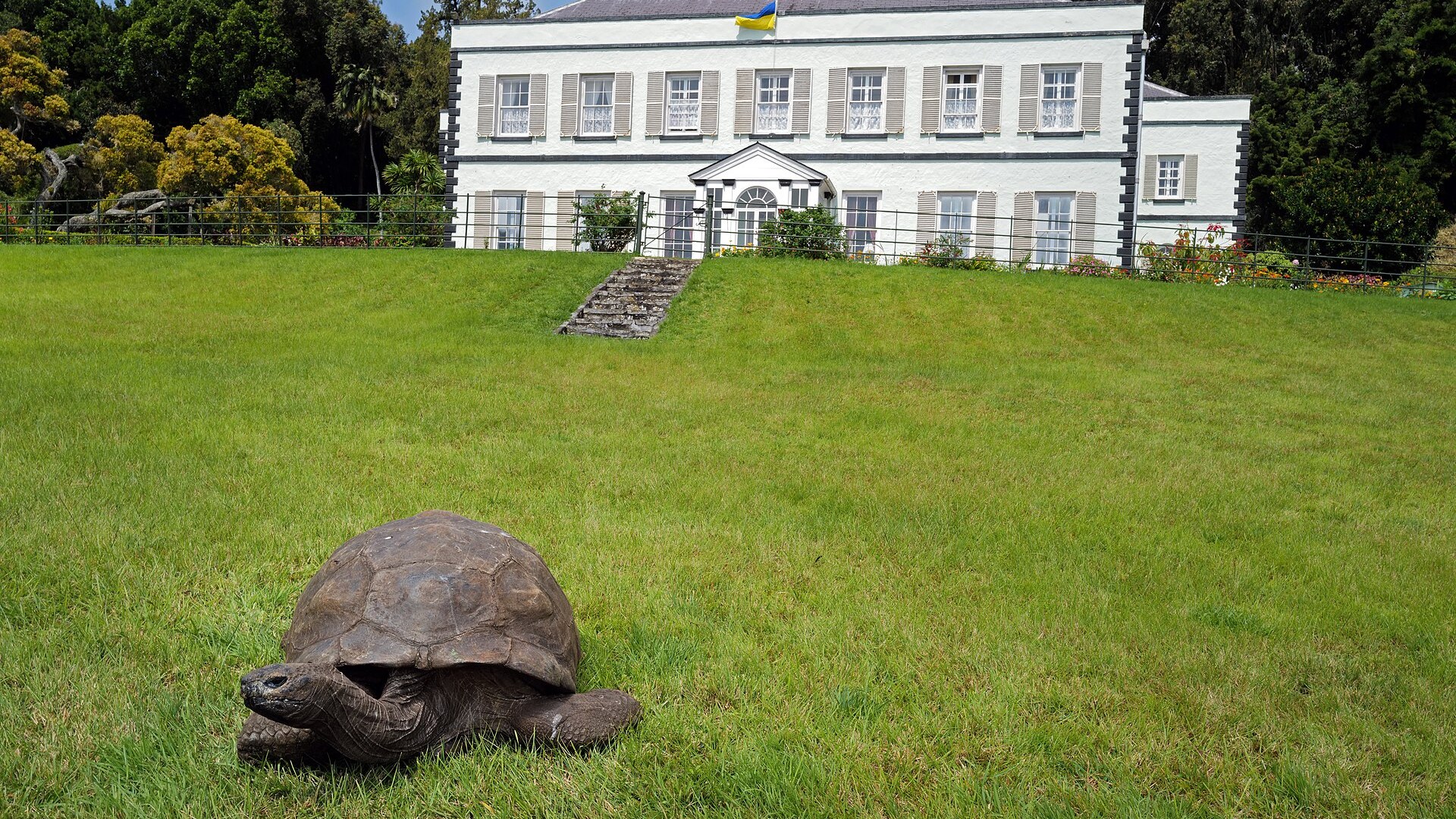
8. Jonathan The Tortoise
Jonathan is officially the world's oldest known living land animal. Born around 1832, he was already an adult when he was gifted to the Governor of Saint Helena in 1882. He has outlived every human who has ever cared for him — and is still going.
©Wikimedia / Kevin Gepford
Advertisement
Swipe or tap ▶ to resume the countdown.
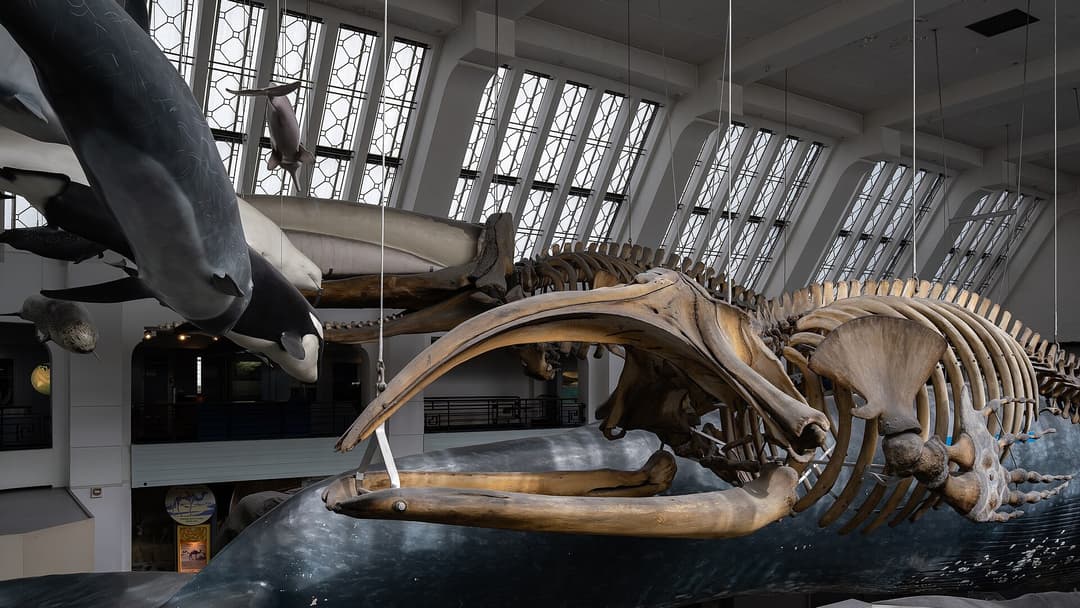
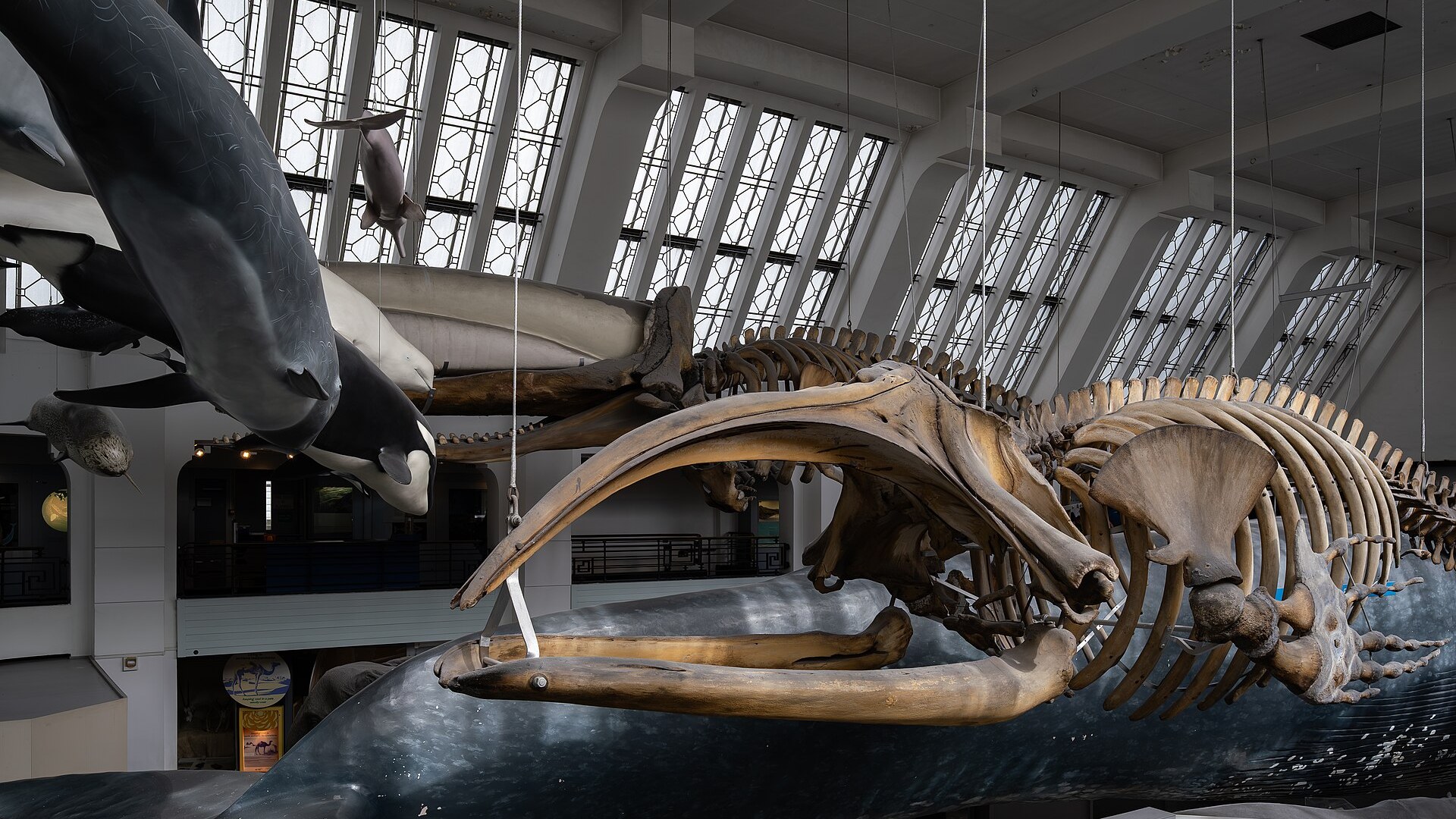
7. Bowhead Whale
Bowhead whales can live over 200 years, making them the longest-lived mammals on Earth. Scientists know this because stone harpoon tips — weapons not used since the 1800s — have been found embedded in their living blubber. Their DNA also shows unique longevity genes that actively suppress cancer.
©Wikimedia / Jules Verne Times Two
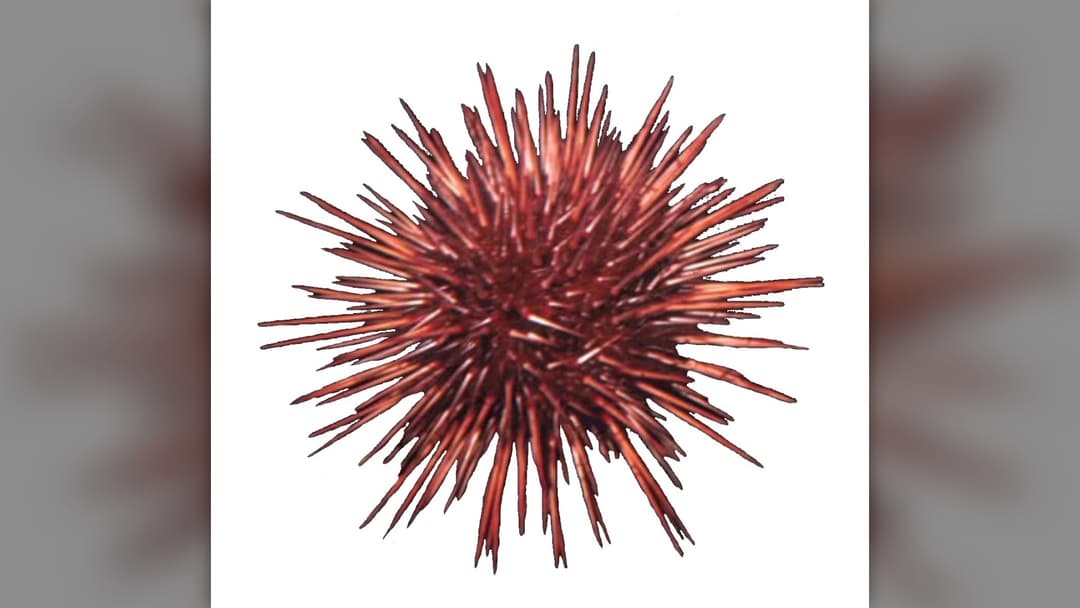
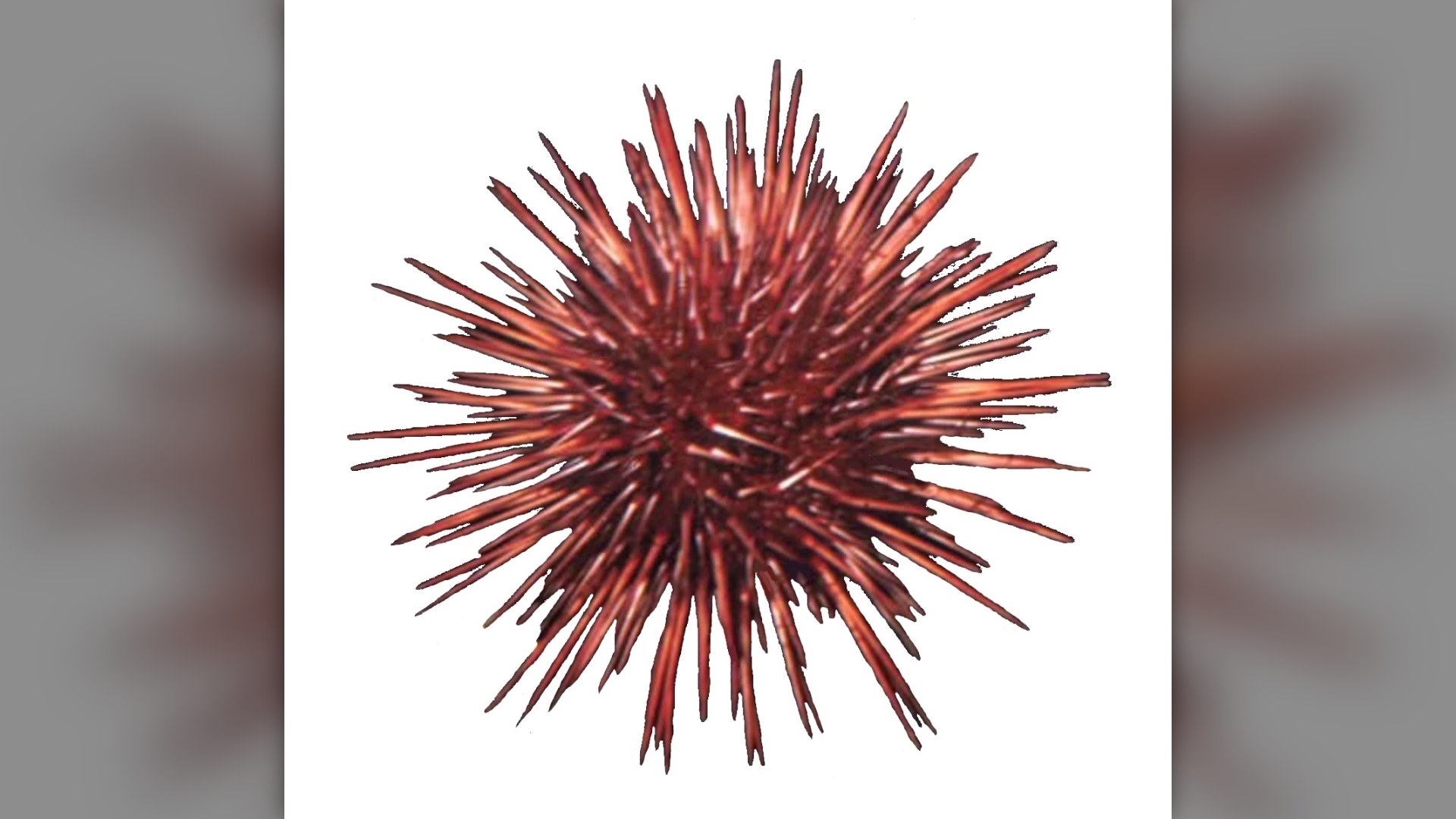
6. Red Sea Urchin
The Red Sea Urchin may be the closest thing the animal kingdom has to true biological non-aging. Scientists have found individuals over 200 years old that show no signs of senescence — their organs were as sharp and functional as those of a 10-year-old. They can even regenerate lost spines.
©Wikimedia / U.S. Fish and Wildlife Service
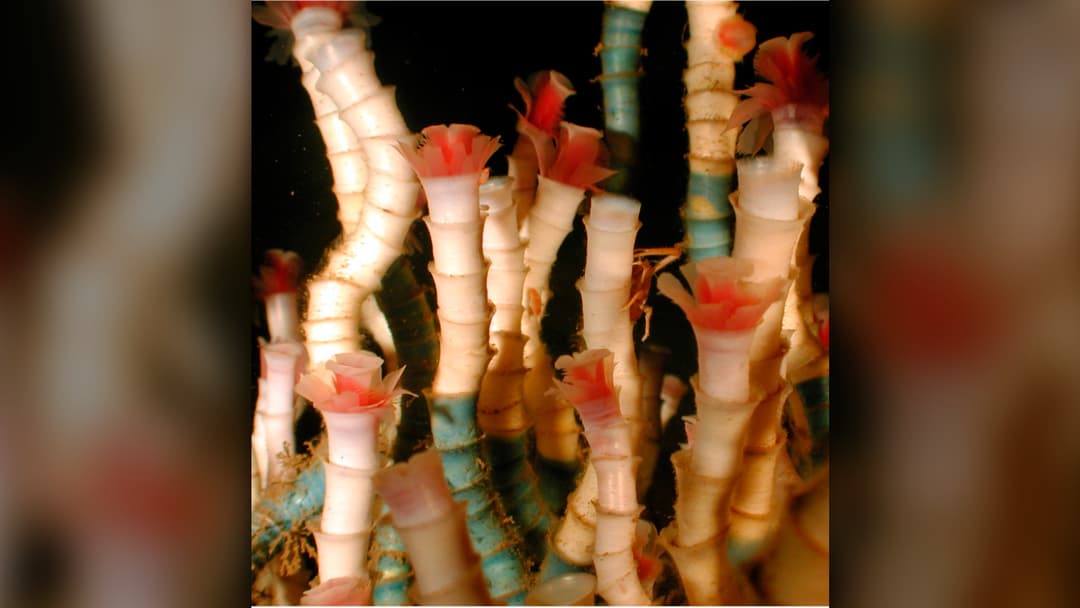
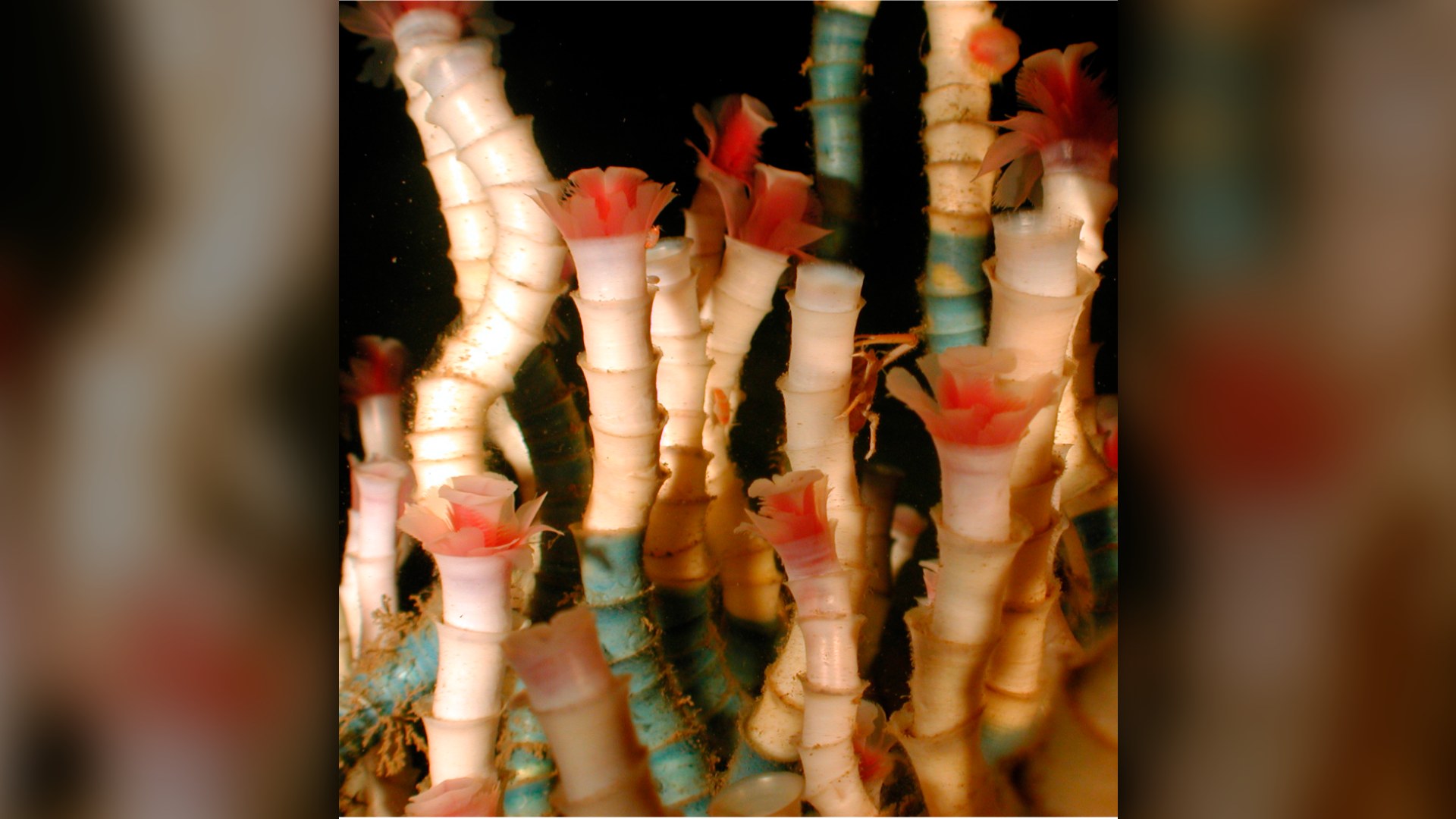
5. Deep-Sea Tubeworm
Deep in the cold seeps of the Gulf of Mexico, Escarpia laminata tubeworms grow just a few millimetres per year in pitch darkness — and live for over 300 years as a result. They have no mouths or digestive systems; they survive entirely on symbiotic bacteria living inside them.
©Wikimedia / Charles Fisher, PLoS Biology
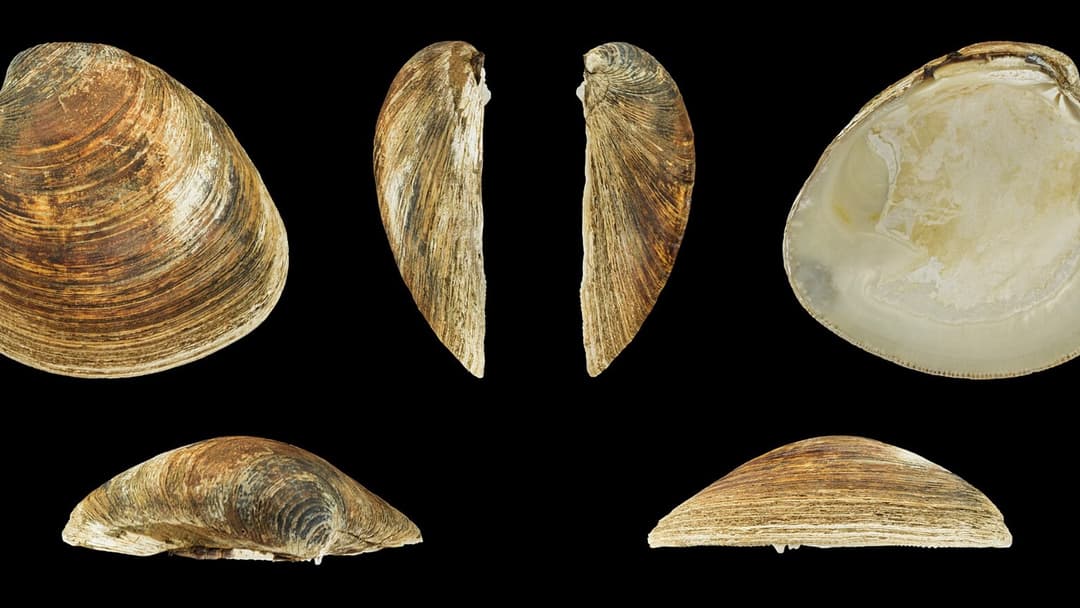
4. Ocean Quahog Clam
An Arctica islandica clam nicknamed "Ming" — born in 1499 when the Ming Dynasty still ruled China — holds the verified record for the oldest known animal at 507 years. Scientists counted 507 annual growth rings on its shell, the same way you age a tree, before accidentally killing it in the process.
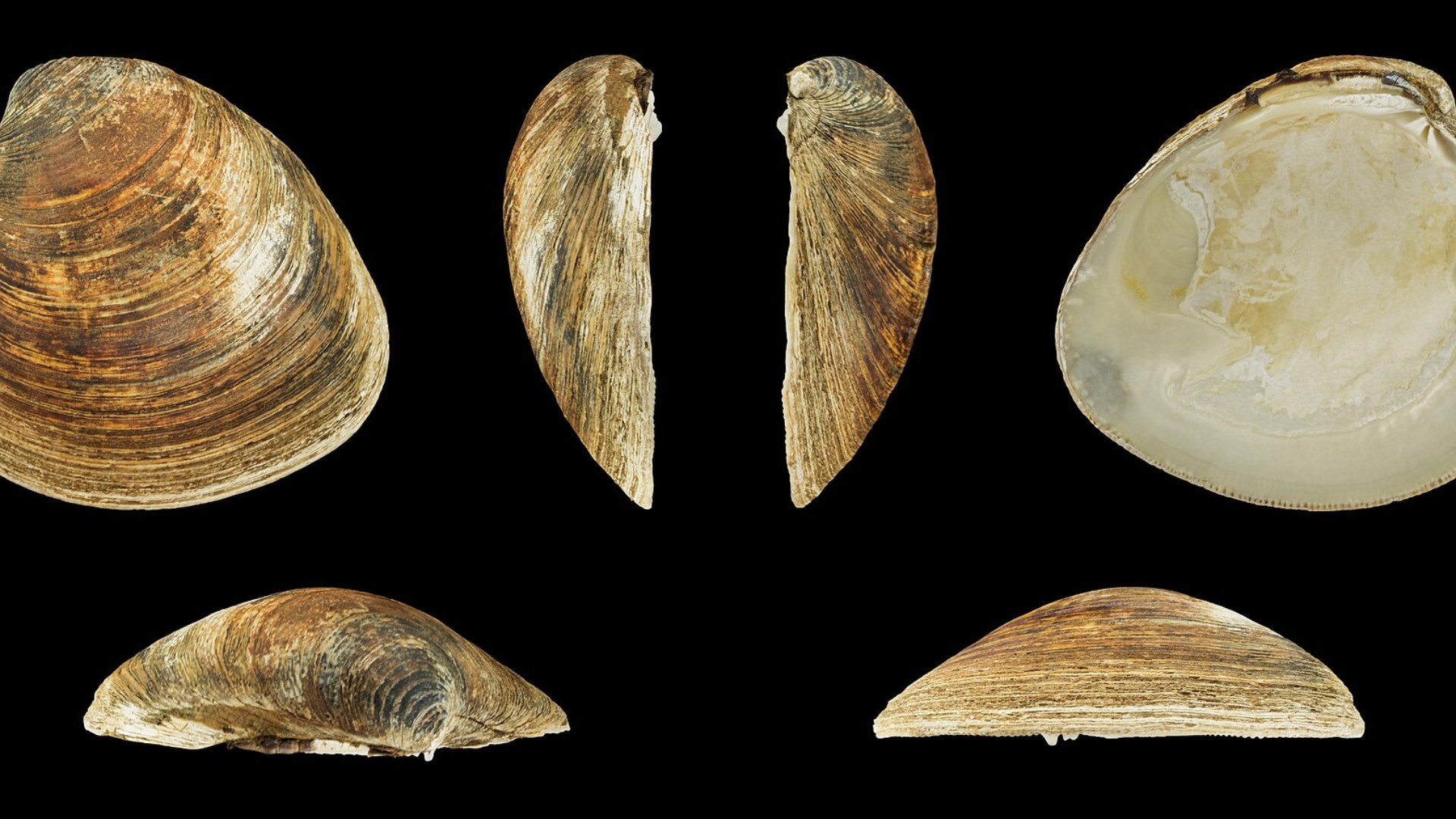
©Wikimedia / H. Zell
Advertisement
Swipe or tap ▶ to resume the countdown.
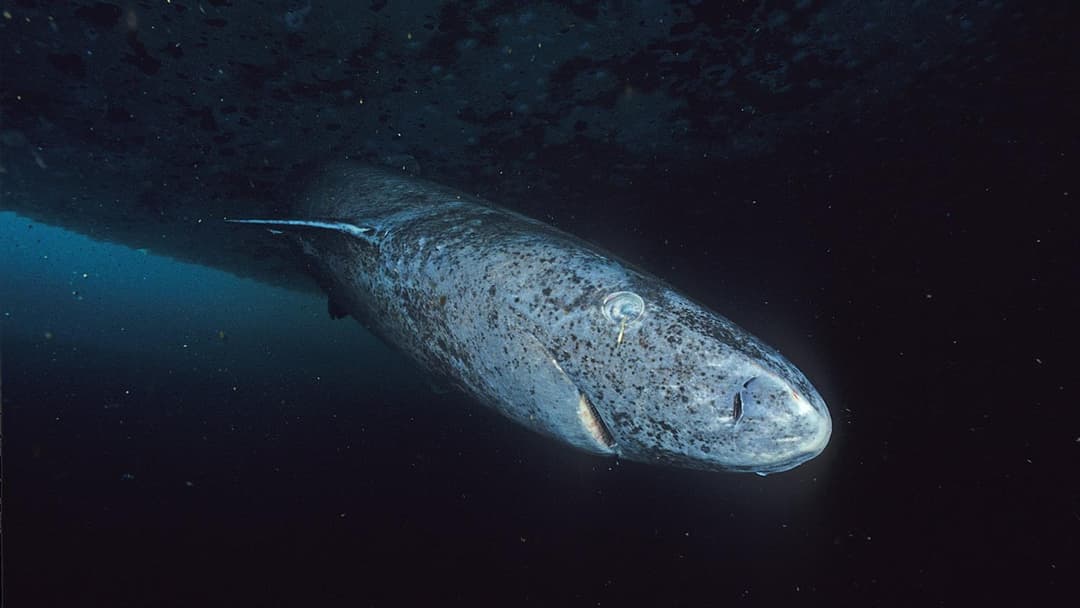
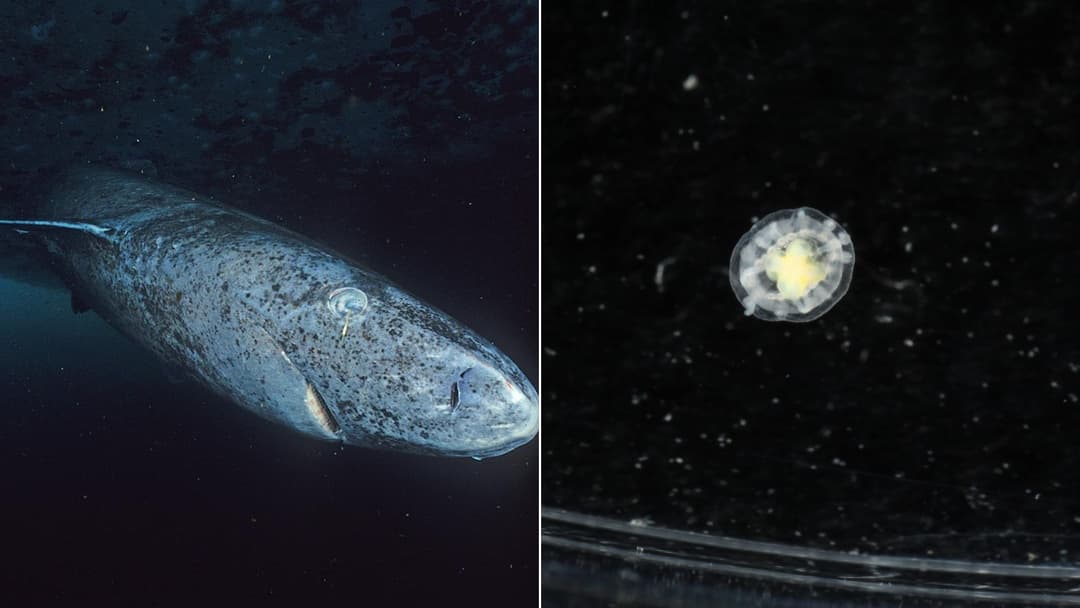
3. Greenland Shark
The Greenland Shark is the longest-lived vertebrate on Earth. Radiocarbon dating of eye lens proteins — tissue laid down at birth and never replaced — has revealed individuals estimated to be 272–512 years old. One female may have been alive when Shakespeare was still writing plays.
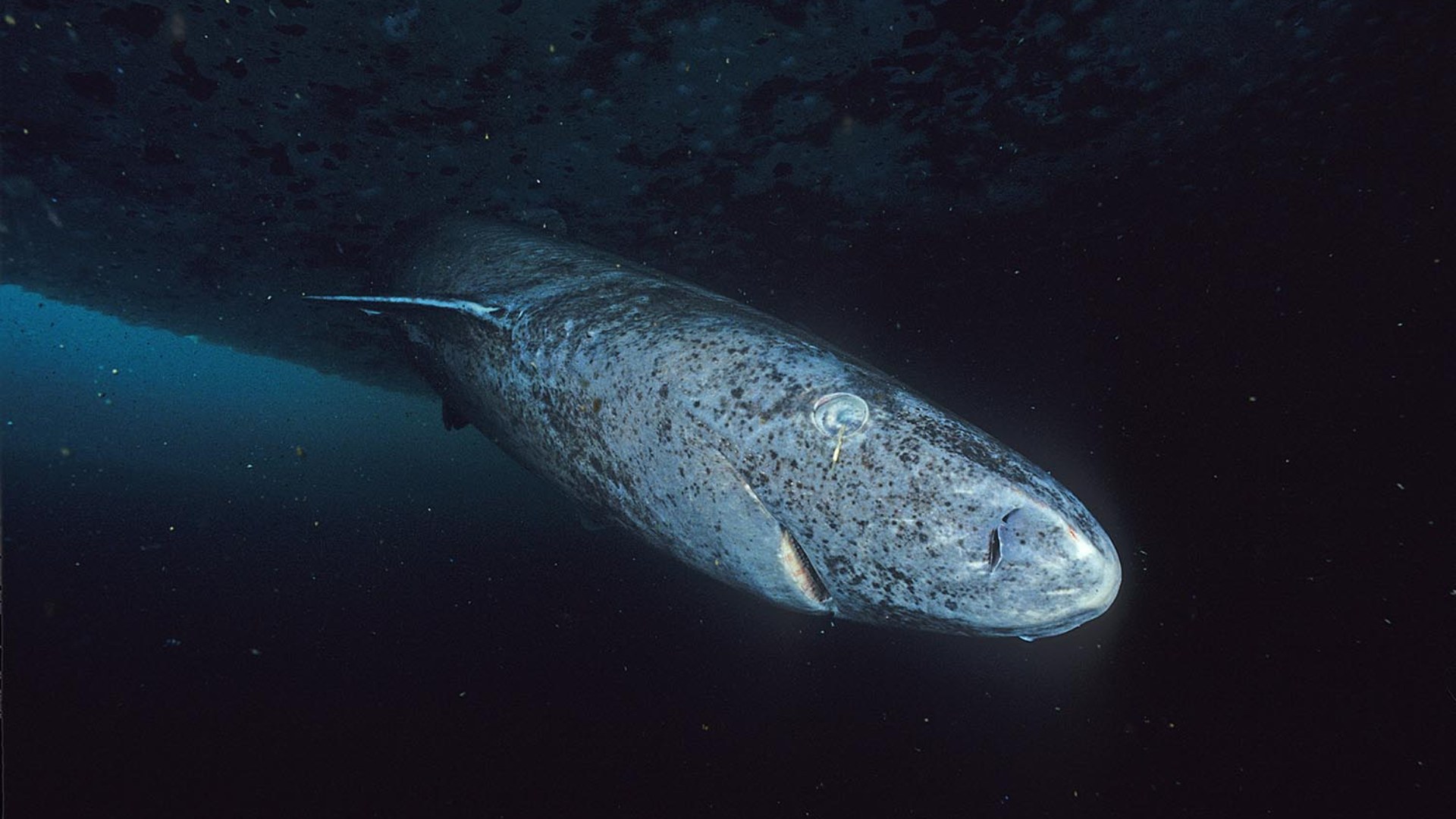
©Wikimedia / Hemming1952
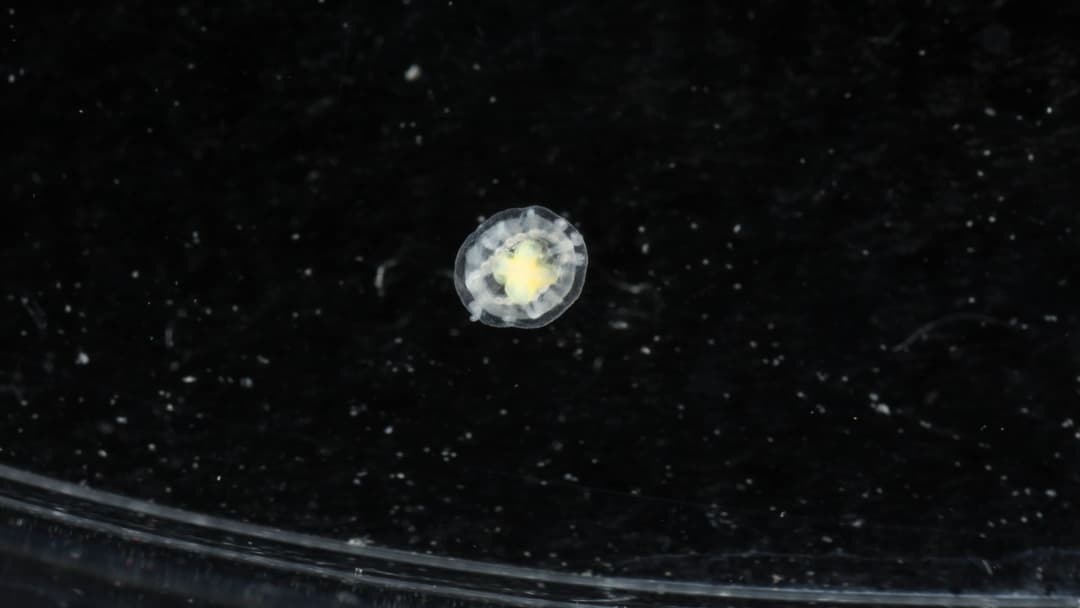
2. Immortal Jellyfish
Turritopsis dohrnii is the only known animal capable of biological immortality. When stressed or injured, it can reverse its entire life cycle — transforming back from a mature adult medusa into a juvenile polyp and starting over. In theory, this process can repeat indefinitely. Scientists call it transdifferentiation.
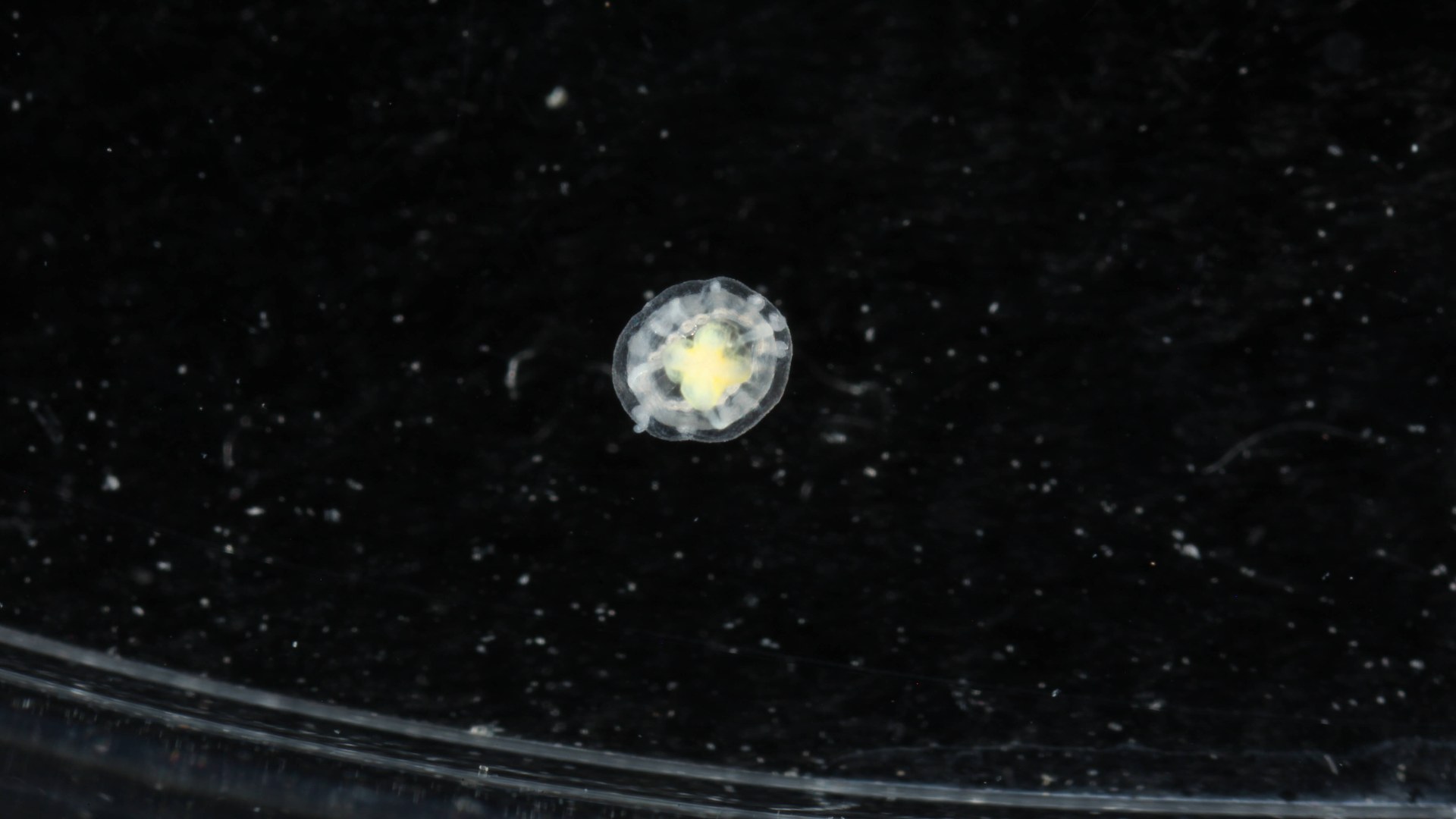
©Smithsonian / Dr. Karen J. Osborn
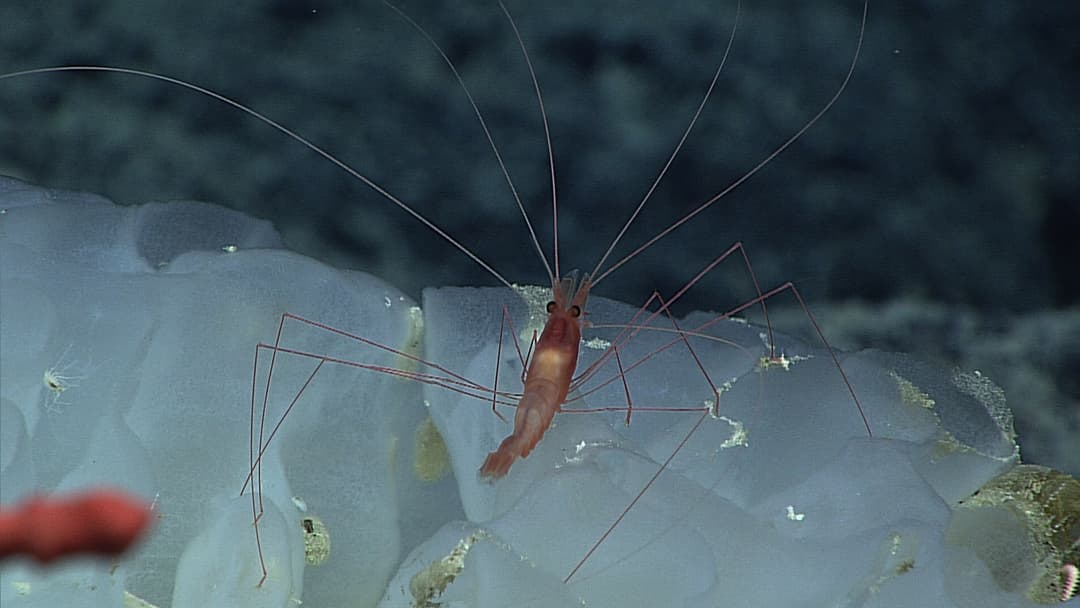
1. Glass Sponge
Antarctic glass sponge reefs are estimated to be 10,000–15,000 years old — alive when the pyramids were built. They grow less than 2mm per year in near-freezing water, their silica skeletons accumulating across millennia with almost no biological change.
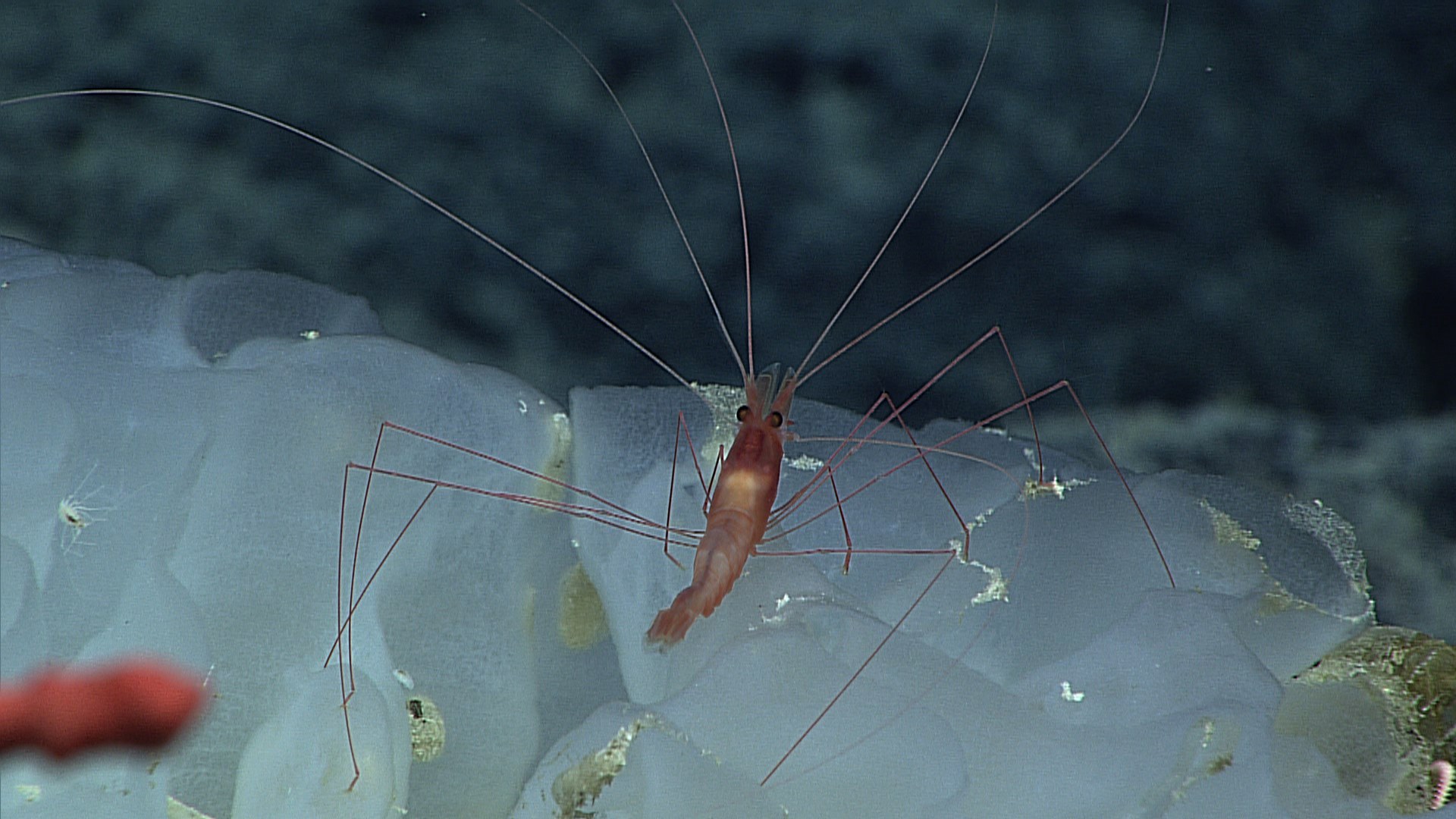
©NOAA / Ocean Exploration Research
Advertisement
You've reached the end of the story. Thanks for reading!

25 Moments When Mother Animals Find Their Way Back to Babies
25 Emotional Moments When Mother Animals Find Their Way Back to Young
All 10 Entries in this Story
10. Wandering Albatross
The Wandering Albatross holds the largest wingspan of any living bird and spends years at a time airborne over the Southern Ocean. Individual birds banded in the 1950s were still breeding and flying strong into their 70s — making them among the oldest confirmed wild birds on Earth.

9. Giant Tortoise
Aldabra and Galápagos giant tortoises routinely live 150–175 years, with some exceptional individuals exceeding that. Slow metabolism, minimal stress, and a plant-based diet are thought to be the keys — meaning their longevity secret is essentially a very boring life.

8. Jonathan The Tortoise
Jonathan is officially the world's oldest known living land animal. Born around 1832, he was already an adult when he was gifted to the Governor of Saint Helena in 1882. He has outlived every human who has ever cared for him — and is still going.

7. Bowhead Whale
Bowhead whales can live over 200 years, making them the longest-lived mammals on Earth. Scientists know this because stone harpoon tips — weapons not used since the 1800s — have been found embedded in their living blubber. Their DNA also shows unique longevity genes that actively suppress cancer.

6. Red Sea Urchin
The Red Sea Urchin may be the closest thing the animal kingdom has to true biological non-aging. Scientists have found individuals over 200 years old that show no signs of senescence — their organs were as sharp and functional as those of a 10-year-old. They can even regenerate lost spines.

5. Deep-Sea Tubeworm
Deep in the cold seeps of the Gulf of Mexico, Escarpia laminata tubeworms grow just a few millimetres per year in pitch darkness — and live for over 300 years as a result. They have no mouths or digestive systems; they survive entirely on symbiotic bacteria living inside them.

4. Ocean Quahog Clam
An Arctica islandica clam nicknamed "Ming" — born in 1499 when the Ming Dynasty still ruled China — holds the verified record for the oldest known animal at 507 years. Scientists counted 507 annual growth rings on its shell, the same way you age a tree, before accidentally killing it in the process.

3. Greenland Shark
The Greenland Shark is the longest-lived vertebrate on Earth. Radiocarbon dating of eye lens proteins — tissue laid down at birth and never replaced — has revealed individuals estimated to be 272–512 years old. One female may have been alive when Shakespeare was still writing plays.

2. Immortal Jellyfish
Turritopsis dohrnii is the only known animal capable of biological immortality. When stressed or injured, it can reverse its entire life cycle — transforming back from a mature adult medusa into a juvenile polyp and starting over. In theory, this process can repeat indefinitely. Scientists call it transdifferentiation.

1. Glass Sponge
Antarctic glass sponge reefs are estimated to be 10,000–15,000 years old — alive when the pyramids were built. They grow less than 2mm per year in near-freezing water, their silica skeletons accumulating across millennia with almost no biological change.