Slideshow · Viral
Supreme Court Allows Big Bend Border Wall Work
SUPREME COURT CLEARS BIG BEND WALL


All 22 Entries in this Story
National Public Sentiment
Nationally, public opinion divides strictly along partisan lines. Proponents celebrate the high court ruling as a necessary step for sovereign border enforcement, while national conservation groups view the wall as an expensive symbolic disruption of public lands.
Local Public Sentiment
Public sentiment across West Texas communities like Terlingua and Marathon leans heavily toward frustration. Ranchers fear losing river water access for cattle, while tourism operators worry that industrial fencing will destroy the pristine views that fuel the local economy.
Precedent For Future Infrastructure
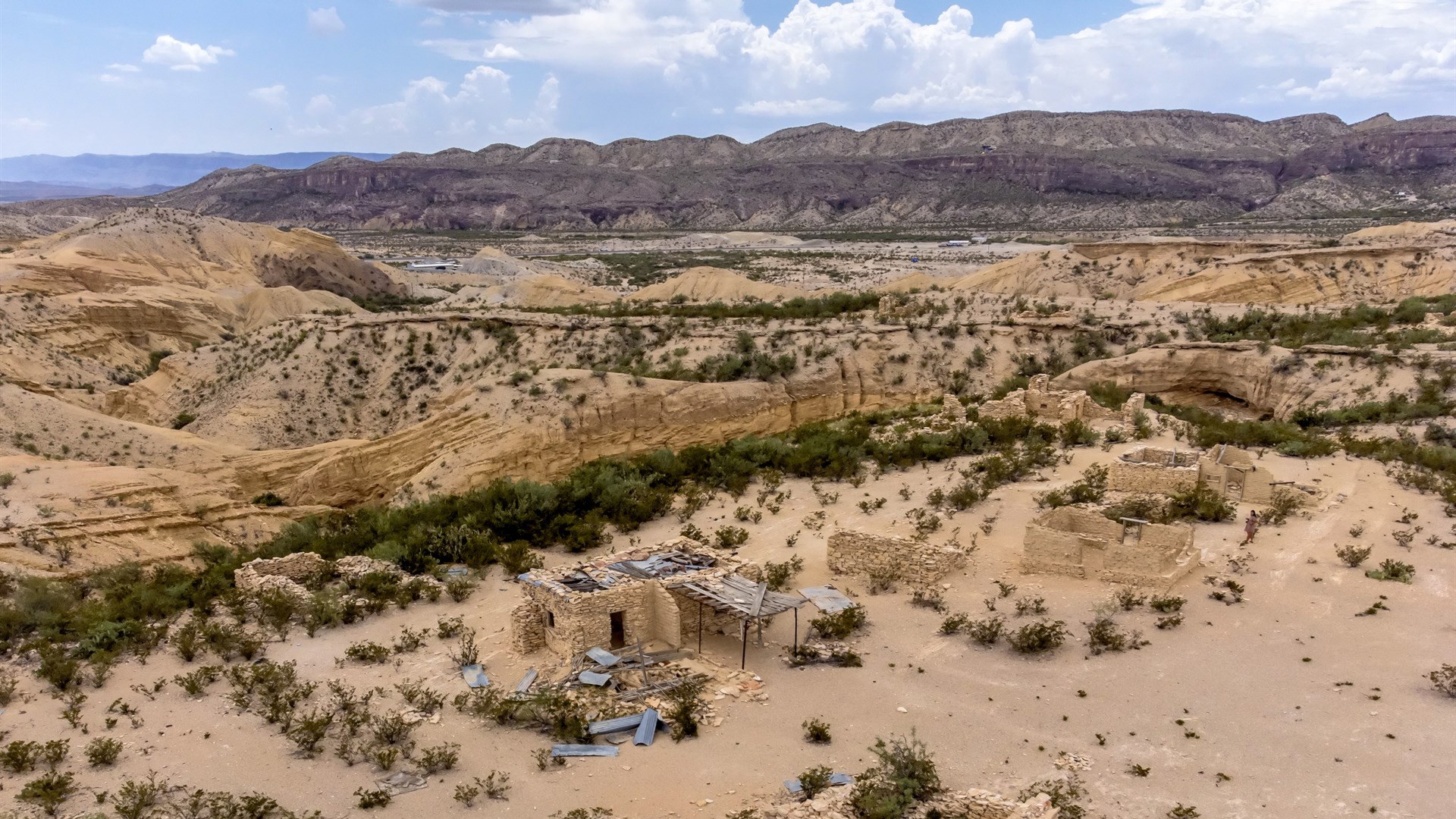
The Supreme Court order reinforces a powerful legal precedent: national security directives can supersede localized environmental objections during ongoing litigation. This framework may accelerate federal infrastructure initiatives nationwide.
Infrastructure Modernisation
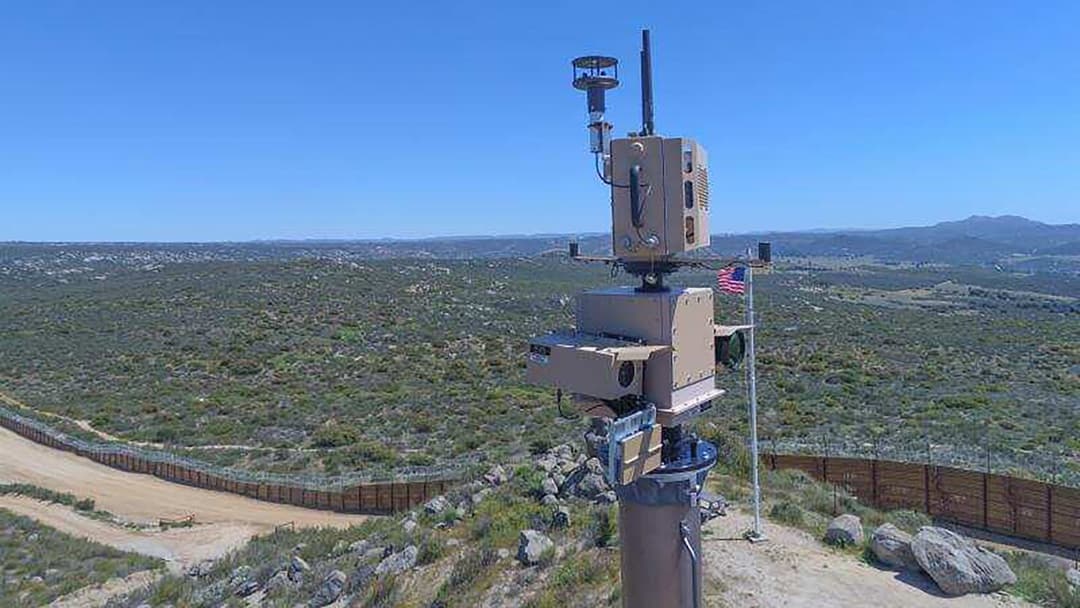
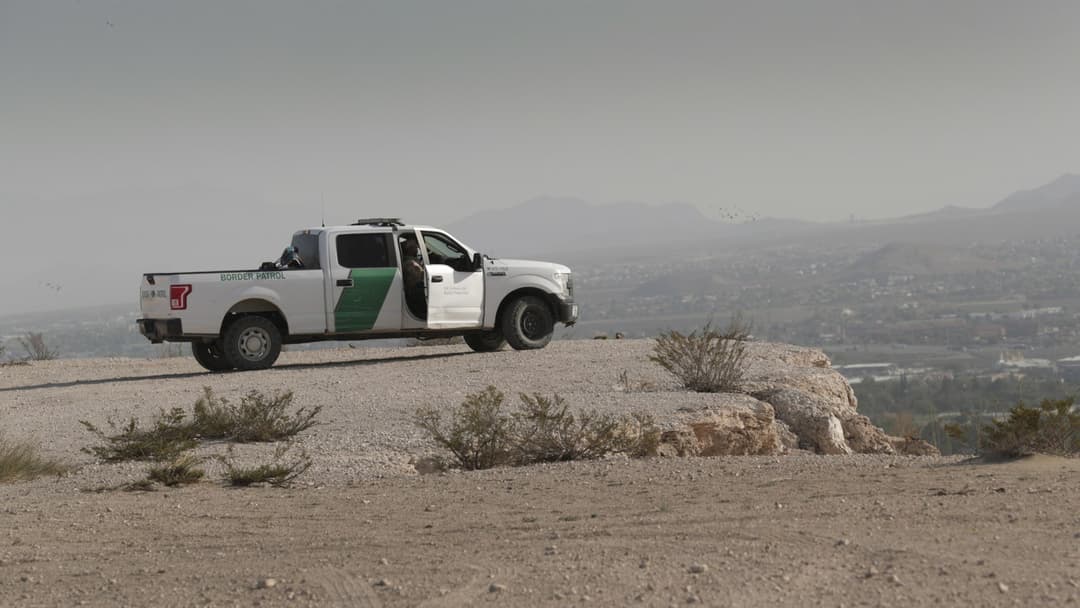
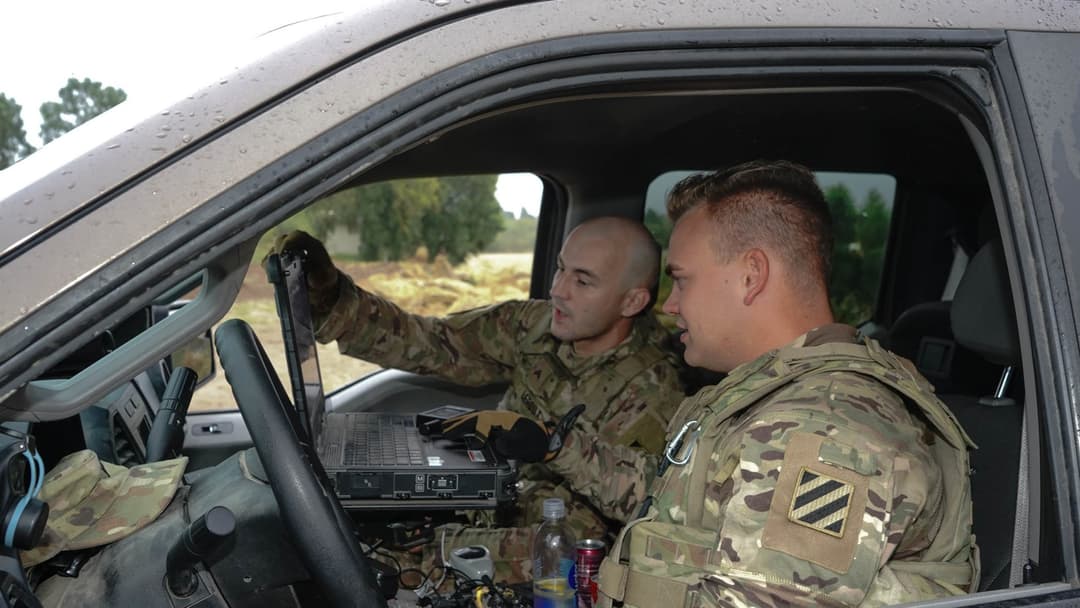
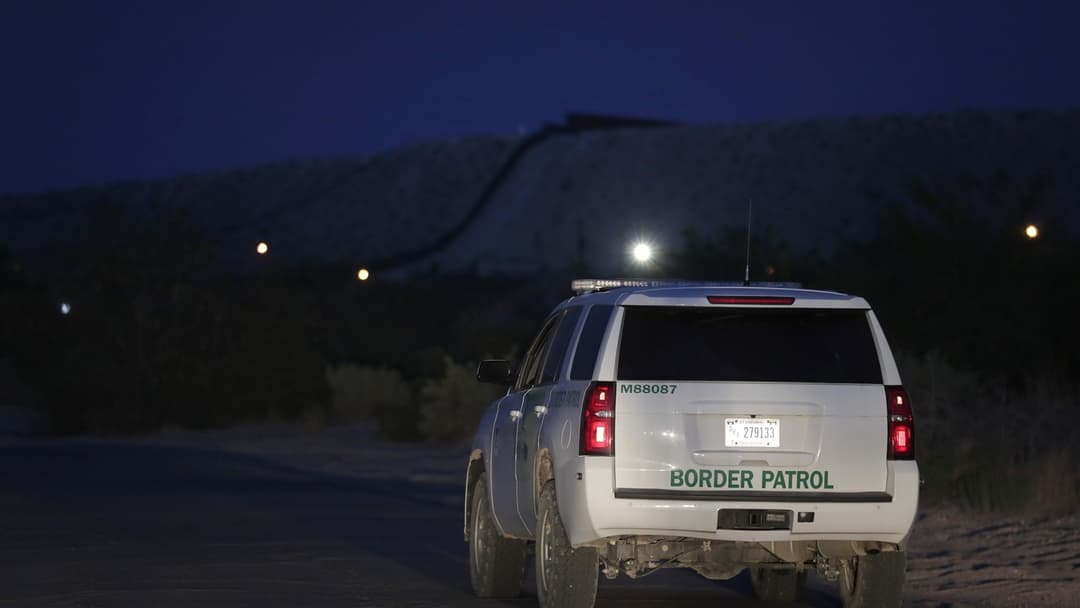
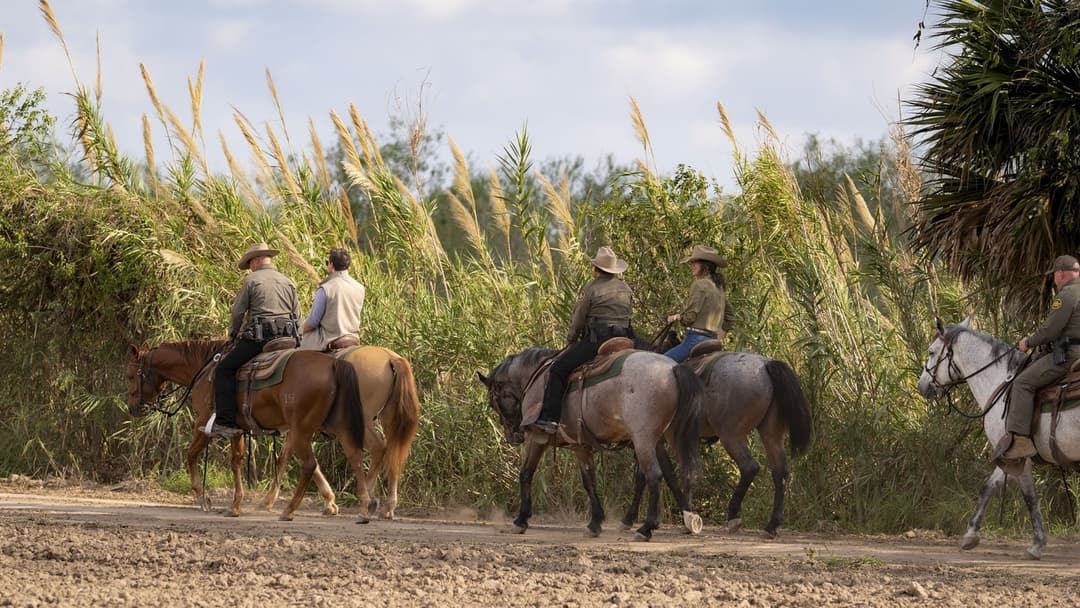
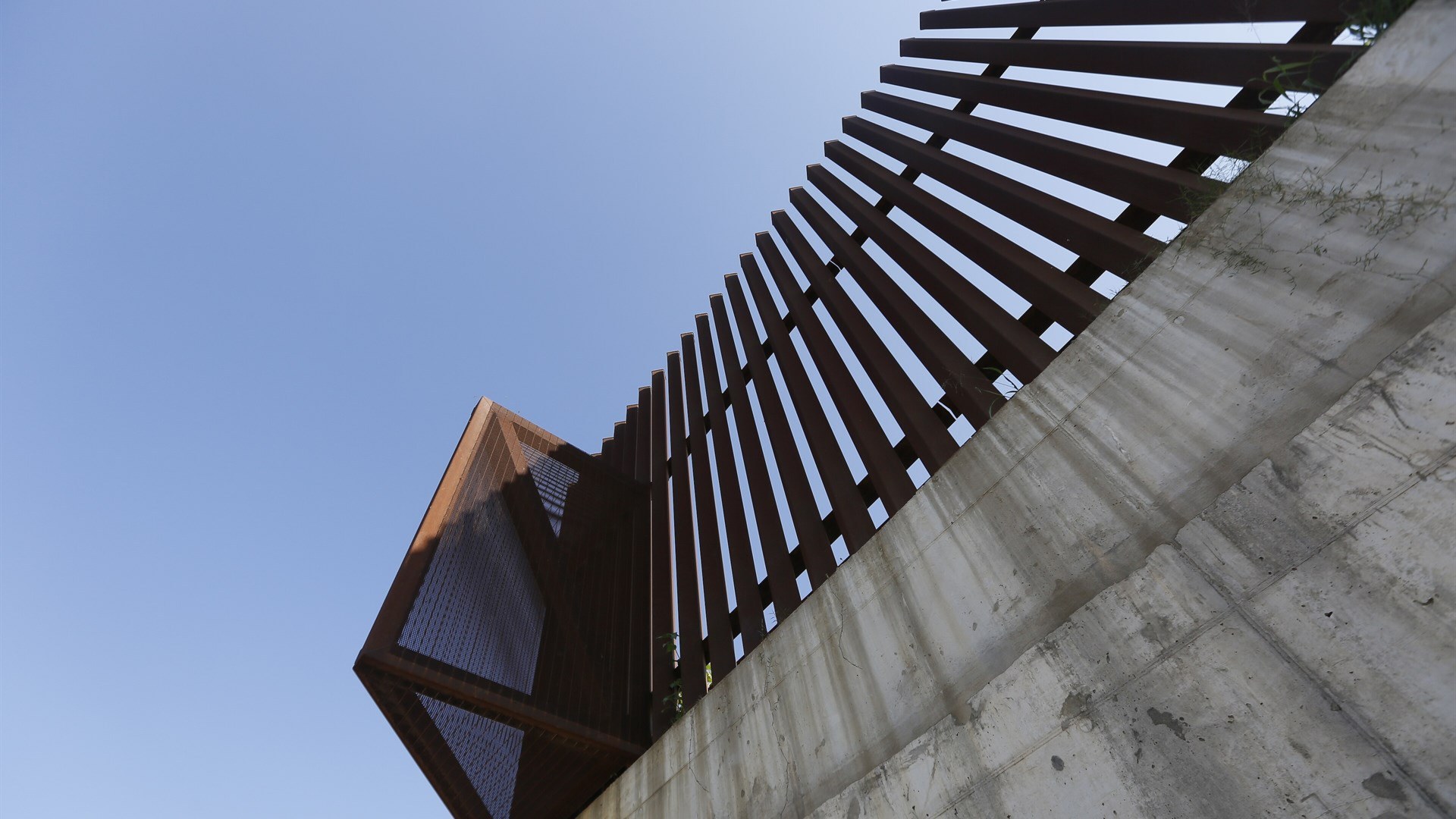
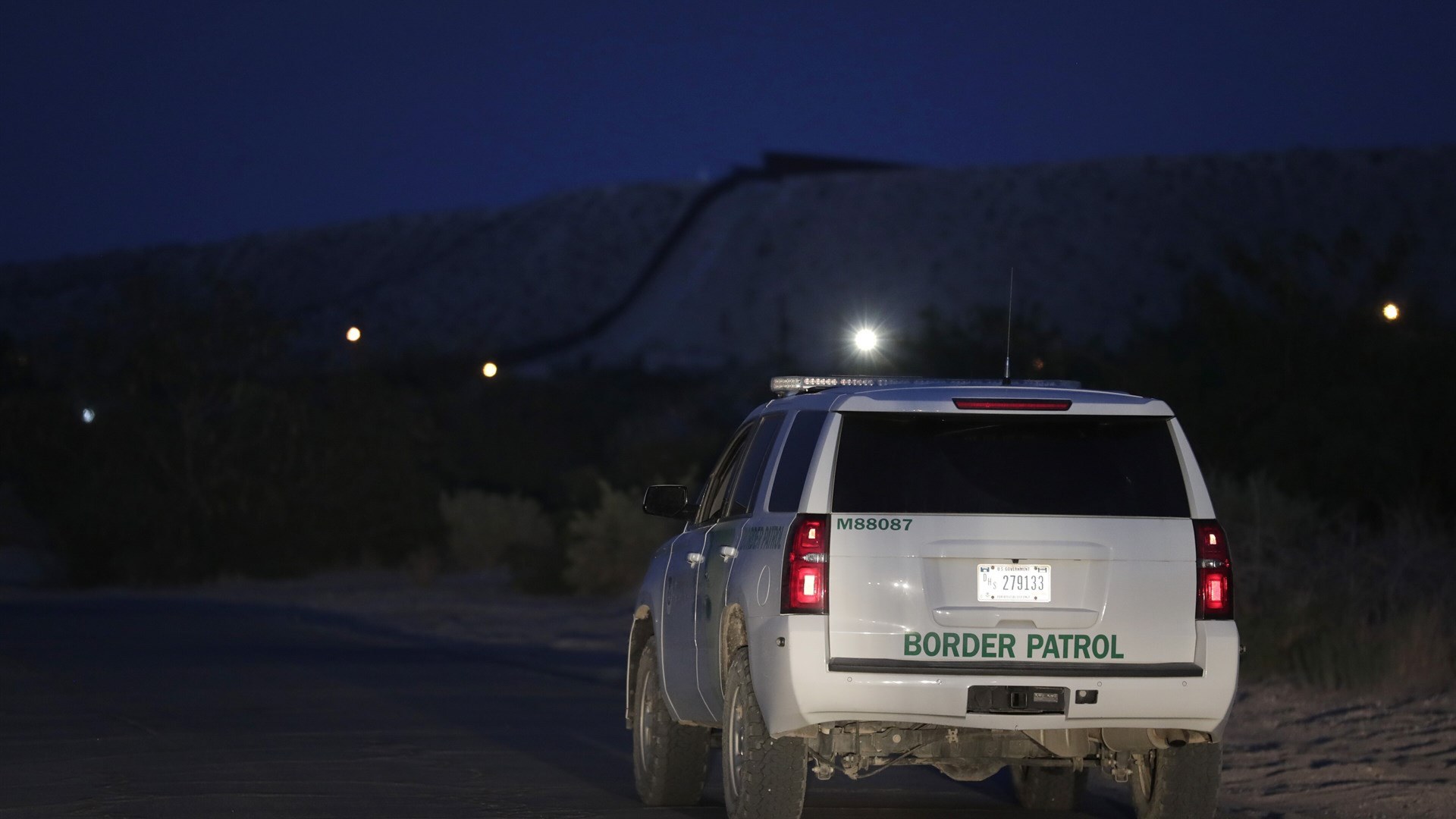
Project advocates argue that construction involves far more than steel bollards. Contracts fund high-speed all-weather access roads, integrated sensor networks, and communications towers that provide vital support for frontline Border Patrol personnel.
The Federal Security Mandate
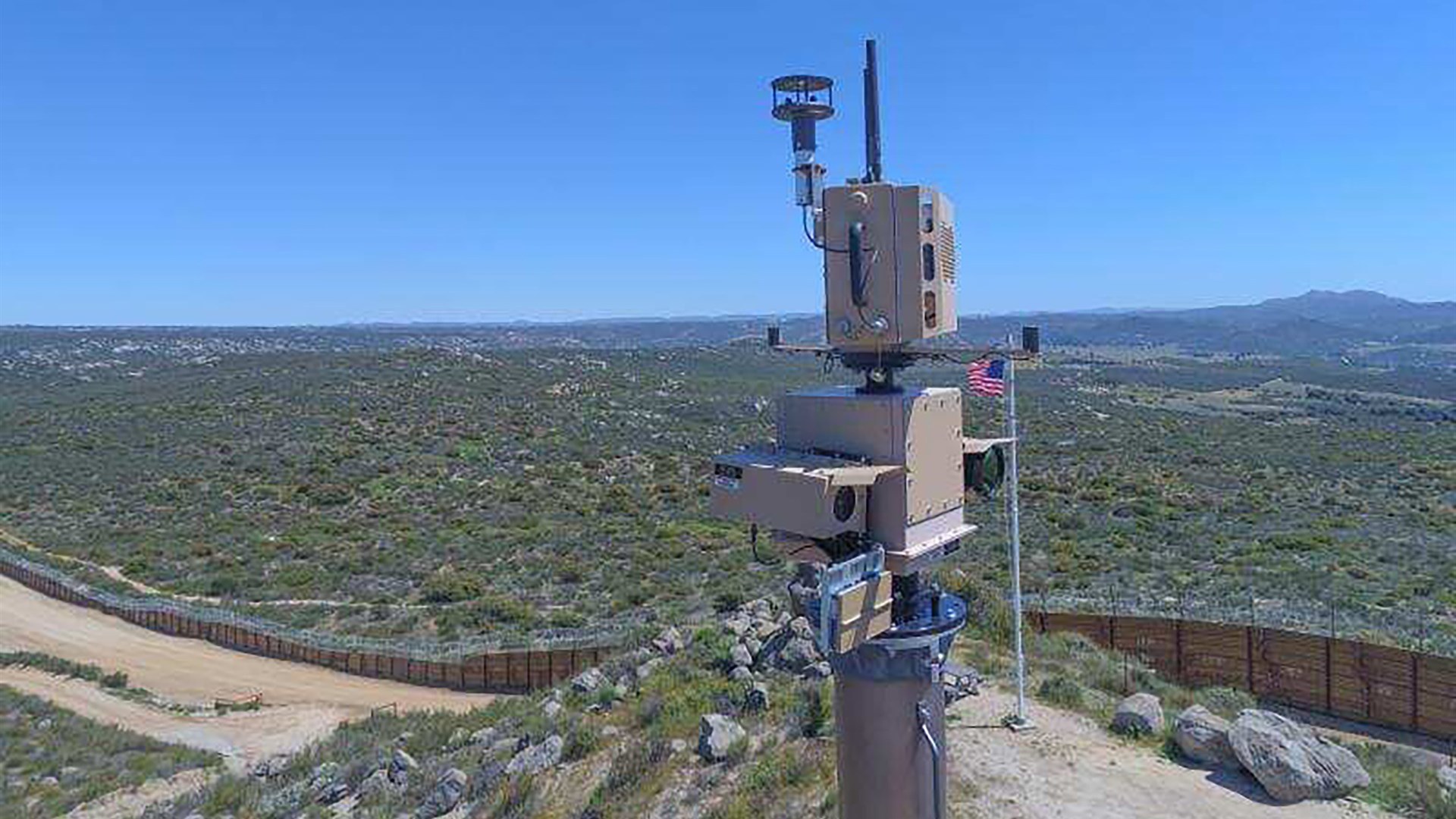
The federal government argues that failing to secure remote stretches invites cartels to redirect smuggling operations into unmonitored sectors. Administration officials insist that physical walls are necessary to eliminate dangerous crossing blind spots.
Natural Barriers Versus Physical Walls
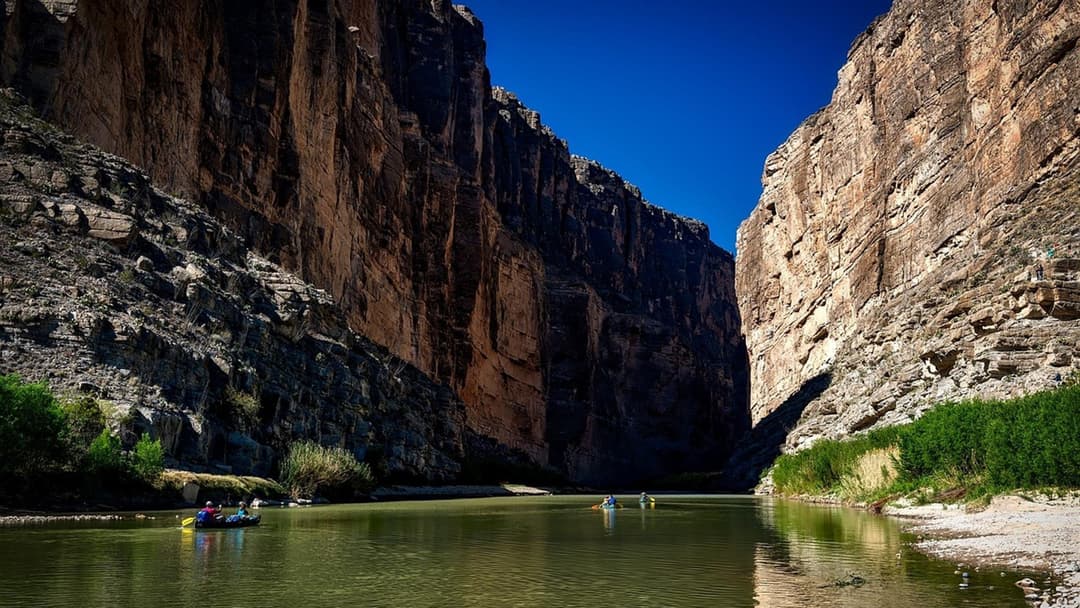
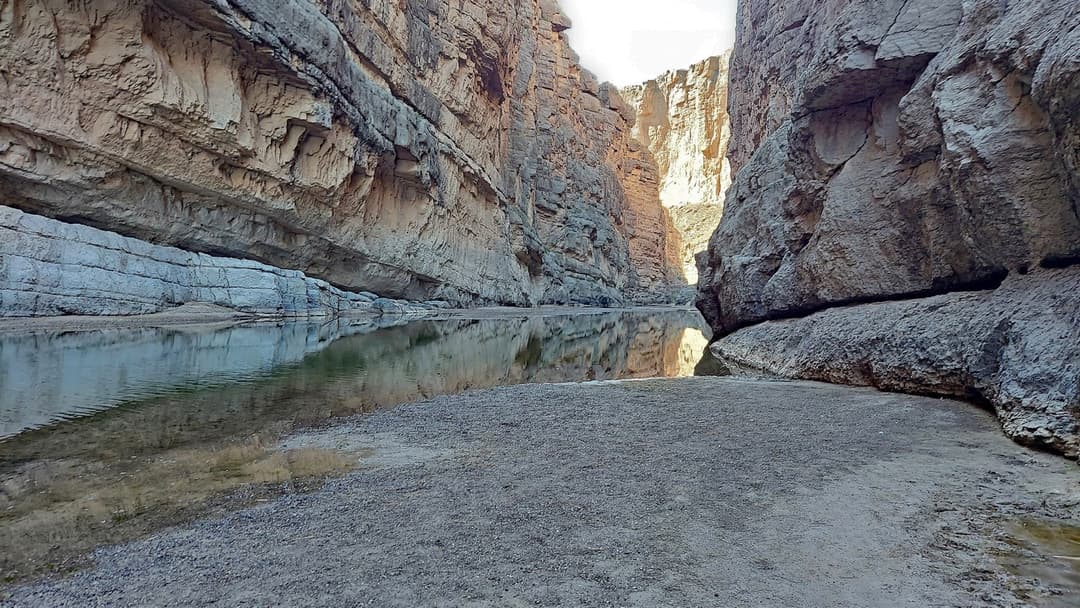
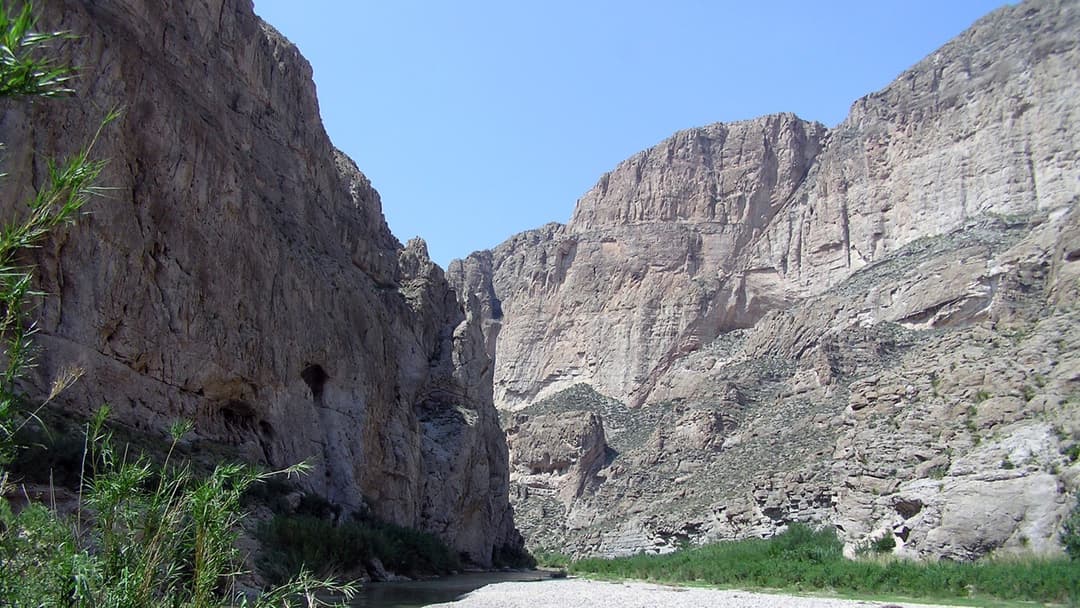
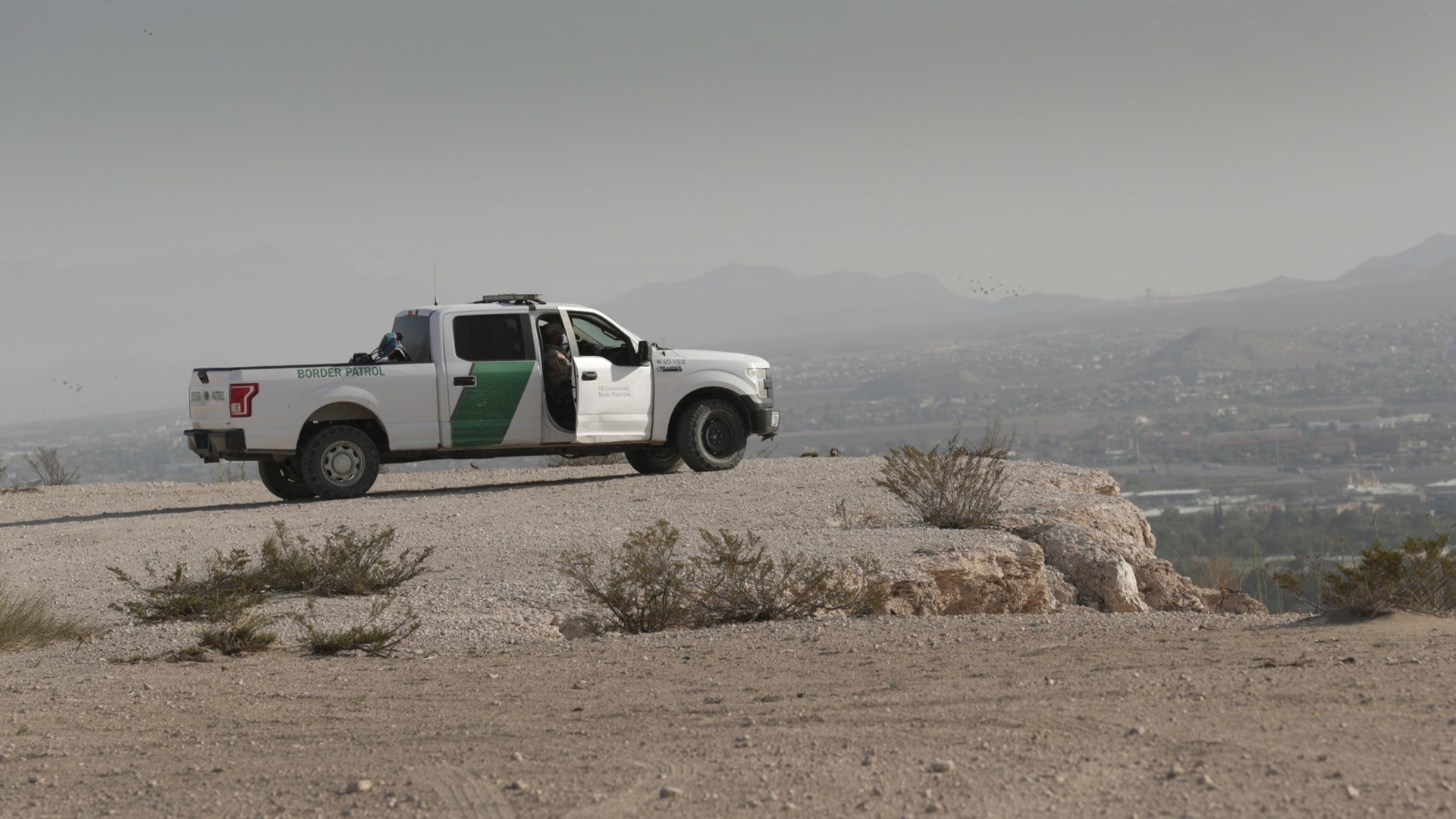
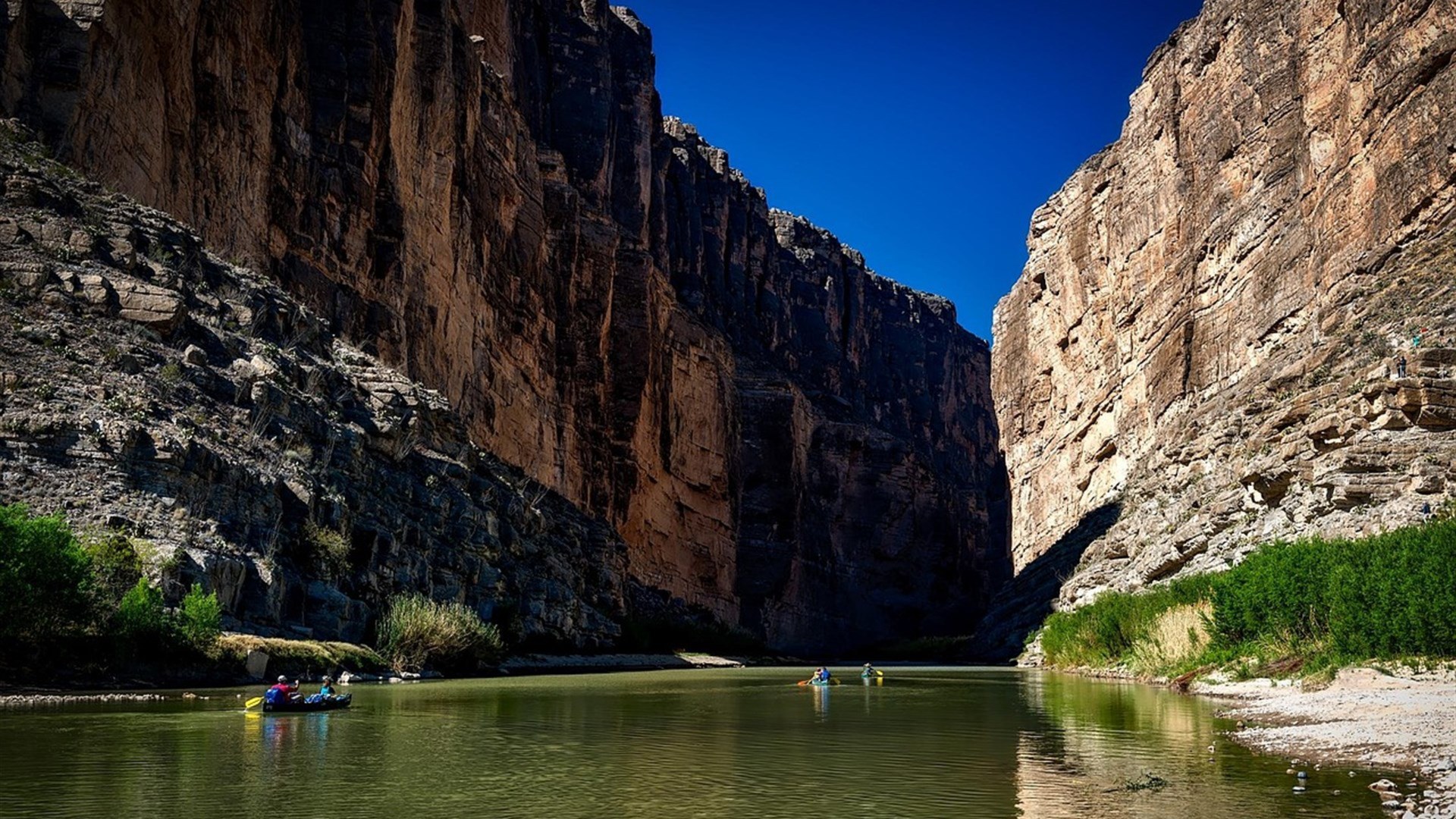
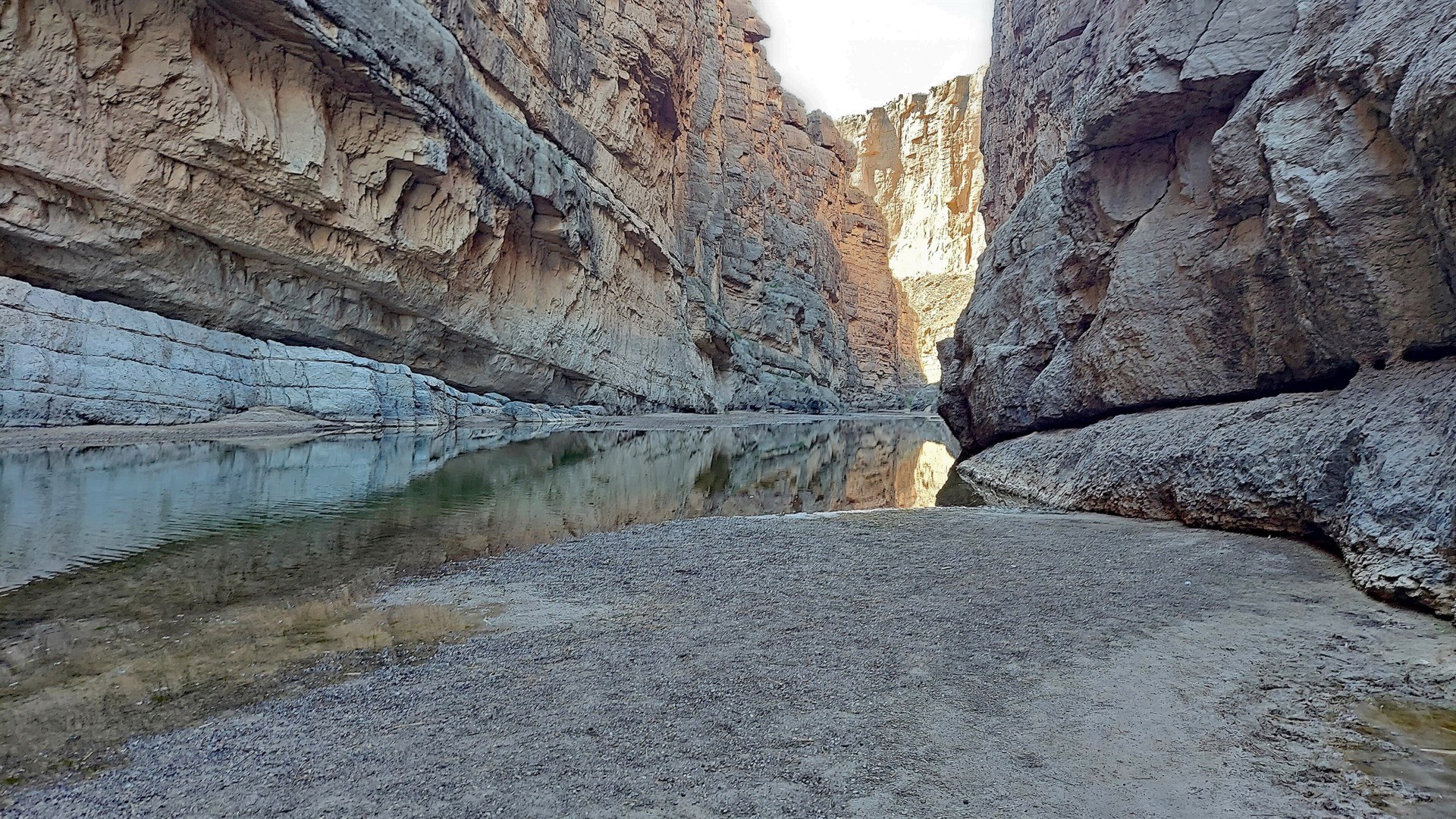
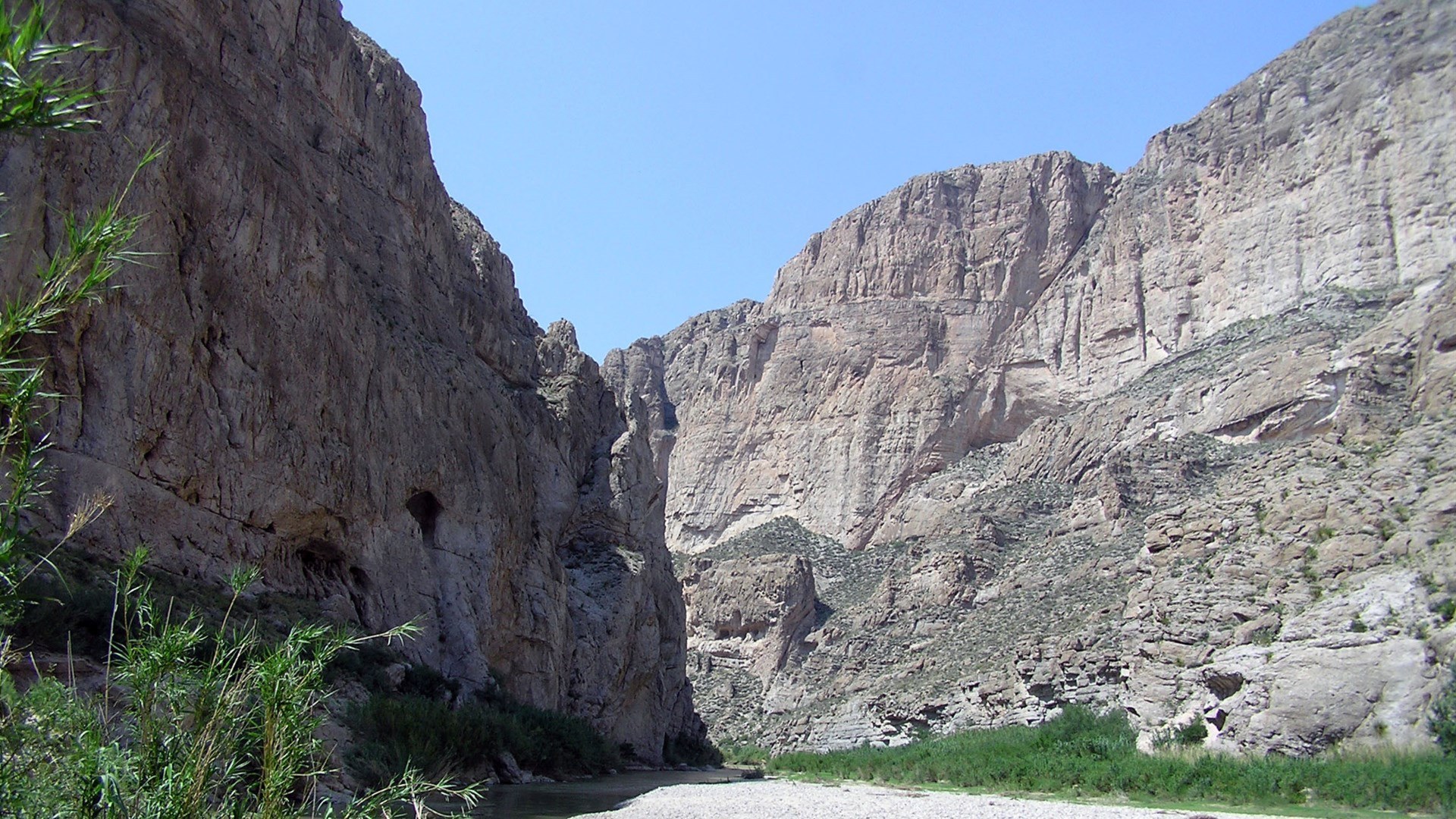
Geological formations such as the towering 1,500-foot limestone cliffs of Santa Elena Canyon already form an impenetrable physical barrier. Critics maintain that building artificial steel walls along sheer vertical bluffs is an expensive and redundant exercise.
Disputed Apprehension Data
Opponents point to federal enforcement data showing that Big Bend accounts for less than three percent of total migrant apprehensions along the southern border. Critics argue that allocating billions to remote desert walls ignores higher-traffic urban corridors.
Indigenous Heritage Sites
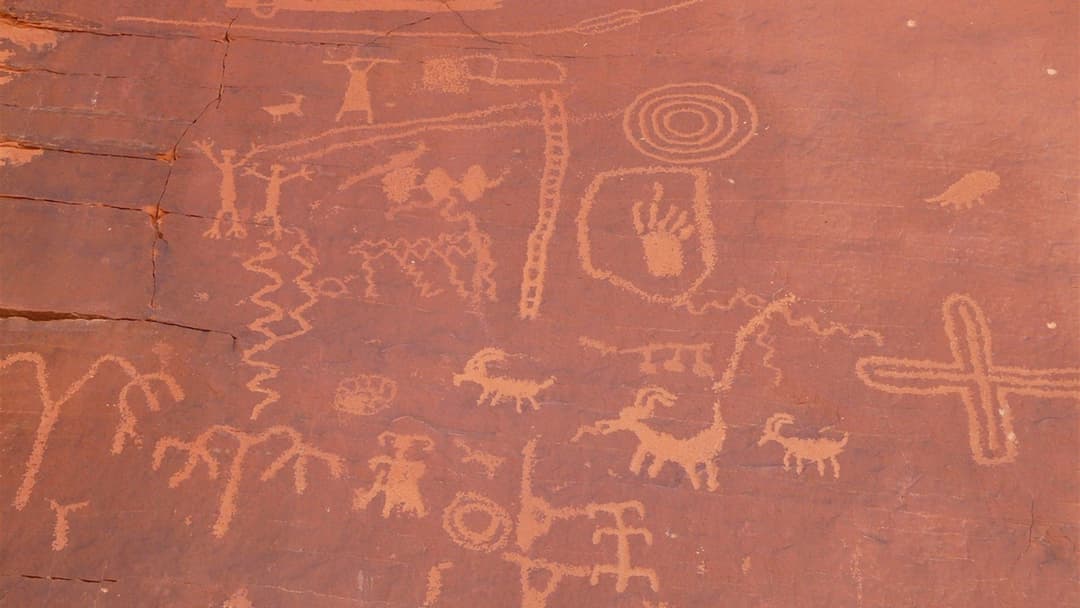
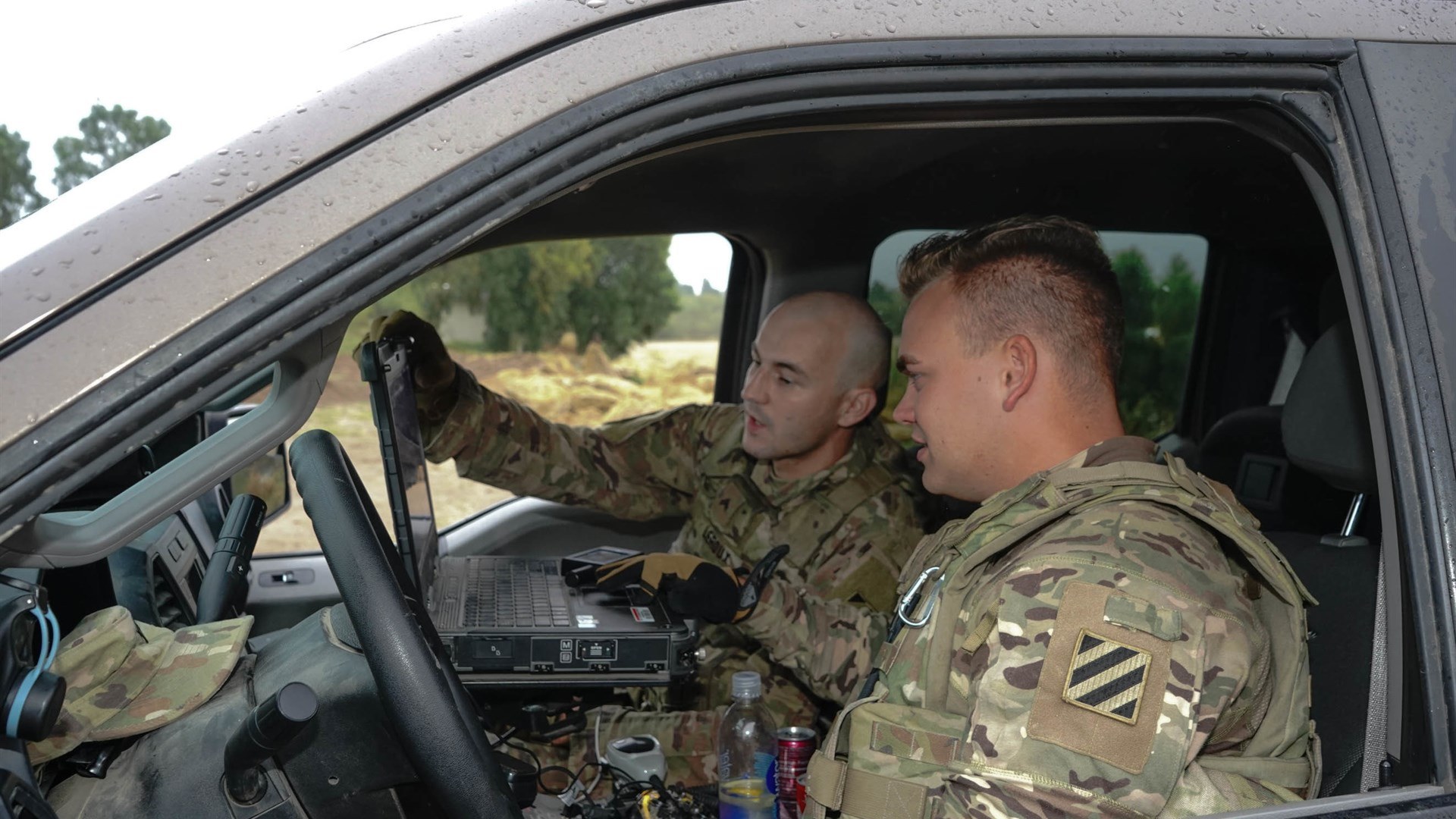
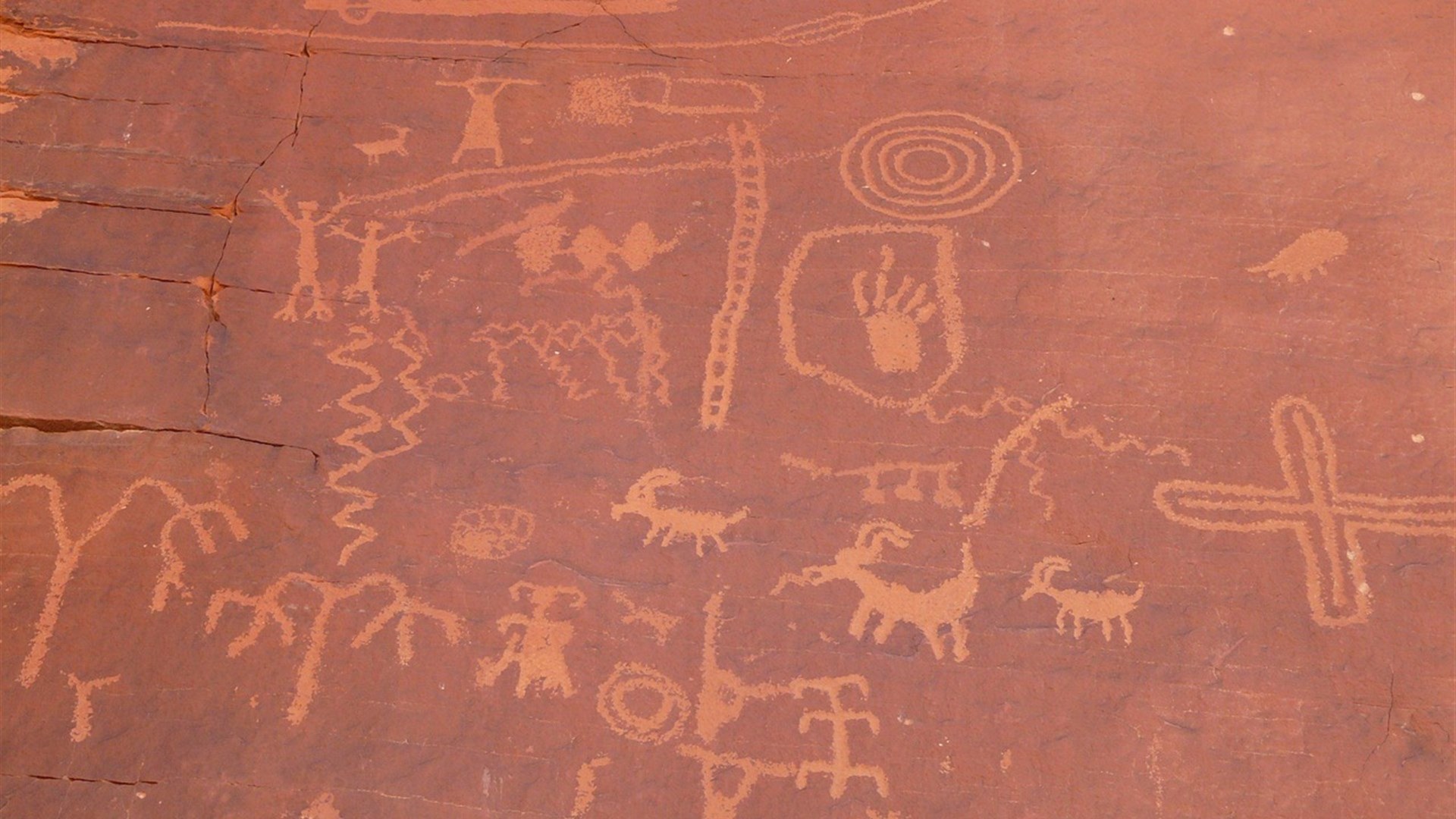
Native American tribes with historical ties to the region, including the Lipan Apache, argue that bypassing preservation statutes threatens sacred ancestral grounds. Unexcavated cultural artifacts and ancient rock art sites face irreversible damage from heavy machinery.
Industrial Interventions
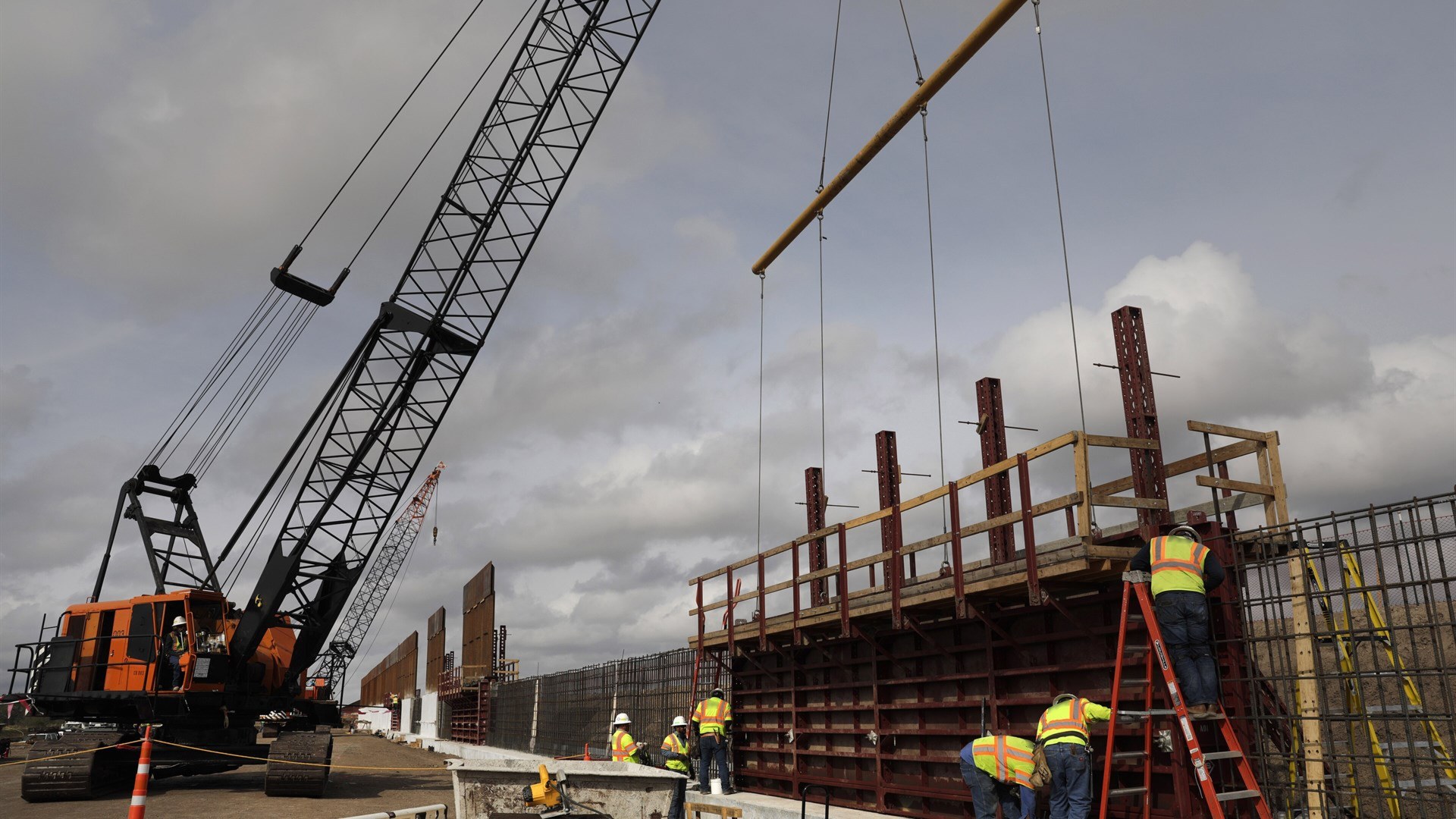
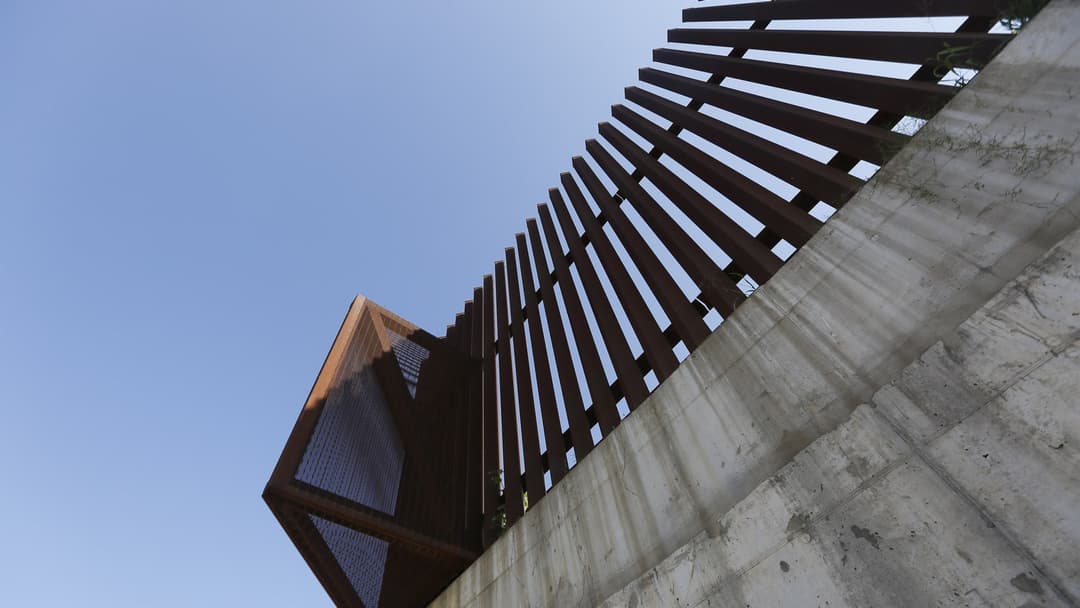
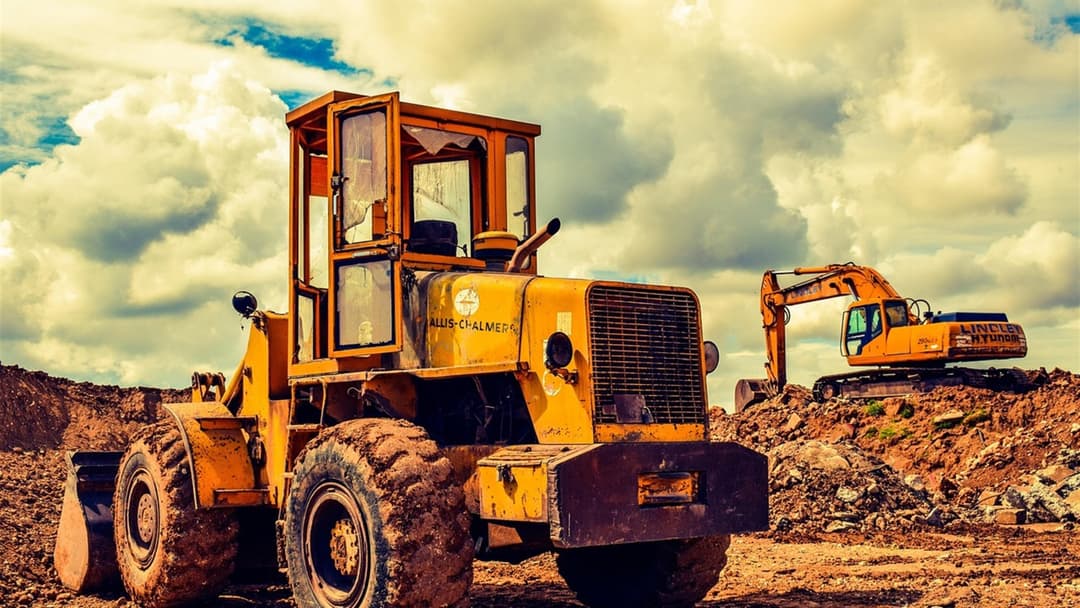
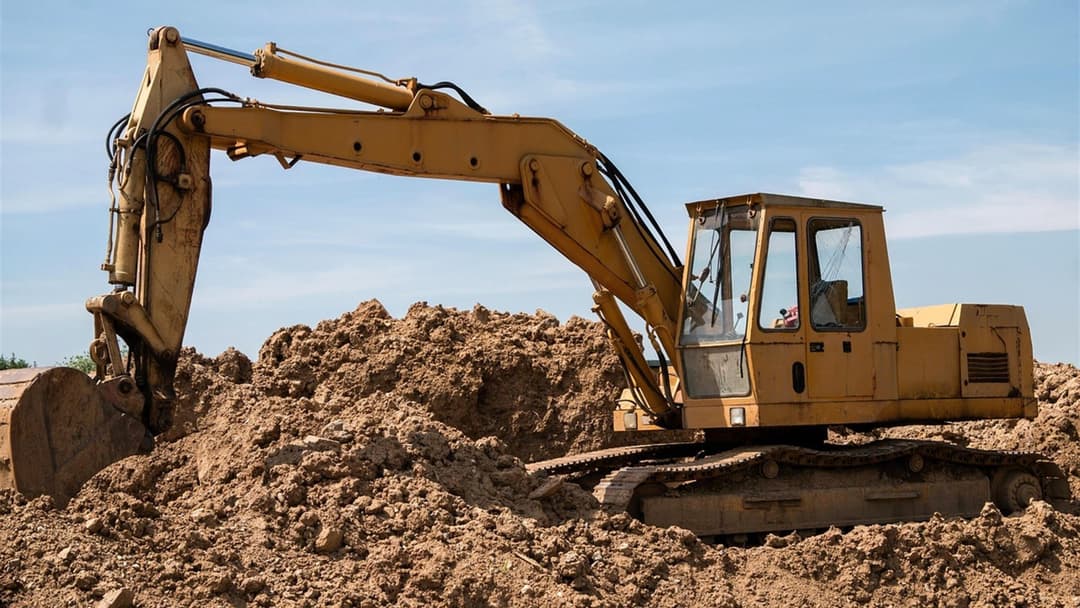
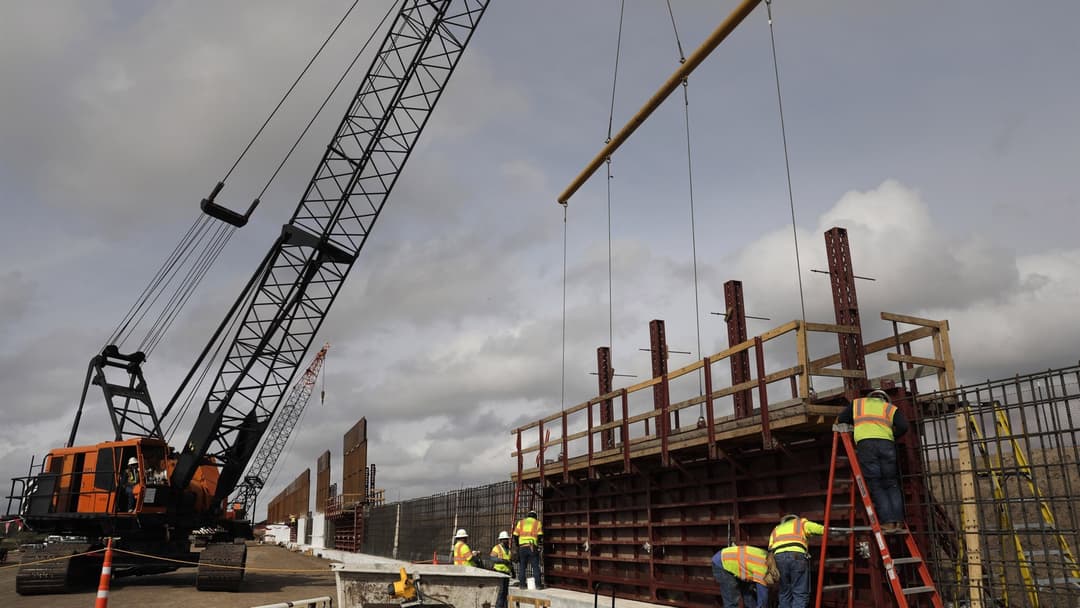
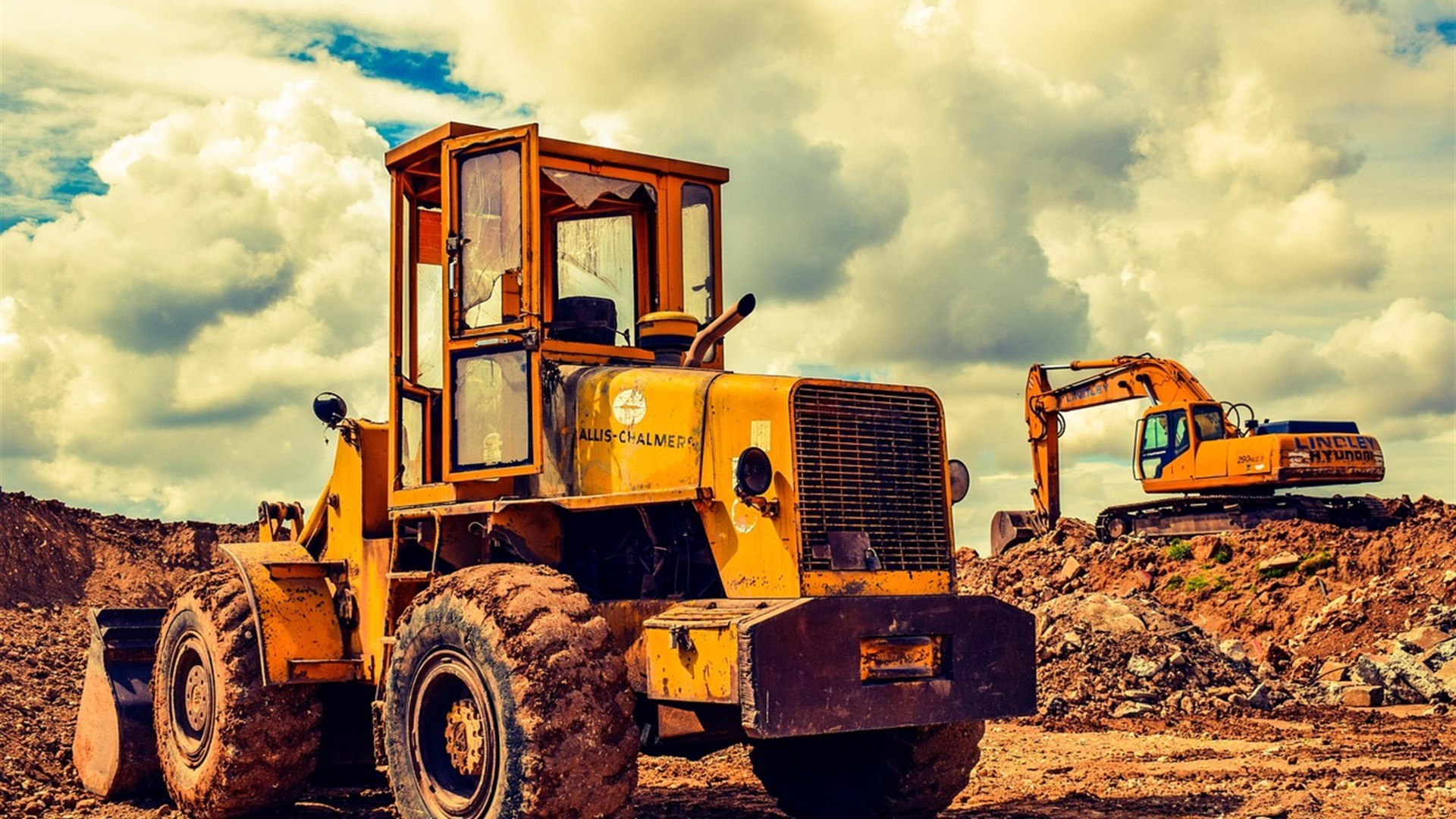
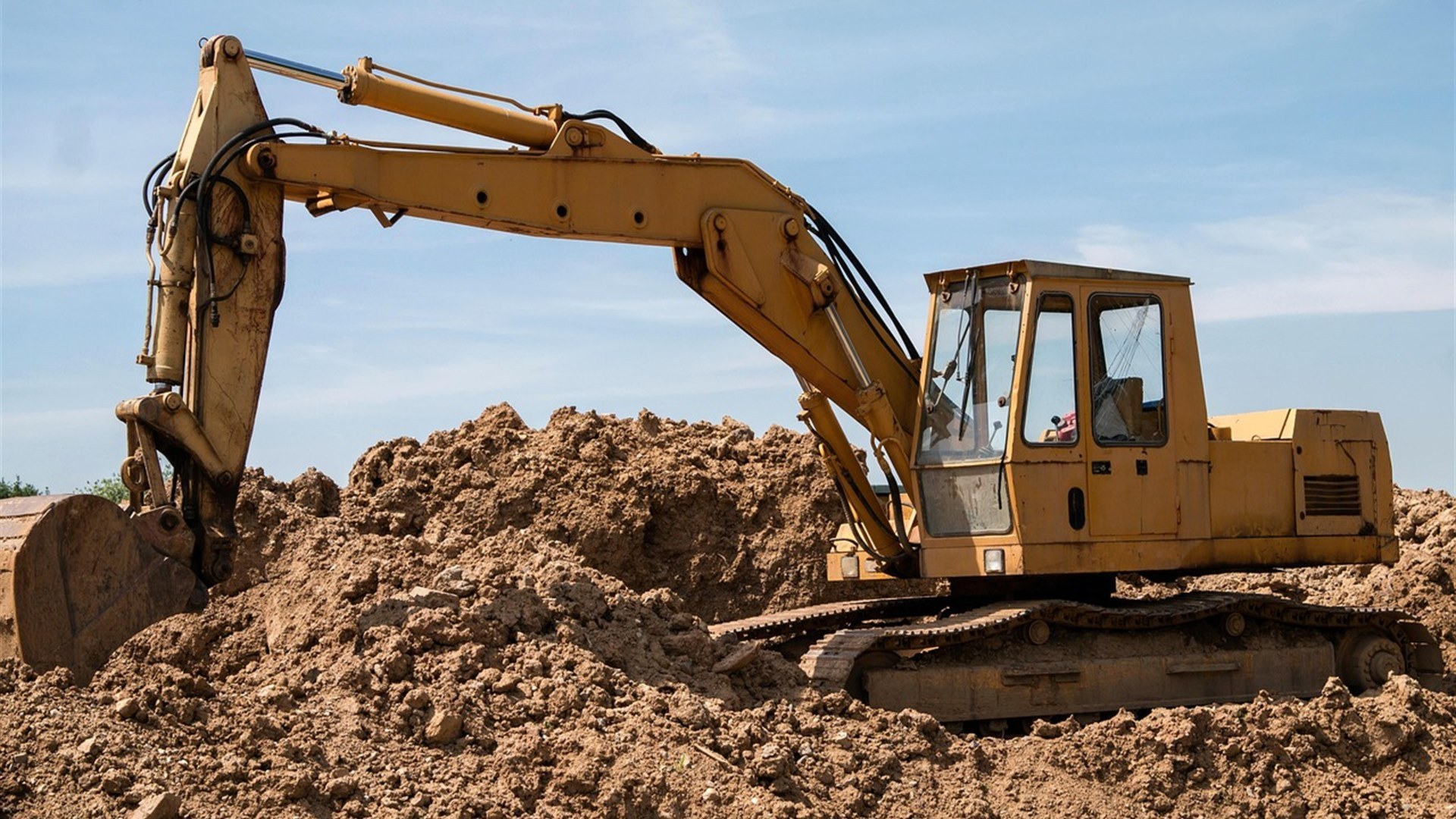
Erecting 30-foot steel bollards across desert canyons requires intensive civil engineering. Heavy bulldozers, explosive trenching, and miles of freshly graded access roads will dramatically reshape fragile limestone slopes along the river basin.
Threats To Wildlife Corridors
Biologists warn that continuous steel walls will sever vital cross-border migration routes for desert wildlife. Endangered species such as desert bighorn sheep, black bears, and mountain lions depend on unrestricted movement between mountain ranges across the Rio Grande.

Big Bend Pristine Wilderness
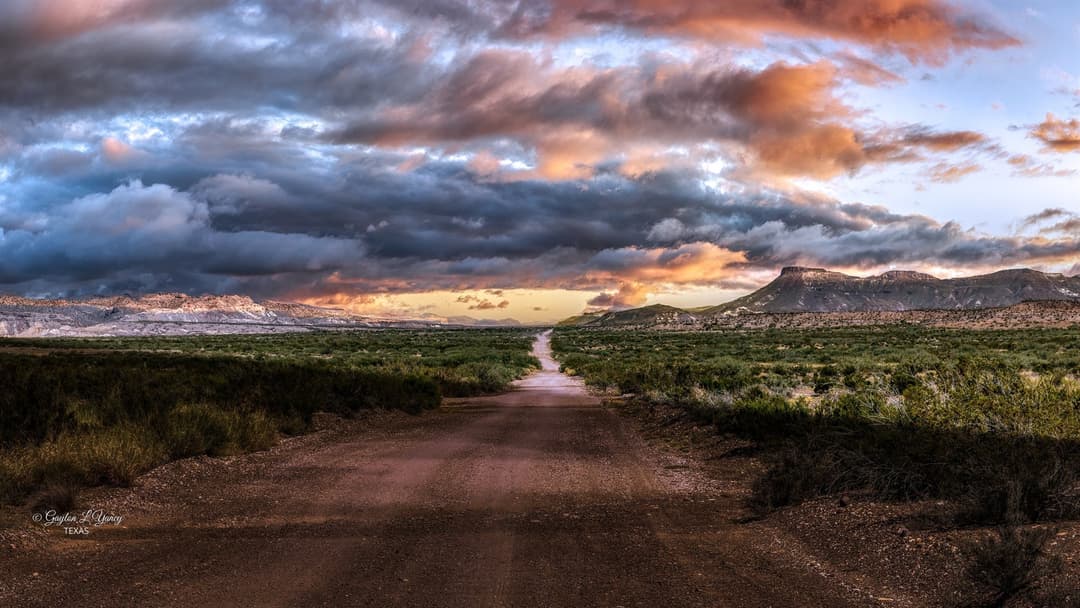
Big Bend National Park and Big Bend Ranch State Park represent some of the most pristine public lands in the United States. Conservationists emphasize that heavy infrastructure will permanently scar natural wilderness corridors cherished by park visitors.
Scale Of The Impact Zone
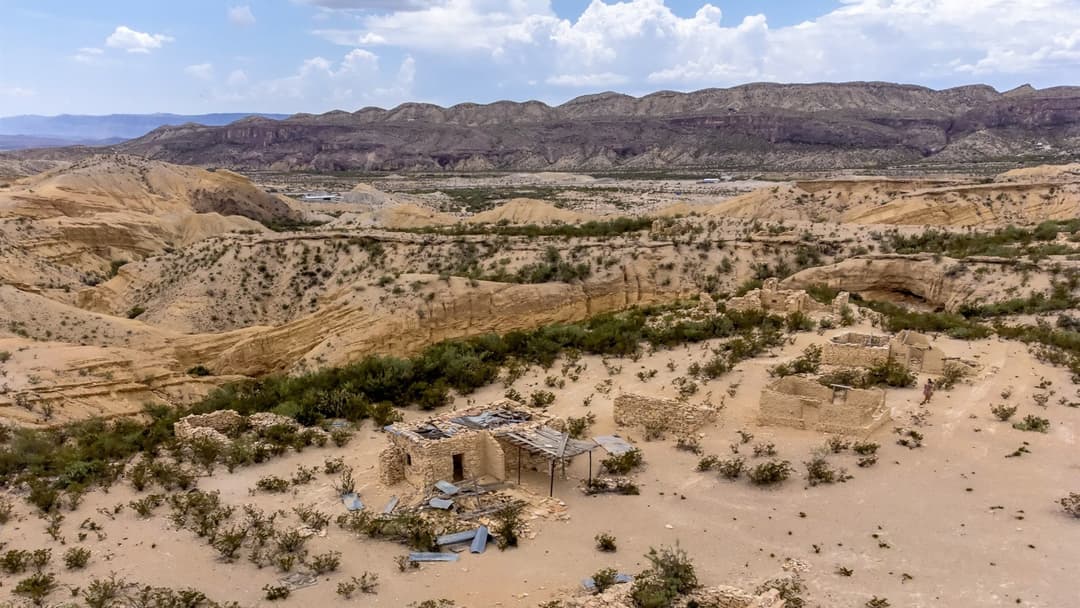
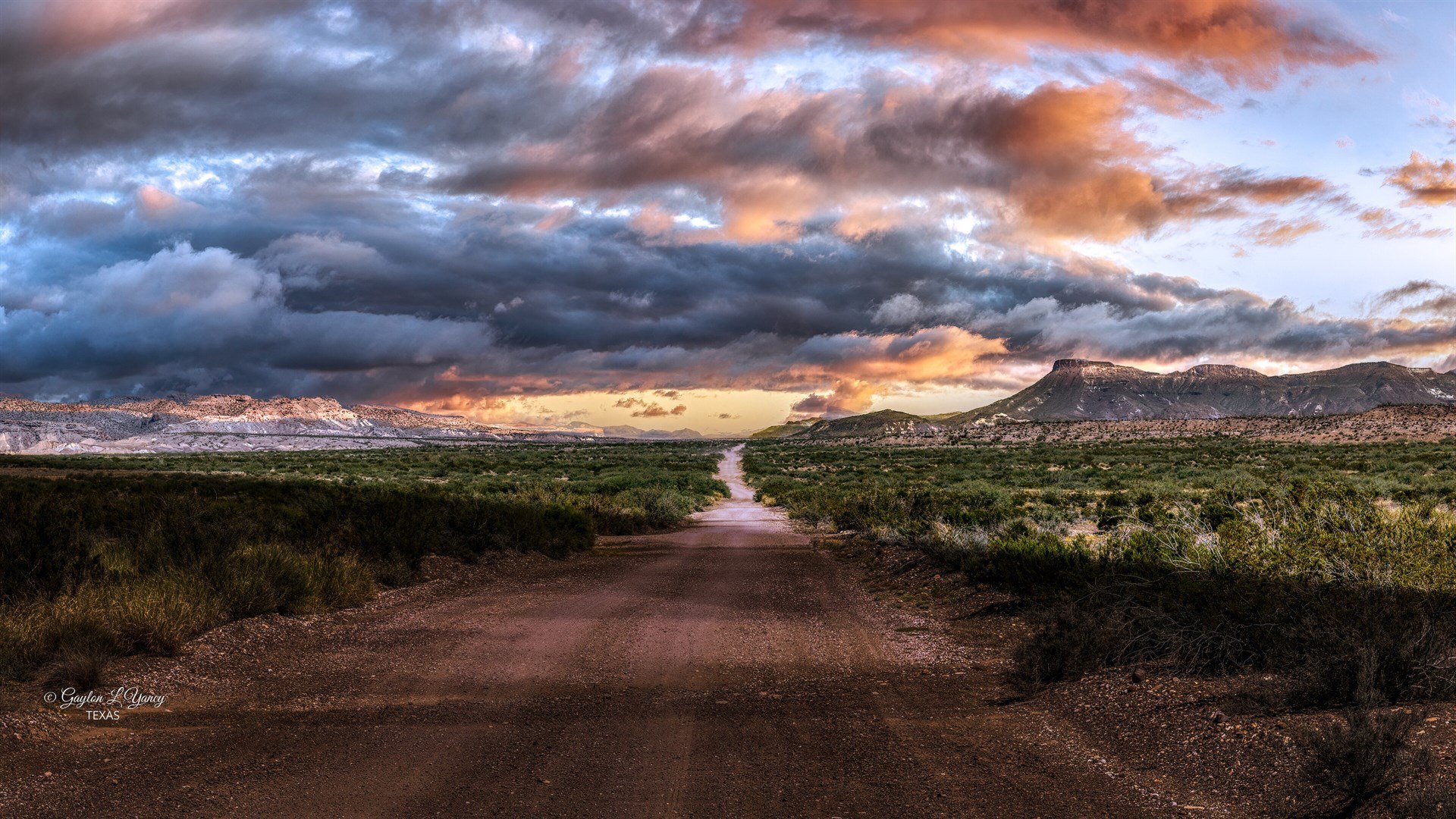
The designated Big Bend border sector spans hundreds of miles of remote Chihuahuan Desert terrain. Its sheer isolation and extreme topography make it one of the most difficult engineering environments along the international boundary.
High-Level Political Pushback
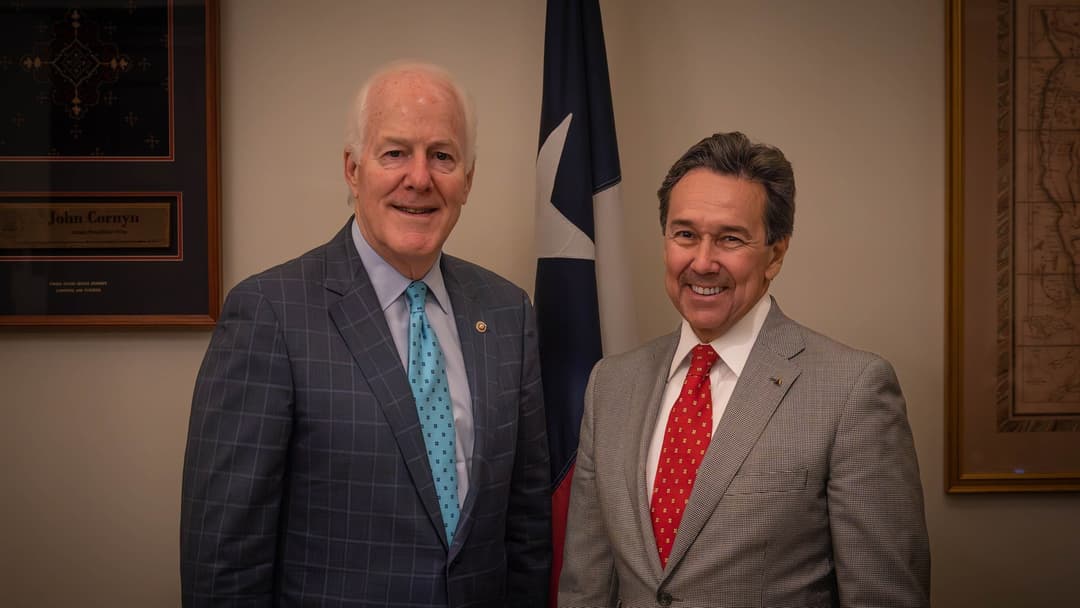
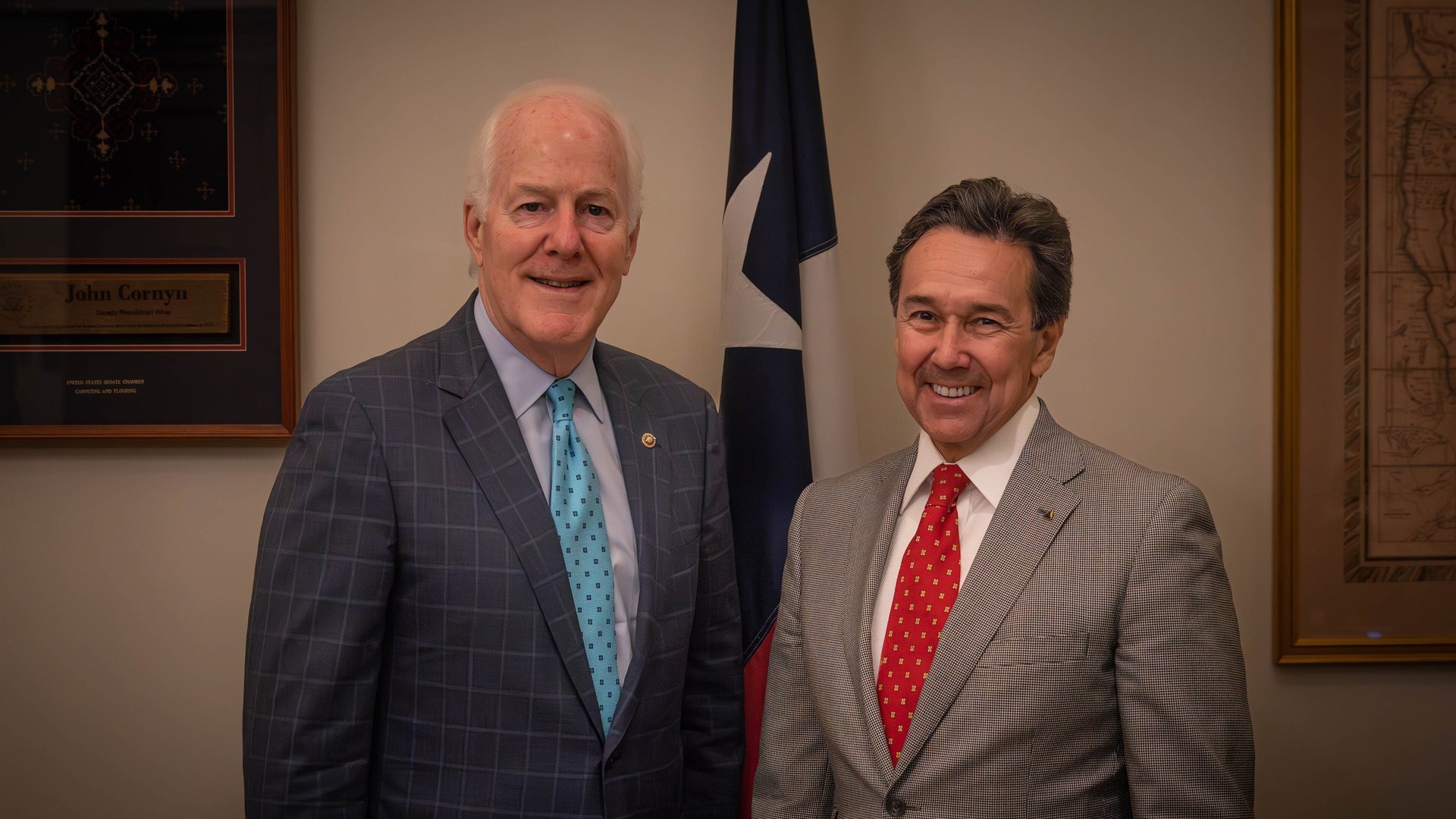
Even staunch border security proponents in Congress, including long-serving Texas lawmakers, have voiced skepticism regarding physical walls in Big Bend. Many argue that technology, sensors, and personnel are far more practical than steel bollards on cliffs.
Bipartisan Friction
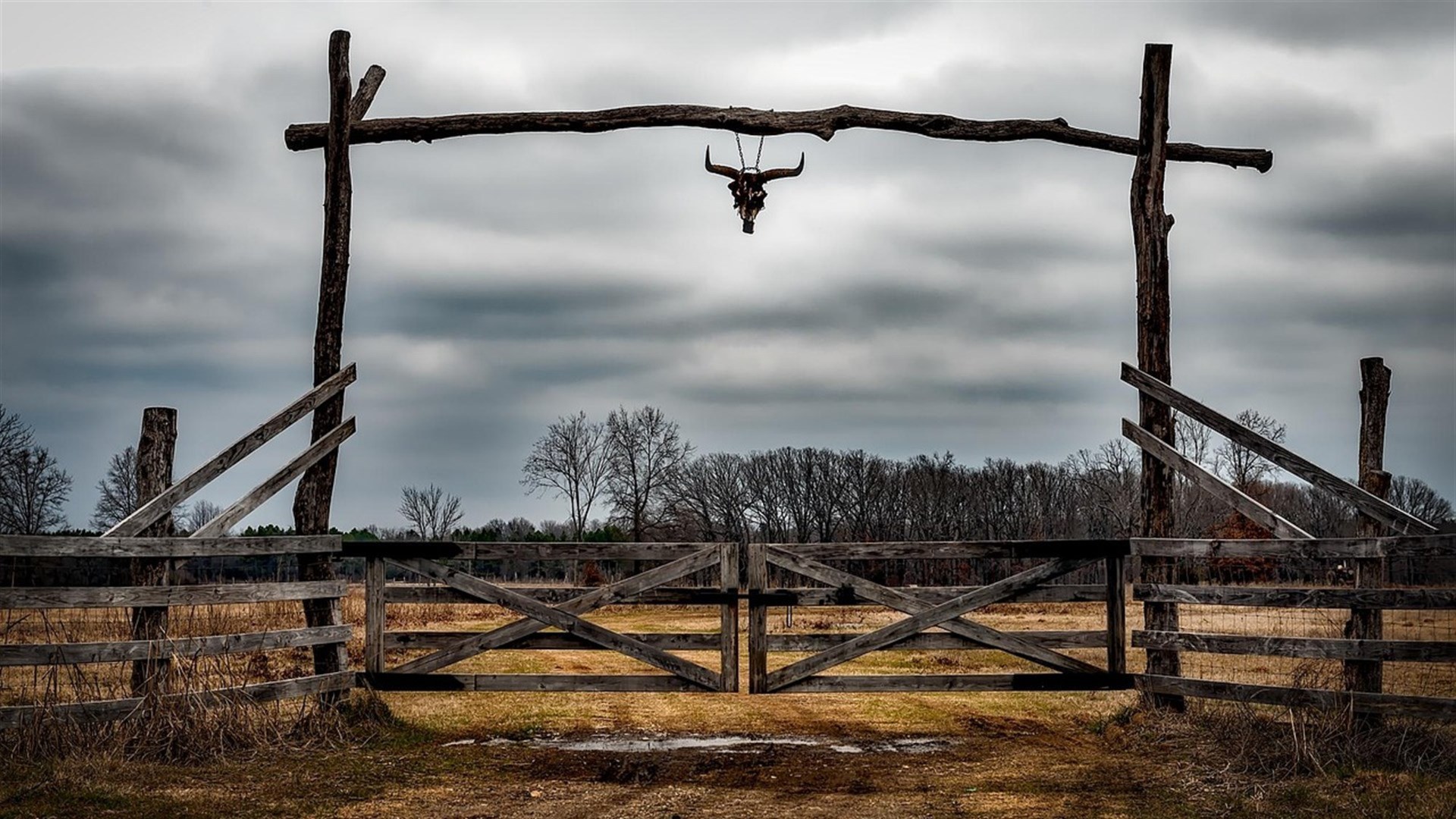
Opposition to physical walls in West Texas cuts across standard party lines. Local ranchers dependent on river access for livestock have joined forces with outdoor recreation businesses and conservation advocates to voice practical concerns about physical barriers.
High-Stakes Funding Allocation
Federal contracts for border wall construction carry strict completion deadlines and substantial standby penalties. Resuming operations prevents costly contractual default payments and ensures appropriated federal funds are committed before fiscal deadlines expire.
Defining The Border Security Agenda
Federal agencies now hold legal momentum to expedite contracted infrastructure projects without fear of immediate procedural injunctions. The decision establishes an aggressive pace for physical installations across disputed desert tracts.
First Post-Midterm Policy Test
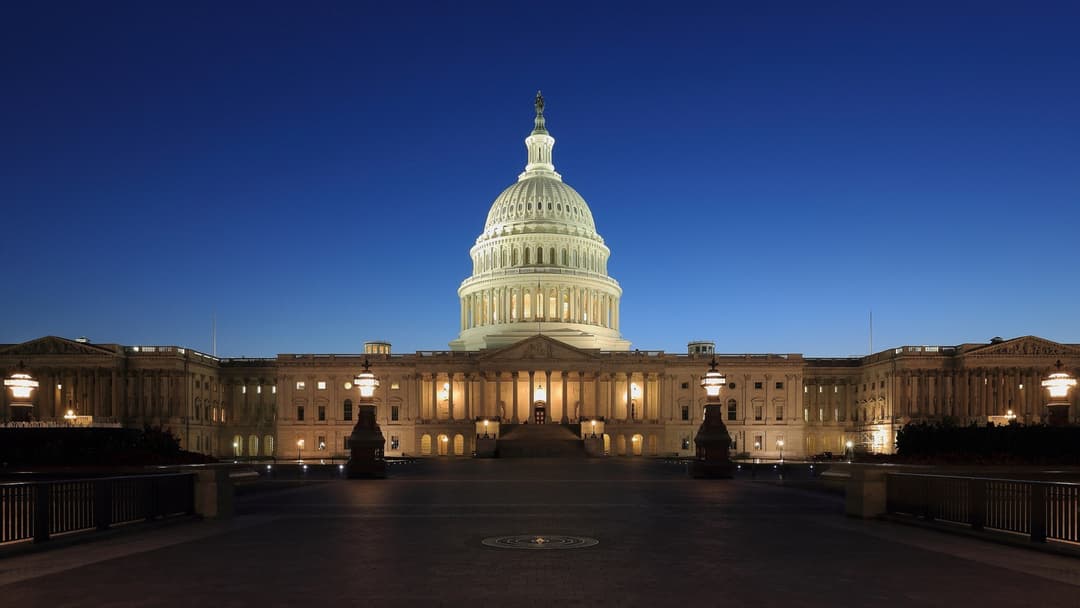
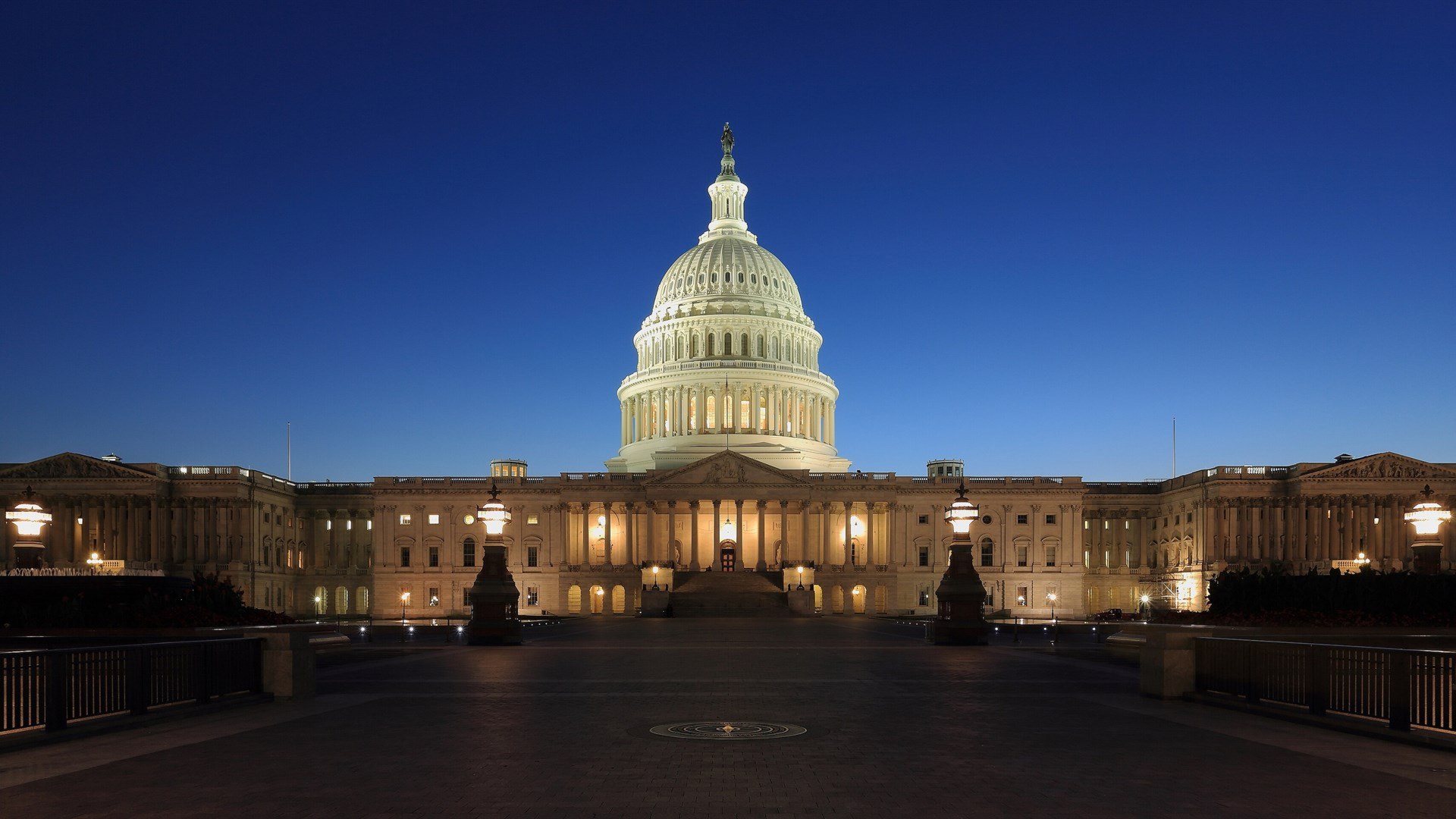
This decision serves as the first major federal legal test for executive border policy following the 2026 midterm elections. The ruling demonstrates that emergency administrative actions on national defense continue to find strong backing in the judicial branch.
Suspension Of Environmental Laws
Under federal waivers, dozens of bedrock environmental protection statutes remain sidelined across the Big Bend corridor. Projects can move forward without standard environmental impact statements, water quality assessments, or formal wildlife mitigation plans.
Validation Of Waiver Authority
The ruling affirms the sweeping authority granted to the Department of Homeland Security under the REAL ID Act of 2005. Under this law, the executive branch holds explicit authority to waive any federal law that conflicts with rapid border infrastructure installation.
Legal Battle In Lower Courts
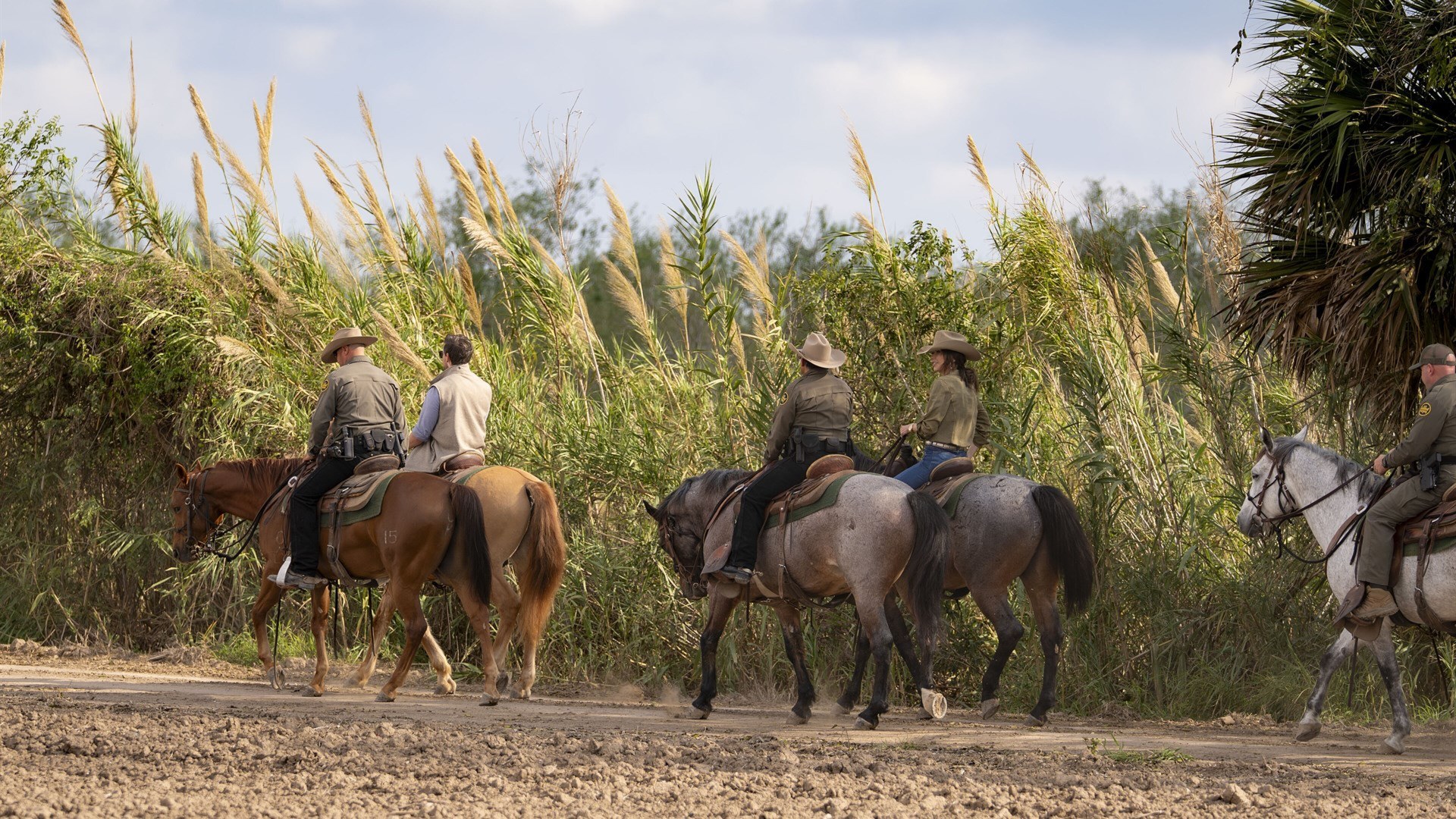
The Supreme Court ruling is an interim procedural victory rather than a final verdict on the constitutionality of the project. Construction may proceed immediately, but the broader lawsuit filed by environmental coalitions continues in federal appellate court.

Supreme Court Core Reasoning
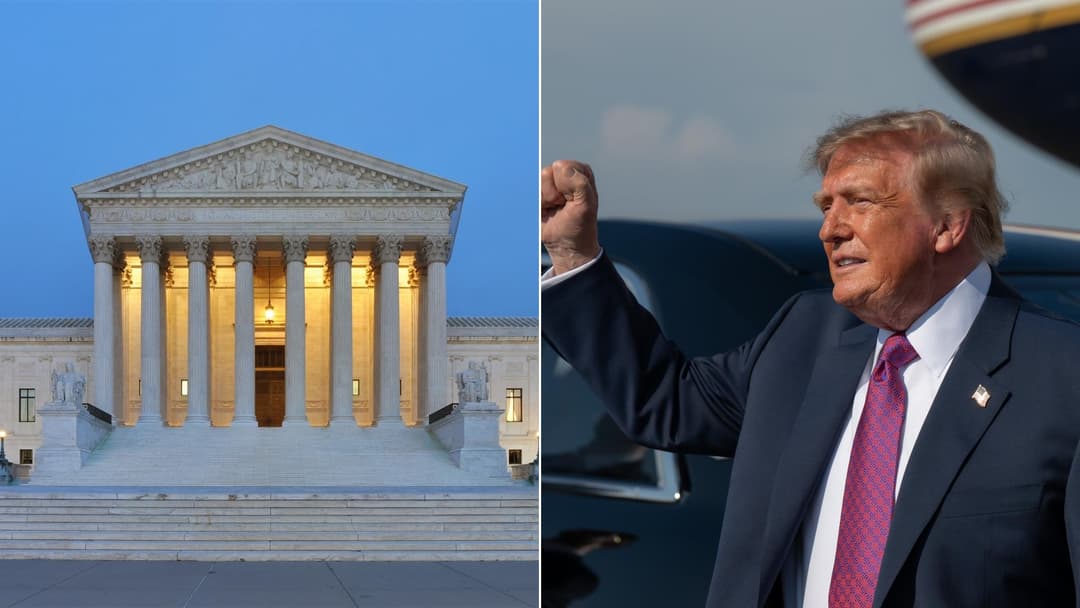
Justices concluded that federal statutes explicitly require rapid construction of border barriers along designated corridors. The majority determined that statutory mandates outweighed the specific localized environmental harms cited by legal challengers.
Executive Summary
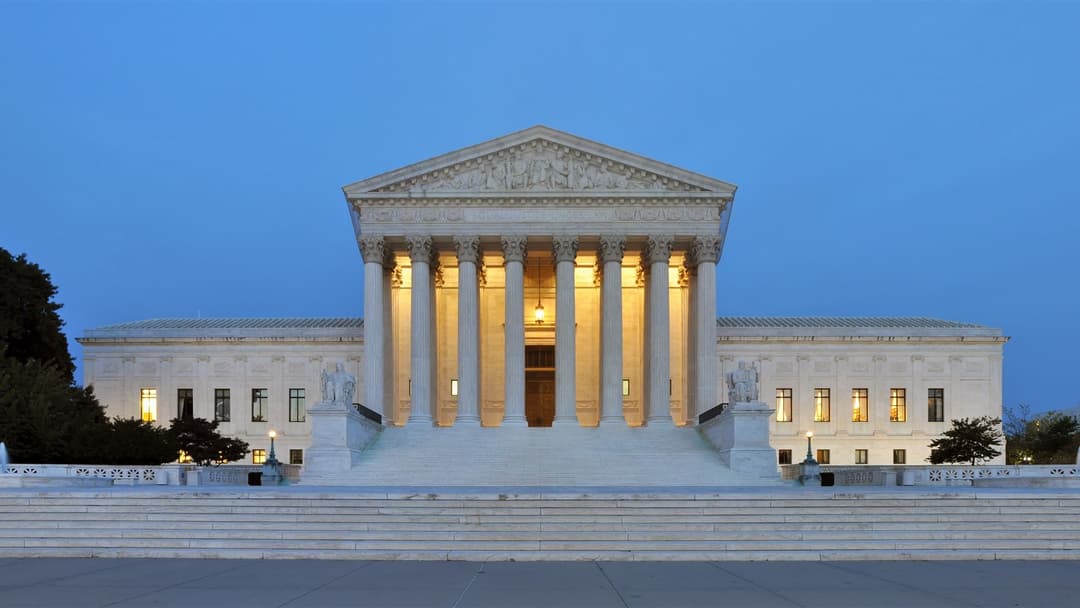
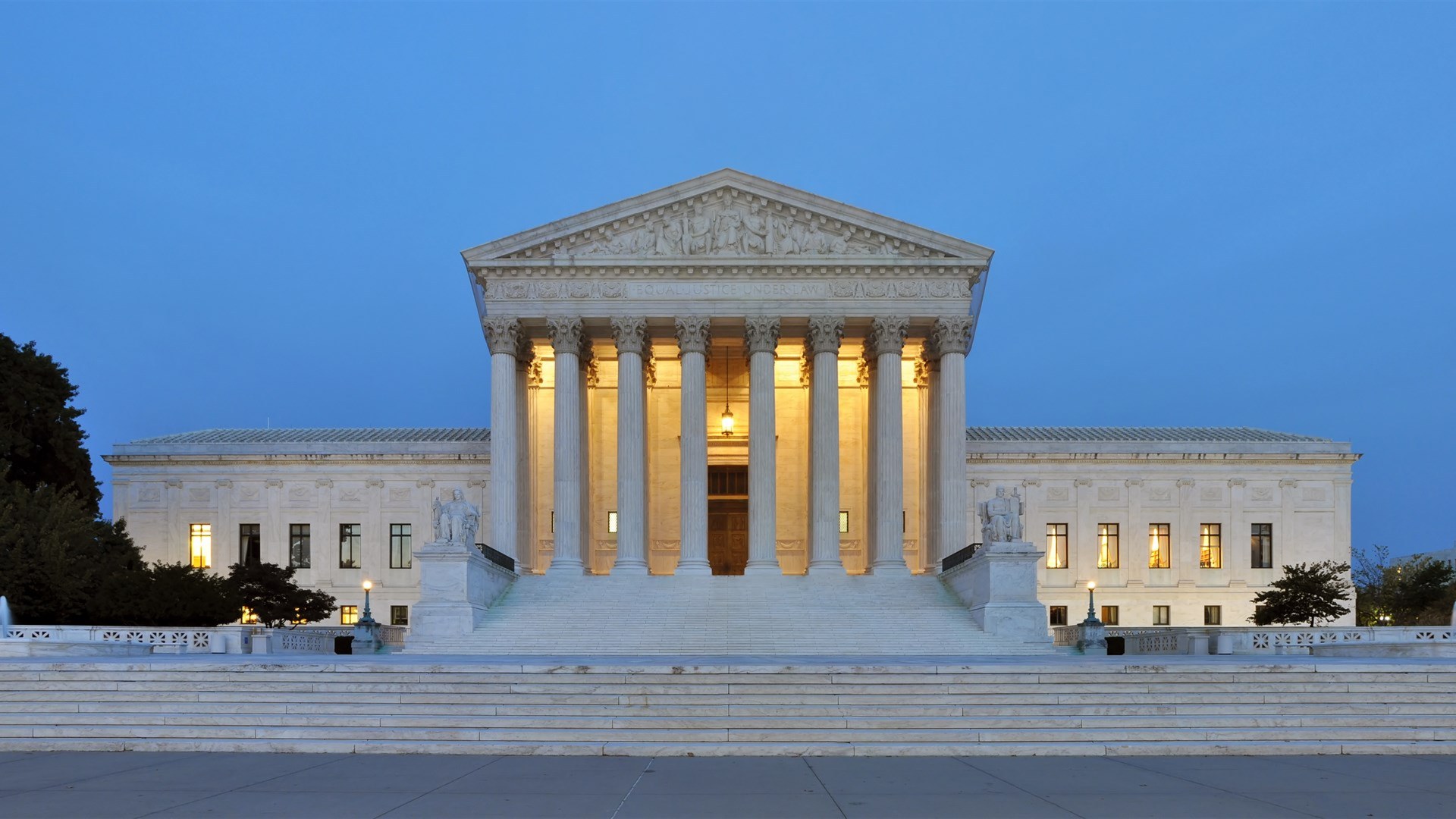
In an emergency order, the Supreme Court lifted a lower-court injunction that had halted border security construction across remote West Texas. The decision allows the federal government to resume physical barrier projects along the Rio Grande while legal challenges proceed.